ABC Family Arquivos Brasileiros de Cardiologia International Journal of Cardiovascular Sciences ABC Heart Failure & Cardiomyopathy ABC Imagem Cardiovascular
Português English
ABC Family
Português English
  • About
    • About ABC Family
    • Internal Regulation
    • Editorial Board
    • Brazilian Society of Cardiology (SBC)
  • Issues
  • SBC Guidelines
  • Content
    • Videos
    • Podcasts
    • News
  • About
    • About ABC Family
    • Internal Regulation
    • Editorial Board
    • Brazilian Society of Cardiology (SBC)
  • Issues
  • SBC Guidelines
  • Content
    • Videos
    • Podcasts
    • News

ABC Family

  • ABC Family
  • Arquivos Brasileiros de Cardiologia
  • International Journal of Cardiovascular Sciences
  • ABC Heart Failure & Cardiomyopathy
  • ABC Imagem Cardiovascular
Search in

No content found.

Journals
Ordering
Article types
Others

  1. Home
  2. Keyword: aspirin/therapeutic use
ABC
Editorial

High Residual Platelet Activity in Response to Acetylsalicylic Acid in Acute Coronary Syndrome: A New Challenge for Antiplatelet Treatment?

Dário C. Sobral Filho et al. José Gildo de Moura Monteiro Júnior

Cardiovascular diseases (CVD) are the leading cause of death in the world, with coronary heart disease being the main etiology, accounting in 2016 for 31% of global deaths. Myocardial infarction (MI) is usually due to changes in the arterial wall or thrombotic occlusion of a coronary vessel caused by the rupture of a vulnerable plaque., Instability in the atherosclerotic plaque is the result of local and systemic oxidative stress, thus leading to platelet activation and formation of aggregates in the circulation. The major function of platelets is as part of the homeostatic mechanism, halting blood loss after tissue trauma, but in oxidative conditions, they are associated with various CVD such as hypertension, heart failure, stroke, diabetes and atherosclerosis.

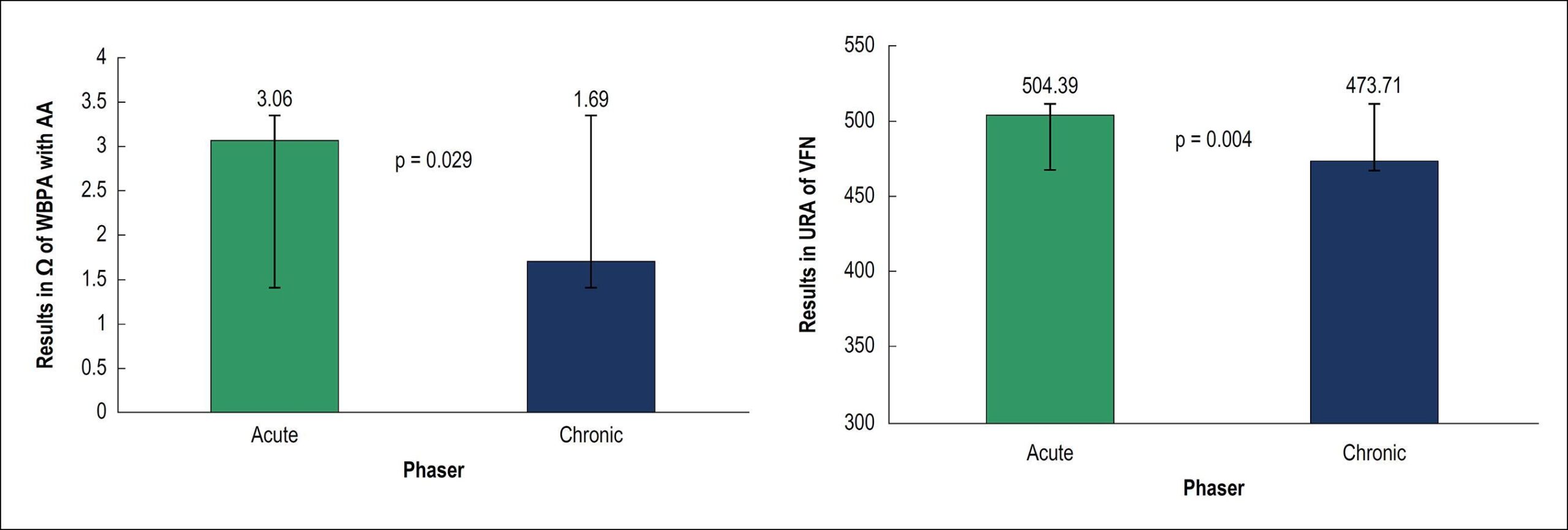
Previous studies have shown the importance of aspirin in reducing cardiovascular events in patients with coronary artery disease, hence the importance of anti-platelet aggregation in acute and chronic coronary syndromes.– However, in this issue of the Arquivos Brasileiros de Cardiologia, Dracoulakis et al. demonstrate the high residual variability in response to aspirin in patients with non-ST-elevation acute coronary syndrome, comparing acute and late phases, correlating with laboratory evaluation tests of platelet aggregation and the variation of inflammatory markers (C-reactive protein and interleukin-6). In this study, the authors demonstrate statistically significant differences in response to aspirin during the acute and late phases of acute coronary disease.

[…]

  • Acute coronary syndrome
  • aspirin/therapeutic use
  • Oxidative Stress
  • Plaque, Atherosclerosis
  • Platelet Aggregation Inhibitors
Read Full Article
Creative Commons Attribution (CC BY) Creative Commons license
10/10/2019 DOI: 10.5935/abc.20190199
Figure 1
ABC
Original Article

High Residual Platelet Reactivity during Aspirin Therapy in Patients with Non-St Segment Elevation Acute Coronary Syndrome: Comparison Between Initial and Late Phases

Marianna Deway Andrade Dracoulakis et al. Paul Gurbel Marco Cattaneo Herlon Saraiva Martins … José Carlos Nicolau Roberto Kalil Filho

Abstract

Background:

High platelet reactivity (HPR) during therapy with acetylsalicylic acid (ASA) is a poor prognostic factor in acute coronary syndromes (ACS). The prevalence of HPR during ACS is greater than that reported in stable diseases. However, it is unclear whether this prevalence of HPR is a transient phenomenon or a characteristic of this high-risk population.

Objective:

The main objective is to compare the effects of ASA on platelet function in the initial and late phases of ACS in a single population. Secondary objectives are: correlation between the tests between themselves and the relationship between the tests and the variation of the inflammatory markers (C-reactive protein and interleukin-6).

Methods:

Seventy patients with non-ST segment elevation (NSTE) ACS in use of 100-200 mg of ASA per day for at least 7 days were prospectively studied. Platelet function was assessed in the first 48 hours and subsequently after 3 months using four methods: VerifyNow™ (VFN), whole blood platelet aggregation (WBPA) with arachidonic acid (AA) and collagen as agonists, and platelet function analyzer (PFA). The level of statistical significance considered was < 0.05.

Results:

According to the more specific methods (WBPA with AA and VFN), the incidence of HPR was significantly higher in the early phase than in the late phase: WBPA with AA: 31% versus 13%, p = 0.015; VFN: 32% versus 16%, p = 0.049. The other methods tested, which were less specific for ASA, did not show significant differences between phases. The correlation between the methods was weak or moderate (r ranging from 0.3 to 0.5, p < 0.05), and there were no significant associations between HPR and inflammatory markers.

Conclusion:

The prevalence of HPR during AAS therapy, assessed by specific methods for cyclooxygenase 1 (COX-1), is higher during the acute phase than in the late phase of NSTE ACS.

  • Acute coronary syndrome
  • Aged
  • Aspirin/adverse effects
  • aspirin/therapeutic use
  • Myocardial Ischemia
  • Platelet Aggregation/drug effects
Read Full Article
Creative Commons Attribution (CC BY) Creative Commons license
15/08/2019 DOI: 10.5935/abc.20190146 Views 1

How to cite this article

EndNote RIS

Electronic Document Format (Vancouver)

Sobral Filho DC, Monteiro Júnior JGM. High Residual Platelet Activity in Response to Acetylsalicylic Acid in Acute Coronary Syndrome: A New Challenge for Antiplatelet Treatment?. Arquivos Brasileiros de Cardiologia 2019;113(3):364-6.

Electronic Document Format (ABNT)

Sobral Filho, Dário C.; Monteiro Júnior, José Gildo de Moura. High Residual Platelet Activity in Response to Acetylsalicylic Acid in Acute Coronary Syndrome: A New Challenge for Antiplatelet Treatment?. Arquivos Brasileiros de Cardiologia, v. 113, n. 3, p. 364-366, Oct. 2019.

Electronic Document Format (APA)

Sobral Filho, D. C., & Monteiro Júnior, J. G. M. (2019). High Residual Platelet Activity in Response to Acetylsalicylic Acid in Acute Coronary Syndrome: A New Challenge for Antiplatelet Treatment?. Arquivos Brasileiros de Cardiologia, 113(3), 364-366.

Electronic Document Format (ISO)

Sobral Filho, Dário C. and Monteiro Júnior, José Gildo de Moura. High Residual Platelet Activity in Response to Acetylsalicylic Acid in Acute Coronary Syndrome: A New Challenge for Antiplatelet Treatment?. Arquivos Brasileiros de Cardiologia [online]. 2019, vol. 113, n. 3, [cited 2026-10-14], pp. 364-366. Available from: <https://journals.cardiol.br/en/article/high-residual-platelet-activity-in-response-to-acetylsalicylic-acid-in-acute-coronary-syndrome-a-new-challenge-for-antiplatelet-treatment/>. ISSN 0066-782X

EndNote RIS

Electronic Document Format (Vancouver)

Dracoulakis MDA, Gurbel P, Cattaneo M, Martins HS, Nicolau JC, Kalil Filho R. High Residual Platelet Reactivity during Aspirin Therapy in Patients with Non-St Segment Elevation Acute Coronary Syndrome: Comparison Between Initial and Late Phases. Arquivos Brasileiros de Cardiologia 2019;113(3):357-63.

Electronic Document Format (ABNT)

Dracoulakis, Marianna Deway Andrade; Gurbel, Paul; Cattaneo, Marco; Martins, Herlon Saraiva; Nicolau, José Carlos; Kalil Filho, Roberto. High Residual Platelet Reactivity during Aspirin Therapy in Patients with Non-St Segment Elevation Acute Coronary Syndrome: Comparison Between Initial and Late Phases. Arquivos Brasileiros de Cardiologia, v. 113, n. 3, p. 357-363, Aug. 2019.

Electronic Document Format (APA)

Dracoulakis, M. D. A., Gurbel, P., Cattaneo, M., Martins, H. S., Nicolau, J. C., & Kalil Filho, R. (2019). High Residual Platelet Reactivity during Aspirin Therapy in Patients with Non-St Segment Elevation Acute Coronary Syndrome: Comparison Between Initial and Late Phases. Arquivos Brasileiros de Cardiologia, 113(3), 357-363.

Electronic Document Format (ISO)

Dracoulakis, Marianna Deway Andrade and Gurbel, Paul and Cattaneo, Marco and Martins, Herlon Saraiva and Nicolau, José Carlos and Kalil Filho, Roberto. High Residual Platelet Reactivity during Aspirin Therapy in Patients with Non-St Segment Elevation Acute Coronary Syndrome: Comparison Between Initial and Late Phases. Arquivos Brasileiros de Cardiologia [online]. 2019, vol. 113, n. 3, [cited 2026-10-14], pp. 357-363. Available from: <https://journals.cardiol.br/en/article/high-residual-platelet-reactivity-during-aspirin-therapy-in-patients-with-non-st-segment-elevation-acute-coronary-syndrome-comparison-between-initial-and-late-phases/>. ISSN 0066-782X

  • About ABC Family
  • Internal Regulation
  • Editorial Board
  • Brazilian Society of Cardiology (SBC)

Issues

SBC Guidelines

  • Videos
  • Podcasts
  • News