ABC Family Arquivos Brasileiros de Cardiologia International Journal of Cardiovascular Sciences ABC Heart Failure & Cardiomyopathy ABC Imagem Cardiovascular
Português English
ABC Family
Português English
  • About
    • About ABC Family
    • Internal Regulation
    • Editorial Board
    • Brazilian Society of Cardiology (SBC)
  • Issues
  • SBC Guidelines
  • Content
    • Videos
    • Podcasts
    • News
  • About
    • About ABC Family
    • Internal Regulation
    • Editorial Board
    • Brazilian Society of Cardiology (SBC)
  • Issues
  • SBC Guidelines
  • Content
    • Videos
    • Podcasts
    • News

ABC Family

  • ABC Family
  • Arquivos Brasileiros de Cardiologia
  • International Journal of Cardiovascular Sciences
  • ABC Heart Failure & Cardiomyopathy
  • ABC Imagem Cardiovascular
Search in

No content found.

Journals
Ordering
Article types
Others

  1. Home
  2. Keyword: Body Weights and Measures
Figure 1
ABC
Original Article

Angiotensin Receptor Blockers Evaluated by Office and Home Blood Pressure Measurements. TeleHBPM Study

Weimar Kunz Sebba Barroso et al. Andréa Araujo Brandão Priscila Valverde de Oliveira Vitorino Audes Diógenes de Magalhães Feitosa … Eduardo Costa Duarte Barbosa Roberto Dischinger Miranda Josep Redon Miguel Camafort-Babkowski Antonio Coca Marco Antônio Mota Gomes

Abstract

Background

Adequate treatment of arterial hypertension and achieving arterial hypertension goals in are important in reducing cardiovascular outcomes.

Objectives

To describe angiotensin receptor blockers in monotherapy or double combination therapy and the rate of arterial hypertension control.

Methods

This cross-sectional study evaluated patients who were using angiotensin receptor blockers between 2017 and 2020. Those using three or more antihypertensive drugs were excluded. The analyzed variables included sex, age, body mass index, valid home blood pressure monitoring (HBPM) measurements, casual and HBPM systolic and diastolic blood pressure measurements, blood pressure variability, and antihypertensive and angiotensin receptor blocker class. Paired t, chi-square, and Fisher’s exact tests were used, as well as overlapping 95% confidence intervals and a significance level of 5% (p < 0.05).

Results

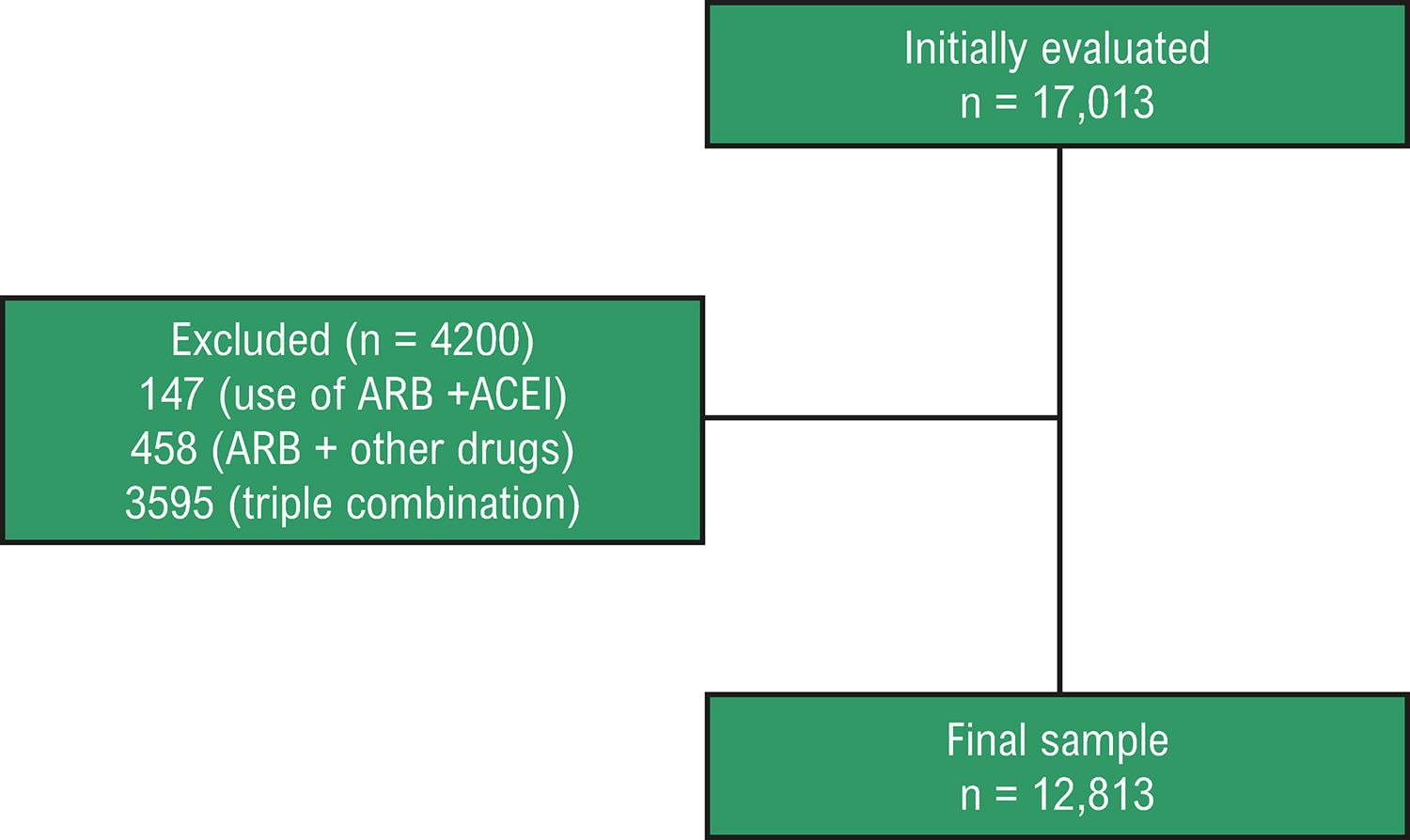
Of 17,013 patients, 12,813 met the inclusion criteria, 62.1% of whom were female. The mean number of valid measurements was 23.3 (SD, 2.0). The mean HBPM and casual measurements for systolic blood pressure were 126.8 (SD, 15.8) mmHg and 133.5 (SD, 20.1) mmHg (p <0.001), respectively, while those for diastolic blood pressure were 79.1 (SD, 9.7 mmHg) and 83.6 (SD, 11.9) mmHg (p <0.001), respectively. Losartan was the most common angiotensin receptor blocker and resulted in the highest blood pressure values. Combinations of angiotensin receptor blockers with diuretics or calcium channel antagonists resulted in lower blood pressure values.

Conclusions

More than half of the patients used losartan, although it was the least efficient drug for reducing and controlling blood pressure.
  • age
  • Angiotensin II Type 1 Receptor Blockers
  • Antihypertensive Agents/therapeutic use
  • Body Weights and Measures
  • Hypertension
  • Losartana
  • Sex
Read Full Article
Creative Commons Attribution (CC BY) Creative Commons license
09/05/2022 DOI: 10.36660/abc.20210504 Views 1
ABC
Editorial

Waist Circumference: A Simple Measure for Childhood Obesity?

Luciana Nicolau Aranha et al. Gláucia Maria Moraes de Oliveira

Childhood obesity has been increasing all over the world and considered one of the major challenges in public health. The prevalence increased from less than 1% in 1975 to 5.6% and 7.8% among girls and boys, respectively, in 2016. No less worrying are the recent data from the Brazilian Institute of Geography and Statistics (IBGE) showing that in 2008-2009, 51.4% of boys and 43.8% of girls aged between 5 and 9 years were overweight or obese.

Obese children and adolescents are five times more likely to become obese adults. Besides, childhood obesity has been associated with hypertension, insulin resistance, diabetes mellitus, dyslipidemia, and increased morbidity and mortality in adult life. Therefore, it is important to screen for excess body fat in this population and create strategies to prevent the development of chronic diseases in the future.

[…]

  • Adolescent
  • Body Weights and Measures
  • Child
  • Overweight
  • Pediatric Obesity
  • Risk Factors
Read Full Article
Creative Commons Attribution (CC BY) Creative Commons license
06/04/2020 DOI: 10.36660/abc.20200031 Views 1
Figure 1
ABC
Original Article

Stress and Food Consumption Relationship in Hypertensive Patients

Aline Lopes Dalmazo et al. Claudia Fetter Silvia Goldmeier Maria Claudia Irigoyen … Lucia Campos Pellanda Eduardo Costa Duarte Barbosa Thais Rodrigues Moreira Denise Ruttke Dillenburg Osório

Abstract

Background:

Stress is a state of threat to the balance of the organism, which can cause biological and psychological changes. In hypertensive patients, stress can interfere with blood pressure levels, influence on food choices and neglect of the diet.

Objective:

This study aims to describe the relationship between stress and dietary intake of hypertensive patients.

Methods:

A transversal study was carried out at the Arterial Hypertension Clinic of the Cardiology Institute of Rio Grande do Sul, Brazil. The participants were aged ≥ 18 years and hypertensive. Blood pressure, food consumption and anthropometric measurements were collected. The variables related to stress were evaluated by the Lipp’s Stress Symptoms Inventory (LSSI) for adults. Significance level of 5% has been considered for all analyzed data.

Results:

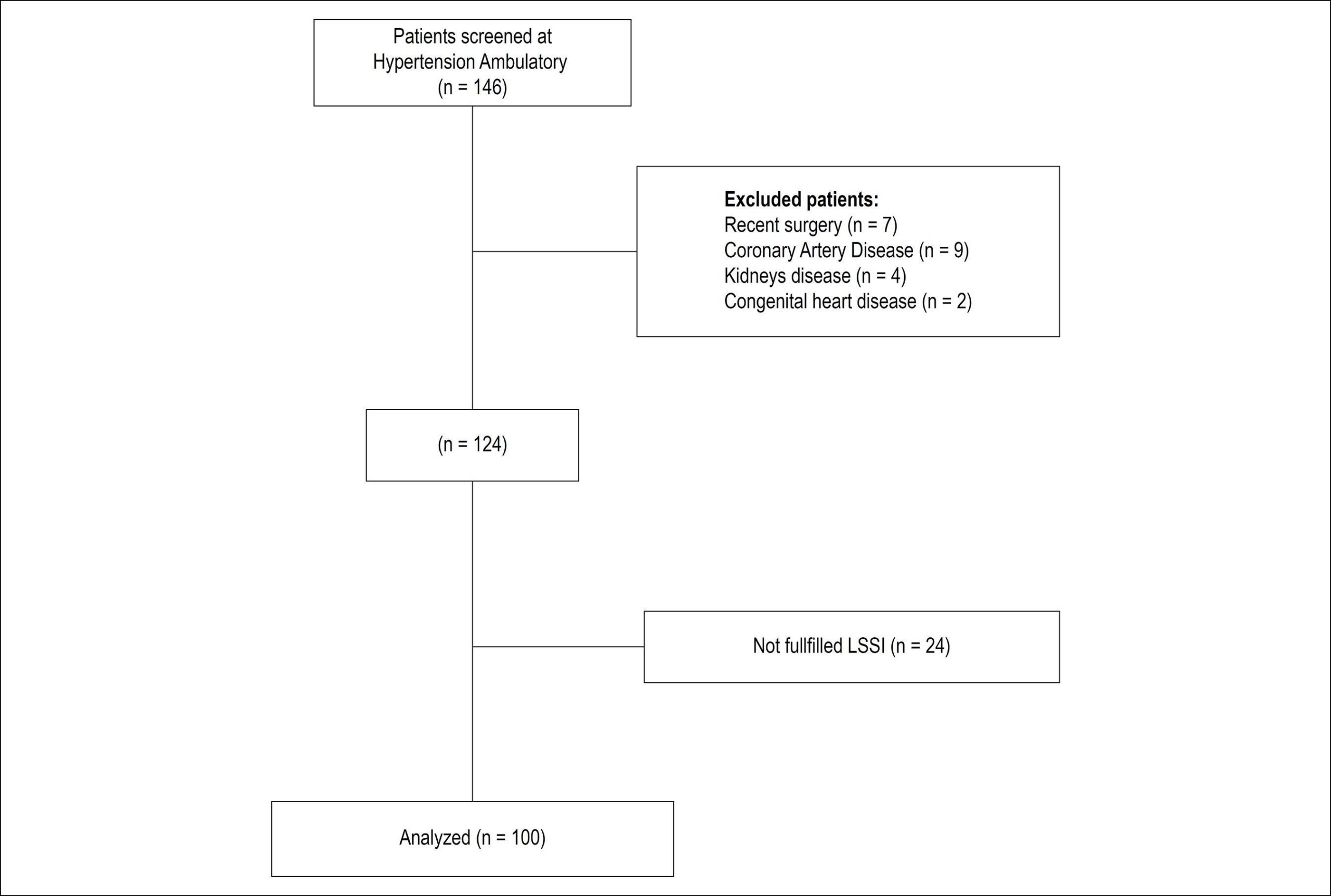
The number of participants was 100. There was a higher prevalence of the female sex (67%), the mean age of the study population was 55.87 ± 12.55 years. Among the participants, 86% were classified in some of the stress phases, on which 57% were in the resistance phase. It was observed that there was no correlation between the presence of stress (as well as their actions), pressure levels and food consumption. The consumption of foods rich in lipids and individuals with a prevalence of psychological symptoms of stress displayed a significant association.

Conclusions:

Rich in fat dietary has been the first choice in patients with psychological symptoms of stress. Further studies regarding remodeled dietary intake and blood pressure levels in relation to the stress phases are suggested. These findings are important to contribute to the development of prevention and treatment strategies for cardiovascular diseases.

  • Body Weights and Measures
  • Dietary Fats/metabolismo
  • Food Consumption
  • Hypertension
  • Metabolism
  • Stress, Physiological
Read Full Article
Creative Commons Attribution (CC BY) Creative Commons license
02/09/2019 DOI: 10.5935/abc.20190175 Views 1
Figure 1
IJCS
Review Article

Predictors of Metabolic Syndrome in the Elderly: A Review

Carolina Cunha de Oliveira et al. Emanuelle Dias da Costa Anna Karla Carneiro Roriz Lilian Barbosa Ramos Mansueto Gomes Neto

Abstract

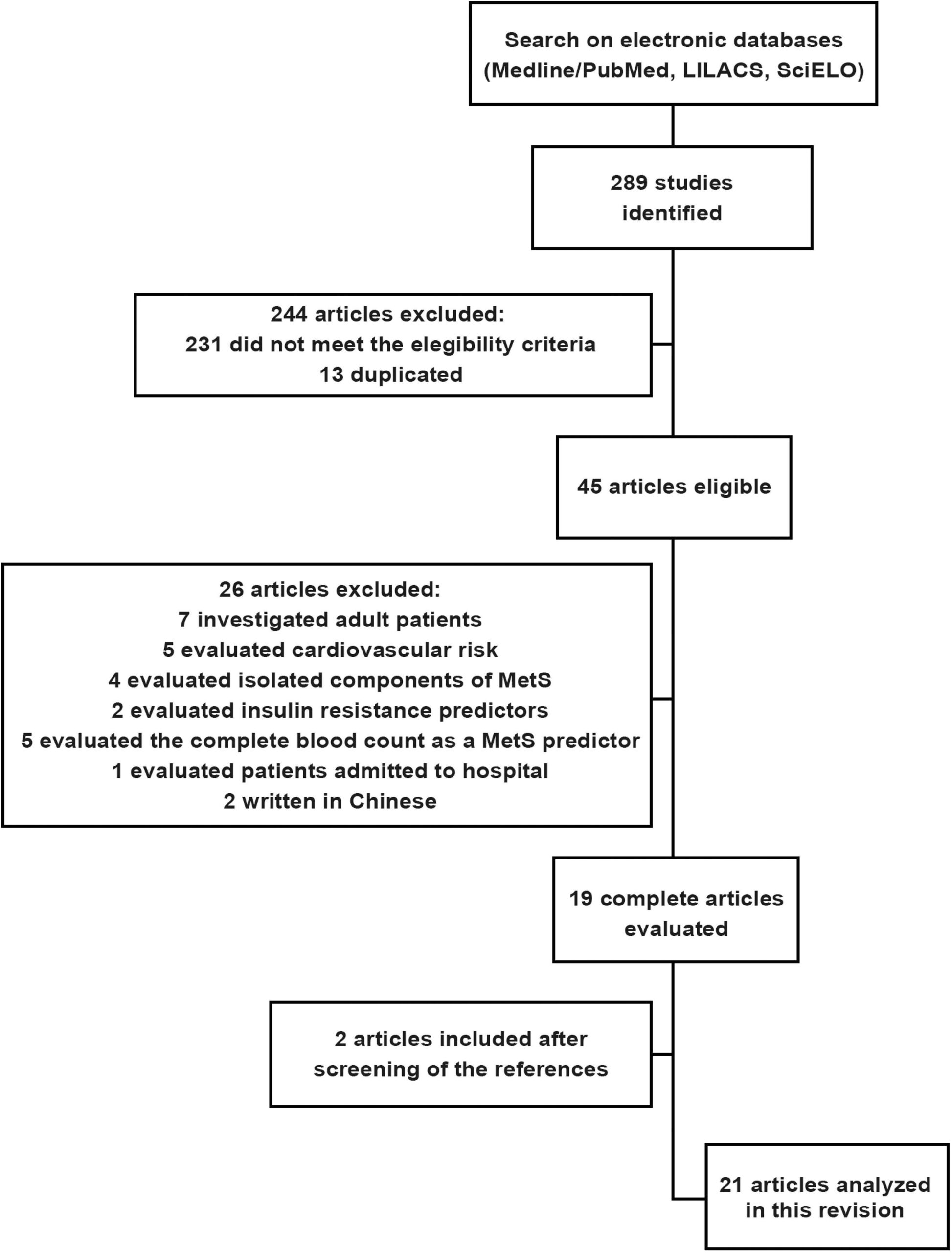
The article aimed to critically analyse studies which evaluated the capacity of anthropometric and clinical indicators to predict MetS in the elderly. Bibliographical research was performed using the electronic databasese Medline/PubMed, LILACS e SciELO , references from selected articles and contact with several authors. Twenty one articles involving anthropometric and clinical indicators in the elderly were analysed, using different MS criteria. Fourteen studies report anthropometric indicators, being the waist circumference (WC) and waist-to-height ratio (WHtR), described as the best MS predictors, with the area under the ROC curve (AUC) over 0.70 (p < 0.05). The neck circumference was also described as an alternative indicator but with less discriminatory power. Lipid accumulation product (LAP) was the parameter with the best performance to identify MS, with an AUC over 0.85 and efficiency greater than 70%. The WC, WHtR and LAP indicators were the most sensitive for predicting MS. The use of these parameters may facilitate the early identification of MS, with good accuracy and low cost. In addition, it is important to determine specific cutoff points for the elderly, since obesity alone does not appear to be a strong predictor of MS in the elderly.

  • Aged
  • Anthropometry
  • Body Weights and Measures
  • Indicators
  • Metabolic Syndrome
  • Obesity
  • Risk Factors
Read Full Article
Creative Commons Attribution (CC BY) Creative Commons license
01/01/2017 DOI: 10.5935/2359-4802.20170059
Figure 1
ABC
Artigo Original

Excess Weight, Anthropometric Variables and Blood Pressure in Schoolchildren aged 10 to 18 years

Vânia Ames Schommer et al. Sandra Mari Barbiero Cláudia Ciceri Cesa Rosemary Oliveira … Anelise Damiani Silva Lucia Campos Pellanda

Background:

The prevalence of hypertension among children and adolescents is estimated to range between 1% and 13%. Excess weight and central obesity are related to blood pressure levels in adults, and may be important in the early pathogenesis of SH when present in childhood.

Objectives:

To study the association between anthropometric variables and blood pressure levels in schoolchildren from the 5th and 8th grades, and to identify which parameter was more strongly correlated with blood pressure levels.

Methods:

Contemporary cross-sectional study with probabilistic population-based cluster sampling of schoolchildren enrolled from the 5th to the 8th grades in public elementary schools of Porto Alegre. Data on familial risk factors and anthropometry were collected. Statistical analysis included correlations and cluster-adjusted confidence intervals.

Results:

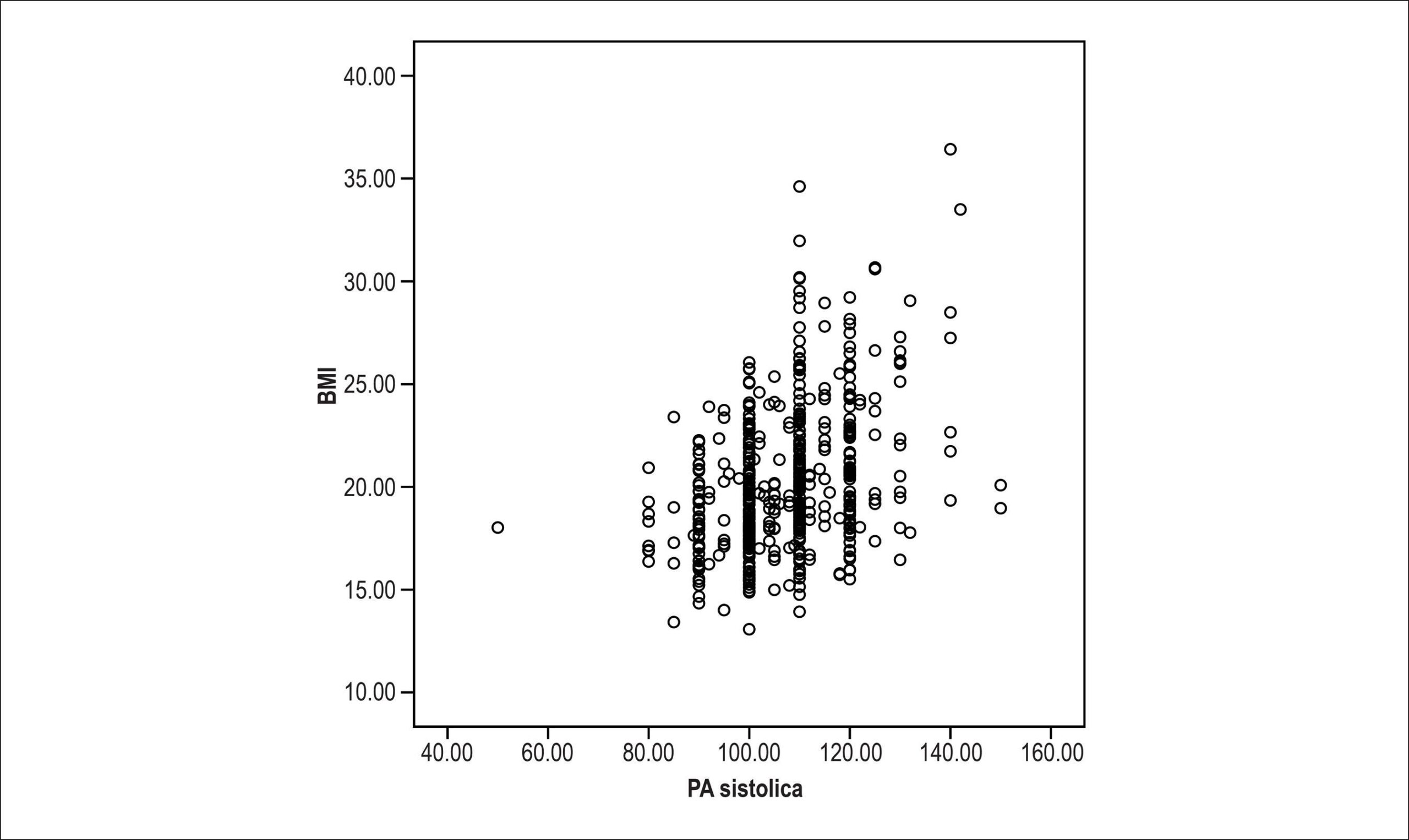
The mean age of participants was 12.57 (± 1.64) years, and 55.2% of them were females. Abnormal blood pressure levels were found in 11.3% of the sample and borderline values, in 16.2%. Among the anthropometric variables analyzed, hip circumference was the one with the strongest correlation with increased blood pressure (r = 0.462, p < 0.001), followed by waist circumference (r = 0.404, p < 0.001) and abdominal skinfold (r = 0.291, p < 0.001).

Conclusion:

We observed an association of waist circumference and skinfolds with increased blood pressure levels in the schoolchildren of the sample. Therefore, it is of the utmost importance that early measurements of blood pressure, and waist and hip circumferences become a routine in health services in order to prevent this condition.

  • Adolescents
  • Anthropometry
  • Blood Pressure
  • Body Weights and Measures
  • Child
Read Full Article
Creative Commons Attribution (CC BY) Creative Commons license
01/03/2014 DOI: 10.5935/abc.20140038
ABC
Artigo Original

Anthropometric measures as predictors of cardiovascular disease risk factors in the urban population of Iran

Reza Gharakhanlou et al. Babak Farzad Hamid Agha-Alinejad Lyn M. Steffen Mahdi Bayati

BACKGROUND: Overweight and obesity are an important public health problem in society, due to their association with various chronic diseases. OBJECTIVE: The purpose of this study is to determine the prevalence and distribution of overweight and obesity, using different anthropometric measurements and to identify the best anthropometric indicator which is most closely related to cardiovascular disease (CVD) risk factors in an Iranian urban population. METHODS: This cross-sectional study was conducted with 991 men and 1188 women aged 15 to 64 years. Body mass index (BMI), waist circumference (WC), waist-to-hip ratio (WHR), waist-to-height ratio (WHtR) and percentage of body fat were measured. A fasting blood specimen was obtained. CVD risk factors, including fasting blood glucose, triglycerides, total cholesterol (Tchol), low-density (LDL-C) and high-density-lipoprotein cholesterol (HDL-C) were assessed. RESULTS: Based on BMI, more than 49% of men and 53% of women were either overweight or obese with 10.2% of men and 18.6% of women being obese. In both men and women, the prevalence of overweight was greater among 40-49 year olds and the prevalence of obesity was greater among those 50+ years. Using the multiple regression analysis, BMI, WHtR and WHR explained the highest percentage of variation of triglycerides, Tchol/HDL-C ratio and LDL-C in men, respectively, whereas WHR explained the highest percentage of variation of triglycerides and WC explained the highest percentage of variation of Tchol/HDL-C ratio and LDL-C in women. CONCLUSION: Our data indicated that WHR and WHtR were the anthropometric indicators that best predicted CVD risk factors in men and WHR and WC in women.

  • Body weight
  • Body Weights and Measures
  • Cardiovascular Diseases
  • iran
  • Risk Factors
  • Urban Population
Read Full Article
Creative Commons Attribution (CC BY) Creative Commons license
09/01/2012 DOI: 10.1590/S0066-782X2012005000007
Overweight and cardiovascular risk among young adults followed-up for 17 years: the Rio de Janeiro study, Brazil
ABC
Artigo Original

Overweight and cardiovascular risk among young adults followed-up for 17 years: the Rio de Janeiro study, Brazil

Flávia Lopes Fonseca et al. Andréa Araújo Brandão Roberto Pozzan Érika Maria Gonçalves Campana … Oswaldo Luiz Pizzi Maria Eliane Campos Magalhães Elizabete Vianna de Freitas Ayrton Pires Brandão

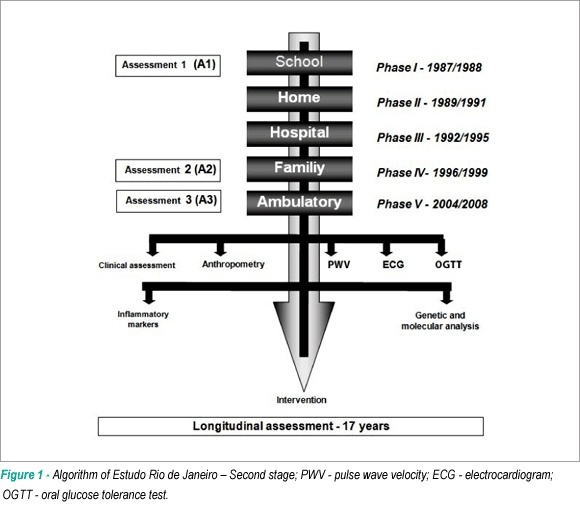
BACKGROUND: The adoption of primary prevention measures among young people has a favorable impact on the context of cardiovascular diseases. OBJECTIVE: To assess blood pressure (BP) and cardiovascular risk variables among young adults stratified according to the body mass index (BMI) behavior obtained along 17 years, since childhood/adolescence (C/A). METHODS: Three assessments were carried out in 115 individuals pertaining to the study cohort of Rio de Janeiro, Brazil. A1: 12.97 ± 1.48 years old; A2: 21.90 ± 1.71 years old; A3: 30.65 ± 2.00 years olds and divided into three groups according to BMI in the three assessments: Group N (always normal BMI; n=46), Group L (varying BMI; n=49) and Group O/O (always increased BMI; n=20). In A1, A2 and A3, BP and BMI were obtained. In A2 and A3, glucose (G) and lipidic profile were dosed. Also in A2, insulin (INS) was dosed and HOMA-IR was calculated. In A3, the measurement of waist circumference (WC), abdomen/hip relation (AHR) and body fat percentage (%BF) were added. RESULTS: 1) Group O/O presented higher mean values of increased BP (p<0.0001) at the three assessments; 2) In A3, Group O/O showed higher mean values for WC, AHR and %BF and prevalence of increased WC and metabolic syndrome (MS) (p<0.0001); 3) higher mean values were observed for INS, HOMA-IR, LDL-c in A2, and G, cholesterol, LDL-c and triglycerides in A3 for Group O/O (p<0.05); 4) masculine sex and O/O at A1 determined higher risk for MS occurrence in adult age. CONCLUSION: The presence of O/O since C/A was associated with higher BP values, anthropometric indexes and higher prevalence of MS in the young adult phase.

  • Adolescents
  • Blood Pressure
  • Body Weights and Measures
  • Cardiovascular risk
Read Full Article
Creative Commons Attribution (CC BY) Creative Commons license
05/05/2010 DOI: 10.1590/S0066-782X2010000200011 Views 2

How to cite this article

EndNote RIS

Electronic Document Format (Vancouver)

Barroso WKS, Brandão AA, Vitorino PVO, Feitosa ADM, Barbosa ECD, Miranda RD, Redon J, et al. Angiotensin Receptor Blockers Evaluated by Office and Home Blood Pressure Measurements. TeleHBPM Study. Arquivos Brasileiros de Cardiologia 2022;118(6):1069-82.

Electronic Document Format (ABNT)

Barroso, Weimar Kunz Sebba; Brandão, Andréa Araujo; Vitorino, Priscila Valverde de Oliveira; Feitosa, Audes Diógenes de Magalhães; Barbosa, Eduardo Costa Duarte; Miranda, Roberto Dischinger; Redon, Josep; Camafort-Babkowski, Miguel; Coca, Antonio; Gomes, Marco Antônio Mota. Angiotensin Receptor Blockers Evaluated by Office and Home Blood Pressure Measurements. TeleHBPM Study. Arquivos Brasileiros de Cardiologia, v. 118, n. 6, p. 1069-1082, May. 2022.

Electronic Document Format (APA)

Barroso, W. K. S., Brandão, A. A., Vitorino, P. V. O., Feitosa, A. D. M., Barbosa, E. C. D., Miranda, R. D., Redon, J., Camafort-Babkowski, M., Coca, A., & Gomes, M. A. M. (2022). Angiotensin Receptor Blockers Evaluated by Office and Home Blood Pressure Measurements. TeleHBPM Study. Arquivos Brasileiros de Cardiologia, 118(6), 1069-1082.

Electronic Document Format (ISO)

Barroso, Weimar Kunz Sebba and Brandão, Andréa Araujo and Vitorino, Priscila Valverde de Oliveira and Feitosa, Audes Diógenes de Magalhães and Barbosa, Eduardo Costa Duarte and Miranda, Roberto Dischinger and Redon, Josep and Camafort-Babkowski, Miguel and Coca, Antonio and Gomes, Marco Antônio Mota. Angiotensin Receptor Blockers Evaluated by Office and Home Blood Pressure Measurements. TeleHBPM Study. Arquivos Brasileiros de Cardiologia [online]. 2022, vol. 118, n. 6, [cited 2026-10-14], pp. 1069-1082. Available from: <https://journals.cardiol.br/en/article/angiotensin-receptor-blockers-evaluated-by-office-and-home-blood-pressure-measurements-telehbpm-study/>. ISSN 0066-782X

EndNote RIS

Electronic Document Format (Vancouver)

Aranha LN, Oliveira GMM. Waist Circumference: A Simple Measure for Childhood Obesity?. Arquivos Brasileiros de Cardiologia 2020;114(3):538-9.

Electronic Document Format (ABNT)

Aranha, Luciana Nicolau; Oliveira, Gláucia Maria Moraes de. Waist Circumference: A Simple Measure for Childhood Obesity?. Arquivos Brasileiros de Cardiologia, v. 114, n. 3, p. 538-539, Apr. 2020.

Electronic Document Format (APA)

Aranha, L. N., & Oliveira, G. M. M. (2020). Waist Circumference: A Simple Measure for Childhood Obesity?. Arquivos Brasileiros de Cardiologia, 114(3), 538-539.

Electronic Document Format (ISO)

Aranha, Luciana Nicolau and Oliveira, Gláucia Maria Moraes de. Waist Circumference: A Simple Measure for Childhood Obesity?. Arquivos Brasileiros de Cardiologia [online]. 2020, vol. 114, n. 3, [cited 2026-10-14], pp. 538-539. Available from: <https://journals.cardiol.br/en/article/waist-circumference-a-simple-measure-for-childhood-obesity/>. ISSN 0066-782X

EndNote RIS

Electronic Document Format (Vancouver)

Dalmazo AL, Fetter C, Goldmeier S, Irigoyen MC, Pellanda LC, Barbosa ECD, Moreira TR, et al. Stress and Food Consumption Relationship in Hypertensive Patients. Arquivos Brasileiros de Cardiologia 2019;113(3):374-80.

Electronic Document Format (ABNT)

Dalmazo, Aline Lopes; Fetter, Claudia; Goldmeier, Silvia; Irigoyen, Maria Claudia; Pellanda, Lucia Campos; Barbosa, Eduardo Costa Duarte; Moreira, Thais Rodrigues; Osório, Denise Ruttke Dillenburg. Stress and Food Consumption Relationship in Hypertensive Patients. Arquivos Brasileiros de Cardiologia, v. 113, n. 3, p. 374-380, Sep. 2019.

Electronic Document Format (APA)

Dalmazo, A. L., Fetter, C., Goldmeier, S., Irigoyen, M. C., Pellanda, L. C., Barbosa, E. C. D., Moreira, T. R., & Osório, D. R. D. (2019). Stress and Food Consumption Relationship in Hypertensive Patients. Arquivos Brasileiros de Cardiologia, 113(3), 374-380.

Electronic Document Format (ISO)

Dalmazo, Aline Lopes and Fetter, Claudia and Goldmeier, Silvia and Irigoyen, Maria Claudia and Pellanda, Lucia Campos and Barbosa, Eduardo Costa Duarte and Moreira, Thais Rodrigues and Osório, Denise Ruttke Dillenburg. Stress and Food Consumption Relationship in Hypertensive Patients. Arquivos Brasileiros de Cardiologia [online]. 2019, vol. 113, n. 3, [cited 2026-10-14], pp. 374-380. Available from: <https://journals.cardiol.br/en/article/stress-and-food-consumption-relationship-in-hypertensive-patients/>. ISSN 0066-782X

EndNote RIS

Electronic Document Format (Vancouver)

Oliveira CC, Costa ED, Roriz AKC, Ramos LB, Gomes Neto M. Predictors of Metabolic Syndrome in the Elderly: A Review. International Journal of Cardiovascular Sciences 2017;30(4):343-5.

Electronic Document Format (ABNT)

Oliveira, Carolina Cunha de; Costa, Emanuelle Dias da; Roriz, Anna Karla Carneiro; Ramos, Lilian Barbosa; Gomes Neto, Mansueto. Predictors of Metabolic Syndrome in the Elderly: A Review. International Journal of Cardiovascular Sciences, v. 30, n. 4, p. 343-353, Dec. 2016.

Electronic Document Format (APA)

Oliveira, C. C. , Costa, E. D. , Roriz, A. K. C., Ramos, L. B., & Gomes Neto, M. (2017). Predictors of Metabolic Syndrome in the Elderly: A Review. International Journal of Cardiovascular Sciences, 30(4), 343-353.

Electronic Document Format (ISO)

Oliveira, Carolina Cunha de and Costa, Emanuelle Dias da and Roriz, Anna Karla Carneiro and Ramos, Lilian Barbosa and Gomes Neto, Mansueto. Predictors of Metabolic Syndrome in the Elderly: A Review. International Journal of Cardiovascular Sciences [online]. 2017, vol. 30, n. 4, [cited 2026-10-14], pp. 343-353. Available from: <https://journals.cardiol.br/en/article/predictors-of-metabolic-syndrome-in-the-elderly-a-review/>. ISSN 2359-4802

EndNote RIS

Electronic Document Format (Vancouver)

Schommer VA, Barbiero SM, Cesa CC, Oliveira R, Silva AD, Pellanda LC. Excess Weight, Anthropometric Variables and Blood Pressure in Schoolchildren aged 10 to 18 years. Arquivos Brasileiros de Cardiologia 2014;102(4):312-8.

Electronic Document Format (ABNT)

Schommer, Vânia Ames; Barbiero, Sandra Mari; Cesa, Cláudia Ciceri; Oliveira, Rosemary; Silva, Anelise Damiani; Pellanda, Lucia Campos. Excess Weight, Anthropometric Variables and Blood Pressure in Schoolchildren aged 10 to 18 years. Arquivos Brasileiros de Cardiologia, v. 102, n. 4, p. 312-318, Feb. 2014.

Electronic Document Format (APA)

Schommer, V. A., Barbiero, S. M., Cesa, C. C., Oliveira, R., Silva, A. D., & Pellanda, L. C. (2014). Excess Weight, Anthropometric Variables and Blood Pressure in Schoolchildren aged 10 to 18 years. Arquivos Brasileiros de Cardiologia, 102(4), 312-318.

Electronic Document Format (ISO)

Schommer, Vânia Ames and Barbiero, Sandra Mari and Cesa, Cláudia Ciceri and Oliveira, Rosemary and Silva, Anelise Damiani and Pellanda, Lucia Campos. Excess Weight, Anthropometric Variables and Blood Pressure in Schoolchildren aged 10 to 18 years. Arquivos Brasileiros de Cardiologia [online]. 2014, vol. 102, n. 4, [cited 2026-10-14], pp. 312-318. Available from: <https://journals.cardiol.br/en/article/excess-weight-anthropometric-variables-and-blood-pressure-in-schoolchildren-aged-10-to-18-years/>. ISSN 0066-782X

EndNote RIS

Electronic Document Format (Vancouver)

Gharakhanlou R, Farzad B, Agha-Alinejad H, Steffen LM, Bayati M. Anthropometric measures as predictors of cardiovascular disease risk factors in the urban population of Iran. Arquivos Brasileiros de Cardiologia 2012;98(2):126-35.

Electronic Document Format (ABNT)

Gharakhanlou, Reza; Farzad, Babak; Agha-Alinejad, Hamid; Steffen, Lyn M.; Bayati, Mahdi. Anthropometric measures as predictors of cardiovascular disease risk factors in the urban population of Iran. Arquivos Brasileiros de Cardiologia, v. 98, n. 2, p. 126-135, Jan. 2012.

Electronic Document Format (APA)

Gharakhanlou, R., Farzad, B., Agha-Alinejad, H., Steffen, L. M., & Bayati, M. (2012). Anthropometric measures as predictors of cardiovascular disease risk factors in the urban population of Iran. Arquivos Brasileiros de Cardiologia, 98(2), 126-135.

Electronic Document Format (ISO)

Gharakhanlou, Reza and Farzad, Babak and Agha-Alinejad, Hamid and Steffen, Lyn M. and Bayati, Mahdi. Anthropometric measures as predictors of cardiovascular disease risk factors in the urban population of Iran. Arquivos Brasileiros de Cardiologia [online]. 2012, vol. 98, n. 2, [cited 2026-10-14], pp. 126-135. Available from: <https://journals.cardiol.br/en/article/anthropometric-measures-as-predictors-of-cardiovascular-disease-risk-factors-in-the-urban-population-of-iran/>. ISSN 0066-782X

EndNote RIS

Electronic Document Format (Vancouver)

Fonseca FL, Brandão AA, Pozzan R, Campana MG, Pizzi OL, Magalhães MEC, Freitas EV, et al. Overweight and cardiovascular risk among young adults followed-up for 17 years: the Rio de Janeiro study, Brazil. Arquivos Brasileiros de Cardiologia 2010;94(2):207-15.

Electronic Document Format (ABNT)

Fonseca, Flávia Lopes; Brandão, Andréa Araújo; Pozzan, Roberto; Campana, Érika Maria Gonçalves; Pizzi, Oswaldo Luiz; Magalhães, Maria Eliane Campos; Freitas, Elizabete Vianna de; Brandão, Ayrton Pires. Overweight and cardiovascular risk among young adults followed-up for 17 years: the Rio de Janeiro study, Brazil. Arquivos Brasileiros de Cardiologia, v. 94, n. 2, p. 207-215, May. 2010.

Electronic Document Format (APA)

Fonseca, F. L., Brandão, A. A., Pozzan, R., Campana, M. G., Pizzi, O. L., Magalhães, M. E. C., Freitas, E. V. , & Brandão, A. P. (2010). Overweight and cardiovascular risk among young adults followed-up for 17 years: the Rio de Janeiro study, Brazil. Arquivos Brasileiros de Cardiologia, 94(2), 207-215.

Electronic Document Format (ISO)

Fonseca, Flávia Lopes and Brandão, Andréa Araújo and Pozzan, Roberto and Campana, Érika Maria Gonçalves and Pizzi, Oswaldo Luiz and Magalhães, Maria Eliane Campos and Freitas, Elizabete Vianna de and Brandão, Ayrton Pires. Overweight and cardiovascular risk among young adults followed-up for 17 years: the Rio de Janeiro study, Brazil. Arquivos Brasileiros de Cardiologia [online]. 2010, vol. 94, n. 2, [cited 2026-10-14], pp. 207-215. Available from: <https://journals.cardiol.br/en/article/overweight-and-cardiovascular-risk-among-young-adults-followed-up-for-17-years-the-rio-de-janeiro-study-brazil/>. ISSN 0066-782X

  • About ABC Family
  • Internal Regulation
  • Editorial Board
  • Brazilian Society of Cardiology (SBC)

Issues

SBC Guidelines

  • Videos
  • Podcasts
  • News