| ABC
ABC Family Arquivos Brasileiros de Cardiologia International Journal of Cardiovascular Sciences ABC Heart Failure & Cardiomyopathy ABC Imagem Cardiovascular
Português English
ABC Family | ABC
Português English
  • About
    • About the Journal
    • Internal Regulation
    • Editors Section
    • Editorial Board
    • History
    • SBC Award
  • Instructions to Authors
    • Guidelines for Publication
    • Editorial Policy
    • Ethics Policy
    • Policy on the Use of Artificial Intelligence
    • Mandatory Publication Form
    • Publication Fee
  • Issues
  • SBC Guidelines
  • Abstracts
    • How to Publish an Abstract Supplement?
    • Supplements from the Brazilian Congress of Cardiology
  • About
    • About the Journal
    • Internal Regulation
    • Editors Section
    • Editorial Board
    • History
    • SBC Award
  • Instructions to Authors
    • Guidelines for Publication
    • Editorial Policy
    • Ethics Policy
    • Policy on the Use of Artificial Intelligence
    • Mandatory Publication Form
    • Publication Fee
  • Issues
  • SBC Guidelines
  • Abstracts
    • How to Publish an Abstract Supplement?
    • Supplements from the Brazilian Congress of Cardiology

ABC Family

  • ABC Family
  • Arquivos Brasileiros de Cardiologia
  • International Journal of Cardiovascular Sciences
  • ABC Heart Failure & Cardiomyopathy
  • ABC Imagem Cardiovascular
Search in

No content found.

Journals
Ordering
Article types
Others

  1. Home
  2. ABC
  3. Issues
  4. 2018, Volume 111, Number 2
Figure 1
Original Article

Sympathetic Dysautonomia in Heart Failure by 123I-MIBG: comparison between Chagasic, non-Chagasic and heart transplant patients

Viviane Santuari Parisotto Marino et al. Sandra Monetti Dumont Luciene das Graças Mota Daniela de Souza Braga … Stephanie Saliba de Freitas Maria da Consolação Vieira Moreira

Abstract

Background:

Heart failure (HF) is a severe public health problem because of its high morbidity and mortality and elevated costs, thus requiring better understanding of its course. In its complex and multifactorial pathogenesis, sympathetic hyperactivity plays a relevant role. Considering that sympathetic dysfunction is already present in the initial phases of chronic Chagas cardiomyopathy (CCC) and frequently associated with a worse prognosis, we assumed it could be more severe in CCC than in cardiomyopathies of other etiologies (non-CCC).

Objectives:

To assess the cardiac sympathetic dysfunction 123I-MIBG) of HF, comparing individuals with CCC to those with non-CCC, using heart transplant (HT) patients as denervated heart parameters.

Methods:

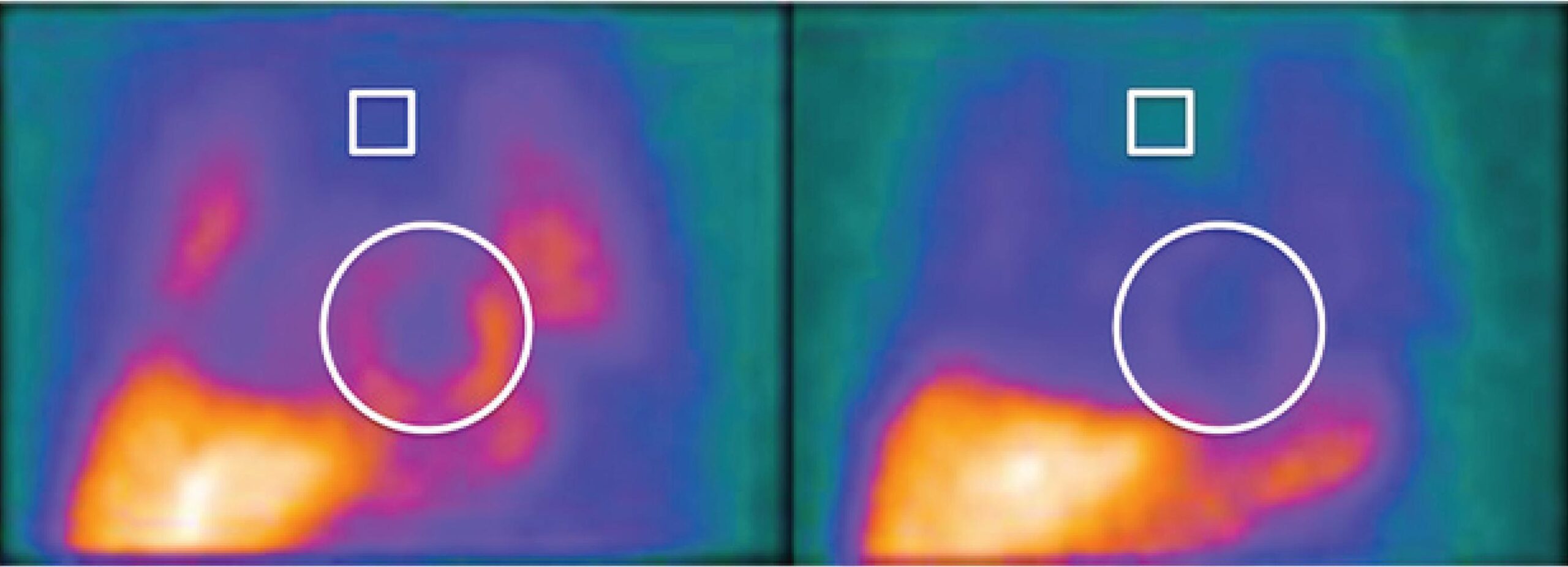
We assessed 76 patients with functional class II-VI HF, being 25 CCC (17 men), 25 non-CCC (14 men) and 26 HT (20 men), by use of cardiac 123I-metaiodobenzylguanidine 123I-MIBG) scintigraphy, estimating the early and late heart-to-mediastinum ratio (HMR) of 123I-MIBG uptake and cardiac washout (WO%). The 5% significance level was adopted in the statistical analysis.

Results:

The early and late HMR values were 1.73 ± 0.24 and 1.58 ± 0.27, respectively, in CCC, and 1.62 ± 0.21 and 1.44 ± 0.16 in non-CCC (p = NS), being, however, higher in HT patients (p < 0.001). The WO% values were 41.65 ± 21.4 (CCC), 47.37 ± 14.19% (non-CCC) and 43.29 ± 23.02 (HT), p = 0.057. The late HMR values showed a positive weak correlation with left ventricular ejection fraction (LVEF) in CCC and non-CCC (r = 0.42 and p = 0.045; and r = 0.49 and p = 0.015, respectively).

Conclusion:

Sympathetic hyperactivity 123I-MIBG) was evidenced in patients with class II-IV HF, LVEF < 45%, independently of the HF etiology, as compared to HT patients.
  • 123 I-metaiodobenzylguanidine 123I-MIBG)
  • Chagas Cardiomyopathy
  • Heart Failure
  • Myocardial/radionuclide imaging
  • Primary Dysautonomies
Read Full Article
Creative Commons Attribution (CC BY) Creative Commons license
06/08/2018 DOI: 10.5935/abc.20180124
Letter to the Editor

The Need for Sex Hormone Analysis in Addition to Long-Term Follow-Up of Phytosterol Supplementation

Heitor Oliveira Santos

Dear Editor,

I read with great interest the article entitled “Phytosterols in the Treatment of Hypercholesterolemia and Prevention of Cardiovascular Diseases”, by Cabral and Klein, published in the Brazilian Archives of Cardiology. The authors discuss phytosterol doses in the treatment of hypercholesterolemia, showing the current consensus of renowned guidelines and approval by global regulatory agencies.

[…]

  • Cardiovascular Diseases/prevention&control
  • Hypercholesterolemia
  • Phytosterois
  • Steroids
Read Full Article
Creative Commons Attribution (CC BY) Creative Commons license
01/08/2018 DOI: 10.5935/abc.20180132 Views 1
Editorial

Hypertension and Exercise: A Search for Mechanisms

Bertha F. Polegato et al. Sergio A. R. de Paiva

Arterial hypertension is a chronic disease that affects approximately 40% of the population, with higher incidence at older ages. Arterial hypertension is a risk factor for other cardiovascular diseases, such as heart failure, stroke, atherosclerosis and also chronic renal disease. It is estimated that more than 50% of deaths from coronary diseases and stroke occur in hypertensive patients; for this reason, hypertension produces high costs in health and constitutes a public health problem. In this context, the development of nonpharmacological therapies is a cost-effective strategy with few side effects, that helps in the prevention of comorbidities, such as diabetes and obesity, and increases the cardiovascular risk of the patient. Among nonpharmacological strategies, physical exercise deserves consideration.

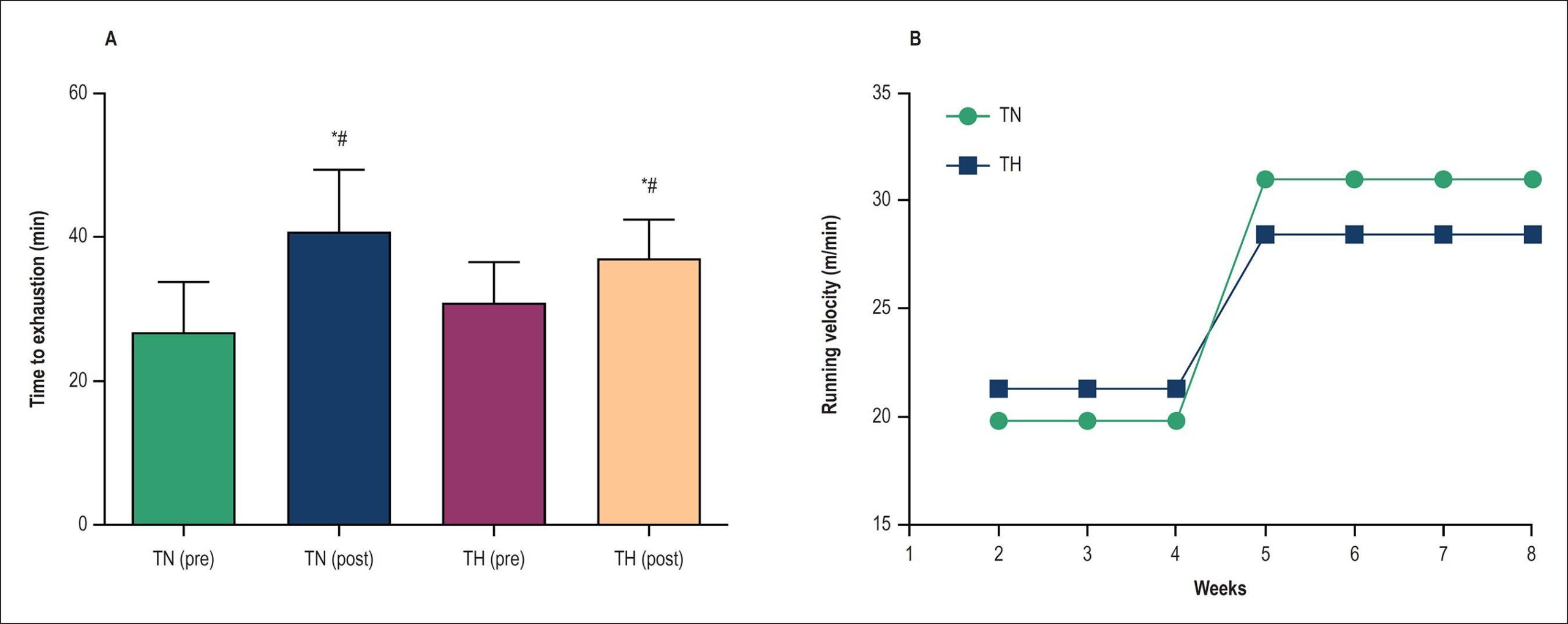
Rodrigues et al., in the study published in this issue of Arquivos Brasileiros de Cardiologia, evaluated the effect of moderate aerobic exercise on a treadmill in spontaneously hypertensive rats. The animals ran at 18-22m/min for 60 minutes, five times a week, for eight weeks. The study confirmed the anti-hypertensive effects of aerobic exercise, as already reported previously. More recently, other types of exercise in addition to aerobic training, such as resistance and interval training, have been shown to be promising in preventing hypertension. Prescription of physical exercise for the treatment and prevention of hypertension is well established, and more recent guidelines for the treatment of hypertension strongly recommend exercise as a therapeutic option.,

[…]

  • Exercise
  • Exercise Therapy
  • Hypertension / prevention & control
  • Hypertension/physiopathology
  • MicroRNAs/genetics
  • Molecular Targeted Therapy
Read Full Article
Creative Commons Attribution (CC BY) Creative Commons license
01/08/2018 DOI: 10.5935/abc.20180146 Views 1
Figure 1
Case Report

Transcatheter Closure of a Traumatic VSD with an ASD Occluder

Rui Alexandre Pontes dos Santos et al. Henrique Guedes Leonor Marques Carolina Lourenço … João Carlos Silva Paula Pinto

Introduction

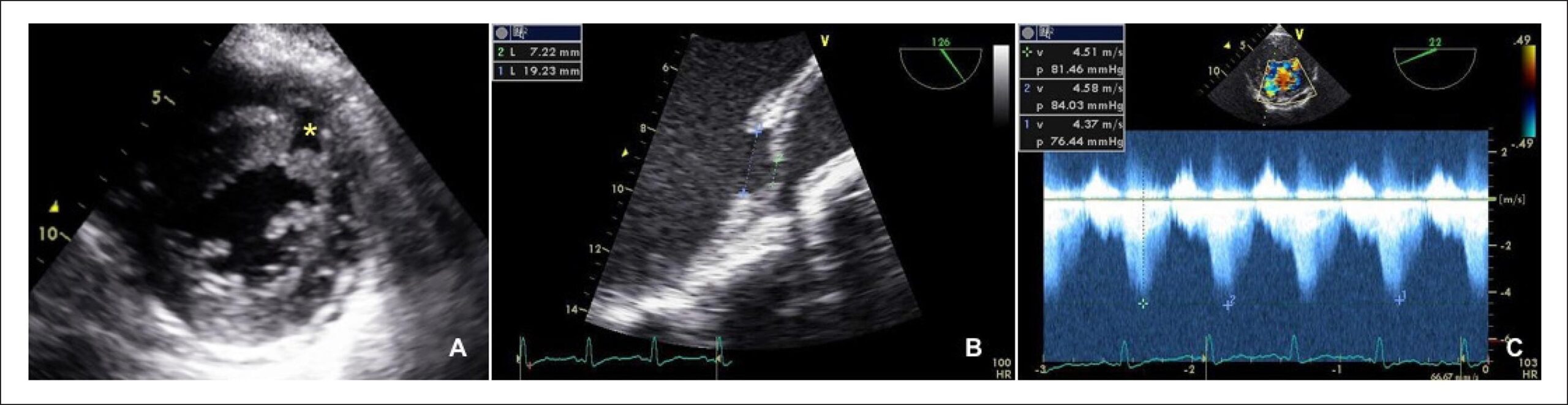
Traumatic ventricular septal defects (VSD) are exceptionally rare. They can be a consequence of either blunt or penetrating trauma. It is believed that most patients die before reaching the hospital, which makes this condition even more challenging.

Percutaneous closure of traumatic VSD has been presented as an alternative to open conventional surgery. Transcatheter intervention may have some benefits. The objective of this case report is to present a situation where the defect was closed using an Amplatzer septal occluder.

[…]

  • Heart Septal Defects Ventricular/surgery
  • Heart Septal Defects, Ventricular / complications
  • Hemolysis
  • Myocardial Contusions
Read Full Article
Creative Commons Attribution (CC BY) Creative Commons license
01/08/2018 DOI: 10.5935/abc.20180122 Views 2
Viewpoint

Downstream Change of the Primary Endpoint in the ISCHEMIA Trial: the Elephant in the Room

Luis Cláudio Lemos Correia et al. Anis Rassi Junior

Modification of the Trial Protocol

Recently we learned that the protocol of the ISCHEMIA trial published on ClinicalTrials.gov had a major modification in January 2018, only 11 months before the estimated completion of this 7-year trial. The primary endpoint was changed from the composite of cardiovascular death or nonfatal MI (2012 version) to a 5-component endpoint that also includes resuscitated cardiac arrest, hospitalization for unstable angina and hospitalization for heart failure (January 2018 version).,

Then, in February 2018, the full version of the 2012 ISCHEMIA protocol was published on ClinicalTrials.gov. This version of the protocol stated that if the incidence of the primary endpoint pooled across randomized groups is lower than expected, an independent advisory panel can decide to extend the follow-up period or change the primary endpoint.

[…]

  • Cardiac Catheterization
  • Evaluation Studies
  • Myocardial Ischemia / physiopathology
  • Myocardial Revascularization
  • Treatment Outcom
Read Full Article
Creative Commons Attribution (CC BY) Creative Commons license
01/08/2018 DOI: 10.5935/abc.20180145 Views 1
Editorial

VEGFR-2: One of Pioglitazone’s Signaling Pathways in the Heart

Marcos Ferreira Minicucci et al. Leonardo Antonio Mamede Zornoff

Pioglitazone is currently the only commercially available hypoglycemic agent that improves insulin sensitivity. Its mechanism of action involves activation of peroxisome proliferator-activated receptor (PPAR) gamma, a nuclear receptor that alters the transcription of genes involved in glucose and lipid metabolism and in energy balance., Hence, pioglitazone increases insulin sensitivity, reduces glucose production by the liver and increases glucose uptake by peripheral tissues.,

Beneficial effects of pioglitazone include a low risk of hypoglycemia and the improvement of cardiovascular risk factors such as lipid profile and endothelial function., The main side effects of the drug include weight gain, especially due to the risk of edema or heart failure, increased risk of bone fractures and its association with prostate cancer, which has been questioned in recent studies. Pioglitazone is relatively potent in reducing glycated hemoglobin A1c levels; however, previous studies have shown no benefit in performing a more intensive control of glucose on cardiovascular mortality as compared with a less intensive control. This is important since cardiovascular diseases are still the most common causes of diabetes.

[…]

  • Glucose/metabolism
  • Lipids/metabolism
  • Peroxisome Proliferators/adverse effects
  • Pioglitazone, Diabetes Mellitus/drug therapy
Read Full Article
Creative Commons Attribution (CC BY) Creative Commons license
01/08/2018 DOI: 10.5935/abc.20180147
Editorial

New Method Improves the Assessment of Aortic Regurgitation Grade during TAVR by Aortography

Henrique B. Ribeiro

Transcatheter aortic valve replacement (TAVR) is a rapidly expanding alternative to surgical aortic valve replacement for patients deemed inoperable or at high or intermediate operative risk. Yet, residual aortic regurgitation (AR) secondary to paravalvular leaks (PVL) remains a procedural limitation. Although residual AR after TAVR is frequent, affecting up to approximately 70% of the treated patients,– it is moderate to severe in approximately 12% of these and steadily below 5% with current-generation devices, which come with specific sealing features. Noteworthy, moderate/severe AR has a detrimental clinical impact after TAVR, with a 3-fold increase in 30-day mortality and a 2.3-fold increase in 1-year mortality. Thus, its accurate assessment and quantification with a multimodality approach is key for appropriate utilization of additional procedures to reduce PVL, such as balloon post-dilatation (BPD), valve-in-valve, or leak closure.,

While Doppler echocardiography has been the most common method to assess AR following TAVR, its accurate quantification is challenging since AR jets are often multiple and eccentric.,– Therefore, other methods for proper AR assessment have been evaluated in recent years, such as 3D echocardiography, hemodynamic AR index, aortography and even cardiovascular magnetic resonance, each one with its specific advantages and disadvantages.,,

[…]

  • Aortic Valve Insufficiency/diagnostic imaging
  • Aortic Valve Insufficiency/mortality
  • Aortography/methods
  • Echocardiography, Three Dimensional / methods
  • Transcatheter Aortic Valve Replacement/methods
Read Full Article
Creative Commons Attribution (CC BY) Creative Commons license
01/08/2018 DOI: 10.5935/abc.20180158
Figure 1
Image

Unexpected Mass in the Left Atrium

Tatiana Guimarães et al. Rui Plácido Ana Catarina Quadros José Marques da Costa Fausto J. Pinto

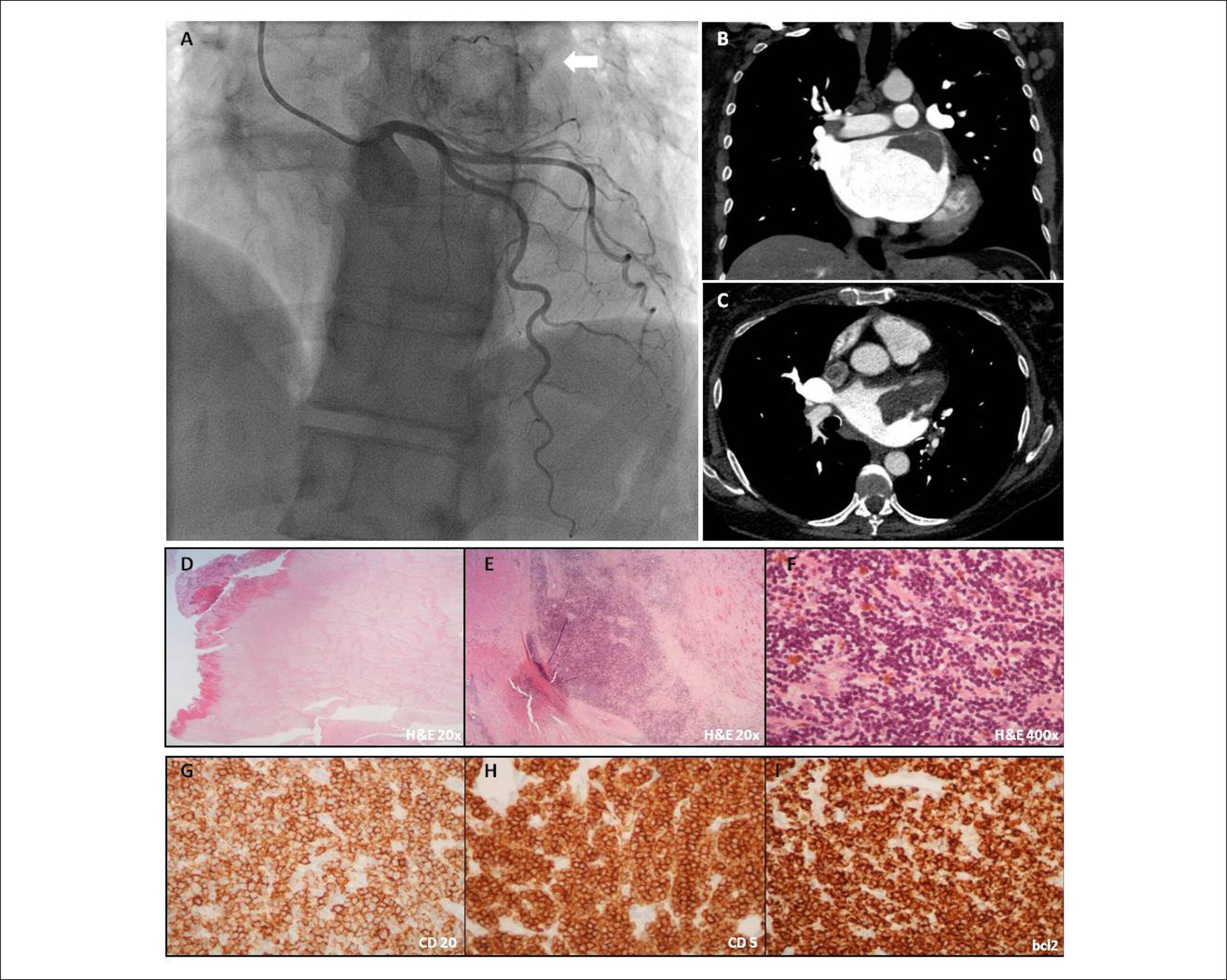
A 60-year-old Caucasian female with a history of rheumatic mitral stenosis, permanent atrial fibrillation and chronic lymphocytic leukemia was admitted due to decompensated chronic heart failure. The transthoracic echocardiogram depicted a severe mitral stenosis (anatomic valve area of 0.9 cm2), mild mitral regurgitation, aneurysmatic left atrium and mildly compromised left ventricular ejection fraction. Given the indication for mitral valve replacement, coronary angiography was performed, revealing an abnormal vascularized mass at the level of the left atrium beyond normal coronary arteries (Panel A). For better characterization an angio-CT was requested. A well-delimited, 7x4x3cm left atrial homogeneous, slight hyperdense mass was observed along the lateral portion of the atrial roof (Panel B and C). The patient underwent both surgical mass resection and mitral valve replacement with an uneventful recovery. The pathological analysis showed a multifocal left atrial wall and pericardial fat infiltration with CD20+, CD5 +, bcl-2+, cyclin D1+, CD10- and CD23- lymphoid cells, in addition to a left atrial adherent thrombus (Panels D-I). These findings were compatible with lymphocytic lymphoma/chronic lymphocytic leukemia and the patient remains clinically stable.

Secondary or metastatic tumors are much more common than primary tumors of the heart. A recent necropsy study revealed that cardiac metastases in patients with leukemia and lymphomas may be present in 25% of patients. Despite being mostly clinically silent, cardiac imaging improvements and availability has led to increased incidental recognition and awareness.

[…]

  • Coronary Angiography
  • Echocardiography
  • Heart Atria Heart Neoplasms/surgery
  • Leukemia,Lymphoid/physiopathology
  • Mitral Valve Stenosis
Read Full Article
Creative Commons Attribution (CC BY) Creative Commons license
01/08/2018 DOI: 10.5935/abc.20180110
Figure 1
Original Article

The Role of Quantitative Aortographic Assessment of Aortic Regurgitation by Videodensitometry in the Guidance of Transcatheter Aortic Valve Implantation

Yosuke Miyazaki et al. Rodrigo Modolo Mohammad Abdelghani Hiroki Tateishi … Rafael Cavalcante Carlos Collet Taku Asano Yuki Katagiri Erhan Tenekecioglu Rogério Sarmento-Leite José A. Mangione Alexandre Abizaid Osama I.I. Soliman Yoshinobu Onuma Patrick W. Serruys Pedro A. Lemos Fabio S. de Brito Jr.

Abstract

Background:

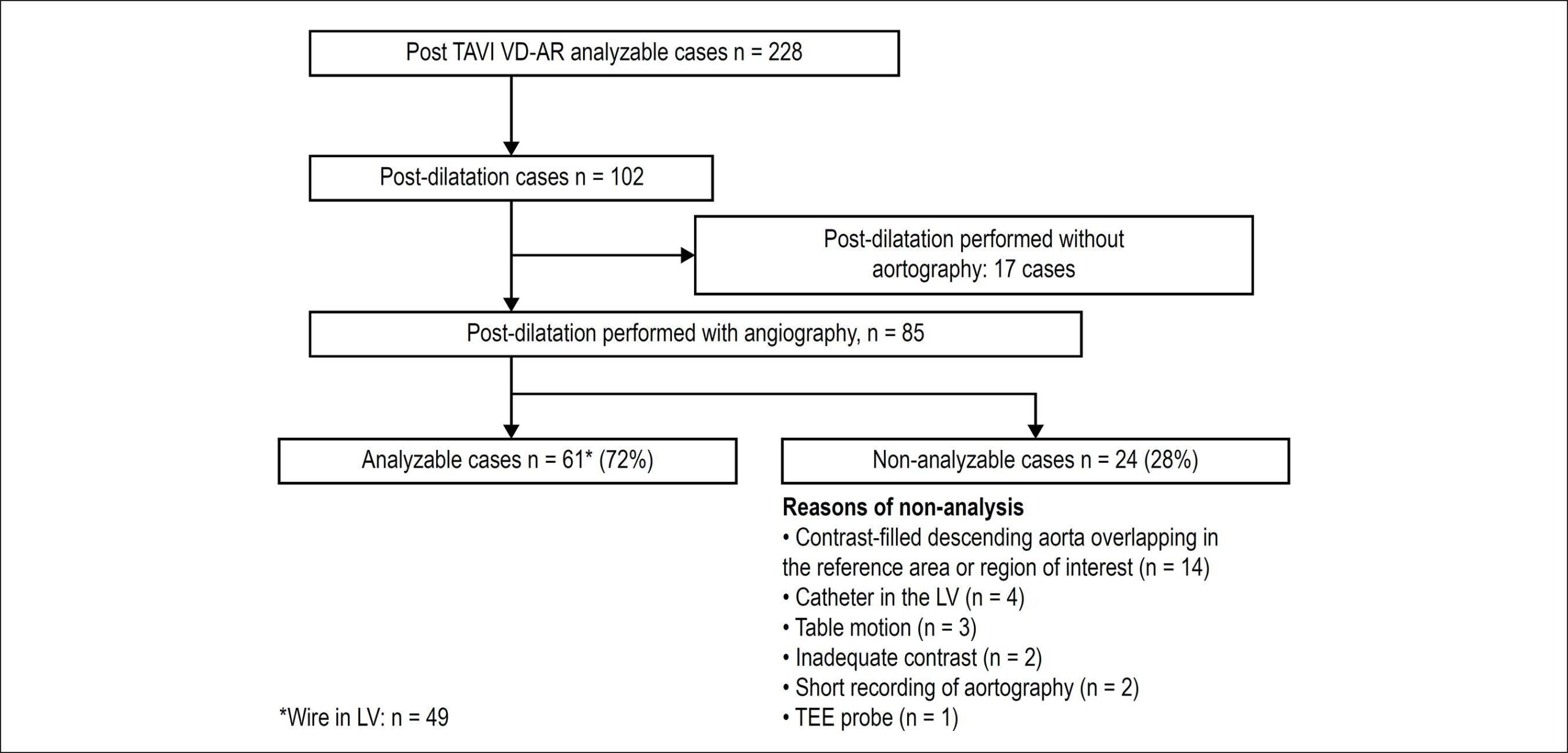
Balloon post-dilatation (BPD) is often needed for optimizing transcatheter heart valve (THV) implantation, since paravalvular leak (PVL) after transcatheter aortic valve implantation is associated with poor outcome and mortality. Quantitative assessment of PVL severity before and after BPD is mandatory to properly assess PVL, thus improving implantation results and outcomes.

Objective:

To investigate a quantitative angiographic assessment of aortic regurgitation (AR) by videodensitometry before and after BPD.

Methods:

Videodensitometric-AR assessments (VD-AR) before and after BPD were analysed in 61 cases.

Results:

VD-AR decreased significantly from 24.0[18.0-30.5]% to 12.0[5.5-19.0]% (p < 0.001, a two-tailed p 17%) was observed in 47 patients (77%) before and in 19 patients (31%) after BPD.

Conclusions:

VD-AR after THV implantation provides a quantitative assessment of post-TAVI regurgitation and can help in the decision-making process on performing BPD and in determining its efficacy.

  • Angiography/evaluation
  • Aortic Valve Insufficiency/diagnostic imaging
  • Heart Valve Prosthesis Implantation
  • Transcatheter Aortic Valve Replacement
Read Full Article
Creative Commons Attribution (CC BY) Creative Commons license
01/08/2018 DOI: 10.5935/abc.20180139 Views 1
Editorial

Microcirculation and Cardiovascular Diseases

Eduardo Tibiriçá et al. Andrea De Lorenzo Gláucia Maria Moraes de Oliveira

Human microcirculation has some aspects that make it unique in its capacity to adjust the supply of oxygen and nutrients to the metabolic demands of all cells throughout the body by adjusting vascular tone and releasing different vasoactive substances. Endothelium-dependent vasodilation response in humans may vary according to age, gender, the vascular bed involved and the presence of atherosclerotic disease. Vascular smooth muscle cells undergo different hyperpolarization and relaxation when exposed to nitric oxide (NO), prostacyclin and endothelium-derived hyperpolarizing factors (EDHF), among others, as a result of the factors described above.

In the last decade, the importance of assessing microvascular function has become evident in research on the pathophysiology of cardiovascular disease and cardiovascular risk stratification. In this context, cutaneous microcirculation has been considered an accessible and representative vascular bed for assessing microvascular reactivity. Indeed, there is evidence of an association between cutaneous microvascular reactivity and the microcirculatory function in different vascular beds, concerning both the underlying mechanisms and the intensity of the endothelium-dependent vasodilation response. Therefore, assessing cutaneous microvascular reactivity has been proposed as a prognosis marker both for chronic disease and for the action of drugs related to the microvascular endothelial function.

[…]

  • Cardiovascular Diseases/physiopathology
  • Diagnostic Imaging
  • Endothelium, Vascular/pysiology
  • Humans
  • Microcirculation/physiology
  • Risk Factors
  • Vasodilatation/physiology
Read Full Article
Creative Commons Attribution (CC BY) Creative Commons license
01/08/2018 DOI: 10.5935/abc.20180149
Figure 1
Review Article

Antiplatelet Therapy in Breast Cancer Patients Using Hormonal Therapy: Myths, Evidence and Potentialities – Systematic Review

Andréa de Melo Leite et al. Ariane Vieira Scarlatelli Macedo Antonio José Lagoeiro Jorge Wolney de Andrade Martins

Abstract

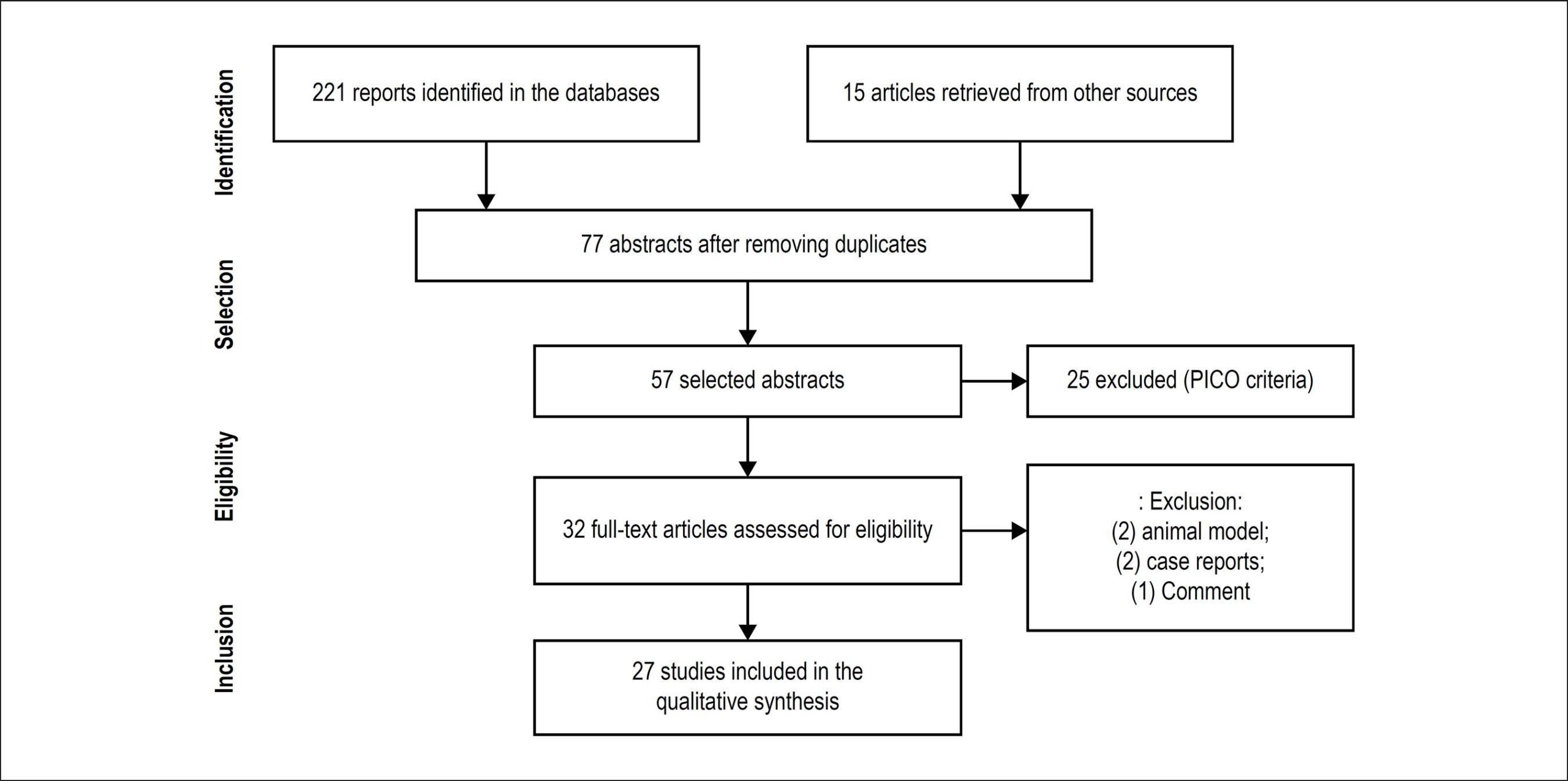
Breast cancer is the most frequently diagnosed tumor in women worldwide, with a significant impact on morbidity and mortality. Chemotherapy and hormone therapy have significantly reduced mortality; however, the adverse effects are significant. Aspirin has been incorporated into clinical practice for over 100 years at a low cost, making it particularly attractive as a potential agent in breast cancer prevention and as an adjunct treatment to endocrine therapy in the prophylaxis of cardiovascular complications. The objective of this study was to evaluate the role of aspirin in reducing the incidence of breast cancer and to evaluate the impact of its use on morbidity and mortality and reduction of cardiovascular events as adjuvant therapy during breast cancer treatment with selective estrogen receptor modulators. A systematic review was performed using the PRISMA methodology and PICO criteria, based on the MEDLINE, EMBASE and LILACS databases. The original articles of clinical trials, cohort, case-control studies and meta-analyses published from January 1998 to June 2017, were considered. Most studies showed an association between the use of selective estrogen receptor modulators and the increase in thromboembolic events. The studies suggest a protective effect of aspirin for cardiovascular events during its concomitant use with selective estrogen receptor modulators and in the prevention of breast cancer. This systematic review suggests that aspirin therapy combines the benefit of protection against cardiovascular events with the potential reduction in breast cancer risk, and that the evaluation of the benefits of the interaction of endocrine therapy with aspirin should be further investigated.

  • Aspirin
  • Breast Neoplasms/drug therapy
  • Cardiovascular Diseases / prevention & control
  • Indicators of Morbidity and Mortality
  • Raloxilene Hydrochloride
  • Selective Estrogen Receptor Modulators
  • Tamoxifen
Read Full Article
Creative Commons Attribution (CC BY) Creative Commons license
01/08/2018 DOI: 10.5935/abc.20180138
Figure 1
Anatomopathological Correlation

Case 4 – A 59-Year-Old Woman with Rheumatic Mitral Valve Disease (Severe Stenosis and Regurgitation), Severe Dyspnea, Shock and Pulmonary Condensation

Desiderio Favarato et al. Vera Demarchi Aiello

Clinical aspects

This is about a 59-year-old woman with double mitral lesions with pulmonary hypertension who, while awaiting surgery, had arterial hypotension, respiratory failure with hypotransparency in the right lung field. It evolved without improvement with vasoactive drugs, orotracheal intubation and antibiotic therapy, and she passed away in electrical activity without pulse.

The etiology of this patient’s valve disease should be attributed to rheumatic fever, although there is no description of an acute outbreak of that disease in the patient’s medical history. That is not unusual in a rheumatic disease scenario once using echocardiogram raises its frequency from 5 to 10 times when compared to a clinical diagnosis.–

[…]

  • Arrhythmias Cardiac
  • Heart Murmurs
  • Mitral Valve Insufficiency
  • Mitral Valve/Complications
  • Pulmonary embolism
Read Full Article
Creative Commons Attribution (CC BY) Creative Commons license
01/08/2018 DOI: 10.5935/abc.20180157
Editorial

Persistent Inflammatory Activity in Blood Cells and Artery Tissue from Patients with Previous Bare Metal Stent

Francisco Antonio Helfenstein Fonseca

The interesting article by Farsky et al. examined the persistence of inflammatory activity after bare metal stent implantation in patients later submitted to coronary artery bypass grafting (CABG).

The authors evidenced a higher systemic expression of the gene that encodes tumor necrosis factor-alpha (TNF-alpha) in peripheral blood cells, as well as a higher tissue expression of TNF-alpha and interleukin-6 (IL-6) in patients with previous bare metal stent implantation as compared to those of revascularized individuals without previous percutaneous stent placement.

[…]

  • Anti-Inflammatory Agents/therapy
  • Coronary Restenosis
  • Myocardial Revascularization
  • Stents, Inflammation
Read Full Article
Creative Commons Attribution (CC BY) Creative Commons license
01/08/2018 DOI: 10.5935/abc.20180142
Editorial

Atrial Fibrillation and Cryptogenic Thromboembolic Events

Benhur Davi Henz et al. Luiz Roberto Leite

Detection of subclinical atrial fibrillation in cryptogenic and embolic stroke of undetermined source

The use of long-term monitoring dramatically improved the ability to detect short, rare, and asymptomatic AF periods in stroke patients. The EMBRACE study evaluated 572 patients with ischemic stroke in the last 6 months, with no AF diagnosis, with randomization for 30-day continuous monitoring (287 patients) vs. 24-hour Holter (285 patients).

The AF detection rates (> 30 seconds) were 16.1% in the long-term monitoring group vs. 3.2% in the Holter group. Similarly, when Implantable Monitors (IM) were used, as in the CRYSTAL-AF (Cryptogenic Stroke and underlying Atrial Fibrillation) study, AF detection rates using IM were higher than the standard detection rates during a long-term follow-up: 8.9%, 12.4% and 30% vs. 1.4%, 2.0% and 3% in the period of 6, 12 and 36 months.

[…]

  • Atrial Fibrillation
  • Foramen Ovale,Patent
  • Stroke
  • Thromboembolism
Read Full Article
Creative Commons Attribution (CC BY) Creative Commons license
01/08/2018 DOI: 10.5935/abc.20180141 Views 1
Editorial

Cardiac Sympathetic Activity and the Neuro-Humoral Theory on Heart Failure with Reduced Ejection Fraction: Have We Learned Enough?

Thiago Quinaglia A. C. Silva et al. Otávio R. Coelho-Filho

Since the 1970s,, in observational trials, and more recently in placebo-controlled randomized trials,, antagonizing beta-1 adrenergic receptors in the myocardium has been shown to mitigate the burden of heart failure with reduced ejection fraction (HFrEF). Mortality has been reduced by 34-65% according to these studies. However, inhibiting the action of the peripheral sympathetic nervous system (SNS) by blocking alpha1 or stimulating alpha-2 central receptors has shown negative results or even an increased mortality, despite reducing norepinephrine plasma levels.– This indicates that SNS effects on myocardial receptors, more than in peripheral receptors, play a pivotal role in HFrEF pathophysiology.

Hyper-activation of the SNS and the renin-angiotensin-aldosterone axis, combined with an increase in load-dependent peptides and inflammatory cascades constitute the neuro-humoral theory on HFrEF progression. While the neuro-humoral response counteracts and compensates for an initial myocardial insult, in the long-term it contributes to the progression of the disease to the point that cardiovascular homeostasis eventually succumbs if not treated properly. Therapies targeting all these neuro-humoral responses have dramatically changed the natural history of HFrEF.

[…]

  • 123I-MIBC
  • Chagas Cardiomyopathy
  • Heart Failure
  • Myocardial/radionuclide imaging
  • Primary Dysautonomies
Read Full Article
Creative Commons Attribution (CC BY) Creative Commons license
01/08/2018 DOI: 10.5935/abc.20180148
Figure 1
Original Article

Satisfaction of Emergency Physicians with the Care Provided to Patients with Cardiovascular Diseases in the Northern Region of Minas Gerais

Milena Soriano Marcolino et al. João Antonio de Queiroz Oliveira Grace Kelly Matos e Silva Thatiane Dantas Dias … Barbara Campos Abreu Marino André Pires Antunes Antonio Luiz Ribeiro Clareci Silva Cardoso

Abstract

Background:

The dissatisfaction of health professionals in emergency services has a negative influence on both the quality of care provided for acute myocardial infarction (AMI) patients and the retention of those professionals.

Objective:

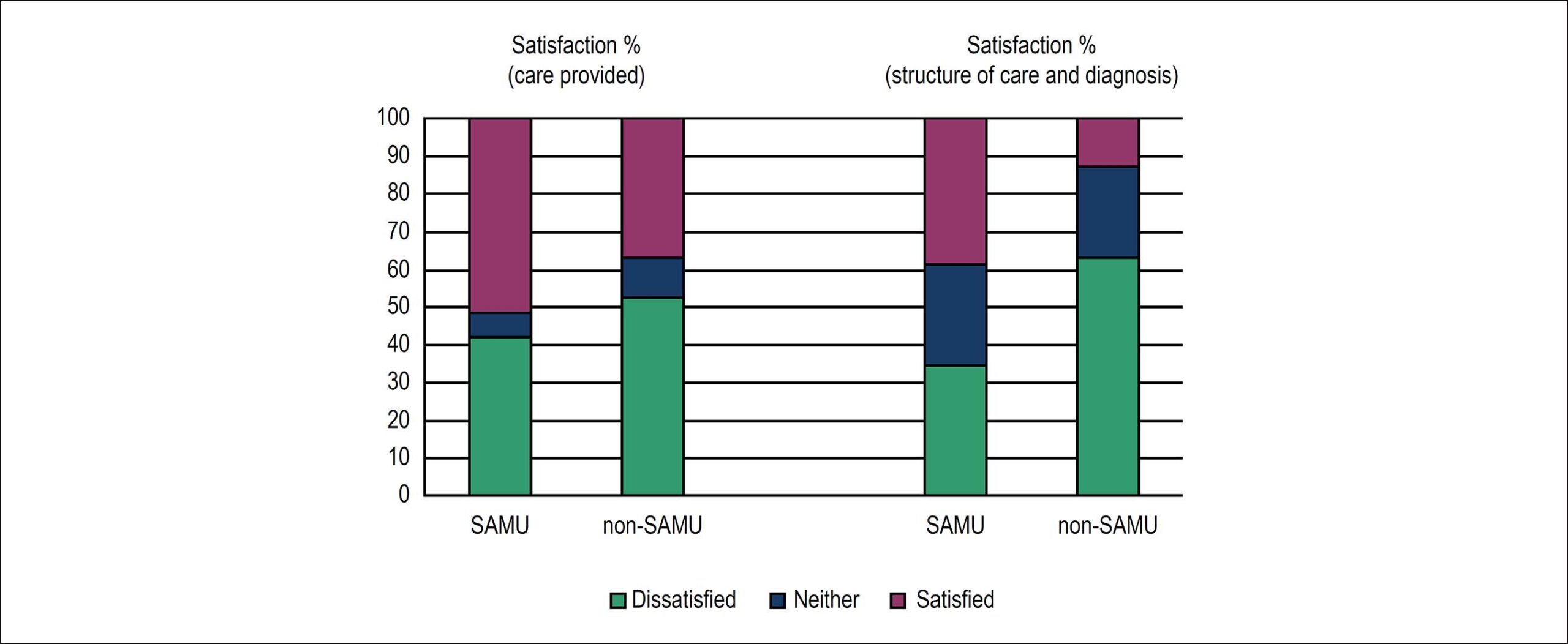
To assess physicians’ satisfaction with the structure of care and diagnosis at the emergency services in the Northern Region of Minas Gerais before the implementation of the AMI system of care.

Methods:

This cross-sectional study included physicians from the emergency units of the ambulance service (SAMU) and level II, III and IV regional hospitals. Satisfaction was assessed by using the CARDIOSATIS-Team scale. The median score for each item, the overall scale and the domains were calculated and then compared by groups using the non-parametric Mann-Whitney test. Correlation between time since graduation and satisfaction level was assessed using Spearman correlation. A p value < 0.05 was considered significant.

Results:

Of the 137 physicians included in the study, 46% worked at SAMU. Most of the interviewees showed overall dissatisfaction with the structure of care, and the median score for the overall scale was 2.0 [interquartile range (IQR) 2.0-4.0]. Most SAMU physicians expressed their dissatisfaction with the care provided (54%), the structure for managing cardiovascular diseases (52%), and the technology available for diagnosis (54%). The evaluation of the overall satisfaction evidenced that the dissatisfaction of SAMU physicians was lower when compared to that of hospital emergency physicians. Level III/IV hospital physicians expressed greater overall satisfaction when compared to level II hospital physicians.

Conclusion:

This study showed the overall dissatisfaction of the emergency physicians in the region assessed with the structure of care for cardiovascular emergencies.

  • Acute coronary syndrome
  • Cardiovascular Diseases
  • Emergency Medical Services
  • Epidemiology
  • Health Profile
  • Myocardial Infartion
  • Quality Indicators, Health Care
Read Full Article
Creative Commons Attribution (CC BY) Creative Commons license
01/08/2018 DOI: 10.5935/abc.20180143 Views 1
Figure 1
Original Article

Persistent Inflammatory Activity in Blood Cells and Artery Tissue from Patients with Previous Bare Metal Stent

Pedro Silvio Farsky et al. Mario H. Hirata Renato Tambellini Arnoni Antonio Flavio Sanches Almeida … Mario Issa Paula Helena Ortiz Lima Maria de Lourdes Higuchi Hui T Lin-Wang

Abstract

Background:

Studies have pointed out a higher mortality after coronary artery bypass surgery (CABG) in patients with stent.

Objective:

To evaluate inflammatory markers in peripheral blood cells and in coronary artery tissue samples obtained during CABG in patients with stent compared to controls.

Methods:

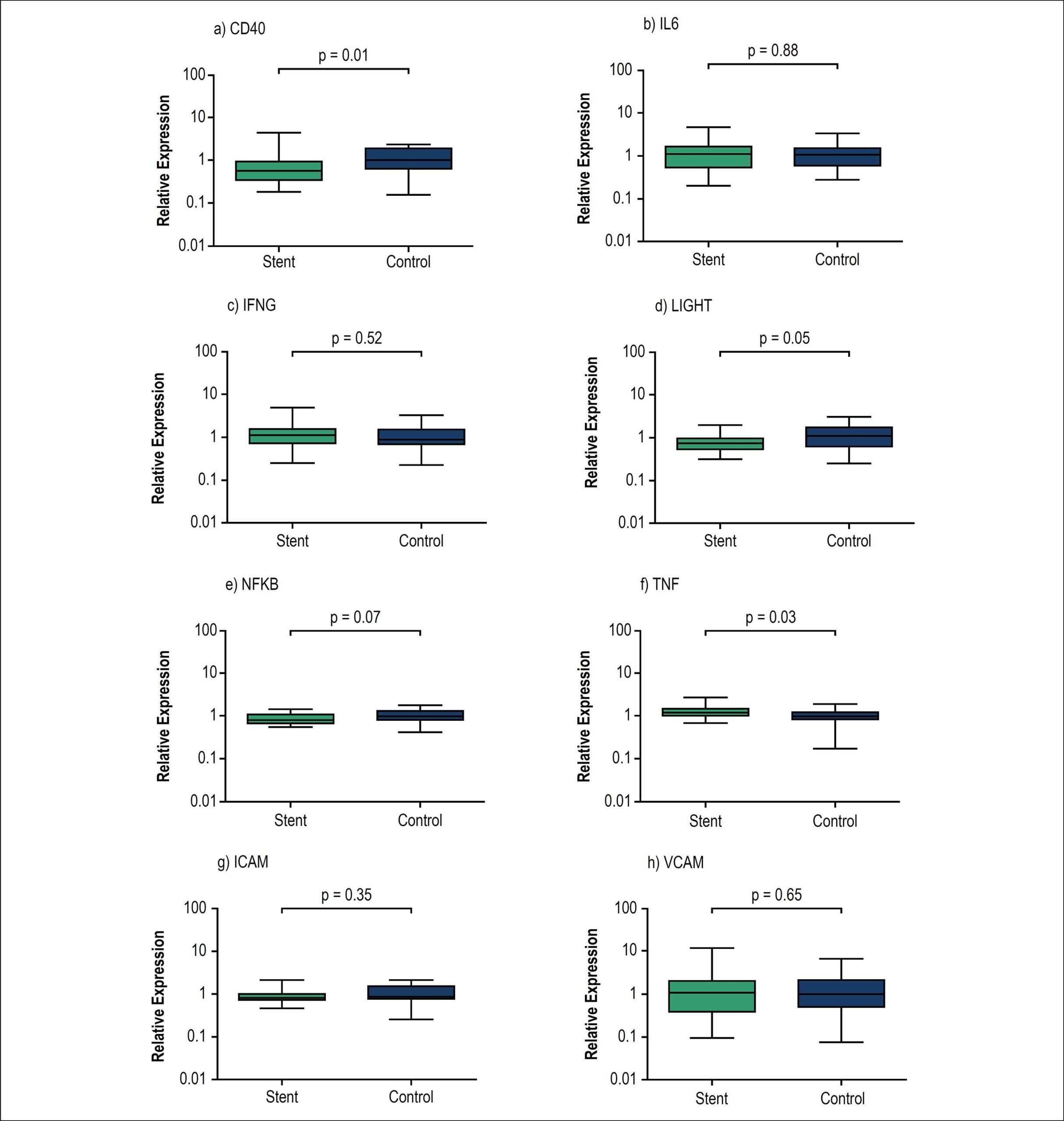
The case series consisted of two groups, one with previous stent implantation (n = 41) and one control (n = 26). The expression of the LIGHT, IL-6, ICAM, VCAM, CD40, NFKB, TNF, IFNG genes was analyzed in peripheral blood cells collected preoperatively. The coronary artery was evaluated for: interleukin-6, ICAM, VCAM, CD40, NFKB, TNF-alpha and IFN-gamma by immunohistochemistry. A total of 176 tissue samples were grouped for analysis in: A1- arteries with stent (n = 38); A2- native arteries from patients with stent in another artery (n = 68); and A3- arteries without stent from controls undergoing routinely CABG surgery (n = 70). A significance level of 0.05 was adopted.

Results:

Patients with stent showed higher TNF (p = 0.03) and lower CD40 gene expression (p = 0.01) in peripheral blood cells than controls without stent. In coronary artery samples, the TNF-alpha protein staining was higher in the group A1, not only in the intima-media layer (5.16 ± 5.05 vs 1.90 ± 2.27; p = 0.02), but also in the adipose tissue (6.69 ± 3.87 vs 2.27 ± 4.00; p < 0.001). Furthermore, group A1 had a higher interleukin-6 protein staining in adipose tissue than group A3 (p = 0.04).

Conclusion:

We observed a persistently higher systemic TNF expression associated with exacerbated TNF-alpha and interleukin-6 local production in patients with stents. This finding may contribute to a worse clinical outcome.

  • Blood Cells
  • Immunohistochemistry
  • Inflammation
  • Interleukin-6
  • Percutaneous Coronary Intervention
  • Polymerase Chain Reaction
  • Stents
  • Tumor Necrosis Factor-alpha
Read Full Article
Creative Commons Attribution (CC BY) Creative Commons license
16/07/2018 DOI: 10.5935/abc.20180119 Views 1
Figure 1
Original Article

Prognostic Impact of Iron Metabolism Changes in Patients with Acute Coronary Syndrome

Tatiana Duarte et al. Sara Gonçalves Catarina Sá Rita Rodrigues … Rita Marinheiro Marta Fonseca Filipe Seixo Rui Caria

Abstract

Background:

Iron metabolism disorders have been associated with an increased risk of cardiovascular events. However, the prognostic impact on patients (pts) with acute coronary syndrome (ACS) has yet to be clarified.

Objective:

To determine the prognostic value of serum iron and ferritin levels in pts with ACS in the short and long-term.

Methods:

Consecutive pts admitted to a coronary care unit with a diagnosis of ACS, for a period of 2 years, were evaluated. The population was divided into tertiles of serum iron and ferritin distribution. The primary adverse events were the occurrence of in-hospital death or heart failure (HF) and death or HF at 1 year of follow-up.

Results:

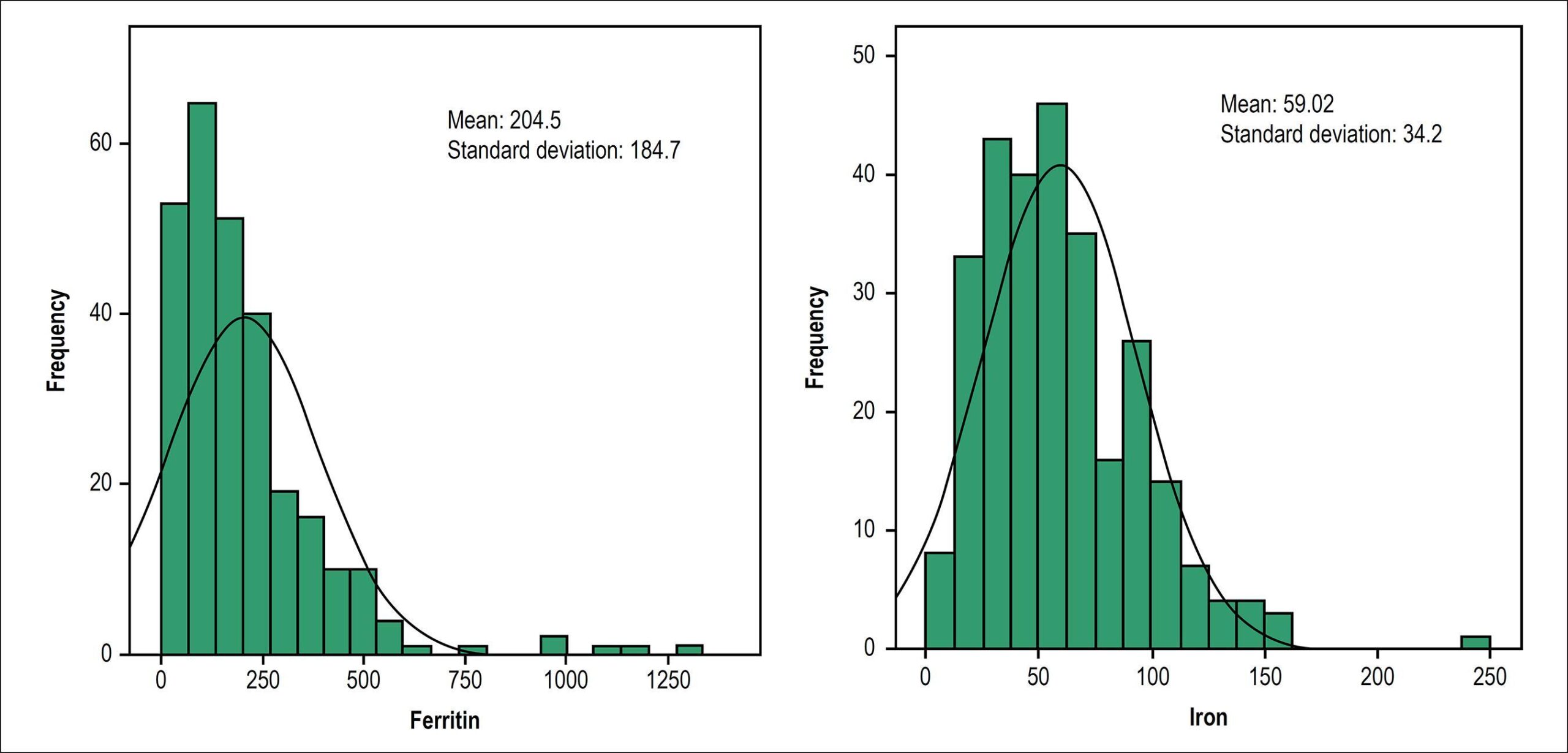
We studied 280 pts (73% males; mean age 68 ± 13 years). The mean levels of serum iron and ferritin were 59 ± 34 mcg/dL and 205 ± 185 ng/mL, respectively. Patients included in the 1st tertile of serum iron (≤ 40 mcg/dL) had a higher rate of adverse events, in-hospital and after 1 year. Lower and higher levels of ferritin (1st and 3rd tertiles, ≤ 110; >219 ng/ml, respectively) were associated with a higher incidence of HF during hospitalization and death at 1 year. A ferritin value >316 ng /mL was an independent risk factor for death at 1 year (adjusted OR: 14; 95%CI: 2.6 to 75.9).

Conclusion:

In this population, iron metabolism alterations were associated with a higher rate of adverse events and higher ferritin levels constituted an independent mortality predictor in the long-term.

  • Acute coronary syndrome
  • Iron Metabolism Disorders
  • Prognostic
Read Full Article
Creative Commons Attribution (CC BY) Creative Commons license
16/07/2018 DOI: 10.5935/abc.20180116
Figure 1
Original Article

Cryptogenic Acute Ischemic Stroke: Assessment of the Performance of a New Continuous Long-Term Monitoring System in the Detection of Atrial Fibrillation

Rogerio Ferreira Sampaio et al. Isabel Cristina Gomes Eduardo Back Sternick

Abstract

Background:

Long-term monitoring has been advocated to enhance the detection of atrial fibrillation (AF) in patients with stroke.

Objective:

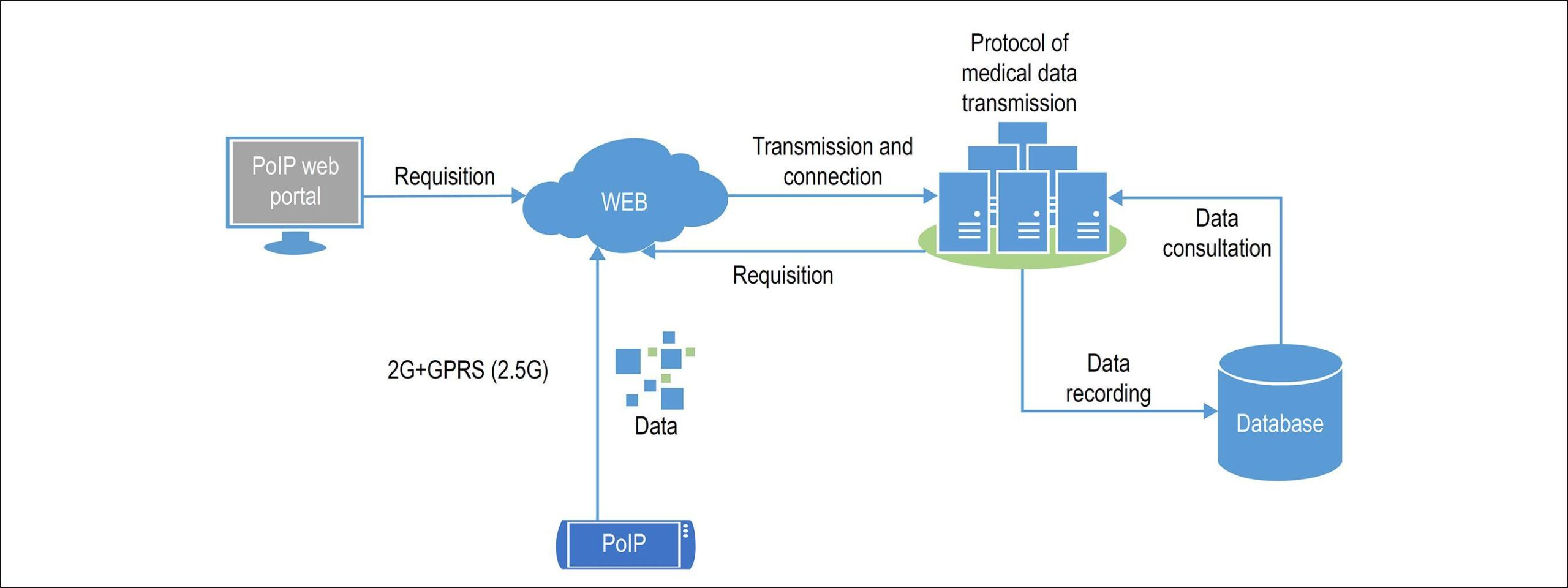
To evaluate the performance of a new ambulatory monitoring system with mobile data transmission (PoIP) compared with 24-hour Holter. We also aimed to evaluate the incidence of arrhythmias in patients with and without stroke or transient ischemic attack.

Methods:

Consecutive patients with and without stroke or TIA, without AF, were matched by propensity score. Participants underwent 24-hour Holter and 7-day PoIP monitoring.

Results:

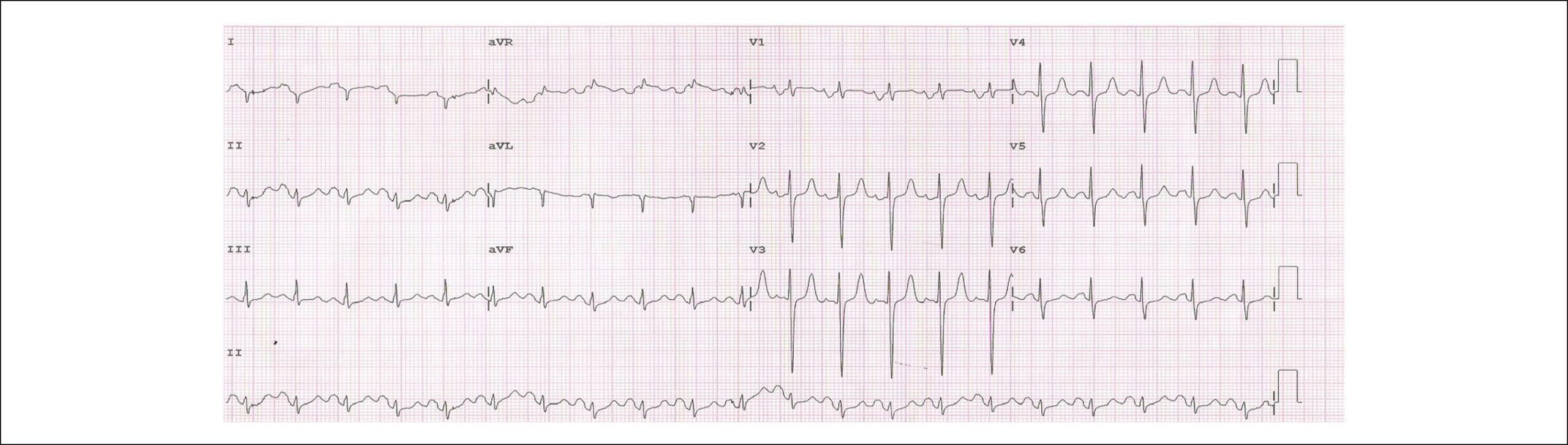
We selected 52 of 84 patients (26 with stroke or TIA and 26 controls). Connection and recording times were 156.5 ± 22.5 and 148.8 ± 20.8 hours, with a signal loss of 6,8% and 11,4%, respectively. Connection time was longer in ambulatory (164.3 ± 15.8 h) than in hospitalized patients (148.8 ± 25.6 h) (p = 0.02), while recording time did not differ between them (153.7 ± 16.9 and 143.0 ± 23.3 h). AF episodes were detected in 1 patient with stroke by Holter, and in 7 individuals (1 control and 6 strokes) by PoIP. There was no difference in the incidence of arrhythmias between the groups.

Conclusions:

Holter and PoIP performed equally well in the first 24 hours. Data transmission loss (4.5%) occurred by a mismatch between signal transmission (2.5G) and signal reception (3G) protocols in cell phone towers (3G). The incidence of arrhythmias was not different between stroke/TIA and control groups.

  • Atrial Fibrillation
  • Cell Phone
  • Electrocardiography, Ambulatory
  • Ischemic Attack, Transient
  • Stroke
Read Full Article
Creative Commons Attribution (CC BY) Creative Commons license
02/07/2018 DOI: 10.5935/abc.20180112 Views 1
Figure 1
Original Article

Physical Exercise and Regulation of Intracellular Calcium in Cardiomyocytes of Hypertensive Rats

Joel Alves Rodrigues et al. Thales Nicolau Prímola-Gomes Leôncio Lopes Soares Tiago Ferreira Leal … Clara Nóbrega Danillo Laviola Pedrosa Leonardo Mateus Teixeira Rezende Edilamar Menezes de Oliveira Antonio Jose Natali

Abstract

Background:

Regulation of intracellular calcium (Ca2+) in cardiomyocytes is altered by hypertension; and aerobic exercise brings benefits to hypertensive individuals.

Objective:

To verify the effects of aerobic exercise training on contractility and intracellular calcium (Ca2+) transients of cardiomyocytes and on the expression of microRNA 214 (miR-214) in the left ventricle of spontaneously hypertensive rats (SHR).

Methods:

SHR and normotensive Wistar rats of 16 weeks were divided into 4 groups -sedentary hypertensive (SH); trained hypertensive (TH); sedentary normotensive (SN); and trained normotensive (TN). Animals of the TH and TN groups were subjected to treadmill running program, 5 days/week, 1 hour/day at 60-70% of maximum running velocity for 8 weeks. We adopted a p ≤ 0.05 as significance level for all comparisons.

Results:

Exercise training reduced systolic arterial pressure in hypertensive rats. In normotensive rats, exercise training reduced the time to 50% cell relaxation and the time to peak contraction and increased the time to 50% decay of the intracellular Ca2+ transients. In SHR, exercise increased the amplitude and reduced the time to 50% decay of Ca2+ transients. Exercise training increased the expression of miR-214 in hypertensive rats only.

Conclusion:

The aerobic training applied in this study increased the availability of intracellular Ca2+ and accelerated the sequestration of these ions in left ventricular myocytes of hypertensive rats, despite increased expression of miR-214 and maintenance of cell contractility.

  • Calcium Signaling
  • Exercise
  • Hypertension
  • Intracellular Calcium
  • Rats
  • Sensing Proteins
Read Full Article
Creative Commons Attribution (CC BY) Creative Commons license
02/07/2018 DOI: 10.5935/abc.20180113
Figure 1
Original Article

Pioglitazone Induces Cardiomyocyte Apoptosis and Inhibits Cardiomyocyte Hypertrophy Via VEGFR-2 Signaling Pathway

Wenliang Zhong et al. Wen Jin Shanghua Xu Yanqing Wu … Shunxiang Luo Minlie Liang Lianglong Chen

Abstract

Background:

Pioglitazone has been widely used as an insulin-sensitizing agent for improving glycemic control in patients with type 2 diabetes mellitus. However, cardiovascular risk and protective effects of pioglitazone remain controversial.

Objectives:

In this study, we investigated whether pioglitazone affects cardiomyocyte apoptosis and hypertrophy by regulating the VEGFR-2 signaling pathway.

Methods:

Cardiomyocytes were enzymatically isolated from 1- to 3-day-old Sprague-Dawley rat ventricles. Effects of pioglitazone and the VEGFR-2-selective inhibitor apatinib on cardiomyocyte apoptotic rate was determined using flow cytometry, and hypertrophy was evaluated using [3H]-leucine incorporation. The protein expressions of unphosphorylated and phosphorylated VEGFR-2, Akt, P53, and mTOR were determined by Western-Blotting. Analysis of variance (ANOVA) was used to assess the differences between groups.

Results:

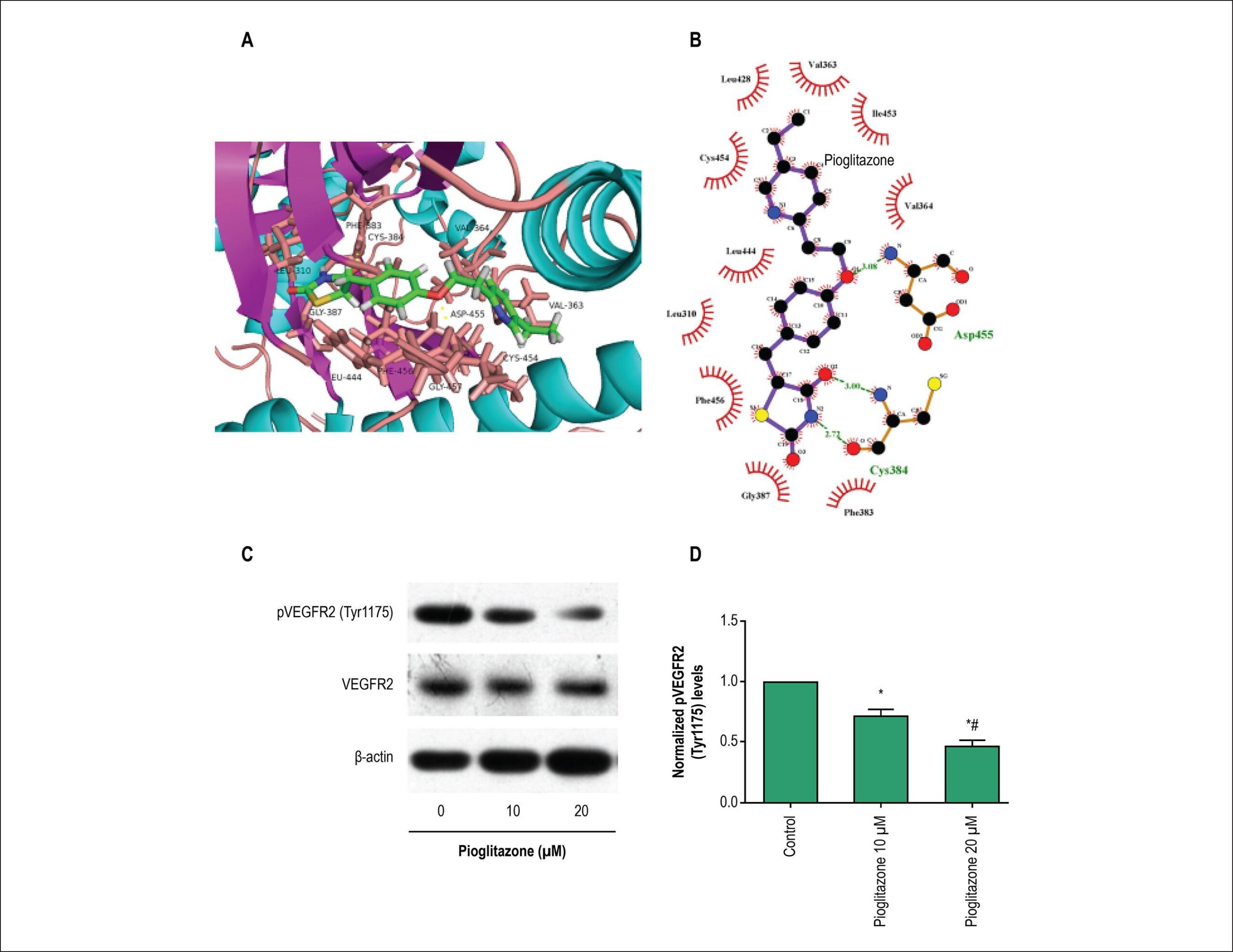
Pioglitazone and VEGFR-2-selective inhibitor apatinib reduced rat cardiomyocyte viability and cardiomyocyte hypertrophy induced by angiotensin II in vitro. Furthermore, in the same in vitro model, pioglitazone and apatinib significantly increased the expression of Bax and phosphorylated P53 and decreased the expression of phosphorylated VEGFR-2, Akt, and mTOR, which promote cardiomyocyte hypertrophy.

Conclusions:

These findings indicate that pioglitazone induces cardiomyocyte apoptosis and inhibits cardiomyocyte hypertrophy by modulating the VEGFR-2 signaling pathway.

  • antihypertensive agents
  • Apoptosis
  • Cardiomegaly
  • Heart Failure/physiopathology
  • Insulin Resistance
  • Myocytes, Cardiac
  • Thiazolidinediones
Read Full Article
Creative Commons Attribution (CC BY) Creative Commons license
02/07/2018 DOI: 10.5935/abc.20180108

How to cite this article

EndNote RIS

Electronic Document Format (Vancouver)

Marino VSP, Dumont SM, Mota LG, Braga DS, Freitas SS, Moreira MCV. Sympathetic Dysautonomia in Heart Failure by 123I-MIBG: comparison between Chagasic, non-Chagasic and heart transplant patients. Arquivos Brasileiros de Cardiologia 2018;111(2):182-90.

Electronic Document Format (ABNT)

Marino, Viviane Santuari Parisotto; Dumont, Sandra Monetti; Mota, Luciene das Graças; Braga, Daniela de Souza; Freitas, Stephanie Saliba de; Moreira, Maria da Consolação Vieira. Sympathetic Dysautonomia in Heart Failure by 123I-MIBG: comparison between Chagasic, non-Chagasic and heart transplant patients. Arquivos Brasileiros de Cardiologia, v. 111, n. 2, p. 182-190, Aug. 2018.

Electronic Document Format (APA)

Marino, V. S. P., Dumont, S. M., Mota, L. G., Braga, D. S., Freitas, S. S. , & Moreira, M. C. V. (2018). Sympathetic Dysautonomia in Heart Failure by 123I-MIBG: comparison between Chagasic, non-Chagasic and heart transplant patients. Arquivos Brasileiros de Cardiologia, 111(2), 182-190.

Electronic Document Format (ISO)

Marino, Viviane Santuari Parisotto and Dumont, Sandra Monetti and Mota, Luciene das Graças and Braga, Daniela de Souza and Freitas, Stephanie Saliba de and Moreira, Maria da Consolação Vieira. Sympathetic Dysautonomia in Heart Failure by 123I-MIBG: comparison between Chagasic, non-Chagasic and heart transplant patients. Arquivos Brasileiros de Cardiologia [online]. 2018, vol. 111, n. 2, [cited 2026-10-14], pp. 182-190. Available from: <https://journals.cardiol.br/en/article/sympathetic-dysautonomia-in-heart-failure-by-123i-mibg-comparison-between-chagasic-non-chagasic-and-heart-transplant-patients/>. ISSN 0066-782X

EndNote RIS

Electronic Document Format (Vancouver)

Santos HO. The Need for Sex Hormone Analysis in Addition to Long-Term Follow-Up of Phytosterol Supplementation. Arquivos Brasileiros de Cardiologia 2018;111(2):228-9.

Electronic Document Format (ABNT)

Santos, Heitor Oliveira. The Need for Sex Hormone Analysis in Addition to Long-Term Follow-Up of Phytosterol Supplementation. Arquivos Brasileiros de Cardiologia, v. 111, n. 2, p. 228-229, Jul. 2018.

Electronic Document Format (APA)

Santos, H. O. (2018). The Need for Sex Hormone Analysis in Addition to Long-Term Follow-Up of Phytosterol Supplementation. Arquivos Brasileiros de Cardiologia, 111(2), 228-229.

Electronic Document Format (ISO)

Santos, Heitor Oliveira. The Need for Sex Hormone Analysis in Addition to Long-Term Follow-Up of Phytosterol Supplementation. Arquivos Brasileiros de Cardiologia [online]. 2018, vol. 111, n. 2, [cited 2026-10-14], pp. 228-229. Available from: <https://journals.cardiol.br/en/article/the-need-for-sex-hormone-analysis-in-addition-to-long-term-follow-up-of-phytosterol-supplementation/>. ISSN 0066-782X

EndNote RIS

Electronic Document Format (Vancouver)

Polegato BF, Paiva SAR. Hypertension and Exercise: A Search for Mechanisms. Arquivos Brasileiros de Cardiologia 2018;111(2):180-1.

Electronic Document Format (ABNT)

Polegato, Bertha F.; Paiva, Sergio A. R. de. Hypertension and Exercise: A Search for Mechanisms. Arquivos Brasileiros de Cardiologia, v. 111, n. 2, p. 180-181, Jul. 2018.

Electronic Document Format (APA)

Polegato, B. F., & Paiva, S. A. R. (2018). Hypertension and Exercise: A Search for Mechanisms. Arquivos Brasileiros de Cardiologia, 111(2), 180-181.

Electronic Document Format (ISO)

Polegato, Bertha F. and Paiva, Sergio A. R. de. Hypertension and Exercise: A Search for Mechanisms. Arquivos Brasileiros de Cardiologia [online]. 2018, vol. 111, n. 2, [cited 2026-10-14], pp. 180-181. Available from: <https://journals.cardiol.br/en/article/hypertension-and-exercise-a-search-for-mechanisms/>. ISSN 0066-782X

EndNote RIS

Electronic Document Format (Vancouver)

Santos RAP, Guedes H, Marques L, Lourenço C, Silva JC, Pinto P. Transcatheter Closure of a Traumatic VSD with an ASD Occluder. Arquivos Brasileiros de Cardiologia 2018;111(2):223-5.

Electronic Document Format (ABNT)

Santos, Rui Alexandre Pontes dos; Guedes, Henrique; Marques, Leonor; Lourenço, Carolina; Silva, João Carlos; Pinto, Paula. Transcatheter Closure of a Traumatic VSD with an ASD Occluder. Arquivos Brasileiros de Cardiologia, v. 111, n. 2, p. 223-225, Jul. 2018.

Electronic Document Format (APA)

Santos, R. A. P. , Guedes, H., Marques, L., Lourenço, C., Silva, J. C., & Pinto, P. (2018). Transcatheter Closure of a Traumatic VSD with an ASD Occluder. Arquivos Brasileiros de Cardiologia, 111(2), 223-225.

Electronic Document Format (ISO)

Santos, Rui Alexandre Pontes dos and Guedes, Henrique and Marques, Leonor and Lourenço, Carolina and Silva, João Carlos and Pinto, Paula. Transcatheter Closure of a Traumatic VSD with an ASD Occluder. Arquivos Brasileiros de Cardiologia [online]. 2018, vol. 111, n. 2, [cited 2026-10-14], pp. 223-225. Available from: <https://journals.cardiol.br/en/article/transcatheter-closure-of-a-traumatic-vsd-with-an-asd-occluder/>. ISSN 0066-782X

EndNote RIS

Electronic Document Format (Vancouver)

Correia LCL, Rassi Junior A. Downstream Change of the Primary Endpoint in the ISCHEMIA Trial: the Elephant in the Room. Arquivos Brasileiros de Cardiologia 2018;111(2):213-4.

Electronic Document Format (ABNT)

Correia, Luis Cláudio Lemos; Rassi Junior, Anis. Downstream Change of the Primary Endpoint in the ISCHEMIA Trial: the Elephant in the Room. Arquivos Brasileiros de Cardiologia, v. 111, n. 2, p. 213-214, Jul. 2018.

Electronic Document Format (APA)

Correia, L. C. L., & Rassi Junior, A. (2018). Downstream Change of the Primary Endpoint in the ISCHEMIA Trial: the Elephant in the Room. Arquivos Brasileiros de Cardiologia, 111(2), 213-214.

Electronic Document Format (ISO)

Correia, Luis Cláudio Lemos and Rassi Junior, Anis. Downstream Change of the Primary Endpoint in the ISCHEMIA Trial: the Elephant in the Room. Arquivos Brasileiros de Cardiologia [online]. 2018, vol. 111, n. 2, [cited 2026-10-14], pp. 213-214. Available from: <https://journals.cardiol.br/en/article/downstream-change-of-the-primary-endpoint-in-the-ischemia-trial-the-elephant-in-the-room/>. ISSN 0066-782X

EndNote RIS

Electronic Document Format (Vancouver)

Minicucci MF, Zornoff LAM. VEGFR-2: One of Pioglitazone’s Signaling Pathways in the Heart. Arquivos Brasileiros de Cardiologia 2018;111(2):170-1.

Electronic Document Format (ABNT)

Minicucci, Marcos Ferreira; Zornoff, Leonardo Antonio Mamede. VEGFR-2: One of Pioglitazone’s Signaling Pathways in the Heart. Arquivos Brasileiros de Cardiologia, v. 111, n. 2, p. 170-171, Jul. 2018.

Electronic Document Format (APA)

Minicucci, M. F., & Zornoff, L. A. M. (2018). VEGFR-2: One of Pioglitazone’s Signaling Pathways in the Heart. Arquivos Brasileiros de Cardiologia, 111(2), 170-171.

Electronic Document Format (ISO)

Minicucci, Marcos Ferreira and Zornoff, Leonardo Antonio Mamede. VEGFR-2: One of Pioglitazone’s Signaling Pathways in the Heart. Arquivos Brasileiros de Cardiologia [online]. 2018, vol. 111, n. 2, [cited 2026-10-14], pp. 170-171. Available from: <https://journals.cardiol.br/en/article/vegfr-2-one-of-pioglitazones-signaling-pathways-in-the-heart/>. ISSN 0066-782X

EndNote RIS

Electronic Document Format (Vancouver)

Ribeiro HB. New Method Improves the Assessment of Aortic Regurgitation Grade during TAVR by Aortography. Arquivos Brasileiros de Cardiologia 2018;111(2):203-4.

Electronic Document Format (ABNT)

Ribeiro, Henrique B.. New Method Improves the Assessment of Aortic Regurgitation Grade during TAVR by Aortography. Arquivos Brasileiros de Cardiologia, v. 111, n. 2, p. 203-204, Jul. 2018.

Electronic Document Format (APA)

Ribeiro, H. B. (2018). New Method Improves the Assessment of Aortic Regurgitation Grade during TAVR by Aortography. Arquivos Brasileiros de Cardiologia, 111(2), 203-204.

Electronic Document Format (ISO)

Ribeiro, Henrique B.. New Method Improves the Assessment of Aortic Regurgitation Grade during TAVR by Aortography. Arquivos Brasileiros de Cardiologia [online]. 2018, vol. 111, n. 2, [cited 2026-10-14], pp. 203-204. Available from: <https://journals.cardiol.br/en/article/new-method-improves-the-assessment-of-aortic-regurgitation-grade-during-tavr-by-aortography/>. ISSN 0066-782X

EndNote RIS

Electronic Document Format (Vancouver)

Guimarães T, Plácido R, Quadros AC, Costa JM, Pinto FJ. Unexpected Mass in the Left Atrium. Arquivos Brasileiros de Cardiologia 2018;111(2):226-7.

Electronic Document Format (ABNT)

Guimarães, Tatiana; Plácido, Rui; Quadros, Ana Catarina; Costa, José Marques da; Pinto, Fausto J.. Unexpected Mass in the Left Atrium. Arquivos Brasileiros de Cardiologia, v. 111, n. 2, p. 226-227, Jul. 2018.

Electronic Document Format (APA)

Guimarães, T., Plácido, R., Quadros, A. C., Costa, J. M. , & Pinto, F. J. (2018). Unexpected Mass in the Left Atrium. Arquivos Brasileiros de Cardiologia, 111(2), 226-227.

Electronic Document Format (ISO)

Guimarães, Tatiana and Plácido, Rui and Quadros, Ana Catarina and Costa, José Marques da and Pinto, Fausto J.. Unexpected Mass in the Left Atrium. Arquivos Brasileiros de Cardiologia [online]. 2018, vol. 111, n. 2, [cited 2026-10-14], pp. 226-227. Available from: <https://journals.cardiol.br/en/article/unexpected-mass-in-the-left-atrium/>. ISSN 0066-782X

EndNote RIS

Electronic Document Format (Vancouver)

Miyazaki Y, Modolo R, Abdelghani M, Tateishi H, Cavalcante R, Collet C, Asano T, et al. The Role of Quantitative Aortographic Assessment of Aortic Regurgitation by Videodensitometry in the Guidance of Transcatheter Aortic Valve Implantation. Arquivos Brasileiros de Cardiologia 2018;111(2):193-202.

Electronic Document Format (ABNT)

Miyazaki, Yosuke; Modolo, Rodrigo; Abdelghani, Mohammad; Tateishi, Hiroki; Cavalcante, Rafael; Collet, Carlos; Asano, Taku; Katagiri, Yuki; Tenekecioglu, Erhan; Sarmento-Leite, Rogério; Mangione, José A.; Abizaid, Alexandre; Soliman, Osama I.I.; Onuma, Yoshinobu; Serruys, Patrick W.; Lemos, Pedro A.; Brito Jr., Fabio S. de. The Role of Quantitative Aortographic Assessment of Aortic Regurgitation by Videodensitometry in the Guidance of Transcatheter Aortic Valve Implantation. Arquivos Brasileiros de Cardiologia, v. 111, n. 2, p. 193-202, Jul. 2018.

Electronic Document Format (APA)

Miyazaki, Y., Modolo, R., Abdelghani, M., Tateishi, H., Cavalcante, R., Collet, C., Asano, T., Katagiri, Y., Tenekecioglu, E., Sarmento-Leite, R., Mangione, J. A., Abizaid, A., Soliman, O. I., Onuma, Y., Serruys, P. W., Lemos, P. A., & Brito Jr., F. S. (2018). The Role of Quantitative Aortographic Assessment of Aortic Regurgitation by Videodensitometry in the Guidance of Transcatheter Aortic Valve Implantation. Arquivos Brasileiros de Cardiologia, 111(2), 193-202.

Electronic Document Format (ISO)

Miyazaki, Yosuke and Modolo, Rodrigo and Abdelghani, Mohammad and Tateishi, Hiroki and Cavalcante, Rafael and Collet, Carlos and Asano, Taku and Katagiri, Yuki and Tenekecioglu, Erhan and Sarmento-Leite, Rogério and Mangione, José A. and Abizaid, Alexandre and Soliman, Osama I.I. and Onuma, Yoshinobu and Serruys, Patrick W. and Lemos, Pedro A. and Brito Jr., Fabio S. de. The Role of Quantitative Aortographic Assessment of Aortic Regurgitation by Videodensitometry in the Guidance of Transcatheter Aortic Valve Implantation. Arquivos Brasileiros de Cardiologia [online]. 2018, vol. 111, n. 2, [cited 2026-10-14], pp. 193-202. Available from: <https://journals.cardiol.br/en/article/the-role-of-quantitative-aortographic-assessment-of-aortic-regurgitation-by-videodensitometry-in-the-guidance-of-transcatheter-aortic-valve-implantation/>. ISSN 0066-782X

EndNote RIS

Electronic Document Format (Vancouver)

Tibiriçá E, Lorenzo AD, Oliveira GMM. Microcirculation and Cardiovascular Diseases. Arquivos Brasileiros de Cardiologia 2018;111(2):120-1.

Electronic Document Format (ABNT)

Tibiriçá, Eduardo; Lorenzo, Andrea De; Oliveira, Gláucia Maria Moraes de. Microcirculation and Cardiovascular Diseases. Arquivos Brasileiros de Cardiologia, v. 111, n. 2, p. 120-121, Jul. 2018.

Electronic Document Format (APA)

Tibiriçá, E., Lorenzo, A. D., & Oliveira, G. M. M. (2018). Microcirculation and Cardiovascular Diseases. Arquivos Brasileiros de Cardiologia, 111(2), 120-121.

Electronic Document Format (ISO)

Tibiriçá, Eduardo and Lorenzo, Andrea De and Oliveira, Gláucia Maria Moraes de. Microcirculation and Cardiovascular Diseases. Arquivos Brasileiros de Cardiologia [online]. 2018, vol. 111, n. 2, [cited 2026-10-14], pp. 120-121. Available from: <https://journals.cardiol.br/en/article/microcirculation-and-cardiovascular-diseases/>. ISSN 0066-782X

EndNote RIS

Electronic Document Format (Vancouver)

Leite AM, Macedo AVS, Jorge AJL, Martins WA. Antiplatelet Therapy in Breast Cancer Patients Using Hormonal Therapy: Myths, Evidence and Potentialities – Systematic Review. Arquivos Brasileiros de Cardiologia 2018;111(2):205-12.

Electronic Document Format (ABNT)

Leite, Andréa de Melo; Macedo, Ariane Vieira Scarlatelli; Jorge, Antonio José Lagoeiro; Martins, Wolney de Andrade. Antiplatelet Therapy in Breast Cancer Patients Using Hormonal Therapy: Myths, Evidence and Potentialities – Systematic Review. Arquivos Brasileiros de Cardiologia, v. 111, n. 2, p. 205-212, Jul. 2018.

Electronic Document Format (APA)

Leite, A. M., Macedo, A. V. S., Jorge, A. J. L., & Martins, W. A. (2018). Antiplatelet Therapy in Breast Cancer Patients Using Hormonal Therapy: Myths, Evidence and Potentialities – Systematic Review. Arquivos Brasileiros de Cardiologia, 111(2), 205-212.

Electronic Document Format (ISO)

Leite, Andréa de Melo and Macedo, Ariane Vieira Scarlatelli and Jorge, Antonio José Lagoeiro and Martins, Wolney de Andrade. Antiplatelet Therapy in Breast Cancer Patients Using Hormonal Therapy: Myths, Evidence and Potentialities – Systematic Review. Arquivos Brasileiros de Cardiologia [online]. 2018, vol. 111, n. 2, [cited 2026-10-14], pp. 205-212. Available from: <https://journals.cardiol.br/en/article/antiplatelet-therapy-in-breast-cancer-patients-using-hormonal-therapy-myths-evidence-and-potentialities-systematic-review/>. ISSN 0066-782X

EndNote RIS

Electronic Document Format (Vancouver)

Favarato D, Aiello VD. Case 4 – A 59-Year-Old Woman with Rheumatic Mitral Valve Disease (Severe Stenosis and Regurgitation), Severe Dyspnea, Shock and Pulmonary Condensation. Arquivos Brasileiros de Cardiologia 2018;111(2):215-22.

Electronic Document Format (ABNT)

Favarato, Desiderio; Aiello, Vera Demarchi. Case 4 – A 59-Year-Old Woman with Rheumatic Mitral Valve Disease (Severe Stenosis and Regurgitation), Severe Dyspnea, Shock and Pulmonary Condensation. Arquivos Brasileiros de Cardiologia, v. 111, n. 2, p. 215-222, Jul. 2018.

Electronic Document Format (APA)

Favarato, D., & Aiello, V. D. (2018). Case 4 – A 59-Year-Old Woman with Rheumatic Mitral Valve Disease (Severe Stenosis and Regurgitation), Severe Dyspnea, Shock and Pulmonary Condensation. Arquivos Brasileiros de Cardiologia, 111(2), 215-222.

Electronic Document Format (ISO)

Favarato, Desiderio and Aiello, Vera Demarchi. Case 4 – A 59-Year-Old Woman with Rheumatic Mitral Valve Disease (Severe Stenosis and Regurgitation), Severe Dyspnea, Shock and Pulmonary Condensation. Arquivos Brasileiros de Cardiologia [online]. 2018, vol. 111, n. 2, [cited 2026-10-14], pp. 215-222. Available from: <https://journals.cardiol.br/en/article/case-4-a-59-year-old-woman-with-rheumatic-mitral-valve-disease-severe-stenosis-and-regurgitation-severe-dyspnea-shock-and-pulmonary-condensation/>. ISSN 0066-782X

EndNote RIS

Electronic Document Format (Vancouver)

Fonseca FAH. Persistent Inflammatory Activity in Blood Cells and Artery Tissue from Patients with Previous Bare Metal Stent. Arquivos Brasileiros de Cardiologia 2018;111(2):142-3.

Electronic Document Format (ABNT)

Fonseca, Francisco Antonio Helfenstein. Persistent Inflammatory Activity in Blood Cells and Artery Tissue from Patients with Previous Bare Metal Stent. Arquivos Brasileiros de Cardiologia, v. 111, n. 2, p. 142-143, Jul. 2018.

Electronic Document Format (APA)

Fonseca, F. A. H. (2018). Persistent Inflammatory Activity in Blood Cells and Artery Tissue from Patients with Previous Bare Metal Stent. Arquivos Brasileiros de Cardiologia, 111(2), 142-143.

Electronic Document Format (ISO)

Fonseca, Francisco Antonio Helfenstein. Persistent Inflammatory Activity in Blood Cells and Artery Tissue from Patients with Previous Bare Metal Stent. Arquivos Brasileiros de Cardiologia [online]. 2018, vol. 111, n. 2, [cited 2026-10-14], pp. 142-143. Available from: <https://journals.cardiol.br/en/article/persistent-inflammatory-activity-in-blood-cells-and-artery-tissue-from-patients-with-previous-bare-metal-stent/>. ISSN 0066-782X

EndNote RIS

Electronic Document Format (Vancouver)

Henz BD, Leite LR. Atrial Fibrillation and Cryptogenic Thromboembolic Events. Arquivos Brasileiros de Cardiologia 2018;111(2):132-3.

Electronic Document Format (ABNT)

Henz, Benhur Davi; Leite, Luiz Roberto. Atrial Fibrillation and Cryptogenic Thromboembolic Events. Arquivos Brasileiros de Cardiologia, v. 111, n. 2, p. 132-133, Jul. 2018.

Electronic Document Format (APA)

Henz, B. D., & Leite, L. R. (2018). Atrial Fibrillation and Cryptogenic Thromboembolic Events. Arquivos Brasileiros de Cardiologia, 111(2), 132-133.

Electronic Document Format (ISO)

Henz, Benhur Davi and Leite, Luiz Roberto. Atrial Fibrillation and Cryptogenic Thromboembolic Events. Arquivos Brasileiros de Cardiologia [online]. 2018, vol. 111, n. 2, [cited 2026-10-14], pp. 132-133. Available from: <https://journals.cardiol.br/en/article/atrial-fibrillation-and-cryptogenic-thromboembolic-events/>. ISSN 0066-782X

EndNote RIS

Electronic Document Format (Vancouver)

Silva TQAC, Coelho-Filho OR. Cardiac Sympathetic Activity and the Neuro-Humoral Theory on Heart Failure with Reduced Ejection Fraction: Have We Learned Enough?. Arquivos Brasileiros de Cardiologia 2018;111(2):191-2.

Electronic Document Format (ABNT)

Silva, Thiago Quinaglia A. C.; Coelho-Filho, Otávio R.. Cardiac Sympathetic Activity and the Neuro-Humoral Theory on Heart Failure with Reduced Ejection Fraction: Have We Learned Enough?. Arquivos Brasileiros de Cardiologia, v. 111, n. 2, p. 191-192, Jul. 2018.

Electronic Document Format (APA)

Silva, T. Q. A. C., & Coelho-Filho, O. R. (2018). Cardiac Sympathetic Activity and the Neuro-Humoral Theory on Heart Failure with Reduced Ejection Fraction: Have We Learned Enough?. Arquivos Brasileiros de Cardiologia, 111(2), 191-192.

Electronic Document Format (ISO)

Silva, Thiago Quinaglia A. C. and Coelho-Filho, Otávio R.. Cardiac Sympathetic Activity and the Neuro-Humoral Theory on Heart Failure with Reduced Ejection Fraction: Have We Learned Enough?. Arquivos Brasileiros de Cardiologia [online]. 2018, vol. 111, n. 2, [cited 2026-10-14], pp. 191-192. Available from: <https://journals.cardiol.br/en/article/cardiac-sympathetic-activity-and-the-neuro-humoral-theory-on-heart-failure-with-reduced-ejection-fraction-have-we-learned-enough/>. ISSN 0066-782X

EndNote RIS

Electronic Document Format (Vancouver)

Marcolino MS, Oliveira JAQ, Silva GKM, Dias TD, Marino BCA, Antunes AP, Ribeiro AL, et al. Satisfaction of Emergency Physicians with the Care Provided to Patients with Cardiovascular Diseases in the Northern Region of Minas Gerais. Arquivos Brasileiros de Cardiologia 2018;111(2):151-9.

Electronic Document Format (ABNT)

Marcolino, Milena Soriano; Oliveira, João Antonio de Queiroz; Silva, Grace Kelly Matos e; Dias, Thatiane Dantas; Marino, Barbara Campos Abreu; Antunes, André Pires; Ribeiro, Antonio Luiz; Cardoso, Clareci Silva. Satisfaction of Emergency Physicians with the Care Provided to Patients with Cardiovascular Diseases in the Northern Region of Minas Gerais. Arquivos Brasileiros de Cardiologia, v. 111, n. 2, p. 151-159, Jul. 2018.

Electronic Document Format (APA)

Marcolino, M. S., Oliveira, J. A. Q., Silva, G. K. M. , Dias, T. D., Marino, B. C. A., Antunes, A. P., Ribeiro, A. L., & Cardoso, C. S. (2018). Satisfaction of Emergency Physicians with the Care Provided to Patients with Cardiovascular Diseases in the Northern Region of Minas Gerais. Arquivos Brasileiros de Cardiologia, 111(2), 151-159.

Electronic Document Format (ISO)

Marcolino, Milena Soriano and Oliveira, João Antonio de Queiroz and Silva, Grace Kelly Matos e and Dias, Thatiane Dantas and Marino, Barbara Campos Abreu and Antunes, André Pires and Ribeiro, Antonio Luiz and Cardoso, Clareci Silva. Satisfaction of Emergency Physicians with the Care Provided to Patients with Cardiovascular Diseases in the Northern Region of Minas Gerais. Arquivos Brasileiros de Cardiologia [online]. 2018, vol. 111, n. 2, [cited 2026-10-14], pp. 151-159. Available from: <https://journals.cardiol.br/en/article/satisfaction-of-emergency-physicians-with-the-care-provided-to-patients-with-cardiovascular-diseases-in-the-northern-region-of-minas-gerais/>. ISSN 0066-782X

EndNote RIS

Electronic Document Format (Vancouver)

Farsky PS, Hirata MH, Arnoni RT, Almeida AFS, Issa M, Lima PHO, Higuchi ML, et al. Persistent Inflammatory Activity in Blood Cells and Artery Tissue from Patients with Previous Bare Metal Stent. Arquivos Brasileiros de Cardiologia 2018;111(2):134-41.

Electronic Document Format (ABNT)

Farsky, Pedro Silvio; Hirata, Mario H.; Arnoni, Renato Tambellini; Almeida, Antonio Flavio Sanches; Issa, Mario; Lima, Paula Helena Ortiz; Higuchi, Maria de Lourdes; Lin-Wang, Hui T. Persistent Inflammatory Activity in Blood Cells and Artery Tissue from Patients with Previous Bare Metal Stent. Arquivos Brasileiros de Cardiologia, v. 111, n. 2, p. 134-141, Jul. 2018.

Electronic Document Format (APA)

Farsky, P. S., Hirata, M. H., Arnoni, R. T., Almeida, A. F. S., Issa, M., Lima, P. H. O., Higuchi, M. L., & Lin-Wang, H. T. (2018). Persistent Inflammatory Activity in Blood Cells and Artery Tissue from Patients with Previous Bare Metal Stent. Arquivos Brasileiros de Cardiologia, 111(2), 134-141.

Electronic Document Format (ISO)

Farsky, Pedro Silvio and Hirata, Mario H. and Arnoni, Renato Tambellini and Almeida, Antonio Flavio Sanches and Issa, Mario and Lima, Paula Helena Ortiz and Higuchi, Maria de Lourdes and Lin-Wang, Hui T. Persistent Inflammatory Activity in Blood Cells and Artery Tissue from Patients with Previous Bare Metal Stent. Arquivos Brasileiros de Cardiologia [online]. 2018, vol. 111, n. 2, [cited 2026-10-14], pp. 134-141. Available from: <https://journals.cardiol.br/en/article/persistent-inflammatory-activity-in-blood-cells-and-artery-tissue-from-patients-with-previous-bare-metal-stent-2/>. ISSN 0066-782X

EndNote RIS

Electronic Document Format (Vancouver)

Duarte T, Gonçalves S, Sá C, Rodrigues R, Marinheiro R, Fonseca M, Seixo F, et al. Prognostic Impact of Iron Metabolism Changes in Patients with Acute Coronary Syndrome. Arquivos Brasileiros de Cardiologia 2018;111(2):144-50.

Electronic Document Format (ABNT)

Duarte, Tatiana; Gonçalves, Sara; Sá, Catarina; Rodrigues, Rita; Marinheiro, Rita; Fonseca, Marta; Seixo, Filipe; Caria, Rui. Prognostic Impact of Iron Metabolism Changes in Patients with Acute Coronary Syndrome. Arquivos Brasileiros de Cardiologia, v. 111, n. 2, p. 144-150, Jul. 2018.

Electronic Document Format (APA)

Duarte, T., Gonçalves, S., Sá, C., Rodrigues, R., Marinheiro, R., Fonseca, M., Seixo, F., & Caria, R. (2018). Prognostic Impact of Iron Metabolism Changes in Patients with Acute Coronary Syndrome. Arquivos Brasileiros de Cardiologia, 111(2), 144-150.

Electronic Document Format (ISO)

Duarte, Tatiana and Gonçalves, Sara and Sá, Catarina and Rodrigues, Rita and Marinheiro, Rita and Fonseca, Marta and Seixo, Filipe and Caria, Rui. Prognostic Impact of Iron Metabolism Changes in Patients with Acute Coronary Syndrome. Arquivos Brasileiros de Cardiologia [online]. 2018, vol. 111, n. 2, [cited 2026-10-14], pp. 144-150. Available from: <https://journals.cardiol.br/en/article/prognostic-impact-of-iron-metabolism-changes-in-patients-with-acute-coronary-syndrome/>. ISSN 0066-782X

EndNote RIS

Electronic Document Format (Vancouver)

Sampaio RF, Gomes IC, Sternick EB. Cryptogenic Acute Ischemic Stroke: Assessment of the Performance of a New Continuous Long-Term Monitoring System in the Detection of Atrial Fibrillation. Arquivos Brasileiros de Cardiologia 2018;111(2):122-31.

Electronic Document Format (ABNT)

Sampaio, Rogerio Ferreira; Gomes, Isabel Cristina; Sternick, Eduardo Back. Cryptogenic Acute Ischemic Stroke: Assessment of the Performance of a New Continuous Long-Term Monitoring System in the Detection of Atrial Fibrillation. Arquivos Brasileiros de Cardiologia, v. 111, n. 2, p. 122-131, Jul. 2018.

Electronic Document Format (APA)

Sampaio, R. F., Gomes, I. C., & Sternick, E. B. (2018). Cryptogenic Acute Ischemic Stroke: Assessment of the Performance of a New Continuous Long-Term Monitoring System in the Detection of Atrial Fibrillation. Arquivos Brasileiros de Cardiologia, 111(2), 122-131.

Electronic Document Format (ISO)

Sampaio, Rogerio Ferreira and Gomes, Isabel Cristina and Sternick, Eduardo Back. Cryptogenic Acute Ischemic Stroke: Assessment of the Performance of a New Continuous Long-Term Monitoring System in the Detection of Atrial Fibrillation. Arquivos Brasileiros de Cardiologia [online]. 2018, vol. 111, n. 2, [cited 2026-10-14], pp. 122-131. Available from: <https://journals.cardiol.br/en/article/cryptogenic-acute-ischemic-stroke-assessment-of-the-performance-of-a-new-continuous-long-term-monitoring-system-in-the-detection-of-atrial-fibrillation/>. ISSN 0066-782X

EndNote RIS

Electronic Document Format (Vancouver)

Rodrigues JA, Prímola-Gomes TN, Soares LL, Leal TF, Nóbrega C, Pedrosa DL, Rezende LMT, et al. Physical Exercise and Regulation of Intracellular Calcium in Cardiomyocytes of Hypertensive Rats. Arquivos Brasileiros de Cardiologia 2018;111(2):172-9.

Electronic Document Format (ABNT)

Rodrigues, Joel Alves; Prímola-Gomes, Thales Nicolau; Soares, Leôncio Lopes; Leal, Tiago Ferreira; Nóbrega, Clara; Pedrosa, Danillo Laviola; Rezende, Leonardo Mateus Teixeira; Oliveira, Edilamar Menezes de; Natali, Antonio Jose. Physical Exercise and Regulation of Intracellular Calcium in Cardiomyocytes of Hypertensive Rats. Arquivos Brasileiros de Cardiologia, v. 111, n. 2, p. 172-179, Jul. 2018.

Electronic Document Format (APA)

Rodrigues, J. A., Prímola-Gomes, T. N., Soares, L. L., Leal, T. F., Nóbrega, C., Pedrosa, D. L., Rezende, L. M. T., Oliveira, E. M. , & Natali, A. J. (2018). Physical Exercise and Regulation of Intracellular Calcium in Cardiomyocytes of Hypertensive Rats. Arquivos Brasileiros de Cardiologia, 111(2), 172-179.

Electronic Document Format (ISO)

Rodrigues, Joel Alves and Prímola-Gomes, Thales Nicolau and Soares, Leôncio Lopes and Leal, Tiago Ferreira and Nóbrega, Clara and Pedrosa, Danillo Laviola and Rezende, Leonardo Mateus Teixeira and Oliveira, Edilamar Menezes de and Natali, Antonio Jose. Physical Exercise and Regulation of Intracellular Calcium in Cardiomyocytes of Hypertensive Rats. Arquivos Brasileiros de Cardiologia [online]. 2018, vol. 111, n. 2, [cited 2026-10-14], pp. 172-179. Available from: <https://journals.cardiol.br/en/article/physical-exercise-and-regulation-of-intracellular-calcium-in-cardiomyocytes-of-hypertensive-rats/>. ISSN 0066-782X

EndNote RIS

Electronic Document Format (Vancouver)

Zhong W, Jin W, Xu S, Wu Y, Luo S, Liang M, Chen L, et al. Pioglitazone Induces Cardiomyocyte Apoptosis and Inhibits Cardiomyocyte Hypertrophy Via VEGFR-2 Signaling Pathway. Arquivos Brasileiros de Cardiologia 2018;111(2):162-9.

Electronic Document Format (ABNT)

Zhong, Wenliang; Jin, Wen; Xu, Shanghua; Wu, Yanqing; Luo, Shunxiang; Liang, Minlie; Chen, Lianglong. Pioglitazone Induces Cardiomyocyte Apoptosis and Inhibits Cardiomyocyte Hypertrophy Via VEGFR-2 Signaling Pathway. Arquivos Brasileiros de Cardiologia, v. 111, n. 2, p. 162-169, Jul. 2018.

Electronic Document Format (APA)

Zhong, W., Jin, W., Xu, S., Wu, Y., Luo, S., Liang, M., & Chen, L. (2018). Pioglitazone Induces Cardiomyocyte Apoptosis and Inhibits Cardiomyocyte Hypertrophy Via VEGFR-2 Signaling Pathway. Arquivos Brasileiros de Cardiologia, 111(2), 162-169.

Electronic Document Format (ISO)

Zhong, Wenliang and Jin, Wen and Xu, Shanghua and Wu, Yanqing and Luo, Shunxiang and Liang, Minlie and Chen, Lianglong. Pioglitazone Induces Cardiomyocyte Apoptosis and Inhibits Cardiomyocyte Hypertrophy Via VEGFR-2 Signaling Pathway. Arquivos Brasileiros de Cardiologia [online]. 2018, vol. 111, n. 2, [cited 2026-10-14], pp. 162-169. Available from: <https://journals.cardiol.br/en/article/pioglitazone-induces-cardiomyocyte-apoptosis-and-inhibits-cardiomyocyte-hypertrophy-via-vegfr-2-signaling-pathway/>. ISSN 0066-782X

Sede – Rio de Janeiro
Av. Marechal Câmara, 160
3º andar – Sala: 330 – Centro
Rio de Janeiro – CEP: 20020-907
Tel.: (55 +21) 3478-2700
ou (21) 99386-3961
E-mail: revista@cardiol.br

Sede – São Paulo
Alameda Santos, 705 – 11º andar
Cerqueira César | São Paulo
CEP: 01419-001
Tel.: (55 +11) 3411-5500
E-mail: revista@cardiol.br

  • About the Journal
  • Internal Regulation
  • Editors Section
  • Editorial Board
  • History
  • SBC Award

  • Guidelines for Publication
  • Editorial Policy
  • Ethics Policy
  • Policy on the Use of Artificial Intelligence
  • Mandatory Publication Form
  • Publication Fee

Issues

SBC Guidelines

  • How to Publish an Abstract Supplement?
  • Supplements from the Brazilian Congress of Cardiology