ABC Family Arquivos Brasileiros de Cardiologia International Journal of Cardiovascular Sciences ABC Heart Failure & Cardiomyopathy ABC Imagem Cardiovascular
Português English
ABC Family
Português English
  • About
    • About ABC Family
    • Internal Regulation
    • Editorial Board
    • Brazilian Society of Cardiology (SBC)
  • Issues
  • SBC Guidelines
  • Content
    • Videos
    • Podcasts
    • News
  • About
    • About ABC Family
    • Internal Regulation
    • Editorial Board
    • Brazilian Society of Cardiology (SBC)
  • Issues
  • SBC Guidelines
  • Content
    • Videos
    • Podcasts
    • News

ABC Family

  • ABC Family
  • Arquivos Brasileiros de Cardiologia
  • International Journal of Cardiovascular Sciences
  • ABC Heart Failure & Cardiomyopathy
  • ABC Imagem Cardiovascular
Search in

No content found.

Journals
Ordering
Article types
Others

  1. Home
  2. Keyword: Acute Coronary Syndrome / mortality
IJCS
Editorial

Risk Scores in Acute Coronary Syndrome: Current Applications and Future Perspectives

Pedro G. M. de Barros e Silva et al. Renato D. Lopes

Editorial referring to the article: Validation of the Grace Risk Score to Predict In-Hospital and 6-Month Post-Discharge Mortality in Patients with Acute Coronary Syndrome

Acute Coronary Syndrome (ACS) is the most common cause of death worldwide. Nevertheless, ACS represents a heterogenous group of diseases, encompassing since low-risk unstable angina (30-day mortality below 1%), until patients with ST-elevation myocardial infarction (STEMI) and cardiogenic shock (30-day mortality around 50%). Multivariable prediction models have been developed to classify short-term and long-term risk of these patients (). For patients with the diagnosis of ACS, the TIMI risk score and the Global Registry of Acute Coronary Events (GRACE) score have been largely used in clinical practice; the latter, despite being more complex, has shown better performance as a prognostic tool, including prognostic information not only about the acute phase but also about the risk within six months after the cardiac event.

[…]

  • Acute Coronary Syndrome / mortality
  • Forecasting
  • Models
  • Prognosis
  • Statistical
Read Full Article
Creative Commons Attribution (CC BY) Creative Commons license
09/03/2022 DOI: 10.36660/ijcs.20220006 Views 1
Figure 1
ABC
Original Article

Frequency and Reasons for Non-Administration and Suspension of Drugs During an Acute Coronary Syndrome Event. The ERICO Study

Rafael C. O. Santos et al. Isabela M. Bensenor Alessandra C. Goulart Paulo A. Lotufo Itamar S. Santos

Abstract

Background:

Few studies have discussed the reasons for pharmacological undertreatment of Acute Coronary Syndrome (ACS).

Objectives:

To determine the frequency and reasons for the non-administration and suspension of medications during in-hospital treatments of ACS in the Strategy of Registry of Acute Coronary Syndrome (ERICO) study.

Methods:

The present study analyzed the medical charts of the 563 participants in the ERICO study to evaluate the frequency and reasons for the non-administration and/or suspension of medications. Logistic regression models were built to analyze if sex, age ≥65 years of age, educational level, or ACS subtype were associated with (a) the non-administration of ≥1 medications; and (b) the non-administration or suspension of ≥1 medications. The significance level was set at 5%.

Results:

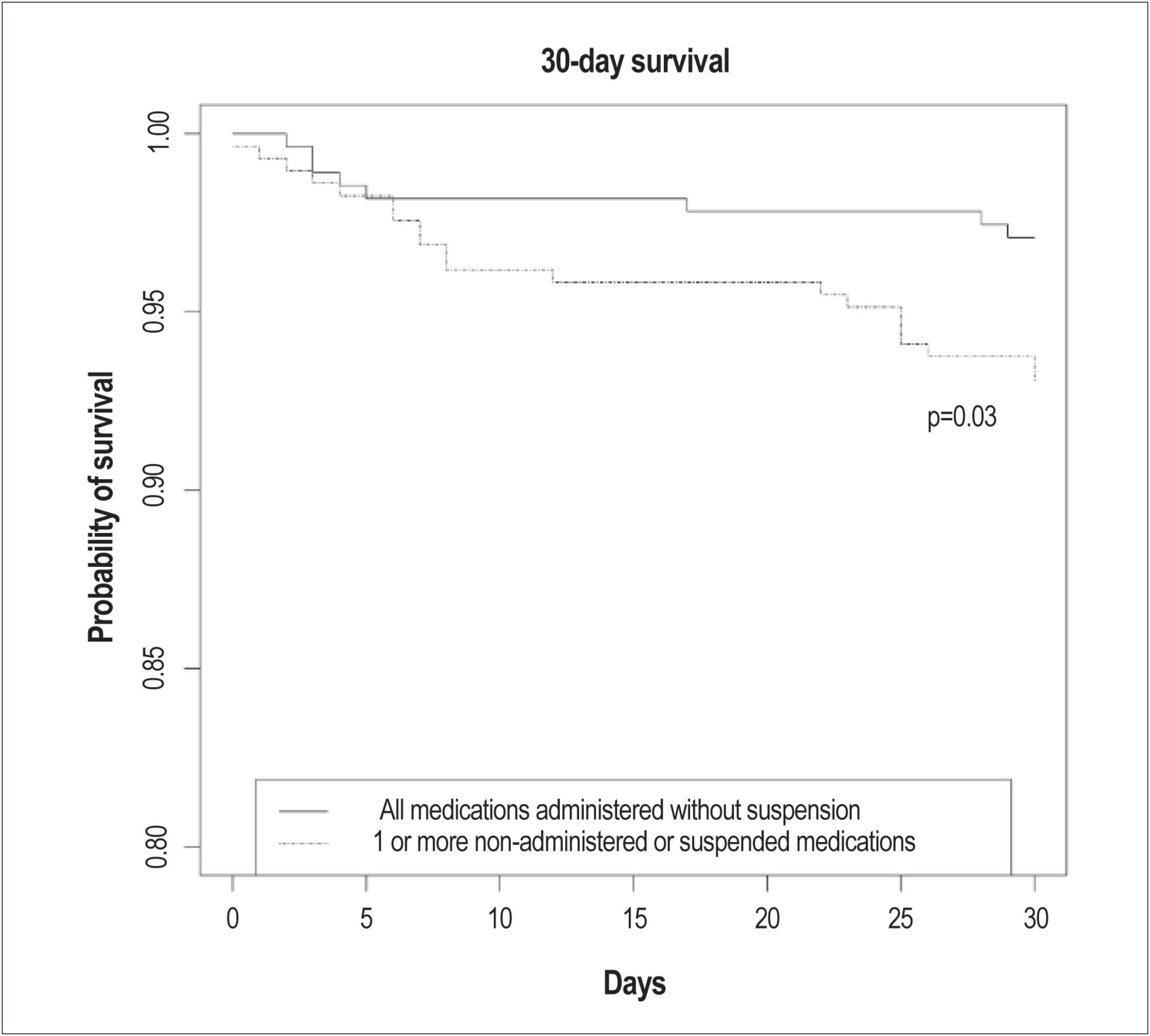
This study’s sample included 58.1% males, with a median of 62 years of age. In 183 (32.5%) participants, ≥1 medications were not administered, while in 288 (51.2%), ≥1 medications were not administered or were suspended. The most common reasons were the risk of bleeding (aspirin, clopidogrel, and heparin), heart failure (beta blockers), and hypotension (angiotensin-converting enzyme inhibitors and angiotensin receptor blockers). Individuals aged ≥65 (odds ratio [OR]:1.51; 95% confidence interval [95% CI]:1.05-2.19) and those with unstable angina (OR:1.72; 95% CI:1.07-2.75) showed a higher probability for the non-administration of ≥1 medication. Considering only patients with myocardial infarction, being ≥65 years of age was associated with both the non-administration and the non-administration or suspension of ≥1 medication.

Conclusions:

Non-administration or suspension of ≥1 medication proved to be common in this ERICO study. Individuals of ≥65 years of age or with unstable angina showed a higher probability of the non-administration of ≥1 medication and may be undertreated in this scenario. (Arq Bras Cardiol. 2020; 115(5):830-839)

  • Acute Coronary Syndrome / mortality
  • Health Care/Public Health)
  • Morbidity
  • Withholding Treatment /drug therapy
Read Full Article
Creative Commons Attribution (CC BY) Creative Commons license
07/12/2020 DOI: 10.36660/abc.20190317 Views 1
Chart 1
IJCS
Original Article

Impact of Periodontal Disease on Late Morbimortality (10 Years) of Pacientes with Acute Coronary Syndrome

Luis Lemos Moras et al. Thamara Angeliny Carvalho Marina Bragheto Oliveira Gabriel Andrey Ricci … Renata Accarini Moacir Fernandes de Godoy

Abstract

Background:

It is known that predisposing factors for periodontal disease (PD) and cardiovascular diseases are similar, just as dissemination of oral flora pathogens can induce the development of cardiovascular diseases, which play a direct role on the morbimortality of patients.

Objective:

To assess the impact of periodontal disease in the presence of acute coronary syndrome on late morbimortality after long-term follow-up of patients (10 years).

Methods:

The historical prospective study of continuous assessment was based on the evaluation of 345 medical records of patients hospitalized for acute coronary syndrome, divided into 3 groups: edentulous, with periodontal disease and without periodontal disease. The patients studied were in the ICU, in 2006, with a clinical picture of acute coronary syndrome submitted to invasive stratification with coronary angiography on the basis of clinical indication and were reassessed over the next 10 years. The qualitative variables were compared using the Chi-square test. Long-term mortality was assessed using the Kaplan-Meier curves, quantified with the hazard ratio (HR) and a confidence interval of 95% and compared through Cox regression. P values of less than or equal to 0.05 were regarded as statistically significant.

Results:

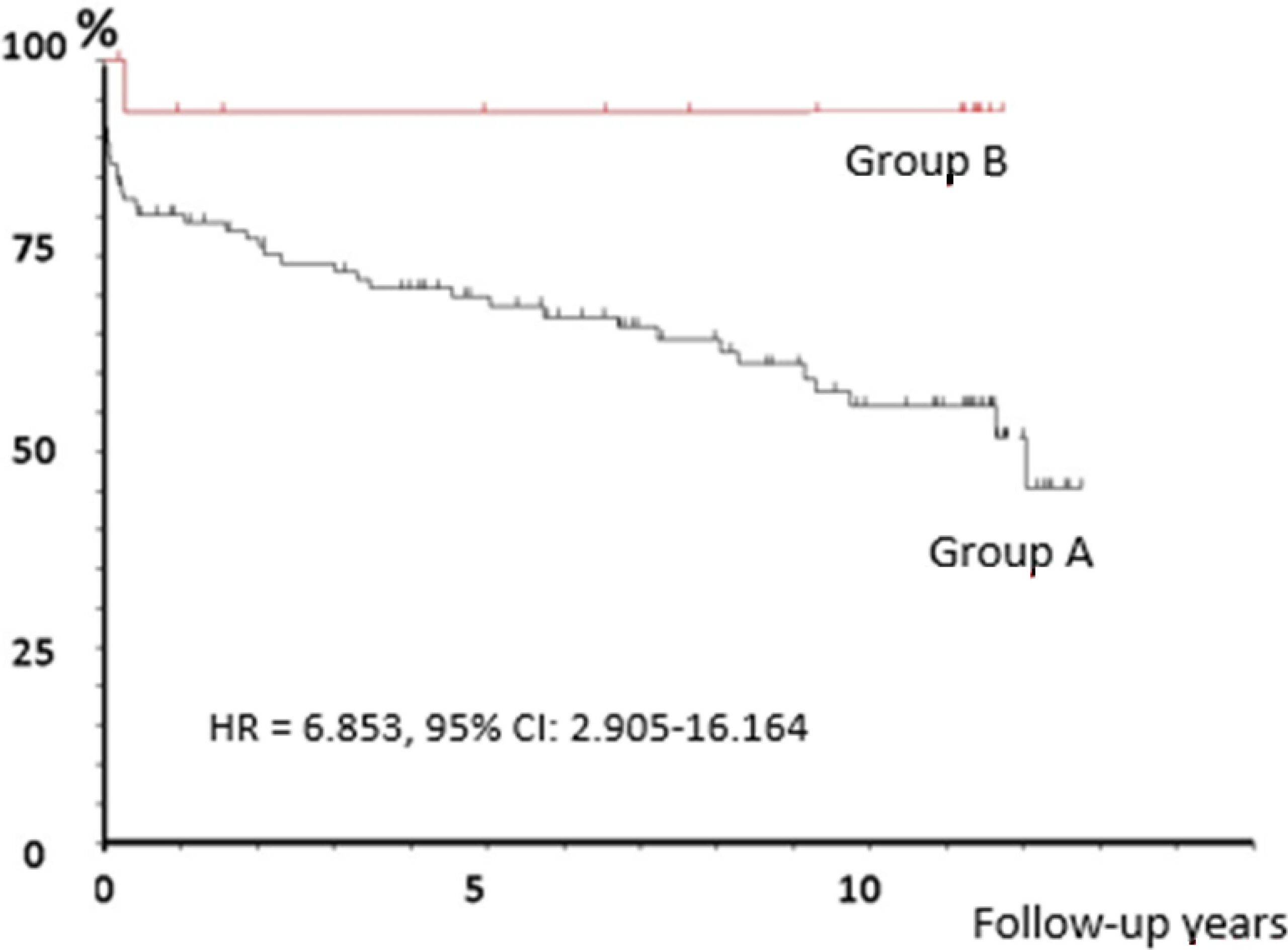
Of the 345 patients, 233 had at least one coronary obstruction greater than or equal to 50%, being the main group for comparison according to the different status of periodontal disease (without periodontal disease, with periodontal disease and edentulous). In this cardiovascular condition, we found a difference in mortality among edentulous patients compared to those free of periodontal disease, with a p = 0.004 and a hazard ratio of 10.496 (95% CI: 4.988-22.089). A significant difference was also noted between edentulous patients and patients with periodontal disease, with a p = 0.0017 and a hazard ratio of 2.512 (95% CI: 1.491-4.234).

Conclusion:

A significant increase in mortality was found according with the progression of periodontal disease, which justifies its classification as an important risk factor for the development of cardiovascular diseases, as well as the need for prevention and treatment of oral diseases.

  • Acute Coronary Syndrome / mortality
  • Dental Plaque
  • Gengivitis, Plaque Atherosclerotic
  • Periodontal Diseases/complications
Read Full Article
Creative Commons Attribution (CC BY) Creative Commons license
01/01/2019 DOI: 10.5935/2359-4802.20180074
Figure 1
ABC
Original Article

Prognostic Accuracy of the GRACE Score in Octogenarians and Nonagenarians with Acute Coronary Syndromes

Antonio Mauricio dos Santos Cerqueira Junior et al. Luisa Gondim dos Santos Pereira Thiago Menezes Barbosa de Souza Vitor Calixto de Almeida Correia … Felipe Kalil Beirão Alexandre Gabriella Sant’Ana Sodré Jessica Gonzalez Suerdieck Felipe Ferreira Marcia Maria Noya Rabelo Luis Cláudio Lemos Correia

Abstract

Background:

The GRACE Score was derived and validated from a cohort in which octogenarians and nonagenarians were poorly represented.

Objective:

To test the accuracy of the GRACE score in predicting in-hospital mortality of very elderly individuals with acute coronary syndromes (ACS).

Methods:

Prospective observational study conducted in the intensive coronary care unit of a tertiary center from September 2011 to August 2016. Patients consecutively admitted due to ACS were selected, and the very elderly group was defined by age ≥ 80 years. The GRACE Score was based on admission data and its accuracy was tested regarding prediction of in-hospital death. Statistical significance was defined by p value < 0,05.

Results:

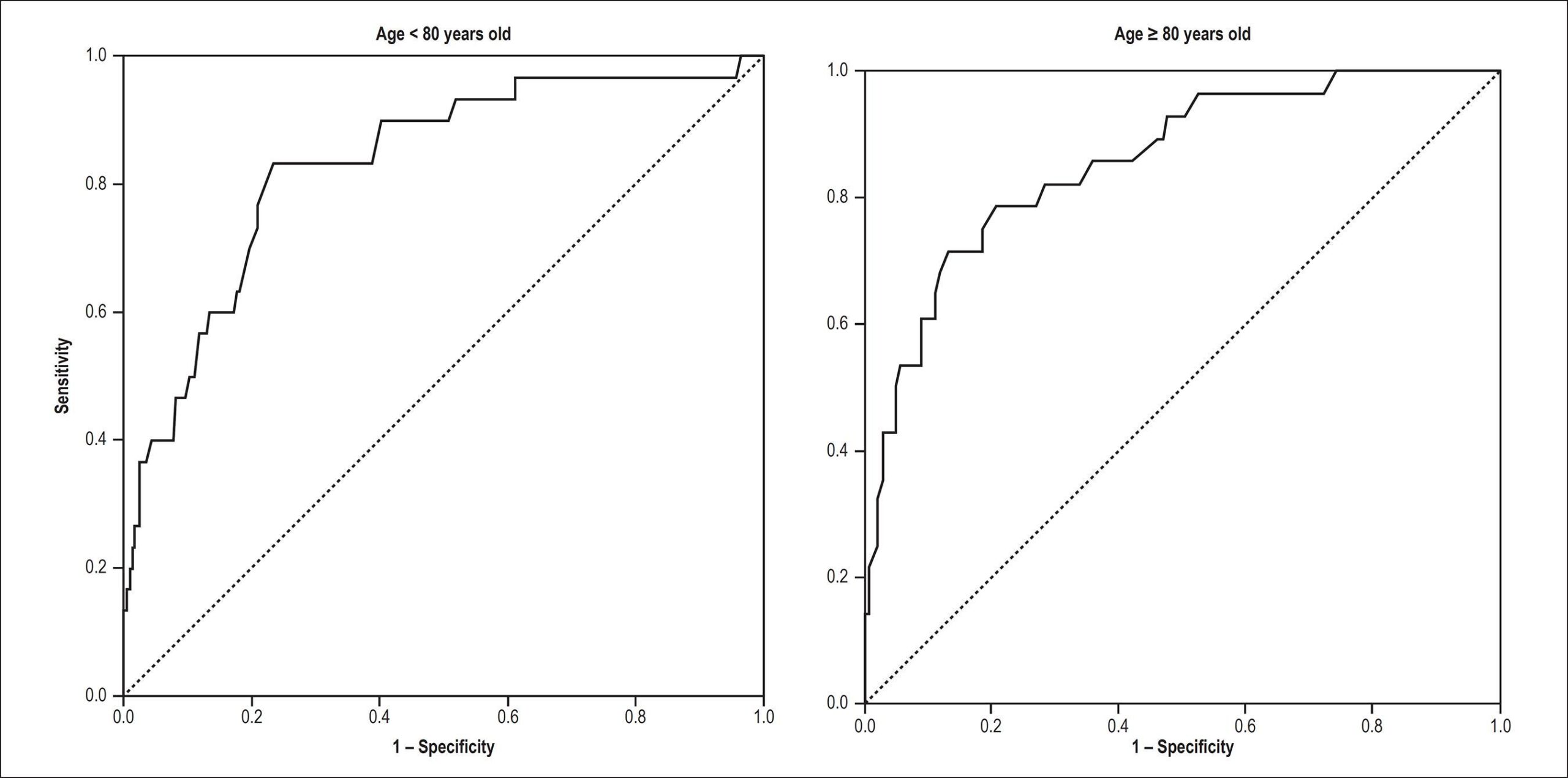
A total of 994 individuals was studied, 57% male, 77% with non-ST elevation myocardial infarction and 173 (17%) very elderly patients. The mean age of the sample was 65 ± 13 years, and the mean age of very elderly patients subgroup was 85 ± 3.7 years. The C-statistics of the GRACE Score in very elderly patients was 0.86 (95% CI = 0.78 – 0.93), with no difference when compared to the value for younger individuals 0.83 (95% CI = 0.75 – 0.91), with p = 0.69. The calibration of the score in very elderly patients was described by χ2 test of Hosmer-Lemeshow = 2.2 (p = 0.98), while the remaining patients presented χ2 = 9.0 (p = 0.35). Logistic regression analysis for death prediction did not show interaction between GRACE Score and variable of very elderly patients (p = 0.25).

Conclusion:

The GRACE Score in very elderly patients is accurate in predicting in-hospital ACS mortality, similarly to younger patients.

  • Acute Coronary Syndrome / mortality
  • Aged 80 years and over
  • Data Reliability
  • Prognosis
  • Risk Assessment
Read Full Article
Creative Commons Attribution (CC BY) Creative Commons license
01/02/2018 DOI: 10.5935/abc.20170175 Views 1
ABC
Original Article

Time-To-Treatment of Acute Coronary Syndrome and Unit of First Contact in the ERICO Study

Rafael Caire de Oliveira dos Santos et al. Alessandra Carvalho Goulart Alan Loureiro Xavier Kisukuri Rodrigo Martins Brandão … Debora Sitnik Henrique Lane Staniak Marcio Sommer Bittencourt Paulo Andrade Lotufo Isabela Martins Bensenor Itamar de Souza Santos

Abstract

Background:

To the best of our knowledge, there are no studies evaluating the influence of the unit of the first contact on the frequency and time of pharmacological treatment during an acute coronary syndrome (ACS) event.

Objectives:

The main objective was to investigate if the unit of first contact influenced the frequency and time of aspirin treatment in the Strategy of Registry of Acute Coronary Syndrome (ERICO) study.

Methods:

We analyzed the pharmacological treatment time in 830 ERICO participants – 700 individuals for whom the hospital was the unit of first contact and 130 who initially sought primary care units. We built logistic regression models to study whether the unit of first contact was associated with a treatment time of less than three hours.

Results:

Individuals who went to primary care units received the first aspirin dose in those units in 75.6% of the cases. The remaining 24.4% received aspirin at the hospital. Despite this finding, individuals from primary care still had aspirin administered within three hours more frequently than those who went to the hospital (76.8% vs 52.6%; p<0.001 and 100% vs. 70.7%; p=0.001 for non ST-elevation ACS and ST-elevation myocardial infarction, respectively). In adjusted models, individuals coming from primary care were more likely to receive aspirin more quickly (odds ratio: 3.66; 95% confidence interval: 2.06-6.51).

Conclusions:

In our setting, individuals from primary care were more likely to receive aspirin earlier. Enhancing the ability of primary care units to provide early treatment and safe transportation may be beneficial in similar settings.

  • Acute Coronary Syndrome / mortality
  • Anticoagulants, Time-to-Treatment
  • Aspirin / administration & dosage
  • Cohort Studies
  • Primary Health Care
Read Full Article
Creative Commons Attribution (CC BY) Creative Commons license
01/10/2016 DOI: 10.5935/abc.20160138
Figure 1
ABC
Original Article

Level of Physical Activity and In-Hospital Course of Patients with Acute Coronary Syndrome

Juliana de Goes Jorge et al. Marcos Antonio Almeida Santos José Augusto Soares Barreto Filho Joselina Luzia Menezes Oliveira … Enaldo Vieira de Melo Norma Alves de Oliveira Gustavo Baptista de Almeida Faro Antônio Carlos Sobral Sousa

Abstract

Background:

Acute coronary syndrome (ACS) is one of the main causes of morbidity and mortality in the modern world. A sedentary lifestyle, present in 85% of the Brazilian population, is considered a risk factor for the development of coronary artery disease. However, the correlation of a sedentary lifestyle with cardiovascular events (CVE) during hospitalization for ACS is not well established.

Objective:

To evaluate the association between physical activity level, assessed with the International Physical Activity Questionnaire (IPAQ), with in-hospital prognosis in patients with ACS.

Methods:

Observational, cross-sectional, and analytical study with 215 subjects with a diagnosis of ACS consecutively admitted to a referral hospital for cardiac patients between July 2009 and February 2011. All volunteers answered the short version of the IPAQ and were observed for the occurrence of CVE during hospitalization with a standardized assessment conducted by the researcher and corroborated by data from medical records.

Results:

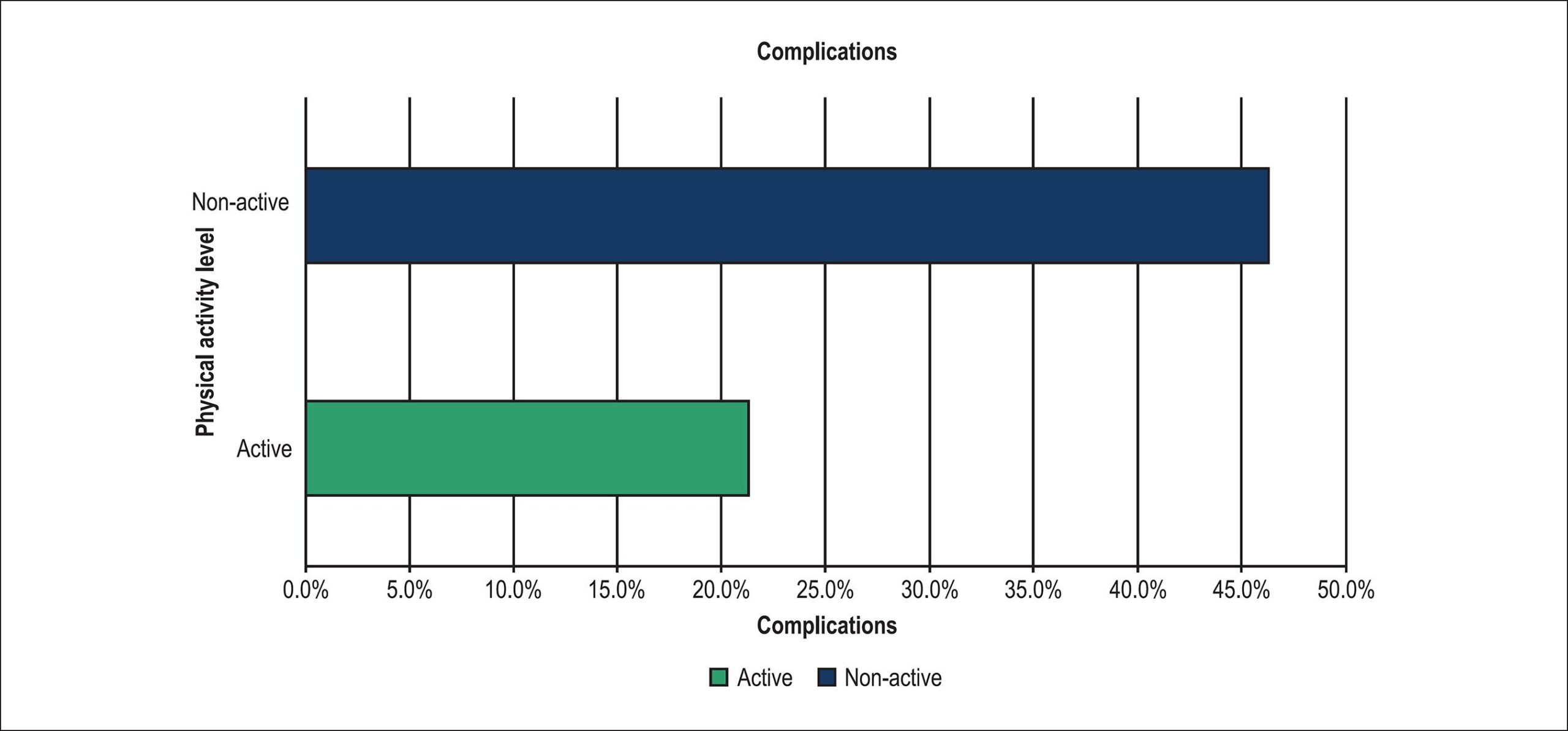
The patients were admitted with diagnoses of unstable angina (34.4%), acute myocardial infarction (AMI) without ST elevation (41.4%), and AMI with ST elevation (24.2%). According to the level of physical activity, the patients were classified as non-active (56.3%) and active (43.7%). A CVE occurred in 35.3% of the cohort. The occurrence of in-hospital complications was associated with the length of hospital stay (odds ratio [OR] = 1.15) and physical inactivity (OR = 2.54), and was independent of age, systolic blood pressure, and prior congestive heart failure.

Conclusion:

A physically active lifestyle reduces the risk of CVE during hospitalization in patients with ACS.

  • Acute Coronary Syndrome / mortality
  • Exercise
  • Motor Activity / physiology
  • questionnaires
  • Risk Factors
  • Sedentary Lifestyle
Read Full Article
Creative Commons Attribution (CC BY) Creative Commons license
22/12/2015 DOI: 10.5935/abc.20160006 Views 2
Figure 1
ABC
Original Article

One-year Mortality after an Acute Coronary Event and its Clinical Predictors: The ERICO Study

Itamar Souza Santos et al. Alessandra Carvalho Goulart Rodrigo Martins Brandão Rafael Caire de Oliveira Santos … Márcio Sommer Bittencourt Débora Sitnik Alexandre Costa Pereira Carlos Alberto Pastore Nelson Samesima Paulo Andrade Lotufo Isabela Martins Bensenor

Background:

Information about post-acute coronary syndrome (ACS) survival have been mostly short-term findings or based on specialized, cardiology referral centers.

Objectives:

To describe one-year case-fatality rates in the Strategy of Registry of Acute Coronary Syndrome (ERICO) cohort, and to study baseline characteristics as predictors.

Methods:

We analyzed data from 964 ERICO participants enrolled from February 2009 to December 2012. We assessed vital status by telephone contact and official death certificate searches. The cause of death was determined according to the official death certificates. We used log-rank tests to compare the probabilities of survival across subgroups. We built crude and adjusted (for age, sex and ACS subtype) Cox regression models to study if the ACS subtype or baseline characteristics were independent predictors of all-cause or cardiovascular mortality.

Results:

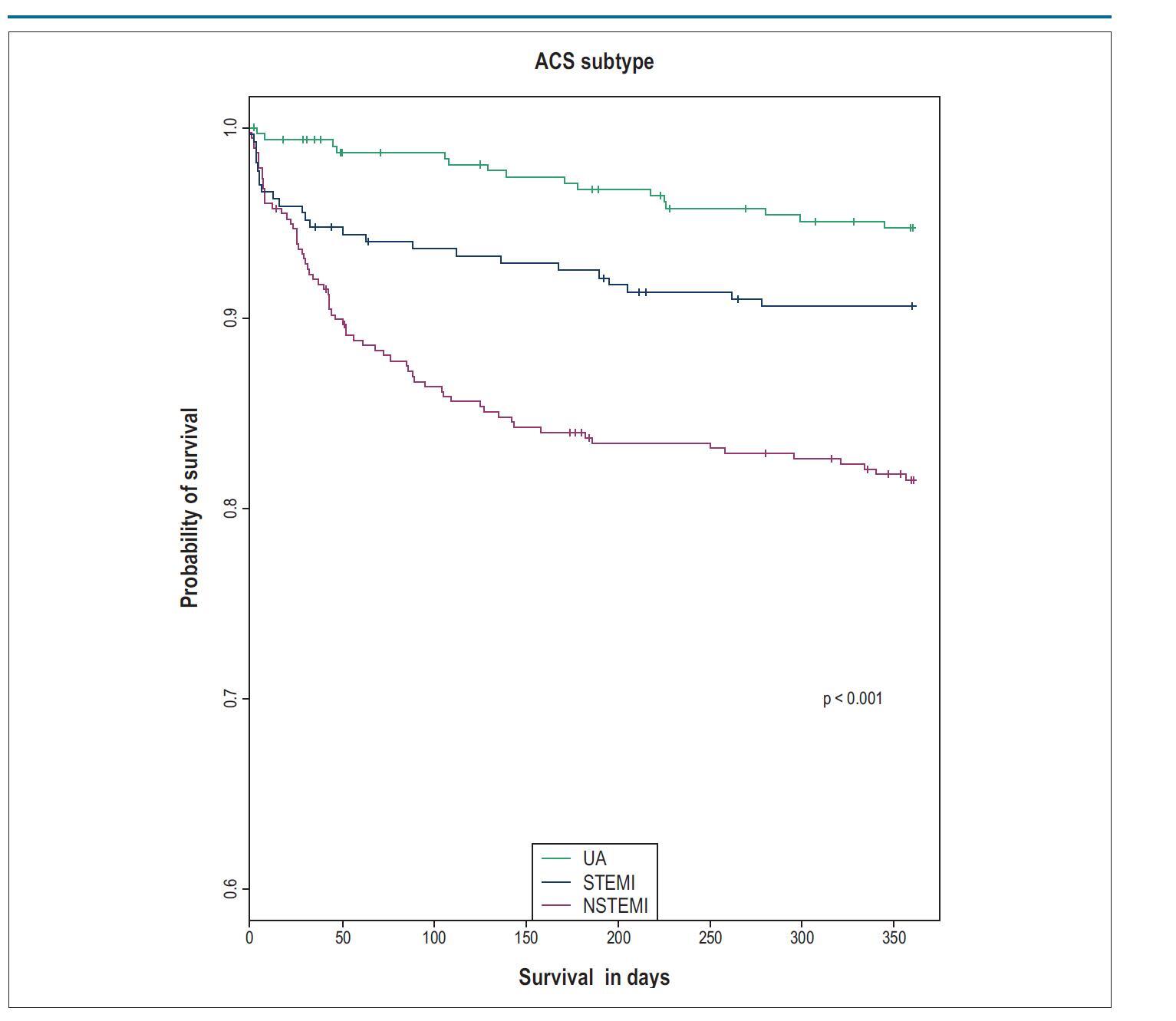
We identified 110 deaths in the cohort (case-fatality rate, 12.0%). Age [Hazard ratio (HR) = 2.04 per 10 year increase; 95% confidence interval (95%CI) = 1.75–2.38], non-ST elevation myocardial infarction (HR = 3.82 ; 95%CI = 2.21–6.60) or ST elevation myocardial infarction (HR = 2.59; 95%CI = 1.38–4.89) diagnoses, and diabetes (HR = 1.78; 95%CI = 1.20‑2.63) were significant risk factors for all-cause mortality in the adjusted models. We found similar results for cardiovascular mortality. A previous coronary artery disease diagnosis was also an independent predictor of all-cause mortality (HR = 1.61; 95%CI = 1.04–2.50), but not for cardiovascular mortality.

Conclusion:

We found an overall one-year mortality rate of 12.0% in a sample of post-ACS patients in a community, non-specialized hospital in São Paulo, Brazil. Age, ACS subtype, and diabetes were independent predictors of poor one‑year survival for overall and cardiovascular-related causes.

  • Acute Coronary Syndrome / mortality
  • Cohort Studies
  • lethality
  • Prognosis
  • Risk Factors
Read Full Article
Creative Commons Attribution (CC BY) Creative Commons license
08/05/2015 DOI: 10.5935/abc.20150044
ABC
Letter to the Editor

Left Atrial Volume Index as Predictor of Events in Acute Coronary Syndrome

Luciano Barros Pires et al. Rodrigo Pires dos Santos

Dear Editor,

The Left Atrial Volume Index (LAVi) is a measurement that has gained importance in daily clinical practice due to evidence of its capacity to predict mortality, in patients followed after an Acute Myocardial Infarction (AMI), as well as in the general population.

[…]

  • Acute Coronary Syndrome / mortality
  • Atrial Fibrillation
  • Heart Atria
  • Myocardial Reperfusion
  • Organ Size
Read Full Article
Creative Commons Attribution (CC BY) Creative Commons license
01/04/2015 DOI: 10.5935/abc.20150030

How to cite this article

EndNote RIS

Electronic Document Format (Vancouver)

Silva PGMB, Lopes RD. Risk Scores in Acute Coronary Syndrome: Current Applications and Future Perspectives. International Journal of Cardiovascular Sciences 2022;35(2):181-3.

Electronic Document Format (ABNT)

Silva, Pedro G. M. de Barros e; Lopes, Renato D.. Risk Scores in Acute Coronary Syndrome: Current Applications and Future Perspectives. International Journal of Cardiovascular Sciences, v. 35, n. 2, p. 181-183, Mar. 2022.

Electronic Document Format (APA)

Silva, P. G. M. B. , & Lopes, R. D. (2022). Risk Scores in Acute Coronary Syndrome: Current Applications and Future Perspectives. International Journal of Cardiovascular Sciences, 35(2), 181-183.

Electronic Document Format (ISO)

Silva, Pedro G. M. de Barros e and Lopes, Renato D.. Risk Scores in Acute Coronary Syndrome: Current Applications and Future Perspectives. International Journal of Cardiovascular Sciences [online]. 2022, vol. 35, n. 2, [cited 2026-10-14], pp. 181-183. Available from: <https://journals.cardiol.br/en/article/risk-scores-in-acute-coronary-syndrome-current-applications-and-future-perspectives/>. ISSN 2359-4802

EndNote RIS

Electronic Document Format (Vancouver)

Santos RCO, Bensenor IM, Goulart AC, Lotufo PA, Santos IS. Frequency and Reasons for Non-Administration and Suspension of Drugs During an Acute Coronary Syndrome Event. The ERICO Study. Arquivos Brasileiros de Cardiologia 2020;115(5):830-9.

Electronic Document Format (ABNT)

Santos, Rafael C. O.; Bensenor, Isabela M.; Goulart, Alessandra C.; Lotufo, Paulo A.; Santos, Itamar S.. Frequency and Reasons for Non-Administration and Suspension of Drugs During an Acute Coronary Syndrome Event. The ERICO Study. Arquivos Brasileiros de Cardiologia, v. 115, n. 5, p. 830-839, Dec. 2020.

Electronic Document Format (APA)

Santos, R. C. O., Bensenor, I. M., Goulart, A. C., Lotufo, P. A., & Santos, I. S. (2020). Frequency and Reasons for Non-Administration and Suspension of Drugs During an Acute Coronary Syndrome Event. The ERICO Study. Arquivos Brasileiros de Cardiologia, 115(5), 830-839.

Electronic Document Format (ISO)

Santos, Rafael C. O. and Bensenor, Isabela M. and Goulart, Alessandra C. and Lotufo, Paulo A. and Santos, Itamar S.. Frequency and Reasons for Non-Administration and Suspension of Drugs During an Acute Coronary Syndrome Event. The ERICO Study. Arquivos Brasileiros de Cardiologia [online]. 2020, vol. 115, n. 5, [cited 2026-10-14], pp. 830-839. Available from: <https://journals.cardiol.br/en/article/frequency-and-reasons-for-non-administration-and-suspension-of-drugs-during-an-acute-coronary-syndrome-event-the-erico-study/>. ISSN 0066-782X

EndNote RIS

Electronic Document Format (Vancouver)

Moras LL, Carvalho TA, Oliveira MB, Ricci GA, Accarini R, Godoy MF. Impact of Periodontal Disease on Late Morbimortality (10 Years) of Pacientes with Acute Coronary Syndrome. International Journal of Cardiovascular Sciences 2019;32(1):35-40.

Electronic Document Format (ABNT)

Moras, Luis Lemos; Carvalho, Thamara Angeliny; Oliveira, Marina Bragheto; Ricci, Gabriel Andrey; Accarini, Renata; Godoy, Moacir Fernandes de. Impact of Periodontal Disease on Late Morbimortality (10 Years) of Pacientes with Acute Coronary Syndrome. International Journal of Cardiovascular Sciences, v. 32, n. 1, p. 35-40, Dec. 2018.

Electronic Document Format (APA)

Moras, L. L., Carvalho, T. A., Oliveira, M. B., Ricci, G. A., Accarini, R., & Godoy, M. F. (2019). Impact of Periodontal Disease on Late Morbimortality (10 Years) of Pacientes with Acute Coronary Syndrome. International Journal of Cardiovascular Sciences, 32(1), 35-40.

Electronic Document Format (ISO)

Moras, Luis Lemos and Carvalho, Thamara Angeliny and Oliveira, Marina Bragheto and Ricci, Gabriel Andrey and Accarini, Renata and Godoy, Moacir Fernandes de. Impact of Periodontal Disease on Late Morbimortality (10 Years) of Pacientes with Acute Coronary Syndrome. International Journal of Cardiovascular Sciences [online]. 2019, vol. 32, n. 1, [cited 2026-10-14], pp. 35-40. Available from: <https://journals.cardiol.br/en/article/impact-of-periodontal-disease-on-late-morbimortality-10-years-of-pacientes-with-acute-coronary-syndrome/>. ISSN 2359-4802

EndNote RIS

Electronic Document Format (Vancouver)

Cerqueira Junior AMS, Pereira LGS, Souza TMB, Correia VCA, Alexandre FKB, Sodré GS, Suerdieck JG, et al. Prognostic Accuracy of the GRACE Score in Octogenarians and Nonagenarians with Acute Coronary Syndromes. Arquivos Brasileiros de Cardiologia 2018;110(1):24-9.

Electronic Document Format (ABNT)

Cerqueira Junior, Antonio Mauricio dos Santos; Pereira, Luisa Gondim dos Santos; Souza, Thiago Menezes Barbosa de; Correia, Vitor Calixto de Almeida; Alexandre, Felipe Kalil Beirão; Sodré, Gabriella Sant’Ana; Suerdieck, Jessica Gonzalez; Ferreira, Felipe; Rabelo, Marcia Maria Noya; Correia, Luis Cláudio Lemos. Prognostic Accuracy of the GRACE Score in Octogenarians and Nonagenarians with Acute Coronary Syndromes. Arquivos Brasileiros de Cardiologia, v. 110, n. 1, p. 24-29, Jan. 2018.

Electronic Document Format (APA)

Cerqueira Junior, A. M. S., Pereira, L. G. S., Souza, T. M. B. , Correia, V. C. A., Alexandre, F. K. B., Sodré, G. S., Suerdieck, J. G., Ferreira, F., Rabelo, M. M. N., & Correia, L. C. L. (2018). Prognostic Accuracy of the GRACE Score in Octogenarians and Nonagenarians with Acute Coronary Syndromes. Arquivos Brasileiros de Cardiologia, 110(1), 24-29.

Electronic Document Format (ISO)

Cerqueira Junior, Antonio Mauricio dos Santos and Pereira, Luisa Gondim dos Santos and Souza, Thiago Menezes Barbosa de and Correia, Vitor Calixto de Almeida and Alexandre, Felipe Kalil Beirão and Sodré, Gabriella Sant’Ana and Suerdieck, Jessica Gonzalez and Ferreira, Felipe and Rabelo, Marcia Maria Noya and Correia, Luis Cláudio Lemos. Prognostic Accuracy of the GRACE Score in Octogenarians and Nonagenarians with Acute Coronary Syndromes. Arquivos Brasileiros de Cardiologia [online]. 2018, vol. 110, n. 1, [cited 2026-10-14], pp. 24-29. Available from: <https://journals.cardiol.br/en/article/prognostic-accuracy-of-the-grace-score-in-octogenarians-and-nonagenarians-with-acute-coronary-syndromes/>. ISSN 0066-782X

EndNote RIS

Electronic Document Format (Vancouver)

Santos RCO, Goulart AC, Kisukuri ALX, Brandão RM, Sitnik D, Staniak HL, Bittencourt MS, et al. Time-To-Treatment of Acute Coronary Syndrome and Unit of First Contact in the ERICO Study. Arquivos Brasileiros de Cardiologia 2016;107(4):323-30.

Electronic Document Format (ABNT)

Santos, Rafael Caire de Oliveira dos; Goulart, Alessandra Carvalho; Kisukuri, Alan Loureiro Xavier; Brandão, Rodrigo Martins; Sitnik, Debora; Staniak, Henrique Lane; Bittencourt, Marcio Sommer; Lotufo, Paulo Andrade; Bensenor, Isabela Martins; Santos, Itamar de Souza. Time-To-Treatment of Acute Coronary Syndrome and Unit of First Contact in the ERICO Study. Arquivos Brasileiros de Cardiologia, v. 107, n. 4, p. 323-330, Sep. 2016.

Electronic Document Format (APA)

Santos, R. C. O. , Goulart, A. C., Kisukuri, A. L. X., Brandão, R. M., Sitnik, D., Staniak, H. L., Bittencourt, M. S., Lotufo, P. A., Bensenor, I. M., & Santos, I. S. (2016). Time-To-Treatment of Acute Coronary Syndrome and Unit of First Contact in the ERICO Study. Arquivos Brasileiros de Cardiologia, 107(4), 323-330.

Electronic Document Format (ISO)

Santos, Rafael Caire de Oliveira dos and Goulart, Alessandra Carvalho and Kisukuri, Alan Loureiro Xavier and Brandão, Rodrigo Martins and Sitnik, Debora and Staniak, Henrique Lane and Bittencourt, Marcio Sommer and Lotufo, Paulo Andrade and Bensenor, Isabela Martins and Santos, Itamar de Souza. Time-To-Treatment of Acute Coronary Syndrome and Unit of First Contact in the ERICO Study. Arquivos Brasileiros de Cardiologia [online]. 2016, vol. 107, n. 4, [cited 2026-10-14], pp. 323-330. Available from: <https://journals.cardiol.br/en/article/time-to-treatment-of-acute-coronary-syndrome-and-unit-of-first-contact-in-the-erico-study/>. ISSN 0066-782X

EndNote RIS

Electronic Document Format (Vancouver)

Jorge JG, Santos MAA, Barreto Filho JAS, Oliveira JLM, Melo EV, Oliveira NA, Faro GBA, et al. Level of Physical Activity and In-Hospital Course of Patients with Acute Coronary Syndrome. Arquivos Brasileiros de Cardiologia 2015;106(1):33-40.

Electronic Document Format (ABNT)

Jorge, Juliana de Goes; Santos, Marcos Antonio Almeida; Barreto Filho, José Augusto Soares; Oliveira, Joselina Luzia Menezes; Melo, Enaldo Vieira de; Oliveira, Norma Alves de; Faro, Gustavo Baptista de Almeida; Sousa, Antônio Carlos Sobral. Level of Physical Activity and In-Hospital Course of Patients with Acute Coronary Syndrome. Arquivos Brasileiros de Cardiologia, v. 106, n. 1, p. 33-40, Dec. 2015.

Electronic Document Format (APA)

Jorge, J. G., Santos, M. A. A., Barreto Filho, J. A. S., Oliveira, J. L. M., Melo, E. V. , Oliveira, N. A. , Faro, G. B. A., & Sousa, A. C. S. (2015). Level of Physical Activity and In-Hospital Course of Patients with Acute Coronary Syndrome. Arquivos Brasileiros de Cardiologia, 106(1), 33-40.

Electronic Document Format (ISO)

Jorge, Juliana de Goes and Santos, Marcos Antonio Almeida and Barreto Filho, José Augusto Soares and Oliveira, Joselina Luzia Menezes and Melo, Enaldo Vieira de and Oliveira, Norma Alves de and Faro, Gustavo Baptista de Almeida and Sousa, Antônio Carlos Sobral. Level of Physical Activity and In-Hospital Course of Patients with Acute Coronary Syndrome. Arquivos Brasileiros de Cardiologia [online]. 2015, vol. 106, n. 1, [cited 2026-10-14], pp. 33-40. Available from: <https://journals.cardiol.br/en/article/level-of-physical-activity-and-in-hospital-course-of-patients-with-acute-coronary-syndrome/>. ISSN 0066-782X

EndNote RIS

Electronic Document Format (Vancouver)

Santos IS, Goulart AC, Brandão RM, Santos RCO, Bittencourt MS, Sitnik D, Pereira AC, et al. One-year Mortality after an Acute Coronary Event and its Clinical Predictors: The ERICO Study. Arquivos Brasileiros de Cardiologia 2015;105(1):53-64.

Electronic Document Format (ABNT)

Santos, Itamar Souza; Goulart, Alessandra Carvalho; Brandão, Rodrigo Martins; Santos, Rafael Caire de Oliveira; Bittencourt, Márcio Sommer; Sitnik, Débora; Pereira, Alexandre Costa; Pastore, Carlos Alberto; Samesima, Nelson; Lotufo, Paulo Andrade; Bensenor, Isabela Martins. One-year Mortality after an Acute Coronary Event and its Clinical Predictors: The ERICO Study. Arquivos Brasileiros de Cardiologia, v. 105, n. 1, p. 53-64, May. 2015.

Electronic Document Format (APA)

Santos, I. S., Goulart, A. C., Brandão, R. M., Santos, R. C. O., Bittencourt, M. S., Sitnik, D., Pereira, A. C., Pastore, C. A., Samesima, N., Lotufo, P. A., & Bensenor, I. M. (2015). One-year Mortality after an Acute Coronary Event and its Clinical Predictors: The ERICO Study. Arquivos Brasileiros de Cardiologia, 105(1), 53-64.

Electronic Document Format (ISO)

Santos, Itamar Souza and Goulart, Alessandra Carvalho and Brandão, Rodrigo Martins and Santos, Rafael Caire de Oliveira and Bittencourt, Márcio Sommer and Sitnik, Débora and Pereira, Alexandre Costa and Pastore, Carlos Alberto and Samesima, Nelson and Lotufo, Paulo Andrade and Bensenor, Isabela Martins. One-year Mortality after an Acute Coronary Event and its Clinical Predictors: The ERICO Study. Arquivos Brasileiros de Cardiologia [online]. 2015, vol. 105, n. 1, [cited 2026-10-14], pp. 53-64. Available from: <https://journals.cardiol.br/en/article/one-year-mortality-after-an-acute-coronary-event-and-its-clinical-predictors-the-erico-study/>. ISSN 0066-782X

EndNote RIS

Electronic Document Format (Vancouver)

Pires LB, Santos RP. Left Atrial Volume Index as Predictor of Events in Acute Coronary Syndrome. Arquivos Brasileiros de Cardiologia 2015;104(4):333.

Electronic Document Format (ABNT)

Pires, Luciano Barros; Santos, Rodrigo Pires dos. Left Atrial Volume Index as Predictor of Events in Acute Coronary Syndrome. Arquivos Brasileiros de Cardiologia, v. 104, n. 4, p. 333-333, Mar. 2015.

Electronic Document Format (APA)

Pires, L. B., & Santos, R. P. (2015). Left Atrial Volume Index as Predictor of Events in Acute Coronary Syndrome. Arquivos Brasileiros de Cardiologia, 104(4), 333-333.

Electronic Document Format (ISO)

Pires, Luciano Barros and Santos, Rodrigo Pires dos. Left Atrial Volume Index as Predictor of Events in Acute Coronary Syndrome. Arquivos Brasileiros de Cardiologia [online]. 2015, vol. 104, n. 4, [cited 2026-10-14], pp. 333-333. Available from: <https://journals.cardiol.br/en/article/left-atrial-volume-index-as-predictor-of-events-in-acute-coronary-syndrome/>. ISSN 0066-782X

  • About ABC Family
  • Internal Regulation
  • Editorial Board
  • Brazilian Society of Cardiology (SBC)

Issues

SBC Guidelines

  • Videos
  • Podcasts
  • News