ABC Family Arquivos Brasileiros de Cardiologia International Journal of Cardiovascular Sciences ABC Heart Failure & Cardiomyopathy ABC Imagem Cardiovascular
Português English
  • ABC Family
  • Arquivos Brasileiros de Cardiologia
  • International Journal of Cardiovascular Sciences
  • ABC Heart Failure & Cardiomyopathy
  • ABC Imagem Cardiovascular
Português English
  • About
    • About ABC Family
    • Internal Regulation
    • Editorial Board
    • Brazilian Society of Cardiology (SBC)
  • Issues
  • SBC Guidelines
  • Content
    • Videos
    • Podcasts
    • News
  • About
    • About ABC Family
    • Internal Regulation
    • Editorial Board
    • Brazilian Society of Cardiology (SBC)
  • Issues
  • SBC Guidelines
  • Content
    • Videos
    • Podcasts
    • News
Search in

No content found.

Journals
Ordering
Article types
Others

  1. Home
  2. Acute Kidney Injury
Central Illustration
ABC
Original Article

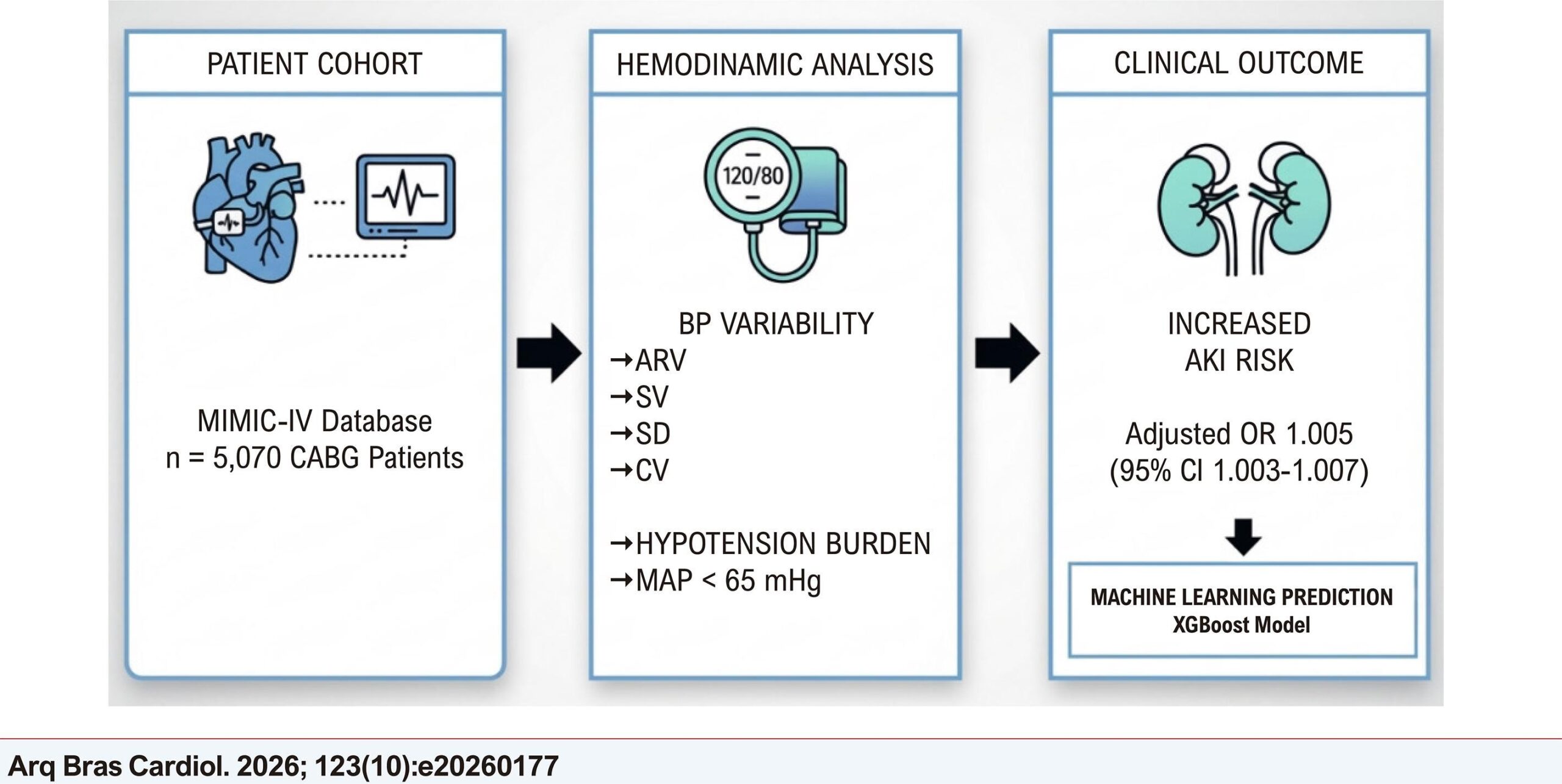
Postoperative Blood Pressure Variability and Acute Kidney Injury after CABG: A MIMIC-IV Study

Ling-Song Yao et al. Yu-Chen Dai Qing-Ren Liu Jie Sun Yunfei Bai

Abstract

Background

Blood pressure variability (BPV) has emerged as an important hemodynamic factor associated with adverse outcomes after cardiac surgery, including acute kidney injury (AKI). However, the prognostic value of postoperative BPV in patients undergoing coronary artery bypass grafting (CABG) remains insufficiently characterized.

Objective

To investigate the association between postoperative BPV and AKI after CABG and to evaluate the predictive value of early postoperative BPV for AKI.

Methods

We conducted a retrospective cohort study using data from 5,070 adult patients who underwent CABG in the Medical Information Mart for Intensive Care IV (MIMIC-IV) database. Systolic blood pressure (SBP), diastolic blood pressure (DBP), and mean arterial pressure (MAP) variability during the first 24 hours after ICU admission were quantified using average real variability (ARV), successive variation (SV), standard deviation (SD), and coefficient of variation (CV). Multivariable logistic regression and machine learning models, including XGBoost, logistic regression, support vector machine, random forest, and K-nearest neighbor, were developed to predict postoperative AKI. All statistical tests were two-sided, and a P value < 0.05 was considered statistically significant.

Results

After adjustment for relevant confounders, increased BPV and cumulative hypotension were independently associated with AKI. Higher BPV was significantly associated with AKI (OR, 1.005; 95% CI, 1.002–1.008), as was greater hypotension burden defined by area under MAP <65 mmHg (OR, 1.307; 95% CI, 1.220–1.400). Among all models, XGBoost demonstrated the best predictive performance.

Conclusion

Postoperative BPV within the first 24 hours is a significant predictor of AKI after CABG. Integrating BPV into predictive models may improve early risk stratification and support clinical decision-making.
  • Acute Kidney Injury
  • Machine Learning
  • Myocardial Revascularization
  • Predictive Learning Models
Read Full Article
Creative Commons Attribution (CC BY) Creative Commons license
11/11/2026 DOI: 10.36660/abc.20260177i Views 18
Ultra-Low Contrast versus Conventional Percutaneous Coronary Intervention for Patients with Baseline Renal Impairment: A Systematic Review and Meta-Analysis of Clinical Outcomes
ABC
Original Article

Ultra-Low Contrast versus Conventional Percutaneous Coronary Intervention for Patients with Baseline Renal Impairment: A Systematic Review and Meta-Analysis of Clinical Outcomes

Marcos Danillo Oliveira et al. Ricardo Fonseca Oliveira Suruagy-Motta Leonardo Dexheimer da Silva Karlos Daniell Araújo dos Santos Adriano Caixeta

Abstract

Background

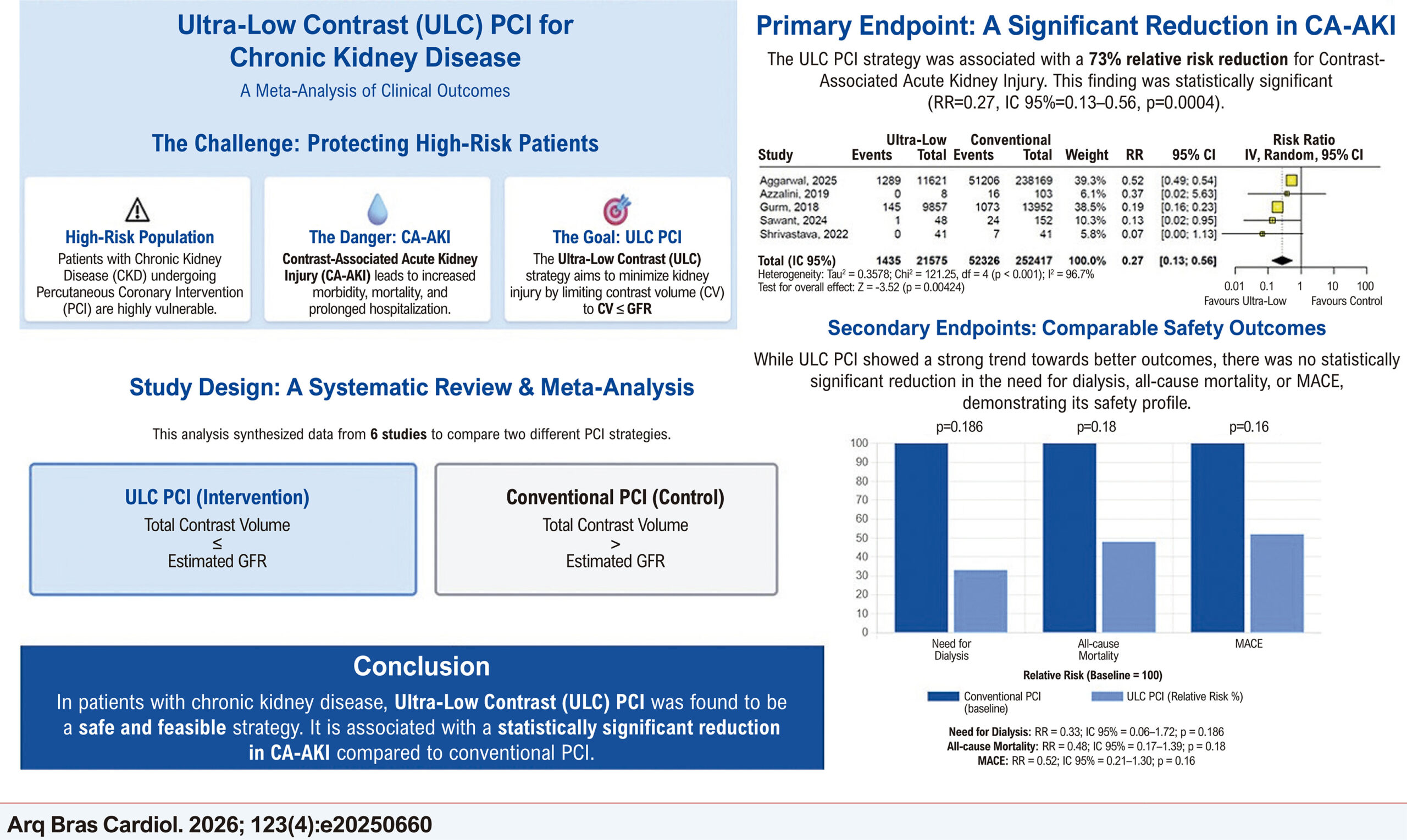
Contrast-associated acute kidney injury (CA-AKI) results in increased morbidity and mortality, prolonged hospitalization, and worse clinical outcomes. Prior studies have shown that limiting contrast volume (CV) to less than 3 times the estimated glomerular filtration rate (eGFR) implies a lower risk of CA-AKI, and both efficacy and superior outcomes are associated with ultra-low contrast (ULC) volume coronary procedures (total CV ≤ eGFR).

Objectives

This systematic review and meta-analysis aimed to compare clinical outcomes of ULC versus conventional percutaneous coronary intervention (PCI) in patients with chronic kidney disease.

Methods

The search was conducted in the databases PubMed/MEDLINE, Cochrane, Embase, Scopus, and Web of Science, including all studies reporting clinical outcomes of ULC PCI. The primary efficacy endpoint was the incidence of CA-AKI, and secondary endpoints were need for dialysis, all-cause mortality, and major adverse cardiovascular events (MACE), defined as the composite endpoint of all-cause mortality, non-fatal myocardial infarction, and clinically driven target lesion revascularization.

Results

Six studies met the inclusion criteria and were included in the final analysis, encompassing a total of 274,102 patients. ULC PCI was associated with a statistically significant reduction of CA-AKI (risk ratio=0.27; 95% CI=0.13–0.56; p=0.0004). In turn, ULC PCI did not result in statistically significant reduction of need for dialysis (risk ratio=0.33; 95% CI=0.06–1.72; p=0.186), all-cause mortality (risk ratio=0.48; 95% CI=0.17–1.39; p=0.18), and MACE (risk ratio=0.52; 95% CI= 0.21–1.30; p=0.16).

Conclusions

ULC, as compared to conventional PCI, in patients with chronic kidney disease, was found to be safe, feasible, and associated with a statistically significant reduction of CA-AKI. Further, larger, well-powered, randomized, and controlled trials are warranted in order to reassure these findings.

  • Acute Kidney Injury
  • Contrast Media
  • Meta-Analysis
  • Percutaneous Coronary Intervention
  • systematic review
Read Full Article
Creative Commons Attribution (CC BY) Creative Commons license
20/07/2026 DOI: 10.36660/abc.20250660i Views 17
ABC
Letter to the Editor

Volume-Independent Renal Injury: Why Contrast-Induced Nephropathy Can Occur Even at Ultra-Low Contrast Doses

Fahri Çakan

Dear Editor,

I reviewed with great interest the article titled “Impact of Contrast Volume Used After Percutaneous Coronary Procedures in Patients at Risk for Contrast-Induced Nephropathy,” authored by Freitas et al. This post-hoc subgroup analysis, designed to assess contrast-induced nephropathy (CIN) risk management, provides clinically valuable data on the interaction between contrast type and volume, particularly in high-risk patient populations (n=2,268).

[…]

  • Acute Kidney Injury
  • Contrast Media
  • Kidney, Diseases
  • Percutaneous Coronary Intervention
Read Full Article
Creative Commons Attribution (CC BY) Creative Commons license
01/06/2026 DOI: 10.36660/abc.20260016i Views 9
Figure 1
ABC
Original Article

Association between Glucose/lymphocytes Ratio and Contrast-Induced Acute Kidney Injury in Patients with Myocardial Infarction without Diabetes Mellitus

Murat Gök et al. Alparslan Kurtul Orçun Demir Kenan Yalta

Abstract

Background

Glucose metabolism and systemic inflammation appears to be strongly related to many cardiovascular diseases. Glucose to lymphocyte ratio (GLR), a novel promising marker, has been recognized as a reliable predictor of prognosis in various cancers. However, there are still no studies on the association of cardiovascular disease with GLR.

Objectives

This analysis aimed to uncover the potential association between GLR and the risk for contrast-induced acute kidney injury (CI-AKI) after primary percutaneous coronary intervention (PPCI) in a ST-elevation acute myocardial infarction (STEMI) population.

Methods

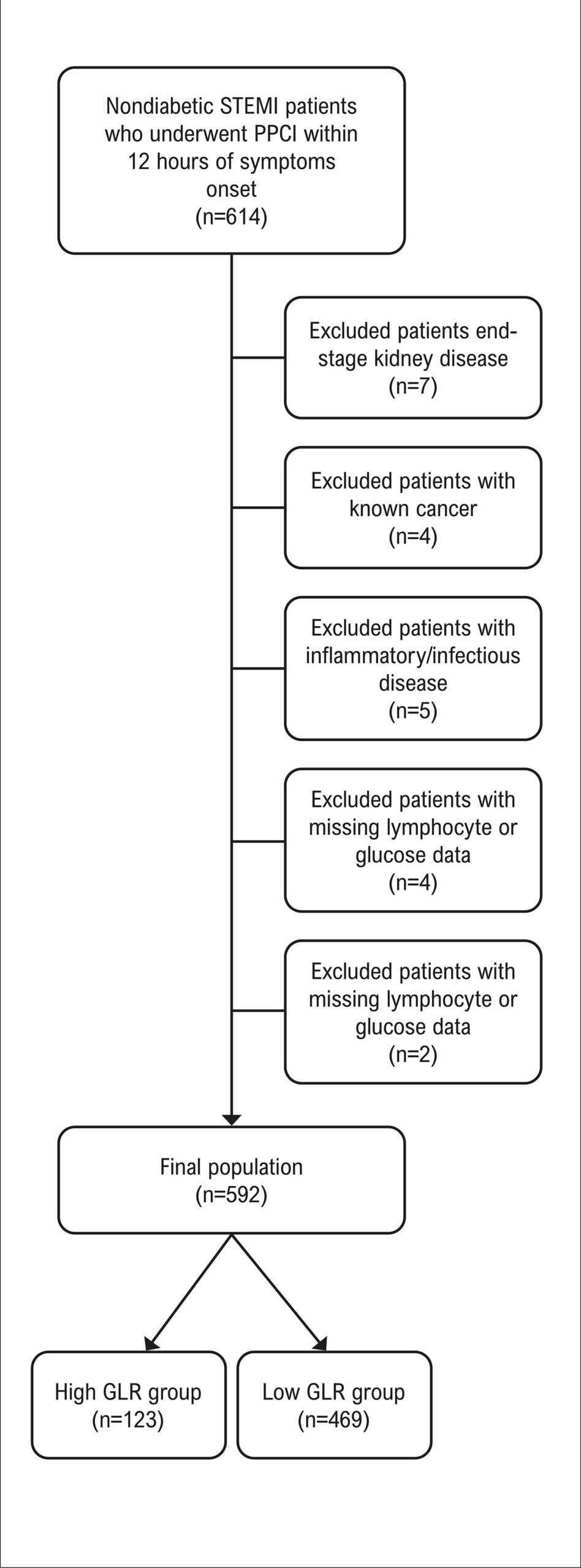
Clinical data of 592 nondiabetic STEMI patients managed with PPCI from February 2021 to February 2023 were retrospectively analyzed. Patients with end-stage kidney disease, missing laboratory data, cancers, inflammatory/infectious diseases, or died during the procedure or within 24 hours after the procedure were excluded. The receiver operating characteristic curve was used to determine the optimal cutoff of GLR in CI-AKI. Based on the cutoff value, the study population was categorized into high-GLR (≥4.16) and low-GLR (<4.16) groups. The level of significance adopted in the statistical analysis was 5%.

Results

The overall CI-AKI incidence was 7.4%. The high-GLR group showed a higher CI-AKI incidence in comparison to the low-GLR group (30.9%vs1.3%, p<0.001). Following adjustment for potential confounders, high-GLR still served as an independent predictor for CI-AKI (odds ratio [OR] 45.100, 95% confidence interval [CI] 7.312-278.174, p<0.001), as well as creatinine at admission (OR:10.459, 95%CI 1.169-93.583, p=0.036).

Conclusions

In conclusion, a high GLR level served as an independent risk factor for CI-AKI evolution after PPCI in subjects with STEMI without diabetes mellitus.

  • Acute Kidney Injury
  • Contrast Media
  • Myocardial Infarction
Read Full Article
Creative Commons Attribution (CC BY) Creative Commons license
18/08/2025 DOI: 10.36660/abc.20240869i Views 13
Figure 1
ABC
Research Letter

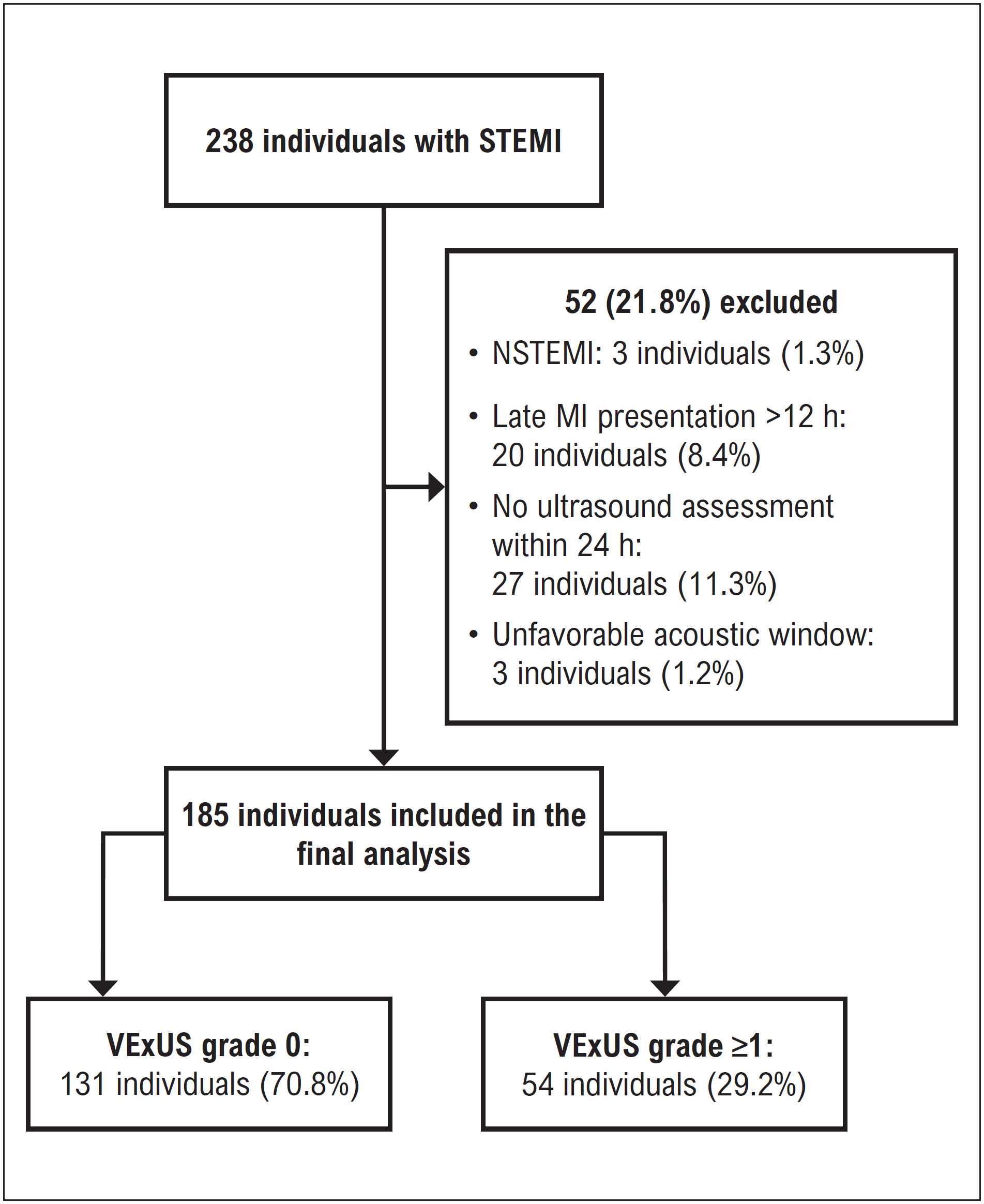
Venous Excess Ultrasound (VExUS) Score in Patients with ST-Elevation Myocardial Infarction to Predict In-Hospital Mortality

Guilherme Pinheiro Machado et al. Guilherme Heiden Telo João Pedro da Rosa Barbato Marina Petersen Saadi … Gustavo Neves de Araujo Angelo Chies Julia Carvalho da Silva Rodrigo Wainstein Marco Wainstein

Key points

[…]

  • Acute coronary syndrome
  • Acute Kidney Injury
  • Myocardial Infarction
Read Full Article
Creative Commons Attribution (CC BY) Creative Commons license
28/07/2025 DOI: 10.36660/abc.20250093i Views 14
Hypertonic Saline Solution: How, Why, and for Whom?
ABCHF
Review Article

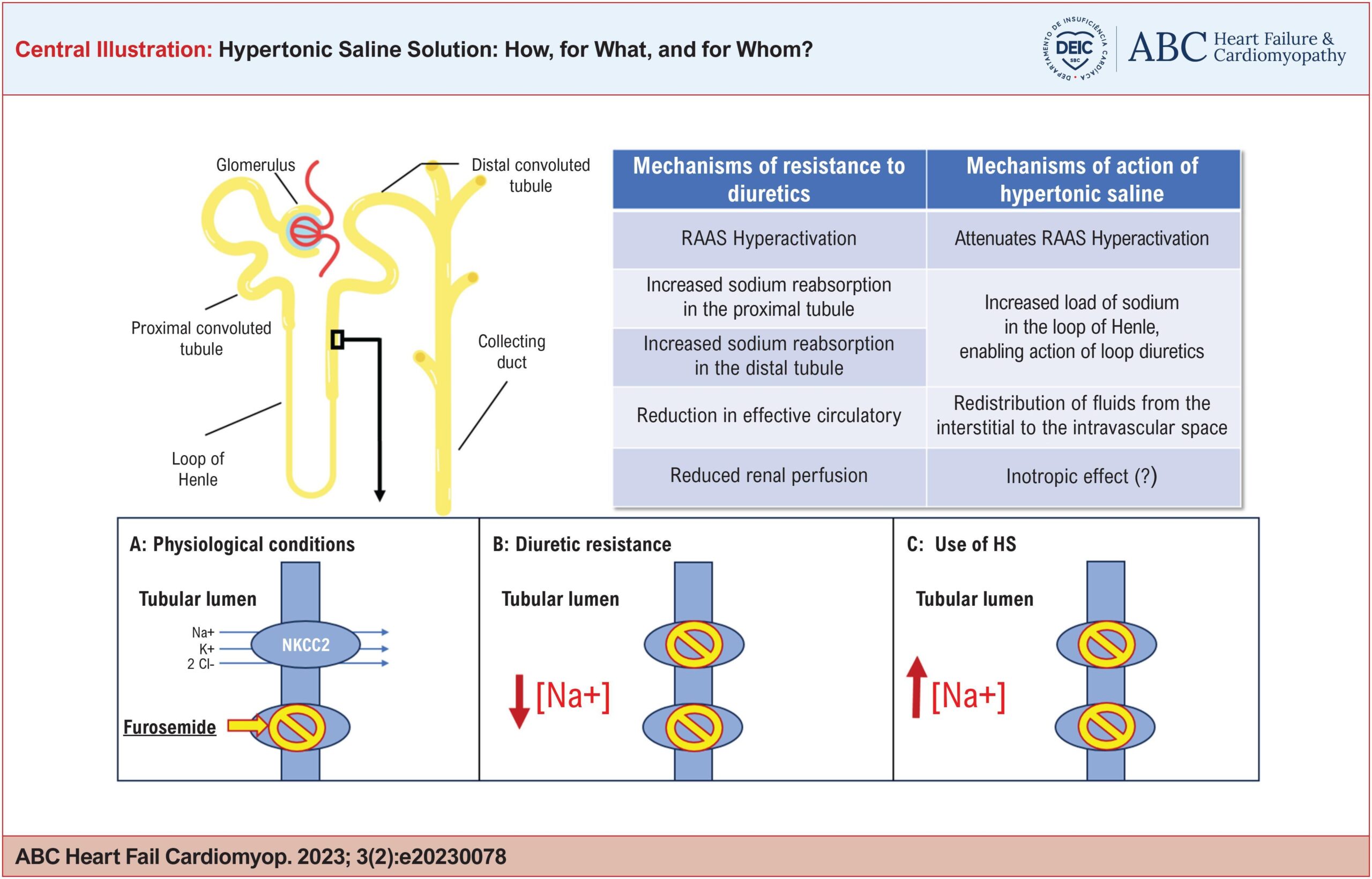
Hypertonic Saline Solution: How, Why, and for Whom?

Ciro Mancilha Murad et al. Fabiana Goulart Marcondes-Braga

Abstract

The administration of hypertonic saline (HS) in decompensated heart failure (HF) seems counterintuitive, given the concept that sodium is universally harmful for these patients. However, increasingly, strict sodium restrictions have been questioned due to the lack of proven benefits. On the other hand, we know that in acute HF complicated with diuretic resistance, there is hyperactivation of the renin-angiotensin-aldosterone system (RAAS), resulting in a state of excessive increase in renal avidity for sodium, hindering the action of loop diuretics. In this sense, HS would have the potential to attenuate the hyperactivation of RAAS and provide a supply of sodium to the renal tubules, enabling the action of loop diuretics. Several studies have consistently demonstrated that the association of HS with loop diuretics results in greater diuresis, weight loss, and possibly improved renal function. Therefore, despite being underused, we believe that HS is an effective, low-cost, and widely available strategy whose mechanism of action addresses one of the central points in the pathophysiology of diuretic resistance.

  • Acute Kidney Injury
  • Diuretics
  • Heart Failure
  • Hyponatremia
Read Full Article
Creative Commons Attribution (CC BY) Creative Commons license
31/12/2023 DOI: 10.36660/abchf.20230078 Views 11
Central Illustration
ABC
Original Article

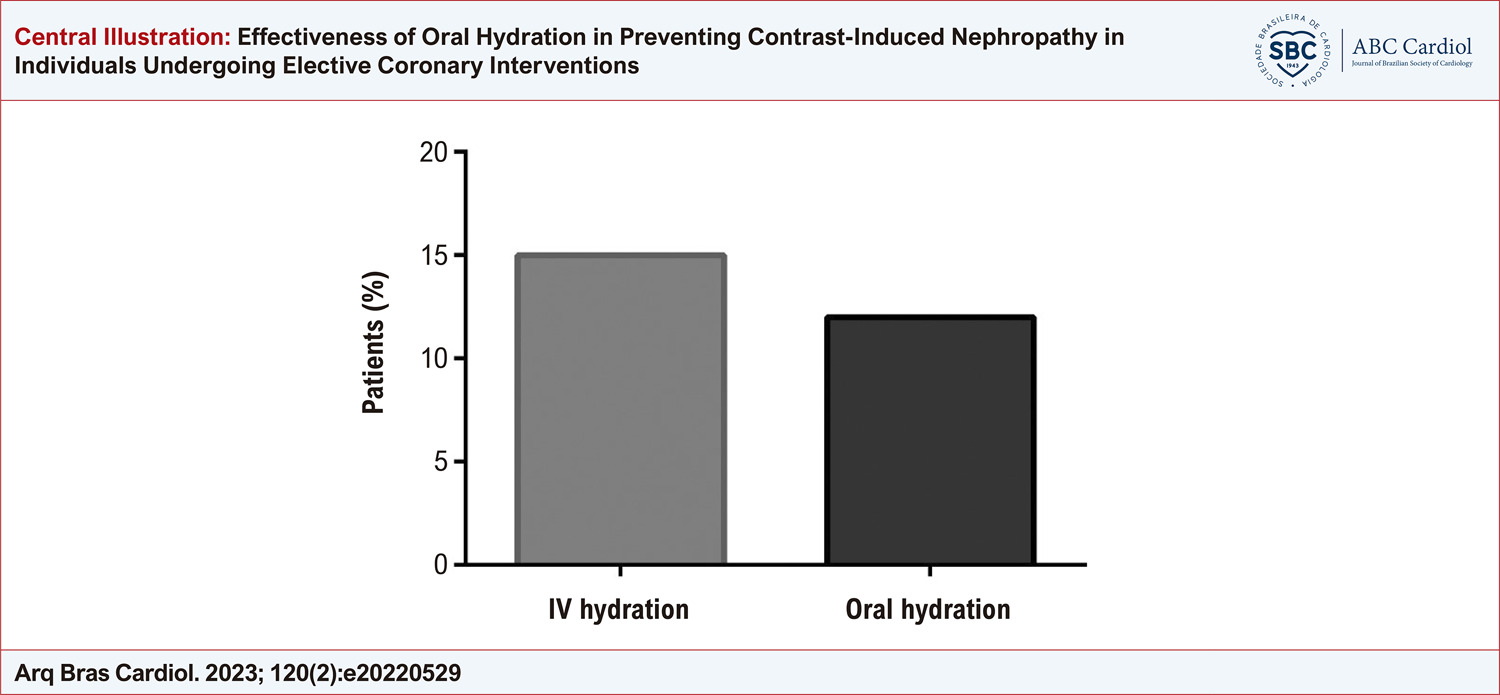
Effectiveness of Oral Hydration in Preventing Contrast-Induced Nephropathy in Individuals Undergoing Elective Coronary Interventions

Mariana Rodrigues Pioli et al. Renata Muller Couto José de Arimatéia Francisco Diego Quilles Antoniassi … Célia Regina de Souza Matheus Ynada de Olivio Gabriel Forato Anhê Silvio Giopatto Andrei C. Sposito Wilson Nadruz Otavio Rizzi Coelho-Filho Rodrigo Modolo

Abstract

Background

Contrast-induced nephropathy (CIN) is defined as worsening renal function, represented by an increase in serum creatinine of ≥ 25% or ≥ 0.5 mg/dL up to 72 h after exposure to iodinated contrast medium (ICM). The most effective preventive measure to date is intravenous hydration (IVH). Little is known about the effectiveness of outpatient oral hydration (OH).

Objetive

To investigate whether outpatient OH with water is as effective as IVH with 0.9% saline solution in preventing CIN in elective coronary procedures.

Methods

In this retrospective observational study, we analyzed the medical records and laboratory data of individuals undergoing percutaneous coronary procedures with ICM. Data collected between 2012 and 2015 refer to individuals who underwent IVH and those collected between 2016 and 2020 (after implementation of an OH protocol) correspond to individuals who underwent OH at home before and after coronary procedures as instructed by the nursing team. Statistical significance was established at α = 0.05.

Results

In total, 116 patients were included in this study: 58 in the IVH group and 58 in the OH group. An incidence of CIN of 15% (9/58) was observed in the group that received IVH and an incidence of 12% (7/58) was seen in the group that received OH (p = 0.68).

Conclusion

The OH protocol, performed by the patient, appears to be as effective as the in-hospital IVH protocol for the renal protection of individuals susceptible to CIN in elective coronary interventions. These findings should be put to test in larger trials.

  • Acute Kidney Injury
  • Angioplasty
  • Cardiac Catheterization
  • Contrast Media
Read Full Article
Creative Commons Attribution (CC BY) Creative Commons license
27/02/2023 DOI: 10.36660/abc.20220529 Views 15
ABC
Editorial

What Is the Role of Kidney Injury Biomarkers in Contrast-Induced Nephropaty?

Pedro Pimenta de Mello Spineti

Contrast-induced acute kidney injury (CI-AKI) is a potential severe complication in the use of iodinated radiological contrast media and is associated with higher rates of morbidity and mortality and increased length of hospital stay in patients undergoing cardiac catheterization. Its incidence is variable in the literature according to the criteria used for its diagnosis. The CI-AKI definition most often used in clinical trials is an increase in serum creatinine (Cr) levels of 0.5 mg/dl or 25% over baseline within 72 h after exposure to contrast medium.

However, Cr has a number of limitations as a marker of renal function. Its serum level is influenced by external factors such as sex, age, skin color, weight and muscle mass. It underestimates renal function in women, in the elderly or in underweight individuals. Its variation overestimates renal damage in individuals with previous kidney failure. Another important limitation is the fact that Cr rises only after 24 h of an acute kidney injury, being considered a “slow marker” of acute kidney injury. ,

[…]

  • Acute Kidney Injury
  • Biomarkers
  • Cardiac Catheterization
  • Contrast Media
  • Creatinine
  • Kidney, Diseases
  • Lipocalin 2
Read Full Article
Creative Commons Attribution (CC BY) Creative Commons license
14/06/2021 DOI: 10.36660/abc.20210433 Views 12

How to cite this article

EndNote RIS

Electronic Document Format (Vancouver)

Yao L, Dai Y, Liu Q, Sun J, Bai Y. Postoperative Blood Pressure Variability and Acute Kidney Injury after CABG: A MIMIC-IV Study. Arquivos Brasileiros de Cardiologia 2026;123(10):e20260177.

Electronic Document Format (ABNT)

Yao, Ling-Song; Dai, Yu-Chen; Liu, Qing-Ren; Sun, Jie; Bai, Yunfei. Postoperative Blood Pressure Variability and Acute Kidney Injury after CABG: A MIMIC-IV Study. Arquivos Brasileiros de Cardiologia, v. 123, n. 10, e20260177, Nov. 2026.

Electronic Document Format (APA)

Yao, L., Dai, Y., Liu, Q., Sun, J., & Bai, Y. (2026). Postoperative Blood Pressure Variability and Acute Kidney Injury after CABG: A MIMIC-IV Study. Arquivos Brasileiros de Cardiologia, 123(10), e20260177.

Electronic Document Format (ISO)

Yao, Ling-Song and Dai, Yu-Chen and Liu, Qing-Ren and Sun, Jie and Bai, Yunfei. Postoperative Blood Pressure Variability and Acute Kidney Injury after CABG: A MIMIC-IV Study. Arquivos Brasileiros de Cardiologia [online]. 2026, vol. 123, n. 10, [cited 2026-11-28], e20260177. Available from: <https://journals.cardiol.br/en/article/postoperative-blood-pressure-variability-and-acute-kidney-injury-after-cabg-a-mimic-iv-study/>. ISSN 0066-782X

EndNote RIS

Electronic Document Format (Vancouver)

Oliveira MD, Suruagy-Motta RFO, Silva LD, Santos KDA, Caixeta A. Ultra-Low Contrast versus Conventional Percutaneous Coronary Intervention for Patients with Baseline Renal Impairment: A Systematic Review and Meta-Analysis of Clinical Outcomes. Arquivos Brasileiros de Cardiologia 2026;123(4):e20250660.

Electronic Document Format (ABNT)

Oliveira, Marcos Danillo; Suruagy-Motta, Ricardo Fonseca Oliveira; Silva, Leonardo Dexheimer da; Santos, Karlos Daniell Araújo dos; Caixeta, Adriano. Ultra-Low Contrast versus Conventional Percutaneous Coronary Intervention for Patients with Baseline Renal Impairment: A Systematic Review and Meta-Analysis of Clinical Outcomes. Arquivos Brasileiros de Cardiologia, v. 123, n. 4, e20250660, Jul. 2026.

Electronic Document Format (APA)

Oliveira, M. D., Suruagy-Motta, R. F. O., Silva, L. D. , Santos, K. D. A. , & Caixeta, A. (2026). Ultra-Low Contrast versus Conventional Percutaneous Coronary Intervention for Patients with Baseline Renal Impairment: A Systematic Review and Meta-Analysis of Clinical Outcomes. Arquivos Brasileiros de Cardiologia, 123(4), e20250660.

Electronic Document Format (ISO)

Oliveira, Marcos Danillo and Suruagy-Motta, Ricardo Fonseca Oliveira and Silva, Leonardo Dexheimer da and Santos, Karlos Daniell Araújo dos and Caixeta, Adriano. Ultra-Low Contrast versus Conventional Percutaneous Coronary Intervention for Patients with Baseline Renal Impairment: A Systematic Review and Meta-Analysis of Clinical Outcomes. Arquivos Brasileiros de Cardiologia [online]. 2026, vol. 123, n. 4, [cited 2026-11-28], e20250660. Available from: <https://journals.cardiol.br/en/article/ultra-low-contrast-versus-conventional-percutaneous-coronary-intervention-for-patients-with-baseline-renal-impairment-a-systematic-review-and-meta-analysis-of-clinical-outcomes/>. ISSN 0066-782X

EndNote RIS

Electronic Document Format (Vancouver)

Çakan F. Volume-Independent Renal Injury: Why Contrast-Induced Nephropathy Can Occur Even at Ultra-Low Contrast Doses. Arquivos Brasileiros de Cardiologia 2026;123(4):e20260016.

Electronic Document Format (ABNT)

Çakan, Fahri. Volume-Independent Renal Injury: Why Contrast-Induced Nephropathy Can Occur Even at Ultra-Low Contrast Doses. Arquivos Brasileiros de Cardiologia, v. 123, n. 4, e20260016, May. 2026.

Electronic Document Format (APA)

Çakan, F. (2026). Volume-Independent Renal Injury: Why Contrast-Induced Nephropathy Can Occur Even at Ultra-Low Contrast Doses. Arquivos Brasileiros de Cardiologia, 123(4), e20260016.

Electronic Document Format (ISO)

Çakan, Fahri. Volume-Independent Renal Injury: Why Contrast-Induced Nephropathy Can Occur Even at Ultra-Low Contrast Doses. Arquivos Brasileiros de Cardiologia [online]. 2026, vol. 123, n. 4, [cited 2026-11-28], e20260016. Available from: <https://journals.cardiol.br/en/article/volume-independent-renal-injury-why-contrast-induced-nephropathy-can-occur-even-at-ultra-low-contrast-doses/>. ISSN 0066-782X

EndNote RIS

Electronic Document Format (Vancouver)

Gök M, Kurtul A, Demir O, Yalta K. Association between Glucose/lymphocytes Ratio and Contrast-Induced Acute Kidney Injury in Patients with Myocardial Infarction without Diabetes Mellitus. Arquivos Brasileiros de Cardiologia 2025;122(8):e20240869.

Electronic Document Format (ABNT)

Gök, Murat; Kurtul, Alparslan; Demir, Orçun; Yalta, Kenan. Association between Glucose/lymphocytes Ratio and Contrast-Induced Acute Kidney Injury in Patients with Myocardial Infarction without Diabetes Mellitus. Arquivos Brasileiros de Cardiologia, v. 122, n. 8, e20240869, Aug. 2025.

Electronic Document Format (APA)

Gök, M., Kurtul, A., Demir, O., & Yalta, K. (2025). Association between Glucose/lymphocytes Ratio and Contrast-Induced Acute Kidney Injury in Patients with Myocardial Infarction without Diabetes Mellitus. Arquivos Brasileiros de Cardiologia, 122(8), e20240869.

Electronic Document Format (ISO)

Gök, Murat and Kurtul, Alparslan and Demir, Orçun and Yalta, Kenan. Association between Glucose/lymphocytes Ratio and Contrast-Induced Acute Kidney Injury in Patients with Myocardial Infarction without Diabetes Mellitus. Arquivos Brasileiros de Cardiologia [online]. 2025, vol. 122, n. 8, [cited 2026-11-28], e20240869. Available from: <https://journals.cardiol.br/en/article/association-between-glucose-lymphocytes-ratio-and-contrast-induced-acute-kidney-injury-in-patients-with-myocardial-infarction-without-diabetes-mellitus/>. ISSN 0066-782X

EndNote RIS

Electronic Document Format (Vancouver)

Machado GP, Telo GH, Barbato JPR, Saadi MP, Araujo GN, Chies A, Silva JC, et al. Venous Excess Ultrasound (VExUS) Score in Patients with ST-Elevation Myocardial Infarction to Predict In-Hospital Mortality. Arquivos Brasileiros de Cardiologia 2025;122(6):e20250093.

Electronic Document Format (ABNT)

Machado, Guilherme Pinheiro; Telo, Guilherme Heiden; Barbato, João Pedro da Rosa; Saadi, Marina Petersen; Araujo, Gustavo Neves de; Chies, Angelo; Silva, Julia Carvalho da; Wainstein, Rodrigo; Wainstein, Marco. Venous Excess Ultrasound (VExUS) Score in Patients with ST-Elevation Myocardial Infarction to Predict In-Hospital Mortality. Arquivos Brasileiros de Cardiologia, v. 122, n. 6, e20250093, Jul. 2025.

Electronic Document Format (APA)

Machado, G. P., Telo, G. H., Barbato, J. P. R., Saadi, M. P., Araujo, G. N. , Chies, A., Silva, J. C. , Wainstein, R., & Wainstein, M. (2025). Venous Excess Ultrasound (VExUS) Score in Patients with ST-Elevation Myocardial Infarction to Predict In-Hospital Mortality. Arquivos Brasileiros de Cardiologia, 122(6), e20250093.

Electronic Document Format (ISO)

Machado, Guilherme Pinheiro and Telo, Guilherme Heiden and Barbato, João Pedro da Rosa and Saadi, Marina Petersen and Araujo, Gustavo Neves de and Chies, Angelo and Silva, Julia Carvalho da and Wainstein, Rodrigo and Wainstein, Marco. Venous Excess Ultrasound (VExUS) Score in Patients with ST-Elevation Myocardial Infarction to Predict In-Hospital Mortality. Arquivos Brasileiros de Cardiologia [online]. 2025, vol. 122, n. 6, [cited 2026-11-28], e20250093. Available from: <https://journals.cardiol.br/en/article/venous-excess-ultrasound-vexus-score-in-patients-with-st-elevation-myocardial-infarction-to-predict-in-hospital-mortality/>. ISSN 0066-782X

EndNote RIS

Electronic Document Format (Vancouver)

Murad CM, Marcondes-Braga FG. Hypertonic Saline Solution: How, Why, and for Whom?. ABC Heart Fail Cardiomyop 2023;3(2):e20230078.

Electronic Document Format (ABNT)

Murad, Ciro Mancilha; Marcondes-Braga, Fabiana Goulart. Hypertonic Saline Solution: How, Why, and for Whom?. ABC Heart Fail Cardiomyop, v. 3, n. 2, e20230078, Dec. 2023.

Electronic Document Format (APA)

Murad, C. M., & Marcondes-Braga, F. G. (2023). Hypertonic Saline Solution: How, Why, and for Whom?. ABC Heart Fail Cardiomyop, 3(2), e20230078.

Electronic Document Format (ISO)

Murad, Ciro Mancilha and Marcondes-Braga, Fabiana Goulart. Hypertonic Saline Solution: How, Why, and for Whom?. ABC Heart Fail Cardiomyop [online]. 2023, vol. 3, n. 2, [cited 2026-11-28], e20230078. Available from: <https://journals.cardiol.br/en/article/hypertonic-saline-solution-how-why-and-for-whom/>

EndNote RIS

Electronic Document Format (Vancouver)

Pioli MR, Couto RM, Francisco JA, Antoniassi DQ, Souza CR, Olivio MY, Anhê GF, et al. Effectiveness of Oral Hydration in Preventing Contrast-Induced Nephropathy in Individuals Undergoing Elective Coronary Interventions. Arquivos Brasileiros de Cardiologia 2023;120(2):e20220529.

Electronic Document Format (ABNT)

Pioli, Mariana Rodrigues; Couto, Renata Muller; Francisco, José de Arimatéia; Antoniassi, Diego Quilles; Souza, Célia Regina de; Olivio, Matheus Ynada de; Anhê, Gabriel Forato; Giopatto, Silvio; Sposito, Andrei C.; Nadruz, Wilson; Coelho-Filho, Otavio Rizzi; Modolo, Rodrigo. Effectiveness of Oral Hydration in Preventing Contrast-Induced Nephropathy in Individuals Undergoing Elective Coronary Interventions. Arquivos Brasileiros de Cardiologia, v. 120, n. 2, e20220529, Feb. 2023.

Electronic Document Format (APA)

Pioli, M. R., Couto, R. M., Francisco, J. A., Antoniassi, D. Q., Souza, C. R. , Olivio, M. Y. , Anhê, G. F., Giopatto, S., Sposito, A. C., Nadruz, W., Coelho-Filho, O. R., & Modolo, R. (2023). Effectiveness of Oral Hydration in Preventing Contrast-Induced Nephropathy in Individuals Undergoing Elective Coronary Interventions. Arquivos Brasileiros de Cardiologia, 120(2), e20220529.

Electronic Document Format (ISO)

Pioli, Mariana Rodrigues and Couto, Renata Muller and Francisco, José de Arimatéia and Antoniassi, Diego Quilles and Souza, Célia Regina de and Olivio, Matheus Ynada de and Anhê, Gabriel Forato and Giopatto, Silvio and Sposito, Andrei C. and Nadruz, Wilson and Coelho-Filho, Otavio Rizzi and Modolo, Rodrigo. Effectiveness of Oral Hydration in Preventing Contrast-Induced Nephropathy in Individuals Undergoing Elective Coronary Interventions. Arquivos Brasileiros de Cardiologia [online]. 2023, vol. 120, n. 2, [cited 2026-11-28], e20220529. Available from: <https://journals.cardiol.br/en/article/effectiveness-of-oral-hydration-in-preventing-contrast-induced-nephropathy-in-individuals-undergoing-elective-coronary-interventions/>. ISSN 0066-782X

EndNote RIS

Electronic Document Format (Vancouver)

Spineti PPM. What Is the Role of Kidney Injury Biomarkers in Contrast-Induced Nephropaty?. Arquivos Brasileiros de Cardiologia 2021;116(6):1057-8.

Electronic Document Format (ABNT)

Spineti, Pedro Pimenta de Mello. What Is the Role of Kidney Injury Biomarkers in Contrast-Induced Nephropaty?. Arquivos Brasileiros de Cardiologia, v. 116, n. 6, p. 1057-1058, Jun. 2021.

Electronic Document Format (APA)

Spineti, P. P. M. (2021). What Is the Role of Kidney Injury Biomarkers in Contrast-Induced Nephropaty?. Arquivos Brasileiros de Cardiologia, 116(6), 1057-1058.

Electronic Document Format (ISO)

Spineti, Pedro Pimenta de Mello. What Is the Role of Kidney Injury Biomarkers in Contrast-Induced Nephropaty?. Arquivos Brasileiros de Cardiologia [online]. 2021, vol. 116, n. 6, [cited 2026-11-28], pp. 1057-1058. Available from: <https://journals.cardiol.br/en/article/what-is-the-role-of-kidney-injury-biomarkers-in-contrast-induced-nephropaty/>. ISSN 0066-782X

  • About ABC Family
  • Internal Regulation
  • Editorial Board
  • Brazilian Society of Cardiology (SBC)

Issues

SBC Guidelines

  • Videos
  • Podcasts
  • News
Accessibility Adjustments

Powered by OneTap

How long do you want to hide the toolbar?
Hide Toolbar Duration
Select your accessibility profile
Vision Impaired Mode
Enhances website's visuals
Seizure Safe Profile
Clear flashes & reduces color
ADHD Friendly Mode
Focused browsing, distraction-free
Blindness Mode
Reduces distractions, improves focus
Epilepsy Safe Mode
Dims colors and stops blinking
Content Modules
Font Size

Default

Line Height

Default

Color Modules
Orientation Modules