| ABC
ABC Family Arquivos Brasileiros de Cardiologia International Journal of Cardiovascular Sciences ABC Heart Failure & Cardiomyopathy ABC Imagem Cardiovascular
Português English
ABC Family | ABC
Português English
  • About
    • About the Journal
    • Internal Regulation
    • Editors Section
    • Editorial Board
    • History
    • SBC Award
  • Instructions to Authors
    • Guidelines for Publication
    • Editorial Policy
    • Ethics Policy
    • Policy on the Use of Artificial Intelligence
    • Mandatory Publication Form
    • Publication Fee
  • Issues
  • SBC Guidelines
  • Abstracts
    • How to Publish an Abstract Supplement?
    • Supplements from the Brazilian Congress of Cardiology
  • About
    • About the Journal
    • Internal Regulation
    • Editors Section
    • Editorial Board
    • History
    • SBC Award
  • Instructions to Authors
    • Guidelines for Publication
    • Editorial Policy
    • Ethics Policy
    • Policy on the Use of Artificial Intelligence
    • Mandatory Publication Form
    • Publication Fee
  • Issues
  • SBC Guidelines
  • Abstracts
    • How to Publish an Abstract Supplement?
    • Supplements from the Brazilian Congress of Cardiology

ABC Family

  • ABC Family
  • Arquivos Brasileiros de Cardiologia
  • International Journal of Cardiovascular Sciences
  • ABC Heart Failure & Cardiomyopathy
  • ABC Imagem Cardiovascular
Search in

No content found.

Journals
Ordering
Article types
Others

  1. Home
  2. ABC
  3. Issues
  4. 2026, Volume 123, Number 2
Figure 1
Editorial

Validating Artificial Intelligence before the Bedside: ChatGPT-4 vs Mini in Guideline-Based Hypertension Content

Cláudio Tinoco Mesquita et al. Fernanda Azevedo Silva Ana Beatriz Costa do Couto

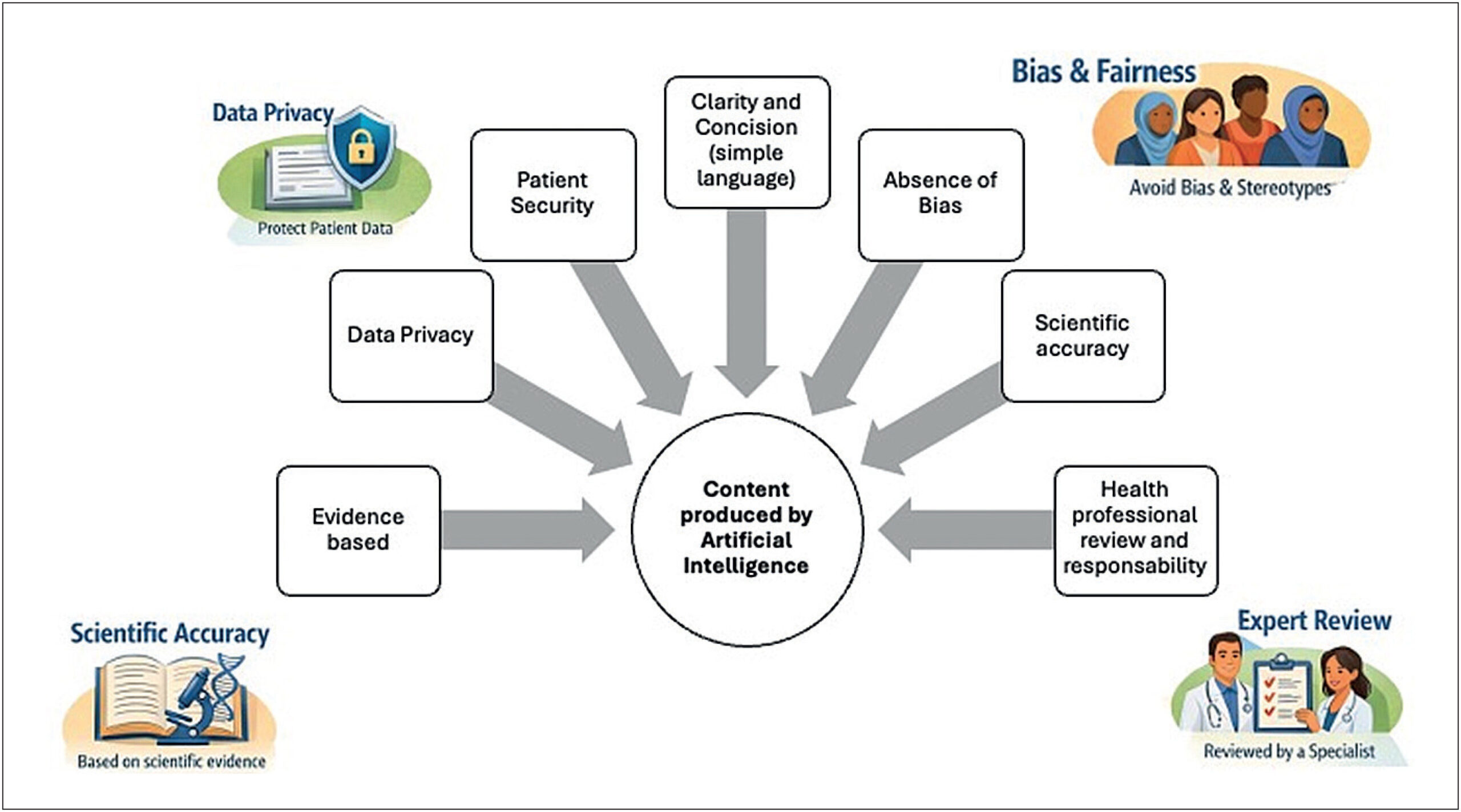
The rapid integration of artificial intelligence (AI) into medical practice is a reality. From clinical decision support and study design to chatbot tools and the production of educational materials, large language models (LLMs) are increasingly used in daily practice. In this context, studies like the study of Ataídes et al., evaluating the performance of LLM-based materials, are crucial.

Hypertension is one of the leading causes of premature death; therefore, the World Health Organization (WHO) invests in prevention campaigns. It is a disease that affects multiple organs, causing a major impact on the entire body. The condition is defined by a systolic blood pressure (BP) of 140 mmHg or higher, or a diastolic BP of 90 mmHg, according to Brazilian Society of Cardiology guidelines. The number of individuals diagnosed with hypertension increases each year, and studies indicate that the population’s eating habits are characterized by high consumption of ultra-processed foods.

[…]
  • Artificial Intelligence
  • ChatGPT
  • Clinical Guidelines
  • Hypertension
  • validation
Read Full Article
Creative Commons Attribution (CC BY) Creative Commons license
05/06/2026 DOI: 10.36660/abc.20260254i Views 4
Figure 1
Editorial

Permanent Artificial Cardiac Pacemaker in the Treatment of Bradyarrhythmias Caused by Chagas Disease

Roberto Costa

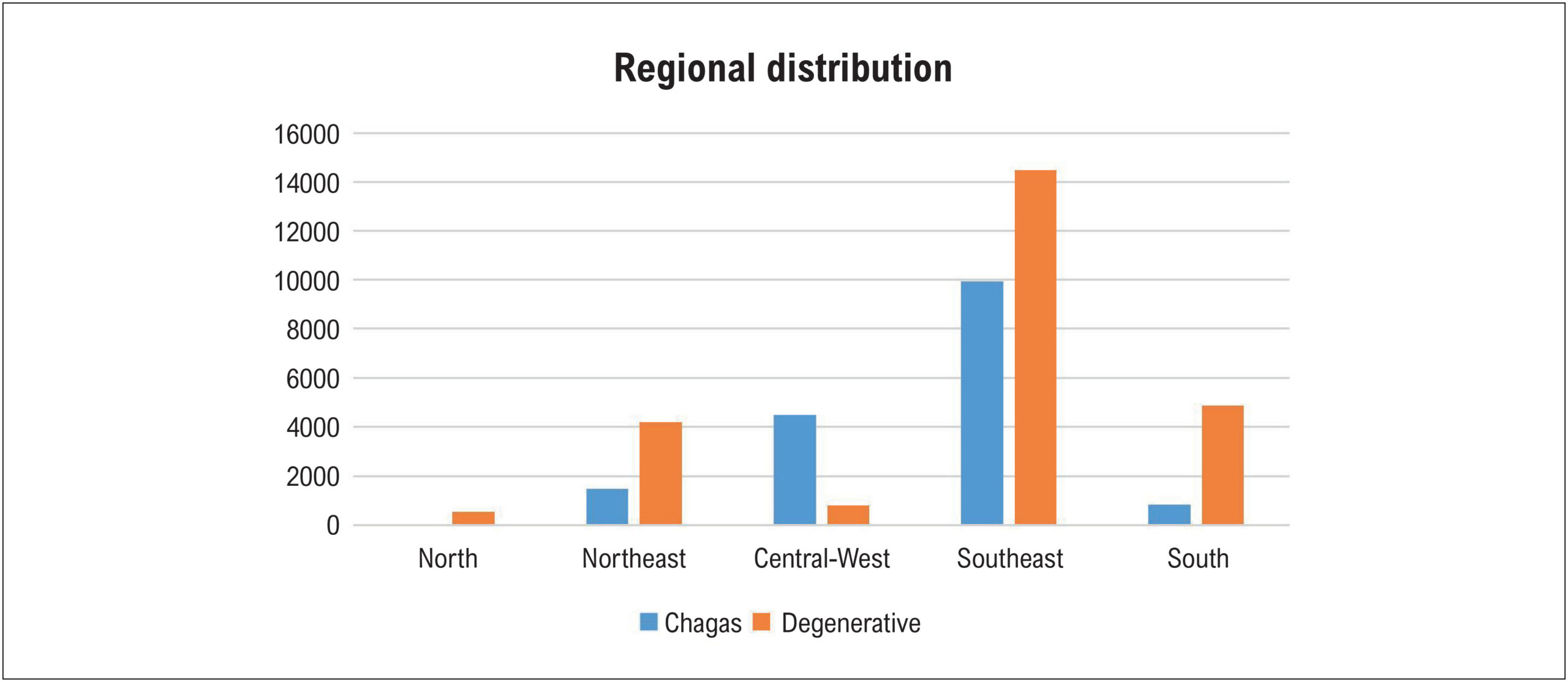
Government programs aimed at eliminating vector-borne transmission of Chagas disease have had a strong impact on the prevalence of cardiac bradyarrhythmias secondary to this etiology and, consequently, on the number of pacemaker implants performed in Brazil.– Data from the Brazilian Pacemaker Registry show that in 1995, of the 6,542 initial pacemaker implants reported, 30.2% were related to patients with Chagas disease. The proportion of patients with Chagas disease, however, decreased over time, and seven years later, when the 2002 data were presented, of the 11,347 initial implants reported, Chagas disease was reported as the etiology in 25.0% of cases. The total figures for the first 10 years of this century showed that Chagas disease accounted for 17.8% of initial pacemaker implants, falling to 11.7% in the latest publication of data from the Brazilian Pacemaker Registry, referring to the period from 2009 to 2014. Among the initial implants of conventional pacemakers performed at the Heart Institute-HC-FMUSP in the last six years (01/01/2020 to 31/12/2025), of the 2689 patients operated on, only 236 (8.8%) had Chagas disease as the etiology of their bradyarrhythmia, according to clinical and demographic data of consecutive patients undergoing procedures for implantation of electronic cardiac devices from 01/01/2020 to 31/12/2025 at Incor-HC-FMUSP.

A comparative analysis of the demographic and clinical data of 25,648 individuals with Chagas disease and 31,984 with degenerative heart disease who underwent conventional pacemaker implantation between 1995 and 2003 showed similarities between these two groups of individuals regarding sex distribution, with 47.8% women among those with Chagas disease and 48.5% in the degenerative disease group (p=0.186). On the other hand, a significant difference was observed when evaluating the average age of these two populations, with 58.6 ± 15.3 years for Chagas disease and 73.5 ± 12.6 for the degenerative disease group (p=0.001).

[…]

  • Artificial Pacemaker
  • Chagas disease
  • Mortality
  • Prevalence
  • Risk Factors
Read Full Article
Creative Commons Attribution (CC BY) Creative Commons license
05/06/2026 DOI: 10.36660/abc.20260180i Views 1
Figure 1
Editorial

Small Vessels, Big Decisions

José Airton de Arruda et al. José de Ribamar Costa Junior

Percutaneous coronary intervention (PCI) in small-caliber vessels remains one of the most challenging scenarios in contemporary interventional cardiology.

Historically, a small vessel was considered to be one with a diameter ≤2.75 mm. With the technological evolution of devices and the greater refinement of interventional techniques, this concept has been progressively redefined. In contemporary practice, small vessels are standardized as those with a diameter <2.5 mm, while very small or extremely small vessels often include segments <2.25 mm.,

[…]

  • Coronary Restenosis
  • Coronary Vessels
  • Drug-Eluting Stents
  • Percutaneous Coronary Intervention
  • Sirolimus
Read Full Article
Creative Commons Attribution (CC BY) Creative Commons license
01/06/2026 DOI: 10.36660/abc.20260207i Views 2
Erratum

Erratum

February 2024 Issue, vol. 121(2):e20240125

In the Short Editorial “Relationship between Static Lung Compliance and Extubation After Cardiac Surgery”, with DOI: , published in the journal Arquivos Brasileiros de Cardiologia, Arq Bras Cardiol. 2024; 121(2):e20240125, on page 1, change the paragraph “This paper is part of the MSc thesis of Dr. Thais da Silva Bento, under the orientation of Dr. Desanka Dragosavac at the Universidade Estadual de Campinas2.” to “This paper is part of the MSc thesis of Dr. Thais Bento Rudge Ramos, under the orientation of Dr. Desanka Dragosavac at the Universidade Estadual de Campinas.2”.

[…]

Read Full Article
Creative Commons Attribution (CC BY) Creative Commons license
25/05/2026 DOI: 10.36660/abc.20250868i
Figure 1
Editorial

Echocardiographic Reference Values: Why Brazil Needs to Speak With its Own Voice

Imara Correia de Queiroz Barbosa et al. Israel Nilton de Almeida Feitosa

Echocardiographic measurements are cornerstones of diagnosis, risk stratification, and therapeutic decision-making across a wide range of cardiovascular conditions. Despite this, clinical practice in Brazil still relies largely on reference ranges derived from European and North American populations. In a country of continental dimensions, marked by substantial ethnic, anthropometric, and socioeconomic heterogeneity, such extrapolation raises legitimate concerns regarding diagnostic accuracy and equity in cardiovascular assessment.

In this issue of the Arquivos Brasileiros de Cardiologia, Rodrigues et al. present a timely and methodologically sound study establishing contemporary reference values for echocardiographic parameters in healthy Brazilian adults. The inclusion of 496 volunteers recruited from 20 echocardiography laboratories across the five major geographic regions of the country provides unprecedented national representativeness and addresses a longstanding gap in Brazilian cardiology.

[…]

  • Echocardiography
  • Global Longitudinal Strain
  • Reference Values
Read Full Article
Creative Commons Attribution (CC BY) Creative Commons license
22/05/2026 DOI: 10.36660/abc.20260155i Views 2
Editorial

Cardiac Magnetic Resonance Imaging and Histology in Aortic Valve Disease: Convergences and Limitations

Helder Jorge Andrade Gomes et al. Tiago Senra

Myocardial fibrosis is a central element of ventricular remodeling in severe aortic valve disease and is associated with ventricular dysfunction and worse outcomes, even after valve intervention.– Although the collagen volume fraction obtained by histology represents the gold standard for quantifying interstitial fibrosis, myocardial biopsy is not part of routine clinical practice due to its invasive nature and sample limitations. In this context, cardiac magnetic resonance imaging (CMR) has become established as a non-invasive method for tissue characterization, allowing the identification of regional fibrosis through late enhancement and the estimation of interstitial expansion through T1 mapping and calculation of extracellular volume (ECV).–

The study published in this issue of the Arquivos Brasileiros de Cardiologia makes a significant contribution by directly comparing CMR parameters with the collagen volume fraction obtained by myocardial biopsy in 108 patients with severe aortic valve disease who underwent surgery. Unlike many previous series composed exclusively of aortic stenosis, this cohort also included patients with aortic insufficiency, broadening the applicability of the findings and incorporating a more comprehensive pathophysiological spectrum of ventricular overload.

[…]

  • Aortic Valve Disease
  • Fibrosis
  • Magnetic Resonance Imaging
Read Full Article
Creative Commons Attribution (CC BY) Creative Commons license
22/05/2026 DOI: 10.36660/abc.20260140i Views 1
Interstitial Myocardial Fibrosis Analysis by Histology and Cardiac Magnetic Resonance in Severe Aortic Valve Disease
Original Article

Interstitial Myocardial Fibrosis Analysis by Histology and Cardiac Magnetic Resonance in Severe Aortic Valve Disease

Juliana Hiromi Silva Matsumoto Bello et al. Lea M.M.F. Demarchi Rafael Almeida Fonseca Gabriele N. Lima … Lucas José Tachotti Pires Vitor E. E. Rosa Roney Orismar Sampaio Paulo S. Gutierrez Vera D. Aiello Flávio Tarasoutchi Carlos E. Rochitte

Abstract

Background:

Aortic valve disease may lead to the accumulation of myocardial fibrosis (MF). Cardiac magnetic resonance (CMR) with late gadolinium enhancement (LGE) evaluates regional fibrosis but does not detect interstitial fibrosis, which can be estimated by extracellular volume (ECV) using native (pre-contrast) and post-contrast T1 mapping.

Objectives:

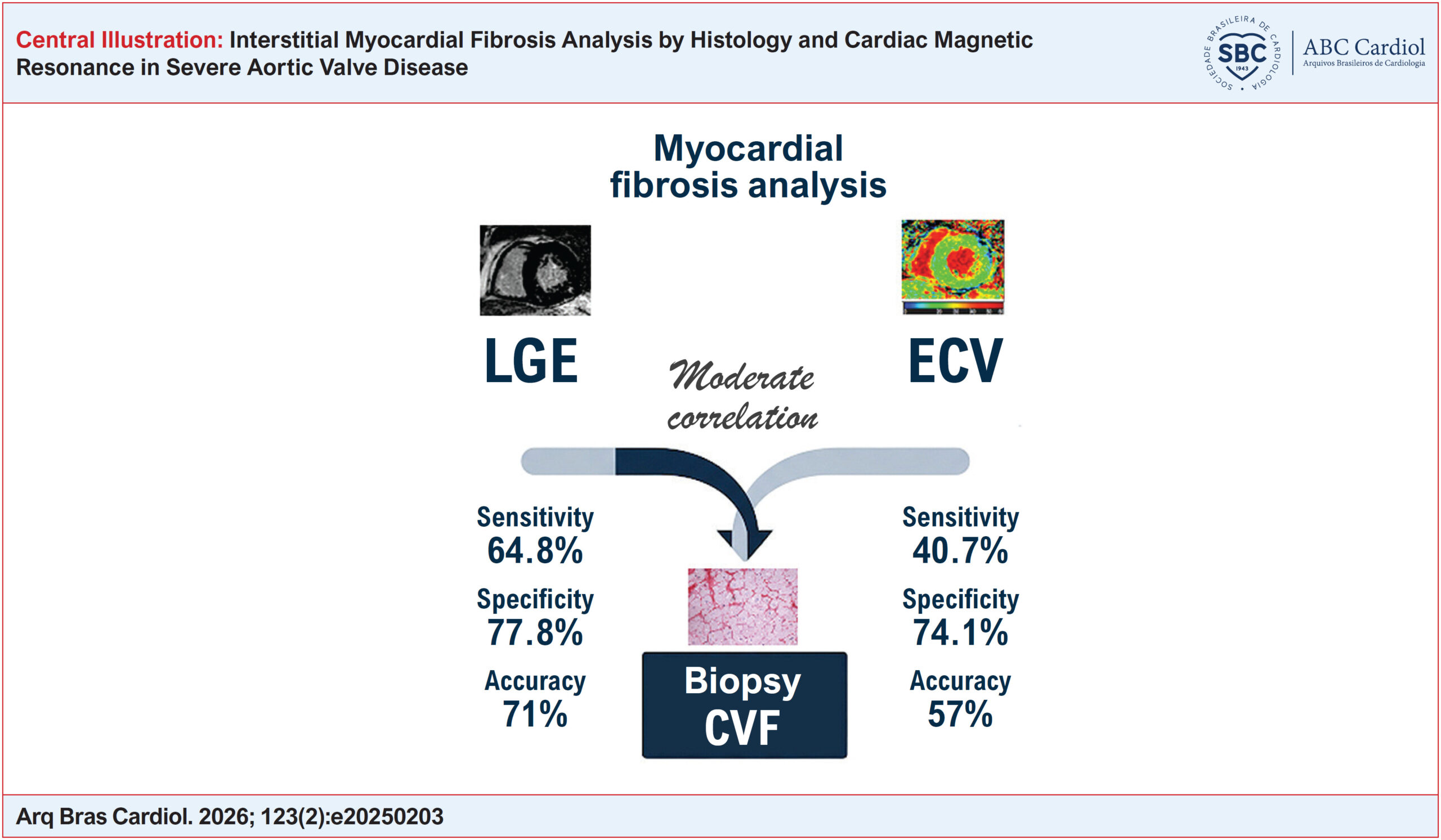
To compare MF measured by collagen volume fraction (CVF) in myocardial biopsy with LGE and ECV in patients with severe aortic valve disease.

Methods:

A total of 108 patients undergoing aortic valve replacement with myocardial biopsy and preoperative CMR were included. LGE and ECV were compared with CVF using Pearson or Spearman correlation coefficients, diagnostic performance analysis, and agreement testing. Statistical significance was set at p < 0.05.

Results:

Increased CVF was observed in 96% of patients (21.9 ± 5.5%), LGE in 44% (1.3 ± 3%), and increased ECV in 33.3% (29.0 ± 4.0%). Moderate correlations were found between LGE and CVF and between ECV and CVF (r = 0.44 and r = 0.36, respectively; p = 0.001). LGE and ECV demonstrated sensitivities of 64.8% and 40.7%, specificities of 77.8% and 74.1%, and accuracies of 71% and 57%, respectively, using CVF above the median as the reference for MF. Agreement between CVF and ECV revealed a mean difference of −0.167 and a Cohen’s kappa value of 0.171.

Conclusions:

CMR detects MF in patients with severe aortic valve disease confirmed by biopsy. LGE and ECV show moderate correlation with CVF. Combined analysis of LGE and ECV may provide complementary information; however, additional studies are needed to determine their prognostic impact.

  • Aortic Valve Disease
  • Fibrosis
  • Histology
  • Magnetic Resonance Imaging
  • Miocardio
Read Full Article
Creative Commons Attribution (CC BY) Creative Commons license
15/05/2026 DOI: 10.36660/abc.20250203i Views 1
Editorial

The Thickness That Deceives: The Role of Imaging, Biopsy, and Genetics in the Evaluation of Ventricular Hypertrophy

Murillo de Oliveira Antunes

Increased ventricular wall thickness is a common finding in cardiovascular practice and is frequently attributed either to secondary myocardial hypertrophy or to sarcomeric hypertrophic cardiomyopathy (HCM). However, this phenotype may conceal a broad spectrum of genetic, infiltrative, and storage diseases, each associated with distinct prognostic implications and therapeutic strategies. Accurate differentiation between true myocardial hypertrophy and HCM phenocopies—or genocopies—remains a major diagnostic challenge and requires a multimodality approach integrating advanced cardiac imaging, endomyocardial biopsy (EMB), and genetic testing.–

Cardiac imaging has evolved beyond morphological assessment. Cardiac magnetic resonance (CMR) with tissue characterization has become a cornerstone of noninvasive evaluation in patients with increased myocardial thickness. Parametric mapping techniques, including T1 and T2 mapping and extracellular volume (ECV) quantification, allow the detection of myocardial compositional changes such as edema, fibrosis, and infiltration, providing important diagnostic clues for conditions such as cardiac amyloidosis, Fabry disease, and glycogen storage cardiomyopathies (e.g., PRKAG2-related disease).– In addition, specific late gadolinium enhancement patterns may further support the suspicion of non-sarcomeric etiologies.,

[…]

  • Biopsy
  • Cardiomyopathies
  • Diagnostic Imaging
  • Genetics
Read Full Article
Creative Commons Attribution (CC BY) Creative Commons license
15/05/2026 DOI: 10.36660/abc.20260119i Views 1
Editorial

Genetic Testing in Hypertrophic Cardiomyopathy: Expanding Global Representation While Refining Interpretation

Fernando Rabioglio Giugni

Hypertrophic cardiomyopathy (HCM) represents a paradigmatic example of how genetics has transformed contemporary cardiovascular medicine. Advances in sequencing technologies over the past two decades have substantially expanded molecular diagnosis, family screening, and risk stratification strategies. However, much of the current evidence derives from North American and European cohorts, with comparatively limited representation of Latin American populations. In this context, studies describing the genetic and clinical characteristics of Brazilian patients are particularly important, both to broaden global understanding of HCM and to support the development of precision cardiology within diverse healthcare settings.

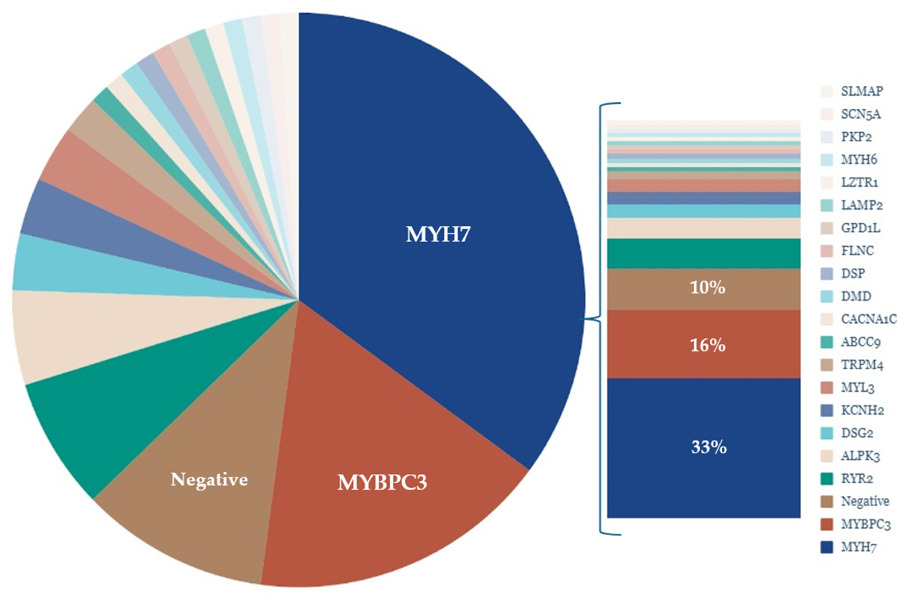
In this issue, Beuren et al. report genetic and phenotypic findings from patients with HCM and their relatives recruited at a tertiary center in southern Brazil. Consistent with prior literature, variants in sarcomeric genes—particularly MYH7 and MYBPC3—accounted for nearly half of the cases. These observations reinforce a central message repeatedly demonstrated across populations: despite substantial genetic heterogeneity, sarcomeric disease remains the dominant biological substrate of HCM.– Importantly, studies conducted outside traditionally studied populations are essential to ensure equitable implementation of cardiovascular genomics and to understand potential regional variation in genetic architecture.

[…]

  • Diagnostic Yield
  • Genetic Variants
  • Hypertrophic Cardiomyopathy
  • Sarcomere
Read Full Article
Creative Commons Attribution (CC BY) Creative Commons license
08/05/2026 DOI: 10.36660/abc.20260157i
Editorial

Beyond the Scale: Obesity as a Structural Driver of Refractory Hypertension

Eduardo Tibirica

Arterial hypertension remains a global challenge, yet its extreme phenotypes—Resistant Hypertension (RAH) and Refractory (RefH) Hypertension—represent the forefront of cardiovascular risk. While RAH involves uncontrolled blood pressure (BP) despite three drug classes, RefH is its most severe manifestation, defined by failure with five or more drugs. In Brazil, RAH is highly prevalent; the ELSA-Brasil study reported an 11% prevalence among treated patients, with higher risks for older, Black, and obese individuals.

Expanding this landscape, Costa et al. provide a timely analysis of a high-complexity cohort. Their findings reveal a striking correlation between body mass index and pharmacological burden (r = 0.45; p < 0.01). This "dose-response" relationship suggests that in obese individuals, the "ceiling effect" of conventional therapy is reached sooner, necessitating an escalation of polypharmacy. Furthermore, by focusing on a cohort predominantly composed of Afro-descendant women over 60 years of age, the authors address a critical gap regarding vulnerable groups often underrepresented in clinical research.

[…]

  • Arterial Pressure
  • Hypertension
  • Obesity
Read Full Article
Creative Commons Attribution (CC BY) Creative Commons license
20/04/2026 DOI: 10.36660/abc.20260139i
Fundamentals of Acute Pericarditis: State of the Art
Review Article

Fundamentals of Acute Pericarditis: State of the Art

Gabriel de Moraes Mangas et al. Jose Gregorio Valero Rodriguez João Alexandre Ranzeiro de Bragança dos Santos Flavia Nunes Benicio de Souza … Luis Felipe Leite da Silva Giovane Leal de Azevedo Junior Alberto Chivaca Neusa Perina de Jesus Jessen Ângelo Oliveira Evandro Tinoco Mesquita

Abstract

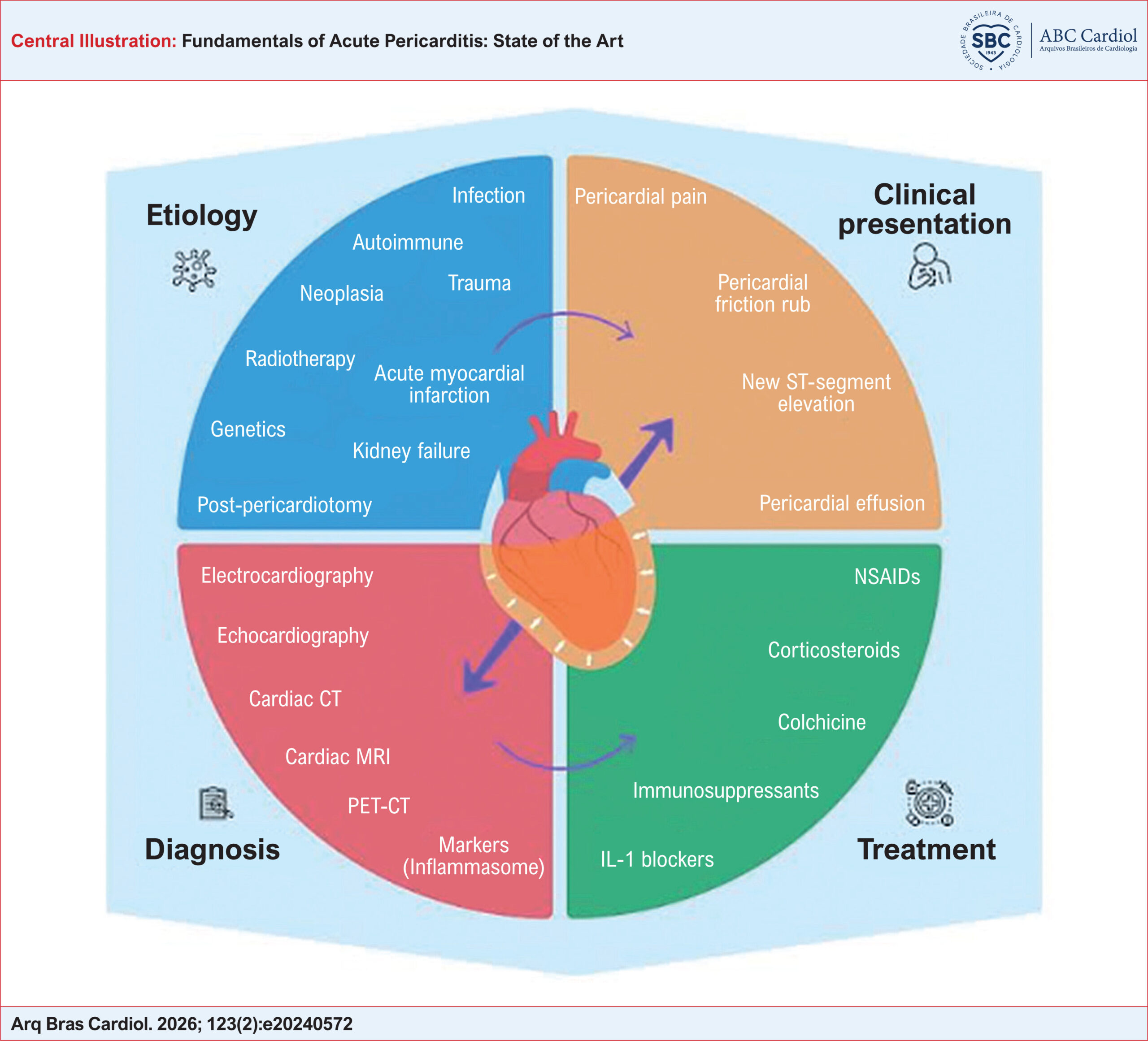
Acute pericarditis is an inflammation of the pericardium, the lining that surrounds the heart. It is the most common inflammatory heart condition. The disease frequently affects young adults and can manifest with varying severity. Pericarditis can have diverse causes, including viral infections, autoimmune diseases, post-infarction conditions, and, more recently, SARS-CoV-2 infections or COVID-19 vaccines. In developing countries, especially in Africa, tuberculosis is the leading cause of pericarditis, often associated with HIV. Diagnosis is based on clinical criteria, such as chest pain and electrocardiographic changes, and it can be supported by imaging studies such as echocardiography, cardiac magnetic resonance imaging, and computed tomography. Identification of etiology is crucial to personalized treatment, although the specific cause is often unidentified. New research has highlighted the role of the NLRP3 inflammasome in the pathophysiology of pericarditis, which may pave the way for new therapies. Furthermore, technological advancements and artificial intelligence are discussed as promising tools to improve the management of pericarditis.

  • Acute Pericarditis
  • Artificial Intelligence
  • Diagnosis
  • Inflammation
  • Treatment
Read Full Article
Creative Commons Attribution (CC BY) Creative Commons license
17/04/2026 DOI: 10.36660/abc.20240572i Views 3
Figure 1
Research Letter

Late-Onset Fabry Disease: Diagnostic Challenges and Clinical Evolution

Hernán Patricio García Mejía et al. Heleuterio da Conceição Nicolau Madogolele Manuela Cristina Ribeiro Dias Barroso Matheus Carvalho Alves Nogueira … Kevin Rafael de Paula Morales Cristhian Espinoza Romero Luciano Nastari Fábio Fernandes

Introduction

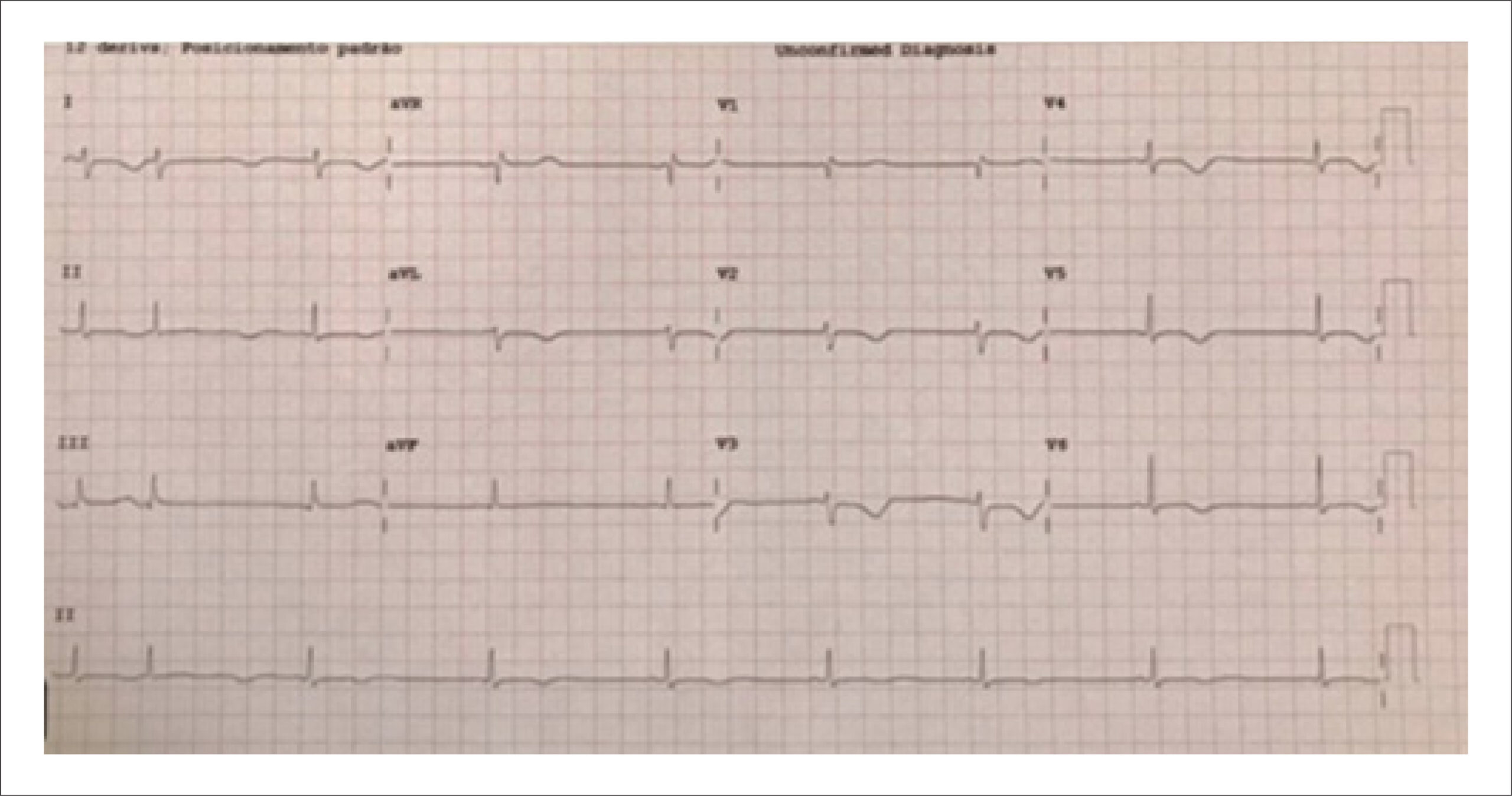
Simultaneous cardiac and renal involvement can result from various systemic conditions, such as hypertension, autoimmune diseases, infiltrative diseases, and hereditary syndromes. Fabry disease (FD) is an X-linked genetic disorder caused by a deficiency or absence of the enzyme α-galactosidase A, leading to the progressive accumulation of glycosphingolipids, especially globotriaosylceramide (Gb3), in various tissues. This accumulation of Gb3 promotes multisystemic dysfunctions, with heterogeneous clinical manifestations that vary according to sex, the degree of residual enzymatic activity, and the form of presentation, classic or non-classic.,

The estimated incidence of FD ranges from 1 in 40,000 to 1 in 117,000 individuals worldwide. In Brazil, the epidemiology of FD remains poorly defined due to the rarity of the condition and underreporting of cases, which reinforces the value of clinical reports such as this one.

[…]

  • Cardiac Conduction System Disease
  • Cardiomyopathies
  • Fabry Disease
  • Left Ventricular Hypertrophy
Read Full Article
Creative Commons Attribution (CC BY) Creative Commons license
17/04/2026 DOI: 10.36660/abc.20250554i Views 3
Figure 1
Case Report

Takotsubo Syndrome in an Adolescent Undergoing Oncological Treatment: A Rare Case Report

Tami Inada et al. Guilherme Santos Marques da Silva Raisa Machado Amaral Edgard Ferreira dos Santos Junior Carlos Eduardo de Barros Branco

Introduction

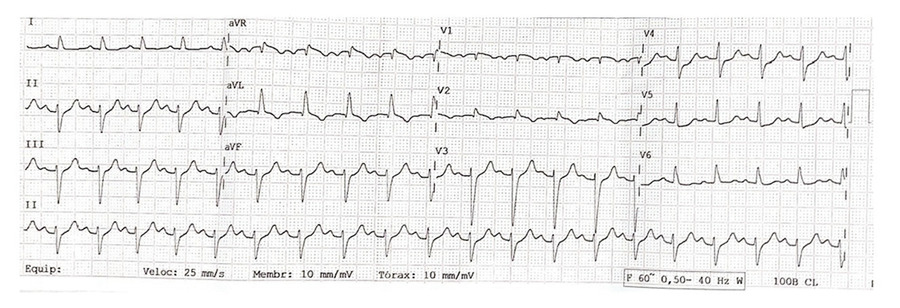
Takotsubo Syndrome (TTS), or Takotsubo cardiomyopathy, was first described in Japan in 1990 and is characterized by transient and acute dysfunction of the left ventricle, usually with hypokinesia or akinesia of the mid-apical LV segments and hyperkinesia of the basal segments. The resulting morphology, with apical ballooning, resembles an octopus trap (“tako-tsubo”). Despite its symptoms being similar to those of acute coronary syndrome, there is no coronary obstruction, and the ventricular wall motion abnormality usually extends beyond the territory of a single artery.,

Several factors can precipitate TTS, particularly physical triggers (such as severe infections and surgical interventions) and emotional stress. In oncology patients, the incidence is higher, attributed to treatment-related toxicity, subsequent infectious complications, and physical and psychological overload., The literature indicates that oncology patients present higher mortality and more combined major adverse cardiac events when they develop TTS, especially compared to those without a history of cancer.

[…]

  • Adolescent
  • Medical Oncology
  • Takotsubo Cardiomyopathy
Read Full Article
Creative Commons Attribution (CC BY) Creative Commons license
17/04/2026 DOI: 10.36660/abc.20250380i Views 1
Editorial

Recurrent Pericarditis: A Manifestation of Systemic Inflammation?

Marcio Roberto Moraes Carvalho

Recurrent pericarditis represents one of the most challenging manifestations of pericardial diseases, due to its impact on quality of life, the prolonged use of anti-inflammatory therapies, and the risk of progression to refractoriness., Although classically described as an episodic condition, evidence indicates that, in a significant proportion of cases, recurrence may reflect persistent underlying systemic inflammation, often of an autoinflammatory nature, not fully captured by conventional inflammatory markers., In this context, recurrent pericarditis has evolved from a local approach to a systemic entity; inflammasome and interleukin-1 activation support more severe and recurrent phenotypes.–

The Systemic Immune-Inflammation Index (SII), calculated as SII = (platelets × neutrophils)/lymphocytes, integrates central components of systemic inflammation and the immune response, reflecting the balance between innate and adaptive immunity and platelet activation.– It differs from composite diagnostic scores, such as the INFLA-score. The SII constitutes a continuous quantitative biomarker, intended for estimating the underlying systemic inflammatory burden and for temporal monitoring of immuno-inflammatory activity.–

[…]

  • Pericarditis
  • Recurrence
  • Systemic, Inflammation
Read Full Article
Creative Commons Attribution (CC BY) Creative Commons license
17/04/2026 DOI: 10.36660/abc.20260127i
Predictive Value of the Systemic Immune-inflammation Index for Recurrence of Idiopathic Acute Pericarditis
Original Article

Predictive Value of the Systemic Immune-inflammation Index for Recurrence of Idiopathic Acute Pericarditis

Tuba Unkun et al. Busra Guvendi Sengor

Abstract

Background

Identifying patients at increased risk of recurrence of acute pericarditis remains challenging. High-sensitivity C-reactive protein (hs-CRP) can be used to predict recurrence, but it has certain limitations.

Objectives

This study aimed to evaluate the association between a novel biomarker, the Systemic Immune-Inflammation Index (SII), and the recurrence of acute pericarditis.

Methods

This retrospective cohort study included 110 patients diagnosed with acute idiopathic pericarditis, the primary endpoint of the study was to investigate Recurrent Pericarditis (RP) during the 18 month follow-up period. Patients were divided into two groups based on whether or not they developed recurrent pericarditis. Physical examination, electrocardiography, echocardiography, and laboratory test results of these patients were evaluated. P < 0.05 was considered statistically significant.

Results

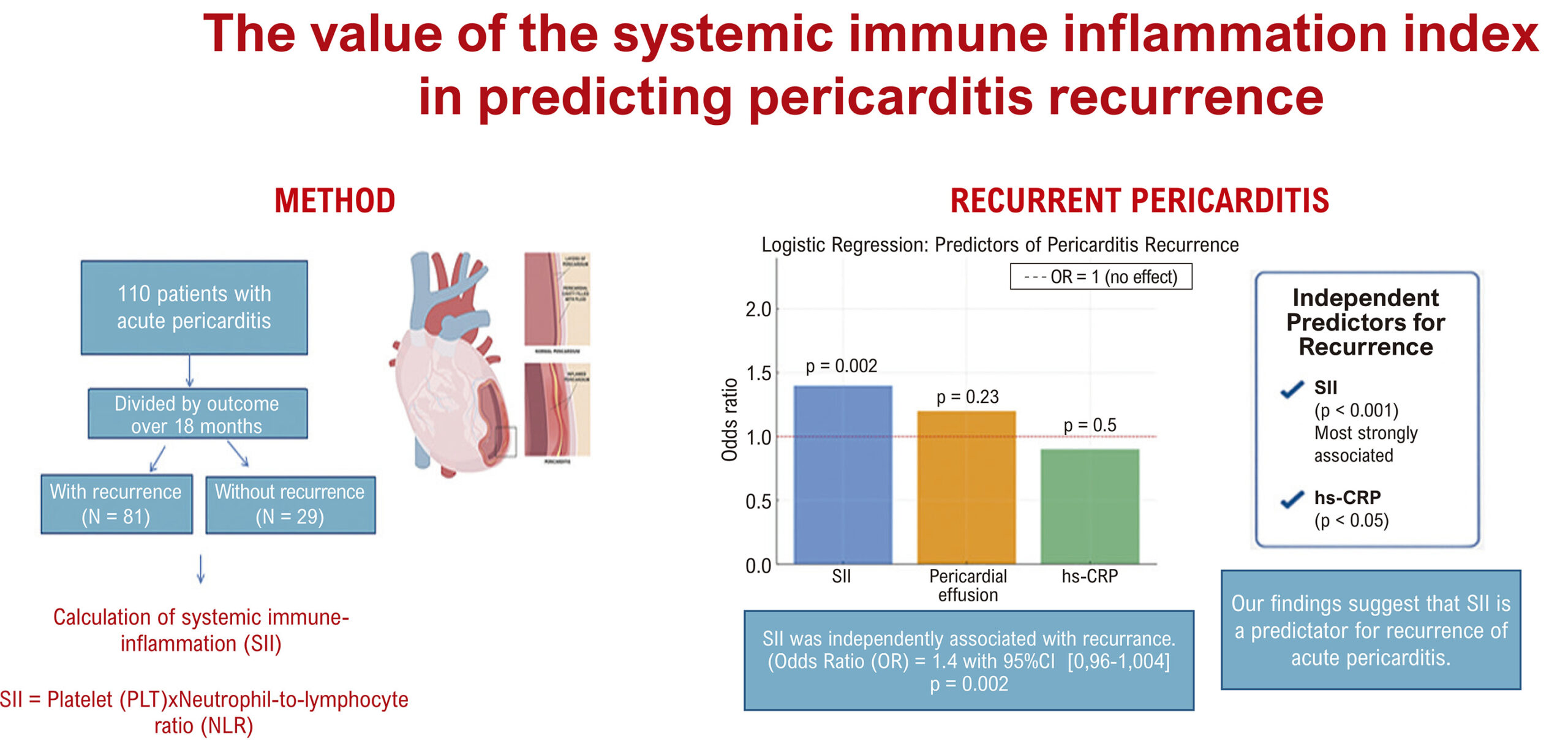
The mean age of the patients was 42.8 ± 15.2 years, and 42.7% were male. The group with RP had significantly higher leukocyte counts (8.7 ± 3.2 vs. 12 ± 4.7; p = 0.001), neutrophil counts (5.4 ± 2.7 vs. 9 ± 4.5; p < 0.001), hs-CRP levels (29.1 ± 40.9 vs. 49.5 ± 62.2; p = 0.048), and neutrophil-to-lymphocyte ratio (2.9 ± 2.5 vs. 6 ± 2.8; p < 0.001). SII (783.2 ± 770.2 vs. 1664.2 ± 1086.6; p < 0.001) was also significantly higher in patients with recurrence. Both SII and hs-CRP were independently associated with recurrence (p < 0.001 and p < 0.05, respectively).

Conclusion

SII and hs-CRP were found to be independent predictors for recurrence in acute pericarditis patients during the 18 month follow-up. Similar to hs-CRP, SII may also be used as an important parameter in predicting recurrent pericarditis.

  • C-Reactive Protein
  • Pericarditis
  • Systemic Immune-inflammation Index
Read Full Article
Creative Commons Attribution (CC BY) Creative Commons license
30/03/2026 DOI: 10.36660/abc.20250437i
Figure 1
Research Letter

Cardiogenic Shock Due to Inverted-Pattern Takotsubo Syndrome Caused by Pheochromocytoma: Case Report and Literature Review

Pedro Ivo De Marqui Moraes et al. Michell Fayad André Haddad Daniel Bisi de Bôrtoli Valle Luiz Otávio de Oliveira Filho … Mayara da Silva Custódio Dirceu Rodrigues de Almeida

Introduction

Takotsubo syndrome (TTS) is characterized by an acute impairment of myocardial contractility caused by sympathetic hyperstimulation after emotional or physical stress., Apical ballooning is the typical and most common pattern, a feature that gave rise to the classic term described by Sato et al. in 1990, due to its similarity to the historical Japanese octopus trap. Atypical patterns include mid-basal, basal, and focal wall motion abnormalities.

Data from multicenter registries reveal that 1 to 3% of patients suspected of having an acute myocardial infarction (AMI) are alternatively diagnosed with TTS,, and in-hospital mortality rates are comparable to those of patients with AMI and range from 3.2 to 10.6%,– mainly caused by cardiogenic shock or sudden death from ventricular arrhythmias. In contrast to other cardiomyopathies, the ventricular contractility deficit in TTS is transient, and complete recovery usually occurs within days to weeks.

[…]

  • Cardiogenic shock
  • Pheochromocytoma
  • Takotsubo Cardiomyopathy
Read Full Article
Creative Commons Attribution (CC BY) Creative Commons license
23/03/2026 DOI: 10.36660/abc.20250558i Views 3
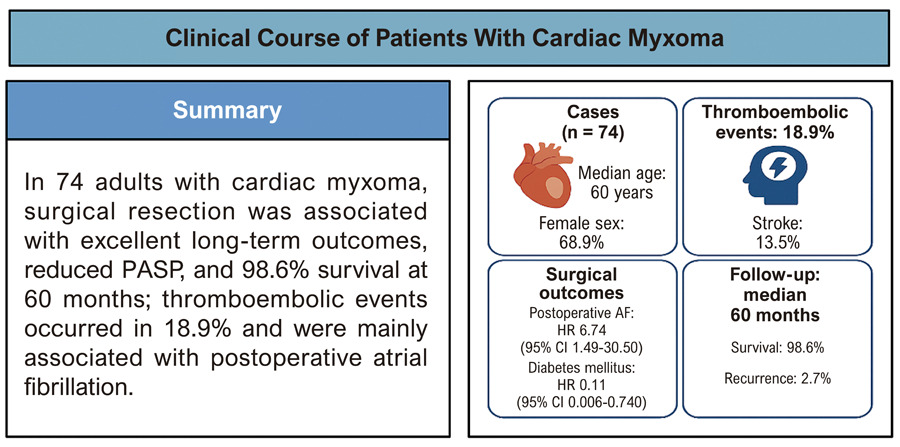
Operative Experience and Clinical Outcomes in Cardiac Myxoma Patients: A Retrospective Single-Center Study
Original Article

Operative Experience and Clinical Outcomes in Cardiac Myxoma Patients: A Retrospective Single-Center Study

Heleutério da Conceição Nicolau Madogolele et al. Manuela Cristina Ribeiro Dias Barroso Hernán Patricio García Mejía Cristhian Espinoza … Vinicius Machado Correia Vagner Madrini José Augusto Duncan Ricardo Ribeiro Dias Fábio Fernandes

Abstract

Background

Cardiac myxoma is the second most common primary cardiac tumor; however, contemporary single-center series integrating operative strategy with clinical outcomes remain limited.

Objectives

To describe the operative approaches and clinical outcomes of patients undergoing surgical resection of cardiac myxomas at a single center.

Methods

We conducted a retrospective review of 74 consecutive patients who underwent surgical resection of histologically confirmed cardiac myxomas between 2014 and 2024 at a tertiary referral center in Brazil. Clinical, imaging, surgical, and follow-up data were collected. The primary outcome was the incidence of thromboembolic events. A significance level of 5% was adopted for all statistical analyses.

Results

The median age was 60 years (range 52-66), and 68.9% of patients were female. Median follow-up was 60 months (interquartile range 40-79). Thromboembolic events occurred in 14 patients (18.9%), including stroke (13.5%), embolic myocardial infarction (2.7%), and pulmonary embolism (2.7%). In multivariable Cox analysis, diabetes was independently associated with a lower hazard of thromboembolic events (HR 0.11; 95% CI 0.006-0.740; p < 0.05), whereas postoperative atrial fibrillation was associated with a higher thromboembolic risk (HR 6.74; 95% CI 1.490-30.510; p < 0.05). Tumor recurrence occurred in 2.7% of cases. Only one death was recorded during follow-up.

Conclusion

Cardiac myxomas are associated with significant thromboembolic and hemodynamic risks. Early surgical resection provides excellent long-term outcomes and should be considered even in asymptomatic patients. In our cohort, tumor morphology showed a non-significant trend toward a higher risk of thromboembolic events.

  • Doenças Cardiovasculares
  • Latin America
  • Mixoma
  • Surgery
Read Full Article
Creative Commons Attribution (CC BY) Creative Commons license
23/03/2026 DOI: 10.36660/abc.20250596i Views 3
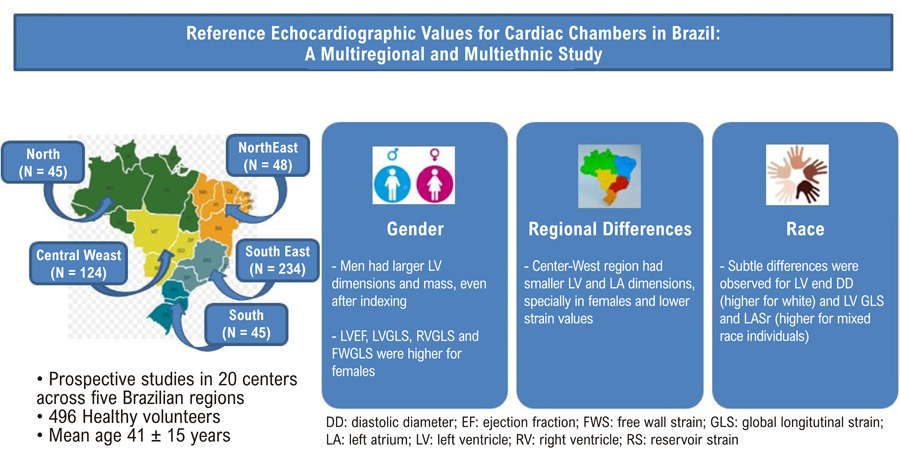
Reference Echocardiographic Values for Cardiac Chambers in Brazil: A Multiregional, Multi-Racial Study
Original Article

Reference Echocardiographic Values for Cardiac Chambers in Brazil: A Multiregional, Multi-Racial Study

Ana Clara Tude Rodrigues et al. Roberto Magalhães Saraiva Viviane T. Hotta Gabriel Doreto Rodrigues … Fabiana Camelier de Assis Cardoso Anderson da Costa Armstrong Cláudia Gianini Monaco Adelino Parro Junior José Luis de Castro e Silva Pretto João Marcos Bemfica Barbosa Ferreira Renata Santos Lopes Teixeira de Lima Marcelo Salame Salustiano Pereira de Araujo Carlos Eduardo Suaide Silva Cíntia Galhardo Tressino Fabio Canellas Moreira Ana Cristina Camarozano Minna Moreira Dias Romano Andre Luiz Cerqueira Almeida Claudio Henrique Fischer Alex dos Santos Felix Clarissa Borguezan-Daros Diogo Silva Piardi Diego Cunha Marcelo Dantas Tavares de Melo Rafael Modesto Silvio Henrique Barberato Wercules Antonio Oliveira Marcelo Luiz Campos Vieira Samira Saady Morhy

Abstract

Background

Reference values for cardiac chamber quantification are essential for clinical decision-making. Brazil is a continental country with marked racial diversity and substantial regional socioeconomic and anthropometric variability, which may not be adequately represented in international echocardiographic standards.

Objective

To establish reference echocardiographic measurements for healthy Brazilian adults and to investigate geographic and sex-related differences across Brazil’s major regions.

Methods

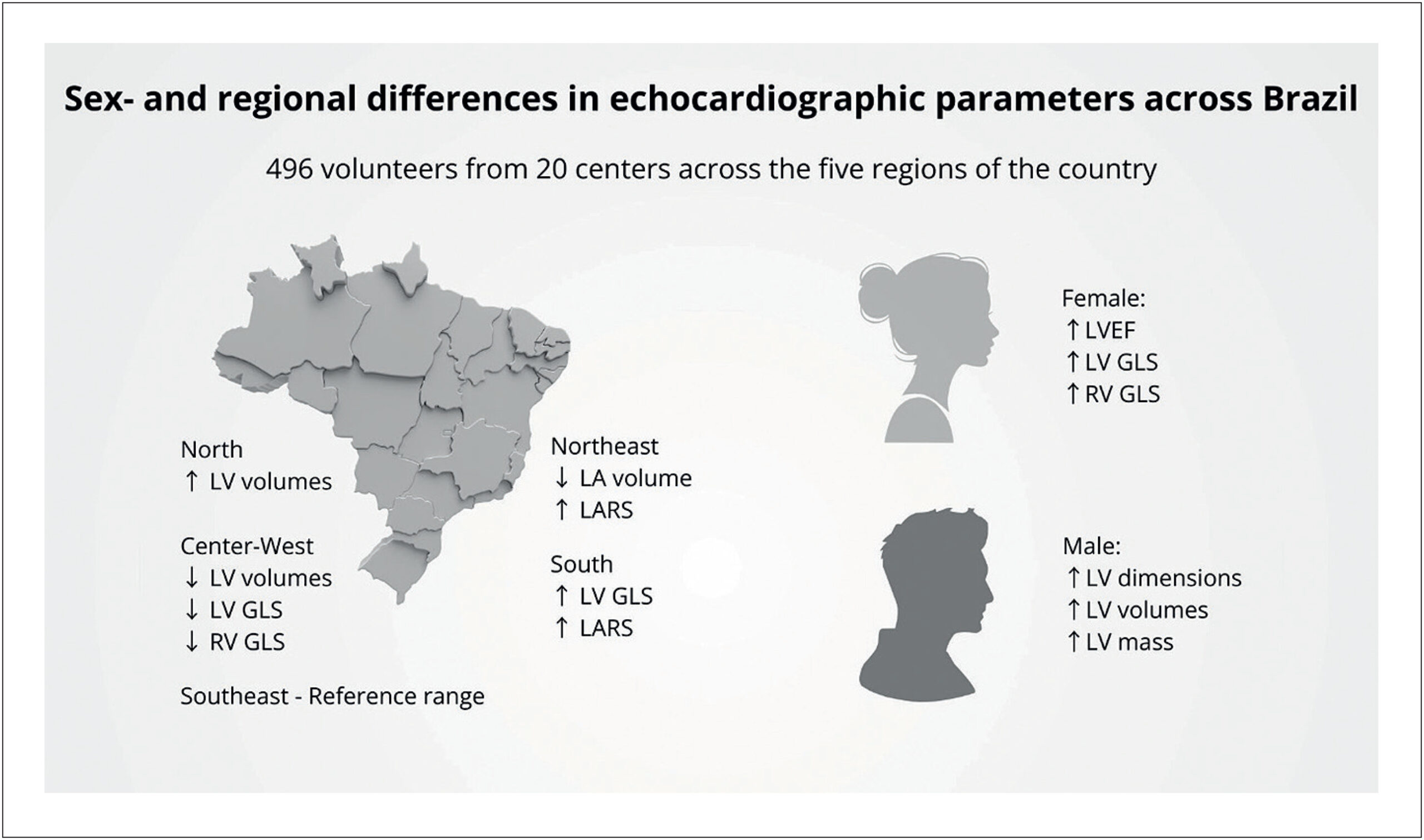
In this prospective, multicenter study, transthoracic echocardiograms were performed in 496 healthy volunteers (mean age 41 ± 15 years; 55% women) from five Brazilian regions. Left ventricular (LV) and left atrial (LA) dimensions, volumes, mass, ejection fraction, and global longitudinal strain (GLS) were analyzed in accordance with current guidelines. Comparisons were conducted by sex (Student’s t test or Mann-Whitney U test) and by region (analysis of variance).

Results

Cardiac chamber dimensions and LV mass were greater in men, even after indexing for body surface area. LA volumes were also higher in men, although these differences were attenuated after indexing. Absolute LVGLS and right ventricle (RV) GLS (RVGLS) values were higher in women, whereas LA strain reservoir (LASr) was similar between sexes. Regionally, the Center-West exhibited significantly smaller LV volumes, a difference primarily driven by women, along with lower LVGLS and RVGLS (p < 0.001). In contrast, LA volumes were smaller in the Northeast region. No significant associations were observed between self-reported race and echocardiographic parameters, except for RVGLS and LASr, which were lower in White participants.

Conclusion

This study establishes echocardiographic reference values in a nationally representative Brazilian cohort, confirms expected sex-related differences, and identifies previously unrecognized regional variations in cardiac chamber dimensions. These findings underscore the need for population-specific standards to ensure accurate cardiac quantification.

  • Echocardiography
  • Heart
  • Reference Values
Read Full Article
Creative Commons Attribution (CC BY) Creative Commons license
23/03/2026 DOI: 10.36660/abc.20250628i Views 1
Editorial

Beyond Translation: Building a Lusophone Alliance for Cardiovascular Care

Flávia Geraldes

The science of cardiovascular prevention has reached a plateau of implementation. Despite an extensive arsenal of effective interventions, including antihypertensive pharmacotherapy, lipid-lowering agents, tobacco control, and population-level risk reduction, the global burden of non-communicable diseases (NCDs) continues to rise, particularly in low-income and middle-income countries. But the failure is not one of discovery; it is of delivery. The prevailing model of cardiovascular evidence generation—largely produced, debated, and disseminated within high-income, research-intensive systems—has struggled to gain traction in other health-system contexts where NCDs account for the greatest share of morbidity and mortality.

Interventions validated in well-resourced, highly specialised environments will often be implemented, if at all, within systems challenged by workforce shortages, fragmented care pathways, constrained financing, and with different epidemiological profiles. As a result, evidence that is robust in principle may prove fragile in practice. Bridging this gap requires not just translation of language, but also of systems.

[…]

  • Cardiovascular Diseases
  • Health Systems
  • International Cooperation
  • Primary Health Care
Read Full Article
Creative Commons Attribution (CC BY) Creative Commons license
23/03/2026 DOI: 10.36660/abc.20260065i Views 1
Genetic and Clinical Characterization of a South-Brazilian Hypertrophic Cardiomyopathy Cohort
Original Article

Genetic and Clinical Characterization of a South-Brazilian Hypertrophic Cardiomyopathy Cohort

Thais Beuren et al. Fernando Scolari Fernanda Sperb-Ludwig Filipe Ferrari … Arthur Rossi Rafael Zawislak Peter van Tintelen Ricardo Stein

Abstract

Background

Hypertrophic cardiomyopathy (HCM) is the most common monogenic heart disease, characterized by genetic and phenotypic heterogeneity. Although extensively studied in North American and European populations, data from Brazil remain limited.

Objectives

To characterize the genetic and clinical profiles of a Southern Brazilian cohort of HCM patients and their relatives using massive parallel sequencing.

Methods

In this observational study, HCM patients and first-degree relatives were recruited from outpatient cardiology clinics. Clinical and imaging data were collected, and genetic analysis used a 100-gene panel. Variant pathogenicity was assessed according to American College of Medical Genetics and Genomics criteria, and statistical analyses were performed using R software.

Results

Eighty individuals were included in the final analysis (mean age: 49.2 ±18.5); 60% male; 40 index cases and 40 affected relatives). MYH7 and MYBPC3 were the most frequently related genes, with pathogenic / likely pathogenic variants (P/LP) identified in 33% and 16% of participants, respectively. No pathogenic TNNT2 variants were detected. Ninety percent of participants carried an identified variant (including variants of uncertain significance), with 68% harboring P/LP variants. MYH7 carriers exhibited a higher proportion of left ventricular outflow tract obstruction, whereas MYBPC3 carriers had a higher proportion of arrhythmic events and earlier diagnosis; however, these differences did not reach statistical significance and should be interpreted as exploratory. Clinical comparisons revealed regional differences, suggesting the potential impact of genetic diversity on the presentation of HCM in this part of Brazil.

Conclusions

This study offers the first detailed genetic and clinical characterization of a Brazilian HCM cohort using massive parallel sequencing. Our findings underscore the importance of genetic testing for diagnosis, risk stratification, and management.

  • Brazil
  • Genetic Testing
  • High-Throughput Nucleotide Sequencing
  • Hypertrophic Cardiomyopathy
Read Full Article
Creative Commons Attribution (CC BY) Creative Commons license
20/03/2026 DOI: 10.36660/abc.20250420i Views 1
Figure 1
Image

Chatterjee Phenomenon: The Heart Remembers What the Mind Forgets

Miguel Vicente et al. Eric Monteiro Domingos Ramos Lino Gonçalves

Introduction

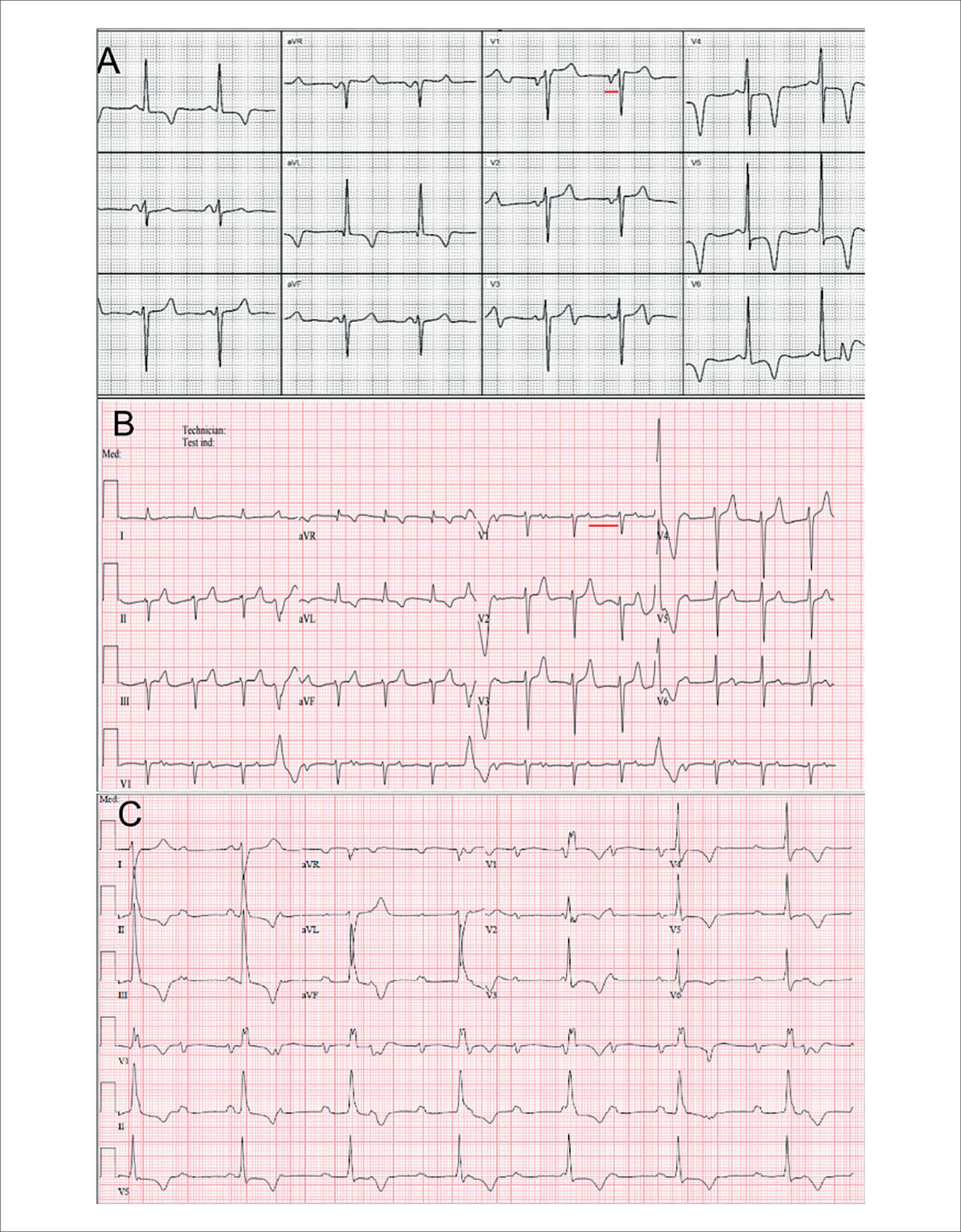
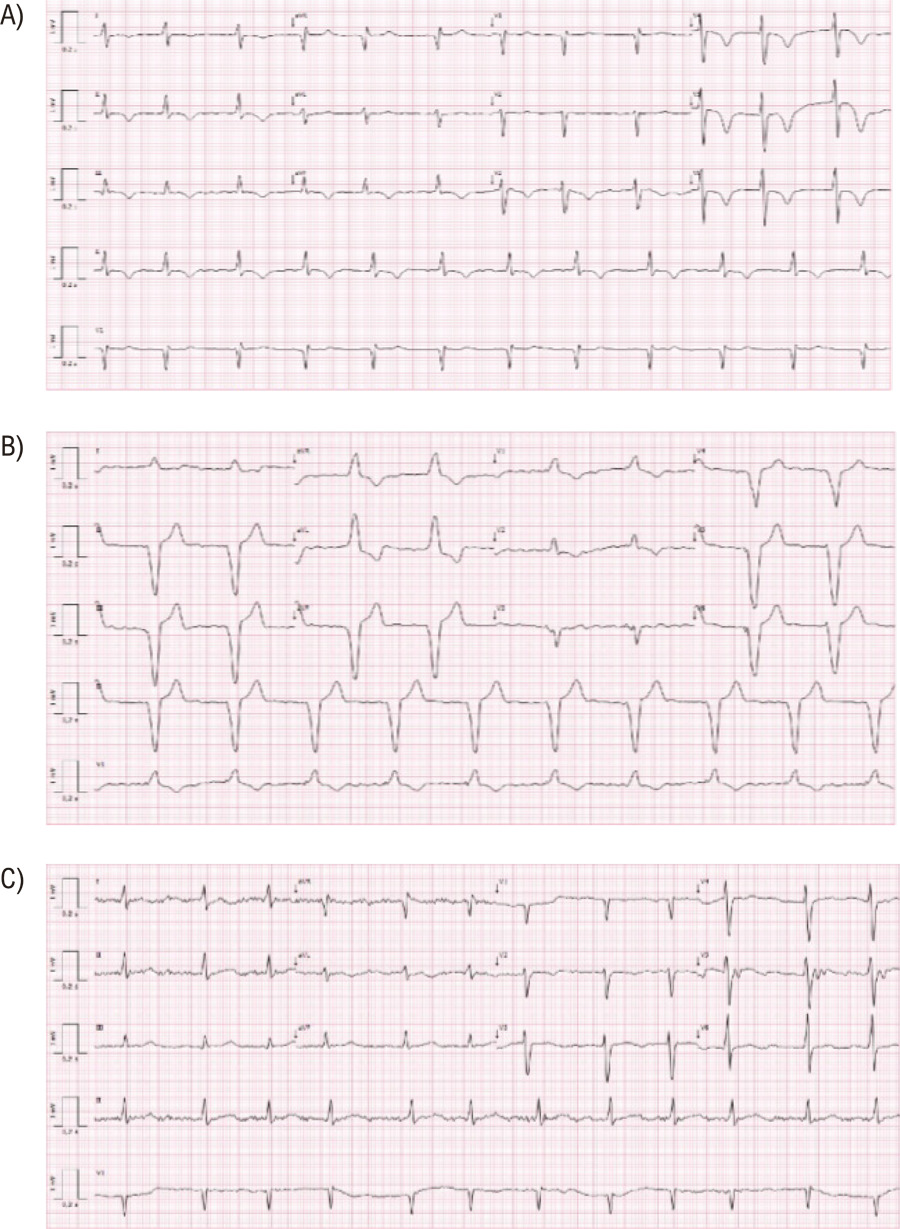
The Chatterjee phenomenon, also known as cardiac memory (CM), is defined as persistent changes in the T wave on the electrocardiogram after episodes of stimulated rhythms. These changes become evident when the normal pattern of ventricular activation is reestablished, which is often confused with pathological conditions such as myocarditis, hypertrophy, and ventricular pre-excitation, hydroelectrolytic disorders, and intracranial hypertension, where the most serious scenario is acute myocardial ischemia.–

This nosological entity, observed in about one-third of patients with pacemakers and with a prevalence of around 80% in cases with a high percentage of ventricular stimulation, was first reported exactly 110 years ago by White, who described transient T wave inversion (TWI) after premature ventricular beats. Twenty-five years later, abnormal T waves of varying duration were described after periods of intermittent ventricular pre-excitation, post-ventricular tachycardia syndrome, and ventricular complexes augmented by sodium channel blocker toxicity.

[…]

  • Artificial Pacemaker
  • Cardiac Arrhythmias
  • Case Reports
Read Full Article
Creative Commons Attribution (CC BY) Creative Commons license
20/03/2026 DOI: 10.36660/abc.20250418i Views 1
Implantation of Pacemakers in Patients with Chagas disease: A Case-Control Study of Associated Contextual Factors and Prognosis
Original Article

Implantation of Pacemakers in Patients with Chagas disease: A Case-Control Study of Associated Contextual Factors and Prognosis

Sâmara Fernandes Leite et al. Maria Carmo Pereira Nunes Cesar Augusto Taconeli Mathaus Henrique Reis Silva … Dardiane Santos Cruz Lea Campos Oliveira Ester Cerdeira Sabino Marco Paulo Tomáz Barbosa Antonio Luis Pinho Ribeiro Ariela Mota Ferreira Desirée Sant’Ana Haikal

Abstract

Background

Chronic Chagas cardiomyopathy (CCC) is the most severe manifestation of Chagas disease and may present with bradyarrhythmias requiring pacemaker (PM) implantation.

Objective

1. To identify contextual factors associated with PM implantation among individuals with CCC. 2. To assess the prognosis (death) in these groups over a 4-year follow-up period.

Method

1. Nested case-control study within the SaMi-Trop cohort. We matched cases (patients with CCC who had a PM implanted between waves 1 and 2 of the study) with controls at a 1:3 ratio, considering equivalence in baseline cardiac severity. Independent variables related to the municipal context were considered. Binary logistic regression was conducted. 2. Survival analysis to evaluate the prognosis of these groups, adjusted for clinical variables (Cox regression), considering death as the outcome. Conclusions were based on a significance level of 5%.

Results

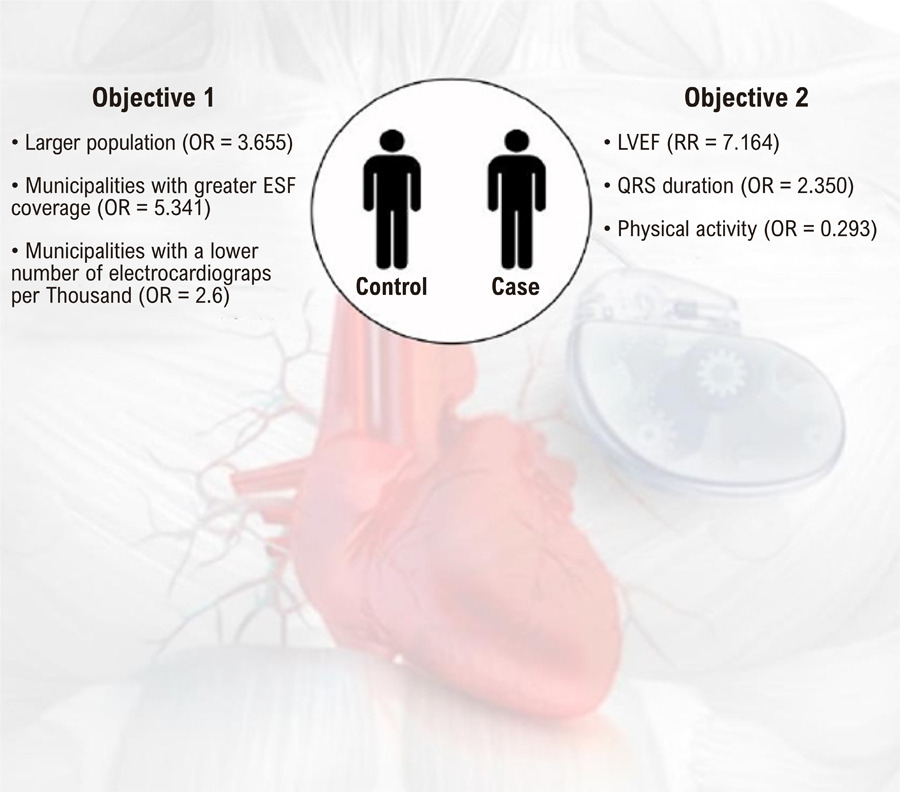
The study included 46 cases and 138 controls. The odds of PM implantation were higher among individuals residing in municipalities with: larger population (odds ratio [OR]: 3.6; 95% confidence interval [CI]: 1.3 to 9.6), higher coverage of the Family Health Strategy (OR: 5.3; 95% CI: 1.8 to 15.8), and with a lower number of electrocardiographs per thousand inhabitants (OR: 2.6; 95% CI: 1.0 to 6.6). Considering 4 years of follow-up, death was observed in 32.6% of cases and 21.2% of controls. Only ejection fraction affected survival (relative risk: 7.2; 95% CI: 3.6 to 14.2).

Conclusion

Contextual factors interfered with PM implantation. However, PM implantation did not influence death over 4 years of follow-up, which was associated only with ejection fraction.

  • Artificial Pacemaker
  • Chagas Cardiomyopathy
  • Chagas disease
  • Mortality
  • Survival
Read Full Article
Creative Commons Attribution (CC BY) Creative Commons license
20/03/2026 DOI: 10.36660/abc.20250003i Views 2
Assessment of ChatGPT-4.0 versus ChatGPT-Mini in Generating Guideline-Based Hypertension Content
Original Article

Assessment of ChatGPT-4.0 versus ChatGPT-Mini in Generating Guideline-Based Hypertension Content

Rômullo José Costa Ataídes et al. Marcos Adriano Garcia Campos João Vítor Perez de Souza Rafael Cardoso Rocha … Almir Alamino Lacalle Ciro Bezerra Vieira Thiago Artioli Tiago Cordeiro Medeiros Erito Marques de Souza Filho Ronaldo Gismondi Érika Maria Gonçalves Campana Francisco José Romeo Victor Razuk João Ricardo Nickenig Vissoci Renato Delascio Lopes

Abstract

Background

Artificial intelligence (AI) language models are increasingly used to generate patient education materials. However, their accuracy, completeness, and adherence to clinical guidelines remain uncertain.

Objectives

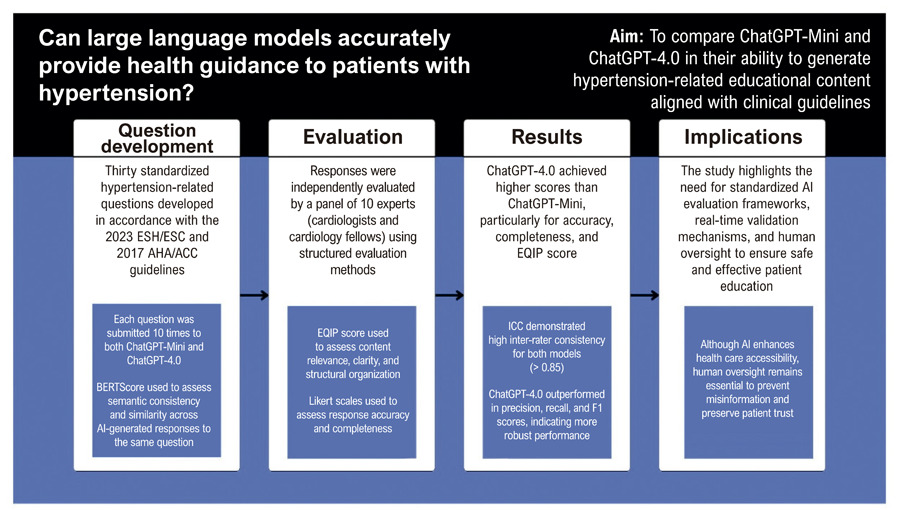
To compare ChatGPT-Mini and ChatGPT-4.0 in the generation of hypertension education content with respect to accuracy, completeness, structural quality using the Ensuring Quality Information for Patients (EQIP), response consistency, and alignment with established guidelines.

Methods

A standardized set of 31 hypertension-related questions was submitted to both models. Outputs were independently evaluated by 10 blinded clinicians using a modified EQIP score, a 5-point accuracy scale, and a 3-point completeness scale. Response consistency was assessed using BERTScore. Between-model comparisons were performed using the two-sided Wilcoxon rank-sum test (p < 0.05). Effect sizes were reported as Hodges–Lehmann (HL) median differences and Cliff’s delta (δ), both with 95% CIs. Inter-rater reliability was estimated using the intraclass correlation coefficient (ICC; two-way random effects model, absolute agreement).

Results

Central tendency measures favored ChatGPT-4.0, although differences were small. Median scores were as follows: accuracy, 4.10 (3.70-4.20) versus 3.73 (3.60-4.05); completeness, 1.26 (1.17-1.41) versus 1.10 (0.96-1.23); and total EQIP score, 19.5 (18.0-25.0) versus 18.5 (16.0-23.0) for ChatGPT-4.0 and ChatGPT-Mini, respectively. HL median differences were small, with 95% CIs crossing zero (accuracy: +0.37, −0.25 to +0.50; completeness: +0.16, −0.06 to +0.36; EQIP: +1.0, −1.0 to +6.0). Cliff’s δ values were consistently small and positive across primary outcomes, indicating only modest stochastic dominance of ChatGPT-4.0. Identification clarity tended to be higher with ChatGPT-4.0, whereas response consistency measured by BERTScore F1 was generally higher for ChatGPT-Mini (> 0.92 versus 0.885-0.932). Inter-rater reliability was good to excellent across all measures (ICC > 0.80).

Conclusions

ChatGPT-4.0 demonstrated small, non-significant improvements in accuracy, completeness, and structural quality compared with ChatGPT-Mini. Effect sizes were modest, and all 95% CIs included zero. ChatGPT-Mini produced more consistent responses. These findings underscore the importance of routinely reporting effect sizes with 95% CIs and support the use of standardized evaluation methods and real-time validation frameworks for AI-generated medical education content.

  • Artificial Intelligence
  • Hypertension
  • Patient Education as Topic
Read Full Article
Creative Commons Attribution (CC BY) Creative Commons license
16/03/2026 DOI: 10.36660/abc.20250498i Views 1
Registry of Percutaneous Coronary Interventions in Very Small-Caliber Vessels: Analysis of a Sirolimus-Eluting Stent and Other Contemporary Drug-Eluting Stents
Original Article

Registry of Percutaneous Coronary Interventions in Very Small-Caliber Vessels: Analysis of a Sirolimus-Eluting Stent and Other Contemporary Drug-Eluting Stents

João Vitor Slaviero et al. André Luiz Langer Manica Rogério Eduardo Gomes Sarmento Leite Eduarda Paiva Borsa … Marcia Moura Schmidt Rodrigo Campos Ogando Julia Kurtz Teixeira Raphael Boesche Guimarães Alexandre Damiani Azmus Carlos A. M. Gottschall

Abstract

Background

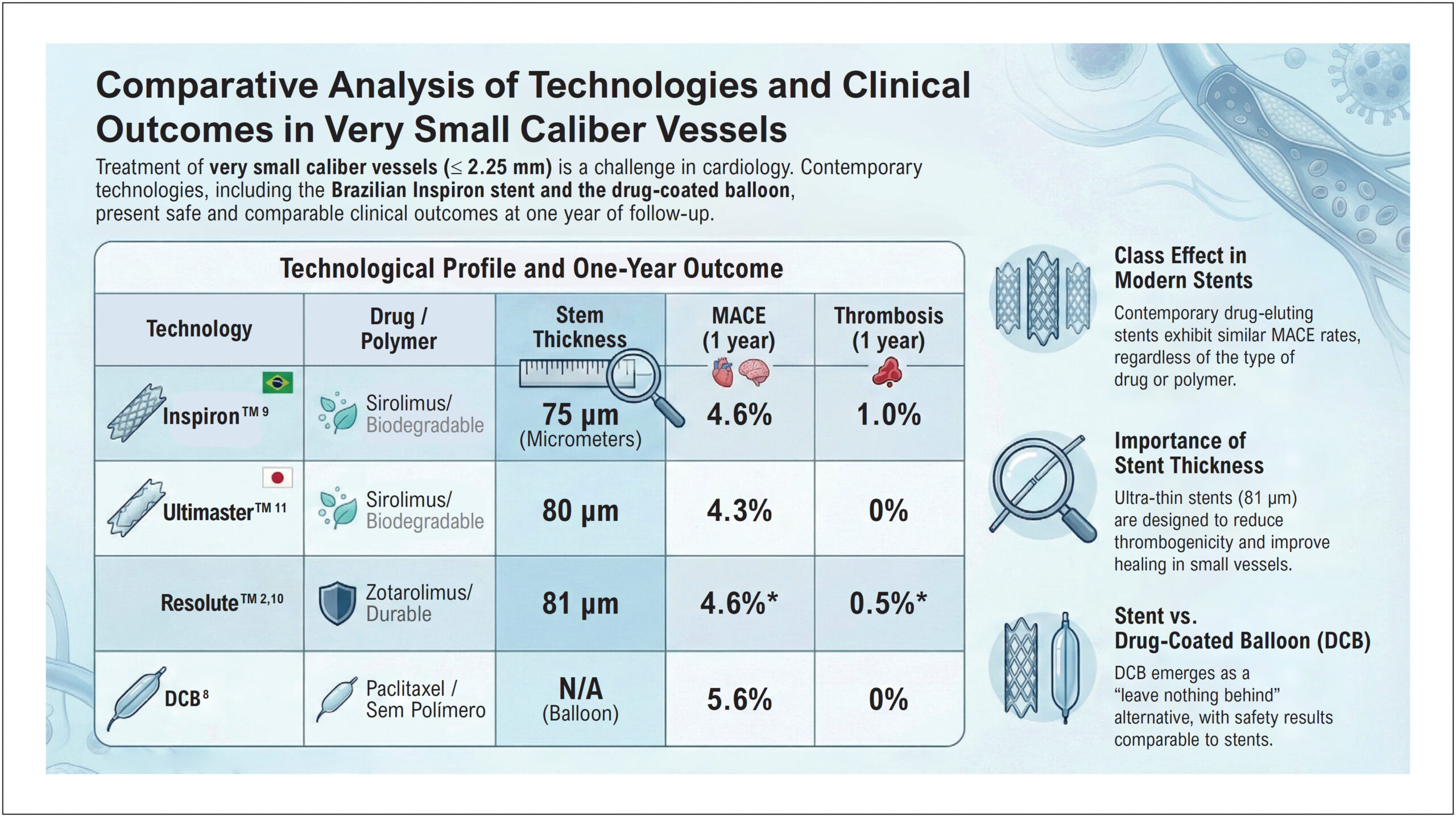
Percutaneous coronary intervention (PCI) in very small-caliber vessels (≤2.25 mm) presents technical challenges and is associated with poorer outcomes compared to larger vessels. The Inspiron® stent, a drug-eluting stent (DES) manufactured in Brazil, has been evaluated in multiple studies; however, data on its performance in vessels smaller than 2.5 mm are lacking.

Objectives

This study aimed to evaluate the clinical outcomes of PCI using DES in very small-caliber vessels and to compare the Inspiron® stent with other contemporary DES platforms. The primary endpoint was major adverse cardiac events (MACE), defined as cardiac death, target lesion myocardial infarction, and clinically driven target lesion revascularization.

Methods

We conducted an observational study including a consecutive sample at a Brazilian reference center from 2017 to 2021. Outcomes were assessed in-hospital, at 30 days, 6 months, and 12 months, using a 5% threshold for statistical significance.

Results

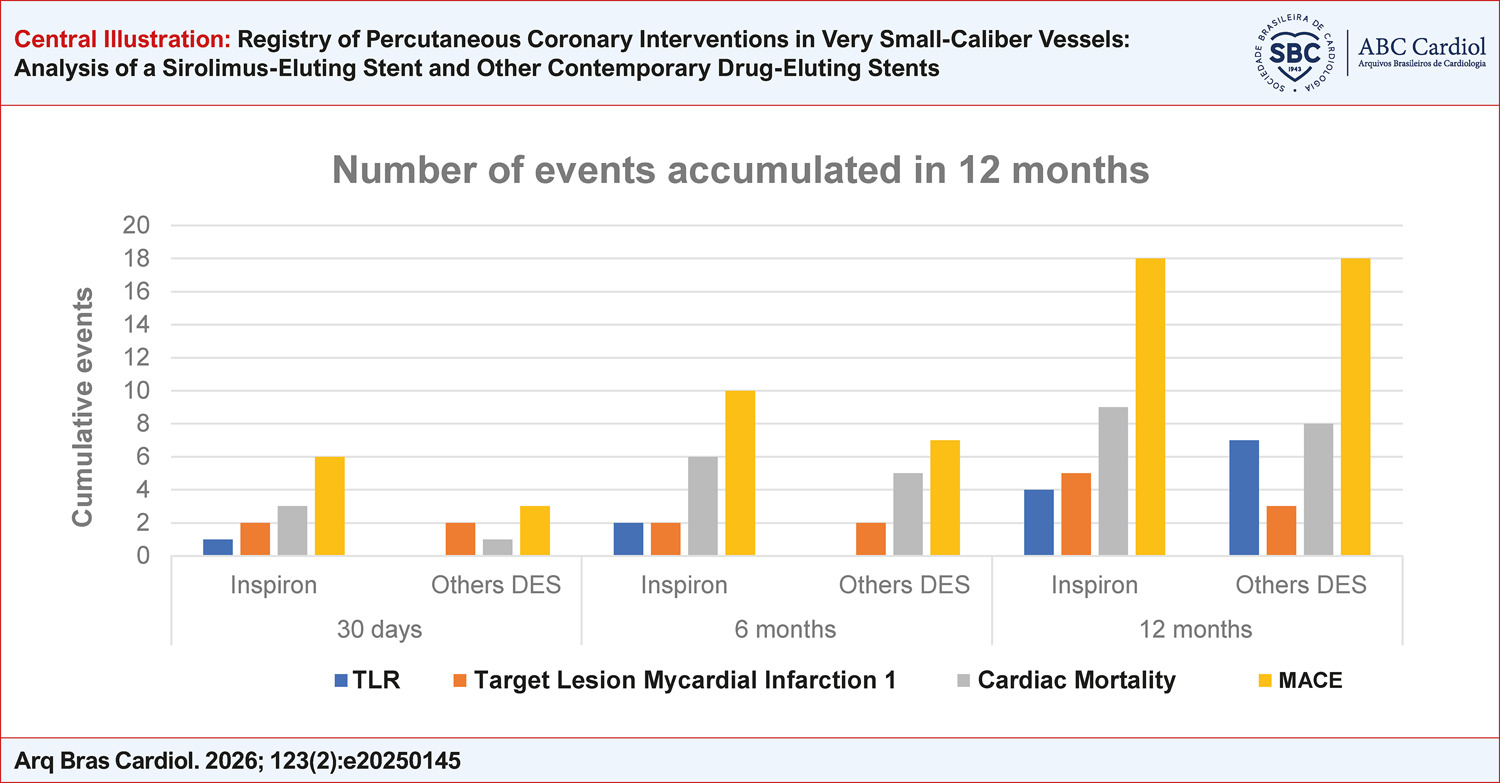
A total of 783 DES were implanted: 47% Inspiron® and 46.8% other DES. The mean patient age was 64.7 ± 11 years; 61% were male, and 42% had diabetes mellitus. At 12 months, the overall MACE rate was 4.54% (36/793), with no difference between groups (Inspiron®: 4.6% vs. other DES: 4.6%; p=1.000). Individual endpoints and stent thrombosis rates were also similar (4 [1.0%] vs. 2 [0.5%]; p=0.868).

Conclusion

our findings show that the Inspiron® stent has acceptable safety and efficacy and provides comparable 12-month clinical outcomes to other contemporary DES in very small-caliber coronary vessels.

  • Coronary Artery Disease
  • Drug-Eluting Stents
  • Percutaneous Coronary Intervention
  • Sirolimus
Read Full Article
Creative Commons Attribution (CC BY) Creative Commons license
16/03/2026 DOI: 10.36660/abc.20250145i Views 2

Could not load more articles. Please try again.

How to cite this article

EndNote RIS

Electronic Document Format (Vancouver)

Mesquita CT, Silva FA, Couto ABC. Validating Artificial Intelligence before the Bedside: ChatGPT-4 vs Mini in Guideline-Based Hypertension Content. Arquivos Brasileiros de Cardiologia 2026;123(2):e20260254.

Electronic Document Format (ABNT)

Mesquita, Cláudio Tinoco; Silva, Fernanda Azevedo; Couto, Ana Beatriz Costa do. Validating Artificial Intelligence before the Bedside: ChatGPT-4 vs Mini in Guideline-Based Hypertension Content. Arquivos Brasileiros de Cardiologia, v. 123, n. 2, e20260254, Jun. 2026.

Electronic Document Format (APA)

Mesquita, C. T., Silva, F. A., & Couto, A. B. C. (2026). Validating Artificial Intelligence before the Bedside: ChatGPT-4 vs Mini in Guideline-Based Hypertension Content. Arquivos Brasileiros de Cardiologia, 123(2), e20260254.

Electronic Document Format (ISO)

Mesquita, Cláudio Tinoco and Silva, Fernanda Azevedo and Couto, Ana Beatriz Costa do. Validating Artificial Intelligence before the Bedside: ChatGPT-4 vs Mini in Guideline-Based Hypertension Content. Arquivos Brasileiros de Cardiologia [online]. 2026, vol. 123, n. 2, [cited 2026-10-14], e20260254. Available from: <https://journals.cardiol.br/en/article/validating-artificial-intelligence-before-the-bedside-chatgpt-4-vs-mini-in-guideline-based-hypertension-content/>. ISSN 0066-782X

EndNote RIS

Electronic Document Format (Vancouver)

Costa R. Permanent Artificial Cardiac Pacemaker in the Treatment of Bradyarrhythmias Caused by Chagas Disease. Arquivos Brasileiros de Cardiologia 2026;123(2):e20260180.

Electronic Document Format (ABNT)

Costa, Roberto. Permanent Artificial Cardiac Pacemaker in the Treatment of Bradyarrhythmias Caused by Chagas Disease. Arquivos Brasileiros de Cardiologia, v. 123, n. 2, e20260180, Jun. 2026.

Electronic Document Format (APA)

Costa, R. (2026). Permanent Artificial Cardiac Pacemaker in the Treatment of Bradyarrhythmias Caused by Chagas Disease. Arquivos Brasileiros de Cardiologia, 123(2), e20260180.

Electronic Document Format (ISO)

Costa, Roberto. Permanent Artificial Cardiac Pacemaker in the Treatment of Bradyarrhythmias Caused by Chagas Disease. Arquivos Brasileiros de Cardiologia [online]. 2026, vol. 123, n. 2, [cited 2026-10-14], e20260180. Available from: <https://journals.cardiol.br/en/article/permanent-artificial-cardiac-pacemaker-in-the-treatment-of-bradyarrhythmias-caused-by-chagas-disease/>. ISSN 0066-782X

EndNote RIS

Electronic Document Format (Vancouver)

Arruda JA, Costa Junior JR. Small Vessels, Big Decisions. Arquivos Brasileiros de Cardiologia 2026;123(2):e20260207.

Electronic Document Format (ABNT)

Arruda, José Airton de; Costa Junior, José de Ribamar. Small Vessels, Big Decisions. Arquivos Brasileiros de Cardiologia, v. 123, n. 2, e20260207, May. 2026.

Electronic Document Format (APA)

Arruda, J. A. , & Costa Junior, J. R. (2026). Small Vessels, Big Decisions. Arquivos Brasileiros de Cardiologia, 123(2), e20260207.

Electronic Document Format (ISO)

Arruda, José Airton de and Costa Junior, José de Ribamar. Small Vessels, Big Decisions. Arquivos Brasileiros de Cardiologia [online]. 2026, vol. 123, n. 2, [cited 2026-10-14], e20260207. Available from: <https://journals.cardiol.br/en/article/small-vessels-big-decisions/>. ISSN 0066-782X

EndNote RIS

Electronic Document Format (Vancouver)

. Erratum. Arquivos Brasileiros de Cardiologia 2026;123(2):e20250868.

Electronic Document Format (ABNT)

. Erratum. Arquivos Brasileiros de Cardiologia, v. 123, n. 2, e20250868, May. 2026.

Electronic Document Format (APA)

(2026). Erratum. Arquivos Brasileiros de Cardiologia, 123(2), e20250868.

Electronic Document Format (ISO)

. Erratum. Arquivos Brasileiros de Cardiologia [online]. 2026, vol. 123, n. 2, [cited 2026-10-14], e20250868. Available from: <https://journals.cardiol.br/en/article/erratum-58/>. ISSN 0066-782X

EndNote RIS

Electronic Document Format (Vancouver)

Barbosa ICQ, Feitosa INA. Echocardiographic Reference Values: Why Brazil Needs to Speak With its Own Voice. Arquivos Brasileiros de Cardiologia 2026;123(2):e20260155.

Electronic Document Format (ABNT)

Barbosa, Imara Correia de Queiroz; Feitosa, Israel Nilton de Almeida. Echocardiographic Reference Values: Why Brazil Needs to Speak With its Own Voice. Arquivos Brasileiros de Cardiologia, v. 123, n. 2, e20260155, May. 2026.

Electronic Document Format (APA)

Barbosa, I. C. Q., & Feitosa, I. N. A. (2026). Echocardiographic Reference Values: Why Brazil Needs to Speak With its Own Voice. Arquivos Brasileiros de Cardiologia, 123(2), e20260155.

Electronic Document Format (ISO)

Barbosa, Imara Correia de Queiroz and Feitosa, Israel Nilton de Almeida. Echocardiographic Reference Values: Why Brazil Needs to Speak With its Own Voice. Arquivos Brasileiros de Cardiologia [online]. 2026, vol. 123, n. 2, [cited 2026-10-14], e20260155. Available from: <https://journals.cardiol.br/en/article/echocardiographic-reference-values-why-brazil-needs-to-speak-with-its-own-voice/>. ISSN 0066-782X

EndNote RIS

Electronic Document Format (Vancouver)

Gomes HJA, Senra T. Cardiac Magnetic Resonance Imaging and Histology in Aortic Valve Disease: Convergences and Limitations. Arquivos Brasileiros de Cardiologia 2026;123(2):e20260140.

Electronic Document Format (ABNT)

Gomes, Helder Jorge Andrade; Senra, Tiago. Cardiac Magnetic Resonance Imaging and Histology in Aortic Valve Disease: Convergences and Limitations. Arquivos Brasileiros de Cardiologia, v. 123, n. 2, e20260140, May. 2026.

Electronic Document Format (APA)

Gomes, H. J. A., & Senra, T. (2026). Cardiac Magnetic Resonance Imaging and Histology in Aortic Valve Disease: Convergences and Limitations. Arquivos Brasileiros de Cardiologia, 123(2), e20260140.

Electronic Document Format (ISO)

Gomes, Helder Jorge Andrade and Senra, Tiago. Cardiac Magnetic Resonance Imaging and Histology in Aortic Valve Disease: Convergences and Limitations. Arquivos Brasileiros de Cardiologia [online]. 2026, vol. 123, n. 2, [cited 2026-10-14], e20260140. Available from: <https://journals.cardiol.br/en/article/cardiac-magnetic-resonance-imaging-and-histology-in-aortic-valve-disease-convergences-and-limitations/>. ISSN 0066-782X

EndNote RIS

Electronic Document Format (Vancouver)

Bello JHSM, Demarchi LM, Fonseca RA, Lima GN, Pires LJT, Rosa VEE, Sampaio RO, et al. Interstitial Myocardial Fibrosis Analysis by Histology and Cardiac Magnetic Resonance in Severe Aortic Valve Disease. Arquivos Brasileiros de Cardiologia 2026;123(2):e20250203.

Electronic Document Format (ABNT)

Bello, Juliana Hiromi Silva Matsumoto; Demarchi, Lea M.M.F.; Fonseca, Rafael Almeida; Lima, Gabriele N.; Pires, Lucas José Tachotti; Rosa, Vitor E. E.; Sampaio, Roney Orismar; Gutierrez, Paulo S.; Aiello, Vera D.; Tarasoutchi, Flávio; Rochitte, Carlos E.. Interstitial Myocardial Fibrosis Analysis by Histology and Cardiac Magnetic Resonance in Severe Aortic Valve Disease. Arquivos Brasileiros de Cardiologia, v. 123, n. 2, e20250203, May. 2026.

Electronic Document Format (APA)

Bello, J. H. S. M., Demarchi, L. M., Fonseca, R. A., Lima, G. N., Pires, L. J. T., Rosa, V. E. E., Sampaio, R. O., Gutierrez, P. S., Aiello, V. D., Tarasoutchi, F., & Rochitte, C. E. (2026). Interstitial Myocardial Fibrosis Analysis by Histology and Cardiac Magnetic Resonance in Severe Aortic Valve Disease. Arquivos Brasileiros de Cardiologia, 123(2), e20250203.

Electronic Document Format (ISO)

Bello, Juliana Hiromi Silva Matsumoto and Demarchi, Lea M.M.F. and Fonseca, Rafael Almeida and Lima, Gabriele N. and Pires, Lucas José Tachotti and Rosa, Vitor E. E. and Sampaio, Roney Orismar and Gutierrez, Paulo S. and Aiello, Vera D. and Tarasoutchi, Flávio and Rochitte, Carlos E.. Interstitial Myocardial Fibrosis Analysis by Histology and Cardiac Magnetic Resonance in Severe Aortic Valve Disease. Arquivos Brasileiros de Cardiologia [online]. 2026, vol. 123, n. 2, [cited 2026-10-14], e20250203. Available from: <https://journals.cardiol.br/en/article/interstitial-myocardial-fibrosis-analysis-by-histology-and-cardiac-magnetic-resonance-in-severe-aortic-valve-disease/>. ISSN 0066-782X

EndNote RIS

Electronic Document Format (Vancouver)

Antunes MO. The Thickness That Deceives: The Role of Imaging, Biopsy, and Genetics in the Evaluation of Ventricular Hypertrophy. Arquivos Brasileiros de Cardiologia 2026;123(2):e20260119.

Electronic Document Format (ABNT)

Antunes, Murillo de Oliveira. The Thickness That Deceives: The Role of Imaging, Biopsy, and Genetics in the Evaluation of Ventricular Hypertrophy. Arquivos Brasileiros de Cardiologia, v. 123, n. 2, e20260119, May. 2026.

Electronic Document Format (APA)

Antunes, M. O. (2026). The Thickness That Deceives: The Role of Imaging, Biopsy, and Genetics in the Evaluation of Ventricular Hypertrophy. Arquivos Brasileiros de Cardiologia, 123(2), e20260119.

Electronic Document Format (ISO)

Antunes, Murillo de Oliveira. The Thickness That Deceives: The Role of Imaging, Biopsy, and Genetics in the Evaluation of Ventricular Hypertrophy. Arquivos Brasileiros de Cardiologia [online]. 2026, vol. 123, n. 2, [cited 2026-10-14], e20260119. Available from: <https://journals.cardiol.br/en/article/the-thickness-that-deceives-the-role-of-imaging-biopsy-and-genetics-in-the-evaluation-of-ventricular-hypertrophy/>. ISSN 0066-782X

EndNote RIS

Electronic Document Format (Vancouver)

Giugni FR. Genetic Testing in Hypertrophic Cardiomyopathy: Expanding Global Representation While Refining Interpretation. Arquivos Brasileiros de Cardiologia 2026;123(2):e20260157.

Electronic Document Format (ABNT)

Giugni, Fernando Rabioglio. Genetic Testing in Hypertrophic Cardiomyopathy: Expanding Global Representation While Refining Interpretation. Arquivos Brasileiros de Cardiologia, v. 123, n. 2, e20260157, May. 2026.

Electronic Document Format (APA)

Giugni, F. R. (2026). Genetic Testing in Hypertrophic Cardiomyopathy: Expanding Global Representation While Refining Interpretation. Arquivos Brasileiros de Cardiologia, 123(2), e20260157.

Electronic Document Format (ISO)

Giugni, Fernando Rabioglio. Genetic Testing in Hypertrophic Cardiomyopathy: Expanding Global Representation While Refining Interpretation. Arquivos Brasileiros de Cardiologia [online]. 2026, vol. 123, n. 2, [cited 2026-10-14], e20260157. Available from: <https://journals.cardiol.br/en/article/genetic-testing-in-hypertrophic-cardiomyopathy-expanding-global-representation-while-refining-interpretation/>. ISSN 0066-782X

EndNote RIS

Electronic Document Format (Vancouver)

Tibirica E. Beyond the Scale: Obesity as a Structural Driver of Refractory Hypertension. Arquivos Brasileiros de Cardiologia 2026;123(2):e20260139.

Electronic Document Format (ABNT)

Tibirica, Eduardo. Beyond the Scale: Obesity as a Structural Driver of Refractory Hypertension. Arquivos Brasileiros de Cardiologia, v. 123, n. 2, e20260139, Apr. 2026.

Electronic Document Format (APA)

Tibirica, E. (2026). Beyond the Scale: Obesity as a Structural Driver of Refractory Hypertension. Arquivos Brasileiros de Cardiologia, 123(2), e20260139.

Electronic Document Format (ISO)

Tibirica, Eduardo. Beyond the Scale: Obesity as a Structural Driver of Refractory Hypertension. Arquivos Brasileiros de Cardiologia [online]. 2026, vol. 123, n. 2, [cited 2026-10-14], e20260139. Available from: <https://journals.cardiol.br/en/article/beyond-the-scale-obesity-as-a-structural-driver-of-refractory-hypertension/>. ISSN 0066-782X

EndNote RIS

Electronic Document Format (Vancouver)

Mangas GM, Rodriguez JGV, Santos JARB, Souza FNB, Silva LFL, Azevedo Junior GL, Chivaca A, et al. Fundamentals of Acute Pericarditis: State of the Art. Arquivos Brasileiros de Cardiologia 2026;123(2):e20240572.

Electronic Document Format (ABNT)

Mangas, Gabriel de Moraes; Rodriguez, Jose Gregorio Valero; Santos, João Alexandre Ranzeiro de Bragança dos; Souza, Flavia Nunes Benicio de; Silva, Luis Felipe Leite da; Azevedo Junior, Giovane Leal de; Chivaca, Alberto; Jessen, Neusa Perina de Jesus; Oliveira, Ângelo; Mesquita, Evandro Tinoco. Fundamentals of Acute Pericarditis: State of the Art. Arquivos Brasileiros de Cardiologia, v. 123, n. 2, e20240572, Apr. 2026.

Electronic Document Format (APA)

Mangas, G. M., Rodriguez, J. G. V., Santos, J. A. R. B. , Souza, F. N. B. , Silva, L. F. L. , Azevedo Junior, G. L. , Chivaca, A., Jessen, N. P. J., Oliveira, , & Mesquita, E. T. (2026). Fundamentals of Acute Pericarditis: State of the Art. Arquivos Brasileiros de Cardiologia, 123(2), e20240572.

Electronic Document Format (ISO)

Mangas, Gabriel de Moraes and Rodriguez, Jose Gregorio Valero and Santos, João Alexandre Ranzeiro de Bragança dos and Souza, Flavia Nunes Benicio de and Silva, Luis Felipe Leite da and Azevedo Junior, Giovane Leal de and Chivaca, Alberto and Jessen, Neusa Perina de Jesus and Oliveira, Ângelo and Mesquita, Evandro Tinoco. Fundamentals of Acute Pericarditis: State of the Art. Arquivos Brasileiros de Cardiologia [online]. 2026, vol. 123, n. 2, [cited 2026-10-14], e20240572. Available from: <https://journals.cardiol.br/en/article/fundamentals-of-acute-pericarditis-state-of-the-art/>. ISSN 0066-782X

EndNote RIS

Electronic Document Format (Vancouver)

Mejía HPG, Madogolele HCN, Barroso MCRD, Nogueira MCA, Morales KRP, Romero CE, Nastari L, et al. Late-Onset Fabry Disease: Diagnostic Challenges and Clinical Evolution. Arquivos Brasileiros de Cardiologia 2026;123(2):e20250554.

Electronic Document Format (ABNT)

Mejía, Hernán Patricio García; Madogolele, Heleuterio da Conceição Nicolau; Barroso, Manuela Cristina Ribeiro Dias; Nogueira, Matheus Carvalho Alves; Morales, Kevin Rafael de Paula; Romero, Cristhian Espinoza; Nastari, Luciano; Fernandes, Fábio. Late-Onset Fabry Disease: Diagnostic Challenges and Clinical Evolution. Arquivos Brasileiros de Cardiologia, v. 123, n. 2, e20250554, Apr. 2026.

Electronic Document Format (APA)

Mejía, H. P. G., Madogolele, H. C. N., Barroso, M. C. R. D., Nogueira, M. C. A., Morales, K. R. P., Romero, C. E., Nastari, L., & Fernandes, F. (2026). Late-Onset Fabry Disease: Diagnostic Challenges and Clinical Evolution. Arquivos Brasileiros de Cardiologia, 123(2), e20250554.

Electronic Document Format (ISO)

Mejía, Hernán Patricio García and Madogolele, Heleuterio da Conceição Nicolau and Barroso, Manuela Cristina Ribeiro Dias and Nogueira, Matheus Carvalho Alves and Morales, Kevin Rafael de Paula and Romero, Cristhian Espinoza and Nastari, Luciano and Fernandes, Fábio. Late-Onset Fabry Disease: Diagnostic Challenges and Clinical Evolution. Arquivos Brasileiros de Cardiologia [online]. 2026, vol. 123, n. 2, [cited 2026-10-14], e20250554. Available from: <https://journals.cardiol.br/en/article/late-onset-fabry-disease-diagnostic-challenges-and-clinical-evolution/>. ISSN 0066-782X

EndNote RIS

Electronic Document Format (Vancouver)

Inada T, Silva GSM, Amaral RM, Santos Junior EF, Branco CEB. Takotsubo Syndrome in an Adolescent Undergoing Oncological Treatment: A Rare Case Report. Arquivos Brasileiros de Cardiologia 2026;123(2):e20250380.

Electronic Document Format (ABNT)

Inada, Tami; Silva, Guilherme Santos Marques da; Amaral, Raisa Machado; Santos Junior, Edgard Ferreira dos; Branco, Carlos Eduardo de Barros. Takotsubo Syndrome in an Adolescent Undergoing Oncological Treatment: A Rare Case Report. Arquivos Brasileiros de Cardiologia, v. 123, n. 2, e20250380, Apr. 2026.

Electronic Document Format (APA)

Inada, T., Silva, G. S. M. , Amaral, R. M., Santos Junior, E. F. , & Branco, C. E. B. (2026). Takotsubo Syndrome in an Adolescent Undergoing Oncological Treatment: A Rare Case Report. Arquivos Brasileiros de Cardiologia, 123(2), e20250380.

Electronic Document Format (ISO)

Inada, Tami and Silva, Guilherme Santos Marques da and Amaral, Raisa Machado and Santos Junior, Edgard Ferreira dos and Branco, Carlos Eduardo de Barros. Takotsubo Syndrome in an Adolescent Undergoing Oncological Treatment: A Rare Case Report. Arquivos Brasileiros de Cardiologia [online]. 2026, vol. 123, n. 2, [cited 2026-10-14], e20250380. Available from: <https://journals.cardiol.br/en/article/takotsubo-syndrome-in-an-adolescent-undergoing-oncological-treatment-a-rare-case-report/>. ISSN 0066-782X

EndNote RIS

Electronic Document Format (Vancouver)

Carvalho MRM. Recurrent Pericarditis: A Manifestation of Systemic Inflammation?. Arquivos Brasileiros de Cardiologia 2026;123(2):20260127.

Electronic Document Format (ABNT)

Carvalho, Marcio Roberto Moraes. Recurrent Pericarditis: A Manifestation of Systemic Inflammation?. Arquivos Brasileiros de Cardiologia, v. 123, n. 2, 20260127, Apr. 2026.

Electronic Document Format (APA)

Carvalho, M. R. M. (2026). Recurrent Pericarditis: A Manifestation of Systemic Inflammation?. Arquivos Brasileiros de Cardiologia, 123(2), 20260127.

Electronic Document Format (ISO)

Carvalho, Marcio Roberto Moraes. Recurrent Pericarditis: A Manifestation of Systemic Inflammation?. Arquivos Brasileiros de Cardiologia [online]. 2026, vol. 123, n. 2, [cited 2026-10-14], 20260127. Available from: <https://journals.cardiol.br/en/article/recurrent-pericarditis-a-manifestation-of-systemic-inflammation/>. ISSN 0066-782X

EndNote RIS

Electronic Document Format (Vancouver)

Unkun T, Sengor BG. Predictive Value of the Systemic Immune-inflammation Index for Recurrence of Idiopathic Acute Pericarditis. Arquivos Brasileiros de Cardiologia 2026;123(2):e20250437.

Electronic Document Format (ABNT)

Unkun, Tuba; Sengor, Busra Guvendi. Predictive Value of the Systemic Immune-inflammation Index for Recurrence of Idiopathic Acute Pericarditis. Arquivos Brasileiros de Cardiologia, v. 123, n. 2, e20250437, Mar. 2026.

Electronic Document Format (APA)

Unkun, T., & Sengor, B. G. (2026). Predictive Value of the Systemic Immune-inflammation Index for Recurrence of Idiopathic Acute Pericarditis. Arquivos Brasileiros de Cardiologia, 123(2), e20250437.

Electronic Document Format (ISO)

Unkun, Tuba and Sengor, Busra Guvendi. Predictive Value of the Systemic Immune-inflammation Index for Recurrence of Idiopathic Acute Pericarditis. Arquivos Brasileiros de Cardiologia [online]. 2026, vol. 123, n. 2, [cited 2026-10-14], e20250437. Available from: <https://journals.cardiol.br/en/article/predictive-value-of-the-systemic-immune-inflammation-index-for-recurrence-of-idiopathic-acute-pericarditis/>. ISSN 0066-782X

EndNote RIS

Electronic Document Format (Vancouver)

Moraes PIDM, Haddad MFA, Valle DBB, Oliveira Filho LO, Custódio MS, Almeida DR. Cardiogenic Shock Due to Inverted-Pattern Takotsubo Syndrome Caused by Pheochromocytoma: Case Report and Literature Review. Arquivos Brasileiros de Cardiologia 2026;123(2):e20250558.

Electronic Document Format (ABNT)

Moraes, Pedro Ivo De Marqui; Haddad, Michell Fayad André; Valle, Daniel Bisi de Bôrtoli; Oliveira Filho, Luiz Otávio de; Custódio, Mayara da Silva; Almeida, Dirceu Rodrigues de. Cardiogenic Shock Due to Inverted-Pattern Takotsubo Syndrome Caused by Pheochromocytoma: Case Report and Literature Review. Arquivos Brasileiros de Cardiologia, v. 123, n. 2, e20250558, Mar. 2026.

Electronic Document Format (APA)

Moraes, P. I. D. M., Haddad, M. F. A., Valle, D. B. B., Oliveira Filho, L. O. , Custódio, M. S., & Almeida, D. R. (2026). Cardiogenic Shock Due to Inverted-Pattern Takotsubo Syndrome Caused by Pheochromocytoma: Case Report and Literature Review. Arquivos Brasileiros de Cardiologia, 123(2), e20250558.

Electronic Document Format (ISO)

Moraes, Pedro Ivo De Marqui and Haddad, Michell Fayad André and Valle, Daniel Bisi de Bôrtoli and Oliveira Filho, Luiz Otávio de and Custódio, Mayara da Silva and Almeida, Dirceu Rodrigues de. Cardiogenic Shock Due to Inverted-Pattern Takotsubo Syndrome Caused by Pheochromocytoma: Case Report and Literature Review. Arquivos Brasileiros de Cardiologia [online]. 2026, vol. 123, n. 2, [cited 2026-10-14], e20250558. Available from: <https://journals.cardiol.br/en/article/cardiogenic-shock-due-to-inverted-pattern-takotsubo-syndrome-caused-by-pheochromocytoma-case-report-and-literature-review/>. ISSN 0066-782X

EndNote RIS

Electronic Document Format (Vancouver)

Madogolele HCN, Barroso MCRD, Mejía HPG, Espinoza C, Correia VM, Madrini V, Duncan JA, et al. Operative Experience and Clinical Outcomes in Cardiac Myxoma Patients: A Retrospective Single-Center Study. Arquivos Brasileiros de Cardiologia 2026;123(2):e20250596.

Electronic Document Format (ABNT)

Madogolele, Heleutério da Conceição Nicolau; Barroso, Manuela Cristina Ribeiro Dias; Mejía, Hernán Patricio García; Espinoza, Cristhian; Correia, Vinicius Machado; Madrini, Vagner; Duncan, José Augusto; Dias, Ricardo Ribeiro; Fernandes, Fábio. Operative Experience and Clinical Outcomes in Cardiac Myxoma Patients: A Retrospective Single-Center Study. Arquivos Brasileiros de Cardiologia, v. 123, n. 2, e20250596, Mar. 2026.

Electronic Document Format (APA)

Madogolele, H. C. N., Barroso, M. C. R. D., Mejía, H. P. G., Espinoza, C., Correia, V. M., Madrini, V., Duncan, J. A., Dias, R. R., & Fernandes, F. (2026). Operative Experience and Clinical Outcomes in Cardiac Myxoma Patients: A Retrospective Single-Center Study. Arquivos Brasileiros de Cardiologia, 123(2), e20250596.

Electronic Document Format (ISO)

Madogolele, Heleutério da Conceição Nicolau and Barroso, Manuela Cristina Ribeiro Dias and Mejía, Hernán Patricio García and Espinoza, Cristhian and Correia, Vinicius Machado and Madrini, Vagner and Duncan, José Augusto and Dias, Ricardo Ribeiro and Fernandes, Fábio. Operative Experience and Clinical Outcomes in Cardiac Myxoma Patients: A Retrospective Single-Center Study. Arquivos Brasileiros de Cardiologia [online]. 2026, vol. 123, n. 2, [cited 2026-10-14], e20250596. Available from: <https://journals.cardiol.br/en/article/operative-experience-and-clinical-outcomes-in-cardiac-myxoma-patients-a-retrospective-single-center-study/>. ISSN 0066-782X

EndNote RIS

Electronic Document Format (Vancouver)

Rodrigues ACT, Saraiva RM, Hotta VT, Rodrigues GD, Cardoso FCA, Armstrong AC, Monaco CG, et al. Reference Echocardiographic Values for Cardiac Chambers in Brazil: A Multiregional, Multi-Racial Study. Arquivos Brasileiros de Cardiologia 2026;123(2):e20250628.

Electronic Document Format (ABNT)

Rodrigues, Ana Clara Tude; Saraiva, Roberto Magalhães; Hotta, Viviane T.; Rodrigues, Gabriel Doreto; Cardoso, Fabiana Camelier de Assis; Armstrong, Anderson da Costa; Monaco, Cláudia Gianini; Parro Junior, Adelino; Pretto, José Luis de Castro e Silva; Ferreira, João Marcos Bemfica Barbosa; Lima, Renata Santos Lopes Teixeira de; Salame, Marcelo; Araujo, Salustiano Pereira de; Silva, Carlos Eduardo Suaide; Tressino, Cíntia Galhardo; Moreira, Fabio Canellas; Camarozano, Ana Cristina; Romano, Minna Moreira Dias; Almeida, Andre Luiz Cerqueira; Fischer, Claudio Henrique; Felix, Alex dos Santos; Borguezan-Daros, Clarissa; Piardi, Diogo Silva; Cunha, Diego; Melo, Marcelo Dantas Tavares de; Modesto, Rafael; Barberato, Silvio Henrique; Oliveira, Wercules Antonio; Vieira, Marcelo Luiz Campos; Morhy, Samira Saady. Reference Echocardiographic Values for Cardiac Chambers in Brazil: A Multiregional, Multi-Racial Study. Arquivos Brasileiros de Cardiologia, v. 123, n. 2, e20250628, Mar. 2026.

Electronic Document Format (APA)

Rodrigues, A. C. T., Saraiva, R. M., Hotta, V. T., Rodrigues, G. D., Cardoso, F. C. A., Armstrong, A. C., Monaco, C. G., Parro Junior, A., Pretto, J. L. C. S., Ferreira, J. M. B. B., Lima, R. S. L. T. , Salame, M., Araujo, S. P. , Silva, C. E. S., Tressino, C. G., Moreira, F. C., Camarozano, A. C., Romano, M. M. D., Almeida, A. L. C., Fischer, C. H., Felix, A. S., Borguezan-Daros, C., Piardi, D. S., Cunha, D., Melo, M. D. T. , Modesto, R., Barberato, S. H., Oliveira, W. A., Vieira, M. L. C., & Morhy, S. S. (2026). Reference Echocardiographic Values for Cardiac Chambers in Brazil: A Multiregional, Multi-Racial Study. Arquivos Brasileiros de Cardiologia, 123(2), e20250628.

Electronic Document Format (ISO)

Rodrigues, Ana Clara Tude and Saraiva, Roberto Magalhães and Hotta, Viviane T. and Rodrigues, Gabriel Doreto and Cardoso, Fabiana Camelier de Assis and Armstrong, Anderson da Costa and Monaco, Cláudia Gianini and Parro Junior, Adelino and Pretto, José Luis de Castro e Silva and Ferreira, João Marcos Bemfica Barbosa and Lima, Renata Santos Lopes Teixeira de and Salame, Marcelo and Araujo, Salustiano Pereira de and Silva, Carlos Eduardo Suaide and Tressino, Cíntia Galhardo and Moreira, Fabio Canellas and Camarozano, Ana Cristina and Romano, Minna Moreira Dias and Almeida, Andre Luiz Cerqueira and Fischer, Claudio Henrique and Felix, Alex dos Santos and Borguezan-Daros, Clarissa and Piardi, Diogo Silva and Cunha, Diego and Melo, Marcelo Dantas Tavares de and Modesto, Rafael and Barberato, Silvio Henrique and Oliveira, Wercules Antonio and Vieira, Marcelo Luiz Campos and Morhy, Samira Saady. Reference Echocardiographic Values for Cardiac Chambers in Brazil: A Multiregional, Multi-Racial Study. Arquivos Brasileiros de Cardiologia [online]. 2026, vol. 123, n. 2, [cited 2026-10-14], e20250628. Available from: <https://journals.cardiol.br/en/article/reference-echocardiographic-values-for-cardiac-chambers-in-brazil-a-multiregional-multi-racial-study/>. ISSN 0066-782X

EndNote RIS

Electronic Document Format (Vancouver)

Geraldes F. Beyond Translation: Building a Lusophone Alliance for Cardiovascular Care. Arquivos Brasileiros de Cardiologia 2026;123(2):e20260065.

Electronic Document Format (ABNT)

Geraldes, Flávia. Beyond Translation: Building a Lusophone Alliance for Cardiovascular Care. Arquivos Brasileiros de Cardiologia, v. 123, n. 2, e20260065, Mar. 2026.

Electronic Document Format (APA)

Geraldes, F. (2026). Beyond Translation: Building a Lusophone Alliance for Cardiovascular Care. Arquivos Brasileiros de Cardiologia, 123(2), e20260065.

Electronic Document Format (ISO)

Geraldes, Flávia. Beyond Translation: Building a Lusophone Alliance for Cardiovascular Care. Arquivos Brasileiros de Cardiologia [online]. 2026, vol. 123, n. 2, [cited 2026-10-14], e20260065. Available from: <https://journals.cardiol.br/en/article/beyond-translation-building-a-lusophone-alliance-for-cardiovascular-care/>. ISSN 0066-782X

EndNote RIS

Electronic Document Format (Vancouver)

Beuren T, Scolari F, Sperb-Ludwig F, Ferrari F, Rossi A, Zawislak R, Tintelen P, et al. Genetic and Clinical Characterization of a South-Brazilian Hypertrophic Cardiomyopathy Cohort. Arquivos Brasileiros de Cardiologia 2026;123(2):e20250420.

Electronic Document Format (ABNT)

Beuren, Thais; Scolari, Fernando; Sperb-Ludwig, Fernanda; Ferrari, Filipe; Rossi, Arthur; Zawislak, Rafael; Tintelen, Peter van; Stein, Ricardo. Genetic and Clinical Characterization of a South-Brazilian Hypertrophic Cardiomyopathy Cohort. Arquivos Brasileiros de Cardiologia, v. 123, n. 2, e20250420, Mar. 2026.

Electronic Document Format (APA)

Beuren, T., Scolari, F., Sperb-Ludwig, F., Ferrari, F., Rossi, A., Zawislak, R., Tintelen, P. , & Stein, R. (2026). Genetic and Clinical Characterization of a South-Brazilian Hypertrophic Cardiomyopathy Cohort. Arquivos Brasileiros de Cardiologia, 123(2), e20250420.

Electronic Document Format (ISO)

Beuren, Thais and Scolari, Fernando and Sperb-Ludwig, Fernanda and Ferrari, Filipe and Rossi, Arthur and Zawislak, Rafael and Tintelen, Peter van and Stein, Ricardo. Genetic and Clinical Characterization of a South-Brazilian Hypertrophic Cardiomyopathy Cohort. Arquivos Brasileiros de Cardiologia [online]. 2026, vol. 123, n. 2, [cited 2026-10-14], e20250420. Available from: <https://journals.cardiol.br/en/article/genetic-and-clinical-characterization-of-a-south-brazilian-hypertrophic-cardiomyopathy-cohort/>. ISSN 0066-782X

EndNote RIS

Electronic Document Format (Vancouver)

Vicente M, Monteiro E, Ramos D, Gonçalves L. Chatterjee Phenomenon: The Heart Remembers What the Mind Forgets. Arquivos Brasileiros de Cardiologia 2026;123(2):e20250418.

Electronic Document Format (ABNT)

Vicente, Miguel; Monteiro, Eric; Ramos, Domingos; Gonçalves, Lino. Chatterjee Phenomenon: The Heart Remembers What the Mind Forgets. Arquivos Brasileiros de Cardiologia, v. 123, n. 2, e20250418, Mar. 2026.

Electronic Document Format (APA)

Vicente, M., Monteiro, E., Ramos, D., & Gonçalves, L. (2026). Chatterjee Phenomenon: The Heart Remembers What the Mind Forgets. Arquivos Brasileiros de Cardiologia, 123(2), e20250418.

Electronic Document Format (ISO)

Vicente, Miguel and Monteiro, Eric and Ramos, Domingos and Gonçalves, Lino. Chatterjee Phenomenon: The Heart Remembers What the Mind Forgets. Arquivos Brasileiros de Cardiologia [online]. 2026, vol. 123, n. 2, [cited 2026-10-14], e20250418. Available from: <https://journals.cardiol.br/en/article/chatterjee-phenomenon-the-heart-remembers-what-the-mind-forgets/>. ISSN 0066-782X

EndNote RIS

Electronic Document Format (Vancouver)

Leite SF, Nunes MCP, Taconeli CA, Silva MHR, Cruz DS, Oliveira LC, Sabino EC, et al. Implantation of Pacemakers in Patients with Chagas disease: A Case-Control Study of Associated Contextual Factors and Prognosis. Arquivos Brasileiros de Cardiologia 2026;123(2):e20250003.

Electronic Document Format (ABNT)

Leite, Sâmara Fernandes; Nunes, Maria Carmo Pereira; Taconeli, Cesar Augusto; Silva, Mathaus Henrique Reis; Cruz, Dardiane Santos; Oliveira, Lea Campos; Sabino, Ester Cerdeira; Barbosa, Marco Paulo Tomáz; Ribeiro, Antonio Luis Pinho; Ferreira, Ariela Mota; Haikal, Desirée Sant’Ana. Implantation of Pacemakers in Patients with Chagas disease: A Case-Control Study of Associated Contextual Factors and Prognosis. Arquivos Brasileiros de Cardiologia, v. 123, n. 2, e20250003, Mar. 2026.

Electronic Document Format (APA)

Leite, S. F., Nunes, M. C. P., Taconeli, C. A., Silva, M. H. R., Cruz, D. S., Oliveira, L. C., Sabino, E. C., Barbosa, M. P. T., Ribeiro, A. L. P., Ferreira, A. M., & Haikal, D. S. (2026). Implantation of Pacemakers in Patients with Chagas disease: A Case-Control Study of Associated Contextual Factors and Prognosis. Arquivos Brasileiros de Cardiologia, 123(2), e20250003.

Electronic Document Format (ISO)

Leite, Sâmara Fernandes and Nunes, Maria Carmo Pereira and Taconeli, Cesar Augusto and Silva, Mathaus Henrique Reis and Cruz, Dardiane Santos and Oliveira, Lea Campos and Sabino, Ester Cerdeira and Barbosa, Marco Paulo Tomáz and Ribeiro, Antonio Luis Pinho and Ferreira, Ariela Mota and Haikal, Desirée Sant’Ana. Implantation of Pacemakers in Patients with Chagas disease: A Case-Control Study of Associated Contextual Factors and Prognosis. Arquivos Brasileiros de Cardiologia [online]. 2026, vol. 123, n. 2, [cited 2026-10-14], e20250003. Available from: <https://journals.cardiol.br/en/article/implantation-of-pacemakers-in-patients-with-chagas-disease-a-case-control-study-of-associated-contextual-factors-and-prognosis/>. ISSN 0066-782X

EndNote RIS

Electronic Document Format (Vancouver)

Ataídes RJC, Campos MAG, Souza JVP, Rocha RC, Lacalle AA, Vieira CB, Artioli T, et al. Assessment of ChatGPT-4.0 versus ChatGPT-Mini in Generating Guideline-Based Hypertension Content. Arquivos Brasileiros de Cardiologia 2026;123(2):e20250498.

Electronic Document Format (ABNT)

Ataídes, Rômullo José Costa; Campos, Marcos Adriano Garcia; Souza, João Vítor Perez de; Rocha, Rafael Cardoso; Lacalle, Almir Alamino; Vieira, Ciro Bezerra; Artioli, Thiago; Medeiros, Tiago Cordeiro; Souza Filho, Erito Marques de; Gismondi, Ronaldo; Campana, Érika Maria Gonçalves; Romeo, Francisco José; Razuk, Victor; Vissoci, João Ricardo Nickenig; Lopes, Renato Delascio. Assessment of ChatGPT-4.0 versus ChatGPT-Mini in Generating Guideline-Based Hypertension Content. Arquivos Brasileiros de Cardiologia, v. 123, n. 2, e20250498, Mar. 2026.

Electronic Document Format (APA)

Ataídes, R. J. C., Campos, M. A. G., Souza, J. V. P. , Rocha, R. C., Lacalle, A. A., Vieira, C. B., Artioli, T., Medeiros, T. C., Souza Filho, E. M. , Gismondi, R., Campana, M. G., Romeo, F. J., Razuk, V., Vissoci, J. R. N., & Lopes, R. D. (2026). Assessment of ChatGPT-4.0 versus ChatGPT-Mini in Generating Guideline-Based Hypertension Content. Arquivos Brasileiros de Cardiologia, 123(2), e20250498.

Electronic Document Format (ISO)

Ataídes, Rômullo José Costa and Campos, Marcos Adriano Garcia and Souza, João Vítor Perez de and Rocha, Rafael Cardoso and Lacalle, Almir Alamino and Vieira, Ciro Bezerra and Artioli, Thiago and Medeiros, Tiago Cordeiro and Souza Filho, Erito Marques de and Gismondi, Ronaldo and Campana, Érika Maria Gonçalves and Romeo, Francisco José and Razuk, Victor and Vissoci, João Ricardo Nickenig and Lopes, Renato Delascio. Assessment of ChatGPT-4.0 versus ChatGPT-Mini in Generating Guideline-Based Hypertension Content. Arquivos Brasileiros de Cardiologia [online]. 2026, vol. 123, n. 2, [cited 2026-10-14], e20250498. Available from: <https://journals.cardiol.br/en/article/assessment-of-chatgpt-4-0-versus-chatgpt-mini-in-generating-guideline-based-hypertension-content/>. ISSN 0066-782X

EndNote RIS

Electronic Document Format (Vancouver)

Slaviero JV, Manica ALL, Leite REGS, Borsa EP, Schmidt MM, Ogando RC, Teixeira JK, et al. Registry of Percutaneous Coronary Interventions in Very Small-Caliber Vessels: Analysis of a Sirolimus-Eluting Stent and Other Contemporary Drug-Eluting Stents. Arquivos Brasileiros de Cardiologia 2026;123(2):e20250145.

Electronic Document Format (ABNT)

Slaviero, João Vitor; Manica, André Luiz Langer; Leite, Rogério Eduardo Gomes Sarmento; Borsa, Eduarda Paiva; Schmidt, Marcia Moura; Ogando, Rodrigo Campos; Teixeira, Julia Kurtz; Guimarães, Raphael Boesche; Azmus, Alexandre Damiani; Gottschall, Carlos A. M.. Registry of Percutaneous Coronary Interventions in Very Small-Caliber Vessels: Analysis of a Sirolimus-Eluting Stent and Other Contemporary Drug-Eluting Stents. Arquivos Brasileiros de Cardiologia, v. 123, n. 2, e20250145, Mar. 2026.

Electronic Document Format (APA)

Slaviero, J. V., Manica, A. L. L., Leite, R. E. G. S., Borsa, E. P., Schmidt, M. M., Ogando, R. C., Teixeira, J. K., Guimarães, R. B., Azmus, A. D., & Gottschall, C. A. M. (2026). Registry of Percutaneous Coronary Interventions in Very Small-Caliber Vessels: Analysis of a Sirolimus-Eluting Stent and Other Contemporary Drug-Eluting Stents. Arquivos Brasileiros de Cardiologia, 123(2), e20250145.

Electronic Document Format (ISO)

Slaviero, João Vitor and Manica, André Luiz Langer and Leite, Rogério Eduardo Gomes Sarmento and Borsa, Eduarda Paiva and Schmidt, Marcia Moura and Ogando, Rodrigo Campos and Teixeira, Julia Kurtz and Guimarães, Raphael Boesche and Azmus, Alexandre Damiani and Gottschall, Carlos A. M.. Registry of Percutaneous Coronary Interventions in Very Small-Caliber Vessels: Analysis of a Sirolimus-Eluting Stent and Other Contemporary Drug-Eluting Stents. Arquivos Brasileiros de Cardiologia [online]. 2026, vol. 123, n. 2, [cited 2026-10-14], e20250145. Available from: <https://journals.cardiol.br/en/article/registry-of-percutaneous-coronary-interventions-in-very-small-caliber-vessels-analysis-of-a-sirolimus-eluting-stent-and-other-contemporary-drug-eluting-stents/>. ISSN 0066-782X

Sede – Rio de Janeiro
Av. Marechal Câmara, 160
3º andar – Sala: 330 – Centro
Rio de Janeiro – CEP: 20020-907
Tel.: (55 +21) 3478-2700
ou (21) 99386-3961
E-mail: revista@cardiol.br

Sede – São Paulo
Alameda Santos, 705 – 11º andar
Cerqueira César | São Paulo
CEP: 01419-001
Tel.: (55 +11) 3411-5500
E-mail: revista@cardiol.br

  • About the Journal
  • Internal Regulation
  • Editors Section
  • Editorial Board
  • History
  • SBC Award

  • Guidelines for Publication
  • Editorial Policy
  • Ethics Policy
  • Policy on the Use of Artificial Intelligence
  • Mandatory Publication Form
  • Publication Fee

Issues

SBC Guidelines

  • How to Publish an Abstract Supplement?
  • Supplements from the Brazilian Congress of Cardiology