ABC Family Arquivos Brasileiros de Cardiologia International Journal of Cardiovascular Sciences ABC Heart Failure & Cardiomyopathy ABC Imagem Cardiovascular
Português English
ABC Family
Português English
  • About
    • About ABC Family
    • Internal Regulation
    • Editorial Board
    • Brazilian Society of Cardiology (SBC)
  • Issues
  • SBC Guidelines
  • Content
    • Videos
    • Podcasts
    • News
  • About
    • About ABC Family
    • Internal Regulation
    • Editorial Board
    • Brazilian Society of Cardiology (SBC)
  • Issues
  • SBC Guidelines
  • Content
    • Videos
    • Podcasts
    • News

ABC Family

  • ABC Family
  • Arquivos Brasileiros de Cardiologia
  • International Journal of Cardiovascular Sciences
  • ABC Heart Failure & Cardiomyopathy
  • ABC Imagem Cardiovascular
Search in

No content found.

Journals
Ordering
Article types
Others

  1. Home
  2. Keyword: Aortic Valve Disease
ABC
Editorial

Cardiac Magnetic Resonance Imaging and Histology in Aortic Valve Disease: Convergences and Limitations

Helder Jorge Andrade Gomes et al. Tiago Senra

Myocardial fibrosis is a central element of ventricular remodeling in severe aortic valve disease and is associated with ventricular dysfunction and worse outcomes, even after valve intervention.– Although the collagen volume fraction obtained by histology represents the gold standard for quantifying interstitial fibrosis, myocardial biopsy is not part of routine clinical practice due to its invasive nature and sample limitations. In this context, cardiac magnetic resonance imaging (CMR) has become established as a non-invasive method for tissue characterization, allowing the identification of regional fibrosis through late enhancement and the estimation of interstitial expansion through T1 mapping and calculation of extracellular volume (ECV).–

The study published in this issue of the Arquivos Brasileiros de Cardiologia makes a significant contribution by directly comparing CMR parameters with the collagen volume fraction obtained by myocardial biopsy in 108 patients with severe aortic valve disease who underwent surgery. Unlike many previous series composed exclusively of aortic stenosis, this cohort also included patients with aortic insufficiency, broadening the applicability of the findings and incorporating a more comprehensive pathophysiological spectrum of ventricular overload.

[…]

  • Aortic Valve Disease
  • Fibrosis
  • Magnetic Resonance Imaging
Read Full Article
Creative Commons Attribution (CC BY) Creative Commons license
22/05/2026 DOI: 10.36660/abc.20260140i Views 1
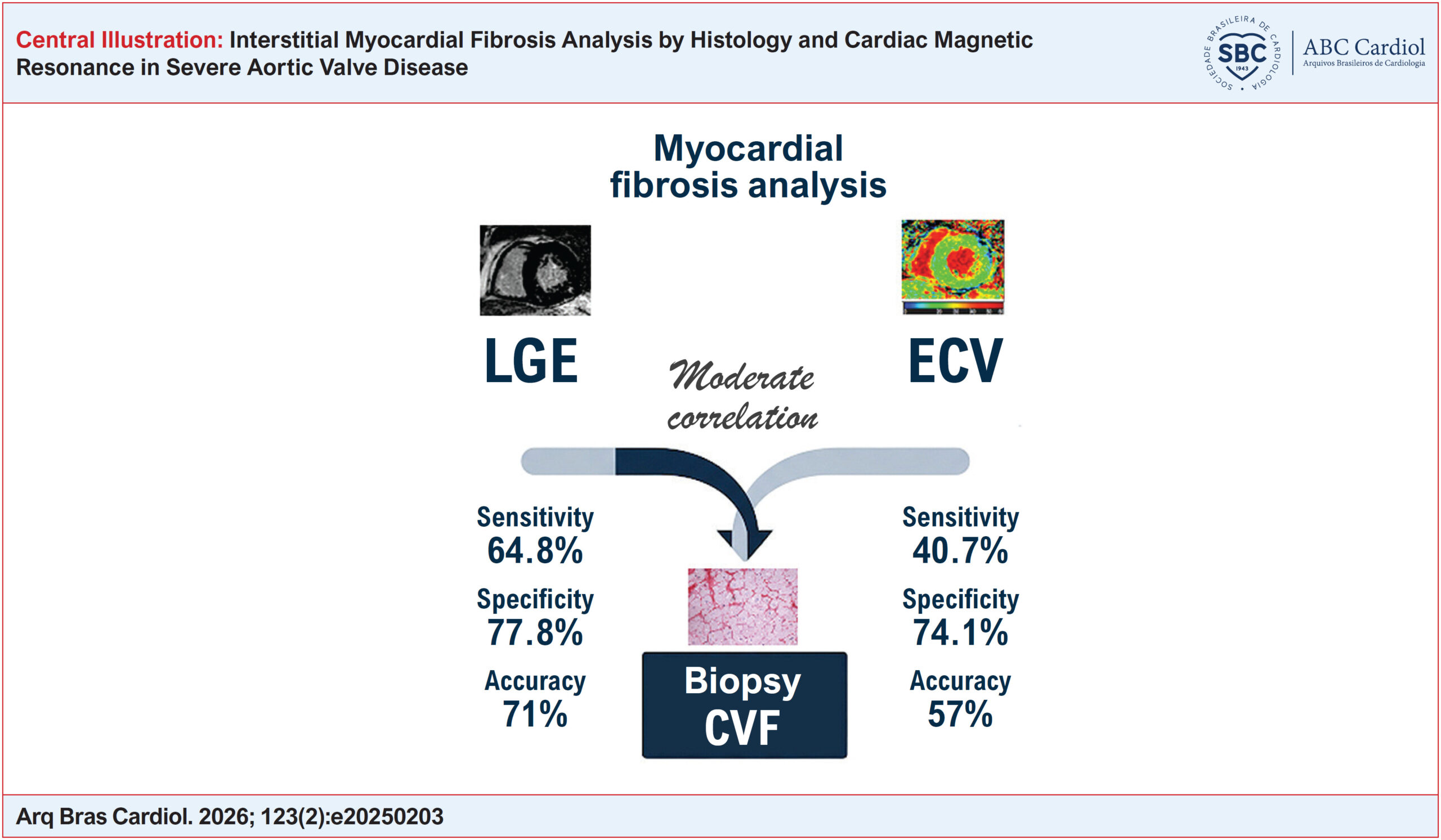
Interstitial Myocardial Fibrosis Analysis by Histology and Cardiac Magnetic Resonance in Severe Aortic Valve Disease
ABC
Original Article

Interstitial Myocardial Fibrosis Analysis by Histology and Cardiac Magnetic Resonance in Severe Aortic Valve Disease

Juliana Hiromi Silva Matsumoto Bello et al. Lea M.M.F. Demarchi Rafael Almeida Fonseca Gabriele N. Lima … Lucas José Tachotti Pires Vitor E. E. Rosa Roney Orismar Sampaio Paulo S. Gutierrez Vera D. Aiello Flávio Tarasoutchi Carlos E. Rochitte

Abstract

Background:

Aortic valve disease may lead to the accumulation of myocardial fibrosis (MF). Cardiac magnetic resonance (CMR) with late gadolinium enhancement (LGE) evaluates regional fibrosis but does not detect interstitial fibrosis, which can be estimated by extracellular volume (ECV) using native (pre-contrast) and post-contrast T1 mapping.

Objectives:

To compare MF measured by collagen volume fraction (CVF) in myocardial biopsy with LGE and ECV in patients with severe aortic valve disease.

Methods:

A total of 108 patients undergoing aortic valve replacement with myocardial biopsy and preoperative CMR were included. LGE and ECV were compared with CVF using Pearson or Spearman correlation coefficients, diagnostic performance analysis, and agreement testing. Statistical significance was set at p < 0.05.

Results:

Increased CVF was observed in 96% of patients (21.9 ± 5.5%), LGE in 44% (1.3 ± 3%), and increased ECV in 33.3% (29.0 ± 4.0%). Moderate correlations were found between LGE and CVF and between ECV and CVF (r = 0.44 and r = 0.36, respectively; p = 0.001). LGE and ECV demonstrated sensitivities of 64.8% and 40.7%, specificities of 77.8% and 74.1%, and accuracies of 71% and 57%, respectively, using CVF above the median as the reference for MF. Agreement between CVF and ECV revealed a mean difference of −0.167 and a Cohen’s kappa value of 0.171.

Conclusions:

CMR detects MF in patients with severe aortic valve disease confirmed by biopsy. LGE and ECV show moderate correlation with CVF. Combined analysis of LGE and ECV may provide complementary information; however, additional studies are needed to determine their prognostic impact.

  • Aortic Valve Disease
  • Fibrosis
  • Histology
  • Magnetic Resonance Imaging
  • Miocardio
Read Full Article
Creative Commons Attribution (CC BY) Creative Commons license
15/05/2026 DOI: 10.36660/abc.20250203i Views 1
In-Hospital Outcomes in the Brazilian Registry of Transcatheter Aortic Valve Implantation – 14-Year Analysis
ABC
Original Article

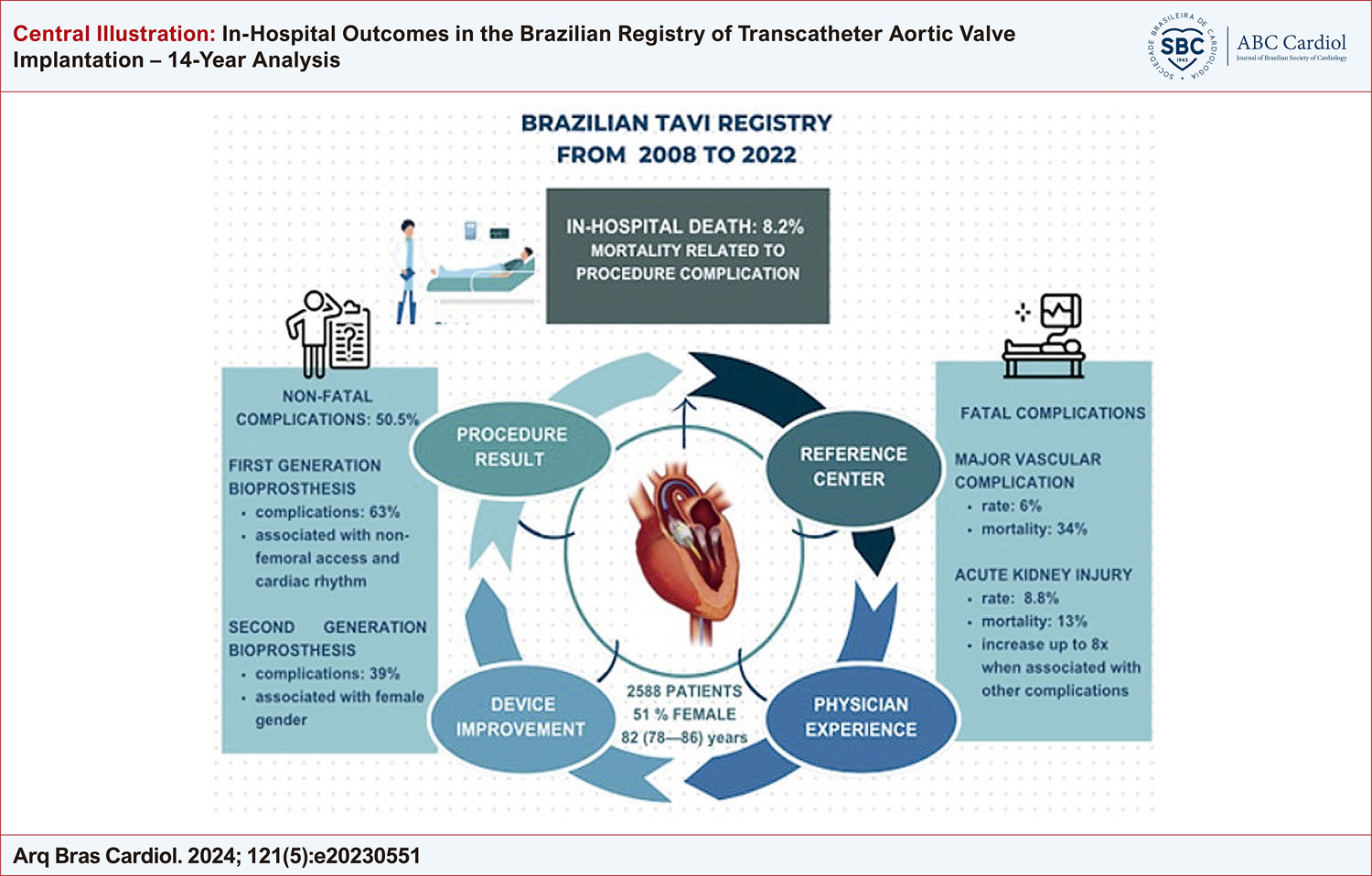
In-Hospital Outcomes in the Brazilian Registry of Transcatheter Aortic Valve Implantation – 14-Year Analysis

Maria Cristina Meira Ferreira et al. Viviana de Mello Guzzo Lemke Maria Sanali Moura de Oliveira Paiva Emilia Matos do Nascimento … Basílio de Bragança Pereira Gláucia Maria Moraes de Oliveira

Abstract

Background

Transcatheter aortic valve implantation (TAVI) has had an exponential increase of its indication, being incorporated into the Brazilian Unified Public Health System in 2022, thus requiring assessment of its use in Brazil.

Objeticve

To assess the factors associated with in-hospital mortality and non-fatal complications in both genders in the Brazilian Registry of Transcatheter Aortic Valve Implantation and New Technologies (RIBAC-NT) population.

Method

Analysis of the RIBAC-NT database from 2008 to 2022 was performed. Logistic models and machine learning were used for statistical assessment of the association between variables and outcomes. The software R was used and a 5% significance level, adopted.

Results

Analysis of 2588 patients (women, 51.2%; in-hospital death, 8.2%). Mortality was associated with procedural complications, of which major vascular complication (VC) and acute kidney injury (AKI) stood out (p<0.001). Major VC occurred in 6% of the patients, with 34% mortality; AKI occurred in 8.8%, with 13% mortality, which increased up to 8 times when AKI coexisted with other complications. Non-fatal complications occurred in 50.5% of all patients, affecting 63% of those with 1st generation (1G) bioprosthesis and 39% of those with 2nd generation (2G) bioprosthesis (p<0,001). Non-femoral access and heart rhythm influenced non-fatal complications in patients with 1G prostheses, while complications in patients with 2G prosthesis associated with the female gender (39.6% vs. 30.4%, p=0.003).

Conclusion

In-hospital mortality in the RIBAC-NT population was directly associated with procedural complications, mainly major VC and AKI. The occurrence of non-fatal complications differed according to gender and bioprosthesis type.

  • Aortic Valve Disease
  • Aortic Valve Stenosis
  • Heart Valve Prosthesis
  • Heart Valve Prosthesis Implantation
  • Transcatheter Aortic Valve Replacement
Read Full Article
Creative Commons Attribution (CC BY) Creative Commons license
14/10/2024 DOI: 10.36660/abc.20230551i
Figure 1
ABCIC
Case Report

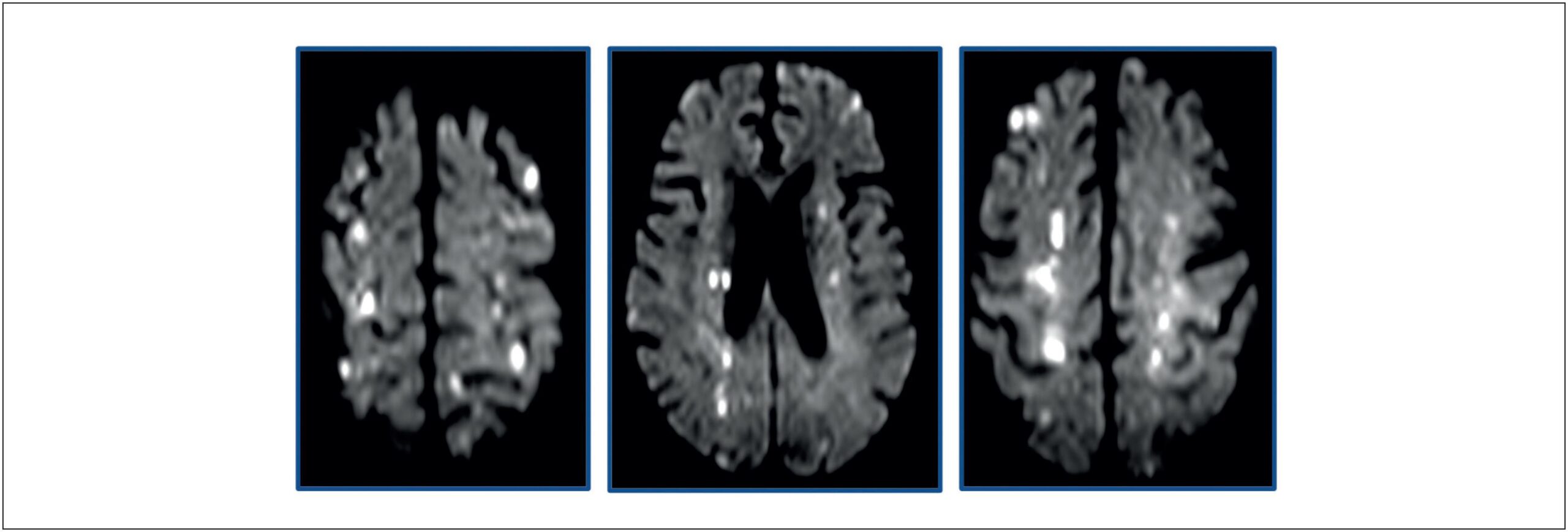
Aortic Valvulitis in Hypereosinophilic Syndrome: A Case Report

Mariano Gaston Bergier et al. Rocío Blanco Santiago Decotto Anibal Arias

Introduction

Hypereosinophilic syndromes are characterized by the sustained overproduction of eosinophils, which can infiltrate various organs and release toxins that damage tissues. Causes of increased eosinophils include 1) primary or neoplastic causes (e.g., stem cell, myeloid, or eosinophil neoplasia, and clonal disorders); 2) secondary or reactive causes (e.g., parasitic infections, solid tumors, and T-cell lymphomas); 3) idiopathic causes: part of specific syndromes (e.g., Churg-Strauss); and 4) hypereosinophilia of unknown significance, when there is no organic damage.

When specifically discussing rheumatic syndromes, the most common one is eosinophilic granulomatosis with polyangiitis, formerly known as Churg-Strauss disease. This vasculitis affects small and medium-sized arteries, primarily affecting the skin and lungs. However, it is a multisystem disorder that can affect kidneys, heart, and nervous system as well. This condition is often associated with chronic rhinosinusitis, asthma, and eosinophilia. ANCA antibodies are usually present, except in cases where the heart is involved. In such cases, ANCA antibodies are usually negative, but eosinophil counts remain elevated. Whenever possible, confirmatory diagnosis should be confirmed through an endomyocardial biopsy.,

[…]

  • Aortic Valve Disease
  • Hypereosinophilic Syndrome
  • Stroke
Read Full Article
Creative Commons Attribution (CC BY) Creative Commons license
20/09/2024 DOI: 10.36660/abcimg.20240055i Views 1
ABC
Artigo Original

Cryopreserved aortic homograft for aortic valve replacement: immediate results

Luís Roberto Gerola et al. Wesley Araújo Hyong C. Kin Gabriela E. F. Silva … Armindo Pereira Filho Guilherme Flora Vargas Enio Buffolo

OBJECTIVE: To assess immediate clinical and echocardiographic results of the use of cryopreserved aortic homografts for aortic valve replacement. METHODS: Eighteen patients with aortic valve disease underwent aortic valve replacement, receiving a cryopreserved aortic homograft, 15 were male, 10 had aortic regurgitation, and 8 had aortic stenosis. Age ranged from 18 to 65 years (mean, 44.5 ± 18.14 years). Four patients had infective endocarditis, 12 patients were in functional class II, and 6 patients were in functional class III (NYHA). Left ventricular function was normal in 15 patients. RESULTS: Hospital mortality was 5.5% (1 patient) due to respiratory distress; the other patients were discharged from the hospital between the fifth and eighth postoperative days in functional class I. Maximal aortic transvalvular gradient, on echocardiography, ranged from 0 to 30 mmHg, with a mean of 10.9 ± 9.2 mmHg. Five patients did not have any degree of regurgitation through the aortic homograft, 11 patients (61.1%) had minimal regurgitation, and 2 had mild regurgitation. Duration of extracorporeal circulation ranged from 130 to 220 minutes (mean, 183.9 ± 36.7 minutes). Duration of aortic clamping ranged from 102 to 168 minutes (mean, 139.14 ± 25.10 minutes). Bleeding in the postoperative period ranged from 210 to 1220 mL, with a mean of 511.4 ± 335.1 mL. Reoperations were not necessary. Duration of orotracheal intubation ranged from 2 hours 50 minutes to 17 hours with a mean of 9.14 ± 3.6 hours. CONCLUSION: Cryopreserved aortic homografts may be routinely used with low hospital morbidity and mortality.

  • aortic homograft
  • Aortic Valve Disease
  • valve replacement
Read Full Article
Creative Commons Attribution (CC BY) Creative Commons license
22/10/2004 DOI: 10.1590/S0066-782X2004001600003 Views 1
Mini-sternotomy for the treatment of aortic valve lesions
ABC
Original Article

Mini-sternotomy for the treatment of aortic valve lesions

Altamiro Ribeiro Dias et al. Ricardo Ribeiro Dias Fábio Gaiotto José Lima O. Júnior … Filinto M.C.N. Cerqueira Max Grinberg Roney Sampaio Paulo de Lara Lavitola Nelson Elias Flávio Tarasoutchi Luiz F. Cardoso Noedir A. G. Stolf

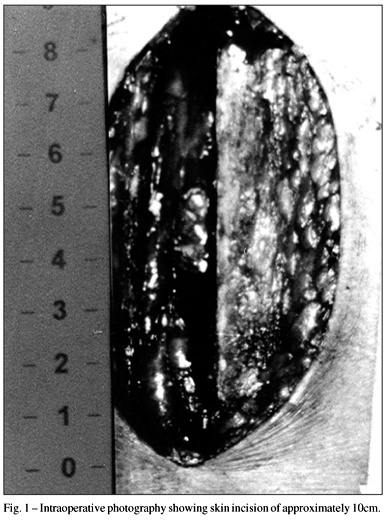
OBJECTIVE: To compare inverted-L mini-sternotomy performed above the sternal furcula with conventional sternotomy in patients with aortic valve diseases who undergo surgical treatment. METHODS: We operated upon 30 patients who had aortic valve lesions that had clinical and hemodynamic findings. All patients underwent inverted-L sternotomy, which extended from above the manubrium of the sternum to the 3rd right intercostal space, without opening the pleural cavity. Their ages ranged from 32 to 76 years, and 18 were males and 12 were females. We used negative pressure in a venous ¼-inch cannula, and the patients were maintained in Trendelemburg’s position. Twenty-seven patients received bioprostheses with diameters ranging from 23 to 29mm. Three patients underwent only removal of the calcifications of the aortic valve leaflets and aortic commissurotomy. RESULTS: The mean duration of anoxic cardiac arrest was 63.11min. Access was considered good in all patients. One death was due to pulmonary and renal problems not related to the incision. All patients had a better recovery in the intensive care unit, got out of bed sooner, coughed more easily, and performed prophylactic physiotherapeutic maneuvers for respiratory problems more easily and with less pain in the incision. Early ambulation was more easily carried out by all patients. CONCLUSION: Mini-sternotomy proved to be better than the conventional sternotomy because it provided morecomfort for the patients in the early postoperative period, with less pain and greater desire for early ambulation and all its inherent advantages.

  • Aortic Valve Disease
  • aortic valve surgery
  • Sternotomy
Read Full Article
Creative Commons Attribution (CC BY) Creative Commons license
18/09/2001 DOI: 10.1590/S0066-782X2001000900002 Views 1

How to cite this article

EndNote RIS

Electronic Document Format (Vancouver)

Gomes HJA, Senra T. Cardiac Magnetic Resonance Imaging and Histology in Aortic Valve Disease: Convergences and Limitations. Arquivos Brasileiros de Cardiologia 2026;123(2):e20260140.

Electronic Document Format (ABNT)

Gomes, Helder Jorge Andrade; Senra, Tiago. Cardiac Magnetic Resonance Imaging and Histology in Aortic Valve Disease: Convergences and Limitations. Arquivos Brasileiros de Cardiologia, v. 123, n. 2, e20260140, May. 2026.

Electronic Document Format (APA)

Gomes, H. J. A., & Senra, T. (2026). Cardiac Magnetic Resonance Imaging and Histology in Aortic Valve Disease: Convergences and Limitations. Arquivos Brasileiros de Cardiologia, 123(2), e20260140.

Electronic Document Format (ISO)

Gomes, Helder Jorge Andrade and Senra, Tiago. Cardiac Magnetic Resonance Imaging and Histology in Aortic Valve Disease: Convergences and Limitations. Arquivos Brasileiros de Cardiologia [online]. 2026, vol. 123, n. 2, [cited 2026-10-14], e20260140. Available from: <https://journals.cardiol.br/en/article/cardiac-magnetic-resonance-imaging-and-histology-in-aortic-valve-disease-convergences-and-limitations/>. ISSN 0066-782X

EndNote RIS

Electronic Document Format (Vancouver)

Bello JHSM, Demarchi LM, Fonseca RA, Lima GN, Pires LJT, Rosa VEE, Sampaio RO, et al. Interstitial Myocardial Fibrosis Analysis by Histology and Cardiac Magnetic Resonance in Severe Aortic Valve Disease. Arquivos Brasileiros de Cardiologia 2026;123(2):e20250203.

Electronic Document Format (ABNT)

Bello, Juliana Hiromi Silva Matsumoto; Demarchi, Lea M.M.F.; Fonseca, Rafael Almeida; Lima, Gabriele N.; Pires, Lucas José Tachotti; Rosa, Vitor E. E.; Sampaio, Roney Orismar; Gutierrez, Paulo S.; Aiello, Vera D.; Tarasoutchi, Flávio; Rochitte, Carlos E.. Interstitial Myocardial Fibrosis Analysis by Histology and Cardiac Magnetic Resonance in Severe Aortic Valve Disease. Arquivos Brasileiros de Cardiologia, v. 123, n. 2, e20250203, May. 2026.

Electronic Document Format (APA)

Bello, J. H. S. M., Demarchi, L. M., Fonseca, R. A., Lima, G. N., Pires, L. J. T., Rosa, V. E. E., Sampaio, R. O., Gutierrez, P. S., Aiello, V. D., Tarasoutchi, F., & Rochitte, C. E. (2026). Interstitial Myocardial Fibrosis Analysis by Histology and Cardiac Magnetic Resonance in Severe Aortic Valve Disease. Arquivos Brasileiros de Cardiologia, 123(2), e20250203.

Electronic Document Format (ISO)

Bello, Juliana Hiromi Silva Matsumoto and Demarchi, Lea M.M.F. and Fonseca, Rafael Almeida and Lima, Gabriele N. and Pires, Lucas José Tachotti and Rosa, Vitor E. E. and Sampaio, Roney Orismar and Gutierrez, Paulo S. and Aiello, Vera D. and Tarasoutchi, Flávio and Rochitte, Carlos E.. Interstitial Myocardial Fibrosis Analysis by Histology and Cardiac Magnetic Resonance in Severe Aortic Valve Disease. Arquivos Brasileiros de Cardiologia [online]. 2026, vol. 123, n. 2, [cited 2026-10-14], e20250203. Available from: <https://journals.cardiol.br/en/article/interstitial-myocardial-fibrosis-analysis-by-histology-and-cardiac-magnetic-resonance-in-severe-aortic-valve-disease/>. ISSN 0066-782X

EndNote RIS

Electronic Document Format (Vancouver)

Ferreira MCM, Lemke VMG, Paiva MSMO, Nascimento EM, Pereira BB, Oliveira GMM. In-Hospital Outcomes in the Brazilian Registry of Transcatheter Aortic Valve Implantation – 14-Year Analysis. Arquivos Brasileiros de Cardiologia 2024;121(5):e20230551.

Electronic Document Format (ABNT)

Ferreira, Maria Cristina Meira; Lemke, Viviana de Mello Guzzo; Paiva, Maria Sanali Moura de Oliveira; Nascimento, Emilia Matos do; Pereira, Basílio de Bragança; Oliveira, Gláucia Maria Moraes de. In-Hospital Outcomes in the Brazilian Registry of Transcatheter Aortic Valve Implantation – 14-Year Analysis. Arquivos Brasileiros de Cardiologia, v. 121, n. 5, e20230551, Oct. 2024.

Electronic Document Format (APA)

Ferreira, M. C. M., Lemke, V. M. G., Paiva, M. S. M. O., Nascimento, E. M. , Pereira, B. B., & Oliveira, G. M. M. (2024). In-Hospital Outcomes in the Brazilian Registry of Transcatheter Aortic Valve Implantation – 14-Year Analysis. Arquivos Brasileiros de Cardiologia, 121(5), e20230551.

Electronic Document Format (ISO)

Ferreira, Maria Cristina Meira and Lemke, Viviana de Mello Guzzo and Paiva, Maria Sanali Moura de Oliveira and Nascimento, Emilia Matos do and Pereira, Basílio de Bragança and Oliveira, Gláucia Maria Moraes de. In-Hospital Outcomes in the Brazilian Registry of Transcatheter Aortic Valve Implantation – 14-Year Analysis. Arquivos Brasileiros de Cardiologia [online]. 2024, vol. 121, n. 5, [cited 2026-10-14], e20230551. Available from: <https://journals.cardiol.br/en/article/in-hospital-outcomes-in-the-brazilian-registry-of-transcatheter-aortic-valve-implantation-14-year-analysis/>. ISSN 0066-782X

EndNote RIS

Electronic Document Format (Vancouver)

Bergier MG, Blanco R, Decotto S, Arias A. Aortic Valvulitis in Hypereosinophilic Syndrome: A Case Report. ABC Imagem Cardiovascular 2024;37(3):e20240055.

Electronic Document Format (ABNT)

Bergier, Mariano Gaston; Blanco, Rocío; Decotto, Santiago; Arias, Anibal. Aortic Valvulitis in Hypereosinophilic Syndrome: A Case Report. ABC Imagem Cardiovascular, v. 37, n. 3, e20240055, Sep. 2024.

Electronic Document Format (APA)

Bergier, M. G., Blanco, R., Decotto, S., & Arias, A. (2024). Aortic Valvulitis in Hypereosinophilic Syndrome: A Case Report. ABC Imagem Cardiovascular, 37(3), e20240055.

Electronic Document Format (ISO)

Bergier, Mariano Gaston and Blanco, Rocío and Decotto, Santiago and Arias, Anibal. Aortic Valvulitis in Hypereosinophilic Syndrome: A Case Report. ABC Imagem Cardiovascular [online]. 2024, vol. 37, n. 3, [cited 2026-10-14], e20240055. Available from: <https://journals.cardiol.br/en/article/aortic-valvulitis-in-hypereosinophilic-syndrome-a-case-report/>. ISSN 2318-8219

EndNote RIS

Electronic Document Format (Vancouver)

Gerola LR, Araújo W, Kin HC, Silva GEF, Pereira Filho A, Vargas GF, Buffolo E, et al. Cryopreserved aortic homograft for aortic valve replacement: immediate results. Arquivos Brasileiros de Cardiologia 2004;83(4):280-3.

Electronic Document Format (ABNT)

Gerola, Luís Roberto; Araújo, Wesley; Kin, Hyong C.; Silva, Gabriela E. F.; Pereira Filho, Armindo; Vargas, Guilherme Flora; Buffolo, Enio. Cryopreserved aortic homograft for aortic valve replacement: immediate results. Arquivos Brasileiros de Cardiologia, v. 83, n. 4, p. 280-283, Oct. 2004.

Electronic Document Format (APA)

Gerola, L. R., Araújo, W., Kin, H. C., Silva, G. E. F., Pereira Filho, A., Vargas, G. F., & Buffolo, E. (2004). Cryopreserved aortic homograft for aortic valve replacement: immediate results. Arquivos Brasileiros de Cardiologia, 83(4), 280-283.

Electronic Document Format (ISO)

Gerola, Luís Roberto and Araújo, Wesley and Kin, Hyong C. and Silva, Gabriela E. F. and Pereira Filho, Armindo and Vargas, Guilherme Flora and Buffolo, Enio. Cryopreserved aortic homograft for aortic valve replacement: immediate results. Arquivos Brasileiros de Cardiologia [online]. 2004, vol. 83, n. 4, [cited 2026-10-14], pp. 280-283. Available from: <https://journals.cardiol.br/en/article/cryopreserved-aortic-homograft-for-aortic-valve-replacement-immediate-results/>. ISSN 0066-782X

EndNote RIS

Electronic Document Format (Vancouver)

Dias AR, Dias RR, Gaiotto F, O. Júnior JL, Cerqueira FM, Grinberg M, Sampaio R, et al. Mini-sternotomy for the treatment of aortic valve lesions. Arquivos Brasileiros de Cardiologia 2001;77(3):225-8.

Electronic Document Format (ABNT)

Dias, Altamiro Ribeiro; Dias, Ricardo Ribeiro; Gaiotto, Fábio; O. Júnior, José Lima; Cerqueira, Filinto M.C.N.; Grinberg, Max; Sampaio, Roney; Lavitola, Paulo de Lara; Elias, Nelson; Tarasoutchi, Flávio; Cardoso, Luiz F.; Stolf, Noedir A. G.. Mini-sternotomy for the treatment of aortic valve lesions. Arquivos Brasileiros de Cardiologia, v. 77, n. 3, p. 225-228, Sep. 2001.

Electronic Document Format (APA)

Dias, A. R., Dias, R. R., Gaiotto, F., O. Júnior, J. L., Cerqueira, F. M., Grinberg, M., Sampaio, R., Lavitola, P. L., Elias, N., Tarasoutchi, F., Cardoso, L. F., & Stolf, N. A. G. (2001). Mini-sternotomy for the treatment of aortic valve lesions. Arquivos Brasileiros de Cardiologia, 77(3), 225-228.

Electronic Document Format (ISO)

Dias, Altamiro Ribeiro and Dias, Ricardo Ribeiro and Gaiotto, Fábio and O. Júnior, José Lima and Cerqueira, Filinto M.C.N. and Grinberg, Max and Sampaio, Roney and Lavitola, Paulo de Lara and Elias, Nelson and Tarasoutchi, Flávio and Cardoso, Luiz F. and Stolf, Noedir A. G.. Mini-sternotomy for the treatment of aortic valve lesions. Arquivos Brasileiros de Cardiologia [online]. 2001, vol. 77, n. 3, [cited 2026-10-14], pp. 225-228. Available from: <https://journals.cardiol.br/en/article/mini-sternotomy-for-the-treatment-of-aortic-valve-lesions/>. ISSN 0066-782X

  • About ABC Family
  • Internal Regulation
  • Editorial Board
  • Brazilian Society of Cardiology (SBC)

Issues

SBC Guidelines

  • Videos
  • Podcasts
  • News