ABC Family Arquivos Brasileiros de Cardiologia International Journal of Cardiovascular Sciences ABC Heart Failure & Cardiomyopathy ABC Imagem Cardiovascular
Português English
ABC Family
Português English
  • About
    • About ABC Family
    • Internal Regulation
    • Editorial Board
    • Brazilian Society of Cardiology (SBC)
  • Issues
  • SBC Guidelines
  • Content
    • Videos
    • Podcasts
    • News
  • About
    • About ABC Family
    • Internal Regulation
    • Editorial Board
    • Brazilian Society of Cardiology (SBC)
  • Issues
  • SBC Guidelines
  • Content
    • Videos
    • Podcasts
    • News

ABC Family

  • ABC Family
  • Arquivos Brasileiros de Cardiologia
  • International Journal of Cardiovascular Sciences
  • ABC Heart Failure & Cardiomyopathy
  • ABC Imagem Cardiovascular
Search in

No content found.

Journals
Ordering
Article types
Others

  1. Home
  2. Keyword: Treatment
Fundamentals of Acute Pericarditis: State of the Art
ABC
Review Article

Fundamentals of Acute Pericarditis: State of the Art

Gabriel de Moraes Mangas et al. Jose Gregorio Valero Rodriguez João Alexandre Ranzeiro de Bragança dos Santos Flavia Nunes Benicio de Souza … Luis Felipe Leite da Silva Giovane Leal de Azevedo Junior Alberto Chivaca Neusa Perina de Jesus Jessen Ângelo Oliveira Evandro Tinoco Mesquita

Abstract

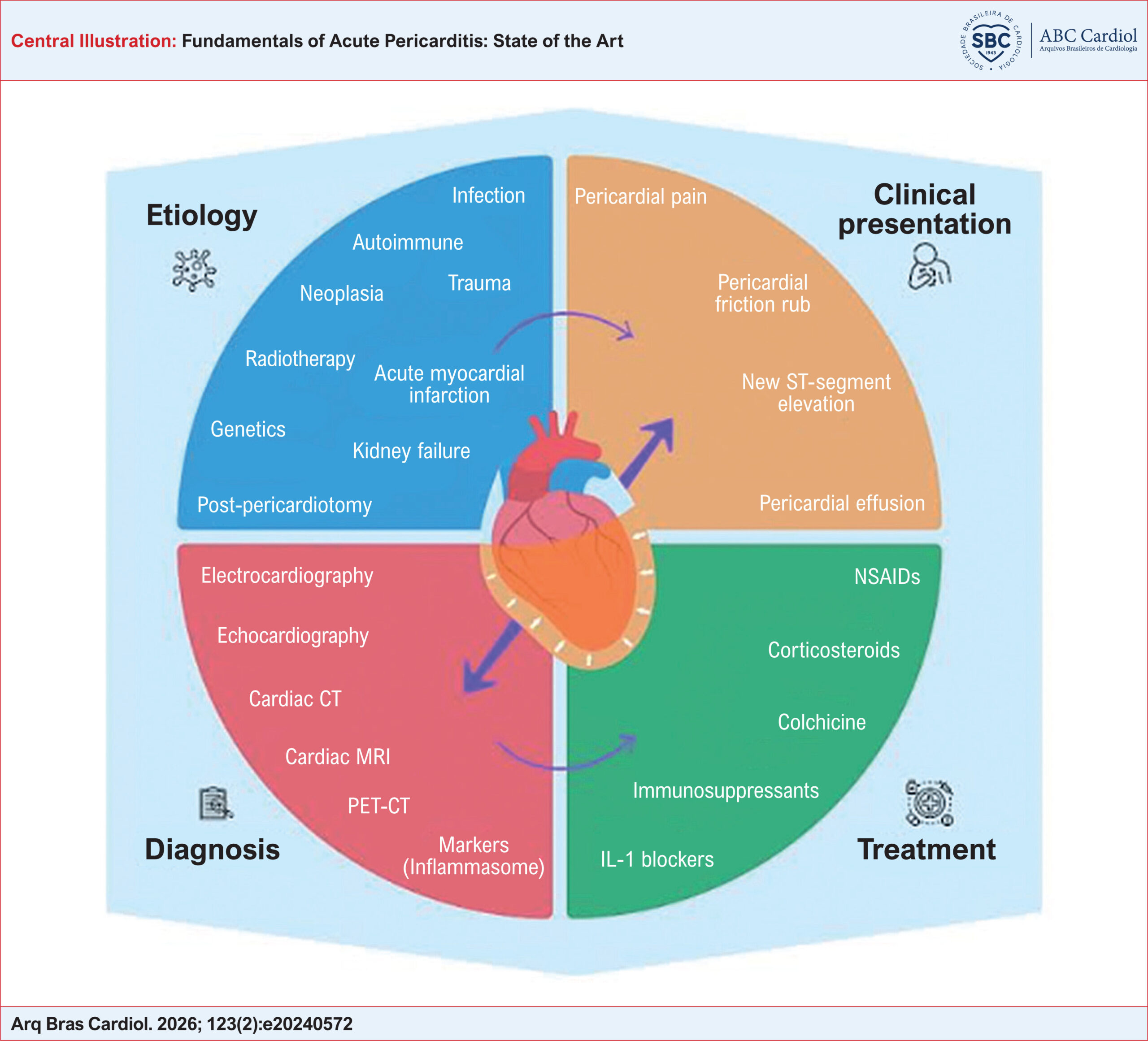
Acute pericarditis is an inflammation of the pericardium, the lining that surrounds the heart. It is the most common inflammatory heart condition. The disease frequently affects young adults and can manifest with varying severity. Pericarditis can have diverse causes, including viral infections, autoimmune diseases, post-infarction conditions, and, more recently, SARS-CoV-2 infections or COVID-19 vaccines. In developing countries, especially in Africa, tuberculosis is the leading cause of pericarditis, often associated with HIV. Diagnosis is based on clinical criteria, such as chest pain and electrocardiographic changes, and it can be supported by imaging studies such as echocardiography, cardiac magnetic resonance imaging, and computed tomography. Identification of etiology is crucial to personalized treatment, although the specific cause is often unidentified. New research has highlighted the role of the NLRP3 inflammasome in the pathophysiology of pericarditis, which may pave the way for new therapies. Furthermore, technological advancements and artificial intelligence are discussed as promising tools to improve the management of pericarditis.
  • Acute Pericarditis
  • Artificial Intelligence
  • Diagnosis
  • Inflammation
  • Treatment
Read Full Article
Creative Commons Attribution (CC BY) Creative Commons license
17/04/2026 DOI: 10.36660/abc.20240572i Views 3
ABC
Editorial

What is the Impact of Advancements in the Treatment of Heart Failure Patients on Mortality?

Lídia Ramalho Ribeiro Garcia et al. Fernanda Vitória Araújo da Silva João Marcos Bemfica Barbosa Ferreira

The article titled Survival Analysis and Factors Associated with Mortality in Heart Failure Patients in the ELSA-Brasil Cohort presents a significant case series on mortality in 251 patients diagnosed with heart failure in a Brazilian long-term outpatient follow-up cohort. The clinical profile associated with male individuals aged 70 and older, with left ventricular systolic dysfunction and the presence of comorbidities, showed poorer survival outcomes. Overall mortality after 12.3 years of follow-up was 19%. Among the classes of drugs known to reduce mortality in heart failure, patients in this study used beta-blockers, angiotensin-converting enzyme inhibitors (ACEIs), angiotensin receptor blockers (ARBs), and/or mineralocorticoid receptor antagonists. It is also worth noting that a minority of patients (6%) had an ejection fraction lower than 45%. Patient inclusion in the study occurred between 2008 and 2010.

In the past ten years, according to DATASUS, Brazil has recorded over 2.2 million hospitalizations due to heart failure (HF), with an increasing trend, especially between 2015 and 2025. The Southeast region accounted for most of these cases (42.13%), followed by the Northeast (22.6%), South (22.5%), while the North and Central-West regions accounted for 5.6% and 7.5%, respectively. There is a slight male predominance (51.8%), and the highest incidence is observed in individuals over 60 years old, reflecting an aging population and the association of HF with conditions such as hypertension, diabetes, and coronary artery disease.,

[…]

  • Heart Failure
  • Prognosis
  • Treatment
Read Full Article
Creative Commons Attribution (CC BY) Creative Commons license
04/08/2025 DOI: 10.36660/abc.20250329i
Figure 1
ABC
Editorial

Patisiran in the Treatment of Cardiac Amyloidosis: Good for the World and Good for Brazil

Humberto Villacorta

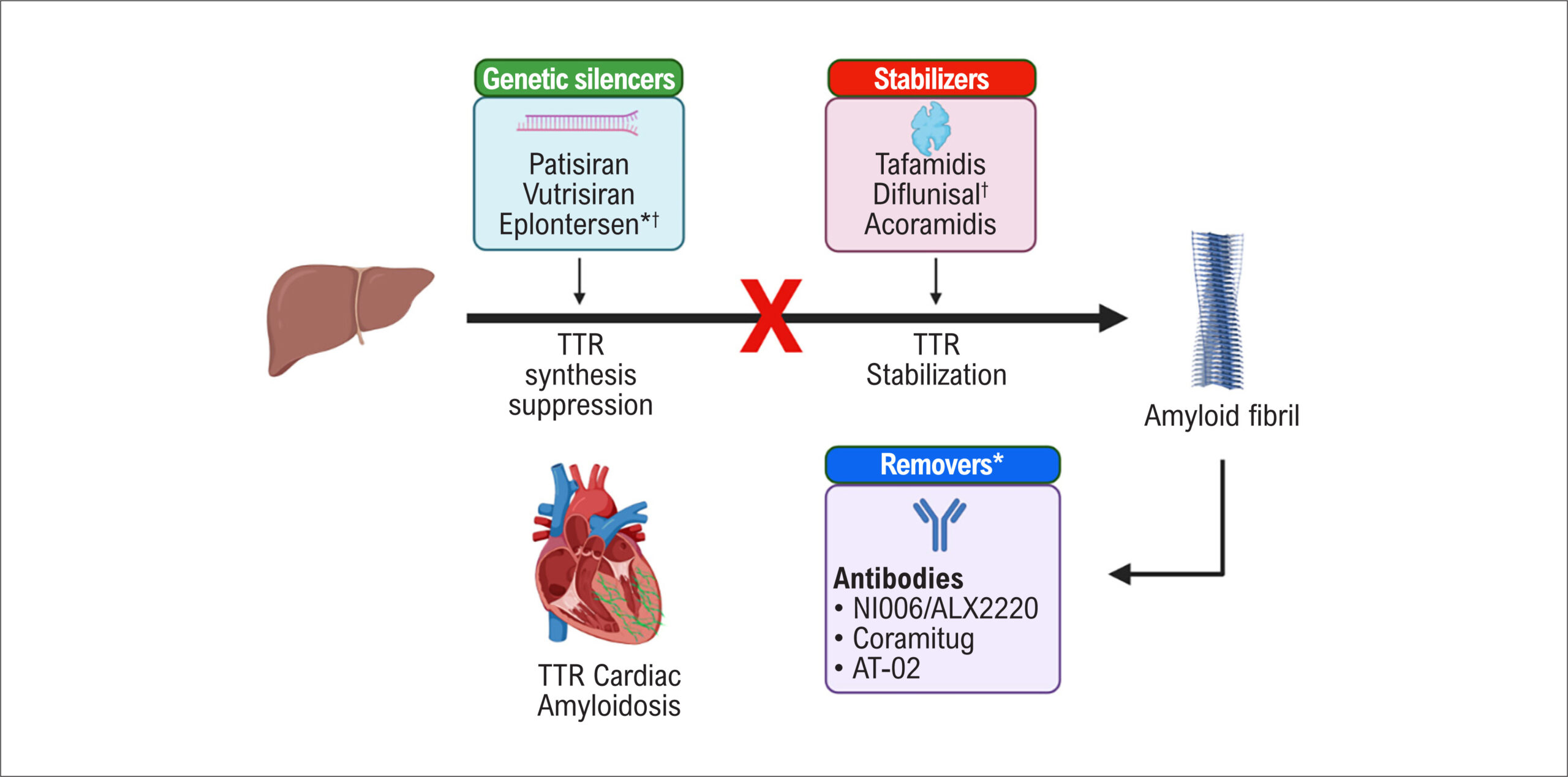
Patisiran is an RNA interference therapeutic agent used in the treatment of transthyretin-mediated amyloidosis (ATTR amyloidosis), a condition characterized by the accumulation of misfolded transthyretin (TTR) protein amyloid fibrils in tissues.– As shown in , the mechanism of action differs from previous drugs such as tafamidis, which promotes the stabilization of the TTR protein, rather than the synthesis inhibition., Patisiran uses a mechanism involving small interfering RNA to specifically target the messenger RNA (mRNA) responsible for producing the TTR protein in the liver. It activates the RNA-induced silencing complex, which promotes the degradation of the TTR mRNA. By degrading TTR mRNA, patisiran effectively reduces the synthesis of TTR protein within the liver. This leads to decreased levels of both normal and mutant forms of TTR.–

The effects of patisiran in cardiac amyloidosis were assessed in the APOLLO B study, which was a phase 3, multicenter, randomized, double-blind, placebo-controlled trial involving 360 patients diagnosed with hereditary or wild-type ATTR amyloidosis with cardiomyopathy, aimed at assessing treatment effects on cardiac function and quality of life. The primary endpoint was a change from baseline in the functional capacity as assessed by the 6-minute walk test (6MWT) at 12 months. The walk distance in the 6MWT decreased over time in both groups, but it was attenuated in the patisiran group (mean change −8.15 vs −21.35 m, in the patisiran and placebo group, respectively). Quality of life as assessed by the Kansas City Cardiomyopathy Questionnaire-Overall Summary (KCCQ-OS) improved in the patisiran group and declined in the placebo group. In a secondary endpoint analysis, no difference was observed in a combined endpoint of death from any cause, cardiovascular events, or change in the 6MWT. An explanatory analysis found that patisiran attenuated the increase in the cardiac biomarkers NT-proBNP and troponin I.

[…]

  • Cardiac Amyloidosis
  • Genetic Silencers
  • Transthyretin
  • Treatment
Read Full Article
Creative Commons Attribution (CC BY) Creative Commons license
07/07/2025 DOI: 10.36660/abc.20250335i
ABC
Editorial

Adherence, Compliance and Persistency in High Cholesterol Treatment

Tania L. R. Martinez

Lack of adherence to cholesterol-lowering medications remains a critical issue in managing cardiovascular risk. Despite advancements in treatment, many patients fail to follow their prescribed regimens, leading to increased risks of heart attack, stroke, and other cardiovascular events. As described in the study, adherence challenges in the Brazilian population illustrate a global problem. However, there are several promising strategies for increasing adherence, including the active involvement of pharmacists and the distribution of medications in larger volumes through public or private healthcare systems.

Medication adherence, or the degree to which patients follow their prescribed regimens, is fundamental to achieving optimal health outcomes in chronic conditions like high cholesterol. Compliance is the consistency with which patients take their medication over time, while persistence refers to how long they continue treatment without interruption. Cholesterol-lowering drugs, particularly statins, are widely used to reduce cardiovascular risk, but non-adherence remains a barrier to their full effectiveness.

[…]

  • adherence
  • Cholesterol
  • compliance
  • Persistence
  • Treatment
Read Full Article
Creative Commons Attribution (CC BY) Creative Commons license
20/01/2025 DOI: 10.36660/abc.20240652i
Figure 1
ABCHF
Review Article

Is Salt Restriction Really Necessary in Patients with Acute Decompensated Heart Failure?

Luís Beck-da-Silva et al. Maurício Butzke

Introduction

Heart failure (HF) syndrome was first described as an emerging epidemic almost 30 years ago. Due to population growth and aging, the total number of patients with HF has increased over the past years. Acute decompensated HF (ADHF) is estimated to be the leading cause of hospitalization, based on data available from 50% of the South American population.

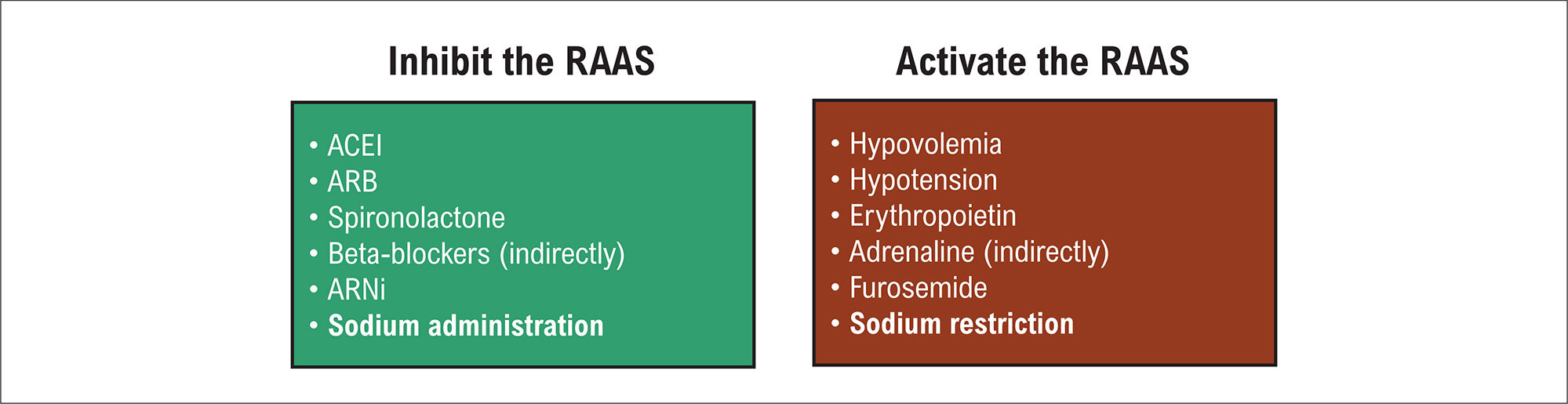
The standard treatment for patients with ADHF includes diuretics, vasodilators, and sodium restriction.

[…]

  • Heart Failure
  • Randomized Clinical Trials
  • Salt
  • Salt Restriction
  • Treatment
Read Full Article
Creative Commons Attribution (CC BY) Creative Commons license
31/12/2023 DOI: 10.36660/abchf.20230091
Figure 1
ABCHF
Viewpoint

Viewpoint – Brazilian Guideline for Myocarditis

Marcelo Westerlund Montera et al. Daniella Motta da Costa Dan Fabiana G. Marcondes-Braga

Diagnosis

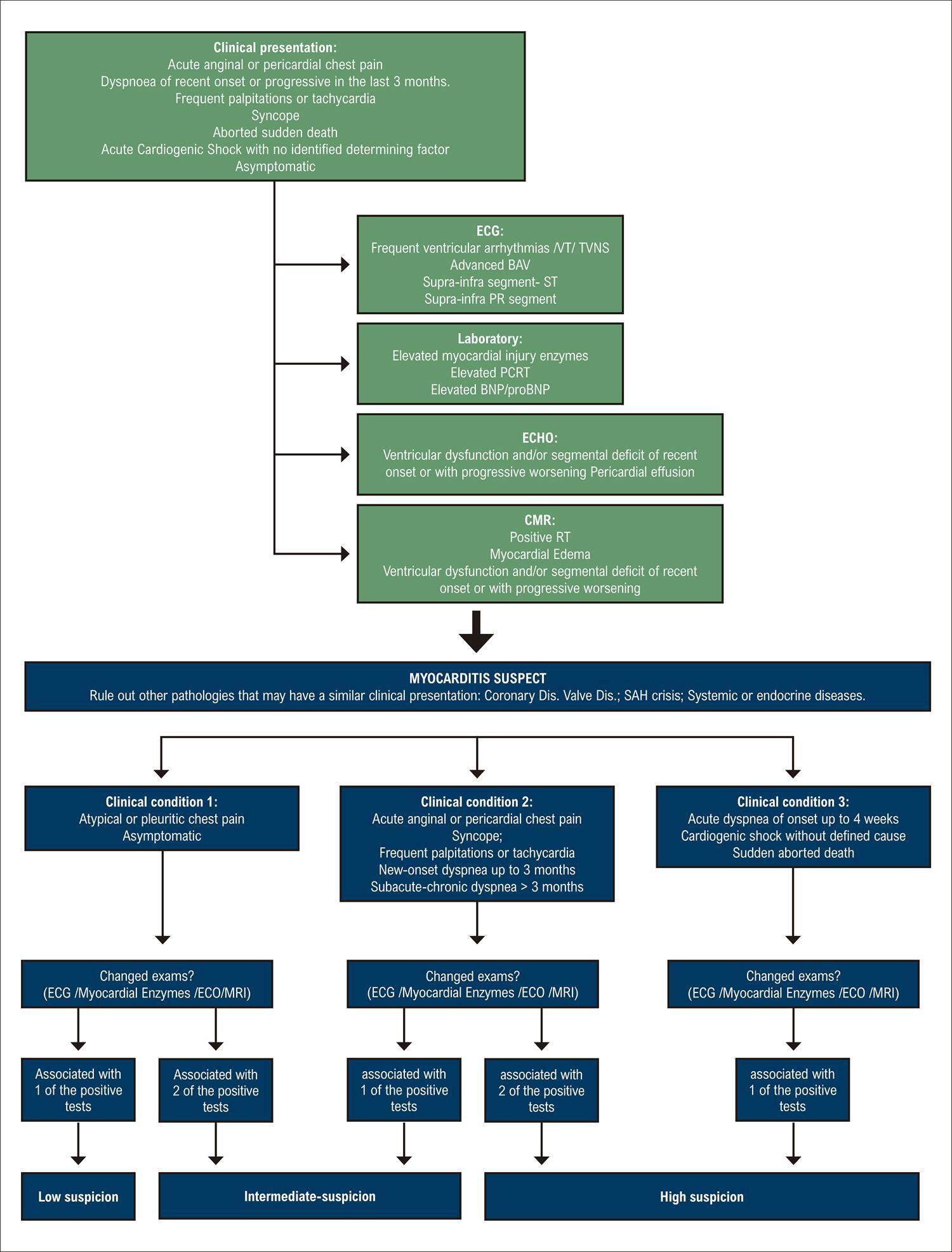
The criterion for the diagnostic confirmation of myocarditis defined by the 2013 European and Brazilian Myocarditis Guidelines is the identification of myocardial inflammation by endomyocardial biopsy (EMB)., This diagnostic criterion, used solely without the option of classifying clinical suspicion, does not mirror clinical practice in the real world, where only a minority of patients in specialized centers are referred for diagnostic investigation through EMB with diagnostic confirmation or exclusion, and most have the diagnosis of clinical suspicion of myocarditis. As an innovation, the 2022 Brazilian Guideline introduces an organizational chart to establish the degrees of suspected diagnosis of myocarditis, which correspond to clinical practice in the real world, where most patients will have a diagnosis of suspected myocarditis rather than confirmation. This organization chart is based on clinical history, myocardial injury biomarkers, electrocardiogram, echocardiogram, and cardiac magnetic resonance, to establish a diagnostic suspicion of myocarditis (), which will define different approaches regarding follow-up, treatment, and the need for EMB. Patients with low suspicion of myocarditis have a favorable prognosis with a low risk of developing ventricular dysfunction or cardiovascular mortality, and clinical follow-up is indicated without the need for cardioprotective drugs. Cardioprotective drugs and clinical and ventricular function follow-up by echocardiogram and magnetic resonance imaging are indicated for patients with an intermediate degree of suspicion of miocarditis. Patients with high diagnostic suspicion or with intermediate suspicion with worsening clinical or ventricular function have a worse long-term prognosis, with lower survival, being indicated in this group the EMB for the investigation of the inflammatory activity and the etiological agent to evaluate treatment with immunosuppressants and therapy directed towards the identified etiological factor (). With the diagnostic suspicion classification, the new Guideline approaches clinical practice, standardizing the clinical management of most patients with suspected myocarditis and reserving the indication of EMB for those with greater potential for clinical benefit from immunosuppressive therapy.

[…]

  • Diagnosis
  • Myocarditis
  • Treatment
Read Full Article
Creative Commons Attribution (CC BY) Creative Commons license
19/09/2023 DOI: 10.36660/abchf.20230037 Views 1
Figure 1
ABCHF
Review Article

Advances in Clinical Practice, Diagnosis and Treatment of Chronic Chagas’ Heart Disease

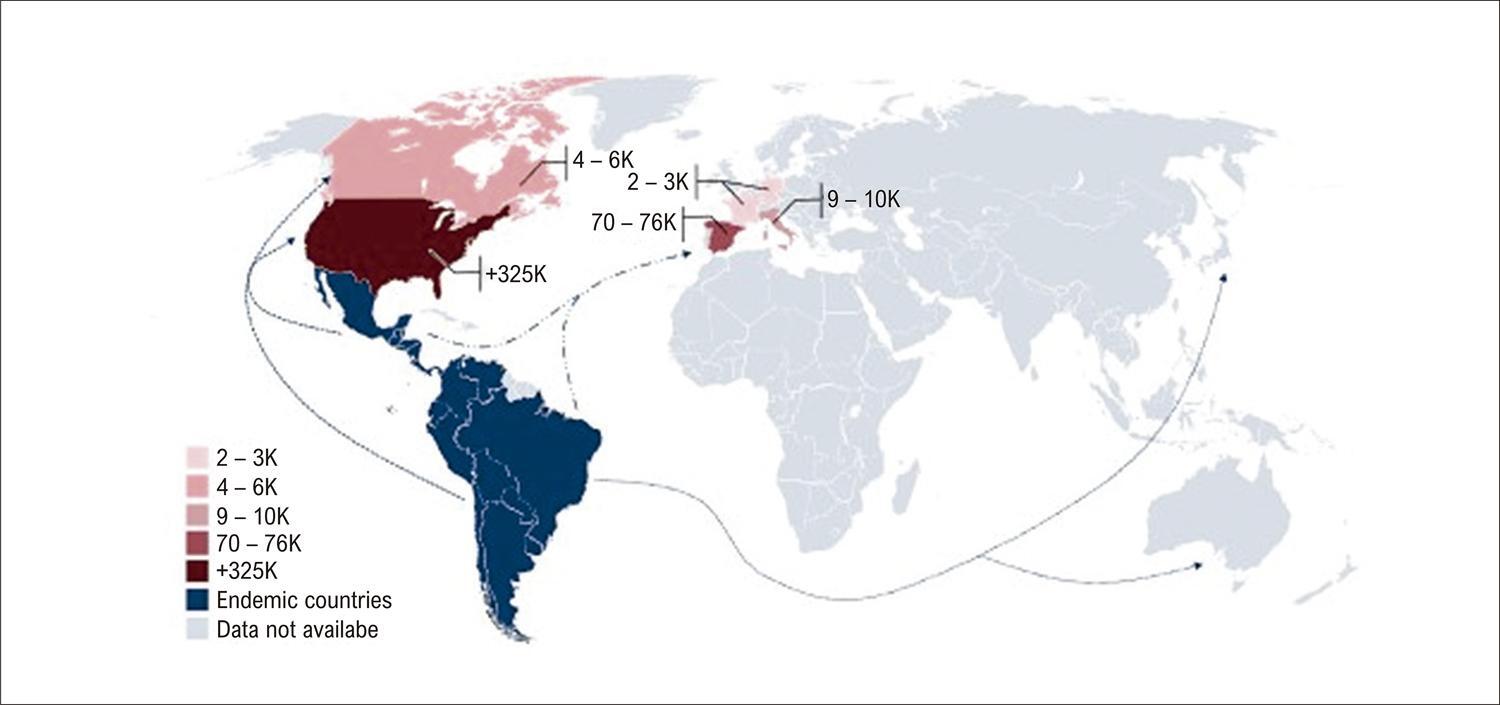
Sílvia Marinho Martins Alves et al. Bárbara Mariana dos Santos Silva Esthefany Dias Barbosa Carolina de Araújo Medeiros … Maria das Neves Dantas da Silveira Barros Maria da Glória Aureliano de Melo Cavalcanti Maria Elisa Lucena Sales de Melo Assunção Virginia Maria Barros de Lorena Afonso Luiz Tavares de Albuquerque Renata Amorim de Lucena Carlos Eduardo Lucena Montenegro Clodoval de Barros Pereira Júnior Lucas Reis da Costa Cristina de Fátima Velloso Carrazzone Wilson de Oliveira Júnior

Abstract

Chagas disease has become globalized as a result of the migratory process of infected patients to non-endemic areas. With the considerable number of individuals affected by the disease, detection and treatment of its chronic manifestations is a relevant and necessary issue. Growing attention has been paid to chronic Chagas cardiomyopathy (CCC), which includes heart failure, malignant arrhythmias, conduction disturbances and thromboembolic events. Many pharmacological and non-pharmacological treatments for CCC are still extrapolations of existing evidence on the treatment of other clinical conditions, highlighting the need of including this group of patients in future studies. In this review, we will discuss the most recent data from the literature and clinical practice on the diagnosis and treatment of CCC.

  • Cardiac insufficiency
  • Chagas disease
  • Chronic Chagasic Cardiomyopathy
  • Diagnosis
  • Treatment
Read Full Article
Creative Commons Attribution (CC BY) Creative Commons license
10/07/2023 DOI: 10.36660/abchf.20230029 Views 1
ABCHF
Viewpoint

Is There Room for Sacubitril-Valsartan in the Treatment of Advanced Heart Failure?

Luis E. Rohde

PARADIGM-HF, published in 2014, was a landmark in the modern pharmacological treatment of heart failure (HF). After several years and numerous clinical trials with disappointing results,– a new class of drugs was able to produce concrete results in clinically relevant outcomes. In this pivotal study, sacubitril-valsartan, a molecule consisting of a neprilysin inhibitor and an angiotensin-receptor blocker (ARB), drastically reduced hospitalizations for HF, cardiovascular mortality, and overall mortality. The study included more than 8,000 outpatients, mostly New York Heart Association (NYHA) class II or III. Because of its differential mechanism, aimed at amplifying the natriuretic response and the effect of other vasoactive molecules, sacubitril-valsartan could induce pronounced vasodilation, natriuresis and inhibition of cystic fibrosis. These clinical benefits could potentially be extended to the whole spectrum of HF, including more advanced stages of the disease.

Although national and international guidelines have recommended the use of sacubitril-valsartan for HF patients with reduced ejection fraction (HFrEF) and NYHA class ≥II, it is worth mentioning that 100 mmHg at screening were enrolled. Nearly 20% of patients screened for the trial did not complete the two run-in periods for presenting, among others, low blood pressure and low glomerular filtration rate, both characteristics of advanced HF. Similarly, the PIONEER-HF trial, that tested sacubitril-valsartan in patients with acute congestive HF, also included few patients with NYHA class IV.

[…]

  • Heart Failure
  • Sacubitril-Valsartan
  • Treatment
Read Full Article
Creative Commons Attribution (CC BY) Creative Commons license
29/06/2022 DOI: 10.36660/abchf.20220029
My Approach to Transseptal Mitral Valve-In-Valve
ABCIC
My Approach To

My Approach to Transseptal Mitral Valve-In-Valve

Andrea de Andrade Vilela et al. Antonio Tito Paladino Filho Maria Estefânia Bosco Otto Vanessa Andreoli Esmanhoto

Introduction

The percutaneous treatment of heart valve disease is a subject of great interest in cardiology. Percutaneous aortic valve implantation, first performed in 2002 by Alan Cribier, paved the way for transcatheter treatment of the mitral valve.

The first valve-in-valve (VIV) procedures were performed to treat deteriorated bioprosthetic valves in the aortic position. , In 2009, the group led by Dr. John Webb published the first successful case of mitral VIV. Since then, mitral VIV has been performed in numerous centers worldwide.

[…]

  • Deart por Heart
  • Transthoracic Echocardiography
  • Treatment
Read Full Article
Creative Commons Attribution (CC BY) Creative Commons license
27/05/2022 DOI: 10.47593/2675-312X/20223502ecom24 Views 2
ABCHF
Viewpoint

The EMPEROR-Preserved Trial: Results that Innovate the Treatment of Heart Failure with Preserved Ejection Fraction

Ricardo Mourilhe-Rocha et al. Marcelo Imbroinise Bittencourt Felipe Neves de Albuquerque Ana Luiza Ferreira Salles … Pedro Pimenta de Mello Spineti Denilson Campos de Albuquerque

The treatment of heart failure with reduced ejection fraction (HFrEF) has been improving by numerous pharmacological and non-pharmacological options, as described in national and international guidelines. However, in the scenario of patients with HF with preserved EF (HFpEF), no therapeutic update has occurred since the last published guideline. –

Sodium-glucose cotransporter 2 (SGLT2) inhibitors are effective hypoglycemic agents in type 2 diabetes mellitus (T2DM) and are associated with improved glycemic control as well as with reduced body mass and blood pressure. In large-scale randomized trials of patients with diabetes, the use of SGLT2 inhibitors has improved cardiovascular and renal outcomes – including hospitalization for HF (HHF). This benefit was also observed in patients without diabetes who have HFrEF. That is, the presence of T2DM is not necessary to endorse the clinical benefit of SGLT2 inhibitors in HFrEF.

[…]

  • Heart Failure
  • Preserved Ejection Fraction
  • Treatment
Read Full Article
Creative Commons Attribution (CC BY) Creative Commons license
12/04/2022 DOI: 10.36660/abchf.20220012 Views 2
ABCHF
Viewpoint

Disease Modifying Therapies for Transthyretin Amyloid Cardiomyopathy

Ariane Vieira Scarlatelli Macedo et al. Fábio Fernandes Renato Delascio Lopes

Transthyretin (TTR) is a tetrameric protein synthesized essentially by the liver. TTR molecules may misfold and store as amyloid fibrils in the heart and other organs, leading to TTR-related amyloidosis (ATTR) . ATTR can follow the deposition of either variant ATTR (ATTRv), which was previously known as mutant ATTR, or wild-type ATTR (ATTRwt). ATTR is an underdiagnosed disease, as well as a crucial determinant of morbidity and mortality. Cardiac involvement is common in ATTR, leading to transthyretin cardiomyopathy (ATTR-CA). ATTR-CA is a progressive disorder, and patients ultimately develop heart failure, arrhythmias, and cardiac conduction disturbances, resulting in decreased functional capacity, diminished quality of life, and death. Until recently, treatment of ATTR-CA was limited to treating symptoms and complications; however, the development of new specific therapies that delay or stop the progress of the cardiomyopathy has positively modified the outcomes . These specific treatments work by targeting the inhibition of TTR synthesis (inotersen or patisiran); tetramer stabilization (diflunisal, tafamidis, or acoramidis [AG10]); inhibition of oligomer aggregation and disruption (epigallocatechin-3-gallate); and degradation and reabsorption of amyloid fibers (doxycycline-tauroursodeoxycholic acid [TUDCA] or doxycycline-ursodeoxycholic acid [UDCA]).4

In patients with ATTR-CA, either ATTRv or ATTRwt, tafamidis is considered the agent of choice due to the proven clinical benefit in cardiovascular outcomes. Tafamidis is a kinetic TTR stabilizer that binds to the unoccupied thyroxine binding sites of tetrameric TTR and blocks the amyloidogenic cascade. It was first adopted for treatment of symptomatic ATTRv polyneuropathy, and it is the only therapy approved with effectiveness to treat ATTR-CA. This recommendation is essentially based on the results of a large, well-designed phase III randomized clinical trial (RCT), ATTR-ACT. In this study, tafamidis (20 and 80 mg, pooled) showed a decline in all-cause mortality and cardiovascular-related hospitalization, decreased decline in 6-minute walk test, slower deterioration in quality of life, and a minor increase of NT-proBNP in patients with biopsy-proven ATTRwt or ATTRv CA with heart failure and NYHA class I to III at 30 months. The safety profile was similar to placebo, and individuals with NYHA classes I and II reached the most meaningful benefit. ATTR-ACT was not designed to assess a specific dose; therefore, further analysis from ATTR-ACT and its long-term extension study support tafamidis 80 mg as the optimal dose to be used in clinical practice.

[…]

  • Amyloidosis
  • Cardiac Amyloidosis
  • Transthyretin
  • Treatment
  • TTR
Read Full Article
Creative Commons Attribution (CC BY) Creative Commons license
10/12/2021 DOI: 10.36660/abchf.20210034 Views 2
Figure 1
ABCHF
Editorial

The Importance of the DEIC/GEMIC/SBC 2021 Position Statement on Diagnosis and Treatment of Cardiac Amyloidosis to Clinical Practice

Marcus Vinicius Simões et al. Fabio Fernandes

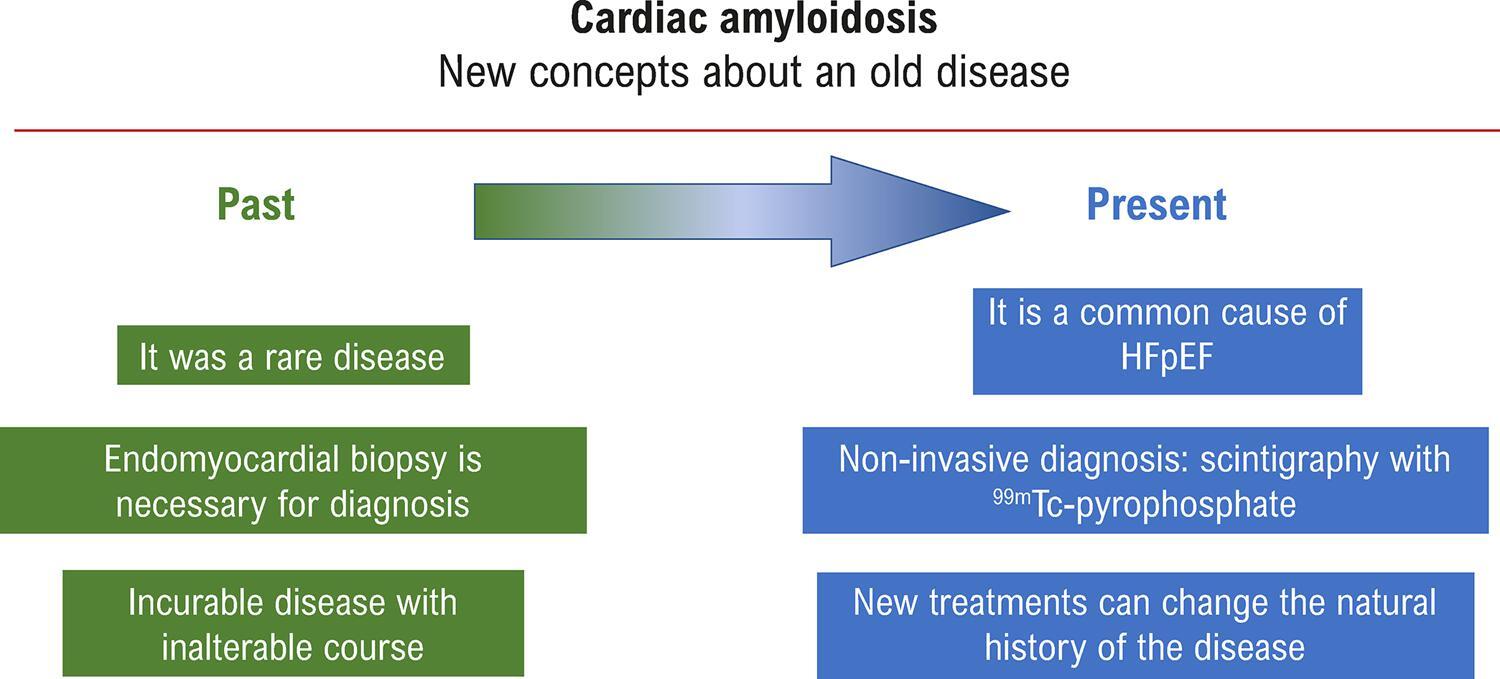
Cardiac amyloidosis is a frequent cause of heart failure with preserved ejection fraction

The main cardiological phenotype of CA is that of an infiltrative restrictive cardiomyopathy, whose more general aspects of symptoms, increased thickness of the ventricular walls, and concentric remodeling of the left ventricle, overlap with those of heart failure with preserved ejection fraction (HFpEF), produced by risk factors such as high blood pressure, obesity, diabetes, and aging. Thus, CA should be considered as a differential diagnosis in patients who exhibit HFpEF.

It is worth remembering that, among the different amyloidogenic proteins that can be deposited in the myocardium and cause CA, the wild type transthyretin form (ATTR-CAwt), which is closely linked to aging, is the most frequently reported in several series of specialized medical literature. This has been repeated both in large reference centers and in real world registers. Accordingly, a recent article has shown a very significant increase in CA as a cause of hospitalizations due to heart failure in several regions of the United States, between 2000 and 2012, exceeding the rate of 65 cases per 100,000 people/year, indicating that CA is not a rare disease according to the current criteria of the World Health Organization ( ).

[…]

  • Amyloidosis
  • cardiomyopathy
  • Diagnostic Methods
  • Treatment
Read Full Article
Creative Commons Attribution (CC BY) Creative Commons license
10/12/2021 DOI: 10.36660/abchf.20210021 Views 1
Figure 1
ABC
Original Article

Complete Treatment Versus Residual Lesion – Long-Term Evolution After Acute Coronary Syndrome

Alexandre de Matos Soeiro et al. Marco Antônio Scanavini Filho Aline Siqueira Bossa Cindel Nogueira Zullino … Maria Carolina F. Almeida Soeiro Tatiana Carvalho Andreucci T Leal Carlos Vicente Serrano Jr. Ludhmila Abrahão Hajjar Roberto Kalil Filho Múcio Tavares Oliveira Jr.

Abstract

Introduction:

A recently published study raised doubts about the need for percutaneous treatment of nonculprit lesions in patients with acute coronary syndromes (ACS).

Methods:

Retrospective, unicentric, observational study.

Objective:

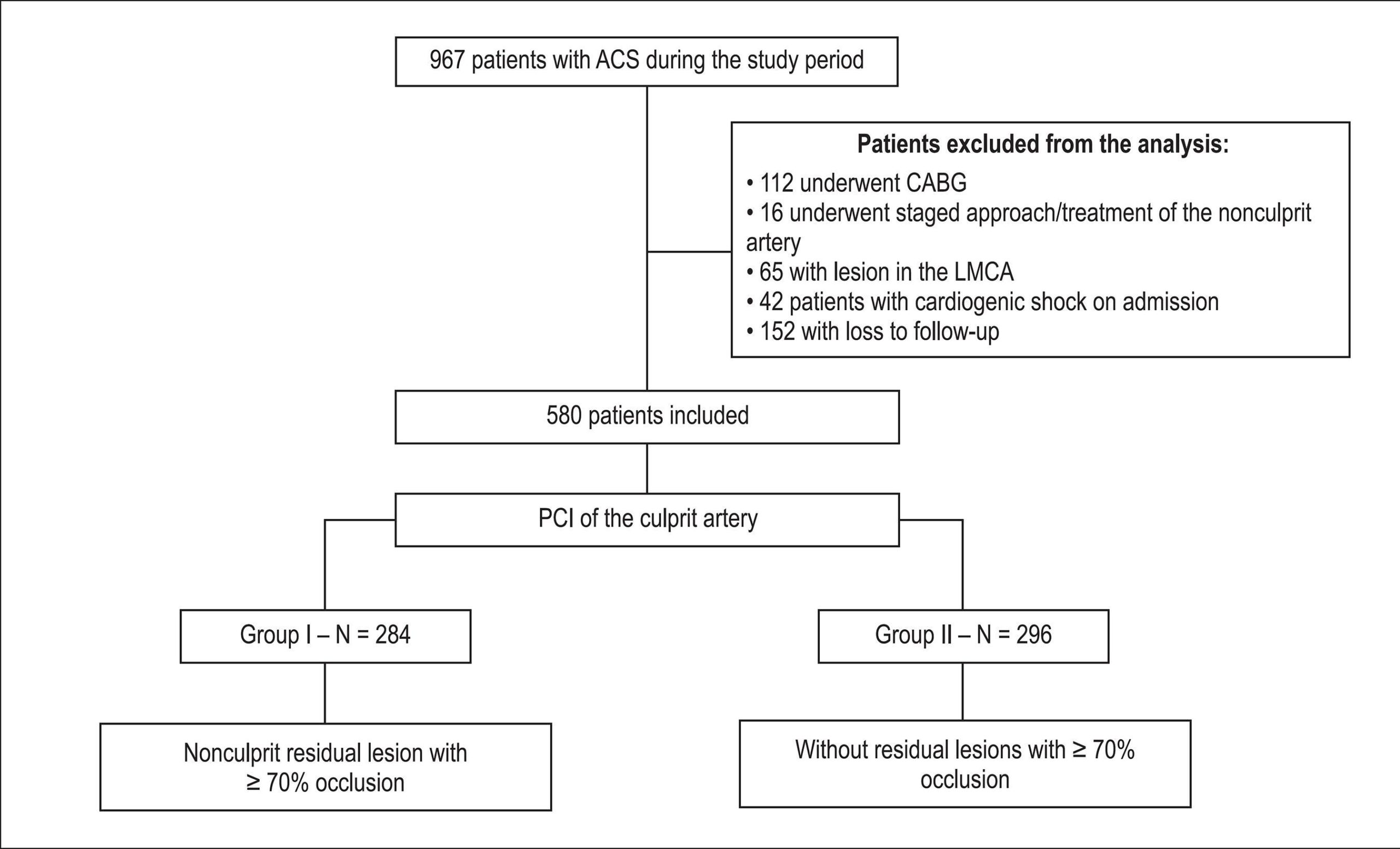
To analyze the long-term outcomes in patients undergoing treatment of the culprit artery, comparing those who remained with significant residual lesions in nonculprit arteries (group I) versus those without residual lesions in other coronary artery beds (group II). The study included 580 patients (284 in group I and 296 in group II) between May 2010 and May 2013. We obtained demographic and clinical data, as well as information regarding the coronary treatment administered to the patients. In the statistical analysis, the primary outcome included combined events (reinfarction/angina, death, heart failure, and need for reintervention). The comparison between groups was performed using the chi-square test and ANOVA. The long-term analysis was conducted with the Kaplan-Meier method, with a mean follow-up of 9.86 months.

Results:

The mean ages were 63 years in group I and 62 years in group II. On long-term follow-up, there was no significant difference in combined events in groups I and II (31.9% versus 35.6%, respectively, p = 0.76).

Conclusion:

The strategy of treating the culprit artery alone seems safe. In this study, no long-term differences in combined endpoints were observed between patients who remained with significant lesions compared with those without other obstructions.

  • Acute coronary syndrome
  • Clinical Evolution
  • Memory, Long Term
  • Myocardial Infarction
  • Treatment
Read Full Article
Creative Commons Attribution (CC BY) Creative Commons license
01/12/2016 DOI: 10.5935/abc.20160176
ABC
Artigo Original

Optimizing the treatment of hypertension in the primary care setting

Maria Teresa Didier et al. Armênio C. Guimarães

OBJECTIVE: To assess the result of the care provided by an interdisciplinary team on the control of hypertension. METHODS: In a Health Unit, 88 patients were treated by an interdisciplinary team for 12 months. Visits to the physician or nurse occurred every one to three months, and to the nutritionist whenever necessary. Educational lectures were delivered regularly. Total cholesterol and fasting plasma glucose levels were determined at baseline and at 12 months. Clinical and laboratory data were analyzed and blood pressure was compared at baseline and at six and 12 months, and total cholesterol and plasma glucose were compared at baseline and at 12 months. RESULTS: Females accounted for 79.41% of the sample and the mean age was 58±9.90 years. Median blood pressure (BP) was 166.00/96.5mmHg at baseline, 146.75/85.25mmHg at 6 months (p<0,000) and 134.00/80.00mmHg at 12 months (p<0.000). The rate of BP<140/90mmHg increased from 10.23% to 48.81% (p<0.000). Median total cholesterol decreased from 217mg/dl to 194.00mg/dl (p<0.004) and median blood glucose from 101mg/dl to 95mg/dl (NS). At baseline, 50% of the patients received two antihypertensive drugs, 25% received three, and 5.68% received four, whereas at 12 months these percentages were 21.18%, 29.41% and 32.94%, respectively. CONCLUSION: The care provided by an interdisciplinary team may significantly improve the control of hypertension and of associated cardiovascular risk factors.

  • Hypertension
  • interdisciplinary team
  • Treatment
Read Full Article
Creative Commons Attribution (CC BY) Creative Commons license
20/03/2007 DOI: 10.1590/S0066-782X2007000200014
Clinical Profile, Predictors of Mortality, and Treatment of Patients after Myocardial Infarction, in an Academic Medical Center Hospital
ABC
Original Article

Clinical Profile, Predictors of Mortality, and Treatment of Patients after Myocardial Infarction, in an Academic Medical Center Hospital

Leonardo A. M. Zornoff et al. Sérgio A. R. Paiva Vanessa M. Assalin Patrícia M. S. Pola … Luís E. Becker Marina P. Okoshi Luiz S. Matsubara Roberto M. T. Inoue Joel Spadaro

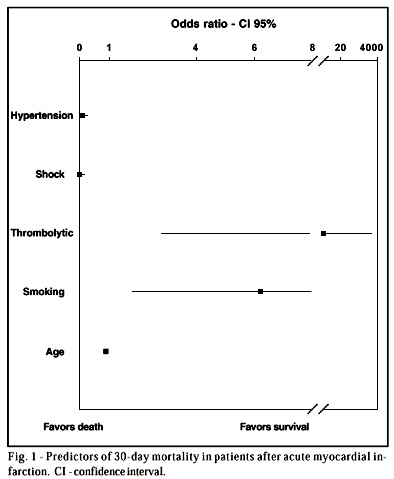
OBJECTIVE: To evaluate clinical profiles, predictors of 30-day mortality, and the adherence to international recommendations for the treatment of myocardial infarction in an academic medical center hospital. METHODS: We retrospectively studied 172 patients with acute myocardial infarction, admitted in the intensive care unit from January 1992 to December 1997. RESULTS: Most patients were male (68%), white (97%), and over 60 years old (59%). The main risk factor for coronary atherosclerotic disease was systemic blood hypertension (63%). Among all the variables studied, reperfusion therapy, smoking, hypertension, cardiogenic shock, and age were the predictors of 30-day mortality. Most commonly used medications were: acetylsalicylic acid (71%), nitrates (61%), diuretics (51%), angiotensin-converting enzyme inhibitors (46%), thrombolytic therapy (39%), and beta-blockers (35%). CONCLUSION: The absence of reperfusion therapy, smoking status, hypertension, cardiogenic shock, and advanced age are predictors of 30-day mortality in patients with acute myocardial infarction. In addition, some medications that are undoubtedly beneficial have been under-used after acute myocardial infarction.

  • Mortality
  • Myocardial Infarction
  • Treatment
Read Full Article
Creative Commons Attribution (CC BY) Creative Commons license
31/01/2007 DOI: 10.1590/S0066-782X2002000400007
ABC
Original Article

Pharmacological Therapy for Myocardial Infarction in the Elderly: An 8-year Analysis

Márcia Regina Pinho Makdisse et al. Andrea de M. Matsushita Iran Gonçalves Júnior Odete Miranda … Ana Cristina Gomes Monica M. Cartocci Silvia Covre Antonio Carlos de Camargo Carvalho

OBJECTIVE:To assess the changes in the medicamentous treatment of elderly patients hospitalized with acute myocardial infarction occurring over an 8-year period. METHODS:We retrospectively analyzed 379 patients above the age of 65 years with acute myocardial infarction who were admitted to the coronary unit of a university-affiliated hospital from 1990 to 1997. The patients were divided into 2 groups, according to the period of time of hospital admission as follows: group 1 – from 1990 to 1993; and group 2 – from 1994 to 1997. RESULTS:The use of beta-blockers (40.8%chi 75.2%, p<0.0001) and angiotensin-converting enzyme inhibitors (42% chi59.5%, p=0.001) was significantly greater in group 2, while the use of calcium antagonists (42% chi 18.5%, p<0.0001) and general antiarrhythmic drugs (19.1% chi 10.8%, p=0.03) was significantly lower. No significant difference was observed in regard to the use of acetylsalicylic acid, thrombolytic agents, nitrate, and digitalis in the period studied. The length of hospitalization was shorter in group 2 (13.4±8.9 days chi 10.5±7.5 days, p<0.001). The in-hospital mortality was 35.7% in group 1 and 26.6% in group 2 (p=0.07). CONCLUSION: Significant changes were observed in the treatment of elderly patients with acute myocardial infarction, with a greater use of beta-blockers and angiotensin-converting enzyme inhibitors and a lower use of calcium antagonists and antiarrhythmic drugs in group 2. The length of hospitalization and the mortality rate were also lower in group 2, even though the reduction in mortality was not statistically significant.

  • Elderly
  • Myocardial Infarction
  • Treatment
Read Full Article
Creative Commons Attribution (CC BY) Creative Commons license
31/01/2007 DOI: 10.1590/S0066-782X2002000400003
Current insights into the modern treatment of decompensated heart failure
ABC
Revisão

Current insights into the modern treatment of decompensated heart failure

Fábio Vilas-Boas et al. Ferenc Follath

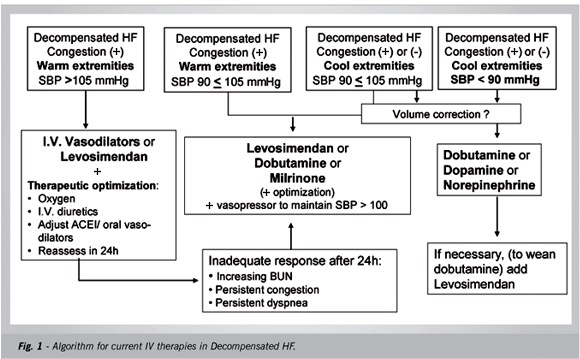
Treatment of DHF is a challenge even for the experienced physician. Advances in research have brought new treatment options that are helping change paradigms. The available evidence suggests that new drugs like levosimendan and nesiritide will assume relevant positions as alternatives or complements to treatment with traditional inotropic drugs like dobutamine. The physician responsible for treating these patients should learn how to use the best available evidence, in order to tailor treatment with safety and efficacy.

  • acute
  • decompensated
  • Heart Failure
  • Treatment
Read Full Article
Creative Commons Attribution (CC BY) Creative Commons license
16/10/2006 DOI: 10.1590/S0066-782X2006001600022 Views 1
Clinical outcome of patients with neurocardiogenic syncope (NCS) after therapy interruption
ABC
Artigo Original

Clinical outcome of patients with neurocardiogenic syncope (NCS) after therapy interruption

Silvana Bastos et al. Mauricio Scanavacca Francisco Darrieux Ana Cristina Ludovice … Eduardo Sosa Denise Tessariol Hachul

OBJECTIVE: To evaluate the outcome of patients with NCS after interruption of pharmacological therapy and to investigate the possible clinical variables predicting recurrence. METHODS: Thirty-seven patients (age 31±16 years) with refractory recurrent NCS being 19 females where prospectively studied. All patients became asymptomatic and had a negative tilt table test (TT) after pharmacological therapy. The treatment was interrupted and one month later, a new TT with no medication was carried out. The probability free of symptoms recurrence was analyzed according to sex, age, number of syncope episodes previously to the treatment, clinical history time, treatment time, drug free from treatment time and TT result. RESULTS: Twenty-two patients (59%) presented recurrence during a mean follow-up of 21±19.7 months. The variables related to greater recurrence were number of previous syncope (p=0.0248), positive TT after interruption of the therapy (p=0.0002) and female gender (p= 0.0131). CONCLUSIONS: Most of the very symptomatic patients with NCS present recurrence after the suppression of a specific therapy. A TT carried out after treatment discontinuation can identify patients with higher risk of recurrence, specially in the first year of follow-up.

  • Tilt Table Test
  • Treatment
  • Vasovagal Syncope
Read Full Article
Creative Commons Attribution (CC BY) Creative Commons license
25/04/2006 DOI: 10.1590/S0066-782X2006000400004
ABC
Artigo Original

Advanced heart failure therapy adapted to hemodynamic objectives acquired from invasive hemodynamic monitoring

Gustavo Luiz Gouvêa de Almeida Júnior et al. Roberto Esporcatte Fernando Oswaldo Dias Rangel Ricardo Mourilhe Rocha … Gustavo de Miranda Gouvêa e Silva Bernardo Rangel Tura José Kezen Camilo Jorge Luiz Eduardo Fonseca Drumond Francisco Manes Albanesi Filho

OBJECTIVE: To assess advanced heart failure (HF) treatment in relation to reduction of ventricular filling pressures, with the use of greater doses of vasodilators, through invasive hemodynamic monitoring. METHODS: Nineteen advanced HF patients were studied, in whom Swan-Ganz catheter was inserted to direct administration of diuretic intravenously (IV) and sodium nitroprusside, with the aim of significantly reduce ventricular filling pressures. After achieving such objective or 48 hours, oral drugs were introduced until venous medicines were removed, keeping hemodynamic benefit. RESULTS: From 19 patients studied, 16 (84%) were of male sex. The average age was 66 ± 11.4 years old; average ejection fraction was 26 ± 6.3%; 2 patients (10.5%) showed functional class (FC) III and 17 (89.5%), FC IV. There was a decrease of pulmonary artery occlusion pressure from 23 ± 11.50 mmHg to 16 ± 4.05 mmHg (p = 0.008), of systemic vascular resistance index from 3,023 ± 1,153.71 dynes/s/cm-5/m² to 1,834 ± 719.34 dynes/s/cm-5/m² (p = 0.0001) and an increase of cardiac index from 2.1 ± 0.56 l/min/m² to 2.8 ± 0.73 l/min/m² (p = 0.0003). A subgroup with hypovolemia was identified. CONCLUSION: It was possible to reduce ventricular filling pressures to significantly lower values, obtaining a significant improvement of cardiac index, systemic vascular resistance index and pulmonary artery mean pressure, by using significantly higher doses of vasodilators.

  • adjusted therapy
  • Heart Failure
  • invasive hemodynamic monitoring
  • Treatment
Read Full Article
Creative Commons Attribution (CC BY) Creative Commons license
07/11/2005 DOI: 10.1590/S0066-782X2005001700004
ABC
Artigo Original

Relationship between regular attendance to ambulatory appointments and blood pressure control among hypertensive patients

Eduardo Barbosa Coelho et al. Miguel Moysés Neto Raquel Palhares Maria Camila de Miranda Cardoso … Tufik José Magalhães Geleilete Fernando Nobre

OBJECTIVE: Our objective was to determine the rate of hypertensive patients with controlled BP (BP <140X90 mmHg) and to study its relationship with regular attendance to ambulatory appointments. METHODS: A total of 245 medical records from patients followed up at the Unidade Clínica de Hipertensão Arterial (Clinical Unit of Arterial Hypertension) HCFMRP-USP for a period of one year were randomly and retrospectively reviewed. The patients were classified as assiduous (A) and as regularly absent to scheduled appointments (F), with the second group being defined as those who failed to appear longer than 30 days after the scheduled appointment. The mean of three measurements prior to the date of the scheduled appointment was calculated to determine the rate of patients with controlled BP. Compliance with the treatment was inferred through a questionnaire applied by the nurse team before the appointment. RESULTS: From the 245 patients analyzed, 220 were classified as A (89.7%) and 25 (10.3%) as F. Group A patients showed a higher rate of BP control than F patients (30% vs. 8%, p=0.02, Fischer exact test). Compliance with pharmacological treatment was higher in A patients than in F patients (91% vs. 56 %, p<0.05) as well as to non-pharmacological treatment (63% vs. 44%, p<0.05). CONCLUSION: Although the rate of blood pressure control was low in the population studied, lower compliance with the treatment and BP control was observed in individuals who usually missed the scheduled appointments.

  • Blood Pressure
  • compliance
  • Hypertension
  • Treatment
Read Full Article
Creative Commons Attribution (CC BY) Creative Commons license
10/10/2005 DOI: 10.1590/S0066-782X2005001600002
The reduction in hospital stay and costs in the care of patients with congenital heart diseases undergoing fast-track cardiac surgery
ABC
Artigo Original

The reduction in hospital stay and costs in the care of patients with congenital heart diseases undergoing fast-track cardiac surgery

Alfredo Manoel da Silva Fernandes et al. Alfredo José Mansur Luis Fernando Canêo Domingos Dias Lourenço … Marilde Albuquerque Piccioni Sonia Mieken Franchi Cristina Machado C. Afiune Jorge Wiliam Gadioli Sérgio de Almeida Oliveira José Antonio Franchini Ramires

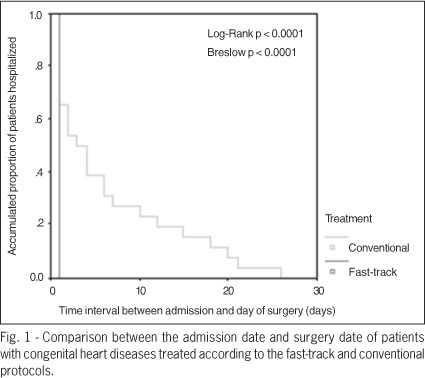
OBJECTIVE: To assess the care provided to patients with congenital heart diseases and ischemic heart diseases undergoing cardiac surgery according to the fast-track recovery protocol compared with those undergoing the conventional procedure. METHODS: The transfer of patients from one hospital unit to another was assessed for 175 patients, 107 (61%) men and 68 (39%) women, with ages ranging from 0.3 to 81 years. RESULTS: The discharge rate from the different hospital units per unit of time of the patients with congenital heart diseases treated according to the fast-track recovery protocol compared with that of patients conventionally treated was as follows: a) 11.3 times faster than the discharge rate of patients treated according to the conventional protocol, in regard to the time spent in the operating room; b) 6.3 times faster in regard to the duration of the surgical intervention; c) 6.8 times faster in regard to the duration of anesthesia; d) 1.5 times faster in regard to the duration of perfusion; e) 2.8 times faster in regard to the stay in the postoperative recovery I unit; f) 6.7 times faster in regard to hospital stay (time period between hospital admission and hospital discharge); g) 2.8 times faster in regard to the stay in the preoperative unit; h) 2.1 times faster in regard to the stay in the admission unit after discharge from postoperative recovery; i) associated with reduced costs. The difference was not significant for patients with ischemic heart disease. CONCLUSION: A reduction in the length of hospital stay and costs for the care of patients undergoing cardiac surgery according to the fast-track protocol was observed.

  • Cardiac Surgery
  • congenital heart diseases
  • cost-benefit ratio
  • Treatment
Read Full Article
Creative Commons Attribution (CC BY) Creative Commons license
17/08/2004 DOI: 10.1590/S0066-782X2004001300003 Views 1
ABC
Artigo Original

Mortality decline after implementation of standard protocols for treating patients with acute myocardial infarction

Juliana G. Bordon et al. Sérgio A. R. Paiva Luiz S. Matsubara Roberto M. T. Inoue … Mirna Matsui Ana Lúcia Gut Ana Lúcia A. Ferreira Leonardo A. M. Zornoff

OBJECTIVE: To compare 30-day mortality in patients receiving different types of medication from 1992 to 1997, when no consensual treatment for acute myocardial infarction was available, versus 30-day mortality in patients being treated between 2000 and 2002 after standardization of that treatment was obtained in our service. METHODS: In the first and second study periods, 172 and 143 patients, respectively, admitted with the diagnosis of acute myocardial infarction were retrospectively assessed. Their diagnoses were confirmed, and the following statistical tests were performed: the chi-square test for comparing proportions and the Student t test and the Mann-Whitney test for comparing the means or medians. RESULTS: The analysis showed no difference in regard to white men with a mean age of 61 years in the 2 study periods. In regard to the traditional risk factors, a difference was observed only in the incidence of dyslipidemia (17 and 29%). In regard to the therapeutic strategy adopted, the following was observed: 1) a significant increase in the use of thrombolytic agents (39 and 61.5%), acetylsalicylic acid (70.9 and 96.5%), beta-blockers (34.8 and 67.8%), angiotensin-converting enzyme inhibitors (45.9 and 74.8%), and nitrates (61 and 85.3%); and 2) a significant reduction in the use of calcium channel blockers (16.8 and 5.3%), antiarrhythmics (29.1 and 9.7%), and diuretics (50.6 and 26.6%). The use of inotropic agents did not differ between the study periods (29.6 and 32.1%). The 30-day mortality showed a statistically significant reduction from 22.7 to 10.5%. CONCLUSION: The implementation of standard protocols for the treatment of acute myocardial infarction was accompanied by a significant reduction in the 30-day mortality rate.

  • Mortality
  • Myocardial Infarction
  • Treatment
Read Full Article
Creative Commons Attribution (CC BY) Creative Commons license
14/05/2004 DOI: 10.1590/S0066-782X2004000400008
ABC
Original Article

The influence of patient's consciousness regarding high blood pressure and patient's attitude in face of disease controlling medicine intake

Maria Aparecida A Moura Strelec et al. Angela M. G. Pierin Décio Mion Jr.

OBJECTIVE: To assess the relation between blood pressure control and the following: the Morisky-Green test, the patient’s consciousness regarding high blood pressure, the patient’s attitude in face of medicine intake, the patient’s attendance at medical consultations, and the subjective physician’s judgment. METHODS: We studied 130 hypertensive patients with the following characteristics: 73% females, 60±11 years, 58% married, 70% white, 45% retired, 45% with incomplete elementary schooling, 64% had a familial income of 1 to 3 minimum wages, body mass index of 30±7 kg/m², consciousness regarding the disease for a mean period of 11±9.5 years, and mean treatment duration of 8 ±7 years. RESULTS: Only 35% of the hypertensive individuals had blood pressure under control and a longer duration of treatment (10±7 vs 7±6.5 years; P<0.05). The retiree predominated. The result of the Morisky-Green test did not relate to blood pressure control. In evaluating the attitude in face of medicine intake, the controlled patients achieved significantly higher scores than did the noncontrolled patients (8±1.9 vs 7 ±2, P<0.05). The hypertensive patients had higher levels of consciousness regarding their disease and its treatment, and most (70%) patients attended 3 or 4 medical consultations, which did not influence blood pressure control. The physicians attributed significantly higher scores regarding adherence to treatment to controlled patients (6±0.8 vs 5±1.2; P<0.05). CONCLUSION: Consciousness regarding the disease, the Morisky-Green test, and attendance to medical consultations did not influence blood pressure control.

  • adherence
  • Control
  • Hypertension
  • Treatment
Read Full Article
Creative Commons Attribution (CC BY) Creative Commons license
05/11/2003 DOI: 10.1590/S0066-782X2003001200002
Hypertensive diabetic patients: guidelines for conduct and their difficulties
ABC
Original Article

Hypertensive diabetic patients: guidelines for conduct and their difficulties

Weimar K. S. Barroso et al. Paulo César B. V. Jardim Thiago S. V. Jardim Cláudio T. S. Souza … Alessandro L. A. Magalhães Fuad M. Ibrahim Priscila V. O. Couto Andrea Silveira Estelamaris T. Monego

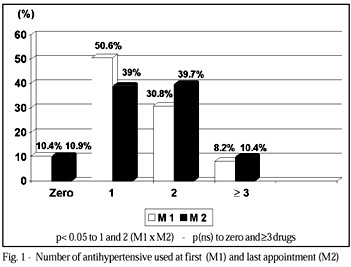
OBJECTIVE: To assess the effect of blood pressure (BP) control and other cardiovascular risk factors in patients with diabetes mellitus in a referral service for the treatment of hypertension. METHODS: A retrospective study where diabetic patients (at least 2 fasting glucose levels above 126 mg/dL, use of hypoglycemic agents or insulin, or both of these) were included. They were evaluated at the first appointment (M1) and at the last appointment (M2), regarding blood pressure, body mass index (BMI), use of hypertensive drugs, glycemia, total cholesterol (TC), creatinine, and potassium. RESULTS: Of 1,032 patients studied, 146 patients with a mean age of 61.6 years had diabetes, and 27 were men (18.5%). Mean follow-up was 5.5 years. BP values were 161.6 x 99.9 mmHg in M1 and 146.3 x 89.5 mmHg in M2. In M1, 10.4% of the patients did not use medications, 50.6% used just 1 drug, 30.8% used 2 drugs, and 8.2% used 3 or more drugs. In M2, these values were 10.9%, 39%, 39.7%, and 10.4%, respectively. Diuretics were the most commonly used medication, whereas angiotensin-converting enzyme inhibitors (ACE inhibitors) were those drugs which presented greater increase when comparing M1 to M2 (24.6% and 41.7%, respectively). Only 17,1% reached the recommended goal (BP<130×85 mmhg). The other cardiovascular risk factors did not change significantly. CONCLUSION: Our data reinforce the necessity of a more aggressive approach in the treatment of these patients, despite the social and economic difficulties in adhering to treatment.

  • diabetes
  • Hypertension
  • Treatment
Read Full Article
Creative Commons Attribution (CC BY) Creative Commons license
16/09/2003 DOI: 10.1590/S0066-782X2003001000003 Views 1

Could not load more articles. Please try again.

How to cite this article

EndNote RIS

Electronic Document Format (Vancouver)

Mangas GM, Rodriguez JGV, Santos JARB, Souza FNB, Silva LFL, Azevedo Junior GL, Chivaca A, et al. Fundamentals of Acute Pericarditis: State of the Art. Arquivos Brasileiros de Cardiologia 2026;123(2):e20240572.

Electronic Document Format (ABNT)

Mangas, Gabriel de Moraes; Rodriguez, Jose Gregorio Valero; Santos, João Alexandre Ranzeiro de Bragança dos; Souza, Flavia Nunes Benicio de; Silva, Luis Felipe Leite da; Azevedo Junior, Giovane Leal de; Chivaca, Alberto; Jessen, Neusa Perina de Jesus; Oliveira, Ângelo; Mesquita, Evandro Tinoco. Fundamentals of Acute Pericarditis: State of the Art. Arquivos Brasileiros de Cardiologia, v. 123, n. 2, e20240572, Apr. 2026.

Electronic Document Format (APA)

Mangas, G. M., Rodriguez, J. G. V., Santos, J. A. R. B. , Souza, F. N. B. , Silva, L. F. L. , Azevedo Junior, G. L. , Chivaca, A., Jessen, N. P. J., Oliveira, , & Mesquita, E. T. (2026). Fundamentals of Acute Pericarditis: State of the Art. Arquivos Brasileiros de Cardiologia, 123(2), e20240572.

Electronic Document Format (ISO)

Mangas, Gabriel de Moraes and Rodriguez, Jose Gregorio Valero and Santos, João Alexandre Ranzeiro de Bragança dos and Souza, Flavia Nunes Benicio de and Silva, Luis Felipe Leite da and Azevedo Junior, Giovane Leal de and Chivaca, Alberto and Jessen, Neusa Perina de Jesus and Oliveira, Ângelo and Mesquita, Evandro Tinoco. Fundamentals of Acute Pericarditis: State of the Art. Arquivos Brasileiros de Cardiologia [online]. 2026, vol. 123, n. 2, [cited 2026-10-14], e20240572. Available from: <https://journals.cardiol.br/en/article/fundamentals-of-acute-pericarditis-state-of-the-art/>. ISSN 0066-782X

EndNote RIS

Electronic Document Format (Vancouver)

Garcia LRR, Silva FVA, Ferreira JMBB. What is the Impact of Advancements in the Treatment of Heart Failure Patients on Mortality?. Arquivos Brasileiros de Cardiologia 2025;122(6):e20250329.

Electronic Document Format (ABNT)

Garcia, Lídia Ramalho Ribeiro; Silva, Fernanda Vitória Araújo da; Ferreira, João Marcos Bemfica Barbosa. What is the Impact of Advancements in the Treatment of Heart Failure Patients on Mortality?. Arquivos Brasileiros de Cardiologia, v. 122, n. 6, e20250329, Aug. 2025.

Electronic Document Format (APA)

Garcia, L. R. R., Silva, F. V. A. , & Ferreira, J. M. B. B. (2025). What is the Impact of Advancements in the Treatment of Heart Failure Patients on Mortality?. Arquivos Brasileiros de Cardiologia, 122(6), e20250329.

Electronic Document Format (ISO)

Garcia, Lídia Ramalho Ribeiro and Silva, Fernanda Vitória Araújo da and Ferreira, João Marcos Bemfica Barbosa. What is the Impact of Advancements in the Treatment of Heart Failure Patients on Mortality?. Arquivos Brasileiros de Cardiologia [online]. 2025, vol. 122, n. 6, [cited 2026-10-14], e20250329. Available from: <https://journals.cardiol.br/en/article/what-is-the-impact-of-advancements-in-the-treatment-of-heart-failure-patients-on-mortality/>. ISSN 0066-782X

EndNote RIS

Electronic Document Format (Vancouver)

Villacorta H. Patisiran in the Treatment of Cardiac Amyloidosis: Good for the World and Good for Brazil. Arquivos Brasileiros de Cardiologia 2025;122(4):e20250335.

Electronic Document Format (ABNT)

Villacorta, Humberto. Patisiran in the Treatment of Cardiac Amyloidosis: Good for the World and Good for Brazil. Arquivos Brasileiros de Cardiologia, v. 122, n. 4, e20250335, Jul. 2025.

Electronic Document Format (APA)

Villacorta, H. (2025). Patisiran in the Treatment of Cardiac Amyloidosis: Good for the World and Good for Brazil. Arquivos Brasileiros de Cardiologia, 122(4), e20250335.

Electronic Document Format (ISO)

Villacorta, Humberto. Patisiran in the Treatment of Cardiac Amyloidosis: Good for the World and Good for Brazil. Arquivos Brasileiros de Cardiologia [online]. 2025, vol. 122, n. 4, [cited 2026-10-14], e20250335. Available from: <https://journals.cardiol.br/en/article/patisiran-in-the-treatment-of-cardiac-amyloidosis-good-for-the-world-and-good-for-brazil/>. ISSN 0066-782X

EndNote RIS

Electronic Document Format (Vancouver)

Martinez TLR. Adherence, Compliance and Persistency in High Cholesterol Treatment. Arquivos Brasileiros de Cardiologia 2025;121(11):e20240652.

Electronic Document Format (ABNT)

Martinez, Tania L. R.. Adherence, Compliance and Persistency in High Cholesterol Treatment. Arquivos Brasileiros de Cardiologia, v. 121, n. 11, e20240652, Jan. 2025.

Electronic Document Format (APA)

Martinez, T. L. R. (2025). Adherence, Compliance and Persistency in High Cholesterol Treatment. Arquivos Brasileiros de Cardiologia, 121(11), e20240652.

Electronic Document Format (ISO)

Martinez, Tania L. R.. Adherence, Compliance and Persistency in High Cholesterol Treatment. Arquivos Brasileiros de Cardiologia [online]. 2025, vol. 121, n. 11, [cited 2026-10-14], e20240652. Available from: <https://journals.cardiol.br/en/article/adherence-compliance-and-persistency-in-high-cholesterol-treatment/>. ISSN 0066-782X

EndNote RIS

Electronic Document Format (Vancouver)

Beck-da-Silva L, Butzke M. Is Salt Restriction Really Necessary in Patients with Acute Decompensated Heart Failure?. ABC Heart Fail Cardiomyop 2023;3(2):e20230091.

Electronic Document Format (ABNT)

Beck-da-Silva, Luís; Butzke, Maurício. Is Salt Restriction Really Necessary in Patients with Acute Decompensated Heart Failure?. ABC Heart Fail Cardiomyop, v. 3, n. 2, e20230091, Dec. 2023.

Electronic Document Format (APA)

Beck-da-Silva, L., & Butzke, M. (2023). Is Salt Restriction Really Necessary in Patients with Acute Decompensated Heart Failure?. ABC Heart Fail Cardiomyop, 3(2), e20230091.

Electronic Document Format (ISO)

Beck-da-Silva, Luís and Butzke, Maurício. Is Salt Restriction Really Necessary in Patients with Acute Decompensated Heart Failure?. ABC Heart Fail Cardiomyop [online]. 2023, vol. 3, n. 2, [cited 2026-10-14], e20230091. Available from: <https://journals.cardiol.br/en/article/is-salt-restriction-really-necessary-in-patients-with-acute-decompensated-heart-failure/>

EndNote RIS

Electronic Document Format (Vancouver)

Montera MW, Dan MC, Marcondes-Braga FG. Viewpoint – Brazilian Guideline for Myocarditis. ABC Heart Fail Cardiomyop 2023;3(1):e20230037.

Electronic Document Format (ABNT)

Montera, Marcelo Westerlund; Dan, iella Motta da Costa; Marcondes-Braga, Fabiana G.. Viewpoint – Brazilian Guideline for Myocarditis. ABC Heart Fail Cardiomyop, v. 3, n. 1, e20230037, Sep. 2023.

Electronic Document Format (APA)

Montera, M. W., Dan, M. C., & Marcondes-Braga, F. G. (2023). Viewpoint – Brazilian Guideline for Myocarditis. ABC Heart Fail Cardiomyop, 3(1), e20230037.

Electronic Document Format (ISO)

Montera, Marcelo Westerlund and Dan, iella Motta da Costa and Marcondes-Braga, Fabiana G.. Viewpoint – Brazilian Guideline for Myocarditis. ABC Heart Fail Cardiomyop [online]. 2023, vol. 3, n. 1, [cited 2026-10-14], e20230037. Available from: <https://journals.cardiol.br/en/article/viewpoint-brazilian-guideline-for-myocarditis/>

EndNote RIS

Electronic Document Format (Vancouver)

Alves SMM, Silva BMS, Barbosa ED, Medeiros CA, Barros MNDS, Cavalcanti MGAM, Assunção MELSM, et al. Advances in Clinical Practice, Diagnosis and Treatment of Chronic Chagas’ Heart Disease. ABC Heart Fail Cardiomyop 2023;3(1):e20230029.

Electronic Document Format (ABNT)

Alves, Sílvia Marinho Martins; Silva, Bárbara Mariana dos Santos; Barbosa, Esthefany Dias; Medeiros, Carolina de Araújo; Barros, Maria das Neves Dantas da Silveira; Cavalcanti, Maria da Glória Aureliano de Melo; Assunção, Maria Elisa Lucena Sales de Melo; Lorena, Virginia Maria Barros de; Albuquerque, Afonso Luiz Tavares de; Lucena, Renata Amorim de; Montenegro, Carlos Eduardo Lucena; Pereira Júnior, Clodoval de Barros; Costa, Lucas Reis da; Carrazzone, Cristina de Fátima Velloso; Oliveira Júnior, Wilson de. Advances in Clinical Practice, Diagnosis and Treatment of Chronic Chagas’ Heart Disease. ABC Heart Fail Cardiomyop, v. 3, n. 1, e20230029, Jul. 2023.

Electronic Document Format (APA)

Alves, S. M. M., Silva, B. M. S., Barbosa, E. D., Medeiros, C. A., Barros, M. N. D. S., Cavalcanti, M. G. A. M., Assunção, M. E. L. S. M., Lorena, V. M. B. , Albuquerque, A. L. T. , Lucena, R. A. , Montenegro, C. E. L., Pereira Júnior, C. B., Costa, L. R. , Carrazzone, C. F. V., & Oliveira Júnior, W. (2023). Advances in Clinical Practice, Diagnosis and Treatment of Chronic Chagas’ Heart Disease. ABC Heart Fail Cardiomyop, 3(1), e20230029.

Electronic Document Format (ISO)

Alves, Sílvia Marinho Martins and Silva, Bárbara Mariana dos Santos and Barbosa, Esthefany Dias and Medeiros, Carolina de Araújo and Barros, Maria das Neves Dantas da Silveira and Cavalcanti, Maria da Glória Aureliano de Melo and Assunção, Maria Elisa Lucena Sales de Melo and Lorena, Virginia Maria Barros de and Albuquerque, Afonso Luiz Tavares de and Lucena, Renata Amorim de and Montenegro, Carlos Eduardo Lucena and Pereira Júnior, Clodoval de Barros and Costa, Lucas Reis da and Carrazzone, Cristina de Fátima Velloso and Oliveira Júnior, Wilson de. Advances in Clinical Practice, Diagnosis and Treatment of Chronic Chagas’ Heart Disease. ABC Heart Fail Cardiomyop [online]. 2023, vol. 3, n. 1, [cited 2026-10-14], e20230029. Available from: <https://journals.cardiol.br/en/article/advances-in-clinical-practice-diagnosis-and-treatment-of-chronic-chagas-heart-disease/>

EndNote RIS

Electronic Document Format (Vancouver)

Rohde LE. Is There Room for Sacubitril-Valsartan in the Treatment of Advanced Heart Failure?. ABC: Heart Failure & Cardiomyopathy 2022;2(2):192-4.

Electronic Document Format (ABNT)

Rohde, Luis E.. Is There Room for Sacubitril-Valsartan in the Treatment of Advanced Heart Failure?. ABC: Heart Failure & Cardiomyopathy, v. 2, n. 2, p. 192-194, Jun. 2022.

Electronic Document Format (APA)

Rohde, L. E. (2022). Is There Room for Sacubitril-Valsartan in the Treatment of Advanced Heart Failure?. ABC: Heart Failure & Cardiomyopathy, 2(2), 192-194.

Electronic Document Format (ISO)

Rohde, Luis E.. Is There Room for Sacubitril-Valsartan in the Treatment of Advanced Heart Failure?. ABC: Heart Failure & Cardiomyopathy [online]. 2022, vol. 2, n. 2, [cited 2026-10-14], pp. 192-194. Available from: <https://journals.cardiol.br/en/article/is-there-room-for-sacubitril-valsartan-in-the-treatment-of-advanced-heart-failure/>

EndNote RIS

Electronic Document Format (Vancouver)

Vilela AA, Paladino Filho AT, Otto MEB, Esmanhoto VA. My Approach to Transseptal Mitral Valve-In-Valve. Arquivos Brasileiros de Cardiologia Imagem cardiovascular 2022;35(2):ecom24.

Electronic Document Format (ABNT)

Vilela, Andrea de Andrade; Paladino Filho, Antonio Tito; Otto, Maria Estefânia Bosco; Esmanhoto, Vanessa Andreoli. My Approach to Transseptal Mitral Valve-In-Valve. Arquivos Brasileiros de Cardiologia Imagem cardiovascular, v. 35, n. 2, ecom24, May. 2022.

Electronic Document Format (APA)

Vilela, A. A., Paladino Filho, A. T., Otto, M. E. B., & Esmanhoto, V. A. (2022). My Approach to Transseptal Mitral Valve-In-Valve. Arquivos Brasileiros de Cardiologia Imagem cardiovascular, 35(2), ecom24.

Electronic Document Format (ISO)

Vilela, Andrea de Andrade and Paladino Filho, Antonio Tito and Otto, Maria Estefânia Bosco and Esmanhoto, Vanessa Andreoli. My Approach to Transseptal Mitral Valve-In-Valve. Arquivos Brasileiros de Cardiologia Imagem cardiovascular [online]. 2022, vol. 35, n. 2, [cited 2026-10-14], ecom24. Available from: <https://journals.cardiol.br/en/article/my-approach-to-transseptal-mitral-valve-in-valve/>. ISSN 2318-8219

EndNote RIS

Electronic Document Format (Vancouver)

Mourilhe-Rocha R, Bittencourt MI, Albuquerque FN, Salles ALF, Spineti PPM, Albuquerque DC. The EMPEROR-Preserved Trial: Results that Innovate the Treatment of Heart Failure with Preserved Ejection Fraction. ABC Heart Fail Cardiomyop 2022;2(1):64-6.

Electronic Document Format (ABNT)

Mourilhe-Rocha, Ricardo; Bittencourt, Marcelo Imbroinise; Albuquerque, Felipe Neves de; Salles, Ana Luiza Ferreira; Spineti, Pedro Pimenta de Mello; Albuquerque, Denilson Campos de. The EMPEROR-Preserved Trial: Results that Innovate the Treatment of Heart Failure with Preserved Ejection Fraction. ABC Heart Fail Cardiomyop, v. 2, n. 1, p. 64-66, Apr. 2022.

Electronic Document Format (APA)

Mourilhe-Rocha, R., Bittencourt, M. I., Albuquerque, F. N. , Salles, A. L. F., Spineti, P. P. M., & Albuquerque, D. C. (2022). The EMPEROR-Preserved Trial: Results that Innovate the Treatment of Heart Failure with Preserved Ejection Fraction. ABC Heart Fail Cardiomyop, 2(1), 64-66.

Electronic Document Format (ISO)

Mourilhe-Rocha, Ricardo and Bittencourt, Marcelo Imbroinise and Albuquerque, Felipe Neves de and Salles, Ana Luiza Ferreira and Spineti, Pedro Pimenta de Mello and Albuquerque, Denilson Campos de. The EMPEROR-Preserved Trial: Results that Innovate the Treatment of Heart Failure with Preserved Ejection Fraction. ABC Heart Fail Cardiomyop [online]. 2022, vol. 2, n. 1, [cited 2026-10-14], pp. 64-66. Available from: <https://journals.cardiol.br/en/article/the-emperor-preserved-trial-results-that-innovate-the-treatment-of-heart-failure-with-preserved-ejection-fraction/>

EndNote RIS

Electronic Document Format (Vancouver)

Macedo AVS, Fernandes F, Lopes RD. Disease Modifying Therapies for Transthyretin Amyloid Cardiomyopathy. Phenomenology, Humanities and Sciences – Fenomenologia, Humanidades e Ciências 2021;1(2):144-6.

Electronic Document Format (ABNT)

Macedo, Ariane Vieira Scarlatelli; Fernandes, Fábio; Lopes, Renato Delascio. Disease Modifying Therapies for Transthyretin Amyloid Cardiomyopathy. Phenomenology, Humanities and Sciences – Fenomenologia, Humanidades e Ciências, v. 1, n. 2, p. 144-146, Dec. 2021.

Electronic Document Format (APA)

Macedo, A. V. S., Fernandes, F., & Lopes, R. D. (2021). Disease Modifying Therapies for Transthyretin Amyloid Cardiomyopathy. Phenomenology, Humanities and Sciences – Fenomenologia, Humanidades e Ciências, 1(2), 144-146.

Electronic Document Format (ISO)

Macedo, Ariane Vieira Scarlatelli and Fernandes, Fábio and Lopes, Renato Delascio. Disease Modifying Therapies for Transthyretin Amyloid Cardiomyopathy. Phenomenology, Humanities and Sciences – Fenomenologia, Humanidades e Ciências [online]. 2021, vol. 1, n. 2, [cited 2026-10-14], pp. 144-146. Available from: <https://journals.cardiol.br/en/article/disease-modifying-therapies-for-transthyretin-amyloid-cardiomyopathy/>

EndNote RIS

Electronic Document Format (Vancouver)

Simões MV, Fernandes F. The Importance of the DEIC/GEMIC/SBC 2021 Position Statement on Diagnosis and Treatment of Cardiac Amyloidosis to Clinical Practice. Phenomenology, Humanities and Sciences – Fenomenologia, Humanidades e Ciências 2021;1(2):80-3.

Electronic Document Format (ABNT)

Simões, Marcus Vinicius; Fernandes, Fabio. The Importance of the DEIC/GEMIC/SBC 2021 Position Statement on Diagnosis and Treatment of Cardiac Amyloidosis to Clinical Practice. Phenomenology, Humanities and Sciences – Fenomenologia, Humanidades e Ciências, v. 1, n. 2, p. 80-83, Dec. 2021.

Electronic Document Format (APA)

Simões, M. V., & Fernandes, F. (2021). The Importance of the DEIC/GEMIC/SBC 2021 Position Statement on Diagnosis and Treatment of Cardiac Amyloidosis to Clinical Practice. Phenomenology, Humanities and Sciences – Fenomenologia, Humanidades e Ciências, 1(2), 80-83.

Electronic Document Format (ISO)

Simões, Marcus Vinicius and Fernandes, Fabio. The Importance of the DEIC/GEMIC/SBC 2021 Position Statement on Diagnosis and Treatment of Cardiac Amyloidosis to Clinical Practice. Phenomenology, Humanities and Sciences – Fenomenologia, Humanidades e Ciências [online]. 2021, vol. 1, n. 2, [cited 2026-10-14], pp. 80-83. Available from: <https://journals.cardiol.br/en/article/the-importance-of-the-deic-gemic-sbc-2021-position-statement-on-diagnosis-and-treatment-of-cardiac-amyloidosis-to-clinical-practice/>

EndNote RIS

Electronic Document Format (Vancouver)

Soeiro AM, Scanavini Filho MA, Bossa AS, Zullino CN, Soeiro MCFA, Leal TCAT, Serrano Jr. CV, et al. Complete Treatment Versus Residual Lesion – Long-Term Evolution After Acute Coronary Syndrome. Arquivos Brasileiros de Cardiologia 2016;107(6):550-6.

Electronic Document Format (ABNT)

Soeiro, Alexandre de Matos; Scanavini Filho, Marco Antônio; Bossa, Aline Siqueira; Zullino, Cindel Nogueira; Soeiro, Maria Carolina F. Almeida; Leal, Tatiana Carvalho Andreucci T; Serrano Jr., Carlos Vicente; Hajjar, Ludhmila Abrahão; Kalil Filho, Roberto; Oliveira Jr., Múcio Tavares. Complete Treatment Versus Residual Lesion – Long-Term Evolution After Acute Coronary Syndrome. Arquivos Brasileiros de Cardiologia, v. 107, n. 6, p. 550-556, Nov. 2016.

Electronic Document Format (APA)

Soeiro, A. M., Scanavini Filho, M. A., Bossa, A. S., Zullino, C. N., Soeiro, M. C. F. A., Leal, T. C. A. T., Serrano Jr., C. V., Hajjar, L. A., Kalil Filho, R., & Oliveira Jr., M. T. (2016). Complete Treatment Versus Residual Lesion – Long-Term Evolution After Acute Coronary Syndrome. Arquivos Brasileiros de Cardiologia, 107(6), 550-556.

Electronic Document Format (ISO)

Soeiro, Alexandre de Matos and Scanavini Filho, Marco Antônio and Bossa, Aline Siqueira and Zullino, Cindel Nogueira and Soeiro, Maria Carolina F. Almeida and Leal, Tatiana Carvalho Andreucci T and Serrano Jr., Carlos Vicente and Hajjar, Ludhmila Abrahão and Kalil Filho, Roberto and Oliveira Jr., Múcio Tavares. Complete Treatment Versus Residual Lesion – Long-Term Evolution After Acute Coronary Syndrome. Arquivos Brasileiros de Cardiologia [online]. 2016, vol. 107, n. 6, [cited 2026-10-14], pp. 550-556. Available from: <https://journals.cardiol.br/en/article/complete-treatment-versus-residual-lesion-long-term-evolution-after-acute-coronary-syndrome/>. ISSN 0066-782X

EndNote RIS

Electronic Document Format (Vancouver)

Didier MT, Guimarães AC. Optimizing the treatment of hypertension in the primary care setting. Arquivos Brasileiros de Cardiologia 2007;88(2):218-24.

Electronic Document Format (ABNT)

Didier, Maria Teresa; Guimarães, Armênio C.. Optimizing the treatment of hypertension in the primary care setting. Arquivos Brasileiros de Cardiologia, v. 88, n. 2, p. 218-224, Mar. 2007.

Electronic Document Format (APA)

Didier, M. T., & Guimarães, A. C. (2007). Optimizing the treatment of hypertension in the primary care setting. Arquivos Brasileiros de Cardiologia, 88(2), 218-224.

Electronic Document Format (ISO)

Didier, Maria Teresa and Guimarães, Armênio C.. Optimizing the treatment of hypertension in the primary care setting. Arquivos Brasileiros de Cardiologia [online]. 2007, vol. 88, n. 2, [cited 2026-10-14], pp. 218-224. Available from: <https://journals.cardiol.br/en/article/optimizing-the-treatment-of-hypertension-in-the-primary-care-setting/>. ISSN 0066-782X

EndNote RIS

Electronic Document Format (Vancouver)

Zornoff LAM, Paiva SAR, Assalin VM, Pola PMS, Becker LE, Okoshi MP, Matsubara LS, et al. Clinical Profile, Predictors of Mortality, and Treatment of Patients after Myocardial Infarction, in an Academic Medical Center Hospital. Arquivos Brasileiros de Cardiologia 2007;78(4):401-5.

Electronic Document Format (ABNT)

Zornoff, Leonardo A. M.; Paiva, Sérgio A. R.; Assalin, Vanessa M.; Pola, Patrícia M. S.; Becker, Luís E.; Okoshi, Marina P.; Matsubara, Luiz S.; Inoue, Roberto M. T.; Spadaro, Joel. Clinical Profile, Predictors of Mortality, and Treatment of Patients after Myocardial Infarction, in an Academic Medical Center Hospital. Arquivos Brasileiros de Cardiologia, v. 78, n. 4, p. 401-405, Jan. 2007.

Electronic Document Format (APA)

Zornoff, L. A. M., Paiva, S. A. R., Assalin, V. M., Pola, P. M. S., Becker, L. E., Okoshi, M. P., Matsubara, L. S., Inoue, R. M. T., & Spadaro, J. (2007). Clinical Profile, Predictors of Mortality, and Treatment of Patients after Myocardial Infarction, in an Academic Medical Center Hospital. Arquivos Brasileiros de Cardiologia, 78(4), 401-405.

Electronic Document Format (ISO)

Zornoff, Leonardo A. M. and Paiva, Sérgio A. R. and Assalin, Vanessa M. and Pola, Patrícia M. S. and Becker, Luís E. and Okoshi, Marina P. and Matsubara, Luiz S. and Inoue, Roberto M. T. and Spadaro, Joel. Clinical Profile, Predictors of Mortality, and Treatment of Patients after Myocardial Infarction, in an Academic Medical Center Hospital. Arquivos Brasileiros de Cardiologia [online]. 2007, vol. 78, n. 4, [cited 2026-10-14], pp. 401-405. Available from: <https://journals.cardiol.br/en/article/clinical-profile-predictors-of-mortality-and-treatment-of-patients-after-myocardial-infarction-in-an-academic-medical-center-hospital/>. ISSN 0066-782X

EndNote RIS

Electronic Document Format (Vancouver)

Makdisse MRP, Matsushita AM, Gonçalves Júnior I, Miranda O, Gomes AC, Cartocci MM, Covre S, et al. Pharmacological Therapy for Myocardial Infarction in the Elderly: An 8-year Analysis. Arquivos Brasileiros de Cardiologia 2007;78(4):369-73.

Electronic Document Format (ABNT)

Makdisse, Márcia Regina Pinho; Matsushita, Andrea de M.; Gonçalves Júnior, Iran; Miranda, Odete; Gomes, Ana Cristina; Cartocci, Monica M.; Covre, Silvia; Carvalho, Antonio Carlos de Camargo. Pharmacological Therapy for Myocardial Infarction in the Elderly: An 8-year Analysis. Arquivos Brasileiros de Cardiologia, v. 78, n. 4, p. 369-373, Jan. 2007.

Electronic Document Format (APA)

Makdisse, M. R. P., Matsushita, A. M., Gonçalves Júnior, I., Miranda, O., Gomes, A. C., Cartocci, M. M., Covre, S., & Carvalho, A. C. C. (2007). Pharmacological Therapy for Myocardial Infarction in the Elderly: An 8-year Analysis. Arquivos Brasileiros de Cardiologia, 78(4), 369-373.

Electronic Document Format (ISO)

Makdisse, Márcia Regina Pinho and Matsushita, Andrea de M. and Gonçalves Júnior, Iran and Miranda, Odete and Gomes, Ana Cristina and Cartocci, Monica M. and Covre, Silvia and Carvalho, Antonio Carlos de Camargo. Pharmacological Therapy for Myocardial Infarction in the Elderly: An 8-year Analysis. Arquivos Brasileiros de Cardiologia [online]. 2007, vol. 78, n. 4, [cited 2026-10-14], pp. 369-373. Available from: <https://journals.cardiol.br/en/article/pharmacological-therapy-for-myocardial-infarction-in-the-elderly-an-8-year-analysis/>. ISSN 0066-782X

EndNote RIS

Electronic Document Format (Vancouver)

Vilas-Boas F, Follath F. Current insights into the modern treatment of decompensated heart failure. Arquivos Brasileiros de Cardiologia 2006;87(3):369-77.

Electronic Document Format (ABNT)

Vilas-Boas, Fábio; Follath, Ferenc. Current insights into the modern treatment of decompensated heart failure. Arquivos Brasileiros de Cardiologia, v. 87, n. 3, p. 369-377, Oct. 2006.

Electronic Document Format (APA)

Vilas-Boas, F., & Follath, F. (2006). Current insights into the modern treatment of decompensated heart failure. Arquivos Brasileiros de Cardiologia, 87(3), 369-377.

Electronic Document Format (ISO)

Vilas-Boas, Fábio and Follath, Ferenc. Current insights into the modern treatment of decompensated heart failure. Arquivos Brasileiros de Cardiologia [online]. 2006, vol. 87, n. 3, [cited 2026-10-14], pp. 369-377. Available from: <https://journals.cardiol.br/en/article/current-insights-into-the-modern-treatment-of-decompensated-heart-failure/>. ISSN 0066-782X

EndNote RIS

Electronic Document Format (Vancouver)

Bastos S, Scanavacca M, Darrieux F, Ludovice AC, Sosa E, Hachul DT. Clinical outcome of patients with neurocardiogenic syncope (NCS) after therapy interruption. Arquivos Brasileiros de Cardiologia 2006;86(4):256-60.

Electronic Document Format (ABNT)

Bastos, Silvana; Scanavacca, Mauricio; Darrieux, Francisco; Ludovice, Ana Cristina; Sosa, Eduardo; Hachul, Denise Tessariol. Clinical outcome of patients with neurocardiogenic syncope (NCS) after therapy interruption. Arquivos Brasileiros de Cardiologia, v. 86, n. 4, p. 256-260, Apr. 2006.

Electronic Document Format (APA)

Bastos, S., Scanavacca, M., Darrieux, F., Ludovice, A. C., Sosa, E., & Hachul, D. T. (2006). Clinical outcome of patients with neurocardiogenic syncope (NCS) after therapy interruption. Arquivos Brasileiros de Cardiologia, 86(4), 256-260.

Electronic Document Format (ISO)

Bastos, Silvana and Scanavacca, Mauricio and Darrieux, Francisco and Ludovice, Ana Cristina and Sosa, Eduardo and Hachul, Denise Tessariol. Clinical outcome of patients with neurocardiogenic syncope (NCS) after therapy interruption. Arquivos Brasileiros de Cardiologia [online]. 2006, vol. 86, n. 4, [cited 2026-10-14], pp. 256-260. Available from: <https://journals.cardiol.br/en/article/clinical-outcome-of-patients-with-neurocardiogenic-syncope-ncs-after-therapy-interruption/>. ISSN 0066-782X

EndNote RIS

Electronic Document Format (Vancouver)

Almeida Júnior GLG, Esporcatte R, Rangel FOD, Rocha RM, Silva GMG, Tura BR, Jorge JKC, et al. Advanced heart failure therapy adapted to hemodynamic objectives acquired from invasive hemodynamic monitoring. Arquivos Brasileiros de Cardiologia 2005;85(4):247-53.

Electronic Document Format (ABNT)

Almeida Júnior, Gustavo Luiz Gouvêa de; Esporcatte, Roberto; Rangel, Fernando Oswaldo Dias; Rocha, Ricardo Mourilhe; Silva, Gustavo de Miranda Gouvêa e; Tura, Bernardo Rangel; Jorge, José Kezen Camilo; Drumond, Luiz Eduardo Fonseca; Albanesi Filho, Francisco Manes. Advanced heart failure therapy adapted to hemodynamic objectives acquired from invasive hemodynamic monitoring. Arquivos Brasileiros de Cardiologia, v. 85, n. 4, p. 247-253, Nov. 2005.

Electronic Document Format (APA)

Almeida Júnior, G. L. G. , Esporcatte, R., Rangel, F. O. D., Rocha, R. M., Silva, G. M. G. , Tura, B. R., Jorge, J. K. C., Drumond, L. E. F., & Albanesi Filho, F. M. (2005). Advanced heart failure therapy adapted to hemodynamic objectives acquired from invasive hemodynamic monitoring. Arquivos Brasileiros de Cardiologia, 85(4), 247-253.

Electronic Document Format (ISO)

Almeida Júnior, Gustavo Luiz Gouvêa de and Esporcatte, Roberto and Rangel, Fernando Oswaldo Dias and Rocha, Ricardo Mourilhe and Silva, Gustavo de Miranda Gouvêa e and Tura, Bernardo Rangel and Jorge, José Kezen Camilo and Drumond, Luiz Eduardo Fonseca and Albanesi Filho, Francisco Manes. Advanced heart failure therapy adapted to hemodynamic objectives acquired from invasive hemodynamic monitoring. Arquivos Brasileiros de Cardiologia [online]. 2005, vol. 85, n. 4, [cited 2026-10-14], pp. 247-253. Available from: <https://journals.cardiol.br/en/article/advanced-heart-failure-therapy-adapted-to-hemodynamic-objectives-acquired-from-invasive-hemodynamic-monitoring/>. ISSN 0066-782X

EndNote RIS

Electronic Document Format (Vancouver)

Coelho EB, Moysés Neto M, Palhares R, Cardoso MCM, Geleilete TJM, Nobre F. Relationship between regular attendance to ambulatory appointments and blood pressure control among hypertensive patients. Arquivos Brasileiros de Cardiologia 2005;85(3):157-61.

Electronic Document Format (ABNT)

Coelho, Eduardo Barbosa; Moysés Neto, Miguel; Palhares, Raquel; Cardoso, Maria Camila de Miranda; Geleilete, Tufik José Magalhães; Nobre, Fernando. Relationship between regular attendance to ambulatory appointments and blood pressure control among hypertensive patients. Arquivos Brasileiros de Cardiologia, v. 85, n. 3, p. 157-161, Oct. 2005.

Electronic Document Format (APA)

Coelho, E. B., Moysés Neto, M., Palhares, R., Cardoso, M. C. M., Geleilete, T. J. M., & Nobre, F. (2005). Relationship between regular attendance to ambulatory appointments and blood pressure control among hypertensive patients. Arquivos Brasileiros de Cardiologia, 85(3), 157-161.

Electronic Document Format (ISO)

Coelho, Eduardo Barbosa and Moysés Neto, Miguel and Palhares, Raquel and Cardoso, Maria Camila de Miranda and Geleilete, Tufik José Magalhães and Nobre, Fernando. Relationship between regular attendance to ambulatory appointments and blood pressure control among hypertensive patients. Arquivos Brasileiros de Cardiologia [online]. 2005, vol. 85, n. 3, [cited 2026-10-14], pp. 157-161. Available from: <https://journals.cardiol.br/en/article/relationship-between-regular-attendance-to-ambulatory-appointments-and-blood-pressure-control-among-hypertensive-patients/>. ISSN 0066-782X

EndNote RIS

Electronic Document Format (Vancouver)

Fernandes AMS, Mansur AJ, Canêo LF, Lourenço DD, Piccioni MA, Franchi SM, Afiune CMC, et al. The reduction in hospital stay and costs in the care of patients with congenital heart diseases undergoing fast-track cardiac surgery. Arquivos Brasileiros de Cardiologia 2004;83(1):18-26.

Electronic Document Format (ABNT)

Fernandes, Alfredo Manoel da Silva; Mansur, Alfredo José; Canêo, Luis Fernando; Lourenço, Domingos Dias; Piccioni, Marilde Albuquerque; Franchi, Sonia Mieken; Afiune, Cristina Machado C.; Gadioli, Jorge Wiliam; Oliveira, Sérgio de Almeida; Ramires, José Antonio Franchini. The reduction in hospital stay and costs in the care of patients with congenital heart diseases undergoing fast-track cardiac surgery. Arquivos Brasileiros de Cardiologia, v. 83, n. 1, p. 18-26, Aug. 2004.

Electronic Document Format (APA)

Fernandes, A. M. S., Mansur, A. J., Canêo, L. F., Lourenço, D. D., Piccioni, M. A., Franchi, S. M., Afiune, C. M. C., Gadioli, J. W., Oliveira, S. A., & Ramires, J. A. F. (2004). The reduction in hospital stay and costs in the care of patients with congenital heart diseases undergoing fast-track cardiac surgery. Arquivos Brasileiros de Cardiologia, 83(1), 18-26.

Electronic Document Format (ISO)

Fernandes, Alfredo Manoel da Silva and Mansur, Alfredo José and Canêo, Luis Fernando and Lourenço, Domingos Dias and Piccioni, Marilde Albuquerque and Franchi, Sonia Mieken and Afiune, Cristina Machado C. and Gadioli, Jorge Wiliam and Oliveira, Sérgio de Almeida and Ramires, José Antonio Franchini. The reduction in hospital stay and costs in the care of patients with congenital heart diseases undergoing fast-track cardiac surgery. Arquivos Brasileiros de Cardiologia [online]. 2004, vol. 83, n. 1, [cited 2026-10-14], pp. 18-26. Available from: <https://journals.cardiol.br/en/article/the-reduction-in-hospital-stay-and-costs-in-the-care-of-patients-with-congenital-heart-diseases-undergoing-fast-track-cardiac-surgery/>. ISSN 0066-782X

EndNote RIS

Electronic Document Format (Vancouver)

Bordon JG, Paiva SAR, Matsubara LS, Inoue RMT, Matsui M, Gut AL, Ferreira ALA, et al. Mortality decline after implementation of standard protocols for treating patients with acute myocardial infarction. Arquivos Brasileiros de Cardiologia 2004;82(4):370-3.

Electronic Document Format (ABNT)

Bordon, Juliana G.; Paiva, Sérgio A. R.; Matsubara, Luiz S.; Inoue, Roberto M. T.; Matsui, Mirna; Gut, Ana Lúcia; Ferreira, Ana Lúcia A.; Zornoff, Leonardo A. M.. Mortality decline after implementation of standard protocols for treating patients with acute myocardial infarction. Arquivos Brasileiros de Cardiologia, v. 82, n. 4, p. 370-373, May. 2004.

Electronic Document Format (APA)

Bordon, J. G., Paiva, S. A. R., Matsubara, L. S., Inoue, R. M. T., Matsui, M., Gut, A. L., Ferreira, A. L. A., & Zornoff, L. A. M. (2004). Mortality decline after implementation of standard protocols for treating patients with acute myocardial infarction. Arquivos Brasileiros de Cardiologia, 82(4), 370-373.

Electronic Document Format (ISO)

Bordon, Juliana G. and Paiva, Sérgio A. R. and Matsubara, Luiz S. and Inoue, Roberto M. T. and Matsui, Mirna and Gut, Ana Lúcia and Ferreira, Ana Lúcia A. and Zornoff, Leonardo A. M.. Mortality decline after implementation of standard protocols for treating patients with acute myocardial infarction. Arquivos Brasileiros de Cardiologia [online]. 2004, vol. 82, n. 4, [cited 2026-10-14], pp. 370-373. Available from: <https://journals.cardiol.br/en/article/mortality-decline-after-implementation-of-standard-protocols-for-treating-patients-with-acute-myocardial-infarction/>. ISSN 0066-782X

EndNote RIS

Electronic Document Format (Vancouver)

Strelec MAAM, Pierin AMG, Mion Jr. D. The influence of patient’s consciousness regarding high blood pressure and patient’s attitude in face of disease controlling medicine intake. Arquivos Brasileiros de Cardiologia 2003;81(4):349-54.

Electronic Document Format (ABNT)

Strelec, Maria Aparecida A Moura; Pierin, Angela M. G.; Mion Jr., Décio. The influence of patient’s consciousness regarding high blood pressure and patient’s attitude in face of disease controlling medicine intake. Arquivos Brasileiros de Cardiologia, v. 81, n. 4, p. 349-354, Nov. 2003.

Electronic Document Format (APA)

Strelec, M. A. A. M., Pierin, A. M. G., & Mion Jr., D. (2003). The influence of patient’s consciousness regarding high blood pressure and patient’s attitude in face of disease controlling medicine intake. Arquivos Brasileiros de Cardiologia, 81(4), 349-354.

Electronic Document Format (ISO)

Strelec, Maria Aparecida A Moura and Pierin, Angela M. G. and Mion Jr., Décio. The influence of patient’s consciousness regarding high blood pressure and patient’s attitude in face of disease controlling medicine intake. Arquivos Brasileiros de Cardiologia [online]. 2003, vol. 81, n. 4, [cited 2026-10-14], pp. 349-354. Available from: <https://journals.cardiol.br/en/article/the-influence-of-patients-consciousness-regarding-high-blood-pressure-and-patients-attitude-in-face-of-disease-controlling-medicine-intake/>. ISSN 0066-782X

EndNote RIS

Electronic Document Format (Vancouver)

Barroso WKS, Jardim PCBV, Jardim TSV, Souza CTS, Magalhães ALA, Ibrahim FM, Couto PVO, et al. Hypertensive diabetic patients: guidelines for conduct and their difficulties. Arquivos Brasileiros de Cardiologia 2003;81(2):143-7.

Electronic Document Format (ABNT)

Barroso, Weimar K. S.; Jardim, Paulo César B. V.; Jardim, Thiago S. V.; Souza, Cláudio T. S.; Magalhães, Alessandro L. A.; Ibrahim, Fuad M.; Couto, Priscila V. O.; Silveira, Andrea; Monego, Estelamaris T.. Hypertensive diabetic patients: guidelines for conduct and their difficulties. Arquivos Brasileiros de Cardiologia, v. 81, n. 2, p. 143-147, Sep. 2003.

Electronic Document Format (APA)

Barroso, W. K. S., Jardim, P. C. B. V., Jardim, T. S. V., Souza, C. T. S., Magalhães, A. L. A., Ibrahim, F. M., Couto, P. V. O., Silveira, A., & Monego, E. T. (2003). Hypertensive diabetic patients: guidelines for conduct and their difficulties. Arquivos Brasileiros de Cardiologia, 81(2), 143-147.

Electronic Document Format (ISO)

Barroso, Weimar K. S. and Jardim, Paulo César B. V. and Jardim, Thiago S. V. and Souza, Cláudio T. S. and Magalhães, Alessandro L. A. and Ibrahim, Fuad M. and Couto, Priscila V. O. and Silveira, Andrea and Monego, Estelamaris T.. Hypertensive diabetic patients: guidelines for conduct and their difficulties. Arquivos Brasileiros de Cardiologia [online]. 2003, vol. 81, n. 2, [cited 2026-10-14], pp. 143-147. Available from: <https://journals.cardiol.br/en/article/hypertensive-diabetic-patients-guidelines-for-conduct-and-their-difficulties/>. ISSN 0066-782X

  • About ABC Family
  • Internal Regulation
  • Editorial Board
  • Brazilian Society of Cardiology (SBC)

Issues

SBC Guidelines

  • Videos
  • Podcasts
  • News