ABC Family Arquivos Brasileiros de Cardiologia International Journal of Cardiovascular Sciences ABC Heart Failure & Cardiomyopathy ABC Imagem Cardiovascular
Português English
ABC Family
Português English
  • About
    • About ABC Family
    • Internal Regulation
    • Editorial Board
    • Brazilian Society of Cardiology (SBC)
  • Issues
  • SBC Guidelines
  • Content
    • Videos
    • Podcasts
    • News
  • About
    • About ABC Family
    • Internal Regulation
    • Editorial Board
    • Brazilian Society of Cardiology (SBC)
  • Issues
  • SBC Guidelines
  • Content
    • Videos
    • Podcasts
    • News

ABC Family

  • ABC Family
  • Arquivos Brasileiros de Cardiologia
  • International Journal of Cardiovascular Sciences
  • ABC Heart Failure & Cardiomyopathy
  • ABC Imagem Cardiovascular
Search in

No content found.

Journals
Ordering
Article types
Others

  1. Home
  2. Keyword: Cardiogenic shock
ABC
Original Article

Persistent Right Ventricular Dysfunction and Hemodynamic Evolution Predict In-Hospital Deterioration in Intermediate-High- and High-Risk Pulmonary Embolism

Miguel A. Quintana et al. Joaquín Perea Ricardo Villarreal Mauricio Soto … Marildes Castro Rafael Cortês Patricio Sanhueza Iván Saavedra Yhaquelina Quispe Roger Tenezaca Roberto Colque Alexandra Arias Alex Rivera Toquica Manuel Álvarez Ysmenia D. Pérez Paola Morejón Karina G. Fernández Adriana Mogollón Marcelo Cardona Gonzalo Emanuel Pérez Arnaldo López-Ruiz

Abstract

Background

Risk stratification in acute pulmonary embolism (PE) is based primarily on findings obtained at hospital admission. However, whether serial assessment of right ventricular (RV) dysfunction and hemodynamic changes provides incremental prognostic value beyond the initial risk stratification remains uncertain.

Objectives

To evaluate longitudinal clinical and imaging variables associated with adverse in-hospital outcomes in patients with intermediate-high- and high-risk acute PE.

Methods

This prospective registry included patients with intermediate-high- and high-risk acute PE. The primary composite endpoint comprised in-hospital mortality, invasive mechanical ventilation, persistent shock or hypotension, and extracorporeal membrane oxygenation. Longitudinal variables were assessed 24-72 hours after admission. All statistical tests were two-tailed, and a p-value < 0.05 was considered statistically significant. Multivariable logistic regression models were constructed, and discriminative performance was evaluated using the area under the receiver operating characteristic curve (AUC-ROC). A prespecified missing-data analysis was performed to assess the availability of follow-up computed tomography pulmonary angiography (CTPA).

Results

The primary composite endpoint occurred in 21.2% of the 151 patients, with an in-hospital mortality rate of 9.3%. Persistent RV dysfunction on follow-up CTPA (χ2 = 15.48; p < 0.001) and follow-up systolic blood pressure (SBP; p < 0.001) were the strongest individual predictors of adverse outcomes. In the longitudinal multivariable model (n = 60), persistent RV dysfunction on follow-up CTPA (OR 9.70; 95%CI, 1.96-47.89; p = 0.005) and follow-up SBP (OR 0.90; 95%CI, 0.83-0.96; p = 0.003) remained independent predictors. The model demonstrated excellent discrimination (AUC-ROC = 0.874) and adequate calibration. The missing-data analysis showed that patients without follow-up CTPA were more severely ill at baseline, consistent with a missing not at random mechanism.

Conclusions

Reassessment of established risk markers during hospitalization may improve identification of patients who remain at high risk despite initial risk classification and treatment. Persistent RV dysfunction and lower follow-up SBP were independently associated with adverse in-hospital outcomes, which supports the use of dynamic risk stratification in acute PE.
  • Cardiogenic shock
  • Hemodynamics
  • Logistic Models
  • Prognosis
  • Pulmonary embolism
  • Reperfusion
  • Right Ventricular Dysfunction
  • Thrombectomy
Read Full Article
Creative Commons Attribution (CC BY) Creative Commons license
18/09/2026 DOI: 10.36660/abc.20260468i Views 3
Figure 1
ABC
Research Letter

Cardiogenic Shock Due to Inverted-Pattern Takotsubo Syndrome Caused by Pheochromocytoma: Case Report and Literature Review

Pedro Ivo De Marqui Moraes et al. Michell Fayad André Haddad Daniel Bisi de Bôrtoli Valle Luiz Otávio de Oliveira Filho … Mayara da Silva Custódio Dirceu Rodrigues de Almeida

Introduction

Takotsubo syndrome (TTS) is characterized by an acute impairment of myocardial contractility caused by sympathetic hyperstimulation after emotional or physical stress., Apical ballooning is the typical and most common pattern, a feature that gave rise to the classic term described by Sato et al. in 1990, due to its similarity to the historical Japanese octopus trap. Atypical patterns include mid-basal, basal, and focal wall motion abnormalities.

Data from multicenter registries reveal that 1 to 3% of patients suspected of having an acute myocardial infarction (AMI) are alternatively diagnosed with TTS,, and in-hospital mortality rates are comparable to those of patients with AMI and range from 3.2 to 10.6%,– mainly caused by cardiogenic shock or sudden death from ventricular arrhythmias. In contrast to other cardiomyopathies, the ventricular contractility deficit in TTS is transient, and complete recovery usually occurs within days to weeks.

[…]

  • Cardiogenic shock
  • Pheochromocytoma
  • Takotsubo Cardiomyopathy
Read Full Article
Creative Commons Attribution (CC BY) Creative Commons license
23/03/2026 DOI: 10.36660/abc.20250558i Views 3
Palliative Care in Decompensated Heart Failure Requiring Inotropic Therapy: Opportunities for Integration to Improve Outcomes
ABC
Original Article

Palliative Care in Decompensated Heart Failure Requiring Inotropic Therapy: Opportunities for Integration to Improve Outcomes

Daniel Battacini Dei Santi et al. Mucio Tavares de Oliveira Jr Ricardo Tavares de Carvalho

Abstract

Background

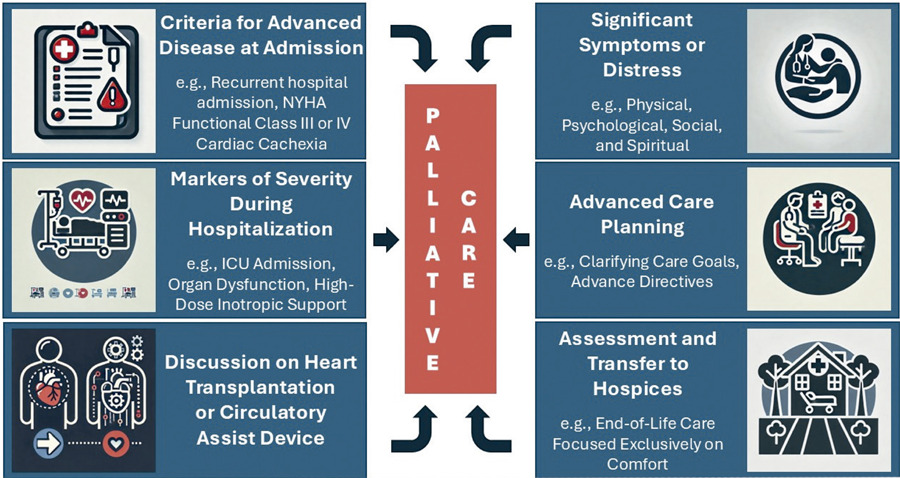
Advanced heart failure (HF) is associated with high morbidity and mortality rates, compromising the functionality and quality of life of patients and their families. Hospitalizations exacerbate disease severity, particularly when inotropic therapy is required. Palliative care (PC) supports the management of suffering caused by severe illnesses but is infrequently utilized in cardiology.

Objective

To evaluate the integration of PC in the management of decompensated HF, identifying opportunities to enhance patient care.

Method

This unicentric, retrospective, observational study was conducted between February 2015 and May 2018 with HF patients undergoing inotropic therapy. The study analyzed referrals for PC, the approach adopted by the PC-consultation team, and patient outcomes, including an analysis of 5-year survival rates. Statistical significance level: 5%.

Results

A total of 492 patients were included (66.9% male, median age 63 years, IQR 52-72). PC referral occurred in 23% of cases, with a median of 8.0 days (IQR 4.0-20) before death. Only 14% of intensive care patients were referred, and no transplant patients received PC evaluations. Patients assessed by the PC team were more involved in decision-making and received more opioid prescriptions for symptom management than those managed exclusively by cardiologists (p<0.01). In-hospital and 5-year mortality rates were 42% and 80%, respectively.

Conclusions

Patients experiencing decompensated HF demonstrate high mortality rates and are rarely referred to PC, often in the final days of life, limiting the potential benefits of this approach. Enhanced medical education in PC and the development of strategies to promote its integration may improve patient outcomes.

  • Cardiogenic shock
  • Critical Illness
  • Heart Failure
  • Hospice Care
  • Palliative Care
Read Full Article
Creative Commons Attribution (CC BY) Creative Commons license
30/01/2026 DOI: 10.36660/abc.20250188i Views 1
ABC
Editorial

In-Hospital Mortality in Patients Presenting Cardiogenic Shock After Myocardial Infarction: Does it Benefit Using an Intra-Aortic Balloon Pump?

Fernando Arturo Effio Solis et al. Adriana Brentegani Marcelo Luiz Campos Vieira

Cardiogenic shock (CS) represents a severe clinical syndrome characterized by systemic hypoperfusion and insufficient cardiac output due to primary cardiac dysfunction. Its mortality often exceeds 40%, of cases, being a highly complex cardiological condition. The etiology is multifactorial, with acute myocardial infarction (AMI) being the predominant cause, responsible for around 30% of cases. Other relevant conditions include acute decompensation of chronic heart failure and cases of acute myocardial dysfunction without a previous history of heart failure, as observed in myocarditis.

The management of post-AMI CS requires a comprehensive approach, which combines early revascularization and hemodynamic support.– In this context, devices such as the intra-aortic balloon pump (IABP) have their role due to their ability to increase diastolic pressure in the aorta and reduce left ventricular afterload. These physiological effects result in improved coronary perfusion and reduced myocardial oxygen consumption.

[…]

  • Cardiogenic shock
  • in-hospital mortality
  • intra-aortic balloon
  • ST-segment Elevation Myocardial Infarction
Read Full Article
Creative Commons Attribution (CC BY) Creative Commons license
21/03/2025 DOI: 10.36660/abc.20250080i Views 2
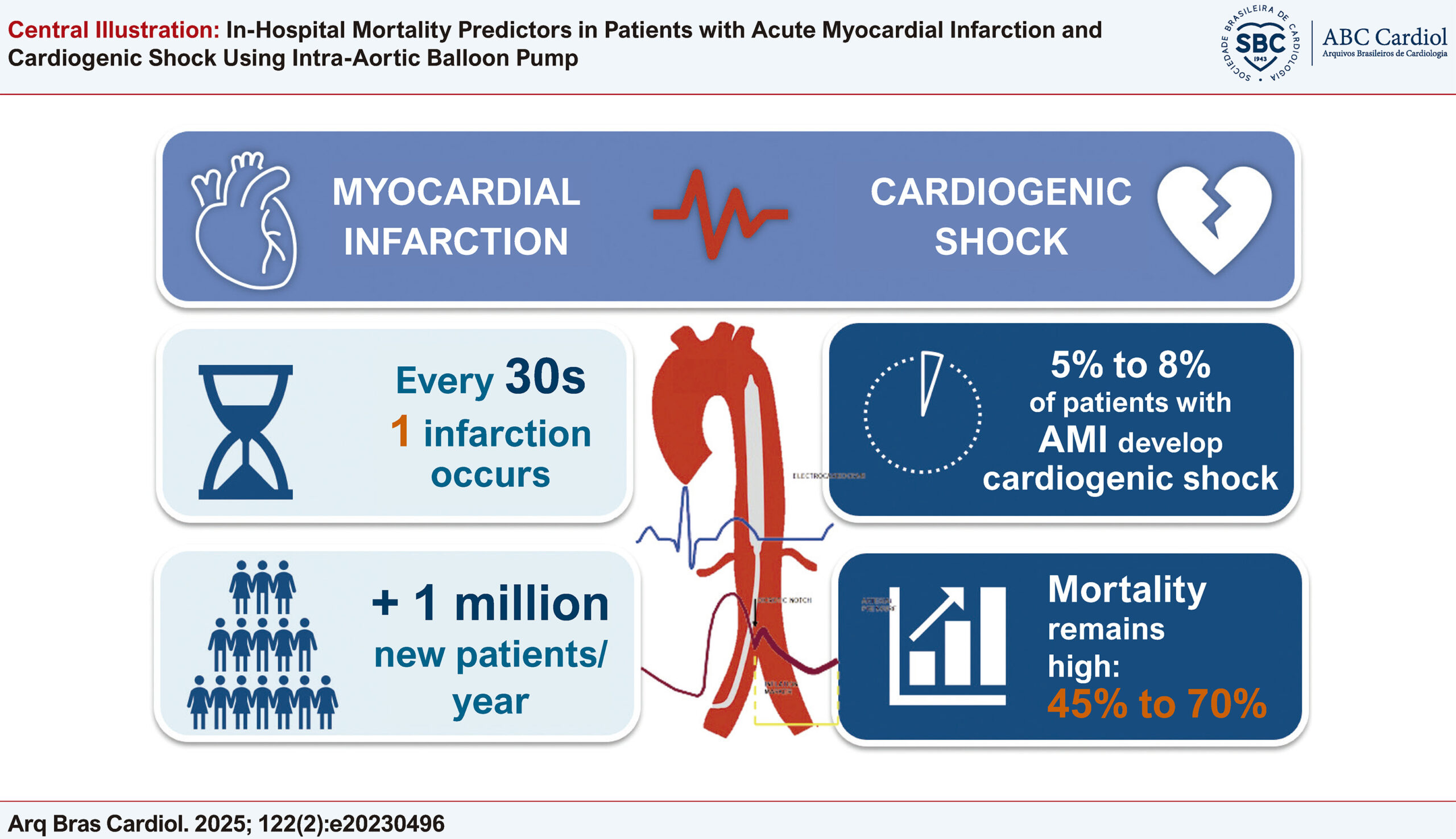
In-Hospital Mortality Predictors in Patients with Acute Myocardial Infarction and Cardiogenic Shock Using Intra-Aortic Balloon Pump
ABC
Original Article

In-Hospital Mortality Predictors in Patients with Acute Myocardial Infarction and Cardiogenic Shock Using Intra-Aortic Balloon Pump

Rossana Dall’Orto Elias et al. Isabella Pedrosa Assunção Julliane Vasconcelos Joviano Santos Maria da Gloria Rodrigues-Machado José Luiz Barros Pena

Abstract

Background

Patients with ST-segment elevation myocardial infarction (STEMI) and cardiogenic shock (CS) have a high risk of death. New types of mechanical devices have limited availability in Brazil. The use of intra-aortic balloon pump (IABP), although new guidelines downgraded its recommendation, is the most widely used mechanical support strategy. However, little is known about the clinical predictors of its effectiveness in reducing mortality in this group of patients.

Objectives

To assess the predictors of IABP effectiveness in reducing in-hospital mortality in patients with STEMI and CS.

Methods

This observational, retrospective, descriptive, single-center study involved 98 patients with STEMI and CS treated with IABP, in an intensive care unit. We compared patients who survived (42 men and 13 women) and those did not (30 men and 13 women) using clinical predictors of IABP effectiveness in reducing in-hospital death, considering a statistical significance level of 5% (p < 0.05).

Results

The use of IABP in patients less than 1 day after infarction (odds ratio [OR]: 0.12; 95% confidence interval [CI]: 0.02 to 0.85; p = 0.034) was a factor that increased the risk of in-hospital death. Younger age (OR: 1.09; 95% CI: 1.02 to 1.16; p = 0.010) and dyslipidemia (OR: 0.19; 95% CI: 0.05 to 0.81; p = 0.024) were predictors of reduced in-hospital mortality. For each additional year of age, the risk of death increased 1.07-fold.

Conclusion

In patients with STEMI and CS, the use of IABP reduced in-hospital mortality when it was used for 2 or more days, as well as in younger patients and those with dyslipidemia. Additional studies are needed to confirm these findings.

  • Cardiogenic shock
  • Hospital Mortality
  • Intra-Aortic Balloon Pumping
  • ST Elevation Myocardial Infarction
Read Full Article
Creative Commons Attribution (CC BY) Creative Commons license
21/02/2025 DOI: 10.36660/abc.20230496i Views 2
Figure 1
ABCHF
Viewpoint

Non-Ischemic Cardiogenic Shock: How to Improve Outcomes – From Early Recognition to Distinctive Management

Rodrigo P. Amantéa et al. Laura Hastenteufel Fernando Luís Scolari Lívia A. Goldraich Nadine Clausell

Introduction

Cardiogenic shock is a clinical condition with an increasing incidence that presents with tissue hypoperfusion, leading to multiorgan dysfunction with a high mortality rate. Non-ischemic cardiogenic shock has been recognized as an important cause of shock in emergency rooms, with an incidence exceeding that of shock related to acute myocardial infarction (AMI) in some populations. Recent data from the Cardiogenic Shock Working Group (CSWG), an international multicenter registry, reveals that the mortality rate for this condition varies from 22 to 32%, depending on the type of institution.

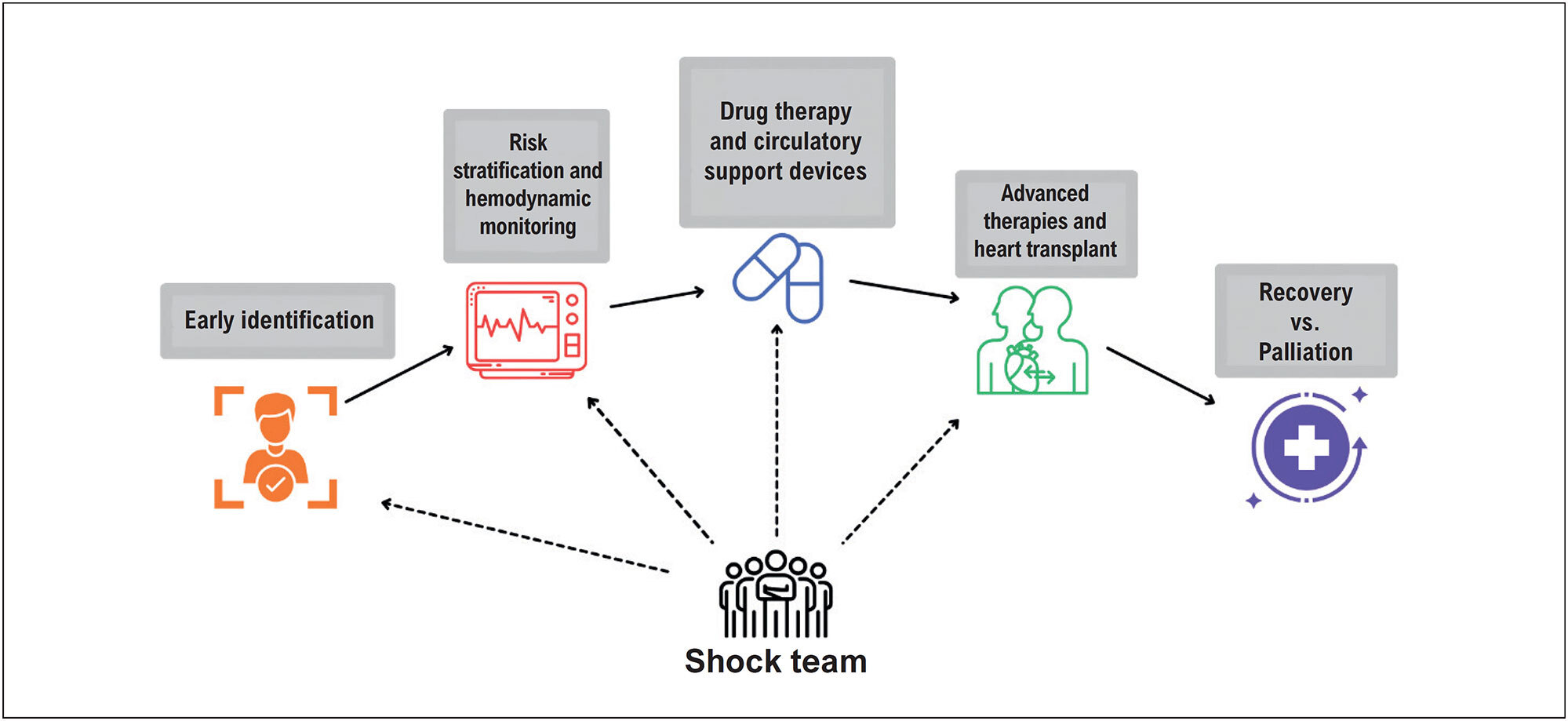
Unlike cardiogenic shock of ischemic origin, in which an index event marks the beginning of myocardial injury, potentially leading to the state of shock, in cardiogenic shock of non-ischemic origin the presentation represents the continuum of advanced heart failure. For the purposes of this article, we will be focusing exclusively on shock related to advanced heart failure, since it is the most prevalent type and often presents with a wide range of symptoms, which can delay diagnosis and contribute to poorer outcomes. The following topics will be covered: definitions pertinent to diagnosing cardiogenic shock and its various clinical presentations; initial systematic evaluation of these patients, including recent updates on the use of pulmonary artery catheters and individualized risk stratification for morbidity and mortality; and management strategies for non-ischemic cardiogenic shock, including pharmacological treatments, mechanical devices, and the role of “Shock Teams” in coordinated care.

[…]

  • Cardiogenic shock
  • Heart Failure
  • Intensive Care Unit
Read Full Article
Creative Commons Attribution (CC BY) Creative Commons license
18/10/2024 DOI: 10.36660/abchf.20240033i Views 2
ABC
Editorial

No Time to Die

Luiz Fernando Caneo

Extracorporeal Membrane Oxygenation (ECMO) is an advanced life-support technology providing prolonged cardiac and respiratory support for patients whose hearts and lungs cannot function adequately. The concept of using a machine to replace these functions dates back to 1931 when John Gibbon, a surgical resident in Boston, treated a woman with a pulmonary embolism. Without available treatments, he could only watch her deteriorate and pass away. This experience led Gibbon to envision a method to oxygenate blood outside the body and bypass blockages. By 1934, he developed a machine that could support a cat’s circulation for thirty minutes, and in 1952, he successfully used the machine on a human, marking the beginning of modern open-heart surgery.

In 1971, Donald Hill used an extracorporeal circuit with a specially designed oxygenator to support a man with respiratory failure for thirty-six hours, making him the first human to survive on ECMO. In 1975, Robert Bartlett and his team used ECMO to save a newborn with respiratory failure. In the following years, hundreds of similar cases were treated with an eighty percent survival rate, establishing ECMO as a standard in major pediatric centers. The use of ECMO in adults has expanded, particularly for conditions refractory to conventional treatments during the H1N1 epidemic and later during the SARS-CoV-2 pandemic., This increase is due to improved cannulation techniques and advancements in pumps, oxygenators, and cannulas. Despite these improvements, selecting appropriate candidates and managing their daily care remains challenging.

[…]

  • Cardiogenic shock
  • Cost-Effectiveness Analysis
  • Extracorporeal Membrane Oxygenation
Read Full Article
Creative Commons Attribution (CC BY) Creative Commons license
27/09/2024 DOI: 10.36660/abc.20240512i
Central Illustration
ABC
Original Article

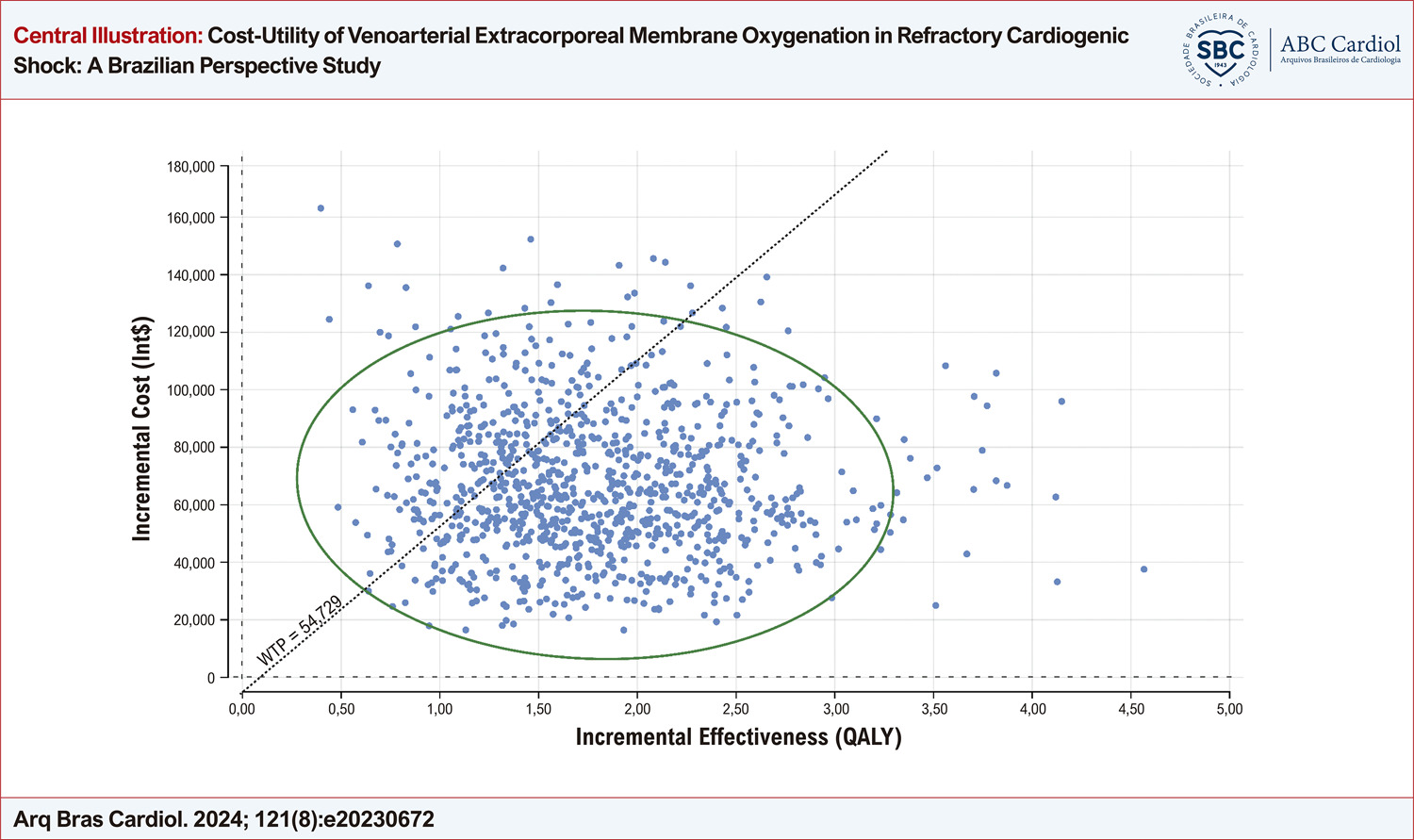
Cost-Utility of Venoarterial Extracorporeal Membrane Oxygenation in Refractory Cardiogenic Shock: A Brazilian Perspective Study

Sérgio Renato da Rosa Decker et al. Rodrigo Vugman Wainstein Fernando Luis Scolari Priscila Raupp da Rosa … Daniel Schneider Debora Vacaro Fogazzi Geraldine Trott Jonas Wolf Cassiano Teixeira Marciane Maria Rover Luiz Antônio Nasi Luis Eduardo Rohde Carisi Anne Polanczyk Regis Goulart Rosa Eduardo Gehling Bertoldi

Abstract

Background

Refractory cardiogenic shock (CS) is associated with high mortality rates, and the use of venoarterial extracorporeal membrane oxygenation (VA-ECMO) as a therapeutic option has generated discussions. Therefore, its cost-effectiveness, especially in low- and middle-income countries like Brazil, remains uncertain.Objectives: To conduct a cost-utility analysis from the Brazilian Unified Health System perspective to assess the cost-effectiveness of VA-ECMO combined with standard care compared to standard care alone in adult refractory CS patients.

Methods

We followed a cohort of refractory CS patients treated with VA-ECMO in tertiary care centers located in Southern Brazilian. We collected data on hospital outcomes and costs. We conducted a systematic review to supplement our data and utilized a Markov model to estimate incremental cost-effectiveness ratios (ICERs) per quality-adjusted life year (QALY) and per life-year gained.

Results

In the base-case analysis, VA-ECMO yielded an ICER of Int$ 37,491 per QALY. Sensitivity analyses identified hospitalization cost, relative risk of survival, and VA-ECMO group survival as key drivers of results. Probabilistic sensitivity analysis favored VA-ECMO, with a 78% probability of cost-effectiveness at the recommended willingness-to-pay threshold.

Conclusions

Our study suggests that, within the Brazilian Health System framework, VA-ECMO may be a cost-effective therapy for refractory CS. However, limited efficacy data and recent trials questioning its benefit in specific patient subsets highlight the need for further research. Rigorous clinical trials, encompassing diverse patient profiles, are essential to confirm cost-effectiveness and ensure equitable access to advanced medical interventions within healthcare systems, particularly in socio-economically diverse countries like Brazil.

  • Cardiogenic shock
  • Costs and Cost Analysis
  • Extracorporeal Membrane Oxygenation
Read Full Article
Creative Commons Attribution (CC BY) Creative Commons license
26/08/2024 DOI: 10.36660/abc.20230672i Views 1
Figure 1
ABC
Case Report

The Effects of Exercise on Cardiogenic Shock with an Intra-Aortic Balloon Pump: A Case Report

Vanessa M. Ferreira et al. Dayane Nunes Rodrigues Carlos Alberto Mendez Contreras João M. Rossi … Rui Fernando Ramos Gustavo Oliveira Mayron F. Oliveira

Abstract

This case report describes the exercise program on a hospitalized 54-year-old male patient with cardiogenic shock waiting for a heart transplant assisted by an intra-aortic balloon pump, a temporary mechanical circulatory support device.

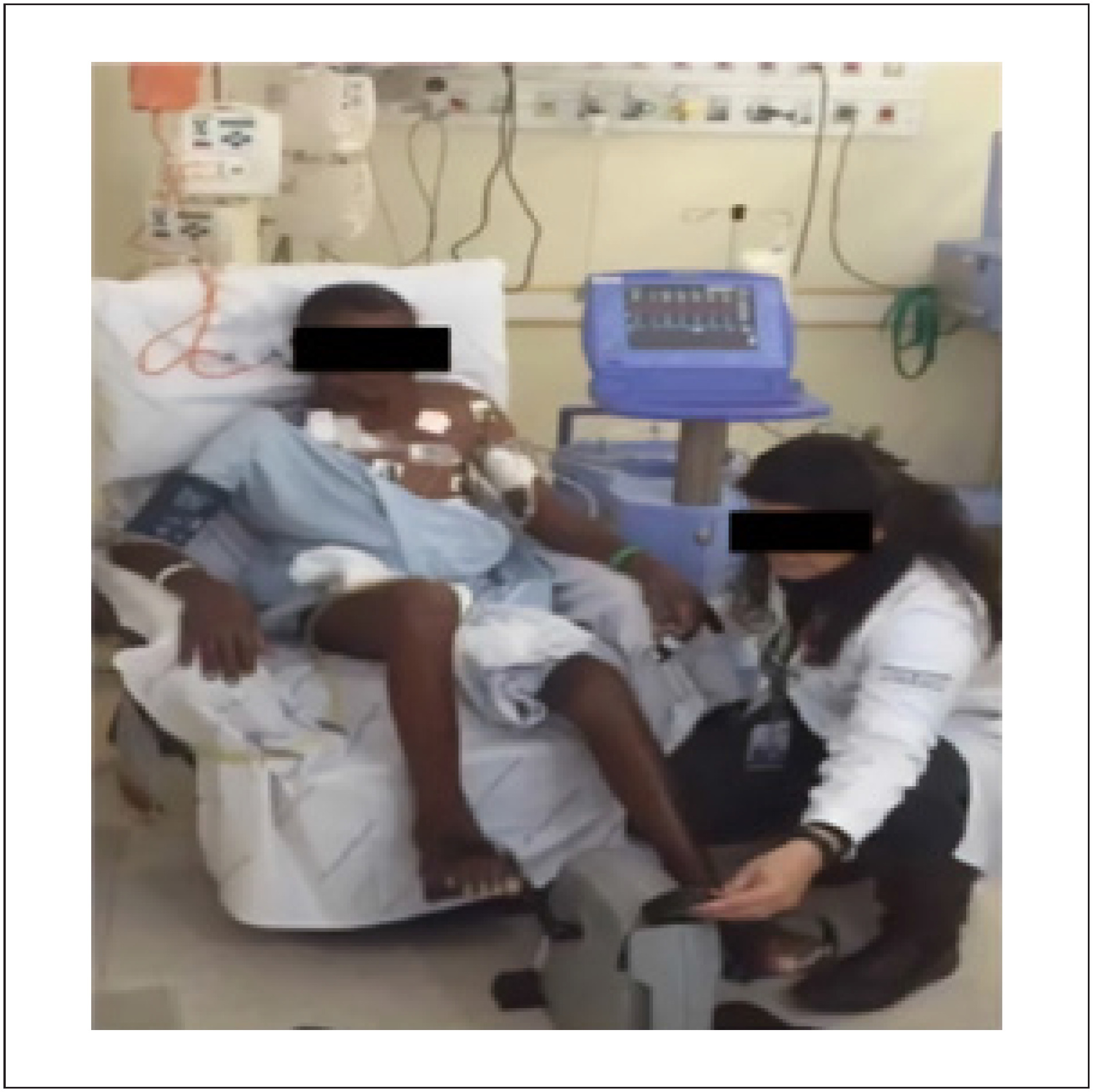
The temporary mechanical circulatory support device, an intra-aortic balloon pump, was placed in the left subclavian artery, enabling the exercise protocol. Measurements and values from Swan-Ganz catheter, blood sample, brain natriuretic peptide (NT-proBNP), and high-sensitivity C-reactive protein (hs-CRP), as well as the six-minute walk test (6MWT) and venous oxygen saturation (SvO2) were obtained before and after an exercise protocol. The exercise training protocol involved the use of an unloaded bed cycle ergometer once a day, for a maximum of 30 minutes, to the tolerance limit.

No adverse events or events related to the dislocation of the intra-aortic balloon pump were observed during the exercise protocol. The exercise program resulted in higher SvO2 levels, with an increased 6MWT with lower Borg dyspnea scores (312 meters vs. 488 meters and five points vs. three points, respectively). After completing the ten-day exercise protocol, the patient underwent a non-complicated heart transplant surgery and a full recovery in the ICU.

This study showed that exercise is a feasible option for patients with cardiogenic shock who are using an intra-aortic balloon pump and that it is well-tolerated with no reported adverse events.

  • Cardiac Rehabilitation
  • Cardiogenic shock
  • Exercise
  • Intra-Aortic Balloon Pumping
  • physical therapy modalities
Read Full Article
Creative Commons Attribution (CC BY) Creative Commons license
18/03/2024 DOI: 10.36660/abc.20230537 Views 1
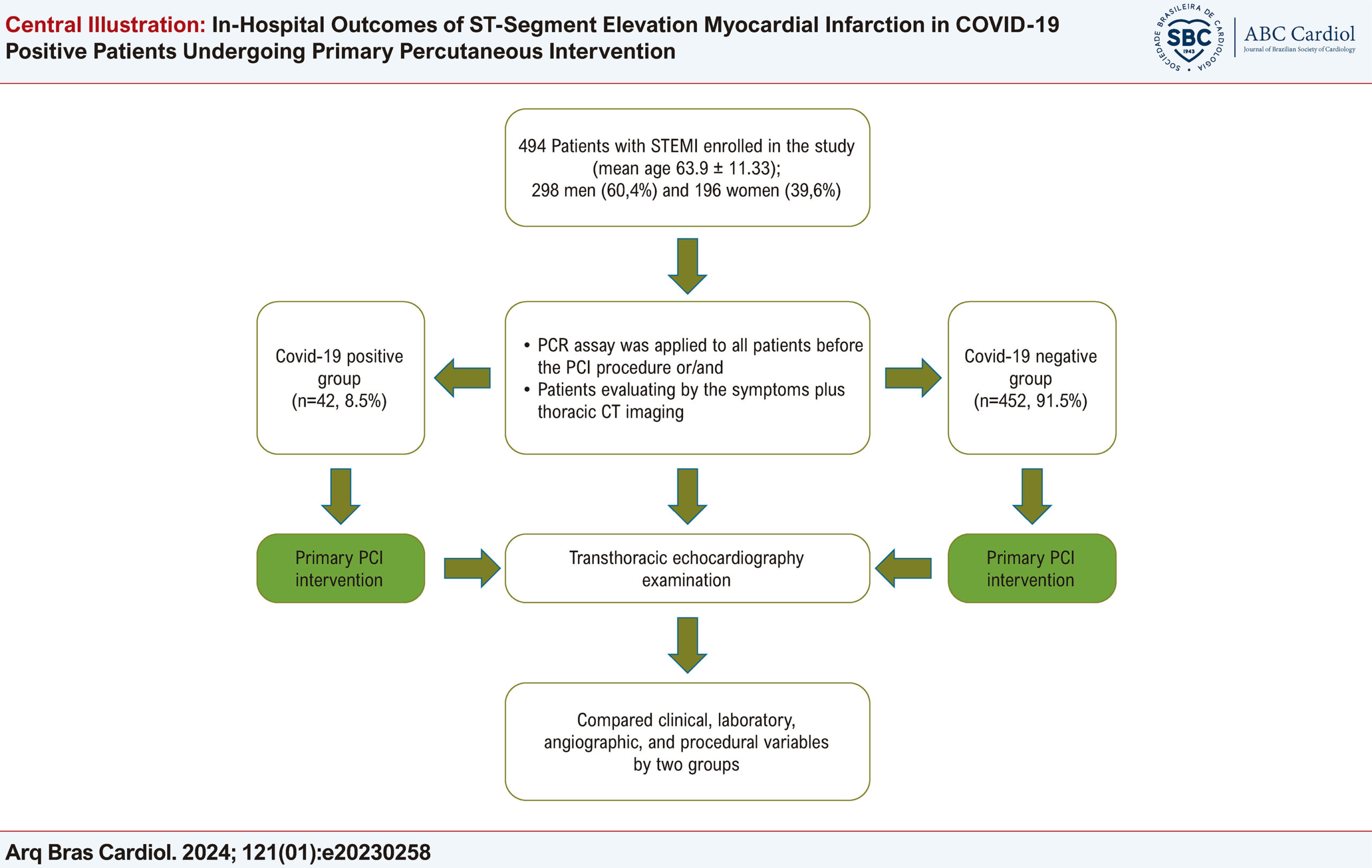
In-Hospital Outcomes of ST-Segment Elevation Myocardial Infarction in COVID-19 Positive Patients Undergoing Primary Percutaneous Intervention
ABC
Original Article

In-Hospital Outcomes of ST-Segment Elevation Myocardial Infarction in COVID-19 Positive Patients Undergoing Primary Percutaneous Intervention

Nart Zafer Baytuğan et al. Hasan Çağlayan Kandemir Tahir Bezgin

Abstract

Background

Concomitant coronavirus 2019 (COVID-19) infection and ST-segment elevation myocardial infarction (STEMI) are associated with increased adverse in-hospital outcomes.

Objectives

This study aimded to evaluate the angiographic, procedural, laboratory, and prognostic differences in COVID-19-positive and negative patients with STEMI undergoing primary percutaneous coronary intervention (PCI).

Methods

A single-center, retrospective, observational study was conducted between November 2020 and August 2022 in a tertiary-level hospital. According to their status, patients were divided into two groups (COVID-19 positive and negative). All patients were admitted due to confirmed STEMI and treated with primary PCI. In-hospital and angiographic outcomes were compared between the two groups. Two-sided p-values < 0.05 were accepted as statistically significant.

Results

Of the 494 STEMI patients enrolled in this study, 42 were identified as having a positive dagnosis for COVID-19 (8.5%), while 452 were negative. The patients who tested positive for COVID-19 had a longer total ischemic time than did those who tested negative for COVID-19 (p=0.006). Moreover, these patients presented an increase in stent thrombosis (7.1% vs. 1.7%, p=0.002), length of hospitalization (4 days vs. 3 days, p= 0.018), cardiogenic shock (14.2% vs. 5.5 %, p= 0.023), and in-hospital total and cardiac mortality (p<0.001 and p=0.032, respectively).

Conclusions

Patients with STEMI with concomitant COVID-19 infections were associated with increased major adverse cardiac events. Further studies are needed to understand the exact mechanisms of adverse outcomes in these patients.

  • Cardiogenic shock
  • COVID-19
  • Mortality
  • Myocardial Infarction
Read Full Article
Creative Commons Attribution (CC BY) Creative Commons license
05/02/2024 DOI: 10.36660/abc.20230258
Is Right Ventricular Cardiogenic Shock Important To You?
ABCHF
Review Article

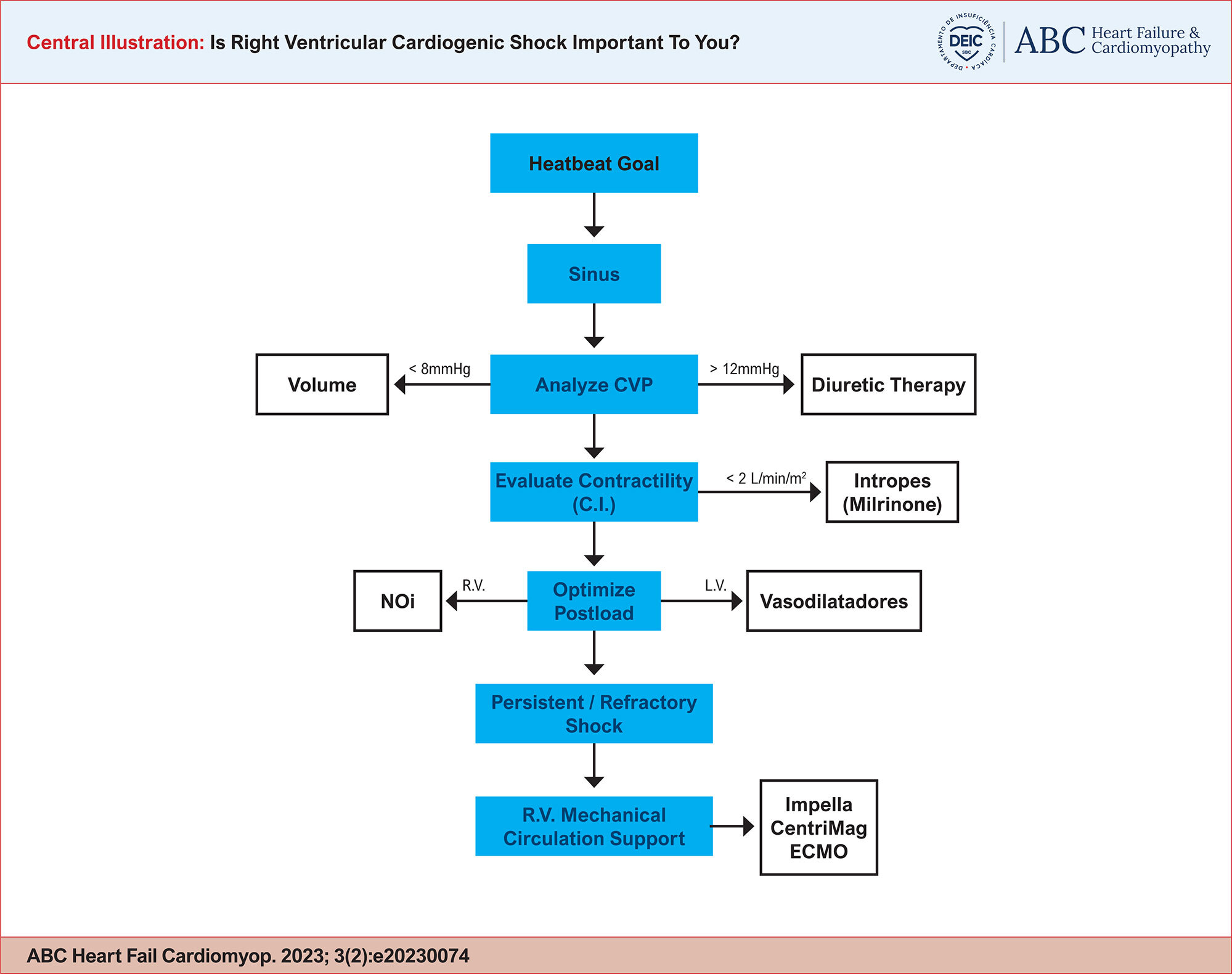
Is Right Ventricular Cardiogenic Shock Important To You?

Marcus Vinícius Santos Andrade et al. Carlos Aurélio Santos Aragão Renato Moraes Pereira Figueiredo Breno Macedo de Almeida Lucas Guimarães da Rocha

Introduction

In the scenario of cardiogenic shock, attention was almost exclusively focused on the left ventricle (LV). Currently the concept that the circulatory system involves the interdependence between the LV and the right ventricle (RV) has been reinforced, and researchers seek to achieve a clearer understanding of the role of the right ventricle in cardiogenic shock.

In the 1940s, in search of a more in-depth understanding of the role of the RV, the American doctor and researcher Isaac Starr and his team carried out a series of experiments on animals, in which they caused severe damage to the right ventricle. Observing only a small increase in peripheral venous congestion, they concluded that “the weakness on the right side of the heart… appears to be less important” in the establishment of heart failure (HF).

[…]

  • Cardiogenic shock
  • Diagnosis
  • Heart Ventricles
  • Therapeutics
Read Full Article
Creative Commons Attribution (CC BY) Creative Commons license
31/12/2023 DOI: 10.36660/abchf.20230074 Views 1
Figure 1
ABCHF
Review Article

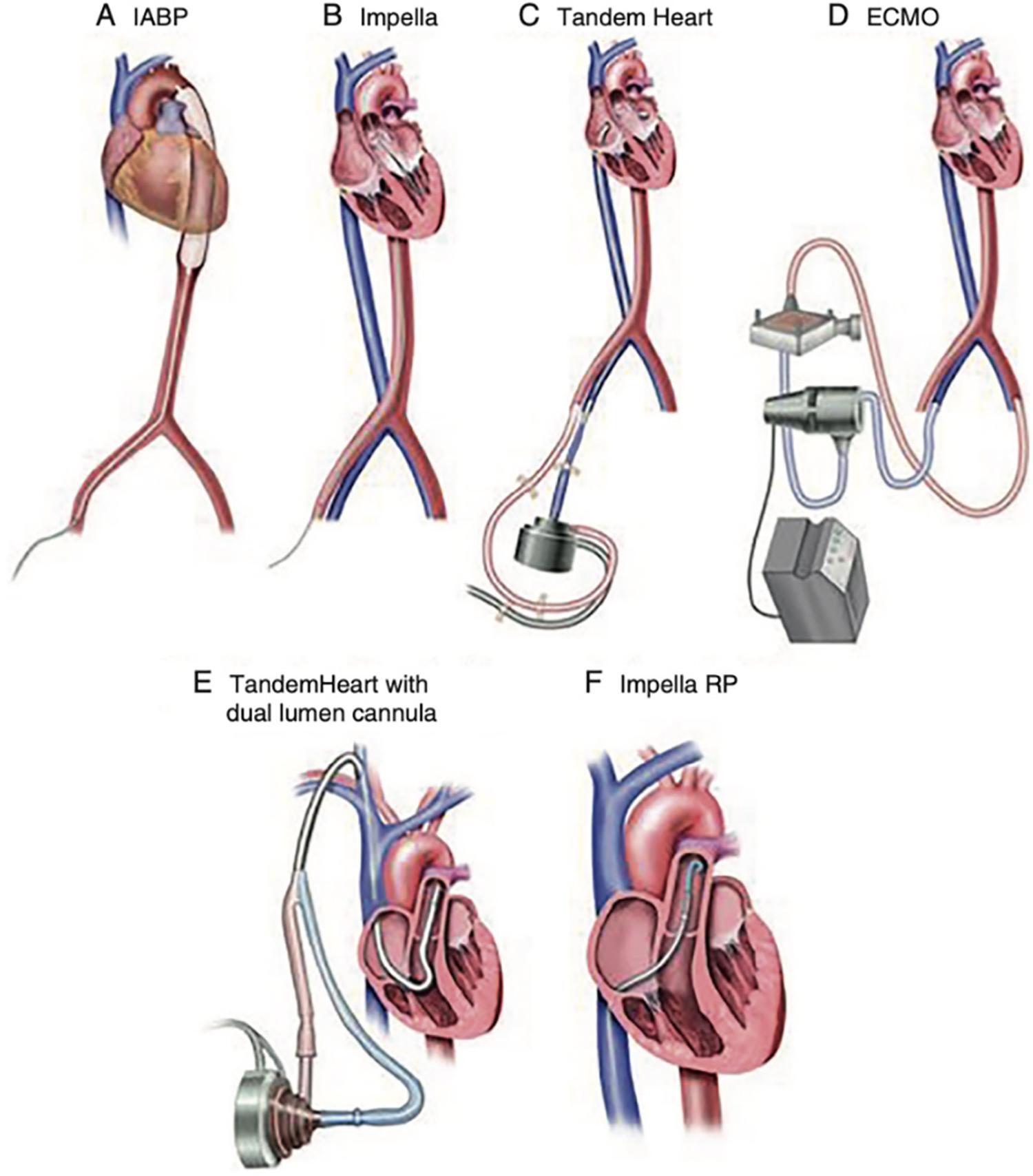
Circulatory Support Devices in Acute Heart Failure: Which and When?

Deborah de Sá Pereira Belfort et al. Rafael Cavalcanti Tourinho Dantas Silvia Moreira Ayub-Ferreira

Introduction

Acute heart failure (AHF), which is the syndrome where there is a rapid or gradual worsening of chronic or new heart failure (HF), is one of the main causes of emergency department visits, and it is the leading cause responsible for non-elective hospitalizations in patients over 65 years of age, with an elevated readmission rate at 1 year. In-hospital mortality due to AHF is 3% to 4% in international registries, reaching 12.6% in the Brazilian BREATHE registry. When we analyze the most severe spectrum of AHF, which is cardiogenic shock (CS), in-hospital mortality varies from 32% to 58%, even in international registries.,

The path to reducing the elevated morbidity and mortality of AHF and CS involves quick and accurate identification and diagnosis, recognition and treatment of decompensating factors, assessment of severity and associated comorbidities, and quick and appropriate implementation of specific therapies to restore multiple organ perfusion.

[…]

  • Acute Heart Failure
  • Cardiogenic shock
  • Mechanical Circulatory Support
  • Ventricular Assist Devices
Read Full Article
Creative Commons Attribution (CC BY) Creative Commons license
31/12/2023 DOI: 10.36660/abchf.20230089 Views 1
Figure 1
ABCHF
Viewpoint

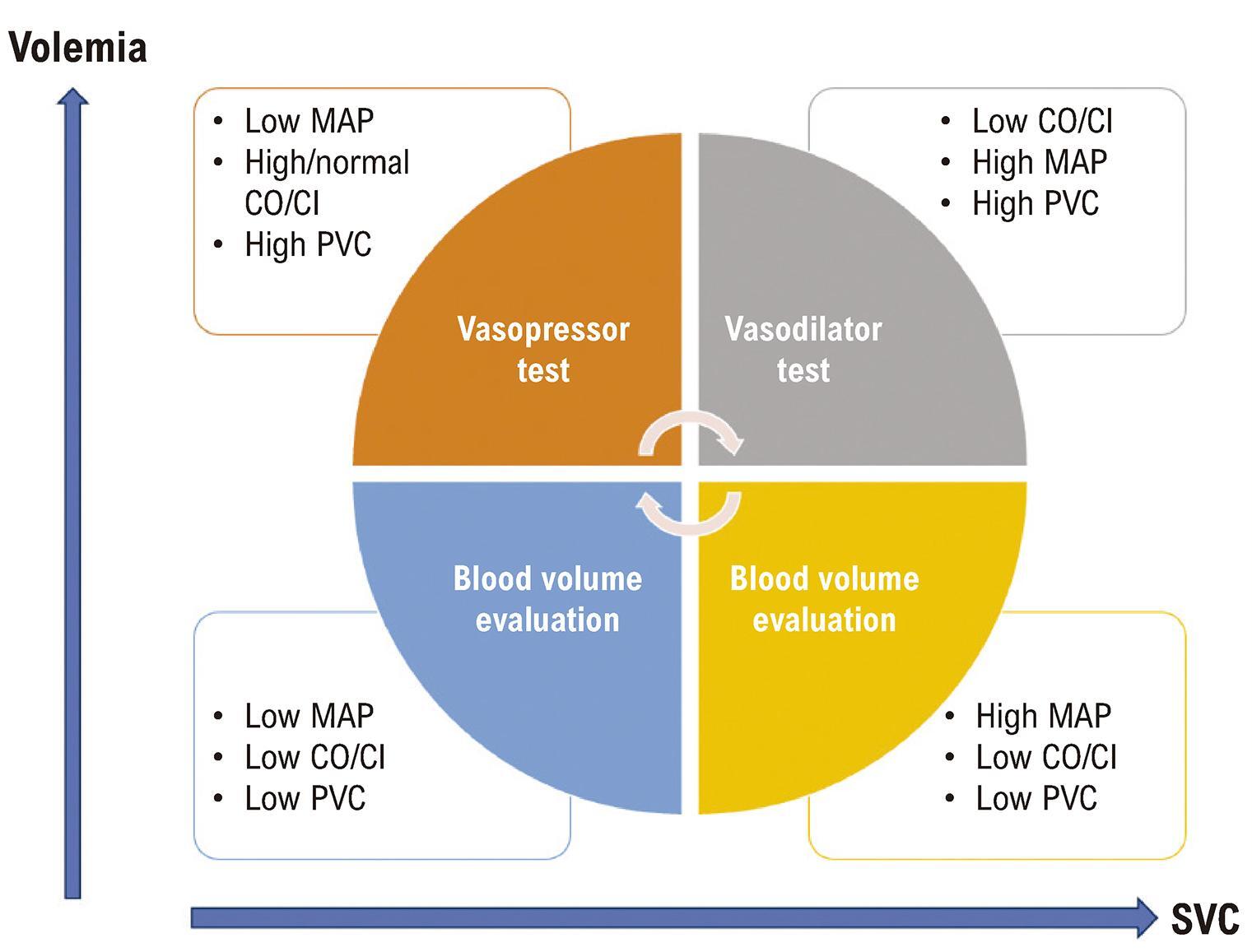
Urgent Right Heart Catheterization in Cardiogenic Shock: Let us Spread this Idea

Simone L. Savaris et al. Suellen R. R. Siqueira Ivna G. C. V. Lima

Pulmonary artery catheter and cardiogenic shock

CS can be divided into four phenotypes according to blood volume and peripheral perfusion, and PAC data are essential for adequately characterizing the phenotype and institution of treatment. The wet profile is when the pulmonary artery occlusion pressure (PAOP) is > 18 mmHg, and the dry profile is when the PAOP is 2.5 L/min/m is identified or cold when the CI is < 2.5 L/min/m. ()

[…]

  • Cardiogenic shock
  • Catheterization
  • Swan-Ganz Catheterization
Read Full Article
Creative Commons Attribution (CC BY) Creative Commons license
27/11/2023 DOI: 10.36660/abchf.20230076
Central illustration
ABCHF
Viewpoint

Shock Teams: A Call to Action for the Brazilian Cardiology Community

Livia Adams Goldraich et al. Laura Hastenteufel Felipe H. Valle Nadine Clausell

Introduction

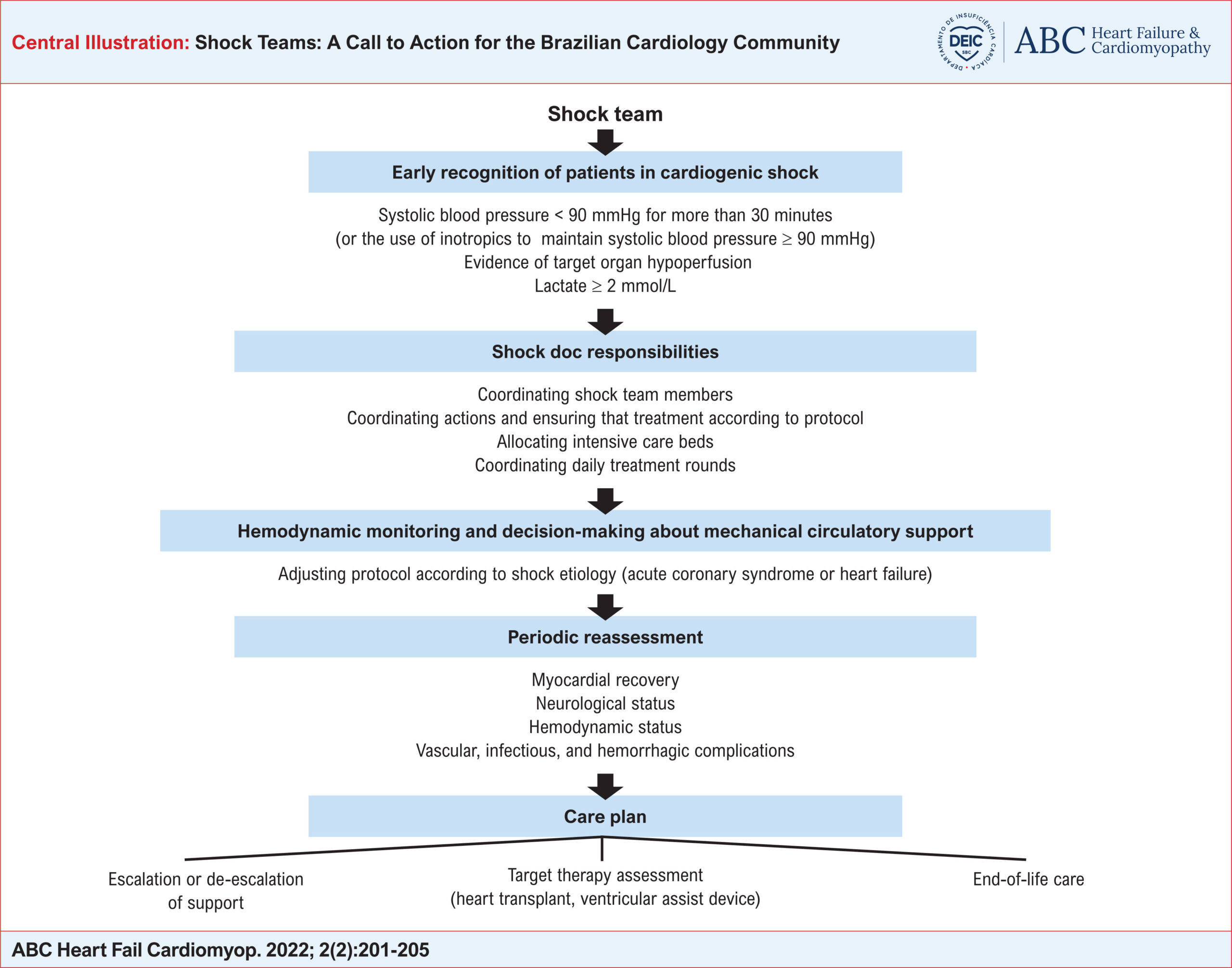
Despite advances in diagnosis and treatment over the last 30 years, especially in myocardial reperfusion therapies, mortality from cardiogenic shock remains high worldwide, with 50% of cases resulting in adverse outcomes., In particular, there has been an increase in the incidence of non-ischemic cardiogenic shock (ie, associated with acute and/or advanced chronic heart failure), which has led to a shift with less patients hospitalized due to acute ischemic syndromes in critical cardiology units..,

In the last decade, due to persistently high mortality and the complexity of presentation and treatment involved in cardiogenic shock, especially of non-ischemic etiology, some institutions, particularly in the United States, developed process of care to improve outcomes for these patients, resulting in “shock teams”, which were based on other successful initiatives to manage critical situations through multidisciplinary teams acting according to systematized protocols, such as rapid response teams, trauma teams, and stroke teams.,

[…]

  • Cardiogenic shock
  • Heart Failure
  • Myocardial Reperfusion
Read Full Article
Creative Commons Attribution (CC BY) Creative Commons license
29/06/2022 DOI: 10.36660/abchf.20220032 Views 2
ABCHF
Editorial

Long-Term Ventricular Assist Devices: Where are We in Brazil?

Silvia Moreira Ayub-Ferreira et al. Bruno Biselli

The use of long-term ventricular assist devices (VADs) as a therapeutic option in patients with advanced heart failure (HF) refractory to drug therapy is well established worldwide. The latest update of the Interagency Registry for Mechanically Assisted Circulatory Support (INTERMACS) reported more than 27,000 VAD implants between 2010 and 2019, with approximately 3,000 implants annually in recent years. In addition, 12-month survival rates after implantation reached 82%, with significantly improved quality of life and functional capacity.

The technological development of VADs in the last decade has dramatically changed the type of device used. Between 2010 and 2014, axial-flow devices accounted for most VAD implants. Since 2017, centrifugal-flow VADs with magnetic levitation have had a significant increase in the number of implants, accounting for 75% of implanted devices in 2019.

[…]

  • Cardiogenic shock
  • Heart Failure
  • Heart-Assist Devices
Read Full Article
Creative Commons Attribution (CC BY) Creative Commons license
29/06/2022 DOI: 10.36660/abchf.20220026 Views 1
Figure 1
ABCHF
Case Report

VA-ECMO in Cardiogenic Shock as a Bridge to Heart Transplantation

Renato Bueno Chaves et al. Marcelo Botelho Ulhoa Milla Carolina Costa Lafetá Araújo

Introduction

The use of venoarterial extracorporeal membrane oxygenation (VA-ECMO) in cardiogenic shock as a direct bridge to heart transplantation is highly controversial. Most hospitals only use VA-ECMO as a bridge to decision, recovery, or other long-lasting devices.–

We report a successful case of VA-ECMO as a bridge to urgent heart transplantation in a patient in INTERMACS I cardiogenic shock. There was complete recovery of tissue oxygen and renal and liver functions, allowing for heart transplant in a patient with overall improved organ functions. In selected cases, VA-ECMO is a relatively low-cost alternative to mechanical circulatory support that could be more easily implemented in Brazilian hospitals.

[…]

  • Cardiogenic shock
  • ECMO
  • Transplant
Read Full Article
Creative Commons Attribution (CC BY) Creative Commons license
29/06/2022 DOI: 10.36660/abchf.20220046 Views 1
Figure 1
ABCIC
Case Report

Myocarditis and Cardiogenic in a Covid-19 Positive Patient

Murilo Zomer Frasson et al. Cristiano Pederneiras Jaeger Daniel Souto Silveira Diego Raul Romero Cawen

Case Report

A 38-year-old man was taken to the emergency room complaining of chest pain, dyspnea, myalgia, and a significant decline in his general condition. He had a history of hyperthyroidism controlled with thiamazole 5 mg/day and depressive disorder treated with escitalopram 10 mg/day and bupropion 150 mg/day. He had no previous history of infarction, established cardiovascular diseases, or familial sudden death.

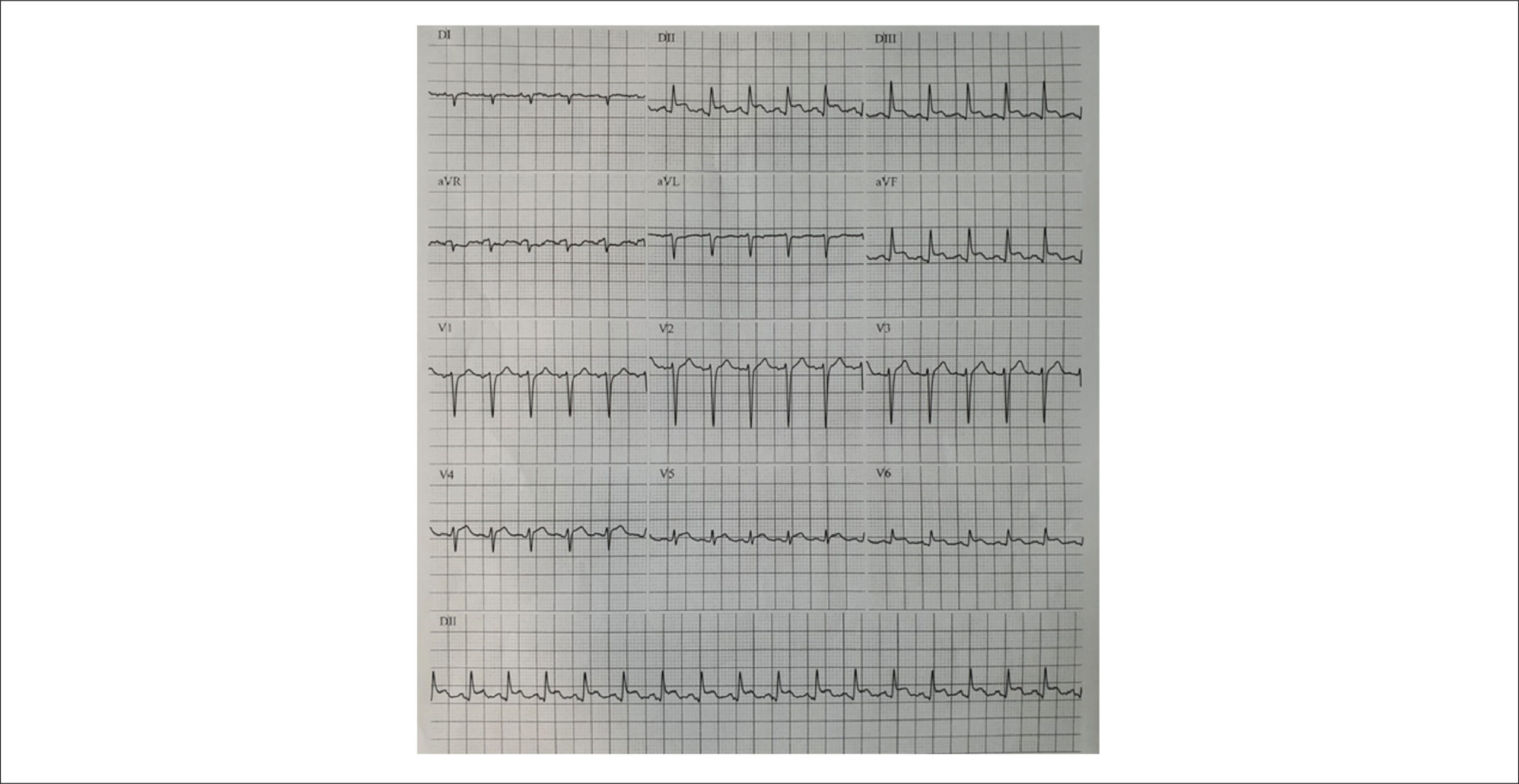
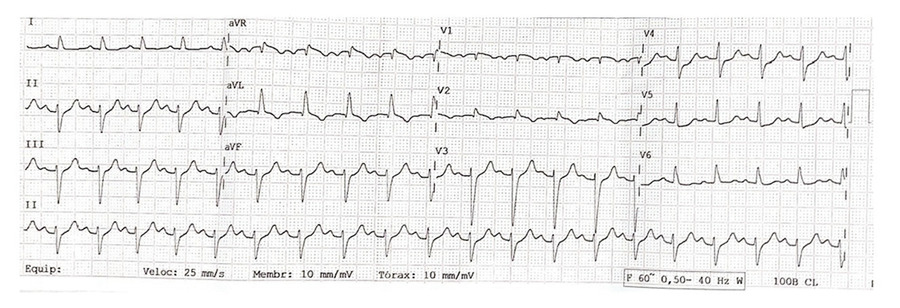
The patient reported symptoms of prostration and a dry cough for a few days for which he was tested for severe acute respiratory syndrome coronavirus 2 (Sars-CoV-2) infection at another institution. On admission, the patient was sweating, had cold extremities, and was anxious. His blood pressure was 128/58 mmHg, heart rate was approximately 140 bpm, and peripheral oxygen saturation was 99% on room air. His initial electrocardiogram () revealed an elevated ST-segment in the inferior and lateral wall but no clear evidence of reciprocal changes.

[…]

  • Cardiogenic shock
  • Coronavirus infections
  • COVID-19
  • Myocarditis
Read Full Article
Creative Commons Attribution (CC BY) Creative Commons license
26/11/2021 DOI: 10.47593/2675-312X/20213403eabc216
Figure 1
ABC
Research Letter

Patient in Cardiorespiratory Arrest – Is it Possible to Perform Transcatheter Aortic Valve Implantation (TAVI) in this Scenario?

Alexandre de Matos Soeiro et al. Francisco Akira Cardozo Patrícia Oliveira Guimarães Marcel Paula Pereira … Paulo Vinícius Ramos Souza Gustavo A. B. Boros Viviane Cordeiro Veiga Samolon Soriano Ordinola Rojas Fernanda Marinho Mangione Salvador André Bavaresco Cristóvão Gustavo Alexandre Dutra Adnan Ali Salman Luiz Eduardo Loureiro Bettarello José Armando Mangione

Introduction

Transcatheter aortic valve implantation (TAVI) is a well-established procedure in reference centers worldwide and is currently accepted as the method of choice in high- and intermediate-risk patients. Although unusual, catastrophic complications can occur before or after its implantation, such as coronary obstruction, rupture of the aortic valve annulus, cardiac tamponade, significant perivalvular insufficiency and prosthesis embolization/displacement.

Data from a recently published North American registry showed that 1,695 patients (2.8%) undergoing TAVI required some type of mechanical circulatory support during hospitalization. It was observed that heart failure, transapical access, respiratory diseases, acute myocardial infarction, cardiorespiratory arrest (CRA) and cardiogenic shock were the factors most frequently associated with the need for mechanical circulatory support.

[…]

  • Aortic Valve
  • Cardiogenic shock
  • Emergencies
  • Heart Arrest
Read Full Article
Creative Commons Attribution (CC BY) Creative Commons license
06/09/2021 DOI: 10.36660/abc.20201097
Figure 1
ABC
Case Report

Transcatheter Aortic Valve Implantation Assisted by Extracorporeal Membrane Oxygenation for the Treatment of Aortic Stenosis with Cardiogenic Shock

Gangping Huang et al. Huaidong Chen Weimin Zhang Fan He

Introduction

Aortic stenosis is a common heart valve disease, mostly caused by degenerative aortic valve disease in the elderly. Aortic stenosis obstructs the forward flow of the left ventricle to the aorta, leading to a pressure differential between the left ventricle and the aorta and increased left ventricular pressure secondary to left ventricular hypertrophy. As the disease progresses, it leads to left ventricular systolic and diastolic dysfunction and myocardial ischemia due to decreased coronary blood flow. However, cardiogenic shock secondary to aortic stenosis is one of the most serious complications and has a high mortality rate due to its limited therapeutic effect. Since its inception in 2002, transcatheter aortic valve implantation (TAVI) has become the first choice of treatment for elderly patients with severe aortic stenosis and high surgical risk due to its advantages of minimally invasive, non-extracorporeal circulation, and good medium-long term efficacy.– With the development of device technology and low-resistance transmission systems, TAVI has recently been shown to be no less effective than traditional surgery, even in medium-risk patients. However, for patients with a long medical history, significantly reduced cardiac ejection fraction (EF), cardiogenic shock, decompensated aortic valve disease, and severe complications such as intraoperative hemodynamic breakdown and malignant arrhythmia, still exist during TAVI surgery, greatly increasing the risk of TAVI. The present study reports a case of severe aortic stenosis complicated by cardiogenic shock that was successfully treated with TAVI assisted by extracorporeal membrane oxygenation.

[…]

  • Aortic Valve Stenosis
  • Cardiogenic shock
  • Extracorporeal Membrane Oxygenation
Read Full Article
Creative Commons Attribution (CC BY) Creative Commons license
19/07/2021 DOI: 10.36660/abc.20201358 Views 1
Massive Intraventricular Thrombosis in a Young Woman with Idiopathic Dilated Cardiomyopathy
ABC
Image

Massive Intraventricular Thrombosis in a Young Woman with Idiopathic Dilated Cardiomyopathy

Natalia Lorenzo et al. Jorge A. Restrepo Maria Cruz Aguilera Daniel Rodriguez Rio Aguilar

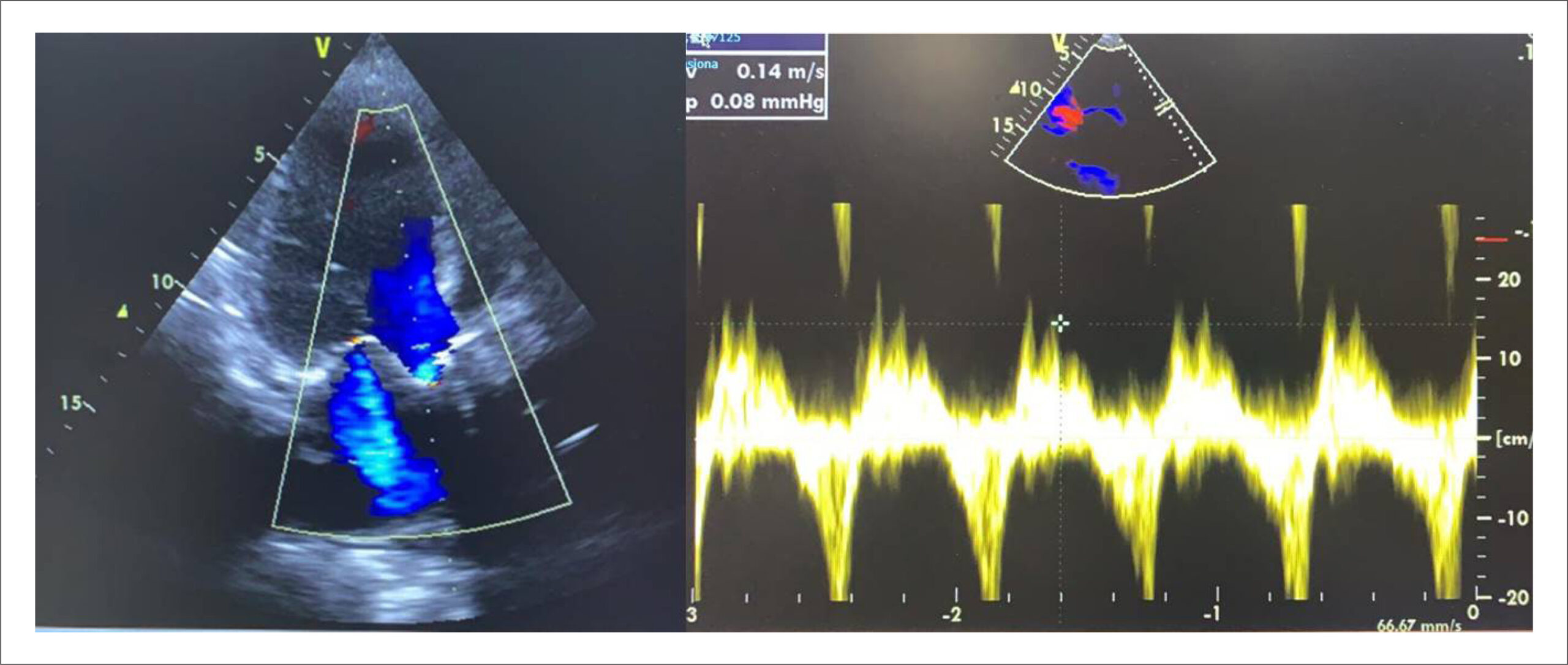
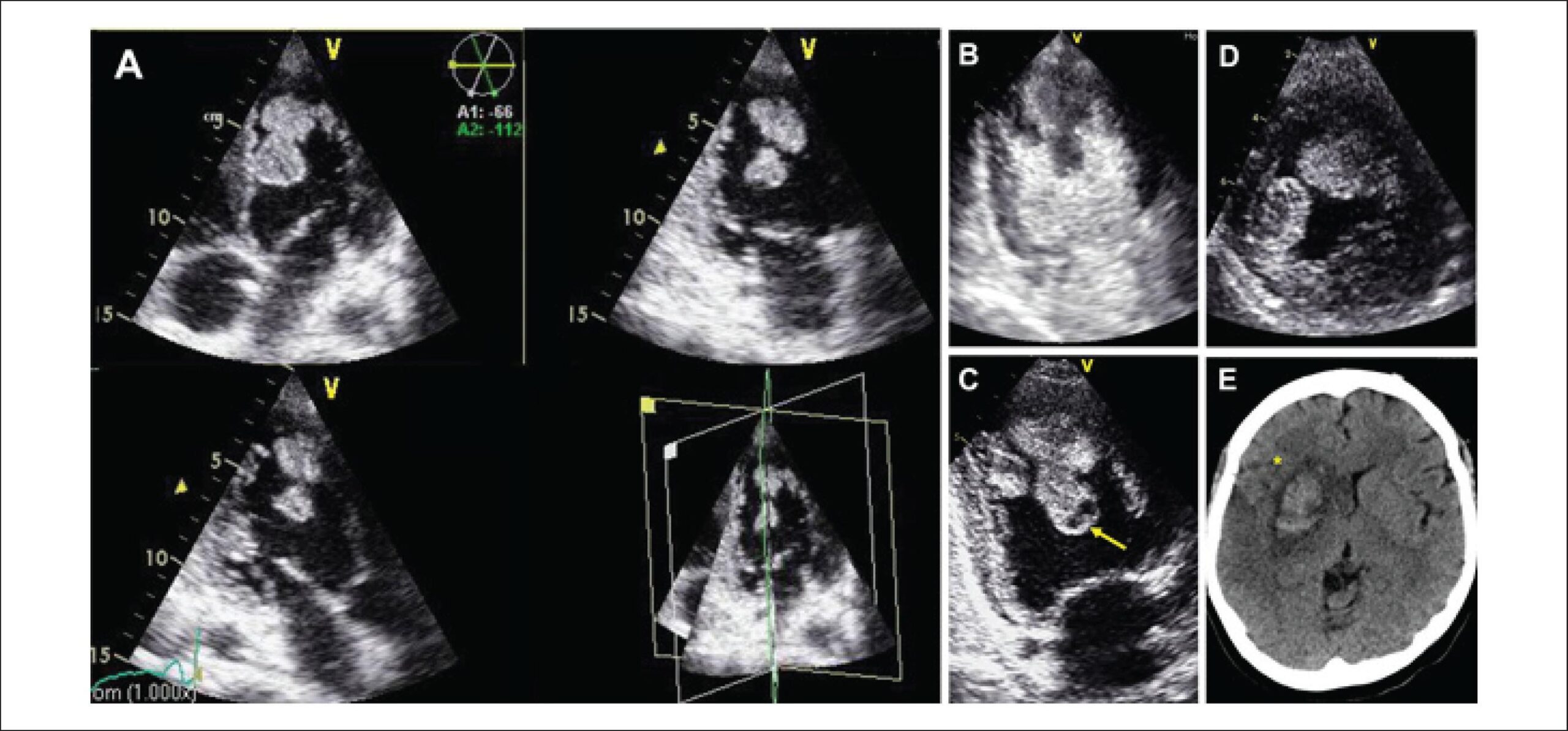
A 36-year-old woman, with no remarkable medical or family history, was admitted to the hospital in cardiogenic shock. Transthoracic echocardiography (TTE) revealed severe biventricular dilation and dysfunction. Several mobile masses consistent with thrombi were attached to the apex and protruding into the left ventricle (LV) beyond the mid-ventricular level (-. Multiplane-view (A). 2-Chamber-view with (B) and without (C) Sonovue®. Short-axis-view (D)). Internal hypoechogenic regions suggestive of colliquative tissue secondary to clot lysis were identified (arrow). Coronary angiogram was normal. Cardiac magnetic resonance imaging did not provide further information. Inotropic drugs and unfractionated heparin were started. Systemic fibrinolysis was discarded because of high risk of thrombus fragmentation. The patient was also rejected for surgery considering high peri-operative risk due to cardiogenic shock. Five days after admission, massive stroke in the left middle cerebral artery occurred ([*]). It was established in 30 minutes before any reperfusion strategy was possible. The patient was dismissed for further treatment and died one week later.

Any condition with severe LV systolic dysfunction increases the probability of intraventricular thrombus formation. Incidence of systemic embolization is low; nevertheless, it increases in cases of large, protuberant and highly mobile thrombi. Therapeutic approach in this scenario is controversial. It is generally agreed that anticoagulation should be the initial therapy in most of cases, but there are no specific recommendations regarding thrombolysis or thrombectomy.

[…]

  • Cardiogenic shock
  • Intraventricular Thrombosis
  • Ventricular Dysfunction
Read Full Article
Creative Commons Attribution (CC BY) Creative Commons license
01/12/2015 DOI: 10.5935/abc.20150131
ABC
Artigo Original

Adult extracorporeal life support: a failed or forgotten concept?

Alexandre Siciliano Colafranceschi et al. Andrey José de Oliveira Monteiro Leonardo Secchin Canale Luiz Antonio de Almeida Campos … Marcelo Westerlund Montera Paulo Roberto Dutra da Silva Marcelo Ramalho Fernandes Alexandre de Araújo Pinto Stelmar Moura Molas Evandro Tinoco Mesquita

BACKGROUND: The extracorporeal membrane oxygenation (ECMO) has been used in the neonatal and childhood periods with excellent results. The adult experience has been modest with inferior immediate results. The intermediate survival, however, has been promising. We have been using the extracorporeal membrane oxygenation for temporary mechanical circulatory support of adults that present with acute refractory cardiogenic shock in our institution. There is no other published experience of the use of this system in this scenario in Brazil. OBJECTIVE: To describe our experience with the use of the extracorporeal membrane oxygenation for circulatory support in adults. METHODS: Retrospective analysis of the medical files of patients submitted to the implant of extracorporeal membrane oxygenation system for circulatory assistance in acute and refractory cardiogenic shock. RESULTS: Eleven patients (63,5yo; 45,5%male) were considered for analysis from 2005 to 2007. Median support time was 77 hours (10-240h) and 5 patients have survived 30 days (45,5%). Two patients were subsequently submitted to prolonged paracorporeal circulatory assistance. Mortality on ECMO (6 patients) was due to multiple organ failure (66,6%) and refractory bleeding (33,4%). CONCLUSION: ECMO system is an option to be used in acute refractory cardiogenic shock as a bridge to recovery or selecting patients that might benefit from prolonged paracorporeal assist devices (bridge to bridge).

  • Cardiogenic shock
  • Extracorporeal Membrane Oxygenation
  • Heart Arrest
  • multiple organ failure
  • Thoracic Surgery
Read Full Article
Creative Commons Attribution (CC BY) Creative Commons license
25/07/2008 DOI: 10.1590/S0066-782X2008001300006 Views 1
ABC
Artigo Original

Severe heart failure at intensive therapy unit: is there an ideal prognostic index?

Cristina Bueno Terzi et al. Silvia G. Lage Desanka Dragosavac Renato G. G. Terzi

OBJECTIVE: To assess the applicability of three prognostic indexes – APACHE II, SAPS II and UNICAMP II – in a subgroup of critical heart failure (HF) patients. METHODS: Ninety patients were studied, being 12 females and 78 males. Mean age was 56 (18-83). Patients were ranked in functional class IV (NYHA) or cardiogenic shock secondary to cardiomyopathies: dilated (44%), chagasic (25.5%), ischemic (18%), hypertensive (1.1%), hypertrophic (1.1%), alcoholic (1.1%), and secondary to valvopathies after surgical correction (7.7%). Tables with frequency of categorical variables and descriptive statistics of continuous variables were created in order to describe sample profile for the different variables under study. In order to analyze the relationship between prognostic indexes levels and course towards death, an analysis of the ROC curve, as well as Hosmer and Lemeshow Test of Goodness of Fit calculated, and Standardized Mortality Ratio (SMR) were carried out. RESULTS: The statistical analysis showed low sensitivity, specificity, and accuracy of the three prognostic indexes for HF patients. Mortality was underestimated in this group. Pulmonary thromboembolism (PTE) was a major factor of mortality rate in severe HF. CONCLUSION: The three prognostic indexes under study did not prove to be appropriate for the assessment of cardiopathy patients at Intensive Care Unit (ICU). For HF patients, PTE played a major role in mortality of heart failure. Specific prognostic indexes for cardiopathy patients with severe HF should be proposed, and the discussion on anticoagulation on those patients should be expanded.

  • Cardiogenic shock
  • Heart Failure
  • Intensive Care Unit
  • Prognostic disease severity indexes
  • Pulmonary embolism
Read Full Article
Creative Commons Attribution (CC BY) Creative Commons license
16/10/2006 DOI: 10.1590/S0066-782X2006001600018 Views 1

How to cite this article

EndNote RIS

Electronic Document Format (Vancouver)

Quintana MA, Perea J, Villarreal R, Soto M, Castro M, Cortês R, Sanhueza P, et al. Persistent Right Ventricular Dysfunction and Hemodynamic Evolution Predict In-Hospital Deterioration in Intermediate-High- and High-Risk Pulmonary Embolism. Arquivos Brasileiros de Cardiologia 2026;123(7):e20260468.

Electronic Document Format (ABNT)

Quintana, Miguel A.; Perea, Joaquín; Villarreal, Ricardo; Soto, Mauricio; Castro, Marildes; Cortês, Rafael; Sanhueza, Patricio; Saavedra, Iván; Quispe, Yhaquelina; Tenezaca, Roger; Colque, Roberto; Arias, Alexandra; Toquica, Alex Rivera; Álvarez, Manuel; Pérez, Ysmenia D.; Morejón, Paola; Fernández, Karina G.; Mogollón, Adriana; Cardona, Marcelo; Pérez, Gonzalo Emanuel; López-Ruiz, Arnaldo. Persistent Right Ventricular Dysfunction and Hemodynamic Evolution Predict In-Hospital Deterioration in Intermediate-High- and High-Risk Pulmonary Embolism. Arquivos Brasileiros de Cardiologia, v. 123, n. 7, e20260468, Sep. 2026.

Electronic Document Format (APA)

Quintana, M. A., Perea, J., Villarreal, R., Soto, M., Castro, M., Cortês, R., Sanhueza, P., Saavedra, I., Quispe, Y., Tenezaca, R., Colque, R., Arias, A., Toquica, A. R., Álvarez, M., Pérez, Y. D., Morejón, P., Fernández, K. G., Mogollón, A., Cardona, M., Pérez, G. E., & López-Ruiz, A. (2026). Persistent Right Ventricular Dysfunction and Hemodynamic Evolution Predict In-Hospital Deterioration in Intermediate-High- and High-Risk Pulmonary Embolism. Arquivos Brasileiros de Cardiologia, 123(7), e20260468.

Electronic Document Format (ISO)

Quintana, Miguel A. and Perea, Joaquín and Villarreal, Ricardo and Soto, Mauricio and Castro, Marildes and Cortês, Rafael and Sanhueza, Patricio and Saavedra, Iván and Quispe, Yhaquelina and Tenezaca, Roger and Colque, Roberto and Arias, Alexandra and Toquica, Alex Rivera and Álvarez, Manuel and Pérez, Ysmenia D. and Morejón, Paola and Fernández, Karina G. and Mogollón, Adriana and Cardona, Marcelo and Pérez, Gonzalo Emanuel and López-Ruiz, Arnaldo. Persistent Right Ventricular Dysfunction and Hemodynamic Evolution Predict In-Hospital Deterioration in Intermediate-High- and High-Risk Pulmonary Embolism. Arquivos Brasileiros de Cardiologia [online]. 2026, vol. 123, n. 7, [cited 2026-10-14], e20260468. Available from: <https://journals.cardiol.br/en/article/persistent-right-ventricular-dysfunction-and-hemodynamic-evolution-predict-in-hospital-deterioration-in-intermediate-high-and-high-risk-pulmonary-embolism/>. ISSN 0066-782X

EndNote RIS

Electronic Document Format (Vancouver)

Moraes PIDM, Haddad MFA, Valle DBB, Oliveira Filho LO, Custódio MS, Almeida DR. Cardiogenic Shock Due to Inverted-Pattern Takotsubo Syndrome Caused by Pheochromocytoma: Case Report and Literature Review. Arquivos Brasileiros de Cardiologia 2026;123(2):e20250558.

Electronic Document Format (ABNT)

Moraes, Pedro Ivo De Marqui; Haddad, Michell Fayad André; Valle, Daniel Bisi de Bôrtoli; Oliveira Filho, Luiz Otávio de; Custódio, Mayara da Silva; Almeida, Dirceu Rodrigues de. Cardiogenic Shock Due to Inverted-Pattern Takotsubo Syndrome Caused by Pheochromocytoma: Case Report and Literature Review. Arquivos Brasileiros de Cardiologia, v. 123, n. 2, e20250558, Mar. 2026.

Electronic Document Format (APA)

Moraes, P. I. D. M., Haddad, M. F. A., Valle, D. B. B., Oliveira Filho, L. O. , Custódio, M. S., & Almeida, D. R. (2026). Cardiogenic Shock Due to Inverted-Pattern Takotsubo Syndrome Caused by Pheochromocytoma: Case Report and Literature Review. Arquivos Brasileiros de Cardiologia, 123(2), e20250558.

Electronic Document Format (ISO)

Moraes, Pedro Ivo De Marqui and Haddad, Michell Fayad André and Valle, Daniel Bisi de Bôrtoli and Oliveira Filho, Luiz Otávio de and Custódio, Mayara da Silva and Almeida, Dirceu Rodrigues de. Cardiogenic Shock Due to Inverted-Pattern Takotsubo Syndrome Caused by Pheochromocytoma: Case Report and Literature Review. Arquivos Brasileiros de Cardiologia [online]. 2026, vol. 123, n. 2, [cited 2026-10-14], e20250558. Available from: <https://journals.cardiol.br/en/article/cardiogenic-shock-due-to-inverted-pattern-takotsubo-syndrome-caused-by-pheochromocytoma-case-report-and-literature-review/>. ISSN 0066-782X

EndNote RIS

Electronic Document Format (Vancouver)

Santi DBD, Oliveira Jr MT, Carvalho RT. Palliative Care in Decompensated Heart Failure Requiring Inotropic Therapy: Opportunities for Integration to Improve Outcomes. Arquivos Brasileiros de Cardiologia 2026;122(12):e20250188.

Electronic Document Format (ABNT)

Santi, Daniel Battacini Dei; Oliveira Jr, Mucio Tavares de; Carvalho, Ricardo Tavares de. Palliative Care in Decompensated Heart Failure Requiring Inotropic Therapy: Opportunities for Integration to Improve Outcomes. Arquivos Brasileiros de Cardiologia, v. 122, n. 12, e20250188, Jan. 2026.

Electronic Document Format (APA)

Santi, D. B. D., Oliveira Jr, M. T. , & Carvalho, R. T. (2026). Palliative Care in Decompensated Heart Failure Requiring Inotropic Therapy: Opportunities for Integration to Improve Outcomes. Arquivos Brasileiros de Cardiologia, 122(12), e20250188.

Electronic Document Format (ISO)

Santi, Daniel Battacini Dei and Oliveira Jr, Mucio Tavares de and Carvalho, Ricardo Tavares de. Palliative Care in Decompensated Heart Failure Requiring Inotropic Therapy: Opportunities for Integration to Improve Outcomes. Arquivos Brasileiros de Cardiologia [online]. 2026, vol. 122, n. 12, [cited 2026-10-14], e20250188. Available from: <https://journals.cardiol.br/en/article/palliative-care-in-decompensated-heart-failure-requiring-inotropic-therapy-opportunities-for-integration-to-improve-outcomes/>. ISSN 0066-782X

EndNote RIS

Electronic Document Format (Vancouver)

Solis FAE, Brentegani A, Vieira MLC. In-Hospital Mortality in Patients Presenting Cardiogenic Shock After Myocardial Infarction: Does it Benefit Using an Intra-Aortic Balloon Pump?. Arquivos Brasileiros de Cardiologia 2025;122(2):e20250080.

Electronic Document Format (ABNT)

Solis, Fernando Arturo Effio; Brentegani, Adriana; Vieira, Marcelo Luiz Campos. In-Hospital Mortality in Patients Presenting Cardiogenic Shock After Myocardial Infarction: Does it Benefit Using an Intra-Aortic Balloon Pump?. Arquivos Brasileiros de Cardiologia, v. 122, n. 2, e20250080, Mar. 2025.

Electronic Document Format (APA)

Solis, F. A. E., Brentegani, A., & Vieira, M. L. C. (2025). In-Hospital Mortality in Patients Presenting Cardiogenic Shock After Myocardial Infarction: Does it Benefit Using an Intra-Aortic Balloon Pump?. Arquivos Brasileiros de Cardiologia, 122(2), e20250080.

Electronic Document Format (ISO)

Solis, Fernando Arturo Effio and Brentegani, Adriana and Vieira, Marcelo Luiz Campos. In-Hospital Mortality in Patients Presenting Cardiogenic Shock After Myocardial Infarction: Does it Benefit Using an Intra-Aortic Balloon Pump?. Arquivos Brasileiros de Cardiologia [online]. 2025, vol. 122, n. 2, [cited 2026-10-14], e20250080. Available from: <https://journals.cardiol.br/en/article/in-hospital-mortality-in-patients-presenting-cardiogenic-shock-after-myocardial-infarction-does-it-benefit-using-an-intra-aortic-balloon-pump/>. ISSN 0066-782X

EndNote RIS

Electronic Document Format (Vancouver)

Elias RD, Assunção IP, Santos JVJ, Rodrigues-Machado MG, Pena JLB. In-Hospital Mortality Predictors in Patients with Acute Myocardial Infarction and Cardiogenic Shock Using Intra-Aortic Balloon Pump. Arquivos Brasileiros de Cardiologia 2025;122(2):e20230496.

Electronic Document Format (ABNT)

Elias, Rossana Dall’Orto; Assunção, Isabella Pedrosa; Santos, Julliane Vasconcelos Joviano; Rodrigues-Machado, Maria da Gloria; Pena, José Luiz Barros. In-Hospital Mortality Predictors in Patients with Acute Myocardial Infarction and Cardiogenic Shock Using Intra-Aortic Balloon Pump. Arquivos Brasileiros de Cardiologia, v. 122, n. 2, e20230496, Feb. 2025.

Electronic Document Format (APA)

Elias, R. D., Assunção, I. P., Santos, J. V. J., Rodrigues-Machado, M. G., & Pena, J. L. B. (2025). In-Hospital Mortality Predictors in Patients with Acute Myocardial Infarction and Cardiogenic Shock Using Intra-Aortic Balloon Pump. Arquivos Brasileiros de Cardiologia, 122(2), e20230496.

Electronic Document Format (ISO)

Elias, Rossana Dall’Orto and Assunção, Isabella Pedrosa and Santos, Julliane Vasconcelos Joviano and Rodrigues-Machado, Maria da Gloria and Pena, José Luiz Barros. In-Hospital Mortality Predictors in Patients with Acute Myocardial Infarction and Cardiogenic Shock Using Intra-Aortic Balloon Pump. Arquivos Brasileiros de Cardiologia [online]. 2025, vol. 122, n. 2, [cited 2026-10-14], e20230496. Available from: <https://journals.cardiol.br/en/article/in-hospital-mortality-predictors-in-patients-with-acute-myocardial-infarction-and-cardiogenic-shock-using-intra-aortic-balloon-pump/>. ISSN 0066-782X

EndNote RIS

Electronic Document Format (Vancouver)

Amantéa RP, Hastenteufel L, Scolari FL, Goldraich LA, Clausell N. Non-Ischemic Cardiogenic Shock: How to Improve Outcomes – From Early Recognition to Distinctive Management. ABC Heart Fail Cardiomyop 2024;4(1):e20240033.

Electronic Document Format (ABNT)

Amantéa, Rodrigo P.; Hastenteufel, Laura; Scolari, Fernando Luís; Goldraich, Lívia A.; Clausell, Nadine. Non-Ischemic Cardiogenic Shock: How to Improve Outcomes – From Early Recognition to Distinctive Management. ABC Heart Fail Cardiomyop, v. 4, n. 1, e20240033, Oct. 2024.

Electronic Document Format (APA)

Amantéa, R. P., Hastenteufel, L., Scolari, F. L., Goldraich, L. A., & Clausell, N. (2024). Non-Ischemic Cardiogenic Shock: How to Improve Outcomes – From Early Recognition to Distinctive Management. ABC Heart Fail Cardiomyop, 4(1), e20240033.

Electronic Document Format (ISO)

Amantéa, Rodrigo P. and Hastenteufel, Laura and Scolari, Fernando Luís and Goldraich, Lívia A. and Clausell, Nadine. Non-Ischemic Cardiogenic Shock: How to Improve Outcomes – From Early Recognition to Distinctive Management. ABC Heart Fail Cardiomyop [online]. 2024, vol. 4, n. 1, [cited 2026-10-14], e20240033. Available from: <https://journals.cardiol.br/en/article/non-ischemic-cardiogenic-shock-how-to-improve-outcomes-from-early-recognition-to-distinctive-management/>

EndNote RIS

Electronic Document Format (Vancouver)

Caneo LF. No Time to Die. Arquivos Brasileiros de Cardiologia 2024;121(8):e20240512.

Electronic Document Format (ABNT)

Caneo, Luiz Fernando. No Time to Die. Arquivos Brasileiros de Cardiologia, v. 121, n. 8, e20240512, Sep. 2024.

Electronic Document Format (APA)

Caneo, L. F. (2024). No Time to Die. Arquivos Brasileiros de Cardiologia, 121(8), e20240512.

Electronic Document Format (ISO)

Caneo, Luiz Fernando. No Time to Die. Arquivos Brasileiros de Cardiologia [online]. 2024, vol. 121, n. 8, [cited 2026-10-14], e20240512. Available from: <https://journals.cardiol.br/en/article/no-time-to-die/>. ISSN 0066-782X

EndNote RIS

Electronic Document Format (Vancouver)

Decker SRR, Wainstein RV, Scolari FL, Rosa PR, Schneider D, Fogazzi DV, Trott G, et al. Cost-Utility of Venoarterial Extracorporeal Membrane Oxygenation in Refractory Cardiogenic Shock: A Brazilian Perspective Study. Arquivos Brasileiros de Cardiologia 2024;121(8):e20230672.

Electronic Document Format (ABNT)

Decker, Sérgio Renato da Rosa; Wainstein, Rodrigo Vugman; Scolari, Fernando Luis; Rosa, Priscila Raupp da; Schneider, Daniel; Fogazzi, Debora Vacaro; Trott, Geraldine; Wolf, Jonas; Teixeira, Cassiano; Rover, Marciane Maria; Nasi, Luiz Antônio; Rohde, Luis Eduardo; Polanczyk, Carisi Anne; Rosa, Regis Goulart; Bertoldi, Eduardo Gehling. Cost-Utility of Venoarterial Extracorporeal Membrane Oxygenation in Refractory Cardiogenic Shock: A Brazilian Perspective Study. Arquivos Brasileiros de Cardiologia, v. 121, n. 8, e20230672, Aug. 2024.

Electronic Document Format (APA)

Decker, S. R. R., Wainstein, R. V., Scolari, F. L., Rosa, P. R. , Schneider, D., Fogazzi, D. V., Trott, G., Wolf, J., Teixeira, C., Rover, M. M., Nasi, L. A., Rohde, L. E., Polanczyk, C. A., Rosa, R. G., & Bertoldi, E. G. (2024). Cost-Utility of Venoarterial Extracorporeal Membrane Oxygenation in Refractory Cardiogenic Shock: A Brazilian Perspective Study. Arquivos Brasileiros de Cardiologia, 121(8), e20230672.

Electronic Document Format (ISO)

Decker, Sérgio Renato da Rosa and Wainstein, Rodrigo Vugman and Scolari, Fernando Luis and Rosa, Priscila Raupp da and Schneider, Daniel and Fogazzi, Debora Vacaro and Trott, Geraldine and Wolf, Jonas and Teixeira, Cassiano and Rover, Marciane Maria and Nasi, Luiz Antônio and Rohde, Luis Eduardo and Polanczyk, Carisi Anne and Rosa, Regis Goulart and Bertoldi, Eduardo Gehling. Cost-Utility of Venoarterial Extracorporeal Membrane Oxygenation in Refractory Cardiogenic Shock: A Brazilian Perspective Study. Arquivos Brasileiros de Cardiologia [online]. 2024, vol. 121, n. 8, [cited 2026-10-14], e20230672. Available from: <https://journals.cardiol.br/en/article/cost-utility-of-venoarterial-extracorporeal-membrane-oxygenation-in-refractory-cardiogenic-shock-a-brazilian-perspective-study/>. ISSN 0066-782X

EndNote RIS

Electronic Document Format (Vancouver)

Ferreira VM, Rodrigues DN, Contreras CAM, Rossi JM, Ramos RF, Oliveira G, Oliveira MF, et al. The Effects of Exercise on Cardiogenic Shock with an Intra-Aortic Balloon Pump: A Case Report. Arquivos Brasileiros de Cardiologia 2024;121(1):e20230537.

Electronic Document Format (ABNT)

Ferreira, Vanessa M.; Rodrigues, Dayane Nunes; Contreras, Carlos Alberto Mendez; Rossi, João M.; Ramos, Rui Fernando; Oliveira, Gustavo; Oliveira, Mayron F.. The Effects of Exercise on Cardiogenic Shock with an Intra-Aortic Balloon Pump: A Case Report. Arquivos Brasileiros de Cardiologia, v. 121, n. 1, e20230537, Mar. 2024.

Electronic Document Format (APA)

Ferreira, V. M., Rodrigues, D. N., Contreras, C. A. M., Rossi, J. M., Ramos, R. F., Oliveira, G., & Oliveira, M. F. (2024). The Effects of Exercise on Cardiogenic Shock with an Intra-Aortic Balloon Pump: A Case Report. Arquivos Brasileiros de Cardiologia, 121(1), e20230537.

Electronic Document Format (ISO)

Ferreira, Vanessa M. and Rodrigues, Dayane Nunes and Contreras, Carlos Alberto Mendez and Rossi, João M. and Ramos, Rui Fernando and Oliveira, Gustavo and Oliveira, Mayron F.. The Effects of Exercise on Cardiogenic Shock with an Intra-Aortic Balloon Pump: A Case Report. Arquivos Brasileiros de Cardiologia [online]. 2024, vol. 121, n. 1, [cited 2026-10-14], e20230537. Available from: <https://journals.cardiol.br/en/article/the-effects-of-exercise-on-cardiogenic-shock-with-an-intra-aortic-balloon-pump-a-case-report/>. ISSN 0066-782X

EndNote RIS

Electronic Document Format (Vancouver)

Baytuğan NZ, Kandemir H, Bezgin T. In-Hospital Outcomes of ST-Segment Elevation Myocardial Infarction in COVID-19 Positive Patients Undergoing Primary Percutaneous Intervention. Arquivos Brasileiros de Cardiologia 2024;121(1):e20230258.

Electronic Document Format (ABNT)

Baytuğan, Nart Zafer; Kandemir, Hasan Çağlayan; Bezgin, Tahir. In-Hospital Outcomes of ST-Segment Elevation Myocardial Infarction in COVID-19 Positive Patients Undergoing Primary Percutaneous Intervention. Arquivos Brasileiros de Cardiologia, v. 121, n. 1, e20230258, Feb. 2024.

Electronic Document Format (APA)

Baytuğan, N. Z., Kandemir, H. , & Bezgin, T. (2024). In-Hospital Outcomes of ST-Segment Elevation Myocardial Infarction in COVID-19 Positive Patients Undergoing Primary Percutaneous Intervention. Arquivos Brasileiros de Cardiologia, 121(1), e20230258.

Electronic Document Format (ISO)

Baytuğan, Nart Zafer and Kandemir, Hasan Çağlayan and Bezgin, Tahir. In-Hospital Outcomes of ST-Segment Elevation Myocardial Infarction in COVID-19 Positive Patients Undergoing Primary Percutaneous Intervention. Arquivos Brasileiros de Cardiologia [online]. 2024, vol. 121, n. 1, [cited 2026-10-14], e20230258. Available from: <https://journals.cardiol.br/en/article/in-hospital-outcomes-of-st-segment-elevation-myocardial-infarction-in-covid-19-positive-patients-undergoing-primary-percutaneous-intervention/>. ISSN 0066-782X

EndNote RIS

Electronic Document Format (Vancouver)

Andrade MVS, Aragão CAS, Figueiredo RMP, Almeida BM, Rocha LG. Is Right Ventricular Cardiogenic Shock Important To You?. ABC Heart Fail Cardiomyop 2023;3(2):e20230074.

Electronic Document Format (ABNT)

Andrade, Marcus Vinícius Santos; Aragão, Carlos Aurélio Santos; Figueiredo, Renato Moraes Pereira; Almeida, Breno Macedo de; Rocha, Lucas Guimarães da. Is Right Ventricular Cardiogenic Shock Important To You?. ABC Heart Fail Cardiomyop, v. 3, n. 2, e20230074, Dec. 2023.

Electronic Document Format (APA)

Andrade, M. V. S., Aragão, C. A. S., Figueiredo, R. M. P., Almeida, B. M. , & Rocha, L. G. (2023). Is Right Ventricular Cardiogenic Shock Important To You?. ABC Heart Fail Cardiomyop, 3(2), e20230074.

Electronic Document Format (ISO)

Andrade, Marcus Vinícius Santos and Aragão, Carlos Aurélio Santos and Figueiredo, Renato Moraes Pereira and Almeida, Breno Macedo de and Rocha, Lucas Guimarães da. Is Right Ventricular Cardiogenic Shock Important To You?. ABC Heart Fail Cardiomyop [online]. 2023, vol. 3, n. 2, [cited 2026-10-14], e20230074. Available from: <https://journals.cardiol.br/en/article/is-right-ventricular-cardiogenic-shock-important-to-you/>

EndNote RIS

Electronic Document Format (Vancouver)

Belfort DSP, Dantas RCT, Ayub-Ferreira SM. Circulatory Support Devices in Acute Heart Failure: Which and When?. ABC Heart Fail Cardiomyop 2023;3(2):e20230089.

Electronic Document Format (ABNT)

Belfort, Deborah de Sá Pereira; Dantas, Rafael Cavalcanti Tourinho; Ayub-Ferreira, Silvia Moreira. Circulatory Support Devices in Acute Heart Failure: Which and When?. ABC Heart Fail Cardiomyop, v. 3, n. 2, e20230089, Dec. 2023.

Electronic Document Format (APA)

Belfort, D. S. P., Dantas, R. C. T., & Ayub-Ferreira, S. M. (2023). Circulatory Support Devices in Acute Heart Failure: Which and When?. ABC Heart Fail Cardiomyop, 3(2), e20230089.

Electronic Document Format (ISO)

Belfort, Deborah de Sá Pereira and Dantas, Rafael Cavalcanti Tourinho and Ayub-Ferreira, Silvia Moreira. Circulatory Support Devices in Acute Heart Failure: Which and When?. ABC Heart Fail Cardiomyop [online]. 2023, vol. 3, n. 2, [cited 2026-10-14], e20230089. Available from: <https://journals.cardiol.br/en/article/circulatory-support-devices-in-acute-heart-failure-which-and-when/>

EndNote RIS

Electronic Document Format (Vancouver)

Savaris SL, Siqueira SRR, Lima IGCV. Urgent Right Heart Catheterization in Cardiogenic Shock: Let us Spread this Idea. ABC Heart Fail Cardiomyop 2023;3(2):e20230076.

Electronic Document Format (ABNT)

Savaris, Simone L.; Siqueira, Suellen R. R.; Lima, Ivna G. C. V.. Urgent Right Heart Catheterization in Cardiogenic Shock: Let us Spread this Idea. ABC Heart Fail Cardiomyop, v. 3, n. 2, e20230076, Nov. 2023.

Electronic Document Format (APA)

Savaris, S. L., Siqueira, S. R. R., & Lima, I. G. C. V. (2023). Urgent Right Heart Catheterization in Cardiogenic Shock: Let us Spread this Idea. ABC Heart Fail Cardiomyop, 3(2), e20230076.

Electronic Document Format (ISO)

Savaris, Simone L. and Siqueira, Suellen R. R. and Lima, Ivna G. C. V.. Urgent Right Heart Catheterization in Cardiogenic Shock: Let us Spread this Idea. ABC Heart Fail Cardiomyop [online]. 2023, vol. 3, n. 2, [cited 2026-10-14], e20230076. Available from: <https://journals.cardiol.br/en/article/urgent-right-heart-catheterization-in-cardiogenic-shock-let-us-spread-this-idea/>

EndNote RIS

Electronic Document Format (Vancouver)

Goldraich LA, Hastenteufel L, Valle FH, Clausell N. Shock Teams: A Call to Action for the Brazilian Cardiology Community. ABC: Heart Failure & Cardiomyopathy 2022;2(2):201-5.

Electronic Document Format (ABNT)

Goldraich, Livia Adams; Hastenteufel, Laura; Valle, Felipe H.; Clausell, Nadine. Shock Teams: A Call to Action for the Brazilian Cardiology Community. ABC: Heart Failure & Cardiomyopathy, v. 2, n. 2, p. 201-205, Jun. 2022.

Electronic Document Format (APA)

Goldraich, L. A., Hastenteufel, L., Valle, F. H., & Clausell, N. (2022). Shock Teams: A Call to Action for the Brazilian Cardiology Community. ABC: Heart Failure & Cardiomyopathy, 2(2), 201-205.

Electronic Document Format (ISO)

Goldraich, Livia Adams and Hastenteufel, Laura and Valle, Felipe H. and Clausell, Nadine. Shock Teams: A Call to Action for the Brazilian Cardiology Community. ABC: Heart Failure & Cardiomyopathy [online]. 2022, vol. 2, n. 2, [cited 2026-10-14], pp. 201-205. Available from: <https://journals.cardiol.br/en/article/shock-teams-a-call-to-action-for-the-brazilian-cardiology-community/>

EndNote RIS

Electronic Document Format (Vancouver)

Ayub-Ferreira SM, Biselli B. Long-Term Ventricular Assist Devices: Where are We in Brazil?. ABC: Heart Failure & Cardiomyopathy 2022;2(2):131-2.

Electronic Document Format (ABNT)

Ayub-Ferreira, Silvia Moreira; Biselli, Bruno. Long-Term Ventricular Assist Devices: Where are We in Brazil?. ABC: Heart Failure & Cardiomyopathy, v. 2, n. 2, p. 131-132, Jun. 2022.

Electronic Document Format (APA)

Ayub-Ferreira, S. M., & Biselli, B. (2022). Long-Term Ventricular Assist Devices: Where are We in Brazil?. ABC: Heart Failure & Cardiomyopathy, 2(2), 131-132.

Electronic Document Format (ISO)

Ayub-Ferreira, Silvia Moreira and Biselli, Bruno. Long-Term Ventricular Assist Devices: Where are We in Brazil?. ABC: Heart Failure & Cardiomyopathy [online]. 2022, vol. 2, n. 2, [cited 2026-10-14], pp. 131-132. Available from: <https://journals.cardiol.br/en/article/long-term-ventricular-assist-devices-where-are-we-in-brazil/>

EndNote RIS

Electronic Document Format (Vancouver)

Chaves RB, Ulhoa MB, Araújo MCCL. VA-ECMO in Cardiogenic Shock as a Bridge to Heart Transplantation. ABC: Heart Failure & Cardiomyopathy 2022;2(2):229-31.

Electronic Document Format (ABNT)

Chaves, Renato Bueno; Ulhoa, Marcelo Botelho; Araújo, Milla Carolina Costa Lafetá. VA-ECMO in Cardiogenic Shock as a Bridge to Heart Transplantation. ABC: Heart Failure & Cardiomyopathy, v. 2, n. 2, p. 229-231, Jun. 2022.

Electronic Document Format (APA)

Chaves, R. B., Ulhoa, M. B., & Araújo, M. C. C. L. (2022). VA-ECMO in Cardiogenic Shock as a Bridge to Heart Transplantation. ABC: Heart Failure & Cardiomyopathy, 2(2), 229-231.

Electronic Document Format (ISO)

Chaves, Renato Bueno and Ulhoa, Marcelo Botelho and Araújo, Milla Carolina Costa Lafetá. VA-ECMO in Cardiogenic Shock as a Bridge to Heart Transplantation. ABC: Heart Failure & Cardiomyopathy [online]. 2022, vol. 2, n. 2, [cited 2026-10-14], pp. 229-231. Available from: <https://journals.cardiol.br/en/article/va-ecmo-in-cardiogenic-shock-as-a-bridge-to-heart-transplantation/>

EndNote RIS

Electronic Document Format (Vancouver)

Frasson MZ, Jaeger CP, Silveira DS, Cawen DRR. Myocarditis and Cardiogenic in a Covid-19 Positive Patient. ABC Imagem Cardiovascular 2021;34(3):eabc216.

Electronic Document Format (ABNT)

Frasson, Murilo Zomer; Jaeger, Cristiano Pederneiras; Silveira, Daniel Souto; Cawen, Diego Raul Romero. Myocarditis and Cardiogenic in a Covid-19 Positive Patient. ABC Imagem Cardiovascular, v. 34, n. 3, eabc216, Nov. 2021.

Electronic Document Format (APA)

Frasson, M. Z., Jaeger, C. P., Silveira, D. S., & Cawen, D. R. R. (2021). Myocarditis and Cardiogenic in a Covid-19 Positive Patient. ABC Imagem Cardiovascular, 34(3), eabc216.

Electronic Document Format (ISO)

Frasson, Murilo Zomer and Jaeger, Cristiano Pederneiras and Silveira, Daniel Souto and Cawen, Diego Raul Romero. Myocarditis and Cardiogenic in a Covid-19 Positive Patient. ABC Imagem Cardiovascular [online]. 2021, vol. 34, n. 3, [cited 2026-10-14], eabc216. Available from: <https://journals.cardiol.br/en/article/myocarditis-and-cardiogenic-in-a-covid-19-positive-patient/>. ISSN 2318-8219

EndNote RIS

Electronic Document Format (Vancouver)

Soeiro AM, Cardozo FA, Guimarães PO, Pereira MP, Souza PVR, Boros GAB, Veiga VC, et al. Patient in Cardiorespiratory Arrest – Is it Possible to Perform Transcatheter Aortic Valve Implantation (TAVI) in this Scenario?. Arquivos Brasileiros de Cardiologia 2021;117(2):404-6.

Electronic Document Format (ABNT)

Soeiro, Alexandre de Matos; Cardozo, Francisco Akira; Guimarães, Patrícia Oliveira; Pereira, Marcel Paula; Souza, Paulo Vinícius Ramos; Boros, Gustavo A. B.; Veiga, Viviane Cordeiro; Rojas, Samolon Soriano Ordinola; Mangione, Fernanda Marinho; Cristóvão, Salvador André Bavaresco; Dutra, Gustavo Alexandre; Salman, Adnan Ali; Bettarello, Luiz Eduardo Loureiro; Mangione, José Armando. Patient in Cardiorespiratory Arrest – Is it Possible to Perform Transcatheter Aortic Valve Implantation (TAVI) in this Scenario?. Arquivos Brasileiros de Cardiologia, v. 117, n. 2, p. 404-406, Sep. 2021.

Electronic Document Format (APA)

Soeiro, A. M., Cardozo, F. A., Guimarães, P. O., Pereira, M. P., Souza, P. V. R., Boros, G. A. B., Veiga, V. C., Rojas, S. S. O., Mangione, F. M., Cristóvão, S. A. B., Dutra, G. A., Salman, A. A., Bettarello, L. E. L., & Mangione, J. A. (2021). Patient in Cardiorespiratory Arrest – Is it Possible to Perform Transcatheter Aortic Valve Implantation (TAVI) in this Scenario?. Arquivos Brasileiros de Cardiologia, 117(2), 404-406.

Electronic Document Format (ISO)

Soeiro, Alexandre de Matos and Cardozo, Francisco Akira and Guimarães, Patrícia Oliveira and Pereira, Marcel Paula and Souza, Paulo Vinícius Ramos and Boros, Gustavo A. B. and Veiga, Viviane Cordeiro and Rojas, Samolon Soriano Ordinola and Mangione, Fernanda Marinho and Cristóvão, Salvador André Bavaresco and Dutra, Gustavo Alexandre and Salman, Adnan Ali and Bettarello, Luiz Eduardo Loureiro and Mangione, José Armando. Patient in Cardiorespiratory Arrest – Is it Possible to Perform Transcatheter Aortic Valve Implantation (TAVI) in this Scenario?. Arquivos Brasileiros de Cardiologia [online]. 2021, vol. 117, n. 2, [cited 2026-10-14], pp. 404-406. Available from: <https://journals.cardiol.br/en/article/patient-in-cardiorespiratory-arrest-is-it-possible-to-perform-transcatheter-aortic-valve-implantation-tavi-in-this-scenario/>. ISSN 0066-782X

EndNote RIS

Electronic Document Format (Vancouver)

Huang G, Chen H, Zhang W, He F. Transcatheter Aortic Valve Implantation Assisted by Extracorporeal Membrane Oxygenation for the Treatment of Aortic Stenosis with Cardiogenic Shock. Arquivos Brasileiros de Cardiologia 2021;117(1 suppl 1):33-7.

Electronic Document Format (ABNT)

Huang, Gangping; Chen, Huaidong; Zhang, Weimin; He, Fan. Transcatheter Aortic Valve Implantation Assisted by Extracorporeal Membrane Oxygenation for the Treatment of Aortic Stenosis with Cardiogenic Shock. Arquivos Brasileiros de Cardiologia, v. 117, n. 1 suppl 1, p. 33-37, Jul. 2021.

Electronic Document Format (APA)

Huang, G., Chen, H., Zhang, W., & He, F. (2021). Transcatheter Aortic Valve Implantation Assisted by Extracorporeal Membrane Oxygenation for the Treatment of Aortic Stenosis with Cardiogenic Shock. Arquivos Brasileiros de Cardiologia, 117(1 suppl 1), 33-37.

Electronic Document Format (ISO)

Huang, Gangping and Chen, Huaidong and Zhang, Weimin and He, Fan. Transcatheter Aortic Valve Implantation Assisted by Extracorporeal Membrane Oxygenation for the Treatment of Aortic Stenosis with Cardiogenic Shock. Arquivos Brasileiros de Cardiologia [online]. 2021, vol. 117, n. 1 suppl 1, [cited 2026-10-14], pp. 33-37. Available from: <https://journals.cardiol.br/en/article/transcatheter-aortic-valve-implantation-assisted-by-extracorporeal-membrane-oxygenation-for-the-treatment-of-aortic-stenosis-with-cardiogenic-shock/>. ISSN 0066-782X

EndNote RIS

Electronic Document Format (Vancouver)

Lorenzo N, Restrepo JA, Aguilera MC, Rodriguez D, Aguilar R. Massive Intraventricular Thrombosis in a Young Woman with Idiopathic Dilated Cardiomyopathy. Arquivos Brasileiros de Cardiologia 2015;105(6):647-8.

Electronic Document Format (ABNT)

Lorenzo, Natalia; Restrepo, Jorge A.; Aguilera, Maria Cruz; Rodriguez, Daniel; Aguilar, Rio. Massive Intraventricular Thrombosis in a Young Woman with Idiopathic Dilated Cardiomyopathy. Arquivos Brasileiros de Cardiologia, v. 105, n. 6, p. 647-648, Nov. 2015.

Electronic Document Format (APA)

Lorenzo, N., Restrepo, J. A., Aguilera, M. C., Rodriguez, D., & Aguilar, R. (2015). Massive Intraventricular Thrombosis in a Young Woman with Idiopathic Dilated Cardiomyopathy. Arquivos Brasileiros de Cardiologia, 105(6), 647-648.

Electronic Document Format (ISO)

Lorenzo, Natalia and Restrepo, Jorge A. and Aguilera, Maria Cruz and Rodriguez, Daniel and Aguilar, Rio. Massive Intraventricular Thrombosis in a Young Woman with Idiopathic Dilated Cardiomyopathy. Arquivos Brasileiros de Cardiologia [online]. 2015, vol. 105, n. 6, [cited 2026-10-14], pp. 647-648. Available from: <https://journals.cardiol.br/en/article/massive-intraventricular-thrombosis-in-a-young-woman-with-idiopathic-dilated-cardiomyopathy/>. ISSN 0066-782X

EndNote RIS

Electronic Document Format (Vancouver)

Colafranceschi AS, Monteiro AJO, Canale LS, Campos LAA, Montera MW, Silva PRD, Fernandes MR, et al. Adult extracorporeal life support: a failed or forgotten concept?. Arquivos Brasileiros de Cardiologia 2008;91(1):36-41.

Electronic Document Format (ABNT)

Colafranceschi, Alexandre Siciliano; Monteiro, Andrey José de Oliveira; Canale, Leonardo Secchin; Campos, Luiz Antonio de Almeida; Montera, Marcelo Westerlund; Silva, Paulo Roberto Dutra da; Fernandes, Marcelo Ramalho; Pinto, Alexandre de Araújo; Molas, Stelmar Moura; Mesquita, Evandro Tinoco. Adult extracorporeal life support: a failed or forgotten concept?. Arquivos Brasileiros de Cardiologia, v. 91, n. 1, p. 36-41, Jul. 2008.

Electronic Document Format (APA)

Colafranceschi, A. S., Monteiro, A. J. O., Canale, L. S., Campos, L. A. A., Montera, M. W., Silva, P. R. D. , Fernandes, M. R., Pinto, A. A., Molas, S. M., & Mesquita, E. T. (2008). Adult extracorporeal life support: a failed or forgotten concept?. Arquivos Brasileiros de Cardiologia, 91(1), 36-41.

Electronic Document Format (ISO)

Colafranceschi, Alexandre Siciliano and Monteiro, Andrey José de Oliveira and Canale, Leonardo Secchin and Campos, Luiz Antonio de Almeida and Montera, Marcelo Westerlund and Silva, Paulo Roberto Dutra da and Fernandes, Marcelo Ramalho and Pinto, Alexandre de Araújo and Molas, Stelmar Moura and Mesquita, Evandro Tinoco. Adult extracorporeal life support: a failed or forgotten concept?. Arquivos Brasileiros de Cardiologia [online]. 2008, vol. 91, n. 1, [cited 2026-10-14], pp. 36-41. Available from: <https://journals.cardiol.br/en/article/adult-extracorporeal-life-support-a-failed-or-forgotten-concept/>. ISSN 0066-782X

EndNote RIS

Electronic Document Format (Vancouver)

Terzi CB, Lage SG, Dragosavac D, Terzi RGG. Severe heart failure at intensive therapy unit: is there an ideal prognostic index?. Arquivos Brasileiros de Cardiologia 2006;87(3):344-51.

Electronic Document Format (ABNT)

Terzi, Cristina Bueno; Lage, Silvia G.; Dragosavac, Desanka; Terzi, Renato G. G.. Severe heart failure at intensive therapy unit: is there an ideal prognostic index?. Arquivos Brasileiros de Cardiologia, v. 87, n. 3, p. 344-351, Oct. 2006.

Electronic Document Format (APA)

Terzi, C. B., Lage, S. G., Dragosavac, D., & Terzi, R. G. G. (2006). Severe heart failure at intensive therapy unit: is there an ideal prognostic index?. Arquivos Brasileiros de Cardiologia, 87(3), 344-351.

Electronic Document Format (ISO)

Terzi, Cristina Bueno and Lage, Silvia G. and Dragosavac, Desanka and Terzi, Renato G. G.. Severe heart failure at intensive therapy unit: is there an ideal prognostic index?. Arquivos Brasileiros de Cardiologia [online]. 2006, vol. 87, n. 3, [cited 2026-10-14], pp. 344-351. Available from: <https://journals.cardiol.br/en/article/severe-heart-failure-at-intensive-therapy-unit-is-there-an-ideal-prognostic-index/>. ISSN 0066-782X

  • About ABC Family
  • Internal Regulation
  • Editorial Board
  • Brazilian Society of Cardiology (SBC)

Issues

SBC Guidelines

  • Videos
  • Podcasts
  • News