| ABC
ABC Family Arquivos Brasileiros de Cardiologia International Journal of Cardiovascular Sciences ABC Heart Failure & Cardiomyopathy ABC Imagem Cardiovascular
Português English
ABC Family | ABC
Português English
  • About
    • About the Journal
    • Internal Regulation
    • Editors Section
    • Editorial Board
    • History
    • SBC Award
  • Instructions to Authors
    • Guidelines for Publication
    • Editorial Policy
    • Ethics Policy
    • Policy on the Use of Artificial Intelligence
    • Mandatory Publication Form
    • Publication Fee
  • Issues
  • SBC Guidelines
  • Abstracts
    • How to Publish an Abstract Supplement?
    • Supplements from the Brazilian Congress of Cardiology
  • About
    • About the Journal
    • Internal Regulation
    • Editors Section
    • Editorial Board
    • History
    • SBC Award
  • Instructions to Authors
    • Guidelines for Publication
    • Editorial Policy
    • Ethics Policy
    • Policy on the Use of Artificial Intelligence
    • Mandatory Publication Form
    • Publication Fee
  • Issues
  • SBC Guidelines
  • Abstracts
    • How to Publish an Abstract Supplement?
    • Supplements from the Brazilian Congress of Cardiology

ABC Family

  • ABC Family
  • Arquivos Brasileiros de Cardiologia
  • International Journal of Cardiovascular Sciences
  • ABC Heart Failure & Cardiomyopathy
  • ABC Imagem Cardiovascular
Search in

No content found.

Journals
Ordering
Article types
Others

  1. Home
  2. ABC
  3. Issues
  4. 2026, Volume 123, Number 1
Figure 1
Editorial

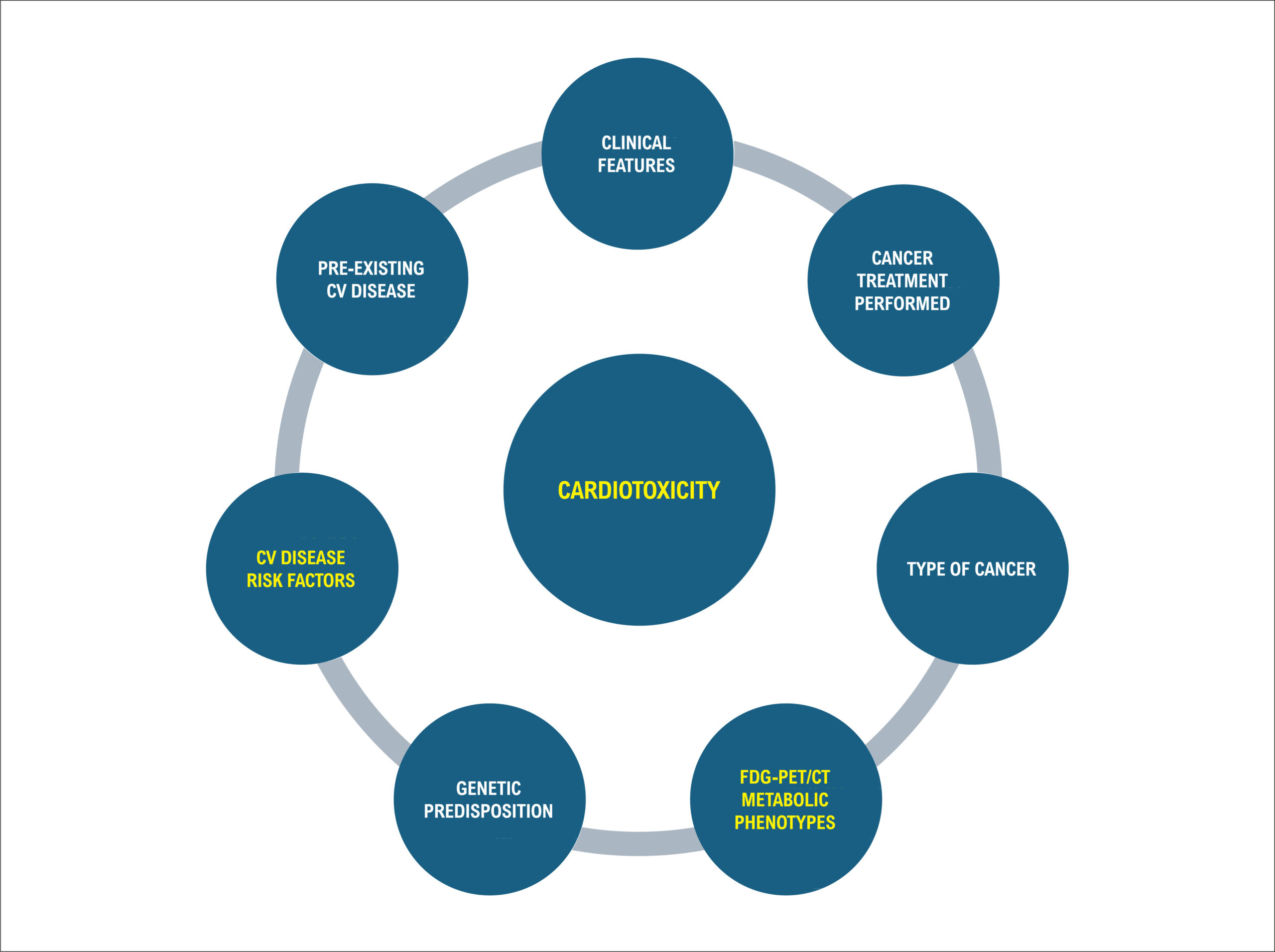
Association between Cardiac Metabolic Patterns in Oncological PET/CT and Cardiovascular Risk Factors. Contribution to the Early Investigation of Cardiotoxicity

Paola Emanuela Poggio Smanio

Introduction

The advancement of cancer therapies in recent decades has radically transformed the prognosis of various types of cancer, significantly improving patient survival. However, this progress has brought a significant increase in cardiovascular (CV) complications.

In this scenario, cardio-oncology has established itself as an essential field, requiring diagnostic strategies with ever-increasing accuracy in the early identification of cardiological impairments, even in the subclinical phase, in addition to the implementation of appropriate monitoring and control plans.

[…]

  • Cardiotoxicity
  • Medical Oncology
  • Positron Emission Tomography-Computed Tomography
  • Risk Factors
Read Full Article
Creative Commons Attribution (CC BY) Creative Commons license
15/05/2026 DOI: 10.36660/abc.20260107i Views 2
Editorial

Prevalence of Hypertrophic Cardiomyopathy in Brazil: What is Our Reality?

Silvia Moreira Ayub-Ferreira

Hypertrophic cardiomyopathy (HCM) is a hereditary heart disease whose prevalence is underestimated in several regions of the world. In Brazil, this challenge is also significant, especially given the country’s population heterogeneity. In this issue, we highlight a pioneering study that investigated the occurrence of the echocardiographic phenotype of HCM in the ELSA-Brasil cohort.1

For those unfamiliar, the Brazilian Longitudinal Study of Adult Health (ELSA-Brasil) is a large, multicenter cohort study designed to investigate risk factors for obesity, diabetes, and cardiovascular diseases in Brazilian public servants from large urban centers, aged 35 to 74 years.

[…]

  • Echocardiogram
  • Epidemiology
  • Hypertrophic Cardiomyopathy
Read Full Article
Creative Commons Attribution (CC BY) Creative Commons license
30/03/2026 DOI: 10.36660/abc.20260100i
Editorial

Serum Levels of sCD40L, CCL3, and NT-proBNP in Elderly Patients Admitted to the Hospital with HF

Maria da Gloria Cruvinel Horta et al. Marcus Carvalho Borin

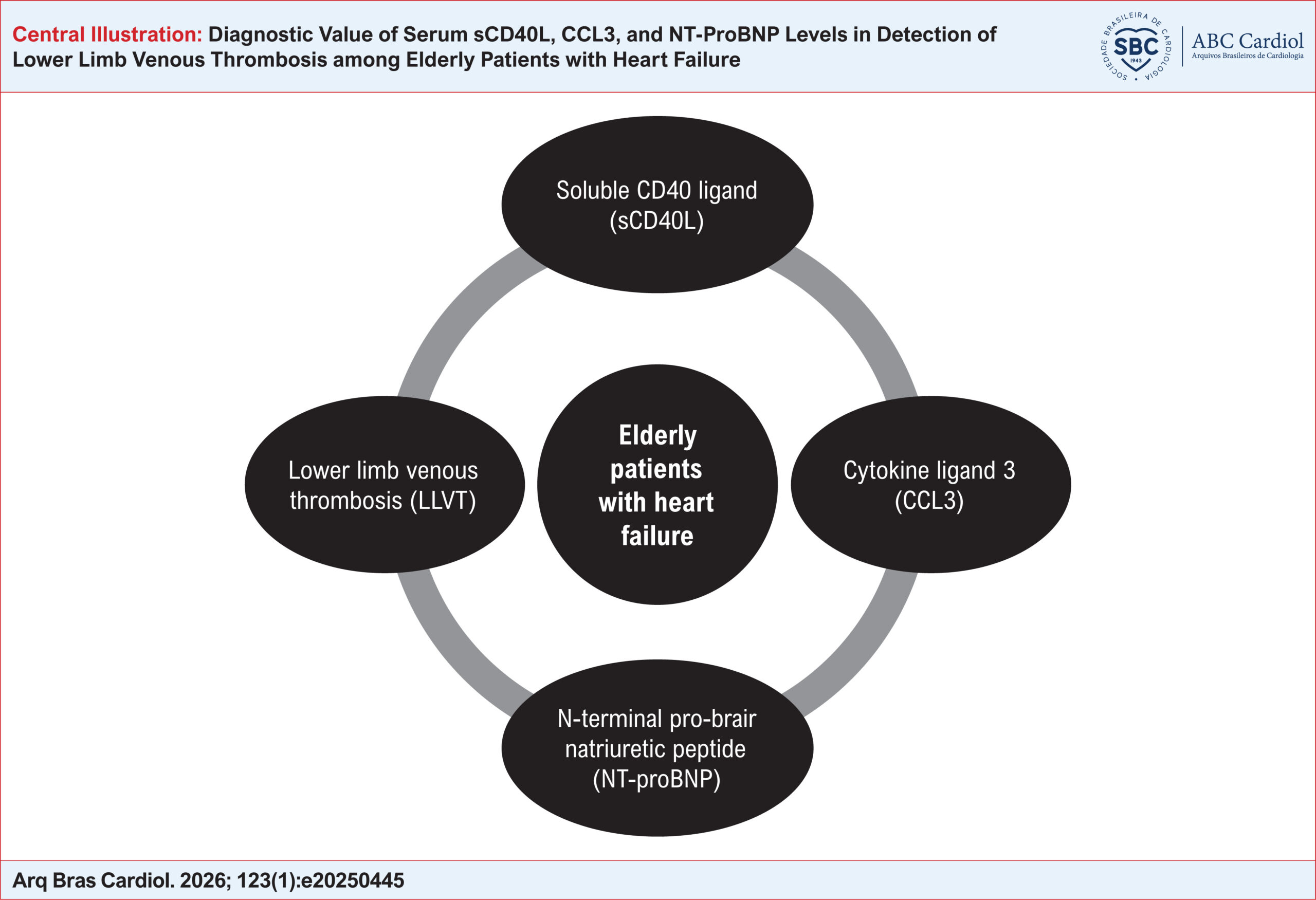
The authors investigated the serum levels of sCD40L (soluble CD40 Ligand), the pro-inflammatory chemokine CCL3, and N-terminal pro b-type natriuretic peptide (NT-proBNP) in elderly patients admitted to the hospital with HF. The study explored whether screening these biomarkers individually or in combination can serve as a diagnostic tool for HF associated with VTELL. The presence of thrombi was determined through venous ultrasound of the lower limbs during hospital admission. Evaluating 200 patients divided into groups with and without thrombosis, the researchers found that the groups presented similar characteristics, with the exception of lipoprotein levels, which were significantly higher in the thrombosis group. The combined analysis of NT-proBNP, sCD40L, and CCL3 yielded a sensitivity of 62.00% and a specificity of 91.00%. This associated analysis proved superior to the individual performance of each biomarker, utilizing thresholds of 264.93 pg/mL for NT-proBNP, 7.07 ng/mL for sCD40L, and 28.96 ng/L for CCL3, thereby highlighting the diagnostic value of the combination for this specific patient profile.

The relevance of these findings is supported by existing literature, such as the work published by Haller et al., which investigated incremental prognostic outcomes of NT-proBNP plus other biomarkers for risk stratification in patients with atrial fibrillation. Their findings suggested that future use of multiple biomarkers could help distinguish between higher and lower risk levels in complex cardiac patients. Similarly, Folsom et al. conducted a six-year longitudinal follow-up through the “Atherosclerosis Risk in Communities” study, evaluating serial measurements of NT-proBNP. Their data showed that patients with an NT-proBNP increase from 100 to ≥100 pg/mL presented a 1.4 times increased risk for venous thromboembolism compared to those with stable, lower concentrations. When levels were consistently ≥100 pg/mL, the risk rose to 1.6 times. This suggests that rising NT-proBNP levels serve as an indicator of imminent cardiac vulnerability, predisposing patients to thromboembolic events.

[…]

  • Biomarkers
  • Heart Failure
  • Venous Thrombosis
Read Full Article
Creative Commons Attribution (CC BY) Creative Commons license
20/03/2026 DOI: 10.36660/abc.20260035i Views 3
Diagnostic Value of Serum sCD40L, CCL3, and NT-ProBNP Levels in Detection of Lower Limb Venous Thrombosis among Elderly Patients with Heart Failure
Original Article

Diagnostic Value of Serum sCD40L, CCL3, and NT-ProBNP Levels in Detection of Lower Limb Venous Thrombosis among Elderly Patients with Heart Failure

Xuelian Liu et al. Lina Mu Shasha Ma Huijing Zhang

Abstract

Background:

The serum levels of soluble CD40 ligand (sCD40L), cytokine ligand 3 (CCL3), and N-terminal pro-brain natriuretic peptide (NT-proBNP) are closely associated with heart failure (HF).

Objective:

This study evaluated the predictive value of serum sCD40L, CCL3, and NT-proBNP levels for lower limb venous thrombosis (LLVT) in elderly patients with HF.

Methods:

A total of 200 patients with HF were retrospectively included and equally divided into thrombus and non-thrombus groups based on lower limb vein ultrasound findings. Serum levels of sCD40L, CCL3, and NT-proBNP were measured and analyzed. A p-value < 0.05 was considered statistically significant.

Results:

Serum sCD40L, CCL3, and NT-proBNP levels were significantly higher in the thrombus group compared with the non-thrombus group (p < 0.05). Multivariate logistic regression analysis demonstrated that elevated serum sCD40L, CCL3, and NT-proBNP levels are risk factors for LLVT in patients with HF (p < 0.05). The area under the receiver operating characteristic (ROC) curve (AUC) for the combined serum sCD40L, CCL3, and NT-proBNP levels was greater than that of each individual marker (Z values: sCD40L = 3.337, CCL3 = 2.303, and NT-proBNP = 5.156; p < 0.001, p < 0.001, and p = 0.021, respectively).

Conclusion:

Elevated serum sCD40L, CCL3, and NT-proBNP levels were associated with LLVT in elderly patients with HF. The combination of these markers provides high diagnostic value for the detection of LLVT in this population.

  • Aged
  • Heart Failure
  • Trombose Venosa
Read Full Article
Creative Commons Attribution (CC BY) Creative Commons license
20/03/2026 DOI: 10.36660/abc.20250445i
Editorial

Coronary Artery Disease and Chronic Kidney Disease: A Tale of Two Organs

Igor Kranjec

“It was the best of times, it was the worst of times…” So begins Charles Dickens’s A Tale of Two Cities, a novel deeply rooted in London while casting a watchful eye across the Channel toward the upheaval of revolutionary Paris. In contrast to Dickens’s narrative of division, the two vital organs at the heart of this Editorial exist not in conflict, but in synergy. The heart and the kidneys work in tandem to maintain homeostasis; when one falters, the other inevitably follows. Cardiovascular abnormalities in chronic kidney disease (CKD) are driven by a complex interplay of traditional risk factors and non-traditional, CKD-specific stressors. As the glomerular filtration rate (GFR) declines, the clinical manifestations of coronary artery disease (CAD) become increasingly prevalent. Patients with concomitant CAD and CKD represent a distinct and challenging subgroup. They frequently present with atypical symptoms and are more likely to experience non-ST-segment myocardial infarction than stable exertional angina. Furthermore, sudden cardiac death is a tragically common endpoint in end-stage kidney disease.

Diagnostic clarity is often elusive in this population. Cardiac troponins are frequently chronically elevated even in the absence of acute coronary syndrome, though the exact mechanisms remain debated. Moreover, the diagnostic yield of exercise testing and pharmacologic perfusion imaging is diminished, leading to a higher incidence of both false-negative and false-positive results. While coronary calcification is ubiquitous in CKD and carries prognostic weight similar to that in the general population, its progression is significantly accelerated as renal function deteriorates. Histological studies further reveal a higher inflammatory burden within coronary plaques compared to non-renal controls. Despite these complexities, CKD patients remain systematically under-represented in clinical trials, leaving a vacuum of evidence-based guidelines regarding statin use, elective revascularization, and the optimal duration of dual antiplatelet therapy. The evaluation of CAD traditionally relies on clinical assessment integrated with diagnostic tools such as electrocardiography, stress testing, and echocardiography. Despite its known limitations, coronary luminal stenosis remains the conventional benchmark for CAD severity in daily practice, guiding management decisions following invasive coronary angiography or computed tomography angiography (CTA). However, emerging evidence suggests that plaque burden, rather than the degree of stenosis alone, is the primary predictor of cardiovascular risk, regardless of whether the CAD is obstructive or non-obstructive. CTA allows for an extensive characterization of this burden and the identification of high-risk plaque features. Furthermore, incorporating fractional flow reserve methods to account for diffuse CAD may refine the anatomical assessment of vessel-specific ischemia. GFR remains the definitive metric of kidney function. While the »gold standard« involves measuring the clearance of exogenous markers like inulin, this approach is too invasive, time-consuming, and costly for routine use. Consequently, clinical practice relies on GFR estimates (eGFR) derived from creatinine or cystatin C. The accuracy of these estimates is often compromised by non-GFR determinants of creatinine, such as diet, muscle mass, tubular secretion, and extrarenal elimination. Even in well-validated populations, 10% of patients may have estimation errors exceeding 30%. The Cockcroft-Gault (C-G) equation shares the inherent flaws of measured creatinine clearance. The Modification of Diet in Renal Disease (MDRD) equation is widely utilized, particularly in patients with advanced renal impairment, yet it loses precision in those with preserved kidney function. In contrast, the CKD-EPI (Chronic Kidney Disease Epidemiology Collaboration) equation—which utilizes the same variables as MDRD—offers superior accuracy at higher GFR levels by reducing systematic bias. Accordingly, the CKD-EPI equation is now the internationally recommended standard for routine laboratory practice.

[…]

  • chronic renal insufficiency
  • Coronary Artery Disease
  • Prognosis
Read Full Article
Creative Commons Attribution (CC BY) Creative Commons license
16/03/2026 DOI: 10.36660/abc.20260028i Views 1
Editorial

Reconsidering the CHA2DS2-VASc Score for No-Reflow Risk Stratification after Percutaneous Coronary Intervention

Irfan Sahin et al. Muhammed Furkan Deniz

The no-reflow phenomenon remains one of the most complex and clinically challenging complications of percutaneous coronary intervention (PCI)., Although advanced imaging techniques, novel stent technologies, and contemporary pharmacological therapies are widely used today, there is still no universally accepted scoring system capable of reliably predicting no-reflow either before or during the procedure. This gap remains an important unmet clinical need.–

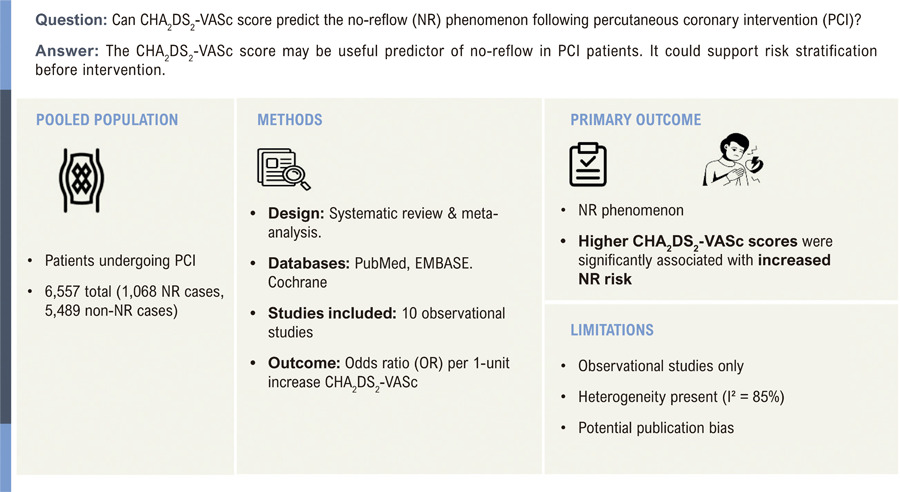
In this context, the systematic review and meta-analysis presented by Ozbay et al. make a significant contribution to the existing literature by addressing the association between the CHA2DS2-VASc score and the occurrence of no-reflow after PCI. By synthesizing data from ten observational studies involving more than 6,500 patients, the authors demonstrated a significant and consistent association between higher CHA2DS2-VASc scores and an increased likelihood of no-reflow. These findings suggest that observations previously reported in single-center studies with relatively small sample sizes are confirmed in a larger population within a more robust methodological approach.–

[…]

  • No-Reflow Phenomenon
  • Percutaneous Coronary Intervention
  • postoperative complications
Read Full Article
Creative Commons Attribution (CC BY) Creative Commons license
16/03/2026 DOI: 10.36660/abc.20260022i Views 1
Editorial

Fine Particulate Pollution is a Powerful Risk Factor for Cardiovascular Disease

Desiderio Favarato

In this issue, Moura PH et al found that the Rio de Janeiro Metropolitan area, RJ, BR presents out-of-limit high levels of air pollution and there was a direct correlation between air pollution with PM2.5 (Particulate Matter of 2.5 μm) and higher incidence of cardiovascular disease, especially in lower socioeconomic status and in the elderly.

Since the Framingham Study had enumerated the so-called traditional risk factors – hypertension, high LDL-cholesterol, low HDL-cholesterol, diabetes, tobacco smoking, obesity, sedentary lifestyle, and male sex – a growing number of risk factors have been continuously added to that list.

[…]

  • Air Pollution
  • Cardiovascular Diseases
  • Particulate Matter
Read Full Article
Creative Commons Attribution (CC BY) Creative Commons license
16/03/2026 DOI: 10.36660/abc.20260006i Views 1
Figure 1
Editorial

Cardiac Amyloidosis and SGLT2 Inhibitors: Signal, Hope, and the Need for Randomized Evidence

Humberto Villacorta et al. Aline Sterque Villacorta

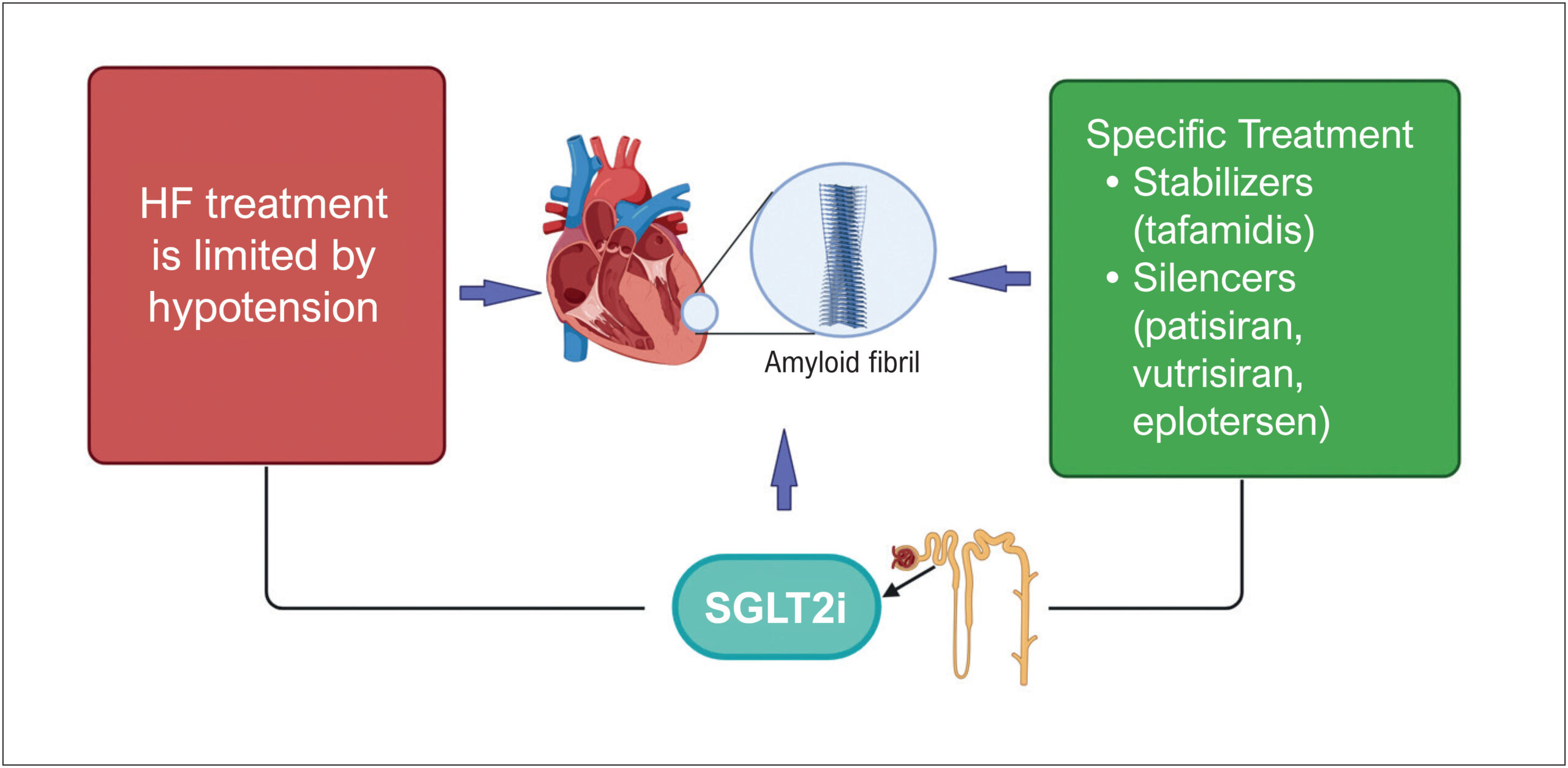
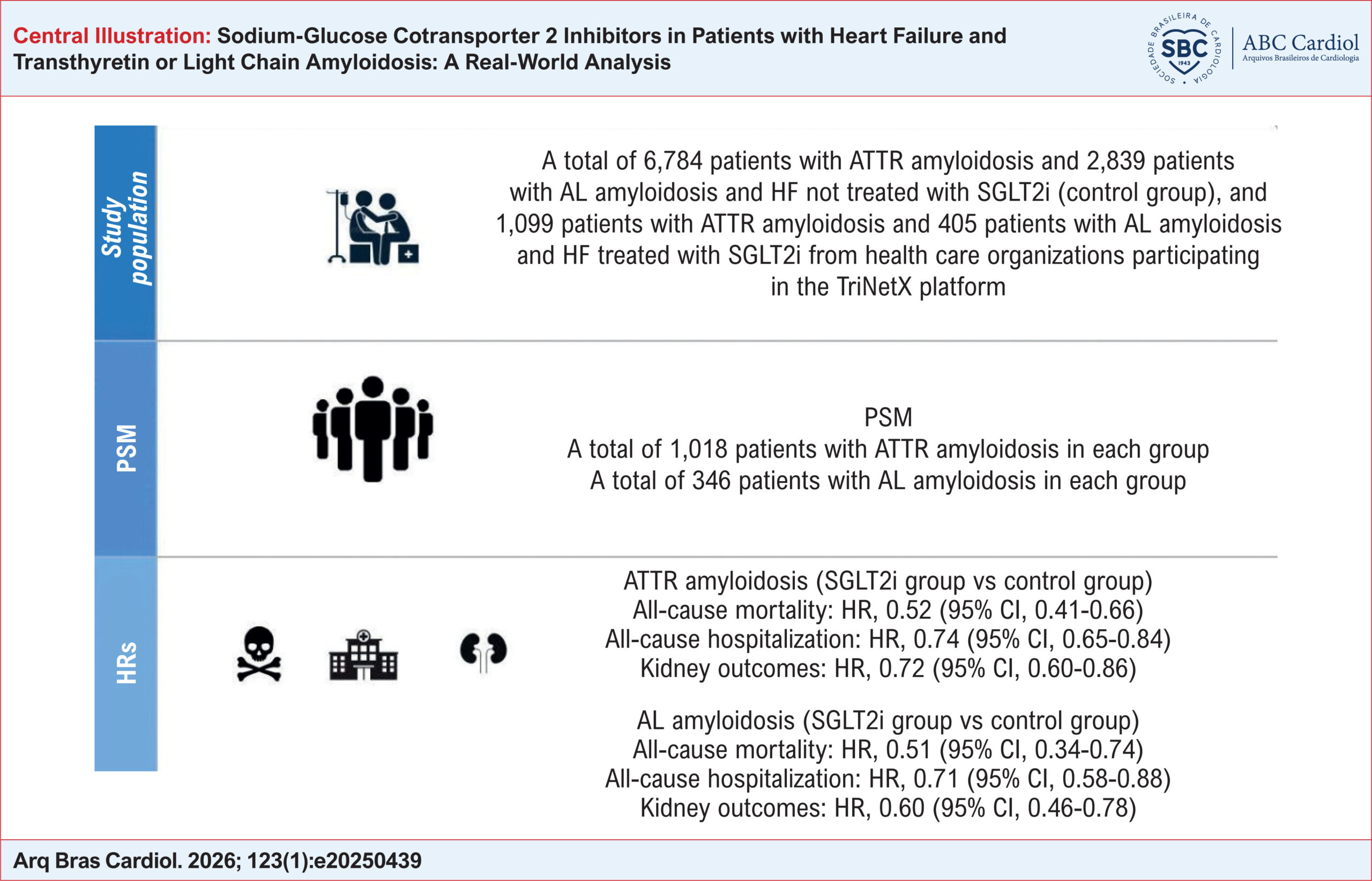
Heart failure secondary to cardiac amyloidosis remains one of the most challenging scenarios in contemporary cardiovascular medicine. Despite major advances in disease-modifying therapies for both transthyretin (ATTR) and light-chain (AL) amyloidosis, outcomes are still largely driven by progressive heart failure, renal dysfunction, and cardiovascular deaths. Conventional heart failure therapies are often poorly tolerated or ineffective in this restrictive cardiomyopathy, leaving clinicians with limited options to improve prognosis. In this context, the real-world analysis by Nunes et al. provides timely and provocative evidence supporting a potential role for sodium-glucose cotransporter 2 (SGLT2) inhibitors in this high-risk population.

Using data from the TriNetX global collaborative network, the authors evaluated more than 2,700 propensity score-matched patients with heart failure due to ATTR or AL amyloidosis. Across both amyloid subtypes, treatment with SGLT2 inhibitors was consistently associated with substantial reductions in all-cause mortality, hospitalization, and renal events at 12 months. The magnitude of benefit is striking: approximately 50% relative reduction in mortality and meaningful improvements in both heart failure and renal outcomes. These findings extend the growing body of observational data suggesting that the benefits of SGLT2 inhibition may transcend traditional heart failure phenotypes and etiologies, and may have a specific role in cardiac amyloidosis, as shown in .

[…]

  • Amyloidosis
  • Heart Failure
  • Mortality
  • Sodium-Glucose Transporter 2 Inhibitors
Read Full Article
Creative Commons Attribution (CC BY) Creative Commons license
16/03/2026 DOI: 10.36660/abc.20250894i Views 2
Editorial

Pulsed Field Ablation for Atrial Fibrillation: Early Experience in Brazil

Gabriela Miana de Mattos Paixão et al. Isadora Cristine Reis Sguizzato Bozzi

Atrial fibrillation (AF) is the most common sustained cardiac arrhythmia in clinical practice and represents a significant public health burden because it is independently associated with impaired quality of life, increased risk of stroke, and all-cause mortality(1). The incidence and prevalence of AF are growing worldwide, driven mainly by population aging and the rising prevalence of cardiovascular comorbidities. Together, these findings explain the economic impact of AF and its role as a growing healthcare challenge.

Catheter ablation is a well-established rhythm-control strategy for AF, with pulmonary vein isolation as its central component, since pulmonary vein–related triggers were recognized. Over more than two decades, advances in electroanatomic mapping, catheter technology, and energy delivery have improved the safety and long-term outcomes of radiofrequency and cryoballoon ablation. Despite these advances, single-procedure success remains limited, and complications related to collateral thermal injury can occur. Pulsed field ablation (PFA) has recently emerged as a novel, nonthermal ablation modality based on electroporation, induced by rapid electrical pulses that selectively ablate myocardial tissue while minimizing injury to adjacent structures such as the esophagus and phrenic nerve. Early clinical studies and real-world registries have demonstrated a favorable safety profile and efficacy comparable to thermal ablation.– However, optimizing protocols and obtaining robust long-term outcome data remain necessary, especially in low- and middle-income countries such as Brazil.

[…]

  • Atrial Fibrillation
  • Cardiac Arrhythmias
  • Irreversible Electroporation Therapy
Read Full Article
Creative Commons Attribution (CC BY) Creative Commons license
16/03/2026 DOI: 10.36660/abc.20250893i Views 1
Editorial

The Role of Low-Cost 3D Printing for Education in Congenital Heart Diseases

Vítor Ramos

Three-dimensional (3D) printing has emerged as a transformative technology in the management of congenital heart disease (CHD), offering new possibilities for anatomical visualization, procedural planning, and education.– By converting standard imaging datasets into tangible physical models, clinicians and trainees gain intuitive spatial insight into complex cardiac malformations that are often difficult to interpret using two-dimensional images alone.,

However, sustaining a 3D printing program requires careful financial planning. Costs related to infrastructure, equipment, materials, and dedicated personnel can limit long-term feasibility., Encouragingly, the increasing availability of free software and low-cost materials has significantly reduced financial barriers, making these workflows more accessible to institutions with limited resources.

[…]

  • Congenital Heart Defects
  • Education
  • Three-Dimensional Printing
Read Full Article
Creative Commons Attribution (CC BY) Creative Commons license
16/03/2026 DOI: 10.36660/abc.20250805i Views 1
Original Article

Estimating Left Main Bifurcation Geometry: Are Geometric Models Reliable in Diseased Arteries?

Stefano Garzon et al. Lucas Pilotto José Mariani Felipe Bezerra … Guy Prado Willterson Bandeira Breno Almeida Pedro Lemos

Abstract

Background:

Accurate characterization of coronary bifurcation geometry is essential for planning and optimizing percutaneous coronary interventions. Although several geometric models have been proposed to predict coronary bifurcation dimensions, their performance in diseased vessels remains insufficiently explored.

Objective:

To assess the accuracy and precision of three geometric prediction models (Murray, Finet, and Huo–Kassab) in estimating left main coronary artery (LMCA) bifurcation diameters, using quantitative coronary angiography (QCA) and intravascular ultrasound (IVUS) as reference standards.

Methods:

This retrospective, single-center study included 13 patients undergoing IVUS evaluation of the LMCA, left anterior descending artery, and left circumflex artery. Bifurcation diameters predicted by each geometric model were compared with measurements obtained by QCA and IVUS. Accuracy, precision, and model ratios were calculated for each comparison. Agreement between predicted and measured values was further assessed using Bland–Altman analysis.

Results:

When compared with QCA, the Murray and Huo–Kassab models demonstrated higher accuracy (0.06 mm and −0.03 mm, respectively) and similar precision (0.95 mm for both) than the Finet model (accuracy −0.35 mm, precision 0.96 mm). In comparisons with IVUS, the Murray model showed the best performance, with an accuracy of −0.49 mm and a precision of 0.84 mm. Bland–Altman analysis indicated superior agreement for the Murray model, particularly when IVUS was used as the reference standard.

Conclusions:

In this population of patients with moderately diseased LMCA bifurcations, the Murray and Huo–Kassab models provided more accurate geometric predictions than the Finet model. Overall, the Murray model demonstrated the best performance, especially in IVUS-based assessments.

  • Coronary Angiography
  • Coronary Artery Disease
  • Coronary Vessels
Read Full Article
Creative Commons Attribution (CC BY) Creative Commons license
02/03/2026 DOI: 10.36660/abc.20250605i Views 1
Figure 1
Editorial

The Continuous Evolution of the Arquivos Brasileiros de Cardiologia: 77 Years and Beyond

Gláucia Maria Moraes de Oliveira et al. Fausto J. Pinto

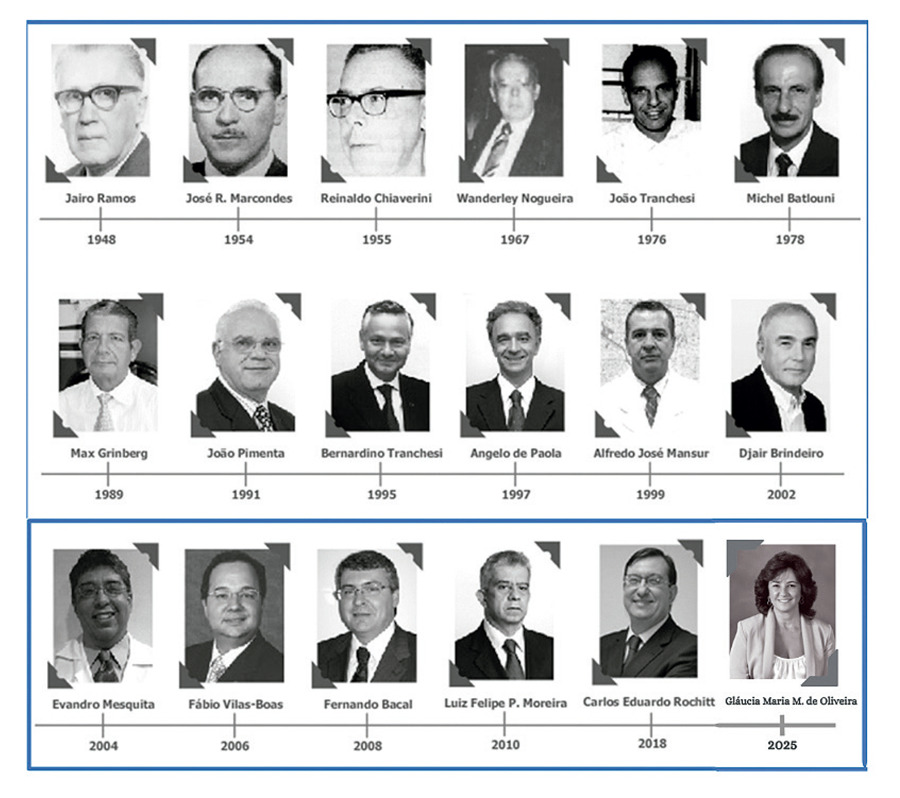
The Arquivos Brasileiros de Cardiologia (ABC Cardiol) is the most influential Brazilian scientific journal dedicated to the dissemination of research in cardiology and cardiovascular sciences. Founded in 1948 and published by the Brazilian Society of Cardiology (in Portuguese, SBC), it is over 70 years old and recognized as the highest-impact cardiology journal in Latin America. The ABC Cardiol is a monthly, bilingual publication, indexed in major international databases (PMC, PubMed Medline, Web of Science, Scopus, SciELO, Lilacs, DOAJ), adopts open access policies, and, in 2025, achieved an impact factor of 1.9 (JCR). In addition, ABC Cardiol is classified as Qualis A2, according to the scientific journal classification from the Coordination for Enhancement of Higher-Level Personnel (in Portuguese, CAPES) ().

[…]

  • Cardiology
  • Periodical
  • Scientific Communication and Diffusion
Read Full Article
Creative Commons Attribution (CC BY) Creative Commons license
02/03/2026 DOI: 10.36660/abc.20250847i Views 1
Letter to the Editor

Troponin-to-Lymphocyte Ratio in ICI Associated Myocarditis: A Useful Marker with Limitations

Gökhan Ceyhun

Dear Editor,

We read with great interest the article by Chen et al. on the prognostic role of the troponin-to-lymphocyte ratio (cTn/ALC) in patients with immune checkpoint inhibitor (ICI) associated myocarditis. This complication, although infrequent, carries a disproportionately high risk of morbidity and mortality among cancer patients receiving immunotherapy. The authors should be commended for exploring a simple and widely available marker that reflects both myocardial injury and immune status. Such an approach is clinically attractive because both troponin and lymphocyte count are routinely measured, inexpensive, and easily standardized. Previous reports have already highlighted the prognostic role of troponin elevation and lymphocyte dynamics in ICI associated myocarditis,– and the integration of these two markers into a composite index is a logical and potentially valuable step forward.

[…]

  • Myocarditis
  • T-Lymphocytes
  • Troponin
Read Full Article
Creative Commons Attribution (CC BY) Creative Commons license
02/03/2026 DOI: 10.36660/abc.20250648i Views 2
Sodium-Glucose Cotransporter 2 Inhibitors in Patients with Heart Failure and Transthyretin or Light Chain Amyloidosis: A Real-World Analysis
Original Article

Sodium-Glucose Cotransporter 2 Inhibitors in Patients with Heart Failure and Transthyretin or Light Chain Amyloidosis: A Real-World Analysis

Rafael Amorim Belo Nunes et al. Leandro Menezes Alves da Costa Thiago Luis Scudeler Precil Diego Miranda Menezes Neves … Victor Augusto Hamamoto Sato Álvaro Avezum

Abstract

Background:

Evidence regarding the efficacy of sodium-glucose cotransporter 2 inhibitors (SGLT2i) in amyloidosis-related heart failure (HF) remains limited.

Objective:

To evaluate the impact of SGLT2i in patients with amyloid transthyretin (ATTR) or amyloid light-chain (AL) amyloidosis and HF.

Methods:

By using global electronic medical record data, we identified patients aged ≥ 18 years with ATTR or AL amyloidosis and HF. After matching, outcomes were compared between patients treated with SGLT2i and matched controls, including 2,036 patients with ATTR amyloidosis and 692 patients with AL amyloidosis. Endpoints included 12-month all-cause mortality, hospitalization, and kidney outcomes. Statistical significance was defined as a two-sided p < 0.05.

Results:

A total of 96 (9.43%) deaths occurred among patients with ATTR amyloidosis in the SGLT2i group, compared to 196 (19.2%) in the control group (hazard ratio [HR], 0.52; 95% CI, 0.41-0.66). Hospitalization occurred in 387 (38.0%) patients receiving SGLT2i and in 505 (49.6%) controls (HR, 0.74; 95% CI, 0.65-0.84). Kidney outcomes were observed in 204 (20.0%) patients in the SGLT2i group and 298 (28.5%) in the control group (HR, 0.72; 95% CI, 0.60-0.86). Among patients with AL amyloidosis, 39 (11.2%) deaths occurred in the SGLT2i group and 80 (23.1%) in the control group (HR, 0.51; 95% CI, 0.34-0.74). Hospitalization occurred in 161 (46.5%) patients treated with SGLT2i and in 204 (58.96%) controls (HR, 0.71; 95% CI, 0.58-0.88). Kidney outcomes occurred in 86 (24.8%) patients in the SGLT2i group and 137 (39.6%) in the control group (HR, 0.60; 95% CI, 0.46-0.78).

Conclusion:

In patients with HF due to ATTR or AL amyloidosis, the use of SGLT2i was associated with lower all-cause mortality, hospitalization, and kidney outcomes.

  • Amyloidosis
  • Heart Failure
  • Mortality
  • Sodium-Glucose Transporter 2 Inhibitors
Read Full Article
Creative Commons Attribution (CC BY) Creative Commons license
02/03/2026 DOI: 10.36660/abc.20250439i Views 2
Figure 1
Research Letter

Never Stop Looking – the Heart is Not Always the Answer

Daniel Inácio Cazeiro et al. Diogo Ferreira Lia Bruno Ana Isabel Ferreira … João Leitão Fausto J. Pinto Rui Plácido

Case presentation

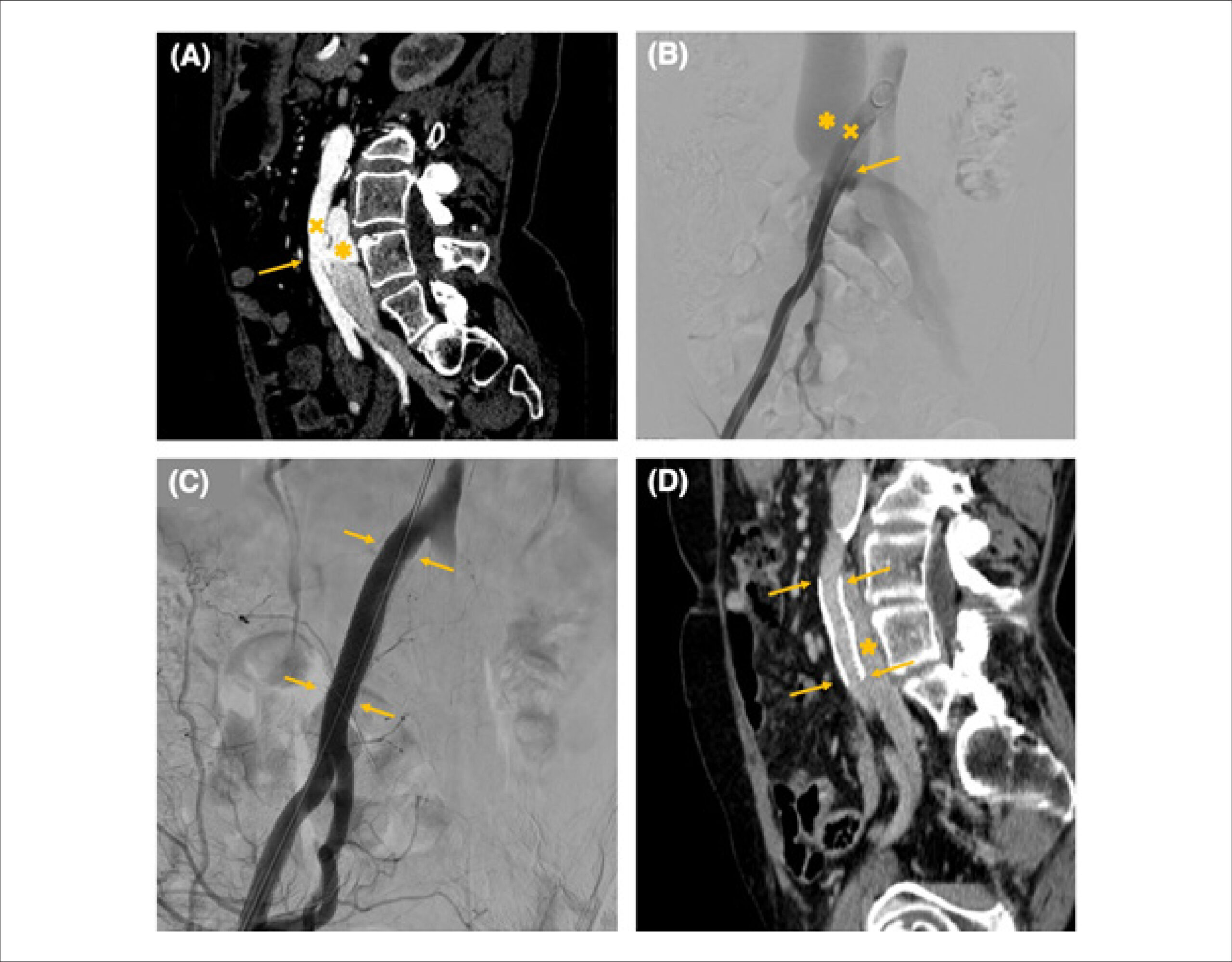
A 63-year-old woman presented with a two-year history of worsening fatigue, dyspnea (World Health Organization functional class III), and palpitations. The echocardiogram had demonstrated a high probability of pulmonary hypertension (PH), and she was subsequently referred to a PH expert center. Her past medical history included systemic arterial hypertension, iron deficiency anemia secondary to gastrointestinal bleeding from duodenal telangiectasias (endoscopically treated), and a previous extraforaminal L3-L4 discectomy due to lumbar herniated disk with associated radiculopathy, performed at another hospital two years before the first appointment. The post-operative period was complicated by severe acute anemia of unclear etiology, which required nine red blood cell transfusions.

At the time of referral, the patient was taking furosemide 40 mg once daily (OD), candesartan 16 mg + hydrochlorothiazide 12.5 mg OD, simvastatin 20 mg OD, and alprazolam 0.25 mg OD. She had a history of smoking but no significant occupational exposures, and her family history was unremarkable.

[…]

  • Arteriovenous Fistula
  • Pulmonary Hypertension
  • Therapeutics
Read Full Article
Creative Commons Attribution (CC BY) Creative Commons license
02/03/2026 DOI: 10.36660/abc.20250425i Views 1
Original Article

Brazilian Registry of Pulsed Field Catheter Ablation for the Treatment of Patients with Atrial Fibrillation

Bruna Miers May et al. Nilson Araujo Junior Silvia Helena Cardoso Boghossian Jacob Atie … Washington A. Maciel Carina Abigail Hardy Alexander Romeno Janner Dal Forno Eduardo B. Saad Claudio Munhoz Angelo Amato Vincenzo de Paola Mauricio Scanavacca Andre Zimerman José Tarcísio Medeiros de Vasconcelos André d’Avila

Abstract

Background:

Pulsed field ablation (PFA), a new catheter-based, non-thermal ablation technique, enhances the safety and efficacy of catheter ablation of atrial fibrillation (AF) compared to conventional thermal methods. While widely adopted in Europe and the United States, its application in Brazil is recent and remains undocumented.

Objective:

This study reports the initial multicenter Brazilian experience with the pulse field ablation to treat patients with AF, emphasizing its rapid adoption and short learning curve.

Methods:

A retrospective analysis of 394 consecutive procedures, performed by 60 operators across multiple Brazilian centers, was conducted. Data encompassed patient demographics, procedural metrics, imaging modalities, and ablation outcomes. A sub-analysis compared high-volume operators (n=139 procedures) with others (n=255). All statistical tests were two-tailed, with a p-value threshold of <0.05 for statistical significance.

Results:

Paroxysmal AF was predominant (62%), with pulmonary vein isolation (PVI) only as the primary lesion set in 54%. General anesthesia was near-universal (98%), and no major complications occurred. High-volume centers had significantly shorter procedure and ablation times (82 ± 27 vs. 131 ± 76 minutes; p<0.001 and 33 ± 14 vs. 50 ± 33 minutes; p<0.001, respectively), alongside fewer additional lesions after remapping (7% vs. 30%; p<0.001), suggesting a rapid learning curve.

Conclusion:

Pulsed field ablation demonstrates high acute efficacy, safety, and ease of adoption in Brazil, with a notably short learning curve, as evidenced by the efficiency of high-volume operators. Long-term outcome studies are warranted.

  • Atrial Fibrillation
  • Brazil
  • Catheter Ablation
Read Full Article
Creative Commons Attribution (CC BY) Creative Commons license
02/03/2026 DOI: 10.36660/abc.20250416i Views 1
Figure 1
Brief Communication

Treadmill Test and Ambulatory Blood Pressure Monitoring: Can They Be Performed on the Same Day? Can the Effort Reached on the Treadmill Interfere?

Paulo Magno Martins Dourado et al. Larissa de Almeida Dourado Letícia Raiane dos Anjos Silva Jaciara Gomes de Oliveira … Karolyne de Oliveira Matos João Paulo de Almeida Dourado Ludhmila Abrahão Hajjar Pedro Gabriel Senger Braga

Abstract

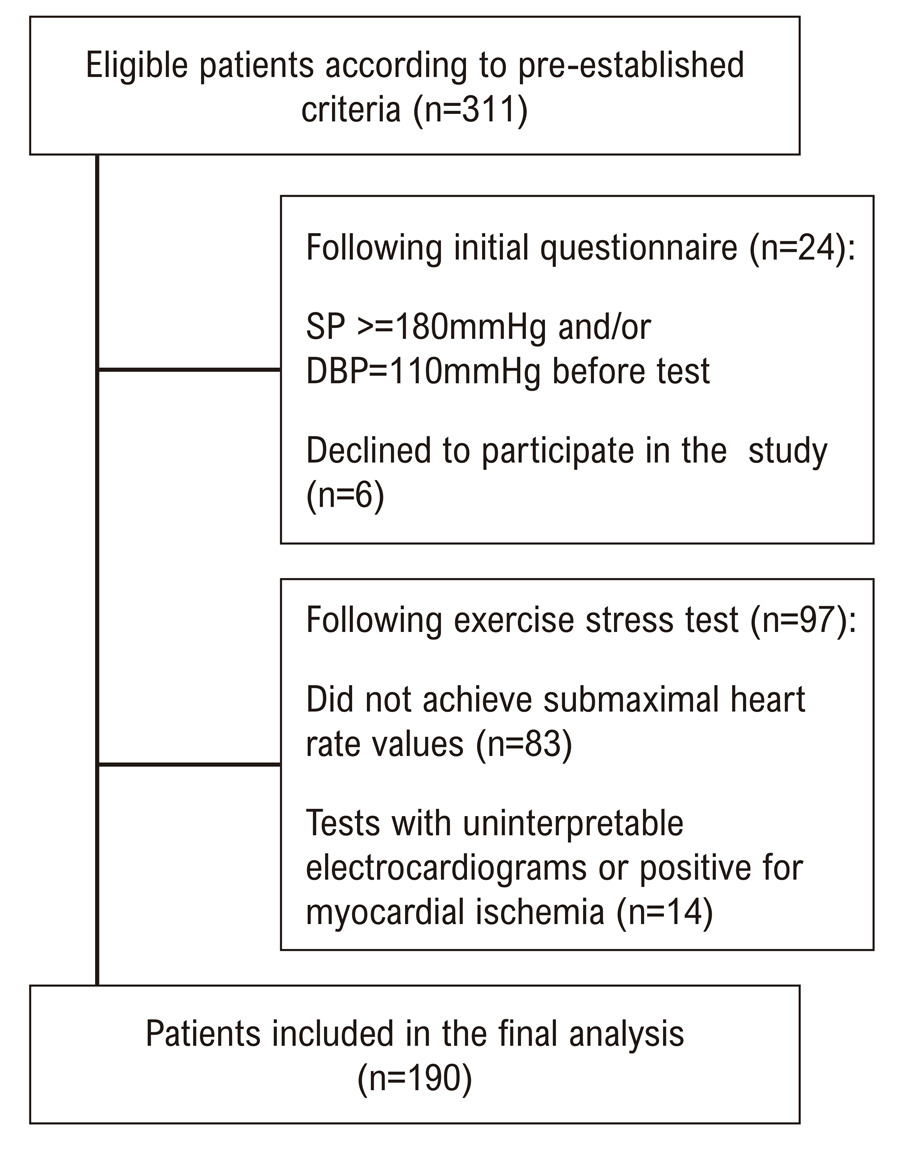
The present study aimed to assess whether the exercise stress test influences the results of ambulatory blood pressure monitoring (ABPM) in individuals who undergo both examinations on the same day, and whether the intensity reached during the test affects the blood pressure values obtained through ABPM. A total of 190 adults participated in the study, which included two analyses: performing the tests on the same day (n=145) versus on different days (n=45) and reaching submaximal (n=95) versus maximal (n=50) heart rate during the exercise stress test. Performing the exercise stress test and ABPM on the same day did not affect maximum systolic blood pressure during wakefulness (p=0.5307) or sleep (p=0.7383), maximum diastolic pressure during wakefulness (p=0.2691) or sleep (p=0.3974), minimum systolic pressure during wakefulness (p=0.4615) or sleep (p=0.5584), or minimum diastolic pressure during wakefulness (p=0.1289) or sleep (p=0.8075). When comparing the intensity of effort reached, there were no differences in maximum systolic pressure during wakefulness (p=0.1029) or sleep (p=0.2149), maximum diastolic pressure during wakefulness (p=0.2062) or sleep (p=0.1851), minimum systolic pressure during wakefulness (p=0.7964) or sleep (p=0.8991), and minimum diastolic pressure during wakefulness (p=0.8864) or sleep (p=0.4892). No differences were found in ABPM blood pressure values between individuals who performed the exercise stress test on the same day and those who did so on different days. Additionally, the intensity reached during the test, whether submaximal or maximal, did not influence ABPM results.

  • Ambulatory Blood Pressure Monitoring
  • Arterial Pressure
  • Exercise Test
Read Full Article
Creative Commons Attribution (CC BY) Creative Commons license
02/03/2026 DOI: 10.36660/abc.20250412i Views 1
Association of CHA2DS2-VASc Score with No-Reflow Phenomenon after PCI: A Systematic Review and Meta-Analysis
Original Article

Association of CHA2DS2-VASc Score with No-Reflow Phenomenon after PCI: A Systematic Review and Meta-Analysis

Mustafa Bilal Ozbay et al. Aysenur Gullu Serhat Degirmen Bede Nnaemeka Nriagu … Yasin Ozen Cagri Yayla

Abstract

Background

The no-reflow (NR) phenomenon is a serious complication of percutaneous coronary intervention (PCI), associated with poor clinical outcomes. The CHA2DS2-VASc score, originally developed to assess thromboembolic risk in atrial fibrillation, has shown potential in being associated with adverse cardiovascular events, but its predictive value for NR remains uncertain.

Objective

To evaluate the association between the CHA2DS2-VASc score and the occurrence of NR in patients undergoing PCI through a systematic review and meta-analysis.

Methods

A systematic review of the literature was performed across Cochrane, EMBASE, and PubMed databases to identify studies examining the relationship between the CHA2DS2-VASc score and the occurrence of NR following PCI. A random-effects meta-analysis was conducted, using odds ratios (ORs) and 95% confidence intervals (CIs) as the measures of effect size. Heterogeneity was calculated by using Cochran’s Q test and Higgins’ I2 statistics.

Results

A total of 10 studies including 6,557 patients (1,068 NR cases and 5,489 non-NR cases) were analyzed. An elevated CHA2DS2-VASc score was strongly associated with a higher risk of NR occurrence after PCI (OR, 1.86; 95% CI, 1.51–2.29; p < .00001; I2 = 85%).

Conclusion

This meta-analysis supports that the CHA2DS2-VASc score may be a useful tool for identifying patients at increased risk of NR during PCI. Further prospective studies are required to validate these findings and optimize risk stratification approaches.

  • Meta-Analysis
  • Percutaneous Coronary Intervention
Read Full Article
Creative Commons Attribution (CC BY) Creative Commons license
02/03/2026 DOI: 10.36660/abc.20250356i Views 2
Case Report

Refractory Angina with Myocardial Ischemia in the Absence of Obstructive Coronary Artery Disease: A Case Report

Filipe Silva Vilela et al. Carla Oliveira Ferreira Bárbara Rocha João Faria … Ana Sofia Fernandes Mónica Dias Inês Conde António Gaspar Carlos Galvão Braga

Introduction

Angina pectoris, the most common symptom of ischemic heart disease, affects approximately 112 million people globally. A large proportion of patients (up to 70%) undergoing coronary angiography because of angina and evidence of myocardial ischemia do not have obstructive coronary arteries, a condition termed INOCA – ischemia with non-obstructive coronary arteries.–

Coronary microvascular dysfunction and epicardial vasospasm, alone or in combination with coronary artery disease (CAD), are adjunctive mechanisms of myocardial ischemia. Discrimination of epicardial coronary artery vasospasm from coronary microvascular dysfunction permits specific and distinct treatment and provides prognostic information to patients and their physicians.

[…]

  • Coronary Vasospasm
  • Microvascular Angina
  • Myocardial Ischemia
Read Full Article
Creative Commons Attribution (CC BY) Creative Commons license
02/03/2026 DOI: 10.36660/abc.20250243i
Original Article

Prevalence and Characterization of the Hypertrophic Cardiomyopathy Phenotype Assessed by Echocardiography in an Adult Brazilian Population: The ELSA-Brasil Study

Amadeu Antonio Bertuol Filho et al. Alexandre da Costa Pereira Angela Barreto Santiago Santos Antonio Luiz Pinho Ribeiro … Bruce Bartholow Duncan Eduardo Gatti Pianca Fernando Luis Scolari Murilo Foppa

Abstract

Background

Hypertrophic cardiomyopathy (HCM) is a genetically inherited cardiac disease with significant clinical impact. Although its epidemiology is well described in developed countries, the prevalence of HCM in Latin American populations remains poorly defined.

Objective

To estimate the prevalence of the HCM phenotype and describe its clinical and echocardiographic characteristics in a large adult Brazilian cohort.

Methods

The ELSA-Brasil study is a multicenter cohort including 15,105 active and retired public servants aged 35-74 years at baseline. Comprehensive clinical data collection was conducted at each investigation center. Baseline echocardiographic examinations were reviewed, and participants were classified as having Definitive HCM if established diagnostic criteria were met. The prevalence of HCM and its 95% CI were calculated. Individuals meeting borderline criteria were classified as Possible HCM. A p-value < 0.05 was considered statistically significant.

Results

Among 3,267 participants who underwent echocardiography at baseline (mean age 64 ± 9 years; 53% women), five individuals met diagnostic criteria for HCM, of whom 80% were women. The estimated prevalence of HCM was 0.15% (95% CI, 0.05%-0.36%). Three participants exhibited a septal hypertrophy phenotype, and all cases of Definitive HCM showed abnormal electrocardiographic findings. A total of 19 additional participants were classified as Possible HCM, with no statistically significant differences compared with the Definitive HCM group.

Conclusion

The prevalence of HCM in this Brazilian cohort was approximately 1.5 per 1,000 individuals, consistent with rates reported in other populations. Most cases of HCM occurred in women and were frequently associated with metabolic conditions. These findings provide novel data on the epidemiology and clinical profile of HCM in Brazil and highlight the need for further research on genetic cardiomyopathies in Latin America.

  • Cross-Sectional Studies
  • Echocardiography
  • Heart Failure
  • Hypertrophic Cardiomyopathy
Read Full Article
Creative Commons Attribution (CC BY) Creative Commons license
02/03/2026 DOI: 10.36660/abc.20250116i Views 2
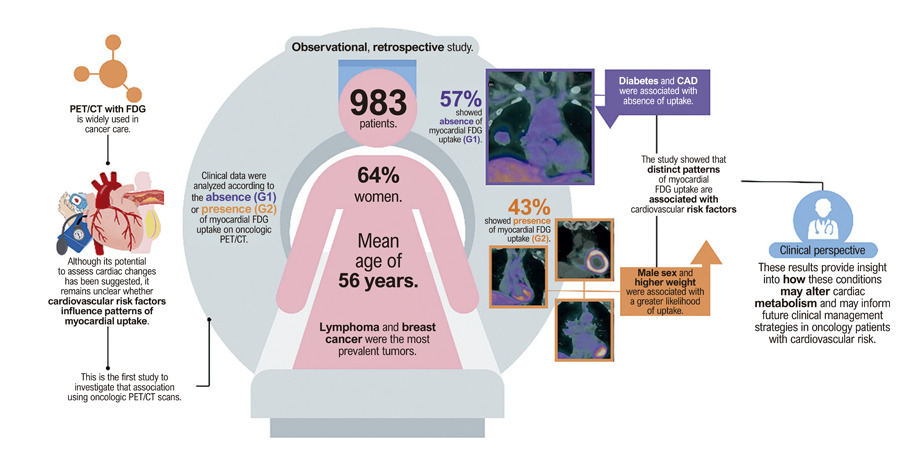
Myocardial Uptake of 18F-Fluorodeoxyglucose on Positron Emission Tomography/Computed Tomography: A Window into Cardiovascular Phenotypes and Metabolic Signatures in Patients with Cancer
Original Article

Myocardial Uptake of 18F-Fluorodeoxyglucose on Positron Emission Tomography/Computed Tomography: A Window into Cardiovascular Phenotypes and Metabolic Signatures in Patients with Cancer

João Marcelo Duarte Ribeiro Sobrinho et al. Emanuel Davi Lima de Matos Leão Beatriz Barbosa Accioly Felipe Alves Mourato … Monica de Moraes Chaves Becker Simone Cristina Soares Brandão

Abstract

Background

Positron emission tomography/computed tomography (PET/CT) with 18F-fluorodeoxyglucose (FDG) is widely used in cancer care, but its role in assessing cardiotoxicity remains uncertain. Understanding how cardiovascular risk factors influence myocardial glucose uptake may improve its application in this setting.

Objective

To investigate associations between cardiac metabolic patterns on oncologic PET/CT and cardiovascular risk factors.

Methods

We conducted a retrospective, cross-sectional study classifying oncologic PET/CT scans by absence (G1) or presence (G2) of myocardial FDG uptake, visually defined as greater than the aortic blood pool. Clinical data and cardiovascular risk factors were analyzed, and logistic regression identified predictors of presence or absence of uptake, adjusting for potential confounders. Statistical significance was set at p < 0.05.

Results

We included 983 scans (64% women; mean age 56 ± 15.8 years; 39.9% with hypertension; 19.7% with diabetes), of which 559 (56.8%) were G1 and 424 (43.2%) were G2. The most prevalent cancers were lymphoma (28.9%) and breast (17.6%). Male sex (p = 0.0008) and higher weight (p = 0.0001) were independent predictors of myocardial FDG uptake, whereas diabetes (p = 0.01) and coronary artery disease (p = 0.007) predicted absence of uptake.

Conclusions

Despite limitations, this study identified distinct patterns of myocardial FDG uptake on oncologic PET/CT independently associated with cardiovascular risk factors. These findings support the potential of FDG PET/CT for evaluating cardiotoxicity after cancer treatment.

  • 18F-fluorodeoxyglucose
  • Cardiovascular Risk Factors
  • Oncology
  • Positron Emission Tomography-Computed Tomography
Read Full Article
Creative Commons Attribution (CC BY) Creative Commons license
02/03/2026 DOI: 10.36660/abc.20250028i Views 1
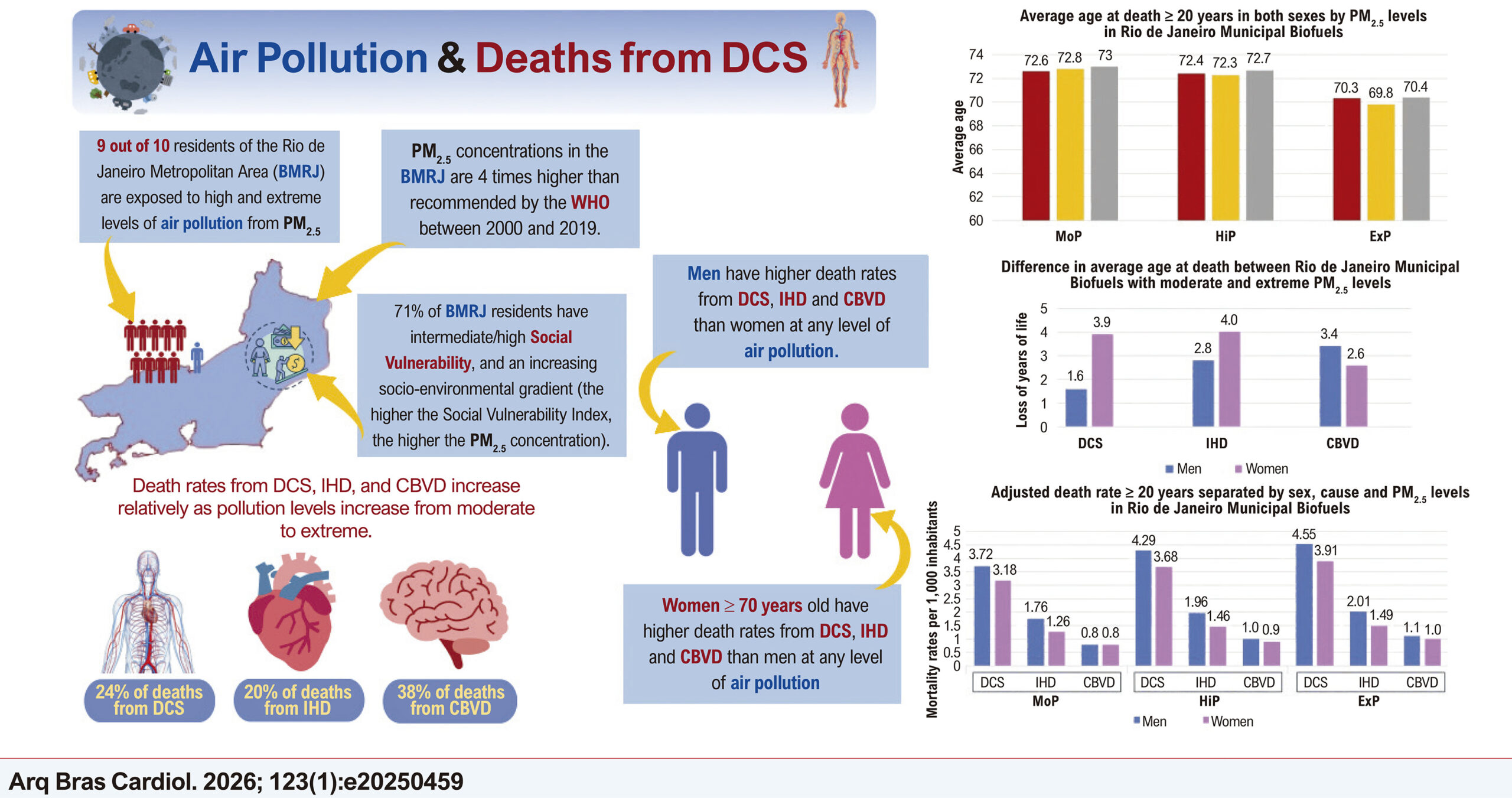
Impact of PM2.5 Air Pollution on Mortality from Circulatory System Diseases in the Neighborhoods of the City of Rio de Janeiro (2000-2019)
Original Article

Impact of PM2.5 Air Pollution on Mortality from Circulatory System Diseases in the Neighborhoods of the City of Rio de Janeiro (2000-2019)

Paulo Henrique de Moura et al. Leandro Dias Gomes de Carvalho Paulo Henrique Godoy Lucia Helena Alvares Salis … Marina Silva Paez Mariane Branco Alves Luiz Francisco Pires Guimarães Maia Renata Libonati dos Santos Nelson Albuquerque de Souza e Silva

Abstract

Background

Air pollution by fine particulate matter with an aerodynamic diameter ≤ 2.5 μm (PM2.5) is the main environmental risk factor associated with diseases of the circulatory system (DCS), ischemic heart disease (IHD), and cerebrovascular diseases (CBVD).

Objective

To estimate mortality rates from DCS, IHD, and CBVD (2000-2019) among residents of the 164 neighborhoods of Rio de Janeiro, according to PM2.5 levels.

Methods

This retrospective ecological study used georeferenced satellite data classified into three PM2.5 levels and mortality records from the Department of Information and Informatics of the Unified Health System for DCS, IHD, and CBVD among individuals of both sexes aged ≥ 20 years from 2000 to 2019. Age-adjusted mortality rates per 1,000 inhabitants were calculated, and comparative statistical analyses were performed by sex, PM2.5 level, and age group (5% significance).

Results

Approximately 91% of the 4.7 million residents (≥ 20 years) live in areas with high or extreme PM2.5 pollution. Deaths occurred up to 3.4 years earlier among men living in highly polluted areas compared with those in moderately polluted areas. The highest DCS mortality rates were observed in neighborhoods with high and extreme pollution (female = 3.9 ± 1.7; 95% CI = 3.5-4.2; male = 4.6 ± 2.1; 95% CI = 4.1-4.9), particularly in individuals aged ≥ 70 years. Significant associations were found between mortality rates and pollution levels for DCS (p = 0.019), IHD (p = 0.025), and CBVD (p = 0.002) in the 50-69-year age group when comparing moderately and extremely polluted areas. Intermediate/high social vulnerability was identified in 71% of neighborhoods, with an increasing socioenvironmental gradient linking higher vulnerability to higher PM2.5 concentrations (R = 0.354; p = 0.001).

Conclusion

Mean PM2.5 concentrations in the neighborhoods of Rio de Janeiro exceeded the World Health Organization’s recommended standard by a factor of four. Mortality from DCS is significantly higher and occurs earlier in areas with high or extreme levels of pollution.

  • Air Pollution
  • Cardiovascular Diseases
  • Geographic Mapping
  • Mortality
Read Full Article
Creative Commons Attribution (CC BY) Creative Commons license
27/02/2026 DOI: 10.36660/abc.20250459i Views 5
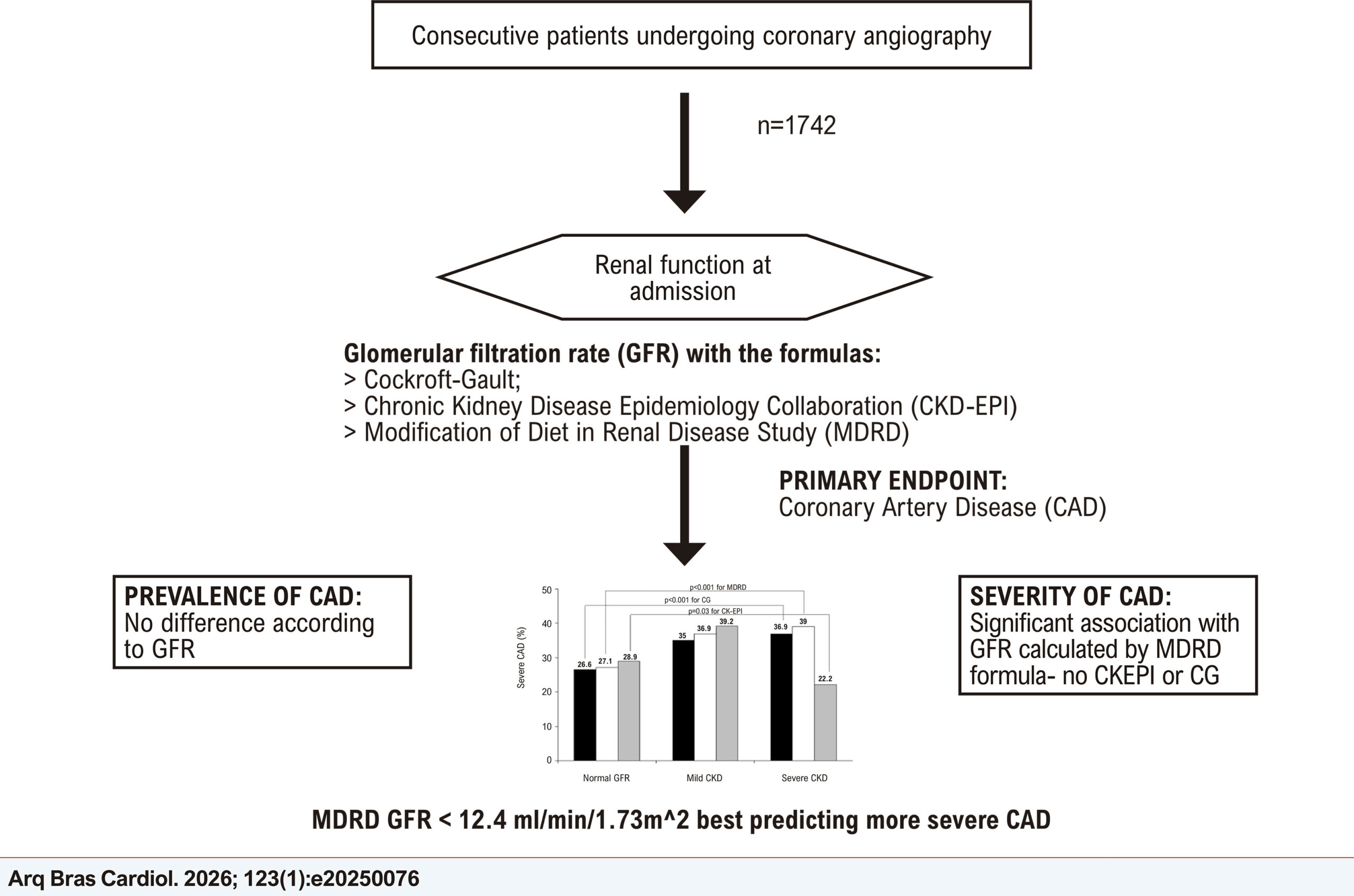
Comparison of Different Glomerular Filtration Rate Formulas in the Prediction of Coronary Artery Disease Severity and Extent
Original Article

Comparison of Different Glomerular Filtration Rate Formulas in the Prediction of Coronary Artery Disease Severity and Extent

Monica Verdoia et al. Alyssa Clemente Aurelio Malabaila Chantal Montini Andrea Rognoni

Abstract

Background

Chronic kidney disease (CKD) is an established risk factor for coronary artery disease (CAD), displaying a linear relationship with glomerular filtration rate (GFR). The prognostic role of the different formulas for the estimation of GFR is still debated.

Objective

To evaluate the impact of GFR calculation in the prediction of angiographically assessed CAD.

Methods

In consecutive patients undergoing coronary angiography, GFR was assessed at admission with the formulas Cockroft-Gault, Chronic Kidney Disease Epidemiology Collaboration (CKD-EPI), and Modification of Diet in Renal Disease Study (MDRD). A 2-sided p-value < 0.05 was considered statistically significant.

Results

Among 1742 patients, 79.8% displayed CAD. No difference in the mean values of GFR was observed in patients with and without CAD with the three different GFR formulas. We observed a significant association between severe CAD and GFR, by Cockcroft Gault (26.6% vs 35% vs 36.9%, p<0.001), MDRD (27.1% vs 36.9% vs 39%, p<0.001), and CKD-EPI (28.9% vs 39.2% vs 22.2%, p=0.03). In multivariate analysis, only MDRD remained statistically significant (adjusted OR[95%CI]= 1.27[1.01-1.59], p=0.04). In ROC curve analysis, we identified the value of 12.4 ml/min/1.73m^2 as the best predicting value for severe CAD with the MDRD formula. Higher rates of calcifications, restenosis, and chronic occlusion were observed for the Cockroft-Gault and MDRD formulas.

Conclusion

The present study showed a significant association between the extent of angiographically-defined CAD and GFR, estimated by the MDRD, but not for the Cockroft-Gault and CKD-EPI formulas. MDRD values below 12.4 ml/min/1.73m^2 best predicted more severe CAD.

  • Chronic Kidney Disease
  • Coronary Artery Disease
  • Glomerular Filtration Rate
Read Full Article
Creative Commons Attribution (CC BY) Creative Commons license
27/02/2026 DOI: 10.36660/abc.20250076i Views 6
Letter to the Editor

Should Resistance Training Also Be Considered a Mandatory Component?

Odilon Abrahin

I have read with interest the Brazilian Guidelines for Hypertension 2025, specifically Chapter 6: Nonpharmacological Measures (Physical Activity and Exercise). Although the current guideline has interesting practical applications for endurance training, some methodological issues might be of interest to readers, especially regarding the practice of resistance training (RT) for hypertensive patients.

The guideline states that aerobic training is a mandatory component, whereas RT is considered only complementary. However, this approach underestimates the clinical relevance of RT. Recent international guidelines– recommend a structured exercise program that includes both aerobic exercise and/or RT. Notably, the Japanese Society of Hypertension highlights that regular aerobic and RT are equally effective in lowering blood pressure, and both are therefore strongly recommended.

[…]

  • Arterial Pressure
  • Endurance Training
  • Resistance Training
Read Full Article
Creative Commons Attribution (CC BY) Creative Commons license
13/02/2026 DOI: 10.36660/abc.20250653i

Could not load more articles. Please try again.

How to cite this article

EndNote RIS

Electronic Document Format (Vancouver)

Smanio PEP. Association between Cardiac Metabolic Patterns in Oncological PET/CT and Cardiovascular Risk Factors. Contribution to the Early Investigation of Cardiotoxicity. Arquivos Brasileiros de Cardiologia 2026;123(1):e20260107.

Electronic Document Format (ABNT)

Smanio, Paola Emanuela Poggio. Association between Cardiac Metabolic Patterns in Oncological PET/CT and Cardiovascular Risk Factors. Contribution to the Early Investigation of Cardiotoxicity. Arquivos Brasileiros de Cardiologia, v. 123, n. 1, e20260107, May. 2026.

Electronic Document Format (APA)

Smanio, P. E. P. (2026). Association between Cardiac Metabolic Patterns in Oncological PET/CT and Cardiovascular Risk Factors. Contribution to the Early Investigation of Cardiotoxicity. Arquivos Brasileiros de Cardiologia, 123(1), e20260107.

Electronic Document Format (ISO)

Smanio, Paola Emanuela Poggio. Association between Cardiac Metabolic Patterns in Oncological PET/CT and Cardiovascular Risk Factors. Contribution to the Early Investigation of Cardiotoxicity. Arquivos Brasileiros de Cardiologia [online]. 2026, vol. 123, n. 1, [cited 2026-10-14], e20260107. Available from: <https://journals.cardiol.br/en/article/association-between-cardiac-metabolic-patterns-in-oncological-pet-ct-and-cardiovascular-risk-factors-contribution-to-the-early-investigation-of-cardiotoxicity/>. ISSN 0066-782X

EndNote RIS

Electronic Document Format (Vancouver)

Ayub-Ferreira SM. Prevalence of Hypertrophic Cardiomyopathy in Brazil: What is Our Reality?. Arquivos Brasileiros de Cardiologia 2026;123(1):e20260100.

Electronic Document Format (ABNT)

Ayub-Ferreira, Silvia Moreira. Prevalence of Hypertrophic Cardiomyopathy in Brazil: What is Our Reality?. Arquivos Brasileiros de Cardiologia, v. 123, n. 1, e20260100, Mar. 2026.

Electronic Document Format (APA)

Ayub-Ferreira, S. M. (2026). Prevalence of Hypertrophic Cardiomyopathy in Brazil: What is Our Reality?. Arquivos Brasileiros de Cardiologia, 123(1), e20260100.

Electronic Document Format (ISO)

Ayub-Ferreira, Silvia Moreira. Prevalence of Hypertrophic Cardiomyopathy in Brazil: What is Our Reality?. Arquivos Brasileiros de Cardiologia [online]. 2026, vol. 123, n. 1, [cited 2026-10-14], e20260100. Available from: <https://journals.cardiol.br/en/article/prevalence-of-hypertrophic-cardiomyopathy-in-brazil-what-is-our-reality/>. ISSN 0066-782X

EndNote RIS

Electronic Document Format (Vancouver)

Horta MGC, Borin MC. Serum Levels of sCD40L, CCL3, and NT-proBNP in Elderly Patients Admitted to the Hospital with HF. Arquivos Brasileiros de Cardiologia 2026;123(1):e20260035.

Electronic Document Format (ABNT)

Horta, Maria da Gloria Cruvinel; Borin, Marcus Carvalho. Serum Levels of sCD40L, CCL3, and NT-proBNP in Elderly Patients Admitted to the Hospital with HF. Arquivos Brasileiros de Cardiologia, v. 123, n. 1, e20260035, Mar. 2026.

Electronic Document Format (APA)

Horta, M. G. C., & Borin, M. C. (2026). Serum Levels of sCD40L, CCL3, and NT-proBNP in Elderly Patients Admitted to the Hospital with HF. Arquivos Brasileiros de Cardiologia, 123(1), e20260035.

Electronic Document Format (ISO)

Horta, Maria da Gloria Cruvinel and Borin, Marcus Carvalho. Serum Levels of sCD40L, CCL3, and NT-proBNP in Elderly Patients Admitted to the Hospital with HF. Arquivos Brasileiros de Cardiologia [online]. 2026, vol. 123, n. 1, [cited 2026-10-14], e20260035. Available from: <https://journals.cardiol.br/en/article/serum-levels-of-scd40l-ccl3-and-nt-probnp-in-elderly-patients-admitted-to-the-hospital-with-hf/>. ISSN 0066-782X

EndNote RIS

Electronic Document Format (Vancouver)

Liu X, Mu L, Ma S, Zhang H. Diagnostic Value of Serum sCD40L, CCL3, and NT-ProBNP Levels in Detection of Lower Limb Venous Thrombosis among Elderly Patients with Heart Failure. Arquivos Brasileiros de Cardiologia 2026;123(1):e20250445.

Electronic Document Format (ABNT)

Liu, Xuelian; Mu, Lina; Ma, Shasha; Zhang, Huijing. Diagnostic Value of Serum sCD40L, CCL3, and NT-ProBNP Levels in Detection of Lower Limb Venous Thrombosis among Elderly Patients with Heart Failure. Arquivos Brasileiros de Cardiologia, v. 123, n. 1, e20250445, Mar. 2026.

Electronic Document Format (APA)

Liu, X., Mu, L., Ma, S., & Zhang, H. (2026). Diagnostic Value of Serum sCD40L, CCL3, and NT-ProBNP Levels in Detection of Lower Limb Venous Thrombosis among Elderly Patients with Heart Failure. Arquivos Brasileiros de Cardiologia, 123(1), e20250445.

Electronic Document Format (ISO)

Liu, Xuelian and Mu, Lina and Ma, Shasha and Zhang, Huijing. Diagnostic Value of Serum sCD40L, CCL3, and NT-ProBNP Levels in Detection of Lower Limb Venous Thrombosis among Elderly Patients with Heart Failure. Arquivos Brasileiros de Cardiologia [online]. 2026, vol. 123, n. 1, [cited 2026-10-14], e20250445. Available from: <https://journals.cardiol.br/en/article/diagnostic-value-of-serum-scd40l-ccl3-and-nt-probnp-levels-in-detection-of-lower-limb-venous-thrombosis-among-elderly-patients-with-heart-failure/>. ISSN 0066-782X

EndNote RIS

Electronic Document Format (Vancouver)

Kranjec I. Coronary Artery Disease and Chronic Kidney Disease: A Tale of Two Organs. Arquivos Brasileiros de Cardiologia 2026;123(1):e20260028.

Electronic Document Format (ABNT)

Kranjec, Igor. Coronary Artery Disease and Chronic Kidney Disease: A Tale of Two Organs. Arquivos Brasileiros de Cardiologia, v. 123, n. 1, e20260028, Mar. 2026.

Electronic Document Format (APA)

Kranjec, I. (2026). Coronary Artery Disease and Chronic Kidney Disease: A Tale of Two Organs. Arquivos Brasileiros de Cardiologia, 123(1), e20260028.

Electronic Document Format (ISO)

Kranjec, Igor. Coronary Artery Disease and Chronic Kidney Disease: A Tale of Two Organs. Arquivos Brasileiros de Cardiologia [online]. 2026, vol. 123, n. 1, [cited 2026-10-14], e20260028. Available from: <https://journals.cardiol.br/en/article/coronary-artery-disease-and-chronic-kidney-disease-a-tale-of-two-organs/>. ISSN 0066-782X

EndNote RIS

Electronic Document Format (Vancouver)

Sahin I, Deniz MF. Reconsidering the CHA2DS2-VASc Score for No-Reflow Risk Stratification after Percutaneous Coronary Intervention. Arquivos Brasileiros de Cardiologia 2026;123(1):e20260022.

Electronic Document Format (ABNT)

Sahin, Irfan; Deniz, Muhammed Furkan. Reconsidering the CHA2DS2-VASc Score for No-Reflow Risk Stratification after Percutaneous Coronary Intervention. Arquivos Brasileiros de Cardiologia, v. 123, n. 1, e20260022, Mar. 2026.

Electronic Document Format (APA)

Sahin, I., & Deniz, M. F. (2026). Reconsidering the CHA2DS2-VASc Score for No-Reflow Risk Stratification after Percutaneous Coronary Intervention. Arquivos Brasileiros de Cardiologia, 123(1), e20260022.

Electronic Document Format (ISO)

Sahin, Irfan and Deniz, Muhammed Furkan. Reconsidering the CHA2DS2-VASc Score for No-Reflow Risk Stratification after Percutaneous Coronary Intervention. Arquivos Brasileiros de Cardiologia [online]. 2026, vol. 123, n. 1, [cited 2026-10-14], e20260022. Available from: <https://journals.cardiol.br/en/article/reconsidering-the-cha2ds2-vasc-score-for-no-reflow-risk-stratification-after-percutaneous-coronary-intervention/>. ISSN 0066-782X

EndNote RIS

Electronic Document Format (Vancouver)

Favarato D. Fine Particulate Pollution is a Powerful Risk Factor for Cardiovascular Disease. Arquivos Brasileiros de Cardiologia 2026;123(1):e20260006.

Electronic Document Format (ABNT)

Favarato, Desiderio. Fine Particulate Pollution is a Powerful Risk Factor for Cardiovascular Disease. Arquivos Brasileiros de Cardiologia, v. 123, n. 1, e20260006, Mar. 2026.

Electronic Document Format (APA)

Favarato, D. (2026). Fine Particulate Pollution is a Powerful Risk Factor for Cardiovascular Disease. Arquivos Brasileiros de Cardiologia, 123(1), e20260006.

Electronic Document Format (ISO)

Favarato, Desiderio. Fine Particulate Pollution is a Powerful Risk Factor for Cardiovascular Disease. Arquivos Brasileiros de Cardiologia [online]. 2026, vol. 123, n. 1, [cited 2026-10-14], e20260006. Available from: <https://journals.cardiol.br/en/article/fine-particulate-pollution-is-a-powerful-risk-factor-for-cardiovascular-disease/>. ISSN 0066-782X

EndNote RIS

Electronic Document Format (Vancouver)

Villacorta H, Villacorta AS. Cardiac Amyloidosis and SGLT2 Inhibitors: Signal, Hope, and the Need for Randomized Evidence. Arquivos Brasileiros de Cardiologia 2026;123(1):e20250894.

Electronic Document Format (ABNT)

Villacorta, Humberto; Villacorta, Aline Sterque. Cardiac Amyloidosis and SGLT2 Inhibitors: Signal, Hope, and the Need for Randomized Evidence. Arquivos Brasileiros de Cardiologia, v. 123, n. 1, e20250894, Mar. 2026.

Electronic Document Format (APA)

Villacorta, H., & Villacorta, A. S. (2026). Cardiac Amyloidosis and SGLT2 Inhibitors: Signal, Hope, and the Need for Randomized Evidence. Arquivos Brasileiros de Cardiologia, 123(1), e20250894.

Electronic Document Format (ISO)

Villacorta, Humberto and Villacorta, Aline Sterque. Cardiac Amyloidosis and SGLT2 Inhibitors: Signal, Hope, and the Need for Randomized Evidence. Arquivos Brasileiros de Cardiologia [online]. 2026, vol. 123, n. 1, [cited 2026-10-14], e20250894. Available from: <https://journals.cardiol.br/en/article/cardiac-amyloidosis-and-sglt2-inhibitors-signal-hope-and-the-need-for-randomized-evidence/>. ISSN 0066-782X

EndNote RIS

Electronic Document Format (Vancouver)

Paixão GMM, Bozzi ICRS. Pulsed Field Ablation for Atrial Fibrillation: Early Experience in Brazil. Arquivos Brasileiros de Cardiologia 2026;123(1):e20250893.

Electronic Document Format (ABNT)

Paixão, Gabriela Miana de Mattos; Bozzi, Isadora Cristine Reis Sguizzato. Pulsed Field Ablation for Atrial Fibrillation: Early Experience in Brazil. Arquivos Brasileiros de Cardiologia, v. 123, n. 1, e20250893, Mar. 2026.

Electronic Document Format (APA)

Paixão, G. M. M., & Bozzi, I. C. R. S. (2026). Pulsed Field Ablation for Atrial Fibrillation: Early Experience in Brazil. Arquivos Brasileiros de Cardiologia, 123(1), e20250893.

Electronic Document Format (ISO)

Paixão, Gabriela Miana de Mattos and Bozzi, Isadora Cristine Reis Sguizzato. Pulsed Field Ablation for Atrial Fibrillation: Early Experience in Brazil. Arquivos Brasileiros de Cardiologia [online]. 2026, vol. 123, n. 1, [cited 2026-10-14], e20250893. Available from: <https://journals.cardiol.br/en/article/pulsed-field-ablation-for-atrial-fibrillation-early-experience-in-brazil/>. ISSN 0066-782X

EndNote RIS

Electronic Document Format (Vancouver)

Ramos V. The Role of Low-Cost 3D Printing for Education in Congenital Heart Diseases. Arquivos Brasileiros de Cardiologia 2026;123(1):e20250805.

Electronic Document Format (ABNT)

Ramos, Vítor. The Role of Low-Cost 3D Printing for Education in Congenital Heart Diseases. Arquivos Brasileiros de Cardiologia, v. 123, n. 1, e20250805, Mar. 2026.

Electronic Document Format (APA)

Ramos, V. (2026). The Role of Low-Cost 3D Printing for Education in Congenital Heart Diseases. Arquivos Brasileiros de Cardiologia, 123(1), e20250805.

Electronic Document Format (ISO)

Ramos, Vítor. The Role of Low-Cost 3D Printing for Education in Congenital Heart Diseases. Arquivos Brasileiros de Cardiologia [online]. 2026, vol. 123, n. 1, [cited 2026-10-14], e20250805. Available from: <https://journals.cardiol.br/en/article/the-role-of-low-cost-3d-printing-for-education-in-congenital-heart-diseases/>. ISSN 0066-782X

EndNote RIS

Electronic Document Format (Vancouver)

Garzon S, Pilotto L, Mariani J, Bezerra F, Prado G, Bandeira W, Almeida B, et al. Estimating Left Main Bifurcation Geometry: Are Geometric Models Reliable in Diseased Arteries?. Arquivos Brasileiros de Cardiologia 2026;123(1):e20250605.

Electronic Document Format (ABNT)

Garzon, Stefano; Pilotto, Lucas; Mariani, José; Bezerra, Felipe; Prado, Guy; Bandeira, Willterson; Almeida, Breno; Lemos, Pedro. Estimating Left Main Bifurcation Geometry: Are Geometric Models Reliable in Diseased Arteries?. Arquivos Brasileiros de Cardiologia, v. 123, n. 1, e20250605, Mar. 2026.

Electronic Document Format (APA)

Garzon, S., Pilotto, L., Mariani, J., Bezerra, F., Prado, G., Bandeira, W., Almeida, B., & Lemos, P. (2026). Estimating Left Main Bifurcation Geometry: Are Geometric Models Reliable in Diseased Arteries?. Arquivos Brasileiros de Cardiologia, 123(1), e20250605.

Electronic Document Format (ISO)

Garzon, Stefano and Pilotto, Lucas and Mariani, José and Bezerra, Felipe and Prado, Guy and Bandeira, Willterson and Almeida, Breno and Lemos, Pedro. Estimating Left Main Bifurcation Geometry: Are Geometric Models Reliable in Diseased Arteries?. Arquivos Brasileiros de Cardiologia [online]. 2026, vol. 123, n. 1, [cited 2026-10-14], e20250605. Available from: <https://journals.cardiol.br/en/article/estimating-left-main-bifurcation-geometry-are-geometric-models-reliable-in-diseased-arteries/>. ISSN 0066-782X

EndNote RIS

Electronic Document Format (Vancouver)

Oliveira GMM, Pinto FJ. The Continuous Evolution of the Arquivos Brasileiros de Cardiologia: 77 Years and Beyond. Arquivos Brasileiros de Cardiologia 2026;123(1):e20250847.

Electronic Document Format (ABNT)

Oliveira, Gláucia Maria Moraes de; Pinto, Fausto J.. The Continuous Evolution of the Arquivos Brasileiros de Cardiologia: 77 Years and Beyond. Arquivos Brasileiros de Cardiologia, v. 123, n. 1, e20250847, Mar. 2026.

Electronic Document Format (APA)

Oliveira, G. M. M. , & Pinto, F. J. (2026). The Continuous Evolution of the Arquivos Brasileiros de Cardiologia: 77 Years and Beyond. Arquivos Brasileiros de Cardiologia, 123(1), e20250847.

Electronic Document Format (ISO)

Oliveira, Gláucia Maria Moraes de and Pinto, Fausto J.. The Continuous Evolution of the Arquivos Brasileiros de Cardiologia: 77 Years and Beyond. Arquivos Brasileiros de Cardiologia [online]. 2026, vol. 123, n. 1, [cited 2026-10-14], e20250847. Available from: <https://journals.cardiol.br/en/article/the-continuous-evolution-of-the-arquivos-brasileiros-de-cardiologia-77-years-and-beyond/>. ISSN 0066-782X

EndNote RIS

Electronic Document Format (Vancouver)

Ceyhun G. Troponin-to-Lymphocyte Ratio in ICI Associated Myocarditis: A Useful Marker with Limitations. Arquivos Brasileiros de Cardiologia 2026;123(1):e20250648.

Electronic Document Format (ABNT)

Ceyhun, Gökhan. Troponin-to-Lymphocyte Ratio in ICI Associated Myocarditis: A Useful Marker with Limitations. Arquivos Brasileiros de Cardiologia, v. 123, n. 1, e20250648, Mar. 2026.

Electronic Document Format (APA)

Ceyhun, G. (2026). Troponin-to-Lymphocyte Ratio in ICI Associated Myocarditis: A Useful Marker with Limitations. Arquivos Brasileiros de Cardiologia, 123(1), e20250648.

Electronic Document Format (ISO)

Ceyhun, Gökhan. Troponin-to-Lymphocyte Ratio in ICI Associated Myocarditis: A Useful Marker with Limitations. Arquivos Brasileiros de Cardiologia [online]. 2026, vol. 123, n. 1, [cited 2026-10-14], e20250648. Available from: <https://journals.cardiol.br/en/article/troponin-to-lymphocyte-ratio-in-ici-associated-myocarditis-a-useful-marker-with-limitations/>. ISSN 0066-782X

EndNote RIS

Electronic Document Format (Vancouver)

Nunes RAB, Costa LMA, Scudeler TL, Neves PDMM, Sato VAH, Avezum . Sodium-Glucose Cotransporter 2 Inhibitors in Patients with Heart Failure and Transthyretin or Light Chain Amyloidosis: A Real-World Analysis. Arquivos Brasileiros de Cardiologia 2026;123(1):e20250439.

Electronic Document Format (ABNT)

Nunes, Rafael Amorim Belo; Costa, Leandro Menezes Alves da; Scudeler, Thiago Luis; Neves, Precil Diego Miranda Menezes; Sato, Victor Augusto Hamamoto; Avezum, Álvaro. Sodium-Glucose Cotransporter 2 Inhibitors in Patients with Heart Failure and Transthyretin or Light Chain Amyloidosis: A Real-World Analysis. Arquivos Brasileiros de Cardiologia, v. 123, n. 1, e20250439, Mar. 2026.

Electronic Document Format (APA)

Nunes, R. A. B., Costa, L. M. A. , Scudeler, T. L., Neves, P. D. M. M., Sato, V. A. H., & Avezum, (2026). Sodium-Glucose Cotransporter 2 Inhibitors in Patients with Heart Failure and Transthyretin or Light Chain Amyloidosis: A Real-World Analysis. Arquivos Brasileiros de Cardiologia, 123(1), e20250439.

Electronic Document Format (ISO)

Nunes, Rafael Amorim Belo and Costa, Leandro Menezes Alves da and Scudeler, Thiago Luis and Neves, Precil Diego Miranda Menezes and Sato, Victor Augusto Hamamoto and Avezum, Álvaro. Sodium-Glucose Cotransporter 2 Inhibitors in Patients with Heart Failure and Transthyretin or Light Chain Amyloidosis: A Real-World Analysis. Arquivos Brasileiros de Cardiologia [online]. 2026, vol. 123, n. 1, [cited 2026-10-14], e20250439. Available from: <https://journals.cardiol.br/en/article/sodium-glucose-cotransporter-2-inhibitors-in-patients-with-heart-failure-and-transthyretin-or-light-chain-amyloidosis-a-real-world-analysis/>. ISSN 0066-782X

EndNote RIS

Electronic Document Format (Vancouver)

Cazeiro DI, Ferreira D, Bruno L, Ferreira AI, Leitão J, Pinto FJ, Plácido R, et al. Never Stop Looking – the Heart is Not Always the Answer. Arquivos Brasileiros de Cardiologia 2026;123(1):e20250425.

Electronic Document Format (ABNT)

Cazeiro, Daniel Inácio; Ferreira, Diogo; Bruno, Lia; Ferreira, Ana Isabel; Leitão, João; Pinto, Fausto J.; Plácido, Rui. Never Stop Looking – the Heart is Not Always the Answer. Arquivos Brasileiros de Cardiologia, v. 123, n. 1, e20250425, Mar. 2026.

Electronic Document Format (APA)

Cazeiro, D. I., Ferreira, D., Bruno, L., Ferreira, A. I., Leitão, J., Pinto, F. J., & Plácido, R. (2026). Never Stop Looking – the Heart is Not Always the Answer. Arquivos Brasileiros de Cardiologia, 123(1), e20250425.

Electronic Document Format (ISO)

Cazeiro, Daniel Inácio and Ferreira, Diogo and Bruno, Lia and Ferreira, Ana Isabel and Leitão, João and Pinto, Fausto J. and Plácido, Rui. Never Stop Looking – the Heart is Not Always the Answer. Arquivos Brasileiros de Cardiologia [online]. 2026, vol. 123, n. 1, [cited 2026-10-14], e20250425. Available from: <https://journals.cardiol.br/en/article/never-stop-looking-the-heart-is-not-always-the-answer/>. ISSN 0066-782X

EndNote RIS

Electronic Document Format (Vancouver)

May BM, Araujo Junior N, Boghossian SHC, Atie J, Maciel WA, Hardy CA, Forno ARJD, et al. Brazilian Registry of Pulsed Field Catheter Ablation for the Treatment of Patients with Atrial Fibrillation. Arquivos Brasileiros de Cardiologia 2026;123(1):e20250416.

Electronic Document Format (ABNT)

May, Bruna Miers; Araujo Junior, Nilson; Boghossian, Silvia Helena Cardoso; Atie, Jacob; Maciel, Washington A.; Hardy, Carina Abigail; Forno, Alexander Romeno Janner Dal; Saad, Eduardo B.; Munhoz, Claudio; Paola, Angelo Amato Vincenzo de; Scanavacca, Mauricio; Zimerman, Andre; Vasconcelos, José Tarcísio Medeiros de; d’Avila, André. Brazilian Registry of Pulsed Field Catheter Ablation for the Treatment of Patients with Atrial Fibrillation. Arquivos Brasileiros de Cardiologia, v. 123, n. 1, e20250416, Mar. 2026.

Electronic Document Format (APA)

May, B. M., Araujo Junior, N., Boghossian, S. H. C., Atie, J., Maciel, W. A., Hardy, C. A., Forno, A. R. J. D., Saad, E. B., Munhoz, C., Paola, A. A. V. , Scanavacca, M., Zimerman, A., Vasconcelos, J. T. M. , & d’Avila, A. (2026). Brazilian Registry of Pulsed Field Catheter Ablation for the Treatment of Patients with Atrial Fibrillation. Arquivos Brasileiros de Cardiologia, 123(1), e20250416.

Electronic Document Format (ISO)

May, Bruna Miers and Araujo Junior, Nilson and Boghossian, Silvia Helena Cardoso and Atie, Jacob and Maciel, Washington A. and Hardy, Carina Abigail and Forno, Alexander Romeno Janner Dal and Saad, Eduardo B. and Munhoz, Claudio and Paola, Angelo Amato Vincenzo de and Scanavacca, Mauricio and Zimerman, Andre and Vasconcelos, José Tarcísio Medeiros de and d’Avila, André. Brazilian Registry of Pulsed Field Catheter Ablation for the Treatment of Patients with Atrial Fibrillation. Arquivos Brasileiros de Cardiologia [online]. 2026, vol. 123, n. 1, [cited 2026-10-14], e20250416. Available from: <https://journals.cardiol.br/en/article/brazilian-registry-of-pulsed-field-catheter-ablation-for-the-treatment-of-patients-with-atrial-fibrillation/>. ISSN 0066-782X

EndNote RIS

Electronic Document Format (Vancouver)

Dourado PMM, Dourado LA, Silva LRA, Oliveira JG, Matos KO, Dourado JPA, Hajjar LA, et al. Treadmill Test and Ambulatory Blood Pressure Monitoring: Can They Be Performed on the Same Day? Can the Effort Reached on the Treadmill Interfere?. Arquivos Brasileiros de Cardiologia 2026;123(1):e20250412.

Electronic Document Format (ABNT)

Dourado, Paulo Magno Martins; Dourado, Larissa de Almeida; Silva, Letícia Raiane dos Anjos; Oliveira, Jaciara Gomes de; Matos, Karolyne de Oliveira; Dourado, João Paulo de Almeida; Hajjar, Ludhmila Abrahão; Braga, Pedro Gabriel Senger. Treadmill Test and Ambulatory Blood Pressure Monitoring: Can They Be Performed on the Same Day? Can the Effort Reached on the Treadmill Interfere?. Arquivos Brasileiros de Cardiologia, v. 123, n. 1, e20250412, Mar. 2026.

Electronic Document Format (APA)

Dourado, P. M. M., Dourado, L. A., Silva, L. R. A., Oliveira, J. G. , Matos, K. O., Dourado, J. P. A., Hajjar, L. A., & Braga, P. G. S. (2026). Treadmill Test and Ambulatory Blood Pressure Monitoring: Can They Be Performed on the Same Day? Can the Effort Reached on the Treadmill Interfere?. Arquivos Brasileiros de Cardiologia, 123(1), e20250412.

Electronic Document Format (ISO)

Dourado, Paulo Magno Martins and Dourado, Larissa de Almeida and Silva, Letícia Raiane dos Anjos and Oliveira, Jaciara Gomes de and Matos, Karolyne de Oliveira and Dourado, João Paulo de Almeida and Hajjar, Ludhmila Abrahão and Braga, Pedro Gabriel Senger. Treadmill Test and Ambulatory Blood Pressure Monitoring: Can They Be Performed on the Same Day? Can the Effort Reached on the Treadmill Interfere?. Arquivos Brasileiros de Cardiologia [online]. 2026, vol. 123, n. 1, [cited 2026-10-14], e20250412. Available from: <https://journals.cardiol.br/en/article/treadmill-test-and-ambulatory-blood-pressure-monitoring-can-they-be-performed-on-the-same-day-can-the-effort-reached-on-the-treadmill-interfere/>. ISSN 0066-782X

EndNote RIS

Electronic Document Format (Vancouver)

Ozbay MB, Gullu A, Degirmen S, Nriagu BN, Ozen Y, Yayla C. Association of CHA2DS2-VASc Score with No-Reflow Phenomenon after PCI: A Systematic Review and Meta-Analysis. Arquivos Brasileiros de Cardiologia 2026;123(1):e20250356.

Electronic Document Format (ABNT)

Ozbay, Mustafa Bilal; Gullu, Aysenur; Degirmen, Serhat; Nriagu, Bede Nnaemeka; Ozen, Yasin; Yayla, Cagri. Association of CHA2DS2-VASc Score with No-Reflow Phenomenon after PCI: A Systematic Review and Meta-Analysis. Arquivos Brasileiros de Cardiologia, v. 123, n. 1, e20250356, Mar. 2026.

Electronic Document Format (APA)

Ozbay, M. B., Gullu, A., Degirmen, S., Nriagu, B. N., Ozen, Y., & Yayla, C. (2026). Association of CHA2DS2-VASc Score with No-Reflow Phenomenon after PCI: A Systematic Review and Meta-Analysis. Arquivos Brasileiros de Cardiologia, 123(1), e20250356.

Electronic Document Format (ISO)

Ozbay, Mustafa Bilal and Gullu, Aysenur and Degirmen, Serhat and Nriagu, Bede Nnaemeka and Ozen, Yasin and Yayla, Cagri. Association of CHA2DS2-VASc Score with No-Reflow Phenomenon after PCI: A Systematic Review and Meta-Analysis. Arquivos Brasileiros de Cardiologia [online]. 2026, vol. 123, n. 1, [cited 2026-10-14], e20250356. Available from: <https://journals.cardiol.br/en/article/association-of-cha2ds2-vasc-score-with-no-reflow-phenomenon-after-pci-a-systematic-review-and-meta-analysis/>. ISSN 0066-782X

EndNote RIS

Electronic Document Format (Vancouver)

Vilela FS, Ferreira CO, Rocha B, Faria J, Fernandes AS, Dias M, Conde I, et al. Refractory Angina with Myocardial Ischemia in the Absence of Obstructive Coronary Artery Disease: A Case Report. Arquivos Brasileiros de Cardiologia 2026;123(1):e20250243.

Electronic Document Format (ABNT)

Vilela, Filipe Silva; Ferreira, Carla Oliveira; Rocha, Bárbara; Faria, João; Fernandes, Ana Sofia; Dias, Mónica; Conde, Inês; Gaspar, António; Braga, Carlos Galvão. Refractory Angina with Myocardial Ischemia in the Absence of Obstructive Coronary Artery Disease: A Case Report. Arquivos Brasileiros de Cardiologia, v. 123, n. 1, e20250243, Mar. 2026.

Electronic Document Format (APA)

Vilela, F. S., Ferreira, C. O., Rocha, B., Faria, J., Fernandes, A. S., Dias, M., Conde, I., Gaspar, A., & Braga, C. G. (2026). Refractory Angina with Myocardial Ischemia in the Absence of Obstructive Coronary Artery Disease: A Case Report. Arquivos Brasileiros de Cardiologia, 123(1), e20250243.

Electronic Document Format (ISO)

Vilela, Filipe Silva and Ferreira, Carla Oliveira and Rocha, Bárbara and Faria, João and Fernandes, Ana Sofia and Dias, Mónica and Conde, Inês and Gaspar, António and Braga, Carlos Galvão. Refractory Angina with Myocardial Ischemia in the Absence of Obstructive Coronary Artery Disease: A Case Report. Arquivos Brasileiros de Cardiologia [online]. 2026, vol. 123, n. 1, [cited 2026-10-14], e20250243. Available from: <https://journals.cardiol.br/en/article/refractory-angina-with-myocardial-ischemia-in-the-absence-of-obstructive-coronary-artery-disease-a-case-report/>. ISSN 0066-782X

EndNote RIS

Electronic Document Format (Vancouver)

Bertuol Filho AA, Pereira AC, Santos ABS, Ribeiro ALP, Duncan BB, Pianca EG, Scolari FL, et al. Prevalence and Characterization of the Hypertrophic Cardiomyopathy Phenotype Assessed by Echocardiography in an Adult Brazilian Population: The ELSA-Brasil Study. Arquivos Brasileiros de Cardiologia 2026;123(1):e20250116.

Electronic Document Format (ABNT)

Bertuol Filho, Amadeu Antonio; Pereira, Alexandre da Costa; Santos, Angela Barreto Santiago; Ribeiro, Antonio Luiz Pinho; Duncan, Bruce Bartholow; Pianca, Eduardo Gatti; Scolari, Fernando Luis; Foppa, Murilo. Prevalence and Characterization of the Hypertrophic Cardiomyopathy Phenotype Assessed by Echocardiography in an Adult Brazilian Population: The ELSA-Brasil Study. Arquivos Brasileiros de Cardiologia, v. 123, n. 1, e20250116, Mar. 2026.

Electronic Document Format (APA)

Bertuol Filho, A. A., Pereira, A. C., Santos, A. B. S., Ribeiro, A. L. P., Duncan, B. B., Pianca, E. G., Scolari, F. L., & Foppa, M. (2026). Prevalence and Characterization of the Hypertrophic Cardiomyopathy Phenotype Assessed by Echocardiography in an Adult Brazilian Population: The ELSA-Brasil Study. Arquivos Brasileiros de Cardiologia, 123(1), e20250116.

Electronic Document Format (ISO)

Bertuol Filho, Amadeu Antonio and Pereira, Alexandre da Costa and Santos, Angela Barreto Santiago and Ribeiro, Antonio Luiz Pinho and Duncan, Bruce Bartholow and Pianca, Eduardo Gatti and Scolari, Fernando Luis and Foppa, Murilo. Prevalence and Characterization of the Hypertrophic Cardiomyopathy Phenotype Assessed by Echocardiography in an Adult Brazilian Population: The ELSA-Brasil Study. Arquivos Brasileiros de Cardiologia [online]. 2026, vol. 123, n. 1, [cited 2026-10-14], e20250116. Available from: <https://journals.cardiol.br/en/article/prevalence-and-characterization-of-the-hypertrophic-cardiomyopathy-phenotype-assessed-by-echocardiography-in-an-adult-brazilian-population-the-elsa-brasil-study/>. ISSN 0066-782X

EndNote RIS

Electronic Document Format (Vancouver)

Sobrinho JMDR, Leão EDLM, Accioly BB, Mourato FA, Becker MMC, Brandão SCS. Myocardial Uptake of 18F-Fluorodeoxyglucose on Positron Emission Tomography/Computed Tomography: A Window into Cardiovascular Phenotypes and Metabolic Signatures in Patients with Cancer. Arquivos Brasileiros de Cardiologia 2026;123(1):e20250028.

Electronic Document Format (ABNT)

Sobrinho, João Marcelo Duarte Ribeiro; Leão, Emanuel Davi Lima de Matos; Accioly, Beatriz Barbosa; Mourato, Felipe Alves; Becker, Monica de Moraes Chaves; Brandão, Simone Cristina Soares. Myocardial Uptake of 18F-Fluorodeoxyglucose on Positron Emission Tomography/Computed Tomography: A Window into Cardiovascular Phenotypes and Metabolic Signatures in Patients with Cancer. Arquivos Brasileiros de Cardiologia, v. 123, n. 1, e20250028, Mar. 2026.

Electronic Document Format (APA)

Sobrinho, J. M. D. R., Leão, E. D. L. M., Accioly, B. B., Mourato, F. A., Becker, M. M. C., & Brandão, S. C. S. (2026). Myocardial Uptake of 18F-Fluorodeoxyglucose on Positron Emission Tomography/Computed Tomography: A Window into Cardiovascular Phenotypes and Metabolic Signatures in Patients with Cancer. Arquivos Brasileiros de Cardiologia, 123(1), e20250028.

Electronic Document Format (ISO)

Sobrinho, João Marcelo Duarte Ribeiro and Leão, Emanuel Davi Lima de Matos and Accioly, Beatriz Barbosa and Mourato, Felipe Alves and Becker, Monica de Moraes Chaves and Brandão, Simone Cristina Soares. Myocardial Uptake of 18F-Fluorodeoxyglucose on Positron Emission Tomography/Computed Tomography: A Window into Cardiovascular Phenotypes and Metabolic Signatures in Patients with Cancer. Arquivos Brasileiros de Cardiologia [online]. 2026, vol. 123, n. 1, [cited 2026-10-14], e20250028. Available from: <https://journals.cardiol.br/en/article/myocardial-uptake-of-18f-fluorodeoxyglucose-on-positron-emission-tomography-computed-tomography-a-window-into-cardiovascular-phenotypes-and-metabolic-signatures-in-patients-with-cancer/>. ISSN 0066-782X

EndNote RIS

Electronic Document Format (Vancouver)

Moura PH, Carvalho LDG, Godoy PH, Salis LHA, Paez MS, Alves MB, Maia LFPG, et al. Impact of PM2.5 Air Pollution on Mortality from Circulatory System Diseases in the Neighborhoods of the City of Rio de Janeiro (2000-2019). Arquivos Brasileiros de Cardiologia 2026;123(1):e20250459.

Electronic Document Format (ABNT)

Moura, Paulo Henrique de; Carvalho, Leandro Dias Gomes de; Godoy, Paulo Henrique; Salis, Lucia Helena Alvares; Paez, Marina Silva; Alves, Mariane Branco; Maia, Luiz Francisco Pires Guimarães; Santos, Renata Libonati dos; Silva, Nelson Albuquerque de Souza e. Impact of PM2.5 Air Pollution on Mortality from Circulatory System Diseases in the Neighborhoods of the City of Rio de Janeiro (2000-2019). Arquivos Brasileiros de Cardiologia, v. 123, n. 1, e20250459, Feb. 2026.

Electronic Document Format (APA)

Moura, P. H. , Carvalho, L. D. G. , Godoy, P. H., Salis, L. H. A., Paez, M. S., Alves, M. B., Maia, L. F. P. G., Santos, R. L. , & Silva, N. A. S. (2026). Impact of PM2.5 Air Pollution on Mortality from Circulatory System Diseases in the Neighborhoods of the City of Rio de Janeiro (2000-2019). Arquivos Brasileiros de Cardiologia, 123(1), e20250459.

Electronic Document Format (ISO)

Moura, Paulo Henrique de and Carvalho, Leandro Dias Gomes de and Godoy, Paulo Henrique and Salis, Lucia Helena Alvares and Paez, Marina Silva and Alves, Mariane Branco and Maia, Luiz Francisco Pires Guimarães and Santos, Renata Libonati dos and Silva, Nelson Albuquerque de Souza e. Impact of PM2.5 Air Pollution on Mortality from Circulatory System Diseases in the Neighborhoods of the City of Rio de Janeiro (2000-2019). Arquivos Brasileiros de Cardiologia [online]. 2026, vol. 123, n. 1, [cited 2026-10-14], e20250459. Available from: <https://journals.cardiol.br/en/article/impact-of-pm2-5-air-pollution-on-mortality-from-circulatory-system-diseases-in-the-neighborhoods-of-the-city-of-rio-de-janeiro-2000-2019/>. ISSN 0066-782X

EndNote RIS

Electronic Document Format (Vancouver)

Verdoia M, Clemente A, Malabaila A, Montini C, Rognoni A. Comparison of Different Glomerular Filtration Rate Formulas in the Prediction of Coronary Artery Disease Severity and Extent. Arquivos Brasileiros de Cardiologia 2026;123(1):e20250076.

Electronic Document Format (ABNT)

Verdoia, Monica; Clemente, Alyssa; Malabaila, Aurelio; Montini, Chantal; Rognoni, Andrea. Comparison of Different Glomerular Filtration Rate Formulas in the Prediction of Coronary Artery Disease Severity and Extent. Arquivos Brasileiros de Cardiologia, v. 123, n. 1, e20250076, Feb. 2026.

Electronic Document Format (APA)

Verdoia, M., Clemente, A., Malabaila, A., Montini, C., & Rognoni, A. (2026). Comparison of Different Glomerular Filtration Rate Formulas in the Prediction of Coronary Artery Disease Severity and Extent. Arquivos Brasileiros de Cardiologia, 123(1), e20250076.

Electronic Document Format (ISO)

Verdoia, Monica and Clemente, Alyssa and Malabaila, Aurelio and Montini, Chantal and Rognoni, Andrea. Comparison of Different Glomerular Filtration Rate Formulas in the Prediction of Coronary Artery Disease Severity and Extent. Arquivos Brasileiros de Cardiologia [online]. 2026, vol. 123, n. 1, [cited 2026-10-14], e20250076. Available from: <https://journals.cardiol.br/en/article/comparison-of-different-glomerular-filtration-rate-formulas-in-the-prediction-of-coronary-artery-disease-severity-and-extent/>. ISSN 0066-782X

EndNote RIS

Electronic Document Format (Vancouver)

Abrahin O. Should Resistance Training Also Be Considered a Mandatory Component?. Arquivos Brasileiros de Cardiologia 2026;123(1):e20250653.

Electronic Document Format (ABNT)

Abrahin, Odilon. Should Resistance Training Also Be Considered a Mandatory Component?. Arquivos Brasileiros de Cardiologia, v. 123, n. 1, e20250653, Feb. 2026.

Electronic Document Format (APA)

Abrahin, O. (2026). Should Resistance Training Also Be Considered a Mandatory Component?. Arquivos Brasileiros de Cardiologia, 123(1), e20250653.

Electronic Document Format (ISO)

Abrahin, Odilon. Should Resistance Training Also Be Considered a Mandatory Component?. Arquivos Brasileiros de Cardiologia [online]. 2026, vol. 123, n. 1, [cited 2026-10-14], e20250653. Available from: <https://journals.cardiol.br/en/article/should-resistance-training-also-be-considered-a-mandatory-component/>. ISSN 0066-782X

Sede – Rio de Janeiro
Av. Marechal Câmara, 160
3º andar – Sala: 330 – Centro
Rio de Janeiro – CEP: 20020-907
Tel.: (55 +21) 3478-2700
ou (21) 99386-3961
E-mail: revista@cardiol.br

Sede – São Paulo
Alameda Santos, 705 – 11º andar
Cerqueira César | São Paulo
CEP: 01419-001
Tel.: (55 +11) 3411-5500
E-mail: revista@cardiol.br

  • About the Journal
  • Internal Regulation
  • Editors Section
  • Editorial Board
  • History
  • SBC Award

  • Guidelines for Publication
  • Editorial Policy
  • Ethics Policy
  • Policy on the Use of Artificial Intelligence
  • Mandatory Publication Form
  • Publication Fee

Issues

SBC Guidelines

  • How to Publish an Abstract Supplement?
  • Supplements from the Brazilian Congress of Cardiology