ABC Family Arquivos Brasileiros de Cardiologia International Journal of Cardiovascular Sciences ABC Heart Failure & Cardiomyopathy ABC Imagem Cardiovascular
Português English
ABC Family
Português English
  • About
    • About ABC Family
    • Internal Regulation
    • Editorial Board
    • Brazilian Society of Cardiology (SBC)
  • Issues
  • SBC Guidelines
  • Content
    • Videos
    • Podcasts
    • News
  • About
    • About ABC Family
    • Internal Regulation
    • Editorial Board
    • Brazilian Society of Cardiology (SBC)
  • Issues
  • SBC Guidelines
  • Content
    • Videos
    • Podcasts
    • News

ABC Family

  • ABC Family
  • Arquivos Brasileiros de Cardiologia
  • International Journal of Cardiovascular Sciences
  • ABC Heart Failure & Cardiomyopathy
  • ABC Imagem Cardiovascular
Search in

No content found.

Journals
Ordering
Article types
Others

  1. Home
  2. Keyword: Cardiovascular Risk Factors
Myocardial Uptake of 18F-Fluorodeoxyglucose on Positron Emission Tomography/Computed Tomography: A Window into Cardiovascular Phenotypes and Metabolic Signatures in Patients with Cancer
ABC
Original Article

Myocardial Uptake of 18F-Fluorodeoxyglucose on Positron Emission Tomography/Computed Tomography: A Window into Cardiovascular Phenotypes and Metabolic Signatures in Patients with Cancer

João Marcelo Duarte Ribeiro Sobrinho et al. Emanuel Davi Lima de Matos Leão Beatriz Barbosa Accioly Felipe Alves Mourato … Monica de Moraes Chaves Becker Simone Cristina Soares Brandão

Abstract

Background

Positron emission tomography/computed tomography (PET/CT) with 18F-fluorodeoxyglucose (FDG) is widely used in cancer care, but its role in assessing cardiotoxicity remains uncertain. Understanding how cardiovascular risk factors influence myocardial glucose uptake may improve its application in this setting.

Objective

To investigate associations between cardiac metabolic patterns on oncologic PET/CT and cardiovascular risk factors.

Methods

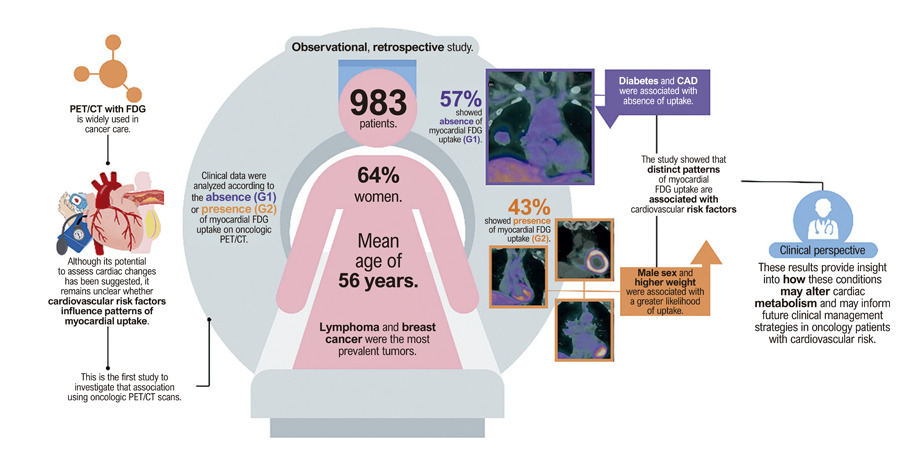
We conducted a retrospective, cross-sectional study classifying oncologic PET/CT scans by absence (G1) or presence (G2) of myocardial FDG uptake, visually defined as greater than the aortic blood pool. Clinical data and cardiovascular risk factors were analyzed, and logistic regression identified predictors of presence or absence of uptake, adjusting for potential confounders. Statistical significance was set at p < 0.05.

Results

We included 983 scans (64% women; mean age 56 ± 15.8 years; 39.9% with hypertension; 19.7% with diabetes), of which 559 (56.8%) were G1 and 424 (43.2%) were G2. The most prevalent cancers were lymphoma (28.9%) and breast (17.6%). Male sex (p = 0.0008) and higher weight (p = 0.0001) were independent predictors of myocardial FDG uptake, whereas diabetes (p = 0.01) and coronary artery disease (p = 0.007) predicted absence of uptake.

Conclusions

Despite limitations, this study identified distinct patterns of myocardial FDG uptake on oncologic PET/CT independently associated with cardiovascular risk factors. These findings support the potential of FDG PET/CT for evaluating cardiotoxicity after cancer treatment.
  • 18F-fluorodeoxyglucose
  • Cardiovascular Risk Factors
  • Oncology
  • Positron Emission Tomography-Computed Tomography
Read Full Article
Creative Commons Attribution (CC BY) Creative Commons license
02/03/2026 DOI: 10.36660/abc.20250028i Views 1
Central Illustration
IJCS
Original Article

Effect of Hypoenergetic Diet Combined With Pumpkin Seed Flour Consumption on Obese Women

Anna Paula Soares de Carvalho et al. Luciana Nicolau Aranha Larissa Almenara Soares Ronir Raggio Luiz … José Firmino Nogueira Neto Gláucia Maria Moraes de Oliveira Glorimar Rosa

Abstract

Background

Dietary treatment containing fiber-rich foods may contribute to lowering weight in obese women.

Objective

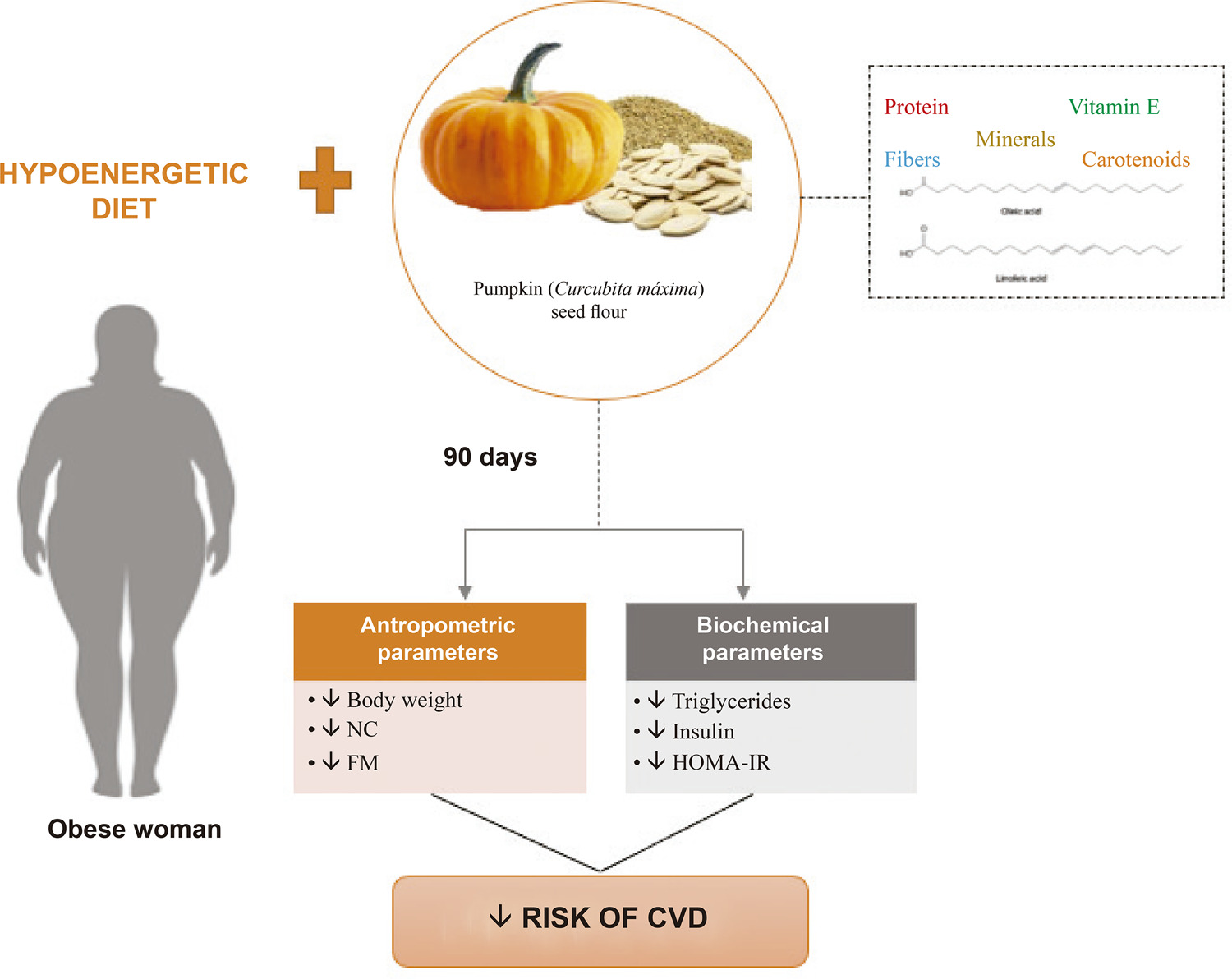
To investigate the effect of a hypoenergetic diet combined with pumpkin seed flour (PSF) consumption on diet quality, anthropometric indices, and glucose and lipid metabolism in obese women.

Methods

We conducted a randomized, double-blind, placebo-controlled, 90-day clinical trial with obese women, distributed into the following two groups: hypoenergetic diet + placebo (PG) and hypoenergetic diet + pumpkin seed flour (PSFG). A total of 100 participants were included in the PSFG (n = 47) and PG (n = 53). We evaluated neck circumference (NC); waist to height ratio; conicity index; fat mass (FM); lipid profile; blood concentrations of glucose and insulin; homeostatic model assessment for insulin resistance (HOMA-IR); quantitative insulin sensitivity check index (QUICKI); and blood pressure at baseline, 30, 60, and 90 days. Dietary analysis was determined by differences between diet quality indices before and after prescribing the experimental diet. Chi-squared, Student’s t-tests and analysis for repeated measures were used, and values were considered significant at p < 0.05.

Results

The dietary pattern improved after 90 days in both groups. The PSFG presented lower NC (p < 0.001), FM (p = 0.010), triglycerides (TG) (p = 0.025), insulin (p = 0.003), and HOMA-IR (p = 0.018). The PG presented a lower diastolic blood pressure (p = 0.004) and low-density lipoprotein cholesterol (LDL-c) (p = 0.056).

Conclusion

A hypoenergetic diet combined with PSF consumption contributes to lowering NC, FM, HOMA-IR, TG, and insulin concentrations.

  • Caloric Restriction
  • Cardiovascular Risk Factors
  • Cucurbita
  • Obesity
Read Full Article
Creative Commons Attribution (CC BY) Creative Commons license
04/08/2023 DOI: 10.36660/ijcs.20220134 Views 1
ABC
Letter to the Editor

Association between Aortic Valve Sclerosis and Adverse Cardiovascular Events

Cristiane Machado Lucena et al. Rodrigo Pires dos Santos

Dear Editor,

The presence of aortic valve sclerosis (AVS) is associated with adverse cardiovascular events even when pre-existing risk factors are considered. In the Cardiovascular Health Study, which included more than 5,000 patients who were ≥ 65 years of age and were periodically evaluated for more than five years, AVS was associated with a 40% increase in the risk of myocardial infarction; in patients who did not initially present with heart disease, there were a trend toward an increased risk of angina, heart failure, and stroke. It is still unclear whether the mechanism of association between AVS and adverse clinical cardiovascular events is caused by diffuse atherosclerosis, endothelial dysfunction, altered calcium metabolism, lipid accumulation, genetic polymorphism, or other as yet undefined factors.

AVS is defined as thickening and increased echogenicity in the aortic leaflets with no reduction in mobility on an echocardiograph. The early lesion of AVS is an active process with some similarities to atherosclerosis, including the histopathological features and an association with risk for coronary artery disease. Patients are at greater risk for coronary artery disease if they are older, male, hypertensive, smokers, diabetics, or if their HDL and LDL levels are high. A cross-sectional study by Marmelo et al. evaluated 2,494 individuals who presented with AVS diagnosed via transthoracic Doppler echocardiography. These individuals also had a greater prevalence of hypertension, previous myocardial infarction, diabetes, a history of smoking, left ventricular systolic dysfunction, and mitral valve sclerosis. Multivariate analysis allows for a more complete study of the association between each variable and its outcome.

[…]

  • Cardiovascular Risk Factors
  • Coronary Artery Disease
  • Doppler Echocardiography
  • Heart Valve Diseases/physiopathology
Read Full Article
Creative Commons Attribution (CC BY) Creative Commons license
01/07/2015 DOI: 10.5935/abc.20150081
High blood pressure and some risk factors in a brazilian capital
ABC
Artigo Original

High blood pressure and some risk factors in a brazilian capital

Paulo César B. Veiga Jardim et al. Maria do Rosário Peixoto Gondim Estelamaris Tronco Monego Humberto Graner Moreira … Priscila Valverde de Oliveira Vitorino Weimar Kunz Sebba Barroso Souza Luiz César Nazário Scala

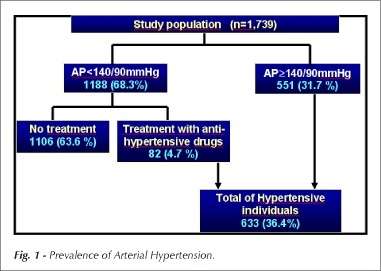
OBJECTIVES: Estimate the prevalence of hypertension and some cardiovascular risk factors in the adult population of a major city in Brazil. METHODS: Descriptive, observational, transversal population-based study substantiated by the home survey of a simple random sample (>18 years old). Standardized questionnaires were used to obtain sociodemographic information, measurements of blood pressure (2 measurements), weight, height, and abdominal circumference (AC). Microsoft Access and Epi Info 6 were used for data storage and analysis, respectively. The last blood pressure reading was used (hypertension: BP>140x90mmHg). RESULTS: The study evaluated 1,739 individuals (87% of the estimated sample). There was a predominance of females (65.4%) and mean age was 39.7 years (±15.6); arterial hypertension prevalence was 36.4%, higher for the male population (41.8%) when compared to females (31.8%). Correlation between Hypertension and Body Mass Index was positive, as well as with AC and age. The female gender and higher income were protective factors against hypertension. There was no correlation with schooling. Prevalence of overweight and obesity were 30.0% and 13.6%, respectively; overweight was higher among females and obesity among males. The prevalence of smoking was 20.1%, more frequent among males (27.1%), when compared to females (16.4%). A sedentary lifestyle was observed in 62.3% of the population, with no difference between the genders. Regular alcohol consumption was reported by 44.4% of the individuals, being more frequent in males. CONCLUSION: Hypertension and other cardiovascular risk factors (particularly overweight/obesity) indicators are high, reinforcing the need for objective nationwide measures to fight this disease, in order to reduce CVD morbidity and mortality.

  • Blood Pressure
  • Cardiovascular Risk Factors
  • Epidemiology of hypertension
  • high blood pressure
Read Full Article
Creative Commons Attribution (CC BY) Creative Commons license
24/05/2007 DOI: 10.1590/S0066-782X2007000400015
ABC
Artigo Original

Body mass index and waist circumference: association with cardiovascular risk factors

Fabiane Aparecida Canaan Rezende et al. Lina Enriqueta Frandsen Paez Lima Rosado Rita de Cássia Lanes Ribeiro Fernanda de Carvalho Vidigal … Ana Carolina Junqueira Vasques Ivana Sales Bonard Carlos Roberto de Carvalho

OBJECTIVE: To evaluate the association between cardiovascular risk factors and the anthropometric values – body mass index (BMI) and waist circumference (WC). METHODS: It was studied 231 employees of Federal University of Viçosa, Brazil, 54,1% of them were men (21-76 years old). Glycemia, total cholesterol, LDL, HDL, triglycerides, blood pressure, BMI, WC, waist-to-hip ratio and body fatness were measured. It was also investigated smoking, alcohol consumption and physical activity. RESULTS: The prevalence of overweight/obesity in this population was high mainly in women. The abdominal obesity was observed in 74% of the women and 46,1% of the men. The average of BMI, body fatness, total cholesterol, HDL and triglycerides were significantly higher in men than in women. (p < 0,05). The sedentary lifestyle was a risk factor for obesity. Smoking and alcohol consumption were more common among men and normal weight volunteers. Most of the correlations between anthropometric indices and risk factors for cardiovascular diseases were significant, but weak and the WC was the index that had the strongest correlation and that associated with the largest number of variables. It was observed that with an increase of the BMI and the abdominal fat, there was also an increase of the glycemia, triglycerides and blood pressure and a decrease of HDL. The metabolic syndrome was more common among men and overweight and obese volunteers. CONCLUSION: In this study, the frequency of cardiovascular risk factors increased along with BMI and WC.

  • abdominal circumference
  • body mass index
  • Cardiovascular Risk Factors
Read Full Article
Creative Commons Attribution (CC BY) Creative Commons license
18/01/2007 DOI: 10.1590/S0066-782X2006001900008
ABC
Artigo Original

Study of the prevalence and multiplicity of cardiovascular risk factors in hypertensive individuals from the city of Brusque, SC, Brazil

Nilton Rosini et al. Marcos José Machado Hermes Toros Xavier

OBJECTIVE: To investigate the prevalence and multiplicity of additional risk factors (RF) in a population sample of hypertensive smokers, diagnosed and enrolled at the Hiperdia Program of the Ministry of Health, in the city of Brusque, SC, Brazil. METHODS: Determination of the anthropometrical parameters and laboratory variables recognized as cardiovascular risk factors. RESULTS: Elevated prevalence of RF in addition to systemic arterial hypertension (SAH) and smoking, configuring the multiplicity that concurs with a marked elevation of the risk of cardiovascular events in this population sample. CONCLUSION: In hypertensive populations, the prevention, identification and RF control measures must be implemented; computerized programs such as the Hiperdia/MS can help in patients’ follow-up, allowing a more stringent multidisciplinary approach, especially regarding the analysis of the attainment of treatment goals and the subsequent decrease of cardiovascular risk.

  • arterial hypertension
  • Cardiovascular Risk Factors
  • smoking
Read Full Article
Creative Commons Attribution (CC BY) Creative Commons license
30/03/2006 DOI: 10.1590/S0066-782X2006000300010
Assessment of cardiovascular risk factors in a rural community in the Brazilian state of Bahia
ABC
Original Article

Assessment of cardiovascular risk factors in a rural community in the Brazilian state of Bahia

André Costa Matos et al. Ana Marice Ladeia

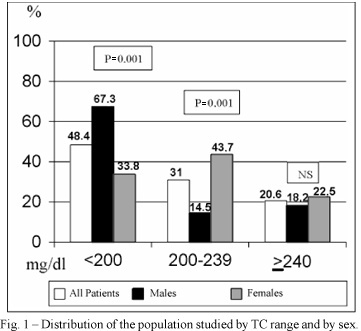
OBJECTIVE: To assess the frequency of cardiovascular risk factors in the rural community of Cavunge, in the Brazilian state of Bahia. METHODS: A cross-sectional study was carried out with 160 individuals (age > 19 years) randomly drawn from those listed in the population census of the Cavunge Project. The following parameters were studied: arterial hypertension, dyslipidemia, diabetes, obesity, smoking, waist-hip ratio (WHR), physical activity, and overall cardiovascular risk classified according to the Framingham score. The assessing parameters used were those established by the III Brazilian Consensus on Hypertension and the II Brazilian Consensus on Dyslipidemia. RESULTS: Of the randomly drawn individuals, 126 with a mean age of 46.6 + 19.7 years were included in the study, 43.7% of whom were males. The frequency of arterial hypertension was 36.5%; 20.4% of the individuals had cholesterol levels >240 mg/dL; 31.1% of the individuals had LDL-C levels > 130 mg/dL; 4% were diabetic; and 39.7% had a high-risk Framingham score. Abdominal obesity was observed in 41.3% of the population and in 57.7% of the females. High caloric-expenditure (HCE) physical activities were performed by 56.5% of the individuals. The HCE group had a greater frequency of normal triglyceride levels (63% vs 44%; P=0.05), no diabetes, and WHR tending towards normal (46% vs 27%, P=0.08) as compared with those in the low caloric-expenditure group. CONCLUSION: Cardiovascular risk factors, such as hypertension and hypercholesterolemia, are frequently found in rural communities. The greatest frequency of normal triglyceride levels and normal WHR in the HCE group reinforces the association between greater caloric expenditure and a better risk profile.

  • Cardiovascular Risk Factors
  • Epidemiology
  • rural community
Read Full Article
Creative Commons Attribution (CC BY) Creative Commons license
09/10/2003 DOI: 10.1590/S0066-782X2003001100009
Analysis of the Association Between Apolipoprotein E Polymorphism and Cardiovascular Risk Factors in an Elderly Population with Longevity
ABC
Original Article

Analysis of the Association Between Apolipoprotein E Polymorphism and Cardiovascular Risk Factors in an Elderly Population with Longevity

Carla Helena Augustin Schwanke et al. Ivana Beatrice Mânica da Cruz Ney Furhmann Leal Rosane Scheibe … Yukio Moriguchi Emílio Hideyuki Moriguchi

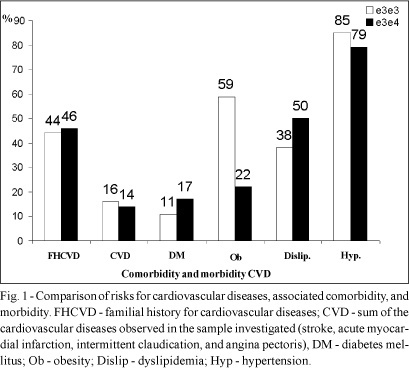
OBJECTIVE: To establish the allelic and genotypic frequencies related to apolipoprotein E (ApoE) polymorphism and association of the genotypes with risk factors and cardiovascular morbidity in an elderly population with longevity. METHODS: We analyzed 70 elderly patients aged 80 years or more who were part of the Projeto Veranópolis. We used the gene amplification technique through the polymerase chain reaction-restriction fragment length polymorphism (PCR-RFLP) and cleavage with the restriction enzyme Hha I to identify the ApoE genotypes. The most frequent genotypes were compared considering biological variables and cardiovascular risks and morbidity. RESULTS: The frequencies of the E2, E3, and E4 alleles were 0.05, 0.84, and 0.11, respectively, and of the genotypes were as follows: E3E3 (0.70), E3E4 (0.22), E2E3 (0.06), and E2E2 (0.02). Individuals with the E3E4 had a mean age greater than those with the E3E3. No association was observed between the genotypes and the variables analyzed, except for obesity, which was associated with the E3E3 genotype. Individuals with the E3E4 genotype had high levels of LDL-cholesterol and fibrinogen as compared with those with the E3E3 genotype. CONCLUSION: The results suggest that the E4E4 genotype may be associated with early mortality. A balance between the protective or neutral factors and the cardiovascular risk factors may occur among the individuals with different genotypes, attenuating the negative effects of the E4 allele.

  • apolipoprotein E
  • Cardiovascular Risk Factors
  • elderly population with longevity
Read Full Article
Creative Commons Attribution (CC BY) Creative Commons license
20/09/2002 DOI: 10.1590/S0066-782X2002000600004
Hypertension and clustering of cardiovascular risk factors in a community in Southeast Brazil: the Bambuí Health and Ageing Study
ABC
Original Article

Hypertension and clustering of cardiovascular risk factors in a community in Southeast Brazil: the Bambuí Health and Ageing Study

Sandhi Maria Barreto et al. Valéria Maria Azeredo Passos Josélia Oliveira Araújo Firmo Henrique Leonardo Guerra … Pedro Guatimosim Vidigal Maria Fernanda Furtado Lima-Costa

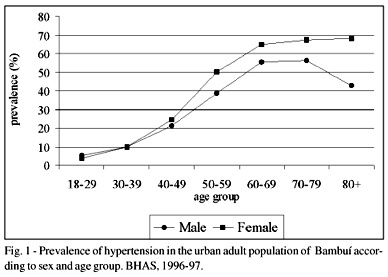
OBJECTIVE – A population-based prospective study was analysed to: a) determine the prevalence of hypertension; b) investigate the clustering of other cardiovascular risk factors and c) verify whether older differed from younger adults in the pattern of clustering. METHODS – The data comprised a representative sample of the population of Bambuí, Brazil. Multiple logistic regression was used to investigate the independent association between hypertension and selected factors. RESULTS – A total of 820 younger adults (82.5%) and 1494 older adults (85.9%) participated in this study. The overall prevalence of hypertension was 24.8% (SE=1.4 %), being higher in women (26.9±1.5%) than in men (22.0± 1.7%) (p=0.033). Hypertension was positively and significantly associated with physical inactivity, overweight, hypercholesterolemia hyperglycemia and hypertriglyceridemia. The coexistence of hypertension with 4 or more of these risk factors occurred 6 times more than expected by chance, after adjusting for age and sex (OR=6.3; 95%CI: 3.4-11.9). The pattern of risk factor clustering in hypertensive individuals differed with age. CONCLUSION – Our results reinforce the need to increase detection and treatment of hypertension and to approach patients’ global risk profiles.

  • Cardiovascular Risk Factors
  • Hypertension
  • Prevalence
Read Full Article
Creative Commons Attribution (CC BY) Creative Commons license
06/02/2002 DOI: 10.1590/S0066-782X2001001200008

How to cite this article

EndNote RIS

Electronic Document Format (Vancouver)

Sobrinho JMDR, Leão EDLM, Accioly BB, Mourato FA, Becker MMC, Brandão SCS. Myocardial Uptake of 18F-Fluorodeoxyglucose on Positron Emission Tomography/Computed Tomography: A Window into Cardiovascular Phenotypes and Metabolic Signatures in Patients with Cancer. Arquivos Brasileiros de Cardiologia 2026;123(1):e20250028.

Electronic Document Format (ABNT)

Sobrinho, João Marcelo Duarte Ribeiro; Leão, Emanuel Davi Lima de Matos; Accioly, Beatriz Barbosa; Mourato, Felipe Alves; Becker, Monica de Moraes Chaves; Brandão, Simone Cristina Soares. Myocardial Uptake of 18F-Fluorodeoxyglucose on Positron Emission Tomography/Computed Tomography: A Window into Cardiovascular Phenotypes and Metabolic Signatures in Patients with Cancer. Arquivos Brasileiros de Cardiologia, v. 123, n. 1, e20250028, Mar. 2026.

Electronic Document Format (APA)

Sobrinho, J. M. D. R., Leão, E. D. L. M., Accioly, B. B., Mourato, F. A., Becker, M. M. C., & Brandão, S. C. S. (2026). Myocardial Uptake of 18F-Fluorodeoxyglucose on Positron Emission Tomography/Computed Tomography: A Window into Cardiovascular Phenotypes and Metabolic Signatures in Patients with Cancer. Arquivos Brasileiros de Cardiologia, 123(1), e20250028.

Electronic Document Format (ISO)

Sobrinho, João Marcelo Duarte Ribeiro and Leão, Emanuel Davi Lima de Matos and Accioly, Beatriz Barbosa and Mourato, Felipe Alves and Becker, Monica de Moraes Chaves and Brandão, Simone Cristina Soares. Myocardial Uptake of 18F-Fluorodeoxyglucose on Positron Emission Tomography/Computed Tomography: A Window into Cardiovascular Phenotypes and Metabolic Signatures in Patients with Cancer. Arquivos Brasileiros de Cardiologia [online]. 2026, vol. 123, n. 1, [cited 2026-10-14], e20250028. Available from: <https://journals.cardiol.br/en/article/myocardial-uptake-of-18f-fluorodeoxyglucose-on-positron-emission-tomography-computed-tomography-a-window-into-cardiovascular-phenotypes-and-metabolic-signatures-in-patients-with-cancer/>. ISSN 0066-782X

EndNote RIS

Electronic Document Format (Vancouver)

Carvalho APS, Aranha LN, Soares LA, Luiz RR, Nogueira Neto JF, Oliveira GMM, Rosa G, et al. Effect of Hypoenergetic Diet Combined With Pumpkin Seed Flour Consumption on Obese Women. International Journal of Cardiovascular Sciences 2023;36:e20220134.

Electronic Document Format (ABNT)

Carvalho, Anna Paula Soares de; Aranha, Luciana Nicolau; Soares, Larissa Almenara; Luiz, Ronir Raggio; Nogueira Neto, José Firmino; Oliveira, Gláucia Maria Moraes de; Rosa, Glorimar. Effect of Hypoenergetic Diet Combined With Pumpkin Seed Flour Consumption on Obese Women. International Journal of Cardiovascular Sciences, v. 36, e20220134, Aug. 2023.

Electronic Document Format (APA)

Carvalho, A. P. S. , Aranha, L. N., Soares, L. A., Luiz, R. R., Nogueira Neto, J. F., Oliveira, G. M. M. , & Rosa, G. (2023). Effect of Hypoenergetic Diet Combined With Pumpkin Seed Flour Consumption on Obese Women. International Journal of Cardiovascular Sciences, 36, e20220134.

Electronic Document Format (ISO)

Carvalho, Anna Paula Soares de and Aranha, Luciana Nicolau and Soares, Larissa Almenara and Luiz, Ronir Raggio and Nogueira Neto, José Firmino and Oliveira, Gláucia Maria Moraes de and Rosa, Glorimar. Effect of Hypoenergetic Diet Combined With Pumpkin Seed Flour Consumption on Obese Women. International Journal of Cardiovascular Sciences [online]. 2023, vol. 36, [cited 2026-10-14], e20220134. Available from: <https://journals.cardiol.br/en/article/effect-of-hypoenergetic-diet-combined-with-pumpkin-seed-flour-consumption-on-obese-women/>. ISSN 2359-4802

EndNote RIS

Electronic Document Format (Vancouver)

Lucena CM, Santos RP. Association between Aortic Valve Sclerosis and Adverse Cardiovascular Events. Arquivos Brasileiros de Cardiologia 2015;105(1):99-100.

Electronic Document Format (ABNT)

Lucena, Cristiane Machado; Santos, Rodrigo Pires dos. Association between Aortic Valve Sclerosis and Adverse Cardiovascular Events. Arquivos Brasileiros de Cardiologia, v. 105, n. 1, p. 99-100, Jun. 2015.

Electronic Document Format (APA)

Lucena, C. M., & Santos, R. P. (2015). Association between Aortic Valve Sclerosis and Adverse Cardiovascular Events. Arquivos Brasileiros de Cardiologia, 105(1), 99-100.

Electronic Document Format (ISO)

Lucena, Cristiane Machado and Santos, Rodrigo Pires dos. Association between Aortic Valve Sclerosis and Adverse Cardiovascular Events. Arquivos Brasileiros de Cardiologia [online]. 2015, vol. 105, n. 1, [cited 2026-10-14], pp. 99-100. Available from: <https://journals.cardiol.br/en/article/association-between-aortic-valve-sclerosis-and-adverse-cardiovascular-events/>. ISSN 0066-782X

EndNote RIS

Electronic Document Format (Vancouver)

Jardim PCBV, Gondim MRP, Monego ET, Moreira HG, Vitorino PVO, Souza WKSB, Scala LCN, et al. High blood pressure and some risk factors in a brazilian capital. Arquivos Brasileiros de Cardiologia 2007;88(4):452-7.

Electronic Document Format (ABNT)

Jardim, Paulo César B. Veiga; Gondim, Maria do Rosário Peixoto; Monego, Estelamaris Tronco; Moreira, Humberto Graner; Vitorino, Priscila Valverde de Oliveira; Souza, Weimar Kunz Sebba Barroso; Scala, Luiz César Nazário. High blood pressure and some risk factors in a brazilian capital. Arquivos Brasileiros de Cardiologia, v. 88, n. 4, p. 452-457, May. 2007.

Electronic Document Format (APA)

Jardim, P. C. B. V., Gondim, M. R. P., Monego, E. T., Moreira, H. G., Vitorino, P. V. O., Souza, W. K. S. B., & Scala, L. C. N. (2007). High blood pressure and some risk factors in a brazilian capital. Arquivos Brasileiros de Cardiologia, 88(4), 452-457.

Electronic Document Format (ISO)

Jardim, Paulo César B. Veiga and Gondim, Maria do Rosário Peixoto and Monego, Estelamaris Tronco and Moreira, Humberto Graner and Vitorino, Priscila Valverde de Oliveira and Souza, Weimar Kunz Sebba Barroso and Scala, Luiz César Nazário. High blood pressure and some risk factors in a brazilian capital. Arquivos Brasileiros de Cardiologia [online]. 2007, vol. 88, n. 4, [cited 2026-10-14], pp. 452-457. Available from: <https://journals.cardiol.br/en/article/high-blood-pressure-and-some-risk-factors-in-a-brazilian-capital/>. ISSN 0066-782X

EndNote RIS

Electronic Document Format (Vancouver)

Rezende FAC, Rosado LEFPL, Ribeiro RCL, Vidigal FC, Vasques ACJ, Bonard IS, Carvalho CR, et al. Body mass index and waist circumference: association with cardiovascular risk factors. Arquivos Brasileiros de Cardiologia 2007;87(6):728-34.

Electronic Document Format (ABNT)

Rezende, Fabiane Aparecida Canaan; Rosado, Lina Enriqueta Frandsen Paez Lima; Ribeiro, Rita de Cássia Lanes; Vidigal, Fernanda de Carvalho; Vasques, Ana Carolina Junqueira; Bonard, Ivana Sales; Carvalho, Carlos Roberto de. Body mass index and waist circumference: association with cardiovascular risk factors. Arquivos Brasileiros de Cardiologia, v. 87, n. 6, p. 728-734, Jan. 2007.

Electronic Document Format (APA)

Rezende, F. A. C., Rosado, L. E. F. P. L., Ribeiro, R. C. L., Vidigal, F. C., Vasques, A. C. J., Bonard, I. S., & Carvalho, C. R. (2007). Body mass index and waist circumference: association with cardiovascular risk factors. Arquivos Brasileiros de Cardiologia, 87(6), 728-734.

Electronic Document Format (ISO)

Rezende, Fabiane Aparecida Canaan and Rosado, Lina Enriqueta Frandsen Paez Lima and Ribeiro, Rita de Cássia Lanes and Vidigal, Fernanda de Carvalho and Vasques, Ana Carolina Junqueira and Bonard, Ivana Sales and Carvalho, Carlos Roberto de. Body mass index and waist circumference: association with cardiovascular risk factors. Arquivos Brasileiros de Cardiologia [online]. 2007, vol. 87, n. 6, [cited 2026-10-14], pp. 728-734. Available from: <https://journals.cardiol.br/en/article/body-mass-index-and-waist-circumference-association-with-cardiovascular-risk-factors/>. ISSN 0066-782X

EndNote RIS

Electronic Document Format (Vancouver)

Rosini N, Machado MJ, Xavier HT. Study of the prevalence and multiplicity of cardiovascular risk factors in hypertensive individuals from the city of Brusque, SC, Brazil. Arquivos Brasileiros de Cardiologia 2006;86(3):219-22.

Electronic Document Format (ABNT)

Rosini, Nilton; Machado, Marcos José; Xavier, Hermes Toros. Study of the prevalence and multiplicity of cardiovascular risk factors in hypertensive individuals from the city of Brusque, SC, Brazil. Arquivos Brasileiros de Cardiologia, v. 86, n. 3, p. 219-222, Mar. 2006.

Electronic Document Format (APA)

Rosini, N., Machado, M. J., & Xavier, H. T. (2006). Study of the prevalence and multiplicity of cardiovascular risk factors in hypertensive individuals from the city of Brusque, SC, Brazil. Arquivos Brasileiros de Cardiologia, 86(3), 219-222.

Electronic Document Format (ISO)

Rosini, Nilton and Machado, Marcos José and Xavier, Hermes Toros. Study of the prevalence and multiplicity of cardiovascular risk factors in hypertensive individuals from the city of Brusque, SC, Brazil. Arquivos Brasileiros de Cardiologia [online]. 2006, vol. 86, n. 3, [cited 2026-10-14], pp. 219-222. Available from: <https://journals.cardiol.br/en/article/study-of-the-prevalence-and-multiplicity-of-cardiovascular-risk-factors-in-hypertensive-individuals-from-the-city-of-brusque-sc-brazil/>. ISSN 0066-782X

EndNote RIS

Electronic Document Format (Vancouver)

Matos AC, Ladeia AM. Assessment of cardiovascular risk factors in a rural community in the Brazilian state of Bahia. Arquivos Brasileiros de Cardiologia 2003;81(3):297-302.

Electronic Document Format (ABNT)

Matos, André Costa; Ladeia, Ana Marice. Assessment of cardiovascular risk factors in a rural community in the Brazilian state of Bahia. Arquivos Brasileiros de Cardiologia, v. 81, n. 3, p. 297-302, Oct. 2003.

Electronic Document Format (APA)

Matos, A. C., & Ladeia, A. M. (2003). Assessment of cardiovascular risk factors in a rural community in the Brazilian state of Bahia. Arquivos Brasileiros de Cardiologia, 81(3), 297-302.

Electronic Document Format (ISO)

Matos, André Costa and Ladeia, Ana Marice. Assessment of cardiovascular risk factors in a rural community in the Brazilian state of Bahia. Arquivos Brasileiros de Cardiologia [online]. 2003, vol. 81, n. 3, [cited 2026-10-14], pp. 297-302. Available from: <https://journals.cardiol.br/en/article/assessment-of-cardiovascular-risk-factors-in-a-rural-community-in-the-brazilian-state-of-bahia/>. ISSN 0066-782X

EndNote RIS

Electronic Document Format (Vancouver)

Schwanke CHA, Cruz IBM, Leal NF, Scheibe R, Moriguchi Y, Moriguchi EH. Analysis of the Association Between Apolipoprotein E Polymorphism and Cardiovascular Risk Factors in an Elderly Population with Longevity. Arquivos Brasileiros de Cardiologia 2002;78(6):571-9.

Electronic Document Format (ABNT)

Schwanke, Carla Helena Augustin; Cruz, Ivana Beatrice Mânica da; Leal, Ney Furhmann; Scheibe, Rosane; Moriguchi, Yukio; Moriguchi, Emílio Hideyuki. Analysis of the Association Between Apolipoprotein E Polymorphism and Cardiovascular Risk Factors in an Elderly Population with Longevity. Arquivos Brasileiros de Cardiologia, v. 78, n. 6, p. 571-579, Sep. 2002.

Electronic Document Format (APA)

Schwanke, C. H. A., Cruz, I. B. M. , Leal, N. F., Scheibe, R., Moriguchi, Y., & Moriguchi, E. H. (2002). Analysis of the Association Between Apolipoprotein E Polymorphism and Cardiovascular Risk Factors in an Elderly Population with Longevity. Arquivos Brasileiros de Cardiologia, 78(6), 571-579.

Electronic Document Format (ISO)

Schwanke, Carla Helena Augustin and Cruz, Ivana Beatrice Mânica da and Leal, Ney Furhmann and Scheibe, Rosane and Moriguchi, Yukio and Moriguchi, Emílio Hideyuki. Analysis of the Association Between Apolipoprotein E Polymorphism and Cardiovascular Risk Factors in an Elderly Population with Longevity. Arquivos Brasileiros de Cardiologia [online]. 2002, vol. 78, n. 6, [cited 2026-10-14], pp. 571-579. Available from: <https://journals.cardiol.br/en/article/analysis-of-the-association-between-apolipoprotein-e-polymorphism-and-cardiovascular-risk-factors-in-an-elderly-population-with-longevity/>. ISSN 0066-782X

EndNote RIS

Electronic Document Format (Vancouver)

Barreto SM, Passos VMA, Firmo JOA, Guerra HL, Vidigal PG, Lima-Costa MFF. Hypertension and clustering of cardiovascular risk factors in a community in Southeast Brazil: the Bambuí Health and Ageing Study. Arquivos Brasileiros de Cardiologia 2002;77(6):576-81.

Electronic Document Format (ABNT)

Barreto, Sandhi Maria; Passos, Valéria Maria Azeredo; Firmo, Josélia Oliveira Araújo; Guerra, Henrique Leonardo; Vidigal, Pedro Guatimosim; Lima-Costa, Maria Fernanda Furtado. Hypertension and clustering of cardiovascular risk factors in a community in Southeast Brazil: the Bambuí Health and Ageing Study. Arquivos Brasileiros de Cardiologia, v. 77, n. 6, p. 576-581, Feb. 2002.

Electronic Document Format (APA)

Barreto, S. M., Passos, V. M. A., Firmo, J. O. A., Guerra, H. L., Vidigal, P. G., & Lima-Costa, M. F. F. (2002). Hypertension and clustering of cardiovascular risk factors in a community in Southeast Brazil: the Bambuí Health and Ageing Study. Arquivos Brasileiros de Cardiologia, 77(6), 576-581.

Electronic Document Format (ISO)

Barreto, Sandhi Maria and Passos, Valéria Maria Azeredo and Firmo, Josélia Oliveira Araújo and Guerra, Henrique Leonardo and Vidigal, Pedro Guatimosim and Lima-Costa, Maria Fernanda Furtado. Hypertension and clustering of cardiovascular risk factors in a community in Southeast Brazil: the Bambuí Health and Ageing Study. Arquivos Brasileiros de Cardiologia [online]. 2002, vol. 77, n. 6, [cited 2026-10-14], pp. 576-581. Available from: <https://journals.cardiol.br/en/article/hypertension-and-clustering-of-cardiovascular-risk-factors-in-a-community-in-southeast-brazil-the-bambui-health-and-ageing-study/>. ISSN 0066-782X

  • About ABC Family
  • Internal Regulation
  • Editorial Board
  • Brazilian Society of Cardiology (SBC)

Issues

SBC Guidelines

  • Videos
  • Podcasts
  • News