ABC Family Arquivos Brasileiros de Cardiologia International Journal of Cardiovascular Sciences ABC Heart Failure & Cardiomyopathy ABC Imagem Cardiovascular
Português English
ABC Family
Português English
  • About
    • About ABC Family
    • Internal Regulation
    • Editorial Board
    • Brazilian Society of Cardiology (SBC)
  • Issues
  • SBC Guidelines
  • Content
    • Videos
    • Podcasts
    • News
  • About
    • About ABC Family
    • Internal Regulation
    • Editorial Board
    • Brazilian Society of Cardiology (SBC)
  • Issues
  • SBC Guidelines
  • Content
    • Videos
    • Podcasts
    • News

ABC Family

  • ABC Family
  • Arquivos Brasileiros de Cardiologia
  • International Journal of Cardiovascular Sciences
  • ABC Heart Failure & Cardiomyopathy
  • ABC Imagem Cardiovascular
Search in

No content found.

Journals
Ordering
Article types
Others

  1. Home
  2. Keyword: Sodium-Glucose Transporter 2 Inhibitors
Figure 1
ABC
Editorial

Cardiac Amyloidosis and SGLT2 Inhibitors: Signal, Hope, and the Need for Randomized Evidence

Humberto Villacorta et al. Aline Sterque Villacorta

Heart failure secondary to cardiac amyloidosis remains one of the most challenging scenarios in contemporary cardiovascular medicine. Despite major advances in disease-modifying therapies for both transthyretin (ATTR) and light-chain (AL) amyloidosis, outcomes are still largely driven by progressive heart failure, renal dysfunction, and cardiovascular deaths. Conventional heart failure therapies are often poorly tolerated or ineffective in this restrictive cardiomyopathy, leaving clinicians with limited options to improve prognosis. In this context, the real-world analysis by Nunes et al. provides timely and provocative evidence supporting a potential role for sodium-glucose cotransporter 2 (SGLT2) inhibitors in this high-risk population.

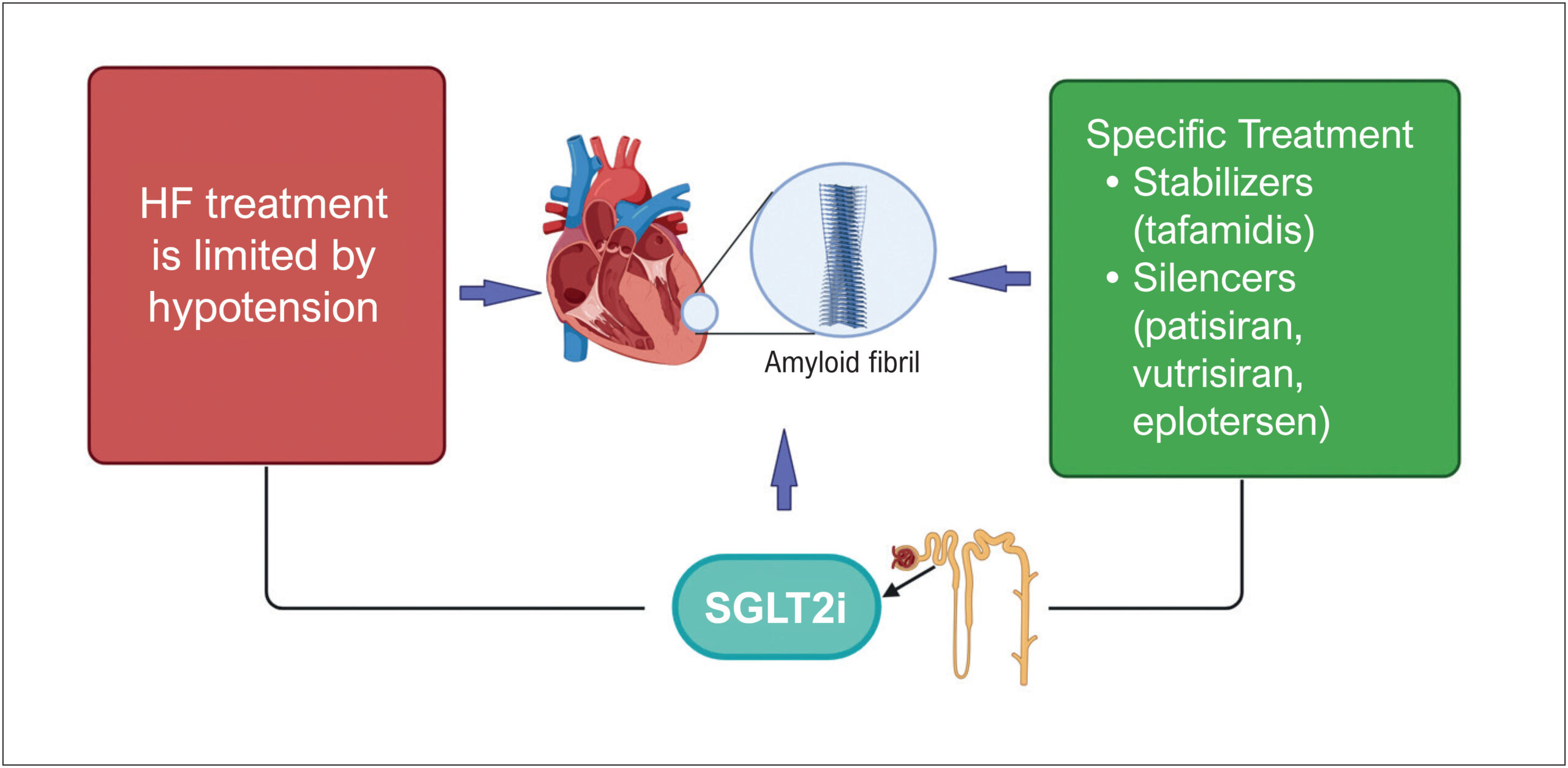
Using data from the TriNetX global collaborative network, the authors evaluated more than 2,700 propensity score-matched patients with heart failure due to ATTR or AL amyloidosis. Across both amyloid subtypes, treatment with SGLT2 inhibitors was consistently associated with substantial reductions in all-cause mortality, hospitalization, and renal events at 12 months. The magnitude of benefit is striking: approximately 50% relative reduction in mortality and meaningful improvements in both heart failure and renal outcomes. These findings extend the growing body of observational data suggesting that the benefits of SGLT2 inhibition may transcend traditional heart failure phenotypes and etiologies, and may have a specific role in cardiac amyloidosis, as shown in .

[…]

  • Amyloidosis
  • Heart Failure
  • Mortality
  • Sodium-Glucose Transporter 2 Inhibitors
Read Full Article
Creative Commons Attribution (CC BY) Creative Commons license
16/03/2026 DOI: 10.36660/abc.20250894i Views 2
Sodium-Glucose Cotransporter 2 Inhibitors in Patients with Heart Failure and Transthyretin or Light Chain Amyloidosis: A Real-World Analysis
ABC
Original Article

Sodium-Glucose Cotransporter 2 Inhibitors in Patients with Heart Failure and Transthyretin or Light Chain Amyloidosis: A Real-World Analysis

Rafael Amorim Belo Nunes et al. Leandro Menezes Alves da Costa Thiago Luis Scudeler Precil Diego Miranda Menezes Neves … Victor Augusto Hamamoto Sato Álvaro Avezum

Abstract

Background:

Evidence regarding the efficacy of sodium-glucose cotransporter 2 inhibitors (SGLT2i) in amyloidosis-related heart failure (HF) remains limited.

Objective:

To evaluate the impact of SGLT2i in patients with amyloid transthyretin (ATTR) or amyloid light-chain (AL) amyloidosis and HF.

Methods:

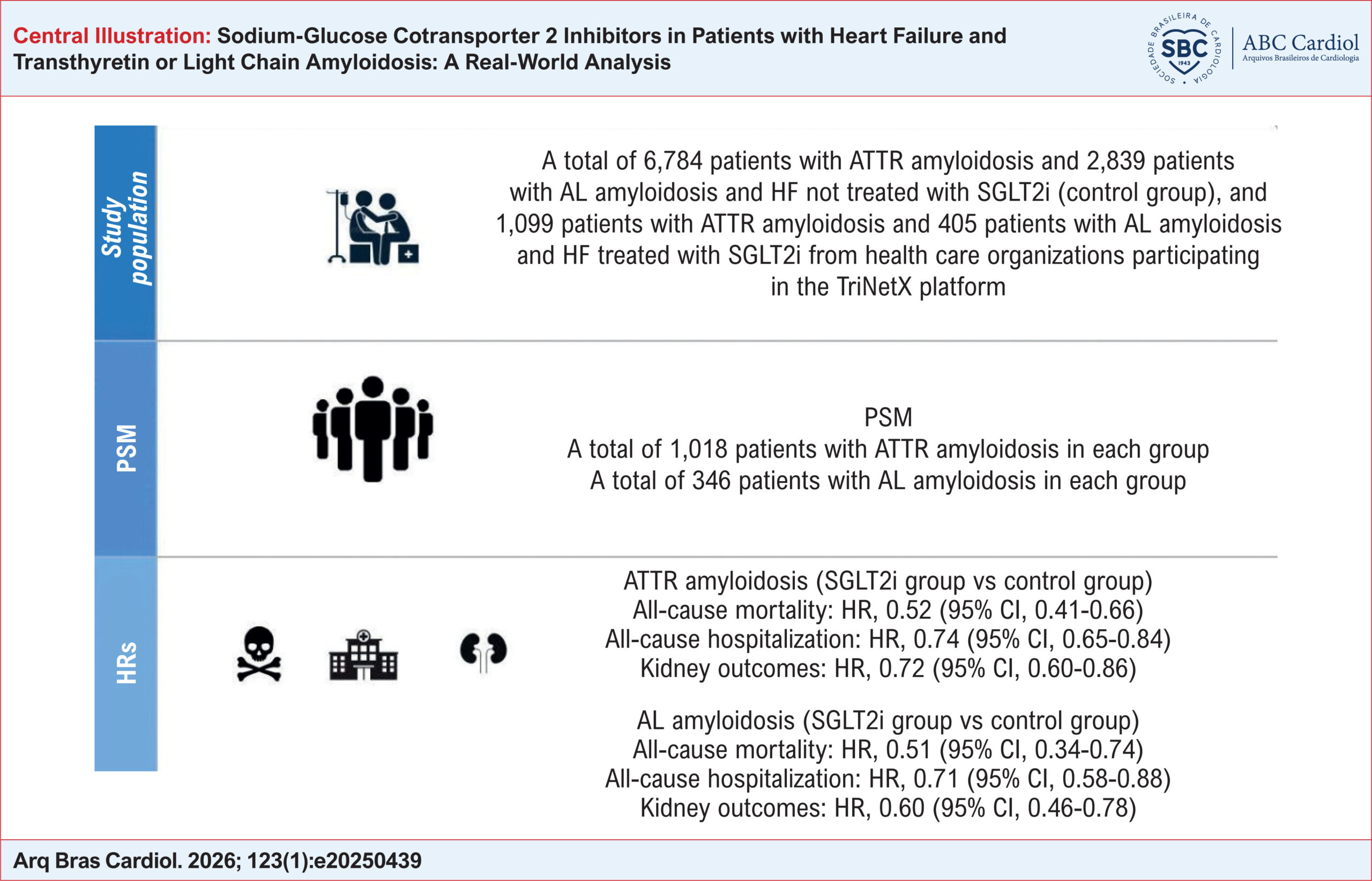
By using global electronic medical record data, we identified patients aged ≥ 18 years with ATTR or AL amyloidosis and HF. After matching, outcomes were compared between patients treated with SGLT2i and matched controls, including 2,036 patients with ATTR amyloidosis and 692 patients with AL amyloidosis. Endpoints included 12-month all-cause mortality, hospitalization, and kidney outcomes. Statistical significance was defined as a two-sided p < 0.05.

Results:

A total of 96 (9.43%) deaths occurred among patients with ATTR amyloidosis in the SGLT2i group, compared to 196 (19.2%) in the control group (hazard ratio [HR], 0.52; 95% CI, 0.41-0.66). Hospitalization occurred in 387 (38.0%) patients receiving SGLT2i and in 505 (49.6%) controls (HR, 0.74; 95% CI, 0.65-0.84). Kidney outcomes were observed in 204 (20.0%) patients in the SGLT2i group and 298 (28.5%) in the control group (HR, 0.72; 95% CI, 0.60-0.86). Among patients with AL amyloidosis, 39 (11.2%) deaths occurred in the SGLT2i group and 80 (23.1%) in the control group (HR, 0.51; 95% CI, 0.34-0.74). Hospitalization occurred in 161 (46.5%) patients treated with SGLT2i and in 204 (58.96%) controls (HR, 0.71; 95% CI, 0.58-0.88). Kidney outcomes occurred in 86 (24.8%) patients in the SGLT2i group and 137 (39.6%) in the control group (HR, 0.60; 95% CI, 0.46-0.78).

Conclusion:

In patients with HF due to ATTR or AL amyloidosis, the use of SGLT2i was associated with lower all-cause mortality, hospitalization, and kidney outcomes.

  • Amyloidosis
  • Heart Failure
  • Mortality
  • Sodium-Glucose Transporter 2 Inhibitors
Read Full Article
Creative Commons Attribution (CC BY) Creative Commons license
02/03/2026 DOI: 10.36660/abc.20250439i Views 2
Figure 1
ABCHF
Original Article

Furosemide Dose Progression after Sodium-Glucose Transporter 2 Inhibitors in Advanced Heart Failure

Isabelle Bolfe et al. Rafaela Kaucz Mendez Ribeiro Caroline Prager João Vitor Bolfe Ana Karyn Ehrenfried de Freitas

Abstract

Background:

Studies on Sodium–Glucose cotransporter-2 inhibitors (SGLT2i) in the treatment of heart failure (HF) investigate their potential as a therapeutic alternative for managing congestion and their influence on diuretic efficacy in acute decompensated HF.

Objectives:

To analyze the impact of introducing SGLT2i in patients with HF, with emphasis on the hypothesis of a potential reduction in outpatient furosemide use over time, as well as concomitant changes in renal function and clinical signs of congestion.

Methods:

Retrospective study of 85 patients with advanced HF under outpatient follow-up between January 2022 and July 2025, including those on furosemide at the time of SGLT2i prescription and excluding those without follow-up visits. Comparative analysis was performed on furosemide doses, signs of congestion, and changes in renal function across four subsequent visits.

Results:

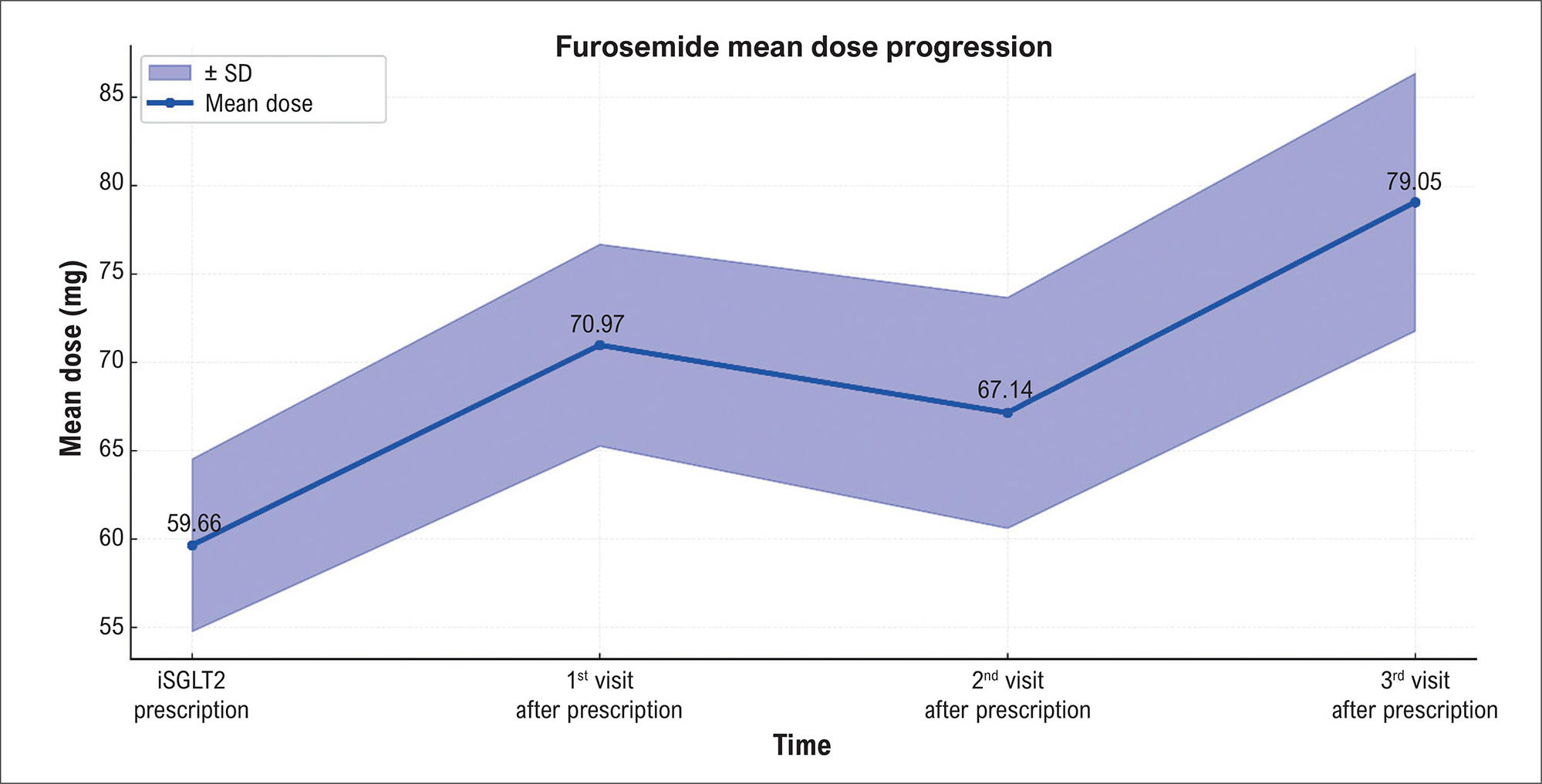
The sample was predominantly male (56.5%), with a high prevalence of HF with reduced ejection fraction (82.4%). After the introduction of SGLT2i, results showed a reduction in jugular venous distension and lower-limb edema, accompanied by increased creatinine levels and a rise in mean furosemide dose from 59.66 ± 4.87 mg to 79.05 ± 7.28 mg (p = 0.003).

Conclusion:

Following the introduction of SGLT2i, an increase in the mean furosemide dose was observed. This finding was associated with elevated creatinine levels, despite modest improvement in clinical signs of congestion, highlighting the dynamic scenario analyzed and the need for prospective studies with follow-up across different stages of HF.

  • Diuretics
  • Furosemide
  • Heart Failure
  • Sodium-Glucose Transporter 2 Inhibitors
Read Full Article
Creative Commons Attribution (CC BY) Creative Commons license
31/12/2025 DOI: 10.36660/abchf.20250032i Views 1
“The Dynamic Duo”: The New Management of Drug Treatment for Heart Failure with Mildly Reduced or Preserved Ejection Fraction
ABC
Review Article

“The Dynamic Duo”: The New Management of Drug Treatment for Heart Failure with Mildly Reduced or Preserved Ejection Fraction

Plínio José Whitaker Wolf et al. Edileide Barros Correia João Manoel Rossi Neto Marco Aurelio Finger … Carolina Casadei Santos Marcos de Oliveira Vasconcellos Larissa Ventura Ribeiro Bruscky Ana Cristina de Souza Murta Yoná Afonso Francisco Fabiano Castro Albrecht Juliana Jangelavicin Barbosa Eduardo Mikio Sassaki Bruno Noshang Blaas Bianca Fernandes Távora Arruda Fernanda de Brito Fortuna Victor Bemfica de Mello Mattos

Abstract

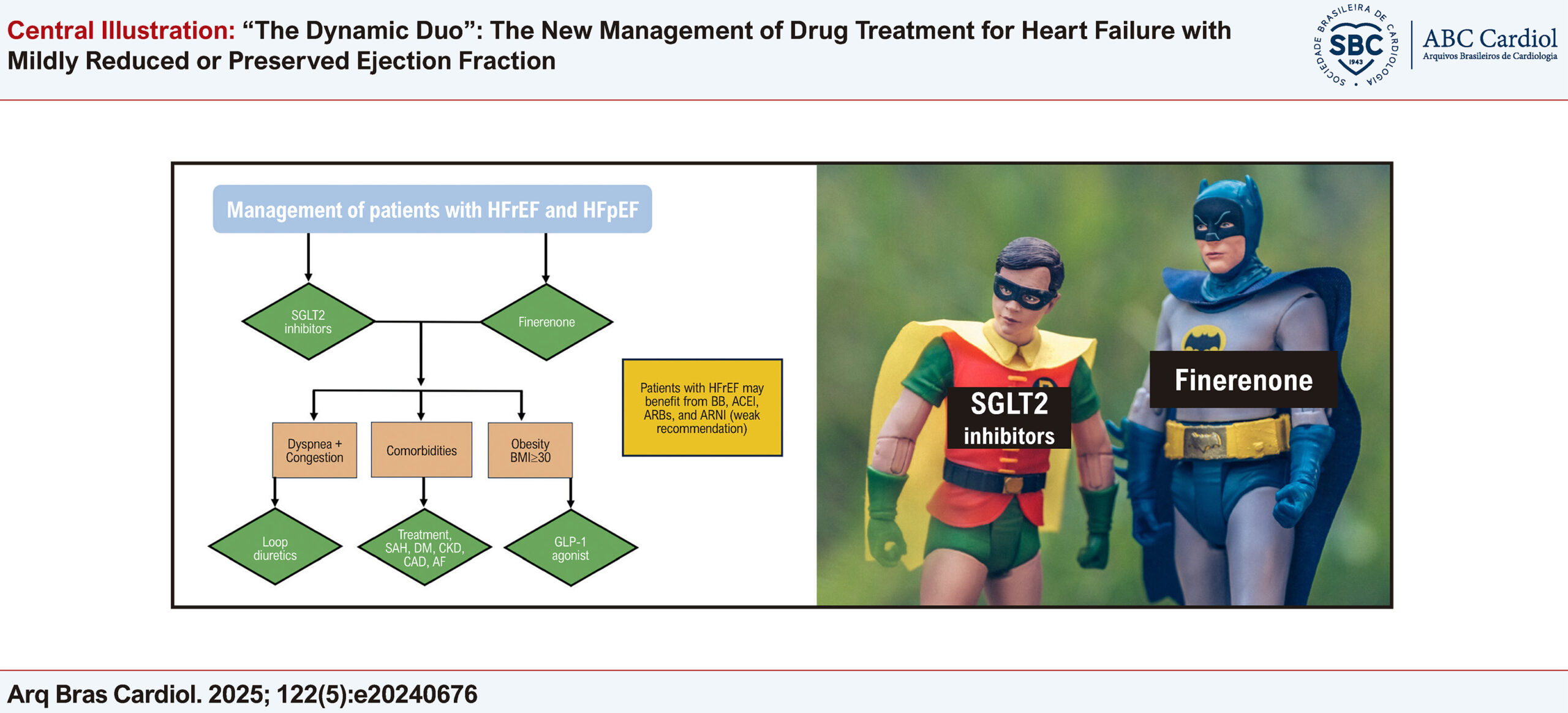
The “Fantastic Four,” a term coined in 2021 to refer to the four key drug pillars in the treatment of heart failure with reduced ejection fraction (beta-blockers, renin-angiotensin system and neprilysin inhibitors, mineralocorticoid receptor antagonists, and sodium-glucose cotransporter-2 inhibitors, or SGLT2 inhibitors), has demonstrated excellent performance in reducing morbidity and mortality in this setting. However, in heart failure with mildly reduced or preserved ejection fraction, the same benefits were not observed with this combined treatment where, for many years, management in this context was limited to diuretics and comorbidity control. Recently, however, new therapeutic options have emerged, demonstrating effectiveness in reducing cardiovascular outcomes in this specific group: the “Dynamic Duo”—comprising SGLT2 inhibitors and Finerenone—has shown promising results, alongside the introduction of semaglutide as a potential “wild card” treatment for patients with obesity. Despite the ongoing need for therapies that significantly reduce overall mortality, these new treatments have effectively lowered hospitalization rates and improved symptoms in such patients. As a result, a new era in heart failure management is beginning.

  • Heart Failure
  • Mineralocorticoid Receptor Antagonists
  • Sodium-Glucose Transporter 2 Inhibitors
Read Full Article
Creative Commons Attribution (CC BY) Creative Commons license
26/05/2025 DOI: 10.36660/abc.20240676i Views 1
Central Illustration
ABCHF
Review Article

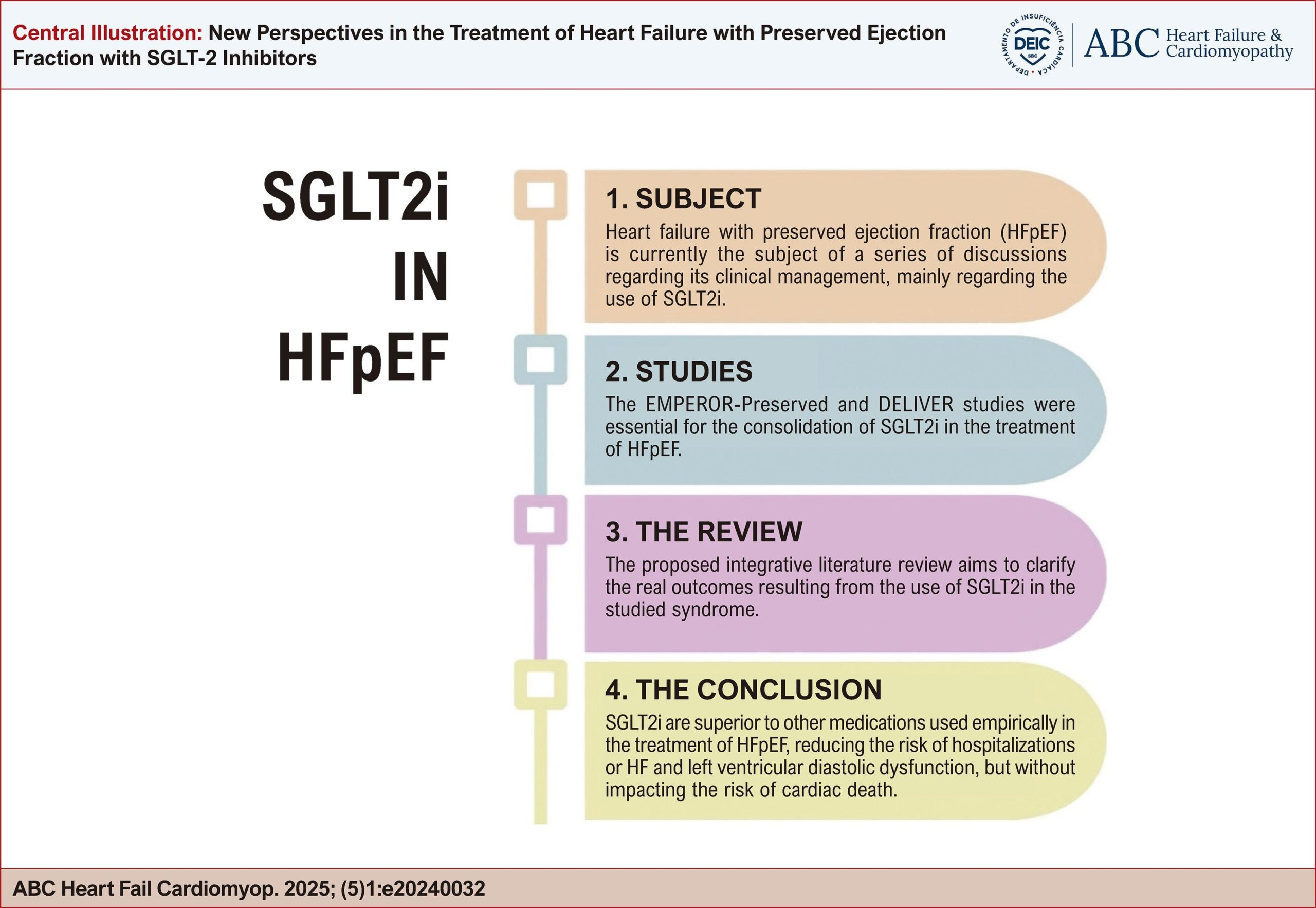
New Perspectives in the Treatment of Heart Failure with Preserved Ejection Fraction with SGLT-2 Inhibitors

José Natthananel de Aquino Gomes et al. Milena dos Santos Barros Campos Carlos Aurélio Santos Aragão Antonio Carlos Sousa

Abstract

The treatment of heart failure with preserved ejection fraction (HFpEF) has always represented a challenge in clinical management. The discovery of sodium-glucose cotransporter 2 inhibitors (SGLT2i) as efficient cardiac protectors brought the possibility of treating HFpEF, a topic driven by robust studies such as EMPEROR-Preserved and DELIVER. The present work aims to identify the main studies on SGLT2i and primary outcomes in HFpEF.

The qualified search was carried out in the BVS and Pubmed indexed databases, with the inclusion criteria being randomized clinical trials, meta-analyses and analyses of clinical trials, full text available, and publication in the last 5 years.

11 articles were selected to compose the review.

SGLT2i shows efficacy in the treatment of HFpEF, reducing hospitalization for heart failure in this population and improving ventricular diastolic function in these patients, but not altering the risk of cardiac death alone.

  • Diastolic Heart Failure
  • Drug Therapy
  • Efficacy
  • Sodium-Glucose Transporter 2 Inhibitors
Read Full Article
Creative Commons Attribution (CC BY) Creative Commons license
10/04/2025 DOI: 10.36660/abchf.20240032i Views 2
Central Illustration
ABCHF
Review Article

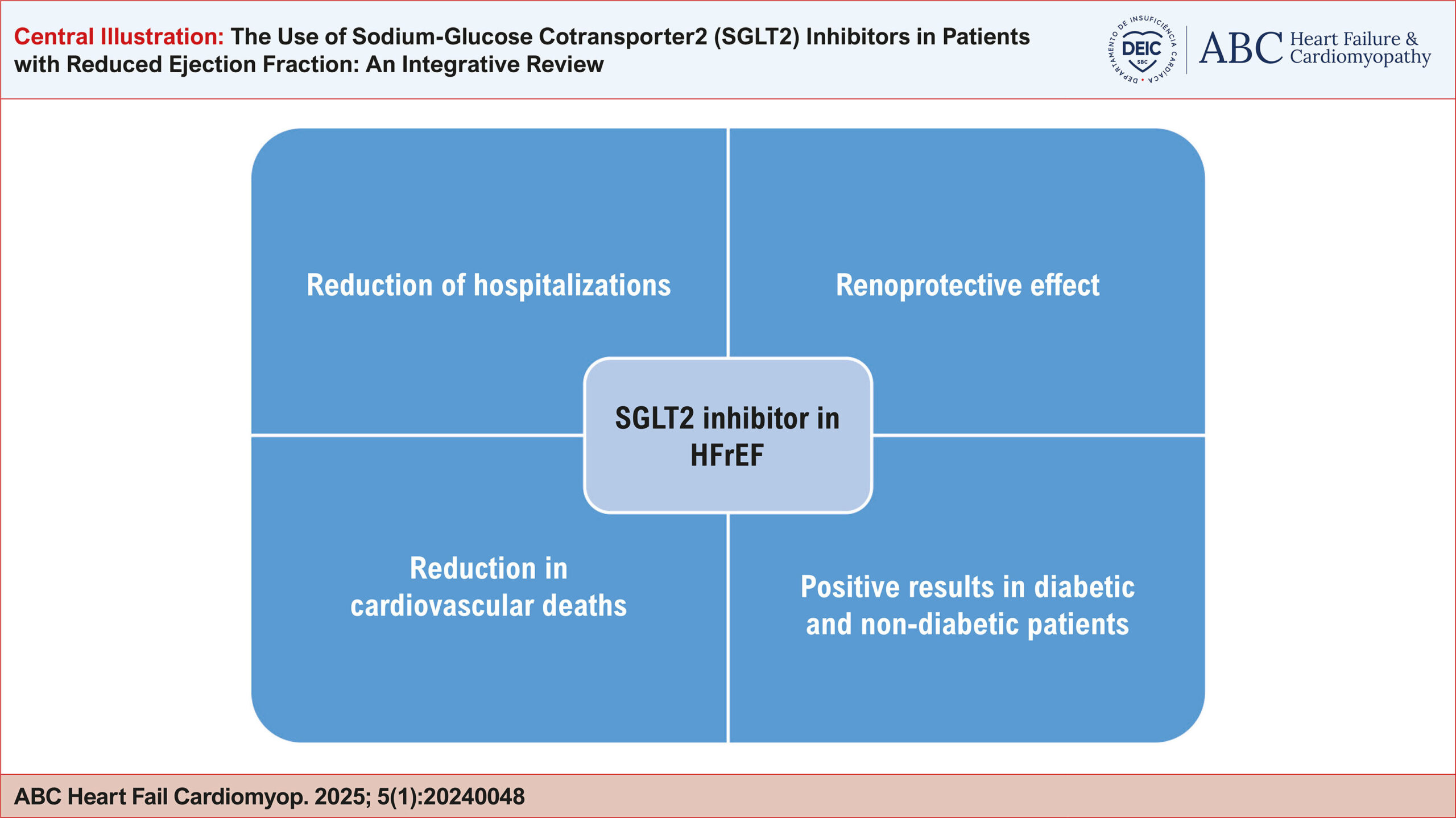
The Use of Sodium-Glucose Cotransporter2 (SGLT2) Inhibitors in Patients with Reduced Ejection Fraction: An Integrative Review

Irving Gabriel Araújo Bispo et al. Guilherme Martins Chaves Mariana Gonçalves Fernandes Larissa Hiromi Yamamoto Giulia Amorim Almeida

Abstract

Heart failure (HF) is characterized as a clinical syndrome comprised of different etiologies. HF can be classified according to the left ventricular ejection fraction (LVEF) in heart failure with preserved ejection fraction (HFpEF) and heart failure with reduced ejection fraction (HFrEF). Studies have shown that sodium-glucose cotransporter2 (SGLT2) inhibitors can collaborate in the treatment of HF. To conduct a bibliographic survey in the form of an integrative qualitative review on the use of SGLT2 inhibitors in the treatment of heart failure. This study was carried out through the elaboration of an integrative literature review. Articles published in the last five years were selected from the PubMed, SciELO, LILACS, and Cochrane Library databases, using the following descriptors: “Diabetes Mellitus”, “Heart Failure”, “Heart Failure with Reduced Ejection Fraction” and “Sodium-Glucose Transporter 2 Inhibitors” A total of 1,504 articles, published in the PubMed, SciELO, Cochrane Library, and LILACS databases, were found. After analysis, in accordance with the inclusion and exclusion criteria; reading of the abstracts or full text; and exclusion of duplicate articles, 17 studies were selected, In the past five years, there has been a lack of conclusive studies on the use of SGLT2 inhibitors. Studies, such as DAPA-HF, have shown that dapagliflozin reduces hospitalizations and cardiovascular deaths in patients with HF, regardless of their glycemic status. Recent guidelines have already incorporated SGLT2 inhibitors for the treatment of HFrEF due to strong scientific evidence.

  • Diabetes Mellitus
  • Heart Failure
  • Sodium-Glucose Transporter 2 Inhibitors
  • Systolic Heart Failure
Read Full Article
Creative Commons Attribution (CC BY) Creative Commons license
01/04/2025 DOI: 10.36660/abchf.20240048i
Central Illustration
ABCHF
Original Article

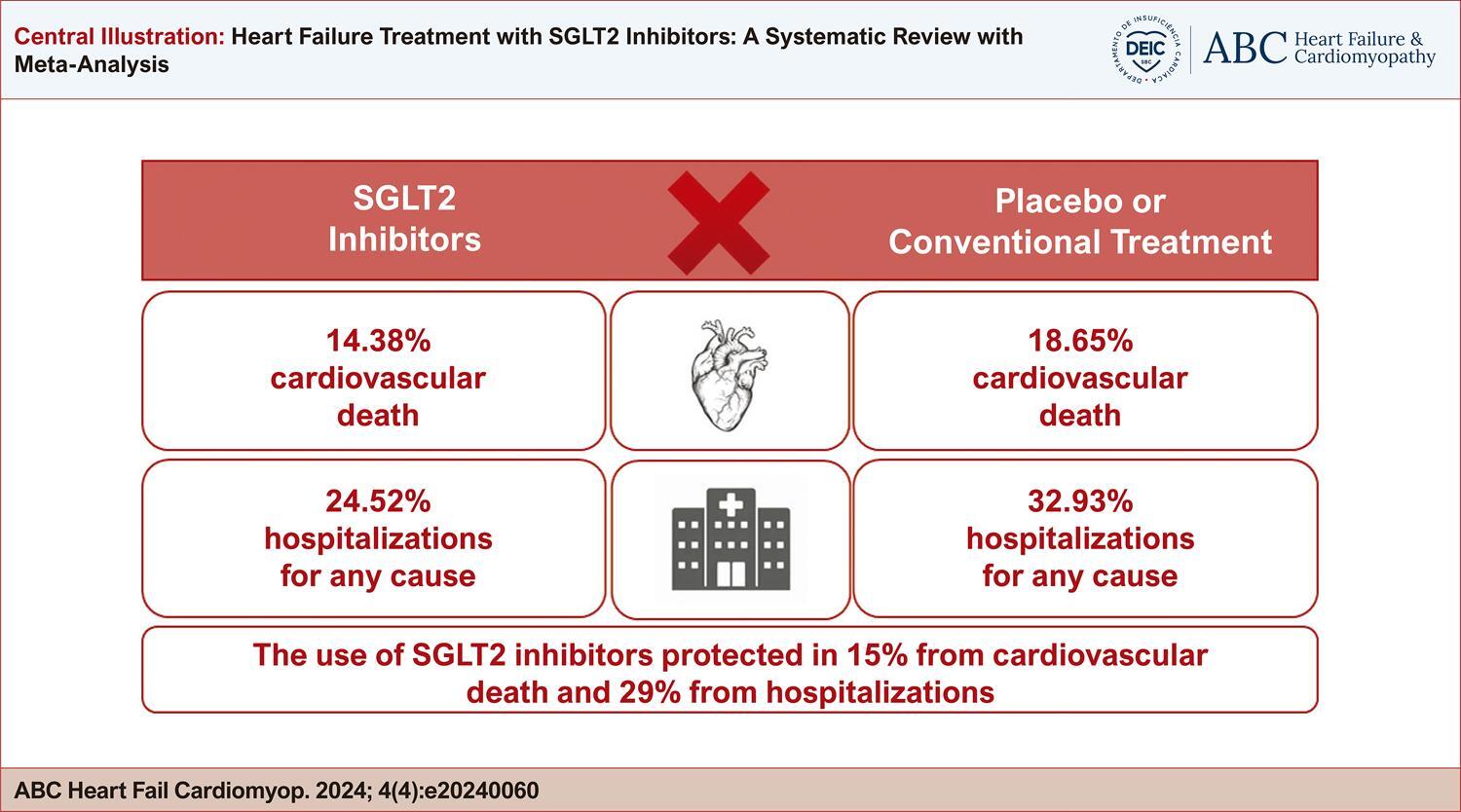
Heart Failure Treatment with SGLT2 Inhibitors: A Systematic Review with Meta-Analysis

Fernando Pierin Peres-Filho et al. Suelen Umbelino da Silva Fernando Pierin Peres Leandra Ernst Kerche

Abstract

Background

Heart failure (HF) is a clinical diagnosis of a condition that develops secondary to either left ventricular systolic or diastolic functions. Lately, inhibitors of sodium-glucose cotransporter 2 (SGLT2) have been added to the list of drugs used in the management of HF.

Objectives

To compare the efficacy of SGLT2 inhibitors to traditional treatment in hospitalization and death for HF.

Methods

Relevant databases were searched for articles published until October 2023. Out of 24 nonduplicated screened studies, 11 studies were selected. The primary analysis was for cardiovascular death, and the secondary analysis was for hospitalization for HF.

Results

We selected 11 for the systematic review and 8 studies for quantitative analysis, accounting for 54,381 patients from over 800 health centers worldwide. The use of SGLT2 inhibitors significantly reduced cardiovascular death in all patients when compared to placebo (HR 0.85, 95%CI 0.78-0.91) and also reduced hospitalizations for HF (HR 0.71, 95%CI 0.67-0.76).

Conclusions

Patients with HF in the use of SGLT2 inhibitors have a better outcome than those with conventional treatment; SGLT2 inhibitors protect 15% from cardiovascular death and 29% from hospitalizations.

  • Heart Failure
  • Mortality
  • Sodium-Glucose Transporter 2 Inhibitors
Read Full Article
Creative Commons Attribution (CC BY) Creative Commons license
26/12/2024 DOI: 10.36660/abchf.20240060i Views 1
Central Illustration
ABCHF
Review Article

The Trajectory of Gliflozins: From Apple Tree Bark to Reduced Overall Mortality in Heart Failure

Fabiana Marques et al. Flávio Henrique Valicelli Denise Mayumi Tanaka Marcus Vinícius Simões

Abstract

A small number of drugs have been responsible for major advances in medical practice throughout history, for instance, the discovery of penicillin, insulin, aspirin, and statins. Diabetes treatment began with parenteral insulin, discovered by Banting and Bet approximately a century ago; since then, several classes of oral medications that improve glycemic control have been developed and become available for widespread use. More recently, sodium-glucose cotransporter inhibitors have emerged, with a surprising impact and effect on the treatment of patients with diabetes, heart failure, and renal failure, and they are currently considered one of the greatest therapeutic advances in cardiovascular medicine in the twenty-first century. 1 Initially developed only for glycemic control, their effects on cardiovascular protection have been widely demonstrated in large clinical trials in patients with diabetes, showing a significant reduction in the risk of cardiovascular diseases, prevention of hospitalization due to heart failure by 25% to 35%, and reduction of renal outcomes, regardless of the presence or absence of diabetes and the therapies used to treat these conditions.2 In this trajectory of discoveries, gliflozins culminated by demonstrating beneficial effects, including reduced cardiovascular mortality and overall mortality in patients with heart failure, regardless of the presence of diabetes mellitus, in all ranges of left ventricular ejection fraction.

  • Heart Failure
  • Mortality
  • Sodium-Glucose Transporter 2 Inhibitors
Read Full Article
Creative Commons Attribution (CC BY) Creative Commons license
06/09/2024 DOI: 10.36660/abchf.20240027i Views 2
Figure 1
ABCHF
Viewpoint

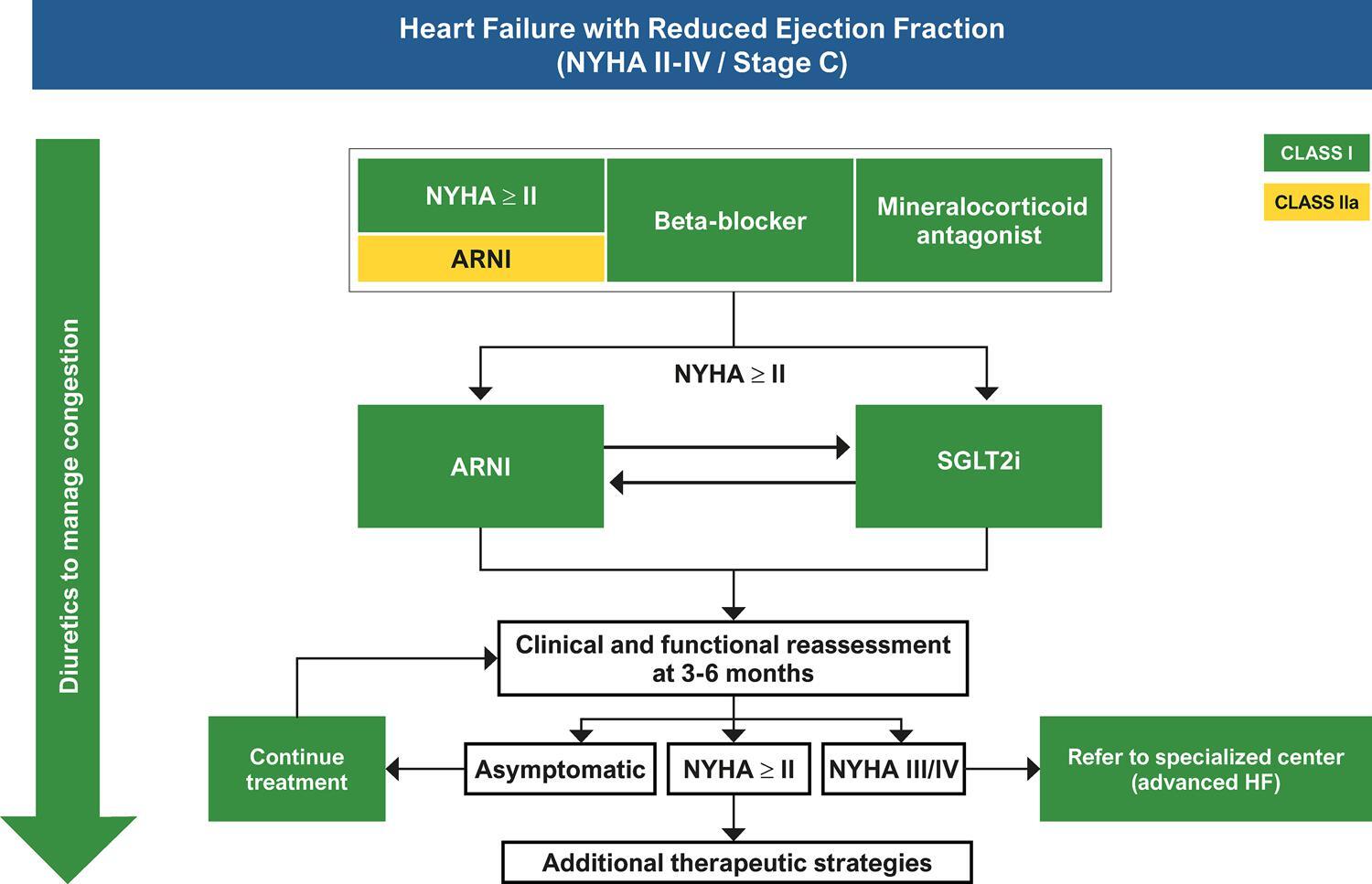
Sequencing of Pharmacotherapy for Heart Failure with Reduced Ejection Fraction: A Clinical Profile-Based Approach

Luís Beck-da-Silva

A Brief History of Heart Failure (HF) Treatment

Until 1987, HF treatment consisted in:

None of these recommendations was based on clinical or epidemiological evidence, instead relying on the pathophysiological knowledge of the disease at the time, the pharmacological effect of medications, and good sense.

[…]

  • Adrenergic beta-Antagonists
  • Mineralocorticoid Receptor Antagonists
  • Sodium-Glucose Transporter 2 Inhibitors
Read Full Article
Creative Commons Attribution (CC BY) Creative Commons license
12/04/2022 DOI: 10.36660/abchf.20220007 Views 1
Figure 1
ABCHF
Viewpoint

Rapid Sequencing of Foundational Treatment for HFrEF: The Innovative Proposal of John McMurray and Milton Packer

Bianca Lopes Cunha et al. Laura Leite da Escóssia Marinho Jefferson Luís Vieira

The treatment of heart failure with reduced ejection fraction (HFrEF) involves implementing preventive measures, delaying disease progression, relieving symptoms and, above all, prolonging survival. The effectiveness of the drug arsenal for the management of HFrEF has been well established by several randomized clinical trials and is based on 4 foundational pillars of treatment: (1) β-blockers; (2) renin-angiotensin system inhibitors, including angiotensin-converting enzyme inhibitors (ACEis), angiotensin receptor blockers (ARBs), and angiotensin receptor-neprilysin inhibitors (ARNIs); (3) sodium-glucose cotransporter 2 inhibitors (SGLT2is); and (4) mineralocorticoid receptor antagonists (MRAs).

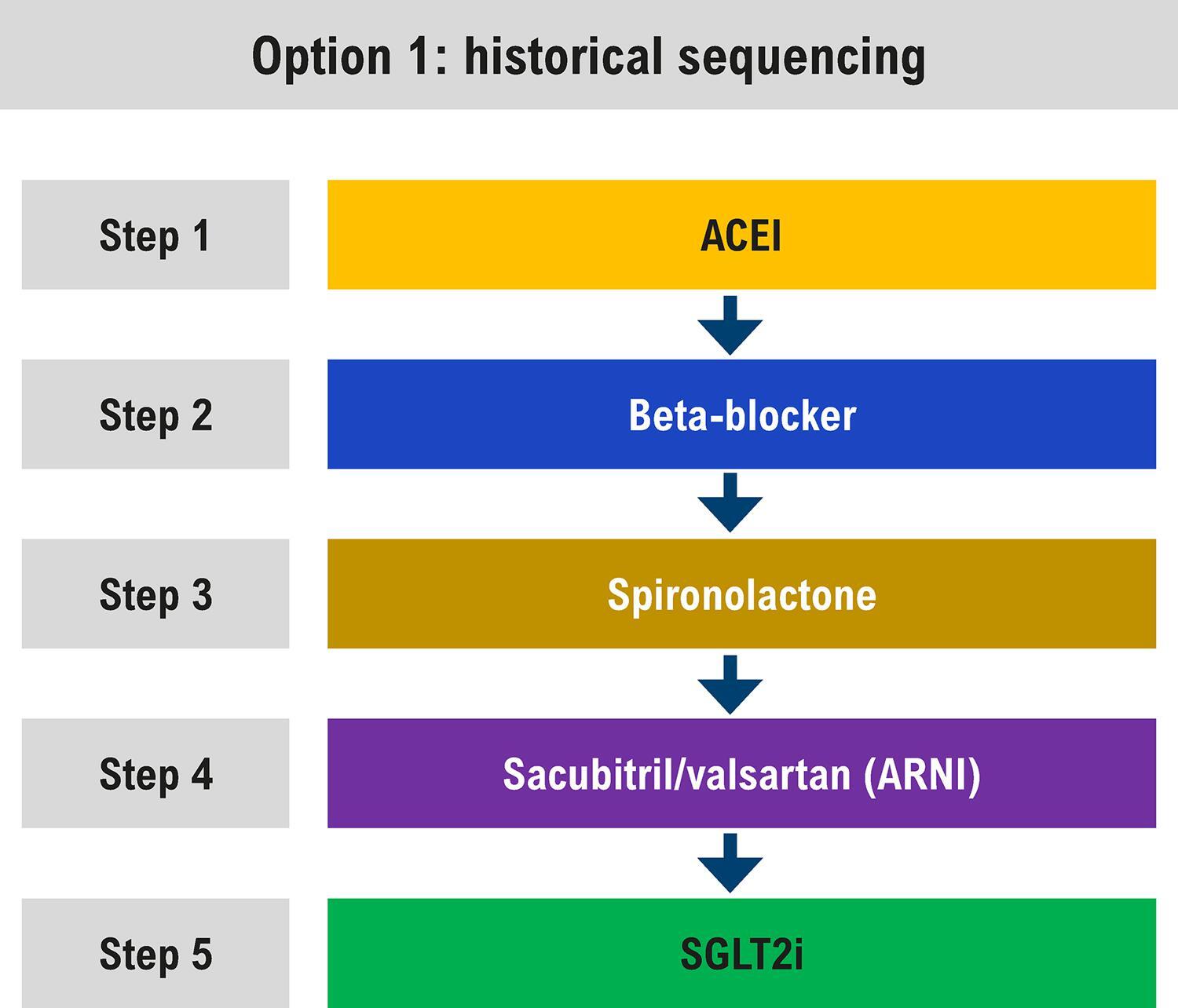
The conventional pharmacological approach presented by HFrEF treatment guidelines recommends sequential prescribing of the 4 foundational drug classes in the order in which they were tested in classic clinical trials. – Based on a 5-step protocol, physicians are instructed to initiate treatment with an ACEi/ARB, followed by a β-blocker and then an MRA. In step 4, replacement of the ACEi/ARB with an ARNI is considered and, finally, an SGLT2i can be added ( ). This approach advises prescribers to titrate the dose of each drug to the target dose used in large-scale trials before initiating the next recommended drug class ( ). In 2021, however, a perspective article written by John McMurray and Milton Packer, authors of most of the main trials in the field in the last decade, pointed out a series of limitations in the conventional approach and proposed a new sequence of pharmacological treatment for ambulatory HFrEF based on 3 steps ( ). According to the new proposal, the conventional approach presents an algorithm based on the historical order of publication of the clinical trials, wrongly assuming that the most effective and well-tolerated drugs were developed first. Another point observed by the authors is that the conventional approach prioritizes the achievement of the target dose of a given drug before initiating treatment with the next one, which can delay the achievement of optimal medical therapy by more than 6 months. Indeed, if we look at participants in large-scale clinical trials and surveys, we will see that a substantial percentage of them were not receiving recommended medications. , Even in recently completed trials, a meaningful proportion was not being treated with an MRA or an ARNI. In addition, proper sequencing of foundational drugs can improve safety and tolerability, as medications such as ARNIs can reduce the risk of renal insufficiency associated with ACEis/ARBs and both ARNIs and SGLT2is can mitigate the risk of hyperkalemia associated with the use of MRAs.

[…]

  • Adrenergic beta-Antagonists
  • Angiotensin-Converting Enzyme Inhibitors
  • Heart Failure
  • Mineralocorticoid Receptor Antagonists
  • Neprilysin
  • Sodium-Glucose Transporter 2 Inhibitors
Read Full Article
Creative Commons Attribution (CC BY) Creative Commons license
12/04/2022 DOI: 10.36660/abchf.20220005 Views 1
Figure 1
ABCHF
Review Article

Treatment of Heart Failure with reduced Ejection Fraction in 2022: The Essential Pillars

Marcely Gimenes Bonatto et al. Andressa de Oliveira Coiradas Lídia Ana Zytynski Moura

Abstract

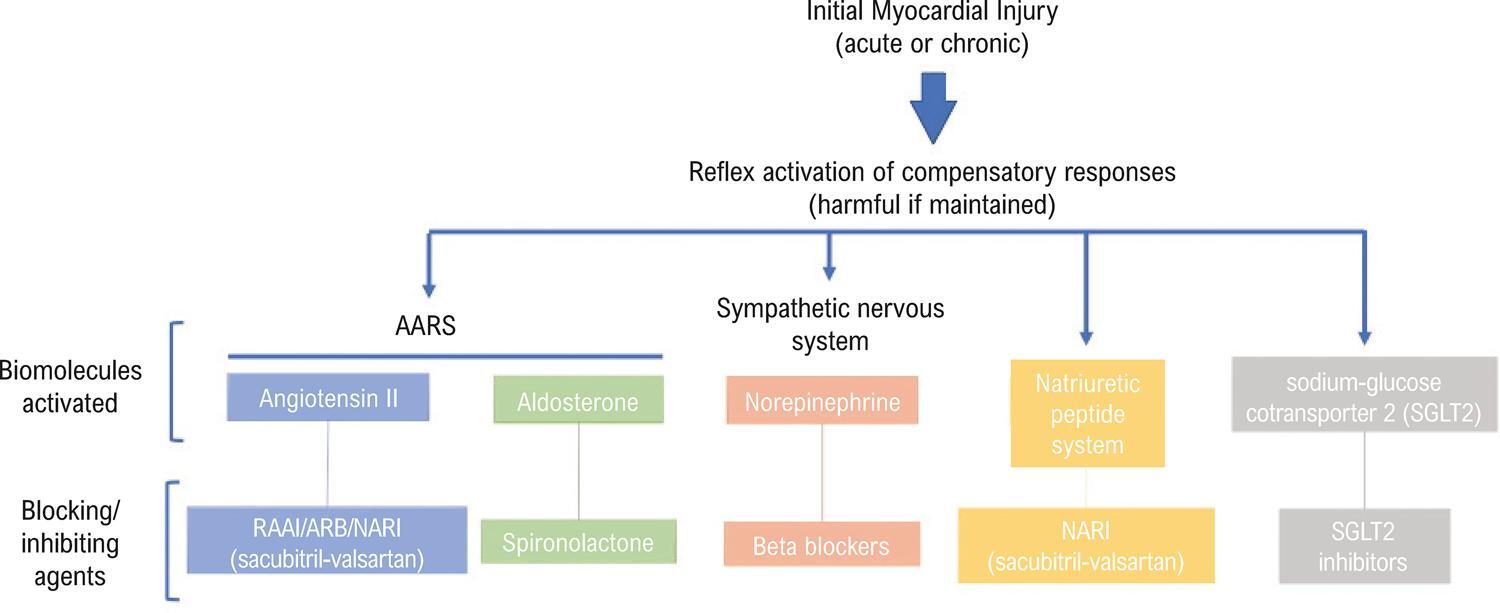
Pharmacological treatment of heart failure with reduced ejection fraction (HFREF) has undergone changes over the years as discoveries have been made related to new systems involved in its pathophysiology and, consequently, of new therapeutic targets. For this treatment, certain drug classes have become essential and should be used in combinations with the objective of reducing the disease’s high rates of morbidity and mortality. They are therefore considered the pillars of treatment for patients with HFREF. These drug classes act on the renin-angiotensin-aldosterone system (angiotensin-converting enzyme inhibitors, angiotensin receptor blockers, and mineralocorticoid receptor antagonists), on the autonomic nervous system (beta blockers), on the natriuretic peptides system (neprilysin and angiotensin receptor inhibitors), and on the sodium-glucose cotransporter 2 (sodium-glucose cotransporter 2 inhibitors). 1 This article will present an analytical summary of the pathophysiologic foundations and the scientific evidence that demonstrates the benefit of these medications, specifically in terms of their impact on the results of clinical trials.

  • Angiotensin II Type 1 Receptor Blockers
  • Heart Failure
  • Mineralocorticoid Receptor Antagonists
  • Sodium-Glucose Transporter 2 Inhibitors
Read Full Article
Creative Commons Attribution (CC BY) Creative Commons license
12/04/2022 DOI: 10.36660/abchf.20220003 Views 2
Figure 1
ABCHF
Review Article

Possible Mechanisms of Action of SGLT2 Inhibitors in Heart Failure

Camila Nicolela Geraldo Martins et al. Adriana Aparecida Bau Luis Miguel da Silva Otavio Rizzi Coelho Filho

Abstract

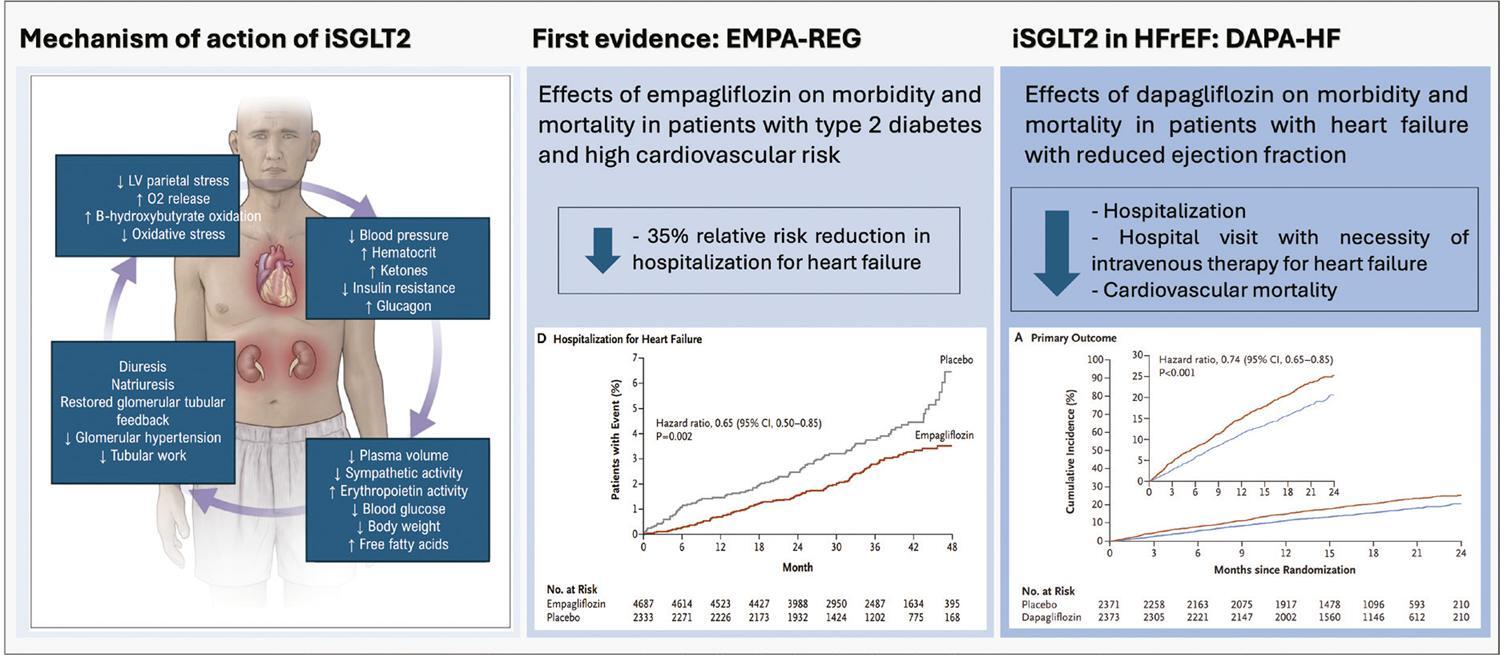
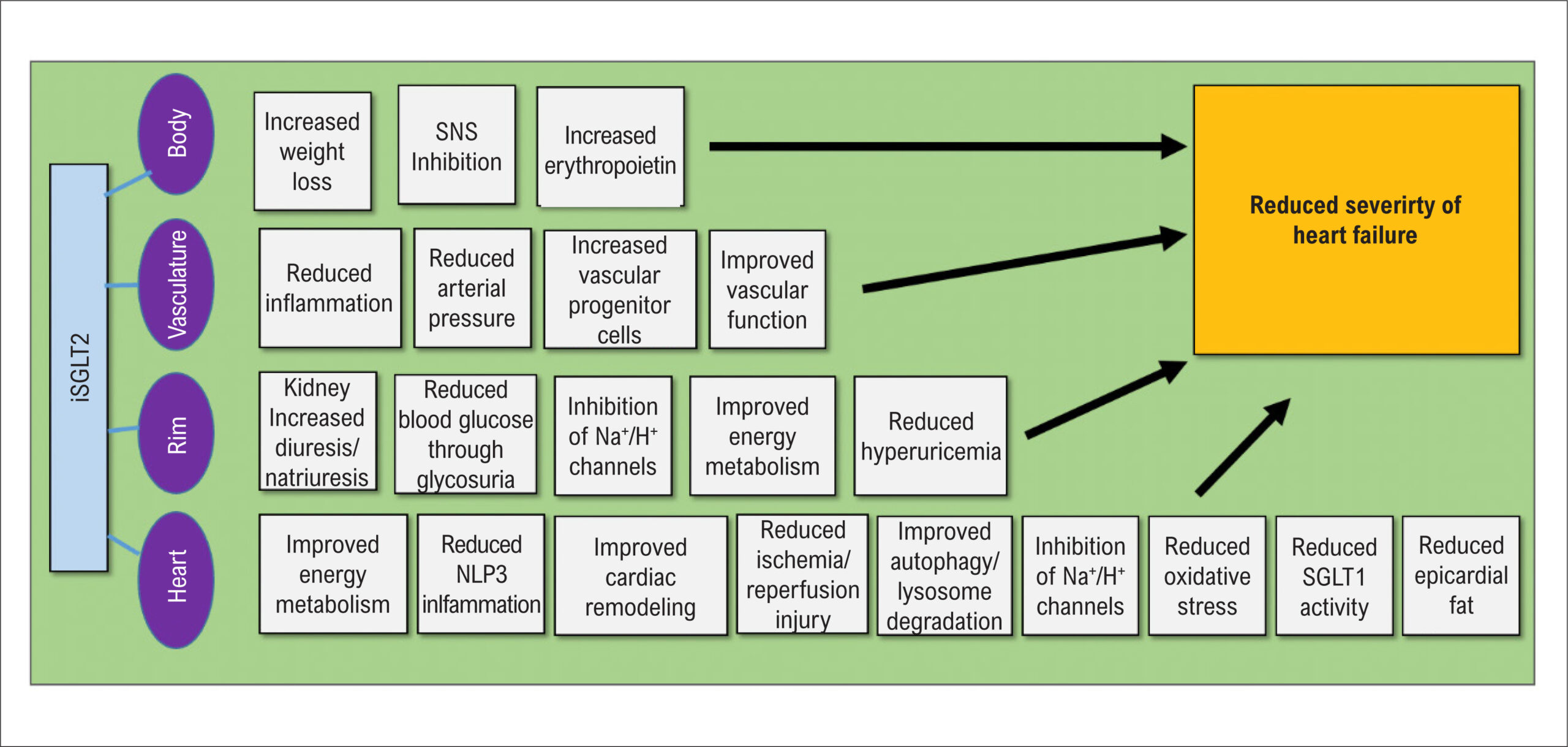
In mid-2013, sodium-glucose co-transporter 2 (SGLT2) inhibitors such as canagliflozin, dapagliflozin, and empagliflozin were introduced as possible treatments for type 2 diabetes mellitus (DM2). Cardiovascular safety studies demonstrated that not only were SGLT2 inhibitors safe, but they were also associated with a significant reduction in cardiovascular mortality and heart failure (HF) outcomes including hospitalizations. These findings encouraged the development of clinical trials aimed specifically at investigating the effects of this new drug class on HF with reduced ejection fraction (EF), including the DAPA-HF and EMPEROR-reduced studies. The demonstration of beneficial effects of SGLT2 inhibitors on the reduction of cardiovascular events in treated patients with symptomatic HF and reduced left ventricular EF (LVEF < 40 %) resulted in the extension of SGLT2 inhibitor indication to patients with symptomatic HF with reduced EF. The mechanisms behind these beneficial effects of SGLT2 inhibitors are not entirely known. In this review, we analyze several current hypotheses for the cardioprotective effects of SGLT2 inhibitors, including reduced blood pressure, increased natriuresis, improved energy metabolism, prevention of inflammation, weight loss, improved glycemic control, inhibition of the sympathetic nervous system, prevention of myocardial remodeling, prevention of ischemia/reperfusion injury, inhibition of Na+/H+ channels, increased autophagy and lysosomal degradation, SGLT1 inhibition, reduced hyperuricemia, reduced epicardial fat, increased erythropoietin levels, increased progenitor/precursor cells, reduced oxidative stress, and improved vascular function.

  • Diabetes Mellitus
  • Heart Failure
  • Sodium-Glucose Transporter 2 Inhibitors
Read Full Article
Creative Commons Attribution (CC BY) Creative Commons license
06/07/2021 DOI: 10.36660/abchf.20210007 Views 2

How to cite this article

EndNote RIS

Electronic Document Format (Vancouver)

Villacorta H, Villacorta AS. Cardiac Amyloidosis and SGLT2 Inhibitors: Signal, Hope, and the Need for Randomized Evidence. Arquivos Brasileiros de Cardiologia 2026;123(1):e20250894.

Electronic Document Format (ABNT)

Villacorta, Humberto; Villacorta, Aline Sterque. Cardiac Amyloidosis and SGLT2 Inhibitors: Signal, Hope, and the Need for Randomized Evidence. Arquivos Brasileiros de Cardiologia, v. 123, n. 1, e20250894, Mar. 2026.

Electronic Document Format (APA)

Villacorta, H., & Villacorta, A. S. (2026). Cardiac Amyloidosis and SGLT2 Inhibitors: Signal, Hope, and the Need for Randomized Evidence. Arquivos Brasileiros de Cardiologia, 123(1), e20250894.

Electronic Document Format (ISO)

Villacorta, Humberto and Villacorta, Aline Sterque. Cardiac Amyloidosis and SGLT2 Inhibitors: Signal, Hope, and the Need for Randomized Evidence. Arquivos Brasileiros de Cardiologia [online]. 2026, vol. 123, n. 1, [cited 2026-10-14], e20250894. Available from: <https://journals.cardiol.br/en/article/cardiac-amyloidosis-and-sglt2-inhibitors-signal-hope-and-the-need-for-randomized-evidence/>. ISSN 0066-782X

EndNote RIS

Electronic Document Format (Vancouver)

Nunes RAB, Costa LMA, Scudeler TL, Neves PDMM, Sato VAH, Avezum . Sodium-Glucose Cotransporter 2 Inhibitors in Patients with Heart Failure and Transthyretin or Light Chain Amyloidosis: A Real-World Analysis. Arquivos Brasileiros de Cardiologia 2026;123(1):e20250439.

Electronic Document Format (ABNT)

Nunes, Rafael Amorim Belo; Costa, Leandro Menezes Alves da; Scudeler, Thiago Luis; Neves, Precil Diego Miranda Menezes; Sato, Victor Augusto Hamamoto; Avezum, Álvaro. Sodium-Glucose Cotransporter 2 Inhibitors in Patients with Heart Failure and Transthyretin or Light Chain Amyloidosis: A Real-World Analysis. Arquivos Brasileiros de Cardiologia, v. 123, n. 1, e20250439, Mar. 2026.

Electronic Document Format (APA)

Nunes, R. A. B., Costa, L. M. A. , Scudeler, T. L., Neves, P. D. M. M., Sato, V. A. H., & Avezum, (2026). Sodium-Glucose Cotransporter 2 Inhibitors in Patients with Heart Failure and Transthyretin or Light Chain Amyloidosis: A Real-World Analysis. Arquivos Brasileiros de Cardiologia, 123(1), e20250439.

Electronic Document Format (ISO)

Nunes, Rafael Amorim Belo and Costa, Leandro Menezes Alves da and Scudeler, Thiago Luis and Neves, Precil Diego Miranda Menezes and Sato, Victor Augusto Hamamoto and Avezum, Álvaro. Sodium-Glucose Cotransporter 2 Inhibitors in Patients with Heart Failure and Transthyretin or Light Chain Amyloidosis: A Real-World Analysis. Arquivos Brasileiros de Cardiologia [online]. 2026, vol. 123, n. 1, [cited 2026-10-14], e20250439. Available from: <https://journals.cardiol.br/en/article/sodium-glucose-cotransporter-2-inhibitors-in-patients-with-heart-failure-and-transthyretin-or-light-chain-amyloidosis-a-real-world-analysis/>. ISSN 0066-782X

EndNote RIS

Electronic Document Format (Vancouver)

Bolfe I, Ribeiro RKM, Prager C, Bolfe JV, Freitas AKE. Furosemide Dose Progression after Sodium-Glucose Transporter 2 Inhibitors in Advanced Heart Failure. ABC Heart Fail Cardiomyop 2025;5(4):e20250032.

Electronic Document Format (ABNT)

Bolfe, Isabelle; Ribeiro, Rafaela Kaucz Mendez; Prager, Caroline; Bolfe, João Vitor; Freitas, Ana Karyn Ehrenfried de. Furosemide Dose Progression after Sodium-Glucose Transporter 2 Inhibitors in Advanced Heart Failure. ABC Heart Fail Cardiomyop, v. 5, n. 4, e20250032, Dec. 2025.

Electronic Document Format (APA)

Bolfe, I., Ribeiro, R. K. M., Prager, C., Bolfe, J. V., & Freitas, A. K. E. (2025). Furosemide Dose Progression after Sodium-Glucose Transporter 2 Inhibitors in Advanced Heart Failure. ABC Heart Fail Cardiomyop, 5(4), e20250032.

Electronic Document Format (ISO)

Bolfe, Isabelle and Ribeiro, Rafaela Kaucz Mendez and Prager, Caroline and Bolfe, João Vitor and Freitas, Ana Karyn Ehrenfried de. Furosemide Dose Progression after Sodium-Glucose Transporter 2 Inhibitors in Advanced Heart Failure. ABC Heart Fail Cardiomyop [online]. 2025, vol. 5, n. 4, [cited 2026-10-14], e20250032. Available from: <https://journals.cardiol.br/en/article/furosemide-dose-progression-after-sodium-glucose-transporter-2-inhibitors-in-advanced-heart-failure/>

EndNote RIS

Electronic Document Format (Vancouver)

Wolf PJW, Correia EB, Rossi Neto JM, Finger MA, Santos CC, Vasconcellos MO, Bruscky LVR, et al. “The Dynamic Duo”: The New Management of Drug Treatment for Heart Failure with Mildly Reduced or Preserved Ejection Fraction. Arquivos Brasileiros de Cardiologia 2025;122(5):e20240676.

Electronic Document Format (ABNT)

Wolf, Plínio José Whitaker; Correia, Edileide Barros; Rossi Neto, João Manoel; Finger, Marco Aurelio; Santos, Carolina Casadei; Vasconcellos, Marcos de Oliveira; Bruscky, Larissa Ventura Ribeiro; Murta, Ana Cristina de Souza; Francisco, Yoná Afonso; Albrecht, Fabiano Castro; Barbosa, Juliana Jangelavicin; Sassaki, Eduardo Mikio; Blaas, Bruno Noshang; Arruda, Bianca Fernandes Távora; Fortuna, Fernanda de Brito; Mattos, Victor Bemfica de Mello. “The Dynamic Duo”: The New Management of Drug Treatment for Heart Failure with Mildly Reduced or Preserved Ejection Fraction. Arquivos Brasileiros de Cardiologia, v. 122, n. 5, e20240676, May. 2025.

Electronic Document Format (APA)

Wolf, P. J. W., Correia, E. B., Rossi Neto, J. M., Finger, M. A., Santos, C. C., Vasconcellos, M. O., Bruscky, L. V. R., Murta, A. C. S., Francisco, Y. A., Albrecht, F. C., Barbosa, J. J., Sassaki, E. M., Blaas, B. N., Arruda, B. F. T., Fortuna, F. B., & Mattos, V. B. M. (2025). “The Dynamic Duo”: The New Management of Drug Treatment for Heart Failure with Mildly Reduced or Preserved Ejection Fraction. Arquivos Brasileiros de Cardiologia, 122(5), e20240676.

Electronic Document Format (ISO)

Wolf, Plínio José Whitaker and Correia, Edileide Barros and Rossi Neto, João Manoel and Finger, Marco Aurelio and Santos, Carolina Casadei and Vasconcellos, Marcos de Oliveira and Bruscky, Larissa Ventura Ribeiro and Murta, Ana Cristina de Souza and Francisco, Yoná Afonso and Albrecht, Fabiano Castro and Barbosa, Juliana Jangelavicin and Sassaki, Eduardo Mikio and Blaas, Bruno Noshang and Arruda, Bianca Fernandes Távora and Fortuna, Fernanda de Brito and Mattos, Victor Bemfica de Mello. “The Dynamic Duo”: The New Management of Drug Treatment for Heart Failure with Mildly Reduced or Preserved Ejection Fraction. Arquivos Brasileiros de Cardiologia [online]. 2025, vol. 122, n. 5, [cited 2026-10-14], e20240676. Available from: <https://journals.cardiol.br/en/article/the-dynamic-duo-the-new-management-of-drug-treatment-for-heart-failure-with-mildly-reduced-or-preserved-ejection-fraction/>. ISSN 0066-782X

EndNote RIS

Electronic Document Format (Vancouver)

Gomes JNA, Campos MSB, Aragão CAS, Sousa AC. New Perspectives in the Treatment of Heart Failure with Preserved Ejection Fraction with SGLT-2 Inhibitors. ABC Heart Fail Cardiomyop 2025;5(1):e20240032.

Electronic Document Format (ABNT)

Gomes, José Natthananel de Aquino; Campos, Milena dos Santos Barros; Aragão, Carlos Aurélio Santos; Sousa, Antonio Carlos. New Perspectives in the Treatment of Heart Failure with Preserved Ejection Fraction with SGLT-2 Inhibitors. ABC Heart Fail Cardiomyop, v. 5, n. 1, e20240032, Apr. 2025.

Electronic Document Format (APA)

Gomes, J. N. A., Campos, M. S. B., Aragão, C. A. S., & Sousa, A. C. (2025). New Perspectives in the Treatment of Heart Failure with Preserved Ejection Fraction with SGLT-2 Inhibitors. ABC Heart Fail Cardiomyop, 5(1), e20240032.

Electronic Document Format (ISO)

Gomes, José Natthananel de Aquino and Campos, Milena dos Santos Barros and Aragão, Carlos Aurélio Santos and Sousa, Antonio Carlos. New Perspectives in the Treatment of Heart Failure with Preserved Ejection Fraction with SGLT-2 Inhibitors. ABC Heart Fail Cardiomyop [online]. 2025, vol. 5, n. 1, [cited 2026-10-14], e20240032. Available from: <https://journals.cardiol.br/en/article/new-perspectives-in-the-treatment-of-heart-failure-with-preserved-ejection-fraction-with-sglt-2-inhibitors/>

EndNote RIS

Electronic Document Format (Vancouver)

Bispo IGA, Chaves GM, Fernandes MG, Yamamoto LH, Almeida GA. The Use of Sodium-Glucose Cotransporter2 (SGLT2) Inhibitors in Patients with Reduced Ejection Fraction: An Integrative Review. ABC Heart Fail Cardiomyop 2025;5(1):20240048.

Electronic Document Format (ABNT)

Bispo, Irving Gabriel Araújo; Chaves, Guilherme Martins; Fernandes, Mariana Gonçalves; Yamamoto, Larissa Hiromi; Almeida, Giulia Amorim. The Use of Sodium-Glucose Cotransporter2 (SGLT2) Inhibitors in Patients with Reduced Ejection Fraction: An Integrative Review. ABC Heart Fail Cardiomyop, v. 5, n. 1, 20240048, Mar. 2025.

Electronic Document Format (APA)

Bispo, I. G. A., Chaves, G. M., Fernandes, M. G., Yamamoto, L. H., & Almeida, G. A. (2025). The Use of Sodium-Glucose Cotransporter2 (SGLT2) Inhibitors in Patients with Reduced Ejection Fraction: An Integrative Review. ABC Heart Fail Cardiomyop, 5(1), 20240048.

Electronic Document Format (ISO)

Bispo, Irving Gabriel Araújo and Chaves, Guilherme Martins and Fernandes, Mariana Gonçalves and Yamamoto, Larissa Hiromi and Almeida, Giulia Amorim. The Use of Sodium-Glucose Cotransporter2 (SGLT2) Inhibitors in Patients with Reduced Ejection Fraction: An Integrative Review. ABC Heart Fail Cardiomyop [online]. 2025, vol. 5, n. 1, [cited 2026-10-14], 20240048. Available from: <https://journals.cardiol.br/en/article/the-use-of-sodium-glucose-cotransporter2-sglt2-inhibitors-in-patients-with-reduced-ejection-fraction-an-integrative-review/>

EndNote RIS

Electronic Document Format (Vancouver)

Peres-Filho FP, Silva SU, Peres FP, Kerche LE. Heart Failure Treatment with SGLT2 Inhibitors: A Systematic Review with Meta-Analysis. ABC Heart Fail Cardiomyop 2024;4(4):e20240060.

Electronic Document Format (ABNT)

Peres-Filho, Fernando Pierin; Silva, Suelen Umbelino da; Peres, Fernando Pierin; Kerche, Leandra Ernst. Heart Failure Treatment with SGLT2 Inhibitors: A Systematic Review with Meta-Analysis. ABC Heart Fail Cardiomyop, v. 4, n. 4, e20240060, Dec. 2024.

Electronic Document Format (APA)

Peres-Filho, F. P., Silva, S. U. , Peres, F. P., & Kerche, L. E. (2024). Heart Failure Treatment with SGLT2 Inhibitors: A Systematic Review with Meta-Analysis. ABC Heart Fail Cardiomyop, 4(4), e20240060.

Electronic Document Format (ISO)

Peres-Filho, Fernando Pierin and Silva, Suelen Umbelino da and Peres, Fernando Pierin and Kerche, Leandra Ernst. Heart Failure Treatment with SGLT2 Inhibitors: A Systematic Review with Meta-Analysis. ABC Heart Fail Cardiomyop [online]. 2024, vol. 4, n. 4, [cited 2026-10-14], e20240060. Available from: <https://journals.cardiol.br/en/article/heart-failure-treatment-with-sglt2-inhibitors-a-systematic-review-with-meta-analysis/>

EndNote RIS

Electronic Document Format (Vancouver)

Marques F, Valicelli FH, Tanaka DM, Simões MV. The Trajectory of Gliflozins: From Apple Tree Bark to Reduced Overall Mortality in Heart Failure. ABC Heart Fail Cardiomyop 2024;4(1):e20240027.

Electronic Document Format (ABNT)

Marques, Fabiana; Valicelli, Flávio Henrique; Tanaka, Denise Mayumi; Simões, Marcus Vinícius. The Trajectory of Gliflozins: From Apple Tree Bark to Reduced Overall Mortality in Heart Failure. ABC Heart Fail Cardiomyop, v. 4, n. 1, e20240027, Sep. 2024.

Electronic Document Format (APA)

Marques, F., Valicelli, F. H., Tanaka, D. M., & Simões, M. V. (2024). The Trajectory of Gliflozins: From Apple Tree Bark to Reduced Overall Mortality in Heart Failure. ABC Heart Fail Cardiomyop, 4(1), e20240027.

Electronic Document Format (ISO)

Marques, Fabiana and Valicelli, Flávio Henrique and Tanaka, Denise Mayumi and Simões, Marcus Vinícius. The Trajectory of Gliflozins: From Apple Tree Bark to Reduced Overall Mortality in Heart Failure. ABC Heart Fail Cardiomyop [online]. 2024, vol. 4, n. 1, [cited 2026-10-14], e20240027. Available from: <https://journals.cardiol.br/en/article/the-trajectory-of-gliflozins-from-apple-tree-bark-to-reduced-overall-mortality-in-heart-failure/>

EndNote RIS

Electronic Document Format (Vancouver)

Beck-da-Silva L. Sequencing of Pharmacotherapy for Heart Failure with Reduced Ejection Fraction: A Clinical Profile-Based Approach. ABC Heart Fail Cardiomyop 2022;2(1):36-40.

Electronic Document Format (ABNT)

Beck-da-Silva, Luís. Sequencing of Pharmacotherapy for Heart Failure with Reduced Ejection Fraction: A Clinical Profile-Based Approach. ABC Heart Fail Cardiomyop, v. 2, n. 1, p. 36-40, Apr. 2022.

Electronic Document Format (APA)

Beck-da-Silva, L. (2022). Sequencing of Pharmacotherapy for Heart Failure with Reduced Ejection Fraction: A Clinical Profile-Based Approach. ABC Heart Fail Cardiomyop, 2(1), 36-40.

Electronic Document Format (ISO)

Beck-da-Silva, Luís. Sequencing of Pharmacotherapy for Heart Failure with Reduced Ejection Fraction: A Clinical Profile-Based Approach. ABC Heart Fail Cardiomyop [online]. 2022, vol. 2, n. 1, [cited 2026-10-14], pp. 36-40. Available from: <https://journals.cardiol.br/en/article/sequencing-of-pharmacotherapy-for-heart-failure-with-reduced-ejection-fraction-a-clinical-profile-based-approach/>

EndNote RIS

Electronic Document Format (Vancouver)

Cunha BL, Marinho LLE, Vieira JL. Rapid Sequencing of Foundational Treatment for HFrEF: The Innovative Proposal of John McMurray and Milton Packer. ABC Heart Fail Cardiomyop 2022;2(1):27-30.

Electronic Document Format (ABNT)

Cunha, Bianca Lopes; Marinho, Laura Leite da Escóssia; Vieira, Jefferson Luís. Rapid Sequencing of Foundational Treatment for HFrEF: The Innovative Proposal of John McMurray and Milton Packer. ABC Heart Fail Cardiomyop, v. 2, n. 1, p. 27-30, Apr. 2022.

Electronic Document Format (APA)

Cunha, B. L., Marinho, L. L. E., & Vieira, J. L. (2022). Rapid Sequencing of Foundational Treatment for HFrEF: The Innovative Proposal of John McMurray and Milton Packer. ABC Heart Fail Cardiomyop, 2(1), 27-30.

Electronic Document Format (ISO)

Cunha, Bianca Lopes and Marinho, Laura Leite da Escóssia and Vieira, Jefferson Luís. Rapid Sequencing of Foundational Treatment for HFrEF: The Innovative Proposal of John McMurray and Milton Packer. ABC Heart Fail Cardiomyop [online]. 2022, vol. 2, n. 1, [cited 2026-10-14], pp. 27-30. Available from: <https://journals.cardiol.br/en/article/rapid-sequencing-of-foundational-treatment-for-hfref-the-innovative-proposal-of-john-mcmurray-and-milton-packer/>

EndNote RIS

Electronic Document Format (Vancouver)

Bonatto MG, Coiradas AO, Moura LAZ. Treatment of Heart Failure with reduced Ejection Fraction in 2022: The Essential Pillars. ABC Heart Fail Cardiomyop 2022;2(1):15-23.

Electronic Document Format (ABNT)

Bonatto, Marcely Gimenes; Coiradas, Andressa de Oliveira; Moura, Lídia Ana Zytynski. Treatment of Heart Failure with reduced Ejection Fraction in 2022: The Essential Pillars. ABC Heart Fail Cardiomyop, v. 2, n. 1, p. 15-23, Apr. 2022.

Electronic Document Format (APA)

Bonatto, M. G., Coiradas, A. O., & Moura, L. A. Z. (2022). Treatment of Heart Failure with reduced Ejection Fraction in 2022: The Essential Pillars. ABC Heart Fail Cardiomyop, 2(1), 15-23.

Electronic Document Format (ISO)

Bonatto, Marcely Gimenes and Coiradas, Andressa de Oliveira and Moura, Lídia Ana Zytynski. Treatment of Heart Failure with reduced Ejection Fraction in 2022: The Essential Pillars. ABC Heart Fail Cardiomyop [online]. 2022, vol. 2, n. 1, [cited 2026-10-14], pp. 15-23. Available from: <https://journals.cardiol.br/en/article/treatment-of-heart-failure-with-reduced-ejection-fraction-in-2022-the-essential-pillars/>

EndNote RIS

Electronic Document Format (Vancouver)

Martins CNG, Bau AA, Silva LM, Coelho Filho OR. Possible Mechanisms of Action of SGLT2 Inhibitors in Heart Failure. ABC: Heart Failure & Cardiomyopathy 2021;1(1):33-4.

Electronic Document Format (ABNT)

Martins, Camila Nicolela Geraldo; Bau, Adriana Aparecida; Silva, Luis Miguel da; Coelho Filho, Otavio Rizzi. Possible Mechanisms of Action of SGLT2 Inhibitors in Heart Failure. ABC: Heart Failure & Cardiomyopathy, v. 1, n. 1, p. 33-43, Jul. 2021.

Electronic Document Format (APA)

Martins, C. N. G., Bau, A. A., Silva, L. M. , & Coelho Filho, O. R. (2021). Possible Mechanisms of Action of SGLT2 Inhibitors in Heart Failure. ABC: Heart Failure & Cardiomyopathy, 1(1), 33-43.

Electronic Document Format (ISO)

Martins, Camila Nicolela Geraldo and Bau, Adriana Aparecida and Silva, Luis Miguel da and Coelho Filho, Otavio Rizzi. Possible Mechanisms of Action of SGLT2 Inhibitors in Heart Failure. ABC: Heart Failure & Cardiomyopathy [online]. 2021, vol. 1, n. 1, [cited 2026-10-14], pp. 33-43. Available from: <https://journals.cardiol.br/en/article/possible-mechanisms-of-action-of-sglt2-inhibitors-in-heart-failure/>

  • About ABC Family
  • Internal Regulation
  • Editorial Board
  • Brazilian Society of Cardiology (SBC)

Issues

SBC Guidelines

  • Videos
  • Podcasts
  • News