ABC Family Arquivos Brasileiros de Cardiologia International Journal of Cardiovascular Sciences ABC Heart Failure & Cardiomyopathy ABC Imagem Cardiovascular
Português English
ABC Family
Português English
  • About
    • About ABC Family
    • Internal Regulation
    • Editorial Board
    • Brazilian Society of Cardiology (SBC)
  • Issues
  • SBC Guidelines
  • Content
    • Videos
    • Podcasts
    • News
  • About
    • About ABC Family
    • Internal Regulation
    • Editorial Board
    • Brazilian Society of Cardiology (SBC)
  • Issues
  • SBC Guidelines
  • Content
    • Videos
    • Podcasts
    • News

ABC Family

  • ABC Family
  • Arquivos Brasileiros de Cardiologia
  • International Journal of Cardiovascular Sciences
  • ABC Heart Failure & Cardiomyopathy
  • ABC Imagem Cardiovascular
Search in

No content found.

Journals
Ordering
Article types
Others

  1. Home
  2. Keyword: Positron Emission Tomography-Computed Tomography
Figure 1
ABC
Image

Positron Emission Tomography Identification of Cardiovascular Implantable Electronic Device Infection

Raquel Montalvão et al. Margarida Matias Marisa Trabulo

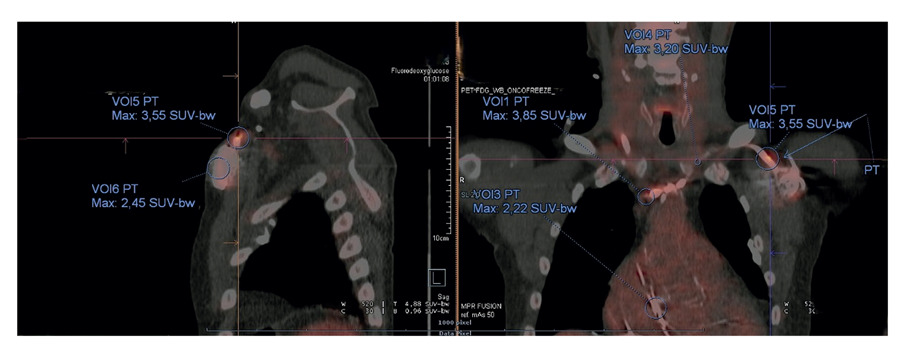
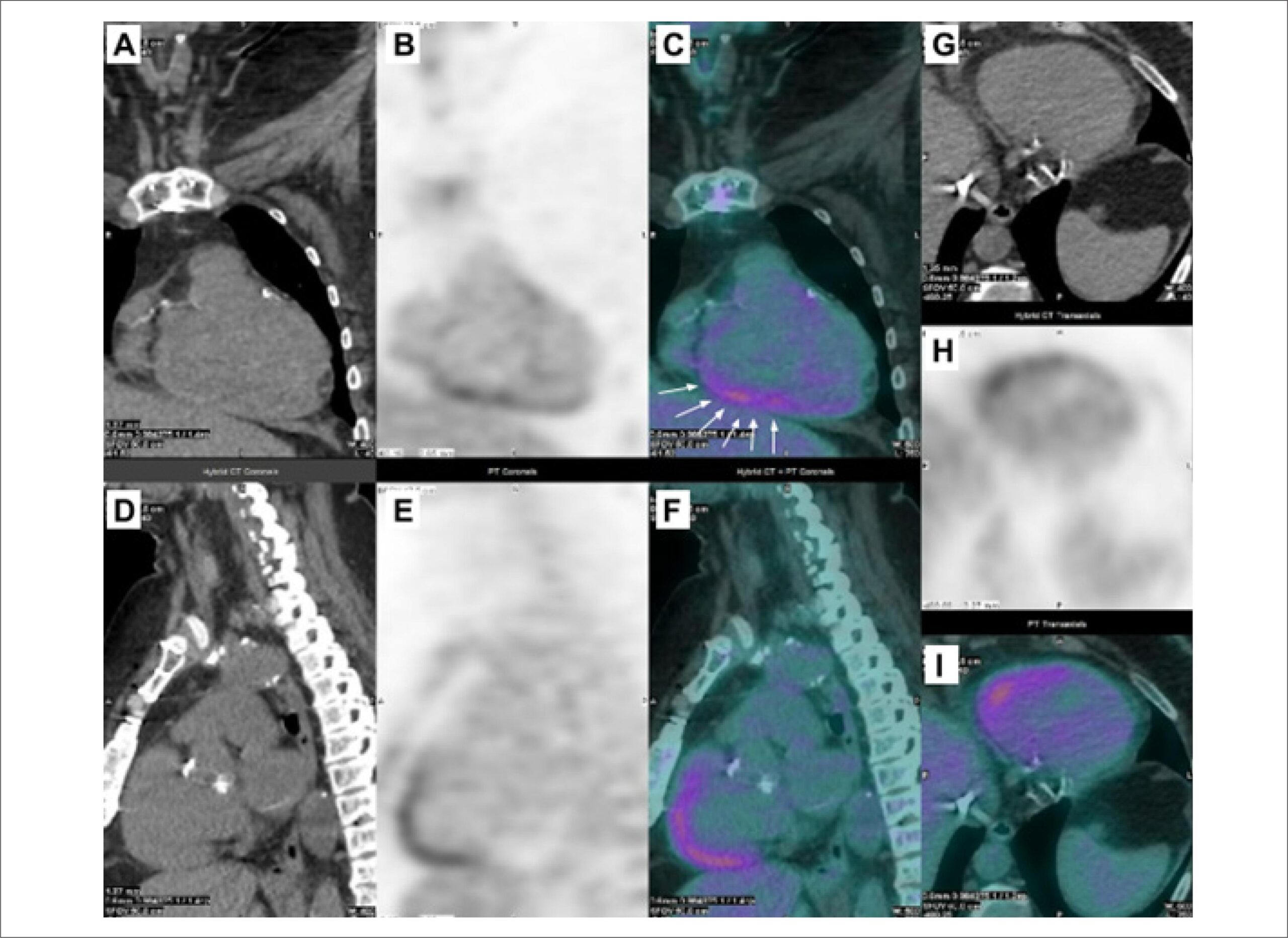
An 84-year-old man with hypertension, dyslipidemia, chronic kidney disease, permanent atrial fibrillation, and a pacemaker implanted for brady-tachy syndrome, with generator and lead replacement one year prior, presented with a 15-day fever, malaise, and fatigue. Physical examination revealed a holosystolic murmur. The skin overlying the pacemaker pocket showed no signs of inflammation. Laboratory testing showed leukocytosis with neutrophilia, C-reactive protein of 9.5 mg/dL, and procalcitonin of 1.3 ng/mL. The rapid respiratory viral panel was negative, and urinalysis was unremarkable. A pair of blood cultures yielded methicillin-susceptible Staphylococcus aureus (MSSA). Transthoracic and transesophageal echocardiography showed no valvular or lead involvement. 18F-fluorodeoxyglucose positron emission tomography /computed tomography (PET/CT) demonstrated increased uptake along the pacemaker lead and generator ( ), confirming cardiac implantable electronic device (CIED) infection. Complete system extraction was performed, and lead cultures confirmed MSSA. Three follow-up blood cultures were obtained, two before extraction and one after extraction, all of which were negative. He received 3 weeks of IV cefazolin pre-extraction and 3 weeks of IV flucloxacillin post-extraction, completing a total of 6 weeks of directed antibiotic therapy. Monitoring revealed permanent atrial fibrillation without pauses, and device reimplantation was not required.

[…]

  • Implantable Defibrillators
  • Positron Emission Tomography-Computed Tomography
Read Full Article
Creative Commons Attribution (CC BY) Creative Commons license
03/08/2026 DOI: 10.36660/abc.20260030i Views 1
Figure 1
ABC
Editorial

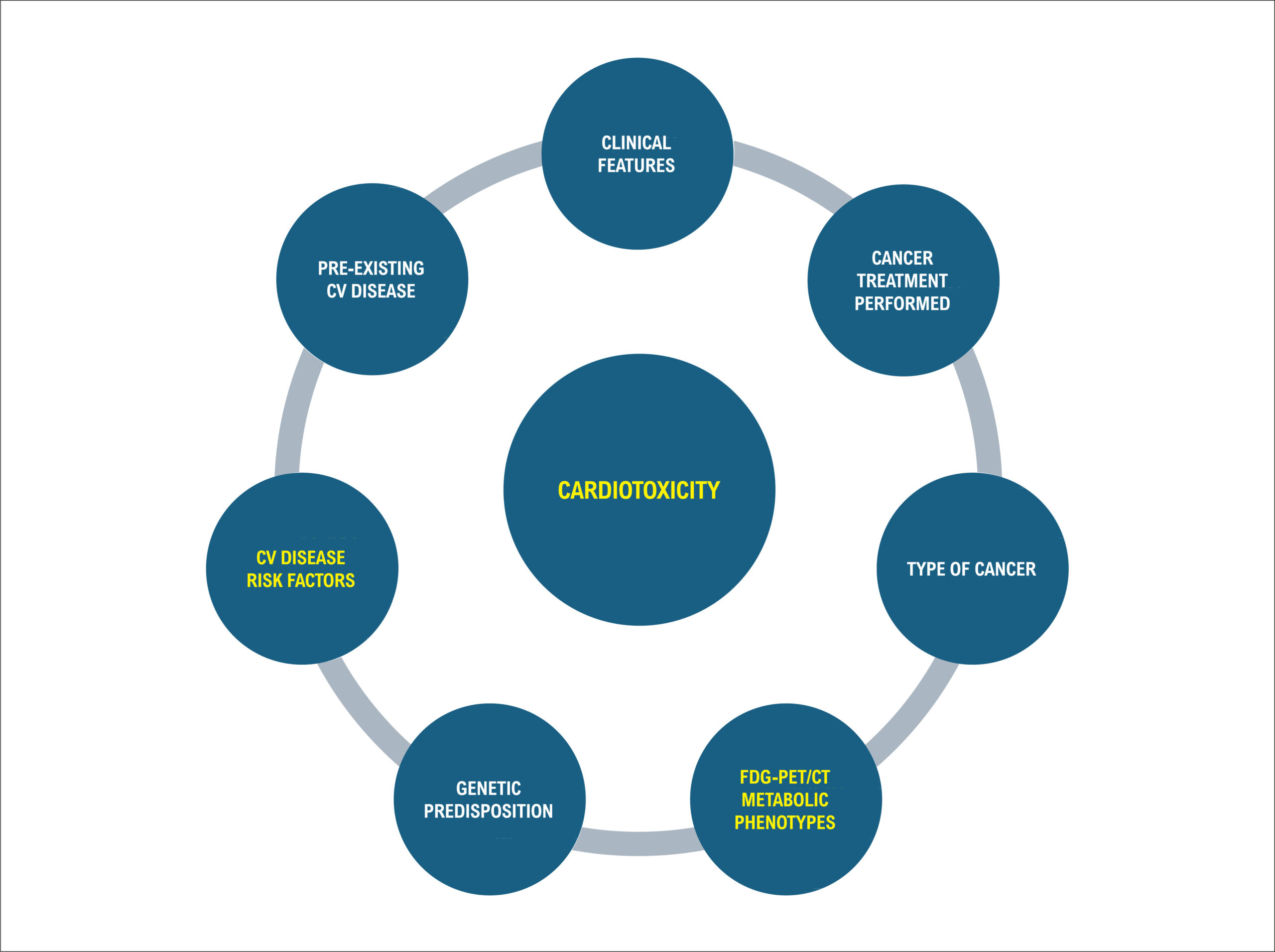
Association between Cardiac Metabolic Patterns in Oncological PET/CT and Cardiovascular Risk Factors. Contribution to the Early Investigation of Cardiotoxicity

Paola Emanuela Poggio Smanio

Introduction

The advancement of cancer therapies in recent decades has radically transformed the prognosis of various types of cancer, significantly improving patient survival. However, this progress has brought a significant increase in cardiovascular (CV) complications.

In this scenario, cardio-oncology has established itself as an essential field, requiring diagnostic strategies with ever-increasing accuracy in the early identification of cardiological impairments, even in the subclinical phase, in addition to the implementation of appropriate monitoring and control plans.

[…]

  • Cardiotoxicity
  • Medical Oncology
  • Positron Emission Tomography-Computed Tomography
  • Risk Factors
Read Full Article
Creative Commons Attribution (CC BY) Creative Commons license
15/05/2026 DOI: 10.36660/abc.20260107i Views 2
Figure 1
IJCS
Case Report

PET-CT in Infectious Endocarditis Diagnosis

Matheus Werlang Donadel et al. Laura Werlang Donadel Laura Cristina Pudell Eduardo Hunsche Grossman Gabriel Blacher Grossman

Introduction

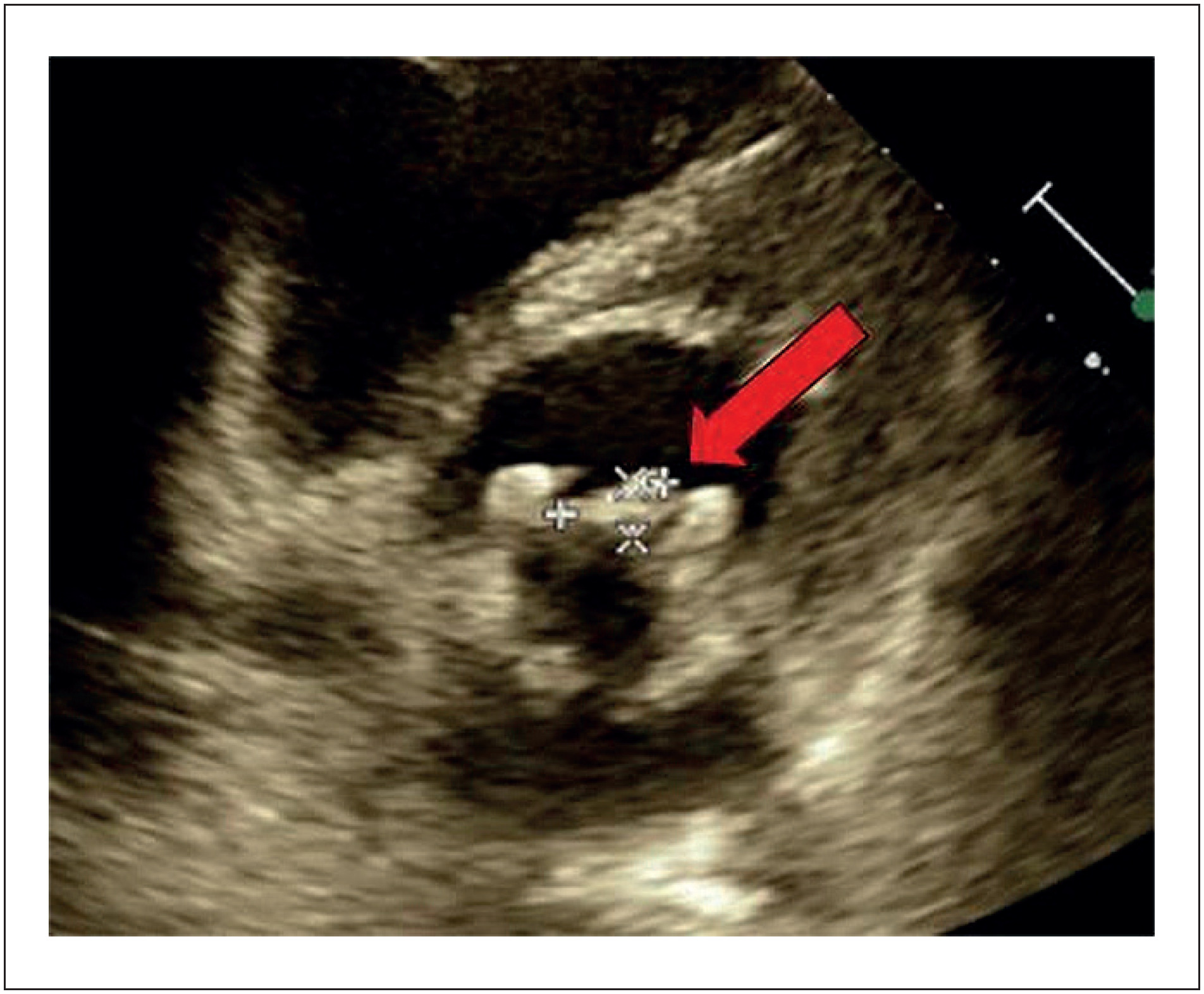
A 63-year-old male patient, with a history of mitral valve replacement with a bioprosthesis in 2019 due to native valve dysfunction secondary to bacterial endocarditis, and under regular medical follow-up since the procedure, presented to the cardiology emergency department with a complex clinical case. The patient reported a two-week history of fever (with temperature peaks of 38°C), night sweats, dry cough, weight loss, cervical pain when moving the neck, increased urinary frequency and urinary incontinence. At presentation, there were no classic cardiovascular symptoms, signs of valve dysfunction, or embolic phenomena. Notably, he had recently undergone a dental procedure without antibiotic prophylaxis. He denied symptoms such as rhinorrhea or pharyngitis. His physical and cardiovascular examinations were unremarkable.

[…]

  • Endocarditis
  • Positron Emission Tomography-Computed Tomography
Read Full Article
Creative Commons Attribution (CC BY) Creative Commons license
13/03/2026 DOI: 10.36660/ijcs.20240248 Views 2
Myocardial Uptake of 18F-Fluorodeoxyglucose on Positron Emission Tomography/Computed Tomography: A Window into Cardiovascular Phenotypes and Metabolic Signatures in Patients with Cancer
ABC
Original Article

Myocardial Uptake of 18F-Fluorodeoxyglucose on Positron Emission Tomography/Computed Tomography: A Window into Cardiovascular Phenotypes and Metabolic Signatures in Patients with Cancer

João Marcelo Duarte Ribeiro Sobrinho et al. Emanuel Davi Lima de Matos Leão Beatriz Barbosa Accioly Felipe Alves Mourato … Monica de Moraes Chaves Becker Simone Cristina Soares Brandão

Abstract

Background

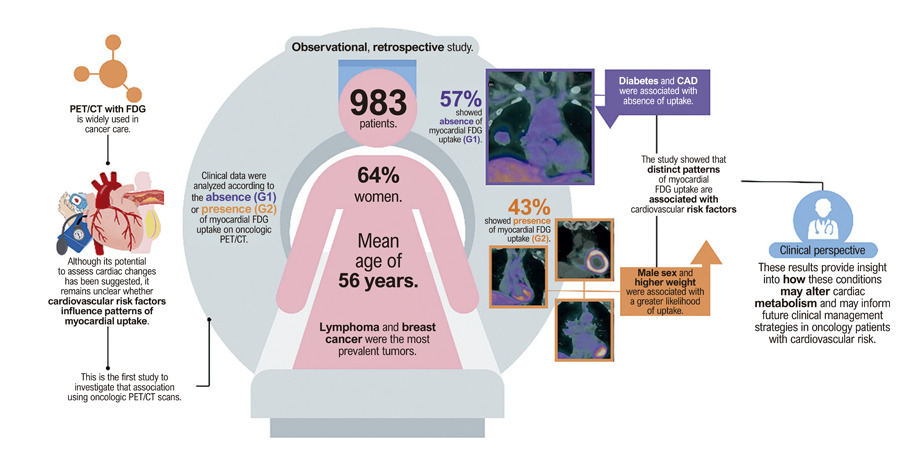
Positron emission tomography/computed tomography (PET/CT) with 18F-fluorodeoxyglucose (FDG) is widely used in cancer care, but its role in assessing cardiotoxicity remains uncertain. Understanding how cardiovascular risk factors influence myocardial glucose uptake may improve its application in this setting.

Objective

To investigate associations between cardiac metabolic patterns on oncologic PET/CT and cardiovascular risk factors.

Methods

We conducted a retrospective, cross-sectional study classifying oncologic PET/CT scans by absence (G1) or presence (G2) of myocardial FDG uptake, visually defined as greater than the aortic blood pool. Clinical data and cardiovascular risk factors were analyzed, and logistic regression identified predictors of presence or absence of uptake, adjusting for potential confounders. Statistical significance was set at p < 0.05.

Results

We included 983 scans (64% women; mean age 56 ± 15.8 years; 39.9% with hypertension; 19.7% with diabetes), of which 559 (56.8%) were G1 and 424 (43.2%) were G2. The most prevalent cancers were lymphoma (28.9%) and breast (17.6%). Male sex (p = 0.0008) and higher weight (p = 0.0001) were independent predictors of myocardial FDG uptake, whereas diabetes (p = 0.01) and coronary artery disease (p = 0.007) predicted absence of uptake.

Conclusions

Despite limitations, this study identified distinct patterns of myocardial FDG uptake on oncologic PET/CT independently associated with cardiovascular risk factors. These findings support the potential of FDG PET/CT for evaluating cardiotoxicity after cancer treatment.

  • 18F-fluorodeoxyglucose
  • Cardiovascular Risk Factors
  • Oncology
  • Positron Emission Tomography-Computed Tomography
Read Full Article
Creative Commons Attribution (CC BY) Creative Commons license
02/03/2026 DOI: 10.36660/abc.20250028i Views 1
Figure 1
ABCIC
Original Article

Variations in Myocardial FDG Uptake and Metformin Use: Implications for Survival during Immunotherapy

Matheus Coelho Torres et al. Juliana Goes Martins Fagundes Luís Fábio Barbosa Botelho Alinne Fernanda Amaral Verçosa Marcelo Dantas Tavares de Melo

Abstract

Background:

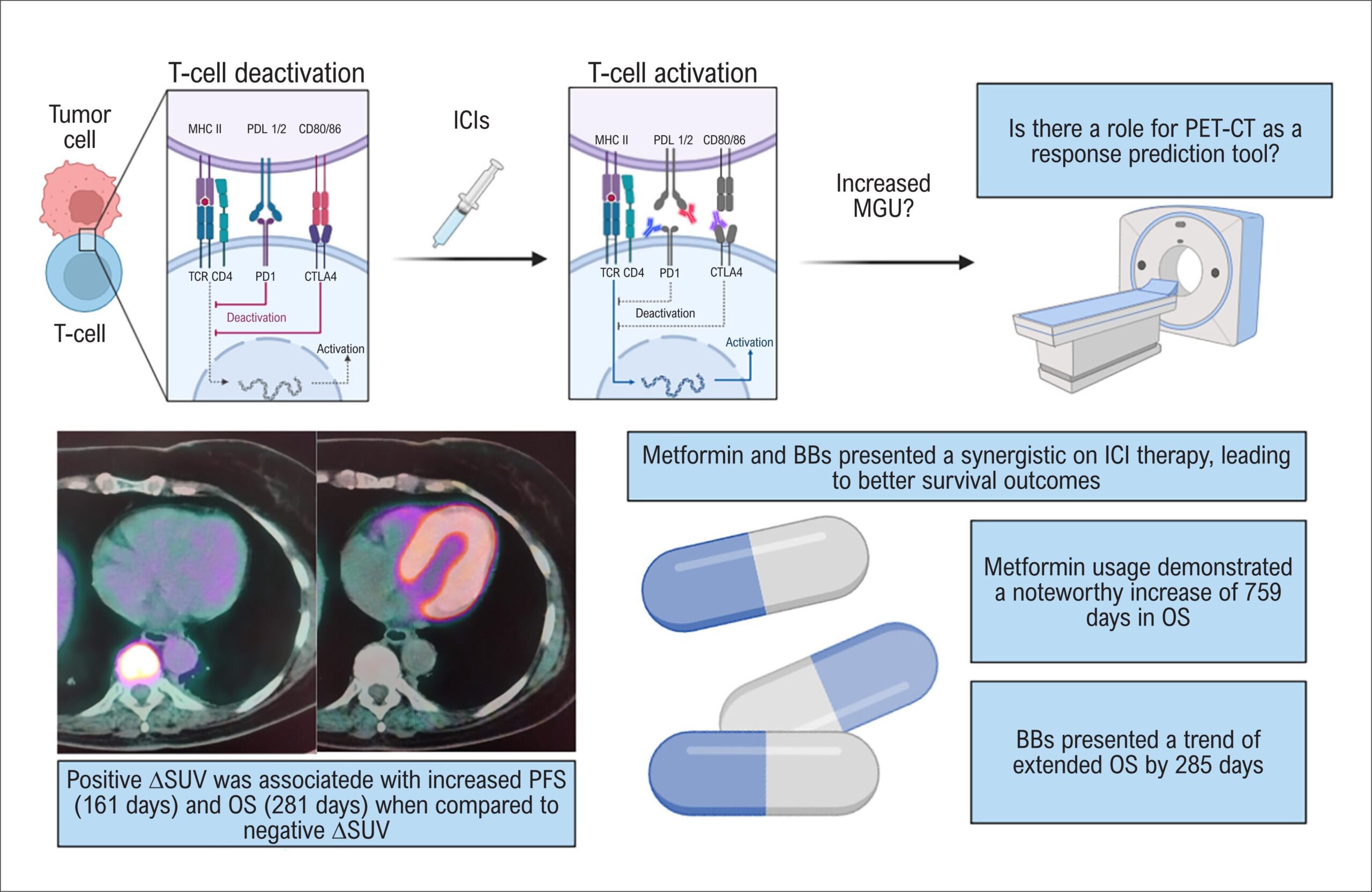
The rise of immune checkpoint inhibitors (ICIs) has significantly improved lung cancer outcomes; however, there is a lack of response prediction protocols. Furthermore, preclinical studies have indicated a promising association between metformin, β-blockers (BBs), and improved cancer patient outcomes.

Objectives:

The primary objective of this study was to investigate metformin’s impact on survival outcomes. The secondary objectives included assessing myocardial FDG uptake variation (change in standardized uptake value [ΔSUV]) during ICI treatment and evaluating the effects of smoking, diabetes, hypertension, and BB usage on survival outcomes.

Methods:

This single-arm, unicentric retrospective cohort study evaluated lung cancer patients who started using ICIs from July 2016 to December 2021. Inclusion criteria were age 18 years or above, lung cancer treated with ICIs (CTLA-4, PD-1, and PD-L1 inhibitors), and having undergone at least two positron emission tomography-computed tomography (PET-CT) scans.

Results:

Fifty-eight patients fulfilled all the inclusion criteria. Metformin users presented a 759-day increase in overall survival (OS) (p = 0.015). A trend of a 161-day increase in progression-free survival was observed in patients with positive myocardial ΔSUV compared to the negative ΔSUV group (p = 0.066), along with a trend of a 285-day increase in favor of BB users (p=0.886).

Conclusion:

The significant association between metformin use and increased OS suggests metformin as a promising adjuvant for ICI therapy. A trend of positive myocardial ΔSUV and improved outcomes may suggest a potential role of PET-CT in response prediction; however, larger studies are necessary to solidify this hypothesis.

  • Cardio-Oncology
  • Cardiotoxicity
  • Immune Checkpoint Inhibitors
  • Metformin
  • Positron Emission Tomography-Computed Tomography
Read Full Article
Creative Commons Attribution (CC BY) Creative Commons license
30/01/2025 DOI: 10.36660/abcimg.20240108i Views 2
ABCIC
Viewpoint

A New Horizon in Nuclear Cardiology in Brazil: Impact and Barriers of F-18 Flurpiridaz

Simone Cristina Soares Brandão

Introduction

Advances have been made in positron emission tomography (PET) myocardial perfusion since the Food and Drug Administration (FDA) approved the use of flurpiridaz, which was shown effective in the detection of coronary artery disease (CAD) in two phase III trials, with a high diagnostic precision as compared with Single Photon Emission Computed Tomography (SPECT) scintigraphy.– Flurpiridaz is an injectable radiotracer, labeled with fluorine-18 (F-18), developed by GE HealthCare, that will be sold as “Flyrcado” in the United States from 2025 onwards.

With a half-life of 110 minutes, F-18-flurpiridaz requires neither a generator nor a local production of tracers, allowing a more efficient distribution among hospitals and imaging centers, similarly to Fluorodeoxyglucose labeled with Fluorine-18 (F-18 FDG). This feature may favor the adoption of myocardial perfusion PET, benefiting more patients with cardiovascular diseases. Besides, the longer half-life of F-18-flurpiridaz allows the combination of a physical stress test, optimizing the evaluation of ischemia and improving patients’ experience.,

[…]

  • Coronary Artery Disease
  • Positron Emission Tomography-Computed Tomography
  • Radiopharmaceuticals
Read Full Article
Creative Commons Attribution (CC BY) Creative Commons license
13/12/2024 DOI: 10.36660/abcimg.20240118i Views 1
Central Illustration
IJCS
Review Article

Current Role of Myocardial Blood Flow Quantification with PET/CT in the Management of Coronary Artery Disease

Raffaele Giubbini et al. Elisa Milan

Abstract

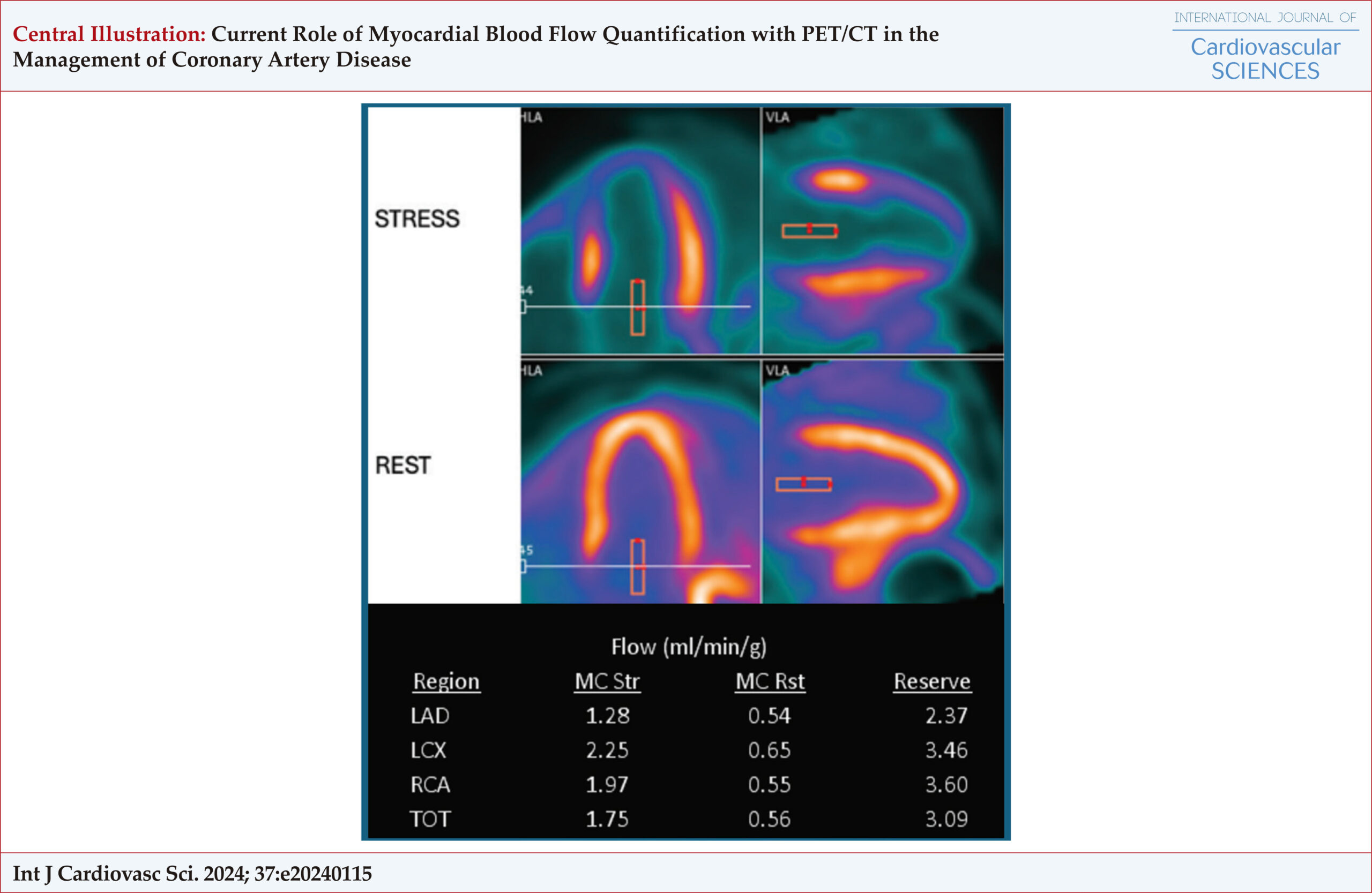
The ability to measure myocardial blood flow (MBF) offers significant advantages in interpreting the phenomena underlying myocardial ischemia. Nuclear cardiology using hybrid positron emission tomography/computed tomography (PET/CT) systems allows accurate measurement of MBF using noninvasive techniques. Short- or very short-lived radiopharmaceuticals are now available, as well as standardized analytical models and software for clinical use. The incremental value of quantitative measurement of MBF in the pathophysiologic assessment of ischemic heart disease compared with anatomic variables or qualitative or semi-quantitative assessment by single-photon emission computed tomography (SPECT) with gamma-emitting tracers will be analyzed. The clinical role of MBF, myocardial flow reserve (MFR), and coronary flow capacity (CFC) will be clarified. However, the widespread availability of this technology is limited by the need for on-site cyclotron tracer production or the purchase of expensive radionuclide generators. The ability to obtain quantitative measurements using newer SPECT with cadmium-zinc-telluride technology and technetium-labeled tracers may offer the possibility of extending MBF measurement to most nuclear cardiology units in the near future.

  • Blood Circulation
  • Myocardium
  • Positron Emission Tomography-Computed Tomography
Read Full Article
Creative Commons Attribution (CC BY) Creative Commons license
06/09/2024 DOI: 10.36660/ijcs.20240115
Figure 1
ABCIC
Review Article

My Approach to Evaluation of Cardiac Masses Using FDG PET/CT

Simone Cristina Soares Brandão et al. João Marcelo Duarte Ribeiro Sobrinho Emanuel Davi Lima de Matos Leão Lara Cristiane Terra Ferreira Carreira Adriana Soares Xavier de Brito

Abstract

Cardiac masses represent solid formations of various origins, with accurate diagnosis being crucial, particularly for those of a malignant nature, which are typically associated with a worse prognosis. Given this diversity, a comprehensive approach often involves the integration of multiple imaging modalities. Conventional cardiovascular imaging techniques such as transthoracic echocardiography, magnetic resonance imaging (MRI), and cardiac tomography offer insights into anatomical features and hemodynamic implications associated with these masses. However, due to its limitations, greater precision in the etiological investigation of these masses can be achieved by combining Nuclear Medicine with complementary methods, notably positron emission tomography combined with computed tomography using fluorodeoxyglucose-Fluorine-18 (FDG PET/CT). This approach aids in effectively assessing cardiac masses’ metabolic activity, particularly when distinguishing between benign and malignant masses, guiding optimal biopsy site selection, and facilitating comprehensive staging. The Standardized Uptake Value (SUVmax) serves as a quantitative measure of FDG uptake by the mass, with elevated SUVmax values indicating malignancy. Clinical and conventional imaging data should complement the interpretation of FDG PET/CT findings for a more conclusive diagnosis. Thus, a multimodal strategy, particularly incorporating FDG PET/CT, enables a more precise differentiation between benign and malignant cardiac masses, ultimately optimizing patient management.

  • Fluorodeoxyglucose F18
  • Nuclear Medicine
  • Positron Emission Tomography-Computed Tomography
Read Full Article
Creative Commons Attribution (CC BY) Creative Commons license
28/06/2024 DOI: 10.36660/abcimg.20240040i Views 2
Cardiac Sarcoidosis: The Chameleon of Cardiology
ABCIC
Review Article

Cardiac Sarcoidosis: The Chameleon of Cardiology

Diego Moraes De Moura et al. Aluísio José De Oliveira Monteiro Neto Marcelo Dantas Tavares de Melo Fábio Fernandes

Abstract

Sarcoidosis is a multisystemic granulomatous disease of unknown etiology, characterized by the formation of non-caseating granulomas in multiple organs. Cardiac involvement, an important cause of morbidity and mortality in these patients, has been generating interest in cardiology, because it is a cause of heart failure, atrioventricular blocks, and ventricular arrhythmias with unfavorable prognosis; however, there are specific treatments with the potential to change the natural history of this condition. The main challenge of cardiac sarcoidosis (CS) is diagnosis, given that the gold standard method of endomyocardial biopsy has limited sensitivity due to the focal nature of the pathology.

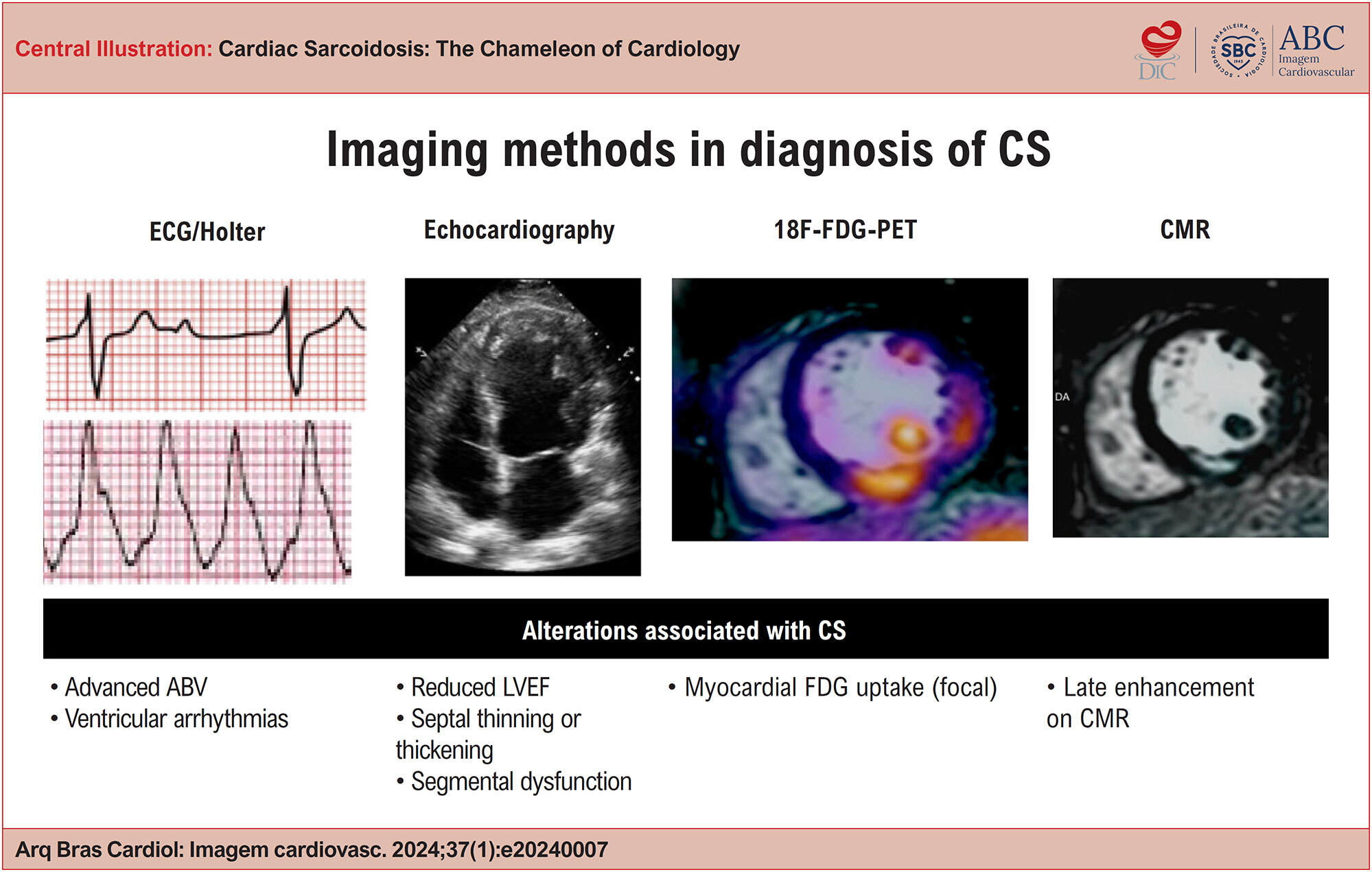
Accordingly, cardiovascular imaging methods play the role of guiding most diagnoses of CS. In this scenario, knowledge about these methods, their main findings, and their rational use are essential to the diagnosis of this disease with such diverse presentations.

Electrocardiogram and echocardiography are practical and widely available exams; however, they provide greater diagnostic capacity in patients with clinically manifest disease. On the other hand, to identify incipient forms, which are often silent, it is necessary to use advanced imaging methods, such as positron emission tomography with 18F-fluorodeoxyglucose and cardiac magnetic resonance, which primarily identify signs of active inflammatory activity and fibrosis, respectively. Despite the advances in these imaging methods, due to the lack of studies comparing them with the gold standard (endomyocardial biopsy), the diagnosis of CS currently remains a major challenge.

  • Echocardiography
  • Electrocardiography
  • Positron Emission Tomography-Computed Tomography
  • Sarcoidosis
  • X-Ray Computed Tomography
Read Full Article
Creative Commons Attribution (CC BY) Creative Commons license
27/03/2024 DOI: 10.36660/abcimg.20240007i Views 1
Figure 1
ABC
Research Letter

Progression of Myocardial 18F-FDG Uptake in a Patient with Cardiotoxicity

Diego Rafael Freitas Berenguer et al. Monica de Moraes Chaves Becker Roberto de Oliveira Buril Paula Araruna Bertão … Brivaldo Markman Filho Simone Cristina Soares Brandão

Abstract

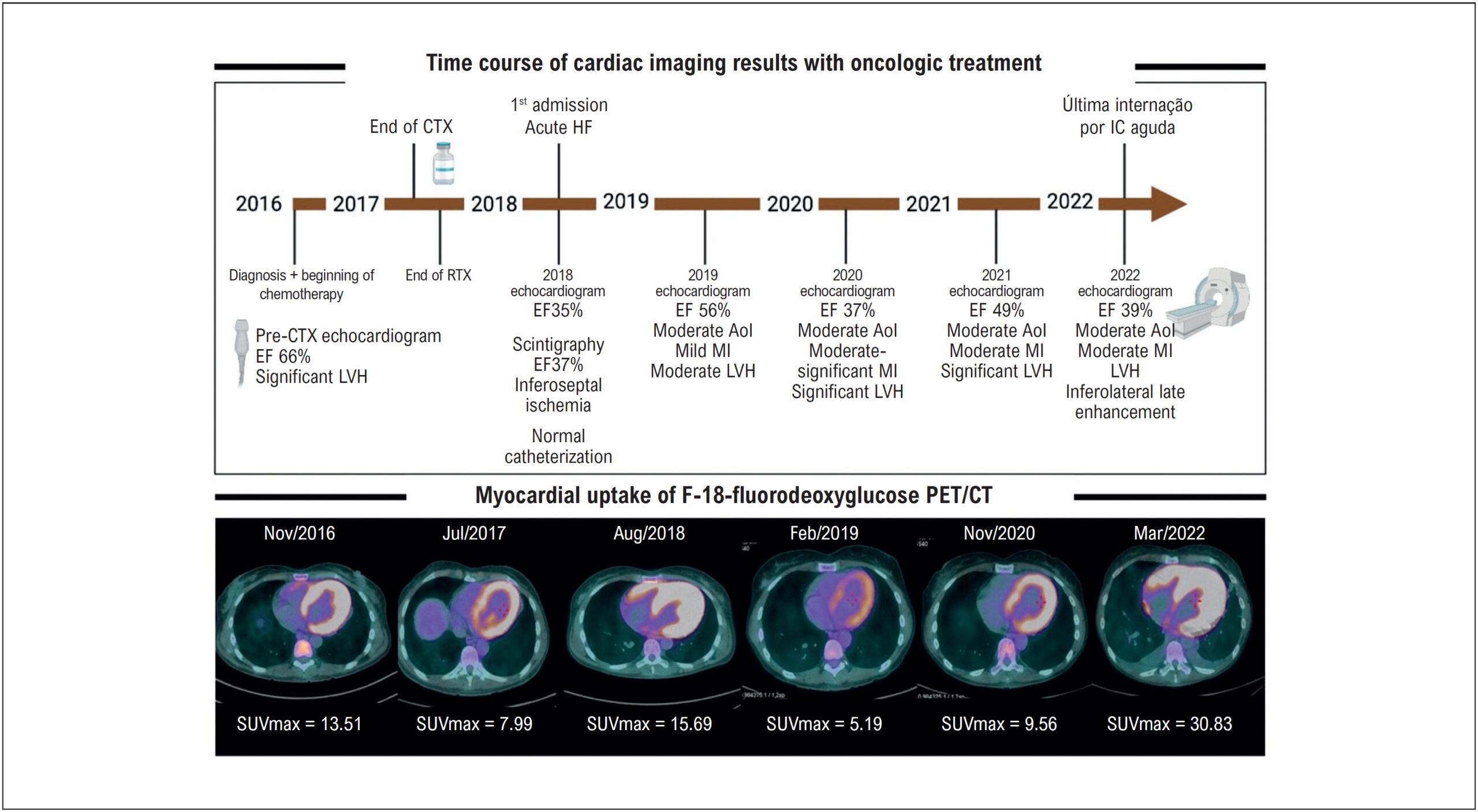
The objective of this case report was to present the progression of chemotherapy-induced cardiotoxicity in a patient with lymphoma, highlighting the importance of myocardial fluor-18-fluorodeoxyglucose (18F-FDG) uptake by positron emission tomography coupled with computed tomography (PET/CT).

43-year-old female patient with uterine lymphoma, who underwent hysterectomy followed by three chemotherapy regimens and radiotherapy. The patient had episodes of acute heart failure two years after chemotherapy. Echocardiogram revealed a reduction in left ventricular ejection fraction (LVEF). A retrospective analysis of 18F-FDG PET/CT showed an increase in myocardial uptake in all tests performed during oncologic treatment.

Despite disease remission, the patient developed heart failure with reduced LVEF. During chemotherapy, there was a diffuse, significant increase in myocardial 18F-FDG uptake, which preceded the decrease in myocardial performance and seemed to reflect metabolic changes in cardiomyocytes, related to cardiotoxicity. Would an analysis of myocardial 18F-FDG uptake yield a different cardiac outcome in this patient? This question is relevant, considering that other patients may benefit from the use of PET as an early marker of cardiotoxicity.

Imaging tests are essential in the follow-up of patients at risk of cardiotoxicity. Although echocardiography remains the main imaging test in the diagnosis of cardiotoxicity, 18F-FDG PET/CT may be a powerful tool for the early diagnosis of this condition.

  • Cardiotoxicity
  • Doxorubicin
  • Heart Failure
  • Lymphoma
  • Positron Emission Tomography-Computed Tomography
Read Full Article
Creative Commons Attribution (CC BY) Creative Commons license
23/02/2024 DOI: 10.36660/abc.20230276 Views 1
Figure 1
IJCS
Review Article

Myocardial Viability: From PARR-2 to IMAGE HF – Current Evidence and Future Directions

Fernanda Erthal et al. Christiane Wiefels Steven Promislow Riina Kandolin … Ellamae Stadnick Lisa Mielniczuk Terrence Ruddy Gary Small Rob Beanlands

Abstract

Ischemic heart failure is a growing disease with high morbidity and mortality. Several studies suggest the benefit of viability imaging to assist revascularization decision, but there is controversy. Multiple imaging modalities can be used to accurately define hibernating myocardium; however, the best approach remains uncertain. This review will highlight current evidence and future directions of viability imaging assessment.

  • Heart Failure
  • Hybernating
  • Myocardial Stunning
  • Positron Emission Tomography-Computed Tomography
Read Full Article
Creative Commons Attribution (CC BY) Creative Commons license
01/01/2019 DOI: 10.5935/2359-4802.20180068 Views 1

How to cite this article

EndNote RIS

Electronic Document Format (Vancouver)

Montalvão R, Matias M, Trabulo M. Positron Emission Tomography Identification of Cardiovascular Implantable Electronic Device Infection. Arquivos Brasileiros de Cardiologia 2026;123(7):e20260030.

Electronic Document Format (ABNT)

Montalvão, Raquel; Matias, Margarida; Trabulo, Marisa. Positron Emission Tomography Identification of Cardiovascular Implantable Electronic Device Infection. Arquivos Brasileiros de Cardiologia, v. 123, n. 7, e20260030, Aug. 2026.

Electronic Document Format (APA)

Montalvão, R., Matias, M., & Trabulo, M. (2026). Positron Emission Tomography Identification of Cardiovascular Implantable Electronic Device Infection. Arquivos Brasileiros de Cardiologia, 123(7), e20260030.

Electronic Document Format (ISO)

Montalvão, Raquel and Matias, Margarida and Trabulo, Marisa. Positron Emission Tomography Identification of Cardiovascular Implantable Electronic Device Infection. Arquivos Brasileiros de Cardiologia [online]. 2026, vol. 123, n. 7, [cited 2026-10-14], e20260030. Available from: <https://journals.cardiol.br/en/article/positron-emission-tomography-identification-of-cardiovascular-implantable-electronic-device-infection/>. ISSN 0066-782X

EndNote RIS

Electronic Document Format (Vancouver)

Smanio PEP. Association between Cardiac Metabolic Patterns in Oncological PET/CT and Cardiovascular Risk Factors. Contribution to the Early Investigation of Cardiotoxicity. Arquivos Brasileiros de Cardiologia 2026;123(1):e20260107.

Electronic Document Format (ABNT)

Smanio, Paola Emanuela Poggio. Association between Cardiac Metabolic Patterns in Oncological PET/CT and Cardiovascular Risk Factors. Contribution to the Early Investigation of Cardiotoxicity. Arquivos Brasileiros de Cardiologia, v. 123, n. 1, e20260107, May. 2026.

Electronic Document Format (APA)

Smanio, P. E. P. (2026). Association between Cardiac Metabolic Patterns in Oncological PET/CT and Cardiovascular Risk Factors. Contribution to the Early Investigation of Cardiotoxicity. Arquivos Brasileiros de Cardiologia, 123(1), e20260107.

Electronic Document Format (ISO)

Smanio, Paola Emanuela Poggio. Association between Cardiac Metabolic Patterns in Oncological PET/CT and Cardiovascular Risk Factors. Contribution to the Early Investigation of Cardiotoxicity. Arquivos Brasileiros de Cardiologia [online]. 2026, vol. 123, n. 1, [cited 2026-10-14], e20260107. Available from: <https://journals.cardiol.br/en/article/association-between-cardiac-metabolic-patterns-in-oncological-pet-ct-and-cardiovascular-risk-factors-contribution-to-the-early-investigation-of-cardiotoxicity/>. ISSN 0066-782X

EndNote RIS

Electronic Document Format (Vancouver)

Donadel MW, Donadel LW, Pudell LC, Grossman EH, Grossman GB. PET-CT in Infectious Endocarditis Diagnosis. International Journal of Cardiovascular Sciences 2026;39:e20240248.

Electronic Document Format (ABNT)

Donadel, Matheus Werlang; Donadel, Laura Werlang; Pudell, Laura Cristina; Grossman, Eduardo Hunsche; Grossman, Gabriel Blacher. PET-CT in Infectious Endocarditis Diagnosis. International Journal of Cardiovascular Sciences, v. 39, e20240248, Mar. 2026.

Electronic Document Format (APA)

Donadel, M. W., Donadel, L. W., Pudell, L. C., Grossman, E. H., & Grossman, G. B. (2026). PET-CT in Infectious Endocarditis Diagnosis. International Journal of Cardiovascular Sciences, 39, e20240248.

Electronic Document Format (ISO)

Donadel, Matheus Werlang and Donadel, Laura Werlang and Pudell, Laura Cristina and Grossman, Eduardo Hunsche and Grossman, Gabriel Blacher. PET-CT in Infectious Endocarditis Diagnosis. International Journal of Cardiovascular Sciences [online]. 2026, vol. 39, [cited 2026-10-14], e20240248. Available from: <https://journals.cardiol.br/en/article/pet-ct-in-infectious-endocarditis-diagnosis/>. ISSN 2359-4802

EndNote RIS

Electronic Document Format (Vancouver)

Sobrinho JMDR, Leão EDLM, Accioly BB, Mourato FA, Becker MMC, Brandão SCS. Myocardial Uptake of 18F-Fluorodeoxyglucose on Positron Emission Tomography/Computed Tomography: A Window into Cardiovascular Phenotypes and Metabolic Signatures in Patients with Cancer. Arquivos Brasileiros de Cardiologia 2026;123(1):e20250028.

Electronic Document Format (ABNT)

Sobrinho, João Marcelo Duarte Ribeiro; Leão, Emanuel Davi Lima de Matos; Accioly, Beatriz Barbosa; Mourato, Felipe Alves; Becker, Monica de Moraes Chaves; Brandão, Simone Cristina Soares. Myocardial Uptake of 18F-Fluorodeoxyglucose on Positron Emission Tomography/Computed Tomography: A Window into Cardiovascular Phenotypes and Metabolic Signatures in Patients with Cancer. Arquivos Brasileiros de Cardiologia, v. 123, n. 1, e20250028, Mar. 2026.

Electronic Document Format (APA)

Sobrinho, J. M. D. R., Leão, E. D. L. M., Accioly, B. B., Mourato, F. A., Becker, M. M. C., & Brandão, S. C. S. (2026). Myocardial Uptake of 18F-Fluorodeoxyglucose on Positron Emission Tomography/Computed Tomography: A Window into Cardiovascular Phenotypes and Metabolic Signatures in Patients with Cancer. Arquivos Brasileiros de Cardiologia, 123(1), e20250028.

Electronic Document Format (ISO)

Sobrinho, João Marcelo Duarte Ribeiro and Leão, Emanuel Davi Lima de Matos and Accioly, Beatriz Barbosa and Mourato, Felipe Alves and Becker, Monica de Moraes Chaves and Brandão, Simone Cristina Soares. Myocardial Uptake of 18F-Fluorodeoxyglucose on Positron Emission Tomography/Computed Tomography: A Window into Cardiovascular Phenotypes and Metabolic Signatures in Patients with Cancer. Arquivos Brasileiros de Cardiologia [online]. 2026, vol. 123, n. 1, [cited 2026-10-14], e20250028. Available from: <https://journals.cardiol.br/en/article/myocardial-uptake-of-18f-fluorodeoxyglucose-on-positron-emission-tomography-computed-tomography-a-window-into-cardiovascular-phenotypes-and-metabolic-signatures-in-patients-with-cancer/>. ISSN 0066-782X

EndNote RIS

Electronic Document Format (Vancouver)

Torres MC, Fagundes JGM, Botelho LFB, Verçosa AFA, Melo MDT. Variations in Myocardial FDG Uptake and Metformin Use: Implications for Survival during Immunotherapy. ABC Imagem Cardiovascular 2025;38(1):e20240108.

Electronic Document Format (ABNT)

Torres, Matheus Coelho; Fagundes, Juliana Goes Martins; Botelho, Luís Fábio Barbosa; Verçosa, Alinne Fernanda Amaral; Melo, Marcelo Dantas Tavares de. Variations in Myocardial FDG Uptake and Metformin Use: Implications for Survival during Immunotherapy. ABC Imagem Cardiovascular, v. 38, n. 1, e20240108, Jan. 2025.

Electronic Document Format (APA)

Torres, M. C., Fagundes, J. G. M., Botelho, L. F. B., Verçosa, A. F. A., & Melo, M. D. T. (2025). Variations in Myocardial FDG Uptake and Metformin Use: Implications for Survival during Immunotherapy. ABC Imagem Cardiovascular, 38(1), e20240108.

Electronic Document Format (ISO)

Torres, Matheus Coelho and Fagundes, Juliana Goes Martins and Botelho, Luís Fábio Barbosa and Verçosa, Alinne Fernanda Amaral and Melo, Marcelo Dantas Tavares de. Variations in Myocardial FDG Uptake and Metformin Use: Implications for Survival during Immunotherapy. ABC Imagem Cardiovascular [online]. 2025, vol. 38, n. 1, [cited 2026-10-14], e20240108. Available from: <https://journals.cardiol.br/en/article/variations-in-myocardial-fdg-uptake-and-metformin-use-implications-for-survival-during-immunotherapy/>. ISSN 2318-8219

EndNote RIS

Electronic Document Format (Vancouver)

Brandão SCS. A New Horizon in Nuclear Cardiology in Brazil: Impact and Barriers of F-18 Flurpiridaz. ABC Imagem Cardiovascular 2024;37(4):e20240118.

Electronic Document Format (ABNT)

Brandão, Simone Cristina Soares. A New Horizon in Nuclear Cardiology in Brazil: Impact and Barriers of F-18 Flurpiridaz. ABC Imagem Cardiovascular, v. 37, n. 4, e20240118, Dec. 2024.

Electronic Document Format (APA)

Brandão, S. C. S. (2024). A New Horizon in Nuclear Cardiology in Brazil: Impact and Barriers of F-18 Flurpiridaz. ABC Imagem Cardiovascular, 37(4), e20240118.

Electronic Document Format (ISO)

Brandão, Simone Cristina Soares. A New Horizon in Nuclear Cardiology in Brazil: Impact and Barriers of F-18 Flurpiridaz. ABC Imagem Cardiovascular [online]. 2024, vol. 37, n. 4, [cited 2026-10-14], e20240118. Available from: <https://journals.cardiol.br/en/article/a-new-horizon-in-nuclear-cardiology-in-brazil-impact-and-barriers-of-f-18-flurpiridaz/>. ISSN 2318-8219

EndNote RIS

Electronic Document Format (Vancouver)

Giubbini R, Milan E. Current Role of Myocardial Blood Flow Quantification with PET/CT in the Management of Coronary Artery Disease. International Journal of Cardiovascular Sciences 2024;37:e20240115.

Electronic Document Format (ABNT)

Giubbini, Raffaele; Milan, Elisa. Current Role of Myocardial Blood Flow Quantification with PET/CT in the Management of Coronary Artery Disease. International Journal of Cardiovascular Sciences, v. 37, e20240115, Sep. 2024.

Electronic Document Format (APA)

Giubbini, R., & Milan, E. (2024). Current Role of Myocardial Blood Flow Quantification with PET/CT in the Management of Coronary Artery Disease. International Journal of Cardiovascular Sciences, 37, e20240115.

Electronic Document Format (ISO)

Giubbini, Raffaele and Milan, Elisa. Current Role of Myocardial Blood Flow Quantification with PET/CT in the Management of Coronary Artery Disease. International Journal of Cardiovascular Sciences [online]. 2024, vol. 37, [cited 2026-10-14], e20240115. Available from: <https://journals.cardiol.br/en/article/current-role-of-myocardial-blood-flow-quantification-with-pet-ct-in-the-management-of-coronary-artery-disease/>. ISSN 2359-4802

EndNote RIS

Electronic Document Format (Vancouver)

Brandão SCS, Sobrinho JMDR, Leão EDLM, Carreira LCTF, Brito ASX. My Approach to Evaluation of Cardiac Masses Using FDG PET/CT. ABC Imagem Cardiovascular 2024;37(2):e20240040.

Electronic Document Format (ABNT)

Brandão, Simone Cristina Soares; Sobrinho, João Marcelo Duarte Ribeiro; Leão, Emanuel Davi Lima de Matos; Carreira, Lara Cristiane Terra Ferreira; Brito, Adriana Soares Xavier de. My Approach to Evaluation of Cardiac Masses Using FDG PET/CT. ABC Imagem Cardiovascular, v. 37, n. 2, e20240040, Jun. 2024.

Electronic Document Format (APA)

Brandão, S. C. S., Sobrinho, J. M. D. R., Leão, E. D. L. M., Carreira, L. C. T. F., & Brito, A. S. X. (2024). My Approach to Evaluation of Cardiac Masses Using FDG PET/CT. ABC Imagem Cardiovascular, 37(2), e20240040.

Electronic Document Format (ISO)

Brandão, Simone Cristina Soares and Sobrinho, João Marcelo Duarte Ribeiro and Leão, Emanuel Davi Lima de Matos and Carreira, Lara Cristiane Terra Ferreira and Brito, Adriana Soares Xavier de. My Approach to Evaluation of Cardiac Masses Using FDG PET/CT. ABC Imagem Cardiovascular [online]. 2024, vol. 37, n. 2, [cited 2026-10-14], e20240040. Available from: <https://journals.cardiol.br/en/article/my-approach-to-evaluation-of-cardiac-masses-using-fdg-pet-ct/>. ISSN 2318-8219

EndNote RIS

Electronic Document Format (Vancouver)

Moura DMD, Monteiro Neto AJDO, Melo MDT, Fernandes F. Cardiac Sarcoidosis: The Chameleon of Cardiology. ABC Imagem Cardiovascular 2024;37(1):e20240007.

Electronic Document Format (ABNT)

Moura, Diego Moraes De; Monteiro Neto, Aluísio José De Oliveira; Melo, Marcelo Dantas Tavares de; Fernandes, Fábio. Cardiac Sarcoidosis: The Chameleon of Cardiology. ABC Imagem Cardiovascular, v. 37, n. 1, e20240007, Mar. 2024.

Electronic Document Format (APA)

Moura, D. M. D., Monteiro Neto, A. J. D. O., Melo, M. D. T. , & Fernandes, F. (2024). Cardiac Sarcoidosis: The Chameleon of Cardiology. ABC Imagem Cardiovascular, 37(1), e20240007.

Electronic Document Format (ISO)

Moura, Diego Moraes De and Monteiro Neto, Aluísio José De Oliveira and Melo, Marcelo Dantas Tavares de and Fernandes, Fábio. Cardiac Sarcoidosis: The Chameleon of Cardiology. ABC Imagem Cardiovascular [online]. 2024, vol. 37, n. 1, [cited 2026-10-14], e20240007. Available from: <https://journals.cardiol.br/en/article/cardiac-sarcoidosis-the-chameleon-of-cardiology/>. ISSN 2318-8219

EndNote RIS

Electronic Document Format (Vancouver)

Berenguer DRF, Becker MMC, Buril RO, Bertão PA, Markman Filho B, Brandão SCS. Progression of Myocardial 18F-FDG Uptake in a Patient with Cardiotoxicity. Arquivos Brasileiros de Cardiologia 2024;121(2):e20230276.

Electronic Document Format (ABNT)

Berenguer, Diego Rafael Freitas; Becker, Monica de Moraes Chaves; Buril, Roberto de Oliveira; Bertão, Paula Araruna; Markman Filho, Brivaldo; Brandão, Simone Cristina Soares. Progression of Myocardial 18F-FDG Uptake in a Patient with Cardiotoxicity. Arquivos Brasileiros de Cardiologia, v. 121, n. 2, e20230276, Feb. 2024.

Electronic Document Format (APA)

Berenguer, D. R. F., Becker, M. M. C., Buril, R. O., Bertão, P. A., Markman Filho, B., & Brandão, S. C. S. (2024). Progression of Myocardial 18F-FDG Uptake in a Patient with Cardiotoxicity. Arquivos Brasileiros de Cardiologia, 121(2), e20230276.

Electronic Document Format (ISO)

Berenguer, Diego Rafael Freitas and Becker, Monica de Moraes Chaves and Buril, Roberto de Oliveira and Bertão, Paula Araruna and Markman Filho, Brivaldo and Brandão, Simone Cristina Soares. Progression of Myocardial 18F-FDG Uptake in a Patient with Cardiotoxicity. Arquivos Brasileiros de Cardiologia [online]. 2024, vol. 121, n. 2, [cited 2026-10-14], e20230276. Available from: <https://journals.cardiol.br/en/article/progression-of-myocardial-18f-fdg-uptake-in-a-patient-with-cardiotoxicity/>. ISSN 0066-782X

EndNote RIS

Electronic Document Format (Vancouver)

Erthal F, Wiefels C, Promislow S, Kandolin R, Stadnick E, Mielniczuk L, Ruddy T, et al. Myocardial Viability: From PARR-2 to IMAGE HF – Current Evidence and Future Directions. International Journal of Cardiovascular Sciences 2019;32(1):70-83.

Electronic Document Format (ABNT)

Erthal, Fernanda; Wiefels, Christiane; Promislow, Steven; Kandolin, Riina; Stadnick, Ellamae; Mielniczuk, Lisa; Ruddy, Terrence; Small, Gary; Beanlands, Rob. Myocardial Viability: From PARR-2 to IMAGE HF – Current Evidence and Future Directions. International Journal of Cardiovascular Sciences, v. 32, n. 1, p. 70-83, Dec. 2018.

Electronic Document Format (APA)

Erthal, F., Wiefels, C., Promislow, S., Kandolin, R., Stadnick, E., Mielniczuk, L., Ruddy, T., Small, G., & Beanlands, R. (2019). Myocardial Viability: From PARR-2 to IMAGE HF – Current Evidence and Future Directions. International Journal of Cardiovascular Sciences, 32(1), 70-83.

Electronic Document Format (ISO)

Erthal, Fernanda and Wiefels, Christiane and Promislow, Steven and Kandolin, Riina and Stadnick, Ellamae and Mielniczuk, Lisa and Ruddy, Terrence and Small, Gary and Beanlands, Rob. Myocardial Viability: From PARR-2 to IMAGE HF – Current Evidence and Future Directions. International Journal of Cardiovascular Sciences [online]. 2019, vol. 32, n. 1, [cited 2026-10-14], pp. 70-83. Available from: <https://journals.cardiol.br/en/article/myocardial-viability-from-parr-2-to-image-hf-current-evidence-and-future-directions/>. ISSN 2359-4802

  • About ABC Family
  • Internal Regulation
  • Editorial Board
  • Brazilian Society of Cardiology (SBC)

Issues

SBC Guidelines

  • Videos
  • Podcasts
  • News