| ABC
ABC Family Arquivos Brasileiros de Cardiologia International Journal of Cardiovascular Sciences ABC Heart Failure & Cardiomyopathy ABC Imagem Cardiovascular
Português English
ABC Family | ABC
Português English
  • About
    • About the Journal
    • Internal Regulation
    • Editors Section
    • Editorial Board
    • History
    • SBC Award
  • Instructions to Authors
    • Guidelines for Publication
    • Editorial Policy
    • Ethics Policy
    • Policy on the Use of Artificial Intelligence
    • Mandatory Publication Form
    • Publication Fee
  • Issues
  • SBC Guidelines
  • Abstracts
    • How to Publish an Abstract Supplement?
    • Supplements from the Brazilian Congress of Cardiology
  • About
    • About the Journal
    • Internal Regulation
    • Editors Section
    • Editorial Board
    • History
    • SBC Award
  • Instructions to Authors
    • Guidelines for Publication
    • Editorial Policy
    • Ethics Policy
    • Policy on the Use of Artificial Intelligence
    • Mandatory Publication Form
    • Publication Fee
  • Issues
  • SBC Guidelines
  • Abstracts
    • How to Publish an Abstract Supplement?
    • Supplements from the Brazilian Congress of Cardiology

ABC Family

  • ABC Family
  • Arquivos Brasileiros de Cardiologia
  • International Journal of Cardiovascular Sciences
  • ABC Heart Failure & Cardiomyopathy
  • ABC Imagem Cardiovascular
Search in

No content found.

Journals
Ordering
Article types
Others

  1. Home
  2. ABC
  3. Issues
  4. 2018, Volume 110, Number 4
Figure 1
Original Article

Applicability of Longitudinal Strain of Left Ventricle in Unstable Angina

Natasha Soares Simões dos Santos et al. Andrea de Andrade Vilela Rodrigo Bellio de Mattos Barretto Marcela Paganelli do Vale … Mariana Oliveira Rezende Murilo Castro Ferreira Alexandre José Aguiar Andrade Nelson Henrique Goes Scorsioni Olívia Ximenes de Queiroga David Le Bihan

Abstract

Background:

Unstable angina (UA) is a common cause of hospital admission; risk stratification helps determine strategies for treatment.

Objective:

To determine the applicability of two-dimensional longitudinal strain (SL2D) for the identification of myocardial ischemia in patients with UA.

Methods:

Cross-sectional, descriptive, observational study lasting 60 days. The sample consisted of 78 patients, of which fifteen (19.2%) were eligible for longitudinal strain analysis. The value of p < 0.05 was considered significant.

Results:

The group of ineligible patients presented: a lower proportion of women, a higher prevalence of diabetes mellitus (DM), use of ASA, statins and beta-blockers and larger cavity diameters. The main causes of non-applicability were: presence of previous infarction (56.4%), previous CTA (22.1%), previous MRI (11.5%) or both (16.7%) and the presence of specific electrocardiographic abnormalities (12.8%). SL2D assessment revealed a lower global strain value in those with stenosis greater than 70% in some epicardial coronary arteries (17.1 [3.1] versus 20.2 [6.7], with p = 0.014). Segmental strain assessment showed an association between severe CX and RD lesions with longitudinal strain reduction of lateral and inferior walls basal segments; (14 [5] versus 21 [10], with p = 0.04) and (12.5 [6] versus 19 [8], respectively).

Conclusion:

There was very low SL2D applicability to assess ischemia in the studied population. However, the global strain showed a correlation with the presence of significant coronary lesion, which could be included in the UA diagnostic arsenal in the future.
  • Angina, unstable / physiopathology
  • Echocardiography/methods
  • Myocardial Ischemia / physiopathology
  • Strain
  • Ventricular Dysfunction, Left
Read Full Article
Creative Commons Attribution (CC BY) Creative Commons license
01/04/2018 DOI: 10.5935/abc.20180062
Editorial

Speckle-Tracking Echocardiography – Ready for Use in Acute Coronary Syndrome?

Brivaldo Markman Filho

Population aging and the increase of risk factors such as arterial hypertension and diabetes, mainly associated with obesity, have greatly contributed to increased hospitalizations of patients with acute coronary syndrome (ACS)., Patients with ACS may have different prognosis and, for this reason, risk stratification of ACS, including unstable angina (UA), is mandatory., In this context, anatomical definition of culprit artery using coronary cineangiography and percutaneous intervention has been the first choice for patients at moderate-to-high risk. Doppler echocardiography has a key role at the emergency room to assess left ventricle function and to rule out other conditions that may influence the diagnosis.

Recently, the use of two-dimensional speckle-tracking echocardiography (2D-STE) for measurement of myocardial strain has gained importance for its applicability in the clinical practice. Its high sensitivity to measure systolic function and identify left ventricular subclinical dysfunction, as compared with left ventricular ejection fraction, extends its applicability and makes it a test of additional value in many areas of cardiology.

[…]

  • Acute coronary syndrome
  • Echocardiography
  • Echocardiography, Doppler
  • Risk Factors/prevalence
  • Speckle Tracking
  • Strain
Read Full Article
Creative Commons Attribution (CC BY) Creative Commons license
01/04/2018 DOI: 10.5935/abc.20180061
Figure 1
Case Report

Primary Ventricular Fibrillation in a Patient with Mild Hypercalcemia

Rita Marinheiro et al. Leonor Parreira Pedro Amador Francisco Sardinha … Sara Gonçalves Sónia Serra

Introduction

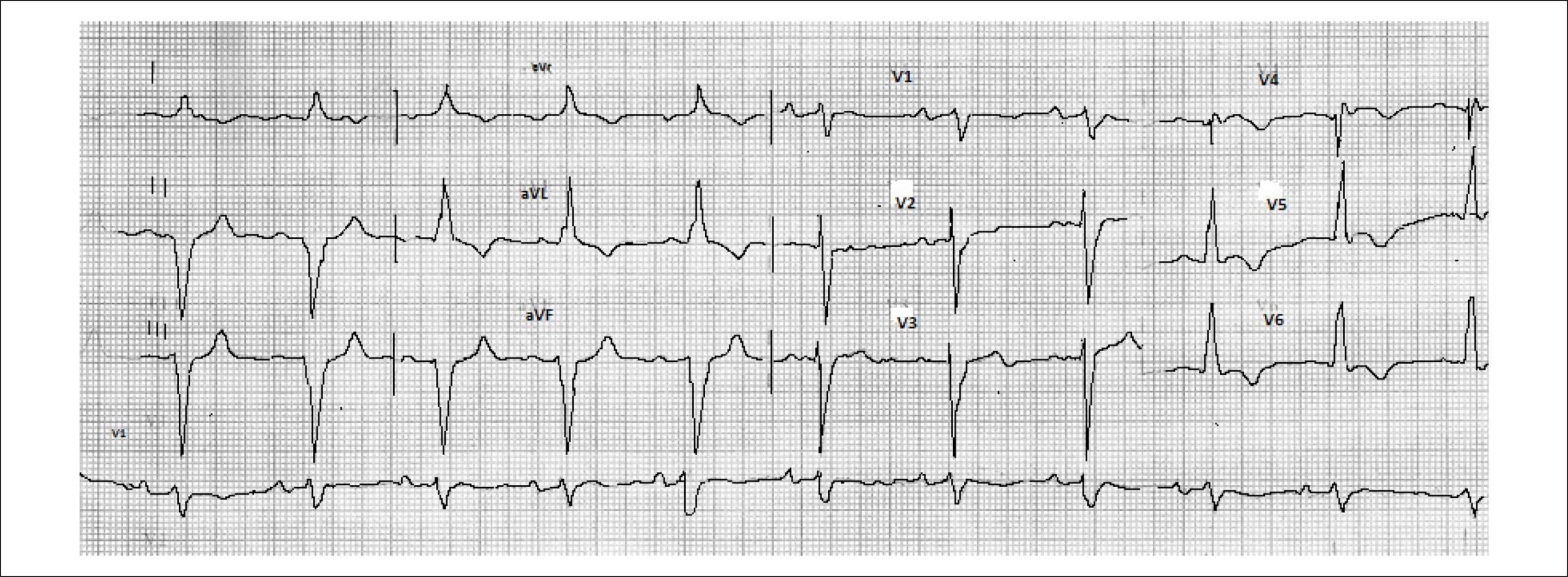
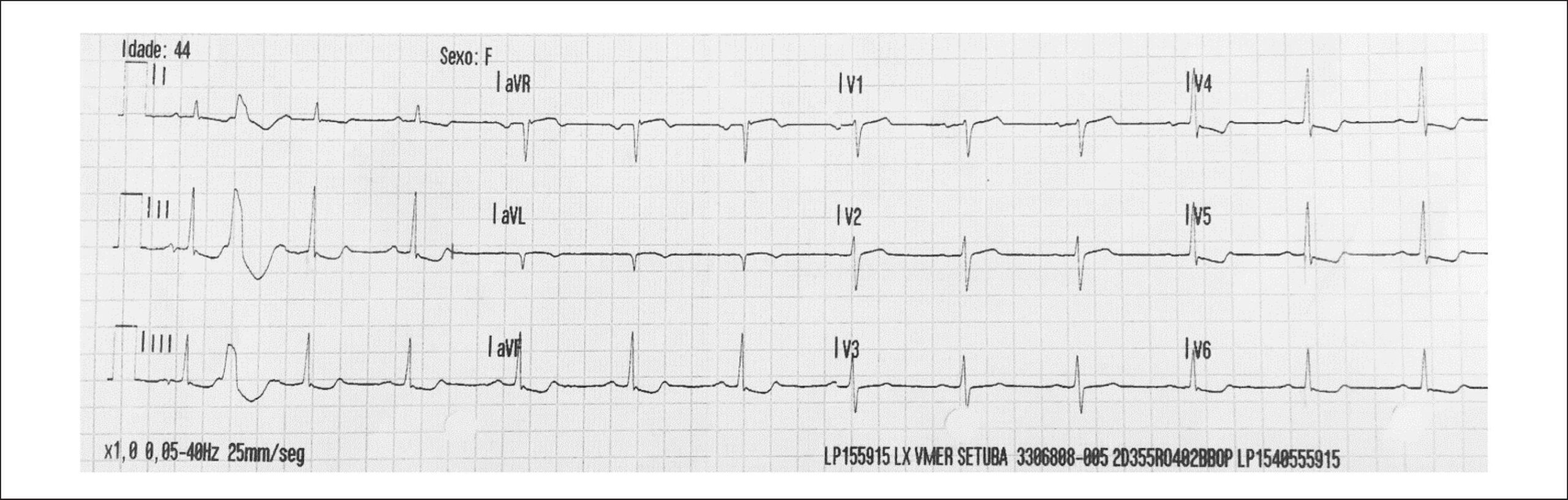
An abnormally short QT interval can be caused by several situations such as hypercalcemia, hyperkalemia, acidosis, hyperthermia, effects of drugs like digitalis or congenital short QT syndrome (SQTS). Primary hyperparathyroidism (PHPT) can ultimately cause short QT interval since overproduction of parathyroid hormone (PTH) causes hypercalcemia. However, cardiac arrhythmias are uncommon and electrical storm has been rarely described in patients with hypercalcemia.

Secondary causes of short QT must be ruled out before considering the diagnosis of SQTS. First described in 2000, SQTS is a congenital primary electric disorder characterized by abnormally short corrected QT interval (QTc) on the surface electrocardiogram (ECG) that is associated with sudden cardiac death (SCD) in individuals with structurally normal heart. According to 2015 ESC Guidelines for the management of patients with ventricular arrhythmias, SQTS is diagnosed in the presence of a QTc ≤ 330 msec or it can be diagnosed in the presence of a QTc < 360 ms and one or more of the following factors: pathogenic mutation, family history of SQTS, family history of sudden death before 40 years old and/or survival of a ventricular tacchycardia (VT)/ ventricular fibrillation (VF) episode in the absence of heart disease.

[…]

  • Hypercalcemia
  • Shock, Cardiogenic
  • Syncope
  • Unconsciousness
  • Ventricular Fibrillation
Read Full Article
Creative Commons Attribution (CC BY) Creative Commons license
01/04/2018 DOI: 10.5935/abc.20180059
Figure 1
Original Article

Is Lipid Accumulation Product Associated with an Atherogenic Lipoprotein Profile in Brazilian Subjects?

Flavia De Conti Cartolano et al. Caroline Pappiani Maria Camila Prupper de Freitas Antonio M. Figueiredo Neto … Antônio Augusto Ferreira Carioca Nágila Raquel Teixeira Damasceno

Abstract

Background:

Lipid accumulation product (LAP), a simple and low-cost tool, is a novel biomarker of central lipid accumulation and represents a potential surrogate marker for atherogenic lipoprotein profile. However, its association with lipoprotein subfractions has not been described in the literature.

Objective:

To determine whether LAP index could be used as a marker of low- and high-density lipoprotein (LDL and HDL) size in Brazilian individuals.

Methods:

This cross-sectional study included patients (n = 351) of both sexes and age between 30-74 years. Clinical and sociodemographic data and family history of diseases were evaluated. Lipoprotein size, and levels of total cholesterol (TC), lipoproteins, apolipoprotein AI and B (APO AI/APO B), glucose, insulin, insulin resistance index (HOMA-IR) and non-esterified fatty acids (NEFA) were assessed in blood samples. LAP was calculated by the formulas [(waist circumference[cm]-58) × (triglycerides[mmol/L]) for women and (waist circumference [cm]-65) × (triglycerides [mmol/L]) for men]. The association between LAP and metabolic parameters were tested by linear trend (general linear model, GLM test) before and after multiple adjustments for potential confounders (sex, age, smoking, statin, fibrate, and hypoglycemic drugs) at significant level p < 0.05.

Results:

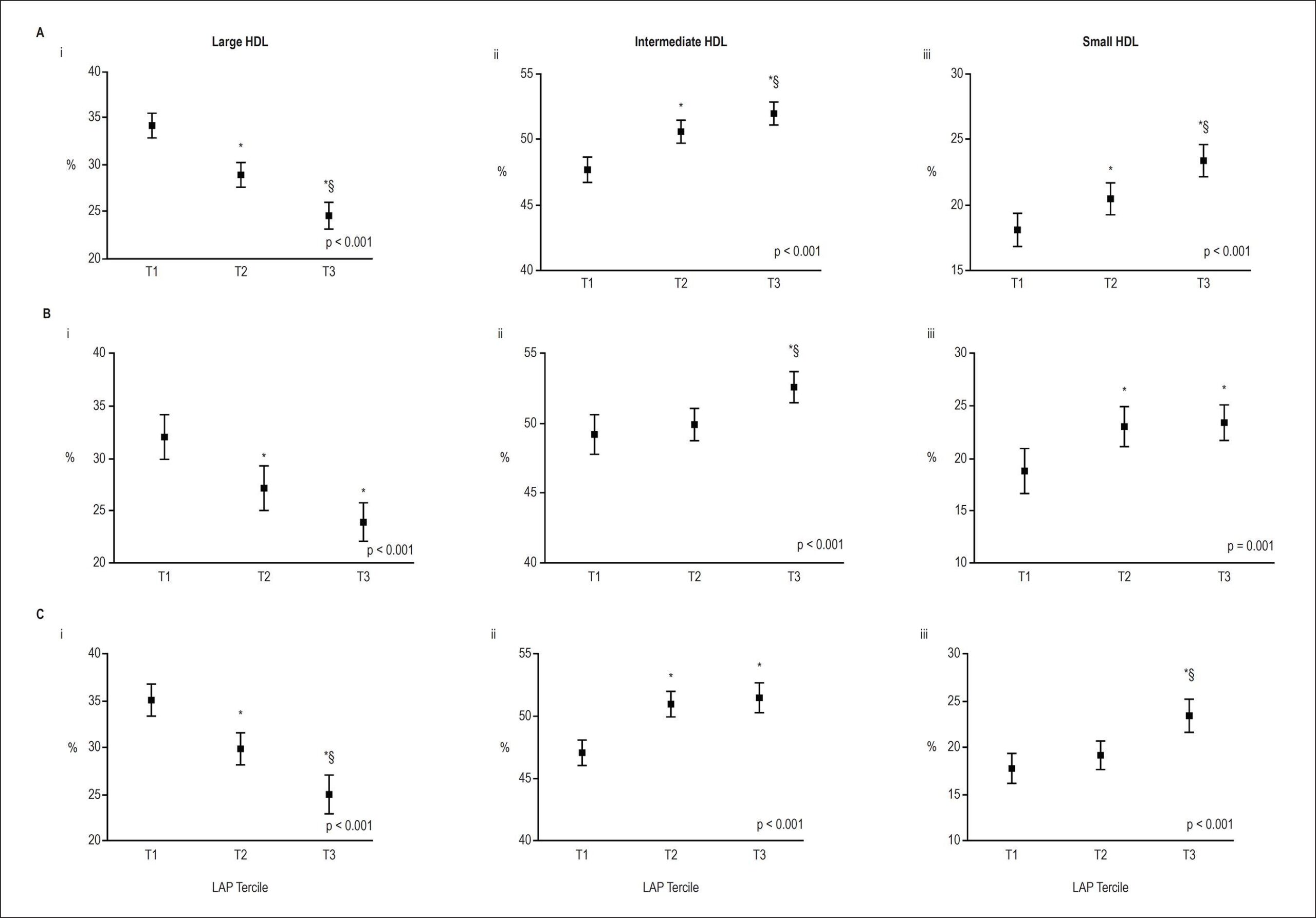
LAP was positively associated with TC, APO B, NEFA, glucose, insulin and HOMA-IR values, and negatively associated with HDL-C. Higher central lipid accumulation was corelated with higher percentage of intermediate HDL and of small LDL and HDL and less amount of large HDL. LDL size was also reduced in greater LAP index values. The negative impact of LAP was maintained after adjustment for multiple variables.

Conclusion:

LAP was robustly associated with atherogenic profile of lipoprotein subfractions, independently of multiple confounders.

  • Adults
  • Cardiovascular Diseases
  • Dyslipidemias
  • Insulin Resistance
  • Lipoproteins, HDL
  • Lipoproteins, LDL
  • Risk Factors
Read Full Article
Creative Commons Attribution (CC BY) Creative Commons license
01/04/2018 DOI: 10.5935/abc.20180054
Editorial

Better Technology, More Spending, Worse Outcomes

Whady Hueb

Since its beginning, myocardial revascularization has suffered substantial technological changes. In fact, early techniques with no physiological basis were used to increase blood supply to the ischemic myocardium. These included pericardial talc insufflation, coronary sinus ligation, Beck surgical procedure, and the Vineberg procedure. Nevertheless, due to their frustrating results that did not meet the expectations, these techniques were abandoned.

The emergence of a new, more rational technique – the coronary artery bypass surgery using venous grafts (later substituted with arterial grafts) – enabled the provision of greater blood flow to the ischemic myocardium.

[…]

  • Angioplasty, Balloon, Coronary
  • Drug-Eluting Stents / economics
  • Myocardial Revascularization / economics
  • Myocardial Revascularization/mortality
  • Operating Rooms / trends
  • Robotic Surgical Procedures / trends
Read Full Article
Creative Commons Attribution (CC BY) Creative Commons license
01/04/2018 DOI: 10.5935/abc.20180055 Views 1
Figure 1
Anatomopathological Correlation

Case 2/2018 – 73-Year-Old Male with Ischemic Cardiomyopathy, Cachexia and Shock

Rafael Amorim Belo Nunes et al. Jussara de Almeida Bruno Hilda Sara Monteiro Ramirez Léa Maria Macruz Ferreira Demarchi

Clinical aspects

The patient here reported is a male elderly with ischemic cardiomyopathy, and significant weight loss in the previous 4 months, in addition to worsening of his general state of health and clinical instability in the 24 hours prior to admission. Some diagnostic possibilities could explain his significant weight loss.

Cardiac cachexia is a frequent complication in the advanced stages of congestive heart failure (CHF) and associates with shorter survival. The physiopathology of that disorder has been first described by Pitman and Cohen Later, new evidence showed that the cause is multifactorial, related mainly to anorexia, a change in the routine of food uptake, in absorption and in the metabolism of patients with heart failure. Up to 34% of the patients with CHF being followed up on an outpatient basis are estimated to develop cardiac cachexia in the medium to long run. The deleterious effects of that condition impair the cardiac and respiratory functions and decrease immunity, which leads to higher mortality. Our patient’s systemic complications that hindered the reversion of his final findings might have been aggravated by cardiac cachexia. Regarding treatment, the literature reports many simultaneous actions that fight the most critical points in cachexia, such as nutritional therapy and the use of appetite stimulants, correction of anemia and edema, use of anabolic steroids and immunomodulation. Parallel to drug therapy, physical activity is indicated to maintain skeletal musculature, respecting the limits imposed by the disease and requiring strict follow-up.

[…]

  • Atherosclerosis
  • Cachexia
  • Cardiomyopathy, Dilated/complications
  • Heart Failure/physiopathology
  • Weight Loss
Read Full Article
Creative Commons Attribution (CC BY) Creative Commons license
01/04/2018 DOI: 10.5935/abc.20180065
Editorial

High-Intensity Interval Training for Early Post-Acute Myocardial Infarction – A Promising Approach for Rats, but what about Human Beings?

Ricardo Stein

Acute coronary syndromes (ACSs), in particularly, acute myocardial infarction (AMI), kill or debilitate a large number of patients in the world. Despite the fact that not all patients develop ventricular dysfunction after the event, there is still a high prevalence of post-AMI heart failure,, which is considered a public health problem. Although the management of post-ACS is based on a wide range of drugs, usually associated with the revascularization procedure, different non-pharmacological strategies have been shown useful. In this regard, physical exercise is indicated, including cardiac rehabilitation programs that usually combine aerobic and resistance training with stretching exercises.

Nevertheless, there is no single recipe for prescribing exercise after an acute coronary event. In my opinion, cardiologists should formally prescribe physical exercise in addition to cardiovascular drugs, considering aspects such as dosage, intervals, intensity and potential side effects. With respect to physical training, a vast of different exercise modalities have emerged and applied in health. Pilates, Tai Chi Chuan, functional training, crossfit, high-intensity interval training (HIIT) among others have spread across gyms and physical centers over the country and have been practiced primarily by apparently healthy individuals. As time passed, animal experiments and clinical studies on cardiovascular disease patients have been conducted.– HIIT was first proposed to Japanese Olympic skaters by Izumi Tabata. Today, HIIT consists in sessions of one to four-minute of high-intensity submaximal load alternating with low-to-moderate intensity exercises. Randomized clinical trials involving small samples have suggested a superiority of the method in increasing peak oxygen uptake (VO2peak) as compared with conventional continuous training. Due to its peculiarities and results, HIIT has boomed all over the world; however, international literature showing the impact of the method in ischemic heart disease patients, particularly in post-AMI patients is still lacking.,,

[…]

  • Acute coronary syndrome
  • Cardiac Rehabilitation
  • Exercise
Read Full Article
Creative Commons Attribution (CC BY) Creative Commons license
01/04/2018 DOI: 10.5935/abc.20180068
Editorial

Catheter Ablation for Atrial Fibrillation in Patients with Heart Failure

Mauricio Scanavacca et al. Edimar Alcides Bocchi

In the last years, atrial fibrillation (AF) and heart failure (HF) have been the two major epidemic syndromes in cardiology and they frequently coexist. HF increases mean right and left atria pressures promoting their progressive dilation. Such mechanical electro-anatomic remodeling predisposes to atrial fibrosis and electrical heterogeneity, increases ectopic rhythm formation and ultimately induces AF.

A new AF episode, in turn, immediately induces loss of atrial contraction, increases mean heart rate and provokes an important irregularity on ventricular contractions decreasing the heart’s pump function performance. Therefore, around 50% of patients who present with new-onset congestive HF have atrial fibrillation and up to one-third of patients with new-onset AF have congestive heart failure.

[…]

  • Amiodarone
  • Atrial Fibrillation
  • Atrial Remodeling
  • Catheter Ablation / trends
  • Heart Failure
Read Full Article
Creative Commons Attribution (CC BY) Creative Commons license
01/04/2018 DOI: 10.5935/abc.20180066
Editorial

Infections in Heart Failure – Impact on Mortality

Evandro Tinoco Mesquita

Infections represent an important emerging clinical problem that cause decompensation of heart failure (HF), and in many cases, life-threatening acute systemic disorder (sepsis) and septic shock. Cardiovascular system plays an important role in the development of multiorgan dysfunction in sepsis and refractory septic shock. Although intra-hospital death for sepsis decreased from 35% in 2000 to 18% in 2002, one third of patients die within one year after a septic event. Cardiovascular dysfunction significantly increases mortality rates in sepsis as compared with sepsis without cardiac dysfunction. Infection, per se, precipitates the occurrence of cardiac decompensation and is a direct marker of mortality in HF patients.

The study by Cardoso et al. report a high hospital infection rate (45.8%) and relevant mortality (21,5%) among patients with decompensated HF. Interestingly, during the first year after hospital discharge, mortality rate was lower in patients with infection as compared with those without infection (11.5%vs. 22.2%; p = 0.04).

[…]

  • Heart Failure / mortality
  • Hospitalization
  • Infection Control
  • Infections
  • Sepsis
  • Shock,Septic
Read Full Article
Creative Commons Attribution (CC BY) Creative Commons license
01/04/2018 DOI: 10.5935/abc.20180067 Views 1
Brief Communication

Influence of Aerobic Training on The Mechanics of Ventricular Contraction After Acute Myocardial Infarction: A Pilot Study

Giovani Luiz De Santi et al. Henrique Turin Moreira Eduardo Elias Vieira de Carvalho Júlio César Crescêncio … André Schmidt José Antônio Marin-Neto Lourenço Gallo-Júnior

Abstract

The study of myocardial contractility, based on the new anatomical concepts that govern cardiac mechanics, represents a promising strategy of analysis of myocardial adaptations related to physical training in the context of post-infarction.

We investigated the influence of aerobic training on physical capacity and on the evaluation parameters of left ventricular contraction mechanics in patients with myocardial infarction.

Thirty-one patients (55.1 ± 8.9 years) who had myocardial infarction in the anterior wall were prospectively investigated in three groups: interval training group (ITG) (n = 10), moderate training group (MTG) n = 10) and control group (CG) (n = 10). Before and after 12 weeks of clinical follow-up, patients underwent cardiopulmonary exercise testing and cardiac magnetic resonance imaging. The trained groups performed supervised aerobic training on treadmill, in two different intensities.

A statistically significant increase in peak oxygen uptake (VO2) was observed in the ITG (19.2 ± 5.1 at 21.9 ± 5.6 ml/kg/min, p < 0.01) and in the MTG 18.8 ± 3.7 to 21.6 ± 4.5 ml/kg/min, p < 0.01). The GC did not present a statistically significant change in peak VO2. A statistically significant increase in radial strain (STRAD) was observed in the CG: basal STRAD (57.4 ± 16.6 to 84.1 ± 30.9%, p < 0.05), medial STRAD (57.8 ± 27, 9 to 74.3 ± 36.1%, p < 0.05) and apical STRAD (38.2 ± 26.0 to 52.4 ± 29.8%, p < 0.01). The trained groups did not present a statistically significant change of the radial strain.

The present study points to a potential clinical application of the parameters of ventricular contraction mechanics analysis, especially radial strain, to discriminate post-infarction myocardial adaptations between patients submitted or not to aerobic training programs.

  • Exercise
  • Magnetic Resonance Imaging
  • Myocardial Contraction
  • Myocardial Infarction
  • Rehabilitation
  • Stroke Volume
Read Full Article
Creative Commons Attribution (CC BY) Creative Commons license
01/04/2018 DOI: 10.5935/abc.20180049 Views 2
Figure 1
Image

Simultaneous Dual Coronary Fistulas

Ioannis Ntalas et al. John B. Chambers Júlia Karády Ronak Rajani

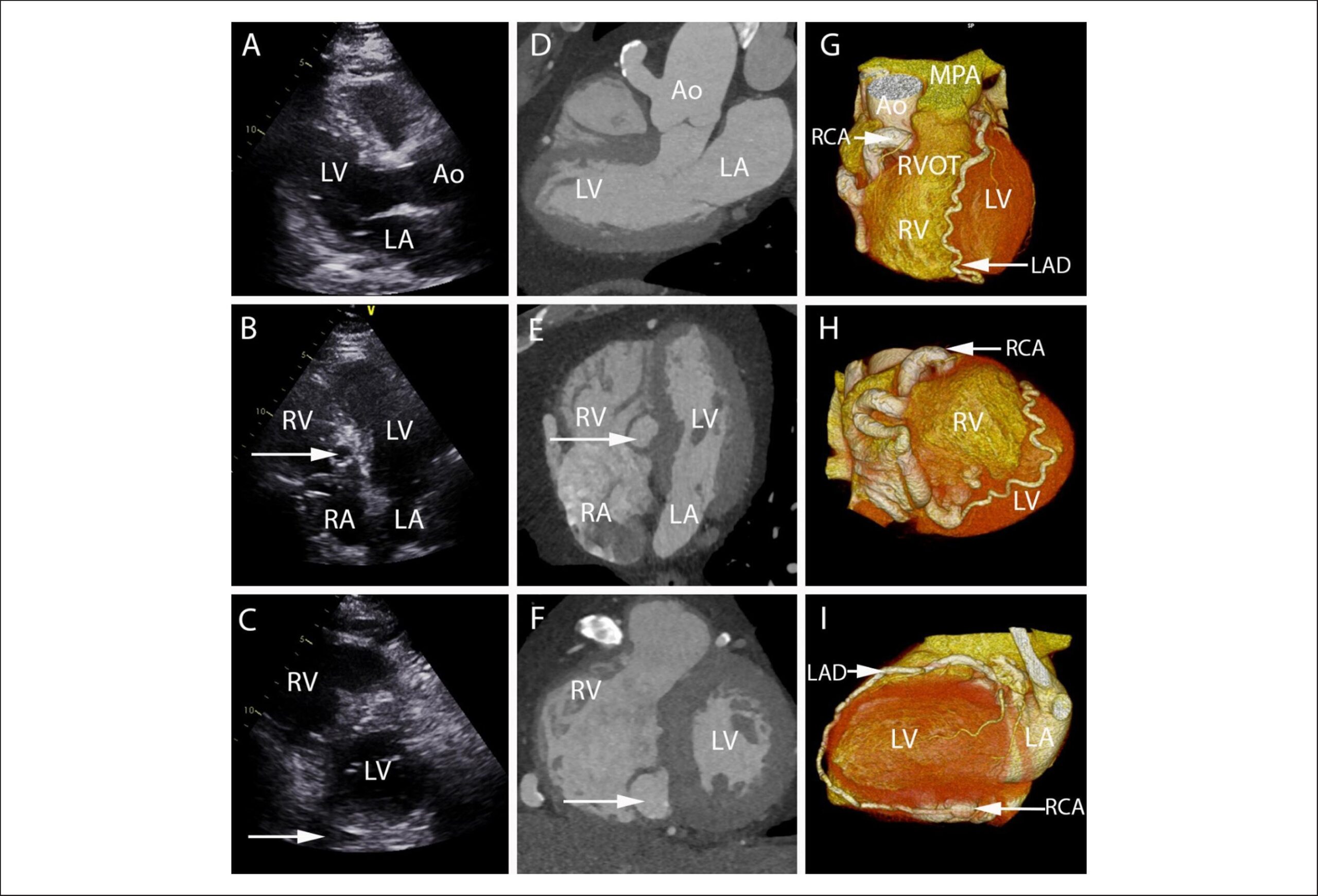
A 61-year-old man with type II diabetes mellitus was referred with breathlessness on exertion. On auscultation, there was a continuous ejection systolic murmur on the left upper sternal border. Transthoracic echocardiography showed a dilated vessel in aortic wall in the parasternal long axis view () and a spherical lesion in the apical 4-chamber view (). A coronary computed tomographic angiographic (CTCA) study revealed a dilated and ectatic right coronary artery (RCA). It arose from the ascending aorta at the 12 o’clock position and followed a tortuous course around the right sided atrioventricular groove before passing into the basal inferoseptum draining into the base of the right ventricle. An additional fistulous connection could be detected between the posterior descending artery of the RCA and the left anterior descending artery (LAD-RCA fistula) (, , ). After a normal dobutamine stress echocardiogram, a decision for continued medical therapy was taken.

[…]

  • Computed Tomography Angiography
  • Echocardiography
  • Systolic Murmurs
Read Full Article
Creative Commons Attribution (CC BY) Creative Commons license
01/04/2018 DOI: 10.5935/abc.20180057
Letter to the Editor

Incidence of Atrial High-Rate Episodes in Chagas Disease Patients

Emanoela Lima Freitas et al. Elieusa e Silva Sampaio Roque Aras

A

t

[…]

  • Atrial Fibrillation/complications
  • Cardiac Pacing, Artificial/methods
  • Chagas Disease/complications
  • Defibrillators, Implantable
  • Risk
  • Stroke/etiology
Read Full Article
Creative Commons Attribution (CC BY) Creative Commons license
01/04/2018 DOI: 10.5935/abc.20180060 Views 1
Figure 1
Original Article

Short-Term and Mid-Term Clinical Outcomes Following Hybrid Coronary Revascularization Versus Off-Pump Coronary Artery Bypass: A Meta-Analysis

Li Dong et al. Yi-kun Kang Xiang-guang An

Abstract

Background:

Off-pump coronary artery bypass grafting (OPCAB) is one of the standard treatments for coronary artery disease (CAD) while hybrid coronary revascularization (HCR) represents an evolving revascularization strategy. However, the difference in outcomes between them remains unclear.

Objective:

We performed a meta-analysis to compare the short-term and mid-term outcomes of HCR versus OPCAB for the treatment of multivessel or left main CAD.

Methods:

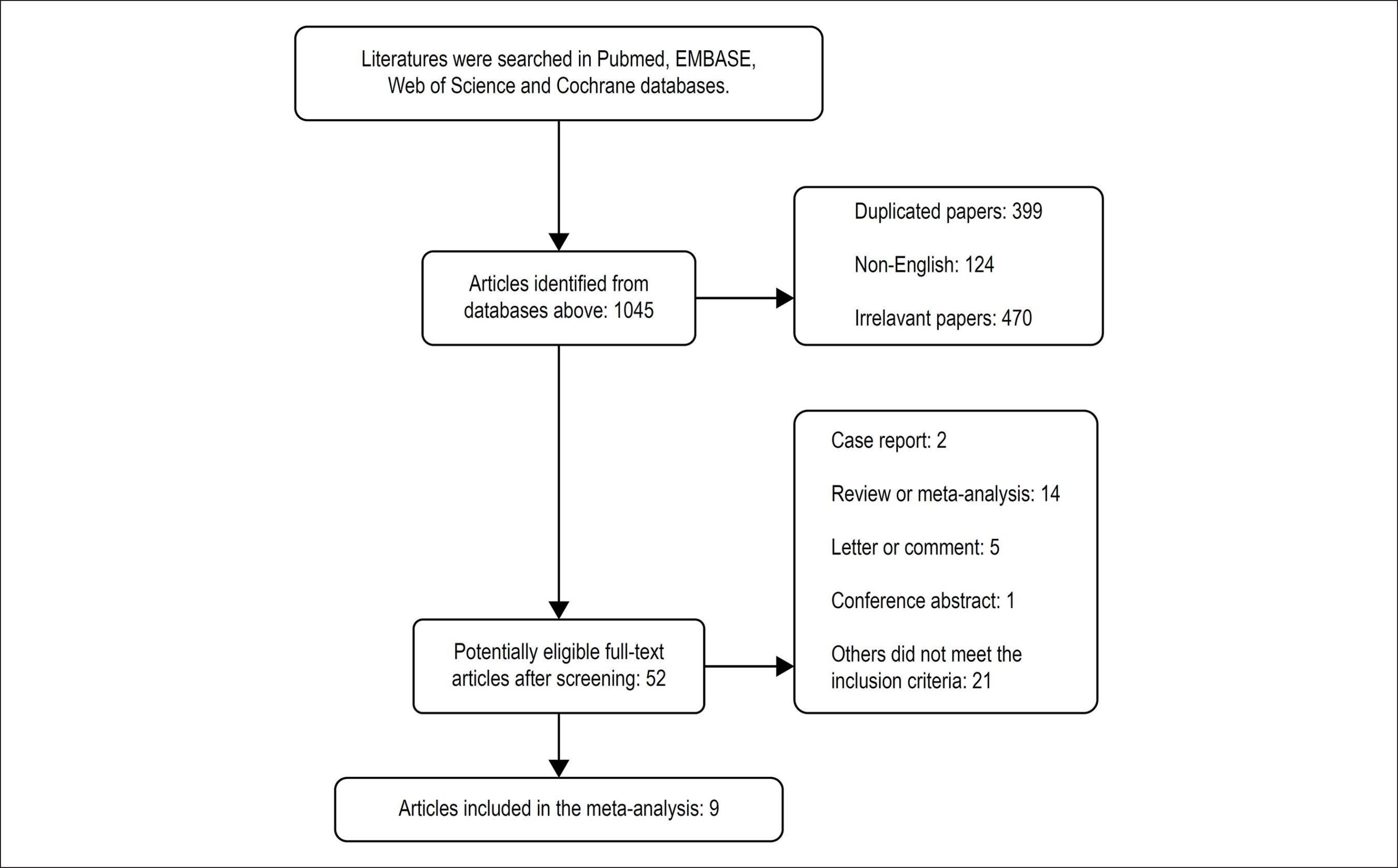
We searched the PubMed, EMBASE, Web of Science and Cochrane databases to identify related studies and a routine meta-analysis was conducted.

Results:

Nine studies with 6121 patients were included in the analysis. There was no significant difference in short-term major adverse cardiac and cerebrovascular event (MACCE) rate (RR: 0.55, 95% CI: 0.30-1.03, p = 0.06) or mortality (RR: 0.51, 95% CI: 0.17-1.48, p = 0.22). HCR required less ventilator time (SMD: -0.36, 95% CI: -0.55- -0.16, p < 0.001), ICU stay (SMD: -0.35, 95% CI: -0.58 – -0.13, p < 0.01), hospital stay (SMD: -0.29, 95% CI: -0.50- -0.07, p < 0.05) and blood transfusion rate (RR: 0.57, 95% CI: 0.49-0.67, p < 0.001), but needed more operation time (SMD: 1.29, 95% CI: 0.54-2.05, p < 0.001) and hospitalization costs (SMD: 1.06, 95% CI: 0.45-1.66, p < 0.001). The HCR group had lower mid-term MACCE rate (RR: 0.49, 95% CI: 0.26-0.92, p < 0.05) but higher rate in mid-term target vessel revascularization (TVR, RR: 2.20, 95% CI: 1.32-3.67, p < 0.01).

Conclusions:

HCR had similar short-term mortality and morbidity comparing to OPCAB. HCR decreased the ventilator time, ICU stay, hospital stay, blood transfusion rate and increased operation time and hospitalization costs. HCR has a lower mid-term MACCE rate while OPCAB shows better in mid-term TVR.

  • Coronary Artery Bypass, Off-Pump
  • Coronary Artery Disease/surgery
  • Database Bibliographic
  • Meta-Analysis
  • Myocardial Revascularization/trends
Read Full Article
Creative Commons Attribution (CC BY) Creative Commons license
19/03/2018 DOI: 10.5935/abc.20180044 Views 1
Figure 1
Original Article

Heart Rate and its Variability Assessed by Spectral Analysis in Elderly Subjects with Orthostatic Hypotension: A Case-Control Study

Rose Mary Ferreira Lisboa da Silva et al. Carlos Eduardo de Souza Miranda Maira Tonidandel Barbosa Maria Aparecida Camargos Bicalho

Abstract

Background:

The prevalence of orthostatic hypotension (OH) increases with age and is associated with changes in autonomic regulation of blood pressure (BP) and heart rate (HR).

Objective:

to assess HR and HR variability (HRV) in elderly subjects with OH and determine OH predictors.

Methods:

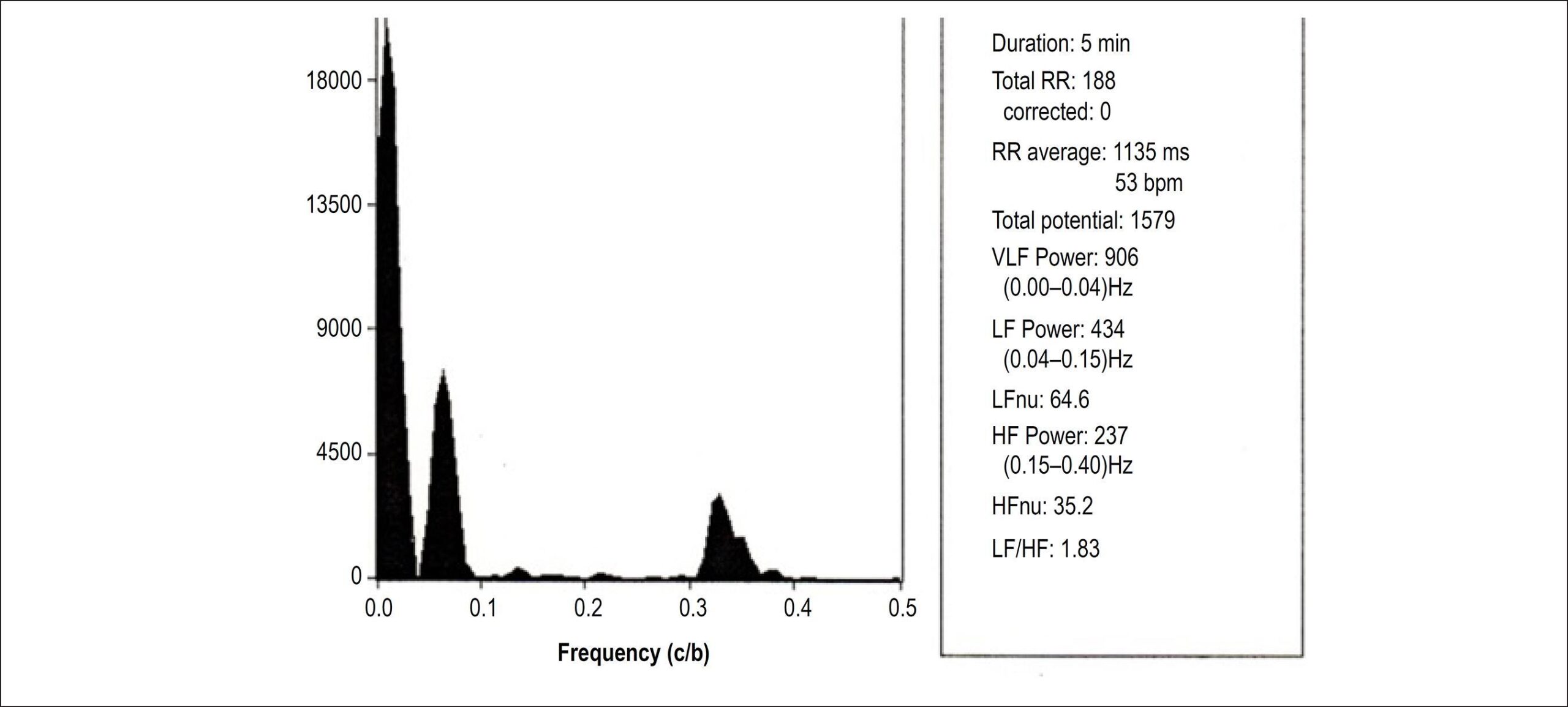
a total of 105 patients aged ≥ 60 years, 39 with OH (case group) and 66 without OH (control group) (age-matched) were studied. Patients underwent clinical assessment, electrocardiogram, biochemistry tests and Holter monitoring for spectral analysis of HRV (Fourier transform) in the supine and orthostatism positions to identify low frequency (LF) and high frequency (HF) components, as well as the LF/HF ratio.

Results:

median age was 73.0 years, 64 patients were women. In all participants, there was a reduction in HF (133.0 versus 76.0 ms2, p = 0.001) and increase in LF/HF (1.6 vs 2.1; p < 0.001) and no change in LF (233.0 versus 218.0 ms2, p = 0.080). Between-group comparisons revealed significant differences in the median values of HR in the supine position (62.0 vs. 69.0 bpm, p = 0.001) and LF in the supine position (157.0 in case group vs. 275.0 ms2 in the control group, p = 0.014). Spearman’s correlation coefficient of 0.27 was found between the groups. Multivariate analysis revealed that HR in the supine position was an independent variable for OH (p = 0.001- 95%CI = -0.022 and -0.006). Using the operating characteristic curve, the best cutoff point was 61 bpm, with a sensitivity of 77.3% and specificity of 51.3%, positive predictive value of 61.3%, and negative predictive value 69.3%. Odds ratio was 3.23 for OH in patients with a HR lower than 61 bpm.

Conclusions:

lower LF and HR in the supine position were found in patients with OH, regardless of age and gender. The independent predictor for OH was HR in the supine position, with an odds ratio of 3.23 for values lower than 61 bpm.

  • Accidental Falls
  • Aged
  • Dizziness
  • Heart Rate
  • Hypotension, Orthostatic
  • Syncope
Read Full Article
Creative Commons Attribution (CC BY) Creative Commons license
19/03/2018 DOI: 10.5935/abc.20180043
Figure 1
Original Article

Mid-Term Results of Surgical Treatment of Atrial Fibrillation in Valvular Heart Disease Assesed by Speckle Tracking Echocardiography

Natalia Lorenzo et al. Irene Mendez Mikel Taibo Gianfranco Martinis … Sara Badia Guillermo Reyes Rio Aguilar

Abstract

Background:

Atrial fibrillation frequently affects patients with valvular heart disease. Ablation of atrial fibrillation during valvular surgery is an alternative for restoring sinus rhythm.

Objectives:

This study aimed to evaluate mid-term results of successful atrial fibrillation surgical ablation during valvular heart disease surgery, to explore left atrium post-ablation mechanics and to identify predictors of recurrence.

Methods:

Fifty-three consecutive candidates were included. Eligibility criteria for ablation included persistent atrial fibrillation <10 years and left atrium diameter < 6.0 cm. Three months after surgery, echocardiogram, 24-hour Holter monitoring and electrocardiograms were performed in all candidates who maintained sinus rhythm (44 patients). Echo-study included left atrial deformation parameters (strain and strain rate), using 2-dimensional speckle-tracking echocardiography. Simultaneously, 30 healthy individuals (controls) were analyzed with the same protocol for left atrial performance. Significance was considered with a P value of < 0.05.

Results:

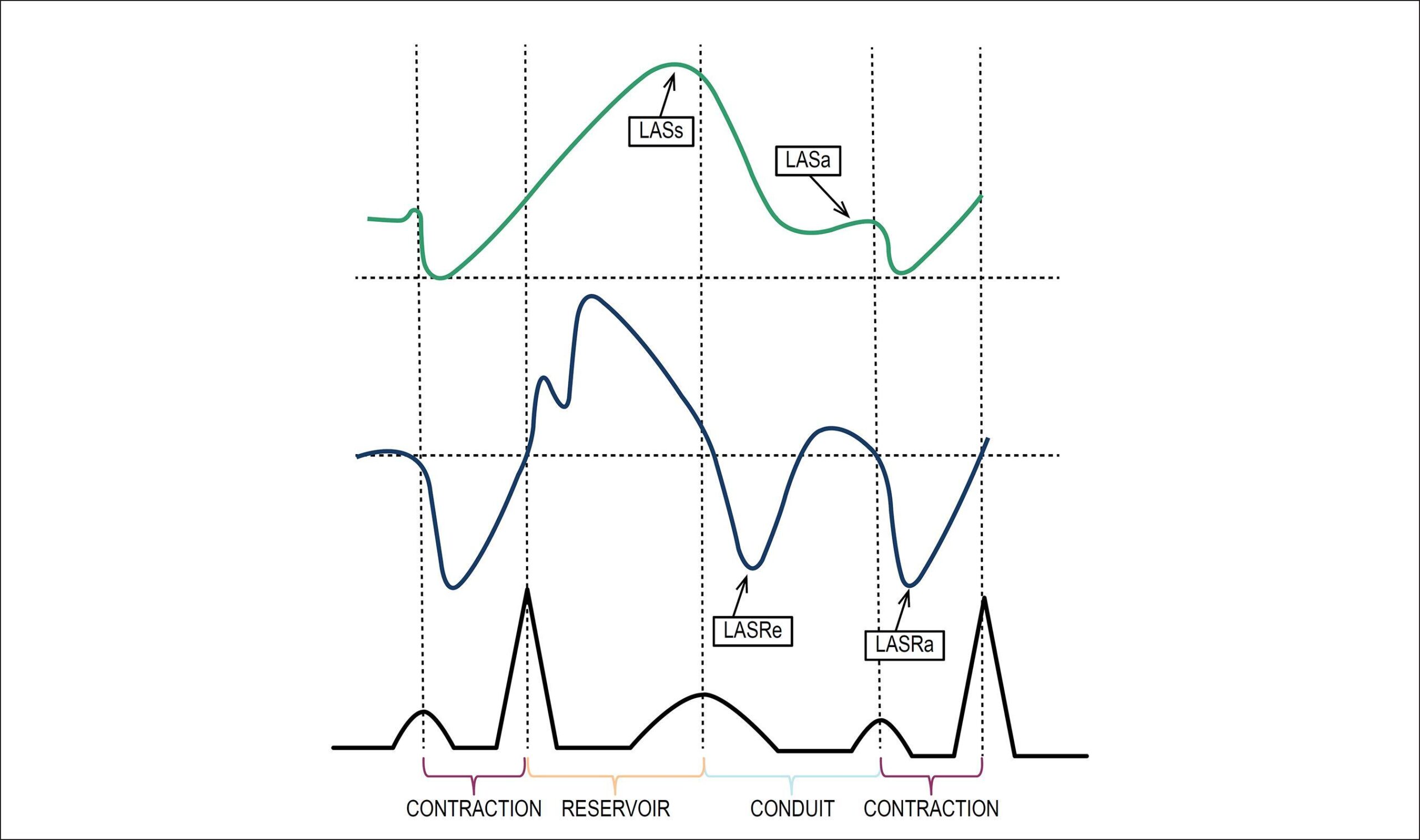
After a mean follow up of 17 ± 2 months, 13 new post-operative cases of recurrent atrial fibrillation were identified. A total of 1,245 left atrial segments were analysed. Left atrium was severely dilated in the post-surgery group and, mechanical properties of left atrium did not recover after surgery when compared with normal values. Left atrial volume (≥ 64 mL/m2) was the only independent predictor of atrial fibrillation recurrence (p = 0.03).

Conclusions:

Left atrial volume was larger in patients with atrial fibrillation recurrence and emerges as the main predictor of recurrences, thereby improving the selection of candidates for this therapy; however, no differences were found regarding myocardial deformation parameters. Despite electrical maintenance of sinus rhythm, left atrium mechanics did not recover after atrial fibrillation ablation performed during valvular heart disease surgery.

  • Ablation Techniques
  • Atrial Fibrillation
  • Cryosurgery
  • Echocardiography
  • Heart Valve Diseases
Read Full Article
Creative Commons Attribution (CC BY) Creative Commons license
19/03/2018 DOI: 10.5935/abc.20180040 Views 2
Graph 1
Original Article

Impact of a High-Intensity Training on Ventricular Function in Rats After Acute Myocardial Infarction

Simone de Campos Neitzke Winter et al. Rafael Michel de Macedo Júlio Cesar Francisco Paula Costa Santos … Ana Paula Sarraff Lopes Leanderson Franco de Meira Katherine A. Teixeira de Carvalho José Rocha Faria Neto Ana Carolina Brandt de Macedo Luiz César Guarita-Souza

Abstract

Background:

Physical exercise should be part of the treatment of post-acute myocardial infarction (AMI) patients.

Objective:

To evaluate the effects of two training prescription models (continuous x interval) and its impact on ventricular function in rats after AMI with normal ventricular function.

Methods:

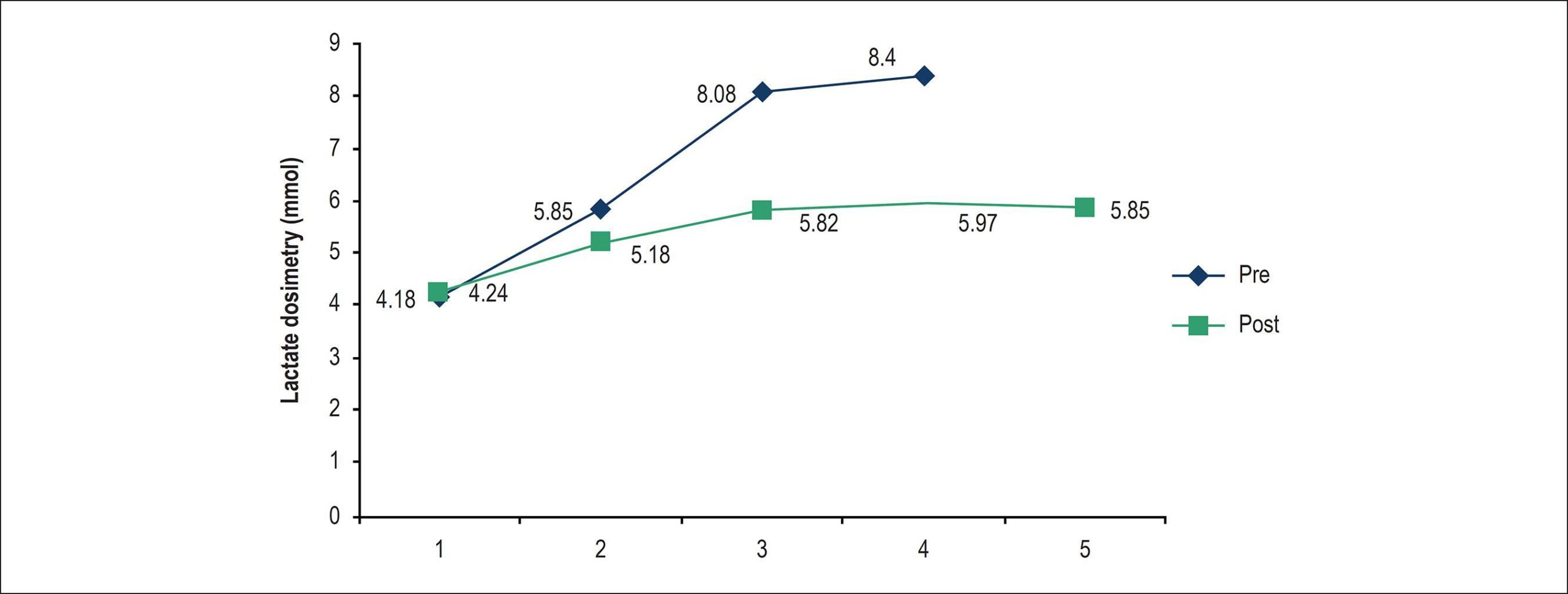
Forty Wistar rats were evaluated by echocardiography 21 days after the AMI. Those with LVEF = 50% (n = 29) were included in the study and randomized to control group (CG n = 10), continuous training group (CTG n = 9) or interval training group (ITG, n = 10). Then, a swimming test with control of lactate production was performed. Based on its result, the lactate threshold (LT) was established to define the training intensities. After six weeks, the animals were reassessed by echocardiography and lactate production. Outcome measures were end-diastolic diameter (EDD), end-systolic diameter (ESD), left ventricular ejection fraction (LVEF, %) lactate at rest, lactate without overload, and lactate with 12g and 13.5g of additional load. Group comparisons of quantitative variables of the study were performed by one-factor analysis of variance (ANOVA). The Newman-Keuls test was used for multiple comparisons of the groups. Within-group comparisons of dependent variables between the two training protocols were performed by Student’s t-test. Normality of the variables was tested by the Shapiro-Wilks test. Values of p < 0.05 indicated statistical significance.

Results:

EDD, ESD, and LVEF before and after the training period were similar in within-group comparisons. However, EDD was significantly different (p=0.008) in the CG. Significant differences were found for L12g (p=0.002) and L13.5g (p = 0.032) in the ITG, and for L12g (p = 0.014) in the CG. No differences were found in the echocardiographic parameters between the groups. Significant differences were found in lactate without overload (p = 0.016) and L12 (p = 0.031) in the second assessment compared with the first, and between the groups – ITG vs. CG (p = 0.019) and CTG vs. CG (p = 0.035).

Conclusion:

Both methods produced a training effect without altering ventricular function.

  • Anaerobic Threshold
  • Exercise
  • Myocardial Infarction
  • Rats
  • Ventricular Function, Left
Read Full Article
Creative Commons Attribution (CC BY) Creative Commons license
12/03/2018 DOI: 10.5935/abc.20180036 Views 1
Original Article

Infection in Patients with Decompensated Heart Failure: In-Hospital Mortality and Outcome

Juliano Novaes Cardoso et al. Carlos Henrique Del Carlo Mucio Tavares de Oliveira Junior Marcelo Eidi Ochiai … Roberto Kalil Filho Antônio Carlos Pereira Barretto

Abstract

Background:

Heart failure (HF) is a syndrome, whose advanced forms have a poor prognosis, which is aggravated by the presence of comorbidities.

Objective:

We assessed the impact of infection in patients with decompensated HF admitted to a tertiary university-affiliated hospital in the city of São Paulo.

Methods:

This study assessed 260 patients consecutively admitted to our unit because of decompensated HF. The presence of infection and other morbidities was assessed, as were in-hospital mortality and outcome after discharge. The chance of death was estimated by univariate logistic regression analysis of the variables studied. The significance level adopted was P < 0.05.

Results:

Of the patients studied, 54.2% were of the male sex, and the mean age ± SD was 66.1 ± 12.7 years. During hospitalization, 119 patients (45.8%) had infection: 88 (33.8%) being diagnosed with pulmonary infection and 39 patients (15.0%), with urinary infection. During hospitalization, 56 patients (21.5%) died, and, after discharge, 36 patients (17.6%). During hospitalization, 26.9% of the patients with infection died vs 17% of those without infection (p = 0.05). However, after discharge, mortality was lower in the group that had infection: 11.5% vs 22.2% (p = 0.046).

Conclusions:

Infection is a frequent morbidity among patients with HF admitted for compensation of the condition, and those with infection show higher in-hospital mortality. However, those patients who initially had infection and survived had a better outcome after discharge.

  • Comorbidity
  • Heart Failure/complications
  • Hospitalization
  • Lung Diseases / complications
  • Mortality
  • Urinary Tract / physiopathology
Read Full Article
Creative Commons Attribution (CC BY) Creative Commons license
12/03/2018 DOI: 10.5935/abc.20180037
Figure 1
Original Article

Vimentin and Anti Vimentin Antibodies in Chagas' Disease

Marilda Savoia Nascimento et al. Anna Maria Simonsen Stolf Heitor Franco de Andrade Junior Ramendra Pati Pandey Eufrosina Setsu Umezawa

Abstract

Background:

Vimentin is a main structural protein of the cell, a component of intermediate cell filaments and immersed in cytoplasm. Vimentin is mimicked by some bacterial proteins and anti-vimentin antibodies occur in autoimmune cardiac disease, as rheumatic fever. In this work we studied vimentin distribution on LLC-MK2 cells infected with T. cruzi and anti-vimentin antibodies in sera from several clinical pictures of Chagas’ disease or American Trypanosomiasis, in order to elucidate any vimentin involvement in the humoral response of this pathology.

Objective:

We standardized an indirect immunofluorescence assay (IFI) to determine sub cellular expression in either parasites and host cells, and ELISA to evaluate anti-vimentin antibodies in sera fron chagasic patients.

Methods:

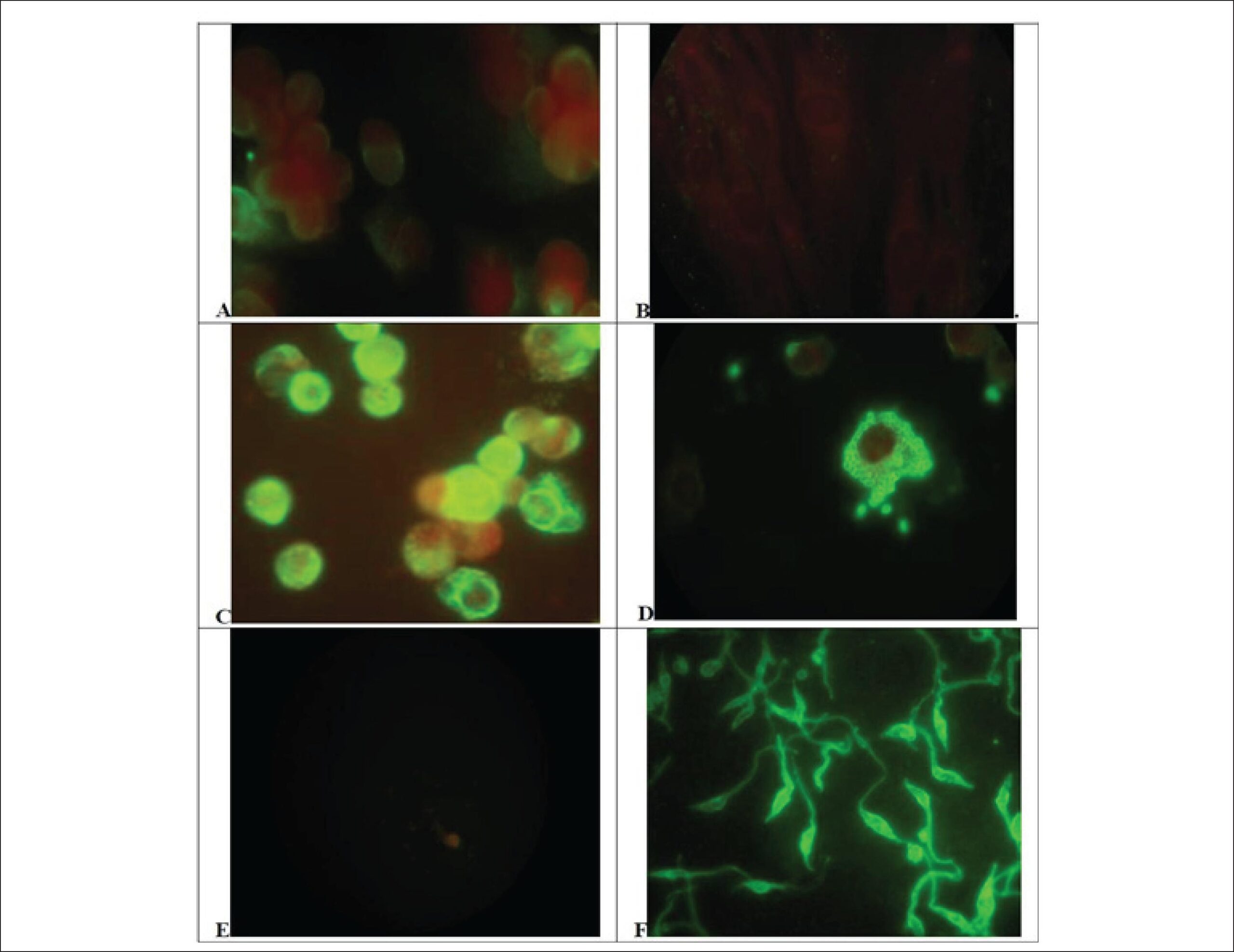
We analyzed the distribution of vimentin in culture cells using indirect fluorescent assays, using as external controls anti-T. cruzi sera, derived from chronic infected patients for identification of the parasites in the same model. After infection and growth of T.cruzi amastigotes, those cells express larger amounts of vimentin, with heavy staining of cytoplasm outside the parasitophorous vacuole and some particle shadowing patterns, suggesting that vimentin are associated with cell cytoplasm. Anti-vimentin antibodies were present in most American trypanosomiasis samples, but notably, they are much more present in acute (76, 9%) or clinical defined syndromes, especially cardiac disease (87, 9%). Paradoxically, they were relatively infrequent in asymptomatic (25%) infected patients, which had a clearly positive serological reaction to parasite antigens, but had low frequency of anti-vimentin antibodies, similar to controls (2,5%).

Conclusion:

Our current data revealed that anti-vimentin antibodies induced during T. cruzi infection could be a marker of active disease in the host and its levels could also justify drug therapy in American Trypanosomiasis chronic infection, as a large group of asymptomatic patients would be submitted to treatment with frequent adverse reactions of the available drugs. Anti-vimentin antibodies could be a marker of cardiac muscle cell damage, appearing in American Trypanosomiasis patients during active muscle cell damage.

  • Antibodies, Monoclonal
  • Chagas disease
  • Heart Diseases
  • Rheumatic Fever
  • Trypanossoma Cruzi
  • Vimentin
Read Full Article
Creative Commons Attribution (CC BY) Creative Commons license
12/03/2018 DOI: 10.5935/abc.20180038 Views 1
Original Article

Association of Monocyte Count on Admission with the Angiographic Thrombus Burden in Patients with ST-Segment Elevation Myocardial Infarction Undergoing Primary Percutaneous Coronary Intervention

Zuoyan Wang et al. Na Liu Lihui Ren Licheng Lei … Huiming Ye Jianjun Peng

Abstract

Background:

The intracoronary high-thrombus burden during the primary percutaneous coronary intervention in patients with ST-elevation myocardial infarction (STEMI) can lead to poor outcomes. Monocytes have been described to play an important role in thrombotic disorders.

Objectives:

This study aimed to investigate the relationship between admission monocyte count and angiographic intracoronary thrombus burden in patients receiving primary percutaneous coronary intervention (PPCI).

Methods:

A total of 273 patients with acute STEMI who underwent PPCI were enrolled. The patients were divided into two groups according to the thrombolysis in myocardial infarction (TIMI) thrombus grade: low-thrombus burden group with a grade of 0-2 and high-thrombus burden group with a grade of 3-4. The monocyte count and other laboratory parameters were measured on admission before PPCI. P-value < 0.05 was considered significant.

Results:

There were 95 patients (34.8%) in the high-thrombus burden group, and 178 patients (65.2%) in the low-thrombus burden group. Patients with high-thrombus burden had significantly higher admission monocyte count (0.61 ± 0.29×10⁹/L vs. 0.53 ± 0.24×10⁹/L, p = 0.021). In multivariate analysis, monocyte count was the independent predictor of angiographic high-thrombus burden (odds ratio 3.107, 95% confidence interval [CI] 1.199-7.052, p = 0.020). For the prediction of angiographic high-thrombus burden, admission monocyte count at a cut-off value of 0.48×10⁹/L yielded 0.59 ROC-AUC (71.9% sensitivity, 46.9% specificity).

Conclusions:

Monocyte count on admission was an independent clinical predictor of high-thrombus burden in patients with STEMI undergoing PPCI. Our findings suggest that admission monocyte count may be available for early risk stratification of high-thrombus burden in acute STEMI patients and might allow the optimization of antithrombotic therapy to improve the outcomes of PPCI.

  • Coronary Thrombosis/diagnostic imaging
  • Monocytes
  • Myocardial Infarction
  • Percutaneous Coronary Intervention/methods
Read Full Article
Creative Commons Attribution (CC BY) Creative Commons license
12/03/2018 DOI: 10.5935/abc.20180034

How to cite this article

EndNote RIS

Electronic Document Format (Vancouver)

Santos NSS, Vilela AA, Barretto RBM, Vale MP, Rezende MO, Ferreira MC, Andrade AJA, et al. Applicability of Longitudinal Strain of Left Ventricle in Unstable Angina. Arquivos Brasileiros de Cardiologia 2018;110(4):354-61.

Electronic Document Format (ABNT)

Santos, Natasha Soares Simões dos; Vilela, Andrea de Andrade; Barretto, Rodrigo Bellio de Mattos; Vale, Marcela Paganelli do; Rezende, Mariana Oliveira; Ferreira, Murilo Castro; Andrade, Alexandre José Aguiar; Scorsioni, Nelson Henrique Goes; Queiroga, Olívia Ximenes de; Bihan, David Le. Applicability of Longitudinal Strain of Left Ventricle in Unstable Angina. Arquivos Brasileiros de Cardiologia, v. 110, n. 4, p. 354-361, Mar. 2018.

Electronic Document Format (APA)

Santos, N. S. S. , Vilela, A. A., Barretto, R. B. M., Vale, M. P. , Rezende, M. O., Ferreira, M. C., Andrade, A. J. A., Scorsioni, N. H. G., Queiroga, O. X. , & Bihan, D. L. (2018). Applicability of Longitudinal Strain of Left Ventricle in Unstable Angina. Arquivos Brasileiros de Cardiologia, 110(4), 354-361.

Electronic Document Format (ISO)

Santos, Natasha Soares Simões dos and Vilela, Andrea de Andrade and Barretto, Rodrigo Bellio de Mattos and Vale, Marcela Paganelli do and Rezende, Mariana Oliveira and Ferreira, Murilo Castro and Andrade, Alexandre José Aguiar and Scorsioni, Nelson Henrique Goes and Queiroga, Olívia Ximenes de and Bihan, David Le. Applicability of Longitudinal Strain of Left Ventricle in Unstable Angina. Arquivos Brasileiros de Cardiologia [online]. 2018, vol. 110, n. 4, [cited 2026-10-14], pp. 354-361. Available from: <https://journals.cardiol.br/en/article/applicability-of-longitudinal-strain-of-left-ventricle-in-unstable-angina/>. ISSN 0066-782X

EndNote RIS

Electronic Document Format (Vancouver)

Markman Filho B. Speckle-Tracking Echocardiography – Ready for Use in Acute Coronary Syndrome?. Arquivos Brasileiros de Cardiologia 2018;110(4):362-3.

Electronic Document Format (ABNT)

Markman Filho, Brivaldo. Speckle-Tracking Echocardiography – Ready for Use in Acute Coronary Syndrome?. Arquivos Brasileiros de Cardiologia, v. 110, n. 4, p. 362-363, Mar. 2018.

Electronic Document Format (APA)

Markman Filho, B. (2018). Speckle-Tracking Echocardiography – Ready for Use in Acute Coronary Syndrome?. Arquivos Brasileiros de Cardiologia, 110(4), 362-363.

Electronic Document Format (ISO)

Markman Filho, Brivaldo. Speckle-Tracking Echocardiography – Ready for Use in Acute Coronary Syndrome?. Arquivos Brasileiros de Cardiologia [online]. 2018, vol. 110, n. 4, [cited 2026-10-14], pp. 362-363. Available from: <https://journals.cardiol.br/en/article/speckle-tracking-echocardiography-ready-for-use-in-acute-coronary-syndrome/>. ISSN 0066-782X

EndNote RIS

Electronic Document Format (Vancouver)

Marinheiro R, Parreira L, Amador P, Sardinha F, Gonçalves S, Serra S. Primary Ventricular Fibrillation in a Patient with Mild Hypercalcemia. Arquivos Brasileiros de Cardiologia 2018;110(4):393-6.

Electronic Document Format (ABNT)

Marinheiro, Rita; Parreira, Leonor; Amador, Pedro; Sardinha, Francisco; Gonçalves, Sara; Serra, Sónia. Primary Ventricular Fibrillation in a Patient with Mild Hypercalcemia. Arquivos Brasileiros de Cardiologia, v. 110, n. 4, p. 393-396, Mar. 2018.

Electronic Document Format (APA)

Marinheiro, R., Parreira, L., Amador, P., Sardinha, F., Gonçalves, S., & Serra, S. (2018). Primary Ventricular Fibrillation in a Patient with Mild Hypercalcemia. Arquivos Brasileiros de Cardiologia, 110(4), 393-396.

Electronic Document Format (ISO)

Marinheiro, Rita and Parreira, Leonor and Amador, Pedro and Sardinha, Francisco and Gonçalves, Sara and Serra, Sónia. Primary Ventricular Fibrillation in a Patient with Mild Hypercalcemia. Arquivos Brasileiros de Cardiologia [online]. 2018, vol. 110, n. 4, [cited 2026-10-14], pp. 393-396. Available from: <https://journals.cardiol.br/en/article/primary-ventricular-fibrillation-in-a-patient-with-mild-hypercalcemia/>. ISSN 0066-782X

EndNote RIS

Electronic Document Format (Vancouver)

Cartolano FDC, Pappiani C, Freitas MCP, Figueiredo Neto AM, Carioca AAF, Damasceno NRT. Is Lipid Accumulation Product Associated with an Atherogenic Lipoprotein Profile in Brazilian Subjects?. Arquivos Brasileiros de Cardiologia 2018;110(4):339-47.

Electronic Document Format (ABNT)

Cartolano, Flavia De Conti; Pappiani, Caroline; Freitas, Maria Camila Prupper de; Figueiredo Neto, Antonio M.; Carioca, Antônio Augusto Ferreira; Damasceno, Nágila Raquel Teixeira. Is Lipid Accumulation Product Associated with an Atherogenic Lipoprotein Profile in Brazilian Subjects?. Arquivos Brasileiros de Cardiologia, v. 110, n. 4, p. 339-347, Mar. 2018.

Electronic Document Format (APA)

Cartolano, F. D. C., Pappiani, C., Freitas, M. C. P. , Figueiredo Neto, A. M., Carioca, A. A. F., & Damasceno, N. R. T. (2018). Is Lipid Accumulation Product Associated with an Atherogenic Lipoprotein Profile in Brazilian Subjects?. Arquivos Brasileiros de Cardiologia, 110(4), 339-347.

Electronic Document Format (ISO)

Cartolano, Flavia De Conti and Pappiani, Caroline and Freitas, Maria Camila Prupper de and Figueiredo Neto, Antonio M. and Carioca, Antônio Augusto Ferreira and Damasceno, Nágila Raquel Teixeira. Is Lipid Accumulation Product Associated with an Atherogenic Lipoprotein Profile in Brazilian Subjects?. Arquivos Brasileiros de Cardiologia [online]. 2018, vol. 110, n. 4, [cited 2026-10-14], pp. 339-347. Available from: <https://journals.cardiol.br/en/article/is-lipid-accumulation-product-associated-with-an-atherogenic-lipoprotein-profile-in-brazilian-subjects/>. ISSN 0066-782X

EndNote RIS

Electronic Document Format (Vancouver)

Hueb W. Better Technology, More Spending, Worse Outcomes. Arquivos Brasileiros de Cardiologia 2018;110(4):331-2.

Electronic Document Format (ABNT)

Hueb, Whady. Better Technology, More Spending, Worse Outcomes. Arquivos Brasileiros de Cardiologia, v. 110, n. 4, p. 331-332, Mar. 2018.

Electronic Document Format (APA)

Hueb, W. (2018). Better Technology, More Spending, Worse Outcomes. Arquivos Brasileiros de Cardiologia, 110(4), 331-332.

Electronic Document Format (ISO)

Hueb, Whady. Better Technology, More Spending, Worse Outcomes. Arquivos Brasileiros de Cardiologia [online]. 2018, vol. 110, n. 4, [cited 2026-10-14], pp. 331-332. Available from: <https://journals.cardiol.br/en/article/better-technology-more-spending-worse-outcomes/>. ISSN 0066-782X

EndNote RIS

Electronic Document Format (Vancouver)

Nunes RAB, Bruno JA, Ramirez HSM, Demarchi LMMF. Case 2/2018 – 73-Year-Old Male with Ischemic Cardiomyopathy, Cachexia and Shock. Arquivos Brasileiros de Cardiologia 2018;110(4):388-92.

Electronic Document Format (ABNT)

Nunes, Rafael Amorim Belo; Bruno, Jussara de Almeida; Ramirez, Hilda Sara Monteiro; Demarchi, Léa Maria Macruz Ferreira. Case 2/2018 – 73-Year-Old Male with Ischemic Cardiomyopathy, Cachexia and Shock. Arquivos Brasileiros de Cardiologia, v. 110, n. 4, p. 388-392, Mar. 2018.

Electronic Document Format (APA)

Nunes, R. A. B., Bruno, J. A., Ramirez, H. S. M., & Demarchi, L. M. M. F. (2018). Case 2/2018 – 73-Year-Old Male with Ischemic Cardiomyopathy, Cachexia and Shock. Arquivos Brasileiros de Cardiologia, 110(4), 388-392.

Electronic Document Format (ISO)

Nunes, Rafael Amorim Belo and Bruno, Jussara de Almeida and Ramirez, Hilda Sara Monteiro and Demarchi, Léa Maria Macruz Ferreira. Case 2/2018 – 73-Year-Old Male with Ischemic Cardiomyopathy, Cachexia and Shock. Arquivos Brasileiros de Cardiologia [online]. 2018, vol. 110, n. 4, [cited 2026-10-14], pp. 388-392. Available from: <https://journals.cardiol.br/en/article/case-2-2018-73-year-old-male-with-ischemic-cardiomyopathy-cachexia-and-shock/>. ISSN 0066-782X

EndNote RIS

Electronic Document Format (Vancouver)

Stein R. High-Intensity Interval Training for Early Post-Acute Myocardial Infarction – A Promising Approach for Rats, but what about Human Beings?. Arquivos Brasileiros de Cardiologia 2018;110(4):381-2.

Electronic Document Format (ABNT)

Stein, Ricardo. High-Intensity Interval Training for Early Post-Acute Myocardial Infarction – A Promising Approach for Rats, but what about Human Beings?. Arquivos Brasileiros de Cardiologia, v. 110, n. 4, p. 381-382, Mar. 2018.

Electronic Document Format (APA)

Stein, R. (2018). High-Intensity Interval Training for Early Post-Acute Myocardial Infarction – A Promising Approach for Rats, but what about Human Beings?. Arquivos Brasileiros de Cardiologia, 110(4), 381-382.

Electronic Document Format (ISO)

Stein, Ricardo. High-Intensity Interval Training for Early Post-Acute Myocardial Infarction – A Promising Approach for Rats, but what about Human Beings?. Arquivos Brasileiros de Cardiologia [online]. 2018, vol. 110, n. 4, [cited 2026-10-14], pp. 381-382. Available from: <https://journals.cardiol.br/en/article/high-intensity-interval-training-for-early-post-acute-myocardial-infarction-a-promising-approach-for-rats-but-what-about-human-beings/>. ISSN 0066-782X

EndNote RIS

Electronic Document Format (Vancouver)

Scanavacca M, Bocchi EA. Catheter Ablation for Atrial Fibrillation in Patients with Heart Failure. Arquivos Brasileiros de Cardiologia 2018;110(4):300-2.

Electronic Document Format (ABNT)

Scanavacca, Mauricio; Bocchi, Edimar Alcides. Catheter Ablation for Atrial Fibrillation in Patients with Heart Failure. Arquivos Brasileiros de Cardiologia, v. 110, n. 4, p. 300-302, Mar. 2018.

Electronic Document Format (APA)

Scanavacca, M., & Bocchi, E. A. (2018). Catheter Ablation for Atrial Fibrillation in Patients with Heart Failure. Arquivos Brasileiros de Cardiologia, 110(4), 300-302.

Electronic Document Format (ISO)

Scanavacca, Mauricio and Bocchi, Edimar Alcides. Catheter Ablation for Atrial Fibrillation in Patients with Heart Failure. Arquivos Brasileiros de Cardiologia [online]. 2018, vol. 110, n. 4, [cited 2026-10-14], pp. 300-302. Available from: <https://journals.cardiol.br/en/article/catheter-ablation-for-atrial-fibrillation-in-patients-with-heart-failure/>. ISSN 0066-782X

EndNote RIS

Electronic Document Format (Vancouver)

Mesquita ET. Infections in Heart Failure – Impact on Mortality. Arquivos Brasileiros de Cardiologia 2018;110(4):371-2.

Electronic Document Format (ABNT)

Mesquita, Evandro Tinoco. Infections in Heart Failure – Impact on Mortality. Arquivos Brasileiros de Cardiologia, v. 110, n. 4, p. 371-372, Mar. 2018.

Electronic Document Format (APA)

Mesquita, E. T. (2018). Infections in Heart Failure – Impact on Mortality. Arquivos Brasileiros de Cardiologia, 110(4), 371-372.

Electronic Document Format (ISO)

Mesquita, Evandro Tinoco. Infections in Heart Failure – Impact on Mortality. Arquivos Brasileiros de Cardiologia [online]. 2018, vol. 110, n. 4, [cited 2026-10-14], pp. 371-372. Available from: <https://journals.cardiol.br/en/article/infections-in-heart-failure-impact-on-mortality/>. ISSN 0066-782X

EndNote RIS

Electronic Document Format (Vancouver)

Santi GLD, Moreira HT, Carvalho EEV, Crescêncio JC, Schmidt A, Marin-Neto JA, Gallo-Júnior L, et al. Influence of Aerobic Training on The Mechanics of Ventricular Contraction After Acute Myocardial Infarction: A Pilot Study. Arquivos Brasileiros de Cardiologia 2018;110(4):383-7.

Electronic Document Format (ABNT)

Santi, Giovani Luiz De; Moreira, Henrique Turin; Carvalho, Eduardo Elias Vieira de; Crescêncio, Júlio César; Schmidt, André; Marin-Neto, José Antônio; Gallo-Júnior, Lourenço. Influence of Aerobic Training on The Mechanics of Ventricular Contraction After Acute Myocardial Infarction: A Pilot Study. Arquivos Brasileiros de Cardiologia, v. 110, n. 4, p. 383-387, Mar. 2018.

Electronic Document Format (APA)

Santi, G. L. D., Moreira, H. T., Carvalho, E. E. V. , Crescêncio, J. C., Schmidt, A., Marin-Neto, J. A., & Gallo-Júnior, L. (2018). Influence of Aerobic Training on The Mechanics of Ventricular Contraction After Acute Myocardial Infarction: A Pilot Study. Arquivos Brasileiros de Cardiologia, 110(4), 383-387.

Electronic Document Format (ISO)

Santi, Giovani Luiz De and Moreira, Henrique Turin and Carvalho, Eduardo Elias Vieira de and Crescêncio, Júlio César and Schmidt, André and Marin-Neto, José Antônio and Gallo-Júnior, Lourenço. Influence of Aerobic Training on The Mechanics of Ventricular Contraction After Acute Myocardial Infarction: A Pilot Study. Arquivos Brasileiros de Cardiologia [online]. 2018, vol. 110, n. 4, [cited 2026-10-14], pp. 383-387. Available from: <https://journals.cardiol.br/en/article/influence-of-aerobic-training-on-the-mechanics-of-ventricular-contraction-after-acute-myocardial-infarction-a-pilot-study/>. ISSN 0066-782X

EndNote RIS

Electronic Document Format (Vancouver)

Ntalas I, Chambers JB, Karády J, Rajani R. Simultaneous Dual Coronary Fistulas. Arquivos Brasileiros de Cardiologia 2018;110(4):397-8.

Electronic Document Format (ABNT)

Ntalas, Ioannis; Chambers, John B.; Karády, Júlia; Rajani, Ronak. Simultaneous Dual Coronary Fistulas. Arquivos Brasileiros de Cardiologia, v. 110, n. 4, p. 397-398, Mar. 2018.

Electronic Document Format (APA)

Ntalas, I., Chambers, J. B., Karády, J., & Rajani, R. (2018). Simultaneous Dual Coronary Fistulas. Arquivos Brasileiros de Cardiologia, 110(4), 397-398.

Electronic Document Format (ISO)

Ntalas, Ioannis and Chambers, John B. and Karády, Júlia and Rajani, Ronak. Simultaneous Dual Coronary Fistulas. Arquivos Brasileiros de Cardiologia [online]. 2018, vol. 110, n. 4, [cited 2026-10-14], pp. 397-398. Available from: <https://journals.cardiol.br/en/article/simultaneous-dual-coronary-fistulas/>. ISSN 0066-782X

EndNote RIS

Electronic Document Format (Vancouver)

Freitas EL, Sampaio ES, Aras R. Incidence of Atrial High-Rate Episodes in Chagas Disease Patients. Arquivos Brasileiros de Cardiologia 2018;110(4):399.

Electronic Document Format (ABNT)

Freitas, Emanoela Lima; Sampaio, Elieusa e Silva; Aras, Roque. Incidence of Atrial High-Rate Episodes in Chagas Disease Patients. Arquivos Brasileiros de Cardiologia, v. 110, n. 4, p. 399-399, Mar. 2018.

Electronic Document Format (APA)

Freitas, E. L., Sampaio, E. S., & Aras, R. (2018). Incidence of Atrial High-Rate Episodes in Chagas Disease Patients. Arquivos Brasileiros de Cardiologia, 110(4), 399-399.

Electronic Document Format (ISO)

Freitas, Emanoela Lima and Sampaio, Elieusa e Silva and Aras, Roque. Incidence of Atrial High-Rate Episodes in Chagas Disease Patients. Arquivos Brasileiros de Cardiologia [online]. 2018, vol. 110, n. 4, [cited 2026-10-14], pp. 399-399. Available from: <https://journals.cardiol.br/en/article/incidence-of-atrial-high-rate-episodes-in-chagas-disease-patients/>. ISSN 0066-782X

EndNote RIS

Electronic Document Format (Vancouver)

Dong L, Kang Y, An X. Short-Term and Mid-Term Clinical Outcomes Following Hybrid Coronary Revascularization Versus Off-Pump Coronary Artery Bypass: A Meta-Analysis. Arquivos Brasileiros de Cardiologia 2018;110(4):321-30.

Electronic Document Format (ABNT)

Dong, Li; Kang, Yi-kun; An, Xiang-guang. Short-Term and Mid-Term Clinical Outcomes Following Hybrid Coronary Revascularization Versus Off-Pump Coronary Artery Bypass: A Meta-Analysis. Arquivos Brasileiros de Cardiologia, v. 110, n. 4, p. 321-330, Mar. 2018.

Electronic Document Format (APA)

Dong, L., Kang, Y., & An, X. (2018). Short-Term and Mid-Term Clinical Outcomes Following Hybrid Coronary Revascularization Versus Off-Pump Coronary Artery Bypass: A Meta-Analysis. Arquivos Brasileiros de Cardiologia, 110(4), 321-330.

Electronic Document Format (ISO)

Dong, Li and Kang, Yi-kun and An, Xiang-guang. Short-Term and Mid-Term Clinical Outcomes Following Hybrid Coronary Revascularization Versus Off-Pump Coronary Artery Bypass: A Meta-Analysis. Arquivos Brasileiros de Cardiologia [online]. 2018, vol. 110, n. 4, [cited 2026-10-14], pp. 321-330. Available from: <https://journals.cardiol.br/en/article/short-term-and-mid-term-clinical-outcomes-following-hybrid-coronary-revascularization-versus-off-pump-coronary-artery-bypass-a-meta-analysis/>. ISSN 0066-782X

EndNote RIS

Electronic Document Format (Vancouver)

Silva RMFL, Miranda CES, Barbosa MT, Bicalho MAC. Heart Rate and its Variability Assessed by Spectral Analysis in Elderly Subjects with Orthostatic Hypotension: A Case-Control Study. Arquivos Brasileiros de Cardiologia 2018;110(4):303-11.

Electronic Document Format (ABNT)

Silva, Rose Mary Ferreira Lisboa da; Miranda, Carlos Eduardo de Souza; Barbosa, Maira Tonidandel; Bicalho, Maria Aparecida Camargos. Heart Rate and its Variability Assessed by Spectral Analysis in Elderly Subjects with Orthostatic Hypotension: A Case-Control Study. Arquivos Brasileiros de Cardiologia, v. 110, n. 4, p. 303-311, Mar. 2018.

Electronic Document Format (APA)

Silva, R. M. F. L. , Miranda, C. E. S., Barbosa, M. T., & Bicalho, M. A. C. (2018). Heart Rate and its Variability Assessed by Spectral Analysis in Elderly Subjects with Orthostatic Hypotension: A Case-Control Study. Arquivos Brasileiros de Cardiologia, 110(4), 303-311.

Electronic Document Format (ISO)

Silva, Rose Mary Ferreira Lisboa da and Miranda, Carlos Eduardo de Souza and Barbosa, Maira Tonidandel and Bicalho, Maria Aparecida Camargos. Heart Rate and its Variability Assessed by Spectral Analysis in Elderly Subjects with Orthostatic Hypotension: A Case-Control Study. Arquivos Brasileiros de Cardiologia [online]. 2018, vol. 110, n. 4, [cited 2026-10-14], pp. 303-311. Available from: <https://journals.cardiol.br/en/article/heart-rate-and-its-variability-assessed-by-spectral-analysis-in-elderly-subjects-with-orthostatic-hypotension-a-case-control-study/>. ISSN 0066-782X

EndNote RIS

Electronic Document Format (Vancouver)

Lorenzo N, Mendez I, Taibo M, Martinis G, Badia S, Reyes G, Aguilar R, et al. Mid-Term Results of Surgical Treatment of Atrial Fibrillation in Valvular Heart Disease Assesed by Speckle Tracking Echocardiography. Arquivos Brasileiros de Cardiologia 2018;110(4):312-20.

Electronic Document Format (ABNT)

Lorenzo, Natalia; Mendez, Irene; Taibo, Mikel; Martinis, Gianfranco; Badia, Sara; Reyes, Guillermo; Aguilar, Rio. Mid-Term Results of Surgical Treatment of Atrial Fibrillation in Valvular Heart Disease Assesed by Speckle Tracking Echocardiography. Arquivos Brasileiros de Cardiologia, v. 110, n. 4, p. 312-320, Mar. 2018.

Electronic Document Format (APA)

Lorenzo, N., Mendez, I., Taibo, M., Martinis, G., Badia, S., Reyes, G., & Aguilar, R. (2018). Mid-Term Results of Surgical Treatment of Atrial Fibrillation in Valvular Heart Disease Assesed by Speckle Tracking Echocardiography. Arquivos Brasileiros de Cardiologia, 110(4), 312-320.

Electronic Document Format (ISO)

Lorenzo, Natalia and Mendez, Irene and Taibo, Mikel and Martinis, Gianfranco and Badia, Sara and Reyes, Guillermo and Aguilar, Rio. Mid-Term Results of Surgical Treatment of Atrial Fibrillation in Valvular Heart Disease Assesed by Speckle Tracking Echocardiography. Arquivos Brasileiros de Cardiologia [online]. 2018, vol. 110, n. 4, [cited 2026-10-14], pp. 312-320. Available from: <https://journals.cardiol.br/en/article/mid-term-results-of-surgical-treatment-of-atrial-fibrillation-in-valvular-heart-disease-assesed-by-speckle-tracking-echocardiography/>. ISSN 0066-782X

EndNote RIS

Electronic Document Format (Vancouver)

Winter SCN, Macedo RM, Francisco JC, Santos PC, Lopes APS, Meira LF, Carvalho KAT, et al. Impact of a High-Intensity Training on Ventricular Function in Rats After Acute Myocardial Infarction. Arquivos Brasileiros de Cardiologia 2018;110(4):373-80.

Electronic Document Format (ABNT)

Winter, Simone de Campos Neitzke; Macedo, Rafael Michel de; Francisco, Júlio Cesar; Santos, Paula Costa; Lopes, Ana Paula Sarraff; Meira, Leanderson Franco de; Carvalho, Katherine A. Teixeira de; Faria Neto, José Rocha; Macedo, Ana Carolina Brandt de; Guarita-Souza, Luiz César. Impact of a High-Intensity Training on Ventricular Function in Rats After Acute Myocardial Infarction. Arquivos Brasileiros de Cardiologia, v. 110, n. 4, p. 373-380, Mar. 2018.

Electronic Document Format (APA)

Winter, S. C. N., Macedo, R. M. , Francisco, J. C., Santos, P. C., Lopes, A. P. S., Meira, L. F. , Carvalho, K. A. T. , Faria Neto, J. R., Macedo, A. C. B. , & Guarita-Souza, L. C. (2018). Impact of a High-Intensity Training on Ventricular Function in Rats After Acute Myocardial Infarction. Arquivos Brasileiros de Cardiologia, 110(4), 373-380.

Electronic Document Format (ISO)

Winter, Simone de Campos Neitzke and Macedo, Rafael Michel de and Francisco, Júlio Cesar and Santos, Paula Costa and Lopes, Ana Paula Sarraff and Meira, Leanderson Franco de and Carvalho, Katherine A. Teixeira de and Faria Neto, José Rocha and Macedo, Ana Carolina Brandt de and Guarita-Souza, Luiz César. Impact of a High-Intensity Training on Ventricular Function in Rats After Acute Myocardial Infarction. Arquivos Brasileiros de Cardiologia [online]. 2018, vol. 110, n. 4, [cited 2026-10-14], pp. 373-380. Available from: <https://journals.cardiol.br/en/article/impact-of-a-high-intensity-training-on-ventricular-function-in-rats-after-acute-myocardial-infarction/>. ISSN 0066-782X

EndNote RIS

Electronic Document Format (Vancouver)

Cardoso JN, Carlo HD, Oliveira Junior MT, Ochiai ME, Kalil Filho R, Barretto ACP. Infection in Patients with Decompensated Heart Failure: In-Hospital Mortality and Outcome. Arquivos Brasileiros de Cardiologia 2018;110(4):364-70.

Electronic Document Format (ABNT)

Cardoso, Juliano Novaes; Carlo, s Henrique Del; Oliveira Junior, Mucio Tavares de; Ochiai, Marcelo Eidi; Kalil Filho, Roberto; Barretto, Antônio Carlos Pereira. Infection in Patients with Decompensated Heart Failure: In-Hospital Mortality and Outcome. Arquivos Brasileiros de Cardiologia, v. 110, n. 4, p. 364-370, Mar. 2018.

Electronic Document Format (APA)

Cardoso, J. N., Carlo, H. D., Oliveira Junior, M. T. , Ochiai, M. E., Kalil Filho, R., & Barretto, A. C. P. (2018). Infection in Patients with Decompensated Heart Failure: In-Hospital Mortality and Outcome. Arquivos Brasileiros de Cardiologia, 110(4), 364-370.

Electronic Document Format (ISO)

Cardoso, Juliano Novaes and Carlo, s Henrique Del and Oliveira Junior, Mucio Tavares de and Ochiai, Marcelo Eidi and Kalil Filho, Roberto and Barretto, Antônio Carlos Pereira. Infection in Patients with Decompensated Heart Failure: In-Hospital Mortality and Outcome. Arquivos Brasileiros de Cardiologia [online]. 2018, vol. 110, n. 4, [cited 2026-10-14], pp. 364-370. Available from: <https://journals.cardiol.br/en/article/infection-in-patients-with-decompensated-heart-failure-in-hospital-mortality-and-outcome/>. ISSN 0066-782X

EndNote RIS

Electronic Document Format (Vancouver)

Nascimento MS, Stolf AMS, Andrade Junior HF, Pandey RP, Umezawa ES. Vimentin and Anti Vimentin Antibodies in Chagas’ Disease. Arquivos Brasileiros de Cardiologia 2018;110(4):348-53.

Electronic Document Format (ABNT)

Nascimento, Marilda Savoia; Stolf, Anna Maria Simonsen; Andrade Junior, Heitor Franco de; Pandey, Ramendra Pati; Umezawa, Eufrosina Setsu. Vimentin and Anti Vimentin Antibodies in Chagas’ Disease. Arquivos Brasileiros de Cardiologia, v. 110, n. 4, p. 348-353, Mar. 2018.

Electronic Document Format (APA)

Nascimento, M. S., Stolf, A. M. S., Andrade Junior, H. F. , Pandey, R. P., & Umezawa, E. S. (2018). Vimentin and Anti Vimentin Antibodies in Chagas’ Disease. Arquivos Brasileiros de Cardiologia, 110(4), 348-353.

Electronic Document Format (ISO)

Nascimento, Marilda Savoia and Stolf, Anna Maria Simonsen and Andrade Junior, Heitor Franco de and Pandey, Ramendra Pati and Umezawa, Eufrosina Setsu. Vimentin and Anti Vimentin Antibodies in Chagas’ Disease. Arquivos Brasileiros de Cardiologia [online]. 2018, vol. 110, n. 4, [cited 2026-10-14], pp. 348-353. Available from: <https://journals.cardiol.br/en/article/vimentin-and-anti-vimentin-antibodies-in-chagas-disease/>. ISSN 0066-782X

EndNote RIS

Electronic Document Format (Vancouver)

Wang Z, Liu N, Ren L, Lei L, Ye H, Peng J. Association of Monocyte Count on Admission with the Angiographic Thrombus Burden in Patients with ST-Segment Elevation Myocardial Infarction Undergoing Primary Percutaneous Coronary Intervention. Arquivos Brasileiros de Cardiologia 2018;110(4):333-8.

Electronic Document Format (ABNT)

Wang, Zuoyan; Liu, Na; Ren, Lihui; Lei, Licheng; Ye, Huiming; Peng, Jianjun. Association of Monocyte Count on Admission with the Angiographic Thrombus Burden in Patients with ST-Segment Elevation Myocardial Infarction Undergoing Primary Percutaneous Coronary Intervention. Arquivos Brasileiros de Cardiologia, v. 110, n. 4, p. 333-338, Mar. 2018.

Electronic Document Format (APA)

Wang, Z., Liu, N., Ren, L., Lei, L., Ye, H., & Peng, J. (2018). Association of Monocyte Count on Admission with the Angiographic Thrombus Burden in Patients with ST-Segment Elevation Myocardial Infarction Undergoing Primary Percutaneous Coronary Intervention. Arquivos Brasileiros de Cardiologia, 110(4), 333-338.

Electronic Document Format (ISO)

Wang, Zuoyan and Liu, Na and Ren, Lihui and Lei, Licheng and Ye, Huiming and Peng, Jianjun. Association of Monocyte Count on Admission with the Angiographic Thrombus Burden in Patients with ST-Segment Elevation Myocardial Infarction Undergoing Primary Percutaneous Coronary Intervention. Arquivos Brasileiros de Cardiologia [online]. 2018, vol. 110, n. 4, [cited 2026-10-14], pp. 333-338. Available from: <https://journals.cardiol.br/en/article/association-of-monocyte-count-on-admission-with-the-angiographic-thrombus-burden-in-patients-with-st-segment-elevation-myocardial-infarction-undergoing-primary-percutaneous-coronary-intervention/>. ISSN 0066-782X

Sede – Rio de Janeiro
Av. Marechal Câmara, 160
3º andar – Sala: 330 – Centro
Rio de Janeiro – CEP: 20020-907
Tel.: (55 +21) 3478-2700
ou (21) 99386-3961
E-mail: revista@cardiol.br

Sede – São Paulo
Alameda Santos, 705 – 11º andar
Cerqueira César | São Paulo
CEP: 01419-001
Tel.: (55 +11) 3411-5500
E-mail: revista@cardiol.br

  • About the Journal
  • Internal Regulation
  • Editors Section
  • Editorial Board
  • History
  • SBC Award

  • Guidelines for Publication
  • Editorial Policy
  • Ethics Policy
  • Policy on the Use of Artificial Intelligence
  • Mandatory Publication Form
  • Publication Fee

Issues

SBC Guidelines

  • How to Publish an Abstract Supplement?
  • Supplements from the Brazilian Congress of Cardiology