ABC Family Arquivos Brasileiros de Cardiologia International Journal of Cardiovascular Sciences ABC Heart Failure & Cardiomyopathy ABC Imagem Cardiovascular
Português English
ABC Family
Português English
  • About
    • About ABC Family
    • Internal Regulation
    • Editorial Board
    • Brazilian Society of Cardiology (SBC)
  • Issues
  • SBC Guidelines
  • Content
    • Videos
    • Podcasts
    • News
  • About
    • About ABC Family
    • Internal Regulation
    • Editorial Board
    • Brazilian Society of Cardiology (SBC)
  • Issues
  • SBC Guidelines
  • Content
    • Videos
    • Podcasts
    • News

ABC Family

  • ABC Family
  • Arquivos Brasileiros de Cardiologia
  • International Journal of Cardiovascular Sciences
  • ABC Heart Failure & Cardiomyopathy
  • ABC Imagem Cardiovascular
Search in

No content found.

Journals
Ordering
Article types
Others

  1. Home
  2. Keyword: Risk
Polygenic Risk Scores: The Next Step for Improved Risk Stratification in Coronary Artery Disease?
ABC
Review Article

Polygenic Risk Scores: The Next Step for Improved Risk Stratification in Coronary Artery Disease?

Ricardo Stein et al. Filipe Ferrari Diego García-Giustiniani

Abstract

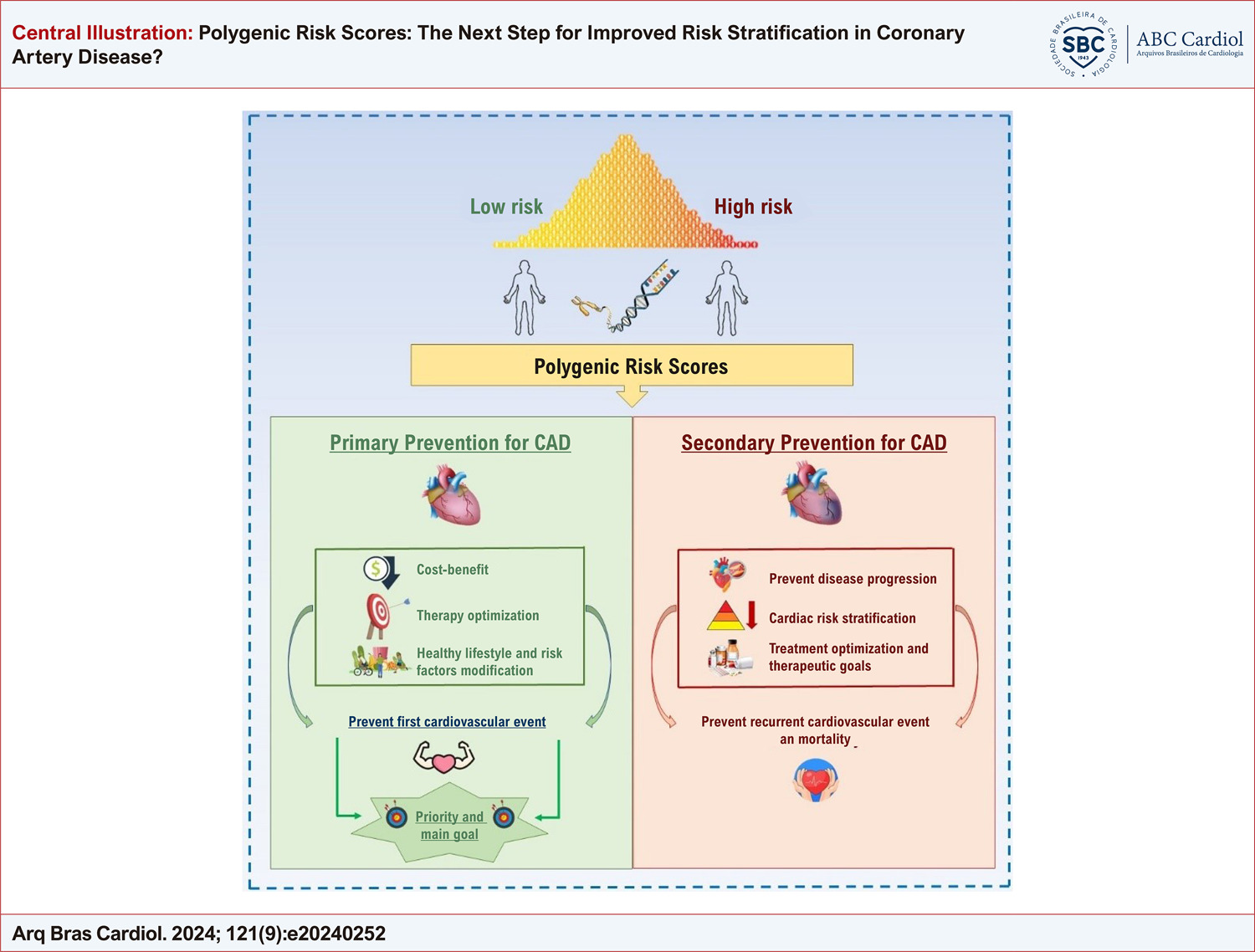
Despite significant advances in the management of coronary artery disease (CAD) and reductions in annual mortality rates in recent decades, this disease remains the leading cause of death worldwide. Consequently, there is an ongoing need for efforts to address this situation. Current clinical algorithms to identify at-risk patients are particularly inaccurate in moderate-risk individuals. For this reason, the need for ancillary tests has been suggested, including predictive genetic screening. As genetic studies rapidly expand and genomic data becomes more accessible, numerous genetic risk scores have been proposed to identify and evaluate an individual’s susceptibility to developing diseases, including CAD. The field of genetics has indeed made substantial contributions to risk prediction, particularly in cases where children have parents with premature CAD, resulting in an increased risk of up to 75%. The polygenic risk scores (PRSs) have emerged as a potentially valuable tool for understanding and stratifying an individual’s genetic risk. The PRS is calculated as a weighted sum of single-nucleotide variants present throughout the human genome, identifiable through genome-wide association studies, and associated with various cardiometabolic diseases. The use of PRSs holds promise, as it enables the development of personalized strategies for preventing or diagnosing specific pathologies early. Furthermore, it can complement existing clinical scores, increasing the accuracy of individual risk prediction. Consequently, the application of PRSs has the potential to impact the costs and adverse outcomes associated with CAD positively. This narrative review provides an overview of the role of PRSs in the context of CAD.
  • Cardiovascular Diseases
  • Coronary Artery Disease
  • Human Genome
  • Risk
Read Full Article
Creative Commons Attribution (CC BY) Creative Commons license
23/09/2024 DOI: 10.36660/abc.20240252i Views 1
Figure 1
ABCIC
Review Article

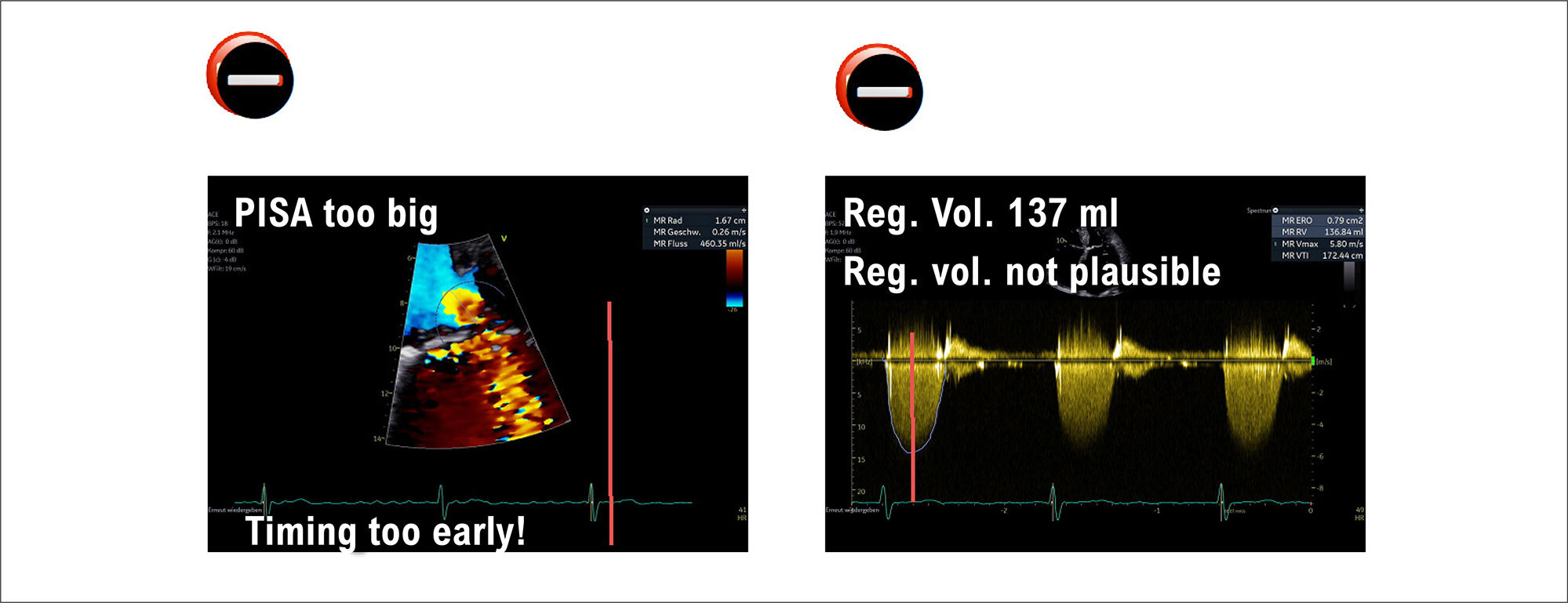
My Approach to PISA EROA in Mitral Regurgitation: A Critical Review

Nicolas Merke

Abstract

Mitral valve regurgitation is the most common valvular heart disease. In order to guide proper therapy, it is paramount to follow and use the guideline-recommended echocardiographic tools. The flow convergent method, which calculates the effective regurgitant orifice area and the regurgitant volume, plays an important role in the diagnostic workup and is widely used by echocardiographers and sonographers. Only by knowing the correct application and avoiding its pitfalls can we guarantee comprehensive and plausible values. This critical review will show in a step-by-step manner all critical moments by applying the Proximal Isovelocity Surface Area (PISA) and Effective Regurgitant Opening Area (EROA) method.

  • Heart Valve Diseases
  • Mitral Valve Insufficiency
  • Risk
Read Full Article
Creative Commons Attribution (CC BY) Creative Commons license
13/09/2024 DOI: 10.36660/abcimg.20240061i Views 1
What do Cardiologists Expect from Imaging For Ischemic Heart Disease in Women
ABCIC
Review Article

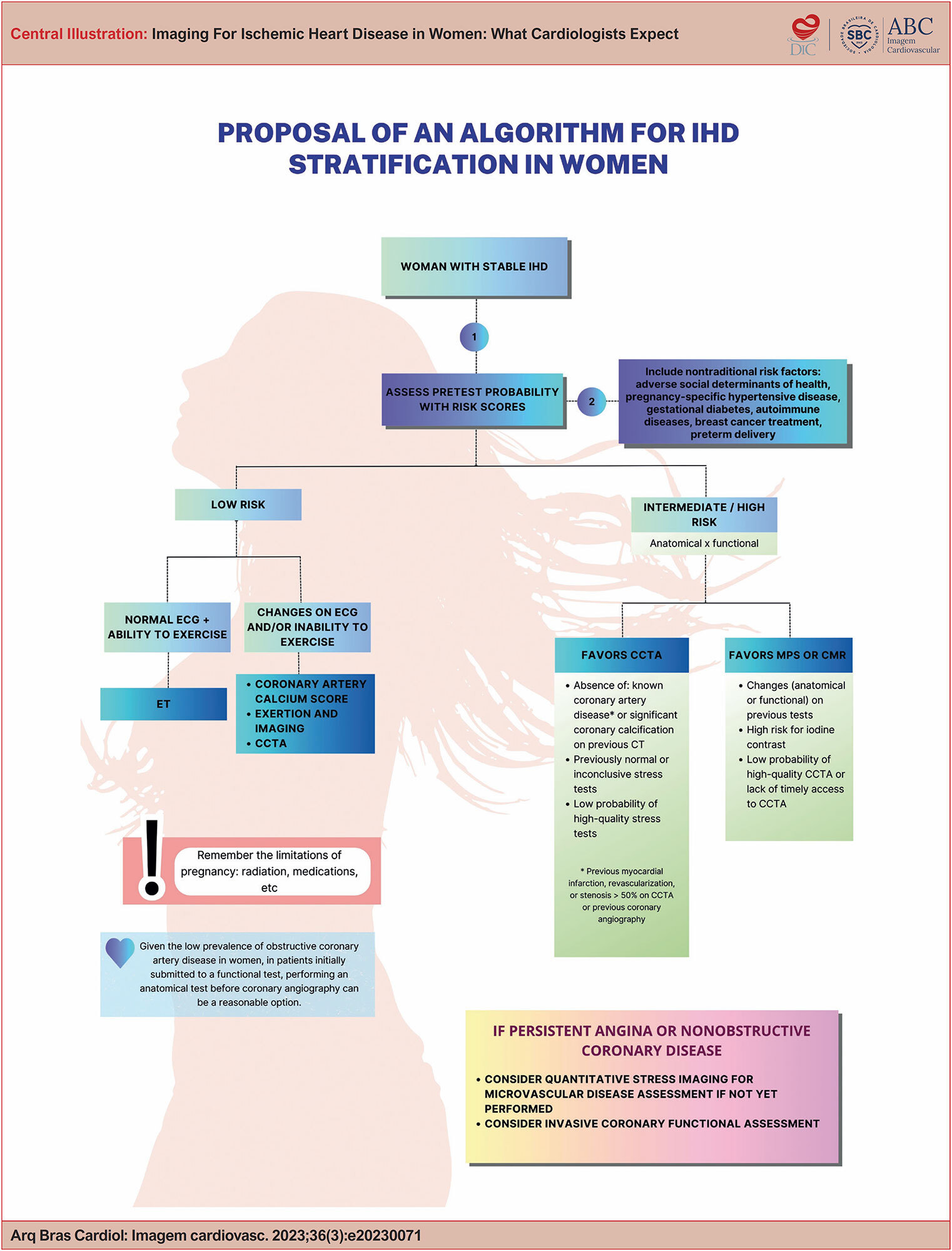
What do Cardiologists Expect from Imaging For Ischemic Heart Disease in Women

Maria Cristina Costa de Almeida et al. Claudia Maria Vilas Freire Larissa Espíndola Neto Gláucia Maria Moraes de Oliveira

Abstract

Ischemic heart disease (IHD) is an important cause of morbidity and mortality in women and men. This paper emphasizes the differences of IHD in women, focusing on the diagnostic investigation in its stable phase.

The higher prevalence of atypical symptoms, anatomical differences, and adverse psychosocial aspects, in addition to the association of specific risk factors regarding obstetrical history, requires an accurate clinical assessment and a targeted diagnostic investigation that consider the limitations, as well as the positive and negative predictive values of the methods. Because of breast exposure, tests involving radiation should be reconsidered in selected cases.

It is worth emphasizing that non-cardiological tests often performed in women, such as mammography, provide an opportunity to assess CVR at early ages or even in patients with few traditional risk factors.

Complementary tests for microcirculation assessment should be used in cases of proven ischemia in the absence of obstructive coronary artery disease, which is known to be more frequent in women.

  • Multimodal Imaging
  • Myocardial Ischemia
  • Risk
  • Women
Read Full Article
Creative Commons Attribution (CC BY) Creative Commons license
02/10/2023 DOI: 10.36660/abcimg.20230071i Views 3
ABC
Letter to the Editor

Incidence of Atrial High-Rate Episodes in Chagas Disease Patients

Emanoela Lima Freitas et al. Elieusa e Silva Sampaio Roque Aras

A

t

[…]

  • Atrial Fibrillation/complications
  • Cardiac Pacing, Artificial/methods
  • Chagas Disease/complications
  • Defibrillators, Implantable
  • Risk
  • Stroke/etiology
Read Full Article
Creative Commons Attribution (CC BY) Creative Commons license
01/04/2018 DOI: 10.5935/abc.20180060 Views 1
Prospective validation of the dante pazzanese risk score in non-ST-segment elevation acute coronary syndrome
ABC
Artigo Original

Prospective validation of the dante pazzanese risk score in non-ST-segment elevation acute coronary syndrome

Elizabete Silva dos Santos et al. Luiz Minuzzo Roberta de Souza Ari Timerman

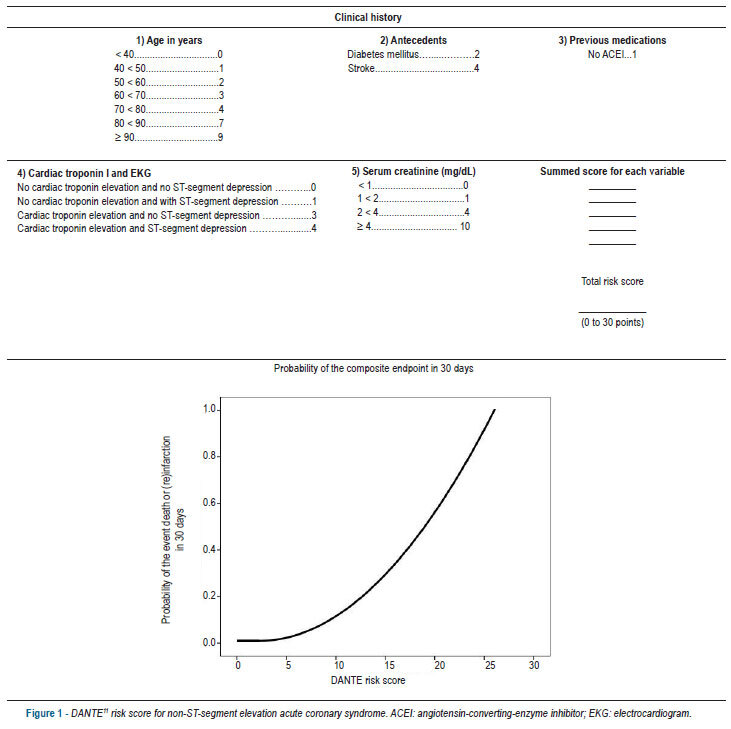
BACKGROUND: In non-ST-segment elevation acute coronary syndrome (ACS), the likelihood of adverse events should be estimated. Guidelines recommend risk stratification models for that purpose. The Dante Pazzanese risk score (DANTE score) is a simple risk stratification model composed with the following variables: age increase (0 to 9 points); history of diabetes mellitus (2 points) or stroke (4 points); no use of angiotensin-converting-enzyme inhibitor (1 point); creatinine elevation (0 to 10 points); combination of troponin elevation and ST-segment depression (0 to 4 points). OBJECTIVE: To validate the DANTE score in patients with non-ST-segment elevation ACS. METHODS: Prospective, observational study including 457 patients, from September 2009 to October 2010. The patients were grouped in risk categories according to the original model score as follows: very low; low; intermediate; and high. The predictive ability of the score was assessed by using C-statistics. RESULTS: The sample comprised 291 (63.7%) men, the mean age being 62.1 years (SD=11.04). The event death or (re)infarction in 30 days was observed in 17 patients (3.7%). Progressive increase in the proportion of events was observed as the score increased: very low risk = 0.0%; low risk = 3.9%; intermediate risk = 10.9%; high risk = 60.0%; p < 0.0001. C-statistics was 0.87 (95% CI: 0.81-0.94; p < 0.0001). CONCLUSION: DANTE score showed an excellent capacity to predict the specific events, and can be incorporated to the prognostic assessment of patients with non-ST-segment elevation ACS.

  • Acute coronary syndrome
  • Probability
  • Propensity Score
  • Risk
  • Validation Studies
Read Full Article
Creative Commons Attribution (CC BY) Creative Commons license
14/08/2013 DOI: 10.5935/abc.20130163 Views 2
ABC
Point of view

Inclusion of the risk score in decision making of valvular heart disease

Ricardo Casalino et al. Max Grinberg

Clinical facts and numerical data support interpretations of quality of life and survival in patients with valvular heart disease. Such data are useful in decision making regarding the interruption of natural history and replacement by a hemodynamic post-correction history. Interdisciplinary competence and expertise are required to maximize the necessary and possible results. However, the ideal of recommendations to achieve the highest degree of therapeutic satisfaction by patients with valvular heart disease is influenced by a set of variables, related in part to the specifications of the patient, and part to the limitations of methods. The rationale of the risk score validated for multiple markers is the addition of quantitative accuracy to the clinical assessment based on the heterogeneity of individual experience and intuition. In this context, the use of risk scores to predict postoperative mortality are useful tools, easy to apply and that gives us objective data on the patient’s situation. None of the available tools (EuroSCORE, STS score and Ambler Score) used in healthcare has been validated has in our population.

  • Heart Valve Diseases
  • Probability
  • Propensity Score
  • Risk
Read Full Article
Creative Commons Attribution (CC BY) Creative Commons license
08/08/2012 DOI: 10.1590/S0066-782X2012000600018
Cardiovascular risks of androgen deprivation therapy
ABC
Revisão

Cardiovascular risks of androgen deprivation therapy

Adriano Freitas Ribeiro et al. César Camara Carlos Alexandre Segre Miguel Srougi Carlos V. Serrano Jr

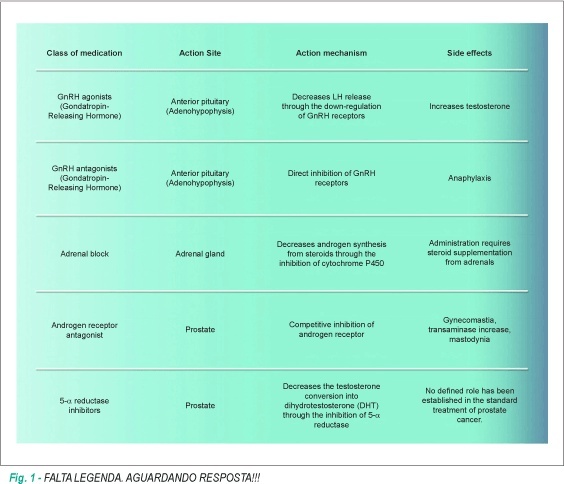
Prostate adenocarcinoma is the most common cancer type in the male sex after skin cancer. Among the several types of treatment for prostate cancer, the androgen deprivation therapy has been highly recommended in patients with metastatic or locally advanced disease, which probably results in increased survival. However, the androgen deprivation is the cause of several adverse effects. Complications such as osteoporosis, sexual dysfunction, gynecomastia, anemia and body composition alterations are well-known effects of the therapy. Recently, a number of metabolic complications have been described, such as increase in the abdominal circumference, insulin resistance, hyperglycemia, diabetes, dyslipidemia and metabolic syndrome, with a consequent increase in the risk of coronary events and cardiovascular mortality in this specific population. This update article presents a literature review carried out at MEDLINE database of all literature published in English from 1966 to June 2009, using the following key words: androgen deprivation therapy, androgen suppression therapy, hormone treatment, prostate cancer, metabolic syndrome and cardiovascular disease, with the objective of analyzing which would be the actual cardiovascular risks of androgen deprivation therapy, also called androgen suppression, in patients with prostate cancer.

  • Androgens
  • Cardiovascular Diseases
  • endocrine system diseases
  • Hormones
  • Risk
Read Full Article
Creative Commons Attribution (CC BY) Creative Commons license
13/10/2010 DOI: 10.1590/S0066-782X2010001300019 Views 1
Nonsteroidal anti-inflammatory drugs: cardiovascular, cerebrovascular and renal effects
ABC
Revisão

Nonsteroidal anti-inflammatory drugs: cardiovascular, cerebrovascular and renal effects

Michel Batlouni

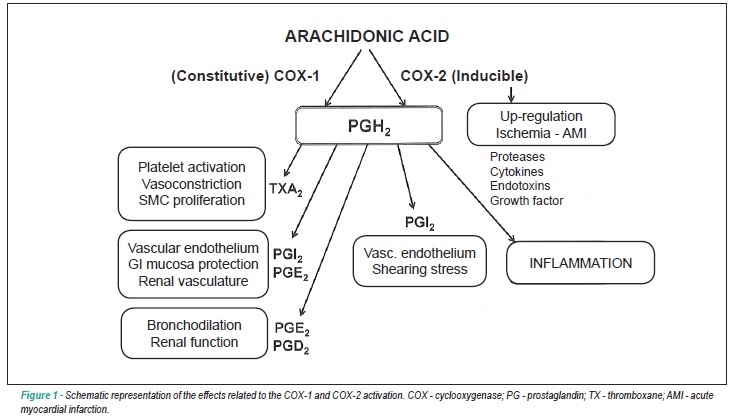
The nonsteroidal anti-inflammatory drugs (NSAIDs) are among the most often prescribed drugs in the world. This heterogeneous class of drugs includes aspirin and several other selective or non-selective cyclooxygenase (COX) inhibitors. The non-selective NSAIDs are the oldest ones and are called traditional or conventional NSAIDs. The selective NSAIDs are called COX-2 inhibitors. In recent years, the safety of NSAID use in clinical practice has been questioned, especially that of the selective COX-2 inhibitors. The evidence on the increase in cardiovascular risk with the use of NSAIDs is still scarce, due to the lack of randomized and controlled studies with the capacity of evaluating relevant cardiovascular outcomes. However, the results of prospective clinical trials and meta-analyses indicate that the selective COX-2 inhibitors present important adverse cardiovascular effects, which include increased risk of myocardial infarction, cerebrovascular accident, heart failure, kidney failure and arterial hypertension. The risk of these adverse effects is higher among patients with a previous history of cardiovascular disease or those at high risk to develop it. In these patients, the use of COX-2 inhibitors must be limited to those for which there is no appropriate alternative and, even in these cases, only at low doses and for as little time as possible. Although the most frequent adverse effects have been related to the selective COX-2 inhibition, the absence of selectiveness for this isoenzyme does not completely eliminate the risk of cardiovascular events; therefore, all drugs belonging to the large spectrum of NSAIDs should only be prescribed after consideration of the risk/benefit balance.

  • Anti-inflammatory agents, non-steroidal
  • physiological effects of drugs
  • Risk
Read Full Article
Creative Commons Attribution (CC BY) Creative Commons license
22/09/2010 DOI: 10.1590/S0066-782X2010000400019
Validation of a score for predicting bleeding events during acute coronary syndromes
ABC
Artigo Original

Validation of a score for predicting bleeding events during acute coronary syndromes

Luis C. L. Correia et al. Saulo Merelles Ana Vasconcelos Thais Cerqueira … Tiago Reis Carolina Esteves José C. Lima J. Péricles Esteves

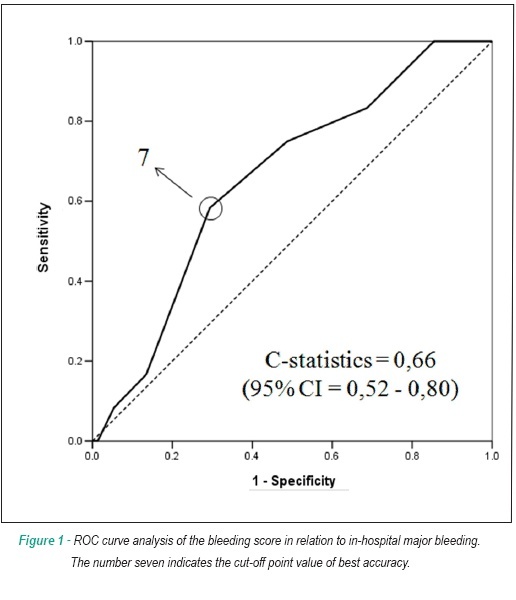
BACKGROUND: Bleeding is a major complication in patients treated for acute coronary syndromes (ACS) with antithrombotic and invasive therapies. Consequently, the benefit of such therapies should be balanced against the potential risk of hemorrhagic complications. Therefore, a score to estimate individual risk of bleeding might represent an important tool in clinical decision-making. OBJECTIVE: This study aims to create and validate a bleeding risk score for patients with ACS. METHODS: Independent predictors of bleeding reported by the GRACE Registry were utilized. Variables with odds ratio (OR) > 2.5 in that Registry added 3 points (previous history of bleeding), OR = 1.5-2.4 added 2 points (creatinine clearance < 30 ml/min, female gender) and those with OR 30, ST-deviation, peripheral artery disease and smoking). The score was validated in a cohort of 383 individuals with ACS. In-hospital bleeding was defined as hematocrit fall > 10%, blood transfusion > 2 units, intracerebral bleeding or fatal bleeding. RESULTS: The incidence of bleeding events was 3.1% and the score’s C-statistics was 0.66 (95% CI = 0.52-0.80), indicating a predictive ability towards these events. Those with a score > 7 had 6% incidence of bleeding, compared with 1.9% if the score was 7 and greater risk imposed by treatment with Clopidogrel (p = 0.02), IIb/IIIa blockers (p = 0.06) and surgical revascularization (p < 0.001). CONCLUSION: The score discriminates bleeding risk and is potentially useful in clinical decision-making during ACS.

  • Acute coronary syndrome
  • Hemorrhage
  • Risk
Read Full Article
Creative Commons Attribution (CC BY) Creative Commons license
13/08/2010 DOI: 10.1590/S0066-782X2010005000107
Determinants of C-reactive protein in individuals with very low socioeconomic status
ABC
Artigo Original

Determinants of C-reactive protein in individuals with very low socioeconomic status

Luis C. L. Correia et al. Rafaela Penalva Helena Correia Ana M. Ladeia … Marta Menezes Isaac Suzart Agnaluce Moreira José Carlos Lima Bernardo Galvão Armênio C. Guimarães

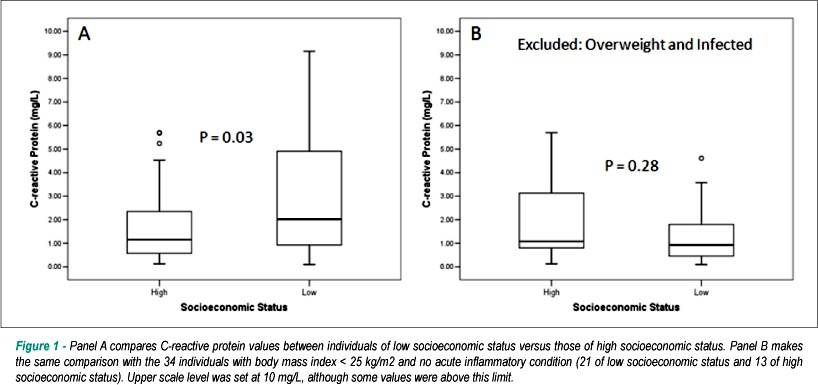
BACKGROUND: Low socioeconomic (SE) status has been associated to inflammation and predictors of C-reactive protein (CRP) have been investigated by studies performed in developed countries. This study aimed to identify predictors of CRP in individuals of very low SE level in a developing country and evaluate whether CRP is related to SE status in this scenario. OBJECTIVE: Eight-two individuals of very low SE level were recruited from a poor, semi-rural community in Brazil. Thirty-two individuals of high socioeconomic level comprised a comparison sample. High-sensitivity CRP was measured by nephelometry. METHODS: Eight-two individuals of very low SE level were recruited from a poor, semi-rural community in Brazil. Thirty-two individuals of high socioeconomic level comprised a comparison sample. High-sensitivity CRP was measured by nephelometry. RESULTS: In the low SE individuals, independent predictors of CRP were body mass index > 25 Kg/m² (P<0.001), smoking (P=0.005) and acute infection conditions (P=0.049). The low SE group (median=2.02 mg/l; interquartile range 0.92 – 4.95 mg/dl) had higher CRP levels compared to the high SE group (1.16 mg/l, interquartile range 0.55 – 2.50 mg/dl, P=0.03). Body mass index tended to be higher (27 ± 4.9 kg/m² vs 25.5 ± 3.2 kg/m²; P=0.07) and the prevalence of acute infection greater (32% vs 3%, P=0.002) in the low SE group. After overweight individuals and those with infectious conditions were excluded, the CRP levels were similar between the groups with low and high SE levels (0.93 mg/l vs 1.08 mg/l, P=0.28). CONCLUSION: Adiposity, infection conditions and smoking are predictors of CRP in individuals with very low SE level. The first two factors determine greater level of inflammation in low SE individuals when compared to the high SE counterparts.

  • Cardiovascular Diseases
  • Inflammation
  • Protein C
  • Risk
  • Social Class
Read Full Article
Creative Commons Attribution (CC BY) Creative Commons license
05/05/2010 DOI: 10.1590/S0066-782X2010000200012
Proposed preoperative risk score for patients candidate to cardiac valve surgery
ABC
Artigo Original

Proposed preoperative risk score for patients candidate to cardiac valve surgery

João Carlos Vieira da Costa Guaragna et al. Luiz Carlos Bodanese Fabiana Lucas Bueno Marco Antonio Goldani

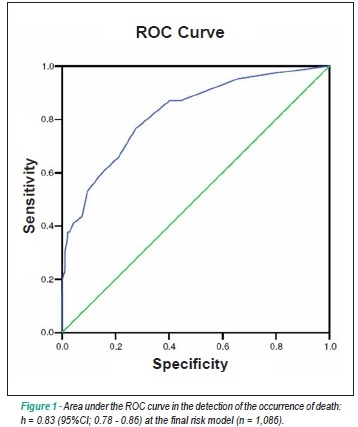
BACKGROUND: To establish a risk score for heart surgery allows the assessment of preoperative risk, informing the patient and defining care during the intervention. OBJECTIVE: To assess preoperative risk factors for death in cardiac valve surgery and construct a simple risk model (score) for in-hospital mortality of patients candidate to surgery at Hospital São Lucas of Pontifícia Universidade Católica do Rio Grande do Sul (HSL-PUCRS). METHODS: The study sample included 1,086 adult patients that underwent cardiac valve surgery between January 1996 and December 2007 at HSL-PUCRS. Logistic regression was used to identify risk and in-hospital mortality factors. The model was developed in 699 patients and its performance was tested in the remaining data (n = 387). The final model was created using the total study sample (n = 1,086). RESULTS: Global mortality was 11.8%: 8.8% of elective cases and 63.8% of emergency cases. At the multivariate analysis, 9 variables remained independent predictors for the outcome: advanced age, surgical priority, female sex, ejection fraction 2.5 mg/dl or undergoing dialysis). The area under the ROC curve was 0.83 (95% CI: 0.78-0.86). The risk model showed good capacity for observed/predicted mortality: the Hosmer-Lemeshow test was x² = 5.61; p = 0.691 and r = 0.98 (Pearson’s coefficient). CONCLUSION: The variables predictive of in-hospital mortality allowed the construction of a simplified risk score for daily practice, which classifies the patient as having low, moderate, high, very high and extremely high preoperative risk.

  • Heart valves
  • Preoperative Care
  • Probability
  • Risk
  • Thoracic Surgery
Read Full Article
Creative Commons Attribution (CC BY) Creative Commons license
23/04/2010 DOI: 10.1590/S0066-782X2010005000026 Views 2
ABC
Artigo Original

Practical use of a risk assessment model for complications after cardiac surgery

Tânia Mara Varejão Strabelli et al. Noedir Antonio Groppo Stolf David Everson Uip

BACKGROUND: The identification of risk factors for postoperative complications in cardiac patients with surgical indication may influence the therapeutic decision. OBJECTIVE: To describe the experience of a Cardiology hospital in the validation and practical use of a preoperative risk score. METHODS:To validate TUMAN’s score, chosen by considering morbidity and mortality, 300 adult patients were prospectively evaluated before elective cardiac surgery with the use of extracorporeal circulation (ECC). Patients with a score of zero to five were considered as being low risk; from six to nine, as moderate risk and a score higher than 10 as high risk for cardiac, infectious, neurological, pulmonary and renal complications, as well as death. RESULTS: The TUMAN classification showed a statistically significant association with the occurrence of infectious complications (p = 0.010), with the other postoperative complications (p = 0.034) and death (p <0.001). Pulmonary infection was the most frequent infectious complication (15.3%) and Infected patients had a longer ICU stay duration (p = 0.001) and more prolonged hospitalization (p = 0001). After routine use, a new review of 154 patients operated in 2005, confirmed the validity of this score in the identification of those with the highest risk of postoperative infections. CONCLUSION: TUMAN's score was chosen as it uses variables that can be promptly obtained, classifies in the same system the most frequently performed surgeries and predicts risk of postoperative complications, in addition to mortality. Its continued use in this hospital has been able to identify the group of patients with increased risk of complications, especially infectious ones, although it was not useful in the prediction of individual risk.

  • Infection
  • postoperative complications
  • Risk
  • Thoracic Surgery
Read Full Article
Creative Commons Attribution (CC BY) Creative Commons license
05/01/2009 DOI: 10.1590/S0066-782X2008001700010
A risk score for predicting peripheral arterial disease in individuals 75 years or older
ABC
Artigo Original

A risk score for predicting peripheral arterial disease in individuals 75 years or older

Marcia Makdisse et al. Luiz Roberto Ramos Frederico Moreira Anderson Oliveira … Otavio Berwanger Alcione Moscardi Virginia Junqueira Evandro Rodrigues Antonio Carlos Carvalho

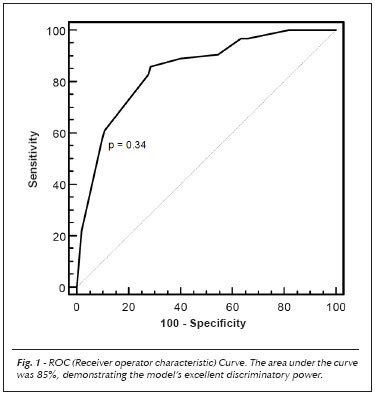
BACKGROUND: The prevalence of peripheral arterial disease (PAD) in the elderly is high. Most are asymptomatic and the sensitivity of the physical exam is low. In Brazil, little is known in regard to PAD risk factors in the elderly. OBJECTIVES: To identify risk factors for PAD among elderly individuals (> 75 years) in the community and to develop a prediction score. METHODS: Cross-sectional, prospective, community-based study nested within a cohort study (“Epidoso”). A total of 176 individuals were assessed. PAD was defined as an ankle-brachial index <0.9. Risk factors associated with PAD were entered into a multivariate logistic regression model. Statistical modeling was used to formulate a score according to the likelihood of PAD. A p value 18 points defined the “high risk” individuals and yielded sensitivity, specificity, positive predictive value and negative predictive value of 85.9%, 71.4%, 63.2% and 89.9%, respectively. Receiver-operator characteristic analysis yielded area under curve of 85%, indicating excellent discrimination and goodness-of-fit statistics indicated excellent calibration (p=0.639). CONCLUSION: Because of its good performance, the proposed score can become a simple and useful tool to identify elderly community residents at higher risk of PAD who should be considered for further investigation.

  • Aged
  • Arterial occlusive diseases
  • Risk
Read Full Article
Creative Commons Attribution (CC BY) Creative Commons license
23/07/2007 DOI: 10.1590/S0066-782X2007000600002 Views 1

How to cite this article

EndNote RIS

Electronic Document Format (Vancouver)

Stein R, Ferrari F, García-Giustiniani D. Polygenic Risk Scores: The Next Step for Improved Risk Stratification in Coronary Artery Disease?. Arquivos Brasileiros de Cardiologia 2024;121(9):e20240252.

Electronic Document Format (ABNT)

Stein, Ricardo; Ferrari, Filipe; García-Giustiniani, Diego. Polygenic Risk Scores: The Next Step for Improved Risk Stratification in Coronary Artery Disease?. Arquivos Brasileiros de Cardiologia, v. 121, n. 9, e20240252, Sep. 2024.

Electronic Document Format (APA)

Stein, R., Ferrari, F., & García-Giustiniani, D. (2024). Polygenic Risk Scores: The Next Step for Improved Risk Stratification in Coronary Artery Disease?. Arquivos Brasileiros de Cardiologia, 121(9), e20240252.

Electronic Document Format (ISO)

Stein, Ricardo and Ferrari, Filipe and García-Giustiniani, Diego. Polygenic Risk Scores: The Next Step for Improved Risk Stratification in Coronary Artery Disease?. Arquivos Brasileiros de Cardiologia [online]. 2024, vol. 121, n. 9, [cited 2026-10-15], e20240252. Available from: <https://journals.cardiol.br/en/article/polygenic-risk-scores-the-next-step-for-improved-risk-stratification-in-coronary-artery-disease/>. ISSN 0066-782X

EndNote RIS

Electronic Document Format (Vancouver)

Merke N. My Approach to PISA EROA in Mitral Regurgitation: A Critical Review. ABC Imagem Cardiovascular 2024;37(3):e20240061.

Electronic Document Format (ABNT)

Merke, Nicolas. My Approach to PISA EROA in Mitral Regurgitation: A Critical Review. ABC Imagem Cardiovascular, v. 37, n. 3, e20240061, Sep. 2024.

Electronic Document Format (APA)

Merke, N. (2024). My Approach to PISA EROA in Mitral Regurgitation: A Critical Review. ABC Imagem Cardiovascular, 37(3), e20240061.

Electronic Document Format (ISO)

Merke, Nicolas. My Approach to PISA EROA in Mitral Regurgitation: A Critical Review. ABC Imagem Cardiovascular [online]. 2024, vol. 37, n. 3, [cited 2026-10-15], e20240061. Available from: <https://journals.cardiol.br/en/article/my-approach-to-pisa-eroa-in-mitral-regurgitation-a-critical-review/>. ISSN 2318-8219

EndNote RIS

Electronic Document Format (Vancouver)

Almeida MCC, Freire CMV, Espíndola Neto L, Oliveira GMM. What do Cardiologists Expect from Imaging For Ischemic Heart Disease in Women. ABC Imagem Cardiovascular 2023;36(3):e20230071.

Electronic Document Format (ABNT)

Almeida, Maria Cristina Costa de; Freire, Claudia Maria Vilas; Espíndola Neto, Larissa; Oliveira, Gláucia Maria Moraes de. What do Cardiologists Expect from Imaging For Ischemic Heart Disease in Women. ABC Imagem Cardiovascular, v. 36, n. 3, e20230071, Oct. 2023.

Electronic Document Format (APA)

Almeida, M. C. C. , Freire, C. M. V., Espíndola Neto, L., & Oliveira, G. M. M. (2023). What do Cardiologists Expect from Imaging For Ischemic Heart Disease in Women. ABC Imagem Cardiovascular, 36(3), e20230071.

Electronic Document Format (ISO)

Almeida, Maria Cristina Costa de and Freire, Claudia Maria Vilas and Espíndola Neto, Larissa and Oliveira, Gláucia Maria Moraes de. What do Cardiologists Expect from Imaging For Ischemic Heart Disease in Women. ABC Imagem Cardiovascular [online]. 2023, vol. 36, n. 3, [cited 2026-10-15], e20230071. Available from: <https://journals.cardiol.br/en/article/what-do-cardiologists-expect-from-imaging-for-ischemic-heart-disease-in-women/>. ISSN 2318-8219

EndNote RIS

Electronic Document Format (Vancouver)

Freitas EL, Sampaio ES, Aras R. Incidence of Atrial High-Rate Episodes in Chagas Disease Patients. Arquivos Brasileiros de Cardiologia 2018;110(4):399.

Electronic Document Format (ABNT)

Freitas, Emanoela Lima; Sampaio, Elieusa e Silva; Aras, Roque. Incidence of Atrial High-Rate Episodes in Chagas Disease Patients. Arquivos Brasileiros de Cardiologia, v. 110, n. 4, p. 399-399, Mar. 2018.

Electronic Document Format (APA)

Freitas, E. L., Sampaio, E. S., & Aras, R. (2018). Incidence of Atrial High-Rate Episodes in Chagas Disease Patients. Arquivos Brasileiros de Cardiologia, 110(4), 399-399.

Electronic Document Format (ISO)

Freitas, Emanoela Lima and Sampaio, Elieusa e Silva and Aras, Roque. Incidence of Atrial High-Rate Episodes in Chagas Disease Patients. Arquivos Brasileiros de Cardiologia [online]. 2018, vol. 110, n. 4, [cited 2026-10-15], pp. 399-399. Available from: <https://journals.cardiol.br/en/article/incidence-of-atrial-high-rate-episodes-in-chagas-disease-patients/>. ISSN 0066-782X

EndNote RIS

Electronic Document Format (Vancouver)

Santos ES, Minuzzo L, Souza R, Timerman A. Prospective validation of the dante pazzanese risk score in non-ST-segment elevation acute coronary syndrome. Arquivos Brasileiros de Cardiologia 2013;101(3):197-204.

Electronic Document Format (ABNT)

Santos, Elizabete Silva dos; Minuzzo, Luiz; Souza, Roberta de; Timerman, Ari. Prospective validation of the dante pazzanese risk score in non-ST-segment elevation acute coronary syndrome. Arquivos Brasileiros de Cardiologia, v. 101, n. 3, p. 197-204, Aug. 2013.

Electronic Document Format (APA)

Santos, E. S. , Minuzzo, L., Souza, R. , & Timerman, A. (2013). Prospective validation of the dante pazzanese risk score in non-ST-segment elevation acute coronary syndrome. Arquivos Brasileiros de Cardiologia, 101(3), 197-204.

Electronic Document Format (ISO)

Santos, Elizabete Silva dos and Minuzzo, Luiz and Souza, Roberta de and Timerman, Ari. Prospective validation of the dante pazzanese risk score in non-ST-segment elevation acute coronary syndrome. Arquivos Brasileiros de Cardiologia [online]. 2013, vol. 101, n. 3, [cited 2026-10-15], pp. 197-204. Available from: <https://journals.cardiol.br/en/article/prospective-validation-of-the-dante-pazzanese-risk-score-in-non-st-segment-elevation-acute-coronary-syndrome/>. ISSN 0066-782X

EndNote RIS

Electronic Document Format (Vancouver)

Casalino R, Grinberg M. Inclusion of the risk score in decision making of valvular heart disease. Arquivos Brasileiros de Cardiologia 2012;98(6):e102-4.

Electronic Document Format (ABNT)

Casalino, Ricardo; Grinberg, Max. Inclusion of the risk score in decision making of valvular heart disease. Arquivos Brasileiros de Cardiologia, v. 98, n. 6, p. e102-e104, Aug. 2012.

Electronic Document Format (APA)

Casalino, R., & Grinberg, M. (2012). Inclusion of the risk score in decision making of valvular heart disease. Arquivos Brasileiros de Cardiologia, 98(6), e102-e104.

Electronic Document Format (ISO)

Casalino, Ricardo and Grinberg, Max. Inclusion of the risk score in decision making of valvular heart disease. Arquivos Brasileiros de Cardiologia [online]. 2012, vol. 98, n. 6, [cited 2026-10-15], pp. e102-e104. Available from: <https://journals.cardiol.br/en/article/inclusion-of-the-risk-score-in-decision-making-of-valvular-heart-disease/>. ISSN 0066-782X

EndNote RIS

Electronic Document Format (Vancouver)

Ribeiro AF, Camara C, Segre CA, Srougi M, Serrano Jr CV. Cardiovascular risks of androgen deprivation therapy. Arquivos Brasileiros de Cardiologia 2010;95(3):412-5.

Electronic Document Format (ABNT)

Ribeiro, Adriano Freitas; Camara, César; Segre, Carlos Alexandre; Srougi, Miguel; Serrano Jr, Carlos V.. Cardiovascular risks of androgen deprivation therapy. Arquivos Brasileiros de Cardiologia, v. 95, n. 3, p. 412-415, Oct. 2010.

Electronic Document Format (APA)

Ribeiro, A. F., Camara, C., Segre, C. A., Srougi, M., & Serrano Jr, C. V. (2010). Cardiovascular risks of androgen deprivation therapy. Arquivos Brasileiros de Cardiologia, 95(3), 412-415.

Electronic Document Format (ISO)

Ribeiro, Adriano Freitas and Camara, César and Segre, Carlos Alexandre and Srougi, Miguel and Serrano Jr, Carlos V.. Cardiovascular risks of androgen deprivation therapy. Arquivos Brasileiros de Cardiologia [online]. 2010, vol. 95, n. 3, [cited 2026-10-15], pp. 412-415. Available from: <https://journals.cardiol.br/en/article/cardiovascular-risks-of-androgen-deprivation-therapy/>. ISSN 0066-782X

EndNote RIS

Electronic Document Format (Vancouver)

Batlouni M. Nonsteroidal anti-inflammatory drugs: cardiovascular, cerebrovascular and renal effects. Arquivos Brasileiros de Cardiologia 2010;94(4):556-63.

Electronic Document Format (ABNT)

Batlouni, Michel. Nonsteroidal anti-inflammatory drugs: cardiovascular, cerebrovascular and renal effects. Arquivos Brasileiros de Cardiologia, v. 94, n. 4, p. 556-563, Sep. 2010.

Electronic Document Format (APA)

Batlouni, M. (2010). Nonsteroidal anti-inflammatory drugs: cardiovascular, cerebrovascular and renal effects. Arquivos Brasileiros de Cardiologia, 94(4), 556-563.

Electronic Document Format (ISO)

Batlouni, Michel. Nonsteroidal anti-inflammatory drugs: cardiovascular, cerebrovascular and renal effects. Arquivos Brasileiros de Cardiologia [online]. 2010, vol. 94, n. 4, [cited 2026-10-15], pp. 556-563. Available from: <https://journals.cardiol.br/en/article/nonsteroidal-anti-inflammatory-drugs-cardiovascular-cerebrovascular-and-renal-effects/>. ISSN 0066-782X

EndNote RIS

Electronic Document Format (Vancouver)

Correia LCL, Merelles S, Vasconcelos A, Cerqueira T, Reis T, Esteves C, Lima JC, et al. Validation of a score for predicting bleeding events during acute coronary syndromes. Arquivos Brasileiros de Cardiologia 2010;95(4):457-63.

Electronic Document Format (ABNT)

Correia, Luis C. L.; Merelles, Saulo; Vasconcelos, Ana; Cerqueira, Thais; Reis, Tiago; Esteves, Carolina; Lima, José C.; Esteves, J. Péricles. Validation of a score for predicting bleeding events during acute coronary syndromes. Arquivos Brasileiros de Cardiologia, v. 95, n. 4, p. 457-463, Aug. 2010.

Electronic Document Format (APA)

Correia, L. C. L., Merelles, S., Vasconcelos, A., Cerqueira, T., Reis, T., Esteves, C., Lima, J. C., & Esteves, J. P. (2010). Validation of a score for predicting bleeding events during acute coronary syndromes. Arquivos Brasileiros de Cardiologia, 95(4), 457-463.

Electronic Document Format (ISO)

Correia, Luis C. L. and Merelles, Saulo and Vasconcelos, Ana and Cerqueira, Thais and Reis, Tiago and Esteves, Carolina and Lima, José C. and Esteves, J. Péricles. Validation of a score for predicting bleeding events during acute coronary syndromes. Arquivos Brasileiros de Cardiologia [online]. 2010, vol. 95, n. 4, [cited 2026-10-15], pp. 457-463. Available from: <https://journals.cardiol.br/en/article/validation-of-a-score-for-predicting-bleeding-events-during-acute-coronary-syndromes/>. ISSN 0066-782X

EndNote RIS

Electronic Document Format (Vancouver)

Correia LCL, Penalva R, Correia H, Ladeia AM, Menezes M, Suzart I, Moreira A, et al. Determinants of C-reactive protein in individuals with very low socioeconomic status. Arquivos Brasileiros de Cardiologia 2010;94(2):216-23.

Electronic Document Format (ABNT)

Correia, Luis C. L.; Penalva, Rafaela; Correia, Helena; Ladeia, Ana M.; Menezes, Marta; Suzart, Isaac; Moreira, Agnaluce; Lima, José Carlos; Galvão, Bernardo; Guimarães, Armênio C.. Determinants of C-reactive protein in individuals with very low socioeconomic status. Arquivos Brasileiros de Cardiologia, v. 94, n. 2, p. 216-223, May. 2010.

Electronic Document Format (APA)

Correia, L. C. L., Penalva, R., Correia, H., Ladeia, A. M., Menezes, M., Suzart, I., Moreira, A., Lima, J. C., Galvão, B., & Guimarães, A. C. (2010). Determinants of C-reactive protein in individuals with very low socioeconomic status. Arquivos Brasileiros de Cardiologia, 94(2), 216-223.

Electronic Document Format (ISO)

Correia, Luis C. L. and Penalva, Rafaela and Correia, Helena and Ladeia, Ana M. and Menezes, Marta and Suzart, Isaac and Moreira, Agnaluce and Lima, José Carlos and Galvão, Bernardo and Guimarães, Armênio C.. Determinants of C-reactive protein in individuals with very low socioeconomic status. Arquivos Brasileiros de Cardiologia [online]. 2010, vol. 94, n. 2, [cited 2026-10-15], pp. 216-223. Available from: <https://journals.cardiol.br/en/article/determinants-of-c-reactive-protein-in-individuals-with-very-low-socioeconomic-status/>. ISSN 0066-782X

EndNote RIS

Electronic Document Format (Vancouver)

Guaragna JCVC, Bodanese LC, Bueno FL, Goldani MA. Proposed preoperative risk score for patients candidate to cardiac valve surgery. Arquivos Brasileiros de Cardiologia 2010;94(4):541-8.

Electronic Document Format (ABNT)

Guaragna, João Carlos Vieira da Costa; Bodanese, Luiz Carlos; Bueno, Fabiana Lucas; Goldani, Marco Antonio. Proposed preoperative risk score for patients candidate to cardiac valve surgery. Arquivos Brasileiros de Cardiologia, v. 94, n. 4, p. 541-548, Apr. 2010.

Electronic Document Format (APA)

Guaragna, J. C. V. C., Bodanese, L. C., Bueno, F. L., & Goldani, M. A. (2010). Proposed preoperative risk score for patients candidate to cardiac valve surgery. Arquivos Brasileiros de Cardiologia, 94(4), 541-548.

Electronic Document Format (ISO)

Guaragna, João Carlos Vieira da Costa and Bodanese, Luiz Carlos and Bueno, Fabiana Lucas and Goldani, Marco Antonio. Proposed preoperative risk score for patients candidate to cardiac valve surgery. Arquivos Brasileiros de Cardiologia [online]. 2010, vol. 94, n. 4, [cited 2026-10-15], pp. 541-548. Available from: <https://journals.cardiol.br/en/article/proposed-preoperative-risk-score-for-patients-candidate-to-cardiac-valve-surgery/>. ISSN 0066-782X

EndNote RIS

Electronic Document Format (Vancouver)

Strabelli TMV, Stolf NAG, Uip DE. Practical use of a risk assessment model for complications after cardiac surgery. Arquivos Brasileiros de Cardiologia 2009;91(5):342-7.

Electronic Document Format (ABNT)

Strabelli, Tânia Mara Varejão; Stolf, Noedir Antonio Groppo; Uip, David Everson. Practical use of a risk assessment model for complications after cardiac surgery. Arquivos Brasileiros de Cardiologia, v. 91, n. 5, p. 342-347, Jan. 2009.

Electronic Document Format (APA)

Strabelli, T. M. V., Stolf, N. A. G., & Uip, D. E. (2009). Practical use of a risk assessment model for complications after cardiac surgery. Arquivos Brasileiros de Cardiologia, 91(5), 342-347.

Electronic Document Format (ISO)

Strabelli, Tânia Mara Varejão and Stolf, Noedir Antonio Groppo and Uip, David Everson. Practical use of a risk assessment model for complications after cardiac surgery. Arquivos Brasileiros de Cardiologia [online]. 2009, vol. 91, n. 5, [cited 2026-10-15], pp. 342-347. Available from: <https://journals.cardiol.br/en/article/practical-use-of-a-risk-assessment-model-for-complications-after-cardiac-surgery/>. ISSN 0066-782X

EndNote RIS

Electronic Document Format (Vancouver)

Makdisse M, Ramos LR, Moreira F, Oliveira A, Berwanger O, Moscardi A, Junqueira V, et al. A risk score for predicting peripheral arterial disease in individuals 75 years or older. Arquivos Brasileiros de Cardiologia 2007;88(6):630-6.

Electronic Document Format (ABNT)

Makdisse, Marcia; Ramos, Luiz Roberto; Moreira, Frederico; Oliveira, Anderson; Berwanger, Otavio; Moscardi, Alcione; Junqueira, Virginia; Rodrigues, Evandro; Carvalho, Antonio Carlos. A risk score for predicting peripheral arterial disease in individuals 75 years or older. Arquivos Brasileiros de Cardiologia, v. 88, n. 6, p. 630-636, Jul. 2007.

Electronic Document Format (APA)

Makdisse, M., Ramos, L. R., Moreira, F., Oliveira, A., Berwanger, O., Moscardi, A., Junqueira, V., Rodrigues, E., & Carvalho, A. C. (2007). A risk score for predicting peripheral arterial disease in individuals 75 years or older. Arquivos Brasileiros de Cardiologia, 88(6), 630-636.

Electronic Document Format (ISO)

Makdisse, Marcia and Ramos, Luiz Roberto and Moreira, Frederico and Oliveira, Anderson and Berwanger, Otavio and Moscardi, Alcione and Junqueira, Virginia and Rodrigues, Evandro and Carvalho, Antonio Carlos. A risk score for predicting peripheral arterial disease in individuals 75 years or older. Arquivos Brasileiros de Cardiologia [online]. 2007, vol. 88, n. 6, [cited 2026-10-15], pp. 630-636. Available from: <https://journals.cardiol.br/en/article/a-risk-score-for-predicting-peripheral-arterial-disease-in-individuals-75-years-or-older/>. ISSN 0066-782X

  • About ABC Family
  • Internal Regulation
  • Editorial Board
  • Brazilian Society of Cardiology (SBC)

Issues

SBC Guidelines

  • Videos
  • Podcasts
  • News