| ABC
ABC Family Arquivos Brasileiros de Cardiologia International Journal of Cardiovascular Sciences ABC Heart Failure & Cardiomyopathy ABC Imagem Cardiovascular
Português English
ABC Family | ABC
Português English
  • About
    • About the Journal
    • Internal Regulation
    • Editors Section
    • Editorial Board
    • History
    • SBC Award
  • Instructions to Authors
    • Guidelines for Publication
    • Editorial Policy
    • Ethics Policy
    • Policy on the Use of Artificial Intelligence
    • Mandatory Publication Form
    • Publication Fee
  • Issues
  • SBC Guidelines
  • Abstracts
    • How to Publish an Abstract Supplement?
    • Supplements from the Brazilian Congress of Cardiology
  • About
    • About the Journal
    • Internal Regulation
    • Editors Section
    • Editorial Board
    • History
    • SBC Award
  • Instructions to Authors
    • Guidelines for Publication
    • Editorial Policy
    • Ethics Policy
    • Policy on the Use of Artificial Intelligence
    • Mandatory Publication Form
    • Publication Fee
  • Issues
  • SBC Guidelines
  • Abstracts
    • How to Publish an Abstract Supplement?
    • Supplements from the Brazilian Congress of Cardiology

ABC Family

  • ABC Family
  • Arquivos Brasileiros de Cardiologia
  • International Journal of Cardiovascular Sciences
  • ABC Heart Failure & Cardiomyopathy
  • ABC Imagem Cardiovascular
Search in

No content found.

Journals
Ordering
Article types
Others

  1. Home
  2. ABC
  3. Issues
  4. 2010, Volume 95, Number 3
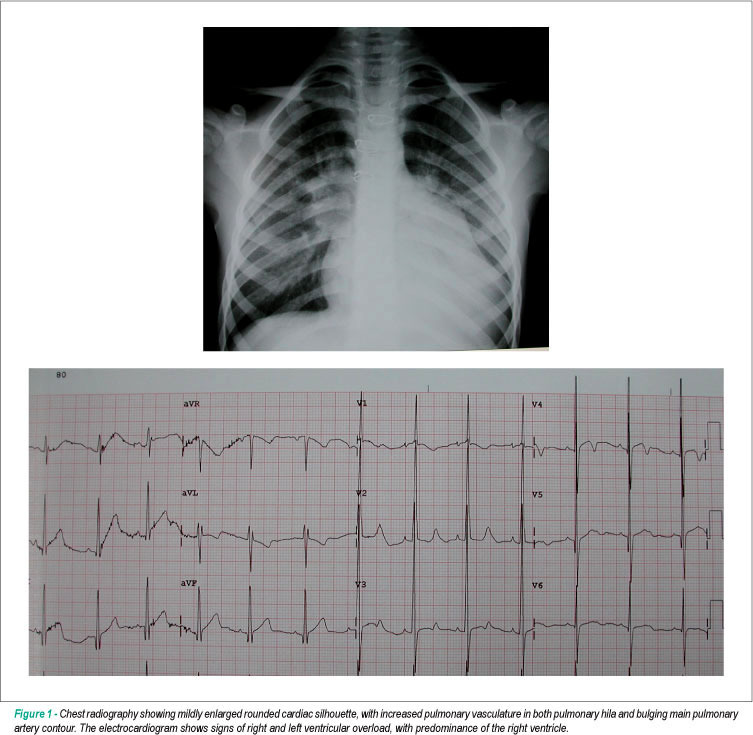
Case 5/2010 - A seven-year-old girl with tetralogy of fallot and absent pulmonary valve
Correlação Clínico-Radiográfica

Case 5/2010 – A seven-year-old girl with tetralogy of fallot and absent pulmonary valve

Edmar Atik et al. Fabiana M. Passos José L. Andrade

CLINICORADIOLOGICAL SESSION

Case 5/2010 – A Seven-year-old girl with tetralogy of Fallot and absent pulmonary valve

[…]

Read Full Article
Creative Commons Attribution (CC BY) Creative Commons license
13/10/2010 DOI: 10.1590/S0066-782X2010001300021
Letter to the Editor

Is it only inflammation or infection as well?

Eduardo Maffini da Rosa et al. Camila Viecceli William Cenci Tormen

LETTER TO THE EDITOR

[…]

Read Full Article
Creative Commons Attribution (CC BY) Creative Commons license
13/10/2010 DOI: 10.1590/S0066-782X2010001300020
Infectious endocarditis due to Streptococcus bovis in a patient with colon carcinoma
Case Report

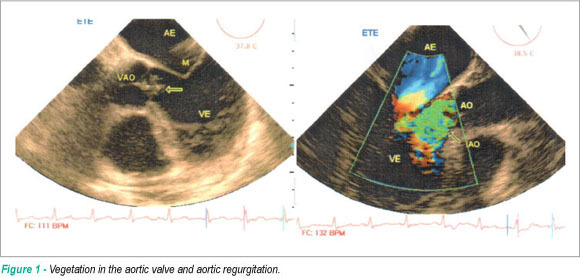
Infectious endocarditis due to Streptococcus bovis in a patient with colon carcinoma

Alexandre Maulaz Barcelos et al. Marco Antônio Teixeira Lidianny Silva Alves Marcelo Antunes Vieira … Marcus Lima Bedim Noely A. Ribeiro

We report the case of a 66 year-old female patient with infectious endocarditis due to Streptococcus bovis and adenocarcinoma of the colon that developed acute aortic insufficiency. She was submitted to aortic valve replacement surgery and later to tumor resection (right hemicolectomy). It is important to emphasize the need for complementing the study of the colon, even in asymptomatic individuals, when infectious endocarditis due to S. bovis is diagnosed.

  • adenocarcinoma
  • Aortic Valve Insufficiency
  • Bacterial Endocarditis
  • Streptococcus bovis
Read Full Article
Creative Commons Attribution (CC BY) Creative Commons license
13/10/2010 DOI: 10.1590/S0066-782X2010001300023 Views 1
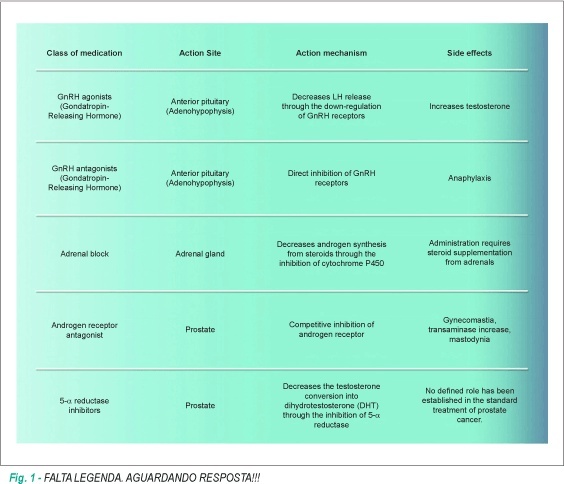
Cardiovascular risks of androgen deprivation therapy
Revisão

Cardiovascular risks of androgen deprivation therapy

Adriano Freitas Ribeiro et al. César Camara Carlos Alexandre Segre Miguel Srougi Carlos V. Serrano Jr

Prostate adenocarcinoma is the most common cancer type in the male sex after skin cancer. Among the several types of treatment for prostate cancer, the androgen deprivation therapy has been highly recommended in patients with metastatic or locally advanced disease, which probably results in increased survival. However, the androgen deprivation is the cause of several adverse effects. Complications such as osteoporosis, sexual dysfunction, gynecomastia, anemia and body composition alterations are well-known effects of the therapy. Recently, a number of metabolic complications have been described, such as increase in the abdominal circumference, insulin resistance, hyperglycemia, diabetes, dyslipidemia and metabolic syndrome, with a consequent increase in the risk of coronary events and cardiovascular mortality in this specific population. This update article presents a literature review carried out at MEDLINE database of all literature published in English from 1966 to June 2009, using the following key words: androgen deprivation therapy, androgen suppression therapy, hormone treatment, prostate cancer, metabolic syndrome and cardiovascular disease, with the objective of analyzing which would be the actual cardiovascular risks of androgen deprivation therapy, also called androgen suppression, in patients with prostate cancer.

  • Androgens
  • Cardiovascular Diseases
  • endocrine system diseases
  • Hormones
  • Risk
Read Full Article
Creative Commons Attribution (CC BY) Creative Commons license
13/10/2010 DOI: 10.1590/S0066-782X2010001300019 Views 1
Pacemaker electrode misplaced in the left ventricle
Case Report

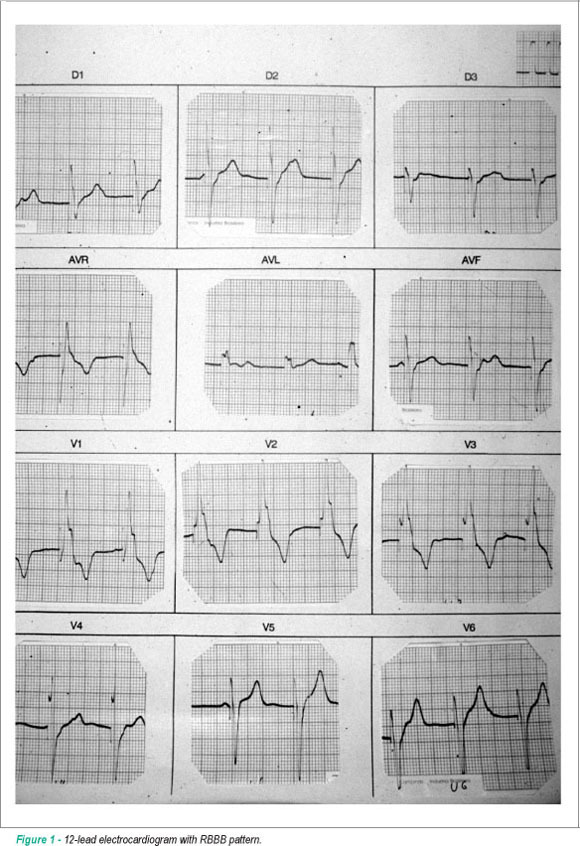
Pacemaker electrode misplaced in the left ventricle

André Luiz Cerqueira de Almeida et al. Viviane Machicado Cavalcante Márcio Diego Castro Teixeira Gustavo Rocha Costa de Freitas

This study reports the case of an anomalous implantation of VVI pacemaker electrode in the left ventricle (LV) diagnosed during routine evaluation, two years after implantation. The patient is a 65-year-old woman with Chagas disease. Electrocardiogram (ECG) revealed a pattern of right branch block. Profile chest X-ray showed electrode with posterior curvature path. In transthoracic echocardiography, the diagnosis revealed that the catheter penetrated the right atrium, crossed the atrial septum, descended through the left atrium and mitral valve orifice and deployed on the LV wall. The following related aspects are addressed: potential deployment routes, clinical, radiological, electrocardiographic and echocardiographic pictures, complications and treatment options.

  • Atrioventricular block
  • Electrodes, Implanted
  • left ventricle
  • Pacemaker, Artificial
Read Full Article
Creative Commons Attribution (CC BY) Creative Commons license
13/10/2010 DOI: 10.1590/S0066-782X2010001300022 Views 1
Editorial

Cardiovascular research: new model of collaborative training program

Estela Azeka et al. Felipe Fregni

EDITORIAL

[…]

Read Full Article
Creative Commons Attribution (CC BY) Creative Commons license
13/10/2010 DOI: 10.1590/S0066-782X2010001300001
Clinical Update

Aspirin resistance: fact or fiction?

Dinaldo Cavalcanti de Oliveira et al. Rogerio Ferreira Silva Diego Jantsk Silva Valter Correia de Lima

A meta-analysis of clinical studies of patients with cardiovascular disease demonstrated that the use of aspirin was associated with a 22% decrease in death rates and relevant ischemic vascular events. However, clinical studies demonstrated that patients that regularly took aspirin presented recurrence of cardiovascular events. Such observation led to the question whether, in some patients, the aspirin was not effective in blocking platelet aggregation and these patients were called unresponsive to aspirin or aspirin-resistant. The clinical aspirin resistance is characterized as the occurrence of cardiovascular events in patients during treatment with aspirin, whereas the laboratory resistance is defined as the persistence of platelet aggregation, documented by laboratory test, in patients regularly taking aspirin. Patients that are aspirin-resistant presented, according to laboratory tests, on average 3.8 times more cardiovascular events when compared to non-resistant ones.

  • Aspirin
  • drug resistance
  • laboratory test
  • Platelet Aggregation
Read Full Article
Creative Commons Attribution (CC BY) Creative Commons license
13/10/2010 DOI: 10.1590/S0066-782X2010001300024
Pressure response after resistance exercise for different body segments in hypertensive people
Artigo Original

Pressure response after resistance exercise for different body segments in hypertensive people

Adriana Marques Battagin et al. Simone Dal Corso Carmen Lúcia Rondon Soares Silvia Ferreira … Agnes Letícia Cintia de Souza Carla Malaguti

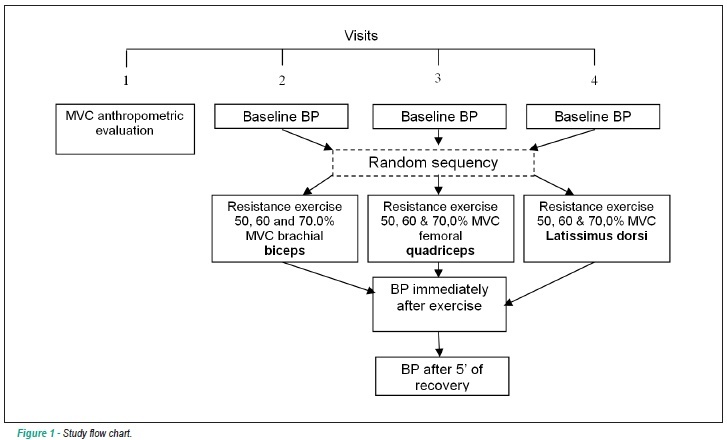
BACKGROUND: Resistance exercise has now been recommended as adjunct component of aerobic exercise on physical training program directed to the treatment and control of hypertension (HBP). However, it has not been widely incorporated yet into clinical practice, possibly by the scarcity of available evidence regarding the safe limits of the acute pressure response in this modality. OBJECTIVE: To investigate the acute effect of progressive resistance exercise of different body segments, the pressure response of patients with controled hypertension (HBP). METHODS: Twenty-five patients (14 women) with controled hypertension with medication (64.5 ± 10.8 years old) and sedentary, had three visits to a randomic progressive resistance exercise session, in the following muscle groups: femoral quadriceps, latissimus dorsi and brachial biceps. Blood pressure measurements were obtained at all visits at rest, immediately after each series of exercise and after 5 minutes of recovery. RESULTS: Immediately after acute resistance exercise, a significant increase in systolic blood pressures, without significant changes of diastolic pressure compared to pressure levels at rest for all muscle groups and for all intensities studied. Additionally, there was a greater tendency to elevation of systolic pressure when the femoral quadriceps muscle was exercised at high intensity. CONCLUSION: Resistance exercise in different body segments promoted similar increases and safe levels of systolic blood pressure, although with a tendency toward greater response of it when large muscle groups at high loads are exercised.

  • Exercise
  • Exercise Movement Techniques
  • Hypertension
Read Full Article
Creative Commons Attribution (CC BY) Creative Commons license
03/09/2010 DOI: 10.1590/S0066-782X2010005000117
Exercise chemosensitivity in heart failure: ventilatory, chronotropic and neurohormonal responses
Artigo Original

Exercise chemosensitivity in heart failure: ventilatory, chronotropic and neurohormonal responses

Lídia Zytynski Moura et al. Guilherme Veiga Guimarães Philippe Vieira Pires Fátima Cruz … Gabriela Stopa Edimar Alcides Bocchi

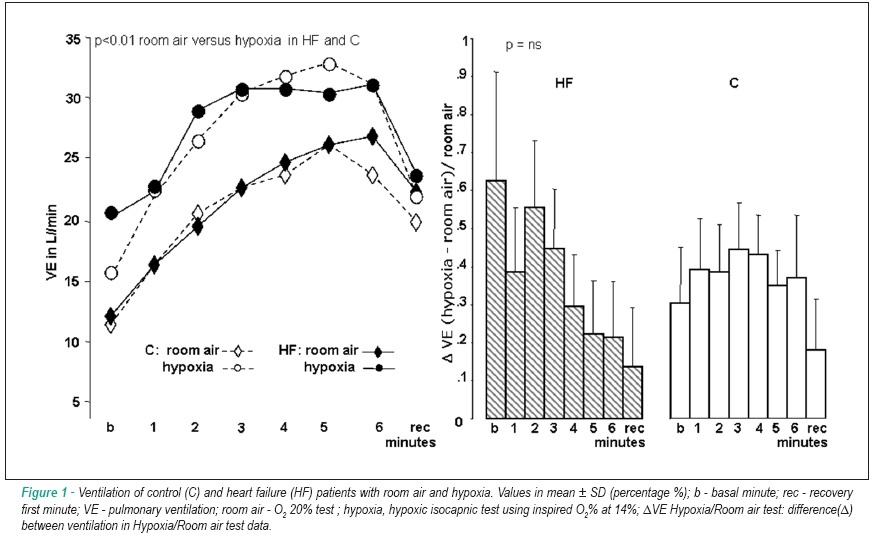
BACKGROUND: Heart failure (HF) is associated with resting increased peripheral and central chemosensitivity which may correlate with an increased ventilatory response to exercise. However, its sensitivity in HF during exercise was never really reported. OBJECTIVE: We tested if stimulation of central and peripheral chemoreceptors in HF patients could modulate ventilatory, chronotropic, and neurohormonal response during submaximal exercise. METHODS: We investigated central and peripheral chemosensitivity in 15 HF and 7 control (C) comparing response through three 6 minute walking tests conducted in a treadmill with : room air, hypoxia, and hypercapnia (in a randomic order). RESULTS: RR at room air C and HF was 17±2 and 22±2 (p<.0001); at hypoxia 17±1 and 23±2 (p<.02); at CO25% was 20±2 and 22±5 (p<.02). Tidal volume (TV) at room air was 1.25±0.17 and 1.08±0.19 (p<.01); at hypoxia 1.65±0.34 and 1.2±0.2 (p<.0001); at CO25% 1.55±0.46 and 1.29±0.39 (p<.0001). At rest the increment in HF was higher for VE (C 33±40%, HF 62±94%, p<.01), HR(C 7±10%, HF 10±10%, p<0.05) at rest. During hypoxia exercise increment in HF was higher for RR (C 1±4, HF 11±6,p<.05), HR (C 12±2, HF 14±3, p<.05), VE/VO2 (C -4±18%, HF 24±21%, p<.01), HR/VO2 (C -26±11%, HF 11±5%, p<.01), VE/WD (C 36±10%, 46±14, p<.05%) and HR/WD (C 18±8%, HF 29±11, p<.01). During HF hypoxia exercise NO reduced, and IL-6, aldosterone levels increased. Neurohormonal levels unchanged in C. CONCLUSION: Exercise peripheral and central chemosensitivity are increased in HF and may modulate respiratory pattern, cardiac chronotropic, and neurohormonal activity during exercise.

  • Cardiomyopathies
  • Exercise
  • Heart Failure
  • Nitric Oxide
  • Norepinephrine
Read Full Article
Creative Commons Attribution (CC BY) Creative Commons license
13/08/2010 DOI: 10.1590/S0066-782X2010005000110
Intermittent systolic overload promotes better myocardial performance in adult animals
Artigo Original

Intermittent systolic overload promotes better myocardial performance in adult animals

Leonardo Augusto Miana et al. Renato S. Assad Maria C. D. Abduch Guilherme Seva Gomes … Ananda Rigo Nogueira Fernanda Santos Oliveira Bruna Lopes Telles Maria Teresa Souto Gustavo J. Silva Noedir A. G. Stolf

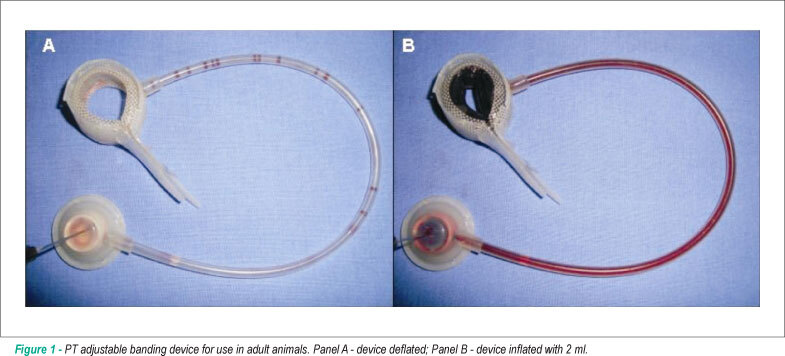
BACKGROUND: Corrected transposition of great arteries often evolves with right ventricular dysfunction. The ventricular preparation for anatomic correction in adult patients has produced disappointing results. OBJECTIVE: To assess right ventricular hypertrophy (RV) induced by conventional and intermittent pulmonary banding (PB) in adult animals. METHODS: Nineteen adult goats were divided into three groups: conventional (six animals), intermittent (six animals) and control (seven animals). The Conventional group underwent fixed PB with cardiac tape, while the intermittent group received PB adjustable device, which generated systolic overload for 12 hours, alternated with 12 hours of rest of RV. The pressures of the RV, pulmonary artery and aorta were measured throughout the study. Echocardiography was performed weekly. After four weeks, the animals were euthanized for morphological evaluation of the ventricles. The Control group was put to euthanasia for analysis at baseline. RESULTS: Pressure overload was lower in the intermittent group (p = 0.001), compared to the conventional group. There was an increase in the thickness of the RV of the Intermittent group measured by echocardiography compared to their baseline values (p < 0.05). The myocardial performance index in the RV group was better in the Intermittent group (p = 0.024), compared to the Conventional group. The groups stimulated showed increased muscle mass compared to the Control group (p = 0.001). There was no difference in myocardial water content. CONCLUSION: The intermittent BP developed hypertrophy of better performance, suggesting this protocol as the preferred method of ventricular preparation.

  • Animals
  • hipertrophy, right ventricular
  • Transposition of Great Vessels
  • Ventricular Dysfunction Right
Read Full Article
Creative Commons Attribution (CC BY) Creative Commons license
13/08/2010 DOI: 10.1590/S0066-782X2010005000105
Artigo Original

Effects of the use of theoretical versus theoretical-practical training on Cardiopulmonary Resuscitation

Heberth César Miotto et al. Felipe Ribeiro da Silva Camargos Cristiano Valério Ribeiro Eugenio MA Goulart Maria da Consolação Vieira Moreira

BACKGROUND: Theoretical knowledge and skill to perform good quality cardiopulmonary resuscitation (CPR) are essential for the survival of patients with sudden death. OBJECTIVE: To determine whether a theoretical course alone is sufficient to promote good quality CPR training and knowledge for health professionals in comparison to a theoretical-practical basic life support training. METHODS: Twenty volunteer nurses participated in the theoretical CPR and automated external defibrillation (AED) training by means of a theoretical class and video used in the Basic Life Support Training of the American Heart Association (BLS-AHA; group A). They were compared to other 26 health professionals who attended regular theoretical-practical BLS-AHA training (group B). After the training, the participants took theoretical and practical tests as recommended in BLS-AHA courses. The practical tests were recorded and were later scored by three experienced instructors. The theoretical test was a multiple choice test used in regular BLS-AHA courses. RESULTS: No difference was observed in the theoretical tests (p = ns). However, the practical tests were consistently worse in group A, as evaluated by the three examiners (p < 0.05). CONCLUSION: The use of CPR videos and theoretical training did not improve the individuals' psychomotor ability to perform good quality CPR; however, it may improve their cognitive ability (knowledge). Critical areas of intervention are the primary ABCD and the correct use of AED.

  • advanced cardiac life support
  • Cardiopulmonary Resuscitation
  • Inservice Training
Read Full Article
Creative Commons Attribution (CC BY) Creative Commons license
13/08/2010 DOI: 10.1590/S0066-782X2010005000104
Lack of clopidogrel-statin interaction in patients undergoing coronary stent implantation
Artigo Original

Lack of clopidogrel-statin interaction in patients undergoing coronary stent implantation

Carlos Vicente Serrano Júnior et al. Alexandre de Matos Soeiro Leila Fernandes Araújo Bruna Jabot … Fabiana Rached Noemia Mie Orii José Carlos Nicolau Alberto J. Duarte José Antonio F. Ramires

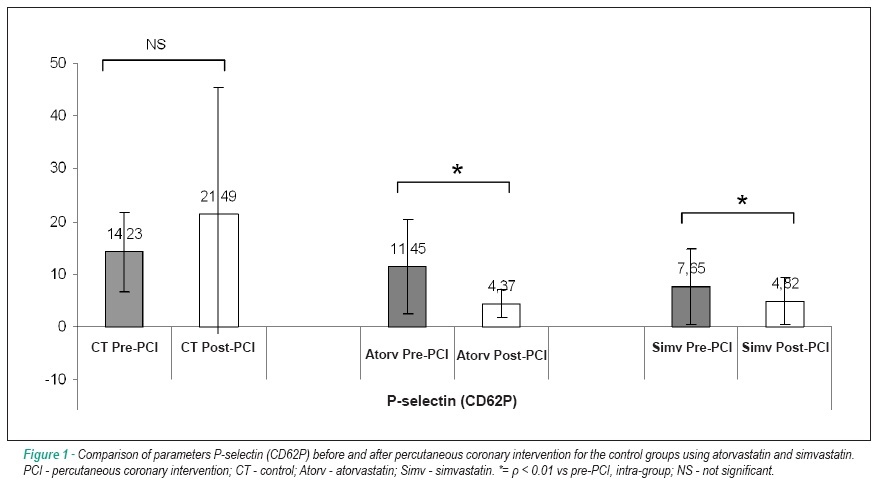
BACKGROUND: Some studies have suggested reduced activity of clopidogrel on platelet activation and adherence in patients using statins. OBJECTIVE: To assess whether platelet activation and aggregation decrease with clopidogrel, and whether there is a reduction of the action of clopidogrel when associated with atorvastatin or simvastatin. METHODS: This prospective study included 68 patients with stable angina with previous use of simvastatin, atorvastatin, or no statin (control group), with previous elective indication of percutaneous coronary intervention (PCI). Platelet activation was analyzed by means of platelet count, levels of P-selectin and glycoprotein IIb/IIIa (with and without ADP stimulation) by flow cytometry. The findings were analyzed before and after percutaneous coronary intervention and the administration of clopidogrel. RESULTS: We observed reduction in platelet activity with use of clopidogrel. Furthermore, no differences were found between the variables analyzed to prove reduced activity of clopidogrel when combined with statins. We observed levels of p-selectin (pre-angioplasty: 14.23 ± 7.52 x 8.83 x 11.45 ± 7.65 ± 7.09; after angioplasty: 21.49 ± 23.82 x 4 37 ± 2.71 x 4.82 ± 4.47, ρ < 0.01) and glycoprotein IIb/IIIa (pre-angioplasty: 98.97 ± 0.43 ± 1.25 x 98.79 x 99.21 ± 0.40 after angioplasty: 99.37 ± 0.29 ± 1.47 x 98.50 x 98.92 ± 0.88, ρ = 0.52), respectively, in the control, atorvastatin and simvastatin groups. CONCLUSION: We concluded that platelet activation decreases with administration of clopidogrel, and clopidogrel has no antiplatelet effect reduced in the presence of simvastatin or atorvastatin.

  • Angioplasty transluminal percutaneous coronary
  • Hidroxymethylglutaryl-CoA reductase inhibitors
  • simvastatin
  • Stents
Read Full Article
Creative Commons Attribution (CC BY) Creative Commons license
13/08/2010 DOI: 10.1590/S0066-782X2010005000106 Views 1
Artigo Original

Suspicion of Obstructive Sleep Apnea by Berlin Questionnaire predicts events in patients with Acute Coronary Syndrome

Eryca Vanessa S. de Jesus et al. Euvaldo B. Dias-Filho Bethania de M. Mota Luiz de Souza … Celi Marques-Santos João Bosco G. Rocha Joselina L. M. Oliveira Antônio C. S. Sousa José Augusto Barreto-Filho

BACKGROUND: From a mechanistic standpoint, obstructive sleep apnea (OSA) may further disturb cardiovascular homeostasis in the setting of acute coronary syndrome (ACS). OBJECTIVE: We sought to investigate if a standardized clinical diagnosis of OSA, in acute coronary syndrome patients, predicts the risk of cardiovascular events during hospitalization. METHODS: In a prospective cohort study, a group of 200 patients diagnosed with ACS between September 2005 and November 2007 were stratified by the Berlin Questionnaire (BQ) regarding the risk for OSA (high or low risk). We tested if the subgroup of high risk for OSA was prone to a higher frequency of cardiovascular events. The primary endpoint evaluated was a composite outcome of cardiovascular death, recurrent cardiac ischemic events, acute pulmonary edema and stroke during hospitalization. RESULTS: Ninety four (47%) patients assessed by the BQ were likely to have OSA. High risk for OSA was associated with a non-significant higher mortality (4.25% vs 0.94%; p=0.189), but a significant higher incidence of composite cardiovascular events (18.08% vs 6.6%; p=0.016). In the logistic regression model, multivariate predictors of composite cardiovascular events were age (OR= 1.048; 95% CI 1.008 to 1.090; p=0.019), left ventricular ejection fraction (OR= 0.954; 95% CI 0.920 to 0.989; p=0.010), and higher risk for OSA (OR= 3.657; 95% CI 1.216 to 10.996; p=0.021). CONCLUSION: The use of a simple and validated questionnaire (BQ) to identify patients with higher risk for OSA may help in the prediction of cardiovascular outcome during hospitalization. Moreover, our data suggests that OSA is very common in patients with ACS.

  • Acute coronary syndrome
  • questionnaires
  • Sleep Apnea, Obstructive
Read Full Article
Creative Commons Attribution (CC BY) Creative Commons license
06/08/2010 DOI: 10.1590/S0066-782X2010005000103 Views 1
Epidemiological, clinical e therapeutic profile of heart failure in a tertiary hospital
Artigo Original

Epidemiological, clinical e therapeutic profile of heart failure in a tertiary hospital

Patrícia Resende Nogueira et al. Salvador Rassi Krislainy de Sousa Corrêa

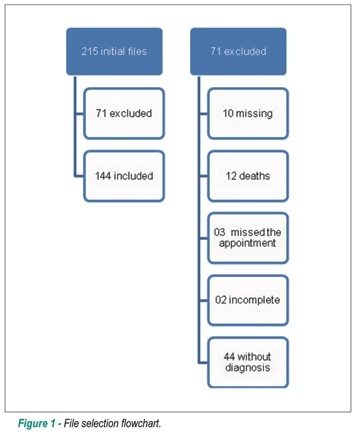
BACKGROUND: Heart failure is a complex syndrome with multiple risk factors involved in its genesis, making its prevention and management difficult to achieve. OBJECTIVE: To identify the main etiologies and risk factors in heart failure; to compare clinical and demographic characteristics of patients according to the etiology; analyze whether the treatment is according to that recommended by the Brazilian guidelines. METHODS: Retrospective, descriptive and observational study, carried out at Hospital das Clínicas of Universidade Federal de Goiás. The patients were divided in four groups, according to the etiology, for comparison: chagasic cardiomyopathy, hypertensive cardiomyopathy, dilated cardiomyopathy and others, ischemic cardiomyopathy. The Chi-square and Fisher’s Exact tests, ANOVA and Kruskal-Wallis tests were used in the analysis of the groups and types of treatment. RESULTS: A total of 144 patients’ files were analyzed; the patients’ mean age was 61 ± 15 years and 54.2% of them were males. Chagasic cardiomyopathy was the main etiology (41%). Arterial hypertension (48.6%), anemia (22.9%), coronary disease (19.4%), dyslipidemia (17.3%) and diabetes (16.6%) were the main risk factors. There was a higher prevalence of female individuals among the hypertensive patients (p=0.044) as well as a higher frequency of pulmonary rales (p < 0.01). Heart rate was lower among chagasic patients (p < 0.001). The most often prescribed medications were diuretics (81.2%), angiotensin-converting enzyme inhibitors or angiotensin-receptor blockers (77.7%), beta-blockers (45.8%), spironolactone (35.4%), digitalis (30.5%) and vasodilators (8.3%). CONCLUSION: Chagasic cardiomyopathy was the main cause of heart failure. No significant clinical differences were observed among patients from the four etiologic groups.

  • Health Profile
  • Heart Failure
  • Hospitalization
Read Full Article
Creative Commons Attribution (CC BY) Creative Commons license
06/08/2010 DOI: 10.1590/S0066-782X2010005000102
Association of physical training with beta-blockers in heart failure in mice
Artigo Original

Association of physical training with beta-blockers in heart failure in mice

Andréa Somolanji Vanzelli et al. Alessandra Medeiros Raquel de Assis Sirvente Vera Maria Cury Salemi … Charles Mady Patricia Chakur Brum

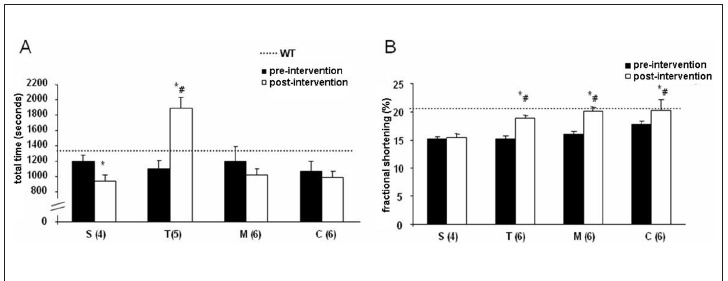
BACKGROUND: Currently there are several types of interventions for the treatment of heart failure (HF). Among these are beta-blocker therapy (BB) and physical training (PT). However, the effects of the combination of these therapies are poorly studied. OBJECTIVE: To investigate the effects of BB treatment with metoprolol (M) and carvedilol (C) associated with PT in mice with HF. METHODS: We used a genetic model of sympathetic hyperactivity-induced heart failure in mice. Initially, we divided the HF animals into three groups: sedentary (S); trained (T); treated with M (138 mg/kg) (M); or C (65 mg/kg) (C). In the second part, we divided the groups into three subgroups: sedentary (S); trained and treated with M (TM); and trained and treated with C (CT). The PT consisted of aerobic training on a treadmill for 8 weeks. Exercise tolerance was assessed by maximal graded test, and fractional shortening (FS) was assessed by echocardiography. Cardiomyocyte diameter and collagen volume fraction were evaluated by histological analysis. Data were compared by one way ANOVA and post hoc Duncan test. The significance level was set at p < 0.05. RESULTS: As to FS and cardiac remodeling, we found that, in isolation, T, M, and C showed an improvement of the variables analyzed. As to therapy combination, after the intervention period, we observed an increase in exercise tolerance in MT and CT (43.0% and 33.0% respectively). There was also a reduction in cardiomyocyte diameter (10.0% and 9.0% respectively) and in collagen volume fraction (52.0% and 63.0%) after the intervention. However, only CT significantly improved FS. CONCLUSION: The association of PT with M or C therapies provided benefits on cardiac function and remodeling in HF mice.

  • b-blockers
  • Exercise
  • Heart Failure
  • Mice
  • Sympathetic Nervous System
  • Training
Read Full Article
Creative Commons Attribution (CC BY) Creative Commons license
30/07/2010 DOI: 10.1590/S0066-782X2010005000098 Views 1
Comparison of the different definition criteria for the diagnosis of the metabolic syndrome in elderly women
Artigo Original

Comparison of the different definition criteria for the diagnosis of the metabolic syndrome in elderly women

Hudsara Aparecida de Almeida Paula et al. Rita de Cássia Lanes Ribeiro Lina Enriqueta Frandsen Paez de Lima Rosado Renan Salazar Ferreira Pereira Sylvia do Carmo Castro Franceschini

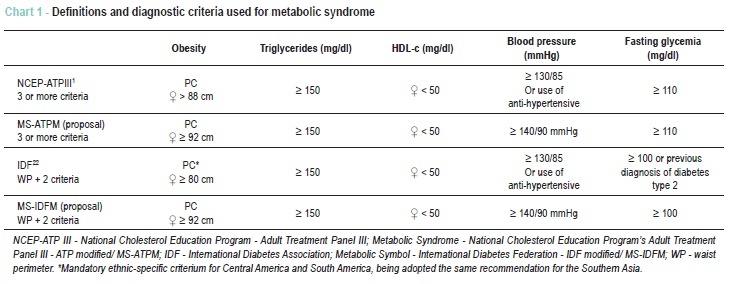
BACKGROUND: The criteria for best defining the metabolic syndrome (MS), especially in the elderly population, are still little known, and the understanding is increasingly necessary. OBJECTIVE: Compare the four MS definition proposals, two official ones (National Cholesterol Education Program’s Adult Treatment Panel III/NCEP-ATPIII and International Diabetes Federation/IDF) and two proposed definitions (Metabolic Syndrome – National Cholesterol Education Program’s Adult Treatment Panel III – modified/MS-ATPM and Metabolic Syndrome – International Diabetes Federation – modified/MS-IDFM), derived from the changes in the official criteria. METHODS: A total of 113 women (60-83 years old) participated in this study; they were submitted to anthropometric, blood pressure, lipid profile, fasting glycemia tests and answered questions related to life style habits and health conditions. Statistical analyses were performed using the chi-square test and Kappa coefficient determination. RESULTS: The frequency of the high pressure levels was similar in the two official definitions (54.8%), with a reduction in the two proposed definitions (33.6%). The homeostasis change of the glucose was higher as per the IDF and MS-IDFM (30.1%). The hypertriglyceridemia and the low levels of HDL-c were similar in all the definitions (35.4%). In relation to the abdominal obesity, the higher occurrence was registered by the IDF criteria (88.5%). The presence of the metabolic syndrome presented higher and lower frequencies as per the IDF proposal (45.1%) and MS-IDFM (22.1%), respectively. Higher agreement was found between the modified definition MS-ATPM with NCEP-ATPIII and MS-IDFM (Kappa: 0.79 and 0.77; p < 0.00001). CONCLUSION: The MS-ATPM proposal was found more adequate for the MS detection in the evaluated elderly women.

  • abdominal
  • Aged
  • Metabolic Syndrome
  • Obesity
  • Risk Factors
Read Full Article
Creative Commons Attribution (CC BY) Creative Commons license
30/07/2010 DOI: 10.1590/S0066-782X2010005000100
Artigo Original

Ethics in research with human beings: from knowledge to practice

Sandro Gonçalves de Lima et al. Tatiana Albuquerque Gonçalves de Lima Larissa Araripe de Macedo Michel Pompeu Barros de Oliveira Sá … Marcela de Lima Vidal Rafael Alessandro Ferreira Gomes Laura Correia Oliveira Ana Maria Aguiar Santos

BACKGROUND: In Brazil, resolution 196/96 and its amendments regulate the preservation of rights, respect and dignity of human beings involved in research. OBJECTIVE: To analyze the adequacy of Free Communications (FC) presented during the XVIII Congresso Pernambucano de Cardiologia to resolution 196/96. METHODS: During a cross-sectional study, interviews were carried out with the authors of the FC presented at the Congress and the abstracts of the studies were assessed in order to identify the need for previous approval by a Research Ethics Committee (REC). RESULTS: A total of 90 FC were presented and, in most of them (86.8%), medical files were the most commonly used source of data. Only 23.1% of the FC were submitted to the assessment of a REC and 15.4% of them used a Free and Informed Consent Form (FICF). Among the authors whose studies were not assessed by a REC, 65.6% stated that this conduct was not necessary and 18% of them were unaware of the need to submit the study to such assessment. The written authorization given by the institution where the FC were carried out was not obtained in 56.6% of the studies. Most of the authors (80.0%) stated that they had never read Resolution 196/96. The proportion of FC submitted to a REC was significantly higher among authors that had read Resolution 196/96 (p = 0.005). The FC design influenced the non-submission of the studies to a REC (p < 0.001). Most of the FC that were authorized by the institution where they were carried out were submitted to a REC (p < 0.001). CONCLUSION: Most of the FC presented at the Congress did not follow the Brazilian regulations concerning the ethics in research.

  • Ethics, Research
  • Humans
  • Knowledge
  • Practice
Read Full Article
Creative Commons Attribution (CC BY) Creative Commons license
30/07/2010 DOI: 10.1590/S0066-782X2010005000097
Rosiglitazone and vascular injury in hypercholesterolemic rabbits: neointimal formation assessment
Artigo Original

Rosiglitazone and vascular injury in hypercholesterolemic rabbits: neointimal formation assessment

Alexandre Alessi et al. Olímpio Ribeiro França Neto Camila Prim Ruy Fernando Kuenzer Caetano da Silva … Lucia de Noronha Paulo Roberto Slud Brofman Liz Andréa Villela Baroncini Dalton Bertolim Précoma

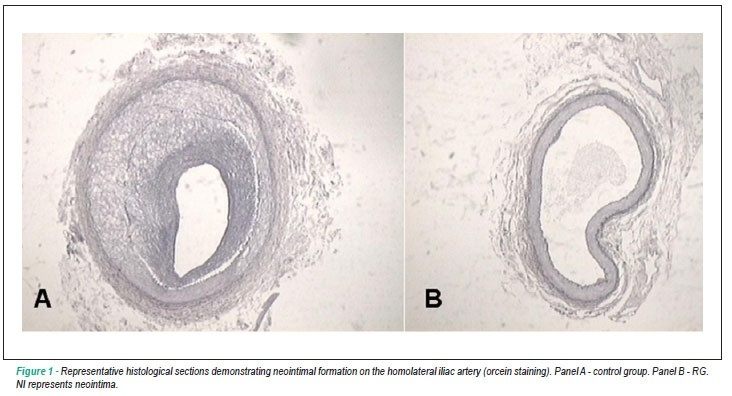
BACKGROUND: Rosiglitazone has been the focus of extensive discussion. OBJECTIVE: To evaluate the effects of rosiglitazone on iliac arteries, both at the injury site and the contralateral artery, of hypercholesterolemic rabbits undergoing balloon catheter injury. METHODS: White male rabbits were fed a hypercholesterolemic diet by oral gavage for 6 weeks and divided into two groups as follows: rosiglitazone group (14 rabbits treated with rosiglitazone during 6 weeks) and the control group (18 rabbits without rosiglitazone). Animals underwent balloon catheter injury of the right iliac artery on the 14th day. RESULTS: In the contralateral iliac artery, there was no significant difference in the intima/media layer area ratio (IMR) between the control and rosiglitazone groups. Rosiglitazone did not reduce the probability of type I, II, or III lesions (72.73% vs 92.31%; p=0.30) and type IV or V lesions (27.27% vs 7.69%; p=0.30). As for the homolateral iliac artery, the intimal area was significantly lower in the rosiglitazone group, as compared to the control group (p = 0.024). The luminal layer area was higher in the rosiglitazone group vs. the control group (p < 0.0001). There was a significant reduction of 65% in the IMR in the rosiglitazone group vs the control group (p = 0.021). None of the histological criteria for type I-V atherosclerotic lesions (American Heart Association) were found in the homolateral iliac artery. CONCLUSION: These findings demonstrate that rosiglitazone given for 6 weeks prevents atherogenesis at the injury site, but not in a vessel distant from the injury site.

  • Atherosclerosis
  • Hypercholesterolemia
  • Rabbits
  • rosiglitazone
Read Full Article
Creative Commons Attribution (CC BY) Creative Commons license
30/07/2010 DOI: 10.1590/S0066-782X2010005000101 Views 1
Artigo Original

Metabolic syndrome and menopause: cross-sectional study in gynecology clinic

José Albuquerque de Figueiredo Neto et al. Eduardo Durans Figuerêdo José Bonifácio Barbosa Fabrício de Flores Barbosa … Geny Rose Cardoso Costa Vinícius José da Silva Nina Rachel Vilela de Abreu Haickel Nina

BACKGROUND: In Brazil, there are few studies of the metabolic syndrome in the general population, and even fewer studies that establish a correlation between metabolic syndrome and climacteric. OBJECTIVE: To determine the prevalence of metabolic syndrome and its components among climacteric women. METHODS: Cross-sectional study with 323 climacteric women, divided into two groups: pre and post-menopausal. They were examined for the presence of metabolic syndrome, according to the criteria of National Cholesterol Education Program’s (NCEP) and International Diabetes Federation (IDF). It was possible to notice the association between the variables under study and the metabolic syndrome by conducting a univariate analysis and a multivariate analysis. A p-value < 0.05 was considered statistically significant. RESULTS: The prevalence of metabolic syndrome during the climacteric was 34.7% (NCEP) and 49.8% (IDF). The most frequent components of the metabolic syndrome were low HDL-cholesterol, hypertension, abdominal obesity, hypertriglyceridemia and diabetes in both criteria. The multivariate analysis showed that age was the most important risk factor for the development of metabolic syndrome (p < 0.001), which was present in 44.4% (NCEP) and 61.5% (IDF) of postmenopausal women compared to 24% (NCEP) and 37% (IDF) of premenopausal women. CONCLUSION: The prevalence of metabolic syndrome was higher in postmenopausal women than in premenopausal women. The main risk factor for the increase in this prevalence was age. Menopause, when it is analyzed alone, did not constitute a risk factor for metabolic syndrome.

  • Cardiovascular Diseases
  • Menopause
  • Metabolic Syndrome
  • Prevalence
Read Full Article
Creative Commons Attribution (CC BY) Creative Commons license
23/07/2010 DOI: 10.1590/S0066-782X2010005000094 Views 2
Mortality and complications of coronary artery bypass grafting in Rio de Janeiro, from 1999 to 2003
Artigo Original

Mortality and complications of coronary artery bypass grafting in Rio de Janeiro, from 1999 to 2003

Thaís Mendonça Lips de Oliveira et al. Gláucia Maria Moraes de Oliveira Carlos Henrique Klein Nelson Albuquerque de Souza e Silva Paulo Henrique Godoy

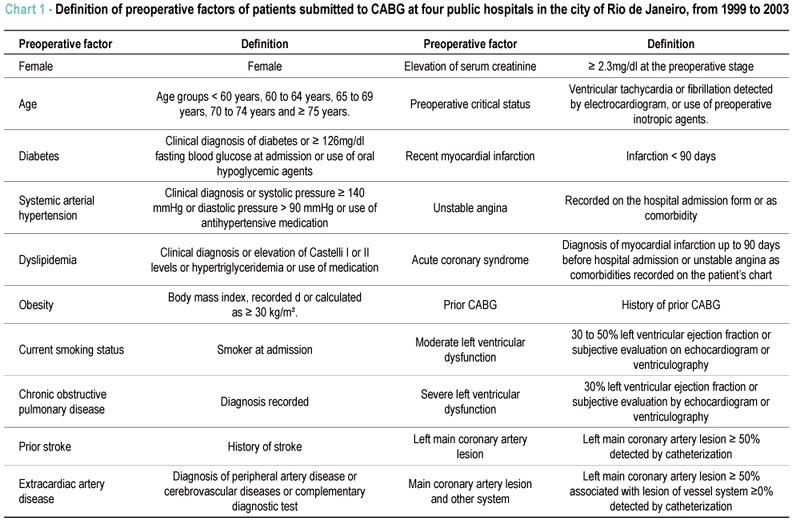
BACKGROUND: Coronary artery bypass grafting (CABG) is a consolidated procedure for the treatment of ischemic heart diseases (IHDs), which requires continuous assessment. OBJECTIVE: To assess the quality of CABG surgery by reviewing patients’ clinical characteristics, mortality rates up to one year after hospital discharge, primary causes of death and postoperative complications, at four public hospitals in Rio de Janeiro from 1999 to 2003. METHODS: CABG patient charts were randomly selected. A retrospective review was conducted to collect data on clinical characteristics, complications and deaths from patient medical charts and statements of death (SDs). Mortality rates were estimated for the hospitalization period and for up to one year after hospital discharge. RESULTS: The prevalence of preoperative patient characteristics were: women: 31.9%; arterial hypertension: 90.7%; dyslipidemia: 67.4%; diabetes: 37.2%; current smoking status: 22.9%; obesity: 18.3%; chronic obstructive pulmonary disease: 8.2%; prior stroke: 5.8%; extracardiac artery disease: 12.7%; elevation of creatinine levels: 4.1%; critical preoperative status: 3.7%; recent acute myocardial infarction: 23.5%; unstable angina: 40.8%; acute coronary syndrome: 50.0%; prior CABG: 2.4%; left ventricular dysfunction: 27.3%; left main coronary artery lesion: 3.9%; and associated with lesion in another system: 19.8%. In-hospital mortality rates ranged from 7.0% to 14.3%, and up to one year after hospital discharge from 8.5% to 20.2%. Ischemic heart disease (IHD) accounted for more than 80% of the deaths, and the most frequent complications after surgery were hemorrhage or post-procedural low cardiac output. Sixty percent of the patients who died had five or more complications, whereas 40% of those who survived had none. CONCLUSION: Mortality and complication rates were high. Even among those patients who survived, complications were more frequent than expected.

  • Brazil
  • lethality
  • Myocardial Revascularization
  • Rio de Janeiro
  • Thoracic Surgery
Read Full Article
Creative Commons Attribution (CC BY) Creative Commons license
16/07/2010 DOI: 10.1590/S0066-782X2010005000091
Measurement precision of the anaerobic threshold by means of a portable calorimeter
Artigo Original

Measurement precision of the anaerobic threshold by means of a portable calorimeter

Fernando dos Santos Nogueira et al. Fernando Augusto Monteiro Sabóia Pompeu

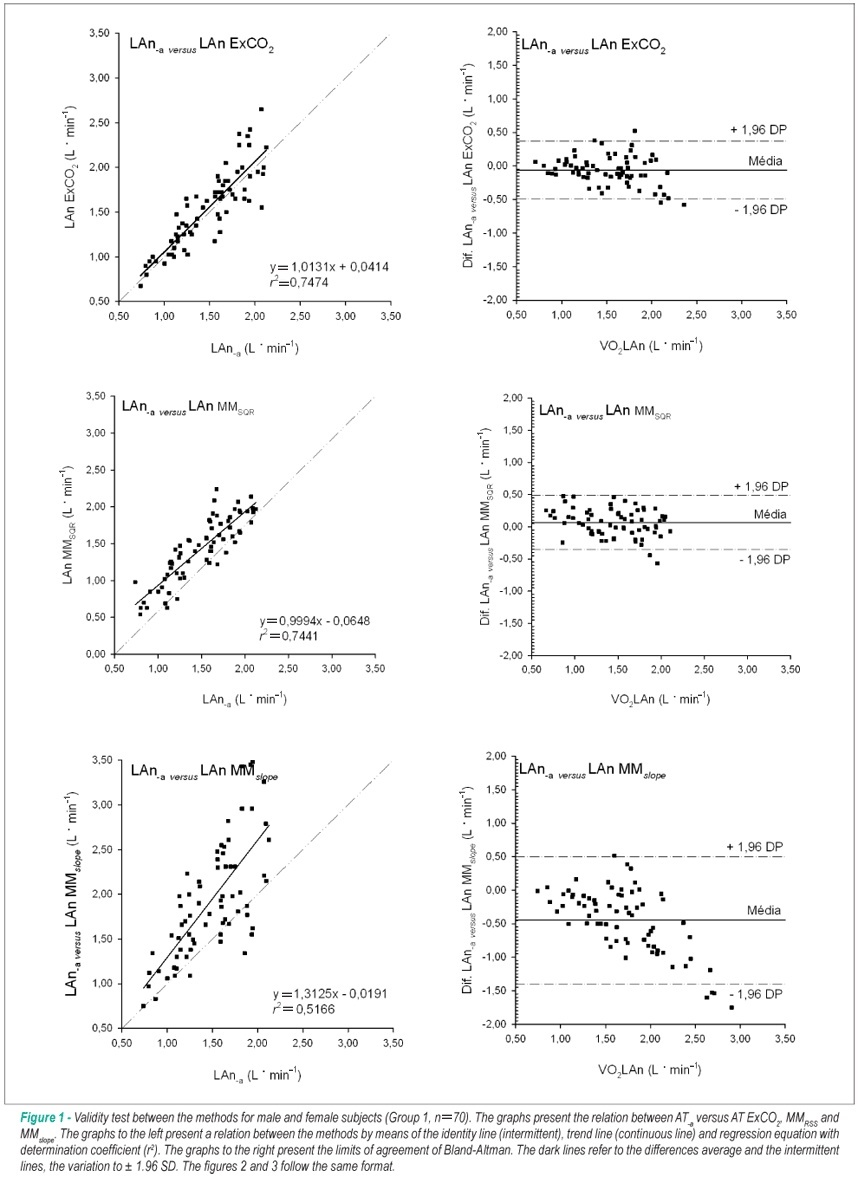
BACKGROUND: Many methods are used for determining the Anaerobic Threshold (AT) by means of sophisticated ergospirometer. OBJECTIVE: To test the AT variation, detected by mathematical models and visual inspection, when low cost ergospirometer is used and intended for clinical application. METHODS: Seventy nine apparently healthy subjects were volunteers in this study; from these, 57 men. The VO2max and the ventilatory threshold were determined by indirect, open-circuit calorimetry. The electro-enzymatic method was used for analyzing the lactacidemia and direct determination of the Lactate Threshold (LT). The AT was determined by two mathematical methods (MM RSS and MMslope), based on the gases exchange, and by the log-log visual method, for determining the LT. Two independent investigators determined the AT through visual inspection of three graphs, considering two methods (AT-a= V-slope, EqV; and AT-b = V-slope, EqV and ExCO2). The data were analyzed by means of parametric statistics for determining the differences between AT-a versus ExCO2, MM RSS and MMslope; AT-b versus MM RSS and MMslope; and LT versus AT-a, AT-b, MM RSS and MMslope. RESULTS: The MMslope was the only method that presented a significant difference between the AT-a and AT-b (p=0.001), with CV% >15. LT versus MMslope did not present significant difference (p=0.274), however, it was observed a high CV (24%). CONCLUSION: It was concluded that with the low cost equipment, the MM RSS and AT-a methods can be used for determining the TAn. The MMslope method did not present satisfactory precision to be employed with this equipment.

  • ergospirometry
  • Exercise Test
  • mathematical model
  • ventilatory threshold
Read Full Article
Creative Commons Attribution (CC BY) Creative Commons license
16/07/2010 DOI: 10.1590/S0066-782X2010005000090 Views 1
Late clinical and functional assessment of arrhythmias in children after repair of Tetralogy of Fallot
Artigo Original

Late clinical and functional assessment of arrhythmias in children after repair of Tetralogy of Fallot

Maria Eulália Thebit Pfeiffer et al. Eduardo Machado Andrea Salvador Manoel Serra Claudio Roberto Assumpção Gesmar Volga Haddad Herdy

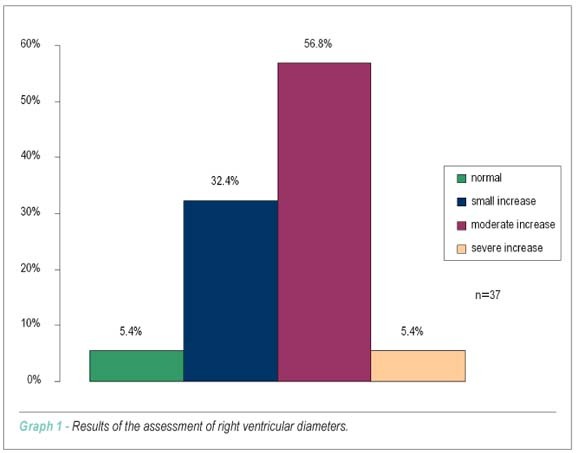
BACKGROUND: Cardiac arrhythmias are the major cause of late sudden death in patients undergoing repair of Tetralogy of Fallot (TF). OBJECTIVE: To evaluate the occurrence of cardiac arrhythmias in children and adolescents undergoing repair of TF, and to associate them with clinical aspects and laboratory tests. METHODS: Cross-sectional study of 37 patients undergoing repair of TF at Instituto Estadual de Cardiologia Aloysio de Castro (Rio de Janeiro). After review of the medical records and clinical assessment, the patients underwent electrocardiography (ECG), echocardiography (Echo), 24-h Holter monitoring and exercise test (ET), whose results were subjected to statistical analysis. RESULTS: A total of 37 patients of whom 54% were males with a mean age of 9.7 ± 3.5 years and mean follow-up period of 4.7 ± 1.9 years were studied. The abnormalities most frequently found were: on ECG: right bundle branch block (89%); Echo: severe pulmonary regurgitation (43%), mild pulmonary stenosis (73%), moderate right ventricular hypertrophy (RVH, 57%); on ET: low exercise capacity (90%), impaired chronotropic response (40%), arrhythmias (20%); on Holter monitoring: arrhythmias (59%, of which 44% were ventricular, 38% supraventricular, and 24% both ventricular and supraventricular, with predominance of infrequent and benign ventricular premature beats). Five patients (15%) presented with multiform ventricular premature beats. There was an association of ventricular arrhythmia with moderate and severe RVH (p=0.026), as well as with right ventricle-to-pulmonary artery gradient (RV/PA) > 45 mmHg (p=0.004). The logistic regression analysis showed that increased RV/PA gradient was an independent predictor of ventricular arrhythmia (p=0.017). CONCLUSION: Cardiac arrhythmia was a common finding in a large proportion of children and adolescents after surgical repair of TF; however, it was infrequent and benign in most of the cases. The RV/PA gradient was considered a strong predictor of ventricular arrhythmia.

  • Arrhythmias Cardiac
  • Child
  • health services evaluation
  • Heart Defects, Congenital
  • Tetralogy of Fallot
Read Full Article
Creative Commons Attribution (CC BY) Creative Commons license
16/07/2010 DOI: 10.1590/S0066-782X2010005000092
Cardiorespiratory fitness and quality of life at different exercise intensities after myocardial infarction
Artigo Original

Cardiorespiratory fitness and quality of life at different exercise intensities after myocardial infarction

Magnus Benetti et al. Cintia Laura Pereira de Araujo Rafaella Zuianello dos Santos

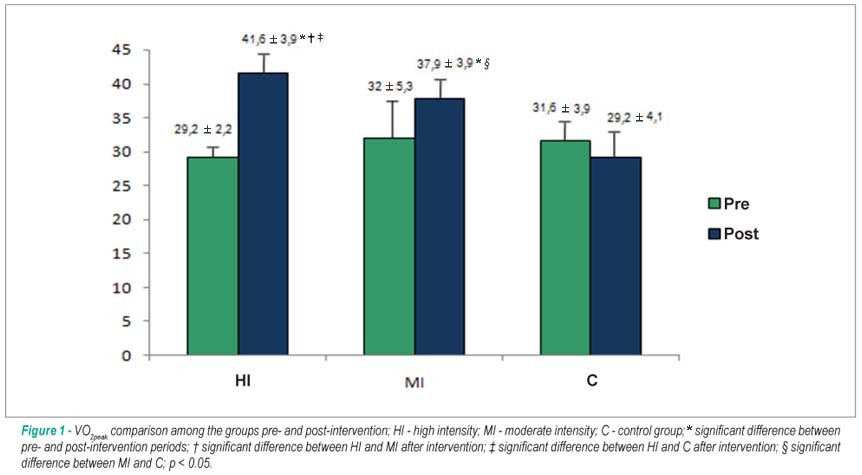
BACKGROUND: Studies relating physical exercises and health have contributed to elucidate the influence of sedentary habits on the incidence of cardiovascular diseases. OBJECTIVE: To compare the effect of different intensities of aerobic exercises on patients’ functional capacity (VO2peak) and quality of life after acute myocardial infarction. METHODS: Eighty-seven men (57.7 ± 6.1 years old) were enrolled in this prospective study and assigned to one of three groups: a) high-intensity physical training (n=29) at 85% maximum heart rate for 12 weeks; b) moderate-intensity training (n=29) at 75% maximum heart rate for 12 weeks; and c) control group (n=29), who were followed. The training groups did aerobic exercises five times a week in 45-minute sessions, besides muscular strengthening and stretching exercises. Maximum VO2 was measured through a cardiopulmonary test, and quality of life was assessed through the MacNew Questionnaire. RESULTS: Two-way ANOVA revealed a significant increase in VO2peak (p<0.05) in the high-intensity training group (from 29.9 ± 2.2 ml/kg.min to 41.6± 3.9 ml/kg.min) compared with the moderate-intensity training group (from 32.0 ± 5.3 ml/kg.min to 37.1 ± 3.9 ml/kg.min). Additionally, both training groups showed a significant increase in this parameter compared with the control group (from 31.6 ± 3.9 ml/kg.min to 29.2 ±4.1 ml/kg.min). Quality of life improved significantly (p<0.05) in the high-intensity training group (from 5.66 to 6.80) and in the moderate-intensity training group (from 5.38 to 6.72), but not in the control group (from 5.30 to 5.15). CONCLUSION: Exercises of greater intensity resulted in an increase in functional capacity and quality of life in patients after myocardial infarction.

  • Exercise
  • Myocardial Infarction
  • physical fitness
  • Quality of life
Read Full Article
Creative Commons Attribution (CC BY) Creative Commons license
16/07/2010 DOI: 10.1590/S0066-782X2010005000089
Cardiovascular risk factors in a cohort of healthcare professionals: 15 years of evolution
Artigo Original

Cardiovascular risk factors in a cohort of healthcare professionals: 15 years of evolution

Thiago de Souza Veiga Jardim et al. Paulo César Brandão Veiga Jardim Wattusy Estefane Cunha de Araújo Luciana Muniz Sanches Siqueira Veiga Jardim Claudia Maria Salgado

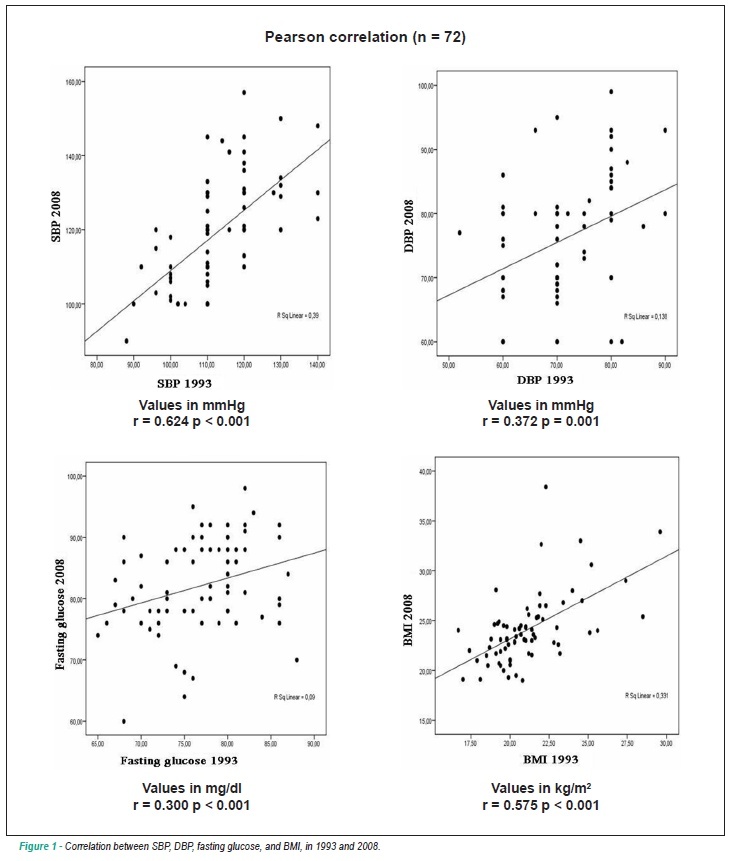
BACKGROUND: According to the World Health Organization (WHO), cardiovascular diseases (CVD) account for 16.7 million deaths per year. Evidence shows that CVD result from the interaction of multiple risk factors that are present from childhood. OBJECTIVE: To evaluate the presence and evolution of several cardiovascular risk factors (CVRF) among medical professionals, in a period of 15 years. METHODS: We analyzed a group of individuals when they entered medical school, and repeated the analysis after 15 years, comparing the data found. We used CVRF questionnaires (systemic arterial hypertension (SAH); diabetes mellitus (DM); dyslipidemia and family history of premature CVD; smoking habit; alcoholism; and sedentary lifestyle). Cholesterol, blood glucose, BP, weight, height, body mass index (BMI) values were determined. RESULTS: We compared 100 subjects (64.0% men with a mean age of 19.9 years) with a total of 72 subjects (62.5% men, 34.8 years) that were included in the study 15 years later. There was an increase in the prevalence of hypertension (6.0% vs 16.7%, p = 0.024), overweight (9.0% vs 26.4%, p = 0.002), and dyslipidemia (4.0% vs 19.14%, p = 0.002). The other CVRF remained unchanged. Analyzing the values of systolic blood pressure (SBP); diastolic blood pressure (DBP); cholesterol; glucose; and BMI, we found an increase in the mean values of all variables (p < 0.05). We observed a positive correlation between the values of SBP, DBP, BMI, and blood glucose measured in the time interval (p < 0.05). CONCLUSION: Among medical professionals, there was an elevation in SBP, DBP, glucose, BMI, and cholesterol values in 15 years. In the CVRF prevalence analysis, we found an increase in the prevalence of hypertension, overweight, and dyslipidemia.

  • Cross-Sectional Studies
  • Health Personnel
  • Risk Factors
Read Full Article
Creative Commons Attribution (CC BY) Creative Commons license
09/07/2010 DOI: 10.1590/S0066-782X2010005000084 Views 1

How to cite this article

EndNote RIS

Electronic Document Format (Vancouver)

Atik E, Passos FM, Andrade JL. Case 5/2010 – A seven-year-old girl with tetralogy of fallot and absent pulmonary valve. Arquivos Brasileiros de Cardiologia 2010;95(3):e80-2.

Electronic Document Format (ABNT)

Atik, Edmar; Passos, Fabiana M.; Andrade, José L.. Case 5/2010 – A seven-year-old girl with tetralogy of fallot and absent pulmonary valve. Arquivos Brasileiros de Cardiologia, v. 95, n. 3, p. e80-e82, Oct. 2010.

Electronic Document Format (APA)

Atik, E., Passos, F. M., & Andrade, J. L. (2010). Case 5/2010 – A seven-year-old girl with tetralogy of fallot and absent pulmonary valve. Arquivos Brasileiros de Cardiologia, 95(3), e80-e82.

Electronic Document Format (ISO)

Atik, Edmar and Passos, Fabiana M. and Andrade, José L.. Case 5/2010 – A seven-year-old girl with tetralogy of fallot and absent pulmonary valve. Arquivos Brasileiros de Cardiologia [online]. 2010, vol. 95, n. 3, [cited 2026-10-14], pp. e80-e82. Available from: <https://journals.cardiol.br/en/article/case-5-2010-a-seven-year-old-girl-with-tetralogy-of-fallot-and-absent-pulmonary-valve/>. ISSN 0066-782X

EndNote RIS

Electronic Document Format (Vancouver)

Rosa EM, Viecceli C, Tormen WC. Is it only inflammation or infection as well?. Arquivos Brasileiros de Cardiologia 2010;95(3):416-7.

Electronic Document Format (ABNT)

Rosa, Eduardo Maffini da; Viecceli, Camila; Tormen, William Cenci. Is it only inflammation or infection as well?. Arquivos Brasileiros de Cardiologia, v. 95, n. 3, p. 416-417, Oct. 2010.

Electronic Document Format (APA)

Rosa, E. M. , Viecceli, C., & Tormen, W. C. (2010). Is it only inflammation or infection as well?. Arquivos Brasileiros de Cardiologia, 95(3), 416-417.

Electronic Document Format (ISO)

Rosa, Eduardo Maffini da and Viecceli, Camila and Tormen, William Cenci. Is it only inflammation or infection as well?. Arquivos Brasileiros de Cardiologia [online]. 2010, vol. 95, n. 3, [cited 2026-10-14], pp. 416-417. Available from: <https://journals.cardiol.br/en/article/is-it-only-inflammation-or-infection-as-well/>. ISSN 0066-782X

EndNote RIS

Electronic Document Format (Vancouver)

Barcelos AM, Teixeira MA, Alves LS, Vieira MA, Bedim ML, Ribeiro NA. Infectious endocarditis due to Streptococcus bovis in a patient with colon carcinoma. Arquivos Brasileiros de Cardiologia 2010;95(3):e88-90.

Electronic Document Format (ABNT)

Barcelos, Alexandre Maulaz; Teixeira, Marco Antônio; Alves, Lidianny Silva; Vieira, Marcelo Antunes; Bedim, Marcus Lima; Ribeiro, Noely A.. Infectious endocarditis due to Streptococcus bovis in a patient with colon carcinoma. Arquivos Brasileiros de Cardiologia, v. 95, n. 3, p. e88-e90, Oct. 2010.

Electronic Document Format (APA)

Barcelos, A. M., Teixeira, M. A., Alves, L. S., Vieira, M. A., Bedim, M. L., & Ribeiro, N. A. (2010). Infectious endocarditis due to Streptococcus bovis in a patient with colon carcinoma. Arquivos Brasileiros de Cardiologia, 95(3), e88-e90.

Electronic Document Format (ISO)

Barcelos, Alexandre Maulaz and Teixeira, Marco Antônio and Alves, Lidianny Silva and Vieira, Marcelo Antunes and Bedim, Marcus Lima and Ribeiro, Noely A.. Infectious endocarditis due to Streptococcus bovis in a patient with colon carcinoma. Arquivos Brasileiros de Cardiologia [online]. 2010, vol. 95, n. 3, [cited 2026-10-14], pp. e88-e90. Available from: <https://journals.cardiol.br/en/article/infectious-endocarditis-due-to-streptococcus-bovis-in-a-patient-with-colon-carcinoma/>. ISSN 0066-782X

EndNote RIS

Electronic Document Format (Vancouver)

Ribeiro AF, Camara C, Segre CA, Srougi M, Serrano Jr CV. Cardiovascular risks of androgen deprivation therapy. Arquivos Brasileiros de Cardiologia 2010;95(3):412-5.

Electronic Document Format (ABNT)

Ribeiro, Adriano Freitas; Camara, César; Segre, Carlos Alexandre; Srougi, Miguel; Serrano Jr, Carlos V.. Cardiovascular risks of androgen deprivation therapy. Arquivos Brasileiros de Cardiologia, v. 95, n. 3, p. 412-415, Oct. 2010.

Electronic Document Format (APA)

Ribeiro, A. F., Camara, C., Segre, C. A., Srougi, M., & Serrano Jr, C. V. (2010). Cardiovascular risks of androgen deprivation therapy. Arquivos Brasileiros de Cardiologia, 95(3), 412-415.

Electronic Document Format (ISO)

Ribeiro, Adriano Freitas and Camara, César and Segre, Carlos Alexandre and Srougi, Miguel and Serrano Jr, Carlos V.. Cardiovascular risks of androgen deprivation therapy. Arquivos Brasileiros de Cardiologia [online]. 2010, vol. 95, n. 3, [cited 2026-10-14], pp. 412-415. Available from: <https://journals.cardiol.br/en/article/cardiovascular-risks-of-androgen-deprivation-therapy/>. ISSN 0066-782X

EndNote RIS

Electronic Document Format (Vancouver)

Almeida ALC, Cavalcante VM, Teixeira MDC, Freitas GRC. Pacemaker electrode misplaced in the left ventricle. Arquivos Brasileiros de Cardiologia 2010;95(3):e83-7.

Electronic Document Format (ABNT)

Almeida, André Luiz Cerqueira de; Cavalcante, Viviane Machicado; Teixeira, Márcio Diego Castro; Freitas, Gustavo Rocha Costa de. Pacemaker electrode misplaced in the left ventricle. Arquivos Brasileiros de Cardiologia, v. 95, n. 3, p. e83-e87, Oct. 2010.

Electronic Document Format (APA)

Almeida, A. L. C. , Cavalcante, V. M., Teixeira, M. D. C., & Freitas, G. R. C. (2010). Pacemaker electrode misplaced in the left ventricle. Arquivos Brasileiros de Cardiologia, 95(3), e83-e87.

Electronic Document Format (ISO)

Almeida, André Luiz Cerqueira de and Cavalcante, Viviane Machicado and Teixeira, Márcio Diego Castro and Freitas, Gustavo Rocha Costa de. Pacemaker electrode misplaced in the left ventricle. Arquivos Brasileiros de Cardiologia [online]. 2010, vol. 95, n. 3, [cited 2026-10-14], pp. e83-e87. Available from: <https://journals.cardiol.br/en/article/pacemaker-electrode-misplaced-in-the-left-ventricle/>. ISSN 0066-782X

EndNote RIS

Electronic Document Format (Vancouver)

Azeka E, Fregni F. Cardiovascular research: new model of collaborative training program. Arquivos Brasileiros de Cardiologia 2010;95(3):281-2.

Electronic Document Format (ABNT)

Azeka, Estela; Fregni, Felipe. Cardiovascular research: new model of collaborative training program. Arquivos Brasileiros de Cardiologia, v. 95, n. 3, p. 281-282, Oct. 2010.

Electronic Document Format (APA)

Azeka, E., & Fregni, F. (2010). Cardiovascular research: new model of collaborative training program. Arquivos Brasileiros de Cardiologia, 95(3), 281-282.

Electronic Document Format (ISO)

Azeka, Estela and Fregni, Felipe. Cardiovascular research: new model of collaborative training program. Arquivos Brasileiros de Cardiologia [online]. 2010, vol. 95, n. 3, [cited 2026-10-14], pp. 281-282. Available from: <https://journals.cardiol.br/en/article/cardiovascular-research-new-model-of-collaborative-training-program/>. ISSN 0066-782X

EndNote RIS

Electronic Document Format (Vancouver)

Oliveira DC, Silva RF, Silva DJ, Lima VC. Aspirin resistance: fact or fiction?. Arquivos Brasileiros de Cardiologia 2010;95(3):e91-4.

Electronic Document Format (ABNT)

Oliveira, Dinaldo Cavalcanti de; Silva, Rogerio Ferreira; Silva, Diego Jantsk; Lima, Valter Correia de. Aspirin resistance: fact or fiction?. Arquivos Brasileiros de Cardiologia, v. 95, n. 3, p. e91-e94, Oct. 2010.

Electronic Document Format (APA)

Oliveira, D. C. , Silva, R. F., Silva, D. J., & Lima, V. C. (2010). Aspirin resistance: fact or fiction?. Arquivos Brasileiros de Cardiologia, 95(3), e91-e94.

Electronic Document Format (ISO)

Oliveira, Dinaldo Cavalcanti de and Silva, Rogerio Ferreira and Silva, Diego Jantsk and Lima, Valter Correia de. Aspirin resistance: fact or fiction?. Arquivos Brasileiros de Cardiologia [online]. 2010, vol. 95, n. 3, [cited 2026-10-14], pp. e91-e94. Available from: <https://journals.cardiol.br/en/article/aspirin-resistance-fact-or-fiction/>. ISSN 0066-782X

EndNote RIS

Electronic Document Format (Vancouver)

Battagin AM, Corso SD, Soares CLR, Ferreira S, Letícia A, Souza C, Malaguti C, et al. Pressure response after resistance exercise for different body segments in hypertensive people. Arquivos Brasileiros de Cardiologia 2010;95(3):405-11.

Electronic Document Format (ABNT)

Battagin, Adriana Marques; Corso, Simone Dal; Soares, Carmen Lúcia Rondon; Ferreira, Silvia; Letícia, Agnes; Souza, Cintia de; Malaguti, Carla. Pressure response after resistance exercise for different body segments in hypertensive people. Arquivos Brasileiros de Cardiologia, v. 95, n. 3, p. 405-411, Sep. 2010.

Electronic Document Format (APA)

Battagin, A. M., Corso, S. D., Soares, C. L. R., Ferreira, S., Letícia, A., Souza, C. , & Malaguti, C. (2010). Pressure response after resistance exercise for different body segments in hypertensive people. Arquivos Brasileiros de Cardiologia, 95(3), 405-411.

Electronic Document Format (ISO)

Battagin, Adriana Marques and Corso, Simone Dal and Soares, Carmen Lúcia Rondon and Ferreira, Silvia and Letícia, Agnes and Souza, Cintia de and Malaguti, Carla. Pressure response after resistance exercise for different body segments in hypertensive people. Arquivos Brasileiros de Cardiologia [online]. 2010, vol. 95, n. 3, [cited 2026-10-14], pp. 405-411. Available from: <https://journals.cardiol.br/en/article/pressure-response-after-resistance-exercise-for-different-body-segments-in-hypertensive-people/>. ISSN 0066-782X

EndNote RIS

Electronic Document Format (Vancouver)

Moura LZ, Guimarães GV, Pires PV, Cruz F, Stopa G, Bocchi EA. Exercise chemosensitivity in heart failure: ventilatory, chronotropic and neurohormonal responses. Arquivos Brasileiros de Cardiologia 2010;95(3):381-9.

Electronic Document Format (ABNT)

Moura, Lídia Zytynski; Guimarães, Guilherme Veiga; Pires, Philippe Vieira; Cruz, Fátima; Stopa, Gabriela; Bocchi, Edimar Alcides. Exercise chemosensitivity in heart failure: ventilatory, chronotropic and neurohormonal responses. Arquivos Brasileiros de Cardiologia, v. 95, n. 3, p. 381-391, Aug. 2010.

Electronic Document Format (APA)

Moura, L. Z., Guimarães, G. V., Pires, P. V., Cruz, F., Stopa, G., & Bocchi, E. A. (2010). Exercise chemosensitivity in heart failure: ventilatory, chronotropic and neurohormonal responses. Arquivos Brasileiros de Cardiologia, 95(3), 381-391.

Electronic Document Format (ISO)

Moura, Lídia Zytynski and Guimarães, Guilherme Veiga and Pires, Philippe Vieira and Cruz, Fátima and Stopa, Gabriela and Bocchi, Edimar Alcides. Exercise chemosensitivity in heart failure: ventilatory, chronotropic and neurohormonal responses. Arquivos Brasileiros de Cardiologia [online]. 2010, vol. 95, n. 3, [cited 2026-10-14], pp. 381-391. Available from: <https://journals.cardiol.br/en/article/exercise-chemosensitivity-in-heart-failure-ventilatory-chronotropic-and-neurohormonal-responses/>. ISSN 0066-782X

EndNote RIS

Electronic Document Format (Vancouver)

Miana LA, Assad RS, Abduch MCD, Gomes GS, Nogueira AR, Oliveira FS, Telles BL, et al. Intermittent systolic overload promotes better myocardial performance in adult animals. Arquivos Brasileiros de Cardiologia 2010;95(3):364-72.

Electronic Document Format (ABNT)

Miana, Leonardo Augusto; Assad, Renato S.; Abduch, Maria C. D.; Gomes, Guilherme Seva; Nogueira, Ananda Rigo; Oliveira, Fernanda Santos; Telles, Bruna Lopes; Souto, Maria Teresa; Silva, Gustavo J.; Stolf, Noedir A. G.. Intermittent systolic overload promotes better myocardial performance in adult animals. Arquivos Brasileiros de Cardiologia, v. 95, n. 3, p. 364-372, Aug. 2010.

Electronic Document Format (APA)

Miana, L. A., Assad, R. S., Abduch, M. C. D., Gomes, G. S., Nogueira, A. R., Oliveira, F. S., Telles, B. L., Souto, M. T., Silva, G. J., & Stolf, N. A. G. (2010). Intermittent systolic overload promotes better myocardial performance in adult animals. Arquivos Brasileiros de Cardiologia, 95(3), 364-372.

Electronic Document Format (ISO)

Miana, Leonardo Augusto and Assad, Renato S. and Abduch, Maria C. D. and Gomes, Guilherme Seva and Nogueira, Ananda Rigo and Oliveira, Fernanda Santos and Telles, Bruna Lopes and Souto, Maria Teresa and Silva, Gustavo J. and Stolf, Noedir A. G.. Intermittent systolic overload promotes better myocardial performance in adult animals. Arquivos Brasileiros de Cardiologia [online]. 2010, vol. 95, n. 3, [cited 2026-10-14], pp. 364-372. Available from: <https://journals.cardiol.br/en/article/intermittent-systolic-overload-promotes-better-myocardial-performance-in-adult-animals/>. ISSN 0066-782X

EndNote RIS

Electronic Document Format (Vancouver)

Miotto HC, Camargos FRS, Ribeiro CV, Goulart EM, Moreira MCV. Effects of the use of theoretical versus theoretical-practical training on Cardiopulmonary Resuscitation. Arquivos Brasileiros de Cardiologia 2010;95(3):328-31.

Electronic Document Format (ABNT)

Miotto, Heberth César; Camargos, Felipe Ribeiro da Silva; Ribeiro, Cristiano Valério; Goulart, Eugenio MA; Moreira, Maria da Consolação Vieira. Effects of the use of theoretical versus theoretical-practical training on Cardiopulmonary Resuscitation. Arquivos Brasileiros de Cardiologia, v. 95, n. 3, p. 328-331, Aug. 2010.

Electronic Document Format (APA)

Miotto, H. C., Camargos, F. R. S., Ribeiro, C. V., Goulart, E. M., & Moreira, M. C. V. (2010). Effects of the use of theoretical versus theoretical-practical training on Cardiopulmonary Resuscitation. Arquivos Brasileiros de Cardiologia, 95(3), 328-331.

Electronic Document Format (ISO)

Miotto, Heberth César and Camargos, Felipe Ribeiro da Silva and Ribeiro, Cristiano Valério and Goulart, Eugenio MA and Moreira, Maria da Consolação Vieira. Effects of the use of theoretical versus theoretical-practical training on Cardiopulmonary Resuscitation. Arquivos Brasileiros de Cardiologia [online]. 2010, vol. 95, n. 3, [cited 2026-10-14], pp. 328-331. Available from: <https://journals.cardiol.br/en/article/effects-of-the-use-of-theoretical-versus-theoretical-practical-training-on-cardiopulmonary-resuscitation/>. ISSN 0066-782X

EndNote RIS

Electronic Document Format (Vancouver)

Serrano Júnior CV, Soeiro AM, Araújo LF, Jabot B, Rached F, Orii NM, Nicolau JC, et al. Lack of clopidogrel-statin interaction in patients undergoing coronary stent implantation. Arquivos Brasileiros de Cardiologia 2010;95(3):321-7.

Electronic Document Format (ABNT)

Serrano Júnior, Carlos Vicente; Soeiro, Alexandre de Matos; Araújo, Leila Fernandes; Jabot, Bruna; Rached, Fabiana; Orii, Noemia Mie; Nicolau, José Carlos; Duarte, Alberto J.; Ramires, José Antonio F.. Lack of clopidogrel-statin interaction in patients undergoing coronary stent implantation. Arquivos Brasileiros de Cardiologia, v. 95, n. 3, p. 321-327, Aug. 2010.

Electronic Document Format (APA)

Serrano Júnior, C. V., Soeiro, A. M., Araújo, L. F., Jabot, B., Rached, F., Orii, N. M., Nicolau, J. C., Duarte, A. J., & Ramires, J. A. F. (2010). Lack of clopidogrel-statin interaction in patients undergoing coronary stent implantation. Arquivos Brasileiros de Cardiologia, 95(3), 321-327.

Electronic Document Format (ISO)

Serrano Júnior, Carlos Vicente and Soeiro, Alexandre de Matos and Araújo, Leila Fernandes and Jabot, Bruna and Rached, Fabiana and Orii, Noemia Mie and Nicolau, José Carlos and Duarte, Alberto J. and Ramires, José Antonio F.. Lack of clopidogrel-statin interaction in patients undergoing coronary stent implantation. Arquivos Brasileiros de Cardiologia [online]. 2010, vol. 95, n. 3, [cited 2026-10-14], pp. 321-327. Available from: <https://journals.cardiol.br/en/article/lack-of-clopidogrel-statin-interaction-in-patients-undergoing-coronary-stent-implantation/>. ISSN 0066-782X

EndNote RIS

Electronic Document Format (Vancouver)

Jesus EVS, Dias-Filho EB, Mota BM, Souza L, Marques-Santos C, Rocha JBG, Oliveira JLM, et al. Suspicion of Obstructive Sleep Apnea by Berlin Questionnaire predicts events in patients with Acute Coronary Syndrome. Arquivos Brasileiros de Cardiologia 2010;95(3):313-20.

Electronic Document Format (ABNT)

Jesus, Eryca Vanessa S. de; Dias-Filho, Euvaldo B.; Mota, Bethania de M.; Souza, Luiz de; Marques-Santos, Celi; Rocha, João Bosco G.; Oliveira, Joselina L. M.; Sousa, Antônio C. S.; Barreto-Filho, José Augusto. Suspicion of Obstructive Sleep Apnea by Berlin Questionnaire predicts events in patients with Acute Coronary Syndrome. Arquivos Brasileiros de Cardiologia, v. 95, n. 3, p. 313-320, Aug. 2010.

Electronic Document Format (APA)

Jesus, E. V. S. , Dias-Filho, E. B., Mota, B. M., Souza, L. , Marques-Santos, C., Rocha, J. B. G., Oliveira, J. L. M., Sousa, A. C. S., & Barreto-Filho, J. A. (2010). Suspicion of Obstructive Sleep Apnea by Berlin Questionnaire predicts events in patients with Acute Coronary Syndrome. Arquivos Brasileiros de Cardiologia, 95(3), 313-320.

Electronic Document Format (ISO)

Jesus, Eryca Vanessa S. de and Dias-Filho, Euvaldo B. and Mota, Bethania de M. and Souza, Luiz de and Marques-Santos, Celi and Rocha, João Bosco G. and Oliveira, Joselina L. M. and Sousa, Antônio C. S. and Barreto-Filho, José Augusto. Suspicion of Obstructive Sleep Apnea by Berlin Questionnaire predicts events in patients with Acute Coronary Syndrome. Arquivos Brasileiros de Cardiologia [online]. 2010, vol. 95, n. 3, [cited 2026-10-14], pp. 313-320. Available from: <https://journals.cardiol.br/en/article/suspicion-of-obstructive-sleep-apnea-by-berlin-questionnaire-predicts-events-in-patients-with-acute-coronary-syndrome/>. ISSN 0066-782X

EndNote RIS

Electronic Document Format (Vancouver)

Nogueira PR, Rassi S, Corrêa KS. Epidemiological, clinical e therapeutic profile of heart failure in a tertiary hospital. Arquivos Brasileiros de Cardiologia 2010;95(3):392-8.

Electronic Document Format (ABNT)

Nogueira, Patrícia Resende; Rassi, Salvador; Corrêa, Krislainy de Sousa. Epidemiological, clinical e therapeutic profile of heart failure in a tertiary hospital. Arquivos Brasileiros de Cardiologia, v. 95, n. 3, p. 392-398, Aug. 2010.

Electronic Document Format (APA)

Nogueira, P. R., Rassi, S., & Corrêa, K. S. (2010). Epidemiological, clinical e therapeutic profile of heart failure in a tertiary hospital. Arquivos Brasileiros de Cardiologia, 95(3), 392-398.

Electronic Document Format (ISO)

Nogueira, Patrícia Resende and Rassi, Salvador and Corrêa, Krislainy de Sousa. Epidemiological, clinical e therapeutic profile of heart failure in a tertiary hospital. Arquivos Brasileiros de Cardiologia [online]. 2010, vol. 95, n. 3, [cited 2026-10-14], pp. 392-398. Available from: <https://journals.cardiol.br/en/article/epidemiological-clinical-e-therapeutic-profile-of-heart-failure-in-a-tertiary-hospital/>. ISSN 0066-782X

EndNote RIS

Electronic Document Format (Vancouver)

Vanzelli AS, Medeiros A, Sirvente RA, Salemi VMC, Mady C, Brum PC. Association of physical training with beta-blockers in heart failure in mice. Arquivos Brasileiros de Cardiologia 2010;95(3):373-80.

Electronic Document Format (ABNT)

Vanzelli, Andréa Somolanji; Medeiros, Alessandra; Sirvente, Raquel de Assis; Salemi, Vera Maria Cury; Mady, Charles; Brum, Patricia Chakur. Association of physical training with beta-blockers in heart failure in mice. Arquivos Brasileiros de Cardiologia, v. 95, n. 3, p. 373-380, Jul. 2010.

Electronic Document Format (APA)

Vanzelli, A. S., Medeiros, A., Sirvente, R. A., Salemi, V. M. C., Mady, C., & Brum, P. C. (2010). Association of physical training with beta-blockers in heart failure in mice. Arquivos Brasileiros de Cardiologia, 95(3), 373-380.

Electronic Document Format (ISO)

Vanzelli, Andréa Somolanji and Medeiros, Alessandra and Sirvente, Raquel de Assis and Salemi, Vera Maria Cury and Mady, Charles and Brum, Patricia Chakur. Association of physical training with beta-blockers in heart failure in mice. Arquivos Brasileiros de Cardiologia [online]. 2010, vol. 95, n. 3, [cited 2026-10-14], pp. 373-380. Available from: <https://journals.cardiol.br/en/article/association-of-physical-training-with-beta-blockers-in-heart-failure-in-mice/>. ISSN 0066-782X

EndNote RIS

Electronic Document Format (Vancouver)

Paula HAA, Ribeiro RCL, Rosado LEFPL, Pereira RSF, Franceschini SCC. Comparison of the different definition criteria for the diagnosis of the metabolic syndrome in elderly women. Arquivos Brasileiros de Cardiologia 2010;95(3):346-53.

Electronic Document Format (ABNT)

Paula, Hudsara Aparecida de Almeida; Ribeiro, Rita de Cássia Lanes; Rosado, Lina Enriqueta Frandsen Paez de Lima; Pereira, Renan Salazar Ferreira; Franceschini, Sylvia do Carmo Castro. Comparison of the different definition criteria for the diagnosis of the metabolic syndrome in elderly women. Arquivos Brasileiros de Cardiologia, v. 95, n. 3, p. 346-353, Jul. 2010.

Electronic Document Format (APA)

Paula, H. A. A., Ribeiro, R. C. L., Rosado, L. E. F. P. L., Pereira, R. S. F., & Franceschini, S. C. C. (2010). Comparison of the different definition criteria for the diagnosis of the metabolic syndrome in elderly women. Arquivos Brasileiros de Cardiologia, 95(3), 346-353.

Electronic Document Format (ISO)

Paula, Hudsara Aparecida de Almeida and Ribeiro, Rita de Cássia Lanes and Rosado, Lina Enriqueta Frandsen Paez de Lima and Pereira, Renan Salazar Ferreira and Franceschini, Sylvia do Carmo Castro. Comparison of the different definition criteria for the diagnosis of the metabolic syndrome in elderly women. Arquivos Brasileiros de Cardiologia [online]. 2010, vol. 95, n. 3, [cited 2026-10-14], pp. 346-353. Available from: <https://journals.cardiol.br/en/article/comparison-of-the-different-definition-criteria-for-the-diagnosis-of-the-metabolic-syndrome-in-elderly-women/>. ISSN 0066-782X

EndNote RIS

Electronic Document Format (Vancouver)

Lima SG, Lima TAG, Macedo LA, Sá MPBO, Vidal ML, Gomes RAF, Oliveira LC, et al. Ethics in research with human beings: from knowledge to practice. Arquivos Brasileiros de Cardiologia 2010;95(3):289-94.

Electronic Document Format (ABNT)

Lima, Sandro Gonçalves de; Lima, Tatiana Albuquerque Gonçalves de; Macedo, Larissa Araripe de; Sá, Michel Pompeu Barros de Oliveira; Vidal, Marcela de Lima; Gomes, Rafael Alessandro Ferreira; Oliveira, Laura Correia; Santos, Ana Maria Aguiar. Ethics in research with human beings: from knowledge to practice. Arquivos Brasileiros de Cardiologia, v. 95, n. 3, p. 289-294, Jul. 2010.

Electronic Document Format (APA)

Lima, S. G. , Lima, T. A. G. , Macedo, L. A. , Sá, M. P. B. O., Vidal, M. L., Gomes, R. A. F., Oliveira, L. C., & Santos, A. M. A. (2010). Ethics in research with human beings: from knowledge to practice. Arquivos Brasileiros de Cardiologia, 95(3), 289-294.

Electronic Document Format (ISO)

Lima, Sandro Gonçalves de and Lima, Tatiana Albuquerque Gonçalves de and Macedo, Larissa Araripe de and Sá, Michel Pompeu Barros de Oliveira and Vidal, Marcela de Lima and Gomes, Rafael Alessandro Ferreira and Oliveira, Laura Correia and Santos, Ana Maria Aguiar. Ethics in research with human beings: from knowledge to practice. Arquivos Brasileiros de Cardiologia [online]. 2010, vol. 95, n. 3, [cited 2026-10-14], pp. 289-294. Available from: <https://journals.cardiol.br/en/article/ethics-in-research-with-human-beings-from-knowledge-to-practice/>. ISSN 0066-782X

EndNote RIS

Electronic Document Format (Vancouver)

Alessi A, França Neto OR, Prim C, Silva RFKC, Noronha L, Brofman PRS, Baroncini LAV, et al. Rosiglitazone and vascular injury in hypercholesterolemic rabbits: neointimal formation assessment. Arquivos Brasileiros de Cardiologia 2010;95(3):283-8.

Electronic Document Format (ABNT)

Alessi, Alexandre; França Neto, Olímpio Ribeiro; Prim, Camila; Silva, Ruy Fernando Kuenzer Caetano da; Noronha, Lucia de; Brofman, Paulo Roberto Slud; Baroncini, Liz Andréa Villela; Précoma, Dalton Bertolim. Rosiglitazone and vascular injury in hypercholesterolemic rabbits: neointimal formation assessment. Arquivos Brasileiros de Cardiologia, v. 95, n. 3, p. 283-288, Jul. 2010.

Electronic Document Format (APA)

Alessi, A., França Neto, O. R., Prim, C., Silva, R. F. K. C. , Noronha, L. , Brofman, P. R. S., Baroncini, L. A. V., & Précoma, D. B. (2010). Rosiglitazone and vascular injury in hypercholesterolemic rabbits: neointimal formation assessment. Arquivos Brasileiros de Cardiologia, 95(3), 283-288.

Electronic Document Format (ISO)

Alessi, Alexandre and França Neto, Olímpio Ribeiro and Prim, Camila and Silva, Ruy Fernando Kuenzer Caetano da and Noronha, Lucia de and Brofman, Paulo Roberto Slud and Baroncini, Liz Andréa Villela and Précoma, Dalton Bertolim. Rosiglitazone and vascular injury in hypercholesterolemic rabbits: neointimal formation assessment. Arquivos Brasileiros de Cardiologia [online]. 2010, vol. 95, n. 3, [cited 2026-10-14], pp. 283-288. Available from: <https://journals.cardiol.br/en/article/rosiglitazone-and-vascular-injury-in-hypercholesterolemic-rabbits-neointimal-formation-assessment/>. ISSN 0066-782X

EndNote RIS

Electronic Document Format (Vancouver)

Figueiredo Neto JA, Figuerêdo ED, Barbosa JB, Barbosa FF, Costa GRC, Nina VJS, Nina RVAH, et al. Metabolic syndrome and menopause: cross-sectional study in gynecology clinic. Arquivos Brasileiros de Cardiologia 2010;95(3):339-45.

Electronic Document Format (ABNT)

Figueiredo Neto, José Albuquerque de; Figuerêdo, Eduardo Durans; Barbosa, José Bonifácio; Barbosa, Fabrício de Flores; Costa, Geny Rose Cardoso; Nina, Vinícius José da Silva; Nina, Rachel Vilela de Abreu Haickel. Metabolic syndrome and menopause: cross-sectional study in gynecology clinic. Arquivos Brasileiros de Cardiologia, v. 95, n. 3, p. 339-345, Jul. 2010.

Electronic Document Format (APA)

Figueiredo Neto, J. A. , Figuerêdo, E. D., Barbosa, J. B., Barbosa, F. F., Costa, G. R. C., Nina, V. J. S., & Nina, R. V. A. H. (2010). Metabolic syndrome and menopause: cross-sectional study in gynecology clinic. Arquivos Brasileiros de Cardiologia, 95(3), 339-345.

Electronic Document Format (ISO)

Figueiredo Neto, José Albuquerque de and Figuerêdo, Eduardo Durans and Barbosa, José Bonifácio and Barbosa, Fabrício de Flores and Costa, Geny Rose Cardoso and Nina, Vinícius José da Silva and Nina, Rachel Vilela de Abreu Haickel. Metabolic syndrome and menopause: cross-sectional study in gynecology clinic. Arquivos Brasileiros de Cardiologia [online]. 2010, vol. 95, n. 3, [cited 2026-10-14], pp. 339-345. Available from: <https://journals.cardiol.br/en/article/metabolic-syndrome-and-menopause-cross-sectional-study-in-gynecology-clinic/>. ISSN 0066-782X

EndNote RIS

Electronic Document Format (Vancouver)

Oliveira TML, Oliveira GMM, Klein CH, Silva NAS, Godoy PH. Mortality and complications of coronary artery bypass grafting in Rio de Janeiro, from 1999 to 2003. Arquivos Brasileiros de Cardiologia 2010;95(3):303-12.

Electronic Document Format (ABNT)

Oliveira, Thaís Mendonça Lips de; Oliveira, Gláucia Maria Moraes de; Klein, Carlos Henrique; Silva, Nelson Albuquerque de Souza e; Godoy, Paulo Henrique. Mortality and complications of coronary artery bypass grafting in Rio de Janeiro, from 1999 to 2003. Arquivos Brasileiros de Cardiologia, v. 95, n. 3, p. 303-312, Jul. 2010.

Electronic Document Format (APA)

Oliveira, T. M. L. , Oliveira, G. M. M. , Klein, C. H., Silva, N. A. S. , & Godoy, P. H. (2010). Mortality and complications of coronary artery bypass grafting in Rio de Janeiro, from 1999 to 2003. Arquivos Brasileiros de Cardiologia, 95(3), 303-312.

Electronic Document Format (ISO)

Oliveira, Thaís Mendonça Lips de and Oliveira, Gláucia Maria Moraes de and Klein, Carlos Henrique and Silva, Nelson Albuquerque de Souza e and Godoy, Paulo Henrique. Mortality and complications of coronary artery bypass grafting in Rio de Janeiro, from 1999 to 2003. Arquivos Brasileiros de Cardiologia [online]. 2010, vol. 95, n. 3, [cited 2026-10-14], pp. 303-312. Available from: <https://journals.cardiol.br/en/article/mortality-and-complications-of-coronary-artery-bypass-grafting-in-rio-de-janeiro-from-1999-to-2003/>. ISSN 0066-782X

EndNote RIS

Electronic Document Format (Vancouver)

Nogueira FS, Pompeu FAMS. Measurement precision of the anaerobic threshold by means of a portable calorimeter. Arquivos Brasileiros de Cardiologia 2010;95(3):354-63.

Electronic Document Format (ABNT)

Nogueira, Fernando dos Santos; Pompeu, Fernando Augusto Monteiro Sabóia. Measurement precision of the anaerobic threshold by means of a portable calorimeter. Arquivos Brasileiros de Cardiologia, v. 95, n. 3, p. 354-363, Jul. 2010.

Electronic Document Format (APA)

Nogueira, F. S., & Pompeu, F. A. M. S. (2010). Measurement precision of the anaerobic threshold by means of a portable calorimeter. Arquivos Brasileiros de Cardiologia, 95(3), 354-363.

Electronic Document Format (ISO)

Nogueira, Fernando dos Santos and Pompeu, Fernando Augusto Monteiro Sabóia. Measurement precision of the anaerobic threshold by means of a portable calorimeter. Arquivos Brasileiros de Cardiologia [online]. 2010, vol. 95, n. 3, [cited 2026-10-14], pp. 354-363. Available from: <https://journals.cardiol.br/en/article/measurement-precision-of-the-anaerobic-threshold-by-means-of-a-portable-calorimeter/>. ISSN 0066-782X

EndNote RIS

Electronic Document Format (Vancouver)

Pfeiffer MET, Andrea EM, Serra SM, Assumpção CR, Herdy GVH. Late clinical and functional assessment of arrhythmias in children after repair of Tetralogy of Fallot. Arquivos Brasileiros de Cardiologia 2010;95(3):295-302.

Electronic Document Format (ABNT)

Pfeiffer, Maria Eulália Thebit; Andrea, Eduardo Machado; Serra, Salvador Manoel; Assumpção, Claudio Roberto; Herdy, Gesmar Volga Haddad. Late clinical and functional assessment of arrhythmias in children after repair of Tetralogy of Fallot. Arquivos Brasileiros de Cardiologia, v. 95, n. 3, p. 295-302, Jul. 2010.

Electronic Document Format (APA)

Pfeiffer, M. E. T., Andrea, E. M., Serra, S. M., Assumpção, C. R., & Herdy, G. V. H. (2010). Late clinical and functional assessment of arrhythmias in children after repair of Tetralogy of Fallot. Arquivos Brasileiros de Cardiologia, 95(3), 295-302.

Electronic Document Format (ISO)

Pfeiffer, Maria Eulália Thebit and Andrea, Eduardo Machado and Serra, Salvador Manoel and Assumpção, Claudio Roberto and Herdy, Gesmar Volga Haddad. Late clinical and functional assessment of arrhythmias in children after repair of Tetralogy of Fallot. Arquivos Brasileiros de Cardiologia [online]. 2010, vol. 95, n. 3, [cited 2026-10-14], pp. 295-302. Available from: <https://journals.cardiol.br/en/article/late-clinical-and-functional-assessment-of-arrhythmias-in-children-after-repair-of-tetralogy-of-fallot/>. ISSN 0066-782X

EndNote RIS

Electronic Document Format (Vancouver)

Benetti M, Araujo CLP, Santos RZ. Cardiorespiratory fitness and quality of life at different exercise intensities after myocardial infarction. Arquivos Brasileiros de Cardiologia 2010;95(3):399-404.

Electronic Document Format (ABNT)

Benetti, Magnus; Araujo, Cintia Laura Pereira de; Santos, Rafaella Zuianello dos. Cardiorespiratory fitness and quality of life at different exercise intensities after myocardial infarction. Arquivos Brasileiros de Cardiologia, v. 95, n. 3, p. 399-404, Jul. 2010.

Electronic Document Format (APA)

Benetti, M., Araujo, C. L. P. , & Santos, R. Z. (2010). Cardiorespiratory fitness and quality of life at different exercise intensities after myocardial infarction. Arquivos Brasileiros de Cardiologia, 95(3), 399-404.

Electronic Document Format (ISO)

Benetti, Magnus and Araujo, Cintia Laura Pereira de and Santos, Rafaella Zuianello dos. Cardiorespiratory fitness and quality of life at different exercise intensities after myocardial infarction. Arquivos Brasileiros de Cardiologia [online]. 2010, vol. 95, n. 3, [cited 2026-10-14], pp. 399-404. Available from: <https://journals.cardiol.br/en/article/cardiorespiratory-fitness-and-quality-of-life-at-different-exercise-intensities-after-myocardial-infarction/>. ISSN 0066-782X

EndNote RIS

Electronic Document Format (Vancouver)

Jardim TSV, Jardim PCBV, Araújo WEC, Jardim LMSSV, Salgado CM. Cardiovascular risk factors in a cohort of healthcare professionals: 15 years of evolution. Arquivos Brasileiros de Cardiologia 2010;95(3):332-8.

Electronic Document Format (ABNT)

Jardim, Thiago de Souza Veiga; Jardim, Paulo César Brandão Veiga; Araújo, Wattusy Estefane Cunha de; Jardim, Luciana Muniz Sanches Siqueira Veiga; Salgado, Claudia Maria. Cardiovascular risk factors in a cohort of healthcare professionals: 15 years of evolution. Arquivos Brasileiros de Cardiologia, v. 95, n. 3, p. 332-338, Jul. 2010.

Electronic Document Format (APA)

Jardim, T. S. V., Jardim, P. C. B. V., Araújo, W. E. C. , Jardim, L. M. S. S. V., & Salgado, C. M. (2010). Cardiovascular risk factors in a cohort of healthcare professionals: 15 years of evolution. Arquivos Brasileiros de Cardiologia, 95(3), 332-338.

Electronic Document Format (ISO)

Jardim, Thiago de Souza Veiga and Jardim, Paulo César Brandão Veiga and Araújo, Wattusy Estefane Cunha de and Jardim, Luciana Muniz Sanches Siqueira Veiga and Salgado, Claudia Maria. Cardiovascular risk factors in a cohort of healthcare professionals: 15 years of evolution. Arquivos Brasileiros de Cardiologia [online]. 2010, vol. 95, n. 3, [cited 2026-10-14], pp. 332-338. Available from: <https://journals.cardiol.br/en/article/cardiovascular-risk-factors-in-a-cohort-of-healthcare-professionals-15-years-of-evolution/>. ISSN 0066-782X

Sede – Rio de Janeiro
Av. Marechal Câmara, 160
3º andar – Sala: 330 – Centro
Rio de Janeiro – CEP: 20020-907
Tel.: (55 +21) 3478-2700
ou (21) 99386-3961
E-mail: revista@cardiol.br

Sede – São Paulo
Alameda Santos, 705 – 11º andar
Cerqueira César | São Paulo
CEP: 01419-001
Tel.: (55 +11) 3411-5500
E-mail: revista@cardiol.br

  • About the Journal
  • Internal Regulation
  • Editors Section
  • Editorial Board
  • History
  • SBC Award

  • Guidelines for Publication
  • Editorial Policy
  • Ethics Policy
  • Policy on the Use of Artificial Intelligence
  • Mandatory Publication Form
  • Publication Fee

Issues

SBC Guidelines

  • How to Publish an Abstract Supplement?
  • Supplements from the Brazilian Congress of Cardiology