ABC Family Arquivos Brasileiros de Cardiologia International Journal of Cardiovascular Sciences ABC Heart Failure & Cardiomyopathy ABC Imagem Cardiovascular
Português English
ABC Family
Português English
  • About
    • About ABC Family
    • Internal Regulation
    • Editorial Board
    • Brazilian Society of Cardiology (SBC)
  • Issues
  • SBC Guidelines
  • Content
    • Videos
    • Podcasts
    • News
  • About
    • About ABC Family
    • Internal Regulation
    • Editorial Board
    • Brazilian Society of Cardiology (SBC)
  • Issues
  • SBC Guidelines
  • Content
    • Videos
    • Podcasts
    • News

ABC Family

  • ABC Family
  • Arquivos Brasileiros de Cardiologia
  • International Journal of Cardiovascular Sciences
  • ABC Heart Failure & Cardiomyopathy
  • ABC Imagem Cardiovascular
Search in

No content found.

Journals
Ordering
Article types
Others

  1. Home
  2. Keyword: digital health
ABC
Letter to the Editor

Technology-Based Cardiac Rehabilitation and Exercise Capacity in Coronary Artery Disease: An Artificial Intelligence Analysis

Benil Nesli Ata

I read with great interest the article by Saklica et al. entitled “The Impact of Technology-Based Cardiac Rehabilitation on Exercise Capacity and Adherence in Patients with Coronary Artery Disease: An Artificial Intelligence Analysis,” recently published in Arquivos Brasileiros de Cardiologia. The study addresses an important and timely topic by examining the potential role of technology-supported cardiac rehabilitation programs and exploring the integration of artificial intelligence (AI)–based analyses in the evaluation of rehabilitation outcomes. Considering the persistent global underutilization of cardiac rehabilitation programs, studies exploring innovative and accessible rehabilitation strategies are of clear clinical importance.

One methodological aspect that warrants further consideration is the assessment of exercise capacity. In the present study, functional improvement was evaluated using the incremental shuttle walk test (ISWT). Although the ISWT is a practical and validated field test frequently used in rehabilitation settings, it remains a submaximal and effort-dependent measure. In patients with coronary artery disease, cardiopulmonary exercise testing (CPET) is generally regarded as the reference standard for evaluating exercise capacity because it provides objective physiological parameters such as peak oxygen uptake and ventilatory thresholds. The inclusion of CPET-derived variables could therefore have offered a more comprehensive evaluation of cardiopulmonary adaptations and strengthened the interpretation of the observed improvements in functional capacity.

[…]

  • Artificial Intelligence
  • Cardiac Rehabilitation
  • Coronary Artery Disease
  • digital health
  • Exercise
Read Full Article
Creative Commons Attribution (CC BY) Creative Commons license
20/07/2026 DOI: 10.36660/abc.20260179i Views 2
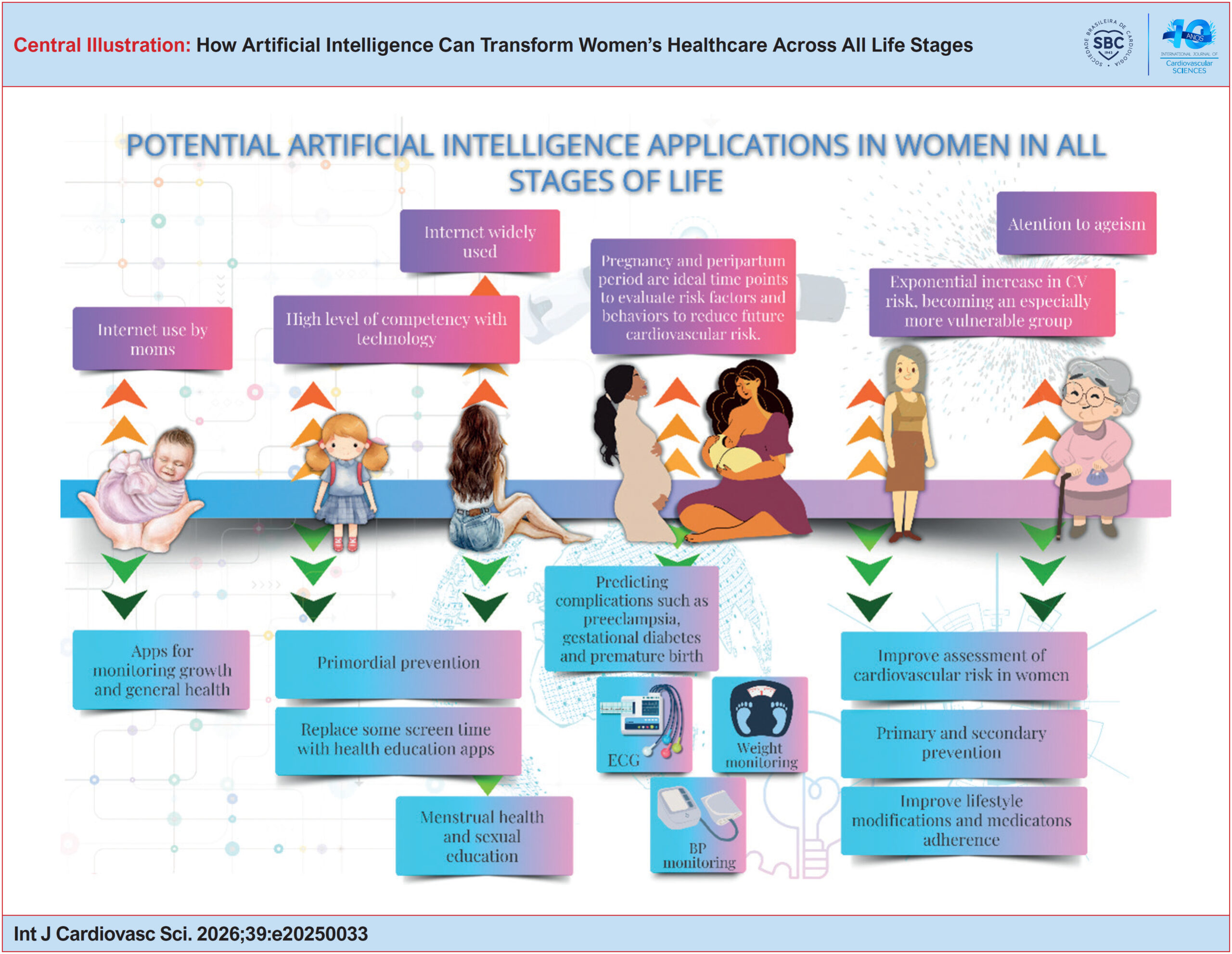
How Artificial Intelligence Can Transform Women's Healthcare Across All Life Stages
IJCS
Review Article

How Artificial Intelligence Can Transform Women's Healthcare Across All Life Stages

Larissa Neto Espíndola et al. Elise Sant’Ana Isaías Gláucia Maria Moraes de Oliveira Alexandra Monteiro

Abstract

Artificial intelligence (AI) has been driving significant transformations in healthcare by enhancing diagnostics, personalizing treatments, and optimizing clinical workflows. In women’s health, it offers innovative approaches for prevention, early detection, and management of various conditions throughout life — from adolescence to old age.

Over the past decade, advances in machine learning algorithms, neural networks, and natural language processing have enabled the analysis of large volumes of clinical data with previously unimaginable precision and speed. However, the integration of AI into women’s healthcare remains underutilized, representing a valuable opportunity to reduce social inequalities that influence adverse health outcomes.

However, the use of AI in women’s healthcare raises important ethical concerns, particularly the need to protect patients’ sensitive data, avoid algorithmic biases that may perpetuate stigma or inequality, and ensure safe, equitable, and responsible implementation. Ethical governance — with national and international guidelines and regulations — is essential to ensure that AI benefits all women, including vulnerable and underrepresented populations, without exacerbating existing disparities.

This manuscript aims to synthesize the main applications of AI in women’s health across different life stages, identifying advances, opportunities, and challenges in this context. Given the complexity and multidisciplinary nature of the topic, we conducted a scoping review – an appropriate methodology for exploring emerging and still underdeveloped fields. In addition to scientific databases, we included a complementary search in digital health app libraries to identify technological solutions already implemented or under development for women’s health.

  • Artificial Intelligence
  • Cardiovascular disease
  • digital health
  • eHealth
  • women's healthcare
Read Full Article
Creative Commons Attribution (CC BY) Creative Commons license
27/04/2026 DOI: 10.36660/ijcs.20250033 Views 2
Impact of Digital Technology Intervention on Medication Compliance, Modification of Risk Factors, and Clinical Outcome in Patients With Acute Coronary Syndrome: A Follow-Up Study
IJCS
Original Article

Impact of Digital Technology Intervention on Medication Compliance, Modification of Risk Factors, and Clinical Outcome in Patients With Acute Coronary Syndrome: A Follow-Up Study

C. J Devaraju et al. S Sunil Kumar K. S. Sadananda K Vinay Kumar … Veena Nanjappa K. S. Rajith K. S. Ravindranath

Abstract

Background

Coronary artery disease (CAD) is prevalent worldwide, presenting significant morbidity and mortality. Despite the advances in the management of CAD, the primary focus continues to be risk factor reduction, lifestyle changes, and medication adherence, all of which contribute considerably to favorable outcomes. Long-term CAD outcomes tend to be poor, especially in developing countries, due to medication non-compliance, a lack of education, and appropriate measures for the modification of risk factors.

Objectives

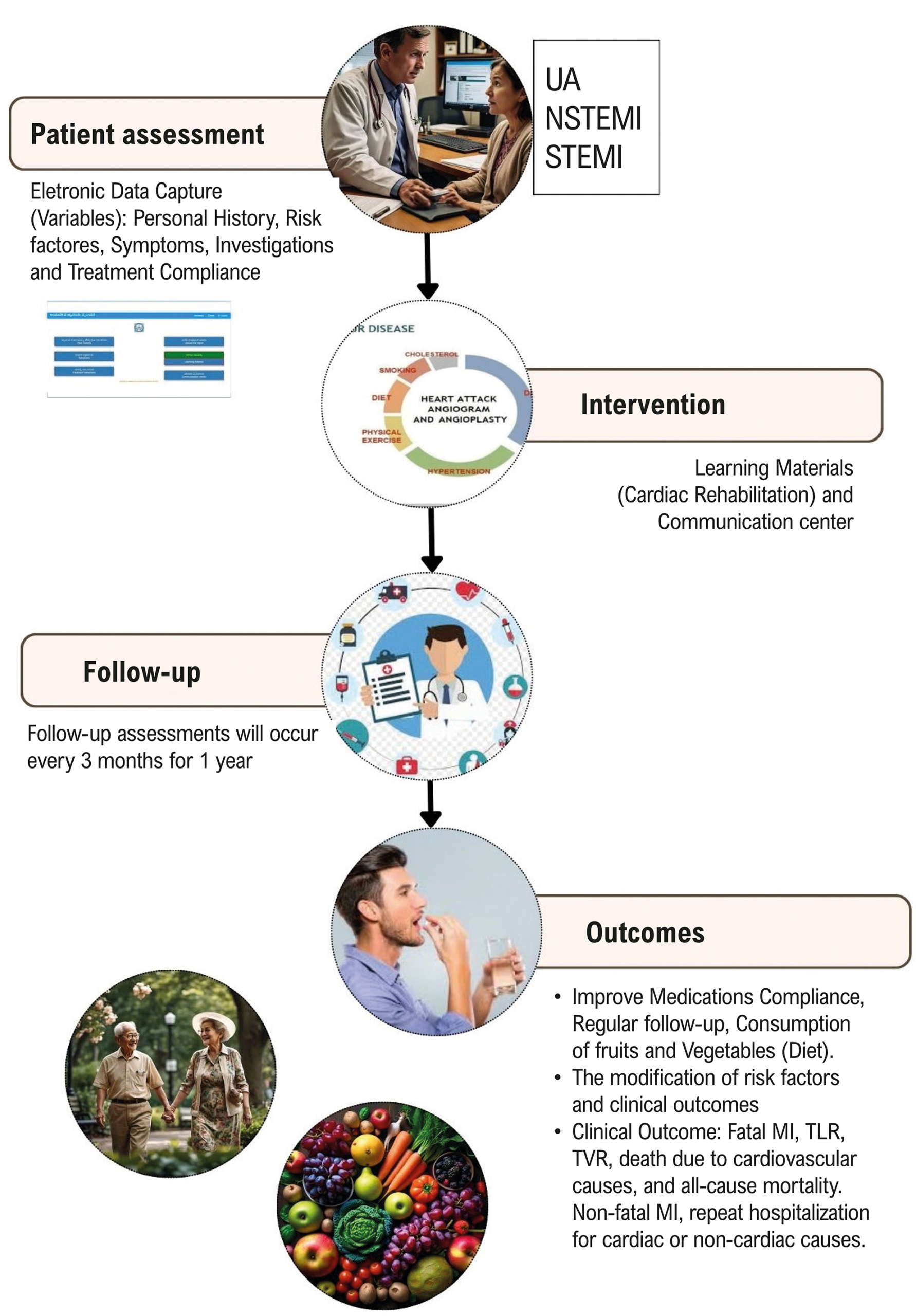
The present study aims to investigate the use of digital technology in assessing medication compliance, modifying risk factors, and evaluating clinical outcomes in patients with acute coronary syndrome (ACS).

Methods

A prospective, randomized study will be conducted with patients diagnosed with ACS at the Sri Jayadeva Institute of Cardiovascular Disease and Research, Mysore, and JSS Medical College, Mysore, India. A total of 522 patients will be randomized in a 1:1 ratio into either the digital intervention group or the control group. Digital technology registration will be completed during hospitalization, with guidance from the research team. Follow-up assessments will occur every three months for one year. Statistical analysis will be conducted at a 5% significance level. Categorical variables will be analyzed using the Z test for proportions or the Chi-square test, while continuous variables will be assessed using the independent sample t-test.

Results

The results will be presented after data collection and statistical analysis. This study aims to focus on clinical outcomes in patients with ACS, highlighting the importance of lifestyle modification, adherence to medications, and modifications of risk factors by digital technology, bridging the gap between patients and healthcare providers.

Conclusions

We intend for the outcomes of this study to produce an initiative for larger randomized control trials regarding web application in the management of ACS. Favorable outcomes could significantly impact the management of ACS, and web applications can be recommended as part of a routine standard of care established by societal guidelines.

  • Acute coronary syndrome
  • digital health
  • digital technology
  • Risk Factors
Read Full Article
Creative Commons Attribution (CC BY) Creative Commons license
03/03/2025 DOI: 10.36660/ijcs.20240127 Views 1
Virtual Reality and Physical Activity in Patients with Heart Failure: Technology Validation and User Satisfaction – Pilot Study
IJCS
Original Article

Virtual Reality and Physical Activity in Patients with Heart Failure: Technology Validation and User Satisfaction – Pilot Study

Ariele dos Santos Costa et al. Caroline Bublitz Barbosa Solange Guizilini Vagner Rogério dos Santos … Carla Roberta Miura Múcio Tavares de Oliveira Junior Anabela Gonçalves da Silva Rita Simone Lopes Moreira

Abstract

Background

Digital health uses innovative information technology for healthcare needs. Virtual reality (VR) is increasingly adopted in healthcare, including cardiovascular rehabilitation (CVR), to improve performance and adherence. However, digital interventions must consider users’ perspectives to prevent VR from becoming a barrier.

Objective

This study aimed to assess the usability and enjoyment of physical activity associated with VR among inpatients with heart failure (HF).

Method

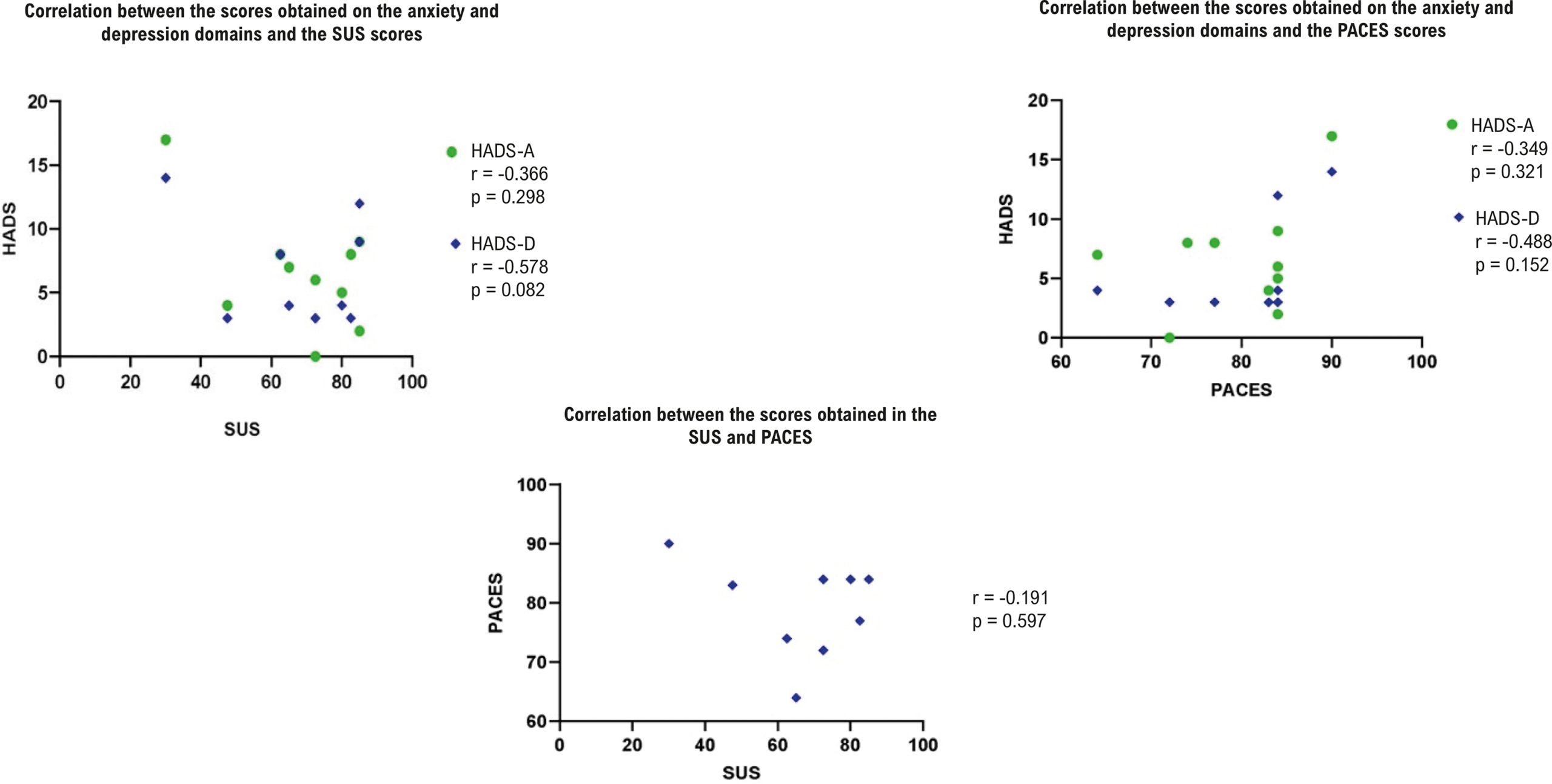
A prospective pilot study was conducted with ten patients diagnosed with HF. Participants completed an exercise program on a cycle ergometer with immersive VR for lower limb training. Anxiety and depression symptoms, physical activity enjoyment, and system usability were evaluated. Statistical analysis included descriptive and inferential analyses with a 5% significance level (p<0.05). Pearson's test was used for correlation analysis.

Results

The population’s tendency to experience anxiety and depression was evaluated, and the sample favorably assessed the system’s usability, with a mean score of 68.2 (standard deviation ±17.8); exercise enjoyment scored 79.6 (±7.7). No significant correlations were found between anxiety and depression profiles and usability or exercise enjoyment, suggesting further study phases.

Conclusions

VR can complement rehabilitation programs for HF patients, potentially improving performance and adherence. Additional research is required to evaluate the effectiveness of VR-associated physical activity on clinical outcomes in HF patients.

  • digital health
  • Heart Failure
  • Rehabilitation
  • Virtual reality
Read Full Article
Creative Commons Attribution (CC BY) Creative Commons license
28/02/2025 DOI: 10.36660/ijcs.20240067 Views 2
Content Analysis of Brazilian Mobile Applications Targeting Blood Pressure Management: A Systematic Search
ABC
Original Article

Content Analysis of Brazilian Mobile Applications Targeting Blood Pressure Management: A Systematic Search

Eduardo Braghini Johann et al. Marcelo Baggio Nicolle Abreu Pauli Artur Dilli … Rafael Teixeira Ilkiu Raphael Mendes Ritti-Dias Aline Mendes Gerage

Abstract

Background

Several mobile applications have been developed to assist in managing hypertension, but little is known about their quality in the Brazilian scenario.

Objective

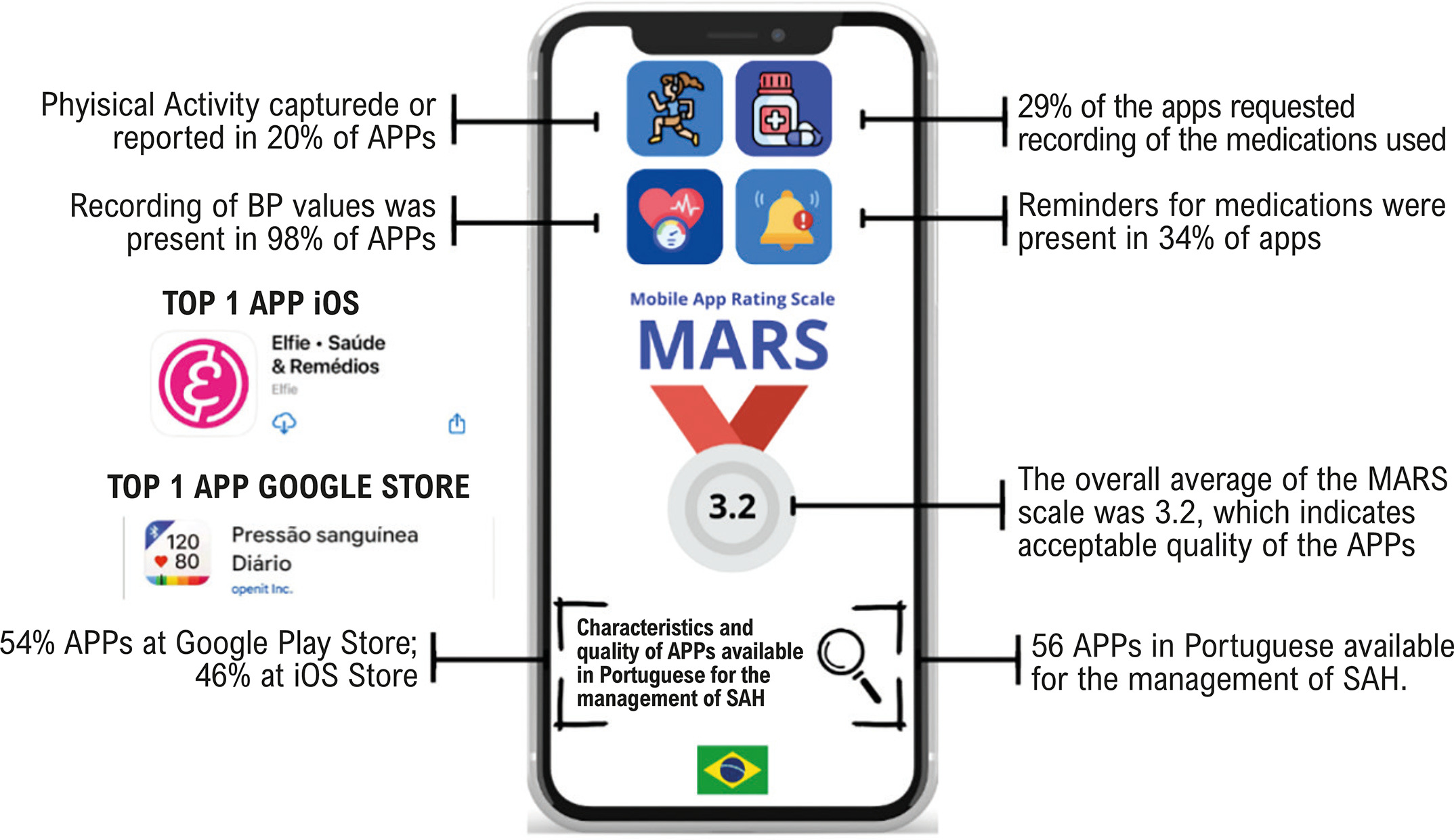
To identify and analyze the quality of the apps targeting blood pressure (BP) management available in Portuguese.

Methods

A systematic search was carried out through Brazilian virtual app stores in the Android and iOS platforms from November 2021 to March 2022, with an update in March 2024. The search was based on the standards of systematic review (PRISMA), using predefined keywords, including apps in Portuguese, free and available for use during the search. Three independent reviewers analyzed the apps using the five-point Mobile App Rating Scale (MARS), and for the presence of tools/content related to the BP control.

Results

Fifty-six applications met the criteria for data extraction. The most prevalent tool was the recording of BP values (98%). The tool for adherence to medication and reminders to their use was present in only 29% and 34% of the APPs, respectively. The mean overall MARS score was 3.4 ± 0.74 and 3.1 ± 0.61 for Android and iOS APPs, respectively, which classified then as acceptable. The best rated item was “functionality” for both Android and iOS apps.

Conclusion

The present study identified numerous apps with acceptable quality aimed at monitoring BP. However, most of them did not include important factors related to disease control, particularly regarding treatment adherence, physical activity and presence of comorbidities.

  • Arterial Pressure
  • digital health
  • Hypertension
  • Medical Assistance
  • Telemedicine
Read Full Article
Creative Commons Attribution (CC BY) Creative Commons license
10/02/2025 DOI: 10.36660/abc.20240339i Views 1
Figure 1
ABC
Editorial

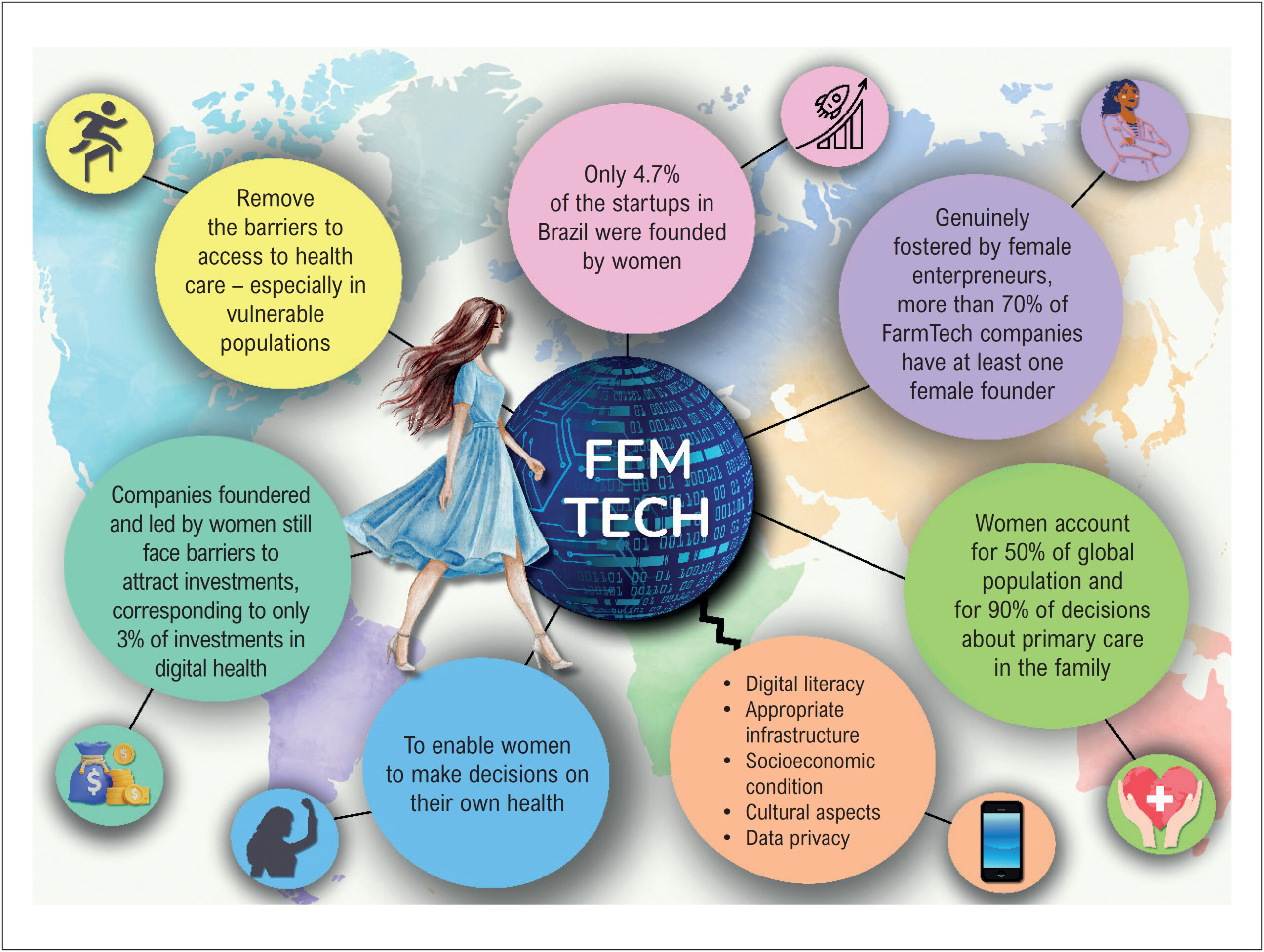
Digital Health – A Tool of Empowerment and Gender Equality?

Larissa Neto Espíndola et al. Alexandra Maria Monteiro Grisolia Gláucia Maria Moraes de Oliveira

Over the last years, advances in digital technology (DT) have revolutionized various sectors, and health is not an exception. Digital tools including monitoring devices, telemedicine platforms and even wearables have enabled individuals to be responsible for their self-care.

These technological innovations are particularly transformative for women, contributing to overcome a historical barrier to access to health care (now in the palm of their hands), and also to promote health and prevention of disease progression. The recent World Health Organization report highlights that digital health technologies can improve essential health information and the access to vital services, and support maternal health, thereby promoting gender equality, and women’s autonomy in their care, especially in places where the access is inhibited by socioeconomical and cultural barriers.

[…]

  • digital health
  • digital technology
  • FemTech
Read Full Article
Creative Commons Attribution (CC BY) Creative Commons license
13/01/2025 DOI: 10.36660/abc.20240739i Views 1

How to cite this article

EndNote RIS

Electronic Document Format (Vancouver)

Ata BN. Technology-Based Cardiac Rehabilitation and Exercise Capacity in Coronary Artery Disease: An Artificial Intelligence Analysis. Arquivos Brasileiros de Cardiologia 2026;123(5):e20260179.

Electronic Document Format (ABNT)

Ata, Benil Nesli. Technology-Based Cardiac Rehabilitation and Exercise Capacity in Coronary Artery Disease: An Artificial Intelligence Analysis. Arquivos Brasileiros de Cardiologia, v. 123, n. 5, e20260179, Jul. 2026.

Electronic Document Format (APA)

Ata, B. N. (2026). Technology-Based Cardiac Rehabilitation and Exercise Capacity in Coronary Artery Disease: An Artificial Intelligence Analysis. Arquivos Brasileiros de Cardiologia, 123(5), e20260179.

Electronic Document Format (ISO)

Ata, Benil Nesli. Technology-Based Cardiac Rehabilitation and Exercise Capacity in Coronary Artery Disease: An Artificial Intelligence Analysis. Arquivos Brasileiros de Cardiologia [online]. 2026, vol. 123, n. 5, [cited 2026-10-14], e20260179. Available from: <https://journals.cardiol.br/en/article/technology-based-cardiac-rehabilitation-and-exercise-capacity-in-coronary-artery-disease-an-artificial-intelligence-analysis/>. ISSN 0066-782X

EndNote RIS

Electronic Document Format (Vancouver)

Espíndola LN, Isaías ES, Oliveira GMM, Monteiro A. How Artificial Intelligence Can Transform Women’s Healthcare Across All Life Stages. International Journal of Cardiovascular Sciences 2026;39:e20250033.

Electronic Document Format (ABNT)

Espíndola, Larissa Neto; Isaías, Elise Sant’Ana; Oliveira, Gláucia Maria Moraes de; Monteiro, Alexandra. How Artificial Intelligence Can Transform Women’s Healthcare Across All Life Stages. International Journal of Cardiovascular Sciences, v. 39, e20250033, Apr. 2026.

Electronic Document Format (APA)

Espíndola, L. N., Isaías, E. S., Oliveira, G. M. M. , & Monteiro, A. (2026). How Artificial Intelligence Can Transform Women’s Healthcare Across All Life Stages. International Journal of Cardiovascular Sciences, 39, e20250033.

Electronic Document Format (ISO)

Espíndola, Larissa Neto and Isaías, Elise Sant’Ana and Oliveira, Gláucia Maria Moraes de and Monteiro, Alexandra. How Artificial Intelligence Can Transform Women’s Healthcare Across All Life Stages. International Journal of Cardiovascular Sciences [online]. 2026, vol. 39, [cited 2026-10-14], e20250033. Available from: <https://journals.cardiol.br/en/article/how-artificial-intelligence-can-transform-womens-healthcare-across-all-life-stages/>. ISSN 2359-4802

EndNote RIS

Electronic Document Format (Vancouver)

Devaraju CJ, Kumar SS, Sadananda KS, Kumar KV, Nanjappa V, Rajith KS, Ravindranath KS, et al. Impact of Digital Technology Intervention on Medication Compliance, Modification of Risk Factors, and Clinical Outcome in Patients With Acute Coronary Syndrome: A Follow-Up Study. International Journal of Cardiovascular Sciences 2025;38:e20240127.

Electronic Document Format (ABNT)

Devaraju, C. J; Kumar, S Sunil; Sadananda, K. S.; Kumar, K Vinay; Nanjappa, Veena; Rajith, K. S.; Ravindranath, K. S.. Impact of Digital Technology Intervention on Medication Compliance, Modification of Risk Factors, and Clinical Outcome in Patients With Acute Coronary Syndrome: A Follow-Up Study. International Journal of Cardiovascular Sciences, v. 38, e20240127, Mar. 2025.

Electronic Document Format (APA)

Devaraju, C. J., Kumar, S. S., Sadananda, K. S., Kumar, K. V., Nanjappa, V., Rajith, K. S., & Ravindranath, K. S. (2025). Impact of Digital Technology Intervention on Medication Compliance, Modification of Risk Factors, and Clinical Outcome in Patients With Acute Coronary Syndrome: A Follow-Up Study. International Journal of Cardiovascular Sciences, 38, e20240127.

Electronic Document Format (ISO)

Devaraju, C. J and Kumar, S Sunil and Sadananda, K. S. and Kumar, K Vinay and Nanjappa, Veena and Rajith, K. S. and Ravindranath, K. S.. Impact of Digital Technology Intervention on Medication Compliance, Modification of Risk Factors, and Clinical Outcome in Patients With Acute Coronary Syndrome: A Follow-Up Study. International Journal of Cardiovascular Sciences [online]. 2025, vol. 38, [cited 2026-10-14], e20240127. Available from: <https://journals.cardiol.br/en/article/impact-of-digital-technology-intervention-on-medication-compliance-modification-of-risk-factors-and-clinical-outcome-in-patients-with-acute-coronary-syndrome-a-follow-up-study/>. ISSN 2359-4802

EndNote RIS

Electronic Document Format (Vancouver)

Costa AS, Barbosa CB, Guizilini S, Santos VR, Miura CR, Oliveira Junior MT, Silva AG, et al. Virtual Reality and Physical Activity in Patients with Heart Failure: Technology Validation and User Satisfaction – Pilot Study. International Journal of Cardiovascular Sciences 2025;38:e20240067.

Electronic Document Format (ABNT)

Costa, Ariele dos Santos; Barbosa, Caroline Bublitz; Guizilini, Solange; Santos, Vagner Rogério dos; Miura, Carla Roberta; Oliveira Junior, Múcio Tavares de; Silva, Anabela Gonçalves da; Moreira, Rita Simone Lopes. Virtual Reality and Physical Activity in Patients with Heart Failure: Technology Validation and User Satisfaction – Pilot Study. International Journal of Cardiovascular Sciences, v. 38, e20240067, Feb. 2025.

Electronic Document Format (APA)

Costa, A. S., Barbosa, C. B., Guizilini, S., Santos, V. R. , Miura, C. R., Oliveira Junior, M. T. , Silva, A. G. , & Moreira, R. S. L. (2025). Virtual Reality and Physical Activity in Patients with Heart Failure: Technology Validation and User Satisfaction – Pilot Study. International Journal of Cardiovascular Sciences, 38, e20240067.

Electronic Document Format (ISO)

Costa, Ariele dos Santos and Barbosa, Caroline Bublitz and Guizilini, Solange and Santos, Vagner Rogério dos and Miura, Carla Roberta and Oliveira Junior, Múcio Tavares de and Silva, Anabela Gonçalves da and Moreira, Rita Simone Lopes. Virtual Reality and Physical Activity in Patients with Heart Failure: Technology Validation and User Satisfaction – Pilot Study. International Journal of Cardiovascular Sciences [online]. 2025, vol. 38, [cited 2026-10-14], e20240067. Available from: <https://journals.cardiol.br/en/article/virtual-reality-and-physical-activity-in-patients-with-heart-failure-technology-validation-and-user-satisfaction-pilot-study/>. ISSN 2359-4802

EndNote RIS

Electronic Document Format (Vancouver)

Johann EB, Baggio M, Pauli NA, Dilli A, Ilkiu RT, Ritti-Dias RM, Gerage AM, et al. Content Analysis of Brazilian Mobile Applications Targeting Blood Pressure Management: A Systematic Search. Arquivos Brasileiros de Cardiologia 2025;122(2):e20240339.

Electronic Document Format (ABNT)

Johann, Eduardo Braghini; Baggio, Marcelo; Pauli, Nicolle Abreu; Dilli, Artur; Ilkiu, Rafael Teixeira; Ritti-Dias, Raphael Mendes; Gerage, Aline Mendes. Content Analysis of Brazilian Mobile Applications Targeting Blood Pressure Management: A Systematic Search. Arquivos Brasileiros de Cardiologia, v. 122, n. 2, e20240339, Feb. 2025.

Electronic Document Format (APA)

Johann, E. B., Baggio, M., Pauli, N. A., Dilli, A., Ilkiu, R. T., Ritti-Dias, R. M., & Gerage, A. M. (2025). Content Analysis of Brazilian Mobile Applications Targeting Blood Pressure Management: A Systematic Search. Arquivos Brasileiros de Cardiologia, 122(2), e20240339.

Electronic Document Format (ISO)

Johann, Eduardo Braghini and Baggio, Marcelo and Pauli, Nicolle Abreu and Dilli, Artur and Ilkiu, Rafael Teixeira and Ritti-Dias, Raphael Mendes and Gerage, Aline Mendes. Content Analysis of Brazilian Mobile Applications Targeting Blood Pressure Management: A Systematic Search. Arquivos Brasileiros de Cardiologia [online]. 2025, vol. 122, n. 2, [cited 2026-10-14], e20240339. Available from: <https://journals.cardiol.br/en/article/content-analysis-of-brazilian-mobile-applications-targeting-blood-pressure-management-a-systematic-search/>. ISSN 0066-782X

EndNote RIS

Electronic Document Format (Vancouver)

Espíndola LN, Grisolia AMM, Oliveira GMM. Digital Health – A Tool of Empowerment and Gender Equality?. Arquivos Brasileiros de Cardiologia 2025;121(12):e20240739.

Electronic Document Format (ABNT)

Espíndola, Larissa Neto; Grisolia, Alexandra Maria Monteiro; Oliveira, Gláucia Maria Moraes de. Digital Health – A Tool of Empowerment and Gender Equality?. Arquivos Brasileiros de Cardiologia, v. 121, n. 12, e20240739, Jan. 2025.

Electronic Document Format (APA)

Espíndola, L. N., Grisolia, A. M. M., & Oliveira, G. M. M. (2025). Digital Health – A Tool of Empowerment and Gender Equality?. Arquivos Brasileiros de Cardiologia, 121(12), e20240739.

Electronic Document Format (ISO)

Espíndola, Larissa Neto and Grisolia, Alexandra Maria Monteiro and Oliveira, Gláucia Maria Moraes de. Digital Health – A Tool of Empowerment and Gender Equality?. Arquivos Brasileiros de Cardiologia [online]. 2025, vol. 121, n. 12, [cited 2026-10-14], e20240739. Available from: <https://journals.cardiol.br/en/article/digital-health-a-tool-of-empowerment-and-gender-equality/>. ISSN 0066-782X

  • About ABC Family
  • Internal Regulation
  • Editorial Board
  • Brazilian Society of Cardiology (SBC)

Issues

SBC Guidelines

  • Videos
  • Podcasts
  • News