ABC Family Arquivos Brasileiros de Cardiologia International Journal of Cardiovascular Sciences ABC Heart Failure & Cardiomyopathy ABC Imagem Cardiovascular
PortuguĂȘs English
ABC Family
PortuguĂȘs English
  • About
    • About ABC Family
    • Internal Regulation
    • Editorial Board
    • Brazilian Society of Cardiology (SBC)
  • Issues
  • SBC Guidelines
  • Content
    • Videos
    • Podcasts
    • News
  • About
    • About ABC Family
    • Internal Regulation
    • Editorial Board
    • Brazilian Society of Cardiology (SBC)
  • Issues
  • SBC Guidelines
  • Content
    • Videos
    • Podcasts
    • News

ABC Family

  • ABC Family
  • Arquivos Brasileiros de Cardiologia
  • International Journal of Cardiovascular Sciences
  • ABC Heart Failure & Cardiomyopathy
  • ABC Imagem Cardiovascular
Search in

No content found.

Journals
Ordering
Article types
Others

  1. Home
  2. Keyword: Precision Medicine
Figure 1
ABCHF
Review Article

Laboratory Analysis and the Pericardiogram in Pericardial Diseases in the Era of Precision Medicine

Isabela Lira Vieira et al. Leonardo Castro Nunes Bernardo DinoĂĄ Nunes Adriana Munford Lima Pimentel Evandro Tinoco Mesquita

Abstract

Pericardial syndromes constitute a heterogeneous group of diseases affecting the pericardium, with varied clinical presentations and multiple etiologies (infectious, autoimmune, traumatic, post-surgical, metabolic, among others). This diversity demands increasingly refined diagnostic approaches, aligned with the principles of precision medicine. A significant transformation has taken place in the understanding of these conditions and their complexity, driven by the development of advanced diagnostic and therapeutic methods.

In the context of precision medicine, the aim is to improve the identification of the causal mechanism, allowing for individualized treatment. Significant advances in pericardiology have been driven by methods including cytopathology, immunohistochemistry, analysis of serum and pericardial biomarkers (including novel tumor markers), and the metagenomic detection of microorganisms.

In parallel, advances in molecular biology and emerging methodologies enable the detailed identification of pathogens and the characterization of multiple phenotypes of pericardial diseases, promoting increasingly accurate and individualized diagnoses. Furthermore, genetic markers have played an important role in elucidating the causes of recurrent pericarditis by identifying genes associated with autoinflammatory diseases and hereditary predispositions.

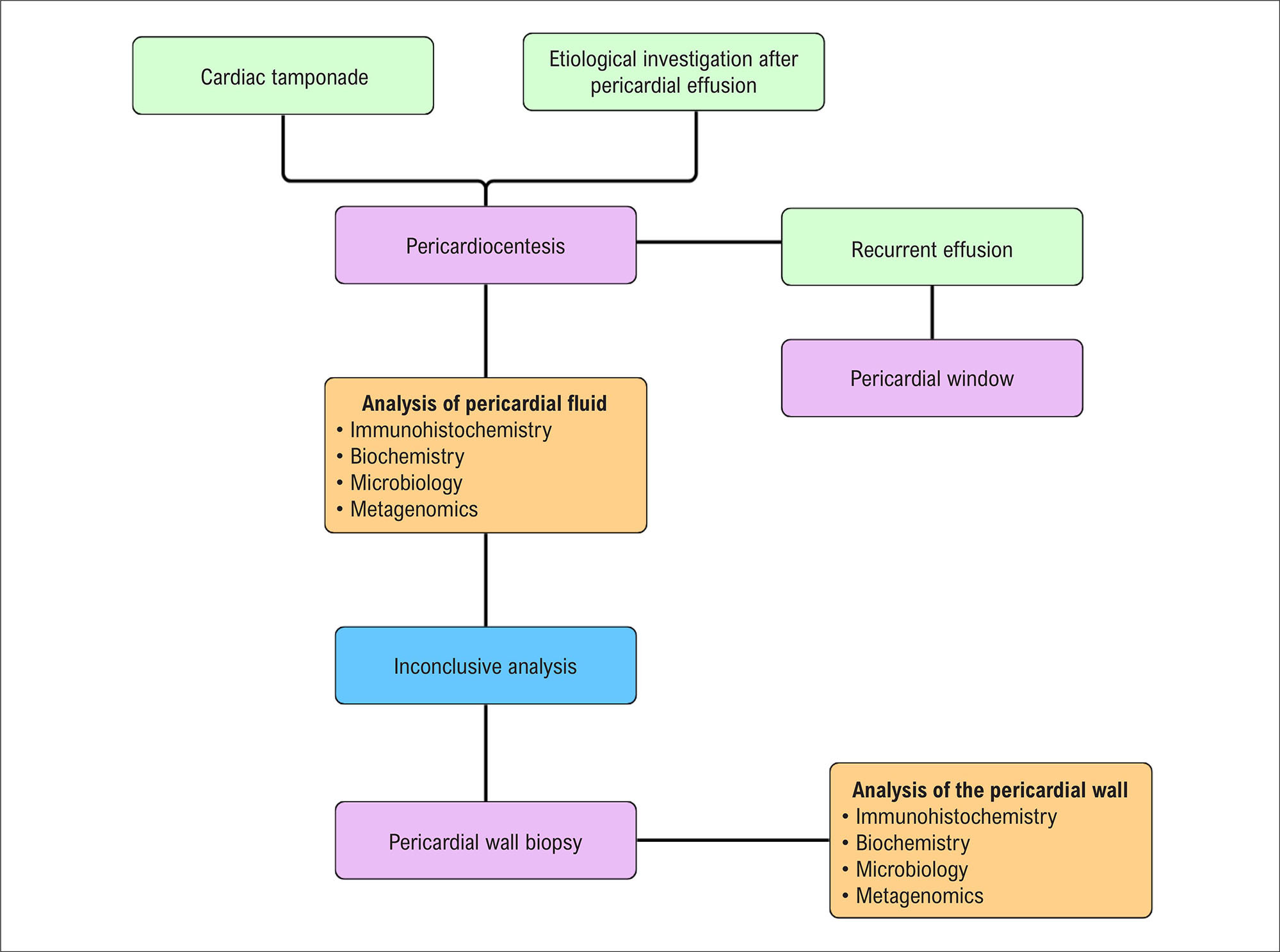
The objective of this review is to present the state of the art in the diagnosis of pericardial diseases, focusing on techniques that directly assess pericardial fluid and, therefore, effectively assist in the etiological investigation of various pericardial syndromes. A new tool, the “pericardiogram,” is also proposed to organize clinical reasoning and ensure the best use of complementary tests in assisting the investigation of pericardial syndromes.
  • Cardiac Tamponade
  • Pericardial Effusion
  • Pericarditis
  • Precision Medicine
Read Full Article
Creative Commons Attribution (CC BY) Creative Commons license
07/07/2026 DOI: 10.36660/abchf.20250042i Views 2
Figure 1
ABCIC
Editorial

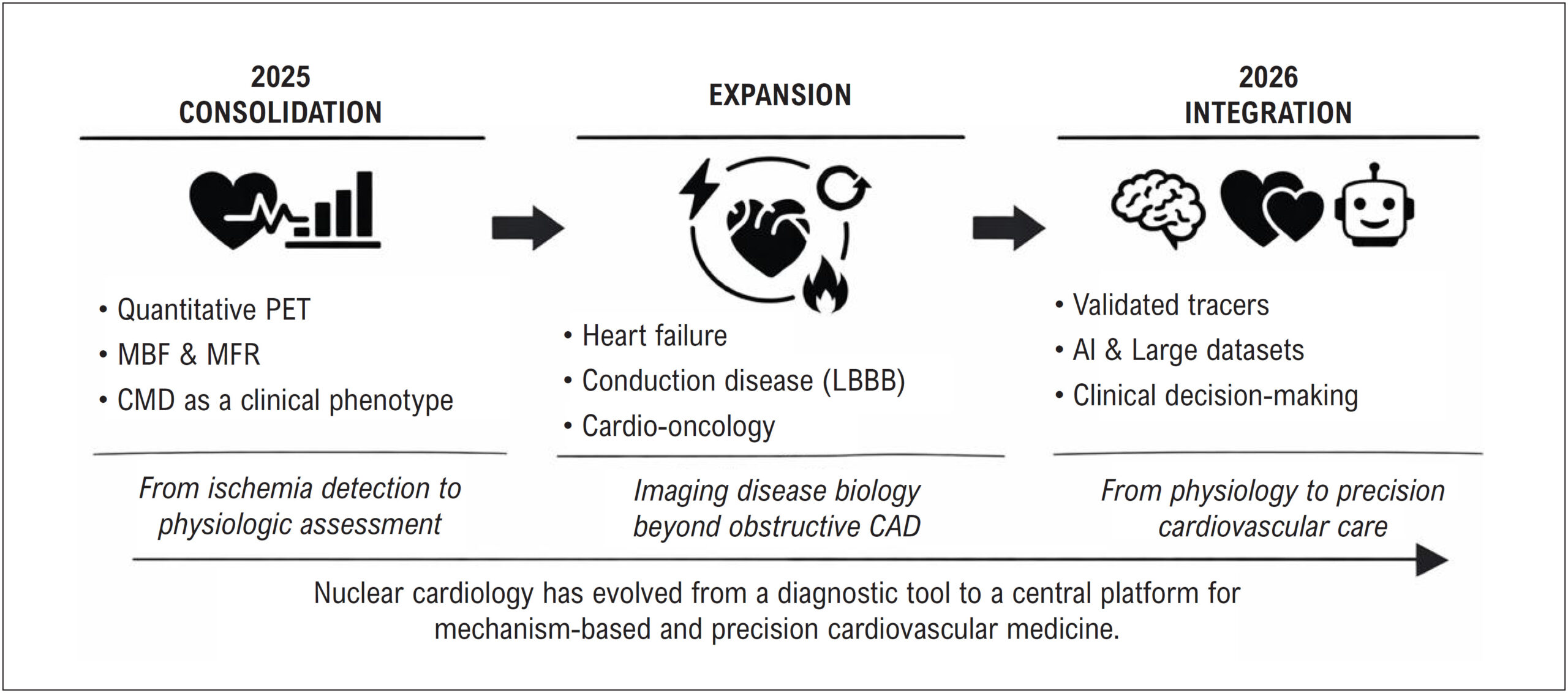
Nuclear Cardiology: From Consolidation to Integration

Simone Cristina Soares BrandĂŁo

Introduction

Over the past decade, nuclear cardiology has undergone a profound transformation.– What was once primarily a diagnostic tool focused on ischemia detection has evolved into a comprehensive platform for physiological understanding, risk stratification, and precision cardiovascular care.,- In this context, the field has shifted from simply identifying disease to elucidating its underlying mechanisms, echoing Marie Curie’s insight that “nothing in life is to be feared, it is only to be understood.”

The year 2025 did not stand out for isolated disruptive discoveries, but rather for something equally important: clinical consolidation.,, During this period, previously emerging concepts matured into actionable clinical paradigms, allowing the field to move from promise to practice.,

[…]

  • Inflammation
  • Positron-Emission Tomography
  • Precision Medicine
Read Full Article
Creative Commons Attribution (CC BY) Creative Commons license
25/05/2026 DOI: 10.36660/abcimg.20260007i Views 1
Central Illustration
ABCHF
Viewpoint

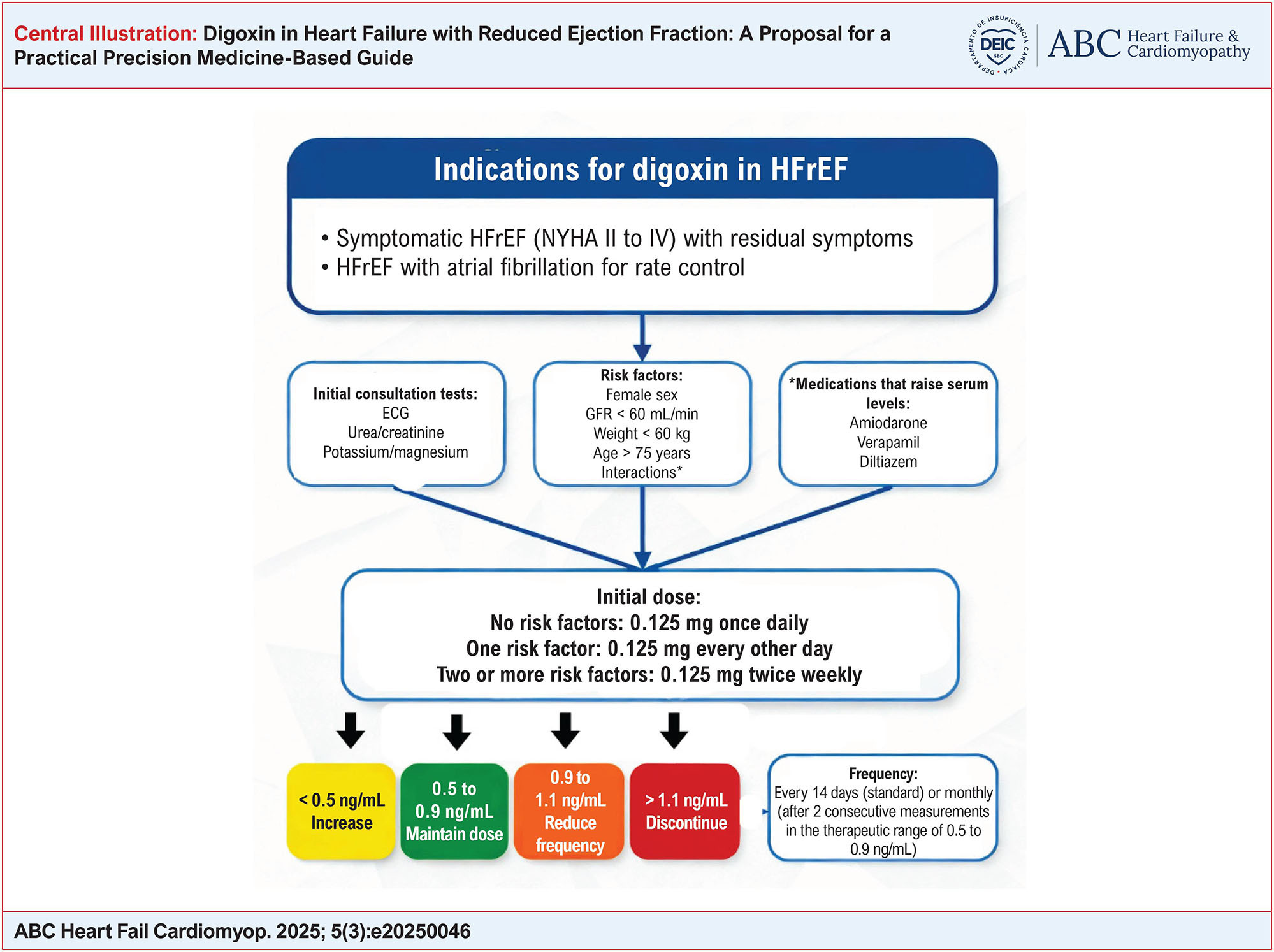
Digoxin in Heart Failure with Reduced Ejection Fraction: A Proposal for a Practical Precision Medicine-Based Guide

Germano Emílio Conceição-Souza

Introduction: the paradox of digitalis therapy

Digoxin holds a unique position in the history of cardiovascular medicine. Although it is the oldest drug in continuous use for heart failure (HF) treatment, there has been a sharp decline in prescriptions over the past two decades. Overshadowed by the advent of disease-modifying therapies and stigmatized due to concerns regarding toxicity, digoxin was relegated to a Class IIa recommendation in the Brazilian guideline and a third-line recommendation (Class IIb) in the major international guidelines.,

Nonetheless, the systematic exclusion of digoxin may represent a historical error based on incomplete interpretations of old data. In a scenario where heart failure with reduced ejection fraction (HFrEF) still imposes high morbidity, mortality, and residual symptoms despite optimized therapy, the premise of this viewpoint is unequivocal: digoxin is not obsolete; what has become obsolete is the empirical fixed-dose prescription model. In light of contemporary evidence, we propose a revival of digitalis therapy guided by precision medicine.

[…]

  • Cardiac glycosides
  • Digoxin
  • Heart Failure
  • pharmacokinetics
  • Precision Medicine
Read Full Article
Creative Commons Attribution (CC BY) Creative Commons license
31/12/2025 DOI: 10.36660/abchf.20250046i Views 2
Impact of 3D Printing on Cardiac Surgery in Congenital Heart Diseases: A Systematic Review and Meta-Analysis
ABC
Original Article

Impact of 3D Printing on Cardiac Surgery in Congenital Heart Diseases: A Systematic Review and Meta-Analysis

Davi Shunji Yahiro et al. Mariana de Paula Cruz Brenda Ficheira Coelho Ribeiro Luiza Meireles Teixeira … Maria Fernanda Ribeiro Mendes de Oliveira Aurea LĂșcia Alves de Azevedo Grippa de Souza Ana FlĂĄvia Malheiros Torbey Juliana Serafim da Silveira Claudio Tinoco Mesquita

Abstract

Background

Congenital heart disease (CHD) poses significant challenges in surgical management due to the complexity of cardiac anatomy. Three-dimensional (3D) printing has emerged as a promising tool in preoperative planning, intraoperative guidance, and medical education for CHD surgeries.

Objectives

We aimed to systematically review the literature on the utilization and benefits of 3D printing technology in CHD surgical interventions.

Methods

A systematic search was conducted across PubMed and EMBASE for studies published up to February of 2024. We included controlled and uncontrolled studies investigating the surgical role of 3D printing in CHD patients. We conducted a single-arm meta-analysis estimating the proportion of change in treatment planning due to the use of 3D printed-models. Moreover, studies that compared 3D printing to conventional care were included into the meta-analysis. A p-value < 0.05 was considered statistically significant.

Results

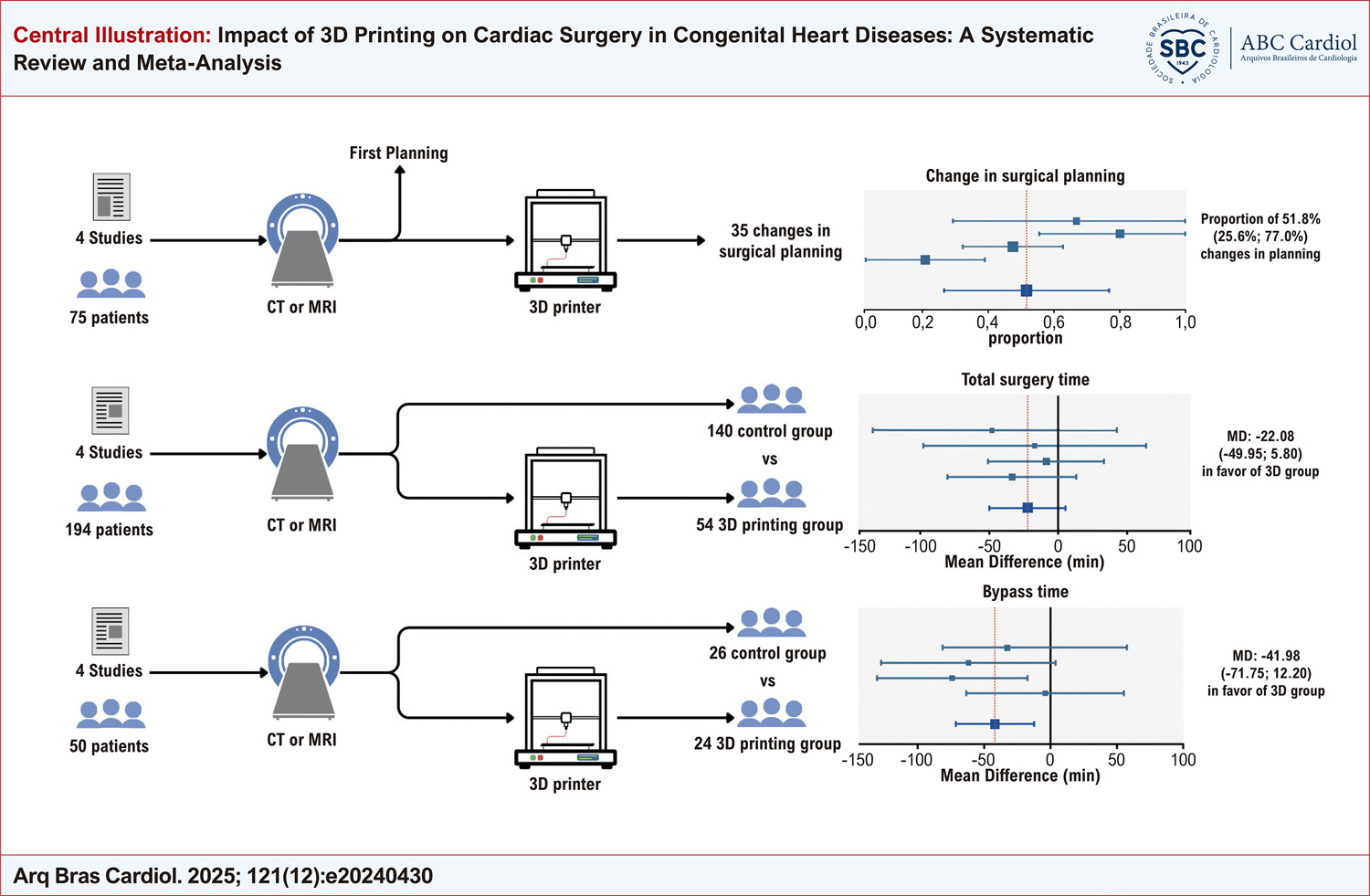
A total of 21 studies met the inclusion criteria, comprising 444 patients undergoing CHD surgeries with 3D printing assistance. Preoperative planning aided by 3D models led to changing surgical decisions in 35 of 75 cases (51.8%; 95% CI 26.6-77.0%, I2=80.68%, p=0.001) and reduced total operative time in 22.25 minutes in favor of the 3D printing group (95%CI 49.95; 5.80 min, I2=0%, p=0.817) but without statistical significance. Albeit in a smaller sample, other endpoints (mechanical ventilation and ICU time) demonstrated some benefit from the technology but without statistical significance.

Conclusions

By providing personalized anatomical models, 3D printing may facilitate surgical planning and execution. More studies are needed to investigate the effects of 3D printing on reducing intervention, hospitalization, and mechanical ventilation times.

  • Congenital Heart Defects
  • Precision Medicine
  • Preoperative Care
  • Three-Dimensional Printing
Read Full Article
Creative Commons Attribution (CC BY) Creative Commons license
14/02/2025 DOI: 10.36660/abc.20240430i
Central Illustration
ABC
Review Article

Cardiomyopathy in Children and Adolescents in the Era of Precision Medicine

Ana FlĂĄvia Mallheiros Torbey et al. Raquel Germer Toja Couto Aurea Grippa Eduarda CorrĂȘa Maia … Sara AimĂ©e Miranda Marcos Adriano Cardoso dos Santos Elion Tavares Peres Olimpio Patrick Silva Costa Everton Mattos de Oliveira Evandro Tinoco Mesquita

Abstract

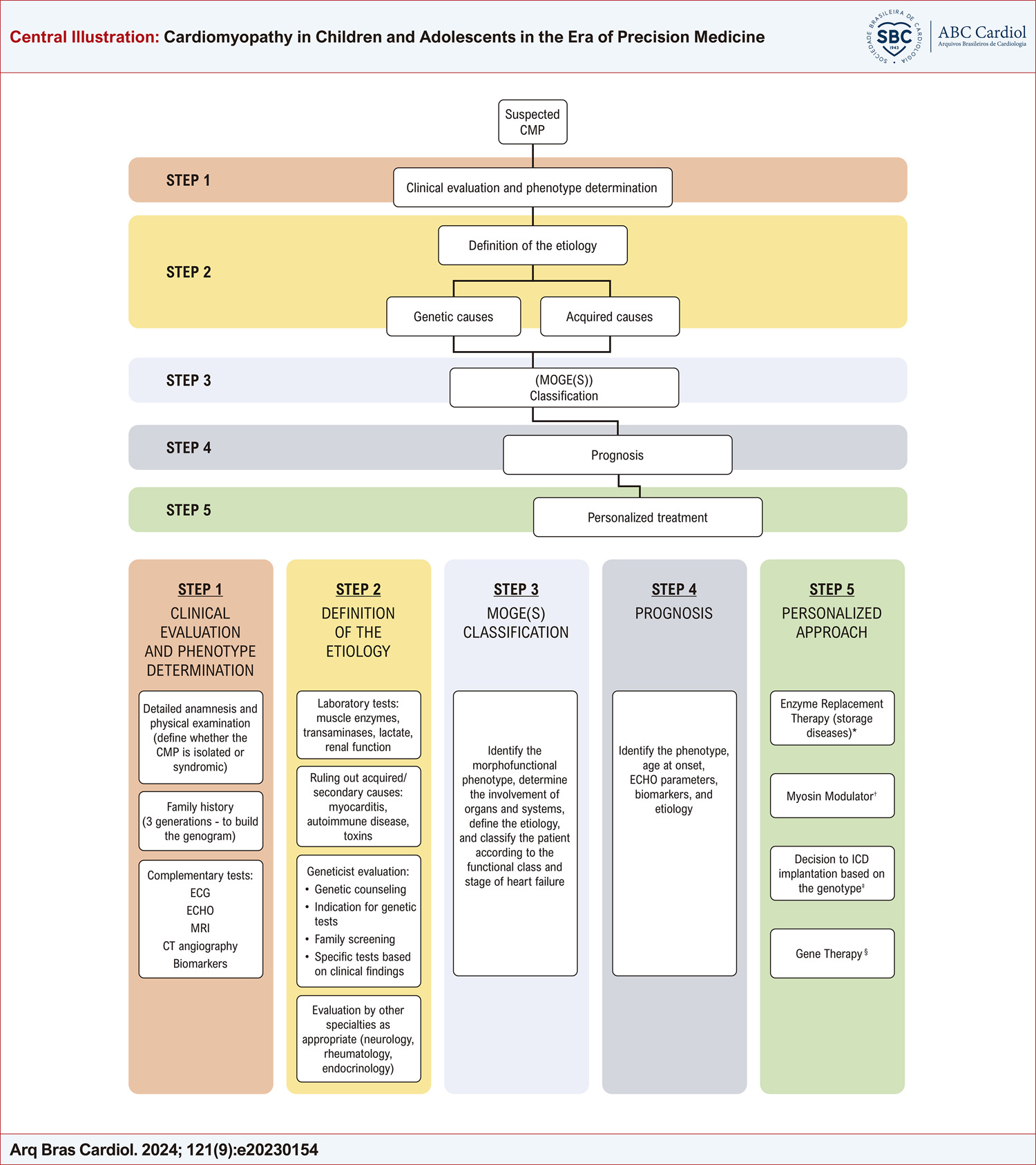
In childhood and adolescence, cardiomyopathies have their own characteristics and are an important cause of heart failure, arrhythmias, sudden death, and indication for heart transplantation. Diagnosis is a challenge in daily practice due to its varied clinical presentation, heterogeneous etiologies, and limited knowledge of tools related to clinical and molecular genetics. However, it is essential to recognize the different phenotypes and prioritize the search for the etiology. Recent advances in precision medicine have made molecular diagnosis accessible, which makes it possible to individualize therapeutic approaches, stratify the prognosis, and identify individuals in the family who are at risk of developing the disease. The objective of this review is to emphasize the particularities of cardiomyopathies in pediatrics and how the individualized approach impacts the therapy and prognosis of the patient. Through a systematized approach, the five-stage protocol used in our service is presented. These stages bring together clinical evaluation for determining the morphofunctional phenotype, identification of etiology, classification, establishment of prognosis, and the search for personalized therapies.

  • Cardiomyopathies
  • Child
  • Genetics
  • Heart Failure
  • Precision Medicine
Read Full Article
Creative Commons Attribution (CC BY) Creative Commons license
21/10/2024 DOI: 10.36660/abc.20230154i Views 2
Central Illustration
ABCHF
Review Article

Precision Medicine in Cardiomyopathies

Fernando Rabioglio Giugni et al. José Eduardo Krieger

Abstract

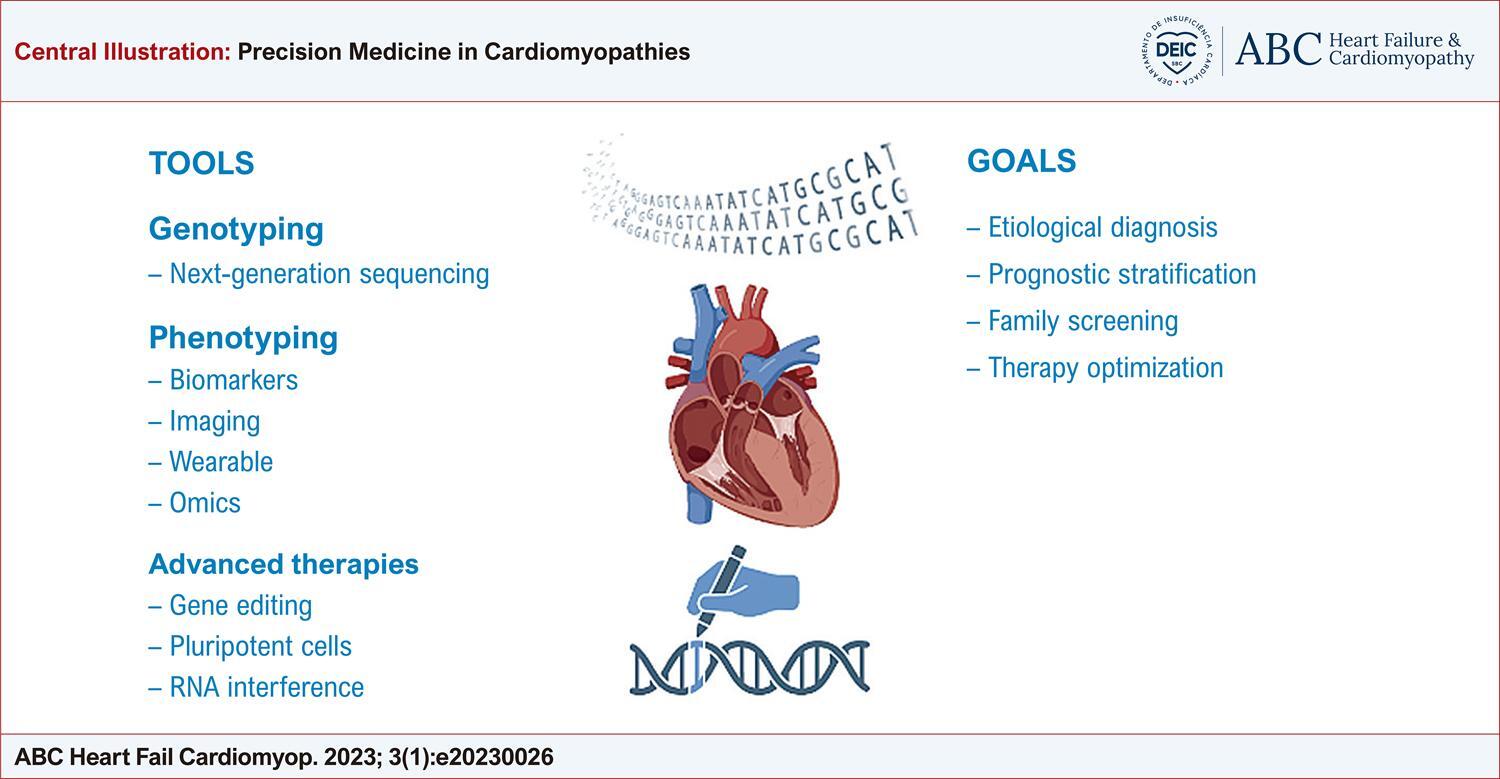
Precision Medicine is an innovative clinical approach that uses a wide range of data to assess patients, including genetic and molecular information. Thanks to technological advances and cost reductions, new technologies have been incorporated into clinical practice, such as next-generation sequencing methods. Recently, clinical guidelines have recommended the use of genetic tests in patients with cardiomyopathies, which can have a major impact on etiological diagnosis, prognosis, treatment, and family screening. Furthermore, biomarkers obtained by means of imaging tests, wearables, and omics are becoming increasingly relevant in clinical practice, bringing significant benefits to patients with cardiomyopathies. Promising prospects for new treatments using RNA interference, pluripotent cells, and gene editing should be part of the therapeutic arsenal in the coming decades. However, there are still challenges to be overcome, such as the need for professional training, the implementation of adequate flows in the health system, and the cost of technologies. Based on this context, this review aims to address different aspects of Precision Medicine and its relevance to the field of cardiomyopathies.

  • Cardiomyopathies
  • Genetic Testing
  • Precision Medicine
Read Full Article
Creative Commons Attribution (CC BY) Creative Commons license
10/07/2023 DOI: 10.36660/abchf.20230026
ABC
Editorial

Ventricular Repolarization as a Tool to Monitor Electrical Activity of the Heart

Marcelo Souto Nacif

Acute pulmonary embolism has a heterogeneous clinical presentation and the development of clinical tools for better stratification of the patients prognosis is extremely desired. Being able to discern which patient is most likely to have complications or even death is critical in the age of precision medicine. This may assist in choosing a more intensive and individualized treatment.

Computed tomography pulmonary angiography (CTPA) is already the most used method in emergencies for the diagnosis and stratification of patients with APE. The great variability of clinical presentations, whether in patients with cancer or different thrombogenic conditions, makes some quantitative data more attractive than just the qualitative analysis of the exam.–

[…]

  • acute
  • Algorithms
  • Artificial Intelligence/trends
  • Compute Tomography/methods
  • Precision Medicine
  • Prognosis
  • Pulmonary Embolism/complications
  • Software
Read Full Article
Creative Commons Attribution (CC BY) Creative Commons license
07/12/2020 DOI: 10.36660/abc.20200959 Views 1

How to cite this article

EndNote RIS

Electronic Document Format (Vancouver)

Vieira IL, Nunes LC, Nunes BD, Pimentel AML, Mesquita ET. Laboratory Analysis and the Pericardiogram in Pericardial Diseases in the Era of Precision Medicine. ABC Heart Fail Cardiomyop 2026;5(4):e20250042.

Electronic Document Format (ABNT)

Vieira, Isabela Lira; Nunes, Leonardo Castro; Nunes, Bernardo DinoĂĄ; Pimentel, Adriana Munford Lima; Mesquita, Evandro Tinoco. Laboratory Analysis and the Pericardiogram in Pericardial Diseases in the Era of Precision Medicine. ABC Heart Fail Cardiomyop, v. 5, n. 4, e20250042, Jul. 2026.

Electronic Document Format (APA)

Vieira, I. L., Nunes, L. C., Nunes, B. D., Pimentel, A. M. L., & Mesquita, E. T. (2026). Laboratory Analysis and the Pericardiogram in Pericardial Diseases in the Era of Precision Medicine. ABC Heart Fail Cardiomyop, 5(4), e20250042.

Electronic Document Format (ISO)

Vieira, Isabela Lira and Nunes, Leonardo Castro and Nunes, Bernardo DinoĂĄ and Pimentel, Adriana Munford Lima and Mesquita, Evandro Tinoco. Laboratory Analysis and the Pericardiogram in Pericardial Diseases in the Era of Precision Medicine. ABC Heart Fail Cardiomyop [online]. 2026, vol. 5, n. 4, [cited 2026-10-14], e20250042. Available from: <https://journals.cardiol.br/en/article/laboratory-analysis-and-the-pericardiogram-in-pericardial-diseases-in-the-era-of-precision-medicine/>

EndNote RIS

Electronic Document Format (Vancouver)

BrandĂŁo SCS. Nuclear Cardiology: From Consolidation to Integration. ABC Imagem Cardiovascular 2026;39(1):e20260007.

Electronic Document Format (ABNT)

BrandĂŁo, Simone Cristina Soares. Nuclear Cardiology: From Consolidation to Integration. ABC Imagem Cardiovascular, v. 39, n. 1, e20260007, May. 2026.

Electronic Document Format (APA)

BrandĂŁo, S. C. S. (2026). Nuclear Cardiology: From Consolidation to Integration. ABC Imagem Cardiovascular, 39(1), e20260007.

Electronic Document Format (ISO)

BrandĂŁo, Simone Cristina Soares. Nuclear Cardiology: From Consolidation to Integration. ABC Imagem Cardiovascular [online]. 2026, vol. 39, n. 1, [cited 2026-10-14], e20260007. Available from: <https://journals.cardiol.br/en/article/nuclear-cardiology-from-consolidation-to-integration/>. ISSN 2318-8219

EndNote RIS

Electronic Document Format (Vancouver)

Conceição-Souza GE. Digoxin in Heart Failure with Reduced Ejection Fraction: A Proposal for a Practical Precision Medicine-Based Guide. ABC Heart Fail Cardiomyop 2025;5(3):e20250046.

Electronic Document Format (ABNT)

Conceição-Souza, Germano Emílio. Digoxin in Heart Failure with Reduced Ejection Fraction: A Proposal for a Practical Precision Medicine-Based Guide. ABC Heart Fail Cardiomyop, v. 5, n. 3, e20250046, Dec. 2025.

Electronic Document Format (APA)

Conceição-Souza, G. E. (2025). Digoxin in Heart Failure with Reduced Ejection Fraction: A Proposal for a Practical Precision Medicine-Based Guide. ABC Heart Fail Cardiomyop, 5(3), e20250046.

Electronic Document Format (ISO)

Conceição-Souza, Germano Emílio. Digoxin in Heart Failure with Reduced Ejection Fraction: A Proposal for a Practical Precision Medicine-Based Guide. ABC Heart Fail Cardiomyop [online]. 2025, vol. 5, n. 3, [cited 2026-10-14], e20250046. Available from: <https://journals.cardiol.br/en/article/digoxin-in-heart-failure-with-reduced-ejection-fraction-a-proposal-for-a-practical-precision-medicine-based-guide/>

EndNote RIS

Electronic Document Format (Vancouver)

Yahiro DS, Cruz MP, Ribeiro BFC, Teixeira LM, Oliveira MFRM, Souza ALAAG, Torbey AFM, et al. Impact of 3D Printing on Cardiac Surgery in Congenital Heart Diseases: A Systematic Review and Meta-Analysis. Arquivos Brasileiros de Cardiologia 2025;121(12):e20240430.

Electronic Document Format (ABNT)

Yahiro, Davi Shunji; Cruz, Mariana de Paula; Ribeiro, Brenda Ficheira Coelho; Teixeira, Luiza Meireles; Oliveira, Maria Fernanda Ribeiro Mendes de; Souza, Aurea LĂșcia Alves de Azevedo Grippa de; Torbey, Ana FlĂĄvia Malheiros; Silveira, Juliana Serafim da; Mesquita, Claudio Tinoco. Impact of 3D Printing on Cardiac Surgery in Congenital Heart Diseases: A Systematic Review and Meta-Analysis. Arquivos Brasileiros de Cardiologia, v. 121, n. 12, e20240430, Feb. 2025.

Electronic Document Format (APA)

Yahiro, D. S., Cruz, M. P., Ribeiro, B. F. C., Teixeira, L. M., Oliveira, M. F. R. M. , Souza, A. L. A. A. G. , Torbey, A. F. M., Silveira, J. S. , & Mesquita, C. T. (2025). Impact of 3D Printing on Cardiac Surgery in Congenital Heart Diseases: A Systematic Review and Meta-Analysis. Arquivos Brasileiros de Cardiologia, 121(12), e20240430.

Electronic Document Format (ISO)

Yahiro, Davi Shunji and Cruz, Mariana de Paula and Ribeiro, Brenda Ficheira Coelho and Teixeira, Luiza Meireles and Oliveira, Maria Fernanda Ribeiro Mendes de and Souza, Aurea LĂșcia Alves de Azevedo Grippa de and Torbey, Ana FlĂĄvia Malheiros and Silveira, Juliana Serafim da and Mesquita, Claudio Tinoco. Impact of 3D Printing on Cardiac Surgery in Congenital Heart Diseases: A Systematic Review and Meta-Analysis. Arquivos Brasileiros de Cardiologia [online]. 2025, vol. 121, n. 12, [cited 2026-10-14], e20240430. Available from: <https://journals.cardiol.br/en/article/impact-of-3d-printing-on-cardiac-surgery-in-congenital-heart-diseases-a-systematic-review-and-meta-analysis/>. ISSN 0066-782X

EndNote RIS

Electronic Document Format (Vancouver)

Torbey AFM, Couto RGT, Grippa A, Maia EC, Miranda SA, Santos MAC, Peres ET, et al. Cardiomyopathy in Children and Adolescents in the Era of Precision Medicine. Arquivos Brasileiros de Cardiologia 2024;121(9):e20230154.

Electronic Document Format (ABNT)

Torbey, Ana FlĂĄvia Mallheiros; Couto, Raquel Germer Toja; Grippa, Aurea; Maia, Eduarda CorrĂȘa; Miranda, Sara AimĂ©e; Santos, Marcos Adriano Cardoso dos; Peres, Elion Tavares; Costa, Olimpio Patrick Silva; Oliveira, Everton Mattos de; Mesquita, Evandro Tinoco. Cardiomyopathy in Children and Adolescents in the Era of Precision Medicine. Arquivos Brasileiros de Cardiologia, v. 121, n. 9, e20230154, Oct. 2024.

Electronic Document Format (APA)

Torbey, A. F. M., Couto, R. G. T., Grippa, A., Maia, E. C., Miranda, S. A., Santos, M. A. C. , Peres, E. T., Costa, O. P. S., Oliveira, E. M. , & Mesquita, E. T. (2024). Cardiomyopathy in Children and Adolescents in the Era of Precision Medicine. Arquivos Brasileiros de Cardiologia, 121(9), e20230154.

Electronic Document Format (ISO)

Torbey, Ana FlĂĄvia Mallheiros and Couto, Raquel Germer Toja and Grippa, Aurea and Maia, Eduarda CorrĂȘa and Miranda, Sara AimĂ©e and Santos, Marcos Adriano Cardoso dos and Peres, Elion Tavares and Costa, Olimpio Patrick Silva and Oliveira, Everton Mattos de and Mesquita, Evandro Tinoco. Cardiomyopathy in Children and Adolescents in the Era of Precision Medicine. Arquivos Brasileiros de Cardiologia [online]. 2024, vol. 121, n. 9, [cited 2026-10-14], e20230154. Available from: <https://journals.cardiol.br/en/article/cardiomyopathy-in-children-and-adolescents-in-the-era-of-precision-medicine/>. ISSN 0066-782X

EndNote RIS

Electronic Document Format (Vancouver)

Giugni FR, Krieger JE. Precision Medicine in Cardiomyopathies. ABC Heart Fail Cardiomyop 2023;3(1):e20230026.

Electronic Document Format (ABNT)

Giugni, Fernando Rabioglio; Krieger, José Eduardo. Precision Medicine in Cardiomyopathies. ABC Heart Fail Cardiomyop, v. 3, n. 1, e20230026, Jul. 2023.

Electronic Document Format (APA)

Giugni, F. R., & Krieger, J. E. (2023). Precision Medicine in Cardiomyopathies. ABC Heart Fail Cardiomyop, 3(1), e20230026.

Electronic Document Format (ISO)

Giugni, Fernando Rabioglio and Krieger, José Eduardo. Precision Medicine in Cardiomyopathies. ABC Heart Fail Cardiomyop [online]. 2023, vol. 3, n. 1, [cited 2026-10-14], e20230026. Available from: <https://journals.cardiol.br/en/article/precision-medicine-in-cardiomyopathies/>

EndNote RIS

Electronic Document Format (Vancouver)

Nacif MS. Ventricular Repolarization as a Tool to Monitor Electrical Activity of the Heart. Arquivos Brasileiros de Cardiologia 2020;115(5):819-20.

Electronic Document Format (ABNT)

Nacif, Marcelo Souto. Ventricular Repolarization as a Tool to Monitor Electrical Activity of the Heart. Arquivos Brasileiros de Cardiologia, v. 115, n. 5, p. 819-820, Dec. 2020.

Electronic Document Format (APA)

Nacif, M. S. (2020). Ventricular Repolarization as a Tool to Monitor Electrical Activity of the Heart. Arquivos Brasileiros de Cardiologia, 115(5), 819-820.

Electronic Document Format (ISO)

Nacif, Marcelo Souto. Ventricular Repolarization as a Tool to Monitor Electrical Activity of the Heart. Arquivos Brasileiros de Cardiologia [online]. 2020, vol. 115, n. 5, [cited 2026-10-14], pp. 819-820. Available from: <https://journals.cardiol.br/en/article/ventricular-repolarization-as-a-tool-to-monitor-electrical-activity-of-the-heart-2/>. ISSN 0066-782X

  • About ABC Family
  • Internal Regulation
  • Editorial Board
  • Brazilian Society of Cardiology (SBC)

Issues

SBC Guidelines

  • Videos
  • Podcasts
  • News