ABC Family Arquivos Brasileiros de Cardiologia International Journal of Cardiovascular Sciences ABC Heart Failure & Cardiomyopathy ABC Imagem Cardiovascular
Português English
ABC Family
Português English
  • About
    • About ABC Family
    • Internal Regulation
    • Editorial Board
    • Brazilian Society of Cardiology (SBC)
  • Issues
  • SBC Guidelines
  • Content
    • Videos
    • Podcasts
    • News
  • About
    • About ABC Family
    • Internal Regulation
    • Editorial Board
    • Brazilian Society of Cardiology (SBC)
  • Issues
  • SBC Guidelines
  • Content
    • Videos
    • Podcasts
    • News

ABC Family

  • ABC Family
  • Arquivos Brasileiros de Cardiologia
  • International Journal of Cardiovascular Sciences
  • ABC Heart Failure & Cardiomyopathy
  • ABC Imagem Cardiovascular
Search in

No content found.

Journals
Ordering
Article types
Others

  1. Home
  2. Keyword: Supraventricular Tachycardia
Figure 1
ABCHF
Case Report

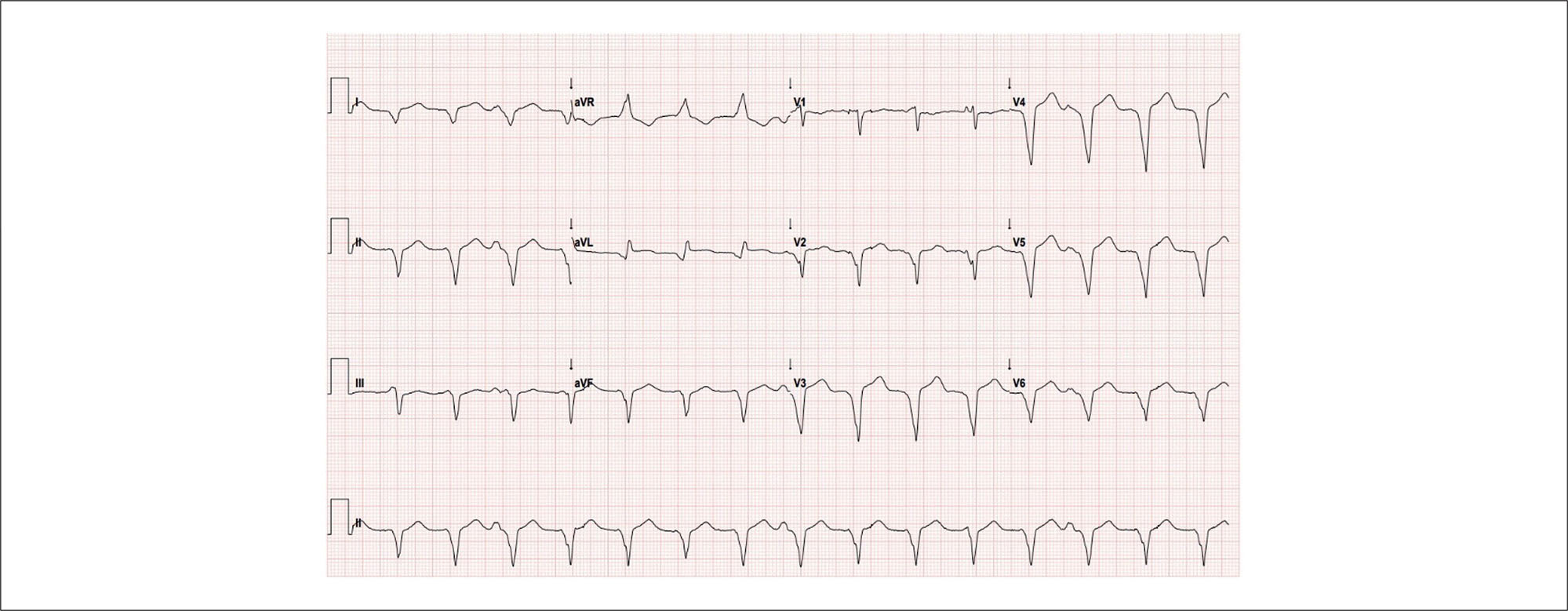
Recurrent Supraventricular Tachycardia in a Patient with Heart Transplant

Lucas Grumann Bernardon et al. Adir Schreiber Junior Lucas Faganello Mauricio Pimentel … Ana Paula Magalhães Leandro Zimerman

Identification

Female patient, 58 years old.

[…]

  • Heart Transplantation
  • Radiofrequency Ablation
  • Supraventricular Tachycardia
Read Full Article
Creative Commons Attribution (CC BY) Creative Commons license
31/12/2025 DOI: 10.36660/abchf.20250048i Views 2
The Relationship Between Inflammatory Markers and Supraventricular Tachycardia in Children
IJCS
Original Article

The Relationship Between Inflammatory Markers and Supraventricular Tachycardia in Children

Sevval Durgut et al. Hikmet Kıztanır Yasin Yıldız

Abstract

Background

Supraventricular tachycardia (SVT) is a common arrhythmia in pediatric patients. Emerging evidence suggests a link between systemic inflammation and cardiovascular diseases.

Objectives

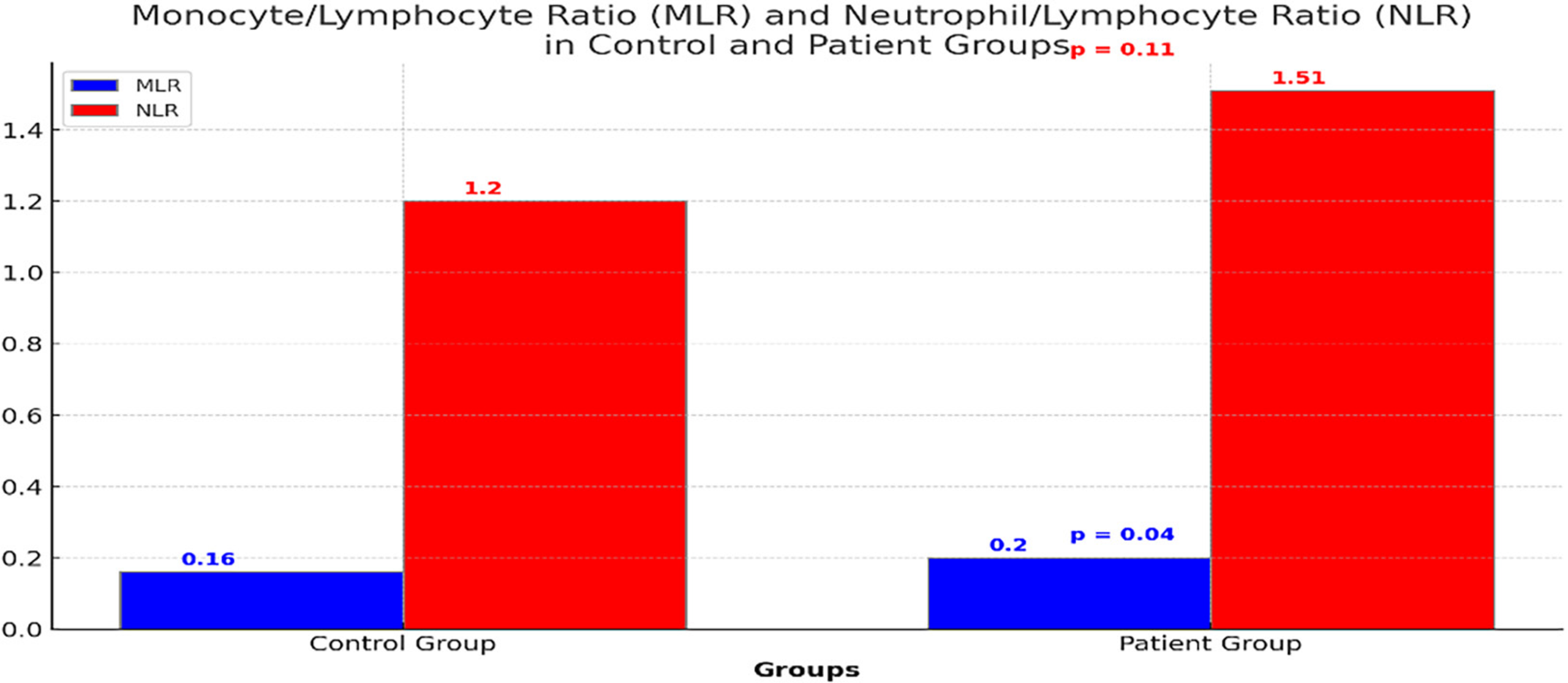
This study aims to investigate the relationship between the monocyte/lymphocyte ratio (MLR) and neutrophil/lymphocyte ratio (NLR) with SVT in pediatric patients. Methods: We conducted a retrospective study at Rize Education and Research Hospital’s Pediatric Health and Diseases Department, including 33 patients diagnosed with SVT and 33 control subjects without sinus tachycardia. Hemogram (CBC) parameters, electrocardiography (ECG), and echocardiography (ECHO) were evaluated. NLR and MLR were calculated. The unpaired t-test is designed to compare the means of continuous variables between two groups, while the Mann-Whitney U test was applied for data not following a normal distribution. Correlations between values were analyzed through Pearson correlation. A significance level of p <0.05 was accepted.

Results

There was no significant difference between the groups in terms of age, lymphocyte count, hemoglobin, hematocrit, platelet count, and NLR. However, leukocyte count, monocyte count, and MLR showed significant differences (p<0.05). The SVT group had higher MLR values compared to the control group.

Conclusions

Our study found that MLR was significantly higher in pediatric patients with SVT compared to controls, suggesting a potential role of inflammation in SVT pathogenesis. Further large-scale, prospective, and multicenter studies are needed to confirm these findings and clarify the relationship between inflammation markers and SVT.

  • Biomarkers
  • Cardiovascular Diseases
  • Child
  • Inflammation
  • Supraventricular Tachycardia
Read Full Article
Creative Commons Attribution (CC BY) Creative Commons license
28/02/2025 DOI: 10.36660/ijcs.20240151 Views 1
Figure 1
ABCHF
Review Article

Tachycardiomyopathies

Luís Beck-da-Silva et al. Andreia Biolo

What are tachycardiomyopathies?

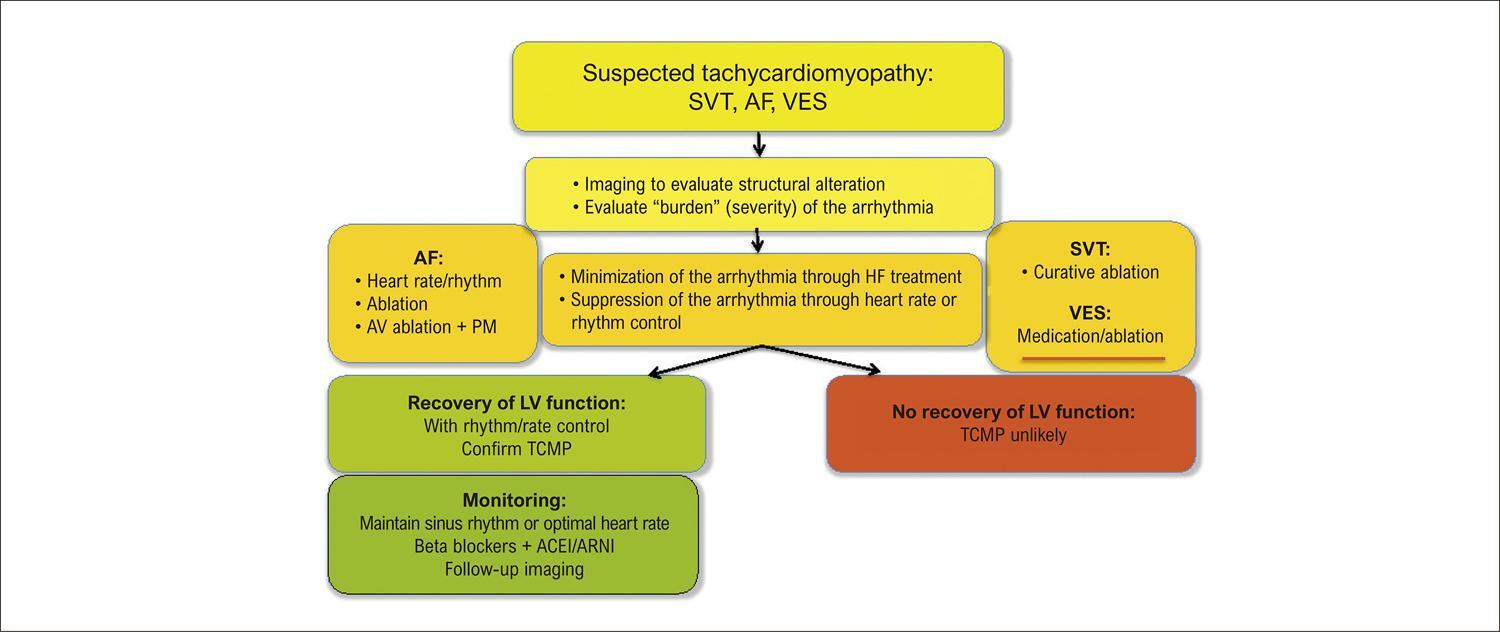
Tachycardiomyopathy is a relatively uncommon heart condition in which the myocardium develops ventricular dysfunction as a consequence of a persistently abnormal heart rhythm. One of the characteristics of this condition is that it is partially or completely reversible, once the arrhythmia has been controlled, making it crucial to recognize adequately in order to make recovery of ventricular function possible. In fact, the term “arrhythmia-induced cardiomyopathy” has emerged because tachycardiomyopathy results not only from prolonged and uncontrolled atrial or ventricular tachycardia, but also from atrial and/or ventricular ectopy leading to dyssynchrony. Both conditions can lead to chronic myocardial overload, resulting in ventricular dysfunction and heart failure.

Tachycardiomyopathies can be classified into two groups: in the first, arrhythmia is the only identified cause of ventricular dysfunction (arrhythmia-induced); in the second, the arrhythmia may aggravate ventricular dysfunction or worsen heart failure in a patient with pre-existing heart disease (arrhythmia-mediated).

[…]

  • Arrhythmia
  • Atrial Fibrillation
  • Heart Failure
  • Supraventricular Tachycardia
  • Tachycardiomyopathy
Read Full Article
Creative Commons Attribution (CC BY) Creative Commons license
20/07/2023 DOI: 10.36660/abchf.20230044 Views 1
Catheter Ablation in Neonate with Heart Failure Due to Incessant Atrioventricular Reentrant Tachycardia
IJCS
Case Report

Catheter Ablation in Neonate with Heart Failure Due to Incessant Atrioventricular Reentrant Tachycardia

Sissy Lara de Melo et al. José Nilo de Carvalho Neto Nathalia Maria Segovia Monge Italo Bruno dos Santos Sousa … Cristiano Faria Pisani Mauricio Scanavacca

Abstract

The atrioventricular (AV) reentrant tachycardia (AVRT) is the most common cause of supraventricular tachycardia (SVT) in the young pediatric population. Some newborns might present with congestive heart failure and require interventional treatment. Catheter ablation in small infants (<6 months and <5 kg) is still poorly performed and controversial due to high complications rate in this group of patients.1 We report a case of a 28 days old infant (3,5 kg) with a drug-refractory left accessory pathway mediated tachycardia and severe hemodynamic compromise, who underwent catheter ablation. Radiofrequency ablation should be part of the therapeutic arsenal in a context of drug-resistant supraventricular tachycardia with hemodynamic compromise, despite the greater risks of complications in this special population.

  • Catheter Ablation
  • Heart Failure
  • Newborn
  • Supraventricular Tachycardia
Read Full Article
Creative Commons Attribution (CC BY) Creative Commons license
23/06/2021 DOI: 10.36660/ijcs.20200015 Views 1
ABC
Artigo Original

Type I atrial flutter radiofrequency ablation. Importance of bidirectional line of block in the inferior vena cava tricuspide annulus isthmus

Mauricio Scanavacca et al. Eduardo Sosa José Luis Velarde André D'Ávila … Denise Hachul Basileu Reolão Osvaldo Sanches Márcio Silva Francisco Darrieux

PURPOSE: To determine the clinical importance of a bi-directional line of block demonstration in the inferior vena cava-tricuspid annulus isthmus as an end-point for radiofrequency (RF) atrial flutter (FL) ablation. METHODS: Forty consecutive patients (51±11 years) with type I FL were divided in 2 groups: GI (30 patients) anatomic, non-electrophysiologic isthmus ablation technique (interruption and non-induction FL criteria); and GII (10 patients) anatomic with electrophysiologic evaluation of bi-directional isthmus conduction. The isthmus activation was analyzed before and after anatomic RF ablation with a cateter exploring each side of the line of block, depending on the conduction evaluation (anterograde or retrograde). RESULTS: FL was interrupted and not reinduced in 26/30 (86.6%) GI patients and in 10 (100%) GII patients (p= 0.5558). During follow-up FL recurred in 30% of the patients in both groups. In GII, 6 patients with bi-directional block remained assymptomatic, whereas 3 patients with unidirectional block presented recurrence (p= 0.012). CONCLUSION: Electrophysiologic demonstration of bi-directional line of block in the isthmus is related to long-term success and should be the criterion for interruption of type I atrial FL RF ablation.

  • Atrial flutter
  • radiofrequency catheter ablation
  • Supraventricular Tachycardia
Read Full Article
Creative Commons Attribution (CC BY) Creative Commons license
31/01/2007 DOI: 10.1590/S0066-782X1998001100011 Views 1

How to cite this article

EndNote RIS

Electronic Document Format (Vancouver)

Bernardon LG, Schreiber Junior A, Faganello L, Pimentel M, Magalhães AP, Zimerman L. Recurrent Supraventricular Tachycardia in a Patient with Heart Transplant. ABC Heart Fail Cardiomyop 2025;5(4):e20250048.

Electronic Document Format (ABNT)

Bernardon, Lucas Grumann; Schreiber Junior, Adir; Faganello, Lucas; Pimentel, Mauricio; Magalhães, Ana Paula; Zimerman, Leandro. Recurrent Supraventricular Tachycardia in a Patient with Heart Transplant. ABC Heart Fail Cardiomyop, v. 5, n. 4, e20250048, Dec. 2025.

Electronic Document Format (APA)

Bernardon, L. G., Schreiber Junior, A., Faganello, L., Pimentel, M., Magalhães, A. P., & Zimerman, L. (2025). Recurrent Supraventricular Tachycardia in a Patient with Heart Transplant. ABC Heart Fail Cardiomyop, 5(4), e20250048.

Electronic Document Format (ISO)

Bernardon, Lucas Grumann and Schreiber Junior, Adir and Faganello, Lucas and Pimentel, Mauricio and Magalhães, Ana Paula and Zimerman, Leandro. Recurrent Supraventricular Tachycardia in a Patient with Heart Transplant. ABC Heart Fail Cardiomyop [online]. 2025, vol. 5, n. 4, [cited 2026-10-14], e20250048. Available from: <https://journals.cardiol.br/en/article/recurrent-supraventricular-tachycardia-in-a-patient-with-heart-transplant/>

EndNote RIS

Electronic Document Format (Vancouver)

Durgut S, Kıztanır H, Yıldız Y. The Relationship Between Inflammatory Markers and Supraventricular Tachycardia in Children. International Journal of Cardiovascular Sciences 2025;38:e20240151.

Electronic Document Format (ABNT)

Durgut, Sevval; Kıztanır, Hikmet; Yıldız, Yasin. The Relationship Between Inflammatory Markers and Supraventricular Tachycardia in Children. International Journal of Cardiovascular Sciences, v. 38, e20240151, Feb. 2025.

Electronic Document Format (APA)

Durgut, S., Kıztanır, H., & Yıldız, Y. (2025). The Relationship Between Inflammatory Markers and Supraventricular Tachycardia in Children. International Journal of Cardiovascular Sciences, 38, e20240151.

Electronic Document Format (ISO)

Durgut, Sevval and Kıztanır, Hikmet and Yıldız, Yasin. The Relationship Between Inflammatory Markers and Supraventricular Tachycardia in Children. International Journal of Cardiovascular Sciences [online]. 2025, vol. 38, [cited 2026-10-14], e20240151. Available from: <https://journals.cardiol.br/en/article/the-relationship-between-inflammatory-markers-and-supraventricular-tachycardia-in-children/>. ISSN 2359-4802

EndNote RIS

Electronic Document Format (Vancouver)

Beck-da-Silva L, Biolo A. Tachycardiomyopathies. ABC Heart Fail Cardiomyop 2023;3(1):e20230044.

Electronic Document Format (ABNT)

Beck-da-Silva, Luís; Biolo, Andreia. Tachycardiomyopathies. ABC Heart Fail Cardiomyop, v. 3, n. 1, e20230044, Jul. 2023.

Electronic Document Format (APA)

Beck-da-Silva, L., & Biolo, A. (2023). Tachycardiomyopathies. ABC Heart Fail Cardiomyop, 3(1), e20230044.

Electronic Document Format (ISO)

Beck-da-Silva, Luís and Biolo, Andreia. Tachycardiomyopathies. ABC Heart Fail Cardiomyop [online]. 2023, vol. 3, n. 1, [cited 2026-10-14], e20230044. Available from: <https://journals.cardiol.br/en/article/tachycardiomyopathies/>

EndNote RIS

Electronic Document Format (Vancouver)

Melo SL, Carvalho Neto JN, Monge NMS, Sousa IBS, Pisani CF, Scanavacca M. Catheter Ablation in Neonate with Heart Failure Due to Incessant Atrioventricular Reentrant Tachycardia. International Journal of Cardiovascular Sciences 2021;34(4):490-3.

Electronic Document Format (ABNT)

Melo, Sissy Lara de; Carvalho Neto, José Nilo de; Monge, Nathalia Maria Segovia; Sousa, Italo Bruno dos Santos; Pisani, Cristiano Faria; Scanavacca, Mauricio. Catheter Ablation in Neonate with Heart Failure Due to Incessant Atrioventricular Reentrant Tachycardia. International Journal of Cardiovascular Sciences, v. 34, n. 4, p. 490-493, Jun. 2021.

Electronic Document Format (APA)

Melo, S. L. , Carvalho Neto, J. N. , Monge, N. M. S., Sousa, I. B. S., Pisani, C. F., & Scanavacca, M. (2021). Catheter Ablation in Neonate with Heart Failure Due to Incessant Atrioventricular Reentrant Tachycardia. International Journal of Cardiovascular Sciences, 34(4), 490-493.

Electronic Document Format (ISO)

Melo, Sissy Lara de and Carvalho Neto, José Nilo de and Monge, Nathalia Maria Segovia and Sousa, Italo Bruno dos Santos and Pisani, Cristiano Faria and Scanavacca, Mauricio. Catheter Ablation in Neonate with Heart Failure Due to Incessant Atrioventricular Reentrant Tachycardia. International Journal of Cardiovascular Sciences [online]. 2021, vol. 34, n. 4, [cited 2026-10-14], pp. 490-493. Available from: <https://journals.cardiol.br/en/article/catheter-ablation-in-neonate-with-heart-failure-due-to-incessant-atrioventricular-reentrant-tachycardia/>. ISSN 2359-4802

EndNote RIS

Electronic Document Format (Vancouver)

Scanavacca M, Sosa E, Velarde JL, D’Ávila A, Hachul D, Reolão B, Sanches O, et al. Type I atrial flutter radiofrequency ablation. Importance of bidirectional line of block in the inferior vena cava tricuspide annulus isthmus. Arquivos Brasileiros de Cardiologia 2007;71(5):705-11.

Electronic Document Format (ABNT)

Scanavacca, Mauricio; Sosa, Eduardo; Velarde, José Luis; D’Ávila, André; Hachul, Denise; Reolão, Basileu; Sanches, Osvaldo; Silva, Márcio; Darrieux, Francisco. Type I atrial flutter radiofrequency ablation. Importance of bidirectional line of block in the inferior vena cava tricuspide annulus isthmus. Arquivos Brasileiros de Cardiologia, v. 71, n. 5, p. 705-711, Jan. 2007.

Electronic Document Format (APA)

Scanavacca, M., Sosa, E., Velarde, J. L., D’Ávila, A., Hachul, D., Reolão, B., Sanches, O., Silva, M., & Darrieux, F. (2007). Type I atrial flutter radiofrequency ablation. Importance of bidirectional line of block in the inferior vena cava tricuspide annulus isthmus. Arquivos Brasileiros de Cardiologia, 71(5), 705-711.

Electronic Document Format (ISO)

Scanavacca, Mauricio and Sosa, Eduardo and Velarde, José Luis and D’Ávila, André and Hachul, Denise and Reolão, Basileu and Sanches, Osvaldo and Silva, Márcio and Darrieux, Francisco. Type I atrial flutter radiofrequency ablation. Importance of bidirectional line of block in the inferior vena cava tricuspide annulus isthmus. Arquivos Brasileiros de Cardiologia [online]. 2007, vol. 71, n. 5, [cited 2026-10-14], pp. 705-711. Available from: <https://journals.cardiol.br/en/article/type-i-atrial-flutter-radiofrequency-ablation-importance-of-bidirectional-line-of-block-in-the-inferior-vena-cava-tricuspide-annulus-isthmus/>. ISSN 0066-782X
  • About ABC Family
  • Internal Regulation
  • Editorial Board
  • Brazilian Society of Cardiology (SBC)

Issues

SBC Guidelines

  • Videos
  • Podcasts
  • News