My Approach To CAD-RADS 2.0 in the Assessment of Coronary Artery Disease by CT Angiogram
Abstract
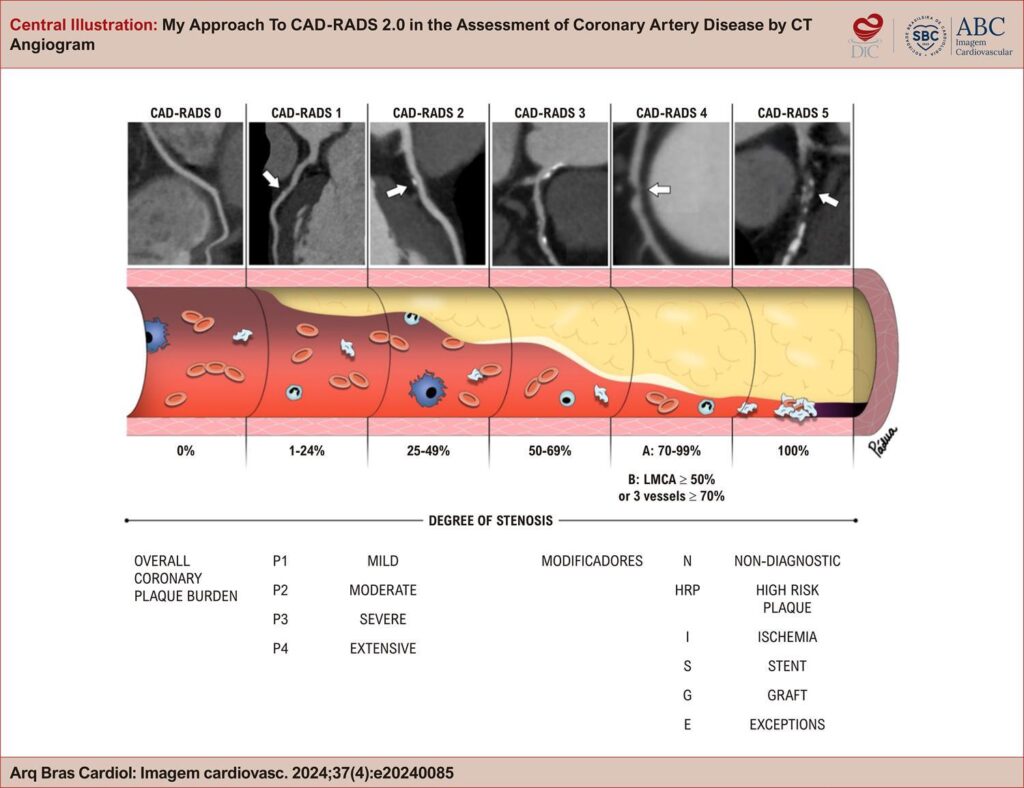
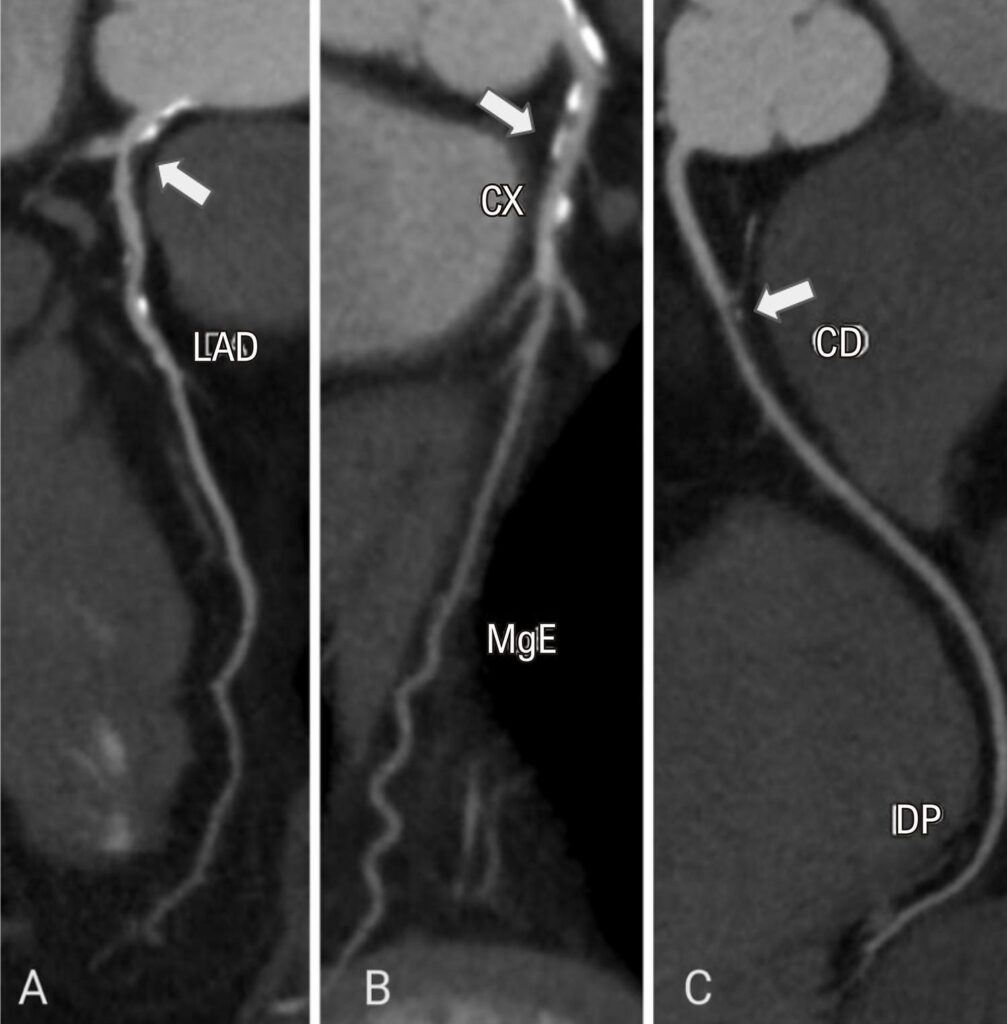
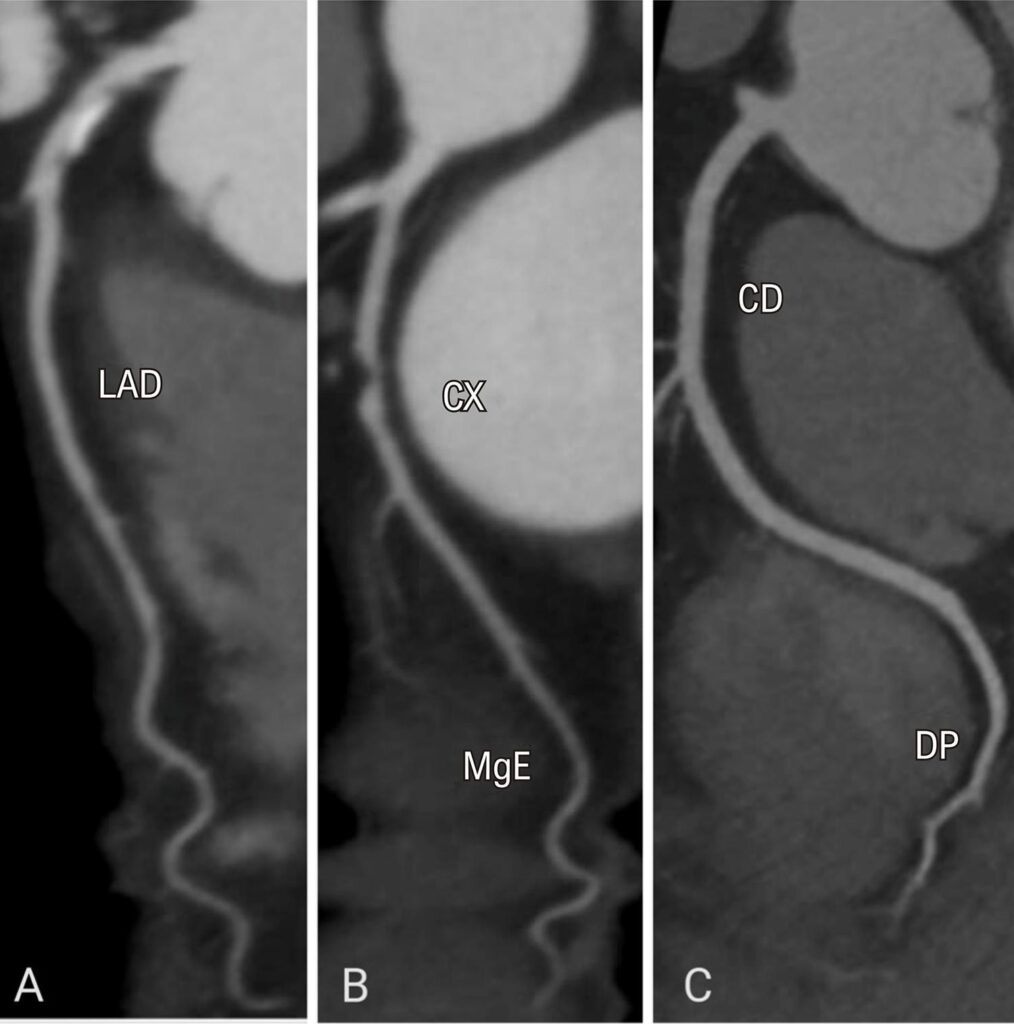
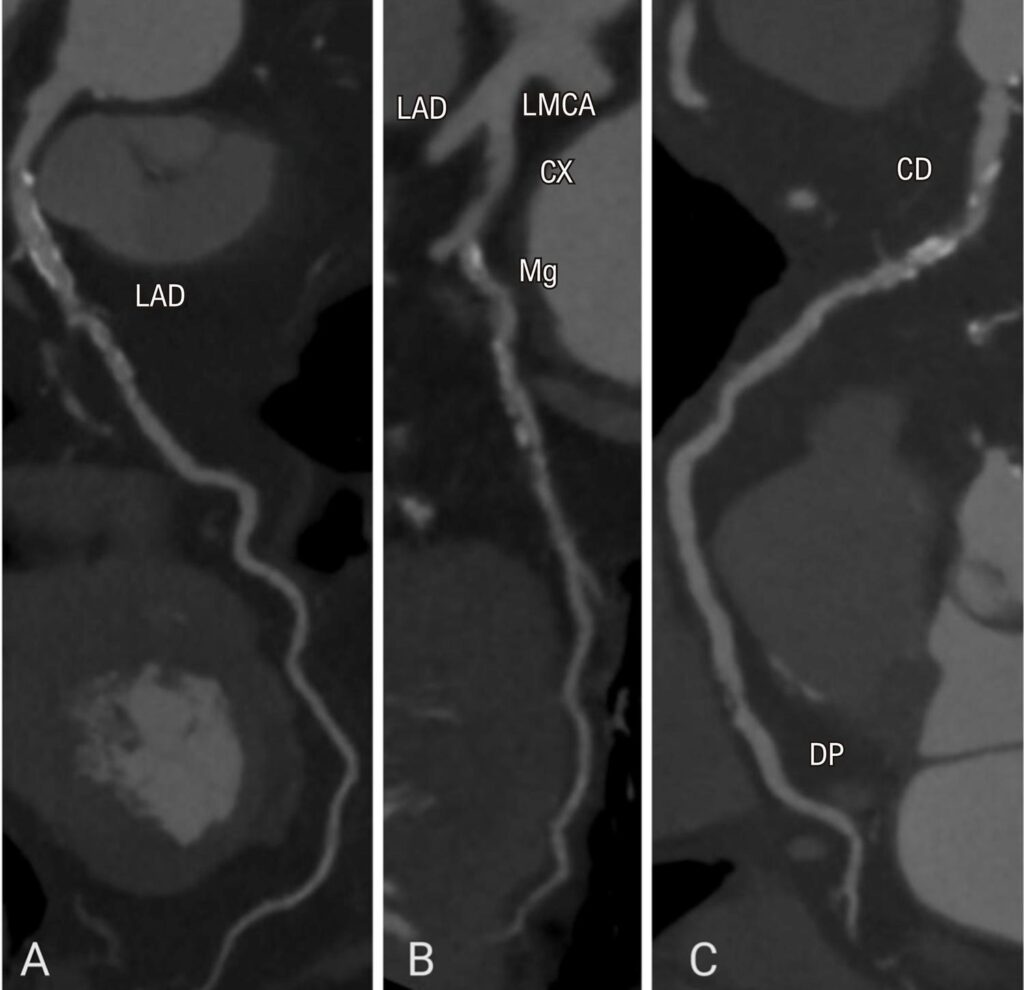
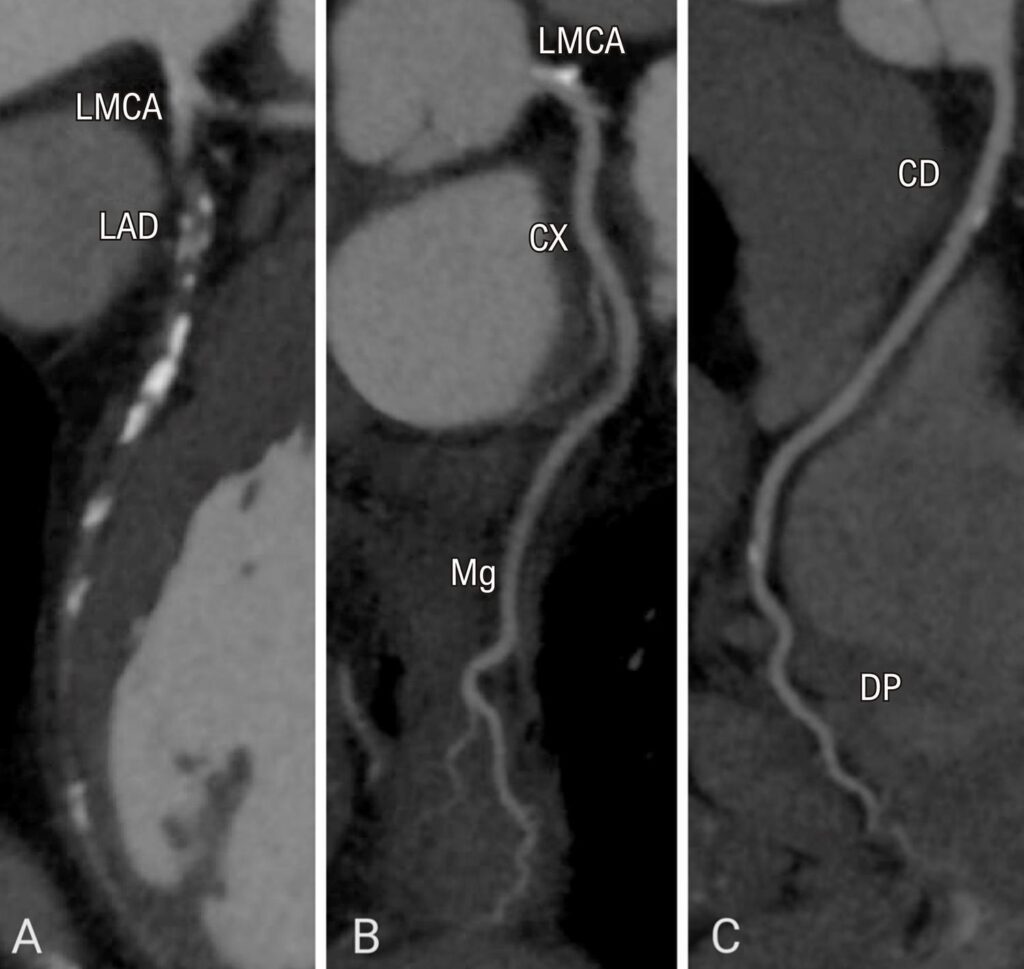
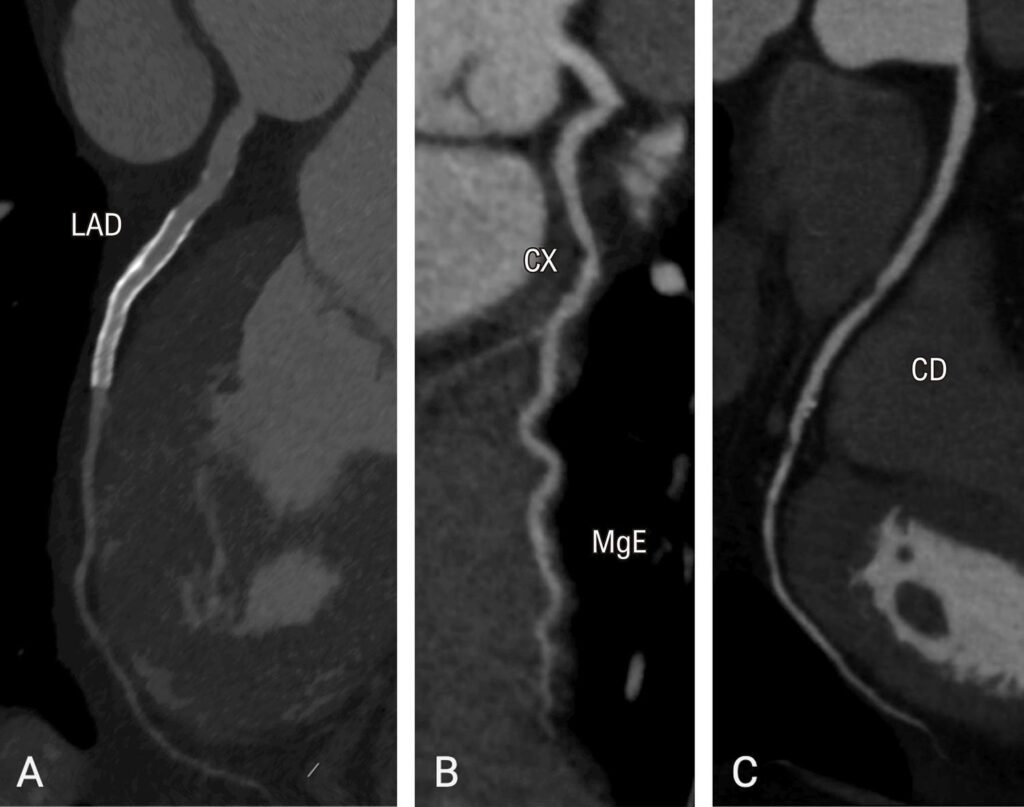
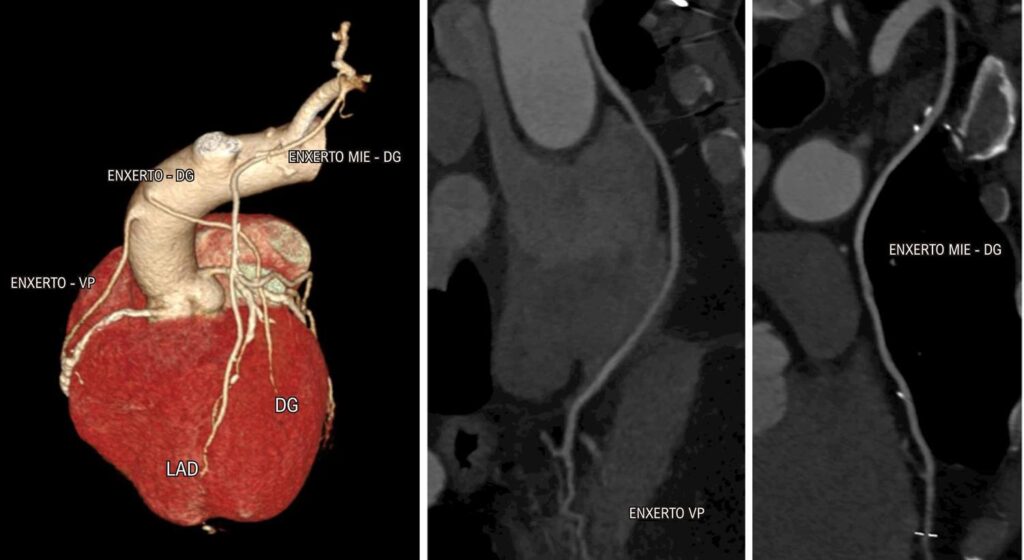
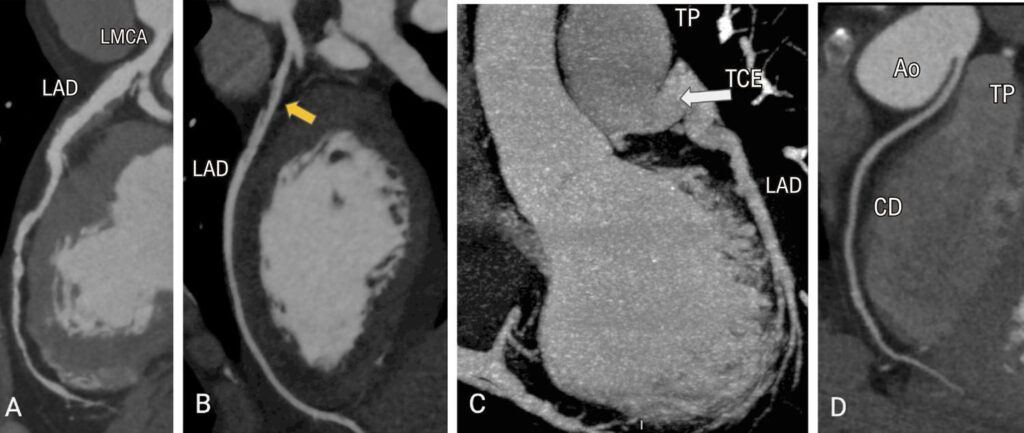
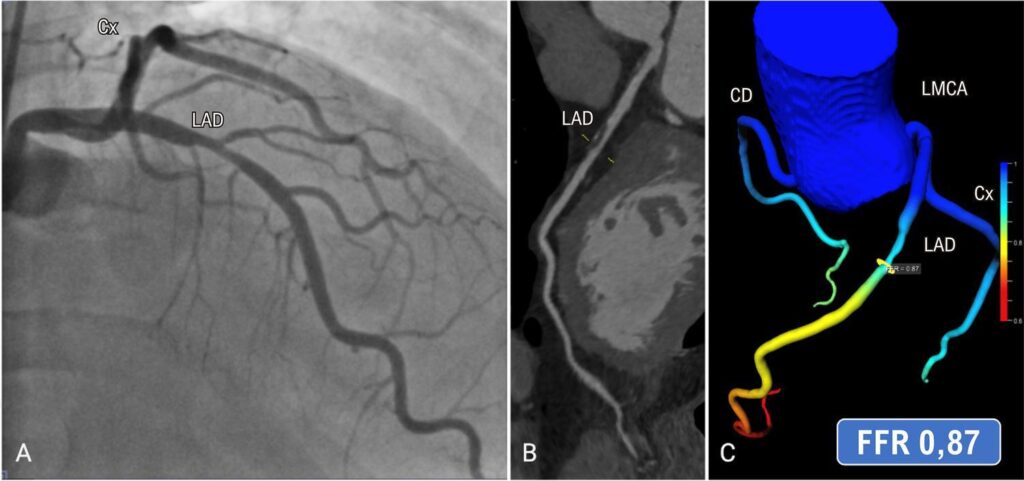
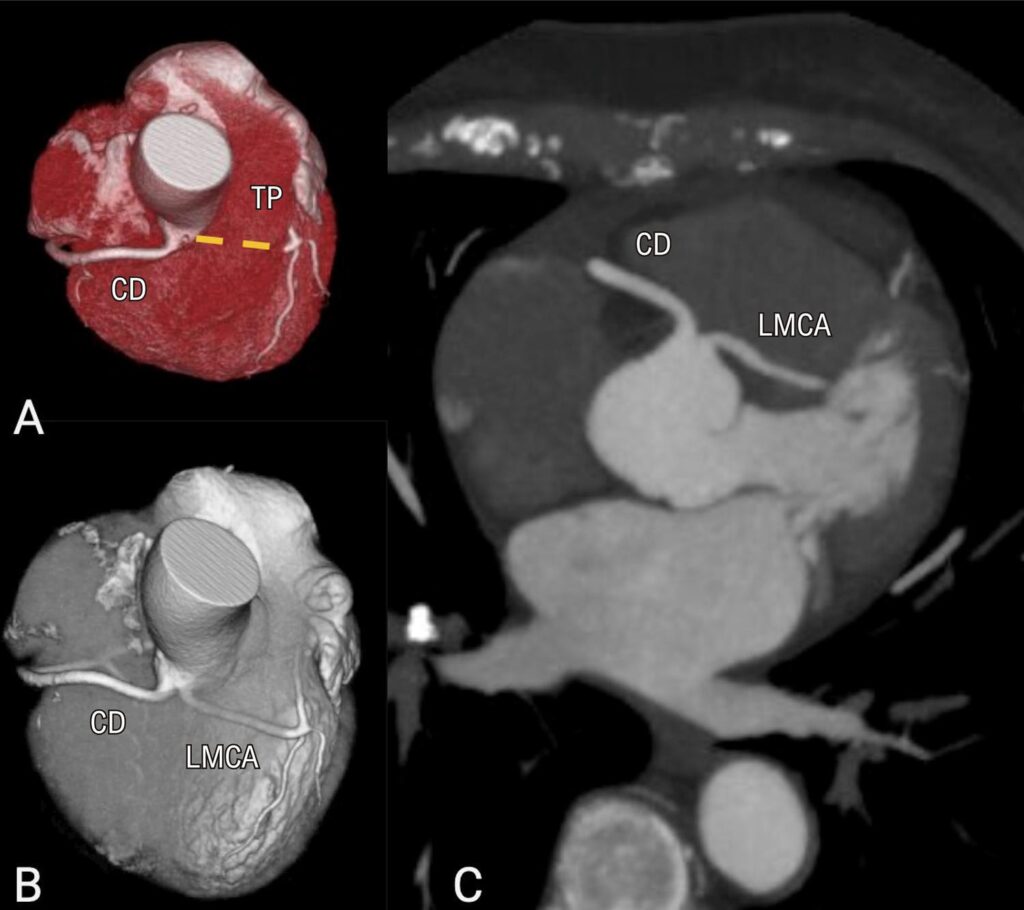
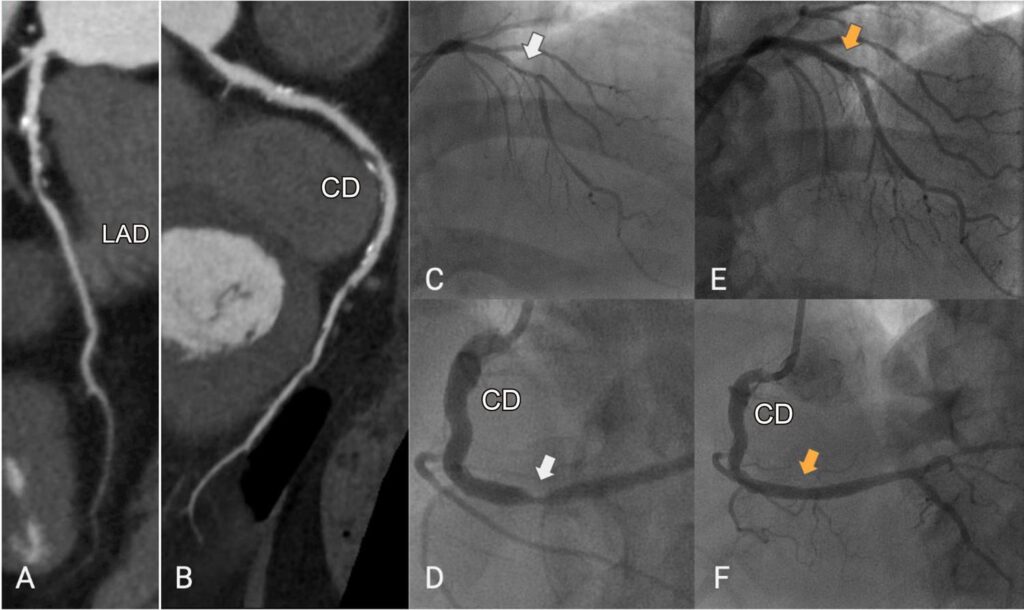
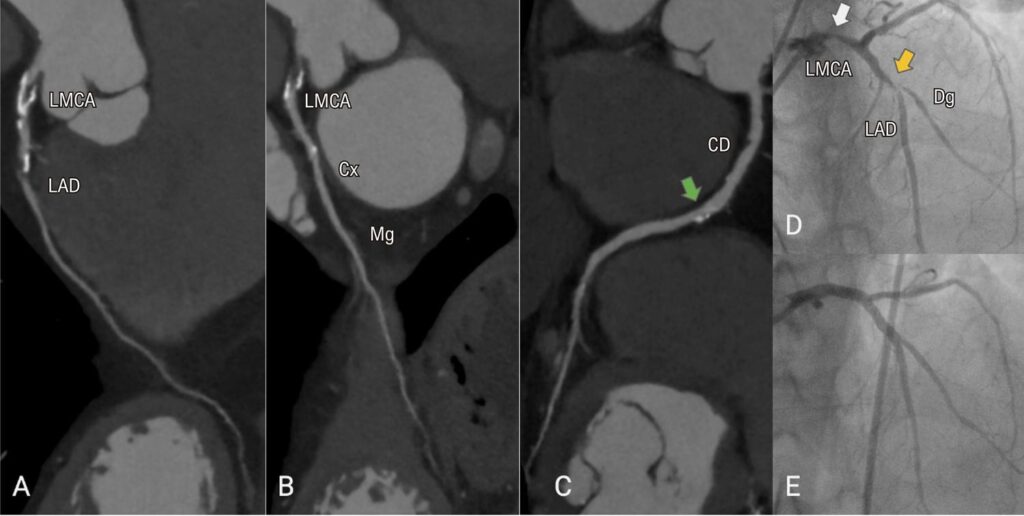
Coronary artery disease (CAD) is a common cause of chest pain, frequently seen in emergency departments and during elective consultations, and remains the leading cause of death worldwide. Coronary computed tomography angiography (CCTA) has become an established diagnostic tool for evaluating stable angina and acute chest pain in patients with low or intermediate risk. In this setting, CAD-RADS (Coronary Artery Disease-Reporting and Data System) was introduced as a CCTA reporting model, first published in 2016 and updated in 2022, with the aim of standardizing the description of imaging findings, improving communication between imaging specialists and clinicians, and providing guidance on patient management. This article reviews the CAD-RADS classification categories, which are based on the degree of stenosis, atherosclerotic plaque burden, and other modifying findings related to coronary abnormalities while also addressing certain exceptional situations. Through clinical cases, examples of structured reports, and recommendations for clinical management in different scenarios, we examine the objectives, benefits, limitations, and future potential of this classification, which remains underutilized in clinical practice.
Images
Image gallery fullscreen viewer
Comments are moderated by the editorial team before publication. Discussions should be evidence-based and use scientific language. Conflicts of interest should be declared.