ABC Family Arquivos Brasileiros de Cardiologia International Journal of Cardiovascular Sciences ABC Heart Failure & Cardiomyopathy ABC Imagem Cardiovascular
Português English
ABC Family
Português English
  • About
    • About ABC Family
    • Internal Regulation
    • Editorial Board
    • Brazilian Society of Cardiology (SBC)
  • Issues
  • SBC Guidelines
  • Content
    • Videos
    • Podcasts
    • News
  • About
    • About ABC Family
    • Internal Regulation
    • Editorial Board
    • Brazilian Society of Cardiology (SBC)
  • Issues
  • SBC Guidelines
  • Content
    • Videos
    • Podcasts
    • News

ABC Family

  • ABC Family
  • Arquivos Brasileiros de Cardiologia
  • International Journal of Cardiovascular Sciences
  • ABC Heart Failure & Cardiomyopathy
  • ABC Imagem Cardiovascular
Search in

No content found.

Journals
Ordering
Article types
Others

  1. Home
  2. Keyword: Unstable Angina
Critical Assessment of the Management of Unstable Angina in a Specialized Cardiology Emergency Room
ABC
Original Article

Critical Assessment of the Management of Unstable Angina in a Specialized Cardiology Emergency Room

Mateus Arantes Prata et al. Louis Nakayama Ohe Kelvin Henrique Vilalva Lucas Ferreira Marcondes Lemos Paola Emanuela Poggio Smanio

Abstract

Background:

The management of unstable angina (UA) presents a challenge due to its subjective diagnosis and limited representation in randomized clinical trials that inform current practices.

Objectives:

This study aims to identify key factors associated with the indication for invasive versus non-invasive stratification in this population and to evaluate factors associated with stratification test results.

Methods:

This retrospective cohort study included patients hospitalized with UA over a consecutive 20-month period. To assess factors associated with stratification strategies, patients were divided into invasive stratification (coronary angiography) and non-invasive stratification (other methods) groups. For the analysis of factors related to changes in stratification tests, patients were categorized into groups with or without obstructive coronary artery disease (CAD) or ischemia, as per the results of the requested tests. Comparisons between groups and multiple logistic regression analyses were performed, with statistical significance set at a 5% level.

Results:

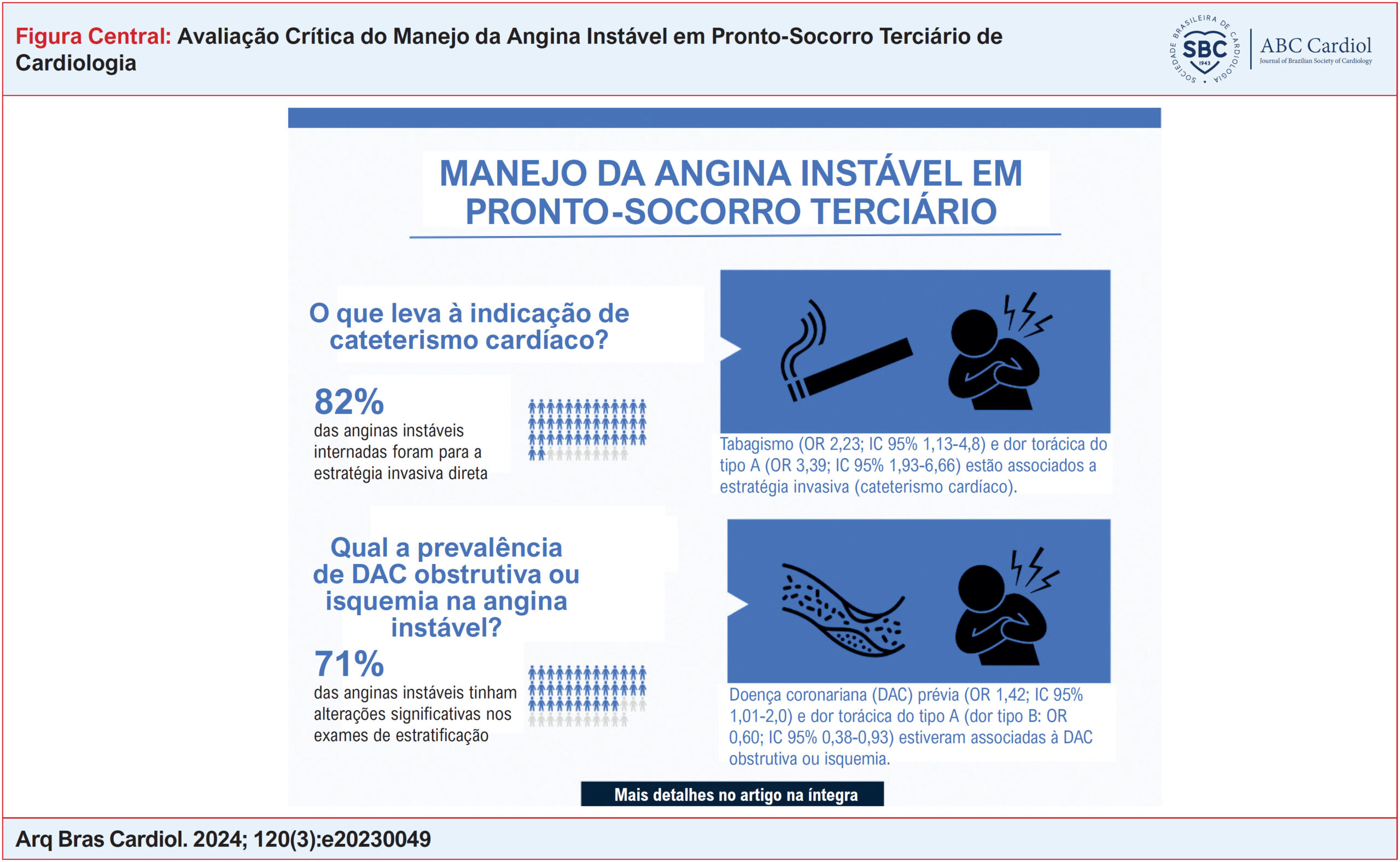
A total of 729 patients were included, with a median age of 63 years and a predominance of males (64.6%). Factors associated with invasive stratification included smoking (p = 0.001); type of chest pain (p < 0.001); "crescendo" pain (p = 0.006); TIMI score (p = 0.006); HEART score (p = 0.011). In multivariate analysis, current smokers (OR 2.23, 95% CI 1.13-4.8), former smokers (OR 2.19, 95% CI 1.39-3.53), and type A chest pain (OR 3.39, 95% CI 1.93-6.66) were independently associated. Factors associated with obstructive CAD or ischemia included length of hospital stay (p < 0.001); male gender (p = 0.032); effort-induced pain (p = 0.037); Diamond-Forrester score (p = 0.026); TIMI score (p = 0.001). In multivariate analysis, only chest pain (type B chest pain: OR 0.6, 95% CI 0.38-0.93, p = 0.026) and previous CAD (OR 1.42, 95% CI 1.01-2.0, p = 0.048) were independently associated.

Conclusion:

The type of chest pain plays a crucial role not only in the diagnosis of UA but also in determining the appropriate treatment. Our results highlight the importance of incorporating pain characteristics into prognostic scores endorsed by guidelines to optimize UA management.
  • Acute coronary syndrome
  • Chest Pain
  • Unstable Angina
Read Full Article
Creative Commons Attribution (CC BY) Creative Commons license
05/04/2024 DOI: 10.36660/abc.20230049i Views 1
ABCIC
Brief Communication

Evaluation of Functional Risk Area by Myocardial Strain Analysis in Unstable Angina

Pedro Henrique Albuquerque et al. José Maria Del Castillo Luciano Borba Carlos Romério Ferro … Cyro Cabral Júnior Antônio Everaldo Filho Ricardo César Cavalcanti

[…]

  • Ischemia
  • Strain
  • Unstable Angina
Read Full Article
Creative Commons Attribution (CC BY) Creative Commons license
14/01/2022 DOI: 10.5935/2318-8219.20200039 Views 1
Dante Pazzanese risk score for non-st-segment elevation acute coronary syndrome
ABC
Artigo Original

Dante Pazzanese risk score for non-st-segment elevation acute coronary syndrome

Elizabete Silva dos Santos et al. Ari Timerman Valéria Troncoso Baltar Maria Tereza Cabrera Castillo … Marcos Paulo Pereira Luiz Minuzzo Leopoldo Soares Piegas

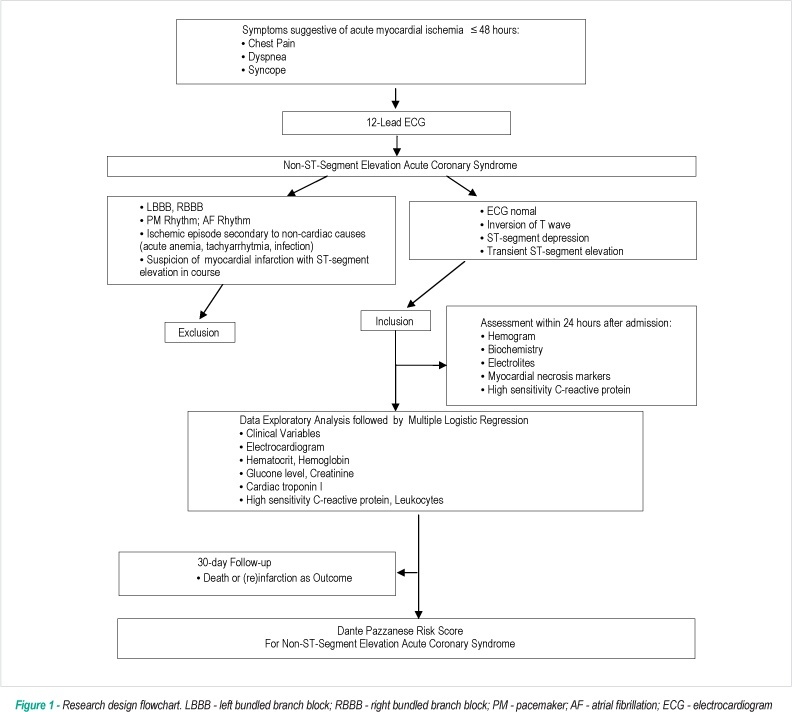
BACKGROUND: The probability of adverse events estimate is crucial in acute coronary syndrome condition. OBJECTIVES: To develop a risk score for the brazilian population presenting non-ST-segment elevation acute coronary syndrome. METHODS: One thousand and twenty seven (1,027) patients were investigated prospectively at a cardiology center in Brazil. A multiple logistic regression model was developed to estimate death or (re)infarction risk within 30 days. Model predictive accuracy was determined by C statistic. RESULTS: Combined event occurred in 54 patients (5.3%). The score was created by the arithmetic sum of independent predictors points. Points were determined by corresponding probabilities of event occurrence. The following variables have been identified: age increase (0 to 9 points); diabetes mellitus history (2 points) or prior stroke (4 points); no previous use of angiotensin converting enzyme inhibitor (1 point); creatinine level increase (0 to 10 points); the combination of troponin I level increase and ST-segment depression (0 to 4 points). Four risk groups were defined: very low (up to 5 points); low (6 to 10 points ); intermediate (11 to 15 points ); high risk (16 to 30 points ). The C statistic was 0.78 for event probability, and 0.74 for risk score. CONCLUSION: A risk score of easy application in the emergency service was developed to predict death or (re)infarction within 30 days in a brazilian population with non-ST-segment elevation acute coronary syndrome.

  • Cardiovascular Diseases
  • Myocardial Infarction
  • Prognostic
  • Risk Factors
  • Unstable Angina
Read Full Article
Creative Commons Attribution (CC BY) Creative Commons license
24/11/2009 DOI: 10.1590/S0066-782X2009001000006
ABC
Artigo Original

Circulatory response to a 50-m walk in the coronary care unit in acute coronary syndrome

Cristiane Maria Carvalho Costa Dias et al. Ana Célia Carneiro de Almeida Maiato Kátia Maria Moreno Baqueiro Alessandra Maia Furtado Fiqueredo … Fernanda Warken Rosa Janaina Oliveira Pitanga Ludmila Ivo Catão de Souza Armênio Costa Guimarães

BACKGROUND: Lack of a standardized and monitored technique to start rehabilitation of patients with acute coronary syndrome (ACS) in the coronary care unit. OBJECTIVE: To describe the technique of and circulatory response to a 50-m walk (W50m). METHODS: Experimental cross-sectional study of 65 patients with ACS; of these, 36 (54%) with acute myocardial infarction (AMI), Killip I, 29 (45.2%) with unstable angina (UA), 61.5% males with age of 62.8 ± 12.7 years. Walk was started 45±23h after hospitalization. Parameters measured: systolic blood pressure (SBP mmHg), diastolic blood pressure (DBP mmHg), heart rate (HR bpm), double product (SBP mmHg X HR bpm), peripheral oxygen saturation (SpO2%), walking time, and exercise tolerance by Borg scale (BS). Measurements were taken while supine, sitting, in orthostasis (phase 1 [gravitational stress]), end of the walk, and after a 5-minute rest (phase 2 [exercise stress]). RESULTS: Increased HR in response to the sitting gravitational stress (Δ=4.18) and with orthostasis (Δ=2.69) (p<0.001) was observed. At the end of walk, there was an elevation in SBP (Δ=4.84), (p<0.001), HR (Δ=4.68), (p<0.001) and DP (Δ=344.97), (p=0.004), and a reduction in SpO2 (Δ=-1.42), (p 142 mmHg when sitting was associated with a significant increase (p=0.031) of 11 mmHg at exercise in 13 patients with overweight/obesity and 85% with hypertension. Adverse effects occurred in 19 (29.2%) patients and dizziness in 23.1%, which impaired the walk in three of them. CONCLUSION: In this sample, patients did not present severe collateral effects to W50m. 24 hours after a coronary event.

  • Motor Activity
  • Myocardial Infarction
  • Rehabilitation
  • Unstable Angina
Read Full Article
Creative Commons Attribution (CC BY) Creative Commons license
06/04/2009 DOI: 10.1590/S0066-782X2009000200010 Views 1
ABC
Artigo Original

Unstable angina patients treated with percutaneous coronary intervention in the new millennium: what characterizes them?

Daniele da Silva Peixoto et al. Luiz Fernando Leite Tanajura Amanda G. M. R. Sousa Marinella Patrizia Centemero … Áurea Jacob Chaves Júlio de Paiva Maia Alberto Gomes Taques Fonseca Luiz Alberto Piva e Mattos Fausto Feres José Eduardo M. R. Sousa

OBJECTIVE: To identify clinical and angiographic profiles of patients with unstable angina seen at a tertiary hospital and treated with percutaneous coronary intervention (PCI). METHODS: Study of a consecutive series of 1413 patients, selected from a computerized database, who underwent percutaneous revascularization in the three-year period of 2002-2004. There were no inclusion/exclusion criteria. RESULTS: Systemic arterial hypertension (74%) and hypercholesterolemia (65%) were the classical risk factors for coronary disease most frequently observed. Coronary artery bypass grafting and history of myocardial infarction were found in 24% and 28% of the cases, respectively. The subgroups most commonly treated were the IIB (48%) and IIIB (28%). Clopidogrel was prescribed for 51% of the patients and glycoprotein IIb/IIIa inhibitors, for 7%. Multivessel disease evidenced by coronary angiography was detected in 42% of the cases. Type B2 or C lesions were treated in 64%, 94% of which in native vessels. Restenotic lesions were dilated in 5% of the patients. All interventions were performed using coronary stents, the majority of which (67%) were standard bare-metal stents. CONCLUSIONS: 1) Subgroups IIB and IIIB were the most frequently treated (76%); 2) Clopidogrel was the most prescribed antithrombotic agent (51%); 3) Multivessel coronary artery disease was found in 42% of the cases, most of which were complex target lesions located in native vessels; 4) Coronary stent implantation was the chief dilation technique used.

  • coronary angioplasty
  • Unstable Angina
Read Full Article
Creative Commons Attribution (CC BY) Creative Commons license
07/03/2007 DOI: 10.1590/S0066-782X2007000100004
Acute coronary syndrome registry at a cardiology emergency center
ABC
Artigo Original

Acute coronary syndrome registry at a cardiology emergency center

Elizabete Silva dos Santos et al. Luiz Minuzzo Marcos Paulo Pereira Maria Teresa Cabrera Castillo … Manoel Ângelo Gomes Palácio Rui Fernando Ramos Ari Timerman Leopoldo Soares Piegas

OBJECTIVE: Describe clinical characteristics of patients (P) admitted to hospital with suspected acute coronary syndrome (ACS), identifying medical treatment and in-hospital mortality. METHODS: Evaluated were 860 patients with ACS from January through December, 2003. We evaluated baseline characteristics, ACS mode of presentation, medication during hospital stay, indication for clinical treatment or myocardial revascularization (MR) and in-hospital mortality. RESULTS: Five hundred and three (58.3%) were male, mean age 62.6 years (± 11.9). Seventy-eight (9.1%) were discharged with the diagnosis of acute ST-elevation myocardial infarction (STEMI), 238 (27.7%) with non-ST-elevation myocardial infarction (non-STEMI), 516 (60%) with unstable angina (UA), two (0.2%) with atypical manifestations of ACS and 26 (3%) with non-cardiac chest pain. During hospitalization, 87.9% of patients were given a beta-blocker, 95.9% acetylsalicylic acid, 89.9% anti-thrombin therapy, 86.2% intravenous nitroglycerin, 6.4% glycoprotein (GP) IIb/IIIa receptor inhibitor, 35.9% clopidogrel, 77.9% angiotensin-converting enzyme inhibitor, and 70,9% statin drugs. Coronary arteriography was performed in 72 patients (92.3%) with STEMI, and in 452 (59.8%) with non-STEMI ACS (p< 0.0001). Myocardial revascularization (MR) surgery was indicated for 12.9% and percutaneous coronary intervention for 26.6%. In-hospital mortality was 4.8%, and no difference was recorded between the proportion of deaths among patients with STEMI and non-STEMI ACS (6.4% versus 4.8%; p = 0.578). CONCLUSION: In this registry, we provide a description of ACS patient, which allows the evaluation of the demographic characteristics, medical treatment prescribed, and in-hospital mortality. A greater awareness of our reality may help the medical community to adhere more strictly to the procedures set by guidelines.

  • Acute coronary syndrome
  • Acute Myocardial Infarction
  • Chest Pain
  • registry
  • Unstable Angina
Read Full Article
Creative Commons Attribution (CC BY) Creative Commons license
06/03/2007 DOI: 10.1590/S0066-782X2006001800008 Views 1
Stratifying the risk in unstable angina with dobutamine stress echocardiography
ABC
Artigo Original

Stratifying the risk in unstable angina with dobutamine stress echocardiography

Brivaldo Markman Filho et al. Maria Celita Almeida Manuel Markman Andrea Chaves … Miguel A. Moretti José A. F. Ramires Luiz A. César

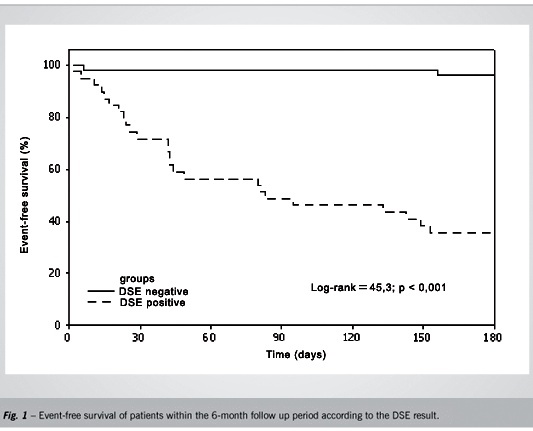
OBJECTIVE: To evaluate the role of dobutamine stress echocardiography (DSE) in the risk stratification of low to moderate risk unstable angina (UA) patients, to predict the combined clinical outcome of cardiovascular death, myocardial infarction (MI), recurrent UA and the need of revascularization procedures in a 6 month period. METHODS: Multicenter prospective study. Patients should be admitted to the hospital and asymptomatic in the last 24 hours. The exam was performed up to 72 hours from the hospital admission and no medication was stopped prior to the test. RESULTS: Ninety-five consecutive patients were evaluated by DSE. Forty patients (42,1%) had a positive ischemic test and fifty five (57,9%) had a negative one. Clinical events occurred in twenty eight patients, twenty six of whom had a positive test. The rest of the patients (67) did not have clinical events and fifty three of them, had a negative test. The sensibility, specificity, accuracy, positive predictive value and negative predictive value of the test related to the clinical events were: 92,9%, 79,1%, 83,2%, 65% and 96,4%, respectively. Event-free survival after 6 months for pacients with a negative DSE was 96% compared to 35% for those with a positive DSE (p<0,001). The UA classification, left ventricular ejection fraction, rest and peak wall motion score index, DSE result and history of previous MI were associated with the combined end point by univariate analysis. The test result was the only independent predictor of cardiac events by multivariate analysis (p<0.001). CONCLUSION: O DSE has shown an excellent negative predictive value allowing for early hospital discharge without further exams. The positive test result was the only independent predictor for adverse cardiac events.

  • risk stratification
  • Stress echocardiography
  • Unstable Angina
Read Full Article
Creative Commons Attribution (CC BY) Creative Commons license
16/10/2006 DOI: 10.1590/S0066-782X2006001600011 Views 1
Comparison of coronary angiography findings in diabetic and non-diabetic women with non-ST-segment-elevation acute coronary syndrome
ABC
Artigo Original

Comparison of coronary angiography findings in diabetic and non-diabetic women with non-ST-segment-elevation acute coronary syndrome

José Marconi Almeida de Sousa et al. João L. V. Herrman Marco Teodoro Sergio Diogo … Bernardino Bandeira Terceiro Angelo Amato Vincenzo de Paola Antonio Carlos Camargo Carvalho

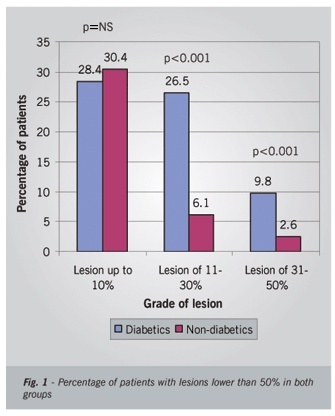
OBJECTIVE: Compare hemodynamic and angiographic patterns, as well as atherosclerotic lesion morphology, in diabetic and non-diabetic females with unstable angina or non-ST-segment-elevation myocardial infarction (UA/NSTEMI). METHODS: Two interventional cardiologists determined the presence of severe atherosclerotic lesion, defined as those > 70%; plaque morphology, according to the American Heart Association classification; collateral circulation; plus ventricular and aortic pressures. Ejection fraction was calculated by angiography or echocardiography. RESULTS: During eight and a half years, 645 coronary angiographies were performed in women with UA/NSTEMI. In the present study, 593 female patients were assessed (215 diabetic – 36%). This group differed from the non-diabetic in the following aspects: older age (61 ± 10.6 x 58.1 ± 11.4), higher prevalence of postmenopausal women and lower prevalence of the smoking habit. Severe three-vessel disease was significantly more frequent in diabetic patients (28% x 10%), as well as totally occluded vessels: 51 (23%) x 54 (14.3%), p < 0.005. Additionally, ejection fraction < 50% was more common in diabetic patients. CONCLUSION: These findings confirm the diffuse pattern of atherosclerotic disease in diabetic patients, as well a greater deterioration of ventricular function, which may be associated to the poorer prognosis seen in this population both in the short- and long-term.

  • Coronary Angiography
  • Diabetes Mellitus
  • Unstable Angina
  • Women
Read Full Article
Creative Commons Attribution (CC BY) Creative Commons license
20/02/2006 DOI: 10.1590/S0066-782X2006000200012
ABC
Artigo Original

Depression and acute coronary syndromes: gender-related differences

Glória Heloise Perez et al. José Carlos Nicolau Bellkiss Wilma Romano Ronaldo Laranjeira

OBJECTIVE: Investigate whether social and demographic characteristics, clinical diagnosis, smoking status, alcohol consumption, and anxiety are associated with depression in patients with Acute Coronary Syndromes (ACS) stratified by gender. METHODS: Three hundred forty-five consecutive patients with unstable myocardial ischemic syndrome (206 with myocardial infarction and 139 with unstable angina) were interviewed. The interviews included questions about sociodemographics, smoking status, screening for depression (Prime MD e BDI), trait and state anxiety, (IDATE), and alcohol consumption (AUDIT). RESULTS: Diagnosis of depression has significantly correlated with female gender, age under 50 years, and higher average scores on trait anxiety and state anxiety. Depressed men (245) were usually younger than 50 years of age, smokers and had higher average score on trait anxiety and state anxiety than those non-depressed. The multivariate analysis highlights that age is negatively associated with depression (OR 0.9519 95% CI 0.9261 – 0.9784) and that higher scores on trait anxiety are positively associated (OR 1.0691 95% CI 1.0375 – 1.1017) with depression in the male gender. In the female sample (100), depressed women differ from non-depressed women in that they have a higher average score on trait anxiety and state anxiety. In the multivariate analysis of the female sample, a higher score on trait anxiety was independently associated with depression (OR 1.1267 95% CI 1.0632 – 1.1940). CONCLUSION: It was concluded that, among hospitalized patients with ACS, women, as well as men under 50 years and who suffer from anxiety are more likely to experience depression.

  • Anxiety
  • Depression
  • Myocardial Infarction
  • Unstable Angina
Read Full Article
Creative Commons Attribution (CC BY) Creative Commons license
05/12/2005 DOI: 10.1590/S0066-782X2005001800004
ABC
Artigo Original

Evaluation of systolic, diastolic, and pulse pressure as risk factors for severe coronary arteriosclerotic disease in women with unstable angina non-ST-elevation acute myocardial infarction

José Marconi Almeida de Sousa et al. João L. V. Hermann João B. Guimarães Pedro Paulo O. Menezes Antonio Carlos Camargo Carvalho

OBJECTIVE: To evaluate pressures assessed at the aortic root as risk factors for severe atherosclerotic coronary heart disease in women with unstable angina/compatible clinical history associated with increase in cardiac enzymes (total CPK and CK-MB) 2 times greater than the standard value used in the hospital, with the absence of new Q waves on the electrocardiogram (UA/NSTEMI). METHODS: Five hundred and ninety-three female patients with clinical diagnosis of UA/NSTEMI underwent cinecoronariography from March 1993 to August 2001, and the risk factors for CHD were studied. During examination the pressures, at the aortic root, and coronary obstructions were visually assessed by 2 interventional cardiologists, and those stenosis over 70% were considered severe. RESULTS: Eight-one per cent of the population was white and 18.3% was black. Mean age was 59.2±11.2 years, and it was significantly higher in patients with severe coronary lesions: 61.9 ± 10.8 years versus 56.4 ± 10.8 years; smoking, diabetes mellitus and climacteric were more frequent in patients with CHD. The average mean arterial pressure and mean systolic blood pressure was the same in both groups, however, average left ventricle diastolic pressure (17.6 ± 8.7 x 15.1 ± 8.1, p=0.001), and aortic pulse pressure were significantly greater in patients with CHD (75.5 ± 22 x 70 ± 19, p=0.002), while average aortic diastolic pressure was significantly greater in patients without CHD (79.8 ± 16 x 75.3 ± 17.5, p=0.003). In the multivariated analysis, pulse pressure > 80 mmHg and systolic blood pressure > 165 were independently associated with severe CHD with odds ratio of 2.12 and 2.09, p 80 mmHg and systolic blood pressure > 165 mmHG determined risk two times greater of severe coronary disease.

  • Acute Myocardial Infarction
  • coronary arterioscherotic disease
  • Hypertension
  • Unstable Angina
Read Full Article
Creative Commons Attribution (CC BY) Creative Commons license
08/06/2004 DOI: 10.1590/S0066-782X2004000500005
Analysis of Plasma Homocysteine Levels in Patients with Unstable Angina
ABC
Original Article

Analysis of Plasma Homocysteine Levels in Patients with Unstable Angina

José Roberto Tavares et al. Vânia D'Almeida Daniela C. Diniz Carolina A. Terzi … Edison N. Cruz Edson Stefanini Adagmar Andriollo Angelo A.V. de Paola Antonio C. Carvalho

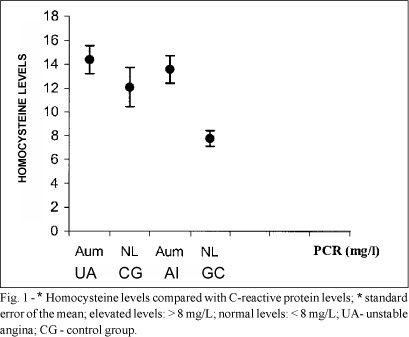
OBJECTIVE – To determine the prevalence of hyperhomocystinemia in patients with acute ischemic syndrome of the unstable angina type. METHODS – We prospectively studied 46 patients (24 females) with unstable angina and 46 control patients (19 males), paired by sex and age, blinded to the laboratory data. Details of diets, smoking habits, medication used, body mass index, and the presence of hypertension and diabetes were recorded, as were plasma lipid and glucose levels, C-reactive protein, and lipoperoxidation in all participants. Patients with renal disease were excluded. Plasma homocysteine was estimated using high-pressure liquid chromatography. RESULTS – Plasma homocysteine levels were significantly higher in the group of patients with unstable angina (12.7±6.7 µmol/L) than in the control group (8.7±4.4 µmol/L) (p<0.05). Among males, homocystinemia was higher in the group with unstable angina than in the control group, but this difference was not statistically significant (14.1±5.9 µmol/L versus 11.9±4.2 µmol/L). Among females, however, a statistically significant difference was observed between the 2 groups: 11.0±7.4 µmol/L versus 6.4±2.9 µmol/L (p<0.05) in the unstable angina and control groups, respectively. Approximately 24% of the patients had unstable angina at homocysteine levels above 15 µmol/L. CONCLUSION – High homocysteine levels seem to be a relevant prevalent factor in the population with unstable angina, particularly among females.

  • acute ischemic syndrome
  • homocysteine
  • Unstable Angina
Read Full Article
Creative Commons Attribution (CC BY) Creative Commons license
10/09/2002 DOI: 10.1590/S0066-782X2002001100008 Views 1
Efficacy of a diagnostic strategy for patients with chest pain and no ST-segment elevation in the emergency room
ABC
Original Article

Efficacy of a diagnostic strategy for patients with chest pain and no ST-segment elevation in the emergency room

Roberto Bassan et al. Roberto Gamarski Lúcia Pimenta André Volschan … Marcelo Scofano Hans Fernando Dohmann Monica Araujo Cristina Clare Marcelo Fabrício Carlos Henrique Sanmartin Kalil Mohallem Renato Macaciel Sergio Gaspar

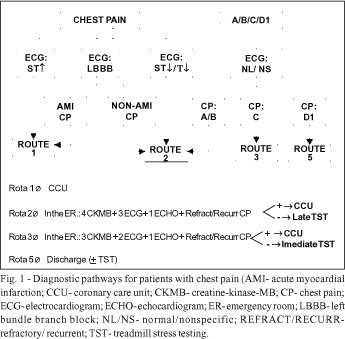
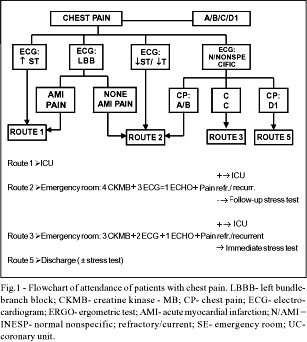
PURPOSE: To evaluate the efficacy of a systematic model of care for patients with chest pain and no ST segment elevation in the emergency room. METHODS: From 1003 patients submitted to an algorithm diagnostic investigation by probability of acute ischemic syndrome. We analyzed 600 ones with no elevation of ST segment, then enrolled to diagnostic routes of median (route 2) and low probability (route 3) to ischemic syndrome. RESULTS: In route 2 we found 17% acute myocardial infarction and 43% unstable angina, whereas in route 3 the rates were 2% and 7%, respectively. Patients with normal/non–specific ECG had 6% probability of AMI whereas in those with negative first CKMB it was 7%; the association of the 2 data only reduced it to 4%. In patients in route 2 the diagnosis of AMI could only be ruled out with serial CKMB measurement up to 9 hours, while in route 3 it could be done in up to 3 hours. Thus, sensitivity and negative predictive value of admission CKMB for AMI were 52% and 93%, respectively. About one-half of patients with unstable angina did not disclose objective ischemic changes on admission. CONCLUSION: The use of a systematic model of care in patients with chest pain offers the opportunity of hindering inappropriate release of patients with ACI and reduces unnecessary admissions. However some patients even with normal ECG should not be released based on a negative first CKMB. Serial measurement of CKMB up to 9 hours is necessary in patients with medium probability of AMI.

  • Acute Myocardial Infarction
  • Chest Pain
  • Emergency room
  • Unstable Angina
Read Full Article
Creative Commons Attribution (CC BY) Creative Commons license
08/01/2002 DOI: 10.1590/S0066-782X2000000500002 Views 1
Does a circadian variation occur in myocardial ischemia over 48 hours in patients with unstable angina?
ABC
Original Article

Does a circadian variation occur in myocardial ischemia over 48 hours in patients with unstable angina?

Luiz Antônio Machado César et al. João Fernando Monteiro Ferreira César J. Grupi David Pamplona … Miguel A. Moretti Elcio Pferfmann José A. F. Ramires

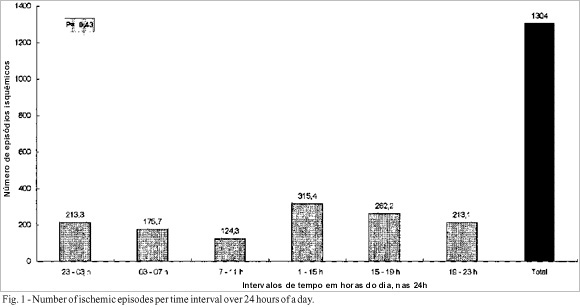
OBJECTIVE: To study the incidence of and variation in myocardial ischemia over 48 hours in patients with unstable angina. METHODS: Thirty-nine patients with unstable angina underwent long-term electrocardiography for 48 hours. The number of events and the period of time of ischemia (in minutes) were analyzed for the 48 hours, in two periods of 24 hours, and in periods of 4 hours. RESULTS: We analyzed 1755.8 hours of monitoring tapes, and ischemic episodes were detected in 18 (46.2%) patients, corresponding to 173 ischemic episodes, allowing the evaluation of 1304 minutes of ischemia.only 4 of which were (2.2%) symptomatic, Considering the entire period of time of recording and the predetermined time intervals, we observed a higher number of ischemic episodes (38) and a longer duration of ischemia (315.4 minutes) between 11:00 am and 3:00 pm. However, no significant differences occurred among the values in the different intervals. CONCLUSION: Long-term electrocardiography over 48 hours showed a high incidence (97.8%) of silent ischemic episodes in patients with unstable angina. No evidence of a circadian variation of myocardial ischemia in unstable angina was observed.

  • Holter monitoring
  • Myocardial Ischemia
  • Unstable Angina
Read Full Article
Creative Commons Attribution (CC BY) Creative Commons license
08/01/2002 DOI: 10.1590/S0066-782X2000000700002
Chest pain in the emergency room. Importance of a systematic approach
ABC
Original Article

Chest pain in the emergency room. Importance of a systematic approach

Roberto Bassan et al. Marcelo Scofano Roberto Gamarski Hans Fernando Dohmann … Lúcia Pimenta André Volschan Mônica Araujo Cristina Clare Marcelo Fabrício Carlos Henrique Sanmartin Kalil Mohallem Sergio Gaspar Renato Macaciel

OBJECTIVE: To evaluate the efficiency of a systematic diagnostic approach in patients with chest pain in the emergency room in relation to the diagnosis of acute coronary syndrome (ACS) and the rate of hospitalization in high-cost units. METHODS: One thousand and three consecutive patients with chest pain were screened according to a pre-established process of diagnostic investigation based on the pre-test probability of ACS determinate by chest pain type and ECG changes. RESULTS: Of the 1003 patients, 224 were immediately discharged home because of no suspicion of ACS (route 5) and 119 were immediately transferred to the coronary care united because of ST elevation or left bundle-branch block (LBBB) (route 1) (74% of these had a final diagnosis of acute myocardial infarction [AMI]). Of the 660 patients that remained in the emergency room under observation, 77 (12%) had AMI without ST segment elevation and 202 (31%) had unstable angina (UA). In route 2 (high probability of ACS) 17% of patients had AMI and 43% had UA, whereas in route 3 (low probability) 2% had AMI and 7 % had UA. The admission ECG has been confirmed as a poor sensitivity test for the diagnosis of AMI ( 49%), with a positive predictive value considered only satisfactory (79%). CONCLUSION: A systematic diagnostic strategy, as used in this study, is essential in managing patients with chest pain in the emergency room in order to obtain high diagnostic accuracy, lower cost, and optimization of the use of coronary care unit beds.

  • Acute Myocardial Infarction
  • Chest Pain
  • Emergency room
  • Unstable Angina
Read Full Article
Creative Commons Attribution (CC BY) Creative Commons license
05/09/2000 DOI: 10.1590/S0066-782X2000000100003 Views 2

How to cite this article

EndNote RIS

Electronic Document Format (Vancouver)

Prata MA, Ohe LN, Vilalva KH, Lemos LFM, Smanio PEP. Critical Assessment of the Management of Unstable Angina in a Specialized Cardiology Emergency Room. Arquivos Brasileiros de Cardiologia 2024;121(3):e20230049.

Electronic Document Format (ABNT)

Prata, Mateus Arantes; Ohe, Louis Nakayama; Vilalva, Kelvin Henrique; Lemos, Lucas Ferreira Marcondes; Smanio, Paola Emanuela Poggio. Critical Assessment of the Management of Unstable Angina in a Specialized Cardiology Emergency Room. Arquivos Brasileiros de Cardiologia, v. 121, n. 3, e20230049, Apr. 2024.

Electronic Document Format (APA)

Prata, M. A., Ohe, L. N., Vilalva, K. H., Lemos, L. F. M., & Smanio, P. E. P. (2024). Critical Assessment of the Management of Unstable Angina in a Specialized Cardiology Emergency Room. Arquivos Brasileiros de Cardiologia, 121(3), e20230049.

Electronic Document Format (ISO)

Prata, Mateus Arantes and Ohe, Louis Nakayama and Vilalva, Kelvin Henrique and Lemos, Lucas Ferreira Marcondes and Smanio, Paola Emanuela Poggio. Critical Assessment of the Management of Unstable Angina in a Specialized Cardiology Emergency Room. Arquivos Brasileiros de Cardiologia [online]. 2024, vol. 121, n. 3, [cited 2026-10-14], e20230049. Available from: <https://journals.cardiol.br/en/article/critical-assessment-of-the-management-of-unstable-angina-in-a-specialized-cardiology-emergency-room/>. ISSN 0066-782X

EndNote RIS

Electronic Document Format (Vancouver)

Albuquerque PH, Castillo JMD, Borba L, Ferro CR, Cabral Júnior C, Everaldo Filho A, Cavalcanti RC, et al. Evaluation of Functional Risk Area by Myocardial Strain Analysis in Unstable Angina. Arquivos Brasileiros de Cardiologia Imagem cardiovascular 2022;33(3):1-4.

Electronic Document Format (ABNT)

Albuquerque, Pedro Henrique; Castillo, José Maria Del; Borba, Luciano; Ferro, Carlos Romério; Cabral Júnior, Cyro; Everaldo Filho, Antônio; Cavalcanti, Ricardo César. Evaluation of Functional Risk Area by Myocardial Strain Analysis in Unstable Angina. Arquivos Brasileiros de Cardiologia Imagem cardiovascular, v. 33, n. 3, p. 1-4, Jan. 2022.

Electronic Document Format (APA)

Albuquerque, P. H., Castillo, J. M. D., Borba, L., Ferro, C. R., Cabral Júnior, C., Everaldo Filho, A., & Cavalcanti, R. C. (2022). Evaluation of Functional Risk Area by Myocardial Strain Analysis in Unstable Angina. Arquivos Brasileiros de Cardiologia Imagem cardiovascular, 33(3), 1-4.

Electronic Document Format (ISO)

Albuquerque, Pedro Henrique and Castillo, José Maria Del and Borba, Luciano and Ferro, Carlos Romério and Cabral Júnior, Cyro and Everaldo Filho, Antônio and Cavalcanti, Ricardo César. Evaluation of Functional Risk Area by Myocardial Strain Analysis in Unstable Angina. Arquivos Brasileiros de Cardiologia Imagem cardiovascular [online]. 2022, vol. 33, n. 3, [cited 2026-10-14], pp. 1-4. Available from: <https://journals.cardiol.br/article/evaluation-of-functional-risk-area-by-myocardial-strain-analysis-in-unstable-angina/>. ISSN 2318-8219

EndNote RIS

Electronic Document Format (Vancouver)

Santos ES, Timerman A, Baltar VT, Castillo MTC, Pereira MP, Minuzzo L, Piegas LS, et al. Dante Pazzanese risk score for non-st-segment elevation acute coronary syndrome. Arquivos Brasileiros de Cardiologia 2009;93(4):343-51.

Electronic Document Format (ABNT)

Santos, Elizabete Silva dos; Timerman, Ari; Baltar, Valéria Troncoso; Castillo, Maria Tereza Cabrera; Pereira, Marcos Paulo; Minuzzo, Luiz; Piegas, Leopoldo Soares. Dante Pazzanese risk score for non-st-segment elevation acute coronary syndrome. Arquivos Brasileiros de Cardiologia, v. 93, n. 4, p. 343-351, Nov. 2009.

Electronic Document Format (APA)

Santos, E. S. , Timerman, A., Baltar, V. T., Castillo, M. T. C., Pereira, M. P., Minuzzo, L., & Piegas, L. S. (2009). Dante Pazzanese risk score for non-st-segment elevation acute coronary syndrome. Arquivos Brasileiros de Cardiologia, 93(4), 343-351.

Electronic Document Format (ISO)

Santos, Elizabete Silva dos and Timerman, Ari and Baltar, Valéria Troncoso and Castillo, Maria Tereza Cabrera and Pereira, Marcos Paulo and Minuzzo, Luiz and Piegas, Leopoldo Soares. Dante Pazzanese risk score for non-st-segment elevation acute coronary syndrome. Arquivos Brasileiros de Cardiologia [online]. 2009, vol. 93, n. 4, [cited 2026-10-14], pp. 343-351. Available from: <https://journals.cardiol.br/en/article/dante-pazzanese-risk-score-for-non-st-segment-elevation-acute-coronary-syndrome/>. ISSN 0066-782X

EndNote RIS

Electronic Document Format (Vancouver)

Dias CMCC, Maiato ACCA, Baqueiro KMM, Fiqueredo AMF, Rosa FW, Pitanga JO, Souza LIC, et al. Circulatory response to a 50-m walk in the coronary care unit in acute coronary syndrome. Arquivos Brasileiros de Cardiologia 2009;92(2):135-42.

Electronic Document Format (ABNT)

Dias, Cristiane Maria Carvalho Costa; Maiato, Ana Célia Carneiro de Almeida; Baqueiro, Kátia Maria Moreno; Fiqueredo, Alessandra Maia Furtado; Rosa, Fernanda Warken; Pitanga, Janaina Oliveira; Souza, Ludmila Ivo Catão de; Guimarães, Armênio Costa. Circulatory response to a 50-m walk in the coronary care unit in acute coronary syndrome. Arquivos Brasileiros de Cardiologia, v. 92, n. 2, p. 135-142, Apr. 2009.

Electronic Document Format (APA)

Dias, C. M. C. C., Maiato, A. C. C. A., Baqueiro, K. M. M., Fiqueredo, A. M. F., Rosa, F. W., Pitanga, J. O., Souza, L. I. C. , & Guimarães, A. C. (2009). Circulatory response to a 50-m walk in the coronary care unit in acute coronary syndrome. Arquivos Brasileiros de Cardiologia, 92(2), 135-142.

Electronic Document Format (ISO)

Dias, Cristiane Maria Carvalho Costa and Maiato, Ana Célia Carneiro de Almeida and Baqueiro, Kátia Maria Moreno and Fiqueredo, Alessandra Maia Furtado and Rosa, Fernanda Warken and Pitanga, Janaina Oliveira and Souza, Ludmila Ivo Catão de and Guimarães, Armênio Costa. Circulatory response to a 50-m walk in the coronary care unit in acute coronary syndrome. Arquivos Brasileiros de Cardiologia [online]. 2009, vol. 92, n. 2, [cited 2026-10-14], pp. 135-142. Available from: <https://journals.cardiol.br/en/article/circulatory-response-to-a-50-m-walk-in-the-coronary-care-unit-in-acute-coronary-syndrome/>. ISSN 0066-782X

EndNote RIS

Electronic Document Format (Vancouver)

Peixoto DS, Tanajura LFL, Sousa AGMR, Centemero MP, Chaves J, Maia JP, Fonseca AGT, et al. Unstable angina patients treated with percutaneous coronary intervention in the new millennium: what characterizes them?. Arquivos Brasileiros de Cardiologia 2007;88(1):26-30.

Electronic Document Format (ABNT)

Peixoto, Daniele da Silva; Tanajura, Luiz Fernando Leite; Sousa, Amanda G. M. R.; Centemero, Marinella Patrizia; Chaves, Áurea Jacob; Maia, Júlio de Paiva; Fonseca, Alberto Gomes Taques; Mattos, Luiz Alberto Piva e; Feres, Fausto; Sousa, José Eduardo M. R.. Unstable angina patients treated with percutaneous coronary intervention in the new millennium: what characterizes them?. Arquivos Brasileiros de Cardiologia, v. 88, n. 1, p. 26-30, Mar. 2007.

Electronic Document Format (APA)

Peixoto, D. S., Tanajura, L. F. L., Sousa, A. G. M. R., Centemero, M. P., Chaves, J., Maia, J. P., Fonseca, A. G. T., Mattos, L. A. P. , Feres, F., & Sousa, J. E. M. R. (2007). Unstable angina patients treated with percutaneous coronary intervention in the new millennium: what characterizes them?. Arquivos Brasileiros de Cardiologia, 88(1), 26-30.

Electronic Document Format (ISO)

Peixoto, Daniele da Silva and Tanajura, Luiz Fernando Leite and Sousa, Amanda G. M. R. and Centemero, Marinella Patrizia and Chaves, Áurea Jacob and Maia, Júlio de Paiva and Fonseca, Alberto Gomes Taques and Mattos, Luiz Alberto Piva e and Feres, Fausto and Sousa, José Eduardo M. R.. Unstable angina patients treated with percutaneous coronary intervention in the new millennium: what characterizes them?. Arquivos Brasileiros de Cardiologia [online]. 2007, vol. 88, n. 1, [cited 2026-10-14], pp. 26-30. Available from: <https://journals.cardiol.br/en/article/unstable-angina-patients-treated-with-percutaneous-coronary-intervention-in-the-new-millennium-what-characterizes-them/>. ISSN 0066-782X

EndNote RIS

Electronic Document Format (Vancouver)

Santos ES, Minuzzo L, Pereira MP, Castillo MTC, Palácio MG, Ramos RF, Timerman A, et al. Acute coronary syndrome registry at a cardiology emergency center. Arquivos Brasileiros de Cardiologia 2007;87(5):597-602.

Electronic Document Format (ABNT)

Santos, Elizabete Silva dos; Minuzzo, Luiz; Pereira, Marcos Paulo; Castillo, Maria Teresa Cabrera; Palácio, Manoel Ângelo Gomes; Ramos, Rui Fernando; Timerman, Ari; Piegas, Leopoldo Soares. Acute coronary syndrome registry at a cardiology emergency center. Arquivos Brasileiros de Cardiologia, v. 87, n. 5, p. 597-602, Mar. 2007.

Electronic Document Format (APA)

Santos, E. S. , Minuzzo, L., Pereira, M. P., Castillo, M. T. C., Palácio, M. G., Ramos, R. F., Timerman, A., & Piegas, L. S. (2007). Acute coronary syndrome registry at a cardiology emergency center. Arquivos Brasileiros de Cardiologia, 87(5), 597-602.

Electronic Document Format (ISO)

Santos, Elizabete Silva dos and Minuzzo, Luiz and Pereira, Marcos Paulo and Castillo, Maria Teresa Cabrera and Palácio, Manoel Ângelo Gomes and Ramos, Rui Fernando and Timerman, Ari and Piegas, Leopoldo Soares. Acute coronary syndrome registry at a cardiology emergency center. Arquivos Brasileiros de Cardiologia [online]. 2007, vol. 87, n. 5, [cited 2026-10-14], pp. 597-602. Available from: <https://journals.cardiol.br/en/article/acute-coronary-syndrome-registry-at-a-cardiology-emergency-center/>. ISSN 0066-782X

EndNote RIS

Electronic Document Format (Vancouver)

Markman Filho B, Almeida MC, Markman M, Chaves A, Moretti MA, Ramires JAF, César LA, et al. Stratifying the risk in unstable angina with dobutamine stress echocardiography. Arquivos Brasileiros de Cardiologia 2006;87(3):294-9.

Electronic Document Format (ABNT)

Markman Filho, Brivaldo; Almeida, Maria Celita; Markman, Manuel; Chaves, Andrea; Moretti, Miguel A.; Ramires, José A. F.; César, Luiz A.. Stratifying the risk in unstable angina with dobutamine stress echocardiography. Arquivos Brasileiros de Cardiologia, v. 87, n. 3, p. 294-299, Oct. 2006.

Electronic Document Format (APA)

Markman Filho, B., Almeida, M. C., Markman, M., Chaves, A., Moretti, M. A., Ramires, J. A. F., & César, L. A. (2006). Stratifying the risk in unstable angina with dobutamine stress echocardiography. Arquivos Brasileiros de Cardiologia, 87(3), 294-299.

Electronic Document Format (ISO)

Markman Filho, Brivaldo and Almeida, Maria Celita and Markman, Manuel and Chaves, Andrea and Moretti, Miguel A. and Ramires, José A. F. and César, Luiz A.. Stratifying the risk in unstable angina with dobutamine stress echocardiography. Arquivos Brasileiros de Cardiologia [online]. 2006, vol. 87, n. 3, [cited 2026-10-14], pp. 294-299. Available from: <https://journals.cardiol.br/en/article/stratifying-the-risk-in-unstable-angina-with-dobutamine-stress-echocardiography/>. ISSN 0066-782X

EndNote RIS

Electronic Document Format (Vancouver)

Sousa JMA, Herrman JLV, Teodoro M, Diogo S, Terceiro BB, Paola AAV, Carvalho ACC, et al. Comparison of coronary angiography findings in diabetic and non-diabetic women with non-ST-segment-elevation acute coronary syndrome. Arquivos Brasileiros de Cardiologia 2006;86(2):150-5.

Electronic Document Format (ABNT)

Sousa, José Marconi Almeida de; Herrman, João L. V.; Teodoro, Marco; Diogo, Sergio; Terceiro, Bernardino Bandeira; Paola, Angelo Amato Vincenzo de; Carvalho, Antonio Carlos Camargo. Comparison of coronary angiography findings in diabetic and non-diabetic women with non-ST-segment-elevation acute coronary syndrome. Arquivos Brasileiros de Cardiologia, v. 86, n. 2, p. 150-155, Feb. 2006.

Electronic Document Format (APA)

Sousa, J. M. A. , Herrman, J. L. V., Teodoro, M., Diogo, S., Terceiro, B. B., Paola, A. A. V. , & Carvalho, A. C. C. (2006). Comparison of coronary angiography findings in diabetic and non-diabetic women with non-ST-segment-elevation acute coronary syndrome. Arquivos Brasileiros de Cardiologia, 86(2), 150-155.

Electronic Document Format (ISO)

Sousa, José Marconi Almeida de and Herrman, João L. V. and Teodoro, Marco and Diogo, Sergio and Terceiro, Bernardino Bandeira and Paola, Angelo Amato Vincenzo de and Carvalho, Antonio Carlos Camargo. Comparison of coronary angiography findings in diabetic and non-diabetic women with non-ST-segment-elevation acute coronary syndrome. Arquivos Brasileiros de Cardiologia [online]. 2006, vol. 86, n. 2, [cited 2026-10-14], pp. 150-155. Available from: <https://journals.cardiol.br/en/article/comparison-of-coronary-angiography-findings-in-diabetic-and-non-diabetic-women-with-non-st-segment-elevation-acute-coronary-syndrome/>. ISSN 0066-782X

EndNote RIS

Electronic Document Format (Vancouver)

Perez GH, Nicolau JC, Romano BW, Laranjeira R. Depression and acute coronary syndromes: gender-related differences. Arquivos Brasileiros de Cardiologia 2005;85(5):319-26.

Electronic Document Format (ABNT)

Perez, Glória Heloise; Nicolau, José Carlos; Romano, Bellkiss Wilma; Laranjeira, Ronaldo. Depression and acute coronary syndromes: gender-related differences. Arquivos Brasileiros de Cardiologia, v. 85, n. 5, p. 319-326, Dec. 2005.

Electronic Document Format (APA)

Perez, G. H., Nicolau, J. C., Romano, B. W., & Laranjeira, R. (2005). Depression and acute coronary syndromes: gender-related differences. Arquivos Brasileiros de Cardiologia, 85(5), 319-326.

Electronic Document Format (ISO)

Perez, Glória Heloise and Nicolau, José Carlos and Romano, Bellkiss Wilma and Laranjeira, Ronaldo. Depression and acute coronary syndromes: gender-related differences. Arquivos Brasileiros de Cardiologia [online]. 2005, vol. 85, n. 5, [cited 2026-10-14], pp. 319-326. Available from: <https://journals.cardiol.br/en/article/depression-and-acute-coronary-syndromes-gender-related-differences/>. ISSN 0066-782X

EndNote RIS

Electronic Document Format (Vancouver)

Sousa JMA, Hermann JLV, Guimarães JB, Menezes PPO, Carvalho ACC. Evaluation of systolic, diastolic, and pulse pressure as risk factors for severe coronary arteriosclerotic disease in women with unstable angina non-ST-elevation acute myocardial infarction. Arquivos Brasileiros de Cardiologia 2004;82(5):426-9.

Electronic Document Format (ABNT)

Sousa, José Marconi Almeida de; Hermann, João L. V.; Guimarães, João B.; Menezes, Pedro Paulo O.; Carvalho, Antonio Carlos Camargo. Evaluation of systolic, diastolic, and pulse pressure as risk factors for severe coronary arteriosclerotic disease in women with unstable angina non-ST-elevation acute myocardial infarction. Arquivos Brasileiros de Cardiologia, v. 82, n. 5, p. 426-429, Jun. 2004.

Electronic Document Format (APA)

Sousa, J. M. A. , Hermann, J. L. V., Guimarães, J. B., Menezes, P. P. O., & Carvalho, A. C. C. (2004). Evaluation of systolic, diastolic, and pulse pressure as risk factors for severe coronary arteriosclerotic disease in women with unstable angina non-ST-elevation acute myocardial infarction. Arquivos Brasileiros de Cardiologia, 82(5), 426-429.

Electronic Document Format (ISO)

Sousa, José Marconi Almeida de and Hermann, João L. V. and Guimarães, João B. and Menezes, Pedro Paulo O. and Carvalho, Antonio Carlos Camargo. Evaluation of systolic, diastolic, and pulse pressure as risk factors for severe coronary arteriosclerotic disease in women with unstable angina non-ST-elevation acute myocardial infarction. Arquivos Brasileiros de Cardiologia [online]. 2004, vol. 82, n. 5, [cited 2026-10-14], pp. 426-429. Available from: <https://journals.cardiol.br/en/article/evaluation-of-systolic-diastolic-and-pulse-pressure-as-risk-factors-for-severe-coronary-arteriosclerotic-disease-in-women-with-unstable-angina-non-st-elevation-acute-myocardial-infarction/>. ISSN 0066-782X

EndNote RIS

Electronic Document Format (Vancouver)

Tavares JR, D’Almeida V, Diniz DC, Terzi CA, Cruz EN, Stefanini E, Andriollo A, et al. Analysis of Plasma Homocysteine Levels in Patients with Unstable Angina. Arquivos Brasileiros de Cardiologia 2002;79(2):167-72.

Electronic Document Format (ABNT)

Tavares, José Roberto; D’Almeida, Vânia; Diniz, Daniela C.; Terzi, Carolina A.; Cruz, Edison N.; Stefanini, Edson; Andriollo, Adagmar; Paola, Angelo A.V. de; Carvalho, Antonio C.. Analysis of Plasma Homocysteine Levels in Patients with Unstable Angina. Arquivos Brasileiros de Cardiologia, v. 79, n. 2, p. 167-172, Sep. 2002.

Electronic Document Format (APA)

Tavares, J. R., D’Almeida, V., Diniz, D. C., Terzi, C. A., Cruz, E. N., Stefanini, E., Andriollo, A., Paola, A. A. , & Carvalho, A. C. (2002). Analysis of Plasma Homocysteine Levels in Patients with Unstable Angina. Arquivos Brasileiros de Cardiologia, 79(2), 167-172.

Electronic Document Format (ISO)

Tavares, José Roberto and D’Almeida, Vânia and Diniz, Daniela C. and Terzi, Carolina A. and Cruz, Edison N. and Stefanini, Edson and Andriollo, Adagmar and Paola, Angelo A.V. de and Carvalho, Antonio C.. Analysis of Plasma Homocysteine Levels in Patients with Unstable Angina. Arquivos Brasileiros de Cardiologia [online]. 2002, vol. 79, n. 2, [cited 2026-10-14], pp. 167-172. Available from: <https://journals.cardiol.br/en/article/analysis-of-plasma-homocysteine-levels-in-patients-with-unstable-angina/>. ISSN 0066-782X

EndNote RIS

Electronic Document Format (Vancouver)

Bassan R, Gamarski R, Pimenta L, Volschan A, Scofano M, Dohmann HF, Araujo M, et al. Efficacy of a diagnostic strategy for patients with chest pain and no ST-segment elevation in the emergency room. Arquivos Brasileiros de Cardiologia 2002;74(5):412-7.

Electronic Document Format (ABNT)

Bassan, Roberto; Gamarski, Roberto; Pimenta, Lúcia; Volschan, André; Scofano, Marcelo; Dohmann, Hans Fernando; Araujo, Monica; Clare, Cristina; Fabrício, Marcelo; Sanmartin, Carlos Henrique; Mohallem, Kalil; Macaciel, Renato; Gaspar, Sergio. Efficacy of a diagnostic strategy for patients with chest pain and no ST-segment elevation in the emergency room. Arquivos Brasileiros de Cardiologia, v. 74, n. 5, p. 412-417, Jan. 2002.

Electronic Document Format (APA)

Bassan, R., Gamarski, R., Pimenta, L., Volschan, A., Scofano, M., Dohmann, H. F., Araujo, M., Clare, C., Fabrício, M., Sanmartin, C. H., Mohallem, K., Macaciel, R., & Gaspar, S. (2002). Efficacy of a diagnostic strategy for patients with chest pain and no ST-segment elevation in the emergency room. Arquivos Brasileiros de Cardiologia, 74(5), 412-417.

Electronic Document Format (ISO)

Bassan, Roberto and Gamarski, Roberto and Pimenta, Lúcia and Volschan, André and Scofano, Marcelo and Dohmann, Hans Fernando and Araujo, Monica and Clare, Cristina and Fabrício, Marcelo and Sanmartin, Carlos Henrique and Mohallem, Kalil and Macaciel, Renato and Gaspar, Sergio. Efficacy of a diagnostic strategy for patients with chest pain and no ST-segment elevation in the emergency room. Arquivos Brasileiros de Cardiologia [online]. 2002, vol. 74, n. 5, [cited 2026-10-14], pp. 412-417. Available from: <https://journals.cardiol.br/en/article/efficacy-of-a-diagnostic-strategy-for-patients-with-chest-pain-and-no-st-segment-elevation-in-the-emergency-room/>. ISSN 0066-782X

EndNote RIS

Electronic Document Format (Vancouver)

César LAM, Ferreira JFM, Grupi CJ, Pamplona D, Moretti MA, Pferfmann E, Ramires JAF, et al. Does a circadian variation occur in myocardial ischemia over 48 hours in patients with unstable angina?. Arquivos Brasileiros de Cardiologia 2002;75(1):14-8.

Electronic Document Format (ABNT)

César, Luiz Antônio Machado; Ferreira, João Fernando Monteiro; Grupi, César J.; Pamplona, David; Moretti, Miguel A.; Pferfmann, Elcio; Ramires, José A. F.. Does a circadian variation occur in myocardial ischemia over 48 hours in patients with unstable angina?. Arquivos Brasileiros de Cardiologia, v. 75, n. 1, p. 14-18, Jan. 2002.

Electronic Document Format (APA)

César, L. A. M., Ferreira, J. F. M., Grupi, C. J., Pamplona, D., Moretti, M. A., Pferfmann, E., & Ramires, J. A. F. (2002). Does a circadian variation occur in myocardial ischemia over 48 hours in patients with unstable angina?. Arquivos Brasileiros de Cardiologia, 75(1), 14-18.

Electronic Document Format (ISO)

César, Luiz Antônio Machado and Ferreira, João Fernando Monteiro and Grupi, César J. and Pamplona, David and Moretti, Miguel A. and Pferfmann, Elcio and Ramires, José A. F.. Does a circadian variation occur in myocardial ischemia over 48 hours in patients with unstable angina?. Arquivos Brasileiros de Cardiologia [online]. 2002, vol. 75, n. 1, [cited 2026-10-14], pp. 14-18. Available from: <https://journals.cardiol.br/en/article/does-a-circadian-variation-occur-in-myocardial-ischemia-over-48-hours-in-patients-with-unstable-angina/>. ISSN 0066-782X

EndNote RIS

Electronic Document Format (Vancouver)

Bassan R, Scofano M, Gamarski R, Dohmann HF, Pimenta L, Volschan A, Araujo M, et al. Chest pain in the emergency room. Importance of a systematic approach. Arquivos Brasileiros de Cardiologia 2000;74(1):22-9.

Electronic Document Format (ABNT)

Bassan, Roberto; Scofano, Marcelo; Gamarski, Roberto; Dohmann, Hans Fernando; Pimenta, Lúcia; Volschan, André; Araujo, Mônica; Clare, Cristina; Fabrício, Marcelo; Sanmartin, Carlos Henrique; Mohallem, Kalil; Gaspar, Sergio; Macaciel, Renato. Chest pain in the emergency room. Importance of a systematic approach. Arquivos Brasileiros de Cardiologia, v. 74, n. 1, p. 22-29, Sep. 2000.

Electronic Document Format (APA)

Bassan, R., Scofano, M., Gamarski, R., Dohmann, H. F., Pimenta, L., Volschan, A., Araujo, M., Clare, C., Fabrício, M., Sanmartin, C. H., Mohallem, K., Gaspar, S., & Macaciel, R. (2000). Chest pain in the emergency room. Importance of a systematic approach. Arquivos Brasileiros de Cardiologia, 74(1), 22-29.

Electronic Document Format (ISO)

Bassan, Roberto and Scofano, Marcelo and Gamarski, Roberto and Dohmann, Hans Fernando and Pimenta, Lúcia and Volschan, André and Araujo, Mônica and Clare, Cristina and Fabrício, Marcelo and Sanmartin, Carlos Henrique and Mohallem, Kalil and Gaspar, Sergio and Macaciel, Renato. Chest pain in the emergency room. Importance of a systematic approach. Arquivos Brasileiros de Cardiologia [online]. 2000, vol. 74, n. 1, [cited 2026-10-14], pp. 22-29. Available from: <https://journals.cardiol.br/en/article/chest-pain-in-the-emergency-room-importance-of-a-systematic-approach/>. ISSN 0066-782X

  • About ABC Family
  • Internal Regulation
  • Editorial Board
  • Brazilian Society of Cardiology (SBC)

Issues

SBC Guidelines

  • Videos
  • Podcasts
  • News