| ABC
ABC Family Arquivos Brasileiros de Cardiologia International Journal of Cardiovascular Sciences ABC Heart Failure & Cardiomyopathy ABC Imagem Cardiovascular
Português English
ABC Family | ABC
Português English
  • About
    • About the Journal
    • Internal Regulation
    • Editors Section
    • Editorial Board
    • History
    • SBC Award
  • Instructions to Authors
    • Guidelines for Publication
    • Editorial Policy
    • Ethics Policy
    • Policy on the Use of Artificial Intelligence
    • Mandatory Publication Form
    • Publication Fee
  • Issues
  • SBC Guidelines
  • Abstracts
    • How to Publish an Abstract Supplement?
    • Supplements from the Brazilian Congress of Cardiology
  • About
    • About the Journal
    • Internal Regulation
    • Editors Section
    • Editorial Board
    • History
    • SBC Award
  • Instructions to Authors
    • Guidelines for Publication
    • Editorial Policy
    • Ethics Policy
    • Policy on the Use of Artificial Intelligence
    • Mandatory Publication Form
    • Publication Fee
  • Issues
  • SBC Guidelines
  • Abstracts
    • How to Publish an Abstract Supplement?
    • Supplements from the Brazilian Congress of Cardiology

ABC Family

  • ABC Family
  • Arquivos Brasileiros de Cardiologia
  • International Journal of Cardiovascular Sciences
  • ABC Heart Failure & Cardiomyopathy
  • ABC Imagem Cardiovascular
Search in

No content found.

Journals
Ordering
Article types
Others

  1. Home
  2. ABC
  3. Issues
  4. 2019, Volume 113, Number 4
Figure 1
Anatomopathological Correlation

Case 5/2019 – 55-Year-Old Diabetic Man with Heart Failure After Non-ST Segment Elevation Myocardial Infarction

Ana Vitória Vitoreti Martins et al. José Roberto de Oliveira da Silva Paulo Sampaio Gutierrez

Clinical Aspects

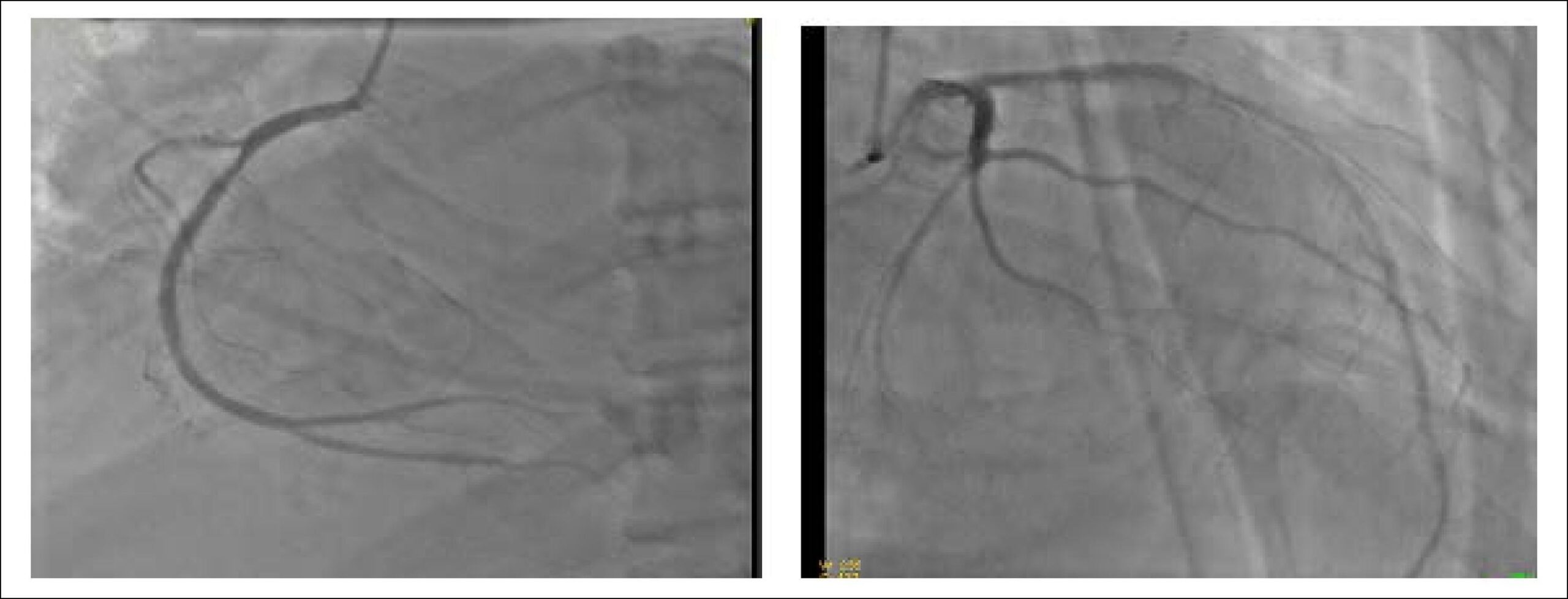
This is a 55-year-old male patient known to have insulin dependent DM and CKD who in February 2017 had a nocturnal episode of dyspnea. Due to the episode, he sought medical care in the emergency room, where changes in markers of myocardial necrosis were identified – increased CKMB and troponin, as well as ST-segment depression from V2 to V6 on the ECG. A coronary angiography was performed at the time showing only a 30% lesion in the right coronary artery.

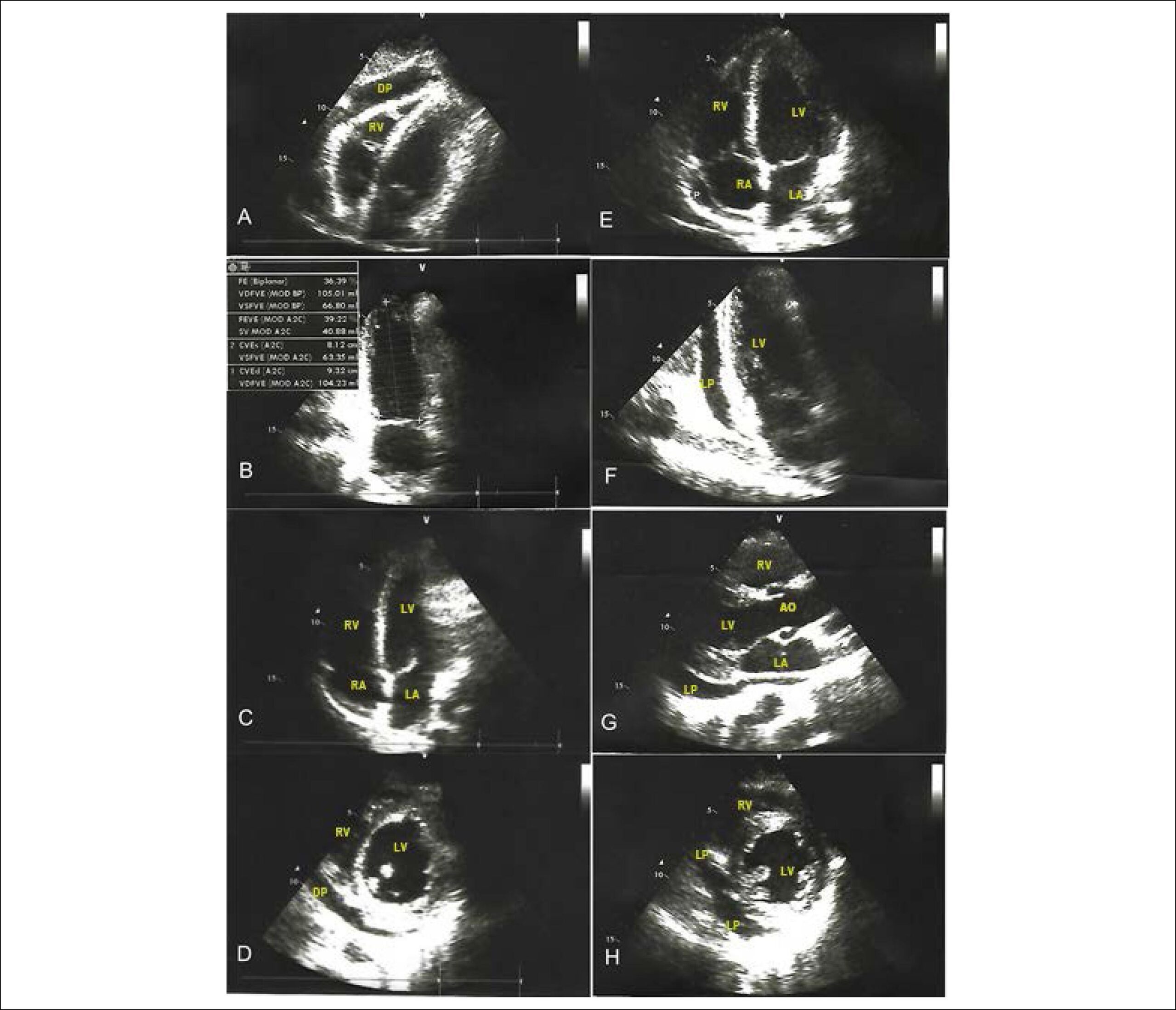
After discharge, the patient developed orthopnea and lower limb edema requiring further hospitalization seven days after discharge. On admission to our service, he presented signs of pulmonary and systemic congestion, the ECG maintained previous parameters, a chest X-ray showed cardiomegaly and massive bilateral pleural effusion, and laboratory tests showed a worsening of renal function and anemia. The transthoracic echocardiogram showed 22% LVEF, through the Simpson method, with diffuse hypokinesia and no segment changes. After this initial evaluation, the following hypothesis was raised for this patient – type 2 AMI and myocarditis. In order to enable a better investigation of the patient´s conditions, propaedeutic complementation was performed. The serologies for Chagas disease and cytomegalovirus were negative. A cardiac resonance showed increased systolic dysfunction in both ventricles with 11% LVEF, with slight left ventricular dilation, increased right ventricular dilation, a significant enlargement of the left atrium and an absence of changes in the right atrium. Regarding the enhancement, the patient presented late transmural, circumferential multifocal enhancement, with subendocardial involvement sparing the apex. There was no pericardial effusion, but there was massive bilateral pleural effusion.

[…]
  • Cardiogenic Schock
  • Diabetes Mellitus/complications
  • Heart Failure
  • ST Elevation Myocardial Infarction
Read Full Article
Creative Commons Attribution (CC BY) Creative Commons license
04/11/2019 DOI: 10.5935/abc.20190225 Views 2
Editorial

At Last, a Sensitive Method to Detect Incipient Systolic Dysfunction!

Carlos Eduardo Suaide Silva

Left ventricular systolic function evaluation has always been one of the main attributions of echocardiography. The degree of ventricular systolic dysfunction is an important predictor of outcome for a large number of diseases, including ischemic heart disease, cardiomyopathy, valvular heart disease, and congenital heart disease. In this area, the ejection fraction has been sovereign for many decades, but despite being a parameter that can, in most cases, inform the real state of global ventricular function, in many situations it may be normal in the presence of evident systolic or diastolic dysfunction.

Known clinical examples are the several cases of heart failure with preserved ejection fraction (HFpEF) or patients with hypertrophic cardiomyopathy, among others. For this reason, an index that can identify early ventricular dysfunction that is not connected with the ejection fraction has been sought for a long time.

[…]

  • Antiretroviral Therapy Highly Active
  • Cardiomyopathy, Hypertrophic
  • Echocardiography/methods
  • Heart Failure
  • HIV
  • Myocardial Contraction
  • Ventricular Dysfunction, Left
Read Full Article
Creative Commons Attribution (CC BY) Creative Commons license
04/11/2019 DOI: 10.5935/abc.20190198 Views 1
Editorial

Percutaneous Occlusion of Left Atrial Appendage: Growing Clinical Experience and Lack of Multicenter Randomized Clinical Trials

Cristiano F. Pisani et al. Mauricio Scanavacca

Left atrial appendage (LAA) closure as a prophylactic strategy for thromboembolic events in patients with atrial fibrillation (AF) has been performed for decades; initially during mitral valve repair surgeries and, more recently, in nonvalvular AF patients at high risk of embolism who do not tolerate the use of oral anticoagulants (OACs).

The idea of LAA occlusion as an alternative to chronic warfarin use emerged from observations of anatomopathological studies and during cardiac surgery that disclosed the LAA as the main site of thrombus formation in patients with nonvalvular atrial fibrillation.,

[…]

  • Atrial Appendage/diagnotic, imaging
  • Atrial Fibrillation / therapy
  • Prostheses and Implants/adverse effects
  • Stroke/prevention and control
Read Full Article
Creative Commons Attribution (CC BY) Creative Commons license
04/11/2019 DOI: 10.5935/abc.20190210 Views 2
Figure 1
Updated

Updated Cardiovascular Prevention Guideline of the Brazilian Society of Cardiology – 2019

Dalton Bertolim Précoma et al. Gláucia Maria Moraes de Oliveira Antonio Felipe Simão Oscar Pereira Dutra … Otávio Rizzi Coelho Maria Cristina de Oliveira Izar Rui Manuel dos Santos Póvoa Isabela de Carlos Back Giuliano Aristóteles Comte de Alencar Filho Carlos Alberto Machado Carlos Scherr Francisco Antonio Helfenstein Fonseca Raul Dias dos Santos Filho Tales de Carvalho Álvaro Avezum Jr. Roberto Esporcatte Bruno Ramos Nascimento David de Pádua Brasil Gabriel Porto Soares Paolo Blanco Villela Roberto Muniz Ferreira Wolney de Andrade Martins Andrei C. Sposito Bruno Halpern José Francisco Kerr Saraiva Luiz Sergio Fernandes Carvalho Marcos Antônio Tambascia Otávio Rizzi Coelho-Filho Adriana Bertolami Harry Correa Filho Hermes Toros Xavier José Rocha Faria-Neto Marcelo Chiara Bertolami Viviane Zorzanelli Rocha Giraldez Andrea Araújo Brandão Audes Diógenes de Magalhães Feitosa Celso Amodeo Dilma do Socorro Moraes de Souza Eduardo Costa Duarte Barbosa Marcus Vinícius Bolívar Malachias Weimar Kunz Sebba Barroso de Souza Fernando Augusto Alves da Costa Ivan Romero Rivera Lucia Campos Pellanda Maria Alayde Mendonça da Silva Aloyzio Cechella Achutti André Ribeiro Langowiski Carla Janice Baister Lantieri Jaqueline Ribeiro Scholz Silvia Maria Cury Ismael José Carlos Aidar Ayoub Luiz César Nazário Scala Mario Fritsch Neves Paulo Cesar Brandão Veiga Jardim Sandra Cristina Pereira Costa Fuchs Thiago de Souza Veiga Jardim Emilio Hideyuki Moriguchi Jamil Cherem Schneider Marcelo Heitor Vieira Assad Sergio Emanuel Kaiser Ana Maria Lottenberg Carlos Daniel Magnoni Marcio Hiroshi Miname Roberta Soares Lara Artur Haddad Herdy Cláudio Gil Soares de Araújo Mauricio Milani Miguel Morita Fernandes da Silva Ricardo Stein Fernando Antonio Lucchese Fernando Nobre Hermilo Borba Griz Lucélia Batista Neves Cunha Magalhães Mario Henrique Elesbão de Borba Mauro Ricardo Nunes Pontes Ricardo Mourilhe-Rocha

Introduction

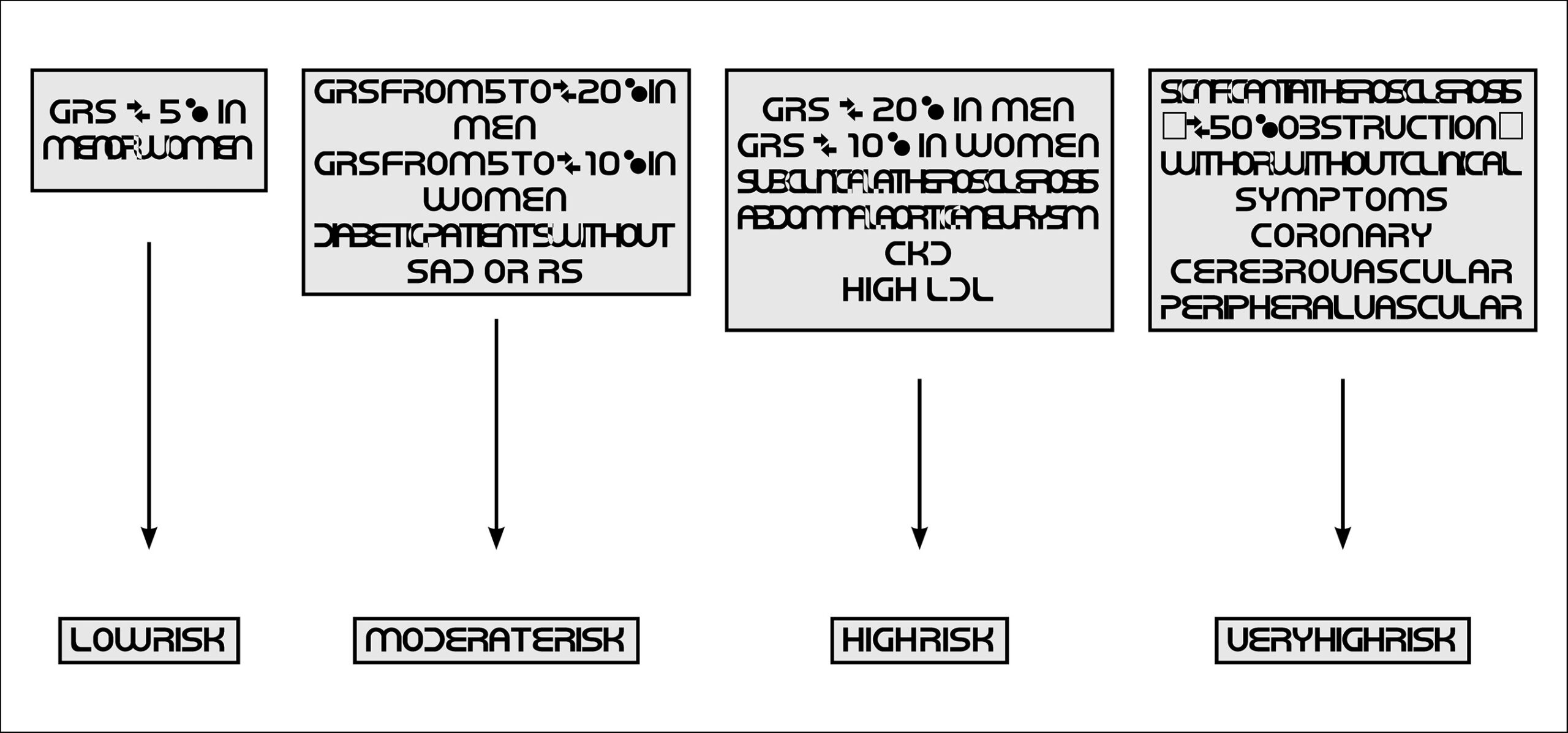
Cardiovascular disease (CVD) is the leading cause of death worldwide and in Brazil, leading to increased morbidity and disability-adjusted life year (DALY). Despite the decrease in mortality rates and DALY standardized by age in Brazil, possibly as a result of successful health policies, their total number is increasing, mainly due to aging and illnesses in the population.

Classical risk factors (hypertension, dyslipidemia, obesity, sedentary lifestyle, smoking, diabetes, and family history) raise the pre-test probability of CVD – particularly of coronary artery disease (CAD) – and determine primary and secondary prevention. Several other factors, including sociodemographic, ethnic, cultural, dietary, and behavioral aspects, can also explain the differences in CVD burden among populations and their trends over the decades. The implementation of health policies, among them, encouraging healthy lifestyle habits and providing access to primary and secondary CVD prevention measures, associated with the treatment of cardiovascular (CV) events are essential to control CVD in all countries, including Brazil.

[…]

Read Full Article
Creative Commons Attribution (CC BY) Creative Commons license
04/11/2019 DOI: 10.5935/abc.20190204 Views 3
Editorial

Co-occurrence of Cardiometabolic Disease Risk Factors: Unhealthy Eating, Tobacco, Alcohol, Sedentary Lifestyle and Socioeconomic Aspects

Maury-Sintjago Eduard et al. Parra-Flores Julio Rodríguez-Fernández Alejandra

Cardiometabolic disease (CMD) is the principal cause of morbi-mortality worldwide. The risk factors in the development of CMD are diverse; understanding them significantly contributes to the design of clinical and/or community strategies for their prevention and/or treatment. An unhealthy diet, cigarette smoking, sedentary lifestyle, and higher alcohol consumption significantly increase the risk of CMD, cancer, loss of healthy life years, and premature mortality.

In a systematic review by Meader et al., 37 studies were proposed in order to evaluate risk behaviors such as smoking, physical inactivity, and unhealthy diet by a meta-analysis. A greater association was found when groups of risk factors co-existed (≥ 4) compared with individual risk factors. Alcohol abuse and smoking were the most commonly identified risk factors. They also reported that the socioeconomic level is a predictor of multiple risks. On the other hand, in a cohort study of more than 20 years, mortality associated with 1, 2, 3, or 4 risk factors was 1.85 (C I 95%, 1.28-2.68), 2.23 (CI 95%, 1.55-3.20), 2.76 (CI 95%, 1.91-3.99), and 3.49 (CI 95%, 2.31-5.26), respectively. The risk of mortality by CMD was higher than for other causes of death such as cancer.

[…]

  • Alcoholism/epidemiology
  • Cardiovascular Diseases
  • Cluster Analysis
  • Fast Foods
  • Lifestyle
  • Metabolic Syndrome
  • Morbidity and Mortality
  • Risk Taking
  • Sedentarism
  • Tobacco Use Disorder/epidemiology
Read Full Article
Creative Commons Attribution (CC BY) Creative Commons license
04/11/2019 DOI: 10.5935/abc.20190213 Views 1
Editorial

The Neurolinguistics of the Heart

Esteban Wisnivesky Rivarola et al. Mauricio Scanavacca

The association between mental stress and cardiac function has always been of major interest. In the 19th century, Claude Bernard, the father of evidence-based medicine, first acknowledged the vagus nerve as a structural and functional link connecting the heart and the brain. Nowadays, stress is considered one of the most significant health problems in modern society, related to the physiopathology of psychiatric, metabolic and cardiovascular diseases, and the search for its biomarkers remains a challenging task for researchers and clinicians.

But what is stress? How can we define it, before we tackle it?

[…]

  • Heart Failure;Gini Coefficient
  • Neurolinguistic Programming
  • Parasympathetic Nervous System
  • Stress, Psychological, Action Spectrum
  • Sympathetic Nervous System
Read Full Article
Creative Commons Attribution (CC BY) Creative Commons license
04/11/2019 DOI: 10.5935/abc.20190218 Views 2
Editorial

Behavioral Economics and Innovation Uptake: Building New Capabilities to Overcome Barriers to Technology-Enabled Care

Alexandre Siciliano Colafranceschi

Introduction

The Federal Medical Council (CFM) has recently published a new resolution on telemedicine in Brazil. The 2227/2018 resolution, establishing the criteria for the use of telemedicine, was published in Diario Oficial da União (DOU, the official journal of the federal government of Brazil) on February 6, 2019. This new policy, aimed at defining telemedicine as a way of providing medical services by means of technology, is much more aggressive than the previous one published in 2002, which limited the use of telemedicine to medical consultations made by telephone or internet, and implied the presence of a health professional at both ends of the communication channel. The current resolution expanded the concept of telemedicine in providing technological solutions for remote patient monitoring and treatment (drug prescription and surgical interventions), and analysis of laboratory results. However, soon after its release, the new document caused an intense public debate on the theme dividing stakeholders for and against the incorporation of telemedicine into practice nationwide. The debate was so intense that the Federal Medical Council revoked the resolution, as published in the DOU on March 6, 2019.

The revocation of the policy after intense societal debate indicates the significant challenges regarding the implementation of technology-enabled care in Brazil. Such debate should not be the end, but rather, the beginning of a social mobilization to reframe the use of connected technology in healthcare in the country. To tackle the barriers to the uptake of technology-enabled care in Brazil, one should better understand the stakeholder positions, and consider the political and cultural environment, the ethical and legal apparatus and the available technology infrastructure.

[…]

  • National Health Science, Technology and Innovation Policy
  • Telemedicine/economics
  • Telemedicine/legislation and jurisprudence
  • Telemedicine/methods
  • Telemedicine/trends
Read Full Article
Creative Commons Attribution (CC BY) Creative Commons license
04/11/2019 DOI: 10.5935/abc.20190216 Views 1
Editorial

Mitral Valve Repair in Young Rheumatic Patients

Pablo Maria Alberto Pomerantzeff

Mitral valve repair surgery presents excellent immediate and late results in young patients with valve disease resulting from chronic rheumatic heart disease such as those reported in the article by Cruz et al. in this issue.

There is agreement in the literature on the lower morbidity and mortality of patients submitted to mitral repair surgery in relation to valve replacement, but there is no uniformity of results of mitral valve reconstruction in patients with lesions resulting from rheumatic fever, perhaps, due to the recurrence of new rheumatic episodes in the evolution of these patients.

[…]

  • Cardiopathy, Rheumatic
  • Heart Defects, Congenital
  • Hypertension Pulmonary
  • Mitral Valve Insufficiency / surgery
  • Reoperation
Read Full Article
Creative Commons Attribution (CC BY) Creative Commons license
04/11/2019 DOI: 10.5935/abc.20190215 Views 1
Figure 1
Review Article

Evaluation of Myocardial Perfusion by Computed Tomography – Principles, Technical Background and Recommendations

Tiago Augusto Magalhães et al. Roberto Caldeira Cury Rodrigo Julio Cerci José Rodrigues Parga Filho … Ilan Gottlieb Marcelo Souto Nacif Ibraim Masciarelli Pinto Carlos Eduardo Rochitte Fabio Vilas-Boas Paulo R. Schvartzman

Abstract

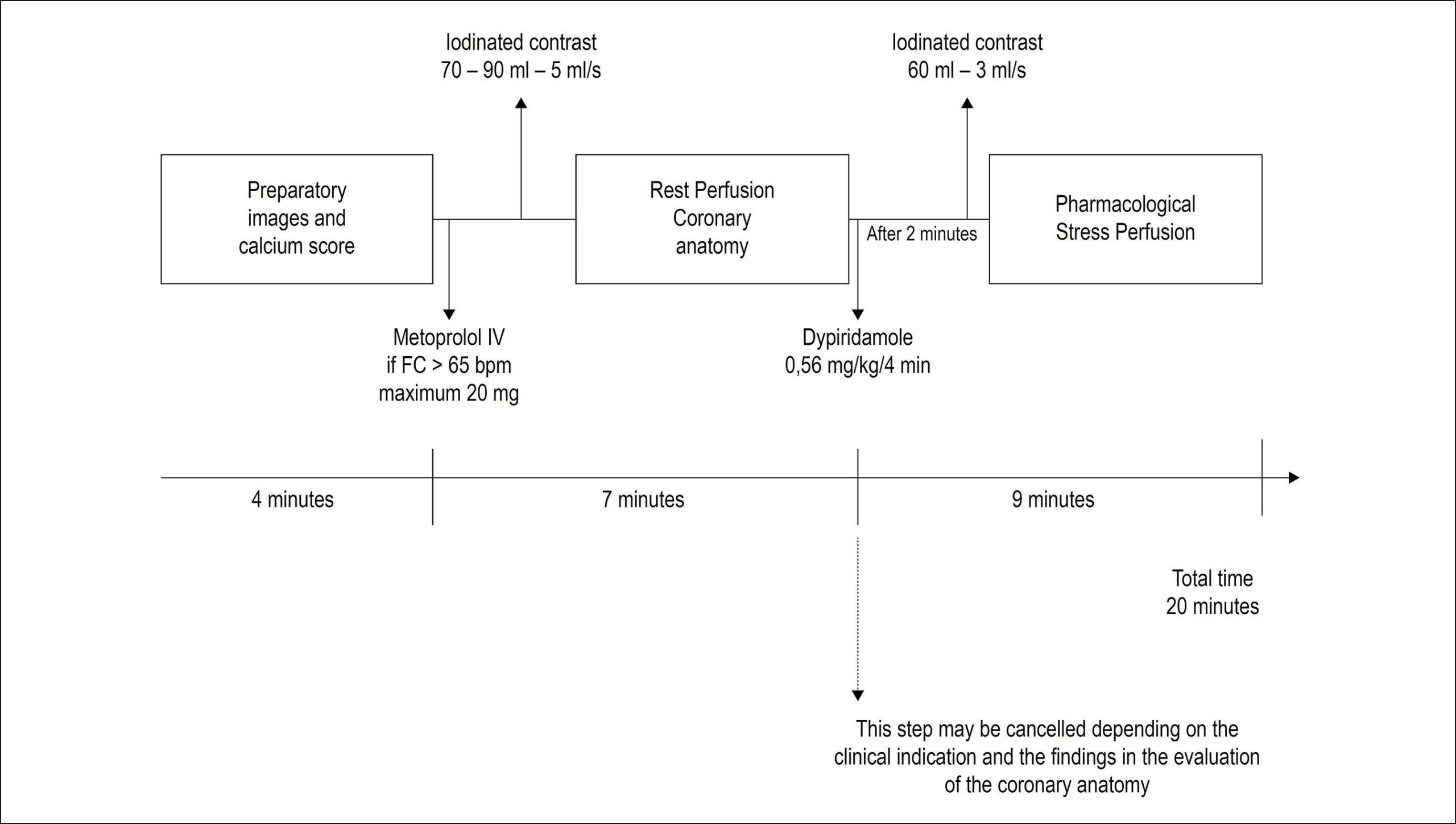
Coronary computed tomography angiography (CCTA) has gained a prominent role in the evaluation of coronary artery disease. However, its anatomical nature does not allow the evaluation of the functional repercussion of coronary obstructions. It has been made possible to evaluate Myocardial computed tomography perfusion (Myocardial CTP) recently, based on myocardial contrast changes related to coronary stenoses. Several studies have validated this technique against the anatomical reference method (cardiac catheterization) and other functional methods, including myocardial perfusion scintigraphy and fractional flow reserve. The Myocardial CTP is performed in conjunction with the CCTA, a combined analysis of anatomy and function. The stress phase (with assessment of myocardial perfusion) can be performed before or after the resting phase (assessment of resting perfusion and coronary arteries), and different acquisition parameters are proposed according to the protocol and type of equipment used. Stressors used are based on coronary vasodilation (e.g. dipyridamole, adenosine). Image interpretation, similar to other perfusion assessment methods, is based on the identification and quantification of myocardial perfusion defects. The integration of both perfusion and anatomical findings is fundamental for the examination interpretation algorithm, allowing to define if the stenoses identified are hemodynamically significant and may be related to myocardial ischemia.

  • Adenosine
  • Computed Tomography Angiography/ methods
  • Coronary Artery Disease
  • Dipyridamole
  • Myocardial Perfusion Imaging/methods
  • Vasodilatation
Read Full Article
Creative Commons Attribution (CC BY) Creative Commons license
04/11/2019 DOI: 10.5935/abc.20190217
Figure 1
Viewpoint

Cardiology Training in Brazil and Developed Countries: Some Ideas for Improvement

Lucas Colombo Godoy et al. Michael E. Farkouh Isabela C. K. Abud Manta Talia F. Dalçóquio … Remo Holanda de Mendonça Furtado Eric H. C. Yu Carlos Gun José Carlos Nicolau

Abstract

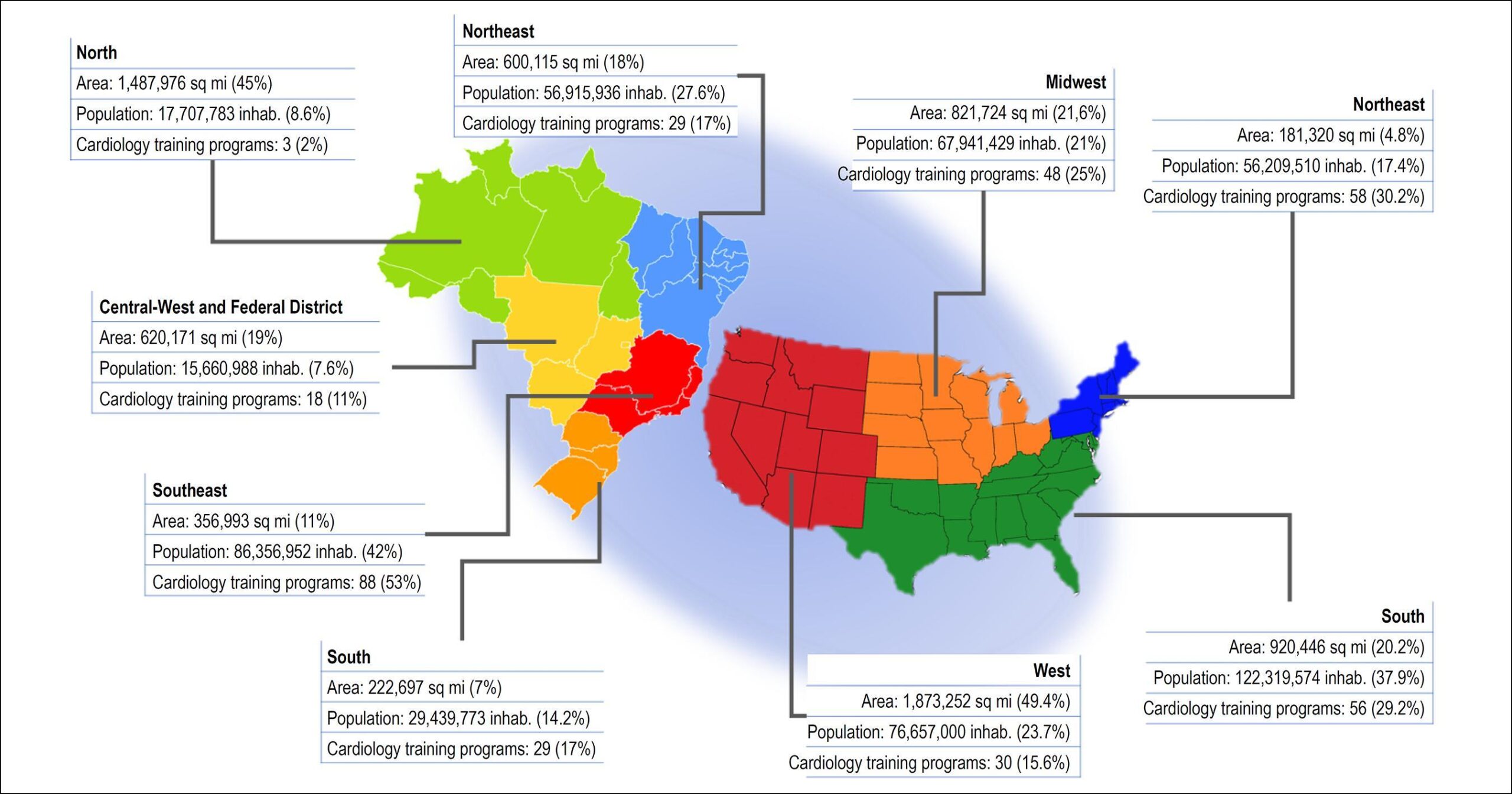
Huge variations exist in cardiology training programs across the world. In developing (middle-income) countries, such as Brazil, to find the right balance between training improvements and social and economic conditions of the country may be a difficult task. Adding more training years or different mandatory rotations, for instance, may be costly and not have an immediate direct impact on enhancing patient care or public health. In this text, we compare the Brazilian cardiology training system with other proposals implemented in developed countries from North America and Europe, aiming to point out issues worth of future discussion. Factors such as training rotations and competencies, and program duration and distribution across the countries are presented. The number of first year cardiology trainees per inhabitants is similar between Brazil and the United States (0.24 medical residents/100,000 inhabitants in Brazil and 0.26 medical residents/100,000 inhabitants in the USA). These numbers should be analyzed considering the inequality in training program distribution across Brazil, since most centers are located in the Southeast and South regions. Having more residency programs in distant areas could improve cardiovascular care in these areas. Duration of cardiology Residency Training is shorter in Brazil (two years) in comparison with developed countries (> 3 years). Brazilian residency programs give less emphasis to scientific research and diagnostic methods. Unifying minimum training requirements across the globe would facilitate the development of international learning opportunities and even professional exchange around the world.

  • Brazil
  • Cardiology
  • Education, Medical
  • Fellowships and Scholarships
  • Internship and Residency
  • Program Accreditation
Read Full Article
Creative Commons Attribution (CC BY) Creative Commons license
04/11/2019 DOI: 10.5935/abc.20190212 Views 1
Editorial

Evaluation of Serum Levels of Inflammation, Fibrinolysis and Oxidative Stress Markers in Coronary Artery Disease Prediction: A Cross-Sectional Study

Iran Castro et al. Hugo Fontana Filho

When assessing patients with coronary artery disease (CAD) traditional risk factors such as diabetes mellitus, hypertension, dyslipidemia, smoking, stress, physical inactivity, obesity, and family history are not found in 20% of the patients, and up to 40% of patients have only 1 risk factor. Considering the high prevalence of CAD and the fact that despite the numerous efforts made in primary prevention, the disease still has a high incidence, identifying markers that can predict at-risk patients is a goal that should always be pursued.

However, when evaluating a possible marker of disease, it must meet certain criteria. It should identify individuals at risk (accuracy), its results should be the same when repeated in other patients (reliability) and, especially, it should allow early intervention aiming at reducing the incidence of the problem (therapeutic impact).

[…]

  • Biomarkers
  • Coronary Artery Diseases/physiopathology
  • Fibrinolysis
  • Inflammation
  • Oxidative Stress
Read Full Article
Creative Commons Attribution (CC BY) Creative Commons license
04/11/2019 DOI: 10.5935/abc.20190214 Views 1
Editorial

Are Myocardium Deformation Indices Influenced by Cardiac Load, Age or Body Mass Index?

Vera Maria Cury Salemi et al. Marcelo Dantas Tavares de Melo

The typical findings of myocardium deformation indices (MDI) in many cardiac diseases, the low cost of the echocardiographic exam, the large availability, the vast implementation of this tool for clinical practice and the prognostic value has allowed the detection of earlier myocardium dysfunction than the traditional measurement of left ventricular (LV) ejection fraction. Moreover, there are typical MDI patterns in different forms of hypertrophy: decreased values in septum MDI in hypertrophic cardiomyopathy (HCM) or where hypertrophy is more accentuated, or a segmental decrease in mutation carriers in a pre-clinical phase of disease, before development of hypertrophy; apical sparing in amyloidosis; striped pattern of myocardium deformation in glycogen storage cardiomyopathy (PRKAG2); and decrease in subepicardial longitudinal strain in Anderson-Fabry disease. In hypertension with concentric and eccentric hypertrophy, the MDI patterns are related to different geometric patterns, but they are frequently preserved in athletes.

The question whether MDI would be reliable in different machines and vendors was demonstrated that the accuracy of these indices were better than conventional echocardiography measurements and they are reliable for daily echocardiographic practice.

[…]

  • Echocardiography/methods
  • Heart Failure
  • Hypertension
  • Hypertrophic Cardiomyopathy
  • Myocardium Deformation
  • Strain
Read Full Article
Creative Commons Attribution (CC BY) Creative Commons license
04/11/2019 DOI: 10.5935/abc.20190211
Figure 1
Original Article

Co-occurrence of Smoking and Unhealthy Diet in the Brazilian Adult Population

Priscila Maria Stolses Bergamo Francisco et al. Daniela de Assumpção Deborah Carvalho Malta

Abstract

Background:

Smoking and an inadequate diet are behavioral risk factors that contribute to the majority of deaths and disabilities caused by noncommunicable diseases.

Objectives:

To estimate the prevalence of the co-occurrence of smoking and inadequate diet and identify associated factors in adults.

Methods:

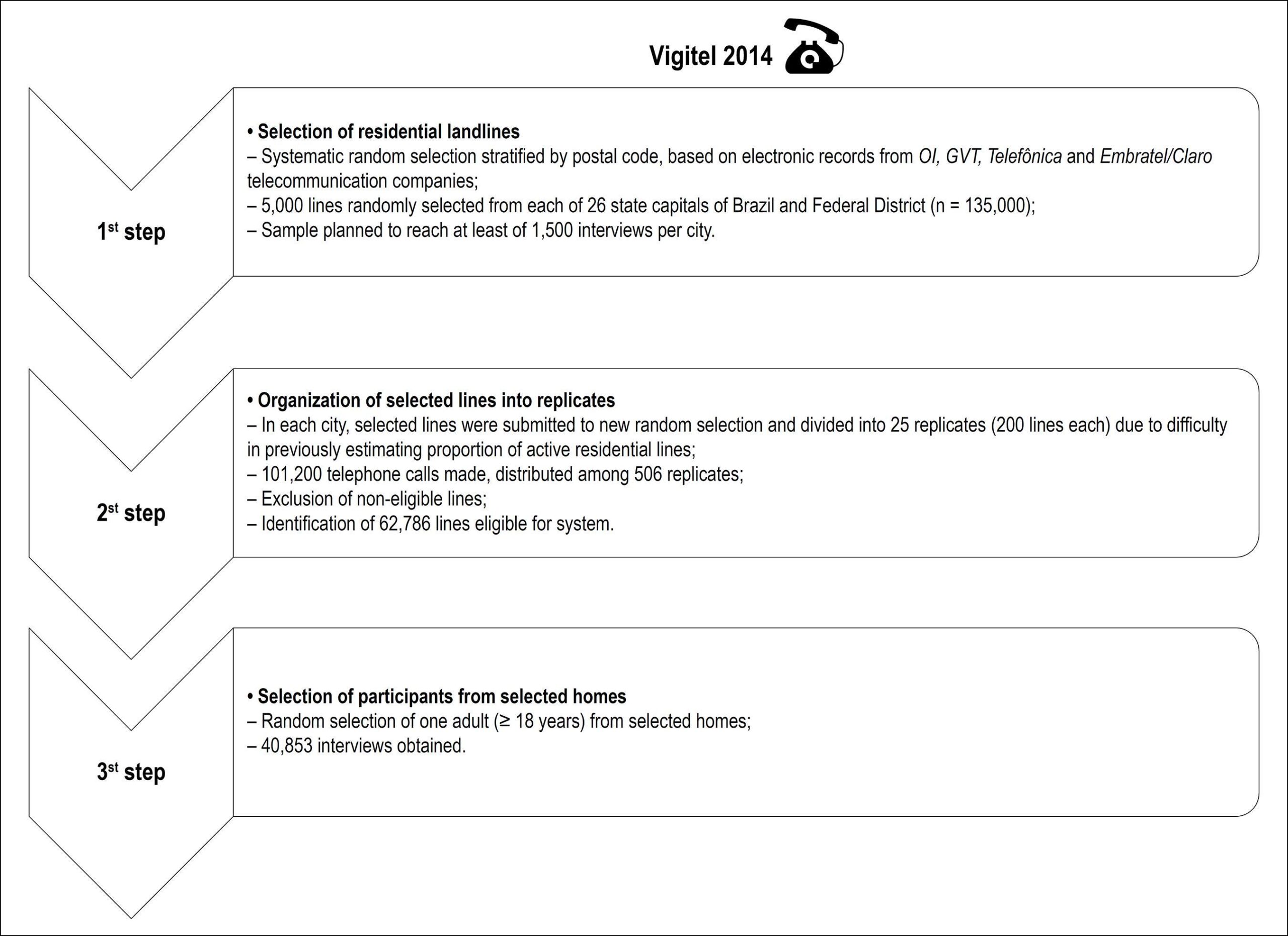
A cross-sectional population-based study was conducted with a sample of 28,950 Brazilian adults (18 to 59 years old). Data were obtained from Sistema de Vigilância por Inquérito Telefônico (Vigitel [Brazilian Health Surveillance Telephone Survey]) in 2014. Independent associations were investigated using Poisson hierarchical regression analysis with 5% significance level.

Results:

The prevalence of the co-occurrence of smoking and unhealthy eating was 8.6% (95% CI: 7.9-9.3) and was higher among individuals residing in the southern region of the country than in those living in the central western region (PR = 1.50; 95% CI: 1.18-1.89), those with no private health insurance (PR = 1.14; 95% CI: 1.03-1.25), those who drank alcohol abusively (binge drinkers) (PR = 3.22; 95% CI: 2.70-3.85) and those who self-rated their health as fair (PR = 1.65; 95% CI: 1.36-1.99) or poor/very poor (PR = 1.70; 95% CI: 1.18-2.44). The prevalence of both factors was lower among individuals residing in the northeastern region of the country, women, individuals with brown skin color, those with a spouse, the more educated ones and those with overweight or obesity.

Conclusion:

The more vulnerable segments to the co-occurrence of the risk factors studied were men residing in the southern region of the country, individuals with a lower socioeconomic status and those who reported binge drinking. Interventions addressing multiple behavioral risk factors adapted to specific contexts could have a greater impact on the Brazilian population.

  • Adult Health
  • Chronic Disease
  • Feeding
  • Health Status Disparities
  • Risk Factors
  • Risk reduction Behavior
  • Tobacco Use Disorders
Read Full Article
Creative Commons Attribution (CC BY) Creative Commons license
04/11/2019 DOI: 10.5935/abc.20190222 Views 1
Figure 1
Case Report

Myocarditis Following Recent Chikungunya and Dengue Virus Coinfection: A Case Report

Luís Arthur Brasil Gadelha Farias et al. Francisca Lillyan Christyan Nunes Beserra Lucas Fernandes Anderson Alesxander Rodrigues Teixeira … Juliana Mandato Ferragut Evelyne Santana Girão Roberto da Justa Pires Neto

Introduction

Dengue virus (DENV) and chikungunya virus (CHIKV) are arboviruses that cause ongoing epidemics in several countries of Latin America. DENV belongs to the Flaviviridae family and CHIKV is an alphavirus of the Togaviridae family. Both viruses are transmitted by mosquitoes of the genus Aedes (mainly Aedes aegypti and Aedes albopictus) and during the acute phase they may cause similar nonspecific febrile syndromes that can progress to severe or debilitating conditions.,

DENV infection has been endemic in Brazil since the 1980’s. However, CHIKV is an emergent agent. Autochthonous transmission was first detected in September 2014 in the city of Oiapoque, Amapá state. Since then, there have been thousands of autochthonous cases in the country. A total of 38,499 and 277,882 cases of suspected CHIKV infection were reported by the national surveillance system in 2015 and 2016, respectively. In 2017, a total of 185,369 suspected cases were reported until December 9. Ceará (1,271 cases/100,000 inhabitants) and Roraima (789 cases/100,000 inhabitants) have the highest incidence among the Brazilian Federation states. Coinfections with these two viruses have been reported and the overall effect on the heart is still unknown.– There have been some reports of myopericarditis following DENV and CHIKV infection, but this manifestation in coinfected patients is rare and few data are available.–

[…]

  • Chikungunya Virus
  • Coinfection
  • Dengue
  • Myocarditis
Read Full Article
Creative Commons Attribution (CC BY) Creative Commons license
23/09/2019 DOI: 10.5935/abc.20190187 Views 1
Figure 1
Original Article

Introduction of Application of Gini Coefficient to Heart Rate Variability Spectrum for Mental Stress Evaluation

Miguel Enrique Sánchez-Hechavarría et al. Shreya Ghiya Ramon Carrazana-Escalona Sergio Cortina-Reyna … Adán Andreu-Heredia Carlos Acosta-Batista Nicolás Armando Saá-Muñoz

Abstract

Background:

The Gini coefficient is a statistical tool generally used by economists to quantify income inequality. However, it can be applied to any kind of data with unequal distribution, including heart rate variability (HRV).

Objectives:

To assess the application of the Gini coefficient to measure inequality in power spectral density of RR intervals, and to use this application as a psychophysiological indicator of mental stress.

Methods:

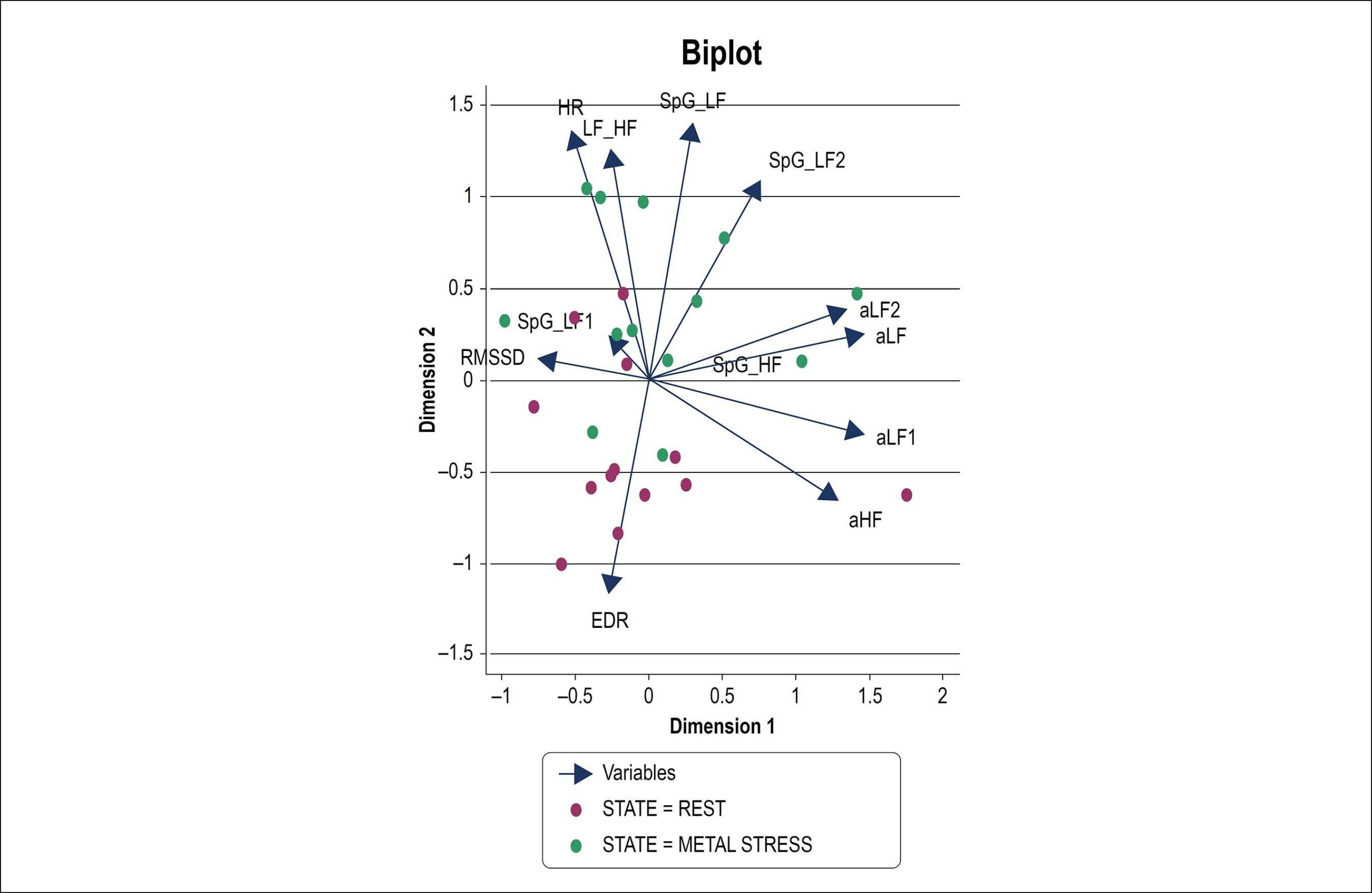
Thirteen healthy subjects (19 ± 1.5 years) participated in this study, and their RR intervals were obtained by electrocardiogram during rest (five minutes) and during mental stress (arithmetic challenge; five minutes). These RR intervals were used to obtain the estimates of power spectral densities (PSD). The limits for the PSD bands were defined from 0.15 to 0.40 Hz for high frequency band (HF), from 0.04 to 0.15 Hz for low frequency band (LF), from 0.04 to 0.085 Hz for first low frequency sub-band (LF1) and from 0.085 to 0.15 Hz for second low frequency sub-band (LF2). The spectral Gini coefficient (SpG) was proposed to measure the inequality in the power distribution of the RR intervals in each of above-mentioned HRV bands. SpG from each band was compared with its respective traditional index of HRV during the conditions of rest and mental stress. All the differences were considered statistically significant for p < 0.05.

Results:

There was a significant decrease in HF power (p = 0.046), as well as significant increases in heart rate (p = 0.004), LF power (p = 0.033), LF2 power (p = 0.019) and LF/HF (p = 0.002) during mental stress. There was also a significant increase in SpG(LF) (p = 0.009) and SpG(LF2) (p = 0.033) during mental stress. Coefficient of variation showed SpG has more homogeneity compared to the traditional index of HRV during mental stress.

Conclusions:

This pilot study suggested that spectral inequality of Heart Rate Variability analyzed using the Gini coefficient seems to be an independent and homogeneous psychophysiological indicator of mental stress. Also, HR, LF/HF, SpG(LF) of HRV are possibly important, reliable and valid indicators of mental stress.

  • Action, Spectrum
  • Gini Coefficient
  • Heart Rate
  • Parasympathetic Nervous System
  • Simpathetic Nervous System
  • Stress, Psychological/physiopathology
Read Full Article
Creative Commons Attribution (CC BY) Creative Commons license
09/09/2019 DOI: 10.5935/abc.20190185 Views 2
Original Article

Predictors of Unfavourable Outcomes in Children and Adolescents Submitted to Surgical Mitral Valvuloplasty Secondary to Chronic Rheumatic Heart Disease

Renata Cristina Castro Cruz et al. Bruna Silva Cordeiro Felipe de Souza Santos Caroline Rodrigues Fernandes … Julia Maria Alves Gama Ana Marice Teixeira Ladeia

Abstract

Background:

Mitral valve repair in paediatric patients with chronic rheumatic heart disease is superior to valve replacement and has been used with good results.

Objective:

To identify predictors of unfavourable outcomes in children and adolescents submitted to surgical mitral valvuloplasty secondary to rheumatic heart disease.

Methods:

Retrospective study of 54 patients under the age of 16 operated at a tertiary paediatric hospital between March 2011 and January 2017. The predictors of risk for unfavourable outcomes were: age, ejection fraction, degree of mitral insufficiency, degree of pulmonary hypertension, presence of tricuspid insufficiency, left chamber dilation, preoperative functional classification, duration of cardiopulmonary bypass, duration of anoxia, presence of atrial fibrillation, and duration of vasoactive drug use. The outcomes evaluated were: death, congestive heart failure, reoperation, residual mitral regurgitation, residual mitral stenosis, stroke, bleeding and valve replacement. For all analyzes a value of p < 0.05 was established as significant.

Results:

Of the patients evaluated, 29 (53.7%) were female, with an average of 10.5 ± 3.2 years. The functional classification of 13 patients (25%) was 4. There was no death in the sample studied. The average duration of extracorporeal circulation was 62.7±17.8 min, and anoxia 50 ± 15.7 min. The duration of use of vasoactive drug in the immediate postoperative period has an average of 1 day (interquartile interval 1-2 days). The logistic regression model was used to evaluate the predictive variables for each unfavourable outcome. The duration of use of vasoactive drug was the only independent predictor for the outcomes studied (p = 0.007). Residual mitral insufficiency was associated with reoperation (p = 0.044), whereas tricuspid insufficiency (p = 0.012) and pulmonary hypertension (p = 0.012) were associated with the presence of unfavourable outcomes.

Conclusion:

The duration of vasoactive drug use is an independent predictor for unfavourable outcomes in the immediate and late postoperative period, while residual mitral regurgitation was associated with reoperation, and both tricuspid regurgitation and pulmonary hypertension were associated with unfavourable outcomes.

  • Cardiopathy, Rheumatic
  • Heart Defects,Congenital
  • Hypertension,Pulmonary
  • Mitral Valve Insufficiency / surgery
  • Reoperation
  • Tricuspid Valve Insufficiency/surgery
Read Full Article
Creative Commons Attribution (CC BY) Creative Commons license
09/09/2019 DOI: 10.5935/abc.20190184
Figure 1
Original Article

The Use of Two-Dimensional Strain Measured by Speckle Tracking in the Identification of Incipient Ventricular Dysfunction in HIV-Infected Patients on Antiretroviral Therapy, Untreated HIV Patients and Healthy Controls

Ronaldo Campos Rodrigues et al. Katia Martins Lopes de Azevedo Samuel Datum Moscavitch Sergio Setubal Claudio Tinoco Mesquita

Abstract

Background:

Most cardiovascular abnormalities in patients infected with the human immunodeficiency virus (HIV) have been associated with myocardial damage directly caused by the virus. Some cases, however, may be associated with adverse effects from antiretroviral therapy (ART). New ventricular function assessment techniques are capable of detecting early changes in the cardiac function of HIV-infected patients using or not using ART. The usefulness of these techniques has been little employed in these patients.

Objectives:

To investigate the potential influence of antiretroviral therapy (ART) on the occurrence of subclinical left ventricular systolic dysfunction evaluated by myocardial strain rate analysis using two-dimensional speckle tracking echocardiography (2-D Echo) in treated HIV patients compared to untreated patients and healthy individuals.

Methods:

Sixty-eight HIV-infected patients with no cardiovascular symptoms, normal left ventricular (LV) ejection fraction (> 0.55 on 2-D Echo) were divided into three groups: 11 patients not using antiretroviral therapy (NT), 24 using protease inhibitor (PI) and 33 using non-nucleoside reverse transcriptase inhibitor (NNRTI). We also studied 30 normal non-HIV infected individuals (Ctrl). Demographic, clinical, biochemical and anthropometric data were collected. Preliminary transthoracic echocardiography included study of myocardial strain using two-dimensional speckle tracking. We studied strain and strain rate in the seventeen left ventricular (LV) myocardial segments in the longitudinal, circumferential and radial axes. Statistical analysis of the data was done with IBM SPSS – version 20 for Windows. Upon analysis of the data, namely the normality of independent variables in the different groups and the homogeneity of the variances between the groups, Kruskal-Wallis’ non-parametric test was done, followed by Dunn’s multiple comparison tests to test the significance of the differences between the values measured in the study groups. A significance level of 5% was adopted for decision-making on statistical tests.

Results:

The mean age of HIV patients was 40 ± 8.65 years and the mean age of controls was 50 ± 11.6 years (p < 0.001). Median LV global longitudinal strain (GLS) of NT patients (-17.70%), PI patients (-18.27%) and NNRTIs (-18.47%) were significantly lower than that of the Ctrl group (-20.77%; p = 0.001). There was no significant difference in mean SLG between treated patients (PI, NNRTI) and untreated (NT) patients. No significant differences were observed in mean circumferential and radial strain, nor on circumferential and radial strain rates between the NT, PI, NNRTI and Ctrl groups.

Conclusion:

The data suggest that HIV patients present, on myocardial strain measured by speckle tracking, signs of early LV systolic dysfunction that seem to be unrelated to the presence of ART. The prognostic significance of this condition in these patients deserves further studies.

  • Acquired Immunodeficiency Syndrome
  • Antiretroviral Therapy
  • Echocardiography, Doppler
  • Highly Active
  • HIV
  • Speckle Tracking
  • Strain
  • Ventricular Disfunction,Left
Read Full Article
Creative Commons Attribution (CC BY) Creative Commons license
02/09/2019 DOI: 10.5935/abc.20190169
Figure 1
Original Article

Strain Analysis of Left Ventricular Function in the Association of Hypertrophic Cardiomyopathy and Systemic Arterial Hypertension

Thereza Cristina Pereira Gil et al. Marcia Bueno Castier Alyne Freitas Pereira Gondar Ana Ferreira Sales … Marceli de Oliveira Santos Fernanda Cristina da Silva de Lima Ricardo Mourilhe-Rocha

Abstract

Background:

Hypertrophic cardiomyopathy (HCM) is the most common heart disease of genetic origin in the world population, with a prevalence of at least 1/500. The association with systemic arterial hypertension (SAH) is not uncommon, as it affects approximately 25% of the world population. Most studies aim at the differential diagnosis between these diseases, but little is known about the magnitude of this association.

Objective:

To compare left ventricular global longitudinal strain (GLS) in HCM patients with and without associated SAH.

Methods:

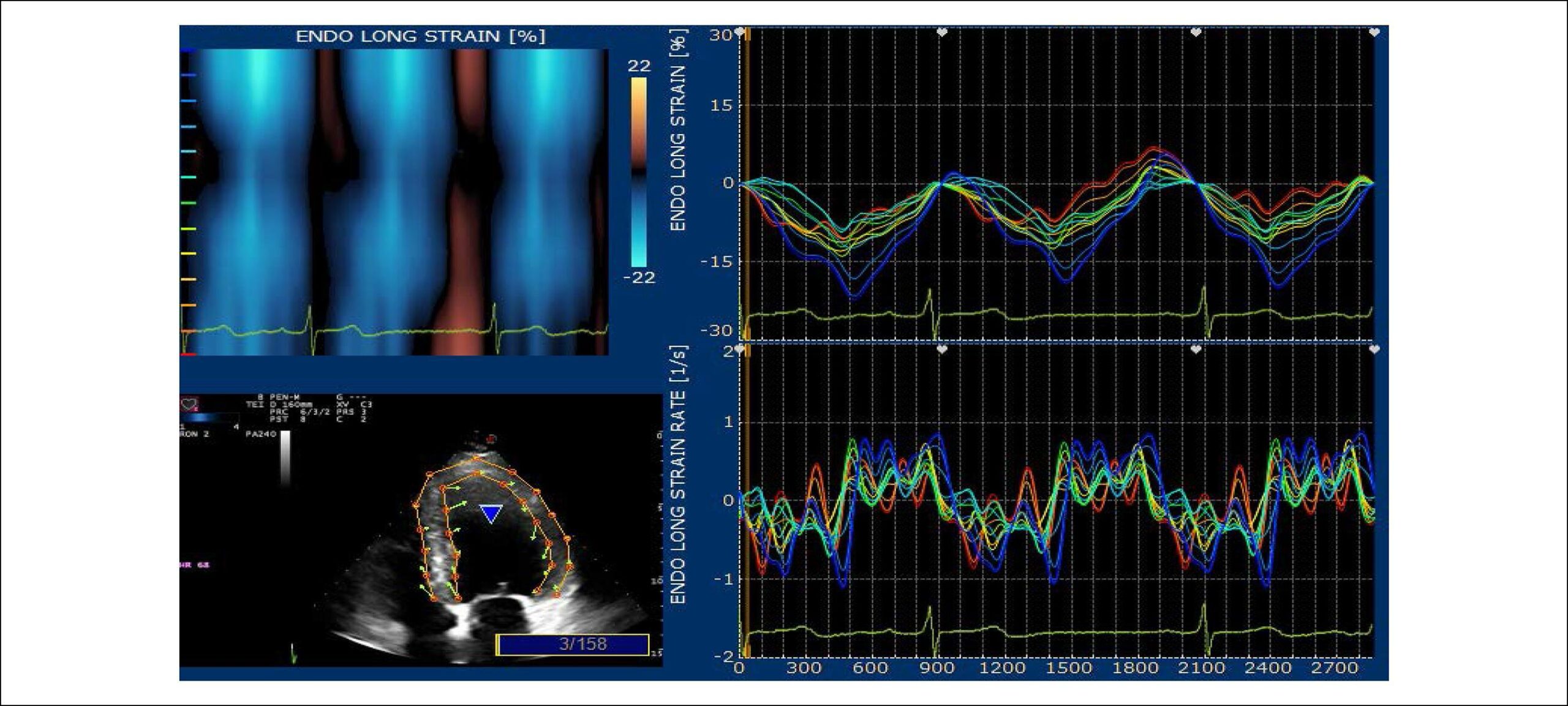
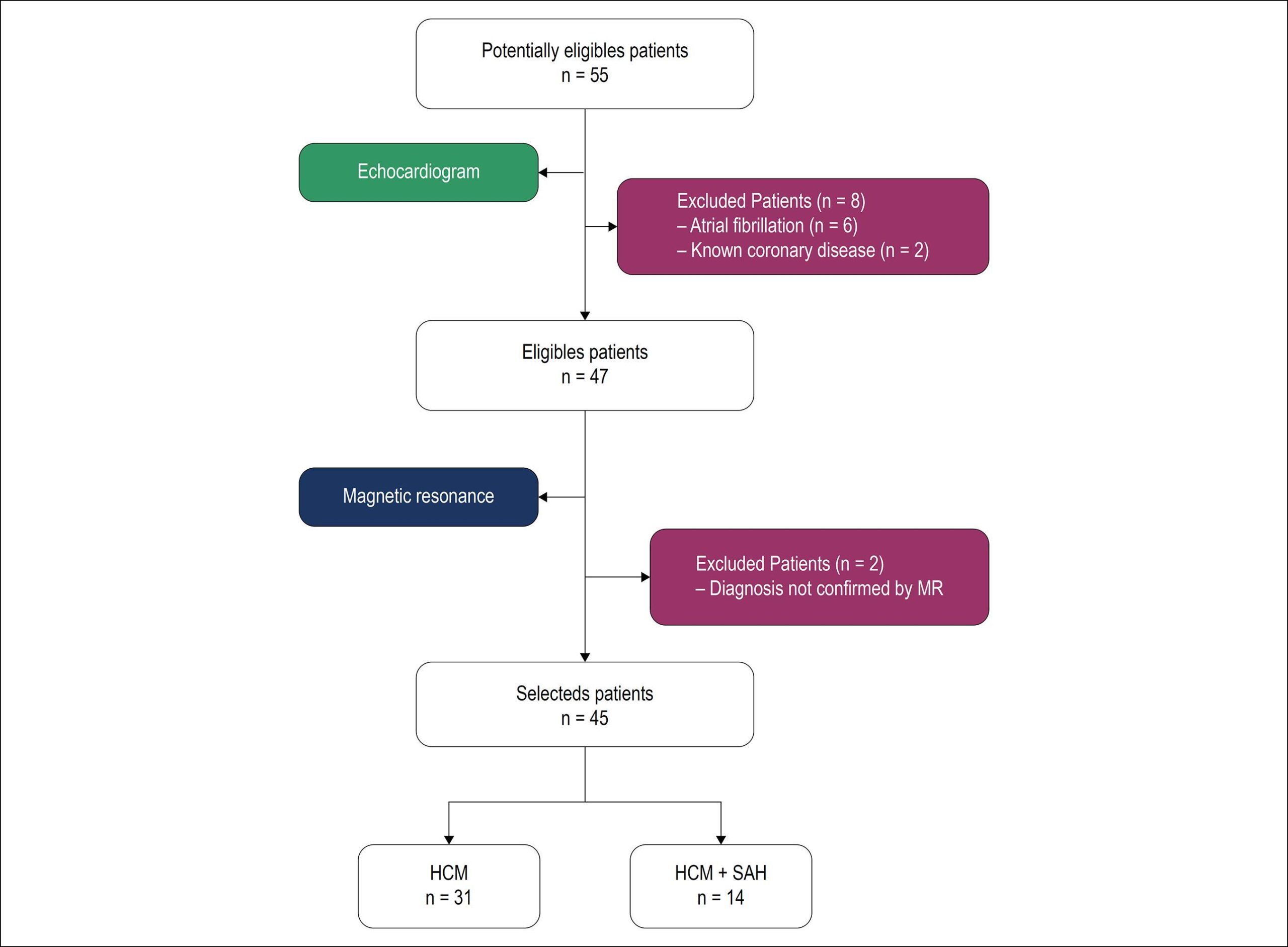
Retrospective cross-sectional study that included 45 patients with HCM and preserved ejection fraction, with diagnosis confirmed by magnetic resonance imaging, including 14 hypertensive patients. Transthoracic echocardiography was performed, with emphasis on left ventricular myocardial strain analysis using GLS. In this study, p < 0.05 was considered statistically significant.

Results:

Left ventricular strain was significantly lower in hypertensive individuals compared to normotensive individuals (-10.29 ± 2.46 vs. -12.35% ± 3.55%, p = 0.0303), indicating greater impairment of ventricular function in that group. Mean age was also significantly higher in hypertensive patients (56.1 ± 13.9 vs. 40.2 ± 12.7 years, p = 0.0001). Diastolic dysfunction was better characterized in hypertensive patients (p = 0.0242).

Conclusion:

Myocardial strain was significantly lower in the group of patients with HCM and SAH, suggesting greater impairment of ventricular function. This finding may be related to a worse prognosis with early evolution to heart failure. Prospective studies are required to confirm this hypothesis.

  • Cardiomyopathy, Hypertrophic
  • Heart Failure
  • Hypertension
  • Strain
  • Ventricular Function, Left
Read Full Article
Creative Commons Attribution (CC BY) Creative Commons license
02/09/2019 DOI: 10.5935/abc.20190176
Figure 1
Original Article

Evaluation of Serum Levels of Inflammation, Fibrinolysis and Oxidative Stress Markers in Coronary Artery Disease Prediction: A Cross-Sectional Study

Sakhavat Abolhasani et al. Shahnam Valizadeh Shahbazloo Hossein Mozafar Saadati Neda Mahmoodi Nafiseh Khanbabaei

Abstract

Background:

Coronary Artery Disease (CAD) has long been recognized as a global health issue. Inflammation, Fibrinolysis and Oxidative Stress play an important role in the disruption of plaques leading to CAD. Markers that reflect this pathophysiologic mechanism may have prognostic value.

Objective:

To estimate the serum concentrations of high-sensitivity C-reactive protein (hs-CRP), sialic acid (SA), vitronectin (VN), plasminogen activator inhibitor-1 (PAI-1), oxidized low density lipoprotein (OX-LDL) and malondialdehyde (MDA) with significant prognostic value in patients with CAD.

Methods:

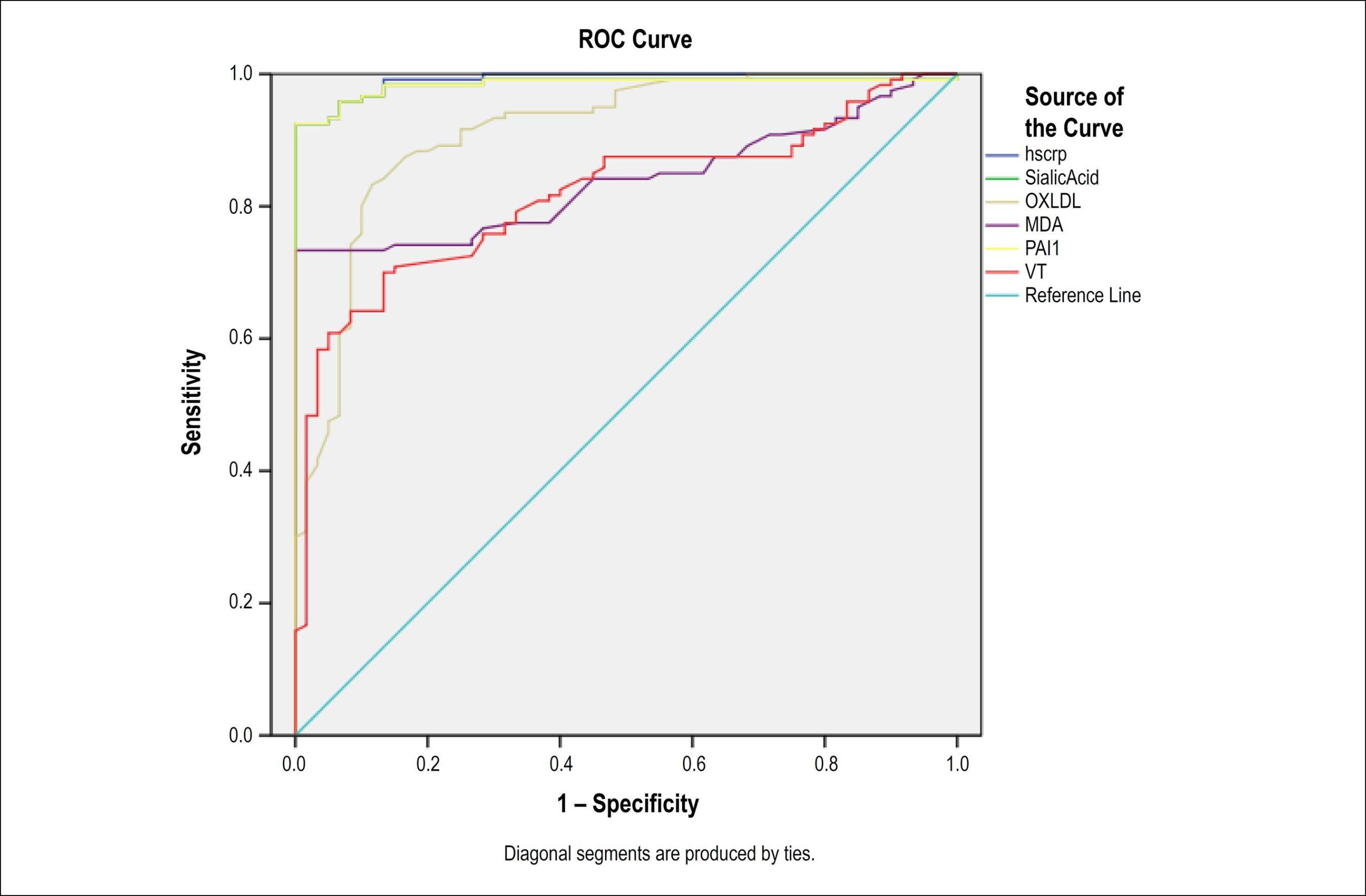
The markers included, hs-CRP, SA, VN, PAI-1, OX-LDL and MDA, were compared between 160 angiographically diagnosed CAD patients and 20 age- and sex-matched healthy individuals. The subjects were divided into 4 groups according to angiography results, and association between all risk factors of CAD was studied. Serum levels of SA, VN, PAI-1, and OX-LDL were measured by enzyme-linked immunosorbent assay (ELISA); MDA was measured based on reaction with thiobarbituric acid (TBA); and hs-CRP level was estimated by immunoturbidimetry using a commercial kit. The diagnostic value of these variables was further assessed by ROC curve analysis. Multiple logistic regression was used to evaluate the diagnostic power of the combination. Furthermore, p < 0.05 was considered as significant.

Results:

Serum levels of hs-CRP, SA, VN, PAI-1, and OX-LDL were significantly higher in patient groups compared to control group (p < 0.001). Using both normal and CAD patients as subjects, ROC analysis was performed. The cutoff for OX-LDL, MDA, PAI-1, VN, hs-CRP and SA was 2.67 (ug/mL), 5.49 (mmol/mL), 67 (ng/mL), 254 (ng/mL), 3.4 (mg/dL), 7/89 (mg/dL), respectively. Eventually, the complete diagnostic efficacy was classified as: SA, hs-CRP, PAI-1, OX-LDL, MDA and VN.

Conclusion:

Serum levels SA, hs-CRP, VN, PAI-1, OX-LDL and MDA may be predictive of adverse cardiovascular outcomes. Interestingly, these analyses can help as diagnostic and monitoring markers in CAD patients.

  • Biomarkers
  • Coronary Artery Disease
  • Inflammation Fibrinolysis
  • Oxidative Stress
  • Sialic Acids
  • Vitronectin
Read Full Article
Creative Commons Attribution (CC BY) Creative Commons license
29/08/2019 DOI: 10.5935/abc.20190159
Original Article

Prevalence of Systemic Arterial Hypertension and Associated Factors Among Adults from the Semi-Arid Region of Pernambuco, Brazil

Emerson Rogério Costa Santiago et al. Alcides da Silva Diniz Juliana Souza Oliveira Vanessa Sá Leal … Maria Izabel Siqueira de Andrade Pedro Israel Cabral de Lira

Abstract

Background:

Systemic arterial hypertension is a substantial public health problem responsible for millions of deaths per year worldwide. However, little is known about the epidemiology of this disease in areas distant from large urban centers in Brazil. Such information is necessary to plan health promotion strategies.

Objective:

To estimate the prevalence of hypertension and determine its associated factors in adults residing in the semi-arid region of the state of Pernambuco, Northeastern Brazil.

Method:

This is a cross-sectional study conducted with a random sample of male and female adults. Individuals with systolic blood pressure ≥ 140 mm/Hg and/or diastolic blood pressure ≥ 90 mm/Hg and those who reported being under treatment with antihypertensive drugs were considered hypertensive. We collected data on demographic, socioeconomic, behavioral, and anthropometric characteristics, as well as health and nutrition. The statistical analysis used Pearson’s chi-square test, the chi-square test for trend, and multivariate Poisson regression analysis. A p-value < 0.05 in the final model was considered indicative of statistical significance.

Results:

The sample consisted of 416 individuals, and the prevalence of hypertension was 27.4% (95%CI 23.2 – 32.0). In the final model, the independent predictors of hypertension were age of 40 years or older (p = 0.000), low economic class (p = 0.007), smoking (p = 0.023), overweight determined by the body mass index (p = 0.003), and reduced glucose tolerance/diabetes mellitus (p = 0.012).

Conclusion:

The prevalence of hypertension was high and related to important risk factors. Thus, prevention and control strategies are recommended.

  • Blood Pressure
  • Cardiovascular Diseases
  • Epidemiology
  • Hypertension/prevention and control
  • Prevalence
  • Risk Factors
Read Full Article
Creative Commons Attribution (CC BY) Creative Commons license
15/08/2019 DOI: 10.5935/abc.20190145 Views 3
Figure 1
Original Article

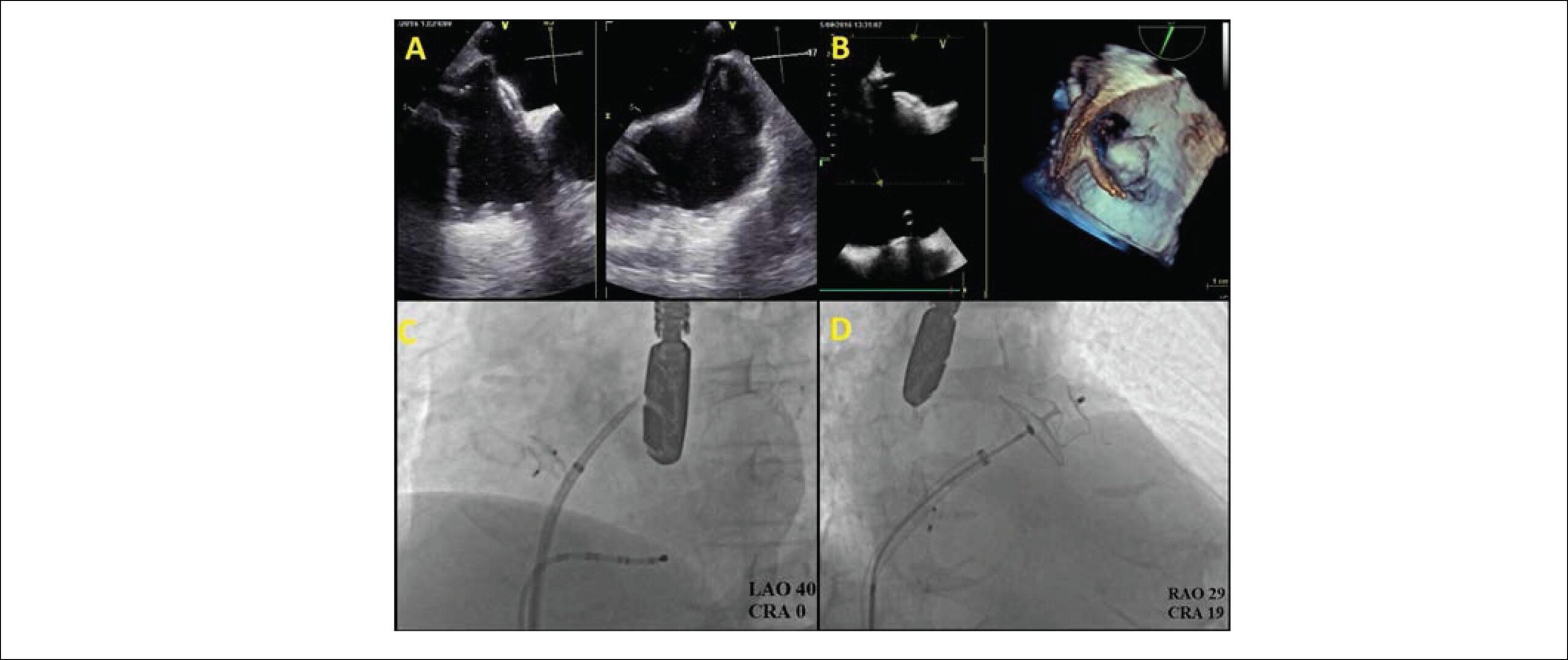
Left Atrial Appendage Transcatheter Occlusion with AMPLATZER™ Amulet™ Device: Real Life Data with Mid-Term Follow-Up Results

Mehmet Levent Şahiner et al. Ergun Baris Kaya Cem Çöteli Kudret Aytemir

Abstract

Background:

Left atrial appendage (LAA) occlusion is an alternative therapy for atrial fibrillation patients who have high embolic risk and contraindications to anticoagulant therapy.

Objective:

To evaluate the feasibility, safety, and mid-term outcomes of percutaneous LAA occlusion, including device-related thrombosis.

Methods:

Sixty consecutive patients who had undergone percutaneous LAA occlusion with AMPLATZER™ Amulet™ device from September 2015 to March 2018 were enrolled. Patients were followed for 21 ± 15 months (median – 20 months, interquartile range – 9 to 27 months). The postprocedural assessment was done at the 1(st), 6(th), and 12(th) month. Patients were clinically evaluated, and transesophageal echocardiography was performed at each visit. We evaluated the condition of normality of variables using the Kolmogorov-Smirnov test. P-values < 0.05 were statistically significant.

Results:

The most common indication for the procedure was major bleeding with anticoagulants (n: 53, 88.3%). The procedure was completed successfully in 59 (98.3%) patients. Periprocedural mortality was observed in one patient. Postprocedural antiplatelet treatment was planned as dual or single antiplatelet therapy or low-dose anticoagulant therapy in 52 (88.1%), 2 (3.4%), and 5 (8.5%) patients, respectively. We found no clinically significant cerebrovascular events, device-related thrombus, or embolization in any patient during the follow-up. Two (3.4 %) patients presented significant peri-device leak (>3 mm) at the 1st month evaluation, which disappeared at the 12th month follow-up.

Conclusion:

We concluded that LAA occlusion using the Amulet™ LAA occluder can be performed with high procedural success and acceptable outcomes.

  • Anticoagulants / therapeutic use
  • Atrial Appendage
  • Atrial Fibrillation
  • Cardiac Catheterization
  • Echocardiography/methods
  • Mortality
Read Full Article
Creative Commons Attribution (CC BY) Creative Commons license
29/07/2019 DOI: 10.5935/abc.20190138

How to cite this article

EndNote RIS

Electronic Document Format (Vancouver)

Martins AVV, Silva JRO, Gutierrez PS. Case 5/2019 – 55-Year-Old Diabetic Man with Heart Failure After Non-ST Segment Elevation Myocardial Infarction. Arquivos Brasileiros de Cardiologia 2019;113(4):775-82.

Electronic Document Format (ABNT)

Martins, Ana Vitória Vitoreti; Silva, José Roberto de Oliveira da; Gutierrez, Paulo Sampaio. Case 5/2019 – 55-Year-Old Diabetic Man with Heart Failure After Non-ST Segment Elevation Myocardial Infarction. Arquivos Brasileiros de Cardiologia, v. 113, n. 4, p. 775-782, Nov. 2019.

Electronic Document Format (APA)

Martins, A. V. V., Silva, J. R. O. , & Gutierrez, P. S. (2019). Case 5/2019 – 55-Year-Old Diabetic Man with Heart Failure After Non-ST Segment Elevation Myocardial Infarction. Arquivos Brasileiros de Cardiologia, 113(4), 775-782.

Electronic Document Format (ISO)

Martins, Ana Vitória Vitoreti and Silva, José Roberto de Oliveira da and Gutierrez, Paulo Sampaio. Case 5/2019 – 55-Year-Old Diabetic Man with Heart Failure After Non-ST Segment Elevation Myocardial Infarction. Arquivos Brasileiros de Cardiologia [online]. 2019, vol. 113, n. 4, [cited 2026-10-14], pp. 775-782. Available from: <https://journals.cardiol.br/en/article/case-5-2019-55-year-old-diabetic-man-with-heart-failure-after-non-st-segment-elevation-myocardial-infarction/>. ISSN 0066-782X

EndNote RIS

Electronic Document Format (Vancouver)

Silva CES. At Last, a Sensitive Method to Detect Incipient Systolic Dysfunction!. Arquivos Brasileiros de Cardiologia 2019;113(4):746-7.

Electronic Document Format (ABNT)

Silva, Carlos Eduardo Suaide. At Last, a Sensitive Method to Detect Incipient Systolic Dysfunction!. Arquivos Brasileiros de Cardiologia, v. 113, n. 4, p. 746-747, Nov. 2019.

Electronic Document Format (APA)

Silva, C. E. S. (2019). At Last, a Sensitive Method to Detect Incipient Systolic Dysfunction!. Arquivos Brasileiros de Cardiologia, 113(4), 746-747.

Electronic Document Format (ISO)

Silva, Carlos Eduardo Suaide. At Last, a Sensitive Method to Detect Incipient Systolic Dysfunction!. Arquivos Brasileiros de Cardiologia [online]. 2019, vol. 113, n. 4, [cited 2026-10-14], pp. 746-747. Available from: <https://journals.cardiol.br/en/article/at-last-a-sensitive-method-to-detect-incipient-systolic-dysfunction/>. ISSN 0066-782X

EndNote RIS

Electronic Document Format (Vancouver)

Pisani CF, Scanavacca M. Percutaneous Occlusion of Left Atrial Appendage: Growing Clinical Experience and Lack of Multicenter Randomized Clinical Trials. Arquivos Brasileiros de Cardiologia 2019;113(4):722-4.

Electronic Document Format (ABNT)

Pisani, Cristiano F.; Scanavacca, Mauricio. Percutaneous Occlusion of Left Atrial Appendage: Growing Clinical Experience and Lack of Multicenter Randomized Clinical Trials. Arquivos Brasileiros de Cardiologia, v. 113, n. 4, p. 722-724, Nov. 2019.

Electronic Document Format (APA)

Pisani, C. F., & Scanavacca, M. (2019). Percutaneous Occlusion of Left Atrial Appendage: Growing Clinical Experience and Lack of Multicenter Randomized Clinical Trials. Arquivos Brasileiros de Cardiologia, 113(4), 722-724.

Electronic Document Format (ISO)

Pisani, Cristiano F. and Scanavacca, Mauricio. Percutaneous Occlusion of Left Atrial Appendage: Growing Clinical Experience and Lack of Multicenter Randomized Clinical Trials. Arquivos Brasileiros de Cardiologia [online]. 2019, vol. 113, n. 4, [cited 2026-10-14], pp. 722-724. Available from: <https://journals.cardiol.br/en/article/percutaneous-occlusion-of-left-atrial-appendage-growing-clinical-experience-and-lack-of-multicenter-randomized-clinical-trials/>. ISSN 0066-782X

EndNote RIS

Electronic Document Format (Vancouver)

Précoma DB, Oliveira GMM, Simão AF, Dutra OP, Coelho OR, Izar MCO, Póvoa RMS, et al. Updated Cardiovascular Prevention Guideline of the Brazilian Society of Cardiology – 2019. Arquivos Brasileiros de Cardiologia 2019;113(4):787-891.

Electronic Document Format (ABNT)

Précoma, Dalton Bertolim; Oliveira, Gláucia Maria Moraes de; Simão, Antonio Felipe; Dutra, Oscar Pereira; Coelho, Otávio Rizzi; Izar, Maria Cristina de Oliveira; Póvoa, Rui Manuel dos Santos; Giuliano, Isabela de Carlos Back; Alencar Filho, Aristóteles Comte de; Machado, Carlos Alberto; Scherr, Carlos; Fonseca, Francisco Antonio Helfenstein; Santos Filho, Raul Dias dos; Carvalho, Tales de; Avezum Jr., Álvaro; Esporcatte, Roberto; Nascimento, Bruno Ramos; Brasil, David de Pádua; Soares, Gabriel Porto; Villela, Paolo Blanco; Ferreira, Roberto Muniz; Martins, Wolney de Andrade; Sposito, Andrei C.; Halpern, Bruno; Saraiva, José Francisco Kerr; Carvalho, Luiz Sergio Fernandes; Tambascia, Marcos Antônio; Coelho-Filho, Otávio Rizzi; Bertolami, Adriana; Correa Filho, Harry; Xavier, Hermes Toros; Faria-Neto, José Rocha; Bertolami, Marcelo Chiara; Giraldez, Viviane Zorzanelli Rocha; Brandão, Andrea Araújo; Feitosa, Audes Diógenes de Magalhães; Amodeo, Celso; Souza, Dilma do Socorro Moraes de; Barbosa, Eduardo Costa Duarte; Malachias, Marcus Vinícius Bolívar; Souza, Weimar Kunz Sebba Barroso de; Costa, Fernando Augusto Alves da; Rivera, Ivan Romero; Pellanda, Lucia Campos; Silva, Maria Alayde Mendonça da; Achutti, Aloyzio Cechella; Langowiski, André Ribeiro; Lantieri, Carla Janice Baister; Scholz, Jaqueline Ribeiro; Ismael, Silvia Maria Cury; Ayoub, José Carlos Aidar; Scala, Luiz César Nazário; Neves, Mario Fritsch; Jardim, Paulo Cesar Brandão Veiga; Fuchs, Sandra Cristina Pereira Costa; Jardim, Thiago de Souza Veiga; Moriguchi, Emilio Hideyuki; Schneider, Jamil Cherem; Assad, Marcelo Heitor Vieira; Kaiser, Sergio Emanuel; Lottenberg, Ana Maria; Magnoni, Carlos Daniel; Miname, Marcio Hiroshi; Lara, Roberta Soares; Herdy, Artur Haddad; Araújo, Cláudio Gil Soares de; Milani, Mauricio; Silva, Miguel Morita Fernandes da; Stein, Ricardo; Lucchese, Fernando Antonio; Nobre, Fernando; Griz, Hermilo Borba; Magalhães, Lucélia Batista Neves Cunha; Borba, Mario Henrique Elesbão de; Pontes, Mauro Ricardo Nunes; Mourilhe-Rocha, Ricardo. Updated Cardiovascular Prevention Guideline of the Brazilian Society of Cardiology – 2019. Arquivos Brasileiros de Cardiologia, v. 113, n. 4, p. 787-891, Nov. 2019.

Electronic Document Format (APA)

Précoma, D. B., Oliveira, G. M. M. , Simão, A. F., Dutra, O. P., Coelho, O. R., Izar, M. C. O., Póvoa, R. M. S., Giuliano, I. C. B., Alencar Filho, A. C. , Machado, C. A., Scherr, C., Fonseca, F. A. H., Santos Filho, R. D. , Carvalho, T. , Avezum Jr., , Esporcatte, R., Nascimento, B. R., Brasil, D. P., Soares, G. P., Villela, P. B., Ferreira, R. M., Martins, W. A., Sposito, A. C., Halpern, B., Saraiva, J. F. K., Carvalho, L. S. F., Tambascia, M. A., Coelho-Filho, O. R., Bertolami, A., Correa Filho, H., Xavier, H. T., Faria-Neto, J. R., Bertolami, M. C., Giraldez, V. Z. R., Brandão, A. A., Feitosa, A. D. M., Amodeo, C., Souza, D. S. M. , Barbosa, E. C. D., Malachias, M. V. B., Souza, W. K. S. B. , Costa, F. A. A. , Rivera, I. R., Pellanda, L. C., Silva, M. A. M. , Achutti, A. C., Langowiski, A. R., Lantieri, C. J. B., Scholz, J. R., Ismael, S. M. C., Ayoub, J. C. A., Scala, L. C. N., Neves, M. F., Jardim, P. C. B. V., Fuchs, S. C. P. C., Jardim, T. S. V., Moriguchi, E. H., Schneider, J. C., Assad, M. H. V., Kaiser, S. E., Lottenberg, A. M., Magnoni, C. D., Miname, M. H., Lara, R. S., Herdy, A. H., Araújo, C. G. S. , Milani, M., Silva, M. M. F. , Stein, R., Lucchese, F. A., Nobre, F., Griz, H. B., Magalhães, L. B. N. C., Borba, M. H. E. , Pontes, M. R. N., & Mourilhe-Rocha, R. (2019). Updated Cardiovascular Prevention Guideline of the Brazilian Society of Cardiology – 2019. Arquivos Brasileiros de Cardiologia, 113(4), 787-891.

Electronic Document Format (ISO)

Précoma, Dalton Bertolim and Oliveira, Gláucia Maria Moraes de and Simão, Antonio Felipe and Dutra, Oscar Pereira and Coelho, Otávio Rizzi and Izar, Maria Cristina de Oliveira and Póvoa, Rui Manuel dos Santos and Giuliano, Isabela de Carlos Back and Alencar Filho, Aristóteles Comte de and Machado, Carlos Alberto and Scherr, Carlos and Fonseca, Francisco Antonio Helfenstein and Santos Filho, Raul Dias dos and Carvalho, Tales de and Avezum Jr., Álvaro and Esporcatte, Roberto and Nascimento, Bruno Ramos and Brasil, David de Pádua and Soares, Gabriel Porto and Villela, Paolo Blanco and Ferreira, Roberto Muniz and Martins, Wolney de Andrade and Sposito, Andrei C. and Halpern, Bruno and Saraiva, José Francisco Kerr and Carvalho, Luiz Sergio Fernandes and Tambascia, Marcos Antônio and Coelho-Filho, Otávio Rizzi and Bertolami, Adriana and Correa Filho, Harry and Xavier, Hermes Toros and Faria-Neto, José Rocha and Bertolami, Marcelo Chiara and Giraldez, Viviane Zorzanelli Rocha and Brandão, Andrea Araújo and Feitosa, Audes Diógenes de Magalhães and Amodeo, Celso and Souza, Dilma do Socorro Moraes de and Barbosa, Eduardo Costa Duarte and Malachias, Marcus Vinícius Bolívar and Souza, Weimar Kunz Sebba Barroso de and Costa, Fernando Augusto Alves da and Rivera, Ivan Romero and Pellanda, Lucia Campos and Silva, Maria Alayde Mendonça da and Achutti, Aloyzio Cechella and Langowiski, André Ribeiro and Lantieri, Carla Janice Baister and Scholz, Jaqueline Ribeiro and Ismael, Silvia Maria Cury and Ayoub, José Carlos Aidar and Scala, Luiz César Nazário and Neves, Mario Fritsch and Jardim, Paulo Cesar Brandão Veiga and Fuchs, Sandra Cristina Pereira Costa and Jardim, Thiago de Souza Veiga and Moriguchi, Emilio Hideyuki and Schneider, Jamil Cherem and Assad, Marcelo Heitor Vieira and Kaiser, Sergio Emanuel and Lottenberg, Ana Maria and Magnoni, Carlos Daniel and Miname, Marcio Hiroshi and Lara, Roberta Soares and Herdy, Artur Haddad and Araújo, Cláudio Gil Soares de and Milani, Mauricio and Silva, Miguel Morita Fernandes da and Stein, Ricardo and Lucchese, Fernando Antonio and Nobre, Fernando and Griz, Hermilo Borba and Magalhães, Lucélia Batista Neves Cunha and Borba, Mario Henrique Elesbão de and Pontes, Mauro Ricardo Nunes and Mourilhe-Rocha, Ricardo. Updated Cardiovascular Prevention Guideline of the Brazilian Society of Cardiology – 2019. Arquivos Brasileiros de Cardiologia [online]. 2019, vol. 113, n. 4, [cited 2026-10-14], pp. 787-891. Available from: <https://journals.cardiol.br/en/article/updated-cardiovascular-prevention-guideline-of-the-brazilian-society-of-cardiology-2019/>. ISSN 0066-782X

EndNote RIS

Electronic Document Format (Vancouver)

Eduard M, Julio P, Alejandra R. Co-occurrence of Cardiometabolic Disease Risk Factors: Unhealthy Eating, Tobacco, Alcohol, Sedentary Lifestyle and Socioeconomic Aspects. Arquivos Brasileiros de Cardiologia 2019;113(4):710-1.

Electronic Document Format (ABNT)

Eduard, Maury-Sintjago; Julio, Parra-Flores; Alejandra, Rodríguez-Fernández. Co-occurrence of Cardiometabolic Disease Risk Factors: Unhealthy Eating, Tobacco, Alcohol, Sedentary Lifestyle and Socioeconomic Aspects. Arquivos Brasileiros de Cardiologia, v. 113, n. 4, p. 710-711, Nov. 2019.

Electronic Document Format (APA)

Eduard, M., Julio, P., & Alejandra, R. (2019). Co-occurrence of Cardiometabolic Disease Risk Factors: Unhealthy Eating, Tobacco, Alcohol, Sedentary Lifestyle and Socioeconomic Aspects. Arquivos Brasileiros de Cardiologia, 113(4), 710-711.

Electronic Document Format (ISO)

Eduard, Maury-Sintjago and Julio, Parra-Flores and Alejandra, Rodríguez-Fernández. Co-occurrence of Cardiometabolic Disease Risk Factors: Unhealthy Eating, Tobacco, Alcohol, Sedentary Lifestyle and Socioeconomic Aspects. Arquivos Brasileiros de Cardiologia [online]. 2019, vol. 113, n. 4, [cited 2026-10-14], pp. 710-711. Available from: <https://journals.cardiol.br/en/article/co-occurrence-of-cardiometabolic-disease-risk-factors-unhealthy-eating-tobacco-alcohol-sedentary-lifestyle-and-socioeconomic-aspects/>. ISSN 0066-782X

EndNote RIS

Electronic Document Format (Vancouver)

Rivarola EW, Scanavacca M. The Neurolinguistics of the Heart. Arquivos Brasileiros de Cardiologia 2019;113(4):734-6.

Electronic Document Format (ABNT)

Rivarola, Esteban Wisnivesky; Scanavacca, Mauricio. The Neurolinguistics of the Heart. Arquivos Brasileiros de Cardiologia, v. 113, n. 4, p. 734-736, Nov. 2019.

Electronic Document Format (APA)

Rivarola, E. W., & Scanavacca, M. (2019). The Neurolinguistics of the Heart. Arquivos Brasileiros de Cardiologia, 113(4), 734-736.

Electronic Document Format (ISO)

Rivarola, Esteban Wisnivesky and Scanavacca, Mauricio. The Neurolinguistics of the Heart. Arquivos Brasileiros de Cardiologia [online]. 2019, vol. 113, n. 4, [cited 2026-10-14], pp. 734-736. Available from: <https://journals.cardiol.br/en/article/the-neurolinguistics-of-the-heart/>. ISSN 0066-782X

EndNote RIS

Electronic Document Format (Vancouver)

Colafranceschi AS. Behavioral Economics and Innovation Uptake: Building New Capabilities to Overcome Barriers to Technology-Enabled Care. Arquivos Brasileiros de Cardiologia 2019;113(4):664-6.

Electronic Document Format (ABNT)

Colafranceschi, Alexandre Siciliano. Behavioral Economics and Innovation Uptake: Building New Capabilities to Overcome Barriers to Technology-Enabled Care. Arquivos Brasileiros de Cardiologia, v. 113, n. 4, p. 664-666, Nov. 2019.

Electronic Document Format (APA)

Colafranceschi, A. S. (2019). Behavioral Economics and Innovation Uptake: Building New Capabilities to Overcome Barriers to Technology-Enabled Care. Arquivos Brasileiros de Cardiologia, 113(4), 664-666.

Electronic Document Format (ISO)

Colafranceschi, Alexandre Siciliano. Behavioral Economics and Innovation Uptake: Building New Capabilities to Overcome Barriers to Technology-Enabled Care. Arquivos Brasileiros de Cardiologia [online]. 2019, vol. 113, n. 4, [cited 2026-10-14], pp. 664-666. Available from: <https://journals.cardiol.br/en/article/behavioral-economics-and-innovation-uptake-building-new-capabilities-to-overcome-barriers-to-technology-enabled-care/>. ISSN 0066-782X

EndNote RIS

Electronic Document Format (Vancouver)

Pomerantzeff PMA. Mitral Valve Repair in Young Rheumatic Patients. Arquivos Brasileiros de Cardiologia 2019;113(4):757.

Electronic Document Format (ABNT)

Pomerantzeff, Pablo Maria Alberto. Mitral Valve Repair in Young Rheumatic Patients. Arquivos Brasileiros de Cardiologia, v. 113, n. 4, p. 757-757, Nov. 2019.

Electronic Document Format (APA)

Pomerantzeff, P. M. A. (2019). Mitral Valve Repair in Young Rheumatic Patients. Arquivos Brasileiros de Cardiologia, 113(4), 757-757.

Electronic Document Format (ISO)

Pomerantzeff, Pablo Maria Alberto. Mitral Valve Repair in Young Rheumatic Patients. Arquivos Brasileiros de Cardiologia [online]. 2019, vol. 113, n. 4, [cited 2026-10-14], pp. 757-757. Available from: <https://journals.cardiol.br/en/article/mitral-valve-repair-in-young-rheumatic-patients/>. ISSN 0066-782X

EndNote RIS

Electronic Document Format (Vancouver)

Magalhães TA, Cury RC, Cerci RJ, Parga Filho JR, Gottlieb I, Nacif MS, Pinto IM, et al. Evaluation of Myocardial Perfusion by Computed Tomography – Principles, Technical Background and Recommendations. Arquivos Brasileiros de Cardiologia 2019;113(4):758-67.

Electronic Document Format (ABNT)

Magalhães, Tiago Augusto; Cury, Roberto Caldeira; Cerci, Rodrigo Julio; Parga Filho, José Rodrigues; Gottlieb, Ilan; Nacif, Marcelo Souto; Pinto, Ibraim Masciarelli; Rochitte, Carlos Eduardo; Vilas-Boas, Fabio; Schvartzman, Paulo R.. Evaluation of Myocardial Perfusion by Computed Tomography – Principles, Technical Background and Recommendations. Arquivos Brasileiros de Cardiologia, v. 113, n. 4, p. 758-767, Nov. 2019.

Electronic Document Format (APA)

Magalhães, T. A., Cury, R. C., Cerci, R. J., Parga Filho, J. R., Gottlieb, I., Nacif, M. S., Pinto, I. M., Rochitte, C. E., Vilas-Boas, F., & Schvartzman, P. R. (2019). Evaluation of Myocardial Perfusion by Computed Tomography – Principles, Technical Background and Recommendations. Arquivos Brasileiros de Cardiologia, 113(4), 758-767.

Electronic Document Format (ISO)

Magalhães, Tiago Augusto and Cury, Roberto Caldeira and Cerci, Rodrigo Julio and Parga Filho, José Rodrigues and Gottlieb, Ilan and Nacif, Marcelo Souto and Pinto, Ibraim Masciarelli and Rochitte, Carlos Eduardo and Vilas-Boas, Fabio and Schvartzman, Paulo R.. Evaluation of Myocardial Perfusion by Computed Tomography – Principles, Technical Background and Recommendations. Arquivos Brasileiros de Cardiologia [online]. 2019, vol. 113, n. 4, [cited 2026-10-14], pp. 758-767. Available from: <https://journals.cardiol.br/en/article/evaluation-of-myocardial-perfusion-by-computed-tomography-principles-technical-background-and-recommendations/>. ISSN 0066-782X

EndNote RIS

Electronic Document Format (Vancouver)

Godoy LC, Farkouh ME, Manta ICKA, Dalçóquio TF, Furtado RHM, Yu EHC, Gun C, et al. Cardiology Training in Brazil and Developed Countries: Some Ideas for Improvement. Arquivos Brasileiros de Cardiologia 2019;113(4):768-74.

Electronic Document Format (ABNT)

Godoy, Lucas Colombo; Farkouh, Michael E.; Manta, Isabela C. K. Abud; Dalçóquio, Talia F.; Furtado, Remo Holanda de Mendonça; Yu, Eric H. C.; Gun, Carlos; Nicolau, José Carlos. Cardiology Training in Brazil and Developed Countries: Some Ideas for Improvement. Arquivos Brasileiros de Cardiologia, v. 113, n. 4, p. 768-774, Nov. 2019.

Electronic Document Format (APA)

Godoy, L. C., Farkouh, M. E., Manta, I. C. K. A., Dalçóquio, T. F., Furtado, R. H. M., Yu, E. H. C., Gun, C., & Nicolau, J. C. (2019). Cardiology Training in Brazil and Developed Countries: Some Ideas for Improvement. Arquivos Brasileiros de Cardiologia, 113(4), 768-774.

Electronic Document Format (ISO)

Godoy, Lucas Colombo and Farkouh, Michael E. and Manta, Isabela C. K. Abud and Dalçóquio, Talia F. and Furtado, Remo Holanda de Mendonça and Yu, Eric H. C. and Gun, Carlos and Nicolau, José Carlos. Cardiology Training in Brazil and Developed Countries: Some Ideas for Improvement. Arquivos Brasileiros de Cardiologia [online]. 2019, vol. 113, n. 4, [cited 2026-10-14], pp. 768-774. Available from: <https://journals.cardiol.br/en/article/cardiology-training-in-brazil-and-developed-countries-some-ideas-for-improvement/>. ISSN 0066-782X

EndNote RIS

Electronic Document Format (Vancouver)

Castro I, Fontana Filho H. Evaluation of Serum Levels of Inflammation, Fibrinolysis and Oxidative Stress Markers in Coronary Artery Disease Prediction: A Cross-Sectional Study. Arquivos Brasileiros de Cardiologia 2019;113(4):675-6.

Electronic Document Format (ABNT)

Castro, Iran; Fontana Filho, Hugo. Evaluation of Serum Levels of Inflammation, Fibrinolysis and Oxidative Stress Markers in Coronary Artery Disease Prediction: A Cross-Sectional Study. Arquivos Brasileiros de Cardiologia, v. 113, n. 4, p. 675-676, Nov. 2019.

Electronic Document Format (APA)

Castro, I., & Fontana Filho, H. (2019). Evaluation of Serum Levels of Inflammation, Fibrinolysis and Oxidative Stress Markers in Coronary Artery Disease Prediction: A Cross-Sectional Study. Arquivos Brasileiros de Cardiologia, 113(4), 675-676.

Electronic Document Format (ISO)

Castro, Iran and Fontana Filho, Hugo. Evaluation of Serum Levels of Inflammation, Fibrinolysis and Oxidative Stress Markers in Coronary Artery Disease Prediction: A Cross-Sectional Study. Arquivos Brasileiros de Cardiologia [online]. 2019, vol. 113, n. 4, [cited 2026-10-14], pp. 675-676. Available from: <https://journals.cardiol.br/en/article/evaluation-of-serum-levels-of-inflammation-fibrinolysis-and-oxidative-stress-markers-in-coronary-artery-disease-prediction-a-cross-sectional-study-2/>. ISSN 0066-782X

EndNote RIS

Electronic Document Format (Vancouver)

Salemi VMC, Melo MDT. Are Myocardium Deformation Indices Influenced by Cardiac Load, Age or Body Mass Index?. Arquivos Brasileiros de Cardiologia 2019;113(4):685-6.

Electronic Document Format (ABNT)

Salemi, Vera Maria Cury; Melo, Marcelo Dantas Tavares de. Are Myocardium Deformation Indices Influenced by Cardiac Load, Age or Body Mass Index?. Arquivos Brasileiros de Cardiologia, v. 113, n. 4, p. 685-686, Nov. 2019.

Electronic Document Format (APA)

Salemi, V. M. C., & Melo, M. D. T. (2019). Are Myocardium Deformation Indices Influenced by Cardiac Load, Age or Body Mass Index?. Arquivos Brasileiros de Cardiologia, 113(4), 685-686.

Electronic Document Format (ISO)

Salemi, Vera Maria Cury and Melo, Marcelo Dantas Tavares de. Are Myocardium Deformation Indices Influenced by Cardiac Load, Age or Body Mass Index?. Arquivos Brasileiros de Cardiologia [online]. 2019, vol. 113, n. 4, [cited 2026-10-14], pp. 685-686. Available from: <https://journals.cardiol.br/en/article/are-myocardium-deformation-indices-influenced-by-cardiac-load-age-or-body-mass-index/>. ISSN 0066-782X

EndNote RIS

Electronic Document Format (Vancouver)

Francisco PMSB, Assumpção D, Malta DC. Co-occurrence of Smoking and Unhealthy Diet in the Brazilian Adult Population. Arquivos Brasileiros de Cardiologia 2019;113(4):699-70.

Electronic Document Format (ABNT)

Francisco, Priscila Maria Stolses Bergamo; Assumpção, Daniela de; Malta, Deborah Carvalho. Co-occurrence of Smoking and Unhealthy Diet in the Brazilian Adult Population. Arquivos Brasileiros de Cardiologia, v. 113, n. 4, p. 699-709, Nov. 2019.

Electronic Document Format (APA)

Francisco, P. M. S. B., Assumpção, D. , & Malta, D. C. (2019). Co-occurrence of Smoking and Unhealthy Diet in the Brazilian Adult Population. Arquivos Brasileiros de Cardiologia, 113(4), 699-709.

Electronic Document Format (ISO)

Francisco, Priscila Maria Stolses Bergamo and Assumpção, Daniela de and Malta, Deborah Carvalho. Co-occurrence of Smoking and Unhealthy Diet in the Brazilian Adult Population. Arquivos Brasileiros de Cardiologia [online]. 2019, vol. 113, n. 4, [cited 2026-10-14], pp. 699-709. Available from: <https://journals.cardiol.br/en/article/co-occurrence-of-smoking-and-unhealthy-diet-in-the-brazilian-adult-population/>. ISSN 0066-782X

EndNote RIS

Electronic Document Format (Vancouver)

Farias LABG, Beserra FLCN, Fernandes L, Teixeira AAR, Ferragut JM, Girão ES, Pires Neto RJ, et al. Myocarditis Following Recent Chikungunya and Dengue Virus Coinfection: A Case Report. Arquivos Brasileiros de Cardiologia 2019;113(4):783-6.

Electronic Document Format (ABNT)

Farias, Luís Arthur Brasil Gadelha; Beserra, Francisca Lillyan Christyan Nunes; Fernandes, Lucas; Teixeira, Anderson Alesxander Rodrigues; Ferragut, Juliana Mandato; Girão, Evelyne Santana; Pires Neto, Roberto da Justa. Myocarditis Following Recent Chikungunya and Dengue Virus Coinfection: A Case Report. Arquivos Brasileiros de Cardiologia, v. 113, n. 4, p. 783-786, Sep. 2019.

Electronic Document Format (APA)

Farias, L. A. B. G., Beserra, F. L. C. N., Fernandes, L., Teixeira, A. A. R., Ferragut, J. M., Girão, E. S., & Pires Neto, R. J. (2019). Myocarditis Following Recent Chikungunya and Dengue Virus Coinfection: A Case Report. Arquivos Brasileiros de Cardiologia, 113(4), 783-786.

Electronic Document Format (ISO)

Farias, Luís Arthur Brasil Gadelha and Beserra, Francisca Lillyan Christyan Nunes and Fernandes, Lucas and Teixeira, Anderson Alesxander Rodrigues and Ferragut, Juliana Mandato and Girão, Evelyne Santana and Pires Neto, Roberto da Justa. Myocarditis Following Recent Chikungunya and Dengue Virus Coinfection: A Case Report. Arquivos Brasileiros de Cardiologia [online]. 2019, vol. 113, n. 4, [cited 2026-10-14], pp. 783-786. Available from: <https://journals.cardiol.br/en/article/myocarditis-following-recent-chikungunya-and-dengue-virus-coinfection-a-case-report/>. ISSN 0066-782X

EndNote RIS

Electronic Document Format (Vancouver)

Sánchez-Hechavarría ME, Ghiya S, Carrazana-Escalona R, Cortina-Reyna S, Andreu-Heredia A, Acosta-Batista C, Saá-Muñoz NA, et al. Introduction of Application of Gini Coefficient to Heart Rate Variability Spectrum for Mental Stress Evaluation. Arquivos Brasileiros de Cardiologia 2019;113(4):725-33.

Electronic Document Format (ABNT)

Sánchez-Hechavarría, Miguel Enrique; Ghiya, Shreya; Carrazana-Escalona, Ramon; Cortina-Reyna, Sergio; Andreu-Heredia, Adán; Acosta-Batista, Carlos; Saá-Muñoz, Nicolás Armando. Introduction of Application of Gini Coefficient to Heart Rate Variability Spectrum for Mental Stress Evaluation. Arquivos Brasileiros de Cardiologia, v. 113, n. 4, p. 725-733, Sep. 2019.

Electronic Document Format (APA)

Sánchez-Hechavarría, M. E., Ghiya, S., Carrazana-Escalona, R., Cortina-Reyna, S., Andreu-Heredia, A., Acosta-Batista, C., & Saá-Muñoz, N. A. (2019). Introduction of Application of Gini Coefficient to Heart Rate Variability Spectrum for Mental Stress Evaluation. Arquivos Brasileiros de Cardiologia, 113(4), 725-733.

Electronic Document Format (ISO)

Sánchez-Hechavarría, Miguel Enrique and Ghiya, Shreya and Carrazana-Escalona, Ramon and Cortina-Reyna, Sergio and Andreu-Heredia, Adán and Acosta-Batista, Carlos and Saá-Muñoz, Nicolás Armando. Introduction of Application of Gini Coefficient to Heart Rate Variability Spectrum for Mental Stress Evaluation. Arquivos Brasileiros de Cardiologia [online]. 2019, vol. 113, n. 4, [cited 2026-10-14], pp. 725-733. Available from: <https://journals.cardiol.br/en/article/introduction-of-application-of-gini-coefficient-to-heart-rate-variability-spectrum-for-mental-stress-evaluation/>. ISSN 0066-782X

EndNote RIS

Electronic Document Format (Vancouver)

Cruz RCC, Cordeiro BS, Santos FS, Fernandes CR, Gama JMA, Ladeia AMT. Predictors of Unfavourable Outcomes in Children and Adolescents Submitted to Surgical Mitral Valvuloplasty Secondary to Chronic Rheumatic Heart Disease. Arquivos Brasileiros de Cardiologia 2019;113(4):748-56.

Electronic Document Format (ABNT)

Cruz, Renata Cristina Castro; Cordeiro, Bruna Silva; Santos, Felipe de Souza; Fernandes, Caroline Rodrigues; Gama, Julia Maria Alves; Ladeia, Ana Marice Teixeira. Predictors of Unfavourable Outcomes in Children and Adolescents Submitted to Surgical Mitral Valvuloplasty Secondary to Chronic Rheumatic Heart Disease. Arquivos Brasileiros de Cardiologia, v. 113, n. 4, p. 748-756, Sep. 2019.

Electronic Document Format (APA)

Cruz, R. C. C., Cordeiro, B. S., Santos, F. S., Fernandes, C. R., Gama, J. M. A., & Ladeia, A. M. T. (2019). Predictors of Unfavourable Outcomes in Children and Adolescents Submitted to Surgical Mitral Valvuloplasty Secondary to Chronic Rheumatic Heart Disease. Arquivos Brasileiros de Cardiologia, 113(4), 748-756.

Electronic Document Format (ISO)

Cruz, Renata Cristina Castro and Cordeiro, Bruna Silva and Santos, Felipe de Souza and Fernandes, Caroline Rodrigues and Gama, Julia Maria Alves and Ladeia, Ana Marice Teixeira. Predictors of Unfavourable Outcomes in Children and Adolescents Submitted to Surgical Mitral Valvuloplasty Secondary to Chronic Rheumatic Heart Disease. Arquivos Brasileiros de Cardiologia [online]. 2019, vol. 113, n. 4, [cited 2026-10-14], pp. 748-756. Available from: <https://journals.cardiol.br/en/article/predictors-of-unfavourable-outcomes-in-children-and-adolescents-submitted-to-surgical-mitral-valvuloplasty-secondary-to-chronic-rheumatic-heart-disease/>. ISSN 0066-782X

EndNote RIS

Electronic Document Format (Vancouver)

Rodrigues RC, Azevedo KML, Moscavitch SD, Setubal S, Mesquita CT. The Use of Two-Dimensional Strain Measured by Speckle Tracking in the Identification of Incipient Ventricular Dysfunction in HIV-Infected Patients on Antiretroviral Therapy, Untreated HIV Patients and Healthy Controls. Arquivos Brasileiros de Cardiologia 2019;113(4):737-45.

Electronic Document Format (ABNT)

Rodrigues, Ronaldo Campos; Azevedo, Katia Martins Lopes de; Moscavitch, Samuel Datum; Setubal, Sergio; Mesquita, Claudio Tinoco. The Use of Two-Dimensional Strain Measured by Speckle Tracking in the Identification of Incipient Ventricular Dysfunction in HIV-Infected Patients on Antiretroviral Therapy, Untreated HIV Patients and Healthy Controls. Arquivos Brasileiros de Cardiologia, v. 113, n. 4, p. 737-745, Sep. 2019.

Electronic Document Format (APA)

Rodrigues, R. C., Azevedo, K. M. L. , Moscavitch, S. D., Setubal, S., & Mesquita, C. T. (2019). The Use of Two-Dimensional Strain Measured by Speckle Tracking in the Identification of Incipient Ventricular Dysfunction in HIV-Infected Patients on Antiretroviral Therapy, Untreated HIV Patients and Healthy Controls. Arquivos Brasileiros de Cardiologia, 113(4), 737-745.

Electronic Document Format (ISO)

Rodrigues, Ronaldo Campos and Azevedo, Katia Martins Lopes de and Moscavitch, Samuel Datum and Setubal, Sergio and Mesquita, Claudio Tinoco. The Use of Two-Dimensional Strain Measured by Speckle Tracking in the Identification of Incipient Ventricular Dysfunction in HIV-Infected Patients on Antiretroviral Therapy, Untreated HIV Patients and Healthy Controls. Arquivos Brasileiros de Cardiologia [online]. 2019, vol. 113, n. 4, [cited 2026-10-14], pp. 737-745. Available from: <https://journals.cardiol.br/en/article/the-use-of-two-dimensional-strain-measured-by-speckle-tracking-in-the-identification-of-incipient-ventricular-dysfunction-in-hiv-infected-patients-on-antiretroviral-therapy-untreated-hiv-patients-and/>. ISSN 0066-782X

EndNote RIS

Electronic Document Format (Vancouver)

Gil TCP, Castier MB, Gondar AFP, Sales AF, Santos MO, Lima FCS, Mourilhe-Rocha R, et al. Strain Analysis of Left Ventricular Function in the Association of Hypertrophic Cardiomyopathy and Systemic Arterial Hypertension. Arquivos Brasileiros de Cardiologia 2019;113(4):677-84.

Electronic Document Format (ABNT)

Gil, Thereza Cristina Pereira; Castier, Marcia Bueno; Gondar, Alyne Freitas Pereira; Sales, Ana Ferreira; Santos, Marceli de Oliveira; Lima, Fernanda Cristina da Silva de; Mourilhe-Rocha, Ricardo. Strain Analysis of Left Ventricular Function in the Association of Hypertrophic Cardiomyopathy and Systemic Arterial Hypertension. Arquivos Brasileiros de Cardiologia, v. 113, n. 4, p. 677-684, Sep. 2019.

Electronic Document Format (APA)

Gil, T. C. P., Castier, M. B., Gondar, A. F. P., Sales, A. F., Santos, M. O., Lima, F. C. S. , & Mourilhe-Rocha, R. (2019). Strain Analysis of Left Ventricular Function in the Association of Hypertrophic Cardiomyopathy and Systemic Arterial Hypertension. Arquivos Brasileiros de Cardiologia, 113(4), 677-684.

Electronic Document Format (ISO)

Gil, Thereza Cristina Pereira and Castier, Marcia Bueno and Gondar, Alyne Freitas Pereira and Sales, Ana Ferreira and Santos, Marceli de Oliveira and Lima, Fernanda Cristina da Silva de and Mourilhe-Rocha, Ricardo. Strain Analysis of Left Ventricular Function in the Association of Hypertrophic Cardiomyopathy and Systemic Arterial Hypertension. Arquivos Brasileiros de Cardiologia [online]. 2019, vol. 113, n. 4, [cited 2026-10-14], pp. 677-684. Available from: <https://journals.cardiol.br/en/article/strain-analysis-of-left-ventricular-function-in-the-association-of-hypertrophic-cardiomyopathy-and-systemic-arterial-hypertension/>. ISSN 0066-782X

EndNote RIS

Electronic Document Format (Vancouver)

Abolhasani S, Shahbazloo SV, Saadati HM, Mahmoodi N, Khanbabaei N. Evaluation of Serum Levels of Inflammation, Fibrinolysis and Oxidative Stress Markers in Coronary Artery Disease Prediction: A Cross-Sectional Study. Arquivos Brasileiros de Cardiologia 2019;113(4):667-74.

Electronic Document Format (ABNT)

Abolhasani, Sakhavat; Shahbazloo, Shahnam Valizadeh; Saadati, Hossein Mozafar; Mahmoodi, Neda; Khanbabaei, Nafiseh. Evaluation of Serum Levels of Inflammation, Fibrinolysis and Oxidative Stress Markers in Coronary Artery Disease Prediction: A Cross-Sectional Study. Arquivos Brasileiros de Cardiologia, v. 113, n. 4, p. 667-674, Aug. 2019.

Electronic Document Format (APA)

Abolhasani, S., Shahbazloo, S. V., Saadati, H. M., Mahmoodi, N., & Khanbabaei, N. (2019). Evaluation of Serum Levels of Inflammation, Fibrinolysis and Oxidative Stress Markers in Coronary Artery Disease Prediction: A Cross-Sectional Study. Arquivos Brasileiros de Cardiologia, 113(4), 667-674.

Electronic Document Format (ISO)

Abolhasani, Sakhavat and Shahbazloo, Shahnam Valizadeh and Saadati, Hossein Mozafar and Mahmoodi, Neda and Khanbabaei, Nafiseh. Evaluation of Serum Levels of Inflammation, Fibrinolysis and Oxidative Stress Markers in Coronary Artery Disease Prediction: A Cross-Sectional Study. Arquivos Brasileiros de Cardiologia [online]. 2019, vol. 113, n. 4, [cited 2026-10-14], pp. 667-674. Available from: <https://journals.cardiol.br/en/article/evaluation-of-serum-levels-of-inflammation-fibrinolysis-and-oxidative-stress-markers-in-coronary-artery-disease-prediction-a-cross-sectional-study/>. ISSN 0066-782X

EndNote RIS

Electronic Document Format (Vancouver)

Santiago ERC, Diniz AS, Oliveira JS, Leal VS, Andrade MIS, Lira PIC. Prevalence of Systemic Arterial Hypertension and Associated Factors Among Adults from the Semi-Arid Region of Pernambuco, Brazil. Arquivos Brasileiros de Cardiologia 2019;113(4):687-95.

Electronic Document Format (ABNT)

Santiago, Emerson Rogério Costa; Diniz, Alcides da Silva; Oliveira, Juliana Souza; Leal, Vanessa Sá; Andrade, Maria Izabel Siqueira de; Lira, Pedro Israel Cabral de. Prevalence of Systemic Arterial Hypertension and Associated Factors Among Adults from the Semi-Arid Region of Pernambuco, Brazil. Arquivos Brasileiros de Cardiologia, v. 113, n. 4, p. 687-695, Aug. 2019.

Electronic Document Format (APA)

Santiago, E. R. C., Diniz, A. S., Oliveira, J. S., Leal, V. S., Andrade, M. I. S. , & Lira, P. I. C. (2019). Prevalence of Systemic Arterial Hypertension and Associated Factors Among Adults from the Semi-Arid Region of Pernambuco, Brazil. Arquivos Brasileiros de Cardiologia, 113(4), 687-695.

Electronic Document Format (ISO)

Santiago, Emerson Rogério Costa and Diniz, Alcides da Silva and Oliveira, Juliana Souza and Leal, Vanessa Sá and Andrade, Maria Izabel Siqueira de and Lira, Pedro Israel Cabral de. Prevalence of Systemic Arterial Hypertension and Associated Factors Among Adults from the Semi-Arid Region of Pernambuco, Brazil. Arquivos Brasileiros de Cardiologia [online]. 2019, vol. 113, n. 4, [cited 2026-10-14], pp. 687-695. Available from: <https://journals.cardiol.br/en/article/prevalence-of-systemic-arterial-hypertension-and-associated-factors-among-adults-from-the-semi-arid-region-of-pernambuco-brazil/>. ISSN 0066-782X

EndNote RIS

Electronic Document Format (Vancouver)

Şahiner ML, Kaya EB, Çöteli C, Aytemir K. Left Atrial Appendage Transcatheter Occlusion with AMPLATZER™ Amulet™ Device: Real Life Data with Mid-Term Follow-Up Results. Arquivos Brasileiros de Cardiologia 2019;113(4):712-21.

Electronic Document Format (ABNT)

Şahiner, Mehmet Levent; Kaya, Ergun Baris; Çöteli, Cem; Aytemir, Kudret. Left Atrial Appendage Transcatheter Occlusion with AMPLATZER™ Amulet™ Device: Real Life Data with Mid-Term Follow-Up Results. Arquivos Brasileiros de Cardiologia, v. 113, n. 4, p. 712-721, Jul. 2019.

Electronic Document Format (APA)

Şahiner, M. L., Kaya, E. B., Çöteli, C., & Aytemir, K. (2019). Left Atrial Appendage Transcatheter Occlusion with AMPLATZER™ Amulet™ Device: Real Life Data with Mid-Term Follow-Up Results. Arquivos Brasileiros de Cardiologia, 113(4), 712-721.

Electronic Document Format (ISO)

Şahiner, Mehmet Levent and Kaya, Ergun Baris and Çöteli, Cem and Aytemir, Kudret. Left Atrial Appendage Transcatheter Occlusion with AMPLATZER™ Amulet™ Device: Real Life Data with Mid-Term Follow-Up Results. Arquivos Brasileiros de Cardiologia [online]. 2019, vol. 113, n. 4, [cited 2026-10-14], pp. 712-721. Available from: <https://journals.cardiol.br/en/article/left-atrial-appendage-transcatheter-occlusion-with-amplatzer-amulet-device-real-life-data-with-mid-term-follow-up-results/>. ISSN 0066-782X

Sede – Rio de Janeiro
Av. Marechal Câmara, 160
3º andar – Sala: 330 – Centro
Rio de Janeiro – CEP: 20020-907
Tel.: (55 +21) 3478-2700
ou (21) 99386-3961
E-mail: revista@cardiol.br

Sede – São Paulo
Alameda Santos, 705 – 11º andar
Cerqueira César | São Paulo
CEP: 01419-001
Tel.: (55 +11) 3411-5500
E-mail: revista@cardiol.br

  • About the Journal
  • Internal Regulation
  • Editors Section
  • Editorial Board
  • History
  • SBC Award

  • Guidelines for Publication
  • Editorial Policy
  • Ethics Policy
  • Policy on the Use of Artificial Intelligence
  • Mandatory Publication Form
  • Publication Fee

Issues

SBC Guidelines

  • How to Publish an Abstract Supplement?
  • Supplements from the Brazilian Congress of Cardiology