| ABC
ABC Family Arquivos Brasileiros de Cardiologia International Journal of Cardiovascular Sciences ABC Heart Failure & Cardiomyopathy ABC Imagem Cardiovascular
Português English
ABC Family | ABC
Português English
  • About
    • About the Journal
    • Internal Regulation
    • Editors Section
    • Editorial Board
    • History
    • SBC Award
  • Instructions to Authors
    • Guidelines for Publication
    • Editorial Policy
    • Ethics Policy
    • Policy on the Use of Artificial Intelligence
    • Mandatory Publication Form
    • Publication Fee
  • Issues
  • SBC Guidelines
  • Abstracts
    • How to Publish an Abstract Supplement?
    • Supplements from the Brazilian Congress of Cardiology
  • About
    • About the Journal
    • Internal Regulation
    • Editors Section
    • Editorial Board
    • History
    • SBC Award
  • Instructions to Authors
    • Guidelines for Publication
    • Editorial Policy
    • Ethics Policy
    • Policy on the Use of Artificial Intelligence
    • Mandatory Publication Form
    • Publication Fee
  • Issues
  • SBC Guidelines
  • Abstracts
    • How to Publish an Abstract Supplement?
    • Supplements from the Brazilian Congress of Cardiology

ABC Family

  • ABC Family
  • Arquivos Brasileiros de Cardiologia
  • International Journal of Cardiovascular Sciences
  • ABC Heart Failure & Cardiomyopathy
  • ABC Imagem Cardiovascular
Search in

No content found.

Journals
Ordering
Article types
Others

  1. Home
  2. ABC
  3. Issues
  4. 2018, Volume 110, Number 1
Figure 1
Original Article

Prognostic Accuracy of the GRACE Score in Octogenarians and Nonagenarians with Acute Coronary Syndromes

Antonio Mauricio dos Santos Cerqueira Junior et al. Luisa Gondim dos Santos Pereira Thiago Menezes Barbosa de Souza Vitor Calixto de Almeida Correia … Felipe Kalil Beirão Alexandre Gabriella Sant’Ana Sodré Jessica Gonzalez Suerdieck Felipe Ferreira Marcia Maria Noya Rabelo Luis Cláudio Lemos Correia

Abstract

Background:

The GRACE Score was derived and validated from a cohort in which octogenarians and nonagenarians were poorly represented.

Objective:

To test the accuracy of the GRACE score in predicting in-hospital mortality of very elderly individuals with acute coronary syndromes (ACS).

Methods:

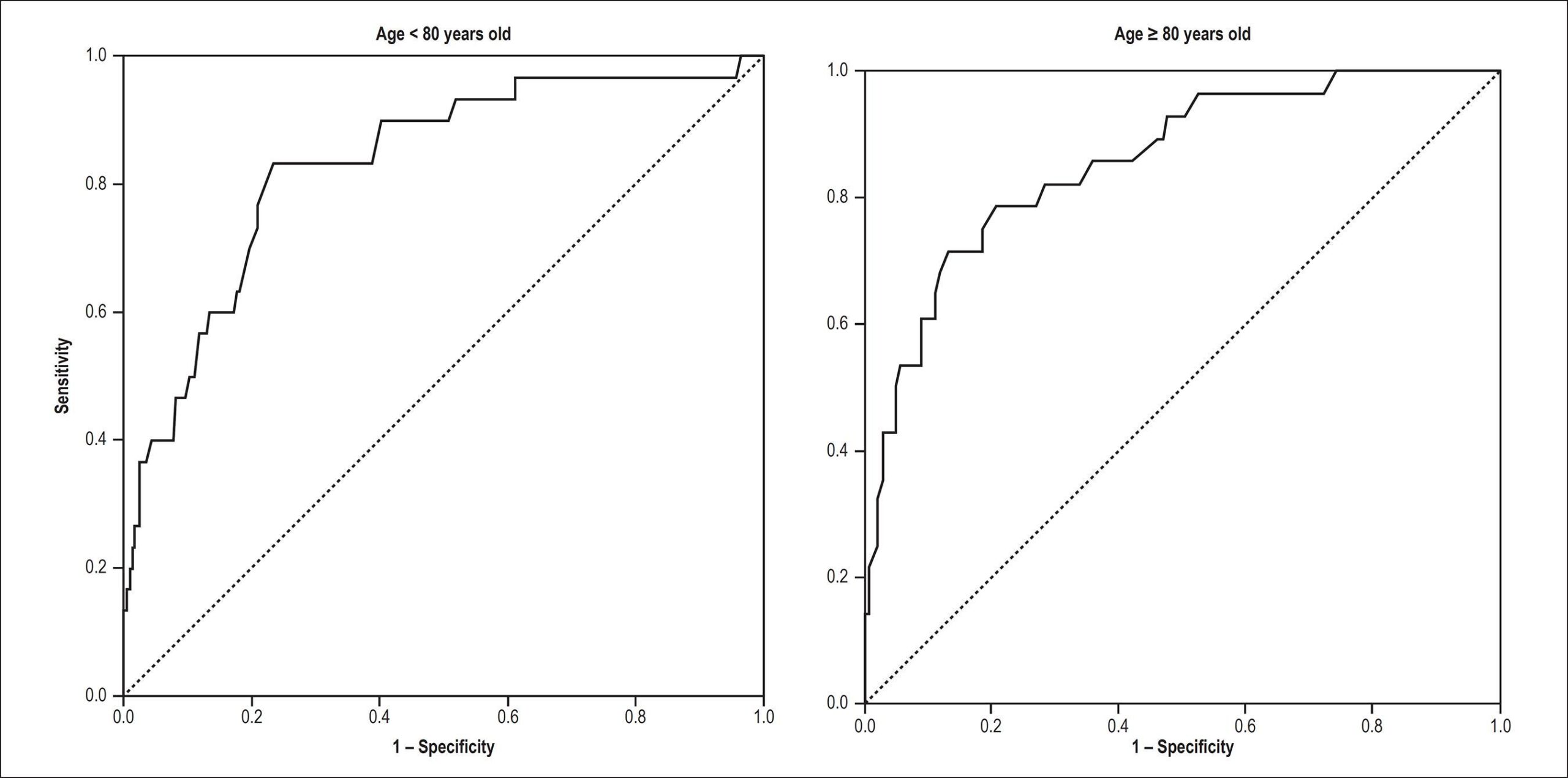
Prospective observational study conducted in the intensive coronary care unit of a tertiary center from September 2011 to August 2016. Patients consecutively admitted due to ACS were selected, and the very elderly group was defined by age ≥ 80 years. The GRACE Score was based on admission data and its accuracy was tested regarding prediction of in-hospital death. Statistical significance was defined by p value < 0,05.

Results:

A total of 994 individuals was studied, 57% male, 77% with non-ST elevation myocardial infarction and 173 (17%) very elderly patients. The mean age of the sample was 65 ± 13 years, and the mean age of very elderly patients subgroup was 85 ± 3.7 years. The C-statistics of the GRACE Score in very elderly patients was 0.86 (95% CI = 0.78 – 0.93), with no difference when compared to the value for younger individuals 0.83 (95% CI = 0.75 – 0.91), with p = 0.69. The calibration of the score in very elderly patients was described by χ2 test of Hosmer-Lemeshow = 2.2 (p = 0.98), while the remaining patients presented χ2 = 9.0 (p = 0.35). Logistic regression analysis for death prediction did not show interaction between GRACE Score and variable of very elderly patients (p = 0.25).

Conclusion:

The GRACE Score in very elderly patients is accurate in predicting in-hospital ACS mortality, similarly to younger patients.

  • Acute Coronary Syndrome / mortality
  • Aged 80 years and over
  • Data Reliability
  • Prognosis
  • Risk Assessment
Read Full Article
Creative Commons Attribution (CC BY) Creative Commons license
01/02/2018 DOI: 10.5935/abc.20170175 Views 1
Figure 1
Original Article

Oral Anticoagulation in Atrial Fibrillation: Development and Evaluation of a Mobile Health Application to Support Shared Decision-Making

Laura Siga Stephan et al. Eduardo Dytz Almeida Raphael Boesche Guimarães Antonio Gaudie Ley … Rodrigo Gonçalves Mathias Maria Valéria Assis Tiago Luiz Luz Leiria

Abstract

Background:

Atrial fibrillation is responsible for one in four strokes, which may be prevented by oral anticoagulation, an underused therapy around the world. Considering the challenges imposed by this sort of treatment, mobile health support for shared decision-making may improve patients’ knowledge and optimize the decisional process.

Objective:

To develop and evaluate a mobile application to support shared decision about thromboembolic prophylaxis in atrial fibrillation.

Methods:

We developed an application to be used during the clinical visit, including a video about atrial fibrillation, risk calculators, explanatory graphics and information on the drugs available for treatment. In the pilot phase, 30 patients interacted with the application, which was evaluated qualitatively and by a disease knowledge questionnaire and a decisional conflict scale.

Results:

The number of correct answers in the questionnaire about the disease was significantly higher after the interaction with the application (from 4.7 ± 1.8 to 7.2 ± 1.0, p < 0.001). The decisional conflict scale, administered after selecting the therapy with the app support, resulted in an average of 11 ± 16/100 points, indicating a low decisional conflict.

Conclusions:

The use of a mobile application during medical visits on anticoagulation in atrial fibrillation improves disease knowledge, enabling a shared decision with low decisional conflict. Further studies are needed to confirm if this finding can be translated into clinical benefit.

  • Anticoagulants / therapeutic use
  • Atrial Fibrillation
  • Hemorrhage
  • medication adherence
  • Stroke
  • Telemedicine
Read Full Article
Creative Commons Attribution (CC BY) Creative Commons license
01/02/2018 DOI: 10.5935/abc.20170181 Views 3
Original Article

Leisure-Time Physical Activity, but not Commuting Physical Activity, is Associated with Cardiovascular Risk among ELSA-Brasil Participants

Francisco José Gondim Pitanga et al. Sheila M.A. Matos Maria da Conceição Almeida Sandhi Maria Barreto Estela M. L. Aquino

Abstract

Background:

Despite reports in the literature that both leisure-time physical activity (LTPA) and commuting physical activity (CPA) can promote health benefits, the literature lacks studies comparing the associations of these domains of physical activity with cardiovascular risk scores.

Objective:

To investigate the association between LTPA and CPA with different cardiovascular risk scores in the cohort of the Longitudinal Study of Adult Health ELSA-Brasil.

Methods:

Cross-sectional study with data from 13,721 participants of both genders, aged 35-74 years, free of cardiovascular disease, from ELSA Brazil. Physical activity was measured using the International Physical Activity Questionnaire (IPAQ). Five cardiovascular risk scores were used: Framingham score – coronary heart disease (cholesterol); Framingham score – coronary heart disease (LDL-C); Framingham score – cardiovascular disease (cholesterol); Framingham score – cardiovascular disease (body mass index, BMI); and pooled cohort equations for atherosclerotic cardiovascular disease (ASCVD). Associations adjusted for confounding variables between physical activity and different cardiovascular risk scores were analyzed by logistic regression. Confidence interval of 95% (95%CI) was considered.

Results:

LTPA is inversely associated with almost all cardiovascular risk scores analyzed, while CPA shows no statistically significant association with any of them. Dose-response effect in association between LTPA and cardiovascular risk scores was also found, especially in men.

Conclusions:

LTPA was shown to be associated with the cardiovascular risk scores analyzed, but CPA not. The amount of physical activity (duration and intensity) was more significantly associated, especially in men, with cardiovascular risk scores in ELSA-Brasil.

  • Cardiovascular Diseases / prevention & control
  • Epidemiology
  • Exercise
  • Exercise Movement Techniques
  • Risk Factors
Read Full Article
Creative Commons Attribution (CC BY) Creative Commons license
01/02/2018 DOI: 10.5935/abc.20170178
Original Article

Association of Multiple Genetic Variants with the Extension and Severity of Coronary Artery Disease

Simone Cristina Pinto Matheus Fischer et al. Simone Pires Pinto Lívia Campos do Amaral Silva Lins Henrique Tria Bianco … Carlos Manoel de Castro Monteiro Luiz Fernando Muniz Pinheiro Francisco Antonio Helfenstein Fonseca Maria Cristina de Oliveira Izar

Abstract

Background:

Metabolic syndrome (MS) is a condition that, when associated with ischemic heart disease and cardiovascular events, can be influenced by genetic variants and determine more severe coronary atherosclerosis.

Objectives:

To examine the contribution of genetic polymorphisms to the extension and severity of coronary disease in subjects with MS and recent acute coronary syndrome (ACS).

Methods:

Patients (n = 116, 68% males) aged 56 (9) years, with criteria for MS, were prospectively enrolled to the study during the hospitalization period after an ACS. Clinical and laboratory parameters, high-sensitivity C-reactive protein, thiobarbituric acid reactive substances, adiponectin, endothelial function, and the Gensini score were assessed. Polymorphisms of paraoxonase-1 (PON-1), methylenotetrahydrofolate reductase (MTHFR), endothelial nitric oxide synthase (ENOS), angiotensin-converting enzyme (ACE), angiotensin II type 1 receptor (AT1R), apolipoprotein C3 (APOC3), lipoprotein lipase (LPL) were analysed by polymerase chain reaction (PCR) technique, followed by the identification of restriction fragment length polymorphisms (RFLP, and a genetic score was calculated. Parametric and non-parametric tests were used, as appropriate. Significance was set at p < 0.05.

Results:

Polymorphisms of PON-1, MTHFR and ENOS were not in the Hardy-Weinberg equilibrium. The DD genotype of LPL was associated with higher severity and greater extension of coronary lesions. Genetic score tended to be higher in patients with Gensini score < P50 (13.7 ± 1.5 vs. 13.0 ± 1.6, p = 0.066), with an inverse correlation between genetic and Gensini scores (R = -0.194, p = 0.078).

Conclusions:

The LPL polymorphism contributed to the severity of coronary disease in patients with MS and recent ACS. Combined polymorphisms were associated with the extension of coronary disease, and the lower the genetic score the more severe the disease.

  • Coronary Artery Disease / genetic
  • Metabolic Syndrome
  • Polymorphism, Genetic
  • Sedentary Lifestyle
Read Full Article
Creative Commons Attribution (CC BY) Creative Commons license
01/02/2018 DOI: 10.5935/abc.20170177 Views 1
Original Article

Development and Psychometric Validation of HIPER-Q to Assess Knowledge of Hypertensive Patients in Cardiac Rehabilitation

Rafaella Zulianello dos Santos et al. Christiani Decker Batista Bonin Eliara Ten Caten Martins Moacir Pereira Junior … Gabriela Lima de Melo Ghisi Kassia Rosangela Paz de Macedo Magnus Benetti

Abstract

Background:

The absence of instruments capable of measuring the level of knowledge of hypertensive patients in cardiac rehabilitation programs about their disease reflects the lack of specific recommendations for these patients.

Objective:

To develop and validate a questionnaire to evaluate the knowledge of hypertensive patients in cardiac rehabilitation programs about their disease.

Methods:

A total of 184 hypertensive patients (mean age 60.5 ± 10 years, 66.8% men) were evaluated. Reproducibility was assessed by calculation of the intraclass correlation coefficient using the test-retest method. Internal consistency was assessed by the Cronbach’s alpha and the construct validity by the exploratory factorial analysis.

Results:

The final version of the instrument had 17 questions organized in areas considered important for patient education. The instrument proposed showed a clarity index of 8.7 (0.25). The intraclass correlation coefficient was 0.804 and the Cronbach’s correlation coefficient was 0.648. Factor analysis revealed five factors associated with knowledge areas. Regarding the criterion validity, patients with higher education level and higher family income showed greater knowledge about hypertension.

Conclusion:

The instrument has a satisfactory clarity index and adequate validity, and can be used to evaluate the knowledge of hypertensive participants in cardiac rehabilitation programs.

  • Health Education
  • Hypertension / prevention & control
  • Rehabilitation
  • Validation Studies as Topic
Read Full Article
Creative Commons Attribution (CC BY) Creative Commons license
01/02/2018 DOI: 10.5935/abc.20170183
Figure 1
Editorial

New Editor-in-Chief, New Challenges

Carlos Eduardo Rochitte

It was a great honor and privilege to be appointed to serve as the new editor-in-chief of the Arquivos Brasileiros de Cardiologia for the 2018-2021 period. In this first editorial, I would like to thank my peers and colleagues, who have manifested sincere and total support to my indication. It is undoubtedly a great challenge to contribute to the most important scientific journal of Cardiology in South America.

Moreover, it is on the shoulders of the previous editors-in-chief that I humbly make myself available to collaborate with this communication channel of the Brazilian Cardiology. The work here developed is monumental and was only possible because of the collaboration of the associate editors and reviewers, who are part of the great family of the Arquivos Brasileiros de Cardiologia. And it will go on like this. Thus, I ask for the support of all involved in the task in the coming years.

[…]

  • Journal Impact Factor
  • Periodicals as topic/history
  • Periodicals as Topic/trends
  • Publishing/trends
Read Full Article
Creative Commons Attribution (CC BY) Creative Commons license
01/01/2018 DOI: 10.5935/abc.20180012
Figure 1
Viewpoint

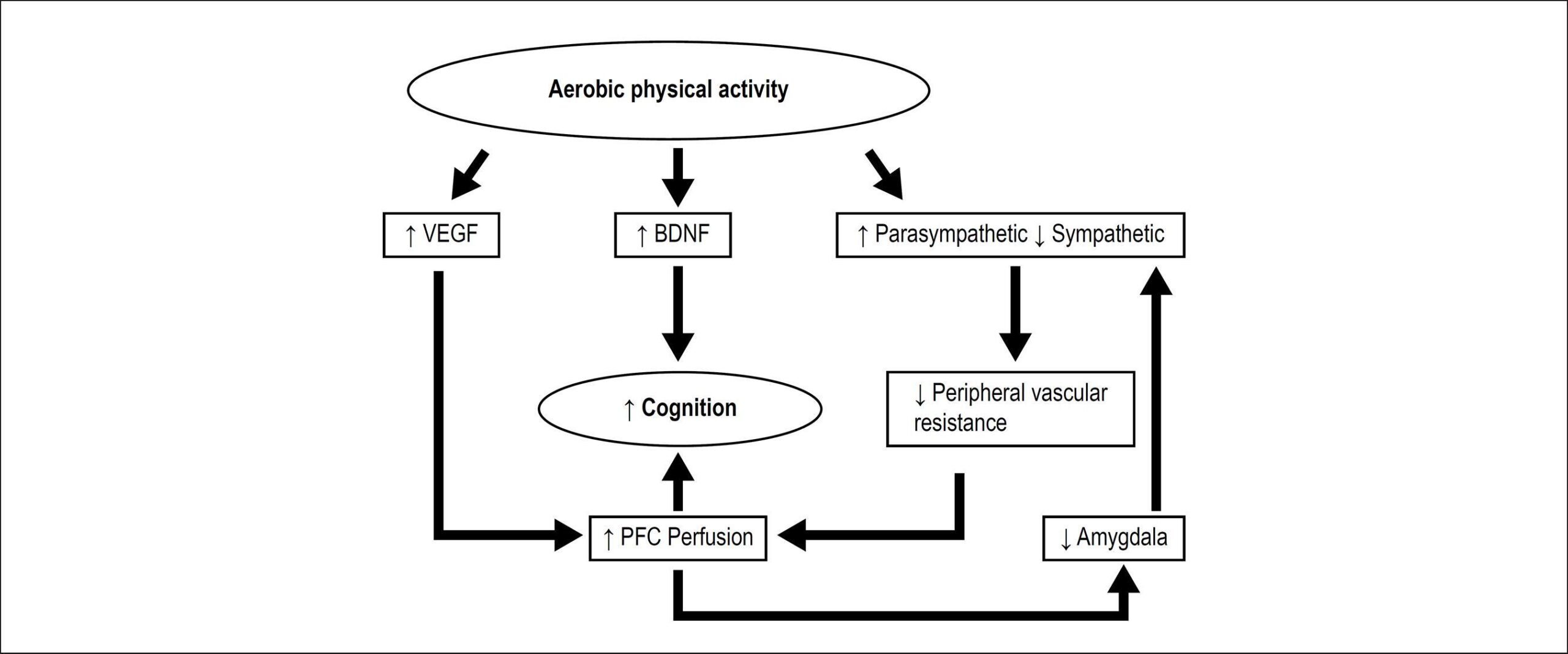
Cognitive Deficit in Heart Failure and the Benefits of Aerobic Physical Activity

Maria Luíza de Medeiros Rêgo et al. Daniel Aranha Rego Cabral Eduardo Bodnariuc Fontes

Abstract

Heart Failure is a clinical syndrome prevalent throughout the world and a major contribution to mortality of cardiac patients in Brazil. In addition, this pathology is strongly related to cerebral dysfunction, with a high prevalence of cognitive impairment. Many mechanisms may be related to cognitive loss, such as cerebral hypoperfusion, atrophy and loss of gray matter of the brain, and dysfunction of the autonomic nervous system. The literature is clear regarding the benefits of aerobic physical activity in healthy populations in the modulation of the autonomic nervous system and in brain functions. Studies have shown that in the population of patients with heart failure, exercise is associated with an improvement in cognitive function, as well as in cardiac autonomic regulation. However, little emphasis has been given to the mechanisms by which aerobic physical activity can benefit brain functioning, the autonomic nervous system and result in better cognitive performance, particularly in patients with heart failure. Therefore, the present work presents the ways in which brain areas responsible for cognition also act in the modulation of the autonomic nervous system, and emphasizes its importance for the understanding of cognitive impairment in relation to the pathophysiology of heart failure. It is also described the way in which aerobic physical activity can promote benefits when it is integrated into the therapy, associated to a better prognosis of the clinical picture of these patients.

  • Cognition
  • Exercise
  • Heart Failure
  • Indicators of Morbidity and Mortality
Read Full Article
Creative Commons Attribution (CC BY) Creative Commons license
01/01/2018 DOI: 10.5935/abc.20180002
Figure 1
Review Article

Genetic Syndromes Associated with Congenital Cardiac Defects and Ophthalmologic Changes – Systematization for Diagnosis in the Clinical Practice

Priscila H. A. Oliveira et al. Beatriz S. Souza Eimi N. Pacheco Michele S. Menegazzo … Ivan S. Corrêa Paulo R. G. Zen Rafael F. M. Rosa Claudia C. Cesa Lucia C. Pellanda Manuel A. P. Vilela

Abstract

Background:

Numerous genetic syndromes associated with heart disease and ocular manifestations have been described. However, a compilation and a summarization of these syndromes for better consultation and comparison have not been performed yet.

Objective:

The objective of this work is to systematize available evidence in the literature on different syndromes that may cause congenital heart diseases associated with ocular changes, focusing on the types of anatomical and functional changes.

Method:

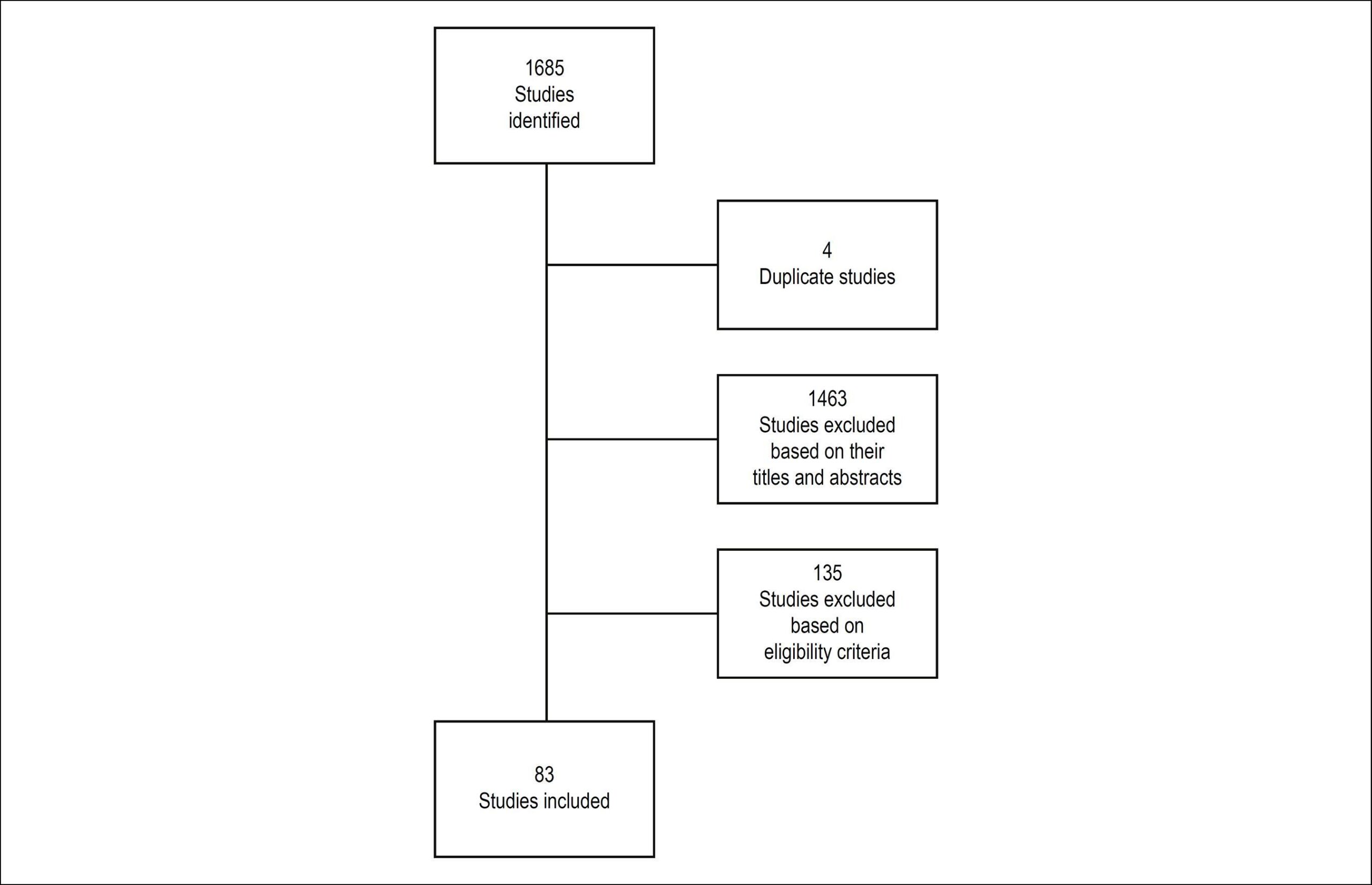
A systematic search was performed on Medline electronic databases (PubMed, Embase, Cochrane, Lilacs) of articles published until January 2016. Eligibility criteria were case reports or review articles that evaluated the association of ophthalmic and cardiac abnormalities in genetic syndrome patients younger than 18 years.

Results:

The most frequent genetic syndromes were: Down Syndrome, Velo-cardio-facial / DiGeorge Syndrome, Charge Syndrome and Noonan Syndrome. The most associated cardiac malformations with ocular findings were interatrial communication (77.4%), interventricular communication (51.6%), patent ductus arteriosus (35.4%), pulmonary artery stenosis (25.8%) and tetralogy of Fallot (22.5%).

Conclusion:

Due to their clinical variability, congenital cardiac malformations may progress asymptomatically to heart defects associated with high morbidity and mortality. For this reason, the identification of extra-cardiac characteristics that may somehow contribute to the diagnosis of the disease or reveal its severity is of great relevance.

  • Diagnostic Tevhniques, Ophtalmologic
  • Eye Diseases
  • Heart Defects, Congenital/genetic
  • Heart Septal Defects, Atrial
  • Tetralogy of Fallot
Read Full Article
Creative Commons Attribution (CC BY) Creative Commons license
01/01/2018 DOI: 10.5935/abc.20180013 Views 1
Figure 1
Original Article

Cardiac and Musculoskeletal Responses to the Effects of Passive and Active Tilt Test in Healthy Subjects

Rogerio Ferreira Liporaci et al. Marcelo Camargo Saad Julio César Crescêncio Fabiana Marques … Debora Bevilaqua-Grossi Lourenço Gallo-Júnior

Abstract

Background:

Maintenance of orthostatism requires the interaction of autonomic and muscle responses for an efficient postural control, to minimize body motion and facilitate venous return in a common type of syncope called neurocardiogenic syncope (NCS). Muscle activity in standing position may be registered by surface electromyography, and body sway confirmed by displacement of the center of pressure (COP) on a force platform. These peripheral variables reflect the role of muscles in the maintenance of orthostatism during the active tilt test, which, compared with muscle activity during the passive test (head-up tilt test), enables the analyses of electromyographic activity of these muscles that may anticipate the clinical effects of CNS during these tests.

Objective:

to evaluate and compare the effects of a standardized protocol of active and passive tests for CNS diagnosis associated with the effects of Valsalva maneuver (VM).

Methods:

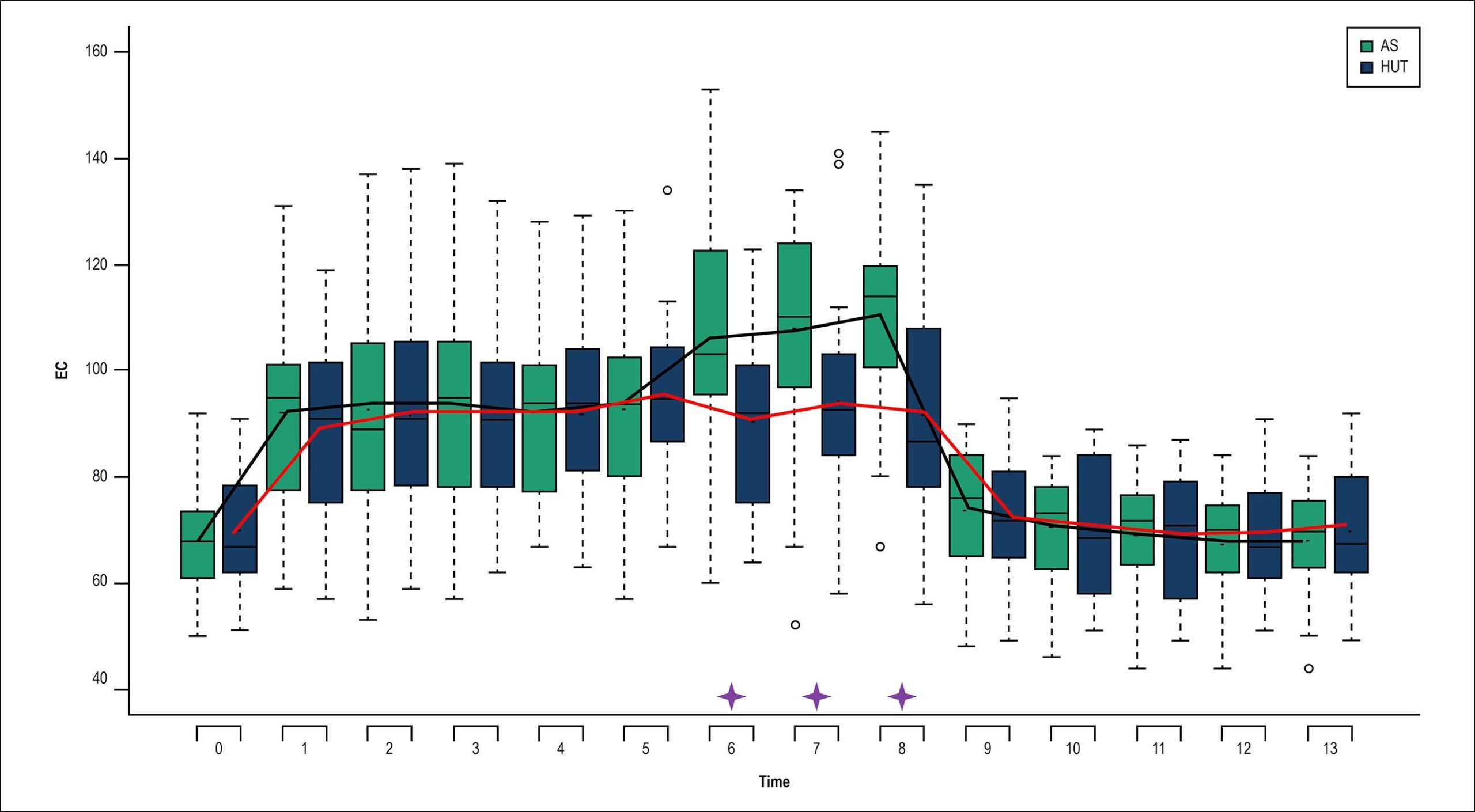
twenty-thee clinically stable female volunteers were recruited to undergo both tests. EMG electrodes were placed on muscles involved in postural maintenance. During the active test, subjects stood on a force platform. In addition to electromyography and the platform, heart rate was recorded during all tests. Three VMs were performed during the tests.

Results:

progressive peripheral changes were observed along both tests, more evidently during the active test.

Conclusion:

the active test detected changes in muscle and cardiovascular responses, which were exacerbated by the VM.

  • Heart Rate
  • Postural Balance
  • Syncope, Vasovagal
  • Tilt Table Test
Read Full Article
Creative Commons Attribution (CC BY) Creative Commons license
01/01/2018 DOI: 10.5935/abc.20180003
Figure 1
Original Article

Correlation of Electrocardiographic Changes with Cardiac Magnetic Resonance Findings in Patients with Hypertrophic Cardiomyopathy

Gabriela Miana de Mattos Paixão et al. Horácio Eduardo Veronesi Halsted Alarcão Gomes Pereira da Silva José Nunes de Alencar Neto … Carolina de Paulo Maldi Luciano de Figueiredo Aguiar Filho Ibrahim Masciarelli Francisco Pinto Francisco Faustino de Albuquerque Carneiro de França Edileide de Barros Correia

Abstract

Background:

Electrocardiogram is the initial test in the investigation of heart disease. Electrocardiographic changes in hypertrophic cardiomyopathy have no set pattern, and correlates poorly with echocardiographic findings. Cardiac magnetic resonance imaging has been gaining momentum for better assessment of hypertrophy, as well as the detection of myocardial fibrosis.

Objectives:

To correlate the electrocardiographic changes with the location of hypertrophy in hypertrophic cardiomyopathy by cardiac magnetic resonance.

Methods:

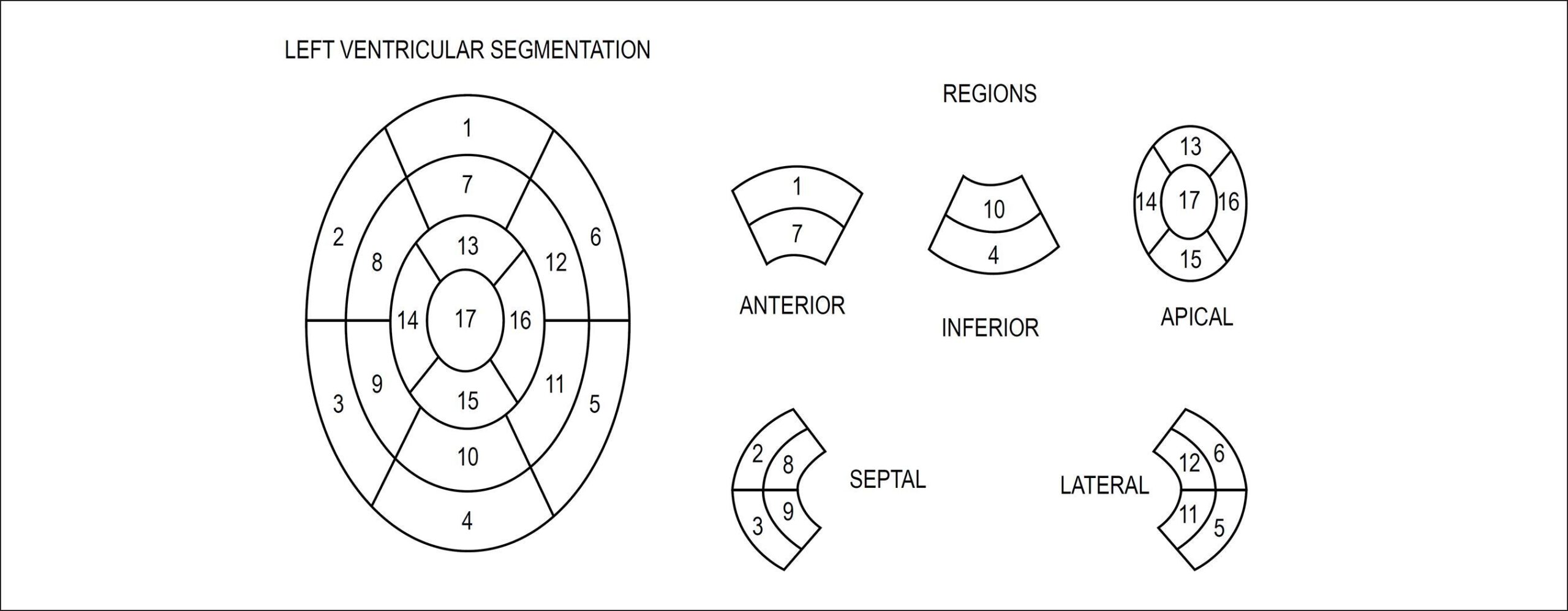
This descriptive cross-sectional study evaluated 68 patients with confirmed diagnosis of hypertrophic cardiomyopathy by cardiac magnetic resonance. The patients’ electrocardiogram was compared with the location of the greatest myocardial hypertrophy by cardiac magnetic resonance. Statistical significance level of 5% and 95% confidence interval were adopted.

Results:

Of 68 patients, 69% had septal hypertrophy, 21% concentric and 10% apical hypertrophies. Concentric hypertrophy showed the greatest myocardial fibrosis mass (p < 0.001) and the greatest R wave size in D1 (p = 0.0280). The amplitudes of R waves in V5 and V6 (p = 0.0391, p = 0.0148) were higher in apical hypertrophy, with statistical significance. Apical hypertrophy was also associated with higher T wave negativity in D1, V5 and V6 (p < 0.001). Strain pattern was found in 100% of the patients with apical hypertrophy (p < 0.001).

Conclusion:

The location of myocardial hypertrophy by cardiac magnetic resonance can be correlated with electrocardiographic changes, especially for apical hypertrophy.

  • Electrocardiography
  • Hypertrophic cardiomyopathy / genetic
  • Magnetic Resonance Spectroscopy
Read Full Article
Creative Commons Attribution (CC BY) Creative Commons license
01/01/2018 DOI: 10.5935/abc.20170189
Figure 1
Image

Cor Triatriatum Sinistrum

Hitesh Raheja et al. Vinod Namana Norbert Moskovits Gerald Hollander Jacob Shani

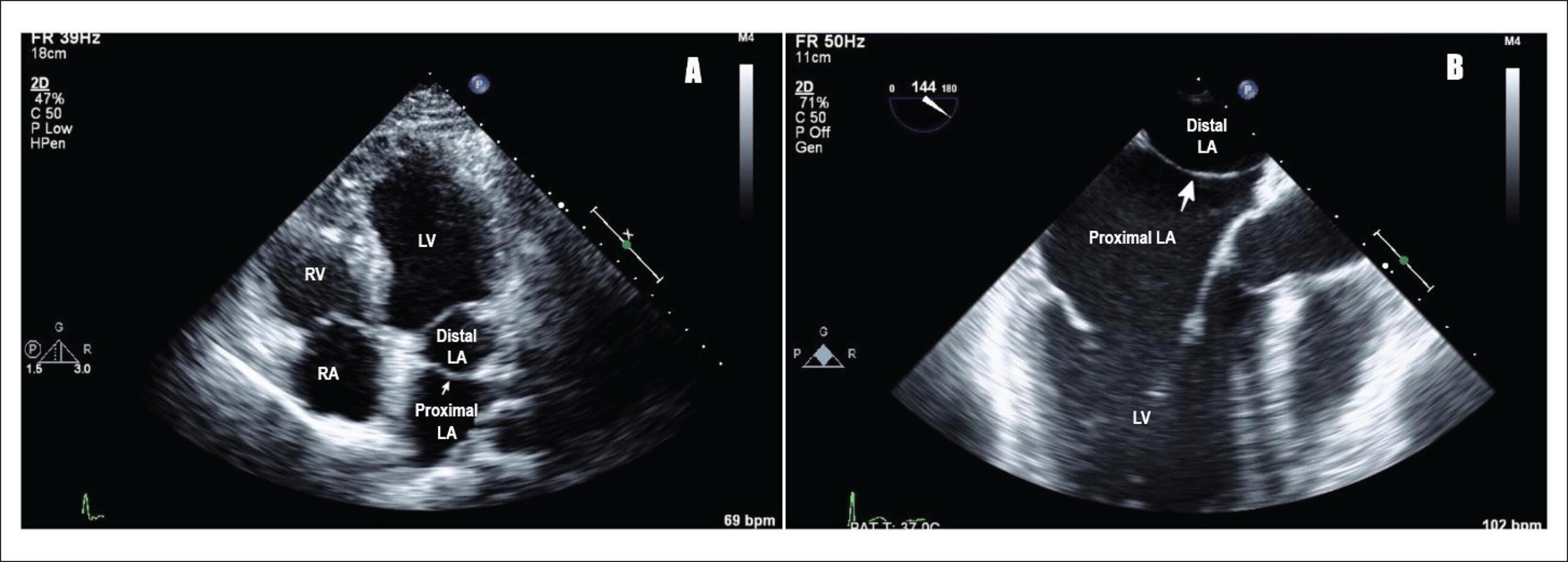
A 25-year-old male presented to clinic with complaints of palpitations. Transthoracic echocardiogram (TTE) showed presence of a membrane in left atrium suggestive of cor triatriatum []. This finding was confirmed with transesophageal echocardiogram (TEE), which revealed a membrane in the left atrium attaching at the Coumadin ridge and the atrial septum, just caudal to the fossa ovalis [].

[…]

  • Cor triatriatum
  • Echocardiography, Transesophageal
  • Heart Defects, Congenital
Read Full Article
Creative Commons Attribution (CC BY) Creative Commons license
01/01/2018 DOI: 10.5935/abc.20170138
Editorial

Cardiovascular Risk Stratification: From Phenotype to Genotype?

Marcio Sommer Bittencourt

Cardiovascular risk scores, such as the Framingham score, have been strongly recommended by clinical guidelines on the assessment of cardiovascular risk. However, several studies have shown limitations for their use,, particularly in patients at intermediate risk, young patients with a definite family history, and women. Among different tools aimed at improving risk stratification by complementary methods, the use of genetic information has been proposed to enhance risk prediction.

Although many genetic polymorphisms have been associated with increased cardiovascular risk, the additional value of their use in the clinical practice has not been defined yet. One of the reason for such limitation lies on the fact that atherosclerosis is a multifactorial disease, and the individual role of each polymorphism is limited. Since many polymorphisms associated with atherosclerotic disease have been identified, some authors have investigated combinations of several polymorphisms aiming to develop genetic scores that serve as stronger predictors of cardiovascular risk. Nevertheless, despite great enthusiasm about the role of genetic information on the development of cardiovascular risk, previous data have suggested that even with the combination of more than 50 polymorphisms, the best risk stratification achieved was still poor, and of low clinical value in its current form.

[…]

  • Acute Coronary Syndrome/genetic
  • Metabolic Syndrome
  • Polymorphism, Genetic
  • Risk Assessment
  • Risk Factors
Read Full Article
Creative Commons Attribution (CC BY) Creative Commons license
01/01/2018 DOI: 10.5935/abc.20180010 Views 2
Editorial

Cardioprotective Effects of Melatonin in Reperfusion Injury

Francisco R. M. Laurindo

The possibility of limiting ischemic myocardial injury has been a major focus of cardiovascular research over 4 decades and literally thousands of interventions have been tested in this direction. Unfortunately, this has been a long, unsolved saga, and, apart from reperfusion, most interventions have been largely unsuccessful at the clinical arena. With the advent of clinical forms of reperfusion, the goal of these studies has slightly changed to identify adjuvant therapies that protect the myocardium from reperfusion injury. However, essentially no interventions have yet come to a realistic clinical testing scenario, although cellular therapies and other emerging interventions such as mitochondrial transplantation have concrete possibilities to bring a novel perspective to cardioprotection. The overall worldwide investments in cardioprotection research by funding agencies alone can be estimated to be over US$ 1 billion so far. Thus, it is plausible to ask whether it is reasonable to keep pursuing this type of investigation. To this end, the National Institutes of Health in the USA has created a consortium to perform a rigorous preclinical assessment of cardioprotective therapies (CAESAR). At present, the answer to these questions in the ischemia/reperfusion setting has yet to wait results of ongoing studies., Meanwhile, it is likely that understanding the mechanisms whereby specific interventions afford cardioprotection in reperfusion injury can have additional mechanistic implications in other areas. For example, several abnormalities of calcium handling observed in ischemia/reperfusion can be relevant to understand the pathophysiology of heart failure, and signaling pathways associated with hypoxia responses can modulate several aspects of vascular response to injury. Therefore, the investigation of nontoxic affordable interventions that provide cardiomyocyte protection, and in particular the identification of underlying associated mechanisms, can be relevant in diverse aspects.

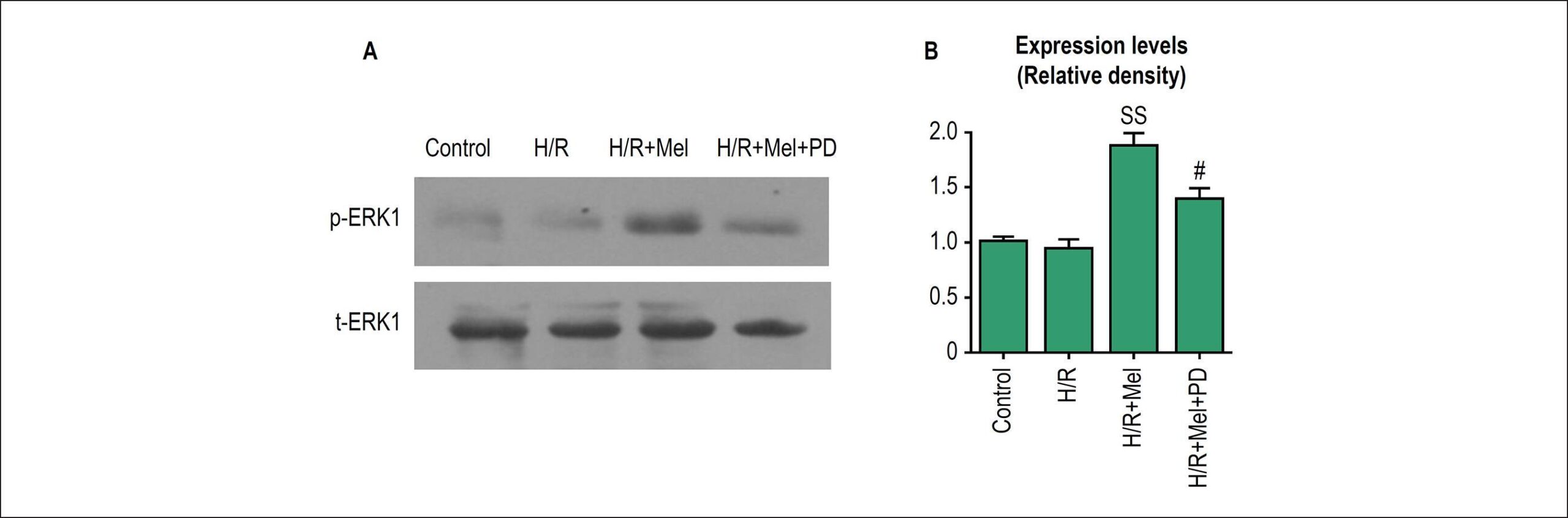
The article by Hu S et al., in this issue, brings a contribution to this scenario. The authors show that pharmacological concentrations of the pineal hormone melatonin (N-acetyl-5-metoxytriptamine) support cardioprotection. They first used an in vitro cardiomyocyte culture model submitted to hypoxia/reperfusion and showed that melatonin pretreatment results in decreased cell death and improved organization of the actin cytoskeleton. The authors interrogated whether these protective mechanisms could be associated with improved calcium handling. Indeed, melatonin incubation promoted decrease in cellular calcium overload and prevented the hypoxia/reperfusion-associated increase in the expression of the inositol trisphosphate receptor, as well the associated decrease in the expression of SERCA (sarcoplasmic reticulum calcium ATPase). The latter two alterations were reproduced in a rat model of ischemia/ reperfusion. Together, they indicate that the handling of calcium by the sarcoplasmic reticulum was improved, allowing the inference of a possible mechanism of cardioprotection. Of additional interest, melatonin incubation increased the phosphorylation of ERK1 (i.e., activation of the extracellular signal-regulated kinase 1) and pharmacological inhibition of ERK1 with the compound PD98059 negated the protective effects of melatonin on cell survival, actin organization and calcium handling. Thus, preservation of ERK1 activation is a likely mechanism of the protective effects of melatonin.

[…]

  • Antioxidants/pharmacology
  • Melatonin / pharmacology
  • Myocardial Reperfusion / physiopathology
  • Myocardial Reperfusion / prevention & control
Read Full Article
Creative Commons Attribution (CC BY) Creative Commons license
01/01/2018 DOI: 10.5935/abc.20180011
Figure 1
Case Report

Pregnancy in Woman with Kawasaki Disease and Multiple Coronary Artery Aneurysms

Walkiria Samuel Avila et al. Antônio Fernando Diniz Freire Alexandre Anderson de Sousa Soares Ana Neri Rodrigues Epitácio Pereira José Carlos Nicolau

Introduction

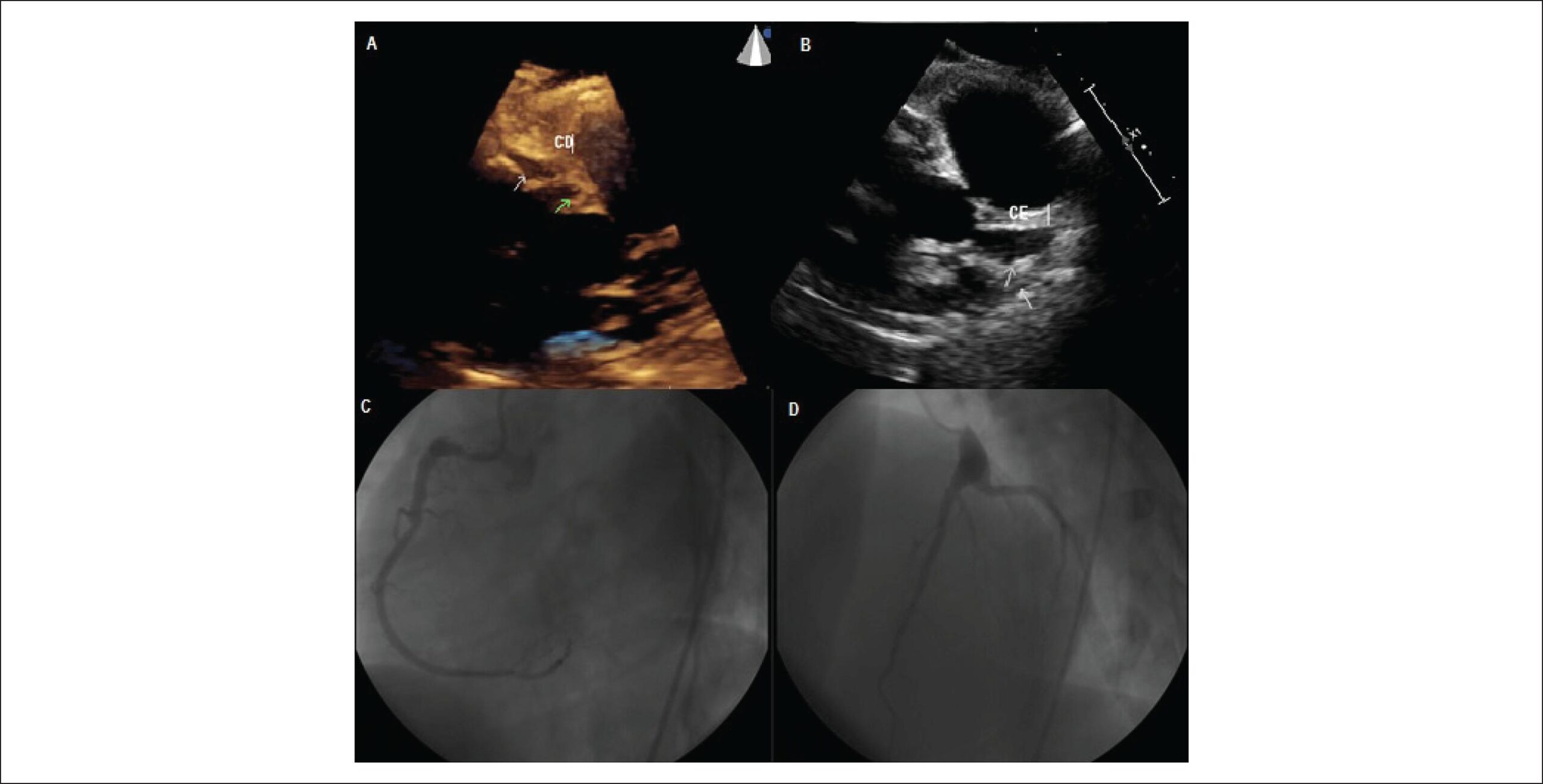
Kawasaki disease (KD), first described in 1967, is a systemic vasculitis of unknown cause. It is an important cause of cardiac diseases in children aged younger than five years. KD is an autoimmune disorder whose clinical features include high fever, exanthema, conjunctivitis, cervical linfadenopathy and peripheral edema. Laboratory tests are compatible with acute inflammatory condition.

KD predominantly affects the coronary arteries, which is the most important clinical manifestation of the disease, varying from dilation and stenosis to aneurysm (incidence of 5% in patients with adequate treatment, and 25% in untreated patients). Giant coronary artery aneurysms (CAAs), i.e., CAAs with diameters > 8 mm, are associated with increased risk of thrombosis, acute myocardial infarction (AMI) and sudden death.

[…]

  • Coronary Aneurysm
  • Mucocutaneous Lymph Node Syndrome
  • Pregnancy
Read Full Article
Creative Commons Attribution (CC BY) Creative Commons license
01/01/2018 DOI: 10.5935/abc.20170185 Views 1
Figure 1
Original Article

Sensitive Troponin I Assay in Patients with Chest Pain – Association with Significant Coronary Lesions with or Without Renal Failure

Alexandre de Matos Soeiro et al. Danielle Menosi Gualandro Aline Siqueira Bossa Cindel Nogueira Zullino … Bruno Biselli Maria Carolina Feres de Almeida Soeiro Tatiana de Carvalho Andreucci Torres Leal Carlos Vicente Serrano Jr. Mucio Tavares de Oliveira Junior

Abstract

Introduction:

Despite having higher sensitivity as compared to conventional troponins, sensitive troponins have lower specificity, mainly in patients with renal failure.

Objective:

Study aimed at assessing the sensitive troponin I levels in patients with chest pain, and relating them to the existence of significant coronary lesions.

Methods:

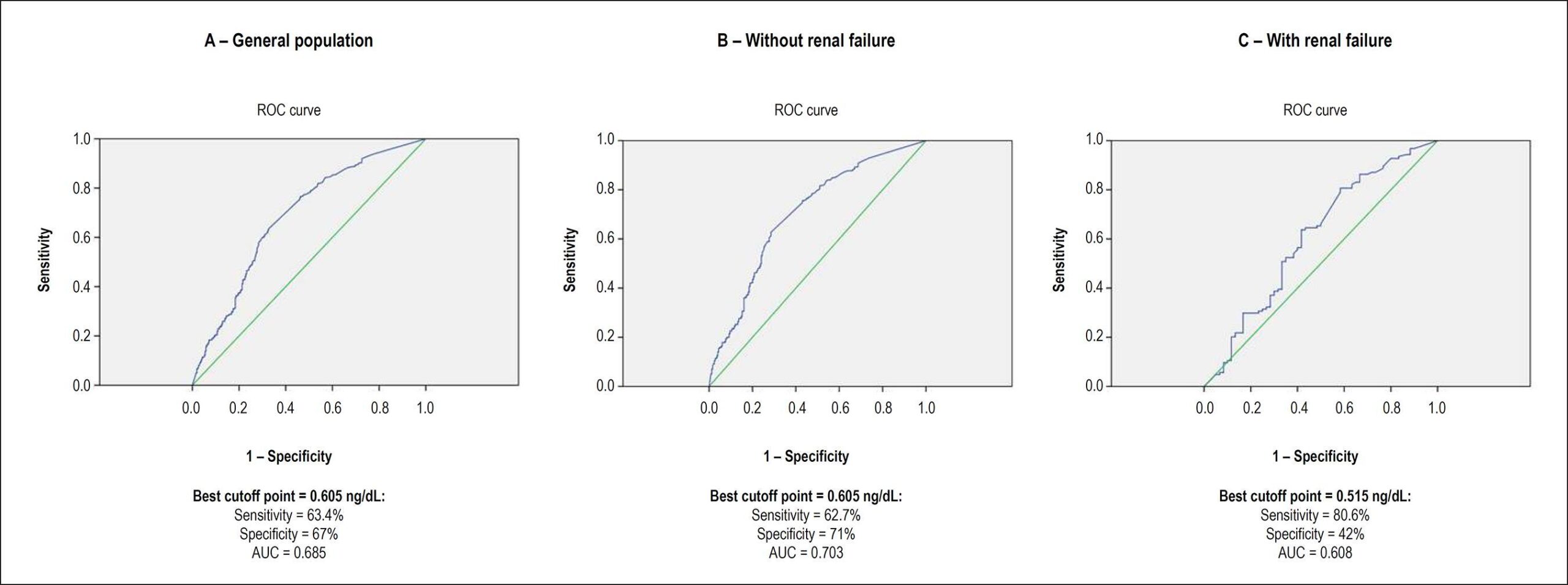
Retrospective, single-center, observational. This study included 991 patients divided into two groups: with (N = 681) and without (N = 310) significant coronary lesion. For posterior analysis, the patients were divided into two other groups: with (N = 184) and without (N = 807) chronic renal failure. The commercial ADVIA Centaur® TnI-Ultra assay (Siemens Healthcare Diagnostics) was used. The ROC curve analysis was performed to identify the sensitivity and specificity of the best cutoff point of troponin as a discriminator of the probability of significant coronary lesion. The associations were considered significant when p < 0.05.

Results:

The median age was 63 years, and 52% of the patients were of the male sex. The area under the ROC curve between the troponin levels and significant coronary lesions was 0.685 (95% CI: 0.65 – 0.72). In patients with or without renal failure, the areas under the ROC curve were 0.703 (95% CI: 0.66 – 0.74) and 0.608 (95% CI: 0.52 – 0.70), respectively. The best cutoff points to discriminate the presence of significant coronary lesion were: in the general population, 0.605 ng/dL (sensitivity, 63.4%; specificity, 67%); in patients without renal failure, 0.605 ng/dL (sensitivity, 62.7%; specificity, 71%); and in patients with chronic renal failure, 0.515 ng/dL (sensitivity, 80.6%; specificity, 42%).

Conclusion:

In patients with chest pain, sensitive troponin I showed a good correlation with significant coronary lesions when its level was greater than 0.605 ng/dL. In patients with chronic renal failure, a significant decrease in specificity was observed in the correlation of troponin levels and severe coronary lesions.

  • Biomarkers
  • Chest Pain
  • Coronary Artery Disease
  • Renal Insufficiency, Chronic
  • Troponin I
Read Full Article
Creative Commons Attribution (CC BY) Creative Commons license
01/01/2018 DOI: 10.5935/abc.20170182
Letter to the Editor

Cardiac Cachexia – A Window to the Wasting Disorders

Andrew J Stewart Coats

To The Editor

I read with interest the recent review by Okoshi and colleagues in the journal. This was a thoroughly enjoyable read that reviewed the main areas of focus. I would like, however, to reinforce some of the arguments. In the section on neurohormonal blockade there has also been a successful phase 2 trial of the fourth generation beta-blocker espindolol in cancer cachexia., Clearly beta-blockers can be helpful also in cardiac cachexia given their crucial role in heart failure in general. Other cardiovascular drugs are also being explored for their beneficial or protective effects on skeletal muscle. These include, as the authors point out, the ACE inhibitor Imidapril. Others including trimetazidine are also being studied. One issue of difficulty is that we are starting from the point of no effective therapies and testing therapies one by one. The true multi-system complexity of cachexia and yet its similarity across different organ failure syndromes implies it will be a multi-barrelled approach that may be needed to solve it. We may need to combine neurohormonal blockade, immune modulation, nutritional and exercise support with pro-anabolic agents to get real clinical benefits. Perhaps as the authors point out Cardiac Cachexia where several of these agents are already on board may be a good place to start. The time for a much greater focus on all cachexias, including of course cardiac cachexia, is truly here and now.

[…]

  • Cachexia
  • Exercise
  • Nutritional Physiological Phenomena
  • Wasting Syndrome
Read Full Article
Creative Commons Attribution (CC BY) Creative Commons license
01/01/2018 DOI: 10.5935/abc.20180009
Figure 1
Original Article

Prevalence of Dyslipidemias in Three Regions in Venezuela: The VEMSOLS Study Results

Juan P. González-Rivas et al. Ramfis Nieto-Martínez Imperia Brajkovich Eunice Ugel Alejandro Rísquez

Abstract

Background:

The prevalence of dyslipidemia in multiple regions of Venezuela is unknown. The Venezuelan Metabolic Syndrome, Obesity and Lifestyle Study (VEMSOLS) was undertaken to evaluate cardiometabolic risk factors in Venezuela.

Objective:

To determine the prevalence of dyslipidemia in five populations from three regions of Venezuela.

Methods:

During the years 2006 to 2010, 1320 subjects aged 20 years or older were selected by multistage stratified random sampling from all households in five municipalities from 3 regions of Venezuela: Lara State (Western region), Merida State (Andean region), and Capital District (Capital region). Anthropometric measurements and biochemical analysis were obtained from each participant. Dyslipidemia was defined according to the NCEP/ATPIII definitions.

Results:

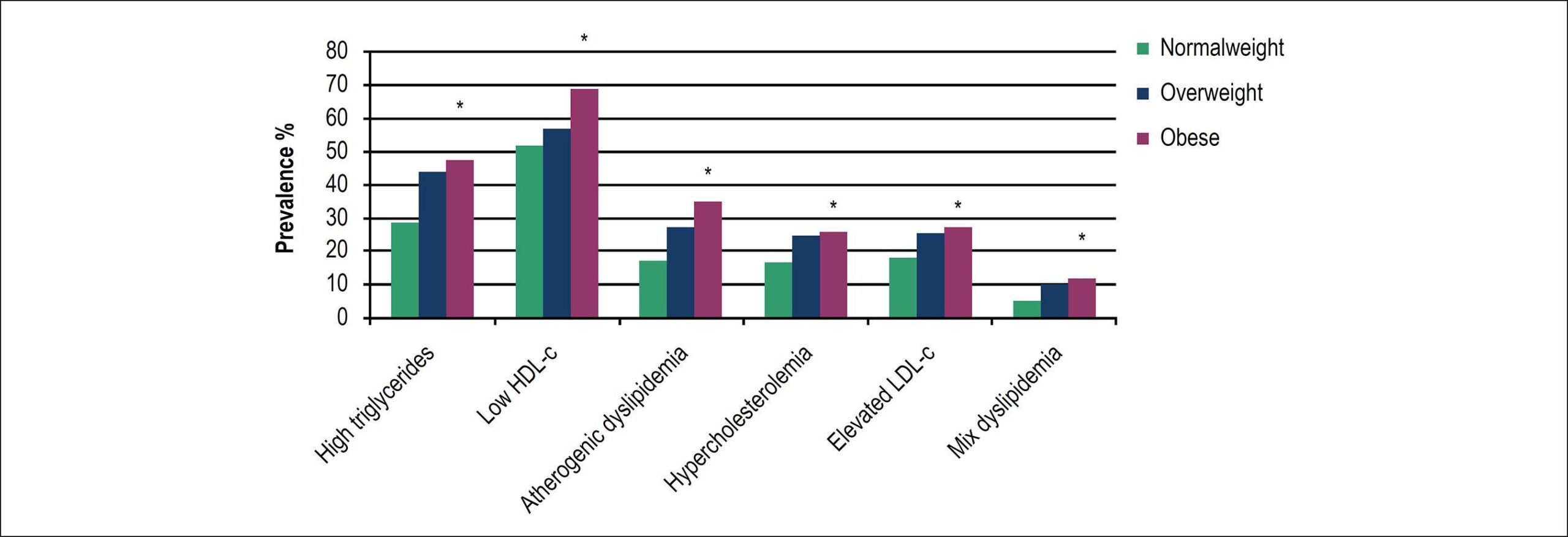
Mean age was 44.8 ± 0.39 years and 68.5% were females. The prevalence of lipids abnormalities related to the metabolic syndrome (low HDL-c [58.6%; 95% CI 54.9 – 62.1] and elevated triglycerides [39.7%; 36.1 – 43.2]) were the most prevalent lipid alterations, followed by atherogenic dyslipidemia (25.9%; 22.7 – 29.1), elevated LDL-c (23.3%; 20.2 – 26.4), hypercholesterolemia (22.2%; 19.2 – 25.2), and mix dyslipidemia (8.9%; 6.8 – 11.0). Dyslipidemia was more prevalent with increasing body mass index.

Conclusion:

Dyslipidemias are prevalent cardiometabolic risk factors in Venezuela. Among these, a higher prevalence of low HDL is a condition also consistently reported in Latin America.

  • Cardiovascular Diseases
  • Dyslipidemias / epidemiology
  • Metabolic Syndrome
  • Obesity
  • Risk Factors
  • Stroke / mortality
Read Full Article
Creative Commons Attribution (CC BY) Creative Commons license
01/01/2018 DOI: 10.5935/abc.20170180 Views 1
Figure 1
Clinicoradiological Session

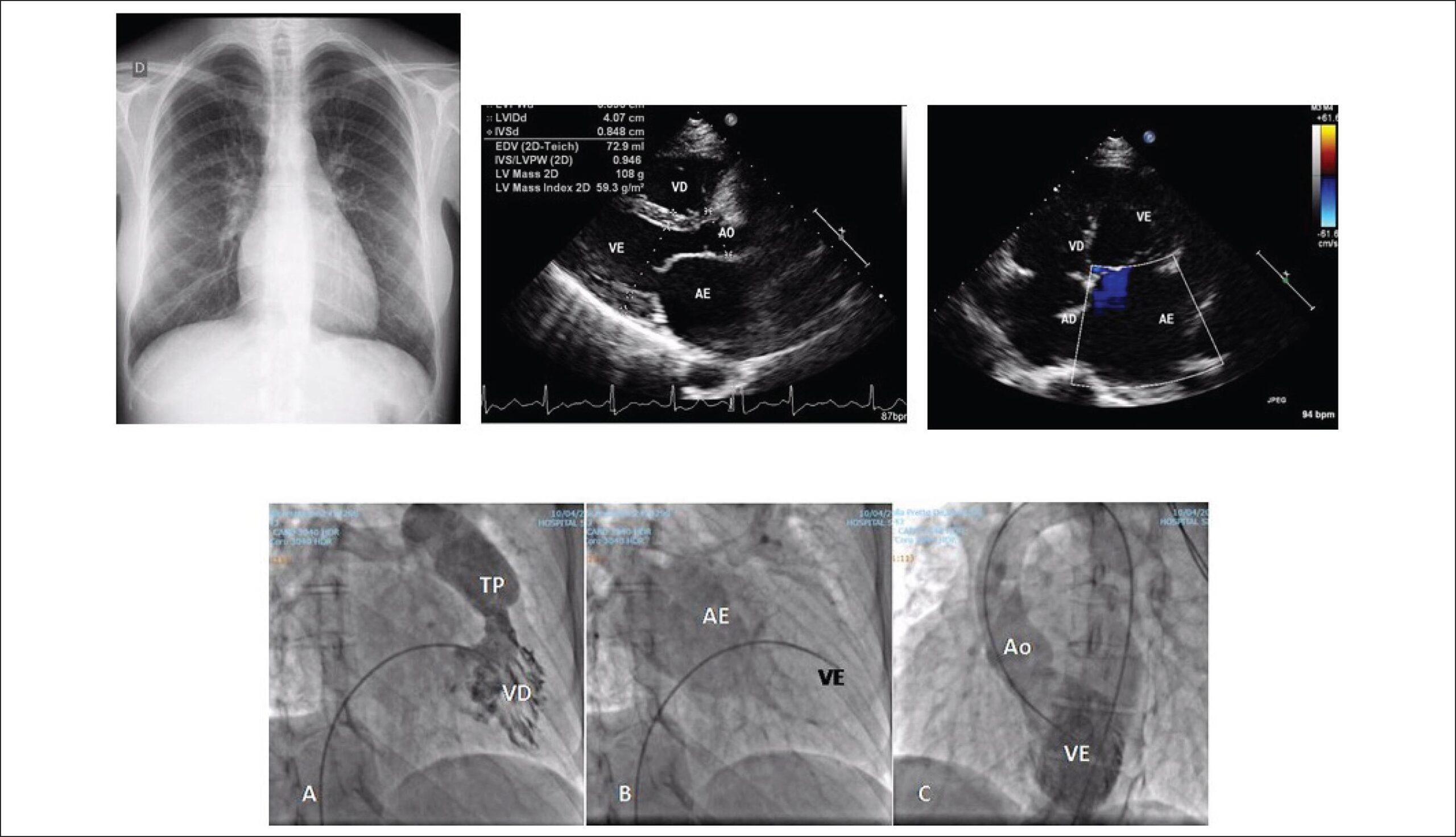
Case 1/2018 – Preponderant Left Ventricular Restrictive Syndrome in a 28-Year-Old Woman

Edmar Atik et al. Danielle Haddad Syllos Dezen

Additional tests

Chest X-ray: normal cardiac area with a clear increase of the left atrium in a double atrial contour and a more prominent pulmonary vascular weave in the upper fields ().

[…]

  • Atrial Fibrillation
  • Cardiomyopathy, Restrictive
  • Electroshock
  • Hypertension Pulmonary
  • Ventricular Dysfunction, Left
Read Full Article
Creative Commons Attribution (CC BY) Creative Commons license
01/01/2018 DOI: 10.5935/abc.20170186
Figure 1
Original Article

Melatonin-Induced Protective Effects on Cardiomyocytes Against Reperfusion Injury Partly Through Modulation of IP3R and SERCA2a Via Activation of ERK1

Shunying Hu et al. Pingjun Zhu Hao Zhou Ying Zhang Yundai Chen

Resumo

Background:

Melatonin is a neuroendocrine hormone synthesized primarily by the pineal gland that is indicated to effectively prevent myocardial reperfusion injury. It is unclear whether melatonin protects cardiac function from reperfusion injury by modulating intracellular calcium homeostasis.

Objective:

Demonstrate that melatonin protect against myocardial reperfusion injury through modulating IP3R and SERCA2a to maintain calcium homeostasis via activation of ERK1 in cardiomyocytes.

Methods:

In vitro experiments were performed using H9C2 cells undergoing simulative hypoxia/reoxygenation (H/R) induction. Expression level of ERK1, IP3R and SERCA2a were assessed by Western Blots. Cardiomyocytes apoptosis was detected by TUNEL. Phalloidin-staining was used to assess alteration of actin filament organization of cardiomyocytes. Fura-2 /AM was used to measure intracellular Ca2+ concentration. Performing in vivo experiments, myocardial expression of IP3R and SERCA2a were detected by immunofluorescence staining using myocardial ischemia/ reperfusion (I/R) model in rats.

Results:

In vitro results showed that melatonin induces ERK1 activation in cardiomyocytes against H/R which was inhibited by PD98059 (ERK1 inhibitor). The results showed melatonin inhibit apoptosis of cardiomyocytes and improve actin filament organization in cardiomyocytes against H/R, because both could be reversed by PD98059. Melatonin was showed to reduce calcium overload, further to inhibit IP3R expression and promote SERCA2a expression via ERK1 pathway in cardiomyocytes against H/R. Melatonin induced lower IP3R and higher SERCA2a expression in myocardium that were reversed by PD98059.

Conclusion:

melatonin-induced cardioprotection against reperfusion injury is at least partly through modulation of IP3R and SERCA2a to maintain intracellular calcium homeostasis via activation of ERK1.

  • Cardiac Myocytes
  • Heart Failure
  • Melatonin
  • Myocardial Infarction
  • Myocardial Reperfusion
Read Full Article
Creative Commons Attribution (CC BY) Creative Commons license
01/01/2018 DOI: 10.5935/abc.20180008 Views 1

How to cite this article

EndNote RIS

Electronic Document Format (Vancouver)

Cerqueira Junior AMS, Pereira LGS, Souza TMB, Correia VCA, Alexandre FKB, Sodré GS, Suerdieck JG, et al. Prognostic Accuracy of the GRACE Score in Octogenarians and Nonagenarians with Acute Coronary Syndromes. Arquivos Brasileiros de Cardiologia 2018;110(1):24-9.

Electronic Document Format (ABNT)

Cerqueira Junior, Antonio Mauricio dos Santos; Pereira, Luisa Gondim dos Santos; Souza, Thiago Menezes Barbosa de; Correia, Vitor Calixto de Almeida; Alexandre, Felipe Kalil Beirão; Sodré, Gabriella Sant’Ana; Suerdieck, Jessica Gonzalez; Ferreira, Felipe; Rabelo, Marcia Maria Noya; Correia, Luis Cláudio Lemos. Prognostic Accuracy of the GRACE Score in Octogenarians and Nonagenarians with Acute Coronary Syndromes. Arquivos Brasileiros de Cardiologia, v. 110, n. 1, p. 24-29, Jan. 2018.

Electronic Document Format (APA)

Cerqueira Junior, A. M. S., Pereira, L. G. S., Souza, T. M. B. , Correia, V. C. A., Alexandre, F. K. B., Sodré, G. S., Suerdieck, J. G., Ferreira, F., Rabelo, M. M. N., & Correia, L. C. L. (2018). Prognostic Accuracy of the GRACE Score in Octogenarians and Nonagenarians with Acute Coronary Syndromes. Arquivos Brasileiros de Cardiologia, 110(1), 24-29.

Electronic Document Format (ISO)

Cerqueira Junior, Antonio Mauricio dos Santos and Pereira, Luisa Gondim dos Santos and Souza, Thiago Menezes Barbosa de and Correia, Vitor Calixto de Almeida and Alexandre, Felipe Kalil Beirão and Sodré, Gabriella Sant’Ana and Suerdieck, Jessica Gonzalez and Ferreira, Felipe and Rabelo, Marcia Maria Noya and Correia, Luis Cláudio Lemos. Prognostic Accuracy of the GRACE Score in Octogenarians and Nonagenarians with Acute Coronary Syndromes. Arquivos Brasileiros de Cardiologia [online]. 2018, vol. 110, n. 1, [cited 2026-10-14], pp. 24-29. Available from: <https://journals.cardiol.br/en/article/prognostic-accuracy-of-the-grace-score-in-octogenarians-and-nonagenarians-with-acute-coronary-syndromes/>. ISSN 0066-782X

EndNote RIS

Electronic Document Format (Vancouver)

Stephan LS, Almeida ED, Guimarães RB, Ley AG, Mathias RG, Assis MV, Leiria TLL, et al. Oral Anticoagulation in Atrial Fibrillation: Development and Evaluation of a Mobile Health Application to Support Shared Decision-Making. Arquivos Brasileiros de Cardiologia 2018;110(1):7-15.

Electronic Document Format (ABNT)

Stephan, Laura Siga; Almeida, Eduardo Dytz; Guimarães, Raphael Boesche; Ley, Antonio Gaudie; Mathias, Rodrigo Gonçalves; Assis, Maria Valéria; Leiria, Tiago Luiz Luz. Oral Anticoagulation in Atrial Fibrillation: Development and Evaluation of a Mobile Health Application to Support Shared Decision-Making. Arquivos Brasileiros de Cardiologia, v. 110, n. 1, p. 7-15, Jan. 2018.

Electronic Document Format (APA)

Stephan, L. S., Almeida, E. D., Guimarães, R. B., Ley, A. G., Mathias, R. G., Assis, M. V., & Leiria, T. L. L. (2018). Oral Anticoagulation in Atrial Fibrillation: Development and Evaluation of a Mobile Health Application to Support Shared Decision-Making. Arquivos Brasileiros de Cardiologia, 110(1), 7-15.

Electronic Document Format (ISO)

Stephan, Laura Siga and Almeida, Eduardo Dytz and Guimarães, Raphael Boesche and Ley, Antonio Gaudie and Mathias, Rodrigo Gonçalves and Assis, Maria Valéria and Leiria, Tiago Luiz Luz. Oral Anticoagulation in Atrial Fibrillation: Development and Evaluation of a Mobile Health Application to Support Shared Decision-Making. Arquivos Brasileiros de Cardiologia [online]. 2018, vol. 110, n. 1, [cited 2026-10-14], pp. 7-15. Available from: <https://journals.cardiol.br/en/article/oral-anticoagulation-in-atrial-fibrillation-development-and-evaluation-of-a-mobile-health-application-to-support-shared-decision-making/>. ISSN 0066-782X

EndNote RIS

Electronic Document Format (Vancouver)

Pitanga FJG, Matos SM, Almeida MC, Barreto SM, Aquino EML. Leisure-Time Physical Activity, but not Commuting Physical Activity, is Associated with Cardiovascular Risk among ELSA-Brasil Participants. Arquivos Brasileiros de Cardiologia 2018;110(1):36-43.

Electronic Document Format (ABNT)

Pitanga, Francisco José Gondim; Matos, Sheila M.A.; Almeida, Maria da Conceição; Barreto, Sandhi Maria; Aquino, Estela M. L.. Leisure-Time Physical Activity, but not Commuting Physical Activity, is Associated with Cardiovascular Risk among ELSA-Brasil Participants. Arquivos Brasileiros de Cardiologia, v. 110, n. 1, p. 36-43, Jan. 2018.

Electronic Document Format (APA)

Pitanga, F. J. G., Matos, S. M., Almeida, M. C., Barreto, S. M., & Aquino, E. M. L. (2018). Leisure-Time Physical Activity, but not Commuting Physical Activity, is Associated with Cardiovascular Risk among ELSA-Brasil Participants. Arquivos Brasileiros de Cardiologia, 110(1), 36-43.

Electronic Document Format (ISO)

Pitanga, Francisco José Gondim and Matos, Sheila M.A. and Almeida, Maria da Conceição and Barreto, Sandhi Maria and Aquino, Estela M. L.. Leisure-Time Physical Activity, but not Commuting Physical Activity, is Associated with Cardiovascular Risk among ELSA-Brasil Participants. Arquivos Brasileiros de Cardiologia [online]. 2018, vol. 110, n. 1, [cited 2026-10-14], pp. 36-43. Available from: <https://journals.cardiol.br/en/article/leisure-time-physical-activity-but-not-commuting-physical-activity-is-associated-with-cardiovascular-risk-among-elsa-brasil-participants/>. ISSN 0066-782X

EndNote RIS

Electronic Document Format (Vancouver)

Fischer SCPM, Pinto SP, Lins LCAS, Bianco HT, Monteiro CMC, Pinheiro LFM, Fonseca FAH, et al. Association of Multiple Genetic Variants with the Extension and Severity of Coronary Artery Disease. Arquivos Brasileiros de Cardiologia 2018;110(1):16-23.

Electronic Document Format (ABNT)

Fischer, Simone Cristina Pinto Matheus; Pinto, Simone Pires; Lins, Lívia Campos do Amaral Silva; Bianco, Henrique Tria; Monteiro, Carlos Manoel de Castro; Pinheiro, Luiz Fernando Muniz; Fonseca, Francisco Antonio Helfenstein; Izar, Maria Cristina de Oliveira. Association of Multiple Genetic Variants with the Extension and Severity of Coronary Artery Disease. Arquivos Brasileiros de Cardiologia, v. 110, n. 1, p. 16-23, Jan. 2018.

Electronic Document Format (APA)

Fischer, S. C. P. M., Pinto, S. P., Lins, L. C. A. S., Bianco, H. T., Monteiro, C. M. C., Pinheiro, L. F. M., Fonseca, F. A. H., & Izar, M. C. O. (2018). Association of Multiple Genetic Variants with the Extension and Severity of Coronary Artery Disease. Arquivos Brasileiros de Cardiologia, 110(1), 16-23.

Electronic Document Format (ISO)

Fischer, Simone Cristina Pinto Matheus and Pinto, Simone Pires and Lins, Lívia Campos do Amaral Silva and Bianco, Henrique Tria and Monteiro, Carlos Manoel de Castro and Pinheiro, Luiz Fernando Muniz and Fonseca, Francisco Antonio Helfenstein and Izar, Maria Cristina de Oliveira. Association of Multiple Genetic Variants with the Extension and Severity of Coronary Artery Disease. Arquivos Brasileiros de Cardiologia [online]. 2018, vol. 110, n. 1, [cited 2026-10-14], pp. 16-23. Available from: <https://journals.cardiol.br/en/article/association-of-multiple-genetic-variants-with-the-extension-and-severity-of-coronary-artery-disease/>. ISSN 0066-782X

EndNote RIS

Electronic Document Format (Vancouver)

Santos RZ, Bonin CDB, Martins ETC, Pereira Junior M, Ghisi GLM, Macedo KRP, Benetti M, et al. Development and Psychometric Validation of HIPER-Q to Assess Knowledge of Hypertensive Patients in Cardiac Rehabilitation. Arquivos Brasileiros de Cardiologia 2018;110(1):60-7.

Electronic Document Format (ABNT)

Santos, Rafaella Zulianello dos; Bonin, Christiani Decker Batista; Martins, Eliara Ten Caten; Pereira Junior, Moacir; Ghisi, Gabriela Lima de Melo; Macedo, Kassia Rosangela Paz de; Benetti, Magnus. Development and Psychometric Validation of HIPER-Q to Assess Knowledge of Hypertensive Patients in Cardiac Rehabilitation. Arquivos Brasileiros de Cardiologia, v. 110, n. 1, p. 60-67, Jan. 2018.

Electronic Document Format (APA)

Santos, R. Z. , Bonin, C. D. B., Martins, E. T. C., Pereira Junior, M., Ghisi, G. L. M., Macedo, K. R. P. , & Benetti, M. (2018). Development and Psychometric Validation of HIPER-Q to Assess Knowledge of Hypertensive Patients in Cardiac Rehabilitation. Arquivos Brasileiros de Cardiologia, 110(1), 60-67.

Electronic Document Format (ISO)

Santos, Rafaella Zulianello dos and Bonin, Christiani Decker Batista and Martins, Eliara Ten Caten and Pereira Junior, Moacir and Ghisi, Gabriela Lima de Melo and Macedo, Kassia Rosangela Paz de and Benetti, Magnus. Development and Psychometric Validation of HIPER-Q to Assess Knowledge of Hypertensive Patients in Cardiac Rehabilitation. Arquivos Brasileiros de Cardiologia [online]. 2018, vol. 110, n. 1, [cited 2026-10-14], pp. 60-67. Available from: <https://journals.cardiol.br/en/article/development-and-psychometric-validation-of-hiper-q-to-assess-knowledge-of-hypertensive-patients-in-cardiac-rehabilitation/>. ISSN 0066-782X

EndNote RIS

Electronic Document Format (Vancouver)

Rochitte CE. New Editor-in-Chief, New Challenges. Arquivos Brasileiros de Cardiologia 2018;110(1):1-3.

Electronic Document Format (ABNT)

Rochitte, Carlos Eduardo. New Editor-in-Chief, New Challenges. Arquivos Brasileiros de Cardiologia, v. 110, n. 1, p. 1-3, Dec. 2017.

Electronic Document Format (APA)

Rochitte, C. E. (2018). New Editor-in-Chief, New Challenges. Arquivos Brasileiros de Cardiologia, 110(1), 1-3.

Electronic Document Format (ISO)

Rochitte, Carlos Eduardo. New Editor-in-Chief, New Challenges. Arquivos Brasileiros de Cardiologia [online]. 2018, vol. 110, n. 1, [cited 2026-10-14], pp. 1-3. Available from: <https://journals.cardiol.br/en/article/new-editor-in-chief-new-challenges/>. ISSN 0066-782X

EndNote RIS

Electronic Document Format (Vancouver)

Rêgo MLM, Cabral DAR, Fontes EB. Cognitive Deficit in Heart Failure and the Benefits of Aerobic Physical Activity. Arquivos Brasileiros de Cardiologia 2018;110(1):91-4.

Electronic Document Format (ABNT)

Rêgo, Maria Luíza de Medeiros; Cabral, Daniel Aranha Rego; Fontes, Eduardo Bodnariuc. Cognitive Deficit in Heart Failure and the Benefits of Aerobic Physical Activity. Arquivos Brasileiros de Cardiologia, v. 110, n. 1, p. 91-94, Dec. 2017.

Electronic Document Format (APA)

Rêgo, M. L. M., Cabral, D. A. R., & Fontes, E. B. (2018). Cognitive Deficit in Heart Failure and the Benefits of Aerobic Physical Activity. Arquivos Brasileiros de Cardiologia, 110(1), 91-94.

Electronic Document Format (ISO)

Rêgo, Maria Luíza de Medeiros and Cabral, Daniel Aranha Rego and Fontes, Eduardo Bodnariuc. Cognitive Deficit in Heart Failure and the Benefits of Aerobic Physical Activity. Arquivos Brasileiros de Cardiologia [online]. 2018, vol. 110, n. 1, [cited 2026-10-14], pp. 91-94. Available from: <https://journals.cardiol.br/en/article/cognitive-deficit-in-heart-failure-and-the-benefits-of-aerobic-physical-activity/>. ISSN 0066-782X

EndNote RIS

Electronic Document Format (Vancouver)

Oliveira PHA, Souza BS, Pacheco EN, Menegazzo MS, Corrêa IS, Zen PRG, Rosa RFM, et al. Genetic Syndromes Associated with Congenital Cardiac Defects and Ophthalmologic Changes – Systematization for Diagnosis in the Clinical Practice. Arquivos Brasileiros de Cardiologia 2018;110(1):84-90.

Electronic Document Format (ABNT)

Oliveira, Priscila H. A.; Souza, Beatriz S.; Pacheco, Eimi N.; Menegazzo, Michele S.; Corrêa, Ivan S.; Zen, Paulo R. G.; Rosa, Rafael F. M.; Cesa, Claudia C.; Pellanda, Lucia C.; Vilela, Manuel A. P.. Genetic Syndromes Associated with Congenital Cardiac Defects and Ophthalmologic Changes – Systematization for Diagnosis in the Clinical Practice. Arquivos Brasileiros de Cardiologia, v. 110, n. 1, p. 84-90, Dec. 2017.

Electronic Document Format (APA)

Oliveira, P. H. A., Souza, B. S., Pacheco, E. N., Menegazzo, M. S., Corrêa, I. S., Zen, P. R. G., Rosa, R. F. M., Cesa, C. C., Pellanda, L. C., & Vilela, M. A. P. (2018). Genetic Syndromes Associated with Congenital Cardiac Defects and Ophthalmologic Changes – Systematization for Diagnosis in the Clinical Practice. Arquivos Brasileiros de Cardiologia, 110(1), 84-90.

Electronic Document Format (ISO)

Oliveira, Priscila H. A. and Souza, Beatriz S. and Pacheco, Eimi N. and Menegazzo, Michele S. and Corrêa, Ivan S. and Zen, Paulo R. G. and Rosa, Rafael F. M. and Cesa, Claudia C. and Pellanda, Lucia C. and Vilela, Manuel A. P.. Genetic Syndromes Associated with Congenital Cardiac Defects and Ophthalmologic Changes – Systematization for Diagnosis in the Clinical Practice. Arquivos Brasileiros de Cardiologia [online]. 2018, vol. 110, n. 1, [cited 2026-10-14], pp. 84-90. Available from: <https://journals.cardiol.br/en/article/genetic-syndromes-associated-with-congenital-cardiac-defects-and-ophthalmologic-changes-systematization-for-diagnosis-in-the-clinical-practice/>. ISSN 0066-782X

EndNote RIS

Electronic Document Format (Vancouver)

Liporaci RF, Saad MC, Crescêncio JC, Marques F, Bevilaqua-Grossi D, Gallo-Júnior L. Cardiac and Musculoskeletal Responses to the Effects of Passive and Active Tilt Test in Healthy Subjects. Arquivos Brasileiros de Cardiologia 2018;110(1):74-83.

Electronic Document Format (ABNT)

Liporaci, Rogerio Ferreira; Saad, Marcelo Camargo; Crescêncio, Julio César; Marques, Fabiana; Bevilaqua-Grossi, Debora; Gallo-Júnior, Lourenço. Cardiac and Musculoskeletal Responses to the Effects of Passive and Active Tilt Test in Healthy Subjects. Arquivos Brasileiros de Cardiologia, v. 110, n. 1, p. 74-83, Dec. 2017.

Electronic Document Format (APA)

Liporaci, R. F., Saad, M. C., Crescêncio, J. C., Marques, F., Bevilaqua-Grossi, D., & Gallo-Júnior, L. (2018). Cardiac and Musculoskeletal Responses to the Effects of Passive and Active Tilt Test in Healthy Subjects. Arquivos Brasileiros de Cardiologia, 110(1), 74-83.

Electronic Document Format (ISO)

Liporaci, Rogerio Ferreira and Saad, Marcelo Camargo and Crescêncio, Julio César and Marques, Fabiana and Bevilaqua-Grossi, Debora and Gallo-Júnior, Lourenço. Cardiac and Musculoskeletal Responses to the Effects of Passive and Active Tilt Test in Healthy Subjects. Arquivos Brasileiros de Cardiologia [online]. 2018, vol. 110, n. 1, [cited 2026-10-14], pp. 74-83. Available from: <https://journals.cardiol.br/en/article/cardiac-and-musculoskeletal-responses-to-the-effects-of-passive-and-active-tilt-test-in-healthy-subjects/>. ISSN 0066-782X

EndNote RIS

Electronic Document Format (Vancouver)

Paixão GMM, Veronesi HE, Silva HAGP, Alencar Neto JN, Maldi CP, Aguiar Filho LF, Pinto IMF, et al. Correlation of Electrocardiographic Changes with Cardiac Magnetic Resonance Findings in Patients with Hypertrophic Cardiomyopathy. Arquivos Brasileiros de Cardiologia 2018;110(1):52-9.

Electronic Document Format (ABNT)

Paixão, Gabriela Miana de Mattos; Veronesi, Horácio Eduardo; Silva, Halsted Alarcão Gomes Pereira da; Alencar Neto, José Nunes de; Maldi, Carolina de Paulo; Aguiar Filho, Luciano de Figueiredo; Pinto, Ibrahim Masciarelli Francisco; França, Francisco Faustino de Albuquerque Carneiro de; Correia, Edileide de Barros. Correlation of Electrocardiographic Changes with Cardiac Magnetic Resonance Findings in Patients with Hypertrophic Cardiomyopathy. Arquivos Brasileiros de Cardiologia, v. 110, n. 1, p. 52-59, Dec. 2017.

Electronic Document Format (APA)

Paixão, G. M. M., Veronesi, H. E., Silva, H. A. G. P. , Alencar Neto, J. N. , Maldi, C. P., Aguiar Filho, L. F., Pinto, I. M. F., França, F. F. A. C. , & Correia, E. B. (2018). Correlation of Electrocardiographic Changes with Cardiac Magnetic Resonance Findings in Patients with Hypertrophic Cardiomyopathy. Arquivos Brasileiros de Cardiologia, 110(1), 52-59.

Electronic Document Format (ISO)

Paixão, Gabriela Miana de Mattos and Veronesi, Horácio Eduardo and Silva, Halsted Alarcão Gomes Pereira da and Alencar Neto, José Nunes de and Maldi, Carolina de Paulo and Aguiar Filho, Luciano de Figueiredo and Pinto, Ibrahim Masciarelli Francisco and França, Francisco Faustino de Albuquerque Carneiro de and Correia, Edileide de Barros. Correlation of Electrocardiographic Changes with Cardiac Magnetic Resonance Findings in Patients with Hypertrophic Cardiomyopathy. Arquivos Brasileiros de Cardiologia [online]. 2018, vol. 110, n. 1, [cited 2026-10-14], pp. 52-59. Available from: <https://journals.cardiol.br/en/article/correlation-of-electrocardiographic-changes-with-cardiac-magnetic-resonance-findings-in-patients-with-hypertrophic-cardiomyopathy/>. ISSN 0066-782X

EndNote RIS

Electronic Document Format (Vancouver)

Raheja H, Namana V, Moskovits N, Hollander G, Shani J. Cor Triatriatum Sinistrum. Arquivos Brasileiros de Cardiologia 2018;110(1):101.

Electronic Document Format (ABNT)

Raheja, Hitesh; Namana, Vinod; Moskovits, Norbert; Hollander, Gerald; Shani, Jacob. Cor Triatriatum Sinistrum. Arquivos Brasileiros de Cardiologia, v. 110, n. 1, p. 101-101, Dec. 2017.

Electronic Document Format (APA)

Raheja, H., Namana, V., Moskovits, N., Hollander, G., & Shani, J. (2018). Cor Triatriatum Sinistrum. Arquivos Brasileiros de Cardiologia, 110(1), 101-101.

Electronic Document Format (ISO)

Raheja, Hitesh and Namana, Vinod and Moskovits, Norbert and Hollander, Gerald and Shani, Jacob. Cor Triatriatum Sinistrum. Arquivos Brasileiros de Cardiologia [online]. 2018, vol. 110, n. 1, [cited 2026-10-14], pp. 101-101. Available from: <https://journals.cardiol.br/en/article/cor-triatriatum-sinistrum/>. ISSN 0066-782X

EndNote RIS

Electronic Document Format (Vancouver)

Bittencourt MS. Cardiovascular Risk Stratification: From Phenotype to Genotype?. Arquivos Brasileiros de Cardiologia 2018;110(1):4.

Electronic Document Format (ABNT)

Bittencourt, Marcio Sommer. Cardiovascular Risk Stratification: From Phenotype to Genotype?. Arquivos Brasileiros de Cardiologia, v. 110, n. 1, p. 4-4, Dec. 2017.

Electronic Document Format (APA)

Bittencourt, M. S. (2018). Cardiovascular Risk Stratification: From Phenotype to Genotype?. Arquivos Brasileiros de Cardiologia, 110(1), 4-4.

Electronic Document Format (ISO)

Bittencourt, Marcio Sommer. Cardiovascular Risk Stratification: From Phenotype to Genotype?. Arquivos Brasileiros de Cardiologia [online]. 2018, vol. 110, n. 1, [cited 2026-10-14], pp. 4-4. Available from: <https://journals.cardiol.br/en/article/cardiovascular-risk-stratification-from-phenotype-to-genotype/>. ISSN 0066-782X

EndNote RIS

Electronic Document Format (Vancouver)

Laurindo FRM. Cardioprotective Effects of Melatonin in Reperfusion Injury. Arquivos Brasileiros de Cardiologia 2018;110(1):5-6.

Electronic Document Format (ABNT)

Laurindo, Francisco R. M.. Cardioprotective Effects of Melatonin in Reperfusion Injury. Arquivos Brasileiros de Cardiologia, v. 110, n. 1, p. 5-6, Dec. 2017.

Electronic Document Format (APA)

Laurindo, F. R. M. (2018). Cardioprotective Effects of Melatonin in Reperfusion Injury. Arquivos Brasileiros de Cardiologia, 110(1), 5-6.

Electronic Document Format (ISO)

Laurindo, Francisco R. M.. Cardioprotective Effects of Melatonin in Reperfusion Injury. Arquivos Brasileiros de Cardiologia [online]. 2018, vol. 110, n. 1, [cited 2026-10-14], pp. 5-6. Available from: <https://journals.cardiol.br/en/article/cardioprotective-effects-of-melatonin-in-reperfusion-injury/>. ISSN 0066-782X

EndNote RIS

Electronic Document Format (Vancouver)

Avila WS, Freire AFD, Soares AAS, Pereira ANRE, Nicolau JC. Pregnancy in Woman with Kawasaki Disease and Multiple Coronary Artery Aneurysms. Arquivos Brasileiros de Cardiologia 2018;110(1):97-100.

Electronic Document Format (ABNT)

Avila, Walkiria Samuel; Freire, Antônio Fernando Diniz; Soares, Alexandre Anderson de Sousa; Pereira, Ana Neri Rodrigues Epitácio; Nicolau, José Carlos. Pregnancy in Woman with Kawasaki Disease and Multiple Coronary Artery Aneurysms. Arquivos Brasileiros de Cardiologia, v. 110, n. 1, p. 97-100, Dec. 2017.

Electronic Document Format (APA)

Avila, W. S., Freire, A. F. D., Soares, A. A. S., Pereira, A. N. R. E., & Nicolau, J. C. (2018). Pregnancy in Woman with Kawasaki Disease and Multiple Coronary Artery Aneurysms. Arquivos Brasileiros de Cardiologia, 110(1), 97-100.

Electronic Document Format (ISO)

Avila, Walkiria Samuel and Freire, Antônio Fernando Diniz and Soares, Alexandre Anderson de Sousa and Pereira, Ana Neri Rodrigues Epitácio and Nicolau, José Carlos. Pregnancy in Woman with Kawasaki Disease and Multiple Coronary Artery Aneurysms. Arquivos Brasileiros de Cardiologia [online]. 2018, vol. 110, n. 1, [cited 2026-10-14], pp. 97-100. Available from: <https://journals.cardiol.br/en/article/pregnancy-in-woman-with-kawasaki-disease-and-multiple-coronary-artery-aneurysms/>. ISSN 0066-782X

EndNote RIS

Electronic Document Format (Vancouver)

Soeiro AM, Gualandro DM, Bossa AS, Zullino CN, Biselli B, Soeiro MCFA, Leal TCAT, et al. Sensitive Troponin I Assay in Patients with Chest Pain – Association with Significant Coronary Lesions with or Without Renal Failure. Arquivos Brasileiros de Cardiologia 2018;110(1):68-73.

Electronic Document Format (ABNT)

Soeiro, Alexandre de Matos; Gualandro, Danielle Menosi; Bossa, Aline Siqueira; Zullino, Cindel Nogueira; Biselli, Bruno; Soeiro, Maria Carolina Feres de Almeida; Leal, Tatiana de Carvalho Andreucci Torres; Serrano Jr., Carlos Vicente; Oliveira Junior, Mucio Tavares de. Sensitive Troponin I Assay in Patients with Chest Pain – Association with Significant Coronary Lesions with or Without Renal Failure. Arquivos Brasileiros de Cardiologia, v. 110, n. 1, p. 68-73, Dec. 2017.

Electronic Document Format (APA)

Soeiro, A. M., Gualandro, D. M., Bossa, A. S., Zullino, C. N., Biselli, B., Soeiro, M. C. F. A., Leal, T. C. A. T., Serrano Jr., C. V., & Oliveira Junior, M. T. (2018). Sensitive Troponin I Assay in Patients with Chest Pain – Association with Significant Coronary Lesions with or Without Renal Failure. Arquivos Brasileiros de Cardiologia, 110(1), 68-73.

Electronic Document Format (ISO)

Soeiro, Alexandre de Matos and Gualandro, Danielle Menosi and Bossa, Aline Siqueira and Zullino, Cindel Nogueira and Biselli, Bruno and Soeiro, Maria Carolina Feres de Almeida and Leal, Tatiana de Carvalho Andreucci Torres and Serrano Jr., Carlos Vicente and Oliveira Junior, Mucio Tavares de. Sensitive Troponin I Assay in Patients with Chest Pain – Association with Significant Coronary Lesions with or Without Renal Failure. Arquivos Brasileiros de Cardiologia [online]. 2018, vol. 110, n. 1, [cited 2026-10-14], pp. 68-73. Available from: <https://journals.cardiol.br/en/article/sensitive-troponin-i-assay-in-patients-with-chest-pain-association-with-significant-coronary-lesions-with-or-without-renal-failure/>. ISSN 0066-782X

EndNote RIS

Electronic Document Format (Vancouver)

Coats AJS. Cardiac Cachexia – A Window to the Wasting Disorders. Arquivos Brasileiros de Cardiologia 2018;110(1):102-3.

Electronic Document Format (ABNT)

Coats, Andrew J Stewart. Cardiac Cachexia – A Window to the Wasting Disorders. Arquivos Brasileiros de Cardiologia, v. 110, n. 1, p. 102-103, Dec. 2017.

Electronic Document Format (APA)

Coats, A. J. S. (2018). Cardiac Cachexia – A Window to the Wasting Disorders. Arquivos Brasileiros de Cardiologia, 110(1), 102-103.

Electronic Document Format (ISO)

Coats, Andrew J Stewart. Cardiac Cachexia – A Window to the Wasting Disorders. Arquivos Brasileiros de Cardiologia [online]. 2018, vol. 110, n. 1, [cited 2026-10-14], pp. 102-103. Available from: <https://journals.cardiol.br/en/article/cardiac-cachexia-a-window-to-the-wasting-disorders/>. ISSN 0066-782X

EndNote RIS

Electronic Document Format (Vancouver)

González-Rivas JP, Nieto-Martínez R, Brajkovich I, Ugel E, Rísquez A. Prevalence of Dyslipidemias in Three Regions in Venezuela: The VEMSOLS Study Results. Arquivos Brasileiros de Cardiologia 2018;110(1):30-5.

Electronic Document Format (ABNT)

González-Rivas, Juan P.; Nieto-Martínez, Ramfis; Brajkovich, Imperia; Ugel, Eunice; Rísquez, Alejandro. Prevalence of Dyslipidemias in Three Regions in Venezuela: The VEMSOLS Study Results. Arquivos Brasileiros de Cardiologia, v. 110, n. 1, p. 30-35, Dec. 2017.

Electronic Document Format (APA)

González-Rivas, J. P., Nieto-Martínez, R., Brajkovich, I., Ugel, E., & Rísquez, A. (2018). Prevalence of Dyslipidemias in Three Regions in Venezuela: The VEMSOLS Study Results. Arquivos Brasileiros de Cardiologia, 110(1), 30-35.

Electronic Document Format (ISO)

González-Rivas, Juan P. and Nieto-Martínez, Ramfis and Brajkovich, Imperia and Ugel, Eunice and Rísquez, Alejandro. Prevalence of Dyslipidemias in Three Regions in Venezuela: The VEMSOLS Study Results. Arquivos Brasileiros de Cardiologia [online]. 2018, vol. 110, n. 1, [cited 2026-10-14], pp. 30-35. Available from: <https://journals.cardiol.br/en/article/prevalence-of-dyslipidemias-in-three-regions-in-venezuela-the-vemsols-study-results/>. ISSN 0066-782X

EndNote RIS

Electronic Document Format (Vancouver)

Atik E, Dezen DHS. Case 1/2018 – Preponderant Left Ventricular Restrictive Syndrome in a 28-Year-Old Woman. Arquivos Brasileiros de Cardiologia 2018;110(1):95-6.

Electronic Document Format (ABNT)

Atik, Edmar; Dezen, Danielle Haddad Syllos. Case 1/2018 – Preponderant Left Ventricular Restrictive Syndrome in a 28-Year-Old Woman. Arquivos Brasileiros de Cardiologia, v. 110, n. 1, p. 95-96, Dec. 2017.

Electronic Document Format (APA)

Atik, E., & Dezen, D. H. S. (2018). Case 1/2018 – Preponderant Left Ventricular Restrictive Syndrome in a 28-Year-Old Woman. Arquivos Brasileiros de Cardiologia, 110(1), 95-96.

Electronic Document Format (ISO)

Atik, Edmar and Dezen, Danielle Haddad Syllos. Case 1/2018 – Preponderant Left Ventricular Restrictive Syndrome in a 28-Year-Old Woman. Arquivos Brasileiros de Cardiologia [online]. 2018, vol. 110, n. 1, [cited 2026-10-14], pp. 95-96. Available from: <https://journals.cardiol.br/en/article/case-1-2018-preponderant-left-ventricular-restrictive-syndrome-in-a-28-year-old-woman/>. ISSN 0066-782X

EndNote RIS

Electronic Document Format (Vancouver)

Hu S, Zhu P, Zhou H, Zhang Y, Chen Y. Melatonin-Induced Protective Effects on Cardiomyocytes Against Reperfusion Injury Partly Through Modulation of IP3R and SERCA2a Via Activation of ERK1. Arquivos Brasileiros de Cardiologia 2018;110(1):44-51.

Electronic Document Format (ABNT)

Hu, Shunying; Zhu, Pingjun; Zhou, Hao; Zhang, Ying; Chen, Yundai. Melatonin-Induced Protective Effects on Cardiomyocytes Against Reperfusion Injury Partly Through Modulation of IP3R and SERCA2a Via Activation of ERK1. Arquivos Brasileiros de Cardiologia, v. 110, n. 1, p. 44-51, Dec. 2017.

Electronic Document Format (APA)

Hu, S., Zhu, P., Zhou, H., Zhang, Y., & Chen, Y. (2018). Melatonin-Induced Protective Effects on Cardiomyocytes Against Reperfusion Injury Partly Through Modulation of IP3R and SERCA2a Via Activation of ERK1. Arquivos Brasileiros de Cardiologia, 110(1), 44-51.

Electronic Document Format (ISO)

Hu, Shunying and Zhu, Pingjun and Zhou, Hao and Zhang, Ying and Chen, Yundai. Melatonin-Induced Protective Effects on Cardiomyocytes Against Reperfusion Injury Partly Through Modulation of IP3R and SERCA2a Via Activation of ERK1. Arquivos Brasileiros de Cardiologia [online]. 2018, vol. 110, n. 1, [cited 2026-10-14], pp. 44-51. Available from: <https://journals.cardiol.br/en/article/melatonin-induced-protective-effects-on-cardiomyocytes-against-reperfusion-injury-partly-through-modulation-of-ip3r-and-serca2a-via-activation-of-erk1/>. ISSN 0066-782X

Sede – Rio de Janeiro
Av. Marechal Câmara, 160
3º andar – Sala: 330 – Centro
Rio de Janeiro – CEP: 20020-907
Tel.: (55 +21) 3478-2700
ou (21) 99386-3961
E-mail: revista@cardiol.br

Sede – São Paulo
Alameda Santos, 705 – 11º andar
Cerqueira César | São Paulo
CEP: 01419-001
Tel.: (55 +11) 3411-5500
E-mail: revista@cardiol.br

  • About the Journal
  • Internal Regulation
  • Editors Section
  • Editorial Board
  • History
  • SBC Award

  • Guidelines for Publication
  • Editorial Policy
  • Ethics Policy
  • Policy on the Use of Artificial Intelligence
  • Mandatory Publication Form
  • Publication Fee

Issues

SBC Guidelines

  • How to Publish an Abstract Supplement?
  • Supplements from the Brazilian Congress of Cardiology