ABC Family Arquivos Brasileiros de Cardiologia International Journal of Cardiovascular Sciences ABC Heart Failure & Cardiomyopathy ABC Imagem Cardiovascular
Português English
ABC Family
Português English
  • About
    • About ABC Family
    • Internal Regulation
    • Editorial Board
    • Brazilian Society of Cardiology (SBC)
  • Issues
  • SBC Guidelines
  • Content
    • Videos
    • Podcasts
    • News
  • About
    • About ABC Family
    • Internal Regulation
    • Editorial Board
    • Brazilian Society of Cardiology (SBC)
  • Issues
  • SBC Guidelines
  • Content
    • Videos
    • Podcasts
    • News

ABC Family

  • ABC Family
  • Arquivos Brasileiros de Cardiologia
  • International Journal of Cardiovascular Sciences
  • ABC Heart Failure & Cardiomyopathy
  • ABC Imagem Cardiovascular
Search in

No content found.

Journals
Ordering
Article types
Others

  1. Home
  2. Keyword: Aortic valve stenosis / surgery
IJCS
Editorial

Clinical Characteristics and Mid-Term Follow-Up of Patients with Severe Aortic Stenosis and Those not Eligible for TAVI

Gilberto Eder de Oliveira Júnior et al. Rogerio Sarmento-Leite

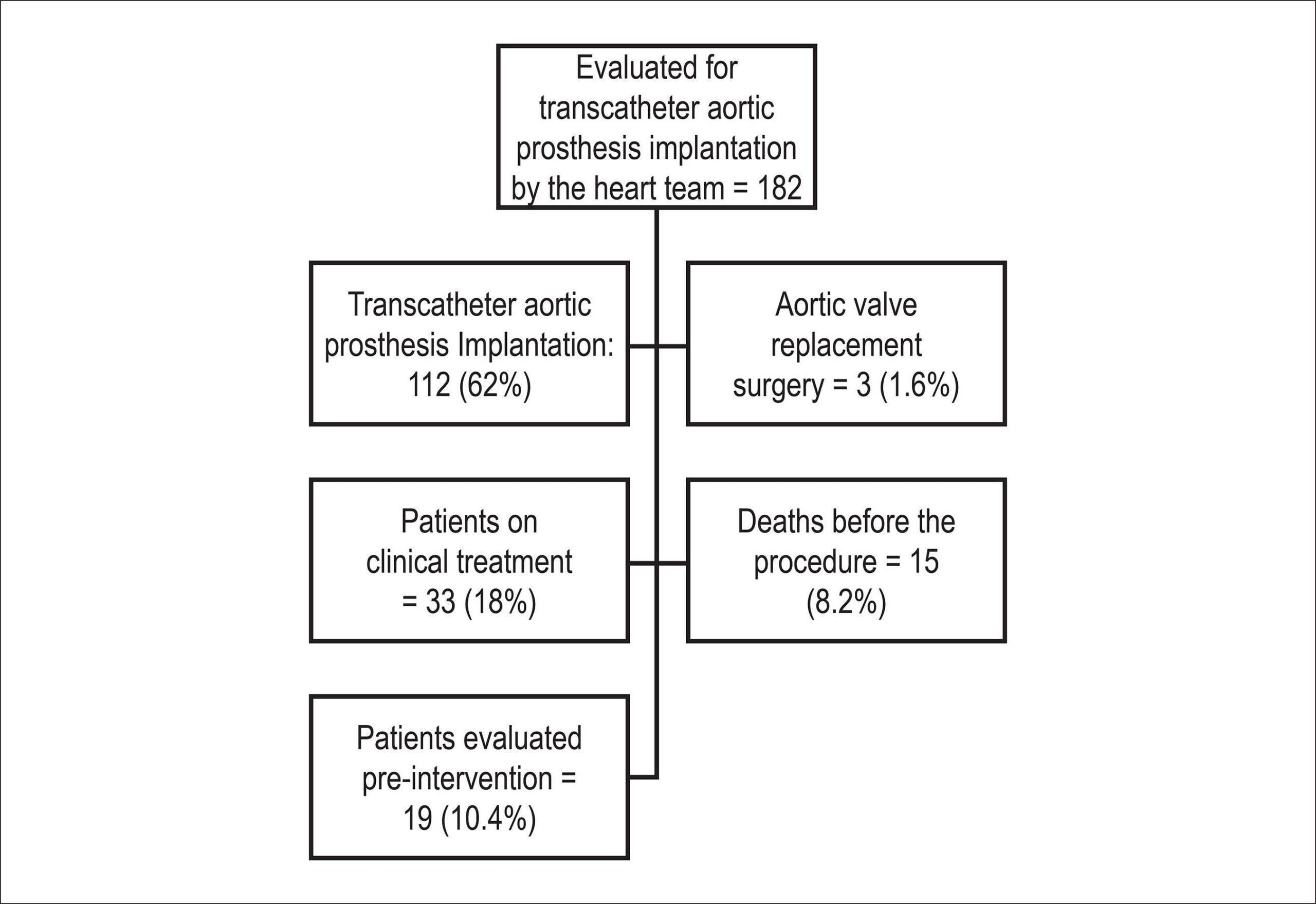
Aortic stenosis is an insidious disease with a long-term period of latency. It progresses rapidly after symptoms appear, esulting in a high mortality rate (approximately 50% in the first 2 years) in untreated symptomatic patients, with sudden death being common in these individuals.

Approximately 30% of the patients aged 75 years or over are not candidates for surgical procedure due to their advanced age, female sex, functional class, operatory emergency, ventricular dysfunction, pulmonary hypertension, previous heart surgery, associated coronary artery disease, among others. In the age range of patients in their 80s, those who remain in clinical treatment have a survival rate of 65.8% in the first year and 41.8% in the second year of follow-up.

[…]

  • Aortic valve stenosis / surgery
  • Elderly
  • Mortality
  • Transcatheter Aortic Valve Replacement/methods
Read Full Article
Creative Commons Attribution (CC BY) Creative Commons license
01/11/2021 DOI: 10.36660/ijcs.20210232
ABC
Editorial

Arterial Stiffness in Aortic Stenosis

Henrique Murad

The paper “Arterial Stiffness Changes in Severe Aortic Stenosis Patients Submitted to Valve Replacement Surgery” has important information on the behavior of arterial stiffness before and after aortic valve replacement.

They studied 150 patients with severe aortic stenosis submitted to aortic valve replacement with bioprosthesis. They used a noninvasive method, carotid-femoral pressure wave velocity (PWV) measured through Complior Analyse, to study arterial stiffness. Other methods could have been used, such as invasive pressure catheter measurements, MRI and peripheral cuff sensors, but PWV is the gold standard.

[…]

  • Aortic Valve Replacement/methods
  • Aortic valve stenosis / surgery
  • aortic valve surgery
  • Blood Pressure
  • Pulse Wave Analysis
Read Full Article
Creative Commons Attribution (CC BY) Creative Commons license
23/04/2021 DOI: 10.36660/abc.20201234
Figure 1
ABC
Original Article

Arterial Stiffness Changes in Severe Aortic Stenosis Patients Submitted to Valve Replacement Surgery

Renata Raimundo et al. Francisca Saraiva Raquel Moreira Soraia Moreira … Ana Filipa Ferreira Rui J. Cerqueira Mario Jorge Amorim Paulo Pinho António Sousa Barros André P. Lourenço Adelino Leite-Moreira

Abstract

Background:

Little is known about the impact of severe aortic stenosis (AS) in aortic stiffness and if there is any change after removing AS barrier with aortic valve replacement (AVR) surgery.

Objective:

To estimate carotid-femoral pulse wave velocity (PWV) changes after AVR surgery and to define PWV predictors in severe AS patients.

Methods:

Single-center retrospective cohort, including patients with severe AS who underwent AVR surgery with bioprostheses, between February 2017 and January 2019 and performed PWV measurements (Complior®) before and after the procedure (2±1 months). Before and after AVR, PWV values were compared through paired tests. The associations of PWV with clinical data were studied and linear regression models were applied to estimate pre and postoperative PWV independent predictors. The significance level was set at 5%.

Results:

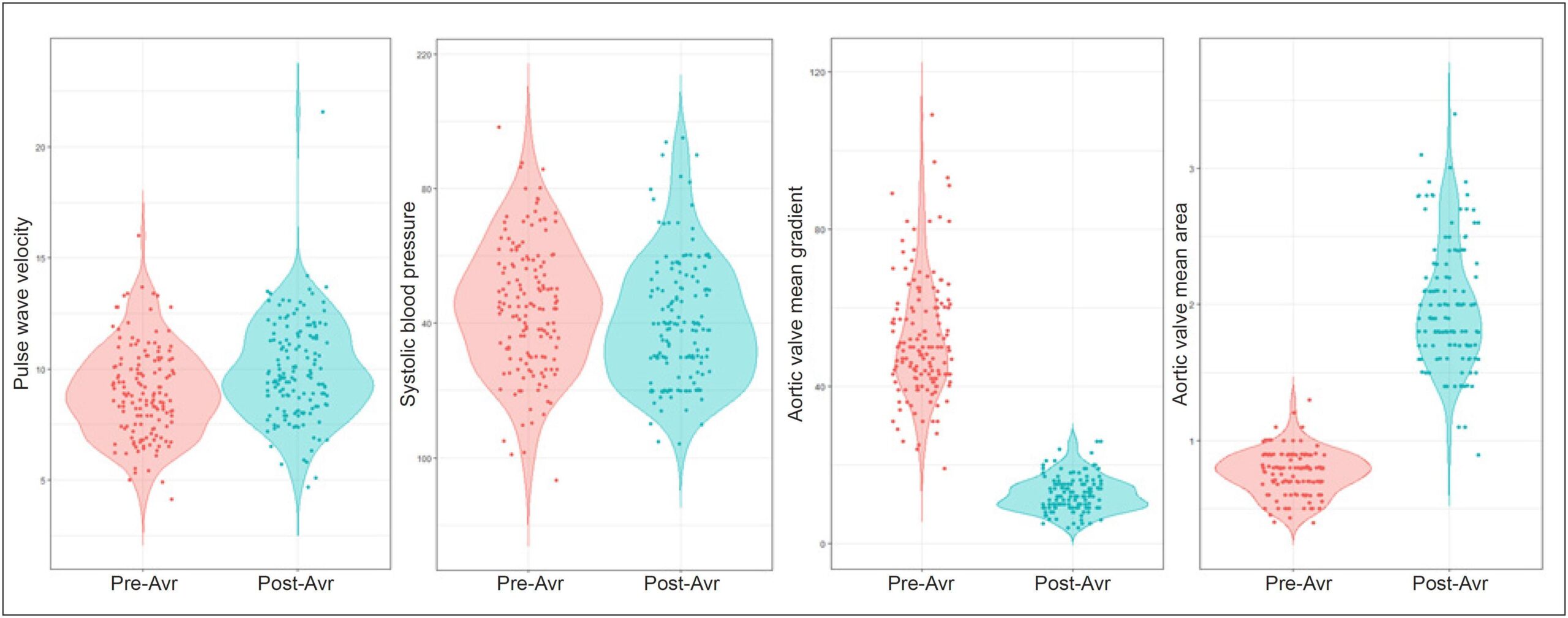
We included 150 patients in the sample, with mean age of 72±8 years, and 51% being males. We found a statistically significant increase in PWV values after surgery (9.0±2.1 m/s vs. 9.9±2.2, p<0.001, before and after AVR, respectively) and an inverse association with AS severity variables. In the linear regression model, age and systolic blood pressure (SBP) were established as independent predictors of higher pre- and postoperative PWV, while higher mean valvular gradient emerged as a determinant of lower pre-AVR PWV.

Conclusion:

We documented an inverse correlation of arterial stiffness with the severity of AS in patients with AS, and a significant increase in PWV values after AVR surgery. Advanced age and higher SBP were associated with higher PWV values, although arterial function measurements were within the normal range. (Arq Bras Cardiol. 2021; 116(3):475-482)

  • Aortic Valve Replacement/methods
  • Aortic valve stenosis / surgery
  • aortic valve surgery
  • Pulse Wave Analysis
Read Full Article
Creative Commons Attribution (CC BY) Creative Commons license
23/04/2021 DOI: 10.36660/abc.20190577
Figure 1
ABC
Original Article

Prediction of Stress Map in Ascending Aorta – Optimization of the Coaxial Position in Transcatheter Aortic Valve Replacement

Diego Celis et al. Bruno Alvares de Azevedo Gomes Ivan Ibanez Pedro Nieckele Azevedo … Pedro Soares Teixeira Angela Ourivio Nieckele

Abstract

Backgroud

Transcatheter aortic valve replacement (TAVR) can reduce mortality among patients with aortic stenosis. Knowledge of pressure distribution and shear stress at the aortic wall may help identify critical regions, where aortic remodeling process may occur. Here a numerical simulation study of the influence of positioning of the prosthetic valve orifice on the flow field is presented.

Objective

The present analysis provides a perspective of great variance on flow behavior due only to angle changes.

Methods

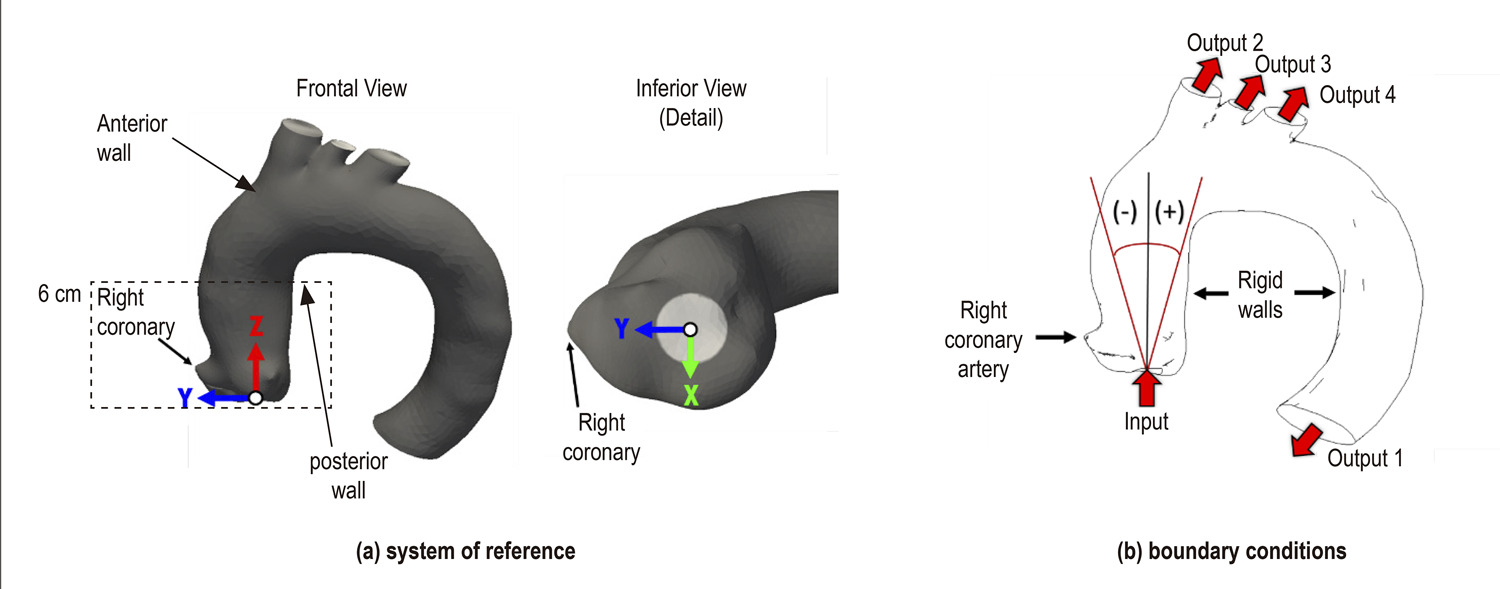
A 3D model was generated from computed tomography angiography of a patient who had undergone a TAVR. Different mass flow rates were imposed at the inlet valve.

Results

Small variations of the tilt angle could modify the nature of the flow, displacing the position of the vortices, and altering the prerssure distribution and the location of high wall shear stress.

Conclusion

These hemodynamic features may be relevant in the aortic remodeling process and distribution of the stress mapping and could help, in the near future, the optimization of the percutaneous prosthesis implantation. (Arq Bras Cardiol. 2020; [online].ahead print, PP.0-0)

  • Aortic Valve Stenosis / diagnostic imaging
  • Aortic valve stenosis / surgery
  • Comorbidity
  • Computed Tomography Angiography/methods Treatment Outcome
  • Echocardiography/methods
  • Heart Valve Prosthesis Implantation/trends
Read Full Article
Creative Commons Attribution (CC BY) Creative Commons license
29/05/2020 DOI: 10.36660/abc.20190385
Figure 1
ABC
Original Article

Transcatheter Aortic Valve Implantation and Morbidity and Mortality-Related Factors: a 5-Year Experience in Brazil

André Luiz Silveira Souza et al. Constantino González Salgado Ricardo Mourilhe-Rocha Evandro Tinoco Mesquita … Luciana Cristina Lima Correia Lima Nelson Durval Ferreira Gomes de Mattos Arnaldo Rabischoffsky Francisco Eduardo Sampaio Fagundes Alexandre Siciliano Colafranceschi Luiz Antonio Ferreira Carvalho

Abstract

Background:

Transcatheter aortic valve implantation has become an option for high-surgical-risk patients with aortic valve disease.

Objective:

To evaluate the in-hospital and one-year follow-up outcomes of transcatheter aortic valve implantation.

Methods:

Prospective cohort study of transcatheter aortic valve implantation cases from July 2009 to February 2015. Analysis of clinical and procedural variables, correlating them with in-hospital and one-year mortality.

Results:

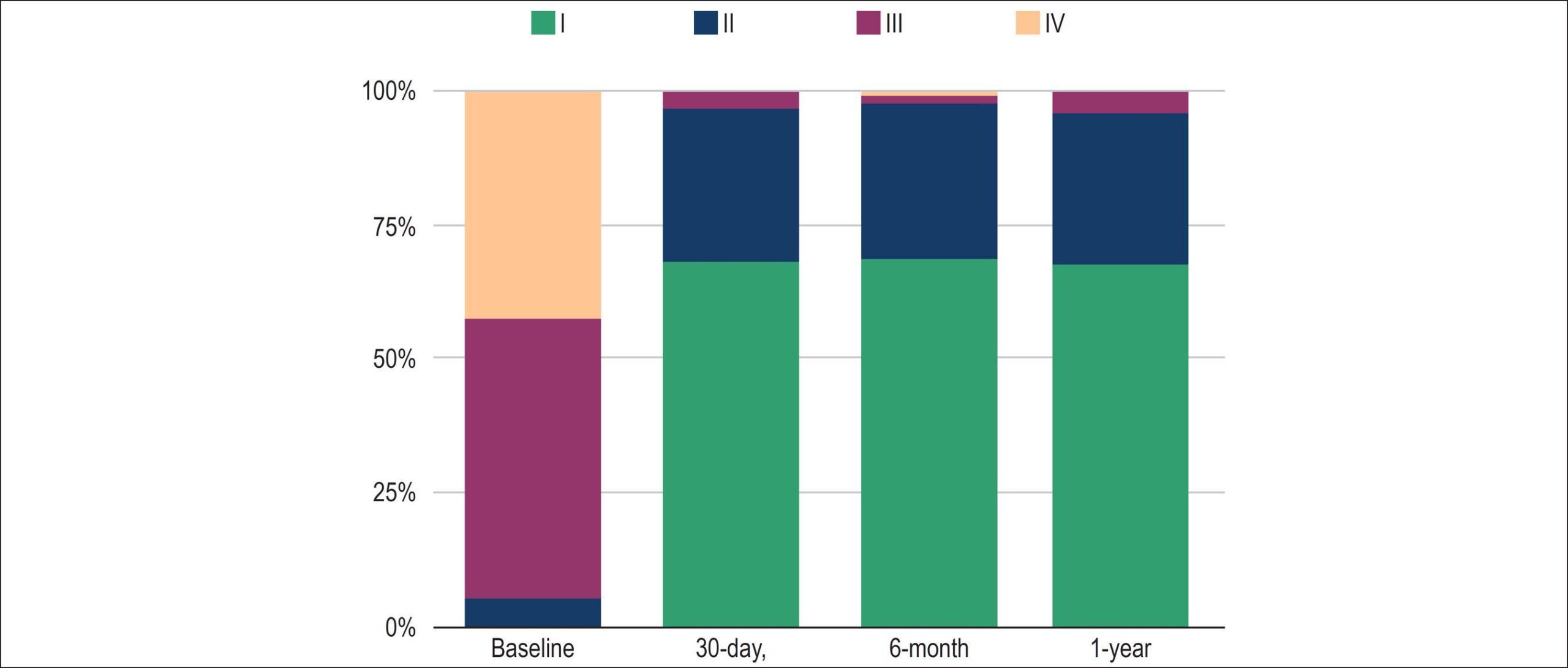
A total of 136 patients with a mean age of 83 years (80-87) underwent heart valve implantation; of these, 49% were women, 131 (96.3%) had aortic stenosis, one (0.7%) had aortic regurgitation and four (2.9%) had prosthetic valve dysfunction. NYHA functional class was III or IV in 129 cases (94.8%). The baseline orifice area was 0.67 ± 0.17 cm2 and the mean left ventricular-aortic pressure gradient was 47.3±18.2 mmHg, with an STS score of 9.3% (4.8%-22.3%). The prostheses implanted were self-expanding in 97% of cases. Perioperative mortality was 1.5%; 30-day mortality, 5.9%; in-hospital mortality, 8.1%; and one-year mortality, 15.5%. Blood transfusion (relative risk of 54; p = 0.0003) and pulmonary arterial hypertension (relative risk of 5.3; p = 0.036) were predictive of in-hospital mortality. Peak C-reactive protein (relative risk of 1.8; p = 0.013) and blood transfusion (relative risk of 8.3; p = 0.0009) were predictive of 1-year mortality. At 30 days, 97% of patients were in NYHA functional class I/II; at one year, this figure reached 96%.

Conclusion:

Transcatheter aortic valve implantation was performed with a high success rate and low mortality. Blood transfusion was associated with higher in-hospital and one-year mortality. Peak C-reactive protein was associated with one-year mortality.

  • Aortic valve stenosis / surgery
  • balloon valvuloplasty
  • Cohort Studies
  • Mortality
  • Prosthesis Implantation
Read Full Article
Creative Commons Attribution (CC BY) Creative Commons license
17/05/2016 DOI: 10.5935/abc.20160072 Views 1
Figure 1
ABC
Original Article

Performance of Surgical Risk Scores to Predict Mortality after Transcatheter Aortic Valve Implantation

Leonardo Sinnott Silva et al. Paulo Ricardo Avancini Caramori Antonio Carlos Bacelar Nunes Filho Marcelo Katz … João Carlos Vieira da Costa Guaragna Pedro Lemos Valter Lima Alexandre Abizaid Flavio Tarasoutchi Fabio S. de Brito Jr

Abstract

Background:

Predicting mortality in patients undergoing transcatheter aortic valve implantation (TAVI) remains a challenge.

Objectives:

To evaluate the performance of 5 risk scores for cardiac surgery in predicting the 30-day mortality among patients of the Brazilian Registry of TAVI.

Methods:

The Brazilian Multicenter Registry prospectively enrolled 418 patients undergoing TAVI in 18 centers between 2008 and 2013. The 30-day mortality risk was calculated using the following surgical scores: the logistic EuroSCORE I (ESI), EuroSCORE II (ESII), Society of Thoracic Surgeons (STS) score, Ambler score (AS) and Guaragna score (GS). The performance of the risk scores was evaluated in terms of their calibration (Hosmer–Lemeshow test) and discrimination [area under the receiver–operating characteristic curve (AUC)].

Results:

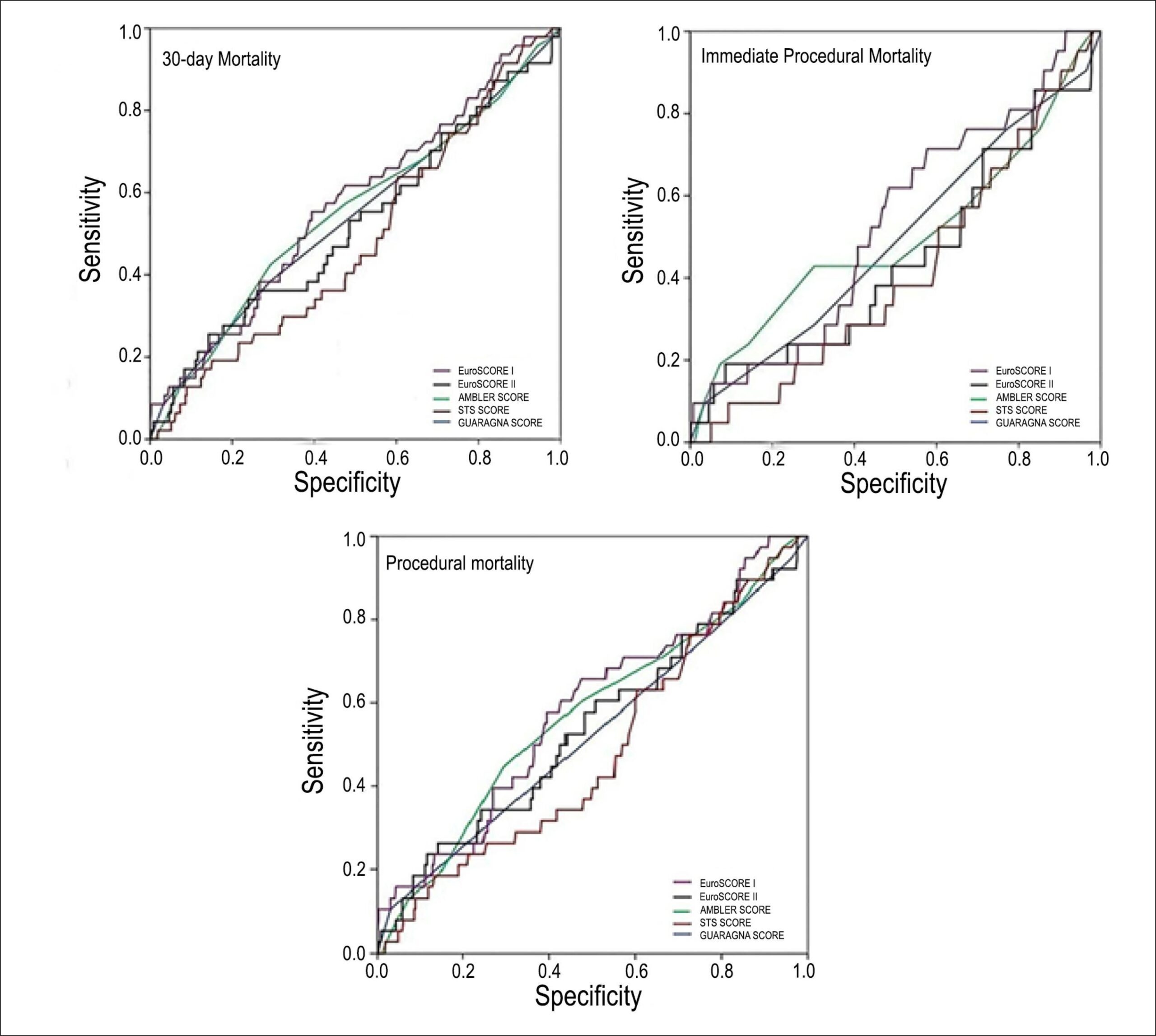
The mean age was 81.5 ± 7.7 years. The CoreValve (Medtronic) was used in 86.1% of the cohort, and the transfemoral approach was used in 96.2%. The observed 30-day mortality was 9.1%. The 30-day mortality predicted by the scores was as follows: ESI, 20.2 ± 13.8%; ESII, 6.5 ± 13.8%; STS score, 14.7 ± 4.4%; AS, 7.0 ± 3.8%; GS, 17.3 ± 10.8%. Using AUC, none of the tested scores could accurately predict the 30-day mortality. AUC for the scores was as follows: 0.58 [95% confidence interval (CI): 0.49 to 0.68, p = 0.09] for ESI; 0.54 (95% CI: 0.44 to 0.64, p = 0.42) for ESII; 0.57 (95% CI: 0.47 to 0.67, p = 0.16) for AS; 0.48 (95% IC: 0.38 to 0.57, p = 0.68) for STS score; and 0.52 (95% CI: 0.42 to 0.62, p = 0.64) for GS. The Hosmer–Lemeshow test indicated acceptable calibration for all scores (p > 0.05).

Conclusions:

In this real world Brazilian registry, the surgical risk scores were inaccurate in predicting mortality after TAVI. Risk models specifically developed for TAVI are required.

  • Aortic valve stenosis / surgery
  • Probability
  • Risk Factors
  • Transcatheter Aortic Valve Replacement
Read Full Article
Creative Commons Attribution (CC BY) Creative Commons license
31/07/2015 DOI: 10.5935/abc.20150084 Views 2
Figure 1
ABC
Anatomopathological Session

Case 2/2014 – 51-Year Old Patient with Systemic Lupus Erythematosus and Fever after Valve Replacement

Wilma Noia Ribeiro et al. Alice Tatsuko Yamada Paulo Sampaio Gutierrez

Clinical aspects

The clinical case reports a 51-year old patient with systemic lupus erythematosus, arterial hypertension and mixed dyslipidemia, who went to the emergency room with fever and in shock.

The systemic lupus erythematosus (SLE) is an autoimmune inflammatory disease, which is characterized by the immune complex deposition in the involved organs, including the heart. Its clinical picture is determined by periods of exacerbations and remission, with variable clinical course and prognosis.

[…]

  • Aortic valve stenosis / surgery
  • dyslipidemia
  • Hypertension
  • Systemic Lupus Erythematosus
Read Full Article
Creative Commons Attribution (CC BY) Creative Commons license
01/05/2014 DOI: 10.5935/abc.20140069 Views 1
ABC
Viewpoint

Is Heart Team Fundamental to Aortic Stenosis Transcatheter Treatment?

Vitor Emer Egypto Rosa et al. Antônio Sergio de Santis Andrade Lopes Tarso Augusto Duenhas Accorsi Pedro Alves Lemos Neto … Pablo Maria Alberto Pomerantzeff Flávio Tarasoutchi

Demographic projections have shown that the contingent of elderly people in Brazil will double within the next 20 years, with a consequent increase in the prevalence of aging-related diseases, such as degenerative aortic valve stenosis (AoS), diagnosed in 3% to 5% of the population older than 75 yeas , . New modalities of treatment for AoS have been recently developed, mainly represented by the transcatheter implantation of aortic prosthesis (TAVI – Transcatheter Aortic Valve Implantation), which has become a therapeutic option for patients whose conventional surgical treatment is not feasible. In the current scenario, characterized by the high demand of the increasing elderly population, the availability of new treatment methods provides clinical expertise for the accurate diagnosis of heart valve disease, assessment of the comorbidities and risks of interventions, in addition to the rationalization of resources, considering the complexity and high costs involved in TAVI.

Clinical practice has shown that the adequate selection of the best therapeutic method for high surgical-risk AoS requires multidisciplinary medical interaction, contemplating all the patients’ biopsychosocial characteristics. Thus, several medical centers have continuously incorporated the ‘Heart Team’ concept for decision-making. The Heart Team, a group composed by different specialists involved in managing heart valve disease, gathers opinions for the individualized analysis of those patients, from eligibility criteria and technical adequacy of the procedure to post-TAVI care. Each cardiological sub-specialty also plays particular roles in the procedure performance. The clinical cardiologist is responsible for patients’ selection and indication and for pre-and post-procedure follow-up. The cardiovascular surgeon is responsible for performing the transaortic and transapical procedure, helping with the transfemoral approach, and treating possible complications. The radiologist is responsible for assessing the access path and valve diameters, and helping choosing the adequate prosthesis. The echocardiographer is responsible for the anatomical and functional characterization of the valve disease and intraoperative assessment of the adequate position of the prosthesis and post-procedure complications. The interventional cardiologist is responsible for indicating the procedure and performing it. In addition, the Heart Team also comprises other professionals, such as nurses, physical therapists, nutritionists, and psychologists. Worldwide, there is an increasing incorporation of the Heart Team into cardiological centers, in accordance with the considerations of the last guidelines on heart valve diseases , . There is consensus about not encouraging the performance of TAVI at sites lacking a Heart Team, which emphasizes the importance of institutional alignment with the new recommendations.

[…]

  • Aortic valve stenosis / surgery
  • Heart Failure
  • Patient Care Team
Read Full Article
Creative Commons Attribution (CC BY) Creative Commons license
01/05/2014 DOI: 10.5935/abc.20140060
Figure 1
ABC
Artigo Original

Initial Experience of Two National Centers in Transcatheter Aortic Prosthesis Implantation

Sebastián Lluberas et al. Alexandre Abizaid Dimytri Siqueira Auristela Ramos … J. Ribamar Costa Jr. Magaly Arrais Antônio Kambara David Le Bihan Amanda Sousa J. Eduardo Sousa

Background:

Transcatheter aortic valve implantation is an effective alternative to surgical treatment of severe aortic stenosis in patients who are inoperable or at high surgical risk.

Objectives:

To report the immediate and follow-up clinical and echocardiographic results of the initial experience of transcatheter aortic valve implantation.

Methods:

From 2009 June to 2013 February, 112 patients underwent transcatheter aortic valve implantation.

Results:

Mean age was 82.5 ± 6.5 years, and the logistic EuroSCORE was 23.6 ± 13.5. Procedural success was 84%. After the intervention, a reduction in the mean systolic gradient was observed (pre: 54.7 ± 15.3 vs. post: 11.7 ± 4.0 mmHg; p < 0.01). Cerebrovascular accidents occurred in 3.6%, vascular complications in 19% and permanent pacemaker was required by 13% of the patients. Thirty-day mortality and at follow-up of 16 ± 11 months was 14% and 8.9% respectively. The presence of chronic obstructive pulmonary disease was the only predictor of mortality at 30 days and at follow-up. During follow up, aortic valve area and mean systolic gradient did not change significantly.

Conclusions:

Transcatheter aortic valve implantation is an effective and safe procedure for the treatment of aortic stenosis in high-surgical risk or inoperable patients. The presence of chronic obstructive pulmonary disease was the only independent predictor of mortality identified both in the first month post-intervention and at follow-up.

  • Aged
  • Aortic valve stenosis / surgery
  • Heart Valve Prosthesis
  • Risk Factors
Read Full Article
Creative Commons Attribution (CC BY) Creative Commons license
08/04/2014 DOI: 10.5935/abc.20140043

How to cite this article

EndNote RIS

Electronic Document Format (Vancouver)

Oliveira Júnior GE, Sarmento-Leite R. Clinical Characteristics and Mid-Term Follow-Up of Patients with Severe Aortic Stenosis and Those not Eligible for TAVI. International Journal of Cardiovascular Sciences 2021;34(5 Supl 1):41-3.

Electronic Document Format (ABNT)

Oliveira Júnior, Gilberto Eder de; Sarmento-Leite, Rogerio. Clinical Characteristics and Mid-Term Follow-Up of Patients with Severe Aortic Stenosis and Those not Eligible for TAVI. International Journal of Cardiovascular Sciences, v. 34, n. 5 Supl 1, p. 41-43, Oct. 2021.

Electronic Document Format (APA)

Oliveira Júnior, G. E. , & Sarmento-Leite, R. (2021). Clinical Characteristics and Mid-Term Follow-Up of Patients with Severe Aortic Stenosis and Those not Eligible for TAVI. International Journal of Cardiovascular Sciences, 34(5 Supl 1), 41-43.

Electronic Document Format (ISO)

Oliveira Júnior, Gilberto Eder de and Sarmento-Leite, Rogerio. Clinical Characteristics and Mid-Term Follow-Up of Patients with Severe Aortic Stenosis and Those not Eligible for TAVI. International Journal of Cardiovascular Sciences [online]. 2021, vol. 34, n. 5 Supl 1, [cited 2026-10-14], pp. 41-43. Available from: <https://journals.cardiol.br/en/article/clinical-characteristics-and-mid-term-follow-up-of-patients-with-severe-aortic-stenosis-and-those-not-eligible-for-tavi/>. ISSN 2359-4802

EndNote RIS

Electronic Document Format (Vancouver)

Murad H. Arterial Stiffness in Aortic Stenosis. Arquivos Brasileiros de Cardiologia 2021;116(3):483-4.

Electronic Document Format (ABNT)

Murad, Henrique. Arterial Stiffness in Aortic Stenosis. Arquivos Brasileiros de Cardiologia, v. 116, n. 3, p. 483-484, Apr. 2021.

Electronic Document Format (APA)

Murad, H. (2021). Arterial Stiffness in Aortic Stenosis. Arquivos Brasileiros de Cardiologia, 116(3), 483-484.

Electronic Document Format (ISO)

Murad, Henrique. Arterial Stiffness in Aortic Stenosis. Arquivos Brasileiros de Cardiologia [online]. 2021, vol. 116, n. 3, [cited 2026-10-14], pp. 483-484. Available from: <https://journals.cardiol.br/en/article/arterial-stiffness-in-aortic-stenosis/>. ISSN 0066-782X

EndNote RIS

Electronic Document Format (Vancouver)

Raimundo R, Saraiva F, Moreira R, Moreira S, Ferreira AF, Cerqueira RJ, Amorim MJ, et al. Arterial Stiffness Changes in Severe Aortic Stenosis Patients Submitted to Valve Replacement Surgery. Arquivos Brasileiros de Cardiologia 2021;116(3):475-82.

Electronic Document Format (ABNT)

Raimundo, Renata; Saraiva, Francisca; Moreira, Raquel; Moreira, Soraia; Ferreira, Ana Filipa; Cerqueira, Rui J.; Amorim, Mario Jorge; Pinho, Paulo; Barros, António Sousa; Lourenço, André P.; Leite-Moreira, Adelino. Arterial Stiffness Changes in Severe Aortic Stenosis Patients Submitted to Valve Replacement Surgery. Arquivos Brasileiros de Cardiologia, v. 116, n. 3, p. 475-482, Apr. 2021.

Electronic Document Format (APA)

Raimundo, R., Saraiva, F., Moreira, R., Moreira, S., Ferreira, A. F., Cerqueira, R. J., Amorim, M. J., Pinho, P., Barros, A. S., Lourenço, A. P., & Leite-Moreira, A. (2021). Arterial Stiffness Changes in Severe Aortic Stenosis Patients Submitted to Valve Replacement Surgery. Arquivos Brasileiros de Cardiologia, 116(3), 475-482.

Electronic Document Format (ISO)

Raimundo, Renata and Saraiva, Francisca and Moreira, Raquel and Moreira, Soraia and Ferreira, Ana Filipa and Cerqueira, Rui J. and Amorim, Mario Jorge and Pinho, Paulo and Barros, António Sousa and Lourenço, André P. and Leite-Moreira, Adelino. Arterial Stiffness Changes in Severe Aortic Stenosis Patients Submitted to Valve Replacement Surgery. Arquivos Brasileiros de Cardiologia [online]. 2021, vol. 116, n. 3, [cited 2026-10-14], pp. 475-482. Available from: <https://journals.cardiol.br/en/article/arterial-stiffness-changes-in-severe-aortic-stenosis-patients-submitted-to-valve-replacement-surgery/>. ISSN 0066-782X

EndNote RIS

Electronic Document Format (Vancouver)

Celis D, Gomes BAA, Ibanez I, Azevedo PN, Teixeira PS, Nieckele AO. Prediction of Stress Map in Ascending Aorta – Optimization of the Coaxial Position in Transcatheter Aortic Valve Replacement. Arquivos Brasileiros de Cardiologia 2020;115(4):680-7.

Electronic Document Format (ABNT)

Celis, Diego; Gomes, Bruno Alvares de Azevedo; Ibanez, Ivan; Azevedo, Pedro Nieckele; Teixeira, Pedro Soares; Nieckele, Angela Ourivio. Prediction of Stress Map in Ascending Aorta – Optimization of the Coaxial Position in Transcatheter Aortic Valve Replacement. Arquivos Brasileiros de Cardiologia, v. 115, n. 4, p. 680-687, May. 2020.

Electronic Document Format (APA)

Celis, D., Gomes, B. A. A., Ibanez, I., Azevedo, P. N., Teixeira, P. S., & Nieckele, A. O. (2020). Prediction of Stress Map in Ascending Aorta – Optimization of the Coaxial Position in Transcatheter Aortic Valve Replacement. Arquivos Brasileiros de Cardiologia, 115(4), 680-687.

Electronic Document Format (ISO)

Celis, Diego and Gomes, Bruno Alvares de Azevedo and Ibanez, Ivan and Azevedo, Pedro Nieckele and Teixeira, Pedro Soares and Nieckele, Angela Ourivio. Prediction of Stress Map in Ascending Aorta – Optimization of the Coaxial Position in Transcatheter Aortic Valve Replacement. Arquivos Brasileiros de Cardiologia [online]. 2020, vol. 115, n. 4, [cited 2026-10-14], pp. 680-687. Available from: <https://journals.cardiol.br/en/article/prediction-of-stress-map-in-ascending-aorta-optimization-of-the-coaxial-position-in-transcatheter-aortic-valve-replacement/>. ISSN 0066-782X

EndNote RIS

Electronic Document Format (Vancouver)

Souza ALS, Salgado CG, Mourilhe-Rocha R, Mesquita ET, Lima LCC, Mattos NDFG, Rabischoffsky A, et al. Transcatheter Aortic Valve Implantation and Morbidity and Mortality-Related Factors: a 5-Year Experience in Brazil. Arquivos Brasileiros de Cardiologia 2016;106(6):519-27.

Electronic Document Format (ABNT)

Souza, André Luiz Silveira; Salgado, Constantino González; Mourilhe-Rocha, Ricardo; Mesquita, Evandro Tinoco; Lima, Luciana Cristina Correia; Mattos, Nelson Durval Ferreira Gomes de; Rabischoffsky, Arnaldo; Fagundes, Francisco Eduardo Sampaio; Colafranceschi, Alexandre Siciliano; Carvalho, Luiz Antonio Ferreira. Transcatheter Aortic Valve Implantation and Morbidity and Mortality-Related Factors: a 5-Year Experience in Brazil. Arquivos Brasileiros de Cardiologia, v. 106, n. 6, p. 519-527, May. 2016.

Electronic Document Format (APA)

Souza, A. L. S., Salgado, C. G., Mourilhe-Rocha, R., Mesquita, E. T., Lima, L. C. C., Mattos, N. D. F. G. , Rabischoffsky, A., Fagundes, F. E. S., Colafranceschi, A. S., & Carvalho, L. A. F. (2016). Transcatheter Aortic Valve Implantation and Morbidity and Mortality-Related Factors: a 5-Year Experience in Brazil. Arquivos Brasileiros de Cardiologia, 106(6), 519-527.

Electronic Document Format (ISO)

Souza, André Luiz Silveira and Salgado, Constantino González and Mourilhe-Rocha, Ricardo and Mesquita, Evandro Tinoco and Lima, Luciana Cristina Correia and Mattos, Nelson Durval Ferreira Gomes de and Rabischoffsky, Arnaldo and Fagundes, Francisco Eduardo Sampaio and Colafranceschi, Alexandre Siciliano and Carvalho, Luiz Antonio Ferreira. Transcatheter Aortic Valve Implantation and Morbidity and Mortality-Related Factors: a 5-Year Experience in Brazil. Arquivos Brasileiros de Cardiologia [online]. 2016, vol. 106, n. 6, [cited 2026-10-14], pp. 519-527. Available from: <https://journals.cardiol.br/en/article/transcatheter-aortic-valve-implantation-and-morbidity-and-mortality-related-factors-a-5-year-experience-in-brazil/>. ISSN 0066-782X

EndNote RIS

Electronic Document Format (Vancouver)

Silva LS, Caramori PRA, Nunes Filho ACB, Katz M, Guaragna JCVC, Lemos P, Lima V, et al. Performance of Surgical Risk Scores to Predict Mortality after Transcatheter Aortic Valve Implantation. Arquivos Brasileiros de Cardiologia 2015;105(3):241-7.

Electronic Document Format (ABNT)

Silva, Leonardo Sinnott; Caramori, Paulo Ricardo Avancini; Nunes Filho, Antonio Carlos Bacelar; Katz, Marcelo; Guaragna, João Carlos Vieira da Costa; Lemos, Pedro; Lima, Valter; Abizaid, Alexandre; Tarasoutchi, Flavio; Brito Jr, Fabio S. de. Performance of Surgical Risk Scores to Predict Mortality after Transcatheter Aortic Valve Implantation. Arquivos Brasileiros de Cardiologia, v. 105, n. 3, p. 241-247, Jul. 2015.

Electronic Document Format (APA)

Silva, L. S., Caramori, P. R. A., Nunes Filho, A. C. B., Katz, M., Guaragna, J. C. V. C., Lemos, P., Lima, V., Abizaid, A., Tarasoutchi, F., & Brito Jr, F. S. (2015). Performance of Surgical Risk Scores to Predict Mortality after Transcatheter Aortic Valve Implantation. Arquivos Brasileiros de Cardiologia, 105(3), 241-247.

Electronic Document Format (ISO)

Silva, Leonardo Sinnott and Caramori, Paulo Ricardo Avancini and Nunes Filho, Antonio Carlos Bacelar and Katz, Marcelo and Guaragna, João Carlos Vieira da Costa and Lemos, Pedro and Lima, Valter and Abizaid, Alexandre and Tarasoutchi, Flavio and Brito Jr, Fabio S. de. Performance of Surgical Risk Scores to Predict Mortality after Transcatheter Aortic Valve Implantation. Arquivos Brasileiros de Cardiologia [online]. 2015, vol. 105, n. 3, [cited 2026-10-14], pp. 241-247. Available from: <https://journals.cardiol.br/en/article/performance-of-surgical-risk-scores-to-predict-mortality-after-transcatheter-aortic-valve-implantation/>. ISSN 0066-782X

EndNote RIS

Electronic Document Format (Vancouver)

Ribeiro WN, Yamada AT, Gutierrez PS. Case 2/2014 – 51-Year Old Patient with Systemic Lupus Erythematosus and Fever after Valve Replacement. Arquivos Brasileiros de Cardiologia 2014;102(5):e44-51.

Electronic Document Format (ABNT)

Ribeiro, Wilma Noia; Yamada, Alice Tatsuko; Gutierrez, Paulo Sampaio. Case 2/2014 – 51-Year Old Patient with Systemic Lupus Erythematosus and Fever after Valve Replacement. Arquivos Brasileiros de Cardiologia, v. 102, n. 5, p. e44-e51, Apr. 2014.

Electronic Document Format (APA)

Ribeiro, W. N., Yamada, A. T., & Gutierrez, P. S. (2014). Case 2/2014 – 51-Year Old Patient with Systemic Lupus Erythematosus and Fever after Valve Replacement. Arquivos Brasileiros de Cardiologia, 102(5), e44-e51.

Electronic Document Format (ISO)

Ribeiro, Wilma Noia and Yamada, Alice Tatsuko and Gutierrez, Paulo Sampaio. Case 2/2014 – 51-Year Old Patient with Systemic Lupus Erythematosus and Fever after Valve Replacement. Arquivos Brasileiros de Cardiologia [online]. 2014, vol. 102, n. 5, [cited 2026-10-14], pp. e44-e51. Available from: <https://journals.cardiol.br/en/article/case-2-2014-51-year-old-patient-with-systemic-lupus-erythematosus-and-fever-after-valve-replacement/>. ISSN 0066-782X

EndNote RIS

Electronic Document Format (Vancouver)

Rosa VEE, Lopes ASSA, Accorsi TAD, Lemos Neto PA, Pomerantzeff PMA, Tarasoutchi F. Is Heart Team Fundamental to Aortic Stenosis Transcatheter Treatment?. Arquivos Brasileiros de Cardiologia 2014;102(5):e55-6.

Electronic Document Format (ABNT)

Rosa, Vitor Emer Egypto; Lopes, Antônio Sergio de Santis Andrade; Accorsi, Tarso Augusto Duenhas; Lemos Neto, Pedro Alves; Pomerantzeff, Pablo Maria Alberto; Tarasoutchi, Flávio. Is Heart Team Fundamental to Aortic Stenosis Transcatheter Treatment?. Arquivos Brasileiros de Cardiologia, v. 102, n. 5, p. e55-e56, Apr. 2014.

Electronic Document Format (APA)

Rosa, V. E. E., Lopes, A. S. S. A., Accorsi, T. A. D., Lemos Neto, P. A., Pomerantzeff, P. M. A., & Tarasoutchi, F. (2014). Is Heart Team Fundamental to Aortic Stenosis Transcatheter Treatment?. Arquivos Brasileiros de Cardiologia, 102(5), e55-e56.

Electronic Document Format (ISO)

Rosa, Vitor Emer Egypto and Lopes, Antônio Sergio de Santis Andrade and Accorsi, Tarso Augusto Duenhas and Lemos Neto, Pedro Alves and Pomerantzeff, Pablo Maria Alberto and Tarasoutchi, Flávio. Is Heart Team Fundamental to Aortic Stenosis Transcatheter Treatment?. Arquivos Brasileiros de Cardiologia [online]. 2014, vol. 102, n. 5, [cited 2026-10-14], pp. e55-e56. Available from: <https://journals.cardiol.br/en/article/is-heart-team-fundamental-to-aortic-stenosis-transcatheter-treatment/>. ISSN 0066-782X

EndNote RIS

Electronic Document Format (Vancouver)

Lluberas S, Abizaid A, Siqueira D, Ramos A, Costa Jr. JR, Arrais M, Kambara A, et al. Initial Experience of Two National Centers in Transcatheter Aortic Prosthesis Implantation. Arquivos Brasileiros de Cardiologia 2014;102(4):336-44.

Electronic Document Format (ABNT)

Lluberas, Sebastián; Abizaid, Alexandre; Siqueira, Dimytri; Ramos, Auristela; Costa Jr., J. Ribamar; Arrais, Magaly; Kambara, Antônio; Bihan, David Le; Sousa, Amanda; Sousa, J. Eduardo. Initial Experience of Two National Centers in Transcatheter Aortic Prosthesis Implantation. Arquivos Brasileiros de Cardiologia, v. 102, n. 4, p. 336-344, Apr. 2014.

Electronic Document Format (APA)

Lluberas, S., Abizaid, A., Siqueira, D., Ramos, A., Costa Jr., J. R., Arrais, M., Kambara, A., Bihan, D. L., Sousa, A., & Sousa, J. E. (2014). Initial Experience of Two National Centers in Transcatheter Aortic Prosthesis Implantation. Arquivos Brasileiros de Cardiologia, 102(4), 336-344.

Electronic Document Format (ISO)

Lluberas, Sebastián and Abizaid, Alexandre and Siqueira, Dimytri and Ramos, Auristela and Costa Jr., J. Ribamar and Arrais, Magaly and Kambara, Antônio and Bihan, David Le and Sousa, Amanda and Sousa, J. Eduardo. Initial Experience of Two National Centers in Transcatheter Aortic Prosthesis Implantation. Arquivos Brasileiros de Cardiologia [online]. 2014, vol. 102, n. 4, [cited 2026-10-14], pp. 336-344. Available from: <https://journals.cardiol.br/en/article/initial-experience-of-two-national-centers-in-transcatheter-aortic-prosthesis-implantation/>. ISSN 0066-782X

  • About ABC Family
  • Internal Regulation
  • Editorial Board
  • Brazilian Society of Cardiology (SBC)

Issues

SBC Guidelines

  • Videos
  • Podcasts
  • News