| ABC
ABC Family Arquivos Brasileiros de Cardiologia International Journal of Cardiovascular Sciences ABC Heart Failure & Cardiomyopathy ABC Imagem Cardiovascular
Português English
ABC Family | ABC
Português English
  • About
    • About the Journal
    • Internal Regulation
    • Editors Section
    • Editorial Board
    • History
    • SBC Award
  • Instructions to Authors
    • Guidelines for Publication
    • Editorial Policy
    • Ethics Policy
    • Policy on the Use of Artificial Intelligence
    • Mandatory Publication Form
    • Publication Fee
  • Issues
  • SBC Guidelines
  • Abstracts
    • How to Publish an Abstract Supplement?
    • Supplements from the Brazilian Congress of Cardiology
  • About
    • About the Journal
    • Internal Regulation
    • Editors Section
    • Editorial Board
    • History
    • SBC Award
  • Instructions to Authors
    • Guidelines for Publication
    • Editorial Policy
    • Ethics Policy
    • Policy on the Use of Artificial Intelligence
    • Mandatory Publication Form
    • Publication Fee
  • Issues
  • SBC Guidelines
  • Abstracts
    • How to Publish an Abstract Supplement?
    • Supplements from the Brazilian Congress of Cardiology

ABC Family

  • ABC Family
  • Arquivos Brasileiros de Cardiologia
  • International Journal of Cardiovascular Sciences
  • ABC Heart Failure & Cardiomyopathy
  • ABC Imagem Cardiovascular
Search in

No content found.

Journals
Ordering
Article types
Others

  1. Home
  2. ABC
  3. Issues
  4. 2025, Volume 122, Number 2
Figure 1
Editorial

Technologies for Better Blood Pressure Control: Do the Applications Offer the Necessary Quality?

Roberto Dischinger Miranda et al. Bruna de Oliveira Laurindo Maria Eduarda Augusto Licco

Chronic diseases are highly prevalent among the Brazilian adult population, with a tendency to increase in the coming years, mainly due to population aging. Among them, systemic arterial hypertension (AH) stands out, affecting Around 27.9% of Brazilians. This condition is the main modifiable risk factor for cardiovascular disease, chronic kidney disease, and premature death, and in 2021, the mortality rate from hypertension reached the highest value in the last ten years, with 18.7 deaths per 100,000 inhabitants.,

Among the challenges in controlling hypertension is the fact that it is an asymptomatic condition, which makes it difficult to adhere to treatment, which includes lifestyle changes and regular use of antihypertensive medications. It is estimated that, among hypertensive patients, less than half use their medications properly, and poor medication adherence has been declared a public health problem by the World Health Organization. Among the causes of poor adherence are the reported lack of health education, lack of perception of improvement with the use of medication, the occurrence of adverse effects, and forgetting about the use of medications.,

[…]

  • Essential Hypertension
  • Hypertension
  • medication adherence
  • Mobile Applications
  • Smartphone
  • Technology
Read Full Article
Creative Commons Attribution (CC BY) Creative Commons license
28/04/2025 DOI: 10.36660/abc.20250085i Views 1
Editorial

Revisiting a Timeless Skill: The Physical Examination in the Age of Technology-Driven Medicine

Sofia Cabral

Over the past few decades, clinical practice has witnessed a profound transformation, driven by increasing reliance on advanced imaging, laboratory diagnostics, and, more recently, artificial intelligence (AI)-assisted tools. Once the cornerstone of medical practice, the physical examination (PE) is now being overshadowed by a growing dependence on technology. Although these innovations have undoubtedly enhanced diagnostic accuracy, they have also led to an unintended consequence—the gradual decline of bedside examination skills, as clinicians increasingly rely on them instead of direct PE. While these resources provide invaluable diagnostic insights, they also carry risks, including false positives, incidental findings, and overtesting. These factors not only contribute to unnecessary interventions and rising healthcare costs but may also amplify patient concerns. This shift away from hands-on assessment is also partly driven by the time constraints of modern clinical practice, further weakening PE skills. This decline of PE has fuelled ongoing debate—and even polarization—among clinicians over its relevance in contemporary healthcare., This issue permeates all fields of medicine, and cardiology is no exception to its challenges.

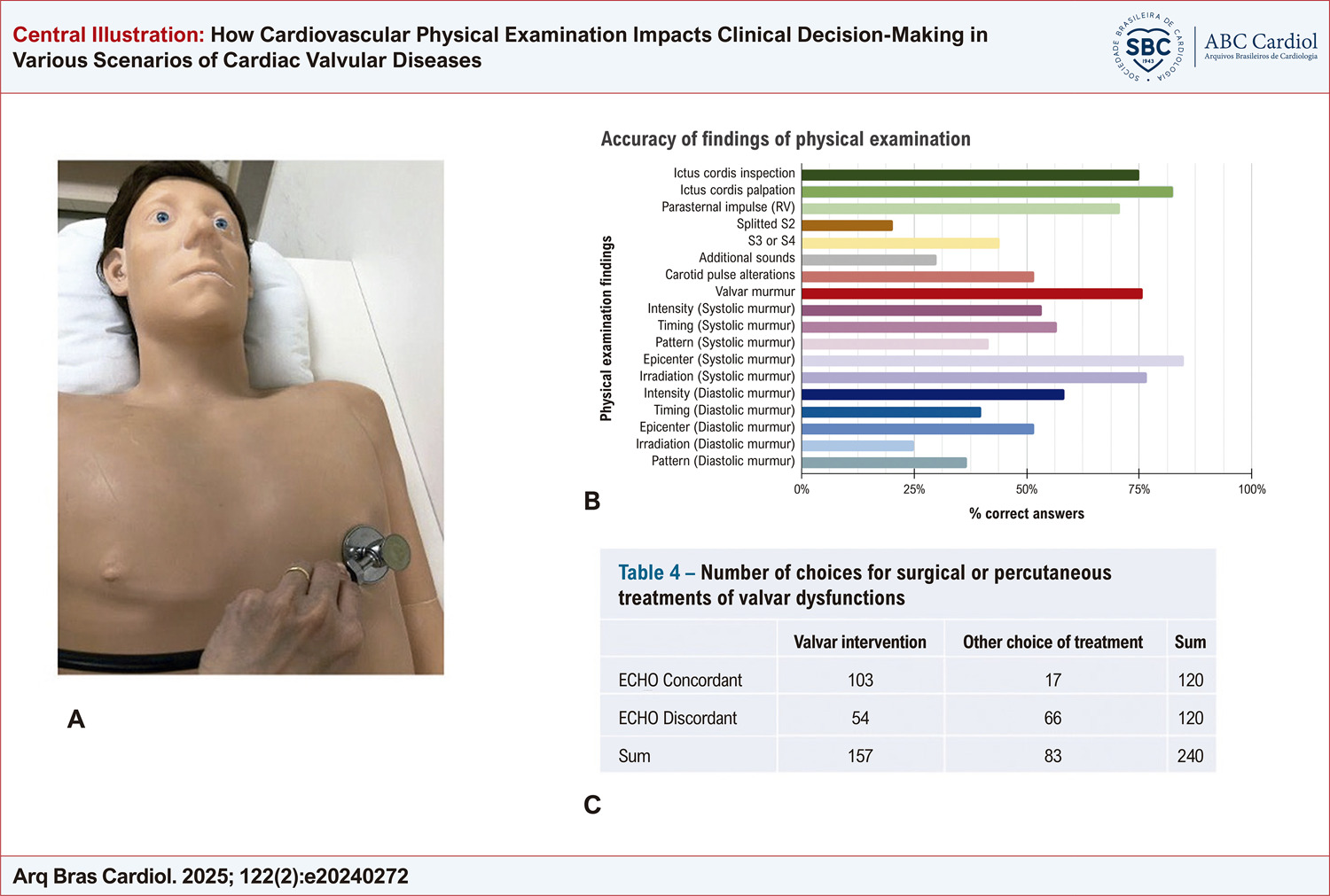
In their study, Teixeira et al. shed light on this pressing issue in modern medicine: the diminished emphasis on PE in clinical practice. This interventional study evaluated the impact of cardiovascular PE on clinical decision-making (CDM) in valvular disease scenarios. Sixty undergraduate students were exposed to four typical severe valvular disease scenarios (mitral stenosis [MS], mitral regurgitation [MR], aortic stenosis [AS], and aortic regurgitation [AR]), using a high-fidelity cardiopulmonary simulator in an objective structured clinical exam format. CDM-related questions were answered after reading the clinical synopsis and again after reviewing the echocardiogram (ECHO) report. Volunteers were randomly assigned to scenarios with or without PE before receiving an ECHO report, which was either consistent with symptoms and PE findings (Echo-concordant) or contained incomplete or misleading information (Echo-discordant). CDM was assessed based on responses regarding the type of valvular dysfunction, its etiology, confidence level in the diagnosis, requests for additional diagnostic tests, and treatment decisions. PE quality varied across valvular conditions, with systolic murmurs (AS, MR) recognized more accurately (>76%) than diastolic murmurs (MS, AR) (<60%), additional heart sounds (S3, S4) identified in 44% of cases, and MS showing the lowest detection accuracy. Overall diagnostic accuracy for identifying valvular dysfunction was high (kappa = 0.935, p<0.001), even when participants received ECHO-discordant reports. Volunteers who did not perform PE were less accurate in assessing the severity of valvular dysfunction after reviewing ECHO findings (p = 0.0047, kappa = 0.2887) and were less confident in their diagnosis. The confidence level in diagnosis increased only slightly (4%, p=0.03) after receiving ECHO reports in those who had the opportunity to conduct a PE. Surprisingly, a high number of complementary exams were requested regardless of PE performance, which influenced only the decision to perform cardiac catheterization. Final therapeutic decisions, however, were primarily guided by ECHO findings rather than PE (p=0.0607). This last result was somewhat expected and would likely occur in a postgraduate setting as well. Indeed, when evaluating the need for valvular intervention, a key consideration—besides symptomatic status—is assessing disease severity, which primarily depends on imaging or hemodynamic parameters.–

[…]
  • Clinical Decision – Making
  • Medical Education
  • Physical Examination
Read Full Article
Creative Commons Attribution (CC BY) Creative Commons license
28/04/2025 DOI: 10.36660/abc.20250124i Views 1
Editorial

Predictors of Hospital Readmission After Coronary Artery Bypass Grafting – Reflections and Perspectives

Aurora Felice Castro Issa

Aspects such as the high cost of health care, the overload of health professionals, and the aging population with the consequent increase in chronic diseases highlight the need for attention to quality in highly complex cardiovascular care, especially in cardiac surgery. In this scenario, quality indicators are an extremely important instrument in the evaluation of care.

There are several quality indicators currently available, and one of them is the hospital readmission rate, which can be seen as an outcome often used as secondary and, despite being quite promising, depends on the methodology used to collect the data.

[…]

  • General Surgery
  • Myocardial Revascularization
  • Patient Readmission
Read Full Article
Creative Commons Attribution (CC BY) Creative Commons license
14/04/2025 DOI: 10.36660/abc.20250133i
Editorial

Datasus: An Essential Tool for Public Health in Brazil

Marcia Koike

Since its creation in 1991, the Information Technology Department of the Unified Health System (DATASUS) has implemented information systems and IT support necessary for the planning, operation, and control of institutions linked to the SUS. Furthermore, DATASUS provides information that can assist in analyzing the health situation, making evidence-based decisions and developing health programs.

Measuring the population’s health status began with recording mortality and survival data evolving epidemiological and morbidity information. Currently, data on morbidity, disability, access to services, quality of care, living conditions, and environmental factors are used to create Health Indicators essential for quantifying and evaluating health information.

[…]

  • Cardiovascular Diseases
  • Public Health
  • Unified Health System
Read Full Article
Creative Commons Attribution (CC BY) Creative Commons license
14/04/2025 DOI: 10.36660/abc.20250123i Views 1
Editorial

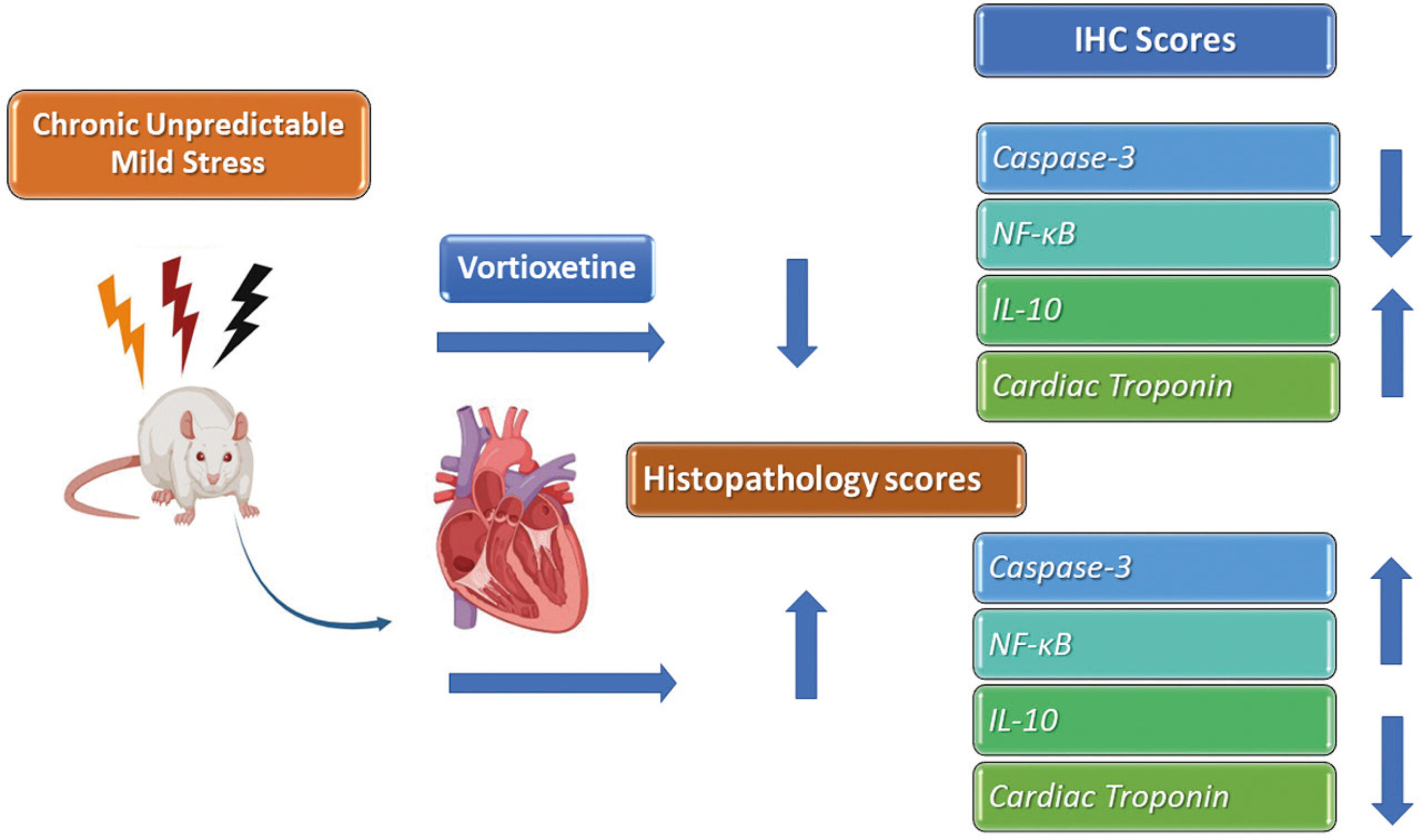
Cardiac Response to Stress: Influence of Vortioxetine

Rodrigo Guimarães Vieira de Carvalho et al. Gustavo Augusto Ferreira Mota Milene Vitória Sampaio Sobral Ana Paula Coelho Figueira Freire Francis Lopes Pacagnelli

Psychological stress is common and plays a significant role in adapting to environmental challenges. However, it also has negative health effects, potentially triggering psychiatric disorders such as anxiety and depression. Physiological responses to stress play a crucial role in the development of cardiovascular diseases, as hemodynamic, vascular, and immunological changes induced by stress are particularly involved in this process. Stress activates brain regions that, through the sympathetic nervous system or hormones, affect heart function. Chronic unpredictable mild stress (CUMS) increases serum corticosterone, aggravating lipid profiles and accelerating atherosclerosis in rodents. Chronic stress activates the hypothalamic-pituitary-adrenal axis, increasing glucocorticoids and reactive oxygen species, contributing to cardiovascular disorders.

CUMS models simulate depression in animals, as evidenced by anhedonia, which is reversible with antidepressants. This animal model has been validated and is widely used; however, improvements in studies utilizing this model can be implemented. It is recommended to stratify animals in the CUMS group into “resilient” and “susceptible” cohorts, use more refined protocols in the sucrose preference test to minimize physiological and physical artifacts, systematically evaluation of the nonspecific effects of CUMS, and implement adjustments in behavioral tests. Researchers observed that rats exposed to CUMS exhibited both cardiac and behavioral changes, increasing the risk of arrhythmias and infarction.

[…]

  • Antidepressive Agents
  • Heart
  • Psychological Stress
  • Vortioxetine
Read Full Article
Creative Commons Attribution (CC BY) Creative Commons license
14/04/2025 DOI: 10.36660/abc.20250105i Views 1
Editorial

Survival with ICD in Heart Failure: Truly Necessary or Just a Selection Bias?

Fernanda Almeida Andrade

Mortality predictors: The role of detailed clinical assessment

The importance of thorough medical consultations should be emphasized when evaluating these cases. Through anamnesis, potential mortality predictors can be identified, such as age, LVEF, BNP and/or NT-proBNP levels, coronary artery disease (CAD), diabetes mellitus, chronic kidney disease, baseline rhythm, HF-related hospitalizations, and NYHA >2 classification. The study by Başkurt et al. identified BNP > 508.5 pg/mL (ROC: S 69% and E 69%), LVEF 68.5 years (ROC: S 62% and E 62%), and hospitalization due to decompensation as independent predictors of all-cause mortality, whereas CAD was not an independent risk factor., Similar findings were reported in a study by Bilchick et al., which analyzed a large cohort (n = 45,000), demonstrating that critically ill patients with multiple comorbidities have a higher risk of adverse outcomes.

Therefore, the need for a risk score has been discussed and validated over time, with examples including the MADIT-II ICD Risk Stratification Score and the Seattle Heart Failure Score. However, important differences exist between them: the presence of associated cardiac resynchronization therapy (not included in the Seattle model), differences in the definition of severe arrhythmia and arrhythmic death (MADIT-ICD Benefit Score uses potentially fatal arrhythmias as a marker of arrhythmic death, whereas other studies distinguish between sudden and non-sudden death), and updated validation with contemporary cohorts. The MADIT-ICD Benefit Score, proposed in 2021, aims to improve risk stratification by assisting individualized clinical decision-making through the identification of primary ICD implantation candidates with the highest survival benefit, those whose predicted VT/VF risk surpasses the competing risk of non-arrhythmic mortality.

[…]

  • Heart Failure
  • Implantable Defibrillators
  • Primary Prevention
Read Full Article
Creative Commons Attribution (CC BY) Creative Commons license
14/04/2025 DOI: 10.36660/abc.20250142i
Editorial

Spirituality and Cardiovascular Disease: Valuing Cultural Sensitivity in Cardiology

Giancarlo Lucchetti

Health professionals should be sensitive to the fact that their patients have different health values, which could be influenced by cultural and spiritual aspects. Current evidence has shown that spiritual and religious (S/R) beliefs can have both a positive and negative association with different health outcomes, such as depression, anxiety, mortality, quality of life, hospitalization, chronic illnesses, and substance use, among others.

In this context, the field of “Spirituality and Health” has been constantly growing in the scientific community, driven by the number of studies, the interest of medical schools, and its incorporation into guidelines from different medical organizations.

[…]

  • Cardiology
  • Cardiovascular Diseases
  • Cultural Competency
  • Religion
  • Spirituality
Read Full Article
Creative Commons Attribution (CC BY) Creative Commons license
14/04/2025 DOI: 10.36660/abc.20250143i Views 1
Editorial

High-Power Short Duration or Pulsed Field Ablation: What is the Best Choice for AF Ablation?

José Carlos Pachon-M et al. Enrique I. Pachon-M Tasso J. Lobo Tomas G. Santillana-P Carlos Thiene C. Pachon

Conclusion

Both methods highlight the advancements in AF ablation techniques, focusing on improving procedural efficiency and safety. The HPSD meta-analysis demonstrates that high-power, short-duration radiofrequency ablation reduces AF recurrence and procedural times while minimizing complications like esophageal injury. On the other hand, the PFA meta-analysis shows that pulsed field ablation offers shorter procedural times compared to traditional thermal ablation, with no significant difference in complications or AF recurrence. Finally, a highly relevant issue that has not been adequately considered in these studies is the extent of vagal denervation resulting from these techniques. It is well established that a greater degree of vagal denervation, including the potential incorporation of cardioneuroablation, is strongly associated with a significant reduction in long-term recurrence rates.

[…]

  • Atrial Fibrillation
  • Cardiac Arrhythmias
  • Catheter Ablation
  • Irreversible Electroporation Therapy
Read Full Article
Creative Commons Attribution (CC BY) Creative Commons license
07/04/2025 DOI: 10.36660/abc.20250057i Views 2
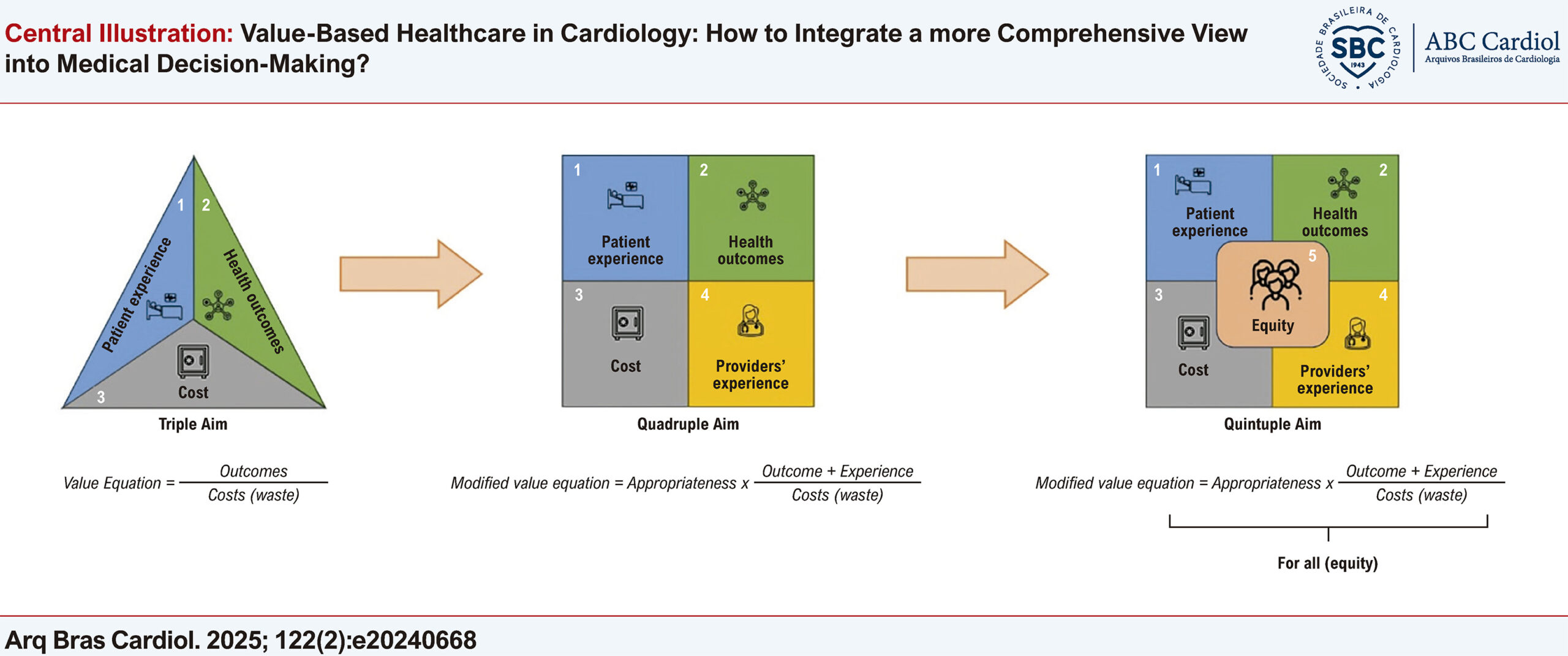
Value-Based Healthcare in Cardiology: How to Integrate a more Comprehensive View into Medical Decision-Making?
Review Article

Value-Based Healthcare in Cardiology: How to Integrate a more Comprehensive View into Medical Decision-Making?

Pedro Gabriel Melo de Barros e Silva et al. Valter Furlan Renato D. Lopes André Volschan … Paulo Cesar Pereira de Souza Carisi Anne Polanczyk

Abstract

Value-based healthcare is a patient-centered concept that provides a broad view of all parties involved in the care process. This model is designed to achieve the best possible patient outcomes while maintaining cost sustainability. In its classic description, value-based care is the relationship between outcomes that matter to the patient and the costs required to achieve them. Later, other variables were considered in this equation, such as appropriateness and user experience, to make this model more replicable. With a view that aligns the interests of patients, physicians, and payers, value-based healthcare has great potential to improve medical practice sustainably. After more than a decade of discussions and publications, putting this concept into practice is still challenging and dynamic. Value-based healthcare has gained importance and should become a transformative model for health ecosystems. Medical compensation aligned with these principles appears to be a promising path toward such transformation. Nevertheless, the application of this concept depends on a more straightforward definition of the health value parameters in different clinical scenarios. Cardiology is a specialty that usually has a solid evidence base for medical decision-making and this generates great potential for the application of health value elements. In this article, the authors outline a review of the main concepts of value-based healthcare and its potential applications in cardiology.

  • Cardiovascular Diseases
  • Quality of Health Care
  • Value-Based Health Insurance
Read Full Article
Creative Commons Attribution (CC BY) Creative Commons license
04/04/2025 DOI: 10.36660/abc.20240668i Views 2
Figure 1
Case Report

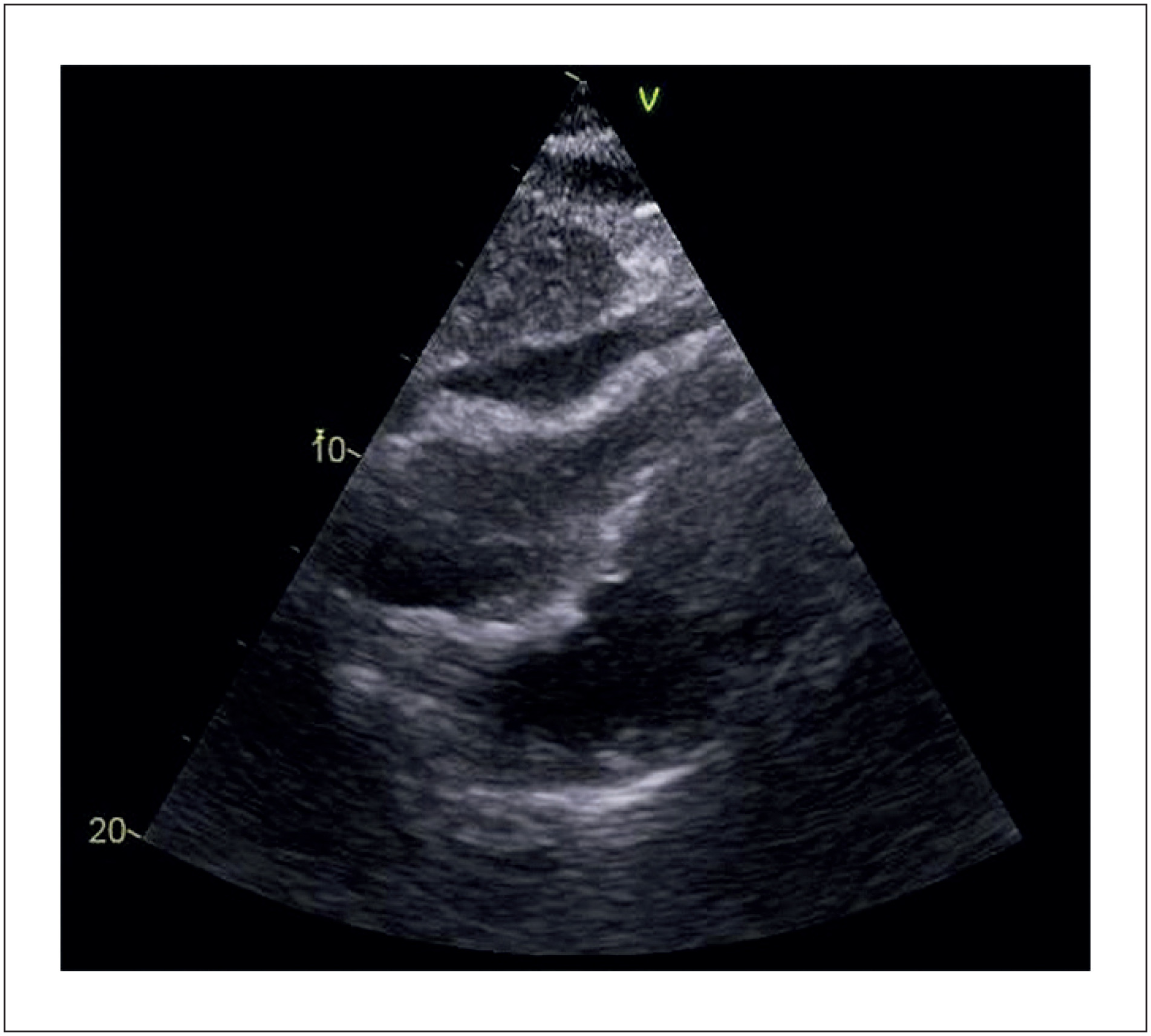
Cardiac Lymphoma: A Case Report

Leticia Ferraz Pamplona et al. Kelly Barnabé Serpa de Oliveira João Ancelmo dos Reis Neto Luis Antelo Bustamante … Januário Manoel de Souza Flávia Fernandes Silva Zacchi Juliana Brenande de Oliveira Brito Salomon Soriano Ordinola Rojas

Abstract

Cardiac tumors are rare. Primary cardiac lymphoma is defined as non-Hodgkin lymphoma that involves only the heart and/or pericardium. It is an aggressive tumor with a poor prognosis and its symptoms may be nonspecific. A definitive diagnosis can only be obtained through histopathological study, and chemotherapy is the main treatment strategy.

This case is about a 71-year-old male patient, with a rare form of primary cardiac tumor. He had postoperative complications such as acute pulmonary edema and the need for a pacemaker, which occurred after tumor resection requiring reconstruction of the vena cava and suture of the right atrium.

Primary cardiac lymphoma is a tumor that is difficult to diagnose because it has a vague and non-specific symptomatic presentation. However, it should always be included as a differential diagnosis of cardiac masses. Early diagnosis can significantly improve the prognosis and increase the survival rate of patients by quickly referring them for specific treatment.

  • Heart
  • Heart Neoplasms
  • Lymphoma
Read Full Article
Creative Commons Attribution (CC BY) Creative Commons license
24/03/2025 DOI: 10.36660/abc.20240299i
Figure 1
Research Letter

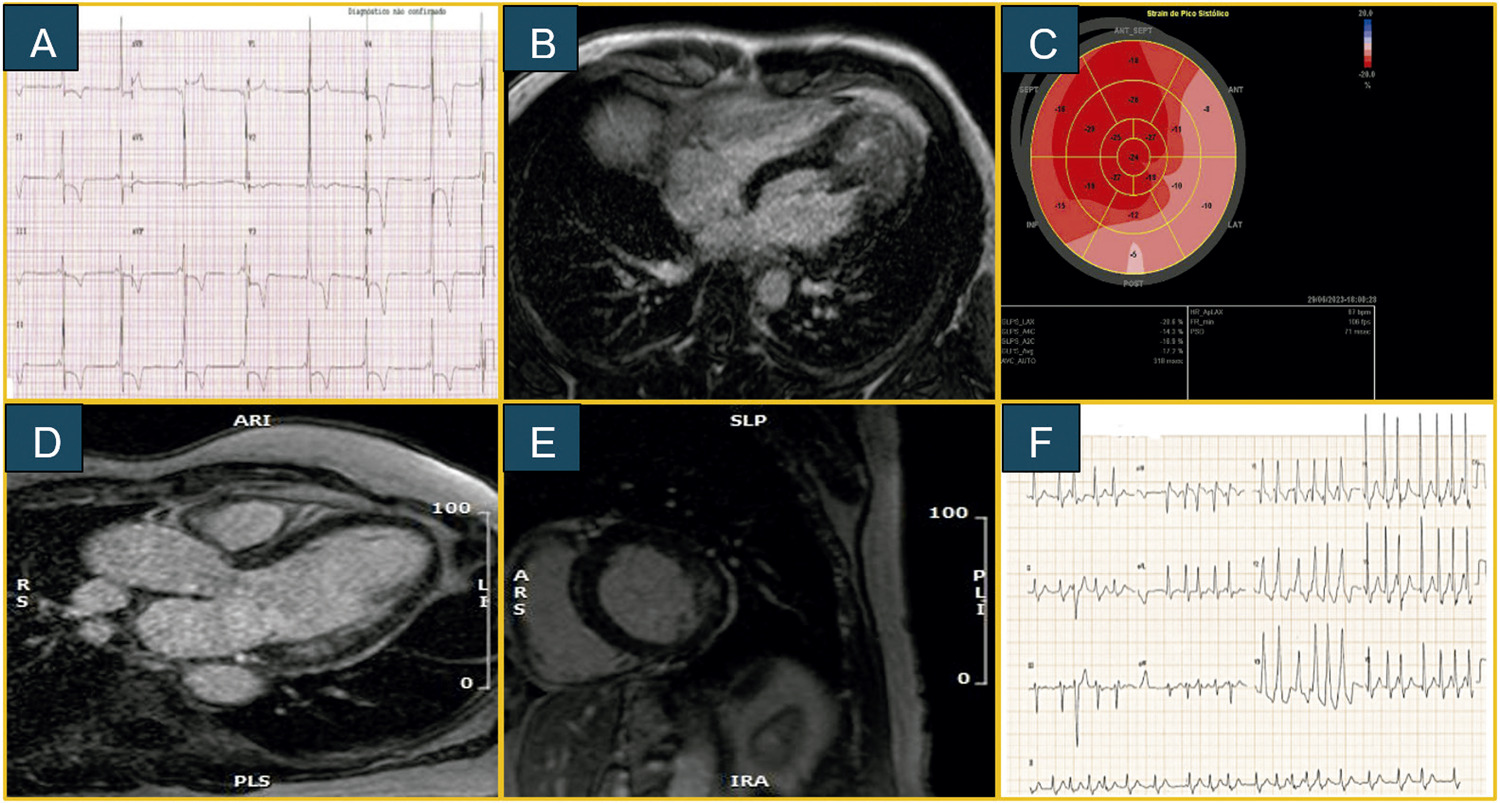
Fabry Disease and Its Different Phenotypes

Murillo Oliveira Antunes et al. Rafael Ruas Nastari Edmundo Arteaga-Fernandez Marcelle G. Henriques Lizandro … William Batah El-Feghaly Guilherme José dos Santos Ferreira Alan Silva Martins Juliana Alzira Gonzales Oliveira Leguizamon Vinicius Machado Correia Vagner Madrini Junior Fábio Fernandes

Abstract

Fabry disease (FD) is an X-linked genetic condition caused by variants in the GLA gene causing enzyme α-galactosidase A deficiency and accumulation of globotriaosylceramide (Gb3) in tissues such as the heart, kidneys, and the nervous system. This study reports a case series of patients with FD, highlighting the phenotypic diversity of the disease, which can be confused with other cardiological conditions. When properly indicated, genetic evaluation, combined with biomarker dosage and α-galactosidase enzymatic activity, is key for an accurate diagnosis. Early diagnosis of FD is fundamental for initiating treatments that can slow disease progression and prevent serious complications, reinforcing the need for greater awareness about this condition among cardiologists.

  • Cardiomyopathies
  • Fabry Disease
  • Genetics
Read Full Article
Creative Commons Attribution (CC BY) Creative Commons license
24/03/2025 DOI: 10.36660/abc.20240535i Views 3
Atrial Fibrillation Catheter Ablation: Electroporation Against High-Power Short Duration Radiofrequency
Original Article

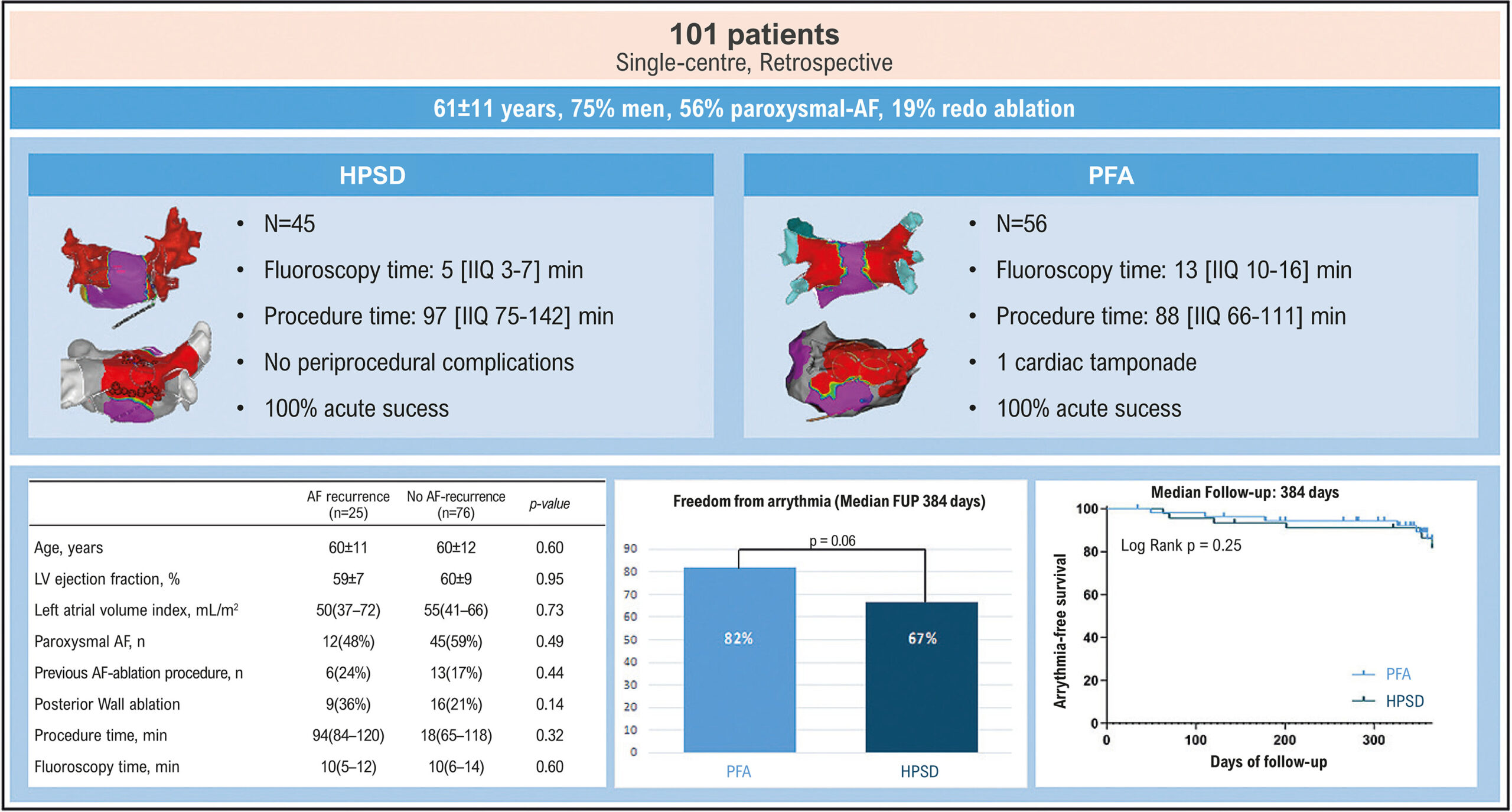
Atrial Fibrillation Catheter Ablation: Electroporation Against High-Power Short Duration Radiofrequency

Rita Reis Santos et al. Rita Amador Pedro Galvão Santos Daniel Matos … Gustavo Rodrigues João Carmo Francisco Costa Pedro Carmo Francisco Morgado Diogo Cavaco Mauricio Scanavacca Pedro Adragão

Abstract

Background

Pulmonary vein isolation (PVI) is crucial in treating symptomatic atrial fibrillation (AF). New ablation technologies, such as pulse-field ablation (PFA) and high-power short-duration (HPSD) have emerged in the electrophysiology lab. However, no study has compared the outcomes of these approaches.

Objective

To compare the efficacy and safety of PFA and HPSD in AF symptomatic patients.

Methods

Single-centre, retrospective study of consecutive patients undergoing PVI with PFA or HPSD between May and December 2022. Demographic data, procedural data, and AF recurrence beyond the blanking period, were analysed. Comparative analysis between both techniques was performed. A P-value of <0.05 was considered statistically significant.

Results

A total 101 patients were included (61±11 years, 75% men); 56% of patients had paroxysmal AF and 19% underwent a redo ablation. Forty-five percent of patients underwent HPSD ablation and 55% PFA. Comparing HPSD and PFA, HPSD had a lower fluoroscopy time (5min [IQR 3-7min]vs 13min [IQR 10-16min], p<0.001), but higher procedure time (97min [IQR 75-142]vs 88min [IQR 66-111], p=0.13). Posterior wall isolation (PWI) was performed in 5 (11%) HPSD vs 20 (36%) PFA patients (p=0.004). There was only one case of major complication, a patient with cardiac tamponade following PFA, who was treated with pericardiocentesis. Over 384 (IQR 341 -545) days of follow-up, 76 patients (75%) were in sinus rhythm, while 25% of patients had AF recurrence: 10 PFA patients and 15 HPSD patients (p=0.06).

Conclusions

Both PFA and HPSD were found to be feasible and safe procedures. PFA resulted in shorter procedure times, and lower AF recurrence rates, mainly when PWI was performed. Although analysis in a real-world scenario is still scarce, both techniques seem to be efficient, with a low AF recurrence rate.

  • Atrial Fibrillation
  • Pulmonary Veins
  • Radiofrequency Ablation
Read Full Article
Creative Commons Attribution (CC BY) Creative Commons license
21/03/2025 DOI: 10.36660/abc.20240542i Views 2
The Frequency of Cardiovascular Diseases in Rheumatoid Arthritis in Brazil: 10-year Cohort Study with DATASUS Databases
Original Article

The Frequency of Cardiovascular Diseases in Rheumatoid Arthritis in Brazil: 10-year Cohort Study with DATASUS Databases

Roberto Gamarski et al. Fernando Ferreira de Castro Jose Antonio Sena do Nascimento Mirhelen Mendes de Abreu

Abstract

Background

Cardiovascular outcomes in patients with rheumatoid arthritis (RA) have been extensively explored in the literature concerning biological factors.

Objectives

This nationwide retrospective cohort study aimed to explore the distribution of cardiovascular events in patients with RA in Brazil, assisted by the Unified Health System (SUS), and to identify factors associated with these outcomes.

Methods

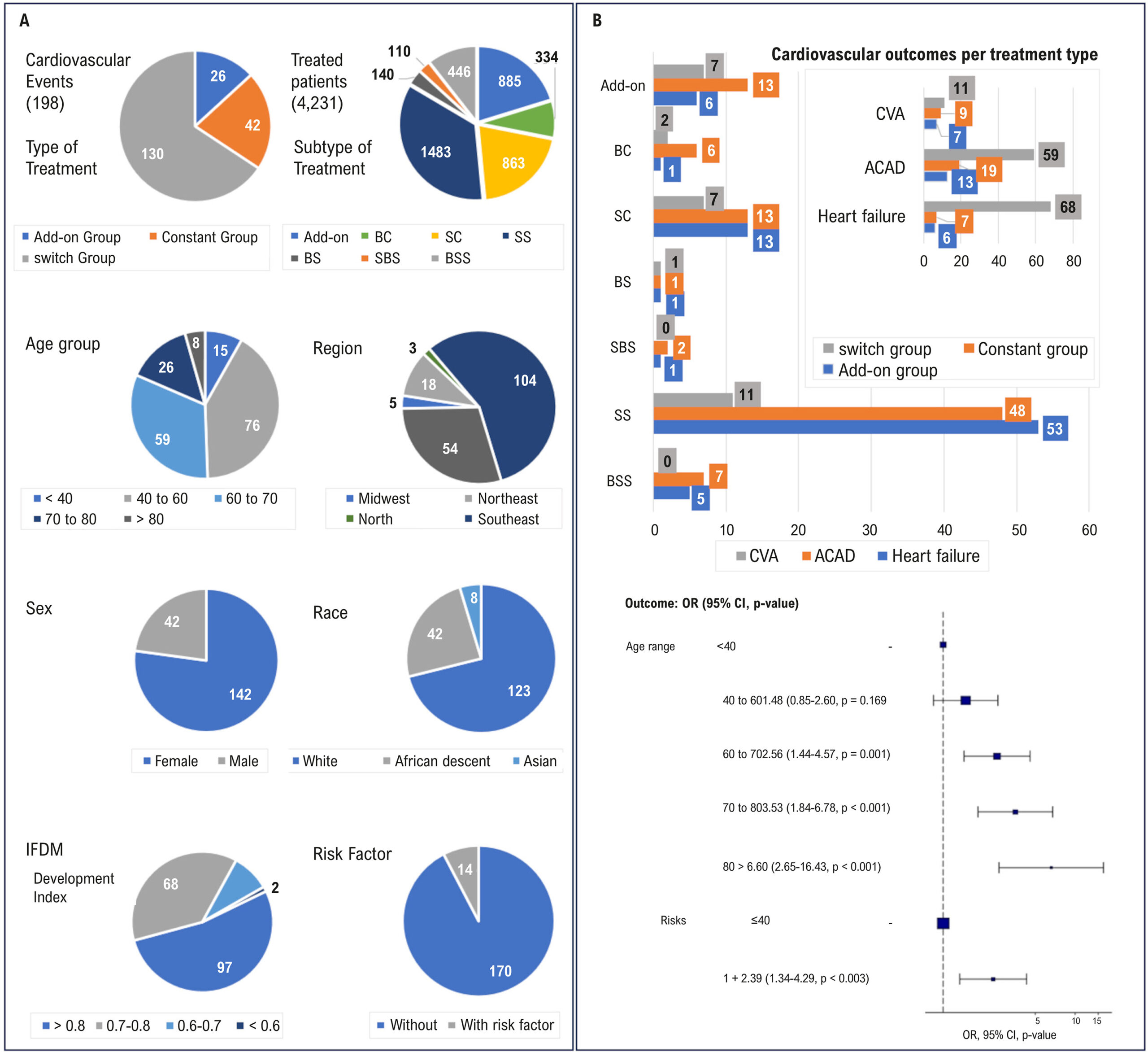
Patients aged ≥ 18 years were identified from the Brazilian Unified Health System Database (DATASUS) through RA ICD-10 codes and their therapeutic procedures according to SUS guidelines. RA patients treated with disease-modifying antirheumatic drugs (DMARDs) were categorized as biological users and non-biological (synthetic) users. Cardiovascular outcomes, including acute coronary artery disease (ACAD), heart failure, and cerebrovascular accident (CVA), were analyzed. Patients were also categorized based on treatment patterns (switch or constant users). Socioeconomic status was assessed using the FIRJAN Municipal Development Index (IFDM). Descriptive analyses identified population distribution and cardiovascular outcomes, and multiple logistic regression explored associated factors. The statistical significance adopted was p < 0.05.

Results

Among the 4,321 patients with RA treated with DMARDS, 198 cardiovascular outcomes (4.68%) were identified. The majority were female (3,398 [80.3%]) with a mean age of 54.2 (standard deviation 12.8) years, predominantly from the Southeast Region (2,421 [57.2%]). The predominant overall IFDM was > 0.8 (47.5%). Advanced age, the presence of cardiovascular risk factors, and the use of synthetic DMARDs were associated with cardiovascular outcomes.

Conclusion

Cardiovascular outcomes in patients with RA are common and are associated with age, comorbidities, and the drugs used for treatment.

  • Antirheumatic Agents
  • Cardiovascular Diseases
  • Health Care Outcome Assessment
  • Rheumatoid Arthritis
Read Full Article
Creative Commons Attribution (CC BY) Creative Commons license
21/03/2025 DOI: 10.36660/abc.20240313i
Editorial

In-Hospital Mortality in Patients Presenting Cardiogenic Shock After Myocardial Infarction: Does it Benefit Using an Intra-Aortic Balloon Pump?

Fernando Arturo Effio Solis et al. Adriana Brentegani Marcelo Luiz Campos Vieira

Cardiogenic shock (CS) represents a severe clinical syndrome characterized by systemic hypoperfusion and insufficient cardiac output due to primary cardiac dysfunction. Its mortality often exceeds 40%, of cases, being a highly complex cardiological condition. The etiology is multifactorial, with acute myocardial infarction (AMI) being the predominant cause, responsible for around 30% of cases. Other relevant conditions include acute decompensation of chronic heart failure and cases of acute myocardial dysfunction without a previous history of heart failure, as observed in myocarditis.

The management of post-AMI CS requires a comprehensive approach, which combines early revascularization and hemodynamic support.– In this context, devices such as the intra-aortic balloon pump (IABP) have their role due to their ability to increase diastolic pressure in the aorta and reduce left ventricular afterload. These physiological effects result in improved coronary perfusion and reduced myocardial oxygen consumption.

[…]

  • Cardiogenic shock
  • in-hospital mortality
  • intra-aortic balloon
  • ST-segment Elevation Myocardial Infarction
Read Full Article
Creative Commons Attribution (CC BY) Creative Commons license
21/03/2025 DOI: 10.36660/abc.20250080i Views 2
Letter to the Editor

Prediction of Rehospitalization in Cardiac Bypass Surgery

Antônio Rafael Alves de Sá et al. Victoria Alves Prado Mateus Augusto Felix de Melo Pâmela Marillac Rodrigues Feijó de Melo … Maria Clara Filgueira Borba Achilles de Souza Andrade Jorge Fernando Pereira Silva Johnnatas Mikael Lopes

Coronary artery disease, a cardiovascular disease in which there is obstruction of blood flow in the myocardial vessels, causes a large number of deaths in Brazil every year. Myocardial revascularization surgery, associated with antiplatelet, lipid-lowering, and RAAS blocker medications, is the best option for treating and preventing new cases of vascular flow obstruction, thus allowing the restoration of ventricular function, reduction of angina and prevention of acute myocardial infarction. Thus, it has clinical and surgical importance, as it allows the treatment of multiple obstructions and improves patient survival.,

Percutaneous coronary intervention (PCI) is the most frequently used revascularization procedure in patients with coronary disease and is performed both electively and in acute situations. Unplanned rehospitalizations can be considered an adverse outcome for patients and may be related to complications of the PCI procedure or hospital treatment. Therefore, they are often used as an indicator of the quality of care provided. It is estimated that 1 in 7 patients undergoing PCI are readmitted within 30 days.

[…]

  • Cohort Studies
  • Myocardial Revascularization
  • Patient Readmission
Read Full Article
Creative Commons Attribution (CC BY) Creative Commons license
17/03/2025 DOI: 10.36660/abc.20240706i Views 1
Editorial

Oral Anticoagulation with VKAs: Quality Above All!

Letícia Braga Ferreira et al. André Assis Lopes do Carmo

Since their first Food and Drug Administration approval in 2010, direct oral anticoagulants (DOACs) have grown in use worldwide and have become the most common initially prescribed oral anticoagulation drug for patients with newly diagnosed atrial fibrillation. However, the high costs still hinder their utilization, especially in low and middle-income countries. Furthermore, in certain conditions, especially mechanical heart valves and rheumatic mitral stenosis, vitamin K antagonists (VKAs) remain the only drugs with established safety and efficacy.,

Data from more than 400.000 patients from the United States show that after 2019, nearly 48% of patients with atrial fibrillation were prescribed DOAC, and only 17,7% were using warfarin. Such precise data about warfarin and DOAC utilization in Brazil are lacking but it is estimated that a higher proportion of patients are using VKAs.

[…]

  • Atrial Fibrillation
  • DOAC
  • Vitamin K Antagonists
  • Warfarin
Read Full Article
Creative Commons Attribution (CC BY) Creative Commons license
17/03/2025 DOI: 10.36660/abc.20240795i
Preoperative Predictors of Hospital Readmission within 5 Years Following CABG: Cohort Analysis of the REPLICCAR II Database
Original Article

Preoperative Predictors of Hospital Readmission within 5 Years Following CABG: Cohort Analysis of the REPLICCAR II Database

Carlos Alberto Sancio Junior et al. Fabiane Letícia de Freitas Gabrielle Barbosa Borgomoni Daniella de Lima Pes … Pedro Horigoshi Reis Pedro Gabriel Melo de Barros e Silva Marcelo Arruda Nakazone Marcos Gradim Tiveron Valquiria Pelisser Campagnucci Luiz Augusto Lisboa Luís Alberto Oliveira Dallan Fabio Biscegli Jatene Omar Asdrúbal Vilca Mejia

Abstract

Background

Reducing hospital readmissions following coronary artery bypass grafting (CABG) surgeries is essential to optimizing medium- and long-term patient outcomes.

Objective

To analyze preoperative predictors associated with all-cause and cardiac readmissions within 5 years following CABG.

Methods

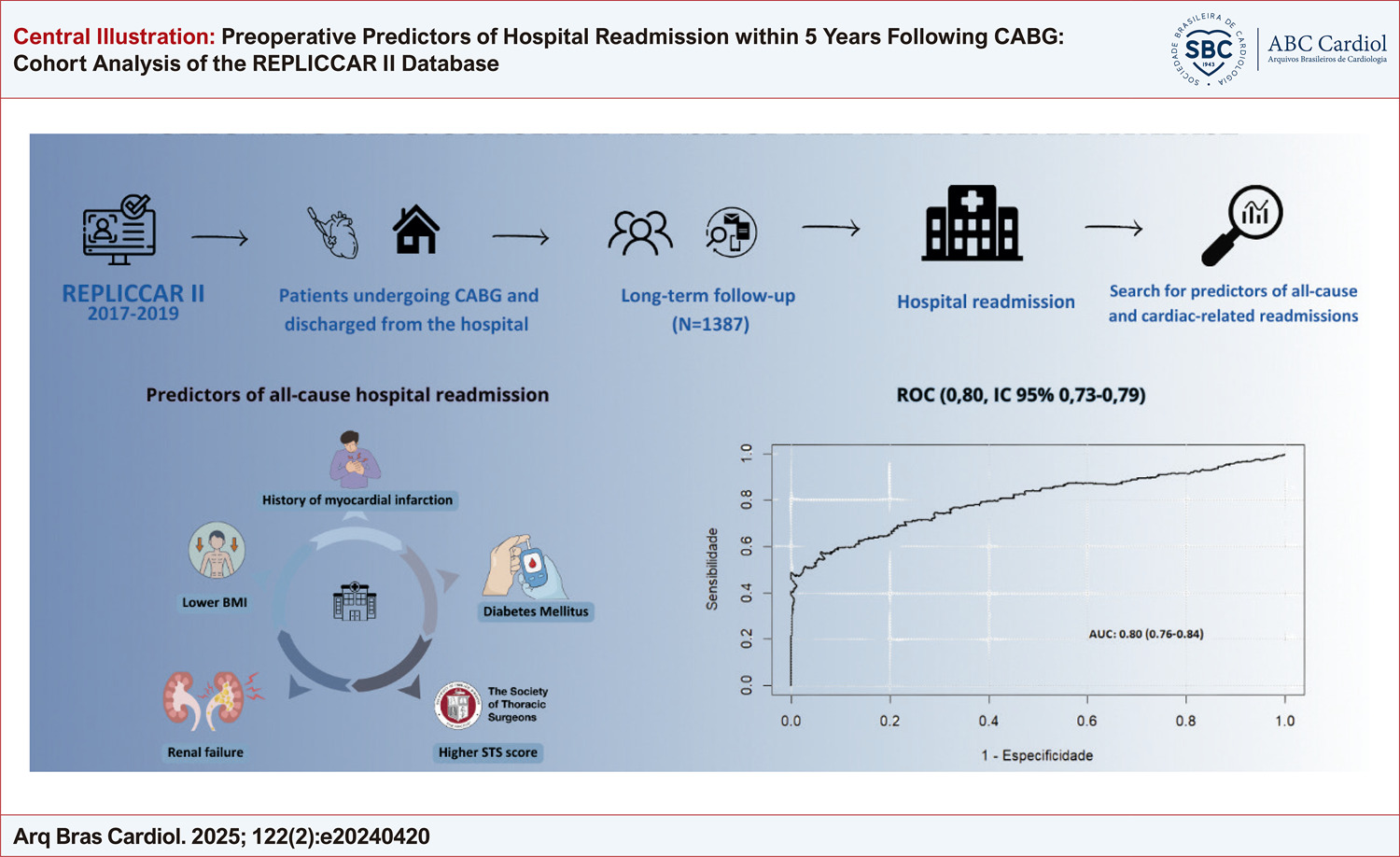
We analyzed 1,387 patients who underwent CABG between June 2017 and July 2019 using data from the multicenter REPLICCAR II registry. Follow-up was carried out by telephone interviews using a questionnaire structured in the REDCap platform. Statistical analysis included univariate and multivariate methods, with Cox regression and internal validation through calibration and discrimination tests. A significance level of 5% was applied.

Results

The cumulative incidence of all-cause readmission was 27.69%, with a mean follow-up of 4.3 years and a mean time to readmission of 2.4 years. Multivariate regression analysis indicated the following predictors of higher all-cause readmission risk: lower body mass index (HR=0.97, p=0.032), history of myocardial infarction (HR=1.27, p=0.024), diabetes mellitus (HR=1.35, p=0.004), renal failure (HR=1.62, p=0.004), and higher STS score (HR=1.22, p<0.001). A moderate correlation was observed between readmission and mortality (Rho=0.55).

Conclusions

This analysis demonstrates that lower body mass index, history of myocardial infarction, diabetes mellitus, renal failure, and elevated STS scores are significant predictors of increased hospital readmission risk following CABG.

  • Coronary Artery Disease
  • Hospitalization
  • Myocardial Revascularization
Read Full Article
Creative Commons Attribution (CC BY) Creative Commons license
17/03/2025 DOI: 10.36660/abc.20240420i Views 2
How Cardiovascular Physical Examination Impacts Clinical Decision-Making in Various Scenarios of Cardiac Valvular Diseases
Original Article

How Cardiovascular Physical Examination Impacts Clinical Decision-Making in Various Scenarios of Cardiac Valvular Diseases

Isabella Silveira Teixeira et al. Vinícius Lima Borges Natan Viola Henrique Turin Moreira … Antonio Pazin Filho André Schmidt José Antônio Marin-Neto Minna Moreira Dias Romano

Abstract

Background

Complementary diagnostic examinations have replaced the importance of Physical Examination (PE) in Clinical Decision-making (CDM).

Objective

To evaluate the impact of cardiovascular PE in scenarios of cardiac valvular diseases.

Methods

An interventional study with volunteers’ patients having or not having the opportunity to perform PE in scenarios of valvopathies. The PE was simulated in a high-fidelity cardiopulmonary simulator. Volunteers received questions about CDM before and after receiving an ECHO Concordant or ECHO Discordant report. Cohen´s kappa coefficient and square contingency tables compared diagnostic accuracy. ANOVA tests compared the number of requested tests; the significance level was set as p < 0.05.

Results

Sixty volunteers performed 239 clinical observations in 4 valvular dysfunctions. The diagnostic accuracy of valvular dysfunction was good (kappa = 0.935, p < 0.001). After receiving ECHO reports, the accuracy was worse without PE (p = 0.0047). The confidence level in diagnosis was 28.18% higher when PE was performed (p < 0.01). However, after receiving ECHO reports, diagnostic confidence levels were only 4% higher in the group with PE (p = 0.03). There were significantly more CATE requests when PE was not performed (p = 0.0326). The indication of valvular intervention was not related to having or not having the opportunity to perform PE (79 with PE vs 78 without PE, p = 0.0607), but was influenced by ECHO Concordant vs ECHO Discordant reports (p < 0.001).

Conclusions

Performing PE enhanced diagnosis confidence in valvulopathy scenarios and correct dysfunction grading. Treatment decisions were more based on ECHO reports than on PE when they were discordant, and requests for CATE increased when volunteers had no chance to perform PE.

  • Clinical Decision – Making
  • Echocardiography
  • Heart Valve Diseases
  • Physical Examination
Read Full Article
Creative Commons Attribution (CC BY) Creative Commons license
17/03/2025 DOI: 10.36660/abc.20240272i Views 3
Clinical Outcomes and Mortality in Patients with Implantable Cardioverter-Defibrillator for Primary Prevention
Original Article

Clinical Outcomes and Mortality in Patients with Implantable Cardioverter-Defibrillator for Primary Prevention

Ahmet Anıl Başkurt et al. Sema Güneri Reşit Yiğit Yılancıoğlu Oğuzhan Ekrem Turan Emin Evren Özcan

Abstract

Background

Implantable cardioverter-defibrillator (ICD) is indicated for primary prevention in patients with left ventricular ejection fraction (LVEF) ≤ 35% and New York Heart Association class II or III heart failure despite 3 months of optimal medical therapy. However, studies that support this recommendation are over 20 years old, and they may not reflect modern heart failure patients’ characteristics.

Objectives

Retrospectively evaluate patients who received an ICD for primary prevention.

Methods

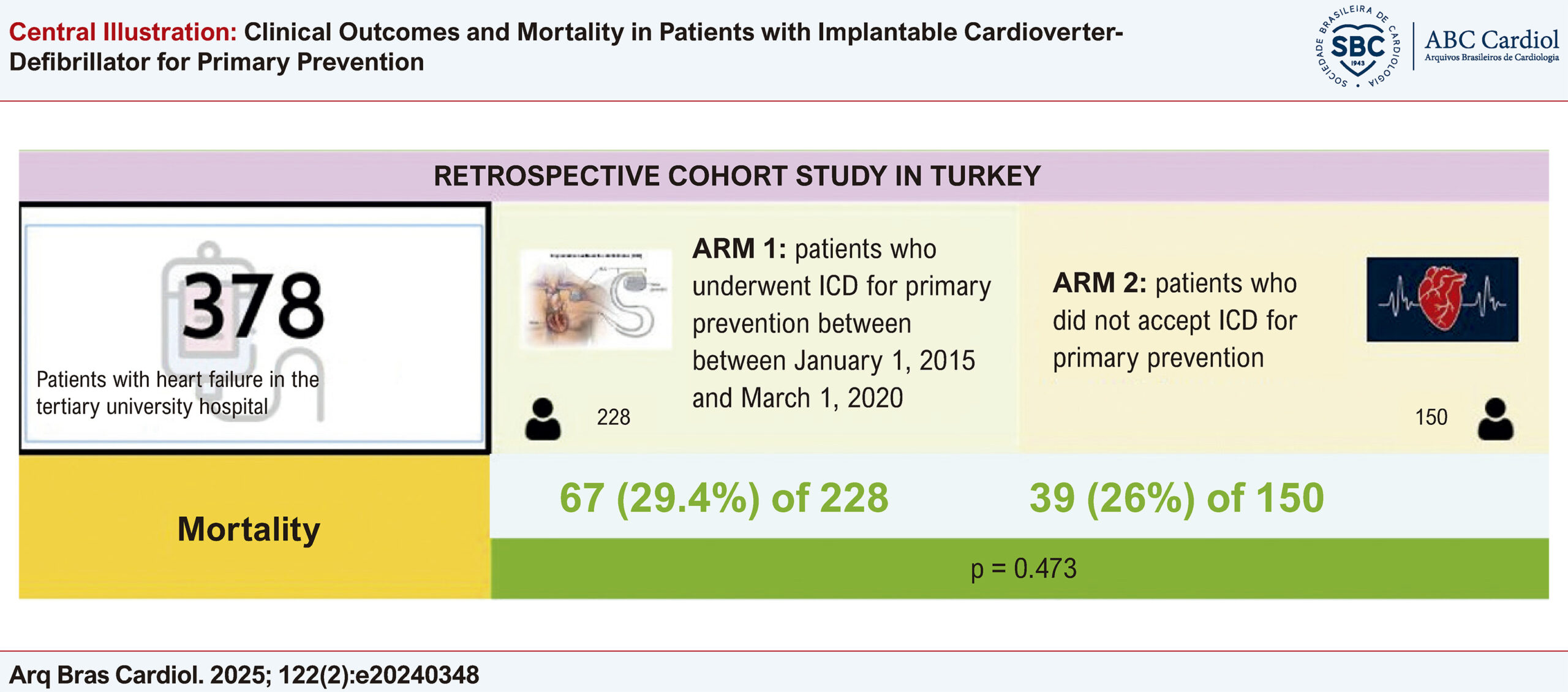
All-cause and sudden death rates were compared in patients who received ICD between January 1, 2015 and March 1, 2020 and those who did not accept ICD. Variables were analyzed at a 95% confidence interval, and p < 0.05 was considered as significant.

Results

When comparing mortality rates between patients with and without ICD, 67 of 228 patients (29.4%) in the ICD group and 39 of 150 patients (26%) in the control group died from all causes (p = 0.473). Age, LVEF, BNP value, and hospitalization were found to be independent predictors of all-cause mortality. Patients with BNP above 508.5, LVEF below 24.5%, and age over 68.5 years had a 25-fold increased all-cause mortality. Coronary artery disease was not found to be an independent risk factor. Survival in the control group was statistically significantly better in the first months. Although there was no statistical difference in the long term, survival was numerically better in the ICD arm. This could be attributed to the fact that ICD implantations were performed on patients with worse clinical conditions. The higher survival rate observed in patients with ICD may be due to the fact that they came in for device control and remained in follow-up.

Conclusions

With advances in the treatment of heart failure, ICD implantation should be performed in selected patients.

  • Heart Failure
  • Implantable Defibrillators
  • Primary Prevention
Read Full Article
Creative Commons Attribution (CC BY) Creative Commons license
28/02/2025 DOI: 10.36660/abc.20240348i Views 1
Figure 1
Research Letter

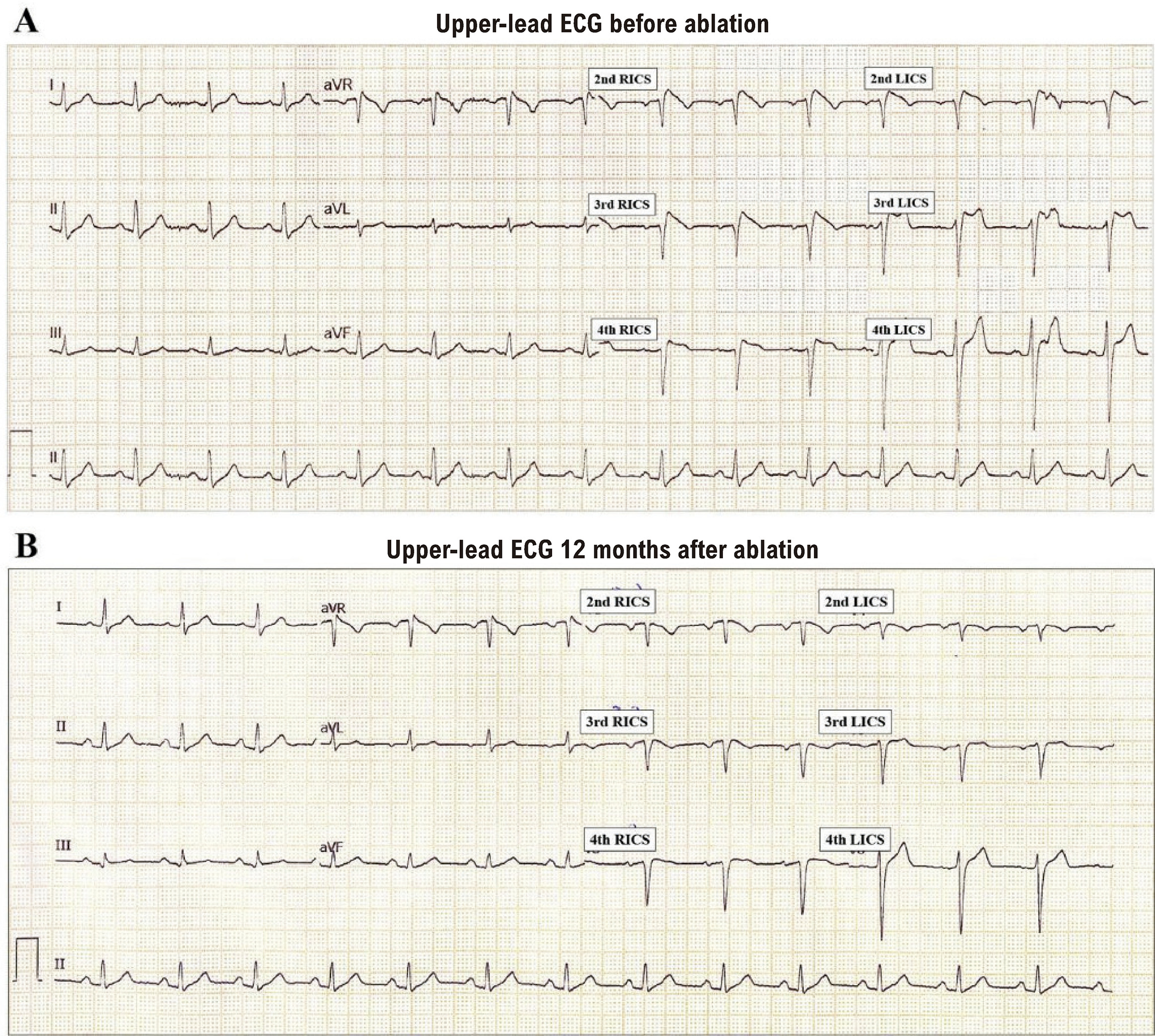
Treating Brugada Syndrome: A Case of Successful Radiofrequency Catheter Ablation

Mirella Esmanhotto Facin et al. Cristiano Faria Pisani Luciana Sacilotto Francisco Carlos da Costa Darrieux … Nelson Samesima Maurício Ibrahim Scanavacca

Introduction

Brugada syndrome (BrS) is a severe health condition characterized by a distinctive electrocardiographic pattern and an increased risk of life-threatening cardiac arrhythmias. Traditional therapy has been limited to implantable cardioverter defibrillators (ICD). In the past two decades, however, radiofrequency catheter ablation (RFCA) has emerged as a valuable treatment option, especially for those ineligible for ICD implantation or who have already undergone appropriate device therapy., Nevertheless, reports on medium to long-term success of this procedure are still scarce. We reported herein the case of a symptomatic patient with BrS who underwent RFCA after experiencing an appropriate ICD shock.

[…]

  • Brugada Syndrome
  • implantable cardioverter-defibrillator
  • Life-threatening Arrhythmic Events
  • radiofrequency catheter ablation
Read Full Article
Creative Commons Attribution (CC BY) Creative Commons license
28/02/2025 DOI: 10.36660/abc.20240501i Views 1
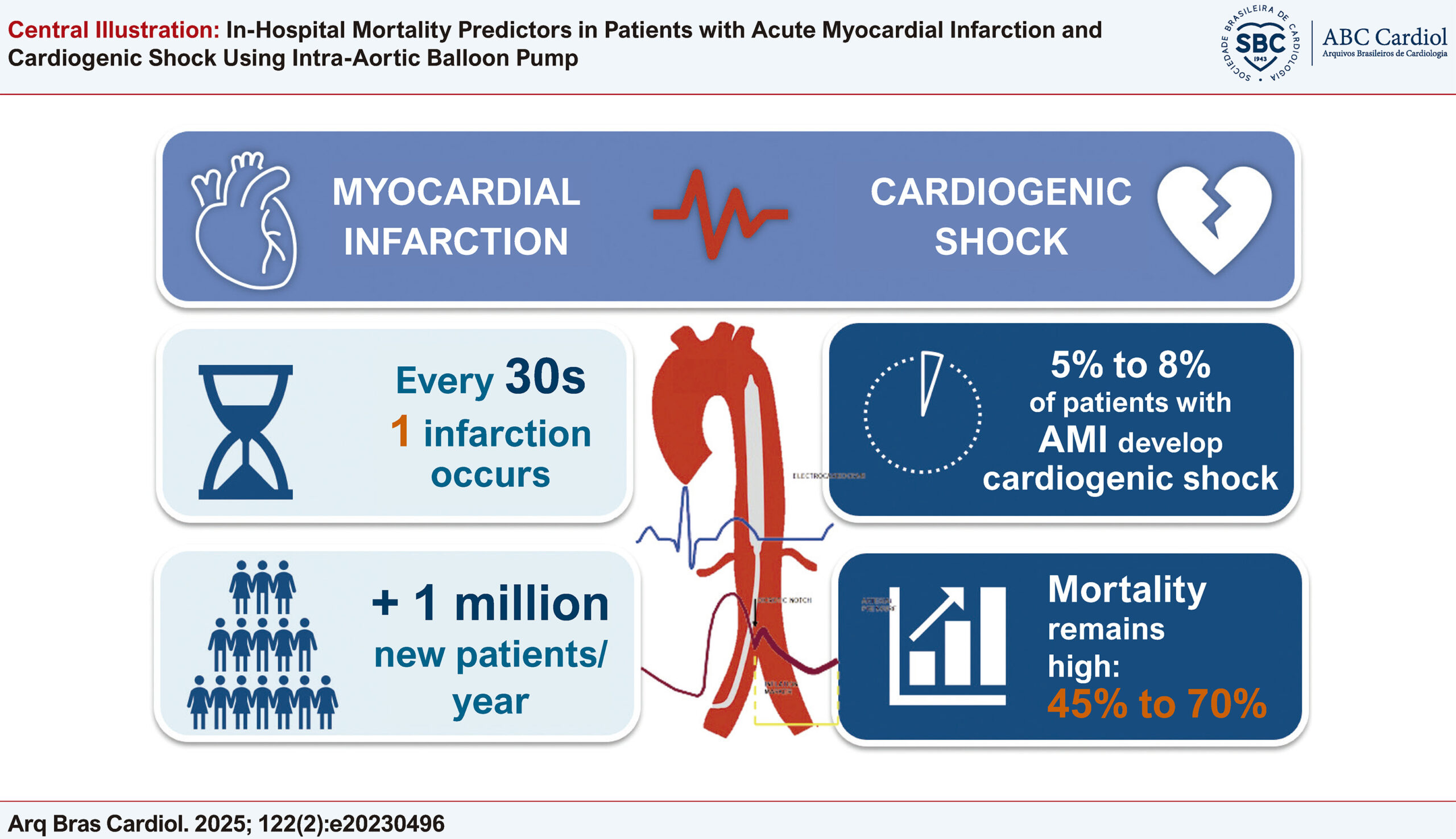
In-Hospital Mortality Predictors in Patients with Acute Myocardial Infarction and Cardiogenic Shock Using Intra-Aortic Balloon Pump
Original Article

In-Hospital Mortality Predictors in Patients with Acute Myocardial Infarction and Cardiogenic Shock Using Intra-Aortic Balloon Pump

Rossana Dall’Orto Elias et al. Isabella Pedrosa Assunção Julliane Vasconcelos Joviano Santos Maria da Gloria Rodrigues-Machado José Luiz Barros Pena

Abstract

Background

Patients with ST-segment elevation myocardial infarction (STEMI) and cardiogenic shock (CS) have a high risk of death. New types of mechanical devices have limited availability in Brazil. The use of intra-aortic balloon pump (IABP), although new guidelines downgraded its recommendation, is the most widely used mechanical support strategy. However, little is known about the clinical predictors of its effectiveness in reducing mortality in this group of patients.

Objectives

To assess the predictors of IABP effectiveness in reducing in-hospital mortality in patients with STEMI and CS.

Methods

This observational, retrospective, descriptive, single-center study involved 98 patients with STEMI and CS treated with IABP, in an intensive care unit. We compared patients who survived (42 men and 13 women) and those did not (30 men and 13 women) using clinical predictors of IABP effectiveness in reducing in-hospital death, considering a statistical significance level of 5% (p < 0.05).

Results

The use of IABP in patients less than 1 day after infarction (odds ratio [OR]: 0.12; 95% confidence interval [CI]: 0.02 to 0.85; p = 0.034) was a factor that increased the risk of in-hospital death. Younger age (OR: 1.09; 95% CI: 1.02 to 1.16; p = 0.010) and dyslipidemia (OR: 0.19; 95% CI: 0.05 to 0.81; p = 0.024) were predictors of reduced in-hospital mortality. For each additional year of age, the risk of death increased 1.07-fold.

Conclusion

In patients with STEMI and CS, the use of IABP reduced in-hospital mortality when it was used for 2 or more days, as well as in younger patients and those with dyslipidemia. Additional studies are needed to confirm these findings.

  • Cardiogenic shock
  • Hospital Mortality
  • Intra-Aortic Balloon Pumping
  • ST Elevation Myocardial Infarction
Read Full Article
Creative Commons Attribution (CC BY) Creative Commons license
21/02/2025 DOI: 10.36660/abc.20230496i Views 2
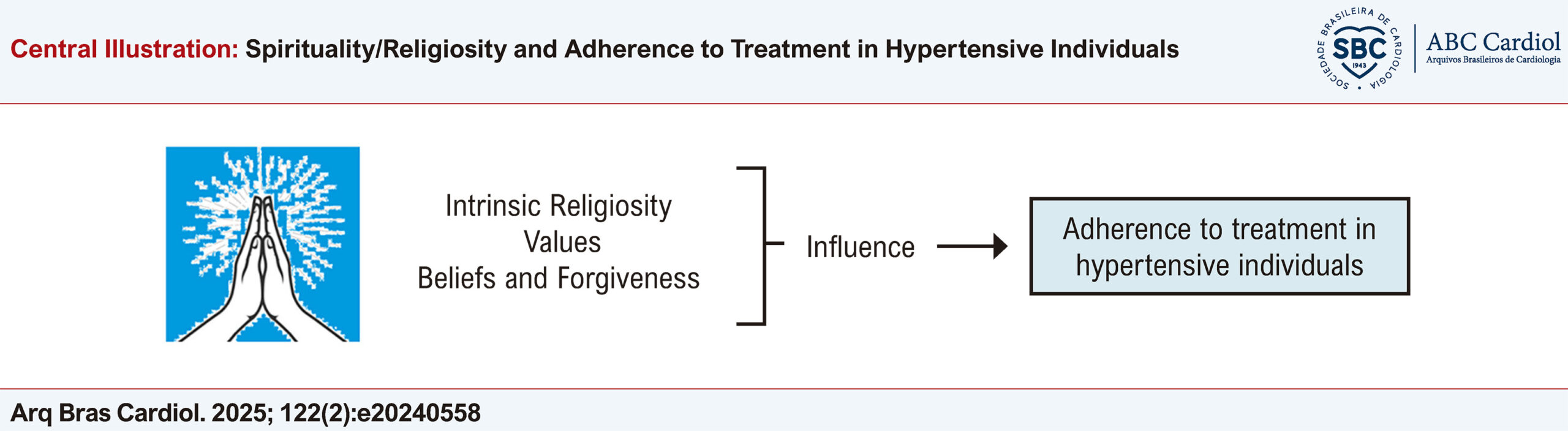
Spirituality/Religiosity and Adherence to Treatment in Hypertensive Individuals
Original Article

Spirituality/Religiosity and Adherence to Treatment in Hypertensive Individuals

Yanne da Silva Camargo et al. Aliny Serafim Borges Ferreira Luana Araújo Macedo Scalia Patrícia Magnabosco … Aline Guarato da Cunha Bragato Maria Beatriz Guimarães Raponi Nelson Dinamarco Valéria Nasser Figueiredo

Abstract

Background

Adherence to drug and non-drug treatment for hypertension has a major socioeconomic impact, in addition to reducing the risk of cardiovascular events and morbidity and mortality. It is known that spirituality and religiosity can be incorporated into coping and managing hypertension.

Objective

To analyze possible factors associated with adherence to treatment in hypertensive patients and the role of spirituality/religiosity in this context.

Methods

Observational, cross-sectional, quantitative study, carried out with 237 hypertensive individuals monitored in a large Brazilian teaching hospital. Sociodemographic, clinical and lifestyle data were collected, in addition to measuring anthropometric data and performing a physical examination. To determine adherence to drug and non-drug treatment for hypertension, the QATSAH instrument was used and, to assess the level of spirituality/religiosity, the Duke Religion Index and the Brief Multidimensional Measure of Religiousness/Spirituality were applied.

Results

Higher levels of adherence to treatment were observed when aged ≥65 years, physically active, and who did not consume alcohol (p<0.05). Regarding religiosity and spirituality, intrinsic religiosity (β = 0.24, 95%CI [0.22, 1.13], p = 0.004), values and beliefs (β = -0.18, 95%CI [-1.58, -0.20], p = 0.012), and forgiveness (β = 0.16, 95%CI [0.13, 1.19], p = 0.015) were statistically significant predictors of treatment adherence. Organizational religiosity, non-organizational religiosity, and daily spiritual experiences were not significant.

Conclusion

Greater intrinsic religiosity, lower scores in Values and Beliefs and higher scores in Forgiveness increase the level of medication and non-medication adherence in hypertensive individuals.

  • Hypertension
  • medication adherence
  • Spirituality
  • Treatment Adherence and Compliance
Read Full Article
Creative Commons Attribution (CC BY) Creative Commons license
21/02/2025 DOI: 10.36660/abc.20240558i
Content Analysis of Brazilian Mobile Applications Targeting Blood Pressure Management: A Systematic Search
Original Article

Content Analysis of Brazilian Mobile Applications Targeting Blood Pressure Management: A Systematic Search

Eduardo Braghini Johann et al. Marcelo Baggio Nicolle Abreu Pauli Artur Dilli … Rafael Teixeira Ilkiu Raphael Mendes Ritti-Dias Aline Mendes Gerage

Abstract

Background

Several mobile applications have been developed to assist in managing hypertension, but little is known about their quality in the Brazilian scenario.

Objective

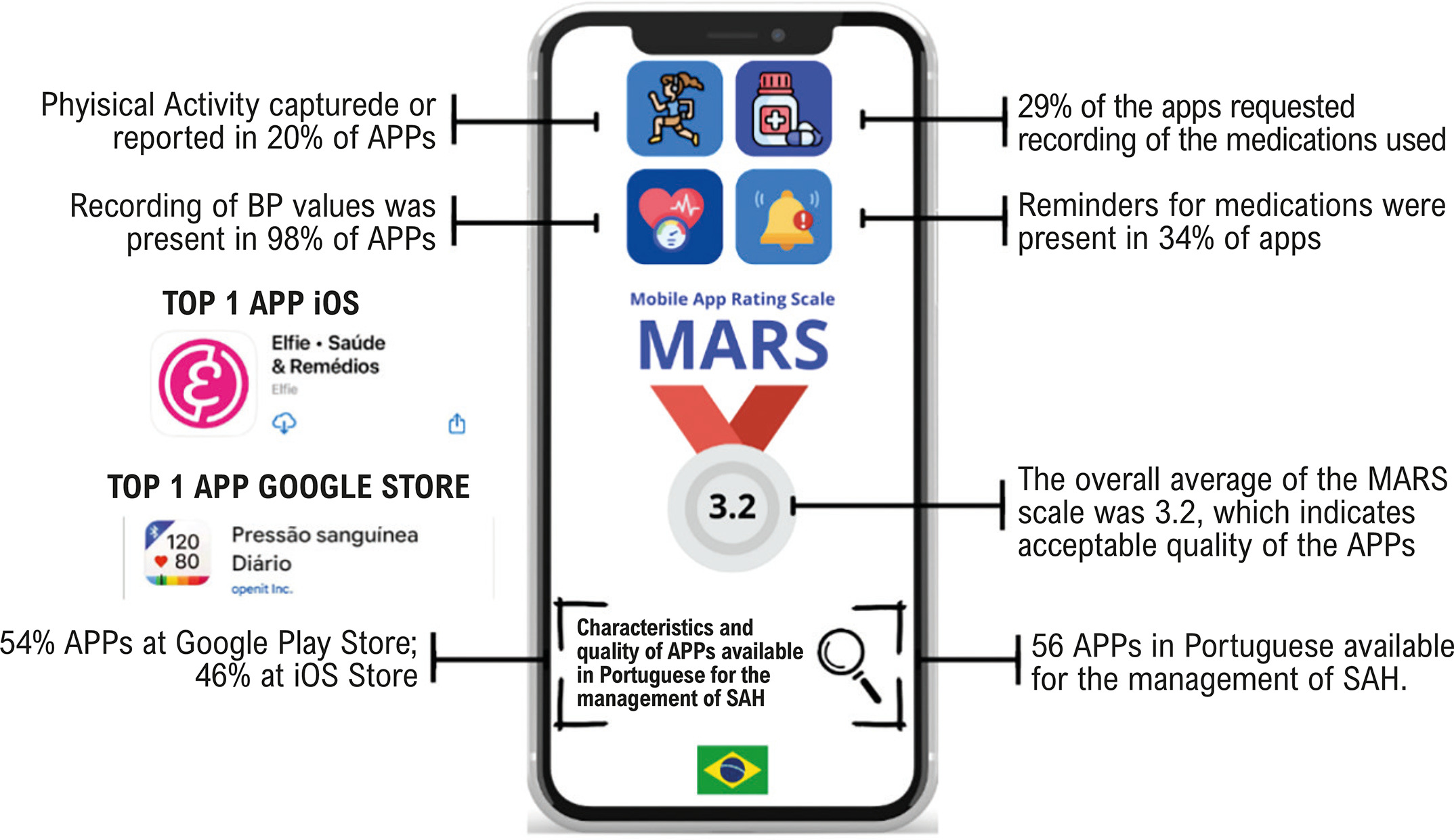
To identify and analyze the quality of the apps targeting blood pressure (BP) management available in Portuguese.

Methods

A systematic search was carried out through Brazilian virtual app stores in the Android and iOS platforms from November 2021 to March 2022, with an update in March 2024. The search was based on the standards of systematic review (PRISMA), using predefined keywords, including apps in Portuguese, free and available for use during the search. Three independent reviewers analyzed the apps using the five-point Mobile App Rating Scale (MARS), and for the presence of tools/content related to the BP control.

Results

Fifty-six applications met the criteria for data extraction. The most prevalent tool was the recording of BP values (98%). The tool for adherence to medication and reminders to their use was present in only 29% and 34% of the APPs, respectively. The mean overall MARS score was 3.4 ± 0.74 and 3.1 ± 0.61 for Android and iOS APPs, respectively, which classified then as acceptable. The best rated item was “functionality” for both Android and iOS apps.

Conclusion

The present study identified numerous apps with acceptable quality aimed at monitoring BP. However, most of them did not include important factors related to disease control, particularly regarding treatment adherence, physical activity and presence of comorbidities.

  • Arterial Pressure
  • digital health
  • Hypertension
  • Medical Assistance
  • Telemedicine
Read Full Article
Creative Commons Attribution (CC BY) Creative Commons license
10/02/2025 DOI: 10.36660/abc.20240339i Views 1
Vortioxetine’s Therapeutic Potential: Cardiac Responses to Chronic Unpredictable Mild Stress in a Rat Model
Original Article

Vortioxetine’s Therapeutic Potential: Cardiac Responses to Chronic Unpredictable Mild Stress in a Rat Model

Ozlem Ozmen et al. Serife Tasan Gulin Ozdamar Unal

Abstract

Background

Stress arises in response to threats or challenges, affecting both physical and mental health. While its harmful effects on the heart are widely recognized, cellular-level investigations remain limited. Antidepressants, including vortioxetine (VOR), are known to impact the cardiovascular system. VOR, used to treat major depressive disorder, is considered a promising option for patients with heart disease due to its anti-inflammatory and antioxidant properties, which may reduce cardiac damage.

Objectives

This study aimed to assess the effects of chronic unpredictable mild stress (CUMS) on rat hearts and evaluate VOR’s potential protective effects against stress-induced cardiac damage.

Methods

Twenty-eight male Wistar Albino rats were divided into four groups. The CUMS group experienced random daily stress for 6 weeks, while the CUMS+VOR group received VOR treatment alongside stress. VOR and control groups were not exposed to stress. Heart samples were examined histopathologically and immunohistochemically.

Results

The CUMS group showed increased hyperemia, hemorrhage, edema, vacuolar degeneration, and mononuclear cell infiltrations, with reduced troponin and IL-10 and increased caspase-3 and NF-κB expressions compared to the control group (p≤0.001). VOR treatment improved these findings, normalizing histopathological and immunohistochemical results.

Conclusions

CUMS caused significant cardiac damage in rats, while VOR treatment showed protective effects by alleviating these pathological changes.

  • Heart
  • Immunohistochemistry
  • Pathology
  • Vortioxetine
Read Full Article
Creative Commons Attribution (CC BY) Creative Commons license
10/02/2025 DOI: 10.36660/abc.20240159i

Could not load more articles. Please try again.

How to cite this article

EndNote RIS

Electronic Document Format (Vancouver)

Miranda RD, Laurindo BO, Licco MEA. Technologies for Better Blood Pressure Control: Do the Applications Offer the Necessary Quality?. Arquivos Brasileiros de Cardiologia 2025;122(2):e20250085.

Electronic Document Format (ABNT)

Miranda, Roberto Dischinger; Laurindo, Bruna de Oliveira; Licco, Maria Eduarda Augusto. Technologies for Better Blood Pressure Control: Do the Applications Offer the Necessary Quality?. Arquivos Brasileiros de Cardiologia, v. 122, n. 2, e20250085, Apr. 2025.

Electronic Document Format (APA)

Miranda, R. D., Laurindo, B. O., & Licco, M. E. A. (2025). Technologies for Better Blood Pressure Control: Do the Applications Offer the Necessary Quality?. Arquivos Brasileiros de Cardiologia, 122(2), e20250085.

Electronic Document Format (ISO)

Miranda, Roberto Dischinger and Laurindo, Bruna de Oliveira and Licco, Maria Eduarda Augusto. Technologies for Better Blood Pressure Control: Do the Applications Offer the Necessary Quality?. Arquivos Brasileiros de Cardiologia [online]. 2025, vol. 122, n. 2, [cited 2026-10-14], e20250085. Available from: <https://journals.cardiol.br/en/article/technologies-for-better-blood-pressure-control-do-the-applications-offer-the-necessary-quality/>. ISSN 0066-782X

EndNote RIS

Electronic Document Format (Vancouver)

Cabral S. Revisiting a Timeless Skill: The Physical Examination in the Age of Technology-Driven Medicine. Arquivos Brasileiros de Cardiologia 2025;122(2):e20250124.

Electronic Document Format (ABNT)

Cabral, Sofia. Revisiting a Timeless Skill: The Physical Examination in the Age of Technology-Driven Medicine. Arquivos Brasileiros de Cardiologia, v. 122, n. 2, e20250124, Apr. 2025.

Electronic Document Format (APA)

Cabral, S. (2025). Revisiting a Timeless Skill: The Physical Examination in the Age of Technology-Driven Medicine. Arquivos Brasileiros de Cardiologia, 122(2), e20250124.

Electronic Document Format (ISO)

Cabral, Sofia. Revisiting a Timeless Skill: The Physical Examination in the Age of Technology-Driven Medicine. Arquivos Brasileiros de Cardiologia [online]. 2025, vol. 122, n. 2, [cited 2026-10-14], e20250124. Available from: <https://journals.cardiol.br/en/article/revisiting-a-timeless-skill-the-physical-examination-in-the-age-of-technology-driven-medicine/>. ISSN 0066-782X

EndNote RIS

Electronic Document Format (Vancouver)

Issa AFC. Predictors of Hospital Readmission After Coronary Artery Bypass Grafting – Reflections and Perspectives. Arquivos Brasileiros de Cardiologia 2025;122(2):e20250133.

Electronic Document Format (ABNT)

Issa, Aurora Felice Castro. Predictors of Hospital Readmission After Coronary Artery Bypass Grafting – Reflections and Perspectives. Arquivos Brasileiros de Cardiologia, v. 122, n. 2, e20250133, Apr. 2025.

Electronic Document Format (APA)

Issa, A. F. C. (2025). Predictors of Hospital Readmission After Coronary Artery Bypass Grafting – Reflections and Perspectives. Arquivos Brasileiros de Cardiologia, 122(2), e20250133.

Electronic Document Format (ISO)

Issa, Aurora Felice Castro. Predictors of Hospital Readmission After Coronary Artery Bypass Grafting – Reflections and Perspectives. Arquivos Brasileiros de Cardiologia [online]. 2025, vol. 122, n. 2, [cited 2026-10-14], e20250133. Available from: <https://journals.cardiol.br/en/article/predictors-of-hospital-readmission-after-coronary-artery-bypass-grafting-reflections-and-perspectives/>. ISSN 0066-782X

EndNote RIS

Electronic Document Format (Vancouver)

Koike M. Datasus: An Essential Tool for Public Health in Brazil. Arquivos Brasileiros de Cardiologia 2025;122(2):e20250123.

Electronic Document Format (ABNT)

Koike, Marcia. Datasus: An Essential Tool for Public Health in Brazil. Arquivos Brasileiros de Cardiologia, v. 122, n. 2, e20250123, Apr. 2025.

Electronic Document Format (APA)

Koike, M. (2025). Datasus: An Essential Tool for Public Health in Brazil. Arquivos Brasileiros de Cardiologia, 122(2), e20250123.

Electronic Document Format (ISO)

Koike, Marcia. Datasus: An Essential Tool for Public Health in Brazil. Arquivos Brasileiros de Cardiologia [online]. 2025, vol. 122, n. 2, [cited 2026-10-14], e20250123. Available from: <https://journals.cardiol.br/en/article/datasus-an-essential-tool-for-public-health-in-brazil/>. ISSN 0066-782X

EndNote RIS

Electronic Document Format (Vancouver)

Carvalho RGV, Mota GAF, Sobral MVS, Freire APCF, Pacagnelli FL. Cardiac Response to Stress: Influence of Vortioxetine. Arquivos Brasileiros de Cardiologia 2025;122(2):e20250105.

Electronic Document Format (ABNT)

Carvalho, Rodrigo Guimarães Vieira de; Mota, Gustavo Augusto Ferreira; Sobral, Milene Vitória Sampaio; Freire, Ana Paula Coelho Figueira; Pacagnelli, Francis Lopes. Cardiac Response to Stress: Influence of Vortioxetine. Arquivos Brasileiros de Cardiologia, v. 122, n. 2, e20250105, Apr. 2025.

Electronic Document Format (APA)

Carvalho, R. G. V. , Mota, G. A. F., Sobral, M. V. S., Freire, A. P. C. F., & Pacagnelli, F. L. (2025). Cardiac Response to Stress: Influence of Vortioxetine. Arquivos Brasileiros de Cardiologia, 122(2), e20250105.

Electronic Document Format (ISO)

Carvalho, Rodrigo Guimarães Vieira de and Mota, Gustavo Augusto Ferreira and Sobral, Milene Vitória Sampaio and Freire, Ana Paula Coelho Figueira and Pacagnelli, Francis Lopes. Cardiac Response to Stress: Influence of Vortioxetine. Arquivos Brasileiros de Cardiologia [online]. 2025, vol. 122, n. 2, [cited 2026-10-14], e20250105. Available from: <https://journals.cardiol.br/en/article/cardiac-response-to-stress-influence-of-vortioxetine/>. ISSN 0066-782X

EndNote RIS

Electronic Document Format (Vancouver)

Andrade FA. Survival with ICD in Heart Failure: Truly Necessary or Just a Selection Bias?. Arquivos Brasileiros de Cardiologia 2025;122(2):e20250142.

Electronic Document Format (ABNT)

Andrade, Fernanda Almeida. Survival with ICD in Heart Failure: Truly Necessary or Just a Selection Bias?. Arquivos Brasileiros de Cardiologia, v. 122, n. 2, e20250142, Apr. 2025.

Electronic Document Format (APA)

Andrade, F. A. (2025). Survival with ICD in Heart Failure: Truly Necessary or Just a Selection Bias?. Arquivos Brasileiros de Cardiologia, 122(2), e20250142.

Electronic Document Format (ISO)

Andrade, Fernanda Almeida. Survival with ICD in Heart Failure: Truly Necessary or Just a Selection Bias?. Arquivos Brasileiros de Cardiologia [online]. 2025, vol. 122, n. 2, [cited 2026-10-14], e20250142. Available from: <https://journals.cardiol.br/en/article/survival-with-icd-in-heart-failure-truly-necessary-or-just-a-selection-bias/>. ISSN 0066-782X

EndNote RIS

Electronic Document Format (Vancouver)

Lucchetti G. Spirituality and Cardiovascular Disease: Valuing Cultural Sensitivity in Cardiology. Arquivos Brasileiros de Cardiologia 2025;122(2):e20250143.

Electronic Document Format (ABNT)

Lucchetti, Giancarlo. Spirituality and Cardiovascular Disease: Valuing Cultural Sensitivity in Cardiology. Arquivos Brasileiros de Cardiologia, v. 122, n. 2, e20250143, Apr. 2025.

Electronic Document Format (APA)

Lucchetti, G. (2025). Spirituality and Cardiovascular Disease: Valuing Cultural Sensitivity in Cardiology. Arquivos Brasileiros de Cardiologia, 122(2), e20250143.

Electronic Document Format (ISO)

Lucchetti, Giancarlo. Spirituality and Cardiovascular Disease: Valuing Cultural Sensitivity in Cardiology. Arquivos Brasileiros de Cardiologia [online]. 2025, vol. 122, n. 2, [cited 2026-10-14], e20250143. Available from: <https://journals.cardiol.br/en/article/spirituality-and-cardiovascular-disease-valuing-cultural-sensitivity-in-cardiology/>. ISSN 0066-782X

EndNote RIS

Electronic Document Format (Vancouver)

Pachon-M JC, Pachon-M EI, Lobo TJ, Santillana-P TG, Pachon CTC. High-Power Short Duration or Pulsed Field Ablation: What is the Best Choice for AF Ablation?. Arquivos Brasileiros de Cardiologia 2025;122(2):e20250057.

Electronic Document Format (ABNT)

Pachon-M, José Carlos; Pachon-M, Enrique I.; Lobo, Tasso J.; Santillana-P, Tomas G.; Pachon, Carlos Thiene C.. High-Power Short Duration or Pulsed Field Ablation: What is the Best Choice for AF Ablation?. Arquivos Brasileiros de Cardiologia, v. 122, n. 2, e20250057, Apr. 2025.

Electronic Document Format (APA)

Pachon-M, J. C., Pachon-M, E. I., Lobo, T. J., Santillana-P, T. G., & Pachon, C. T. C. (2025). High-Power Short Duration or Pulsed Field Ablation: What is the Best Choice for AF Ablation?. Arquivos Brasileiros de Cardiologia, 122(2), e20250057.

Electronic Document Format (ISO)

Pachon-M, José Carlos and Pachon-M, Enrique I. and Lobo, Tasso J. and Santillana-P, Tomas G. and Pachon, Carlos Thiene C.. High-Power Short Duration or Pulsed Field Ablation: What is the Best Choice for AF Ablation?. Arquivos Brasileiros de Cardiologia [online]. 2025, vol. 122, n. 2, [cited 2026-10-14], e20250057. Available from: <https://journals.cardiol.br/en/article/high-power-short-duration-or-pulsed-field-ablation-what-is-the-best-choice-for-af-ablation/>. ISSN 0066-782X

EndNote RIS

Electronic Document Format (Vancouver)

Silva PGMB, Furlan V, Lopes RD, Volschan A, Souza PCP, Polanczyk CA. Value-Based Healthcare in Cardiology: How to Integrate a more Comprehensive View into Medical Decision-Making?. Arquivos Brasileiros de Cardiologia 2025;122(2):e20240668.

Electronic Document Format (ABNT)

Silva, Pedro Gabriel Melo de Barros e; Furlan, Valter; Lopes, Renato D.; Volschan, André; Souza, Paulo Cesar Pereira de; Polanczyk, Carisi Anne. Value-Based Healthcare in Cardiology: How to Integrate a more Comprehensive View into Medical Decision-Making?. Arquivos Brasileiros de Cardiologia, v. 122, n. 2, e20240668, Apr. 2025.

Electronic Document Format (APA)

Silva, P. G. M. B. , Furlan, V., Lopes, R. D., Volschan, A., Souza, P. C. P. , & Polanczyk, C. A. (2025). Value-Based Healthcare in Cardiology: How to Integrate a more Comprehensive View into Medical Decision-Making?. Arquivos Brasileiros de Cardiologia, 122(2), e20240668.

Electronic Document Format (ISO)

Silva, Pedro Gabriel Melo de Barros e and Furlan, Valter and Lopes, Renato D. and Volschan, André and Souza, Paulo Cesar Pereira de and Polanczyk, Carisi Anne. Value-Based Healthcare in Cardiology: How to Integrate a more Comprehensive View into Medical Decision-Making?. Arquivos Brasileiros de Cardiologia [online]. 2025, vol. 122, n. 2, [cited 2026-10-14], e20240668. Available from: <https://journals.cardiol.br/en/article/value-based-healthcare-in-cardiology-how-to-integrate-a-more-comprehensive-view-into-medical-decision-making/>. ISSN 0066-782X

EndNote RIS

Electronic Document Format (Vancouver)

Pamplona LF, Oliveira KBS, Reis Neto JA, Bustamante LA, Souza JM, Zacchi FFS, Brito JBO, et al. Cardiac Lymphoma: A Case Report. Arquivos Brasileiros de Cardiologia 2025;122(2):e20240299.

Electronic Document Format (ABNT)

Pamplona, Leticia Ferraz; Oliveira, Kelly Barnabé Serpa de; Reis Neto, João Ancelmo dos; Bustamante, Luis Antelo; Souza, Januário Manoel de; Zacchi, Flávia Fernandes Silva; Brito, Juliana Brenande de Oliveira; Rojas, Salomon Soriano Ordinola. Cardiac Lymphoma: A Case Report. Arquivos Brasileiros de Cardiologia, v. 122, n. 2, e20240299, Mar. 2025.

Electronic Document Format (APA)

Pamplona, L. F., Oliveira, K. B. S. , Reis Neto, J. A. , Bustamante, L. A., Souza, J. M. , Zacchi, F. F. S., Brito, J. B. O., & Rojas, S. S. O. (2025). Cardiac Lymphoma: A Case Report. Arquivos Brasileiros de Cardiologia, 122(2), e20240299.

Electronic Document Format (ISO)

Pamplona, Leticia Ferraz and Oliveira, Kelly Barnabé Serpa de and Reis Neto, João Ancelmo dos and Bustamante, Luis Antelo and Souza, Januário Manoel de and Zacchi, Flávia Fernandes Silva and Brito, Juliana Brenande de Oliveira and Rojas, Salomon Soriano Ordinola. Cardiac Lymphoma: A Case Report. Arquivos Brasileiros de Cardiologia [online]. 2025, vol. 122, n. 2, [cited 2026-10-14], e20240299. Available from: <https://journals.cardiol.br/en/article/cardiac-lymphoma-a-case-report/>. ISSN 0066-782X

EndNote RIS

Electronic Document Format (Vancouver)

Antunes MO, Nastari RR, Arteaga-Fernandez E, Lizandro MGH, El-Feghaly WB, Ferreira GJS, Martins AS, et al. Fabry Disease and Its Different Phenotypes. Arquivos Brasileiros de Cardiologia 2025;122(2):e20240535.

Electronic Document Format (ABNT)

Antunes, Murillo Oliveira; Nastari, Rafael Ruas; Arteaga-Fernandez, Edmundo; Lizandro, Marcelle G. Henriques; El-Feghaly, William Batah; Ferreira, Guilherme José dos Santos; Martins, Alan Silva; Leguizamon, Juliana Alzira Gonzales Oliveira; Correia, Vinicius Machado; Madrini Junior, Vagner; Fernandes, Fábio. Fabry Disease and Its Different Phenotypes. Arquivos Brasileiros de Cardiologia, v. 122, n. 2, e20240535, Mar. 2025.

Electronic Document Format (APA)

Antunes, M. O., Nastari, R. R., Arteaga-Fernandez, E., Lizandro, M. G. H., El-Feghaly, W. B., Ferreira, G. J. S., Martins, A. S., Leguizamon, J. A. G. O., Correia, V. M., Madrini Junior, V., & Fernandes, F. (2025). Fabry Disease and Its Different Phenotypes. Arquivos Brasileiros de Cardiologia, 122(2), e20240535.

Electronic Document Format (ISO)

Antunes, Murillo Oliveira and Nastari, Rafael Ruas and Arteaga-Fernandez, Edmundo and Lizandro, Marcelle G. Henriques and El-Feghaly, William Batah and Ferreira, Guilherme José dos Santos and Martins, Alan Silva and Leguizamon, Juliana Alzira Gonzales Oliveira and Correia, Vinicius Machado and Madrini Junior, Vagner and Fernandes, Fábio. Fabry Disease and Its Different Phenotypes. Arquivos Brasileiros de Cardiologia [online]. 2025, vol. 122, n. 2, [cited 2026-10-14], e20240535. Available from: <https://journals.cardiol.br/en/article/fabry-disease-and-its-different-phenotypes/>. ISSN 0066-782X

EndNote RIS

Electronic Document Format (Vancouver)

Santos RR, Amador R, Santos PG, Matos D, Rodrigues G, Carmo J, Costa F, et al. Atrial Fibrillation Catheter Ablation: Electroporation Against High-Power Short Duration Radiofrequency. Arquivos Brasileiros de Cardiologia 2025;122(2):e20240542.

Electronic Document Format (ABNT)

Santos, Rita Reis; Amador, Rita; Santos, Pedro Galvão; Matos, Daniel; Rodrigues, Gustavo; Carmo, João; Costa, Francisco; Carmo, Pedro; Morgado, Francisco; Cavaco, Diogo; Scanavacca, Mauricio; Adragão, Pedro. Atrial Fibrillation Catheter Ablation: Electroporation Against High-Power Short Duration Radiofrequency. Arquivos Brasileiros de Cardiologia, v. 122, n. 2, e20240542, Mar. 2025.

Electronic Document Format (APA)

Santos, R. R., Amador, R., Santos, P. G., Matos, D., Rodrigues, G., Carmo, J., Costa, F., Carmo, P., Morgado, F., Cavaco, D., Scanavacca, M., & Adragão, P. (2025). Atrial Fibrillation Catheter Ablation: Electroporation Against High-Power Short Duration Radiofrequency. Arquivos Brasileiros de Cardiologia, 122(2), e20240542.

Electronic Document Format (ISO)

Santos, Rita Reis and Amador, Rita and Santos, Pedro Galvão and Matos, Daniel and Rodrigues, Gustavo and Carmo, João and Costa, Francisco and Carmo, Pedro and Morgado, Francisco and Cavaco, Diogo and Scanavacca, Mauricio and Adragão, Pedro. Atrial Fibrillation Catheter Ablation: Electroporation Against High-Power Short Duration Radiofrequency. Arquivos Brasileiros de Cardiologia [online]. 2025, vol. 122, n. 2, [cited 2026-10-14], e20240542. Available from: <https://journals.cardiol.br/en/article/atrial-fibrillation-catheter-ablation-electroporation-against-high-power-short-duration-radiofrequency/>. ISSN 0066-782X

EndNote RIS

Electronic Document Format (Vancouver)

Gamarski R, Castro FF, Nascimento JAS, Abreu MM. The Frequency of Cardiovascular Diseases in Rheumatoid Arthritis in Brazil: 10-year Cohort Study with DATASUS Databases. Arquivos Brasileiros de Cardiologia 2025;122(2):e20240313.

Electronic Document Format (ABNT)

Gamarski, Roberto; Castro, Fernando Ferreira de; Nascimento, Jose Antonio Sena do; Abreu, Mirhelen Mendes de. The Frequency of Cardiovascular Diseases in Rheumatoid Arthritis in Brazil: 10-year Cohort Study with DATASUS Databases. Arquivos Brasileiros de Cardiologia, v. 122, n. 2, e20240313, Mar. 2025.

Electronic Document Format (APA)

Gamarski, R., Castro, F. F. , Nascimento, J. A. S. , & Abreu, M. M. (2025). The Frequency of Cardiovascular Diseases in Rheumatoid Arthritis in Brazil: 10-year Cohort Study with DATASUS Databases. Arquivos Brasileiros de Cardiologia, 122(2), e20240313.

Electronic Document Format (ISO)

Gamarski, Roberto and Castro, Fernando Ferreira de and Nascimento, Jose Antonio Sena do and Abreu, Mirhelen Mendes de. The Frequency of Cardiovascular Diseases in Rheumatoid Arthritis in Brazil: 10-year Cohort Study with DATASUS Databases. Arquivos Brasileiros de Cardiologia [online]. 2025, vol. 122, n. 2, [cited 2026-10-14], e20240313. Available from: <https://journals.cardiol.br/en/article/the-frequency-of-cardiovascular-diseases-in-rheumatoid-arthritis-in-brazil-10-year-cohort-study-with-datasus-databases/>. ISSN 0066-782X

EndNote RIS

Electronic Document Format (Vancouver)

Solis FAE, Brentegani A, Vieira MLC. In-Hospital Mortality in Patients Presenting Cardiogenic Shock After Myocardial Infarction: Does it Benefit Using an Intra-Aortic Balloon Pump?. Arquivos Brasileiros de Cardiologia 2025;122(2):e20250080.

Electronic Document Format (ABNT)

Solis, Fernando Arturo Effio; Brentegani, Adriana; Vieira, Marcelo Luiz Campos. In-Hospital Mortality in Patients Presenting Cardiogenic Shock After Myocardial Infarction: Does it Benefit Using an Intra-Aortic Balloon Pump?. Arquivos Brasileiros de Cardiologia, v. 122, n. 2, e20250080, Mar. 2025.

Electronic Document Format (APA)

Solis, F. A. E., Brentegani, A., & Vieira, M. L. C. (2025). In-Hospital Mortality in Patients Presenting Cardiogenic Shock After Myocardial Infarction: Does it Benefit Using an Intra-Aortic Balloon Pump?. Arquivos Brasileiros de Cardiologia, 122(2), e20250080.

Electronic Document Format (ISO)

Solis, Fernando Arturo Effio and Brentegani, Adriana and Vieira, Marcelo Luiz Campos. In-Hospital Mortality in Patients Presenting Cardiogenic Shock After Myocardial Infarction: Does it Benefit Using an Intra-Aortic Balloon Pump?. Arquivos Brasileiros de Cardiologia [online]. 2025, vol. 122, n. 2, [cited 2026-10-14], e20250080. Available from: <https://journals.cardiol.br/en/article/in-hospital-mortality-in-patients-presenting-cardiogenic-shock-after-myocardial-infarction-does-it-benefit-using-an-intra-aortic-balloon-pump/>. ISSN 0066-782X

EndNote RIS

Electronic Document Format (Vancouver)

Sá ARA, Prado VA, Melo MAF, Melo PMRF, Borba MCF, Andrade AS, Silva JFP, et al. Prediction of Rehospitalization in Cardiac Bypass Surgery. Arquivos Brasileiros de Cardiologia 2025;122(2):e20240706.

Electronic Document Format (ABNT)

Sá, Antônio Rafael Alves de; Prado, Victoria Alves; Melo, Mateus Augusto Felix de; Melo, Pâmela Marillac Rodrigues Feijó de; Borba, Maria Clara Filgueira; Andrade, Achilles de Souza; Silva, Jorge Fernando Pereira; Lopes, Johnnatas Mikael. Prediction of Rehospitalization in Cardiac Bypass Surgery. Arquivos Brasileiros de Cardiologia, v. 122, n. 2, e20240706, Mar. 2025.

Electronic Document Format (APA)

Sá, A. R. A. , Prado, V. A., Melo, M. A. F. , Melo, P. M. R. F. , Borba, M. C. F., Andrade, A. S., Silva, J. F. P., & Lopes, J. M. (2025). Prediction of Rehospitalization in Cardiac Bypass Surgery. Arquivos Brasileiros de Cardiologia, 122(2), e20240706.

Electronic Document Format (ISO)

Sá, Antônio Rafael Alves de and Prado, Victoria Alves and Melo, Mateus Augusto Felix de and Melo, Pâmela Marillac Rodrigues Feijó de and Borba, Maria Clara Filgueira and Andrade, Achilles de Souza and Silva, Jorge Fernando Pereira and Lopes, Johnnatas Mikael. Prediction of Rehospitalization in Cardiac Bypass Surgery. Arquivos Brasileiros de Cardiologia [online]. 2025, vol. 122, n. 2, [cited 2026-10-14], e20240706. Available from: <https://journals.cardiol.br/en/article/prediction-of-rehospitalization-in-cardiac-bypass-surgery/>. ISSN 0066-782X

EndNote RIS

Electronic Document Format (Vancouver)

Ferreira LB, Carmo AAL. Oral Anticoagulation with VKAs: Quality Above All!. Arquivos Brasileiros de Cardiologia 2025;122(2):e20240795.

Electronic Document Format (ABNT)

Ferreira, Letícia Braga; Carmo, André Assis Lopes do. Oral Anticoagulation with VKAs: Quality Above All!. Arquivos Brasileiros de Cardiologia, v. 122, n. 2, e20240795, Mar. 2025.

Electronic Document Format (APA)

Ferreira, L. B., & Carmo, A. A. L. (2025). Oral Anticoagulation with VKAs: Quality Above All!. Arquivos Brasileiros de Cardiologia, 122(2), e20240795.

Electronic Document Format (ISO)

Ferreira, Letícia Braga and Carmo, André Assis Lopes do. Oral Anticoagulation with VKAs: Quality Above All!. Arquivos Brasileiros de Cardiologia [online]. 2025, vol. 122, n. 2, [cited 2026-10-14], e20240795. Available from: <https://journals.cardiol.br/en/article/oral-anticoagulation-with-vkas-quality-above-all/>. ISSN 0066-782X

EndNote RIS

Electronic Document Format (Vancouver)

Sancio Junior CA, Freitas FL, Borgomoni GB, Pes DL, Reis PH, Silva PGMB, Nakazone MA, et al. Preoperative Predictors of Hospital Readmission within 5 Years Following CABG: Cohort Analysis of the REPLICCAR II Database. Arquivos Brasileiros de Cardiologia 2025;122(2):e20240420.

Electronic Document Format (ABNT)

Sancio Junior, Carlos Alberto; Freitas, Fabiane Letícia de; Borgomoni, Gabrielle Barbosa; Pes, Daniella de Lima; Reis, Pedro Horigoshi; Silva, Pedro Gabriel Melo de Barros e; Nakazone, Marcelo Arruda; Tiveron, Marcos Gradim; Campagnucci, Valquiria Pelisser; Lisboa, Luiz Augusto; Dallan, Luís Alberto Oliveira; Jatene, Fabio Biscegli; Mejia, Omar Asdrúbal Vilca. Preoperative Predictors of Hospital Readmission within 5 Years Following CABG: Cohort Analysis of the REPLICCAR II Database. Arquivos Brasileiros de Cardiologia, v. 122, n. 2, e20240420, Mar. 2025.

Electronic Document Format (APA)

Sancio Junior, C. A., Freitas, F. L. , Borgomoni, G. B., Pes, D. L., Reis, P. H., Silva, P. G. M. B. , Nakazone, M. A., Tiveron, M. G., Campagnucci, V. P., Lisboa, L. A., Dallan, L. A. O., Jatene, F. B., & Mejia, O. A. V. (2025). Preoperative Predictors of Hospital Readmission within 5 Years Following CABG: Cohort Analysis of the REPLICCAR II Database. Arquivos Brasileiros de Cardiologia, 122(2), e20240420.

Electronic Document Format (ISO)

Sancio Junior, Carlos Alberto and Freitas, Fabiane Letícia de and Borgomoni, Gabrielle Barbosa and Pes, Daniella de Lima and Reis, Pedro Horigoshi and Silva, Pedro Gabriel Melo de Barros e and Nakazone, Marcelo Arruda and Tiveron, Marcos Gradim and Campagnucci, Valquiria Pelisser and Lisboa, Luiz Augusto and Dallan, Luís Alberto Oliveira and Jatene, Fabio Biscegli and Mejia, Omar Asdrúbal Vilca. Preoperative Predictors of Hospital Readmission within 5 Years Following CABG: Cohort Analysis of the REPLICCAR II Database. Arquivos Brasileiros de Cardiologia [online]. 2025, vol. 122, n. 2, [cited 2026-10-14], e20240420. Available from: <https://journals.cardiol.br/en/article/preoperative-predictors-of-hospital-readmission-within-5-years-following-cabg-cohort-analysis-of-the-repliccar-ii-database/>. ISSN 0066-782X

EndNote RIS

Electronic Document Format (Vancouver)

Teixeira IS, Borges VL, Viola N, Moreira HT, Pazin Filho A, Schmidt A, Marin-Neto JA, et al. How Cardiovascular Physical Examination Impacts Clinical Decision-Making in Various Scenarios of Cardiac Valvular Diseases. Arquivos Brasileiros de Cardiologia 2025;122(2):e20240272.

Electronic Document Format (ABNT)

Teixeira, Isabella Silveira; Borges, Vinícius Lima; Viola, Natan; Moreira, Henrique Turin; Pazin Filho, Antonio; Schmidt, André; Marin-Neto, José Antônio; Romano, Minna Moreira Dias. How Cardiovascular Physical Examination Impacts Clinical Decision-Making in Various Scenarios of Cardiac Valvular Diseases. Arquivos Brasileiros de Cardiologia, v. 122, n. 2, e20240272, Mar. 2025.

Electronic Document Format (APA)

Teixeira, I. S., Borges, V. L., Viola, N., Moreira, H. T., Pazin Filho, A., Schmidt, A., Marin-Neto, J. A., & Romano, M. M. D. (2025). How Cardiovascular Physical Examination Impacts Clinical Decision-Making in Various Scenarios of Cardiac Valvular Diseases. Arquivos Brasileiros de Cardiologia, 122(2), e20240272.

Electronic Document Format (ISO)

Teixeira, Isabella Silveira and Borges, Vinícius Lima and Viola, Natan and Moreira, Henrique Turin and Pazin Filho, Antonio and Schmidt, André and Marin-Neto, José Antônio and Romano, Minna Moreira Dias. How Cardiovascular Physical Examination Impacts Clinical Decision-Making in Various Scenarios of Cardiac Valvular Diseases. Arquivos Brasileiros de Cardiologia [online]. 2025, vol. 122, n. 2, [cited 2026-10-14], e20240272. Available from: <https://journals.cardiol.br/en/article/how-cardiovascular-physical-examination-impacts-clinical-decision-making-in-various-scenarios-of-cardiac-valvular-diseases/>. ISSN 0066-782X

EndNote RIS

Electronic Document Format (Vancouver)

Başkurt AA, Güneri S, Yılancıoğlu RY, Turan OE, Özcan EE. Clinical Outcomes and Mortality in Patients with Implantable Cardioverter-Defibrillator for Primary Prevention. Arquivos Brasileiros de Cardiologia 2025;122(2):e20240348.

Electronic Document Format (ABNT)

Başkurt, Ahmet Anıl; Güneri, Sema; Yılancıoğlu, Reşit Yiğit; Turan, Oğuzhan Ekrem; Özcan, Emin Evren. Clinical Outcomes and Mortality in Patients with Implantable Cardioverter-Defibrillator for Primary Prevention. Arquivos Brasileiros de Cardiologia, v. 122, n. 2, e20240348, Feb. 2025.

Electronic Document Format (APA)

Başkurt, A. A., Güneri, S., Yılancıoğlu, R. Y., Turan, O. E., & Özcan, E. E. (2025). Clinical Outcomes and Mortality in Patients with Implantable Cardioverter-Defibrillator for Primary Prevention. Arquivos Brasileiros de Cardiologia, 122(2), e20240348.

Electronic Document Format (ISO)

Başkurt, Ahmet Anıl and Güneri, Sema and Yılancıoğlu, Reşit Yiğit and Turan, Oğuzhan Ekrem and Özcan, Emin Evren. Clinical Outcomes and Mortality in Patients with Implantable Cardioverter-Defibrillator for Primary Prevention. Arquivos Brasileiros de Cardiologia [online]. 2025, vol. 122, n. 2, [cited 2026-10-14], e20240348. Available from: <https://journals.cardiol.br/en/article/clinical-outcomes-and-mortality-in-patients-with-implantable-cardioverter-defibrillator-for-primary-prevention/>. ISSN 0066-782X

EndNote RIS

Electronic Document Format (Vancouver)

Facin ME, Pisani CF, Sacilotto L, Darrieux FCC, Samesima N, Scanavacca MI. Treating Brugada Syndrome: A Case of Successful Radiofrequency Catheter Ablation. Arquivos Brasileiros de Cardiologia 2025;122(2):e20240501.

Electronic Document Format (ABNT)

Facin, Mirella Esmanhotto; Pisani, Cristiano Faria; Sacilotto, Luciana; Darrieux, Francisco Carlos da Costa; Samesima, Nelson; Scanavacca, Maurício Ibrahim. Treating Brugada Syndrome: A Case of Successful Radiofrequency Catheter Ablation. Arquivos Brasileiros de Cardiologia, v. 122, n. 2, e20240501, Feb. 2025.

Electronic Document Format (APA)

Facin, M. E., Pisani, C. F., Sacilotto, L., Darrieux, F. C. C., Samesima, N., & Scanavacca, M. I. (2025). Treating Brugada Syndrome: A Case of Successful Radiofrequency Catheter Ablation. Arquivos Brasileiros de Cardiologia, 122(2), e20240501.

Electronic Document Format (ISO)

Facin, Mirella Esmanhotto and Pisani, Cristiano Faria and Sacilotto, Luciana and Darrieux, Francisco Carlos da Costa and Samesima, Nelson and Scanavacca, Maurício Ibrahim. Treating Brugada Syndrome: A Case of Successful Radiofrequency Catheter Ablation. Arquivos Brasileiros de Cardiologia [online]. 2025, vol. 122, n. 2, [cited 2026-10-14], e20240501. Available from: <https://journals.cardiol.br/en/article/treating-brugada-syndrome-a-case-of-successful-radiofrequency-catheter-ablation/>. ISSN 0066-782X

EndNote RIS

Electronic Document Format (Vancouver)

Elias RD, Assunção IP, Santos JVJ, Rodrigues-Machado MG, Pena JLB. In-Hospital Mortality Predictors in Patients with Acute Myocardial Infarction and Cardiogenic Shock Using Intra-Aortic Balloon Pump. Arquivos Brasileiros de Cardiologia 2025;122(2):e20230496.

Electronic Document Format (ABNT)

Elias, Rossana Dall’Orto; Assunção, Isabella Pedrosa; Santos, Julliane Vasconcelos Joviano; Rodrigues-Machado, Maria da Gloria; Pena, José Luiz Barros. In-Hospital Mortality Predictors in Patients with Acute Myocardial Infarction and Cardiogenic Shock Using Intra-Aortic Balloon Pump. Arquivos Brasileiros de Cardiologia, v. 122, n. 2, e20230496, Feb. 2025.

Electronic Document Format (APA)

Elias, R. D., Assunção, I. P., Santos, J. V. J., Rodrigues-Machado, M. G., & Pena, J. L. B. (2025). In-Hospital Mortality Predictors in Patients with Acute Myocardial Infarction and Cardiogenic Shock Using Intra-Aortic Balloon Pump. Arquivos Brasileiros de Cardiologia, 122(2), e20230496.

Electronic Document Format (ISO)

Elias, Rossana Dall’Orto and Assunção, Isabella Pedrosa and Santos, Julliane Vasconcelos Joviano and Rodrigues-Machado, Maria da Gloria and Pena, José Luiz Barros. In-Hospital Mortality Predictors in Patients with Acute Myocardial Infarction and Cardiogenic Shock Using Intra-Aortic Balloon Pump. Arquivos Brasileiros de Cardiologia [online]. 2025, vol. 122, n. 2, [cited 2026-10-14], e20230496. Available from: <https://journals.cardiol.br/en/article/in-hospital-mortality-predictors-in-patients-with-acute-myocardial-infarction-and-cardiogenic-shock-using-intra-aortic-balloon-pump/>. ISSN 0066-782X

EndNote RIS

Electronic Document Format (Vancouver)

Camargo YS, Ferreira ASB, Scalia LAM, Magnabosco P, Bragato AGC, Raponi MBG, Dinamarco N, et al. Spirituality/Religiosity and Adherence to Treatment in Hypertensive Individuals. Arquivos Brasileiros de Cardiologia 2025;122(2):e20240558.

Electronic Document Format (ABNT)

Camargo, Yanne da Silva; Ferreira, Aliny Serafim Borges; Scalia, Luana Araújo Macedo; Magnabosco, Patrícia; Bragato, Aline Guarato da Cunha; Raponi, Maria Beatriz Guimarães; Dinamarco, Nelson; Figueiredo, Valéria Nasser. Spirituality/Religiosity and Adherence to Treatment in Hypertensive Individuals. Arquivos Brasileiros de Cardiologia, v. 122, n. 2, e20240558, Feb. 2025.

Electronic Document Format (APA)

Camargo, Y. S., Ferreira, A. S. B., Scalia, L. A. M., Magnabosco, P., Bragato, A. G. C., Raponi, M. B. G., Dinamarco, N., & Figueiredo, V. N. (2025). Spirituality/Religiosity and Adherence to Treatment in Hypertensive Individuals. Arquivos Brasileiros de Cardiologia, 122(2), e20240558.

Electronic Document Format (ISO)

Camargo, Yanne da Silva and Ferreira, Aliny Serafim Borges and Scalia, Luana Araújo Macedo and Magnabosco, Patrícia and Bragato, Aline Guarato da Cunha and Raponi, Maria Beatriz Guimarães and Dinamarco, Nelson and Figueiredo, Valéria Nasser. Spirituality/Religiosity and Adherence to Treatment in Hypertensive Individuals. Arquivos Brasileiros de Cardiologia [online]. 2025, vol. 122, n. 2, [cited 2026-10-14], e20240558. Available from: <https://journals.cardiol.br/en/article/spirituality-religiosity-and-adherence-to-treatment-in-hypertensive-individuals/>. ISSN 0066-782X

EndNote RIS

Electronic Document Format (Vancouver)

Johann EB, Baggio M, Pauli NA, Dilli A, Ilkiu RT, Ritti-Dias RM, Gerage AM, et al. Content Analysis of Brazilian Mobile Applications Targeting Blood Pressure Management: A Systematic Search. Arquivos Brasileiros de Cardiologia 2025;122(2):e20240339.

Electronic Document Format (ABNT)

Johann, Eduardo Braghini; Baggio, Marcelo; Pauli, Nicolle Abreu; Dilli, Artur; Ilkiu, Rafael Teixeira; Ritti-Dias, Raphael Mendes; Gerage, Aline Mendes. Content Analysis of Brazilian Mobile Applications Targeting Blood Pressure Management: A Systematic Search. Arquivos Brasileiros de Cardiologia, v. 122, n. 2, e20240339, Feb. 2025.

Electronic Document Format (APA)

Johann, E. B., Baggio, M., Pauli, N. A., Dilli, A., Ilkiu, R. T., Ritti-Dias, R. M., & Gerage, A. M. (2025). Content Analysis of Brazilian Mobile Applications Targeting Blood Pressure Management: A Systematic Search. Arquivos Brasileiros de Cardiologia, 122(2), e20240339.

Electronic Document Format (ISO)

Johann, Eduardo Braghini and Baggio, Marcelo and Pauli, Nicolle Abreu and Dilli, Artur and Ilkiu, Rafael Teixeira and Ritti-Dias, Raphael Mendes and Gerage, Aline Mendes. Content Analysis of Brazilian Mobile Applications Targeting Blood Pressure Management: A Systematic Search. Arquivos Brasileiros de Cardiologia [online]. 2025, vol. 122, n. 2, [cited 2026-10-14], e20240339. Available from: <https://journals.cardiol.br/en/article/content-analysis-of-brazilian-mobile-applications-targeting-blood-pressure-management-a-systematic-search/>. ISSN 0066-782X

EndNote RIS

Electronic Document Format (Vancouver)

Ozmen O, Tasan S, Unal GO. Vortioxetine’s Therapeutic Potential: Cardiac Responses to Chronic Unpredictable Mild Stress in a Rat Model. Arquivos Brasileiros de Cardiologia 2025;122(2):e20240159.

Electronic Document Format (ABNT)

Ozmen, Ozlem; Tasan, Serife; Unal, Gulin Ozdamar. Vortioxetine’s Therapeutic Potential: Cardiac Responses to Chronic Unpredictable Mild Stress in a Rat Model. Arquivos Brasileiros de Cardiologia, v. 122, n. 2, e20240159, Feb. 2025.

Electronic Document Format (APA)

Ozmen, O., Tasan, S., & Unal, G. O. (2025). Vortioxetine’s Therapeutic Potential: Cardiac Responses to Chronic Unpredictable Mild Stress in a Rat Model. Arquivos Brasileiros de Cardiologia, 122(2), e20240159.

Electronic Document Format (ISO)

Ozmen, Ozlem and Tasan, Serife and Unal, Gulin Ozdamar. Vortioxetine’s Therapeutic Potential: Cardiac Responses to Chronic Unpredictable Mild Stress in a Rat Model. Arquivos Brasileiros de Cardiologia [online]. 2025, vol. 122, n. 2, [cited 2026-10-14], e20240159. Available from: <https://journals.cardiol.br/en/article/vortioxetines-therapeutic-potential-cardiac-responses-to-chronic-unpredictable-mild-stress-in-a-rat-model/>. ISSN 0066-782X

Sede – Rio de Janeiro
Av. Marechal Câmara, 160
3º andar – Sala: 330 – Centro
Rio de Janeiro – CEP: 20020-907
Tel.: (55 +21) 3478-2700
ou (21) 99386-3961
E-mail: revista@cardiol.br

Sede – São Paulo
Alameda Santos, 705 – 11º andar
Cerqueira César | São Paulo
CEP: 01419-001
Tel.: (55 +11) 3411-5500
E-mail: revista@cardiol.br

  • About the Journal
  • Internal Regulation
  • Editors Section
  • Editorial Board
  • History
  • SBC Award

  • Guidelines for Publication
  • Editorial Policy
  • Ethics Policy
  • Policy on the Use of Artificial Intelligence
  • Mandatory Publication Form
  • Publication Fee

Issues

SBC Guidelines

  • How to Publish an Abstract Supplement?
  • Supplements from the Brazilian Congress of Cardiology