| ABC
ABC Family Arquivos Brasileiros de Cardiologia International Journal of Cardiovascular Sciences ABC Heart Failure & Cardiomyopathy ABC Imagem Cardiovascular
Português English
ABC Family | ABC
Português English
  • About
    • About the Journal
    • Internal Regulation
    • Editors Section
    • Editorial Board
    • History
    • SBC Award
  • Instructions to Authors
    • Guidelines for Publication
    • Editorial Policy
    • Ethics Policy
    • Policy on the Use of Artificial Intelligence
    • Mandatory Publication Form
    • Publication Fee
  • Issues
  • SBC Guidelines
  • Abstracts
    • How to Publish an Abstract Supplement?
    • Supplements from the Brazilian Congress of Cardiology
  • About
    • About the Journal
    • Internal Regulation
    • Editors Section
    • Editorial Board
    • History
    • SBC Award
  • Instructions to Authors
    • Guidelines for Publication
    • Editorial Policy
    • Ethics Policy
    • Policy on the Use of Artificial Intelligence
    • Mandatory Publication Form
    • Publication Fee
  • Issues
  • SBC Guidelines
  • Abstracts
    • How to Publish an Abstract Supplement?
    • Supplements from the Brazilian Congress of Cardiology

ABC Family

  • ABC Family
  • Arquivos Brasileiros de Cardiologia
  • International Journal of Cardiovascular Sciences
  • ABC Heart Failure & Cardiomyopathy
  • ABC Imagem Cardiovascular
Search in

No content found.

Journals
Ordering
Article types
Others

  1. Home
  2. ABC
  3. Issues
  4. 2022, Volume 119, Number 6
Editorial

Refining Cardiovascular Risk: Looking Beneath the Calcium Surface

Nick S. Nurmohamed et al. Catherine Cantlay Alfateh Sidahmed Andrew D. Choi

Atherosclerotic cardiovascular disease (ASCVD) is a systemic disease initiated by an endothelial influx of lipid particles, including low-density lipoproteins (LDL), with subsequent endothelial activation via local recruitment of inflammatory cells. This local process – elicited by age-determined exposure to genetic, environmental, and lifestyle ASCVD risk factors – is the first step of a process that will lead to a chronic, low-grade systemic inflammatory state. Prolonged exposure of the endothelium to ASCVD risk factors and this inflammatory state will increase the number of vulnerable plaques and may eventually lead to plaque rupture resulting in ASCVD events.

Multiple efforts have focused on measuring systemic and endothelial inflammation. Ridker et al. showed that C-reactive protein (CRP) levels were positively associated with future ASCVD events. Subsequent trials, including the Justification for the Use of Statins in Prevention: an Intervention Trial Evaluating Rosuvastatin (JUPITER), proved the existence of a targetable, important residual inflammation component (later denoted as the NLRP3 inflammasome) through treatment with rosuvastatin. On the imaging side, investigators from the Framingham Heart Study, were the first to show that pericardial and visceral fat volumes from non-contrast CT scans were associated with increased levels of inflammatory markers such as CRP and IL-6 as independent risk factors for ASCVD. Using coronary CT angiography (CCTA), it was discovered that measurement of pericoronary adipose tissue (PCAT) density – resembling perivascular fat inflammation – provided additional discriminatory value for predicting ASCVD events, independent from inflammatory high-risk plaque features.

[…]
  • Atherosclerosis
  • Coronary Artery Calcium
  • Coronary Computed Tomography Angiography
  • Epicardial Fat
  • Plaque
Read Full Article
Creative Commons Attribution (CC BY) Creative Commons license
19/12/2022 DOI: 10.36660/abc.20220763
Figure 1
Research Letter

Left Ventricular Thrombosis and Pulmonary Thromboembolism in an Asymptomatic Covid-19 Patient

Natalia Lorenzo et al. Veronica Hernandez Alvaro Montes Fernando Rivero … Guillermo Reyes* Rio Aguilar

Research Letter

A 48-year-old-man presented to the emergency room with abdominal pain and vomiting of 12-hour duration. He had a history of porto-splenic venous thrombosis ten years before admission that was treated with 6 months of oral anticoagulation and felt to be due to moderate protein C deficiency, which was not confirmed in subsequent laboratory tests. Vital signs were normal, he was afebrile and no remarkable findings were found on physical examination except for pain on palpation in the left flank. The reverse transcriptase polymerase chain reaction (RT-PCR) test for COVID-19 was negative. Blood tests showed significant elevation of acute phase reactants (c-reactive protein: 138.3 mg/L, fibrinogen > 500mg/dL and leukocites 12.99 10^3/μL). Coagulation parameters where in normal range: phrotrombin time (PT) 12.1 seconds, partial thromboplastin time (PTT) 36.3 seconds, prothrombin activity (PA) 86%, international normalized ratio (INR) 1.08 and platelets 326.000/μL.

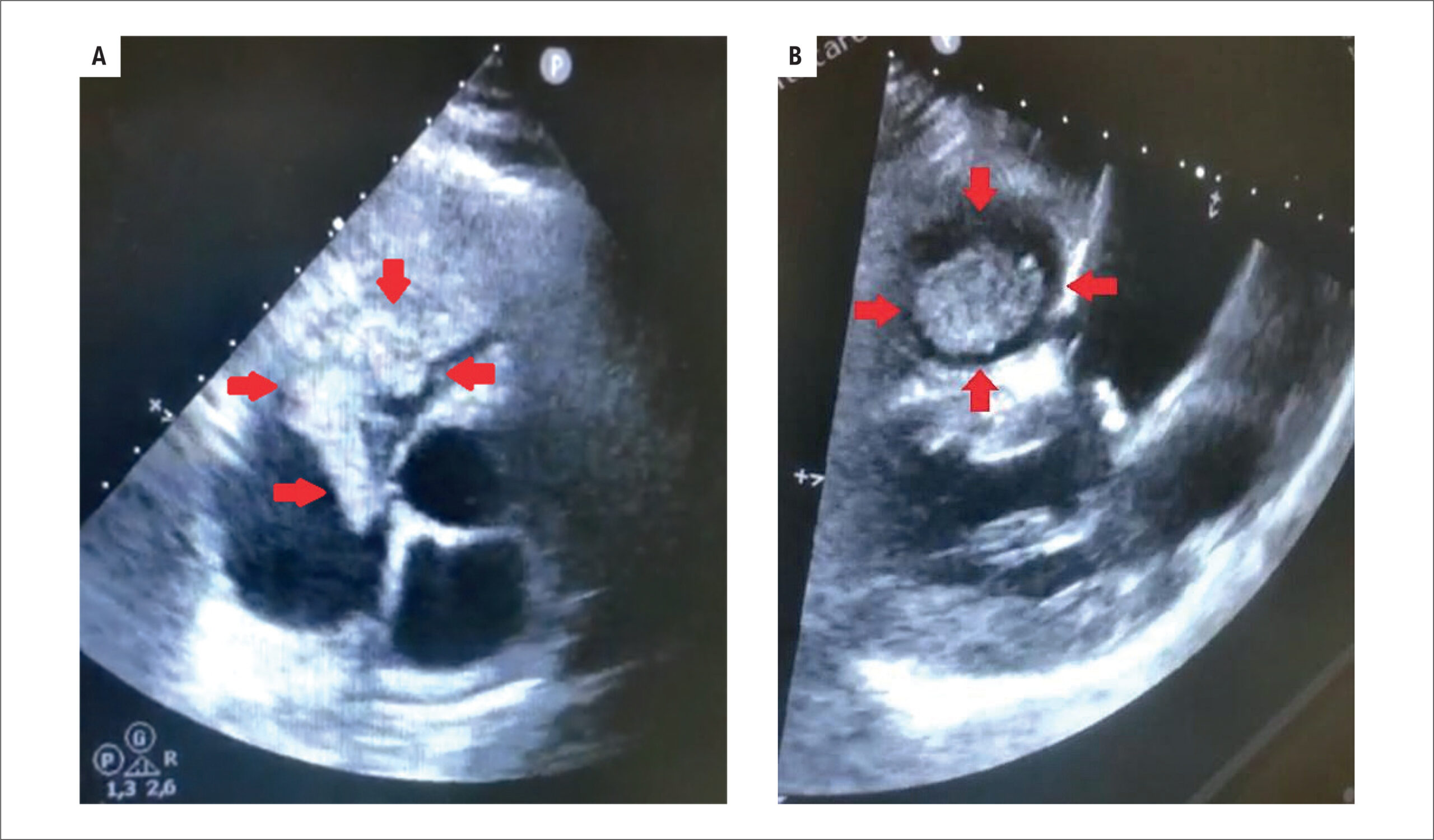
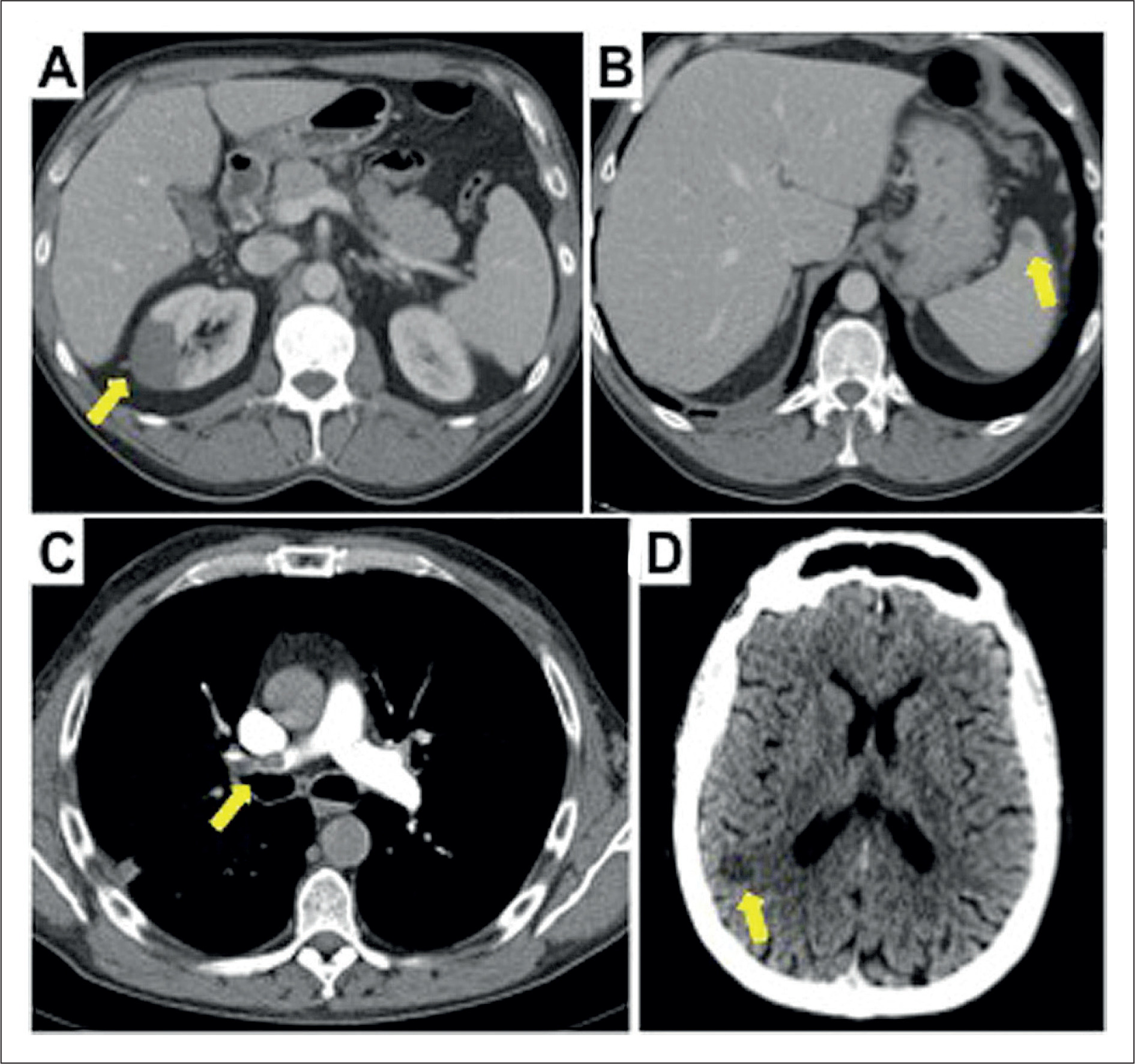
The abdominal ultrasound-scan did not show releant findings, so a computed tomography (CT) scan study was completed. CT abdominal scan found multiple infarcts in the right kidney () and isolated in spleen (), furthermore, a filling defect in the left ventricle was observed (). Transthoracic echocardiogram confirmed the presence of a pedunculated hyperechogenic and homogeneous mobile mass (3.1x2cm) with regular borders (, , ), anchored to the middle third of the septum of left ventricle (LV). Anatomy of LV was normal, with normal dimensions and normal ejection fraction without wall motion abnormalities.

[…]

  • Covid-19/complications
  • Diagnostic Imaging/methods
  • Infarction, Myocardial
  • Pulmonary embolism
  • SARS-CoV-2
  • Severe Acute Respiratory Syndrome/complications
  • Ventricular Dysfunction, Left
Read Full Article
Creative Commons Attribution (CC BY) Creative Commons license
19/12/2022 DOI: 10.36660/abc.20210590
Figure 1
Research Letter

Caseous Calcification of the Mitral Annulus: A Post-Heart Transplant Diagnosis

Bruno Jordão Chaves et al. Matheus Bitencourt Duarte Luiz Guilherme Passaglia Claudio Gelape … Paulo Hernane Rabelo Azevedo Geraldo Brasileiro Filho

Introduction

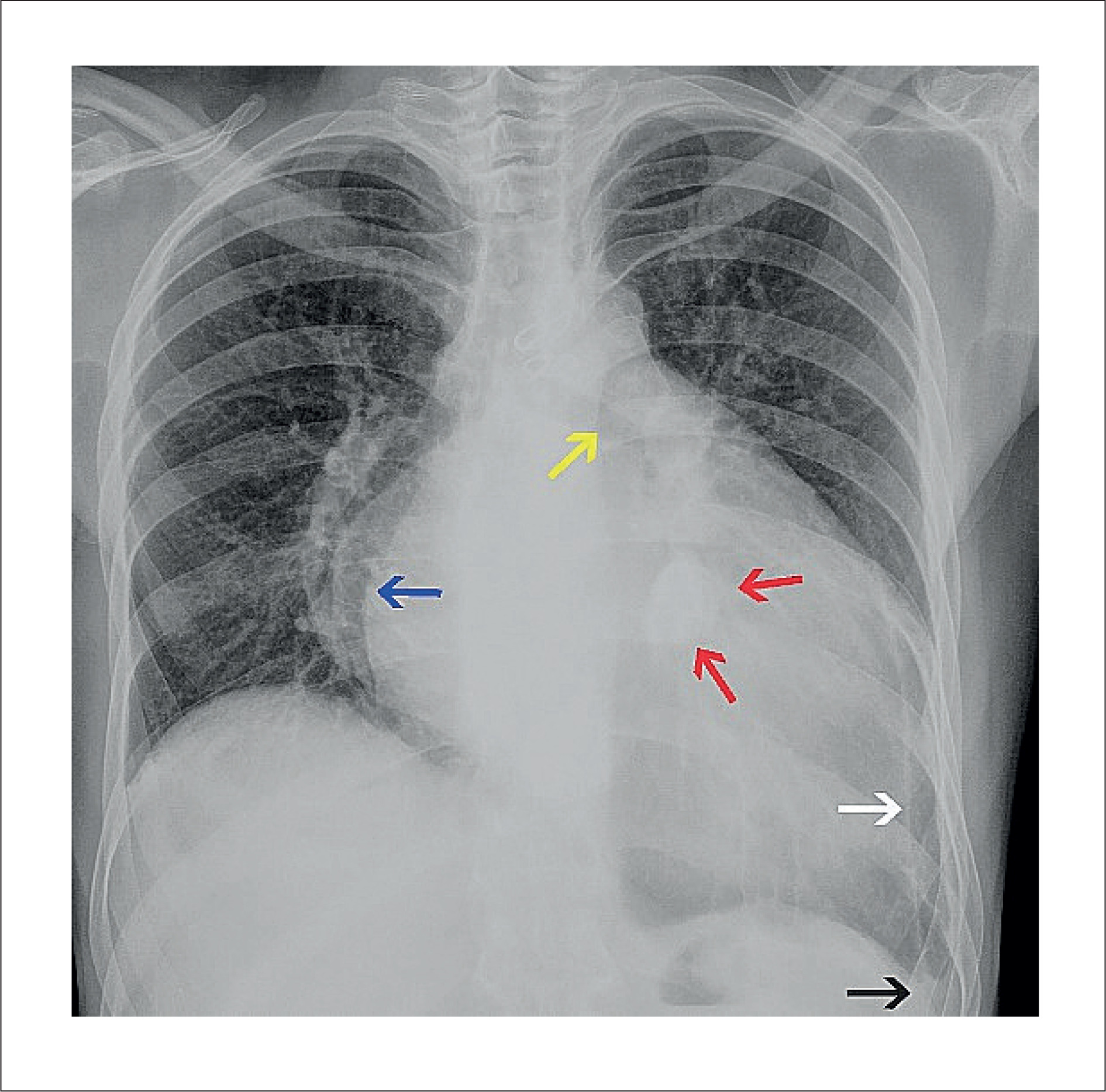
Caseous calcified mitral annulus is a non-neoplastic cardiac lesion considered to be a variant of mitral annular calcification that should be suspected when heart masses are detected by echocardiogram, chest x-ray or other radiologic studies.– The majority of the patients is asymptomatic, but signs and symptoms of mitral regurgitation, systemic embolization and atrioventricular blocks have been described.³ The diagnosis is confirmed by anatomopathologic examination. The prognosis is good. Here, we present a caseous calcification of the mitral annulus case diagnosed after the pathologic analysis of explanted heart.

[…]

  • Calcinosis
  • Cardiomyopathies
  • Diagnostic Imaging/methods
  • Heart Neoplasms/surgery
  • Heart Transplantation
  • Mitral Valve Insufficiency
Read Full Article
Creative Commons Attribution (CC BY) Creative Commons license
19/12/2022 DOI: 10.36660/abc.20210906
Figure 1
Research Letter

Intracardiac Metastasis of Colonic Adenocarcinoma 12 Years After Primary Tumor Control and Without Any Sign of Other Metastasis: A Case Report

Isabela Galizzi Faé et al. Gabriela Zamunaro Lopes Ruiz Gustavo Palmer Irffi Robson de Souza Almeida Junior … Pedro Anjos Conceição Eduardo Belisario Falchetto Luiz Guilherme Passaglia Geraldo Brasileiro Filho Cláudio Leo Gelape Clara Rodrigues Alves de Oliveira

Introduction

Thrombus, vegetation and tumor are the main diagnoses for intracardiac masses. Malignant cardiac tumors are rare and cardiac metastasis are around 20 times more frequent than primary tumors. Cardiac metastases originate from lymphatic or blood dissemination, mediastinum direct invasion or tumoral growth inside inferior vena cava or pulmonary veins– and can lead to obstruction of the right or left outflow or inflow tract or arrhythmias. Frequently, symptoms are similar to other prevalent cardiovascular diseases, such as dyspnea, chest pain, palpitations and edema, but sometimes a cardiac mass is found out incidentally during an image exam performed for an unrelated indication. We aim to describe an uncommon case of intracardiac metastasis from colonic adenocarcinoma 12 years after the end of the primary tumor treatment.

[…]

  • adenocarcinoma
  • Carcinoembryonic Antigen
  • Colonic Neoplasms
  • Diagnostic Imaging/methods
  • Genes, Tumor Suppresor
  • Heart Neoplasms
  • Neoplasm Metastasis
  • Thrombocytopenia
Read Full Article
Creative Commons Attribution (CC BY) Creative Commons license
19/12/2022 DOI: 10.36660/abc.20211014 Views 2
Figure 1
Image

Bulky Mitral Annulus Caseous Calcification in an Atypical Location

Joana Laranjeira Correia et al. Miguel Correia

Abstract

Mitral annular calcification (MAC) is a commonly observed chronic and degenerative fibrotic process of the base of the mitral valve, usually deemed as an incidental finding. Although initially, MAC was thought to be a consequence of an age-related degenerative process, recent findings suggest other independent contributive mechanisms, such as atherosclerosis and abnormal calcium-phosphorus metabolism.

Caseous calcification of the mitral annulus (cMAC) is a rarely described variant of MAC, characterized by an ovoid, focal mass with internal caseous fluid-like calcifications and debris.

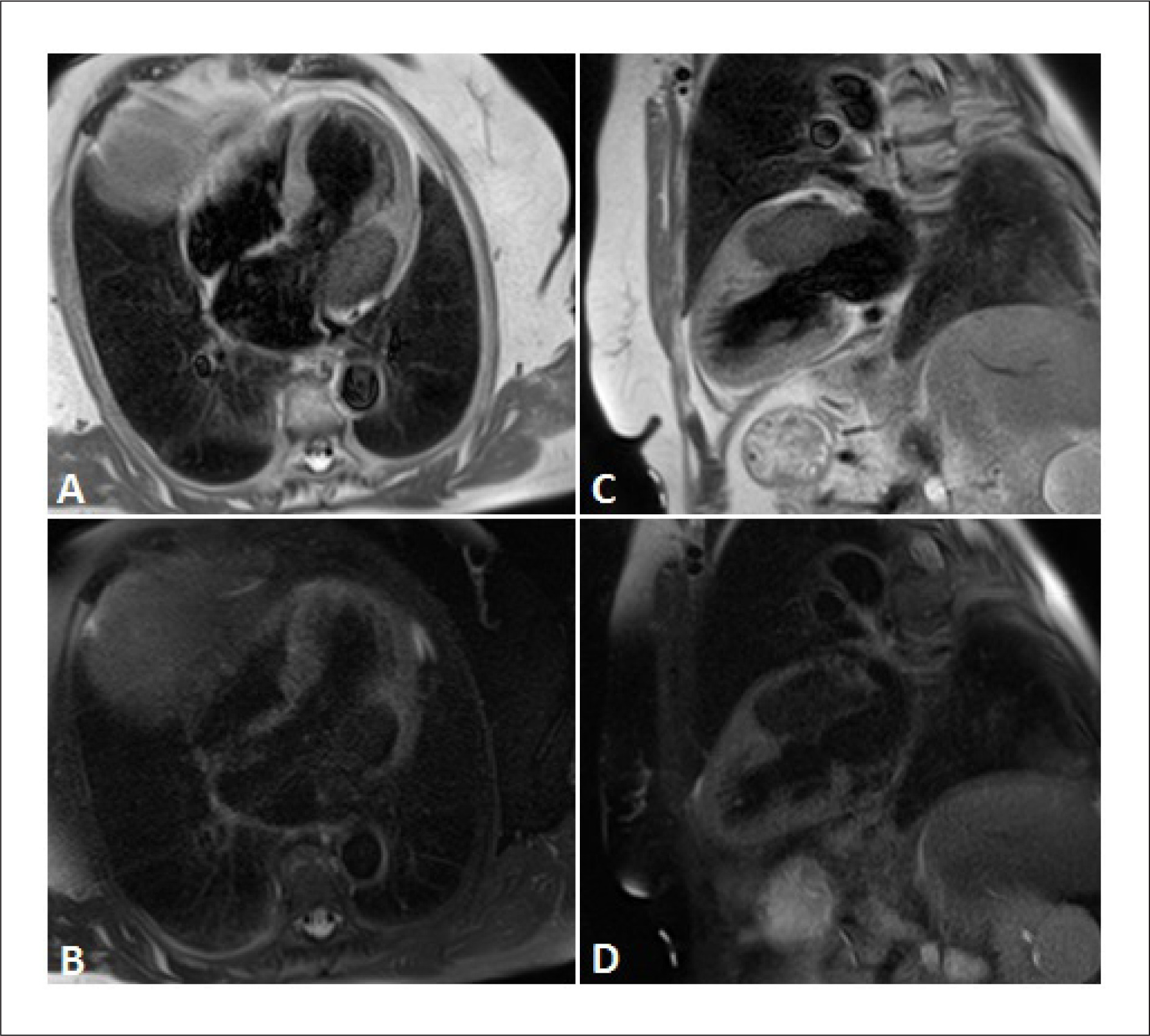
Differentiating a cMAC from other cardiac masses attached to the mitral annulus may be challenging. A single imaging modality, such as transthoracic echocardiography, may not be sufficient for a clear diagnosis. Therefore, a multimodal imaging approach is necessary, including cardiac tomography computerized imaging and cardiac magnetic resonance (CMR).

MAC and cMAC typically affect the posterior mitral annulus, with very few cases in the literature describing the involvement of the anterior annulus. We present a rare case of an anterior mitral annulus caseous calcification found in a CMR performed to evaluate a left atrial mass identified on a transthoracic echocardiogram.

  • Cardiac Imaging Techniques
  • Stroke
  • Tomography
  • X-Ray Computed
Read Full Article
Creative Commons Attribution (CC BY) Creative Commons license
19/12/2022 DOI: 10.36660/abc.20210949 Views 1
Editorial

The First Step

Paolo Blanco Villela

George Eliot and George Sand, 19th-century novelists, were pen names for Mary Ann Evans and Amandine Aurore Lucile Dupin, respectively. In common, two women who, to achieve recognition for their texts, used male names in their works, as portrayed by Nodari in his article published in 2021. Far beyond historical knowledge, analyzing gender disparity in scientific production transcends literature and must be understood as the result of a process of formation and development of society. The patriarchal, white model with financial privileges is unquestionable, which, combined with a vision of the “man with reason and the woman with emotion”, helped to build the model of science that, in a wrong way, kept women away from the scientific field.

To think of this model as something belonging to the past is inadequate. Data from the National Household Sample Survey (PNAD) from the Brazilian Institute of Geography and Statistics (IBGE) in 2019 exposes a social reality that reflects on the formation of the scientist. Women spend twice as much time on housework per week compared to men of the same age group (21.4 versus 11 hours), earn less than their male peers (77% of male income), and in those aged between 25 and 49 years old who live in the same household with a child up to three years old, the percentage of insertion in the labor market is lower than that of men in the same situation (59.6% versus 89.2%).

[…]

  • Authorship
  • Cardiology
  • Gender Inequality
  • Publications
Read Full Article
Creative Commons Attribution (CC BY) Creative Commons license
19/12/2022 DOI: 10.36660/abc.20220807 Views 1
Letter to the Editor

Acute Myocarditis after mRNA COVID-19 Vaccine: A Correspondence

Rujittika Mungmunpuntipantip et al. Viroj Wiwanitkit

Dear Editor,

We would like to share ideas on the publication “Acute Myocarditis Following mRNA COVID-19 Vaccine.” Gomes et al. examine the potential side effects of COVID-19 vaccination and the current state of acute myocarditis. COVID-19 immunization will probably cause heart abnormalities. We agree that this is a possibility. However, it should be noted that there is frequently inadequate information on the health/cardiac status of the troublesome cases before immunization. Although a post-vaccination analysis, which includes an EKG, can confirm the presence of myocarditis, it is impossible to establish a link between heart disease and the COVID-19 vaccine. There is still a potential that you will have medical issues simultaneously. Dengue fever, for example, can induce cardiac problems if it co-occurs.

[…]

  • COVID-19
  • mRNA
  • Myocarditis
  • Vaccine
Read Full Article
Creative Commons Attribution (CC BY) Creative Commons license
19/12/2022 DOI: 10.36660/abc.20220331
Editorial

Focusing on the Right Ventricle in PRKAG2 Syndrome

Luís Rocha Lopes

The PRKAG2 gene encodes the adenosine monophosphate-activated protein kinase (AMPK) gamma 2 regulatory subunit. AMPK has a central role in cellular energy homeostasis. Pathogenic variation in PRKAG2 causes an autosomal dominant syndrome comprising ventricular hypertrophy, supraventricular arrhythmias, electrocardiographic pre-excitation and conduction system abnormalities.– The genetic background of this syndromic presentation was discovered in 2001.. Histologically there is myocyte glycogen accumulation, and the typical pattern of hypertrophy is usually described as biventricular and concentric, similar to other metabolic phenocopies of hypertrophic cardiomyopathy (HCM), with systolic dysfunction as another possible “red-flag” feature. The more frequent pathogenic variants are p.Arg302Gln and p.Asn488Ile. Due to the condition’s rarity, most publications consist of small case series or case reports, with few exceptions.. None of the previous publications specifically report right ventricular imaging findings in this condition.

Expanding on their previous work, where 3D echocardiography and strain imaging findings of the left ventricle were described in a cohort of 30 patients with PRKAG2 syndrome, Pena et al. provide a short report focusing on the right ventricle (RV), using the same cohort, in the current edition of this Journal.

[…]

  • Echocardiography/methods
  • Hypertrophy
  • Myocardial Deformability
  • PRKAG2 Syndrome
  • Right ventricle
  • Stroke Volume
Read Full Article
Creative Commons Attribution (CC BY) Creative Commons license
19/12/2022 DOI: 10.36660/abc.20220795 Views 1
Editorial

Coronary Tortuosity as a New Phenotype for Ischemia without Coronary Artery Disease

Mohammad Eltahlawi

Coronary artery disease constitutes a great burden in many countries. In many cases, the detection of coronary ischemia by non-invasive imaging may not correlate with the presence of significant coronary stenosis. Therefore, the term “Ischemia with non-obstructive coronary artery (INOCA)” has emerged. Many theories have been proposed for such a phenomenon. Coronary tortuosity (CorT) is one of these etiologies that was found to be associated with subclinical atherosclerosis and increased coronary artery calcium score. Besides, CorT is associated with the same risk factors of ischemia, such as smoking, old age, arterial hypertension and dyslipidemia. CorT was thought to be a phenomenon; however, the association of this phenomenon with multiple cardiovascular disorders augments its clinical impact. Li et al. found that Hypertensive patients with CorT have more incidence of lacunar infarct. Turgut et al. concluded that CorT might indicate impaired left ventricular relaxation. Dogdus et al. proved that CorT negatively affects left ventricular function evaluated by 3D strain parameters with considerable depression of longitudinal deformation of the myocardium.

In this study by Estrada et al., the investigators found a highly significant association between CorT and ischemia. The presence of ischemia in territories with CorT was more frequent than those without CorT (67% versus 28% (p<0.0001)) detected by myocardial perfusion imaging (MPI). This study analyzed the specific features of tortuosity concerning the presence of myocardial ischemia. They found that the number of bend angles detected in systole during coronary angiography is associated with a high risk of myocardial ischemia (p = 0.021). Some previous studies considered the geometry of CorT and suggested indices for grading such tortuosity depending mainly on the degree of angulation or bending.–

[…]

  • Atherosclerosis
  • Calcium Metabolism Disorders/complications
  • Coronary Artery Disease / complications
  • Diagnostic Imaging/methods
  • Dyslipidemias
  • Myocardial Ischemia/complications
  • Risk Factors
Read Full Article
Creative Commons Attribution (CC BY) Creative Commons license
19/12/2022 DOI: 10.36660/abc.20220826
Figure 1
Original Article

Hospital Mortality from Myocardial Infarction in Latin America and the Caribbean: Systematic Review and Meta-Analysis

Leonardo Alves et al. Patrícia K. Ziegelmann Victor Ribeiro Carisi Polanczyk

Abstract

Background:

Most cardiovascular deaths occur in low- and middle-income countries and myocardial infarction is one of the main life-threatening conditions.

Objective:

We assessed all-cause in-hospital mortality in patients admitted for myocardial infarction (STEMI and NSTEMI) in Latin America and the Caribbean from 2000 onward.

Methods:

We systematically searched in electronic bibliographic databases for cohort studies which reported in-hospital mortality due to STEMI and NSTEMI. A meta-analysis was performed and a p-value < 0.05 was considered significant.

Results:

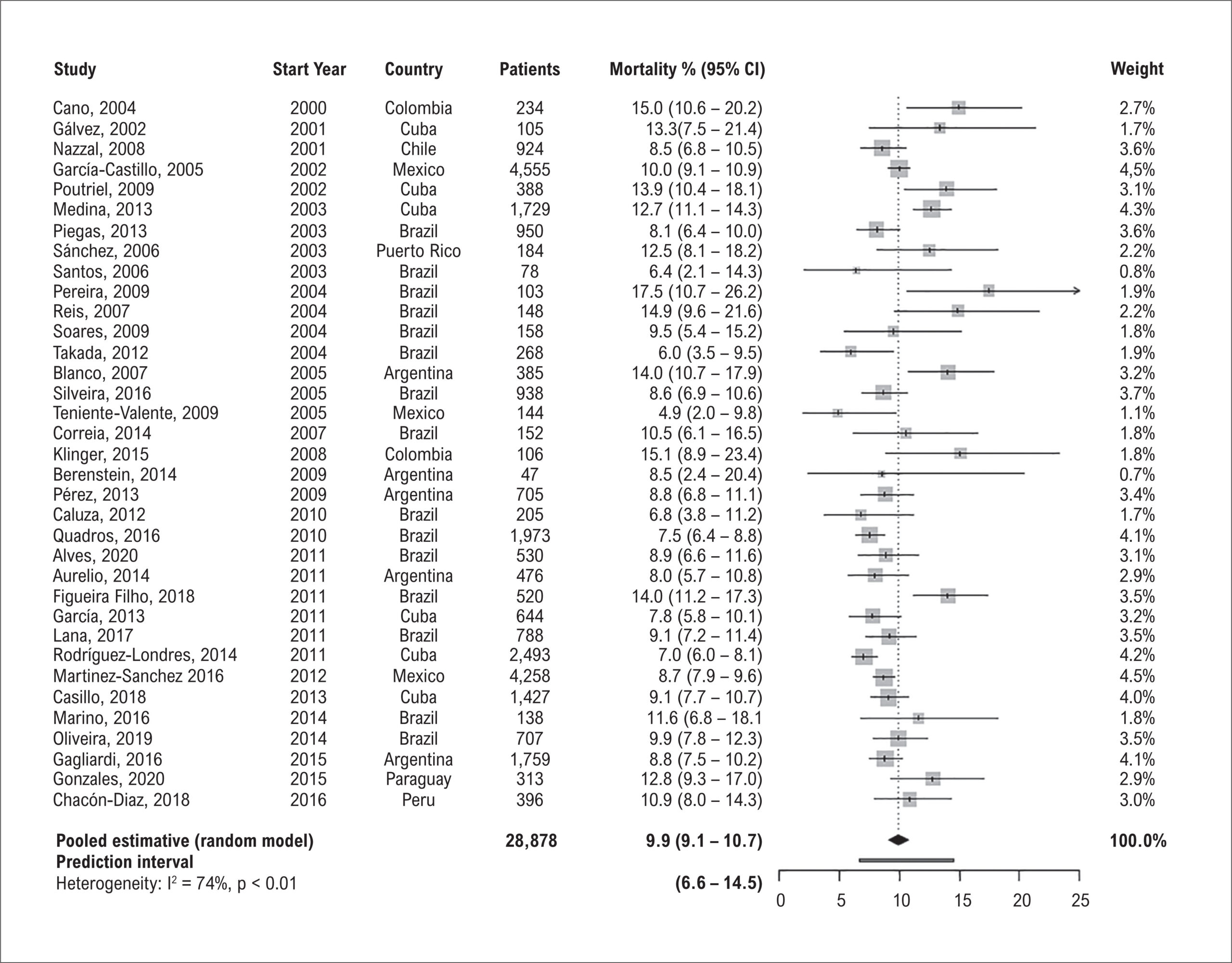
We identified 38 studies (29 STEMI, 3 NSTEMI and 6 both). Pooled STEMI in-hospital mortality was 9.9% (95% CI: 9.1 – 10.7). Heterogeneity was not trivial (I2 = 74% and prediction interval = 6.6 – 14.5). The percentage of reperfusion therapy and decade explain part of the heterogeneity (I2 = 54%). The higher the rate of reperfusion therapy, the lower the in-hospital mortality (coefficient = −0.009, 95% CI: −0.013 to −0.006, p<0.001). This mortality was higher in the first decade as compared with the second (coefficient = −0.14, 95% CI: −0.27 to −0.02, p=0.047). Pooled NSTEMI in-hospital mortality was 6.3% (95% CI: 5.4 – 7.4) and heterogeneity was null.

Conclusion:

Pooled STEMI in-hospital mortality in low- and middle-income countries was high in comparison with rates reported in high income countries. To improve these estimates, higher use of reperfusion therapy must be pursued. Pooled NSTEMI in-hospital mortality was similar to the ones found in high-income countries; however, it was based on few studies and most of them were carried out in two countries.

  • Cardiovascular Diseases, mortality
  • Caribbean Region
  • Latin America
  • Meta-Analysis
  • Myocardial Infarction/mortality
  • Poverty/statistics & Numeral data
  • systematic review
Read Full Article
Creative Commons Attribution (CC BY) Creative Commons license
19/12/2022 DOI: 10.36660/abc.20220194 Views 1
Editorial

Macrophages and Neovascularization in In-Stent Neoatherosclerosis: An Accelerated Inflammatory Phenotype by OCT with Therapeutic Implications

Maria Cristina Oliveira Izar et al. Francisco A. H. Fonseca

In this edition of Arquivos Brasileiros de Cardiologia, Pinheiro et al. show optical coherence tomography (OCT) data with clear differences in inflammation and neovascularization among de novo atherosclerosis, in-stent restenosis due to intimal hyperplasia, and in-stent neoatherosclerosis.

Patients undergoing percutaneous coronary intervention with stent implantation may have recurrent symptoms of coronary heart disease due to in-stent restenosis due to vascular injury that triggers an intimal proliferative response, minimized by current techniques and stents of new generation. However, the neointimal lesion secondary to a delay in neoendothelialization can lead to symptom recurrence, usually during the first year of coronary intervention.

[…]

  • Atherosclerosis
  • Coronary Restenosis
  • Diagnostic Imaging/methods
  • Percutaneous Coronary Intervention
  • Phenotype/inflammation
Read Full Article
Creative Commons Attribution (CC BY) Creative Commons license
19/12/2022 DOI: 10.36660/abc.20220732 Views 1
Erratum

Erratum

September 2020 Issue, vol. 115(3), pages 478-479

In the Short Editorial “Oxygen Consumption and Cardiorespiratory Fitness. The Difference between Chronological and Biological Age”, with DOI: , published in the journal Arquivos Brasileiros de Cardiologia, 115(3): 478-479, in page 478, correct the DOI for:

[…]

Read Full Article
Creative Commons Attribution (CC BY) Creative Commons license
19/12/2022 DOI: 10.36660/abc.20220846 Views 1
Editorial

Prognosis after Myocardial Infarction – A Deep Look into Myocardial Tissue

Sílvia Aguiar Rosa

Adverse cardiac remodeling after acute myocardial infarction (MI), regardless of primary percutaneous coronary intervention, is strongly associated with the development of heart failure and poor prognosis. Since demographic and clinical characteristics are not sufficiently sensitive to predict adverse remodeling after MI, more precise parameters are needed to identify individuals at risk of progression to ventricular dysfunction and heart failure, potentially allowing an early and intensive prognosis modifying therapy.

New biomarkers of adverse cardiac remodeling have emerged, such as matrix metalloproteinases (MMP) 2 MMP-2, MMP-6, MMP-9. There is an increasing awareness of the importance of interstitium in the pathophysiology of cardiac diseases beyond cardiac myocytes. In fact, the cardiac interstitium represents one-third of the total myocardial volume. It contains two-thirds of the total number of cells in the myocardium, mainly fibroblasts. Fibroblasts are responsible for maintaining interstitial homeostasis, and the production of MMP. Interstitial expansion is associated with adverse effects on myocardial function in multiple entities.–

[…]

  • Infarto Agudo do Miocárdio
  • Metaloproteinases
  • Remodelação Ventricular
  • Ressonância Magnética
Read Full Article
Creative Commons Attribution (CC BY) Creative Commons license
19/12/2022 DOI: 10.36660/abc.20220798 Views 1
Editorial

High Mortality for Myocardial Infarction in Latin America and the Caribbean: Making the Case for Systems of Care Implementation in Brazil

Luisa C. C. Brant et al. Luiz G. Passaglia

Ischemic heart disease (IHD) is the leading cause of death worldwide, and while in high-income countries (HIC), substantial declines in mortality rates for IHD were observed in the last decades, the same did not occur in low- and middle-income countries (LMIC). The final event in the chain of IHD is myocardial infarction (MI), which can be classified based on the electrocardiogram in ST-segment elevation MI (STEMI), and non-ST-segment elevation MI (NSTEMI) – the first having higher lethality. Mortality rates for both MI presentations can be reduced by timely diagnosis and treatment according to current guidelines, including reperfusion therapy for STEMI. In HIC, such as the US, STEMI in-hospital mortality varied from 3.5% for individuals receiving primary percutaneous coronary angioplasty to 14.9% for those receiving no reperfusion, while in European countries, mortality as low as 2.5% has been reported.,

In this issue of the Journal, the article “Hospital Mortality from Myocardial Infarction in Latin America and the Caribbean: Systematic Review and Meta-Analysis” brings a welcome addition regarding MI in-hospital mortality in LMIC from Latin America and the Caribbean from 2000 to 2020. Using sound methodology, the authors made a meta-analysis of data from 38 studies, mostly conducted in Brazil, Cuba, and Argentina: 35 for STEMI with 28,878 individuals, and 9 for NSTEMI with 2,377 individuals. Pooled analysis demonstrated that in-hospital mortality for STEMI was 9.9% (95%CI: 9.1–10.7), with moderate to high heterogeneity (I2=74%). Chile had the lowest mortality (8.5%; 95%CI: 5.3-13.5), and Colombia the highest (15%; 95%CI: 10.1-21.7), with Brazil showing a mortality of 9.6% (95%CI: 8.3-11.0); however, no statistical difference was found among countries (p=0.47). For NSTEMI, in-hospital mortality was 7.2% (95% CI: 5.5 – 9.3), also with moderate to high heterogeneity (I2 = 63%), explained (I2=0%) by the exclusion of one outlier study.

[…]

  • Acute coronary syndrome
  • Epidemiology
  • Mortality
  • Myocardial Infarction
  • Public Health Policy
Read Full Article
Creative Commons Attribution (CC BY) Creative Commons license
19/12/2022 DOI: 10.36660/abc.20220825
Editorial

Sickle Cell Anemia as the First in the Hierarchy for Cardiac Alterations, Drives Attention to the Whole Spectrum of Hemolytic Anemias

Ana Paula Marte Chacra et al. Anita L. R. Saldanha Tania Leme da Rocha Martinez

The focus on the cardiac repercussions of Hemolytic Anemias has been greatly emphasized by publications issued by academic and official government documents that are easily accessed by all health professionals, mainly articles that aim at Sickle Cell Anemia, and Thalassemia.,

Sickle cell disease is the most frequent genetic hemoglobinopathy worldwide. Thanks to the improvement of the medical management of these patients, their life expectancy has improved in recent years. However, cardiopulmonary complications remain one of the main causes of death in adult patients with sickle cell disease.

[…]

  • Anemia, Hemolytic
  • Anemia, Sickle Cell
  • Cardiovascular Diseases
  • diagnostic
  • Hemonoglobinopathies/complications: Hypertension, Pulmonary/complications
  • Imaging/methods
Read Full Article
Creative Commons Attribution (CC BY) Creative Commons license
19/12/2022 DOI: 10.36660/abc.20220831
Figure 1
Original Article

The Relationship between Extracellular Volume Compartments and Matrix Metalloproteinases-2 in Left Ventricular Remodeling after Myocardial Infarction

Ferhat Eyyupkoca et al. Nilnur Eyerci Mehmet Sait Altintas Mehmet Ali Felekoglu … Halil Ibrahim Biter Siho Hidayet Serkan Sivri Bekir Demirtas Omer Faruk Ates

Abstract

Background:

Matrix metalloproteinases (MMPs) can affect myocardial extracellular volume (ECV) and its compartments, and this can provide more detailed information about the mechanism of adverse left ventricular (LV) remodeling (AR) after acute myocardial infarction (MI).

Objectives:

To investigate the role of changes (Δ) in ECV compartments (matrix volume (MVi) and cell volume (CVi)) in the development of AR after MI, and their relationship with MMP-2 expressions.

Methods:

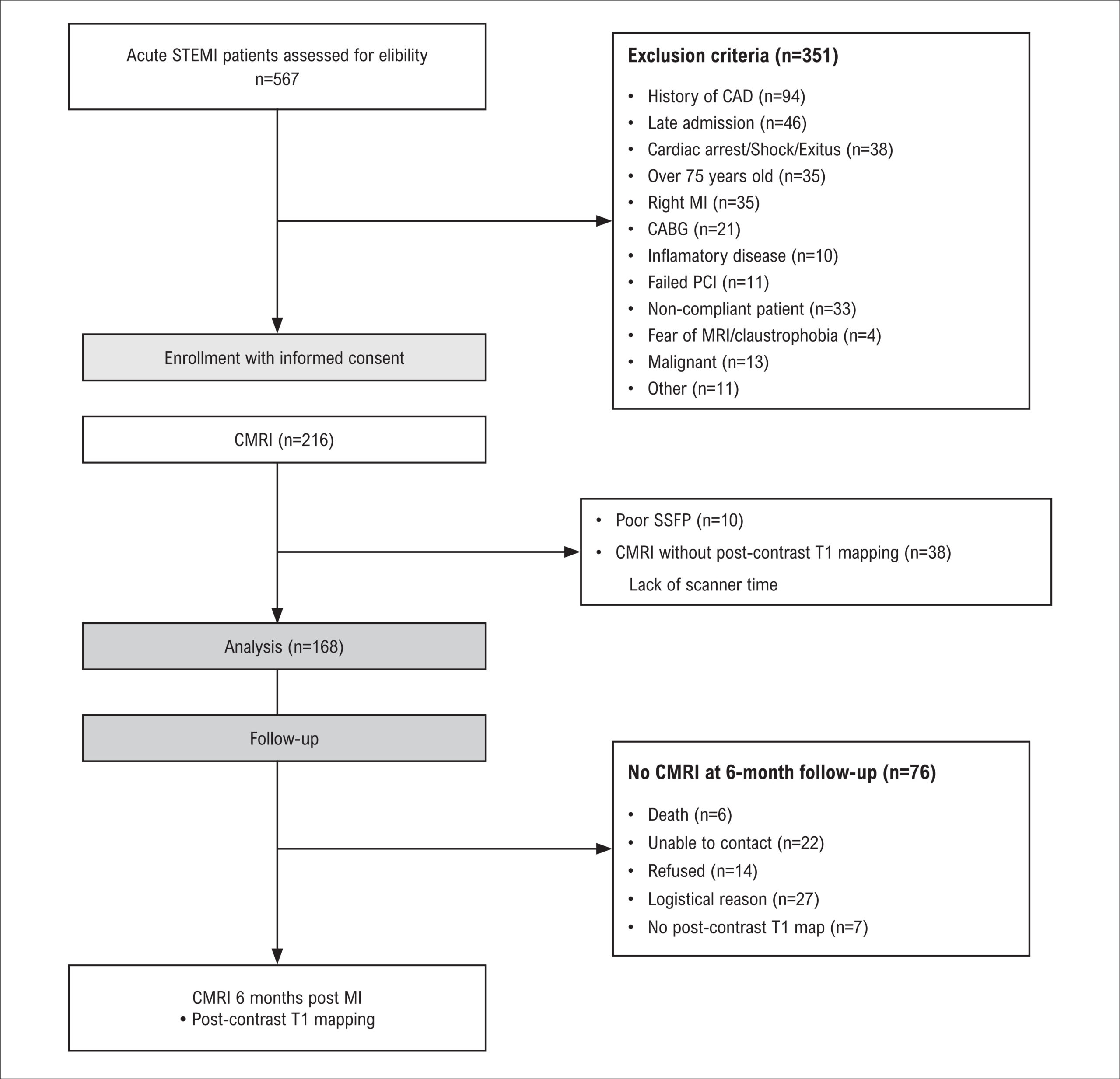
Ninety-two first MI patients who underwent 3 Tesla cardiovascular magnetic resonance imaging performed 2 weeks (baseline) and 6 months post-MI. We measured T1 mapping with MOLLI sequences. ECV was performed post-gadolinium enhancement. ECV and LV mass were used to calculate MVi and CVi. AR was defined as an increase of ≥ 12% in LV end-diastolic volume in 6 months. MMPs were measured using a bead-based multiplex immunoassay system at first day (baseline) and 2 weeks post-MI. P <0.05 was accepted as statistically significant.

Results:

Mean ECV and mean MVi baseline levels were higher in AR group compared to without AR group (42.9±6.4 vs 39.3±8.2%, p= 0.037; 65.2±13.7 vs 56.7±14.7 mL/m2, p=0.010; respectively). CVi levels was similar between groups. A positive correlation was found between baseline levels of MMP-2 and baseline levels of ECV (r=0.535, p<0.001) and MVi (r=0.549, p<0.001). Increased ΔMVi levels was independently predictor of AR (OR=1.03, p=0.010). ΔMVi had superior diagnostic performance compared to ΔECV in predicting AR (ΔAUC: 0.215±0.07, p<0.001).

Conclusion:

High MVi levels are associated with AR, and ΔMVi was independently predictor of AR. This may be associated with MMP-2 release due to increased inflammatory response.

  • Matrix Metaloproteinase
  • Myocardial Infarction / metabolism
  • Myofibroblasts/cytology
  • TI Mapping/cytology
  • Ventricular Remodeling
Read Full Article
Creative Commons Attribution (CC BY) Creative Commons license
19/12/2022 DOI: 10.36660/abc.20220061
Figure 1
Review Article

The Benefits of Exercise in Breast Cancer

Milena dos Santos Barros Campos et al. Roberta Helena Fernandes Feitosa Carolina Christianini Mizzaci Maria do Rosário Toscano von Flach … Betty Janny Maia Siqueira Luiz Eduardo Mastrocola

Abstract

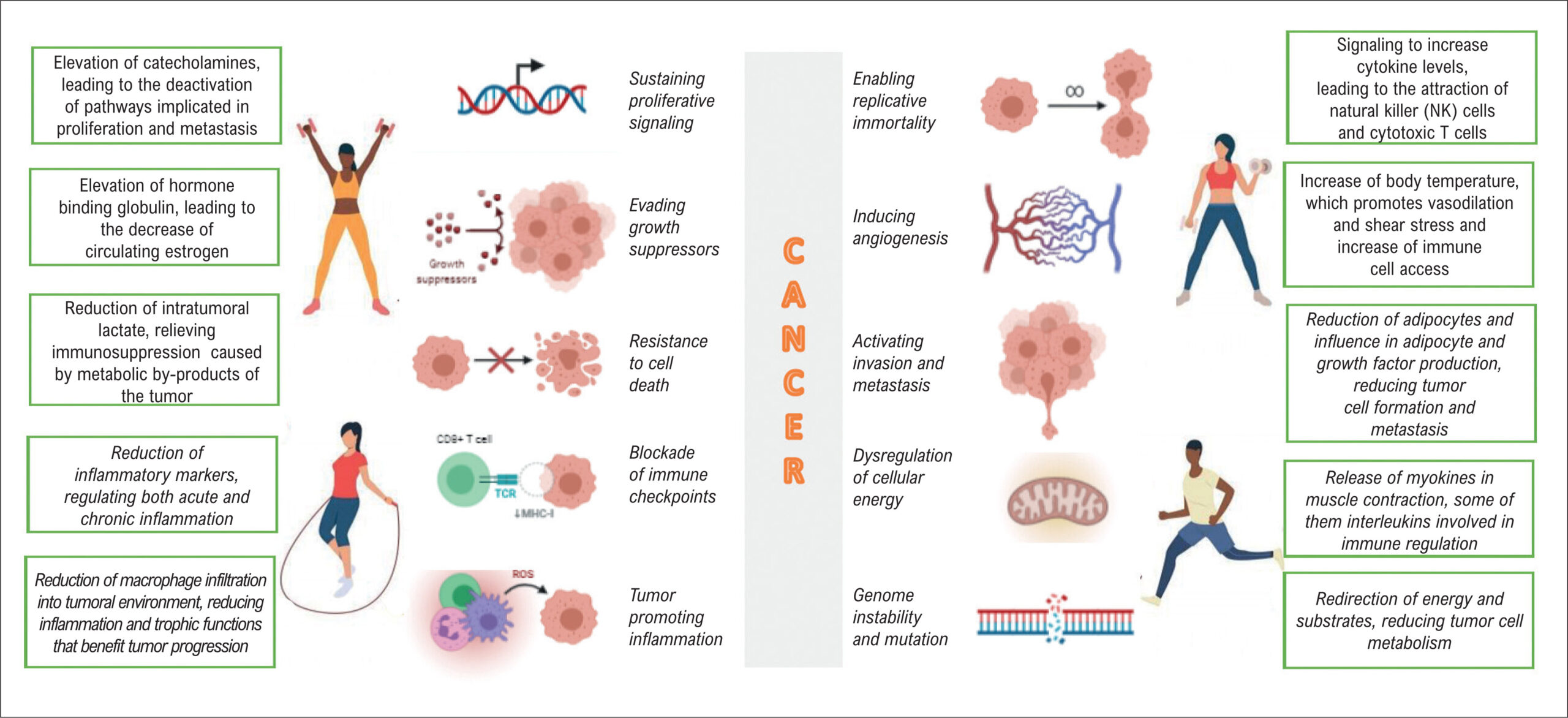
Breast cancer is the most prevalent cancer among women, accounting for nearly 30% of all cancers, while in men, it represents only 1% of cases. Breast cancer is the main cause of death for cancer, and its incidence and mortality vary according to patients’ ethnicity, geographic region, and socioeconomic status. Due to the low prevalence of breast cancer among men and the scarcity of studies in the literature, exercises have been prescribed based on extrapolations from studies on female patients. Scientific evidence has suggested beneficial effects of physical exercises on breast cancer prevention, treatment, and post-treatment. In addition to combatting sedentary behavior, it is essential to maintain a healthy body weight, limit alcohol consumption, and follow a balanced diet, rich in fruit, vegetables, grains and fibers, and limited in red meat. The effects of exercises are not restricted to breast cancer, but extend to controlling modifiable risk factors, and reducing the incidence of cardiovascular diseases, and all-cause and cardiovascular mortality.

  • Breast Neoplasms
  • Diet, Healthy
  • Exercise
  • Exercise Movement Techniques
Read Full Article
Creative Commons Attribution (CC BY) Creative Commons license
19/12/2022 DOI: 10.36660/abc.20220086 Views 1
Figure 1
Original Article

Gender Disparity in First and Senior Authorship in Brazilian Cardiology Journals

Claudio Tinoco Mesquita et al. Aline Goneli de Lacerda Isabella Carolina de Almeida Barros Urel Eliete Dalla Corte Frantz … Vinícius de Pádua Vieira Alves Luana Evelyn de Oliveira Amorim Bruna de Almeida Coutinho Letícia Rodrigues Dalben Juliana Cadilho da Silva Abrantes Vanessa Dias Veloso Luíza Lucchesi Cabral de Mello Gláucia Maria Moraes de Oliveira Fernando de Amorim Fernandes

Abstract

Background:

Despite the importance of women in clinical research, no assessment has been made of the fraction of women in a leadership positions in the Cardiology journals of the SBC.

Objectives:

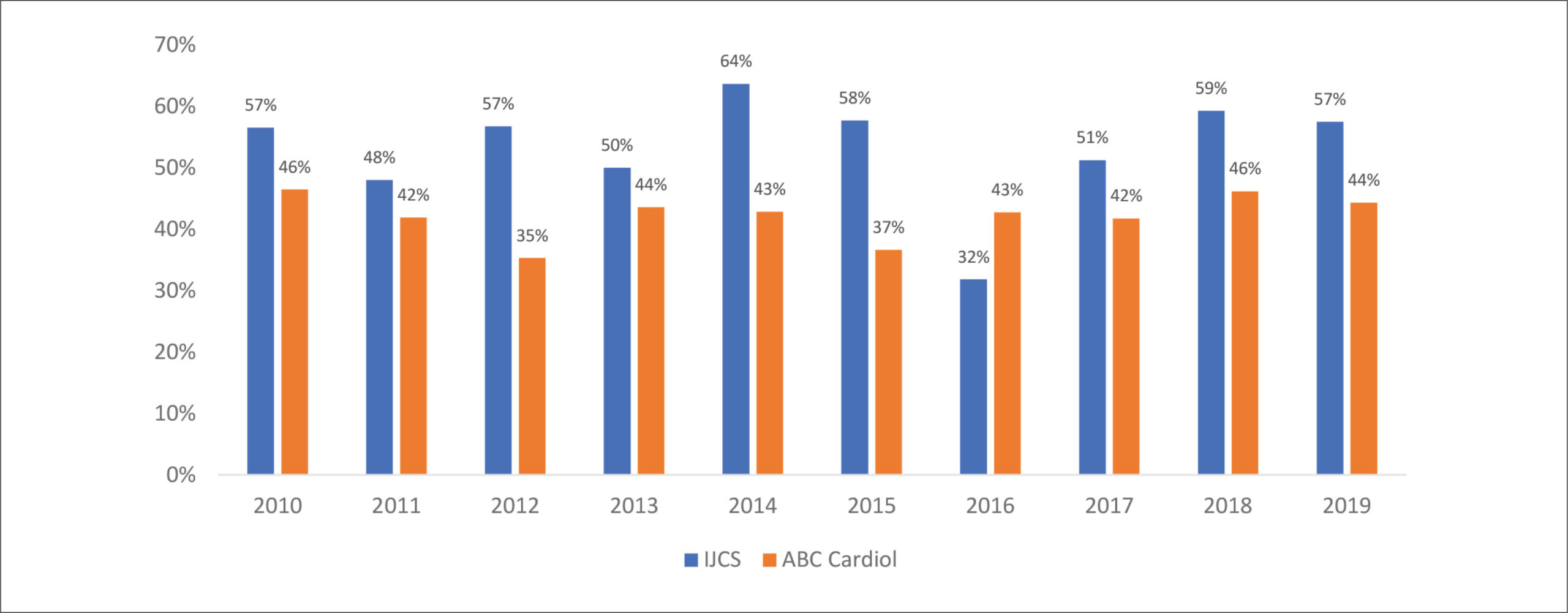
To assess the fraction of female authors in the International Journal of Cardiovascular Sciences (IJCS) and the Arquivos Brasileiros de Cardiologia (ABC Cardiol) over the last decades.

Methods:

We searched the original articles of the ABC Cardiol, from 2000 to 2019, and of the IJCS, from 2010 to 2019. We surveyed the number of first and senior female authors and the total number of original articles from 2010 to 2019. We calculated the total proportion of female authorship and compared the first quinquennium with the second. Only data from the ABC Cardiol were analyzed to assess the temporal evolution of the two decades. We used the chi-square test to assess the differences within each journal and between them. The IBM® SPSS® software was used in the analyses. The level of significance adopted was 5%.

Results:

From 2010 to 2019, 1,157 original articles were published in the ABC Cardiol and 398 in the IJCS. We observed that women are more prevalent as first authors in the IJCS compared to the ABC Cardiol, but men prevail as senior authors in both journals. From 2010 to 2019, there was no significant change in the proportion of female authorship. Throughout the decades analyzed for the ABC Cardiol, there was a projection of linear growth of female authorship, with the slope of the line being greater in the first authorship than in senior authorship.

Conclusions:

There is gender disparity, with lower female representativeness in authorship in the articles from the Brazilian Cardiology journals analyzed: Arquivos Brasileiros de Cardiologia and International Journal of Cardiovascular Sciences. We believe that based on these results, more efforts should be implemented in the search for gender equity in the cardiology scientific production published by these journals.

  • Authorship and Co-Authorship in Scientific Publications
  • Disparity
  • Gender Analysis
  • Gender Equity
  • Scientific Publications
Read Full Article
Creative Commons Attribution (CC BY) Creative Commons license
19/12/2022 DOI: 10.36660/abc.20220058 Views 1
Editorial

Defibrillation Threshold in Patients with Chronic Chagas’ Heart Disease: Are There Benefits or not Worth the Risk?

Ricardo Alkmim Teixeira

The implantable cardioverter-defibrillator (ICD) is the best therapeutic option to prevent sudden cardiac death for several high-risk groups of patients. Basically, the ICD can recognize and stop ventricular tachycardia (VT) and ventricular fibrillation (VF) by triggering anti-tachycardia pacing (ATP) or shock therapy. The defibrillation threshold (DT) is the minimum shock energy required to terminate VF.

Historically, testing the ICD function via induction and termination of VF was considered mandatory to ensure that the ICD could properly detect and stop the arrhythmic event.

[…]

  • Chagas Cardiomyopathy
  • Chagas disease
  • Defibrillators
  • Electroshock
  • Ventricular tachycardia
Read Full Article
Creative Commons Attribution (CC BY) Creative Commons license
19/12/2022 DOI: 10.36660/abc.20220790
Figure 1
Original Article

Right Ventricle Involvement by Glycogen Storage Cardiomyopathy (PRKAG2): Standard and Advanced Echocardiography Analyses

José Luiz Barros Pena et al. Fabricio Junqueira de Melo Wander Costa Santos Isabel Cristina Gomes Moura … Gabriela Pansanato Nakashima Natalia Costa Freitas Eduardo Back Sternick

Abstract

Background

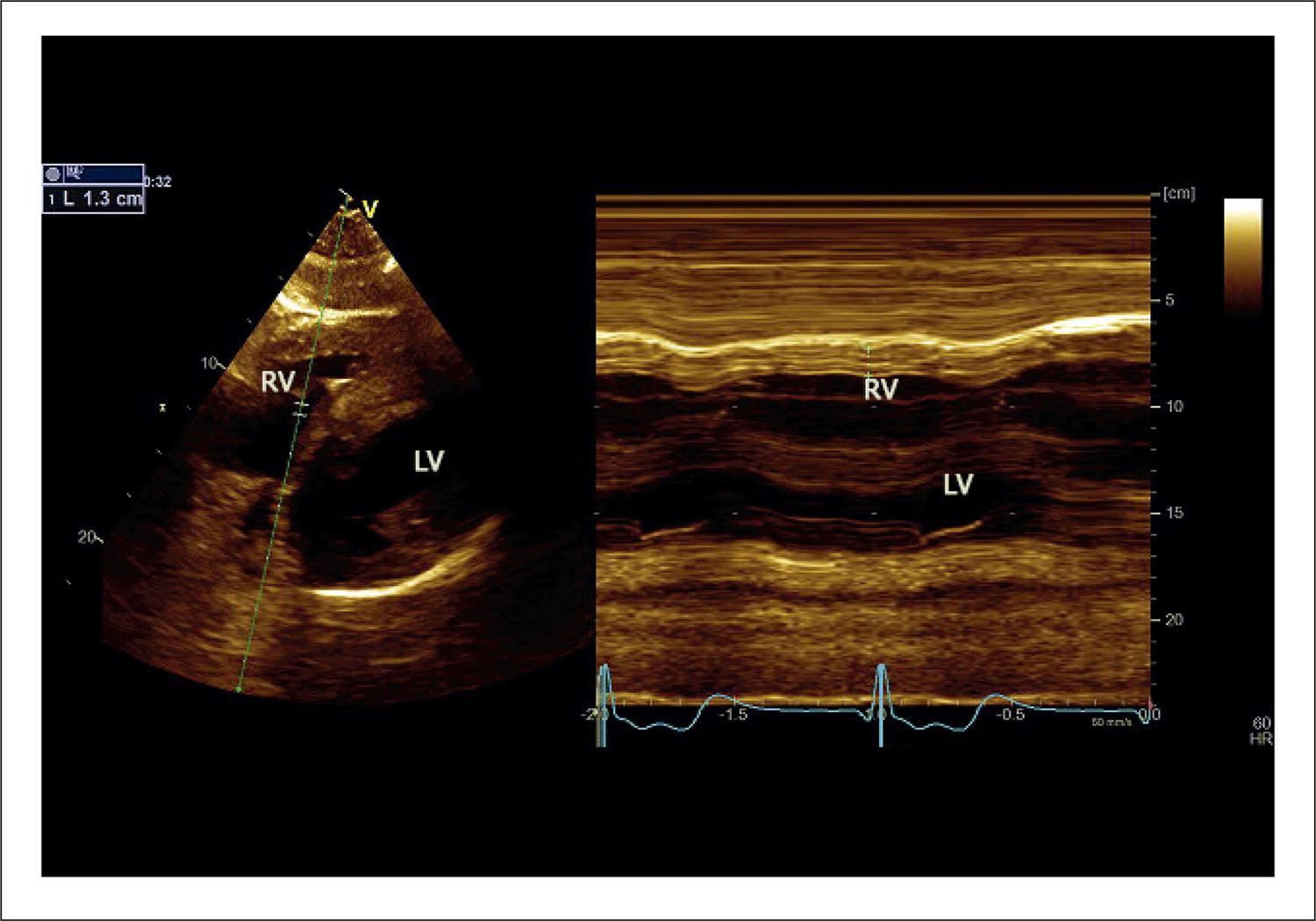
PRKAG2 syndrome is a rare, early-onset autosomal dominant inherited disease. We aimed to describe the right ventricle (RV) echocardiographic findings using two and three-dimensional (2D and 3D) modalities including myocardial deformation indices in this cardiomyopathy. We also aimed to demonstrate whether this technique could identify changes in RV function that could distinguish any particular findings.

Methods

Thirty patients with genetically proven PRKAG2 (R302Q and H401Q), 16 (53.3%) males, mean age 39.1 ± 15.4 years, underwent complete echocardiography examination. RV-focused, 4-chamber view was acquired for 2D and 3D measurements. Student’s t or Wilcoxon-Mann-Whitney tests were used to compare numerical variables between 2 groups, and p < 0.05 was considered significant.

Results

Twelve patients (40%) had a pacemaker implanted for 12.4 ± 9.9 years. RV free wall mean diastolic thickness was 7.9 ± 2.9 mm. RV 4-chamber longitudinal strain (RV4LS), including the free wall and interventricular septum, was –17.3% ± 6.7%, and RV free wall longitudinal strain (RVFWLS) was −19.1% ± 8.5%. The RVFWLS apical ratio measured 0.63 ± 0.15. Mean RV 3D ejection fraction (EF) was 42.6% ± 10.9% and below normal limits in 56.7% of patients. Positive correlation occurred between RV 3DEF, RV4LS, and RVFWLS, especially for patients without a pacemaker (p = 0.006).

Conclusion

RV involvement in PRKAG2 syndrome is frequent, occurring in different degrees. Echocardiography is a valuable tool in detecting RV myocardial abnormalities in this condition. The use of 2D RV4LS, RVFWLS, and 3DEF offers reliable indicators of RV systolic dysfunction in this rare, challenging cardiomyopathy.

  • Cardiomyopathy, Hypertrophic, Familial
  • Echocardiography/methods
  • Glycogen Storage Disease/complications
  • Hypertrophy, Right Ventricular
  • Pacemaker, Artificial
  • PRKAG2 Syndrome/genetics
  • Stroke Volume
Read Full Article
Creative Commons Attribution (CC BY) Creative Commons license
21/11/2022 DOI: 10.36660/abc.20210801 Views 1
Figure 1
Original Article

Wolff-Parkinson-White Presenting as QRS Alternans and Other Differential Diagnoses in a Large Pre-Participation ECG Screening Cohort

Daniel Y. Z. Lim et al. Wilbert H. H. Ho Luokai Wang Wee Kiat Ang … Nishanth Thiagarajan Gerald GR Sng Hankun Wang Wesley TW Loo Lim Huai Yang Weien Chow Terrance J Chua Tee Joo Yeo Paul Lim Thuan Tee Daniel Chong

Abstract

Background

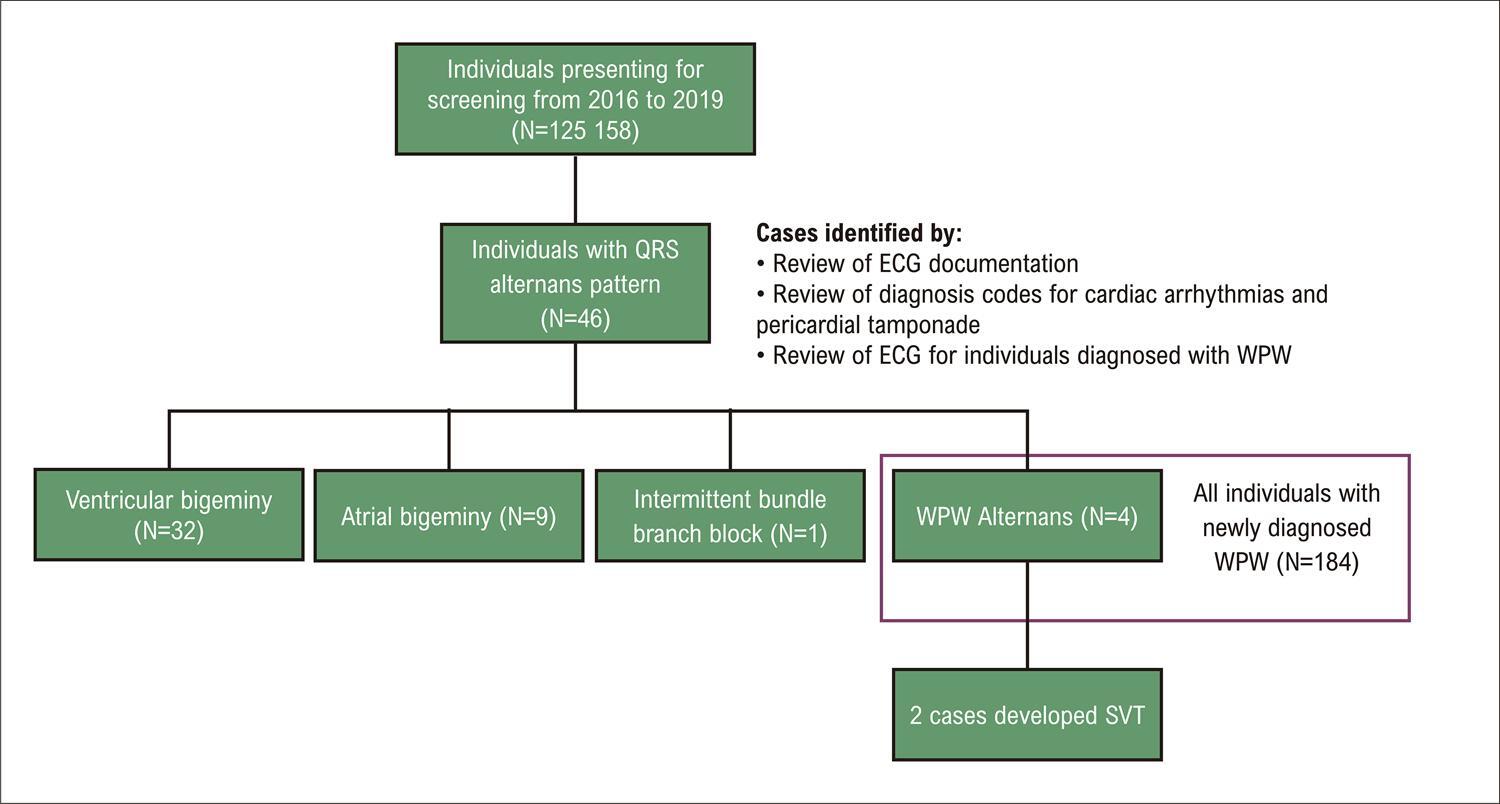
Wolff-Parkinson-White (WPW) syndrome is a proarrhythmic condition that may require restriction from strenuous activities and is characterized by ECG signs, including delta waves. We observed cases of intermittent WPW patterns presenting as QRS alternans (‘WPW alternans’) in a large pre-participation ECG screening cohort of young men reporting for military conscription.

Objectives

We aimed to determine the WPW alternans pattern, case characteristics, and the prevalence of other relevant differential diagnoses presenting as QRS alternans in a pre-participation setting.

Methods

One hundred twenty-five thousand one hundred fifty-eight prospective male military recruits were reviewed from January 2016 to December 2019. A review of electronic medical records identified cases of WPW alternans and WPW patterns or syndrome. Reviewing electronic medical records identified cases of relevant differential diagnoses that might cause QRS alternans.

Results

Four individuals (2.2%) had WPW alternans out of 184 individuals with a final diagnosis of WPW pattern or syndrome. Two of these individuals manifested symptoms or ECG findings consistent with supraventricular tachycardia. The overall prevalence of WPW alternans was 0.003%, and the prevalence of WPW was 0.147%. WPW alternans represented 8.7% of individuals presenting with QRS alternans, and QRS alternans had a prevalence of 0.037% in the entire population.

Conclusions

WPW alternans is a variant of intermittent WPW, which comprised 2.2% of WPW cases in our pre-participation screening cohort. It does not necessarily indicate a low risk for supraventricular tachycardia. It must be recognized at ECG screening and distinguished from other pathologies that also present with QRS alternans.

  • Electrocardiography/diagnosis
  • Electrocardiography/methods
  • Lown – Ganong – Levine Syndrome
  • Pre-Excitation, Mahaim-Type
  • Wolff-Parkinson White Syndrome
Read Full Article
Creative Commons Attribution (CC BY) Creative Commons license
21/11/2022 DOI: 10.36660/abc.20220081
Figure 1
Original Article

Prevalence of Cardiovascular Complications in Individuals with Sickle Cell Anemia and Other Hemoglobinopathies: A Systematic Review

Andressa Lopes et al. Marina Tejo Dantas Ana Marice Teixeira Ladeia

Abstract

Background

Sickle cell anemia (SCA) is a hereditary disease whose cardiovascular complications are the main cause of death, the same being observed in other hemoglobinopathies. Early identification of these changes can favorably modify the course of the disease.

Objective

To compare the prevalence of cardiovascular complications between individuals with SCA and individuals with other hemoglobinopathies.

Method

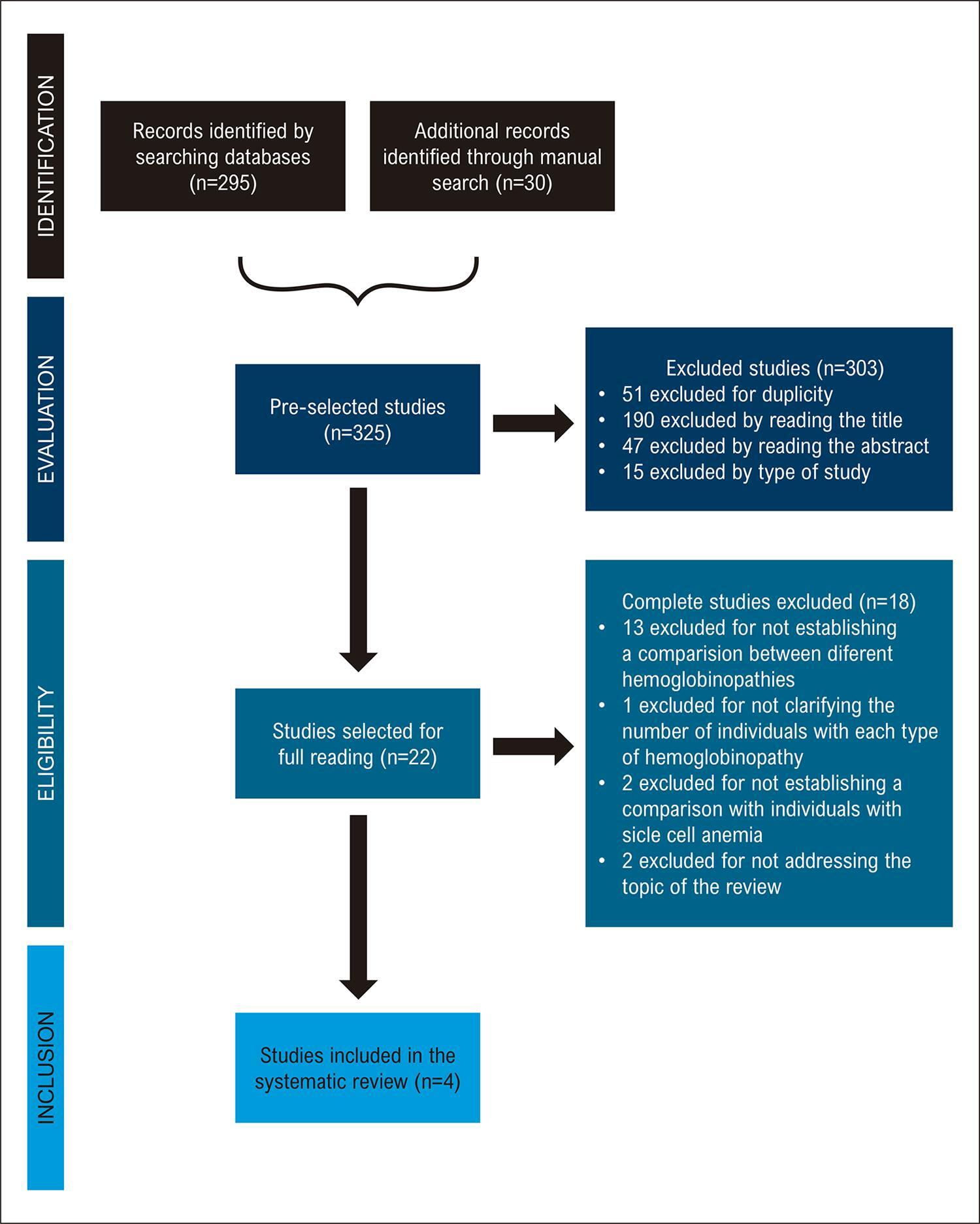
Following the recommendations of the PRISMA protocol, a systematic literature review was carried out with searches in PubMed/Medline databases, associated with a manual search. Studies that analyzed the prevalence of cardiovascular alterations in hemoglobinopathies (SCA, sickle cell trait, SC hemoglobinopathy, alpha-thalassemia and beta-thalassemia) were included. The methodological quality of the articles was assessed using the Newcastle-Ottawa scale.

Results

Four studies were selected for analysis, resulting in a sample size of 582 participants: 289 with SCA, 133 with SC hemoglobinopathy, 40 with beta-thalassemia, 100 healthy individuals and none with alpha-thalassemia or sickle cell trait. Dilatation of the cardiac chambers, left and right ventricular hypertrophy, pulmonary hypertension, diastolic dysfunction, mitral regurgitation and tricuspid regurgitation are more prevalent in SCA than in the other hemoglobinopathies considered. Myocardial iron overload is more frequent in thalassemia major than in sickle cell anemia. Systolic function is similar between different hemoglobinopathies.

Conclusion

There is greater cardiovascular impairment in individuals with SCA than in those with other hemoglobinopathies, reinforcing the necessity for regular cardiovascular follow-up in sickle cell patients.

  • Anemia, Sickle Cell
  • Hemoglobinopathies
  • Pregnancy Complications, Cardiovascular
Read Full Article
Creative Commons Attribution (CC BY) Creative Commons license
21/11/2022 DOI: 10.36660/abc.20220207 Views 1
Figure 1
Original Article

Epicardial Fat Volume Is Associated with Endothelial Dysfunction, but not with Coronary Calcification: From the Brazilian Longitudinal Study of Adult Health (ELSA-Brasil)

Karina P. M. P. Martins et al. Sandhi M. Barreto Daniel Bos Jesiana Pedrosa … Douglas R. M. Azevedo Larissa Fortunato Araújo Murilo Foppa Bruce B. Duncan Antonio Luiz P. Ribeiro Luisa C. C. Brant

Abstract

Background

The increase in epicardial fat volume (EFV) is related to coronary artery disease (CAD), independent of visceral or subcutaneous fat. The mechanism underlying this association is unclear. Coronary artery calcium (CAC) score and endothelial dysfunction are related to coronary events, but whether EFV is related to these markers needs further clarification.

Objectives

To evaluate the association between automatically measured EFV, cardiovascular risk factors, CAC, and endothelial function.

Methods

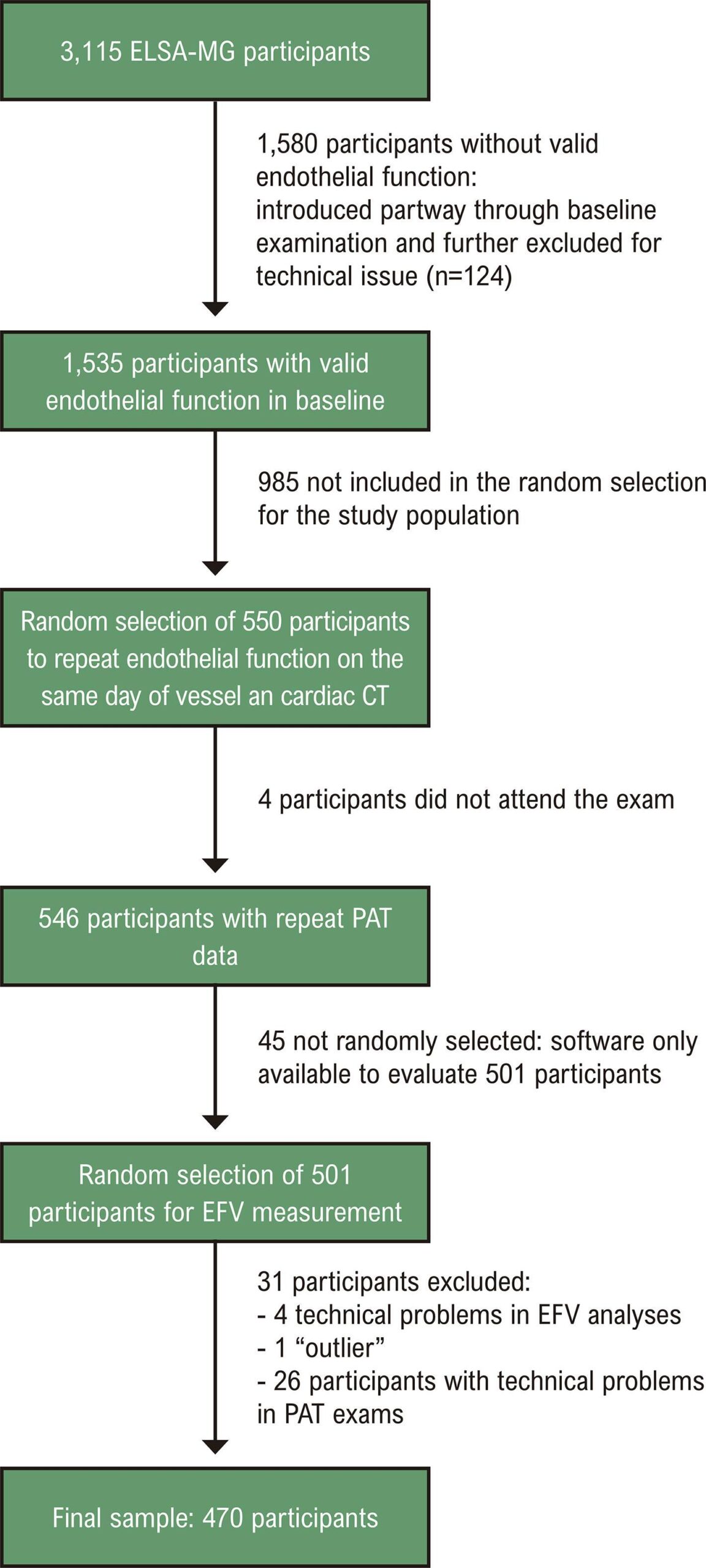
In 470 participants from the Brazilian Longitudinal Study of Adult Health (ELSA-Brasil) with measures of EFV, CAC score and endothelial function, we performed multivariable models to evaluate the relation between cardiovascular risk factors and EFV (response variable), and between EFV (explanatory variable) and endothelial function variables or CAC score. Two-sided p <0.05 was considered statistically significant.

Results

Mean age was 55 ± 8 years, 52.3% of patients were men. Mean EFV was 111mL (IQ 86-144), and the prevalence of CAC score=0 was 55%. In the multivariable analyses, increased EFV was related to female sex, older age, waist circumference, and triglycerides (p0.

Conclusion

Higher EFV was associated with impaired endothelial function, but not with CAC. The results suggest that EFV is related to the development of CAD through a pathway different from the CAC pathway, possibly through aggravation of endothelial dysfunction and microvascular disease.

  • Atherosclerosis
  • Intra-Abdominal Fat
  • Obesidade Abdominal
Read Full Article
Creative Commons Attribution (CC BY) Creative Commons license
10/10/2022 DOI: 10.36660/abc.20210750 Views 1
Figure 1
Original Article

Inflammatory Phenotype by OCT Coronary Imaging: Specific Features Among De Novo Lesions, In-Stent Neointima, and In-Stent Neo-Atherosclerosis

Luiz Fernando M Pinheiro et al. Stefano Garzon José Mariani Jr. Guy F. Almeida Prado … Adriano Mendes Caixeta Breno Oliveira Almeida Pedro Alves Lemos

Abstract

Background

Coronary stenosis can be caused de novo atherosclerosis, in-stent restenosis, and in-stent neoatherosclerosis, three entities that develop from a diverse pathophysiological milieu.

Objective

This study aims to investigate, using optical coherence tomography (OCT), whether or not coronary lesions related to these processes differ in their local inflammatory profile.

Methods

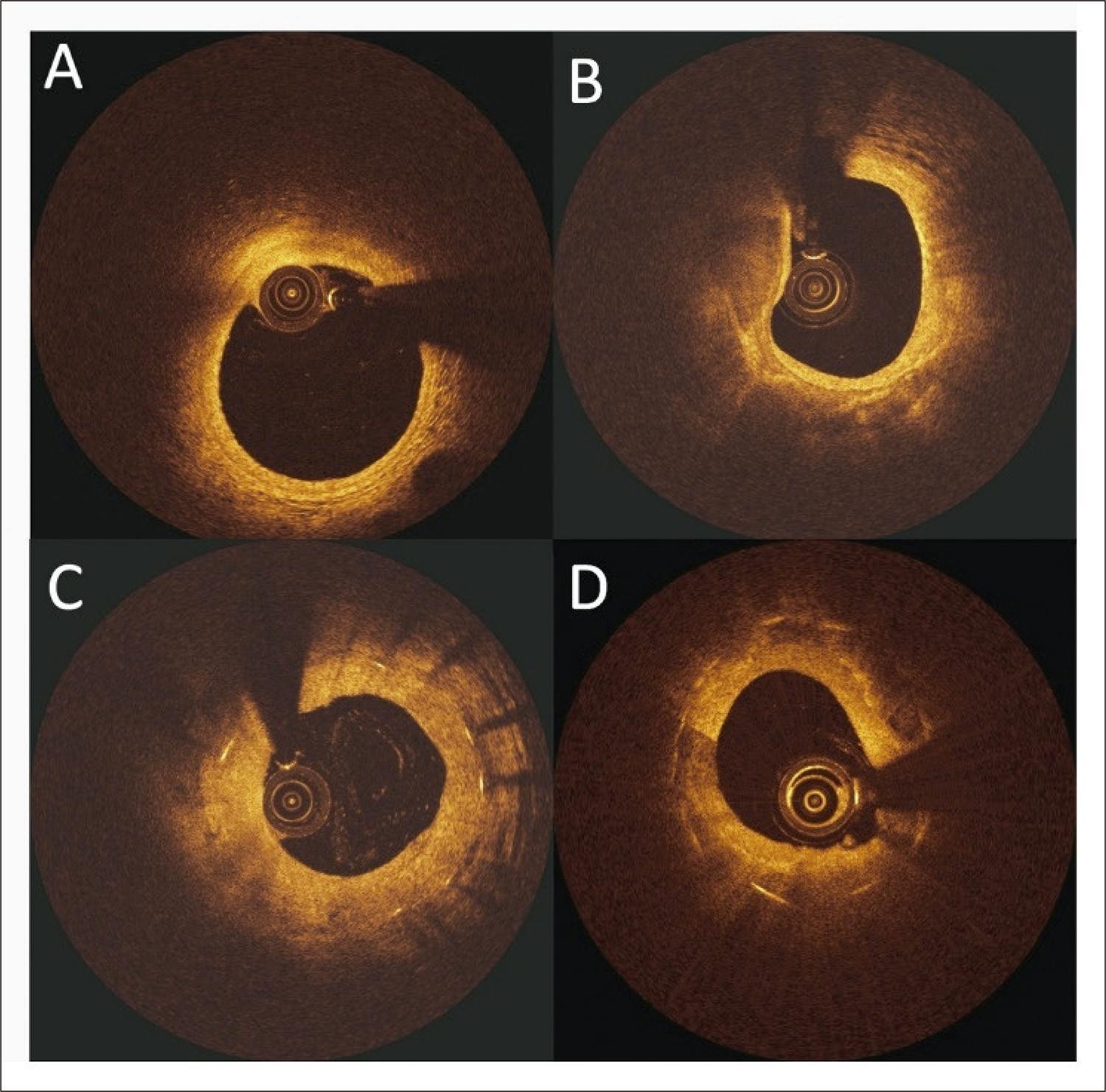
Retrospective analysis of patients with diagnosed or suspected coronary lesions who had undergone OCT imaging for clinical reasons. Macrophage and intra-plaque neovascularization were assessed by OCT and used as surrogates of local inflammation. A significance level of < 0.05 was adopted as statistically significant.

Results

From the 121 lesions, 74 were de novo, 29 were restenosis, and 18 were neoatherosclerosis. Neovascularization was found in 65.8% of de novo, 10.3% in restenosis, and 94.4% in neoatherosclerosis (p<0.01 for all). The volume of neovascularization was different among lesion types (950 vs. 0 vs. 6220, respectively [median values in 1000 x µm3/mm]; p<0.01 for all), which were significantly higher in neoatherosclerosis and lower in restenosis. The presence of macrophages differed among the lesions (95.9% in de novo vs. 6.9% in restenosis vs. 100% in neoatherosclerosis [p<0.01 for all]). Moreover, the intensity of macrophagic infiltration was different among lesion types (2.5 vs. 0.0 vs. 4.5, respectively [median values of macrophage score]; p<0.01 for all), significantly higher in neoatheroscleosis and lower in restenosis.

Conclusion

When compared using coronary OCT, de novo atherosclerosis, in-stent restenosis, and neoatherosclerosis presented markedly different inflammatory phenotypes.

  • Atherosclerosis
  • Coronary Restenosis
  • Stents
Read Full Article
Creative Commons Attribution (CC BY) Creative Commons license
10/10/2022 DOI: 10.36660/abc.20220045

Could not load more articles. Please try again.

How to cite this article

EndNote RIS

Electronic Document Format (Vancouver)

Nurmohamed NS, Cantlay C, Sidahmed A, Choi AD. Refining Cardiovascular Risk: Looking Beneath the Calcium Surface. Arquivos Brasileiros de Cardiologia 2022;119(6):921-2.

Electronic Document Format (ABNT)

Nurmohamed, Nick S.; Cantlay, Catherine; Sidahmed, Alfateh; Choi, Andrew D.. Refining Cardiovascular Risk: Looking Beneath the Calcium Surface. Arquivos Brasileiros de Cardiologia, v. 119, n. 6, p. 921-922, Dec. 2022.

Electronic Document Format (APA)

Nurmohamed, N. S., Cantlay, C., Sidahmed, A., & Choi, A. D. (2022). Refining Cardiovascular Risk: Looking Beneath the Calcium Surface. Arquivos Brasileiros de Cardiologia, 119(6), 921-922.

Electronic Document Format (ISO)

Nurmohamed, Nick S. and Cantlay, Catherine and Sidahmed, Alfateh and Choi, Andrew D.. Refining Cardiovascular Risk: Looking Beneath the Calcium Surface. Arquivos Brasileiros de Cardiologia [online]. 2022, vol. 119, n. 6, [cited 2026-10-14], pp. 921-922. Available from: <https://journals.cardiol.br/en/article/refining-cardiovascular-risk-looking-beneath-the-calcium-surface/>. ISSN 0066-782X

EndNote RIS

Electronic Document Format (Vancouver)

Lorenzo N, Hernandez V, Montes A, Rivero F, Reyes* G, Aguilar R. Left Ventricular Thrombosis and Pulmonary Thromboembolism in an Asymptomatic Covid-19 Patient. Arquivos Brasileiros de Cardiologia 2022;119(6):996-8.

Electronic Document Format (ABNT)

Lorenzo, Natalia; Hernandez, Veronica; Montes, Alvaro; Rivero, Fernando; Reyes*, Guillermo; Aguilar, Rio. Left Ventricular Thrombosis and Pulmonary Thromboembolism in an Asymptomatic Covid-19 Patient. Arquivos Brasileiros de Cardiologia, v. 119, n. 6, p. 996-998, Dec. 2022.

Electronic Document Format (APA)

Lorenzo, N., Hernandez, V., Montes, A., Rivero, F., Reyes*, G., & Aguilar, R. (2022). Left Ventricular Thrombosis and Pulmonary Thromboembolism in an Asymptomatic Covid-19 Patient. Arquivos Brasileiros de Cardiologia, 119(6), 996-998.

Electronic Document Format (ISO)

Lorenzo, Natalia and Hernandez, Veronica and Montes, Alvaro and Rivero, Fernando and Reyes*, Guillermo and Aguilar, Rio. Left Ventricular Thrombosis and Pulmonary Thromboembolism in an Asymptomatic Covid-19 Patient. Arquivos Brasileiros de Cardiologia [online]. 2022, vol. 119, n. 6, [cited 2026-10-14], pp. 996-998. Available from: <https://journals.cardiol.br/en/article/left-ventricular-thrombosis-and-pulmonary-thromboembolism-in-an-asymptomatic-covid-19-patient/>. ISSN 0066-782X

EndNote RIS

Electronic Document Format (Vancouver)

Chaves BJ, Duarte MB, Passaglia LG, Gelape C, Azevedo PHR, Brasileiro Filho G. Caseous Calcification of the Mitral Annulus: A Post-Heart Transplant Diagnosis. Arquivos Brasileiros de Cardiologia 2022;119(6):999-1001.

Electronic Document Format (ABNT)

Chaves, Bruno Jordão; Duarte, Matheus Bitencourt; Passaglia, Luiz Guilherme; Gelape, Claudio; Azevedo, Paulo Hernane Rabelo; Brasileiro Filho, Geraldo. Caseous Calcification of the Mitral Annulus: A Post-Heart Transplant Diagnosis. Arquivos Brasileiros de Cardiologia, v. 119, n. 6, p. 999-1001, Dec. 2022.

Electronic Document Format (APA)

Chaves, B. J., Duarte, M. B., Passaglia, L. G., Gelape, C., Azevedo, P. H. R., & Brasileiro Filho, G. (2022). Caseous Calcification of the Mitral Annulus: A Post-Heart Transplant Diagnosis. Arquivos Brasileiros de Cardiologia, 119(6), 999-1001.

Electronic Document Format (ISO)

Chaves, Bruno Jordão and Duarte, Matheus Bitencourt and Passaglia, Luiz Guilherme and Gelape, Claudio and Azevedo, Paulo Hernane Rabelo and Brasileiro Filho, Geraldo. Caseous Calcification of the Mitral Annulus: A Post-Heart Transplant Diagnosis. Arquivos Brasileiros de Cardiologia [online]. 2022, vol. 119, n. 6, [cited 2026-10-14], pp. 999-1001. Available from: <https://journals.cardiol.br/en/article/caseous-calcification-of-the-mitral-annulus-a-post-heart-transplant-diagnosis/>. ISSN 0066-782X

EndNote RIS

Electronic Document Format (Vancouver)

Faé IG, Ruiz GZL, Irffi GP, Almeida Junior RS, Conceição PA, Falchetto EB, Passaglia LG, et al. Intracardiac Metastasis of Colonic Adenocarcinoma 12 Years After Primary Tumor Control and Without Any Sign of Other Metastasis: A Case Report. Arquivos Brasileiros de Cardiologia 2022;119(6):991-5.

Electronic Document Format (ABNT)

Faé, Isabela Galizzi; Ruiz, Gabriela Zamunaro Lopes; Irffi, Gustavo Palmer; Almeida Junior, Robson de Souza; Conceição, Pedro Anjos; Falchetto, Eduardo Belisario; Passaglia, Luiz Guilherme; Brasileiro Filho, Geraldo; Gelape, Cláudio Leo; Oliveira, Clara Rodrigues Alves de. Intracardiac Metastasis of Colonic Adenocarcinoma 12 Years After Primary Tumor Control and Without Any Sign of Other Metastasis: A Case Report. Arquivos Brasileiros de Cardiologia, v. 119, n. 6, p. 991-995, Dec. 2022.

Electronic Document Format (APA)

Faé, I. G., Ruiz, G. Z. L., Irffi, G. P., Almeida Junior, R. S., Conceição, P. A., Falchetto, E. B., Passaglia, L. G., Brasileiro Filho, G., Gelape, C. L., & Oliveira, C. R. A. (2022). Intracardiac Metastasis of Colonic Adenocarcinoma 12 Years After Primary Tumor Control and Without Any Sign of Other Metastasis: A Case Report. Arquivos Brasileiros de Cardiologia, 119(6), 991-995.

Electronic Document Format (ISO)

Faé, Isabela Galizzi and Ruiz, Gabriela Zamunaro Lopes and Irffi, Gustavo Palmer and Almeida Junior, Robson de Souza and Conceição, Pedro Anjos and Falchetto, Eduardo Belisario and Passaglia, Luiz Guilherme and Brasileiro Filho, Geraldo and Gelape, Cláudio Leo and Oliveira, Clara Rodrigues Alves de. Intracardiac Metastasis of Colonic Adenocarcinoma 12 Years After Primary Tumor Control and Without Any Sign of Other Metastasis: A Case Report. Arquivos Brasileiros de Cardiologia [online]. 2022, vol. 119, n. 6, [cited 2026-10-14], pp. 991-995. Available from: <https://journals.cardiol.br/en/article/intracardiac-metastasis-of-colonic-adenocarcinoma-12-years-after-primary-tumor-control-and-without-any-sign-of-other-metastasis-a-case-report/>. ISSN 0066-782X

EndNote RIS

Electronic Document Format (Vancouver)

Correia JL, Correia M. Bulky Mitral Annulus Caseous Calcification in an Atypical Location. Arquivos Brasileiros de Cardiologia 2022;119(6):1002-5.

Electronic Document Format (ABNT)

Correia, Joana Laranjeira; Correia, Miguel. Bulky Mitral Annulus Caseous Calcification in an Atypical Location. Arquivos Brasileiros de Cardiologia, v. 119, n. 6, p. 1002-1005, Dec. 2022.

Electronic Document Format (APA)

Correia, J. L., & Correia, M. (2022). Bulky Mitral Annulus Caseous Calcification in an Atypical Location. Arquivos Brasileiros de Cardiologia, 119(6), 1002-1005.

Electronic Document Format (ISO)

Correia, Joana Laranjeira and Correia, Miguel. Bulky Mitral Annulus Caseous Calcification in an Atypical Location. Arquivos Brasileiros de Cardiologia [online]. 2022, vol. 119, n. 6, [cited 2026-10-14], pp. 1002-1005. Available from: <https://journals.cardiol.br/en/article/bulky-mitral-annulus-caseous-calcification-in-an-atypical-location/>. ISSN 0066-782X

EndNote RIS

Electronic Document Format (Vancouver)

Villela PB. The First Step. Arquivos Brasileiros de Cardiologia 2022;119(6):968-9.

Electronic Document Format (ABNT)

Villela, Paolo Blanco. The First Step. Arquivos Brasileiros de Cardiologia, v. 119, n. 6, p. 968-969, Dec. 2022.

Electronic Document Format (APA)

Villela, P. B. (2022). The First Step. Arquivos Brasileiros de Cardiologia, 119(6), 968-969.

Electronic Document Format (ISO)

Villela, Paolo Blanco. The First Step. Arquivos Brasileiros de Cardiologia [online]. 2022, vol. 119, n. 6, [cited 2026-10-14], pp. 968-969. Available from: <https://journals.cardiol.br/en/article/the-first-step/>. ISSN 0066-782X

EndNote RIS

Electronic Document Format (Vancouver)

Mungmunpuntipantip R, Wiwanitkit V. Acute Myocarditis after mRNA COVID-19 Vaccine: A Correspondence. Arquivos Brasileiros de Cardiologia 2022;119(6):1006-7.

Electronic Document Format (ABNT)

Mungmunpuntipantip, Rujittika; Wiwanitkit, Viroj. Acute Myocarditis after mRNA COVID-19 Vaccine: A Correspondence. Arquivos Brasileiros de Cardiologia, v. 119, n. 6, p. 1006-1007, Dec. 2022.

Electronic Document Format (APA)

Mungmunpuntipantip, R., & Wiwanitkit, V. (2022). Acute Myocarditis after mRNA COVID-19 Vaccine: A Correspondence. Arquivos Brasileiros de Cardiologia, 119(6), 1006-1007.

Electronic Document Format (ISO)

Mungmunpuntipantip, Rujittika and Wiwanitkit, Viroj. Acute Myocarditis after mRNA COVID-19 Vaccine: A Correspondence. Arquivos Brasileiros de Cardiologia [online]. 2022, vol. 119, n. 6, [cited 2026-10-14], pp. 1006-1007. Available from: <https://journals.cardiol.br/en/article/acute-myocarditis-after-mrna-covid-19-vaccine-a-correspondence/>. ISSN 0066-782X

EndNote RIS

Electronic Document Format (Vancouver)

Lopes LR. Focusing on the Right Ventricle in PRKAG2 Syndrome. Arquivos Brasileiros de Cardiologia 2022;119(6):910-1.

Electronic Document Format (ABNT)

Lopes, Luís Rocha. Focusing on the Right Ventricle in PRKAG2 Syndrome. Arquivos Brasileiros de Cardiologia, v. 119, n. 6, p. 910-911, Dec. 2022.

Electronic Document Format (APA)

Lopes, L. R. (2022). Focusing on the Right Ventricle in PRKAG2 Syndrome. Arquivos Brasileiros de Cardiologia, 119(6), 910-911.

Electronic Document Format (ISO)

Lopes, Luís Rocha. Focusing on the Right Ventricle in PRKAG2 Syndrome. Arquivos Brasileiros de Cardiologia [online]. 2022, vol. 119, n. 6, [cited 2026-10-14], pp. 910-911. Available from: <https://journals.cardiol.br/en/article/focusing-on-the-right-ventricle-in-prkag2-syndrome/>. ISSN 0066-782X

EndNote RIS

Electronic Document Format (Vancouver)

Eltahlawi M. Coronary Tortuosity as a New Phenotype for Ischemia without Coronary Artery Disease. Arquivos Brasileiros de Cardiologia 2022;119(6):891-2.

Electronic Document Format (ABNT)

Eltahlawi, Mohammad. Coronary Tortuosity as a New Phenotype for Ischemia without Coronary Artery Disease. Arquivos Brasileiros de Cardiologia, v. 119, n. 6, p. 891-892, Dec. 2022.

Electronic Document Format (APA)

Eltahlawi, M. (2022). Coronary Tortuosity as a New Phenotype for Ischemia without Coronary Artery Disease. Arquivos Brasileiros de Cardiologia, 119(6), 891-892.

Electronic Document Format (ISO)

Eltahlawi, Mohammad. Coronary Tortuosity as a New Phenotype for Ischemia without Coronary Artery Disease. Arquivos Brasileiros de Cardiologia [online]. 2022, vol. 119, n. 6, [cited 2026-10-14], pp. 891-892. Available from: <https://journals.cardiol.br/en/article/coronary-tortuosity-as-a-new-phenotype-for-ischemia-without-coronary-artery-disease/>. ISSN 0066-782X

EndNote RIS

Electronic Document Format (Vancouver)

Alves L, Ziegelmann PK, Ribeiro V, Polanczyk C. Hospital Mortality from Myocardial Infarction in Latin America and the Caribbean: Systematic Review and Meta-Analysis. Arquivos Brasileiros de Cardiologia 2022;119(6):970-8.

Electronic Document Format (ABNT)

Alves, Leonardo; Ziegelmann, Patrícia K.; Ribeiro, Victor; Polanczyk, Carisi. Hospital Mortality from Myocardial Infarction in Latin America and the Caribbean: Systematic Review and Meta-Analysis. Arquivos Brasileiros de Cardiologia, v. 119, n. 6, p. 970-978, Dec. 2022.

Electronic Document Format (APA)

Alves, L., Ziegelmann, P. K., Ribeiro, V., & Polanczyk, C. (2022). Hospital Mortality from Myocardial Infarction in Latin America and the Caribbean: Systematic Review and Meta-Analysis. Arquivos Brasileiros de Cardiologia, 119(6), 970-978.

Electronic Document Format (ISO)

Alves, Leonardo and Ziegelmann, Patrícia K. and Ribeiro, Victor and Polanczyk, Carisi. Hospital Mortality from Myocardial Infarction in Latin America and the Caribbean: Systematic Review and Meta-Analysis. Arquivos Brasileiros de Cardiologia [online]. 2022, vol. 119, n. 6, [cited 2026-10-14], pp. 970-978. Available from: <https://journals.cardiol.br/en/article/hospital-mortality-from-myocardial-infarction-in-latin-america-and-the-caribbean-systematic-review-and-meta-analysis/>. ISSN 0066-782X

EndNote RIS

Electronic Document Format (Vancouver)

Izar MCO, Fonseca FAH. Macrophages and Neovascularization in In-Stent Neoatherosclerosis: An Accelerated Inflammatory Phenotype by OCT with Therapeutic Implications. Arquivos Brasileiros de Cardiologia 2022;119(6):938-9.

Electronic Document Format (ABNT)

Izar, Maria Cristina Oliveira; Fonseca, Francisco A. H.. Macrophages and Neovascularization in In-Stent Neoatherosclerosis: An Accelerated Inflammatory Phenotype by OCT with Therapeutic Implications. Arquivos Brasileiros de Cardiologia, v. 119, n. 6, p. 938-939, Dec. 2022.

Electronic Document Format (APA)

Izar, M. C. O., & Fonseca, F. A. H. (2022). Macrophages and Neovascularization in In-Stent Neoatherosclerosis: An Accelerated Inflammatory Phenotype by OCT with Therapeutic Implications. Arquivos Brasileiros de Cardiologia, 119(6), 938-939.

Electronic Document Format (ISO)

Izar, Maria Cristina Oliveira and Fonseca, Francisco A. H.. Macrophages and Neovascularization in In-Stent Neoatherosclerosis: An Accelerated Inflammatory Phenotype by OCT with Therapeutic Implications. Arquivos Brasileiros de Cardiologia [online]. 2022, vol. 119, n. 6, [cited 2026-10-14], pp. 938-939. Available from: <https://journals.cardiol.br/en/article/macrophages-and-neovascularization-in-in-stent-neoatherosclerosis-an-accelerated-inflammatory-phenotype-by-oct-with-therapeutic-implications/>. ISSN 0066-782X

EndNote RIS

Electronic Document Format (Vancouver)

. Erratum. Arquivos Brasileiros de Cardiologia 2022;119(6):1008.

Electronic Document Format (ABNT)

. Erratum. Arquivos Brasileiros de Cardiologia, v. 119, n. 6, p. 1008-1008, Dec. 2022.

Electronic Document Format (APA)

(2022). Erratum. Arquivos Brasileiros de Cardiologia, 119(6), 1008-1008.

Electronic Document Format (ISO)

. Erratum. Arquivos Brasileiros de Cardiologia [online]. 2022, vol. 119, n. 6, [cited 2026-10-14], pp. 1008-1008. Available from: <https://journals.cardiol.br/en/article/erratum-37/>. ISSN 0066-782X

EndNote RIS

Electronic Document Format (Vancouver)

Rosa SA. Prognosis after Myocardial Infarction – A Deep Look into Myocardial Tissue. Arquivos Brasileiros de Cardiologia 2022;119(6):958-9.

Electronic Document Format (ABNT)

Rosa, Sílvia Aguiar. Prognosis after Myocardial Infarction – A Deep Look into Myocardial Tissue. Arquivos Brasileiros de Cardiologia, v. 119, n. 6, p. 958-959, Dec. 2022.

Electronic Document Format (APA)

Rosa, S. A. (2022). Prognosis after Myocardial Infarction – A Deep Look into Myocardial Tissue. Arquivos Brasileiros de Cardiologia, 119(6), 958-959.

Electronic Document Format (ISO)

Rosa, Sílvia Aguiar. Prognosis after Myocardial Infarction – A Deep Look into Myocardial Tissue. Arquivos Brasileiros de Cardiologia [online]. 2022, vol. 119, n. 6, [cited 2026-10-14], pp. 958-959. Available from: <https://journals.cardiol.br/en/article/prognosis-after-myocardial-infarction-a-deep-look-into-myocardial-tissue/>. ISSN 0066-782X

EndNote RIS

Electronic Document Format (Vancouver)

Brant LCC, Passaglia LG. High Mortality for Myocardial Infarction in Latin America and the Caribbean: Making the Case for Systems of Care Implementation in Brazil. Arquivos Brasileiros de Cardiologia 2022;119(6):979-80.

Electronic Document Format (ABNT)

Brant, Luisa C. C.; Passaglia, Luiz G.. High Mortality for Myocardial Infarction in Latin America and the Caribbean: Making the Case for Systems of Care Implementation in Brazil. Arquivos Brasileiros de Cardiologia, v. 119, n. 6, p. 979-980, Dec. 2022.

Electronic Document Format (APA)

Brant, L. C. C., & Passaglia, L. G. (2022). High Mortality for Myocardial Infarction in Latin America and the Caribbean: Making the Case for Systems of Care Implementation in Brazil. Arquivos Brasileiros de Cardiologia, 119(6), 979-980.

Electronic Document Format (ISO)

Brant, Luisa C. C. and Passaglia, Luiz G.. High Mortality for Myocardial Infarction in Latin America and the Caribbean: Making the Case for Systems of Care Implementation in Brazil. Arquivos Brasileiros de Cardiologia [online]. 2022, vol. 119, n. 6, [cited 2026-10-14], pp. 979-980. Available from: <https://journals.cardiol.br/en/article/high-mortality-for-myocardial-infarction-in-latin-america-and-the-caribbean-making-the-case-for-systems-of-care-implementation-in-brazil/>. ISSN 0066-782X

EndNote RIS

Electronic Document Format (Vancouver)

Chacra APM, Saldanha ALR, Martinez TLR. Sickle Cell Anemia as the First in the Hierarchy for Cardiac Alterations, Drives Attention to the Whole Spectrum of Hemolytic Anemias. Arquivos Brasileiros de Cardiologia 2022;119(6):900-1.

Electronic Document Format (ABNT)

Chacra, Ana Paula Marte; Saldanha, Anita L. R.; Martinez, Tania Leme da Rocha. Sickle Cell Anemia as the First in the Hierarchy for Cardiac Alterations, Drives Attention to the Whole Spectrum of Hemolytic Anemias. Arquivos Brasileiros de Cardiologia, v. 119, n. 6, p. 900-901, Dec. 2022.

Electronic Document Format (APA)

Chacra, A. P. M., Saldanha, A. L. R., & Martinez, T. L. R. (2022). Sickle Cell Anemia as the First in the Hierarchy for Cardiac Alterations, Drives Attention to the Whole Spectrum of Hemolytic Anemias. Arquivos Brasileiros de Cardiologia, 119(6), 900-901.

Electronic Document Format (ISO)

Chacra, Ana Paula Marte and Saldanha, Anita L. R. and Martinez, Tania Leme da Rocha. Sickle Cell Anemia as the First in the Hierarchy for Cardiac Alterations, Drives Attention to the Whole Spectrum of Hemolytic Anemias. Arquivos Brasileiros de Cardiologia [online]. 2022, vol. 119, n. 6, [cited 2026-10-14], pp. 900-901. Available from: <https://journals.cardiol.br/en/article/sickle-cell-anemia-as-the-first-in-the-hierarchy-for-cardiac-alterations-drives-attention-to-the-whole-spectrum-of-hemolytic-anemias/>. ISSN 0066-782X

EndNote RIS

Electronic Document Format (Vancouver)

Eyyupkoca F, Eyerci N, Altintas MS, Felekoglu MA, Biter HI, Hidayet S, Sivri S, et al. The Relationship between Extracellular Volume Compartments and Matrix Metalloproteinases-2 in Left Ventricular Remodeling after Myocardial Infarction. Arquivos Brasileiros de Cardiologia 2022;119(6):946-57.

Electronic Document Format (ABNT)

Eyyupkoca, Ferhat; Eyerci, Nilnur; Altintas, Mehmet Sait; Felekoglu, Mehmet Ali; Biter, Halil Ibrahim; Hidayet, Siho; Sivri, Serkan; Demirtas, Bekir; Ates, Omer Faruk. The Relationship between Extracellular Volume Compartments and Matrix Metalloproteinases-2 in Left Ventricular Remodeling after Myocardial Infarction. Arquivos Brasileiros de Cardiologia, v. 119, n. 6, p. 946-957, Dec. 2022.

Electronic Document Format (APA)

Eyyupkoca, F., Eyerci, N., Altintas, M. S., Felekoglu, M. A., Biter, H. I., Hidayet, S., Sivri, S., Demirtas, B., & Ates, O. F. (2022). The Relationship between Extracellular Volume Compartments and Matrix Metalloproteinases-2 in Left Ventricular Remodeling after Myocardial Infarction. Arquivos Brasileiros de Cardiologia, 119(6), 946-957.

Electronic Document Format (ISO)

Eyyupkoca, Ferhat and Eyerci, Nilnur and Altintas, Mehmet Sait and Felekoglu, Mehmet Ali and Biter, Halil Ibrahim and Hidayet, Siho and Sivri, Serkan and Demirtas, Bekir and Ates, Omer Faruk. The Relationship between Extracellular Volume Compartments and Matrix Metalloproteinases-2 in Left Ventricular Remodeling after Myocardial Infarction. Arquivos Brasileiros de Cardiologia [online]. 2022, vol. 119, n. 6, [cited 2026-10-14], pp. 946-957. Available from: <https://journals.cardiol.br/en/article/the-relationship-between-extracellular-volume-compartments-and-matrix-metalloproteinases-2-in-left-ventricular-remodeling-after-myocardial-infarction/>. ISSN 0066-782X

EndNote RIS

Electronic Document Format (Vancouver)

Campos MSB, Feitosa RHF, Mizzaci CC, Flach MRT, Siqueira BJM, Mastrocola LE. The Benefits of Exercise in Breast Cancer. Arquivos Brasileiros de Cardiologia 2022;119(6):981-90.

Electronic Document Format (ABNT)

Campos, Milena dos Santos Barros; Feitosa, Roberta Helena Fernandes; Mizzaci, Carolina Christianini; Flach, Maria do Rosário Toscano von; Siqueira, Betty Janny Maia; Mastrocola, Luiz Eduardo. The Benefits of Exercise in Breast Cancer. Arquivos Brasileiros de Cardiologia, v. 119, n. 6, p. 981-990, Dec. 2022.

Electronic Document Format (APA)

Campos, M. S. B., Feitosa, R. H. F., Mizzaci, C. C., Flach, M. R. T. , Siqueira, B. J. M., & Mastrocola, L. E. (2022). The Benefits of Exercise in Breast Cancer. Arquivos Brasileiros de Cardiologia, 119(6), 981-990.

Electronic Document Format (ISO)

Campos, Milena dos Santos Barros and Feitosa, Roberta Helena Fernandes and Mizzaci, Carolina Christianini and Flach, Maria do Rosário Toscano von and Siqueira, Betty Janny Maia and Mastrocola, Luiz Eduardo. The Benefits of Exercise in Breast Cancer. Arquivos Brasileiros de Cardiologia [online]. 2022, vol. 119, n. 6, [cited 2026-10-14], pp. 981-990. Available from: <https://journals.cardiol.br/en/article/the-benefits-of-exercise-in-breast-cancer/>. ISSN 0066-782X

EndNote RIS

Electronic Document Format (Vancouver)

Mesquita CT, Lacerda AG, Urel ICAB, Frantz EDC, Alves VPV, Amorim LEO, Coutinho BA, et al. Gender Disparity in First and Senior Authorship in Brazilian Cardiology Journals. Arquivos Brasileiros de Cardiologia 2022;119(6):960-7.

Electronic Document Format (ABNT)

Mesquita, Claudio Tinoco; Lacerda, Aline Goneli de; Urel, Isabella Carolina de Almeida Barros; Frantz, Eliete Dalla Corte; Alves, Vinícius de Pádua Vieira; Amorim, Luana Evelyn de Oliveira; Coutinho, Bruna de Almeida; Dalben, Letícia Rodrigues; Abrantes, Juliana Cadilho da Silva; Veloso, Vanessa Dias; Mello, Luíza Lucchesi Cabral de; Oliveira, Gláucia Maria Moraes de; Fernandes, Fernando de Amorim. Gender Disparity in First and Senior Authorship in Brazilian Cardiology Journals. Arquivos Brasileiros de Cardiologia, v. 119, n. 6, p. 960-967, Dec. 2022.

Electronic Document Format (APA)

Mesquita, C. T., Lacerda, A. G. , Urel, I. C. A. B., Frantz, E. D. C., Alves, V. P. V., Amorim, L. E. O., Coutinho, B. A., Dalben, L. R., Abrantes, J. C. S., Veloso, V. D., Mello, L. L. C. , Oliveira, G. M. M. , & Fernandes, F. A. (2022). Gender Disparity in First and Senior Authorship in Brazilian Cardiology Journals. Arquivos Brasileiros de Cardiologia, 119(6), 960-967.

Electronic Document Format (ISO)

Mesquita, Claudio Tinoco and Lacerda, Aline Goneli de and Urel, Isabella Carolina de Almeida Barros and Frantz, Eliete Dalla Corte and Alves, Vinícius de Pádua Vieira and Amorim, Luana Evelyn de Oliveira and Coutinho, Bruna de Almeida and Dalben, Letícia Rodrigues and Abrantes, Juliana Cadilho da Silva and Veloso, Vanessa Dias and Mello, Luíza Lucchesi Cabral de and Oliveira, Gláucia Maria Moraes de and Fernandes, Fernando de Amorim. Gender Disparity in First and Senior Authorship in Brazilian Cardiology Journals. Arquivos Brasileiros de Cardiologia [online]. 2022, vol. 119, n. 6, [cited 2026-10-14], pp. 960-967. Available from: <https://journals.cardiol.br/en/article/gender-disparity-in-first-and-senior-authorship-in-brazilian-cardiology-journals/>. ISSN 0066-782X

EndNote RIS

Electronic Document Format (Vancouver)

Teixeira RA. Defibrillation Threshold in Patients with Chronic Chagas’ Heart Disease: Are There Benefits or not Worth the Risk?. Arquivos Brasileiros de Cardiologia 2022;119(6):929-30.

Electronic Document Format (ABNT)

Teixeira, Ricardo Alkmim. Defibrillation Threshold in Patients with Chronic Chagas’ Heart Disease: Are There Benefits or not Worth the Risk?. Arquivos Brasileiros de Cardiologia, v. 119, n. 6, p. 929-930, Dec. 2022.

Electronic Document Format (APA)

Teixeira, R. A. (2022). Defibrillation Threshold in Patients with Chronic Chagas’ Heart Disease: Are There Benefits or not Worth the Risk?. Arquivos Brasileiros de Cardiologia, 119(6), 929-930.

Electronic Document Format (ISO)

Teixeira, Ricardo Alkmim. Defibrillation Threshold in Patients with Chronic Chagas’ Heart Disease: Are There Benefits or not Worth the Risk?. Arquivos Brasileiros de Cardiologia [online]. 2022, vol. 119, n. 6, [cited 2026-10-14], pp. 929-930. Available from: <https://journals.cardiol.br/en/article/defibrillation-threshold-in-patients-with-chronic-chagas-heart-disease-are-there-benefits-or-not-worth-the-risk/>. ISSN 0066-782X

EndNote RIS

Electronic Document Format (Vancouver)

Pena JLB, Melo FJ, Santos WC, Moura ICG, Nakashima GP, Freitas NC, Sternick EB, et al. Right Ventricle Involvement by Glycogen Storage Cardiomyopathy (PRKAG2): Standard and Advanced Echocardiography Analyses. Arquivos Brasileiros de Cardiologia 2022;119(6):902-9.

Electronic Document Format (ABNT)

Pena, José Luiz Barros; Melo, Fabricio Junqueira de; Santos, Wander Costa; Moura, Isabel Cristina Gomes; Nakashima, Gabriela Pansanato; Freitas, Natalia Costa; Sternick, Eduardo Back. Right Ventricle Involvement by Glycogen Storage Cardiomyopathy (PRKAG2): Standard and Advanced Echocardiography Analyses. Arquivos Brasileiros de Cardiologia, v. 119, n. 6, p. 902-909, Nov. 2022.

Electronic Document Format (APA)

Pena, J. L. B., Melo, F. J. , Santos, W. C., Moura, I. C. G., Nakashima, G. P., Freitas, N. C., & Sternick, E. B. (2022). Right Ventricle Involvement by Glycogen Storage Cardiomyopathy (PRKAG2): Standard and Advanced Echocardiography Analyses. Arquivos Brasileiros de Cardiologia, 119(6), 902-909.

Electronic Document Format (ISO)

Pena, José Luiz Barros and Melo, Fabricio Junqueira de and Santos, Wander Costa and Moura, Isabel Cristina Gomes and Nakashima, Gabriela Pansanato and Freitas, Natalia Costa and Sternick, Eduardo Back. Right Ventricle Involvement by Glycogen Storage Cardiomyopathy (PRKAG2): Standard and Advanced Echocardiography Analyses. Arquivos Brasileiros de Cardiologia [online]. 2022, vol. 119, n. 6, [cited 2026-10-14], pp. 902-909. Available from: <https://journals.cardiol.br/en/article/right-ventricle-involvement-by-glycogen-storage-cardiomyopathy-prkag2-standard-and-advanced-echocardiography-analyses/>. ISSN 0066-782X

EndNote RIS

Electronic Document Format (Vancouver)

Lim DYZ, Ho WHH, Wang L, Ang WK, Thiagarajan N, Sng GG, Wang H, et al. Wolff-Parkinson-White Presenting as QRS Alternans and Other Differential Diagnoses in a Large Pre-Participation ECG Screening Cohort. Arquivos Brasileiros de Cardiologia 2022;119(6):940-5.

Electronic Document Format (ABNT)

Lim, Daniel Y. Z.; Ho, Wilbert H. H.; Wang, Luokai; Ang, Wee Kiat; Thiagarajan, Nishanth; Sng, Gerald GR; Wang, Hankun; Loo, Wesley TW; Yang, Lim Huai; Chow, Weien; Chua, Terrance J; Yeo, Tee Joo; Lim, Paul; Chong, Thuan Tee Daniel. Wolff-Parkinson-White Presenting as QRS Alternans and Other Differential Diagnoses in a Large Pre-Participation ECG Screening Cohort. Arquivos Brasileiros de Cardiologia, v. 119, n. 6, p. 940-945, Nov. 2022.

Electronic Document Format (APA)

Lim, D. Y. Z., Ho, W. H. H., Wang, L., Ang, W. K., Thiagarajan, N., Sng, G. G., Wang, H., Loo, W. T., Yang, L. H., Chow, W., Chua, T. J., Yeo, T. J., Lim, P., & Chong, T. T. D. (2022). Wolff-Parkinson-White Presenting as QRS Alternans and Other Differential Diagnoses in a Large Pre-Participation ECG Screening Cohort. Arquivos Brasileiros de Cardiologia, 119(6), 940-945.

Electronic Document Format (ISO)

Lim, Daniel Y. Z. and Ho, Wilbert H. H. and Wang, Luokai and Ang, Wee Kiat and Thiagarajan, Nishanth and Sng, Gerald GR and Wang, Hankun and Loo, Wesley TW and Yang, Lim Huai and Chow, Weien and Chua, Terrance J and Yeo, Tee Joo and Lim, Paul and Chong, Thuan Tee Daniel. Wolff-Parkinson-White Presenting as QRS Alternans and Other Differential Diagnoses in a Large Pre-Participation ECG Screening Cohort. Arquivos Brasileiros de Cardiologia [online]. 2022, vol. 119, n. 6, [cited 2026-10-14], pp. 940-945. Available from: <https://journals.cardiol.br/en/article/wolff-parkinson-white-presenting-as-qrs-alternans-and-other-differential-diagnoses-in-a-large-pre-participation-ecg-screening-cohort/>. ISSN 0066-782X

EndNote RIS

Electronic Document Format (Vancouver)

Lopes A, Dantas MT, Ladeia AMT. Prevalence of Cardiovascular Complications in Individuals with Sickle Cell Anemia and Other Hemoglobinopathies: A Systematic Review. Arquivos Brasileiros de Cardiologia 2022;119(6):893-9.

Electronic Document Format (ABNT)

Lopes, Andressa; Dantas, Marina Tejo; Ladeia, Ana Marice Teixeira. Prevalence of Cardiovascular Complications in Individuals with Sickle Cell Anemia and Other Hemoglobinopathies: A Systematic Review. Arquivos Brasileiros de Cardiologia, v. 119, n. 6, p. 893-899, Nov. 2022.

Electronic Document Format (APA)

Lopes, A., Dantas, M. T., & Ladeia, A. M. T. (2022). Prevalence of Cardiovascular Complications in Individuals with Sickle Cell Anemia and Other Hemoglobinopathies: A Systematic Review. Arquivos Brasileiros de Cardiologia, 119(6), 893-899.

Electronic Document Format (ISO)

Lopes, Andressa and Dantas, Marina Tejo and Ladeia, Ana Marice Teixeira. Prevalence of Cardiovascular Complications in Individuals with Sickle Cell Anemia and Other Hemoglobinopathies: A Systematic Review. Arquivos Brasileiros de Cardiologia [online]. 2022, vol. 119, n. 6, [cited 2026-10-14], pp. 893-899. Available from: <https://journals.cardiol.br/en/article/prevalence-of-cardiovascular-complications-in-individuals-with-sickle-cell-anemia-and-other-hemoglobinopathies-a-systematic-review/>. ISSN 0066-782X

EndNote RIS

Electronic Document Format (Vancouver)

Martins KPMP, Barreto SM, Bos D, Pedrosa J, Azevedo DRM, Araújo LF, Foppa M, et al. Epicardial Fat Volume Is Associated with Endothelial Dysfunction, but not with Coronary Calcification: From the Brazilian Longitudinal Study of Adult Health (ELSA-Brasil). Arquivos Brasileiros de Cardiologia 2022;119(6):912-20.

Electronic Document Format (ABNT)

Martins, Karina P. M. P.; Barreto, Sandhi M.; Bos, Daniel; Pedrosa, Jesiana; Azevedo, Douglas R. M.; Araújo, Larissa Fortunato; Foppa, Murilo; Duncan, Bruce B.; Ribeiro, Antonio Luiz P.; Brant, Luisa C. C.. Epicardial Fat Volume Is Associated with Endothelial Dysfunction, but not with Coronary Calcification: From the Brazilian Longitudinal Study of Adult Health (ELSA-Brasil). Arquivos Brasileiros de Cardiologia, v. 119, n. 6, p. 912-920, Oct. 2022.

Electronic Document Format (APA)

Martins, K. P. M. P., Barreto, S. M., Bos, D., Pedrosa, J., Azevedo, D. R. M., Araújo, L. F., Foppa, M., Duncan, B. B., Ribeiro, A. L. P., & Brant, L. C. C. (2022). Epicardial Fat Volume Is Associated with Endothelial Dysfunction, but not with Coronary Calcification: From the Brazilian Longitudinal Study of Adult Health (ELSA-Brasil). Arquivos Brasileiros de Cardiologia, 119(6), 912-920.

Electronic Document Format (ISO)

Martins, Karina P. M. P. and Barreto, Sandhi M. and Bos, Daniel and Pedrosa, Jesiana and Azevedo, Douglas R. M. and Araújo, Larissa Fortunato and Foppa, Murilo and Duncan, Bruce B. and Ribeiro, Antonio Luiz P. and Brant, Luisa C. C.. Epicardial Fat Volume Is Associated with Endothelial Dysfunction, but not with Coronary Calcification: From the Brazilian Longitudinal Study of Adult Health (ELSA-Brasil). Arquivos Brasileiros de Cardiologia [online]. 2022, vol. 119, n. 6, [cited 2026-10-14], pp. 912-920. Available from: <https://journals.cardiol.br/en/article/epicardial-fat-volume-is-associated-with-endothelial-dysfunction-but-not-with-coronary-calcification-from-the-brazilian-longitudinal-study-of-adult-health-elsa-brasil/>. ISSN 0066-782X

EndNote RIS

Electronic Document Format (Vancouver)

Pinheiro LFM, Garzon S, Mariani Jr. J, Prado GFA, Caixeta AM, Almeida BO, Lemos PA, et al. Inflammatory Phenotype by OCT Coronary Imaging: Specific Features Among De Novo Lesions, In-Stent Neointima, and In-Stent Neo-Atherosclerosis. Arquivos Brasileiros de Cardiologia 2022;119(6):931-7.

Electronic Document Format (ABNT)

Pinheiro, Luiz Fernando M; Garzon, Stefano; Mariani Jr., José; Prado, Guy F. Almeida; Caixeta, Adriano Mendes; Almeida, Breno Oliveira; Lemos, Pedro Alves. Inflammatory Phenotype by OCT Coronary Imaging: Specific Features Among De Novo Lesions, In-Stent Neointima, and In-Stent Neo-Atherosclerosis. Arquivos Brasileiros de Cardiologia, v. 119, n. 6, p. 931-937, Oct. 2022.

Electronic Document Format (APA)

Pinheiro, L. F. M., Garzon, S., Mariani Jr., J., Prado, G. F. A., Caixeta, A. M., Almeida, B. O., & Lemos, P. A. (2022). Inflammatory Phenotype by OCT Coronary Imaging: Specific Features Among De Novo Lesions, In-Stent Neointima, and In-Stent Neo-Atherosclerosis. Arquivos Brasileiros de Cardiologia, 119(6), 931-937.

Electronic Document Format (ISO)

Pinheiro, Luiz Fernando M and Garzon, Stefano and Mariani Jr., José and Prado, Guy F. Almeida and Caixeta, Adriano Mendes and Almeida, Breno Oliveira and Lemos, Pedro Alves. Inflammatory Phenotype by OCT Coronary Imaging: Specific Features Among De Novo Lesions, In-Stent Neointima, and In-Stent Neo-Atherosclerosis. Arquivos Brasileiros de Cardiologia [online]. 2022, vol. 119, n. 6, [cited 2026-10-14], pp. 931-937. Available from: <https://journals.cardiol.br/en/article/inflammatory-phenotype-by-oct-coronary-imaging-specific-features-among-de-novo-lesions-in-stent-neointima-and-in-stent-neo-atherosclerosis/>. ISSN 0066-782X

Sede – Rio de Janeiro
Av. Marechal Câmara, 160
3º andar – Sala: 330 – Centro
Rio de Janeiro – CEP: 20020-907
Tel.: (55 +21) 3478-2700
ou (21) 99386-3961
E-mail: revista@cardiol.br

Sede – São Paulo
Alameda Santos, 705 – 11º andar
Cerqueira César | São Paulo
CEP: 01419-001
Tel.: (55 +11) 3411-5500
E-mail: revista@cardiol.br

  • About the Journal
  • Internal Regulation
  • Editors Section
  • Editorial Board
  • History
  • SBC Award

  • Guidelines for Publication
  • Editorial Policy
  • Ethics Policy
  • Policy on the Use of Artificial Intelligence
  • Mandatory Publication Form
  • Publication Fee

Issues

SBC Guidelines

  • How to Publish an Abstract Supplement?
  • Supplements from the Brazilian Congress of Cardiology