| IJCS
ABC Family Arquivos Brasileiros de Cardiologia International Journal of Cardiovascular Sciences ABC Heart Failure & Cardiomyopathy ABC Imagem Cardiovascular
Português English
ABC Family | IJCS
Português English
  • About
    • About the Journal
    • Internal Regulation
    • Editors Section
    • Editorial Board
    • SBC Award
  • Instructions to Authors
    • Guidelines for Publication
    • Editorial Policy
    • Ethics Policy
    • Policy on the Use of Artificial Intelligence
    • Mandatory Publication Form
    • Publication Fee
  • Issues
  • SBC Guidelines
  • Abstracts
    • How to Publish an Abstract Supplement?
    • Published Supplements
  • About
    • About the Journal
    • Internal Regulation
    • Editors Section
    • Editorial Board
    • SBC Award
  • Instructions to Authors
    • Guidelines for Publication
    • Editorial Policy
    • Ethics Policy
    • Policy on the Use of Artificial Intelligence
    • Mandatory Publication Form
    • Publication Fee
  • Issues
  • SBC Guidelines
  • Abstracts
    • How to Publish an Abstract Supplement?
    • Published Supplements

ABC Family

  • ABC Family
  • Arquivos Brasileiros de Cardiologia
  • International Journal of Cardiovascular Sciences
  • ABC Heart Failure & Cardiomyopathy
  • ABC Imagem Cardiovascular
Search in

No content found.

Journals
Ordering
Article types
Others

  1. Home
  2. IJCS
  3. Issues
  4. 2018, Volume 31, Number 6
Figure 1
Original Article

Does Percutaneous Left Atrial Appendage Closure Affect Left Atrial Performance?

Marta Madeira et al. Rogério Teixeira Liliana Reis Paulo Dinis … Luís Paiva Ana Botelho Marco Costa Lino Gonçalves

Abstract

Background:

Percutaneous left atrial appendage (LAA) occlusion may be an alternative therapy for atrial fibrillation (AF) patients with contraindication for anti-coagulation therapy. However, the influence of LAA occlusion on left atrial (LA) performance has not been studied.

Objective:

Our aim was to evaluate the influence of percutaneous LAA occlusion device on LA function by transthoracic echocardiography plus speckle-tracking echocardiography (STE).

Methods:

We included 16 patients undergoing percutaneous LAA closure with adequate echocardiographic window for the study of LA mechanics. Transthoracic echocardiography was performed before and after the procedure. LA volumes were calculated using the biplane method, and LA mechanics were assessed using STE. The analysis focused on the LA reservoir phase strain and strain rate.

Results:

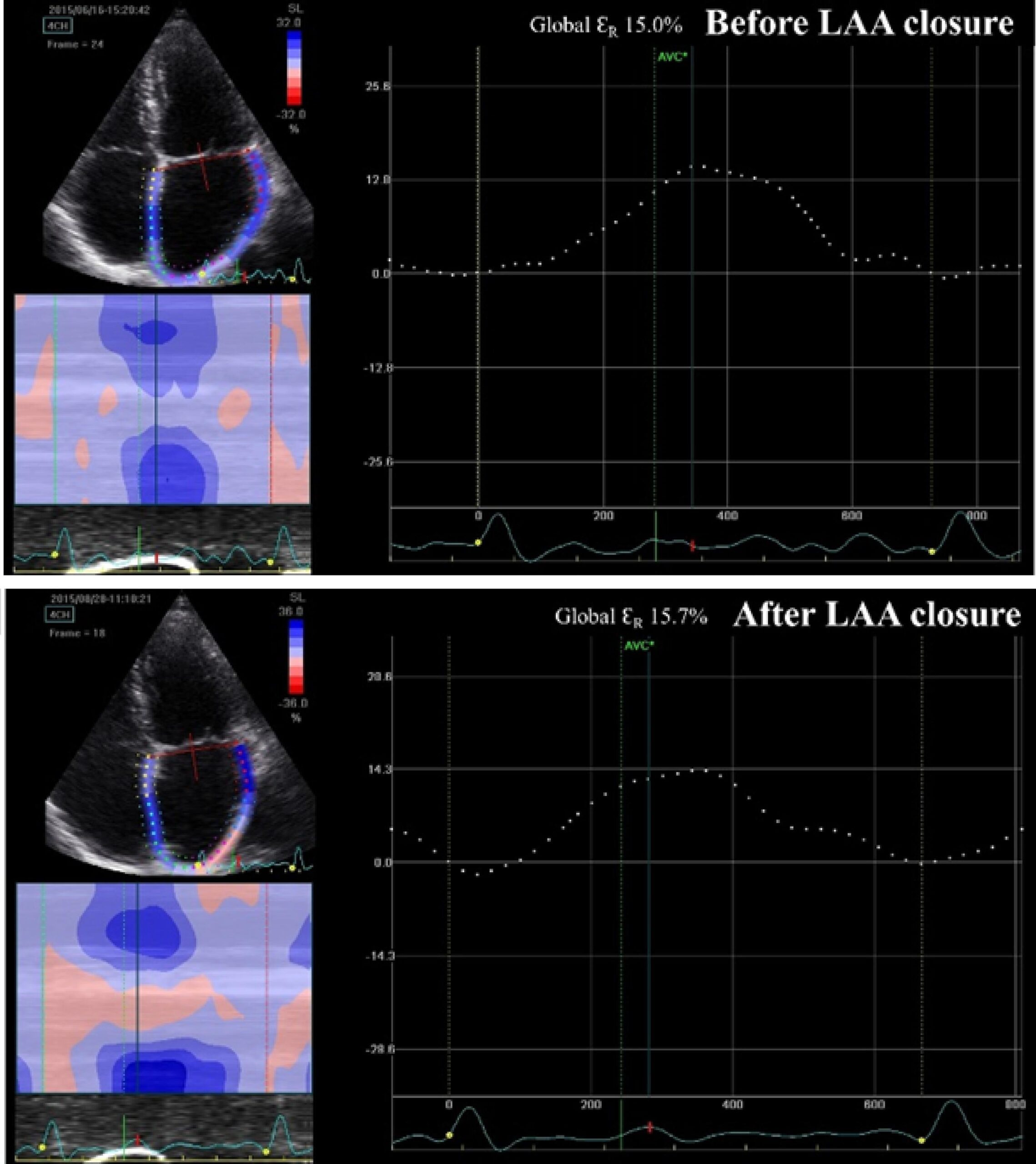
Seventy-five percent of patients had permanent atrial fibrillation. Embolic and bleeding risk scores used were CHA2DS2-VASc [median of 4-5] and HAS-BLED [median of 2-3]. Major bleeding (62%) was the most common indication for the procedure. Percutaneous LAA closure was performed successfully in all patients, without major complications. No differences were found in maximum LA volume (44 ± 11 vs. 46 ± 13 mL/m2; p = 0.54), minimum LA volume (32 ± 8 vs. 37 ± 14 mL/m2; p = 0.09) or LA emptying fraction (26 ± 17 vs. 21 ± 14%; p = 0.33) before and after the procedure. Similarly, no differences were noted in left atrial strain (13.7 ± 11.1 vs. 13.0 ± 8.8%; p = 0.63) or strain rate (1.06 ± 0.26 vs. 1.13 ± 0.34 s-1; p = 0.38) in the reservoir phase.

Conclusions:

Our data suggest that percutaneous LAA closure does not affect LA reservoir function.
  • Atrial Appendage
  • Atrial Fibrillation
  • Echocardiography, Transthoracic
  • Heart Atria
Read Full Article
Creative Commons Attribution (CC BY) Creative Commons license
01/11/2018 DOI: 10.5935/2359-4802.20180075 Views 1
Figure 1
Original Article

Effects of Conventional and Virtual Reality Cardiovascular Rehabilitation in Body Composition and Functional Capacity of Patients with Heart Diseases: Randomized Clinical Trial

João Pedro Lucas Neves Silva et al. Luiz Felipe Marques Novaes Lorrany Caroline Rocha dos Santos Bianca Pinhal Galindo … Margaret Assad Cavalcante Bruna Corral Garcia de Araújo Francis Lopes Pacagnelli Ana Paula Coelho Figueira Freire

Abstract

Background:

Virtual reality is an alternative therapeutic resource to be inserted into cardiovascular rehabilitation, stimulating the practice of physical activity through man-machine interaction.

Objective:

To compare the effects of conventional and virtual reality cardiac rehabilitation on body composition and functional capacity in patients with heart disease.

Methods:

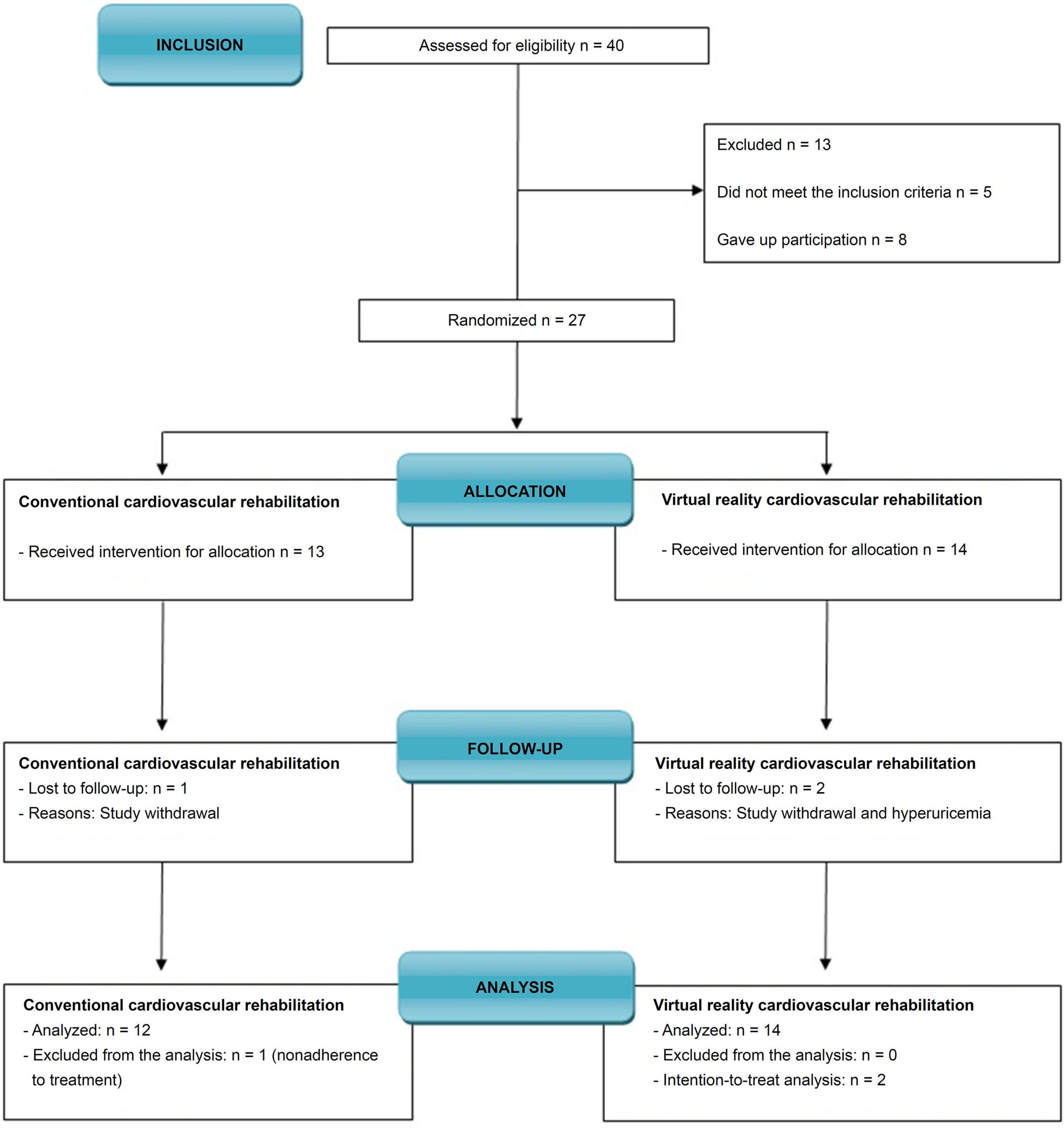
Randomized clinical trial with 27 cardiac patients divided into conventional rehabilitation group (CRG) and virtual reality rehabilitation group (VRG). They underwent a rehabilitation program with 60-minute training sessions twice a week for eight weeks. The VRG training consisted of exercises from the Xbox 360® with Kinect(tm), using YourShape(tm) and Dance Central 3(tm) games. The CRG used conventional treadmills for aerobic exercise and free weights for resistance exercise. Bioimpedance and 6-minute walk test (6MWT) were evaluated at baseline and after training. For main outcome analysis, Student t and Mann Whitney tests were used with a 5% significance level.

Results:

The VRG showed a significant increase in body fat percentage and fat weight when compared to the CRG, and a smaller amount of total water. There was a significant improvement in functional capacity evidenced by the increase in the distance covered in the 6MWT (54.00 m and 32.25 m in the CRG and VRG, respectively), but the gains did not differ between the groups.

Conclusion:

The two rehabilitation modalities had no effect on the body composition of the groups. In addition, the improvement in functional capacity was similar in both groups.

  • Body Composition
  • Cardiac Rehabilitation
  • Cardiovascular Diseases
  • physical therapy modalities
  • Virtual Reality Exposure Therapy
Read Full Article
Creative Commons Attribution (CC BY) Creative Commons license
06/09/2018 DOI: 10.5935/2359-4802.20180071 Views 1
Figure 1
Original Article

Prevalence of Metabolic Syndrome in Three Regions in Venezuela: The VEMSOLS Study

Imperia Brajkovich et al. Juan P. González-Rivas Eunice Ugel Alejandro Rísquez Ramfis Nieto-Martínez

Abstract

Background:

No previous study has evaluated the prevalence of metabolic syndrome (MS) in more than one region in Venezuela.

Objective:

To determine the prevalence of MS in three Venezuelan regions.

Methods:

From 2006 to 2010, a total of 1,320 subjects aged ≥ 20 years were selected by multistage stratified random sampling from the regions of Lara State (western region), Mérida State (the Andean region), and Capital District (Capital Region). Anthropometric measurements, blood pressure, and biochemical analysis were obtained from each participant. MS was defined according to the harmonized Joint Interim Statement (2009) definition.

Results:

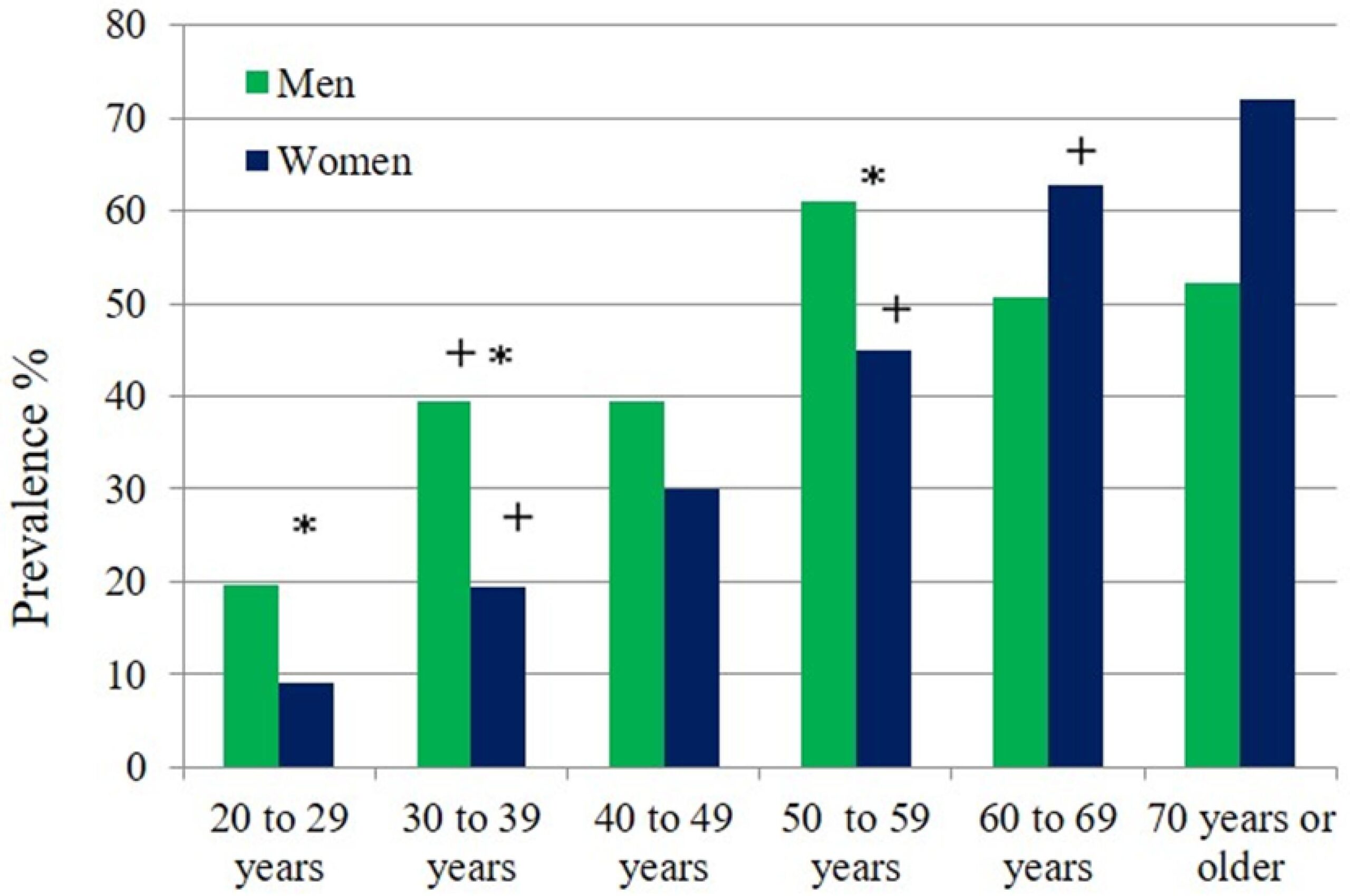
Mean age was 44.8 ± 0.39 years and 68.5% of the participants were female. The overall prevalence of MS was 35.7% (95% confidence interval 32.2 – 39.2%), while the prevalence was 42.5% (95% CI 38.8 – 46.1%) among men and 32.6% (95% CI 29.1 – 36.0%) among women (p < 0.001). In women, the prevalence of MS increased at almost every decade of life, while in men, the prevalence was similar from the age of 30 years onwards. The most prevalent abnormalities were low HDL-c levels (58.6%, 95% CI 54.9 – 62.1%), abdominal obesity (52.0%, 95% CI 48.4 – 55.7%), and elevated triglycerides levels (39.7%, 95% CI 36.1 – 43.2%). The prevalence of MS increased with increasing body mass index categories.

Conclusion:

In Venezuela, MS is a highly prevalent condition, which increases the risk of type 2 diabetes and cardiovascular disease in a large number of subjects. (Int J Cardiovasc Sci. 2018; [online].ahead print, PP.0-0)

  • Cardiovascular Diseases
  • Diabetes Mellitus, Type 2
  • Metabolic Syndrome / epidemiology
  • Obesity
  • Risk Factors
  • Venezuela/epidemiology
Read Full Article
Creative Commons Attribution (CC BY) Creative Commons license
27/08/2018 DOI: 10.5935/2359-4802.20180065
Figure 1
Original Article

Echocardiographic Assessment of Right Ventricular Function by Two-Dimensional Strain In Patients with Left-Sided Valvular Heart Disease: Comparison with Three-Dimensional Echocardiography

Alex dos Santos Felix et al. Ana Paula dos Reis Velloso Siciliano Luciano Herman Juacaba Belém Fabiula Schwartz de Azevedo … Sergio Salles Xavier Andrea Rocha De Lorenzo Clerio Francisco de Azevedo Filho

Abstract

Background:

Right ventricular (RV) dysfunction is a well-known predictor of mortality in patients with valvular heart disease (VHD). The assessment of RV function is often difficult due to complex geometry and hemodynamic factors. We aim to analyze RV function in patients with severe mitral and/or aortic valve disease using two-dimensional strain (2DS) imaging and conventional echocardiographic parameters, comparing it with right ventricular ejection fraction (RVEF) measured by three-dimensional echocardiography (3DE).

Methods:

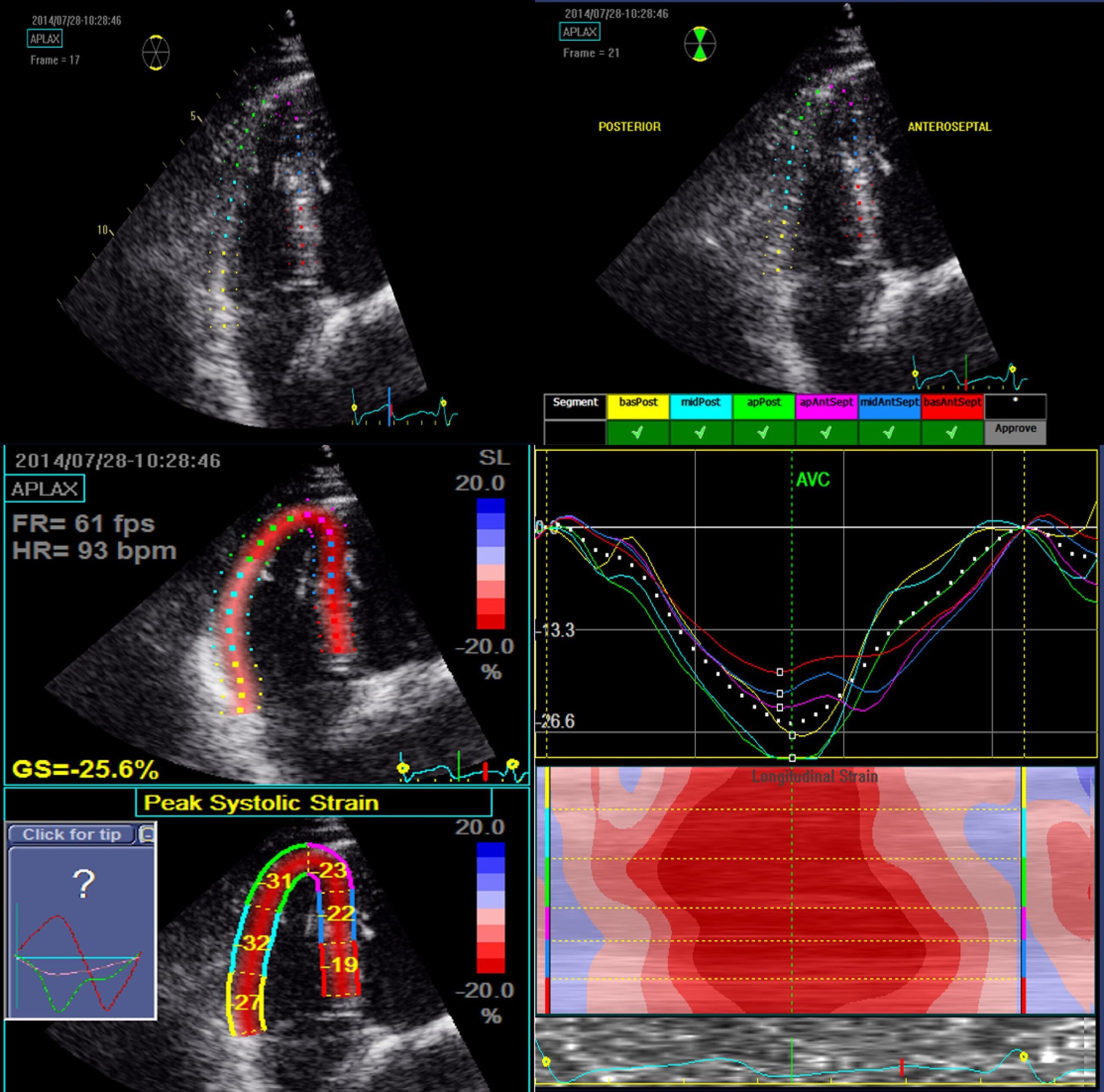
Fifty-three patients with severe mitral and/or aortic VHD underwent complete transthoracic echocardiogram in the preoperative setting for cardiac surgery, including conventional echocardiographic parameters of RV function and speckle-tracking derived 2DS indices: RV global longitudinal strain (RVGS) and RV free wall longitudinal strain (RVFWS). Conventional echocardiographic and 2DS parameters were compared with real-time 3DE RVEF using Spearman correlation test. For comparison between two groups of patients based on the presence of RV dysfunction (normal RVEF ≥ 44% – A, abnormal RVEF < 44% – B), we used nonparametric Mann-Whitney U test. ROC (receiver operating characteristic) curve analysis was used to assess the clinical utility of all RV function variables in defining RV dysfunction. P values <0,05 were considered statistically significant.

Results:

We found a significant correlation between all parameters and RVEF (p<0.05), with best results for RV fractional area change (FAC), RVGS, and RVFWS. Dividing the population into two-groups based on RVEF, we found 14 patients with RV dysfunction (27.4%), and significant differences between the groups for all RV function variables. For detection of RV dysfunction defined by 3DE, ROC curve analysis showed the best area under the curve (AUC) for RVGS (0.872), RVFWS (0.851) and FAC (0.932).

Conclusions:

We observed significant correlation between RVGS, RVFWS and RVEF, with good accuracy in detecting RV dysfunction, comparable to FAC and better than other conventional parameters of RV function assessment. The evaluation of RV myocardial deformation with 2DS may have additional diagnostic and prognostic value in patients with severe left-sided VHD. (Int J Cardiovasc Sci. 2018; [online].ahead print, PP.0-0).

  • Echocardiography, Tridimensional/methods
  • Prognosis
  • Stroke Volume
  • Valvular Heart Diseases
  • Ventricular Dysfunction, Right/diagnostic, imaging
  • Ventricular Dysfunction, Right/physiopathology
Read Full Article
Creative Commons Attribution (CC BY) Creative Commons license
27/08/2018 DOI: 10.5935/2359-4802.20180062 Views 2
Figure 1
Original Article

Prevalence of Physical Inactivity and its Effects on Blood Pressure and Metabolic Parameters in a Brazilian Urban Population

Geiza da Graça Leite Rissardi et al. José Paulo Cipullo Gisela Cipullo Moreira Luiz Alberto Souza Ciorlia … Cláudia Bernardi Cesarino Luiz Tadeu Giollo Junior Angelina Zanesco José Fernando Vilela-Martin

Abstract

Background:

Cardiovascular disease is the leading cause of mortality in the world and physical inactivity represents an important risk factor.

Objective:

This study aimed to evaluate the prevalence of physical inactivity in the adult population and its effects on blood pressure, blood glucose and lipid profile.

Methods:

A population-based cross-sectional study with stratified simple random sampling was conducted in 1,717 adults divided by age groups: 18-39, 40-49, 50-59, 60-69 and ≥ 70 years. The participants answered the physical activity questionnaire and were classified as physically active or inactive. The bootstrap statistical method was used to assess physical activity, associated with lipid profile and blood glucose levels. The level of significance was 5%.

Results:

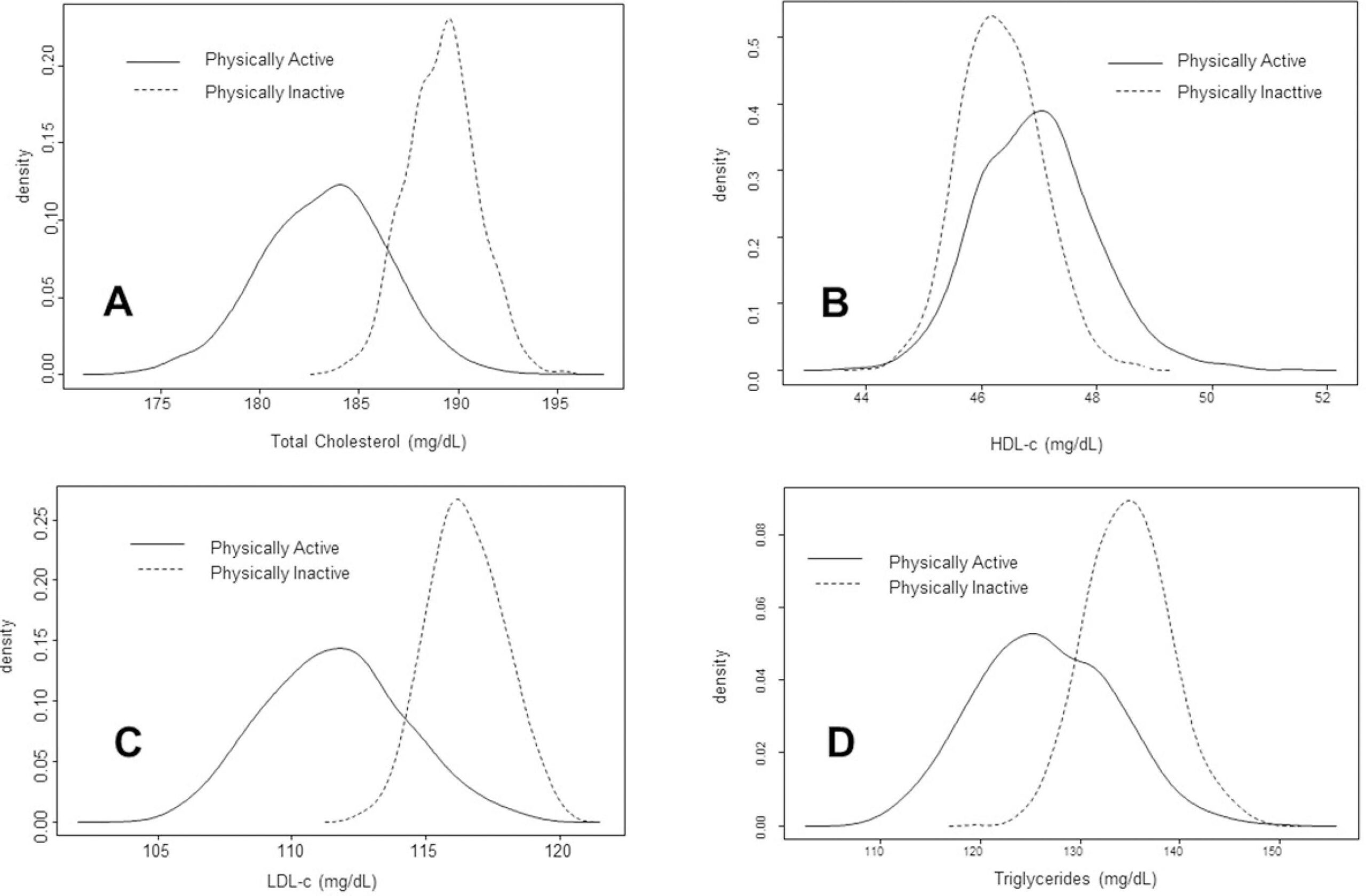
The prevalence of physical inactivity in the general population was 65.8%. There was a significant difference in the group older than 70 years. There was a significant decrease in physical activity in the group with lower educational level, with a significant difference between social classes AB and C. The prevalence of hypertension was 27.5% among physically inactive and 21.4% among active individuals (p = 0.04). The prevalence of metabolic syndrome was 26.1% in inactive and 16.7% in the active individuals (p = 0.007). Total cholesterol, low-density lipoprotein and triglycerides levels were more elevated in the physically inactive group, which was not observed with high-density lipoprotein levels. Blood glucose was also higher in the inactive group.

Conclusion:

This study shows a high prevalence of physical inactivity and a positive correlation between risk factors for cardiovascular disease, mainly blood pressure, glucose and lipids profiles. (Int J Cardiovasc Sci. 2018; [online].ahead print, PP.0-0)

  • Diabetes Mellitus
  • Exercise
  • Hypertension
  • Metabolic Syndrome
  • Risk Assessment
Read Full Article
Creative Commons Attribution (CC BY) Creative Commons license
27/08/2018 DOI: 10.5935/2359-4802.20180064
Figure 1
Original Article

Option for the Radial versus Femoral Access in Coronary Intervention in Acute Coronary Syndromes: A Risk-Treatment Paradox

Yasmin Falcon Lacerda et al. Nicole Cruz de Sá Jessica Gonzalez Suerdieck Letícia Fonseca … Fernanda Lopes Gabriella Sant'Ana Sodré Mateus dos Santos Viana Marcia Maria Noya Rabelo Luis Claudio Lemos Correia

Abstract

Background:

In coronary procedures, although the radial approach protects patients from hemorrhagic complications, it is technically more complex than the femoral approach.

Objectives:

To test the hypothesis that the radial approach is the procedure of choice in ACS patients due to the high risk of bleeding; and to identify independent predictors of the choice for radial access.

Methods:

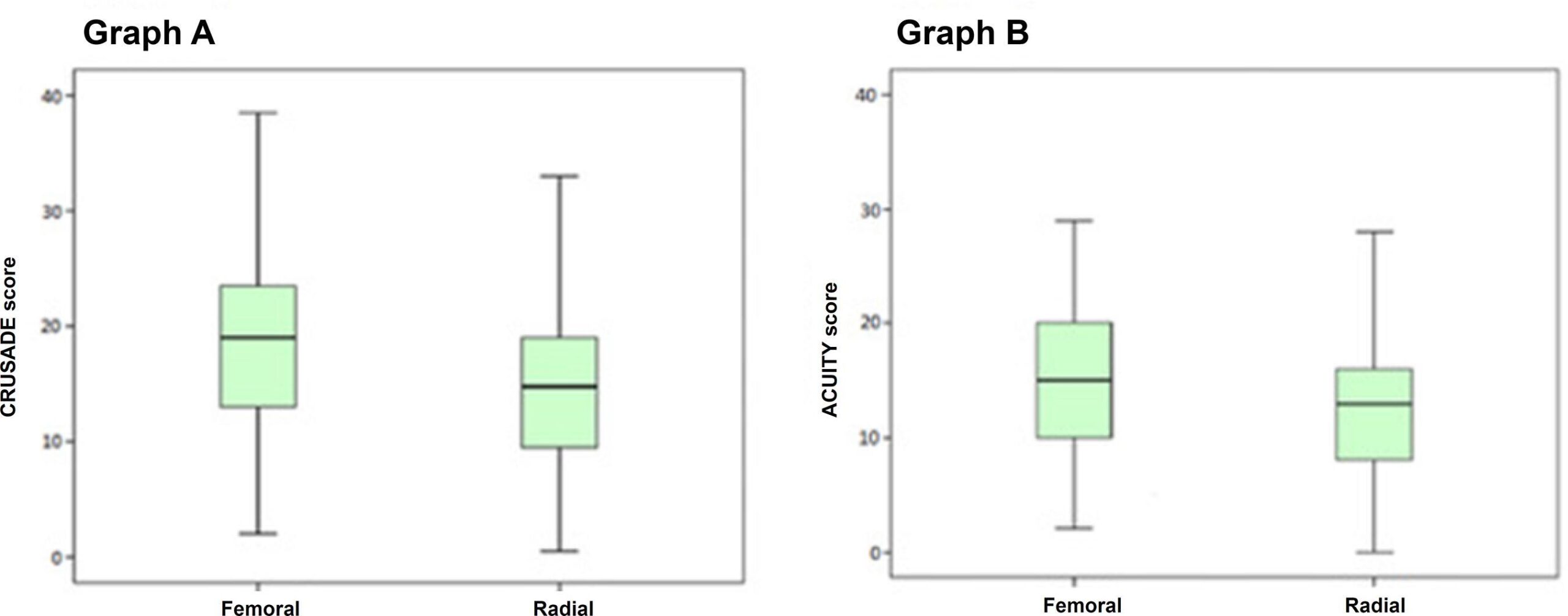
Patients admitted for ACS who underwent invasive coronary procedure were included. We registered the type of access (femoral or radial) chosen by the physician for the first angiography; the investigators did not interfere with this choosing process. Student’s t-test was used for comparisons between the CRUSADE and ACUITY scores. Predictors of radial access were compared between the groups. Statistical significance was defined by p < 0,05.

Results: Radial access was chosen in 67% of 347 consecutive patients. Patients who underwent radial approach had lower risk of bleeding determined by CRUSADE (30 ± 14 vs. 37 ± 15; p < 0.001) as compared with femoral access. In multivariate analysis, four variables were identified as independent predictors negatively associated with radial access – age (OR = 0.98; 95%CI = 0.96 – 0.99), creatinine (OR = 0.54; 95%CI = 0.3 – 0.98), signs of left ventricular failure (OR = 0.45; 95% CI = 0.22 – 0.92) and previous CABG (OR = 0.022; 95%CI = 0.003 – 0.166).

Conclusion:

The propensity to choose radial over femoral access in coronary intervention was not primarily influenced by patients’ bleeding risk. Predictors of this decision, identified in the study, indicated less complex patients, suggesting that the difficulty in performing the technique was a stronger determinant than its potential antihemorrhagic effect. (Int J Cardiovasc Sci. 2018; [online].ahead print, PP.0-0)

  • Angioplasty
  • Catheterism
  • Coronary Artery Disease
  • femoral artery
  • Percutaneous Coronary Intervention
  • Radial Artery
  • Stents
Read Full Article
Creative Commons Attribution (CC BY) Creative Commons license
27/08/2018 DOI: 10.5935/2359-4802.20180066 Views 1
Original Article

Comparison betweent the Effects of Swimming and Treadmill-Based Aerobic Training Protocols in Diabetic Rats

Elizabeth de Orleans Carvalho de Moura et al. Kelvin Tanaka Moisés Felipe Pereira Gomes Evandro Nogueira … Ricardo Gomes Debora Estadella Katt Mattos Patrícia Chakur Brum Alessandra Medeiros

Abstract

Background:

Type 1 diabetes mellitus (DM1) can cause damage to several physiological systems.

Objectives:

To compare and characterize the effects of aerobic exercise training (ET) performed by swimming with those of ET performed on a treadmill on the skeletal muscle and heart of rats with DM1.

Methods:

41 male Wistar rats were randomized into four groups: nondiabetic control (CTR), diabetic control (DMC), diabetic trained on the treadmill (DMT), and diabetic trained by swimming (DMS). The trained groups performed aerobic exercise training for 8 weeks, 5 times a week, 60 min per day. Exercise tolerance, blood glucose, body weight, wet weight of the skeletal muscles and left ventricle (LV), muscle glycogen, cross-sectional area of skeletal muscles, and cross-sectional diameter and collagen volume fraction of the LV were evaluated.

Results:

The results were expressed as mean ± standard deviation of the mean and submitted to two-way ANOVA with post-hoc Bonferroni test. Aerobic ET protocols applied to animals with DM1, regardless of the ergometer, showed satisfactory results (p < 0.05) when compared to the control groups: improved exercise tolerance, increased glycogen content of the soleus and extensor digitorum longus (EDL) muscles and increased cross-sectional diameter of the left ventricular cardiomyocytes. In some variables, such as exercise tolerance and cross-sectional area of the soleus and EDL muscles, DMT showed better results than DMS (p < 0.05). On the other hand, DMS showed increased cross-sectional diameter of cardiomyocytes when compared with the DMT group.

Conclusion:

Both aerobic ET protocols offered benefits to animals with diabetes; however, due to the specific characteristics of each modality, different physiological adaptations were observed between the trained groups.

  • Diabetes Mellitus
  • Exercise
  • Exercise Test
  • muscle, skeletal
  • Physical Exertion
  • Rats Wistar
Read Full Article
Creative Commons Attribution (CC BY) Creative Commons license
23/08/2018 DOI: 10.5935/2359-4802.20180058 Views 2
Figure 1
Original Article

Effect of Mild Aerobic Exercise in Atrial Granules of Mice with Chronic Chagas Disease

Roberto Ferraboli et al. Elisabete De Marco Ornelas Fernando Luiz Affonso Fonseca Glaucia Luciano da Veiga … Clever Gomes Cardoso Mara Rubia Marques Laura Beatriz Mesiano Maifrino

Abstract

Background:

Chagas disease presents in different clinical forms, ranging from asymptomatic to acute, with destruction of heart cells and a possibility of death. In the chronic phase, the parasites can cause serious injuries to different tissues.

Objectives:

Our objective was to study the effects of physical exercise (swimming) in atrial granules and components of cardiomyocytes in mice with chronic Chagas disease.

Methods:

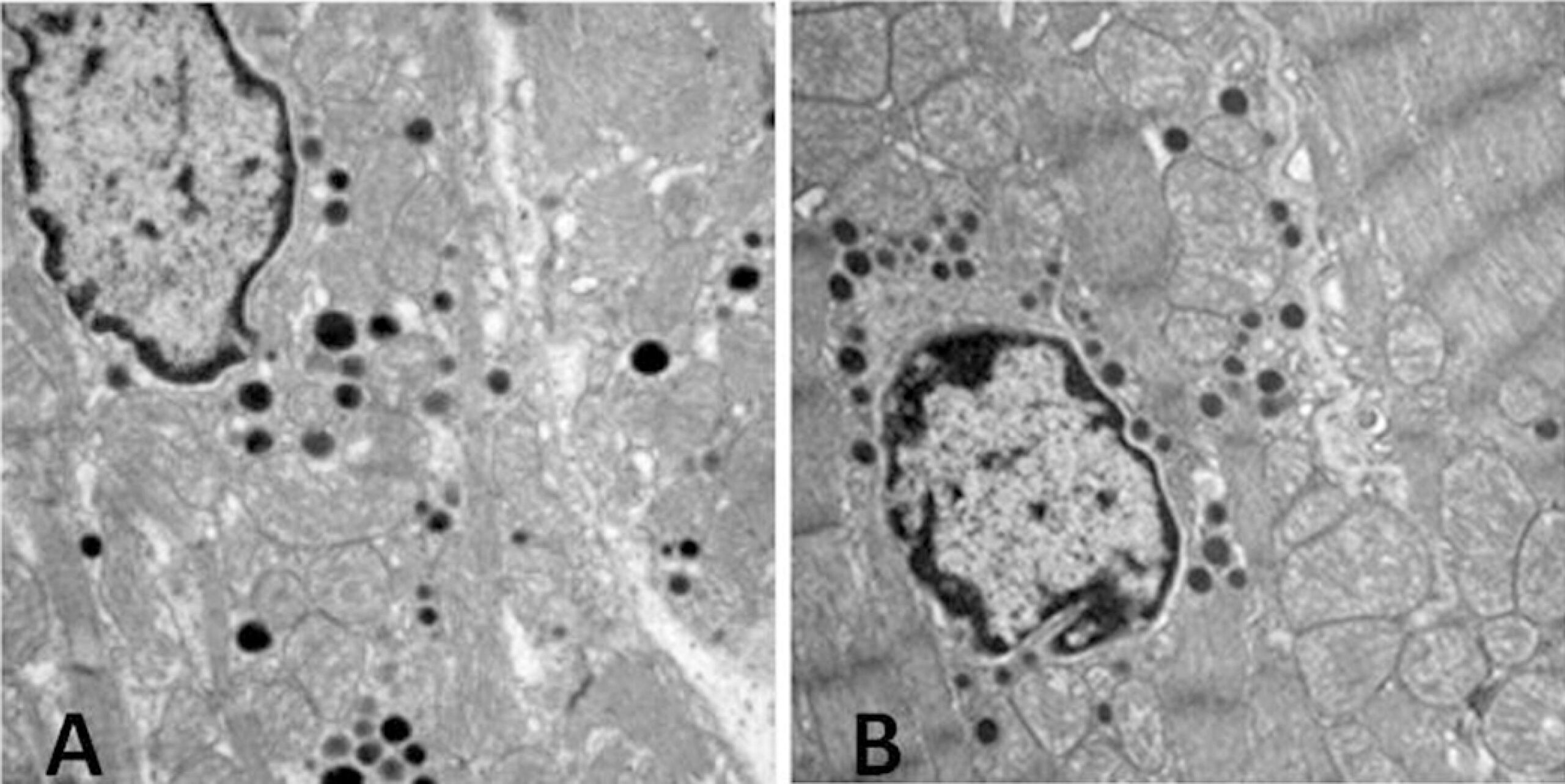
In total, 20 male mice were divided into four different groups: untrained control (UC), trained control (TC), untrained infected (UI), and trained infected (TI). In the UI and TI groups, 1,000 forms of Trypanosoma cruzi (Y strain) were inoculated intraperitoneally. After 40 days of infection and proof of chronic phase, the exercise protocol began. The UC and UI groups performed exercise for 10 min/day, and the TC and TI groups followed a training protocol five times a week for 30 minutes during 8 weeks. Ultrathin sections were subjected to morphometric and stereological analyses using electron photomicrographs (x15000) obtained by transmission electron microscopy.

Results:

The TI group showed the lowest percentage of small granules (58%), while the UI group presented 80% of these granules. The volume density of the Golgi complex and myofibrils in the TI group were reduced compared with those in the UI group, while the parameters of atrial granules and mitochondria increased.

Conclusion:

Our results suggest that mild physical exercise changes the morphological and morphometric parameters of granules and organelles in the cardiac atrium of mice infected with T. cruzi, and produces moderate beneficial effects on the cardiovascular system.

  • Atrial Natriuretic Factor
  • Chagas disease
  • Exercise
  • Mice
Read Full Article
Creative Commons Attribution (CC BY) Creative Commons license
23/08/2018 DOI: 10.5935/2359-4802.20180060
Original Article

Evolutive Study of Rheumatic Carditis Cases Treated with Corticosteroids in a Public Hospital

Fernanda Maria Correia Ferreira Lemos et al. Gesmar Volga Haddad Herdy Cristina Ortiz Sobrinho Valete Maria Eulália Thebit Pfeiffer

Abstract

Background:

Rheumatic carditis is a challenge for treatment and secondary prophylaxis, due to severe valve sequelae.

Objective:

To evaluate the cases of rheumatic carditis in patients under 18 years old treated with corticosteroids.

Methods:

An observational, longitudinal and retrospective study was carried out on the profile of patients, in the period of 2000-2015. We selected those who received corticosteroid therapy at immunosuppressive doses, for the treatment of carditis and were aged 5 to 18 years. Data were extracted from medical records. Calculations of: averages, standard deviations, medians and interquartile ranges, ratios and 95% confidence intervals were obtained. Chi-square and Wilcoxon tests were applied for comparisons. The level of significance was 5%.

Results:

Of the 93 cases, 93.53% developed moderate or severe carditis. Mitral regurgitation was detected in 100% of the sample. Pulse therapy was administered in 11.83%. Surgery was performed in 23.69% of patients: mitral, aortic and/or tricuspid valve repair or replacement. The evolution of the cases was favorable in 70.96%. There was a good response among those who received only clinical treatment and those who belonged to the surgical group. The comparison of the initial and posterior valve lesions to the corticoid use was statistically significant (p < 0.001). A difference between the ejection fraction medians was observed (p = 0.048). Hospitalization was required twice or more for 45.16% of the patients. The mortality rate was 5.38%.

Conclusions:

The patients showed significant clinical improvement. The treatment was effective, reducing trivalvular impairment.

  • Adrenal Cortex Hormones
  • Mitral Valve Insufficiency
  • Myocarditis/complications
  • Myocarditis/physiopathology
  • Penicilin G benzathine
  • Rheumatic Fever
Read Full Article
Creative Commons Attribution (CC BY) Creative Commons license
23/08/2018 DOI: 10.5935/2359-4802.20180059 Views 2
Figure 1
Review Article

Phenotype mapping of heart failure with preserved ejection fraction

Evandro Tinoco Mesquita et al. Debora Carvalho Grion Miguel Camargo Kubrusly Bernardo Barcelos Fernandes Fumagalli Silva Érico Araújo Reis Santos

Abstract

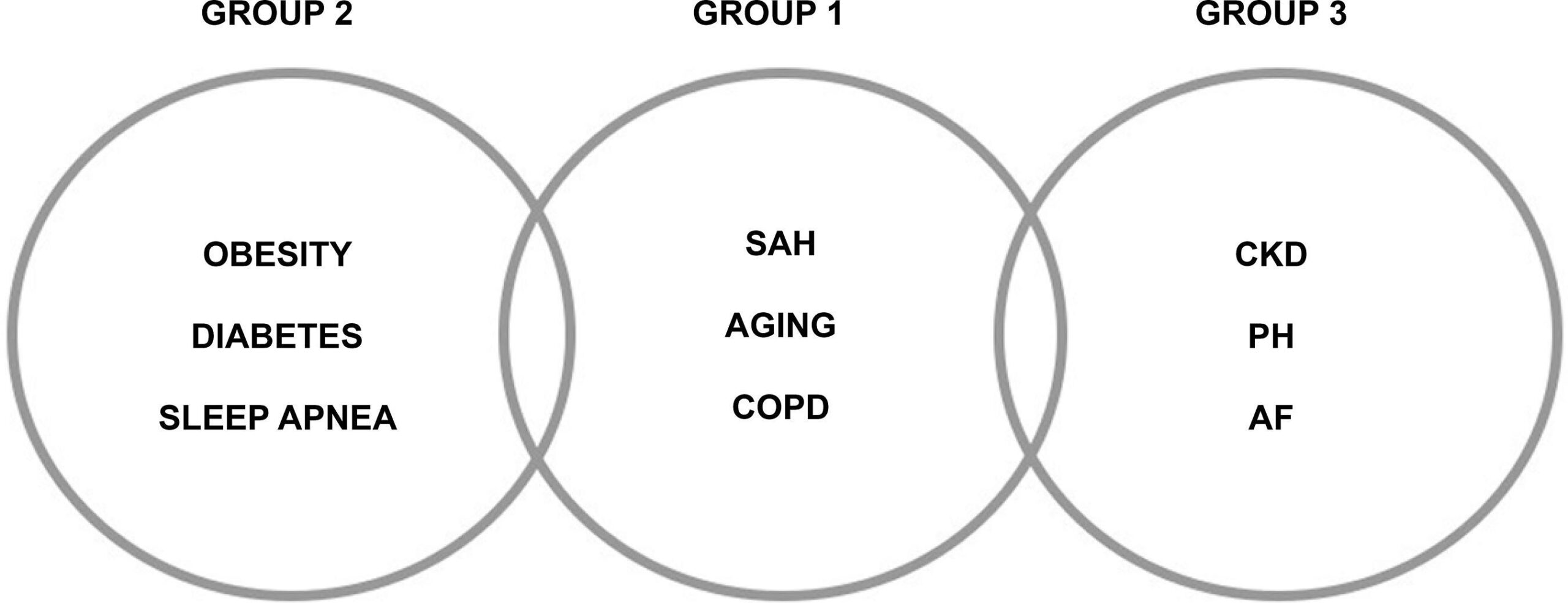
Heart failure with preserved ejection fraction (HFPEF) has become the main phenotypic model of heart failure (HF) in community and referral patients in Brazil and in the world. Despite advances in the development of new drugs for HF treatment, there has been no significant improvement in mortality of this condition.

According to many studies, this can be explained by the heterogeneous nature of HF physiopathology, whose basic mechanisms may result in different clinical presentations, culminating in the emerging of different phenogroups in this syndrome. In this context, phenotype mapping of HFPEF has emerged as a possible solution, since it enables the development of clinical trials that establish specific therapeutic strategies for each phenotypic profile.

New technologies in the field of artificial intelligence have enabled the assessment of a large volume of data and infer intrinsic patterns and different outcomes. Thereby, it is possible to obtain mutually exclusive categories of HFPEF, with a phenotype mapping of the syndrome and grouping of patients according to their phenotypic features. Besides, other diseases can have the same clinical phenotype but different pathophysiological basis, the so called “phenocopies”.

These tools enable the analysis and categorization of the wide spectrum of heart failure, contributing to solve the dilemmas of the treatment of this syndrome.

  • Artificial Intelligence
  • Heart Failure/physiopathology
  • Machine Learning
  • Phenotype
  • Stroke Volume
Read Full Article
Creative Commons Attribution (CC BY) Creative Commons license
19/07/2018 DOI: 10.5935/2359-4802.20180047 Views 2
Figure 1
Review Article

From Echocardiographic Evaluation to Biomarkers Measurement: The Role of Myocardial Dysfunction in Mortality Associated with Sepsis

Márcio da Silva Campista et al. Wolney de Andrade Martins Mariana de Andrade Guedes Antonio José Lagoeiro Jorge

Abstract

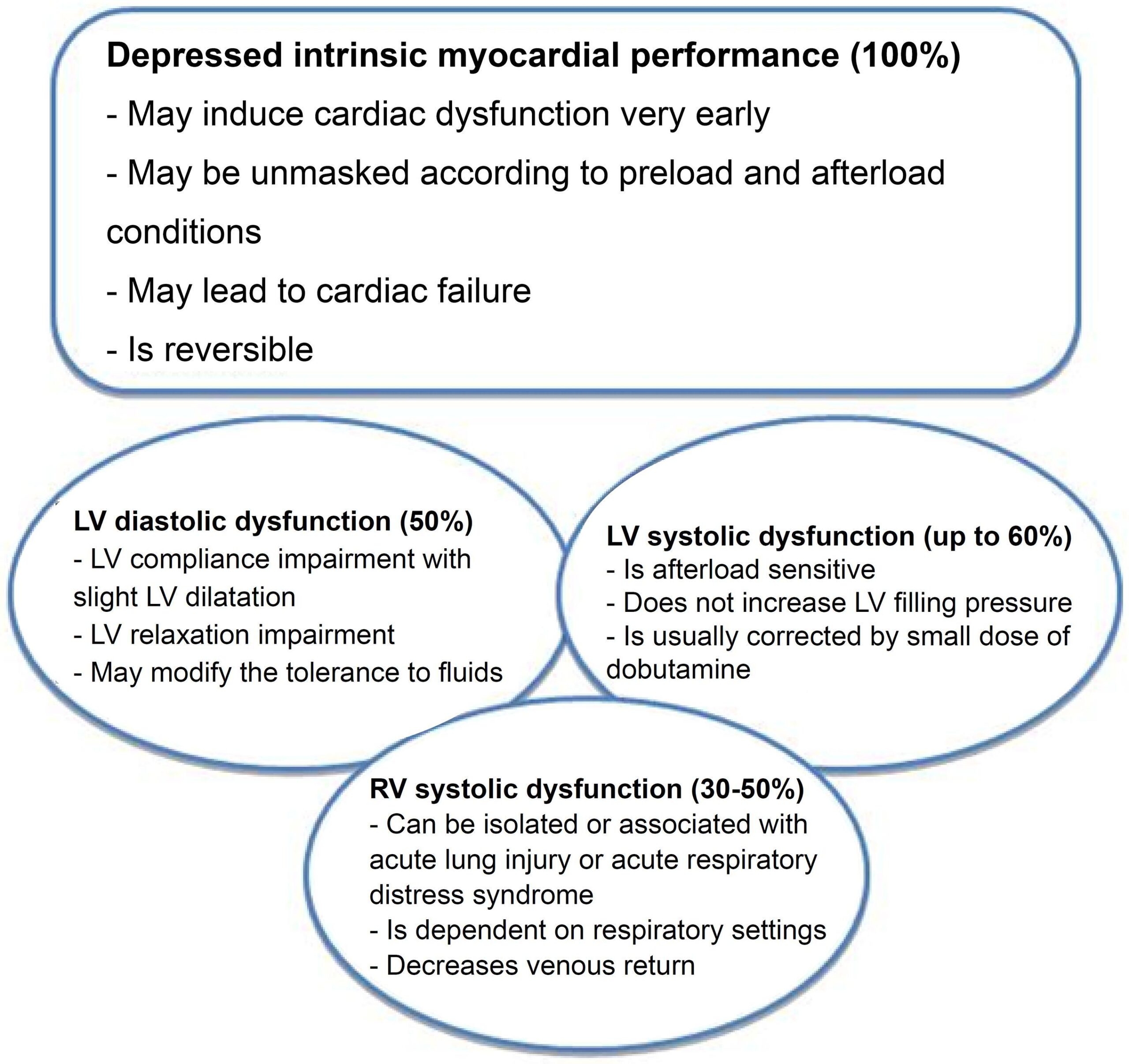
Sepsis remains the leading cause of mortality and critical illness worldwide. Myocardial dysfunction is one of the most clinically relevant manifestations of sepsis and results from a complex interaction among genetic, molecular, metabolic, and structural changes. Despite the prominence given to the occurrence of systolic dysfunction during sepsis, the association between diastolic dysfunction and mortality is controversial, while diastolic dysfunction and right ventricular dysfunction are identified as independent predictors of mortality in the most recent studies. Elevation of biomarkers during sepsis may result from several mechanisms, and although the role of the B-type natriuretic peptide (BNP) and the N-terminal portion of its prohormone (NT-proBNP) as independent predictors of mortality is well defined, the same cannot be said about cardiac troponins due to conflicting results among currently available studies.

The objective of the present review is to discuss the pathophysiological mechanisms of myocardial dysfunction induced by sepsis in adults and the role of echocardiography and cardiac biomarkers as tools for prognostic evaluation in this clinical setting.

  • Biomarkers
  • Cardiac Dysfunction
  • Mortality
  • Sepsis
Read Full Article
Creative Commons Attribution (CC BY) Creative Commons license
19/07/2018 DOI: 10.5935/2359-4802.20180045 Views 1
Figure 1
Case Report

Biventricular Arrhythmogenic Cardiomyopathy: A New Paradigm?

João Augusto et al. João Abecasis Victor Gil

Abstract

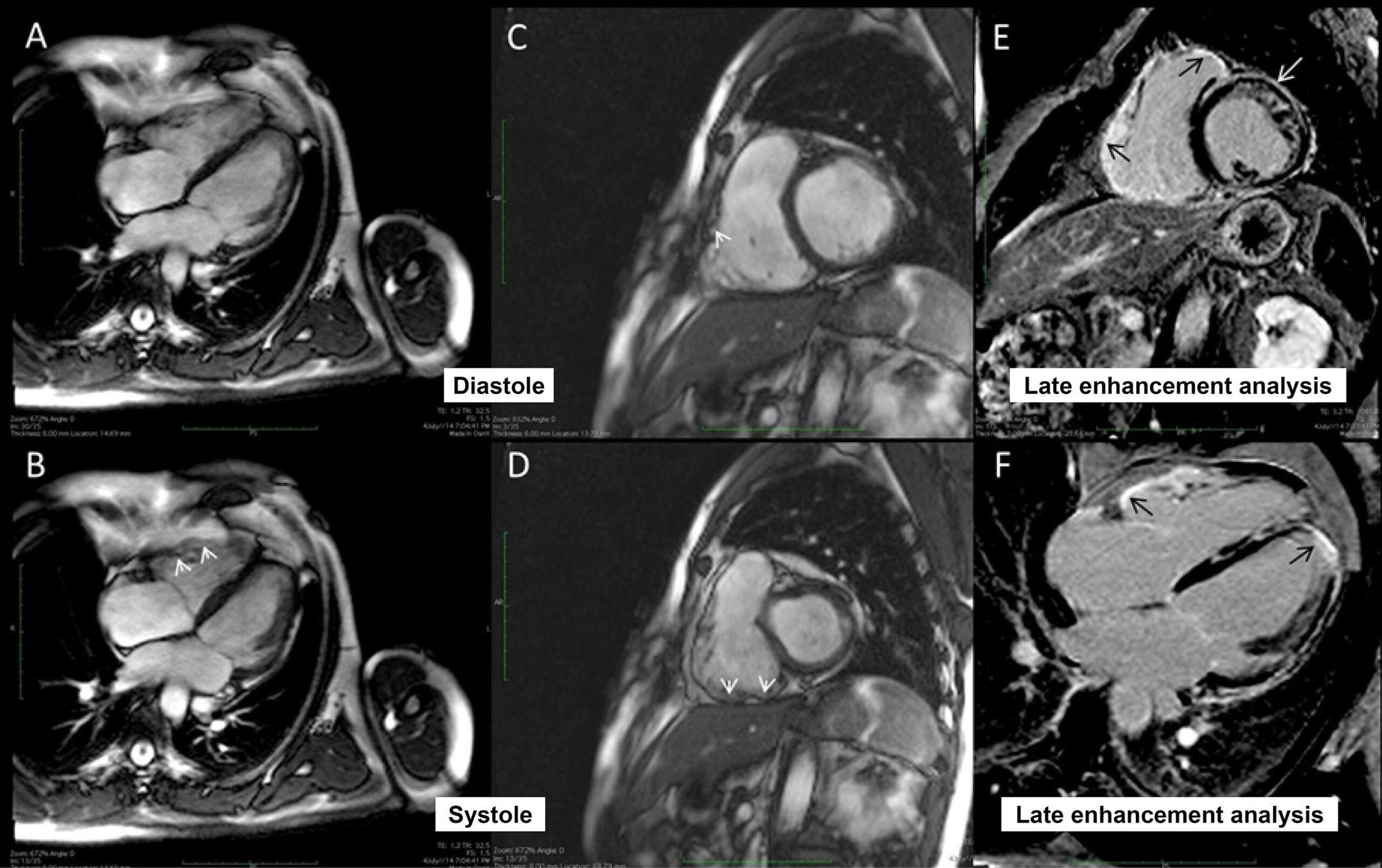
Arrhythmogenic right ventricular dysplasia is a classic form of chronic myocardial disease with a broad phenotypical spectrum. We report an atypical case of a patient with biventricular arrhythmogenic cardiomyopathy. Although the current diagnosis criteria are the most widely accepted ones, they focus solely on the right ventricular phenotype. The use of late gadolinium enhancement in cardiac magnetic resonance in this patient was essential for the diagnosis and assessment of the left ventricular involvement extent. This tool allows a broader use of current diagnosis criteria for this disease.

  • Arrhythmias Cardiac
  • Arrhythmogenic right ventricular dysplasia;
  • Cardiomyopathies
  • Death, Sudden, Cardiac
  • Magnetic Resonance Imaging
Read Full Article
Creative Commons Attribution (CC BY) Creative Commons license
01/01/2018 DOI: 10.5935/2359-4802.20180063
Editorial

To Occlude or not to Occlude. That is the Question

Wilson Mathias Junior

In this issue of the International Journal of Cardiovascular Sciences, Madeira et al. evaluated the influence of percutaneous left atrial appendage (LAA) occlusion device on left atrial (LA) function. They assessed several parameters of atrial function, including LA strain and strain rate by speckle-tracking echocardiography (STE) of 16 patients, 75% with permanent atrial fibrillation, undergoing percutaneous LAA closure. No differences were found in maximum and minimum LA volume or LA emptying fraction before and 3 months after the procedure. Similarly, no differences were noted in LA strain (13.7 ± 11.1 vs. 13.0 ± 8.8%; p = 0.63) or strain rate (1.06 ± 0.26 vs. 1.13 ± 0.34 s-1; p = 0.38) in the reservoir phase. Based on those results, the authors concluded that LAA occlusion had no impact on LA function.

This is among the first studies to examine the effect of this procedure on LA function, for which the authors should be congratulated.

[…]

  • Atrial Appendage
  • Atrial Fibrillation
  • Balloon Device
  • Diagnosis Imaging
  • Echocardiography/methods
Read Full Article
Creative Commons Attribution (CC BY) Creative Commons license
01/01/2018 DOI: 10.5935/2359-4802.20180089 Views 1
Editorial

Digital Tools and Cardiovascular Rehabilitation

Ricardo Stein et al. Leandro Tolfo Franzoni

Cardiovascular diseases are the leading cause of death worldwide. The inclusion of patients with such diseases in cardiovascular rehabilitation (CR) programs is an evidence-based conduct, since it has the potential to improve the individual’s clinical condition and manage several risk factors associated with these diseases. The association of aerobic and resistance exercises is a recommended combination in many CR programs. However, technological tools have been studied and used in order to increase the range of methods to optimize the results in the scenario of secondary prevention of cardiac diseases. In addition, combining modern strategies and conventional models can be a form of motivation for the patient by making CR interactive and funnier. In this case, virtual reality (VR) has also been used, including in our country.,

A study published by Silva et al. in this issue of the International Journal of Cardiovascular Sciences compares the effects of conventional rehabilitation with VR on body composition and functional capacity of patients with cardiac diseases. It is a randomized controlled trial (RCT) in which 27 patients with cardiac diseases were enrolled to participate in an eight-week CR program. The sample was divided into two groups: a) conventional rehabilitation; b) rehabilitation with VR. The sessions lasted 60 minutes for both groups and the weekly frequency was twice a week. Conventional rehabilitation consisted of two parts: 25 minutes of aerobic exercise followed by 25 minutes of exercises with weights (upper and lower limbs). The intensity control during aerobic exercise was performed by monitoring the heart rate reserve determined by the Karvonen equation (50% and 80%). For resistance exercises, intensity was controlled by rating of perceived exertion (up to 13 on the Borg scale). Rehabilitation with VR was performed using Microsoft’s Xbox 360 with Kinect. The twenty-five minutes of games consisted of exercises for the upper and lower limbs and 25 minutes of dancing with the Dance Central 3 game. In the first part, velcro weights were used in the ankle and dumbbells in the hands for the resistance exercises. The intensity was only controlled in the first part of the activity. Functional capacity was measured through a 6-minute walk test, which significantly increased in both groups. Similarly, both groups had the capillary blood glucose reduced. However, as opposed to what was expected, none of the two strategies significantly reduced fat percentage and body weight. In fact, the VR group presented a significant increase in these two variables compared to the conventional rehabilitation group.

[…]

  • Cardiac Rehabilitation
  • Cardiovascular Diseases/physiopathology
  • Exercise Movement Techniques/methods
  • Quality of life
  • Virtual reality
Read Full Article
Creative Commons Attribution (CC BY) Creative Commons license
01/01/2018 DOI: 10.5935/2359-4802.20180082 Views 1
Figure 1
Case Report

Spontaneous Dissection Of Left Anterior Descending Coronary Artery: Case Report

Cybelle Nunes Leão et al. Marilia Medeiros Vitório Machareth Pedro Henrique D'avila Costa Ribeiro Bruno dos Santos Farnetano … Isaac Nilton Fernandes Oliveira Rafael Américo Damaceno

Introduction

Spontaneous coronary artery dissection (SCAD) is a rare cause of acute coronary syndrome (ACS).– It usually affects young women with no risk factors for coronary disease.,–

The real incidence of this disease in the population in general is unknown.,– However, as has been observed in more recent studies, the prevalence of SCAD has increased due to the growth in the use of coronary angiography (from 0.2% to 4%).

[…]

  • Acute coronary syndrome
  • Cardiac Catheterization
  • Coronary Artery Disease
Read Full Article
Creative Commons Attribution (CC BY) Creative Commons license
01/01/2018 DOI: 10.5935/2359-4802.20180072
Figure 1
Viewpoint

Remoras and Spontaneous Echocardiographic Contrast

Charles André

Abstract

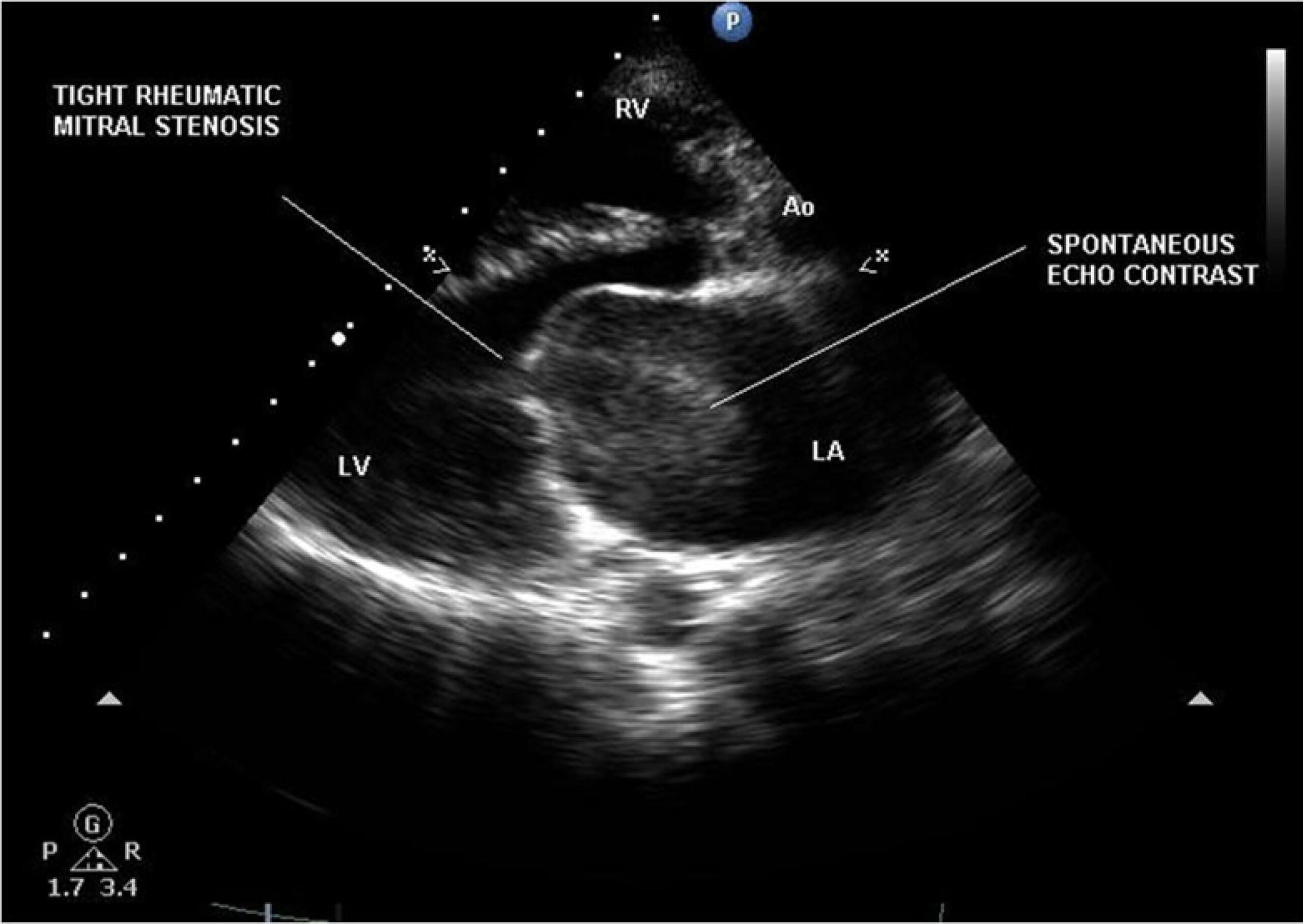
The term “Remora” (hindrance) – re (again)/mora (delay) -originally designated a family of fishes – the suckerfishes. In ancient Greece and Rome and up to the early 19th century, these fishes were believed to slow down ships by attaching to them. Medicine adopted the term “remora” to describe fluid/blood stasis. Intracardiac blood stasis, or remora, especially in the left atrial appendage, is associated with thrombogenesis and responsible for cardioembolic phenomena. The slow and swirling movement of blood causes the appearance of spontaneous echocardiographic contrast (SEC). I briefly narrate the Naval Battle of Actium, whose result was mythically attributed to the remora fishes, and make a short review of remoras. I also describe Laennec’s discussion about intracardiac blood stasis and give a short account of SEC, its original descriptions and importance.

  • Atrial Appendage
  • Cypriniformes (remoras)
  • Diagnostic Imaging
  • Echocardiography/history
  • Embolism and Thrombosis
  • History, Ancient
  • Ultrasonography/history
Read Full Article
Creative Commons Attribution (CC BY) Creative Commons license
01/01/2018 DOI: 10.5935/2359-4802.20180054

How to cite this article

EndNote RIS

Electronic Document Format (Vancouver)

Madeira M, Teixeira R, Reis L, Dinis P, Paiva L, Botelho A, Costa M, et al. Does Percutaneous Left Atrial Appendage Closure Affect Left Atrial Performance?. International Journal of Cardiovascular Sciences 2018;31(6):569-77.

Electronic Document Format (ABNT)

Madeira, Marta; Teixeira, Rogério; Reis, Liliana; Dinis, Paulo; Paiva, Luís; Botelho, Ana; Costa, Marco; Gonçalves, Lino. Does Percutaneous Left Atrial Appendage Closure Affect Left Atrial Performance?. International Journal of Cardiovascular Sciences, v. 31, n. 6, p. 569-577, Oct. 2018.

Electronic Document Format (APA)

Madeira, M., Teixeira, R., Reis, L., Dinis, P., Paiva, L., Botelho, A., Costa, M., & Gonçalves, L. (2018). Does Percutaneous Left Atrial Appendage Closure Affect Left Atrial Performance?. International Journal of Cardiovascular Sciences, 31(6), 569-577.

Electronic Document Format (ISO)

Madeira, Marta and Teixeira, Rogério and Reis, Liliana and Dinis, Paulo and Paiva, Luís and Botelho, Ana and Costa, Marco and Gonçalves, Lino. Does Percutaneous Left Atrial Appendage Closure Affect Left Atrial Performance?. International Journal of Cardiovascular Sciences [online]. 2018, vol. 31, n. 6, [cited 2026-10-14], pp. 569-577. Available from: <https://journals.cardiol.br/en/article/does-percutaneous-left-atrial-appendage-closure-affect-left-atrial-performance/>. ISSN 2359-4802

EndNote RIS

Electronic Document Format (Vancouver)

Silva JPLN, Novaes LFM, Santos LCR, Galindo BP, Cavalcante MA, Araújo BCG, Pacagnelli FL, et al. Effects of Conventional and Virtual Reality Cardiovascular Rehabilitation in Body Composition and Functional Capacity of Patients with Heart Diseases: Randomized Clinical Trial. International Journal of Cardiovascular Sciences 2018;31(6):619-2.

Electronic Document Format (ABNT)

Silva, João Pedro Lucas Neves; Novaes, Luiz Felipe Marques; Santos, Lorrany Caroline Rocha dos; Galindo, Bianca Pinhal; Cavalcante, Margaret Assad; Araújo, Bruna Corral Garcia de; Pacagnelli, Francis Lopes; Freire, Ana Paula Coelho Figueira. Effects of Conventional and Virtual Reality Cardiovascular Rehabilitation in Body Composition and Functional Capacity of Patients with Heart Diseases: Randomized Clinical Trial. International Journal of Cardiovascular Sciences, v. 31, n. 6, p. 619-629, Sep. 2018.

Electronic Document Format (APA)

Silva, J. P. L. N., Novaes, L. F. M., Santos, L. C. R. , Galindo, B. P., Cavalcante, M. A., Araújo, B. C. G. , Pacagnelli, F. L., & Freire, A. P. C. F. (2018). Effects of Conventional and Virtual Reality Cardiovascular Rehabilitation in Body Composition and Functional Capacity of Patients with Heart Diseases: Randomized Clinical Trial. International Journal of Cardiovascular Sciences, 31(6), 619-629.

Electronic Document Format (ISO)

Silva, João Pedro Lucas Neves and Novaes, Luiz Felipe Marques and Santos, Lorrany Caroline Rocha dos and Galindo, Bianca Pinhal and Cavalcante, Margaret Assad and Araújo, Bruna Corral Garcia de and Pacagnelli, Francis Lopes and Freire, Ana Paula Coelho Figueira. Effects of Conventional and Virtual Reality Cardiovascular Rehabilitation in Body Composition and Functional Capacity of Patients with Heart Diseases: Randomized Clinical Trial. International Journal of Cardiovascular Sciences [online]. 2018, vol. 31, n. 6, [cited 2026-10-14], pp. 619-629. Available from: <https://journals.cardiol.br/en/article/effects-of-conventional-and-virtual-reality-cardiovascular-rehabilitation-in-body-composition-and-functional-capacity-of-patients-with-heart-diseases-randomized-clinical-trial/>. ISSN 2359-4802

EndNote RIS

Electronic Document Format (Vancouver)

Brajkovich I, González-Rivas JP, Ugel E, Rísquez A, Nieto-Martínez R. Prevalence of Metabolic Syndrome in Three Regions in Venezuela: The VEMSOLS Study. International Journal of Cardiovascular Sciences 2018;31(6):603-9.

Electronic Document Format (ABNT)

Brajkovich, Imperia; González-Rivas, Juan P.; Ugel, Eunice; Rísquez, Alejandro; Nieto-Martínez, Ramfis. Prevalence of Metabolic Syndrome in Three Regions in Venezuela: The VEMSOLS Study. International Journal of Cardiovascular Sciences, v. 31, n. 6, p. 603-609, Aug. 2018.

Electronic Document Format (APA)

Brajkovich, I., González-Rivas, J. P., Ugel, E., Rísquez, A., & Nieto-Martínez, R. (2018). Prevalence of Metabolic Syndrome in Three Regions in Venezuela: The VEMSOLS Study. International Journal of Cardiovascular Sciences, 31(6), 603-609.

Electronic Document Format (ISO)

Brajkovich, Imperia and González-Rivas, Juan P. and Ugel, Eunice and Rísquez, Alejandro and Nieto-Martínez, Ramfis. Prevalence of Metabolic Syndrome in Three Regions in Venezuela: The VEMSOLS Study. International Journal of Cardiovascular Sciences [online]. 2018, vol. 31, n. 6, [cited 2026-10-14], pp. 603-609. Available from: <https://journals.cardiol.br/en/article/prevalence-of-metabolic-syndrome-in-three-regions-in-venezuela-the-vemsols-study/>. ISSN 2359-4802

EndNote RIS

Electronic Document Format (Vancouver)

Felix AS, Siciliano APRV, Belém LHJ, Azevedo FS, Xavier SS, Lorenzo ARD, Azevedo Filho CF, et al. Echocardiographic Assessment of Right Ventricular Function by Two-Dimensional Strain In Patients with Left-Sided Valvular Heart Disease: Comparison with Three-Dimensional Echocardiography. International Journal of Cardiovascular Sciences 2018;31(6):630-42.

Electronic Document Format (ABNT)

Felix, Alex dos Santos; Siciliano, Ana Paula dos Reis Velloso; Belém, Luciano Herman Juacaba; Azevedo, Fabiula Schwartz de; Xavier, Sergio Salles; Lorenzo, Andrea Rocha De; Azevedo Filho, Clerio Francisco de. Echocardiographic Assessment of Right Ventricular Function by Two-Dimensional Strain In Patients with Left-Sided Valvular Heart Disease: Comparison with Three-Dimensional Echocardiography. International Journal of Cardiovascular Sciences, v. 31, n. 6, p. 630-642, Aug. 2018.

Electronic Document Format (APA)

Felix, A. S., Siciliano, A. P. R. V., Belém, L. H. J., Azevedo, F. S. , Xavier, S. S., Lorenzo, A. R. D., & Azevedo Filho, C. F. (2018). Echocardiographic Assessment of Right Ventricular Function by Two-Dimensional Strain In Patients with Left-Sided Valvular Heart Disease: Comparison with Three-Dimensional Echocardiography. International Journal of Cardiovascular Sciences, 31(6), 630-642.

Electronic Document Format (ISO)

Felix, Alex dos Santos and Siciliano, Ana Paula dos Reis Velloso and Belém, Luciano Herman Juacaba and Azevedo, Fabiula Schwartz de and Xavier, Sergio Salles and Lorenzo, Andrea Rocha De and Azevedo Filho, Clerio Francisco de. Echocardiographic Assessment of Right Ventricular Function by Two-Dimensional Strain In Patients with Left-Sided Valvular Heart Disease: Comparison with Three-Dimensional Echocardiography. International Journal of Cardiovascular Sciences [online]. 2018, vol. 31, n. 6, [cited 2026-10-14], pp. 630-642. Available from: <https://journals.cardiol.br/en/article/echocardiographic-assessment-of-right-ventricular-function-by-two-dimensional-strain-in-patients-with-left-sided-valvular-heart-disease-comparison-with-three-dimensional-echocardiography/>. ISSN 2359-4802

EndNote RIS

Electronic Document Format (Vancouver)

Rissardi GGL, Cipullo JP, Moreira GC, Ciorlia LAS, Cesarino CB, Giollo Junior LT, Zanesco A, et al. Prevalence of Physical Inactivity and its Effects on Blood Pressure and Metabolic Parameters in a Brazilian Urban Population. International Journal of Cardiovascular Sciences 2018;31(6):594-602.

Electronic Document Format (ABNT)

Rissardi, Geiza da Graça Leite; Cipullo, José Paulo; Moreira, Gisela Cipullo; Ciorlia, Luiz Alberto Souza; Cesarino, Cláudia Bernardi; Giollo Junior, Luiz Tadeu; Zanesco, Angelina; Vilela-Martin, José Fernando. Prevalence of Physical Inactivity and its Effects on Blood Pressure and Metabolic Parameters in a Brazilian Urban Population. International Journal of Cardiovascular Sciences, v. 31, n. 6, p. 594-602, Aug. 2018.

Electronic Document Format (APA)

Rissardi, G. G. L., Cipullo, J. P., Moreira, G. C., Ciorlia, L. A. S., Cesarino, C. B., Giollo Junior, L. T., Zanesco, A., & Vilela-Martin, J. F. (2018). Prevalence of Physical Inactivity and its Effects on Blood Pressure and Metabolic Parameters in a Brazilian Urban Population. International Journal of Cardiovascular Sciences, 31(6), 594-602.

Electronic Document Format (ISO)

Rissardi, Geiza da Graça Leite and Cipullo, José Paulo and Moreira, Gisela Cipullo and Ciorlia, Luiz Alberto Souza and Cesarino, Cláudia Bernardi and Giollo Junior, Luiz Tadeu and Zanesco, Angelina and Vilela-Martin, José Fernando. Prevalence of Physical Inactivity and its Effects on Blood Pressure and Metabolic Parameters in a Brazilian Urban Population. International Journal of Cardiovascular Sciences [online]. 2018, vol. 31, n. 6, [cited 2026-10-14], pp. 594-602. Available from: <https://journals.cardiol.br/en/article/prevalence-of-physical-inactivity-and-its-effects-on-blood-pressure-and-metabolic-parameters-in-a-brazilian-urban-population/>. ISSN 2359-4802

EndNote RIS

Electronic Document Format (Vancouver)

Lacerda YF, Sá NC, Suerdieck JG, Fonseca L, Lopes F, Sodré GS, Viana MS, et al. Option for the Radial versus Femoral Access in Coronary Intervention in Acute Coronary Syndromes: A Risk-Treatment Paradox. International Journal of Cardiovascular Sciences 2018;31(6):562-8.

Electronic Document Format (ABNT)

Lacerda, Yasmin Falcon; Sá, Nicole Cruz de; Suerdieck, Jessica Gonzalez; Fonseca, Letícia; Lopes, Fernanda; Sodré, Gabriella Sant’Ana; Viana, Mateus dos Santos; Rabelo, Marcia Maria Noya; Correia, Luis Claudio Lemos. Option for the Radial versus Femoral Access in Coronary Intervention in Acute Coronary Syndromes: A Risk-Treatment Paradox. International Journal of Cardiovascular Sciences, v. 31, n. 6, p. 562-568, Aug. 2018.

Electronic Document Format (APA)

Lacerda, Y. F., Sá, N. C. , Suerdieck, J. G., Fonseca, L., Lopes, F., Sodré, G. S., Viana, M. S., Rabelo, M. M. N., & Correia, L. C. L. (2018). Option for the Radial versus Femoral Access in Coronary Intervention in Acute Coronary Syndromes: A Risk-Treatment Paradox. International Journal of Cardiovascular Sciences, 31(6), 562-568.

Electronic Document Format (ISO)

Lacerda, Yasmin Falcon and Sá, Nicole Cruz de and Suerdieck, Jessica Gonzalez and Fonseca, Letícia and Lopes, Fernanda and Sodré, Gabriella Sant’Ana and Viana, Mateus dos Santos and Rabelo, Marcia Maria Noya and Correia, Luis Claudio Lemos. Option for the Radial versus Femoral Access in Coronary Intervention in Acute Coronary Syndromes: A Risk-Treatment Paradox. International Journal of Cardiovascular Sciences [online]. 2018, vol. 31, n. 6, [cited 2026-10-14], pp. 562-568. Available from: <https://journals.cardiol.br/en/article/option-for-the-radial-versus-femoral-access-in-coronary-intervention-in-acute-coronary-syndromes-a-risk-treatment-paradox/>. ISSN 2359-4802

EndNote RIS

Electronic Document Format (Vancouver)

Moura EOC, Tanaka K, Gomes MFP, Nogueira E, Gomes R, Estadella D, Mattos K, et al. Comparison betweent the Effects of Swimming and Treadmill-Based Aerobic Training Protocols in Diabetic Rats. International Journal of Cardiovascular Sciences 2018;31(6):610-8.

Electronic Document Format (ABNT)

Moura, Elizabeth de Orleans Carvalho de; Tanaka, Kelvin; Gomes, Moisés Felipe Pereira; Nogueira, Evandro; Gomes, Ricardo; Estadella, Debora; Mattos, Katt; Brum, Patrícia Chakur; Medeiros, Alessandra. Comparison betweent the Effects of Swimming and Treadmill-Based Aerobic Training Protocols in Diabetic Rats. International Journal of Cardiovascular Sciences, v. 31, n. 6, p. 610-618, Aug. 2018.

Electronic Document Format (APA)

Moura, E. O. C. , Tanaka, K., Gomes, M. F. P., Nogueira, E., Gomes, R., Estadella, D., Mattos, K., Brum, P. C., & Medeiros, A. (2018). Comparison betweent the Effects of Swimming and Treadmill-Based Aerobic Training Protocols in Diabetic Rats. International Journal of Cardiovascular Sciences, 31(6), 610-618.

Electronic Document Format (ISO)

Moura, Elizabeth de Orleans Carvalho de and Tanaka, Kelvin and Gomes, Moisés Felipe Pereira and Nogueira, Evandro and Gomes, Ricardo and Estadella, Debora and Mattos, Katt and Brum, Patrícia Chakur and Medeiros, Alessandra. Comparison betweent the Effects of Swimming and Treadmill-Based Aerobic Training Protocols in Diabetic Rats. International Journal of Cardiovascular Sciences [online]. 2018, vol. 31, n. 6, [cited 2026-10-14], pp. 610-618. Available from: <https://journals.cardiol.br/en/article/comparison-betweent-the-effects-of-swimming-and-treadmill-based-aerobic-training-protocols-in-diabetic-rats/>. ISSN 2359-4802

EndNote RIS

Electronic Document Format (Vancouver)

Ferraboli R, Ornelas EDM, Fonseca FLA, Veiga GL, Cardoso CG, Marques MR, Maifrino LBM, et al. Effect of Mild Aerobic Exercise in Atrial Granules of Mice with Chronic Chagas Disease. International Journal of Cardiovascular Sciences 2018;31(6):585-93.

Electronic Document Format (ABNT)

Ferraboli, Roberto; Ornelas, Elisabete De Marco; Fonseca, Fernando Luiz Affonso; Veiga, Glaucia Luciano da; Cardoso, Clever Gomes; Marques, Mara Rubia; Maifrino, Laura Beatriz Mesiano. Effect of Mild Aerobic Exercise in Atrial Granules of Mice with Chronic Chagas Disease. International Journal of Cardiovascular Sciences, v. 31, n. 6, p. 585-593, Aug. 2018.

Electronic Document Format (APA)

Ferraboli, R., Ornelas, E. D. M., Fonseca, F. L. A., Veiga, G. L. , Cardoso, C. G., Marques, M. R., & Maifrino, L. B. M. (2018). Effect of Mild Aerobic Exercise in Atrial Granules of Mice with Chronic Chagas Disease. International Journal of Cardiovascular Sciences, 31(6), 585-593.

Electronic Document Format (ISO)

Ferraboli, Roberto and Ornelas, Elisabete De Marco and Fonseca, Fernando Luiz Affonso and Veiga, Glaucia Luciano da and Cardoso, Clever Gomes and Marques, Mara Rubia and Maifrino, Laura Beatriz Mesiano. Effect of Mild Aerobic Exercise in Atrial Granules of Mice with Chronic Chagas Disease. International Journal of Cardiovascular Sciences [online]. 2018, vol. 31, n. 6, [cited 2026-10-14], pp. 585-593. Available from: <https://journals.cardiol.br/en/article/effect-of-mild-aerobic-exercise-in-atrial-granules-of-mice-with-chronic-chagas-disease/>. ISSN 2359-4802

EndNote RIS

Electronic Document Format (Vancouver)

Lemos FMCF, Herdy GVH, Valete COS, Pfeiffer MET. Evolutive Study of Rheumatic Carditis Cases Treated with Corticosteroids in a Public Hospital. International Journal of Cardiovascular Sciences 2018;31(6):578-84.

Electronic Document Format (ABNT)

Lemos, Fernanda Maria Correia Ferreira; Herdy, Gesmar Volga Haddad; Valete, Cristina Ortiz Sobrinho; Pfeiffer, Maria Eulália Thebit. Evolutive Study of Rheumatic Carditis Cases Treated with Corticosteroids in a Public Hospital. International Journal of Cardiovascular Sciences, v. 31, n. 6, p. 578-584, Aug. 2018.

Electronic Document Format (APA)

Lemos, F. M. C. F., Herdy, G. V. H., Valete, C. O. S., & Pfeiffer, M. E. T. (2018). Evolutive Study of Rheumatic Carditis Cases Treated with Corticosteroids in a Public Hospital. International Journal of Cardiovascular Sciences, 31(6), 578-584.

Electronic Document Format (ISO)

Lemos, Fernanda Maria Correia Ferreira and Herdy, Gesmar Volga Haddad and Valete, Cristina Ortiz Sobrinho and Pfeiffer, Maria Eulália Thebit. Evolutive Study of Rheumatic Carditis Cases Treated with Corticosteroids in a Public Hospital. International Journal of Cardiovascular Sciences [online]. 2018, vol. 31, n. 6, [cited 2026-10-14], pp. 578-584. Available from: <https://journals.cardiol.br/en/article/evolutive-study-of-rheumatic-carditis-cases-treated-with-corticosteroids-in-a-public-hospital/>. ISSN 2359-4802

EndNote RIS

Electronic Document Format (Vancouver)

Mesquita ET, Grion DC, Kubrusly MC, Silva BBFF, Santos AR. Phenotype mapping of heart failure with preserved ejection fraction. International Journal of Cardiovascular Sciences 2018;31(6):652-61.

Electronic Document Format (ABNT)

Mesquita, Evandro Tinoco; Grion, Debora Carvalho; Kubrusly, Miguel Camargo; Silva, Bernardo Barcelos Fernandes Fumagalli; Santos, Érico Araújo Reis. Phenotype mapping of heart failure with preserved ejection fraction. International Journal of Cardiovascular Sciences, v. 31, n. 6, p. 652-661, Jul. 2018.

Electronic Document Format (APA)

Mesquita, E. T., Grion, D. C., Kubrusly, M. C., Silva, B. B. F. F., & Santos, A. R. (2018). Phenotype mapping of heart failure with preserved ejection fraction. International Journal of Cardiovascular Sciences, 31(6), 652-661.

Electronic Document Format (ISO)

Mesquita, Evandro Tinoco and Grion, Debora Carvalho and Kubrusly, Miguel Camargo and Silva, Bernardo Barcelos Fernandes Fumagalli and Santos, Érico Araújo Reis. Phenotype mapping of heart failure with preserved ejection fraction. International Journal of Cardiovascular Sciences [online]. 2018, vol. 31, n. 6, [cited 2026-10-14], pp. 652-661. Available from: <https://journals.cardiol.br/en/article/phenotype-mapping-of-heart-failure-with-preserved-ejection-fraction/>. ISSN 2359-4802

EndNote RIS

Electronic Document Format (Vancouver)

Campista MS, Martins WA, Guedes MA, Jorge AJL. From Echocardiographic Evaluation to Biomarkers Measurement: The Role of Myocardial Dysfunction in Mortality Associated with Sepsis. International Journal of Cardiovascular Sciences 2018;31(6):643-51.

Electronic Document Format (ABNT)

Campista, Márcio da Silva; Martins, Wolney de Andrade; Guedes, Mariana de Andrade; Jorge, Antonio José Lagoeiro. From Echocardiographic Evaluation to Biomarkers Measurement: The Role of Myocardial Dysfunction in Mortality Associated with Sepsis. International Journal of Cardiovascular Sciences, v. 31, n. 6, p. 643-651, Jul. 2018.

Electronic Document Format (APA)

Campista, M. S., Martins, W. A., Guedes, M. A., & Jorge, A. J. L. (2018). From Echocardiographic Evaluation to Biomarkers Measurement: The Role of Myocardial Dysfunction in Mortality Associated with Sepsis. International Journal of Cardiovascular Sciences, 31(6), 643-651.

Electronic Document Format (ISO)

Campista, Márcio da Silva and Martins, Wolney de Andrade and Guedes, Mariana de Andrade and Jorge, Antonio José Lagoeiro. From Echocardiographic Evaluation to Biomarkers Measurement: The Role of Myocardial Dysfunction in Mortality Associated with Sepsis. International Journal of Cardiovascular Sciences [online]. 2018, vol. 31, n. 6, [cited 2026-10-14], pp. 643-651. Available from: <https://journals.cardiol.br/en/article/from-echocardiographic-evaluation-to-biomarkers-measurement-the-role-of-myocardial-dysfunction-in-mortality-associated-with-sepsis/>. ISSN 2359-4802

EndNote RIS

Electronic Document Format (Vancouver)

Augusto J, Abecasis J, Gil V. Biventricular Arrhythmogenic Cardiomyopathy: A New Paradigm?. International Journal of Cardiovascular Sciences 2018;31(6):667-71.

Electronic Document Format (ABNT)

Augusto, João; Abecasis, João; Gil, Victor. Biventricular Arrhythmogenic Cardiomyopathy: A New Paradigm?. International Journal of Cardiovascular Sciences, v. 31, n. 6, p. 667-671, Dec. 2017.

Electronic Document Format (APA)

Augusto, J., Abecasis, J., & Gil, V. (2018). Biventricular Arrhythmogenic Cardiomyopathy: A New Paradigm?. International Journal of Cardiovascular Sciences, 31(6), 667-671.

Electronic Document Format (ISO)

Augusto, João and Abecasis, João and Gil, Victor. Biventricular Arrhythmogenic Cardiomyopathy: A New Paradigm?. International Journal of Cardiovascular Sciences [online]. 2018, vol. 31, n. 6, [cited 2026-10-14], pp. 667-671. Available from: <https://journals.cardiol.br/en/article/biventricular-arrhythmogenic-cardiomyopathy-a-new-paradigm/>. ISSN 2359-4802

EndNote RIS

Electronic Document Format (Vancouver)

Mathias Junior W. To Occlude or not to Occlude. That is the Question. International Journal of Cardiovascular Sciences 2018;31(6):560-1.

Electronic Document Format (ABNT)

Mathias Junior, Wilson. To Occlude or not to Occlude. That is the Question. International Journal of Cardiovascular Sciences, v. 31, n. 6, p. 560-561, Dec. 2017.

Electronic Document Format (APA)

Mathias Junior, W. (2018). To Occlude or not to Occlude. That is the Question. International Journal of Cardiovascular Sciences, 31(6), 560-561.

Electronic Document Format (ISO)

Mathias Junior, Wilson. To Occlude or not to Occlude. That is the Question. International Journal of Cardiovascular Sciences [online]. 2018, vol. 31, n. 6, [cited 2026-10-14], pp. 560-561. Available from: <https://journals.cardiol.br/en/article/to-occlude-or-not-to-occlude-that-is-the-question/>. ISSN 2359-4802

EndNote RIS

Electronic Document Format (Vancouver)

Stein R, Franzoni LT. Digital Tools and Cardiovascular Rehabilitation. International Journal of Cardiovascular Sciences 2018;31(6):558-9.

Electronic Document Format (ABNT)

Stein, Ricardo; Franzoni, Leandro Tolfo. Digital Tools and Cardiovascular Rehabilitation. International Journal of Cardiovascular Sciences, v. 31, n. 6, p. 558-559, Dec. 2017.

Electronic Document Format (APA)

Stein, R., & Franzoni, L. T. (2018). Digital Tools and Cardiovascular Rehabilitation. International Journal of Cardiovascular Sciences, 31(6), 558-559.

Electronic Document Format (ISO)

Stein, Ricardo and Franzoni, Leandro Tolfo. Digital Tools and Cardiovascular Rehabilitation. International Journal of Cardiovascular Sciences [online]. 2018, vol. 31, n. 6, [cited 2026-10-14], pp. 558-559. Available from: <https://journals.cardiol.br/en/article/digital-tools-and-cardiovascular-rehabilitation/>. ISSN 2359-4802

EndNote RIS

Electronic Document Format (Vancouver)

Leão CN, Machareth MMV, Ribeiro PHDC, Farnetano BS, Oliveira INF, Damaceno RA. Spontaneous Dissection Of Left Anterior Descending Coronary Artery: Case Report. International Journal of Cardiovascular Sciences 2018;31(6):672-5.

Electronic Document Format (ABNT)

Leão, Cybelle Nunes; Machareth, Marilia Medeiros Vitório; Ribeiro, Pedro Henrique D’avila Costa; Farnetano, Bruno dos Santos; Oliveira, Isaac Nilton Fernandes; Damaceno, Rafael Américo. Spontaneous Dissection Of Left Anterior Descending Coronary Artery: Case Report. International Journal of Cardiovascular Sciences, v. 31, n. 6, p. 672-675, Dec. 2017.

Electronic Document Format (APA)

Leão, C. N., Machareth, M. M. V., Ribeiro, P. H. D. C., Farnetano, B. S., Oliveira, I. N. F., & Damaceno, R. A. (2018). Spontaneous Dissection Of Left Anterior Descending Coronary Artery: Case Report. International Journal of Cardiovascular Sciences, 31(6), 672-675.

Electronic Document Format (ISO)

Leão, Cybelle Nunes and Machareth, Marilia Medeiros Vitório and Ribeiro, Pedro Henrique D’avila Costa and Farnetano, Bruno dos Santos and Oliveira, Isaac Nilton Fernandes and Damaceno, Rafael Américo. Spontaneous Dissection Of Left Anterior Descending Coronary Artery: Case Report. International Journal of Cardiovascular Sciences [online]. 2018, vol. 31, n. 6, [cited 2026-10-14], pp. 672-675. Available from: <https://journals.cardiol.br/en/article/spontaneous-dissection-of-left-anterior-descending-coronary-artery-case-report/>. ISSN 2359-4802

EndNote RIS

Electronic Document Format (Vancouver)

André C. Remoras and Spontaneous Echocardiographic Contrast. International Journal of Cardiovascular Sciences 2018;31(6):662-6.

Electronic Document Format (ABNT)

André, Charles. Remoras and Spontaneous Echocardiographic Contrast. International Journal of Cardiovascular Sciences, v. 31, n. 6, p. 662-666, Dec. 2017.

Electronic Document Format (APA)

André, C. (2018). Remoras and Spontaneous Echocardiographic Contrast. International Journal of Cardiovascular Sciences, 31(6), 662-666.

Electronic Document Format (ISO)

André, Charles. Remoras and Spontaneous Echocardiographic Contrast. International Journal of Cardiovascular Sciences [online]. 2018, vol. 31, n. 6, [cited 2026-10-14], pp. 662-666. Available from: <https://journals.cardiol.br/en/article/remoras-and-spontaneous-echocardiographic-contrast/>. ISSN 2359-4802

Sede – Rio de Janeiro
Av. Marechal Câmara, 160
3º andar – Sala: 330 – Centro
Rio de Janeiro – CEP: 20020-907
Tel.: (55 +21) 3478-2700
ou (21) 99386-3961
E-mail: revista@cardiol.br

Sede – São Paulo
Alameda Santos, 705 – 11º andar
Cerqueira César | São Paulo
CEP: 01419-001
Tel.: (55 +11) 3411-5500
E-mail: revista@cardiol.br

  • About the Journal
  • Internal Regulation
  • Editors Section
  • Editorial Board
  • SBC Award

  • Guidelines for Publication
  • Editorial Policy
  • Ethics Policy
  • Policy on the Use of Artificial Intelligence
  • Mandatory Publication Form
  • Publication Fee

Issues

SBC Guidelines

  • How to Publish an Abstract Supplement?
  • Published Supplements