ABC Family Arquivos Brasileiros de Cardiologia International Journal of Cardiovascular Sciences ABC Heart Failure & Cardiomyopathy ABC Imagem Cardiovascular
Português English
ABC Family
Português English
  • About
    • About ABC Family
    • Internal Regulation
    • Editorial Board
    • Brazilian Society of Cardiology (SBC)
  • Issues
  • SBC Guidelines
  • Content
    • Videos
    • Podcasts
    • News
  • About
    • About ABC Family
    • Internal Regulation
    • Editorial Board
    • Brazilian Society of Cardiology (SBC)
  • Issues
  • SBC Guidelines
  • Content
    • Videos
    • Podcasts
    • News

ABC Family

  • ABC Family
  • Arquivos Brasileiros de Cardiologia
  • International Journal of Cardiovascular Sciences
  • ABC Heart Failure & Cardiomyopathy
  • ABC Imagem Cardiovascular
Search in

No content found.

Journals
Ordering
Article types
Others

  1. Home
  2. Keyword: Exercise/physiology
Jorge Pinto Ribeiro: a True Icon of Exercise Physiology and Cardiology
IJCS
Brief Communication

Jorge Pinto Ribeiro: a True Icon of Exercise Physiology and Cardiology

Ricardo Stein

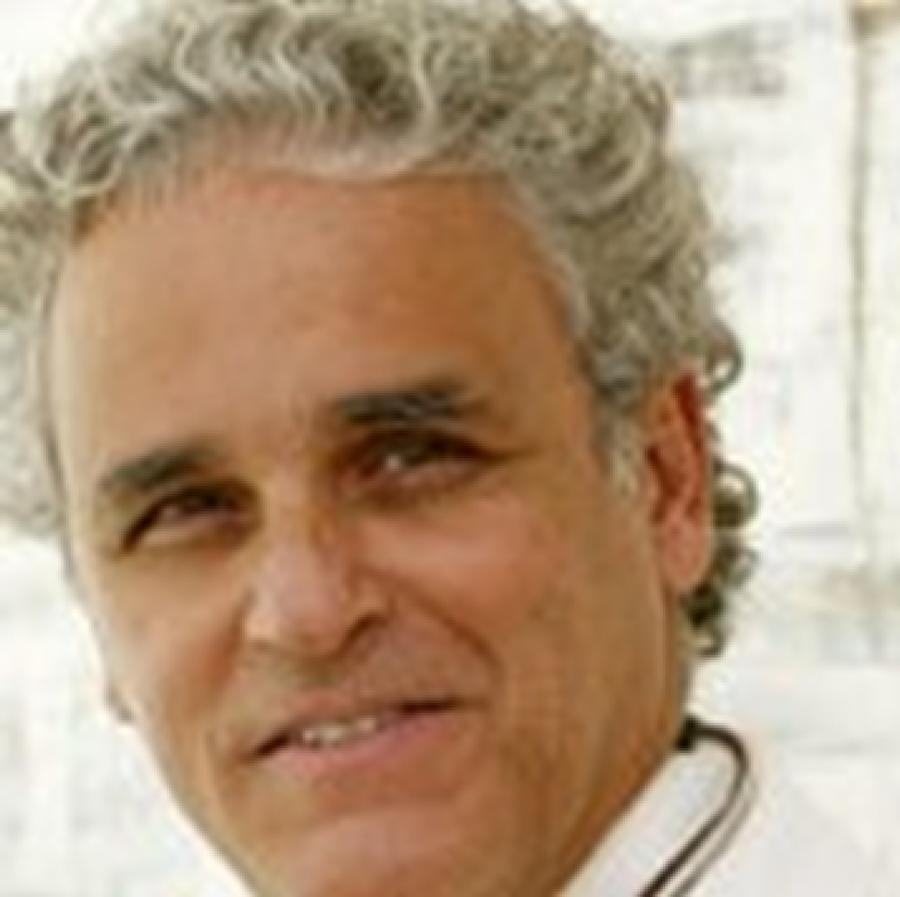
The initiative to make an edition dedicated to a certain area of knowledge in a scientific journal is always a major challenge full of hard work. Original articles, reviews and / or special cases in the field are expected and the best experts in the subject are those that the editor hopes to be able to count. This edition of the International Journal of Cardiology Science, headed by Dr. Claúdio Gil Soares de Araújo, is focused on physical exercise and its pages contain different articles on the matter. Probably, I was invited to contribute because I work and publish in the sports and exercise cardiology field, besides the fact that I am the Associate-Editor for exercise and rehabilitation of the Arquivos Brasileiros de Cardiologia. By the way, when the invitation letter arrived, I immediately accepted it, but wondered what my ideal contribution might be. Thus, over five days I glimpsed different possibilities, until one early morning, while running an insight came: Jorge Pinto Ribeiro!!! Nothing is fairer to remember than a professor and scientist with more than 150 publications, at least half of them in the exercise physiology/cardiology area. So, with the support of the International Journal of Cardiology Science Editors I was able to go through a few lines with a sense of affection and sadness, as long as many years have passed since this cardiology “giant” passed way. It is amazing to mention that, despite the hiatus of more than 6 years since his death, he continues to publish: at least three articles with his name can be found at Pubmed in the year 2018… and two, in this Edition!!! Well, but who was the Jorge Pinto Ribeiro I met? The differential started with the name. At least for me an affirmative name. A name that always sounded strong, announcing that behind these 17 letters, Jorge Pinto Ribeiro, came a winner. No, actually, he was a champion. A champion at home, at work, at leisure, a blessed champion with unified qualities in a rare individual, a true winner. A man who was always offering the hand to help others on their achievements. Yes, he was the owner of this name, a person who at the height of his 57 years, in the distant year of 2012, left us. Indeed, after a Herculean fight against a rare disease, the flame of his intense and successful life was extinguished. Actually, his early departure left an enormous emptiness and deep longing in relatives, friends, colleagues, students and patients. However, we who know him well always remember his energy, his production, his life as a husband, father, brother, doctor, teacher… as a friend!!! Is evident, he was a man who lived the life. In short, as a brilliant cardiologist and one of the most talented scientists in exercise physiology/cardiology ever, Jorge Pinto Ribeiro certainly is reading the International Journal of Cardiology Science pages delighted and smiling.

Ricardo “Pinto Ribeiro” Stein

[…]

  • Cardiac Rehabilitation/trends
  • Exercise Therapy
  • Exercise/physiology
  • Sports/trends
Read Full Article
Creative Commons Attribution (CC BY) Creative Commons license
12/08/2019 DOI: 10.5935/2359-4802.20190046 Views 1
Figure 1
ABC
Original Article

Thermoregulation in Hypertensive Rats during Exercise: Effects of Physical Training

Luis Henrique Lobo Silame Gomes et al. Lucas Rios Drummond Helton Oliveira Campos Leonardo Mateus Teixeira de Rezende … Miguel Araújo Carneiro-Júnior Alessandro Oliveira Antônio José Natali Thales Nicolau Prímola-Gomes

Abstract

Background:

Spontaneously hypertensive rats (SHR) show deficit in thermal balance during physical exercise.

Objective:

To assess the effects of low-intensity physical exercise training on thermal balance of hypertensive rats undergoing an acute exercise protocol.

Methods:

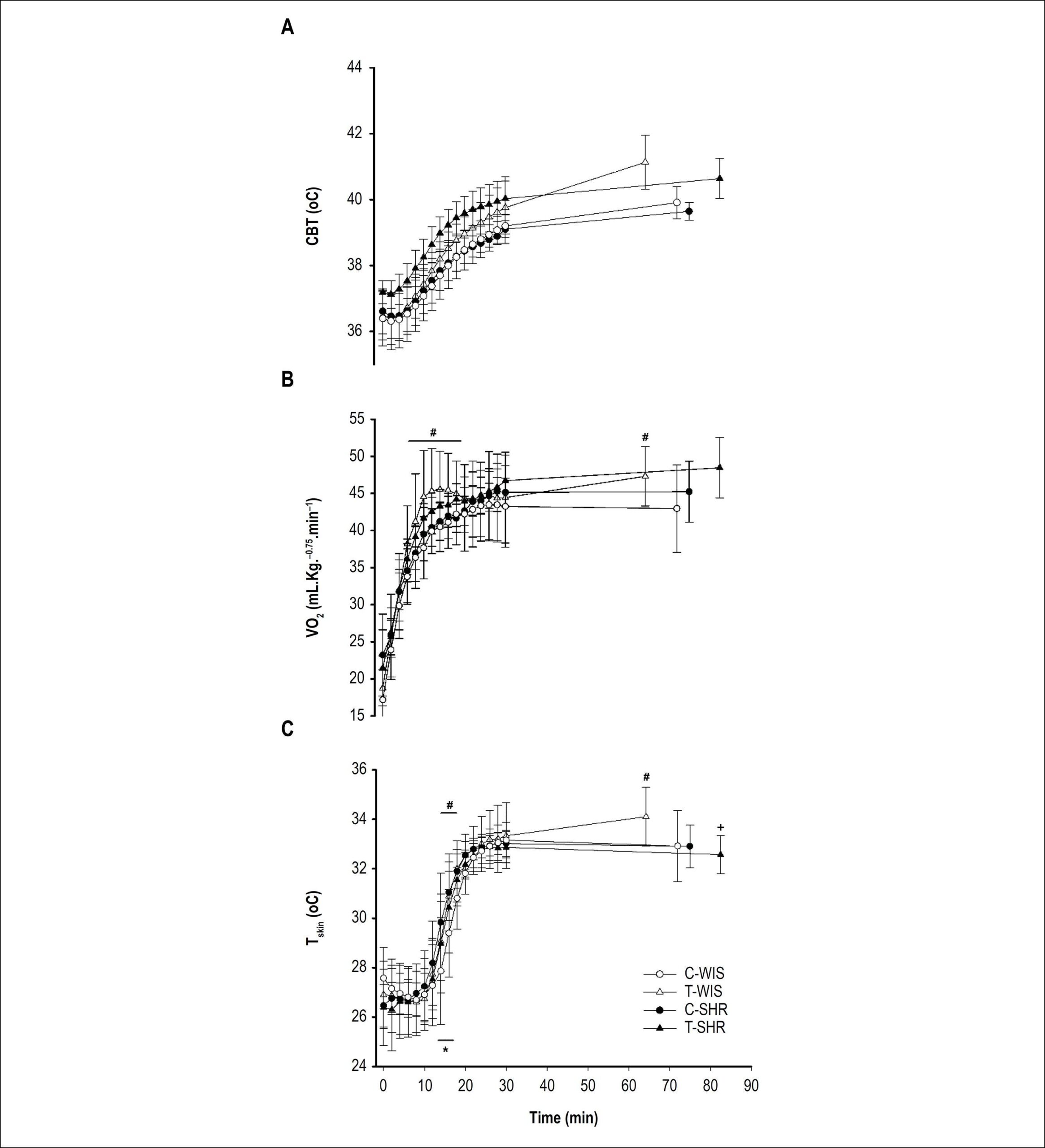
Sixteen-week-old male Wistar rats and SHR were allocated into four groups: control Wistar rats (C-WIS), trained Wistar (T-WIS), control SHR (C-SHR) and trained SHR (T-SHR). Treadmill exercise training was performed for 12 weeks. Blood pressure, resting heart rate and total exercise time was measured before and after the physical exercise program. After the exercise program, a temperature sensor was implanted in the abdominal cavity, and the animals subjected to an acute exercise protocol, during which internal body temperature, tail skin temperature and oxygen consumption until fatigue were continuously recorded. Mechanical efficiency (ME), work, heat dissipation threshold and sensitivity were calculated. Statistical significance was set at 5%.

Results:

Physical training and hypertension had no effect on thermal balance during physical exercise. Compared with C-WIS, the T-WIS group showed higher heat production, which was counterbalanced by higher heat dissipation. Hypertensive rats showed lower ME than normotensive rats, which was not reversed by the physical training.

Conclusion:

Low-intensity physical training did not affect thermal balance in SHR subjected to acute exercise.

  • Body Temperature Changes
  • Exercise/physiology
  • Fatigue
  • Hypertension
  • Physical Exertion
  • Rats
Read Full Article
Creative Commons Attribution (CC BY) Creative Commons license
14/03/2019 DOI: 10.5935/abc.20190050 Views 2
ABC
Original Article

Low Prevalance of Major Events Adverse to Exercise Stress Echocardiography

Stephanie Macedo Andrade et al. Caio José Coutinho Leal Telino Antônio Carlos Sobral Sousa Enaldo Vieira de Melo … Carla Carolina Cardoso Teixeira Clarissa Karine Cardoso Teixeira Jaquiele Santos Santana Igor Larchert Mota Carlos José Oliveira de Matos Joselina Luzia Menezes Oliveira

Abstract

Background:

Stress echocardiography is well validated for diagnosis and risk stratification of coronary artery disease. Exercise stress echocardiography (ESE) has been shown to be the most physiological among the modalities of stress, but its safety is not well established.

Objective:

To study the complications related to ESE and clinical and echocardiographic variables most commonly associated with their occurrence.

Methods:

Cross-sectional study consisting of 10250 patients submitted to ESE for convenience, from January 2000 to June 2014. Cardiac Arrhythmias (CA) were the most frequent complications observed during the examination. The volunteers were divided into two groups according to the occurrence of CA during ESE: G1 group, composed of patients who have CA, and G2 formed by individuals who did not show such complication. Results: Group G1, consisting of 2843 patients (27.7%), and Group G2 consisting of 7407 patients (72.3%). There was no death, acute myocardial infarction, ventricular fibrillation or asystole. Predominant CAs were: supraventricular extrasystoles (13.7%), and ventricular extrasystoles (11.5%). G1 group had a higher mean age, higher frequency of hypertension and smoking, larger aortic roots and left atrium (LA) and lower ejection fraction than G2. G1 group also had more ischemic changes (p < 0.001). The predictor variables were age (RR 1.04; [CI] 95% from 1.038 to 1.049) and LA (RR 1.64; [CI] 95% from 1.448 to 1.872).

Conclusion:

ESE proved to be a safe modality of stress, with non-fatal complications only. Advanced age and enlargement of the left atrium are predictive of cardiac arrhythmias.

  • Coronary Artery Disease
  • Exercise Test
  • Exercise/physiology
  • Safety
Read Full Article
Creative Commons Attribution (CC BY) Creative Commons license
27/06/2016 DOI: 10.5935/abc.20160096 Views 2
Figure 1
ABC
Review Article

Mechanisms Involved in Exercise-Induced Cardioprotection: A Systematic Review

Juliana Pereira Borges et al. Marcos Adriano Lessa

Background:

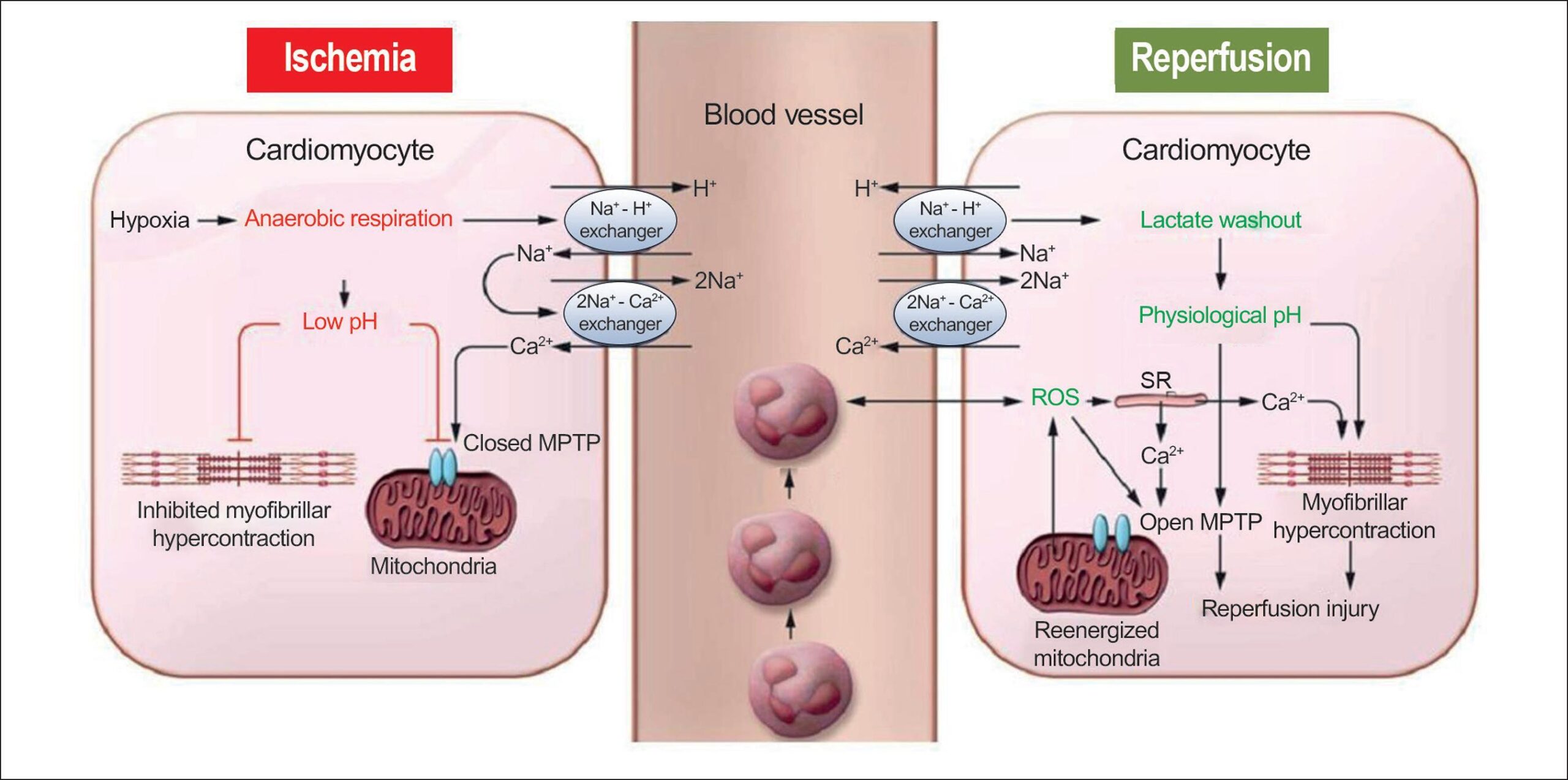
Acute myocardial infarction is the leading cause of morbidity and mortality worldwide. Furthermore, research has shown that exercise, in addition to reducing cardiovascular risk factors, can also protect the heart against injury due to ischemia and reperfusion through a direct effect on the myocardium. However, the specific mechanism involved in exerciseinduced cardiac preconditioning is still under debate.

Objective:

To perform a systematic review of the studies that have addressed the mechanisms by which aerobic exercise promotes direct cardioprotection against ischemia and reperfusion injury.

Methods:

A search was conducted using MEDLINE, Literatura Latino-Americana e do Caribe de Informação em Ciências da Saúde, and Scientific Electronic Library Online databases. Data were extracted in a standardized manner by two independent researchers, who were responsible for assessing the methodological quality of the studies.

Results:

The search retrieved 78 studies; after evaluating the abstracts, 30 studies were excluded. The manuscripts of the remaining 48 studies were completely read and, of these, 20 were excluded. Finally, 28 studies were included in this systematic review.

Conclusion:

On the basis of the selected studies, the following are potentially involved in the cardioprotective response to exercise: increased heat shock protein production, nitric oxide pathway involvement, increased cardiac antioxidant capacity, improvement in ATP-dependent potassium channel function, and opioid system activation. Despite all the previous investigations, further research is still necessary to obtain more consistent conclusions.

  • Exercise/physiology
  • Heat-Shock Proteins
  • Myocardial Infarction
  • Myocardial Ischemia
  • Myocardial Reperfusion Injury/etiology
Read Full Article
Creative Commons Attribution (CC BY) Creative Commons license
27/03/2015 DOI: 10.5935/abc.20150024 Views 1

How to cite this article

EndNote RIS

Electronic Document Format (Vancouver)

Stein R. Jorge Pinto Ribeiro: a True Icon of Exercise Physiology and Cardiology. International Journal of Cardiovascular Sciences 2019;32(4):317-8.

Electronic Document Format (ABNT)

Stein, Ricardo. Jorge Pinto Ribeiro: a True Icon of Exercise Physiology and Cardiology. International Journal of Cardiovascular Sciences, v. 32, n. 4, p. 317-318, Aug. 2019.

Electronic Document Format (APA)

Stein, R. (2019). Jorge Pinto Ribeiro: a True Icon of Exercise Physiology and Cardiology. International Journal of Cardiovascular Sciences, 32(4), 317-318.

Electronic Document Format (ISO)

Stein, Ricardo. Jorge Pinto Ribeiro: a True Icon of Exercise Physiology and Cardiology. International Journal of Cardiovascular Sciences [online]. 2019, vol. 32, n. 4, [cited 2026-10-14], pp. 317-318. Available from: <https://journals.cardiol.br/en/article/jorge-pinto-ribeiro-a-true-icon-of-exercise-physiology-and-cardiology/>. ISSN 2359-4802

EndNote RIS

Electronic Document Format (Vancouver)

Gomes LHLS, Drummond LR, Campos HO, Rezende LMT, Carneiro-Júnior MA, Oliveira A, Natali AJ, et al. Thermoregulation in Hypertensive Rats during Exercise: Effects of Physical Training. Arquivos Brasileiros de Cardiologia 2019;112(5):534-42.

Electronic Document Format (ABNT)

Gomes, Luis Henrique Lobo Silame; Drummond, Lucas Rios; Campos, Helton Oliveira; Rezende, Leonardo Mateus Teixeira de; Carneiro-Júnior, Miguel Araújo; Oliveira, Alessandro; Natali, Antônio José; Prímola-Gomes, Thales Nicolau. Thermoregulation in Hypertensive Rats during Exercise: Effects of Physical Training. Arquivos Brasileiros de Cardiologia, v. 112, n. 5, p. 534-542, Mar. 2019.

Electronic Document Format (APA)

Gomes, L. H. L. S., Drummond, L. R., Campos, H. O., Rezende, L. M. T. , Carneiro-Júnior, M. A., Oliveira, A., Natali, A. J., & Prímola-Gomes, T. N. (2019). Thermoregulation in Hypertensive Rats during Exercise: Effects of Physical Training. Arquivos Brasileiros de Cardiologia, 112(5), 534-542.

Electronic Document Format (ISO)

Gomes, Luis Henrique Lobo Silame and Drummond, Lucas Rios and Campos, Helton Oliveira and Rezende, Leonardo Mateus Teixeira de and Carneiro-Júnior, Miguel Araújo and Oliveira, Alessandro and Natali, Antônio José and Prímola-Gomes, Thales Nicolau. Thermoregulation in Hypertensive Rats during Exercise: Effects of Physical Training. Arquivos Brasileiros de Cardiologia [online]. 2019, vol. 112, n. 5, [cited 2026-10-14], pp. 534-542. Available from: <https://journals.cardiol.br/en/article/thermoregulation-in-hypertensive-rats-during-exercise-effects-of-physical-training/>. ISSN 0066-782X

EndNote RIS

Electronic Document Format (Vancouver)

Andrade SM, Telino CJCL, Sousa ACS, Melo EV, Teixeira CCC, Teixeira CKC, Santana JS, et al. Low Prevalance of Major Events Adverse to Exercise Stress Echocardiography. Arquivos Brasileiros de Cardiologia 2016;107(2):116-23.

Electronic Document Format (ABNT)

Andrade, Stephanie Macedo; Telino, Caio José Coutinho Leal; Sousa, Antônio Carlos Sobral; Melo, Enaldo Vieira de; Teixeira, Carla Carolina Cardoso; Teixeira, Clarissa Karine Cardoso; Santana, Jaquiele Santos; Mota, Igor Larchert; Matos, Carlos José Oliveira de; Oliveira, Joselina Luzia Menezes. Low Prevalance of Major Events Adverse to Exercise Stress Echocardiography. Arquivos Brasileiros de Cardiologia, v. 107, n. 2, p. 116-123, Jun. 2016.

Electronic Document Format (APA)

Andrade, S. M., Telino, C. J. C. L., Sousa, A. C. S., Melo, E. V. , Teixeira, C. C. C., Teixeira, C. K. C., Santana, J. S., Mota, I. L., Matos, C. J. O. , & Oliveira, J. L. M. (2016). Low Prevalance of Major Events Adverse to Exercise Stress Echocardiography. Arquivos Brasileiros de Cardiologia, 107(2), 116-123.

Electronic Document Format (ISO)

Andrade, Stephanie Macedo and Telino, Caio José Coutinho Leal and Sousa, Antônio Carlos Sobral and Melo, Enaldo Vieira de and Teixeira, Carla Carolina Cardoso and Teixeira, Clarissa Karine Cardoso and Santana, Jaquiele Santos and Mota, Igor Larchert and Matos, Carlos José Oliveira de and Oliveira, Joselina Luzia Menezes. Low Prevalance of Major Events Adverse to Exercise Stress Echocardiography. Arquivos Brasileiros de Cardiologia [online]. 2016, vol. 107, n. 2, [cited 2026-10-14], pp. 116-123. Available from: <https://journals.cardiol.br/en/article/low-prevalance-of-major-events-adverse-to-exercise-stress-echocardiography/>. ISSN 0066-782X

EndNote RIS

Electronic Document Format (Vancouver)

Borges JP, Lessa MA. Mechanisms Involved in Exercise-Induced Cardioprotection: A Systematic Review. Arquivos Brasileiros de Cardiologia 2015;105(1):71-8.

Electronic Document Format (ABNT)

Borges, Juliana Pereira; Lessa, Marcos Adriano. Mechanisms Involved in Exercise-Induced Cardioprotection: A Systematic Review. Arquivos Brasileiros de Cardiologia, v. 105, n. 1, p. 71-81, Mar. 2015.

Electronic Document Format (APA)

Borges, J. P., & Lessa, M. A. (2015). Mechanisms Involved in Exercise-Induced Cardioprotection: A Systematic Review. Arquivos Brasileiros de Cardiologia, 105(1), 71-81.

Electronic Document Format (ISO)

Borges, Juliana Pereira and Lessa, Marcos Adriano. Mechanisms Involved in Exercise-Induced Cardioprotection: A Systematic Review. Arquivos Brasileiros de Cardiologia [online]. 2015, vol. 105, n. 1, [cited 2026-10-14], pp. 71-81. Available from: <https://journals.cardiol.br/en/article/mechanisms-involved-in-exercise-induced-cardioprotection-a-systematic-review/>. ISSN 0066-782X

  • About ABC Family
  • Internal Regulation
  • Editorial Board
  • Brazilian Society of Cardiology (SBC)

Issues

SBC Guidelines

  • Videos
  • Podcasts
  • News