ABC Family Arquivos Brasileiros de Cardiologia International Journal of Cardiovascular Sciences ABC Heart Failure & Cardiomyopathy ABC Imagem Cardiovascular
Português English
ABC Family
Português English
  • About
    • About ABC Family
    • Internal Regulation
    • Editorial Board
    • Brazilian Society of Cardiology (SBC)
  • Issues
  • SBC Guidelines
  • Content
    • Videos
    • Podcasts
    • News
  • About
    • About ABC Family
    • Internal Regulation
    • Editorial Board
    • Brazilian Society of Cardiology (SBC)
  • Issues
  • SBC Guidelines
  • Content
    • Videos
    • Podcasts
    • News

ABC Family

  • ABC Family
  • Arquivos Brasileiros de Cardiologia
  • International Journal of Cardiovascular Sciences
  • ABC Heart Failure & Cardiomyopathy
  • ABC Imagem Cardiovascular
Search in

No content found.

Journals
Ordering
Article types
Others

  1. Home
  2. Keyword: Echocardiography, Stress
Figure 1
ABCIC
Editorial

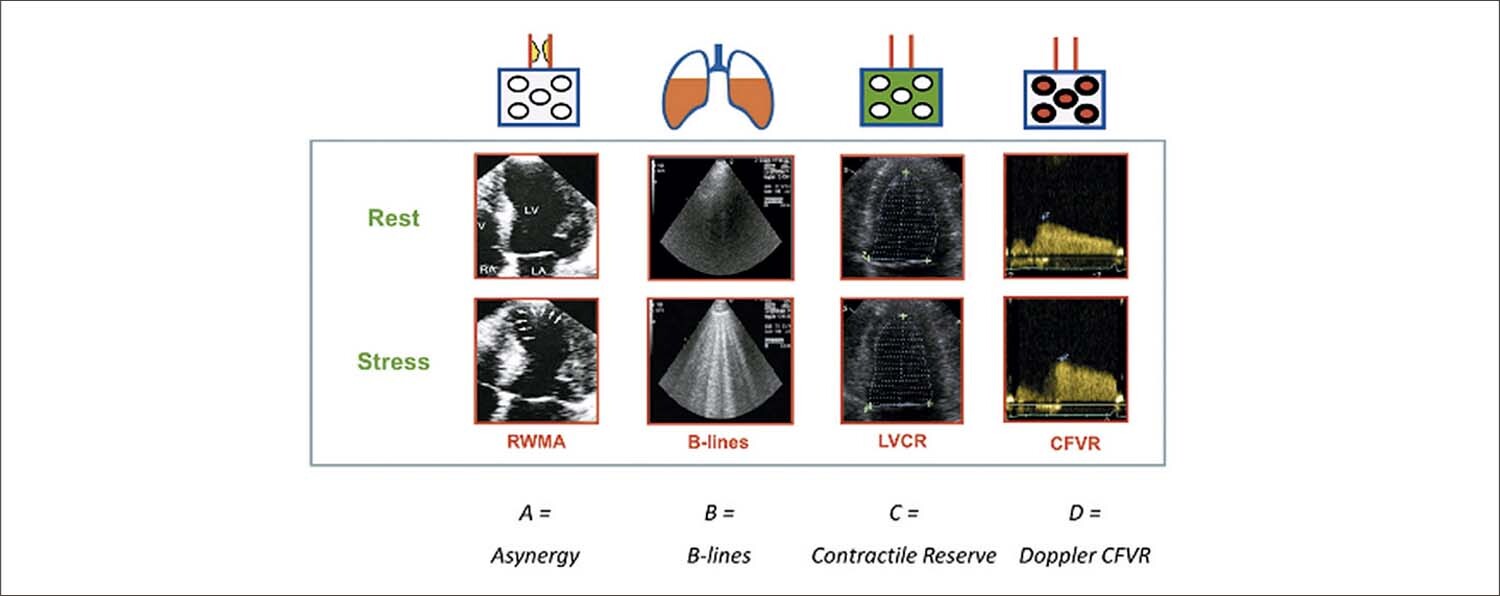
ABCDE Protocol in Stress Echocardiography

José Luis de Castro e Silva Pretto et al. Clarissa Borguezan Daros

A for Asynergy

This is based on the presumable myocardial contractility alteration induced by stress in the presence of flow-limiting coronary stenosis. The substrate supply-demand imbalance leads to a reduction in myocardial radial thickening, a parameter sometimes limited by its semi-quantitative and subjective nature. Operator dependency can be minimized (but not eliminated) by specialized training and the adoption of conservative reading measures, as well as the accreditation and quality control of advanced echocardiography laboratories.

The regional motility assessment indicates that the higher the number of affected segments (universally defined), the worse the prognosis. This parameter is viewed as stenosis centered and has its value limited outside the epicardial coronary disease context.

[…]

  • Clinical Protocols
  • Echocardiography
  • Echocardiography, Stress
Read Full Article
Creative Commons Attribution (CC BY) Creative Commons license
26/09/2023 DOI: 10.36660/abcimg.20230070i Views 1
Figure 1
ABCIC
Review Article

Stress Echocardiography Using Real-Time 3D Imaging

José Roberto Matos-Souza et al. Guilherme De Rossi

Abstract

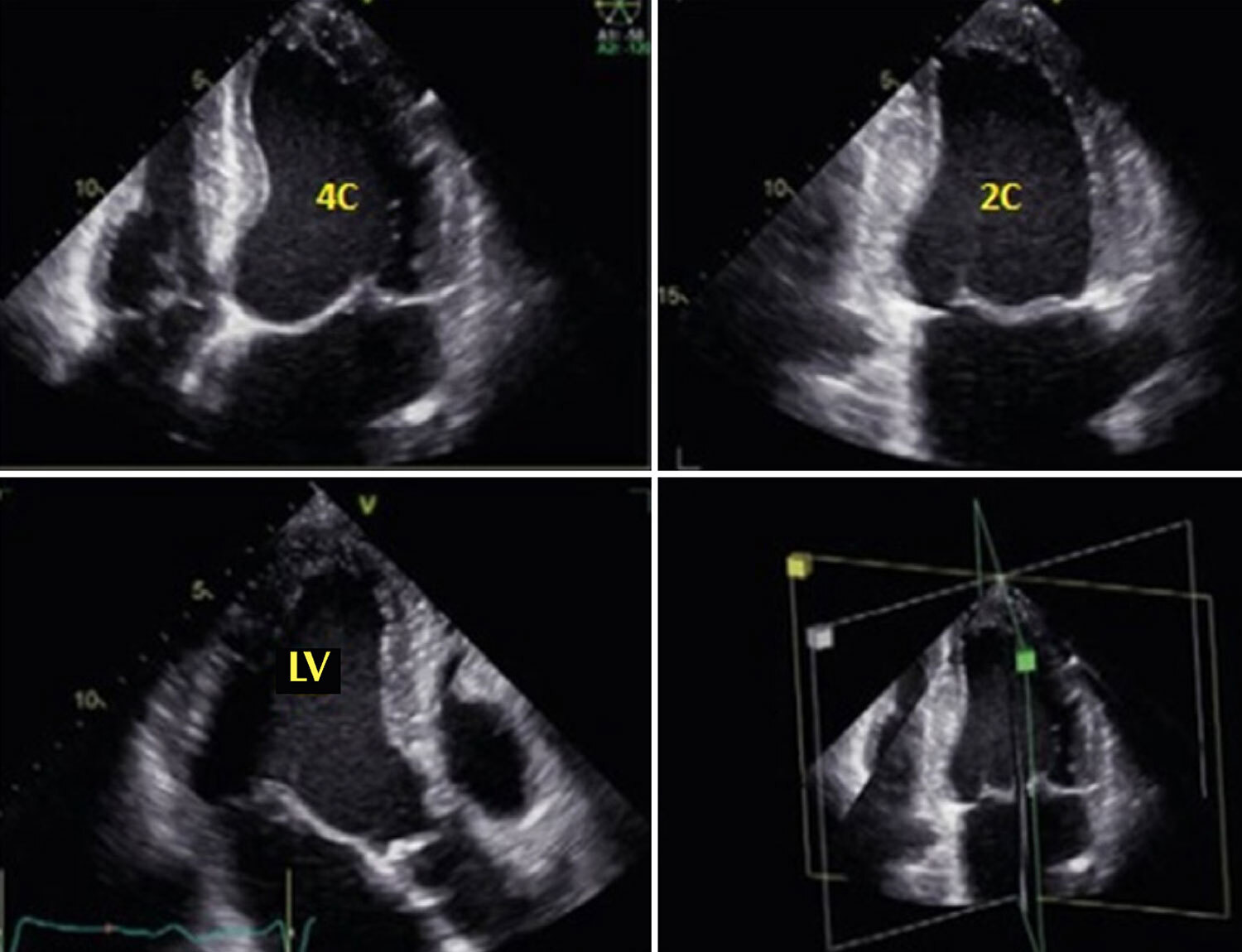
The need to examine the heart using a three-dimensional (3D) tool is not new. This complex and dynamic organ has always required 3D and real-time understanding. Without this feature, the examiner has to transform two-dimensional images to understand its volume, which requires complex knowledge and approximation interactions. Echocardiography was invented three decades ago, and its improvements resulted in commercial products at the beginning of the century. Some studies demonstrate 3D equivalence with gains in handling the necessary time. We use triplane modalities in our routine, with time gain and less stress on the examiner’s upper limb. Thus, 3D examinations can answer more complex questions and provide a more geometric approach to contraction, with thickening being analyzed in the background.

  • Echocardiography, Stress
  • Echocardiography, Three-Dimensional
  • Imaging, Three-Dimensional
Read Full Article
Creative Commons Attribution (CC BY) Creative Commons license
07/07/2022 DOI: 10.47593/2675-312X/20223503erer_07
ABCIC
Original Article

Diastolic Function Assessment with Doppler Echocardiography and Two-Dimensional Strain

José Maria Del Castillo et al. Eugenio Soares de Albuquerque Carlos Antônio da Mota Silveira Diana Patrícia Lamprea Antonia Dulcineide Medeiros Sena

Summary

Background

The evaluation of left ventricular (LV) diastolic dysfunction presents a significant number of indeterminate dysfunctions, especially when ejection fraction (EF) is preserved. Global longitudinal strain (GLS) and systolic strain rate (SSR) and early diastolic strain rate (EDSR) may be useful for reclassifying diagnosed patients.

Objective

To evaluate, using GLS, SSR and EDSR, patients with diastolic dysfunction, compare with healthy individuals, and determine the additive value of the method.

Methods

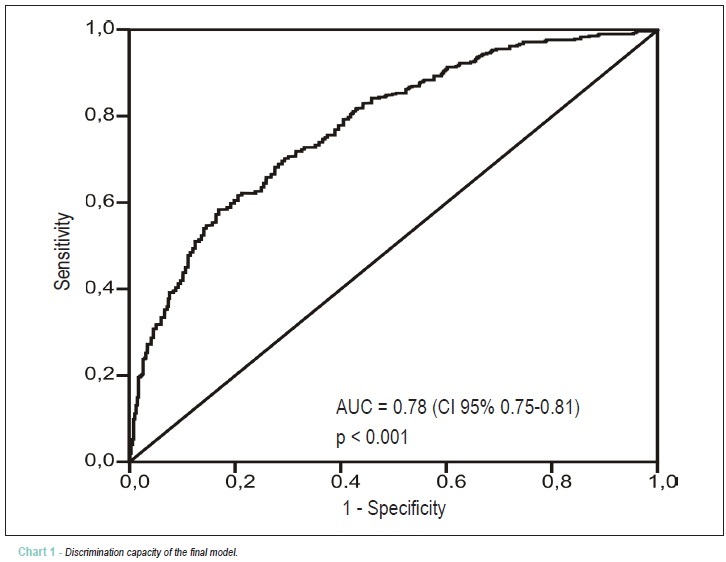
The study included 149 patients (age 62.2 ± 10.6) with diastolic dysfunction (49.7% grade 1; 15.4% grade 2; 18.1% grade 3 and 16.8% unspecified) and 189 healthy individuals (age 44.5 ± 13.3). Left ventricular (LV) and left atrial (LA) dimensions and function, mitral and tissue Doppler velocities and their ratios, GLS, SSR and EDSR have been determined. Data evaluation using the Kolmogorov-Smirnoff, Kruskal-Wallis tests, multiple regression analysis and area under the ROC curve. Data were considered significant when p < 0.05.

Results

In diastolic dysfunction, LV dimensions and thickness were increased and EF was lower. Mitral and tissue Doppler revealed abnormalities and LA volume and tricuspid regurgitation velocity were increased. GLS and EDSR were decreased in dysfunction grade 2 and 3 and EDSR was decreased in dysfunction grade 1, correlating better with diastolic dysfunction. The ROC cutoff value for the EDSR was 1.0 s-1.

Conclusion

Diastolic dysfunction supplemented with myocardial strain rate seems to add sensitivity and specificity where the diastolic function is indeterminate and may be used for reclassifying these patients. (Arq Bras Cardiol: Imagem cardiovasc. 2017;30(2):46-53)

  • Compliance/physiology
  • Coronary Artery Disease
  • Echocardiography, Doppler
  • Echocardiography, Stress
  • Ventricular Dysfunction, Left
Read Full Article
Creative Commons Attribution (CC BY) Creative Commons license
20/01/2022 DOI: 10.5935/2318-8219.20170012
ABCIC
Viewpoint

Coronary Tomography Angiography and a New View on How to Investigate Coronary Artery Disease — New English Guideline

Marcio Sommer Bittencourt

[…]

  • Chest Pain/diagnostic imaging
  • Coronary Angiography
  • Coronary Artery Disease/physiopathology
  • Coronary, Angiotomography
  • Echocardiography, Stress
Read Full Article
Creative Commons Attribution (CC BY) Creative Commons license
20/01/2022 DOI: 10.5935/2318-8219.20180019 Views 1
ABCIC
Original Article

Analysis of the Safety and Feasibility of Dobutamine Stress Echocardiography in Ten Thousand and Six Tests of a General Population

José Sebastião de Abreu et al. Tereza Cristina Diógenes Pinheiro Marília Esther Benevides de Abreu Ana Gardenia Liberato Ponte Farias Marcia Maria Carneiro

Abstract

Background

Adverse effects and inconclusive results may occur on dobutamine stress echocardiography.

Objective

To assess the safety and feasibility of dobutamine stress echocardiography in a large general population.

Methods

A total of 10,006 dobutamine stress echocardiographies were performed between July 1996 and September 2007. Dobutamine was administered in four stages (10, 20, 30, and 40 μcg·kg-1·min-1) to research myocardial ischemia starting with 5 μcg·kg-1·min-1 to analyze myocardial viability. Atropine was started according to the protocols used in the period. Clinical, hemodynamic, and adverse effect data associated with dobutamine stress echocardiography findings were verified.

Results

Typical angina (8.9%), hypertensive peak (1.7%), isolated ventricular ectopias (31%), supraventricular tachyarrhythmia (1.89%), atrial fibrillation (0.76%), and non-sustained ventricular tachycardia (0.6%) occurred during dobutamine stress echocardiography. The adverse effects occurred more frequently in patients with positive dobutamine stress echocardiography findings for ischemia than in those with negative findings. Paradoxical sinus deceleration (0.16%) did not occur in cases of positive dobutamine stress echocardiography findings. Three severe complications occurred in cases that tested positive for ischemia on dobutamine stress echocardiography: two (0.02%) of ventricular fibrillation and one of acute coronary syndrome (0.01%). There were no cases of sustained ventricular tachycardia, cardiac rupture, asystole, or death. Compared to those with complete tests, patients with inconclusive results used less atropine (81.5% versus 49.9%, p < 0.001) and more beta-blockers (4.7% versus 19%, p < 0.001) and more commonly presented with a hypertensive peak (1.1% versus 14.2%, p = 0.0001) or non-sustained ventricular tachycardia (0.5% versus 2.2%, p < 0.001).

Conclusion

When properly performed, dobutamine stress echocardiography is safe and has high feasibility.

  • Dobutamine
  • Echocardiography, Stress
  • Side Effects
Read Full Article
Creative Commons Attribution (CC BY) Creative Commons license
17/12/2021 DOI: 10.47593/2675-312X/20203304eabc110 Views 2
Figure 1
ABCIC
Review Article

Exercise Stress Echocardiography in Hypertrophic Cardiomyopathy: How, When and Why?

Joselina Luzia Menezes Oliveira et al. Katia Oliveira Nunes Leal Larissa Rebeca da Silva Tavares Irlaneide da Silva Tavares … Luiz Flávio Galvāo Gonçalves Daniel Pio de Oliveira Ursula Maria Moreira Costa Burgos Eduardo José Ferreira José Oliveira Belem Marilia Marques Aquino Antonio Carlos Sobral Sousa

Abstract

Historically, the role of exercise stress echocardiography in the management of hypertrophic cardiomyopathy has been neglected in clinical practice according to the analysis of the 2002 Guidelines of the American College of Cardiology/ American Heart Association, which recommended caution use of this methodology in patients with hypertrophic cardiomyopathy due to the risk of both cardiac arrhythmia and hemodynamic collapse on exertion. Exercise stress testing in patients with hypertrophic cardiomyopathy is currently part of the routine assessment of symptomatic patients with or without a resting left ventricular outflow tract gradient < 50 mmHg. For this group, it is a safe and reliable method for measuring the left ventricular outflow tract gradient during exertion and a solid differentiator of patients with nonobstructive hypertrophic cardiomyopathy (absent gradient, both at rest and on exertion) from those with labile gradients (absent gradient at rest and present on exertion). Therefore, in the assessment of hypertrophic cardiomyopathy, exercise stress is equally useful for quantifying the degree of mitral regurgitation and left ventricular segmental contractility changes as well as assessing left ventricular diastolic function on exertion and is able to predict the future development of heart failure symptoms. The method is also important for determining different treatment strategies for each patient, from surgical myomectomy or alcohol septal ablation for those with a labile gradient, limiting symptoms, and who refractory to drug treatment to heart transplantation for those without a gradient.

  • Echocardiography, Stress
  • Hypertrophic Cardiomyopathy
  • Ventricular Outflow Obstruction
Read Full Article
Creative Commons Attribution (CC BY) Creative Commons license
26/11/2021 DOI: 10.47593/2675-312X/20213403eabc130 Views 1
Figure 1
ABC
Original Article

An Alternative Method to Calculate Simplified Projected Aortic Valve Area at Normal Flow Rate

Joana Sofia Silva Moura Ferreira et al. Nádia Moreira Rita Ferreira Sofia Mendes … Rui Martins Maria João Ferreira Mariano Pego

Abstract

Background:

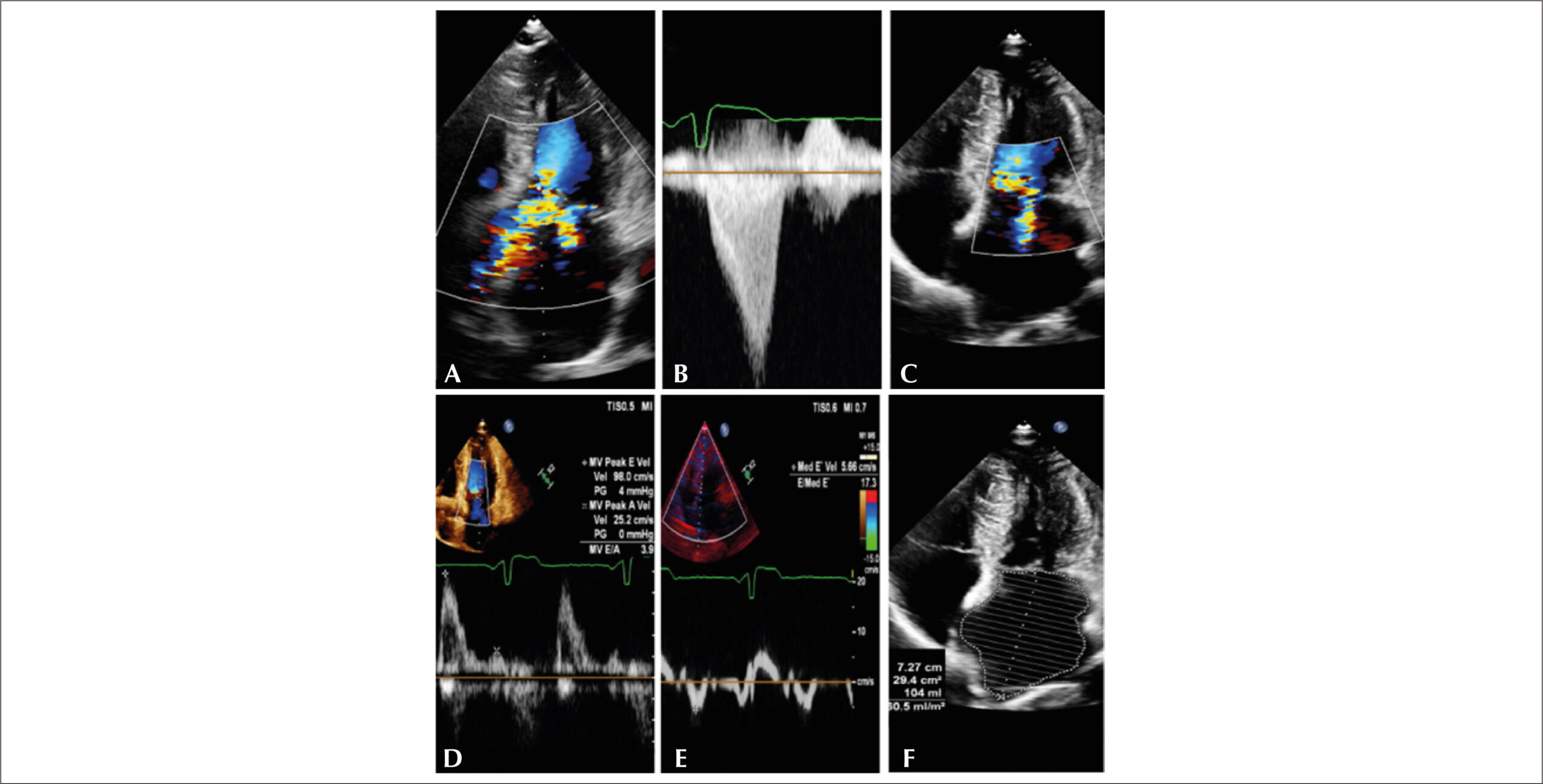
Simplified projected aortic valve area (EOAproj) is a valuable echocardiographic parameter in the evaluation of low flow low gradient aortic stenosis (LFLG AS). Its widespread use in clinical practice is hampered by the laborious process of flow rate (Q) calculation.

Objetive:

This study proposes a less burdensome, alternative method of Q calculation to be incorporated in the original formula of EOAproj and measures the agreement between the new proposed method of EOAproj calculation and the original one.

Methods:

Retrospective observational single-institution study that included all consecutive patients with classic LFLG AS that showed a Q variation with dobutamine infusion ≥ |15|% by both calculation methods.

Results:

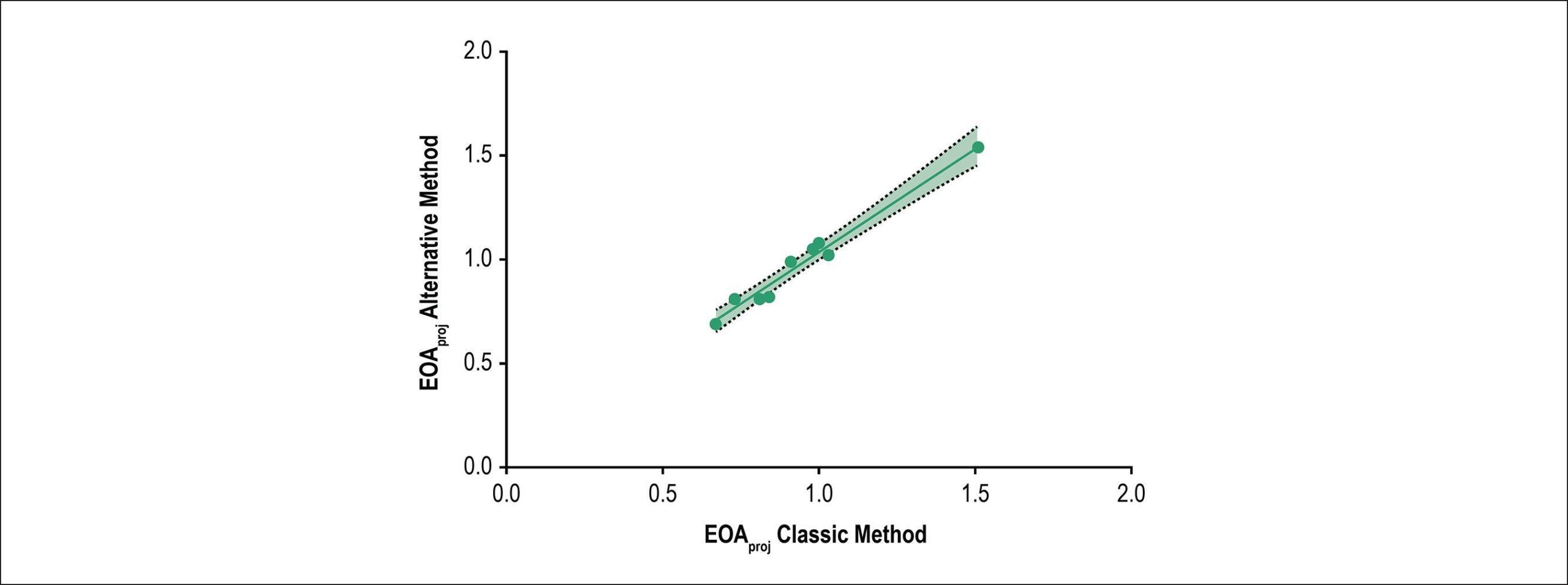
Twenty-two consecutive patients with classical LFLG AS who underwent dobutamine stress echocardiography were included. Nine patients showed a Q variation with dobutamine infusion calculated by both classical and alternative methods ≥ |15|% and were selected for further statistical analysis. Using the Bland-Altman method to assess agreement we found a systematic bias of 0,037 cm2 (95% CI 0,004 – 0,066), meaning that on average the new method overestimates the EOAproj in 0,037 cm2 compared to the original method. The 95% limits of agreement are narrow (from -0,04 cm2 to 0,12 cm2), meaning that for 95% of individuals, EOAproj calculated by the new method would be between 0,04 cm2 less to 0,12 cm2 more than the EOAproj calculated by the original equation.

Conclusion:

The bias and 95% limits of agreement of the new method are narrow and not clinically relevant, supporting the potential interchangeability of the two methods of EOAproj calculation. As the new method requires less additional measurements, it would be easier to implement in clinical practice, promoting an increase in the use of EOAproj.

  • Aortic Valve Stenosis / diagnosis
  • Aortic Valve Stenosis / diagnostic imaging
  • Echocardiography, Stress
  • Heart Valves / physiopathology
Read Full Article
Creative Commons Attribution (CC BY) Creative Commons license
01/02/2018 DOI: 10.5935/abc.20180018 Views 1
IJCS
Original Article

Low to Moderate Alcohol Consumption and Myocardial Ischemia on Exercise Stress Echocardiography

Vítor Joaquim Barreto Fontes et al. Maria Júlia Silveira Souto Antônio Carlos Sobral Sousa Enaldo Vieira de Melo … Flávio Mateus do Sacramento Conceição Caio José Coutinho Leal Telino Mirella Sobral Silveira Jéssica Aparecida de Santana Dória Carlos José Oliveira de Matos Joselina Luzia Menezes Oliveira

Abstract

Background:

The impact of alcohol consumption on the development of myocardial ischemia remains uncertain. Studies diverge whether low to moderate alcohol consumption provides cardioprotection or whether it is a risk factor for myocardial ischemia.

Objective:

To study the relationship between low to moderate alcohol consumption and myocardial ischemia on exercise stress echocardiography (ESE).

Methods:

Cross-sectional study with 6,632 patients with known or suspected coronary artery disease undergoing ESE between January/2000 and December/2015. The patients were divided into two groups: G1, composed of 2,130 (32.1%) patients whose report showed maximal consumption of 1 drink per day on average for women or of 2 drinks per day for men; G2, composed of individuals denying any alcohol consumption. For comparing between the groups, Student t test was used for quantitative variables, and chi-square test or Fisher exact test, for categorical variables. The significance level adopted was p < 0.05. Logistic regression was also used to evaluate independent risk factors for myocardial ischemia.

Results:

G1 had a higher number of men (77.1%; p < 0.001), lower mean age (54.8 ± 10.3 years old; p < 0.001) and higher frequency of myocardial ischemia on ESE (p = 0.014). Age, male sex, dyslipidemia, systemic arterial hypertension, diabetes mellitus, smoking and family history were independently associated with myocardial ischemia on ESE. Independent association between low to moderate alcohol consumption and myocardial ischemia on ESE (OR 0.96; 95%CI: 0.83 to 1.11) was not observed. However, age, male sex, smoking and dyslipidemia were associated with alcohol consumption.

Conclusion:

Low to moderate alcohol consumption was not an independent predictor of myocardial ischemia on ESE. Nevertheless, we observed a predominance of the male sex, dyslipidemia and smoking habit, important predictors of myocardial ischemia, in the group of alcohol consumers.

  • Alcohol Drinking
  • Alcoholic Beverages
  • Coronary Artery Disease
  • Echocardiography, Stress
  • Risk Factors
Read Full Article
Creative Commons Attribution (CC BY) Creative Commons license
01/01/2018 DOI: 10.5935/2359-4802.20180019 Views 1
Figure 1
ABC
Case Report

Symptomatic Exercise-induced Intraventricular Gradient in Competitive Athlete

Helder Dores et al. Lígia Mendes António Ferreira Jose Ferreira Santos

Case Report

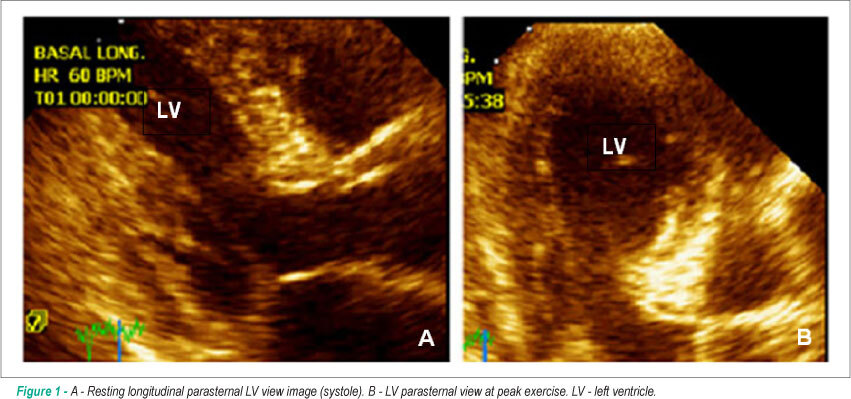
We describe the case of a 17-year-old caucasian male tennis player, training a mean of 20-24h/week, refereed for evaluation in Sport’s Cardiology clinic due to symptoms of dizziness on strenuous exercise, relieving soon after decubitus. The athlete denied other concomitant complaints, namely thoracic pain, palpitations, syncope or decrease in physical performance. Although this is the most symptomatic episode, he revealed other prior episodes with similar presentation, but less intense and occurring in environments with high temperatures. Personal/family history was unremarkable and all pre-competitive evaluations were normal and without restrictions for competitive sport. Physical examination did not show significant findings – cardiac evaluation was normal, heart rate and blood pressure at rest were 52 bpm 121/64mmHg respectively.

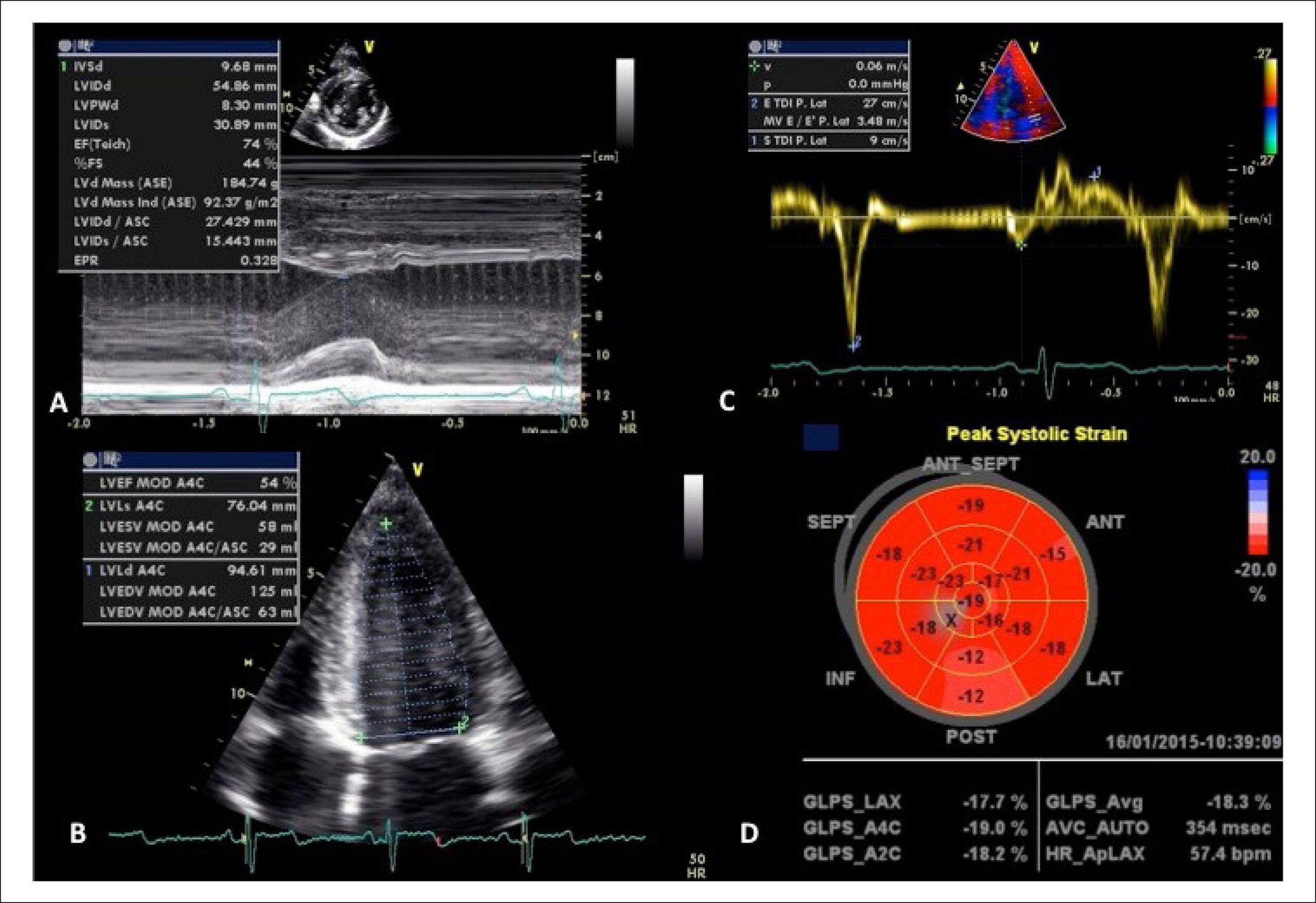
The 12-lead electrocardiogram and transthoracic echocardiogram did not show pathological findings, only cardiac physiological adaptations to exercise (). Subsequently the athlete underwent a treadmill exercise stress echocardiogram revealing an excellent functional capacity (19’09’’ of Bruce protocol, 19.3METs), but with reproduction of symptoms (dizziness) in the peak of exercise with simultaneous decrease in systolic blood pressure (185➔90mmHg) and detection of intraventricular gradient (IVG) – at least 69mmHg (). In the first minute of recovery the symptoms disappeared and blood pressure normalized.

[…]

  • Athletes
  • Echocardiography, Stress
  • Exercise Test/adverse effects
  • Heart Ventricles/physiopathology
  • Ventricular Dysfunction/etiology
Read Full Article
Creative Commons Attribution (CC BY) Creative Commons license
01/07/2017 DOI: 10.5935/abc.20170075
Figure 1
ABC
Original Article

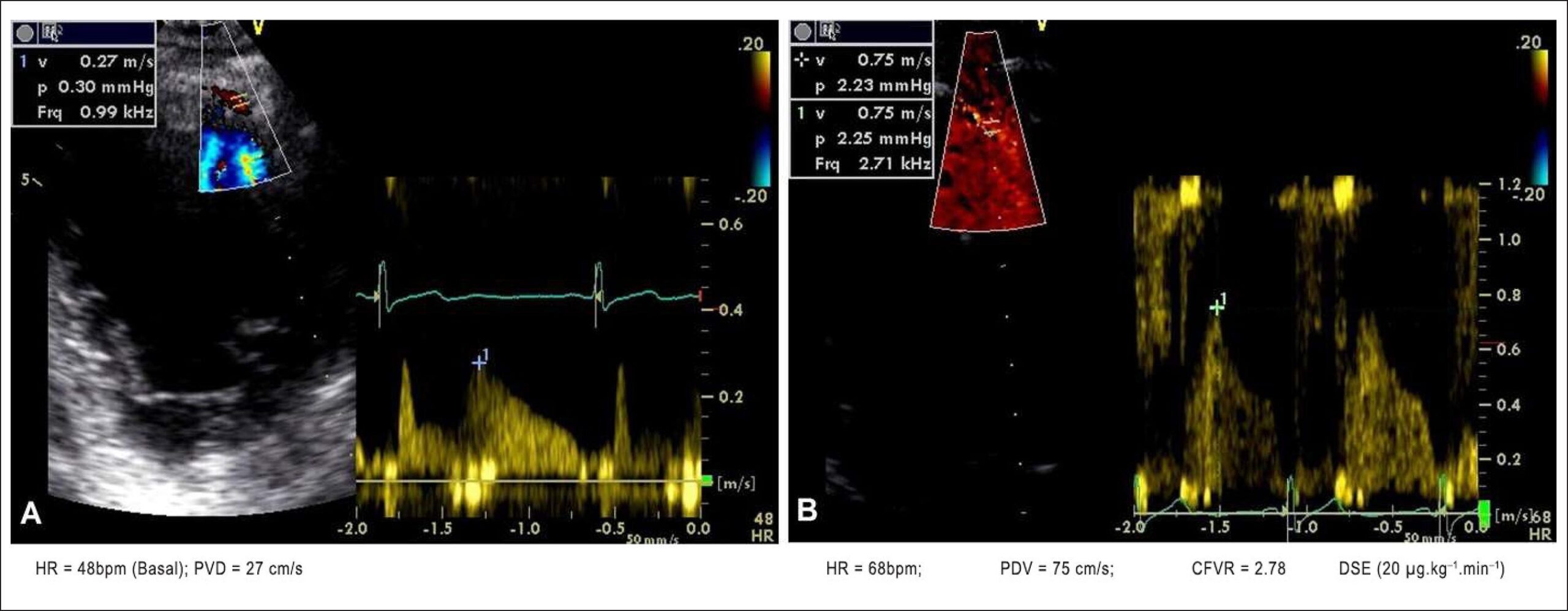
Prognostic Value of Coronary Flow Reserve Obtained on Dobutamine Stress Echocardiography and its Correlation with Target Heart Rate

José Sebastião de Abreu et al. Eduardo Arrais Rocha Isadora Sucupira Machado Isabelle Oliveira Parahyba … Thaís de Brito Rocha Fernando José Villar Nogueira Paes Tereza Cristina Pinheiro Diogenes Marília Esther Benevides de Abreu Ana Gardenia Liberato Ponte Farias Marcia Maria Carneiro José Nogueira Paes Junior

Abstract

Background:

Normal coronary flow velocity reserve (CFVR) (≥ 2) obtained in the left anterior descending coronary artery (LAD) from transthoracic echocardiography is associated with a good prognosis, but there is no study correlating CFVR with submaximal target heart rate (HR).

Objective:

To evaluate the prognostic value of CFVR obtained in the LAD of patients with preserved (>50%) left ventricular ejection fraction (LVEF) who completed a dobutamine stress echocardiography (DSE), considering target HR.

Methods:

Prospective study of patients with preserved LVEF and CFVR obtained in the LAD who completed DSE. In Group I (GI = 31), normal CFVR was obtained before achieving target HR, and, in Group II (GII = 28), after that. Group III (G III=24) reached target HR, but CFVR was abnormal. Death, acute coronary insufficiency, coronary intervention, coronary angiography without further intervention, and hospitalization were considered events.

Results:

In 28 ± 4 months, there were 18 (21.6%) events: 6% (2/31) in GI, 18% (5/28) in GII, and 46% (11/24) in GIII. There were 4 (4.8%) deaths, 6 (7.2%) coronary interventions and 8 (9.6%) coronary angiographies without further intervention. In event-free survival by regression analysis, GIII had more events than GI (p < 0.001) and GII (p < 0.045), with no difference between GI and GII (p = 0.160). After adjustment, the only difference was between GIII and GI (p = 0.012).

Conclusion:

In patients with preserved LVEF and who completed their DSE, normal CFVR obtained before achieving target HR was associated with better prognosis.

  • Echocardiography, Stress
  • Fractional Flow Reserve, Myocardial
  • Heart Rate
  • Prognosis
Read Full Article
Creative Commons Attribution (CC BY) Creative Commons license
20/04/2017 DOI: 10.5935/abc.20170041 Views 1
ABC
Original Article

Dobutamine Stress Echocardiography Safety in Chagas Disease Patients

Daniela do Carmo Rassi et al. Marcelo Luiz Campos Vieira Rogerio Gomes Furtado Fabio de Paula Turco … Luciano Henrique Melato Viviane Tiemi Hotta Colandy Godoy de Oliveira Nunes Luiz Rassi Jr. Salvador Rassi

Abstract

Background:

A few decades ago, patients with Chagas disease were predominantly rural workers, with a low risk profile for obstructive coronary artery disease (CAD). As urbanization has increased, they became exposed to the same risk factors for CAD of uninfected individuals. Dobutamine stress echocardiography (DSE) has proven to be an important tool in CAD diagnosis. Despite being a potentially arrhythmogenic method, it is safe for coronary patients without Chagas disease. For Chagas disease patients, however, the indication of DSE in clinical practice is uncertain, because of the arrhythmogenic potential of that heart disease.

Objectives:

To assess DSE safety in Chagas disease patients with clinical suspicion of CAD, as well as the incidence of arrhythmias and adverse events during the exam.

Methods:

Retrospective analysis of a database of patients referred for DSE from May/2012 to February/2015. This study assessed 205 consecutive patients with Chagas disease suspected of having CAD. All of them had their serology for Chagas disease confirmed.

Results:

Their mean age was 64±10 years and most patients were females (65.4%). No patient had significant adverse events, such as acute myocardial infarction, ventricular fibrillation, asystole, stroke, cardiac rupture and death. Regarding arrhythmias, ventricular extrasystoles occurred in 48% of patients, and non-sustained ventricular tachycardia in 7.3%.

Conclusion:

DSE proved to be safe in this population of Chagas disease patients, in which no potentially life-threatening outcome was found.

  • Atropine
  • Chagas disease
  • Echocardiography, Stress
  • Trypanosoma cruzi / drug effects
Read Full Article
Creative Commons Attribution (CC BY) Creative Commons license
16/01/2017 DOI: 10.5935/abc.20170002 Views 1
Clinical and echocardiographic parameters associated with low chronotropic index in non-elderly patients
ABC
Artigo Original

Clinical and echocardiographic parameters associated with low chronotropic index in non-elderly patients

Paulo Fernando Carvalho Secundo et al. Bruno Fernandes de Oliveira Santos José Alves Secundo Júnior Joiciane Bárbara da Silva … Adriana Ribeiro de Souza Gustavo Baptista de Almeida Faro José Augusto Barreto- Filho Antônio Carlos Sobral Sousa Joselina Luzia Menezes Oliveira

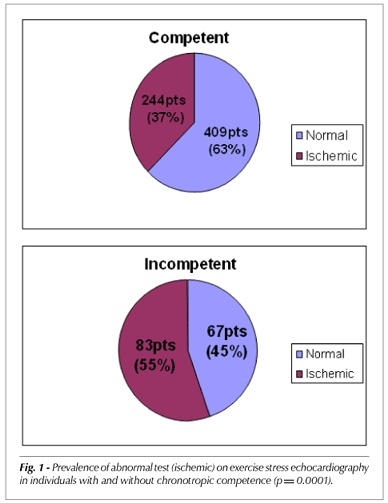
BACKGROUND: Despite abundant evidence of increased morbidity and mortality, chronotropic incompetence (CI) is not a routine diagnosis well defined in protocols of cardiac evaluation and its clinical importance is still underestimated. OBJECTIVE: To evaluate the clinical and echocardiographic parameters associated with HF in non-elderly patients submitted to stress echocardiography (SE). METHODS: One thousand seven hundred ninety-eight patients with a mean age of 48.4 ± 7.5 years, who underwent SE between January/2000 and August/2009 were evaluated. Patients with chronotropic index smaller than 0.8 were considered chronotropic incompetent as compared to competent patients as to clinical and echocardiographic characteristics. RESULTS: The duration of the exercise was 9.3 ± 2.4 minutes on average. Two hundred and seventy (15%) patients were chronotropic incompetent. The chronotropic index of this group was 0.7 ± 0.1 vs. 1.0 ± 0.1 for competent patients. Multivariate logistic regression analysis identified the following parameters as independently associated with HF: dyspnea on examination [odds ratio (OR) = 4.27, p <0.0001], previous chest pain on medical history (OR = 1.51; p = 0.0111), higher left ventricular mass rate in incompetent patients (LVMI) (OR = 1.16, p = 0.0001), metabolic equivalents (METs) (OR = 0.70, p = 0 , 0001), ST segment depression (OR = 0.58, p = 0.0003) and high systolic blood pressure (ΔSBP) (OR = 0.87, p = 0.0011). Myocardial ischemia was not associated with HF. CONCLUSION: HF is associated with functional parameters, such as dyspnea on exertion, history of chest pain and lower METS. It is also associated with structural benchmark index of left ventricular mass. In addition, chronotropic incompetence does not appear to increase the chance of myocardial ischemia in non-elderly patients. (Arq Bras Cardiol. 2012; [online].ahead print, PP.0-0)

  • Echocardiography, Stress
  • Exercise Test
  • Exercise Tolerance
  • Heart Rate
  • Physical Exertion
Read Full Article
Creative Commons Attribution (CC BY) Creative Commons license
05/04/2012 DOI: 10.1590/S0066-782X2012005000033 Views 1
Prognostic value of dipyridamole stress echocardiography in women
ABC
Artigo Original

Prognostic value of dipyridamole stress echocardiography in women

Maria Celita de Almeida et al. Brivaldo Markman Filho

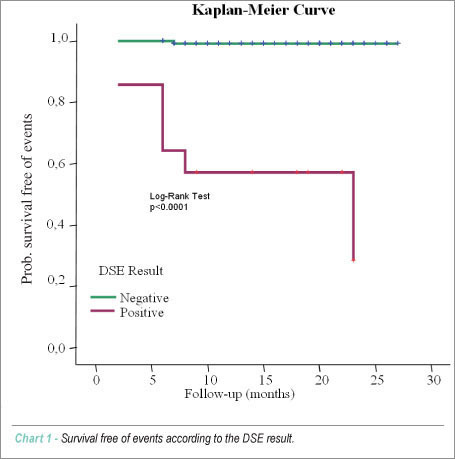
BACKGROUND: Stress echocardiography is an important diagnostic and prognostic tool in ischemic heart disease. OBJECTIVE: To evaluate the role of dipyridamole stress echocardiography (DSE) in the investigation of myocardial ischemia in women and its ability to predict combined events (cardiovascular death, acute myocardial infarction [AMI], unstable angina, coronary artery bypass grafting [surgery or percutaneous intervention] at an average follow-up of 16 months. METHODS: A prospective study using the protocol of dipyridamole at 0.84 mg in 10 minutes, associated with atropine (0.25 mg/min up to 1.0 mg). RESULTS: This study evaluated 147 women. DSE was positive in 14 patients (9.5%), negative in 128 (87.1%) and inconclusive in 5 (3.4%). Events occurred in 8 patients, 7 had positive DSE. The other 138 did not present any events. Our of these, 128 had negative DSE. The sensitivity, specificity, accuracy, the positive and negative predictive values of the test before the events were respectively: 83%, 95%, 94%, 42% and 99%. The event-free survival for patients with negative DSE was 99.2% compared with 58% for positive DSE (p < 0.001). Univariate analysis identified the DSE result, basal electrocardiogram (ECG), LV ejection fraction, dyslipidemia, wall motion score index at rest and peak, history of AMI, coronary artery bypass grafting, as prognostic predictors related to outcomes. The results of DSE and ECG remained significantly associated with outcomes in the multivariate analysis (p < 0.001). CONCLUSION: The baseline ECG and positive DSE were independent variables for the occurrence of outcomes. The DSE showed excellent negative predictive value, confirming its usefulness in evaluating prognosis in such patients.

  • Diagnostic Techniques and Procedures
  • Dipyridamole
  • Echocardiography, Stress
  • Myocardial Ischemia
  • Prognostic
  • Women
Read Full Article
Creative Commons Attribution (CC BY) Creative Commons license
26/11/2010 DOI: 10.1590/S0066-782X2010005000156
Dobutamine-stress echocardiography in asymptomatic patients with aortic regurgitation
ABC
Artigo Original

Dobutamine-stress echocardiography in asymptomatic patients with aortic regurgitation

Marcia M. Barbosa et al. Claudia M. V. Freire Lúcia M. A. Fenelon William A. M. Esteves … Gilmar Reis Maria do Carmo P. Nunes

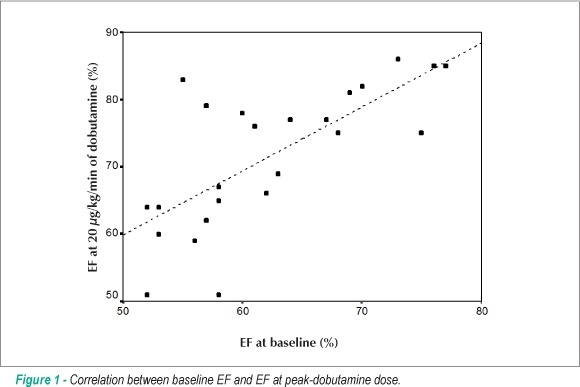
BACKGROUND: Decreased contractile reserve may already be present in asymptomatic patients with aortic regurgitation and normal ejection fraction (EF), thus indicating the need for frequent and accurate assessments of the left ventricular function for the early detection of systolic dysfunction. OBJECTIVE: To analyze if increments in EF with low dose dobutamine could predict surgery and/or death in patients with aortic regurgitation. METHDOS: Dobutamine-stress echocardiography was performed in 24 patients with aortic regurgitation in order to analyze whether EF increments at low dobutamine doses could predict the need for surgery and/or death in this group of patients. RESULTS: Mean age was 37.8±16.8 years and 16 patients (66%) were male. EF increased from a mean baseline value of 62.3±7.9% to 71.5±10.5% at a dobutamine dose of 20 µg/kg/min (p<0.001). The patients were followed-up for 36.6±20.1 months; two patients died (one of cardiovascular death) and five underwent cardiac surgery. Baseline EF was correlated with surgery and death in the follow-up of patients. CONCLUSION: Baseline EF was correlated with surgery or death in the follow-up of young patients with aortic regurgitation. However, the percentage increase in EF at low dobutamine doses did not allow us to predict events in these patients.

  • Aortic Valve Insufficiency
  • Dobutamine
  • Echocardiography, Stress
  • Patients
Read Full Article
Creative Commons Attribution (CC BY) Creative Commons license
13/10/2009 DOI: 10.1590/S0066-782X2009000700010
Dobutamine stress echocardiography-induced broken heart syndrome (Takotsubo Syndrome)
ABC
Case Report

Dobutamine stress echocardiography-induced broken heart syndrome (Takotsubo Syndrome)

Francisco Juarez Cruz de Vasconcelos Filho et al. Cezario Antonio Martins Gomes Oscar Aires de Queiroz José Erirtonio Façanha Barreto

We report a case of dobutamine stress echocardiography-induced Takotsubo syndrome in a 76-year-old hypertensive patient with clinical complaints of chest pain in an elective visit to the cardiologist. Dobutamine-stress-echocardiography was requested to rule out chest pain of coronary origin. During the test, at peak exercise, echocardiogram showed apical akinesia and electrocardiogram showed ST-segment elevation in D1, AVL, and V2. The patient was hospitalized and underwent coronary angiography, which showed normal coronary arteries and left ventricular apical ballooning. During follow-up, the patient’s condition remained stable, with regression of the manifestations 21 days after the initial presentation.

  • Dobutamine
  • Echocardiography, Stress
  • Takotsubo syndrome
Read Full Article
Creative Commons Attribution (CC BY) Creative Commons license
13/10/2009 DOI: 10.1590/S0066-782X2009000700014
Exercise stress echocardiography in the identification of coronary artery disease in the elderly with chronotropic incompetence
ABC
Artigo Original

Exercise stress echocardiography in the identification of coronary artery disease in the elderly with chronotropic incompetence

Joselina Luzia Menezes Oliveira et al. Thiago Jônatas Santos Góes Thaiana Aragão Santana Isabela Souza Silva … Thiago Figueiredo Travassos Lívia Dantas Teles Martha Azevedo Barreto José Augusto Barreto-Filho Argemiro D'Oliveira Junior Antonio Carlos Sobral Sousa

BACKGROUND: Chronotropic incompetence (CTI) is frequent in elderly patients and may limit the role of the exercise test in the identification of coronary artery disease (CAD) in this population. OBJECTIVE: To assess the value of CTI in an elderly population in the diagnosis of CAD. METHODS: A total of 3,308 patients were studied, 804 were elderly individuals (age > 65 years) who underwent exercise stress echocardiography (ESE). Based on the heart rate (HR) reached during the exercise test, were divided into two groups: G1 150 patients who did not reach 85% of the age-predicted HR, and G2 654 patients who did. The groups were compared to clinical characteristics, segmental left ventricular contractility rate (WMSI) and coronary angiography (CAG). RESULTS: Clinical characteristics were similar between the groups. WMSI was higher in G1 than in G2, both at rest (1.09 ± 0.21 versus 1.04 ± 0.15) and after exercise (1.15 ± 0.29 versus 1.08 ± 0.2) (p < 0.001). Abnormalities in wall contractility were more frequent in G1 than in G2 (55% versus 37%; p 50%). CONCLUSION: CTI is associated with a higher frequency of contractile alterations in the elderly population and adds a positive predictive value to ESE in the identification of patients with obstructive CAD.

  • Aged
  • Coronary Disease
  • Echocardiography, Stress
Read Full Article
Creative Commons Attribution (CC BY) Creative Commons license
05/09/2007 DOI: 10.1590/S0066-782X2007001400007 Views 1

How to cite this article

EndNote RIS

Electronic Document Format (Vancouver)

Pretto JLCS, Daros CB. ABCDE Protocol in Stress Echocardiography. ABC Imagem Cardiovascular 2023;36(3):e20230070.

Electronic Document Format (ABNT)

Pretto, José Luis de Castro e Silva; Daros, Clarissa Borguezan. ABCDE Protocol in Stress Echocardiography. ABC Imagem Cardiovascular, v. 36, n. 3, e20230070, Sep. 2023.

Electronic Document Format (APA)

Pretto, J. L. C. S., & Daros, C. B. (2023). ABCDE Protocol in Stress Echocardiography. ABC Imagem Cardiovascular, 36(3), e20230070.

Electronic Document Format (ISO)

Pretto, José Luis de Castro e Silva and Daros, Clarissa Borguezan. ABCDE Protocol in Stress Echocardiography. ABC Imagem Cardiovascular [online]. 2023, vol. 36, n. 3, [cited 2026-10-14], e20230070. Available from: <https://journals.cardiol.br/en/article/abcde-protocol-in-stress-echocardiography/>. ISSN 2318-8219

EndNote RIS

Electronic Document Format (Vancouver)

Matos-Souza JR, Rossi GD. Stress Echocardiography Using Real-Time 3D Imaging. ABC Imagem Cardiovascular 2022;35(3):erer_07.

Electronic Document Format (ABNT)

Matos-Souza, José Roberto; Rossi, Guilherme De. Stress Echocardiography Using Real-Time 3D Imaging. ABC Imagem Cardiovascular, v. 35, n. 3, erer_07, Jul. 2022.

Electronic Document Format (APA)

Matos-Souza, J. R., & Rossi, G. D. (2022). Stress Echocardiography Using Real-Time 3D Imaging. ABC Imagem Cardiovascular, 35(3), erer_07.

Electronic Document Format (ISO)

Matos-Souza, José Roberto and Rossi, Guilherme De. Stress Echocardiography Using Real-Time 3D Imaging. ABC Imagem Cardiovascular [online]. 2022, vol. 35, n. 3, [cited 2026-10-14], erer_07. Available from: <https://journals.cardiol.br/en/article/stress-echocardiography-using-real-time-3d-imaging/>. ISSN 2318-8219

EndNote RIS

Electronic Document Format (Vancouver)

Castillo JMD, Albuquerque ES, Silveira CAM, Lamprea DP, Sena ADM. Diastolic Function Assessment with Doppler Echocardiography and Two-Dimensional Strain. Arquivos Brasileiros de Cardiologia Imagem cardiovascular 2022;30(2):46-53.

Electronic Document Format (ABNT)

Castillo, José Maria Del; Albuquerque, Eugenio Soares de; Silveira, Carlos Antônio da Mota; Lamprea, Diana Patrícia; Sena, Antonia Dulcineide Medeiros. Diastolic Function Assessment with Doppler Echocardiography and Two-Dimensional Strain. Arquivos Brasileiros de Cardiologia Imagem cardiovascular, v. 30, n. 2, p. 46-53, Jan. 2022.

Electronic Document Format (APA)

Castillo, J. M. D., Albuquerque, E. S. , Silveira, C. A. M., Lamprea, D. P., & Sena, A. D. M. (2022). Diastolic Function Assessment with Doppler Echocardiography and Two-Dimensional Strain. Arquivos Brasileiros de Cardiologia Imagem cardiovascular, 30(2), 46-53.

Electronic Document Format (ISO)

Castillo, José Maria Del and Albuquerque, Eugenio Soares de and Silveira, Carlos Antônio da Mota and Lamprea, Diana Patrícia and Sena, Antonia Dulcineide Medeiros. Diastolic Function Assessment with Doppler Echocardiography and Two-Dimensional Strain. Arquivos Brasileiros de Cardiologia Imagem cardiovascular [online]. 2022, vol. 30, n. 2, [cited 2026-10-14], pp. 46-53. Available from: <https://journals.cardiol.br/en/article/diastolic-function-assessment-with-doppler-echocardiography-and-two-dimensional-strain/>. ISSN 2318-8219

EndNote RIS

Electronic Document Format (Vancouver)

Bittencourt MS. Coronary Tomography Angiography and a New View on How to Investigate Coronary Artery Disease — New English Guideline. Arquivos Brasileiros de Cardiologia Imagem cardiovascular 2022;31(2):115-7.

Electronic Document Format (ABNT)

Bittencourt, Marcio Sommer. Coronary Tomography Angiography and a New View on How to Investigate Coronary Artery Disease — New English Guideline. Arquivos Brasileiros de Cardiologia Imagem cardiovascular, v. 31, n. 2, p. 115-117, Jan. 2022.

Electronic Document Format (APA)

Bittencourt, M. S. (2022). Coronary Tomography Angiography and a New View on How to Investigate Coronary Artery Disease — New English Guideline. Arquivos Brasileiros de Cardiologia Imagem cardiovascular, 31(2), 115-117.

Electronic Document Format (ISO)

Bittencourt, Marcio Sommer. Coronary Tomography Angiography and a New View on How to Investigate Coronary Artery Disease — New English Guideline. Arquivos Brasileiros de Cardiologia Imagem cardiovascular [online]. 2022, vol. 31, n. 2, [cited 2026-10-14], pp. 115-117. Available from: <https://journals.cardiol.br/en/article/coronary-tomography-angiography-and-a-new-view-on-how-to-investigate-coronary-artery-disease-new-english-guideline/>. ISSN 2318-8219

EndNote RIS

Electronic Document Format (Vancouver)

Abreu JS, Pinheiro TCD, Abreu MEB, Farias AGLP, Carneiro MM. Analysis of the Safety and Feasibility of Dobutamine Stress Echocardiography in Ten Thousand and Six Tests of a General Population. Arquivos Brasileiros de Cardiologia Imagem cardiovascular 2021;33(4):1-8.

Electronic Document Format (ABNT)

Abreu, José Sebastião de; Pinheiro, Tereza Cristina Diógenes; Abreu, Marília Esther Benevides de; Farias, Ana Gardenia Liberato Ponte; Carneiro, Marcia Maria. Analysis of the Safety and Feasibility of Dobutamine Stress Echocardiography in Ten Thousand and Six Tests of a General Population. Arquivos Brasileiros de Cardiologia Imagem cardiovascular, v. 33, n. 4, p. 1-8, Dec. 2021.

Electronic Document Format (APA)

Abreu, J. S. , Pinheiro, T. C. D., Abreu, M. E. B. , Farias, A. G. L. P., & Carneiro, M. M. (2021). Analysis of the Safety and Feasibility of Dobutamine Stress Echocardiography in Ten Thousand and Six Tests of a General Population. Arquivos Brasileiros de Cardiologia Imagem cardiovascular, 33(4), 1-8.

Electronic Document Format (ISO)

Abreu, José Sebastião de and Pinheiro, Tereza Cristina Diógenes and Abreu, Marília Esther Benevides de and Farias, Ana Gardenia Liberato Ponte and Carneiro, Marcia Maria. Analysis of the Safety and Feasibility of Dobutamine Stress Echocardiography in Ten Thousand and Six Tests of a General Population. Arquivos Brasileiros de Cardiologia Imagem cardiovascular [online]. 2021, vol. 33, n. 4, [cited 2026-10-14], pp. 1-8. Available from: <https://journals.cardiol.br/en/article/analysis-of-the-safety-and-feasibility-of-dobutamine-stress-echocardiography-in-ten-thousand-and-six-tests-of-a-general-population/>. ISSN 2318-8219

EndNote RIS

Electronic Document Format (Vancouver)

Oliveira JLM, Leal KON, Tavares LRS, Tavares IS, Gonçalves LFG, Oliveira DP, Burgos UMMC, et al. Exercise Stress Echocardiography in Hypertrophic Cardiomyopathy: How, When and Why?. ABC Imagem Cardiovascular 2021;34(3):eabc130.

Electronic Document Format (ABNT)

Oliveira, Joselina Luzia Menezes; Leal, Katia Oliveira Nunes; Tavares, Larissa Rebeca da Silva; Tavares, Irlaneide da Silva; Gonçalves, Luiz Flávio Galvāo; Oliveira, Daniel Pio de; Burgos, Ursula Maria Moreira Costa; Ferreira, Eduardo José; Belem, José Oliveira; Aquino, Marilia Marques; Sousa, Antonio Carlos Sobral. Exercise Stress Echocardiography in Hypertrophic Cardiomyopathy: How, When and Why?. ABC Imagem Cardiovascular, v. 34, n. 3, eabc130, Nov. 2021.

Electronic Document Format (APA)

Oliveira, J. L. M., Leal, K. O. N., Tavares, L. R. S., Tavares, I. S., Gonçalves, L. F. G., Oliveira, D. P. , Burgos, U. M. M. C., Ferreira, E. J., Belem, J. O., Aquino, M. M., & Sousa, A. C. S. (2021). Exercise Stress Echocardiography in Hypertrophic Cardiomyopathy: How, When and Why?. ABC Imagem Cardiovascular, 34(3), eabc130.

Electronic Document Format (ISO)

Oliveira, Joselina Luzia Menezes and Leal, Katia Oliveira Nunes and Tavares, Larissa Rebeca da Silva and Tavares, Irlaneide da Silva and Gonçalves, Luiz Flávio Galvāo and Oliveira, Daniel Pio de and Burgos, Ursula Maria Moreira Costa and Ferreira, Eduardo José and Belem, José Oliveira and Aquino, Marilia Marques and Sousa, Antonio Carlos Sobral. Exercise Stress Echocardiography in Hypertrophic Cardiomyopathy: How, When and Why?. ABC Imagem Cardiovascular [online]. 2021, vol. 34, n. 3, [cited 2026-10-14], eabc130. Available from: <https://journals.cardiol.br/en/article/exercise-stress-echocardiography-in-hypertrophic-cardiomyopathy-how-when-and-why/>. ISSN 2318-8219

EndNote RIS

Electronic Document Format (Vancouver)

Ferreira JSSM, Moreira N, Ferreira R, Mendes S, Martins R, Ferreira MJ, Pego M, et al. An Alternative Method to Calculate Simplified Projected Aortic Valve Area at Normal Flow Rate. Arquivos Brasileiros de Cardiologia 2018;110(2):132-9.

Electronic Document Format (ABNT)

Ferreira, Joana Sofia Silva Moura; Moreira, Nádia; Ferreira, Rita; Mendes, Sofia; Martins, Rui; Ferreira, Maria João; Pego, Mariano. An Alternative Method to Calculate Simplified Projected Aortic Valve Area at Normal Flow Rate. Arquivos Brasileiros de Cardiologia, v. 110, n. 2, p. 132-139, Jan. 2018.

Electronic Document Format (APA)

Ferreira, J. S. S. M., Moreira, N., Ferreira, R., Mendes, S., Martins, R., Ferreira, M. J., & Pego, M. (2018). An Alternative Method to Calculate Simplified Projected Aortic Valve Area at Normal Flow Rate. Arquivos Brasileiros de Cardiologia, 110(2), 132-139.

Electronic Document Format (ISO)

Ferreira, Joana Sofia Silva Moura and Moreira, Nádia and Ferreira, Rita and Mendes, Sofia and Martins, Rui and Ferreira, Maria João and Pego, Mariano. An Alternative Method to Calculate Simplified Projected Aortic Valve Area at Normal Flow Rate. Arquivos Brasileiros de Cardiologia [online]. 2018, vol. 110, n. 2, [cited 2026-10-14], pp. 132-139. Available from: <https://journals.cardiol.br/en/article/an-alternative-method-to-calculate-simplified-projected-aortic-valve-area-at-normal-flow-rate/>. ISSN 0066-782X

EndNote RIS

Electronic Document Format (Vancouver)

Fontes VJB, Souto MJS, Sousa ACS, Melo EV, Conceição FMS, Telino CJCL, Silveira MS, et al. Low to Moderate Alcohol Consumption and Myocardial Ischemia on Exercise Stress Echocardiography. International Journal of Cardiovascular Sciences 2018;31(3):235-43.

Electronic Document Format (ABNT)

Fontes, Vítor Joaquim Barreto; Souto, Maria Júlia Silveira; Sousa, Antônio Carlos Sobral; Melo, Enaldo Vieira de; Conceição, Flávio Mateus do Sacramento; Telino, Caio José Coutinho Leal; Silveira, Mirella Sobral; Dória, Jéssica Aparecida de Santana; Matos, Carlos José Oliveira de; Oliveira, Joselina Luzia Menezes. Low to Moderate Alcohol Consumption and Myocardial Ischemia on Exercise Stress Echocardiography. International Journal of Cardiovascular Sciences, v. 31, n. 3, p. 235-243, Dec. 2017.

Electronic Document Format (APA)

Fontes, V. J. B., Souto, M. J. S., Sousa, A. C. S., Melo, E. V. , Conceição, F. M. S., Telino, C. J. C. L., Silveira, M. S., Dória, J. A. S., Matos, C. J. O. , & Oliveira, J. L. M. (2018). Low to Moderate Alcohol Consumption and Myocardial Ischemia on Exercise Stress Echocardiography. International Journal of Cardiovascular Sciences, 31(3), 235-243.

Electronic Document Format (ISO)

Fontes, Vítor Joaquim Barreto and Souto, Maria Júlia Silveira and Sousa, Antônio Carlos Sobral and Melo, Enaldo Vieira de and Conceição, Flávio Mateus do Sacramento and Telino, Caio José Coutinho Leal and Silveira, Mirella Sobral and Dória, Jéssica Aparecida de Santana and Matos, Carlos José Oliveira de and Oliveira, Joselina Luzia Menezes. Low to Moderate Alcohol Consumption and Myocardial Ischemia on Exercise Stress Echocardiography. International Journal of Cardiovascular Sciences [online]. 2018, vol. 31, n. 3, [cited 2026-10-14], pp. 235-243. Available from: <https://journals.cardiol.br/en/article/low-to-moderate-alcohol-consumption-and-myocardial-ischemia-on-exercise-stress-echocardiography/>. ISSN 2359-4802

EndNote RIS

Electronic Document Format (Vancouver)

Dores H, Mendes L, Ferreira A, Santos JF. Symptomatic Exercise-induced Intraventricular Gradient in Competitive Athlete. Arquivos Brasileiros de Cardiologia 2017;109(1):87-9.

Electronic Document Format (ABNT)

Dores, Helder; Mendes, Lígia; Ferreira, António; Santos, Jose Ferreira. Symptomatic Exercise-induced Intraventricular Gradient in Competitive Athlete. Arquivos Brasileiros de Cardiologia, v. 109, n. 1, p. 87-89, Jun. 2017.

Electronic Document Format (APA)

Dores, H., Mendes, L., Ferreira, A., & Santos, J. F. (2017). Symptomatic Exercise-induced Intraventricular Gradient in Competitive Athlete. Arquivos Brasileiros de Cardiologia, 109(1), 87-89.

Electronic Document Format (ISO)

Dores, Helder and Mendes, Lígia and Ferreira, António and Santos, Jose Ferreira. Symptomatic Exercise-induced Intraventricular Gradient in Competitive Athlete. Arquivos Brasileiros de Cardiologia [online]. 2017, vol. 109, n. 1, [cited 2026-10-14], pp. 87-89. Available from: <https://journals.cardiol.br/en/article/symptomatic-exercise-induced-intraventricular-gradient-in-competitive-athlete/>. ISSN 0066-782X

EndNote RIS

Electronic Document Format (Vancouver)

Abreu JS, Rocha EA, Machado IS, Parahyba IO, Rocha TB, Paes FJVN, Diogenes TCP, et al. Prognostic Value of Coronary Flow Reserve Obtained on Dobutamine Stress Echocardiography and its Correlation with Target Heart Rate. Arquivos Brasileiros de Cardiologia 2017;108(5):417-26.

Electronic Document Format (ABNT)

Abreu, José Sebastião de; Rocha, Eduardo Arrais; Machado, Isadora Sucupira; Parahyba, Isabelle Oliveira; Rocha, Thaís de Brito; Paes, Fernando José Villar Nogueira; Diogenes, Tereza Cristina Pinheiro; Abreu, Marília Esther Benevides de; Farias, Ana Gardenia Liberato Ponte; Carneiro, Marcia Maria; Paes Junior, José Nogueira. Prognostic Value of Coronary Flow Reserve Obtained on Dobutamine Stress Echocardiography and its Correlation with Target Heart Rate. Arquivos Brasileiros de Cardiologia, v. 108, n. 5, p. 417-426, Apr. 2017.

Electronic Document Format (APA)

Abreu, J. S. , Rocha, E. A., Machado, I. S., Parahyba, I. O., Rocha, T. B., Paes, F. J. V. N., Diogenes, T. C. P., Abreu, M. E. B. , Farias, A. G. L. P., Carneiro, M. M., & Paes Junior, J. N. (2017). Prognostic Value of Coronary Flow Reserve Obtained on Dobutamine Stress Echocardiography and its Correlation with Target Heart Rate. Arquivos Brasileiros de Cardiologia, 108(5), 417-426.

Electronic Document Format (ISO)

Abreu, José Sebastião de and Rocha, Eduardo Arrais and Machado, Isadora Sucupira and Parahyba, Isabelle Oliveira and Rocha, Thaís de Brito and Paes, Fernando José Villar Nogueira and Diogenes, Tereza Cristina Pinheiro and Abreu, Marília Esther Benevides de and Farias, Ana Gardenia Liberato Ponte and Carneiro, Marcia Maria and Paes Junior, José Nogueira. Prognostic Value of Coronary Flow Reserve Obtained on Dobutamine Stress Echocardiography and its Correlation with Target Heart Rate. Arquivos Brasileiros de Cardiologia [online]. 2017, vol. 108, n. 5, [cited 2026-10-14], pp. 417-426. Available from: <https://journals.cardiol.br/en/article/prognostic-value-of-coronary-flow-reserve-obtained-on-dobutamine-stress-echocardiography-and-its-correlation-with-target-heart-rate/>. ISSN 0066-782X

EndNote RIS

Electronic Document Format (Vancouver)

Rassi DC, Vieira MLC, Furtado RG, Turco FP, Melato LH, Hotta VT, Nunes CGO, et al. Dobutamine Stress Echocardiography Safety in Chagas Disease Patients. Arquivos Brasileiros de Cardiologia 2017;108(2):122-8.

Electronic Document Format (ABNT)

Rassi, Daniela do Carmo; Vieira, Marcelo Luiz Campos; Furtado, Rogerio Gomes; Turco, Fabio de Paula; Melato, Luciano Henrique; Hotta, Viviane Tiemi; Nunes, Colandy Godoy de Oliveira; Rassi Jr., Luiz; Rassi, Salvador. Dobutamine Stress Echocardiography Safety in Chagas Disease Patients. Arquivos Brasileiros de Cardiologia, v. 108, n. 2, p. 122-128, Jan. 2017.

Electronic Document Format (APA)

Rassi, D. C., Vieira, M. L. C., Furtado, R. G., Turco, F. P., Melato, L. H., Hotta, V. T., Nunes, C. G. O., Rassi Jr., L., & Rassi, S. (2017). Dobutamine Stress Echocardiography Safety in Chagas Disease Patients. Arquivos Brasileiros de Cardiologia, 108(2), 122-128.

Electronic Document Format (ISO)

Rassi, Daniela do Carmo and Vieira, Marcelo Luiz Campos and Furtado, Rogerio Gomes and Turco, Fabio de Paula and Melato, Luciano Henrique and Hotta, Viviane Tiemi and Nunes, Colandy Godoy de Oliveira and Rassi Jr., Luiz and Rassi, Salvador. Dobutamine Stress Echocardiography Safety in Chagas Disease Patients. Arquivos Brasileiros de Cardiologia [online]. 2017, vol. 108, n. 2, [cited 2026-10-14], pp. 122-128. Available from: <https://journals.cardiol.br/en/article/dobutamine-stress-echocardiography-safety-in-chagas-disease-patients/>. ISSN 0066-782X

EndNote RIS

Electronic Document Format (Vancouver)

Secundo PFC, Santos BFO, Secundo Júnior JA, Silva JB, Souza AR, Faro GBA, Barreto- Filho JA, et al. Clinical and echocardiographic parameters associated with low chronotropic index in non-elderly patients. Arquivos Brasileiros de Cardiologia 2012;98(5):413-20.

Electronic Document Format (ABNT)

Secundo, Paulo Fernando Carvalho; Santos, Bruno Fernandes de Oliveira; Secundo Júnior, José Alves; Silva, Joiciane Bárbara da; Souza, Adriana Ribeiro de; Faro, Gustavo Baptista de Almeida; Barreto- Filho, José Augusto; Sousa, Antônio Carlos Sobral; Oliveira, Joselina Luzia Menezes. Clinical and echocardiographic parameters associated with low chronotropic index in non-elderly patients. Arquivos Brasileiros de Cardiologia, v. 98, n. 5, p. 413-420, Apr. 2012.

Electronic Document Format (APA)

Secundo, P. F. C., Santos, B. F. O., Secundo Júnior, J. A., Silva, J. B. , Souza, A. R. , Faro, G. B. A., Barreto- Filho, J. A., Sousa, A. C. S., & Oliveira, J. L. M. (2012). Clinical and echocardiographic parameters associated with low chronotropic index in non-elderly patients. Arquivos Brasileiros de Cardiologia, 98(5), 413-420.

Electronic Document Format (ISO)

Secundo, Paulo Fernando Carvalho and Santos, Bruno Fernandes de Oliveira and Secundo Júnior, José Alves and Silva, Joiciane Bárbara da and Souza, Adriana Ribeiro de and Faro, Gustavo Baptista de Almeida and Barreto- Filho, José Augusto and Sousa, Antônio Carlos Sobral and Oliveira, Joselina Luzia Menezes. Clinical and echocardiographic parameters associated with low chronotropic index in non-elderly patients. Arquivos Brasileiros de Cardiologia [online]. 2012, vol. 98, n. 5, [cited 2026-10-14], pp. 413-420. Available from: <https://journals.cardiol.br/en/article/clinical-and-echocardiographic-parameters-associated-with-low-chronotropic-index-in-non-elderly-patients/>. ISSN 0066-782X

EndNote RIS

Electronic Document Format (Vancouver)

Almeida MC, Markman Filho B. Prognostic value of dipyridamole stress echocardiography in women. Arquivos Brasileiros de Cardiologia 2010;96(1):31-7.

Electronic Document Format (ABNT)

Almeida, Maria Celita de; Markman Filho, Brivaldo. Prognostic value of dipyridamole stress echocardiography in women. Arquivos Brasileiros de Cardiologia, v. 96, n. 1, p. 31-37, Nov. 2010.

Electronic Document Format (APA)

Almeida, M. C. , & Markman Filho, B. (2010). Prognostic value of dipyridamole stress echocardiography in women. Arquivos Brasileiros de Cardiologia, 96(1), 31-37.

Electronic Document Format (ISO)

Almeida, Maria Celita de and Markman Filho, Brivaldo. Prognostic value of dipyridamole stress echocardiography in women. Arquivos Brasileiros de Cardiologia [online]. 2010, vol. 96, n. 1, [cited 2026-10-14], pp. 31-37. Available from: <https://journals.cardiol.br/en/article/prognostic-value-of-dipyridamole-stress-echocardiography-in-women/>. ISSN 0066-782X

EndNote RIS

Electronic Document Format (Vancouver)

Barbosa MM, Freire CMV, Fenelon LMA, Esteves WAM, Reis G, Nunes MCP. Dobutamine-stress echocardiography in asymptomatic patients with aortic regurgitation. Arquivos Brasileiros de Cardiologia 2009;93(1):53-8.

Electronic Document Format (ABNT)

Barbosa, Marcia M.; Freire, Claudia M. V.; Fenelon, Lúcia M. A.; Esteves, William A. M.; Reis, Gilmar; Nunes, Maria do Carmo P.. Dobutamine-stress echocardiography in asymptomatic patients with aortic regurgitation. Arquivos Brasileiros de Cardiologia, v. 93, n. 1, p. 53-58, Oct. 2009.

Electronic Document Format (APA)

Barbosa, M. M., Freire, C. M. V., Fenelon, L. M. A., Esteves, W. A. M., Reis, G., & Nunes, M. C. P. (2009). Dobutamine-stress echocardiography in asymptomatic patients with aortic regurgitation. Arquivos Brasileiros de Cardiologia, 93(1), 53-58.

Electronic Document Format (ISO)

Barbosa, Marcia M. and Freire, Claudia M. V. and Fenelon, Lúcia M. A. and Esteves, William A. M. and Reis, Gilmar and Nunes, Maria do Carmo P.. Dobutamine-stress echocardiography in asymptomatic patients with aortic regurgitation. Arquivos Brasileiros de Cardiologia [online]. 2009, vol. 93, n. 1, [cited 2026-10-14], pp. 53-58. Available from: <https://journals.cardiol.br/en/article/dobutamine-stress-echocardiography-in-asymptomatic-patients-with-aortic-regurgitation/>. ISSN 0066-782X

EndNote RIS

Electronic Document Format (Vancouver)

Vasconcelos Filho FJC, Gomes CAM, Queiroz OA, Barreto JEF. Dobutamine stress echocardiography-induced broken heart syndrome (Takotsubo Syndrome). Arquivos Brasileiros de Cardiologia 2009;93(1):e5-7.

Electronic Document Format (ABNT)

Vasconcelos Filho, Francisco Juarez Cruz de; Gomes, Cezario Antonio Martins; Queiroz, Oscar Aires de; Barreto, José Erirtonio Façanha. Dobutamine stress echocardiography-induced broken heart syndrome (Takotsubo Syndrome). Arquivos Brasileiros de Cardiologia, v. 93, n. 1, p. e5-e7, Oct. 2009.

Electronic Document Format (APA)

Vasconcelos Filho, F. J. C. , Gomes, C. A. M., Queiroz, O. A. , & Barreto, J. E. F. (2009). Dobutamine stress echocardiography-induced broken heart syndrome (Takotsubo Syndrome). Arquivos Brasileiros de Cardiologia, 93(1), e5-e7.

Electronic Document Format (ISO)

Vasconcelos Filho, Francisco Juarez Cruz de and Gomes, Cezario Antonio Martins and Queiroz, Oscar Aires de and Barreto, José Erirtonio Façanha. Dobutamine stress echocardiography-induced broken heart syndrome (Takotsubo Syndrome). Arquivos Brasileiros de Cardiologia [online]. 2009, vol. 93, n. 1, [cited 2026-10-14], pp. e5-e7. Available from: <https://journals.cardiol.br/en/article/dobutamine-stress-echocardiography-induced-broken-heart-syndrome-takotsubo-syndrome/>. ISSN 0066-782X

EndNote RIS

Electronic Document Format (Vancouver)

Oliveira JLM, Góes TJS, Santana TA, Silva IS, Travassos TF, Teles LD, Barreto MA, et al. Exercise stress echocardiography in the identification of coronary artery disease in the elderly with chronotropic incompetence. Arquivos Brasileiros de Cardiologia 2007;89(2):111-8.

Electronic Document Format (ABNT)

Oliveira, Joselina Luzia Menezes; Góes, Thiago Jônatas Santos; Santana, Thaiana Aragão; Silva, Isabela Souza; Travassos, Thiago Figueiredo; Teles, Lívia Dantas; Barreto, Martha Azevedo; Barreto-Filho, José Augusto; D’Oliveira Junior, Argemiro; Sousa, Antonio Carlos Sobral. Exercise stress echocardiography in the identification of coronary artery disease in the elderly with chronotropic incompetence. Arquivos Brasileiros de Cardiologia, v. 89, n. 2, p. 111-118, Sep. 2007.

Electronic Document Format (APA)

Oliveira, J. L. M., Góes, T. J. S., Santana, T. A., Silva, I. S., Travassos, T. F., Teles, L. D., Barreto, M. A., Barreto-Filho, J. A., D’Oliveira Junior, A., & Sousa, A. C. S. (2007). Exercise stress echocardiography in the identification of coronary artery disease in the elderly with chronotropic incompetence. Arquivos Brasileiros de Cardiologia, 89(2), 111-118.

Electronic Document Format (ISO)

Oliveira, Joselina Luzia Menezes and Góes, Thiago Jônatas Santos and Santana, Thaiana Aragão and Silva, Isabela Souza and Travassos, Thiago Figueiredo and Teles, Lívia Dantas and Barreto, Martha Azevedo and Barreto-Filho, José Augusto and D’Oliveira Junior, Argemiro and Sousa, Antonio Carlos Sobral. Exercise stress echocardiography in the identification of coronary artery disease in the elderly with chronotropic incompetence. Arquivos Brasileiros de Cardiologia [online]. 2007, vol. 89, n. 2, [cited 2026-10-14], pp. 111-118. Available from: <https://journals.cardiol.br/en/article/exercise-stress-echocardiography-in-the-identification-of-coronary-artery-disease-in-the-elderly-with-chronotropic-incompetence/>. ISSN 0066-782X

  • About ABC Family
  • Internal Regulation
  • Editorial Board
  • Brazilian Society of Cardiology (SBC)

Issues

SBC Guidelines

  • Videos
  • Podcasts
  • News