ABC Family Arquivos Brasileiros de Cardiologia International Journal of Cardiovascular Sciences ABC Heart Failure & Cardiomyopathy ABC Imagem Cardiovascular
Português English
ABC Family
Português English
  • About
    • About ABC Family
    • Internal Regulation
    • Editorial Board
    • Brazilian Society of Cardiology (SBC)
  • Issues
  • SBC Guidelines
  • Content
    • Videos
    • Podcasts
    • News
  • About
    • About ABC Family
    • Internal Regulation
    • Editorial Board
    • Brazilian Society of Cardiology (SBC)
  • Issues
  • SBC Guidelines
  • Content
    • Videos
    • Podcasts
    • News

ABC Family

  • ABC Family
  • Arquivos Brasileiros de Cardiologia
  • International Journal of Cardiovascular Sciences
  • ABC Heart Failure & Cardiomyopathy
  • ABC Imagem Cardiovascular
Search in

No content found.

Journals
Ordering
Article types
Others

  1. Home
  2. Keyword: Anthracyclines
Figure 1
ABC
Original Article

Incidence of Cardiovascular Complications in Pediatric Patients Treated with Anthracyclines at a Brazilian Cancer Center

Cristina Chaves dos Santos de Guerra et al. Geisa Sant'Ana Osório Luiz Rangel de Almeida

Abstract

Background:

The introduction of anthracyclines in the treatment of children and adolescents with cancer has promoted a significant increase in survival, but also in morbidity and mortality rates due to cardiovascular (CV) complications.

Objectives:

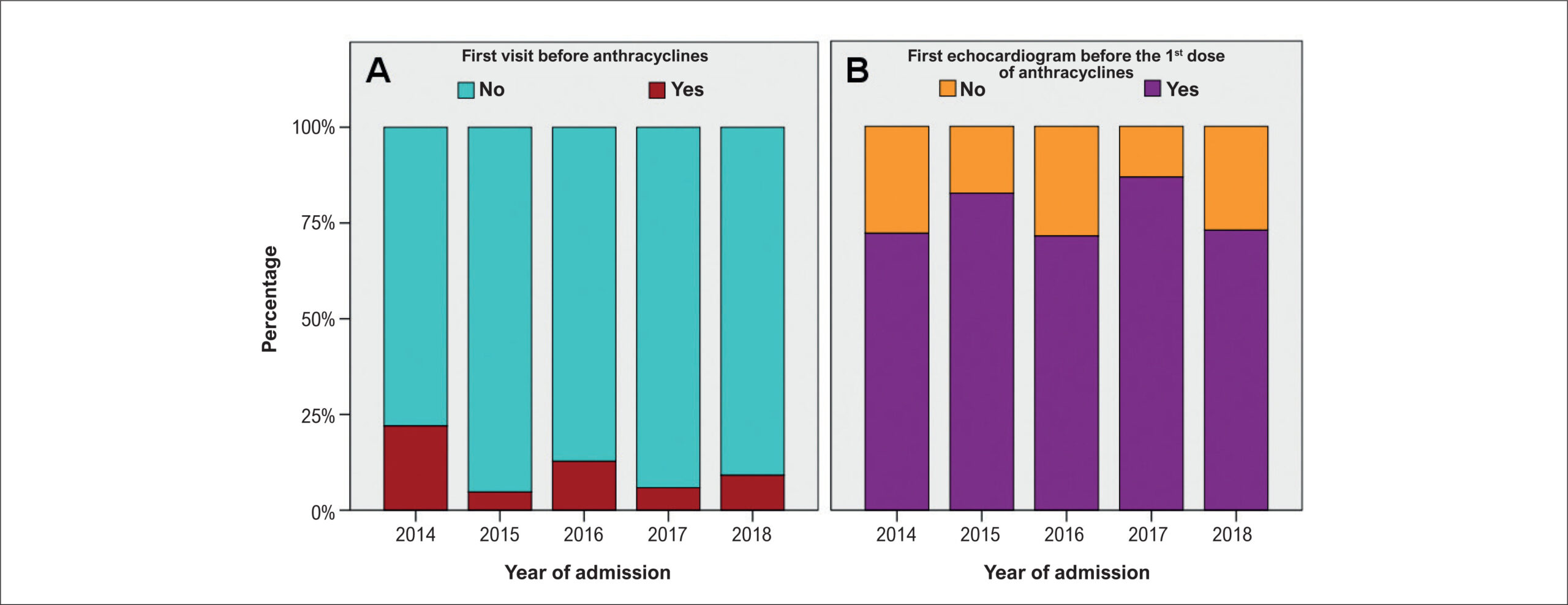
To determine the cardiovascular profile of pediatric patients treated with anthracyclines at a cancer center in Brazil and the incidence of CV complications.

Methods:

The following data were collected from the medical records of patients of both sexes, aged younger than 19 years – frequency and form of clinical presentation of general CV complications (G1) and CV complications related to ventricular dysfunction (G2) – and correlated with risk factors, age range and vital status, cardiovascular and cardioprotective medications. A p<0.05 was considered statistically significant.

Results:

A total of 326 patients were included, 214 (65.6%) were younger than 10 years and 192 (58.9%) of male sex. G1 complications occurred in 141 (43.3%) patients, and the most frequent was systemic arterial hypertension; G2 complications occurred in 84 patients (25.8%). Cumulative dose (CD) of anthracyclines > 250mg/m2 was used in 26.7% of patients and the association of G2 complications with this CD was not statistically significant (p=0.305; OR=1.330 and [95% CI = 0.770- 2.296]). The most used cardiac medications were diuretics (34.7% of patients).

Conclusions:

In accordance with literature, the study showed a high incidence of CV complications in the treatment of children and adolescents with cancer, with general CV complications as the most prevalent.
  • Anthracyclines
  • Cardiotoxicity
  • Child
  • Drug Therapy
  • Neoplasms
Read Full Article
Creative Commons Attribution (CC BY) Creative Commons license
24/06/2024 DOI: 10.36660/abc.20210352i Views 2
Figure 1
ABC
Original Article

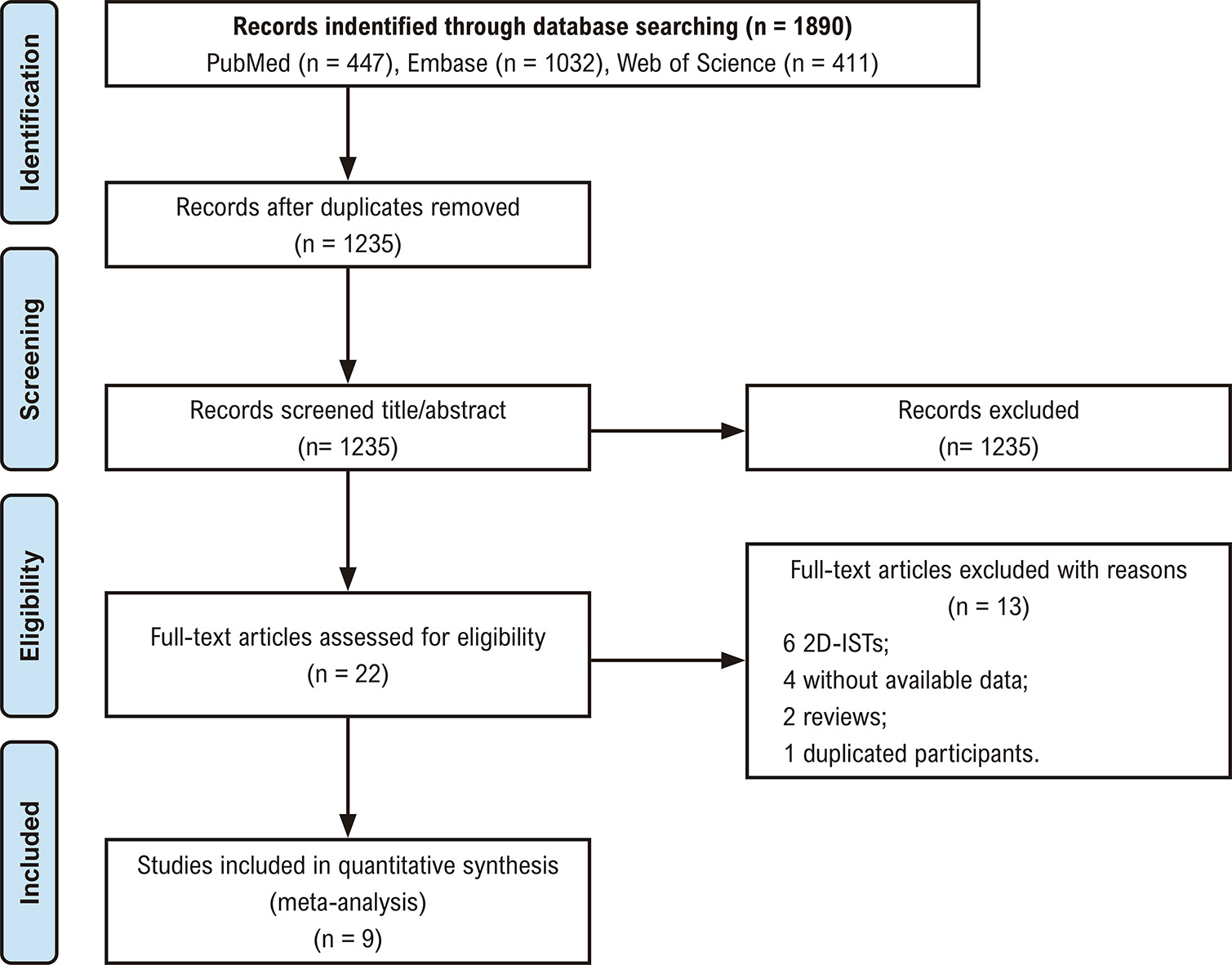
Diagnostic Value of Three-Dimensional Speckle Tracking Imaging Strain Parameters for Detection of Cancer Chemotherapy-Related Cardiac Dysfunction: A Meta-Analysis

Yingying Guan

Abstract

Background

Chemotherapeutic agents (e.g., anthracyclines, trastuzumab) commonly used for treating malignant tumors have been demonstrated to have cardiotoxic effects, which is associated with poor prognosis. Three-dimensional echocardiography has been used to predict cancer chemotherapy-induced cardiac dysfunction.

Objectives

Evaluation of the diagnostic performance of strain parameters, global area strain (GAS), longitudinal strain (GLS), circumferential strain (GCS), and radial strain (GRS) by meta-analysis.

Methods

Relevant studies were searched from the Embase, PubMed, and Web of Science databases. Statistical analysis was performed using Stata 12. The summary receiver operating characteristic curve, sensitivity, specificity, positive likelihood ratio (PLR), negative likelihood ratio (NLR), and corresponding 95% confidence interval for the four strain parameters were pooled. P<0.05 was considered statistically significant.

Results

Nine studies involving 650 participants were included. GAS and GLS showed significant diagnostic advantages over GCS and GRS. For GAS, the sensitivity was 0.85 (0.70, 0.93) and specificity was 0.82(0.78, 0.86) with PLR of 4.76 (3.55, 6.39) and NLR of 0.18 (0.09, 0.39) and an area under the curve (AUC) of 0.85 (0.82, 0.88). For GLS, the sensitivity was 0.81 (0.74, 0.86) and specificity was 0.81(0.68, 0.90) with PLR of 4.35(2.42, 7.80) and NLR of 0.23 (0.17, 0.33) and an AUC of 0.85 (0.82, 0.88). The GCS showed a sensitivity of 0.63 and a specificity of 0.79 with an AUC of 0.77. The GRS showed a sensitivity of 0.74 and a specificity of 0.66 with an AUC of 0.73.

Conclusion

3D-STI strain parameters GAS and GLS showed good performance in detecting early cardiac dysfunction in patients with tumors receiving chemotherapy.

  • Anthracyclines
  • Cardiotoxicity
  • Drug Therapy
  • Heart Failure
  • Neoplasms
Read Full Article
Creative Commons Attribution (CC BY) Creative Commons license
31/07/2023 DOI: 10.36660/abc.20220370 Views 1
Figure 1
ABCHF
Review Article

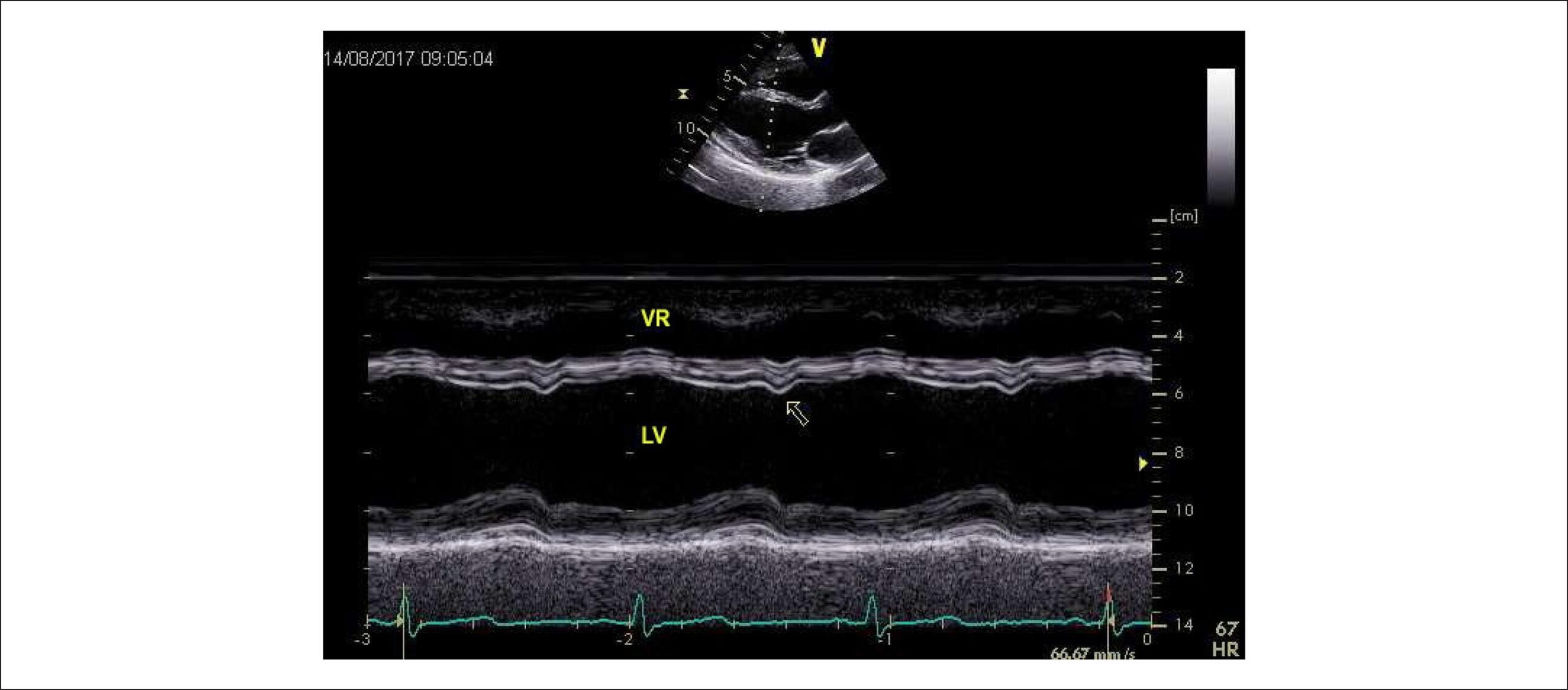
Asymptomatic Ventricular Dysfunction and HFrEF Secondary to Classic Chemotherapy

Monica S. Avila et al. Deborah de Sá Pereira Belfort Silvia Marinho Martins Ludhmila Abrahão Hajjar

Introduction

Advances in oncology, such as better access to the health care system, earlier cancer diagnosis, and new chemotherapies, have led to longer survival of patients with cancer over the last decades. However, this population is vulnerable to drug-related adverse cardiovascular events, like cardiomyopathy, which leads to heart failure and impairs survival and quality of life., Among different classes of chemotherapeutic agents, classically anthracyclines and trastuzumab stand out as the most related to cardiomyopathy. Anthracyclines may cause cardiac dysfunction in cancer survivals in 9% of cases depending on risk factors and cumulative dose, and trastuzumab may cause it in 18.6% of cases with adjuvant chemotherapy.,

[…]

  • Anthracyclines
  • Cardiotoxicity
  • Heart Failure
  • Trastuzumab
Read Full Article
Creative Commons Attribution (CC BY) Creative Commons license
18/12/2022 DOI: 10.36660/abchf.20220078 Views 2
Figure 1
IJCS
Original Article

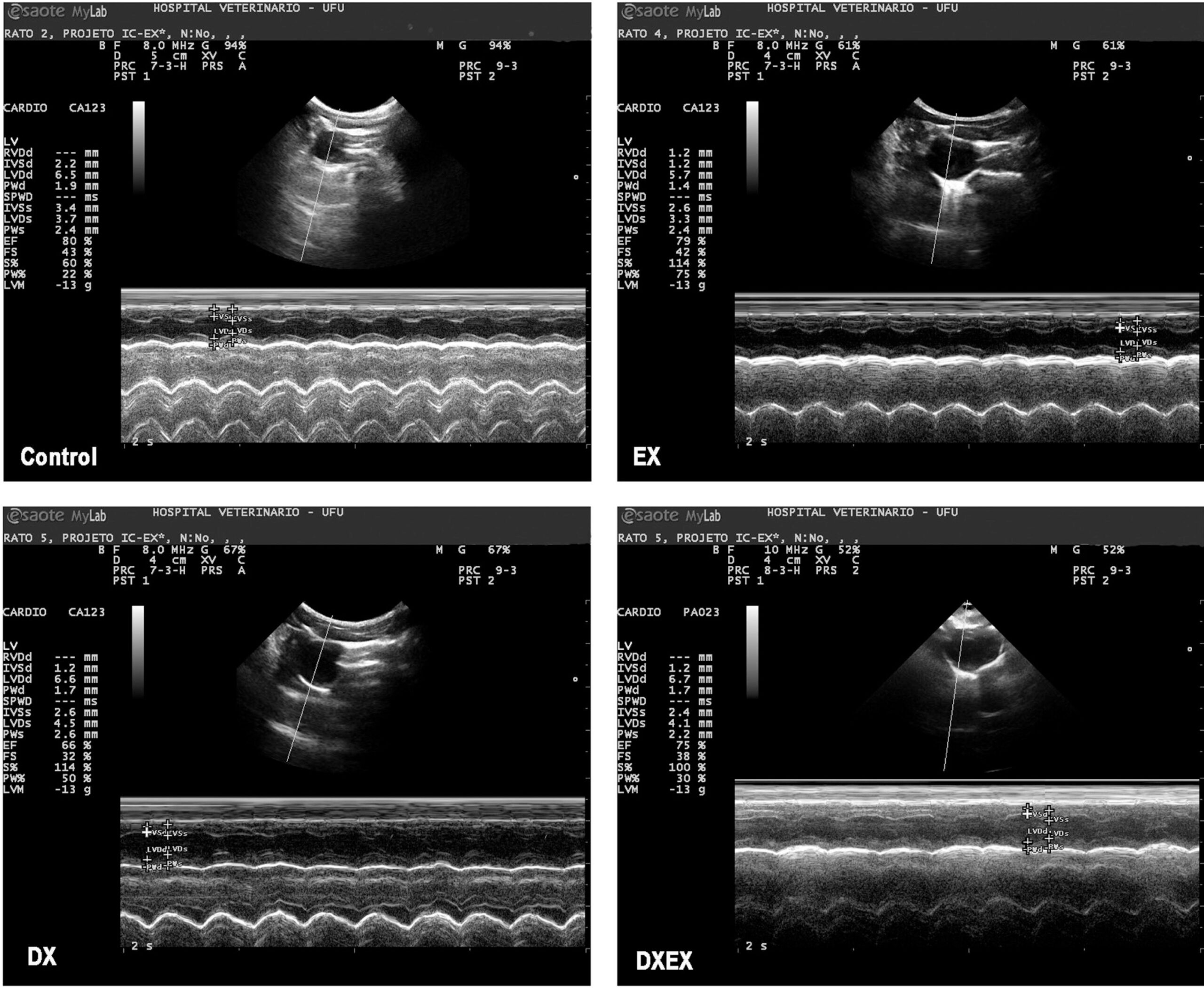
Physical Training Improves Cardiac Structure and Function of Rats After Doxorubicin-Induced Cardiomyopathy

Fernanda Rodrigues Souza et al. Érica Carolina Campos Leandro Teixeira Paranhos Lopes Clesnan Mendes Rodrigues … Danilo Lemes Naves Gonçalves Marcelo Emílio Beletti Matheus Matioli Mantovani Poliana Rodrigues Alves Duarte Alexandre Gonçalves Elmiro Santos Resende

Abstract

Background:

The use of doxorubicin in chemotherapy has been associated with cardiotoxicity and heart failure. Physical exercise produces favorable morphofunctional adaptations in the cardiovascular system and may reverse cardiac dysfunction in patients undergoing chemotherapy.

Objective:

To assess the effects of physical training on myocardial structure, cardiac function, and exercise tolerance in Wistar rats initiated after the onset of cardiotoxicity-induced cardiotoxicity.

Methods:

This study investigated 30 adult male Wistar rats randomly divided into four groups: control (C), exercise (EX), doxorubicin (DX), and doxorubicin and exercise (DXEX). The DX and DXEX groups received six doses of doxorubincin from 1.25 mg/kg body weight up to a cumulative dose of 7.5 mg/kg. Injections were administered intraperitoneally three times a week for two weeks; after this stage, the EX and DXEX groups started physical training (swimming) sessions three times a week with a load of 5% of their body weight. Echocardiography and exercise tolerance tests were performed. Generalized linear models were used in statistical analysis, and a p<0.05 was set as statistically significant.

Results:

Left ventricular shortening fraction and ejection fraction were reduced in the DX group compared to C, EX, and DXEX. The DXEX group showed greater tolerance to effort when compared to the DX and C groups.

Conclusion:

Physical training, initiated after the onset of doxorubicin-induced cardiotoxicity, improved cardiac function and exercise tolerance in rats.

  • Anthracyclines
  • Cardiotoxicity
  • Echocardiography
  • Exercise
Read Full Article
Creative Commons Attribution (CC BY) Creative Commons license
30/05/2022 DOI: 10.36660/ijcs.20210095 Views 1
ABC
Editorial

Influence of Doxorubicin Treatment on Heme Metabolism in Cardiomyoblasts: An In Vitro Study

Mariana Gatto et al. Gustavo Augusto Ferreira Mota

The last decades have been marked with potential advances in cancer diagnosis and therapy, leading to a decrease in mortality and increased patient survival. Doxorubicin is a drug that belongs to the anthracycline family, a class of anticancer drugs extracted from streptomycin. Although the mechanism of action of this drug in cancer is complex, it is known that it interferes with the synthesis of DNA and RNA in addition to inducing the production of free radicals that damage the cell membrane and DNA. However, many of the chemotherapeutic agents used in the neoplasms treatment protocols induce several side effects, including cardiac toxicity and negative repercussions in the vascular system such as thrombolytic ischemia, arterial hypertension, ventricular dysfunction and heart failure., The cardiotoxic effect of doxorubicin is dose-dependent, and the primary mechanism of toxicity is the induction of oxidative stress in the myocardium, with high production of reactive oxygen (ROS) and nitrogen (RNS) species that trigger DNA damage and deregulation of various processes intracellular.

The heme molecule mediates the iron availability and is essential for numerous biological processes in aerobic organisms. In the cardiovascular system, it plays a crucial role in antioxidant defense, signal transduction, oxygen transport, hemoglobin storage, and mitochondrial electron transport. Four mitochondrial and four cytoplasmic enzymes participate in heme metabolism. For heme synthesis, glycine and succinyl coenzyme A are condensed into δ-aminolevulinic acid (ALA) by the enzymes aminolevulinic acid synthases (ALAS), known as ALAS1 and ALAS2. The degradation of heme is carried out by enzymes called heme oxygenase (HOX), which produces carbon monoxide, biliverdin, and iron. HOX-1 isoenzyme regulates normal physiological conditions while HOX-2 isoenzyme protects the cells from oxidative stress. On the other hand, experimental studies have shown that elevated heme protein levels are related to increased oxidative stress and toxicity in cardiomyocytes., However, few studies in the literature verified the influence of anthracyclines on heme protein metabolism in cardiomyocytes.

[…]

  • Anthracyclines
  • Doxorubicin/therapeutic use
  • Heme
  • Hemoglobin E/metabolism
  • Myocytes, Cardiac
Read Full Article
Creative Commons Attribution (CC BY) Creative Commons license
01/03/2021 DOI: 10.36660/abc.20200662 Views 1
Figure 1
ABC
Original Article

Left Ventricular Regional Wall Motion Abnormality is a Strong Predictor of Cardiotoxicity in Breast Cancer Patients Undergoing Chemotherapy

Márcio Vinícius Lins de Barros et al. Ariane Vieira Scarlatelli Macedo Sebastian Imre Sarvari Monica Hermont Faleiros … Patricia Tavares Felipe Jose Luiz Padilha Silva Thor Edvardsen

Abstract

Background:

Chemotherapeutic agents of anthracyclines class and humanized monoclonal antibodies are effective treatments for breast cancer, however, they present a potential risk of cardiotoxicity. Several predictors have been recognized as predictors in the development of cardiac toxicity, and the evaluation of left ventricular segmental wall motion abnormalities (LVSWMA) has not been studied.

Objective:

To analyze prospectively the role of LVSWMA among echocardiographic parameters in the prediction of development of cardiotoxicity in breast cancer patients undergoing treatment with chemotherapy.

Methods:

Prospective cohort of patients diagnosed with breast cancer and in chemotherapy treatment with potential cardiotoxicity medications including doxorubicin and trastuzumab. Transthoracic echocardiograms including speckle tracking strain echocardiography were performed at standard times before, during and after the treatment to assess the presence (or lack thereof) of cardiotoxicity. Cardiotoxicity was defined by a 10% decrease in the left ventricular ejection fraction, on at least one echocardiogram. Multivariate logistic regression models were used to verify the predictors related to the occurrence of cardiotoxicity over time.

Results:

Of the 112 patients selected (mean age 51,3 ± 12,9 years), 18 participants (16.1%) had cardiotoxicity. In the multivariate analysis using the logistic regression model, those with LVWMA (OR = 6.25 [CI 95%: 1.03; 37.95], p < 0,05), LV systolic dimension (1.34 [CI 95%: 1.01; 1.79], p < 0,05) and global longitudinal strain by speckle tracking (1.48 [CI 95%: 1.02; 2.12], p < 0,05) were strongly associated with cardiotoxicity.

Conclusion:

In the present study, we showed that LVWMA, in addition to global longitudinal strains, were strong predictors of cardiotoxicity and could be useful in the risk stratification of these patients.

  • Anthracyclines
  • Breast Neoplasms
  • Cardiotoxicity
  • Drug Therapy
  • Trastuzumab
  • Ventricular Dysfunction, Left
Read Full Article
Creative Commons Attribution (CC BY) Creative Commons license
13/12/2018 DOI: 10.5935/abc.20180220 Views 1
Figure 1
ABC
Original Article

Subclinical Anthracycline-Induced Cardiotoxicity in the Long – Term Follow-Up of Lymphoma Survivors: A Multi-Layer Speckle Tracking Analysis

Yu Kang et al. Fei Xiao Haiyan Chen Wei Wang … Lijing Shen Hang Zhao Xuedong Shen Fangyuan Chen Ben He

Abstract

Background:

Anthracycline generates progressive left ventricular dysfunction associated with a poor prognosis.

Objectives:

The purpose of this study was to evaluate whether layer-specific strain analysis could assess the subclinical left ventricular dysfunction after exposure to anthracycline.

Methods:

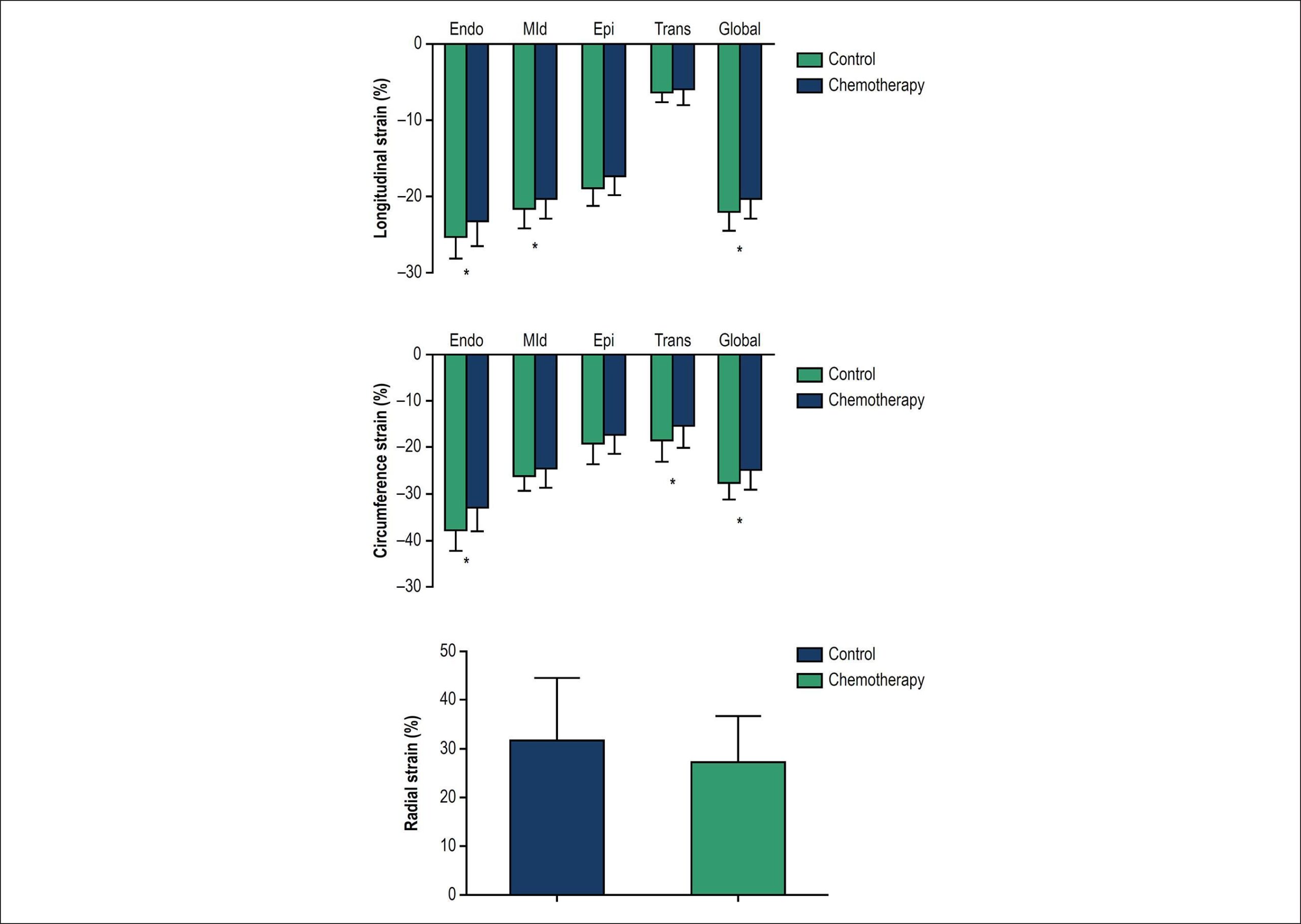
Forty-two anthracycline-treated survivors of large B-cell non-Hodgkin lymphoma, aged 55.83 ± 17.92 years (chemotherapy group) and 27 healthy volunteers, aged 51.39 ± 13.40 years (control group) were enrolled. The cumulative dose of epirubicin in chemotherapy group was 319.67 ± 71.71mg/m2. The time from last dose of epirubicin to the echocardiographic examination was 52.92 ± 22.32 months. Global longitudinal (GLS), circumferential (GCS) and radial strain (GRS), subendocardial, mid and subepicardial layer of longitudinal (LS-ENDO, LS-MID, LS-EPI) and circumferential strain (CS-ENDO, CS-MID, CS-EPI) values were analyzed. Transmural strain gradient was calculated as differences in peak systolic strain between the subendocardial and subepicardial layers. A value of p < 0.05 was considered significant.

Results:

Conventional parameters of systolic and diastolic function showed no significant difference between two groups. Compared with controls, patients had significantly lower GCS and GLS. Multi-layer speckle tracking analysis showed significant reduction of circumferential strain of subendocardial layer, transmural CS gradient and longitudinal strain of all three layers. In contrast, the two groups did not differ in transmural longitudinal strain gradient and radial strains.

Conclusions:

It proved the preferential impairment of subendocardial deformation in long-term survivors after exposure to anthracycline. Multi-layer speckle tracking echocardiography might facilitate the longitudinal follow-up of this at-risk patient cohort.

  • Anthracyclines
  • Cardiotoxicity
  • Echocardiography
  • Hematologic Neoplasias/drug therapy
  • Lymphoma, Non-Hodgkin
Read Full Article
Creative Commons Attribution (CC BY) Creative Commons license
01/03/2018 DOI: 10.5935/abc.20180042 Views 1
IJCS
Review Article

Cardiotoxicity of Doxorubicin Treatment and Physical Activity: A Systematic Review

Tauan Nunes Maia et al. Gustavo Bento Ribeiro de Araujo José Antônio Caldas Teixeira Edmundo de Drummond Alves Junior Kátia Pedreira Dias

Abstract

The present study investigated whether the practice of exercise has a protective effect against cardiac toxicity induced by doxorubicin (DOX). A systematic review of randomized clinical trials evaluating the role of exercise in the control or prevention of DOX-induced cardiotoxicity was performed in MEDLINE and LILACS databases. Studies that did not address the main subject of this review, did not mention physical exercise or DOX, studies that evaluated other types of anthracycline-induced toxicities only (muscle, hepatic and renal toxicity) or other effects of exercise on DOX toxicity (fatigue) were excluded. With respect to the variables related to aerobic exercise prescription, there was no direct relationship between the frequency of exercise and the results of the studies. Also, intensity of exercise was not decisive for preservation of cardiac function, although a more intense exercise was associated with improvements in the antioxidant system, which was not observed in studies on lower intensity exercises. No significant differences in exercise effects were observed when it was performed before, during or after the treatment. Therefore, aerobic exercise may exert a protective effect of cardiac functions when performed before, during or after treatment with DOX. However, the mechanisms of this effect are still unknown.

  • Anthracyclines
  • Cardiotoxicity
  • Doxorubicin
  • Exercise
  • Physical Exertion
  • Review
Read Full Article
Creative Commons Attribution (CC BY) Creative Commons license
01/01/2017 DOI: 10.5935/2359-4802.20170004 Views 2

How to cite this article

EndNote RIS

Electronic Document Format (Vancouver)

Guerra CCS, Sant’Ana G, Almeida OLR. Incidence of Cardiovascular Complications in Pediatric Patients Treated with Anthracyclines at a Brazilian Cancer Center. Arquivos Brasileiros de Cardiologia 2024;121(5):e20210352.

Electronic Document Format (ABNT)

Guerra, Cristina Chaves dos Santos de; Sant’Ana, Geisa; Almeida, Osório Luiz Rangel de. Incidence of Cardiovascular Complications in Pediatric Patients Treated with Anthracyclines at a Brazilian Cancer Center. Arquivos Brasileiros de Cardiologia, v. 121, n. 5, e20210352, Jun. 2024.

Electronic Document Format (APA)

Guerra, C. C. S. , Sant’Ana, G., & Almeida, O. L. R. (2024). Incidence of Cardiovascular Complications in Pediatric Patients Treated with Anthracyclines at a Brazilian Cancer Center. Arquivos Brasileiros de Cardiologia, 121(5), e20210352.

Electronic Document Format (ISO)

Guerra, Cristina Chaves dos Santos de and Sant’Ana, Geisa and Almeida, Osório Luiz Rangel de. Incidence of Cardiovascular Complications in Pediatric Patients Treated with Anthracyclines at a Brazilian Cancer Center. Arquivos Brasileiros de Cardiologia [online]. 2024, vol. 121, n. 5, [cited 2026-10-14], e20210352. Available from: <https://journals.cardiol.br/en/article/incidence-of-cardiovascular-complications-in-pediatric-patients-treated-with-anthracyclines-at-a-brazilian-cancer-center/>. ISSN 0066-782X

EndNote RIS

Electronic Document Format (Vancouver)

Guan Y. Diagnostic Value of Three-Dimensional Speckle Tracking Imaging Strain Parameters for Detection of Cancer Chemotherapy-Related Cardiac Dysfunction: A Meta-Analysis. Arquivos Brasileiros de Cardiologia 2023;120(8):e20220370.

Electronic Document Format (ABNT)

Guan, Yingying. Diagnostic Value of Three-Dimensional Speckle Tracking Imaging Strain Parameters for Detection of Cancer Chemotherapy-Related Cardiac Dysfunction: A Meta-Analysis. Arquivos Brasileiros de Cardiologia, v. 120, n. 8, e20220370, Jul. 2023.

Electronic Document Format (APA)

Guan, Y. (2023). Diagnostic Value of Three-Dimensional Speckle Tracking Imaging Strain Parameters for Detection of Cancer Chemotherapy-Related Cardiac Dysfunction: A Meta-Analysis. Arquivos Brasileiros de Cardiologia, 120(8), e20220370.

Electronic Document Format (ISO)

Guan, Yingying. Diagnostic Value of Three-Dimensional Speckle Tracking Imaging Strain Parameters for Detection of Cancer Chemotherapy-Related Cardiac Dysfunction: A Meta-Analysis. Arquivos Brasileiros de Cardiologia [online]. 2023, vol. 120, n. 8, [cited 2026-10-14], e20220370. Available from: <https://journals.cardiol.br/en/article/diagnostic-value-of-three-dimensional-speckle-tracking-imaging-strain-parameters-for-detection-of-cancer-chemotherapy-related-cardiac-dysfunction-a-meta-analysis/>. ISSN 0066-782X

EndNote RIS

Electronic Document Format (Vancouver)

Avila MS, Belfort DSP, Martins SM, Hajjar LA. Asymptomatic Ventricular Dysfunction and HFrEF Secondary to Classic Chemotherapy. ABC: Heart Failure & Cardiomyopathy 2022;2(4):335-42.

Electronic Document Format (ABNT)

Avila, Monica S.; Belfort, Deborah de Sá Pereira; Martins, Silvia Marinho; Hajjar, Ludhmila Abrahão. Asymptomatic Ventricular Dysfunction and HFrEF Secondary to Classic Chemotherapy. ABC: Heart Failure & Cardiomyopathy, v. 2, n. 4, p. 335-342, Dec. 2022.

Electronic Document Format (APA)

Avila, M. S., Belfort, D. S. P., Martins, S. M., & Hajjar, L. A. (2022). Asymptomatic Ventricular Dysfunction and HFrEF Secondary to Classic Chemotherapy. ABC: Heart Failure & Cardiomyopathy, 2(4), 335-342.

Electronic Document Format (ISO)

Avila, Monica S. and Belfort, Deborah de Sá Pereira and Martins, Silvia Marinho and Hajjar, Ludhmila Abrahão. Asymptomatic Ventricular Dysfunction and HFrEF Secondary to Classic Chemotherapy. ABC: Heart Failure & Cardiomyopathy [online]. 2022, vol. 2, n. 4, [cited 2026-10-14], pp. 335-342. Available from: <https://journals.cardiol.br/en/article/asymptomatic-ventricular-dysfunction-and-hfref-secondary-to-classic-chemotherapy/>

EndNote RIS

Electronic Document Format (Vancouver)

Souza FR, Campos C, Lopes LTP, Rodrigues CM, Gonçalves DLN, Beletti ME, Mantovani MM, et al. Physical Training Improves Cardiac Structure and Function of Rats After Doxorubicin-Induced Cardiomyopathy. International Journal of Cardiovascular Sciences 2022;35(6):718-26.

Electronic Document Format (ABNT)

Souza, Fernanda Rodrigues; Campos, Érica Carolina; Lopes, Leandro Teixeira Paranhos; Rodrigues, Clesnan Mendes; Gonçalves, Danilo Lemes Naves; Beletti, Marcelo Emílio; Mantovani, Matheus Matioli; Duarte, Poliana Rodrigues Alves; Gonçalves, Alexandre; Resende, Elmiro Santos. Physical Training Improves Cardiac Structure and Function of Rats After Doxorubicin-Induced Cardiomyopathy. International Journal of Cardiovascular Sciences, v. 35, n. 6, p. 718-726, May. 2022.

Electronic Document Format (APA)

Souza, F. R., Campos, C., Lopes, L. T. P., Rodrigues, C. M., Gonçalves, D. L. N., Beletti, M. E., Mantovani, M. M., Duarte, P. R. A., Gonçalves, A., & Resende, E. S. (2022). Physical Training Improves Cardiac Structure and Function of Rats After Doxorubicin-Induced Cardiomyopathy. International Journal of Cardiovascular Sciences, 35(6), 718-726.

Electronic Document Format (ISO)

Souza, Fernanda Rodrigues and Campos, Érica Carolina and Lopes, Leandro Teixeira Paranhos and Rodrigues, Clesnan Mendes and Gonçalves, Danilo Lemes Naves and Beletti, Marcelo Emílio and Mantovani, Matheus Matioli and Duarte, Poliana Rodrigues Alves and Gonçalves, Alexandre and Resende, Elmiro Santos. Physical Training Improves Cardiac Structure and Function of Rats After Doxorubicin-Induced Cardiomyopathy. International Journal of Cardiovascular Sciences [online]. 2022, vol. 35, n. 6, [cited 2026-10-14], pp. 718-726. Available from: <https://journals.cardiol.br/en/article/physical-training-improves-cardiac-structure-and-function-of-rats-after-doxorubicin-induced-cardiomyopathy/>. ISSN 2359-4802

EndNote RIS

Electronic Document Format (Vancouver)

Gatto M, Mota GAF. Influence of Doxorubicin Treatment on Heme Metabolism in Cardiomyoblasts: An In Vitro Study. Arquivos Brasileiros de Cardiologia 2021;116(2):323-4.

Electronic Document Format (ABNT)

Gatto, Mariana; Mota, Gustavo Augusto Ferreira. Influence of Doxorubicin Treatment on Heme Metabolism in Cardiomyoblasts: An In Vitro Study. Arquivos Brasileiros de Cardiologia, v. 116, n. 2, p. 323-324, Feb. 2021.

Electronic Document Format (APA)

Gatto, M., & Mota, G. A. F. (2021). Influence of Doxorubicin Treatment on Heme Metabolism in Cardiomyoblasts: An In Vitro Study. Arquivos Brasileiros de Cardiologia, 116(2), 323-324.

Electronic Document Format (ISO)

Gatto, Mariana and Mota, Gustavo Augusto Ferreira. Influence of Doxorubicin Treatment on Heme Metabolism in Cardiomyoblasts: An In Vitro Study. Arquivos Brasileiros de Cardiologia [online]. 2021, vol. 116, n. 2, [cited 2026-10-14], pp. 323-324. Available from: <https://journals.cardiol.br/en/article/influence-of-doxorubicin-treatment-on-heme-metabolism-in-cardiomyoblasts-an-in-vitro-study/>. ISSN 0066-782X

EndNote RIS

Electronic Document Format (Vancouver)

Barros MVL, Macedo AVS, Sarvari SI, Faleiros MH, Felipe PT, Silva JLP, Edvardsen T, et al. Left Ventricular Regional Wall Motion Abnormality is a Strong Predictor of Cardiotoxicity in Breast Cancer Patients Undergoing Chemotherapy. Arquivos Brasileiros de Cardiologia 2018;112(1):50-6.

Electronic Document Format (ABNT)

Barros, Márcio Vinícius Lins de; Macedo, Ariane Vieira Scarlatelli; Sarvari, Sebastian Imre; Faleiros, Monica Hermont; Felipe, Patricia Tavares; Silva, Jose Luiz Padilha; Edvardsen, Thor. Left Ventricular Regional Wall Motion Abnormality is a Strong Predictor of Cardiotoxicity in Breast Cancer Patients Undergoing Chemotherapy. Arquivos Brasileiros de Cardiologia, v. 112, n. 1, p. 50-56, Dec. 2018.

Electronic Document Format (APA)

Barros, M. V. L. , Macedo, A. V. S., Sarvari, S. I., Faleiros, M. H., Felipe, P. T., Silva, J. L. P., & Edvardsen, T. (2018). Left Ventricular Regional Wall Motion Abnormality is a Strong Predictor of Cardiotoxicity in Breast Cancer Patients Undergoing Chemotherapy. Arquivos Brasileiros de Cardiologia, 112(1), 50-56.

Electronic Document Format (ISO)

Barros, Márcio Vinícius Lins de and Macedo, Ariane Vieira Scarlatelli and Sarvari, Sebastian Imre and Faleiros, Monica Hermont and Felipe, Patricia Tavares and Silva, Jose Luiz Padilha and Edvardsen, Thor. Left Ventricular Regional Wall Motion Abnormality is a Strong Predictor of Cardiotoxicity in Breast Cancer Patients Undergoing Chemotherapy. Arquivos Brasileiros de Cardiologia [online]. 2018, vol. 112, n. 1, [cited 2026-10-14], pp. 50-56. Available from: <https://journals.cardiol.br/en/article/left-ventricular-regional-wall-motion-abnormality-is-a-strong-predictor-of-cardiotoxicity-in-breast-cancer-patients-undergoing-chemotherapy/>. ISSN 0066-782X

EndNote RIS

Electronic Document Format (Vancouver)

Kang Y, Xiao F, Chen H, Wang W, Shen L, Zhao H, Shen X, et al. Subclinical Anthracycline-Induced Cardiotoxicity in the Long – Term Follow-Up of Lymphoma Survivors: A Multi-Layer Speckle Tracking Analysis. Arquivos Brasileiros de Cardiologia 2018;110(3):219-28.

Electronic Document Format (ABNT)

Kang, Yu; Xiao, Fei; Chen, Haiyan; Wang, Wei; Shen, Lijing; Zhao, Hang; Shen, Xuedong; Chen, Fangyuan; He, Ben. Subclinical Anthracycline-Induced Cardiotoxicity in the Long – Term Follow-Up of Lymphoma Survivors: A Multi-Layer Speckle Tracking Analysis. Arquivos Brasileiros de Cardiologia, v. 110, n. 3, p. 219-228, Feb. 2018.

Electronic Document Format (APA)

Kang, Y., Xiao, F., Chen, H., Wang, W., Shen, L., Zhao, H., Shen, X., Chen, F., & He, B. (2018). Subclinical Anthracycline-Induced Cardiotoxicity in the Long – Term Follow-Up of Lymphoma Survivors: A Multi-Layer Speckle Tracking Analysis. Arquivos Brasileiros de Cardiologia, 110(3), 219-228.

Electronic Document Format (ISO)

Kang, Yu and Xiao, Fei and Chen, Haiyan and Wang, Wei and Shen, Lijing and Zhao, Hang and Shen, Xuedong and Chen, Fangyuan and He, Ben. Subclinical Anthracycline-Induced Cardiotoxicity in the Long – Term Follow-Up of Lymphoma Survivors: A Multi-Layer Speckle Tracking Analysis. Arquivos Brasileiros de Cardiologia [online]. 2018, vol. 110, n. 3, [cited 2026-10-14], pp. 219-228. Available from: <https://journals.cardiol.br/en/article/subclinical-anthracycline-induced-cardiotoxicity-in-the-long-term-follow-up-of-lymphoma-survivors-a-multi-layer-speckle-tracking-analysis/>. ISSN 0066-782X

EndNote RIS

Electronic Document Format (Vancouver)

Maia TN, Araujo GBR, Teixeira JAC, Alves Junior ED, Dias KP. Cardiotoxicity of Doxorubicin Treatment and Physical Activity: A Systematic Review. International Journal of Cardiovascular Sciences 2017;30(1):70-8.

Electronic Document Format (ABNT)

Maia, Tauan Nunes; Araujo, Gustavo Bento Ribeiro de; Teixeira, José Antônio Caldas; Alves Junior, Edmundo de Drummond; Dias, Kátia Pedreira. Cardiotoxicity of Doxorubicin Treatment and Physical Activity: A Systematic Review. International Journal of Cardiovascular Sciences, v. 30, n. 1, p. 70-80, Dec. 2016.

Electronic Document Format (APA)

Maia, T. N., Araujo, G. B. R. , Teixeira, J. A. C., Alves Junior, E. D., & Dias, K. P. (2017). Cardiotoxicity of Doxorubicin Treatment and Physical Activity: A Systematic Review. International Journal of Cardiovascular Sciences, 30(1), 70-80.

Electronic Document Format (ISO)

Maia, Tauan Nunes and Araujo, Gustavo Bento Ribeiro de and Teixeira, José Antônio Caldas and Alves Junior, Edmundo de Drummond and Dias, Kátia Pedreira. Cardiotoxicity of Doxorubicin Treatment and Physical Activity: A Systematic Review. International Journal of Cardiovascular Sciences [online]. 2017, vol. 30, n. 1, [cited 2026-10-14], pp. 70-80. Available from: <https://journals.cardiol.br/en/article/cardiotoxicity-of-doxorubicin-treatment-and-physical-activity-a-systematic-review/>. ISSN 2359-4802

  • About ABC Family
  • Internal Regulation
  • Editorial Board
  • Brazilian Society of Cardiology (SBC)

Issues

SBC Guidelines

  • Videos
  • Podcasts
  • News