ABC Family Arquivos Brasileiros de Cardiologia International Journal of Cardiovascular Sciences ABC Heart Failure & Cardiomyopathy ABC Imagem Cardiovascular
Português English
ABC Family
Português English
  • About
    • About ABC Family
    • Internal Regulation
    • Editorial Board
    • Brazilian Society of Cardiology (SBC)
  • Issues
  • SBC Guidelines
  • Content
    • Videos
    • Podcasts
    • News
  • About
    • About ABC Family
    • Internal Regulation
    • Editorial Board
    • Brazilian Society of Cardiology (SBC)
  • Issues
  • SBC Guidelines
  • Content
    • Videos
    • Podcasts
    • News

ABC Family

  • ABC Family
  • Arquivos Brasileiros de Cardiologia
  • International Journal of Cardiovascular Sciences
  • ABC Heart Failure & Cardiomyopathy
  • ABC Imagem Cardiovascular
Search in

No content found.

Journals
Ordering
Article types
Others

  1. Home
  2. Keyword: Diastolic Heart Failure
ABCHF
Viewpoint

The Adipokine Hypothesis: Does it Play a Major or Minor Role in HFpEF?

Luís Beck-da-Silva et al. Flávio D. Fuchs

We read with great interest the paper “The Adipokine Hypothesis of Heart Failure With a Preserved Ejection Fraction”.

The adipokine hypothesis explores biological mechanisms beyond the well-known risk factors for heart failure with preserved ejection fraction (HFpEF). The article presents a well-supported hypothesis based on data from bench research, animal studies, preclinical findings, and epidemiological evidence. The biological plausibility of the hypothesis is sound. However, certain considerations merit further discussion regarding the interpretation of HFpEF risk factors.

[…]

  • Diastolic Heart Failure
  • Heart Failure
  • Hypertension
  • Obesity
Read Full Article
Creative Commons Attribution (CC BY) Creative Commons license
29/09/2026 DOI: 10.36660/abchf.2060037i Views 2
Echocardiographic Assessment of Diastolic Dysfunction in Special Situations
ABCIC
Review Article

Echocardiographic Assessment of Diastolic Dysfunction in Special Situations

Antonio Amador Calvilho Júnior

Abstract

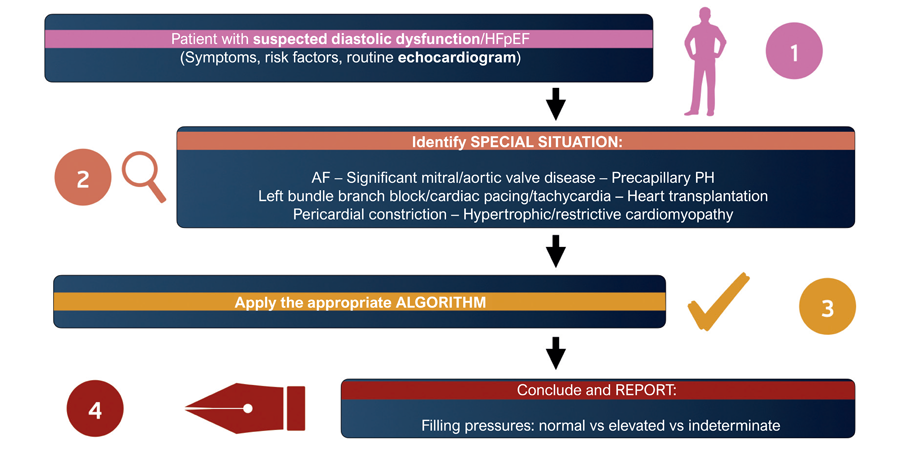
Echocardiographic assessment of diastolic function and left ventricular (LV) filling pressures is fundamental to the evaluation of dyspnea and the management of heart failure. However, conventional algorithms have limitations in several special clinical settings in which rhythm disturbances, valvular heart disease, pulmonary hypertension (PH), or structural cardiac abnormalities interfere with the interpretation of Doppler parameters. This article presents a practical approach to assessing diastolic function in conditions such as atrial fibrillation (AF), PH, mitral valve disease, mitral annular calcification, aortic valve disease, conduction disturbances, ventricular pacing, and restrictive cardiomyopathies. The main parameters applicable to each context, the technical aspects of image acquisition, and strategies for preparing a clear and clinically useful echocardiographic report are discussed.

  • Diastolic Heart Failure
  • Doppler Echocardiography
  • Stroke Volume
Read Full Article
Creative Commons Attribution (CC BY) Creative Commons license
17/07/2026 DOI: 10.36660/abcimg.20260029i Views 1
Systematic Review: Mineralocorticoid Receptor Antagonists in Heart Failure with Preserved and Mildly Reduced Ejection Fraction
ABC
Review Article

Systematic Review: Mineralocorticoid Receptor Antagonists in Heart Failure with Preserved and Mildly Reduced Ejection Fraction

Marcus Vinicius Simões et al. Luiz Claudio Danzmann Sílvia Marinho Martins José Albuquerque de Figueiredo Neto … Fabiana G. Marcondes-Braga Ricardo Mourilhe-Rocha Denilson Campos de Albuquerque Mucio Tavares de Oliveira Jr Lidia Ana Zytynski Moura

Abstract

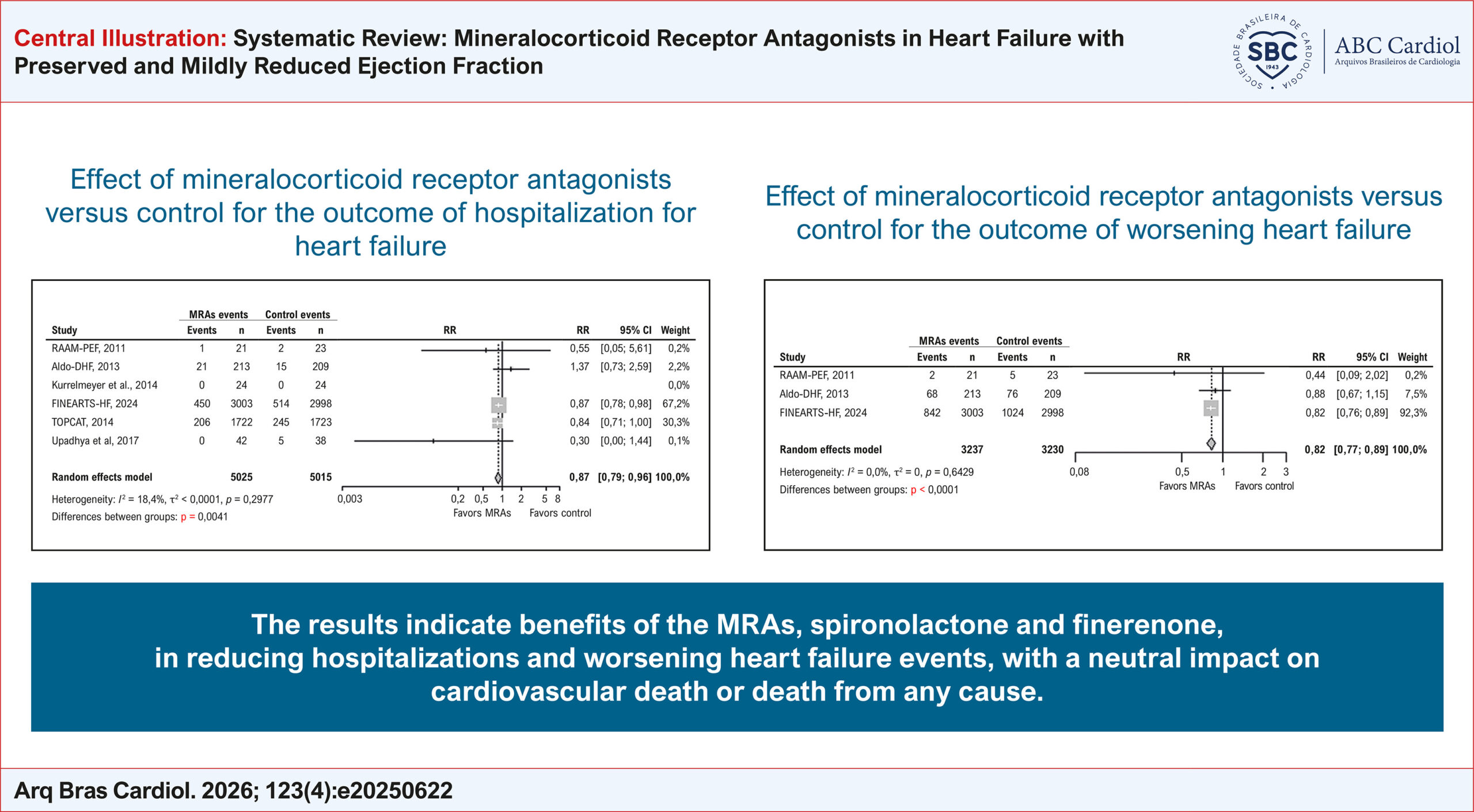
Heart failure with preserved ejection fraction (HFpEF) or mildly reduced ejection fraction (HFmrEF) is a prevalent condition associated with significant morbidity and mortality, and the benefits of mineralocorticoid receptor antagonists (MRAs) remain unclear. To develop a systematic review on the use of MRAs in patients with HFpEF or HFmrEF, a systematic review and meta-analysis were conducted using a broad search strategy in the following databases: MEDLINE, Embase, and Cochrane Central Register of Controlled Trials (CENTRAL). Randomized controlled trials that evaluated the use of MRAs in patients with HFpEF compared to control groups were included. The quality of evidence and the strength of the recommendation were assessed according to the Grading of Recommendations Assessment, Development, and Evaluation (GRADE) methodology. Eight studies were included. No statistically significant differences were observed for the outcomes of overall mortality and cardiovascular mortality compared to the control group for any of the MRAs. A benefit was observed with a reduced risk of hospitalization for heart failure (relative risk: 0.87; 95% confidence interval: 0.79 to 0.96; moderate certainty of evidence) and of worsening heart failure events (relative risk: 0.83; 95% confidence interval: 0.77 to 0.89; high certainty of evidence). The results of the meta-analysis indicate a significant benefit from MRAs, spironolactone or finerenone, to reduce hospitalizations and worsening heart failure events in patients with HFpEF or HFmrEF. Mineralocorticoid Receptor Antagonists; Diastolic Heart Failure; Systolic Heart Failure; Systematic Review; Meta-Analysis.

  • Diastolic Heart Failure
  • Meta-Analysis
  • Mineralocorticoid Receptor Antagonists
  • systematic review
  • Systolic Heart Failure
Read Full Article
Creative Commons Attribution (CC BY) Creative Commons license
06/07/2026 DOI: 10.36660/abc.20250622i
ABC
Letter to the Editor

Does HFpEF Really Exist? From Mimics to Misclassification in Clinical Practice

Maria Giulia Bellicini

Dear Editor,

I read with interest the recent article by Villacorta et al. addressing the distinction between “true” heart failure with preserved ejection fraction (HFpEF) and conditions that merely mimic it. Their effort to clarify this conceptual ambiguity is commendable and timely. However, I believe the issue extends further, even when HFpEF mimics such as amyloidosis, constrictive pericarditis, or severe valvular disease are carefully excluded, the clinical entity known as HFpEF often dissolves under closer scrutiny.

[…]

  • Diastolic Heart Failure
  • Dyspnea
  • Heart Valve Diseases
Read Full Article
Creative Commons Attribution (CC BY) Creative Commons license
22/06/2026 DOI: 10.36660/abc.20250379i Views 1
Diagnostic Performance of Artificial Intelligence-Driven Electrocardiogram Algorithms in Detecting Heart Failure with Preserved Ejection Fraction: A Systematic Review and Meta-Analysis
IJCS
Original Article

Diagnostic Performance of Artificial Intelligence-Driven Electrocardiogram Algorithms in Detecting Heart Failure with Preserved Ejection Fraction: A Systematic Review and Meta-Analysis

Gustavo Barbosa David et al. Nicolas Ramos Ramon Huntermann Juan Peres de Oliveira … Maria Eduarda Molinari Caroline de Oliveira Fischer Bacca

Abstract

Background:

Heart failure with preserved ejection fraction (HFpEF) is a highly prevalent syndrome associated with substantial morbidity and mortality. Accurate diagnosis is often challenging and costly. Recently, artificial intelligence-based electrocardiogram (AI-ECG) algorithms have emerged to make the diagnosis of HFpEF less expensive and more accessible. However, there is a lack of data regarding their accuracy.

Objective:

We aimed to conduct a systematic review and meta-analysis to evaluate the diagnostic performance of AI-ECG algorithms in detecting HFpEF.

Methods:

We searched PubMed, Embase, and Cochrane databases for studies evaluating AI-ECG algorithms in diagnosing HFpEF. We extracted true-positive, true-negative, false-positive, and false-negative events to estimate pooled sensitivity, specificity with 95% confidence intervals (CI), and area under the curve. Statistical analysis was performed using R under a random-effects model. Heterogeneity was assessed with I² statistics.

Results:

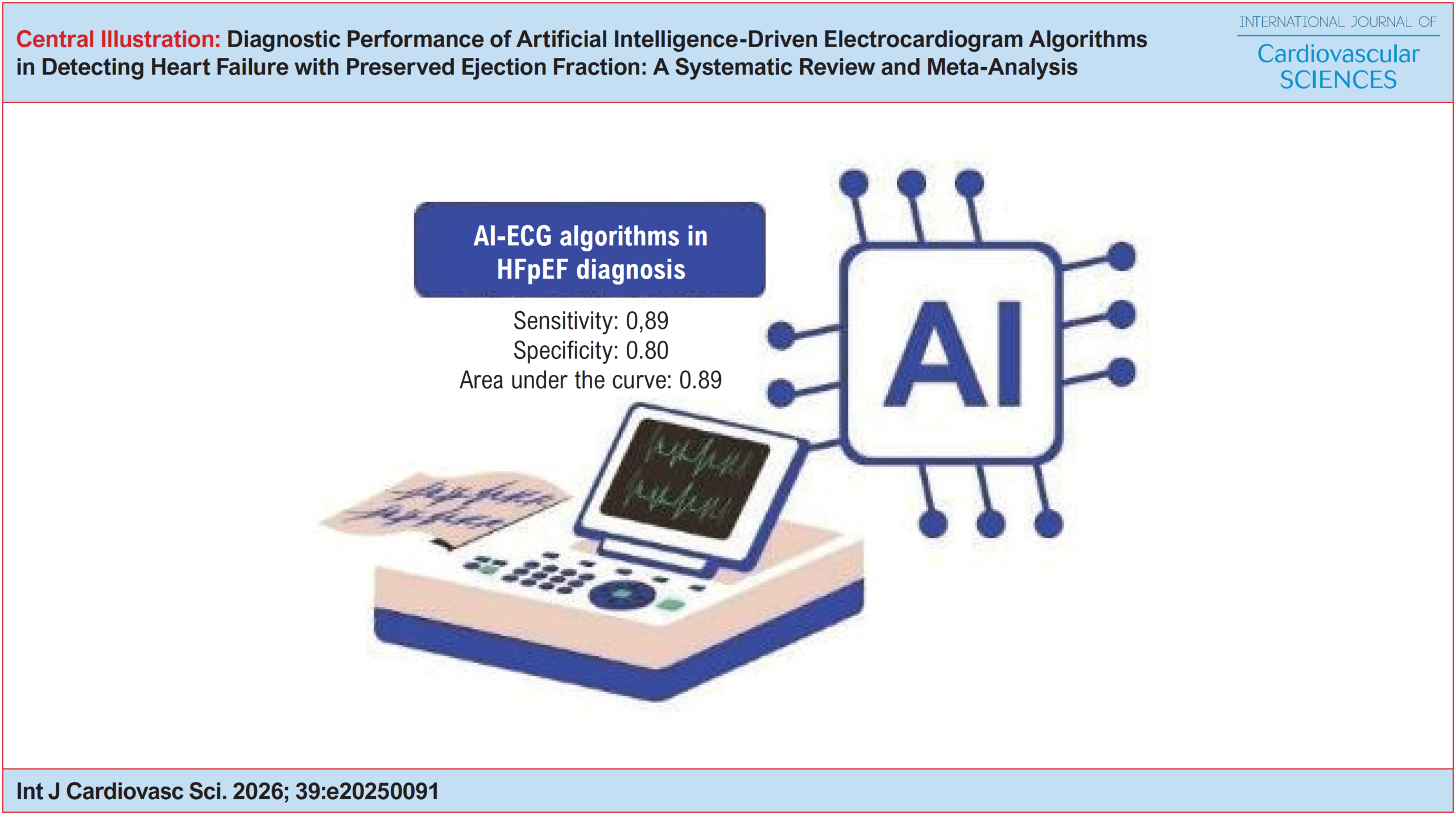
We included three studies comprising 171,073 patients (66.86% with HFpEF), in which an AI-ECG was evaluated alongside echocardiography, with a left ventricular ejection fraction of ≥ 50%. The patients’ mean age was 65.86 ± 4.5 years, and 48.12% were male. AI-ECG algorithms demonstrated a sensitivity of 0.89 (95% CI: 0.64 to 0.97), specificity of 0.80 (95% CI: 0.65 to 0.89), and an area under the receiver operating characteristic curve of 0.89 (95% CI: 0.85 to 0.92).

Conclusion:

AI-ECG algorithms demonstrate moderate to high sensitivity, specificity, and accuracy in diagnosing HFpEF, supporting their potential for routine screening and early detection.

  • Artificial Intelligence
  • Diagnosis
  • Diastolic Heart Failure
  • Electrocardiography
Read Full Article
Creative Commons Attribution (CC BY) Creative Commons license
01/06/2026 DOI: 10.36660/ijcs.20250091
Figure 1
ABCIC
Editorial

Recalibrating the Barometer: Echocardiography in Diastolic Dysfunction and the Era of New Algorithms

Maria Estefania Bosco Otto et al. Jorge Eduardo Assef Gustavo Nishida

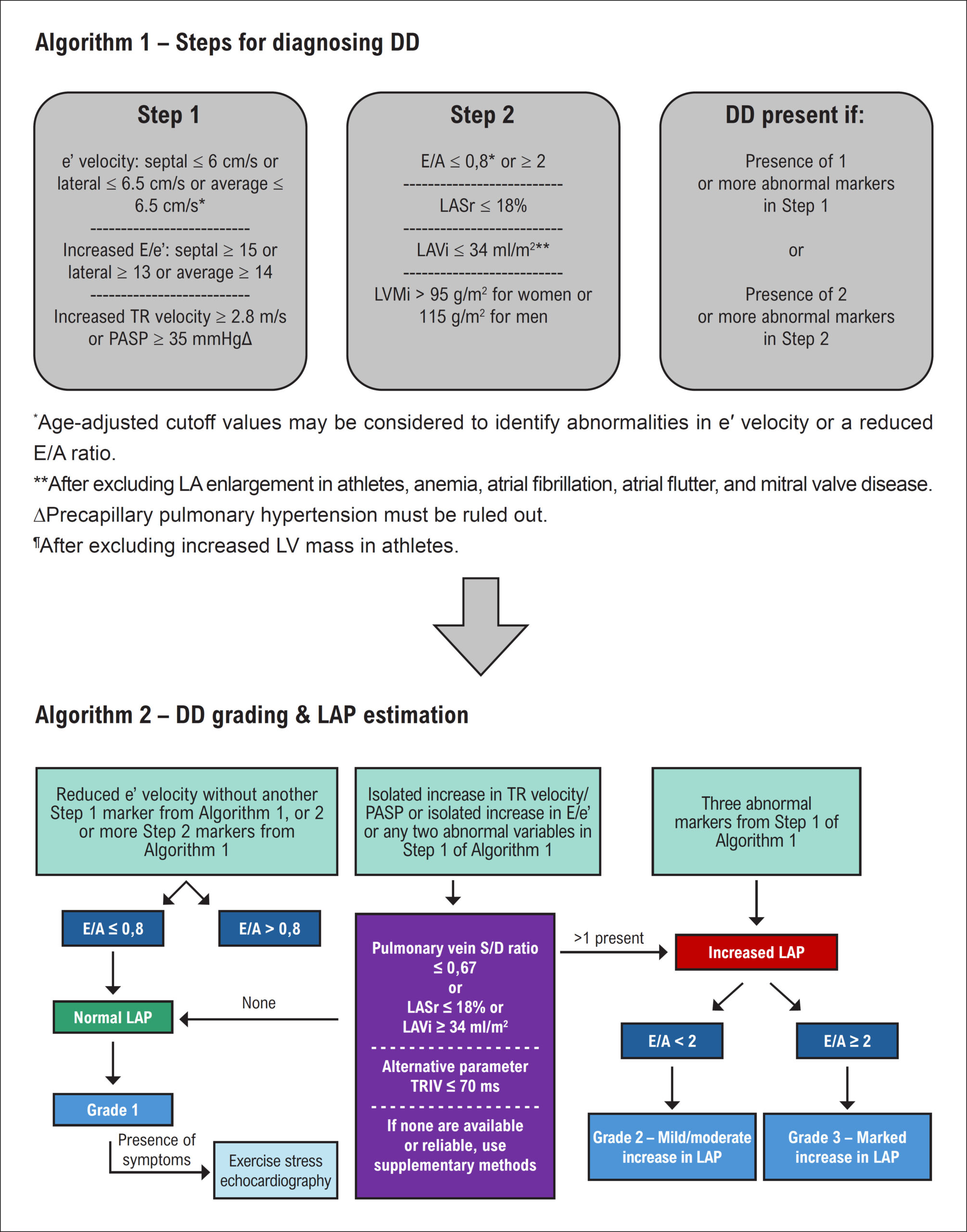
Diastolic dysfunction (DD) remains a diagnostic challenge, not for lack of available parameters, but because uncertainty emerges when complex physiology is reduced to static labels in echocardiographic reports. In clinical practice, physicians are often less concerned with the specific grade of DD and more interested in its prognostic implications and in whether increased filling pressures may explain dyspnea, guide further investigation, and support therapeutic decisions. It is precisely in this variable, mean left atrial pressure (MLAP) and left ventricular (LV) filling pressure (LVFP), that echocardiography must be most pragmatic, minimizing the number of “indeterminate” reports and offering an operational conclusion grounded in integrated physiology.–

The structured reasoning that supports this goal began with the 2009 American Society of Echocardiography/European Association of Echocardiography guideline on the evaluation of LV diastolic function, a landmark document that organized modern thinking on diastole, established a shared language for key pathophysiological mechanisms, and systematized the interpretation of echocardiographic parameters. Beyond its conceptual value, it reinforced a critical principle for echocardiography laboratories: the assessment of diastole must translate into a clinically meaningful message, particularly when heart failure with preserved ejection fraction (HFpEF) is suspected.

[…]

  • Diastolic Heart Failure
  • Echocardiography
  • Left Ventricular Dysfunction
Read Full Article
Creative Commons Attribution (CC BY) Creative Commons license
20/04/2026 DOI: 10.36660/abcimg.20260004i Views 2
ABC
Editorial

A Step Forward in the Assessment of Handgrip Strength in Heart Failure

Evandro José Cesarino et al. Marildes Luiza de Castro Regina Célia Garcia de Andrade Carolina Baraldi Araujo Restini

Significance of Handgrip Strength in HF

HGS is a simple, non-invasive measure of muscle strength, correlating with physical condition and considered a prognostic marker in HF., A systematic review of 7,350 HF patients revealed that a 1 kg reduction in HGS increases mortality risk by 8% (RR 1.08, 95% CI 1.05–1.11). Unlike complex measures, such as cardiopulmonary exercise testing, HGS is low-cost, accessible, and feasible in all clinical settings, making it a straightforward tool to assess frailty and guide rehabilitation., However, existing HGS reference equations are mainly derived from healthy populations, failing to account for HF-specific factors, such as reduced cardiac output (CO) and muscle atrophy, leading to inaccurate conclusions. The manuscript’s development of an HF-specific HGS equation represents a timely advance.

[…]

  • Diastolic Heart Failure
  • Hand Strength
  • Heart Failure
  • Reference Values
  • Systolic Heart Failure
Read Full Article
Creative Commons Attribution (CC BY) Creative Commons license
14/11/2025 DOI: 10.36660/abc.20250579i Views 1
ABC
Editorial

Brazilian Evidence Reinforces the Applicability of the H2FPEF and HFA-PEFF Scores in HFpEF

Pedro Silvio Farsky

Heart failure with preserved ejection fraction (HFpEF) remains a diagnostic challenge in modern cardiology. Representing approximately half of all heart failure cases, this condition presents with complex pathophysiology, often subjective diagnostic criteria, and more limited therapeutic options., In this context, the use of diagnostic scoring systems, such as H2FPEF and HFA-PEFF, has gained importance, providing clinicians with standardized and evidence-based tools to guide both diagnosis and risk stratification.,

A prospective study conducted at a Brazilian tertiary hospital provides relevant data on the applicability of these scores in our population. Conducted between March 2019 and December 2021, the study included 103 patients diagnosed with HFpEF, who were followed for approximately 2.4 years. In addition to clinical and echocardiographic characterization, all patients underwent exercise testing, and both the H2FPEF and HFA-PEFF scores were calculated. Patients were then categorized into intermediate- and high-probability groups according to the score points obtained and followed for the composite outcome of all-cause mortality and heart failure hospitalizations.

[…]

  • Diastolic Heart Failure
  • Prognosis
  • Risk Assessment
Read Full Article
Creative Commons Attribution (CC BY) Creative Commons license
29/08/2025 DOI: 10.36660/abc.20250361i Views 2
Central Illustration
ABCHF
Review Article

New Perspectives in the Treatment of Heart Failure with Preserved Ejection Fraction with SGLT-2 Inhibitors

José Natthananel de Aquino Gomes et al. Milena dos Santos Barros Campos Carlos Aurélio Santos Aragão Antonio Carlos Sousa

Abstract

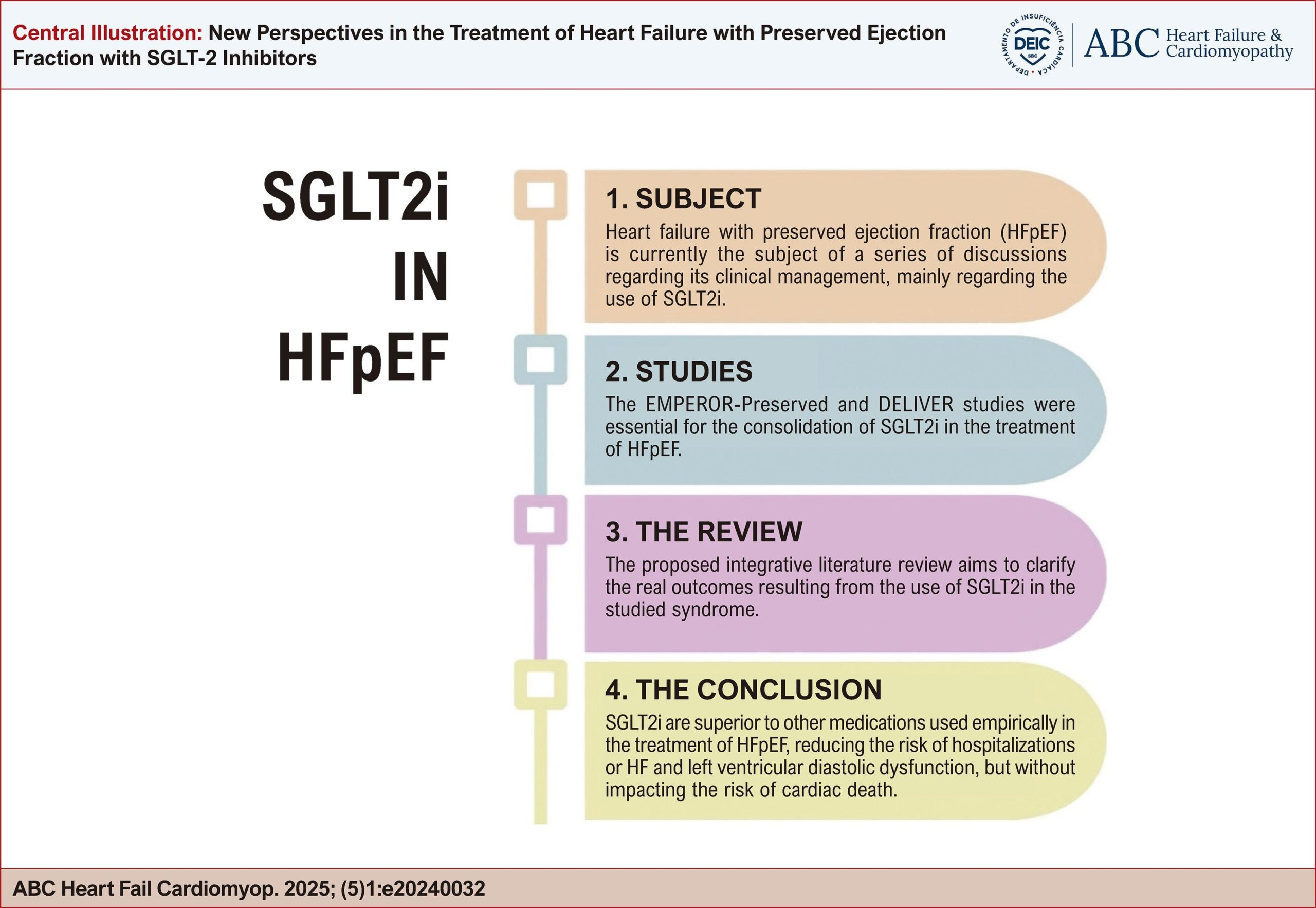
The treatment of heart failure with preserved ejection fraction (HFpEF) has always represented a challenge in clinical management. The discovery of sodium-glucose cotransporter 2 inhibitors (SGLT2i) as efficient cardiac protectors brought the possibility of treating HFpEF, a topic driven by robust studies such as EMPEROR-Preserved and DELIVER. The present work aims to identify the main studies on SGLT2i and primary outcomes in HFpEF.

The qualified search was carried out in the BVS and Pubmed indexed databases, with the inclusion criteria being randomized clinical trials, meta-analyses and analyses of clinical trials, full text available, and publication in the last 5 years.

11 articles were selected to compose the review.

SGLT2i shows efficacy in the treatment of HFpEF, reducing hospitalization for heart failure in this population and improving ventricular diastolic function in these patients, but not altering the risk of cardiac death alone.

  • Diastolic Heart Failure
  • Drug Therapy
  • Efficacy
  • Sodium-Glucose Transporter 2 Inhibitors
Read Full Article
Creative Commons Attribution (CC BY) Creative Commons license
10/04/2025 DOI: 10.36660/abchf.20240032i Views 2
Figure 1
ABC
Viewpoint

Does Secondary HFpEF Exist? Yes, but it Should not be Called HFpEF

Humberto Villacorta et al. Pedro Schwartzmann

Introduction

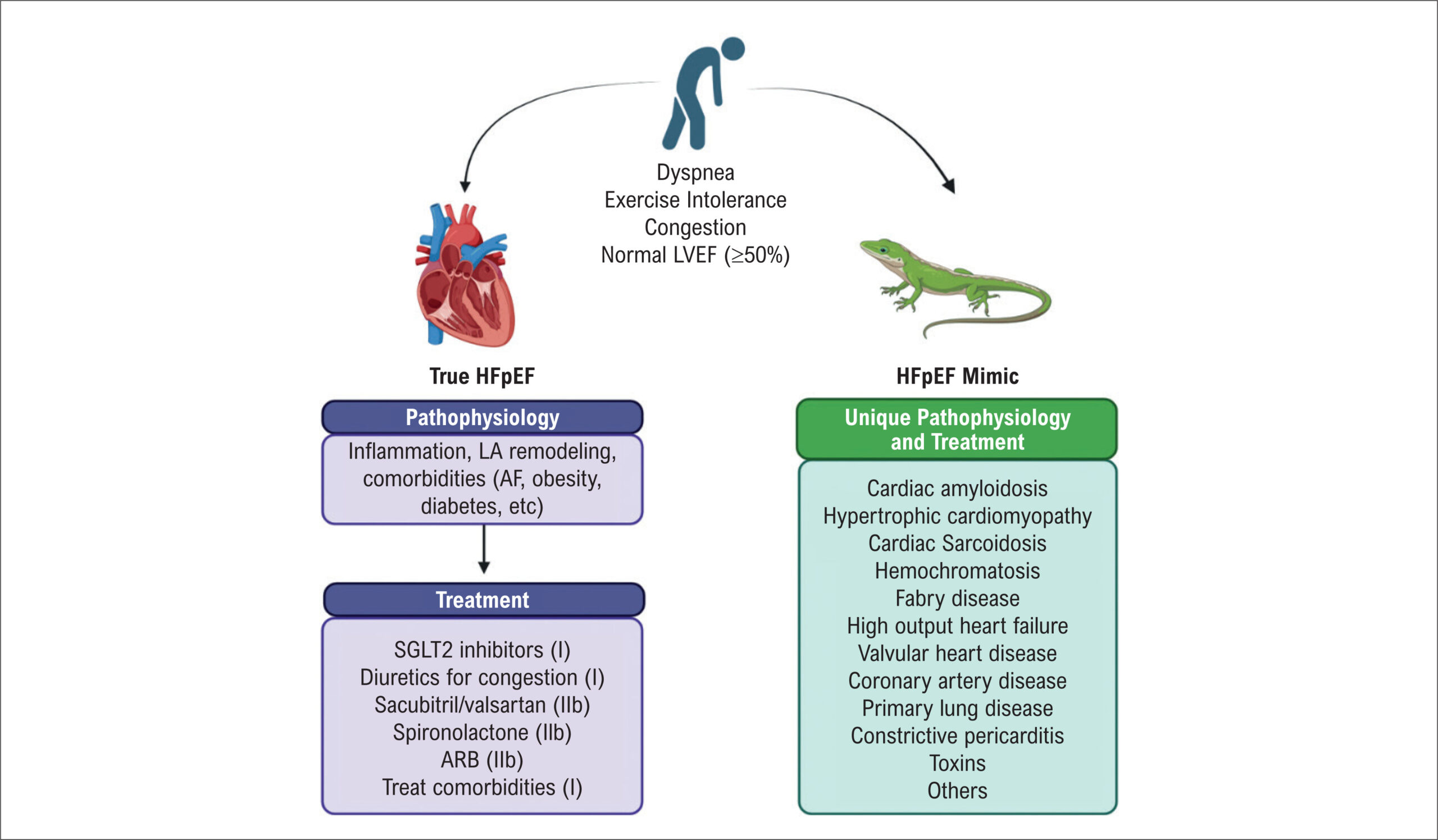
Heart failure with preserved ejection fraction (HFpEF) is defined as a syndrome with symptoms and signs of heart failure (HF) and left ventricular ejection fraction (LVEF) ≥ 50%. This simplistic definition may lead to diagnostic errors by mistaking non-cardiac diseases for HFpEF. The European Society of Cardiology (ESC) offers a more comprehensive definition HFpEF, which requires the presence of symptoms and signs of HF, along with evidence of structural and/or functional cardiac abnormalities, and/or elevated natriuretic peptides, with an LVEF ≥ 50%.

The pathophysiology of HFpEF is not fully understood. Still, it is generally considered a heterogenous and systemic syndrome associated with inflammation, aging, genetic predisposition, and multiple comorbidities, such as hypertension, diabetes mellitus, obesity, and atrial fibrillation. The disease ultimately progresses to loss of left ventricular relaxation, left atrial remodeling, and signs of congestion.

[…]

  • Diastolic Heart Failure
  • Heart Failure
  • Terminology
Read Full Article
Creative Commons Attribution (CC BY) Creative Commons license
25/10/2024 DOI: 10.36660/abc.20240296i Views 1
Figure 1
ABCHF
Viewpoint

Restrictive Cardiomyopathies: What’s New on the War Front?

Luiz Claudio Danzmann et al. Liciani de Mello Feliciano Elisa Kalil Paula Loredo Siminovich Marianna de Moura Nora

A rare – or not so rare – condition?

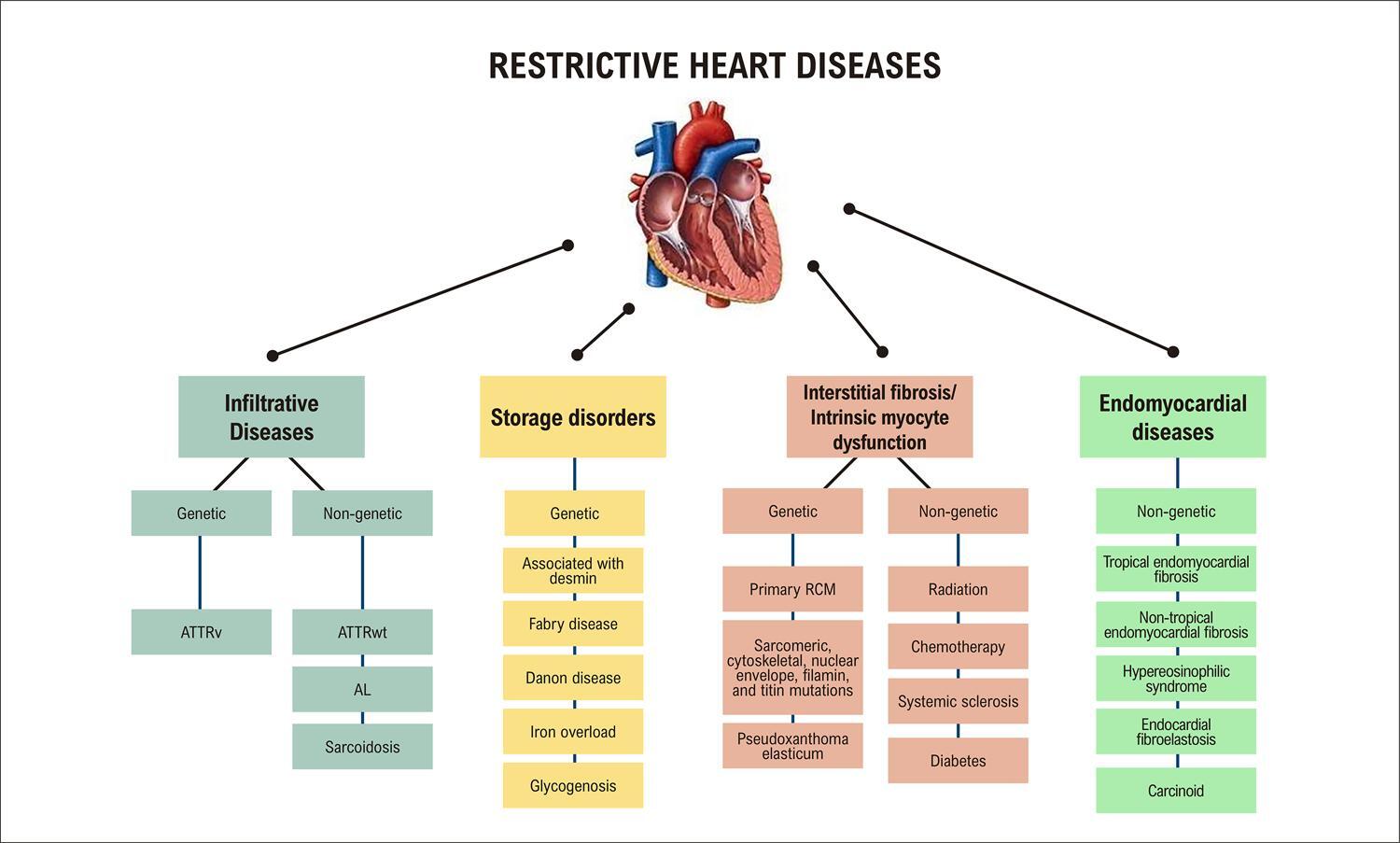
Restrictive cardiomyopathies, caused by primary pathologies of the heart muscle, are considered rare diseases, corresponding to about 5% of all cardiomyopathies. The most frequent form of restrictive cardiomyopathy is cardiac amyloidosis (CA), which can be considered a benchmark since, with the availability of diagnostic technologies, its detection has been made much more frequent, associated with the fact that there are effective treatment possibilities.

[…]

  • Amyloidosis
  • Diastolic Heart Failure
  • Restrictive cardiomyopathy
  • Sarcoidosis
Read Full Article
Creative Commons Attribution (CC BY) Creative Commons license
10/07/2023 DOI: 10.36660/abchf.20230018 Views 1
Figure 1
ABCHF
Review Article

Flowchart for Treatment of Heart Failure with Preserved Ejection Fraction

Viviane Melo e Silva de Figueiredo et al. João Vitor Soares Santos Natália Garcia Galvão José Albuquerque de Figueiredo Neto

Abstract

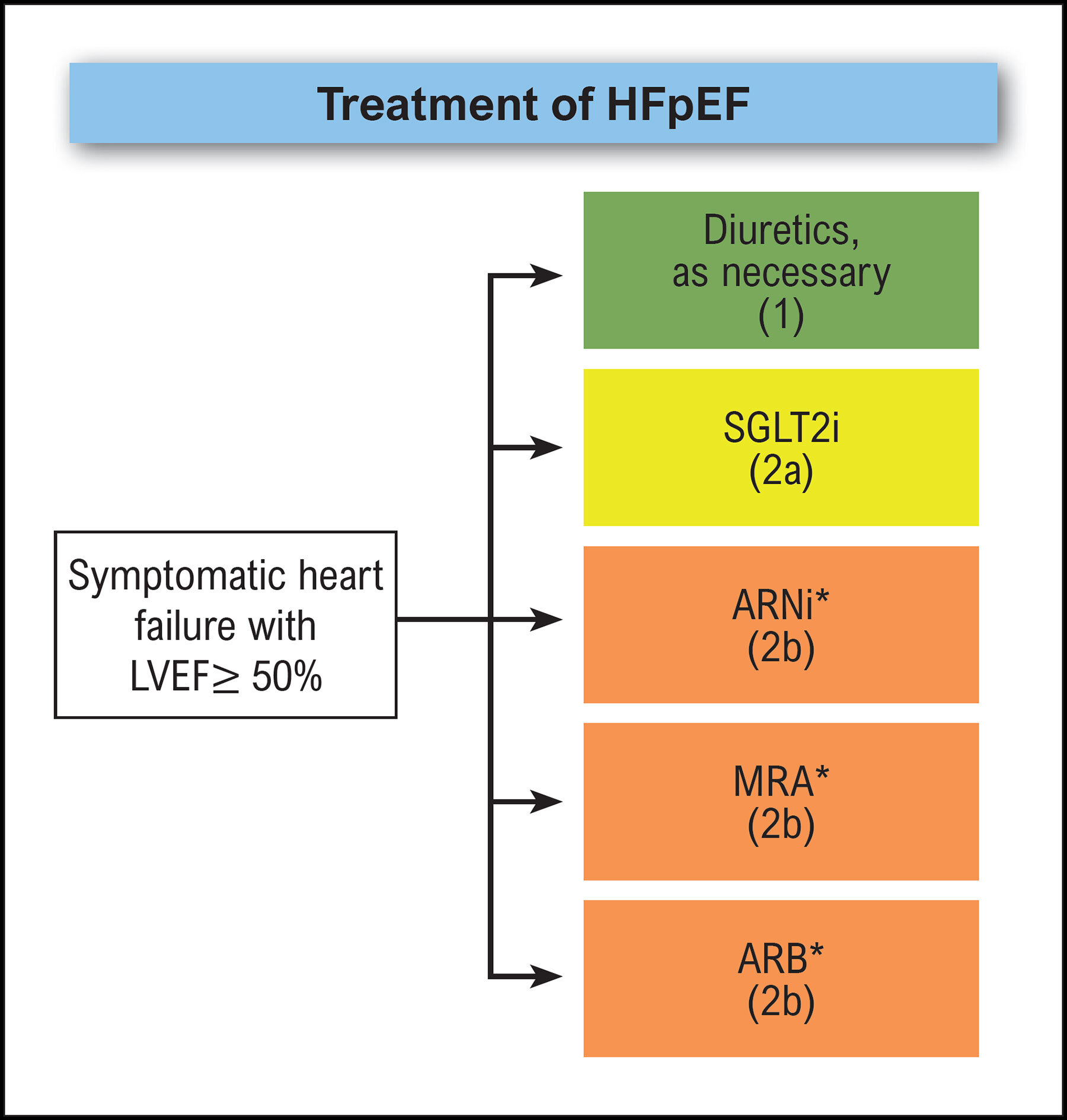
Heart failure with preserved ejection fraction (HFpEF) manifests as a heterogeneous syndrome, with pathophysiological variety, often associated with other comorbidities. Furthermore, the therapy performed in these patients is related to the treatment of correlated comorbidities. In this context, the specific pharmacological treatment of HFpEF is a challenge, given the lack of evidence from studies that would prove a significant reduction in mortality outcomes. In this article, we will analyze the management for the control of arterial hypertension and atrial fibrillation as well as evidence from studies on the use of the main classes of medications recommended for the treatment of patients with HFpEF, such as sodium-glucose cotransporter 2 inhibitors, renin-angiotensin system inhibitors, neprilysin inhibitors, and nitrates.

  • Diastolic Heart Failure
  • Heart Failure
  • Medication Therapy Management
Read Full Article
Creative Commons Attribution (CC BY) Creative Commons license
01/12/2022 DOI: 10.36660/abchf.20220062 Views 1
ABCHF
Review Article

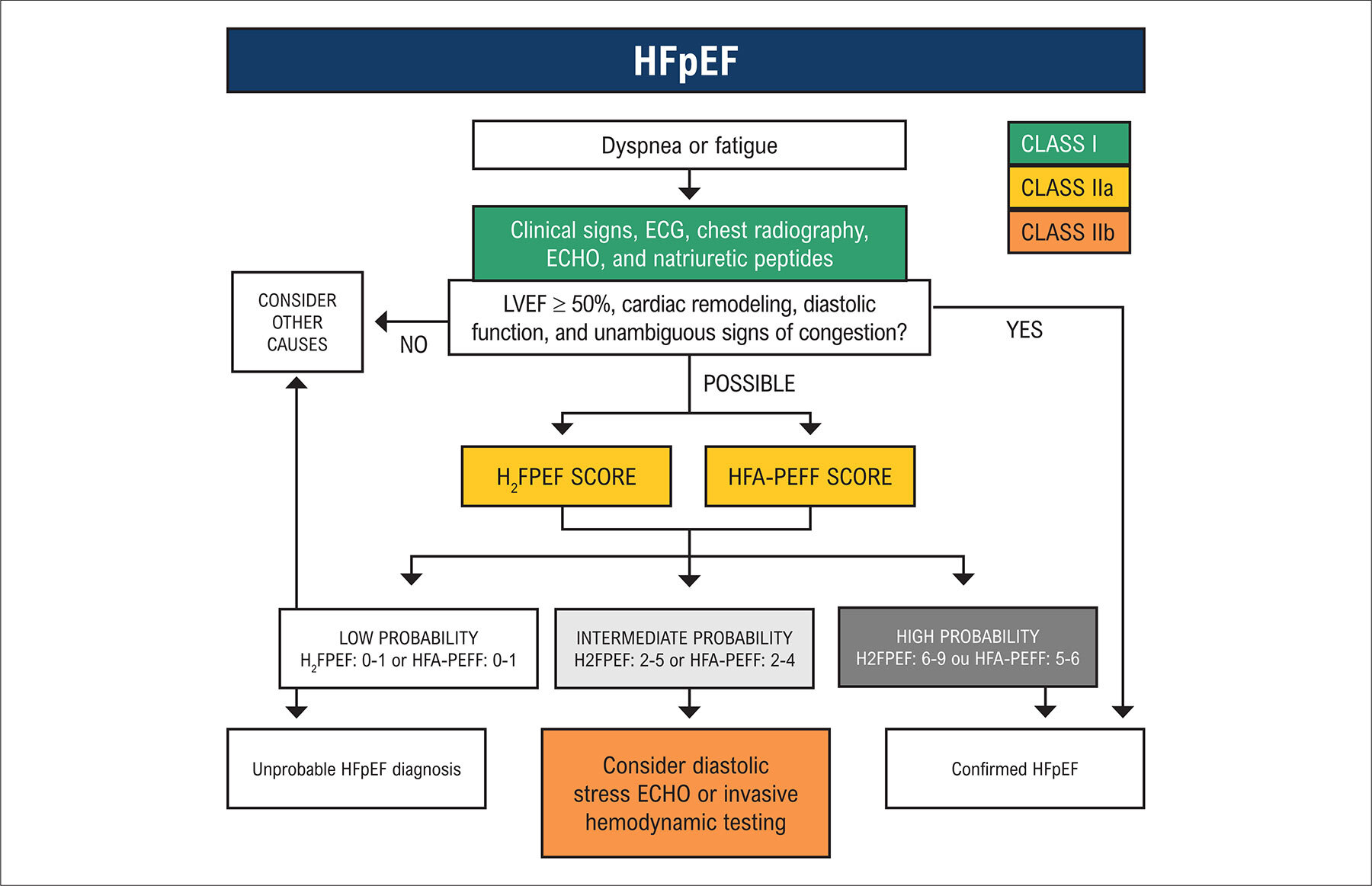
Diagnostic Scores in Heart Failure with Preserved Ejection Fraction

Miguel Morita Fernandes-Silva

Abstract

The diagnosis of heart failure with preserved ejection fraction (HFpEF) can be challenging and diagnostic scores have been proposed to help in the diagnostic process. This article reviews these scores to provide insights on their role and interpretation in clinical practice. To date, two scores have been validated for the diagnosis of HFpEF. The H2FPEF includes clinical – obesity, hypertension, atrial fibrillation, age – and echocardiographic data – pulmonary hypertension and E/e’ ratio. The HFA-PEFF uses multiple echocardiographic parameters on structural and functional cardiac abnormalities and includes natriuretic peptide blood levels. The accuracy of the H2FPEF score appear to be superior to the HFA-PEFF score in identifying patients with elevated pulmonary capillary wedge pressure at rest or during exercise, but the gold-standard definition of HFpEF is still a matter of debate. A high rating in either of the two scores has a high positive predictive value, and the scores are most useful when HFpEF is clinically suspected, but the diagnosis is uncertain.

  • Diagnosis
  • Diastolic Heart Failure
  • Patients
Read Full Article
Creative Commons Attribution (CC BY) Creative Commons license
01/12/2022 DOI: 10.36660/abchf.20220057 Views 1
Figure 1
ABCHF
Viewpoint

Diagnosis of Heart Failure with Preserved Heart Failure in the Office Setting: How to Assemble this Puzzle?

Andreia Biolo et al. Marciane Maria Rover

Conclusion

During the last years, HFpEF has been increasingly recognized as a highly complex syndrome, with different phenotypes, in which the heart is definitely not the only organ affected. Identifying the limitations in assessing these patients was a big step. Current diagnostic approach, putting the pieces together, has certainly enhanced our capacity to diagnose this increasingly prevalent disease. However, not all pieces of this amazing puzzle – the HFpEF – have been identified, and we do not always get to a definite diagnosis in the office; yet, there is still a way to go. In situations where uncertainty remains high after the careful use of available tools, we must go on, with complementary tests (exercise stress and/or diastolic stress test) and referral to specialized centers, and do not stop until all the pieces are put together.

[…]

  • Diagnosis
  • Diastolic Heart Failure
  • Heart Failure
Read Full Article
Creative Commons Attribution (CC BY) Creative Commons license
01/12/2022 DOI: 10.36660/abchf.20220068
ABCHF
Viewpoint

Lessons from the EMPEROR Preserved

Ivna Girard Cunha Vieira Lima et al. Edimar Alcides Bocchi

In randomized clinical trials, sodium-glucose cotransporter-2 inhibitors (SGLT2i) have been shown effective in reducing the risk of cardiovascular (CV) death and hospitalization for chronic heart failure (CHF), as well as renal outcomes, regardless of the presence of diabetes. Despite these findings in patients with heart failure (HF) with reduced ejection fraction (EF) (HFrEF), retrospective subanalyses of patients with type 2 diabetes have suggested that many of preventable events have occurred in patients with a left ventricular (LV) EF (LVEF) greater than 40%. In this regard, the Empagliflozin Outcome Trial in Patients with Chronic Heart Failure with Preserved Ejection Fraction (EMPEROR-Preserved) was carried out to evaluate the safety and efficacy of empagliflozin in patients with HFpEF. A total of 5988 patients with LVEF > 40% were randomized (Empagliflozin or placebo) and followed up for a median of 26.2 months; 45% of participants were women, symptomatic, with class II–IV heart failure, one hospitalization in the last year and N-terminal pro–B-type natriuretic peptide (NT-proBNP) levels of more than 300 pg/mL if in sinus rhythm or > 900 pg/mL if in atrial fibrillation NT-PRO-BNP. The primary outcome – composite outcome of CV death or hospitalization for heart failure (HF) – occurred in 13.8% in the empagliflozin group and in 17.1% in the placebo group, with a hazard ratio of 0.79; 95% confidence interval (CI) of 0.69 to 0.90; p60% (HR 0.87, 95%CI 0.69-1.1) in a subgroup analysis and its limitations.

When the outcomes were stratified by EF, 33% of patients had EF between 41 and 49% and the others an EF>50%. No difference in the effect of the medication was seen between patients with EF > 50% and patients with EF<60% or 41-49% (). Empagliflozin was superior to placebo in improving the combined outcome regardless of the presence of diabetes in patients with HFpEF. The effect was strengthened especially by the reduction in hospitalization for CHF rather than in CV mortality, which seems to be independent of baseline EF, even among patients with EF between 50% and 60%. With these results, empagliflozin was approved for the treatment of patients with this profile, and generated enthusiasm in the scientific community. Previous medications such as candesartan, spironolactone and sacubitril-valsartan have shown no or modest beneficial effect, and predominantly in populations with lower EF.

[…]

  • Cardiovascular Diseases
  • Diastolic Heart Failure
  • Heart Failure
Read Full Article
Creative Commons Attribution (CC BY) Creative Commons license
01/12/2022 DOI: 10.36660/abchf.20220072 Views 1

How to cite this article

EndNote RIS

Electronic Document Format (Vancouver)

Beck-da-Silva L, Fuchs FD. The Adipokine Hypothesis: Does it Play a Major or Minor Role in HFpEF?. ABC Heart Fail Cardiomyop 2026;6:e20260037.

Electronic Document Format (ABNT)

Beck-da-Silva, Luís; Fuchs, Flávio D.. The Adipokine Hypothesis: Does it Play a Major or Minor Role in HFpEF?. ABC Heart Fail Cardiomyop, v. 6, e20260037, Sep. 2026.

Electronic Document Format (APA)

Beck-da-Silva, L., & Fuchs, F. D. (2026). The Adipokine Hypothesis: Does it Play a Major or Minor Role in HFpEF?. ABC Heart Fail Cardiomyop, 6, e20260037.

Electronic Document Format (ISO)

Beck-da-Silva, Luís and Fuchs, Flávio D.. The Adipokine Hypothesis: Does it Play a Major or Minor Role in HFpEF?. ABC Heart Fail Cardiomyop [online]. 2026, vol. 6, [cited 2026-10-14], e20260037. Available from: <https://journals.cardiol.br/en/article/the-adipokine-hypothesis-does-it-play-a-major-or-minor-role-in-hfpef/>

EndNote RIS

Electronic Document Format (Vancouver)

Calvilho Júnior AA. Echocardiographic Assessment of Diastolic Dysfunction in Special Situations. ABC Imagem Cardiovascular 2026;39(2):e20260029.

Electronic Document Format (ABNT)

Calvilho Júnior, Antonio Amador. Echocardiographic Assessment of Diastolic Dysfunction in Special Situations. ABC Imagem Cardiovascular, v. 39, n. 2, e20260029, Jul. 2026.

Electronic Document Format (APA)

Calvilho Júnior, A. A. (2026). Echocardiographic Assessment of Diastolic Dysfunction in Special Situations. ABC Imagem Cardiovascular, 39(2), e20260029.

Electronic Document Format (ISO)

Calvilho Júnior, Antonio Amador. Echocardiographic Assessment of Diastolic Dysfunction in Special Situations. ABC Imagem Cardiovascular [online]. 2026, vol. 39, n. 2, [cited 2026-10-14], e20260029. Available from: <https://journals.cardiol.br/en/article/echocardiographic-assessment-of-diastolic-dysfunction-in-special-situations/>. ISSN 2318-8219

EndNote RIS

Electronic Document Format (Vancouver)

Simões MV, Danzmann LC, Martins SM, Figueiredo Neto JA, Marcondes-Braga FG, Mourilhe-Rocha R, Albuquerque DC, et al. Systematic Review: Mineralocorticoid Receptor Antagonists in Heart Failure with Preserved and Mildly Reduced Ejection Fraction. Arquivos Brasileiros de Cardiologia 2026;123(4):e20250622.

Electronic Document Format (ABNT)

Simões, Marcus Vinicius; Danzmann, Luiz Claudio; Martins, Sílvia Marinho; Figueiredo Neto, José Albuquerque de; Marcondes-Braga, Fabiana G.; Mourilhe-Rocha, Ricardo; Albuquerque, Denilson Campos de; Oliveira Jr, Mucio Tavares de; Moura, Lidia Ana Zytynski. Systematic Review: Mineralocorticoid Receptor Antagonists in Heart Failure with Preserved and Mildly Reduced Ejection Fraction. Arquivos Brasileiros de Cardiologia, v. 123, n. 4, e20250622, Jul. 2026.

Electronic Document Format (APA)

Simões, M. V., Danzmann, L. C., Martins, S. M., Figueiredo Neto, J. A. , Marcondes-Braga, F. G., Mourilhe-Rocha, R., Albuquerque, D. C. , Oliveira Jr, M. T. , & Moura, L. A. Z. (2026). Systematic Review: Mineralocorticoid Receptor Antagonists in Heart Failure with Preserved and Mildly Reduced Ejection Fraction. Arquivos Brasileiros de Cardiologia, 123(4), e20250622.

Electronic Document Format (ISO)

Simões, Marcus Vinicius and Danzmann, Luiz Claudio and Martins, Sílvia Marinho and Figueiredo Neto, José Albuquerque de and Marcondes-Braga, Fabiana G. and Mourilhe-Rocha, Ricardo and Albuquerque, Denilson Campos de and Oliveira Jr, Mucio Tavares de and Moura, Lidia Ana Zytynski. Systematic Review: Mineralocorticoid Receptor Antagonists in Heart Failure with Preserved and Mildly Reduced Ejection Fraction. Arquivos Brasileiros de Cardiologia [online]. 2026, vol. 123, n. 4, [cited 2026-10-14], e20250622. Available from: <https://journals.cardiol.br/en/article/systematic-review-mineralocorticoid-receptor-antagonists-in-heart-failure-with-preserved-and-mildly-reduced-ejection-fraction/>. ISSN 0066-782X

EndNote RIS

Electronic Document Format (Vancouver)

Bellicini MG. Does HFpEF Really Exist? From Mimics to Misclassification in Clinical Practice. Arquivos Brasileiros de Cardiologia 2026;123(4):e20250379.

Electronic Document Format (ABNT)

Bellicini, Maria Giulia. Does HFpEF Really Exist? From Mimics to Misclassification in Clinical Practice. Arquivos Brasileiros de Cardiologia, v. 123, n. 4, e20250379, Jun. 2026.

Electronic Document Format (APA)

Bellicini, M. G. (2026). Does HFpEF Really Exist? From Mimics to Misclassification in Clinical Practice. Arquivos Brasileiros de Cardiologia, 123(4), e20250379.

Electronic Document Format (ISO)

Bellicini, Maria Giulia. Does HFpEF Really Exist? From Mimics to Misclassification in Clinical Practice. Arquivos Brasileiros de Cardiologia [online]. 2026, vol. 123, n. 4, [cited 2026-10-14], e20250379. Available from: <https://journals.cardiol.br/en/article/does-hfpef-really-exist-from-mimics-to-misclassification-in-clinical-practice/>. ISSN 0066-782X

EndNote RIS

Electronic Document Format (Vancouver)

David GB, Ramos N, Huntermann R, Oliveira JP, Molinari ME, Bacca COF. Diagnostic Performance of Artificial Intelligence-Driven Electrocardiogram Algorithms in Detecting Heart Failure with Preserved Ejection Fraction: A Systematic Review and Meta-Analysis. International Journal of Cardiovascular Sciences 2026;39:e20250091.

Electronic Document Format (ABNT)

David, Gustavo Barbosa; Ramos, Nicolas; Huntermann, Ramon; Oliveira, Juan Peres de; Molinari, Maria Eduarda; Bacca, Caroline de Oliveira Fischer. Diagnostic Performance of Artificial Intelligence-Driven Electrocardiogram Algorithms in Detecting Heart Failure with Preserved Ejection Fraction: A Systematic Review and Meta-Analysis. International Journal of Cardiovascular Sciences, v. 39, e20250091, May. 2026.

Electronic Document Format (APA)

David, G. B., Ramos, N., Huntermann, R., Oliveira, J. P. , Molinari, M. E., & Bacca, C. O. F. (2026). Diagnostic Performance of Artificial Intelligence-Driven Electrocardiogram Algorithms in Detecting Heart Failure with Preserved Ejection Fraction: A Systematic Review and Meta-Analysis. International Journal of Cardiovascular Sciences, 39, e20250091.

Electronic Document Format (ISO)

David, Gustavo Barbosa and Ramos, Nicolas and Huntermann, Ramon and Oliveira, Juan Peres de and Molinari, Maria Eduarda and Bacca, Caroline de Oliveira Fischer. Diagnostic Performance of Artificial Intelligence-Driven Electrocardiogram Algorithms in Detecting Heart Failure with Preserved Ejection Fraction: A Systematic Review and Meta-Analysis. International Journal of Cardiovascular Sciences [online]. 2026, vol. 39, [cited 2026-10-14], e20250091. Available from: <https://journals.cardiol.br/en/article/diagnostic-performance-of-artificial-intelligence-driven-electrocardiogram-algorithms-in-detecting-heart-failure-with-preserved-ejection-fraction-a-systematic-review-and-meta-analysis/>. ISSN 2359-4802

EndNote RIS

Electronic Document Format (Vancouver)

Otto MEB, Assef JE, Nishida G. Recalibrating the Barometer: Echocardiography in Diastolic Dysfunction and the Era of New Algorithms. ABC Imagem Cardiovascular 2026;39(1):e20260004.

Electronic Document Format (ABNT)

Otto, Maria Estefania Bosco; Assef, Jorge Eduardo; Nishida, Gustavo. Recalibrating the Barometer: Echocardiography in Diastolic Dysfunction and the Era of New Algorithms. ABC Imagem Cardiovascular, v. 39, n. 1, e20260004, Apr. 2026.

Electronic Document Format (APA)

Otto, M. E. B., Assef, J. E., & Nishida, G. (2026). Recalibrating the Barometer: Echocardiography in Diastolic Dysfunction and the Era of New Algorithms. ABC Imagem Cardiovascular, 39(1), e20260004.

Electronic Document Format (ISO)

Otto, Maria Estefania Bosco and Assef, Jorge Eduardo and Nishida, Gustavo. Recalibrating the Barometer: Echocardiography in Diastolic Dysfunction and the Era of New Algorithms. ABC Imagem Cardiovascular [online]. 2026, vol. 39, n. 1, [cited 2026-10-14], e20260004. Available from: <https://journals.cardiol.br/en/article/recalibrating-the-barometer-echocardiography-in-diastolic-dysfunction-and-the-era-of-new-algorithms/>. ISSN 2318-8219

EndNote RIS

Electronic Document Format (Vancouver)

Cesarino EJ, Castro ML, Andrade RCG, Restini CBA. A Step Forward in the Assessment of Handgrip Strength in Heart Failure. Arquivos Brasileiros de Cardiologia 2025;122(9):e20250579.

Electronic Document Format (ABNT)

Cesarino, Evandro José; Castro, Marildes Luiza de; Andrade, Regina Célia Garcia de; Restini, Carolina Baraldi Araujo. A Step Forward in the Assessment of Handgrip Strength in Heart Failure. Arquivos Brasileiros de Cardiologia, v. 122, n. 9, e20250579, Nov. 2025.

Electronic Document Format (APA)

Cesarino, E. J., Castro, M. L. , Andrade, R. C. G. , & Restini, C. B. A. (2025). A Step Forward in the Assessment of Handgrip Strength in Heart Failure. Arquivos Brasileiros de Cardiologia, 122(9), e20250579.

Electronic Document Format (ISO)

Cesarino, Evandro José and Castro, Marildes Luiza de and Andrade, Regina Célia Garcia de and Restini, Carolina Baraldi Araujo. A Step Forward in the Assessment of Handgrip Strength in Heart Failure. Arquivos Brasileiros de Cardiologia [online]. 2025, vol. 122, n. 9, [cited 2026-10-14], e20250579. Available from: <https://journals.cardiol.br/en/article/a-step-forward-in-the-assessment-of-handgrip-strength-in-heart-failure/>. ISSN 0066-782X

EndNote RIS

Electronic Document Format (Vancouver)

Farsky PS. Brazilian Evidence Reinforces the Applicability of the H2FPEF and HFA-PEFF Scores in HFpEF. Arquivos Brasileiros de Cardiologia 2025;122(6):e20250361.

Electronic Document Format (ABNT)

Farsky, Pedro Silvio. Brazilian Evidence Reinforces the Applicability of the H2FPEF and HFA-PEFF Scores in HFpEF. Arquivos Brasileiros de Cardiologia, v. 122, n. 6, e20250361, Aug. 2025.

Electronic Document Format (APA)

Farsky, P. S. (2025). Brazilian Evidence Reinforces the Applicability of the H2FPEF and HFA-PEFF Scores in HFpEF. Arquivos Brasileiros de Cardiologia, 122(6), e20250361.

Electronic Document Format (ISO)

Farsky, Pedro Silvio. Brazilian Evidence Reinforces the Applicability of the H2FPEF and HFA-PEFF Scores in HFpEF. Arquivos Brasileiros de Cardiologia [online]. 2025, vol. 122, n. 6, [cited 2026-10-14], e20250361. Available from: <https://journals.cardiol.br/en/article/brazilian-evidence-reinforces-the-applicability-of-the-h2fpef-and-hfa-peff-scores-in-hfpef/>. ISSN 0066-782X

EndNote RIS

Electronic Document Format (Vancouver)

Gomes JNA, Campos MSB, Aragão CAS, Sousa AC. New Perspectives in the Treatment of Heart Failure with Preserved Ejection Fraction with SGLT-2 Inhibitors. ABC Heart Fail Cardiomyop 2025;5(1):e20240032.

Electronic Document Format (ABNT)

Gomes, José Natthananel de Aquino; Campos, Milena dos Santos Barros; Aragão, Carlos Aurélio Santos; Sousa, Antonio Carlos. New Perspectives in the Treatment of Heart Failure with Preserved Ejection Fraction with SGLT-2 Inhibitors. ABC Heart Fail Cardiomyop, v. 5, n. 1, e20240032, Apr. 2025.

Electronic Document Format (APA)

Gomes, J. N. A., Campos, M. S. B., Aragão, C. A. S., & Sousa, A. C. (2025). New Perspectives in the Treatment of Heart Failure with Preserved Ejection Fraction with SGLT-2 Inhibitors. ABC Heart Fail Cardiomyop, 5(1), e20240032.

Electronic Document Format (ISO)

Gomes, José Natthananel de Aquino and Campos, Milena dos Santos Barros and Aragão, Carlos Aurélio Santos and Sousa, Antonio Carlos. New Perspectives in the Treatment of Heart Failure with Preserved Ejection Fraction with SGLT-2 Inhibitors. ABC Heart Fail Cardiomyop [online]. 2025, vol. 5, n. 1, [cited 2026-10-14], e20240032. Available from: <https://journals.cardiol.br/en/article/new-perspectives-in-the-treatment-of-heart-failure-with-preserved-ejection-fraction-with-sglt-2-inhibitors/>

EndNote RIS

Electronic Document Format (Vancouver)

Villacorta H, Schwartzmann P. Does Secondary HFpEF Exist? Yes, but it Should not be Called HFpEF. Arquivos Brasileiros de Cardiologia 2024;121(9):e20240296.

Electronic Document Format (ABNT)

Villacorta, Humberto; Schwartzmann, Pedro. Does Secondary HFpEF Exist? Yes, but it Should not be Called HFpEF. Arquivos Brasileiros de Cardiologia, v. 121, n. 9, e20240296, Oct. 2024.

Electronic Document Format (APA)

Villacorta, H., & Schwartzmann, P. (2024). Does Secondary HFpEF Exist? Yes, but it Should not be Called HFpEF. Arquivos Brasileiros de Cardiologia, 121(9), e20240296.

Electronic Document Format (ISO)

Villacorta, Humberto and Schwartzmann, Pedro. Does Secondary HFpEF Exist? Yes, but it Should not be Called HFpEF. Arquivos Brasileiros de Cardiologia [online]. 2024, vol. 121, n. 9, [cited 2026-10-14], e20240296. Available from: <https://journals.cardiol.br/en/article/does-secondary-hfpef-exist-yes-but-it-should-not-be-called-hfpef/>. ISSN 0066-782X

EndNote RIS

Electronic Document Format (Vancouver)

Danzmann LC, Feliciano LM, Kalil E, Siminovich PL, Nora MM. Restrictive Cardiomyopathies: What’s New on the War Front?. ABC Heart Fail Cardiomyop 2023;3(1):e20230018.

Electronic Document Format (ABNT)

Danzmann, Luiz Claudio; Feliciano, Liciani de Mello; Kalil, Elisa; Siminovich, Paula Loredo; Nora, Marianna de Moura. Restrictive Cardiomyopathies: What’s New on the War Front?. ABC Heart Fail Cardiomyop, v. 3, n. 1, e20230018, Jul. 2023.

Electronic Document Format (APA)

Danzmann, L. C., Feliciano, L. M., Kalil, E., Siminovich, P. L., & Nora, M. M. (2023). Restrictive Cardiomyopathies: What’s New on the War Front?. ABC Heart Fail Cardiomyop, 3(1), e20230018.

Electronic Document Format (ISO)

Danzmann, Luiz Claudio and Feliciano, Liciani de Mello and Kalil, Elisa and Siminovich, Paula Loredo and Nora, Marianna de Moura. Restrictive Cardiomyopathies: What’s New on the War Front?. ABC Heart Fail Cardiomyop [online]. 2023, vol. 3, n. 1, [cited 2026-10-14], e20230018. Available from: <https://journals.cardiol.br/en/article/restrictive-cardiomyopathies-whats-new-on-the-war-front/>

EndNote RIS

Electronic Document Format (Vancouver)

Figueiredo VMS, Santos JVS, Galvão NG, Figueiredo Neto JA. Flowchart for Treatment of Heart Failure with Preserved Ejection Fraction. ABC: Heart Failure & Cardiomyopathy 2022;2(3):299-303.

Electronic Document Format (ABNT)

Figueiredo, Viviane Melo e Silva de; Santos, João Vitor Soares; Galvão, Natália Garcia; Figueiredo Neto, José Albuquerque de. Flowchart for Treatment of Heart Failure with Preserved Ejection Fraction. ABC: Heart Failure & Cardiomyopathy, v. 2, n. 3, p. 299-303, Nov. 2022.

Electronic Document Format (APA)

Figueiredo, V. M. S. , Santos, J. V. S., Galvão, N. G., & Figueiredo Neto, J. A. (2022). Flowchart for Treatment of Heart Failure with Preserved Ejection Fraction. ABC: Heart Failure & Cardiomyopathy, 2(3), 299-303.

Electronic Document Format (ISO)

Figueiredo, Viviane Melo e Silva de and Santos, João Vitor Soares and Galvão, Natália Garcia and Figueiredo Neto, José Albuquerque de. Flowchart for Treatment of Heart Failure with Preserved Ejection Fraction. ABC: Heart Failure & Cardiomyopathy [online]. 2022, vol. 2, n. 3, [cited 2026-10-14], pp. 299-303. Available from: <https://journals.cardiol.br/en/article/flowchart-for-treatment-of-heart-failure-with-preserved-ejection-fraction/>

EndNote RIS

Electronic Document Format (Vancouver)

Fernandes-Silva MM. Diagnostic Scores in Heart Failure with Preserved Ejection Fraction. ABC: Heart Failure & Cardiomyopathy 2022;2(3):275-80.

Electronic Document Format (ABNT)

Fernandes-Silva, Miguel Morita. Diagnostic Scores in Heart Failure with Preserved Ejection Fraction. ABC: Heart Failure & Cardiomyopathy, v. 2, n. 3, p. 275-280, Nov. 2022.

Electronic Document Format (APA)

Fernandes-Silva, M. M. (2022). Diagnostic Scores in Heart Failure with Preserved Ejection Fraction. ABC: Heart Failure & Cardiomyopathy, 2(3), 275-280.

Electronic Document Format (ISO)

Fernandes-Silva, Miguel Morita. Diagnostic Scores in Heart Failure with Preserved Ejection Fraction. ABC: Heart Failure & Cardiomyopathy [online]. 2022, vol. 2, n. 3, [cited 2026-10-14], pp. 275-280. Available from: <https://journals.cardiol.br/en/article/diagnostic-scores-in-heart-failure-with-preserved-ejection-fraction/>

EndNote RIS

Electronic Document Format (Vancouver)

Biolo A, Rover MM. Diagnosis of Heart Failure with Preserved Heart Failure in the Office Setting: How to Assemble this Puzzle?. ABC: Heart Failure & Cardiomyopathy 2022;2(3):316-8.

Electronic Document Format (ABNT)

Biolo, Andreia; Rover, Marciane Maria. Diagnosis of Heart Failure with Preserved Heart Failure in the Office Setting: How to Assemble this Puzzle?. ABC: Heart Failure & Cardiomyopathy, v. 2, n. 3, p. 316-318, Nov. 2022.

Electronic Document Format (APA)

Biolo, A., & Rover, M. M. (2022). Diagnosis of Heart Failure with Preserved Heart Failure in the Office Setting: How to Assemble this Puzzle?. ABC: Heart Failure & Cardiomyopathy, 2(3), 316-318.

Electronic Document Format (ISO)

Biolo, Andreia and Rover, Marciane Maria. Diagnosis of Heart Failure with Preserved Heart Failure in the Office Setting: How to Assemble this Puzzle?. ABC: Heart Failure & Cardiomyopathy [online]. 2022, vol. 2, n. 3, [cited 2026-10-14], pp. 316-318. Available from: <https://journals.cardiol.br/en/article/diagnosis-of-heart-failure-with-preserved-heart-failure-in-the-office-setting-how-to-assemble-this-puzzle/>

EndNote RIS

Electronic Document Format (Vancouver)

Lima IGCV, Bocchi EA. Lessons from the EMPEROR Preserved. ABC: Heart Failure & Cardiomyopathy 2022;2(3):329-30.

Electronic Document Format (ABNT)

Lima, Ivna Girard Cunha Vieira; Bocchi, Edimar Alcides. Lessons from the EMPEROR Preserved. ABC: Heart Failure & Cardiomyopathy, v. 2, n. 3, p. 329-330, Nov. 2022.

Electronic Document Format (APA)

Lima, I. G. C. V., & Bocchi, E. A. (2022). Lessons from the EMPEROR Preserved. ABC: Heart Failure & Cardiomyopathy, 2(3), 329-330.

Electronic Document Format (ISO)

Lima, Ivna Girard Cunha Vieira and Bocchi, Edimar Alcides. Lessons from the EMPEROR Preserved. ABC: Heart Failure & Cardiomyopathy [online]. 2022, vol. 2, n. 3, [cited 2026-10-14], pp. 329-330. Available from: <https://journals.cardiol.br/en/article/lessons-from-the-emperor-preserved/>

  • About ABC Family
  • Internal Regulation
  • Editorial Board
  • Brazilian Society of Cardiology (SBC)

Issues

SBC Guidelines

  • Videos
  • Podcasts
  • News