ABC Family Arquivos Brasileiros de Cardiologia International Journal of Cardiovascular Sciences ABC Heart Failure & Cardiomyopathy ABC Imagem Cardiovascular
Português English
ABC Family
Português English
  • About
    • About ABC Family
    • Internal Regulation
    • Editorial Board
    • Brazilian Society of Cardiology (SBC)
  • Issues
  • SBC Guidelines
  • Content
    • Videos
    • Podcasts
    • News
  • About
    • About ABC Family
    • Internal Regulation
    • Editorial Board
    • Brazilian Society of Cardiology (SBC)
  • Issues
  • SBC Guidelines
  • Content
    • Videos
    • Podcasts
    • News

ABC Family

  • ABC Family
  • Arquivos Brasileiros de Cardiologia
  • International Journal of Cardiovascular Sciences
  • ABC Heart Failure & Cardiomyopathy
  • ABC Imagem Cardiovascular
Search in

No content found.

Journals
Ordering
Article types
Others

  1. Home
  2. Keyword: nutritional status
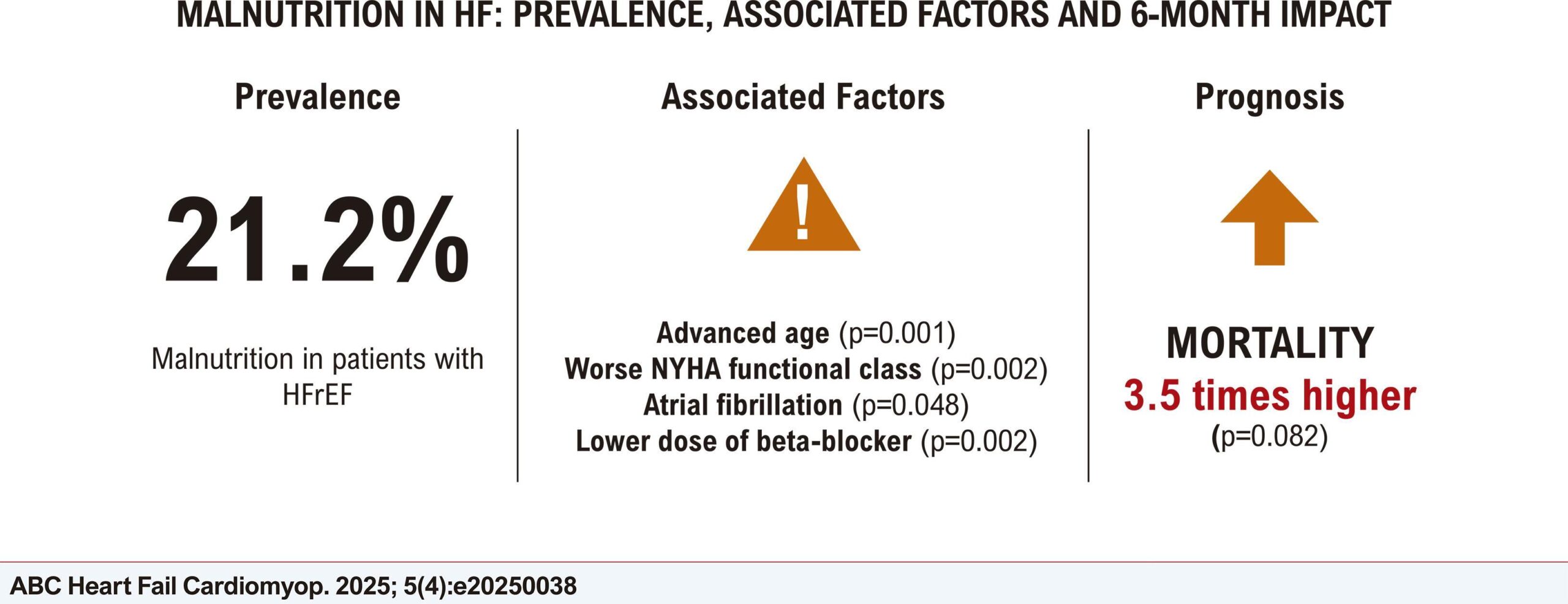
Central Illustration
Original Article

Malnutrition in Outpatients with Heart Failure: Prevalence, Associated Factors and 6-Month Impact

Leonardo Akira Gondo et al. Lidia Ana Zytynski Moura Marcely Gimenes Bonatto Victoria Marzagao Ribeiro Pagliosa … Giovanna Voigt Machado Flavia Centenaro de Oliveira Angela Guzzo Lemke Amanda Licheski Contini Ana Karyn Ehrenfried de Freitas

Abstract

Background

Malnutrition is common in heart failure with reduced ejection fraction (HFrEF) and may negatively affect prognosis.

Objective

To determine the prevalence of malnutrition in outpatients with HFrEF, identify associated clinical factors, and evaluate its impact on mortality and clinical outcomes at 6 months.

Methods

Prospective observational cohort study including 118 outpatients with HFrEF. Nutritional status was assessed using the Mini Nutritional Assessment (MNA) and the Subjective Global Assessment (SGA). Six-month follow-up documented mortality, hospitalizations, and emergency department visits.

Results

The prevalence of malnutrition was 21.2% (25/118). Malnourished patients were older (68 ± 12 vs. 60 ± 10 years; p=0.001), had a higher prevalence of NYHA functional class III–IV (45% vs. 15%; p=0.002) and atrial fibrillation (44% vs. 25%; p=0.048), and achieved a lower percentage of target beta-blocker dose (57.9% vs. 79.8%; p=0.002). No statistically significant difference in 6-month mortality was observed between the groups, although it was numerically higher in the malnourished group (14% vs. 4%; p=0.082). No differences were observed in hospitalization rates (p=0.94) or emergency department visits (p=0.97).

Conclusion

Malnutrition is present in approximately one in five outpatients with HFrEF, more common in the elderly and those with atrial fibrillation and was associated with a trend towards higher mortality in 6 months.
  • Heart Failure
  • malnutrition
  • Nutrition Assessment
  • nutritional status
Read Full Article
Creative Commons Attribution (CC BY) Creative Commons license
31/12/2025 DOI: 10.36660/abchf.20250038i Views 2
Figure 1
IJCS
Original Article

Interdisciplinary Group Intervention on Nutritional Profile, Quality of Life, and Stress During Cardiopulmonary Rehabilitation: A Randomized Clinical Trial

Giana de Freitas Rodrigues et al. Daniela da Rosa Vieira Patrícia Pereira Ruschel Cynthia Seelig … Christian Coronel Sandra Mari Barbiero

Abstract

Background:

Participating in therapeutic operative groups with nutritional and psychological interventions might influence the recovery of patients in cardiopulmonary rehabilitation programs.

Objective:

To evaluate the effectiveness of group interventions on the nutritional profile, stress, and quality of life of patients in cardiopulmonary rehabilitation.

Methods:

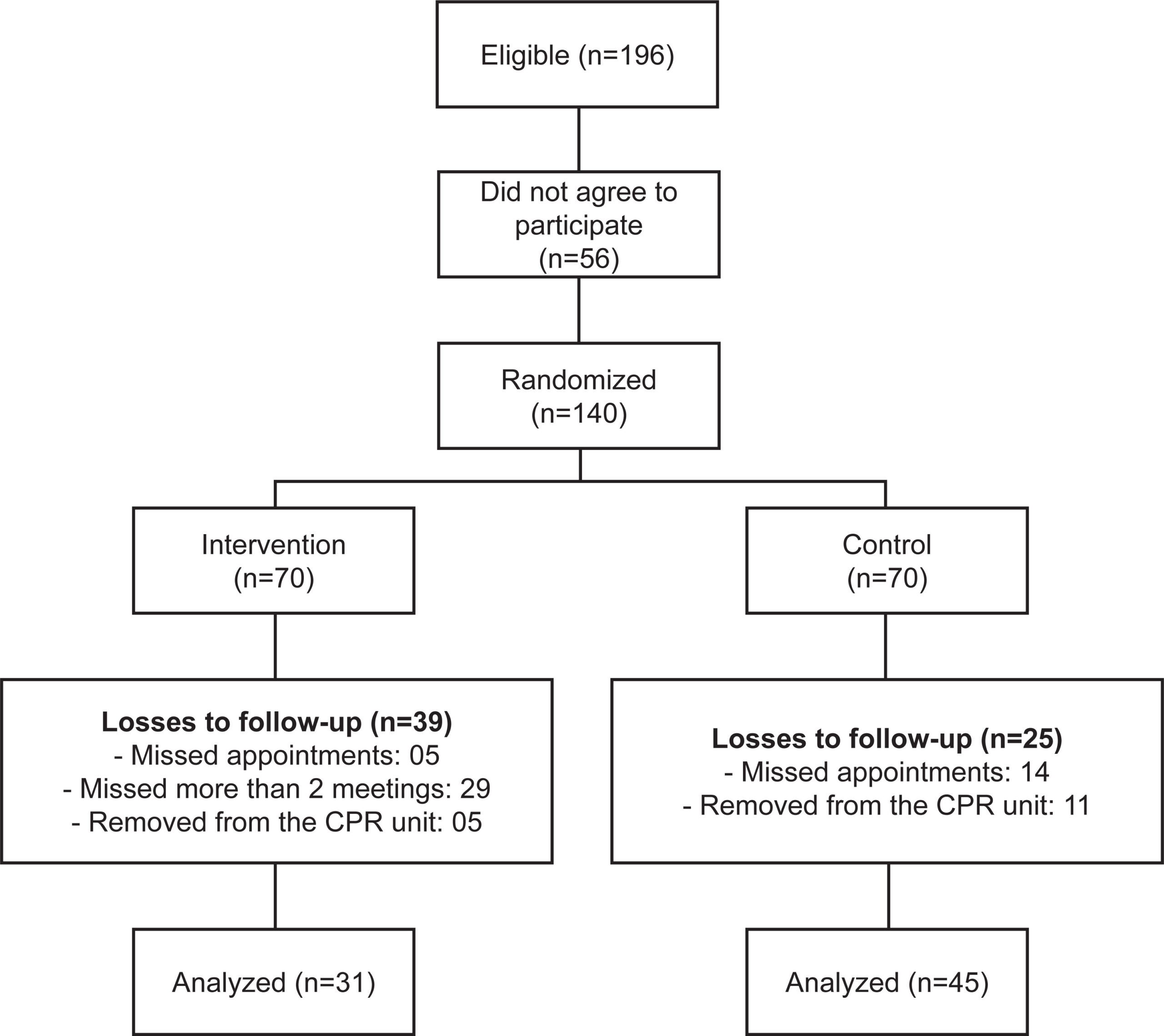
In this randomized clinical trial, adult patients of the Cardiopulmonary and Metabolic Rehabilitation (CPMR) unit were randomized into control group (CG), receiving standard follow-up assessment by the CPMR unit, and intervention group (IG), which additionally participated in 6 meetings of an interdisciplinary group with a nutritionist and a psychologist. Anthropometric data and results from a food frequency questionnaire (FFQ), Lipp’s Inventory of Stress Symptoms for Adults (ISSL), and the 12-Item Short Form Health Survey (SF-12) were analyzed. Student’s t-tests, Generalized Estimation Equations (GEE), Mann-Whitney tests, and Bonferroni tests were used for statistical analyses, with a significance level of 5%.

Results:

The sample consisted of 76 patients: 31 in the IG (64±9.2 years old) and 45 in the CG (61.4±11.8 years old). There was a significant reduction (p<0.001) in weight, body mass index, and waist circumference, and an increase (p=0.010) in the consumption of healthy food only in the IG. The consumption of unhealthy food was reduced in both groups (p<0.001), the physical aspect of quality of life improved (p=0.018), and women presented better physical (p=0.011) and mental results (p=0.008).

Conclusions:

This group intervention was effective regarding the nutritional status of patients in cardiopulmonary rehabilitation. The physical aspect of quality of life showed improvements in both groups.

  • Cardiac Rehabilitation
  • nutritional status
  • Patient Care Team
  • Psychological
  • Quality of life
  • Stress
Read Full Article
Creative Commons Attribution (CC BY) Creative Commons license
16/05/2022 DOI: 10.36660/ijcs.20200295 Views 1
ABC
Editorial

Supplementation of Vitamin D

Marina P. Okoshi et al. Rosana M. Cortez Luana U. Pagan Paula F. Martinez Filipe W. L. Pereira

Vitamin D (Vit D) is a fat-soluble vitamin that is essential in mineral and bone metabolism. Vit D status is evaluated by measuring serum 25-hydroxyvitamin D [25(OH)D]) levels. Currently, Vit D supplementation is mainly indicated in cases of vitamin deficiency. However, there are two main issues concerning Vit D supplementation. The first is related to the definition of the lower limit of normal for serum 25(OH) D. In recent years, extensive clinical research has revealed that large percentages of global populations have low Vit D levels, i.e., serum [25(OH)D] concentrations below 20 ng/mL. However, several investigators have considered that this value is probably overestimated, therefore putting more people in need for supplementation. Several medical societies are now intensively debating on when to screen for Vit D deficiency and when to supplement Vit D.,

The other issue concerning Vit D supplementation relates to the fact that convincing experimental and epidemiological studies have suggested that Vit D deficiency is associated with increased risk of chronic cardiovascular and immunological diseases and cancer. Therefore, Vit D has been supplemented in the general population without a specific indication. However, more recent studies have reported that Vit D supplementation for preventing or controlling chronic diseases such as cancer, diabetes mellitus, dementia or cardiovascular disease has failed to provide benefits.– Furthermore, not only were no benefits found. In advanced heart failure, a daily Vit D supplement was associated with a greater need for mechanical circulatory support devices, which indicates caution regarding long-term supplementation.

[…]

  • Bone and Bones/metabolism
  • Dietary Supplements/adverse effects
  • nutritional status
  • Vitamin D
Read Full Article
Creative Commons Attribution (CC BY) Creative Commons license
17/05/2021 DOI: 10.36660/abc.20210181 Views 1
Figure 1
ABC
Original Article

Prevalence of Dyslipidemia According to the Nutritional Status in a Representative Sample of São Paulo

Marcela Riccioppo Garcez et al. Jaqueline Lopes Pereira Mariane de Mello Fontanelli Dirce Maria Lobo Marchioni Regina Mara Fisberg

Background:

Overweight is one of the major public health problems in Brazil; it is associated with dyslipidemia, which is an important risk factor for cardiovascular diseases.

Objective:

To evaluate the lipid profile of residents of the municipality of São Paulo, state of São Paulo, according to the nutritional status.

Methods:

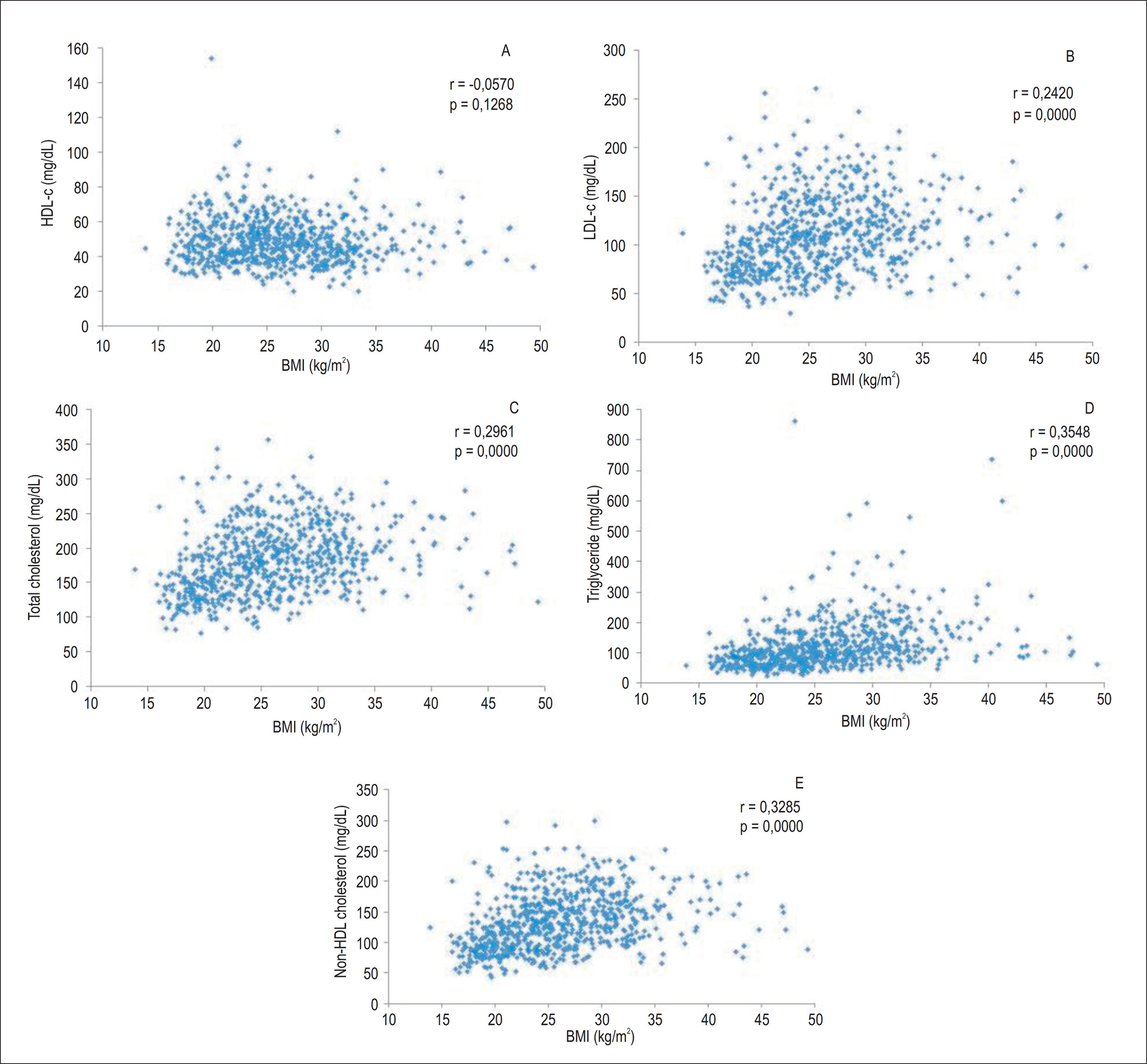
Data from the population-based cross-sectional study ISA-Capital 2008 on a sample of residents of São Paulo were used. Participants were categorized into groups according to body mass index and age range. The levels of total cholesterol, HDL-cholesterol, LDL-cholesterol, triglycerides, and non-HDL cholesterol were measured. The association between lipid profile, nutricional status, and waist circumference was investigated. The data were processed using the survey mode of the Stata 11.0 software.

Results:

The prevalence of any type of dyslipidemia in the population was 59.74%, with low HDL-cholesterol dyslipidemia being the most common type. Not overweight individuals had higher mean levels of HDL-cholesterol and lower levels of LDL-cholesterol, total cholesterol, triglycerides, and non-HDL cholesterol when compared with the overweight group. The rate of inadequacy of these variables was higher in the overweight individuals, regardless of the age group, to the exception of LDL-cholesterol in the adults and elderly. A higher prevalence of isolated hypertriglyceridemia was observed in individuals with higher waist circumference among the adults and the total population.

Conclusion:

The results indicate an association between dyslipidemia and overweight in the population of the city of São Paulo. The most prevalent dyslipidemia in this population was low HDL-cholesterol.

  • Dyslipidemias / epidemiology
  • nutritional status
  • Obesity/complications
  • Prevalence
  • Statistical Analysis
Read Full Article
Creative Commons Attribution (CC BY) Creative Commons license
14/10/2014 DOI: 10.5935/abc.20140156 Views 1
ABC
Artigo Original

Identification of cardiovascular risk factors in parents/caregivers of children with heart diseases

Camila Feijó Borges et al. Fernanda Michielin Busnello Lucia Campos Pellanda

BACKGROUND: Cardiovascular diseases are one of the major causes of morbidity and mortality worldwide. In Brazil, they are the major cause of death. OBJECTIVE: To identify cardiovascular risk factors in parents/caregivers of children with heart diseases by assessing their nutritional status, health conditions, and life style. METHODS: Cross-sectional study of 150 parents or caregivers of children with heart diseases who attended a cardiology outpatient clinic. Data on identification, lifestyle and health conditions were collected by means of a structured questionnaire. For the assessment of the eating habits, a questionnaire on eating frequency was used; for the assessment of the nutritional status, weight, height, and waist circumference were measured, and the body mass index (BMI) was calculated and classified. RESULTS: A total of 155 parents of children with heart diseases, predominantly of the female gender (91.6%), were evaluated; their mean age was 35.0 ± 10.6 years. The most prevalent risk factors were sedentary lifestyle (85.2%), obesity (28%) and hypertension (22.6%). As regards the eating habits, a high frequency of intake of red meat, margarine, vegetable oil, and sugar and low intake of fish were observed. Comparison between genders showed a significant difference in relation to obesity, as detected by BMI, and hypertension, both more frequent among women. Waist circumference measurement also showed a higher cardiovascular risk in women. CONCLUSION: Cardiovascular risk factors such as excess weight, sedentary lifestyle, and hypertension as well as inadequate eating habits such as a high frequency of intake of saturated fat and cholesterol and low intake of unsaturated fat were identified in the parents/caregivers assessed.

  • Cardiovascular Diseases
  • Caregivers
  • Child
  • Lifestyle
  • nutritional status
  • Parents
  • Risk Factors
Read Full Article
Creative Commons Attribution (CC BY) Creative Commons license
06/09/2012 DOI: 10.1590/S0066-782X2012005000085 Views 1
Physical fitness, age and nutritional status of military personnel
ABC
Artigo Original

Physical fitness, age and nutritional status of military personnel

Clarissa Stefani Teixeira et al. Érico Felden Pereira

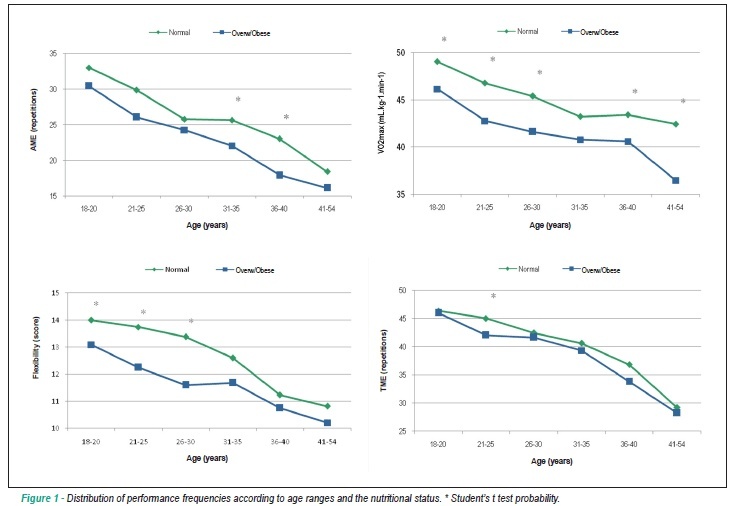
BACKGROUND: Although there is a trend toward the decrease in levels of physical fitness, the intensity of this decrease due to the aging process and the nutritional status in adult male individuals is not well-known, especially in the Brazilian population. OBJECTIVE: To analyze the levels of physical fitness according to age and the nutritional status in adult male individuals. METHODS: Aerobic and muscular endurance tests as well as flexibility tests and nutritional status assessment were carried out in 1,011 male individuals. Analyses of correlation, covariance and prevalence ratio were performed through Poisson regression. RESULTS: The individuals presented a moderate performance at the physical fitness tests. A decrease in the levels of physical performance according to the aging process was verified, considering all age ranges analyzed. The analysis of covariance corrected by age showed differences (p<0.001) for all tests comparing normal individuals and those with overweight/obesity. The prevalence ratios showed a strong trend toward the decrease in the physical fitness from 18 to 54 years. Individuals aged 41 to 54 years presented prevalences of low VO2max index that were 3.22-fold higher when compared to those aged 18 to 20 and 1.40-fold higher when compared to individuals aged 21 to 25 years. There was a decrease in the VO2max scores in the 18 to 20 age range, when compared to the 41 to 54 age range, of 11.45% in the normal group and 20.91% in the group with overweight and obesity. CONCLUSION: Age and the nutritional status have a strong influence on the decreased physical performance scores, mainly after 30 years of age.

  • age
  • nutritional status
  • physical fitness
Read Full Article
Creative Commons Attribution (CC BY) Creative Commons license
05/03/2010 DOI: 10.1590/S0066-782X2010005000005 Views 1
Nutritional status and adequacy of energy and nutrient intakes among heart failure patients
ABC
Artigo Original

Nutritional status and adequacy of energy and nutrient intakes among heart failure patients

Bárbara Hatzlhoffer Lourenço et al. Lis Proença Vieira Alessandra Macedo Miyoko Nakasato … Maria de Fátima Nunes Marucci Edimar Alcides Bocchi

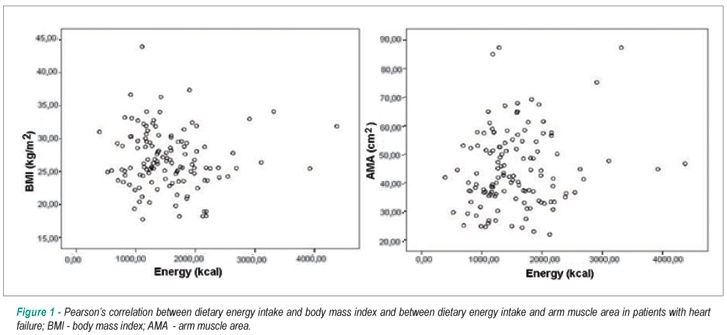
SUMMARY: Increased knowledge about nutritional status and energy and nutrient intakes is required to improve the treatment of patients with heart failure (HF). OBJECTIVES: To verify the nutritional status and evaluate the adequacy of energy, macronutrient and micronutrient intakes in patients with HF in outpatient clinical settings. METHODS: We collected anthropometric and habitual dietary intake data of 125 patients (72% men, 52.1 ± 9.8 years, BMI 26.9 ± 4.4 kg/m2). Anthropometric variables were compared between genders, and the adequacy of energy and nutrient intakes was analyzed according to current recommendations. RESULTS: Muscle depletion or risk of depletion was present in 38.4% of patients (association with male gender, p <0.0001). In 69.6% of cases the mean energy intake was lower than the one required (p <0.0001). Among the micronutrients evaluated in this study, there was an important prevalence of inadequacy in magnesium, zinc, iron and thiamine intakes, and most patients had calcium and potassium intakes below the adequate levels, and sodium intake above the adequate levels. CONCLUSIONS: Outpatients with HF showed muscle depletion, and inadequate energy and nutrient intakes. There was no significant association between habitual dietary energy intake and nutritional status. Multidisciplinary care should be encouraged to better assess the general condition of these patients.

  • adequacy
  • energy intake
  • Heart Failure
  • nutrients
  • nutritional status
Read Full Article
Creative Commons Attribution (CC BY) Creative Commons license
06/01/2010 DOI: 10.1590/S0066-782X2009001100016
Influence of prior nutritional status on the development of the metabolic syndrome in adults
ABC
Artigo Original

Influence of prior nutritional status on the development of the metabolic syndrome in adults

Renata Maria Souza Oliveira et al. Sylvia do Carmo Castro Franceschini Gilberto Paixão Rosado Silvia Eloiza Priore

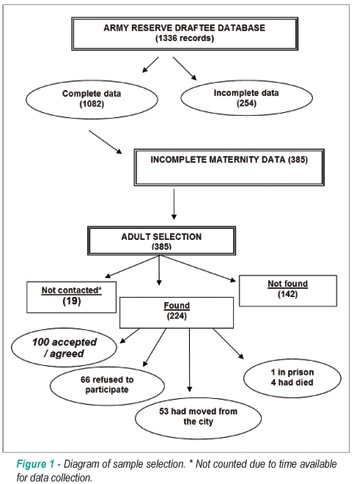
BACKGROUND: The increase in the prevalence of excess weight among people of increasingly younger age groups may lead to the early development of cardiovascular risks. OBJECTIVE: To investigate the prevalence of the metabolic syndrome among young adults and the impact of birth conditions and nutritional status during adolescence on this disorder. METHODS: One hundred individuals were evaluated at three different stages of life. By consulting the database of people enlisted in the army reserve military service, data were collected on weight, height, and waist circumference of all draftees of 1996, 1997, and 1999 in order to analyze their nutritional status during adolescence. Using the same database, information was sought at the maternity on their birth conditions and the adult individuals were identified. Anthropometric and biochemical data were obtained from these adults. The Metabolic Syndrome (MS) was classified according to ATP III NCEP. Body fat percentage was assessed with bioelectrical impedance and the statistical analysis was performed using the Sigma Stat 2.0 software. RESULTS: Prevalence of the MS was detected in 13% of the individuals. The birth conditions showed no relationship with the syndrome. In adolescence, those individuals diagnosed with MS had greater values for weight (11 kg; p =<0.001), WC (8 cm; p < 0.001), and BMI (2.5 kg/m²; p= 0.002). CONCLUSION: A significant part of the risk factors for cardiovascular conditions starts during childhood and adolescence, and is likely to persist throughout life; therefore, primary prevention measures are critical in the context of cardiovascular disease.

  • Adults
  • Metabolic Syndrome
  • nutritional status
Read Full Article
Creative Commons Attribution (CC BY) Creative Commons license
06/04/2009 DOI: 10.1590/S0066-782X2009000200006 Views 1
Impact of nutritional counseling in reducing serum cholesterol in public health service patients
ABC
Original Article

Impact of nutritional counseling in reducing serum cholesterol in public health service patients

Maria da Conceição Rosado Batista et al. Sylvia do Carmo Castro Franceschini

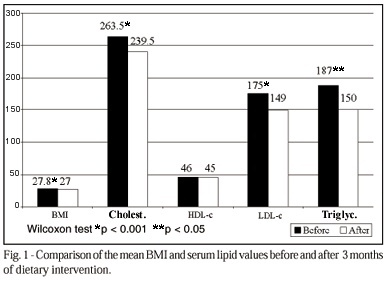
OBJECTIVE: To assess the impact of nutritional attention on the lipid profile and nutritional status of hypercholesterolemic patients attended in health centers of Belo Horizonte. METHODS: Using nutritional attendance patient record cards from two health units, the evolution of the lipid profile and the nutritional state (BMI) was monitored of 96 hypercholesterolemic patients who received diet. The patients were appraised at the following moments: initial (1st consultation), after 3 months (2nd consultation) and last consultation (variable for each patient). RESULTS: On the first attendance, 44,4% of the patients presented not only high total cholesterol and LDL-c, but also hypertriglyceridemia and 70.3% were overweight or obese, but most patients (75.6%) presented adequate HDL-c levels. There was significant reduction in the BMI, total cholesterol, LDL-c values (p < 0.01) and also in the triglyceride levels (p < 0.05) in the first three months, without alteration in the HDL-c levels. A significant reduction (p < 0.01) was observed in the frequency of individuals with high cholesterol (from 89.6% down to 47.9%), high and very high LDL-c (from 82.6% down to 45.7%), as well as high and very high triglyceride (from 43.6% down to 16.7%). The observed reduction in frequency of the low HDL-c was statistically meaningless. CONCLUSION: This study evidences the effect of the nutritional attention on lipid profile in hypercholesterolemic patients, reinforcing the need for a multiprofessional team to attend them at the public health services.

  • Diet
  • Hypercholesterolemia
  • nutritional status
Read Full Article
Creative Commons Attribution (CC BY) Creative Commons license
02/04/2003 DOI: 10.1590/S0066-782X2003000200005 Views 1

How to cite this article

EndNote RIS

Electronic Document Format (Vancouver)

Gondo LA, Moura LAZ, Bonatto MG, Pagliosa VMR, Machado GV, Oliveira FC, Lemke AG, et al. Malnutrition in Outpatients with Heart Failure: Prevalence, Associated Factors and 6-Month Impact. ABC Heart Fail Cardiomyop 2025;5(4):e20250038.

Electronic Document Format (ABNT)

Gondo, Leonardo Akira; Moura, Lidia Ana Zytynski; Bonatto, Marcely Gimenes; Pagliosa, Victoria Marzagao Ribeiro; Machado, Giovanna Voigt; Oliveira, Flavia Centenaro de; Lemke, Angela Guzzo; Contini, Amanda Licheski; Freitas, Ana Karyn Ehrenfried de. Malnutrition in Outpatients with Heart Failure: Prevalence, Associated Factors and 6-Month Impact. ABC Heart Fail Cardiomyop, v. 5, n. 4, e20250038, Dec. 2025.

Electronic Document Format (APA)

Gondo, L. A., Moura, L. A. Z., Bonatto, M. G., Pagliosa, V. M. R., Machado, G. V., Oliveira, F. C. , Lemke, A. G., Contini, A. L., & Freitas, A. K. E. (2025). Malnutrition in Outpatients with Heart Failure: Prevalence, Associated Factors and 6-Month Impact. ABC Heart Fail Cardiomyop, 5(4), e20250038.

Electronic Document Format (ISO)

Gondo, Leonardo Akira and Moura, Lidia Ana Zytynski and Bonatto, Marcely Gimenes and Pagliosa, Victoria Marzagao Ribeiro and Machado, Giovanna Voigt and Oliveira, Flavia Centenaro de and Lemke, Angela Guzzo and Contini, Amanda Licheski and Freitas, Ana Karyn Ehrenfried de. Malnutrition in Outpatients with Heart Failure: Prevalence, Associated Factors and 6-Month Impact. ABC Heart Fail Cardiomyop [online]. 2025, vol. 5, n. 4, [cited 2026-10-14], e20250038. Available from: <https://journals.cardiol.br/en/article/malnutrition-in-outpatients-with-heart-failure-prevalence-associated-factors-and-6-month-impact/>

EndNote RIS

Electronic Document Format (Vancouver)

Rodrigues GF, Vieira DR, Ruschel PP, Seelig C, Coronel C, Barbiero SM. Interdisciplinary Group Intervention on Nutritional Profile, Quality of Life, and Stress During Cardiopulmonary Rehabilitation: A Randomized Clinical Trial. International Journal of Cardiovascular Sciences 2022;35(5):596-60.

Electronic Document Format (ABNT)

Rodrigues, Giana de Freitas; Vieira, Daniela da Rosa; Ruschel, Patrícia Pereira; Seelig, Cynthia; Coronel, Christian; Barbiero, Sandra Mari. Interdisciplinary Group Intervention on Nutritional Profile, Quality of Life, and Stress During Cardiopulmonary Rehabilitation: A Randomized Clinical Trial. International Journal of Cardiovascular Sciences, v. 35, n. 5, p. 596-606, May. 2022.

Electronic Document Format (APA)

Rodrigues, G. F., Vieira, D. R., Ruschel, P. P., Seelig, C., Coronel, C., & Barbiero, S. M. (2022). Interdisciplinary Group Intervention on Nutritional Profile, Quality of Life, and Stress During Cardiopulmonary Rehabilitation: A Randomized Clinical Trial. International Journal of Cardiovascular Sciences, 35(5), 596-606.

Electronic Document Format (ISO)

Rodrigues, Giana de Freitas and Vieira, Daniela da Rosa and Ruschel, Patrícia Pereira and Seelig, Cynthia and Coronel, Christian and Barbiero, Sandra Mari. Interdisciplinary Group Intervention on Nutritional Profile, Quality of Life, and Stress During Cardiopulmonary Rehabilitation: A Randomized Clinical Trial. International Journal of Cardiovascular Sciences [online]. 2022, vol. 35, n. 5, [cited 2026-10-14], pp. 596-606. Available from: <https://journals.cardiol.br/en/article/interdisciplinary-group-intervention-on-nutritional-profile-quality-of-life-and-stress-during-cardiopulmonary-rehabilitation-a-randomized-clinical-trial/>. ISSN 2359-4802

EndNote RIS

Electronic Document Format (Vancouver)

Okoshi MP, Cortez RM, Pagan LU, Martinez PF, Pereira FWL. Supplementation of Vitamin D. Arquivos Brasileiros de Cardiologia 2021;116(5):979-80.

Electronic Document Format (ABNT)

Okoshi, Marina P.; Cortez, Rosana M.; Pagan, Luana U.; Martinez, Paula F.; Pereira, Filipe W. L.. Supplementation of Vitamin D. Arquivos Brasileiros de Cardiologia, v. 116, n. 5, p. 979-980, May. 2021.

Electronic Document Format (APA)

Okoshi, M. P., Cortez, R. M., Pagan, L. U., Martinez, P. F., & Pereira, F. W. L. (2021). Supplementation of Vitamin D. Arquivos Brasileiros de Cardiologia, 116(5), 979-980.

Electronic Document Format (ISO)

Okoshi, Marina P. and Cortez, Rosana M. and Pagan, Luana U. and Martinez, Paula F. and Pereira, Filipe W. L.. Supplementation of Vitamin D. Arquivos Brasileiros de Cardiologia [online]. 2021, vol. 116, n. 5, [cited 2026-10-14], pp. 979-980. Available from: <https://journals.cardiol.br/en/article/supplementation-of-vitamin-d/>. ISSN 0066-782X

EndNote RIS

Electronic Document Format (Vancouver)

Garcez MR, Pereira JL, Fontanelli MM, Marchioni DML, Fisberg RM. Prevalence of Dyslipidemia According to the Nutritional Status in a Representative Sample of São Paulo. Arquivos Brasileiros de Cardiologia 2014;103(6):476-84.

Electronic Document Format (ABNT)

Garcez, Marcela Riccioppo; Pereira, Jaqueline Lopes; Fontanelli, Mariane de Mello; Marchioni, Dirce Maria Lobo; Fisberg, Regina Mara. Prevalence of Dyslipidemia According to the Nutritional Status in a Representative Sample of São Paulo. Arquivos Brasileiros de Cardiologia, v. 103, n. 6, p. 476-484, Oct. 2014.

Electronic Document Format (APA)

Garcez, M. R., Pereira, J. L., Fontanelli, M. M., Marchioni, D. M. L., & Fisberg, R. M. (2014). Prevalence of Dyslipidemia According to the Nutritional Status in a Representative Sample of São Paulo. Arquivos Brasileiros de Cardiologia, 103(6), 476-484.

Electronic Document Format (ISO)

Garcez, Marcela Riccioppo and Pereira, Jaqueline Lopes and Fontanelli, Mariane de Mello and Marchioni, Dirce Maria Lobo and Fisberg, Regina Mara. Prevalence of Dyslipidemia According to the Nutritional Status in a Representative Sample of São Paulo. Arquivos Brasileiros de Cardiologia [online]. 2014, vol. 103, n. 6, [cited 2026-10-14], pp. 476-484. Available from: <https://journals.cardiol.br/en/article/prevalence-of-dyslipidemia-according-to-the-nutritional-status-in-a-representative-sample-of-sao-paulo/>. ISSN 0066-782X

EndNote RIS

Electronic Document Format (Vancouver)

Borges CF, Busnello FM, Pellanda LC. Identification of cardiovascular risk factors in parents/caregivers of children with heart diseases. Arquivos Brasileiros de Cardiologia 2012;99(4):936-43.

Electronic Document Format (ABNT)

Borges, Camila Feijó; Busnello, Fernanda Michielin; Pellanda, Lucia Campos. Identification of cardiovascular risk factors in parents/caregivers of children with heart diseases. Arquivos Brasileiros de Cardiologia, v. 99, n. 4, p. 936-943, Sep. 2012.

Electronic Document Format (APA)

Borges, C. F., Busnello, F. M., & Pellanda, L. C. (2012). Identification of cardiovascular risk factors in parents/caregivers of children with heart diseases. Arquivos Brasileiros de Cardiologia, 99(4), 936-943.

Electronic Document Format (ISO)

Borges, Camila Feijó and Busnello, Fernanda Michielin and Pellanda, Lucia Campos. Identification of cardiovascular risk factors in parents/caregivers of children with heart diseases. Arquivos Brasileiros de Cardiologia [online]. 2012, vol. 99, n. 4, [cited 2026-10-14], pp. 936-943. Available from: <https://journals.cardiol.br/en/article/identification-of-cardiovascular-risk-factors-in-parents-caregivers-of-children-with-heart-diseases/>. ISSN 0066-782X

EndNote RIS

Electronic Document Format (Vancouver)

Teixeira CS, Pereira F. Physical fitness, age and nutritional status of military personnel. Arquivos Brasileiros de Cardiologia 2010;94(4):438-43.

Electronic Document Format (ABNT)

Teixeira, Clarissa Stefani; Pereira, Érico Felden. Physical fitness, age and nutritional status of military personnel. Arquivos Brasileiros de Cardiologia, v. 94, n. 4, p. 438-443, Mar. 2010.

Electronic Document Format (APA)

Teixeira, C. S., & Pereira, F. (2010). Physical fitness, age and nutritional status of military personnel. Arquivos Brasileiros de Cardiologia, 94(4), 438-443.

Electronic Document Format (ISO)

Teixeira, Clarissa Stefani and Pereira, Érico Felden. Physical fitness, age and nutritional status of military personnel. Arquivos Brasileiros de Cardiologia [online]. 2010, vol. 94, n. 4, [cited 2026-10-14], pp. 438-443. Available from: <https://journals.cardiol.br/en/article/physical-fitness-age-and-nutritional-status-of-military-personnel/>. ISSN 0066-782X

EndNote RIS

Electronic Document Format (Vancouver)

Lourenço BH, Vieira LP, Macedo A, Nakasato M, Marucci MFN, Bocchi EA. Nutritional status and adequacy of energy and nutrient intakes among heart failure patients. Arquivos Brasileiros de Cardiologia 2010;93(5):541-8.

Electronic Document Format (ABNT)

Lourenço, Bárbara Hatzlhoffer; Vieira, Lis Proença; Macedo, Alessandra; Nakasato, Miyoko; Marucci, Maria de Fátima Nunes; Bocchi, Edimar Alcides. Nutritional status and adequacy of energy and nutrient intakes among heart failure patients. Arquivos Brasileiros de Cardiologia, v. 93, n. 5, p. 541-548, Jan. 2010.

Electronic Document Format (APA)

Lourenço, B. H., Vieira, L. P., Macedo, A., Nakasato, M., Marucci, M. F. N., & Bocchi, E. A. (2010). Nutritional status and adequacy of energy and nutrient intakes among heart failure patients. Arquivos Brasileiros de Cardiologia, 93(5), 541-548.

Electronic Document Format (ISO)

Lourenço, Bárbara Hatzlhoffer and Vieira, Lis Proença and Macedo, Alessandra and Nakasato, Miyoko and Marucci, Maria de Fátima Nunes and Bocchi, Edimar Alcides. Nutritional status and adequacy of energy and nutrient intakes among heart failure patients. Arquivos Brasileiros de Cardiologia [online]. 2010, vol. 93, n. 5, [cited 2026-10-14], pp. 541-548. Available from: <https://journals.cardiol.br/en/article/nutritional-status-and-adequacy-of-energy-and-nutrient-intakes-among-heart-failure-patients/>. ISSN 0066-782X

EndNote RIS

Electronic Document Format (Vancouver)

Oliveira RMS, Franceschini SCC, Rosado GP, Priore SE. Influence of prior nutritional status on the development of the metabolic syndrome in adults. Arquivos Brasileiros de Cardiologia 2009;92(2):107-12.

Electronic Document Format (ABNT)

Oliveira, Renata Maria Souza; Franceschini, Sylvia do Carmo Castro; Rosado, Gilberto Paixão; Priore, Silvia Eloiza. Influence of prior nutritional status on the development of the metabolic syndrome in adults. Arquivos Brasileiros de Cardiologia, v. 92, n. 2, p. 107-112, Apr. 2009.

Electronic Document Format (APA)

Oliveira, R. M. S., Franceschini, S. C. C., Rosado, G. P., & Priore, S. E. (2009). Influence of prior nutritional status on the development of the metabolic syndrome in adults. Arquivos Brasileiros de Cardiologia, 92(2), 107-112.

Electronic Document Format (ISO)

Oliveira, Renata Maria Souza and Franceschini, Sylvia do Carmo Castro and Rosado, Gilberto Paixão and Priore, Silvia Eloiza. Influence of prior nutritional status on the development of the metabolic syndrome in adults. Arquivos Brasileiros de Cardiologia [online]. 2009, vol. 92, n. 2, [cited 2026-10-14], pp. 107-112. Available from: <https://journals.cardiol.br/en/article/influence-of-prior-nutritional-status-on-the-development-of-the-metabolic-syndrome-in-adults/>. ISSN 0066-782X

EndNote RIS

Electronic Document Format (Vancouver)

Batista MCR, Franceschini SCC. Impact of nutritional counseling in reducing serum cholesterol in public health service patients. Arquivos Brasileiros de Cardiologia 2003;80(2):167-70.

Electronic Document Format (ABNT)

Batista, Maria da Conceição Rosado; Franceschini, Sylvia do Carmo Castro. Impact of nutritional counseling in reducing serum cholesterol in public health service patients. Arquivos Brasileiros de Cardiologia, v. 80, n. 2, p. 167-170, Apr. 2003.

Electronic Document Format (APA)

Batista, M. C. R., & Franceschini, S. C. C. (2003). Impact of nutritional counseling in reducing serum cholesterol in public health service patients. Arquivos Brasileiros de Cardiologia, 80(2), 167-170.

Electronic Document Format (ISO)

Batista, Maria da Conceição Rosado and Franceschini, Sylvia do Carmo Castro. Impact of nutritional counseling in reducing serum cholesterol in public health service patients. Arquivos Brasileiros de Cardiologia [online]. 2003, vol. 80, n. 2, [cited 2026-10-14], pp. 167-170. Available from: <https://journals.cardiol.br/en/article/impact-of-nutritional-counseling-in-reducing-serum-cholesterol-in-public-health-service-patients/>. ISSN 0066-782X

  • About ABC Family
  • Internal Regulation
  • Editorial Board
  • Brazilian Society of Cardiology (SBC)

Issues

SBC Guidelines

  • Videos
  • Podcasts
  • News