| ABC
ABC Family Arquivos Brasileiros de Cardiologia International Journal of Cardiovascular Sciences ABC Heart Failure & Cardiomyopathy ABC Imagem Cardiovascular
Português English
ABC Family | ABC
Português English
  • About
    • About the Journal
    • Internal Regulation
    • Editors Section
    • Editorial Board
    • History
    • SBC Award
  • Instructions to Authors
    • Guidelines for Publication
    • Editorial Policy
    • Ethics Policy
    • Policy on the Use of Artificial Intelligence
    • Mandatory Publication Form
    • Publication Fee
  • Issues
  • SBC Guidelines
  • Abstracts
    • How to Publish an Abstract Supplement?
    • Supplements from the Brazilian Congress of Cardiology
  • About
    • About the Journal
    • Internal Regulation
    • Editors Section
    • Editorial Board
    • History
    • SBC Award
  • Instructions to Authors
    • Guidelines for Publication
    • Editorial Policy
    • Ethics Policy
    • Policy on the Use of Artificial Intelligence
    • Mandatory Publication Form
    • Publication Fee
  • Issues
  • SBC Guidelines
  • Abstracts
    • How to Publish an Abstract Supplement?
    • Supplements from the Brazilian Congress of Cardiology

ABC Family

  • ABC Family
  • Arquivos Brasileiros de Cardiologia
  • International Journal of Cardiovascular Sciences
  • ABC Heart Failure & Cardiomyopathy
  • ABC Imagem Cardiovascular
Search in

No content found.

Journals
Ordering
Article types
Others

  1. Home
  2. ABC
  3. Issues
  4. 2022, Volume 119, Number 4
Editorial

The Action of the Energy Drink on the Recovery Heart Rate is Independent of the Functional Capacity

Rodrigo Freire Dutra et al. Francisco Eberth Marinho Marques Luciana Diniz Nagem Janot de Matos

The consumption of caffeinated energy drinks (ED) has increased considerably in recent years. Increased ability to concentrate, gain in work performance and increased performance in physical activity are some of the reasons that lead to the search for the drink.

During the pandemic, with changes in routine imposed by the need for social isolation, some works reported an increase in ED intake. There was also greater consumption in the young population motivated by factors such as better performance in sports and the ability to concentrate. ,

[…]

  • Autonomc Nervous System
  • Cardiovascular System
  • Dietary Supplements
  • Energy Drinks
  • Exercise
Read Full Article
Creative Commons Attribution (CC BY) Creative Commons license
21/10/2022 DOI: 10.36660/abc.20220596
Editorial

Rhythm Control Interventions in Patients with Atrial Fibrillation – Insights on Preprocedural Anticoagulation and Utility of Left Atrial Imaging

Mirella Facin et al. Nelson Samesima

The most common sustained arrhythmia in clinical practice is atrial fibrillation (AF), , affecting 2-4% of the adult population worldwide. It is even more frequent with aging, with almost 10% prevalence in individuals older than 80. Current estimates state that one in every three adults aged 55 years will develop AF during their lifetime, leading to substantial healthcare and economic burden. Clinical issues relate primarily to thromboembolic events (TE) and arrhythmic symptoms, both central targets while managing patients with AF. ,

Overall, atrial fibrillation confers a 2-5-fold escalated risk of TE, which is not evenly distributed, depending on unique modifiers. Important risk factors abridged in the CHA2DS2-VASc score – Congestive heart failure, Hypertension, Age ≥75 years, Diabetes, Stroke/TIA, Vascular disease, Age 65-74 years, Sex (female) – may predict stroke risk, consistently mitigated in almost 70% by proper anticoagulation. Vitamin K antagonists (VKAs) were the only oral anticoagulants available for over half a century. From 2009 to 2013, pivotal randomized controlled trials acquainted the scientific community with the new/direct oral anticoagulants (DOACs). – These drugs not only held similar efficacy to VKA in preventing thromboembolic events but also had a better safety profile against major bleeding – notably intracranial hemorrhage – and a more predictable pharmacokinetic and pharmacodynamic profile, ruling out the need for routine laboratory monitoring. However, the applicability of DOACs in off-label backgrounds, including stroke prevention during rhythm control interventions, remained unclear for many years.

[…]

  • Atrial Fibrillation
  • Electric Countershock
  • Thrombosis
  • Transesophageal echocardiography
Read Full Article
Creative Commons Attribution (CC BY) Creative Commons license
21/10/2022 DOI: 10.36660/abc.20220663
Figure 1
Editorial

Foam Cells in Atherosclerosis

Paulo Sampaio Gutierrez

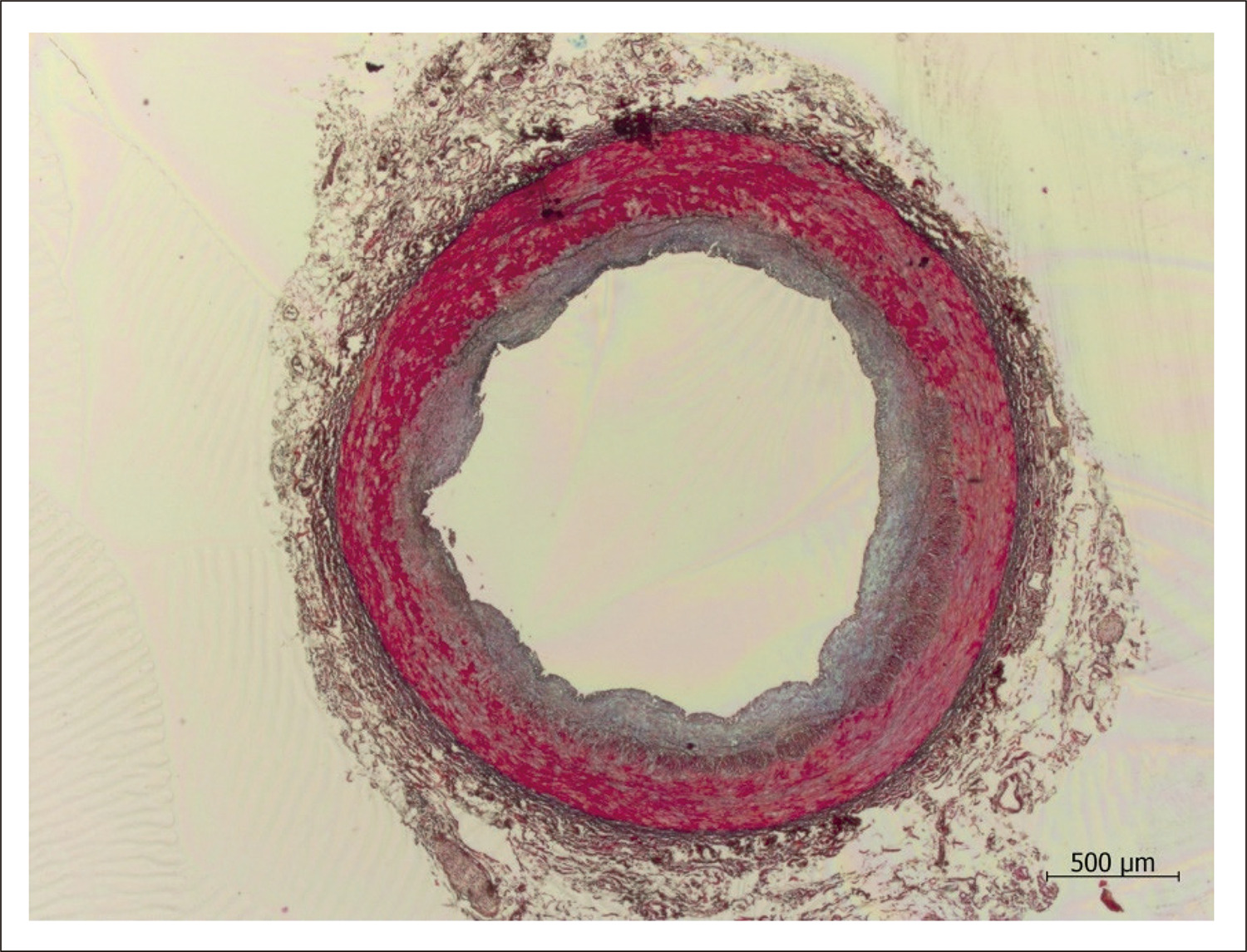
In the early stages of atherosclerotic lesions, there is an accumulation of lipids in the tunica intima, which, in this location, undergo modifications such as oxidation and become capable of inducing inflammatory reactions and, consequently, the progression of the pathological process. It is worth noting that there are indications that interactions with components present in this arterial layer are important for fats to be retained and, therefore, subject to the modifications above that bring them pro-inflammatory properties. In this sense, it is interesting to note that while most mammalian species have a “virtual” arterial intima – that is, at light microscopy, the endothelium appears to lie directly on the internal elastic lamina (although observation electron microscopy reveals that this is not the case) and are less susceptible to atherosclerotic disease, species in which there is an amount of tissue that can be seen at light microscopy separating the endothelium from the internal elastic lamina, such as rabbits, pigs, apes and, mainly, human beings ( ), are the ones that are prone to such alteration.

[…]

  • Atherosclerosis
  • Foam Cells
  • Pathology
Read Full Article
Creative Commons Attribution (CC BY) Creative Commons license
21/10/2022 DOI: 10.36660/abc.20220659 Views 2
Editorial

Conduction Disturbances Associated with Transcatheter Aortic Valve Implantation: Challenge for another 20 Years?

Antonio Hélio Pozetti et al. Henrique Barbosa Ribeiro

Transcatheter aortic valve implantation (TAVI) is a well-established procedure for treating severe aortic stenosis in elderly patients, regardless of the surgical risk. Since its introduction two decades ago, there have been major technological advances in devices, which, combined with new implantation techniques, have brought significant reductions in periprocedural complication rates, leading to their greater adoption worldwide. However, the incidence of conduction disorders showed a modest reduction, remaining the most frequent complication after TAVI, – which contributes to the increase in hospital stay, costs and the worsening of short and long-term clinical outcomes. In addition, the approach to conduction disorders still varies greatly between centers, especially regarding the management of new left bundle branch block (LBBB), post-procedure advanced atrioventricular block (AVB) and previous right bundle branch block (RBBB), translated into variable rates of permanent pacemaker (PM) implantation. Among patients who received PM after TAVI, there is also great variability regarding their dependence (ventricular pacing) at follow-up.

In this journal edition, Pinto et al. evaluated the incidence of conduction disorders, predictors and the rate of PM dependence in a population of 340 consecutive patients undergoing TAVI. Conduction disorders occurred in more than 50% of post-procedure patients, with LBBB being the most frequent (32%), showing spontaneous resolution in 56% of them after 6 months. The overall PM implant rate was 18.5%, with prior RBBB being its main predictor. Among the patients who required PM, the main reasons were advanced AVB (60.3%), followed by LBBB with low-degree AVB (22%). Interestingly, there was a wide variation in the percentage of ventricular pacing among patients who received PM, being 83% in patients with advanced AVB (Advanced AVB and Mobitz Type II) and only 2% in those implanted with LBBB and low-degree AVB (first-degree AVB and Mobitz type I). – However, some aspects of this study deserve reflection.

[…]

  • Conduction Disturbances
  • Pacemaker
  • TAVI
Read Full Article
Creative Commons Attribution (CC BY) Creative Commons license
21/10/2022 DOI: 10.36660/abc.20220619
Figure 1
Image

Peek-A-Boo What are You? The Diagnostic Challenge of a Cardiac Mass

Mariana Tinoco et al. Filipa Castro Sérgio Leite Francisco Sousa António Lourenço

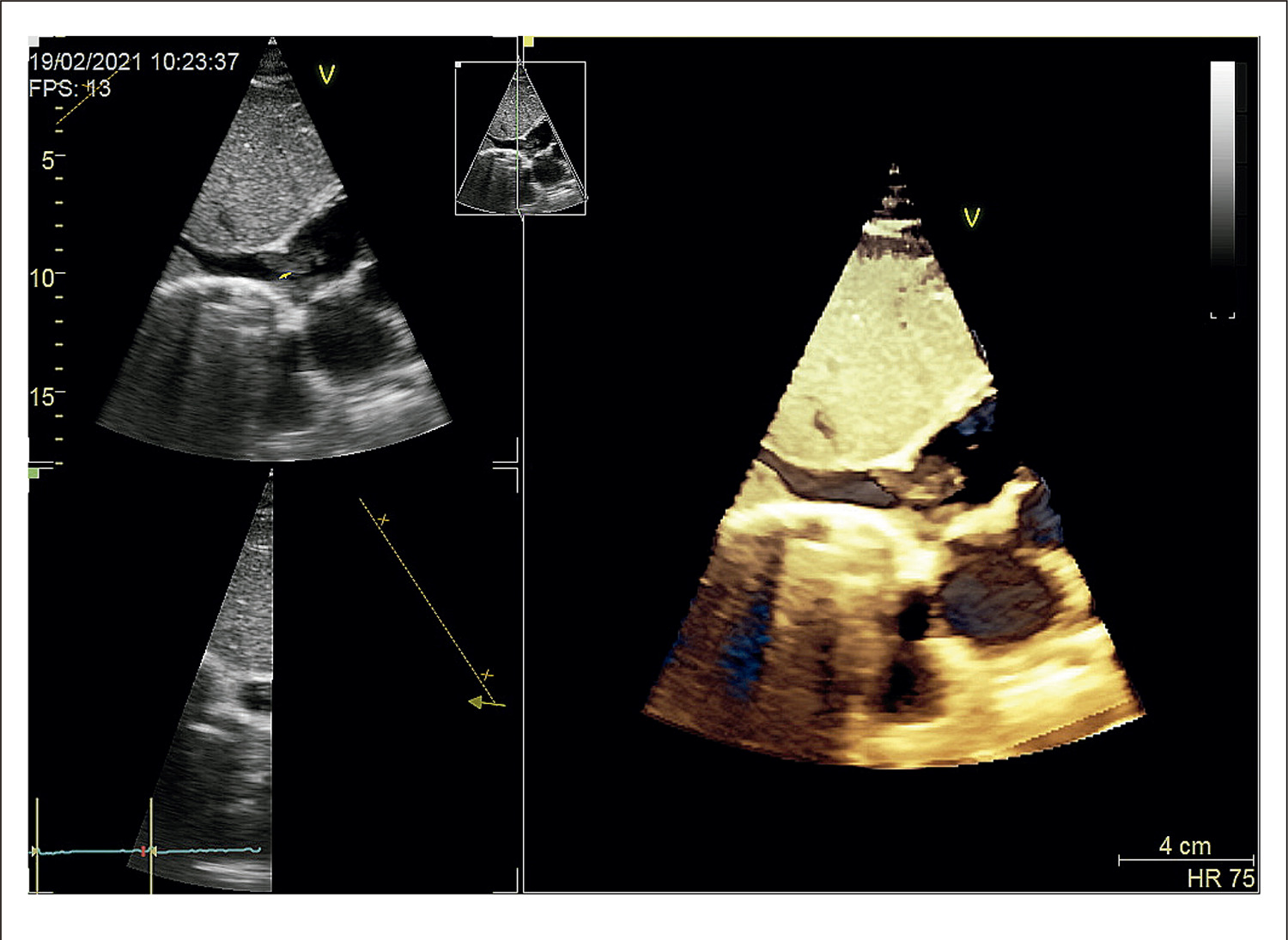
A 49-year-old female was found to have an incidental right atrial mass on a routine transthoracic echocardiography (TTE) ( ). She reported no previous significant medical history, besides a mammoplasty in 2017 complicated with implant rupture in 2019. She did not take any medication, was fit and well, and showed full exercise tolerance. There were no risk factors for venous thromboembolism, and she had no significant family medical history. The patient is a former smoker of 12 pack-years. She had 2 previous pregnancies with no miscarriages. The physical examination was unremarkable.

[…]

  • Cardiac Mass
  • Diagnostic Imaging/methods
  • Diagnostic Techniques and Procedures
  • Echocardiography, Transesophageal/methods
  • Heart Atrial
  • Resonance Magnetic/methods
  • Trombosis
Read Full Article
Creative Commons Attribution (CC BY) Creative Commons license
21/10/2022 DOI: 10.36660/abc.20211033
Figure 1
Review Article

Vascular Aging and Arterial Stiffness

Adriana Camargo Oliveira et al. Pedro Miguel Guimarães Marques Cunha Priscila Valverde de Oliveria Vitorino Ana Luiza Lima Souza … Gilcimar Divino Deus Audes Feitosa Eduardo Costa Duarte Barbosa Marco Mota Gomes Paulo Cesar B. Veiga Jardim Weimar Kunz Sebba Barroso

Abstract

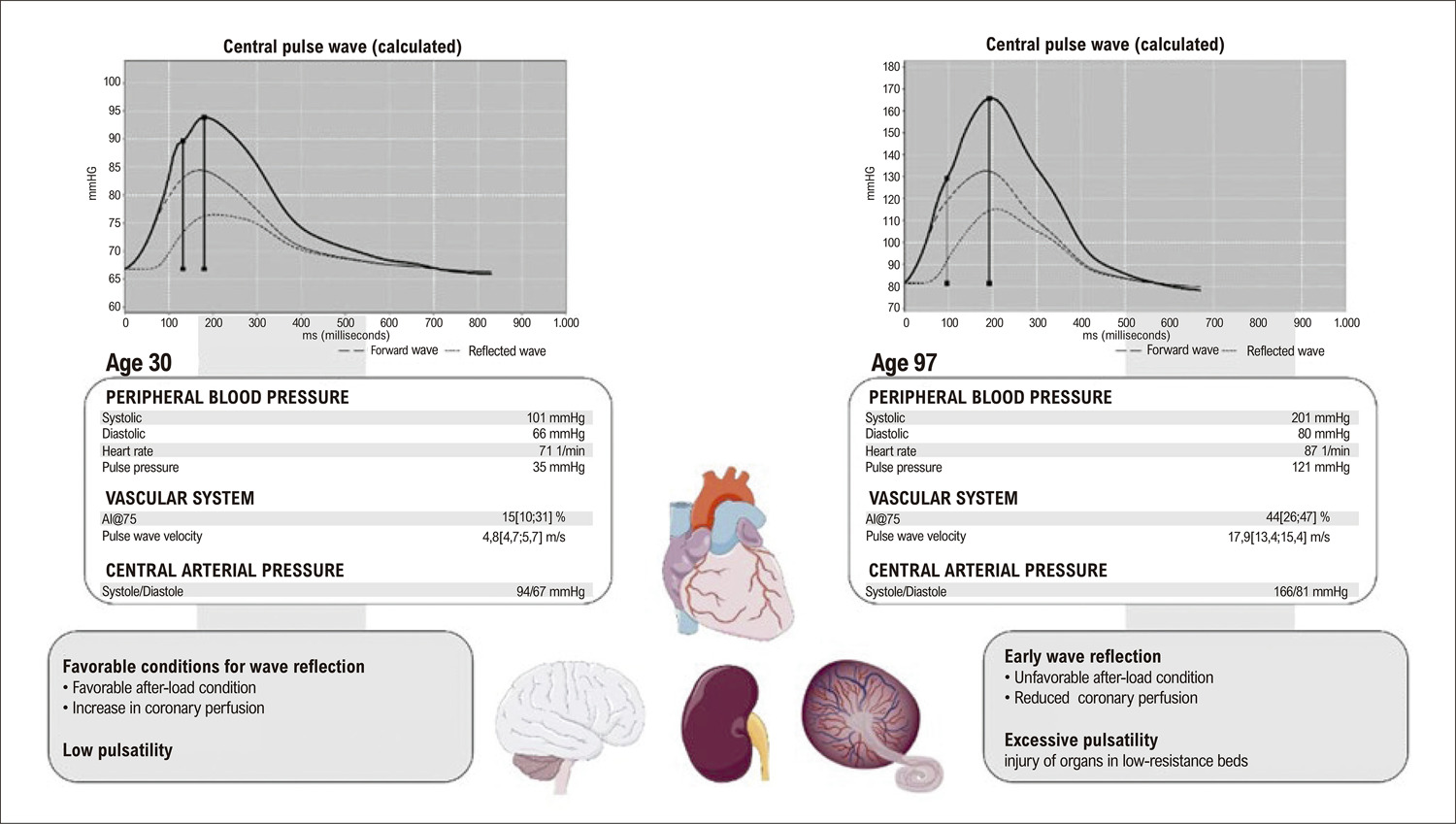
Biological aging occurs as a result of the interaction between genetics, chronological age and external factors. It is the basis for new concepts of vascular aging, whose progression is determined by the difference between biological and chronological age. From the structural point of view, the effects of vascular aging are more evident in the tunica media of large elastic arteries, marked by increased arterial stiffness, lumen dilation and wall thickness. These effects are described in the continuum of cardiovascular aging (proposed by Dzau in 2010), in which the progressive steps of microvasculature lesions of the heart, kidney and brain are initiated from the aging process. The increase of arterial stiffness can be detected by several non-invasive methods. Cardiovascular events have been traditionally described using scores that combine conventional risk factors for atherosclerosis. In the classic cardiovascular continuum (Dzau, 2006), to determine the exact contribution of each risk factor is challenging; however, since arterial stiffness reflects both early and cumulative damage of these cardiovascular risk factors, it is an indicator of the actual damage to the arterial wall. This article provides a general overview of pathophysiological mechanisms, arterial structural changes, and hemodynamic consequences of arterial stiffness; non-invasive methods for the assessment of arterial stiffness and of central blood pressure; the cardiovascular aging continuum, and the application of arterial stiffness in cardiovascular risk stratification.

  • Heart Disease Risk Factors
  • Hypertension
  • Pulse Wave Analysis
  • Vascular Remodeling
  • Vascular Stiffness
Read Full Article
Creative Commons Attribution (CC BY) Creative Commons license
21/10/2022 DOI: 10.36660/abc.20210708 Views 2
Editorial

Blood Pressure Variability and Cardiovascular Risk in ELSA-Brasil: A Potential Surrogate Marker for Predicting Mortality and Cardiovascular Outcomes?

Maria Cristina Izar et al. Francisco A. H. Fonseca

Blood pressure (BP) homeostasis is a crucial element in the protection of cardiovascular events. Many national and international guidelines – have proposed target values for blood pressure, and these recommendations consider slightly different goals according to hypertension stages, risk stratification and presence of renal or cardiovascular diseases, and target organ lesion. However, these values are based on office measures, ambulatory blood pressure monitoring (ABPM) and home blood pressure monitoring (HBPM), not accounting for blood pressure variability (BPV). BP intraindividual variability is an independent risk factor for cardiovascular diseases regardless of mean BP. – Fluctuations in physiological measures of blood pressure do not occur randomly and can contribute or be predictors of cardiovascular outcomes.

Most studies evaluated BPV on short (24h), medium (>2 days) or long-term (weekly, monthly, or annually). , Short-term BPV can be associated with increased cardiovascular risk. ,

[…]

  • Blood Pressure
  • Cardiovascular Diseases
  • Homeostasis
  • Hypertension
  • Risk Factors
Read Full Article
Creative Commons Attribution (CC BY) Creative Commons license
21/10/2022 DOI: 10.36660/abc.20220525 Views 1
Figure 1
Case Report

Alopecia Universalis after Treatment with Simvastatin and Ezetimibe: Affects on Family

Ferhat Ozyurtlu et al. Nurullah Cetin

Abstract

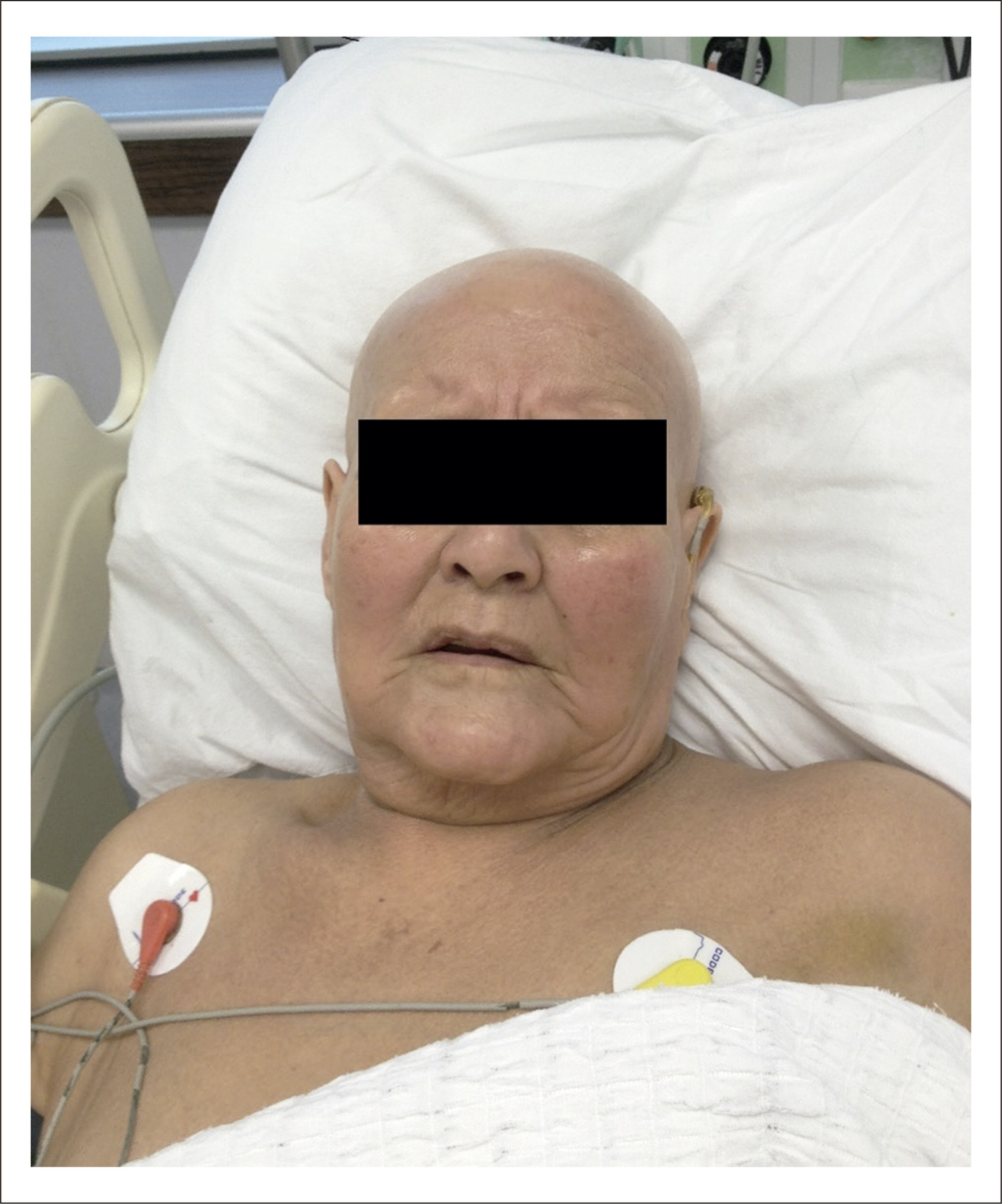
Alopecia areata (AA) is an autoimmune disease that grows in the scalp or in other parts of the body. Alopecia universalis, which is a rare form of alopecia areata, is characterized by a loss of hair that affects the entire body. In the two patients presented in this study, atorvastatin treatment was implemented, with the diagnosis of hypercholesterolemia; however, when the target values were not reached, a combination of simvastatin and ezetimibe was implemented. After a period of simvastatin/ezetimibe treatment, the AA disorder, which began with hair loss on the scalp, spread to the entire body and turned into Alopecia Universalis. Although statins can cause alopecia with autoimmune reactions, they are generally used in the treatment of alopecia due to their immunomodulatory effects.

  • Alopecia
  • Atorvastatin/adverse effects
  • Autoimmune Diseases
  • Ezetimibe, Simvastatin Drug Combination/adverse effects
  • Genetic
  • Hypercholesterolemia
Read Full Article
Creative Commons Attribution (CC BY) Creative Commons license
21/10/2022 DOI: 10.36660/abc.20220187 Views 1
Editorial

Endothelial Biomarkers and Translational Medicine: Still a Challenge

Renato Jorge Alves

The article “Can the Serum Endocan Level Be Used as a Biomarker to Predict Subclinical Atherosclerosis in Patients with Prediabetes?” addressed a topic of the greatest relevance and originality, the diagnostic investigation of subclinical atherosclerosis in pre-diabetic patients. Therefore, the study evaluated the endothelial cell-specific molecule-1 (ESM-1) endocan concentration in pre-diabetic patients to verify the role of serum endocan levels in detecting subclinical atherosclerosis, aided by measuring the intima-media layer of the carotid arteries thickness (IMT).

Due to the global epidemic of obesity, there is an increasing number of patients diagnosed with type 2 diabetes. However, preceding this morbidity, an even greater contingent of individuals is hidden, those in the pre-diabetic or insulin resistance phase.

[…]

  • Atherosclerosis
  • Carotid Intima-Media Thickness
  • Diabetes Mellitus
  • Insulin Resistance
  • Obesity
  • Prediabetic State
Read Full Article
Creative Commons Attribution (CC BY) Creative Commons license
21/10/2022 DOI: 10.36660/abc.20220533 Views 2
Editorial

First-Degree Atrioventricular Block: A Finding Not Always Benign!

Tan Chen Wu

First-degree atrioventricular block (AVB) is characterized by sinus rhythm, AV conduction 1:1 and PR interval > 200ms. The prevalence varies according to age group, relatively rare in the population 60 years. The reported prevalence in the general population ranges from 2 to 14%. In most cases (75%), it is due to a proximal or nodal block that tends to improve conduction with a reduction in the PR interval with maneuvers that lead to an increase in adrenergic tone and/or atropine infusion.

Usually considered a benign finding, PR interval prolongation or first-degree AV block has its prognosis more recently questioned due to emerging evidence that it is the independent factor in the increased risk of atrial fibrillation (AF), cardiac pacemaker implantation and all-cause mortality. In the Framingham cohort, the presence of first-degree AV block is considered a risk factor for the development of AF, a fact confirmed in subsequent studies in other community-based cohort with the demonstration of the association between PR prolongation and heart failure and/or AF.

[…]

  • Atrioventricular block
  • Heart Failure
  • Mortality
Read Full Article
Creative Commons Attribution (CC BY) Creative Commons license
21/10/2022 DOI: 10.36660/abc.20220643
Editorial

The Paraoxanase 1 (PON1) Gene in the Context of Coronary Artery Disease

Denise da Silva Pinheiro et al. Rosália Santos Amorim Jesuíno

Cardiovascular Diseases (CVD), and more specifically Coronary Artery Disease (CAD), continue to be the most important causes of death from non-communicable diseases in Brazil and in the world. , Therefore, scientific efforts have been made to identify new biochemical markers and in the elucidation of genotypic risk profiles for CAD and other CVDs in the field of disease-association medical genetics. In this sense, a gene that has been extensively studied is the paraoxanase (PON) gene, which has three gene cluster isoforms: PON1, PON2 and PON3, located on chromosome 7q21.3-22.1. PON1 is the most studied member of the paraoxanases family due to its prominent role in lipoprotein catabolism pathways, being even pointed out as a biochemical marker of the antioxidant capacity of HDL-cholesterol particles. ,

PON1 is a multifunctional calcium-dependent ester hydrolase enzyme that is associated with HDL-cholesterol particles. It has antioxidant and antiatherogenic properties by hydrolyzing oxidized LDL cholesterol and phospholipid peroxidation products. In this way, it provides protection to cell membranes and neutralizes the effects of lipid oxidation, playing an important cardioprotective role. ,

[…]

  • Aryldialkylphosphatase/genetics
  • Biomarkers
  • Coronary Artery Disease/genética
  • Genetic Association Studies
  • Genetic Predisposition to Disease
  • Lipoproteins/blood
  • Paraoxanase 1 (PON 1)
  • Polymorphism, Single Nucleotide
Read Full Article
Creative Commons Attribution (CC BY) Creative Commons license
21/10/2022 DOI: 10.36660/abc.20220645
Figure 1
Letter to the Editor

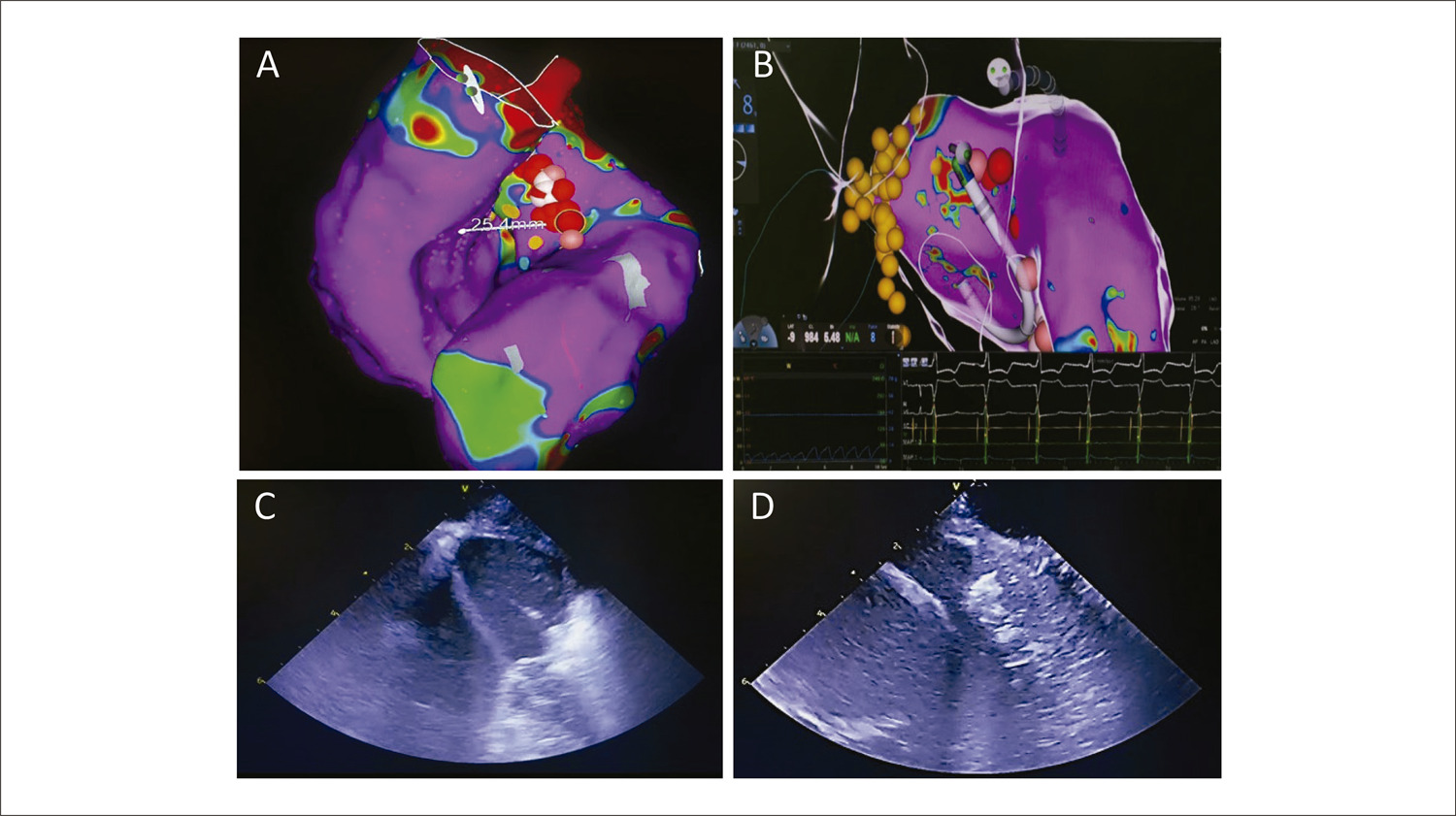
Septal Ablation with Radiofrequency and the Use of New Technologies in Patients with Hypertrophic Cardiomyopathy in an Electrophysiology Laboratory

Muhieddine Chokr et al. Marina Mayrink Pedro Mario Pinto Vandoni Pedro Vieira Linhares … Italo Bruno dos Santos Sousa Hélio José Castello Júnior Mauricio Scanavacca

Dear Editor,

We have read, with great interest, the article “Septal ablation with catheters and radiofrequency guided by echocardiography for treatment in patients with obstructive hypertrophic cardiomyopathy (OHC): First experience”, published recently by Valdigem et al. in the journal Arquivos Brasileiros de Cardiologia .

[…]

  • electrophysiology
  • Hypertrophic Cardiomyopathy
  • Radiofrequency Ablation
Read Full Article
Creative Commons Attribution (CC BY) Creative Commons license
21/10/2022 DOI: 10.36660/abc.20220143
Editorial

Cardioprotective Effect of Resistance Exercise on Left Ventricular Remodeling Associated with Monocrotaline-Induced Pulmonary Arterial Hypertension

Silvio A. Oliveira-Junior et al. Alex Y. Ogura Marianna R. Carvalho Paula F. Martinez

Pulmonary arterial hypertension (PAH) is characterized by progressive pulmonary vascular resistance, affecting several arteries and arterioles. These changes are associated with increased right ventricular afterload and remodeling, characterized by severe hypertrophy, initially adaptive and derived from vascular pressure gradient. , Afterward, these alterations are accompanied by right ventricular dilation and impaired contractile performance, resulting in reduced ejection fraction and ventricular failure. , Clinically, right ventricular size and function parameters alterations have a recognized association with bad prognosis in pulmonary arterial hypertension.

During the PAH development, when right ventricular filling pressure has been increased, and cardiac output is deteriorating, there are concomitant volumetric and pressoric overload into the right ventricle. These effects make the interventricular septum move to the left side, sustaining a paradoxical movement. Next, left ventricle (LV) ejection fraction and diastolic performance are affected, facing impaired early diastolic filling, reduced end-diastolic volume, and adverse remodeling. , Therefore, LV dysfunction configures a secondary and important effect from PAH onset. , ,

[…]

  • Exercise
  • Heart
  • Myocardial Contraction
  • Pulmonary Arterial Hypertension
Read Full Article
Creative Commons Attribution (CC BY) Creative Commons license
21/10/2022 DOI: 10.36660/abc.20220638
Research Letter

Influence of Spiritual Well-Being on Blood Pressure, Central Hemodynamics and Endothelial Function

Maria Emília Figueiredo Teixeira et al. Priscila Valverde de Oliveira Vitorino Andrea A. Brandão Ana Luiza Lima Souza … Talles Marcelo Gonçalves de Andrade Barbosa Roberto Esporcatte Mário Henrique Elesbão de Borba Álvaro Avezum Weimar Kunz Sebba Barroso

Introduction

Spirituality and religiosity (S/R) are cultural aspects that have existed since the beginnings of human existence. Having been long considered as opponent to science, only recently, S/R have gained importance in the context of health.

Definitions of S/R have been constantly evolving, according to the need for adaptation to new knowledge. Today, religion has been related to organizational, institutional and dogmatic aspects, that is, the contact with deity occurs through predetermined formats, specific to each religious segment. Spirituality is a wider term, encompassing a quest for personal, psychological and spiritual well-being, and good-quality interpersonal relationships. According to the Department of Studies in Spirituality and Cardiovascular Medicine (DEMCA, Departamento de Estudos em Espiritualidade e Medicina Cardiovascular ) of the Brazilian Cardiology Society, “spirituality is a set of moral, mental and emotional values that guide thoughts, behaviors and attitudes in life circumstances of intra and interpersonal relationships”.

[…]

  • Blood Pressure
  • Endothelium / physiology
  • Hemodynamic
  • Quality of life
  • Religion and Medicine
  • Social Values
  • Spirituality
  • Value of Life
Read Full Article
Creative Commons Attribution (CC BY) Creative Commons license
21/10/2022 DOI: 10.36660/abc.20210886 Views 1
Original Article

Left Atrial Thrombus and Dense Spontaneous Contrast in Direct Oral Anticoagulant Therapy of Atrial Fibrillation: Insights from a Reference Center

Thiago Marques et al. Francisco Darrieux Fábio Gouvêa Leandro Garambone … Ana Paula Lindoso João Lage Luciana Sacilotto Ana Lúcia Coimbra Martina Pinheiro Natália Olivetti Sissy Lara Carina Hardy Guilherme Athayde Denise Hachul Cristiano Pisani Tan Chen Wu Maurício Scanavacca

Abstract

Background

In the treatment of atrial fibrillation (AF), the most frequently sustained arrhythmia, with catheter ablation (CA) or electrical cardioversion (ECV), the periprocedural period is one of the most critical phases. Currently, the use of new direct action oral anticoagulants (DOAC) is increasingly frequent; however, in the real world, there are still few data on studies on the thrombus incidence in the left atrium (TrLA) or dense spontaneous contrast (DSC) on transesophageal echocardiogram (TEE).

Objective

To evaluate the prevalence of events and association with risk factors in patients using DOACs. Primary objective: to analyze the prevalence of thrombus in the LA by TEE in patients using DOAC undergoing ECV/CA. Second, evaluate the association of comorbidities with the presence of thrombi and DSC.

Methods

Retrospective cohort, single-center study with patients followed at the Arrhythmia Outpatient Unit (InCor-HCFMUSP). Patients indicated for procedures and using DOACs were selected, and their clinical/echocardiographic data were analyzed. A significance level of 5% was considered.

Results

354 patients were included, a total of 400 procedures, from March 2012-March 2018. Thrombus in the LA was found in 11 patients (2.8%), associated with advanced age (p=0.007) and higher CHA2DS2-VASc (p<0.001) score. DSC in the LA before TEE was found in 29 patients (7.3%), with lower LVEF (p<0.038) and greater LA dimension (p<0.0001).

Conclusion

The incidence of LA thrombus and DSC in patients using DOC in the context of AF ECV/CA, although small, is not negligible. Patients with higher CHA2DS2-VASc scores, especially older and with larger LA diameter, are more prone to these echocardiographic findings.

  • Atrial Fibrillation
  • Electric Countershock
  • Transesophageal echocardiography
Read Full Article
Creative Commons Attribution (CC BY) Creative Commons license
23/09/2022 DOI: 10.36660/abc.20210658 Views 2
Figure 2.1
Diretrizes

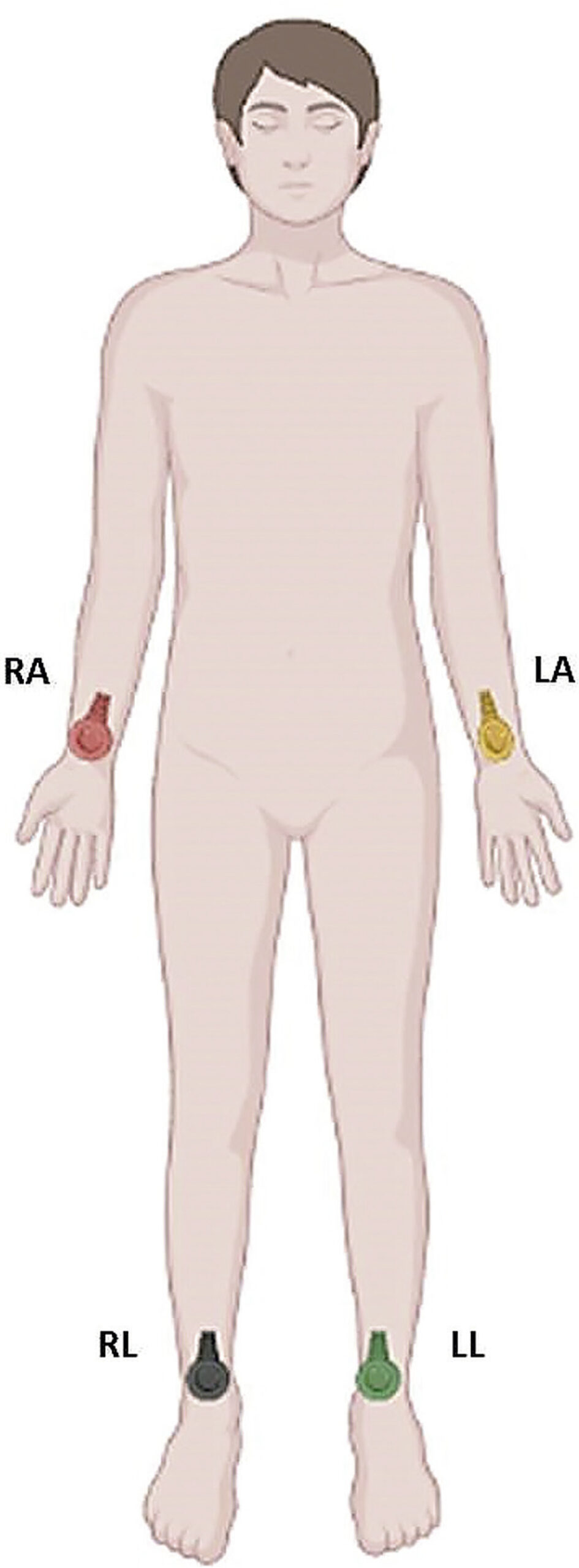
Brazilian Society of Cardiology Guidelines on the Analysis and Issuance of Electrocardiographic Reports – 2022

Nelson Samesima et al. Epotamenides Good God Jose Claudio Lupi Kruse Marcelo Garcia Leal … Claudio Pinho Francisco Faustino de A. C. França João Pimenta Acácio Fernandes Cardoso Adail Paixão Alfredo Fonseca Andrés R. Pérez-Riera Antonio Luiz Pinho Ribeiro Bruna Affonso Madaloso Bráulio Luna Filho Carlos Alberto Rodrigues de Oliveira César José Grupi Dalmo Antonio Ribeiro Moreira Elisabeth Kaiser Gabriela Miana de Mattos Paixão Gilson Feitosa Filho Horacio Gomes Pereira Filho José Grindler José Luiz Aziz Marcos Sleiman Molina Mirella Facin Nancy M. M. de Oliveira Tobias Patricia Alves de Oliveira Paulo César R. Sanches Ricardo Alkmin Teixeira Severiano Melo Atanes Carlos Alberto Pastore

Content

Introduction

1. Standards for the Analysis and Issuance of

[…]

Read Full Article
Creative Commons Attribution (CC BY) Creative Commons license
19/09/2022 DOI: 10.36660/abc.20220623 Views 4
New Insights into Medical Therapy for Heart Failure with Preserved Ejection Fraction
Research Letter

New Insights into Medical Therapy for Heart Failure with Preserved Ejection Fraction

Eduardo Thadeu de Oliveira Correia et al. Evandro Tinoco Mesquita

Introduction

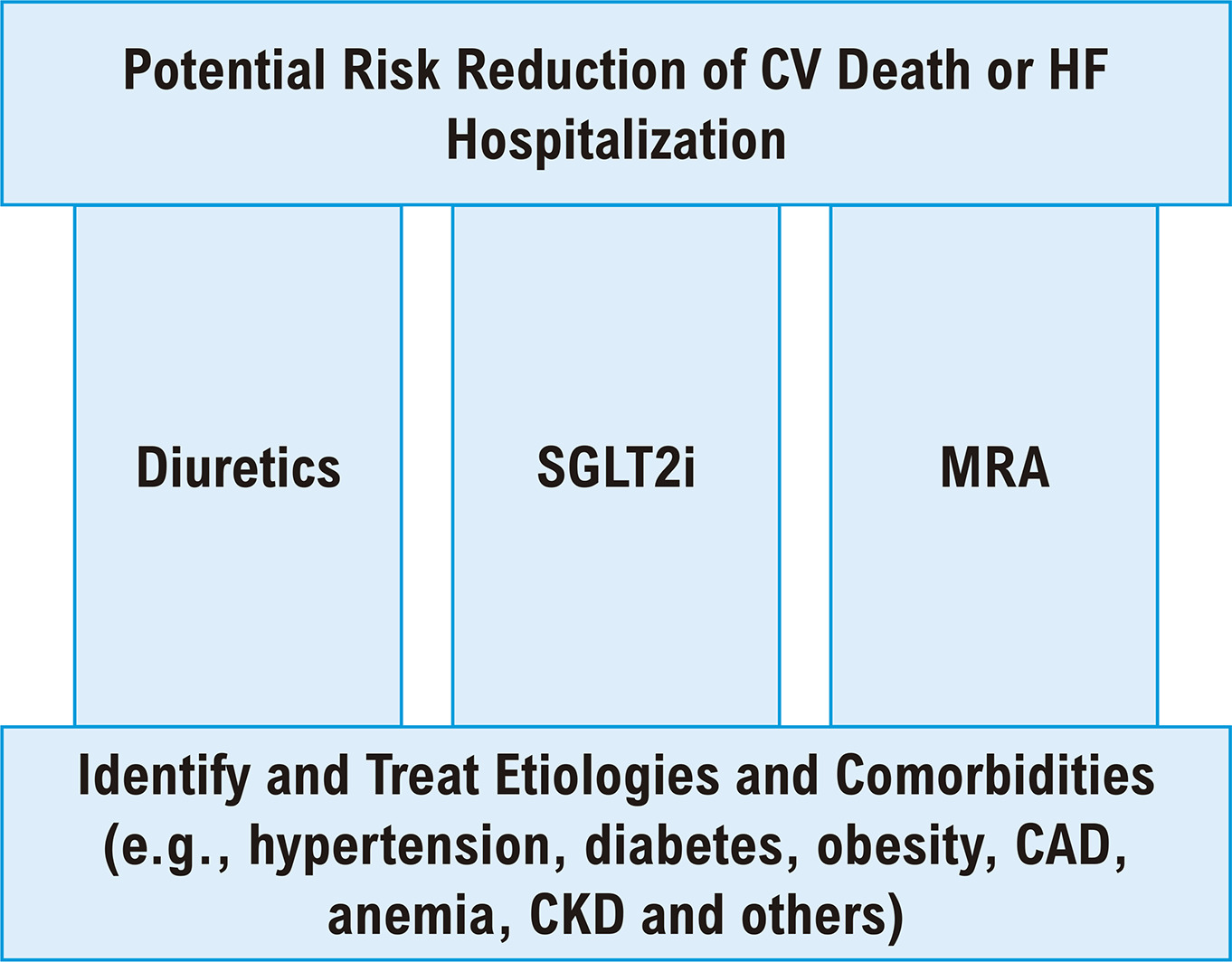
Heart failure (HF) phenotypes can be divided into categories according to the left ventricular ejection fraction (EF) – HF with preserved EF (HFpEF; EF ≥ 50%); HF with mildly reduced EF (HFmrEF; EF 41-49%) and HF with reduced EF (HFrEF; EF ≤ 40%). However, HF phenotypes differ beyond just a different EF. While HFpEF develops from an interplay of comorbidities that lead to structural heart disease and HF symptoms, HFrEF usually develops due to a cardiac insult that reduces cardiac output. , Moreover, while multiple therapies can improve the prognosis of HFrEF, only sodium-glucose cotransporter 2 inhibitors (SGLT2i) improved outcomes in HFpEF in a randomized controlled trial (RCT). In this letter, we explore evidence for medical therapies that could benefit HFpEF patients.

[…]

  • Angiotensin-Converting Enzyme Inhibitors
  • Digoxin
  • Heart Failure
  • Mineralocoirticoids
  • Receptor Antagonists
  • Stroke Volume/drug effects
Read Full Article
Creative Commons Attribution (CC BY) Creative Commons license
12/09/2022 DOI: 10.36660/abc.20210753
Figure 1
Original Article

Resistance Exercise Training Mitigates Left Ventricular Dysfunctions in Pulmonary Artery Hypertension Model

Leôncio Lopes Soares et al. Luciano Bernardes Leite Luiz Otávio Guimarães Ervilha Bruna Aparecida Fonseca da Silva … Maíra Oliveira de Freitas Alexandre Martins Oliveira Portes Leonardo Mateus Teixeira Rezende Filipe Rios Drummond Miguel Araújo Carneiro-Júnior Mariana Machado Neves Emily Correna Carlo Reis Antônio José Natali

Abstract

Background

The right ventricular hypertrophy and dilation observed in pulmonary artery hypertension (PAH) damages the left ventricle (LV) dynamics by flattening the interventricular septum.

Objective

To investigate whether low- to moderate-intensity resistance exercise training (RT) is beneficial to LV and cardiomyocyte contractile functions in rats during the development of monocrotaline (MCT)-induced PAH.

Methods

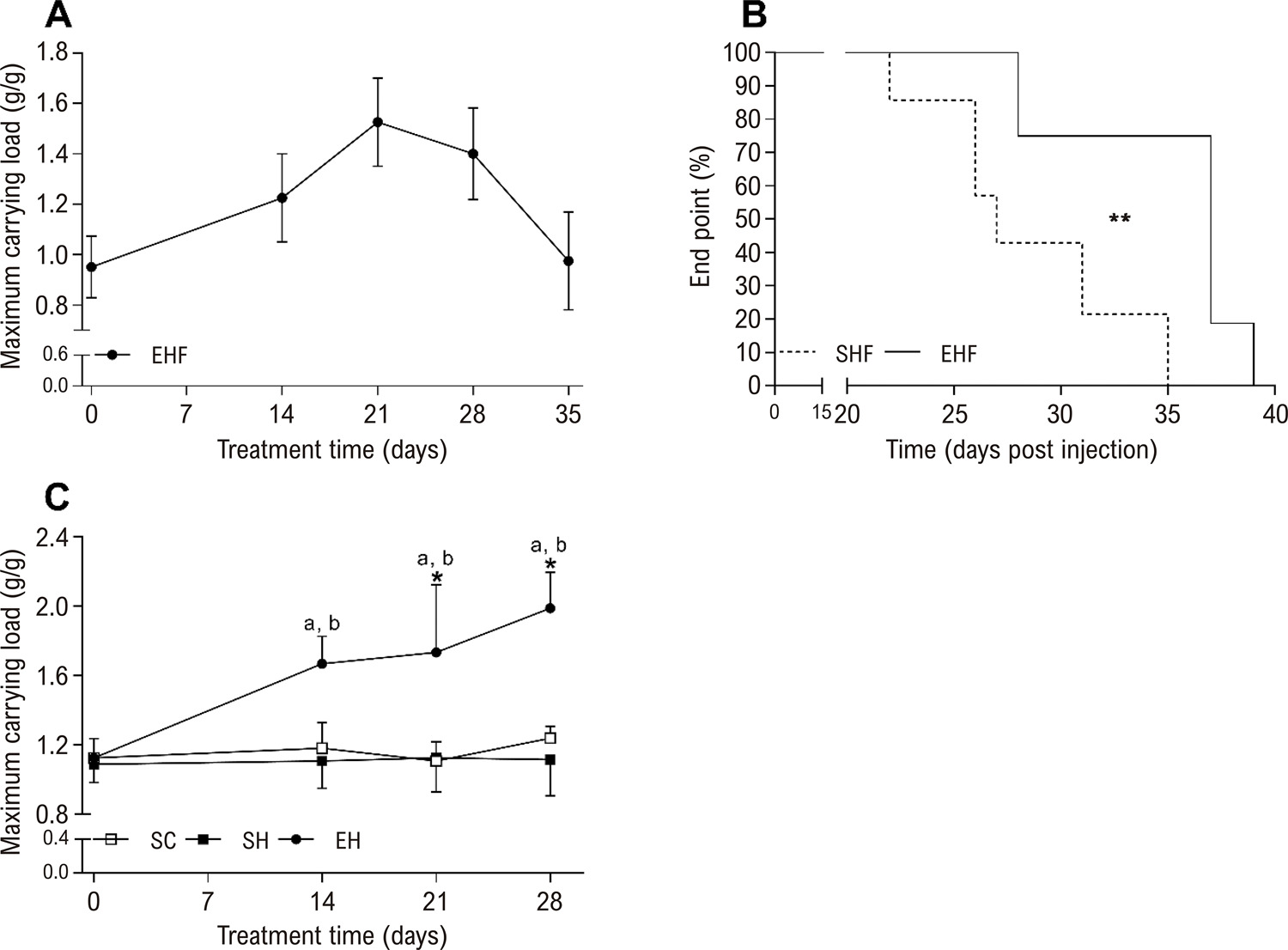
Male Wistar rats (Body weight: ~ 200 g) were used. To assess the time to potential heart failure onset (i.e., end point), rats were divided into sedentary hypertension until failure (SHF, n=6) and exercise hypertension until failure (EHF, n=6) groups. To test RT effects, rats were divided into sedentary control (SC, n = 7), sedentary hypertension (SH, n=7), and exercise hypertension (EH, n=7) groups. PAH was induced by two MCT injections (20 mg/kg, with 7 days interval). Exercise groups were submitted to an RT protocol (Ladder climbing; 55-65% of carrying maximal load), 5 times/week. Statistical significance was assumed at P < 0.05.

Results

RT prolonged the end point (~25 %), enhanced the physical effort tolerance (~ 55%), and mitigated the LV and cardiomyocyte contractility dysfunctions promoted by MCT by preserving the ejection fraction and fractional shortening, the amplitude of shortening, and the velocities of contraction and relaxation in cardiomyocytes. RT also prevented increases in left ventricle fibrosis and type I collagen caused by MCT, and maintained the type III collagen and myocyte dimensions reduced by MCT.

Conclusion

Low- to moderate-intensity RT benefits LV and cardiomyocyte contractile functions in rats during the development of MCT-induced PAH.

  • Exercise
  • Heart Failure
  • Myocytes, Cardiac
  • Physical Conditioning, Animal/methods
  • Pulmonary Hypertension
  • Rats
  • Ventricular Dysfunction, Left
Read Full Article
Creative Commons Attribution (CC BY) Creative Commons license
02/09/2022 DOI: 10.36660/abc.20210681 Views 1
Figure 1
Original Article

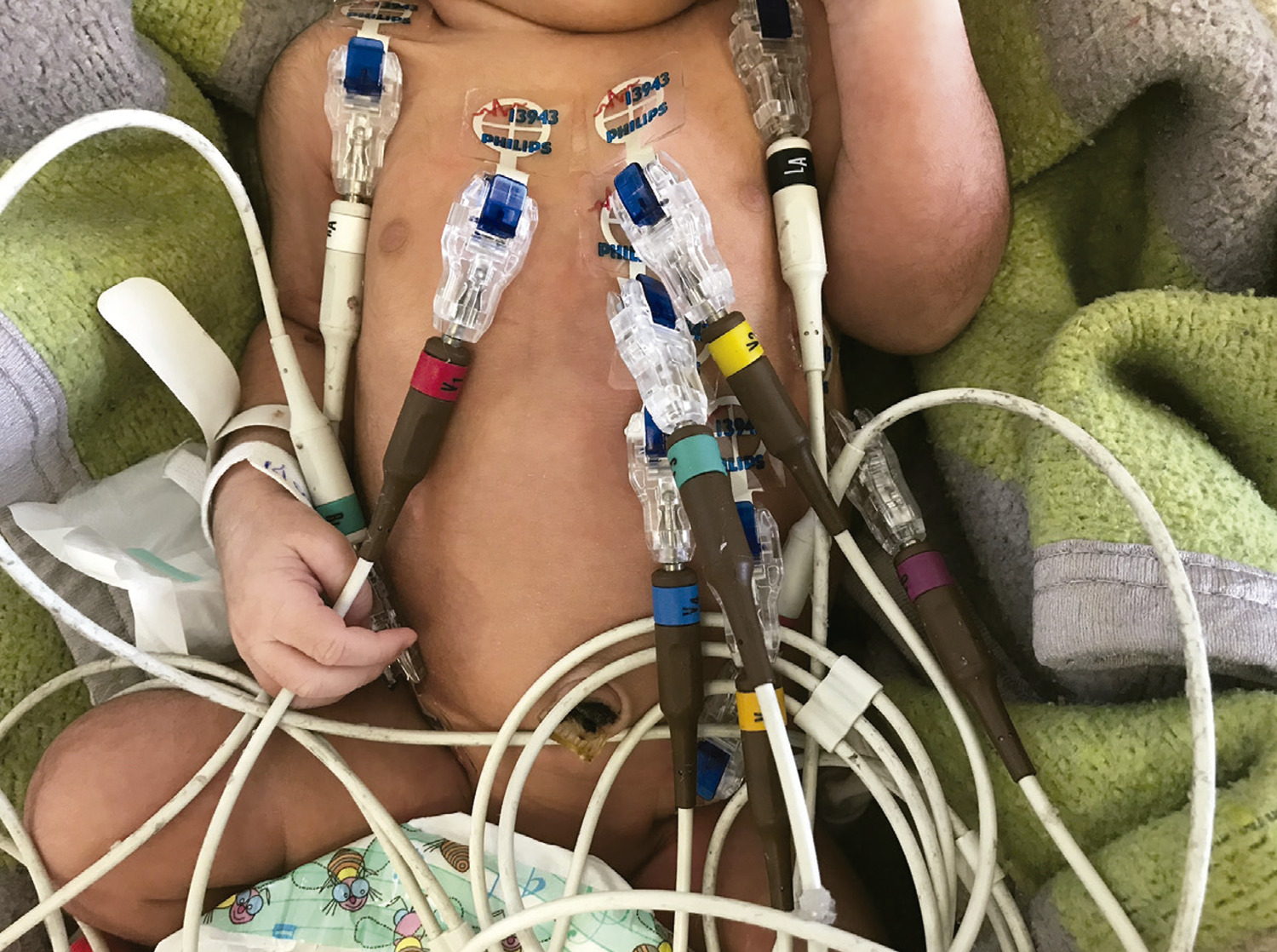
Electrocardiographic Evaluation of Normal Newborns in the First Week of Life – Observational Study

Marina de Souza Pimenta et al. Nelson Samesima Carlos Alberto Pastore Vera Lucia Jornada Krebs … Gabriela Nunes Leal Werther Brunow de Carvalho

Abstract

Background

The neonatal period is marked by major changes in the cardiovascular system, especially in the first week of life. Unlike the adult population, studies on electrocardiogram (ECG) data in the neonatal period are scarce. This is the first study to describe electrocardiographic changes in a cohort of newborns with normal echocardiograms.

Objectives

To analyze the electrocardiographic patterns of a population of full-term NB, without any cardiac morphological or functional anomalies, and compare the results with the literature.

Methods

In this observational study, echocardiograms and ECG results from 94 newborns divided in three age groups (up to 24 hours, between 25 and 72 hours, and between 73 and 168 hours of life) were evaluated and compared with those reported by Davignon et al. A p-value <0.05 was considered statistically significant.

Results

There were significant differences in T-wave direction in leads V1 (p= 0.04), V2 (p= 0.02), V3 (p= 0.008) and V4 (p= 0.005) between the three age groups. There were differences between our findings and the current literature in most of the parameters.

Conclusion

Term newborns within 24 hours of life showed significantly more positive T waves than older ones. Many differences from the Davignon’s ECG parameters were found, particularly in the P, Q, R, S amplitudes, QRS duration, R/S and R+S. These findings indicate that more studies are needed for a definitive interpretation of the ECG in newborns.

  • Electrocardiography
  • Infant, Newborn
  • Myocytes, Cardiac
Read Full Article
Creative Commons Attribution (CC BY) Creative Commons license
02/09/2022 DOI: 10.36660/abc.20210843 Views 1
Original Article

Association of Paraoxonase-1 Genotype and Phenotype with Angiogram Positive Coronary Artery Disease

Sara Saffar Soflaei et al. Mojtaba Baktashian Kiana Hosseinpour Moghaddam Maryam Saberi-Karimian … Negin Kosari Seyed Mohammad Hashemi Mohsen Mouhebati Mahsa Amini Mashallah Dehghani Habibollah Esmaily Mahmoud Ebrahimi Homa Falsoleiman Abolfazl Nosrati-Tirkani Fatemeh Sadabadi Gordon A. Ferns Mansoor Salehi Alireza Pasdar Majid Ghayour-Mobarhan

Abstract

Background

It has been shown that increased serum PON1 levels are protective against several disorders. Several single nucleotide polymorphisms (SNPs) of the PON1 gene have been reported to be associated with serum enzyme protein levels and activity.

Objective

To investigate the association of SNPs of PON1 and serum paraoxonase activity with coronary artery disease (CAD).

Methods

A total of 601 unrelated patients who underwent coronary angiography including those who had >50% stenosis (N=266) and those with <30% stenosis (N=335) were studied. The Paraoxonase gene rs662 and rs840560 SNPs were determined using the ARMS-PCR method and the rs705379 SNP was genotyped using PCR-RFLP analysis. Serum paraoxonase activity was measured using paraoxon as a substrate. A p value of p<0.05 was considered as significant.

Results

Serum paraoxonase activity was not significantly different between the study groups. After adjustment for age, sex, hypertension, diabetes mellitus and dyslipidemia, the GG genotype and co-dominant model of rs662 was positively associated with a positive angiogram (respectively, OR=2.424, 95%CI [1.123-5.233], p<0.05, OR=1.663, 95%CI [1.086-2.547]). Serum paraoxonase activity was significantly higher in the G allele and GG variant of rs662, A allele and AA variant of rs854560 and C allele and CC variant of rs705379. The haplotype analysis has shown that the ATC haplotype was significantly more prevalent among the angiogram negative group. The analysis between groups indicated that the A allele of rs662 was significantly associated with lower paraoxonase activity in the positive angiogram group (p=0.019).

Conclusions

The presence of the G allele of the rs662 single nucleotide polymorphism is independently associated to increased risk of CAD.

  • Angiography
  • Aryldialkylphosphatase
  • Coronary Artery Disease
Read Full Article
Creative Commons Attribution (CC BY) Creative Commons license
02/09/2022 DOI: 10.36660/abc.20210422
Original Article

Within-Visit Blood Pressure Variability and Cardiovascular Risk in ELSA-Brasil Study Participants

André Sant’Anna Zarife et al. Helena Fraga-Maia José Geraldo Mill Paulo Lotufo … Rosane Harter Griep Maria de Jesus Mendes da Fonseca Luciara Leite Brito Maria da Conceição Almeida Roque Aras Sheila Maria Alvim Matos

Abstract

Background

Blood pressure variability (BPV) is of prognostic value for fatal and non-fatal cardiovascular outcomes.

Objective

This study aimed to evaluate the association between within-visit BPV and cardiovascular risk among participants of the Brazilian Longitudinal Study of Adult Health (ELSA-Brasil).

Methods

The present cross-sectional study was carried out using baseline data (2008-2010) of 14,357 ELSA-Brasil participants with no prior history of cardiovascular disease. Within-visit BPV was quantified by the coefficient of variation of three standardized systolic blood pressure (SBP) measurements using an oscillometer. Anthropometric measurements and laboratory tests were also performed. Cardiovascular risk was assessed using the atherosclerotic cardiovascular disease risk estimator (ASCVD) and multivariate logistic regression analysis was employed with a significance level of 5%.

Results

Significantly higher cardiovascular risk was determined by increased BPV for both sexes. A significantly higher prevalence of high risk was found in men than women across all quartiles, with the highest difference observed in the fourth quartile of variability (48.3% vs. 17.1%). Comparisons among quartiles in each sex revealed a significantly higher cardiovascular risk for men in the third (OR=1.20; 95%CI: 1.02 – 1.40) and fourth quartiles (OR=1.46; 95%CI: 1.25 -1.71), and for women in the fourth quartile (OR=1.27; 95%CI: 1.03 – 1.57).

Conclusion

Analysis of baseline data of the ELSA-Brasil participants revealed that blood pressure variability was associated with increased cardiovascular risk, especially in men.

  • Arterial Pressure
  • Heart Disease Risk Factors
  • Hypertension
Read Full Article
Creative Commons Attribution (CC BY) Creative Commons license
02/09/2022 DOI: 10.36660/abc.20210804 Views 1
Figure 1
Original Article

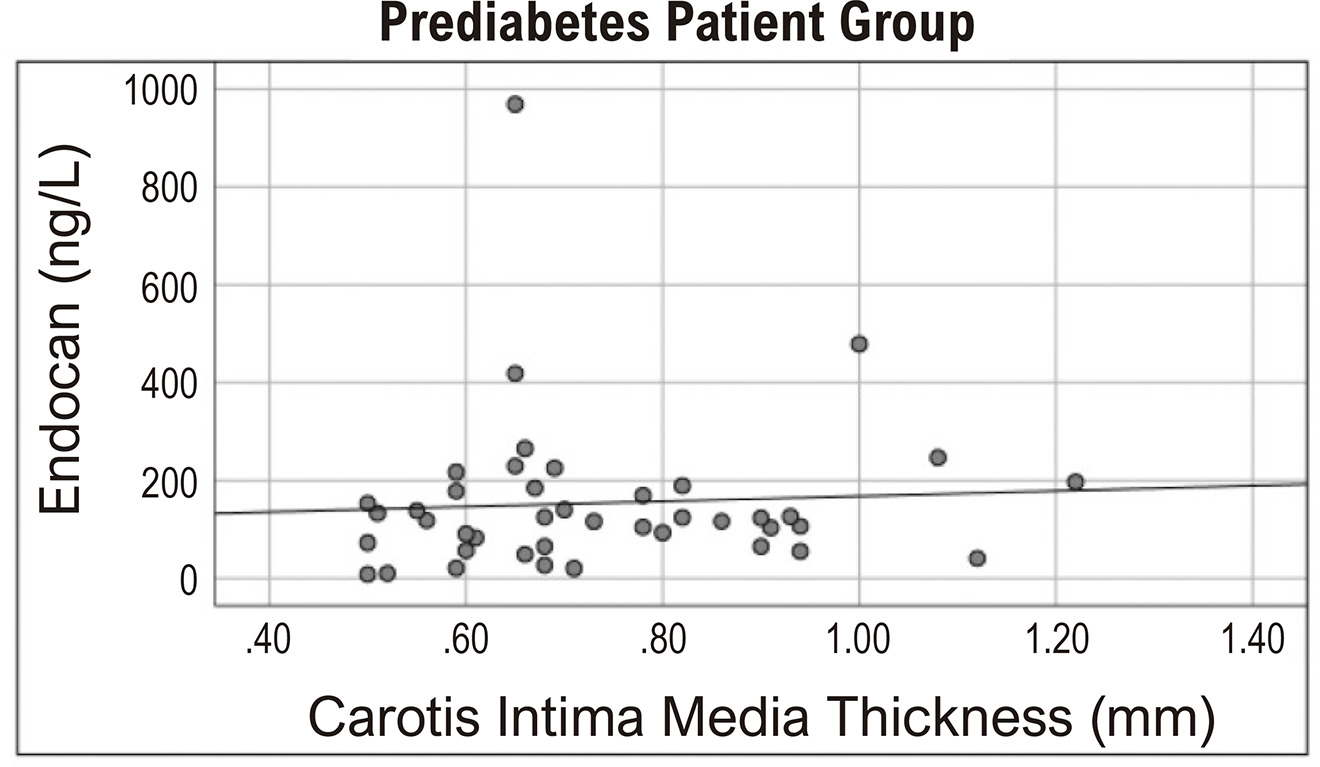
Can the Serum Endocan Level Be Used as a Biomarker to Predict Subclinical Atherosclerosis in Patients with Prediabetes?

Yucel Arman et al. Adem Atici Ozgur Altun Remzi Sarikaya … Sengül Aydin Yoldemir Murat Akarsu Orkide Kutlu Guzin Zeren Ozturk Pinar Demir Mustafa Ozcan Recep Yilmaz Bayraktarli Tufan Tukek

Abstract

Background

Patients with prediabetes have an increased risk of atherosclerotic cardiovascular disease; therefore, early detection is important.

Objective

The present study aimed to reveal the usability of serum endocan levels as a biomarker in the diagnosis of subclinical atherosclerosis in patients with prediabetes, based on CIMT measurements.

Methods

Participants were classified according to the presence (n=42) or absence (n=42) of prediabetes. Serum endocan, fasting blood sugar, fasting insulin, and glycated hemoglobin (HbA1c) values of patients were examined, and CIMT was measured. The level of significance for statistical analysis was 0.05.

Results

While serum endocan levels were found to be lower in patients with prediabetes, when compared to the control group (p=0.042), CIMT values were found to be higher (p=0.046). When evaluated by multivariate regression analysis, the serum endocan level was found to be associated with CIMT, regardless of other parameters (p=0.007). A negative correlation was found between plasma fasting insulin and endocan levels (r=-0.320, p=0.001).

Conclusions

Carotid intima media thickness was found to be high and the serum endocan level was low in patients with prediabetes. Decreased serum endocan levels in patients with prediabetes may be a contributing factor to atherosclerosis formation mechanisms.

  • Atherosclerosis
  • Carotid Intima-Media Thickness
  • Prediabetic State
Read Full Article
Creative Commons Attribution (CC BY) Creative Commons license
05/08/2022 DOI: 10.36660/abc.20210797 Views 2
Research Letter

Concomitant Use of Ranolazine and Trimetazidine in Patients with Refractory Angina: An Initial Experience

Luciana Oliveira Cascaes Dourado et al. Cristian Paul Delgado Moreno Sarah Fagundes Grobe Luis Henrique Wolff Gowdak Luiz Antonio Machado Cesar

Introduction

Refractory angina (RA), an extremely debilitating condition, requires specialized medical treatment with often complex therapeutic adjustments in an attempt to improve symptoms and quality of life as much as possible.

Medical treatment usually comprises a combination of antianginal drugs (AAD). Among them, trimetazidine (T) and ranolazine (R) are an add-on therapy due to their efficacy and safety profile in the treatment of patients with RA. – However, in the recent “diamond approach”, depicting preferred combinations of different classes of AAD for the treatment of patients with angina, does not consider the concomitant use of T and R a useful strategy due to their related mechanism of action. Although no known interaction between both drugs has been described, there is no data on the efficacy and safety of the use of R in patients already on T. Therefore, we aimed to evaluate the effect of the concomitant use of R and T in patients with RA.

[…]

  • Coronary Artery Disease
  • Drug Therapy
  • Ranolazine/therapeutic use
  • Refractory Angina
  • Trimetazidine/therapeutic use
Read Full Article
Creative Commons Attribution (CC BY) Creative Commons license
05/08/2022 DOI: 10.36660/abc.20210711
Figure 1
Original Article

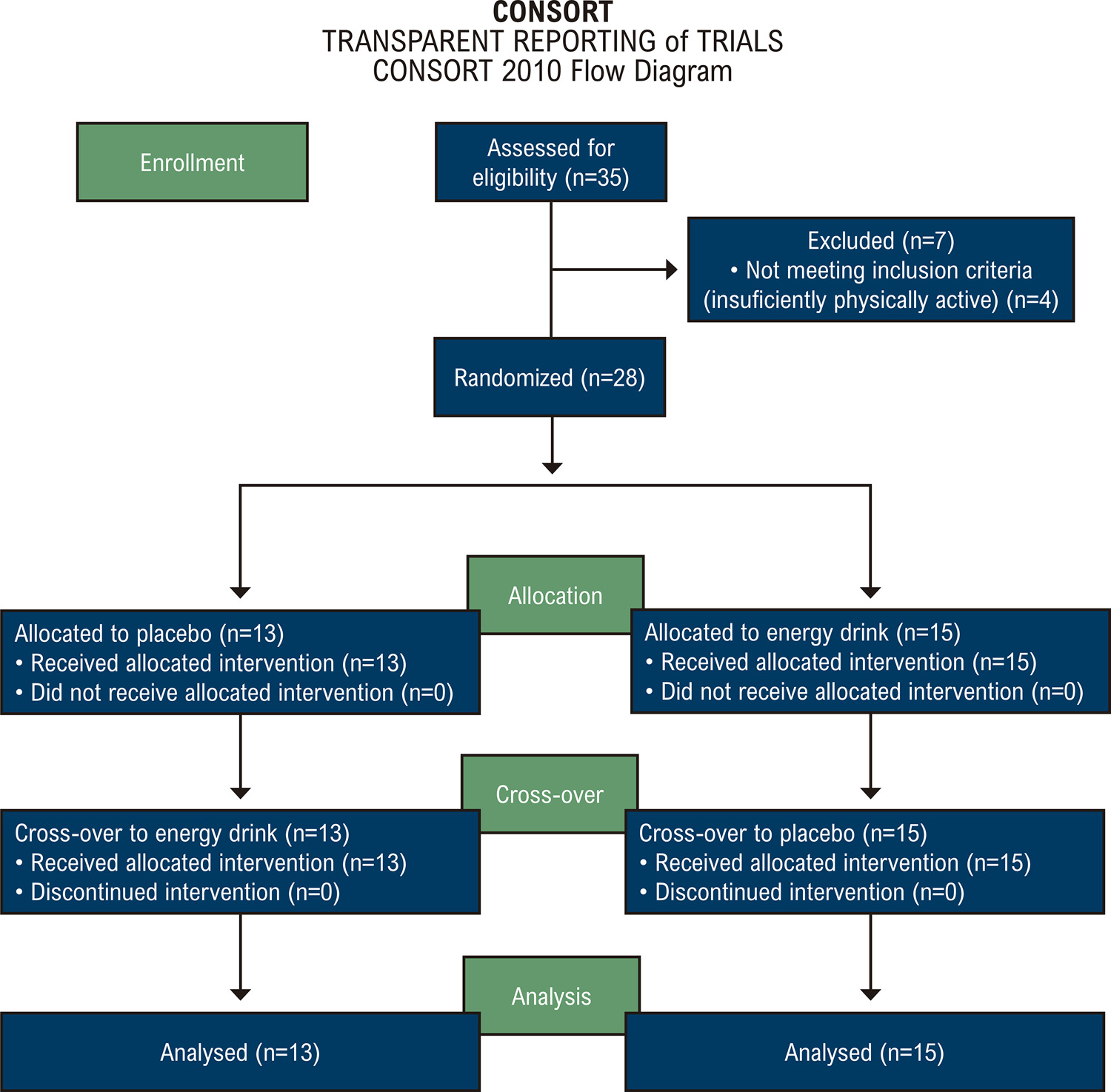
Acute Effects of Energy Drink on Autonomic and Cardiovascular Parameters Recovery in Individuals with Different Cardiorespiratory Fitness: A Randomized, Crossover, Double-Blind and Placebo-Controlled Trial

Andrey Alves Porto et al. Luana Almeida Gonzaga Cicero Jonas R Benjamim Carlos Roberto Bueno Jr … David M. Garner Luiz C.M Vanderlei Celso Ferreira Vitor Engrácia Valenti

Abstract

Background

It has been suggested that the consumption of energy drinks (ED) may affect cardiovascular activity.

Objectives

to investigate the acute effects of ED intake on heart rate variability (HRV) and cardiovascular recovery after moderate aerobic exercise in males with different cardiorespiratory capacities.

Methods

This is a randomized, double-blind, crossover, placebo-controlled study. Twenty-eight young adults were split into two groups according to their peak oxygen consumption (VO2peak) values: (1) High VO2 peak (HO) – VO2 peak > 52.15 mL/kg/min, and (2) low VO2 peak (LO) – peak VO2 <52.15 mL/kg/min. Subjects of both groups underwent two exercise protocols in randomized order: moderate aerobic exercise (60% of VO2peak) following the intake of 250 mL of water (placebo protocol) or 250 mL of ED (ED protocol). During the exercise tests, values of cardiorespiratory and HRV parameters were recorded.

Results

Significant differences were observed for the LF (normalized units) index between rest and Rec1 in HO energy and LO groups during the ED protocol. For the LF/HF ratio, significant differences were seen between rest and Rec1 in HO and LO during ED protocols.

Conclusion

Acute ED intake delayed heart rate recovery after exercise in subjects with low and high cardiorespiratory fitness.

  • Autonomic Nervous System
  • Cardiovascular System
  • Dietary Supplements
  • Energy Drinks
  • Exercise
Read Full Article
Creative Commons Attribution (CC BY) Creative Commons license
05/08/2022 DOI: 10.36660/abc.20210625

Could not load more articles. Please try again.

How to cite this article

EndNote RIS

Electronic Document Format (Vancouver)

Dutra RF, Marques FEM, Matos LDNJ. The Action of the Energy Drink on the Recovery Heart Rate is Independent of the Functional Capacity. Arquivos Brasileiros de Cardiologia 2022;119(4):562-3.

Electronic Document Format (ABNT)

Dutra, Rodrigo Freire; Marques, Francisco Eberth Marinho; Matos, Luciana Diniz Nagem Janot de. The Action of the Energy Drink on the Recovery Heart Rate is Independent of the Functional Capacity. Arquivos Brasileiros de Cardiologia, v. 119, n. 4, p. 562-563, Oct. 2022.

Electronic Document Format (APA)

Dutra, R. F., Marques, F. E. M., & Matos, L. D. N. J. (2022). The Action of the Energy Drink on the Recovery Heart Rate is Independent of the Functional Capacity. Arquivos Brasileiros de Cardiologia, 119(4), 562-563.

Electronic Document Format (ISO)

Dutra, Rodrigo Freire and Marques, Francisco Eberth Marinho and Matos, Luciana Diniz Nagem Janot de. The Action of the Energy Drink on the Recovery Heart Rate is Independent of the Functional Capacity. Arquivos Brasileiros de Cardiologia [online]. 2022, vol. 119, n. 4, [cited 2026-10-14], pp. 562-563. Available from: <https://journals.cardiol.br/en/article/the-action-of-the-energy-drink-on-the-recovery-heart-rate-is-independent-of-the-functional-capacity/>. ISSN 0066-782X

EndNote RIS

Electronic Document Format (Vancouver)

Facin M, Samesima N. Rhythm Control Interventions in Patients with Atrial Fibrillation – Insights on Preprocedural Anticoagulation and Utility of Left Atrial Imaging. Arquivos Brasileiros de Cardiologia 2022;119(4):520-1.

Electronic Document Format (ABNT)

Facin, Mirella; Samesima, Nelson. Rhythm Control Interventions in Patients with Atrial Fibrillation – Insights on Preprocedural Anticoagulation and Utility of Left Atrial Imaging. Arquivos Brasileiros de Cardiologia, v. 119, n. 4, p. 520-521, Oct. 2022.

Electronic Document Format (APA)

Facin, M., & Samesima, N. (2022). Rhythm Control Interventions in Patients with Atrial Fibrillation – Insights on Preprocedural Anticoagulation and Utility of Left Atrial Imaging. Arquivos Brasileiros de Cardiologia, 119(4), 520-521.

Electronic Document Format (ISO)

Facin, Mirella and Samesima, Nelson. Rhythm Control Interventions in Patients with Atrial Fibrillation – Insights on Preprocedural Anticoagulation and Utility of Left Atrial Imaging. Arquivos Brasileiros de Cardiologia [online]. 2022, vol. 119, n. 4, [cited 2026-10-14], pp. 520-521. Available from: <https://journals.cardiol.br/en/article/rhythm-control-interventions-in-patients-with-atrial-fibrillation-insights-on-preprocedural-anticoagulation-and-utility-of-left-atrial-imaging/>. ISSN 0066-782X

EndNote RIS

Electronic Document Format (Vancouver)

Gutierrez PS. Foam Cells in Atherosclerosis. Arquivos Brasileiros de Cardiologia 2022;119(4):542-3.

Electronic Document Format (ABNT)

Gutierrez, Paulo Sampaio. Foam Cells in Atherosclerosis. Arquivos Brasileiros de Cardiologia, v. 119, n. 4, p. 542-543, Oct. 2022.

Electronic Document Format (APA)

Gutierrez, P. S. (2022). Foam Cells in Atherosclerosis. Arquivos Brasileiros de Cardiologia, 119(4), 542-543.

Electronic Document Format (ISO)

Gutierrez, Paulo Sampaio. Foam Cells in Atherosclerosis. Arquivos Brasileiros de Cardiologia [online]. 2022, vol. 119, n. 4, [cited 2026-10-14], pp. 542-543. Available from: <https://journals.cardiol.br/en/article/foam-cells-in-atherosclerosis/>. ISSN 0066-782X

EndNote RIS

Electronic Document Format (Vancouver)

Pozetti AH, Ribeiro HB. Conduction Disturbances Associated with Transcatheter Aortic Valve Implantation: Challenge for another 20 Years?. Arquivos Brasileiros de Cardiologia 2022;119(4):531-2.

Electronic Document Format (ABNT)

Pozetti, Antonio Hélio; Ribeiro, Henrique Barbosa. Conduction Disturbances Associated with Transcatheter Aortic Valve Implantation: Challenge for another 20 Years?. Arquivos Brasileiros de Cardiologia, v. 119, n. 4, p. 531-532, Oct. 2022.

Electronic Document Format (APA)

Pozetti, A. H., & Ribeiro, H. B. (2022). Conduction Disturbances Associated with Transcatheter Aortic Valve Implantation: Challenge for another 20 Years?. Arquivos Brasileiros de Cardiologia, 119(4), 531-532.

Electronic Document Format (ISO)

Pozetti, Antonio Hélio and Ribeiro, Henrique Barbosa. Conduction Disturbances Associated with Transcatheter Aortic Valve Implantation: Challenge for another 20 Years?. Arquivos Brasileiros de Cardiologia [online]. 2022, vol. 119, n. 4, [cited 2026-10-14], pp. 531-532. Available from: <https://journals.cardiol.br/en/article/conduction-disturbances-associated-with-transcatheter-aortic-valve-implantation-challenge-for-another-20-years/>. ISSN 0066-782X

EndNote RIS

Electronic Document Format (Vancouver)

Tinoco M, Castro F, Leite S, Sousa F, Lourenço A. Peek-A-Boo What are You? The Diagnostic Challenge of a Cardiac Mass. Arquivos Brasileiros de Cardiologia 2022;119(4):616-8.

Electronic Document Format (ABNT)

Tinoco, Mariana; Castro, Filipa; Leite, Sérgio; Sousa, Francisco; Lourenço, António. Peek-A-Boo What are You? The Diagnostic Challenge of a Cardiac Mass. Arquivos Brasileiros de Cardiologia, v. 119, n. 4, p. 616-618, Oct. 2022.

Electronic Document Format (APA)

Tinoco, M., Castro, F., Leite, S., Sousa, F., & Lourenço, A. (2022). Peek-A-Boo What are You? The Diagnostic Challenge of a Cardiac Mass. Arquivos Brasileiros de Cardiologia, 119(4), 616-618.

Electronic Document Format (ISO)

Tinoco, Mariana and Castro, Filipa and Leite, Sérgio and Sousa, Francisco and Lourenço, António. Peek-A-Boo What are You? The Diagnostic Challenge of a Cardiac Mass. Arquivos Brasileiros de Cardiologia [online]. 2022, vol. 119, n. 4, [cited 2026-10-14], pp. 616-618. Available from: <https://journals.cardiol.br/en/article/peek-a-boo-what-are-you-the-diagnostic-challenge-of-a-cardiac-mass/>. ISSN 0066-782X

EndNote RIS

Electronic Document Format (Vancouver)

Oliveira AC, Cunha PMGM, Vitorino PVO, Souza ALL, Deus GD, Feitosa A, Barbosa ECD, et al. Vascular Aging and Arterial Stiffness. Arquivos Brasileiros de Cardiologia 2022;119(4):604-15.

Electronic Document Format (ABNT)

Oliveira, Adriana Camargo; Cunha, Pedro Miguel Guimarães Marques; Vitorino, Priscila Valverde de Oliveria; Souza, Ana Luiza Lima; Deus, Gilcimar Divino; Feitosa, Audes; Barbosa, Eduardo Costa Duarte; Gomes, Marco Mota; Jardim, Paulo Cesar B. Veiga; Barroso, Weimar Kunz Sebba. Vascular Aging and Arterial Stiffness. Arquivos Brasileiros de Cardiologia, v. 119, n. 4, p. 604-615, Oct. 2022.

Electronic Document Format (APA)

Oliveira, A. C., Cunha, P. M. G. M., Vitorino, P. V. O., Souza, A. L. L., Deus, G. D., Feitosa, A., Barbosa, E. C. D., Gomes, M. M., Jardim, P. C. B. V., & Barroso, W. K. S. (2022). Vascular Aging and Arterial Stiffness. Arquivos Brasileiros de Cardiologia, 119(4), 604-615.

Electronic Document Format (ISO)

Oliveira, Adriana Camargo and Cunha, Pedro Miguel Guimarães Marques and Vitorino, Priscila Valverde de Oliveria and Souza, Ana Luiza Lima and Deus, Gilcimar Divino and Feitosa, Audes and Barbosa, Eduardo Costa Duarte and Gomes, Marco Mota and Jardim, Paulo Cesar B. Veiga and Barroso, Weimar Kunz Sebba. Vascular Aging and Arterial Stiffness. Arquivos Brasileiros de Cardiologia [online]. 2022, vol. 119, n. 4, [cited 2026-10-14], pp. 604-615. Available from: <https://journals.cardiol.br/en/article/vascular-aging-and-arterial-stiffness-2/>. ISSN 0066-782X

EndNote RIS

Electronic Document Format (Vancouver)

Izar MC, Fonseca FAH. Blood Pressure Variability and Cardiovascular Risk in ELSA-Brasil: A Potential Surrogate Marker for Predicting Mortality and Cardiovascular Outcomes?. Arquivos Brasileiros de Cardiologia 2022;119(4):512-3.

Electronic Document Format (ABNT)

Izar, Maria Cristina; Fonseca, Francisco A. H.. Blood Pressure Variability and Cardiovascular Risk in ELSA-Brasil: A Potential Surrogate Marker for Predicting Mortality and Cardiovascular Outcomes?. Arquivos Brasileiros de Cardiologia, v. 119, n. 4, p. 512-513, Oct. 2022.

Electronic Document Format (APA)

Izar, M. C., & Fonseca, F. A. H. (2022). Blood Pressure Variability and Cardiovascular Risk in ELSA-Brasil: A Potential Surrogate Marker for Predicting Mortality and Cardiovascular Outcomes?. Arquivos Brasileiros de Cardiologia, 119(4), 512-513.

Electronic Document Format (ISO)

Izar, Maria Cristina and Fonseca, Francisco A. H.. Blood Pressure Variability and Cardiovascular Risk in ELSA-Brasil: A Potential Surrogate Marker for Predicting Mortality and Cardiovascular Outcomes?. Arquivos Brasileiros de Cardiologia [online]. 2022, vol. 119, n. 4, [cited 2026-10-14], pp. 512-513. Available from: <https://journals.cardiol.br/en/article/blood-pressure-variability-and-cardiovascular-risk-in-elsa-brasil-a-potential-surrogate-marker-for-predicting-mortality-and-cardiovascular-outcomes/>. ISSN 0066-782X

EndNote RIS

Electronic Document Format (Vancouver)

Ozyurtlu F, Cetin N. Alopecia Universalis after Treatment with Simvastatin and Ezetimibe: Affects on Family. Arquivos Brasileiros de Cardiologia 2022;119(4):631-3.

Electronic Document Format (ABNT)

Ozyurtlu, Ferhat; Cetin, Nurullah. Alopecia Universalis after Treatment with Simvastatin and Ezetimibe: Affects on Family. Arquivos Brasileiros de Cardiologia, v. 119, n. 4, p. 631-633, Oct. 2022.

Electronic Document Format (APA)

Ozyurtlu, F., & Cetin, N. (2022). Alopecia Universalis after Treatment with Simvastatin and Ezetimibe: Affects on Family. Arquivos Brasileiros de Cardiologia, 119(4), 631-633.

Electronic Document Format (ISO)

Ozyurtlu, Ferhat and Cetin, Nurullah. Alopecia Universalis after Treatment with Simvastatin and Ezetimibe: Affects on Family. Arquivos Brasileiros de Cardiologia [online]. 2022, vol. 119, n. 4, [cited 2026-10-14], pp. 631-633. Available from: <https://journals.cardiol.br/en/article/alopecia-universalis-after-treatment-with-simvastatin-and-ezetimibe-affects-on-family/>. ISSN 0066-782X

EndNote RIS

Electronic Document Format (Vancouver)

Alves RJ. Endothelial Biomarkers and Translational Medicine: Still a Challenge. Arquivos Brasileiros de Cardiologia 2022;119(4):551-2.

Electronic Document Format (ABNT)

Alves, Renato Jorge. Endothelial Biomarkers and Translational Medicine: Still a Challenge. Arquivos Brasileiros de Cardiologia, v. 119, n. 4, p. 551-552, Oct. 2022.

Electronic Document Format (APA)

Alves, R. J. (2022). Endothelial Biomarkers and Translational Medicine: Still a Challenge. Arquivos Brasileiros de Cardiologia, 119(4), 551-552.

Electronic Document Format (ISO)

Alves, Renato Jorge. Endothelial Biomarkers and Translational Medicine: Still a Challenge. Arquivos Brasileiros de Cardiologia [online]. 2022, vol. 119, n. 4, [cited 2026-10-14], pp. 551-552. Available from: <https://journals.cardiol.br/en/article/endothelial-biomarkers-and-translational-medicine-still-a-challenge/>. ISSN 0066-782X

EndNote RIS

Electronic Document Format (Vancouver)

Wu TC. First-Degree Atrioventricular Block: A Finding Not Always Benign!. Arquivos Brasileiros de Cardiologia 2022;119(4):572-3.

Electronic Document Format (ABNT)

Wu, Tan Chen. First-Degree Atrioventricular Block: A Finding Not Always Benign!. Arquivos Brasileiros de Cardiologia, v. 119, n. 4, p. 572-573, Oct. 2022.

Electronic Document Format (APA)

Wu, T. C. (2022). First-Degree Atrioventricular Block: A Finding Not Always Benign!. Arquivos Brasileiros de Cardiologia, 119(4), 572-573.

Electronic Document Format (ISO)

Wu, Tan Chen. First-Degree Atrioventricular Block: A Finding Not Always Benign!. Arquivos Brasileiros de Cardiologia [online]. 2022, vol. 119, n. 4, [cited 2026-10-14], pp. 572-573. Available from: <https://journals.cardiol.br/en/article/first-degree-atrioventricular-block-a-finding-not-always-benign/>. ISSN 0066-782X

EndNote RIS

Electronic Document Format (Vancouver)

Pinheiro DS, Jesuíno RSA. The Paraoxanase 1 (PON1) Gene in the Context of Coronary Artery Disease. Arquivos Brasileiros de Cardiologia 2022;119(4):602-3.

Electronic Document Format (ABNT)

Pinheiro, Denise da Silva; Jesuíno, Rosália Santos Amorim. The Paraoxanase 1 (PON1) Gene in the Context of Coronary Artery Disease. Arquivos Brasileiros de Cardiologia, v. 119, n. 4, p. 602-603, Oct. 2022.

Electronic Document Format (APA)

Pinheiro, D. S., & Jesuíno, R. S. A. (2022). The Paraoxanase 1 (PON1) Gene in the Context of Coronary Artery Disease. Arquivos Brasileiros de Cardiologia, 119(4), 602-603.

Electronic Document Format (ISO)

Pinheiro, Denise da Silva and Jesuíno, Rosália Santos Amorim. The Paraoxanase 1 (PON1) Gene in the Context of Coronary Artery Disease. Arquivos Brasileiros de Cardiologia [online]. 2022, vol. 119, n. 4, [cited 2026-10-14], pp. 602-603. Available from: <https://journals.cardiol.br/en/article/the-paraoxanase-1-pon1-gene-in-the-context-of-coronary-artery-disease/>. ISSN 0066-782X

EndNote RIS

Electronic Document Format (Vancouver)

Chokr M, Mayrink M, Vandoni PMP, Linhares PV, Sousa IBS, Castello Júnior HJ, Scanavacca M, et al. Septal Ablation with Radiofrequency and the Use of New Technologies in Patients with Hypertrophic Cardiomyopathy in an Electrophysiology Laboratory. Arquivos Brasileiros de Cardiologia 2022;119(4):635-7.

Electronic Document Format (ABNT)

Chokr, Muhieddine; Mayrink, Marina; Vandoni, Pedro Mario Pinto; Linhares, Pedro Vieira; Sousa, Italo Bruno dos Santos; Castello Júnior, Hélio José; Scanavacca, Mauricio. Septal Ablation with Radiofrequency and the Use of New Technologies in Patients with Hypertrophic Cardiomyopathy in an Electrophysiology Laboratory. Arquivos Brasileiros de Cardiologia, v. 119, n. 4, p. 635-637, Oct. 2022.

Electronic Document Format (APA)

Chokr, M., Mayrink, M., Vandoni, P. M. P., Linhares, P. V., Sousa, I. B. S., Castello Júnior, H. J., & Scanavacca, M. (2022). Septal Ablation with Radiofrequency and the Use of New Technologies in Patients with Hypertrophic Cardiomyopathy in an Electrophysiology Laboratory. Arquivos Brasileiros de Cardiologia, 119(4), 635-637.

Electronic Document Format (ISO)

Chokr, Muhieddine and Mayrink, Marina and Vandoni, Pedro Mario Pinto and Linhares, Pedro Vieira and Sousa, Italo Bruno dos Santos and Castello Júnior, Hélio José and Scanavacca, Mauricio. Septal Ablation with Radiofrequency and the Use of New Technologies in Patients with Hypertrophic Cardiomyopathy in an Electrophysiology Laboratory. Arquivos Brasileiros de Cardiologia [online]. 2022, vol. 119, n. 4, [cited 2026-10-14], pp. 635-637. Available from: <https://journals.cardiol.br/en/article/septal-ablation-with-radiofrequency-and-the-use-of-new-technologies-in-patients-with-hypertrophic-cardiomyopathy-in-an-electrophysiology-laboratory/>. ISSN 0066-782X

EndNote RIS

Electronic Document Format (Vancouver)

Oliveira-Junior SA, Ogura AY, Carvalho MR, Martinez PF. Cardioprotective Effect of Resistance Exercise on Left Ventricular Remodeling Associated with Monocrotaline-Induced Pulmonary Arterial Hypertension. Arquivos Brasileiros de Cardiologia 2022;119(4):585-6.

Electronic Document Format (ABNT)

Oliveira-Junior, Silvio A.; Ogura, Alex Y.; Carvalho, Marianna R.; Martinez, Paula F.. Cardioprotective Effect of Resistance Exercise on Left Ventricular Remodeling Associated with Monocrotaline-Induced Pulmonary Arterial Hypertension. Arquivos Brasileiros de Cardiologia, v. 119, n. 4, p. 585-586, Oct. 2022.

Electronic Document Format (APA)

Oliveira-Junior, S. A., Ogura, A. Y., Carvalho, M. R., & Martinez, P. F. (2022). Cardioprotective Effect of Resistance Exercise on Left Ventricular Remodeling Associated with Monocrotaline-Induced Pulmonary Arterial Hypertension. Arquivos Brasileiros de Cardiologia, 119(4), 585-586.

Electronic Document Format (ISO)

Oliveira-Junior, Silvio A. and Ogura, Alex Y. and Carvalho, Marianna R. and Martinez, Paula F.. Cardioprotective Effect of Resistance Exercise on Left Ventricular Remodeling Associated with Monocrotaline-Induced Pulmonary Arterial Hypertension. Arquivos Brasileiros de Cardiologia [online]. 2022, vol. 119, n. 4, [cited 2026-10-14], pp. 585-586. Available from: <https://journals.cardiol.br/en/article/cardioprotective-effect-of-resistance-exercise-on-left-ventricular-remodeling-associated-with-monocrotaline-induced-pulmonary-arterial-hypertension/>. ISSN 0066-782X

EndNote RIS

Electronic Document Format (Vancouver)

Teixeira MEF, Vitorino PVO, Brandão AA, Souza ALL, Barbosa TMGA, Esporcatte R, Borba MHE, et al. Influence of Spiritual Well-Being on Blood Pressure, Central Hemodynamics and Endothelial Function. Arquivos Brasileiros de Cardiologia 2022;119(4):622-6.

Electronic Document Format (ABNT)

Teixeira, Maria Emília Figueiredo; Vitorino, Priscila Valverde de Oliveira; Brandão, Andrea A.; Souza, Ana Luiza Lima; Barbosa, Talles Marcelo Gonçalves de Andrade; Esporcatte, Roberto; Borba, Mário Henrique Elesbão de; Avezum, Álvaro; Barroso, Weimar Kunz Sebba. Influence of Spiritual Well-Being on Blood Pressure, Central Hemodynamics and Endothelial Function. Arquivos Brasileiros de Cardiologia, v. 119, n. 4, p. 622-626, Oct. 2022.

Electronic Document Format (APA)

Teixeira, M. E. F., Vitorino, P. V. O., Brandão, A. A., Souza, A. L. L., Barbosa, T. M. G. A., Esporcatte, R., Borba, M. H. E. , Avezum, , & Barroso, W. K. S. (2022). Influence of Spiritual Well-Being on Blood Pressure, Central Hemodynamics and Endothelial Function. Arquivos Brasileiros de Cardiologia, 119(4), 622-626.

Electronic Document Format (ISO)

Teixeira, Maria Emília Figueiredo and Vitorino, Priscila Valverde de Oliveira and Brandão, Andrea A. and Souza, Ana Luiza Lima and Barbosa, Talles Marcelo Gonçalves de Andrade and Esporcatte, Roberto and Borba, Mário Henrique Elesbão de and Avezum, Álvaro and Barroso, Weimar Kunz Sebba. Influence of Spiritual Well-Being on Blood Pressure, Central Hemodynamics and Endothelial Function. Arquivos Brasileiros de Cardiologia [online]. 2022, vol. 119, n. 4, [cited 2026-10-14], pp. 622-626. Available from: <https://journals.cardiol.br/en/article/influence-of-spiritual-well-being-on-blood-pressure-central-hemodynamics-and-endothelial-function/>. ISSN 0066-782X

EndNote RIS

Electronic Document Format (Vancouver)

Marques T, Darrieux F, Gouvêa F, Garambone L, Lindoso AP, Lage J, Sacilotto L, et al. Left Atrial Thrombus and Dense Spontaneous Contrast in Direct Oral Anticoagulant Therapy of Atrial Fibrillation: Insights from a Reference Center. Arquivos Brasileiros de Cardiologia 2022;119(4):514-9.

Electronic Document Format (ABNT)

Marques, Thiago; Darrieux, Francisco; Gouvêa, Fábio; Garambone, Leandro; Lindoso, Ana Paula; Lage, João; Sacilotto, Luciana; Coimbra, Ana Lúcia; Pinheiro, Martina; Olivetti, Natália; Lara, Sissy; Hardy, Carina; Athayde, Guilherme; Hachul, Denise; Pisani, Cristiano; Wu, Tan Chen; Scanavacca, Maurício. Left Atrial Thrombus and Dense Spontaneous Contrast in Direct Oral Anticoagulant Therapy of Atrial Fibrillation: Insights from a Reference Center. Arquivos Brasileiros de Cardiologia, v. 119, n. 4, p. 514-519, Sep. 2022.

Electronic Document Format (APA)

Marques, T., Darrieux, F., Gouvêa, F., Garambone, L., Lindoso, A. P., Lage, J., Sacilotto, L., Coimbra, A. L., Pinheiro, M., Olivetti, N., Lara, S., Hardy, C., Athayde, G., Hachul, D., Pisani, C., Wu, T. C., & Scanavacca, M. (2022). Left Atrial Thrombus and Dense Spontaneous Contrast in Direct Oral Anticoagulant Therapy of Atrial Fibrillation: Insights from a Reference Center. Arquivos Brasileiros de Cardiologia, 119(4), 514-519.

Electronic Document Format (ISO)

Marques, Thiago and Darrieux, Francisco and Gouvêa, Fábio and Garambone, Leandro and Lindoso, Ana Paula and Lage, João and Sacilotto, Luciana and Coimbra, Ana Lúcia and Pinheiro, Martina and Olivetti, Natália and Lara, Sissy and Hardy, Carina and Athayde, Guilherme and Hachul, Denise and Pisani, Cristiano and Wu, Tan Chen and Scanavacca, Maurício. Left Atrial Thrombus and Dense Spontaneous Contrast in Direct Oral Anticoagulant Therapy of Atrial Fibrillation: Insights from a Reference Center. Arquivos Brasileiros de Cardiologia [online]. 2022, vol. 119, n. 4, [cited 2026-10-14], pp. 514-519. Available from: <https://journals.cardiol.br/en/article/left-atrial-thrombus-and-dense-spontaneous-contrast-in-direct-oral-anticoagulant-therapy-of-atrial-fibrillation-insights-from-a-reference-center/>. ISSN 0066-782X

EndNote RIS

Electronic Document Format (Vancouver)

Samesima N, God EG, Kruse JCL, Leal MG, Pinho C, França FFAC, Pimenta J, et al. Brazilian Society of Cardiology Guidelines on the Analysis and Issuance of Electrocardiographic Reports – 2022. Arquivos Brasileiros de Cardiologia 2022;119(4):638-80.

Electronic Document Format (ABNT)

Samesima, Nelson; God, Epotamenides Good; Kruse, Jose Claudio Lupi; Leal, Marcelo Garcia; Pinho, Claudio; França, Francisco Faustino de A. C.; Pimenta, João; Cardoso, Acácio Fernandes; Paixão, Adail; Fonseca, Alfredo; Pérez-Riera, Andrés R.; Ribeiro, Antonio Luiz Pinho; Madaloso, Bruna Affonso; Luna Filho, Bráulio; Oliveira, Carlos Alberto Rodrigues de; Grupi, César José; Moreira, Dalmo Antonio Ribeiro; Kaiser, Elisabeth; Paixão, Gabriela Miana de Mattos; Feitosa Filho, Gilson; Pereira Filho, Horacio Gomes; Grindler, José; Aziz, José Luiz; Molina, Marcos Sleiman; Facin, Mirella; Tobias, Nancy M. M. de Oliveira; Oliveira, Patricia Alves de; Sanches, Paulo César R.; Teixeira, Ricardo Alkmin; Atanes, Severiano Melo; Pastore, Carlos Alberto. Brazilian Society of Cardiology Guidelines on the Analysis and Issuance of Electrocardiographic Reports – 2022. Arquivos Brasileiros de Cardiologia, v. 119, n. 4, p. 638-680, Sep. 2022.

Electronic Document Format (APA)

Samesima, N., God, E. G., Kruse, J. C. L., Leal, M. G., Pinho, C., França, F. F. A. C., Pimenta, J., Cardoso, A. F., Paixão, A., Fonseca, A., Pérez-Riera, A. R., Ribeiro, A. L. P., Madaloso, B. A., Luna Filho, B., Oliveira, C. A. R. , Grupi, C. J., Moreira, D. A. R., Kaiser, E., Paixão, G. M. M., Feitosa Filho, G., Pereira Filho, H. G., Grindler, J., Aziz, J. L., Molina, M. S., Facin, M., Tobias, N. M. M. O., Oliveira, P. A. , Sanches, P. C. R., Teixeira, R. A., Atanes, S. M., & Pastore, C. A. (2022). Brazilian Society of Cardiology Guidelines on the Analysis and Issuance of Electrocardiographic Reports – 2022. Arquivos Brasileiros de Cardiologia, 119(4), 638-680.

Electronic Document Format (ISO)

Samesima, Nelson and God, Epotamenides Good and Kruse, Jose Claudio Lupi and Leal, Marcelo Garcia and Pinho, Claudio and França, Francisco Faustino de A. C. and Pimenta, João and Cardoso, Acácio Fernandes and Paixão, Adail and Fonseca, Alfredo and Pérez-Riera, Andrés R. and Ribeiro, Antonio Luiz Pinho and Madaloso, Bruna Affonso and Luna Filho, Bráulio and Oliveira, Carlos Alberto Rodrigues de and Grupi, César José and Moreira, Dalmo Antonio Ribeiro and Kaiser, Elisabeth and Paixão, Gabriela Miana de Mattos and Feitosa Filho, Gilson and Pereira Filho, Horacio Gomes and Grindler, José and Aziz, José Luiz and Molina, Marcos Sleiman and Facin, Mirella and Tobias, Nancy M. M. de Oliveira and Oliveira, Patricia Alves de and Sanches, Paulo César R. and Teixeira, Ricardo Alkmin and Atanes, Severiano Melo and Pastore, Carlos Alberto. Brazilian Society of Cardiology Guidelines on the Analysis and Issuance of Electrocardiographic Reports – 2022. Arquivos Brasileiros de Cardiologia [online]. 2022, vol. 119, n. 4, [cited 2026-10-14], pp. 638-680. Available from: <https://journals.cardiol.br/en/article/brazilian-society-of-cardiology-guidelines-on-the-analysis-and-issuance-of-electrocardiographic-reports-2022/>. ISSN 0066-782X

EndNote RIS

Electronic Document Format (Vancouver)

Correia ETO, Mesquita ET. New Insights into Medical Therapy for Heart Failure with Preserved Ejection Fraction. Arquivos Brasileiros de Cardiologia 2022;119(4):627-30.

Electronic Document Format (ABNT)

Correia, Eduardo Thadeu de Oliveira; Mesquita, Evandro Tinoco. New Insights into Medical Therapy for Heart Failure with Preserved Ejection Fraction. Arquivos Brasileiros de Cardiologia, v. 119, n. 4, p. 627-630, Sep. 2022.

Electronic Document Format (APA)

Correia, E. T. O., & Mesquita, E. T. (2022). New Insights into Medical Therapy for Heart Failure with Preserved Ejection Fraction. Arquivos Brasileiros de Cardiologia, 119(4), 627-630.

Electronic Document Format (ISO)

Correia, Eduardo Thadeu de Oliveira and Mesquita, Evandro Tinoco. New Insights into Medical Therapy for Heart Failure with Preserved Ejection Fraction. Arquivos Brasileiros de Cardiologia [online]. 2022, vol. 119, n. 4, [cited 2026-10-14], pp. 627-630. Available from: <https://journals.cardiol.br/en/article/new-insights-into-medical-therapy-for-heart-failure-with-preserved-ejection-fraction/>. ISSN 0066-782X

EndNote RIS

Electronic Document Format (Vancouver)

Soares LL, Leite LB, Ervilha LOG, Silva BAF, Freitas MO, Portes AMO, Rezende LMT, et al. Resistance Exercise Training Mitigates Left Ventricular Dysfunctions in Pulmonary Artery Hypertension Model. Arquivos Brasileiros de Cardiologia 2022;119(4):574-8.

Electronic Document Format (ABNT)

Soares, Leôncio Lopes; Leite, Luciano Bernardes; Ervilha, Luiz Otávio Guimarães; Silva, Bruna Aparecida Fonseca da; Freitas, Maíra Oliveira de; Portes, Alexandre Martins Oliveira; Rezende, Leonardo Mateus Teixeira; Drummond, Filipe Rios; Carneiro-Júnior, Miguel Araújo; Neves, Mariana Machado; Reis, Emily Correna Carlo; Natali, Antônio José. Resistance Exercise Training Mitigates Left Ventricular Dysfunctions in Pulmonary Artery Hypertension Model. Arquivos Brasileiros de Cardiologia, v. 119, n. 4, p. 574-584, Sep. 2022.

Electronic Document Format (APA)

Soares, L. L., Leite, L. B., Ervilha, L. O. G., Silva, B. A. F. , Freitas, M. O. , Portes, A. M. O., Rezende, L. M. T., Drummond, F. R., Carneiro-Júnior, M. A., Neves, M. M., Reis, E. C. C., & Natali, A. J. (2022). Resistance Exercise Training Mitigates Left Ventricular Dysfunctions in Pulmonary Artery Hypertension Model. Arquivos Brasileiros de Cardiologia, 119(4), 574-584.

Electronic Document Format (ISO)

Soares, Leôncio Lopes and Leite, Luciano Bernardes and Ervilha, Luiz Otávio Guimarães and Silva, Bruna Aparecida Fonseca da and Freitas, Maíra Oliveira de and Portes, Alexandre Martins Oliveira and Rezende, Leonardo Mateus Teixeira and Drummond, Filipe Rios and Carneiro-Júnior, Miguel Araújo and Neves, Mariana Machado and Reis, Emily Correna Carlo and Natali, Antônio José. Resistance Exercise Training Mitigates Left Ventricular Dysfunctions in Pulmonary Artery Hypertension Model. Arquivos Brasileiros de Cardiologia [online]. 2022, vol. 119, n. 4, [cited 2026-10-14], pp. 574-584. Available from: <https://journals.cardiol.br/en/article/resistance-exercise-training-mitigates-left-ventricular-dysfunctions-in-pulmonary-artery-hypertension-model/>. ISSN 0066-782X

EndNote RIS

Electronic Document Format (Vancouver)

Pimenta MS, Samesima N, Pastore CA, Krebs VLJ, Leal GN, Carvalho WB. Electrocardiographic Evaluation of Normal Newborns in the First Week of Life – Observational Study. Arquivos Brasileiros de Cardiologia 2022;119(4):587-92.

Electronic Document Format (ABNT)

Pimenta, Marina de Souza; Samesima, Nelson; Pastore, Carlos Alberto; Krebs, Vera Lucia Jornada; Leal, Gabriela Nunes; Carvalho, Werther Brunow de. Electrocardiographic Evaluation of Normal Newborns in the First Week of Life – Observational Study. Arquivos Brasileiros de Cardiologia, v. 119, n. 4, p. 587-592, Sep. 2022.

Electronic Document Format (APA)

Pimenta, M. S., Samesima, N., Pastore, C. A., Krebs, V. L. J., Leal, G. N., & Carvalho, W. B. (2022). Electrocardiographic Evaluation of Normal Newborns in the First Week of Life – Observational Study. Arquivos Brasileiros de Cardiologia, 119(4), 587-592.

Electronic Document Format (ISO)

Pimenta, Marina de Souza and Samesima, Nelson and Pastore, Carlos Alberto and Krebs, Vera Lucia Jornada and Leal, Gabriela Nunes and Carvalho, Werther Brunow de. Electrocardiographic Evaluation of Normal Newborns in the First Week of Life – Observational Study. Arquivos Brasileiros de Cardiologia [online]. 2022, vol. 119, n. 4, [cited 2026-10-14], pp. 587-592. Available from: <https://journals.cardiol.br/en/article/electrocardiographic-evaluation-of-normal-newborns-in-the-first-week-of-life-observational-study/>. ISSN 0066-782X

EndNote RIS

Electronic Document Format (Vancouver)

Soflaei SS, Baktashian M, Moghaddam KH, Saberi-Karimian M, Kosari N, Hashemi SM, Mouhebati M, et al. Association of Paraoxonase-1 Genotype and Phenotype with Angiogram Positive Coronary Artery Disease. Arquivos Brasileiros de Cardiologia 2022;119(4):593-601.

Electronic Document Format (ABNT)

Soflaei, Sara Saffar; Baktashian, Mojtaba; Moghaddam, Kiana Hosseinpour; Saberi-Karimian, Maryam; Kosari, Negin; Hashemi, Seyed Mohammad; Mouhebati, Mohsen; Amini, Mahsa; Dehghani, Mashallah; Esmaily, Habibollah; Ebrahimi, Mahmoud; Falsoleiman, Homa; Nosrati-Tirkani, Abolfazl; Sadabadi, Fatemeh; Ferns, Gordon A.; Salehi, Mansoor; Pasdar, Alireza; Ghayour-Mobarhan, Majid. Association of Paraoxonase-1 Genotype and Phenotype with Angiogram Positive Coronary Artery Disease. Arquivos Brasileiros de Cardiologia, v. 119, n. 4, p. 593-601, Sep. 2022.

Electronic Document Format (APA)

Soflaei, S. S., Baktashian, M., Moghaddam, K. H., Saberi-Karimian, M., Kosari, N., Hashemi, S. M., Mouhebati, M., Amini, M., Dehghani, M., Esmaily, H., Ebrahimi, M., Falsoleiman, H., Nosrati-Tirkani, A., Sadabadi, F., Ferns, G. A., Salehi, M., Pasdar, A., & Ghayour-Mobarhan, M. (2022). Association of Paraoxonase-1 Genotype and Phenotype with Angiogram Positive Coronary Artery Disease. Arquivos Brasileiros de Cardiologia, 119(4), 593-601.

Electronic Document Format (ISO)

Soflaei, Sara Saffar and Baktashian, Mojtaba and Moghaddam, Kiana Hosseinpour and Saberi-Karimian, Maryam and Kosari, Negin and Hashemi, Seyed Mohammad and Mouhebati, Mohsen and Amini, Mahsa and Dehghani, Mashallah and Esmaily, Habibollah and Ebrahimi, Mahmoud and Falsoleiman, Homa and Nosrati-Tirkani, Abolfazl and Sadabadi, Fatemeh and Ferns, Gordon A. and Salehi, Mansoor and Pasdar, Alireza and Ghayour-Mobarhan, Majid. Association of Paraoxonase-1 Genotype and Phenotype with Angiogram Positive Coronary Artery Disease. Arquivos Brasileiros de Cardiologia [online]. 2022, vol. 119, n. 4, [cited 2026-10-14], pp. 593-601. Available from: <https://journals.cardiol.br/en/article/association-of-paraoxonase-1-genotype-and-phenotype-with-angiogram-positive-coronary-artery-disease/>. ISSN 0066-782X

EndNote RIS

Electronic Document Format (Vancouver)

Zarife AS, Fraga-Maia H, Mill JG, Lotufo P, Griep RH, Fonseca MJM, Brito LL, et al. Within-Visit Blood Pressure Variability and Cardiovascular Risk in ELSA-Brasil Study Participants. Arquivos Brasileiros de Cardiologia 2022;119(4):505-11.

Electronic Document Format (ABNT)

Zarife, André Sant’Anna; Fraga-Maia, Helena; Mill, José Geraldo; Lotufo, Paulo; Griep, Rosane Harter; Fonseca, Maria de Jesus Mendes da; Brito, Luciara Leite; Almeida, Maria da Conceição; Aras, Roque; Matos, Sheila Maria Alvim. Within-Visit Blood Pressure Variability and Cardiovascular Risk in ELSA-Brasil Study Participants. Arquivos Brasileiros de Cardiologia, v. 119, n. 4, p. 505-511, Sep. 2022.

Electronic Document Format (APA)

Zarife, A. S., Fraga-Maia, H., Mill, J. G., Lotufo, P., Griep, R. H., Fonseca, M. J. M. , Brito, L. L., Almeida, M. C., Aras, R., & Matos, S. M. A. (2022). Within-Visit Blood Pressure Variability and Cardiovascular Risk in ELSA-Brasil Study Participants. Arquivos Brasileiros de Cardiologia, 119(4), 505-511.

Electronic Document Format (ISO)

Zarife, André Sant’Anna and Fraga-Maia, Helena and Mill, José Geraldo and Lotufo, Paulo and Griep, Rosane Harter and Fonseca, Maria de Jesus Mendes da and Brito, Luciara Leite and Almeida, Maria da Conceição and Aras, Roque and Matos, Sheila Maria Alvim. Within-Visit Blood Pressure Variability and Cardiovascular Risk in ELSA-Brasil Study Participants. Arquivos Brasileiros de Cardiologia [online]. 2022, vol. 119, n. 4, [cited 2026-10-14], pp. 505-511. Available from: <https://journals.cardiol.br/en/article/within-visit-blood-pressure-variability-and-cardiovascular-risk-in-elsa-brasil-study-participants/>. ISSN 0066-782X

EndNote RIS

Electronic Document Format (Vancouver)

Arman Y, Atici A, Altun O, Sarikaya R, Yoldemir SA, Akarsu M, Kutlu O, et al. Can the Serum Endocan Level Be Used as a Biomarker to Predict Subclinical Atherosclerosis in Patients with Prediabetes?. Arquivos Brasileiros de Cardiologia 2022;119(4):544-50.

Electronic Document Format (ABNT)

Arman, Yucel; Atici, Adem; Altun, Ozgur; Sarikaya, Remzi; Yoldemir, Sengül Aydin; Akarsu, Murat; Kutlu, Orkide; Ozturk, Guzin Zeren; Demir, Pinar; Ozcan, Mustafa; Bayraktarli, Recep Yilmaz; Tukek, Tufan. Can the Serum Endocan Level Be Used as a Biomarker to Predict Subclinical Atherosclerosis in Patients with Prediabetes?. Arquivos Brasileiros de Cardiologia, v. 119, n. 4, p. 544-550, Aug. 2022.

Electronic Document Format (APA)

Arman, Y., Atici, A., Altun, O., Sarikaya, R., Yoldemir, S. A., Akarsu, M., Kutlu, O., Ozturk, G. Z., Demir, P., Ozcan, M., Bayraktarli, R. Y., & Tukek, T. (2022). Can the Serum Endocan Level Be Used as a Biomarker to Predict Subclinical Atherosclerosis in Patients with Prediabetes?. Arquivos Brasileiros de Cardiologia, 119(4), 544-550.

Electronic Document Format (ISO)

Arman, Yucel and Atici, Adem and Altun, Ozgur and Sarikaya, Remzi and Yoldemir, Sengül Aydin and Akarsu, Murat and Kutlu, Orkide and Ozturk, Guzin Zeren and Demir, Pinar and Ozcan, Mustafa and Bayraktarli, Recep Yilmaz and Tukek, Tufan. Can the Serum Endocan Level Be Used as a Biomarker to Predict Subclinical Atherosclerosis in Patients with Prediabetes?. Arquivos Brasileiros de Cardiologia [online]. 2022, vol. 119, n. 4, [cited 2026-10-14], pp. 544-550. Available from: <https://journals.cardiol.br/en/article/can-the-serum-endocan-level-be-used-as-a-biomarker-to-predict-subclinical-atherosclerosis-in-patients-with-prediabetes/>. ISSN 0066-782X

EndNote RIS

Electronic Document Format (Vancouver)

Dourado LOC, Moreno CPD, Grobe SF, Gowdak LHW, Cesar LAM. Concomitant Use of Ranolazine and Trimetazidine in Patients with Refractory Angina: An Initial Experience. Arquivos Brasileiros de Cardiologia 2022;119(4):619-21.

Electronic Document Format (ABNT)

Dourado, Luciana Oliveira Cascaes; Moreno, Cristian Paul Delgado; Grobe, Sarah Fagundes; Gowdak, Luis Henrique Wolff; Cesar, Luiz Antonio Machado. Concomitant Use of Ranolazine and Trimetazidine in Patients with Refractory Angina: An Initial Experience. Arquivos Brasileiros de Cardiologia, v. 119, n. 4, p. 619-621, Aug. 2022.

Electronic Document Format (APA)

Dourado, L. O. C., Moreno, C. P. D., Grobe, S. F., Gowdak, L. H. W., & Cesar, L. A. M. (2022). Concomitant Use of Ranolazine and Trimetazidine in Patients with Refractory Angina: An Initial Experience. Arquivos Brasileiros de Cardiologia, 119(4), 619-621.

Electronic Document Format (ISO)

Dourado, Luciana Oliveira Cascaes and Moreno, Cristian Paul Delgado and Grobe, Sarah Fagundes and Gowdak, Luis Henrique Wolff and Cesar, Luiz Antonio Machado. Concomitant Use of Ranolazine and Trimetazidine in Patients with Refractory Angina: An Initial Experience. Arquivos Brasileiros de Cardiologia [online]. 2022, vol. 119, n. 4, [cited 2026-10-14], pp. 619-621. Available from: <https://journals.cardiol.br/en/article/concomitant-use-of-ranolazine-and-trimetazidine-in-patients-with-refractory-angina-an-initial-experience/>. ISSN 0066-782X

EndNote RIS

Electronic Document Format (Vancouver)

Porto AA, Gonzaga LA, Benjamim CJR, Bueno Jr CR, Garner DM, Vanderlei LC, Ferreira C, et al. Acute Effects of Energy Drink on Autonomic and Cardiovascular Parameters Recovery in Individuals with Different Cardiorespiratory Fitness: A Randomized, Crossover, Double-Blind and Placebo-Controlled Trial. Arquivos Brasileiros de Cardiologia 2022;119(4):553-61.

Electronic Document Format (ABNT)

Porto, Andrey Alves; Gonzaga, Luana Almeida; Benjamim, Cicero Jonas R; Bueno Jr, Carlos Roberto; Garner, David M.; Vanderlei, Luiz C.M; Ferreira, Celso; Valenti, Vitor Engrácia. Acute Effects of Energy Drink on Autonomic and Cardiovascular Parameters Recovery in Individuals with Different Cardiorespiratory Fitness: A Randomized, Crossover, Double-Blind and Placebo-Controlled Trial. Arquivos Brasileiros de Cardiologia, v. 119, n. 4, p. 553-561, Aug. 2022.

Electronic Document Format (APA)

Porto, A. A., Gonzaga, L. A., Benjamim, C. J. R., Bueno Jr, C. R., Garner, D. M., Vanderlei, L. C., Ferreira, C., & Valenti, V. E. (2022). Acute Effects of Energy Drink on Autonomic and Cardiovascular Parameters Recovery in Individuals with Different Cardiorespiratory Fitness: A Randomized, Crossover, Double-Blind and Placebo-Controlled Trial. Arquivos Brasileiros de Cardiologia, 119(4), 553-561.

Electronic Document Format (ISO)

Porto, Andrey Alves and Gonzaga, Luana Almeida and Benjamim, Cicero Jonas R and Bueno Jr, Carlos Roberto and Garner, David M. and Vanderlei, Luiz C.M and Ferreira, Celso and Valenti, Vitor Engrácia. Acute Effects of Energy Drink on Autonomic and Cardiovascular Parameters Recovery in Individuals with Different Cardiorespiratory Fitness: A Randomized, Crossover, Double-Blind and Placebo-Controlled Trial. Arquivos Brasileiros de Cardiologia [online]. 2022, vol. 119, n. 4, [cited 2026-10-14], pp. 553-561. Available from: <https://journals.cardiol.br/en/article/acute-effects-of-energy-drink-on-autonomic-and-cardiovascular-parameters-recovery-in-individuals-with-different-cardiorespiratory-fitness-a-randomized-crossover-double-blind-and-placebo-controlled/>. ISSN 0066-782X

Sede – Rio de Janeiro
Av. Marechal Câmara, 160
3º andar – Sala: 330 – Centro
Rio de Janeiro – CEP: 20020-907
Tel.: (55 +21) 3478-2700
ou (21) 99386-3961
E-mail: revista@cardiol.br

Sede – São Paulo
Alameda Santos, 705 – 11º andar
Cerqueira César | São Paulo
CEP: 01419-001
Tel.: (55 +11) 3411-5500
E-mail: revista@cardiol.br

  • About the Journal
  • Internal Regulation
  • Editors Section
  • Editorial Board
  • History
  • SBC Award

  • Guidelines for Publication
  • Editorial Policy
  • Ethics Policy
  • Policy on the Use of Artificial Intelligence
  • Mandatory Publication Form
  • Publication Fee

Issues

SBC Guidelines

  • How to Publish an Abstract Supplement?
  • Supplements from the Brazilian Congress of Cardiology