ABC Family Arquivos Brasileiros de Cardiologia International Journal of Cardiovascular Sciences ABC Heart Failure & Cardiomyopathy ABC Imagem Cardiovascular
Português English
ABC Family
Português English
  • About
    • About ABC Family
    • Internal Regulation
    • Editorial Board
    • Brazilian Society of Cardiology (SBC)
  • Issues
  • SBC Guidelines
  • Content
    • Videos
    • Podcasts
    • News
  • About
    • About ABC Family
    • Internal Regulation
    • Editorial Board
    • Brazilian Society of Cardiology (SBC)
  • Issues
  • SBC Guidelines
  • Content
    • Videos
    • Podcasts
    • News

ABC Family

  • ABC Family
  • Arquivos Brasileiros de Cardiologia
  • International Journal of Cardiovascular Sciences
  • ABC Heart Failure & Cardiomyopathy
  • ABC Imagem Cardiovascular
Search in

No content found.

Journals
Ordering
Article types
Others

  1. Home
  2. Keyword: Genetic
Figure 1
IJCS
Editorial

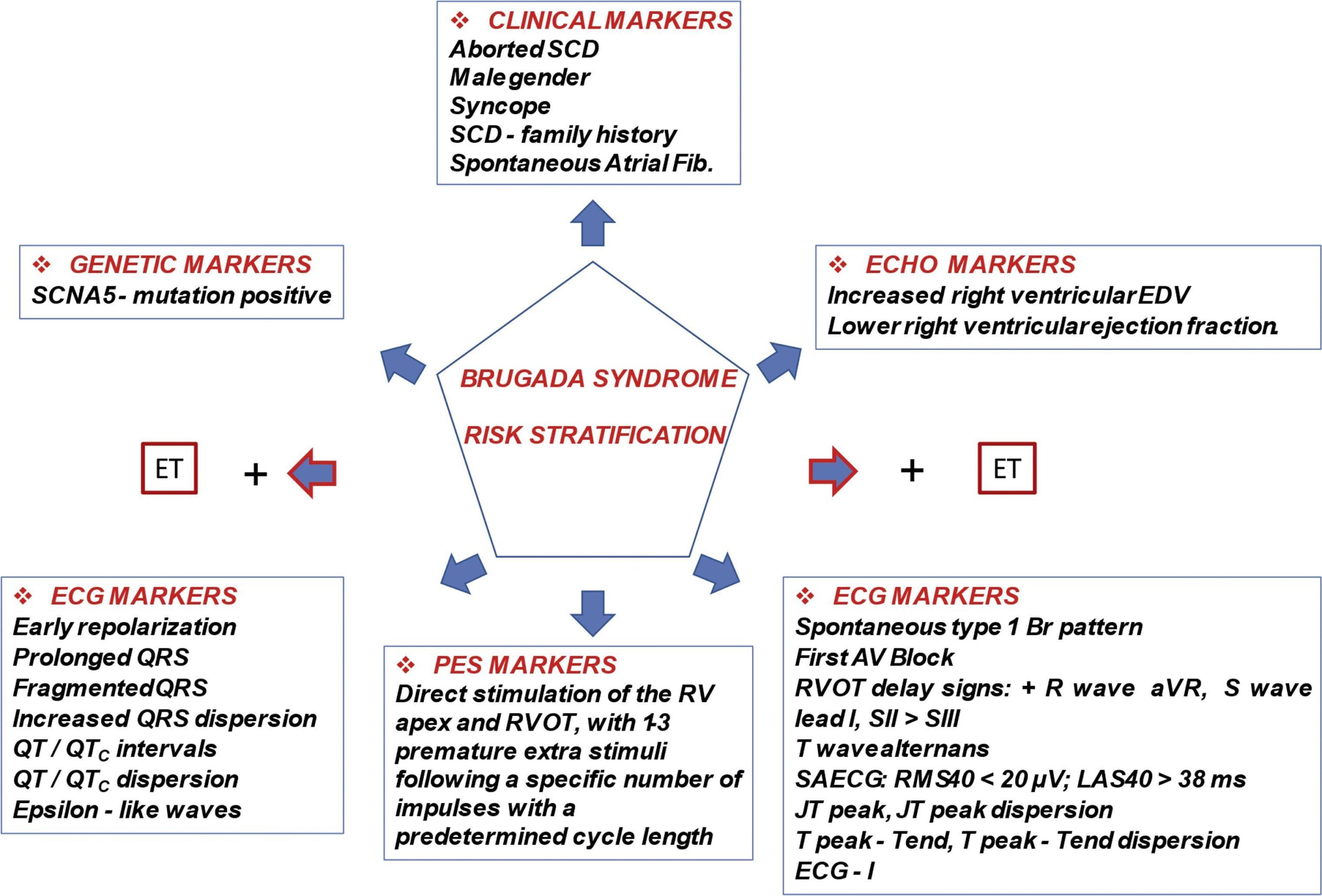
Adding the Exercise Test as a Tool in the Medical Decision-Making Process in Brugada Syndrome

Luiz Eduardo Mastrocola et al. Fábio Mastrocola

Introduction

Most cases of sudden cardiac arrest (SCA) and sudden cardiac death (SCD) are caused by ventricular tachyarrhythmias, with most of these associated with structural heart disease, particularly coronary heart disease. SCA is an uncommon occurrence in the apparently normal heart and accounts for only 5 to 10 percent of total cases.

[…]

  • Cardiac Syncope
  • Cardiac, Arrhythmia
  • Decision Clinical, Brugada Syndrome
  • Electrocardiograhy/methods
  • Exercise
  • Genetic
  • Heart Failure
Read Full Article
Creative Commons Attribution (CC BY) Creative Commons license
10/07/2023 DOI: 10.36660/ijcs.20230053 Views 1
Figure 1
ABC
Case Report

Alopecia Universalis after Treatment with Simvastatin and Ezetimibe: Affects on Family

Ferhat Ozyurtlu et al. Nurullah Cetin

Abstract

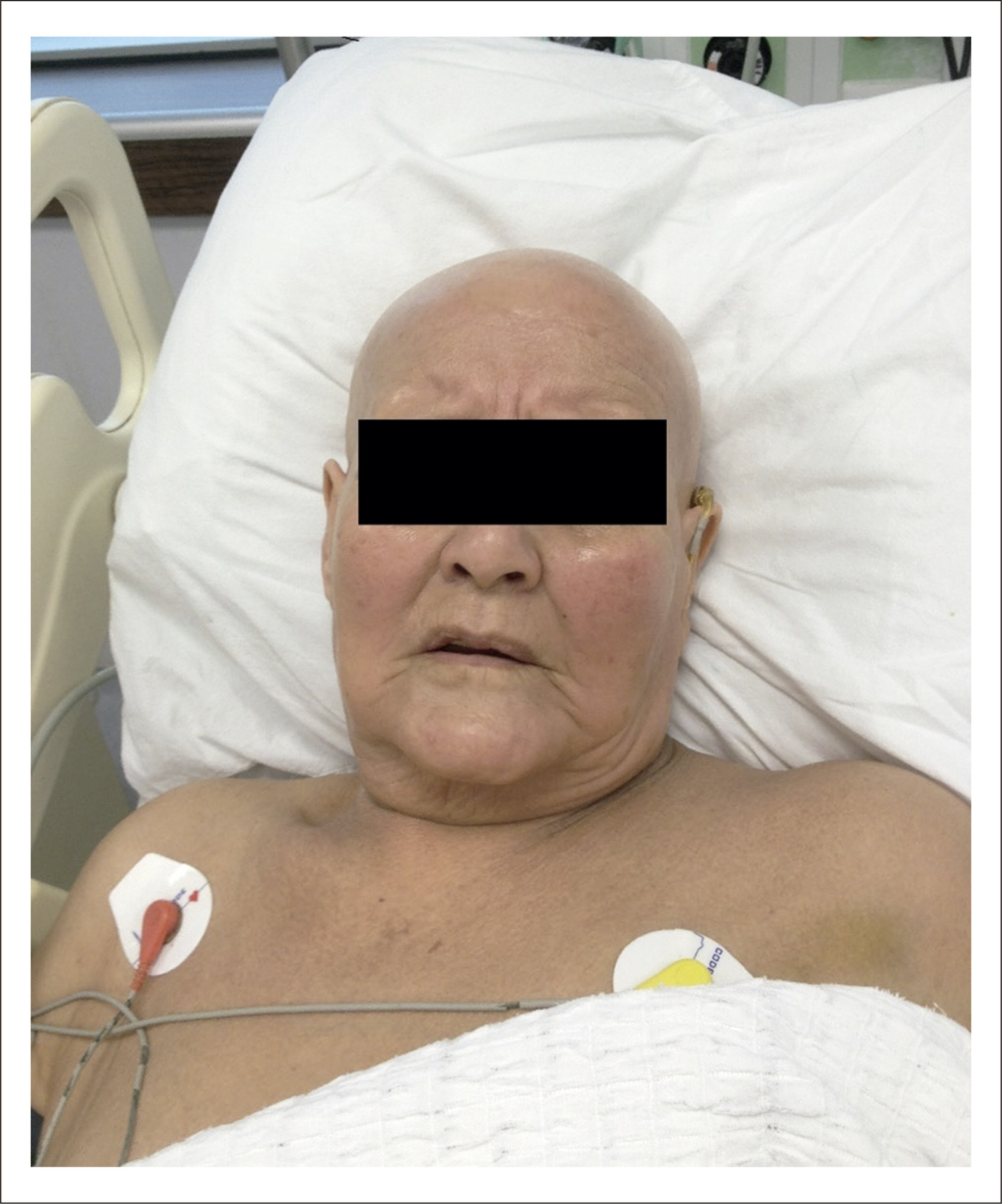
Alopecia areata (AA) is an autoimmune disease that grows in the scalp or in other parts of the body. Alopecia universalis, which is a rare form of alopecia areata, is characterized by a loss of hair that affects the entire body. In the two patients presented in this study, atorvastatin treatment was implemented, with the diagnosis of hypercholesterolemia; however, when the target values were not reached, a combination of simvastatin and ezetimibe was implemented. After a period of simvastatin/ezetimibe treatment, the AA disorder, which began with hair loss on the scalp, spread to the entire body and turned into Alopecia Universalis. Although statins can cause alopecia with autoimmune reactions, they are generally used in the treatment of alopecia due to their immunomodulatory effects.

  • Alopecia
  • Atorvastatin/adverse effects
  • Autoimmune Diseases
  • Ezetimibe, Simvastatin Drug Combination/adverse effects
  • Genetic
  • Hypercholesterolemia
Read Full Article
Creative Commons Attribution (CC BY) Creative Commons license
21/10/2022 DOI: 10.36660/abc.20220187 Views 1
ABC
Special Article

Executive Summary of the II Brazilian Guidelines for Atrial Fibrillation

Luiz Pereira de Magalhães et al. Marcio Jansen de Oliveira Figueiredo Fatima Dumas Cintra Eduardo Benchimol Saad … Ricardo Ryoshim Kuniyoshi Adalberto Menezes Lorga Filho Andre Luiz Buchele D'Avila Angelo Amato Vincenzo de Paola Carlos Antonio Abunader Kalil Dalmo Antonio Ribeiro Moreira Dario Celestino Sobral Filho Eduardo Back Sternick Francisco Carlos da Costa Darrieux Guilherme Fenelon Gustavo Glotz de Lima Jacob Atié José Carlos Pachón Mateos José Marcos Moreira José Tarcísio Medeiros de Vasconcelos Leandro Ioschpe Zimerman Luiz Roberto Leite da Silva Marcio Augusto Silva Mauricio Ibrahim Scanavacca Olga Ferreira de Souza

Introduction

Since 2009, when the Brazilian Society of Cardiology released the Brazilian Guidelines for Atrial Fibrillation, important studies on the subject have been published, particularly on new oral anticoagulants (NOACs). At least three of these drugs (dabigatran, rivaroxaban and apixaban) are currently approved for clinical use in Brazil.

In addition to pharmacological treatment, new data related to non-pharmacological treatment, notably the radiofrequency ablation (RA) procedure, have expanded the indication of this therapeutic approach. For this reason, an update of the guidelines is justified.

[…]

  • Alcohol Drinking
  • Anticoagulants
  • Atrial Fibrillation/epidemiology
  • Catheter Ablation
  • Genetic
  • Obesity
  • Obstructive
  • Risk Factors
  • Sleep Apnea
Read Full Article
Creative Commons Attribution (CC BY) Creative Commons license
01/12/2016 DOI: 10.5935/abc.20160190 Views 1
Nitric oxide and the cardiovascular system: cell activation, vascular reactivity and genetic variant
ABC
Review Article

Nitric oxide and the cardiovascular system: cell activation, vascular reactivity and genetic variant

Rodrigo Gonçalves Dias et al. Carlos Eduardo Negrão Marta Helena Krieger

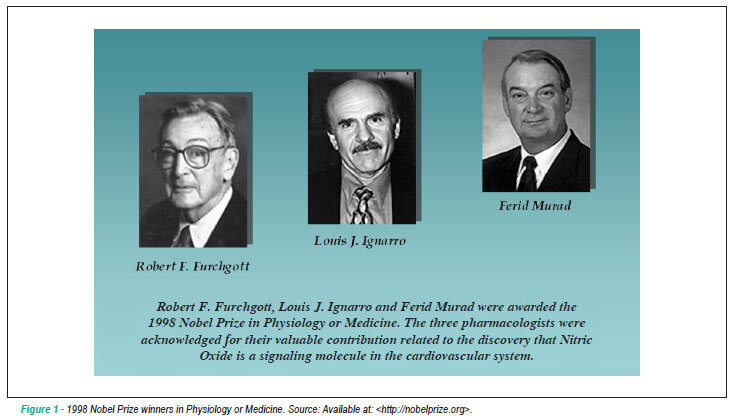
Nitric oxide (NO), primarily identified as an endothelium-derived relaxing factor, is a free radical that signals different biological processes. The identification of NO synthase (NOS) isoforms and the subsequent characterization of the mechanisms of cell activation of the enzymes permitted the partial understanding of both the physiological interactions and of the mechanisms of the diseases in which NO is involved. Mainly expressed in the vascular endothelium, the endothelial NOS isoform (eNOS) plays an important role in the regulation of vascular reactivity and in the development and progression of atherosclerosis. The purpose of this review is to contextualize the reader about the eNOS structure and its mechanisms of cell activation. In view of the advances in molecular biology, we will also address the known mechanisms of gene expression regulation and the role of variants on the genetic code of eNOS associated with cardiovascular phenotypes. Although the importance of NO as an atheroprotective molecule is recognized, our focus will be the review of the literature on NO and its participation in the modulation of the muscle vasodilatation phenotype.

  • Genetic
  • Nitric Oxide
  • nitric oxide synthase type III
  • polymorphism
Read Full Article
Creative Commons Attribution (CC BY) Creative Commons license
04/02/2011 DOI: 10.1590/S0066-782X2011000100012
Effect of physical activity and t-786C polymorphism in blood pressure and blood flow in the elderly
ABC
Artigo Original

Effect of physical activity and t-786C polymorphism in blood pressure and blood flow in the elderly

Anderson Saranz Zago et al. Eduardo Kokubun Nicola Fenty-Stewart Joon-Young Park … Selasi Attipoe James Hagberg Michael Brown

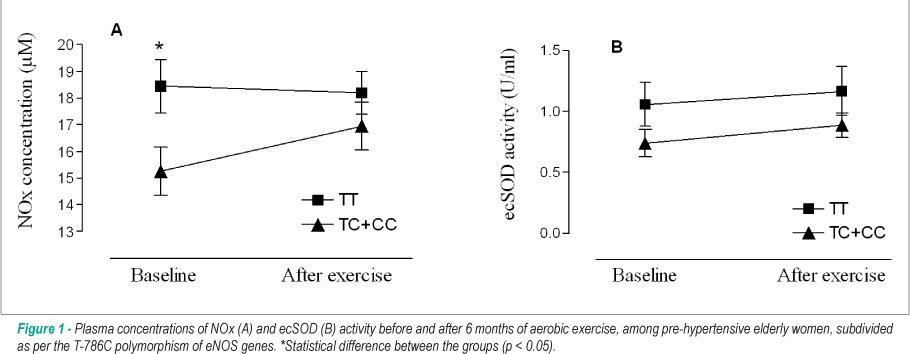
BACKGROUND: The T-786C polymorphism of the gene for endothelial nitric oxide synthase (eNOS) and superoxide anion production may reduce production and bioavailability of nitric oxide, affecting the degree of vasodilation. This effect can be reversed by exercise. OBJECTIVE: To investigate the influence of aerobic training and T-786C polymorphism in the concentrations of nitric oxide metabolites (NOx) in blood flow (BF) and blood pressure (BP). METHODS: Thirty-two elderly pre-hypertensive women (59 ± 6 years old) were divided into two groups according to the T-786C polymorphism (TT and TC + CC). We analyzed the concentrations of NOx (plasma) and blood flow by venous occlusion plethysmography at rest, 1, 2 and 3 minutes post-occlusion (BF-0, BF-1 BF-2 BF-3, respectively). Evaluations were performed before and after 6 months of a program of aerobic exercise. RESULTS: In the pre-training evaluations, NOx levels were lower in TC + CC group than in TT group. The TT group showed correlations between NOx and BF-0 (r = 0.6) and diastolic blood pressure (DBP) and BF-0 (r = -0.7), but no correlation was found in TC + CC group. In the post-training evaluations, there were correlations between NOx and BF-0 (r = 0.6) and the changes in NOx and DBP (r = -0.6) in TT group. There were also correlations between DBP and BF-1 (r = -0.8), DBP, and BF-2 (r = -0.6), DBP, and BF-3 (r = -0.6), in the changes between NOx and BF-1 (r = 0.8) and changes in NOx and DBP (r = -0.7) in TC + CC group. CONCLUSION: It was concluded that 6 months of aerobic exercise can increase the relationship between NO, BP and BF in elderly of allele C carriers.

  • Aged
  • Blood Pressure
  • Exercise
  • Genetic
  • Nitric Oxide
  • polymorphism
  • superoxide dismutase
Read Full Article
Creative Commons Attribution (CC BY) Creative Commons license
17/09/2010 DOI: 10.1590/S0066-782X2010005000126
ABC
Artigo Original

Combined analysis of genetic and environmental factors on essential hypertension in a brazilian rural population in the Amazon region

Silvia Regina Sampaio Freitas et al. Pedro Hernan Cabello Rodrigo Soares Moura-Neto Luciana Cresta Dolinsky Marcio Neves Bóia

OBJECTIVE: In the present study, we evaluated the contribution of six genetic polymorphisms of the Renin-Angiotensis-Aldosterone system (RAAS) and clinical risk factors in the development of essential hypertension in a Brazilian rural population in the Amazon region. METHODS: Eighty-two hypertensive patients and seventy-eight normotensive individuals were evaluated. Genotyping for renin (REN G1051A), angiotensinogen (AGT) M235T, insertion/deletion of angiotensin-converting enzyme (ACE I/D), angiotensin II type 1 receptor (AGTR1) A1166C and aldosterone synthase (CYP11B2) C344T polymorphisms were performed using polymerase chain reaction, with further restriction analysis when required. The influence of genetic polymorphisms and clinical risk factors on blood pressure variation was assessed by stepwise linear regression. RESULTS: We report the co-occurrence of clinical risk factors and angiotensin-converting enzyme (ACE) gene polymorphism in a Brazilian rural population in the Amazon region. Our results indicate that increase of systolic blood pressure (SBP) is favored by ACE I/D- D allele and advanced age, while alcohol consumption and aging are associated with high diastolic blood pressure (DBP). CONCLUSION: These findings suggest that in the Santa Isabel do Rio Negro population, the residents that carry ACE-D allele or have an alcohol consumption habit present higher values of SBP and DBP, respectively, with the passing of years.

  • environmental risks
  • Essential Hypertension
  • Genetic
  • Polymorphisms
Read Full Article
Creative Commons Attribution (CC BY) Creative Commons license
24/05/2007 DOI: 10.1590/S0066-782X2007000400014

How to cite this article

EndNote RIS

Electronic Document Format (Vancouver)

Mastrocola LE, Mastrocola F. Adding the Exercise Test as a Tool in the Medical Decision-Making Process in Brugada Syndrome. International Journal of Cardiovascular Sciences 2023;36:e20230053.

Electronic Document Format (ABNT)

Mastrocola, Luiz Eduardo; Mastrocola, Fábio. Adding the Exercise Test as a Tool in the Medical Decision-Making Process in Brugada Syndrome. International Journal of Cardiovascular Sciences, v. 36, e20230053, Jul. 2023.

Electronic Document Format (APA)

Mastrocola, L. E., & Mastrocola, F. (2023). Adding the Exercise Test as a Tool in the Medical Decision-Making Process in Brugada Syndrome. International Journal of Cardiovascular Sciences, 36, e20230053.

Electronic Document Format (ISO)

Mastrocola, Luiz Eduardo and Mastrocola, Fábio. Adding the Exercise Test as a Tool in the Medical Decision-Making Process in Brugada Syndrome. International Journal of Cardiovascular Sciences [online]. 2023, vol. 36, [cited 2026-10-14], e20230053. Available from: <https://journals.cardiol.br/en/article/adding-the-exercise-test-as-a-tool-in-the-medical-decision-making-process-in-brugada-syndrome/>. ISSN 2359-4802

EndNote RIS

Electronic Document Format (Vancouver)

Ozyurtlu F, Cetin N. Alopecia Universalis after Treatment with Simvastatin and Ezetimibe: Affects on Family. Arquivos Brasileiros de Cardiologia 2022;119(4):631-3.

Electronic Document Format (ABNT)

Ozyurtlu, Ferhat; Cetin, Nurullah. Alopecia Universalis after Treatment with Simvastatin and Ezetimibe: Affects on Family. Arquivos Brasileiros de Cardiologia, v. 119, n. 4, p. 631-633, Oct. 2022.

Electronic Document Format (APA)

Ozyurtlu, F., & Cetin, N. (2022). Alopecia Universalis after Treatment with Simvastatin and Ezetimibe: Affects on Family. Arquivos Brasileiros de Cardiologia, 119(4), 631-633.

Electronic Document Format (ISO)

Ozyurtlu, Ferhat and Cetin, Nurullah. Alopecia Universalis after Treatment with Simvastatin and Ezetimibe: Affects on Family. Arquivos Brasileiros de Cardiologia [online]. 2022, vol. 119, n. 4, [cited 2026-10-14], pp. 631-633. Available from: <https://journals.cardiol.br/en/article/alopecia-universalis-after-treatment-with-simvastatin-and-ezetimibe-affects-on-family/>. ISSN 0066-782X

EndNote RIS

Electronic Document Format (Vancouver)

Magalhães LP, Figueiredo MJO, Cintra FD, Saad EB, Kuniyoshi RR, Lorga Filho AM, D’Avila ALB, et al. Executive Summary of the II Brazilian Guidelines for Atrial Fibrillation. Arquivos Brasileiros de Cardiologia 2016;107(6):501-8.

Electronic Document Format (ABNT)

Magalhães, Luiz Pereira de; Figueiredo, Marcio Jansen de Oliveira; Cintra, Fatima Dumas; Saad, Eduardo Benchimol; Kuniyoshi, Ricardo Ryoshim; Lorga Filho, Adalberto Menezes; D’Avila, Andre Luiz Buchele; Paola, Angelo Amato Vincenzo de; Kalil, Carlos Antonio Abunader; Moreira, Dalmo Antonio Ribeiro; Sobral Filho, Dario Celestino; Sternick, Eduardo Back; Darrieux, Francisco Carlos da Costa; Fenelon, Guilherme; Lima, Gustavo Glotz de; Atié, Jacob; Mateos, José Carlos Pachón; Moreira, José Marcos; Vasconcelos, José Tarcísio Medeiros de; Zimerman, Leandro Ioschpe; Silva, Luiz Roberto Leite da; Silva, Marcio Augusto; Scanavacca, Mauricio Ibrahim; Souza, Olga Ferreira de. Executive Summary of the II Brazilian Guidelines for Atrial Fibrillation. Arquivos Brasileiros de Cardiologia, v. 107, n. 6, p. 501-508, Nov. 2016.

Electronic Document Format (APA)

Magalhães, L. P. , Figueiredo, M. J. O., Cintra, F. D., Saad, E. B., Kuniyoshi, R. R., Lorga Filho, A. M., D’Avila, A. L. B., Paola, A. A. V. , Kalil, C. A. A., Moreira, D. A. R., Sobral Filho, D. C., Sternick, E. B., Darrieux, F. C. C., Fenelon, G., Lima, G. G. , Atié, J., Mateos, J. C. P., Moreira, J. M., Vasconcelos, J. T. M. , Zimerman, L. I., Silva, L. R. L. , Silva, M. A., Scanavacca, M. I., & Souza, O. F. (2016). Executive Summary of the II Brazilian Guidelines for Atrial Fibrillation. Arquivos Brasileiros de Cardiologia, 107(6), 501-508.

Electronic Document Format (ISO)

Magalhães, Luiz Pereira de and Figueiredo, Marcio Jansen de Oliveira and Cintra, Fatima Dumas and Saad, Eduardo Benchimol and Kuniyoshi, Ricardo Ryoshim and Lorga Filho, Adalberto Menezes and D’Avila, Andre Luiz Buchele and Paola, Angelo Amato Vincenzo de and Kalil, Carlos Antonio Abunader and Moreira, Dalmo Antonio Ribeiro and Sobral Filho, Dario Celestino and Sternick, Eduardo Back and Darrieux, Francisco Carlos da Costa and Fenelon, Guilherme and Lima, Gustavo Glotz de and Atié, Jacob and Mateos, José Carlos Pachón and Moreira, José Marcos and Vasconcelos, José Tarcísio Medeiros de and Zimerman, Leandro Ioschpe and Silva, Luiz Roberto Leite da and Silva, Marcio Augusto and Scanavacca, Mauricio Ibrahim and Souza, Olga Ferreira de. Executive Summary of the II Brazilian Guidelines for Atrial Fibrillation. Arquivos Brasileiros de Cardiologia [online]. 2016, vol. 107, n. 6, [cited 2026-10-14], pp. 501-508. Available from: <https://journals.cardiol.br/en/article/executive-summary-of-the-ii-brazilian-guidelines-for-atrial-fibrillation/>. ISSN 0066-782X

EndNote RIS

Electronic Document Format (Vancouver)

Dias RG, Negrão CE, Krieger MH. Nitric oxide and the cardiovascular system: cell activation, vascular reactivity and genetic variant. Arquivos Brasileiros de Cardiologia 2011;96(1):68-75.

Electronic Document Format (ABNT)

Dias, Rodrigo Gonçalves; Negrão, Carlos Eduardo; Krieger, Marta Helena. Nitric oxide and the cardiovascular system: cell activation, vascular reactivity and genetic variant. Arquivos Brasileiros de Cardiologia, v. 96, n. 1, p. 68-75, Feb. 2011.

Electronic Document Format (APA)

Dias, R. G., Negrão, C. E., & Krieger, M. H. (2011). Nitric oxide and the cardiovascular system: cell activation, vascular reactivity and genetic variant. Arquivos Brasileiros de Cardiologia, 96(1), 68-75.

Electronic Document Format (ISO)

Dias, Rodrigo Gonçalves and Negrão, Carlos Eduardo and Krieger, Marta Helena. Nitric oxide and the cardiovascular system: cell activation, vascular reactivity and genetic variant. Arquivos Brasileiros de Cardiologia [online]. 2011, vol. 96, n. 1, [cited 2026-10-14], pp. 68-75. Available from: <https://journals.cardiol.br/en/article/nitric-oxide-and-the-cardiovascular-system-cell-activation-vascular-reactivity-and-genetic-variant/>. ISSN 0066-782X

EndNote RIS

Electronic Document Format (Vancouver)

Zago AS, Kokubun E, Fenty-Stewart N, Park J, Attipoe S, Hagberg J, Brown M, et al. Effect of physical activity and t-786C polymorphism in blood pressure and blood flow in the elderly. Arquivos Brasileiros de Cardiologia 2010;95(4):510-8.

Electronic Document Format (ABNT)

Zago, Anderson Saranz; Kokubun, Eduardo; Fenty-Stewart, Nicola; Park, Joon-Young; Attipoe, Selasi; Hagberg, James; Brown, Michael. Effect of physical activity and t-786C polymorphism in blood pressure and blood flow in the elderly. Arquivos Brasileiros de Cardiologia, v. 95, n. 4, p. 510-518, Sep. 2010.

Electronic Document Format (APA)

Zago, A. S., Kokubun, E., Fenty-Stewart, N., Park, J., Attipoe, S., Hagberg, J., & Brown, M. (2010). Effect of physical activity and t-786C polymorphism in blood pressure and blood flow in the elderly. Arquivos Brasileiros de Cardiologia, 95(4), 510-518.

Electronic Document Format (ISO)

Zago, Anderson Saranz and Kokubun, Eduardo and Fenty-Stewart, Nicola and Park, Joon-Young and Attipoe, Selasi and Hagberg, James and Brown, Michael. Effect of physical activity and t-786C polymorphism in blood pressure and blood flow in the elderly. Arquivos Brasileiros de Cardiologia [online]. 2010, vol. 95, n. 4, [cited 2026-10-14], pp. 510-518. Available from: <https://journals.cardiol.br/en/article/effect-of-physical-activity-and-t-786c-polymorphism-in-blood-pressure-and-blood-flow-in-the-elderly/>. ISSN 0066-782X

EndNote RIS

Electronic Document Format (Vancouver)

Freitas SRS, Cabello PH, Moura-Neto RS, Dolinsky LC, Bóia MN. Combined analysis of genetic and environmental factors on essential hypertension in a brazilian rural population in the Amazon region. Arquivos Brasileiros de Cardiologia 2007;88(4):447-51.

Electronic Document Format (ABNT)

Freitas, Silvia Regina Sampaio; Cabello, Pedro Hernan; Moura-Neto, Rodrigo Soares; Dolinsky, Luciana Cresta; Bóia, Marcio Neves. Combined analysis of genetic and environmental factors on essential hypertension in a brazilian rural population in the Amazon region. Arquivos Brasileiros de Cardiologia, v. 88, n. 4, p. 447-451, May. 2007.

Electronic Document Format (APA)

Freitas, S. R. S., Cabello, P. H., Moura-Neto, R. S., Dolinsky, L. C., & Bóia, M. N. (2007). Combined analysis of genetic and environmental factors on essential hypertension in a brazilian rural population in the Amazon region. Arquivos Brasileiros de Cardiologia, 88(4), 447-451.

Electronic Document Format (ISO)

Freitas, Silvia Regina Sampaio and Cabello, Pedro Hernan and Moura-Neto, Rodrigo Soares and Dolinsky, Luciana Cresta and Bóia, Marcio Neves. Combined analysis of genetic and environmental factors on essential hypertension in a brazilian rural population in the Amazon region. Arquivos Brasileiros de Cardiologia [online]. 2007, vol. 88, n. 4, [cited 2026-10-14], pp. 447-451. Available from: <https://journals.cardiol.br/en/article/combined-analysis-of-genetic-and-environmental-factors-on-essential-hypertension-in-a-brazilian-rural-population-in-the-amazon-region/>. ISSN 0066-782X

  • About ABC Family
  • Internal Regulation
  • Editorial Board
  • Brazilian Society of Cardiology (SBC)

Issues

SBC Guidelines

  • Videos
  • Podcasts
  • News