ABC Family Arquivos Brasileiros de Cardiologia International Journal of Cardiovascular Sciences ABC Heart Failure & Cardiomyopathy ABC Imagem Cardiovascular
Português English
ABC Family
Português English
  • About
    • About ABC Family
    • Internal Regulation
    • Editorial Board
    • Brazilian Society of Cardiology (SBC)
  • Issues
  • SBC Guidelines
  • Content
    • Videos
    • Podcasts
    • News
  • About
    • About ABC Family
    • Internal Regulation
    • Editorial Board
    • Brazilian Society of Cardiology (SBC)
  • Issues
  • SBC Guidelines
  • Content
    • Videos
    • Podcasts
    • News

ABC Family

  • ABC Family
  • Arquivos Brasileiros de Cardiologia
  • International Journal of Cardiovascular Sciences
  • ABC Heart Failure & Cardiomyopathy
  • ABC Imagem Cardiovascular
Search in

No content found.

Journals
Ordering
Article types
Others

  1. Home
  2. Keyword: Foam Cells
Figure 1
ABC
Editorial

Foam Cells in Atherosclerosis

Paulo Sampaio Gutierrez

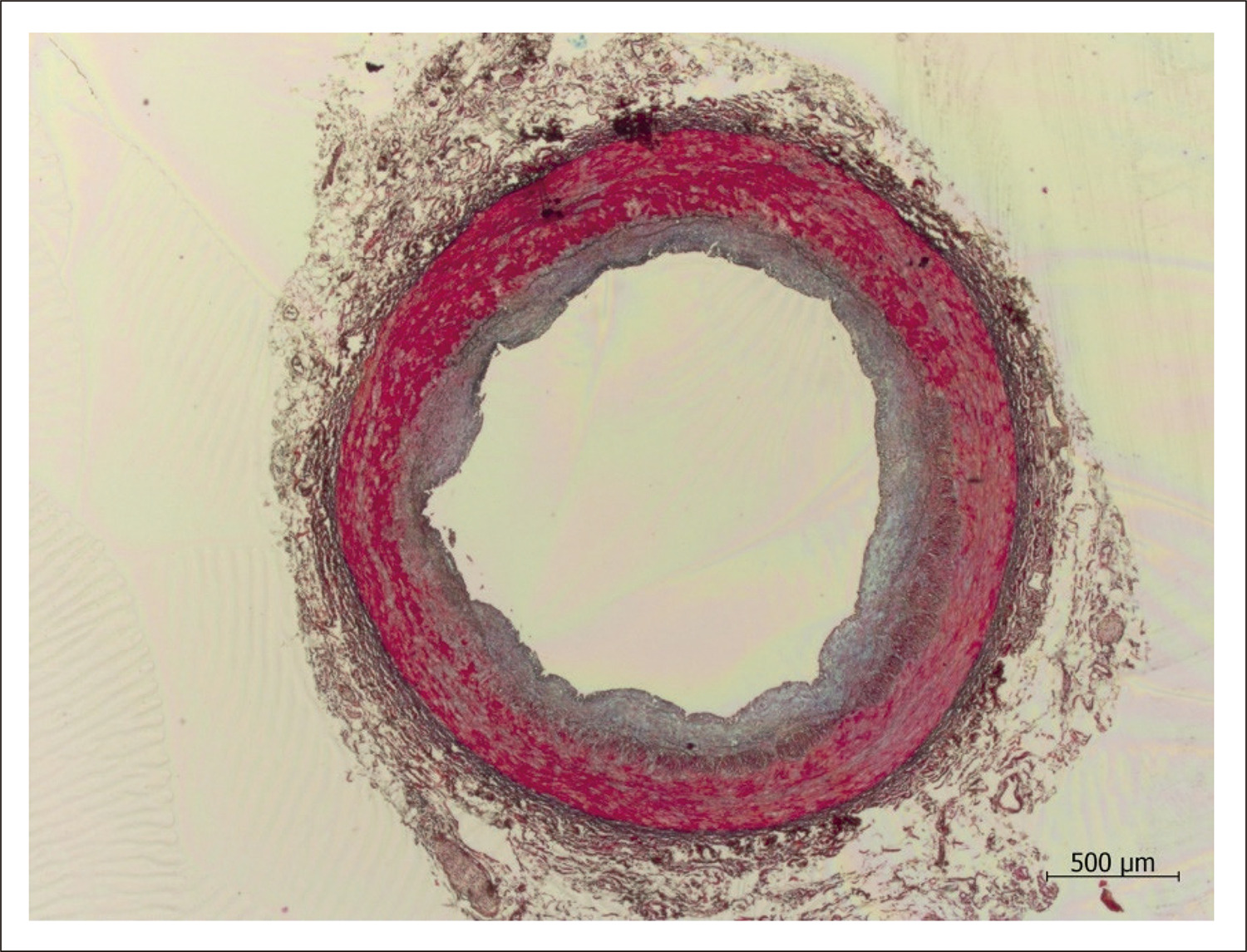
In the early stages of atherosclerotic lesions, there is an accumulation of lipids in the tunica intima, which, in this location, undergo modifications such as oxidation and become capable of inducing inflammatory reactions and, consequently, the progression of the pathological process. It is worth noting that there are indications that interactions with components present in this arterial layer are important for fats to be retained and, therefore, subject to the modifications above that bring them pro-inflammatory properties. In this sense, it is interesting to note that while most mammalian species have a “virtual” arterial intima – that is, at light microscopy, the endothelium appears to lie directly on the internal elastic lamina (although observation electron microscopy reveals that this is not the case) and are less susceptible to atherosclerotic disease, species in which there is an amount of tissue that can be seen at light microscopy separating the endothelium from the internal elastic lamina, such as rabbits, pigs, apes and, mainly, human beings ( ), are the ones that are prone to such alteration.

[…]

  • Atherosclerosis
  • Foam Cells
  • Pathology
Read Full Article
Creative Commons Attribution (CC BY) Creative Commons license
21/10/2022 DOI: 10.36660/abc.20220659 Views 2
Figure 1
ABC
Original Article

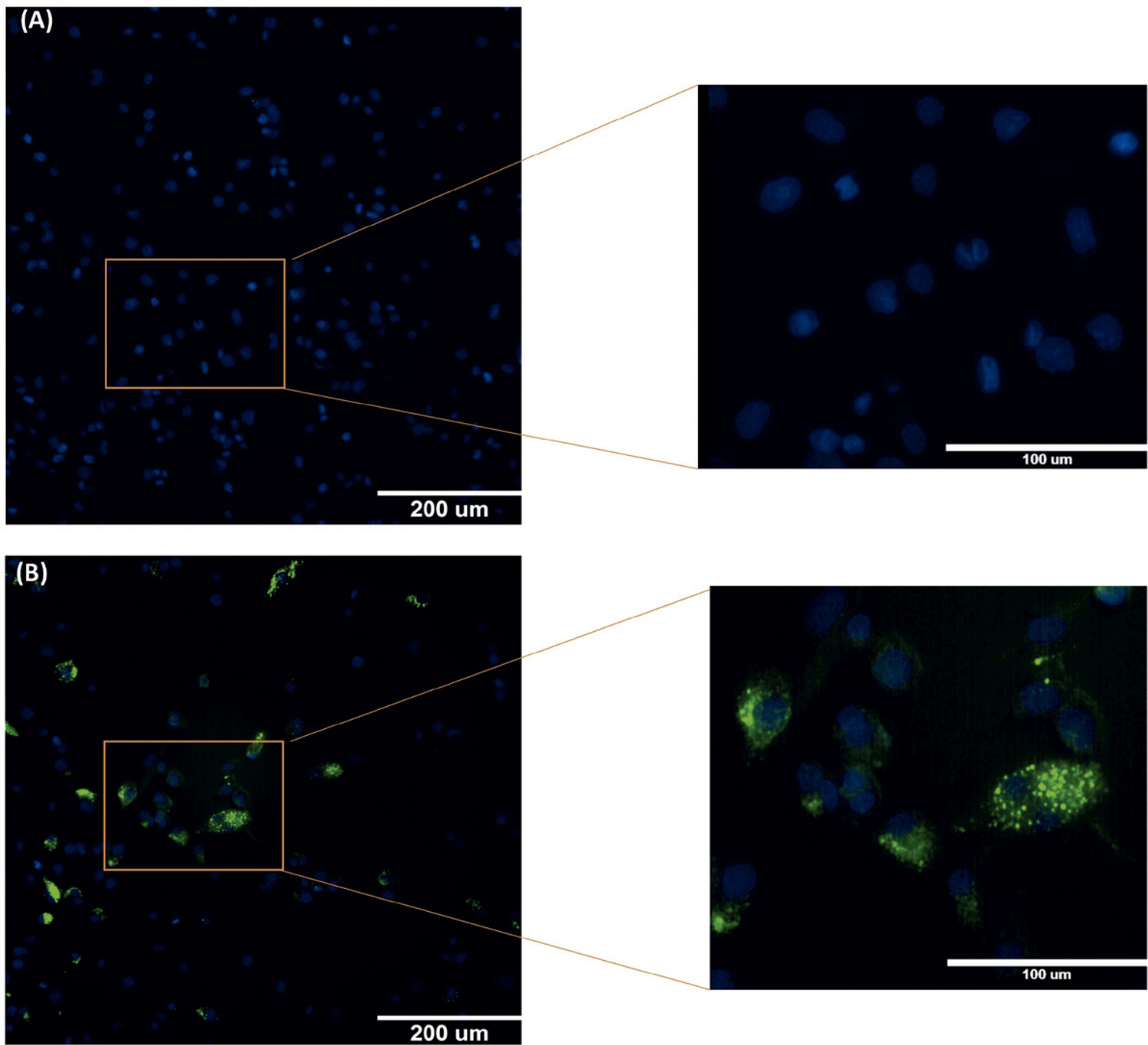
Profile of IL-6 and TNF in Foam Cell Formation: An Improved Method Using Fluorescein Isothiocyanate (FITC) Probe

Cynthia Aparecida Castro et al. Tereza Cristina Buzinari Rafael Luis Bressani Lino Heloisa Sobreiro Selistre de Araújo … Fernanda de Freitas Aníbal Roberto Mario Machado Verzola Vanderlei Salvador Bagnato Natalia Mayumi Inada Gerson Jhonatan Rodrigues

Abstract

Background

The formation of foam cells occurs due to the increase in low-density plasma lipoprotein (LDL) and dysregulation of inflammation, which is important for the development of atherosclerosis.

Objective

To evaluate the profile of tumor necrosis factor-alpha (TNF-α) and Interleukin-6 (IL-6) in the existing foam cell formation method, optimizing this protocol.

Methods

The LDL was isolated, oxidized, and labeled with a Fluorescein isothiocyanate (FITC) probe. Foam cells were generated from THP-1 human monocyte-derived cells and incubated in the absence (control) or presence of FITC-ox-LDL (10, 50, 100, 150, or 200 μg/mL), for 12, 24, 48, or 72 hours. The accumulated FITC-ox-LDL in the cell was quantified by microscopy. The enzyme-linked immunosorbent assay was evaluated to quantify the IL-6 and TNF-α, with p < 0.05 considered significant.

Results

All the FITC-ox-LDL concentrations tested showed a higher fluorescence when compared to the control, showing a greater accumulation of lipoprotein in cells. The higher the concentration of FITC-ox-LDL, the greater the production of TNF-α and IL-6. The production of IL-6 by foam cells was detected up to the value of 150 µg/mL of the maximum stimulus for LDL. Concentrations above 50 μg/mL LDL stimulated greater release of TNF-α compared to control.

Conclusions

Our model contributes to the understanding of the release of IL-6 and TNF-α in response to different concentrations of ox-LDL, using an optimized method for the formation of foam cells.

  • Atherosclerosis
  • Foam Cells
  • Inflammation
  • Isotiocianatos, Fluoresceina
  • Lipids
  • Plaque, Atherosclerotic
Read Full Article
Creative Commons Attribution (CC BY) Creative Commons license
05/08/2022 DOI: 10.36660/abc.20210682 Views 1

How to cite this article

EndNote RIS

Electronic Document Format (Vancouver)

Gutierrez PS. Foam Cells in Atherosclerosis. Arquivos Brasileiros de Cardiologia 2022;119(4):542-3.

Electronic Document Format (ABNT)

Gutierrez, Paulo Sampaio. Foam Cells in Atherosclerosis. Arquivos Brasileiros de Cardiologia, v. 119, n. 4, p. 542-543, Oct. 2022.

Electronic Document Format (APA)

Gutierrez, P. S. (2022). Foam Cells in Atherosclerosis. Arquivos Brasileiros de Cardiologia, 119(4), 542-543.

Electronic Document Format (ISO)

Gutierrez, Paulo Sampaio. Foam Cells in Atherosclerosis. Arquivos Brasileiros de Cardiologia [online]. 2022, vol. 119, n. 4, [cited 2026-10-14], pp. 542-543. Available from: <https://journals.cardiol.br/en/article/foam-cells-in-atherosclerosis/>. ISSN 0066-782X

EndNote RIS

Electronic Document Format (Vancouver)

Castro CA, Buzinari TC, Lino RLB, Araújo HSS, Aníbal FF, Verzola RMM, Bagnato VS, et al. Profile of IL-6 and TNF in Foam Cell Formation: An Improved Method Using Fluorescein Isothiocyanate (FITC) Probe. Arquivos Brasileiros de Cardiologia 2022;119(4):533-41.

Electronic Document Format (ABNT)

Castro, Cynthia Aparecida; Buzinari, Tereza Cristina; Lino, Rafael Luis Bressani; Araújo, Heloisa Sobreiro Selistre de; Aníbal, Fernanda de Freitas; Verzola, Roberto Mario Machado; Bagnato, Vanderlei Salvador; Inada, Natalia Mayumi; Rodrigues, Gerson Jhonatan. Profile of IL-6 and TNF in Foam Cell Formation: An Improved Method Using Fluorescein Isothiocyanate (FITC) Probe. Arquivos Brasileiros de Cardiologia, v. 119, n. 4, p. 533-541, Aug. 2022.

Electronic Document Format (APA)

Castro, C. A., Buzinari, T. C., Lino, R. L. B., Araújo, H. S. S. , Aníbal, F. F., Verzola, R. M. M., Bagnato, V. S., Inada, N. M., & Rodrigues, G. J. (2022). Profile of IL-6 and TNF in Foam Cell Formation: An Improved Method Using Fluorescein Isothiocyanate (FITC) Probe. Arquivos Brasileiros de Cardiologia, 119(4), 533-541.

Electronic Document Format (ISO)

Castro, Cynthia Aparecida and Buzinari, Tereza Cristina and Lino, Rafael Luis Bressani and Araújo, Heloisa Sobreiro Selistre de and Aníbal, Fernanda de Freitas and Verzola, Roberto Mario Machado and Bagnato, Vanderlei Salvador and Inada, Natalia Mayumi and Rodrigues, Gerson Jhonatan. Profile of IL-6 and TNF in Foam Cell Formation: An Improved Method Using Fluorescein Isothiocyanate (FITC) Probe. Arquivos Brasileiros de Cardiologia [online]. 2022, vol. 119, n. 4, [cited 2026-10-14], pp. 533-541. Available from: <https://journals.cardiol.br/en/article/profile-of-il-6-and-tnf-in-foam-cell-formation-an-improved-method-using-fluorescein-isothiocyanate-fitc-probe/>. ISSN 0066-782X

  • About ABC Family
  • Internal Regulation
  • Editorial Board
  • Brazilian Society of Cardiology (SBC)

Issues

SBC Guidelines

  • Videos
  • Podcasts
  • News