| ABC
ABC Family Arquivos Brasileiros de Cardiologia International Journal of Cardiovascular Sciences ABC Heart Failure & Cardiomyopathy ABC Imagem Cardiovascular
Português English
ABC Family | ABC
Português English
  • About
    • About the Journal
    • Internal Regulation
    • Editors Section
    • Editorial Board
    • History
    • SBC Award
  • Instructions to Authors
    • Guidelines for Publication
    • Editorial Policy
    • Ethics Policy
    • Policy on the Use of Artificial Intelligence
    • Mandatory Publication Form
    • Publication Fee
  • Issues
  • SBC Guidelines
  • Abstracts
    • How to Publish an Abstract Supplement?
    • Supplements from the Brazilian Congress of Cardiology
  • About
    • About the Journal
    • Internal Regulation
    • Editors Section
    • Editorial Board
    • History
    • SBC Award
  • Instructions to Authors
    • Guidelines for Publication
    • Editorial Policy
    • Ethics Policy
    • Policy on the Use of Artificial Intelligence
    • Mandatory Publication Form
    • Publication Fee
  • Issues
  • SBC Guidelines
  • Abstracts
    • How to Publish an Abstract Supplement?
    • Supplements from the Brazilian Congress of Cardiology

ABC Family

  • ABC Family
  • Arquivos Brasileiros de Cardiologia
  • International Journal of Cardiovascular Sciences
  • ABC Heart Failure & Cardiomyopathy
  • ABC Imagem Cardiovascular
Search in

No content found.

Journals
Ordering
Article types
Others

  1. Home
  2. ABC
  3. Issues
  4. 2012, Volume 99, Number 5
Brief Communication

Validation of the short-version of Rose angina questionnaire in Brazil

Maria-Socorro Bastos et al. Paulo A. Lotufo Aristarcho L. Whitaker Isabela M. Bensenor

BACKGROUND: Stable angina pectoris is a serious condition with few epidemiological studies in Brazil. OBJECTIVE: To validate the short-version of the Rose angina questionnaire in Brazilian Portuguese for its implementation in surveys and longitudinal studies. METHODS: A total of 116 consecutive patients from an outpatient clinic without prior myocardial infarction and/or coronary revascularization were enrolled for application of three questions of the Rose angina questionnaire addressing chest pain after exertion. We used the treadmill test as the gold standard with the Ellestad protocol. RESULTS: The short-version of the Rose angina questionnaire of the 116 subjects submitted to the exercise treadmill test disclosed 89.7% of accuracy, 25% of sensitivity, 92.0% of specificity, 10.0% of positive predictive value, 97.2% of negative predictive value, and 3.1 of positive likelihood ratio and 0.82 of negative likelihood ratio. CONCLUSION: The Portuguese version with three items of the Rose angina questionnaire is suitable for epidemiological purposes.
  • Angina Pectoris
  • Cardiovascular Diseases
  • Coronary Artery Disease
  • questionnaires
Read Full Article
Creative Commons Attribution (CC BY) Creative Commons license
22/11/2012 DOI: 10.1590/S0066-782X2012001400012 Views 1
Editorial

Percutaneous left atrial appendage occlusion: putting the most lethal human attachment behind bars

Adriano Caixeta et al. Erlon O. de Abreu Silva Philippe Généreux

EDITORIAL

Percutaneous left atrial appendage occlusion: putting the most lethal human attachment behind bars

[…]

  • Anticoagulants
  • Atrial Appendage
  • Atrial Fibrillation
  • heart catheterization
Read Full Article
Creative Commons Attribution (CC BY) Creative Commons license
22/11/2012 DOI: 10.1590/S0066-782X2012001400001 Views 1
Case 05/12: a 67 year-old hypertensive woman with atrial fibrillation who presented shock followed by cardiac arrest with pulseless electric activity two months after surgical repair of ascending aorta aneurysm
Correlação Clínico-Radiográfica

Case 05/12: a 67 year-old hypertensive woman with atrial fibrillation who presented shock followed by cardiac arrest with pulseless electric activity two months after surgical repair of ascending aorta aneurysm

Fernanda Marinho Mangione et al. Thiago Nunes Pereira Leite Paulo Sampaio Gutierrez

ANATOMOPATHOLOGICAL SESSION

Case 05/12 – a 67 year-old hypertensive woman with atrial fibrillation who presented shock followed by cardiac arrest with pulseless electric activity two months after surgical repair of ascending aorta aneurysm

[…]

  • Aortic Aneurysm
  • Atrial Fibrillation
  • Heart Arrest
  • Hypertension
  • Shock
Read Full Article
Creative Commons Attribution (CC BY) Creative Commons license
22/11/2012 DOI: 10.1590/S0066-782X2012001400015
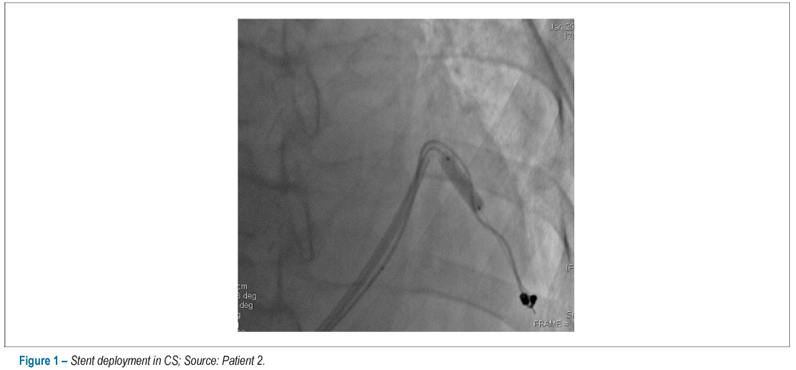
Supporting stent of coronary sinus lead in cardiac resynchronization: report of 5 cases
Case Report

Supporting stent of coronary sinus lead in cardiac resynchronization: report of 5 cases

Jaime Giovany Arnez Maldonado et al. Carla Fank Simão Maduro Rodrigo Castro … Hernou Oliveira Andre Gomes

CASE REPORT

Supporting stent of coronary sinus lead in cardiac resynchronization – report of 5 cases

[…]

Read Full Article
Creative Commons Attribution (CC BY) Creative Commons license
22/11/2012 DOI: 10.1590/S0066-782X2012001400016 Views 1
Letter to the Editor

True prevalence of resistant hypertension

Andréa Rodrigues Sabbatini et al. Vanessa Fontana Heitor Moreno Jr

LETTER TO THE EDITOR

True prevalence of resistant hypertension

[…]

  • Hypertension
  • medication adherence
  • Prevalence
Read Full Article
Creative Commons Attribution (CC BY) Creative Commons license
22/11/2012 DOI: 10.1590/S0066-782X2012001400014
Biventricular thrombus and endomyocardial fibrosis in antiphospholipid syndrome
Case Report

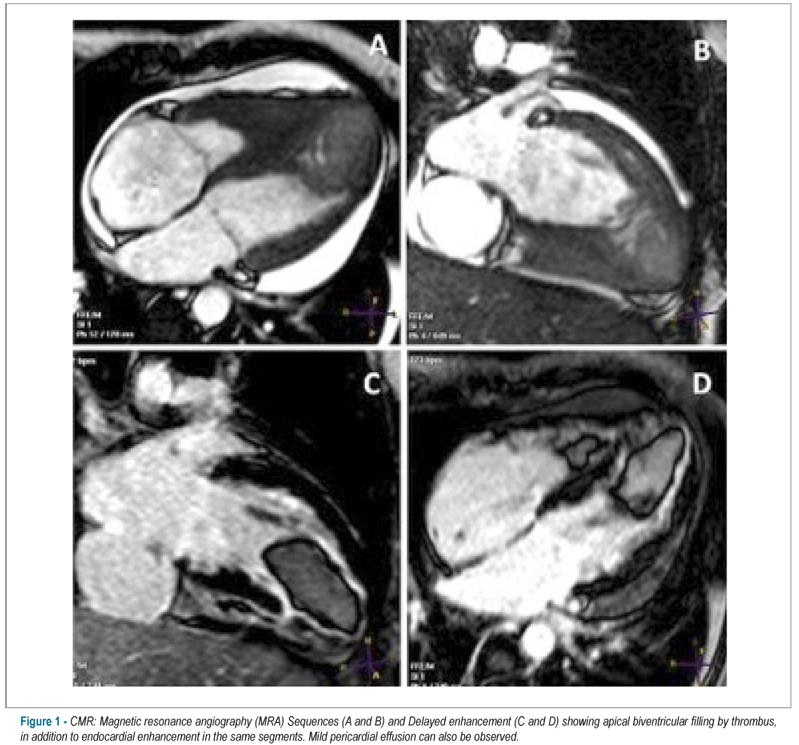
Biventricular thrombus and endomyocardial fibrosis in antiphospholipid syndrome

Luiz Flávio Galvão Gonçalves et al. Fernanda Maria Silveira Souto Fernanda Nascimento Faro Joselina Luzia Menezes Oliveira … José Augusto Soares Barreto-Filho Antônio Carlos Sobral Sousa

CASE REPORT

Biventricular thrombus and endomyocardial fibrosis in antiphospholipid syndrome

[…]

  • Antibodies
  • Antiphospholipid
  • Antiphospholipid syndrome
  • Endomyocardial Fibrosis
  • Magnetic Resonance Spectroscopy
  • Thrombosis
Read Full Article
Creative Commons Attribution (CC BY) Creative Commons license
22/11/2012 DOI: 10.1590/S0066-782X2012001400017
Acute myocardial infarction after noncardiac surgery
Review Article

Acute myocardial infarction after noncardiac surgery

Danielle Menosi Gualandro et al. Daniela Calderaro Pai Ching Yu Bruno Caramelli

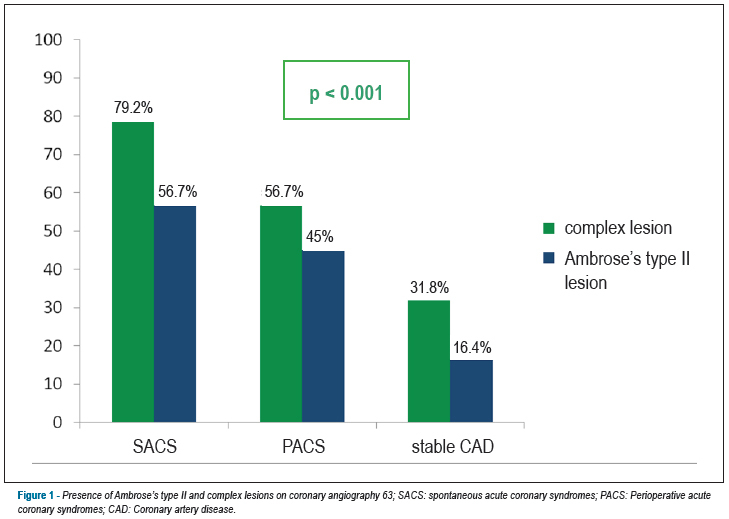
Over 230 million surgeries are performed annually worldwide, cardiac complications being the most common causes of postoperative morbidity and mortality. As life expectancy has extended worldwide, a growing number of patients with multiple comorbidities have undergone noncardiac surgeries. Consequently, cardiovascular complications associated with those procedures are expected to increase, and perioperative acute myocardial infarction (AMI) might become a frequent problem. In Brazil, the number of noncardiac surgical procedures has also increased, and approximately three million surgeries are performed annually. Despite advances in surgical and anesthetic techniques, mortality and costs related to those procedures have also increased, thus, requiring the development of strategies to reduce mortality4. The occurrence of perioperative AMI prolongs the need for intensive care and the hospital length of stay, increases the cost of hospitalization, and reduces long-term survival. This literature review approaches the pathophysiology, incidence, diagnosis and treatment of perioperative AMI based on current evidence.

  • Complications
  • Myocardial Infarction
  • Perioperative Care
  • Surgery
Read Full Article
Creative Commons Attribution (CC BY) Creative Commons license
09/11/2012 DOI: 10.1590/S0066-782X2012005000098 Views 2
Study of breathing pattern and thoracoabdominal movement in mitral valve disease
Artigo Original

Study of breathing pattern and thoracoabdominal movement in mitral valve disease

Satiko Shimada Franco et al. Paula Nubiato Bardi Max Grinberg Maria Ignêz Zanetti Feltrim

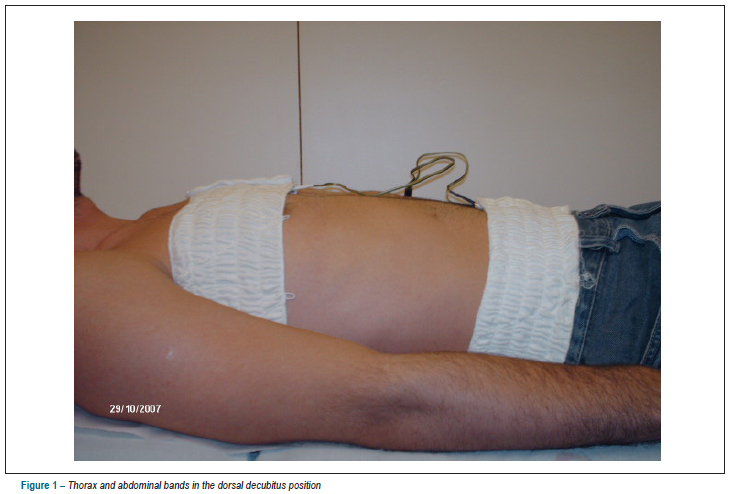
BACKGROUND: patients with mitral valve disease can progress to having pulmonary congestion, which increases the work the respiratory muscles. This overload can change the breathing pattern with a predominance of rib cage displacement or presence of paradoxical movements. OBJECTIVE: a) to study the breathing pattern and thoracoabdominal movement of patients with mitral valve disease; b) to study the effect of body position on breathing parameters; and c) to correlate pulmonary hypertension with lack of coordination of thoracoabdominal movement. METHODS: the breathing pattern and thoracoabdominal movement of patients with mitral valve disease were assessed using respiratory inductive plethysmography during quiet breathing in the dorsal decubitus and sitting positions for two minutes. The variables assessed were tidal volume, breathing time and thoracoabdominal movement. RESULTS: of the 65 patients selected, 10 were excluded, 29 were in the mitral stenosis group and 26 in the mitral regurgitation group. Tidal volume, pulmonary ventilation and mean inspiratory flow significantly increased in the sitting position, with no difference between the groups. The thoracoabdominal movement remained coordinated in all groups and positions; except for five patients in the dorsal decubitus position, who lacked coordination (three in the mitral stenosis group; two in the mitral regurgitation group). A significant correlation with pulmonary artery pressure values was observed (r = 0.992; p = 0.007). CONCLUSION: No difference in breathing pattern or thoracoabdominal movement was found between patients with mitral stenosis and regurgitation. The sitting position increased tidal volume without altering breathing times. The lack of coordination of the thoracoabdominal movement in the dorsal decubitus position was associated with pulmonary hypertension.

  • Hypertension Pulmonary
  • mitral valve regurgitation
  • Mitral Valve Stenosis
  • Respiratory Insufficiency
Read Full Article
Creative Commons Attribution (CC BY) Creative Commons license
09/11/2012 DOI: 10.1590/S0066-782X2012005000101 Views 3
Role of echocardiography in the ventricular assessment of the transplanted heart versus heart rejection
Artigo Original

Role of echocardiography in the ventricular assessment of the transplanted heart versus heart rejection

Gabriel Antonio Stanisci Miguel et al. Salomón Soriano Ordinola Rojas Reinaldo Wilson Vieira José Pedro da Silva Henry Abensur

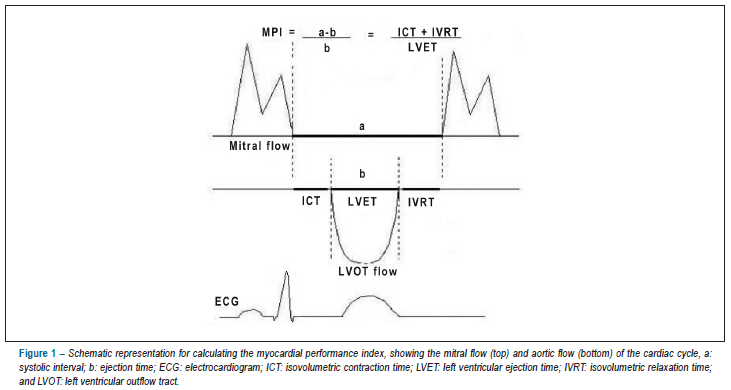
BACKGROUND: Heart transplantation is an alternative for individuals with end-stage heart disease. However, episodes of heart rejection (HR) are frequent and increase morbidity and mortality, requiring the use of an accurate non-invasive exam for their diagnosis, since endomyocardial biopsy (EMB) is not a complication-free procedure. OBJECTIVE: To compare the parameters obtained by use of Doppler echocardiography in a group of transplanted patients with HR (TX1) and another group of transplanted patients without rejection (TX0), having as reference a control group (CG) and observing the behavior of the left ventricular systo-diastolic function expressed as the myocardial performance index (MPI) METHODS: Transthoracic echocardiographies were performed from January 2006 to January 2008 to prospectively assess 47 patients divided into three groups: CG (36.2%); TX0 (38.3%); and TX1 (25.5%). The MPI was compared between the groups, and data were analyzed by use of Fisher exact test and nonparametric Kruskal-Wallis test, both with significance level of 5%. RESULTS: The groups did not differ regarding age, weight, height, and body surface. When compared to GC, TX0 and TX1 showed a change in the left ventricular systo-diastolic function, expressed as an increase in MPI, which was greater in TX1 [0.38 (0.29 – 0.44); 0.47 (0.43 – 0.56); 0.58 (0.52 – 0.74), respectively; p < 0.001]. CONCLUSION: Echocardiography was a very accurate test to detect changes in the systo-diastolic function of the transplanted heart; however, it did not prove to be reliable to replace BEM in the safe diagnosis of HR.

  • Echocardiography
  • Graft Rejection
  • Heart Transplantation
  • Ventricular Function
Read Full Article
Creative Commons Attribution (CC BY) Creative Commons license
09/11/2012 DOI: 10.1590/S0066-782X2012005000099 Views 2
ST-Elevation myocardial infarction network: systematization in 205 cases reduced clinical events in the public health care system
Artigo Original

ST-Elevation myocardial infarction network: systematization in 205 cases reduced clinical events in the public health care system

Ana Christina Vellozo Caluza et al. Adriano H. Barbosa Iran Gonçalves Carlos Alexandre L. de Oliveira … Lívia Nascimento de Matos Claus Zeefried Antonio Célio C. Moreno Elcio Tarkieltaub Cláudia Maria R. Alves Antonio Carlos Carvalho

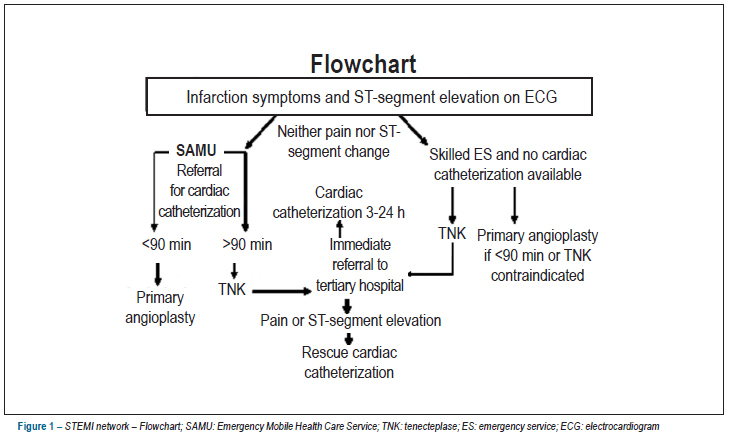
BACKGROUND: The major cause of death in the city of São Paulo (SP) is cardiac events. At its periphery, in-hospital mortality in acute myocardial infarction is estimated to range between 15% and 20% due to difficulties inherent in large metropoles. OBJECTIVE:To describe in-hospital mortality in ST-segment elevation acute myocardial infarction (STEMI) of patients admitted via ambulance or peripheral hospitals, which are part of a structured training network (STEMI Network). METHODS: Health care teams of four emergency services (Ermelino Matarazzo, Campo Limpo, Tatuapé and Saboya) of the periphery of the city of São Paulo and advanced ambulances of the Emergency Mobile Health Care Service (abbreviation in Portuguese, SAMU) were trained to use tenecteplase or to refer for primary angioplasty. A central office for electrocardiogram reading was used. After thrombolysis, the patient was sent to a tertiary reference hospital to undergo cardiac catheterization immediately (in case of failed thrombolysis) or in 6 to 24 hours, if the patient was stable. Quantitative and qualitative variables were assessed by use of uni- and multivariate analysis. RESULTS: From January 2010 to June 2011, 205 consecutive patients used the STEMI Network, and the findings were as follows: 87 anterior wall infarctions; 11 left bundle-branch blocks; 14 complete atrioventricular blocks; and 14 resuscitations after initial cardiorespiratory arrest. In-hospital mortality was 6.8% (14 patients), most of which due to cardiogenic shock, one hemorrhagic cerebrovascular accident, and one bleeding. CONCLUSION: The organization in the public health care system of a network for the treatment of STEMI, involving diagnosis, reperfusion, immediate transfer, and tertiary reference hospital, resulted in immediate improvement of STEMI outcomes.

  • Emergencies
  • Guidelines
  • Myocardial Infarction
  • Quality of Health Care
Read Full Article
Creative Commons Attribution (CC BY) Creative Commons license
09/11/2012 DOI: 10.1590/S0066-782X2012005000100 Views 1
Artigo Original

Postmenopausal therapy reduces catalase activity and attenuates cardiovascular risk

Vera S. Castanho et al. Rui Tsutomu Nakamura Aarão M. Pinto-Neto Eliana Cotta De Faria

BACKGROUND: Menopause can lead to alterations in women’s health, with changes in the oxidative status of postmenopausal women in whom information regarding the influence of hormone therapy (HT) on antioxidant enzyme activities is limited. OBJECTIVE: To evaluate the influence of HT on catalase activity; concentrations of lipids and lipoprotein, cholesteryl ester transfer protein, thiobarbituric acid-reactive substances, nitrates, high-sensitivity C-reactive protein and carotid thickness in postmenopausal women. METHODS: Ninety-four consecutive women were allocated to one of four groups, without HT and with HT. The latter group was subdivided into women using estrogen and those using estrogen plus progestogen therapy. Plasma biochemical parameters and common carotid intima-media thickness measurements were performed. RESULTS: HT antagonized the decrease in catalase activity after menopause, but had no effect on the levels of cholesteryl ester transfer protein, thiobarbituric acid-reactive substances, lipid peroxide, nitrate, high-sensitivity C-reactive protein, or on the common carotid intima-media thickness. Multivariate analysis showed that estrogen-based HT attenuated the relationship between cardiovascular risk factors and the intima-media thickness of the common carotid. CONCLUSION: This study indicates that HT in postmenopausal women produces beneficial antioxidant and anti-atherosclerotic effects by ameliorating the plasma lipid and lipoprotein profiles, increasing plasma catalase activity and attenuating the association between cardiovascular risk factors and early atherosclerosis.

  • Cardiovascular Diseases
  • catalase
  • Postmenopause
  • Risk Factors
Read Full Article
Creative Commons Attribution (CC BY) Creative Commons license
30/10/2012 DOI: 10.1590/S0066-782X2012005000097 Views 1
Rosuvastatin and ciprofibrate in the treatment of dyslipidemia in patients with HIV
Artigo Original

Rosuvastatin and ciprofibrate in the treatment of dyslipidemia in patients with HIV

Hamilton Domingos et al. Rivaldo Venâncio da Cunha Anamaria Mello Miranda Paniago Albert Schiaveto de Souza … Renata London Rodrigues João Américo Domingos

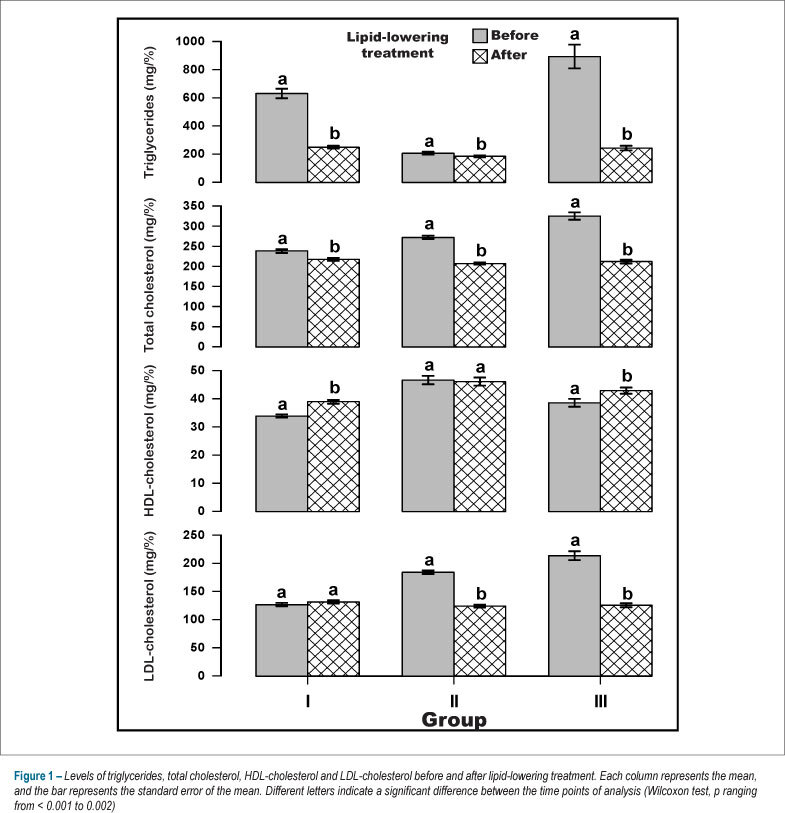
BACKGROUND: Dyslipidemia secondary to highly active antiretroviral therapy in patients with HIV is associated with a significant increase in cardiovascular morbidity and mortality due to atherosclerotic disease, requiring, thus, immediate and effective treatment. OBJECTIVE: To demonstrate the effectiveness and safety of rosuvastatin and ciprofibrate in the treatment of dyslipidemia associated with highly active antiretroviral therapy in patients with HIV. METHODS: Three hundred and forty-six patients with dyslipidemia underwent pharmacological treatment as follows: 200 patients with hypertriglyceridemia received ciprofibrate (Group I); 79 patients with hypercholesterolemia received rosuvastatin (Group II); and 67 patients with mixed dyslipidemia received ciprofibrate associated with rosuvastatin (Group III). The lipid profile was assessed before and after the lipid-lowering treatment, and the Wilcoxon test was used for statistical comparison. Liver transaminases and creatine phosphokinase were measured to assess liver and muscle toxicity. RESULTS: The serum concentrations of triglycerides and total cholesterol were significantly lower than those obtained before the lipid-lowering treatment in the three experimental groups (p < 0.002). A significant increase in HDL-cholesterol was observed in Groups I and III (p < 0.002). In Groups I and II, LDL-cholesterol was significantly lower (p < 0.001). None of the patients experienced elevations in transaminases or creatine phosphokinase to significantly toxic levels. CONCLUSION: The results of this study show that ciprofibrate and rosuvastatin or a combination of both can be considered an effective, safe and well-tolerated lipid-lowering treatment for patients with AIDS on highly active antiretroviral therapy.

  • anticholesteremic agents
  • Antiretroviral Therapy
  • Dyslipidemias
  • fibric acids
  • Highly Active
  • HIV
Read Full Article
Creative Commons Attribution (CC BY) Creative Commons license
30/10/2012 DOI: 10.1590/S0066-782X2012005000096
Ventricular repolarization in diabetic patients: characterization and clinical implications
Artigo Original

Ventricular repolarization in diabetic patients: characterization and clinical implications

David Clemente et al. Telmo Pereira Susana Ribeiro

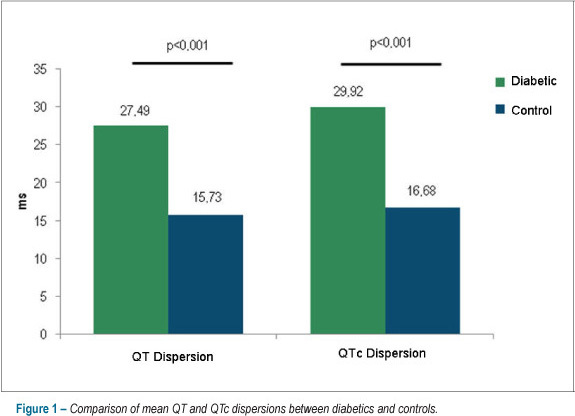
BACKGROUND: Diabetes mellitus is a chronic and very common condition, and there has been lately a considerable increase in its prevalence and incidence. Diabetic patients have increased cardiovascular mortality, in which malignant ventricular arrhythmias seem to be implicated. OBJECTIVE: To study the effects of diabetes on ventricular repolarization parameters responsible for an increased susceptibility to malignant ventricular arrhythmias and/or sudden death. METHODS: We selected a group of 110 diabetic patients and a group of 110 controls with the same distribution of age, gender and race. We evaluated the following parameters of ventricular repolarization: QTmax, QTmean, QTmin, QTc max, QTc mean, QTc min, QT and QTc dispersions, Tpeak-Tend and jTpeak-jTend intervals (D II, V2 and V5), Tpeak-Tend and jTpeak-jTend dispersions. The electrocardiograms (ECG) were performed by the same operator and reviewed by the same observers. QT intervals were corrected according to Bazzet’s formula. RESULTS: We found significantly higher values of QTc max (p < 0.001), QTc mean (p < 0.001), QT dispersion (p < 0.001), QTc dispersion (p < 0.001), Tpeak-Tend dispersion ( p < 0.001), and jTpeak-jTend dispersion (p < 0.001) in diabetic patients than in controls. In diabetic patients, we observed prolonged values of QTc interval (5.5%), QT dispersion (0.9%), QTc dispersion (0%), Tpeak-Tend interval (7.3%), jTpeak-jTend interval (6.4%), Tpeak-Tend dispersion (16.4%), and jTpeak-jTend dispersion (12.7%). In the controls there were no prolonged values of any of the parameters. CONCLUSION: We concluded that diabetes causes prolongation and spatial dispersion of repolarization, and it may contribute to a greater ventricular electrical instability, whose expected clinical expression may be malignant ventricular arrhythmias.

  • Arrhythmias Cardiac
  • cardiac
  • Death
  • Diabetes Mellitus
  • Electrocardiography
  • sudden
Read Full Article
Creative Commons Attribution (CC BY) Creative Commons license
30/10/2012 DOI: 10.1590/S0066-782X2012005000095
Issuing electrocardiographic reports remotely: experience of the telemedicine network of Santa Catarina
Artigo Original

Issuing electrocardiographic reports remotely: experience of the telemedicine network of Santa Catarina

Isabela de Carlos Back Giuliano et al. Cloves Langendorf Barcellos Junior Aldo von Wangenheim Mário Sérgio Soares de Azeredo Coutinho

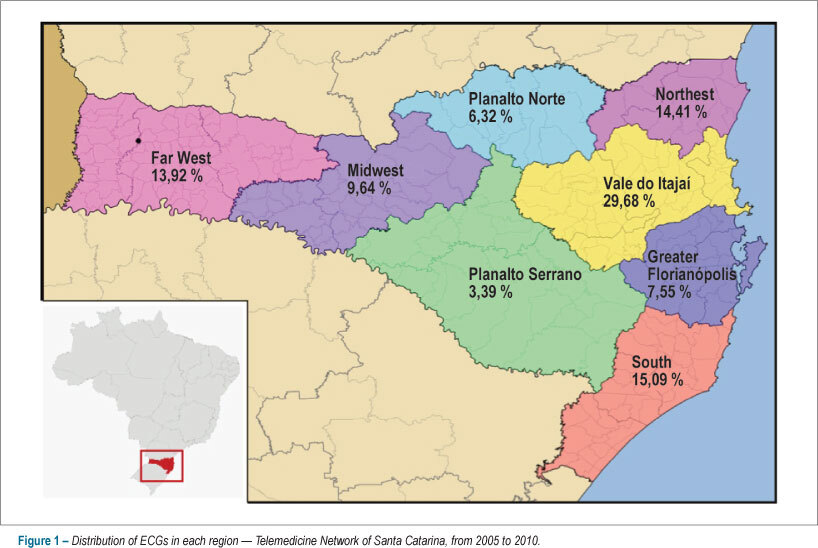
BACKGROUND: A growing use of telemedicine has been observed, especially as regards the sending and evaluation of electrocardiograms (ECG); this is a low-cost procedure with a high potential to save lives. OBJECTIVES: To describe the form of systematic analysis and user profile of the Telemedicine Network of Santa Catarina during the time when the report was issued freely. METHODS: Observational cross-sectional study determining the associations between patient characteristics and electrocardiographic diagnoses issued among users of the Telemedicine Network of Santa Catarina during the time when the report was issued freely. This system was connected to 287 cities in Santa Catarina; the tests were done in the places of origin and the reports were issued in three tertiary-care hospitals. From 2005 to 2010 the reports were issued freely and a probabilistic method for data analysis was created. An experienced cardiologist evaluated all ECGs to assess the chances of abnormality. RESULTS: 243,363 ECGs were evaluated. The majority (58%) was performed on patients older than 50 years from primary care services (72%). There were differences in the frequency per region; this was partly related to the number of cardiologists/region (r = -0.551), to the distance from tertiary-care centers and potential differences of acceptance of the method. Approximately 53% of the ECGs were abnormal with greater frequency with increasing age (r² = 0.8166) and with significant regional differences (p < 0.0001). CONCLUSIONS: We built a data analysis system integrating prevalent terms, probabilistic analysis and specialized dictionaries. The system has covered a significant portion of the population of Santa Catarina, mainly elderly patients from the network of primary healthcare centers and remote regions of the State.

  • Aged
  • Electrocardiography
  • health service
  • Telemedicine
Read Full Article
Creative Commons Attribution (CC BY) Creative Commons license
18/10/2012 DOI: 10.1590/S0066-782X2012005000094
Association of biomarkers with atherosclerosis and risk for coronary artery disease in patients with HIV
Artigo Original

Association of biomarkers with atherosclerosis and risk for coronary artery disease in patients with HIV

Maria da Conceição Brandão de Arruda Falcão et al. Josefina Cláudia Zírpoli Valéria Maria de Albuquerque Brivaldo Markman Filho … Nelson Antônio Moura de Araújo Creso Abreu Falcão Demócrito de Barros Miranda-Filho Ricardo Alencar de Arraes Ximenes Maria de Fátima Militão de Albuquerque Heloísa Ramos Lacerda

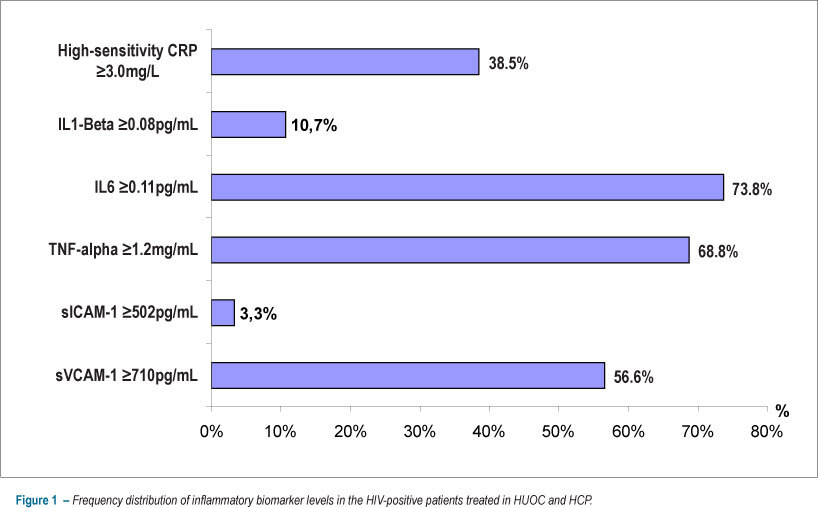
BACKGROUND: The massive use of Highly-Active Antiretroviral Therapy (HAART) in individuals with human immunodeficiency virus (HIV) coincided with an increase in cardiovascular disease, a major cause of morbidity and mortality in this group. OBJECTIVE: To determine the frequency of carotid atherosclerosis and the association between biomarker levels and carotid intimal-medial thickening in HIV-positive individuals treated for HIV at referral centers in Pernambuco. METHODS: This was a cross-sectional study of 122 HIV-positive patients. Subclinical carotid atherosclerosis was considered with the presence of increased intimal-medial thickness of the common carotid artery > 0.8 mm or plaques in the carotid ultrasound. The following inflammatory biomarkers were analyzed: IL6, IL1-β, TNF-α, high-sensitivity CRP, sVCAM-1 and sICAM-1. RESULTS: Of the 122 patients analyzed, most were men (60.7%) aged > 40 years (57.4%) receiving HAART (81.1%). The prevalence of atherosclerosis was 42.6% (52 cases). Patients older than 40 years and intermediate or high Framingham score were more likely to develop atherosclerosis at the univariate analysis. Age older than 40 years (OR = 6.57, 95%CI: 2.66 to 16.2, p = 0.000), male gender (OR = 2.76, 95%CI: 1.12 to 6.79, p = 0.027) and presence of syndrome metabolic (OR = 2.27, 95%CI: 0.94 to 5.50, p = 0.070) were associated with atherosclerosis at the multivariate analysis. Elevated levels of inflammatory cytokines and adhesion molecules were not associated with the presence of atherosclerosis. CONCLUSION: There was no association between inflammatory biomarkers, adhesion molecules and presence of carotid atherosclerosis. However, a higher chance of subclinical atherosclerosis was observed in men, those older than 40 years, with intermediate / high Framingham score or metabolic syndrome.

  • Atherosclerosis
  • Coronary Disease
  • HIV
  • Risk Factors
Read Full Article
Creative Commons Attribution (CC BY) Creative Commons license
18/10/2012 DOI: 10.1590/S0066-782X2012005000093
Aerobic training does not alter blood pressure in menopausal women with metabolic syndrome
Artigo Original

Aerobic training does not alter blood pressure in menopausal women with metabolic syndrome

Aluísio Henrique Rodrigues de Andrade Lima et al. Henrique Eduardo Couto Glêbia Alexa Cardoso Lidiane Tavares Toscano … Alexandre Sérgio Silva Maria Paula Gonçalves Mota

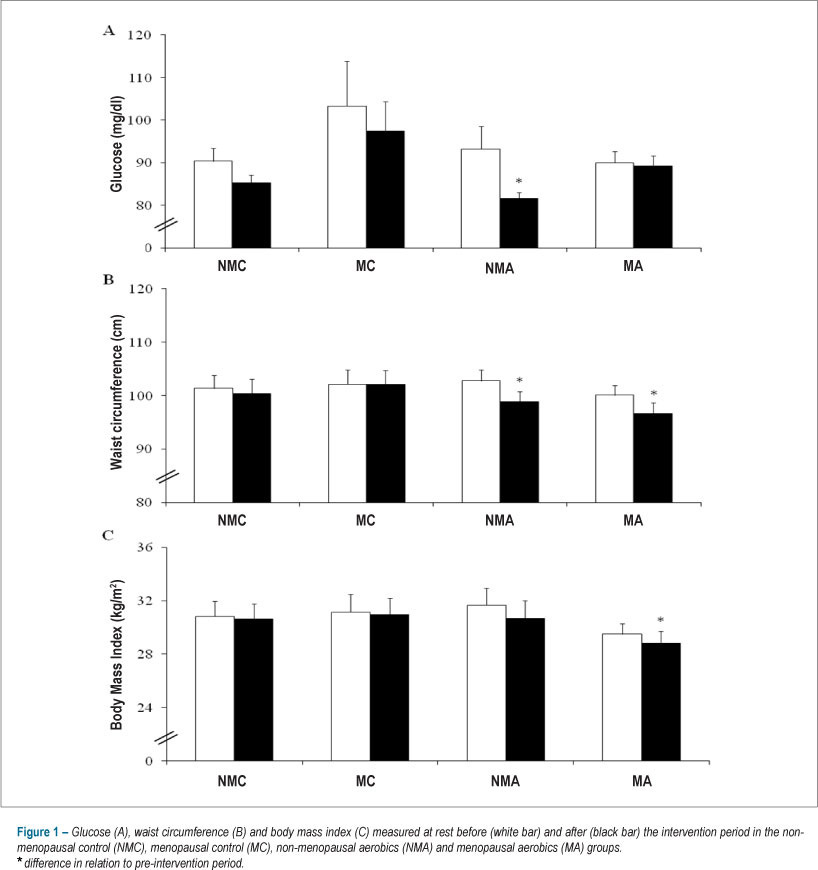
BACKGROUND: Arterial Hypertension (AH) is an aggravating condition for Metabolic Syndrome (MS), as well as being aggravated by it. Menopause can make hypertension treatment more difficult, as it favors the worsening of MS components. Although there is evidence that exercise training reduces blood pressure, whether menopause and SM affect the exercise-induced benefits is yet to be elucidated. OBJECTIVE: To compare the effects of aerobic training on blood pressure in non-menopausal and menopausal women with MS METHODS: A total of 44 women were recruited and divided into four groups: non-menopausal control (NMC: 39.5 ± 3.6 years, n = 11); menopausal control (MC: 54.9 ± 5.9 years, n = 12), non-menopausal aerobics (NMA: 43.1 ± 6.8 years, n = 11) and menopausal aerobics (MA: 52.1 ± 5 years, n = 10). The exercise groups performed aerobic training for three months, five times a week, at an intensity between 60% and 70% of heart rate reserve. The resting blood pressure and blood pressure response after 60 minutes of exercise were measured before and after the training period. The two-way ANOVA test was used, considering a p value 0.05). CONCLUSION: Three months of aerobic training improved MS components, but did not alter resting blood pressure or the BP response after an acute exercise session in women with MS.

  • Blood Pressure
  • Exercise
  • Menopause
  • Metabolic x Syndrome
  • Women
Read Full Article
Creative Commons Attribution (CC BY) Creative Commons license
18/10/2012 DOI: 10.1590/S0066-782X2012005000092
Cardiorespiratory optimal point: a submaximal variable of the cardiopulmonary exercise testing
Artigo Original

Cardiorespiratory optimal point: a submaximal variable of the cardiopulmonary exercise testing

Plínio Santos Ramos et al. Djalma Rabelo Ricardo Claudio Gil Soares de Araújo

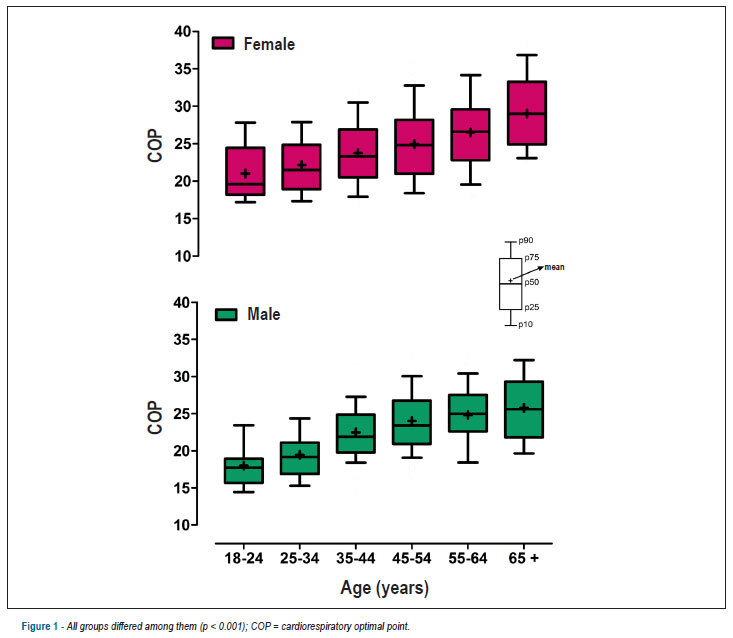
BACKGROUND: At the maximal Cardiopulmonary Exercise Testing (CPET), several ventilatory variables are analyzed, including the ventilatory equivalent for oxygen (VE/VO2). The minimum VE/VO2 value reflects the best integration between the respiratory and cardiovascular systems and may be called “Cardiorespiratory Optimal Point (COP)”. OBJECTIVE: To determine the behavior of the COP according to gender and age in healthy adults and verify its association with other CPET variables. METHODS: Of 2,237 individuals, 624 were selected (62% men and 48 ± 12 years), non- athletes, healthy, who were submitted to maximal CPET. COP or minimum VE/VO2 was obtained from the analysis of ventilation and oxygen consumption in every minute of CPET. We investigated the association between age and COP for both genders, as well as associations with: VO2max, VO2 at anaerobic threshold (VO2AT), oxygen uptake efficiency slope (OUES) and with maximum VE. We also compared the intensity of exertion (MET) at the COP, AT and VO2max. RESULTS: COP increases with age, being 23.2 ± 4.48 and 25.0 ± 5.14, respectively, in men and women = (p < 0.001). There are moderate and inverse associations with VO2max (r = -0.47; p < 0.001), with VO2AT (r = -0.42; p < 0.001) and with OUES (r = -0.34; p < 0.001). COP occurred, on average, at 44% do VO2max and before AT (67% of VO2max) (p < 0.001). CONCLUSION: COP, a submaximal variable, increases with age and is slightly higher in women. Being modestly associated with other ventilation measures, there seems to be an independent contribution to the interpretation of the cardiorespiratory response to CPET.

  • Exercise
  • Oxygen Consumption
  • Respiratory Function Tests
  • Spirometry
  • ventilation-perfusion ratio
Read Full Article
Creative Commons Attribution (CC BY) Creative Commons license
02/10/2012 DOI: 10.1590/S0066-782X2012005000091

How to cite this article

EndNote RIS

Electronic Document Format (Vancouver)

Bastos M, Lotufo PA, Whitaker AL, Bensenor IM. Validation of the short-version of Rose angina questionnaire in Brazil. Arquivos Brasileiros de Cardiologia 2012;99(5):1056-9.

Electronic Document Format (ABNT)

Bastos, Maria-Socorro; Lotufo, Paulo A.; Whitaker, Aristarcho L.; Bensenor, Isabela M.. Validation of the short-version of Rose angina questionnaire in Brazil. Arquivos Brasileiros de Cardiologia, v. 99, n. 5, p. 1056-1059, Nov. 2012.

Electronic Document Format (APA)

Bastos, M., Lotufo, P. A., Whitaker, A. L., & Bensenor, I. M. (2012). Validation of the short-version of Rose angina questionnaire in Brazil. Arquivos Brasileiros de Cardiologia, 99(5), 1056-1059.

Electronic Document Format (ISO)

Bastos, Maria-Socorro and Lotufo, Paulo A. and Whitaker, Aristarcho L. and Bensenor, Isabela M.. Validation of the short-version of Rose angina questionnaire in Brazil. Arquivos Brasileiros de Cardiologia [online]. 2012, vol. 99, n. 5, [cited 2026-10-14], pp. 1056-1059. Available from: <https://journals.cardiol.br/en/article/validation-of-the-short-version-of-rose-angina-questionnaire-in-brazil/>. ISSN 0066-782X

EndNote RIS

Electronic Document Format (Vancouver)

Caixeta A, Silva EOA, Généreux P. Percutaneous left atrial appendage occlusion: putting the most lethal human attachment behind bars. Arquivos Brasileiros de Cardiologia 2012;99(5):968-70.

Electronic Document Format (ABNT)

Caixeta, Adriano; Silva, Erlon O. de Abreu; Généreux, Philippe. Percutaneous left atrial appendage occlusion: putting the most lethal human attachment behind bars. Arquivos Brasileiros de Cardiologia, v. 99, n. 5, p. 968-970, Nov. 2012.

Electronic Document Format (APA)

Caixeta, A., Silva, E. O. A., & Généreux, P. (2012). Percutaneous left atrial appendage occlusion: putting the most lethal human attachment behind bars. Arquivos Brasileiros de Cardiologia, 99(5), 968-970.

Electronic Document Format (ISO)

Caixeta, Adriano and Silva, Erlon O. de Abreu and Généreux, Philippe. Percutaneous left atrial appendage occlusion: putting the most lethal human attachment behind bars. Arquivos Brasileiros de Cardiologia [online]. 2012, vol. 99, n. 5, [cited 2026-10-14], pp. 968-970. Available from: <https://journals.cardiol.br/en/article/percutaneous-left-atrial-appendage-occlusion-putting-the-most-lethal-human-attachment-behind-bars/>. ISSN 0066-782X

EndNote RIS

Electronic Document Format (Vancouver)

Mangione FM, Leite TNP, Gutierrez PS. Case 05/12: a 67 year-old hypertensive woman with atrial fibrillation who presented shock followed by cardiac arrest with pulseless electric activity two months after surgical repair of ascending aorta aneurysm. Arquivos Brasileiros de Cardiologia 2012;99(5):153-8.

Electronic Document Format (ABNT)

Mangione, Fernanda Marinho; Leite, Thiago Nunes Pereira; Gutierrez, Paulo Sampaio. Case 05/12: a 67 year-old hypertensive woman with atrial fibrillation who presented shock followed by cardiac arrest with pulseless electric activity two months after surgical repair of ascending aorta aneurysm. Arquivos Brasileiros de Cardiologia, v. 99, n. 5, p. 153-158, Nov. 2012.

Electronic Document Format (APA)

Mangione, F. M., Leite, T. N. P., & Gutierrez, P. S. (2012). Case 05/12: a 67 year-old hypertensive woman with atrial fibrillation who presented shock followed by cardiac arrest with pulseless electric activity two months after surgical repair of ascending aorta aneurysm. Arquivos Brasileiros de Cardiologia, 99(5), 153-158.

Electronic Document Format (ISO)

Mangione, Fernanda Marinho and Leite, Thiago Nunes Pereira and Gutierrez, Paulo Sampaio. Case 05/12: a 67 year-old hypertensive woman with atrial fibrillation who presented shock followed by cardiac arrest with pulseless electric activity two months after surgical repair of ascending aorta aneurysm. Arquivos Brasileiros de Cardiologia [online]. 2012, vol. 99, n. 5, [cited 2026-10-14], pp. 153-158. Available from: <https://journals.cardiol.br/en/article/case-05-12-a-67-year-old-hypertensive-woman-with-atrial-fibrillation-who-presented-shock-followed-by-cardiac-arrest-with-pulseless-electric-activity-two-months-after-surgical-repair-of-ascending-aort/>. ISSN 0066-782X

EndNote RIS

Electronic Document Format (Vancouver)

Maldonado JGA, Fank C, Maduro S, Castro R, Oliveira H, Gomes A. Supporting stent of coronary sinus lead in cardiac resynchronization: report of 5 cases. Arquivos Brasileiros de Cardiologia 2012;99(5):e159-61.

Electronic Document Format (ABNT)

Maldonado, Jaime Giovany Arnez; Fank, Carla; Maduro, Simão; Castro, Rodrigo; Oliveira, Hernou; Gomes, Andre. Supporting stent of coronary sinus lead in cardiac resynchronization: report of 5 cases. Arquivos Brasileiros de Cardiologia, v. 99, n. 5, p. e159-e161, Nov. 2012.

Electronic Document Format (APA)

Maldonado, J. G. A., Fank, C., Maduro, S., Castro, R., Oliveira, H., & Gomes, A. (2012). Supporting stent of coronary sinus lead in cardiac resynchronization: report of 5 cases. Arquivos Brasileiros de Cardiologia, 99(5), e159-e161.

Electronic Document Format (ISO)

Maldonado, Jaime Giovany Arnez and Fank, Carla and Maduro, Simão and Castro, Rodrigo and Oliveira, Hernou and Gomes, Andre. Supporting stent of coronary sinus lead in cardiac resynchronization: report of 5 cases. Arquivos Brasileiros de Cardiologia [online]. 2012, vol. 99, n. 5, [cited 2026-10-14], pp. e159-e161. Available from: <https://journals.cardiol.br/en/article/supporting-stent-of-coronary-sinus-lead-in-cardiac-resynchronization-report-of-5-cases/>. ISSN 0066-782X

EndNote RIS

Electronic Document Format (Vancouver)

Sabbatini AR, Fontana V, Moreno Jr H. True prevalence of resistant hypertension. Arquivos Brasileiros de Cardiologia 2012;99(5):1068.

Electronic Document Format (ABNT)

Sabbatini, Andréa Rodrigues; Fontana, Vanessa; Moreno Jr, Heitor. True prevalence of resistant hypertension. Arquivos Brasileiros de Cardiologia, v. 99, n. 5, p. 1068-1068, Nov. 2012.

Electronic Document Format (APA)

Sabbatini, A. R., Fontana, V., & Moreno Jr, H. (2012). True prevalence of resistant hypertension. Arquivos Brasileiros de Cardiologia, 99(5), 1068-1068.

Electronic Document Format (ISO)

Sabbatini, Andréa Rodrigues and Fontana, Vanessa and Moreno Jr, Heitor. True prevalence of resistant hypertension. Arquivos Brasileiros de Cardiologia [online]. 2012, vol. 99, n. 5, [cited 2026-10-14], pp. 1068-1068. Available from: <https://journals.cardiol.br/en/article/true-prevalence-of-resistant-hypertension/>. ISSN 0066-782X

EndNote RIS

Electronic Document Format (Vancouver)

Gonçalves LFG, Souto FMS, Faro FN, Oliveira JLM, Barreto-Filho JAS, Sousa ACS. Biventricular thrombus and endomyocardial fibrosis in antiphospholipid syndrome. Arquivos Brasileiros de Cardiologia 2012;99(5):e162-5.

Electronic Document Format (ABNT)

Gonçalves, Luiz Flávio Galvão; Souto, Fernanda Maria Silveira; Faro, Fernanda Nascimento; Oliveira, Joselina Luzia Menezes; Barreto-Filho, José Augusto Soares; Sousa, Antônio Carlos Sobral. Biventricular thrombus and endomyocardial fibrosis in antiphospholipid syndrome. Arquivos Brasileiros de Cardiologia, v. 99, n. 5, p. e162-e165, Nov. 2012.

Electronic Document Format (APA)

Gonçalves, L. F. G., Souto, F. M. S., Faro, F. N., Oliveira, J. L. M., Barreto-Filho, J. A. S., & Sousa, A. C. S. (2012). Biventricular thrombus and endomyocardial fibrosis in antiphospholipid syndrome. Arquivos Brasileiros de Cardiologia, 99(5), e162-e165.

Electronic Document Format (ISO)

Gonçalves, Luiz Flávio Galvão and Souto, Fernanda Maria Silveira and Faro, Fernanda Nascimento and Oliveira, Joselina Luzia Menezes and Barreto-Filho, José Augusto Soares and Sousa, Antônio Carlos Sobral. Biventricular thrombus and endomyocardial fibrosis in antiphospholipid syndrome. Arquivos Brasileiros de Cardiologia [online]. 2012, vol. 99, n. 5, [cited 2026-10-14], pp. e162-e165. Available from: <https://journals.cardiol.br/en/article/biventricular-thrombus-and-endomyocardial-fibrosis-in-antiphospholipid-syndrome/>. ISSN 0066-782X

EndNote RIS

Electronic Document Format (Vancouver)

Gualandro DM, Calderaro D, Yu PC, Caramelli B. Acute myocardial infarction after noncardiac surgery. Arquivos Brasileiros de Cardiologia 2012;99(5):1060-7.

Electronic Document Format (ABNT)

Gualandro, Danielle Menosi; Calderaro, Daniela; Yu, Pai Ching; Caramelli, Bruno. Acute myocardial infarction after noncardiac surgery. Arquivos Brasileiros de Cardiologia, v. 99, n. 5, p. 1060-1067, Nov. 2012.

Electronic Document Format (APA)

Gualandro, D. M., Calderaro, D., Yu, P. C., & Caramelli, B. (2012). Acute myocardial infarction after noncardiac surgery. Arquivos Brasileiros de Cardiologia, 99(5), 1060-1067.

Electronic Document Format (ISO)

Gualandro, Danielle Menosi and Calderaro, Daniela and Yu, Pai Ching and Caramelli, Bruno. Acute myocardial infarction after noncardiac surgery. Arquivos Brasileiros de Cardiologia [online]. 2012, vol. 99, n. 5, [cited 2026-10-14], pp. 1060-1067. Available from: <https://journals.cardiol.br/en/article/acute-myocardial-infarction-after-noncardiac-surgery/>. ISSN 0066-782X

EndNote RIS

Electronic Document Format (Vancouver)

Franco SS, Bardi PN, Grinberg M, Feltrim MIZ. Study of breathing pattern and thoracoabdominal movement in mitral valve disease. Arquivos Brasileiros de Cardiologia 2012;99(5):1049-55.

Electronic Document Format (ABNT)

Franco, Satiko Shimada; Bardi, Paula Nubiato; Grinberg, Max; Feltrim, Maria Ignêz Zanetti. Study of breathing pattern and thoracoabdominal movement in mitral valve disease. Arquivos Brasileiros de Cardiologia, v. 99, n. 5, p. 1049-1055, Nov. 2012.

Electronic Document Format (APA)

Franco, S. S., Bardi, P. N., Grinberg, M., & Feltrim, M. I. Z. (2012). Study of breathing pattern and thoracoabdominal movement in mitral valve disease. Arquivos Brasileiros de Cardiologia, 99(5), 1049-1055.

Electronic Document Format (ISO)

Franco, Satiko Shimada and Bardi, Paula Nubiato and Grinberg, Max and Feltrim, Maria Ignêz Zanetti. Study of breathing pattern and thoracoabdominal movement in mitral valve disease. Arquivos Brasileiros de Cardiologia [online]. 2012, vol. 99, n. 5, [cited 2026-10-14], pp. 1049-1055. Available from: <https://journals.cardiol.br/en/article/study-of-breathing-pattern-and-thoracoabdominal-movement-in-mitral-valve-disease/>. ISSN 0066-782X

EndNote RIS

Electronic Document Format (Vancouver)

Miguel GAS, Rojas SSO, Vieira RW, Silva JP, Abensur H. Role of echocardiography in the ventricular assessment of the transplanted heart versus heart rejection. Arquivos Brasileiros de Cardiologia 2012;99(5):1031-9.

Electronic Document Format (ABNT)

Miguel, Gabriel Antonio Stanisci; Rojas, Salomón Soriano Ordinola; Vieira, Reinaldo Wilson; Silva, José Pedro da; Abensur, Henry. Role of echocardiography in the ventricular assessment of the transplanted heart versus heart rejection. Arquivos Brasileiros de Cardiologia, v. 99, n. 5, p. 1031-1039, Nov. 2012.

Electronic Document Format (APA)

Miguel, G. A. S., Rojas, S. S. O., Vieira, R. W., Silva, J. P. , & Abensur, H. (2012). Role of echocardiography in the ventricular assessment of the transplanted heart versus heart rejection. Arquivos Brasileiros de Cardiologia, 99(5), 1031-1039.

Electronic Document Format (ISO)

Miguel, Gabriel Antonio Stanisci and Rojas, Salomón Soriano Ordinola and Vieira, Reinaldo Wilson and Silva, José Pedro da and Abensur, Henry. Role of echocardiography in the ventricular assessment of the transplanted heart versus heart rejection. Arquivos Brasileiros de Cardiologia [online]. 2012, vol. 99, n. 5, [cited 2026-10-14], pp. 1031-1039. Available from: <https://journals.cardiol.br/en/article/role-of-echocardiography-in-the-ventricular-assessment-of-the-transplanted-heart-versus-heart-rejection/>. ISSN 0066-782X

EndNote RIS

Electronic Document Format (Vancouver)

Caluza ACV, Barbosa AH, Gonçalves I, Oliveira CAL, Matos LN, Zeefried C, Moreno ACC, et al. ST-Elevation myocardial infarction network: systematization in 205 cases reduced clinical events in the public health care system. Arquivos Brasileiros de Cardiologia 2012;99(5):1040-8.

Electronic Document Format (ABNT)

Caluza, Ana Christina Vellozo; Barbosa, Adriano H.; Gonçalves, Iran; Oliveira, Carlos Alexandre L. de; Matos, Lívia Nascimento de; Zeefried, Claus; Moreno, Antonio Célio C.; Tarkieltaub, Elcio; Alves, Cláudia Maria R.; Carvalho, Antonio Carlos. ST-Elevation myocardial infarction network: systematization in 205 cases reduced clinical events in the public health care system. Arquivos Brasileiros de Cardiologia, v. 99, n. 5, p. 1040-1048, Nov. 2012.

Electronic Document Format (APA)

Caluza, A. C. V., Barbosa, A. H., Gonçalves, I., Oliveira, C. A. L. , Matos, L. N. , Zeefried, C., Moreno, A. C. C., Tarkieltaub, E., Alves, C. M. R., & Carvalho, A. C. (2012). ST-Elevation myocardial infarction network: systematization in 205 cases reduced clinical events in the public health care system. Arquivos Brasileiros de Cardiologia, 99(5), 1040-1048.

Electronic Document Format (ISO)

Caluza, Ana Christina Vellozo and Barbosa, Adriano H. and Gonçalves, Iran and Oliveira, Carlos Alexandre L. de and Matos, Lívia Nascimento de and Zeefried, Claus and Moreno, Antonio Célio C. and Tarkieltaub, Elcio and Alves, Cláudia Maria R. and Carvalho, Antonio Carlos. ST-Elevation myocardial infarction network: systematization in 205 cases reduced clinical events in the public health care system. Arquivos Brasileiros de Cardiologia [online]. 2012, vol. 99, n. 5, [cited 2026-10-14], pp. 1040-1048. Available from: <https://journals.cardiol.br/en/article/st-elevation-myocardial-infarction-network-systematization-in-205-cases-reduced-clinical-events-in-the-public-health-care-system/>. ISSN 0066-782X

EndNote RIS

Electronic Document Format (Vancouver)

Castanho VS, Nakamura RT, Pinto-Neto AM, Faria ECD. Postmenopausal therapy reduces catalase activity and attenuates cardiovascular risk. Arquivos Brasileiros de Cardiologia 2012;99(5):1008-14.

Electronic Document Format (ABNT)

Castanho, Vera S.; Nakamura, Rui Tsutomu; Pinto-Neto, Aarão M.; Faria, Eliana Cotta De. Postmenopausal therapy reduces catalase activity and attenuates cardiovascular risk. Arquivos Brasileiros de Cardiologia, v. 99, n. 5, p. 1008-1014, Oct. 2012.

Electronic Document Format (APA)

Castanho, V. S., Nakamura, R. T., Pinto-Neto, A. M., & Faria, E. C. D. (2012). Postmenopausal therapy reduces catalase activity and attenuates cardiovascular risk. Arquivos Brasileiros de Cardiologia, 99(5), 1008-1014.

Electronic Document Format (ISO)

Castanho, Vera S. and Nakamura, Rui Tsutomu and Pinto-Neto, Aarão M. and Faria, Eliana Cotta De. Postmenopausal therapy reduces catalase activity and attenuates cardiovascular risk. Arquivos Brasileiros de Cardiologia [online]. 2012, vol. 99, n. 5, [cited 2026-10-14], pp. 1008-1014. Available from: <https://journals.cardiol.br/en/article/postmenopausal-therapy-reduces-catalase-activity-and-attenuates-cardiovascular-risk/>. ISSN 0066-782X

EndNote RIS

Electronic Document Format (Vancouver)

Domingos H, Cunha RV, Paniago AMM, Souza AS, Rodrigues RL, Domingos JA. Rosuvastatin and ciprofibrate in the treatment of dyslipidemia in patients with HIV. Arquivos Brasileiros de Cardiologia 2012;99(5):997-1007.

Electronic Document Format (ABNT)

Domingos, Hamilton; Cunha, Rivaldo Venâncio da; Paniago, Anamaria Mello Miranda; Souza, Albert Schiaveto de; Rodrigues, Renata London; Domingos, João Américo. Rosuvastatin and ciprofibrate in the treatment of dyslipidemia in patients with HIV. Arquivos Brasileiros de Cardiologia, v. 99, n. 5, p. 997-1007, Oct. 2012.

Electronic Document Format (APA)

Domingos, H., Cunha, R. V. , Paniago, A. M. M., Souza, A. S. , Rodrigues, R. L., & Domingos, J. A. (2012). Rosuvastatin and ciprofibrate in the treatment of dyslipidemia in patients with HIV. Arquivos Brasileiros de Cardiologia, 99(5), 997-1007.

Electronic Document Format (ISO)

Domingos, Hamilton and Cunha, Rivaldo Venâncio da and Paniago, Anamaria Mello Miranda and Souza, Albert Schiaveto de and Rodrigues, Renata London and Domingos, João Américo. Rosuvastatin and ciprofibrate in the treatment of dyslipidemia in patients with HIV. Arquivos Brasileiros de Cardiologia [online]. 2012, vol. 99, n. 5, [cited 2026-10-14], pp. 997-1007. Available from: <https://journals.cardiol.br/en/article/rosuvastatin-and-ciprofibrate-in-the-treatment-of-dyslipidemia-in-patients-with-hiv/>. ISSN 0066-782X

EndNote RIS

Electronic Document Format (Vancouver)

Clemente D, Pereira T, Ribeiro S. Ventricular repolarization in diabetic patients: characterization and clinical implications. Arquivos Brasileiros de Cardiologia 2012;99(5):1015-22.

Electronic Document Format (ABNT)

Clemente, David; Pereira, Telmo; Ribeiro, Susana. Ventricular repolarization in diabetic patients: characterization and clinical implications. Arquivos Brasileiros de Cardiologia, v. 99, n. 5, p. 1015-1022, Oct. 2012.

Electronic Document Format (APA)

Clemente, D., Pereira, T., & Ribeiro, S. (2012). Ventricular repolarization in diabetic patients: characterization and clinical implications. Arquivos Brasileiros de Cardiologia, 99(5), 1015-1022.

Electronic Document Format (ISO)

Clemente, David and Pereira, Telmo and Ribeiro, Susana. Ventricular repolarization in diabetic patients: characterization and clinical implications. Arquivos Brasileiros de Cardiologia [online]. 2012, vol. 99, n. 5, [cited 2026-10-14], pp. 1015-1022. Available from: <https://journals.cardiol.br/en/article/ventricular-repolarization-in-diabetic-patients-characterization-and-clinical-implications/>. ISSN 0066-782X

EndNote RIS

Electronic Document Format (Vancouver)

Giuliano ICB, Barcellos Junior CL, Wangenheim A, Coutinho MSSA. Issuing electrocardiographic reports remotely: experience of the telemedicine network of Santa Catarina. Arquivos Brasileiros de Cardiologia 2012;99(5):1023-30.

Electronic Document Format (ABNT)

Giuliano, Isabela de Carlos Back; Barcellos Junior, Cloves Langendorf; Wangenheim, Aldo von; Coutinho, Mário Sérgio Soares de Azeredo. Issuing electrocardiographic reports remotely: experience of the telemedicine network of Santa Catarina. Arquivos Brasileiros de Cardiologia, v. 99, n. 5, p. 1023-1030, Oct. 2012.

Electronic Document Format (APA)

Giuliano, I. C. B., Barcellos Junior, C. L., Wangenheim, A. , & Coutinho, M. S. S. A. (2012). Issuing electrocardiographic reports remotely: experience of the telemedicine network of Santa Catarina. Arquivos Brasileiros de Cardiologia, 99(5), 1023-1030.

Electronic Document Format (ISO)

Giuliano, Isabela de Carlos Back and Barcellos Junior, Cloves Langendorf and Wangenheim, Aldo von and Coutinho, Mário Sérgio Soares de Azeredo. Issuing electrocardiographic reports remotely: experience of the telemedicine network of Santa Catarina. Arquivos Brasileiros de Cardiologia [online]. 2012, vol. 99, n. 5, [cited 2026-10-14], pp. 1023-1030. Available from: <https://journals.cardiol.br/en/article/issuing-electrocardiographic-reports-remotely-experience-of-the-telemedicine-network-of-santa-catarina/>. ISSN 0066-782X

EndNote RIS

Electronic Document Format (Vancouver)

Falcão MCBA, Zírpoli JC, Albuquerque VM, Markman Filho B, Araújo NAM, Falcão CA, Miranda-Filho DB, et al. Association of biomarkers with atherosclerosis and risk for coronary artery disease in patients with HIV. Arquivos Brasileiros de Cardiologia 2012;99(5):971-8.

Electronic Document Format (ABNT)

Falcão, Maria da Conceição Brandão de Arruda; Zírpoli, Josefina Cláudia; Albuquerque, Valéria Maria de; Markman Filho, Brivaldo; Araújo, Nelson Antônio Moura de; Falcão, Creso Abreu; Miranda-Filho, Demócrito de Barros; Ximenes, Ricardo Alencar de Arraes; Albuquerque, Maria de Fátima Militão de; Lacerda, Heloísa Ramos. Association of biomarkers with atherosclerosis and risk for coronary artery disease in patients with HIV. Arquivos Brasileiros de Cardiologia, v. 99, n. 5, p. 971-978, Oct. 2012.

Electronic Document Format (APA)

Falcão, M. C. B. A., Zírpoli, J. C., Albuquerque, V. M. , Markman Filho, B., Araújo, N. A. M. , Falcão, C. A., Miranda-Filho, D. B., Ximenes, R. A. A., Albuquerque, M. F. M. , & Lacerda, H. R. (2012). Association of biomarkers with atherosclerosis and risk for coronary artery disease in patients with HIV. Arquivos Brasileiros de Cardiologia, 99(5), 971-978.

Electronic Document Format (ISO)

Falcão, Maria da Conceição Brandão de Arruda and Zírpoli, Josefina Cláudia and Albuquerque, Valéria Maria de and Markman Filho, Brivaldo and Araújo, Nelson Antônio Moura de and Falcão, Creso Abreu and Miranda-Filho, Demócrito de Barros and Ximenes, Ricardo Alencar de Arraes and Albuquerque, Maria de Fátima Militão de and Lacerda, Heloísa Ramos. Association of biomarkers with atherosclerosis and risk for coronary artery disease in patients with HIV. Arquivos Brasileiros de Cardiologia [online]. 2012, vol. 99, n. 5, [cited 2026-10-14], pp. 971-978. Available from: <https://journals.cardiol.br/en/article/association-of-biomarkers-with-atherosclerosis-and-risk-for-coronary-artery-disease-in-patients-with-hiv/>. ISSN 0066-782X

EndNote RIS

Electronic Document Format (Vancouver)

Lima AHRA, Couto HE, Cardoso GA, Toscano LT, Silva AS, Mota MPG. Aerobic training does not alter blood pressure in menopausal women with metabolic syndrome. Arquivos Brasileiros de Cardiologia 2012;99(5):979-87.

Electronic Document Format (ABNT)

Lima, Aluísio Henrique Rodrigues de Andrade; Couto, Henrique Eduardo; Cardoso, Glêbia Alexa; Toscano, Lidiane Tavares; Silva, Alexandre Sérgio; Mota, Maria Paula Gonçalves. Aerobic training does not alter blood pressure in menopausal women with metabolic syndrome. Arquivos Brasileiros de Cardiologia, v. 99, n. 5, p. 979-987, Oct. 2012.

Electronic Document Format (APA)

Lima, A. H. R. A., Couto, H. E., Cardoso, G. A., Toscano, L. T., Silva, A. S., & Mota, M. P. G. (2012). Aerobic training does not alter blood pressure in menopausal women with metabolic syndrome. Arquivos Brasileiros de Cardiologia, 99(5), 979-987.

Electronic Document Format (ISO)

Lima, Aluísio Henrique Rodrigues de Andrade and Couto, Henrique Eduardo and Cardoso, Glêbia Alexa and Toscano, Lidiane Tavares and Silva, Alexandre Sérgio and Mota, Maria Paula Gonçalves. Aerobic training does not alter blood pressure in menopausal women with metabolic syndrome. Arquivos Brasileiros de Cardiologia [online]. 2012, vol. 99, n. 5, [cited 2026-10-14], pp. 979-987. Available from: <https://journals.cardiol.br/en/article/aerobic-training-does-not-alter-blood-pressure-in-menopausal-women-with-metabolic-syndrome/>. ISSN 0066-782X

EndNote RIS

Electronic Document Format (Vancouver)

Ramos PS, Ricardo DR, Araújo CGS. Cardiorespiratory optimal point: a submaximal variable of the cardiopulmonary exercise testing. Arquivos Brasileiros de Cardiologia 2012;99(5):988-96.

Electronic Document Format (ABNT)

Ramos, Plínio Santos; Ricardo, Djalma Rabelo; Araújo, Claudio Gil Soares de. Cardiorespiratory optimal point: a submaximal variable of the cardiopulmonary exercise testing. Arquivos Brasileiros de Cardiologia, v. 99, n. 5, p. 988-996, Oct. 2012.

Electronic Document Format (APA)

Ramos, P. S., Ricardo, D. R., & Araújo, C. G. S. (2012). Cardiorespiratory optimal point: a submaximal variable of the cardiopulmonary exercise testing. Arquivos Brasileiros de Cardiologia, 99(5), 988-996.

Electronic Document Format (ISO)

Ramos, Plínio Santos and Ricardo, Djalma Rabelo and Araújo, Claudio Gil Soares de. Cardiorespiratory optimal point: a submaximal variable of the cardiopulmonary exercise testing. Arquivos Brasileiros de Cardiologia [online]. 2012, vol. 99, n. 5, [cited 2026-10-14], pp. 988-996. Available from: <https://journals.cardiol.br/en/article/cardiorespiratory-optimal-point-a-submaximal-variable-of-the-cardiopulmonary-exercise-testing/>. ISSN 0066-782X

Sede – Rio de Janeiro
Av. Marechal Câmara, 160
3º andar – Sala: 330 – Centro
Rio de Janeiro – CEP: 20020-907
Tel.: (55 +21) 3478-2700
ou (21) 99386-3961
E-mail: revista@cardiol.br

Sede – São Paulo
Alameda Santos, 705 – 11º andar
Cerqueira César | São Paulo
CEP: 01419-001
Tel.: (55 +11) 3411-5500
E-mail: revista@cardiol.br

  • About the Journal
  • Internal Regulation
  • Editors Section
  • Editorial Board
  • History
  • SBC Award

  • Guidelines for Publication
  • Editorial Policy
  • Ethics Policy
  • Policy on the Use of Artificial Intelligence
  • Mandatory Publication Form
  • Publication Fee

Issues

SBC Guidelines

  • How to Publish an Abstract Supplement?
  • Supplements from the Brazilian Congress of Cardiology