| ABC
ABC Family Arquivos Brasileiros de Cardiologia International Journal of Cardiovascular Sciences ABC Heart Failure & Cardiomyopathy ABC Imagem Cardiovascular
Português English
ABC Family | ABC
Português English
  • About
    • About the Journal
    • Internal Regulation
    • Editors Section
    • Editorial Board
    • History
    • SBC Award
  • Instructions to Authors
    • Guidelines for Publication
    • Editorial Policy
    • Ethics Policy
    • Policy on the Use of Artificial Intelligence
    • Mandatory Publication Form
    • Publication Fee
  • Issues
  • SBC Guidelines
  • Abstracts
    • How to Publish an Abstract Supplement?
    • Supplements from the Brazilian Congress of Cardiology
  • About
    • About the Journal
    • Internal Regulation
    • Editors Section
    • Editorial Board
    • History
    • SBC Award
  • Instructions to Authors
    • Guidelines for Publication
    • Editorial Policy
    • Ethics Policy
    • Policy on the Use of Artificial Intelligence
    • Mandatory Publication Form
    • Publication Fee
  • Issues
  • SBC Guidelines
  • Abstracts
    • How to Publish an Abstract Supplement?
    • Supplements from the Brazilian Congress of Cardiology

ABC Family

  • ABC Family
  • Arquivos Brasileiros de Cardiologia
  • International Journal of Cardiovascular Sciences
  • ABC Heart Failure & Cardiomyopathy
  • ABC Imagem Cardiovascular
Search in

No content found.

Journals
Ordering
Article types
Others

  1. Home
  2. ABC
  3. Issues
  4. 2012, Volume 98, Number 6
Letter to the Editor

Comparison of assessment methods of cardiac vagal modulation

Marcos Antonio Almeida Santos et al. Antonio Carlos Sobral Sousa

LETTER TO THE EDITOR

Comparison of assessment methods of cardiac vagal modulation

[…]

Read Full Article
Creative Commons Attribution (CC BY) Creative Commons license
09/08/2012 DOI: 10.1590/S0066-782X2012000600013 Views 1
Letter to the Editor

Resveratrol causes antiatherogenic effects in an animal model of atherosclerosis

Rômulo Dias Novaes et al. Maria do Carmo Gouveia Peluzio Izabel Regina dos Santos Costa Maldonado

LETTER TO THE EDITOR

Resveratrol causes antiatherogenic effects in an animal model of atherosclerosis

[…]

Read Full Article
Creative Commons Attribution (CC BY) Creative Commons license
09/08/2012 DOI: 10.1590/S0066-782X2012000600014 Views 1
Special Article

Conflict of interest policies and disclosure requirements among European Society of Cardiology National Cardiovascular Journals

Fernando Alfonso et al. Adam Timmis Fausto J. Pinto Giuseppe Ambrosio … Hugo Ector Piotr Kulakowski Panos Vardas

Disclosure of potential conflicts of interest (COI) is used by biomedical journals to guarantee credibility and transparency of the scientific process. COI disclosure, however, is not systematically nor consistently dealt with by journals. Recent joint editorial efforts paved the way towards the implementation of uniform vehicles for COI disclosure. This paper provides a comprehensive editorial perspective on classical COI-related issues. New insights into current COI policies and practices among European Society of Cardiology national cardiovascular journals, as derived from a cross-sectional survey using a standardised questionnaire, are discussed.

  • Conflict of Interest
  • Periodicals
  • Publishing
Read Full Article
Creative Commons Attribution (CC BY) Creative Commons license
08/08/2012 DOI: 10.1590/S0066-782X2012000600001 Views 1
Case Report

Circulatory support in cardiogenic shock after acute myocardial infarction

Humberto F. G. Freitas et al. Breno A. A. Falcão Rafael C. Silva Jamil C. Ribeiro … Luiz Guilherme C. Velloso Fabio Sandoli de Brito Junior

Mortality is high in patients with acute coronary failure and cardiogenic shock. The most commonly used device for hemodynamic support is the intra-aortic balloon, which, however, may be insufficient in patients with refractory cardiogenic shock. This is a case report of a patient complaining of two days of intense and oppressive chest pain, radiating to the left arm. The ECG showed ST elevation. The patient was submitted to angioplasty and stent implant in the anterior descending artery and developed cardiogenic shock refractory to vasoactive drugs and intra-aortic balloon. Hemodynamic measures were carried out and we chose to use an Impella 2.5 device, by percutaneous route, for circulatory support.

  • Coronary Artery Disease
  • Myocardial Infarction
  • Myocardial Reperfusion
  • Shock, Cardiogenic
Read Full Article
Creative Commons Attribution (CC BY) Creative Commons license
08/08/2012 DOI: 10.1590/S0066-782X2012000600016 Views 1
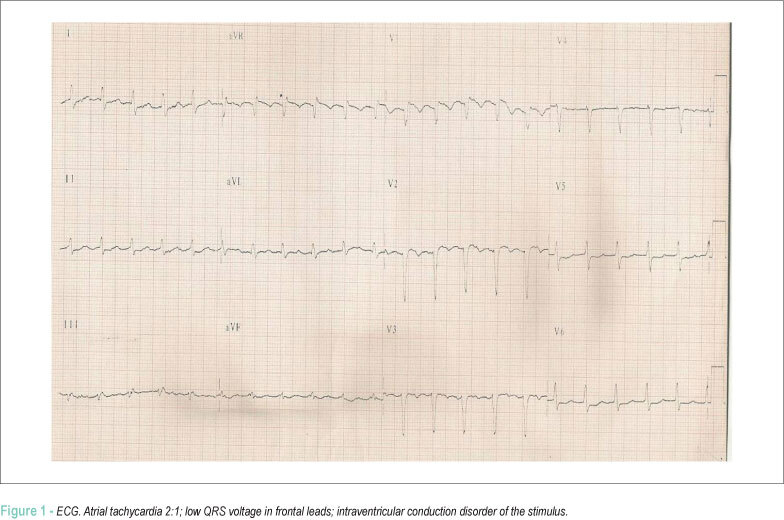
Case 2 – for index purposes: a 50 year old and past heavy drinker man admitted to treat decompensated heart failure
Anatomopathological Session

Case 2 – for index purposes: a 50 year old and past heavy drinker man admitted to treat decompensated heart failure

Wilma Noia Ribeiro et al. Alice Tatsuko Yamada Luiz Alberto Benvenuti

ANATOMOPATHOLOGICAL SESSION

Case 2 – for index purposes: a 50 year old and past heavy drinker man admitted to treat decompensated heart failure

[…]

  • Alcoholism
  • cardiomyopathy
  • Dilated
  • ectopic atrial
  • Heart Failure
  • Obesity
  • Tachycardia
Read Full Article
Creative Commons Attribution (CC BY) Creative Commons license
08/08/2012 DOI: 10.1590/S0066-782X2012000600015
Coronary artery calcium score and coronary computed tomographic angiography for cardiovascular risk stratification
Review Article

Coronary artery calcium score and coronary computed tomographic angiography for cardiovascular risk stratification

Clerio F. Azevedo et al. Carlos E. Rochitte João A.C. Lima

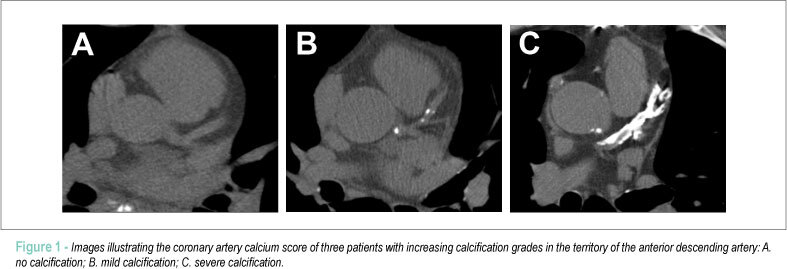
Cardiovascular disease is the leading mortality cause worldwide. The capacity to identify among the asymptomatic individuals the subgroup at greater risk for developing cardiovascular events is fundamental in any strategy aimed at reducing the rate of cardiovascular events. The first step in cardiovascular risk stratification is the use of global risk scores, the Framingham risk score being the most frequently used. However, previous studies have shown that, although very useful, clinical scores, when used alone, have a limited capacity for stratifying cardiovascular risk in a significant part of the population. In that context, coronary artery calcium score (CACS) and coronary computed tomographic angiography might play an important role as complementary tools for risk stratification of asymptomatic patients. The CACS provides important prognostic information that is incremental to clinical scores based on traditional risk factors and other diagnostic modalities, such as C-reactive protein measurement. In addition, CACS has the potential to change and help the patients’ clinical management. On the other hand, coronary computed tomographic angiography provides a detailed assessment of the anatomy of the coronary arteries, allowing visualizing not only the lumen, but also the coronary arterial walls. Compared with conventional invasive coronary angiography, coronary computed tomographic angiography has excellent accuracy to identify and mainly exclude the presence of significant obstructive lesions. In addition, it proved to be able to provide incremental prognostic information to traditional risk factors and CACS.

  • Calcium
  • Coronary Angiography
  • Coronary Disease
  • Risk Assessment
  • Tomography
  • X-Ray Computed
Read Full Article
Creative Commons Attribution (CC BY) Creative Commons license
08/08/2012 DOI: 10.1590/S0066-782X2012000600012 Views 1
Azygos vein lead implantation: a therapeutic option for elevated defibrillation threshold
Case Report

Azygos vein lead implantation: a therapeutic option for elevated defibrillation threshold

Luiz Eduardo Montenegro Camanho et al. Antonio Carlos Botelho da Silva Marco Antonio Teixeira Luiz Antonio Inácio Oliveira Junior … Eduardo Benchimol Saad Marcelo da Costa Maia

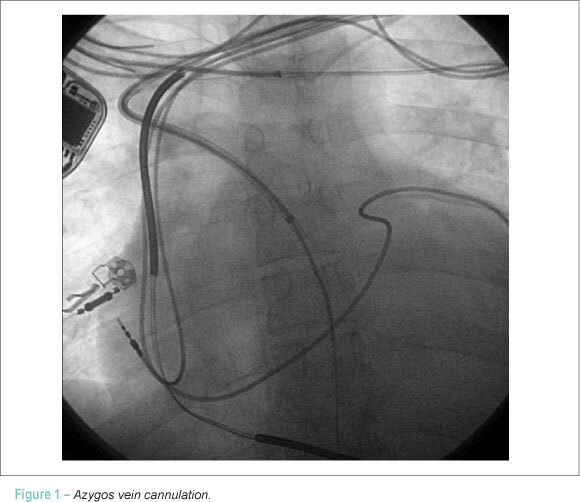
The evaluation of the defibrillation threshold (DFT) during the implantation of a cardioverter-defibrillator (ICD) is an important stage of the procedure, as a high DFT can be found in up to 16% of patients. We report a patient with idiopathic dilated cardiomyopathy (DCM) submitted to a biventricular ICD implantation. During the procedure, the patient showed a high DFT and showed to be resistant to usual therapeutic modalities. We opted for the azygos vein defibrillation lead implantation, with good resolution.

  • azygos vein
  • Cardiomyopathy, Dilated
  • Defibrillators, Implantable
  • Electrodes, Implanted
Read Full Article
Creative Commons Attribution (CC BY) Creative Commons license
08/08/2012 DOI: 10.1590/S0066-782X2012000600017 Views 1
Point of view

Inclusion of the risk score in decision making of valvular heart disease

Ricardo Casalino et al. Max Grinberg

Clinical facts and numerical data support interpretations of quality of life and survival in patients with valvular heart disease. Such data are useful in decision making regarding the interruption of natural history and replacement by a hemodynamic post-correction history. Interdisciplinary competence and expertise are required to maximize the necessary and possible results. However, the ideal of recommendations to achieve the highest degree of therapeutic satisfaction by patients with valvular heart disease is influenced by a set of variables, related in part to the specifications of the patient, and part to the limitations of methods. The rationale of the risk score validated for multiple markers is the addition of quantitative accuracy to the clinical assessment based on the heterogeneity of individual experience and intuition. In this context, the use of risk scores to predict postoperative mortality are useful tools, easy to apply and that gives us objective data on the patient’s situation. None of the available tools (EuroSCORE, STS score and Ambler Score) used in healthcare has been validated has in our population.

  • Heart Valve Diseases
  • Probability
  • Propensity Score
  • Risk
Read Full Article
Creative Commons Attribution (CC BY) Creative Commons license
08/08/2012 DOI: 10.1590/S0066-782X2012000600018
Effect of levosimendan in patients with severe systolic heart failure and worsening renal function
Artigo Original

Effect of levosimendan in patients with severe systolic heart failure and worsening renal function

Ali Zorlu et al. Hasan Yücel Osman Can Yontar Oguz Karahan … Izzet Tandogan Nurkay Katrancioglu Mehmet Birhan Yilmaz

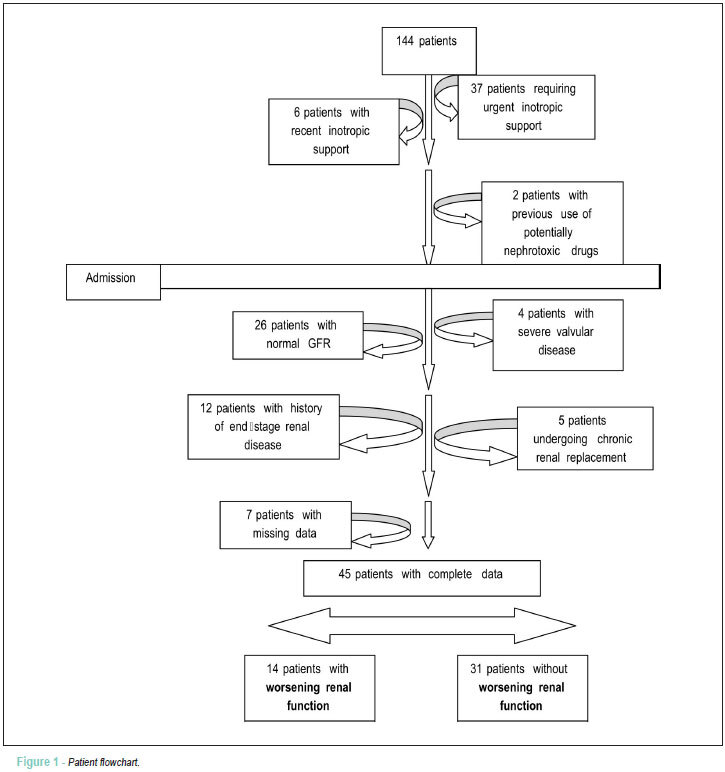
BACKGROUND: Levosimendan, a calcium sensitizer, increases the sensitivity of the heart to calcium, thus increasing myocardial contractility without a rise in intracellular calcium. It was recently shown that levosimendan is beneficial in improving renal function. However, it remains to be established that the beneficial effect is differentially related to renal status during index event. OBJECTIVE: The purpose of the current study was to determine whether levosimendan could improve renal outcome in acute decompensated heart failure patients with and without worsening renal function. METHODS: Forty-five consecutive patients who had a reduced glomerular filtration rate and had at least two consecutive data regarding renal function prior to administration of levosimendan were enrolled in the study. Patients were classified into two groups as those with and without worsening renal function based on an increase in serum creatinine >0.3 mg/dL. RESULTS: A significant improvement was noted in renal function in patients with worsening renal function (serum creatinine from 1.4±0.16 to 1.21±0.23 mg/dL, p=0.001 and glomerular filtration rate level from 48.9±15 to 59.3±21.8 mL/min/m², p=0.011), while there was no significant improvement in those without worsening renal function (serum creatinine from 1.29±0.33 to 1.37±0.66 mg/dL, p=0.240 and glomerular filtration rate level from 53.7±17.6 to 52.9±21.4 mL/min/m², p=0.850). CONCLUSION: Levosimendan appears to provide a renal-enhancing effect in patients with severe, acute decompensated systolic heart failure and worsening renal function. Consideration of this differential effect might help obtain beneficial renal outcomes. (Arq Bras Cardiol. 2012; [online].ahead print, PP.0-0)

  • Creatinine
  • Glomerular Filtration Rate
  • Heart Failure
  • levosimendan
  • renal-enhancing effect
  • worsening renal function
Read Full Article
Creative Commons Attribution (CC BY) Creative Commons license
29/05/2012 DOI: 10.1590/S0066-782X2012005000048 Views 1
Inferior Vena Cava collapsibility and heart failure signs and symptoms: new insights about possible links
Artigo Original

Inferior Vena Cava collapsibility and heart failure signs and symptoms: new insights about possible links

Renato De Vecchis et al. Antonio Ciccarelli Carmelina Ariano

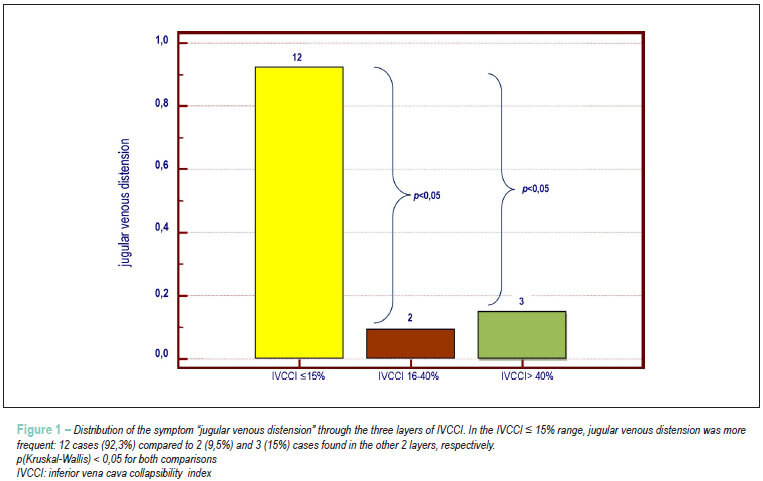
BACKGROUND: In chronic heart failure patients (CHF), ultrasound measurement of inferior vena cava collapsibility index (IVCCI) has been proposed to yield careful assessment and grading of the hemodynamic congestion. OBJECTIVE: The purpose of this study was to correlate the findings of physical examination with IVCCI in CHF patients. METHODS: According to a retrospective cohort design, we analyzed 54 CHF patients with right or biventricular CHF, belonging to III NYHA class. We planned to determine whether any basal IVCCI range would be able to predict persistent or worsening clinical congestion found at the end of subsequent follow up (i.e. after 1-2 months of oral optimized therapy). For this purpose, the patients were subdivided by three groups according to the basal IVCCI value: ≤ 15% (13 pts), 16 – 40% (21 pts) and > 40% (20 pts).Several clinical criteria of congestion were compared across the three groups and subsequently entered in the Cox multivariate model. RESULTS: Multivariate predictors of high congestion score were jugular venous distension (HR: 13,38 95% C.I.: 2,13 – 84 p = 0,0059) and rales (HR: 11 95% C.I : 1,45 – 83,8 p = 0,0213). IVCCI ≤ 15% was always associated with high congestion score at the second visit; but IVCCI ≤ 15% failed to predict high congestion score at the second visit. CONCLUSION: In CHF setting, low IVCCI did not reliably predict high congestion score. Nevertheless, the cluster with IVCCI ≤ 15% was always found associated with signs and symptoms from both right and left-sided decompensated CHF. (Arq Bras Cardiol. 2012; [online].ahead print, PP.0-0).

  • cardiac output, low
  • Heart Failure
  • left
  • Vena cava, inferior
  • Ventricular Dysfunction
Read Full Article
Creative Commons Attribution (CC BY) Creative Commons license
29/05/2012 DOI: 10.1590/S0066-782X2012005000049 Views 2
Increased intima-media thickness is independently associated with Ischemic Stroke
Artigo Original

Increased intima-media thickness is independently associated with Ischemic Stroke

Dário Freitas et al. Ana Alves Alexandre Pereira Telmo Pereira

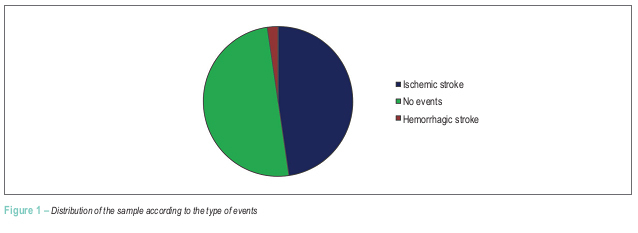
BACKGROUND: Stroke is one of the major causes of death worldwide. The importance of increased intima-media thickness in cardiovascular risk stratification has been recurrently studied. The relationship between them, however, is still controversial. OBJECTIVES: To determine whether increased common carotid artery (CCA) intima-media thickness can be used as an independent high-risk marker for the occurrence of stroke. METHODS: This study sample comprised 948 patients consecutively assessed by use of cervical triplex scan from January 2004 to June 2009. Those patients were divided into groups according to the presence or absence of recent stroke as follows: a group of patients with ischemic stroke (n = 452, 48%); a group of patients with hemorrhagic stroke (n = 22, 2%); and a group of patients with no events (n = 474, 50%). RESULTS: On logistic regression analysis adjusted for the classic cardiovascular risk factors, increased CCA intima-media thickness associated significantly and on an approximately linear way with ischemic stroke (Odds Ratio = 1.808, confidence interval: 1.291-2.534, p = 0.01), but not with hemorrhagic stroke (p = ns). A significant interaction with age was also found, showing a greater discriminative capacity for the risk of ischemic stroke in individuals aged less than 50 years. CONCLUSIONS: The increased CCA intima-media thickness was identified as an independent predictor of the risk for ischemic stroke, but not for hemorrhagic stroke, emphasizing the usefulness of its assessment on clinical practice. (Arq Bras Cardiol. 2012; [online].ahead print, PP.0-0)

  • Common Carotid Artery
  • increased intima-media thickness
  • Risk Factors
  • Stroke
  • ultrasound
Read Full Article
Creative Commons Attribution (CC BY) Creative Commons license
17/05/2012 DOI: 10.1590/S0066-782X2012005000045 Views 2
Causality analysis of the relationship between bleeding and lethality in Acute Coronary Syndromes
Artigo Original

Causality analysis of the relationship between bleeding and lethality in Acute Coronary Syndromes

Luis Cláudio Lemos Correia et al. Michael Sabino Mariana Brito Guilherme Garcia … Mateus Viana J. Péricles Esteves Márcia R. Noya

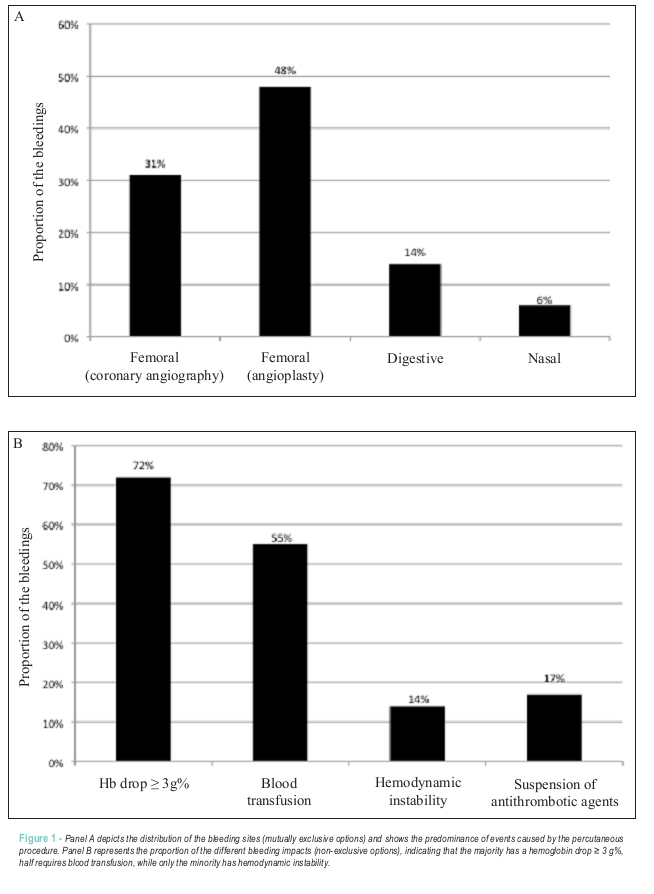
BACKGROUND: Hemorrhagic events in Acute Coronary Syndromes (ACS) have been independently associated with death in international multicenter registries. However, that association has not been tested in Brazil and the true causal relationship between bleeding and death has not been completely shown. OBJECTIVE: To test the following hypotheses: (1) major bleeding is an independent predictor of in-hospital death in ACS; (2) the relationship between those two endpoints is causal. METHODS: This study included patients meeting predefined criteria of unstable angina, non-ST-segment elevation myocardial infarction or ST-segment elevation myocardial infarction. Major bleeding during hospitalization was defined according to the Bleeding Academic Research Consortium (types 3 or 5). Logistic regression and analysis of the sequence of events were used to assess the association between bleeding and death. RESULTS: Of the 455 patients studied, 29 experienced major bleeding (6.4%; 95% CI = 4.3-9.0%). They had in-hospital mortality of 21%, as compared with 5.6% of those not experiencing bleeding (RR = 4.0; 95% CI = 1.8-9.1; P = 0.001). After adjusting for the propensity score, major bleeding remained as a predictor of in-hospital death (OR = 3.34; 95% CI = 1.2-9.5; P = 0.02). Of the 29 patients who experienced bleeding, six died. However, the detailed analysis of the sequence of events showed causal relationship only in one case. CONCLUSION: (1) Major bleeding is an independent predictor of in-hospital death in ACS; (2) the role of bleeding as a risk marker overcomes that as a risk factor for death. This conclusion should be seen as a hypothesis generator to be confirmed by larger-sample studies. (Arq Bras Cardiol. 2012; [online].ahead print, PP.0-0)

  • Acute coronary syndrome
  • Angina, Unstable
  • Hemorrhage
  • Hospitalization
  • Myocardial Infarction
Read Full Article
Creative Commons Attribution (CC BY) Creative Commons license
17/05/2012 DOI: 10.1590/S0066-782X2012005000046 Views 1
Artigo Original

Radiofrequency ablation of childhood arrhythmia: observational registry in 125 children

Sissy Lara de Melo et al. Maurício Ibrahim Scanavacca Cristiano Pisani Francisco Darrieux … Denise Hachul Carina Hardy Paulo Roberto Camargo Edmar Atik Eduardo Argentino Sosa

BACKGROUND: Radiofrequency ablation (RFA) in children is an increasingly common practice. OBJECTIVE: To evaluate, in our institution, the results of RFA in children younger than 15 years. METHODS: A total of 125 children submitted to RFA between May 1991 and May 2010 were analyzed. RESULTS: Sixty-seven (53.6%) children were males, aged between 44 days and 15 years (mean 8.6 ± 3.3 years) with median weight of 31 kg. Heart disease was present in 21 (16.8%) patients. The RFA of accessory pathways (AP) was the most common procedure (62 children – 49.6%). The RFA of nodal reentrant tachycardia (NRT) was the second most common arrhythmia in 27 (21.6%), followed by atrial tachycardia (AT) in 16 (12.8%) and ventricular tachycardias (VT) in 8 (6.4%) children. The success criteria were achieved in 86.9%, 96.1%, 80% and 62.5% of patients undergoing RFA of AP, NRT, AT and VT, respectively. Transient AVB occurred during RFA in 4 (3.2%) and LBBB in 7 (5.6%) children. Twenty-five children underwent a new RFA due to initial failure or recurrence. During the mean follow up of 5.5 ± 3.4 years, 107 (88.4%) remained without recurrence. There was no statistical difference regarding the results and the age at which the patient underwent the procedure. No child had persistent AVB or required a permanent pacemaker. CONCLUSION: Catheter ablation is a safe and effective alternative therapy in children with recurrent tachycardias refractory to medical treatment.

  • Arrhythmias Cardiac
  • Catheter Ablation
  • Child
Read Full Article
Creative Commons Attribution (CC BY) Creative Commons license
15/05/2012 DOI: 10.1590/S0066-782X2012005000042 Views 2
Left atrial appendage closure with the Amplatzer Cardiac Plug in patients with atrial fibrillation
Artigo Original

Left atrial appendage closure with the Amplatzer Cardiac Plug in patients with atrial fibrillation

Ênio Eduardo Guérios et al. Michael Schmid Steffen Gloekler Ahmed A. Khattab … Peter M. Wenaweser Stephan Windecker Bernhard Meier

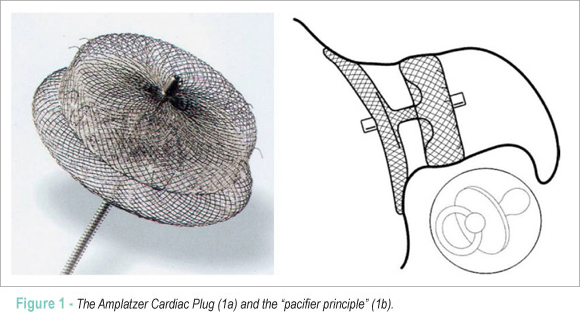
BACKGROUND: Percutaneous left atrial appendage closure (LAAC) has emerged as an alternative to oral anticoagulation (OA) for prevention of thromboembolic stroke in patients with non-valvular atrial fibrillation (NVAF). OBJECTIVE: To describe the immediate results and short- to medium-term clinical follow-up (FU) of patients that underwent LAAC with Amplatzer Cardiac Plug (ACP) implantation in a single reference center. METHODS: Eighty-six consecutive patients with NVAF, contraindication to OA, and CHADS2 score=2.6±1.2 underwent LAAC with ACP implantation. Clinical and echocardiographic FU was performed at least four months after the procedure. RESULTS: All implants were guided by angiography alone. Procedural success was 99% (one patient suffered a cardiac tamponade requiring pericardiocentesis, and the procedure was waived). There were four major complications (the already mentioned cardiac tamponade, two transient ischemic attacks and one device embolization with percutaneous retrieval) and two minor complications (one pericardial effusion without clinical significance and one non-significant ASD evidenced at FU). There was one in-hospital death after six days, unrelated to the procedure. All other patients were discharged without OA. After 25.9 patient-years of FU (69 patients), there were no strokes and no late device embolization. The LAA was completely closed in 97% of the cases. Six patients showed evidence of thrombus formation on the device, which resolved after three months of OA. CONCLUSION: LAAC is associated with high success, acceptable complication rates, and promising FU results, and may be considered a valuable alternative or complement to OA for stroke prevention in patients with NVAF.

  • Arrhythmias Cardiac
  • Atrial Appendage
  • Atrial Fibrillation
  • prostheses and implants
Read Full Article
Creative Commons Attribution (CC BY) Creative Commons license
15/05/2012 DOI: 10.1590/S0066-782X2012005000044
Successful improvement of frequency and symptoms of premature complexes after oral magnesium administration
Artigo Original

Successful improvement of frequency and symptoms of premature complexes after oral magnesium administration

Cristina Nádja Muniz Lima De Falco et al. Cesar Grupi Eduardo Sosa Maurício Scanavacca … Denise Hachul Sissy Lara Luciana Sacilotto Cristiano F. Pisani José A. F. Ramires Francisco Darrieux

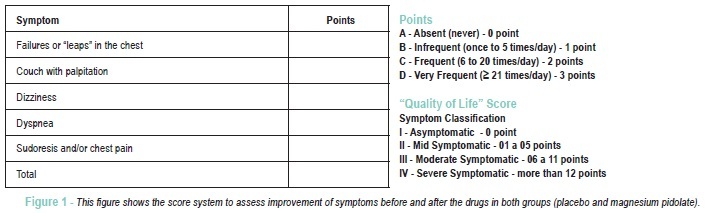
BACKGROUND: Premature ventricular and supraventricular complexes (PVC and PsVC) are frequent and often symptomatic. The magnesium (Mg) ion plays a role in the physiology of cell membranes and cardiac rhythm. OBJECTIVE: We evaluated whether the administration of Mg Pidolate (MgP) in patients with PVC and PsVC is superior to placebo (P) in improving symptoms and arrhythmia frequency. METHODS: Randomized double-blind study with 60 consecutive symptomatic patients with more than 240 PVC or PsVC on 24-hour Holter monitoring who were selected to receive placebo or MgP. To evaluate symptom improvement, a categorical and a specific questionnaire for symptoms related to PVC and PsVC was made. Improvement in premature complex density (PCD) per hour was considered significant if percentage reduction was >70% after treatment. The dose of MgP was 3.0 g/day for 30 days, equivalent to 260mg of Mg element. None of the patients had structural heart disease or renal failure. RESULTS: Of the 60 patients, 33 were female (55%). Ages ranged from 16 to 70 years old. In the MgP group, 76.6% of patients had a PCD reduction >70%, 10% of them >50% and only 13.4% <50%. In the P group, 40% showed slight improvement, <30%, in the premature complexes frequency (p < 0.001). Symptom improvement was achieved in 93.3% of patients in the MgP group, compared with only 16.7% in the P group (p < 0.001). CONCLUSION: Oral Mg supplementation decreases PCD, resulting in symptom improvement.

  • Arrhythmias
  • cardiac
  • ion channels
  • Magnesium
  • Ventricular Premature Complexes
Read Full Article
Creative Commons Attribution (CC BY) Creative Commons license
15/05/2012 DOI: 10.1590/S0066-782X2012005000043 Views 1
Study of echocardiographic alterations in the first six months after kidney transplantation
Artigo Original

Study of echocardiographic alterations in the first six months after kidney transplantation

Francival Leite de Souza et al. Karenn Barros Bezerra Andréa Rodrigues Sousa Teresa Cristina Alves Ferreira … Maria Inês Gomes Oliveira Giovanna Parada Martins Fernando Alberto Costa Cardoso Silva Alcione Miranda Santos Natalino Salgado Filho

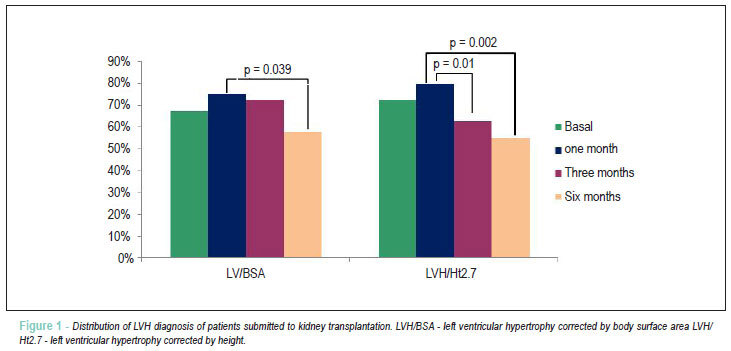
BACKGROUND: Cardiac disorders are very common in individuals with chronic kidney disease and are associated with morbimortality. OBJECTIVE: To evaluate cardiac alterations after kidney transplantation. METHODS: We prospectively evaluated 40 patients with chronic kidney disease, immediately before and one month, three months and six months after kidney transplantation, using tissue Doppler echocardiographic study. The left ventricular mass, systolic and diastolic function parameters were analyzed. RESULTS: The mean age was 31.6 years and 40% of patients were female. We observed a reduction in left ventricular diastolic diameter (52.23 to 49.95 mm, p = 0.021) and LV mass index (131.48 to 113.039 g/m2, p = 0.002) after kidney transplantation. The mean E/e’ decreased in the third and sixth months after kidney transplantation, when compared to basal values (8.13 and 7.85 vs. 9.79, p <0.05). The ejection fraction increased from the first month after kidney transplantation compared to basal assessment (69.72% vs. 65.68%, p <0.05). The prevalence of diastolic dysfunction decreased 43% during the evaluated period. The basal ejection fraction and mean E/e' were associated with reduced LV mass index after kidney transplantation. The LV mass index at baseline, female sex and decrease in serum phosphorus were associated with a reduction in the mean E/e ' ratio after kidney transplantation. CONCLUSION: Kidney transplantation resulted in significant alterations in Doppler echocardiographic parameters of LV mass, systolic and diastolic function in patients with chronic kidney disease.

  • Chronic
  • Echocardiography, Doppler
  • Kidney Failure
  • Kidney Transplantation
  • Kidney, Diseases
Read Full Article
Creative Commons Attribution (CC BY) Creative Commons license
26/04/2012 DOI: 10.1590/S0066-782X2012005000040
Analysis of the mortality trend due to cerebrovascular accident in Brazil in the XXI century
Artigo Original

Analysis of the mortality trend due to cerebrovascular accident in Brazil in the XXI century

Célia Regina Garritano et al. Paula Mendes Luz Maria Lucia Elias Pires Maria Teresa Serrano Barbosa Keila Moreira Batista

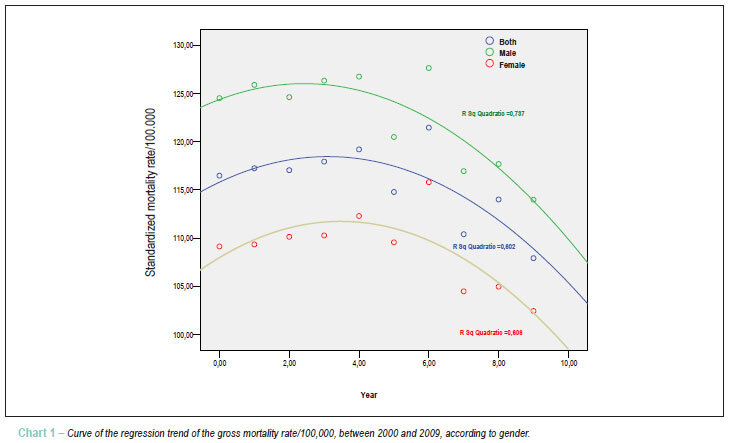
BACKGROUND: Although it is the second leading cause of deaths worldwide, the cerebrovascular accident (CVA) has shown a significant reduction in mortality rates in recent decades. OBJECTIVE: To evaluate the trend of CVA mortality rate in Brazil, in both sexes, older than 30 years old, between 2000 and 2009. METHODS: Population data were obtained from the database of the Brazilian Institute of Geography and Statistics (IBGE) and deaths through the Mortality Information System of the Health Surveillance Secretariat of the Ministry of Health, and included codes I60 to I69 according to 10th International Classification of Diseases. We calculated the incidence of deaths/1,000 inhabitants, gross and standardized mortality rates /100,000 inhabitants. The modeling of the trend of rates was performed using regression models. RESULTS: There was an increase in mortality until 2006, followed by a decline until 2009, when the incidence was the lowest. Comparing the years 2000 and 2009, there is a downward trend in standardized mortality rate in both sexes (male = -14.69% and female = -17%) and total (-14.99%), with fluctuations during the period. Between 30 and 49 years in both sexes, there was a trend of continuous and linear decrease in mortality rate, while the other age groups showed a curvilinear function, leading to an effective decrease in values. CONCLUSION: There was a downward trend in mortality in all age groups and both sexes. The reduction in gross mortality rate was more pronounced in males, while the standardized mortality rate showed a greater reduction in females.

  • Brazil
  • Epidemiology
  • Stroke
Read Full Article
Creative Commons Attribution (CC BY) Creative Commons license
26/04/2012 DOI: 10.1590/S0066-782X2012005000041
Distance from home to exercise site did not influence the adherence of 796 participants
Artigo Original

Distance from home to exercise site did not influence the adherence of 796 participants

Antonio Cesar Cabral-de-Oliveira et al. Plínio Santos Ramos Claudio Gil Soares de Araújo

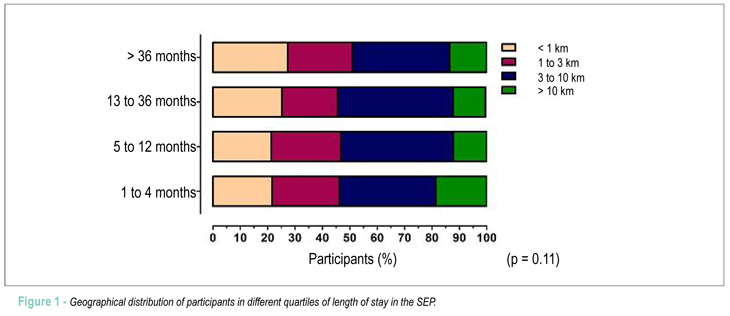
BACKGROUND: One of the difficulties in maintaining long-term adherence to exercise is the distance from home to the place of exercise. OBJECTIVE: To determine, for a private supervised exercise program (PSEP), the influence of the home-PSEP distance on adherence. METHODS: We identified 976 individuals and selected 796 who met the inclusion criteria. The home-PSEP distance was obtained by the Google Maps. Adherence was determined by quartiles (months): 1-4, 5-12, 13-36 and more than 36. The clinical conditions were stratified as healthy, obese and/or hypertensive and/or dyslipidemic and/or diabetic patients without coronary disease; coronary artery disease patients and other health problems like cancer, respiratory disease and panic. The home-PSEP distance was divided into (km): up to 1, 1 to 3, 3 to 10 and more than 10. For the statistical analysis, we used the Kruskal-Wallis ANOVA and the chi-square test. RESULTS: Of respondents, 46% lived up to 3 km, 39% lived between 3 and 10 km and about 15% lived more than 10 kilometers from the place of the PSEP. No differences were found between the medians of the months of participation in the PSEP as a function of home-PSEP distance (p = 0.11). CONCLUSION: For a given PSEP in the city of Rio de Janeiro, open from Monday through Saturday with free choice of time, the home-PSEP distance did not influence the adherence of participants. This was probably due to the quality of the service and/or lack of places closer to the participants’ home. (Arq Bras Cardiol. 2012; [online].ahead print, PP.0-0)

  • Coronary Artery Disease
  • Exercise
  • Rehabilitation
  • Training
Read Full Article
Creative Commons Attribution (CC BY) Creative Commons license
19/04/2012 DOI: 10.1590/S0066-782X2012005000039 Views 1

How to cite this article

EndNote RIS

Electronic Document Format (Vancouver)

Santos MAA, Sousa ACS. Comparison of assessment methods of cardiac vagal modulation. Arquivos Brasileiros de Cardiologia 2012;98(6):569-70.

Electronic Document Format (ABNT)

Santos, Marcos Antonio Almeida; Sousa, Antonio Carlos Sobral. Comparison of assessment methods of cardiac vagal modulation. Arquivos Brasileiros de Cardiologia, v. 98, n. 6, p. 569-570, Aug. 2012.

Electronic Document Format (APA)

Santos, M. A. A., & Sousa, A. C. S. (2012). Comparison of assessment methods of cardiac vagal modulation. Arquivos Brasileiros de Cardiologia, 98(6), 569-570.

Electronic Document Format (ISO)

Santos, Marcos Antonio Almeida and Sousa, Antonio Carlos Sobral. Comparison of assessment methods of cardiac vagal modulation. Arquivos Brasileiros de Cardiologia [online]. 2012, vol. 98, n. 6, [cited 2026-10-15], pp. 569-570. Available from: <https://journals.cardiol.br/en/article/comparison-of-assessment-methods-of-cardiac-vagal-modulation/>. ISSN 0066-782X

EndNote RIS

Electronic Document Format (Vancouver)

Novaes RD, Peluzio MCG, Maldonado IRSC. Resveratrol causes antiatherogenic effects in an animal model of atherosclerosis. Arquivos Brasileiros de Cardiologia 2012;98(6):571-2.

Electronic Document Format (ABNT)

Novaes, Rômulo Dias; Peluzio, Maria do Carmo Gouveia; Maldonado, Izabel Regina dos Santos Costa. Resveratrol causes antiatherogenic effects in an animal model of atherosclerosis. Arquivos Brasileiros de Cardiologia, v. 98, n. 6, p. 571-572, Aug. 2012.

Electronic Document Format (APA)

Novaes, R. D., Peluzio, M. C. G., & Maldonado, I. R. S. C. (2012). Resveratrol causes antiatherogenic effects in an animal model of atherosclerosis. Arquivos Brasileiros de Cardiologia, 98(6), 571-572.

Electronic Document Format (ISO)

Novaes, Rômulo Dias and Peluzio, Maria do Carmo Gouveia and Maldonado, Izabel Regina dos Santos Costa. Resveratrol causes antiatherogenic effects in an animal model of atherosclerosis. Arquivos Brasileiros de Cardiologia [online]. 2012, vol. 98, n. 6, [cited 2026-10-15], pp. 571-572. Available from: <https://journals.cardiol.br/en/article/resveratrol-causes-antiatherogenic-effects-in-an-animal-model-of-atherosclerosis/>. ISSN 0066-782X

EndNote RIS

Electronic Document Format (Vancouver)

Alfonso F, Timmis A, Pinto FJ, Ambrosio G, Ector H, Kulakowski P, Vardas P, et al. Conflict of interest policies and disclosure requirements among European Society of Cardiology National Cardiovascular Journals. Arquivos Brasileiros de Cardiologia 2012;98(6):471-9.

Electronic Document Format (ABNT)

Alfonso, Fernando; Timmis, Adam; Pinto, Fausto J.; Ambrosio, Giuseppe; Ector, Hugo; Kulakowski, Piotr; Vardas, Panos. Conflict of interest policies and disclosure requirements among European Society of Cardiology National Cardiovascular Journals. Arquivos Brasileiros de Cardiologia, v. 98, n. 6, p. 471-479, Aug. 2012.

Electronic Document Format (APA)

Alfonso, F., Timmis, A., Pinto, F. J., Ambrosio, G., Ector, H., Kulakowski, P., & Vardas, P. (2012). Conflict of interest policies and disclosure requirements among European Society of Cardiology National Cardiovascular Journals. Arquivos Brasileiros de Cardiologia, 98(6), 471-479.

Electronic Document Format (ISO)

Alfonso, Fernando and Timmis, Adam and Pinto, Fausto J. and Ambrosio, Giuseppe and Ector, Hugo and Kulakowski, Piotr and Vardas, Panos. Conflict of interest policies and disclosure requirements among European Society of Cardiology National Cardiovascular Journals. Arquivos Brasileiros de Cardiologia [online]. 2012, vol. 98, n. 6, [cited 2026-10-15], pp. 471-479. Available from: <https://journals.cardiol.br/en/article/conflict-of-interest-policies-and-disclosure-requirements-among-european-society-of-cardiology-national-cardiovascular-journals/>. ISSN 0066-782X

EndNote RIS

Electronic Document Format (Vancouver)

Freitas HFG, Falcão BAA, Silva RC, Ribeiro JC, Velloso LGC, Brito Junior FS. Circulatory support in cardiogenic shock after acute myocardial infarction. Arquivos Brasileiros de Cardiologia 2012;98(6):e96-8.

Electronic Document Format (ABNT)

Freitas, Humberto F. G.; Falcão, Breno A. A.; Silva, Rafael C.; Ribeiro, Jamil C.; Velloso, Luiz Guilherme C.; Brito Junior, Fabio Sandoli de. Circulatory support in cardiogenic shock after acute myocardial infarction. Arquivos Brasileiros de Cardiologia, v. 98, n. 6, p. e96-e98, Aug. 2012.

Electronic Document Format (APA)

Freitas, H. F. G., Falcão, B. A. A., Silva, R. C., Ribeiro, J. C., Velloso, L. G. C., & Brito Junior, F. S. (2012). Circulatory support in cardiogenic shock after acute myocardial infarction. Arquivos Brasileiros de Cardiologia, 98(6), e96-e98.

Electronic Document Format (ISO)

Freitas, Humberto F. G. and Falcão, Breno A. A. and Silva, Rafael C. and Ribeiro, Jamil C. and Velloso, Luiz Guilherme C. and Brito Junior, Fabio Sandoli de. Circulatory support in cardiogenic shock after acute myocardial infarction. Arquivos Brasileiros de Cardiologia [online]. 2012, vol. 98, n. 6, [cited 2026-10-15], pp. e96-e98. Available from: <https://journals.cardiol.br/en/article/circulatory-support-in-cardiogenic-shock-after-acute-myocardial-infarction/>. ISSN 0066-782X

EndNote RIS

Electronic Document Format (Vancouver)

Ribeiro WN, Yamada AT, Benvenuti LA. Case 2 – for index purposes: a 50 year old and past heavy drinker man admitted to treat decompensated heart failure. Arquivos Brasileiros de Cardiologia 2012;98(6):e87-95.

Electronic Document Format (ABNT)

Ribeiro, Wilma Noia; Yamada, Alice Tatsuko; Benvenuti, Luiz Alberto. Case 2 – for index purposes: a 50 year old and past heavy drinker man admitted to treat decompensated heart failure. Arquivos Brasileiros de Cardiologia, v. 98, n. 6, p. e87-e95, Aug. 2012.

Electronic Document Format (APA)

Ribeiro, W. N., Yamada, A. T., & Benvenuti, L. A. (2012). Case 2 – for index purposes: a 50 year old and past heavy drinker man admitted to treat decompensated heart failure. Arquivos Brasileiros de Cardiologia, 98(6), e87-e95.

Electronic Document Format (ISO)

Ribeiro, Wilma Noia and Yamada, Alice Tatsuko and Benvenuti, Luiz Alberto. Case 2 – for index purposes: a 50 year old and past heavy drinker man admitted to treat decompensated heart failure. Arquivos Brasileiros de Cardiologia [online]. 2012, vol. 98, n. 6, [cited 2026-10-15], pp. e87-e95. Available from: <https://journals.cardiol.br/en/article/case-2-for-index-purposes-a-50-year-old-and-past-heavy-drinker-man-admitted-to-treat-decompensated-heart-failure/>. ISSN 0066-782X

EndNote RIS

Electronic Document Format (Vancouver)

Azevedo CF, Rochitte CE, Lima JA. Coronary artery calcium score and coronary computed tomographic angiography for cardiovascular risk stratification. Arquivos Brasileiros de Cardiologia 2012;98(6):559-68.

Electronic Document Format (ABNT)

Azevedo, Clerio F.; Rochitte, Carlos E.; Lima, João A.C.. Coronary artery calcium score and coronary computed tomographic angiography for cardiovascular risk stratification. Arquivos Brasileiros de Cardiologia, v. 98, n. 6, p. 559-568, Aug. 2012.

Electronic Document Format (APA)

Azevedo, C. F., Rochitte, C. E., & Lima, J. A. (2012). Coronary artery calcium score and coronary computed tomographic angiography for cardiovascular risk stratification. Arquivos Brasileiros de Cardiologia, 98(6), 559-568.

Electronic Document Format (ISO)

Azevedo, Clerio F. and Rochitte, Carlos E. and Lima, João A.C.. Coronary artery calcium score and coronary computed tomographic angiography for cardiovascular risk stratification. Arquivos Brasileiros de Cardiologia [online]. 2012, vol. 98, n. 6, [cited 2026-10-15], pp. 559-568. Available from: <https://journals.cardiol.br/en/article/coronary-artery-calcium-score-and-coronary-computed-tomographic-angiography-for-cardiovascular-risk-stratification/>. ISSN 0066-782X

EndNote RIS

Electronic Document Format (Vancouver)

Camanho LEM, Silva ACB, Teixeira MA, Oliveira Junior LAI, Saad EB, Maia MC. Azygos vein lead implantation: a therapeutic option for elevated defibrillation threshold. Arquivos Brasileiros de Cardiologia 2012;98(6):e98-e101.

Electronic Document Format (ABNT)

Camanho, Luiz Eduardo Montenegro; Silva, Antonio Carlos Botelho da; Teixeira, Marco Antonio; Oliveira Junior, Luiz Antonio Inácio; Saad, Eduardo Benchimol; Maia, Marcelo da Costa. Azygos vein lead implantation: a therapeutic option for elevated defibrillation threshold. Arquivos Brasileiros de Cardiologia, v. 98, n. 6, p. e98-e101, Aug. 2012.

Electronic Document Format (APA)

Camanho, L. E. M., Silva, A. C. B. , Teixeira, M. A., Oliveira Junior, L. A. I., Saad, E. B., & Maia, M. C. (2012). Azygos vein lead implantation: a therapeutic option for elevated defibrillation threshold. Arquivos Brasileiros de Cardiologia, 98(6), e98-e101.

Electronic Document Format (ISO)

Camanho, Luiz Eduardo Montenegro and Silva, Antonio Carlos Botelho da and Teixeira, Marco Antonio and Oliveira Junior, Luiz Antonio Inácio and Saad, Eduardo Benchimol and Maia, Marcelo da Costa. Azygos vein lead implantation: a therapeutic option for elevated defibrillation threshold. Arquivos Brasileiros de Cardiologia [online]. 2012, vol. 98, n. 6, [cited 2026-10-15], pp. e98-e101. Available from: <https://journals.cardiol.br/en/article/azygos-vein-lead-implantation-a-therapeutic-option-for-elevated-defibrillation-threshold/>. ISSN 0066-782X

EndNote RIS

Electronic Document Format (Vancouver)

Casalino R, Grinberg M. Inclusion of the risk score in decision making of valvular heart disease. Arquivos Brasileiros de Cardiologia 2012;98(6):e102-4.

Electronic Document Format (ABNT)

Casalino, Ricardo; Grinberg, Max. Inclusion of the risk score in decision making of valvular heart disease. Arquivos Brasileiros de Cardiologia, v. 98, n. 6, p. e102-e104, Aug. 2012.

Electronic Document Format (APA)

Casalino, R., & Grinberg, M. (2012). Inclusion of the risk score in decision making of valvular heart disease. Arquivos Brasileiros de Cardiologia, 98(6), e102-e104.

Electronic Document Format (ISO)

Casalino, Ricardo and Grinberg, Max. Inclusion of the risk score in decision making of valvular heart disease. Arquivos Brasileiros de Cardiologia [online]. 2012, vol. 98, n. 6, [cited 2026-10-15], pp. e102-e104. Available from: <https://journals.cardiol.br/en/article/inclusion-of-the-risk-score-in-decision-making-of-valvular-heart-disease/>. ISSN 0066-782X

EndNote RIS

Electronic Document Format (Vancouver)

Zorlu A, Yücel H, Yontar OC, Karahan O, Tandogan I, Katrancioglu N, Yilmaz MB, et al. Effect of levosimendan in patients with severe systolic heart failure and worsening renal function. Arquivos Brasileiros de Cardiologia 2012;98(6):537-43.

Electronic Document Format (ABNT)

Zorlu, Ali; Yücel, Hasan; Yontar, Osman Can; Karahan, Oguz; Tandogan, Izzet; Katrancioglu, Nurkay; Yilmaz, Mehmet Birhan. Effect of levosimendan in patients with severe systolic heart failure and worsening renal function. Arquivos Brasileiros de Cardiologia, v. 98, n. 6, p. 537-543, May. 2012.

Electronic Document Format (APA)

Zorlu, A., Yücel, H., Yontar, O. C., Karahan, O., Tandogan, I., Katrancioglu, N., & Yilmaz, M. B. (2012). Effect of levosimendan in patients with severe systolic heart failure and worsening renal function. Arquivos Brasileiros de Cardiologia, 98(6), 537-543.

Electronic Document Format (ISO)

Zorlu, Ali and Yücel, Hasan and Yontar, Osman Can and Karahan, Oguz and Tandogan, Izzet and Katrancioglu, Nurkay and Yilmaz, Mehmet Birhan. Effect of levosimendan in patients with severe systolic heart failure and worsening renal function. Arquivos Brasileiros de Cardiologia [online]. 2012, vol. 98, n. 6, [cited 2026-10-15], pp. 537-543. Available from: <https://journals.cardiol.br/en/article/effect-of-levosimendan-in-patients-with-severe-systolic-heart-failure-and-worsening-renal-function/>. ISSN 0066-782X

EndNote RIS

Electronic Document Format (Vancouver)

Vecchis RD, Ciccarelli A, Ariano C. Inferior Vena Cava collapsibility and heart failure signs and symptoms: new insights about possible links. Arquivos Brasileiros de Cardiologia 2012;98(6):544-52.

Electronic Document Format (ABNT)

Vecchis, Renato De; Ciccarelli, Antonio; Ariano, Carmelina. Inferior Vena Cava collapsibility and heart failure signs and symptoms: new insights about possible links. Arquivos Brasileiros de Cardiologia, v. 98, n. 6, p. 544-552, May. 2012.

Electronic Document Format (APA)

Vecchis, R. D., Ciccarelli, A., & Ariano, C. (2012). Inferior Vena Cava collapsibility and heart failure signs and symptoms: new insights about possible links. Arquivos Brasileiros de Cardiologia, 98(6), 544-552.

Electronic Document Format (ISO)

Vecchis, Renato De and Ciccarelli, Antonio and Ariano, Carmelina. Inferior Vena Cava collapsibility and heart failure signs and symptoms: new insights about possible links. Arquivos Brasileiros de Cardiologia [online]. 2012, vol. 98, n. 6, [cited 2026-10-15], pp. 544-552. Available from: <https://journals.cardiol.br/en/article/inferior-vena-cava-collapsibility-and-heart-failure-signs-and-symptoms-new-insights-about-possible-links/>. ISSN 0066-782X

EndNote RIS

Electronic Document Format (Vancouver)

Freitas D, Alves A, Pereira A, Pereira T. Increased intima-media thickness is independently associated with Ischemic Stroke. Arquivos Brasileiros de Cardiologia 2012;98(6):497-504.

Electronic Document Format (ABNT)

Freitas, Dário; Alves, Ana; Pereira, Alexandre; Pereira, Telmo. Increased intima-media thickness is independently associated with Ischemic Stroke. Arquivos Brasileiros de Cardiologia, v. 98, n. 6, p. 497-504, May. 2012.

Electronic Document Format (APA)

Freitas, D., Alves, A., Pereira, A., & Pereira, T. (2012). Increased intima-media thickness is independently associated with Ischemic Stroke. Arquivos Brasileiros de Cardiologia, 98(6), 497-504.

Electronic Document Format (ISO)

Freitas, Dário and Alves, Ana and Pereira, Alexandre and Pereira, Telmo. Increased intima-media thickness is independently associated with Ischemic Stroke. Arquivos Brasileiros de Cardiologia [online]. 2012, vol. 98, n. 6, [cited 2026-10-15], pp. 497-504. Available from: <https://journals.cardiol.br/en/article/increased-intima-media-thickness-is-independently-associated-with-ischemic-stroke/>. ISSN 0066-782X

EndNote RIS

Electronic Document Format (Vancouver)

Correia LCL, Sabino M, Brito M, Garcia G, Viana M, Esteves JP, Noya MR, et al. Causality analysis of the relationship between bleeding and lethality in Acute Coronary Syndromes. Arquivos Brasileiros de Cardiologia 2012;98(6):488-96.

Electronic Document Format (ABNT)

Correia, Luis Cláudio Lemos; Sabino, Michael; Brito, Mariana; Garcia, Guilherme; Viana, Mateus; Esteves, J. Péricles; Noya, Márcia R.. Causality analysis of the relationship between bleeding and lethality in Acute Coronary Syndromes. Arquivos Brasileiros de Cardiologia, v. 98, n. 6, p. 488-496, May. 2012.

Electronic Document Format (APA)

Correia, L. C. L., Sabino, M., Brito, M., Garcia, G., Viana, M., Esteves, J. P., & Noya, M. R. (2012). Causality analysis of the relationship between bleeding and lethality in Acute Coronary Syndromes. Arquivos Brasileiros de Cardiologia, 98(6), 488-496.

Electronic Document Format (ISO)

Correia, Luis Cláudio Lemos and Sabino, Michael and Brito, Mariana and Garcia, Guilherme and Viana, Mateus and Esteves, J. Péricles and Noya, Márcia R.. Causality analysis of the relationship between bleeding and lethality in Acute Coronary Syndromes. Arquivos Brasileiros de Cardiologia [online]. 2012, vol. 98, n. 6, [cited 2026-10-15], pp. 488-496. Available from: <https://journals.cardiol.br/en/article/causality-analysis-of-the-relationship-between-bleeding-and-lethality-in-acute-coronary-syndromes/>. ISSN 0066-782X

EndNote RIS

Electronic Document Format (Vancouver)

Melo SL, Scanavacca MI, Pisani C, Darrieux F, Hachul D, Hardy C, Camargo PR, et al. Radiofrequency ablation of childhood arrhythmia: observational registry in 125 children. Arquivos Brasileiros de Cardiologia 2012;98(6):514-8.

Electronic Document Format (ABNT)

Melo, Sissy Lara de; Scanavacca, Maurício Ibrahim; Pisani, Cristiano; Darrieux, Francisco; Hachul, Denise; Hardy, Carina; Camargo, Paulo Roberto; Atik, Edmar; Sosa, Eduardo Argentino. Radiofrequency ablation of childhood arrhythmia: observational registry in 125 children. Arquivos Brasileiros de Cardiologia, v. 98, n. 6, p. 514-518, May. 2012.

Electronic Document Format (APA)

Melo, S. L. , Scanavacca, M. I., Pisani, C., Darrieux, F., Hachul, D., Hardy, C., Camargo, P. R., Atik, E., & Sosa, E. A. (2012). Radiofrequency ablation of childhood arrhythmia: observational registry in 125 children. Arquivos Brasileiros de Cardiologia, 98(6), 514-518.

Electronic Document Format (ISO)

Melo, Sissy Lara de and Scanavacca, Maurício Ibrahim and Pisani, Cristiano and Darrieux, Francisco and Hachul, Denise and Hardy, Carina and Camargo, Paulo Roberto and Atik, Edmar and Sosa, Eduardo Argentino. Radiofrequency ablation of childhood arrhythmia: observational registry in 125 children. Arquivos Brasileiros de Cardiologia [online]. 2012, vol. 98, n. 6, [cited 2026-10-15], pp. 514-518. Available from: <https://journals.cardiol.br/en/article/radiofrequency-ablation-of-childhood-arrhythmia-observational-registry-in-125-children/>. ISSN 0066-782X

EndNote RIS

Electronic Document Format (Vancouver)

Guérios E, Schmid M, Gloekler S, Khattab AA, Wenaweser PM, Windecker S, Meier B, et al. Left atrial appendage closure with the Amplatzer Cardiac Plug in patients with atrial fibrillation. Arquivos Brasileiros de Cardiologia 2012;98(6):528-36.

Electronic Document Format (ABNT)

Guérios, Ênio Eduardo; Schmid, Michael; Gloekler, Steffen; Khattab, Ahmed A.; Wenaweser, Peter M.; Windecker, Stephan; Meier, Bernhard. Left atrial appendage closure with the Amplatzer Cardiac Plug in patients with atrial fibrillation. Arquivos Brasileiros de Cardiologia, v. 98, n. 6, p. 528-536, May. 2012.

Electronic Document Format (APA)

Guérios, E., Schmid, M., Gloekler, S., Khattab, A. A., Wenaweser, P. M., Windecker, S., & Meier, B. (2012). Left atrial appendage closure with the Amplatzer Cardiac Plug in patients with atrial fibrillation. Arquivos Brasileiros de Cardiologia, 98(6), 528-536.

Electronic Document Format (ISO)

Guérios, Ênio Eduardo and Schmid, Michael and Gloekler, Steffen and Khattab, Ahmed A. and Wenaweser, Peter M. and Windecker, Stephan and Meier, Bernhard. Left atrial appendage closure with the Amplatzer Cardiac Plug in patients with atrial fibrillation. Arquivos Brasileiros de Cardiologia [online]. 2012, vol. 98, n. 6, [cited 2026-10-15], pp. 528-536. Available from: <https://journals.cardiol.br/en/article/left-atrial-appendage-closure-with-the-amplatzer-cardiac-plug-in-patients-with-atrial-fibrillation/>. ISSN 0066-782X

EndNote RIS

Electronic Document Format (Vancouver)

Falco CNMLD, Grupi C, Sosa E, Scanavacca M, Hachul D, Lara S, Sacilotto L, et al. Successful improvement of frequency and symptoms of premature complexes after oral magnesium administration. Arquivos Brasileiros de Cardiologia 2012;98(6):480-7.

Electronic Document Format (ABNT)

Falco, Cristina Nádja Muniz Lima De; Grupi, Cesar; Sosa, Eduardo; Scanavacca, Maurício; Hachul, Denise; Lara, Sissy; Sacilotto, Luciana; Pisani, Cristiano F.; Ramires, José A. F.; Darrieux, Francisco. Successful improvement of frequency and symptoms of premature complexes after oral magnesium administration. Arquivos Brasileiros de Cardiologia, v. 98, n. 6, p. 480-487, May. 2012.

Electronic Document Format (APA)

Falco, C. N. M. L. D., Grupi, C., Sosa, E., Scanavacca, M., Hachul, D., Lara, S., Sacilotto, L., Pisani, C. F., Ramires, J. A. F., & Darrieux, F. (2012). Successful improvement of frequency and symptoms of premature complexes after oral magnesium administration. Arquivos Brasileiros de Cardiologia, 98(6), 480-487.

Electronic Document Format (ISO)

Falco, Cristina Nádja Muniz Lima De and Grupi, Cesar and Sosa, Eduardo and Scanavacca, Maurício and Hachul, Denise and Lara, Sissy and Sacilotto, Luciana and Pisani, Cristiano F. and Ramires, José A. F. and Darrieux, Francisco. Successful improvement of frequency and symptoms of premature complexes after oral magnesium administration. Arquivos Brasileiros de Cardiologia [online]. 2012, vol. 98, n. 6, [cited 2026-10-15], pp. 480-487. Available from: <https://journals.cardiol.br/en/article/successful-improvement-of-frequency-and-symptoms-of-premature-complexes-after-oral-magnesium-administration/>. ISSN 0066-782X

EndNote RIS

Electronic Document Format (Vancouver)

Souza FL, Bezerra KB, Sousa AR, Ferreira TCA, Oliveira MIG, Martins GP, Silva FACC, et al. Study of echocardiographic alterations in the first six months after kidney transplantation. Arquivos Brasileiros de Cardiologia 2012;98(6):505-13.

Electronic Document Format (ABNT)

Souza, Francival Leite de; Bezerra, Karenn Barros; Sousa, Andréa Rodrigues; Ferreira, Teresa Cristina Alves; Oliveira, Maria Inês Gomes; Martins, Giovanna Parada; Silva, Fernando Alberto Costa Cardoso; Santos, Alcione Miranda; Salgado Filho, Natalino. Study of echocardiographic alterations in the first six months after kidney transplantation. Arquivos Brasileiros de Cardiologia, v. 98, n. 6, p. 505-513, Apr. 2012.

Electronic Document Format (APA)

Souza, F. L. , Bezerra, K. B., Sousa, A. R., Ferreira, T. C. A., Oliveira, M. I. G., Martins, G. P., Silva, F. A. C. C., Santos, A. M., & Salgado Filho, N. (2012). Study of echocardiographic alterations in the first six months after kidney transplantation. Arquivos Brasileiros de Cardiologia, 98(6), 505-513.

Electronic Document Format (ISO)

Souza, Francival Leite de and Bezerra, Karenn Barros and Sousa, Andréa Rodrigues and Ferreira, Teresa Cristina Alves and Oliveira, Maria Inês Gomes and Martins, Giovanna Parada and Silva, Fernando Alberto Costa Cardoso and Santos, Alcione Miranda and Salgado Filho, Natalino. Study of echocardiographic alterations in the first six months after kidney transplantation. Arquivos Brasileiros de Cardiologia [online]. 2012, vol. 98, n. 6, [cited 2026-10-15], pp. 505-513. Available from: <https://journals.cardiol.br/en/article/study-of-echocardiographic-alterations-in-the-first-six-months-after-kidney-transplantation/>. ISSN 0066-782X

EndNote RIS

Electronic Document Format (Vancouver)

Garritano CR, Luz PM, Pires MLE, Barbosa MTS, Batista KM. Analysis of the mortality trend due to cerebrovascular accident in Brazil in the XXI century. Arquivos Brasileiros de Cardiologia 2012;98(6):519-27.

Electronic Document Format (ABNT)

Garritano, Célia Regina; Luz, Paula Mendes; Pires, Maria Lucia Elias; Barbosa, Maria Teresa Serrano; Batista, Keila Moreira. Analysis of the mortality trend due to cerebrovascular accident in Brazil in the XXI century. Arquivos Brasileiros de Cardiologia, v. 98, n. 6, p. 519-527, Apr. 2012.

Electronic Document Format (APA)

Garritano, C. R., Luz, P. M., Pires, M. L. E., Barbosa, M. T. S., & Batista, K. M. (2012). Analysis of the mortality trend due to cerebrovascular accident in Brazil in the XXI century. Arquivos Brasileiros de Cardiologia, 98(6), 519-527.

Electronic Document Format (ISO)

Garritano, Célia Regina and Luz, Paula Mendes and Pires, Maria Lucia Elias and Barbosa, Maria Teresa Serrano and Batista, Keila Moreira. Analysis of the mortality trend due to cerebrovascular accident in Brazil in the XXI century. Arquivos Brasileiros de Cardiologia [online]. 2012, vol. 98, n. 6, [cited 2026-10-15], pp. 519-527. Available from: <https://journals.cardiol.br/en/article/analysis-of-the-mortality-trend-due-to-cerebrovascular-accident-in-brazil-in-the-xxi-century/>. ISSN 0066-782X

EndNote RIS

Electronic Document Format (Vancouver)

Cabral-de-Oliveira AC, Ramos PS, Araújo CGS. Distance from home to exercise site did not influence the adherence of 796 participants. Arquivos Brasileiros de Cardiologia 2012;98(6):553-8.

Electronic Document Format (ABNT)

Cabral-de-Oliveira, Antonio Cesar; Ramos, Plínio Santos; Araújo, Claudio Gil Soares de. Distance from home to exercise site did not influence the adherence of 796 participants. Arquivos Brasileiros de Cardiologia, v. 98, n. 6, p. 553-558, Apr. 2012.

Electronic Document Format (APA)

Cabral-de-Oliveira, A. C., Ramos, P. S., & Araújo, C. G. S. (2012). Distance from home to exercise site did not influence the adherence of 796 participants. Arquivos Brasileiros de Cardiologia, 98(6), 553-558.

Electronic Document Format (ISO)

Cabral-de-Oliveira, Antonio Cesar and Ramos, Plínio Santos and Araújo, Claudio Gil Soares de. Distance from home to exercise site did not influence the adherence of 796 participants. Arquivos Brasileiros de Cardiologia [online]. 2012, vol. 98, n. 6, [cited 2026-10-15], pp. 553-558. Available from: <https://journals.cardiol.br/en/article/distance-from-home-to-exercise-site-did-not-influence-the-adherence-of-796-participants/>. ISSN 0066-782X

Sede – Rio de Janeiro
Av. Marechal Câmara, 160
3º andar – Sala: 330 – Centro
Rio de Janeiro – CEP: 20020-907
Tel.: (55 +21) 3478-2700
ou (21) 99386-3961
E-mail: revista@cardiol.br

Sede – São Paulo
Alameda Santos, 705 – 11º andar
Cerqueira César | São Paulo
CEP: 01419-001
Tel.: (55 +11) 3411-5500
E-mail: revista@cardiol.br

  • About the Journal
  • Internal Regulation
  • Editors Section
  • Editorial Board
  • History
  • SBC Award

  • Guidelines for Publication
  • Editorial Policy
  • Ethics Policy
  • Policy on the Use of Artificial Intelligence
  • Mandatory Publication Form
  • Publication Fee

Issues

SBC Guidelines

  • How to Publish an Abstract Supplement?
  • Supplements from the Brazilian Congress of Cardiology