| ABC
ABC Family Arquivos Brasileiros de Cardiologia International Journal of Cardiovascular Sciences ABC Heart Failure & Cardiomyopathy ABC Imagem Cardiovascular
Português English
ABC Family | ABC
Português English
  • About
    • About the Journal
    • Internal Regulation
    • Editors Section
    • Editorial Board
    • History
    • SBC Award
  • Instructions to Authors
    • Guidelines for Publication
    • Editorial Policy
    • Ethics Policy
    • Policy on the Use of Artificial Intelligence
    • Mandatory Publication Form
    • Publication Fee
  • Issues
  • SBC Guidelines
  • Abstracts
    • How to Publish an Abstract Supplement?
    • Supplements from the Brazilian Congress of Cardiology
  • About
    • About the Journal
    • Internal Regulation
    • Editors Section
    • Editorial Board
    • History
    • SBC Award
  • Instructions to Authors
    • Guidelines for Publication
    • Editorial Policy
    • Ethics Policy
    • Policy on the Use of Artificial Intelligence
    • Mandatory Publication Form
    • Publication Fee
  • Issues
  • SBC Guidelines
  • Abstracts
    • How to Publish an Abstract Supplement?
    • Supplements from the Brazilian Congress of Cardiology

ABC Family

  • ABC Family
  • Arquivos Brasileiros de Cardiologia
  • International Journal of Cardiovascular Sciences
  • ABC Heart Failure & Cardiomyopathy
  • ABC Imagem Cardiovascular
Search in

No content found.

Journals
Ordering
Article types
Others

  1. Home
  2. ABC
  3. Issues
  4. 2010, Volume 95, Number 5
Point of view

Angioplasty versus surgery: meta-analyses or registries?

Pedro José Negreiros de Andrade

POINT OF VIEW

[…]

  • Angioplasty transluminal percutaneous coronary
  • coronary artery bypass graft
  • Meta-Analysis
Read Full Article
Creative Commons Attribution (CC BY) Creative Commons license
13/04/2011 DOI: 10.1590/S0066-782X2010001500024
Letter to the Editor

Risk scores and acute coronary syndrome

Eduardo Maffini da Rosa et al. William Cenci Tormen William Schalins May

LETTER TO THE EDITOR

[…]

  • Acute coronary syndrome/therapy
  • diagnostic
  • Prognosis
Read Full Article
Creative Commons Attribution (CC BY) Creative Commons license
13/04/2011 DOI: 10.1590/S0066-782X2010001500018
Case Report

Amiodarone and thyrotoxicosis: case reports

Ana Beatriz Winter Tavares et al. Simone Kalil de Paula Mario Vaisman Patrícia de Fátima dos Santos Teixeira

Amiodarone-induced thyroid dysfunction has been reported to affect 2-24% of users. Despite the easy management of amiodarone-induced hypothyroidism, the development of thyrotoxicosis leads to a difficult approach in most cases. The aim of this study is to describe three different cases of patients with amiodarone-induced thyrotoxicosis and discuss the clinical and laboratorial aspects, and the different approaches to them. It is essential to carefully evaluate patients before and during amiodarone therapy, since the prompt diagnosis and treatment of this condition is essential in patients with high cardiovascular risk.

  • Amiodarone
  • thyroiditis
  • thyrotoxicosis
Read Full Article
Creative Commons Attribution (CC BY) Creative Commons license
13/04/2011 DOI: 10.1590/S0066-782X2010001500022
Research Article

ERRATUM

December 2009 Issue, vol. 93 (6), Suppl.3, pp. e265-e302

[…]

Read Full Article
Creative Commons Attribution (CC BY) Creative Commons license
13/04/2011 DOI: 10.1590/S0066-782X2010001500020
Letter to the Editor

Hormone replacement therapy: is it recommended by SBC guidelines or not?

Flávio Danni Fuchs

LETTER TO THE EDITOR

[…]

  • Guidelines
  • hormone replacement therapy
Read Full Article
Creative Commons Attribution (CC BY) Creative Commons license
13/04/2011 DOI: 10.1590/S0066-782X2010001500019 Views 2
Case 5/2010: a 41 year-old man with myocardial hypertrophy who evolved with congestive heart failure
Anatomopathological Session

Case 5/2010: a 41 year-old man with myocardial hypertrophy who evolved with congestive heart failure

Rafael Moura de Almeida et al. Lucas José Tachotti Pires José Soares Júnior Wilson Ichiki … Wilson André Ichiki Léa Maria Macruz Ferreira Demarchi

ANATOMOPATHOLOGICAL SESSION

[…]

  • Amyloidosis
  • Atrial Fibrillation
  • Heart Failure
  • Hypertension
  • Hypertrophy
  • Left Ventricular
Read Full Article
Creative Commons Attribution (CC BY) Creative Commons license
13/04/2011 DOI: 10.1590/S0066-782X2010001500021 Views 1
Letter to the Editor

Safety of the cardiopulmonary 6-minute walk test

Guilherme Veiga Guimarães et al. Vitor Oliveira Carvalho Juliana Fernanda Belli

LETTER TO THE EDITOR

[…]

  • Exercise
  • Safety
  • walking
Read Full Article
Creative Commons Attribution (CC BY) Creative Commons license
13/04/2011 DOI: 10.1590/S0066-782X2010001500017 Views 2
Are drug-eluting stents safe and effective in the long term?
Review Article

Are drug-eluting stents safe and effective in the long term?

Sanjay Sastry et al. Marie-Claude Morice

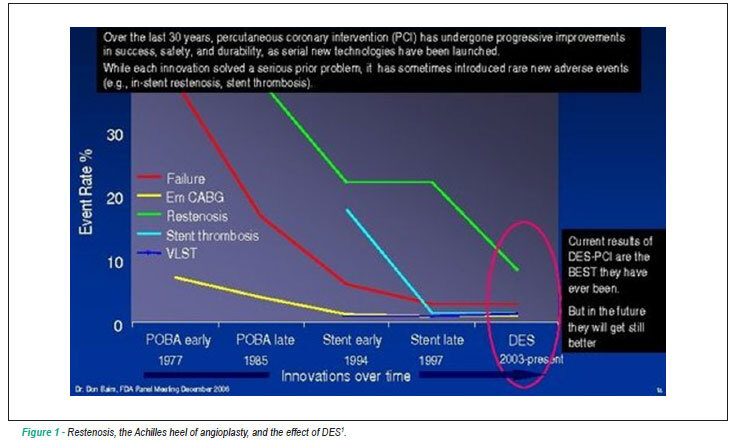
The introduction of drug-eluting stents in 2002 revolutionized interventional cardiology by minimizing restenosis. Reports of increased late stent thrombosis with these stents compared with bare metal stents, probably due to delayed endothelialization, emerged late in 2006. These studies contained serious methodological flaws, however. Subsequent meta-analyses clearly showed only a small incremental risk of late stent thrombosis across all patient groups. Importantly, a significant and sustained benefit of drug-eluting stents due to reduced restenosis and thus repeat revascularization was also shown. Several ‘real-world’ registries have confirmed these results and suggested that the use of these stents in more complex situations is not associated with adverse outcomes. Stent thrombosis is a multifactorial problem, in which the stent is only one element. Further research is required to determine optimal procedural technique and antiplatelet regimens. Drug-eluting stents are safe and effective in the long-term, though intensive research continues into ways to reduce the risk of stent thrombosis in the next generation.

  • Drug-Eluting Stents
  • percutaneous intervention thrombosis
  • restenosis
  • Thrombosis
Read Full Article
Creative Commons Attribution (CC BY) Creative Commons license
13/04/2011 DOI: 10.1590/S0066-782X2010001500016
Giant atrial myxoma mimicking severe mitral stenosis in young patient
Case Report

Giant atrial myxoma mimicking severe mitral stenosis in young patient

Eric Paiva Vilela et al. Leonardo Moura Danielle Pepe Edson Nunes … Fabio Erthal Erika Campana

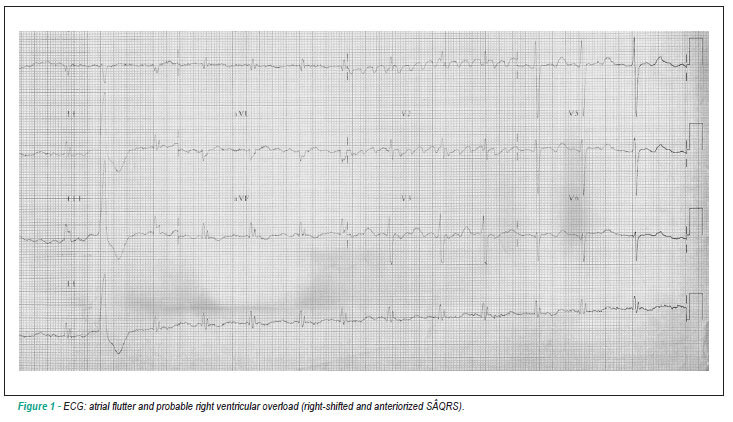
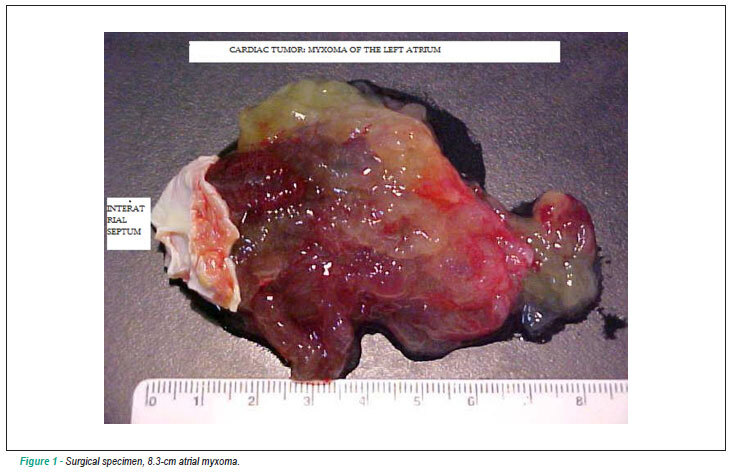
The echocardiogram of a twenty-year-old man, previously healthy, suffering from paroxysmal nocturnal dyspnea and fatigue after moderate exertion that intensified over a period of about ten days, showed the left atrium myxoma working as severe mitral stenosis.

  • Adolescent
  • giant cell tumors
  • Mitral Valve Stenosis
  • Myxoma
Read Full Article
Creative Commons Attribution (CC BY) Creative Commons license
13/04/2011 DOI: 10.1590/S0066-782X2010001500023
Physical exercise and endothelial dysfunction
Clinical Update

Physical exercise and endothelial dysfunction

Gabriela Lima de Melo Ghisi et al. Adriana Durieux Ricardo Pinho Magnus Benetti

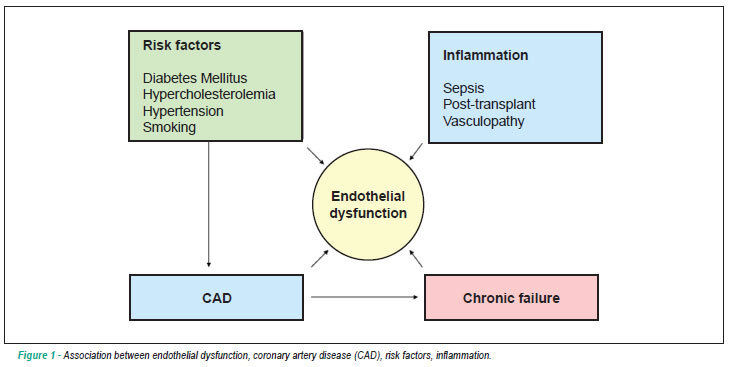
The role of the endothelium was considered mainly as a selective barrier for the diffusion of macromolecules from the lumen of blood vessels to the interstitial space. During the last 20 years, many other functions have been defined for the endothelium, such as the regulation of the vagal tonus, the promotion and inhibition of neovascular growth and the modulation of inflammation, of platelet aggregation and coagulation. This finding is considered one of the most important concepts in modern vascular biology. Currently, atherosclerosis is the prototype of the disease characterized in all its phases by an endothelial dysfunction, defined as an insufficient offer of nitric oxide (NO), which predisposes the endothelium to oxidative stress, inflammation, erosion and vasoconstriction. In this sense, several experimental studies have demonstrated that physical exercise is capable of restoring and improving the endothelial function. The impact of exercise on the endothelium has been broadly discussed. Considering its vasodilating effect and the risk factors, the possibility of treating coronary artery disease and its outcomes without the inclusion of physical exercise became unconceivable. However, the literature is still controversial regarding the intensity of physical effort that is necessary to cause significant protective alterations in endothelial functions. Moreover, the association between intense physical exercises and increased oxygen consumption, with a consequent increase in free radical formation, is also discussed.

  • Coronary Artery Disease
  • Endothelium
  • Endothelium, Vascular
  • Exercise
Read Full Article
Creative Commons Attribution (CC BY) Creative Commons license
13/04/2011 DOI: 10.1590/S0066-782X2010001500025
Artigo Original

Prevalence and anthropometric predictors of high blood pressure in schoolchildren from João Pessoa – PB, Brazil

Veruska Moreira de Queiroz et al. Patrícia Vasconcelos Leitão Moreira Tereza Helena Cavalcanti de Vasconcelos Rodrigo Pinheiro de Toledo Vianna

BACKGROUND: Arterial hypertension (AH) belongs to the group of cardiovascular diseases with the highest mortality in the world and its onset can occur in childhood. OBJECTIVE: To evaluate the prevalence of high blood pressure (BP) in schoolchildren from public schools and its association with anthropometric indicators. METHODS: The present was a cross-sectional study, consisting of a random sample of 750 schoolchildren aged 6 to 9 years from public schools of the city of Joao Pessoa, state of Paraiba, Brazil. The data were collected by a previously trained team. BP was measured by auscultation, using a stethoscope and an aneroid sphygmomanometer. The collected anthropometric data were weight, height and abdominal circumference. Chi-square and Student’s t association tests were used to compare means, both with a level of significance of 5%. Three logistic regression models were constructed, correlating high BP with the anthropometric variables to find a better prediction model. RESULTS: The prevalence of high BP levels was 13.6%. The body mass index (BMI) variable presented a significant association with the increase in BP levels (p < 0.0001) and a higher odds ratio (OR = 1.17). The increase in the BP levels also occurred with the increase in weight (p < 0.0001) and abdominal circumference (p < 0.0001). CONCLUSION: The identified association between excess weight with high BP levels emphasizes the need for intervention and for nutritional status control measures, such as dietary education programs aimed at the prevention and treatment of obesity as a risk factor for cardiovascular diseases in the pediatric and older age ranges. (Arq Bras Cardiol 2010; 95(5): 629-634)

  • Anthropometry
  • body mass index
  • Cardiovascular Diseases
  • Child
  • Hypertension
  • Obesity
Read Full Article
Creative Commons Attribution (CC BY) Creative Commons license
13/04/2011 DOI: 10.1590/S0066-782X2010001500011
Study of pro-thrombotic and pro-inflammatory factors in chagas cardiomyopathy
Artigo Original

Study of pro-thrombotic and pro-inflammatory factors in chagas cardiomyopathy

Leila Maria Magalhães Pessoa de Melo et al. Germano Emílio Conceição Souza Leandro Richa Valim Luiz Felipe Pinho Moreira … Elbio Antonio Damico Tania Rubia Flores da Rocha Antonio Carlos Pereira Barretto Celia Maria Cassaro Strunz Edimar Alcides Bocchi José Antonio Franchini Ramires

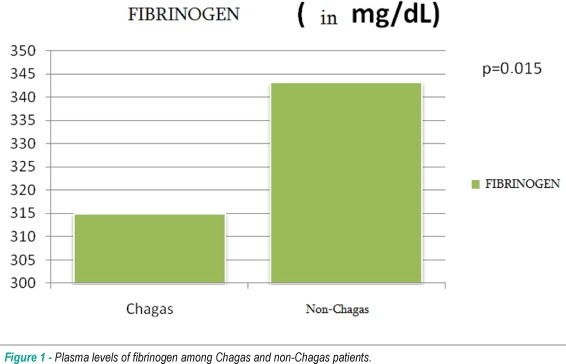
BACKGROUND: The relationship between inflammatory and prothrombotic activity in chagas cardiomyopathy and in other etiologies is unclear. OBJECTIVE: To study the profile of pro-thrombotic and pro-inflammatory markers in patients with Chagas’ heart failure and compare them with patients of non-chagas etiology. METHODS: Cross-sectional cohort. Inclusion criteria: left ventricle ejection fraction (LVEF) one month. The patients were divided into two groups: group 1 (G1) – seropositive for Chagas – and group 2 (G2) – seronegative for Chagas. Pro-inflammatory factor: Ultra-sensitive CRP. Pro-thrombotic factors: thrombin-antithrombin factor, fibrinogen, von Willebrand factor antigen, plasma P-selectin and thromboelastography. Sample calculated for 80% power, assuming a standard deviation difference of 1/3; significant p if it is < 0.05. Statistical analysis: Fisher's exact test for categorical variables; unpaired Student's t-test for parametric continuous variables and Mann-Whitney test for nonparametric continuous variables. RESULTS: Between January and June 2008, 150 patients were included, 80 in G1 and 70 in G2. Both groups maintained the averages of high sensitivity CRP above baseline values, however, there was no significant difference (p = 0.328). The fibrinogen levels were higher in G2 than in G1 (p = 0.015). Among the thromboelastography variables, the parameters MA (p=0.0013), G (p=0.0012) and TG (p =0.0005) were greater in G2 than in G1. CONCLUSION: There is no evidence of greater pro-thrombotic status among patients with Chagas disease. The levels of fibrinogen and the MA, G and TG parameters of the thromboelastography point to pro-thrombotic status among non-chagas patients. Both groups had increased inflammatory activity.

  • Chagas Cardiomyopathy
  • Fibrinolytic Agents
  • Inflammation
  • thrombin
Read Full Article
Creative Commons Attribution (CC BY) Creative Commons license
12/11/2010 DOI: 10.1590/S0066-782X2010005000146
Artigo Original

Prevalence of cardiovascular risk factors in elderly individuals treated in the Brazilian Public Health System in Goiânia

Carla Cristina da Conceição Ferreira et al. Maria do Rosário Gondim Peixoto Maria Alves Barbosa Érika Aparecida Silveira

BACKGROUND: Cardiovascular risk factors (CVRF) present a high prevalence and have an impact on the morbimortality of the elderly; however, this question is still unknown by the elderly treated in the Brazilian Public Health System (SUS). OBJECTIVE: To investigate the prevalence of CVRF among the elderly treated by SUS in the city of Goiânia, state of Goiás, Brazil. METHODS: Cross-sectional study using a multiple-stage sampling method, carried out through a home-based interview with 418 elderly individuals aged > 60 years treated by SUS in the city of Goiânia, state of Goiás, Brazil. Socioeconomic and demographic data, as well as data on lifestyle, weight, height, waist circumference, blood pressure and medications used were collected. The studied CVRF were: arterial hypertension, diabetes mellitus, total obesity, central obesity, dyslipidemias, smoking, sedentary lifestyle and alcohol consumption. The Chi-square test was used for the analyses of the associations, with significance being set at 5%. RESULTS: The prevalences of the CVRF were: 80.4% of arterial hypertension; 83.3% of central obesity; 59.8% of sedentary lifestyle; 32.2% of total obesity; 23.4% of dyslipidemias; 19.1% of diabetes mellitus; 10.0% of smoking and 5.9% of alcohol consumption. As for the simultaneity, 2.4% of the elderly did not present CVRF. The simultaneity of two or more CVRF occurred in 87.3% of the elderly and was more frequent among women. CONCLUSION: The CVRF occur simultaneously in more than half of the elderly individuals, and the most prevalent ones were: arterial hypertension, central obesity and sedentary lifestyle. It is necessary to foster the strategies of health promotion and prevention of cardiovascular injury in elderly individuals treated by SUS in the city of Goiânia, especially among those with simultaneous CVRF.

  • Aged
  • Brazil
  • Cardiovascular Diseases
  • Goiânia
  • Primary Health Care
  • Risk Factors
Read Full Article
Creative Commons Attribution (CC BY) Creative Commons license
12/11/2010 DOI: 10.1590/S0066-782X2010005000141 Views 1
Cardiovascular responses during isokinetic muscle assessment in claudicant patients
Artigo Original

Cardiovascular responses during isokinetic muscle assessment in claudicant patients

Lucas Caseri Câmara et al. Raphael Mendes Ritti-Dias Claudia Lúcia de Moraes Forjaz Júlia Maria Greve … José Maria Santarém Wilson Jacob-Filho Pedro Puech-Leão Nelson Wolosker

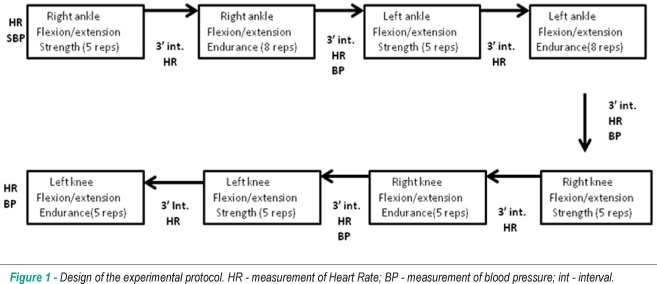
BACKGROUND: Isokinetic dynamometry is becoming increasingly important for the assessment of muscle function in individuals with intermittent claudication. However, there is still little information available about the cardiovascular responses of these patients during this type of assessment. OBJECTIVE: To assess and compare the cardiovascular responses recorded during the assessment of muscle strength and endurance for two exercises commonly used in patients with IC (plantar flexion/dorsiflexion and knee flexion/extension). METHODS: The sample consisted of 17 claudicant patients with stable disease for at least 6 months. During the isokinetic dynamometer testing, non-invasive measurements of heart rate, blood pressure and double product at rest and at peak exertion were obtained according to specific protocols established for muscle strength and endurance assessment. RESULTS: Except for diastolic blood pressure, heart rate, systolic blood pressure and double product values rose during the exercise compared to the resting stage (p < 0.05). Elevations in heart rate and double product values were higher during knee extension/flexion than during plantar flexion/dorsiflexion (p < 0.05). Increases in heart rate were also higher during the endurance assessment protocol than during muscle strength assessment. CONCLUSION: Isokinetic strength and endurance testing in patients with IC results in elevation of heart rate, systolic blood pressure and double product values during the exercises. These increases are higher during the muscle endurance exercises and in those involving greater muscle mass, suggesting that strength testing of small muscle groups causes less cardiovascular overload in these patients.

  • Exercise Test
  • Intermittent Claudication
  • Muscle Strength
  • muscle strength dynamometer
Read Full Article
Creative Commons Attribution (CC BY) Creative Commons license
12/11/2010 DOI: 10.1590/S0066-782X2010005000147 Views 1
Artigo Original

Noninvasive assessment of patients undergoing percutaneous intervention in myocardial infarction

Rica Dodo Delmar Buchler et al. Expedito E. Ribeiro Antonio de Padua Mansur Paola Smanio … Romeu Sergio Meneghelo William Azem Chalela Carlos Alberto Buchpiguel Jorge Roberto Buchler Eric R. Bates Eulogio E. Martinez

BACKGROUND: Restenosis after primary percutaneous coronary intervention (PPCI) remains an important clinical problem, even with stent implantation. The ability of noninvasive testing to diagnose restenosis has had only inconsistent demonstration. OBJECTIVE: Our objective was to evaluate the ability of exercise treadmill testing (ETT) and myocardial perfusion imaging (MPI) to diagnose restenosis in patients treated by PPCI within 12 hours of ST-elevation myocardial infarction (STEMI). METHODS: From August 2003 to January 2006, 64 patients (mean age of 56.2±10.2 years, 53 males) were enrolled after PPCI. Only patients with left ventricular ejection fraction (LVEF) > 40%, as assessed by resting transthoracic echocardiography (TTE), were included. ETT with 12-lead ECG monitoring and right precordial leads, as also MPI were performed at 6 weeks, 6 months, and one year after intervention. Coronary angiography was performed at six months. RESULTS: Single-vessel disease was observed in 46.9% of the patients. The left anterior descending coronary artery was treated in 48.4% of the patients. Angiographic restenosis occurred in 28.8%. Sensitivity, specificity, positive predictive value (PPV), negative predictive value (NPV), and accuracy of ETT in detecting restenosis were not significant. Right precordial leads did not add information. MPI sensitivity, specificity, PPV, NPV, and accuracy correlated with restenosis only in the 6-month follow-up, both when considering summed difference score >2 (p=0.006) and >4 (p=0.014). CONCLUSION: ETT did not discriminate restenosis in this population. MPI performed at 6 months correlated with restenosis and proved useful during follow-up.

  • Angioplasty
  • Coronary Restenosis
  • critical pathways
  • Myocardial Infarction
  • stent
Read Full Article
Creative Commons Attribution (CC BY) Creative Commons license
22/10/2010 DOI: 10.1590/S0066-782X2010005000139 Views 1
Ministernotomy in myocardial revascularization preserves postoperative pulmonary function
Artigo Original

Ministernotomy in myocardial revascularization preserves postoperative pulmonary function

Solange Guizilini et al. Douglas W. Bolzan Sonia M. Faresin Francisco A. Alves Walter J. Gomes

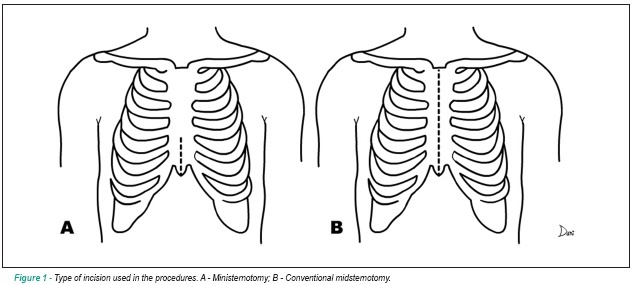
BACKGROUND: In coronary artery bypass graft (CABG) surgery, the need to perform a midsternotomy has been considered a factor for the decrease in postoperative pulmonary function. OBJECTIVE: To prospectively evaluate early postoperative (PO) pulmonary function in patients submitted to off-pump CABG, comparing the conventional midsternotomy with the ministernotomy approach. METHODS: A total of 18 patients were evaluated and assigned to the two groups: Group Conventional Midsternotomy (CMS, n=10) and Group Ministernotomy (MS, n=8). Spirometric results of the forced vital capacity (FVC) and the Forced Expiratory Volume in one second (FEV1) were obtained on the 1st, 3rd and 5th PO days and the arterial gasometry was obtained before and on the 1st PO day. The pulmonary shunt percentage and the pain score were also assessed. RESULTS: When compared in terms of percentage of the preoperative value, the FVC was higher in the MS group than in the CMS group on the 1st, 3rd and 5th PO days (p<0.001). Similar results were obtained for FEV1. The recovery of the FVC between the 1st and the 5th PO days was higher in the MS than in the CMS group (p=0,043). The PaO2 decreased on the 1st PO day in both groups (p<0.05), with a higher decrease in the CMS group (p=0.002). The shunt increased in the two groups on the 1st PO day (p<0.05); however, it was lower in the MS group (p=0.02). The reported pain score was lower and the duration of the hospital stay was shorter in the MS group. CONCLUSION: Patients submitted to CABG by MS present better preservation and recovery of pulmonary function than those submitted to CMS.

  • Internal thoracic artery
  • Myocardial Revascularization/surgery
  • pulmonary function
  • Sternotomy
Read Full Article
Creative Commons Attribution (CC BY) Creative Commons license
15/10/2010 DOI: 10.1590/S0066-782X2010005000137 Views 1
Profile of patients with hypertension included in a cohort with HIV/AIDS in the state of Pernambuco, Brazil
Artigo Original

Profile of patients with hypertension included in a cohort with HIV/AIDS in the state of Pernambuco, Brazil

Evanizio Roque de Arruda Júnior et al. Heloisa Ramos Lacerda Líbia Cristina Rocha Vilela Moura Maria de Fátima Pessoa Militão de Albuquerque … Demócrito de Barros Miranda Filho George Tadeu Nunes Diniz Valéria Maria Gonçalves de Albuquerque Josefina Cláudia Zirpoli Amaral Verônica Soares Monteiro Ricardo Alencar de Arraes Ximenes

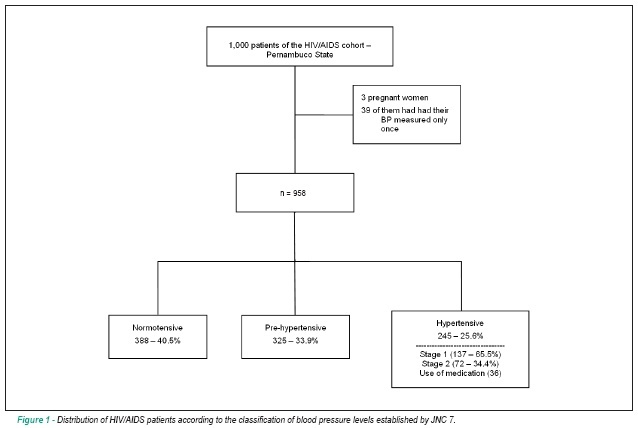
BACKGROUND: Hypertension (HBP) is modifiable risk factor, whose control may reduce cardiovascular disease in patients with human immunodeficiency virus (HIV). OBJECTIVE: To estimate the prevalence of hypertension and describe the characteristics of patients with hypertension infected by HIV/AIDS. METHODS: A cross-sectional study aligned to a cohort of patients with HIV/AIDS. The study considered hypertension at levels > 140/90 mmHg or use of antihypertensive drugs and pre-hypertension at levels > 120/80 mmHg. RESULTS: Out of 958 patients, 388 (40.5%) were normotensive, 325 (33.9%) were pre-hypertensive, and 245 (25.6%) were hypertensive. Out of these 245 patients, 172 (70.2%) were aware of the fact there they were hypertensive, and 36 (14.8%) had blood pressure controlled. Sixty-two (62) patients (54.4%) were diagnosed with hypertension after HIV diagnosis. Lipodystrophy occurred in 95 (46.1%) patients; overweight/obesity in 129 (52.7%). Use of antiretrovirals occurred in 184 (85.9%), 89 (41.6%) with protease inhibitors (PI) and 95 (44.4%) without PI. Out of these patients, 74.7 used antivirals > 24 months. Age, family history of hypertension, waist circumference, body mass index and triglyceride levels were higher among hypertensive patients. Time of HIV infection, CD4 count, viral load, time and type of antiretroviral regimen were similar in hypertensive and prehypertensive patients. CONCLUSION: The high frequency of uncontrolled hypertensive patients and cardiovascular risks in HIV-infected patients point out to the need for preventive and therapeutic measures against hypertension in this group.

  • acquired immunodeficiency syndrome (AIDS)
  • antihypertensive agents
  • HIV
  • Hypertension
  • Life Style
  • Risk Factors
Read Full Article
Creative Commons Attribution (CC BY) Creative Commons license
15/10/2010 DOI: 10.1590/S0066-782X2010005000138 Views 2
Lipid profile of schoolchildren from Recife, PE
Artigo Original

Lipid profile of schoolchildren from Recife, PE

Patrícia Brazil Pereira et al. Ilma Kruze Grande de Arruda Ana Márcia Tenório de Souza Cavalcanti Alcides da Silva Diniz

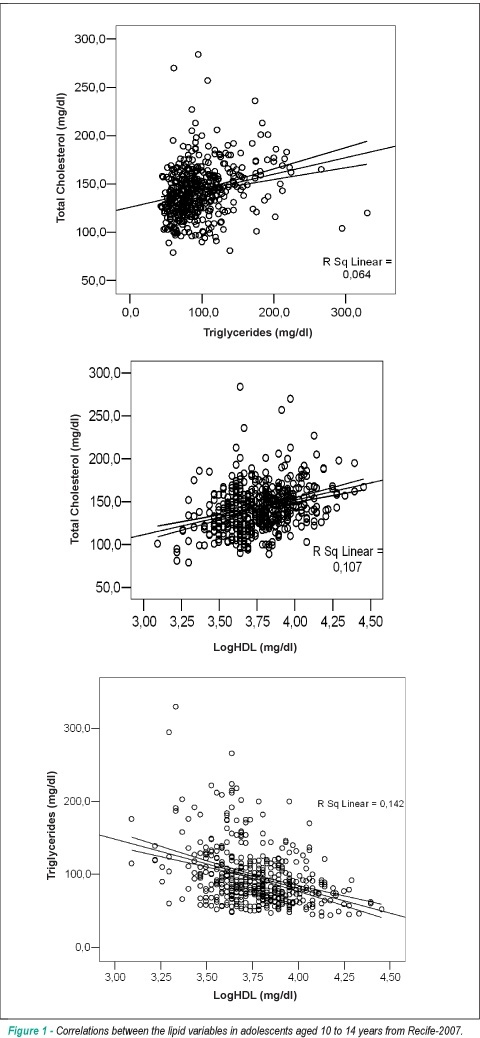
BACKGROUND: The occurrence of dyslipidemia is increasing in pediatric populations. Altered lipid profiles are related to a higher incidence of hypertension and atherosclerotic disease. OBJECTIVE: To evaluate the extent of dyslipidemia and investigate its association with overweight and abdominal obesity in adolescent students from Recife, Brazil. METHODS: Personal data, socioeconomic level, anthropometric measurements and lipid profile of 470 adolescents, aged 10 to 14 years, of both sexes, students at the Public School system in the city of Recife, state of Pernambuco, Brazil, were obtained. The statistical analysis was carried out using the Epi-info 6.04 and SPSS 13.0 software. The level of significance was set at 5%. RESULTS: The majority of the population was dyslipidemic (63.8%; 95%CI: 59.3 – 68.2), with hypoalphalipoproteinemia being the most prevalent dyslipidemia (56%; 95%CI: 51.3 – 60.5). Adolescents who were overweight or who had abdominal obesity presented higher levels of triglycerides and lower levels of HDL-cholesterol (p < 0.05). Levels of total cholesterol and fractions were not different between sexes. CONCLUSION: A high incidence of unfavorable lipid profile was shown in this series, demonstrating the necessity to measure the lipid profile as early as this age range. Healthy lifestyle measures should be encouraged in this population.

  • Adolescent
  • Brazil
  • Dyslipidemias
  • Hypertension
  • Life Style
  • Obesity, Abdominal
  • Recife
Read Full Article
Creative Commons Attribution (CC BY) Creative Commons license
08/10/2010 DOI: 10.1590/S0066-782X2010005000136
Cost-effectiveness of implantable cardioverter defibrillators in Brazil in the public and private sectors
Artigo Original

Cost-effectiveness of implantable cardioverter defibrillators in Brazil in the public and private sectors

Rodrigo Antonini Ribeiro et al. Steffan Frosi Stella Leandro Ioschpe Zimerman Maurício Pimentel … Luis Eduardo Rohde Carisi Anne Polanczyk

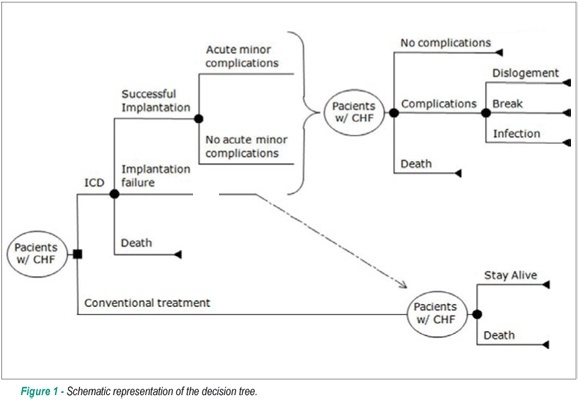
BACKGROUND: Many randomized clinical trials have demonstrated the effectiveness of the implantable cardioverter-defibrillator (ICDs) in death reduction of chronic heart failure (CHF) patients. Some developed countries studies have evaluated its cost-effectiveness, but these data are not applicable to Brazil. OBJECTIVE: To evaluate the cost-effectiveness of ICD in CHF patients under two perspectives in Brazil: public and supplementary health systems. METHODS: A Markov model was developed to analyze the incremental cost-effectiveness ratio (ICER) of ICD compared to conventional therapy in patients with CHF. Effectiveness was measured in quality-adjusted life years (QALYs). We searched the literature for data regarding effectiveness and complications. Costs were retrieved from public and health insurances reimbursement codebooks and from mean cost of admissions from a public and a private hospital. One-way sensitivity analysis was performed in all variables of the model. RESULTS: ICER was R$ 68,318/QALY in the public and R$ 90,942/QALY in the private perspective. These values are much higher than the one suggested by the World Health Organization of 3 times the gross domestic product per head (R$ 40,545 in Brazil). The results were sensitive to the cost of the device, battery replacement interval and ICD effectiveness. In a simulation resembling MADIT-I population survival and ICD benefit, ICER was R$ R$ 23,739/QALY in the public and R$ 33,592/QALY in the private perspective. CONCLUSION: The ICER aof ICD is elevated in the general ICC population, in either the public or private perspective. A more favorable result occurs in patients with a high sudden death risk.

  • Brazil
  • Cost-Benefit Analysis
  • Defibrillators, Implantable
Read Full Article
Creative Commons Attribution (CC BY) Creative Commons license
01/10/2010 DOI: 10.1590/S0066-782X2010005000134
Decrease in blood pressure, body mass index and glycemia after aerobic training in elderly women with type 2 diabetes
Artigo Original

Decrease in blood pressure, body mass index and glycemia after aerobic training in elderly women with type 2 diabetes

Luciana Zaranza Monteiro et al. Cássio Ricardo Vaz Fiani Maria Cristina Foss de Freitas Maria Lúcia Zanetti Milton César Foss

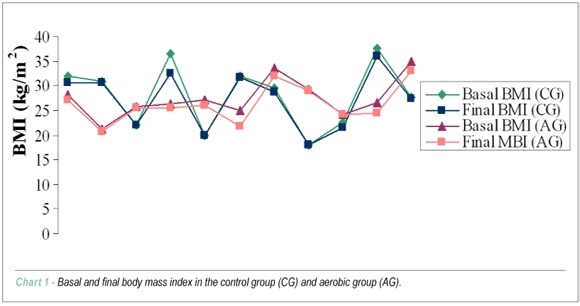
BACKGROUND: The aging process is associated with the development of several diseases, which can be attenuated by the practice of physical activities. Aerobic training is an effective method to maintain and improve cardiovascular function. Additionally, it has a crucial role in the prevention and treatment of several chronic-degenerative diseases, especially diabetes mellitus. }OBJECTIVE: To verify the effect of a 13-week aerobic training program on blood pressure (BP), body mass index (BMI) and glycemia levels in elderly women with type-2 diabetes mellitus (DM2). METHODS: Eleven sedentary elderly women with DM2, aged 61.0 ± 9.1 years, were submitted a 13-week aerobic training program, constituting group G2. Eleven controlled elderly women (aged 60.2 ± 6.8 years) were not submitted to the aerobic training, constituting the control group (G1). G1 attended educational lectures once a week, whereas G2 walked three times a week. RESULTS: Both groups presented a significant decrease in glycemia and diastolic blood pressure levels. No significant decreases in BMI were observed after the aerobic training in either group. CONCLUSION: The 13-week aerobic training program was enough to promote significant decrease in the diastolic blood pressure and glycemia levels; therefore, this type of exercise training decreases the risk factors for cardiovascular and metabolic diseases.

  • Aged
  • body mass index
  • Diabetes Mellitus
  • Exercise
  • Hypertension
  • Physical Exercise
Read Full Article
Creative Commons Attribution (CC BY) Creative Commons license
01/10/2010 DOI: 10.1590/S0066-782X2010005000135 Views 1
Artigo Original

Biopsychosocial variables and attitudes towards treatment influence complicated hypertension

Angela Maria Geraldo Pierin et al. Elaine dos Santos Jesus Mônica Aparecida de Oliveira Augusto Josiane Gusmão … Kátia Ortega Décio Mion Jr

BACKGROUND: Complicated hypertension can be influenced by the characteristics of hypertensive patients. OBJECTIVE: To associate the condition of complicated hypertension with biosocial variables such as attitudes and beliefs about the disease and treatment and subjective well-being. METHODS: We studied 251 uncomplicated hypertensive patients (SBP > 140 mmHg and/or 90 < DBP < 110 mmHg for patients under no treatment and DBP 110 mmHg with or without treatment, with target organ damage or other diseases). RESULTS: Complicated hypertensive patients were significantly different from uncomplicated ones (p <0.05) in relation to: 1 – Prevalence of men, not white (53.0%), higher body mass index (29.5 ± 4.6 vs 28.5 ± 4.0 kg/m²), over 10 years of disease (54.0%), completion of previous treatment (53.0%) and reports of sadness about life as a whole (74.0%) 2 – Complicated hypertensive patients never bring the drugs when they travel (59.0%), nor do they buy them before running out the drugs (71.0%) and rarely follow eating guidelines (69.0%) 3 – Uncomplicated hypertensive patients showed no more migraines, joint pain and, among women, menopausal status and hormone replacement therapy, and 4 – Of those who had pressure control (< 140/90 mmHg), 61.9% were uncomplicated hypertensive patients; and 5 – Complicated hypertensive patients were not aware that treatment can prevent kidney problems and they thought that young people do not have high blood pressure. CONCLUSION: Complicated hypertensive patients showed more negative structural and psychosocial characteristics, more negative attitudes towards treatment and are unaware of the disease.

  • Hypertension
  • Treatment Refusal
Read Full Article
Creative Commons Attribution (CC BY) Creative Commons license
01/10/2010 DOI: 10.1590/S0066-782X2010005000132 Views 1
Artigo Original

Relevance of the ventricular remodeling pattern in the model of myocardial infarction in rats

Marcos F. Minicucci et al. Paula S. Azevedo Lidiane P. Ardisson Katashi Okoshi … Beatriz B. Matsubara Luiz S. Matsubara Sergio A. R. Paiva Leonardo A. M. Zornoff

BACKGROND: The relevance of the remodeling pattern in the model of infarcted rats is not known. OBJECTIVE: To analyze the presence of different patterns of remodeling in this model and its functional implications. METHODS: Infarcted rats (n=47) have been divided according to the geometry pattern, analyzed by echocardiogram: normal (normal mass index and normal relative thickness), concentric remodeling (normal mass index and increased relative thickness), concentric hypertrophy (increased mass index and increased relative thickness) and eccentric hypertrophy (increased mass index and normal relative thickness). Data are median and interquartile range. RESULTS: Infarcted rats showed only two of the four geometric patterns: normal pattern (15%) and eccentric hypertrophy – EH (85%). Groups of normal pattern and EH showed no differences in the values of fractional area change (Normal = 32.1 – 28.8 to 50.7; EH = 31.3 – 26.5 to 36.7; p = 0.343). Out of the infarcted animals, 34 (74%) had systolic dysfunction, detected by fractional area change. Considering these two geometry patterns, 77% of animals with eccentric hypertrophy and 57% with normal geometry presented systolic dysfunction (p=0.355). The relative wall thickness, the geometric patterns and the body mass index were not predictors of ventricular dysfunction (p> 0.05). On the other hand, infarct size was a predictive factor for ventricular dysfunction in univariate analysis (p<0.001) and multivariate analysis (p = 0.004). CONCLUSION: Rats that underwent coronary occlusion showed two different patterns of remodeling, which do not constitute a predictor of ventricular dysfunction.

  • Myocardial Infarction
  • Rats
  • Ventricular Remodeling
Read Full Article
Creative Commons Attribution (CC BY) Creative Commons license
24/09/2010 DOI: 10.1590/S0066-782X2010005000130
Artigo Original

Expiratory positive airway pressure in postoperative cardiac hemodynamics

Ana Claudia Borges dos Santos Sena et al. Sérgio Pinto Ribeiro Robledo Leal Condessa Sílvia Regina Rios Vieira

BACKGROND: Expiratory positive airway pressure (EPAP) is used in after cardiac surgeries. However, its hemodynamic effects have not been clearly studied. OBJECTIVE: To evaluate the hemodynamic changes caused by EPAP in patients after cardiac surgery monitored by Swan-Ganz. METHODS: Patients at the first or second cardiac surgery postoperative period hemodynamically stable with a Swan-Ganz catheter were included in the study. They were assessed at rest and after using 10 cmH2O EPAP at random. The variables studied were: oxygen saturation, heart rate and respiratory rate, mean artery pressures and pulmonary artery mean pressures (MAP and PAMP), central venous pressure (CVP) and pulmonary capillary wedge pressure (PAOP), cardiac output and index, and systemic and pulmonary vascular resistances. Patients were divided into subgroups (with ejection fraction 50%) and data were compared by t test and ANOVA. RESULTS: Twenty-eight patients were studied (22 men, aged 68 ± 11 years). Comparing the period of rest versus EPAP, the changes observed were: PAOP (11.9 ± 3.8 to 17.1 ± 4.9 mmHg, p < 0.001), PVC (8.7 ± 4.1 to 10.9 ± 4.3 mmHg, p = 0.014), PAMP (21.5 ± 4.2 to 26.5 ± 5.8 mmHg, p < 0.001), MAP (76 ± 10 for 80 ± 10 mmHg, p = 0.035). The other variables showed no significant differences. CONCLUSION: EPAP was well tolerated by patients and the hemodynamic changes found showed an increase in pressure measurements of right and left ventricular filling, as well as mean arterial pressure.

  • Cardiac Output
  • facial masks
  • Hypertension
  • positive pressure respiration
  • Thoracic Surgery
Read Full Article
Creative Commons Attribution (CC BY) Creative Commons license
24/09/2010 DOI: 10.1590/S0066-782X2010005000128 Views 1
Chronic and regular use of statin prevents atrial fibrillation in period after cardiac surgery
Artigo Original

Chronic and regular use of statin prevents atrial fibrillation in period after cardiac surgery

Renato Jorge Alves et al. Rodrigo Noronha Campos Kenji Nakiri

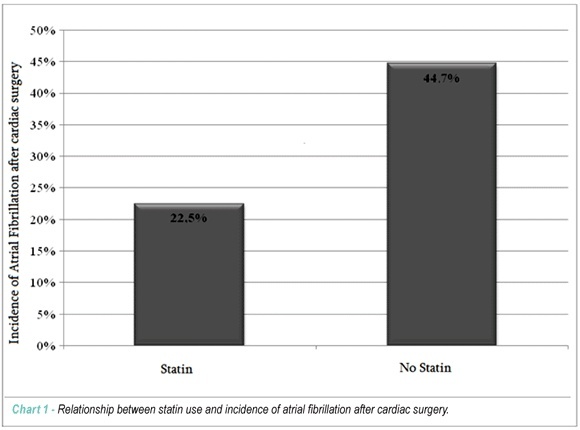
BACKGROND: Atrial fibrillation is a common complication after cardiac surgery. The previous use of statins may reduce the incidence of this arrhythmia. OBJECTIVE: To evaluate whether the chronic and regular use of statins, for a period of six months, prevents atrial fibrillation after elective cardiac surgery. METHODS: A study carried out with 107 patients that underwent cardiac surgery, including 66% of males and their mean age was 60.4 years (25 to 84). We evaluated the presence of atrial fibrillation among patients that used statins or not on a regular basis in the preoperative period. We excluded patients with urgent heart surgery, kidney failure, inflammatory diseases, previous atrial fibrillation, patients with thyroid disease and those using a permanent pacemaker. RESULTS: In the postoperative period, atrial fibrillation was present in 42 patients (39%) of the sample, including 11 (26%) people that had used statins on a regular basis in the preoperative period and 31 (74%) who had not. It was possible to observe that, in 22% of the patients that were using statin, there was no development of atrial fibrillation, while 45% of those who did not take statin had arrhythmia (ρ = 0.02). In the isolated myocardial revascularization, 47% of the patients that did not take statin and 23% of those that took statin developed atrial fibrillation ( ρ = 0.02). There was no statistically significant difference in the analysis of groups with or without statin for the presence of risk factors for the development of atrial fibrillation (ρ = 0.34). CONCLUSION: The regular use of statin, for six months or more in the preoperative period, reduced the incidence of atrial fibrillation after elective cardiac surgery.

  • Arrhythmias Cardiac
  • Atrial Fibrillation
  • hydroxymethylglutaryl-CoA reductases inhibitors
  • Postoperative Care
  • Thoracic Surgery
Read Full Article
Creative Commons Attribution (CC BY) Creative Commons license
24/09/2010 DOI: 10.1590/S0066-782X2010005000129 Views 1

Could not load more articles. Please try again.

How to cite this article

EndNote RIS

Electronic Document Format (Vancouver)

Andrade PJN. Angioplasty versus surgery: meta-analyses or registries?. Arquivos Brasileiros de Cardiologia 2011;95(5):e128-9.

Electronic Document Format (ABNT)

Andrade, Pedro José Negreiros de. Angioplasty versus surgery: meta-analyses or registries?. Arquivos Brasileiros de Cardiologia, v. 95, n. 5, p. e128-e129, Apr. 2011.

Electronic Document Format (APA)

Andrade, P. J. N. (2011). Angioplasty versus surgery: meta-analyses or registries?. Arquivos Brasileiros de Cardiologia, 95(5), e128-e129.

Electronic Document Format (ISO)

Andrade, Pedro José Negreiros de. Angioplasty versus surgery: meta-analyses or registries?. Arquivos Brasileiros de Cardiologia [online]. 2011, vol. 95, n. 5, [cited 2026-10-14], pp. e128-e129. Available from: <https://journals.cardiol.br/en/article/angioplasty-versus-surgery-meta-analyses-or-registries/>. ISSN 0066-782X

EndNote RIS

Electronic Document Format (Vancouver)

Rosa EM, Tormen WC, May WS. Risk scores and acute coronary syndrome. Arquivos Brasileiros de Cardiologia 2011;95(5):672-3.

Electronic Document Format (ABNT)

Rosa, Eduardo Maffini da; Tormen, William Cenci; May, William Schalins. Risk scores and acute coronary syndrome. Arquivos Brasileiros de Cardiologia, v. 95, n. 5, p. 672-673, Apr. 2011.

Electronic Document Format (APA)

Rosa, E. M. , Tormen, W. C., & May, W. S. (2011). Risk scores and acute coronary syndrome. Arquivos Brasileiros de Cardiologia, 95(5), 672-673.

Electronic Document Format (ISO)

Rosa, Eduardo Maffini da and Tormen, William Cenci and May, William Schalins. Risk scores and acute coronary syndrome. Arquivos Brasileiros de Cardiologia [online]. 2011, vol. 95, n. 5, [cited 2026-10-14], pp. 672-673. Available from: <https://journals.cardiol.br/en/article/risk-scores-and-acute-coronary-syndrome/>. ISSN 0066-782X

EndNote RIS

Electronic Document Format (Vancouver)

Tavares ABW, Paula SK, Vaisman M, Teixeira PFS. Amiodarone and thyrotoxicosis: case reports. Arquivos Brasileiros de Cardiologia 2011;95(5):e122-4.

Electronic Document Format (ABNT)

Tavares, Ana Beatriz Winter; Paula, Simone Kalil de; Vaisman, Mario; Teixeira, Patrícia de Fátima dos Santos. Amiodarone and thyrotoxicosis: case reports. Arquivos Brasileiros de Cardiologia, v. 95, n. 5, p. e122-e124, Apr. 2011.

Electronic Document Format (APA)

Tavares, A. B. W., Paula, S. K. , Vaisman, M., & Teixeira, P. F. S. (2011). Amiodarone and thyrotoxicosis: case reports. Arquivos Brasileiros de Cardiologia, 95(5), e122-e124.

Electronic Document Format (ISO)

Tavares, Ana Beatriz Winter and Paula, Simone Kalil de and Vaisman, Mario and Teixeira, Patrícia de Fátima dos Santos. Amiodarone and thyrotoxicosis: case reports. Arquivos Brasileiros de Cardiologia [online]. 2011, vol. 95, n. 5, [cited 2026-10-14], pp. e122-e124. Available from: <https://journals.cardiol.br/en/article/amiodarone-and-thyrotoxicosis-case-reports/>. ISSN 0066-782X

EndNote RIS

Electronic Document Format (Vancouver)

. . Arquivos Brasileiros de Cardiologia 2011;95(5):675.

Electronic Document Format (ABNT)

. . Arquivos Brasileiros de Cardiologia, v. 95, n. 5, p. 675-675, Apr. 2011.

Electronic Document Format (APA)

(2011). . Arquivos Brasileiros de Cardiologia, 95(5), 675-675.

Electronic Document Format (ISO)

. . Arquivos Brasileiros de Cardiologia [online]. 2011, vol. 95, n. 5, [cited 2026-10-14], pp. 675-675. Available from: <https://journals.cardiol.br/en/article/46013/>. ISSN 0066-782X

EndNote RIS

Electronic Document Format (Vancouver)

Fuchs FD. Hormone replacement therapy: is it recommended by SBC guidelines or not?. Arquivos Brasileiros de Cardiologia 2011;95(5):674.

Electronic Document Format (ABNT)

Fuchs, Flávio Danni. Hormone replacement therapy: is it recommended by SBC guidelines or not?. Arquivos Brasileiros de Cardiologia, v. 95, n. 5, p. 674-674, Apr. 2011.

Electronic Document Format (APA)

Fuchs, F. D. (2011). Hormone replacement therapy: is it recommended by SBC guidelines or not?. Arquivos Brasileiros de Cardiologia, 95(5), 674-674.

Electronic Document Format (ISO)

Fuchs, Flávio Danni. Hormone replacement therapy: is it recommended by SBC guidelines or not?. Arquivos Brasileiros de Cardiologia [online]. 2011, vol. 95, n. 5, [cited 2026-10-14], pp. 674-674. Available from: <https://journals.cardiol.br/en/article/hormone-replacement-therapy-is-it-recommended-by-sbc-guidelines-or-not/>. ISSN 0066-782X

EndNote RIS

Electronic Document Format (Vancouver)

Almeida RM, Pires LJT, Soares Júnior J, Ichiki W, Ichiki WA, Demarchi LMMF. Case 5/2010: a 41 year-old man with myocardial hypertrophy who evolved with congestive heart failure. Arquivos Brasileiros de Cardiologia 2011;95(5):e112-21.

Electronic Document Format (ABNT)

Almeida, Rafael Moura de; Pires, Lucas José Tachotti; Soares Júnior, José; Ichiki, Wilson; Ichiki, Wilson André; Demarchi, Léa Maria Macruz Ferreira. Case 5/2010: a 41 year-old man with myocardial hypertrophy who evolved with congestive heart failure. Arquivos Brasileiros de Cardiologia, v. 95, n. 5, p. e112-e121, Apr. 2011.

Electronic Document Format (APA)

Almeida, R. M. , Pires, L. J. T., Soares Júnior, J., Ichiki, W., Ichiki, W. A., & Demarchi, L. M. M. F. (2011). Case 5/2010: a 41 year-old man with myocardial hypertrophy who evolved with congestive heart failure. Arquivos Brasileiros de Cardiologia, 95(5), e112-e121.

Electronic Document Format (ISO)

Almeida, Rafael Moura de and Pires, Lucas José Tachotti and Soares Júnior, José and Ichiki, Wilson and Ichiki, Wilson André and Demarchi, Léa Maria Macruz Ferreira. Case 5/2010: a 41 year-old man with myocardial hypertrophy who evolved with congestive heart failure. Arquivos Brasileiros de Cardiologia [online]. 2011, vol. 95, n. 5, [cited 2026-10-14], pp. e112-e121. Available from: <https://journals.cardiol.br/en/article/case-5-2010-a-41-year-old-man-with-myocardial-hypertrophy-who-evolved-with-congestive-heart-failure/>. ISSN 0066-782X

EndNote RIS

Electronic Document Format (Vancouver)

Guimarães GV, Carvalho VO, Belli JF. Safety of the cardiopulmonary 6-minute walk test. Arquivos Brasileiros de Cardiologia 2011;95(5):671.

Electronic Document Format (ABNT)

Guimarães, Guilherme Veiga; Carvalho, Vitor Oliveira; Belli, Juliana Fernanda. Safety of the cardiopulmonary 6-minute walk test. Arquivos Brasileiros de Cardiologia, v. 95, n. 5, p. 671-671, Apr. 2011.

Electronic Document Format (APA)

Guimarães, G. V., Carvalho, V. O., & Belli, J. F. (2011). Safety of the cardiopulmonary 6-minute walk test. Arquivos Brasileiros de Cardiologia, 95(5), 671-671.

Electronic Document Format (ISO)

Guimarães, Guilherme Veiga and Carvalho, Vitor Oliveira and Belli, Juliana Fernanda. Safety of the cardiopulmonary 6-minute walk test. Arquivos Brasileiros de Cardiologia [online]. 2011, vol. 95, n. 5, [cited 2026-10-14], pp. 671-671. Available from: <https://journals.cardiol.br/en/article/safety-of-the-cardiopulmonary-6-minute-walk-test/>. ISSN 0066-782X

EndNote RIS

Electronic Document Format (Vancouver)

Sastry S, Morice M. Are drug-eluting stents safe and effective in the long term?. Arquivos Brasileiros de Cardiologia 2011;95(5):663-70.

Electronic Document Format (ABNT)

Sastry, Sanjay; Morice, Marie-Claude. Are drug-eluting stents safe and effective in the long term?. Arquivos Brasileiros de Cardiologia, v. 95, n. 5, p. 663-670, Apr. 2011.

Electronic Document Format (APA)

Sastry, S., & Morice, M. (2011). Are drug-eluting stents safe and effective in the long term?. Arquivos Brasileiros de Cardiologia, 95(5), 663-670.

Electronic Document Format (ISO)

Sastry, Sanjay and Morice, Marie-Claude. Are drug-eluting stents safe and effective in the long term?. Arquivos Brasileiros de Cardiologia [online]. 2011, vol. 95, n. 5, [cited 2026-10-14], pp. 663-670. Available from: <https://journals.cardiol.br/en/article/are-drug-eluting-stents-safe-and-effective-in-the-long-term/>. ISSN 0066-782X

EndNote RIS

Electronic Document Format (Vancouver)

Vilela EP, Moura L, Pepe D, Nunes E, Erthal F, Campana E. Giant atrial myxoma mimicking severe mitral stenosis in young patient. Arquivos Brasileiros de Cardiologia 2011;95(5):e125-7.

Electronic Document Format (ABNT)

Vilela, Eric Paiva; Moura, Leonardo; Pepe, Danielle; Nunes, Edson; Erthal, Fabio; Campana, Erika. Giant atrial myxoma mimicking severe mitral stenosis in young patient. Arquivos Brasileiros de Cardiologia, v. 95, n. 5, p. e125-e127, Apr. 2011.

Electronic Document Format (APA)

Vilela, E. P., Moura, L., Pepe, D., Nunes, E., Erthal, F., & Campana, E. (2011). Giant atrial myxoma mimicking severe mitral stenosis in young patient. Arquivos Brasileiros de Cardiologia, 95(5), e125-e127.

Electronic Document Format (ISO)

Vilela, Eric Paiva and Moura, Leonardo and Pepe, Danielle and Nunes, Edson and Erthal, Fabio and Campana, Erika. Giant atrial myxoma mimicking severe mitral stenosis in young patient. Arquivos Brasileiros de Cardiologia [online]. 2011, vol. 95, n. 5, [cited 2026-10-14], pp. e125-e127. Available from: <https://journals.cardiol.br/en/article/giant-atrial-myxoma-mimicking-severe-mitral-stenosis-in-young-patient/>. ISSN 0066-782X

EndNote RIS

Electronic Document Format (Vancouver)

Ghisi GLM, Durieux A, Pinho R, Benetti M. Physical exercise and endothelial dysfunction. Arquivos Brasileiros de Cardiologia 2011;95(5):e130-7.

Electronic Document Format (ABNT)

Ghisi, Gabriela Lima de Melo; Durieux, Adriana; Pinho, Ricardo; Benetti, Magnus. Physical exercise and endothelial dysfunction. Arquivos Brasileiros de Cardiologia, v. 95, n. 5, p. e130-e137, Apr. 2011.

Electronic Document Format (APA)

Ghisi, G. L. M., Durieux, A., Pinho, R., & Benetti, M. (2011). Physical exercise and endothelial dysfunction. Arquivos Brasileiros de Cardiologia, 95(5), e130-e137.

Electronic Document Format (ISO)

Ghisi, Gabriela Lima de Melo and Durieux, Adriana and Pinho, Ricardo and Benetti, Magnus. Physical exercise and endothelial dysfunction. Arquivos Brasileiros de Cardiologia [online]. 2011, vol. 95, n. 5, [cited 2026-10-14], pp. e130-e137. Available from: <https://journals.cardiol.br/en/article/physical-exercise-and-endothelial-dysfunction/>. ISSN 0066-782X

EndNote RIS

Electronic Document Format (Vancouver)

Queiroz VM, Moreira PVL, Vasconcelos THC, Vianna RPT. Prevalence and anthropometric predictors of high blood pressure in schoolchildren from João Pessoa – PB, Brazil. Arquivos Brasileiros de Cardiologia 2011;95(5):629-34.

Electronic Document Format (ABNT)

Queiroz, Veruska Moreira de; Moreira, Patrícia Vasconcelos Leitão; Vasconcelos, Tereza Helena Cavalcanti de; Vianna, Rodrigo Pinheiro de Toledo. Prevalence and anthropometric predictors of high blood pressure in schoolchildren from João Pessoa – PB, Brazil. Arquivos Brasileiros de Cardiologia, v. 95, n. 5, p. 629-634, Apr. 2011.

Electronic Document Format (APA)

Queiroz, V. M. , Moreira, P. V. L., Vasconcelos, T. H. C. , & Vianna, R. P. T. (2011). Prevalence and anthropometric predictors of high blood pressure in schoolchildren from João Pessoa – PB, Brazil. Arquivos Brasileiros de Cardiologia, 95(5), 629-634.

Electronic Document Format (ISO)

Queiroz, Veruska Moreira de and Moreira, Patrícia Vasconcelos Leitão and Vasconcelos, Tereza Helena Cavalcanti de and Vianna, Rodrigo Pinheiro de Toledo. Prevalence and anthropometric predictors of high blood pressure in schoolchildren from João Pessoa – PB, Brazil. Arquivos Brasileiros de Cardiologia [online]. 2011, vol. 95, n. 5, [cited 2026-10-14], pp. 629-634. Available from: <https://journals.cardiol.br/en/article/prevalence-and-anthropometric-predictors-of-high-blood-pressure-in-schoolchildren-from-joao-pessoa-pb-brazil/>. ISSN 0066-782X

EndNote RIS

Electronic Document Format (Vancouver)

Melo LMMP, Souza GEC, Valim LR, Moreira LFP, Damico EA, Rocha TRF, Barretto ACP, et al. Study of pro-thrombotic and pro-inflammatory factors in chagas cardiomyopathy. Arquivos Brasileiros de Cardiologia 2010;95(5):655-62.

Electronic Document Format (ABNT)

Melo, Leila Maria Magalhães Pessoa de; Souza, Germano Emílio Conceição; Valim, Leandro Richa; Moreira, Luiz Felipe Pinho; Damico, Elbio Antonio; Rocha, Tania Rubia Flores da; Barretto, Antonio Carlos Pereira; Strunz, Celia Maria Cassaro; Bocchi, Edimar Alcides; Ramires, José Antonio Franchini. Study of pro-thrombotic and pro-inflammatory factors in chagas cardiomyopathy. Arquivos Brasileiros de Cardiologia, v. 95, n. 5, p. 655-662, Nov. 2010.

Electronic Document Format (APA)

Melo, L. M. M. P. , Souza, G. E. C., Valim, L. R., Moreira, L. F. P., Damico, E. A., Rocha, T. R. F. , Barretto, A. C. P., Strunz, C. M. C., Bocchi, E. A., & Ramires, J. A. F. (2010). Study of pro-thrombotic and pro-inflammatory factors in chagas cardiomyopathy. Arquivos Brasileiros de Cardiologia, 95(5), 655-662.

Electronic Document Format (ISO)

Melo, Leila Maria Magalhães Pessoa de and Souza, Germano Emílio Conceição and Valim, Leandro Richa and Moreira, Luiz Felipe Pinho and Damico, Elbio Antonio and Rocha, Tania Rubia Flores da and Barretto, Antonio Carlos Pereira and Strunz, Celia Maria Cassaro and Bocchi, Edimar Alcides and Ramires, José Antonio Franchini. Study of pro-thrombotic and pro-inflammatory factors in chagas cardiomyopathy. Arquivos Brasileiros de Cardiologia [online]. 2010, vol. 95, n. 5, [cited 2026-10-14], pp. 655-662. Available from: <https://journals.cardiol.br/en/article/study-of-pro-thrombotic-and-pro-inflammatory-factors-in-chagas-cardiomyopathy/>. ISSN 0066-782X

EndNote RIS

Electronic Document Format (Vancouver)

Ferreira CCC, Peixoto MRG, Barbosa MA, Silveira A. Prevalence of cardiovascular risk factors in elderly individuals treated in the Brazilian Public Health System in Goiânia. Arquivos Brasileiros de Cardiologia 2010;95(5):621-8.

Electronic Document Format (ABNT)

Ferreira, Carla Cristina da Conceição; Peixoto, Maria do Rosário Gondim; Barbosa, Maria Alves; Silveira, Érika Aparecida. Prevalence of cardiovascular risk factors in elderly individuals treated in the Brazilian Public Health System in Goiânia. Arquivos Brasileiros de Cardiologia, v. 95, n. 5, p. 621-628, Nov. 2010.

Electronic Document Format (APA)

Ferreira, C. C. C., Peixoto, M. R. G., Barbosa, M. A., & Silveira, A. (2010). Prevalence of cardiovascular risk factors in elderly individuals treated in the Brazilian Public Health System in Goiânia. Arquivos Brasileiros de Cardiologia, 95(5), 621-628.

Electronic Document Format (ISO)

Ferreira, Carla Cristina da Conceição and Peixoto, Maria do Rosário Gondim and Barbosa, Maria Alves and Silveira, Érika Aparecida. Prevalence of cardiovascular risk factors in elderly individuals treated in the Brazilian Public Health System in Goiânia. Arquivos Brasileiros de Cardiologia [online]. 2010, vol. 95, n. 5, [cited 2026-10-14], pp. 621-628. Available from: <https://journals.cardiol.br/en/article/prevalence-of-cardiovascular-risk-factors-in-elderly-individuals-treated-in-the-brazilian-public-health-system-in-goiania/>. ISSN 0066-782X

EndNote RIS

Electronic Document Format (Vancouver)

Câmara LC, Ritti-Dias RM, Forjaz CLM, Greve JM, Santarém JM, Jacob-Filho W, Puech-Leão P, et al. Cardiovascular responses during isokinetic muscle assessment in claudicant patients. Arquivos Brasileiros de Cardiologia 2010;95(5):571-6.

Electronic Document Format (ABNT)

Câmara, Lucas Caseri; Ritti-Dias, Raphael Mendes; Forjaz, Claudia Lúcia de Moraes; Greve, Júlia Maria; Santarém, José Maria; Jacob-Filho, Wilson; Puech-Leão, Pedro; Wolosker, Nelson. Cardiovascular responses during isokinetic muscle assessment in claudicant patients. Arquivos Brasileiros de Cardiologia, v. 95, n. 5, p. 571-576, Nov. 2010.

Electronic Document Format (APA)

Câmara, L. C., Ritti-Dias, R. M., Forjaz, C. L. M., Greve, J. M., Santarém, J. M., Jacob-Filho, W., Puech-Leão, P., & Wolosker, N. (2010). Cardiovascular responses during isokinetic muscle assessment in claudicant patients. Arquivos Brasileiros de Cardiologia, 95(5), 571-576.

Electronic Document Format (ISO)

Câmara, Lucas Caseri and Ritti-Dias, Raphael Mendes and Forjaz, Claudia Lúcia de Moraes and Greve, Júlia Maria and Santarém, José Maria and Jacob-Filho, Wilson and Puech-Leão, Pedro and Wolosker, Nelson. Cardiovascular responses during isokinetic muscle assessment in claudicant patients. Arquivos Brasileiros de Cardiologia [online]. 2010, vol. 95, n. 5, [cited 2026-10-14], pp. 571-576. Available from: <https://journals.cardiol.br/en/article/cardiovascular-responses-during-isokinetic-muscle-assessment-in-claudicant-patients/>. ISSN 0066-782X

EndNote RIS

Electronic Document Format (Vancouver)

Buchler RDD, Ribeiro EE, Mansur AP, Smanio P, Meneghelo RS, Chalela WA, Buchpiguel CA, et al. Noninvasive assessment of patients undergoing percutaneous intervention in myocardial infarction. Arquivos Brasileiros de Cardiologia 2010;95(5):555-62.

Electronic Document Format (ABNT)

Buchler, Rica Dodo Delmar; Ribeiro, Expedito E.; Mansur, Antonio de Padua; Smanio, Paola; Meneghelo, Romeu Sergio; Chalela, William Azem; Buchpiguel, Carlos Alberto; Buchler, Jorge Roberto; Bates, Eric R.; Martinez, Eulogio E.. Noninvasive assessment of patients undergoing percutaneous intervention in myocardial infarction. Arquivos Brasileiros de Cardiologia, v. 95, n. 5, p. 555-562, Oct. 2010.

Electronic Document Format (APA)

Buchler, R. D. D., Ribeiro, E. E., Mansur, A. P., Smanio, P., Meneghelo, R. S., Chalela, W. A., Buchpiguel, C. A., Buchler, J. R., Bates, E. R., & Martinez, E. E. (2010). Noninvasive assessment of patients undergoing percutaneous intervention in myocardial infarction. Arquivos Brasileiros de Cardiologia, 95(5), 555-562.

Electronic Document Format (ISO)

Buchler, Rica Dodo Delmar and Ribeiro, Expedito E. and Mansur, Antonio de Padua and Smanio, Paola and Meneghelo, Romeu Sergio and Chalela, William Azem and Buchpiguel, Carlos Alberto and Buchler, Jorge Roberto and Bates, Eric R. and Martinez, Eulogio E.. Noninvasive assessment of patients undergoing percutaneous intervention in myocardial infarction. Arquivos Brasileiros de Cardiologia [online]. 2010, vol. 95, n. 5, [cited 2026-10-14], pp. 555-562. Available from: <https://journals.cardiol.br/en/article/noninvasive-assessment-of-patients-undergoing-percutaneous-intervention-in-myocardial-infarction/>. ISSN 0066-782X

EndNote RIS

Electronic Document Format (Vancouver)

Guizilini S, Bolzan DW, Faresin SM, Alves FA, Gomes WJ. Ministernotomy in myocardial revascularization preserves postoperative pulmonary function. Arquivos Brasileiros de Cardiologia 2010;95(5):587-93.

Electronic Document Format (ABNT)

Guizilini, Solange; Bolzan, Douglas W.; Faresin, Sonia M.; Alves, Francisco A.; Gomes, Walter J.. Ministernotomy in myocardial revascularization preserves postoperative pulmonary function. Arquivos Brasileiros de Cardiologia, v. 95, n. 5, p. 587-593, Oct. 2010.

Electronic Document Format (APA)

Guizilini, S., Bolzan, D. W., Faresin, S. M., Alves, F. A., & Gomes, W. J. (2010). Ministernotomy in myocardial revascularization preserves postoperative pulmonary function. Arquivos Brasileiros de Cardiologia, 95(5), 587-593.

Electronic Document Format (ISO)

Guizilini, Solange and Bolzan, Douglas W. and Faresin, Sonia M. and Alves, Francisco A. and Gomes, Walter J.. Ministernotomy in myocardial revascularization preserves postoperative pulmonary function. Arquivos Brasileiros de Cardiologia [online]. 2010, vol. 95, n. 5, [cited 2026-10-14], pp. 587-593. Available from: <https://journals.cardiol.br/en/article/ministernotomy-in-myocardial-revascularization-preserves-postoperative-pulmonary-function/>. ISSN 0066-782X

EndNote RIS

Electronic Document Format (Vancouver)

Arruda Júnior ER, Lacerda HR, Moura LCRV, Albuquerque MFPM, Miranda Filho DB, Diniz GTN, Albuquerque VMG, et al. Profile of patients with hypertension included in a cohort with HIV/AIDS in the state of Pernambuco, Brazil. Arquivos Brasileiros de Cardiologia 2010;95(5):640-7.

Electronic Document Format (ABNT)

Arruda Júnior, Evanizio Roque de; Lacerda, Heloisa Ramos; Moura, Líbia Cristina Rocha Vilela; Albuquerque, Maria de Fátima Pessoa Militão de; Miranda Filho, Demócrito de Barros; Diniz, George Tadeu Nunes; Albuquerque, Valéria Maria Gonçalves de; Amaral, Josefina Cláudia Zirpoli; Monteiro, Verônica Soares; Ximenes, Ricardo Alencar de Arraes. Profile of patients with hypertension included in a cohort with HIV/AIDS in the state of Pernambuco, Brazil. Arquivos Brasileiros de Cardiologia, v. 95, n. 5, p. 640-647, Oct. 2010.

Electronic Document Format (APA)

Arruda Júnior, E. R. , Lacerda, H. R., Moura, L. C. R. V., Albuquerque, M. F. P. M. , Miranda Filho, D. B., Diniz, G. T. N., Albuquerque, V. M. G. , Amaral, J. C. Z., Monteiro, V. S., & Ximenes, R. A. A. (2010). Profile of patients with hypertension included in a cohort with HIV/AIDS in the state of Pernambuco, Brazil. Arquivos Brasileiros de Cardiologia, 95(5), 640-647.

Electronic Document Format (ISO)

Arruda Júnior, Evanizio Roque de and Lacerda, Heloisa Ramos and Moura, Líbia Cristina Rocha Vilela and Albuquerque, Maria de Fátima Pessoa Militão de and Miranda Filho, Demócrito de Barros and Diniz, George Tadeu Nunes and Albuquerque, Valéria Maria Gonçalves de and Amaral, Josefina Cláudia Zirpoli and Monteiro, Verônica Soares and Ximenes, Ricardo Alencar de Arraes. Profile of patients with hypertension included in a cohort with HIV/AIDS in the state of Pernambuco, Brazil. Arquivos Brasileiros de Cardiologia [online]. 2010, vol. 95, n. 5, [cited 2026-10-14], pp. 640-647. Available from: <https://journals.cardiol.br/en/article/profile-of-patients-with-hypertension-included-in-a-cohort-with-hiv-aids-in-the-state-of-pernambuco-brazil/>. ISSN 0066-782X

EndNote RIS

Electronic Document Format (Vancouver)

Pereira PB, Arruda IKG, Cavalcanti AMTS, Diniz AS. Lipid profile of schoolchildren from Recife, PE. Arquivos Brasileiros de Cardiologia 2010;95(5):606-13.

Electronic Document Format (ABNT)

Pereira, Patrícia Brazil; Arruda, Ilma Kruze Grande de; Cavalcanti, Ana Márcia Tenório de Souza; Diniz, Alcides da Silva. Lipid profile of schoolchildren from Recife, PE. Arquivos Brasileiros de Cardiologia, v. 95, n. 5, p. 606-613, Oct. 2010.

Electronic Document Format (APA)

Pereira, P. B., Arruda, I. K. G. , Cavalcanti, A. M. T. S., & Diniz, A. S. (2010). Lipid profile of schoolchildren from Recife, PE. Arquivos Brasileiros de Cardiologia, 95(5), 606-613.

Electronic Document Format (ISO)

Pereira, Patrícia Brazil and Arruda, Ilma Kruze Grande de and Cavalcanti, Ana Márcia Tenório de Souza and Diniz, Alcides da Silva. Lipid profile of schoolchildren from Recife, PE. Arquivos Brasileiros de Cardiologia [online]. 2010, vol. 95, n. 5, [cited 2026-10-14], pp. 606-613. Available from: <https://journals.cardiol.br/en/article/lipid-profile-of-schoolchildren-from-recife-pe/>. ISSN 0066-782X

EndNote RIS

Electronic Document Format (Vancouver)

Ribeiro RA, Stella SF, Zimerman LI, Pimentel M, Rohde LE, Polanczyk CA. Cost-effectiveness of implantable cardioverter defibrillators in Brazil in the public and private sectors. Arquivos Brasileiros de Cardiologia 2010;95(5):577-86.

Electronic Document Format (ABNT)

Ribeiro, Rodrigo Antonini; Stella, Steffan Frosi; Zimerman, Leandro Ioschpe; Pimentel, Maurício; Rohde, Luis Eduardo; Polanczyk, Carisi Anne. Cost-effectiveness of implantable cardioverter defibrillators in Brazil in the public and private sectors. Arquivos Brasileiros de Cardiologia, v. 95, n. 5, p. 577-586, Sep. 2010.

Electronic Document Format (APA)

Ribeiro, R. A., Stella, S. F., Zimerman, L. I., Pimentel, M., Rohde, L. E., & Polanczyk, C. A. (2010). Cost-effectiveness of implantable cardioverter defibrillators in Brazil in the public and private sectors. Arquivos Brasileiros de Cardiologia, 95(5), 577-586.

Electronic Document Format (ISO)

Ribeiro, Rodrigo Antonini and Stella, Steffan Frosi and Zimerman, Leandro Ioschpe and Pimentel, Maurício and Rohde, Luis Eduardo and Polanczyk, Carisi Anne. Cost-effectiveness of implantable cardioverter defibrillators in Brazil in the public and private sectors. Arquivos Brasileiros de Cardiologia [online]. 2010, vol. 95, n. 5, [cited 2026-10-14], pp. 577-586. Available from: <https://journals.cardiol.br/en/article/cost-effectiveness-of-implantable-cardioverter-defibrillators-in-brazil-in-the-public-and-private-sectors/>. ISSN 0066-782X

EndNote RIS

Electronic Document Format (Vancouver)

Monteiro LZ, Fiani CRV, Freitas MCF, Zanetti ML, Foss MC. Decrease in blood pressure, body mass index and glycemia after aerobic training in elderly women with type 2 diabetes. Arquivos Brasileiros de Cardiologia 2010;95(5):563-70.

Electronic Document Format (ABNT)

Monteiro, Luciana Zaranza; Fiani, Cássio Ricardo Vaz; Freitas, Maria Cristina Foss de; Zanetti, Maria Lúcia; Foss, Milton César. Decrease in blood pressure, body mass index and glycemia after aerobic training in elderly women with type 2 diabetes. Arquivos Brasileiros de Cardiologia, v. 95, n. 5, p. 563-570, Sep. 2010.

Electronic Document Format (APA)

Monteiro, L. Z., Fiani, C. R. V., Freitas, M. C. F. , Zanetti, M. L., & Foss, M. C. (2010). Decrease in blood pressure, body mass index and glycemia after aerobic training in elderly women with type 2 diabetes. Arquivos Brasileiros de Cardiologia, 95(5), 563-570.

Electronic Document Format (ISO)

Monteiro, Luciana Zaranza and Fiani, Cássio Ricardo Vaz and Freitas, Maria Cristina Foss de and Zanetti, Maria Lúcia and Foss, Milton César. Decrease in blood pressure, body mass index and glycemia after aerobic training in elderly women with type 2 diabetes. Arquivos Brasileiros de Cardiologia [online]. 2010, vol. 95, n. 5, [cited 2026-10-14], pp. 563-570. Available from: <https://journals.cardiol.br/en/article/decrease-in-blood-pressure-body-mass-index-and-glycemia-after-aerobic-training-in-elderly-women-with-type-2-diabetes/>. ISSN 0066-782X

EndNote RIS

Electronic Document Format (Vancouver)

Pierin AMG, Jesus ES, Augusto MAO, Gusmão J, Ortega K, Mion Jr D. Biopsychosocial variables and attitudes towards treatment influence complicated hypertension. Arquivos Brasileiros de Cardiologia 2010;95(5):648-54.

Electronic Document Format (ABNT)

Pierin, Angela Maria Geraldo; Jesus, Elaine dos Santos; Augusto, Mônica Aparecida de Oliveira; Gusmão, Josiane; Ortega, Kátia; Mion Jr, Décio. Biopsychosocial variables and attitudes towards treatment influence complicated hypertension. Arquivos Brasileiros de Cardiologia, v. 95, n. 5, p. 648-654, Sep. 2010.

Electronic Document Format (APA)

Pierin, A. M. G., Jesus, E. S., Augusto, M. A. O., Gusmão, J., Ortega, K., & Mion Jr, D. (2010). Biopsychosocial variables and attitudes towards treatment influence complicated hypertension. Arquivos Brasileiros de Cardiologia, 95(5), 648-654.

Electronic Document Format (ISO)

Pierin, Angela Maria Geraldo and Jesus, Elaine dos Santos and Augusto, Mônica Aparecida de Oliveira and Gusmão, Josiane and Ortega, Kátia and Mion Jr, Décio. Biopsychosocial variables and attitudes towards treatment influence complicated hypertension. Arquivos Brasileiros de Cardiologia [online]. 2010, vol. 95, n. 5, [cited 2026-10-14], pp. 648-654. Available from: <https://journals.cardiol.br/en/article/biopsychosocial-variables-and-attitudes-towards-treatment-influence-complicated-hypertension/>. ISSN 0066-782X

EndNote RIS

Electronic Document Format (Vancouver)

Minicucci MF, Azevedo PS, Ardisson LP, Okoshi K, Matsubara BB, Matsubara LS, Paiva SAR, et al. Relevance of the ventricular remodeling pattern in the model of myocardial infarction in rats. Arquivos Brasileiros de Cardiologia 2010;95(5):635-9.

Electronic Document Format (ABNT)

Minicucci, Marcos F.; Azevedo, Paula S.; Ardisson, Lidiane P.; Okoshi, Katashi; Matsubara, Beatriz B.; Matsubara, Luiz S.; Paiva, Sergio A. R.; Zornoff, Leonardo A. M.. Relevance of the ventricular remodeling pattern in the model of myocardial infarction in rats. Arquivos Brasileiros de Cardiologia, v. 95, n. 5, p. 635-639, Sep. 2010.

Electronic Document Format (APA)

Minicucci, M. F., Azevedo, P. S., Ardisson, L. P., Okoshi, K., Matsubara, B. B., Matsubara, L. S., Paiva, S. A. R., & Zornoff, L. A. M. (2010). Relevance of the ventricular remodeling pattern in the model of myocardial infarction in rats. Arquivos Brasileiros de Cardiologia, 95(5), 635-639.

Electronic Document Format (ISO)

Minicucci, Marcos F. and Azevedo, Paula S. and Ardisson, Lidiane P. and Okoshi, Katashi and Matsubara, Beatriz B. and Matsubara, Luiz S. and Paiva, Sergio A. R. and Zornoff, Leonardo A. M.. Relevance of the ventricular remodeling pattern in the model of myocardial infarction in rats. Arquivos Brasileiros de Cardiologia [online]. 2010, vol. 95, n. 5, [cited 2026-10-14], pp. 635-639. Available from: <https://journals.cardiol.br/en/article/relevance-of-the-ventricular-remodeling-pattern-in-the-model-of-myocardial-infarction-in-rats/>. ISSN 0066-782X

EndNote RIS

Electronic Document Format (Vancouver)

Sena ACBS, Ribeiro SP, Condessa RL, Vieira SRR. Expiratory positive airway pressure in postoperative cardiac hemodynamics. Arquivos Brasileiros de Cardiologia 2010;95(5):594-9.

Electronic Document Format (ABNT)

Sena, Ana Claudia Borges dos Santos; Ribeiro, Sérgio Pinto; Condessa, Robledo Leal; Vieira, Sílvia Regina Rios. Expiratory positive airway pressure in postoperative cardiac hemodynamics. Arquivos Brasileiros de Cardiologia, v. 95, n. 5, p. 594-599, Sep. 2010.

Electronic Document Format (APA)

Sena, A. C. B. S., Ribeiro, S. P., Condessa, R. L., & Vieira, S. R. R. (2010). Expiratory positive airway pressure in postoperative cardiac hemodynamics. Arquivos Brasileiros de Cardiologia, 95(5), 594-599.

Electronic Document Format (ISO)

Sena, Ana Claudia Borges dos Santos and Ribeiro, Sérgio Pinto and Condessa, Robledo Leal and Vieira, Sílvia Regina Rios. Expiratory positive airway pressure in postoperative cardiac hemodynamics. Arquivos Brasileiros de Cardiologia [online]. 2010, vol. 95, n. 5, [cited 2026-10-14], pp. 594-599. Available from: <https://journals.cardiol.br/en/article/expiratory-positive-airway-pressure-in-postoperative-cardiac-hemodynamics/>. ISSN 0066-782X

EndNote RIS

Electronic Document Format (Vancouver)

Alves RJ, Campos RN, Nakiri K. Chronic and regular use of statin prevents atrial fibrillation in period after cardiac surgery. Arquivos Brasileiros de Cardiologia 2010;95(5):614-20.

Electronic Document Format (ABNT)

Alves, Renato Jorge; Campos, Rodrigo Noronha; Nakiri, Kenji. Chronic and regular use of statin prevents atrial fibrillation in period after cardiac surgery. Arquivos Brasileiros de Cardiologia, v. 95, n. 5, p. 614-620, Sep. 2010.

Electronic Document Format (APA)

Alves, R. J., Campos, R. N., & Nakiri, K. (2010). Chronic and regular use of statin prevents atrial fibrillation in period after cardiac surgery. Arquivos Brasileiros de Cardiologia, 95(5), 614-620.

Electronic Document Format (ISO)

Alves, Renato Jorge and Campos, Rodrigo Noronha and Nakiri, Kenji. Chronic and regular use of statin prevents atrial fibrillation in period after cardiac surgery. Arquivos Brasileiros de Cardiologia [online]. 2010, vol. 95, n. 5, [cited 2026-10-14], pp. 614-620. Available from: <https://journals.cardiol.br/en/article/chronic-and-regular-use-of-statin-prevents-atrial-fibrillation-in-period-after-cardiac-surgery/>. ISSN 0066-782X

Sede – Rio de Janeiro
Av. Marechal Câmara, 160
3º andar – Sala: 330 – Centro
Rio de Janeiro – CEP: 20020-907
Tel.: (55 +21) 3478-2700
ou (21) 99386-3961
E-mail: revista@cardiol.br

Sede – São Paulo
Alameda Santos, 705 – 11º andar
Cerqueira César | São Paulo
CEP: 01419-001
Tel.: (55 +11) 3411-5500
E-mail: revista@cardiol.br

  • About the Journal
  • Internal Regulation
  • Editors Section
  • Editorial Board
  • History
  • SBC Award

  • Guidelines for Publication
  • Editorial Policy
  • Ethics Policy
  • Policy on the Use of Artificial Intelligence
  • Mandatory Publication Form
  • Publication Fee

Issues

SBC Guidelines

  • How to Publish an Abstract Supplement?
  • Supplements from the Brazilian Congress of Cardiology