| ABC
ABC Family Arquivos Brasileiros de Cardiologia International Journal of Cardiovascular Sciences ABC Heart Failure & Cardiomyopathy ABC Imagem Cardiovascular
Português English
ABC Family | ABC
Português English
  • About
    • About the Journal
    • Internal Regulation
    • Editors Section
    • Editorial Board
    • History
    • SBC Award
  • Instructions to Authors
    • Guidelines for Publication
    • Editorial Policy
    • Ethics Policy
    • Policy on the Use of Artificial Intelligence
    • Mandatory Publication Form
    • Publication Fee
  • Issues
  • SBC Guidelines
  • Abstracts
    • How to Publish an Abstract Supplement?
    • Supplements from the Brazilian Congress of Cardiology
  • About
    • About the Journal
    • Internal Regulation
    • Editors Section
    • Editorial Board
    • History
    • SBC Award
  • Instructions to Authors
    • Guidelines for Publication
    • Editorial Policy
    • Ethics Policy
    • Policy on the Use of Artificial Intelligence
    • Mandatory Publication Form
    • Publication Fee
  • Issues
  • SBC Guidelines
  • Abstracts
    • How to Publish an Abstract Supplement?
    • Supplements from the Brazilian Congress of Cardiology

ABC Family

  • ABC Family
  • Arquivos Brasileiros de Cardiologia
  • International Journal of Cardiovascular Sciences
  • ABC Heart Failure & Cardiomyopathy
  • ABC Imagem Cardiovascular
Search in

No content found.

Journals
Ordering
Article types
Others

  1. Home
  2. ABC
  3. Issues
  4. 2026, Volume 123, Number 5
Letter to the Editor

Development of 3D-Printed Congenital Heart Disease Models Using Feasible Low-Cost Workflow

Hinpetch Daungsupawong et al. Viroj Wiwanitkit

Dear Editor

The publication on “Development of 3D-Printed Congenital Heart Disease Models Using Feasible Low-Cost Workflow – A Potential Tool to Improve Pediatric Cardiology Education” is hereby discussed. This study presents an interesting concept of using 3D printing technology to create low-cost models of congenital heart disease, a potential approach to support anatomical and pathophysiological learning. However, a significant limitation of the study lies in its evaluation of outcomes, which relies primarily on subjective opinions from participants. Only resident physician satisfaction questionnaires were used, without quantitative learning achievement measures such as pre- and post-test scores or comparisons with other teaching aids like 2D images or digital models. Furthermore, the sample size of the evaluators was not clearly specified, potentially limiting the reliability of conclusions regarding educational effectiveness. Additionally, the “100% agreement” rating on several issues may reflect social desirability bias.

[…]

  • Cardiology
  • Three-Dimensional Printing
Read Full Article
Creative Commons Attribution (CC BY) Creative Commons license
07/08/2026 DOI: 10.36660/abc.20260186i Views 2
Letter to the Editor

Methodological Considerations on Ethno-Racial Disparities and Blood Pressure Control

Maikon Lucian Madeira Quarti et al. Arina Peixoto Nobre Gabriel Kaleb Martins

Dear Editor,

We read with interest the Original Article by Euzébio et al., “Comparison of Blood Pressure Values and Antihypertensive Medications Used in Non-Afro-Descendant and Afro-Descendant Brazilians with Hypertension”, published in the Arquivos Brasileiros de Cardiologia. The topic is relevant given the ethnic-racial inequalities in cardiovascular outcomes in Brazil. However, some methodological and analytical aspects deserve consideration.

[…]

  • Ethnicity
  • Health Status Disparities
  • Hypertension
  • Methodology as a Subject
Read Full Article
Creative Commons Attribution (CC BY) Creative Commons license
07/08/2026 DOI: 10.36660/abc.20260128i Views 2
Figure 1
Editorial

The Fascination of the Wolff-Parkinson-White Syndrome

Pedro Brugada

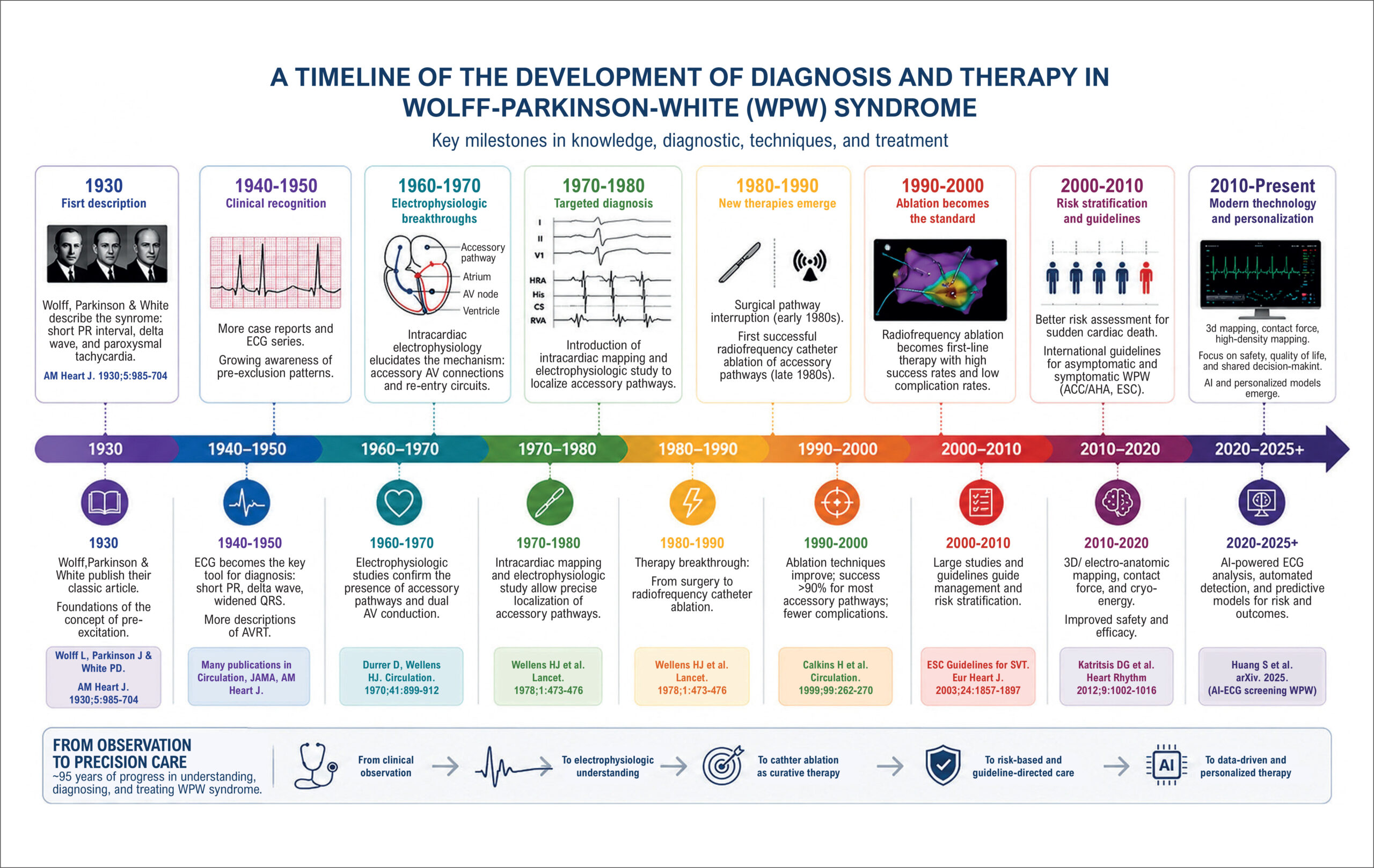
Almost a century after its initial description, the yearly number of publications dealing with the Wolff-Parkinson-White syndrome (WPW) continues to increase (). A fascinating phenomenon if one considers that already for quite a few years, we have at our disposal techniques to ablate and cure the disease. One could expect an attitude like “problem solved” thanks to ablation, and that interest in the disease would markedly decrease. illustrates the progress made since 1930. Each new publication still brings important information, and so is today with the study by Souza Mario and coworkers.

In a large cohort of patients with an accessory atrio-ventricular pathway, the authors found that older age and a left lateral location of the accessory pathway were associated with a significant occurrence of spontaneous atrial fibrillation, reaching 18.6% in the age group older than 60 years, thus almost one in five patients. Regretfully, data on the presence of overt (manifest) versus concealed accessory pathways were not available.

[…]

  • Arrhythmias
  • Atrial Fibrillation
  • Wolff-Parkinson White Syndrome
Read Full Article
Creative Commons Attribution (CC BY) Creative Commons license
03/08/2026 DOI: 10.36660/abc.20260471i Views 1
Editorial

Beyond Ventricular Pacing: Is Atrial Cardiomyopathy a Determinant of Clinical Outcome after Pacemaker Implantation?

Bianca Lopes Cunha et al. Helena Nogueira Brasil Patrícia de Araújo Matias Eduardo Arrais Rocha

The study “Clinical Outcomes Following Pacemaker Implantation: A 3-Year Comparative Study of Sick Sinus Syndrome and Atrioventricular Block” presents a relevant comparative analysis between patients with sick sinus syndrome (SSS) and atrioventricular block (AVB) who underwent permanent pacemaker implantation and were followed for three years. The main merit of the work lies in the clinical evaluation and assessment of cardiac remodeling, atrial fibrillation (AF) rates, readmissions, and mortality compared between the two groups.

Among the study’s strengths are the relatively long follow-up period, with serial echocardiographic evaluation, showing important differences between the patterns of cardiac remodeling. Patients with SSS showed a progressive increase in left atrial volume (LAV) and left ventricular end-diastolic diameter (LVDD), in addition to a significant worsening of mitral regurgitation (MR). In contrast, patients with left atrial block (LAB), even with a ventricular pacing load above 90%, showed relative stability in atrial and ventricular dimensions. Both groups had slight reductions in ejection fraction (EF), high rates of AF, hospitalizations, and mortality, without significant differences between the groups. These findings partially challenge the classic concept that right ventricular pacing alone is the main cause of cardiac remodeling.

[…]

  • Artificial Pacemaker
  • Cardiomyopathies
  • Ventricular Remodeling
Read Full Article
Creative Commons Attribution (CC BY) Creative Commons license
27/07/2026 DOI: 10.36660/abc.20260425i Views 1
Figure 1
Image

Ectopic Gas: A Sign for Potential Aortic Endoprosthesis Infection before Symptoms

Hongliang Li et al. Ying Zhao Qingyu Ji

Introduction

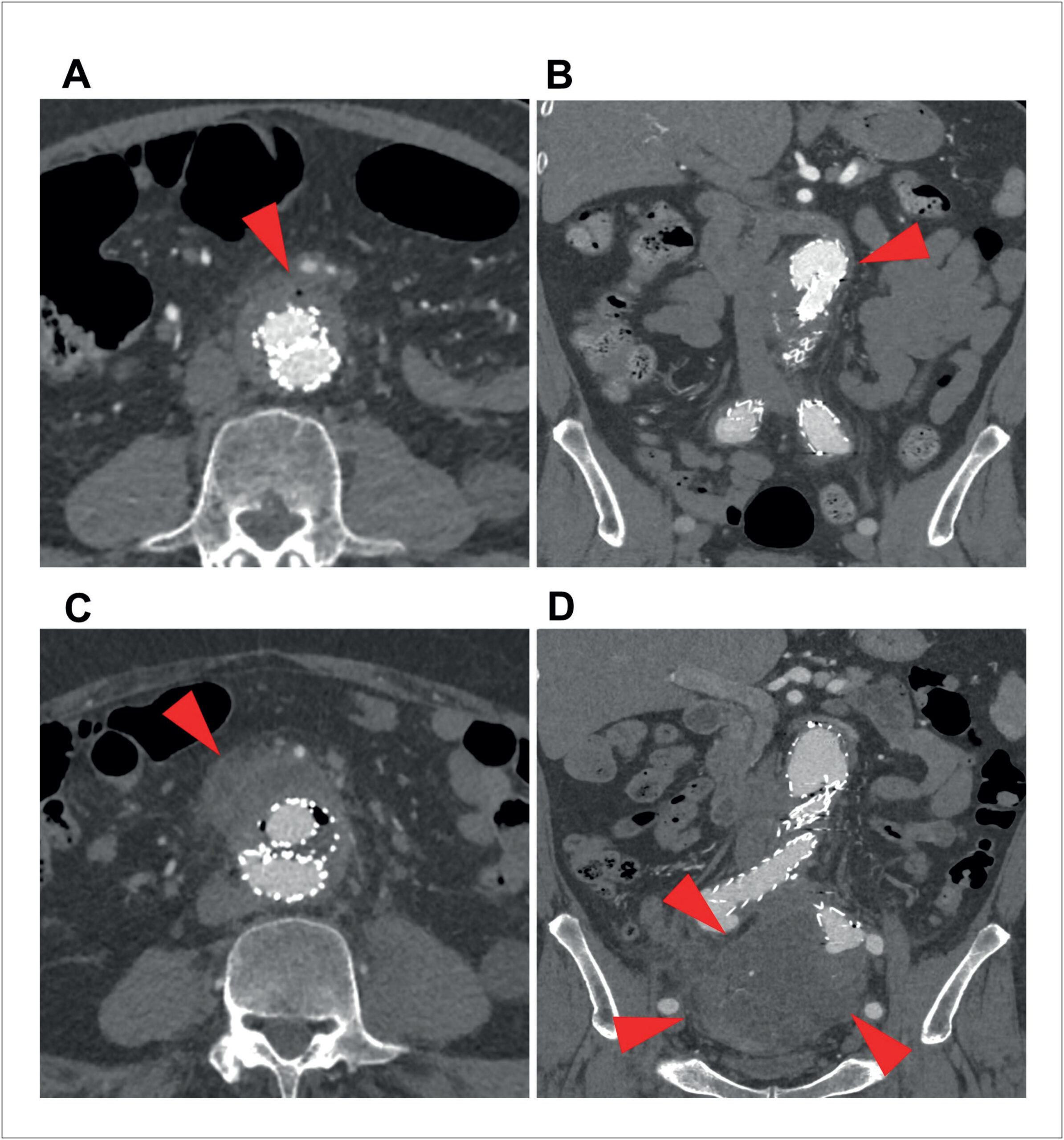
Abdominal aortic endoprosthesis (AAE) infection is the most dreaded complication of endovascular aortic repair (EVAR) for abdominal aortic aneurysm (AAA), with mortality rates reported as high as 51.8%. Recent meta-analyses emphasize that despite advances in surgical technique, the prognosis of AAE infection remains poor due to delayed diagnosis and the complexity of endoprosthesis explantation., The management of AAE infection is significantly hindered by diagnostic latency. Currently, computed tomography angiography (CTA) is typically reserved for evaluation only after the onset of infectious symptoms. Although periprosthetic exudation and ectopic gas are considered hallmark radiographic features, these signs are often subtle and minute during the early, pre-symptomatic stages of infection, rendering them easily overlooked. We present a case in which a radiologist detected minute periprosthetic ectopic gas via thin-section CT during a routine CTA follow-up, five days before the onset of infectious symptoms, thereby alerting clinicians to the possibility of AAE infection. Based on this case, we underscore the critical value of thin-section CT in the early identification of ectopic gas. Furthermore, we aim to demonstrate how advanced post-processing—specifically volume rendering (VR) and hyper-realistic rendering (HRR)—enhances the visualization of AAE infection, thereby enabling longitudinal monitoring of infection progression.

[…]

  • Computed Tomography Angiography
  • Endovascular Aneurysm Repair
  • Endovascular Procedures
  • Infections
Read Full Article
Creative Commons Attribution (CC BY) Creative Commons license
20/07/2026 DOI: 10.36660/abc.20250591i
Editorial

Artificial Intelligence Attack! The Rising Importance of Chagas Disease

Roberto Coury Pedrosa

Chagas disease (Chd) is a chronic condition with primarily cardiac sequelae that can persist and worsen many years after the initial infection, with a serious impact on healthcare systems. The PAHO estimated that 90% of new infections go undiagnosed, and about 70% of those infected are unaware of their condition. Additionally, less than 1% of the estimated population at risk has been tested. As a result, this leads to a delay in diagnosis, which increases morbidity and mortality from its complications, highlighting a clear need to expand access to diagnosis from a public health perspective. To mitigate this impact, Chd was included in the Millennium Development Goals and the Sustainable Development Goals of the 2030 Agenda for Sustainable Development (UN, 2018).

The gold standard for diagnosing Chd is serological testing for T. cruzi antibodies. The biggest challenge in Chd remains predicting which patients will develop the cardiac form, a leading cause of heart failure, especially in rural areas of Brazil. Notably, electrocardiography is an accessible and low-cost tool that can detect early signs of cardiac involvement in Chd. In recent years, AI-ECG (Electrocardiogram with artificial intelligence) models have been shown to diagnose cardiac conditions accurately; many have been trained and tested primarily on data from high-income countries. Furthermore, these models have been evaluated retrospectively on large historical datasets, with relatively few prospective external validation studies. These gaps in AI-ECG research need to be addressed.

[…]

  • Artificial Intelligence
  • Chagas disease
  • Electrocardiography
  • Public Health
  • screening
Read Full Article
Creative Commons Attribution (CC BY) Creative Commons license
20/07/2026 DOI: 10.36660/abc.20260409i Views 4
Editorial

Calcium Score, Non-Obstructive Coronary Artery Disease and Cardiovascular Events

Marcio Hiroshi Miname

Cardiovascular disease is the leading cause of morbidity and mortality in Brazil, except for 2021, when the COVID-19 pandemic caused the infectious disease to take that position. Cardiovascular risk stratification for atherosclerotic events aims to identify individuals at higher risk and, consequently, those with the greatest potential benefit from pharmacological therapy to reduce these events. However, risk prediction equations still lack sufficient calibration and discrimination for the Brazilian population. This opens a precedent for the incorporation of other laboratory or imaging biomarkers to complement and optimize the accuracy of cardiovascular risk stratification. The coronary calcium score (CCS) has been extensively analyzed in different populations, and its association with atherosclerotic coronary events is robust, culminating in its incorporation into Brazilian and American dyslipidemia guidelines..

However, it should be noted that the CCS only reflects the calcified part of the atheromatous plaque, not allowing for the assessment of the degree of luminal stenosis, the total composition of the plaque, or the total atherosclerotic burden. Nevertheless, there is a correlation between higher CCS and higher plaque burden.

[…]

  • Atherosclerosis
  • Calcium
  • Coronary Artery Disease
Read Full Article
Creative Commons Attribution (CC BY) Creative Commons license
20/07/2026 DOI: 10.36660/abc.20260405i Views 2
Letter to the Editor

Technology-Based Cardiac Rehabilitation and Exercise Capacity in Coronary Artery Disease: An Artificial Intelligence Analysis

Benil Nesli Ata

I read with great interest the article by Saklica et al. entitled “The Impact of Technology-Based Cardiac Rehabilitation on Exercise Capacity and Adherence in Patients with Coronary Artery Disease: An Artificial Intelligence Analysis,” recently published in Arquivos Brasileiros de Cardiologia. The study addresses an important and timely topic by examining the potential role of technology-supported cardiac rehabilitation programs and exploring the integration of artificial intelligence (AI)–based analyses in the evaluation of rehabilitation outcomes. Considering the persistent global underutilization of cardiac rehabilitation programs, studies exploring innovative and accessible rehabilitation strategies are of clear clinical importance.

One methodological aspect that warrants further consideration is the assessment of exercise capacity. In the present study, functional improvement was evaluated using the incremental shuttle walk test (ISWT). Although the ISWT is a practical and validated field test frequently used in rehabilitation settings, it remains a submaximal and effort-dependent measure. In patients with coronary artery disease, cardiopulmonary exercise testing (CPET) is generally regarded as the reference standard for evaluating exercise capacity because it provides objective physiological parameters such as peak oxygen uptake and ventilatory thresholds. The inclusion of CPET-derived variables could therefore have offered a more comprehensive evaluation of cardiopulmonary adaptations and strengthened the interpretation of the observed improvements in functional capacity.

[…]

  • Artificial Intelligence
  • Cardiac Rehabilitation
  • Coronary Artery Disease
  • digital health
  • Exercise
Read Full Article
Creative Commons Attribution (CC BY) Creative Commons license
20/07/2026 DOI: 10.36660/abc.20260179i Views 2
Figure 1
Brief Communication

Physical Activity Levels and Quality of Life in Outpatients with Cardiac Arrhythmias and Preserved Left Ventricular Function: Understanding Their Profile

Savia Christina Pereira Bueno et al. Patrícia Alves Oliveira Márya Pagotti Luciana Sacilotto … Gabrielle D’Arezzo Pessente Pedro Gabriel Senger Braga Aline L. Souza Alexandra Regia Dantas Brigido Carlos E. Negrão Francisco C. C. Darrieux Mauricio Scanavacca

Abstract

Cardiac arrhythmias are heterogeneous conditions that may limit physical activity (PA) and impair quality of life (QoL).

To describe levels of PA and perceived barriers as well as to assess their associations with arrhythmia phenotype and QoL in tertiary care outpatients with preserved left ventricular (LV) function.

This pilot cross-sectional study enrolled adults with documented arrhythmias and LV ejection fraction (LVEF) ≥ 50%. PA was assessed using the International Physical Activity Questionnaire (IPAQ) short form, and QoL using the 12- Item Short Form Survey (SF-12). Arrhythmias were classified as supraventricular tachycardia (SVT), atrial fibrillation (AF) and/or atrial tachycardia (AT) (including atrial flutter when applicable), ventricular, inherited, or multiple. Associations were analyzed using chi-square tests, multinomial regression, and linear regression models.

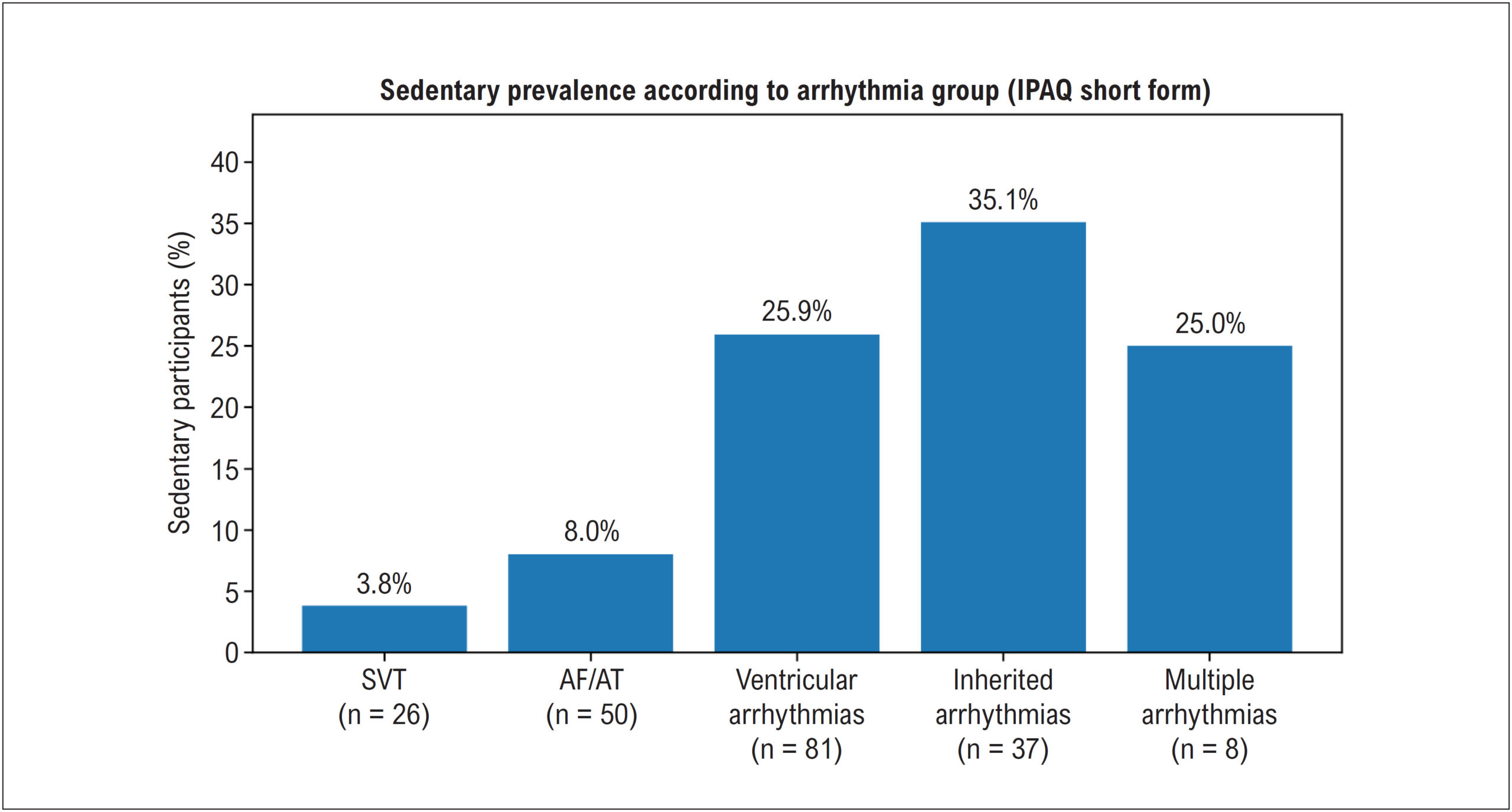
Among 202 participants (mean age 50.5 ± 15.3 years; 58.9% men), 20.3% were sedentary and 45.6% were active or very active. The prevalence of sedentary behavior was higher among patients with ventricular arrhythmias (25.9%), inherited arrhythmias (35.1%), and multiple arrhythmias (25.0%) compared with those with SVT (3.8%) and AF/AT (8.0%) (p = 0.043). In adjusted models, active or very active PA showed a trend toward higher SF-12 physical component scores (p = 0.08), whereas mental component scores were primarily influenced by symptom status and sex.

In this tertiary outpatient cohort with arrhythmias and preserved LVEF, physical inactivity clustered among higher-risk phenotypes and was frequently associated with potentially modifiable barriers, including medical advice and lack of time. Higher levels of PA tended to be associated with better physical health status, supporting individualized, risk-based counseling and supervised strategies to safely promote PA in patients with arrhythmias.

  • Cardiac Arrhythmias
  • Exercise
  • Quality of life
Read Full Article
Creative Commons Attribution (CC BY) Creative Commons license
20/07/2026 DOI: 10.36660/abc.20250831i Views 1
Figure 1
Research Letter

Conflicting Clues in Severe LV Hypertrophy: An Unusual Presentation of ATTR Amyloidosis

Ana Sofia Nogueira Fernandes et al. João Faria Catarina Ferreira Vieira

Introduction

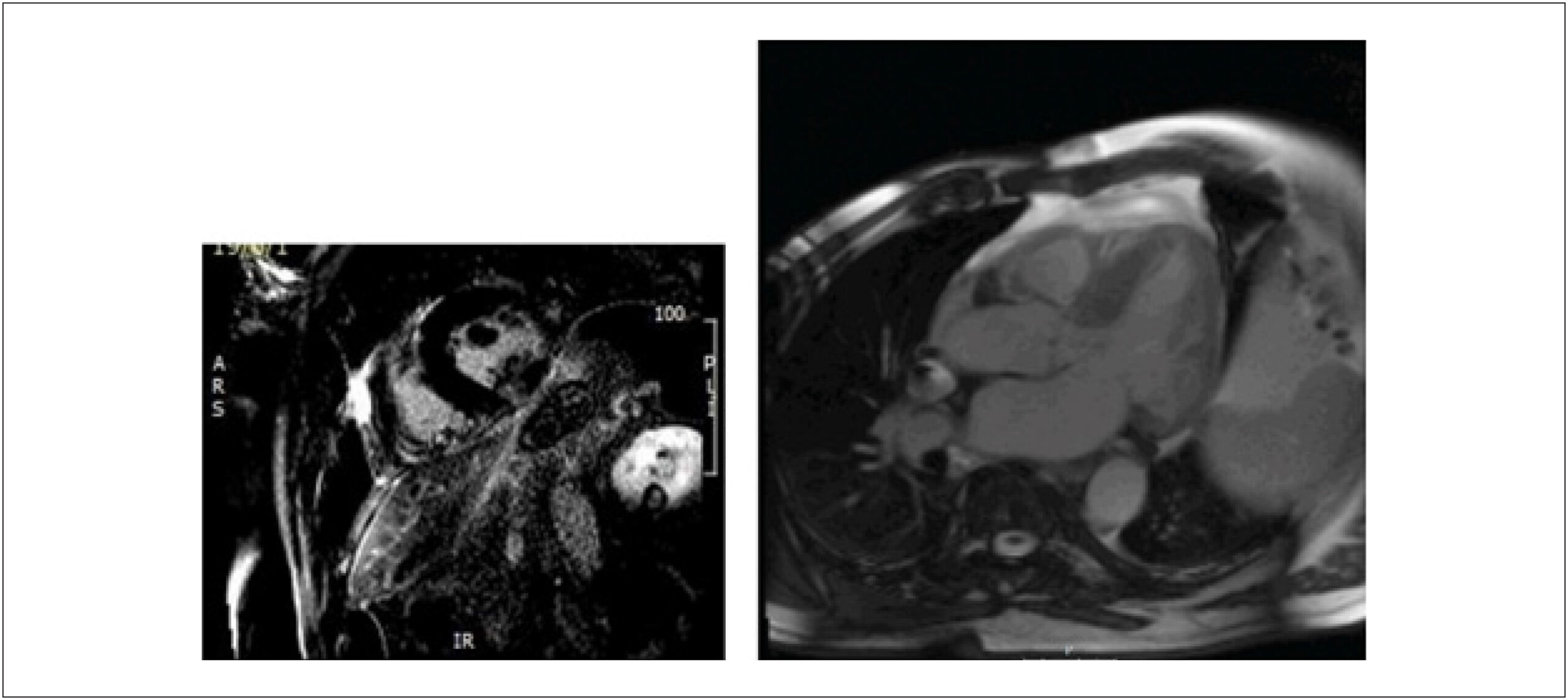
In recent decades, major advances have reshaped the clinical and epidemiological understanding of transthyretin (TTR) cardiac amyloidosis (ATTR). Progress in cardiovascular imaging has enabled earlier and more accurate identification of the disease. In particular, bone scintigraphy with 99mTc-labeled tracers has markedly simplified the non-invasive diagnosis of ATTR cardiomyopathy, substantially reducing the need for endomyocardial biopsy in most cases., Nevertheless, diagnostic challenges may arise when clinical, genetic, and imaging findings are discordant. We report a case of biopsy-proven hereditary ATTR (ATTRv) cardiomyopathy with negative bone scintigraphy, illustrating an important diagnostic pitfall within the contemporary diagnostic algorithm.

[…]

  • Amyloidosis
  • Cardiomyopathies
  • Hypertrophy
  • Syncope
Read Full Article
Creative Commons Attribution (CC BY) Creative Commons license
20/07/2026 DOI: 10.36660/abc.20250832i Views 1
Letter to the Editor

Hypertension in Indigenous Populations: Diagnostic Challenges and Nuances of the Epidemiological Transition

Letícia Lemos Belo et al. Maria Clara Gomes Pontes Thalisson Gonçalves Almeida Tales Gabriel Ferro de Oliveira Pedro Pereira Tenório

Dear editor,

We are submitting this letter to offer our considerations on the relevant article entitled: “Prevalence of Systemic Arterial Hypertension and Associated Factors in Indigenous People Attended at a Specialized Outpatient Clinic in Southern Brazil”. The study addresses a critical gap in the epidemiological knowledge of the native populations of the Southern region, offering valuable insight into the epidemiological transition affecting them. The work stands out for its social and technical importance in filling a data void on indigenous people in Southern Brazil, a group that faces unique challenges in accessing healthcare and preserving their culture.

[…]

  • Health of Indigenous Peoples
  • Health Profile
  • Hypertension
  • Indigenous Peoples
  • Risk Factors
Read Full Article
Creative Commons Attribution (CC BY) Creative Commons license
20/07/2026 DOI: 10.36660/abc.20260138i Views 2
Letter to the Editor

Beyond Contrast Volume: Patient-Related Determinants and Methodological Considerations in Contrast-Induced Nephropathy

Ömer Faruk Yilmaz et al. Yusuf Ziya Şener

Dear Editor,

We read with great interest the article by Freitas et al. , entitled “Impact of Contrast Volume Used After Percutaneous Coronary Procedures in Patients at Risk for Contrast-Induced Nephropathy“. By evaluating the interaction between contrast type and volume through a post hoc analysis, the authors addressed a clinically relevant question in a high-risk population managed with contemporary preventive strategies, providing a valuable contribution to the literature.

[…]

  • Contrast Media
  • Kidney, Diseases
  • Percutaneous Coronary Intervention
Read Full Article
Creative Commons Attribution (CC BY) Creative Commons license
20/07/2026 DOI: 10.36660/abc.20260111i Views 2
Artificial Intelligence-Enhanced Electrocardiography Analysis for Diagnosing Chagas Disease
Original Article

Artificial Intelligence-Enhanced Electrocardiography Analysis for Diagnosing Chagas Disease

Isabella Moreira Gonzalez Fonseca et al. Maria Carmo Pereira Nunes Craig Sable Renata Fonseca Mendoza … Fred Luciano Neves Santos Paulo Rodrigues Gomes Adson Patrik Vieira Carvalho Bernardo Fonseca Mendoza Noilson Lazaro Souza José Augusto de Almeida Barbosa Clareci Silva Cardoso Bruno Ramos Nascimento Antonio L. P. Ribeiro

Abstract

Background:

Chagas disease affects millions worldwide and remains a leading cause of cardiomyopathy in Latin America. Early diagnosis remains challenging in endemic regions. Artificial intelligence (AI)-based electrocardiography (ECG) analysis may offer a low-cost strategy for large-scale screening in resource-limited settings.

Objectives:

To evaluate the performance of an AI-ECG algorithm combined with clinical data for detecting Chagas disease in a community-based screening program conducted in a highly endemic region in Northeastern Brazil.

Methods:

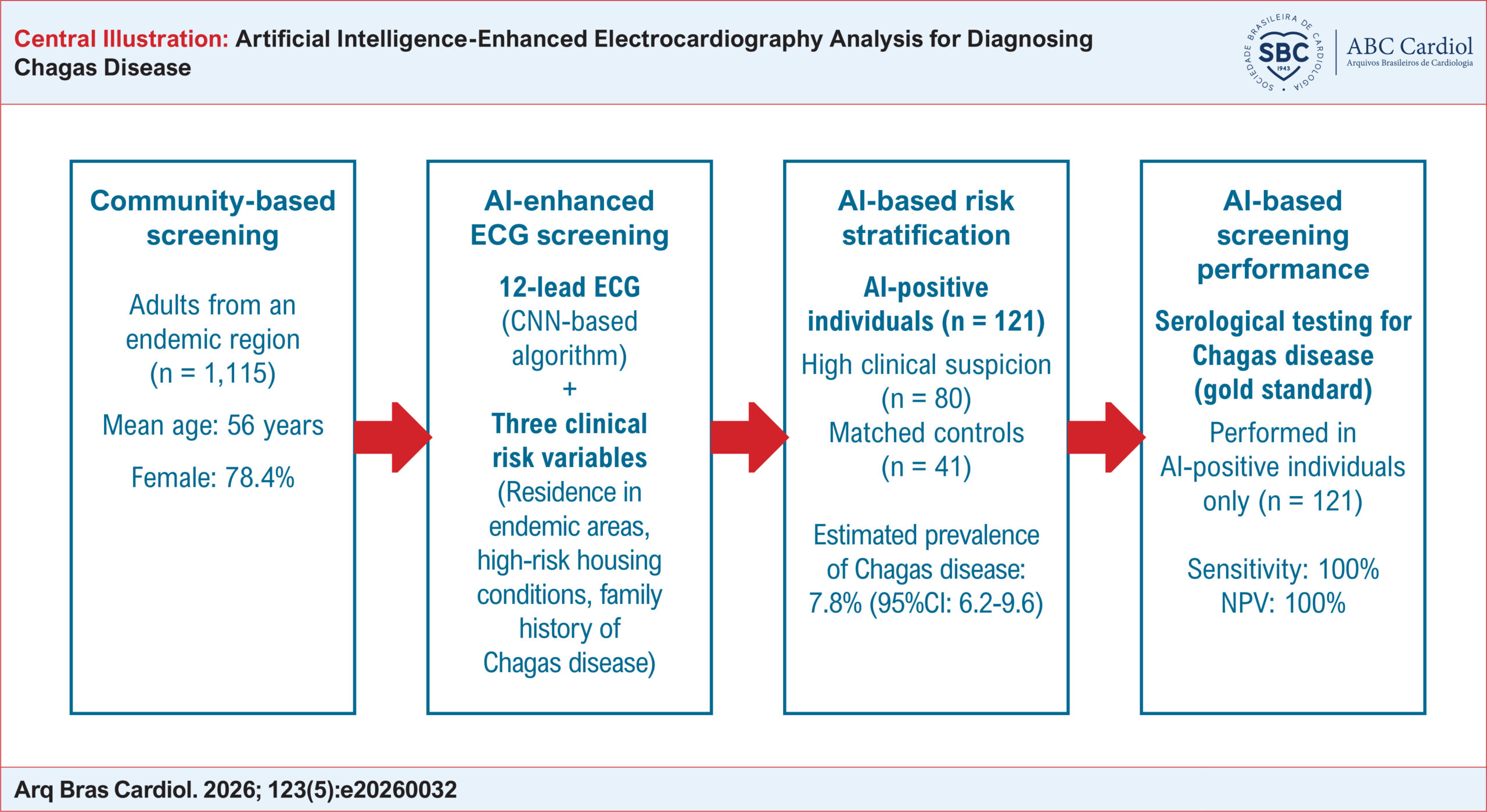
In August 2024, 1,115 adults underwent standardized 12-lead ECG acquisition during a field campaign in Feira de Santana, Bahia, Northeast Brazil. A previously trained AI model analyzed ECG tracings and incorporated three clinical variables: i) prior residence in triatomine-infested areas, ii) poor housing conditions, and iii) family history of Chagas disease. Individuals flagged as AI-positive were classified as suspected cases. Suspected cases and matched controls (2:1) underwent point-of-care serological testing.

Results:

The algorithm flagged 121 individuals (10.9%), corresponding to an estimated AI-based prevalence of Chagas disease of 7.8% (95%CI: 6.2-9.6). Among the 112 individuals who completed serological testing, 13 tested positive, all within the AI-positive suspected group; no seropositive cases were identified among controls. Sensitivity was 100% (95%CI: 69-100), specificity 40% (95%CI: 30-50), negative predictive value 100% (95%CI: 91-100), and positive predictive value 12% (95%CI: 11-14), with a diagnostic odds ratio of 6.6.

Conclusions:

An AI-ECG algorithm combined with simple clinical variables demonstrated excellent sensitivity for the detection of Chagas disease and may represent a valuable triage tool in endemic, resource-constrained settings.

  • Artificial Intelligence
  • Chagas disease
  • Electrocardiography
  • Mass Screening
Read Full Article
Creative Commons Attribution (CC BY) Creative Commons license
17/07/2026 DOI: 10.36660/abc.20260032i Views 1
Editorial

HDL Functionality, CETP Inhibitors, and Exercise Training: Where are We?

Raul D. Santos et al. Pedro Gabriel Senger Braga

Exercise training is well established as an effective strategy to increase high-density lipoprotein cholesterol (HDL-C) concentrations, especially in people with high triglycerides and excess visceral adiposity, and is consistently associated with a lower risk of cardiovascular disease (CVD). However, the traditional stratification of CVD risk based solely on HDL-C levels has been increasingly challenged by evidence highlighting the importance of assessing HDL particle functionality rather than HDL-C levels alone. This paradigm shift gained particular attention following clinical trials of cholesteryl ester transfer protein (CETP) inhibitors, in which substantial pharmacologically mediated increases in HDL-C failed to translate into improved cardiovascular outcomes. CETP inhibitor trials reported marked elevations in HDL-C, ranging from approximately 31% to 133%, whereas exercise training typically induces a much more modest increase, on the order of 2% to 5%.– Despite these quantitative differences, both interventions have been shown to enhance aspects of HDL functionality. In exercise-based interventions, increases in HDL-C are accompanied by improvements in HDL-mediated cholesterol uptake, commonly assessed by cholesterol efflux capacity (CEC), a metric that more accurately reflects reverse cholesterol transport and CVD risk than HDL-C concentration alone.– Mechanistically, CETP inhibition also enhances HDL cholesterol efflux capacity, indicating that pharmacologically enlarged HDL particles may retain functional properties. Nevertheless, adverse off-target effects and the artificial modulation of lipoprotein metabolism may partly explain the neutral or unfavorable cardiovascular outcomes observed in several CETP inhibitor trials.,, Together, these findings underscore that, although both exercise training and CETP inhibition substantially increase circulating HDL-C, the biological context, qualitative effects on HDL particles, and clinical implications differ fundamentally between these interventions, reinforcing the need to move beyond HDL-C quantity when evaluating cardiovascular risk and therapeutic strategies.

[…]

  • Cholesterol Ester Transfer Proteins
  • Exercise
  • HDL, Cholesterol
Read Full Article
Creative Commons Attribution (CC BY) Creative Commons license
17/07/2026 DOI: 10.36660/abc.20260145i Views 1
Figure 1
Research Letter

Reversibility of Heart Failure after Catheter Ablation in Patients with Ventricular Pre-Excitation-Induced Cardiomyopathy

Samuel Santos Boa Morte et al. Luiz Pereira de Magalhães Jussara de Oliveira Pinheiro Duarte Alex Teixeira Guabiru … Adimeia Souza Santos Eduardo Faria Soares de Magalhães Roque Aras

Introduction

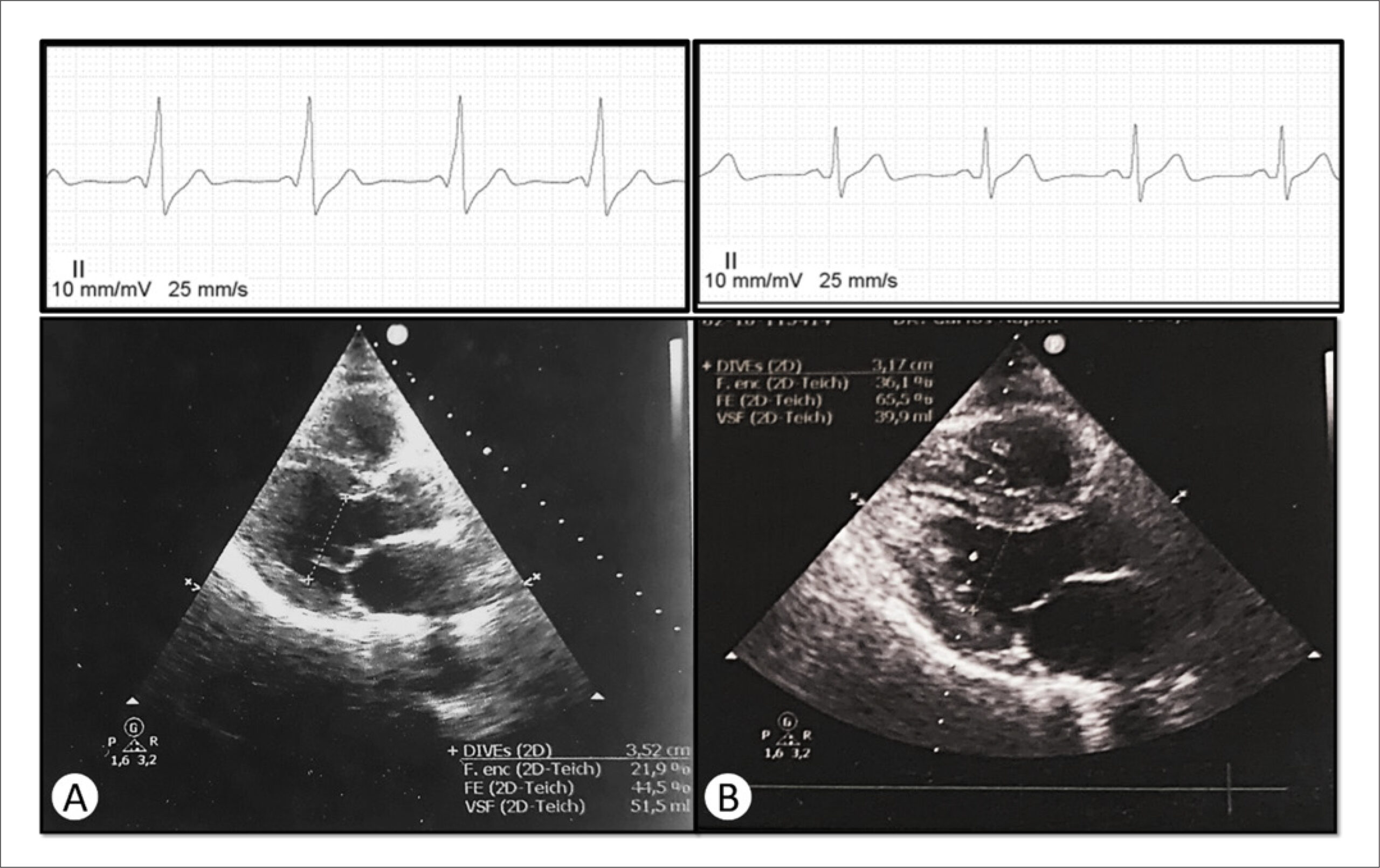
Ventricular pre-excitation is characterized by the presence of an atrioventricular accessory pathway, predisposing patients to cardiac arrhythmias that may lead to syncope, palpitations, or sudden death. Although rare, a possible complication is the development of heart failure (HF), referred to as pre-excitation–induced cardiomyopathy. It has been suggested that the eccentric ventricular activation caused by the accessory pathway leads to mechanical ventricular dyssynchrony, resulting in structural alterations and ventricular dysfunction. Case reports have described improvement of HF after catheter ablation of the accessory pathway. It is important to alert the medical community to this rare entity, which should be considered in patients with ventricular pre-excitation and reduced ejection fraction, as it represents a potentially reversible cause of HF following ablation.

[…]

  • Cardiomyopathies
  • Catheter Ablation
  • Heart Failure
Read Full Article
Creative Commons Attribution (CC BY) Creative Commons license
17/07/2026 DOI: 10.36660/abc.20250192i Views 2
Association Between Atrial Fibrillation Occurrence and Wolff-Parkinson-White Syndrome: Is Prediction Possible?
Original Article

Association Between Atrial Fibrillation Occurrence and Wolff-Parkinson-White Syndrome: Is Prediction Possible?

Afonso Dalmazio Souza Mario et al. Eduardo Pelegrineti Targueta Francisco Carlos da Costa Darrieux Alexandra Regia Dantas Brigido … Alberto Pereira Ferraz Muhieddine Omar Chokr Cristiano F. Pisani Mauricio Ibrahim Scanavacca

Abstract

Background:

Patients with Wolff-Parkinson-White (WPW) syndrome frequently develop atrial fibrillation (AF); however, the factors associated with the occurrence of AF remain incompletely defined.

Objectives:

To evaluate the prevalence and associated factors of clinical AF and electrophysiological study (EPS)-induced AF in a large consecutive cohort of patients with WPW undergoing accessory pathway (AP) ablation.

Methods:

This retrospective analysis included 845 consecutive patients with WPW who underwent AP ablation at a single tertiary referral center. A standardized EPS protocol was applied throughout the study period. Study outcomes included clinical AF (documented by medical history or monitoring before EPS), EPS-induced AF, and any AF (composite outcome). Multivariable logistic regression models were used to estimate adjusted odds ratio (ORa) with 95% CIs. Statistical significance was set at p < 0.05.

Results:

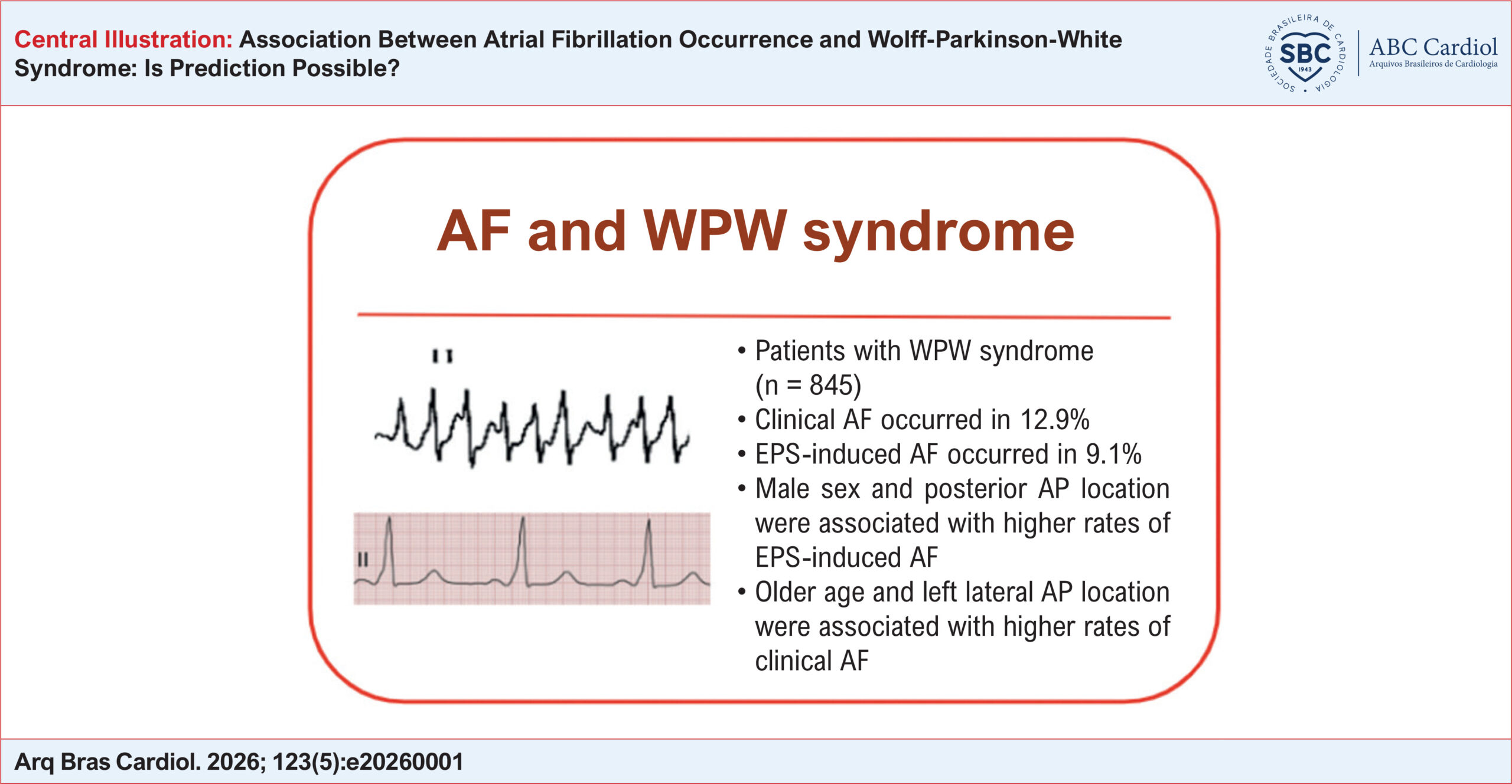
Mean age was 33.2 ± 15.9 years, and 486 of 845 patients (57.5%) were male. Multiple APs were identified in 31 patients (3.7%). The most common AP locations were left lateral (327/845, 38.7%) and posterior (323/845, 38.2%). Clinical AF was present in 109 patients (12.9%), EPS-induced AF in 77 (9.1%), and any AF in 168 (19.9%). In multivariable analyses, a left lateral AP was independently associated with clinical AF (ORa, 2.31; 95% CI, 1.53-3.49; p < 0.001), whereas a posterior AP was associated with EPS-induced AF (ORa, 1.78; 95% CI, 1.07-2.91; p = 0.025). Female sex was associated with lower odds of EPS-induced AF (ORa, 0.56; 95% CI, 0.34-0.93; p = 0.025). Increasing age was independently associated with clinical AF (per-year ORa, 1.018; p = 0.007) and any AF (per-year ORa, 1.014; p = 0.009).

Conclusion:

In this large cohort of patients with WPW undergoing AP ablation, left lateral AP location and older age were independently associated with a higher prevalence of clinical AF. In contrast, posterior AP location and male sex were associated with a greater likelihood of EPS-induced AF.

  • Atrial Fibrillation
  • Cardiac Arrhythmias
  • electrophysiology
  • Wolff-Parkinson White Syndrome
Read Full Article
Creative Commons Attribution (CC BY) Creative Commons license
17/07/2026 DOI: 10.36660/abc.20260001i Views 1
Figure 1
Research Letter

16-Year Evolution of Acute Orally Transmitted Chagas Disease: Report of an Autochthonous Case Progressing to Chagasic Cardiomyopathy

Monica Regina Hosannah Silva e Silva et al. Jorge Augusto de Oliveira Guerra Jessica Vanina Ortiz Matheus Martins Monteiro … Katia do Nascimento Couceiro Maria das Graças Vale Barbosa Guerra João Marcos Bemfica Barbosa Ferreira

Introduction

Chagas disease (CD) is caused by Trypanosoma cruzi, a protozoan with a complex life cycle found in dozens of species of triatomine insects (kissing bugs) and mammals. The World Health Organization (WHO) included CD among the neglected tropical diseases in 2006.

Humans can become infected through contact with insect feces containing T. cruzi or through other mechanisms, including the ingestion of contaminated food. The clinical presentation of CD varies between its two phases: acute and chronic. In the acute phase, individuals are usually oligosymptomatic, presenting with nonspecific signs and symptoms. However, a minority may develop more severe manifestations such as hepatosplenomegaly, myocarditis, or meningoencephalitis. The chronic phase comprises three well-defined clinical forms: indeterminate, cardiac, and digestive.–

[…]

  • Chagas Cardiomyopathy
  • Chagas disease
  • Heart Failure
Read Full Article
Creative Commons Attribution (CC BY) Creative Commons license
17/07/2026 DOI: 10.36660/abc.20250817i Views 1
Coronary Artery Calcium Score, Risk Factors, and Clinical Outcomes in Nonobstructive Coronary Artery Disease: A Long-Term Follow-Up Study
Original Article

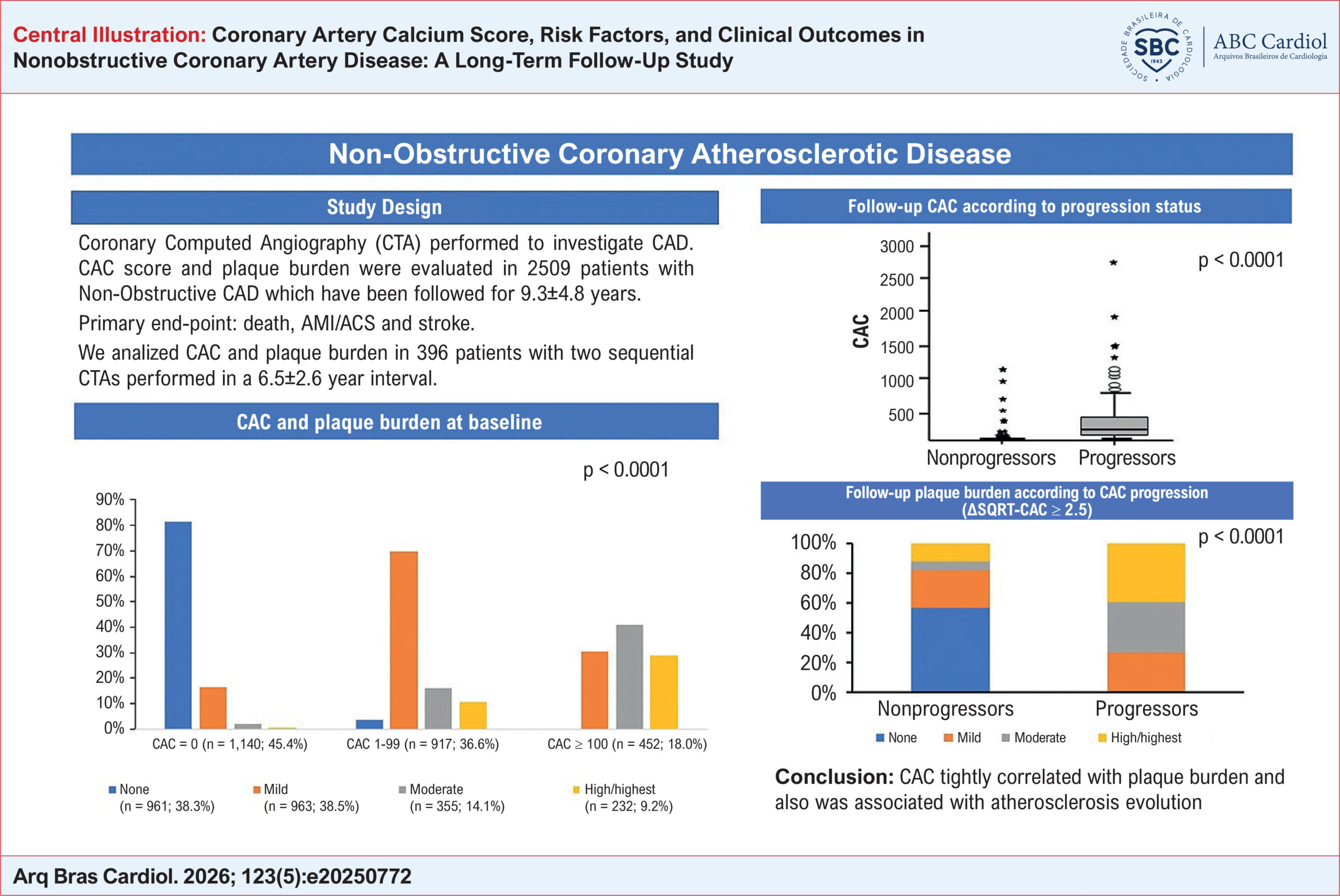
Coronary Artery Calcium Score, Risk Factors, and Clinical Outcomes in Nonobstructive Coronary Artery Disease: A Long-Term Follow-Up Study

Protásio Lemos Da Luz et al. Desiderio Favarato Alexandre A.C. Abizaid Luiz Antônio Machado Cesar … Carlos Vicente Serrano Jr. Antônio Carlos Palandri Chagas Carlos E. Rochitte Marco A. Gutierrez

Abstract

Background:

The prognostic value of coronary artery calcium (CAC) score in nonobstructive coronary artery disease (NObCAD; stenosis < 50%) remains insufficiently characterized.

Objectives:

To investigate the association between CAC score, cardiovascular risk factors, and clinical outcomes in patients with NObCAD.

Methods:

A total of 2,509 patients underwent coronary computed tomography angiography (CTA) and were followed for 8.9 ± 2.6 years. Plaque burden was classified according to CAD-RADS™ 2.0 into none, mild, moderate, and high/highest. The primary endpoint (PEP) was a composite of all-cause mortality, acute coronary syndrome/acute myocardial infarction, and stroke. Statistical significance was set at 5%.

Results:

CAC score was 0 in 45.4% of patients, 1-99 in 36.6%, and ≥ 100 in 18.0%. Correspondingly, 38.3% of patients had no coronary lesions, 38.5% had mild lesions, 14.1% had moderate lesions, and 9.2% had high/highest lesions. Among patients with CAC = 0, the absence of coronary lesions predominated (81.2%), whereas it was rare among those with CAC ≥ 100. The PEP occurred in 4.9% of patients, predominantly driven by all-cause mortality. Among the 396 patients with serial coronary CTA (mean interval: 6.5 ± 2.6 years), CAC progression (> 2.5 increase based on the square root method) was observed in 41.9%. Plaque burden increased in parallel. CAC score showed a positive association with plaque burden and cardiovascular risk factors.

Conclusions:

In NObCAD, CAC is present in more than half of patients and is associated with both plaque burden and cardiovascular risk factors. The incidence of PEP increases in proportion to risk factor burden and CAC levels. CAC and plaque burden progress concurrently over time, supporting the role of CAC as a surrogate marker of subclinical atherosclerosis progression.

  • Calcium
  • Coronary Artery Disease
  • Coronary Vessels
Read Full Article
Creative Commons Attribution (CC BY) Creative Commons license
17/07/2026 DOI: 10.36660/abc.20250772i Views 1
Clinical Outcomes Following PM Implantation: A 3-Year Comparative Study of Sick Sinus Syndrome and Atrioventricular Block
Original Article

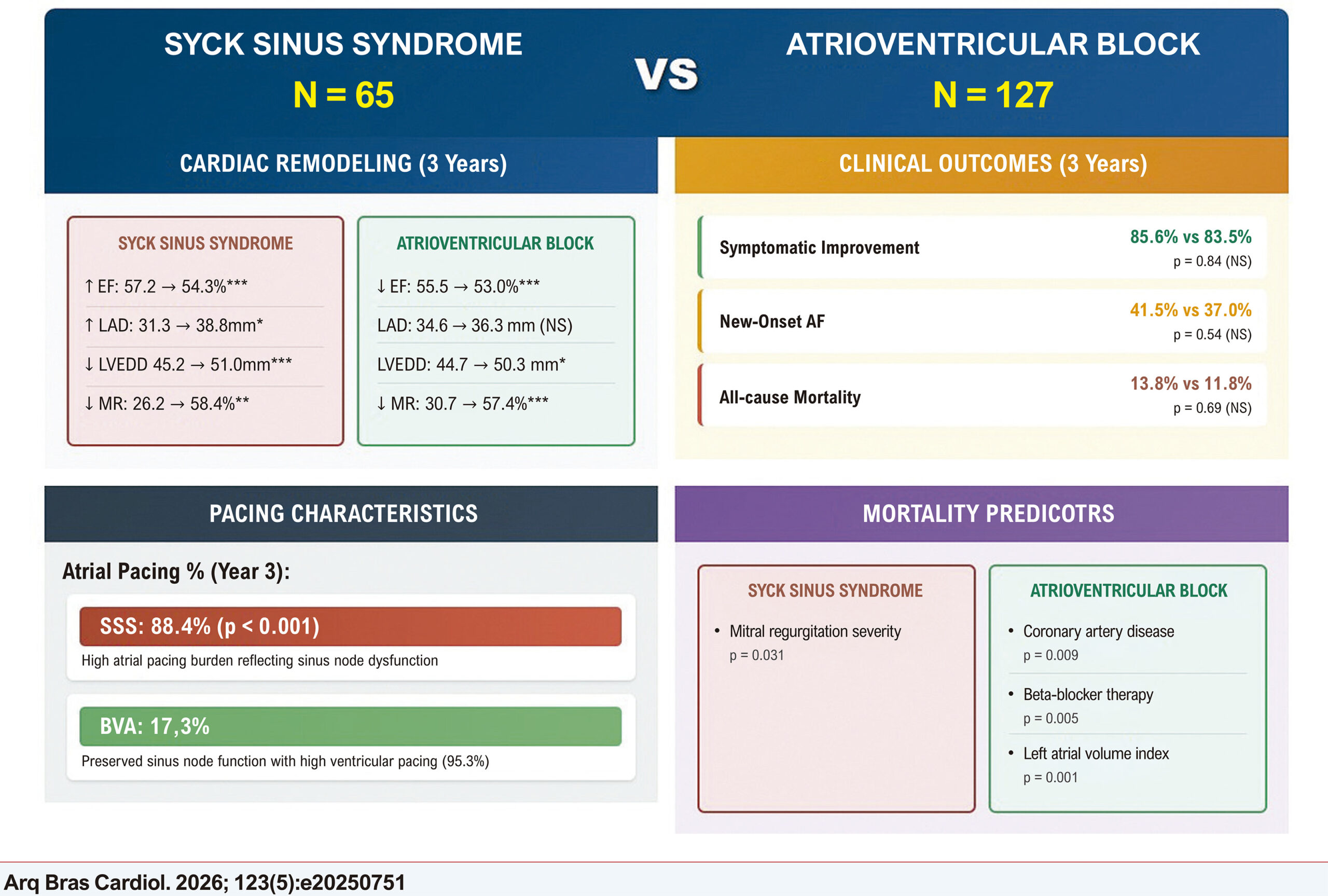
Clinical Outcomes Following PM Implantation: A 3-Year Comparative Study of Sick Sinus Syndrome and Atrioventricular Block

Fuat Polat et al. Haşim Tüner Veysi Can Sait Terzi

Abstract

Background

Permanent pacemaker implantation is an established treatment for both sick sinus syndrome (SSS) and atrioventricular block (AVB), yet limited data exist comparing long-term clinical outcomes and cardiac remodeling patterns between these distinct bradyarrhythmic etiologies.

Objectives

To compare three-year clinical outcomes and cardiac structural changes between SSS and AVB patients following permanent pacemaker implantation.

Methods

This retrospective observational study enrolled 192 adult patients (65 SSS, 127 AVB) who underwent pacemaker implantation between January 2018 and December 2020. Demographic data, echocardiographic parameters, pacemaker-recorded data, and clinical outcomes were assessed at baseline, one month, six months, one year, and three years. Primary outcomes included changes in cardiac structure and function, symptomatic improvement, new-onset atrial fibrillation, rehospitalization, and all-cause mortality.

Results

Both groups demonstrated significant declines in left ventricular ejection fraction over three years (SSS: 57.2±6.0% to 54.3±8.3%, p<0.001; AVB: 55.5±7.0% to 53.0±6.8%, p<0.001). Despite similar ventricular dysfunction progression, distinct remodeling patterns emerged: SSS patients exhibited significant increases in left atrial diameter (31.3 to 38.8 mm, p=0.040), left ventricular end-diastolic diameter (45.2 to 51.0 mm, p90%). Symptomatic improvement was comparable (SSS: 85.6% vs. AVB: 83.5%, p=0.84), as were new-onset atrial fibrillation (41.5% vs. 37.0%, p=0.54), rehospitalization (50.8% vs. 58.3%, p=0.38), and all-cause mortality (13.8% vs. 11.8%, p=0.69). Mortality predictors differed: mitral regurgitation severity in SSS versus coronary artery disease, beta-blocker therapy, and left atrial volume in AVB patients.

Conclusions

Despite similar symptomatic benefits and clinical outcomes, SSS and AVB patients demonstrate distinct cardiac remodeling patterns and different mortality predictors, supporting the need for etiology-specific follow-up strategies in pacemaker recipients.

  • Artificial Pacemaker
  • Atrial Fibrillation
  • Atrioventricular block
  • Sick Sinus Syndrome
Read Full Article
Creative Commons Attribution (CC BY) Creative Commons license
17/07/2026 DOI: 10.36660/abc.20250751i Views 2
Viewpoint

The Old Habits Need to be Abandoned and the Term "Overload" Replaced by "High Amplitude Criteria"

José Nunes de Alencar et al. Sandro Pinelli Felicioni Matheus Kiszka Scheffer Mariana Nogueira De Marchi Ljuba Bacharova

Left ventricular overload?

Brazilian electrocardiograms (ECG) reports have long labeled voltage-positive tracings as “left ventricular overload,” a legacy of historical teaching that linked hemodynamic loads to characteristic repolarization patterns. The problem is not the physiology but the nomenclature: overload is a hemodynamic claim, whereas the ECG measures electrical phenomena. Contemporary evidence reframes voltage positivity as an electrical phenotype with variable correlation to left ventricular mass (LVM) and geometry. In this article, we argue that Brazil should retire “overload,” adopt “high-amplitude criteria” as the report label, and explicitly teach the underlying concept of left ventricular electrical remodeling (LVER), so that our language matches what the ECG actually measures.

Phrasing “left ventricular overload” feels pragmatic — if surface ECG is “insensitive” to anatomic hypertrophy, perhaps what it detects is something else, namely “overload.” The evidence base argues otherwise. Electrocardiography records electric fields at the body surface; it does not directly measure mass, geometry, or loading conditions. This distinction is the core of the modern paradigm articulated by Ljuba Bacharova et al.: QRS voltage and morphology reflect an interplay of spatial determinants (source geometry, torso conductivity, electrode distance) and non-spatial determinants (conduction velocity, intercellular coupling, fibrosis, ionic remodeling), such that the same LVM can yield different voltages — and high voltage can arise with normal mass — depending on the myocardium’s electrical properties. The Working Group’s “4th Report” in the Journal of Electrocardiology integrates mechanistic simulation studies with population data and draws three conclusions that are decisive for our terminology. First, increased LVM and geometric type (concentric, eccentric, dilation) are not the main or only determinants of QRS patterns; combinations of anatomy and slowed activation propagation produce the observed spectrum from “pseudo-normal” tracings through high voltage and prolonged intrinsicoid deflection to left bundle branch block. Second, diffuse conduction slowing or midwall conduction abnormalities — without any increase in mass — can generate QRS changes that meet conventional electrocardiographic-left ventricular hypertrophy (LVH) criteria in a normal-sized ventricle. Third, in community cohorts the electrical and anatomic phenotypes frequently diverge, and each carries independent prognostic information.

[…]

  • Electrocardiography
  • Left Ventricular Hypertrophy
Read Full Article
Creative Commons Attribution (CC BY) Creative Commons license
17/07/2026 DOI: 10.36660/abc.20250709i
Figure 1
Research Letter

Female Infertility: Cardiovascular Disease Risk Factor or Marker of a Population at Cardiovascular Risk?

Maria Alayde Mendonça Rivera et al. Ivan Romero Rivera Glaucia Maria Moraes de Oliveira

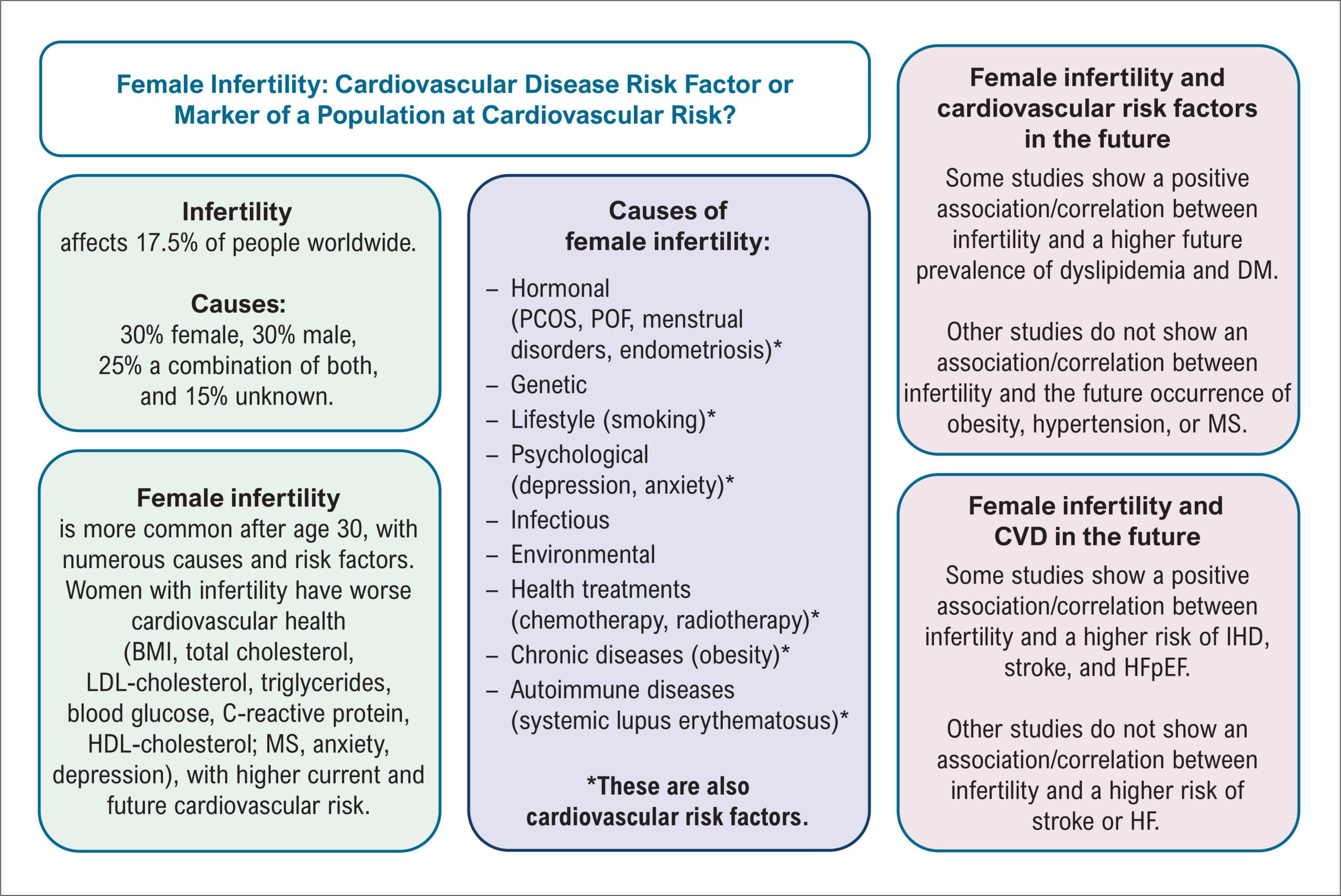
According to the World Health Organization, approximately 17.5% of the adult population (1 in every 6 people in the world) suffers from infertility, defined as the inability to conceive after 12 months of regular unprotected sexual intercourse. The prevalence varies little between regions, with similar rates in high-, middle-, and low-income countries, constituting a global public health problem.

Approximately 85% of infertile couples have an identifiable cause for infertility, whereas the remaining 15% have unexplained infertility. As shown in the , infertility can be attributed to numerous causes and risk factors, the treatment of which can eventually contribute to the couple’s fertility.

[…]

  • Cardiovascular disease
  • female sex
  • Infertility
  • Risk Factor
Read Full Article
Creative Commons Attribution (CC BY) Creative Commons license
17/07/2026 DOI: 10.36660/abc.20250250i Views 1
Letter to the Editor

Pulsed Field Ablation in Brazil: What the Registry Tells Us, and What It Does Not

Fatih Aydin

The article Brazilian Registry of Pulsed Field Catheter Ablation for the Treatment of Patients with Atrial Fibrillation, recently published in this journal by May et al., is a timely and genuinely important contribution. Documenting the initial 394 pulsed field ablation (PFA) procedures across 60 centers and 60 operators is no small task, and the authors deserve credit for organizing a voluntary, multicenter effort this early in the technology’s domestic adoption. The absence of major complications and the demonstration of a steep, short learning curve are reassuring findings for centers still considering whether to adopt PFA.

That said, a few aspects of the registry warrant further discussion.

[…]

  • Atrial Fibrillation
  • Brazil
Read Full Article
Creative Commons Attribution (CC BY) Creative Commons license
22/06/2026 DOI: 10.36660/abc.20260176i Views 2
The Silent Shift of Menopause: The Intersection between Salivary Glands, Oral Cavity Status, and Cardiovascular Health
Review Article

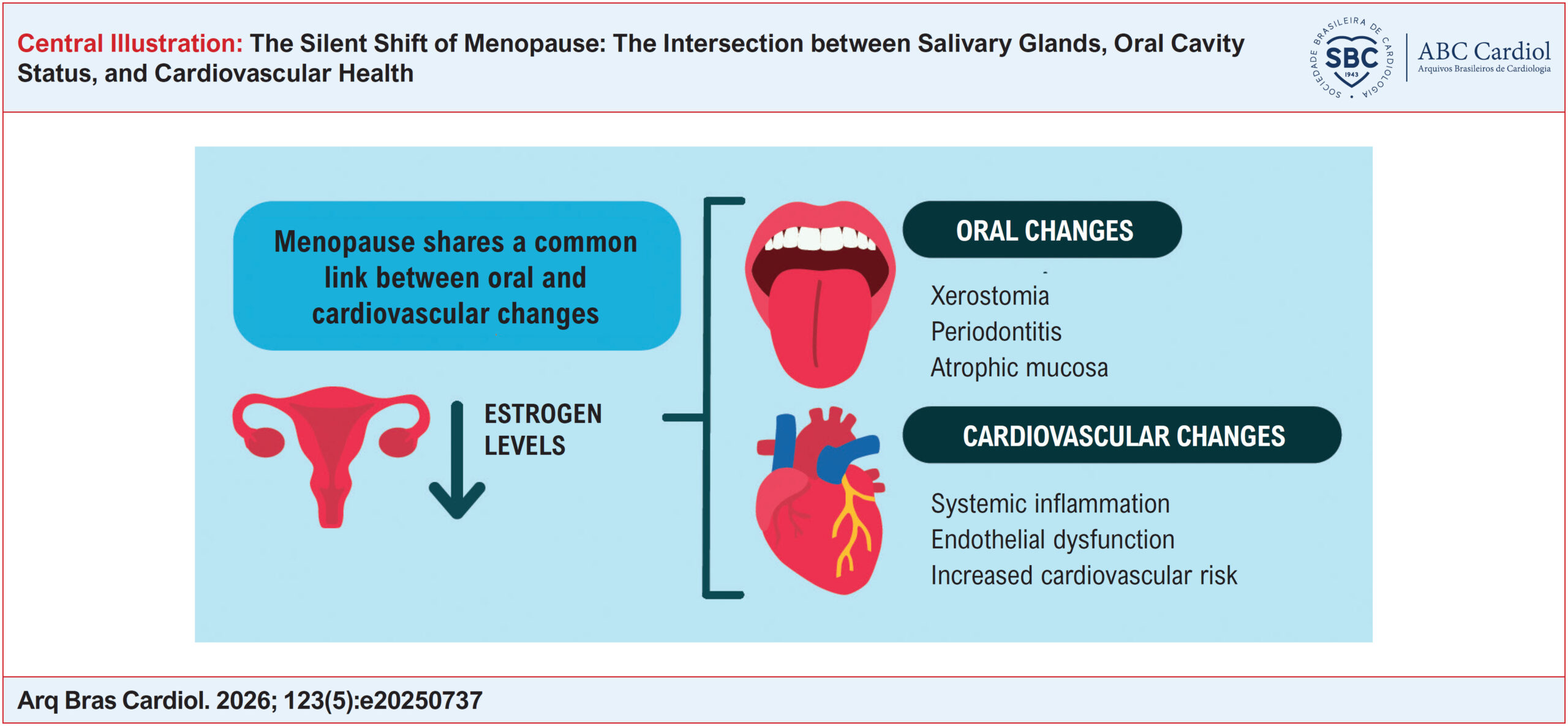
The Silent Shift of Menopause: The Intersection between Salivary Glands, Oral Cavity Status, and Cardiovascular Health

Silvia Vanessa Lourenço et al. Giovanna Piacenza Florezi Cibele Pelissari Flavio Carneiro Hojaij … José Pinhata Otoch José Antonio Franchini Ramires

Abstract

Background:

Menopause represents a major biological transition in a woman’s life, defined by the cessation of ovarian function and a marked decline in estrogen levels. Although its systemic consequences, including osteoporosis and increased cardiovascular risk, are well established, its impact on oral health remains insufficiently recognized by both medical and dental professionals.

Objective:

To examine the influence of menopause on women’s oral health, emphasizing key pathophysiological mechanisms, clinical manifestations, and interdisciplinary strategies for prevention and management.

Methods:

A narrative review was conducted using articles retrieved from the PubMed database published between 2000 and 2025. The following keywords were used: “menopause,” “oral health,” “hormonal changes,” “cardiovascular disease,” “xerostomia,” “salivary glands,” “periodontitis,” and “postmenopausal women.”

Results:

Hormonal changes during menopause are associated with a range of oral manifestations, including xerostomia, burning mouth syndrome, periodontal disease, and taste alterations. Estrogen deficiency appears to contribute to reduced salivary flow, mucosal atrophy, and an increased inflammatory response in periodontal tissues. Emerging evidence also suggests an association between oral health during menopause and cardiovascular disease, among other systemic conditions. However, important knowledge gaps persist regarding clinical management and interdisciplinary care for menopausal women.

Conclusion:

Oral health during menopause reflects a complex interplay of hormonal, systemic, and behavioral factors. Because of increasing life expectancy worldwide, oral health education and research programs should prioritize this topic. Strengthening awareness and fostering multidisciplinary collaboration are essential to improving health outcomes in midlife women.

  • Menopause
  • Oral Health
  • Saliva
  • Salivary Glands
  • Vascular Health
Read Full Article
Creative Commons Attribution (CC BY) Creative Commons license
22/06/2026 DOI: 10.36660/abc.20250737i Views 1

How to cite this article

EndNote RIS

Electronic Document Format (Vancouver)

Daungsupawong H, Wiwanitkit V. Development of 3D-Printed Congenital Heart Disease Models Using Feasible Low-Cost Workflow. Arquivos Brasileiros de Cardiologia 2026;123(5):e20260186.

Electronic Document Format (ABNT)

Daungsupawong, Hinpetch; Wiwanitkit, Viroj. Development of 3D-Printed Congenital Heart Disease Models Using Feasible Low-Cost Workflow. Arquivos Brasileiros de Cardiologia, v. 123, n. 5, e20260186, Aug. 2026.

Electronic Document Format (APA)

Daungsupawong, H., & Wiwanitkit, V. (2026). Development of 3D-Printed Congenital Heart Disease Models Using Feasible Low-Cost Workflow. Arquivos Brasileiros de Cardiologia, 123(5), e20260186.

Electronic Document Format (ISO)

Daungsupawong, Hinpetch and Wiwanitkit, Viroj. Development of 3D-Printed Congenital Heart Disease Models Using Feasible Low-Cost Workflow. Arquivos Brasileiros de Cardiologia [online]. 2026, vol. 123, n. 5, [cited 2026-10-14], e20260186. Available from: <https://journals.cardiol.br/en/article/development-of-3d-printed-congenital-heart-disease-models-using-feasible-low-cost-workflow/>. ISSN 0066-782X

EndNote RIS

Electronic Document Format (Vancouver)

Quarti MLM, Nobre AP, Martins GK. Methodological Considerations on Ethno-Racial Disparities and Blood Pressure Control. Arquivos Brasileiros de Cardiologia 2026;123(5):e20260128.

Electronic Document Format (ABNT)

Quarti, Maikon Lucian Madeira; Nobre, Arina Peixoto; Martins, Gabriel Kaleb. Methodological Considerations on Ethno-Racial Disparities and Blood Pressure Control. Arquivos Brasileiros de Cardiologia, v. 123, n. 5, e20260128, Aug. 2026.

Electronic Document Format (APA)

Quarti, M. L. M., Nobre, A. P., & Martins, G. K. (2026). Methodological Considerations on Ethno-Racial Disparities and Blood Pressure Control. Arquivos Brasileiros de Cardiologia, 123(5), e20260128.

Electronic Document Format (ISO)

Quarti, Maikon Lucian Madeira and Nobre, Arina Peixoto and Martins, Gabriel Kaleb. Methodological Considerations on Ethno-Racial Disparities and Blood Pressure Control. Arquivos Brasileiros de Cardiologia [online]. 2026, vol. 123, n. 5, [cited 2026-10-14], e20260128. Available from: <https://journals.cardiol.br/en/article/methodological-considerations-on-ethno-racial-disparities-and-blood-pressure-control/>. ISSN 0066-782X

EndNote RIS

Electronic Document Format (Vancouver)

Brugada P. The Fascination of the Wolff-Parkinson-White Syndrome. Arquivos Brasileiros de Cardiologia 2026;123(5):e20260471.

Electronic Document Format (ABNT)

Brugada, Pedro. The Fascination of the Wolff-Parkinson-White Syndrome. Arquivos Brasileiros de Cardiologia, v. 123, n. 5, e20260471, Aug. 2026.

Electronic Document Format (APA)

Brugada, P. (2026). The Fascination of the Wolff-Parkinson-White Syndrome. Arquivos Brasileiros de Cardiologia, 123(5), e20260471.

Electronic Document Format (ISO)

Brugada, Pedro. The Fascination of the Wolff-Parkinson-White Syndrome. Arquivos Brasileiros de Cardiologia [online]. 2026, vol. 123, n. 5, [cited 2026-10-14], e20260471. Available from: <https://journals.cardiol.br/en/article/the-fascination-of-the-wolff-parkinson-white-syndrome/>. ISSN 0066-782X

EndNote RIS

Electronic Document Format (Vancouver)

Cunha BL, Brasil HN, Matias PA, Rocha EA. Beyond Ventricular Pacing: Is Atrial Cardiomyopathy a Determinant of Clinical Outcome after Pacemaker Implantation?. Arquivos Brasileiros de Cardiologia 2026;123(5):e20260425.

Electronic Document Format (ABNT)

Cunha, Bianca Lopes; Brasil, Helena Nogueira; Matias, Patrícia de Araújo; Rocha, Eduardo Arrais. Beyond Ventricular Pacing: Is Atrial Cardiomyopathy a Determinant of Clinical Outcome after Pacemaker Implantation?. Arquivos Brasileiros de Cardiologia, v. 123, n. 5, e20260425, Jul. 2026.

Electronic Document Format (APA)

Cunha, B. L., Brasil, H. N., Matias, P. A., & Rocha, E. A. (2026). Beyond Ventricular Pacing: Is Atrial Cardiomyopathy a Determinant of Clinical Outcome after Pacemaker Implantation?. Arquivos Brasileiros de Cardiologia, 123(5), e20260425.

Electronic Document Format (ISO)

Cunha, Bianca Lopes and Brasil, Helena Nogueira and Matias, Patrícia de Araújo and Rocha, Eduardo Arrais. Beyond Ventricular Pacing: Is Atrial Cardiomyopathy a Determinant of Clinical Outcome after Pacemaker Implantation?. Arquivos Brasileiros de Cardiologia [online]. 2026, vol. 123, n. 5, [cited 2026-10-14], e20260425. Available from: <https://journals.cardiol.br/en/article/beyond-ventricular-pacing-is-atrial-cardiomyopathy-a-determinant-of-clinical-outcome-after-pacemaker-implantation/>. ISSN 0066-782X

EndNote RIS

Electronic Document Format (Vancouver)

Li H, Zhao Y, Ji Q. Ectopic Gas: A Sign for Potential Aortic Endoprosthesis Infection before Symptoms. Arquivos Brasileiros de Cardiologia 2026;123(5):e20250591.

Electronic Document Format (ABNT)

Li, Hongliang; Zhao, Ying; Ji, Qingyu. Ectopic Gas: A Sign for Potential Aortic Endoprosthesis Infection before Symptoms. Arquivos Brasileiros de Cardiologia, v. 123, n. 5, e20250591, Jul. 2026.

Electronic Document Format (APA)

Li, H., Zhao, Y., & Ji, Q. (2026). Ectopic Gas: A Sign for Potential Aortic Endoprosthesis Infection before Symptoms. Arquivos Brasileiros de Cardiologia, 123(5), e20250591.

Electronic Document Format (ISO)

Li, Hongliang and Zhao, Ying and Ji, Qingyu. Ectopic Gas: A Sign for Potential Aortic Endoprosthesis Infection before Symptoms. Arquivos Brasileiros de Cardiologia [online]. 2026, vol. 123, n. 5, [cited 2026-10-14], e20250591. Available from: <https://journals.cardiol.br/en/article/ectopic-gas-a-sign-for-potential-aortic-endoprosthesis-infection-before-symptoms/>. ISSN 0066-782X

EndNote RIS

Electronic Document Format (Vancouver)

Pedrosa RC. Artificial Intelligence Attack! The Rising Importance of Chagas Disease. Arquivos Brasileiros de Cardiologia 2026;123(5):e20260409.

Electronic Document Format (ABNT)

Pedrosa, Roberto Coury. Artificial Intelligence Attack! The Rising Importance of Chagas Disease. Arquivos Brasileiros de Cardiologia, v. 123, n. 5, e20260409, Jul. 2026.

Electronic Document Format (APA)

Pedrosa, R. C. (2026). Artificial Intelligence Attack! The Rising Importance of Chagas Disease. Arquivos Brasileiros de Cardiologia, 123(5), e20260409.

Electronic Document Format (ISO)

Pedrosa, Roberto Coury. Artificial Intelligence Attack! The Rising Importance of Chagas Disease. Arquivos Brasileiros de Cardiologia [online]. 2026, vol. 123, n. 5, [cited 2026-10-14], e20260409. Available from: <https://journals.cardiol.br/en/article/artificial-intelligence-attack-the-rising-importance-of-chagas-disease/>. ISSN 0066-782X

EndNote RIS

Electronic Document Format (Vancouver)

Miname MH. Calcium Score, Non-Obstructive Coronary Artery Disease and Cardiovascular Events. Arquivos Brasileiros de Cardiologia 2026;123(5):e20260405.

Electronic Document Format (ABNT)

Miname, Marcio Hiroshi. Calcium Score, Non-Obstructive Coronary Artery Disease and Cardiovascular Events. Arquivos Brasileiros de Cardiologia, v. 123, n. 5, e20260405, Jul. 2026.

Electronic Document Format (APA)

Miname, M. H. (2026). Calcium Score, Non-Obstructive Coronary Artery Disease and Cardiovascular Events. Arquivos Brasileiros de Cardiologia, 123(5), e20260405.

Electronic Document Format (ISO)

Miname, Marcio Hiroshi. Calcium Score, Non-Obstructive Coronary Artery Disease and Cardiovascular Events. Arquivos Brasileiros de Cardiologia [online]. 2026, vol. 123, n. 5, [cited 2026-10-14], e20260405. Available from: <https://journals.cardiol.br/en/article/calcium-score-non-obstructive-coronary-artery-disease-and-cardiovascular-events/>. ISSN 0066-782X

EndNote RIS

Electronic Document Format (Vancouver)

Ata BN. Technology-Based Cardiac Rehabilitation and Exercise Capacity in Coronary Artery Disease: An Artificial Intelligence Analysis. Arquivos Brasileiros de Cardiologia 2026;123(5):e20260179.

Electronic Document Format (ABNT)

Ata, Benil Nesli. Technology-Based Cardiac Rehabilitation and Exercise Capacity in Coronary Artery Disease: An Artificial Intelligence Analysis. Arquivos Brasileiros de Cardiologia, v. 123, n. 5, e20260179, Jul. 2026.

Electronic Document Format (APA)

Ata, B. N. (2026). Technology-Based Cardiac Rehabilitation and Exercise Capacity in Coronary Artery Disease: An Artificial Intelligence Analysis. Arquivos Brasileiros de Cardiologia, 123(5), e20260179.

Electronic Document Format (ISO)

Ata, Benil Nesli. Technology-Based Cardiac Rehabilitation and Exercise Capacity in Coronary Artery Disease: An Artificial Intelligence Analysis. Arquivos Brasileiros de Cardiologia [online]. 2026, vol. 123, n. 5, [cited 2026-10-14], e20260179. Available from: <https://journals.cardiol.br/en/article/technology-based-cardiac-rehabilitation-and-exercise-capacity-in-coronary-artery-disease-an-artificial-intelligence-analysis/>. ISSN 0066-782X

EndNote RIS

Electronic Document Format (Vancouver)

Bueno SCP, Oliveira PA, Pagotti M, Sacilotto L, Pessente GD, Braga PGS, Souza AL, et al. Physical Activity Levels and Quality of Life in Outpatients with Cardiac Arrhythmias and Preserved Left Ventricular Function: Understanding Their Profile. Arquivos Brasileiros de Cardiologia 2026;123(5):e20250831.

Electronic Document Format (ABNT)

Bueno, Savia Christina Pereira; Oliveira, Patrícia Alves; Pagotti, Márya; Sacilotto, Luciana; Pessente, Gabrielle D’Arezzo; Braga, Pedro Gabriel Senger; Souza, Aline L.; Brigido, Alexandra Regia Dantas; Negrão, Carlos E.; Darrieux, Francisco C. C.; Scanavacca, Mauricio. Physical Activity Levels and Quality of Life in Outpatients with Cardiac Arrhythmias and Preserved Left Ventricular Function: Understanding Their Profile. Arquivos Brasileiros de Cardiologia, v. 123, n. 5, e20250831, Jul. 2026.

Electronic Document Format (APA)

Bueno, S. C. P., Oliveira, P. A., Pagotti, M., Sacilotto, L., Pessente, G. D., Braga, P. G. S., Souza, A. L., Brigido, A. R. D., Negrão, C. E., Darrieux, F. C. C., & Scanavacca, M. (2026). Physical Activity Levels and Quality of Life in Outpatients with Cardiac Arrhythmias and Preserved Left Ventricular Function: Understanding Their Profile. Arquivos Brasileiros de Cardiologia, 123(5), e20250831.

Electronic Document Format (ISO)

Bueno, Savia Christina Pereira and Oliveira, Patrícia Alves and Pagotti, Márya and Sacilotto, Luciana and Pessente, Gabrielle D’Arezzo and Braga, Pedro Gabriel Senger and Souza, Aline L. and Brigido, Alexandra Regia Dantas and Negrão, Carlos E. and Darrieux, Francisco C. C. and Scanavacca, Mauricio. Physical Activity Levels and Quality of Life in Outpatients with Cardiac Arrhythmias and Preserved Left Ventricular Function: Understanding Their Profile. Arquivos Brasileiros de Cardiologia [online]. 2026, vol. 123, n. 5, [cited 2026-10-14], e20250831. Available from: <https://journals.cardiol.br/en/article/physical-activity-levels-and-quality-of-life-in-outpatients-with-cardiac-arrhythmias-and-preserved-left-ventricular-function-understanding-their-profile/>. ISSN 0066-782X

EndNote RIS

Electronic Document Format (Vancouver)

Fernandes ASN, Faria J, Vieira CF. Conflicting Clues in Severe LV Hypertrophy: An Unusual Presentation of ATTR Amyloidosis. Arquivos Brasileiros de Cardiologia 2026;123(5):e20250832.

Electronic Document Format (ABNT)

Fernandes, Ana Sofia Nogueira; Faria, João; Vieira, Catarina Ferreira. Conflicting Clues in Severe LV Hypertrophy: An Unusual Presentation of ATTR Amyloidosis. Arquivos Brasileiros de Cardiologia, v. 123, n. 5, e20250832, Jul. 2026.

Electronic Document Format (APA)

Fernandes, A. S. N., Faria, J., & Vieira, C. F. (2026). Conflicting Clues in Severe LV Hypertrophy: An Unusual Presentation of ATTR Amyloidosis. Arquivos Brasileiros de Cardiologia, 123(5), e20250832.

Electronic Document Format (ISO)

Fernandes, Ana Sofia Nogueira and Faria, João and Vieira, Catarina Ferreira. Conflicting Clues in Severe LV Hypertrophy: An Unusual Presentation of ATTR Amyloidosis. Arquivos Brasileiros de Cardiologia [online]. 2026, vol. 123, n. 5, [cited 2026-10-14], e20250832. Available from: <https://journals.cardiol.br/en/article/conflicting-clues-in-severe-lv-hypertrophy-an-unusual-presentation-of-attr-amyloidosis/>. ISSN 0066-782X

EndNote RIS

Electronic Document Format (Vancouver)

Belo LL, Pontes MCG, Almeida TG, Oliveira TGF, Tenório PP. Hypertension in Indigenous Populations: Diagnostic Challenges and Nuances of the Epidemiological Transition. Arquivos Brasileiros de Cardiologia 2026;123(5):e20260138.

Electronic Document Format (ABNT)

Belo, Letícia Lemos; Pontes, Maria Clara Gomes; Almeida, Thalisson Gonçalves; Oliveira, Tales Gabriel Ferro de; Tenório, Pedro Pereira. Hypertension in Indigenous Populations: Diagnostic Challenges and Nuances of the Epidemiological Transition. Arquivos Brasileiros de Cardiologia, v. 123, n. 5, e20260138, Jul. 2026.

Electronic Document Format (APA)

Belo, L. L., Pontes, M. C. G., Almeida, T. G., Oliveira, T. G. F. , & Tenório, P. P. (2026). Hypertension in Indigenous Populations: Diagnostic Challenges and Nuances of the Epidemiological Transition. Arquivos Brasileiros de Cardiologia, 123(5), e20260138.

Electronic Document Format (ISO)

Belo, Letícia Lemos and Pontes, Maria Clara Gomes and Almeida, Thalisson Gonçalves and Oliveira, Tales Gabriel Ferro de and Tenório, Pedro Pereira. Hypertension in Indigenous Populations: Diagnostic Challenges and Nuances of the Epidemiological Transition. Arquivos Brasileiros de Cardiologia [online]. 2026, vol. 123, n. 5, [cited 2026-10-14], e20260138. Available from: <https://journals.cardiol.br/en/article/hypertension-in-indigenous-populations-diagnostic-challenges-and-nuances-of-the-epidemiological-transition/>. ISSN 0066-782X

EndNote RIS

Electronic Document Format (Vancouver)

Yilmaz F, Şener YZ. Beyond Contrast Volume: Patient-Related Determinants and Methodological Considerations in Contrast-Induced Nephropathy. Arquivos Brasileiros de Cardiologia 2026;123(5):e20260111.

Electronic Document Format (ABNT)

Yilmaz, Ömer Faruk; Şener, Yusuf Ziya. Beyond Contrast Volume: Patient-Related Determinants and Methodological Considerations in Contrast-Induced Nephropathy. Arquivos Brasileiros de Cardiologia, v. 123, n. 5, e20260111, Jul. 2026.

Electronic Document Format (APA)

Yilmaz, F., & Şener, Y. Z. (2026). Beyond Contrast Volume: Patient-Related Determinants and Methodological Considerations in Contrast-Induced Nephropathy. Arquivos Brasileiros de Cardiologia, 123(5), e20260111.

Electronic Document Format (ISO)

Yilmaz, Ömer Faruk and Şener, Yusuf Ziya. Beyond Contrast Volume: Patient-Related Determinants and Methodological Considerations in Contrast-Induced Nephropathy. Arquivos Brasileiros de Cardiologia [online]. 2026, vol. 123, n. 5, [cited 2026-10-14], e20260111. Available from: <https://journals.cardiol.br/en/article/beyond-contrast-volume-patient-related-determinants-and-methodological-considerations-in-contrast-induced-nephropathy/>. ISSN 0066-782X

EndNote RIS

Electronic Document Format (Vancouver)

Fonseca IMG, Nunes MCP, Sable C, Mendoza RF, Santos FLN, Gomes PR, Carvalho APV, et al. Artificial Intelligence-Enhanced Electrocardiography Analysis for Diagnosing Chagas Disease. Arquivos Brasileiros de Cardiologia 2026;123(5):e20260032.

Electronic Document Format (ABNT)

Fonseca, Isabella Moreira Gonzalez; Nunes, Maria Carmo Pereira; Sable, Craig; Mendoza, Renata Fonseca; Santos, Fred Luciano Neves; Gomes, Paulo Rodrigues; Carvalho, Adson Patrik Vieira; Mendoza, Bernardo Fonseca; Souza, Noilson Lazaro; Barbosa, José Augusto de Almeida; Cardoso, Clareci Silva; Nascimento, Bruno Ramos; Ribeiro, Antonio L. P.. Artificial Intelligence-Enhanced Electrocardiography Analysis for Diagnosing Chagas Disease. Arquivos Brasileiros de Cardiologia, v. 123, n. 5, e20260032, Jul. 2026.

Electronic Document Format (APA)

Fonseca, I. M. G., Nunes, M. C. P., Sable, C., Mendoza, R. F., Santos, F. L. N., Gomes, P. R., Carvalho, A. P. V., Mendoza, B. F., Souza, N. L., Barbosa, J. A. A., Cardoso, C. S., Nascimento, B. R., & Ribeiro, A. L. P. (2026). Artificial Intelligence-Enhanced Electrocardiography Analysis for Diagnosing Chagas Disease. Arquivos Brasileiros de Cardiologia, 123(5), e20260032.

Electronic Document Format (ISO)

Fonseca, Isabella Moreira Gonzalez and Nunes, Maria Carmo Pereira and Sable, Craig and Mendoza, Renata Fonseca and Santos, Fred Luciano Neves and Gomes, Paulo Rodrigues and Carvalho, Adson Patrik Vieira and Mendoza, Bernardo Fonseca and Souza, Noilson Lazaro and Barbosa, José Augusto de Almeida and Cardoso, Clareci Silva and Nascimento, Bruno Ramos and Ribeiro, Antonio L. P.. Artificial Intelligence-Enhanced Electrocardiography Analysis for Diagnosing Chagas Disease. Arquivos Brasileiros de Cardiologia [online]. 2026, vol. 123, n. 5, [cited 2026-10-14], e20260032. Available from: <https://journals.cardiol.br/en/article/artificial-intelligence-enhanced-electrocardiography-analysis-for-diagnosing-chagas-disease/>. ISSN 0066-782X

EndNote RIS

Electronic Document Format (Vancouver)

Santos RD, Braga PGS. HDL Functionality, CETP Inhibitors, and Exercise Training: Where are We?. Arquivos Brasileiros de Cardiologia 2026;123(5):e20260145.

Electronic Document Format (ABNT)

Santos, Raul D.; Braga, Pedro Gabriel Senger. HDL Functionality, CETP Inhibitors, and Exercise Training: Where are We?. Arquivos Brasileiros de Cardiologia, v. 123, n. 5, e20260145, Jul. 2026.

Electronic Document Format (APA)

Santos, R. D., & Braga, P. G. S. (2026). HDL Functionality, CETP Inhibitors, and Exercise Training: Where are We?. Arquivos Brasileiros de Cardiologia, 123(5), e20260145.

Electronic Document Format (ISO)

Santos, Raul D. and Braga, Pedro Gabriel Senger. HDL Functionality, CETP Inhibitors, and Exercise Training: Where are We?. Arquivos Brasileiros de Cardiologia [online]. 2026, vol. 123, n. 5, [cited 2026-10-14], e20260145. Available from: <https://journals.cardiol.br/en/article/hdl-functionality-cetp-inhibitors-and-exercise-training-where-are-we/>. ISSN 0066-782X

EndNote RIS

Electronic Document Format (Vancouver)

Morte SSB, Magalhães LP, Duarte JOP, Guabiru AT, Santos AS, Magalhães EFS, Aras R, et al. Reversibility of Heart Failure after Catheter Ablation in Patients with Ventricular Pre-Excitation-Induced Cardiomyopathy. Arquivos Brasileiros de Cardiologia 2026;123(5):e20250192.

Electronic Document Format (ABNT)

Morte, Samuel Santos Boa; Magalhães, Luiz Pereira de; Duarte, Jussara de Oliveira Pinheiro; Guabiru, Alex Teixeira; Santos, Adimeia Souza; Magalhães, Eduardo Faria Soares de; Aras, Roque. Reversibility of Heart Failure after Catheter Ablation in Patients with Ventricular Pre-Excitation-Induced Cardiomyopathy. Arquivos Brasileiros de Cardiologia, v. 123, n. 5, e20250192, Jul. 2026.

Electronic Document Format (APA)

Morte, S. S. B., Magalhães, L. P. , Duarte, J. O. P., Guabiru, A. T., Santos, A. S., Magalhães, E. F. S. , & Aras, R. (2026). Reversibility of Heart Failure after Catheter Ablation in Patients with Ventricular Pre-Excitation-Induced Cardiomyopathy. Arquivos Brasileiros de Cardiologia, 123(5), e20250192.

Electronic Document Format (ISO)

Morte, Samuel Santos Boa and Magalhães, Luiz Pereira de and Duarte, Jussara de Oliveira Pinheiro and Guabiru, Alex Teixeira and Santos, Adimeia Souza and Magalhães, Eduardo Faria Soares de and Aras, Roque. Reversibility of Heart Failure after Catheter Ablation in Patients with Ventricular Pre-Excitation-Induced Cardiomyopathy. Arquivos Brasileiros de Cardiologia [online]. 2026, vol. 123, n. 5, [cited 2026-10-14], e20250192. Available from: <https://journals.cardiol.br/en/article/reversibility-of-heart-failure-after-catheter-ablation-in-patients-with-ventricular-pre-excitation-induced-cardiomyopathy/>. ISSN 0066-782X

EndNote RIS

Electronic Document Format (Vancouver)

Mario ADS, Targueta EP, Darrieux FCC, Brigido ARD, Ferraz AP, Chokr MO, Pisani CF, et al. Association Between Atrial Fibrillation Occurrence and Wolff-Parkinson-White Syndrome: Is Prediction Possible?. Arquivos Brasileiros de Cardiologia 2026;123(5):e20260001.

Electronic Document Format (ABNT)

Mario, Afonso Dalmazio Souza; Targueta, Eduardo Pelegrineti; Darrieux, Francisco Carlos da Costa; Brigido, Alexandra Regia Dantas; Ferraz, Alberto Pereira; Chokr, Muhieddine Omar; Pisani, Cristiano F.; Scanavacca, Mauricio Ibrahim. Association Between Atrial Fibrillation Occurrence and Wolff-Parkinson-White Syndrome: Is Prediction Possible?. Arquivos Brasileiros de Cardiologia, v. 123, n. 5, e20260001, Jul. 2026.

Electronic Document Format (APA)

Mario, A. D. S., Targueta, E. P., Darrieux, F. C. C., Brigido, A. R. D., Ferraz, A. P., Chokr, M. O., Pisani, C. F., & Scanavacca, M. I. (2026). Association Between Atrial Fibrillation Occurrence and Wolff-Parkinson-White Syndrome: Is Prediction Possible?. Arquivos Brasileiros de Cardiologia, 123(5), e20260001.

Electronic Document Format (ISO)

Mario, Afonso Dalmazio Souza and Targueta, Eduardo Pelegrineti and Darrieux, Francisco Carlos da Costa and Brigido, Alexandra Regia Dantas and Ferraz, Alberto Pereira and Chokr, Muhieddine Omar and Pisani, Cristiano F. and Scanavacca, Mauricio Ibrahim. Association Between Atrial Fibrillation Occurrence and Wolff-Parkinson-White Syndrome: Is Prediction Possible?. Arquivos Brasileiros de Cardiologia [online]. 2026, vol. 123, n. 5, [cited 2026-10-14], e20260001. Available from: <https://journals.cardiol.br/en/article/association-between-atrial-fibrillation-occurrence-and-wolff-parkinson-white-syndrome-is-prediction-possible/>. ISSN 0066-782X

EndNote RIS

Electronic Document Format (Vancouver)

Silva MRH, Guerra JAO, Ortiz JV, Monteiro MM, Couceiro KN, Guerra MGVB, Ferreira JMBB, et al. 16-Year Evolution of Acute Orally Transmitted Chagas Disease: Report of an Autochthonous Case Progressing to Chagasic Cardiomyopathy. Arquivos Brasileiros de Cardiologia 2026;123(5):e20250817.

Electronic Document Format (ABNT)

Silva, Monica Regina Hosannah e; Guerra, Jorge Augusto de Oliveira; Ortiz, Jessica Vanina; Monteiro, Matheus Martins; Couceiro, Katia do Nascimento; Guerra, Maria das Graças Vale Barbosa; Ferreira, João Marcos Bemfica Barbosa. 16-Year Evolution of Acute Orally Transmitted Chagas Disease: Report of an Autochthonous Case Progressing to Chagasic Cardiomyopathy. Arquivos Brasileiros de Cardiologia, v. 123, n. 5, e20250817, Jul. 2026.

Electronic Document Format (APA)

Silva, M. R. H. , Guerra, J. A. O., Ortiz, J. V., Monteiro, M. M., Couceiro, K. N., Guerra, M. G. V. B., & Ferreira, J. M. B. B. (2026). 16-Year Evolution of Acute Orally Transmitted Chagas Disease: Report of an Autochthonous Case Progressing to Chagasic Cardiomyopathy. Arquivos Brasileiros de Cardiologia, 123(5), e20250817.

Electronic Document Format (ISO)

Silva, Monica Regina Hosannah e and Guerra, Jorge Augusto de Oliveira and Ortiz, Jessica Vanina and Monteiro, Matheus Martins and Couceiro, Katia do Nascimento and Guerra, Maria das Graças Vale Barbosa and Ferreira, João Marcos Bemfica Barbosa. 16-Year Evolution of Acute Orally Transmitted Chagas Disease: Report of an Autochthonous Case Progressing to Chagasic Cardiomyopathy. Arquivos Brasileiros de Cardiologia [online]. 2026, vol. 123, n. 5, [cited 2026-10-14], e20250817. Available from: <https://journals.cardiol.br/en/article/16-year-evolution-of-acute-orally-transmitted-chagas-disease-report-of-an-autochthonous-case-progressing-to-chagasic-cardiomyopathy/>. ISSN 0066-782X

EndNote RIS

Electronic Document Format (Vancouver)

Luz PLD, Favarato D, Abizaid AA, Cesar LAM, Serrano Jr. CV, Chagas ACP, Rochitte CE, et al. Coronary Artery Calcium Score, Risk Factors, and Clinical Outcomes in Nonobstructive Coronary Artery Disease: A Long-Term Follow-Up Study. Arquivos Brasileiros de Cardiologia 2026;123(5):e20250772.

Electronic Document Format (ABNT)

Luz, Protásio Lemos Da; Favarato, Desiderio; Abizaid, Alexandre A.C.; Cesar, Luiz Antônio Machado; Serrano Jr., Carlos Vicente; Chagas, Antônio Carlos Palandri; Rochitte, Carlos E.; Gutierrez, Marco A.. Coronary Artery Calcium Score, Risk Factors, and Clinical Outcomes in Nonobstructive Coronary Artery Disease: A Long-Term Follow-Up Study. Arquivos Brasileiros de Cardiologia, v. 123, n. 5, e20250772, Jul. 2026.

Electronic Document Format (APA)

Luz, P. L. D., Favarato, D., Abizaid, A. A., Cesar, L. A. M., Serrano Jr., C. V., Chagas, A. C. P., Rochitte, C. E., & Gutierrez, M. A. (2026). Coronary Artery Calcium Score, Risk Factors, and Clinical Outcomes in Nonobstructive Coronary Artery Disease: A Long-Term Follow-Up Study. Arquivos Brasileiros de Cardiologia, 123(5), e20250772.

Electronic Document Format (ISO)

Luz, Protásio Lemos Da and Favarato, Desiderio and Abizaid, Alexandre A.C. and Cesar, Luiz Antônio Machado and Serrano Jr., Carlos Vicente and Chagas, Antônio Carlos Palandri and Rochitte, Carlos E. and Gutierrez, Marco A.. Coronary Artery Calcium Score, Risk Factors, and Clinical Outcomes in Nonobstructive Coronary Artery Disease: A Long-Term Follow-Up Study. Arquivos Brasileiros de Cardiologia [online]. 2026, vol. 123, n. 5, [cited 2026-10-14], e20250772. Available from: <https://journals.cardiol.br/en/article/coronary-artery-calcium-score-risk-factors-and-clinical-outcomes-in-nonobstructive-coronary-artery-disease-a-long-term-follow-up-study/>. ISSN 0066-782X

EndNote RIS

Electronic Document Format (Vancouver)

Polat F, Tüner H, Can V, Terzi S. Clinical Outcomes Following PM Implantation: A 3-Year Comparative Study of Sick Sinus Syndrome and Atrioventricular Block. Arquivos Brasileiros de Cardiologia 2026;123(5):e20250751.

Electronic Document Format (ABNT)

Polat, Fuat; Tüner, Haşim; Can, Veysi; Terzi, Sait. Clinical Outcomes Following PM Implantation: A 3-Year Comparative Study of Sick Sinus Syndrome and Atrioventricular Block. Arquivos Brasileiros de Cardiologia, v. 123, n. 5, e20250751, Jul. 2026.

Electronic Document Format (APA)

Polat, F., Tüner, H., Can, V., & Terzi, S. (2026). Clinical Outcomes Following PM Implantation: A 3-Year Comparative Study of Sick Sinus Syndrome and Atrioventricular Block. Arquivos Brasileiros de Cardiologia, 123(5), e20250751.

Electronic Document Format (ISO)

Polat, Fuat and Tüner, Haşim and Can, Veysi and Terzi, Sait. Clinical Outcomes Following PM Implantation: A 3-Year Comparative Study of Sick Sinus Syndrome and Atrioventricular Block. Arquivos Brasileiros de Cardiologia [online]. 2026, vol. 123, n. 5, [cited 2026-10-14], e20250751. Available from: <https://journals.cardiol.br/en/article/clinical-outcomes-following-pm-implantation-a-3-year-comparative-study-of-sick-sinus-syndrome-and-atrioventricular-block/>. ISSN 0066-782X

EndNote RIS

Electronic Document Format (Vancouver)

Alencar JN, Felicioni SP, Scheffer MK, Marchi MND, Bacharova L. The Old Habits Need to be Abandoned and the Term “Overload” Replaced by “High Amplitude Criteria”. Arquivos Brasileiros de Cardiologia 2026;123(5):e20250709.

Electronic Document Format (ABNT)

Alencar, José Nunes de; Felicioni, Sandro Pinelli; Scheffer, Matheus Kiszka; Marchi, Mariana Nogueira De; Bacharova, Ljuba. The Old Habits Need to be Abandoned and the Term “Overload” Replaced by “High Amplitude Criteria”. Arquivos Brasileiros de Cardiologia, v. 123, n. 5, e20250709, Jul. 2026.

Electronic Document Format (APA)

Alencar, J. N. , Felicioni, S. P., Scheffer, M. K., Marchi, M. N. D., & Bacharova, L. (2026). The Old Habits Need to be Abandoned and the Term “Overload” Replaced by “High Amplitude Criteria”. Arquivos Brasileiros de Cardiologia, 123(5), e20250709.

Electronic Document Format (ISO)

Alencar, José Nunes de and Felicioni, Sandro Pinelli and Scheffer, Matheus Kiszka and Marchi, Mariana Nogueira De and Bacharova, Ljuba. The Old Habits Need to be Abandoned and the Term “Overload” Replaced by “High Amplitude Criteria”. Arquivos Brasileiros de Cardiologia [online]. 2026, vol. 123, n. 5, [cited 2026-10-14], e20250709. Available from: <https://journals.cardiol.br/en/article/the-old-habits-need-to-be-abandoned-and-the-term-overload-replaced-by-high-amplitude-criteria/>. ISSN 0066-782X

EndNote RIS

Electronic Document Format (Vancouver)

Rivera MAM, Rivera IR, Oliveira GMM. Female Infertility: Cardiovascular Disease Risk Factor or Marker of a Population at Cardiovascular Risk?. Arquivos Brasileiros de Cardiologia 2026;123(5):e20250250.

Electronic Document Format (ABNT)

Rivera, Maria Alayde Mendonça; Rivera, Ivan Romero; Oliveira, Glaucia Maria Moraes de. Female Infertility: Cardiovascular Disease Risk Factor or Marker of a Population at Cardiovascular Risk?. Arquivos Brasileiros de Cardiologia, v. 123, n. 5, e20250250, Jul. 2026.

Electronic Document Format (APA)

Rivera, M. A. M., Rivera, I. R., & Oliveira, G. M. M. (2026). Female Infertility: Cardiovascular Disease Risk Factor or Marker of a Population at Cardiovascular Risk?. Arquivos Brasileiros de Cardiologia, 123(5), e20250250.

Electronic Document Format (ISO)

Rivera, Maria Alayde Mendonça and Rivera, Ivan Romero and Oliveira, Glaucia Maria Moraes de. Female Infertility: Cardiovascular Disease Risk Factor or Marker of a Population at Cardiovascular Risk?. Arquivos Brasileiros de Cardiologia [online]. 2026, vol. 123, n. 5, [cited 2026-10-14], e20250250. Available from: <https://journals.cardiol.br/en/article/female-infertility-cardiovascular-disease-risk-factor-or-marker-of-a-population-at-cardiovascular-risk/>. ISSN 0066-782X

EndNote RIS

Electronic Document Format (Vancouver)

Aydin F. Pulsed Field Ablation in Brazil: What the Registry Tells Us, and What It Does Not. Arquivos Brasileiros de Cardiologia 2026;123(5):e20260176.

Electronic Document Format (ABNT)

Aydin, Fatih. Pulsed Field Ablation in Brazil: What the Registry Tells Us, and What It Does Not. Arquivos Brasileiros de Cardiologia, v. 123, n. 5, e20260176, Jun. 2026.

Electronic Document Format (APA)

Aydin, F. (2026). Pulsed Field Ablation in Brazil: What the Registry Tells Us, and What It Does Not. Arquivos Brasileiros de Cardiologia, 123(5), e20260176.

Electronic Document Format (ISO)

Aydin, Fatih. Pulsed Field Ablation in Brazil: What the Registry Tells Us, and What It Does Not. Arquivos Brasileiros de Cardiologia [online]. 2026, vol. 123, n. 5, [cited 2026-10-14], e20260176. Available from: <https://journals.cardiol.br/en/article/pulsed-field-ablation-in-brazil-what-the-registry-tells-us-and-what-it-does-not/>. ISSN 0066-782X

EndNote RIS

Electronic Document Format (Vancouver)

Lourenço SV, Florezi GP, Pelissari C, Hojaij FC, Otoch JP, Ramires JAF. The Silent Shift of Menopause: The Intersection between Salivary Glands, Oral Cavity Status, and Cardiovascular Health. Arquivos Brasileiros de Cardiologia 2026;123(5):e20250737.

Electronic Document Format (ABNT)

Lourenço, Silvia Vanessa; Florezi, Giovanna Piacenza; Pelissari, Cibele; Hojaij, Flavio Carneiro; Otoch, José Pinhata; Ramires, José Antonio Franchini. The Silent Shift of Menopause: The Intersection between Salivary Glands, Oral Cavity Status, and Cardiovascular Health. Arquivos Brasileiros de Cardiologia, v. 123, n. 5, e20250737, Jun. 2026.

Electronic Document Format (APA)

Lourenço, S. V., Florezi, G. P., Pelissari, C., Hojaij, F. C., Otoch, J. P., & Ramires, J. A. F. (2026). The Silent Shift of Menopause: The Intersection between Salivary Glands, Oral Cavity Status, and Cardiovascular Health. Arquivos Brasileiros de Cardiologia, 123(5), e20250737.

Electronic Document Format (ISO)

Lourenço, Silvia Vanessa and Florezi, Giovanna Piacenza and Pelissari, Cibele and Hojaij, Flavio Carneiro and Otoch, José Pinhata and Ramires, José Antonio Franchini. The Silent Shift of Menopause: The Intersection between Salivary Glands, Oral Cavity Status, and Cardiovascular Health. Arquivos Brasileiros de Cardiologia [online]. 2026, vol. 123, n. 5, [cited 2026-10-14], e20250737. Available from: <https://journals.cardiol.br/en/article/the-silent-shift-of-menopause-the-intersection-between-salivary-glands-oral-cavity-status-and-cardiovascular-health/>. ISSN 0066-782X

Sede – Rio de Janeiro
Av. Marechal Câmara, 160
3º andar – Sala: 330 – Centro
Rio de Janeiro – CEP: 20020-907
Tel.: (55 +21) 3478-2700
ou (21) 99386-3961
E-mail: revista@cardiol.br

Sede – São Paulo
Alameda Santos, 705 – 11º andar
Cerqueira César | São Paulo
CEP: 01419-001
Tel.: (55 +11) 3411-5500
E-mail: revista@cardiol.br

  • About the Journal
  • Internal Regulation
  • Editors Section
  • Editorial Board
  • History
  • SBC Award

  • Guidelines for Publication
  • Editorial Policy
  • Ethics Policy
  • Policy on the Use of Artificial Intelligence
  • Mandatory Publication Form
  • Publication Fee

Issues

SBC Guidelines

  • How to Publish an Abstract Supplement?
  • Supplements from the Brazilian Congress of Cardiology