| ABC
ABC Family Arquivos Brasileiros de Cardiologia International Journal of Cardiovascular Sciences ABC Heart Failure & Cardiomyopathy ABC Imagem Cardiovascular
Português English
ABC Family | ABC
Português English
  • About
    • About the Journal
    • Internal Regulation
    • Editors Section
    • Editorial Board
    • History
    • SBC Award
  • Instructions to Authors
    • Guidelines for Publication
    • Editorial Policy
    • Ethics Policy
    • Policy on the Use of Artificial Intelligence
    • Mandatory Publication Form
    • Publication Fee
  • Issues
  • SBC Guidelines
  • Abstracts
    • How to Publish an Abstract Supplement?
    • Supplements from the Brazilian Congress of Cardiology
  • About
    • About the Journal
    • Internal Regulation
    • Editors Section
    • Editorial Board
    • History
    • SBC Award
  • Instructions to Authors
    • Guidelines for Publication
    • Editorial Policy
    • Ethics Policy
    • Policy on the Use of Artificial Intelligence
    • Mandatory Publication Form
    • Publication Fee
  • Issues
  • SBC Guidelines
  • Abstracts
    • How to Publish an Abstract Supplement?
    • Supplements from the Brazilian Congress of Cardiology

ABC Family

  • ABC Family
  • Arquivos Brasileiros de Cardiologia
  • International Journal of Cardiovascular Sciences
  • ABC Heart Failure & Cardiomyopathy
  • ABC Imagem Cardiovascular
Search in

No content found.

Journals
Ordering
Article types
Others

  1. Home
  2. ABC
  3. Issues
  4. 2023, Volume 120, Number 12
Editorial

Score For Prognosis Assessment In Patients With Infective Endocarditis

Alfredo José Mansur

Structured prognostic estimation criteria are a key issue in patient treatment and can be an additional help to guide appropriate patient counseling, as well as support therapeutic decisions for doctors responsible for patients. Prognostic assessment can also be expressed as risk scores; many of them were developed for case series of epidemiological population studies– or a specific group of patients such as patients in intensive care– with suspected or active cardiovascular disease,, or a specific disease such as infective endocarditis.

In the present publication, the authors evaluated in-hospital and post-discharge prognosis estimates using the “Sharpen” score in comparison to the Charlson comorbidity index in 168 patients (179 admissions) with infective endocarditis over sixteen years (2000-2016) based on the review of hospital records. Sharpen is an acronym for seven clinical conditions (Systolic Blood Pressure, Heart Failure, Age, Renal Function, Pneumonia, Elevated C-reactive protein Rate, and Non-Use of Intravenous Drugs – SHARPEN) subjected to multivariate analysis (logistic regression) converting β coefficients into weights.

[…]

  • Electronic Health Records
  • Endocarditis,Bacterial
  • Inpatients
  • Prognosis
Read Full Article
Creative Commons Attribution (CC BY) Creative Commons license
23/08/2024 DOI: 10.36660/abc.20230814
Editorial

Risk Factors for Surgical Site Infection after Pediatric Cardiac Surgery

Rafael Quaresma Garrido et al. Cristiane da Cruz Lamas

Infections after pediatric cardiac surgery are important adverse events that can increase morbidity and mortality in these patients. Most studies describe the incidence of infection as between 0.5 and 8%, but some studies in low- to middle-income countries report rates of up to 48%.– The main microorganisms involved are Staphylococcus aureus, coagulase-negative staphylococci, and occasionally hospital-acquired Gram negatives. In high-income countries, there is a predominance of skin-colonizing Gram-positives, while in low- to middle-income countries, there is an increase in the frequency of hospital-acquired Gram-negatives. –

There are divergences between the risk factors for infection in pediatric cardiac surgery, as there are few studies dedicated to this population. In regard to pre-operative conditions or those inherent to the patient, we have as risk factors being a younger child, especially those under 12 months of age, the presence of immunodeficiencies, prolonged periods of pre-operative hospitalization and previous use of antimicrobials (the latter two conditions because they alter the colonizing microbiota) and malnutrition. Pre and post operative risk factors are the inadequacy of antibiotic prophylaxis, breaches of aseptic technique, prolonged cardiopulmonary bypass time (>105 minutes) and aortic clamping time (>85 minutes), excessive bleeding in the first 24 hours, blood transfusion, early chest reexploration due to operative bleeding, occurrence of nosocomial infections (pneumonia and bloodstream infections mainly) and the presence of invasive devices such as drains and pacemaker wires.–

[…]

  • Congenital/surgery
  • Heart Defects
  • Immunologic Deficiency Syndrome
  • postoperative complications
  • RACHS Score
  • Staphylococus Aureus
  • Surgical Wound Infection
Read Full Article
Creative Commons Attribution (CC BY) Creative Commons license
03/04/2024 DOI: 10.36660/abc.20240015
Higher Arterial Stiffness Predicts Chronic Kidney Disease in Adults: The ELSA-Brasil Cohort Study
Original Article

Higher Arterial Stiffness Predicts Chronic Kidney Disease in Adults: The ELSA-Brasil Cohort Study

Júlia Cândido et al. Lidyane do Valle Camelo Luisa Brant Roberto Sá Cunha … José Geraldo Mill Sandhi Maria Barreto

Abstract

Background

Arterial stiffening can directly affect the kidneys, which are passively perfused by a high flow. However, whether the relation between arterial stiffness and renal function depends on diabetes and hypertension conditions, is a matter of debate.

Objective

To investigate the relationship between arterial stiffening by carotid-to-femoral pulse wave velocity (cfPWV) and chronic kidney disease (CKD) incidence in individuals and verify whether this association is present in individuals without hypertension and diabetes.

Methods

A longitudinal study of 11,647 participants of the ELSA-Brasil followed up for four years (2008/10-2012/14). Baseline cfPWV was grouped per quartile, according to sex-specific cut-offs. Presence of CKD was ascertained by glomerular filtration rate (eGFR-CKD-EPI) < 60 ml/min/1.73 m2 and/or albumin-to-creatinine ratio ≥ 30 mg/g. Logistic regression models were run for the whole cohort and a subsample free from hypertension and diabetes at baseline, after adjustment for age, sex, race, schooling, smoking, cholesterol/HDL ratio, body mass index, diabetes, use of antihypertensive, systolic blood pressure, heart rate, and cardiovascular disease. Statistical significance was set at 5%.

Results

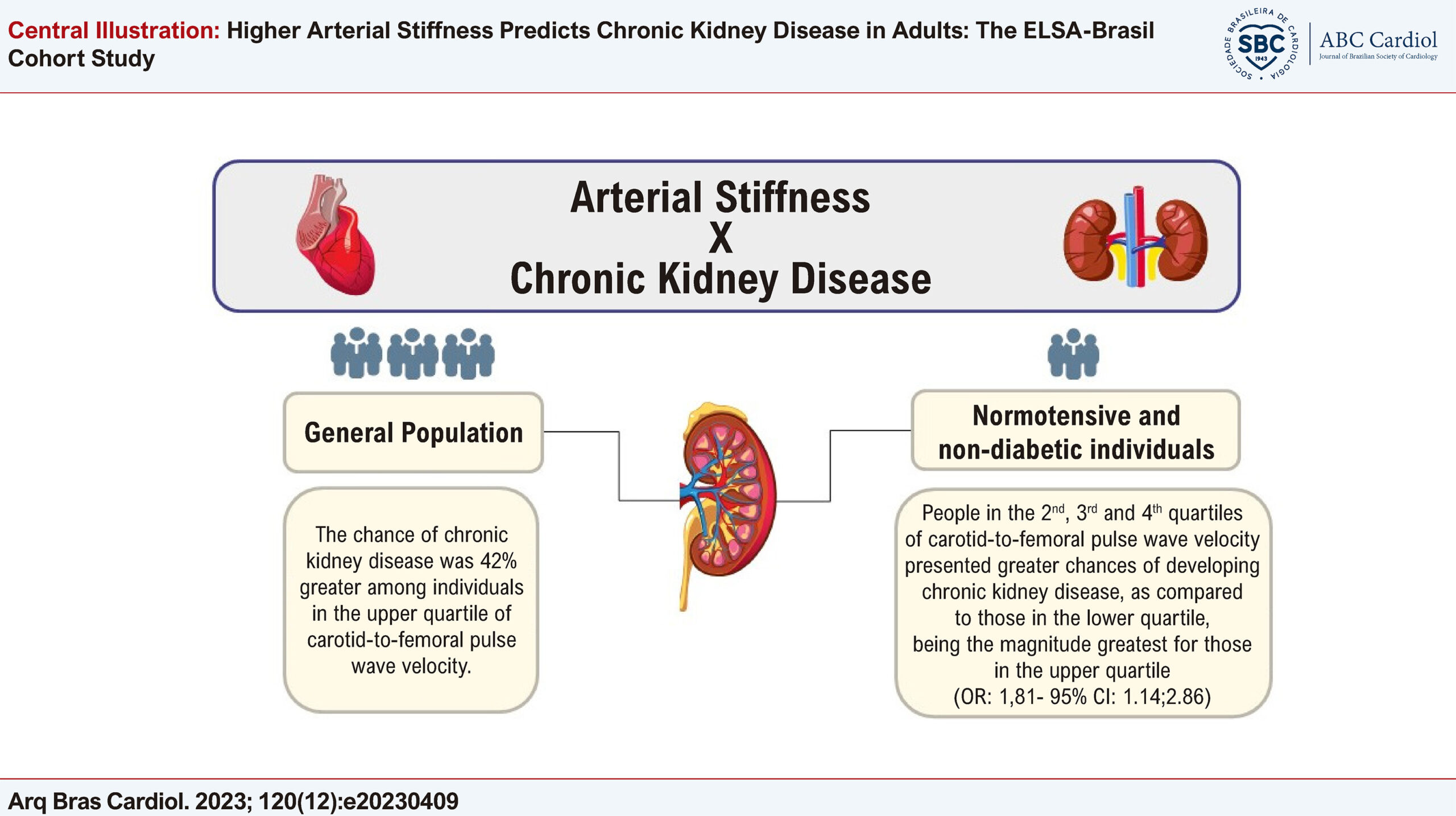
The chance of CKD was 42% (CI 95%: 1.05;1.92) greater among individuals in the upper quartile of cfPWV. Among normotensive, non-diabetic participants, individuals in the 2nd, 3rd, and 4th quartiles of cfPWV presented greater chances of developing CKD, as compared to those in the lower quartile, and the magnitude of this association was the greatest for those in the upper quartile (OR: 1.81 CI 95%: 1.14;2.86).

Conclusion

Higher cfPWV increased the chances of CKD and suggests that this effect is even greater in individuals without diabetes and hypertension.

  • Arterial Stiffness
  • Chronic Kidney Disease
  • Glomerular Filtration Rate
Read Full Article
Creative Commons Attribution (CC BY) Creative Commons license
04/03/2024 DOI: 10.36660/abc.20230409
Editorial

Arterial Stiffness and Chronic Kidney Disease Prediction

Sayuri Inuzuka et al. Weimar Kunz Sebba Barroso

The kidney and the cardiovascular system have a functional connection, and this interaction has received increasing attention. Arterial stiffness is often associated with chronic kidney disease (CKD), and both conditions can aggravate each other, generating and increasing the risk of cardiovascular events and mortality. There is a two-way path between arterial stiffness and renal dysfunction. Increased arterial stiffness and the dysfunctional endothelium activate cytokines that favors thrombotic events, and dendritic cells and lymphocytes enhance the synthesis of pro-atherogenic cytokines. The vascular inflammation amplified by CKD stimulates vessel stiffening by proliferation of the vascular smooth muscle cells and fibrosis.

Thus, to attempt to answer the dilemma of which came first, the study by Cândido et al. investigated the relationship between arterial stiffening by carotid-femoral pulse wave velocity (cfPWV) and CKD. This longitudinal study followed up 11,647 participants of the ELSA-Brasil study for 4 years. The researchers concluded that higher cfPWV increased the chances of CKD in 42% and suggested that among normotensive, non-diabetic participants, this effect was even more pronounced, indicating that arterial stiffness could be a significant risk factor for CKD independent of these conditions.

[…]

  • Arterial Stiffness
  • Endothelium
  • Hypertension
  • Kidney, Diseases
  • Risk Factors
Read Full Article
Creative Commons Attribution (CC BY) Creative Commons license
04/03/2024 DOI: 10.36660/abc.20230779 Views 1
Editorial

From Atheroma to Atherogenic Index, Secular Evidence

Dalton Bertolim Precoma et al. Guilherme Luiz da Rocha

The discovery of atherosclerosis was first described by the Austrian paleontologist Johan N. Nepomuk Czemark when he observed great calcified plaques in the ascending thoracic artery in mummies. Other fellow researchers had similar findings, but one particular case gained attention. Murphy et al., in 2003, using computer tomography, revealed in a 5300-year-old mummy atherosclerotic plaques in the aorta, coronaries, carotids, and iliac arteries.

In early 1900, a significant number of studies about atherosclerosis were published. Highlight for Alexander I. Ignatowski, who published in 1908 a pioneer study associating high total cholesterol (TC) foods with enhanced atherosclerosis in an animal model. In 1910, Adolf Windaus, who would win a Nobel prize in chemistry in 1928, demonstrated that the atherosclerotic plaques had 25 times more cholesterol than a normal artery wall.

[…]

  • Atheroma
  • Atherosclerosis / physiopathology
  • Coenzyme A
  • Plaque, Atherosclerosis
  • Risk Factors
  • Tomography, X-Ray Cmputed/methods
  • Vascular System Injuries
Read Full Article
Creative Commons Attribution (CC BY) Creative Commons license
04/03/2024 DOI: 10.36660/abc.20230819 Views 1
Editorial

Biomarkers in the Evaluation of Patients Undergoing Chemotherapy with Anthracyclines

Aurora Felice Castro Issa

Anthracyclines are important components of many chemotherapy regimens for various solid and hematologic malignancies, including breast, gynecologic, and bladder cancers, as well as leukemia and lymphoma. Unfortunately, they are associated with a recognized risk of cardiotoxicity. Drugs in this class include doxorubicin, daunorubicin, epirubicin, mitoxantrone and idarubicin. The available evidence suggests that anthracycline-induced injury to the heart occurs during exposure and evolves over time.

Cancer therapy-related cardiac dysfunction (CTRCD), the classic cardiotoxicity associated with anthracyclines, is a serious adverse event that leads to interruption of cancer treatment, potentially severe heart failure (HF), and even death. Early identification of cancer therapy-related cardiac dysfunction is essential as it allows for early implementation of medical HF therapy.

[…]

  • Anthracyclines/therapeutic use
  • Biomarkers Pharmacological/dosage
  • Drug Therapy/adverse effects
  • Neoplasms
Read Full Article
Creative Commons Attribution (CC BY) Creative Commons license
04/03/2024 DOI: 10.36660/abc.20230821 Views 1
Editorial

Influence of Genetics on Hypertension Development

Thais Beuren

Primary hypertension is one of the most common diseases worldwide, estimated to affect 20% of females and 25% of males. It is a risk factor for half of the ten leading causes of death globally, including the ranking leader, cardiovascular disease, and right next to it, brain, and kidney disease. For a long time, major efforts have been made to unravel the mechanisms that contribute to this – mostly – silent but devastating condition. Some advocate that hypertension is not a disease but a syndrome; a condition with multiple etiological factors which have as common sign an elevated blood pressure. Amongst intrinsic and environmental factors related to primary hypertension, some are already well established, e.g., obesity, smoking, disbalance of the renin-angiotensin-aldosterone-system (RAAS), mental stress, etc. The role of genetics in this scenario, nevertheless, has a vague and complex-to-characterize influence on hypertension development. Despite several studies dedicated to enlighten the matter, its polygenic nature makes every case unique regarding the impact of each predisposing factor. Several polymorphisms in different genes were pointed to correlate with hypertension, including the G-protein β3 subunit (GNB3) C825T polymorphism (rs5443:C>T). Guanine nucleotide-binding proteins (G proteins) are expressed in most human tissues and function as transductors in intracellular signaling pathways, regulating a wide variety of physiological processes. The 825T allele was previously associated with hypertension and obesity; however, a few studies were controversial, and the frequencies of the T allele differed amongst different ethnicities (fT≈0,8 in black Africans, fT≈0,45 in Asians, and fT≈0,3 in whites).

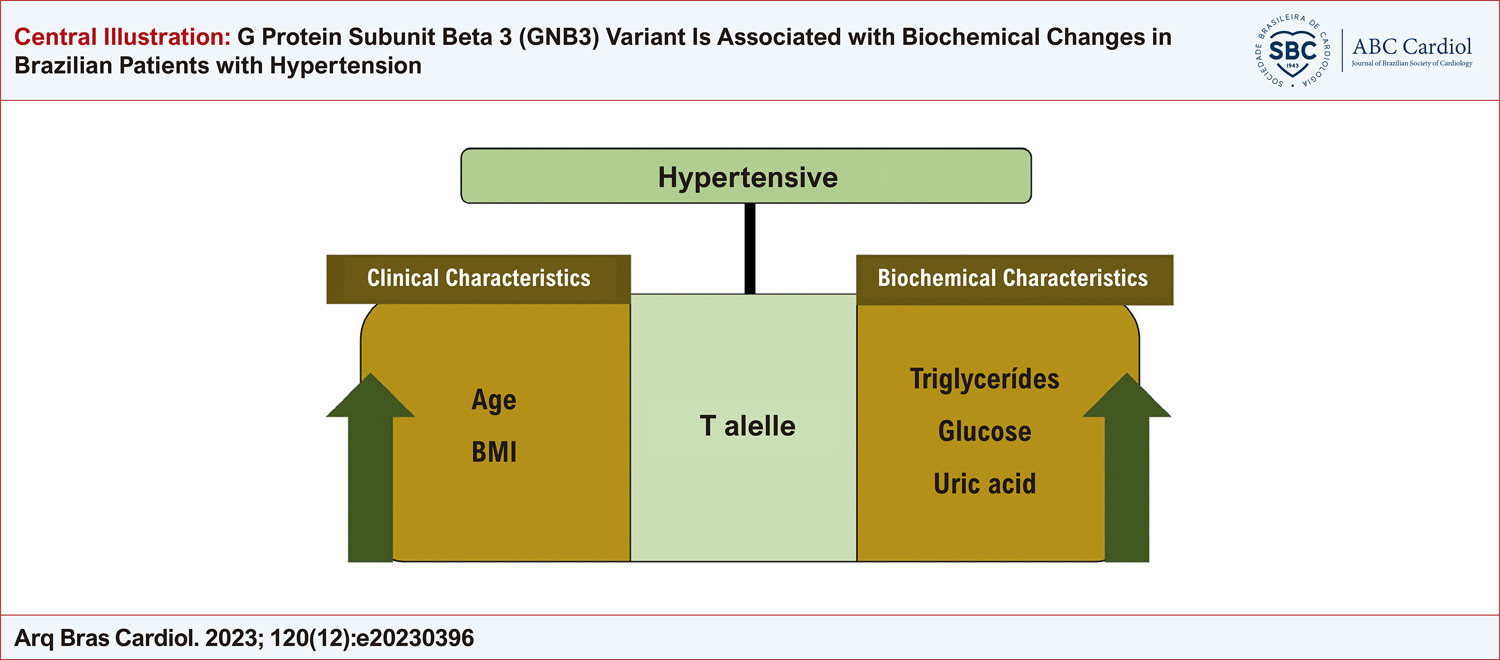
The study by Agostini et al. aimed to characterize a sample of 155 hypertensive Brazilian individuals in order to assess the prevalence of the C825T polymorphism and correlate it with clinical features. Unlike most of the other studies, the group found no association between the genetic variant and hypertension. The identification and selection of hypertensive subjects were based solely on interview data from medical records (use or not of anti-hypertensive medication and register or lack of register of a previous diagnosis), which might have interfered with their findings. Also, it was shown previously that the frequency of the T allele between ethnicities is often not equal, as well as hypertension prevalence. Thus, even though the idea of genetically characterizing the Brazilian population as a unity can be interesting, the Brazilian population is one of the most heterogeneous in the globe. Therefore, looking at ethnical groups separately could have enriched the analysis. The metabolic profile was also compared between groups and found positive associations of hypertensive individuals presenting the polymorphism with higher levels of triglycerides, glucose, uric acid, and obesity, similar to previous reports. The elucidation of hypertension pathways is a very complex subject, especially regarding genetics, so every effort to identify predisposing factors adds a new valuable piece to this puzzle.

[…]

  • Brazil
  • Genetics
  • Hypertension
Read Full Article
Creative Commons Attribution (CC BY) Creative Commons license
04/03/2024 DOI: 10.36660/abc.20230755 Views 2
Editorial

Is There an Association Between Timed Up and Go Test Performance Results and Directly Measured Peak Oxygen Consumption in Patients with Heart Disease?

Filipe Ferrari et al. Ricardo Stein

Functional capacity, the ability to perform daily activities independently, is commonly assessed using standardized tests like the 6-minute walk test, Timed Up and Go Test (TUGT), and one-minute sit-to-stand test. However, the gold standard for evaluating functional or cardiorespiratory capacity is cardiopulmonary exercise testing (CPET), which measures peak oxygen consumption (VO2peak). CPET involves gradually increasing exercise intensity until exhaustion or symptom onset.

Numerous studies consistently demonstrate a strong inverse association between VO2peak and cardiovascular events, cardiovascular mortality, and all-cause mortality,, underscoring the pivotal role of functional capacity in the context of cardiovascular diseases. Moreover, in heart failure, regardless of ejection fraction status, poor performance on the 6-minute walk test has been linked to elevated risks of all-cause mortality and heart failure.

[…]

  • Cardiovascular Diseases
  • health care
  • outcome assessment
  • Oxygen Consumption
  • Postural Balance
  • Test Timed Up and Go
Read Full Article
Creative Commons Attribution (CC BY) Creative Commons license
04/03/2024 DOI: 10.36660/abc.20230832
Performance of the SHARPEN Score and the Charlson Comorbidity Index for In-Hospital and Post-Discharge Mortality Prediction in Infective Endocarditis
Original Article

Performance of the SHARPEN Score and the Charlson Comorbidity Index for In-Hospital and Post-Discharge Mortality Prediction in Infective Endocarditis

Sofia Giusti Alves et al. Fernando Pivatto Júnior Filippe Barcellos Filippini Gustavo Paglioli Dannenhauer … Gabriel Seroiska Helena Marcon Bischoff Luiz Felipe Schmidt Birk Diego Henrique Terra Daniel Sganzerla Marcelo Haertel Miglioranza

Abstract

Background

SHARPEN was the first dedicated score for in-hospital mortality prediction in infective endocarditis (IE) regardless of cardiac surgery.

Objectives

To analyze the ability of the SHARPEN score to predict in-hospital and post-discharge mortality and compare it with that of the Charlson comorbidity index (CCI).

Methods

Retrospective cohort study including definite IE (Duke modified criteria) admissions from 2000 to 2016. The area under the ROC curve (AUC-ROC) was calculated to assess predictive ability. Kaplan-Meier curves and Cox regression was performed. P-value < 0.05 was considered statistically significant.

Results

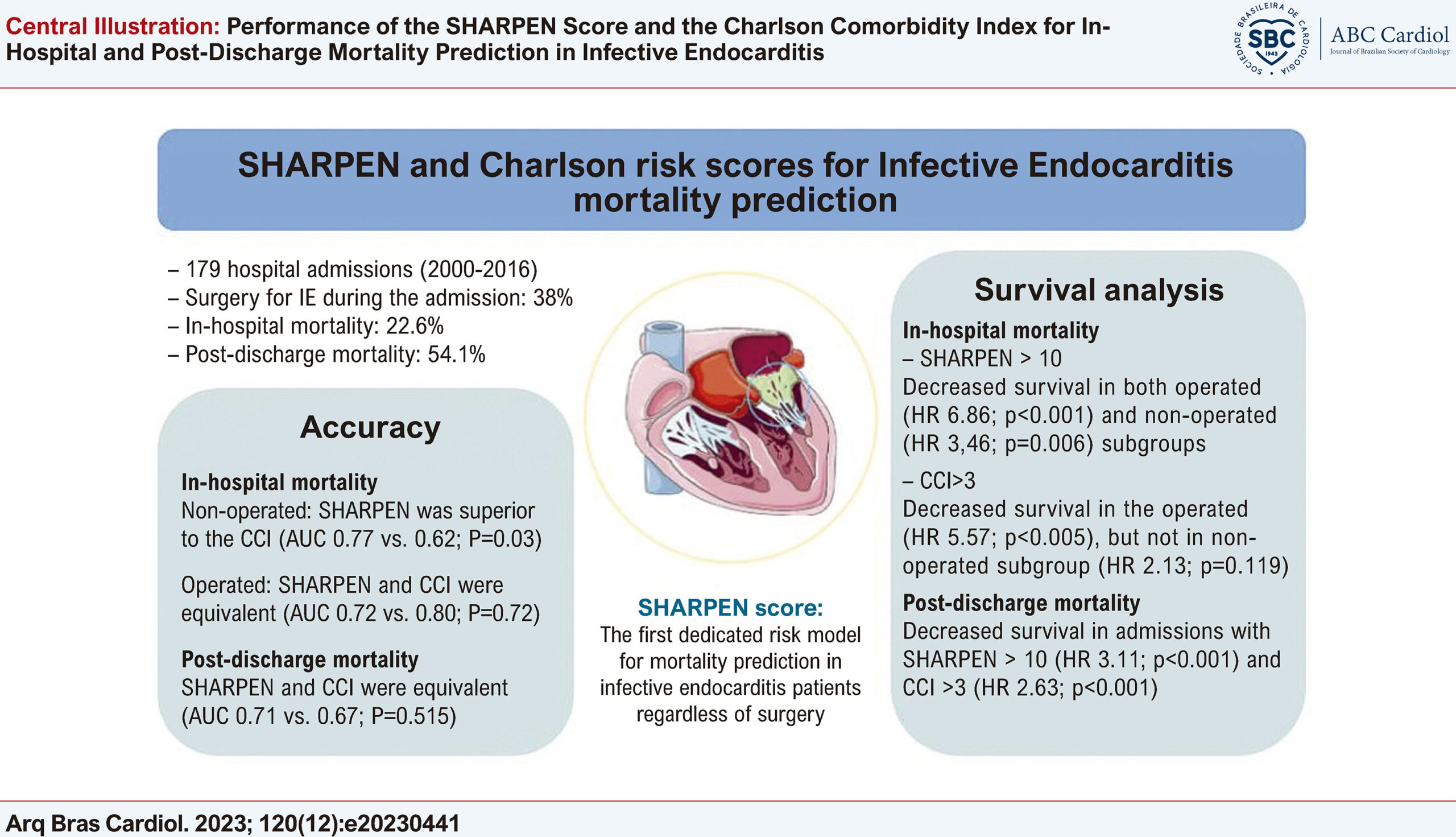
We studied 179 hospital admissions. In-hospital mortality was 22.3%; 68 (38.0%) had cardiac surgery. Median (interquartile range, IQR) SHARPEN and CCI scores were 9(7-11) and 3(2-6), respectively. SHARPEN had better in-hospital mortality prediction than CCI in non-operated patients (AUC-ROC 0.77 vs. 0.62, p = 0.003); there was no difference in overall (p = 0.26) and in operated patients (p = 0.41). SHARPEN > 10 at admission was associated with decreased in-hospital survival in the overall (HR 3.87; p < 0.001), in non-operated (HR 3.46; p = 0.006) and operated (HR 6.86; p 3 at admission was associated with worse in-hospital survival in the overall (HR 3.0; p = 0.002), and in operated patients (HR 5.57; p = 0.005), but not in non-operated patients (HR 2.13; p = 0.119). Post-discharge survival was worse in patients with SHARPEN > 10 (HR 3.11; p 3 (HR 2.63; p < 0.001) at admission; however, there was no difference in predictive ability between these groups.

Conclusion

SHARPEN was superior to CCI in predicting in-hospital mortality in non-operated patients. There was no difference between the scores regarding post-discharge mortality.

  • Comorbidity
  • Keywords: Endocarditis
  • Survival Analysis
Read Full Article
Creative Commons Attribution (CC BY) Creative Commons license
04/03/2024 DOI: 10.36660/abc.20230441 Views 1
Letter to the Editor

Invasive Versus Conservative Management of NSTEMI Patients Aged ≥ 75 Years: Commentary

Sérgio Renato da Rosa Decker et al. Luiza Duarte Pittol Regis Goulart Rosa Marciane Maria Rover

Dear Editor,

In the edition of Arquivos Brasileiros de Cardiologia, Mengjin Hu et al. evaluated the benefit of early invasive strategy for elderly patients with non-ST-elevation myocardial infarction (NSTEMI), concluding that this strategy yields positive results in reducing myocardial infarction, major adverse cardiac events, and urgent revascularization outcomes. However, we have concerns regarding the authors’ claim of superiority and the relevance of the chosen outcomes for this specific population. Firstly, these outcomes (ischemia-driven outcomes) are mostly surrogate endpoints based on troponin levels. To establish the surrogacy of one outcome to another, several factors need to be considered, including biological plausibility, associations in observational studies, and, most importantly, proof of concept through trials where improving the surrogate endpoint also enhances clinical outcomes. In this sense, evidence shows that the association between nonfatal myocardial infarction and all-cause or cardiovascular mortality meets the first two levels; however, a meta-analysis of randomized clinical trials did not establish nonfatal myocardial infarction as a surrogate for all-cause or cardiovascular mortality. Indeed, this is a reproducible relationship in short and long term outcomes; the metanalysis of FRISC-II, ICTUS, and RITA-3 showed that, after five years, early invasive strategy for patients with NSTEMI did not result in reduced mortality despite the benefits seen in ischemia-driven outcomes.

[…]

  • Aged
  • Ischemia
  • Mortality
  • Myocardial Infarction/prevention and control
  • Myocardial Revascularization/surgery
  • Non-ST Elevated Myocardial Infarction
  • Troponin
Read Full Article
Creative Commons Attribution (CC BY) Creative Commons license
04/03/2024 DOI: 10.36660/abc.20230364 Views 2
The Six Pillars of Lifestyle Medicine in Managing Noncommunicable Diseases – The Gaps in Current Guidelines
Review Article

The Six Pillars of Lifestyle Medicine in Managing Noncommunicable Diseases – The Gaps in Current Guidelines

Rafaella Rogatto de Faria et al. Sergio Freitas de Siqueira Francisco Aguerre Haddad Gustavo Del Monte Silva … Caio Vitale Spaggiari Martino Martinelli Filho

Abstract

Background:

Noncommunicable diseases (NCDs), also known as chronic diseases that are long-lasting, are considered the major cause of death and disability worldwide, and the six pillars of lifestyle medicine (nutrition, exercise, toxic control, stress management, restorative sleep, and social connection) play an important role in a holistic management of their prevention and treatment. In addition, medical guidelines are the most accepted documents with recommendations to manage NCDs.

Objective:

The present study aims to analyze the lack of lifestyle pillars concerning the major Brazilian medical guidelines for NCDs and identify evidence in the literature that could justify their inclusion in the documents.

Method:

Brazilian guidelines were selected according to the most relevant causes of death in Brazil, given by the Mortality Information System, published by the Brazilian Ministry of Health in 2019. Journals were screened in the PUBMED library according to the disease and non-mentioned pillars of lifestyle.

Results:

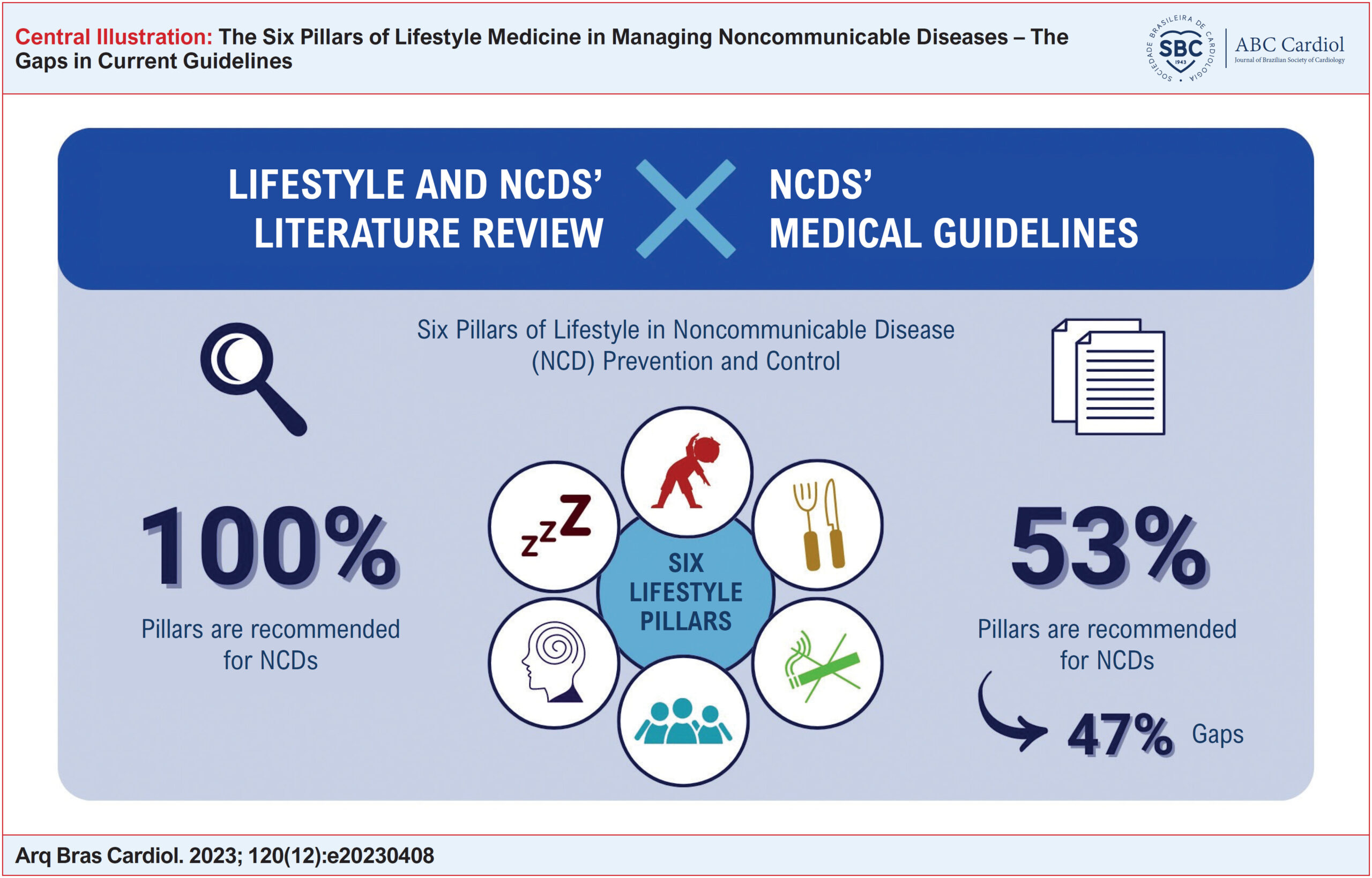
Relevant causes of deaths in Brazil are acute myocardial infarction (AMI), diabetes mellitus (DM), and chronic obstructive pulmonary diseases (COPD). Six guidelines related to these NCDs were identified, and all address aspects of lifestyle, but only one, regarding cardiovascular prevention, highlights all six pillars. Despite this, a literature search involving over 50 articles showed that there is evidence that all the pillars can help control each of these NCDs.

Conclusion:

Rarely are the six pillars of lifestyle contemplated in Brazilian guidelines for AMI, DM, and COPD. The literature review identified evidence of all lifestyle pillars to offer a holistic approach for the management and prevention of NCDs.

  • Holistic Health
  • Life Style
  • Noncommunicable Diseases
  • Practice Guideline
Read Full Article
Creative Commons Attribution (CC BY) Creative Commons license
08/01/2024 DOI: 10.36660/abc.20230408 Views 1
RETRATAÇÃO PARCIAL

PARTIAL-RETRACTION

The editorial team of the Arquivos Brasileiros de Cardiologia journal hereby announces the formal publication of a Partial-Retraction for the article:

Lypovetska, Sofiya. MINOCA Phenotypes – A Challenge for Patient-Specific Management. Arq Bras Cardiol. 2023; 120(6):e20220705.

[…]

Read Full Article
Creative Commons Attribution (CC BY) Creative Commons license
08/01/2024 DOI: 10.36660/abc.20220705.RETRAT
Figure 1
Case Report

A Rare Cause and Management of Ventricular Fibrillation: 5-Fluorouracil Toxicity

Kutluhan Eren Hazir et al. Cenk Sari

Introduction

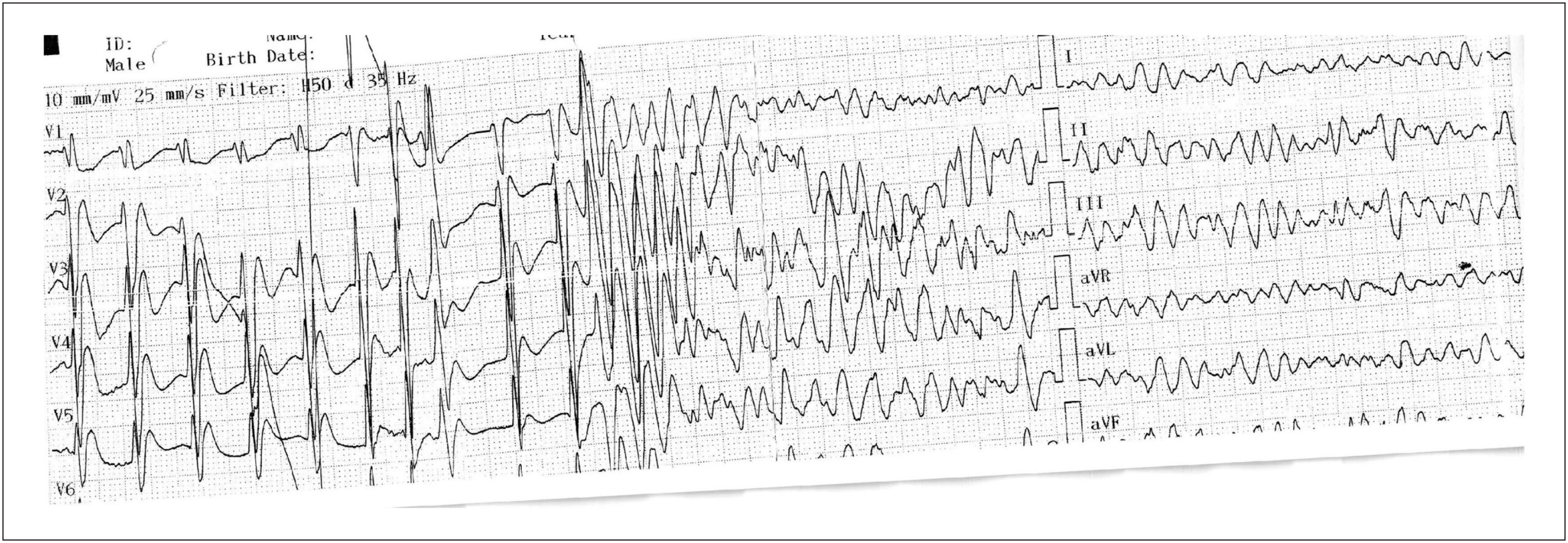
5-Fluorouracil (5-FU) is a pyrimidine antimetabolite used to treat solid tumors. 5-FU can cause several cardiovascular side effects with a frequency of 1.2-18%., Among these side effects, angina and myocardial infarction are common. Other rare side effects have also been reported, including myocarditis, pericarditis, arrhythmias including atrial fibrillation, QT prolongation, heart failure, and death. These conditions have been directly associated with vasospasm due to endothelial dysfunction.,

This case report details the diagnosis and management of 5-FU cardiotoxicity upon the development of VF in a patient treated with 5-FU.

[…]

  • Fluorouracil
  • Medical Oncology
  • Ventricular Fibrillation
Read Full Article
Creative Commons Attribution (CC BY) Creative Commons license
08/01/2024 DOI: 10.36660/abc.20230217
Figure 1
Image

Beat-to-Beat Alternating Bundle-Branch Block

Margarida Temtem et al. Joel Ponte Monteiro Marco Gomes Serrão Drumond Freitas

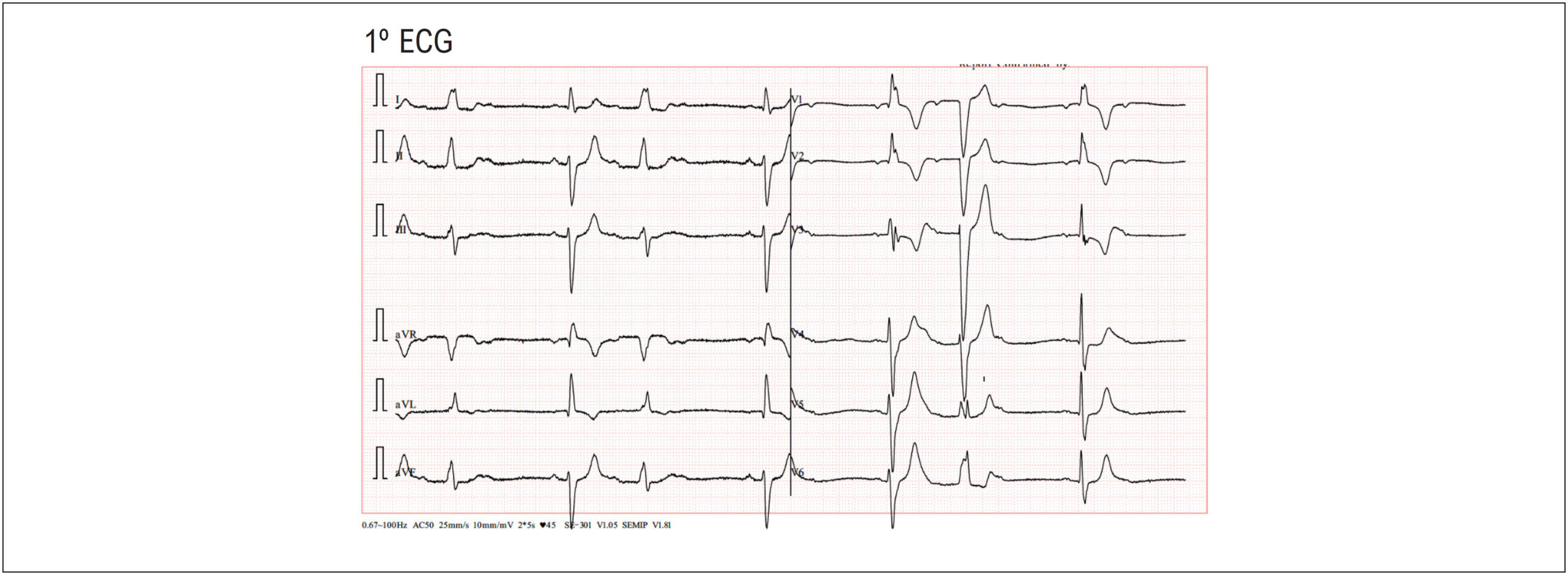
A 67-year-old man was admitted to the primary healthcare emergency department due to dizziness. During the physical examination, an irregular heart rhythm was detected, prompting a request for a 12-lead electrocardiogram (ECG). The ECG () revealed a beat-to-beat alternating pattern of right and left bundle branch blocks (RBBB and LBBB) with Mobitz I second-degree atrioventricular (AV) block.

The patient was transferred to the hospital emergency department, where two consecutive ECGs were performed. One ECG () showed persistent LBBB with first-degree AV block (PR interval of 320ms), and the subsequent ECG () indicated persistent RBBB with left anterior fascicular block and fixed 2:1 second-degree AV block.

[…]

  • Arrhythmias Cardiac
  • Atrioventricular block
  • Electrocardiography/methods
  • Hospitalization
  • Permanent Pacemaker
Read Full Article
Creative Commons Attribution (CC BY) Creative Commons license
08/01/2024 DOI: 10.36660/abc.20230162 Views 1
Erratum

Erratum

Arq Bras Cardiol. 2023;120(6):e20220576

In the Original Article “Construction and Validation of a Protocol Targeting Patients on Oral Anticoagulation with Warfarin”, with DOI: https://doi.org/10.36660/ abc.20220576, published in the journal Arquivos Brasileiros de Cardiologia, Arq Bras Cardiol. 2023;120(6):e20220576, on page 1, correct the name of the author “Rebeca Priscilla de Melo Santos” to “Rebeca Priscila de Melo Santos”.

[…]

Read Full Article
Creative Commons Attribution (CC BY) Creative Commons license
05/01/2024 DOI: 10.36660/abc.20230806
New Cardiovascular Biomarkers in Breast Cancer Patients Undergoing Doxorubicin-Based Chemotherapy
Original Article

New Cardiovascular Biomarkers in Breast Cancer Patients Undergoing Doxorubicin-Based Chemotherapy

Rodrigo Mendonça Cardoso Pestana et al. Júnea Paolucci Paiva Silvino Angélica Navarro de Oliveira Cintia Esteves Soares … Adriano de Paula Sabino Ricardo Simões Karina Braga Gomes

Abstract

Background

Cardiovascular diseases (CVDs) are relevant to the management of breast cancer treatment since a substantial number of patients develop these complications after chemotherapy.

Objective

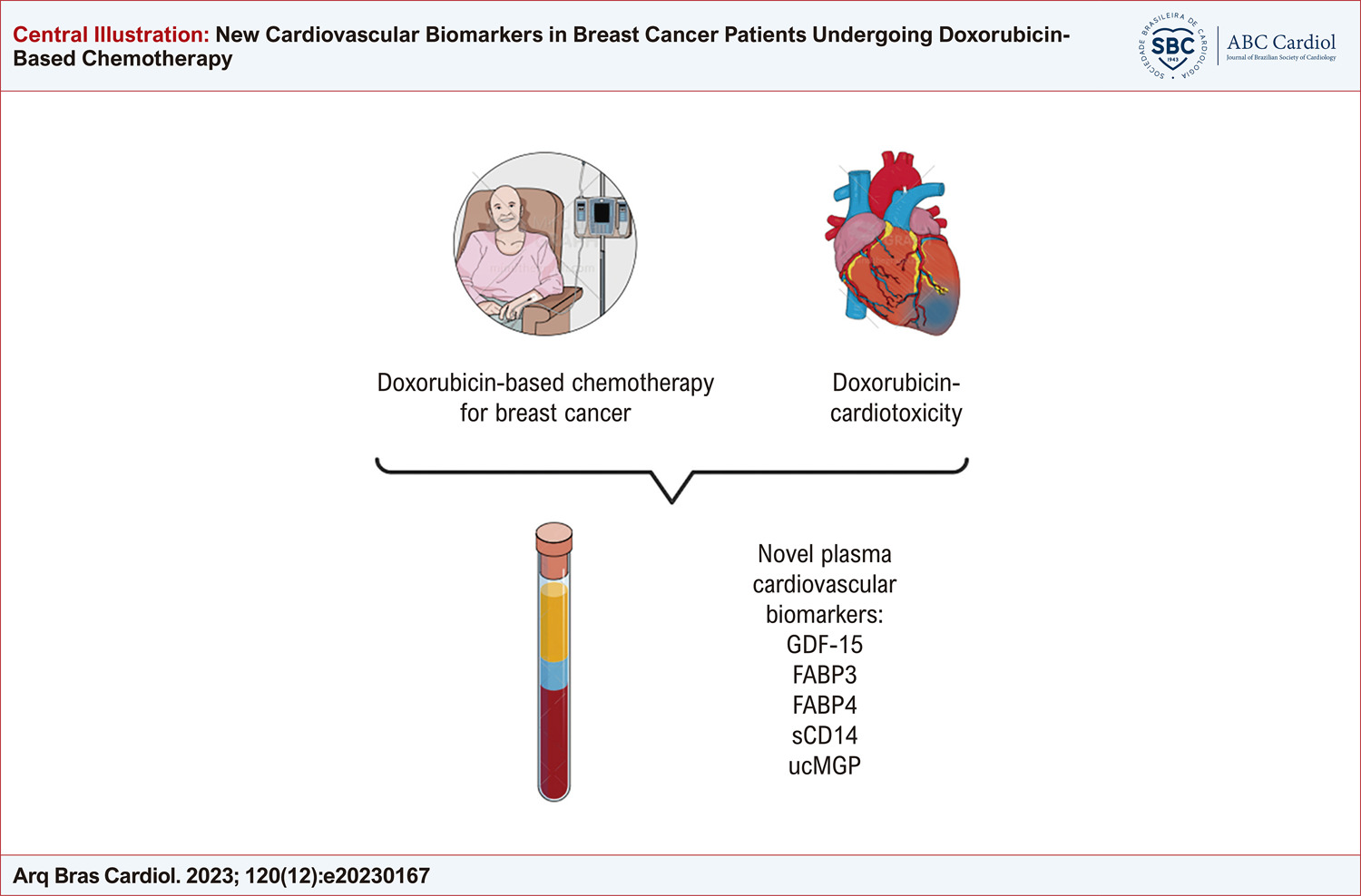
This study aims to evaluate new cardiovascular biomarkers, namely CXCL-16 (C-X-C motif ligand 16), FABP3 (fatty acid binding protein 3), FABP4 (fatty acid binding protein 4), LIGHT (tumor necrosis factor superfamily member 14/TNFS14), GDF-15 (Growth/differentiation factor 15), sCD4 (soluble form of CD14), and ucMGP (uncarboxylated Matrix Gla-Protein) in breast cancer patients treated with doxorubicin (DOXO).

Methods

This case-control study was conducted in an oncology clinic that included 34 women diagnosed with breast cancer and chemotherapy with DOXO and 34 control women without cancer and CVD. The markers were determined immediately after the last cycle of chemotherapy. The statistical significance level adopted was 5%.

Results

The breast cancer group presented higher levels of GDF-15 (p<0.001), while control subjects had higher levels of FABP3 (p=0.038), FABP4 (p=0003), sCD14, and ucMGP (p<0.001 for both). Positive correlations were observed between FABPs and BMI in the cancer group.

Conclusion

GDF15 is an emerging biomarker with potential clinical applicability in this scenario. FABPs are proteins related to adiposity, which are potentially involved in breast cancer biology. sCD14 and ucMGP engage in inflammatory and vascular calcification. The evaluation of these novel cardiovascular biomarkers could be useful in the management of breast cancer chemotherapy with DOXO.

  • Biomarkers
  • Breast Neoplasms
  • Cardiovascular Diseases
  • Doxorubicin
Read Full Article
Creative Commons Attribution (CC BY) Creative Commons license
05/01/2024 DOI: 10.36660/abc.20230167
Usefulness of Age, Creatinine and Ejection Fraction - Modification of Diet in Renal Disease Score for Predicting Survival in Patients with Heart Failure
Original Article

Usefulness of Age, Creatinine and Ejection Fraction – Modification of Diet in Renal Disease Score for Predicting Survival in Patients with Heart Failure

Rengin Çetin Güvenç et al. Tolga Sinan Güvenç Yüksel Çavuşoğlu Ahmet Temizhan Mehmet Birhan Yılmaz

Abstract

Background

While many risk models have been developed to predict prognosis in heart failure (HF), these models are rarely useful for the clinical practitioner as they include multiple variables that might be time-consuming to obtain, they are usually difficult to calculate, and they may suffer from statistical overfitting.

Objectives

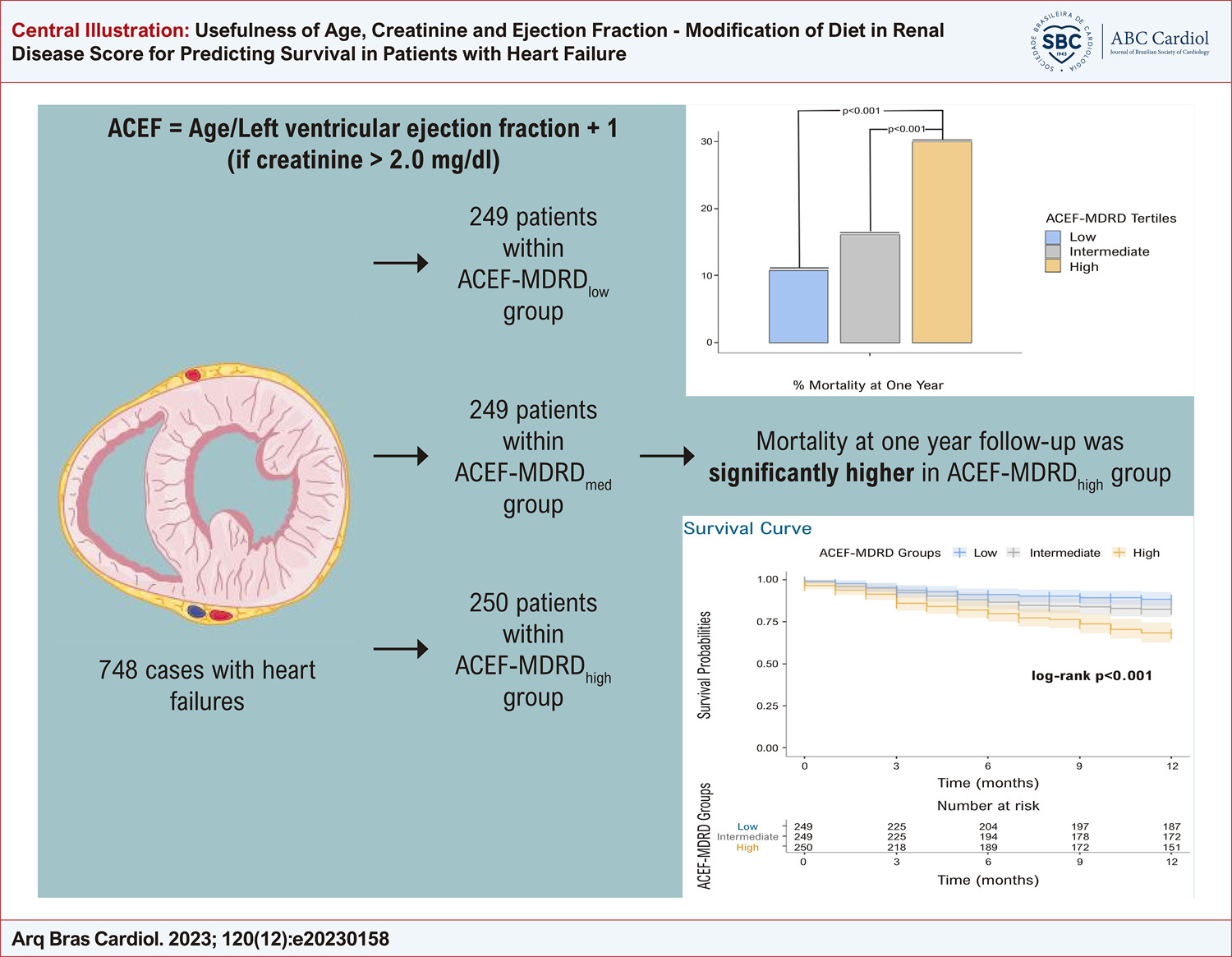
To investigate whether a simpler model, namely the ACEF-MDRD score, could be used for predicting one-year mortality in HF patients.

Methods

748 cases within the SELFIE-HF registry had complete data to calculate the ACEF-MDRD score. Patients were grouped into tertiles for analyses. For all tests, a p-value <0.05 was accepted as significant.

Results

Significantly more patients within the ACEF-MDRD high tertile (30.0%) died within one year, as compared to other tertiles (10.8% and 16.1%, respectively, for ACEF-MDRD low and ACEF-MDRD med , p<0.001 for both comparisons). There was a stepwise decrease in one-year survival as the ACEF-MDRD score increased (log-rank p<0.001). ACEF-MDRD was an independent predictor of survival after adjusting for other variables (OR: 1.14, 95%CI:1.04 – 1.24, p=0.006). ACEF-MDRD score offered similar accuracy to the GWTG-HF score for predicting one-year mortality (p=0.14).

Conclusions

ACEF-MDRD is a predictor of mortality in patients with HF, and its usefulness is comparable to similar yet more complicated models.

  • Heart Failure
  • Mortality
  • Survivorship
Read Full Article
Creative Commons Attribution (CC BY) Creative Commons license
05/01/2024 DOI: 10.36660/abc.20230158
Position Statement on the Use of Myocardial Strain in Cardiology Routines by the Brazilian Society of Cardiology’s Department Of Cardiovascular Imaging – 2023
Posicionamento

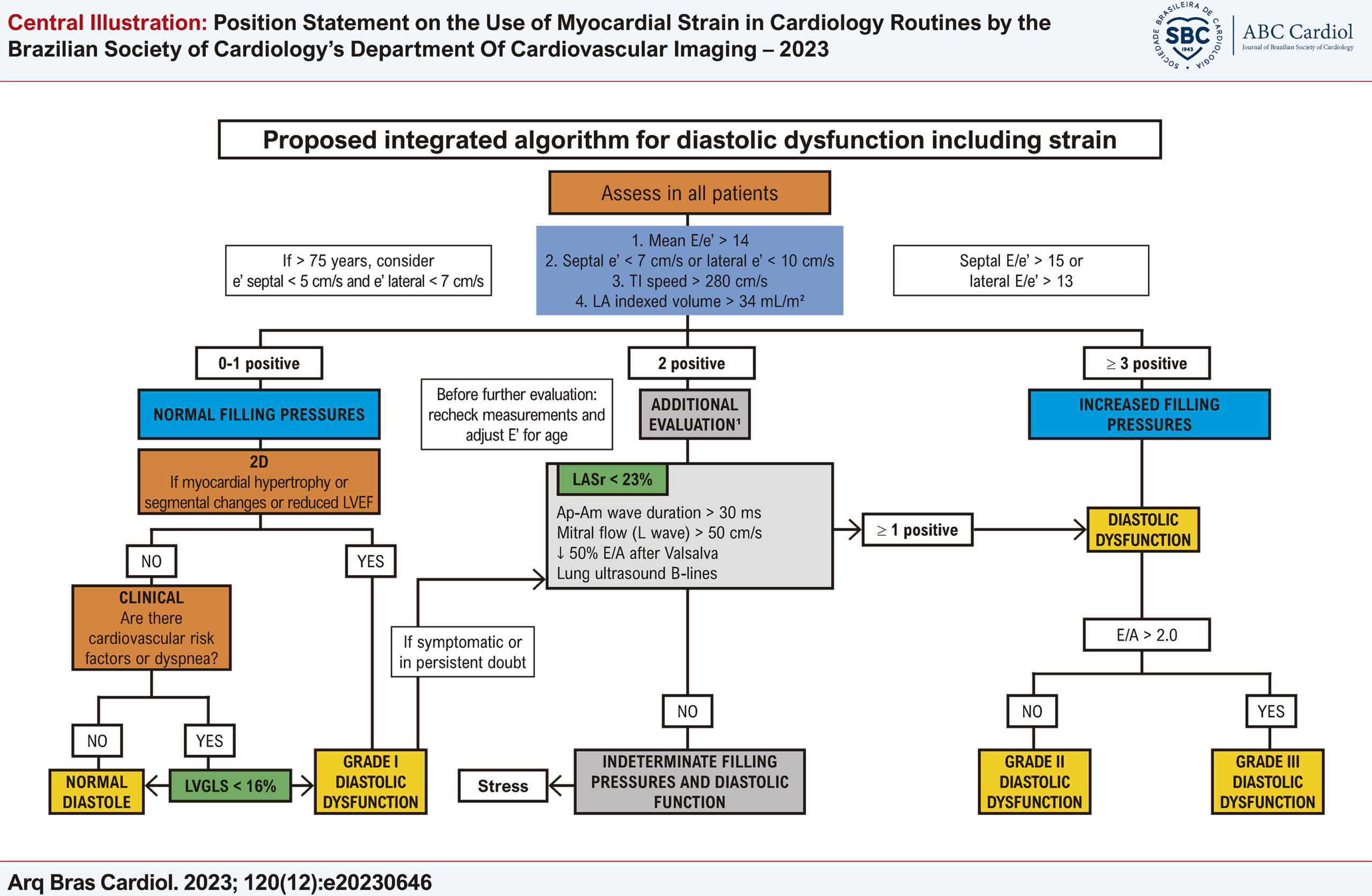
Position Statement on the Use of Myocardial Strain in Cardiology Routines by the Brazilian Society of Cardiology’s Department Of Cardiovascular Imaging – 2023

André Luiz Cerqueira Almeida et al. Marcelo Dantas Tavares de Melo David Costa de Souza Le Bihan Marcelo Luiz Campos Vieira … José Luiz Barros Pena José Maria Del Castillo Henry Abensur Renato de Aguiar Hortegal Maria Estefania Bosco Otto Rafael Bonafim Piveta Maria Rosa Dantas Jorge Eduardo Assef Adenalva Lima de Souza Beck Thais Harada Campos Espirito Santo Tonnison de Oliveira Silva Vera Maria Cury Salemi Camila Rocon Márcio Silva Miguel Lima Silvio Henrique Barberato Ana Clara Rodrigues Arnaldo Rabschkowisky Daniela do Carmo Rassi Frota Eliza de Almeida Gripp Rodrigo Bellio de Mattos Barretto Sandra Marques e Silva Sanderson Antonio Cauduro Aurélio Carvalho Pinheiro Salustiano Pereira de Araujo Cintia Galhardo Tressino Carlos Eduardo Suaide Silva Claudia Gianini Monaco Marcelo Goulart Paiva Cláudio Henrique Fisher Marco Stephan Lofrano Alves Cláudia R. Pinheiro de Castro Grau Maria Veronica Camara dos Santos Isabel Cristina Britto Guimarães Samira Saady Morhy Gabriela Nunes Leal Andressa Mussi Soares Cecilia Beatriz Bittencourt Viana Cruz Fabio Villaça Guimarães Filho Bruna Morhy Borges Leal Assunção Rafael Modesto Fernandes Roberto Magalhães Saraiva Jeane Mike Tsutsui Fábio Luis de Jesus Soares Sandra Nívea dos Reis Saraiva Falcão Viviane Tiemi Hotta Anderson da Costa Armstrong Daniel de Andrade Hygidio Marcelo Haertel Miglioranza Ana Cristina Camarozano Marly Maria Uellendahl Lopes Rodrigo Julio Cerci Maria Eduarda Menezes de Siqueira Jorge Andion Torreão Carlos Eduardo Rochitte Alex Felix

Table of contents

1. Basic Concepts in Left Ventricular Strain 7

1.1. Brief Introduction to the Physical Principles of Speckle Formation in Cardiovascular Imaging 7

[…]

Read Full Article
Creative Commons Attribution (CC BY) Creative Commons license
05/01/2024 DOI: 10.36660/abc.20230646 Views 2
Non-Invasive Assessment of Cardiodynamics by Impedance Cardiography during the Six-Minute Walk Test in Patients with Heart Failure
Original Article

Non-Invasive Assessment of Cardiodynamics by Impedance Cardiography during the Six-Minute Walk Test in Patients with Heart Failure

Leandro Franzoni et al. Rafael Cechet de Oliveira Diego Busin Douglas Jean Preussler Turella … Rochelle Rocha Costa Marco Aurélio Lumertz Saffi Anderson Donelli da Silveira Ricardo Stein

Abstract

Background

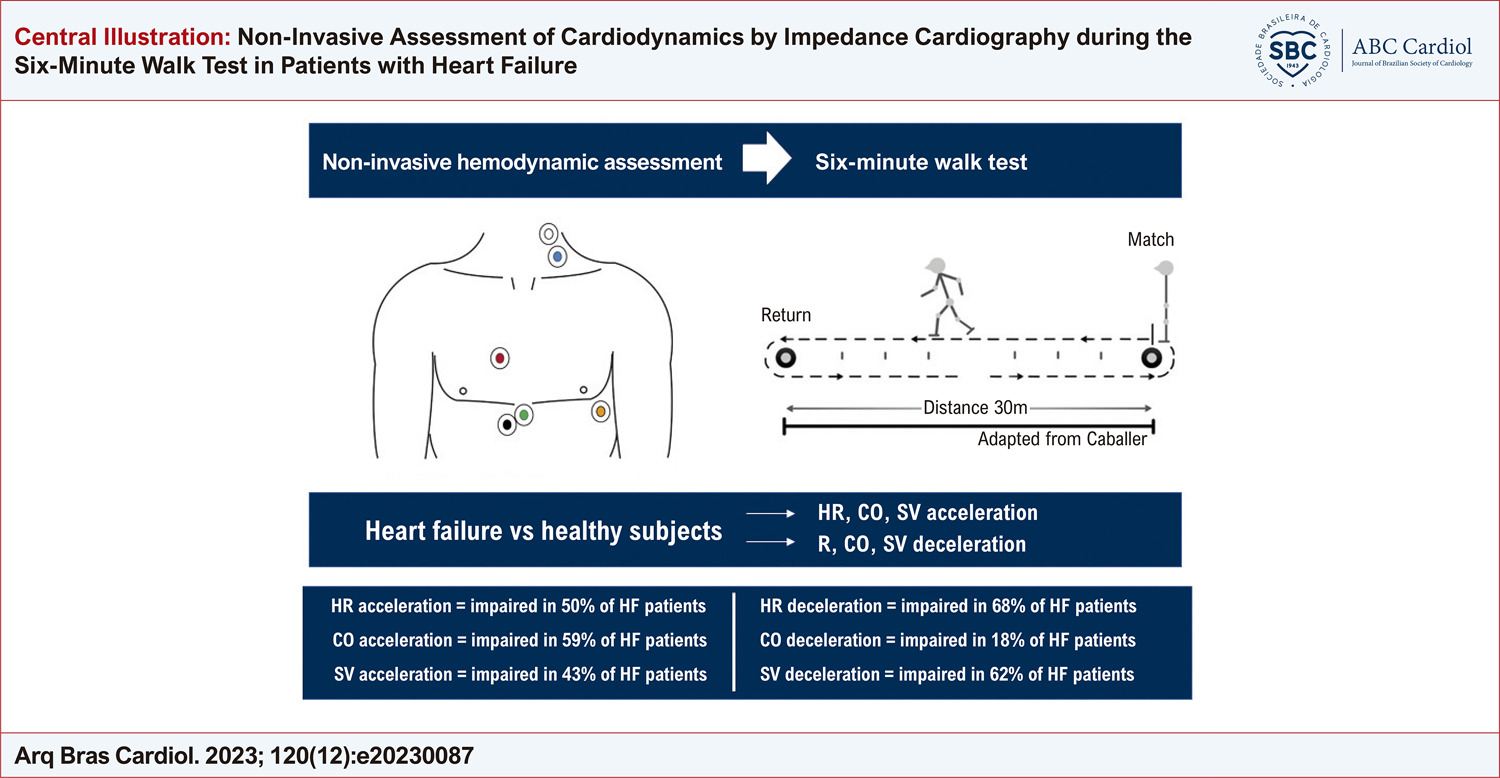
The six-minute walk test (6MWT) is commonly used to evaluate heart failure (HF) patients. However, several clinical factors can influence the distance walked in the test. Signal-morphology impedance cardiography (SM-ICG) is a useful tool to noninvasively assess hemodynamics.

Objective

This study aimed to compare cardiac output (CO), heart rate (HR), and stroke volume (SV) acceleration and deceleration responses to 6MWT in individuals with HF and reduced ejection fraction (HFrEF) and healthy controls.

Methods

This is a cross-sectional observational study. CO, HR, SV and cardiac index (CI) were evaluated before, during, and after the 6MWT assessed by SM-ICG. The level of significance adopted in the statistical analysis was 5%.

Results

Twenty-seven participants were included (13 HFrEF and 14 healthy controls). CO and HR acceleration significantly differed between groups (p<0.01; p=0.039, respectively). We found significant differences in SV, CO and CI between groups (p<0.01). Linear regression showed an impaired SV contribution to CO change in HFrEF group (22.9% versus 57.4%).

Conclusion

The main finding of the study was that individuals with HFrEF showed lower CO and HR acceleration values during the submaximal exercise test compared to healthy controls. This may indicate an imbalance in the autonomic response to exercise in this condition.

  • Exercise Tolerance
  • Hemodynamics
  • Impedance Cardiography
Read Full Article
Creative Commons Attribution (CC BY) Creative Commons license
05/01/2024 DOI: 10.36660/abc.20230087
Use of Atherogenic Indices as Assessment Methods of Clinical Atherosclerotic Diseases
Original Article

Use of Atherogenic Indices as Assessment Methods of Clinical Atherosclerotic Diseases

Yuri Barbosa Araújo et al. Ana Beatriz Rocha Almeida Márcio Fellipe Menezes Viana Rafael Alexandre Meneguz-Moreno

Abstract

Background

The search for clinically useful methods to assess atherosclerotic diseases (ASCVD) with good accuracy, low cost, non-invasiveness, and easy handling has been stimulated for years. Thus, the atherogenic indices evaluated in this study may fit this growing demand.

Objectives

To assess the potential of atherogenic indices to evaluate patients with clinical atherosclerosis.

Methods

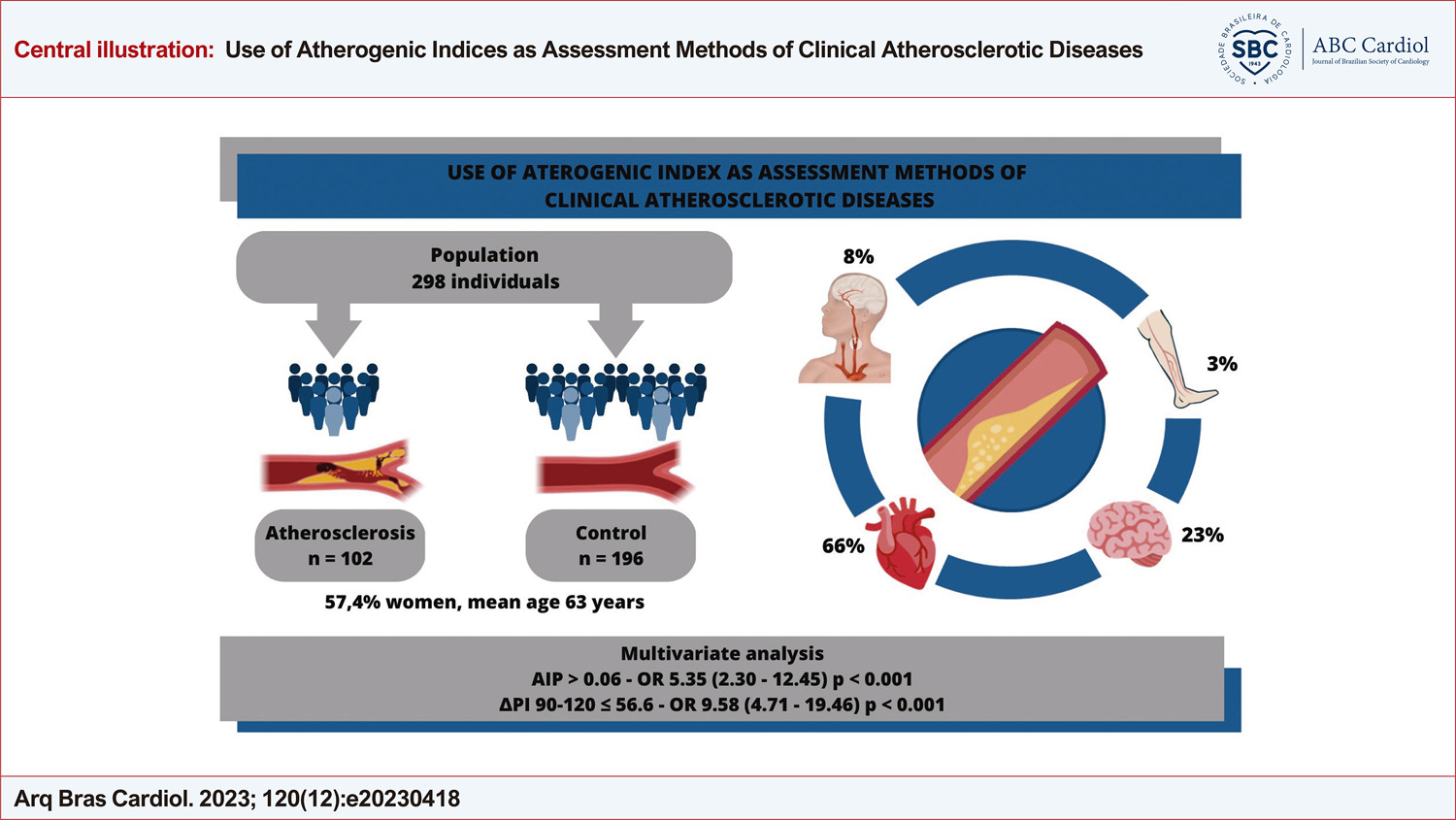
Single-center cross-sectional study, through which the Castelli I and II indices, the atherogenic index of plasma (AIP), the lipoprotein combine index, and the variation in the peripheral perfusion index between 90 and 120 seconds after an endothelium-dependent (ΔPI90-120) vasodilator stimulus were evaluated in the prediction of atherosclerosis. Statistical significance was set at p < 0.05.

Results

The sample consisted of 298 individuals with an average age of 63.0±16.1 years, of which 57.4% were women. Paired comparisons of the ROC curve analysis of the indices that reached the area under the curve (AUC) > 0.6 show that ΔPI90-120 and AIP were superior to other indices, and no differences were observed between them (difference between AUC = 0.056; 95%CI -0.003–0.115). Furthermore, both the ΔPI90-120 [odds ratio (OR) 9.58; 95%CI 4.71–19.46)] and AIP (OR 5.35; 95%CI 2.30–12.45) were independent predictors of clinical atherosclerosis.

Conclusions

The AIP and ΔPI90-120 represented better accuracy in discriminating clinical ASCVD. Moreover, they were independent predictors of clinical ASCVD, evidencing a promising possibility for developing preventive and control strategies for cardiovascular diseases. Therefore, they are markers for multicenter studies from the point of view of practicality, low cost, and external validity.

  • Atherosclerosis
  • Atherosclerotic Plaque
  • Lipoproteins
  • Perfusion Index
Read Full Article
Creative Commons Attribution (CC BY) Creative Commons license
22/12/2023 DOI: 10.36660/abc.20230418 Views 1
Prediction of Peak Oxygen Consumption in Patients with Heart Disease Based on Performance on the Timed Up and Go Test
Original Article

Prediction of Peak Oxygen Consumption in Patients with Heart Disease Based on Performance on the Timed Up and Go Test

Danilo Silva dos Santos et al. Ciro Oliveira Queiroz Cristiane Maria Carvalho Costa Dias Gerson Cipriano Junior … Queila Oliveira Borges Luiz Eduardo Fonteles Ritt

Abstract

Background

The use of the timed up and go (TUG) test to assess cardiorespiratory fitness in patients with heart disease has not been well defined in the literature.

Objectives

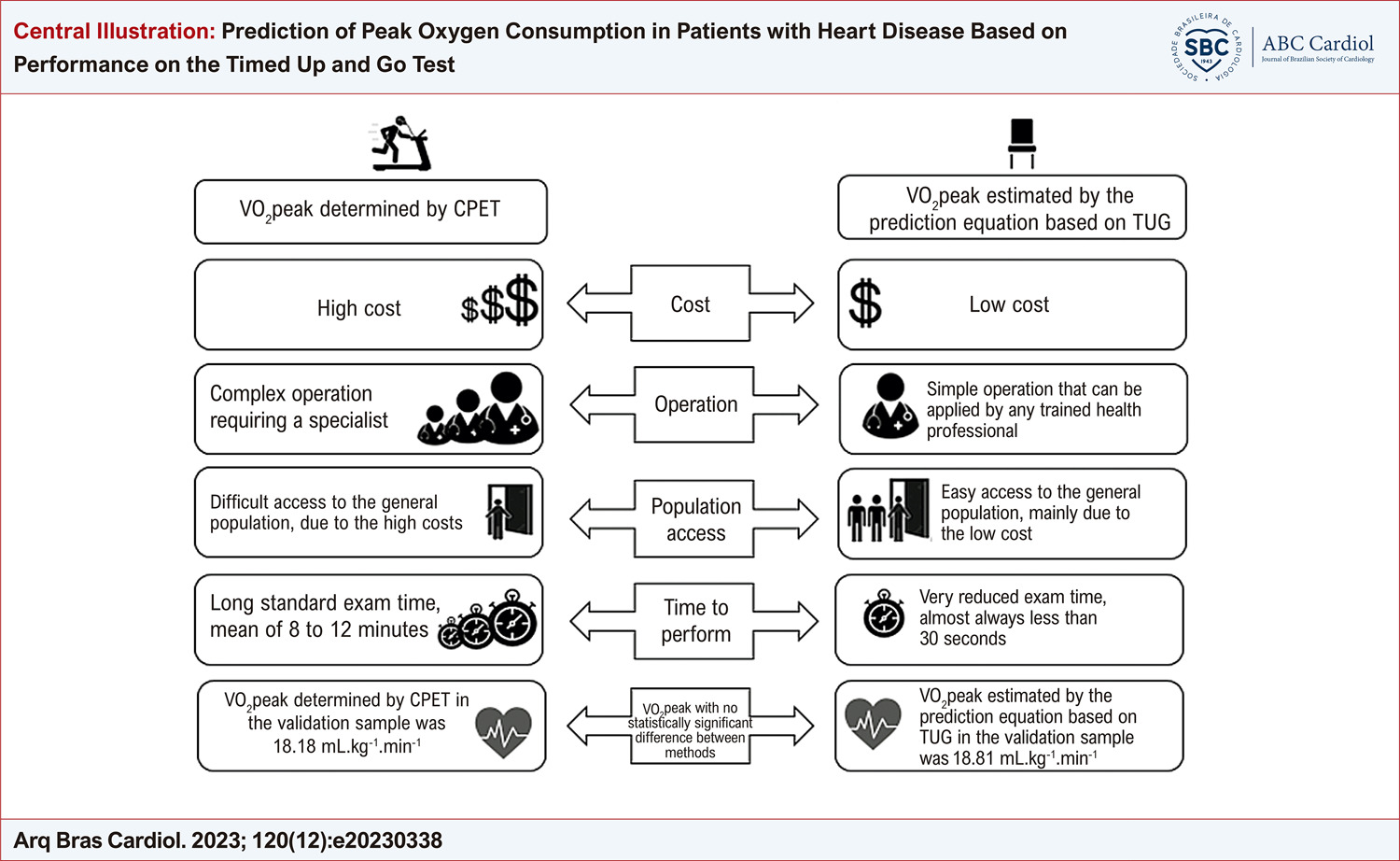
Test the association between TUG and peak oxygen consumption (VO2peak), construct an equation based on TUG to predict VO2peak, and determine a cutoff point to estimate VO2peak ≥ 20 mL/kg/min.

Methods

This cross-sectional study included 201 patients with coronary artery disease or heart failure, between 36 and 92 years of age, who underwent TUG and cardiopulmonary exercise test. Correlation, ROC curve, multiple linear regression, and Bland-Altman analyses were performed. The significance level was set at p < 0.05.

Results

The mean age of the total sample was 67 ± 13 years, and 70% of participants were male. The mean VO2peak was 17 ± 6 mL/kg/min, and the mean TUG time was 7 ± 2.5 seconds. The correlation between VO2peak and TUG was r = −0.54 (p < 0.001), and R2 was 0.30. The following equation was developed based on ; a value of 0 was assigned to the male sex and 1 to the female sex (adjusted R: 0.41; adjusted R2: 0.40). The VO2peak estimated by the equation was 18.81 ± 3.2 mL/kg/min, and the VO2peak determined by cardiopulmonary exercise test was 18.18 ± 5.9 mL/kg/min (p > 0.05). The best cutoff point in the TUG for VO2peak ≥ 20 mL/kg/min was ≤ 5.47 seconds (area under the curve: 0.80; 95% confidence interval: 0.74 to 0.86).

Conclusions

TUG and VO2peak showed a significant association. A prediction equation for VO2peak was developed and validated internally with good performance. The cutoff point in the TUG to predict VO2peak ≥ 20 mL/kg/min was ≤ 5.47 seconds.

  • Cardiovascular Diseases
  • Exercise Test
  • Oxygen Consumption
Read Full Article
Creative Commons Attribution (CC BY) Creative Commons license
22/12/2023 DOI: 10.36660/abc.20230338 Views 2
Risk Factors for Surgical Site Infection in Patients Undergoing Pediatric Cardiac Surgery
Original Article

Risk Factors for Surgical Site Infection in Patients Undergoing Pediatric Cardiac Surgery

Anna Christina de Lima Ribeiro et al. Rinaldo Focaccia Siciliano Antonio Augusto Lopes Tania Mara Varejão Strabelli

Abstract

Background

Surgical site infection is an important complication after pediatric cardiac surgery, associated with increased morbidity and mortality.

Objectives

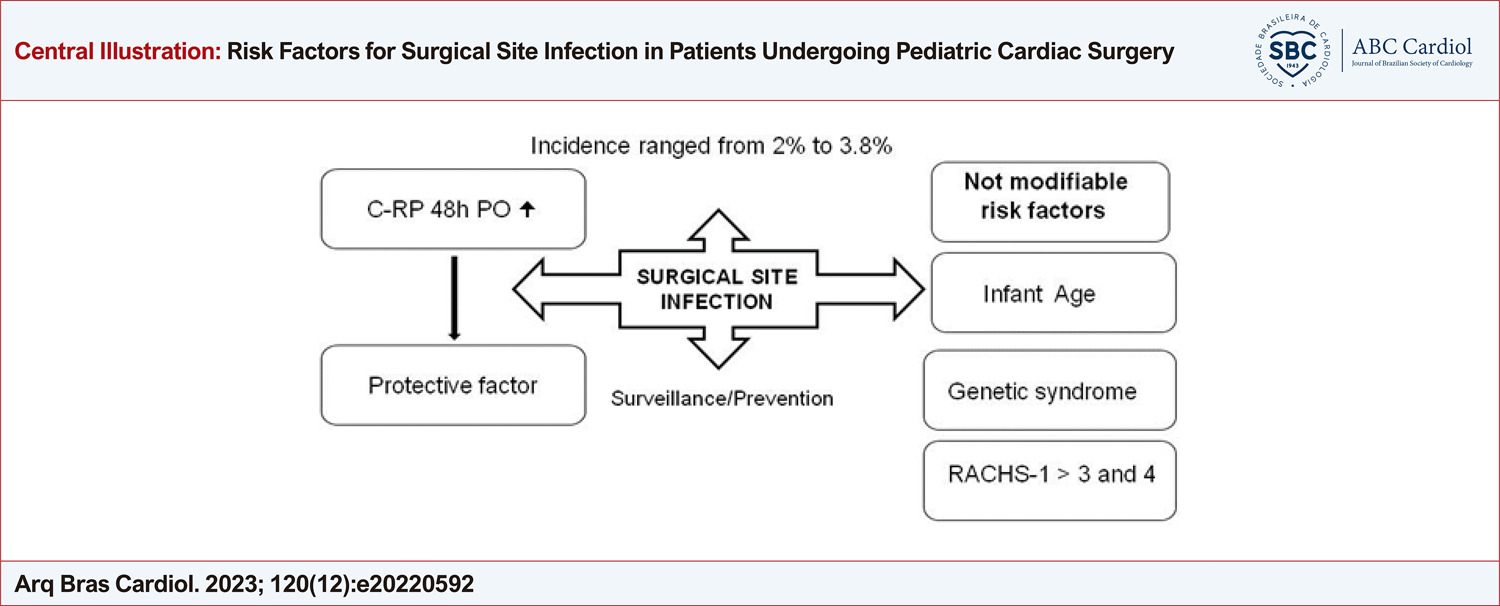
We sought to identify risk factors for surgical site infection after pediatric cardiac surgeries.

Methods

A case-control study included patients aged between 1 year and 19 years and 11 months of age, submitted to cardiac surgery performed at a tertiary cardiac center from January 1 st , 2011, through December 31, 2018. Charts were reviewed for pre-, intra, and postoperative variables. We identified two randomly selected control patients with the same pathophysiological diagnosis and underwent surgery within thirty days of each index case. Univariate and multivariate logistic regression analyses were performed to identify risk factors. Statistical significance was defined as p<0.05.

Results

Sixty-six cases and 123 controls were included. Surgical site infection incidence ranged from 2% to 3.8%. The following risk factors were identified: Infant age (OR 3.19, 95% CI 1.26 to 8.66, p=0.014), presence of genetic syndrome (OR 6.20, CI 95% 1.70 to 21.65, p=0.004), categories 3 and 4 of RACHS-1 (OR 8.40, CI 95% 3.30 to 21.34, p<0.001), 48 h C-reactive protein level range was detected as a protective factor for this infection (OR 0.85, 95% CI 0.73 to 0.98, p=0.023).

Conclusions

The risk factors defined in this study could not be modified. Therefore, additional surveillance and new preventive strategies need to be implemented to reduce the incidence of surgical site infection. The increased CRP in the postoperative period was a protective factor that needs further understanding.

  • Cardiac Surgical Procedures
  • Congenital Heart Defects
  • postoperative complications
  • Risk Factors
  • Surgical Wound Infection
Read Full Article
Creative Commons Attribution (CC BY) Creative Commons license
18/12/2023 DOI: 10.36660/abc.20220592
G Protein Subunit Beta 3 (GNB3) Variant Is Associated with Biochemical Changes in Brazilian Patients with Hypertension
Original Article

G Protein Subunit Beta 3 (GNB3) Variant Is Associated with Biochemical Changes in Brazilian Patients with Hypertension

Lívia da Cunha Agostini et al. Nayara Nascimento Toledo Silva Ana Cláudia Faria Lopes André Sacramento Melo … Luciana Soares Moreira Bicalho Tamires Cunha Almeida Vanessa de Almeida Belo Wendel Coura-Vital Luiz Fernando de Medeiros Teixeira Angélica Alves Lima Glenda Nicioli da Silva

Abstract

Background

Genes and their variants associated with environmental factors contribute to the development of the hypertensive phenotype. The G protein beta 3 subunit gene (GNB3) is involved in the intracellular signaling process, and its variants have been related to susceptibility to arterial hypertension.

Objective

To determine the association of the GNB3 variant (rs5443:C>T) with arterial hypertension, biochemical parameters, age, and obesity in hypertensive and normotensive individuals from Ouro Preto, Minas Gerais, Brazil.

Method

The identification of variants was performed by real-time PCR, using the TaqMan® system, in 310 samples (155 hypertensive and 155 normotensive). Biochemical analyses (renal function, lipid profile and glycemia) were performed from the serum using UV/Vis spectrophotometry and ion-selective electrode. A multiple logistic regression model was used to identify factors associated with arterial hypertension. The analysis of continuous variables with normal distribution was performed using the unpaired Student’s t test; non-normal data were analyzed using Mann-Whitney. P < 0.05 was considered significant.

Results

The rs5443:C>T variant was not associated with arterial hypertension in the evaluated population (p = 0.88). Regarding biochemical measures, the T allele was associated with high levels of triglycerides, glucose and uric acid in hypertensive individuals (p < 0.05).

Conclusion

These results show the importance of genetic diagnosis to prevent the causes and consequences of diseases and imply that the GNB3 rs5443:C>T variant may be associated with changes in the biochemical profile in hypertensive individuals.

  • Alleles
  • Biochemical Reactions
  • Genotype
  • Hypertension
Read Full Article
Creative Commons Attribution (CC BY) Creative Commons license
18/12/2023 DOI: 10.36660/abc.20230396 Views 2

How to cite this article

EndNote RIS

Electronic Document Format (Vancouver)

Mansur AJ. Score For Prognosis Assessment In Patients With Infective Endocarditis. Arquivos Brasileiros de Cardiologia 2024;120(12):e20230814.

Electronic Document Format (ABNT)

Mansur, Alfredo José. Score For Prognosis Assessment In Patients With Infective Endocarditis. Arquivos Brasileiros de Cardiologia, v. 120, n. 12, e20230814, Aug. 2024.

Electronic Document Format (APA)

Mansur, A. J. (2024). Score For Prognosis Assessment In Patients With Infective Endocarditis. Arquivos Brasileiros de Cardiologia, 120(12), e20230814.

Electronic Document Format (ISO)

Mansur, Alfredo José. Score For Prognosis Assessment In Patients With Infective Endocarditis. Arquivos Brasileiros de Cardiologia [online]. 2024, vol. 120, n. 12, [cited 2026-10-14], e20230814. Available from: <https://journals.cardiol.br/en/article/score-for-prognosis-assessment-in-patients-with-infective-endocarditis/>. ISSN 0066-782X

EndNote RIS

Electronic Document Format (Vancouver)

Garrido RQ, Lamas CC. Risk Factors for Surgical Site Infection after Pediatric Cardiac Surgery. Arquivos Brasileiros de Cardiologia 2024;120(12):e20240015.

Electronic Document Format (ABNT)

Garrido, Rafael Quaresma; Lamas, Cristiane da Cruz. Risk Factors for Surgical Site Infection after Pediatric Cardiac Surgery. Arquivos Brasileiros de Cardiologia, v. 120, n. 12, e20240015, Apr. 2024.

Electronic Document Format (APA)

Garrido, R. Q., & Lamas, C. C. (2024). Risk Factors for Surgical Site Infection after Pediatric Cardiac Surgery. Arquivos Brasileiros de Cardiologia, 120(12), e20240015.

Electronic Document Format (ISO)

Garrido, Rafael Quaresma and Lamas, Cristiane da Cruz. Risk Factors for Surgical Site Infection after Pediatric Cardiac Surgery. Arquivos Brasileiros de Cardiologia [online]. 2024, vol. 120, n. 12, [cited 2026-10-14], e20240015. Available from: <https://journals.cardiol.br/en/article/risk-factors-for-surgical-site-infection-after-pediatric-cardiac-surgery/>. ISSN 0066-782X

EndNote RIS

Electronic Document Format (Vancouver)

Cândido J, Camelo LV, Brant L, Cunha RS, Mill JG, Barreto SM. Higher Arterial Stiffness Predicts Chronic Kidney Disease in Adults: The ELSA-Brasil Cohort Study. Arquivos Brasileiros de Cardiologia 2024;120(12):e20230409.

Electronic Document Format (ABNT)

Cândido, Júlia; Camelo, Lidyane do Valle; Brant, Luisa; Cunha, Roberto Sá; Mill, José Geraldo; Barreto, Sandhi Maria. Higher Arterial Stiffness Predicts Chronic Kidney Disease in Adults: The ELSA-Brasil Cohort Study. Arquivos Brasileiros de Cardiologia, v. 120, n. 12, e20230409, Mar. 2024.

Electronic Document Format (APA)

Cândido, J., Camelo, L. V., Brant, L., Cunha, R. S., Mill, J. G., & Barreto, S. M. (2024). Higher Arterial Stiffness Predicts Chronic Kidney Disease in Adults: The ELSA-Brasil Cohort Study. Arquivos Brasileiros de Cardiologia, 120(12), e20230409.

Electronic Document Format (ISO)

Cândido, Júlia and Camelo, Lidyane do Valle and Brant, Luisa and Cunha, Roberto Sá and Mill, José Geraldo and Barreto, Sandhi Maria. Higher Arterial Stiffness Predicts Chronic Kidney Disease in Adults: The ELSA-Brasil Cohort Study. Arquivos Brasileiros de Cardiologia [online]. 2024, vol. 120, n. 12, [cited 2026-10-14], e20230409. Available from: <https://journals.cardiol.br/en/article/higher-arterial-stiffness-predicts-chronic-kidney-disease-in-adults-the-elsa-brasil-cohort-study/>. ISSN 0066-782X

EndNote RIS

Electronic Document Format (Vancouver)

Inuzuka S, Barroso WKS. Arterial Stiffness and Chronic Kidney Disease Prediction. Arquivos Brasileiros de Cardiologia 2024;120(12):e20230779.

Electronic Document Format (ABNT)

Inuzuka, Sayuri; Barroso, Weimar Kunz Sebba. Arterial Stiffness and Chronic Kidney Disease Prediction. Arquivos Brasileiros de Cardiologia, v. 120, n. 12, e20230779, Mar. 2024.

Electronic Document Format (APA)

Inuzuka, S., & Barroso, W. K. S. (2024). Arterial Stiffness and Chronic Kidney Disease Prediction. Arquivos Brasileiros de Cardiologia, 120(12), e20230779.

Electronic Document Format (ISO)

Inuzuka, Sayuri and Barroso, Weimar Kunz Sebba. Arterial Stiffness and Chronic Kidney Disease Prediction. Arquivos Brasileiros de Cardiologia [online]. 2024, vol. 120, n. 12, [cited 2026-10-14], e20230779. Available from: <https://journals.cardiol.br/en/article/arterial-stiffness-and-chronic-kidney-disease-prediction/>. ISSN 0066-782X

EndNote RIS

Electronic Document Format (Vancouver)

Precoma DB, Rocha GL. From Atheroma to Atherogenic Index, Secular Evidence. Arquivos Brasileiros de Cardiologia 2024;120(12):e20230819.

Electronic Document Format (ABNT)

Precoma, Dalton Bertolim; Rocha, Guilherme Luiz da. From Atheroma to Atherogenic Index, Secular Evidence. Arquivos Brasileiros de Cardiologia, v. 120, n. 12, e20230819, Mar. 2024.

Electronic Document Format (APA)

Precoma, D. B., & Rocha, G. L. (2024). From Atheroma to Atherogenic Index, Secular Evidence. Arquivos Brasileiros de Cardiologia, 120(12), e20230819.

Electronic Document Format (ISO)

Precoma, Dalton Bertolim and Rocha, Guilherme Luiz da. From Atheroma to Atherogenic Index, Secular Evidence. Arquivos Brasileiros de Cardiologia [online]. 2024, vol. 120, n. 12, [cited 2026-10-14], e20230819. Available from: <https://journals.cardiol.br/en/article/from-atheroma-to-atherogenic-index-secular-evidence/>. ISSN 0066-782X

EndNote RIS

Electronic Document Format (Vancouver)

Issa AFC. Biomarkers in the Evaluation of Patients Undergoing Chemotherapy with Anthracyclines. Arquivos Brasileiros de Cardiologia 2024;120(12):e20230821.

Electronic Document Format (ABNT)

Issa, Aurora Felice Castro. Biomarkers in the Evaluation of Patients Undergoing Chemotherapy with Anthracyclines. Arquivos Brasileiros de Cardiologia, v. 120, n. 12, e20230821, Mar. 2024.

Electronic Document Format (APA)

Issa, A. F. C. (2024). Biomarkers in the Evaluation of Patients Undergoing Chemotherapy with Anthracyclines. Arquivos Brasileiros de Cardiologia, 120(12), e20230821.

Electronic Document Format (ISO)

Issa, Aurora Felice Castro. Biomarkers in the Evaluation of Patients Undergoing Chemotherapy with Anthracyclines. Arquivos Brasileiros de Cardiologia [online]. 2024, vol. 120, n. 12, [cited 2026-10-14], e20230821. Available from: <https://journals.cardiol.br/en/article/biomarkers-in-the-evaluation-of-patients-undergoing-chemotherapy-with-anthracyclines/>. ISSN 0066-782X

EndNote RIS

Electronic Document Format (Vancouver)

Beuren T. Influence of Genetics on Hypertension Development. Arquivos Brasileiros de Cardiologia 2024;120(12):e20230755.

Electronic Document Format (ABNT)

Beuren, Thais. Influence of Genetics on Hypertension Development. Arquivos Brasileiros de Cardiologia, v. 120, n. 12, e20230755, Mar. 2024.

Electronic Document Format (APA)

Beuren, T. (2024). Influence of Genetics on Hypertension Development. Arquivos Brasileiros de Cardiologia, 120(12), e20230755.

Electronic Document Format (ISO)

Beuren, Thais. Influence of Genetics on Hypertension Development. Arquivos Brasileiros de Cardiologia [online]. 2024, vol. 120, n. 12, [cited 2026-10-14], e20230755. Available from: <https://journals.cardiol.br/en/article/influence-of-genetics-on-hypertension-development/>. ISSN 0066-782X

EndNote RIS

Electronic Document Format (Vancouver)

Ferrari F, Stein R. Is There an Association Between Timed Up and Go Test Performance Results and Directly Measured Peak Oxygen Consumption in Patients with Heart Disease?. Arquivos Brasileiros de Cardiologia 2024;120(12):e20230832.

Electronic Document Format (ABNT)

Ferrari, Filipe; Stein, Ricardo. Is There an Association Between Timed Up and Go Test Performance Results and Directly Measured Peak Oxygen Consumption in Patients with Heart Disease?. Arquivos Brasileiros de Cardiologia, v. 120, n. 12, e20230832, Mar. 2024.

Electronic Document Format (APA)

Ferrari, F., & Stein, R. (2024). Is There an Association Between Timed Up and Go Test Performance Results and Directly Measured Peak Oxygen Consumption in Patients with Heart Disease?. Arquivos Brasileiros de Cardiologia, 120(12), e20230832.

Electronic Document Format (ISO)

Ferrari, Filipe and Stein, Ricardo. Is There an Association Between Timed Up and Go Test Performance Results and Directly Measured Peak Oxygen Consumption in Patients with Heart Disease?. Arquivos Brasileiros de Cardiologia [online]. 2024, vol. 120, n. 12, [cited 2026-10-14], e20230832. Available from: <https://journals.cardiol.br/en/article/is-there-an-association-between-timed-up-and-go-test-performance-results-and-directly-measured-peak-oxygen-consumption-in-patients-with-heart-disease/>. ISSN 0066-782X

EndNote RIS

Electronic Document Format (Vancouver)

Alves SG, Pivatto Júnior F, Filippini FB, Dannenhauer GP, Seroiska G, Bischoff HM, Birk LFS, et al. Performance of the SHARPEN Score and the Charlson Comorbidity Index for In-Hospital and Post-Discharge Mortality Prediction in Infective Endocarditis. Arquivos Brasileiros de Cardiologia 2024;120(12):e20230441.

Electronic Document Format (ABNT)

Alves, Sofia Giusti; Pivatto Júnior, Fernando; Filippini, Filippe Barcellos; Dannenhauer, Gustavo Paglioli; Seroiska, Gabriel; Bischoff, Helena Marcon; Birk, Luiz Felipe Schmidt; Terra, Diego Henrique; Sganzerla, Daniel; Miglioranza, Marcelo Haertel. Performance of the SHARPEN Score and the Charlson Comorbidity Index for In-Hospital and Post-Discharge Mortality Prediction in Infective Endocarditis. Arquivos Brasileiros de Cardiologia, v. 120, n. 12, e20230441, Mar. 2024.

Electronic Document Format (APA)

Alves, S. G., Pivatto Júnior, F., Filippini, F. B., Dannenhauer, G. P., Seroiska, G., Bischoff, H. M., Birk, L. F. S., Terra, D. H., Sganzerla, D., & Miglioranza, M. H. (2024). Performance of the SHARPEN Score and the Charlson Comorbidity Index for In-Hospital and Post-Discharge Mortality Prediction in Infective Endocarditis. Arquivos Brasileiros de Cardiologia, 120(12), e20230441.

Electronic Document Format (ISO)

Alves, Sofia Giusti and Pivatto Júnior, Fernando and Filippini, Filippe Barcellos and Dannenhauer, Gustavo Paglioli and Seroiska, Gabriel and Bischoff, Helena Marcon and Birk, Luiz Felipe Schmidt and Terra, Diego Henrique and Sganzerla, Daniel and Miglioranza, Marcelo Haertel. Performance of the SHARPEN Score and the Charlson Comorbidity Index for In-Hospital and Post-Discharge Mortality Prediction in Infective Endocarditis. Arquivos Brasileiros de Cardiologia [online]. 2024, vol. 120, n. 12, [cited 2026-10-14], e20230441. Available from: <https://journals.cardiol.br/en/article/performance-of-the-sharpen-score-and-the-charlson-comorbidity-index-for-in-hospital-and-post-discharge-mortality-prediction-in-infective-endocarditis/>. ISSN 0066-782X

EndNote RIS

Electronic Document Format (Vancouver)

Decker SRR, Pittol LD, Rosa RG, Rover MM. Invasive Versus Conservative Management of NSTEMI Patients Aged ≥ 75 Years: Commentary. Arquivos Brasileiros de Cardiologia 2024;120(12):e20230364.

Electronic Document Format (ABNT)

Decker, Sérgio Renato da Rosa; Pittol, Luiza Duarte; Rosa, Regis Goulart; Rover, Marciane Maria. Invasive Versus Conservative Management of NSTEMI Patients Aged ≥ 75 Years: Commentary. Arquivos Brasileiros de Cardiologia, v. 120, n. 12, e20230364, Mar. 2024.

Electronic Document Format (APA)

Decker, S. R. R., Pittol, L. D., Rosa, R. G., & Rover, M. M. (2024). Invasive Versus Conservative Management of NSTEMI Patients Aged ≥ 75 Years: Commentary. Arquivos Brasileiros de Cardiologia, 120(12), e20230364.

Electronic Document Format (ISO)

Decker, Sérgio Renato da Rosa and Pittol, Luiza Duarte and Rosa, Regis Goulart and Rover, Marciane Maria. Invasive Versus Conservative Management of NSTEMI Patients Aged ≥ 75 Years: Commentary. Arquivos Brasileiros de Cardiologia [online]. 2024, vol. 120, n. 12, [cited 2026-10-14], e20230364. Available from: <https://journals.cardiol.br/en/article/invasive-versus-conservative-management-of-nstemi-patients-aged-%e2%89%a5-75-years-commentary/>. ISSN 0066-782X

EndNote RIS

Electronic Document Format (Vancouver)

Faria RR, Siqueira SF, Haddad FA, Silva GDM, Spaggiari CV, Martinelli Filho M. The Six Pillars of Lifestyle Medicine in Managing Noncommunicable Diseases – The Gaps in Current Guidelines. Arquivos Brasileiros de Cardiologia 2024;120(12):e20230408.

Electronic Document Format (ABNT)

Faria, Rafaella Rogatto de; Siqueira, Sergio Freitas de; Haddad, Francisco Aguerre; Silva, Gustavo Del Monte; Spaggiari, Caio Vitale; Martinelli Filho, Martino. The Six Pillars of Lifestyle Medicine in Managing Noncommunicable Diseases – The Gaps in Current Guidelines. Arquivos Brasileiros de Cardiologia, v. 120, n. 12, e20230408, Jan. 2024.

Electronic Document Format (APA)

Faria, R. R. , Siqueira, S. F. , Haddad, F. A., Silva, G. D. M., Spaggiari, C. V., & Martinelli Filho, M. (2024). The Six Pillars of Lifestyle Medicine in Managing Noncommunicable Diseases – The Gaps in Current Guidelines. Arquivos Brasileiros de Cardiologia, 120(12), e20230408.

Electronic Document Format (ISO)

Faria, Rafaella Rogatto de and Siqueira, Sergio Freitas de and Haddad, Francisco Aguerre and Silva, Gustavo Del Monte and Spaggiari, Caio Vitale and Martinelli Filho, Martino. The Six Pillars of Lifestyle Medicine in Managing Noncommunicable Diseases – The Gaps in Current Guidelines. Arquivos Brasileiros de Cardiologia [online]. 2024, vol. 120, n. 12, [cited 2026-10-14], e20230408. Available from: <https://journals.cardiol.br/en/article/the-six-pillars-of-lifestyle-medicine-in-managing-noncommunicable-diseases-the-gaps-in-current-guidelines/>. ISSN 0066-782X

EndNote RIS

Electronic Document Format (Vancouver)

. PARTIAL-RETRACTION. Arquivos Brasileiros de Cardiologia 2024;120(12):e20220705.

Electronic Document Format (ABNT)

. PARTIAL-RETRACTION. Arquivos Brasileiros de Cardiologia, v. 120, n. 12, e20220705, Jan. 2024.

Electronic Document Format (APA)

(2024). PARTIAL-RETRACTION. Arquivos Brasileiros de Cardiologia, 120(12), e20220705.

Electronic Document Format (ISO)

. PARTIAL-RETRACTION. Arquivos Brasileiros de Cardiologia [online]. 2024, vol. 120, n. 12, [cited 2026-10-14], e20220705. Available from: <https://journals.cardiol.br/en/article/partial-retraction/>. ISSN 0066-782X

EndNote RIS

Electronic Document Format (Vancouver)

Hazir KE, Sari C. A Rare Cause and Management of Ventricular Fibrillation: 5-Fluorouracil Toxicity. Arquivos Brasileiros de Cardiologia 2024;120(12):e20230217.

Electronic Document Format (ABNT)

Hazir, Kutluhan Eren; Sari, Cenk. A Rare Cause and Management of Ventricular Fibrillation: 5-Fluorouracil Toxicity. Arquivos Brasileiros de Cardiologia, v. 120, n. 12, e20230217, Jan. 2024.

Electronic Document Format (APA)

Hazir, K. E., & Sari, C. (2024). A Rare Cause and Management of Ventricular Fibrillation: 5-Fluorouracil Toxicity. Arquivos Brasileiros de Cardiologia, 120(12), e20230217.

Electronic Document Format (ISO)

Hazir, Kutluhan Eren and Sari, Cenk. A Rare Cause and Management of Ventricular Fibrillation: 5-Fluorouracil Toxicity. Arquivos Brasileiros de Cardiologia [online]. 2024, vol. 120, n. 12, [cited 2026-10-14], e20230217. Available from: <https://journals.cardiol.br/en/article/a-rare-cause-and-management-of-ventricular-fibrillation-5-fluorouracil-toxicity/>. ISSN 0066-782X

EndNote RIS

Electronic Document Format (Vancouver)

Temtem M, Monteiro JP, Serrão MG, Freitas D. Beat-to-Beat Alternating Bundle-Branch Block. Arquivos Brasileiros de Cardiologia 2024;120(12):e20230162.

Electronic Document Format (ABNT)

Temtem, Margarida; Monteiro, Joel Ponte; Serrão, Marco Gomes; Freitas, Drumond. Beat-to-Beat Alternating Bundle-Branch Block. Arquivos Brasileiros de Cardiologia, v. 120, n. 12, e20230162, Jan. 2024.

Electronic Document Format (APA)

Temtem, M., Monteiro, J. P., Serrão, M. G., & Freitas, D. (2024). Beat-to-Beat Alternating Bundle-Branch Block. Arquivos Brasileiros de Cardiologia, 120(12), e20230162.

Electronic Document Format (ISO)

Temtem, Margarida and Monteiro, Joel Ponte and Serrão, Marco Gomes and Freitas, Drumond. Beat-to-Beat Alternating Bundle-Branch Block. Arquivos Brasileiros de Cardiologia [online]. 2024, vol. 120, n. 12, [cited 2026-10-14], e20230162. Available from: <https://journals.cardiol.br/en/article/beat-to-beat-alternating-bundle-branch-block/>. ISSN 0066-782X

EndNote RIS

Electronic Document Format (Vancouver)

. Erratum. Arquivos Brasileiros de Cardiologia 2024;120(12):e20230806.

Electronic Document Format (ABNT)

. Erratum. Arquivos Brasileiros de Cardiologia, v. 120, n. 12, e20230806, Jan. 2024.

Electronic Document Format (APA)

(2024). Erratum. Arquivos Brasileiros de Cardiologia, 120(12), e20230806.

Electronic Document Format (ISO)

. Erratum. Arquivos Brasileiros de Cardiologia [online]. 2024, vol. 120, n. 12, [cited 2026-10-14], e20230806. Available from: <https://journals.cardiol.br/en/article/erratum-38/>. ISSN 0066-782X

EndNote RIS

Electronic Document Format (Vancouver)

Pestana RMC, Silvino JPP, Oliveira AN, Soares CE, Sabino AP, Simões R, Gomes KB, et al. New Cardiovascular Biomarkers in Breast Cancer Patients Undergoing Doxorubicin-Based Chemotherapy. Arquivos Brasileiros de Cardiologia 2024;120(12):e20230167.

Electronic Document Format (ABNT)

Pestana, Rodrigo Mendonça Cardoso; Silvino, Júnea Paolucci Paiva; Oliveira, Angélica Navarro de; Soares, Cintia Esteves; Sabino, Adriano de Paula; Simões, Ricardo; Gomes, Karina Braga. New Cardiovascular Biomarkers in Breast Cancer Patients Undergoing Doxorubicin-Based Chemotherapy. Arquivos Brasileiros de Cardiologia, v. 120, n. 12, e20230167, Jan. 2024.

Electronic Document Format (APA)

Pestana, R. M. C., Silvino, J. P. P., Oliveira, A. N. , Soares, C. E., Sabino, A. P., Simões, R., & Gomes, K. B. (2024). New Cardiovascular Biomarkers in Breast Cancer Patients Undergoing Doxorubicin-Based Chemotherapy. Arquivos Brasileiros de Cardiologia, 120(12), e20230167.

Electronic Document Format (ISO)

Pestana, Rodrigo Mendonça Cardoso and Silvino, Júnea Paolucci Paiva and Oliveira, Angélica Navarro de and Soares, Cintia Esteves and Sabino, Adriano de Paula and Simões, Ricardo and Gomes, Karina Braga. New Cardiovascular Biomarkers in Breast Cancer Patients Undergoing Doxorubicin-Based Chemotherapy. Arquivos Brasileiros de Cardiologia [online]. 2024, vol. 120, n. 12, [cited 2026-10-14], e20230167. Available from: <https://journals.cardiol.br/en/article/new-cardiovascular-biomarkers-in-breast-cancer-patients-undergoing-doxorubicin-based-chemotherapy/>. ISSN 0066-782X

EndNote RIS

Electronic Document Format (Vancouver)

Güvenç R, Güvenç TS, Çavuşoğlu Y, Temizhan A, Yılmaz MB. Usefulness of Age, Creatinine and Ejection Fraction – Modification of Diet in Renal Disease Score for Predicting Survival in Patients with Heart Failure. Arquivos Brasileiros de Cardiologia 2024;120(12):e20230158.

Electronic Document Format (ABNT)

Güvenç, Rengin Çetin; Güvenç, Tolga Sinan; Çavuşoğlu, Yüksel; Temizhan, Ahmet; Yılmaz, Mehmet Birhan. Usefulness of Age, Creatinine and Ejection Fraction – Modification of Diet in Renal Disease Score for Predicting Survival in Patients with Heart Failure. Arquivos Brasileiros de Cardiologia, v. 120, n. 12, e20230158, Jan. 2024.

Electronic Document Format (APA)

Güvenç, R. , Güvenç, T. S., Çavuşoğlu, Y., Temizhan, A., & Yılmaz, M. B. (2024). Usefulness of Age, Creatinine and Ejection Fraction – Modification of Diet in Renal Disease Score for Predicting Survival in Patients with Heart Failure. Arquivos Brasileiros de Cardiologia, 120(12), e20230158.

Electronic Document Format (ISO)

Güvenç, Rengin Çetin and Güvenç, Tolga Sinan and Çavuşoğlu, Yüksel and Temizhan, Ahmet and Yılmaz, Mehmet Birhan. Usefulness of Age, Creatinine and Ejection Fraction – Modification of Diet in Renal Disease Score for Predicting Survival in Patients with Heart Failure. Arquivos Brasileiros de Cardiologia [online]. 2024, vol. 120, n. 12, [cited 2026-10-14], e20230158. Available from: <https://journals.cardiol.br/en/article/usefulness-of-age-creatinine-and-ejection-fraction-modification-of-diet-in-renal-disease-score-for-predicting-survival-in-patients-with-heart-failure/>. ISSN 0066-782X

EndNote RIS

Electronic Document Format (Vancouver)

Almeida ALC, Melo MDT, Bihan DCSL, Vieira MLC, Pena JLB, Castillo JMD, Abensur H, et al. Position Statement on the Use of Myocardial Strain in Cardiology Routines by the Brazilian Society of Cardiology’s Department Of Cardiovascular Imaging – 2023. Arquivos Brasileiros de Cardiologia 2024;120(12):e20230646.

Electronic Document Format (ABNT)

Almeida, André Luiz Cerqueira; Melo, Marcelo Dantas Tavares de; Bihan, David Costa de Souza Le; Vieira, Marcelo Luiz Campos; Pena, José Luiz Barros; Castillo, José Maria Del; Abensur, Henry; Hortegal, Renato de Aguiar; Otto, Maria Estefania Bosco; Piveta, Rafael Bonafim; Dantas, Maria Rosa; Assef, Jorge Eduardo; Beck, Adenalva Lima de Souza; Santo, Thais Harada Campos Espirito; Silva, Tonnison de Oliveira; Salemi, Vera Maria Cury; Rocon, Camila; Lima, Márcio Silva Miguel; Barberato, Silvio Henrique; Rodrigues, Ana Clara; Rabschkowisky, Arnaldo; Frota, Daniela do Carmo Rassi; Gripp, Eliza de Almeida; Barretto, Rodrigo Bellio de Mattos; Silva, Sandra Marques e; Cauduro, Sanderson Antonio; Pinheiro, Aurélio Carvalho; Araujo, Salustiano Pereira de; Tressino, Cintia Galhardo; Silva, Carlos Eduardo Suaide; Monaco, Claudia Gianini; Paiva, Marcelo Goulart; Fisher, Cláudio Henrique; Alves, Marco Stephan Lofrano; Grau, Cláudia R. Pinheiro de Castro; Santos, Maria Veronica Camara dos; Guimarães, Isabel Cristina Britto; Morhy, Samira Saady; Leal, Gabriela Nunes; Soares, Andressa Mussi; Cruz, Cecilia Beatriz Bittencourt Viana; Guimarães Filho, Fabio Villaça; Assunção, Bruna Morhy Borges Leal; Fernandes, Rafael Modesto; Saraiva, Roberto Magalhães; Tsutsui, Jeane Mike; Soares, Fábio Luis de Jesus; Falcão, Sandra Nívea dos Reis Saraiva; Hotta, Viviane Tiemi; Armstrong, Anderson da Costa; Hygidio, Daniel de Andrade; Miglioranza, Marcelo Haertel; Camarozano, Ana Cristina; Lopes, Marly Maria Uellendahl; Cerci, Rodrigo Julio; Siqueira, Maria Eduarda Menezes de; Torreão, Jorge Andion; Rochitte, Carlos Eduardo; Felix, Alex. Position Statement on the Use of Myocardial Strain in Cardiology Routines by the Brazilian Society of Cardiology’s Department Of Cardiovascular Imaging – 2023. Arquivos Brasileiros de Cardiologia, v. 120, n. 12, e20230646, Jan. 2024.

Electronic Document Format (APA)

Almeida, A. L. C., Melo, M. D. T. , Bihan, D. C. S. L., Vieira, M. L. C., Pena, J. L. B., Castillo, J. M. D., Abensur, H., Hortegal, R. A., Otto, M. E. B., Piveta, R. B., Dantas, M. R., Assef, J. E., Beck, A. L. S., Santo, T. H. C. E., Silva, T. O., Salemi, V. M. C., Rocon, C., Lima, M. S. M., Barberato, S. H., Rodrigues, A. C., Rabschkowisky, A., Frota, D. C. R., Gripp, E. A., Barretto, R. B. M., Silva, S. M. , Cauduro, S. A., Pinheiro, A. C., Araujo, S. P. , Tressino, C. G., Silva, C. E. S., Monaco, C. G., Paiva, M. G., Fisher, C. H., Alves, M. S. L., Grau, C. R. P. C., Santos, M. V. C. , Guimarães, I. C. B., Morhy, S. S., Leal, G. N., Soares, A. M., Cruz, C. B. B. V., Guimarães Filho, F. V., Assunção, B. M. B. L., Fernandes, R. M., Saraiva, R. M., Tsutsui, J. M., Soares, F. L. J., Falcão, S. N. R. S., Hotta, V. T., Armstrong, A. C., Hygidio, D. A., Miglioranza, M. H., Camarozano, A. C., Lopes, M. M. U., Cerci, R. J., Siqueira, M. E. M. , Torreão, J. A., Rochitte, C. E., & Felix, A. (2024). Position Statement on the Use of Myocardial Strain in Cardiology Routines by the Brazilian Society of Cardiology’s Department Of Cardiovascular Imaging – 2023. Arquivos Brasileiros de Cardiologia, 120(12), e20230646.

Electronic Document Format (ISO)

Almeida, André Luiz Cerqueira and Melo, Marcelo Dantas Tavares de and Bihan, David Costa de Souza Le and Vieira, Marcelo Luiz Campos and Pena, José Luiz Barros and Castillo, José Maria Del and Abensur, Henry and Hortegal, Renato de Aguiar and Otto, Maria Estefania Bosco and Piveta, Rafael Bonafim and Dantas, Maria Rosa and Assef, Jorge Eduardo and Beck, Adenalva Lima de Souza and Santo, Thais Harada Campos Espirito and Silva, Tonnison de Oliveira and Salemi, Vera Maria Cury and Rocon, Camila and Lima, Márcio Silva Miguel and Barberato, Silvio Henrique and Rodrigues, Ana Clara and Rabschkowisky, Arnaldo and Frota, Daniela do Carmo Rassi and Gripp, Eliza de Almeida and Barretto, Rodrigo Bellio de Mattos and Silva, Sandra Marques e and Cauduro, Sanderson Antonio and Pinheiro, Aurélio Carvalho and Araujo, Salustiano Pereira de and Tressino, Cintia Galhardo and Silva, Carlos Eduardo Suaide and Monaco, Claudia Gianini and Paiva, Marcelo Goulart and Fisher, Cláudio Henrique and Alves, Marco Stephan Lofrano and Grau, Cláudia R. Pinheiro de Castro and Santos, Maria Veronica Camara dos and Guimarães, Isabel Cristina Britto and Morhy, Samira Saady and Leal, Gabriela Nunes and Soares, Andressa Mussi and Cruz, Cecilia Beatriz Bittencourt Viana and Guimarães Filho, Fabio Villaça and Assunção, Bruna Morhy Borges Leal and Fernandes, Rafael Modesto and Saraiva, Roberto Magalhães and Tsutsui, Jeane Mike and Soares, Fábio Luis de Jesus and Falcão, Sandra Nívea dos Reis Saraiva and Hotta, Viviane Tiemi and Armstrong, Anderson da Costa and Hygidio, Daniel de Andrade and Miglioranza, Marcelo Haertel and Camarozano, Ana Cristina and Lopes, Marly Maria Uellendahl and Cerci, Rodrigo Julio and Siqueira, Maria Eduarda Menezes de and Torreão, Jorge Andion and Rochitte, Carlos Eduardo and Felix, Alex. Position Statement on the Use of Myocardial Strain in Cardiology Routines by the Brazilian Society of Cardiology’s Department Of Cardiovascular Imaging – 2023. Arquivos Brasileiros de Cardiologia [online]. 2024, vol. 120, n. 12, [cited 2026-10-14], e20230646. Available from: <https://journals.cardiol.br/en/article/position-statement-on-the-use-of-myocardial-strain-in-cardiology-routines-by-the-brazilian-society-of-cardiologys-department-of-cardiovascular-imaging-2023/>. ISSN 0066-782X

EndNote RIS

Electronic Document Format (Vancouver)

Franzoni L, Oliveira RC, Busin D, Turella DJP, Costa RR, Saffi MAL, Silveira AD, et al. Non-Invasive Assessment of Cardiodynamics by Impedance Cardiography during the Six-Minute Walk Test in Patients with Heart Failure. Arquivos Brasileiros de Cardiologia 2024;120(12):e20230087.

Electronic Document Format (ABNT)

Franzoni, Leandro; Oliveira, Rafael Cechet de; Busin, Diego; Turella, Douglas Jean Preussler; Costa, Rochelle Rocha; Saffi, Marco Aurélio Lumertz; Silveira, Anderson Donelli da; Stein, Ricardo. Non-Invasive Assessment of Cardiodynamics by Impedance Cardiography during the Six-Minute Walk Test in Patients with Heart Failure. Arquivos Brasileiros de Cardiologia, v. 120, n. 12, e20230087, Jan. 2024.

Electronic Document Format (APA)

Franzoni, L., Oliveira, R. C. , Busin, D., Turella, D. J. P., Costa, R. R., Saffi, M. A. L., Silveira, A. D. , & Stein, R. (2024). Non-Invasive Assessment of Cardiodynamics by Impedance Cardiography during the Six-Minute Walk Test in Patients with Heart Failure. Arquivos Brasileiros de Cardiologia, 120(12), e20230087.

Electronic Document Format (ISO)

Franzoni, Leandro and Oliveira, Rafael Cechet de and Busin, Diego and Turella, Douglas Jean Preussler and Costa, Rochelle Rocha and Saffi, Marco Aurélio Lumertz and Silveira, Anderson Donelli da and Stein, Ricardo. Non-Invasive Assessment of Cardiodynamics by Impedance Cardiography during the Six-Minute Walk Test in Patients with Heart Failure. Arquivos Brasileiros de Cardiologia [online]. 2024, vol. 120, n. 12, [cited 2026-10-14], e20230087. Available from: <https://journals.cardiol.br/en/article/non-invasive-assessment-of-cardiodynamics-by-impedance-cardiography-during-the-six-minute-walk-test-in-patients-with-heart-failure/>. ISSN 0066-782X

EndNote RIS

Electronic Document Format (Vancouver)

Araújo YB, Almeida ABR, Viana MFM, Meneguz-Moreno RA. Use of Atherogenic Indices as Assessment Methods of Clinical Atherosclerotic Diseases. Arquivos Brasileiros de Cardiologia 2023;120(12):e20230418.

Electronic Document Format (ABNT)

Araújo, Yuri Barbosa; Almeida, Ana Beatriz Rocha; Viana, Márcio Fellipe Menezes; Meneguz-Moreno, Rafael Alexandre. Use of Atherogenic Indices as Assessment Methods of Clinical Atherosclerotic Diseases. Arquivos Brasileiros de Cardiologia, v. 120, n. 12, e20230418, Dec. 2023.

Electronic Document Format (APA)

Araújo, Y. B., Almeida, A. B. R., Viana, M. F. M., & Meneguz-Moreno, R. A. (2023). Use of Atherogenic Indices as Assessment Methods of Clinical Atherosclerotic Diseases. Arquivos Brasileiros de Cardiologia, 120(12), e20230418.

Electronic Document Format (ISO)

Araújo, Yuri Barbosa and Almeida, Ana Beatriz Rocha and Viana, Márcio Fellipe Menezes and Meneguz-Moreno, Rafael Alexandre. Use of Atherogenic Indices as Assessment Methods of Clinical Atherosclerotic Diseases. Arquivos Brasileiros de Cardiologia [online]. 2023, vol. 120, n. 12, [cited 2026-10-14], e20230418. Available from: <https://journals.cardiol.br/en/article/use-of-atherogenic-indices-as-assessment-methods-of-clinical-atherosclerotic-diseases/>. ISSN 0066-782X

EndNote RIS

Electronic Document Format (Vancouver)

Santos DS, Queiroz CO, Dias CMCC, Cipriano Junior G, Borges QO, Ritt LEF. Prediction of Peak Oxygen Consumption in Patients with Heart Disease Based on Performance on the Timed Up and Go Test. Arquivos Brasileiros de Cardiologia 2023;120(12):e20230338.

Electronic Document Format (ABNT)

Santos, Danilo Silva dos; Queiroz, Ciro Oliveira; Dias, Cristiane Maria Carvalho Costa; Cipriano Junior, Gerson; Borges, Queila Oliveira; Ritt, Luiz Eduardo Fonteles. Prediction of Peak Oxygen Consumption in Patients with Heart Disease Based on Performance on the Timed Up and Go Test. Arquivos Brasileiros de Cardiologia, v. 120, n. 12, e20230338, Dec. 2023.

Electronic Document Format (APA)

Santos, D. S. , Queiroz, C. O., Dias, C. M. C. C., Cipriano Junior, G., Borges, Q. O., & Ritt, L. E. F. (2023). Prediction of Peak Oxygen Consumption in Patients with Heart Disease Based on Performance on the Timed Up and Go Test. Arquivos Brasileiros de Cardiologia, 120(12), e20230338.

Electronic Document Format (ISO)

Santos, Danilo Silva dos and Queiroz, Ciro Oliveira and Dias, Cristiane Maria Carvalho Costa and Cipriano Junior, Gerson and Borges, Queila Oliveira and Ritt, Luiz Eduardo Fonteles. Prediction of Peak Oxygen Consumption in Patients with Heart Disease Based on Performance on the Timed Up and Go Test. Arquivos Brasileiros de Cardiologia [online]. 2023, vol. 120, n. 12, [cited 2026-10-14], e20230338. Available from: <https://journals.cardiol.br/en/article/prediction-of-peak-oxygen-consumption-in-patients-with-heart-disease-based-on-performance-on-the-timed-up-and-go-test/>. ISSN 0066-782X

EndNote RIS

Electronic Document Format (Vancouver)

Ribeiro ACL, Siciliano RF, Lopes AA, Strabelli TMV. Risk Factors for Surgical Site Infection in Patients Undergoing Pediatric Cardiac Surgery. Arquivos Brasileiros de Cardiologia 2023;120(12):e20220592.

Electronic Document Format (ABNT)

Ribeiro, Anna Christina de Lima; Siciliano, Rinaldo Focaccia; Lopes, Antonio Augusto; Strabelli, Tania Mara Varejão. Risk Factors for Surgical Site Infection in Patients Undergoing Pediatric Cardiac Surgery. Arquivos Brasileiros de Cardiologia, v. 120, n. 12, e20220592, Dec. 2023.

Electronic Document Format (APA)

Ribeiro, A. C. L., Siciliano, R. F., Lopes, A. A., & Strabelli, T. M. V. (2023). Risk Factors for Surgical Site Infection in Patients Undergoing Pediatric Cardiac Surgery. Arquivos Brasileiros de Cardiologia, 120(12), e20220592.

Electronic Document Format (ISO)

Ribeiro, Anna Christina de Lima and Siciliano, Rinaldo Focaccia and Lopes, Antonio Augusto and Strabelli, Tania Mara Varejão. Risk Factors for Surgical Site Infection in Patients Undergoing Pediatric Cardiac Surgery. Arquivos Brasileiros de Cardiologia [online]. 2023, vol. 120, n. 12, [cited 2026-10-14], e20220592. Available from: <https://journals.cardiol.br/en/article/risk-factors-for-surgical-site-infection-in-patients-undergoing-pediatric-cardiac-surgery/>. ISSN 0066-782X

EndNote RIS

Electronic Document Format (Vancouver)

Agostini LC, Silva NNT, Lopes ACF, Melo AS, Bicalho LSM, Almeida TC, Belo VA, et al. G Protein Subunit Beta 3 (GNB3) Variant Is Associated with Biochemical Changes in Brazilian Patients with Hypertension. Arquivos Brasileiros de Cardiologia 2023;120(12):e20230396.

Electronic Document Format (ABNT)

Agostini, Lívia da Cunha; Silva, Nayara Nascimento Toledo; Lopes, Ana Cláudia Faria; Melo, André Sacramento; Bicalho, Luciana Soares Moreira; Almeida, Tamires Cunha; Belo, Vanessa de Almeida; Coura-Vital, Wendel; Teixeira, Luiz Fernando de Medeiros; Lima, Angélica Alves; Silva, Glenda Nicioli da. G Protein Subunit Beta 3 (GNB3) Variant Is Associated with Biochemical Changes in Brazilian Patients with Hypertension. Arquivos Brasileiros de Cardiologia, v. 120, n. 12, e20230396, Dec. 2023.

Electronic Document Format (APA)

Agostini, L. C., Silva, N. N. T., Lopes, A. C. F., Melo, A. S., Bicalho, L. S. M., Almeida, T. C., Belo, V. A., Coura-Vital, W., Teixeira, L. F. M., Lima, A. A., & Silva, G. N. (2023). G Protein Subunit Beta 3 (GNB3) Variant Is Associated with Biochemical Changes in Brazilian Patients with Hypertension. Arquivos Brasileiros de Cardiologia, 120(12), e20230396.

Electronic Document Format (ISO)

Agostini, Lívia da Cunha and Silva, Nayara Nascimento Toledo and Lopes, Ana Cláudia Faria and Melo, André Sacramento and Bicalho, Luciana Soares Moreira and Almeida, Tamires Cunha and Belo, Vanessa de Almeida and Coura-Vital, Wendel and Teixeira, Luiz Fernando de Medeiros and Lima, Angélica Alves and Silva, Glenda Nicioli da. G Protein Subunit Beta 3 (GNB3) Variant Is Associated with Biochemical Changes in Brazilian Patients with Hypertension. Arquivos Brasileiros de Cardiologia [online]. 2023, vol. 120, n. 12, [cited 2026-10-14], e20230396. Available from: <https://journals.cardiol.br/en/article/g-protein-subunit-beta-3-gnb3-variant-is-associated-with-biochemical-changes-in-brazilian-patients-with-hypertension/>. ISSN 0066-782X

Sede – Rio de Janeiro
Av. Marechal Câmara, 160
3º andar – Sala: 330 – Centro
Rio de Janeiro – CEP: 20020-907
Tel.: (55 +21) 3478-2700
ou (21) 99386-3961
E-mail: revista@cardiol.br

Sede – São Paulo
Alameda Santos, 705 – 11º andar
Cerqueira César | São Paulo
CEP: 01419-001
Tel.: (55 +11) 3411-5500
E-mail: revista@cardiol.br

  • About the Journal
  • Internal Regulation
  • Editors Section
  • Editorial Board
  • History
  • SBC Award

  • Guidelines for Publication
  • Editorial Policy
  • Ethics Policy
  • Policy on the Use of Artificial Intelligence
  • Mandatory Publication Form
  • Publication Fee

Issues

SBC Guidelines

  • How to Publish an Abstract Supplement?
  • Supplements from the Brazilian Congress of Cardiology