| ABC
ABC Family Arquivos Brasileiros de Cardiologia International Journal of Cardiovascular Sciences ABC Heart Failure & Cardiomyopathy ABC Imagem Cardiovascular
Português English
ABC Family | ABC
Português English
  • About
    • About the Journal
    • Internal Regulation
    • Editors Section
    • Editorial Board
    • History
    • SBC Award
  • Instructions to Authors
    • Guidelines for Publication
    • Editorial Policy
    • Ethics Policy
    • Policy on the Use of Artificial Intelligence
    • Mandatory Publication Form
    • Publication Fee
  • Issues
  • SBC Guidelines
  • Abstracts
    • How to Publish an Abstract Supplement?
    • Supplements from the Brazilian Congress of Cardiology
  • About
    • About the Journal
    • Internal Regulation
    • Editors Section
    • Editorial Board
    • History
    • SBC Award
  • Instructions to Authors
    • Guidelines for Publication
    • Editorial Policy
    • Ethics Policy
    • Policy on the Use of Artificial Intelligence
    • Mandatory Publication Form
    • Publication Fee
  • Issues
  • SBC Guidelines
  • Abstracts
    • How to Publish an Abstract Supplement?
    • Supplements from the Brazilian Congress of Cardiology

ABC Family

  • ABC Family
  • Arquivos Brasileiros de Cardiologia
  • International Journal of Cardiovascular Sciences
  • ABC Heart Failure & Cardiomyopathy
  • ABC Imagem Cardiovascular
Search in

No content found.

Journals
Ordering
Article types
Others

  1. Home
  2. ABC
  3. Issues
  4. 2021, Volume 116, Number 3
Figure 1
Statement

Position Statement on Indications and the Safe Reintroduction of Cardiovascular Imaging Methods in the COVID-19 Scenario – 2021

Adenalva Lima de Souza Beck et al. Silvio Henrique Barberato André Luiz Cerqueira de Almeida Claudia R. Pinheiro de Castro Grau … Marly Maria Uellendahl Lopes Ronaldo de Souza Leão Lima Rodrigo Júlio Cerci Ana Cristina Lopes Albricker Fanilda Souto Barros Alessandra Joslin Oliveira Edgar Bezerra de Lira Filho Marcelo Haertel Miglioranza Marcelo Luiz Campos Vieira José Luiz Barros Pena Tânia Mara Varejão Strabelli David Costa de Souza Le Bihan Jeane Mike Tsutsui Carlos Eduardo Rochitte

Cover Letter

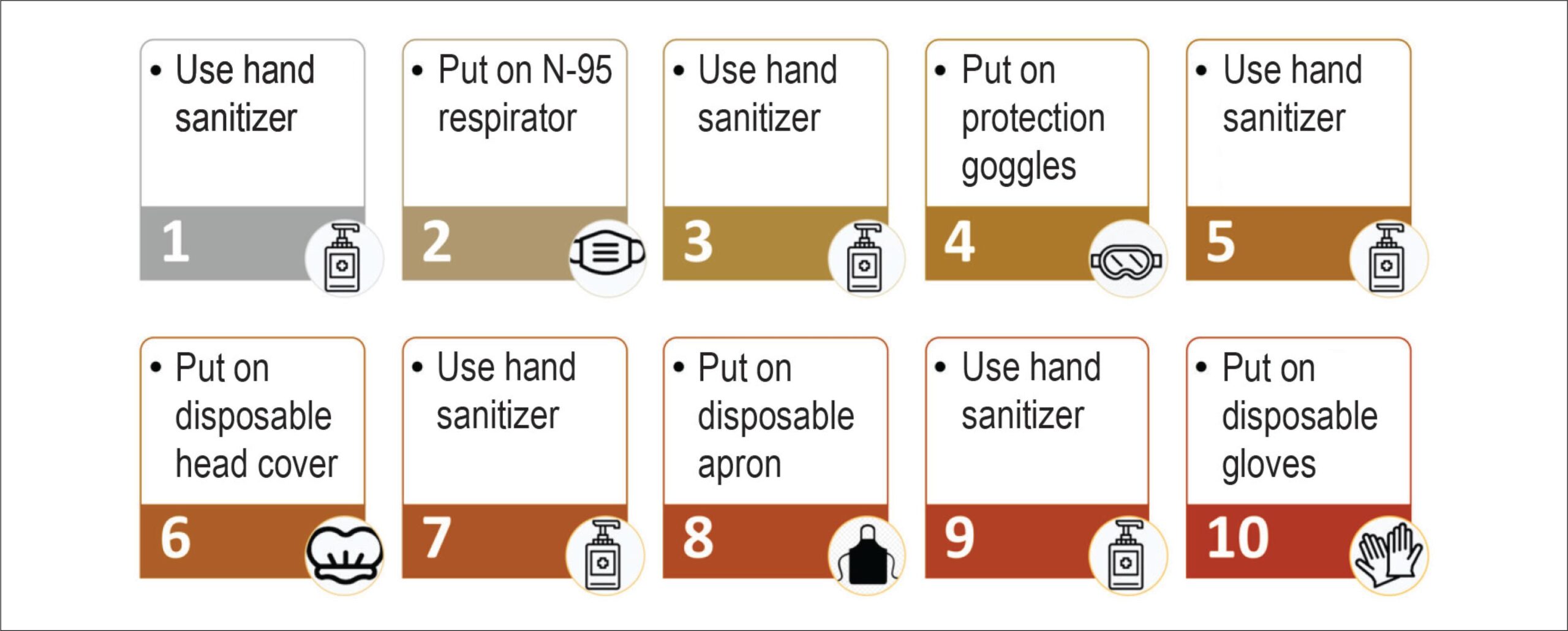
The objective of this position statement is to inform clinicians, cardiologists, and medical imaging specialists on the recommended procedures, flows, and protocols for the duration of the SARS-CoV-2 pandemic aiming at a more efficient protection of health care professionals and patients. Recommendations are based on the best available scientific evidence at the moment and on the consensus among experienced specialists. Since the first case of the new coronavirus disease (COVID-19) in Brazil, many changes in recommendations and a large scientific debate regarding some of them have occurred within various sources of scientific knowledge. This is due to our currently incomplete knowledge on COVID-19, including its pathophysiological processes and aspects of SARS-CoV-2 transmission. Another reason for a variability in recommendations is related to the epidemiological phase of the pandemic in each region of the country. Notably, in a country with continental dimensions such as Brazil, the pandemic can reach different transmission phases in a specific moment, thus requiring particular measures for each region and phase of the pandemic.

In the beginning of the pandemic, a phase of great attention and lack of knowledge on what the future held, the Cardiovascular Imaging Department (DIC) of the Brazilian Society of Cardiology (SBC) published a brief and essential version of a position statement. The document provided rapid and practical fundamental guidance regarding safety procedures during non-invasive cardiovascular imaging procedures. This document was absolutely essential at that moment for providing the best possible protection for health care professionals. After the publication of a summary document in the initial stage of the pandemic, DIC-SBC and its specialists have deemed timely to update that position statement (now published in the form of an official scientific publication); this should include not only a much wider view of the procedures in light of the data acquired since then, but also a customized orientation for each epidemiological phase of the pandemic that could be useful for professionals working in non-invasive cardiovascular imaging for the next months or possibly years of coexisting with COVID-19.

[…]
Read Full Article
Creative Commons Attribution (CC BY) Creative Commons license
23/04/2021 DOI: 10.36660/abc.20210133 Views 1
Editorial

Avoidable Cardiovascular Events: A Serious Side Effect of the COVID-19 Pandemic

Fernando H. Y. Cesena

Soon after the beginning of the COVID-19 pandemic, a general feeling arose among the doctors: many patients would have poor outcomes due to delays in seeking medical services for fear of infection. Patients with acute myocardial infarction, decompensated heart failure or stroke would stay at home or go to the hospital late in the course of the event. Investigation of potentially serious diseases, such as cancer, would be postponed. Besides, healthcare collapse would prove to be a contributor to inadequate care of non-COVID-19 diseases.

It took some months for the researchers to gather data on the nuances of this phenomenon. Several publications have confirmed the expectations, shedding light on an aspect that must be discussed and disseminated.

[…]

  • Betacoronavirus
  • Cardiovascular Diseases, mortality
  • COVID-19
  • Heart Failure
  • Myocardial Infarction
  • Pandemics
  • Vaccination
Read Full Article
Creative Commons Attribution (CC BY) Creative Commons license
23/04/2021 DOI: 10.36660/abc.20210113 Views 3
Editorial

“Know the Enemy and Know Yourself”. Cardiovascular Risk in the National Health Survey

Itamar S. Santos

The Art of War by Sun Tzu is a masterpiece about military strategy published around 2,500 years ago. In his work, Tzu states: “If you know the enemy and know yourself, you need not fear the result of a hundred battles.” Although we are not army generals, teachings from Tzu may be proven useful in cardiovascular science as well. They reinforce the need for understanding the current picture of cardiovascular epidemiology in our society and how it evolves, as a primary weapon to determine how resources and efforts may be more efficiently applied.

Cardiovascular diseases remain a major cause of death and disability worldwide. Although research in the past decades have substantially improved our knowledge about the main drivers of cardiovascular disease epidemiology, the high rates of cardiovascular morbimortality yields a very heterogeneous picture around the globe. In our country, for example, in the past few decades we have experienced a sharp decline in smoking in all Brazilian states. However, we also observed raising trends for other risk factors such as diabetes and other obesity-related metabolic changes, as well as population aging, producing mixed impacts on cardiovascular morbimortality rates.

[…]

  • aging
  • Cardiovascular Diseases, mortality
  • Epidemiology
  • Obesity
  • Risk Factors
Read Full Article
Creative Commons Attribution (CC BY) Creative Commons license
23/04/2021 DOI: 10.36660/abc.20210105 Views 2
Editorial

Kawasaki Disease: Predictors of Intravenous Immunoglobulin Resistance and Cardiac Complications: New Perspectives?

Isabel Cristina Britto Guimarães

Kawasaki disease (KD) is an acute inflammatory disease of unknown origin and associated with vasculitis. It affects medium-sized vessels. Coronary artery abnormalities (CAA) — aneurysms or dilations — are the main complications of KD, and are currently the most common cause of heart disease acquired in children in developed countries. In the acute phase, the initial standard treatment recommended is intravenous immunoglobulin (IVIG) and aspirin, to reduce the risk of damage to the coronary arteries. However, 10 to 20% of children with KD do not respond to the initial standard treatment, with recurrent fever within 36 to 48 hours after IVIG infusion. Studies show that the likelihood of KD patients resistant to IVIG to have coronary artery lesions is nine times greater than those sensitive to IVIG. This suggests that there is a critical window to block the inflammatory process and prevent CAA in the long term.

The study by Faim et al. aimed to identify predictive factors for resistance to intravenous immunoglobulin (IVIG), calculate the effectiveness of Japanese predictive models and characterize the cardiac complications of patients followed up at a single institution.

[…]

  • Children
  • Coronary Artery/abnormalities
  • drug resistance
  • Immunoglobulins, Intravenous
  • Kawasaki disease
  • Mucocutaneous Lymph Node Syndrome/trends
  • vasculitis
Read Full Article
Creative Commons Attribution (CC BY) Creative Commons license
23/04/2021 DOI: 10.36660/abc.20201353
Figure 1
Research Letter

Early vs. Late Neutrophil-To-Lymphocyte Ratio for the Prediction of Adverse Outcomes in Patients with STEMI Undergoing Primary PCI

Guilherme Pinheiro Machado et al. Gustavo Neves de Araujo Daniele Maltauro Julia Custodio … Victoria Milan Marco Wainstein

Introduction

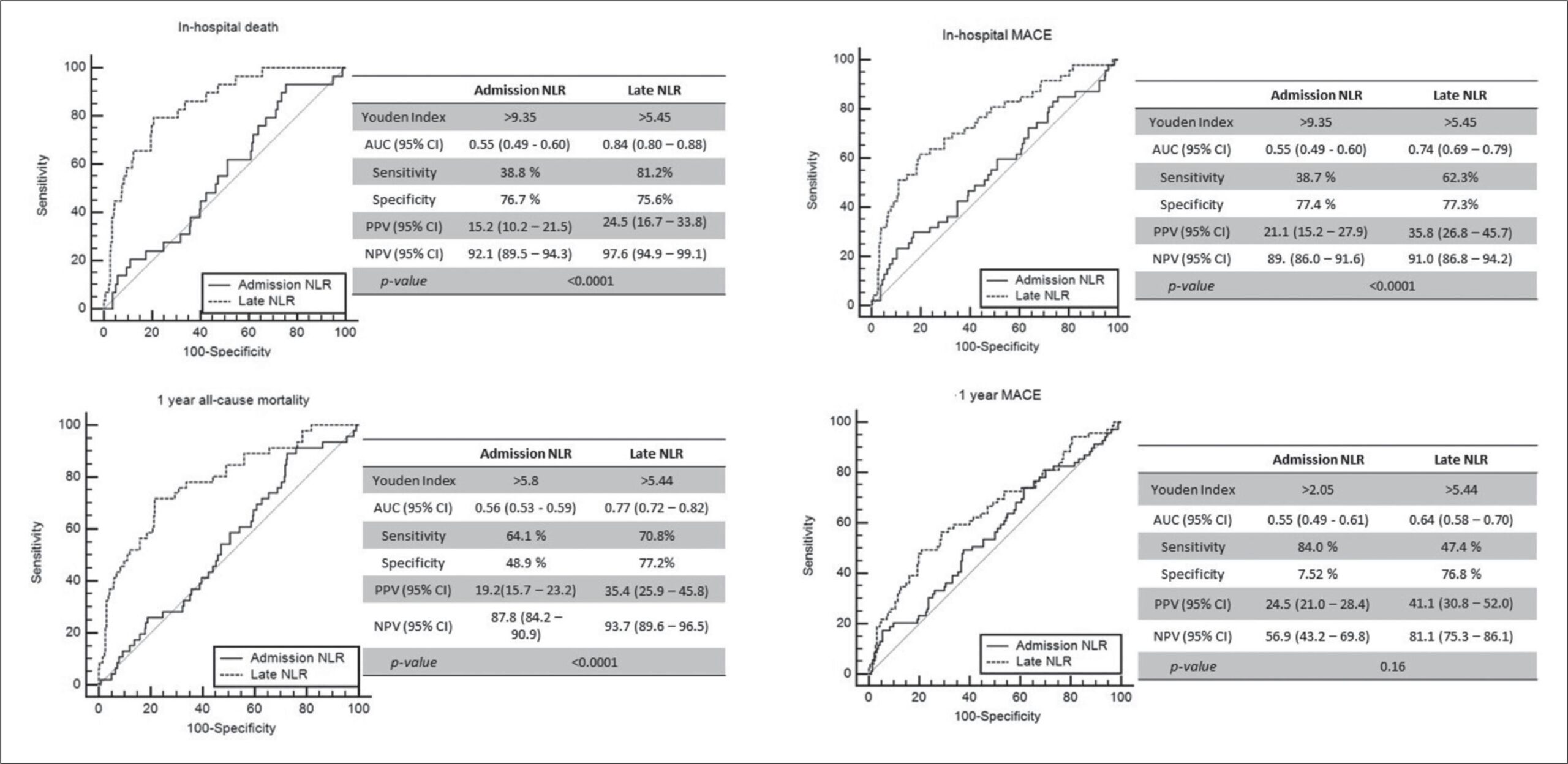
Admission neutrophil-to-lymphocyte ratio (NLR) has proven to predict adverse events in patients with ST-elevation Myocardial Infarction (STEMI).– New evidence has shown that NLR continues to increase within 48-72 hours in patients who develop worse outcomes. Therefore, this study sought to compare the prognostic capacity of admission and late NLR for adverse events in patients with STEMI undergoing primary percutaneous coronary intervention (pPCI).

[…]

  • Angioplasty
  • Inflammation
  • Mortality
  • Myocardial Infarction
  • neutrophil-to-lymphocyte ratio
  • Risk Factors
Read Full Article
Creative Commons Attribution (CC BY) Creative Commons license
23/04/2021 DOI: 10.36660/abc.20200327 Views 2
Figure 1.1
Diretrizes

Brazilian Guidelines of Hypertension – 2020

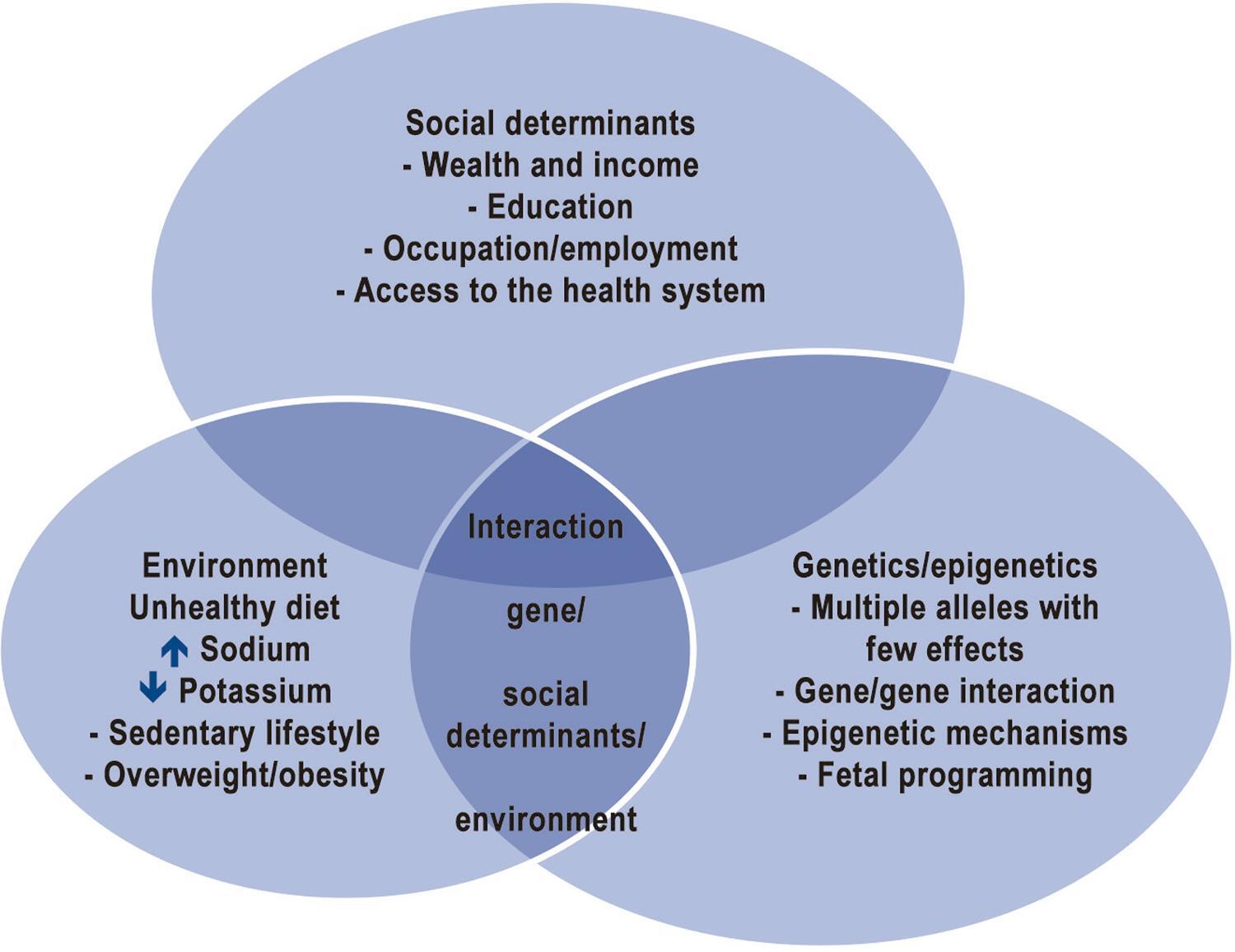
Weimar Kunz Sebba Barroso et al. Cibele Isaac Saad Rodrigues Luiz Aparecido Bortolotto Marco Antônio Mota-Gomes … Andréa Araujo Brandão Audes Diógenes de Magalhães Feitosa Carlos Alberto Machado Carlos Eduardo Poli-de-Figueiredo Celso Amodeo Décio Mion Júnior Eduardo Costa Duarte Barbosa Fernando Nobre Isabel Cristina Britto Guimarães José Fernando Vilela-Martin Juan Carlos Yugar-Toledo Maria Eliane Campos Magalhães Mário Fritsch Toros Neves Paulo César Brandão Veiga Jardim Roberto Dischinger Miranda Rui Manuel dos Santos Póvoa Sandra C Fuchs Alexandre Alessi Alexandre Jorge Gomes de Lucena Alvaro Avezum Ana Luiza Lima Sousa Andrea Pio-Abreu Andrei Carvalho Sposito Angela Maria Geraldo Pierin Annelise Machado Gomes de Paiva Antonio Carlos de Souza Spinelli Armando da Rocha Nogueira Nelson Dinamarco Bruna Eibel Cláudia Lúcia de Moraes Forjaz Claudia Regina de Oliveira Zanini Cristiane Bueno de Souza Dilma do Socorro Moraes de Souza Eduardo Augusto Fernandes Nilson Elisa Franco de Assis Costa Elizabete Viana de Freitas Elizabeth da Rosa Duarte Elizabeth Silaid Muxfeldt Emilton Lima Júnior Erika Maria Gonçalves Campana Evandro José Cesarino Fabiana Marques Fábio Argenta Fernanda Marciano Consolim-Colombo Fernanda Spadotto Baptista Fernando Antonio de Almeida Flávio Antonio de Oliveira Borelli Flávio Danni Fuchs Frida Liane Plavnik Gil Fernando Salles Gilson Soares Feitosa Giovanio Vieira da Silva Grazia Maria Guerra Heitor Moreno Júnior Helius Carlos Finimundi Isabela de Carlos Back João Bosco de Oliveira Filho João Roberto Gemelli José Geraldo Mill José Marcio Ribeiro Leda A. Daud Lotaif Lilian Soares da Costa Lucélia Batista Neves Cunha Magalhães Luciano Ferreira Drager Luis Cuadrado Martin Luiz César Nazário Scala Madson Q. Almeida Marcia Maria Godoy Gowdak Marcia Regina Simas Torres Klein Marcus Vinícius Bolívar Malachias Maria Cristina Caetano Kuschnir Maria Eliete Pinheiro Mario Henrique Elesbão de Borba Osni Moreira Filho Oswaldo Passarelli Júnior Otavio Rizzi Coelho Priscila Valverde de Oliveira Vitorino Renault Mattos Ribeiro Junior Roberto Esporcatte Roberto Franco Rodrigo Pedrosa Rogerio Andrade Mulinari Rogério Baumgratz de Paula Rogério Toshiro Passos Okawa Ronaldo Fernandes Rosa Sandra Lia do Amaral Sebastião R. Ferreira-Filho Sergio Emanuel Kaiser Thiago de Souza Veiga Jardim Vanildo Guimarães Vera H. Koch Wille Oigman Wilson Nadruz

Content

1. Definition, Epidemiology, and Primary Prevention 528

1.1 Definition of Hypertension 528

[…]

Read Full Article
Creative Commons Attribution (CC BY) Creative Commons license
23/04/2021 DOI: 10.36660/abc.20201238 Views 18
Figure 1
Original Article

Cardiovascular Risk Estimates in Ten Years in the Brazilian Population, a Population-Based Study

Deborah Carvalho Malta et al. Pedro Cisalpino Pinheiro Renato Azeredo Teixeira Isis Eloah Machado … Filipe Malta dos Santos Antônio Luiz Pinho Ribeiro

Abstract

Background:

Cardiovascular diseases are the leading cause of morbidity and mortality, resulting in high health costs and significant economic losses. The Framingham score has been widely used to stratify the cardiovascular risk of the individuals, identifying those at higher risk for the implementation of prevention measures directed to this group.

Objective:

To estimate cardiovascular risk at 10 years in the adult Brazilian population.

Methods:

Cross-sectional study using laboratory data from a subsample of the National Health Survey. To calculate cardiovascular risk, the Framingham score stratified by sex was used.

Results:

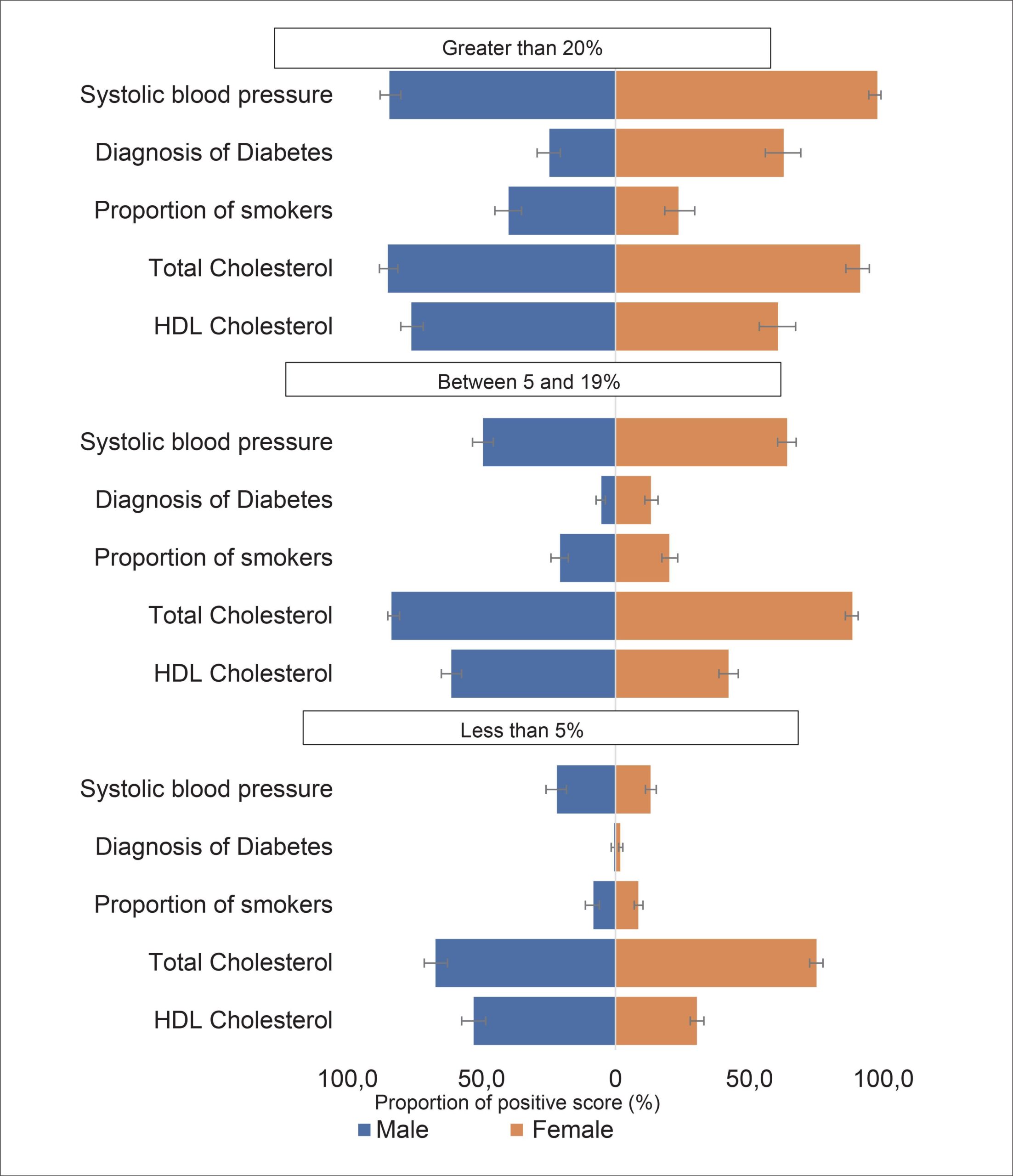
Most women (58.4%) had low cardiovascular risk, 32.9% had medium risk and 8.7% had high risk. Among men, 36.5% had low cardiovascular risk, 41.9% had medium risk and 21.6% had high risk. The risk increased with age and was high in the low-educated population. The proportion of the components of the Framingham model, by risk and sex, shows that, among women at high risk, the indicators that mostly contributed to cardiovascular risk were: systolic blood pressure, total cholesterol, HDL, diabetes and tobacco. Among men, systolic blood pressure, total cholesterol, HDL, tobacco and diabetes.

Conclusion:

The study estimates, for the first time in Brazil, the risk of developing cardiovascular disease in ten years. The risk score is useful to support the prevention practices of these diseases, considering the clinical and epidemiological context.

  • Atherosclerosis
  • Cardiovascular Diseases
  • Cholesterol
  • Diabetes Mellitus
  • Epidemiology
  • Hypertension
  • Risk Factors
Read Full Article
Creative Commons Attribution (CC BY) Creative Commons license
23/04/2021 DOI: 10.36660/abc.20190861
Letter to the Editor

Serum Levels of BDNF in Cardiovascular Protection and in Response to Exercise

Carla Paixão Miranda et al. Fernando Antônio Botoni Manoel Otávio da Costa Rocha

Dear Editor,

I read with interest the article published by Trombetta et al. In this sense, the importance of disseminating new markers in cardiovascular disease is increasingly known. I bring to the discussion a protein called growth factor / differential 15 (GDF-15) that was first identified as cytokine 1 or MIC-1 of the TGF-beta family, it has pleiotropic effects depending on the model being studied. The interesting thing about this discussion is the interface with which the Brain-derived neurotrophic factor (BDNF) interacts with the GDF-15 molecule, which also has effects on the vascular system, but in high concentrations it can present an adverse response, considered an independent prognostic marker for the cardiovascular disease there is evidence that physical exercise controls serum GDF-15 levels, protecting us from heart/coronary diseases, metabolic diseases, and oncological diseases., In this context, BDNF is also a prognostic marker in cardiovascular disease with function beyond the brain receptor in order to promote the maturation of GDF-15. According to the theoretical rationale, the proprotein convertase subtilisin/kexin 9 (PCSK-9) presents in its constitution a triad with an amino acid sequence (Asp-His-Ser) with a catalytic function that promotes cleavage of GDF-15 and maturation to the intracellular medium. Evidence shows that GDF-15 precursors that are not cleaved and in large amounts in the extracellular matrix correlate with an increased risk of a worse clinical outcome in heart failure.

[…]

  • BDNF
  • Brain-Derived Neurotrophic Factor
  • Cardiovascular Diseases, mortality
  • Endothelium, Vascular
  • Exercise
  • Nerve Growth Factors
  • Polymorfism
Read Full Article
Creative Commons Attribution (CC BY) Creative Commons license
23/04/2021 DOI: 10.36660/abc.20201001 Views 1
Figure 1
Research Letter

Three-Dimensional-Printed Heart Prototype for Application in Pediatric Cardiology: An Initial Experiment

Maíra Levorato Basso et al. Alessandra Möbius Gebran Julia Dullius Oliveira Katrin Möbius Gebran … Letícia Carlota Bonatto Maria Cecília Knoll Farah

Introduction

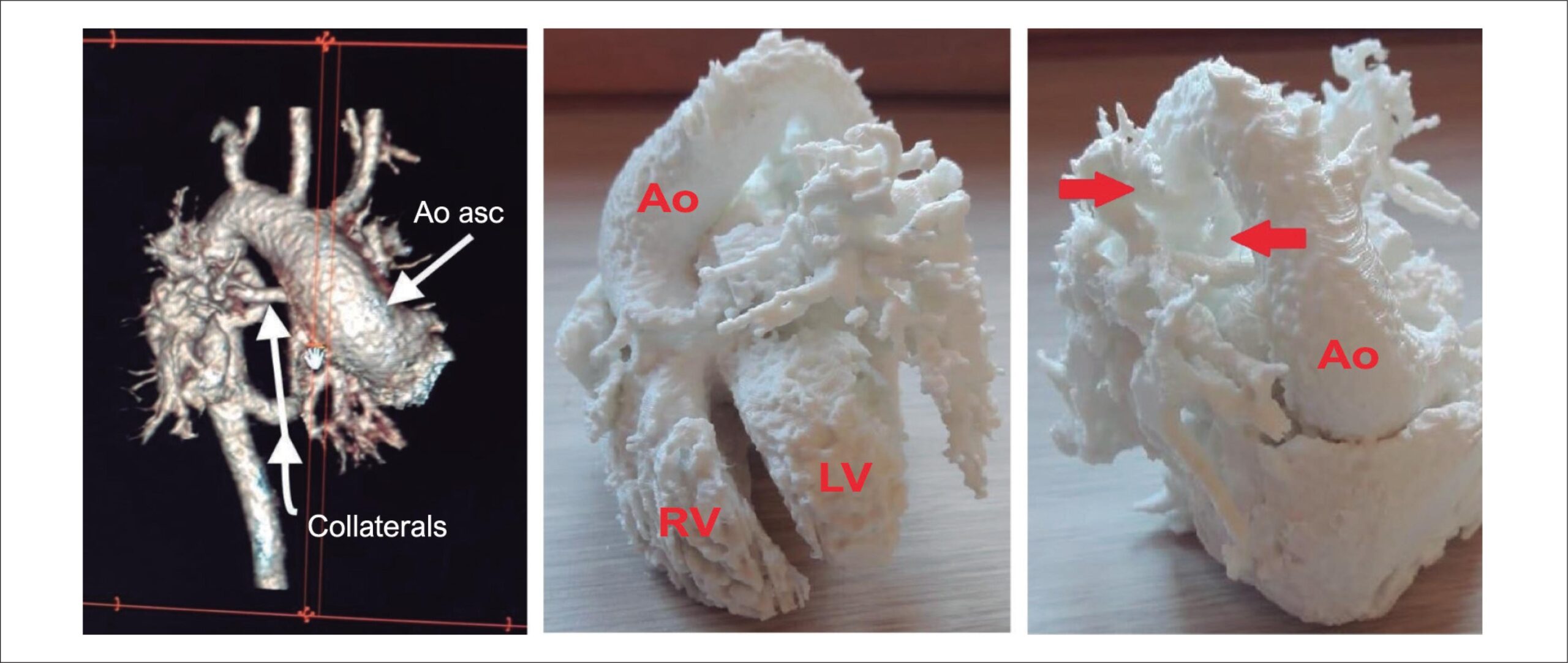
Three-dimensional (3D) prototyping technology is developing rapidly in medicine, and recent studies have shown its important applicability in pediatric cardiology.

Clinicians and surgeons use two-dimensional technologies, such as echocardiography, computed tomography (CT) angiography, and magnetic resonance imaging, to characterize structures and understand complex diseases. Because these images are often projected and extended on a flat screen, they may not represent the actual size of the structures, depth perception, or the proximity between them.

[…]

  • Coronary Angiography/methods
  • Heart Defects, Congenital
  • PrintingThree-Dimensional/trends
  • TomographyX-Ray Computed/methods
Read Full Article
Creative Commons Attribution (CC BY) Creative Commons license
23/04/2021 DOI: 10.36660/abc.20200086 Views 1
Figure 1
Original Article

Effects of Anti-TNF alpha Therapy on Blood Pressure in Resistant Hypertensive Subjects: A Randomized, Double-Blind, Placebo-Controlled Pilot Study

Ana Paula de Faria et al. Alessandra M. V. Ritter Arthur Santa-Catharina Débora P. Souza … Estephania P. Naseri Manoel B. Bertolo Mariana Rodrigues Pioli Caio C. Carvalho Rodrigo Modolo Heitor Moreno

Abstract

Background:

The cytokine tumor necrosis factor-alpha (TNF-α) is elevated in resistant hypertension (RH), but the effects of a TNF-α inhibitor in this population is unknown.

Objective:

The aim of this trial was to evaluate whether a single dose of infliximab controlled by placebo acutely reduces blood pressure (BP) in RH subjects.

Methods:

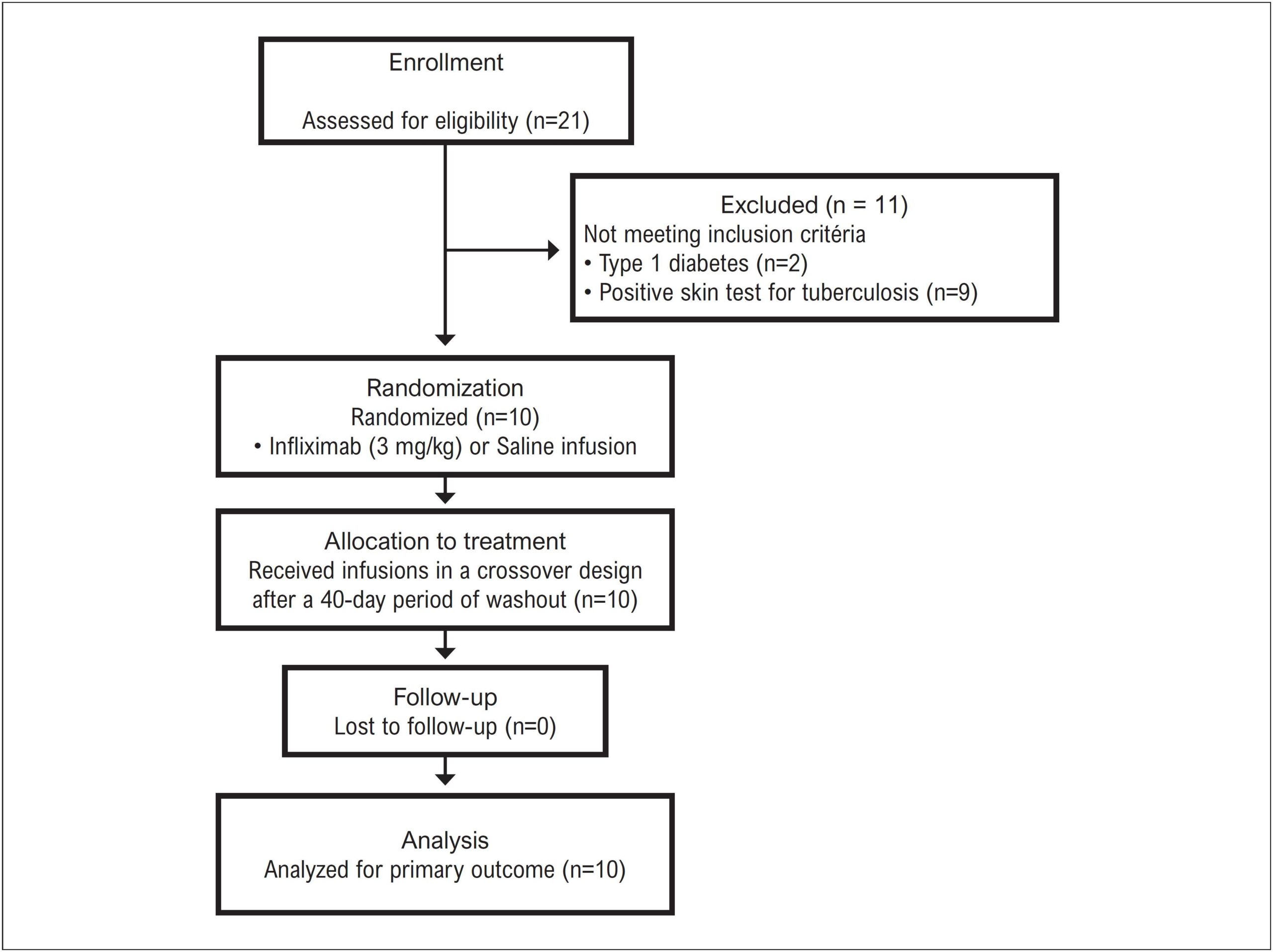
A double-blind, placebo-controlled, crossover trial was conducted, and randomized RH subjects received either infliximab or placebo. The primary endpoint was the change in mean BP levels relative to the baseline immediately after the infusion obtained by continuously beat-to-beat non-invasive hemodynamic assessment. Secondary endpoints included changes in office, ambulatory and central BP measurements; endothelial function; and inflammatory biomarkers after 7 days. The level of significance accepted was alpha=0.05.

Results:

Ten RH subjects were enrolled. The primary endpoint analysis showed an acute decrease in mean BP values (mean of differences ± standard deviation = -6.3 ± 7.2 mmHg, p=0.02) from baseline, after the application of infliximab compared with placebo. Diastolic BP levels (-4.9 ± 5.5 mmHg, p=0.02), but not systolic BP levels (-9.4 ± 19.7 mmHg, p=0.16), lowered after infliximab infusion. No further significant differences were identified in either the other hemodynamic parameters or in secondary endpoints, except for TNF-α levels, which increased continuously after infliximab infusion. No adverse events were reported during the protocol.

Conclusions:

A single-dose of infliximab decreased the mean and diastolic BP levels immediately after its infusion, when compared to the placebo in RH. The anti-TNF-α therapy was found to be safe and well-tolerated. The results of this proof-of-concept are hypothesis-generating and need to be further investigated. (Arq Bras Cardiol. 2021; 116(3):443-451)

  • Blood Pressure
  • Hypertension
  • Inflammation
  • Infliximb/therapeutic use
  • Randomized Controlled Trial
Read Full Article
Creative Commons Attribution (CC BY) Creative Commons license
23/04/2021 DOI: 10.36660/abc.202190703
Original Article

Kawasaki Disease: Predictors of Resistance to Intravenous Immunoglobulin and Cardiac Complications

Diogo Faim et al. Cláudio Henriques Ana Brett Andreia Francisco … Fernanda Rodrigues António Pires

Abstract

Background:

Kawasaki disease (KD) is the leading cause of acquired cardiac disease in children, in developed countries.

Objectives:

To identify predictive factors for resistance to intravenous immunoglobulin (IVIG), calculate the effectiveness of Japanese predictive models and characterize cardiac complications.

Methods:

Retrospective analysis of KD cases admitted in a Portuguese paediatric hospital between january 2006 and july 2018. ROC curves were used to determine predictive factors for resistance and the multivariate logistic regression analysis was used to develop the predictive model. A significance level of 5% was used.

Results:

48 patients with a median age of 36 months were included. The IVIG resistance was 21%. Echocardiographic anomalies were noted in 46%, with coronary involvement in 25% of the sample population. As predictive variable of resistance, the C-reactive protein (CRP) presented an AUC ROC = 0.789, optimal cut-off value 15.1 mg/dL, sensitivity (Sn) 77.8% and specificity (Sp) 78.9%. The erythrocyte sedimentation rate (ESR) presented an AUC ROC = 0.781, optimal cut-off value 90.5 mm/h, Sn 66.7% and Sp 85.7%. The model with the two variables showed p = 0.042 and AUC ROC = 0.790. Predictive strength of Japanese models were: Kobayashi (Sn 63.6%, Sp 77.3%), Egami (Sn 66.7%, Sp 73.1%), Sano (Sn 28.6%, Sp 94.1%).

Conclusion:

CRP and ESR are independent variables that were related to IVIG resistance, with optimal cut-off points of 15.1 mg/dL and 90.5 mm/h, respectively. About half of the patients had some form of cardiac involvement. The Japanese models appeared to be inadequate in our population. (Arq Bras Cardiol. 2021; 116(3):485-491)

  • Child
  • Coronary Artery Disease
  • drug resistance
  • Immunoglobulin
  • Kawasaki Disease/complications
  • Mucocutaneous Lymph Node Syndrome/complications
Read Full Article
Creative Commons Attribution (CC BY) Creative Commons license
23/04/2021 DOI: 10.36660/abc.20190758
Figure 1
Original Article

Arterial Stiffness Changes in Severe Aortic Stenosis Patients Submitted to Valve Replacement Surgery

Renata Raimundo et al. Francisca Saraiva Raquel Moreira Soraia Moreira … Ana Filipa Ferreira Rui J. Cerqueira Mario Jorge Amorim Paulo Pinho António Sousa Barros André P. Lourenço Adelino Leite-Moreira

Abstract

Background:

Little is known about the impact of severe aortic stenosis (AS) in aortic stiffness and if there is any change after removing AS barrier with aortic valve replacement (AVR) surgery.

Objective:

To estimate carotid-femoral pulse wave velocity (PWV) changes after AVR surgery and to define PWV predictors in severe AS patients.

Methods:

Single-center retrospective cohort, including patients with severe AS who underwent AVR surgery with bioprostheses, between February 2017 and January 2019 and performed PWV measurements (Complior®) before and after the procedure (2±1 months). Before and after AVR, PWV values were compared through paired tests. The associations of PWV with clinical data were studied and linear regression models were applied to estimate pre and postoperative PWV independent predictors. The significance level was set at 5%.

Results:

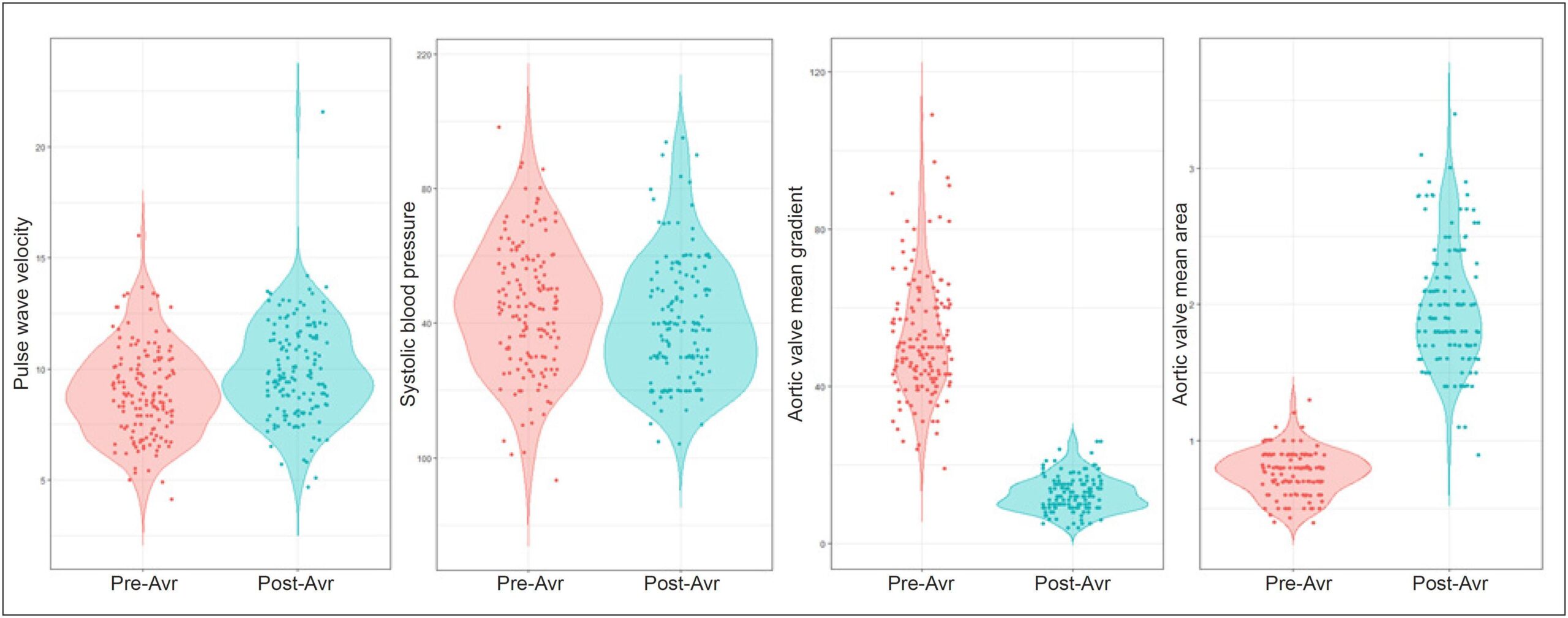
We included 150 patients in the sample, with mean age of 72±8 years, and 51% being males. We found a statistically significant increase in PWV values after surgery (9.0±2.1 m/s vs. 9.9±2.2, p<0.001, before and after AVR, respectively) and an inverse association with AS severity variables. In the linear regression model, age and systolic blood pressure (SBP) were established as independent predictors of higher pre- and postoperative PWV, while higher mean valvular gradient emerged as a determinant of lower pre-AVR PWV.

Conclusion:

We documented an inverse correlation of arterial stiffness with the severity of AS in patients with AS, and a significant increase in PWV values after AVR surgery. Advanced age and higher SBP were associated with higher PWV values, although arterial function measurements were within the normal range. (Arq Bras Cardiol. 2021; 116(3):475-482)

  • Aortic Valve Replacement/methods
  • Aortic valve stenosis / surgery
  • aortic valve surgery
  • Pulse Wave Analysis
Read Full Article
Creative Commons Attribution (CC BY) Creative Commons license
23/04/2021 DOI: 10.36660/abc.20190577
Figure 1
Original Article

Histopathological Characterization of Mitral Valvular Lesions from Patients with Rheumatic Heart Disease

Nayana F. A. Gomes et al. Marcelo A. Pascoal-Xavier Livia S. A. Passos Thiago Mendonça Nunes Paula … João Marcelo de Souza Aguiar Felipe Vieira Guarçoni Maria Cecília Landim Nassif Claudio Leo Gelape Renato Braulio Paulo Henrique N. Costa Luiz Guilherme Passaglia Raquel Braga Martins Walderez O. Dutra Maria Carmo P. Nunes

Abstract

Background:

The underlying mechanisms by which rheumatic heart disease (RHD) lead to severe valve dysfunction are not completely understood.

Objective:

The present study evaluated the histopathological changes in mitral valves (MV) seeking an association between the pattern of predominant valvular dysfunction and histopathological findings.

Methods:

In 40 patients who underwent MV replacement due to RHD, and in 20 controls that underwent heart transplant, histological aspects of the excised MV were analyzed. Clinical and echocardiographic data were also collected. Histological analyses were performed using hematoxylin-eosin staining. Inflammation, fibrosis, neoangiogenesis, calcification and adipose metaplasia were determined. A p value<0.05 was considered to be statistically significant.

Results:

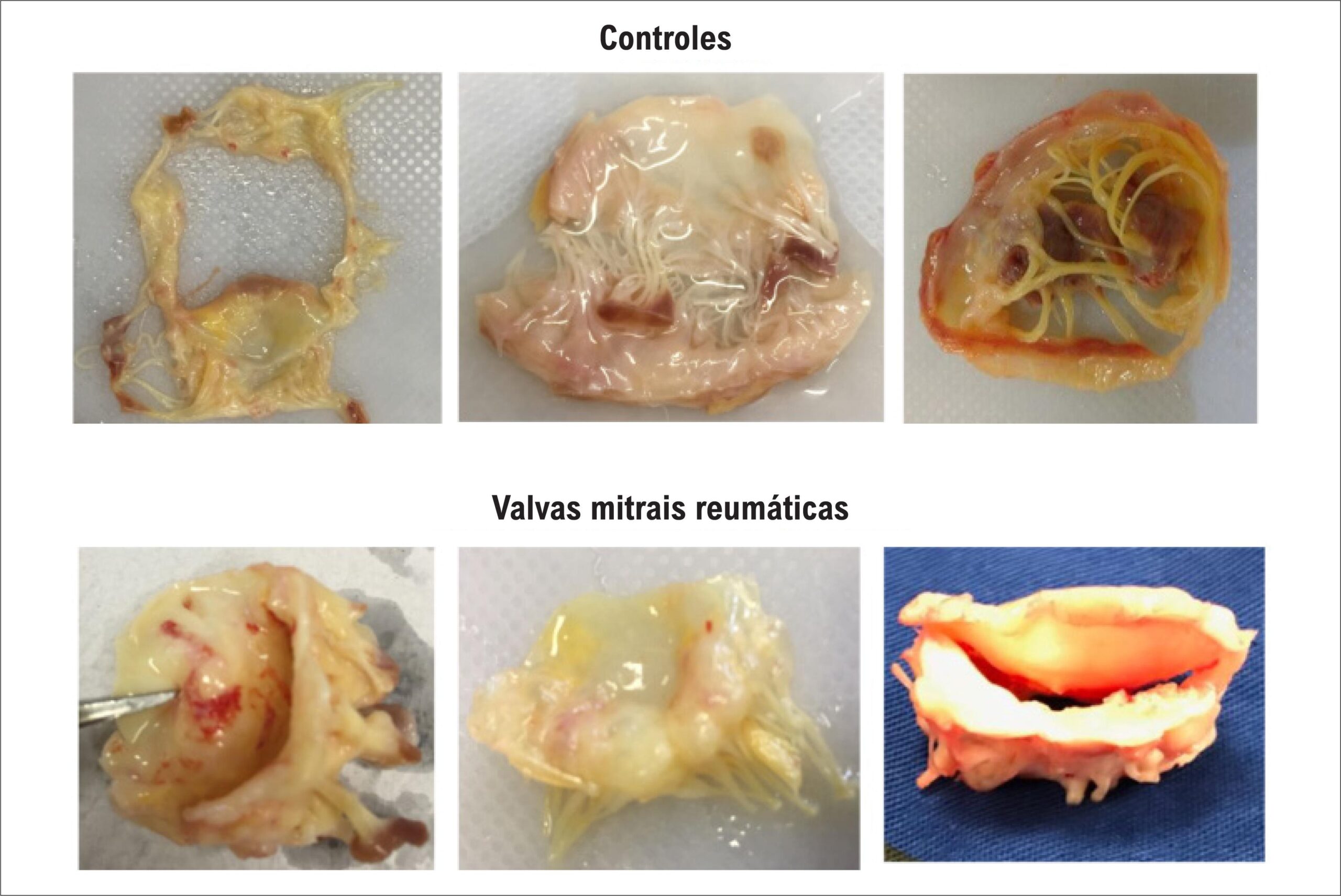
The mean age of RHD patients was 53±13 years, 36 (90%) were female, whereas the mean age of controls was 50±12 years, similar to the cases, with the majority of males (70%). The rheumatic valve endocardium presented greater thickness than the controls (1.3±0.5 mm versus 0.90±0.4 mm, p=0.003, respectively), and a more intense inflammatory infiltrate in the endocardium (78% versus 36%; p=0.004), with predominance of mononuclear cells. Moderate to marked fibrosis occurred more frequently in rheumatic valves than in control valves (100% vs. 29%; p<0.001). Calcification occurred in 35% of rheumatic valves, especially among stenotic valves, which was associated with the mitral valve area (p=0.003).

Conclusions:

Despite intense degree of fibrosis, the inflammatory process remains active in the rheumatic mitral valve, even at late disease with valve dysfunction. Calcification predominated in stenotic valves and in patients with right ventricular dysfunction.

  • calcification
  • Echocardiography/methods
  • Fibrosis
  • Histology
  • Inflammation
  • Mitral Valve Stenosis
  • Myocarditis
  • Rheumatic Disease
  • Rheumatic Fever
Read Full Article
Creative Commons Attribution (CC BY) Creative Commons license
23/04/2021 DOI: 10.36660/abc.20200154 Views 2
Editorial

New Perspectives in the Treatment of Hypertension

Heno F. Lopes

Arterial hypertension is by far the biggest risk factor for cardiovascular diseases. Thiocyanates, barbiturates, bromides and bismuth were tested in the treatment of arterial hypertension in the early 1940s. The use of these drugs was discontinued because they were proven ineffective and had several side effects. In the mid-1950s, ganglion blockers such as hexamethonium, pentolinium, mecamylamine and peripherally acting sympatholytic substances (guanethidine) were tested as treatment of arterial hypertension and were shown effective in reducing blood pressure, but little tolerated. New drugs were introduced to treat hypertension in the 1950s, including diuretics.

In 1956, in an observational study, Moser and Magaulay followed up 106 hypertensive patients who received rauwolfia, hydralazine, reserpine, mecamylamine and chlorothiazide as treatment for arterial hypertension, alone or in combination. The dose of chlorothiazide used in this study ranged from 0.5 to 1.5 grams and the combination of chlorothiazide resulted in better control of blood pressure. Since that observational study by Moser and Magaulay to the present day, several studies related to the pharmacological treatment of hypertension have been carried out. The first randomized, placebo-controlled study conducted on the treatment of arterial hypertension was the Veterans Administration (VA), published in 1967. It is worth noting that the study inclusion criterion for active versus placebo treatment was diastolic pressure between 115 and 129 mmHg. After the publication of the VA-I study in 1967 and the VA-II in 1970, several randomized controlled studies addressing the treatment of arterial hypertension were carried out. The initial focus of treatment for arterial hypertension was renal sodium excretion, as renal disorders were initially thought to be the main cause of hypertension. Subsequently, the pathophysiological mechanisms of hypertension were elucidated and the therapy was directed to the main pathophysiological mechanisms. The activation of the sympathetic nervous system as an important pathophysiological mechanism of hypertension had already been perceived in the 1950s, and various forms of sympathetic nervous system block and even sympathectomy were then attempted. Beginning in the 1980s, with the introduction of the microneurography and the norepinephrine spillover technique, the importance of activation of the sympathetic nervous system in the pathophysiology of hypertension was even more evident., Although poorly tolerated, central and peripheral adrenergic blockers have always been part of the treatment of arterial hypertension. The activation of the renin-angiotensin aldosterone system (RAS) and the altered natriuresis pressure curve are two other important mechanisms in the pathophysiology of arterial hypertension. Currently, the use of diuretics to correct the altered natriuresis pressure curve and inhibitors of the renin-angiotensin aldosterone system, which act at different sites, has been routine in the treatment of arterial hypertension.

[…]

  • Blood Pressure
  • Cardiovascular Diseases/complications
  • Diuretics/therapeutic use
  • Drug Therapy/trends
  • Hypertension/trends
Read Full Article
Creative Commons Attribution (CC BY) Creative Commons license
23/04/2021 DOI: 10.36660/abc.20201164
Editorial

The Method and the Mantra

Andre d’Avila et al. Marcos F. Vidal Melo

Introduction

At the time of the residency in Cardiology, a patient chose to become a vegetarian after having a metallic heart valve implanted. Until that day, he proudly announced that he only ate meat, rice and beans! He had spent years without eating a lettuce leaf, but as a friend suggested that this type of diet increased the risk of calcification of the other heart valves, he chose to change it, even before checking the veracity of the information.

He had been warned that a diet rich in vegetables could make it difficult to handle anticoagulation, but he had no doubts: he had found the motivation to live a healthier life after the surgery. He proudly eliminated meats and chose vegetables, instead. He felt much better and he no longer had shortness of breath. Convinced of the benefits of his new lifestyle, he died 6 months after surgery due to intracranial hemorrhage, as he had to take more anticoagulants to compensate for the diet… Our patient got the mantra right, but not the method. He opted for a supposedly healthier life that was wrongly put into practice, at the wrong time and was unable to enjoy his discipline or the new lifestyle.

[…]

  • COVID-19
  • Doctor’s Degree
  • Health Sciences
  • Medical Education
  • Pandemics
  • Schools, Medical
  • Technology and Innovation Management
Read Full Article
Creative Commons Attribution (CC BY) Creative Commons license
23/04/2021 DOI: 10.36660/abc.20201013 Views 1
Figure 1
Original Article

Mortal Interaction Between Hemophagocytic Syndrome and Newly Developed Heart Failure

Devrim Bozkurt et al. Sukriye Miray Kilincer Bozgul Omer Emgin Osman Butun … Timur Kose Evrim Simsek Mine Hekimgil Salih Kilic

Abstract

Background:

Hemophagocytic syndrome (HPS) ia s devastating hyperinflammatory syndrome. Heart failure (HF) with preserved ejection fraction (HFpEF) status is closely correlated with increased inflammation, both systemic and intramyocardial.

Objectives:

This study sought to determine mortality predictors and reliable follow-up parameters in HPS that developed HFpEF during the clinical course.

Method:

Thirty-nine patients, diagnosed as HPS, according to HLH 2004 diagnostic criteria, with an HScore of ≥169 and proven bone marrow aspiration or biopsy, were recruited retrospectively. Both traditional, serum C-reactive protein, albumin and ferritin levels with lymphocyte, and platelet counts, as well as non-traditional risk factors, neutrophil-to-lymphocyte count (NLR), monocyte-to-lymphocyte count (MLR), mean platelet volume (MPV), and N-Terminal pro-brain natriuretic peptide (NTproBNP), were investigated retrospectively. The relationship between time-changed laboratory values both among themselves and with mortality. The overall significance level was set at 5%.

Results:

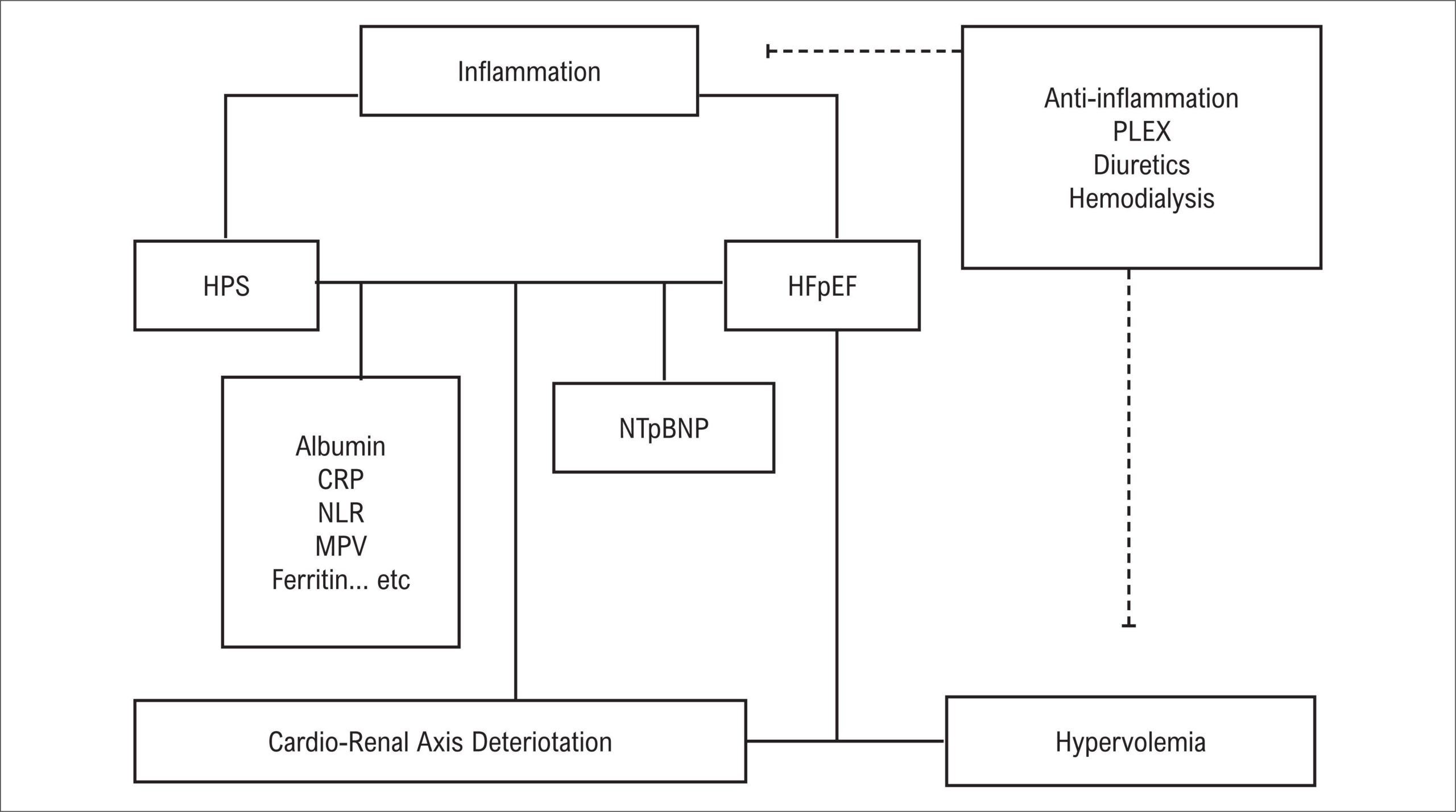
This study showed that temporal change of cardiothoracic ratio (CTR), serum NTproBNP, ferritin, CRP, and albumin levels were detected as mortality predictors (p<0.05, for all) in the univariate analysis. Lymphocyte and platelet counts with NLR and MPV values were also significant (p<0.05). The relationship between NT-proBNP and increased systemic inflammatory markers proved to be significant. In addition to traditional risk factors, serum ferritin levels, NLR, MLR, and MPV levels also proved to be significantly correlated with each other.

Conclusion:

Accompanied by reliable follow-up parameters, rapid diagnosis and aggressive anti-inflammatory treatment with tight volume control can be life-saving in HPS patients who suffer from HFpEF. Close monitoring of inflammation may predict the outcome of patients suffering from HFpEF.

  • Heart Failure
  • Hemaphgocytic Lymphohistiocytosis
  • Inflammation
  • Mortality
Read Full Article
Creative Commons Attribution (CC BY) Creative Commons license
23/04/2021 DOI: 10.36660/abc.20190642
Editorial

Reduction in Platelet Activation: A Potential Mechanistic Link between Regular Exercise and Its Benefits for Coronary Artery Disease

Christina Grüne de Souza e Silva

Exercise-based cardiac rehabilitation (CR) leads to significant reductions in mortality and risk for adverse cardiovascular events in coronary artery disease (CAD) patients., As a result, exercise-based CR is currently a Class 1A intervention for secondary prevention in CAD. However, despite considerable research efforts in the past several decades, the multidimensional mechanisms associated with the cardioprotective effects of regular exercise are still not fully elucidated.

On the other hand, increased platelet activity has been increasingly recognized as a key player in the pathogenesis and progression of atherosclerosis. Through the release of cytokines and chemokines, activated platelets mediate the recruitment of leukocytes to the vascular endothelium, favoring not only plaque rupture and thrombosis, but also contributing to the early steps of atherosclerosis and the later stages of atheroprogression.

[…]

  • Blood Platelets
  • Cardiovascular Diseases
  • Coronary Artery Disease
  • Exercise
  • Physical activity
  • Rehabilitation
Read Full Article
Creative Commons Attribution (CC BY) Creative Commons license
23/04/2021 DOI: 10.36660/abc.20201198
Editorial

Simplified Algorithm for Differential Diagnosis of Tachycardias with Wide QRS. Is this the Best Way to Train Young Doctors?

Enrique Indalécio Pachón Mateo

To make the correct diagnosis of ventricular tachycardia in an emergency room (ER), with little time for decision-making and based only on the electrocardiogram is a challenge that depends on a lot of preparation by the doctor. Any instrument that facilitates and streamlines this process, especially increasing the degree of accuracy, is also worthy of praise, especially considering that the physician on duty is not always a cardiologist, or even less likely an arrhythmologist, sufficiently trained to make an accurate diagnosis.

An episode of ventricular tachycardia, supraventricular tachycardia (in a patient with a previous conduction disorder or with a conduction aberrancy) and supraventricular tachycardia caused by anomalous bundles may show similar electrocardiographic tracings, which are sometimes very difficult to differentiate, making the medical decision a risk to the patient’s life. To make this differentiation possible, several algorithms have been created that use electrocardiographic signals to assist and allow the correct diagnosis to be made and, consequently, to establish the adequate treatment, as in the case of the Brugada algorithm which is widely known (and that in fact is a combination of Brugada and Wellens criteria), as well as Vereckei and Pava criteria among others. All the created algorithms have sensitivity and specificity (S/E) variables that make them more or less accurate; however, in the same proportion, these algorithms can be simpler, or more complex (depending on the operator’s better training and greater time to reach the diagnosis).

[…]

  • Algorithms
  • Diagnosis
  • First Aid
  • Tachycardia, Emergencies
Read Full Article
Creative Commons Attribution (CC BY) Creative Commons license
23/04/2021 DOI: 10.36660/abc.20201344 Views 2
Editorial

Is There a Role for Lung Ultrasonography in the Prognosis of Heart Failure Patients?

Mônica Samuel Avila et al. Deborah De Sá Pereira Belfort

Heart failure (HF) hospitalizations are most commonly motivated by systemic and pulmonary congestion, leading to 5–15% of mortality rate and up to 50% of readmission rate in 90 days. Although the usual goal during hospitalization is complete decongestion, 30% of patients have residual congestion at discharge. Signs of congestion, high filling pressures and elevated natriuretic peptides are associated with higher mortality and readmission rates, and residual congestion at discharge is also associated with worse prognosis.,

Congestion assessment is usually difficult given the low sensitivity and/or specificity of physical examination findings. Chest radiography and natriuretic peptides can improve evaluation, but lung ultrasonography (LUS) has been recently used as a sensitive tool in this scenario. It can estimate right atrial pressure using vena cava diameter and variation and evaluate lung congestion by counting B-lines in chest zones. B-lines are hyperechoic artefacts on LUS which appear as vertical lines from the pleural line to the bottom of the screen and represent thickening of interlobular septa. Recent data report association of B-lines in LUS with higher mortality and hospitalization rates.

[…]

  • Heart Failure
  • Hospitalization
  • Lung/ultrasonography
  • Mortality
  • Natriuretic Peptides
  • Prognosis
Read Full Article
Creative Commons Attribution (CC BY) Creative Commons license
23/04/2021 DOI: 10.36660/abc.20201283 Views 1
Editorial

Arterial Stiffness in Aortic Stenosis

Henrique Murad

The paper “Arterial Stiffness Changes in Severe Aortic Stenosis Patients Submitted to Valve Replacement Surgery” has important information on the behavior of arterial stiffness before and after aortic valve replacement.

They studied 150 patients with severe aortic stenosis submitted to aortic valve replacement with bioprosthesis. They used a noninvasive method, carotid-femoral pressure wave velocity (PWV) measured through Complior Analyse, to study arterial stiffness. Other methods could have been used, such as invasive pressure catheter measurements, MRI and peripheral cuff sensors, but PWV is the gold standard.

[…]

  • Aortic Valve Replacement/methods
  • Aortic valve stenosis / surgery
  • aortic valve surgery
  • Blood Pressure
  • Pulse Wave Analysis
Read Full Article
Creative Commons Attribution (CC BY) Creative Commons license
23/04/2021 DOI: 10.36660/abc.20201234
Figure 1
Original Article

Inhibiting Glucose Metabolism By miR-34a and miR-125b Protects Against Hyperglycemia-Induced Cardiomyocyte Cell Death

Chao-rui Xu et al. Qiu-ju Fang

Abstract

Background:

It is well-known that insulin resistance and hyperglycemia are important pathological causes for the development of diabetic cardiomyopathy (DCM). However, its precise molecular mechanisms in the pathogenesis of DCM remain unclear.

Objectives:

Recent studies reveal that microRNAs (miRNA) play essential roles in the pathogenesis of DCM. This project aimed to determine the roles of miR-34a and miR-125b in hyperglycemia-induced cardiomyocyte cell death.

Methods:

Rat primary cardiomyocytes were isolated and exposed to normal and high concentrations of glucose. Cell viability was measured using MTT assay. Expressions of miR-34a and miR-125b were detected by qRT-PCR. Potential targets of miR-34a and miR-125b were predicted from www.Targetscan.org and validated from human heart tissues. A statistical significance of p<0.05 was considered.

Results:

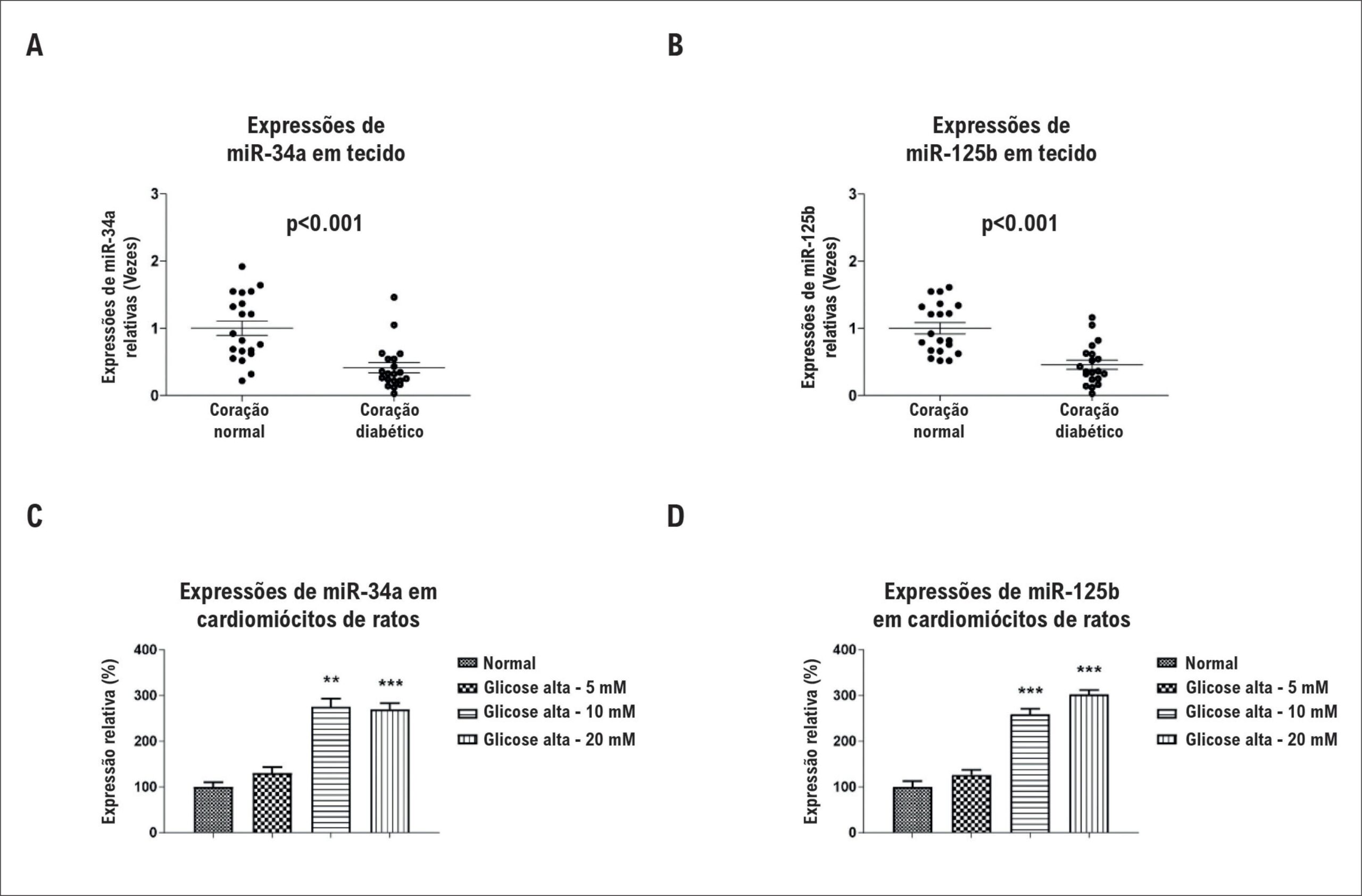
The present study shows that miR-34a and miR-125b are downregulated in a human diabetic heart. Moreover, in vitro data from rat primary cardiomyocytes showed that short-term high glucose treatment stimulates miR-34a and miR-125b expressions. Under high glucose, it was found that rat cardiomyocytes displayed increased intracellular glucose metabolism, and glucose uptake and lactate production were significantly increased. It was also found that the key glucose metabolic enzymes, Hexokinase 2 (HK2) and Lactate dehydrogenase-A (LDHA), were direct targets of miR-125b and miR-34a, respectively. Overexpression of miR-125b and miR-34a could prevent hyperglycemia-induced cardiomyocyte cell death. Finally, the restoration of HK2 and LDHA in miR-125b and miR-34a overexpressed cardiomyocytes recovered the cardiomyocytes’ sensitivity to hyperglycemia.

Conclusion:

Our results proposed a molecular mechanism for the microRNA-mediated diabetic cardiovascular protection and will contribute to developing treatment strategies for diabetes-associated cardiovascular dysfunction.

  • Cell Death
  • Diabetic Cardiomyopathies
  • Glicose Metabolism Disordes
  • Hiperglycemia
  • Myocytes,Cardiac
  • Rats
Read Full Article
Creative Commons Attribution (CC BY) Creative Commons license
23/04/2021 DOI: 10.36660/abc.20190529 Views 1
Editorial

Histopathological Characterization of Mitral Valvular Lesions in Patients With Rheumatic Heart Disease: Is Inflammation Also to Blame for Chronic Valvular Heart Disease Progression?

Vitor Emer Egypto Rosa

Rheumatic fever (RF) and rheumatic heart disease (RHD) remain highly prevalent, affecting approximately 40 million people, mostly in low- and middle-income countries, but also in select marginalized populations in higher-income countries., Brazilian data regarding RF prevalence is scarce mainly due to (a) difficulties in acute RF diagnosis, (b) cost of RHD screening and (c) the fact that reported data on surgery or death may represent RF incidence from 2 decades ago. The most feared consequence of RF is valvular heart disease, which leads to a worsening in the quality of life, hospitalizations and need for surgical procedure, primarily in young people., Therefore, there is an urgent need to better understand the factors that influence valvular heart disease (VHD) progression. In this context, Gomes et al. studied the histopathological changes in mitral valves of patients with RHD undergoing mitral valve replacement.

Inflammation in one of the key components of VHD in patients with RF. In the acute stage of infection, the histopathological findings are the presence of dense valvular inflammatory infiltrates and Aschoff nodules, characterized as collagen fibrinoid degeneration surrounded by lymphocytes, macrophages, giant cells, plasma cells, and palisades of fibroblasts.– Chronic RHD usually presents with cuspid calcification, fibrosis and commissural fusion. However, the role of inflammation in chronic VHD is still under study.

[…]

  • Epidemiology
  • Fibrosis
  • Inflammation
  • Mitral Valve Insufficiency / surgery
  • Rheumatic Heart Disease/diagnosis
Read Full Article
Creative Commons Attribution (CC BY) Creative Commons license
23/04/2021 DOI: 10.36660/abc.20201244 Views 2
Editorial

Hyperinflammatory Syndrome as a Cardiac Injury Mechanism

Silvia Moreira Ayub-Ferreira et al. Maria Tereza Sampaio de Sousa Lira

Hemophagocytic syndrome (HPS) or hemophagocytic lymphohistiocytosis (HLH) is an acute and rapidly progressive systemic inflammatory disorder characterized by cytopenia, excessive cytokine production and hyperferritinemia. Common clinical manifestations of HLH are acute unremitting fever, lymphadenopathy, hepatosplenomegaly and multiple-organ failure. It consists of two different conditions that may be difficult to distinguish: a primary form is mostly seen in children and is caused by various mutations with genetic inheritance and a secondary HLH may be secondary to a malignant, infectious, or autoimmune/autoinflammatory stimulus without an identifiable underlying genetic trigger.,

The hyperinflammatory immune state is caused by the absence of normal downregulation by activated macrophages and lymphocytes. Most patients with HLH have impaired cytotoxic function of natural killer (NK) cells and cytotoxic lymphocytes (CTLs), coupled with excessive activation of macrophages. Lack of feedback regulation results in excessive macrophage activity and high levels of interferon gamma and other cytokines. Excessive cytokine production by macrophages, NK cells, and CTLs is a primary mediator of tissue damage.

[…]

  • Heart Failure
  • Hemophagocytic
  • Hyperinflammation
  • NT-proBNP
Read Full Article
Creative Commons Attribution (CC BY) Creative Commons license
23/04/2021 DOI: 10.36660/abc.20210146 Views 1
Figure 1
Image

Acute Myocardial Infarction with Coronary Thrombosis in a Covid-19 Patient without Risk Factors for Cardiovascular Disease

Tainá Viana et al. Mariana Lins Baptista Guedes Bezerra Rodrigo Morel Vieira de Melo Cristiano Guedes Bezerra … Vítor Mamédio Gabriela Pio Dourado Clara Salles Figueiredo Luiz Carlos Santana Passos

Case Report

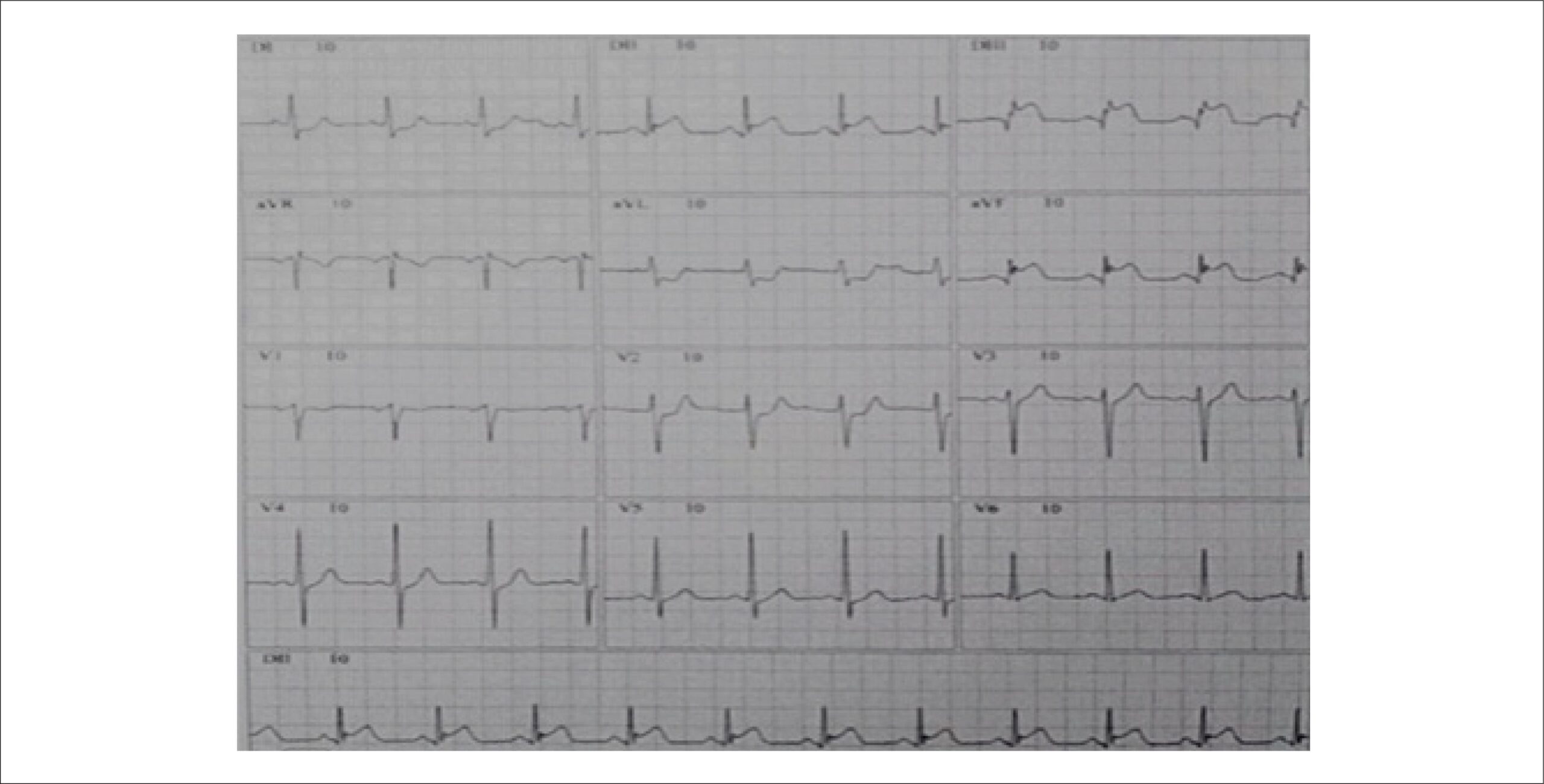
A 32-year-old young man, without cardiovascular risk factors, sought an Emergency Unit due to severe chest pain 30 minutes before admission, without irradiation. Admission vital signs: T 36.1°C, heart rate of 89 bpm and peripheral O2 saturation of 96% in room air. During systematic interrogation, anosmia and ageusia were reported two days ago and fever or any other respiratory symptom was denied.

He was previously healthy and denied use of illicit drugs or previous history of angina. He denies a family history of acute myocardial infarction or coronary artery disease.

[…]

  • Betacoronavirus
  • Coronary Thrombosis
  • COVID-19
  • Myocardial Infarction
  • Thrombolytic Therapy
  • Young Adult
Read Full Article
Creative Commons Attribution (CC BY) Creative Commons license
23/04/2021 DOI: 10.36660/abc.20200972 Views 2

Could not load more articles. Please try again.

How to cite this article

EndNote RIS

Electronic Document Format (Vancouver)

Beck ALS, Barberato SH, Almeida ALC, Grau CRPC, Lopes MMU, Lima RSL, Cerci RJ, et al. Position Statement on Indications and the Safe Reintroduction of Cardiovascular Imaging Methods in the COVID-19 Scenario – 2021. Arquivos Brasileiros de Cardiologia 2021;116(3):659-78.

Electronic Document Format (ABNT)

Beck, Adenalva Lima de Souza; Barberato, Silvio Henrique; Almeida, André Luiz Cerqueira de; Grau, Claudia R. Pinheiro de Castro; Lopes, Marly Maria Uellendahl; Lima, Ronaldo de Souza Leão; Cerci, Rodrigo Júlio; Albricker, Ana Cristina Lopes; Barros, Fanilda Souto; Oliveira, Alessandra Joslin; Lira Filho, Edgar Bezerra de; Miglioranza, Marcelo Haertel; Vieira, Marcelo Luiz Campos; Pena, José Luiz Barros; Strabelli, Tânia Mara Varejão; Bihan, David Costa de Souza Le; Tsutsui, Jeane Mike; Rochitte, Carlos Eduardo. Position Statement on Indications and the Safe Reintroduction of Cardiovascular Imaging Methods in the COVID-19 Scenario – 2021. Arquivos Brasileiros de Cardiologia, v. 116, n. 3, p. 659-678, Apr. 2021.

Electronic Document Format (APA)

Beck, A. L. S., Barberato, S. H., Almeida, A. L. C. , Grau, C. R. P. C., Lopes, M. M. U., Lima, R. S. L., Cerci, R. J., Albricker, A. C. L., Barros, F. S., Oliveira, A. J., Lira Filho, E. B. , Miglioranza, M. H., Vieira, M. L. C., Pena, J. L. B., Strabelli, T. M. V., Bihan, D. C. S. L., Tsutsui, J. M., & Rochitte, C. E. (2021). Position Statement on Indications and the Safe Reintroduction of Cardiovascular Imaging Methods in the COVID-19 Scenario – 2021. Arquivos Brasileiros de Cardiologia, 116(3), 659-678.

Electronic Document Format (ISO)

Beck, Adenalva Lima de Souza and Barberato, Silvio Henrique and Almeida, André Luiz Cerqueira de and Grau, Claudia R. Pinheiro de Castro and Lopes, Marly Maria Uellendahl and Lima, Ronaldo de Souza Leão and Cerci, Rodrigo Júlio and Albricker, Ana Cristina Lopes and Barros, Fanilda Souto and Oliveira, Alessandra Joslin and Lira Filho, Edgar Bezerra de and Miglioranza, Marcelo Haertel and Vieira, Marcelo Luiz Campos and Pena, José Luiz Barros and Strabelli, Tânia Mara Varejão and Bihan, David Costa de Souza Le and Tsutsui, Jeane Mike and Rochitte, Carlos Eduardo. Position Statement on Indications and the Safe Reintroduction of Cardiovascular Imaging Methods in the COVID-19 Scenario – 2021. Arquivos Brasileiros de Cardiologia [online]. 2021, vol. 116, n. 3, [cited 2026-10-15], pp. 659-678. Available from: <https://journals.cardiol.br/en/article/position-statement-on-indications-and-the-safe-reintroduction-of-cardiovascular-imaging-methods-in-the-covid-19-scenario-2021-2/>. ISSN 0066-782X

EndNote RIS

Electronic Document Format (Vancouver)

Cesena FHY. Avoidable Cardiovascular Events: A Serious Side Effect of the COVID-19 Pandemic. Arquivos Brasileiros de Cardiologia 2021;116(3):381-2.

Electronic Document Format (ABNT)

Cesena, Fernando H. Y.. Avoidable Cardiovascular Events: A Serious Side Effect of the COVID-19 Pandemic. Arquivos Brasileiros de Cardiologia, v. 116, n. 3, p. 381-382, Apr. 2021.

Electronic Document Format (APA)

Cesena, F. H. Y. (2021). Avoidable Cardiovascular Events: A Serious Side Effect of the COVID-19 Pandemic. Arquivos Brasileiros de Cardiologia, 116(3), 381-382.

Electronic Document Format (ISO)

Cesena, Fernando H. Y.. Avoidable Cardiovascular Events: A Serious Side Effect of the COVID-19 Pandemic. Arquivos Brasileiros de Cardiologia [online]. 2021, vol. 116, n. 3, [cited 2026-10-15], pp. 381-382. Available from: <https://journals.cardiol.br/en/article/avoidable-cardiovascular-events-a-serious-side-effect-of-the-covid-19-pandemic/>. ISSN 0066-782X

EndNote RIS

Electronic Document Format (Vancouver)

Santos IS. “Know the Enemy and Know Yourself”. Cardiovascular Risk in the National Health Survey. Arquivos Brasileiros de Cardiologia 2021;116(3):432-3.

Electronic Document Format (ABNT)

Santos, Itamar S.. “Know the Enemy and Know Yourself”. Cardiovascular Risk in the National Health Survey. Arquivos Brasileiros de Cardiologia, v. 116, n. 3, p. 432-433, Apr. 2021.

Electronic Document Format (APA)

Santos, I. S. (2021). “Know the Enemy and Know Yourself”. Cardiovascular Risk in the National Health Survey. Arquivos Brasileiros de Cardiologia, 116(3), 432-433.

Electronic Document Format (ISO)

Santos, Itamar S.. “Know the Enemy and Know Yourself”. Cardiovascular Risk in the National Health Survey. Arquivos Brasileiros de Cardiologia [online]. 2021, vol. 116, n. 3, [cited 2026-10-15], pp. 432-433. Available from: <https://journals.cardiol.br/en/article/know-the-enemy-and-know-yourself-cardiovascular-risk-in-the-national-health-survey/>. ISSN 0066-782X

EndNote RIS

Electronic Document Format (Vancouver)

Guimarães ICB. Kawasaki Disease: Predictors of Intravenous Immunoglobulin Resistance and Cardiac Complications: New Perspectives?. Arquivos Brasileiros de Cardiologia 2021;116(3):492-3.

Electronic Document Format (ABNT)

Guimarães, Isabel Cristina Britto. Kawasaki Disease: Predictors of Intravenous Immunoglobulin Resistance and Cardiac Complications: New Perspectives?. Arquivos Brasileiros de Cardiologia, v. 116, n. 3, p. 492-493, Apr. 2021.

Electronic Document Format (APA)

Guimarães, I. C. B. (2021). Kawasaki Disease: Predictors of Intravenous Immunoglobulin Resistance and Cardiac Complications: New Perspectives?. Arquivos Brasileiros de Cardiologia, 116(3), 492-493.

Electronic Document Format (ISO)

Guimarães, Isabel Cristina Britto. Kawasaki Disease: Predictors of Intravenous Immunoglobulin Resistance and Cardiac Complications: New Perspectives?. Arquivos Brasileiros de Cardiologia [online]. 2021, vol. 116, n. 3, [cited 2026-10-15], pp. 492-493. Available from: <https://journals.cardiol.br/en/article/kawasaki-disease-predictors-of-intravenous-immunoglobulin-resistance-and-cardiac-complications-new-perspectives/>. ISSN 0066-782X

EndNote RIS

Electronic Document Format (Vancouver)

Machado GP, Araujo GN, Maltauro D, Custodio J, Milan V, Wainstein M. Early vs. Late Neutrophil-To-Lymphocyte Ratio for the Prediction of Adverse Outcomes in Patients with STEMI Undergoing Primary PCI. Arquivos Brasileiros de Cardiologia 2021;116(3):504-6.

Electronic Document Format (ABNT)

Machado, Guilherme Pinheiro; Araujo, Gustavo Neves de; Maltauro, Daniele; Custodio, Julia; Milan, Victoria; Wainstein, Marco. Early vs. Late Neutrophil-To-Lymphocyte Ratio for the Prediction of Adverse Outcomes in Patients with STEMI Undergoing Primary PCI. Arquivos Brasileiros de Cardiologia, v. 116, n. 3, p. 504-506, Apr. 2021.

Electronic Document Format (APA)

Machado, G. P., Araujo, G. N. , Maltauro, D., Custodio, J., Milan, V., & Wainstein, M. (2021). Early vs. Late Neutrophil-To-Lymphocyte Ratio for the Prediction of Adverse Outcomes in Patients with STEMI Undergoing Primary PCI. Arquivos Brasileiros de Cardiologia, 116(3), 504-506.

Electronic Document Format (ISO)

Machado, Guilherme Pinheiro and Araujo, Gustavo Neves de and Maltauro, Daniele and Custodio, Julia and Milan, Victoria and Wainstein, Marco. Early vs. Late Neutrophil-To-Lymphocyte Ratio for the Prediction of Adverse Outcomes in Patients with STEMI Undergoing Primary PCI. Arquivos Brasileiros de Cardiologia [online]. 2021, vol. 116, n. 3, [cited 2026-10-15], pp. 504-506. Available from: <https://journals.cardiol.br/en/article/early-vs-late-neutrophil-to-lymphocyte-ratio-for-the-prediction-of-adverse-outcomes-in-patients-with-stemi-undergoing-primary-pci/>. ISSN 0066-782X

EndNote RIS

Electronic Document Format (Vancouver)

Barroso WKS, Rodrigues CIS, Bortolotto LA, Mota-Gomes MA, Brandão AA, Feitosa ADM, Machado CA, et al. Brazilian Guidelines of Hypertension – 2020. Arquivos Brasileiros de Cardiologia 2021;116(3):516-658.

Electronic Document Format (ABNT)

Barroso, Weimar Kunz Sebba; Rodrigues, Cibele Isaac Saad; Bortolotto, Luiz Aparecido; Mota-Gomes, Marco Antônio; Brandão, Andréa Araujo; Feitosa, Audes Diógenes de Magalhães; Machado, Carlos Alberto; Poli-de-Figueiredo, Carlos Eduardo; Amodeo, Celso; Mion Júnior, Décio; Barbosa, Eduardo Costa Duarte; Nobre, Fernando; Guimarães, Isabel Cristina Britto; Vilela-Martin, José Fernando; Yugar-Toledo, Juan Carlos; Magalhães, Maria Eliane Campos; Neves, Mário Fritsch Toros; Jardim, Paulo César Brandão Veiga; Miranda, Roberto Dischinger; Póvoa, Rui Manuel dos Santos; Fuchs, Sandra C; Alessi, Alexandre; Lucena, Alexandre Jorge Gomes de; Avezum, Alvaro; Sousa, Ana Luiza Lima; Pio-Abreu, Andrea; Sposito, Andrei Carvalho; Pierin, Angela Maria Geraldo; Paiva, Annelise Machado Gomes de; Spinelli, Antonio Carlos de Souza; Nogueira, Armando da Rocha; Dinamarco, Nelson; Eibel, Bruna; Forjaz, Cláudia Lúcia de Moraes; Zanini, Claudia Regina de Oliveira; Souza, Cristiane Bueno de; Souza, Dilma do Socorro Moraes de; Nilson, Eduardo Augusto Fernandes; Costa, Elisa Franco de Assis; Freitas, Elizabete Viana de; Duarte, Elizabeth da Rosa; Muxfeldt, Elizabeth Silaid; Lima Júnior, Emilton; Campana, Erika Maria Gonçalves; Cesarino, Evandro José; Marques, Fabiana; Argenta, Fábio; Consolim-Colombo, Fernanda Marciano; Baptista, Fernanda Spadotto; Almeida, Fernando Antonio de; Borelli, Flávio Antonio de Oliveira; Fuchs, Flávio Danni; Plavnik, Frida Liane; Salles, Gil Fernando; Feitosa, Gilson Soares; Silva, Giovanio Vieira da; Guerra, Grazia Maria; Moreno Júnior, Heitor; Finimundi, Helius Carlos; Back, Isabela de Carlos; Oliveira Filho, João Bosco de; Gemelli, João Roberto; Mill, José Geraldo; Ribeiro, José Marcio; Lotaif, Leda A. Daud; Costa, Lilian Soares da; Magalhães, Lucélia Batista Neves Cunha; Drager, Luciano Ferreira; Martin, Luis Cuadrado; Scala, Luiz César Nazário; Almeida, Madson Q.; Gowdak, Marcia Maria Godoy; Klein, Marcia Regina Simas Torres; Malachias, Marcus Vinícius Bolívar; Kuschnir, Maria Cristina Caetano; Pinheiro, Maria Eliete; Borba, Mario Henrique Elesbão de; Moreira Filho, Osni; Passarelli Júnior, Oswaldo; Coelho, Otavio Rizzi; Vitorino, Priscila Valverde de Oliveira; Ribeiro Junior, Renault Mattos; Esporcatte, Roberto; Franco, Roberto; Pedrosa, Rodrigo; Mulinari, Rogerio Andrade; Paula, Rogério Baumgratz de; Okawa, Rogério Toshiro Passos; Rosa, Ronaldo Fernandes; Amaral, Sandra Lia do; Ferreira-Filho, Sebastião R.; Kaiser, Sergio Emanuel; Jardim, Thiago de Souza Veiga; Guimarães, Vanildo; Koch, Vera H.; Oigman, Wille; Nadruz, Wilson. Brazilian Guidelines of Hypertension – 2020. Arquivos Brasileiros de Cardiologia, v. 116, n. 3, p. 516-658, Apr. 2021.

Electronic Document Format (APA)

Barroso, W. K. S., Rodrigues, C. I. S., Bortolotto, L. A., Mota-Gomes, M. A., Brandão, A. A., Feitosa, A. D. M., Machado, C. A., Poli-de-Figueiredo, C. E., Amodeo, C., Mion Júnior, D., Barbosa, E. C. D., Nobre, F., Guimarães, I. C. B., Vilela-Martin, J. F., Yugar-Toledo, J. C., Magalhães, M. E. C., Neves, M. F. T., Jardim, P. C. B. V., Miranda, R. D., Póvoa, R. M. S., Fuchs, S. C., Alessi, A., Lucena, A. J. G. , Avezum, A., Sousa, A. L. L., Pio-Abreu, A., Sposito, A. C., Pierin, A. M. G., Paiva, A. M. G. , Spinelli, A. C. S., Nogueira, A. R., Dinamarco, N., Eibel, B., Forjaz, C. L. M., Zanini, C. R. O., Souza, C. B. , Souza, D. S. M. , Nilson, E. A. F., Costa, E. F. A., Freitas, E. V. , Duarte, E. R., Muxfeldt, E. S., Lima Júnior, E., Campana, E. M. G., Cesarino, E. J., Marques, F., Argenta, F., Consolim-Colombo, F. M., Baptista, F. S., Almeida, F. A. , Borelli, F. A. O., Fuchs, F. D., Plavnik, F. L., Salles, G. F., Feitosa, G. S., Silva, G. V. , Guerra, G. M., Moreno Júnior, H., Finimundi, H. C., Back, I. C., Oliveira Filho, J. B. , Gemelli, J. R., Mill, J. G., Ribeiro, J. M., Lotaif, L. A. D., Costa, L. S. , Magalhães, L. B. N. C., Drager, L. F., Martin, L. C., Scala, L. C. N., Almeida, M. Q., Gowdak, M. M. G., Klein, M. R. S. T., Malachias, M. V. B., Kuschnir, M. C. C., Pinheiro, M. E., Borba, M. H. E. , Moreira Filho, O., Passarelli Júnior, O., Coelho, O. R., Vitorino, P. V. O., Ribeiro Junior, R. M., Esporcatte, R., Franco, R., Pedrosa, R., Mulinari, R. A., Paula, R. B. , Okawa, R. T. P., Rosa, R. F., Amaral, S. L. , Ferreira-Filho, S. R., Kaiser, S. E., Jardim, T. S. V., Guimarães, V., Koch, V. H., Oigman, W., & Nadruz, W. (2021). Brazilian Guidelines of Hypertension – 2020. Arquivos Brasileiros de Cardiologia, 116(3), 516-658.

Electronic Document Format (ISO)

Barroso, Weimar Kunz Sebba and Rodrigues, Cibele Isaac Saad and Bortolotto, Luiz Aparecido and Mota-Gomes, Marco Antônio and Brandão, Andréa Araujo and Feitosa, Audes Diógenes de Magalhães and Machado, Carlos Alberto and Poli-de-Figueiredo, Carlos Eduardo and Amodeo, Celso and Mion Júnior, Décio and Barbosa, Eduardo Costa Duarte and Nobre, Fernando and Guimarães, Isabel Cristina Britto and Vilela-Martin, José Fernando and Yugar-Toledo, Juan Carlos and Magalhães, Maria Eliane Campos and Neves, Mário Fritsch Toros and Jardim, Paulo César Brandão Veiga and Miranda, Roberto Dischinger and Póvoa, Rui Manuel dos Santos and Fuchs, Sandra C and Alessi, Alexandre and Lucena, Alexandre Jorge Gomes de and Avezum, Alvaro and Sousa, Ana Luiza Lima and Pio-Abreu, Andrea and Sposito, Andrei Carvalho and Pierin, Angela Maria Geraldo and Paiva, Annelise Machado Gomes de and Spinelli, Antonio Carlos de Souza and Nogueira, Armando da Rocha and Dinamarco, Nelson and Eibel, Bruna and Forjaz, Cláudia Lúcia de Moraes and Zanini, Claudia Regina de Oliveira and Souza, Cristiane Bueno de and Souza, Dilma do Socorro Moraes de and Nilson, Eduardo Augusto Fernandes and Costa, Elisa Franco de Assis and Freitas, Elizabete Viana de and Duarte, Elizabeth da Rosa and Muxfeldt, Elizabeth Silaid and Lima Júnior, Emilton and Campana, Erika Maria Gonçalves and Cesarino, Evandro José and Marques, Fabiana and Argenta, Fábio and Consolim-Colombo, Fernanda Marciano and Baptista, Fernanda Spadotto and Almeida, Fernando Antonio de and Borelli, Flávio Antonio de Oliveira and Fuchs, Flávio Danni and Plavnik, Frida Liane and Salles, Gil Fernando and Feitosa, Gilson Soares and Silva, Giovanio Vieira da and Guerra, Grazia Maria and Moreno Júnior, Heitor and Finimundi, Helius Carlos and Back, Isabela de Carlos and Oliveira Filho, João Bosco de and Gemelli, João Roberto and Mill, José Geraldo and Ribeiro, José Marcio and Lotaif, Leda A. Daud and Costa, Lilian Soares da and Magalhães, Lucélia Batista Neves Cunha and Drager, Luciano Ferreira and Martin, Luis Cuadrado and Scala, Luiz César Nazário and Almeida, Madson Q. and Gowdak, Marcia Maria Godoy and Klein, Marcia Regina Simas Torres and Malachias, Marcus Vinícius Bolívar and Kuschnir, Maria Cristina Caetano and Pinheiro, Maria Eliete and Borba, Mario Henrique Elesbão de and Moreira Filho, Osni and Passarelli Júnior, Oswaldo and Coelho, Otavio Rizzi and Vitorino, Priscila Valverde de Oliveira and Ribeiro Junior, Renault Mattos and Esporcatte, Roberto and Franco, Roberto and Pedrosa, Rodrigo and Mulinari, Rogerio Andrade and Paula, Rogério Baumgratz de and Okawa, Rogério Toshiro Passos and Rosa, Ronaldo Fernandes and Amaral, Sandra Lia do and Ferreira-Filho, Sebastião R. and Kaiser, Sergio Emanuel and Jardim, Thiago de Souza Veiga and Guimarães, Vanildo and Koch, Vera H. and Oigman, Wille and Nadruz, Wilson. Brazilian Guidelines of Hypertension – 2020. Arquivos Brasileiros de Cardiologia [online]. 2021, vol. 116, n. 3, [cited 2026-10-15], pp. 516-658. Available from: <https://journals.cardiol.br/en/article/brazilian-guidelines-of-hypertension-2020/>. ISSN 0066-782X

EndNote RIS

Electronic Document Format (Vancouver)

Malta DC, Pinheiro PC, Teixeira RA, Machado IE, Santos FM, Ribeiro ALP. Cardiovascular Risk Estimates in Ten Years in the Brazilian Population, a Population-Based Study. Arquivos Brasileiros de Cardiologia 2021;116(3):423-31.

Electronic Document Format (ABNT)

Malta, Deborah Carvalho; Pinheiro, Pedro Cisalpino; Teixeira, Renato Azeredo; Machado, Isis Eloah; Santos, Filipe Malta dos; Ribeiro, Antônio Luiz Pinho. Cardiovascular Risk Estimates in Ten Years in the Brazilian Population, a Population-Based Study. Arquivos Brasileiros de Cardiologia, v. 116, n. 3, p. 423-431, Apr. 2021.

Electronic Document Format (APA)

Malta, D. C., Pinheiro, P. C., Teixeira, R. A., Machado, I. E., Santos, F. M. , & Ribeiro, A. L. P. (2021). Cardiovascular Risk Estimates in Ten Years in the Brazilian Population, a Population-Based Study. Arquivos Brasileiros de Cardiologia, 116(3), 423-431.

Electronic Document Format (ISO)

Malta, Deborah Carvalho and Pinheiro, Pedro Cisalpino and Teixeira, Renato Azeredo and Machado, Isis Eloah and Santos, Filipe Malta dos and Ribeiro, Antônio Luiz Pinho. Cardiovascular Risk Estimates in Ten Years in the Brazilian Population, a Population-Based Study. Arquivos Brasileiros de Cardiologia [online]. 2021, vol. 116, n. 3, [cited 2026-10-15], pp. 423-431. Available from: <https://journals.cardiol.br/en/article/cardiovascular-risk-estimates-in-ten-years-in-the-brazilian-population-a-population-based-study/>. ISSN 0066-782X

EndNote RIS

Electronic Document Format (Vancouver)

Miranda CP, Botoni FA, Rocha MOC. Serum Levels of BDNF in Cardiovascular Protection and in Response to Exercise. Arquivos Brasileiros de Cardiologia 2021;116(3):510.

Electronic Document Format (ABNT)

Miranda, Carla Paixão; Botoni, Fernando Antônio; Rocha, Manoel Otávio da Costa. Serum Levels of BDNF in Cardiovascular Protection and in Response to Exercise. Arquivos Brasileiros de Cardiologia, v. 116, n. 3, p. 510-510, Apr. 2021.

Electronic Document Format (APA)

Miranda, C. P., Botoni, F. A., & Rocha, M. O. C. (2021). Serum Levels of BDNF in Cardiovascular Protection and in Response to Exercise. Arquivos Brasileiros de Cardiologia, 116(3), 510-510.

Electronic Document Format (ISO)

Miranda, Carla Paixão and Botoni, Fernando Antônio and Rocha, Manoel Otávio da Costa. Serum Levels of BDNF in Cardiovascular Protection and in Response to Exercise. Arquivos Brasileiros de Cardiologia [online]. 2021, vol. 116, n. 3, [cited 2026-10-15], pp. 510-510. Available from: <https://journals.cardiol.br/en/article/serum-levels-of-bdnf-in-cardiovascular-protection-and-in-response-to-exercise-2/>. ISSN 0066-782X

EndNote RIS

Electronic Document Format (Vancouver)

Basso ML, Gebran AM, Oliveira JD, Gebran KM, Bonatto LC, Farah MCK. Three-Dimensional-Printed Heart Prototype for Application in Pediatric Cardiology: An Initial Experiment. Arquivos Brasileiros de Cardiologia 2021;116(3):507-9.

Electronic Document Format (ABNT)

Basso, Maíra Levorato; Gebran, Alessandra Möbius; Oliveira, Julia Dullius; Gebran, Katrin Möbius; Bonatto, Letícia Carlota; Farah, Maria Cecília Knoll. Three-Dimensional-Printed Heart Prototype for Application in Pediatric Cardiology: An Initial Experiment. Arquivos Brasileiros de Cardiologia, v. 116, n. 3, p. 507-509, Apr. 2021.

Electronic Document Format (APA)

Basso, M. L., Gebran, A. M., Oliveira, J. D., Gebran, K. M., Bonatto, L. C., & Farah, M. C. K. (2021). Three-Dimensional-Printed Heart Prototype for Application in Pediatric Cardiology: An Initial Experiment. Arquivos Brasileiros de Cardiologia, 116(3), 507-509.

Electronic Document Format (ISO)

Basso, Maíra Levorato and Gebran, Alessandra Möbius and Oliveira, Julia Dullius and Gebran, Katrin Möbius and Bonatto, Letícia Carlota and Farah, Maria Cecília Knoll. Three-Dimensional-Printed Heart Prototype for Application in Pediatric Cardiology: An Initial Experiment. Arquivos Brasileiros de Cardiologia [online]. 2021, vol. 116, n. 3, [cited 2026-10-15], pp. 507-509. Available from: <https://journals.cardiol.br/en/article/three-dimensional-printed-heart-prototype-for-application-in-pediatric-cardiology-an-initial-experiment/>. ISSN 0066-782X

EndNote RIS

Electronic Document Format (Vancouver)

Faria AP, Ritter AMV, Santa-Catharina A, Souza DP, Naseri EP, Bertolo MB, Pioli MR, et al. Effects of Anti-TNF alpha Therapy on Blood Pressure in Resistant Hypertensive Subjects: A Randomized, Double-Blind, Placebo-Controlled Pilot Study. Arquivos Brasileiros de Cardiologia 2021;116(3):443-51.

Electronic Document Format (ABNT)

Faria, Ana Paula de; Ritter, Alessandra M. V.; Santa-Catharina, Arthur; Souza, Débora P.; Naseri, Estephania P.; Bertolo, Manoel B.; Pioli, Mariana Rodrigues; Carvalho, Caio C.; Modolo, Rodrigo; Moreno, Heitor. Effects of Anti-TNF alpha Therapy on Blood Pressure in Resistant Hypertensive Subjects: A Randomized, Double-Blind, Placebo-Controlled Pilot Study. Arquivos Brasileiros de Cardiologia, v. 116, n. 3, p. 443-451, Apr. 2021.

Electronic Document Format (APA)

Faria, A. P. , Ritter, A. M. V., Santa-Catharina, A., Souza, D. P., Naseri, E. P., Bertolo, M. B., Pioli, M. R., Carvalho, C. C., Modolo, R., & Moreno, H. (2021). Effects of Anti-TNF alpha Therapy on Blood Pressure in Resistant Hypertensive Subjects: A Randomized, Double-Blind, Placebo-Controlled Pilot Study. Arquivos Brasileiros de Cardiologia, 116(3), 443-451.

Electronic Document Format (ISO)

Faria, Ana Paula de and Ritter, Alessandra M. V. and Santa-Catharina, Arthur and Souza, Débora P. and Naseri, Estephania P. and Bertolo, Manoel B. and Pioli, Mariana Rodrigues and Carvalho, Caio C. and Modolo, Rodrigo and Moreno, Heitor. Effects of Anti-TNF alpha Therapy on Blood Pressure in Resistant Hypertensive Subjects: A Randomized, Double-Blind, Placebo-Controlled Pilot Study. Arquivos Brasileiros de Cardiologia [online]. 2021, vol. 116, n. 3, [cited 2026-10-15], pp. 443-451. Available from: <https://journals.cardiol.br/en/article/effects-of-anti-tnf-alpha-therapy-on-blood-pressure-in-resistant-hypertensive-subjects-a-randomized-double-blind-placebo-controlled-pilot-study/>. ISSN 0066-782X

EndNote RIS

Electronic Document Format (Vancouver)

Faim D, Henriques C, Brett A, Francisco A, Rodrigues F, Pires A. Kawasaki Disease: Predictors of Resistance to Intravenous Immunoglobulin and Cardiac Complications. Arquivos Brasileiros de Cardiologia 2021;116(3):485-91.

Electronic Document Format (ABNT)

Faim, Diogo; Henriques, Cláudio; Brett, Ana; Francisco, Andreia; Rodrigues, Fernanda; Pires, António. Kawasaki Disease: Predictors of Resistance to Intravenous Immunoglobulin and Cardiac Complications. Arquivos Brasileiros de Cardiologia, v. 116, n. 3, p. 485-491, Apr. 2021.

Electronic Document Format (APA)

Faim, D., Henriques, C., Brett, A., Francisco, A., Rodrigues, F., & Pires, A. (2021). Kawasaki Disease: Predictors of Resistance to Intravenous Immunoglobulin and Cardiac Complications. Arquivos Brasileiros de Cardiologia, 116(3), 485-491.

Electronic Document Format (ISO)

Faim, Diogo and Henriques, Cláudio and Brett, Ana and Francisco, Andreia and Rodrigues, Fernanda and Pires, António. Kawasaki Disease: Predictors of Resistance to Intravenous Immunoglobulin and Cardiac Complications. Arquivos Brasileiros de Cardiologia [online]. 2021, vol. 116, n. 3, [cited 2026-10-15], pp. 485-491. Available from: <https://journals.cardiol.br/en/article/kawasaki-disease-predictors-of-resistance-to-intravenous-immunoglobulin-and-cardiac-complications/>. ISSN 0066-782X

EndNote RIS

Electronic Document Format (Vancouver)

Raimundo R, Saraiva F, Moreira R, Moreira S, Ferreira AF, Cerqueira RJ, Amorim MJ, et al. Arterial Stiffness Changes in Severe Aortic Stenosis Patients Submitted to Valve Replacement Surgery. Arquivos Brasileiros de Cardiologia 2021;116(3):475-82.

Electronic Document Format (ABNT)

Raimundo, Renata; Saraiva, Francisca; Moreira, Raquel; Moreira, Soraia; Ferreira, Ana Filipa; Cerqueira, Rui J.; Amorim, Mario Jorge; Pinho, Paulo; Barros, António Sousa; Lourenço, André P.; Leite-Moreira, Adelino. Arterial Stiffness Changes in Severe Aortic Stenosis Patients Submitted to Valve Replacement Surgery. Arquivos Brasileiros de Cardiologia, v. 116, n. 3, p. 475-482, Apr. 2021.

Electronic Document Format (APA)

Raimundo, R., Saraiva, F., Moreira, R., Moreira, S., Ferreira, A. F., Cerqueira, R. J., Amorim, M. J., Pinho, P., Barros, A. S., Lourenço, A. P., & Leite-Moreira, A. (2021). Arterial Stiffness Changes in Severe Aortic Stenosis Patients Submitted to Valve Replacement Surgery. Arquivos Brasileiros de Cardiologia, 116(3), 475-482.

Electronic Document Format (ISO)

Raimundo, Renata and Saraiva, Francisca and Moreira, Raquel and Moreira, Soraia and Ferreira, Ana Filipa and Cerqueira, Rui J. and Amorim, Mario Jorge and Pinho, Paulo and Barros, António Sousa and Lourenço, André P. and Leite-Moreira, Adelino. Arterial Stiffness Changes in Severe Aortic Stenosis Patients Submitted to Valve Replacement Surgery. Arquivos Brasileiros de Cardiologia [online]. 2021, vol. 116, n. 3, [cited 2026-10-15], pp. 475-482. Available from: <https://journals.cardiol.br/en/article/arterial-stiffness-changes-in-severe-aortic-stenosis-patients-submitted-to-valve-replacement-surgery/>. ISSN 0066-782X

EndNote RIS

Electronic Document Format (Vancouver)

Gomes NFA, Pascoal-Xavier MA, Passos LSA, Paula TMN, Aguiar JMS, Guarçoni FV, Nassif MCL, et al. Histopathological Characterization of Mitral Valvular Lesions from Patients with Rheumatic Heart Disease. Arquivos Brasileiros de Cardiologia 2021;116(3):404-12.

Electronic Document Format (ABNT)

Gomes, Nayana F. A.; Pascoal-Xavier, Marcelo A.; Passos, Livia S. A.; Paula, Thiago Mendonça Nunes; Aguiar, João Marcelo de Souza; Guarçoni, Felipe Vieira; Nassif, Maria Cecília Landim; Gelape, Claudio Leo; Braulio, Renato; Costa, Paulo Henrique N.; Passaglia, Luiz Guilherme; Martins, Raquel Braga; Dutra, Walderez O.; Nunes, Maria Carmo P.. Histopathological Characterization of Mitral Valvular Lesions from Patients with Rheumatic Heart Disease. Arquivos Brasileiros de Cardiologia, v. 116, n. 3, p. 404-412, Apr. 2021.

Electronic Document Format (APA)

Gomes, N. F. A., Pascoal-Xavier, M. A., Passos, L. S. A., Paula, T. M. N., Aguiar, J. M. S., Guarçoni, F. V., Nassif, M. C. L., Gelape, C. L., Braulio, R., Costa, P. H. N., Passaglia, L. G., Martins, R. B., Dutra, W. O., & Nunes, M. C. P. (2021). Histopathological Characterization of Mitral Valvular Lesions from Patients with Rheumatic Heart Disease. Arquivos Brasileiros de Cardiologia, 116(3), 404-412.

Electronic Document Format (ISO)

Gomes, Nayana F. A. and Pascoal-Xavier, Marcelo A. and Passos, Livia S. A. and Paula, Thiago Mendonça Nunes and Aguiar, João Marcelo de Souza and Guarçoni, Felipe Vieira and Nassif, Maria Cecília Landim and Gelape, Claudio Leo and Braulio, Renato and Costa, Paulo Henrique N. and Passaglia, Luiz Guilherme and Martins, Raquel Braga and Dutra, Walderez O. and Nunes, Maria Carmo P.. Histopathological Characterization of Mitral Valvular Lesions from Patients with Rheumatic Heart Disease. Arquivos Brasileiros de Cardiologia [online]. 2021, vol. 116, n. 3, [cited 2026-10-15], pp. 404-412. Available from: <https://journals.cardiol.br/en/article/histopathological-characterization-of-mitral-valvular-lesions-from-patients-with-rheumatic-heart-disease/>. ISSN 0066-782X

EndNote RIS

Electronic Document Format (Vancouver)

Lopes HF. New Perspectives in the Treatment of Hypertension. Arquivos Brasileiros de Cardiologia 2021;116(3):452-3.

Electronic Document Format (ABNT)

Lopes, Heno F.. New Perspectives in the Treatment of Hypertension. Arquivos Brasileiros de Cardiologia, v. 116, n. 3, p. 452-453, Apr. 2021.

Electronic Document Format (APA)

Lopes, H. F. (2021). New Perspectives in the Treatment of Hypertension. Arquivos Brasileiros de Cardiologia, 116(3), 452-453.

Electronic Document Format (ISO)

Lopes, Heno F.. New Perspectives in the Treatment of Hypertension. Arquivos Brasileiros de Cardiologia [online]. 2021, vol. 116, n. 3, [cited 2026-10-15], pp. 452-453. Available from: <https://journals.cardiol.br/en/article/new-perspectives-in-the-treatment-of-hypertension/>. ISSN 0066-782X

EndNote RIS

Electronic Document Format (Vancouver)

d’Avila A, Melo MFV. The Method and the Mantra. Arquivos Brasileiros de Cardiologia 2021;116(3):367-70.

Electronic Document Format (ABNT)

d’Avila, Andre; Melo, Marcos F. Vidal. The Method and the Mantra. Arquivos Brasileiros de Cardiologia, v. 116, n. 3, p. 367-370, Apr. 2021.

Electronic Document Format (APA)

d’Avila, A., & Melo, M. F. V. (2021). The Method and the Mantra. Arquivos Brasileiros de Cardiologia, 116(3), 367-370.

Electronic Document Format (ISO)

d’Avila, Andre and Melo, Marcos F. Vidal. The Method and the Mantra. Arquivos Brasileiros de Cardiologia [online]. 2021, vol. 116, n. 3, [cited 2026-10-15], pp. 367-370. Available from: <https://journals.cardiol.br/en/article/the-method-and-the-mantra/>. ISSN 0066-782X

EndNote RIS

Electronic Document Format (Vancouver)

Bozkurt D, Bozgul SMK, Emgin O, Butun O, Kose T, Simsek E, Hekimgil M, et al. Mortal Interaction Between Hemophagocytic Syndrome and Newly Developed Heart Failure. Arquivos Brasileiros de Cardiologia 2021;116(3):395-401.

Electronic Document Format (ABNT)

Bozkurt, Devrim; Bozgul, Sukriye Miray Kilincer; Emgin, Omer; Butun, Osman; Kose, Timur; Simsek, Evrim; Hekimgil, Mine; Kilic, Salih. Mortal Interaction Between Hemophagocytic Syndrome and Newly Developed Heart Failure. Arquivos Brasileiros de Cardiologia, v. 116, n. 3, p. 395-401, Apr. 2021.

Electronic Document Format (APA)

Bozkurt, D., Bozgul, S. M. K., Emgin, O., Butun, O., Kose, T., Simsek, E., Hekimgil, M., & Kilic, S. (2021). Mortal Interaction Between Hemophagocytic Syndrome and Newly Developed Heart Failure. Arquivos Brasileiros de Cardiologia, 116(3), 395-401.

Electronic Document Format (ISO)

Bozkurt, Devrim and Bozgul, Sukriye Miray Kilincer and Emgin, Omer and Butun, Osman and Kose, Timur and Simsek, Evrim and Hekimgil, Mine and Kilic, Salih. Mortal Interaction Between Hemophagocytic Syndrome and Newly Developed Heart Failure. Arquivos Brasileiros de Cardiologia [online]. 2021, vol. 116, n. 3, [cited 2026-10-15], pp. 395-401. Available from: <https://journals.cardiol.br/en/article/mortal-interaction-between-hemophagocytic-syndrome-and-newly-developed-heart-failure/>. ISSN 0066-782X

EndNote RIS

Electronic Document Format (Vancouver)

Silva CGS. Reduction in Platelet Activation: A Potential Mechanistic Link between Regular Exercise and Its Benefits for Coronary Artery Disease. Arquivos Brasileiros de Cardiologia 2021;116(3):441-2.

Electronic Document Format (ABNT)

Silva, Christina Grüne de Souza e. Reduction in Platelet Activation: A Potential Mechanistic Link between Regular Exercise and Its Benefits for Coronary Artery Disease. Arquivos Brasileiros de Cardiologia, v. 116, n. 3, p. 441-442, Apr. 2021.

Electronic Document Format (APA)

Silva, C. G. S. (2021). Reduction in Platelet Activation: A Potential Mechanistic Link between Regular Exercise and Its Benefits for Coronary Artery Disease. Arquivos Brasileiros de Cardiologia, 116(3), 441-442.

Electronic Document Format (ISO)

Silva, Christina Grüne de Souza e. Reduction in Platelet Activation: A Potential Mechanistic Link between Regular Exercise and Its Benefits for Coronary Artery Disease. Arquivos Brasileiros de Cardiologia [online]. 2021, vol. 116, n. 3, [cited 2026-10-15], pp. 441-442. Available from: <https://journals.cardiol.br/en/article/reduction-in-platelet-activation-a-potential-mechanistic-link-between-regular-exercise-and-its-benefits-for-coronary-artery-disease/>. ISSN 0066-782X

EndNote RIS

Electronic Document Format (Vancouver)

Mateo EIP. Simplified Algorithm for Differential Diagnosis of Tachycardias with Wide QRS. Is this the Best Way to Train Young Doctors?. Arquivos Brasileiros de Cardiologia 2021;116(3):464-5.

Electronic Document Format (ABNT)

Mateo, Enrique Indalécio Pachón. Simplified Algorithm for Differential Diagnosis of Tachycardias with Wide QRS. Is this the Best Way to Train Young Doctors?. Arquivos Brasileiros de Cardiologia, v. 116, n. 3, p. 464-465, Apr. 2021.

Electronic Document Format (APA)

Mateo, E. I. P. (2021). Simplified Algorithm for Differential Diagnosis of Tachycardias with Wide QRS. Is this the Best Way to Train Young Doctors?. Arquivos Brasileiros de Cardiologia, 116(3), 464-465.

Electronic Document Format (ISO)

Mateo, Enrique Indalécio Pachón. Simplified Algorithm for Differential Diagnosis of Tachycardias with Wide QRS. Is this the Best Way to Train Young Doctors?. Arquivos Brasileiros de Cardiologia [online]. 2021, vol. 116, n. 3, [cited 2026-10-15], pp. 464-465. Available from: <https://journals.cardiol.br/en/article/simplified-algorithm-for-differential-diagnosis-of-tachycardias-with-wide-qrs-is-this-the-best-way-to-train-young-doctors/>. ISSN 0066-782X

EndNote RIS

Electronic Document Format (Vancouver)

Avila MS, Belfort DDSP. Is There a Role for Lung Ultrasonography in the Prognosis of Heart Failure Patients?. Arquivos Brasileiros de Cardiologia 2021;116(3):393-4.

Electronic Document Format (ABNT)

Avila, Mônica Samuel; Belfort, Deborah De Sá Pereira. Is There a Role for Lung Ultrasonography in the Prognosis of Heart Failure Patients?. Arquivos Brasileiros de Cardiologia, v. 116, n. 3, p. 393-394, Apr. 2021.

Electronic Document Format (APA)

Avila, M. S., & Belfort, D. D. S. P. (2021). Is There a Role for Lung Ultrasonography in the Prognosis of Heart Failure Patients?. Arquivos Brasileiros de Cardiologia, 116(3), 393-394.

Electronic Document Format (ISO)

Avila, Mônica Samuel and Belfort, Deborah De Sá Pereira. Is There a Role for Lung Ultrasonography in the Prognosis of Heart Failure Patients?. Arquivos Brasileiros de Cardiologia [online]. 2021, vol. 116, n. 3, [cited 2026-10-15], pp. 393-394. Available from: <https://journals.cardiol.br/en/article/is-there-a-role-for-lung-ultrasonography-in-the-prognosis-of-heart-failure-patients/>. ISSN 0066-782X

EndNote RIS

Electronic Document Format (Vancouver)

Murad H. Arterial Stiffness in Aortic Stenosis. Arquivos Brasileiros de Cardiologia 2021;116(3):483-4.

Electronic Document Format (ABNT)

Murad, Henrique. Arterial Stiffness in Aortic Stenosis. Arquivos Brasileiros de Cardiologia, v. 116, n. 3, p. 483-484, Apr. 2021.

Electronic Document Format (APA)

Murad, H. (2021). Arterial Stiffness in Aortic Stenosis. Arquivos Brasileiros de Cardiologia, 116(3), 483-484.

Electronic Document Format (ISO)

Murad, Henrique. Arterial Stiffness in Aortic Stenosis. Arquivos Brasileiros de Cardiologia [online]. 2021, vol. 116, n. 3, [cited 2026-10-15], pp. 483-484. Available from: <https://journals.cardiol.br/en/article/arterial-stiffness-in-aortic-stenosis/>. ISSN 0066-782X

EndNote RIS

Electronic Document Format (Vancouver)

Xu C, Fang Q. Inhibiting Glucose Metabolism By miR-34a and miR-125b Protects Against Hyperglycemia-Induced Cardiomyocyte Cell Death. Arquivos Brasileiros de Cardiologia 2021;116(3):415-22.

Electronic Document Format (ABNT)

Xu, Chao-rui; Fang, Qiu-ju. Inhibiting Glucose Metabolism By miR-34a and miR-125b Protects Against Hyperglycemia-Induced Cardiomyocyte Cell Death. Arquivos Brasileiros de Cardiologia, v. 116, n. 3, p. 415-422, Apr. 2021.

Electronic Document Format (APA)

Xu, C., & Fang, Q. (2021). Inhibiting Glucose Metabolism By miR-34a and miR-125b Protects Against Hyperglycemia-Induced Cardiomyocyte Cell Death. Arquivos Brasileiros de Cardiologia, 116(3), 415-422.

Electronic Document Format (ISO)

Xu, Chao-rui and Fang, Qiu-ju. Inhibiting Glucose Metabolism By miR-34a and miR-125b Protects Against Hyperglycemia-Induced Cardiomyocyte Cell Death. Arquivos Brasileiros de Cardiologia [online]. 2021, vol. 116, n. 3, [cited 2026-10-15], pp. 415-422. Available from: <https://journals.cardiol.br/en/article/inhibiting-glucose-metabolism-by-mir-34a-and-mir-125b-protects-against-hyperglycemia-induced-cardiomyocyte-cell-death/>. ISSN 0066-782X

EndNote RIS

Electronic Document Format (Vancouver)

Rosa VEE. Histopathological Characterization of Mitral Valvular Lesions in Patients With Rheumatic Heart Disease: Is Inflammation Also to Blame for Chronic Valvular Heart Disease Progression?. Arquivos Brasileiros de Cardiologia 2021;116(3):413-4.

Electronic Document Format (ABNT)

Rosa, Vitor Emer Egypto. Histopathological Characterization of Mitral Valvular Lesions in Patients With Rheumatic Heart Disease: Is Inflammation Also to Blame for Chronic Valvular Heart Disease Progression?. Arquivos Brasileiros de Cardiologia, v. 116, n. 3, p. 413-414, Apr. 2021.

Electronic Document Format (APA)

Rosa, V. E. E. (2021). Histopathological Characterization of Mitral Valvular Lesions in Patients With Rheumatic Heart Disease: Is Inflammation Also to Blame for Chronic Valvular Heart Disease Progression?. Arquivos Brasileiros de Cardiologia, 116(3), 413-414.

Electronic Document Format (ISO)

Rosa, Vitor Emer Egypto. Histopathological Characterization of Mitral Valvular Lesions in Patients With Rheumatic Heart Disease: Is Inflammation Also to Blame for Chronic Valvular Heart Disease Progression?. Arquivos Brasileiros de Cardiologia [online]. 2021, vol. 116, n. 3, [cited 2026-10-15], pp. 413-414. Available from: <https://journals.cardiol.br/en/article/histopathological-characterization-of-mitral-valvular-lesions-in-patients-with-rheumatic-heart-disease-is-inflammation-also-to-blame-for-chronic-valvular-heart-disease-progression/>. ISSN 0066-782X

EndNote RIS

Electronic Document Format (Vancouver)

Ayub-Ferreira SM, Lira MTSS. Hyperinflammatory Syndrome as a Cardiac Injury Mechanism. Arquivos Brasileiros de Cardiologia 2021;116(3):402-3.

Electronic Document Format (ABNT)

Ayub-Ferreira, Silvia Moreira; Lira, Maria Tereza Sampaio de Sousa. Hyperinflammatory Syndrome as a Cardiac Injury Mechanism. Arquivos Brasileiros de Cardiologia, v. 116, n. 3, p. 402-403, Apr. 2021.

Electronic Document Format (APA)

Ayub-Ferreira, S. M., & Lira, M. T. S. S. (2021). Hyperinflammatory Syndrome as a Cardiac Injury Mechanism. Arquivos Brasileiros de Cardiologia, 116(3), 402-403.

Electronic Document Format (ISO)

Ayub-Ferreira, Silvia Moreira and Lira, Maria Tereza Sampaio de Sousa. Hyperinflammatory Syndrome as a Cardiac Injury Mechanism. Arquivos Brasileiros de Cardiologia [online]. 2021, vol. 116, n. 3, [cited 2026-10-15], pp. 402-403. Available from: <https://journals.cardiol.br/en/article/hyperinflammatory-syndrome-as-a-cardiac-injury-mechanism/>. ISSN 0066-782X

EndNote RIS

Electronic Document Format (Vancouver)

Viana T, Bezerra MLBG, Melo RMV, Bezerra CG, Mamédio V, Dourado GP, Figueiredo CS, et al. Acute Myocardial Infarction with Coronary Thrombosis in a Covid-19 Patient without Risk Factors for Cardiovascular Disease. Arquivos Brasileiros de Cardiologia 2021;116(3):511-5.

Electronic Document Format (ABNT)

Viana, Tainá; Bezerra, Mariana Lins Baptista Guedes; Melo, Rodrigo Morel Vieira de; Bezerra, Cristiano Guedes; Mamédio, Vítor; Dourado, Gabriela Pio; Figueiredo, Clara Salles; Passos, Luiz Carlos Santana. Acute Myocardial Infarction with Coronary Thrombosis in a Covid-19 Patient without Risk Factors for Cardiovascular Disease. Arquivos Brasileiros de Cardiologia, v. 116, n. 3, p. 511-515, Apr. 2021.

Electronic Document Format (APA)

Viana, T., Bezerra, M. L. B. G., Melo, R. M. V. , Bezerra, C. G., Mamédio, V., Dourado, G. P., Figueiredo, C. S., & Passos, L. C. S. (2021). Acute Myocardial Infarction with Coronary Thrombosis in a Covid-19 Patient without Risk Factors for Cardiovascular Disease. Arquivos Brasileiros de Cardiologia, 116(3), 511-515.

Electronic Document Format (ISO)

Viana, Tainá and Bezerra, Mariana Lins Baptista Guedes and Melo, Rodrigo Morel Vieira de and Bezerra, Cristiano Guedes and Mamédio, Vítor and Dourado, Gabriela Pio and Figueiredo, Clara Salles and Passos, Luiz Carlos Santana. Acute Myocardial Infarction with Coronary Thrombosis in a Covid-19 Patient without Risk Factors for Cardiovascular Disease. Arquivos Brasileiros de Cardiologia [online]. 2021, vol. 116, n. 3, [cited 2026-10-15], pp. 511-515. Available from: <https://journals.cardiol.br/en/article/acute-myocardial-infarction-with-coronary-thrombosis-in-a-covid-19-patient-without-risk-factors-for-cardiovascular-disease/>. ISSN 0066-782X

Sede – Rio de Janeiro
Av. Marechal Câmara, 160
3º andar – Sala: 330 – Centro
Rio de Janeiro – CEP: 20020-907
Tel.: (55 +21) 3478-2700
ou (21) 99386-3961
E-mail: revista@cardiol.br

Sede – São Paulo
Alameda Santos, 705 – 11º andar
Cerqueira César | São Paulo
CEP: 01419-001
Tel.: (55 +11) 3411-5500
E-mail: revista@cardiol.br

  • About the Journal
  • Internal Regulation
  • Editors Section
  • Editorial Board
  • History
  • SBC Award

  • Guidelines for Publication
  • Editorial Policy
  • Ethics Policy
  • Policy on the Use of Artificial Intelligence
  • Mandatory Publication Form
  • Publication Fee

Issues

SBC Guidelines

  • How to Publish an Abstract Supplement?
  • Supplements from the Brazilian Congress of Cardiology