| ABC
ABC Family Arquivos Brasileiros de Cardiologia International Journal of Cardiovascular Sciences ABC Heart Failure & Cardiomyopathy ABC Imagem Cardiovascular
Português English
ABC Family | ABC
Português English
  • About
    • About the Journal
    • Internal Regulation
    • Editors Section
    • Editorial Board
    • History
    • SBC Award
  • Instructions to Authors
    • Guidelines for Publication
    • Editorial Policy
    • Ethics Policy
    • Policy on the Use of Artificial Intelligence
    • Mandatory Publication Form
    • Publication Fee
  • Issues
  • SBC Guidelines
  • Abstracts
    • How to Publish an Abstract Supplement?
    • Supplements from the Brazilian Congress of Cardiology
  • About
    • About the Journal
    • Internal Regulation
    • Editors Section
    • Editorial Board
    • History
    • SBC Award
  • Instructions to Authors
    • Guidelines for Publication
    • Editorial Policy
    • Ethics Policy
    • Policy on the Use of Artificial Intelligence
    • Mandatory Publication Form
    • Publication Fee
  • Issues
  • SBC Guidelines
  • Abstracts
    • How to Publish an Abstract Supplement?
    • Supplements from the Brazilian Congress of Cardiology

ABC Family

  • ABC Family
  • Arquivos Brasileiros de Cardiologia
  • International Journal of Cardiovascular Sciences
  • ABC Heart Failure & Cardiomyopathy
  • ABC Imagem Cardiovascular
Search in

No content found.

Journals
Ordering
Article types
Others

  1. Home
  2. ABC
  3. Issues
  4. 2017, Volume 108, Number 6
Figure 1
Clinicoradiological Session

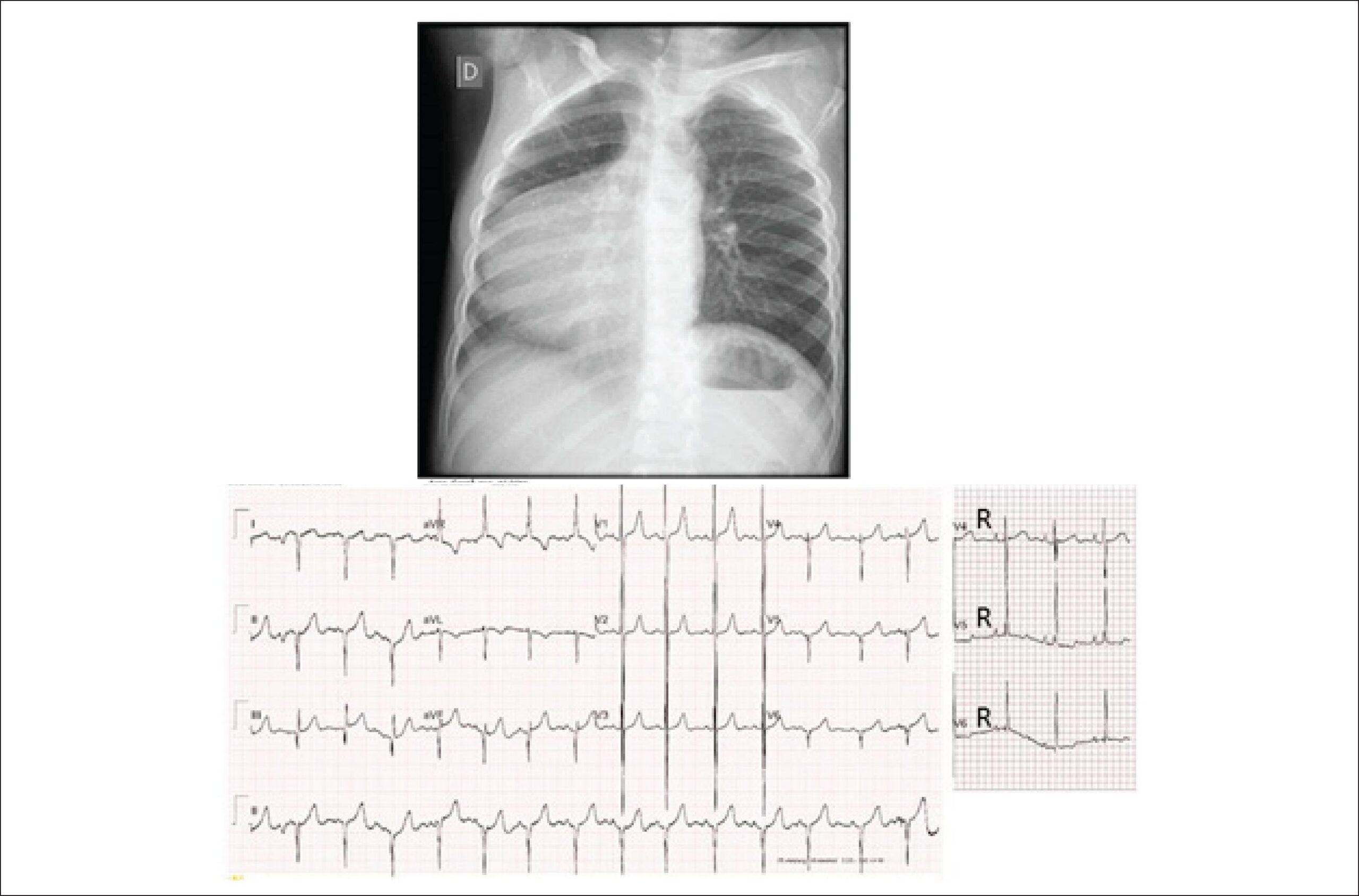
Case 4/2017 – Double-Chambered Right Ventricle with Dextrocardia and Hypoxemia Due to Atrial Shunt in a 4-Year-Old Girl

Edmar Atik et al. José Fernando Cavalini

Clinical data

A premature female twin (33-week gestation), weighing at birth 1935 g, remained hospitalized for one month due to the diagnosis of atrial septal defect (ASD) + ventricular septal defect (VSD) + persistence of ductus arteriosus (PDA). The patient gained less weight than the average children, but maintained full and similar activity, receiving furosemide and captopril, up to the age of 3 years, when her mother noticed cyanosis.

[…]

  • Dextrocardia
  • Double Chambered Right Ventricle
  • Hypoxia
Read Full Article
Creative Commons Attribution (CC BY) Creative Commons license
01/06/2017 DOI: 10.5935/abc.20170078 Views 1
Figure 1
Original Article

Cardiovascular Risk Stratification and Statin Eligibility Based on the Brazilian vs. North American Guidelines on Blood Cholesterol Management

Fernando Henpin Yue Cesena et al. Antonio Gabriele Laurinavicius Viviane A. Valente Raquel D. Conceição … Raul D. Santos Marcio S. Bittencourt

Abstract

Background:

The best way to select individuals for lipid-lowering treatment in the population is controversial.

Objective:

In healthy individuals in primary prevention:

Methods:

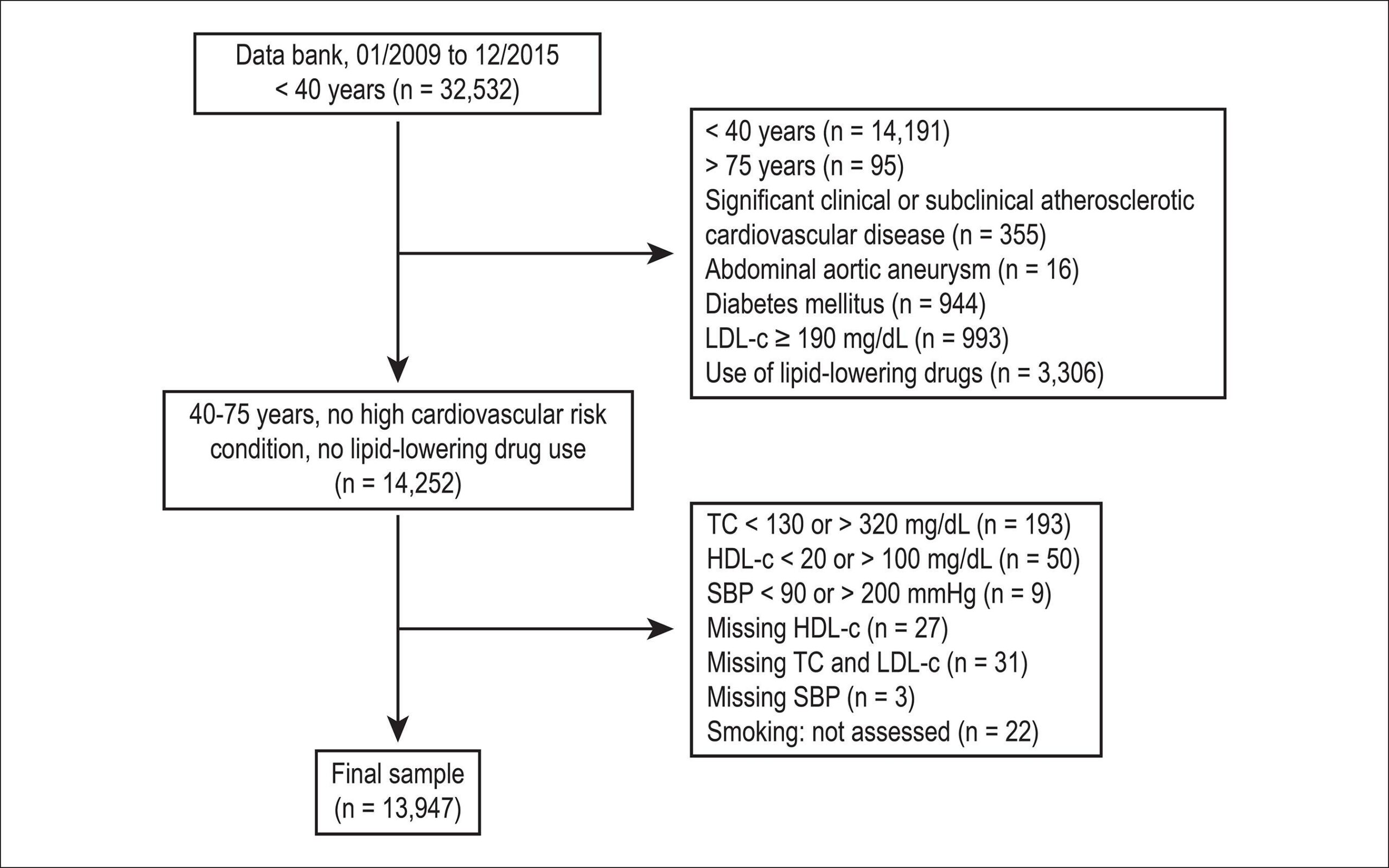
In individuals aged 40-75 years consecutively submitted to routine health assessment at one single center, four criteria of eligibility for statin were defined: BR-1, BR-2 (LDL-c above or at least 30 mg/dL above the goal recommended by the Brazilian Guideline, respectively), USA-1 and USA-2 (10-year risk estimated by the PCE ≥ 5.0% or ≥ 7.5%, respectively).

Results:

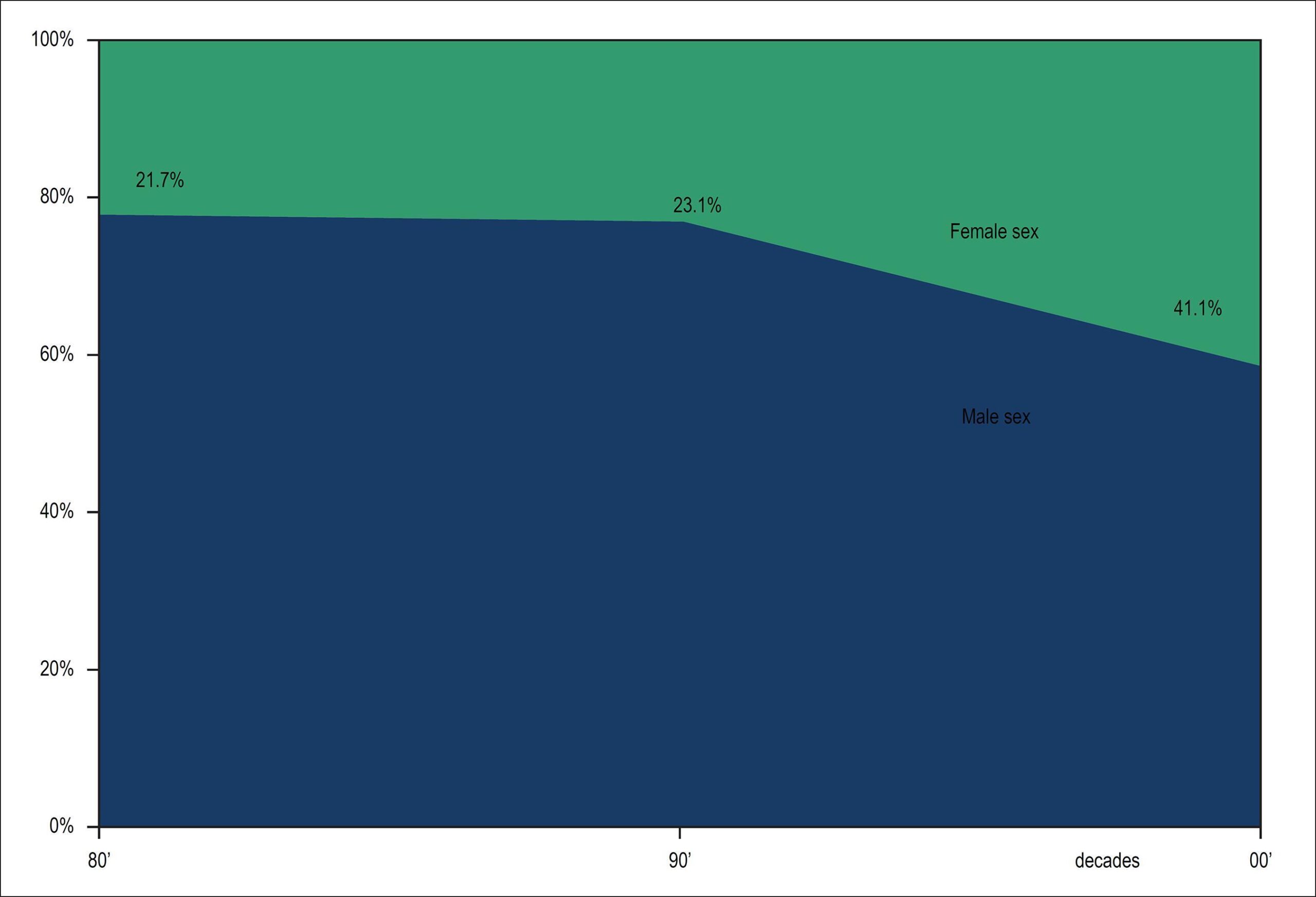
The final sample consisted of 13,947 individuals (48 ± 6 years, 71% men). Most individuals at intermediate or high risk based on the V Brazilian Guideline had a low risk calculated by the PCE, and more than 70% of those who were considered at high risk had this categorization because of the presence of aggravating factors. Among women, 24%, 17%, 4% and 2% were eligible for statin use according to the BR-1, BR-2, USA-1 and USA-2 criteria, respectively (p < 0.01). The respective figures for men were 75%, 58%, 31% and 17% (p < 0.01). Eighty-five percent of women and 60% of men who were eligible for statin based on the BR-1 criterion would not be candidates for statin based on the USA-1 criterion.

Conclusions:

As compared to the North American Guideline, the V Brazilian Guideline considers a substantially higher proportion of the population as eligible for statin use in primary prevention. This results from discrepancies between the risk stratified by the Brazilian Guideline and that calculated by the PCE, particularly because of the risk reclassification based on aggravating factors.

  • Anticholesterelemic Agents
  • Cardiovascular Diseases
  • Cholesterol
  • Hydroxymethylglutaryl-CoA Reductases
  • Practice Guidelines as Topic
  • Risk Assessment
Read Full Article
Creative Commons Attribution (CC BY) Creative Commons license
01/06/2017 DOI: 10.5935/abc.20170088 Views 1
Figure 1
Original Article

Discordant Lipid Pattern and Carotid Atherosclerotic Plaque. Importance of Remnant Cholesterol

Walter Masson et al. Martín Lobo Graciela Molinero Daniel Siniawski

Abstract

Background:

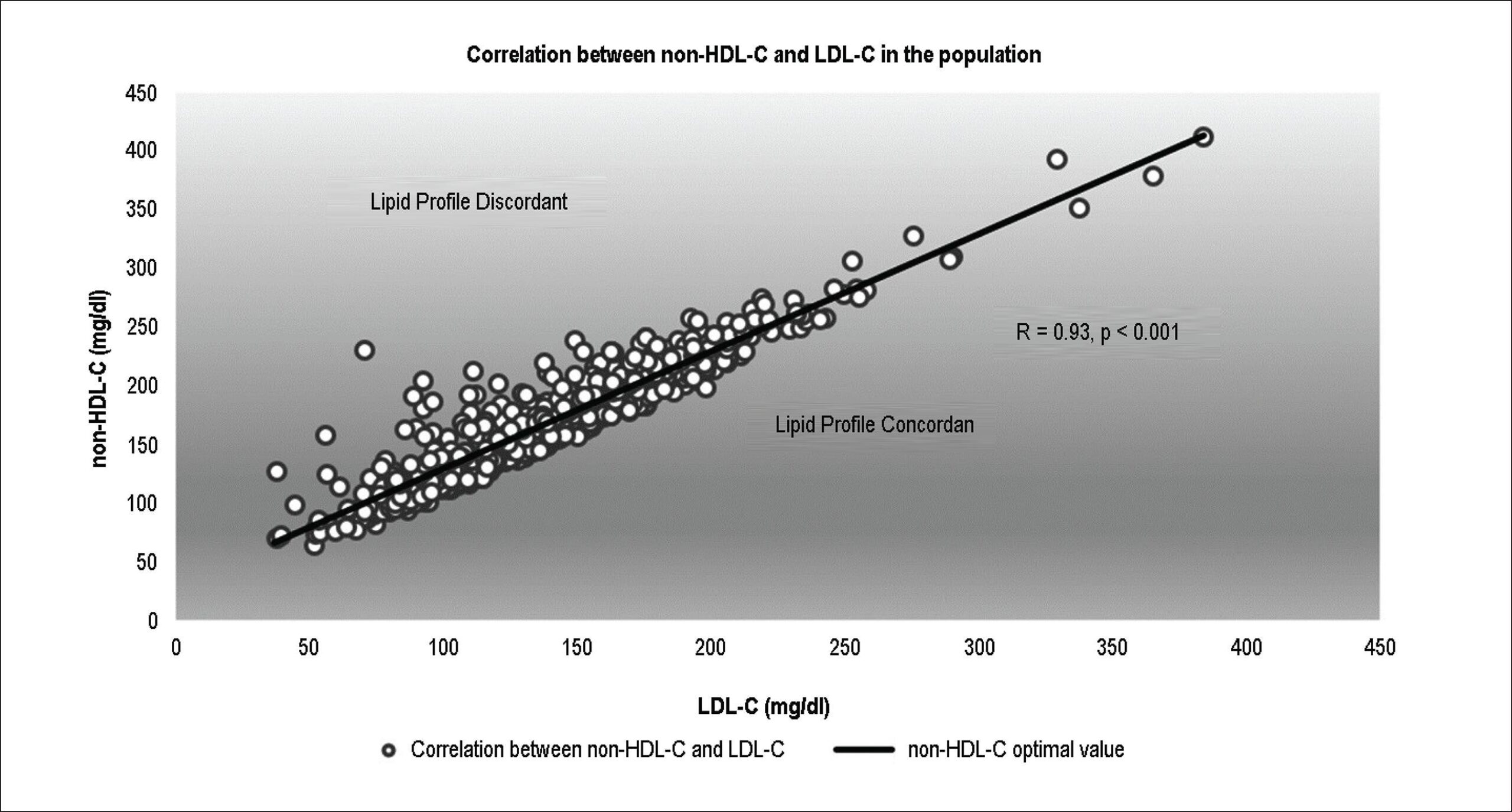
Subjects with levels of non-HDL-C 30 mg/dL above those of LDL-C (lipid discordance) or with high remnant cholesterol levels could have a greater residual cardiovascular risk.

Objectives:

Methods:

Primary prevention patients without diabetes or lipid-lowering therapy were included. Regardless of the LDL-C level, we define “lipid discordance” if the non-HDL-C value exceeded 30 mg/dL that of LDL-C. Remnant cholesterol was calculated as total cholesterol minus HDL-C minus LDL-C when triglycerides were < 4.0 mmol/L. Ultrasound was used to assess carotid plaque occurrence. Multiple regression logistic models were performed.

Results:

The study included 772 patients (mean age 52 ± 11 years, 66% women). The prevalence of lipid discordance was 34%. Male sex and body mass index were independently associated with discordant lipid pattern. The prevalence of carotid plaque was higher in subjects with lipid discordance (40.2% vs. 29.2, p = 0.002). The multivariate analysis showed that the discordant lipid pattern was associated with the greater probability of carotid plaque (OR 1.58, 95% CI 1.08-2.34, p = 0.02). Similarly, a significant association between calculated remnant cholesterol and carotid plaque was found.

Conclusion:

Lipid discordance and presence of a higher level of calculated remnant cholesterol are associated with subclinical atherosclerosis. Our findings could be used to improve the residual cardiovascular risk evaluation.

  • Atherosclerosis / complications
  • Carotid Arteries
  • Cholesterol, LDL
  • Cholesterol, VLDL
  • Lipoproteins, LDL
  • Plaque, Atherosclerotic
Read Full Article
Creative Commons Attribution (CC BY) Creative Commons license
01/06/2017 DOI: 10.5935/abc.20170069 Views 1
Figure 1
Editorial

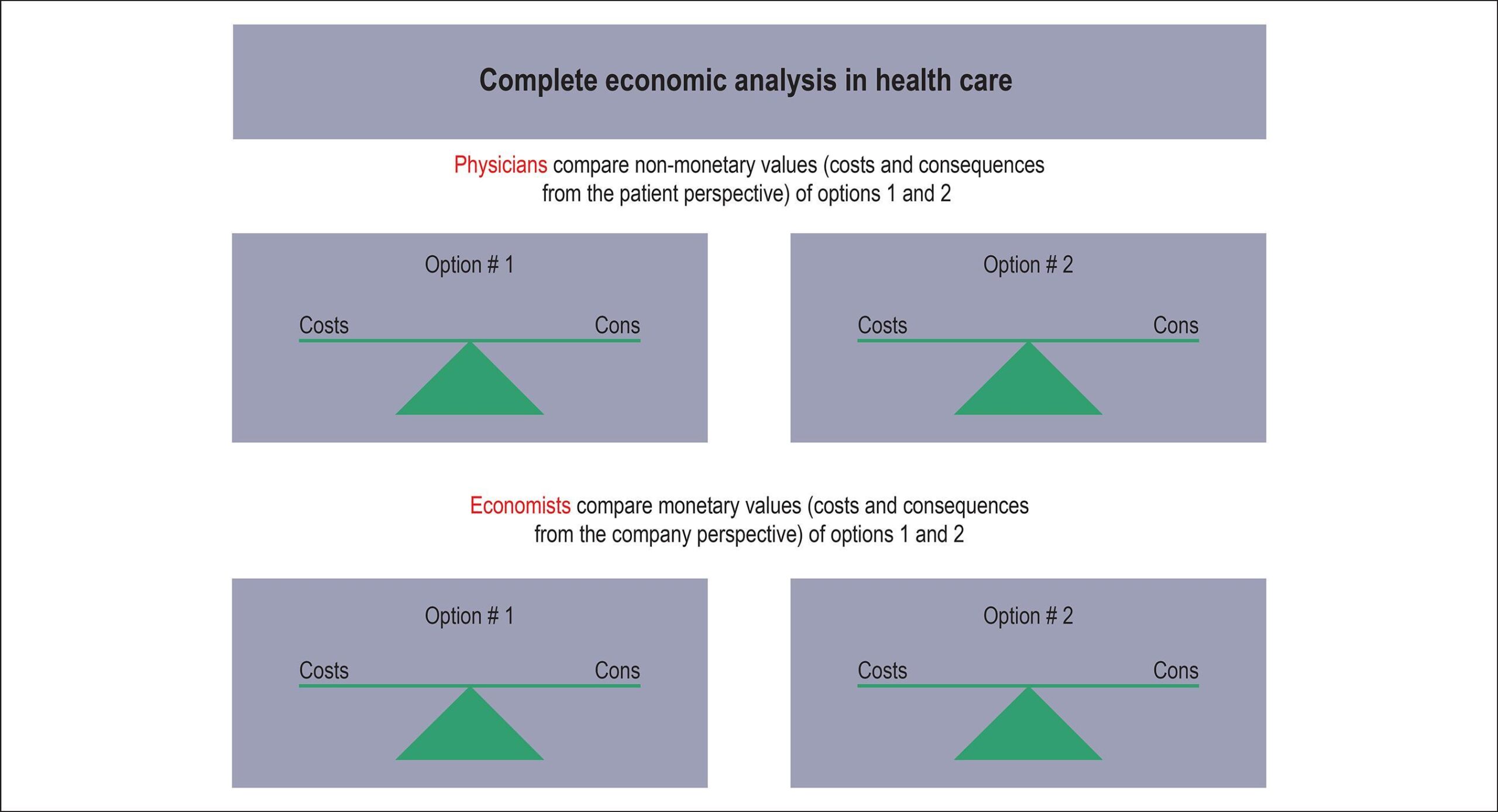
The Concept of Clinical Economics and its Relation with Effectiveness

Franz Porzsolt et al. Luis C. L. Correia

Efficacy versus Effectiveness

We underlined that efficacy and effectiveness describe two different types of information: efficacy is the demonstration that a new principle can theoretically work, which comes from studies under ideal controlled conditions; effectiveness is how the concept proven by efficacy studies works under real world conditions (RWC)., For demonstration of efficacy, one should select the optimal scenario for the proof of principle. It requires an experimental study design, with random allocation of treatments, to eliminate confounding bias and proper assessment of causality, it means the trial is explanatory.

The demonstration of effectiveness is pragmatic and takes place in the scenario in which the new principle will be used (RWC). The design is observational and treatment allocation is under the discretion and preferences of physician and patient. It allows assessment of the two main determinants of effectiveness: practical issues regarding adequate applicability of treatment and the impact of individualized choices. The interaction of these two forces determines whether the effectiveness of a treatment will be smaller than its proven efficacy (loss of beneficial effect in the real world) or whether the treatment will be even more effective than efficacious. The first situation should be a concern when logistic issues impair the treatment to be ideally applied (a not well trained doctor, a patient not educated enough to properly take an anticoagulant, a system not able to provide adequate door-to-balloon time in primary angioplasty for acute myocardial infarction), what tends to happen when the treatment is somewhat complex. The second situation takes place when physicians and patients provide a better solution than a simple randomization can do allocation.

[…]

  • Clinical Trials as Topic / analysis
  • Cost-Benefit Analysis
  • Treatment Outcome
Read Full Article
Creative Commons Attribution (CC BY) Creative Commons license
01/06/2017 DOI: 10.5935/abc.20170084 Views 2
Figure 1
Original Article

Pacemaker Implants in Children and Adolescents with Chagas Disease in Brazil: 18-Year Incidence

Carolina Christianini Mizzaci et al. Thiago Gonçalves Schroder e Souza Gabriel Pelegrineti Targueta Ana Paula Frederico Tótora … Juan Carlos Pachón Mateos José Carlos Pachon Mateos

Abstract

Background:

Chagas disease continues to be a serious public health problem, and accounts for 25-30% of the indications for cardiac stimulation in Brazil.

Objective:

To assess clinical and epidemiological characteristics of patients with Chagas disease, younger than 18 years, who had undergone pacemaker implantation in Brazil between 1994 and 2011, and its temporal trend.

Methods:

This was a cross-sectional analysis of data from the Brazilian Pacemaker Registry database. The following variables were analyzed: year when pacemaker was implanted, location, age, sex, ethnic group, functional class and the main electrocardiographic findings at baseline.

Results:

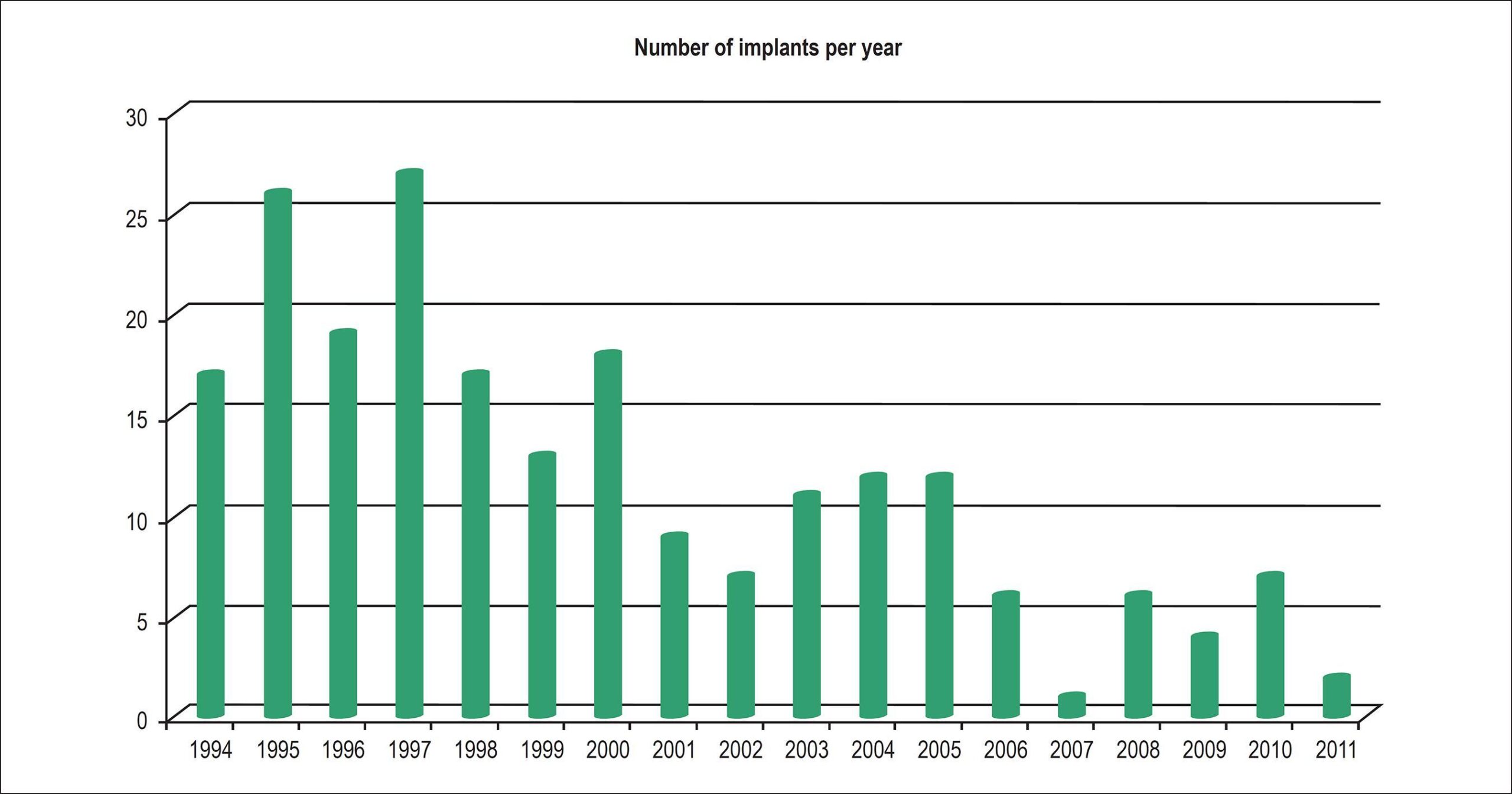
In a total of 183,123 implants performed between 1994 and 2011, 214 implants of cardiac stimulation device in Chagas disease patients aged younger than 18 years were identified. Mean age at implantation was 5.6 ± 6.2 years. Second- and third-degree atrioventricular blocks corresponded to 71% of indications for pacemaker implantation. Fifty-six percent of the procedures were performed in the southeast region. Regarding the total number of pacemaker implants per year, there was a remarkable increase in the implants for all causes. However, time series analysis of the implants in Chagas disease patients younger than 18 years revealed a significant reduction in the annual number of implants.

Conclusion:

There has been an important reduction in the number of pacemaker implantations among children and adolescents with Chagas disease, suggesting a reduction in the vertical transmission of the parasite.

  • Adolescents
  • Chagas Cardiomyopathy
  • Chagas disease
  • Child
  • Epidemiology
  • Pacemaker,Artificial
  • Retrospective Studies
Read Full Article
Creative Commons Attribution (CC BY) Creative Commons license
01/06/2017 DOI: 10.5935/abc.20170074
Erratum

Erratum

August issue of 2012, vol. 99 (2), Suppl. 2, pages 1-28

In “First Brazilian Guidelines for Familial Hypercholesterolemia”, consider Lottenberg AM as the correct form for the name of the author Ana Maria Lottenberg.

[…]

Read Full Article
Creative Commons Attribution (CC BY) Creative Commons license
01/06/2017 DOI: 10.5935/abc.20170092
Figure 1
Case Report

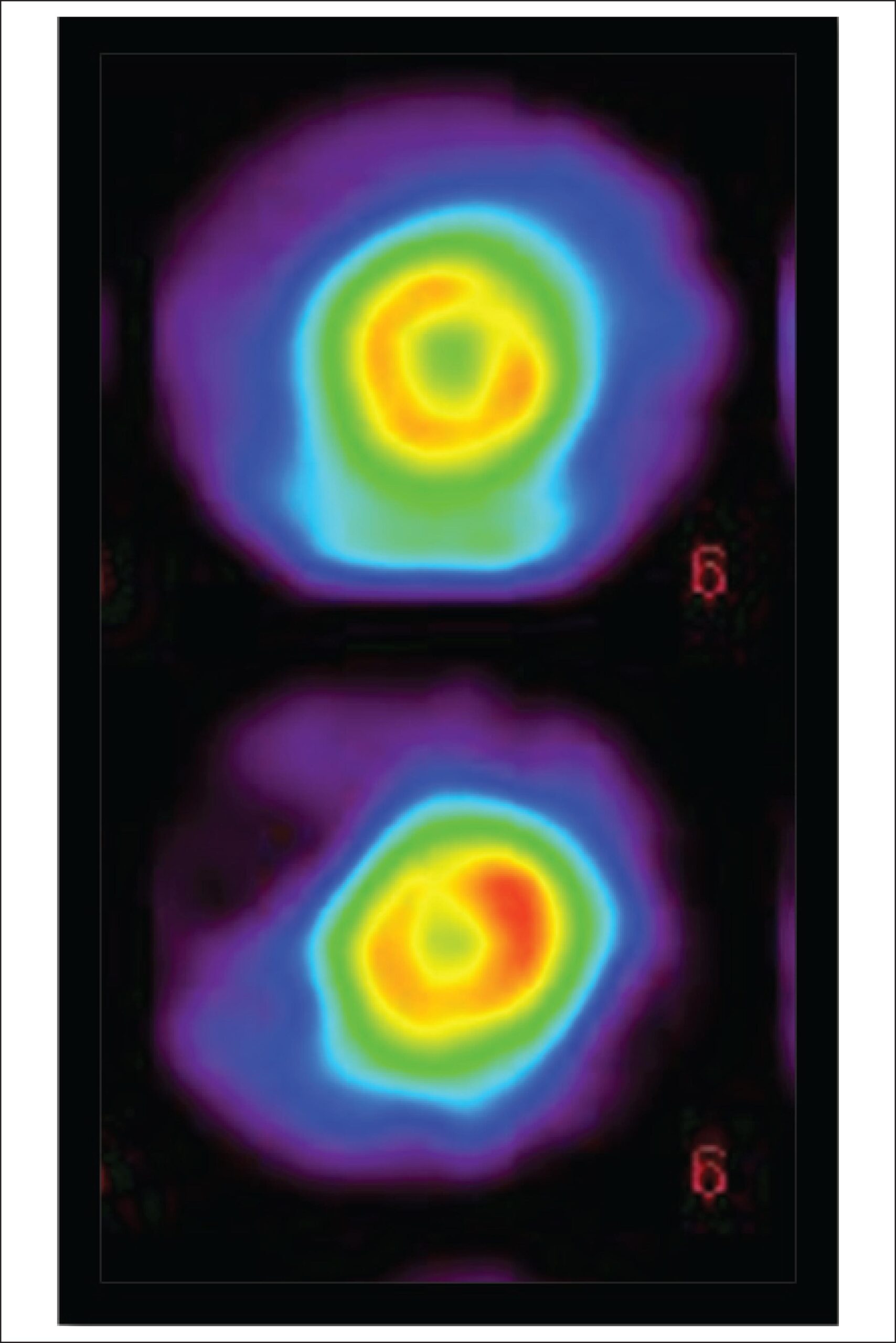
Myocardial Bridge and Angiotomography of the Coronary Arteries: Perfusion under Pharmacological Stress

Wilter dos Santos Ker et al. Daniel Gama Neves Alair Sarmet A. A. Damas Cláudio Tinoco Mesquita Marcelo Souto Nacif

Introduction

The myocardial bridge is one of the most prevalent congenital anomalies that involve the coronary circulation, and its incidence in the general population is high, affecting from 23 to 55% in necropsy studies.The impairment of the anterior descending artery is more frequent, on its proximal 2/3.In most patients, the myocardial bridges do not cause symptoms, because in order to have ischemia, there must be an imbalance between supply and consumption of oxygen. The superficial bridges, with small or slender muscle band, are the most common ones, and they may account for 75% of the cases, with average length of 1.5 cm and usually without causing symptoms. In approximately 24% of the cases, we observed deep myocardial bridges, with thicker muscle band.,

Atherosclerosis is the most common cause of ischemic heart disease. However, other causes for ischemia are frequent, and among them, we highlight the myocardial bridge, which may provoke typical or atypicalchest angina,acute myocardial infarction and sudden death.–

[…]

  • Computed Tomography
  • Coronary Artery Disease
  • Myocardial Bridge
  • Myocardial Ischemia
  • Perfusion
  • Radionuclide Imaging
Read Full Article
Creative Commons Attribution (CC BY) Creative Commons license
01/06/2017 DOI: 10.5935/abc.20170021
Figure 1
Original Article

Healthy School, Happy School: Design and Protocol for a Randomized Clinical Trial Designed to Prevent Weight Gain in Children

Daniela Schneid Schuh et al. Maíra Ribas Goulart Sandra Mari Barbiero Caroline D’Azevedo Sica … Raphael Borges David William Moraes Lucia Campos Pellanda

Abstract

Background:

Schools have become a key figure for the promotion of health and obesity interventions, bringing the development of critical awareness to the construction and promotion of a healthy diet, physical activity, and the monitoring of the nutritional status in childhood and adolescence.

Objectives:

To describe a study protocol to evaluate the effectiveness of an intervention designed to improve knowledge of food choices in the school environment.

Methods:

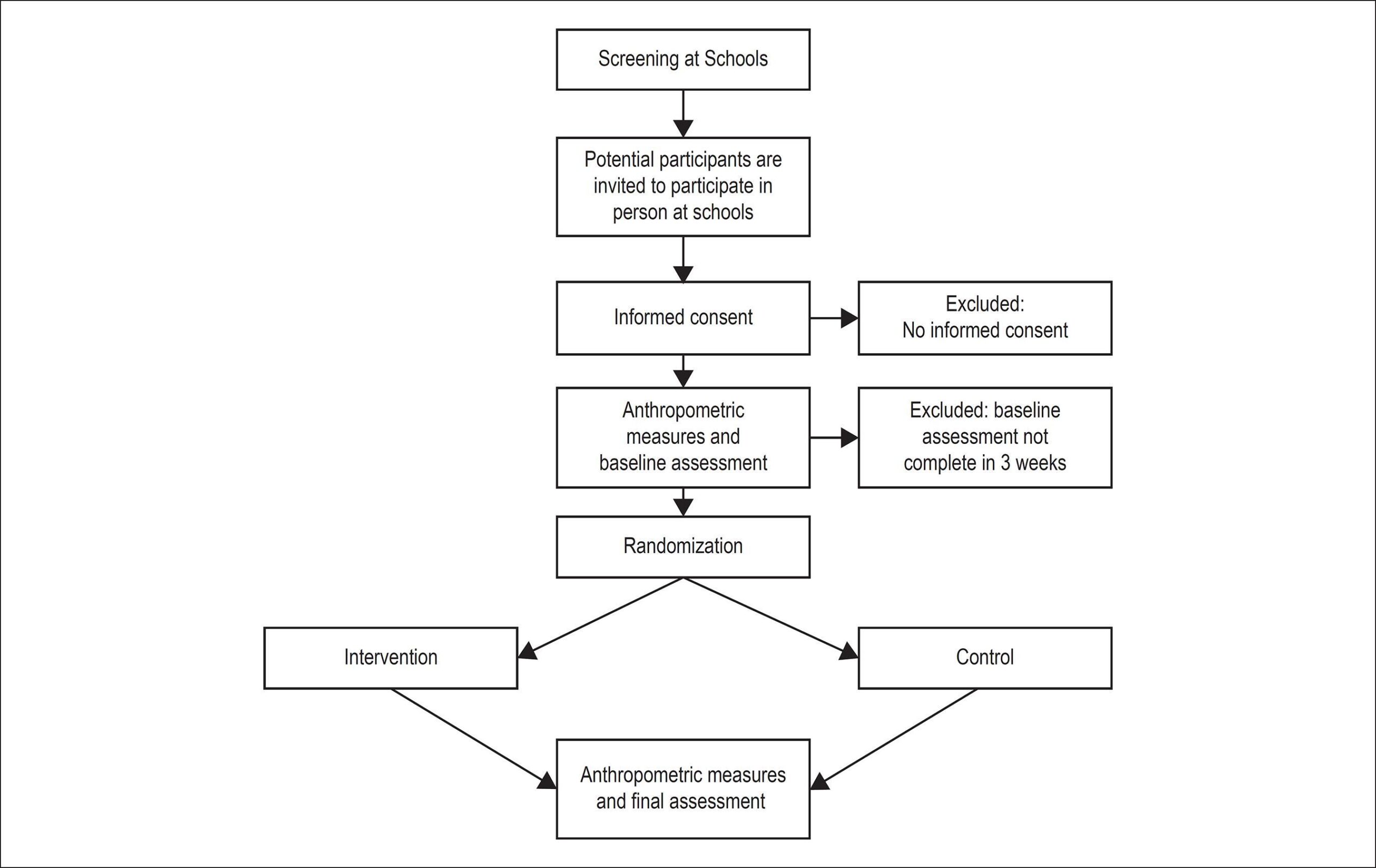
This is a cluster-randomized, parallel, two-arm study conducted in public elementary and middle schools in Brazil. Participants will be children and adolescents between the ages of 5 and 15 years, from both genders. The interventions will be focusing on changes in lifestyle, physical activities and nutritional education. Intervention activities will occur monthly in the school’s multimedia room or sports court. The control group arm will receive usual recommendations by the school. The primary outcome variable will be anthropometric measures, such as body mass index percentiles and levels of physical activity by the International Physical Activity Questionnaire.

Results:

We expect that after the study children will increase the ingestion of fresh food, reduce excessive consumption of sugary and processed foods, and reduce the hours of sedentary activities.

Conclusion:

The purpose of starting the dietary intervention at this stage of life is to develop a knowledge that will enable for healthy choices, providing opportunities for a better future for this population.

  • Body weight
  • Diet, Food and Nutrition
  • Health Behavior
  • Health Promotion
  • Motor Activity
  • Obesity
  • Prevention & Control
  • Schools
Read Full Article
Creative Commons Attribution (CC BY) Creative Commons license
01/06/2017 DOI: 10.5935/abc.20170072 Views 1
Figure 1
Special Article

Long-term Results of a Cardiology Postgraduate Program

Edimar Alcides Bocchi et al. Danielle Pazzotti Borges Vagner Oliveira-Carvalho Rigaud

Introduction

Research and innovation help to drive economic growth and address socioeconomic challenges like poverty and health. Many developed and developing countries have introduced policies and systems to increase research and innovation.

In Brazil, a system was created on 1951 with the objectives of improving technology and innovation and strengthening scientific research., Similar to postgraduate doctorate programs in developed countries, postgraduate programs with broader and more in-depth scientific research objectives have been developed in Brazil. In fact, a linear relationship has been demonstrated between the number of students graduating from these programs and the number of scientific publications produced by them. Beyond scientific output, publishing a high-impact paper or in a journal with a high-impact factor seems to be an important requirement for innovation and technology growth. Considering that postgraduate students play an important role in scientific production in Brazil, a study including the characteristics of the scientific production of these students is justifiable.

[…]

  • Health Postgraduate Programs
  • Program Evaluation
  • Scientific and Technological Activities
Read Full Article
Creative Commons Attribution (CC BY) Creative Commons license
01/06/2017 DOI: 10.5935/abc.20170083 Views 1
Figure 1
Review Article

Cirrhotic Cardiomyopathy: A New Clinical Phenotype

Luis Otávio Cardoso Mocarzel et al. Mariana Macedo Rossi Bruna de Mello Miliosse Pedro Gemal Lanzieri Ronaldo Altenburg Gismondi

Introduction

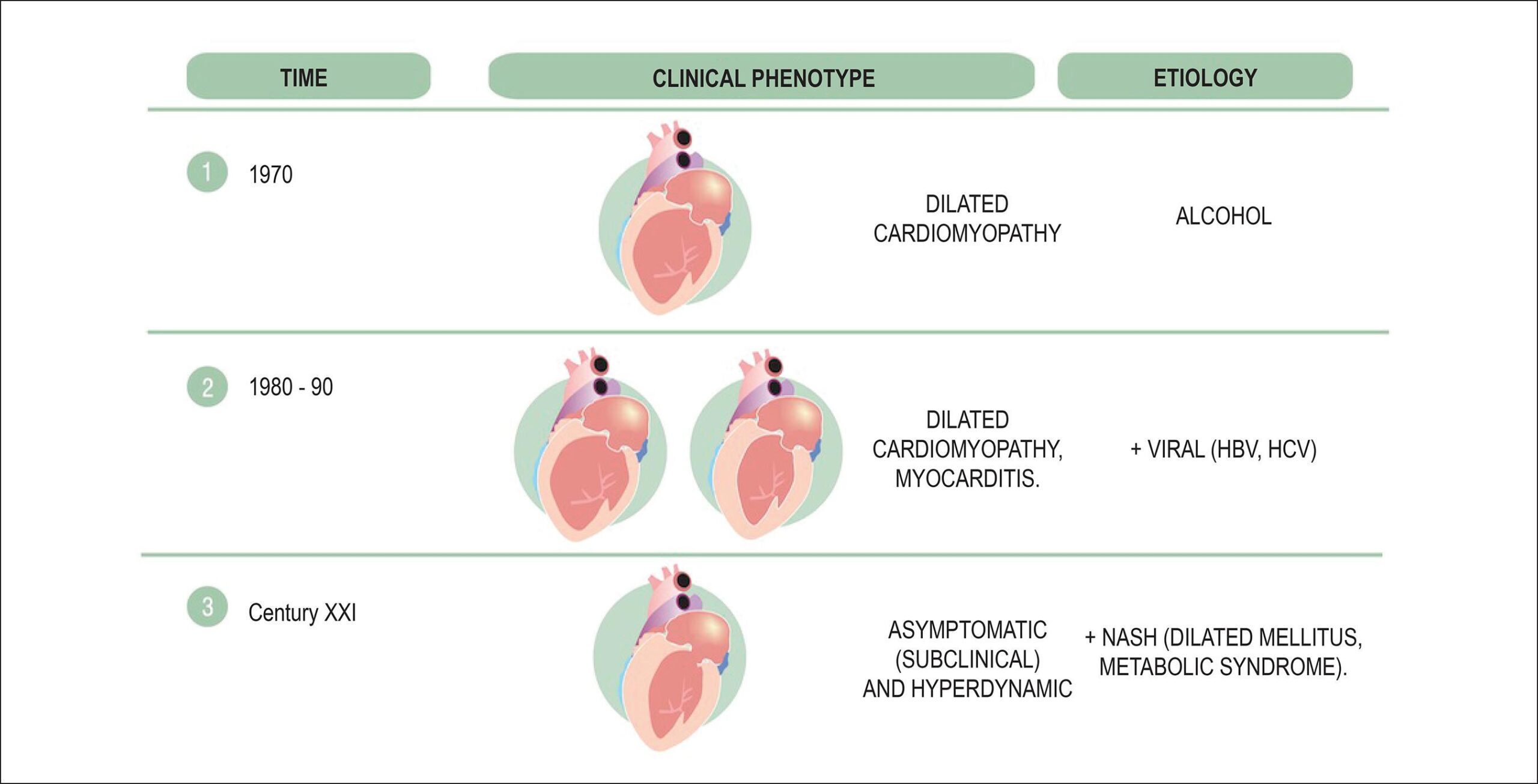
Hepatic cirrhosis is the final spectrum of several aggressions to the liver, with great relevance to public healthcare. National data estimate a prevalence of 0.14% to 0.35%, mortality of 3 to 35 per 100,000 individuals and an annual average of 30,000 hospital admissions in Brazil., With the ageing population, the prevalence of chronic liver diseases, in particular steatohepatitis associated to obesity and metabolic syndrome, results in an increase in the number of hepatic cirrhosis cases.

Cardiac manifestations of hepatic cirrhosis were first reported in the 20th century, with alterations on cardiac output. With new information on the extra-hepatic repercussions of cirrhosis, cirrhotic cardiomyopathy (CCM) has been described as a spectrum of chronic morphofunctional alterations in the heart of cirrhotic patients with no previous cardiac diseases.– The cardiomyocyte lesion is provoked by an imbalance in hemeostasis that occurs in the progression of cirrhosis, with exhaustion of beta-adrenergic receptors, cytoplasmic impregnation by endocannabinoids, and imbalance of nitric oxide and endothelin. CCM is asymptomatic; however, systolic and diastolic structural alterations are described in the electrocardiogram (ECG) and Doppler echocardiogram (ECHO).

[…]

  • aging
  • Cardiomyopathy, Alcoholic
  • Fatty Liver
  • Liver Cirrhosis / mortality
  • Metabolic Syndrome
  • Obesity
Read Full Article
Creative Commons Attribution (CC BY) Creative Commons license
01/06/2017 DOI: 10.5935/abc.20170066
Figure 1
Image

Exuberant Vasospastic Angina Simulating Severe Three-Vessel Disease

Bruno Marmelo et al. Luís Abreu Júlio Gil Pedro Ferreira José Cabral

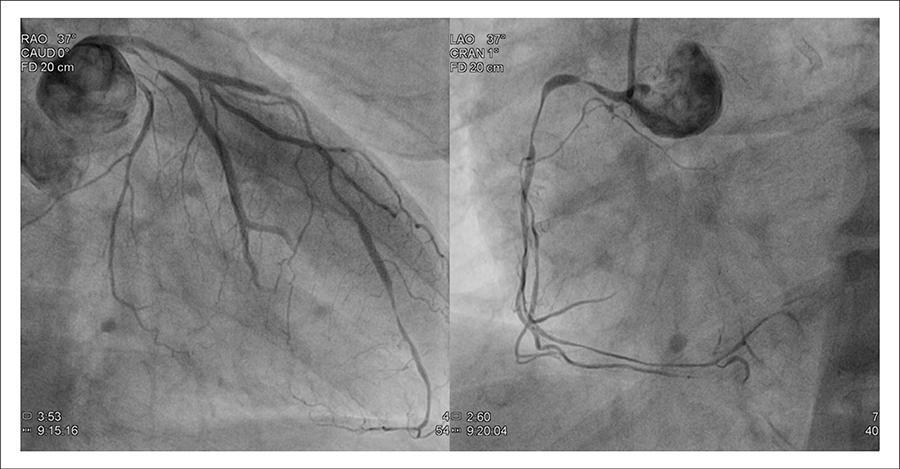
A 56-year-old Caucasian male, came to our hospital complaining of thoracic oppression at exertion and sometimes occurring at rest, lasting for a few minutes. The patient was an active smoker, with a moderate alcohol consumption habit and had had an episode of unstable angina two months earlier. At that episode, two drug-eluting stents were implanted, one in the distal anterior descending artery and the other in the proximal first diagonal artery. The ECG showed mild ST-elevation in V1-V3 and a T-wave inversion in V3-V5. There was a slight increase in Troponin I up to 0.24 ng/mL but the blood tests were otherwise unremarkable. The patient was admitted at the coronary unit and was scheduled for urgent coronary angiogram. The exam revealed severe and diffuse stenosis in the territories of the right and left coronary arteries with slow flow (TIMI 1-2), sparing only the stented segments (picture/). The administration of 2 mg of intracoronary isosorbite dinitrate reverted all the stenosis but slow flow (TIMI 2) was still observed in the left coronary artery. Hence, the diagnosis of vasospastic angina was made. The patient was successfully controlled with calcium antagonists and has remained asymptomatic.

Vasospastic angina is commonly misinterpreted as acute coronary syndrome. Although its pathophysiology is not fully understood, it usually has a favorable long-term prognosis, although coronary artery spasms may have an important role in arrhythmia generation and subsequent cardiac arrest.

[…]

  • Acute coronary syndrome
  • Angina, Stable / complications
  • Coronary Angiography
  • Coronary Vasoespasm
Read Full Article
Creative Commons Attribution (CC BY) Creative Commons license
01/06/2017 DOI: 10.5935/abc.20170071 Views 1
Figure 1
Original Article

The Expected Cardiovascular Benefit of Plasma Cholesterol Lowering with or Without LDL-C Targets in Healthy Individuals at Higher Cardiovascular Risk

Fernando Henpin Yue Cesena et al. Antonio Gabriele Laurinavicius Viviane A. Valente Raquel D. Conceição … Raul D. Santos Marcio S. Bittencourt

Abstract

Background:

There is controversy whether management of blood cholesterol should be based or not on LDL-cholesterol (LDL-c) target concentrations.

Objectives:

To compare the estimated impact of different lipid-lowering strategies, based or not on LDL-c targets, on the risk of major cardiovascular events in a population with higher cardiovascular risk.

Methods:

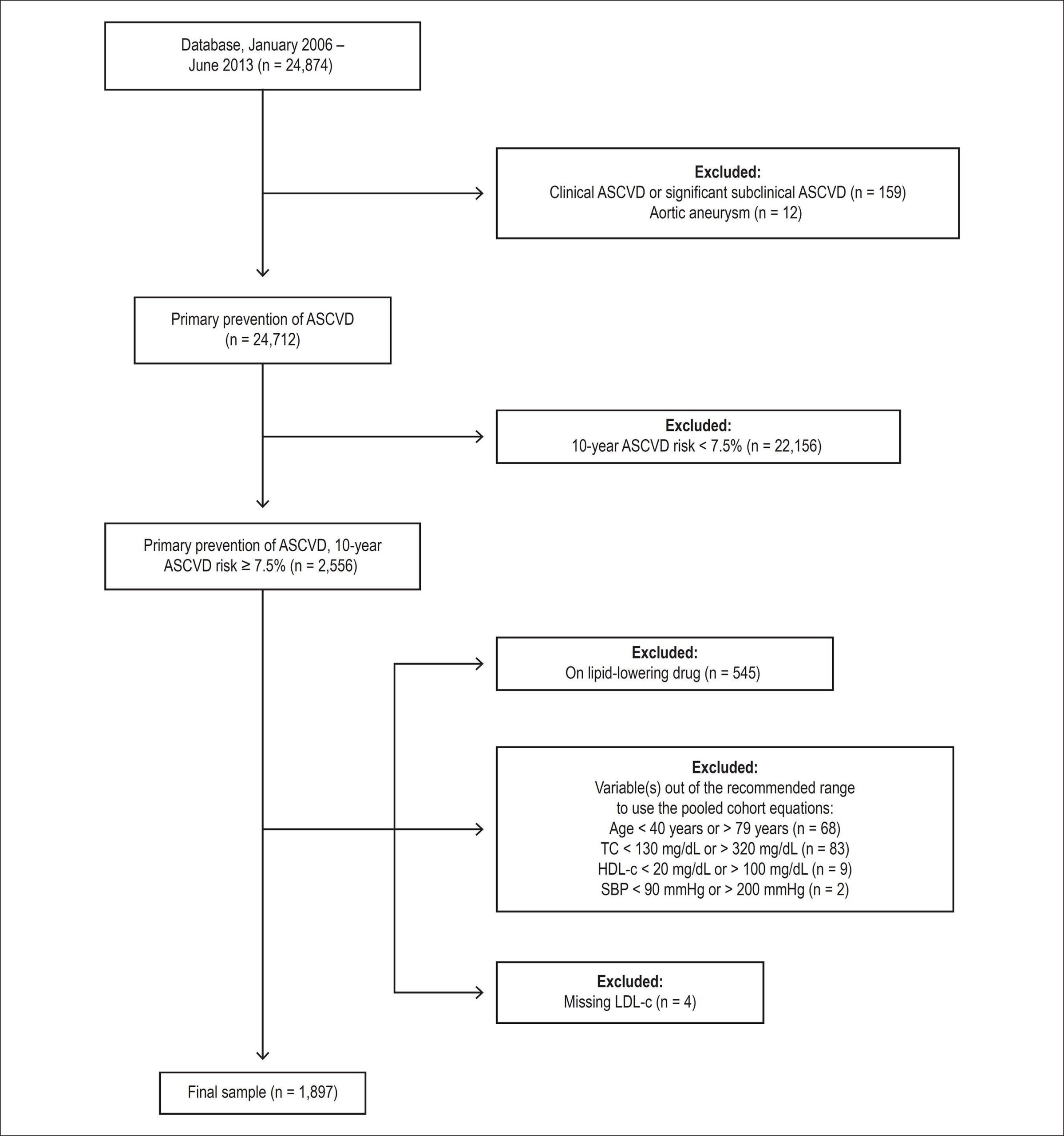
We included consecutive individuals undergoing a routine health screening in a single center who had a 10-year risk for atherosclerotic cardiovascular disease (ASCVD) ≥ 7.5% (pooled cohort equations, ACC/AHA, 2013). For each individual, we simulated two strategies based on LDL-c target (≤ 100 mg/dL [Starget-100] or ≤ 70 mg/dL [Starget-70]) and two strategies based on percent LDL-c reduction (30% [S30%] or 50% [S50%]).

Results:

In 1,897 subjects (57 ± 7 years, 96% men, 10-year ASCVD risk 13.7 ± 7.1%), LDL-c would be lowered from 141 ± 33 mg/dL to 99 ± 23 mg/dL in S30%, 71 ± 16 mg/dL in S50%, 98 ± 9 mg/dL in Starget-100, and 70 ± 2 mg/dL in Starget-70. Ten-year ASCVD risk would be reduced to 8.8 ± 4.8% in S50% and 8.9 ± 5.2 in Starget-70. The number of major cardiovascular events prevented in 10 years per 1,000 individuals would be 32 in S30%, 31 in Starget-100, 49 in S50%, and 48 in Starget-70. Compared with Starget-70, S50% would prevent more events in the lower LDL-c tertile and fewer events in the higher LDL-c tertile.

Conclusions:

The more aggressive lipid-lowering approaches simulated in this study, based on LDL-c target or percent reduction, may potentially prevent approximately 50% more hard cardiovascular events in the population compared with the less intensive treatments. Baseline LDL-c determines which strategy (based or not on LDL-c target) is more appropriate at the individual level.

  • Cholesterol, HDL/blood
  • Cholesterol, LDL / blood
  • Coronary Artery Disease
  • Hypercholesterolemia / blood
  • Risk Factors
Read Full Article
Creative Commons Attribution (CC BY) Creative Commons license
01/06/2017 DOI: 10.5935/abc.20170089 Views 1
Figure 1
Original Article

Three-Dimensional Volumetric Assessment of Diastolic Function by Cardiac Magnetic Resonance Imaging: The Multi-Ethnic Study of Atherosclerosis (MESA)

Marcelo S Nacif et al. Andre L. C. Almeida Alistair A Young Brett R Cowan … Anderson C Armstrong Eunice Yang Christopher T Sibley W. Gregory Hundley Songtao Liu Joao AC Lima David A Bluemke

Abstract

Background:

Cardiac Magnetic Resonance is in need of a simple and robust method for diastolic function assessment that can be done with routine protocol sequences.

Objective:

To develop and validate a three-dimensional (3D) model-based volumetric assessment of diastolic function using cardiac magnetic resonance (CMR) imaging and compare the results obtained with the model with those obtained by echocardiography.

Methods:

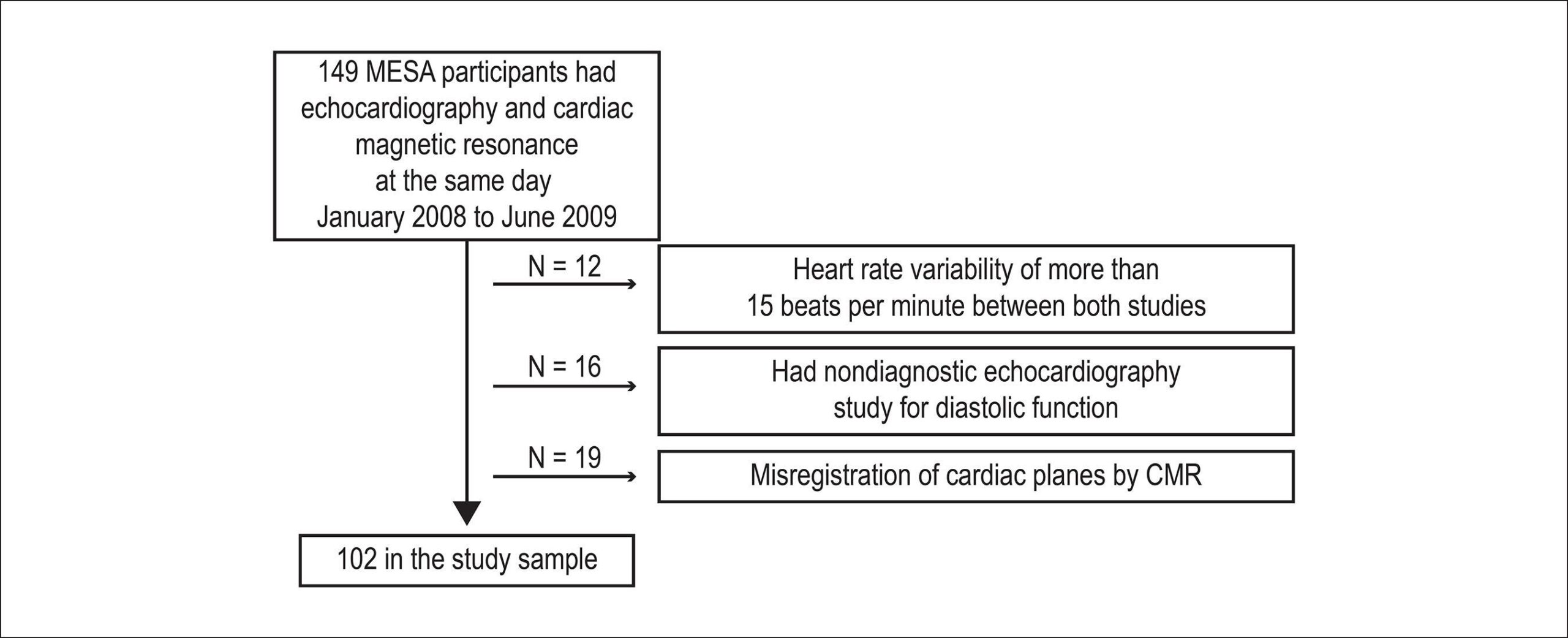
The study participants provided written informed consent and were included if having undergone both echocardiography and cine steady-state free precession (SSFP) CMR on the same day. Guide points at the septal and lateral mitral annulus were used to define the early longitudinal relaxation rate (E’), while a time-volume curve from the 3D model was used to assess diastolic filling parameters. We determined the correlation between 3D CMR and echocardiography and the accuracy of CMR in classifying the diastolic function grade.

Results:

The study included 102 subjects. The E/A ratio by CMR was positively associated with the E/A ratio by echocardiography (r = 0.71, p < 0.0001). The early diastolic relaxation velocity by tissue Doppler and longitudinal relaxation rate for the lateral mitral annulus displacement were positively associated (p = 0.007), as were the ratio between Doppler E/e' and CMR E/E' (p = 0.01). CMR-determined normalized peak E (NE) and deceleration time (DT) were able to predict diastolic dysfunction (areas under the curve [AUCs] = 0.70 and 0.72, respectively). In addition, the lateral E/E' ratio showed good utility in identifying diastolic dysfunction (AUC = 0.80). Overall, echocardiography and CMR interobserver and intraobserver agreements were excellent (intraclass correlation coefficient range 0.72 – 0.97).

Conclusion:

3D modeling of standard cine CMR images was able to identify study subjects with reduced diastolic function and showed good reproducibility, suggesting a potential for a routine diastolic function assessment by CMR.

  • Echocardiography, Three-Dimensional
  • Evaluation
  • Imaging, Three-Dimensional
  • Magnetic Resonance
  • Ventricular Function
Read Full Article
Creative Commons Attribution (CC BY) Creative Commons license
25/05/2017 DOI: 10.5935/abc.20170063 Views 1
Figure 1
Original Article

The Effect of Physical Resistance Training on Baroreflex Sensitivity of Hypertensive Rats

Moisés Felipe Pereira Gomes et al. Mariana Eiras Borges Vitor de Almeida Rossi Elizabeth de Orleans C. de Moura Alessandra Medeiros

Abstract

Background:

Baroreceptors act as regulators of blood pressure (BP); however, its sensitivity is impaired in hypertensive patients. Among the recommendations for BP reduction, exercise training has become an important adjuvant therapy in this population. However, there are many doubts about the effects of resistance exercise training in this population.

Objective:

To evaluate the effect of resistance exercise training on BP and baroreceptor sensitivity in spontaneously hypertensive rats (SHR).

Method:

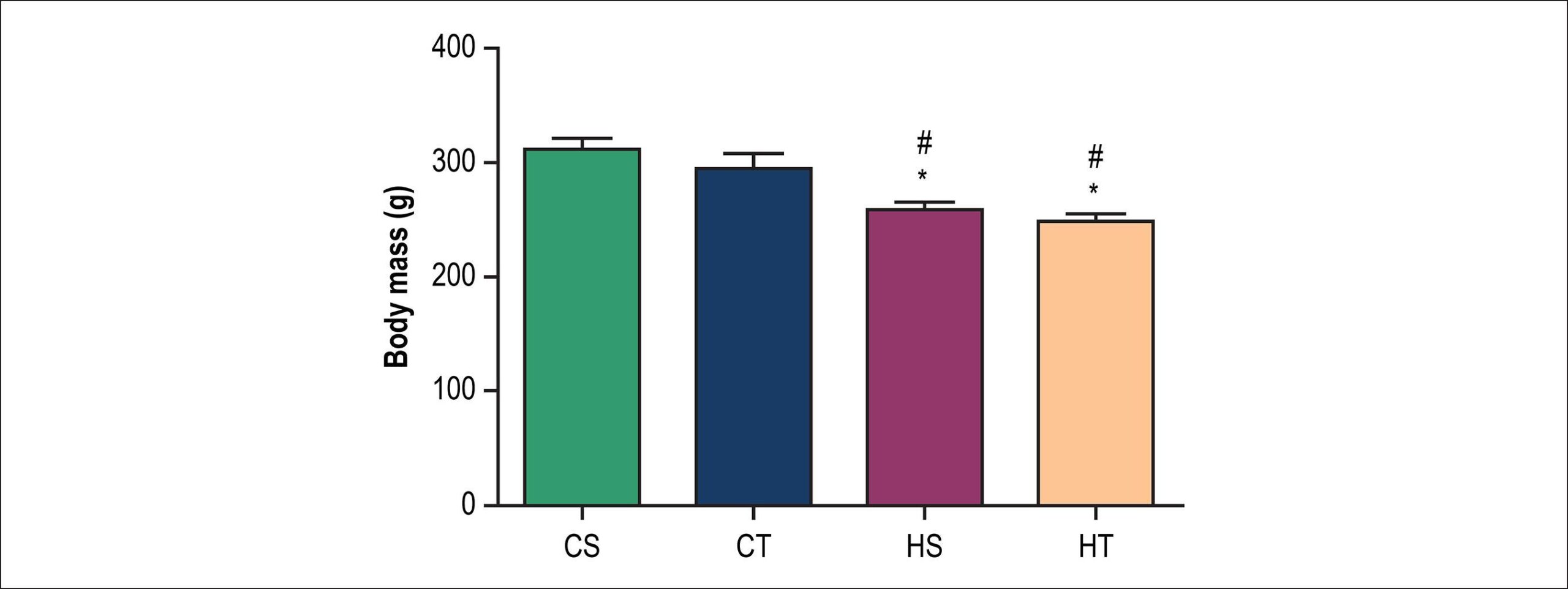
Rats SHR (n = 16) and Wistar (n = 16) at 8 weeks of age, at the beginning of the experiment, were randomly divided into 4 groups: sedentary control (CS, n = 8); trained control (CT, n = 8); sedentary SHR (HS, n = 8) and trained SHR (HT, n = 8). Resistance exercise training was performed in a stairmaster-type equipment (1.1 × 0.18 m, 2 cm between the steps, 80° incline) with weights attached to their tails, (5 days/week, 8 weeks). Baroreceptor reflex control of heart rate (HR) was tested by loading/unloading of baroreceptors with phenylephrine and sodium nitroprusside.

Results:

Resistance exercise training increased the soleus muscle mass in SHR when compared to HS (HS 0.027 ± 0.002 g/mm and HT 0.056 ± 0.003 g/mm). Resistance exercise training did not alter BP. On the other hand, in relation to baroreflex sensitivity, bradycardic response was improved in the TH group when compared to HS (HS -1.3 ± 0.1 bpm/mmHg and HT -2.6 ± 0.2 bpm/mmHg) although tachycardia response was not altered by resistance exercise (CS -3.3 ± 0.2 bpm/mmHg, CT -3.3 ± 0.1 bpm/mmHg, HS -1.47 ± 0.06 bpm/mmHg and HT -1.6 ± 0.1 bpm/mmHg).

Conclusion:

Resistance exercise training was able to promote improvements on baroreflex sensitivity of SHR rats, through the improvement of bradycardic response, despite not having reduced BP.

  • Baroreflex
  • Exercise
  • Heart Rate
  • Hypertension
  • Muscle Hypertrophy
Read Full Article
Creative Commons Attribution (CC BY) Creative Commons license
25/05/2017 DOI: 10.5935/abc.20170065 Views 1
Original Article

Systemic Arterial Hypertension in Patients Exposed to Cesium-137 in Goiânia-GO: Prevalence Study

José Victor Rabelo Rodrigues et al. Murillo Macêdo Pinto Roberto Miller Pires Figueredo Helen de Lima … Rafael Souto Sylvana de Castro Sacchetim

Abstract

Background:

Systemic Arterial Hypertension (SAH) in the Brazilian population, in populations not exposed to Césio-137, presents a prevalence of 28% nationwide. However, in the group of radioactivity victims, these values are unknown.

Objective:

To analyze the prevalence of hypertension in patients exposed to Cesium-137 in Goiânia, enrolled in the Sistema de Monitoramento dos Radioacidentados (SISRAD) (Radioactivtity Victims Monitoring System) of the Centro de Assistência aos Radioacidentados (C.A.R.A) (Assistence Center for Radioactivity Victims).

Methods:

This is a descriptive, observational cross-sectional epidemiological study carried out in Goiânia-Goiás, from August 2013 to October 2014, with a group of patients enrolled in the Sistema de Monitoramento dos Radioacidentados (SISRAD) of the Centro de Assistência a Radioacidentados (C.A.R.A.). A total of 102 radioactive patients were divided into two groups: group 1 with 40 and group 2 with 62 participants. A field survey was conducted with a closed and semi-structured questionnaire in which the following contexts were addressed: sociodemographic profile, life habits and personal background. A database was created using the Google Forms application from the Google Web technologies company. The duly collected and stored data were imported and analyzed in the statistical software SPSS, version 21.

Results:

The prevalence of SAH reached a total of 25% (12 individuals) of the 48 interviewees, 50% of women (24) and 50% of men (24), of which 22.9% (11) of the radioactivity victims revealed to be smokers.

Conclusion:

The prevalence of SAH in the radioactivity victims population is similar to that of the population in general.

  • Cardiovascular Diseases
  • Cesium
  • Cesium, Radioisotopos
  • Hypertension
Read Full Article
Creative Commons Attribution (CC BY) Creative Commons license
25/05/2017 DOI: 10.5935/abc.20170062

How to cite this article

EndNote RIS

Electronic Document Format (Vancouver)

Atik E, Cavalini JF. Case 4/2017 – Double-Chambered Right Ventricle with Dextrocardia and Hypoxemia Due to Atrial Shunt in a 4-Year-Old Girl. Arquivos Brasileiros de Cardiologia 2017;108(6):569-71.

Electronic Document Format (ABNT)

Atik, Edmar; Cavalini, José Fernando. Case 4/2017 – Double-Chambered Right Ventricle with Dextrocardia and Hypoxemia Due to Atrial Shunt in a 4-Year-Old Girl. Arquivos Brasileiros de Cardiologia, v. 108, n. 6, p. 569-571, May. 2017.

Electronic Document Format (APA)

Atik, E., & Cavalini, J. F. (2017). Case 4/2017 – Double-Chambered Right Ventricle with Dextrocardia and Hypoxemia Due to Atrial Shunt in a 4-Year-Old Girl. Arquivos Brasileiros de Cardiologia, 108(6), 569-571.

Electronic Document Format (ISO)

Atik, Edmar and Cavalini, José Fernando. Case 4/2017 – Double-Chambered Right Ventricle with Dextrocardia and Hypoxemia Due to Atrial Shunt in a 4-Year-Old Girl. Arquivos Brasileiros de Cardiologia [online]. 2017, vol. 108, n. 6, [cited 2026-10-14], pp. 569-571. Available from: <https://journals.cardiol.br/en/article/case-4-2017-double-chambered-right-ventricle-with-dextrocardia-and-hypoxemia-due-to-atrial-shunt-in-a-4-year-old-girl/>. ISSN 0066-782X

EndNote RIS

Electronic Document Format (Vancouver)

Cesena FHY, Laurinavicius AG, Valente VA, Conceição RD, Santos RD, Bittencourt MS. Cardiovascular Risk Stratification and Statin Eligibility Based on the Brazilian vs. North American Guidelines on Blood Cholesterol Management. Arquivos Brasileiros de Cardiologia 2017;108(6):508-17.

Electronic Document Format (ABNT)

Cesena, Fernando Henpin Yue; Laurinavicius, Antonio Gabriele; Valente, Viviane A.; Conceição, Raquel D.; Santos, Raul D.; Bittencourt, Marcio S.. Cardiovascular Risk Stratification and Statin Eligibility Based on the Brazilian vs. North American Guidelines on Blood Cholesterol Management. Arquivos Brasileiros de Cardiologia, v. 108, n. 6, p. 508-517, May. 2017.

Electronic Document Format (APA)

Cesena, F. H. Y., Laurinavicius, A. G., Valente, V. A., Conceição, R. D., Santos, R. D., & Bittencourt, M. S. (2017). Cardiovascular Risk Stratification and Statin Eligibility Based on the Brazilian vs. North American Guidelines on Blood Cholesterol Management. Arquivos Brasileiros de Cardiologia, 108(6), 508-517.

Electronic Document Format (ISO)

Cesena, Fernando Henpin Yue and Laurinavicius, Antonio Gabriele and Valente, Viviane A. and Conceição, Raquel D. and Santos, Raul D. and Bittencourt, Marcio S.. Cardiovascular Risk Stratification and Statin Eligibility Based on the Brazilian vs. North American Guidelines on Blood Cholesterol Management. Arquivos Brasileiros de Cardiologia [online]. 2017, vol. 108, n. 6, [cited 2026-10-14], pp. 508-517. Available from: <https://journals.cardiol.br/en/article/cardiovascular-risk-stratification-and-statin-eligibility-based-on-the-brazilian-vs-north-american-guidelines-on-blood-cholesterol-management/>. ISSN 0066-782X

EndNote RIS

Electronic Document Format (Vancouver)

Masson W, Lobo M, Molinero G, Siniawski D. Discordant Lipid Pattern and Carotid Atherosclerotic Plaque. Importance of Remnant Cholesterol. Arquivos Brasileiros de Cardiologia 2017;108(6):526-32.

Electronic Document Format (ABNT)

Masson, Walter; Lobo, Martín; Molinero, Graciela; Siniawski, Daniel. Discordant Lipid Pattern and Carotid Atherosclerotic Plaque. Importance of Remnant Cholesterol. Arquivos Brasileiros de Cardiologia, v. 108, n. 6, p. 526-532, May. 2017.

Electronic Document Format (APA)

Masson, W., Lobo, M., Molinero, G., & Siniawski, D. (2017). Discordant Lipid Pattern and Carotid Atherosclerotic Plaque. Importance of Remnant Cholesterol. Arquivos Brasileiros de Cardiologia, 108(6), 526-532.

Electronic Document Format (ISO)

Masson, Walter and Lobo, Martín and Molinero, Graciela and Siniawski, Daniel. Discordant Lipid Pattern and Carotid Atherosclerotic Plaque. Importance of Remnant Cholesterol. Arquivos Brasileiros de Cardiologia [online]. 2017, vol. 108, n. 6, [cited 2026-10-14], pp. 526-532. Available from: <https://journals.cardiol.br/en/article/discordant-lipid-pattern-and-carotid-atherosclerotic-plaque-importance-of-remnant-cholesterol/>. ISSN 0066-782X

EndNote RIS

Electronic Document Format (Vancouver)

Porzsolt F, Correia LCL. The Concept of Clinical Economics and its Relation with Effectiveness. Arquivos Brasileiros de Cardiologia 2017;108(6):488-90.

Electronic Document Format (ABNT)

Porzsolt, Franz; Correia, Luis C. L.. The Concept of Clinical Economics and its Relation with Effectiveness. Arquivos Brasileiros de Cardiologia, v. 108, n. 6, p. 488-490, May. 2017.

Electronic Document Format (APA)

Porzsolt, F., & Correia, L. C. L. (2017). The Concept of Clinical Economics and its Relation with Effectiveness. Arquivos Brasileiros de Cardiologia, 108(6), 488-490.

Electronic Document Format (ISO)

Porzsolt, Franz and Correia, Luis C. L.. The Concept of Clinical Economics and its Relation with Effectiveness. Arquivos Brasileiros de Cardiologia [online]. 2017, vol. 108, n. 6, [cited 2026-10-14], pp. 488-490. Available from: <https://journals.cardiol.br/en/article/the-concept-of-clinical-economics-and-its-relation-with-effectiveness/>. ISSN 0066-782X

EndNote RIS

Electronic Document Format (Vancouver)

Mizzaci CC, Souza TGS, Targueta GP, Tótora APF, Mateos JCP, Mateos JCP. Pacemaker Implants in Children and Adolescents with Chagas Disease in Brazil: 18-Year Incidence. Arquivos Brasileiros de Cardiologia 2017;108(6):546-51.

Electronic Document Format (ABNT)

Mizzaci, Carolina Christianini; Souza, Thiago Gonçalves Schroder e; Targueta, Gabriel Pelegrineti; Tótora, Ana Paula Frederico; Mateos, Juan Carlos Pachón; Mateos, José Carlos Pachon. Pacemaker Implants in Children and Adolescents with Chagas Disease in Brazil: 18-Year Incidence. Arquivos Brasileiros de Cardiologia, v. 108, n. 6, p. 546-551, May. 2017.

Electronic Document Format (APA)

Mizzaci, C. C., Souza, T. G. S. , Targueta, G. P., Tótora, A. P. F., Mateos, J. C. P., & Mateos, J. C. P. (2017). Pacemaker Implants in Children and Adolescents with Chagas Disease in Brazil: 18-Year Incidence. Arquivos Brasileiros de Cardiologia, 108(6), 546-551.

Electronic Document Format (ISO)

Mizzaci, Carolina Christianini and Souza, Thiago Gonçalves Schroder e and Targueta, Gabriel Pelegrineti and Tótora, Ana Paula Frederico and Mateos, Juan Carlos Pachón and Mateos, José Carlos Pachon. Pacemaker Implants in Children and Adolescents with Chagas Disease in Brazil: 18-Year Incidence. Arquivos Brasileiros de Cardiologia [online]. 2017, vol. 108, n. 6, [cited 2026-10-14], pp. 546-551. Available from: <https://journals.cardiol.br/en/article/pacemaker-implants-in-children-and-adolescents-with-chagas-disease-in-brazil-18-year-incidence/>. ISSN 0066-782X

EndNote RIS

Electronic Document Format (Vancouver)

. Erratum. Arquivos Brasileiros de Cardiologia 2017;108(6):578.

Electronic Document Format (ABNT)

. Erratum. Arquivos Brasileiros de Cardiologia, v. 108, n. 6, p. 578-578, May. 2017.

Electronic Document Format (APA)

(2017). Erratum. Arquivos Brasileiros de Cardiologia, 108(6), 578-578.

Electronic Document Format (ISO)

. Erratum. Arquivos Brasileiros de Cardiologia [online]. 2017, vol. 108, n. 6, [cited 2026-10-14], pp. 578-578. Available from: <https://journals.cardiol.br/en/article/erratum-16/>. ISSN 0066-782X

EndNote RIS

Electronic Document Format (Vancouver)

Ker WS, Neves DG, Damas ASAA, Mesquita CT, Nacif MS. Myocardial Bridge and Angiotomography of the Coronary Arteries: Perfusion under Pharmacological Stress. Arquivos Brasileiros de Cardiologia 2017;108(6):572-5.

Electronic Document Format (ABNT)

Ker, Wilter dos Santos; Neves, Daniel Gama; Damas, Alair Sarmet A. A.; Mesquita, Cláudio Tinoco; Nacif, Marcelo Souto. Myocardial Bridge and Angiotomography of the Coronary Arteries: Perfusion under Pharmacological Stress. Arquivos Brasileiros de Cardiologia, v. 108, n. 6, p. 572-575, May. 2017.

Electronic Document Format (APA)

Ker, W. S., Neves, D. G., Damas, A. S. A. A., Mesquita, C. T., & Nacif, M. S. (2017). Myocardial Bridge and Angiotomography of the Coronary Arteries: Perfusion under Pharmacological Stress. Arquivos Brasileiros de Cardiologia, 108(6), 572-575.

Electronic Document Format (ISO)

Ker, Wilter dos Santos and Neves, Daniel Gama and Damas, Alair Sarmet A. A. and Mesquita, Cláudio Tinoco and Nacif, Marcelo Souto. Myocardial Bridge and Angiotomography of the Coronary Arteries: Perfusion under Pharmacological Stress. Arquivos Brasileiros de Cardiologia [online]. 2017, vol. 108, n. 6, [cited 2026-10-14], pp. 572-575. Available from: <https://journals.cardiol.br/en/article/myocardial-bridge-and-angiotomography-of-the-coronary-arteries-perfusion-under-pharmacological-stress/>. ISSN 0066-782X

EndNote RIS

Electronic Document Format (Vancouver)

Schuh DS, Goulart MR, Barbiero SM, Sica CD, Borges R, Moraes DW, Pellanda LC, et al. Healthy School, Happy School: Design and Protocol for a Randomized Clinical Trial Designed to Prevent Weight Gain in Children. Arquivos Brasileiros de Cardiologia 2017;108(6):501-7.

Electronic Document Format (ABNT)

Schuh, Daniela Schneid; Goulart, Maíra Ribas; Barbiero, Sandra Mari; Sica, Caroline D’Azevedo; Borges, Raphael; Moraes, David William; Pellanda, Lucia Campos. Healthy School, Happy School: Design and Protocol for a Randomized Clinical Trial Designed to Prevent Weight Gain in Children. Arquivos Brasileiros de Cardiologia, v. 108, n. 6, p. 501-507, May. 2017.

Electronic Document Format (APA)

Schuh, D. S., Goulart, M. R., Barbiero, S. M., Sica, C. D., Borges, R., Moraes, D. W., & Pellanda, L. C. (2017). Healthy School, Happy School: Design and Protocol for a Randomized Clinical Trial Designed to Prevent Weight Gain in Children. Arquivos Brasileiros de Cardiologia, 108(6), 501-507.

Electronic Document Format (ISO)

Schuh, Daniela Schneid and Goulart, Maíra Ribas and Barbiero, Sandra Mari and Sica, Caroline D’Azevedo and Borges, Raphael and Moraes, David William and Pellanda, Lucia Campos. Healthy School, Happy School: Design and Protocol for a Randomized Clinical Trial Designed to Prevent Weight Gain in Children. Arquivos Brasileiros de Cardiologia [online]. 2017, vol. 108, n. 6, [cited 2026-10-14], pp. 501-507. Available from: <https://journals.cardiol.br/en/article/healthy-school-happy-school-design-and-protocol-for-a-randomized-clinical-trial-designed-to-prevent-weight-gain-in-children/>. ISSN 0066-782X

EndNote RIS

Electronic Document Format (Vancouver)

Bocchi EA, Borges DP, Rigaud VO. Long-term Results of a Cardiology Postgraduate Program. Arquivos Brasileiros de Cardiologia 2017;108(6):491-500.

Electronic Document Format (ABNT)

Bocchi, Edimar Alcides; Borges, Danielle Pazzotti; Rigaud, Vagner Oliveira-Carvalho. Long-term Results of a Cardiology Postgraduate Program. Arquivos Brasileiros de Cardiologia, v. 108, n. 6, p. 491-500, May. 2017.

Electronic Document Format (APA)

Bocchi, E. A., Borges, D. P., & Rigaud, V. O. (2017). Long-term Results of a Cardiology Postgraduate Program. Arquivos Brasileiros de Cardiologia, 108(6), 491-500.

Electronic Document Format (ISO)

Bocchi, Edimar Alcides and Borges, Danielle Pazzotti and Rigaud, Vagner Oliveira-Carvalho. Long-term Results of a Cardiology Postgraduate Program. Arquivos Brasileiros de Cardiologia [online]. 2017, vol. 108, n. 6, [cited 2026-10-14], pp. 491-500. Available from: <https://journals.cardiol.br/en/article/long-term-results-of-a-cardiology-postgraduate-program/>. ISSN 0066-782X

EndNote RIS

Electronic Document Format (Vancouver)

Mocarzel LOC, Rossi MM, Miliosse BM, Lanzieri PG, Gismondi RA. Cirrhotic Cardiomyopathy: A New Clinical Phenotype. Arquivos Brasileiros de Cardiologia 2017;108(6):564-8.

Electronic Document Format (ABNT)

Mocarzel, Luis Otávio Cardoso; Rossi, Mariana Macedo; Miliosse, Bruna de Mello; Lanzieri, Pedro Gemal; Gismondi, Ronaldo Altenburg. Cirrhotic Cardiomyopathy: A New Clinical Phenotype. Arquivos Brasileiros de Cardiologia, v. 108, n. 6, p. 564-568, May. 2017.

Electronic Document Format (APA)

Mocarzel, L. O. C., Rossi, M. M., Miliosse, B. M., Lanzieri, P. G., & Gismondi, R. A. (2017). Cirrhotic Cardiomyopathy: A New Clinical Phenotype. Arquivos Brasileiros de Cardiologia, 108(6), 564-568.

Electronic Document Format (ISO)

Mocarzel, Luis Otávio Cardoso and Rossi, Mariana Macedo and Miliosse, Bruna de Mello and Lanzieri, Pedro Gemal and Gismondi, Ronaldo Altenburg. Cirrhotic Cardiomyopathy: A New Clinical Phenotype. Arquivos Brasileiros de Cardiologia [online]. 2017, vol. 108, n. 6, [cited 2026-10-14], pp. 564-568. Available from: <https://journals.cardiol.br/en/article/cirrhotic-cardiomyopathy-a-new-clinical-phenotype/>. ISSN 0066-782X

EndNote RIS

Electronic Document Format (Vancouver)

Marmelo B, Abreu L, Gil J, Ferreira P, Cabral J. Exuberant Vasospastic Angina Simulating Severe Three-Vessel Disease. Arquivos Brasileiros de Cardiologia 2017;108(6):576-7.

Electronic Document Format (ABNT)

Marmelo, Bruno; Abreu, Luís; Gil, Júlio; Ferreira, Pedro; Cabral, José. Exuberant Vasospastic Angina Simulating Severe Three-Vessel Disease. Arquivos Brasileiros de Cardiologia, v. 108, n. 6, p. 576-577, May. 2017.

Electronic Document Format (APA)

Marmelo, B., Abreu, L., Gil, J., Ferreira, P., & Cabral, J. (2017). Exuberant Vasospastic Angina Simulating Severe Three-Vessel Disease. Arquivos Brasileiros de Cardiologia, 108(6), 576-577.

Electronic Document Format (ISO)

Marmelo, Bruno and Abreu, Luís and Gil, Júlio and Ferreira, Pedro and Cabral, José. Exuberant Vasospastic Angina Simulating Severe Three-Vessel Disease. Arquivos Brasileiros de Cardiologia [online]. 2017, vol. 108, n. 6, [cited 2026-10-14], pp. 576-577. Available from: <https://journals.cardiol.br/en/article/exuberant-vasospastic-angina-simulating-severe-three-vessel-disease/>. ISSN 0066-782X

EndNote RIS

Electronic Document Format (Vancouver)

Cesena FHY, Laurinavicius AG, Valente VA, Conceição RD, Santos RD, Bittencourt MS. The Expected Cardiovascular Benefit of Plasma Cholesterol Lowering with or Without LDL-C Targets in Healthy Individuals at Higher Cardiovascular Risk. Arquivos Brasileiros de Cardiologia 2017;108(6):518-25.

Electronic Document Format (ABNT)

Cesena, Fernando Henpin Yue; Laurinavicius, Antonio Gabriele; Valente, Viviane A.; Conceição, Raquel D.; Santos, Raul D.; Bittencourt, Marcio S.. The Expected Cardiovascular Benefit of Plasma Cholesterol Lowering with or Without LDL-C Targets in Healthy Individuals at Higher Cardiovascular Risk. Arquivos Brasileiros de Cardiologia, v. 108, n. 6, p. 518-525, May. 2017.

Electronic Document Format (APA)

Cesena, F. H. Y., Laurinavicius, A. G., Valente, V. A., Conceição, R. D., Santos, R. D., & Bittencourt, M. S. (2017). The Expected Cardiovascular Benefit of Plasma Cholesterol Lowering with or Without LDL-C Targets in Healthy Individuals at Higher Cardiovascular Risk. Arquivos Brasileiros de Cardiologia, 108(6), 518-525.

Electronic Document Format (ISO)

Cesena, Fernando Henpin Yue and Laurinavicius, Antonio Gabriele and Valente, Viviane A. and Conceição, Raquel D. and Santos, Raul D. and Bittencourt, Marcio S.. The Expected Cardiovascular Benefit of Plasma Cholesterol Lowering with or Without LDL-C Targets in Healthy Individuals at Higher Cardiovascular Risk. Arquivos Brasileiros de Cardiologia [online]. 2017, vol. 108, n. 6, [cited 2026-10-14], pp. 518-525. Available from: <https://journals.cardiol.br/en/article/the-expected-cardiovascular-benefit-of-plasma-cholesterol-lowering-with-or-without-ldl-c-targets-in-healthy-individuals-at-higher-cardiovascular-risk/>. ISSN 0066-782X

EndNote RIS

Electronic Document Format (Vancouver)

Nacif MS, Almeida ALC, Young AA, Cowan BR, Armstrong AC, Yang E, Sibley CT, et al. Three-Dimensional Volumetric Assessment of Diastolic Function by Cardiac Magnetic Resonance Imaging: The Multi-Ethnic Study of Atherosclerosis (MESA). Arquivos Brasileiros de Cardiologia 2017;108(6):552-63.

Electronic Document Format (ABNT)

Nacif, Marcelo S; Almeida, Andre L. C.; Young, Alistair A; Cowan, Brett R; Armstrong, Anderson C; Yang, Eunice; Sibley, Christopher T; Hundley, W. Gregory; Liu, Songtao; Lima, Joao AC; Bluemke, David A. Three-Dimensional Volumetric Assessment of Diastolic Function by Cardiac Magnetic Resonance Imaging: The Multi-Ethnic Study of Atherosclerosis (MESA). Arquivos Brasileiros de Cardiologia, v. 108, n. 6, p. 552-563, May. 2017.

Electronic Document Format (APA)

Nacif, M. S., Almeida, A. L. C., Young, A. A., Cowan, B. R., Armstrong, A. C., Yang, E., Sibley, C. T., Hundley, W. G., Liu, S., Lima, J. A., & Bluemke, D. A. (2017). Three-Dimensional Volumetric Assessment of Diastolic Function by Cardiac Magnetic Resonance Imaging: The Multi-Ethnic Study of Atherosclerosis (MESA). Arquivos Brasileiros de Cardiologia, 108(6), 552-563.

Electronic Document Format (ISO)

Nacif, Marcelo S and Almeida, Andre L. C. and Young, Alistair A and Cowan, Brett R and Armstrong, Anderson C and Yang, Eunice and Sibley, Christopher T and Hundley, W. Gregory and Liu, Songtao and Lima, Joao AC and Bluemke, David A. Three-Dimensional Volumetric Assessment of Diastolic Function by Cardiac Magnetic Resonance Imaging: The Multi-Ethnic Study of Atherosclerosis (MESA). Arquivos Brasileiros de Cardiologia [online]. 2017, vol. 108, n. 6, [cited 2026-10-14], pp. 552-563. Available from: <https://journals.cardiol.br/en/article/three-dimensional-volumetric-assessment-of-diastolic-function-by-cardiac-magnetic-resonance-imaging-the-multi-ethnic-study-of-atherosclerosis-mesa/>. ISSN 0066-782X

EndNote RIS

Electronic Document Format (Vancouver)

Gomes MFP, Borges ME, Rossi VA, Moura EOC, Medeiros A. The Effect of Physical Resistance Training on Baroreflex Sensitivity of Hypertensive Rats. Arquivos Brasileiros de Cardiologia 2017;108(6):539-45.

Electronic Document Format (ABNT)

Gomes, Moisés Felipe Pereira; Borges, Mariana Eiras; Rossi, Vitor de Almeida; Moura, Elizabeth de Orleans C. de; Medeiros, Alessandra. The Effect of Physical Resistance Training on Baroreflex Sensitivity of Hypertensive Rats. Arquivos Brasileiros de Cardiologia, v. 108, n. 6, p. 539-545, May. 2017.

Electronic Document Format (APA)

Gomes, M. F. P., Borges, M. E., Rossi, V. A., Moura, E. O. C. , & Medeiros, A. (2017). The Effect of Physical Resistance Training on Baroreflex Sensitivity of Hypertensive Rats. Arquivos Brasileiros de Cardiologia, 108(6), 539-545.

Electronic Document Format (ISO)

Gomes, Moisés Felipe Pereira and Borges, Mariana Eiras and Rossi, Vitor de Almeida and Moura, Elizabeth de Orleans C. de and Medeiros, Alessandra. The Effect of Physical Resistance Training on Baroreflex Sensitivity of Hypertensive Rats. Arquivos Brasileiros de Cardiologia [online]. 2017, vol. 108, n. 6, [cited 2026-10-14], pp. 539-545. Available from: <https://journals.cardiol.br/en/article/the-effect-of-physical-resistance-training-on-baroreflex-sensitivity-of-hypertensive-rats/>. ISSN 0066-782X

EndNote RIS

Electronic Document Format (Vancouver)

Rodrigues JVR, Pinto MM, Figueredo RMP, Lima H, Souto R, Sacchetim SC. Systemic Arterial Hypertension in Patients Exposed to Cesium-137 in Goiânia-GO: Prevalence Study. Arquivos Brasileiros de Cardiologia 2017;108(6):533-8.

Electronic Document Format (ABNT)

Rodrigues, José Victor Rabelo; Pinto, Murillo Macêdo; Figueredo, Roberto Miller Pires; Lima, Helen de; Souto, Rafael; Sacchetim, Sylvana de Castro. Systemic Arterial Hypertension in Patients Exposed to Cesium-137 in Goiânia-GO: Prevalence Study. Arquivos Brasileiros de Cardiologia, v. 108, n. 6, p. 533-538, May. 2017.

Electronic Document Format (APA)

Rodrigues, J. V. R., Pinto, M. M., Figueredo, R. M. P., Lima, H. , Souto, R., & Sacchetim, S. C. (2017). Systemic Arterial Hypertension in Patients Exposed to Cesium-137 in Goiânia-GO: Prevalence Study. Arquivos Brasileiros de Cardiologia, 108(6), 533-538.

Electronic Document Format (ISO)

Rodrigues, José Victor Rabelo and Pinto, Murillo Macêdo and Figueredo, Roberto Miller Pires and Lima, Helen de and Souto, Rafael and Sacchetim, Sylvana de Castro. Systemic Arterial Hypertension in Patients Exposed to Cesium-137 in Goiânia-GO: Prevalence Study. Arquivos Brasileiros de Cardiologia [online]. 2017, vol. 108, n. 6, [cited 2026-10-14], pp. 533-538. Available from: <https://journals.cardiol.br/en/article/systemic-arterial-hypertension-in-patients-exposed-to-cesium-137-in-goiania-go-prevalence-study/>. ISSN 0066-782X

Sede – Rio de Janeiro
Av. Marechal Câmara, 160
3º andar – Sala: 330 – Centro
Rio de Janeiro – CEP: 20020-907
Tel.: (55 +21) 3478-2700
ou (21) 99386-3961
E-mail: revista@cardiol.br

Sede – São Paulo
Alameda Santos, 705 – 11º andar
Cerqueira César | São Paulo
CEP: 01419-001
Tel.: (55 +11) 3411-5500
E-mail: revista@cardiol.br

  • About the Journal
  • Internal Regulation
  • Editors Section
  • Editorial Board
  • History
  • SBC Award

  • Guidelines for Publication
  • Editorial Policy
  • Ethics Policy
  • Policy on the Use of Artificial Intelligence
  • Mandatory Publication Form
  • Publication Fee

Issues

SBC Guidelines

  • How to Publish an Abstract Supplement?
  • Supplements from the Brazilian Congress of Cardiology