ABC Family Arquivos Brasileiros de Cardiologia International Journal of Cardiovascular Sciences ABC Heart Failure & Cardiomyopathy ABC Imagem Cardiovascular
Português English
ABC Family
Português English
  • About
    • About ABC Family
    • Internal Regulation
    • Editorial Board
    • Brazilian Society of Cardiology (SBC)
  • Issues
  • SBC Guidelines
  • Content
    • Videos
    • Podcasts
    • News
  • About
    • About ABC Family
    • Internal Regulation
    • Editorial Board
    • Brazilian Society of Cardiology (SBC)
  • Issues
  • SBC Guidelines
  • Content
    • Videos
    • Podcasts
    • News

ABC Family

  • ABC Family
  • Arquivos Brasileiros de Cardiologia
  • International Journal of Cardiovascular Sciences
  • ABC Heart Failure & Cardiomyopathy
  • ABC Imagem Cardiovascular
Search in

No content found.

Journals
Ordering
Article types
Others

  1. Home
  2. Keyword: Evaluation
Figure 1
ABC
Original Article

Three-Dimensional Volumetric Assessment of Diastolic Function by Cardiac Magnetic Resonance Imaging: The Multi-Ethnic Study of Atherosclerosis (MESA)

Marcelo S Nacif et al. Andre L. C. Almeida Alistair A Young Brett R Cowan … Anderson C Armstrong Eunice Yang Christopher T Sibley W. Gregory Hundley Songtao Liu Joao AC Lima David A Bluemke

Abstract

Background:

Cardiac Magnetic Resonance is in need of a simple and robust method for diastolic function assessment that can be done with routine protocol sequences.

Objective:

To develop and validate a three-dimensional (3D) model-based volumetric assessment of diastolic function using cardiac magnetic resonance (CMR) imaging and compare the results obtained with the model with those obtained by echocardiography.

Methods:

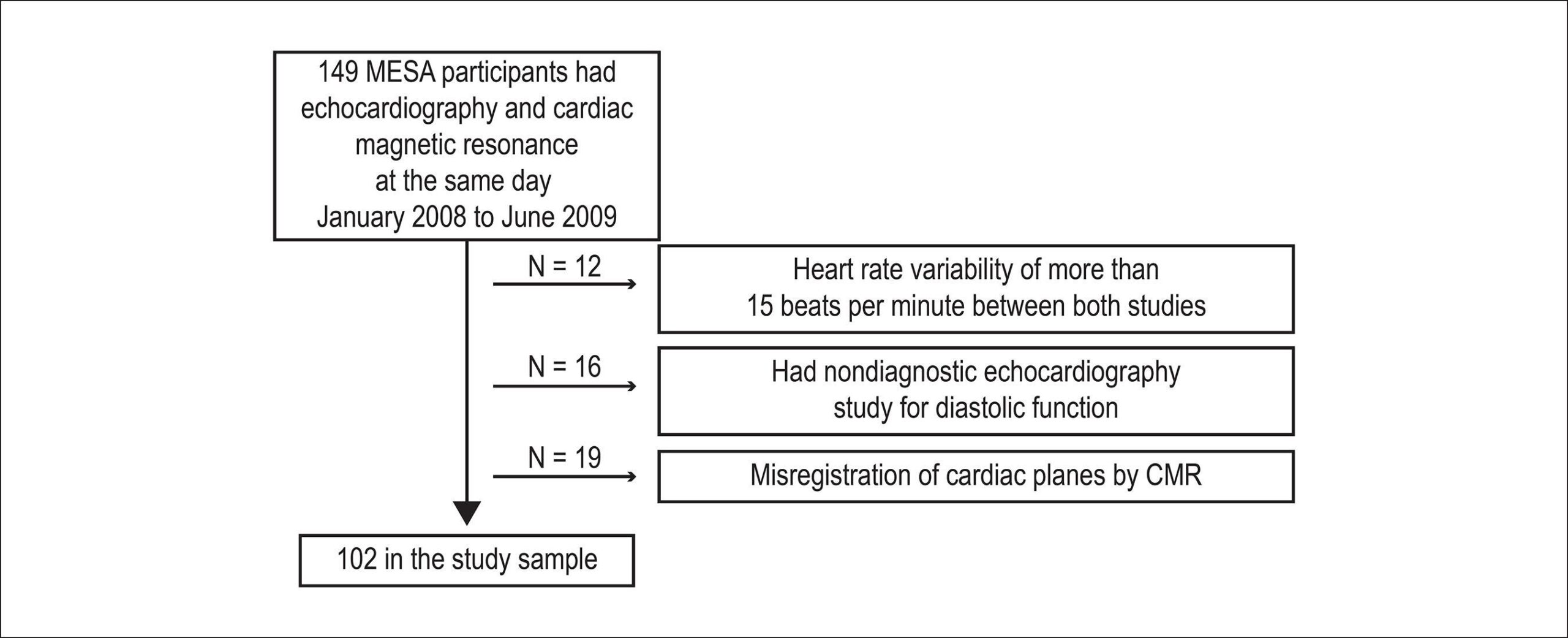
The study participants provided written informed consent and were included if having undergone both echocardiography and cine steady-state free precession (SSFP) CMR on the same day. Guide points at the septal and lateral mitral annulus were used to define the early longitudinal relaxation rate (E’), while a time-volume curve from the 3D model was used to assess diastolic filling parameters. We determined the correlation between 3D CMR and echocardiography and the accuracy of CMR in classifying the diastolic function grade.

Results:

The study included 102 subjects. The E/A ratio by CMR was positively associated with the E/A ratio by echocardiography (r = 0.71, p < 0.0001). The early diastolic relaxation velocity by tissue Doppler and longitudinal relaxation rate for the lateral mitral annulus displacement were positively associated (p = 0.007), as were the ratio between Doppler E/e' and CMR E/E' (p = 0.01). CMR-determined normalized peak E (NE) and deceleration time (DT) were able to predict diastolic dysfunction (areas under the curve [AUCs] = 0.70 and 0.72, respectively). In addition, the lateral E/E' ratio showed good utility in identifying diastolic dysfunction (AUC = 0.80). Overall, echocardiography and CMR interobserver and intraobserver agreements were excellent (intraclass correlation coefficient range 0.72 – 0.97).

Conclusion:

3D modeling of standard cine CMR images was able to identify study subjects with reduced diastolic function and showed good reproducibility, suggesting a potential for a routine diastolic function assessment by CMR.
  • Echocardiography, Three-Dimensional
  • Evaluation
  • Imaging, Three-Dimensional
  • Magnetic Resonance
  • Ventricular Function
Read Full Article
Creative Commons Attribution (CC BY) Creative Commons license
25/05/2017 DOI: 10.5935/abc.20170063 Views 1
Figure 1
ABC
Review Article

Cardiopulmonary Exercise Test: Background, Applicability and Interpretation

Artur Haddad Herdy et al. Luiz Eduardo Fonteles Ritt Ricardo Stein Claudio Gil Soares de Araújo … Mauricio Milani Romeu Sérgio Meneghelo Almir Sérgio Ferraz Carlos Hossri Antonio Eduardo Monteiro de Almeida Miguel Morita Fernandes-Silva Salvador Manoel Serra

Abstract

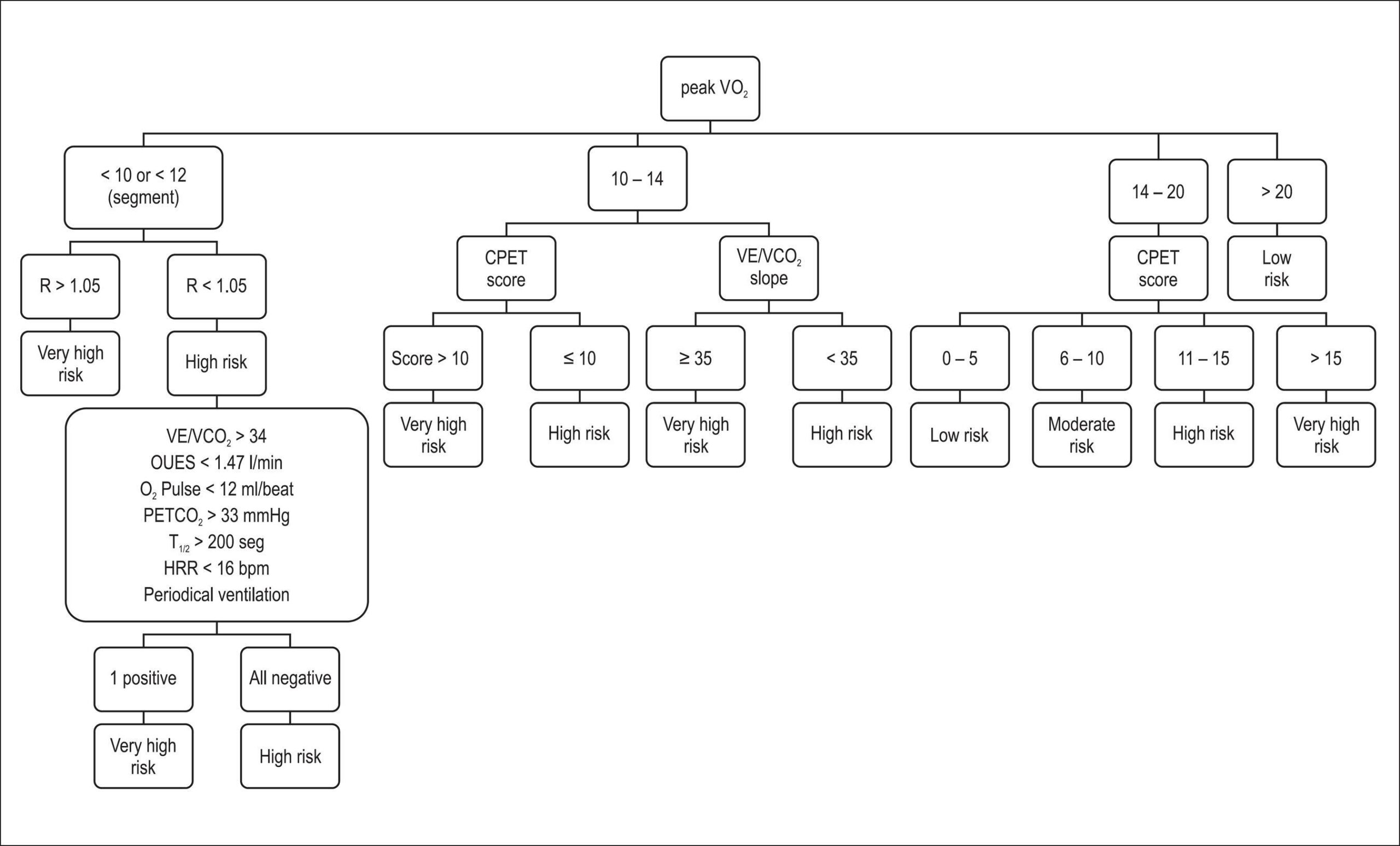
Cardiopulmonary exercise test (CPET) has been gaining importance as a method of functional assessment in Brazil and worldwide. In its most frequent applications, CPET consists in applying a gradually increasing intensity exercise until exhaustion or until the appearance of limiting symptoms and/or signs. The following parameters are measured: ventilation; oxygen consumption (VO2); carbon dioxide production (VCO2); and the other variables of conventional exercise testing. In addition, in specific situations, pulse oximetry and flow-volume loops during and after exertion are measured. The CPET provides joint data analysis that allows complete assessment of the cardiovascular, respiratory, muscular and metabolic systems during exertion, being considered gold standard for cardiorespiratory functional assessment.–

The CPET allows defining mechanisms related to low functional capacity that can cause symptoms, such as dyspnea, and correlate them with changes in the cardiovascular, pulmonary and skeletal muscle systems. Furthermore, it can be used to provide the prognostic assessment of patients with heart or lung diseases, and in the preoperative period, in addition to aiding in a more careful exercise prescription to healthy subjects, athletes and patients with heart or lung diseases.

Similarly to CPET clinical use, its research also increases, with the publication of several scientific contributions from Brazilian researchers in high-impact journals.

Therefore, this study aimed at providing a comprehensive review on the applicability of CPET to different clinical situations, in addition to serving as a practical guide for the interpretation of that test.

  • Evaluation
  • Exercise
  • Exercise Test
  • lung volume measurements
  • Oxygen Consumption
Read Full Article
Creative Commons Attribution (CC BY) Creative Commons license
01/11/2016 DOI: 10.5935/abc.20160171 Views 3
ABC
Original Article

Impact of Different Obesity Assessment Methods after Acute Coronary Syndromes

Caroline N. M. Nunes et al. Marcos F. Minicucci Elaine Farah Daniéliso Fusco … Paula S. Azevedo Sergio A. R. Paiva Leonardo A. M. Zornoff

Background:

Abdominal obesity is an important cardiovascular risk factor. Therefore, identifying the best method for measuring waist circumference (WC) is a priority.

Objective:

To evaluate the eight methods of measuring WC in patients with acute coronary syndrome (ACS) as a predictor of cardiovascular complications during hospitalization.

Methods:

Prospective study of patients with ACS. The measurement of WC was performed by eight known methods: midpoint between the last rib and the iliac crest (1), point of minimum circumference (2); immediately above the iliac crest (3), umbilicus (4), one inch above the umbilicus (5), one centimeter above the umbilicus (6), smallest rib and (7) the point of greatest circumference around the waist (8). Complications included: angina, arrhythmia, heart failure, cardiogenic shock, hypotension, pericarditis and death. Logistic regression tests were used for predictive factors.

Results:

A total of 55 patients were evaluated. During the hospitalization period, which corresponded on average to seven days, 37 (67%) patients had complications, with the exception of death, which was not observed in any of the cases. Of these complications, the only one that was associated with WC was angina, and with every cm of WC increase, the risk for angina increased from 7.5 to 9.9%, depending on the measurement site. It is noteworthy the fact that there was no difference between the different methods of measuring WC as a predictor of angina.

Conclusion:

The eight methods of measuring WC are also predictors of recurrent angina after acute coronary syndromes.

  • abdominal circumference
  • Acute coronary syndrome
  • Evaluation
Read Full Article
Creative Commons Attribution (CC BY) Creative Commons license
13/06/2014 DOI: 10.5935/abc.20140073 Views 1
Assessment of cardiac allograft vasculopathy in cardiac transplantation: experience of a Brazilian center
ABC
Artigo Original

Assessment of cardiac allograft vasculopathy in cardiac transplantation: experience of a Brazilian center

Elide Sbardellotto Mariano da Costa et al. Ricardo Wang Michelle F. Susin Sergio Lopes Veiga … Francisco Costa Diniz Paulo Roberto Slud Brofman Lidia Ana Zytynski Moura

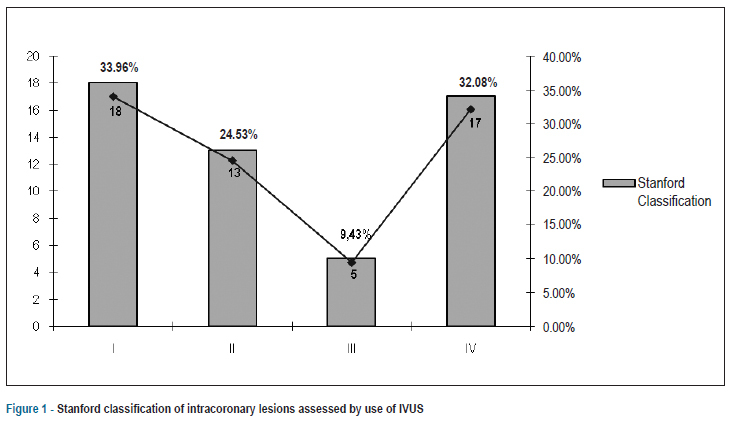
BACKGROUND: Cardiac transplantation continues to be the treatment of choice for heart failure refractory to optimized treatment. Two methods have high sensitivity for diagnosing allograft rejection episodes and cardiac allograft vasculopathy (CAV), important causes of mortality after transplantation. OBJECTIVE: To assess the relationship between intravascular ultrasound (IVUS) results and endomyocardial biopsy (BX) reports in the follow-up of patients undergoing cardiac transplantation in a Brazilian reference service. METHODS: A retrospective epidemiological observational study was carried out with patients undergoing orthotopic cardiac transplantation from 2000 to 2009. The study assessed the medical records of those patients and the results of the IVUS and BX routinely performed in the clinical post-transplant follow-up, as well as the therapy used. RESULTS: Of the 77 patients assessed, 63.63% were males, their ages ranging from 22 to 69 years. Regarding the IVUS results, 33.96% of the patients were classified as Stanford class I, and 32.08%, as Stanford class IV. Of the 143 BX reports, 51.08% were 1R, and 0.69%, 3R. The Quilty effect was described in 14.48% of the BX reports. All patients used antiproliferative agents, 80.51% used calcineurin inhibitors, and 19.48% used proliferation signal inhibitors. CONCLUSION: The assessment of cardiac transplant patients by use of IVUS provides detailed information for the early and sensitive diagnosis of CAV, which is complemented by histological data derived from BX, establishing a possible causal relationship between CAV and humoral rejection episodes.

  • Brazil
  • Evaluation
  • Heart Transplantation
  • Ultrasonography
  • Vascular Diseases
Read Full Article
Creative Commons Attribution (CC BY) Creative Commons license
06/09/2012 DOI: 10.1590/S0066-782X2012005000084 Views 2
ABC
Point of view

Why publish in national journals?

Max Grinberg et al. Maria Cecília Solimene Maria do Carmo Cavarette Barreto

The reluctance of Brazilian authors to publish in Brazilian journals is historical and no longer justified. Currently, several Brazilian journals are indexed in international databases, of which English versions allow disclosure of our studies to foreign countries. The authors express their views on the importance of publishing in national journals and cite the example of the impact of publications from Instituto do Coração – InCor-HCFMUSP in the past two years.

  • Bibliometrics
  • Brazil
  • Evaluation
  • Periodicals
  • Scientific and Technical Publications
Read Full Article
Creative Commons Attribution (CC BY) Creative Commons license
23/04/2012 DOI: 10.1590/S0066-782X2012000300016 Views 1
Dynamic myocardial perfusion imaging by dual-source computed tomography
ABC
Case Report

Dynamic myocardial perfusion imaging by dual-source computed tomography

José Rodrigues Parga Filho et al. Cintia Souza Lima Moraes Lima Felipe Gallego Lima Tiago da Silveira Jaques … Luiz Francisco Rodrigues de Ávila Roberto Kalil Filho

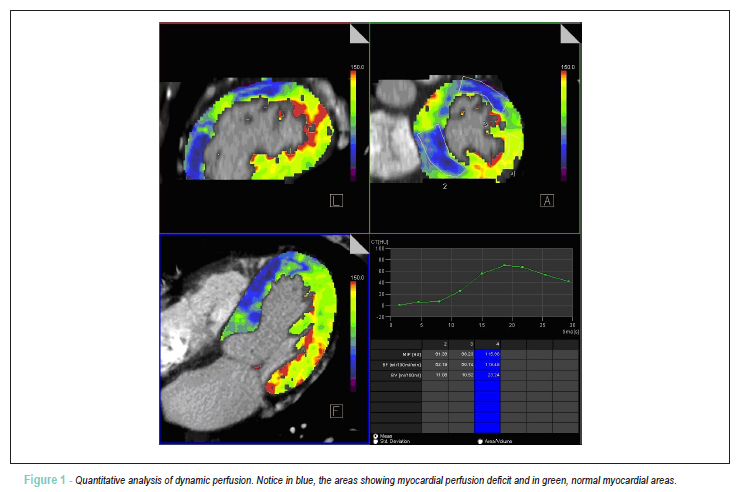
We report a dual-source computed tomography study of dynamic and quantitative myocardial perfusion in a 44-year-old patient with previous documented coronary artery disease. Quantitatively, the tomography showed myocardial perfusion deficit in the territories with significant coronary stenosis, confirmed by computed tomography angiography and conventional angiography. Dual-source computed tomography allowed dynamic perfusion and anatomic evaluation in a single study during the follow-up of this patient.

  • Computed Tomography
  • Coronary Disease
  • Evaluation
  • Myocardial Reperfusion
Read Full Article
Creative Commons Attribution (CC BY) Creative Commons license
23/04/2012 DOI: 10.1590/S0066-782X2012000300014
Comparison of assessment methods of cardiac vagal modulation
ABC
Artigo Original

Comparison of assessment methods of cardiac vagal modulation

Vagner Clayton de Paiva et al. Kelen Rabelo Santana Bruno Moreira Silva Plínio Santos Ramos … Júlio César Moraes Lovisi Claudio Gil Soares de Araújo Djalma Rabelo Ricardo

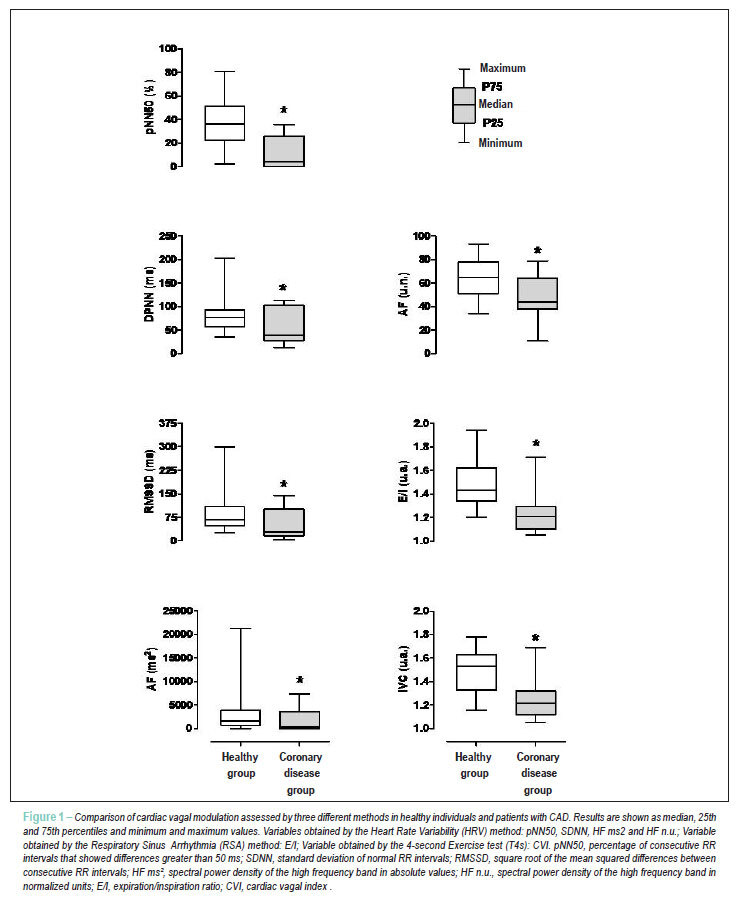
BACKGROUND: Several methods have been used to assess cardiac vagal modulation, but there are gaps regarding the association and accuracy of these methods. OBJECTIVE: To investigate the association between three valid, reproducible and commonly methods used to assess cardiac vagal modulation and compare their accuracies. METHODS: Thirty healthy men (23 ± 4 years) and 15 men with coronary artery disease (61 ± 10 years) were evaluated in counterbalanced design by Heart Rate Variability (HRV; variables: the time domain = pNN50, SDNN and RMSSD, the frequency domain HF = ms² and HF n.u.), Respiratory Sinus Arrhythmia (RSA) and 4-second Exercise Test (T4s). Thirty healthy men (23 ± 4 years) and 15 men with coronary artery disease (61 ± 10 years) were evaluated in counterbalanced order by Heart Rate Variability (HRV; variables: the time domain = pNN50, SDNN and RMSSD, the frequency domain HF = ms² and HF n.u.), Respiratory Sinus Arrhythmia (RSA) and 4-second Exercise Test (T4s). RESULTS: Healthy subjects had higher vagal modulation by the three methods (p <0.05). There was a correlation in the healthy group (p <0.05) between the results of HRV (SDNN and pNN50 and RSA, but there was no correlation between the T4s and the other two methods. In the group with coronary artery disease, there was a correlation between the results of HRV (pNN50, SDNN, RMSSD, HF ms² and HF n.u.) and RSA. In addition, there was a correlation between the RSA and T4s. Finally, the T4s and RSA methods presented more accurate effect size and better accuracy (p <0.05), when compared to the HRV. CONCLUSION: HRV and RSA generated partially redundant results in healthy subjects and in patients with coronary artery disease, while the T4s generated results that were complementary to HRV and RSA in healthy subjects. In addition, RSA and T4s methods were more accurate when discriminating cardiac vagal modulation between healthy subjects and patients with coronary artery disease, when compared to HRV.

  • arrhythmia, sinus
  • Autonomic Nervous System
  • Evaluation
  • Exercise
  • Heart Rate
Read Full Article
Creative Commons Attribution (CC BY) Creative Commons license
21/10/2011 DOI: 10.1590/S0066-782X2011005000109 Views 1

How to cite this article

EndNote RIS

Electronic Document Format (Vancouver)

Nacif MS, Almeida ALC, Young AA, Cowan BR, Armstrong AC, Yang E, Sibley CT, et al. Three-Dimensional Volumetric Assessment of Diastolic Function by Cardiac Magnetic Resonance Imaging: The Multi-Ethnic Study of Atherosclerosis (MESA). Arquivos Brasileiros de Cardiologia 2017;108(6):552-63.

Electronic Document Format (ABNT)

Nacif, Marcelo S; Almeida, Andre L. C.; Young, Alistair A; Cowan, Brett R; Armstrong, Anderson C; Yang, Eunice; Sibley, Christopher T; Hundley, W. Gregory; Liu, Songtao; Lima, Joao AC; Bluemke, David A. Three-Dimensional Volumetric Assessment of Diastolic Function by Cardiac Magnetic Resonance Imaging: The Multi-Ethnic Study of Atherosclerosis (MESA). Arquivos Brasileiros de Cardiologia, v. 108, n. 6, p. 552-563, May. 2017.

Electronic Document Format (APA)

Nacif, M. S., Almeida, A. L. C., Young, A. A., Cowan, B. R., Armstrong, A. C., Yang, E., Sibley, C. T., Hundley, W. G., Liu, S., Lima, J. A., & Bluemke, D. A. (2017). Three-Dimensional Volumetric Assessment of Diastolic Function by Cardiac Magnetic Resonance Imaging: The Multi-Ethnic Study of Atherosclerosis (MESA). Arquivos Brasileiros de Cardiologia, 108(6), 552-563.

Electronic Document Format (ISO)

Nacif, Marcelo S and Almeida, Andre L. C. and Young, Alistair A and Cowan, Brett R and Armstrong, Anderson C and Yang, Eunice and Sibley, Christopher T and Hundley, W. Gregory and Liu, Songtao and Lima, Joao AC and Bluemke, David A. Three-Dimensional Volumetric Assessment of Diastolic Function by Cardiac Magnetic Resonance Imaging: The Multi-Ethnic Study of Atherosclerosis (MESA). Arquivos Brasileiros de Cardiologia [online]. 2017, vol. 108, n. 6, [cited 2026-10-14], pp. 552-563. Available from: <https://journals.cardiol.br/en/article/three-dimensional-volumetric-assessment-of-diastolic-function-by-cardiac-magnetic-resonance-imaging-the-multi-ethnic-study-of-atherosclerosis-mesa/>. ISSN 0066-782X

EndNote RIS

Electronic Document Format (Vancouver)

Herdy AH, Ritt LEF, Stein R, Araújo CGS, Milani M, Meneghelo RS, Ferraz AS, et al. Cardiopulmonary Exercise Test: Background, Applicability and Interpretation. Arquivos Brasileiros de Cardiologia 2016;107(5):467-81.

Electronic Document Format (ABNT)

Herdy, Artur Haddad; Ritt, Luiz Eduardo Fonteles; Stein, Ricardo; Araújo, Claudio Gil Soares de; Milani, Mauricio; Meneghelo, Romeu Sérgio; Ferraz, Almir Sérgio; Hossri, Carlos; Almeida, Antonio Eduardo Monteiro de; Fernandes-Silva, Miguel Morita; Serra, Salvador Manoel. Cardiopulmonary Exercise Test: Background, Applicability and Interpretation. Arquivos Brasileiros de Cardiologia, v. 107, n. 5, p. 467-481, Oct. 2016.

Electronic Document Format (APA)

Herdy, A. H., Ritt, L. E. F., Stein, R., Araújo, C. G. S. , Milani, M., Meneghelo, R. S., Ferraz, A. S., Hossri, C., Almeida, A. E. M. , Fernandes-Silva, M. M., & Serra, S. M. (2016). Cardiopulmonary Exercise Test: Background, Applicability and Interpretation. Arquivos Brasileiros de Cardiologia, 107(5), 467-481.

Electronic Document Format (ISO)

Herdy, Artur Haddad and Ritt, Luiz Eduardo Fonteles and Stein, Ricardo and Araújo, Claudio Gil Soares de and Milani, Mauricio and Meneghelo, Romeu Sérgio and Ferraz, Almir Sérgio and Hossri, Carlos and Almeida, Antonio Eduardo Monteiro de and Fernandes-Silva, Miguel Morita and Serra, Salvador Manoel. Cardiopulmonary Exercise Test: Background, Applicability and Interpretation. Arquivos Brasileiros de Cardiologia [online]. 2016, vol. 107, n. 5, [cited 2026-10-14], pp. 467-481. Available from: <https://journals.cardiol.br/en/article/cardiopulmonary-exercise-test-background-applicability-and-interpretation/>. ISSN 0066-782X

EndNote RIS

Electronic Document Format (Vancouver)

Nunes CNM, Minicucci MF, Farah E, Fusco D, Azevedo PS, Paiva SAR, Zornoff LAM, et al. Impact of Different Obesity Assessment Methods after Acute Coronary Syndromes. Arquivos Brasileiros de Cardiologia 2014;103(1):19-24.

Electronic Document Format (ABNT)

Nunes, Caroline N. M.; Minicucci, Marcos F.; Farah, Elaine; Fusco, Daniéliso; Azevedo, Paula S.; Paiva, Sergio A. R.; Zornoff, Leonardo A. M.. Impact of Different Obesity Assessment Methods after Acute Coronary Syndromes. Arquivos Brasileiros de Cardiologia, v. 103, n. 1, p. 19-24, Jun. 2014.

Electronic Document Format (APA)

Nunes, C. N. M., Minicucci, M. F., Farah, E., Fusco, D., Azevedo, P. S., Paiva, S. A. R., & Zornoff, L. A. M. (2014). Impact of Different Obesity Assessment Methods after Acute Coronary Syndromes. Arquivos Brasileiros de Cardiologia, 103(1), 19-24.

Electronic Document Format (ISO)

Nunes, Caroline N. M. and Minicucci, Marcos F. and Farah, Elaine and Fusco, Daniéliso and Azevedo, Paula S. and Paiva, Sergio A. R. and Zornoff, Leonardo A. M.. Impact of Different Obesity Assessment Methods after Acute Coronary Syndromes. Arquivos Brasileiros de Cardiologia [online]. 2014, vol. 103, n. 1, [cited 2026-10-14], pp. 19-24. Available from: <https://journals.cardiol.br/en/article/impact-of-different-obesity-assessment-methods-after-acute-coronary-syndromes/>. ISSN 0066-782X

EndNote RIS

Electronic Document Format (Vancouver)

Costa ESM, Wang R, Susin MF, Veiga SL, Diniz FC, Brofman PRS, Moura LAZ, et al. Assessment of cardiac allograft vasculopathy in cardiac transplantation: experience of a Brazilian center. Arquivos Brasileiros de Cardiologia 2012;99(4):886-91.

Electronic Document Format (ABNT)

Costa, Elide Sbardellotto Mariano da; Wang, Ricardo; Susin, Michelle F.; Veiga, Sergio Lopes; Diniz, Francisco Costa; Brofman, Paulo Roberto Slud; Moura, Lidia Ana Zytynski. Assessment of cardiac allograft vasculopathy in cardiac transplantation: experience of a Brazilian center. Arquivos Brasileiros de Cardiologia, v. 99, n. 4, p. 886-891, Sep. 2012.

Electronic Document Format (APA)

Costa, E. S. M. , Wang, R., Susin, M. F., Veiga, S. L., Diniz, F. C., Brofman, P. R. S., & Moura, L. A. Z. (2012). Assessment of cardiac allograft vasculopathy in cardiac transplantation: experience of a Brazilian center. Arquivos Brasileiros de Cardiologia, 99(4), 886-891.

Electronic Document Format (ISO)

Costa, Elide Sbardellotto Mariano da and Wang, Ricardo and Susin, Michelle F. and Veiga, Sergio Lopes and Diniz, Francisco Costa and Brofman, Paulo Roberto Slud and Moura, Lidia Ana Zytynski. Assessment of cardiac allograft vasculopathy in cardiac transplantation: experience of a Brazilian center. Arquivos Brasileiros de Cardiologia [online]. 2012, vol. 99, n. 4, [cited 2026-10-14], pp. 886-891. Available from: <https://journals.cardiol.br/en/article/assessment-of-cardiac-allograft-vasculopathy-in-cardiac-transplantation-experience-of-a-brazilian-center/>. ISSN 0066-782X

EndNote RIS

Electronic Document Format (Vancouver)

Grinberg M, Solimene MC, Barreto MCC. Why publish in national journals?. Arquivos Brasileiros de Cardiologia 2012;98(3):62-3.

Electronic Document Format (ABNT)

Grinberg, Max; Solimene, Maria Cecília; Barreto, Maria do Carmo Cavarette. Why publish in national journals?. Arquivos Brasileiros de Cardiologia, v. 98, n. 3, p. 62-63, Apr. 2012.

Electronic Document Format (APA)

Grinberg, M., Solimene, M. C., & Barreto, M. C. C. (2012). Why publish in national journals?. Arquivos Brasileiros de Cardiologia, 98(3), 62-63.

Electronic Document Format (ISO)

Grinberg, Max and Solimene, Maria Cecília and Barreto, Maria do Carmo Cavarette. Why publish in national journals?. Arquivos Brasileiros de Cardiologia [online]. 2012, vol. 98, n. 3, [cited 2026-10-14], pp. 62-63. Available from: <https://journals.cardiol.br/en/article/why-publish-in-national-journals/>. ISSN 0066-782X

EndNote RIS

Electronic Document Format (Vancouver)

Parga Filho JR, Lima CSM, Lima FG, Jaques TS, Ávila LFR, Kalil Filho R. Dynamic myocardial perfusion imaging by dual-source computed tomography. Arquivos Brasileiros de Cardiologia 2012;98(3):54-8.

Electronic Document Format (ABNT)

Parga Filho, José Rodrigues; Lima, Cintia Souza Moraes; Lima, Felipe Gallego; Jaques, Tiago da Silveira; Ávila, Luiz Francisco Rodrigues de; Kalil Filho, Roberto. Dynamic myocardial perfusion imaging by dual-source computed tomography. Arquivos Brasileiros de Cardiologia, v. 98, n. 3, p. 54-58, Apr. 2012.

Electronic Document Format (APA)

Parga Filho, J. R., Lima, C. S. M., Lima, F. G., Jaques, T. S., Ávila, L. F. R. , & Kalil Filho, R. (2012). Dynamic myocardial perfusion imaging by dual-source computed tomography. Arquivos Brasileiros de Cardiologia, 98(3), 54-58.

Electronic Document Format (ISO)

Parga Filho, José Rodrigues and Lima, Cintia Souza Moraes and Lima, Felipe Gallego and Jaques, Tiago da Silveira and Ávila, Luiz Francisco Rodrigues de and Kalil Filho, Roberto. Dynamic myocardial perfusion imaging by dual-source computed tomography. Arquivos Brasileiros de Cardiologia [online]. 2012, vol. 98, n. 3, [cited 2026-10-14], pp. 54-58. Available from: <https://journals.cardiol.br/en/article/dynamic-myocardial-perfusion-imaging-by-dual-source-computed-tomography/>. ISSN 0066-782X

EndNote RIS

Electronic Document Format (Vancouver)

Paiva VC, Santana KR, Silva BM, Ramos PS, Lovisi JCM, Araújo CGS, Ricardo DR, et al. Comparison of assessment methods of cardiac vagal modulation. Arquivos Brasileiros de Cardiologia 2011;97(6):493-501.

Electronic Document Format (ABNT)

Paiva, Vagner Clayton de; Santana, Kelen Rabelo; Silva, Bruno Moreira; Ramos, Plínio Santos; Lovisi, Júlio César Moraes; Araújo, Claudio Gil Soares de; Ricardo, Djalma Rabelo. Comparison of assessment methods of cardiac vagal modulation. Arquivos Brasileiros de Cardiologia, v. 97, n. 6, p. 493-501, Oct. 2011.

Electronic Document Format (APA)

Paiva, V. C. , Santana, K. R., Silva, B. M., Ramos, P. S., Lovisi, J. C. M., Araújo, C. G. S. , & Ricardo, D. R. (2011). Comparison of assessment methods of cardiac vagal modulation. Arquivos Brasileiros de Cardiologia, 97(6), 493-501.

Electronic Document Format (ISO)

Paiva, Vagner Clayton de and Santana, Kelen Rabelo and Silva, Bruno Moreira and Ramos, Plínio Santos and Lovisi, Júlio César Moraes and Araújo, Claudio Gil Soares de and Ricardo, Djalma Rabelo. Comparison of assessment methods of cardiac vagal modulation. Arquivos Brasileiros de Cardiologia [online]. 2011, vol. 97, n. 6, [cited 2026-10-14], pp. 493-501. Available from: <https://journals.cardiol.br/en/article/comparison-of-assessment-methods-of-cardiac-vagal-modulation-2/>. ISSN 0066-782X

  • About ABC Family
  • Internal Regulation
  • Editorial Board
  • Brazilian Society of Cardiology (SBC)

Issues

SBC Guidelines

  • Videos
  • Podcasts
  • News