| ABC
ABC Family Arquivos Brasileiros de Cardiologia International Journal of Cardiovascular Sciences ABC Heart Failure & Cardiomyopathy ABC Imagem Cardiovascular
Português English
ABC Family | ABC
Português English
  • About
    • About the Journal
    • Internal Regulation
    • Editors Section
    • Editorial Board
    • History
    • SBC Award
  • Instructions to Authors
    • Guidelines for Publication
    • Editorial Policy
    • Ethics Policy
    • Policy on the Use of Artificial Intelligence
    • Mandatory Publication Form
    • Publication Fee
  • Issues
  • SBC Guidelines
  • Abstracts
    • How to Publish an Abstract Supplement?
    • Supplements from the Brazilian Congress of Cardiology
  • About
    • About the Journal
    • Internal Regulation
    • Editors Section
    • Editorial Board
    • History
    • SBC Award
  • Instructions to Authors
    • Guidelines for Publication
    • Editorial Policy
    • Ethics Policy
    • Policy on the Use of Artificial Intelligence
    • Mandatory Publication Form
    • Publication Fee
  • Issues
  • SBC Guidelines
  • Abstracts
    • How to Publish an Abstract Supplement?
    • Supplements from the Brazilian Congress of Cardiology

ABC Family

  • ABC Family
  • Arquivos Brasileiros de Cardiologia
  • International Journal of Cardiovascular Sciences
  • ABC Heart Failure & Cardiomyopathy
  • ABC Imagem Cardiovascular
Search in

No content found.

Journals
Ordering
Article types
Others

  1. Home
  2. ABC
  3. Issues
  4. 2010, Volume 94, Number 1
Antiadrenergic rescue therapy with amiodarone in children with severe left ventricular dysfunction secondary to scorpion envenomation
Artigo Original

Antiadrenergic rescue therapy with amiodarone in children with severe left ventricular dysfunction secondary to scorpion envenomation

Justo J. Santiago et al. Carmen A. Mazzei de Dávila Diego F. Davila Jose H. Donis Vanesa Villaroel

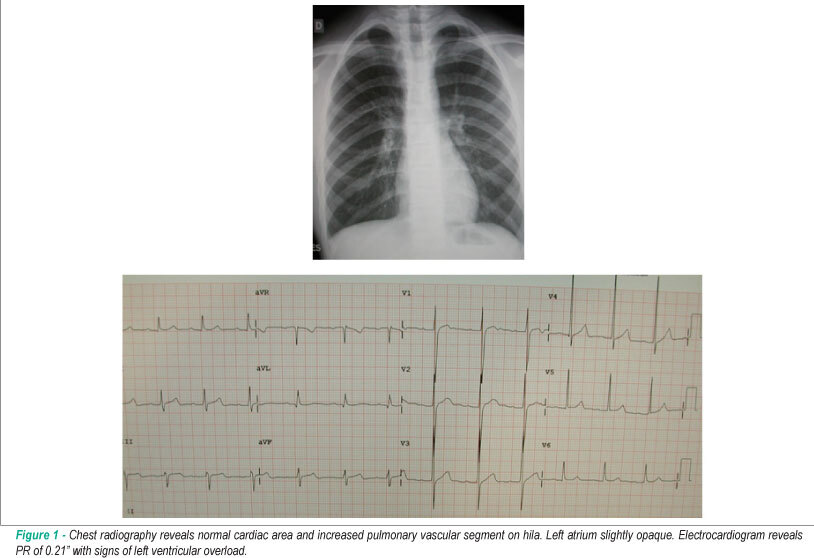
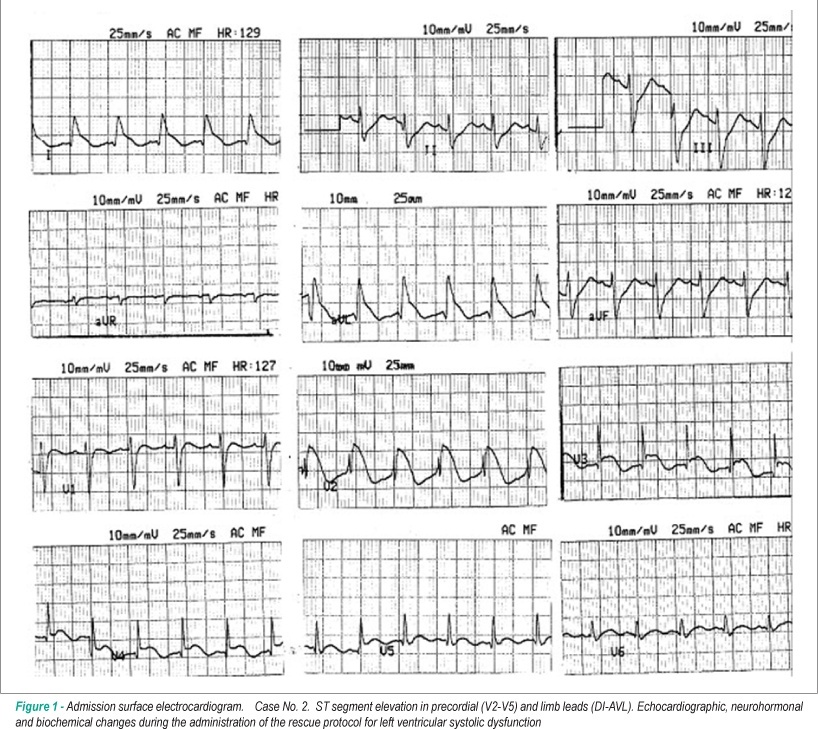
BACKGROUND: Children with scorpion envenomation have massive sympathetic activation and variable degrees of left ventricular systolic dysfunction. OBJECTIVE: To evaluate a rescue protocol for children with severe left ventricular dysfunction secondary to scorpion envenomation. METHODS: Four children, after scorpion envenomation, were subjected to a rescue protocol for acute left ventricular dysfunction: Endotracheal intubation and respiratory assistance, electrocardiograms, chest x-Ray, echocardiograms and blood samples for norepinephrine and troponin I serum levels. Samples and echocardiograms were repeated at 12, 24 and 48 hours. Intravenous medications: Dobutamine: 4-6 μg/kg/min. Amiodarone: 3 mg/kg during a 2 hour period. Maintenance: 5 mg/kg/day. Furosemide: 0.5 mg/kg/dose. Diuretics were given when the systemic blood pressure was above percentile fifty. Amiodarone, Dobutamine and Furosemide were administered during the first 48 hours. Beta-adrenergic blockers and angiotensin converting enzyme were given, at 48 hours after admission, once the left ventricular Ejection fraction > 0.35 and the clinical status had improved. RESULTS: On admission, norepinephrine was 1,727.50 ±794.96 pg/ml, troponin I 24.53 ± 14.09 ng/ml and left ventricular ejection fraction 0.20 ± 0.056. At twelve hours, norepinephrine and troponin I serum levels were down to half of the initial values and the ejection fraction increased to 0.32 ± 0.059. During the next 24 and 48 hours, the ejection fraction rose to 0.46 ± 0.045, (p<0.01) and norepinephrine and troponin diminished to 526.75 ± 273.73 (p < 0.02) and 2.20 ± 2.36 (p<0.02) respectively. CONCLUSION: Amiodarone, by acting as a neuromodulator, is very likely responsible for the early and progressive decrease of serum norepinephrine.
  • adrenergic beta-agonists
  • Amiodarone
  • Norepinephrine
  • Scorpion venoms
Read Full Article
Creative Commons Attribution (CC BY) Creative Commons license
22/09/2010 DOI: 10.1590/S0066-782X2010000100005
Iliopsoas muscle hematoma during treatment with warfarin
Relato de Caso

Iliopsoas muscle hematoma during treatment with warfarin

Gabriel Zago et al. Marcelo Campos Appel-da-Silva Luiz Claudio Danzmann

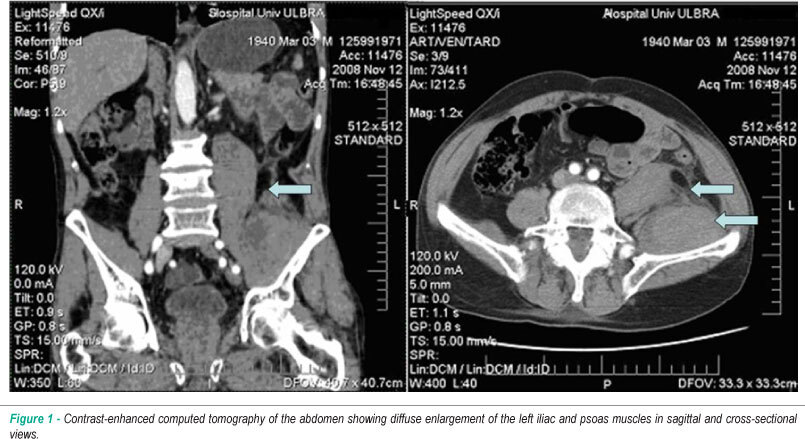
Warfarin is a widely used drug for the prevention of thromboembolic events. Knowledge of its adverse effects is necessary for patient follow-up. Although the development of blood dyscrasias is a potential complication in these patients, retroperitoneal bleeding is rare. This article reports the case of a patient who developed iliopsoas muscle hematoma during treatment with warfarin after implantation of a metallic prosthetic aortic valve. The clinical manifestations involved important differential diagnoses.

  • blood coagulation
  • Hematoma
  • psoas muscles
  • retroperitoneal space
  • Warfarin
Read Full Article
Creative Commons Attribution (CC BY) Creative Commons license
22/09/2010 DOI: 10.1590/S0066-782X2010000100023 Views 1
Artigo Original

Absence of nocturnal dipping is associated with stroke and myocardium infarction

Renan Oliveira Vaz-de-Melo et al. Juan Carlos Yugar Toledo Afonso Augusto Carvalho Loureiro José Paulo Cipullo … Heitor Moreno Júnior José Fernando Vilela Martin

BACKGROUND: The arterial hypertension varies in according to the circadian cycle, presenting physiologic fall of blood pressure (BP) during sleep (dipping). The absence of this fall or its increase associates to higher incidence of target-organ damages. OBJECTIVE: To analyze the prevalence of dipping in hypertensive individuals, to correlate dipping to the blood pressure levels, clinic, and socio-demographic factors, and biochemical characteristics and to associate it cardiovascular events (stroke and myocardial infarction). METHODS: Hypertensive individuals were submitted to the ambulatory blood pressure monitoring. Presence of dipper was defined as fall >10% of the systolic BP of the day for sleep. RESULTS: 163 evaluated patients were divided in dippers (D, n=53) and nondippers (ND, n=110). Between the groups there was not significant difference to the age, sex, race, time of hypertension, glycemia, LDL-cholesterol, total cholesterol, triglycerides, schooling, smoking, and history of diabetes. D presented BP higher than the ND during the day and lower during sleep. ND had higher body mass index (BMI) (p=0.0377), lower level of HDL-cholesterol (p=0.0189), and higher pulse pressure during sleep (p=0.0025). History of stroke alone (p=0,046) and combined with myocardial infarction (p=0.032) were more frequent in nondippers individuals. In the logistic regression, only ND was associated independently with stroke or myocardial infarction. CONCLUSION: ND was associated in an independent way with the target-organ damages analyzed, what demonstrates its importance and strengthens the necessity of more aggressive treatment with objective to reach BP goals e, consequently, to prevent the development of new cardiologic and cerebrovascular events.

  • Ambulatory
  • blood pressure monitoring
  • Hypertension
  • Myocardial Infarction
  • Stroke
Read Full Article
Creative Commons Attribution (CC BY) Creative Commons license
22/09/2010 DOI: 10.1590/S0066-782X2010000100013 Views 1
Clinical profile of systemic inflammatory response after pediatric cardiac surgery with cardiopulmonary bypass
Artigo Original

Clinical profile of systemic inflammatory response after pediatric cardiac surgery with cardiopulmonary bypass

Leonardo Cavadas da Costa Soares et al. Denise Ribas Regine Spring Jean Marcelo Ferreira da Silva Nelson Itiro Miyague

BACKGROUND: the postoperative period of congenital cardiomyopathies correction is frequently accompanied by systemic inflammatory response. OBJECTIVE: To assess the frequency of occurrence and clinical manifestations of the systemic inflammatory response syndrome after cardiopulmonary bypass (SIRS-CPB) in children submitted to cardiac surgery. METHODS: Historical cohort study including patients up to 3 years old that were submitted to elective corrective surgeries for congenital cardiopathies with cardiopulmonary bypass (CPB). A total of 101 patients were assessed by means of clinical criteria of organ dysfunction through score tests, as comparing predisponent factors and aggregated morbidity to the presence of SIRS-CPB. RESULTS: Twenty-two patients (21.9%) fulfilled the criteria for SIRS-CPB. The sex or type of cardiopathy did not differ between groups (p = NS). Patients diagnosed with SIRS-CPB (compared to patients without SIRS-CPB) presented lower mean age (6.8 ± 5.5 versus 10.8 ± 5.1 months, p < 0.05), lower weight (5.3 ± 1.9 versus 6.9 ± 2.0 kg, p < 0.05), and longer CPB duration (125.1 ± 49.5 versus 93.9 ± 33.1 minutes, p < 0.05). Longer median duration of mechanical ventilation (120.0 versus 13.0 hours, p < 0.05), longer stay in Intensive Care Unit (ICU) (265.0 versus 107.0 hours, p < 0.05) and in hospital (22.0 versus 10.0 days, p < 0.05) were observed. In the multivariate analysis, higher weight (OR = 0.68, p = 0.01) was identified as a protection factor. CONCLUSION: The adopted clinical criteria identified a risk group for SIRS-CPB, which presented lower weight and longer CPB duration as predisponent factors. Patients with SIRS-CPB remain in mechanical ventilation, in ICU and in hospitalization for a longer period of time.

  • cardiopulmonary bypass
  • Systemic inflammatory response syndrome
  • Thoracic Surgery
Read Full Article
Creative Commons Attribution (CC BY) Creative Commons license
22/09/2010 DOI: 10.1590/S0066-782X2010000100019
Review Article

Echocardiographic alterations in patients with chronic kidney failure undergoing hemodialysis

Silvio Henrique Barberato et al. Roberto Pecoits-Filho

Changes in cardiac structure and function detected by echocardiography are common in patients with chronic kidney disease undergoing hemodialysis, and have been recognized as key outcome predictors. This review attempts to summarize recent evidence pointing to the usefulness of the method in the detection of clinical and subclinical cardiac dysfunction, stratification of cardiovascular risk and assessment of intervention strategies.

  • Doppler
  • Echocardiography
  • renal dialysis
  • Risk Assessment
Read Full Article
Creative Commons Attribution (CC BY) Creative Commons license
22/09/2010 DOI: 10.1590/S0066-782X2010000100021
Methods to identify the anaerobic threshold for type-2 diabetic and non-diabetic subjects
Artigo Original

Methods to identify the anaerobic threshold for type-2 diabetic and non-diabetic subjects

Herbert G. Simões et al. Sérgio R. Moreira Robert J. Moffatt Carmen S. G. Campbell

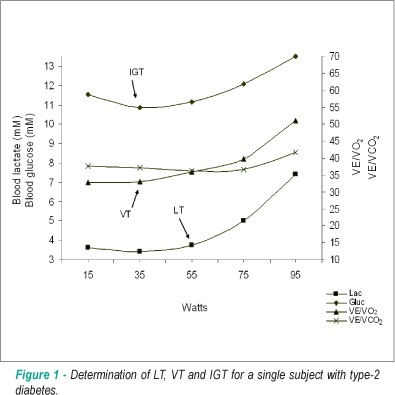
BACKGROUND: In spite of Anaerobic Threshold (AT) to be widely used on exercise evaluation for different populations, there are few studies comparing methods to identify AT for individuals with type-2 diabetes. OBJECTIVE: To compare methods of AT determination on type-2 diabetics (T2D) and non-diabetic (ND) subjects and verify the acid-base balance as related to AT intensity. METHODS: T2D (n=10; 54.5±9.5 yr; 30.1±5.0 kg/m²) and younger ND (n=10; 36.6±12.8 yr; 23.9±5.0 kg/m²) performed an incremental test (IT) on a cycle ergometer. The over-proportional increase in VE/VO2 and blood lactate ([lac]) identified the ventilatory (VT) and lactate thresholds (LT) respectively. The workload corresponding to the lower blood glucose ([gluc]) during test identified the individual glucose threshold (IGT). The AT was also determined by polynomial adjustment of the VE/Workload and [lac]/Workload responses to identify exercise intensities above which an over-proportional increase in VE and [lac] did occur and were named VT VE/W and LT[lac]/W. RESULTS: The workload (Watts-W) corresponding to LT, VT, IGT, LT Lac/W and VT VE/W of diabetics (85.0±32.1; 88.0±31.7; 86.0±33.8; 82.0±20.9 and 90.2±22.2W) and non-diabetics (139.0±39.0; 133.0±42.7; 140.8±36.4; 122.7±44.3 and 133.0±39.1W) differed between groups (p<0.001), but not within groups. Thus it was evidenced an agreement among the studied methods. The pH and pCO2 were significantly decreased in parallel to the increase in [lac], pO2 and VE at supra AT intensities. CONCLUSION: The AT intensities, as determined by different methods both for diabetics and non-diabetic individuals, were in agreement to each other and identified exercise intensities above which the acid-basic balance is disrupted.

  • acid-basic equilibrium
  • Anaerobic Threshold
  • Blood Glucose
  • Clinical Protocols
Read Full Article
Creative Commons Attribution (CC BY) Creative Commons license
22/09/2010 DOI: 10.1590/S0066-782X2010000100012
Artigo Original

Metabolic syndrome, insulin resistance and cardiovascular disease in type-1 diabetes mellitus

Ticiana C. Rodrigues et al. Luis Henrique Canani Jorge L. Gross

Metabolic syndrome (MS) is a complex disorder represented by a cluster of cardiovascular risk factors related to central fat distribution and insulin resistance (IR), and is associated with early mortality in non-diabetic individuals and in patients with type-2 diabetes mellitus (DM). The presence of MS and its components has also been described in patients with type-1 DM and may contribute to the increased risk of cardiovascular disease seen in this patient population. The objective of this study was to review the available evidences of the role of MS and IR in the development of cardiovascular disease in patients with type-1 DM.

  • Cardiovascular Diseases
  • Diabetes Mellitus
  • Insulin Resistance
  • Metabolic Syndrome
  • type 1
Read Full Article
Creative Commons Attribution (CC BY) Creative Commons license
22/09/2010 DOI: 10.1590/S0066-782X2010000100020
The importance of a normal ECG in non-ST elevation acute coronary syndromes
Artigo Original

The importance of a normal ECG in non-ST elevation acute coronary syndromes

Rogério Teixeira et al. Carolina Lourenço Natália António Sílvia Monteiro … Rui Baptista Elisabete Jorge Maria João Ferreira Pedro Monteiro Mário Freitas Luís A Providência

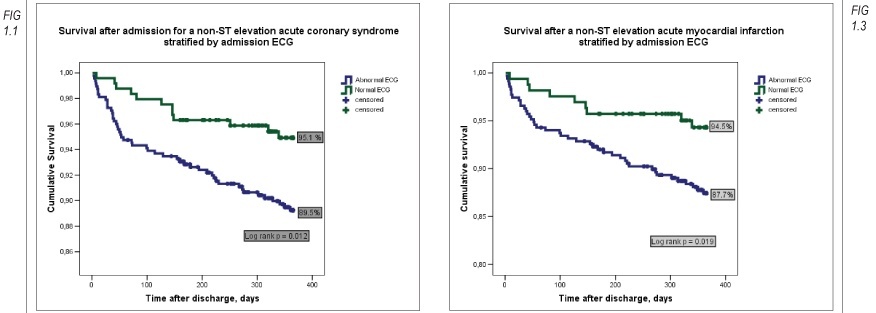
BACKGROUND: Admission ECG has a major impact on the diagnosis and management of non-ST elevation acute coronary syndromes (ACS). OBJECTIVE: To assess the impact of the admission ECG on prognosis over non-ST ACS. Population: prospective, continuous, observational study of 802 non-ST ACS patients from a single center. METHODS: Patients were divided in 2 groups: A (n=538) – Abnormal ECG and B (n=264) – Normal ECG. Normal ECG was synonymous of sinus rhythm and no acute ischemic changes. A one-year clinical follow up was performed targeting all causes of mortality and the MACE rate. RESULTS: Group A patients were older (68.7±11.7 vs. 63.4±12.7Y, p<0.001), had higher Killip classes and peak myocardial necrosis biomarkers. Furthermore, they had lower left ventricular ejection fraction (LVEF) (52.01±10.55 vs. 55.34± 9.51%, p<0.001), glomerular filtration rate, initial hemoglobin, and total cholesterol levels. Group B patients were more frequently submitted to invasive strategy (63.6 vs. 46.5%, p<0.001) and treated with aspirin, clopidogrel, beta blockers and statins. They also more often presented normal coronary anatomy (26.2 vs. 18.0%, p=0.45). There was a trend to higher in-hospital mortality in group A (4.6 vs. 1.9%, p=0.054). Kaplan-Meyer analysis showed that at one month and one year (95.1 vs. 89.5%, p=0.012) survival was higher in group B and the result remained significant on a Cox regression model (normal ECG HR 0.45 (0.21 – 0.97). There were no differences regarding the MACE rate. CONCLUSION: In our non-ST elevation ACS population, a normal ECG was an early marker for good prognosis.

  • diagnostic
  • Electrocardiography
  • Prognosis
  • Reference Standards
Read Full Article
Creative Commons Attribution (CC BY) Creative Commons license
22/09/2010 DOI: 10.1590/S0066-782X2010000100006
Study of mutations causing hypertrophic cardiomyopathy in a group of patients from Espirito Santo, Brazil
Artigo Original

Study of mutations causing hypertrophic cardiomyopathy in a group of patients from Espirito Santo, Brazil

Júlia Daher Carneiro Marsiglia et al. Maria do Carmo Pimentel Batitucci Flávia de Paula Clara Barbirato … Edmundo Arteaga Aloir Queiroz de Araújo

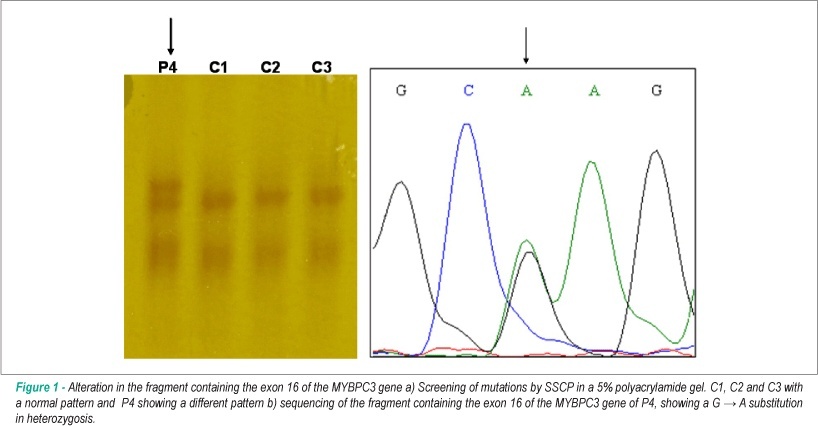
BACKGROUND: Hypertrophic cardiomyopathy (HC) is the most frequent cardiac hereditary disease, caused by mutations in sarcomere protein coding genes. Although more than 430 mutations have been identified in several continents and countries, there have been no reports of mutations in Brazil. OBJECTIVE: To carry out a genetic study to identify genetic mutations that cause HC in a group of patients in Espirito Santo, Brazil. METHODS: Using the SSCP technique, 12 exons from the three main genes involved in HC were studied: exons 15, 20, 21, 22 and 23 of the β-myosin heavy chain gene (MYH7), exons 7, 16, 18, 22 and 24 of the myosin binding protein C gene (MYBPC3) and exons 8 and 9 of troponin T gene (TNNT2). RESULTS: 16 alterations were found, including two mutations, one of them possibly pathogenic in the MYBPC3 gene (p. Glu441Lys) and another pathogenic one, previously described in the TNNT2 gene (p.Arg92Trp), 8 rare sequence variations and 6 sequence variations with allelic frequency higher than 1% (polymorphisms). CONCLUSION: These data allow the conclusion that the genotyping of patients is feasible in our country. It is possible that the isolated p.Glu441Lys variant identified in exon 16 of the MYBPC3 gene is pathogenic, promoting a milder phenotype than that found when in association with other mutations. The p.Arg92Trp variant in the exon 9 of TNNT2 gene does not promote such a homogeneous phenotype as previously described and it can lead to severe hypertrophy.

  • Brazil
  • Cardiomyopathy, Hypertrophic
  • Espirito Santo
  • Genes
  • myosin
  • Protein C
Read Full Article
Creative Commons Attribution (CC BY) Creative Commons license
22/09/2010 DOI: 10.1590/S0066-782X2010000100004
Artigo Original

Metabolic syndrome in outpatient cardiology clinics

José Bonifácio Barbosa et al. Antonio Augusto Moura da Silva Fabrício de Flores Barbosa Francisco das Chagas Monteiro Júnior … José Albuquerque de Figueiredo Neto Vinicius José da Silva Nina Waston Gonçalves Ribeiro Eduardo Durans Figuerêdo José Xavier de Melo Filho Maria Bethânia da Costa Chein

BACKGROUND: In Brazil, the prevalence of the metabolic syndrome (MS) is little known in several regions. OBJECTIVE: To analyze the prevalence of MS, its components and the agreement between two diagnostic definitions in a population aged > 13 years. METHODS: Cross-sectional study conducted from June to October 2007 in 719 patients of outpatient cardiology clinics in the city of São Luis, State of Maranhão, Brazil. Blood pressure (BP), weight, height, waist circumference and lipid profile were measured. Risk factors for MS were evaluated according to the International Diabetes Federation (IDF) definition. Prevalence ratios and 95% confidence intervals were estimated using Poisson regression. RESULTS: The prevalence of MS was higher in both genders when using IDF definition (62.3% in men and 64.6% in women) than when using that of the National Cholesterol Education Program – Adult Treatment Prevention (NCEP ATPIII) (48.9% in men and 59% in women). The most prevalent MS components were: hypertension (87.2% and 86%); hypertriglyceridemia (84.4% and 82.5%); increased waist circumference (77.8% and 100%); low HDL-c (58.1% and 49.9%); and high blood glucose (59.9% and 51.9%), using NCEP ATPIII and IDF definitions, respectively. In the adjusted analysis, age > 60 years and body mass index (BMI) > 30 were associated with a higher risk of MS (p<0.001). CONCLUSION: The prevalence of MS was much higher than in the overall population, and hypertension was the most prevalent component. There was good agreement between the two definitions, very good in the female gender and moderate in the male gender.

  • ambulatory care facilities
  • Cardiology
  • ethic
  • Metabolic Syndrome
Read Full Article
Creative Commons Attribution (CC BY) Creative Commons license
22/09/2010 DOI: 10.1590/S0066-782X2010000100009 Views 1
Case 1/2010 - 15 year-old male adolescent with isolated cleft in anterior mitral valve
Correlação Clínico-Radiográfica

Case 1/2010 – 15 year-old male adolescent with isolated cleft in anterior mitral valve

Edmar Atik et al. Patrícia O. Marques José Lázaro Andrade

CLINICORADIOLOGICAL SESSION

Case 1/2010 – 15 Year-old male adolescent with isolated cleft in anterior mitral valve

[…]

Read Full Article
Creative Commons Attribution (CC BY) Creative Commons license
22/09/2010 DOI: 10.1590/S0066-782X2010000100022 Views 1
Influence of the self-reported skin color on the prevalence of metabolic syndrome in an urban Brazilian population
Artigo Original

Influence of the self-reported skin color on the prevalence of metabolic syndrome in an urban Brazilian population

Paulo José Bastos Barbosa et al. Ines Lessa Naomar de Almeida Filho Lucélia Batista N. Cunha Magalhães Jenny Araújo

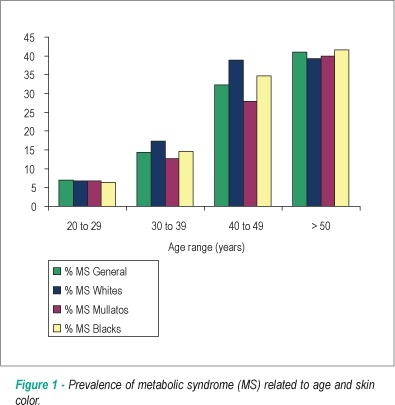
BACKGROUND: The metabolic syndrome (MS) has a high prevalence in different parts of the world, with variations between different ethnic groups. OBJECTIVE: This study aims at exploring the influence of the self-reported skin color on the prevalence of MS Methods: Cross-sectional study, carried out in a population subgroup (n=1,439 adults) in Salvador, Brazil. The self-reported skin color (white, mulatto or black) was used as well as the MS criterion of ATP-III. The Chi-square test for tendency was used to analyze the prevalence gradient between the groups and logistic regression, for association analysis. RESULTS: The general prevalence of MS, adjusted for potentially confounder variables, did not differ among whites (23.3%), mulattos (23.3%) and blacks (23.4%). The analysis by sex showed, among men, a reduction in the MS prevalence of whites (26.2%, 95%CI: 20.7-31.7), in comparison to blacks (17.5%, 95%CI: 12.3-22.8) and an intermediate prevalence among mulattos, 21.9%, 95%CI: 18.6-25.1, p tend. = 0.002. Among the women, the tendency was the opposite, being higher among the blacks, 27.0%, 95%CI: 22.2-31.8, and lower among the whites, 20.5%, 95%CI: 15.6-25.4, p tend. = 0.02. The multivariate analysis of the association between skin color and MS (white = group of reference) showed that the black color of the skin was a protective factor among black men, with a prevalence ratio (PR) = 0.60 (0.36-0.97), whereas it tended to be a risk factor among black women, with a PR = 1.33 (0.94-1.78). CONCLUSION: The prevalence of MA presented an inverse variation according to the color of skin between men and women. To be black was a protective factor among men and a risk factor among women.

  • Brazil
  • color
  • Metabolic Syndrome
  • population
  • Prevalence
  • Salvador (BA)
  • skin
Read Full Article
Creative Commons Attribution (CC BY) Creative Commons license
22/09/2010 DOI: 10.1590/S0066-782X2010000100007 Views 1
Interaction between specialties: dilated cardiomyopathy and HER2-positive breast Cancer
Clinical Update

Interaction between specialties: dilated cardiomyopathy and HER2-positive breast Cancer

Solange Moraes Sanches et al. Jairo Montemor Augusto Silva

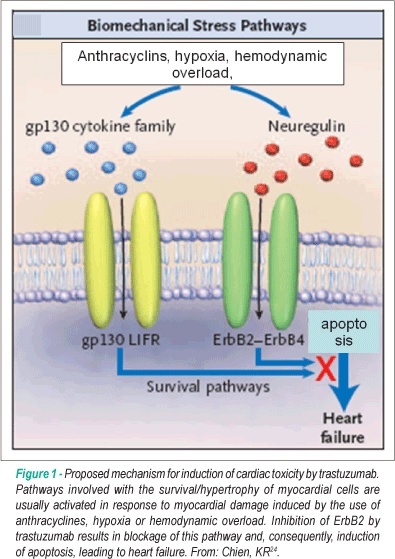
Basic research may result in unexpected benefit in terms of progress in the understanding of mechanisms responsible for different diseases and their potential treatment alternatives. This is seen, for instance, when a specific situation, defined in clinical practice, may be translated into laboratory findings which suggest a new therapy for an unrelated disease, representing the inverse of the more usual bench-to-bedside path. During the past few years, the use of the monoclonal antibody trastuzumab, in the adjuvant and therapeutic context, has become of fundamental importance in the treatment of breast cancer with amplification/overexpression of HER2, resulting in significant increase in survival rates. The observation that trastuzumab also induces cardiotoxicity, and the identification of mechanisms involved in this side effect, have allowed the investigation of these factors as a therapeutic alternative for dilated cardiomyopathy, in a highly interesting fashion.

  • Antibodies, Monoclonal
  • Breast Neoplasms
  • cardiomypathy, dilated
  • Trastuzumab
Read Full Article
Creative Commons Attribution (CC BY) Creative Commons license
22/09/2010 DOI: 10.1590/S0066-782X2010000100026 Views 1
Mortality due to heart failure: extended analysis and temporal trend in three states of Brazil
Artigo Original

Mortality due to heart failure: extended analysis and temporal trend in three states of Brazil

Eduardo Nagib Gaui et al. Carlos Henrique Klein Gláucia Maria Moraes de Oliveira

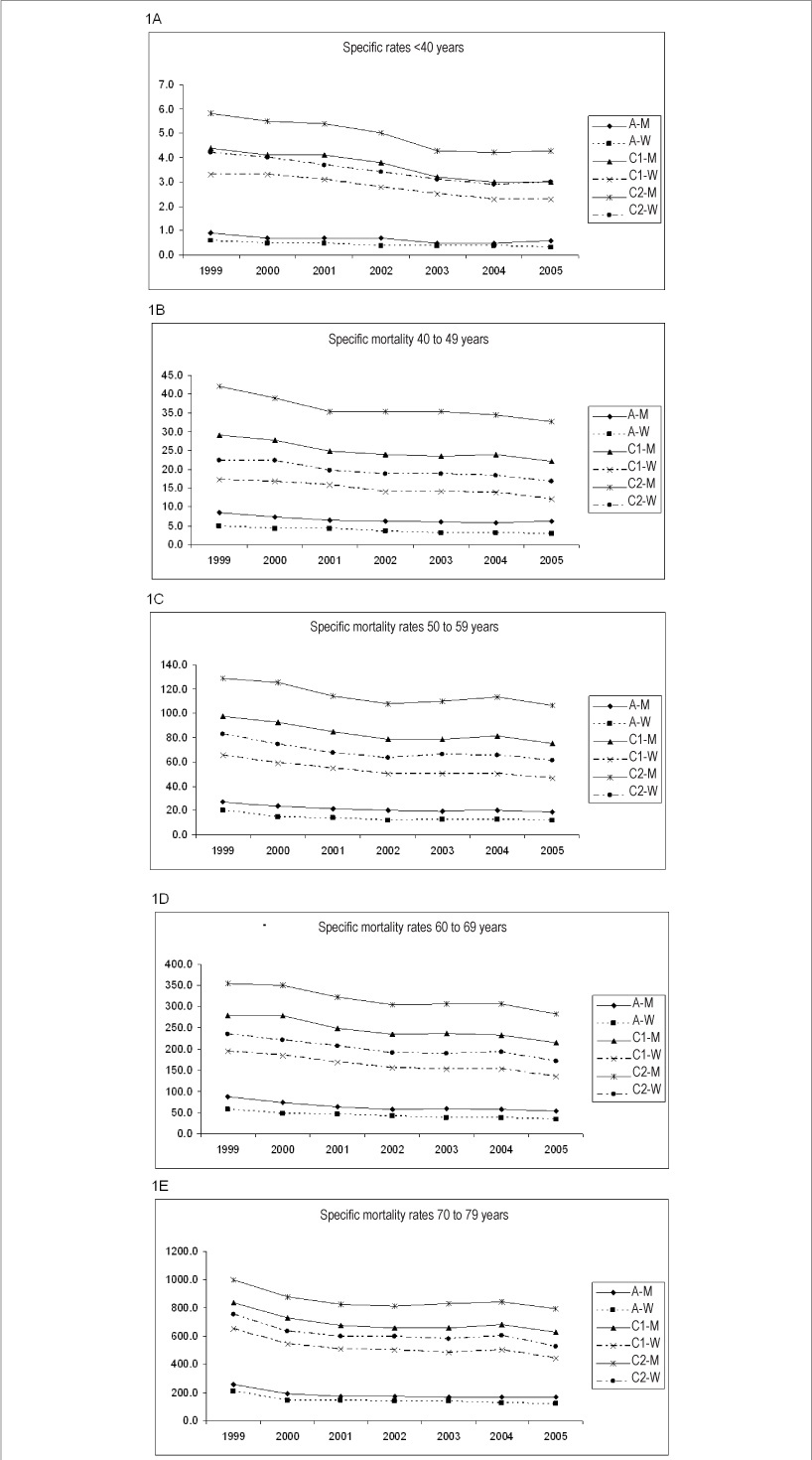
BACKGROUND: Heart failure (HF) is a chronic disease with high prevalence and mortality rates. The mortality due to HF in Brazil has been studied more frequently using hospitalization data. OBJECTIVE: To evaluate the mortality rates due to HF by sex and age range, in three states of Brazil, Rio de Janeiro, São Paulo and Rio Grande do Sul, from 1999 to 2005. METHODS: The data were obtained from death certificates assessed in the three states. The mortality due to HF was assessed in the restricted (underlying cause of death), comprehensive (mentioned in any line of the death certificate) and extended (all codes with the presence of HF) forms. RESULTS: The specific rates of mortality presented a clear decrease trend in the age groups, except in the group aged 80 years or older. The rates increased with age and were clearly higher among men up to 80 years of age. The rates of mortality due to HF were 3-fold higher in the comprehensive than in the restricted form of analysis. The extended form of analysis also added 20% of deaths in which HF was present. CONCLUSION: The results of this study demonstrated a decrease trend in the mortality rates due to HF when considering the three states – around 43% of Brazil – from 1999 to 2005. The methodology of multiple causes of death, in addition to the underlying ones, allows us to present a more comprehensive dimension of the importance of HF as cause of death. The adequate selection of the codes of the International Classification of Diseases (ICD), which comprehend the totality of the HF phenomenon, remains a challenge for further studies.

  • Brazil
  • Heart Failure
  • International Classification of Diseases
  • Rio de Janeiro
  • Rio Grande do Sul
  • São Paulo
Read Full Article
Creative Commons Attribution (CC BY) Creative Commons license
22/09/2010 DOI: 10.1590/S0066-782X2010000100010 Views 1
Warfarin and phenprocoumon: experience of an outpatient anticoagulation clinic
Artigo Original

Warfarin and phenprocoumon: experience of an outpatient anticoagulation clinic

Tiago Luiz Luz Leiria et al. Lucia Pellanda Marcelo Haertel Miglioranza Roberto Tofani Sant'Anna … Lucas S. Becker Eros Magalhães Gustavo Glotz de Lima

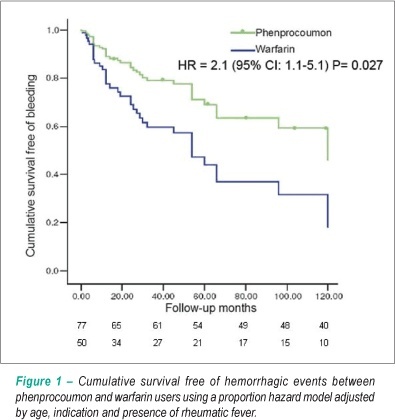
BACKGROUND: Oral anticoagulants are broadly used in cardiology. However, it is still necessary to evaluate their use in clinical practice. OBJECTIVES: To describe the differences in the maintenance of anticoagulation control, as well as the incidence of hemorrhagic and thromboembolic events among users of warfarin and phenprocoumon. METHODS: Non-concurrent cohort study of 127 patients using oral anticoagulation. RESULTS: Phenprocoumon was the most frequently used anticoagulant in 60% of the patients. The prevalence of RNI<2 at the last medical appointment was higher among warfarin users (46% vs. 19.5%; p<0.001). During the follow-up, Phenprocoumon users were within the therapeutic range during 60.7% of the period, in comparison with 45.6% of warfarin users (OR:1.84; 95%CI:1.59-2.13; P<0.001). The incidence of bleeding was 5.3/100 patients/year in the phenprocoumon group versus 18.8/100 patients/year in the warfarin group (RR: 3.5; 95%CI: 1.87-6.48; P<0.001). CONCLUSION: Patients that used Warfarin remained at subtherapeutic levels for a longer period; however, they also presented more hemorrhagic events. Phenprocoumon users were younger and had been using oral anticoagulation for longer periods, presenting fewer drug-related adverse events.

  • Anticoagulants
  • Hemorrhage
  • phenprocumon
  • Warfarin
Read Full Article
Creative Commons Attribution (CC BY) Creative Commons license
22/09/2010 DOI: 10.1590/S0066-782X2010000100008
Is the low-sodium diet actually indicated for all patients with stable heart failure?
Artigo Original

Is the low-sodium diet actually indicated for all patients with stable heart failure?

Miyoko Nakasato et al. Célia M. C. Strunk Guilherme Guimarães Marcos V. C. Rezende Edimar A. Bocchi

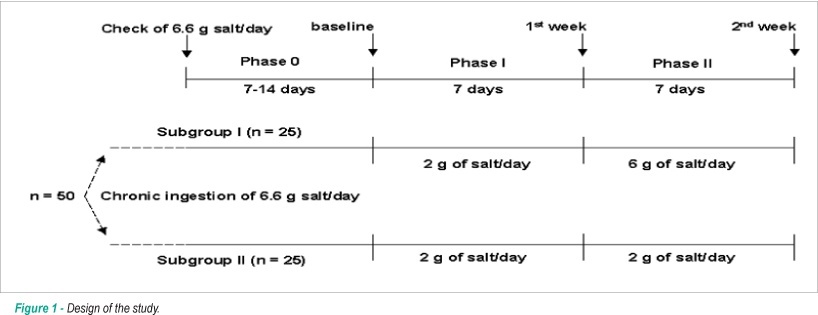
BACKGROUND: Although a low-sodium diet is indicated for heart failure HF, there is no evidence this dietary restriction is beneficial to all patients. OBJECTIVE: To prospectively study the acute effectsof a low-sodium diet in patients (pts) with heart failure (HF). METHODS: Fifty stable outpatients with mild to moderate HF who reported previously consuming 6.6 g table salt/day were studied. In Phase 1, all pts were submitted to a diet with 2 g of salt during 7 days, followed by randomization in 2 subgroups (Phase 2): one to receive 6 g of salt (subgroup 1) and the other, 2 g of salt/day for 7 days (subgroup II). RESULTS: Phase 1: the diet with 2 g of salt reduced the BMI, plasma and urinary sodium, protein consumption, iron, zinc, selenium and vitamin B12; it increased plasma levels of norepinephrine, nitrate, serum aldosterone and improved quality of life. Phase 2: for pts with low BMI, the use of 6 g salt/day acutely decreased the levels of norepinephrine, albumin and cholesterol in plasma. No difference was observed in pts with higher BMI. CONCLUSION: The diet with 2 g salt/day for pts with HF increased the neurohormonal activation associated to HF progression. The BMI can influence the response to the neurohormonal activation in a low-sodium diet in pts with HF. Further studies to test salt restriction for longer periods are recommended.

  • Diet, Sodium-Restricted
  • dietary
  • Heart Failure
  • neurohormonal activation
  • Sodium Chloride
Read Full Article
Creative Commons Attribution (CC BY) Creative Commons license
22/09/2010 DOI: 10.1590/S0066-782X2010000100015 Views 2
Artigo Original

Evaluation of physicians' compliance with the hypertension protocol of the Municipal Health Department of the city of Curitiba

Ivan Maluf Jr et al. Mariana Ribas Zahdi Natasha Unterstell Eliane Mara Cesário Pereira Maluf … André Bonamigo de Sousa Felipe Dominici Loures

BACKGROUND: In Curitiba, systemic hypertension (SH) is the second leading cause of hospitalization and the leading cause of death from cardiovascular diseases. The protocols for the treatment of hypertension provide a systematic approach to patient management, aiming at improving the efficiency and quality of health services. OBJECTIVE: To evaluate medical professionals’ compliance with the protocol of hypertension of the Municipal Health Department (MHD) of the city of Curitiba. METHODS: This was a cross-sectional observational study. The data collection for the study was conducted in four health units in Curitiba. The sample consisted of 200 hypertensive patients enrolled in the hypertension program. The collected data refers to the first two consultations. The data source was the electronic records of the health units. The protocol used for comparative analysis was the protocol of the Municipal Health Department of Curitiba. RESULTS: The non-conformity percentage between clinical practice and the protocol in the first consultation was 56.8% on hypertension grade classification, 63.8% on cardiovascular risk evaluation, and 54% on treatment. In the second consultation, the non-conformity percentage was 67% on risk evaluation, and 51.3% on treatment. CONCLUSION: The non-conformity between clinical practice and the protocol of the MHD of Curitiba was evident on hypertension grade classification, cardiovascular risk evaluation, and treatment of hypertensive patients. This non-conformity may result in low efficiency of the health service, which hinders the efforts to reduce morbidity and mortality from cardiovascular disease in the population.

  • Blood Pressure
  • Clinical Protocols
  • Hypertension
Read Full Article
Creative Commons Attribution (CC BY) Creative Commons license
22/09/2010 DOI: 10.1590/S0066-782X2010000100014
Editorial

Cardiac resynchronization therapy: is there any news?

Ana Clara Tude Rodrigues

EDITORIAL

[…]

Read Full Article
Creative Commons Attribution (CC BY) Creative Commons license
22/09/2010 DOI: 10.1590/S0066-782X2010000100002
Anemia and heart failure in a community-based cohort: comparison with a specialized outpatient clinic
Artigo Original

Anemia and heart failure in a community-based cohort: comparison with a specialized outpatient clinic

Eduarda Barcellos dos Santos et al. Bolívar Saenz Tello Humberto Villacorta Ana Luisa Ferreira Sales … Christiane Wiefels Pedro Soares Teixeira Luis Costa Lima Filho Evandro Tinoco Mesquita

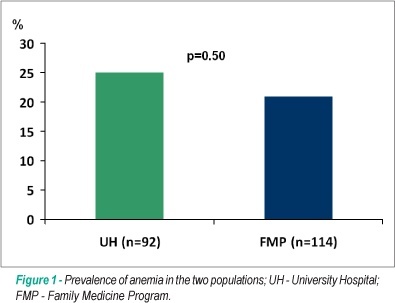
BACKGROUND: Anemia is common in patients with heart failure (HF). Its prevalence in patients with HF from a community-based cohort is unknown in our country. OBJECTIVE: evaluate the prevalence and characteristics of patients with anemia in a non-selected population with HF from a community-based cohort, comparing it with that of a HF population treated at a specialized outpatient clinic. METHODS: This was a transversal, prospective, observational study, carried out from January 2006 to March 2007. The patients with HF met the Boston criteria, with a score > 8. Anemia was defined through the criteria of the World Health Organization as hemoglobin levels < 13 g/dL for men and <12 g/dl for women. Patients treated at a primary care program in the community were randomly selected, as well as patients treated at a Heart Failure Outpatient Clinic in a university hospital. RESULTS: A total of 206 patients were assessed, with a mean age of 61.3±13.1 years, of which 53.4% were females. The prevalence of anemia in the community-based cohort (n=114) was 21% and at the outpatient clinic (n=92), of 25% (p=0.50). The patients from the community-based cohort presented a lower rate of kidney dysfunction (GFR<60 ml/min/1,73-5), predominance of HF with normal ejection fraction and female sex. Kidney function parameters (urea or creatinine) independently correlated with anemia in both populations. CONCLUSION: The prevalence of anemia was similar in the studied populations. Kidney function was the only factor that independently correlated with anemia in both populations.

  • Anemia
  • Comparative Study
  • Heart Failure
  • hospital
  • outpatient clinics
  • Prevalence
Read Full Article
Creative Commons Attribution (CC BY) Creative Commons license
22/09/2010 DOI: 10.1590/S0066-782X2010000100016 Views 2
Letter to the Editor

The great challenge of a new reality

Luiz Felipe P. Moreira

EDITOR’S LETTER

The great challenge of a new reality

[…]

Read Full Article
Creative Commons Attribution (CC BY) Creative Commons license
22/09/2010 DOI: 10.1590/S0066-782X2010000100001
Cardiometabolic abnormalities in patients with berardinelli-Seip syndrome
Artigo Original

Cardiometabolic abnormalities in patients with berardinelli-Seip syndrome

Antonio Guedes do Rêgo et al. Evandro Tinoco Mesquita Carlos Alberto de Faria Marcel Álvares Guedes do Rêgo … Maria de Fátima Paiva Baracho Maria Goretti do Nascimento Santos Eryvaldo Sócrates Tabosa do Egito José Brandão Neto

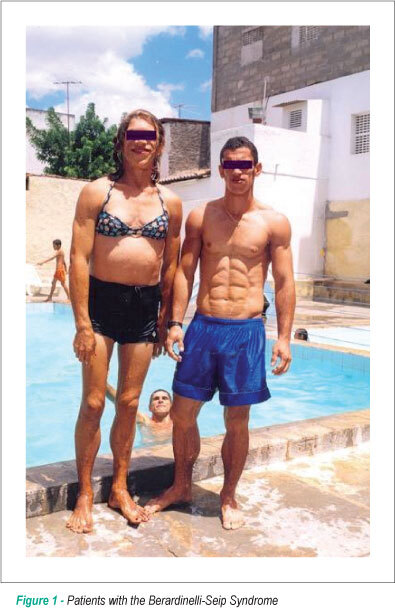
BACKGROUND: Berardinelli-Seip syndrome (BSS) or Generalized Congenital Lipodystrophy often affects the cardiovascular system and also promotes metabolic abnormalities involving glycidic and lipid metabolisms. OBJECTIVE: To assess the prevalence of cardiometabolic abnormalities in patients with BSS. METHODS: Twenty-two patients from the state of Rio Grande do Norte, Brazil, diagnosed with BSS, underwent clinical evaluation, resting electrocardiogram, echodopplercardiogram, chest X-ray, 24-hour ambulatory electrocardiogram monitoring, exercise testing and laboratory analysis. RESULTS: The patients were predominantly young adults, most of whom women. The whole sample showed insulin resistance, acanthosis nigricans and diminished HDL-cholesterol. The presence of splenomegaly, hepatomegaly, type II diabetes and elevated triglycerides was constant. Metabolic syndrome was characterized in most patients, which were predominantly women and with a high degree of paternal consanguinity. SAH and prehypertension blood pressure were found in more than half of the patients (77.3%). The echodopplercardiogram showed the presence of CLVH (50%), eccentric left ventricular hypertrophy (4.5%), and normal left ventricular geometry (45.5%). High arrhythmia rates were observed by Holter monitoring, such as ventricular ectopic beats, supraventricular ectopic beats and sustained supraventricular tachycardia. Chronotropic incompetence (54.5%) was observed during exercise testing. CONCLUSION: A high prevalence of cardiovascular and metabolic abnormalities was observed in young asymptomatic individuals with BSS. These findings point to the need for systematic cardiological follow-up and of preventive measures in this high-risk group.

  • Cardiovascular Diseases
  • Lipid Metabolism
  • Lipodystrophy, Congenital Generalized
  • Metabolism
Read Full Article
Creative Commons Attribution (CC BY) Creative Commons license
22/09/2010 DOI: 10.1590/S0066-782X2010000100017
Chronic left ventricular pseudoaneurism of undetermined etiology
Relato de Caso

Chronic left ventricular pseudoaneurism of undetermined etiology

Guilherme Loureiro Fialho et al. Cláudio Henrique Fischer Adriana Cordovil Orlando Campos Filho

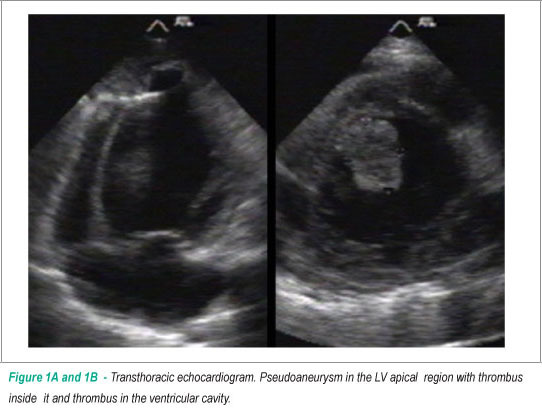
Pseudoaneurysms occur as a rare complication of the myocardial infarction, of which hemorrhagic process is contained by adherences of the visceral or parietal pericardium – or of both – preventing the development of cardiac tamponade. We report the case of a 55-year-old patient, with a chronic left ventricular pseudoaneurysm of undetermined etiology, who was submitted to a conservative treatment.

  • Aneurysm
  • false
  • left
  • Myocardial Infarction
  • Ventricular Dysfunction
Read Full Article
Creative Commons Attribution (CC BY) Creative Commons license
22/09/2010 DOI: 10.1590/S0066-782X2010000100024
Echocardiographic assessment of cardiac resynchronization therapy: two-year follow-up period
Artigo Original

Echocardiographic assessment of cardiac resynchronization therapy: two-year follow-up period

Viviane Cordeiro Veiga et al. Salomón Soriano Ordinola Rojas Fernando Sérgio Oliva de Souza Reinaldo Wilson Vieira … Amilton Silva Junior Marcelo Luiz Patrício Elias César Hauy Marum Henry Abensur

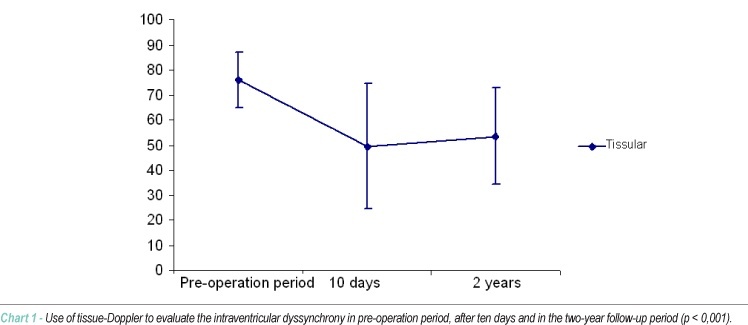
BACKGROUND: The cardiac resynchronization therapy (CRT) is an effective option for patients with advanced heart failure (HF). Clinical, electrocardiographic and echocardiographic criteria have been studied in an attempt to find the patients that will benefit from the CRT, considering that the echocardiogram is the method that is used both in the selection and in the assessment of such therapy. OBJECTIVE: The objective of this work is to analyze the use of echocardiogram to assess the CRT, in a ten-day follow-up period and after two years of evolution. METHODS: The assessment considered 20 patients subjected to CRT, for a period of two years, 80% of which were male. The Minnesota Living with Heart Failure Questionnaire (MLWHF) was filled out. Patients underwent a six-minute walking test. Then, the two-dimensional echo-Doppler-cardiogram was performed. The initial assessment was repeated ten days after and two year after the implantation of the biventricular pacemaker. RESULTS: In two years, 5 patients (25%) died; 4 had cardiomyopathy caused by the Chagas’s disease. There was no statistically significant change in the ejection fraction between the pre-operation period and the following ten days, but there was a significant change between the pre-operation period and two years after that, and the ten-day period and two years after that. In the ten-day follow-up period, there was the worsening of the intraventricular dyssynchrony, as evaluated by the tissue Doppler method, and the “living with heart failure” score was higher in the group of deaths. CONCLUSION: Out of the echocardiographic parameters assessed, only the intraventricular dyssynchrony assessment through the tissue Doppler method, after the procedure, was capable of predict the CRT efficiency with respect to the death rate.

  • Echocardiography
  • Heart Failure
  • Stroke Volume
Read Full Article
Creative Commons Attribution (CC BY) Creative Commons license
22/09/2010 DOI: 10.1590/S0066-782X2010000100018
Cardiac remodeling: serial analysis and indexes for early detection of ventricular dysfunction
Artigo Original

Cardiac remodeling: serial analysis and indexes for early detection of ventricular dysfunction

Olga de Castro Mendes et al. Dijon Henrique S. de Campos Ricardo Luiz Damatto Mário Mateus Sugizaki … Carlos Roberto Padovani Katashi Okoshi Antônio Carlos Cicogna

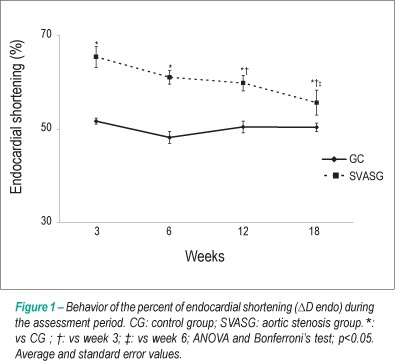
BACKGROUND: Supravalvar aortic stenosis (SVAS) is used to study overload-induced cardiac remodeling (CR). In this model, neither CR behavior since beginning stage nor the best parameters to identify ventricular dysfunction are clearly stated. Objective: 1) Characterizing, early and evolutively, morphological and functional modifications during CR in rats with SVAS and 2) identifying the most sensitive index for detecting the moment when the diastolic and systolic dysfunction first appeared in the left ventricle (LV). METHODS: Wistar Rats were divided into two groups – control (CG, n=13) and SVAS (SVASG, n=24) – and studied in post-surgical 3rd, 6th, 12th and 18th weeks. Hearts were analyzed by means of an echocardiogram (ECHO). RESULTS: By the end of the experiment, ratios between the LV, right ventricle and atria and the final body weight were increased in the SVASG. The ECHO showed that the left atrium underwent significant remodeling from the 6th on. The percent of endocardial shortening underwent significant drop as of the 12nd week and the percent of, as of the 18th week, in the SVASG. The ratio between E- wave and A-wave (E/A) was higher in CG compared to the SVASG in all events analyzed. CONCLUSIONS: During the remodeling process, the left ventricle of rats with SVAS presented concentric hypertrophy, early diastolic dysfunction and improvement of systolic function, with posterior performance deterioration. Besides this, the study found out the most sensitive echocardiographic indexes for detecting systolic and diastolic dysfunction are, respectively, the ratio E/A and the percent of endocardial shortening.

  • Aortic Stenosis
  • Echocardiography
  • Rats
  • Supravalvular
  • Ventricular Dysfunction
  • Ventricular Remodeling
Read Full Article
Creative Commons Attribution (CC BY) Creative Commons license
22/09/2010 DOI: 10.1590/S0066-782X2010000100011 Views 1

Could not load more articles. Please try again.

How to cite this article

EndNote RIS

Electronic Document Format (Vancouver)

Santiago JJ, Dávila CAM, Davila DF, Donis JH, Villaroel V. Antiadrenergic rescue therapy with amiodarone in children with severe left ventricular dysfunction secondary to scorpion envenomation. Arquivos Brasileiros de Cardiologia 2010;94(1):18-24.

Electronic Document Format (ABNT)

Santiago, Justo J.; Dávila, Carmen A. Mazzei de; Davila, Diego F.; Donis, Jose H.; Villaroel, Vanesa. Antiadrenergic rescue therapy with amiodarone in children with severe left ventricular dysfunction secondary to scorpion envenomation. Arquivos Brasileiros de Cardiologia, v. 94, n. 1, p. 18-24, Sep. 2010.

Electronic Document Format (APA)

Santiago, J. J., Dávila, C. A. M. , Davila, D. F., Donis, J. H., & Villaroel, V. (2010). Antiadrenergic rescue therapy with amiodarone in children with severe left ventricular dysfunction secondary to scorpion envenomation. Arquivos Brasileiros de Cardiologia, 94(1), 18-24.

Electronic Document Format (ISO)

Santiago, Justo J. and Dávila, Carmen A. Mazzei de and Davila, Diego F. and Donis, Jose H. and Villaroel, Vanesa. Antiadrenergic rescue therapy with amiodarone in children with severe left ventricular dysfunction secondary to scorpion envenomation. Arquivos Brasileiros de Cardiologia [online]. 2010, vol. 94, n. 1, [cited 2026-10-14], pp. 18-24. Available from: <https://journals.cardiol.br/en/article/antiadrenergic-rescue-therapy-with-amiodarone-in-children-with-severe-left-ventricular-dysfunction-secondary-to-scorpion-envenomation/>. ISSN 0066-782X

EndNote RIS

Electronic Document Format (Vancouver)

Zago G, Appel-da-Silva MC, Danzmann LC. Iliopsoas muscle hematoma during treatment with warfarin. Arquivos Brasileiros de Cardiologia 2010;94(1):e1-3.

Electronic Document Format (ABNT)

Zago, Gabriel; Appel-da-Silva, Marcelo Campos; Danzmann, Luiz Claudio. Iliopsoas muscle hematoma during treatment with warfarin. Arquivos Brasileiros de Cardiologia, v. 94, n. 1, p. e1-e3, Sep. 2010.

Electronic Document Format (APA)

Zago, G., Appel-da-Silva, M. C., & Danzmann, L. C. (2010). Iliopsoas muscle hematoma during treatment with warfarin. Arquivos Brasileiros de Cardiologia, 94(1), e1-e3.

Electronic Document Format (ISO)

Zago, Gabriel and Appel-da-Silva, Marcelo Campos and Danzmann, Luiz Claudio. Iliopsoas muscle hematoma during treatment with warfarin. Arquivos Brasileiros de Cardiologia [online]. 2010, vol. 94, n. 1, [cited 2026-10-14], pp. e1-e3. Available from: <https://journals.cardiol.br/en/article/iliopsoas-muscle-hematoma-during-treatment-with-warfarin/>. ISSN 0066-782X

EndNote RIS

Electronic Document Format (Vancouver)

Vaz-de-Melo RO, Toledo JCY, Loureiro AAC, Cipullo JP, Moreno Júnior H, Martin JFV. Absence of nocturnal dipping is associated with stroke and myocardium infarction. Arquivos Brasileiros de Cardiologia 2010;94(1):79-85.

Electronic Document Format (ABNT)

Vaz-de-Melo, Renan Oliveira; Toledo, Juan Carlos Yugar; Loureiro, Afonso Augusto Carvalho; Cipullo, José Paulo; Moreno Júnior, Heitor; Martin, José Fernando Vilela. Absence of nocturnal dipping is associated with stroke and myocardium infarction. Arquivos Brasileiros de Cardiologia, v. 94, n. 1, p. 79-85, Sep. 2010.

Electronic Document Format (APA)

Vaz-de-Melo, R. O., Toledo, J. C. Y., Loureiro, A. A. C., Cipullo, J. P., Moreno Júnior, H., & Martin, J. F. V. (2010). Absence of nocturnal dipping is associated with stroke and myocardium infarction. Arquivos Brasileiros de Cardiologia, 94(1), 79-85.

Electronic Document Format (ISO)

Vaz-de-Melo, Renan Oliveira and Toledo, Juan Carlos Yugar and Loureiro, Afonso Augusto Carvalho and Cipullo, José Paulo and Moreno Júnior, Heitor and Martin, José Fernando Vilela. Absence of nocturnal dipping is associated with stroke and myocardium infarction. Arquivos Brasileiros de Cardiologia [online]. 2010, vol. 94, n. 1, [cited 2026-10-14], pp. 79-85. Available from: <https://journals.cardiol.br/en/article/absence-of-nocturnal-dipping-is-associated-with-stroke-and-myocardium-infarction/>. ISSN 0066-782X

EndNote RIS

Electronic Document Format (Vancouver)

Soares LCC, Ribas D, Spring R, Silva JMF, Miyague NI. Clinical profile of systemic inflammatory response after pediatric cardiac surgery with cardiopulmonary bypass. Arquivos Brasileiros de Cardiologia 2010;94(1):127-33.

Electronic Document Format (ABNT)

Soares, Leonardo Cavadas da Costa; Ribas, Denise; Spring, Regine; Silva, Jean Marcelo Ferreira da; Miyague, Nelson Itiro. Clinical profile of systemic inflammatory response after pediatric cardiac surgery with cardiopulmonary bypass. Arquivos Brasileiros de Cardiologia, v. 94, n. 1, p. 127-133, Sep. 2010.

Electronic Document Format (APA)

Soares, L. C. C., Ribas, D., Spring, R., Silva, J. M. F. , & Miyague, N. I. (2010). Clinical profile of systemic inflammatory response after pediatric cardiac surgery with cardiopulmonary bypass. Arquivos Brasileiros de Cardiologia, 94(1), 127-133.

Electronic Document Format (ISO)

Soares, Leonardo Cavadas da Costa and Ribas, Denise and Spring, Regine and Silva, Jean Marcelo Ferreira da and Miyague, Nelson Itiro. Clinical profile of systemic inflammatory response after pediatric cardiac surgery with cardiopulmonary bypass. Arquivos Brasileiros de Cardiologia [online]. 2010, vol. 94, n. 1, [cited 2026-10-14], pp. 127-133. Available from: <https://journals.cardiol.br/en/article/clinical-profile-of-systemic-inflammatory-response-after-pediatric-cardiac-surgery-with-cardiopulmonary-bypass/>. ISSN 0066-782X

EndNote RIS

Electronic Document Format (Vancouver)

Barberato SH, Pecoits-Filho R. Echocardiographic alterations in patients with chronic kidney failure undergoing hemodialysis. Arquivos Brasileiros de Cardiologia 2010;94(1):140-6.

Electronic Document Format (ABNT)

Barberato, Silvio Henrique; Pecoits-Filho, Roberto. Echocardiographic alterations in patients with chronic kidney failure undergoing hemodialysis. Arquivos Brasileiros de Cardiologia, v. 94, n. 1, p. 140-146, Sep. 2010.

Electronic Document Format (APA)

Barberato, S. H., & Pecoits-Filho, R. (2010). Echocardiographic alterations in patients with chronic kidney failure undergoing hemodialysis. Arquivos Brasileiros de Cardiologia, 94(1), 140-146.

Electronic Document Format (ISO)

Barberato, Silvio Henrique and Pecoits-Filho, Roberto. Echocardiographic alterations in patients with chronic kidney failure undergoing hemodialysis. Arquivos Brasileiros de Cardiologia [online]. 2010, vol. 94, n. 1, [cited 2026-10-14], pp. 140-146. Available from: <https://journals.cardiol.br/en/article/echocardiographic-alterations-in-patients-with-chronic-kidney-failure-undergoing-hemodialysis/>. ISSN 0066-782X

EndNote RIS

Electronic Document Format (Vancouver)

Simões HG, Moreira SR, Moffatt RJ, Campbell CSG. Methods to identify the anaerobic threshold for type-2 diabetic and non-diabetic subjects. Arquivos Brasileiros de Cardiologia 2010;94(1):71-8.

Electronic Document Format (ABNT)

Simões, Herbert G.; Moreira, Sérgio R.; Moffatt, Robert J.; Campbell, Carmen S. G.. Methods to identify the anaerobic threshold for type-2 diabetic and non-diabetic subjects. Arquivos Brasileiros de Cardiologia, v. 94, n. 1, p. 71-78, Sep. 2010.

Electronic Document Format (APA)

Simões, H. G., Moreira, S. R., Moffatt, R. J., & Campbell, C. S. G. (2010). Methods to identify the anaerobic threshold for type-2 diabetic and non-diabetic subjects. Arquivos Brasileiros de Cardiologia, 94(1), 71-78.

Electronic Document Format (ISO)

Simões, Herbert G. and Moreira, Sérgio R. and Moffatt, Robert J. and Campbell, Carmen S. G.. Methods to identify the anaerobic threshold for type-2 diabetic and non-diabetic subjects. Arquivos Brasileiros de Cardiologia [online]. 2010, vol. 94, n. 1, [cited 2026-10-14], pp. 71-78. Available from: <https://journals.cardiol.br/en/article/methods-to-identify-the-anaerobic-threshold-for-type-2-diabetic-and-non-diabetic-subjects/>. ISSN 0066-782X

EndNote RIS

Electronic Document Format (Vancouver)

Rodrigues TC, Canani LH, Gross JL. Metabolic syndrome, insulin resistance and cardiovascular disease in type-1 diabetes mellitus. Arquivos Brasileiros de Cardiologia 2010;94(1):134-9.

Electronic Document Format (ABNT)

Rodrigues, Ticiana C.; Canani, Luis Henrique; Gross, Jorge L.. Metabolic syndrome, insulin resistance and cardiovascular disease in type-1 diabetes mellitus. Arquivos Brasileiros de Cardiologia, v. 94, n. 1, p. 134-139, Sep. 2010.

Electronic Document Format (APA)

Rodrigues, T. C., Canani, L. H., & Gross, J. L. (2010). Metabolic syndrome, insulin resistance and cardiovascular disease in type-1 diabetes mellitus. Arquivos Brasileiros de Cardiologia, 94(1), 134-139.

Electronic Document Format (ISO)

Rodrigues, Ticiana C. and Canani, Luis Henrique and Gross, Jorge L.. Metabolic syndrome, insulin resistance and cardiovascular disease in type-1 diabetes mellitus. Arquivos Brasileiros de Cardiologia [online]. 2010, vol. 94, n. 1, [cited 2026-10-14], pp. 134-139. Available from: <https://journals.cardiol.br/en/article/metabolic-syndrome-insulin-resistance-and-cardiovascular-disease-in-type-1-diabetes-mellitus/>. ISSN 0066-782X

EndNote RIS

Electronic Document Format (Vancouver)

Teixeira R, Lourenço C, António N, Monteiro S, Baptista R, Jorge E, Ferreira MJ, et al. The importance of a normal ECG in non-ST elevation acute coronary syndromes. Arquivos Brasileiros de Cardiologia 2010;94(1):25-33.

Electronic Document Format (ABNT)

Teixeira, Rogério; Lourenço, Carolina; António, Natália; Monteiro, Sílvia; Baptista, Rui; Jorge, Elisabete; Ferreira, Maria João; Monteiro, Pedro; Freitas, Mário; Providência, Luís A. The importance of a normal ECG in non-ST elevation acute coronary syndromes. Arquivos Brasileiros de Cardiologia, v. 94, n. 1, p. 25-33, Sep. 2010.

Electronic Document Format (APA)

Teixeira, R., Lourenço, C., António, N., Monteiro, S., Baptista, R., Jorge, E., Ferreira, M. J., Monteiro, P., Freitas, M., & Providência, L. A. (2010). The importance of a normal ECG in non-ST elevation acute coronary syndromes. Arquivos Brasileiros de Cardiologia, 94(1), 25-33.

Electronic Document Format (ISO)

Teixeira, Rogério and Lourenço, Carolina and António, Natália and Monteiro, Sílvia and Baptista, Rui and Jorge, Elisabete and Ferreira, Maria João and Monteiro, Pedro and Freitas, Mário and Providência, Luís A. The importance of a normal ECG in non-ST elevation acute coronary syndromes. Arquivos Brasileiros de Cardiologia [online]. 2010, vol. 94, n. 1, [cited 2026-10-14], pp. 25-33. Available from: <https://journals.cardiol.br/en/article/the-importance-of-a-normal-ecg-in-non-st-elevation-acute-coronary-syndromes/>. ISSN 0066-782X

EndNote RIS

Electronic Document Format (Vancouver)

Marsiglia JDC, Batitucci MCP, Paula F, Barbirato C, Arteaga E, Araújo AQ. Study of mutations causing hypertrophic cardiomyopathy in a group of patients from Espirito Santo, Brazil. Arquivos Brasileiros de Cardiologia 2010;94(1):10-7.

Electronic Document Format (ABNT)

Marsiglia, Júlia Daher Carneiro; Batitucci, Maria do Carmo Pimentel; Paula, Flávia de; Barbirato, Clara; Arteaga, Edmundo; Araújo, Aloir Queiroz de. Study of mutations causing hypertrophic cardiomyopathy in a group of patients from Espirito Santo, Brazil. Arquivos Brasileiros de Cardiologia, v. 94, n. 1, p. 10-17, Sep. 2010.

Electronic Document Format (APA)

Marsiglia, J. D. C., Batitucci, M. C. P., Paula, F. , Barbirato, C., Arteaga, E., & Araújo, A. Q. (2010). Study of mutations causing hypertrophic cardiomyopathy in a group of patients from Espirito Santo, Brazil. Arquivos Brasileiros de Cardiologia, 94(1), 10-17.

Electronic Document Format (ISO)

Marsiglia, Júlia Daher Carneiro and Batitucci, Maria do Carmo Pimentel and Paula, Flávia de and Barbirato, Clara and Arteaga, Edmundo and Araújo, Aloir Queiroz de. Study of mutations causing hypertrophic cardiomyopathy in a group of patients from Espirito Santo, Brazil. Arquivos Brasileiros de Cardiologia [online]. 2010, vol. 94, n. 1, [cited 2026-10-14], pp. 10-17. Available from: <https://journals.cardiol.br/en/article/study-of-mutations-causing-hypertrophic-cardiomyopathy-in-a-group-of-patients-from-espirito-santo-brazil/>. ISSN 0066-782X

EndNote RIS

Electronic Document Format (Vancouver)

Barbosa JB, Silva AAM, Barbosa FF, Monteiro Júnior FC, Figueiredo Neto JA, Nina VJS, Ribeiro WG, et al. Metabolic syndrome in outpatient cardiology clinics. Arquivos Brasileiros de Cardiologia 2010;94(1):46-54.

Electronic Document Format (ABNT)

Barbosa, José Bonifácio; Silva, Antonio Augusto Moura da; Barbosa, Fabrício de Flores; Monteiro Júnior, Francisco das Chagas; Figueiredo Neto, José Albuquerque de; Nina, Vinicius José da Silva; Ribeiro, Waston Gonçalves; Figuerêdo, Eduardo Durans; Melo Filho, José Xavier de; Chein, Maria Bethânia da Costa. Metabolic syndrome in outpatient cardiology clinics. Arquivos Brasileiros de Cardiologia, v. 94, n. 1, p. 46-54, Sep. 2010.

Electronic Document Format (APA)

Barbosa, J. B., Silva, A. A. M. , Barbosa, F. F., Monteiro Júnior, F. C., Figueiredo Neto, J. A. , Nina, V. J. S., Ribeiro, W. G., Figuerêdo, E. D., Melo Filho, J. X. , & Chein, M. B. C. (2010). Metabolic syndrome in outpatient cardiology clinics. Arquivos Brasileiros de Cardiologia, 94(1), 46-54.

Electronic Document Format (ISO)

Barbosa, José Bonifácio and Silva, Antonio Augusto Moura da and Barbosa, Fabrício de Flores and Monteiro Júnior, Francisco das Chagas and Figueiredo Neto, José Albuquerque de and Nina, Vinicius José da Silva and Ribeiro, Waston Gonçalves and Figuerêdo, Eduardo Durans and Melo Filho, José Xavier de and Chein, Maria Bethânia da Costa. Metabolic syndrome in outpatient cardiology clinics. Arquivos Brasileiros de Cardiologia [online]. 2010, vol. 94, n. 1, [cited 2026-10-14], pp. 46-54. Available from: <https://journals.cardiol.br/en/article/metabolic-syndrome-in-outpatient-cardiology-clinics/>. ISSN 0066-782X

EndNote RIS

Electronic Document Format (Vancouver)

Atik E, Marques PO, Andrade JL. Case 1/2010 – 15 year-old male adolescent with isolated cleft in anterior mitral valve. Arquivos Brasileiros de Cardiologia 2010;94(1):147-8.

Electronic Document Format (ABNT)

Atik, Edmar; Marques, Patrícia O.; Andrade, José Lázaro. Case 1/2010 – 15 year-old male adolescent with isolated cleft in anterior mitral valve. Arquivos Brasileiros de Cardiologia, v. 94, n. 1, p. 147-148, Sep. 2010.

Electronic Document Format (APA)

Atik, E., Marques, P. O., & Andrade, J. L. (2010). Case 1/2010 – 15 year-old male adolescent with isolated cleft in anterior mitral valve. Arquivos Brasileiros de Cardiologia, 94(1), 147-148.

Electronic Document Format (ISO)

Atik, Edmar and Marques, Patrícia O. and Andrade, José Lázaro. Case 1/2010 – 15 year-old male adolescent with isolated cleft in anterior mitral valve. Arquivos Brasileiros de Cardiologia [online]. 2010, vol. 94, n. 1, [cited 2026-10-14], pp. 147-148. Available from: <https://journals.cardiol.br/en/article/case-1-2010-15-year-old-male-adolescent-with-isolated-cleft-in-anterior-mitral-valve/>. ISSN 0066-782X

EndNote RIS

Electronic Document Format (Vancouver)

Barbosa PJB, Lessa I, Almeida Filho N, Magalhães LBNC, Araújo J. Influence of the self-reported skin color on the prevalence of metabolic syndrome in an urban Brazilian population. Arquivos Brasileiros de Cardiologia 2010;94(1):34-40.

Electronic Document Format (ABNT)

Barbosa, Paulo José Bastos; Lessa, Ines; Almeida Filho, Naomar de; Magalhães, Lucélia Batista N. Cunha; Araújo, Jenny. Influence of the self-reported skin color on the prevalence of metabolic syndrome in an urban Brazilian population. Arquivos Brasileiros de Cardiologia, v. 94, n. 1, p. 34-40, Sep. 2010.

Electronic Document Format (APA)

Barbosa, P. J. B., Lessa, I., Almeida Filho, N. , Magalhães, L. B. N. C., & Araújo, J. (2010). Influence of the self-reported skin color on the prevalence of metabolic syndrome in an urban Brazilian population. Arquivos Brasileiros de Cardiologia, 94(1), 34-40.

Electronic Document Format (ISO)

Barbosa, Paulo José Bastos and Lessa, Ines and Almeida Filho, Naomar de and Magalhães, Lucélia Batista N. Cunha and Araújo, Jenny. Influence of the self-reported skin color on the prevalence of metabolic syndrome in an urban Brazilian population. Arquivos Brasileiros de Cardiologia [online]. 2010, vol. 94, n. 1, [cited 2026-10-14], pp. 34-40. Available from: <https://journals.cardiol.br/en/article/influence-of-the-self-reported-skin-color-on-the-prevalence-of-metabolic-syndrome-in-an-urban-brazilian-population/>. ISSN 0066-782X

EndNote RIS

Electronic Document Format (Vancouver)

Sanches SM, Silva JMA. Interaction between specialties: dilated cardiomyopathy and HER2-positive breast Cancer. Arquivos Brasileiros de Cardiologia 2010;94(1):e11-5.

Electronic Document Format (ABNT)

Sanches, Solange Moraes; Silva, Jairo Montemor Augusto. Interaction between specialties: dilated cardiomyopathy and HER2-positive breast Cancer. Arquivos Brasileiros de Cardiologia, v. 94, n. 1, p. e11-e15, Sep. 2010.

Electronic Document Format (APA)

Sanches, S. M., & Silva, J. M. A. (2010). Interaction between specialties: dilated cardiomyopathy and HER2-positive breast Cancer. Arquivos Brasileiros de Cardiologia, 94(1), e11-e15.

Electronic Document Format (ISO)

Sanches, Solange Moraes and Silva, Jairo Montemor Augusto. Interaction between specialties: dilated cardiomyopathy and HER2-positive breast Cancer. Arquivos Brasileiros de Cardiologia [online]. 2010, vol. 94, n. 1, [cited 2026-10-14], pp. e11-e15. Available from: <https://journals.cardiol.br/en/article/interaction-between-specialties-dilated-cardiomyopathy-and-her2-positive-breast-cancer/>. ISSN 0066-782X

EndNote RIS

Electronic Document Format (Vancouver)

Gaui EN, Klein CH, Oliveira GMM. Mortality due to heart failure: extended analysis and temporal trend in three states of Brazil. Arquivos Brasileiros de Cardiologia 2010;94(1):55-61.

Electronic Document Format (ABNT)

Gaui, Eduardo Nagib; Klein, Carlos Henrique; Oliveira, Gláucia Maria Moraes de. Mortality due to heart failure: extended analysis and temporal trend in three states of Brazil. Arquivos Brasileiros de Cardiologia, v. 94, n. 1, p. 55-61, Sep. 2010.

Electronic Document Format (APA)

Gaui, E. N., Klein, C. H., & Oliveira, G. M. M. (2010). Mortality due to heart failure: extended analysis and temporal trend in three states of Brazil. Arquivos Brasileiros de Cardiologia, 94(1), 55-61.

Electronic Document Format (ISO)

Gaui, Eduardo Nagib and Klein, Carlos Henrique and Oliveira, Gláucia Maria Moraes de. Mortality due to heart failure: extended analysis and temporal trend in three states of Brazil. Arquivos Brasileiros de Cardiologia [online]. 2010, vol. 94, n. 1, [cited 2026-10-14], pp. 55-61. Available from: <https://journals.cardiol.br/en/article/mortality-due-to-heart-failure-extended-analysis-and-temporal-trend-in-three-states-of-brazil/>. ISSN 0066-782X

EndNote RIS

Electronic Document Format (Vancouver)

Leiria TLL, Pellanda L, Miglioranza MH, Sant’Anna RT, Becker LS, Magalhães E, Lima GG, et al. Warfarin and phenprocoumon: experience of an outpatient anticoagulation clinic. Arquivos Brasileiros de Cardiologia 2010;94(1):41-5.

Electronic Document Format (ABNT)

Leiria, Tiago Luiz Luz; Pellanda, Lucia; Miglioranza, Marcelo Haertel; Sant’Anna, Roberto Tofani; Becker, Lucas S.; Magalhães, Eros; Lima, Gustavo Glotz de. Warfarin and phenprocoumon: experience of an outpatient anticoagulation clinic. Arquivos Brasileiros de Cardiologia, v. 94, n. 1, p. 41-45, Sep. 2010.

Electronic Document Format (APA)

Leiria, T. L. L., Pellanda, L., Miglioranza, M. H., Sant’Anna, R. T., Becker, L. S., Magalhães, E., & Lima, G. G. (2010). Warfarin and phenprocoumon: experience of an outpatient anticoagulation clinic. Arquivos Brasileiros de Cardiologia, 94(1), 41-45.

Electronic Document Format (ISO)

Leiria, Tiago Luiz Luz and Pellanda, Lucia and Miglioranza, Marcelo Haertel and Sant’Anna, Roberto Tofani and Becker, Lucas S. and Magalhães, Eros and Lima, Gustavo Glotz de. Warfarin and phenprocoumon: experience of an outpatient anticoagulation clinic. Arquivos Brasileiros de Cardiologia [online]. 2010, vol. 94, n. 1, [cited 2026-10-14], pp. 41-45. Available from: <https://journals.cardiol.br/en/article/warfarin-and-phenprocoumon-experience-of-an-outpatient-anticoagulation-clinic/>. ISSN 0066-782X

EndNote RIS

Electronic Document Format (Vancouver)

Nakasato M, Strunk CMC, Guimarães G, Rezende MVC, Bocchi EA. Is the low-sodium diet actually indicated for all patients with stable heart failure?. Arquivos Brasileiros de Cardiologia 2010;94(1):92-101.

Electronic Document Format (ABNT)

Nakasato, Miyoko; Strunk, Célia M. C.; Guimarães, Guilherme; Rezende, Marcos V. C.; Bocchi, Edimar A.. Is the low-sodium diet actually indicated for all patients with stable heart failure?. Arquivos Brasileiros de Cardiologia, v. 94, n. 1, p. 92-101, Sep. 2010.

Electronic Document Format (APA)

Nakasato, M., Strunk, C. M. C., Guimarães, G., Rezende, M. V. C., & Bocchi, E. A. (2010). Is the low-sodium diet actually indicated for all patients with stable heart failure?. Arquivos Brasileiros de Cardiologia, 94(1), 92-101.

Electronic Document Format (ISO)

Nakasato, Miyoko and Strunk, Célia M. C. and Guimarães, Guilherme and Rezende, Marcos V. C. and Bocchi, Edimar A.. Is the low-sodium diet actually indicated for all patients with stable heart failure?. Arquivos Brasileiros de Cardiologia [online]. 2010, vol. 94, n. 1, [cited 2026-10-14], pp. 92-101. Available from: <https://journals.cardiol.br/en/article/is-the-low-sodium-diet-actually-indicated-for-all-patients-with-stable-heart-failure/>. ISSN 0066-782X

EndNote RIS

Electronic Document Format (Vancouver)

Maluf Jr I, Zahdi MR, Unterstell N, Maluf EMCP, Sousa AB, Loures FD. Evaluation of physicians’ compliance with the hypertension protocol of the Municipal Health Department of the city of Curitiba. Arquivos Brasileiros de Cardiologia 2010;94(1):86-91.

Electronic Document Format (ABNT)

Maluf Jr, Ivan; Zahdi, Mariana Ribas; Unterstell, Natasha; Maluf, Eliane Mara Cesário Pereira; Sousa, André Bonamigo de; Loures, Felipe Dominici. Evaluation of physicians’ compliance with the hypertension protocol of the Municipal Health Department of the city of Curitiba. Arquivos Brasileiros de Cardiologia, v. 94, n. 1, p. 86-91, Sep. 2010.

Electronic Document Format (APA)

Maluf Jr, I., Zahdi, M. R., Unterstell, N., Maluf, E. M. C. P., Sousa, A. B. , & Loures, F. D. (2010). Evaluation of physicians’ compliance with the hypertension protocol of the Municipal Health Department of the city of Curitiba. Arquivos Brasileiros de Cardiologia, 94(1), 86-91.

Electronic Document Format (ISO)

Maluf Jr, Ivan and Zahdi, Mariana Ribas and Unterstell, Natasha and Maluf, Eliane Mara Cesário Pereira and Sousa, André Bonamigo de and Loures, Felipe Dominici. Evaluation of physicians’ compliance with the hypertension protocol of the Municipal Health Department of the city of Curitiba. Arquivos Brasileiros de Cardiologia [online]. 2010, vol. 94, n. 1, [cited 2026-10-14], pp. 86-91. Available from: <https://journals.cardiol.br/en/article/evaluation-of-physicians-compliance-with-the-hypertension-protocol-of-the-municipal-health-department-of-the-city-of-curitiba/>. ISSN 0066-782X

EndNote RIS

Electronic Document Format (Vancouver)

Rodrigues ACT. Cardiac resynchronization therapy: is there any news?. Arquivos Brasileiros de Cardiologia 2010;94(1):02-3.

Electronic Document Format (ABNT)

Rodrigues, Ana Clara Tude. Cardiac resynchronization therapy: is there any news?. Arquivos Brasileiros de Cardiologia, v. 94, n. 1, p. 02-03, Sep. 2010.

Electronic Document Format (APA)

Rodrigues, A. C. T. (2010). Cardiac resynchronization therapy: is there any news?. Arquivos Brasileiros de Cardiologia, 94(1), 02-03.

Electronic Document Format (ISO)

Rodrigues, Ana Clara Tude. Cardiac resynchronization therapy: is there any news?. Arquivos Brasileiros de Cardiologia [online]. 2010, vol. 94, n. 1, [cited 2026-10-14], pp. 02-03. Available from: <https://journals.cardiol.br/en/article/cardiac-resynchronization-therapy-is-there-any-news/>. ISSN 0066-782X

EndNote RIS

Electronic Document Format (Vancouver)

Santos EB, Tello BS, Villacorta H, Sales ALF, Wiefels C, Teixeira PS, Lima Filho LC, et al. Anemia and heart failure in a community-based cohort: comparison with a specialized outpatient clinic. Arquivos Brasileiros de Cardiologia 2010;94(1):102-8.

Electronic Document Format (ABNT)

Santos, Eduarda Barcellos dos; Tello, Bolívar Saenz; Villacorta, Humberto; Sales, Ana Luisa Ferreira; Wiefels, Christiane; Teixeira, Pedro Soares; Lima Filho, Luis Costa; Mesquita, Evandro Tinoco. Anemia and heart failure in a community-based cohort: comparison with a specialized outpatient clinic. Arquivos Brasileiros de Cardiologia, v. 94, n. 1, p. 102-108, Sep. 2010.

Electronic Document Format (APA)

Santos, E. B. , Tello, B. S., Villacorta, H., Sales, A. L. F., Wiefels, C., Teixeira, P. S., Lima Filho, L. C., & Mesquita, E. T. (2010). Anemia and heart failure in a community-based cohort: comparison with a specialized outpatient clinic. Arquivos Brasileiros de Cardiologia, 94(1), 102-108.

Electronic Document Format (ISO)

Santos, Eduarda Barcellos dos and Tello, Bolívar Saenz and Villacorta, Humberto and Sales, Ana Luisa Ferreira and Wiefels, Christiane and Teixeira, Pedro Soares and Lima Filho, Luis Costa and Mesquita, Evandro Tinoco. Anemia and heart failure in a community-based cohort: comparison with a specialized outpatient clinic. Arquivos Brasileiros de Cardiologia [online]. 2010, vol. 94, n. 1, [cited 2026-10-14], pp. 102-108. Available from: <https://journals.cardiol.br/en/article/anemia-and-heart-failure-in-a-community-based-cohort-comparison-with-a-specialized-outpatient-clinic/>. ISSN 0066-782X

EndNote RIS

Electronic Document Format (Vancouver)

Moreira LFP. The great challenge of a new reality. Arquivos Brasileiros de Cardiologia 2010;94(1):

Electronic Document Format (ABNT)

Moreira, Luiz Felipe P.. The great challenge of a new reality. Arquivos Brasileiros de Cardiologia, v. 94, n. 1, Sep. 2010.

Electronic Document Format (APA)

Moreira, L. F. P. (2010). The great challenge of a new reality. Arquivos Brasileiros de Cardiologia, 94(1), .

Electronic Document Format (ISO)

Moreira, Luiz Felipe P.. The great challenge of a new reality. Arquivos Brasileiros de Cardiologia [online]. 2010, vol. 94, n. 1, [cited 2026-10-14], Available from: <https://journals.cardiol.br/en/article/the-great-challenge-of-a-new-reality/>. ISSN 0066-782X

EndNote RIS

Electronic Document Format (Vancouver)

Rêgo AG, Mesquita ET, Faria CA, Rêgo MG, Baracho MFP, Santos MGN, Egito EST, et al. Cardiometabolic abnormalities in patients with berardinelli-Seip syndrome. Arquivos Brasileiros de Cardiologia 2010;94(1):109-18.

Electronic Document Format (ABNT)

Rêgo, Antonio Guedes do; Mesquita, Evandro Tinoco; Faria, Carlos Alberto de; Rêgo, Marcel Álvares Guedes do; Baracho, Maria de Fátima Paiva; Santos, Maria Goretti do Nascimento; Egito, Eryvaldo Sócrates Tabosa do; Brandão Neto, José. Cardiometabolic abnormalities in patients with berardinelli-Seip syndrome. Arquivos Brasileiros de Cardiologia, v. 94, n. 1, p. 109-118, Sep. 2010.

Electronic Document Format (APA)

Rêgo, A. G. , Mesquita, E. T., Faria, C. A. , Rêgo, M. G. , Baracho, M. F. P., Santos, M. G. N., Egito, E. S. T. , & Brandão Neto, J. (2010). Cardiometabolic abnormalities in patients with berardinelli-Seip syndrome. Arquivos Brasileiros de Cardiologia, 94(1), 109-118.

Electronic Document Format (ISO)

Rêgo, Antonio Guedes do and Mesquita, Evandro Tinoco and Faria, Carlos Alberto de and Rêgo, Marcel Álvares Guedes do and Baracho, Maria de Fátima Paiva and Santos, Maria Goretti do Nascimento and Egito, Eryvaldo Sócrates Tabosa do and Brandão Neto, José. Cardiometabolic abnormalities in patients with berardinelli-Seip syndrome. Arquivos Brasileiros de Cardiologia [online]. 2010, vol. 94, n. 1, [cited 2026-10-14], pp. 109-118. Available from: <https://journals.cardiol.br/en/article/cardiometabolic-abnormalities-in-patients-with-berardinelli-seip-syndrome/>. ISSN 0066-782X

EndNote RIS

Electronic Document Format (Vancouver)

Fialho GL, Fischer CH, Cordovil A, Campos Filho O. Chronic left ventricular pseudoaneurism of undetermined etiology. Arquivos Brasileiros de Cardiologia 2010;94(1):e4-6.

Electronic Document Format (ABNT)

Fialho, Guilherme Loureiro; Fischer, Cláudio Henrique; Cordovil, Adriana; Campos Filho, Orlando. Chronic left ventricular pseudoaneurism of undetermined etiology. Arquivos Brasileiros de Cardiologia, v. 94, n. 1, p. e4-e6, Sep. 2010.

Electronic Document Format (APA)

Fialho, G. L., Fischer, C. H., Cordovil, A., & Campos Filho, O. (2010). Chronic left ventricular pseudoaneurism of undetermined etiology. Arquivos Brasileiros de Cardiologia, 94(1), e4-e6.

Electronic Document Format (ISO)

Fialho, Guilherme Loureiro and Fischer, Cláudio Henrique and Cordovil, Adriana and Campos Filho, Orlando. Chronic left ventricular pseudoaneurism of undetermined etiology. Arquivos Brasileiros de Cardiologia [online]. 2010, vol. 94, n. 1, [cited 2026-10-14], pp. e4-e6. Available from: <https://journals.cardiol.br/en/article/chronic-left-ventricular-pseudoaneurism-of-undetermined-etiology/>. ISSN 0066-782X

EndNote RIS

Electronic Document Format (Vancouver)

Veiga VC, Rojas SSO, Souza FSO, Vieira RW, Silva Junior A, Patrício ML, Marum ECH, et al. Echocardiographic assessment of cardiac resynchronization therapy: two-year follow-up period. Arquivos Brasileiros de Cardiologia 2010;94(1):119-26.

Electronic Document Format (ABNT)

Veiga, Viviane Cordeiro; Rojas, Salomón Soriano Ordinola; Souza, Fernando Sérgio Oliva de; Vieira, Reinaldo Wilson; Silva Junior, Amilton; Patrício, Marcelo Luiz; Marum, Elias César Hauy; Abensur, Henry. Echocardiographic assessment of cardiac resynchronization therapy: two-year follow-up period. Arquivos Brasileiros de Cardiologia, v. 94, n. 1, p. 119-126, Sep. 2010.

Electronic Document Format (APA)

Veiga, V. C., Rojas, S. S. O., Souza, F. S. O. , Vieira, R. W., Silva Junior, A., Patrício, M. L., Marum, E. C. H., & Abensur, H. (2010). Echocardiographic assessment of cardiac resynchronization therapy: two-year follow-up period. Arquivos Brasileiros de Cardiologia, 94(1), 119-126.

Electronic Document Format (ISO)

Veiga, Viviane Cordeiro and Rojas, Salomón Soriano Ordinola and Souza, Fernando Sérgio Oliva de and Vieira, Reinaldo Wilson and Silva Junior, Amilton and Patrício, Marcelo Luiz and Marum, Elias César Hauy and Abensur, Henry. Echocardiographic assessment of cardiac resynchronization therapy: two-year follow-up period. Arquivos Brasileiros de Cardiologia [online]. 2010, vol. 94, n. 1, [cited 2026-10-14], pp. 119-126. Available from: <https://journals.cardiol.br/en/article/echocardiographic-assessment-of-cardiac-resynchronization-therapy-two-year-follow-up-period/>. ISSN 0066-782X

EndNote RIS

Electronic Document Format (Vancouver)

Mendes OC, Campos DHS, Damatto RL, Sugizaki MM, Padovani CR, Okoshi K, Cicogna AC, et al. Cardiac remodeling: serial analysis and indexes for early detection of ventricular dysfunction. Arquivos Brasileiros de Cardiologia 2010;94(1):62-70.

Electronic Document Format (ABNT)

Mendes, Olga de Castro; Campos, Dijon Henrique S. de; Damatto, Ricardo Luiz; Sugizaki, Mário Mateus; Padovani, Carlos Roberto; Okoshi, Katashi; Cicogna, Antônio Carlos. Cardiac remodeling: serial analysis and indexes for early detection of ventricular dysfunction. Arquivos Brasileiros de Cardiologia, v. 94, n. 1, p. 62-70, Sep. 2010.

Electronic Document Format (APA)

Mendes, O. C., Campos, D. H. S. , Damatto, R. L., Sugizaki, M. M., Padovani, C. R., Okoshi, K., & Cicogna, A. C. (2010). Cardiac remodeling: serial analysis and indexes for early detection of ventricular dysfunction. Arquivos Brasileiros de Cardiologia, 94(1), 62-70.

Electronic Document Format (ISO)

Mendes, Olga de Castro and Campos, Dijon Henrique S. de and Damatto, Ricardo Luiz and Sugizaki, Mário Mateus and Padovani, Carlos Roberto and Okoshi, Katashi and Cicogna, Antônio Carlos. Cardiac remodeling: serial analysis and indexes for early detection of ventricular dysfunction. Arquivos Brasileiros de Cardiologia [online]. 2010, vol. 94, n. 1, [cited 2026-10-14], pp. 62-70. Available from: <https://journals.cardiol.br/en/article/cardiac-remodeling-serial-analysis-and-indexes-for-early-detection-of-ventricular-dysfunction/>. ISSN 0066-782X

Sede – Rio de Janeiro
Av. Marechal Câmara, 160
3º andar – Sala: 330 – Centro
Rio de Janeiro – CEP: 20020-907
Tel.: (55 +21) 3478-2700
ou (21) 99386-3961
E-mail: revista@cardiol.br

Sede – São Paulo
Alameda Santos, 705 – 11º andar
Cerqueira César | São Paulo
CEP: 01419-001
Tel.: (55 +11) 3411-5500
E-mail: revista@cardiol.br

  • About the Journal
  • Internal Regulation
  • Editors Section
  • Editorial Board
  • History
  • SBC Award

  • Guidelines for Publication
  • Editorial Policy
  • Ethics Policy
  • Policy on the Use of Artificial Intelligence
  • Mandatory Publication Form
  • Publication Fee

Issues

SBC Guidelines

  • How to Publish an Abstract Supplement?
  • Supplements from the Brazilian Congress of Cardiology