ABC Family Arquivos Brasileiros de Cardiologia International Journal of Cardiovascular Sciences ABC Heart Failure & Cardiomyopathy ABC Imagem Cardiovascular
Português English
ABC Family
Português English
  • About
    • About ABC Family
    • Internal Regulation
    • Editorial Board
    • Brazilian Society of Cardiology (SBC)
  • Issues
  • SBC Guidelines
  • Content
    • Videos
    • Podcasts
    • News
  • About
    • About ABC Family
    • Internal Regulation
    • Editorial Board
    • Brazilian Society of Cardiology (SBC)
  • Issues
  • SBC Guidelines
  • Content
    • Videos
    • Podcasts
    • News

ABC Family

  • ABC Family
  • Arquivos Brasileiros de Cardiologia
  • International Journal of Cardiovascular Sciences
  • ABC Heart Failure & Cardiomyopathy
  • ABC Imagem Cardiovascular
Search in

No content found.

Journals
Ordering
Article types
Others

  1. Home
  2. Keyword: Protein C
Figure 1
ABC
Original Article

Sex Differences in High Sensitivity C-Reactive Protein in Subjects with Risk Factors of Metabolic Syndrome

Vinicius Pacheco Garcia et al. Helena Naly Miguens Rocha Allan Robson Kluser Sales Natália Galito Rocha Antonio Claudio Lucas da Nóbrega

Abstract

Background:

Metabolic syndrome (MetS) is associated with a higher risk of all-cause mortality. High-sensitivity C-reactive protein (hsCRP) is a prototypic marker of inflammation usually increased in MetS. Women with MetS-related diseases present higher hsCRP levels than men with MetS-related diseases, suggesting sex differences in inflammatory markers. However, it is unclear whether serum hsCRP levels are already increased in men and/or women with MetS risk factors and without overt diseases or under pharmacological treatment.

Objective:

To determine the impact of the number of MetS risk factors on serum hsCRP levels in women and men.

Methods

One hundred and eighteen subjects (70 men and 48 women; 36 ± 1 years) were divided into four groups according to the number of MetS risk factors: healthy group (CT; no risk factors), MetS ≤ 2, MetS = 3, and MetS ≥ 4. Blood was drawn after 12 hours of fasting for measurement of biochemical variables and hsCRP levels, which were determined by immunoturbidimetric assay.

Results:

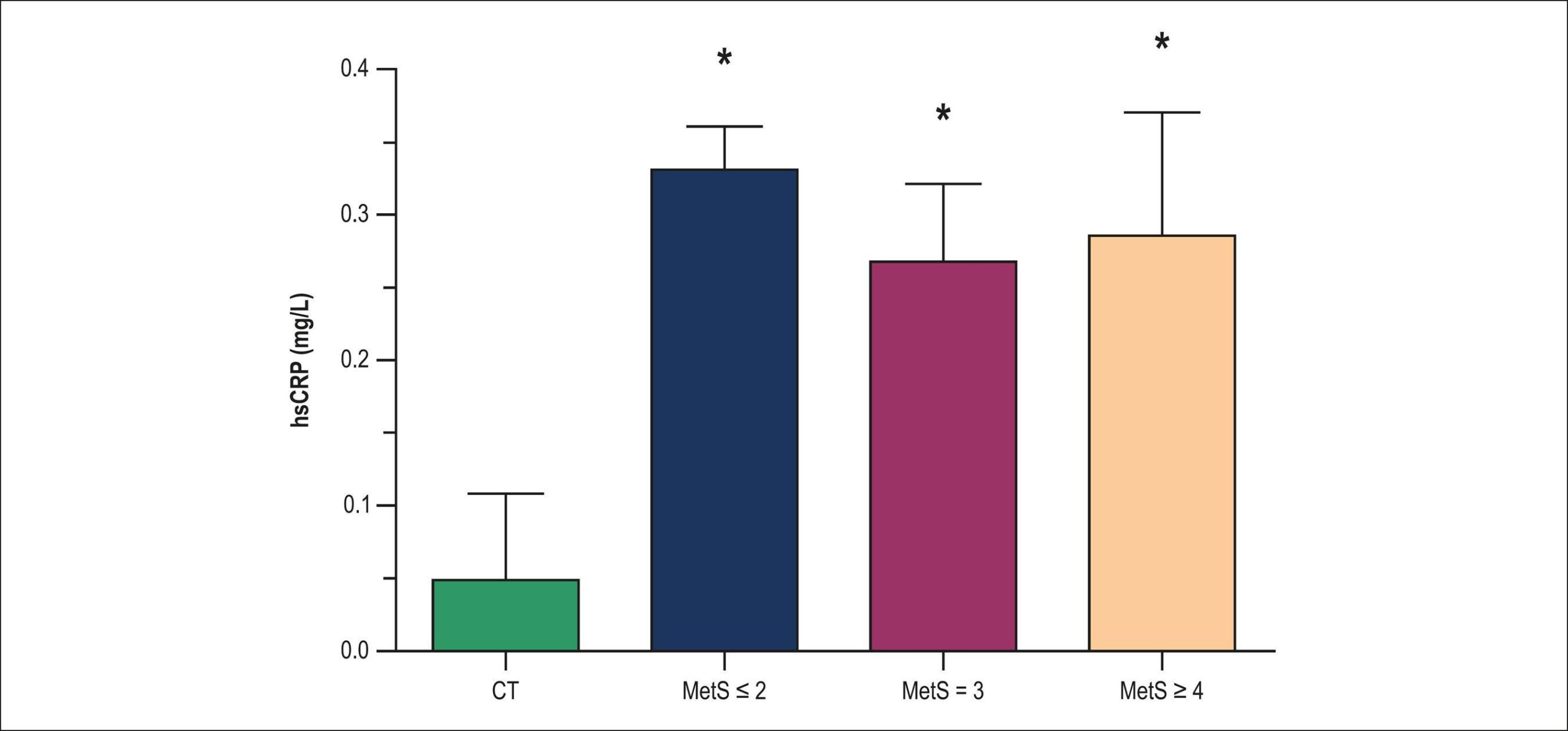
The groups with MetS risk factors presented higher serum hsCRP levels when compared with the CT group (p 0.05). The best linear regression model to explain the association between MetS risk factors and hsCRP levels included waist circumference and HDL cholesterol (r = 0.40, p < 0.01). Women with MetS risk factors presented higher hsCRP levels when compared with men (psex < 0.01).

Conclusions:

Despite the absence of overt diseases and pharmacological treatment, subjects with MetS risk factors already presented increased hsCRP levels, which were significantly higher in women than men at similar conditions.
  • Metabolic Syndrome
  • Protein C
  • Risk Factors
  • Sex Characteristics
Read Full Article
Creative Commons Attribution (CC BY) Creative Commons license
01/03/2016 DOI: 10.5935/abc.20160027 Views 1
Figure 1
ABC
Original Article

High-Sensitivity C-Reactive Protein as a Predictor of Cardiovascular Events after ST-Elevation Myocardial Infarction

Daniel Rios Pinto Ribeiro et al. Adriane Monserrat Ramos Pedro Lima Vieira Eduardo Menti … Odemir Luiz Bordin Jr. Priscilla Azambuja Lopes de Souza Alexandre Schaan de Quadros Vera Lúcia Portal

Background:

The association between high-sensitivity C-reactive protein and recurrent major adverse cardiovascular events (MACE) in patients with ST-elevation myocardial infarction who undergo primary percutaneous coronary intervention remains controversial.

Objective:

To investigate the potential association between high-sensitivity C-reactive protein and an increased risk of MACE such as death, heart failure, reinfarction, and new revascularization in patients with ST-elevation myocardial infarction treated with primary percutaneous coronary intervention.

Methods:

This prospective cohort study included 300 individuals aged >18 years who were diagnosed with ST-elevation myocardial infarction and underwent primary percutaneous coronary intervention at a tertiary health center. An instrument evaluating clinical variables and the Thrombolysis in Myocardial Infarction (TIMI) and Global Registry of Acute Coronary Events (GRACE) risk scores was used. High-sensitivity C-reactive protein was determined by nephelometry. The patients were followed-up during hospitalization and up to 30 days after infarction for the occurrence of MACE. Student’s t, Mann-Whitney, chi-square, and logistic regression tests were used for statistical analyses. P values of ≤0.05 were considered statistically significant.

Results:

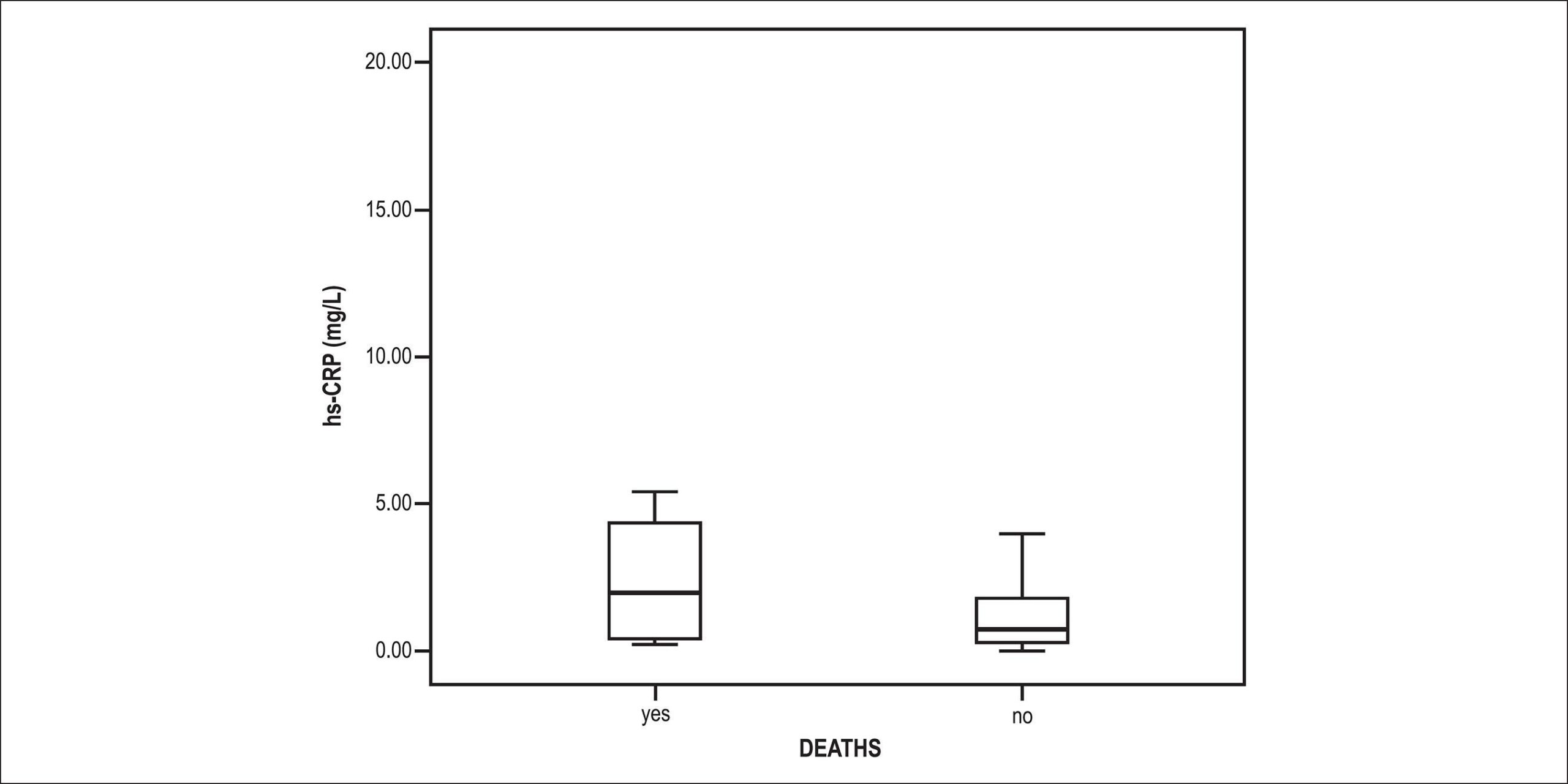
The mean age was 59.76 years, and 69.3% of patients were male. No statistically significant association was observed between high-sensitivity C-reactive protein and recurrent MACE (p = 0.11). However, high-sensitivity C-reactive protein was independently associated with 30-day mortality when adjusted for TIMI [odds ratio (OR), 1.27; 95% confidence interval (CI), 1.07-1.51; p = 0.005] and GRACE (OR, 1.26; 95% CI, 1.06-1.49; p = 0.007) risk scores.

Conclusion:

Although high-sensitivity C-reactive protein was not predictive of combined major cardiovascular events within 30 days after ST-elevation myocardial infarction in patients who underwent primary angioplasty and stent implantation, it was an independent predictor of 30-day mortality.

  • Diagnosis
  • Electrocardiography
  • Myocardial Infarction/mortality
  • Prognosis
  • Protein C
Read Full Article
Creative Commons Attribution (CC BY) Creative Commons license
27/06/2014 DOI: 10.5935/abc.20140086 Views 1
ABC
Original Article

Effects of atorvastatin and T-786C polymorphism of eNOS gene on plasma metabolic lipid parameters

Vanessa Helena de Souza Zago et al. José Eduardo Tanus dos Santos Mirian Regina Gardin Danelon Roger Marcelo Mesquita da Silva … Natália Baratella Panzoldo Eliane Soler Parra Fernanda Alexandre Vítor Wilson de Moura Virgínio Eder Carlos Rocha Quintão Eliana Cotta de Faria

BACKGROUND: Endothelial nitric oxide synthase (eNOS) activity may be modulated by high-density lipoprotein cholesterol (HDL-C), statins or polymorphisms, such as the T-786C of eNOS. OBJECTIVE: This study aimed at evaluating if the T-786C polymorphism is associated with changes of atorvastatin effects on the lipid profile, on the concentrations of metabolites of nitric oxide (NO) and of high sensitivity C-reactive protein (hsCRP). METHODS: Thirty male volunteers, asymptomatic, aged between 18 and 56 years were genotyped and classified according to absence (TT, n = 15) or presence (CC, n = 15) of the polymorphism. They were randomly selected for the use of placebo or atorvastatin (10 mg/day/14 days). After each treatment lipids, lipoproteins, HDL2 and HDL3 composition, cholesteryl ester transfer protein (CETP) activity, metabolites of NO and hsCRP were evaluated. RESULTS: The comparisons between genotypes after placebo showed an increase in CETP activity in a polymorphism-dependent way (TT, 12±7; CC, 22±12; p < 0.05). The interaction analyses between treatments indicated that atorvastatin has an effect on cholesterol, LDL, nitrite and lipid-protein ratios (HDL2 and HDL3) (p < 0.001) in both genotypes. Interestingly, we observed genotype/drug interactions on CETP (p < 0.07) and lipoprotein (a) (Lp(a)) (p < 0.056), leading to a borderline decrease in CETP, but with no effect on Lp(a). HsCRP showed no alteration. CONCLUSION: These results suggest that statin treatment may be relevant for primary prevention of atherosclerosis in patients with the T-786C polymorphism of eNOS, considering the effects on lipid metabolism.

  • Lipid Metabolism
  • Lipid Regulating Agents
  • Nitric Oxide
  • Polymorphism, Genetic
  • Protein C
Read Full Article
Creative Commons Attribution (CC BY) Creative Commons license
18/12/2012 DOI: 10.1590/S0066-782X2012005000120 Views 1
Study of mutations causing hypertrophic cardiomyopathy in a group of patients from Espirito Santo, Brazil
ABC
Artigo Original

Study of mutations causing hypertrophic cardiomyopathy in a group of patients from Espirito Santo, Brazil

Júlia Daher Carneiro Marsiglia et al. Maria do Carmo Pimentel Batitucci Flávia de Paula Clara Barbirato … Edmundo Arteaga Aloir Queiroz de Araújo

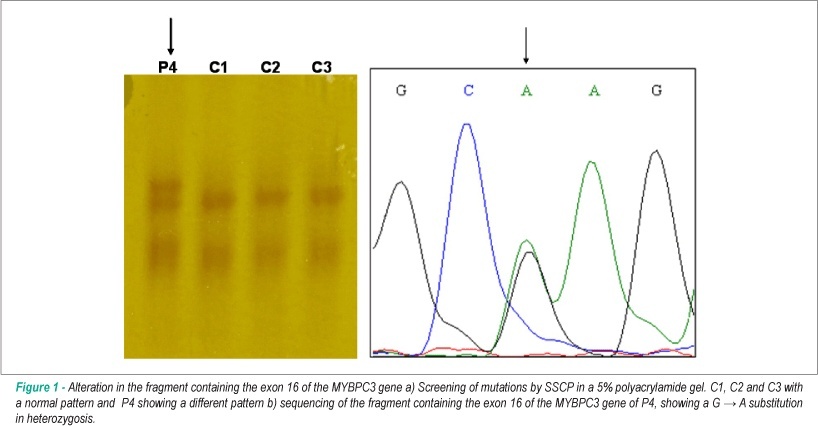
BACKGROUND: Hypertrophic cardiomyopathy (HC) is the most frequent cardiac hereditary disease, caused by mutations in sarcomere protein coding genes. Although more than 430 mutations have been identified in several continents and countries, there have been no reports of mutations in Brazil. OBJECTIVE: To carry out a genetic study to identify genetic mutations that cause HC in a group of patients in Espirito Santo, Brazil. METHODS: Using the SSCP technique, 12 exons from the three main genes involved in HC were studied: exons 15, 20, 21, 22 and 23 of the β-myosin heavy chain gene (MYH7), exons 7, 16, 18, 22 and 24 of the myosin binding protein C gene (MYBPC3) and exons 8 and 9 of troponin T gene (TNNT2). RESULTS: 16 alterations were found, including two mutations, one of them possibly pathogenic in the MYBPC3 gene (p. Glu441Lys) and another pathogenic one, previously described in the TNNT2 gene (p.Arg92Trp), 8 rare sequence variations and 6 sequence variations with allelic frequency higher than 1% (polymorphisms). CONCLUSION: These data allow the conclusion that the genotyping of patients is feasible in our country. It is possible that the isolated p.Glu441Lys variant identified in exon 16 of the MYBPC3 gene is pathogenic, promoting a milder phenotype than that found when in association with other mutations. The p.Arg92Trp variant in the exon 9 of TNNT2 gene does not promote such a homogeneous phenotype as previously described and it can lead to severe hypertrophy.

  • Brazil
  • Cardiomyopathy, Hypertrophic
  • Espirito Santo
  • Genes
  • myosin
  • Protein C
Read Full Article
Creative Commons Attribution (CC BY) Creative Commons license
22/09/2010 DOI: 10.1590/S0066-782X2010000100004
Obesity and coronary artery disease: role of vascular inflammation
ABC
Artigo Original

Obesity and coronary artery disease: role of vascular inflammation

Fernando Gomes et al. Daniela F. Telo Heraldo P. Souza José Carlos Nicolau … Alfredo Halpern Carlos V. Serrano Jr

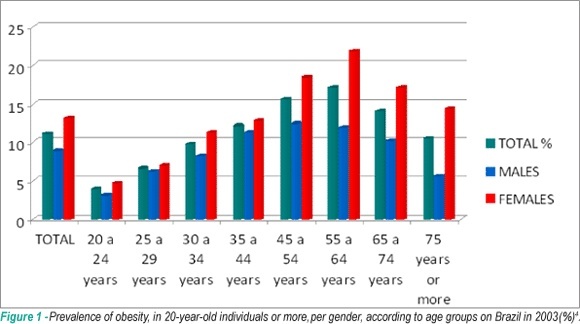
Obesity is becoming a global epidemic. Around 1.1 billion adults and 10% of the world’s children are currently overweight or considered obese. Generally associated with risk factors for cardiovascular disease, such as Diabetes Mellitus and systemic arterial high blood pressure, the obesity has been more and more seen as an independent risk factor for Coronary Artery Disease (CAD). Coronary arteriosclerosis comprises a series of inflammatory responses at cellular and molecular level, whose reactions are stronger in obese patients. In the past, the adipose tissue was regarded as a mere fat deposition. Now it is seen from a totally different standpoint, as an active endocrine and paracrine organ that produces several inflammatory cytokines, such as the adipokines. This article aims to raise awareness about obesity as an increasingly significant public health issue over the past decades, as well as to relate the intense inflammatory process in obese individuals with an increased tendency for this group of individuals to develop CAD.

  • Coronary Artery Disease
  • Inflammation
  • Obesity
  • Protein C
Read Full Article
Creative Commons Attribution (CC BY) Creative Commons license
05/05/2010 DOI: 10.1590/S0066-782X2010000200021 Views 1
Determinants of C-reactive protein in individuals with very low socioeconomic status
ABC
Artigo Original

Determinants of C-reactive protein in individuals with very low socioeconomic status

Luis C. L. Correia et al. Rafaela Penalva Helena Correia Ana M. Ladeia … Marta Menezes Isaac Suzart Agnaluce Moreira José Carlos Lima Bernardo Galvão Armênio C. Guimarães

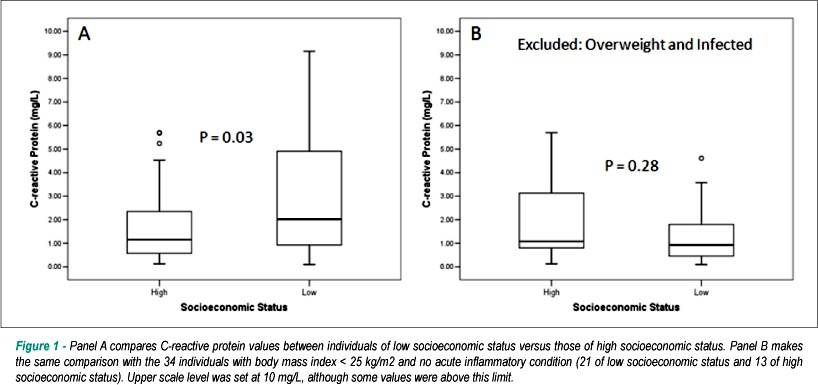
BACKGROUND: Low socioeconomic (SE) status has been associated to inflammation and predictors of C-reactive protein (CRP) have been investigated by studies performed in developed countries. This study aimed to identify predictors of CRP in individuals of very low SE level in a developing country and evaluate whether CRP is related to SE status in this scenario. OBJECTIVE: Eight-two individuals of very low SE level were recruited from a poor, semi-rural community in Brazil. Thirty-two individuals of high socioeconomic level comprised a comparison sample. High-sensitivity CRP was measured by nephelometry. METHODS: Eight-two individuals of very low SE level were recruited from a poor, semi-rural community in Brazil. Thirty-two individuals of high socioeconomic level comprised a comparison sample. High-sensitivity CRP was measured by nephelometry. RESULTS: In the low SE individuals, independent predictors of CRP were body mass index > 25 Kg/m² (P<0.001), smoking (P=0.005) and acute infection conditions (P=0.049). The low SE group (median=2.02 mg/l; interquartile range 0.92 – 4.95 mg/dl) had higher CRP levels compared to the high SE group (1.16 mg/l, interquartile range 0.55 – 2.50 mg/dl, P=0.03). Body mass index tended to be higher (27 ± 4.9 kg/m² vs 25.5 ± 3.2 kg/m²; P=0.07) and the prevalence of acute infection greater (32% vs 3%, P=0.002) in the low SE group. After overweight individuals and those with infectious conditions were excluded, the CRP levels were similar between the groups with low and high SE levels (0.93 mg/l vs 1.08 mg/l, P=0.28). CONCLUSION: Adiposity, infection conditions and smoking are predictors of CRP in individuals with very low SE level. The first two factors determine greater level of inflammation in low SE individuals when compared to the high SE counterparts.

  • Cardiovascular Diseases
  • Inflammation
  • Protein C
  • Risk
  • Social Class
Read Full Article
Creative Commons Attribution (CC BY) Creative Commons license
05/05/2010 DOI: 10.1590/S0066-782X2010000200012

How to cite this article

EndNote RIS

Electronic Document Format (Vancouver)

Garcia VP, Rocha HNM, Sales ARK, Rocha NG, Nóbrega ACL. Sex Differences in High Sensitivity C-Reactive Protein in Subjects with Risk Factors of Metabolic Syndrome. Arquivos Brasileiros de Cardiologia 2016;106(3):182-7.

Electronic Document Format (ABNT)

Garcia, Vinicius Pacheco; Rocha, Helena Naly Miguens; Sales, Allan Robson Kluser; Rocha, Natália Galito; Nóbrega, Antonio Claudio Lucas da. Sex Differences in High Sensitivity C-Reactive Protein in Subjects with Risk Factors of Metabolic Syndrome. Arquivos Brasileiros de Cardiologia, v. 106, n. 3, p. 182-187, Feb. 2016.

Electronic Document Format (APA)

Garcia, V. P., Rocha, H. N. M., Sales, A. R. K., Rocha, N. G., & Nóbrega, A. C. L. (2016). Sex Differences in High Sensitivity C-Reactive Protein in Subjects with Risk Factors of Metabolic Syndrome. Arquivos Brasileiros de Cardiologia, 106(3), 182-187.

Electronic Document Format (ISO)

Garcia, Vinicius Pacheco and Rocha, Helena Naly Miguens and Sales, Allan Robson Kluser and Rocha, Natália Galito and Nóbrega, Antonio Claudio Lucas da. Sex Differences in High Sensitivity C-Reactive Protein in Subjects with Risk Factors of Metabolic Syndrome. Arquivos Brasileiros de Cardiologia [online]. 2016, vol. 106, n. 3, [cited 2026-10-15], pp. 182-187. Available from: <https://journals.cardiol.br/en/article/sex-differences-in-high-sensitivity-c-reactive-protein-in-subjects-with-risk-factors-of-metabolic-syndrome/>. ISSN 0066-782X

EndNote RIS

Electronic Document Format (Vancouver)

Ribeiro DRP, Ramos AM, Vieira PL, Menti E, Bordin Jr. OL, Souza PAL, Quadros AS, et al. High-Sensitivity C-Reactive Protein as a Predictor of Cardiovascular Events after ST-Elevation Myocardial Infarction. Arquivos Brasileiros de Cardiologia 2014;103(1):69-75.

Electronic Document Format (ABNT)

Ribeiro, Daniel Rios Pinto; Ramos, Adriane Monserrat; Vieira, Pedro Lima; Menti, Eduardo; Bordin Jr., Odemir Luiz; Souza, Priscilla Azambuja Lopes de; Quadros, Alexandre Schaan de; Portal, Vera Lúcia. High-Sensitivity C-Reactive Protein as a Predictor of Cardiovascular Events after ST-Elevation Myocardial Infarction. Arquivos Brasileiros de Cardiologia, v. 103, n. 1, p. 69-75, Jun. 2014.

Electronic Document Format (APA)

Ribeiro, D. R. P., Ramos, A. M., Vieira, P. L., Menti, E., Bordin Jr., O. L., Souza, P. A. L. , Quadros, A. S. , & Portal, V. L. (2014). High-Sensitivity C-Reactive Protein as a Predictor of Cardiovascular Events after ST-Elevation Myocardial Infarction. Arquivos Brasileiros de Cardiologia, 103(1), 69-75.

Electronic Document Format (ISO)

Ribeiro, Daniel Rios Pinto and Ramos, Adriane Monserrat and Vieira, Pedro Lima and Menti, Eduardo and Bordin Jr., Odemir Luiz and Souza, Priscilla Azambuja Lopes de and Quadros, Alexandre Schaan de and Portal, Vera Lúcia. High-Sensitivity C-Reactive Protein as a Predictor of Cardiovascular Events after ST-Elevation Myocardial Infarction. Arquivos Brasileiros de Cardiologia [online]. 2014, vol. 103, n. 1, [cited 2026-10-15], pp. 69-75. Available from: <https://journals.cardiol.br/en/article/high-sensitivity-c-reactive-protein-as-a-predictor-of-cardiovascular-events-after-st-elevation-myocardial-infarction/>. ISSN 0066-782X

EndNote RIS

Electronic Document Format (Vancouver)

Zago VHS, Santos JET, Danelon MRG, Silva RMM, Panzoldo NB, Parra ES, Alexandre F, et al. Effects of atorvastatin and T-786C polymorphism of eNOS gene on plasma metabolic lipid parameters. Arquivos Brasileiros de Cardiologia 2012;100(1):14-20.

Electronic Document Format (ABNT)

Zago, Vanessa Helena de Souza; Santos, José Eduardo Tanus dos; Danelon, Mirian Regina Gardin; Silva, Roger Marcelo Mesquita da; Panzoldo, Natália Baratella; Parra, Eliane Soler; Alexandre, Fernanda; Virgínio, Vítor Wilson de Moura; Quintão, Eder Carlos Rocha; Faria, Eliana Cotta de. Effects of atorvastatin and T-786C polymorphism of eNOS gene on plasma metabolic lipid parameters. Arquivos Brasileiros de Cardiologia, v. 100, n. 1, p. 14-20, Dec. 2012.

Electronic Document Format (APA)

Zago, V. H. S., Santos, J. E. T. , Danelon, M. R. G., Silva, R. M. M. , Panzoldo, N. B., Parra, E. S., Alexandre, F., Virgínio, V. W. M., Quintão, E. C. R., & Faria, E. C. (2012). Effects of atorvastatin and T-786C polymorphism of eNOS gene on plasma metabolic lipid parameters. Arquivos Brasileiros de Cardiologia, 100(1), 14-20.

Electronic Document Format (ISO)

Zago, Vanessa Helena de Souza and Santos, José Eduardo Tanus dos and Danelon, Mirian Regina Gardin and Silva, Roger Marcelo Mesquita da and Panzoldo, Natália Baratella and Parra, Eliane Soler and Alexandre, Fernanda and Virgínio, Vítor Wilson de Moura and Quintão, Eder Carlos Rocha and Faria, Eliana Cotta de. Effects of atorvastatin and T-786C polymorphism of eNOS gene on plasma metabolic lipid parameters. Arquivos Brasileiros de Cardiologia [online]. 2012, vol. 100, n. 1, [cited 2026-10-15], pp. 14-20. Available from: <https://journals.cardiol.br/en/article/effects-of-atorvastatin-and-t-786c-polymorphism-of-enos-gene-on-plasma-metabolic-lipid-parameters/>. ISSN 0066-782X

EndNote RIS

Electronic Document Format (Vancouver)

Marsiglia JDC, Batitucci MCP, Paula F, Barbirato C, Arteaga E, Araújo AQ. Study of mutations causing hypertrophic cardiomyopathy in a group of patients from Espirito Santo, Brazil. Arquivos Brasileiros de Cardiologia 2010;94(1):10-7.

Electronic Document Format (ABNT)

Marsiglia, Júlia Daher Carneiro; Batitucci, Maria do Carmo Pimentel; Paula, Flávia de; Barbirato, Clara; Arteaga, Edmundo; Araújo, Aloir Queiroz de. Study of mutations causing hypertrophic cardiomyopathy in a group of patients from Espirito Santo, Brazil. Arquivos Brasileiros de Cardiologia, v. 94, n. 1, p. 10-17, Sep. 2010.

Electronic Document Format (APA)

Marsiglia, J. D. C., Batitucci, M. C. P., Paula, F. , Barbirato, C., Arteaga, E., & Araújo, A. Q. (2010). Study of mutations causing hypertrophic cardiomyopathy in a group of patients from Espirito Santo, Brazil. Arquivos Brasileiros de Cardiologia, 94(1), 10-17.

Electronic Document Format (ISO)

Marsiglia, Júlia Daher Carneiro and Batitucci, Maria do Carmo Pimentel and Paula, Flávia de and Barbirato, Clara and Arteaga, Edmundo and Araújo, Aloir Queiroz de. Study of mutations causing hypertrophic cardiomyopathy in a group of patients from Espirito Santo, Brazil. Arquivos Brasileiros de Cardiologia [online]. 2010, vol. 94, n. 1, [cited 2026-10-15], pp. 10-17. Available from: <https://journals.cardiol.br/en/article/study-of-mutations-causing-hypertrophic-cardiomyopathy-in-a-group-of-patients-from-espirito-santo-brazil/>. ISSN 0066-782X

EndNote RIS

Electronic Document Format (Vancouver)

Gomes F, Telo DF, Souza HP, Nicolau JC, Halpern A, Serrano Jr CV. Obesity and coronary artery disease: role of vascular inflammation. Arquivos Brasileiros de Cardiologia 2010;94(2):273-9.

Electronic Document Format (ABNT)

Gomes, Fernando; Telo, Daniela F.; Souza, Heraldo P.; Nicolau, José Carlos; Halpern, Alfredo; Serrano Jr, Carlos V.. Obesity and coronary artery disease: role of vascular inflammation. Arquivos Brasileiros de Cardiologia, v. 94, n. 2, p. 273-279, May. 2010.

Electronic Document Format (APA)

Gomes, F., Telo, D. F., Souza, H. P., Nicolau, J. C., Halpern, A., & Serrano Jr, C. V. (2010). Obesity and coronary artery disease: role of vascular inflammation. Arquivos Brasileiros de Cardiologia, 94(2), 273-279.

Electronic Document Format (ISO)

Gomes, Fernando and Telo, Daniela F. and Souza, Heraldo P. and Nicolau, José Carlos and Halpern, Alfredo and Serrano Jr, Carlos V.. Obesity and coronary artery disease: role of vascular inflammation. Arquivos Brasileiros de Cardiologia [online]. 2010, vol. 94, n. 2, [cited 2026-10-15], pp. 273-279. Available from: <https://journals.cardiol.br/en/article/obesity-and-coronary-artery-disease-role-of-vascular-inflammation/>. ISSN 0066-782X

EndNote RIS

Electronic Document Format (Vancouver)

Correia LCL, Penalva R, Correia H, Ladeia AM, Menezes M, Suzart I, Moreira A, et al. Determinants of C-reactive protein in individuals with very low socioeconomic status. Arquivos Brasileiros de Cardiologia 2010;94(2):216-23.

Electronic Document Format (ABNT)

Correia, Luis C. L.; Penalva, Rafaela; Correia, Helena; Ladeia, Ana M.; Menezes, Marta; Suzart, Isaac; Moreira, Agnaluce; Lima, José Carlos; Galvão, Bernardo; Guimarães, Armênio C.. Determinants of C-reactive protein in individuals with very low socioeconomic status. Arquivos Brasileiros de Cardiologia, v. 94, n. 2, p. 216-223, May. 2010.

Electronic Document Format (APA)

Correia, L. C. L., Penalva, R., Correia, H., Ladeia, A. M., Menezes, M., Suzart, I., Moreira, A., Lima, J. C., Galvão, B., & Guimarães, A. C. (2010). Determinants of C-reactive protein in individuals with very low socioeconomic status. Arquivos Brasileiros de Cardiologia, 94(2), 216-223.

Electronic Document Format (ISO)

Correia, Luis C. L. and Penalva, Rafaela and Correia, Helena and Ladeia, Ana M. and Menezes, Marta and Suzart, Isaac and Moreira, Agnaluce and Lima, José Carlos and Galvão, Bernardo and Guimarães, Armênio C.. Determinants of C-reactive protein in individuals with very low socioeconomic status. Arquivos Brasileiros de Cardiologia [online]. 2010, vol. 94, n. 2, [cited 2026-10-15], pp. 216-223. Available from: <https://journals.cardiol.br/en/article/determinants-of-c-reactive-protein-in-individuals-with-very-low-socioeconomic-status/>. ISSN 0066-782X

  • About ABC Family
  • Internal Regulation
  • Editorial Board
  • Brazilian Society of Cardiology (SBC)

Issues

SBC Guidelines

  • Videos
  • Podcasts
  • News