| IJCS
ABC Family Arquivos Brasileiros de Cardiologia International Journal of Cardiovascular Sciences ABC Heart Failure & Cardiomyopathy ABC Imagem Cardiovascular
Português English
ABC Family | IJCS
Português English
  • About
    • About the Journal
    • Internal Regulation
    • Editors Section
    • Editorial Board
    • SBC Award
  • Instructions to Authors
    • Guidelines for Publication
    • Editorial Policy
    • Ethics Policy
    • Policy on the Use of Artificial Intelligence
    • Mandatory Publication Form
    • Publication Fee
  • Issues
  • SBC Guidelines
  • Abstracts
    • How to Publish an Abstract Supplement?
    • Published Supplements
  • About
    • About the Journal
    • Internal Regulation
    • Editors Section
    • Editorial Board
    • SBC Award
  • Instructions to Authors
    • Guidelines for Publication
    • Editorial Policy
    • Ethics Policy
    • Policy on the Use of Artificial Intelligence
    • Mandatory Publication Form
    • Publication Fee
  • Issues
  • SBC Guidelines
  • Abstracts
    • How to Publish an Abstract Supplement?
    • Published Supplements

ABC Family

  • ABC Family
  • Arquivos Brasileiros de Cardiologia
  • International Journal of Cardiovascular Sciences
  • ABC Heart Failure & Cardiomyopathy
  • ABC Imagem Cardiovascular
Search in

No content found.

Journals
Ordering
Article types
Others

  1. Home
  2. IJCS
  3. Issues
  4. 2017, Volume 30, Number 6
Figure 1
Original Article

Cirrhotic Patients with Child-Pugh C Have Longer QT Intervals

Pedro Gemal Lanzieri et al. Ronaldo Altenburg Gismondi Matheus de Castro Abi-Ramia Chimelli Raíssa Pereira Cysne … Thais Guaraná Cláudio Tinoco Mesquita Luís Otávio Mocarzel

Abstract

Background and aims:

Cirrhotic cardiomyopathy has been used to describe chronic cardiac dysfunction in cirrhotic patients with no previous structural heart disease. Additionally, QT prolongation is one of the most important cardiac alterations related to cirrhosis. Previous studies suggest that QT prolongation is associated with a higher mortality rate among cirrhotic patients. The aim of this study was to analyze QT intervals according to cirrhosis severity as measured by the Child-Pugh classification.

Materials and methods:

In a cross-sectional study, a total of 67 patients with nonalcoholic cirrhosis underwent clinical and electrocardiographic evaluation. Cirrhosis severity was classified according to the Child-Pugh score. The QT interval was measured by a 12-lead electrocardiogram.

Results:

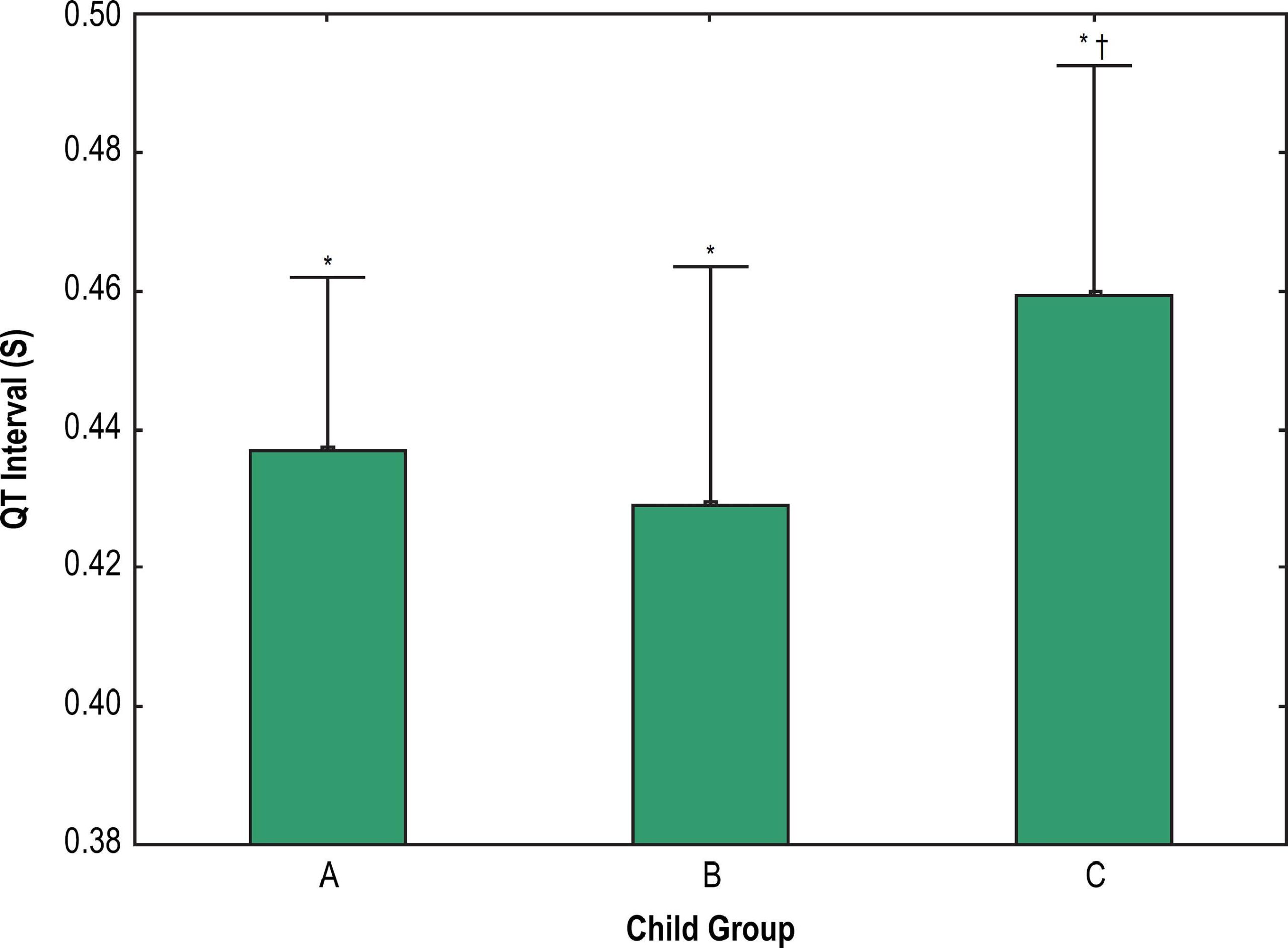
The QT intervals were longer in patients in the Child-Pugh C group than those in the Child-Pugh A and B groups (459 ± 33 vs 436 ± 25 and 428 ± 34 ms, respectively, p = 0.004). There was a positive correlation between the QT interval and the Child-Pugh score in individuals with Child-Pugh scores ≥ 7 (r = 0.50, p < 0.05) and QT intervals ≥ 440 ms (r = 0.46, p < 0.05).

Conclusion:

The present study showed longer QT intervals in patients with Child-Pugh C cirrhosis, which reinforced the relationship between the severity of cirrhosis and electrocardiographic findings of cirrhotic cardiomyopathy. Moreover, this finding emerged in patients with no cardiac symptoms, which highlighted the importance of a simple and noninvasive method (ECG) to identify cirrhotic patients with cardiomyopathy.
  • Cardiomyopathies
  • Electrocardiography/methods
  • Liver Cirrhosis / mortality
  • Long QT Syndrome
Read Full Article
Creative Commons Attribution (CC BY) Creative Commons license
23/10/2017 DOI: 10.5935/2359-4802.20170084 Views 1
Figure 1
Original Article

Use of HAS-BLED Score in an Anticoagulation Outpatient Clinic of a Tertiary Hospital

Rafael Coimbra Ferreira Beltrame et al. Franciele Taís Bandeira Giasson André Luís Ferreira Azeredo da Silva Bruna Sessim Gomes … Luís Carlos Amon Marina Bergamini Blaya Rafael Selbach Scheffel Fernando Pivatto Júnior

Abstract

Background:

HAS-BLED score was developed to assess 1-year major bleeding risk in patients anticoagulated with vitamin K antagonists (VKA) due to atrial fibrillation (AF).

Objective:

Of this study was to assess the ability of HAS-BLED score and its components to predict major bleeding in patients treated in an anticoagulation outpatient clinic of a tertiary hospital.

Methods:

A retrospective cohort study on AF patients treated with VKA was conducted. Logistic regression analysis was performed to evaluate the ability of individual score components to predict major bleeding. The significance level adopted in all tests was 5%.

Results:

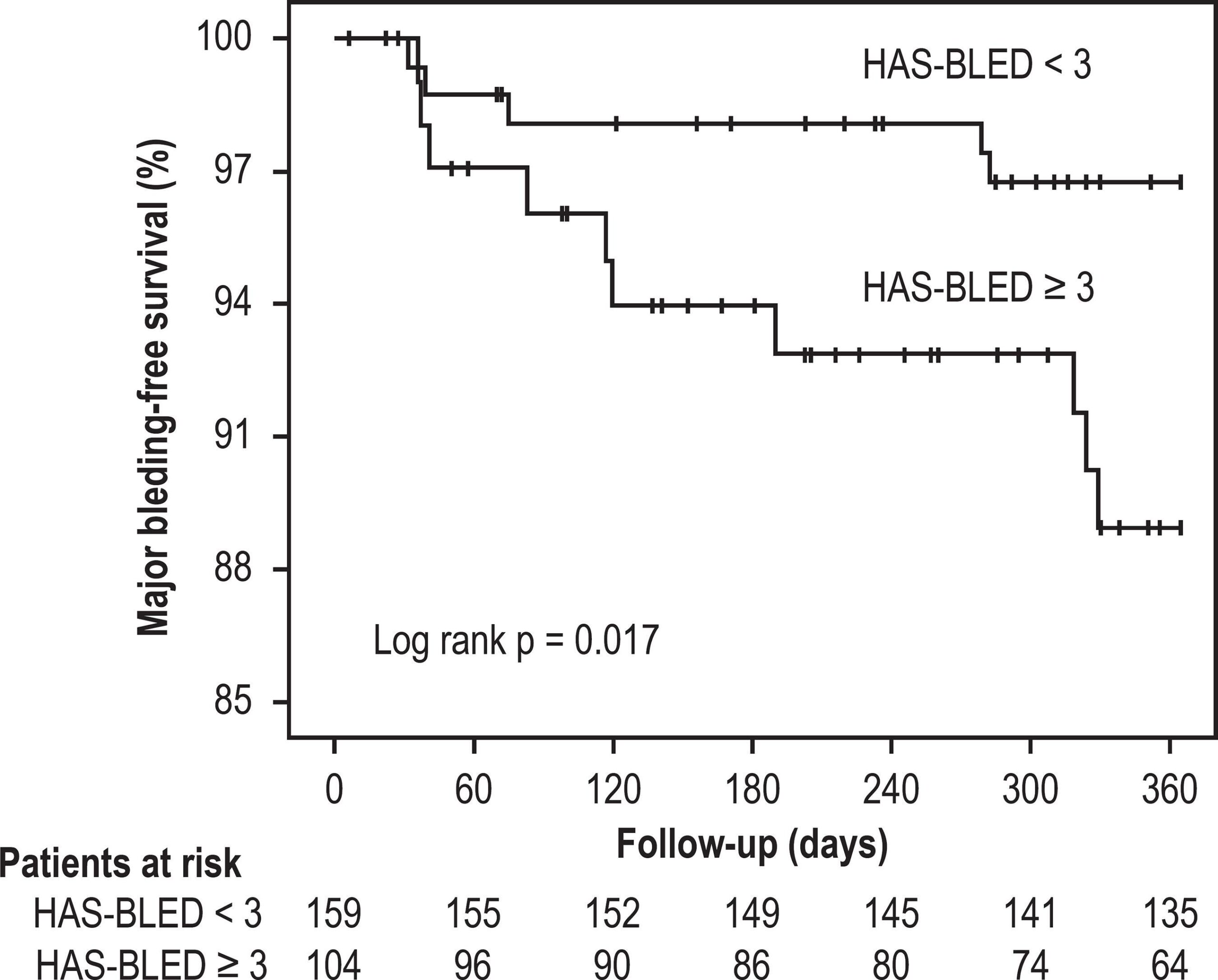
We studied 263 patients with a mean age of 71.1 ± 10.5 years over a period of 237.6 patients-year. Median HAS-BLED score was 2 (1-3). The overall incidence of major bleeding was 5.7%, and it was higher among high-risk HAS-BLED score patients than in low risk patients (9.6 vs. 3.1%; p = 0.052). Area under the ROC curve was 0.70 (p = 0.01). Cut-off point ≥ 3 showed sensibility of 66.7%, specificity of 62.1%, positive predictive value of 9.6% and negative predictive value of 96.9%. Major bleeding-free survival was lower in high-risk group (p = 0.017). In multivariate analysis, concurrent antiplatelet use was the only independent predictor of major bleeding among score components (OR 5.13, 95%CI: 1.55-17.0; p = 0.007).

Conclusion:

HAS-BLED score was able to predict major bleeding in this cohort of AF patients. Among score components, special attention should be given for concomitant antiplatelet use, which was independently associated to this outcome. Antiplatelets in AF patients under VKA anticoagulation should be used in selected patients with favorable risk-benefit assessment.

  • Atrial Fibrillation
  • Hemorrhage
  • hospital
  • outpatient clinics
Read Full Article
Creative Commons Attribution (CC BY) Creative Commons license
25/09/2017 DOI: 10.5935/2359-4802.20170081 Views 1
Figure 1
Original Article

NT-ProBNP at Admission Versus NT-ProBNP at Discharge as a Prognostic Predictor in Acute Decompensated Heart Failure

Janine Magalhães et al. Fábio Soares Márcia Noya Gabriel Neimann … Lucas Andrade Luiz Correia

Abstract

Background:

Patients admitted for decompensated heart failure (HF) receive intensive diuretic and vasodilator therapy in the first days. Normally, this is a successful approach that leads to HF compensation and hospital discharge. However, recurrences within the first week of discharge are common.

Objective:

to evaluate whether the main predictor of recurrent outcomes in patients with HF is the severity of decompensation at admission or patient’s blood volume after clinical management.

Methods:

Prospective, cohort study of patients admitted between January 2013 and October 2014, with diagnosis of acute decompensated HF, who were followed-up for 60 days after discharge. Inclusion criterion was increased plasma NT-proBNP (> 450 pg/mL for patients younger than 50 years or > 900 pg/mL for patients older than 50 years). Primary outcome was the combination of cardiovascular death with rehospitalization for decompensated HF in 60 days.

Results:

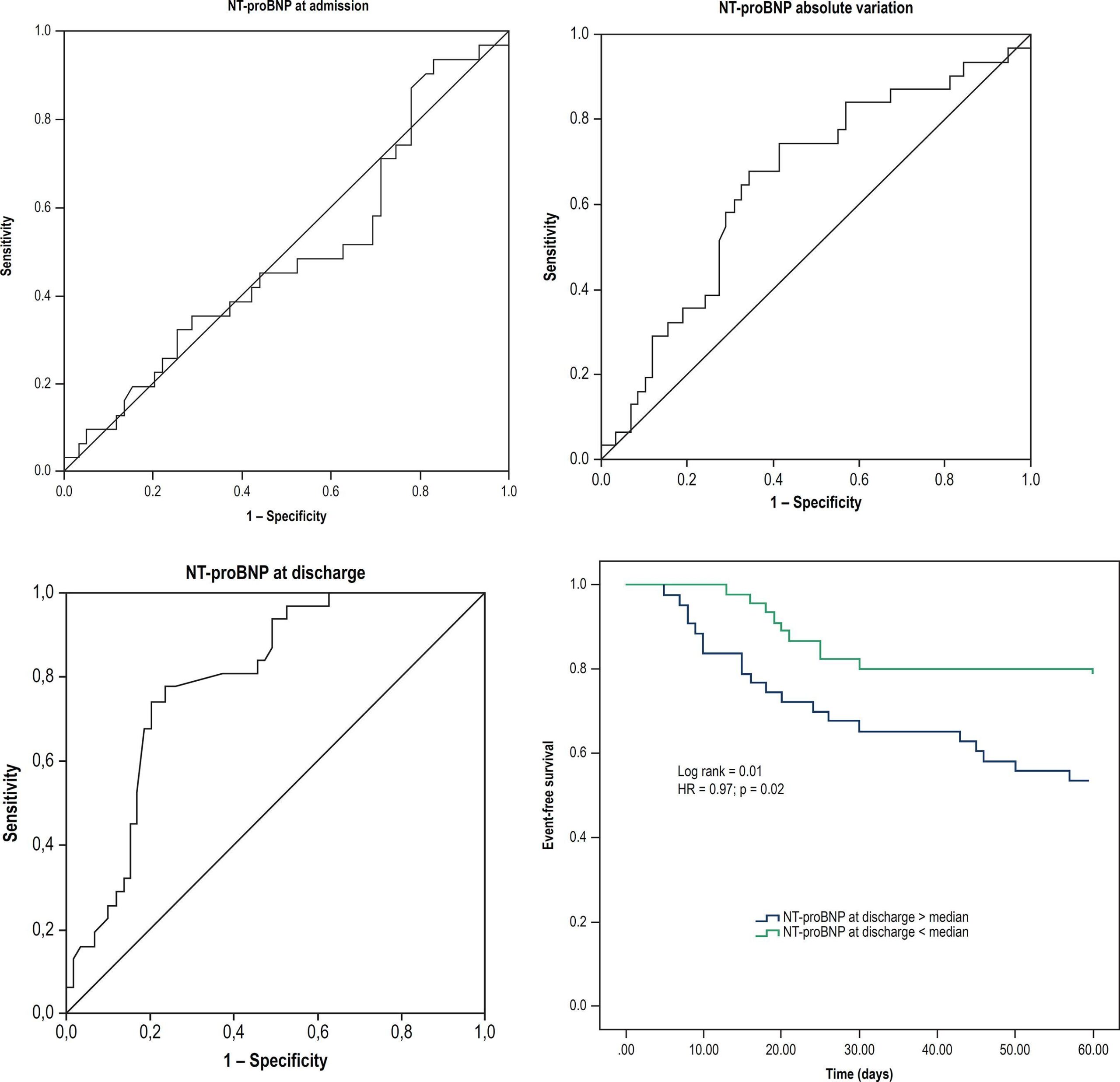
Ninety patients were studied, with median NT-proBNP at admission of 3,947pg/mL (IQR: 2,370 – 7,000 pg/mL), and median NT-proBNP at discharge of 1,946pg/mL (IQR: 1,000 – 3,781 pg/mL). The incidence of combined outcome was 30% (12.2% of deaths and 20% of rehospitalization). The area under the ROC curve for NT-proBNP at admission and 60-day cardiovascular events was 0.49 (p = 0.89; 95% CI = 0.36 – 0.62). The area under the curve of NT-proBNP absolute variation for 60 day-events was 0.65 (p = 0.04; 95%CI = 0.51 – 0.79), and the area under the curve for NT-BNP at discharge was 0.69 (p = 0.03; 95%CI = 0.58 – 0.80). In the multivariate analysis, pre-discharge NT-proBNP was a predictor of the primary outcome, independently of the NT-proBNP at admission and other risk factors.

Conclusion:

Different from the severity of decompensation at hospitalization, blood volume after compensation of HF is associated with recurrent event. This finding suggests that, regardless of initial severity, therapy response during hospitalization is determinant of the risk of recurrent decompensation.

  • Heart Failure / mortality
  • Heart Failure /therapy
  • Hospitalization
  • Natriuretic Peptide
  • Ventricular Dysfunction
Read Full Article
Creative Commons Attribution (CC BY) Creative Commons license
25/09/2017 DOI: 10.5935/2359-4802.20170082 Views 1
Original Article

Predictors for Indication to Catheterization after Myocardial Perfusion Gated Spect

Fernanda de Oliveira Mesquita et al. Larissa Andrade Lívia Pitta Andrea Rocha de Lorenzo Ronaldo de Souza Leão Lima

Abstract

Background:

Patients with coronary artery disease with left ventricular dysfunction present higher mortality and are the major beneficiaries of a myocardial revascularization procedure. A previous study showed that left ventricular ejection fraction (LVEF) is a negative determinant for cardiac catheterization (CAT) after myocardial perfusion scintigraphy (MPS).

Objective:

To determine clinical and scintigraphic factors associated with cardiac catheterization (CAT) indication in patients undergoing myocardial perfusion SPECT (MPS).Population: Patients consecutively submitted to PMC in the period from March 2008 to December 2012.

Methods:

All patients undergoing MPS during the study were recorded in a data bank, where epidemiological, clinical and scintigraphic data (perfusion scores and LVEF) were recorded. Patients or their attending physicians were contacted by phone semiannually for follow-up. For statistical analysis, univariate analyzes were performed and variables were selected for inclusion in a logistic regression model.

Results:

5536 patients were submitted to MPS, of which 643 performed CAT after the examination. This group presents a higher prevalence of males, hypertensive, dyslipidemic and previously revascularized. Patients undergoing CAT have angina more frequently, more extensive ischemia scores and lower LVEF. Only presence of angina (IC 95% 1.2 – 1.7, p < 0.001) and extent of ischemia (95% CI 1.2 – 1.3, p < 0.001) were independent variables for CAT indication.

Conclusion:

The presence of angina and the extent of ischemia were the main predictors for CAT post-MPS indication while lower LVEF was not an independent predictor.

  • Cardiac Catheterization
  • Coronary Diseases
  • Myocardial/diagnostic imaging
  • Ventricular Dysfunction, Left/mortality
Read Full Article
Creative Commons Attribution (CC BY) Creative Commons license
21/09/2017 DOI: 10.5935/2359-4802.20170078 Views 1
Figure 1
Original Article

Assessment of Central Blood Pressure and Arterial Stiffness in Practicing Long-Distance Walking Race

Edison Nunes Pereira et al. Priscila Valverde de Oliveira Vitorino Weimar Kunz Sebba Barroso de Souza Mariana Cardoso Pinheiro … Ana Luiza Lima Sousa Paulo Cesar Brandão Veiga Jardim Jeeziane Marcelino Rezende Antonio Coca

Abstract

Background:

An ecological hiking occurs yearly in Brazil. It is a unique event because of its distance (310 km) and dynamics (mean of 62 km/day for 5 days with mean pace of 7.6 km/h). Although beneficial effects of moderate-intensity exercises are well-known, the effects of intense and long-duration exercise still require study.

Objective:

To evaluate the effects of mixed walking/running race on various blood pressure (BP) parameters 30 days before (A0), on the 2nd (A2), 3rd (A3), and 4th (A4) days after completing the day’s stage.

Methods:

Central systolic (cSBP) and diastolic BP (cDBP), peripheral systolic (pSBP) and diastolic BP (pDBP), central pulse pressure (cPP), peripheral pulse pressure (pPP), amplified pulse pressure (aPP), corrected augmentation index (AIx75%) and pulse wave velocity (PWV) were measured using an oscillometric Mobil-O-Graph® (IEM, Stolberg, Germany) in 25 male athletes (mean age of 45.3 ± 9.1 years). A p value < 0.05 was considered a statistically-significant difference.

Results:

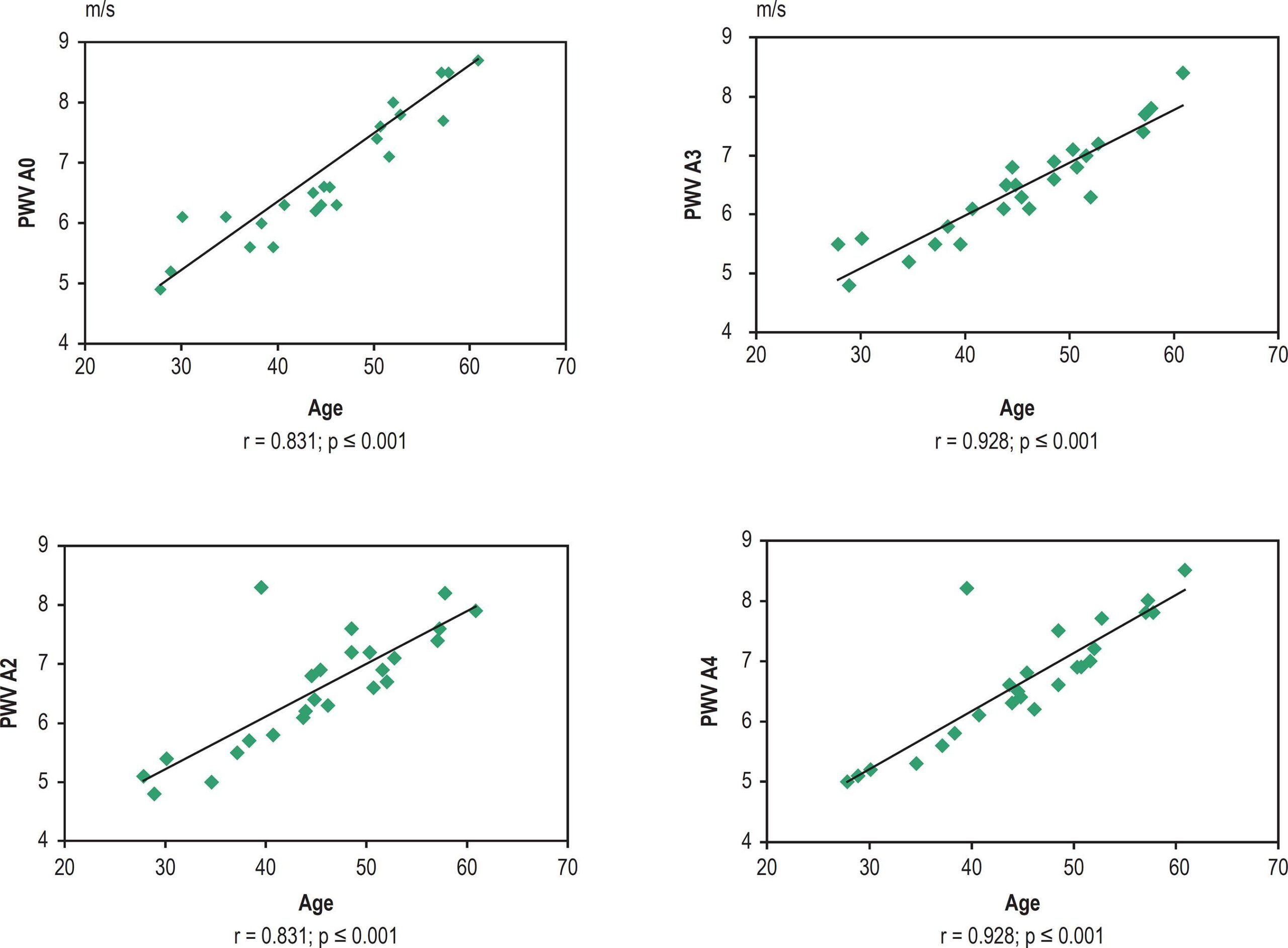
cSBP decreased from A0 to A2 (109.5 to 118.1 mmHg) and from A0 to A3 (109.5 to 102.5 mmHg); pPP decrease from A0 to A2 (49.2 to 38.2 mmHg) and from A0 to A4 (49.2 to 41.2 mmHg); aPP decrease from A0 to A1 (15.6 to 9.5 mmHg), from A0 to A2 (15.6 to 8.0 mmHg) and from A0 to A3 (15.6 to 11.2 mmHg). PWV correlated with age.

Conclusions:

Blood pressure dropped on the first days of the race and returned to close to baseline values at the end. PWV correlates strongly with age. This type of exercise promotes effects on BP and PWV similar to those seen in long-duration, high-intensity sports. These changes in trained healthy individuals do not seem to increase cardiovascular risks. This was the first study to assess the effects of this type of exercise on the cardiovascular system.

  • Blood Pressure
  • Exercise
  • Hypertension
  • Pulse Wave Analysis
  • Vascular Stiffness
  • walking
Read Full Article
Creative Commons Attribution (CC BY) Creative Commons license
21/09/2017 DOI: 10.5935/2359-4802.20170076 Views 1
Figure 1
Original Article

Safflower Oil (Carthamus tinctorius L.) Intake Increases Total Cholesterol and LDL-cholesterol Levels in an Experimental Model of Metabolic Syndrome

Lidiani Figueiredo Santana et al. Thaisa da Silva Dutra Marcos Alexandre de Souza Karine de Cássia Freitas … Silvia Aparecida Oesterreich Cândida Aparecida Leite Kassuya Fabíola Lacerda Pires Soares

Abstract

Background:

Overweight has been considered an important public health problem. To reverse this situation, various types of treatment are proposed. The safflower oil (Carthamus tinctorius L.) has been used in the prevention/treatment of obesity.

Objectives:

The aim of this study was to evaluate the therapeutic effects of this oil in an experimental model of metabolic syndrome.

Methods:

Male Wistar rats initially received a highly palatable (HP) diet for ten weeks for validation of a metabolic syndrome model. Following confirmation, the animals were treated with a HP diet and soybean oil (HPSO) or safflower oil (HPSA) supplementation (1.0 mL/1000 g of animal weight). At the end of the experiment, the body composition, lipid profile and blood glucose levels of the animals were assessed. Student t test was used for statistical analysis.

Results:

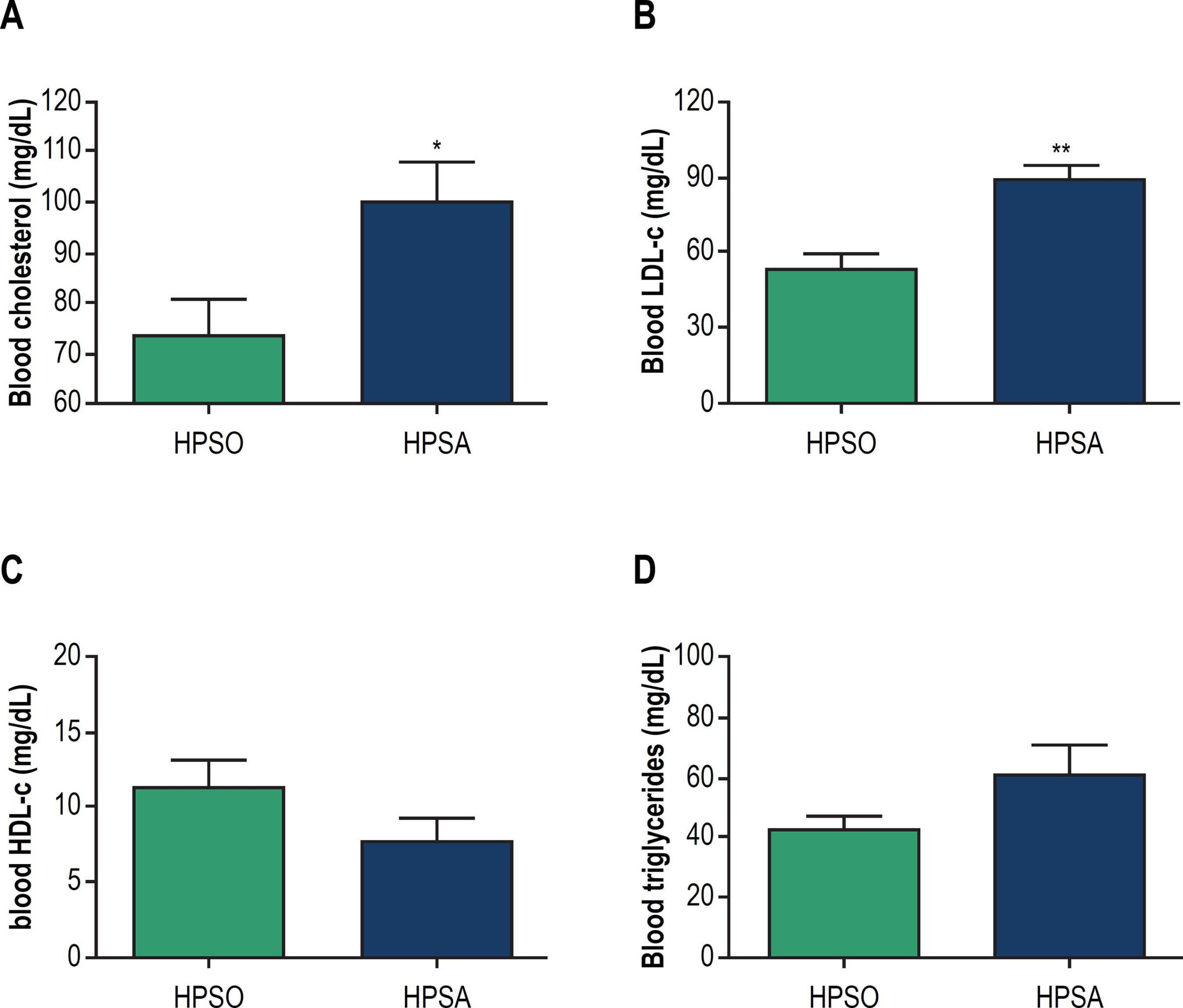
In the first stage (induction of metabolic syndrome), the animals given the HP diet showed gain weight (p < 0.001), visceral adiposity (p = 0.001), and significantly higher levels of blood glucose (p = 0.001) and triglycerides (p = 0.03) than those of the control group. Also, there was a difference in liver weight (p = 0.01). These results demonstrate that the HP diet administration is an effective model for the experimental metabolic syndrome study. In the second stage, the animals of the HPSA group showed increased total cholesterol (p < 0.05) and LDL-cholesterol (p < 0.001) levels.

Conclusion:

Under the referred experimental conditions, the use of safflower oil can cause possible deleterious effects on the lipid profile in a metabolic syndrome experimental model.

  • Carthamus
  • Cholesterol
  • Dyslipidemias
  • Metabolic Syndrome
  • Obesity / prevention & control
  • Oils
Read Full Article
Creative Commons Attribution (CC BY) Creative Commons license
21/09/2017 DOI: 10.5935/2359-4802.20170075 Views 1
Review Article

Performance of Diagnostic Tests for Intermediate Probabilities of Coronary Heart Disease: A Decision Making Analysis

Clarissa Antunes Thiers et al. João Luis Barbosa Bernardo Rangel Tura Edilson Fernandes Arruda Basilio de Bragança Pereira

Abstract

Patients with intermediate probability of coronary disease are a diagnostic challenge and it is precisely in this population where the degree of uncertainty is greater that the diagnostic tests have their greater applicability. However, according to the current definition, subjecting to tests a population with a disease probability between 10 and 90% can generate unnecessary tests and misleading results. Knowing the characteristics of each test, as well as risks and benefits of drug treatment for coronary disease and combining this information through diagnostic thresholds brings a new perspective to decision making. To review the origin of the currently recommended concepts of intermediate probability and to determine the thresholds for diagnosis and treatment of noninvasive tests and, based on them, propose a new concept of intermediate probability of coronary disease. Through the bibliographic review, meta-analyses were extracted in which data of sensitivity, specificity, positive and negative likelihood ratio, risks and benefits of the tests and treatment were provided. Using an algorithm developed by Pauker et al. it was possible to obtain the diagnostic and treatment thresholds adjusted for each tests in question. The concept of intermediate probability of coronary disease is quite broad, ranging, according to the authors, between 10 and 90%, 1 and 92%, 15 and 85%, with different rationale. Considering the discriminatory power of each test, risks and treatment benefits, the diagnostic and treatment thresholds were defined for exercise testing (22-58%), eco-stress (10-72%), myocardial scintigraphy (12-80%), nuclear magnetic resonance (16-80%) and coronary angiotomography (6.7-81%). The decision to submit to diagnostic tests should be individualized, taking into account the diagnostic and treatment thresholds of each method in question.

  • Clinical Decision – Making
  • Coronary Artery Disease
  • Diagnosis
  • Meta-Analysis
  • Probability
Read Full Article
Creative Commons Attribution (CC BY) Creative Commons license
21/09/2017 DOI: 10.5935/2359-4802.20170071 Views 1
Figure 1
Review Article

The use of Cardiac 123I-mIBG Scintigraphy in Clinical Practice: The Necessity to Standardize!

Euclides Timóteo da Rocha et al. Wilson Eduardo Furlan Matos Alves Derk O. Verschure Hein J Verberne

Abstract

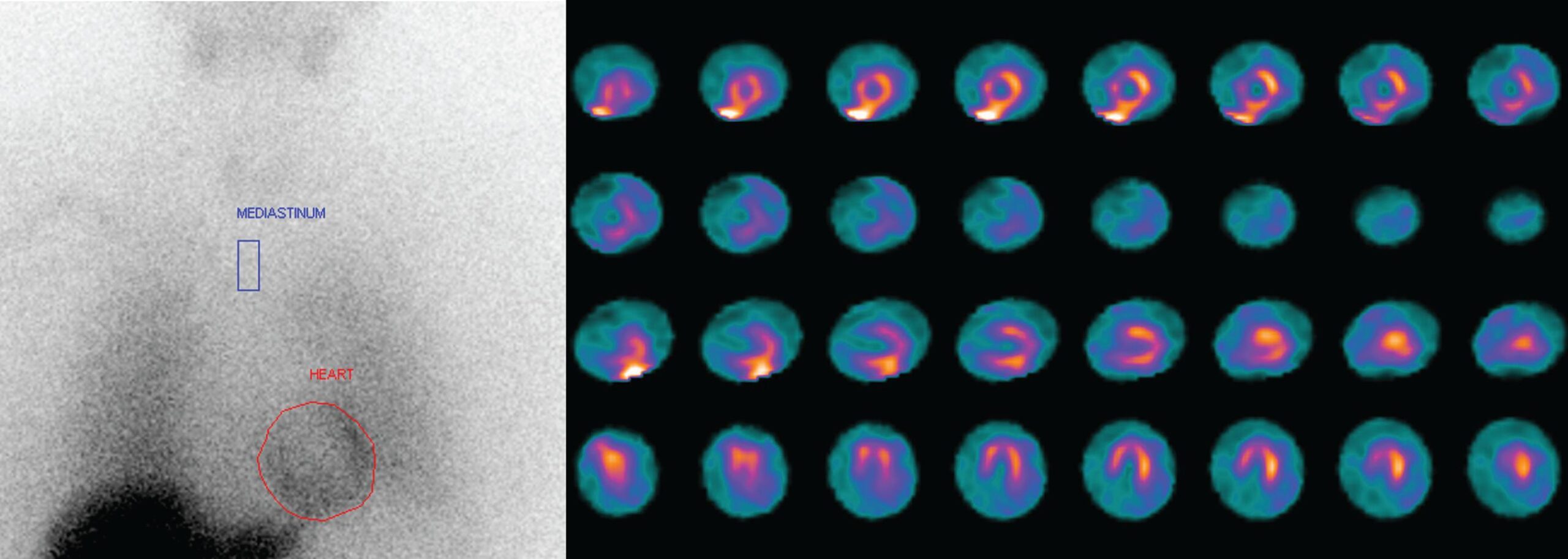
Cardiac adrenergic imaging has a great potential in a wide variety of clinical applications. Cardiac 123I-meta-iodobenzylguanidine (123I-mIBG) scintigraphy has a key role to assess chronic heart failure (CHF) by risk stratifying patients for cardiac events. The mIBG is a norepinephrine (NE) analogue that can evaluate cardiac sympathetic activity by assessing the down expression of β-adrenergic receptor (β-AR) in CHF. Furthermore, 123I-mIBG scintigraphy in combination with other parameters of left ventricular function can be used to identify the best responder for implantable cardiac devices, as well as to assess oncological cardiotoxicity. Despite its usefulness, 123I-mIBG scintigraphy is not widely performed because of the lack of standardization between different institutions. Thus, standardization and validation may contribute to its acceptance in clinical setting.

  • 3-iodobenzylguanidine
  • Heart Failure
  • Myocardium/diagnostic imaging
  • Radionuclide Imaging
  • Sympathetic Nervous System
Read Full Article
Creative Commons Attribution (CC BY) Creative Commons license
21/09/2017 DOI: 10.5935/2359-4802.20170070 Views 1
Figure 1
Case Report

Familial Hypercholesterolemia: the Importance of Early Diagnosis and Management

Ana Flavia Cassini Cunha et al. Iliana Ribeiro

Introduction

Familial Hypercholesterolemia (FH) is an autosomal dominant hereditary disease, a genetic disease of lipoprotein metabolism, mainly due to a defect in the LDLR gene encoding the LDL receptor.– The diagnosis is established by clinical and laboratory criteria and should always be a diagnostic hypothesis in patients with low-density lipoprotein cholesterol (LDLc) levels greater than 190 mg/dL; and can be confirmed by genetic tests that determine the mutation., Some diagnostic criteria have been proposed in an attempt to standardize and formalize the diagnosis of FH, such as the Dutch Lipid Clinic Network (Dutch MEDPED). This calculates a patient score based on anamnesis data and physical and laboratory tests such as elevated rates of LDLc; characteristics such as tendinous xanthomas and corneal arch; family history of hypercholesterolemia and/or early coronary artery disease (man < 55 years and woman < 60 years) and identification of genetic mutations., The score determines the probability of an FH diagnosis as possible, probable or definitive FH. The most common mutation related to FH is in the gene encoding the LDL receptor, resulting in LDL receptors with functional reductions in their ability to remove LDLc from the circulation. There are two distinct phenotypes: the homozygous form, where two defective genes are inherited and LDL receptors have no functionality; a rare form,1 in 1 million individuals and in this case are observed LDL levels > 650 mg/dL; and the heterozygous form, where a gene defective to the LDL receptor is inherited from one parent and a normal gene from the other. The absence of a functional gene causes an increase in the plasma level of LDLc; most frequently affects 1 in 500 individuals with LDL levels > 200 mg/dL. The homozygous form tends to present cardiovascular involvement already in childhood. The mutation may also be secondary to defects in the APOB gene encoding apolipoprotein B100, or by functional gain mutations in the pro-protein convertase subutilisin/kexin type 9 (PCSK) gene. -9).,, In patients with heterozygous FH the LDL particles circulate longer, being more subject to oxidation and chemical transformations that result in high uptake of LDL modified by macrophages, triggering pro-atherogenic mechanisms, causing atherosclerosis, coronary artery disease and arterial disease peripheral. The nutritional therapies, medication, and regular physical exercises help to control LDL levels and to prevent cardiovascular disease.– It is recommended to reduce the intake of foods rich in cholesterol and saturated fatty acids.– Pharmacological therapy is performed with high-potency statins, such as Atorvastatin (10-80 mg) and Rosuvastatin (10-40mg), in order to obtain a reduction of more than 50% of the baseline level. In patients with intolerant to statin therapy, other hypolipidemic agents, such as ezetimibe, niacin or cholestyramine may be used; and may be also combined with each others in patients who are poorly responding to single statin therapy., Drug therapy should be individually prescribed and maintained in the long term, with regular medical follow-up always evaluating liver (TGO/TGP) and muscular (CPK) enzymes., Lipid profile screening is recommended in all individuals over 10 years of age and in all first degree relatives of individuals diagnosed as having FH. In the presence of risk factors, clinical signs of FH or atherosclerotic disease, the lipid profile should be considered from 02 years old on.

In this report, we describe the case of a patient in the fourth decade of life with Familial Hypercholesterolemia, who was successfully treated with high-potency statin.

[…]

  • Ankle Brachial Index
  • Atherosclerosis
  • Hyperlipoproteinemia Type II
  • Peripheral Arterial Disease
Read Full Article
Creative Commons Attribution (CC BY) Creative Commons license
01/01/2017 DOI: 10.5935/2359-4802.20170077
Figure 1
Original Article

A Simpler and Shorter Neuromuscular Electrical Stimulation Protocol Improves Functional Status and Modulates Inflammatory Profile in Patients with End-Stage Congestive Heart Failure

Maria Carolina Basso Sacilotto et al. Carlos Fernando Ramos Lavagnoli Lindemberg Mota Silveira-Filho Karlos Alexandre de Souza Vilarinho … Elaine Soraya Barbosa de Oliveira Daniela Diógenes de Carvalho Pedro Paulo Martins de Oliveira Otávio Rizzi Coelho-Filho Orlando Petrucci Junior

Abstract

Background:

Neuromuscular electrical stimulation (NMES) using a stimulation wave for 5 days/week over 8 weeks has been used as a treatment option for congestive heart failure (CHF) patients who are unable to tolerate aerobic exercise.

Objective:

We assessed the impact of a shorter NMES protocol using a Russian stimulation wave on the functional status, quality of life (QoL) and inflammatory profile of end-stage CHF patients.

Methods:

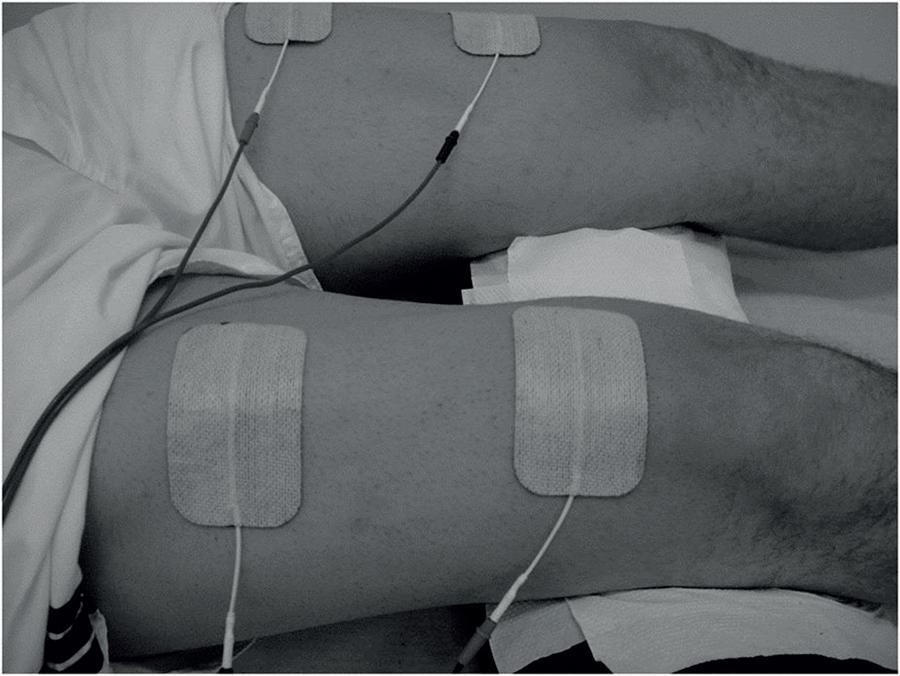
Twenty-eight patients with end-stage CHF (53 ± 11 years) were randomized to the NMES or control group. Treatment was an NMES training program with Russian stimulation wave, applied for 50 minutes to both quadriceps femoral muscles twice weekly over seven weeks. The stimulation intensity was chosen to elicit muscle contractions in the NMES group and current input up to sensory threshold in the control group. Distance in the 6-minute walk test (6MWT) and QoL score by the Minnesota Living with Heart Failure Questionnaire were evaluated before, immediately after and one month after NMES protocol completion. Peripheral leukocytes were obtained to measure the gene expression levels of inflammatory cytokines.

Results:

The NMES group showed increases in the 6MWT (324 ± 117 vs. 445 ± 100 m; p = 0.02) and QoL score (64 ± 22 vs. 45 ± 17; p < 0.01) immediately but not 1 month after protocol completion, as well as increased gene expression levels of IL-1β, IL-6 and IL-8 after protocol completion.

Conclusion:

Using a shorter and fewer sessions NMES protocol improved the QoL score and functional class of severe CHF patients, and modulated the gene expression levels of some cytokines. This protocol might be a good alternative for patients with severe CHF and limitations in protocol adherence. (Int J Cardiovasc Sci. 2017;30(6)484-495)

  • Electric Stimulation Therapy / adverse effects
  • Exercise
  • Exercise Tolerance
  • Heart Failure
  • Heart Transplantation
  • Rehabilitation
Read Full Article
Creative Commons Attribution (CC BY) Creative Commons license
01/01/2017 DOI: 10.5935/2359-4802.20170064
Figure 1
Case Report

Tachycardiomyopathy and Extracorporeal Membrane Oxygenation: A Case Report

Joana Malheiro et al. João Almeida Daniel Caeiro Adelaide Dias … Marlene Fonseca Vasco Gama

Introduction

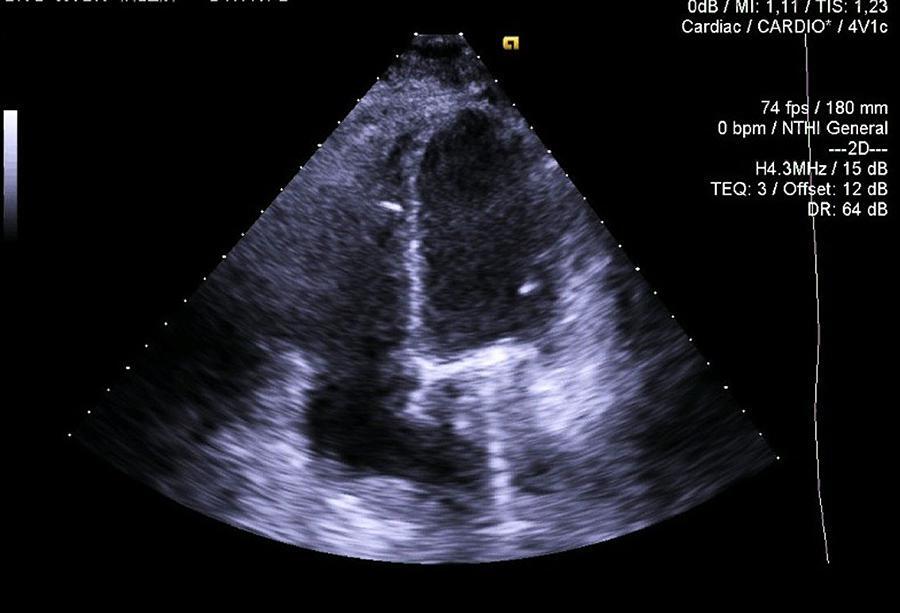
Tachycardiomyopathy (TCM) is a rare, but potentially reversible cause of cardiomyopathy and cardiogenic shock. It is defined by a global left ventricular systolic dysfunction secondary to persistent tachyarrhythmia, with partial (in patients with previous structural disease), or total recovery (in patients without previous structural disease) after cardiac rhythm normalization. The most commonly implicated arrhythmia is atrial fibrillation. The hemodynamic changes that characterize the patient with TCM include: increase in ventricular telediastolic and telesystolic volumes, global hypokinesis, increase in ventricular and pulmonary artery filling pressures, and, finally, decrease in ejection fraction (EF)., It manifests clinically by congestive heart failure, and, in some cases, it may develop into cardiogenic shock. There are no specific methods to identify the presence of TCM. The diagnosis is usually attained retrospectively with normalization or improvement of left ventricular dysfunction, through tachyarrhythmia reversion or control. The most frequent complications of TCM are embolic events, complications due to the evolution of arrhythmia severity with degeneration to Ventricular Tachycardia (VT)/Ventricular Fibrillation (VF) and cardiogenic shock.

The treatment includes measures of hemodynamic support, frequency control, and reversion to sinus rhythm, when possible. Extracorporeal Membrane Oxygenation (ECMO) is a mechanical device that ensures blood oxygenation and perfusion of the main organs for prolonged periods of time in patients with lung and/or heart failure. The use of this device allows the patient to remain alive and hemodynamically stable, working as a bridge to eventual recovery, transplantation, decision-making or even as a “bridge to another bridge” (for instance, as a bridge to left ventricular assist device – LVAD – as target therapeutics).

[…]

  • Atrial Fibrillation
  • Cardiogenic
  • Cardiomyopathies
  • Extracorporeal Membrane Oxygenation
  • Shock
  • Tachycardia
Read Full Article
Creative Commons Attribution (CC BY) Creative Commons license
01/01/2017 DOI: 10.5935/2359-4802.20170079
Viewpoint

Dance, Heart Failure and Erectile Function: Perspective of Better Clinical Management?

Tales de Carvalho et al. Ana Inês Gonzáles Daiane Pereira Lima Adair Roberto Soares dos Santos

Abstract

In the pathophysiology of heart failure (HF), attention has been directed to sympathetic hyperactivity and low-intensity systemic inflammation, aspects also present in erectile dysfunction (ED). Physical exercise is a strategy that improves these parameters, which makes plausible the hypothesis that, when practiced through dance, exercise would provide better results. By combining physical activity and music, dance would be able to improve the functioning of central and peripheral neural networks additionally to other favorable mechanisms, contributing to the restoration of neurohormonal function and reduction of the inflammatory response, which would increase the efficacy of HF and ED treatment.

  • Autonomic Nervous System
  • Dance
  • Exercise
  • Heart Failure/physiopathology
  • Inflammation
Read Full Article
Creative Commons Attribution (CC BY) Creative Commons license
01/01/2017 DOI: 10.5935/2359-4802.20170088 Views 1
Editorial

New Cholesterol Targets of SBC Guidelines on Dyslipidemia

Maria Eliane Campos Magalhães

Evidence from clinical trials and meta-analysis have demonstrated that the most effective LDL (low-density lipoprotein) cholesterol-lowering treatment is associated with unequivocal benefits for reducing atherosclerotic cardiovascular disease (ASCVD) events. More recently, clinical trials concluded that the addition of ezetimibe and of a new class of drugs, inhibitors of proprotein convertase subtilisin/kexine type 9 (iPCSK9), to statins, were able to reduce LDL-C to levels not previously achieved with the available therapy so far.–

Is this context, the results of the IMPROVE-IT study – Improved Reduction of Outcomes: Vytorin Efficacy International Trial, with statins plus ezetimibe compared to statin monotherapy, achieved strict lipid control (LDL-c of 53.7 vs. 69.5 mg/dL, respectively) in patients with acute coronary syndrome, that is, individuals at high cardiovascular risk. In this study, patients achieving LDL-cholesterol levels less than 50 mg/dL had a significantly lower risk of major cardiovascular events compared to patients with LDL cholesterol levels above this value. The risk category was proportionally lower as the level of LDL-C decreased. Although at modest levels, there was an incremental cardiovascular event risk reduction, except mortality.

[…]

  • Atherosclerosis
  • Cholesterol / standards
  • Dyslipidemias
  • Reference Standards
  • Risk Factor
Read Full Article
Creative Commons Attribution (CC BY) Creative Commons license
01/01/2017 DOI: 10.5935/2359-4802.20170090

How to cite this article

EndNote RIS

Electronic Document Format (Vancouver)

Lanzieri PG, Gismondi RA, Chimelli MCA, Cysne RP, Guaraná T, Mesquita CT, Mocarzel LO, et al. Cirrhotic Patients with Child-Pugh C Have Longer QT Intervals. International Journal of Cardiovascular Sciences 2017;30(6):496-503.

Electronic Document Format (ABNT)

Lanzieri, Pedro Gemal; Gismondi, Ronaldo Altenburg; Chimelli, Matheus de Castro Abi-Ramia; Cysne, Raíssa Pereira; Guaraná, Thais; Mesquita, Cláudio Tinoco; Mocarzel, Luís Otávio. Cirrhotic Patients with Child-Pugh C Have Longer QT Intervals. International Journal of Cardiovascular Sciences, v. 30, n. 6, p. 496-503, Oct. 2017.

Electronic Document Format (APA)

Lanzieri, P. G., Gismondi, R. A., Chimelli, M. C. A., Cysne, R. P., Guaraná, T., Mesquita, C. T., & Mocarzel, L. O. (2017). Cirrhotic Patients with Child-Pugh C Have Longer QT Intervals. International Journal of Cardiovascular Sciences, 30(6), 496-503.

Electronic Document Format (ISO)

Lanzieri, Pedro Gemal and Gismondi, Ronaldo Altenburg and Chimelli, Matheus de Castro Abi-Ramia and Cysne, Raíssa Pereira and Guaraná, Thais and Mesquita, Cláudio Tinoco and Mocarzel, Luís Otávio. Cirrhotic Patients with Child-Pugh C Have Longer QT Intervals. International Journal of Cardiovascular Sciences [online]. 2017, vol. 30, n. 6, [cited 2026-10-14], pp. 496-503. Available from: <https://journals.cardiol.br/en/article/cirrhotic-patients-with-child-pugh-c-have-longer-qt-intervals/>. ISSN 2359-4802

EndNote RIS

Electronic Document Format (Vancouver)

Beltrame RCF, Giasson FTB, Silva ALFA, Gomes BS, Amon LC, Blaya MB, Scheffel RS, et al. Use of HAS-BLED Score in an Anticoagulation Outpatient Clinic of a Tertiary Hospital. International Journal of Cardiovascular Sciences 2017;30(6):517-25.

Electronic Document Format (ABNT)

Beltrame, Rafael Coimbra Ferreira; Giasson, Franciele Taís Bandeira; Silva, André Luís Ferreira Azeredo da; Gomes, Bruna Sessim; Amon, Luís Carlos; Blaya, Marina Bergamini; Scheffel, Rafael Selbach; Pivatto Júnior, Fernando. Use of HAS-BLED Score in an Anticoagulation Outpatient Clinic of a Tertiary Hospital. International Journal of Cardiovascular Sciences, v. 30, n. 6, p. 517-525, Sep. 2017.

Electronic Document Format (APA)

Beltrame, R. C. F., Giasson, F. T. B., Silva, A. L. F. A. , Gomes, B. S., Amon, L. C., Blaya, M. B., Scheffel, R. S., & Pivatto Júnior, F. (2017). Use of HAS-BLED Score in an Anticoagulation Outpatient Clinic of a Tertiary Hospital. International Journal of Cardiovascular Sciences, 30(6), 517-525.

Electronic Document Format (ISO)

Beltrame, Rafael Coimbra Ferreira and Giasson, Franciele Taís Bandeira and Silva, André Luís Ferreira Azeredo da and Gomes, Bruna Sessim and Amon, Luís Carlos and Blaya, Marina Bergamini and Scheffel, Rafael Selbach and Pivatto Júnior, Fernando. Use of HAS-BLED Score in an Anticoagulation Outpatient Clinic of a Tertiary Hospital. International Journal of Cardiovascular Sciences [online]. 2017, vol. 30, n. 6, [cited 2026-10-14], pp. 517-525. Available from: <https://journals.cardiol.br/en/article/use-of-has-bled-score-in-an-anticoagulation-outpatient-clinic-of-a-tertiary-hospital/>. ISSN 2359-4802

EndNote RIS

Electronic Document Format (Vancouver)

Magalhães J, Soares F, Noya M, Neimann G, Andrade L, Correia L. NT-ProBNP at Admission Versus NT-ProBNP at Discharge as a Prognostic Predictor in Acute Decompensated Heart Failure. International Journal of Cardiovascular Sciences 2017;30(6):469-75.

Electronic Document Format (ABNT)

Magalhães, Janine; Soares, Fábio; Noya, Márcia; Neimann, Gabriel; Andrade, Lucas; Correia, Luiz. NT-ProBNP at Admission Versus NT-ProBNP at Discharge as a Prognostic Predictor in Acute Decompensated Heart Failure. International Journal of Cardiovascular Sciences, v. 30, n. 6, p. 469-475, Sep. 2017.

Electronic Document Format (APA)

Magalhães, J., Soares, F., Noya, M., Neimann, G., Andrade, L., & Correia, L. (2017). NT-ProBNP at Admission Versus NT-ProBNP at Discharge as a Prognostic Predictor in Acute Decompensated Heart Failure. International Journal of Cardiovascular Sciences, 30(6), 469-475.

Electronic Document Format (ISO)

Magalhães, Janine and Soares, Fábio and Noya, Márcia and Neimann, Gabriel and Andrade, Lucas and Correia, Luiz. NT-ProBNP at Admission Versus NT-ProBNP at Discharge as a Prognostic Predictor in Acute Decompensated Heart Failure. International Journal of Cardiovascular Sciences [online]. 2017, vol. 30, n. 6, [cited 2026-10-14], pp. 469-475. Available from: <https://journals.cardiol.br/en/article/nt-probnp-at-admission-versus-nt-probnp-at-discharge-as-a-prognostic-predictor-in-acute-decompensated-heart-failure/>. ISSN 2359-4802

EndNote RIS

Electronic Document Format (Vancouver)

Mesquita FO, Andrade L, Pitta L, Lorenzo AR, Lima RSL. Predictors for Indication to Catheterization after Myocardial Perfusion Gated Spect. International Journal of Cardiovascular Sciences 2017;30(6):504-9.

Electronic Document Format (ABNT)

Mesquita, Fernanda de Oliveira; Andrade, Larissa; Pitta, Lívia; Lorenzo, Andrea Rocha de; Lima, Ronaldo de Souza Leão. Predictors for Indication to Catheterization after Myocardial Perfusion Gated Spect. International Journal of Cardiovascular Sciences, v. 30, n. 6, p. 504-509, Sep. 2017.

Electronic Document Format (APA)

Mesquita, F. O., Andrade, L., Pitta, L., Lorenzo, A. R. , & Lima, R. S. L. (2017). Predictors for Indication to Catheterization after Myocardial Perfusion Gated Spect. International Journal of Cardiovascular Sciences, 30(6), 504-509.

Electronic Document Format (ISO)

Mesquita, Fernanda de Oliveira and Andrade, Larissa and Pitta, Lívia and Lorenzo, Andrea Rocha de and Lima, Ronaldo de Souza Leão. Predictors for Indication to Catheterization after Myocardial Perfusion Gated Spect. International Journal of Cardiovascular Sciences [online]. 2017, vol. 30, n. 6, [cited 2026-10-14], pp. 504-509. Available from: <https://journals.cardiol.br/en/article/predictors-for-indication-to-catheterization-after-myocardial-perfusion-gated-spect/>. ISSN 2359-4802

EndNote RIS

Electronic Document Format (Vancouver)

Pereira EN, Vitorino PVO, Souza WKSB, Pinheiro MC, Sousa ALL, Jardim PCBV, Rezende JM, et al. Assessment of Central Blood Pressure and Arterial Stiffness in Practicing Long-Distance Walking Race. International Journal of Cardiovascular Sciences 2017;30(6):510-6.

Electronic Document Format (ABNT)

Pereira, Edison Nunes; Vitorino, Priscila Valverde de Oliveira; Souza, Weimar Kunz Sebba Barroso de; Pinheiro, Mariana Cardoso; Sousa, Ana Luiza Lima; Jardim, Paulo Cesar Brandão Veiga; Rezende, Jeeziane Marcelino; Coca, Antonio. Assessment of Central Blood Pressure and Arterial Stiffness in Practicing Long-Distance Walking Race. International Journal of Cardiovascular Sciences, v. 30, n. 6, p. 510-516, Sep. 2017.

Electronic Document Format (APA)

Pereira, E. N., Vitorino, P. V. O., Souza, W. K. S. B. , Pinheiro, M. C., Sousa, A. L. L., Jardim, P. C. B. V., Rezende, J. M., & Coca, A. (2017). Assessment of Central Blood Pressure and Arterial Stiffness in Practicing Long-Distance Walking Race. International Journal of Cardiovascular Sciences, 30(6), 510-516.

Electronic Document Format (ISO)

Pereira, Edison Nunes and Vitorino, Priscila Valverde de Oliveira and Souza, Weimar Kunz Sebba Barroso de and Pinheiro, Mariana Cardoso and Sousa, Ana Luiza Lima and Jardim, Paulo Cesar Brandão Veiga and Rezende, Jeeziane Marcelino and Coca, Antonio. Assessment of Central Blood Pressure and Arterial Stiffness in Practicing Long-Distance Walking Race. International Journal of Cardiovascular Sciences [online]. 2017, vol. 30, n. 6, [cited 2026-10-14], pp. 510-516. Available from: <https://journals.cardiol.br/en/article/assessment-of-central-blood-pressure-and-arterial-stiffness-in-practicing-long-distance-walking-race/>. ISSN 2359-4802

EndNote RIS

Electronic Document Format (Vancouver)

Santana LF, Dutra TS, Souza MA, Freitas KC, Oesterreich SA, Kassuya CAL, Soares FLP, et al. Safflower Oil (Carthamus tinctorius L.) Intake Increases Total Cholesterol and LDL-cholesterol Levels in an Experimental Model of Metabolic Syndrome. International Journal of Cardiovascular Sciences 2017;30(6):476-83.

Electronic Document Format (ABNT)

Santana, Lidiani Figueiredo; Dutra, Thaisa da Silva; Souza, Marcos Alexandre de; Freitas, Karine de Cássia; Oesterreich, Silvia Aparecida; Kassuya, Cândida Aparecida Leite; Soares, Fabíola Lacerda Pires. Safflower Oil (Carthamus tinctorius L.) Intake Increases Total Cholesterol and LDL-cholesterol Levels in an Experimental Model of Metabolic Syndrome. International Journal of Cardiovascular Sciences, v. 30, n. 6, p. 476-483, Sep. 2017.

Electronic Document Format (APA)

Santana, L. F., Dutra, T. S., Souza, M. A. , Freitas, K. C., Oesterreich, S. A., Kassuya, C. A. L., & Soares, F. L. P. (2017). Safflower Oil (Carthamus tinctorius L.) Intake Increases Total Cholesterol and LDL-cholesterol Levels in an Experimental Model of Metabolic Syndrome. International Journal of Cardiovascular Sciences, 30(6), 476-483.

Electronic Document Format (ISO)

Santana, Lidiani Figueiredo and Dutra, Thaisa da Silva and Souza, Marcos Alexandre de and Freitas, Karine de Cássia and Oesterreich, Silvia Aparecida and Kassuya, Cândida Aparecida Leite and Soares, Fabíola Lacerda Pires. Safflower Oil (Carthamus tinctorius L.) Intake Increases Total Cholesterol and LDL-cholesterol Levels in an Experimental Model of Metabolic Syndrome. International Journal of Cardiovascular Sciences [online]. 2017, vol. 30, n. 6, [cited 2026-10-14], pp. 476-483. Available from: <https://journals.cardiol.br/en/article/safflower-oil-carthamus-tinctorius-l-intake-increases-total-cholesterol-and-ldl-cholesterol-levels-in-an-experimental-model-of-metabolic-syndrome/>. ISSN 2359-4802

EndNote RIS

Electronic Document Format (Vancouver)

Thiers CA, Barbosa JL, Tura BR, Arruda EF, Pereira BB. Performance of Diagnostic Tests for Intermediate Probabilities of Coronary Heart Disease: A Decision Making Analysis. International Journal of Cardiovascular Sciences 2017;30(6):526-32.

Electronic Document Format (ABNT)

Thiers, Clarissa Antunes; Barbosa, João Luis; Tura, Bernardo Rangel; Arruda, Edilson Fernandes; Pereira, Basilio de Bragança. Performance of Diagnostic Tests for Intermediate Probabilities of Coronary Heart Disease: A Decision Making Analysis. International Journal of Cardiovascular Sciences, v. 30, n. 6, p. 526-532, Sep. 2017.

Electronic Document Format (APA)

Thiers, C. A., Barbosa, J. L., Tura, B. R., Arruda, E. F., & Pereira, B. B. (2017). Performance of Diagnostic Tests for Intermediate Probabilities of Coronary Heart Disease: A Decision Making Analysis. International Journal of Cardiovascular Sciences, 30(6), 526-532.

Electronic Document Format (ISO)

Thiers, Clarissa Antunes and Barbosa, João Luis and Tura, Bernardo Rangel and Arruda, Edilson Fernandes and Pereira, Basilio de Bragança. Performance of Diagnostic Tests for Intermediate Probabilities of Coronary Heart Disease: A Decision Making Analysis. International Journal of Cardiovascular Sciences [online]. 2017, vol. 30, n. 6, [cited 2026-10-14], pp. 526-532. Available from: <https://journals.cardiol.br/en/article/performance-of-diagnostic-tests-for-intermediate-probabilities-of-coronary-heart-disease-a-decision-making-analysis/>. ISSN 2359-4802

EndNote RIS

Electronic Document Format (Vancouver)

Rocha ET, Alves WEFM, Verschure DO, Verberne HJ. The use of Cardiac 123I-mIBG Scintigraphy in Clinical Practice: The Necessity to Standardize!. International Journal of Cardiovascular Sciences 2017;30(6):533-41.

Electronic Document Format (ABNT)

Rocha, Euclides Timóteo da; Alves, Wilson Eduardo Furlan Matos; Verschure, Derk O.; Verberne, Hein J. The use of Cardiac 123I-mIBG Scintigraphy in Clinical Practice: The Necessity to Standardize!. International Journal of Cardiovascular Sciences, v. 30, n. 6, p. 533-541, Sep. 2017.

Electronic Document Format (APA)

Rocha, E. T. , Alves, W. E. F. M., Verschure, D. O., & Verberne, H. J. (2017). The use of Cardiac 123I-mIBG Scintigraphy in Clinical Practice: The Necessity to Standardize!. International Journal of Cardiovascular Sciences, 30(6), 533-541.

Electronic Document Format (ISO)

Rocha, Euclides Timóteo da and Alves, Wilson Eduardo Furlan Matos and Verschure, Derk O. and Verberne, Hein J. The use of Cardiac 123I-mIBG Scintigraphy in Clinical Practice: The Necessity to Standardize!. International Journal of Cardiovascular Sciences [online]. 2017, vol. 30, n. 6, [cited 2026-10-14], pp. 533-541. Available from: <https://journals.cardiol.br/en/article/the-use-of-cardiac-123i-mibg-scintigraphy-in-clinical-practice-the-necessity-to-standardize/>. ISSN 2359-4802

EndNote RIS

Electronic Document Format (Vancouver)

Cunha AFC, Ribeiro I. Familial Hypercholesterolemia: the Importance of Early Diagnosis and Management. International Journal of Cardiovascular Sciences 2017;30(6):550-3.

Electronic Document Format (ABNT)

Cunha, Ana Flavia Cassini; Ribeiro, Iliana. Familial Hypercholesterolemia: the Importance of Early Diagnosis and Management. International Journal of Cardiovascular Sciences, v. 30, n. 6, p. 550-553, Dec. 2016.

Electronic Document Format (APA)

Cunha, A. F. C., & Ribeiro, I. (2017). Familial Hypercholesterolemia: the Importance of Early Diagnosis and Management. International Journal of Cardiovascular Sciences, 30(6), 550-553.

Electronic Document Format (ISO)

Cunha, Ana Flavia Cassini and Ribeiro, Iliana. Familial Hypercholesterolemia: the Importance of Early Diagnosis and Management. International Journal of Cardiovascular Sciences [online]. 2017, vol. 30, n. 6, [cited 2026-10-14], pp. 550-553. Available from: <https://journals.cardiol.br/en/article/familial-hypercholesterolemia-the-importance-of-early-diagnosis-and-management/>. ISSN 2359-4802

EndNote RIS

Electronic Document Format (Vancouver)

Sacilotto MCB, Lavagnoli CFR, Silveira-Filho LM, Vilarinho KAS, Oliveira ESB, Carvalho DD, Oliveira PPM, et al. A Simpler and Shorter Neuromuscular Electrical Stimulation Protocol Improves Functional Status and Modulates Inflammatory Profile in Patients with End-Stage Congestive Heart Failure. International Journal of Cardiovascular Sciences 2017;30(6):484-95.

Electronic Document Format (ABNT)

Sacilotto, Maria Carolina Basso; Lavagnoli, Carlos Fernando Ramos; Silveira-Filho, Lindemberg Mota; Vilarinho, Karlos Alexandre de Souza; Oliveira, Elaine Soraya Barbosa de; Carvalho, Daniela Diógenes de; Oliveira, Pedro Paulo Martins de; Coelho-Filho, Otávio Rizzi; Petrucci Junior, Orlando. A Simpler and Shorter Neuromuscular Electrical Stimulation Protocol Improves Functional Status and Modulates Inflammatory Profile in Patients with End-Stage Congestive Heart Failure. International Journal of Cardiovascular Sciences, v. 30, n. 6, p. 484-495, Dec. 2016.

Electronic Document Format (APA)

Sacilotto, M. C. B., Lavagnoli, C. F. R., Silveira-Filho, L. M., Vilarinho, K. A. S., Oliveira, E. S. B. , Carvalho, D. D. , Oliveira, P. P. M. , Coelho-Filho, O. R., & Petrucci Junior, O. (2017). A Simpler and Shorter Neuromuscular Electrical Stimulation Protocol Improves Functional Status and Modulates Inflammatory Profile in Patients with End-Stage Congestive Heart Failure. International Journal of Cardiovascular Sciences, 30(6), 484-495.

Electronic Document Format (ISO)

Sacilotto, Maria Carolina Basso and Lavagnoli, Carlos Fernando Ramos and Silveira-Filho, Lindemberg Mota and Vilarinho, Karlos Alexandre de Souza and Oliveira, Elaine Soraya Barbosa de and Carvalho, Daniela Diógenes de and Oliveira, Pedro Paulo Martins de and Coelho-Filho, Otávio Rizzi and Petrucci Junior, Orlando. A Simpler and Shorter Neuromuscular Electrical Stimulation Protocol Improves Functional Status and Modulates Inflammatory Profile in Patients with End-Stage Congestive Heart Failure. International Journal of Cardiovascular Sciences [online]. 2017, vol. 30, n. 6, [cited 2026-10-14], pp. 484-495. Available from: <https://journals.cardiol.br/en/article/a-simpler-and-shorter-neuromuscular-electrical-stimulation-protocol-improves-functional-status-and-modulates-inflammatory-profile-in-patients-with-end-stage-congestive-heart-failure/>. ISSN 2359-4802

EndNote RIS

Electronic Document Format (Vancouver)

Malheiro J, Almeida J, Caeiro D, Dias A, Fonseca M, Gama V. Tachycardiomyopathy and Extracorporeal Membrane Oxygenation: A Case Report. International Journal of Cardiovascular Sciences 2017;30(6):545-9.

Electronic Document Format (ABNT)

Malheiro, Joana; Almeida, João; Caeiro, Daniel; Dias, Adelaide; Fonseca, Marlene; Gama, Vasco. Tachycardiomyopathy and Extracorporeal Membrane Oxygenation: A Case Report. International Journal of Cardiovascular Sciences, v. 30, n. 6, p. 545-549, Dec. 2016.

Electronic Document Format (APA)

Malheiro, J., Almeida, J., Caeiro, D., Dias, A., Fonseca, M., & Gama, V. (2017). Tachycardiomyopathy and Extracorporeal Membrane Oxygenation: A Case Report. International Journal of Cardiovascular Sciences, 30(6), 545-549.

Electronic Document Format (ISO)

Malheiro, Joana and Almeida, João and Caeiro, Daniel and Dias, Adelaide and Fonseca, Marlene and Gama, Vasco. Tachycardiomyopathy and Extracorporeal Membrane Oxygenation: A Case Report. International Journal of Cardiovascular Sciences [online]. 2017, vol. 30, n. 6, [cited 2026-10-14], pp. 545-549. Available from: <https://journals.cardiol.br/en/article/tachycardiomyopathy-and-extracorporeal-membrane-oxygenation-a-case-report/>. ISSN 2359-4802

EndNote RIS

Electronic Document Format (Vancouver)

Carvalho T, Gonzáles AI, Lima DP, Santos ARS. Dance, Heart Failure and Erectile Function: Perspective of Better Clinical Management?. International Journal of Cardiovascular Sciences 2017;30(6):542-4.

Electronic Document Format (ABNT)

Carvalho, Tales de; Gonzáles, Ana Inês; Lima, Daiane Pereira; Santos, Adair Roberto Soares dos. Dance, Heart Failure and Erectile Function: Perspective of Better Clinical Management?. International Journal of Cardiovascular Sciences, v. 30, n. 6, p. 542-544, Dec. 2016.

Electronic Document Format (APA)

Carvalho, T. , Gonzáles, A. I., Lima, D. P., & Santos, A. R. S. (2017). Dance, Heart Failure and Erectile Function: Perspective of Better Clinical Management?. International Journal of Cardiovascular Sciences, 30(6), 542-544.

Electronic Document Format (ISO)

Carvalho, Tales de and Gonzáles, Ana Inês and Lima, Daiane Pereira and Santos, Adair Roberto Soares dos. Dance, Heart Failure and Erectile Function: Perspective of Better Clinical Management?. International Journal of Cardiovascular Sciences [online]. 2017, vol. 30, n. 6, [cited 2026-10-14], pp. 542-544. Available from: <https://journals.cardiol.br/en/article/dance-heart-failure-and-erectile-function-perspective-of-better-clinical-management/>. ISSN 2359-4802

EndNote RIS

Electronic Document Format (Vancouver)

Magalhães MEC. New Cholesterol Targets of SBC Guidelines on Dyslipidemia. International Journal of Cardiovascular Sciences 2017;30(6):466-8.

Electronic Document Format (ABNT)

Magalhães, Maria Eliane Campos. New Cholesterol Targets of SBC Guidelines on Dyslipidemia. International Journal of Cardiovascular Sciences, v. 30, n. 6, p. 466-468, Dec. 2016.

Electronic Document Format (APA)

Magalhães, M. E. C. (2017). New Cholesterol Targets of SBC Guidelines on Dyslipidemia. International Journal of Cardiovascular Sciences, 30(6), 466-468.

Electronic Document Format (ISO)

Magalhães, Maria Eliane Campos. New Cholesterol Targets of SBC Guidelines on Dyslipidemia. International Journal of Cardiovascular Sciences [online]. 2017, vol. 30, n. 6, [cited 2026-10-14], pp. 466-468. Available from: <https://journals.cardiol.br/en/article/new-cholesterol-targets-of-sbc-guidelines-on-dyslipidemia/>. ISSN 2359-4802

Sede – Rio de Janeiro
Av. Marechal Câmara, 160
3º andar – Sala: 330 – Centro
Rio de Janeiro – CEP: 20020-907
Tel.: (55 +21) 3478-2700
ou (21) 99386-3961
E-mail: revista@cardiol.br

Sede – São Paulo
Alameda Santos, 705 – 11º andar
Cerqueira César | São Paulo
CEP: 01419-001
Tel.: (55 +11) 3411-5500
E-mail: revista@cardiol.br

  • About the Journal
  • Internal Regulation
  • Editors Section
  • Editorial Board
  • SBC Award

  • Guidelines for Publication
  • Editorial Policy
  • Ethics Policy
  • Policy on the Use of Artificial Intelligence
  • Mandatory Publication Form
  • Publication Fee

Issues

SBC Guidelines

  • How to Publish an Abstract Supplement?
  • Published Supplements