ABC Family Arquivos Brasileiros de Cardiologia International Journal of Cardiovascular Sciences ABC Heart Failure & Cardiomyopathy ABC Imagem Cardiovascular
Português English
ABC Family
Português English
  • About
    • About ABC Family
    • Internal Regulation
    • Editorial Board
    • Brazilian Society of Cardiology (SBC)
  • Issues
  • SBC Guidelines
  • Content
    • Videos
    • Podcasts
    • News
  • About
    • About ABC Family
    • Internal Regulation
    • Editorial Board
    • Brazilian Society of Cardiology (SBC)
  • Issues
  • SBC Guidelines
  • Content
    • Videos
    • Podcasts
    • News

ABC Family

  • ABC Family
  • Arquivos Brasileiros de Cardiologia
  • International Journal of Cardiovascular Sciences
  • ABC Heart Failure & Cardiomyopathy
  • ABC Imagem Cardiovascular
Search in

No content found.

Journals
Ordering
Article types
Others

  1. Home
  2. Keyword: Extracorporeal Membrane Oxygenation
Figure 1
ABCHF
Viewpoint

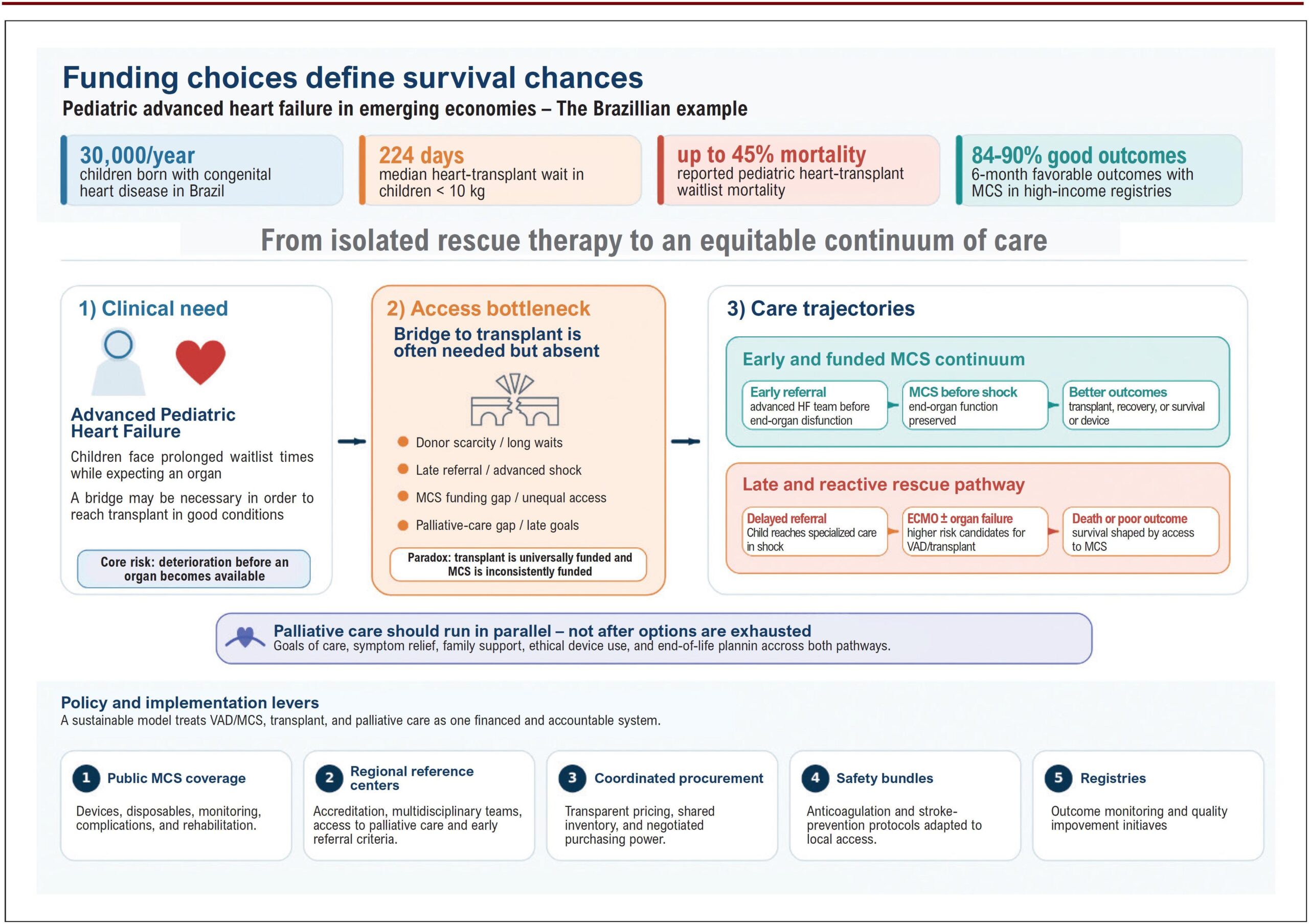
What We Choose to Fund Defines Who We Choose to Save: Pediatric Heart Failure in Emerging Economies

Carolina Vieira de Campos et al. Luiz Fernando Caneo Tamara J. Pimenta Desiree S. Machado

Management of pediatric advanced heart failure (HF) in low- to middle-income countries faces substantial and interconnected challenges, including severely limited access to specialized care, a shortage of adequately trained healthcare professionals, delayed referrals, and high mortality rates. These systemic constraints significantly restrict both the availability and the effectiveness of life-saving therapies for children with end-stage HF.

A deeper understanding of mechanical circulatory support (MCS) in emerging economies – illustrated here through the Brazilian experience – provides a valuable foundation for identifying structural, logistical, and ethical barriers to care. Such analysis also informs the development of strategies aimed at the sustainable and equitable expansion of advanced HF therapies for children.

[…]
  • Extracorporeal Membrane Oxygenation
  • Heart Failure
  • Heart Transplantation
  • Heart-Assist Devices
  • Pediatrics
Read Full Article
Creative Commons Attribution (CC BY) Creative Commons license
11/09/2026 DOI: 10.36660/abchf.20260014i Views 1
ABC
Editorial

Extracorporeal Cardiopulmonary Resuscitation in Latin America: It is Not All about the Money

Luiz Fernando Caneo

When conventional cardiopulmonary resuscitation fails to restore circulation after cardiac arrest, the window for survival with a favorable neurological outcome narrows rapidly. Extracorporeal cardiopulmonary resuscitation (ECPR) has emerged as a potential strategy to prolong this window by rapidly establishing circulatory and respiratory support through venoarterial extracorporeal membrane oxygenation (VA-ECMO). According to the Extracorporeal Life Support Organization (ELSO), ECPR is defined as the rapid initiation of VA-ECMO in patients with refractory cardiac arrest who do not achieve sustained return of spontaneous circulation (ROSC) through conventional resuscitation.

ECPR has become an established rescue strategy for refractory cardiac arrest in both in-hospital (IHCA) settings and selected out-of-hospital cases (OHCA) referred to specialized centers. Outcomes after cardiac arrest differ substantially between these settings. Patients with IHCA typically experience better survival and neurological outcomes than those with OHCA, primarily due to earlier recognition, immediate high-quality CPR, and rapid access to advanced interventions such as defibrillation and invasive monitoring. Conversely, OHCA is frequently associated with delays in recognition and treatment, prolonged no-flow and low-flow intervals, and variability in prehospital care. Timely intervention and rapid access to advanced therapies remain critical determinants of survival and neurological recovery.

[…]

  • Cardiopulmonary Resuscitation
  • Extracorporeal Membrane Oxygenation
  • Heart Arrest
Read Full Article
Creative Commons Attribution (CC BY) Creative Commons license
25/05/2026 DOI: 10.36660/abc.20260240i Views 2
Extracorporeal Cardiopulmonary Resuscitation for In-Hospital Cardiac Arrest: A Single-Center Experience in Latin America
ABC
Original Article

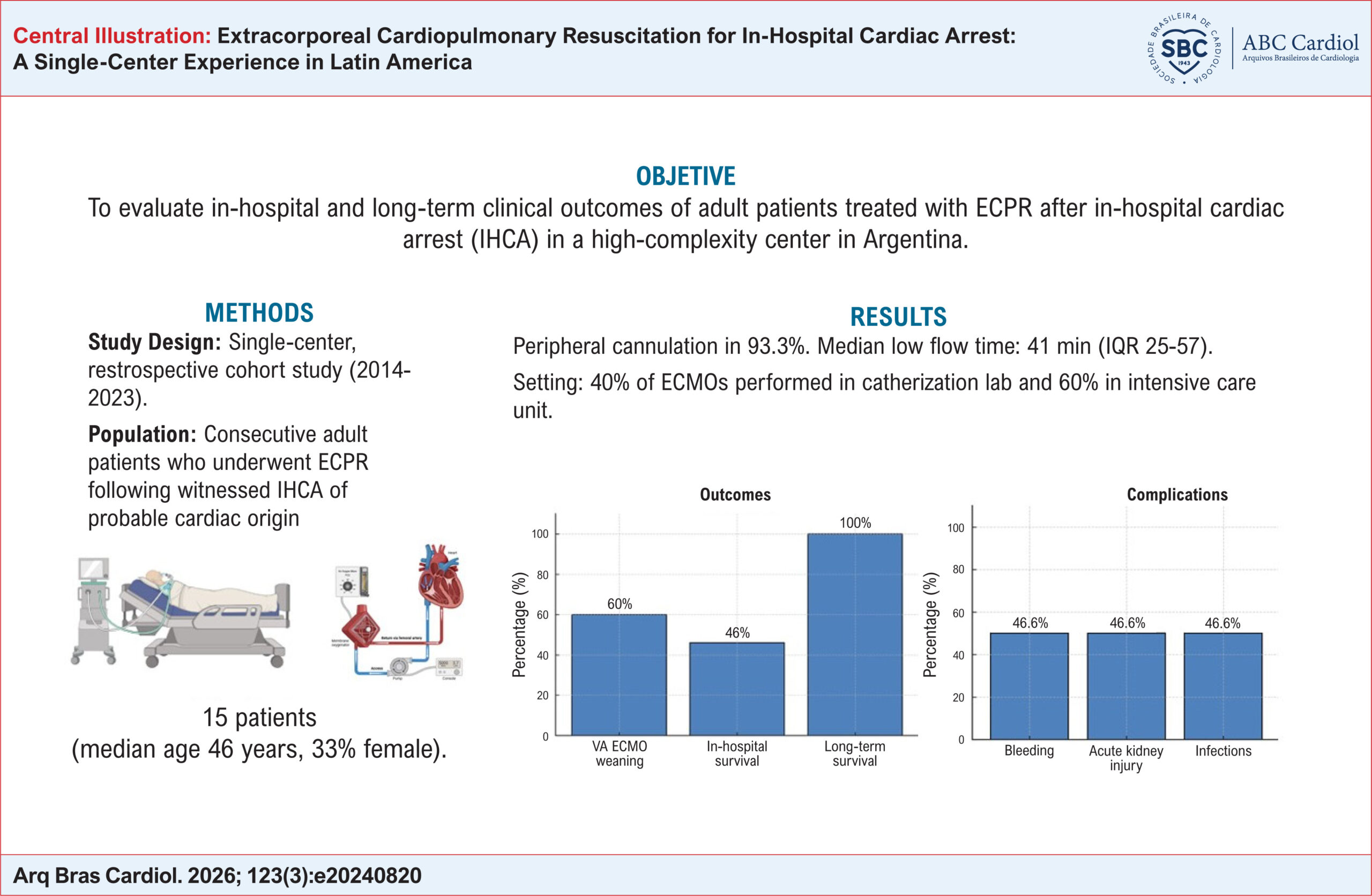
Extracorporeal Cardiopulmonary Resuscitation for In-Hospital Cardiac Arrest: A Single-Center Experience in Latin America

Lucrecia M. Burgos et al. Leonardo A. Seoane Ana Spaccavento Juan F. Furmento … Juan P. Costabel Rocio C. Baro Vila Maria A. de Bortoli Daniel O. Navia Fernando Piccinini Mariano Vrancic Mirta Diez

Abstract

Background:

Extracorporeal cardiopulmonary resuscitation (ECPR) is the use of extracorporeal membrane oxygenation (ECMO) in patients in whom conventional cardiopulmonary resuscitation measures have failed to achieve a sustained return of spontaneous circulation after cardiorespiratory arrest. Limited information is available in centers in Latin America.

Objective:

To evaluate in-hospital and long-term clinical outcomes of adult patients treated with ECPR after in-hospital cardiac arrest (IHCA) in a high-complexity center in Argentina.

Methods:

A single-center cohort study was performed. Consecutive adult patients who underwent ECPR between 2014 and 2023 were retrospectively analyzed. Witnessed IHCA cases of probable cardiac origin were included.

Results:

Fifteen patients were included in the analysis, representing 16% of the venoarterial ECMO cases implanted at the center during this period. The median age was 46 years (interquartile range [IQR]: 34 to 57); 33% were female. Cannulation was peripheral in 93.3%, and 66% of ECMO runs were placed with an initial bridging strategy to recovery. The median duration of circulatory support was 5 days (IQR: 2 to 9). Venoarterial ECMO was successfully removed in 60% of patients, and in-hospital survival was 46%. Median follow-up after discharge was 12 months (IQR: 3 to 34), with 100% long-term survival.

Conclusion:

Venoarterial ECMO as a treatment for IHCA in our center demonstrated acceptable survival to hospital discharge and long-term survival. Venoarterial ECMO may be an effective treatment in highly selected patients when conventional therapies fail and may be useful and applicable in a low- and middle-income country with limited access to other circulatory assist devices.

  • Cardiac arrest
  • Cardiopulmonary Resuscitation
  • Extracorporeal Membrane Oxygenation
Read Full Article
Creative Commons Attribution (CC BY) Creative Commons license
11/05/2026 DOI: 10.36660/abc.20240820i Views 1
Figure 1
ABC
Research Letter

Vasoplegic Syndrome under Extracorporeal Membrane Oxygenation: Successful Treatment with Methylene Blue

Ahmet Aydin et al. Banu Katlan Selman Kesici

Abstract

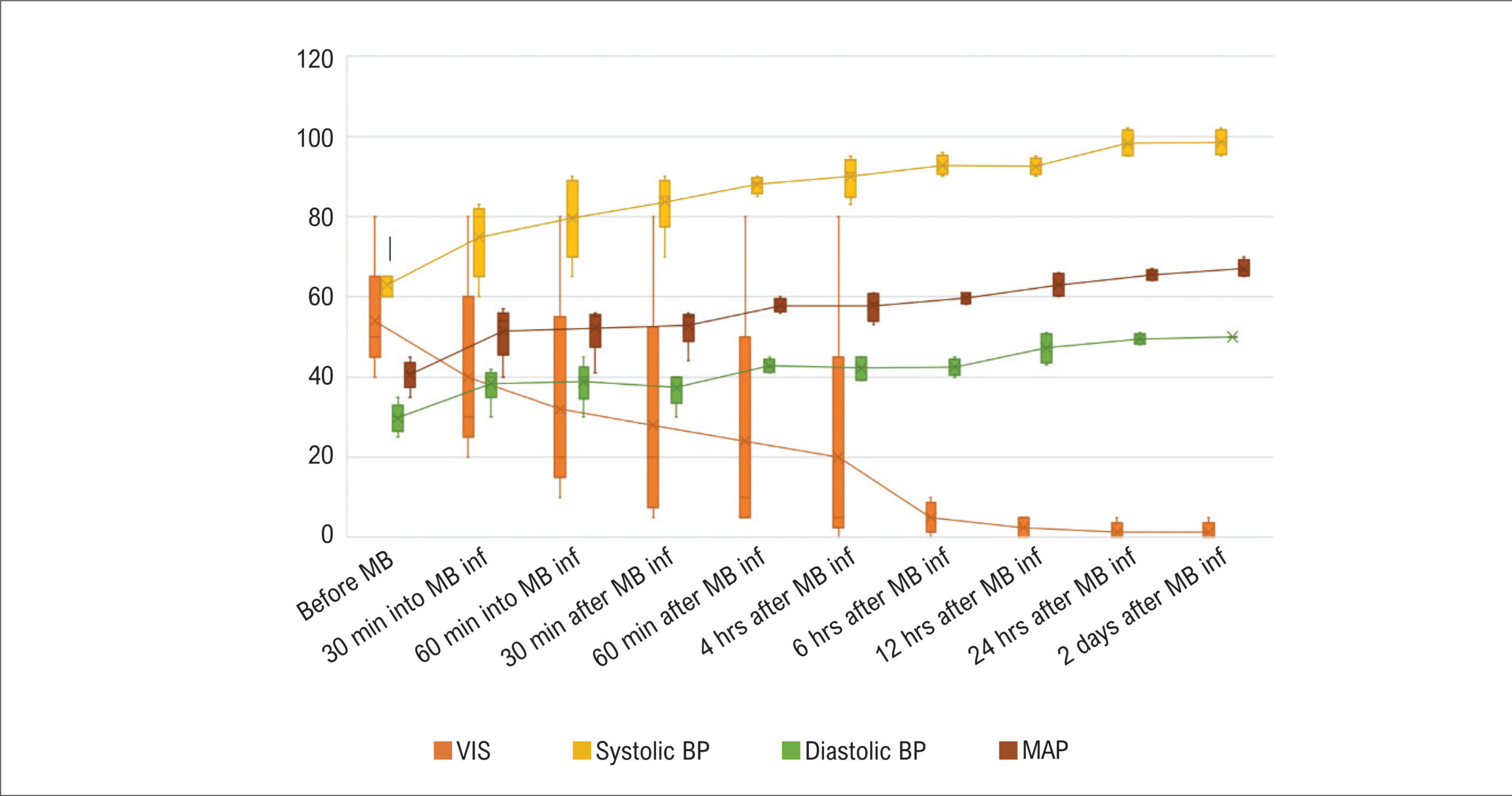
A vasoplegic syndrome is a state of hypotension that develops due to low systemic vascular resistance and is associated with a high mortality rate. Methylene blue is known to improve hypotension and reduce vasopressor requirements by increasing resistance in vasoplegia by inhibiting nitric oxide synthase. Here, we aimed to report on the use and effectiveness of methylene blue to treat severely hypotensive five vasoplegic syndrome cases despite extracorporeal membrane oxygenation. We concluded that Methylene blue can be used as a lifesaving treatment for vasoplegic syndrome refractory to standard supportive treatments, including ECMO.

  • Extracorporeal Membrane Oxygenation
  • methylene blue
  • Vasoplegia
Read Full Article
Creative Commons Attribution (CC BY) Creative Commons license
07/07/2025 DOI: 10.36660/abc.20250070i Views 1
ABC
Editorial

No Time to Die

Luiz Fernando Caneo

Extracorporeal Membrane Oxygenation (ECMO) is an advanced life-support technology providing prolonged cardiac and respiratory support for patients whose hearts and lungs cannot function adequately. The concept of using a machine to replace these functions dates back to 1931 when John Gibbon, a surgical resident in Boston, treated a woman with a pulmonary embolism. Without available treatments, he could only watch her deteriorate and pass away. This experience led Gibbon to envision a method to oxygenate blood outside the body and bypass blockages. By 1934, he developed a machine that could support a cat’s circulation for thirty minutes, and in 1952, he successfully used the machine on a human, marking the beginning of modern open-heart surgery.

In 1971, Donald Hill used an extracorporeal circuit with a specially designed oxygenator to support a man with respiratory failure for thirty-six hours, making him the first human to survive on ECMO. In 1975, Robert Bartlett and his team used ECMO to save a newborn with respiratory failure. In the following years, hundreds of similar cases were treated with an eighty percent survival rate, establishing ECMO as a standard in major pediatric centers. The use of ECMO in adults has expanded, particularly for conditions refractory to conventional treatments during the H1N1 epidemic and later during the SARS-CoV-2 pandemic., This increase is due to improved cannulation techniques and advancements in pumps, oxygenators, and cannulas. Despite these improvements, selecting appropriate candidates and managing their daily care remains challenging.

[…]

  • Cardiogenic shock
  • Cost-Effectiveness Analysis
  • Extracorporeal Membrane Oxygenation
Read Full Article
Creative Commons Attribution (CC BY) Creative Commons license
27/09/2024 DOI: 10.36660/abc.20240512i
Central Illustration
ABC
Original Article

Cost-Utility of Venoarterial Extracorporeal Membrane Oxygenation in Refractory Cardiogenic Shock: A Brazilian Perspective Study

Sérgio Renato da Rosa Decker et al. Rodrigo Vugman Wainstein Fernando Luis Scolari Priscila Raupp da Rosa … Daniel Schneider Debora Vacaro Fogazzi Geraldine Trott Jonas Wolf Cassiano Teixeira Marciane Maria Rover Luiz Antônio Nasi Luis Eduardo Rohde Carisi Anne Polanczyk Regis Goulart Rosa Eduardo Gehling Bertoldi

Abstract

Background

Refractory cardiogenic shock (CS) is associated with high mortality rates, and the use of venoarterial extracorporeal membrane oxygenation (VA-ECMO) as a therapeutic option has generated discussions. Therefore, its cost-effectiveness, especially in low- and middle-income countries like Brazil, remains uncertain.Objectives: To conduct a cost-utility analysis from the Brazilian Unified Health System perspective to assess the cost-effectiveness of VA-ECMO combined with standard care compared to standard care alone in adult refractory CS patients.

Methods

We followed a cohort of refractory CS patients treated with VA-ECMO in tertiary care centers located in Southern Brazilian. We collected data on hospital outcomes and costs. We conducted a systematic review to supplement our data and utilized a Markov model to estimate incremental cost-effectiveness ratios (ICERs) per quality-adjusted life year (QALY) and per life-year gained.

Results

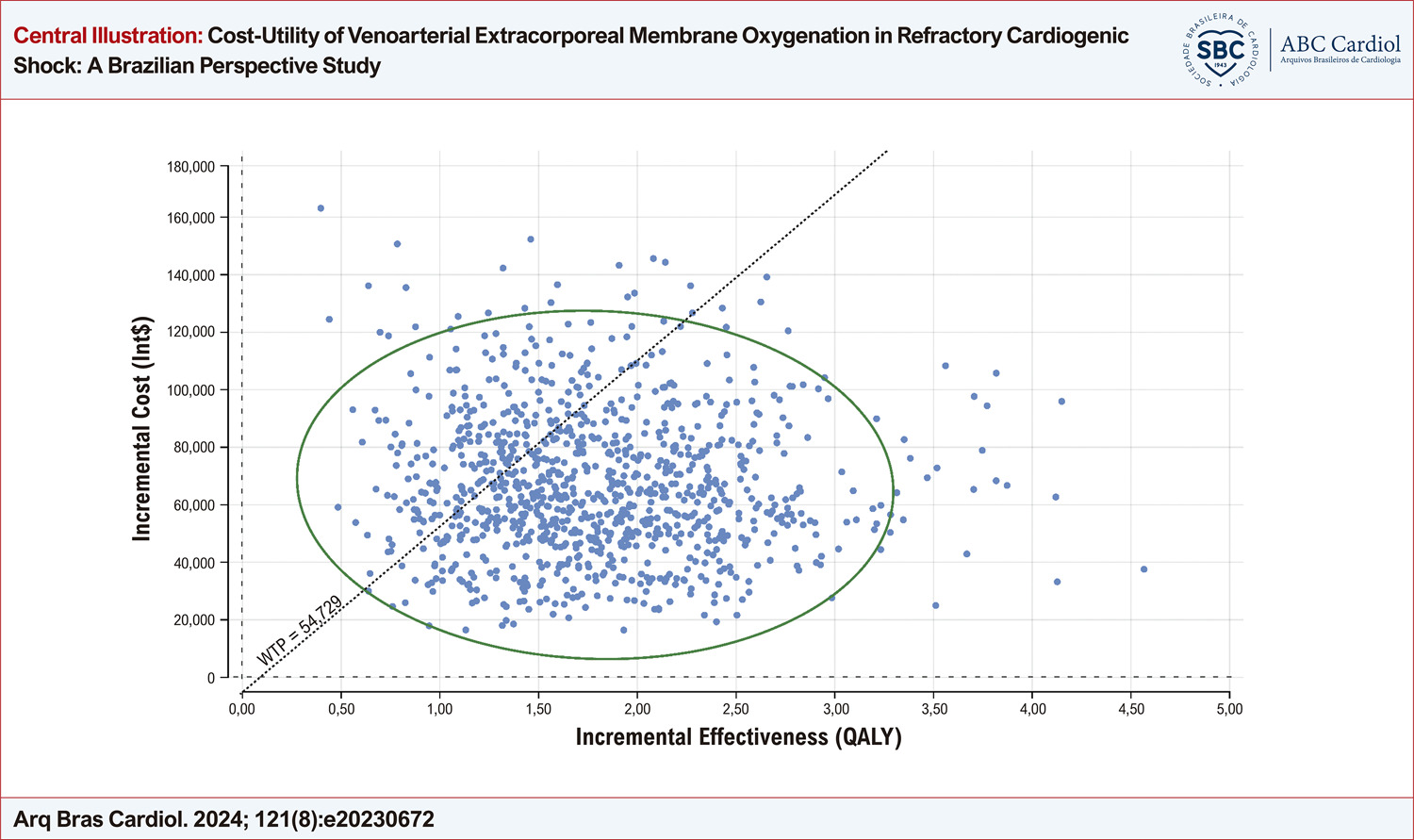
In the base-case analysis, VA-ECMO yielded an ICER of Int$ 37,491 per QALY. Sensitivity analyses identified hospitalization cost, relative risk of survival, and VA-ECMO group survival as key drivers of results. Probabilistic sensitivity analysis favored VA-ECMO, with a 78% probability of cost-effectiveness at the recommended willingness-to-pay threshold.

Conclusions

Our study suggests that, within the Brazilian Health System framework, VA-ECMO may be a cost-effective therapy for refractory CS. However, limited efficacy data and recent trials questioning its benefit in specific patient subsets highlight the need for further research. Rigorous clinical trials, encompassing diverse patient profiles, are essential to confirm cost-effectiveness and ensure equitable access to advanced medical interventions within healthcare systems, particularly in socio-economically diverse countries like Brazil.

  • Cardiogenic shock
  • Costs and Cost Analysis
  • Extracorporeal Membrane Oxygenation
Read Full Article
Creative Commons Attribution (CC BY) Creative Commons license
26/08/2024 DOI: 10.36660/abc.20230672i Views 1
Use of Extracorporeal Membrane Oxygenation in Adult Patients During Cardiac Arrest
IJCS
Review Article

Use of Extracorporeal Membrane Oxygenation in Adult Patients During Cardiac Arrest

Cibelle Alves et al. Sarah Queiroz Pimentel Francine Jomara Lopes

Abstract

Background

Integrated extracorporeal membrane oxygenation (ECMO) in the treatment of cardiopulmonary resuscitation (CPR) is described as extracorporeal cardiopulmonary resuscitation (ECPR). It is used to ensure recovery of cardiac output when it is not possible to obtain sustained return of spontaneous circulation (ROSC) through conventional CPR methods. The comparison between ECPR and conventional CPR is a dilemma that has been frequently discussed.

Objective

To identify in the literature the use of ECMO in adult patients during cardiac arrest (CA) in and pre- and in-hospital settings.

Method

This is an integrative review using the following guiding question: What is the evidence in the literature on the use of ECMO in adult patients with cardiorespiratory arrest in the pre- and in-hospital setting? It consists of primary studies, published in full and available in Portuguese, English, and Spanish.

Results

The search identified 559 publications in the literature, of which 13 were articles read in full, after applying the inclusion criteria. Of these, 3 were disregarded due to unavailability in the complete format; 7 did not respond to the guiding question, and 3 studies were included. The studies were analyzed according to the 2020 version of the PRISMA Model.

Conclusion

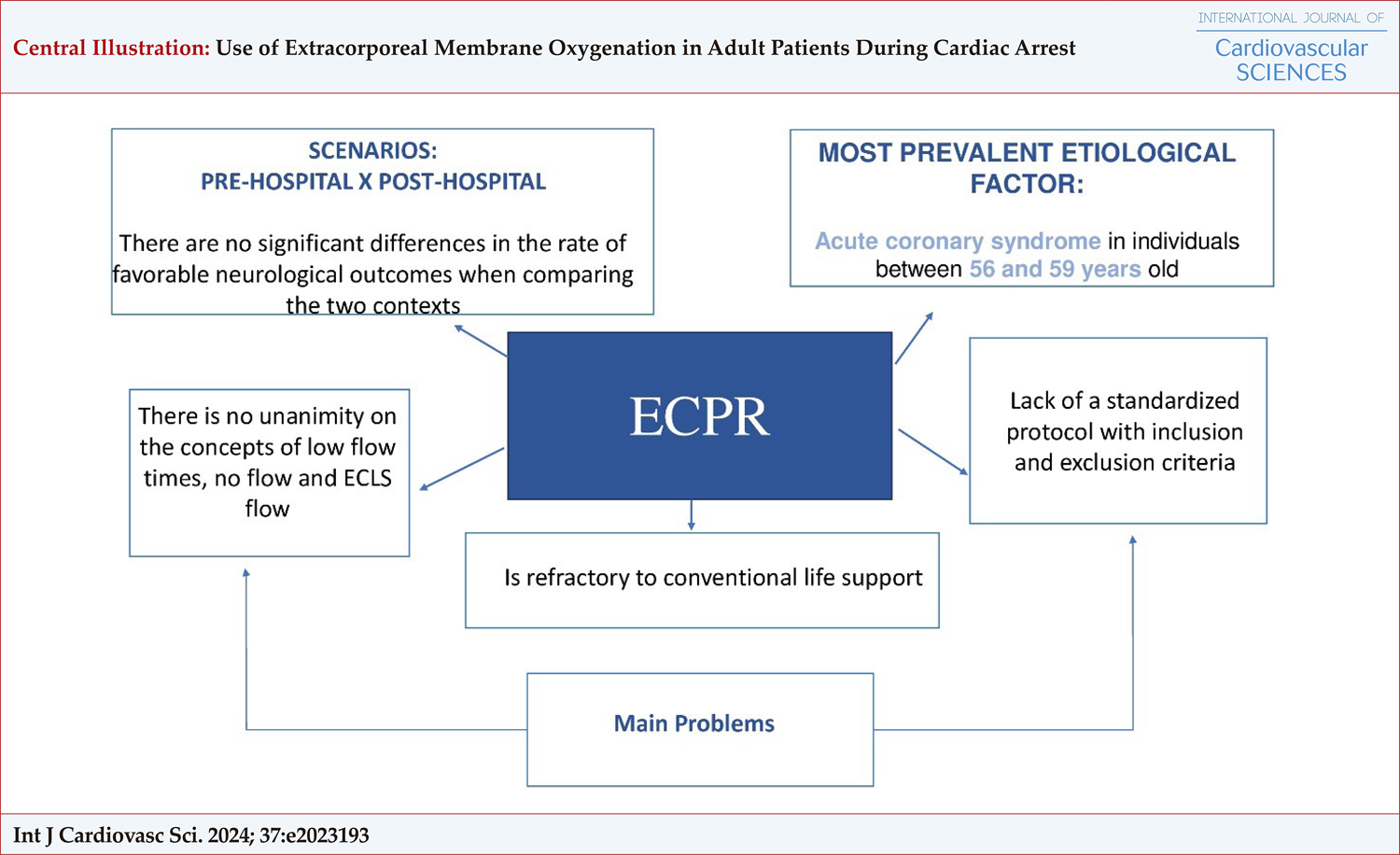
ECPR is a practice adopted when CPR is refractory to conventional life support and concomitantly with this management. There are no significant differences in the rate of favorable neurological outcomes when comparing the pre- and in-hospital scenarios. In short, the development of institutional protocols with selection and exclusion criteria for ECPR is considered relevant.

  • Extracorporeal Membrane Oxygenation
  • Health Care Outcome Assessment
  • Heart Arrest
  • Result of Treatment
  • Survival
Read Full Article
Creative Commons Attribution (CC BY) Creative Commons license
15/07/2024 DOI: 10.36660/ijcs.2023193 Views 1
Video 1
IJCS
Case Report

Fulminant Necrotizing Eosinophilic Myocarditis Successfully Treated With Veno-Arterial Extracorporeal Membrane Oxygenation and High-Dose Steroids

Tamara Pereira et al. Mariana Tinoco Bebiana Faria Olga Azevedo … Roberto Roncon Albuquerque António Lourenço

Abstract

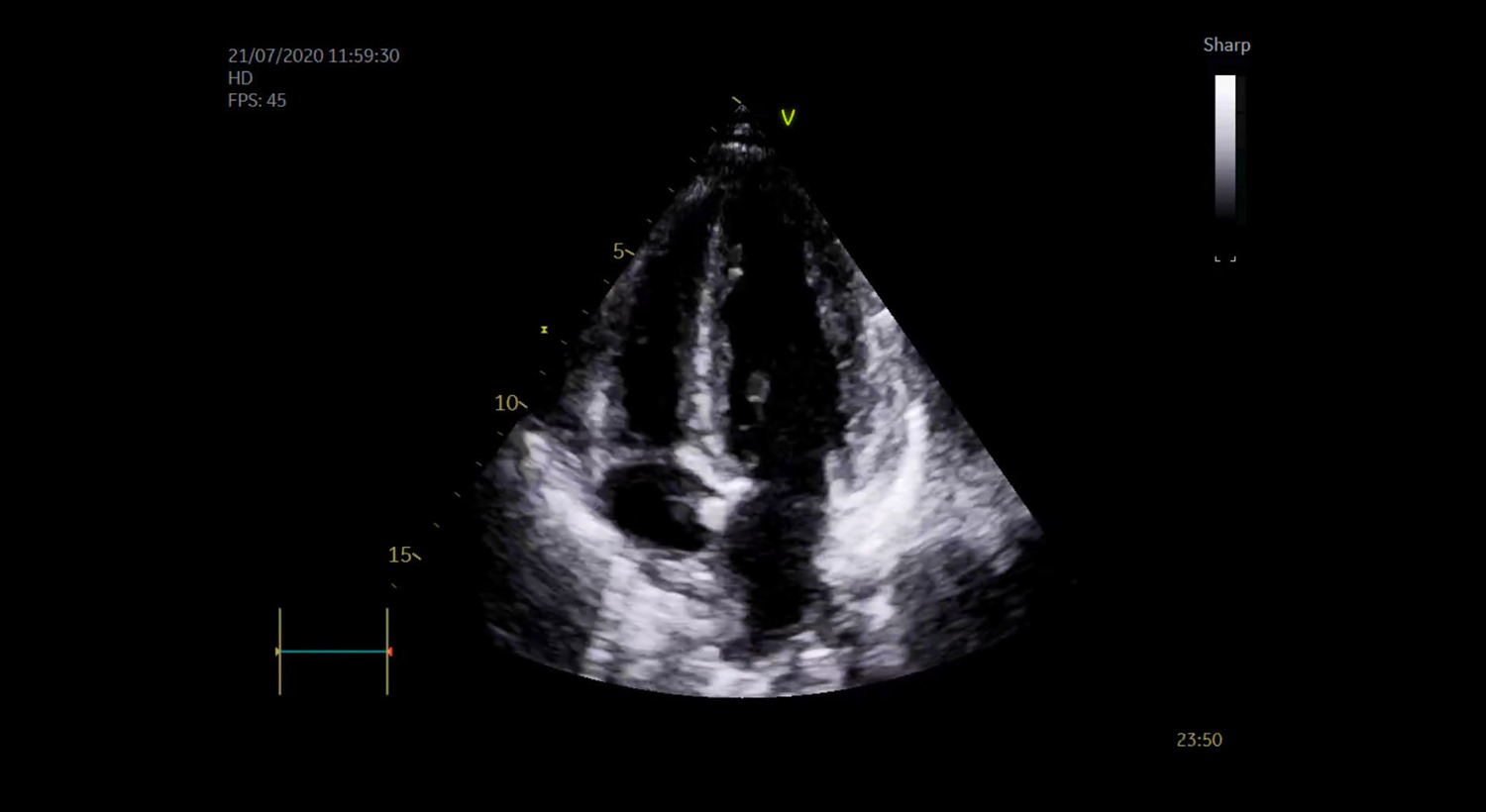
Fulminant necrotizing eosinophilic myocarditis (FNEM) is a rare form of EM characterized by biventricular heart failure with hemodynamic deterioration, often requiring inotropes or mechanical circulatory support. Here, we report a case of a 43-year-old healthy woman with FNEM who was admitted with acute heart failure that rapidly progressed to cardiogenic shock and electrical storm, culminating in cardiac arrest. Early diagnosis and prompt administration of corticosteroids in combination with veno-arterial extracorporeal membrane oxygenation allowed complete recovery of biventricular systolic function.

  • Biopsy
  • Extracorporeal Membrane Oxygenation
  • Myocarditis
  • Steroids
Read Full Article
Creative Commons Attribution (CC BY) Creative Commons license
09/02/2024 DOI: 10.36660/ijcs.20230071 Views 1
ABC
Editorial

The First Stage Norwood Operation, in Brazil – The Bar Was Raised

Walter Villela de Andrade Vicente

Outcomes of the first stage Norwood operation in Brazil have been scarcely reported. Countrywide dismal results, contrasting to those from the developed world, possibly explain this finding.

Contrariwise to this scenario, in this issue of The Braz J Cardiol, da Silva´s group presents their single-center experience comprising the largest series of the first-stage Norwood operation with adjuvant postoperative extracorporeal membrane oxygenation (ECMO) support in our country. Their 30-day 91.3% survival, an outstanding surgical result, is on par with those from just a few international elite institutions where ECMO is also available.

[…]

  • Extracorporeal Membrane Oxygenation
  • Heart Defects, Congenital
  • Hypoplastic Left Heart Syndrome / surgery
  • Norwood Procedures/surgery
Read Full Article
Creative Commons Attribution (CC BY) Creative Commons license
05/08/2022 DOI: 10.36660/abc.20220420
Figure 1
ABC
Original Article

Early Outcomes of the Norwood Procedure in a Reference Center in Brazil

Rodrigo Freire Bezerra et al. Juliana Torres Pacheco Sônia Meiken Franchi Rosangela Belbuche Fittaroni … José Francisco Baumgratz Rodrigo Moreira Castro Luciana da Fonseca da Silva José Pedro da Silva

Abstract

Background

Only two papers have addressed the early outcomes of patients with hypoplastic left heart syndrome (HLHS) undergoing the Norwood operation, in Brazil.

Objectives

We evaluated patients with HLHS undergoing the first-stage Norwood operation in order to identify the predictive factors for early (within the first 30 days after surgery) and intermediate (from early survival up to the Glenn procedure) mortality.

Methods

Patients with HLHS undergoing the stage I Norwood procedure from January 2016 through April 2019, in our service, were enrolled. Demographic, anatomical, and surgical data were analyzed. Endpoints were early mortality (within the first 30 days after surgery), intermediate mortality (from early survival up to the Glenn procedure) and the need for postoperative ECMO support. Univariate and multivariate analyses were performed, and odds ratios, with 95% confidence intervals, were calculated. A p-value <0.05 was considered statistically significant.

Results

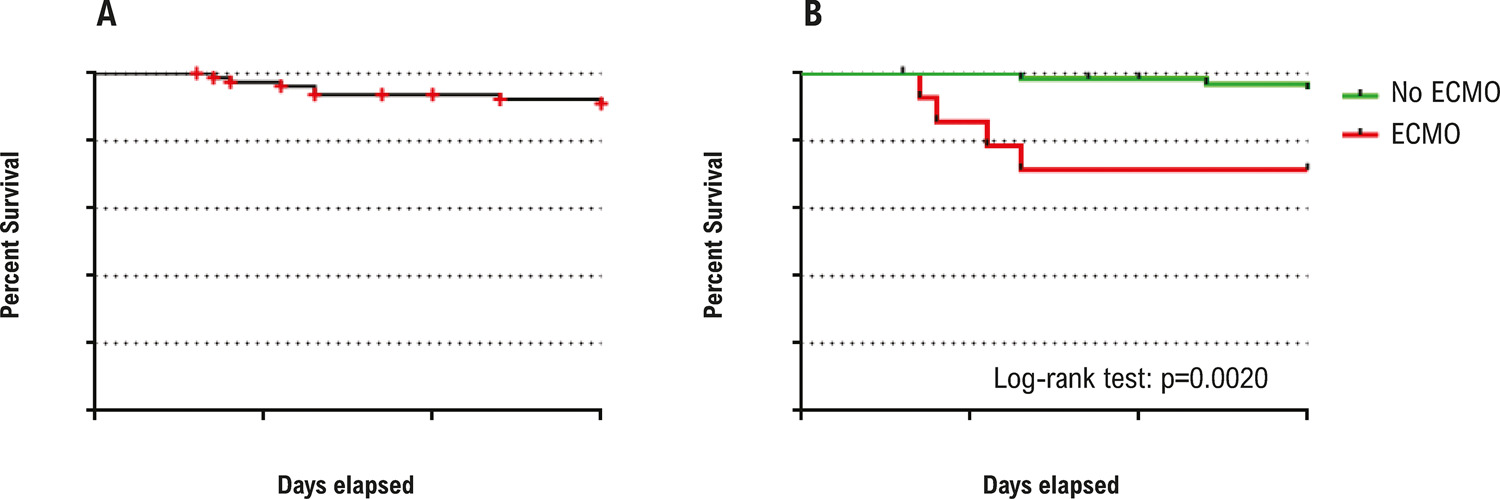
A total of 80 patients with HLHS underwent the stage I Norwood procedure. The 30-day survival rate was 91.3% and the intermediate survival rate 81.3%. Fourteen patients (17.5%) required ECMO support. Lower weight (p=0.033), aortic stenosis (vs aortic atresia; p=0.036), and the need for postoperative ECMO support (p=0.009) were independent predictive factors for 30-day mortality. Mitral valve stenosis (vs mitral valve atresia; p=0.041) was an independent predictive factor for intermediate mortality.

Conclusion

The present study includes the largest Brazilian cohort of patients with HLHS undergoing the stage I Norwood procedure in the recent era. Our survival rates were comparable to the highest survival rates reported globally. Low body weight, aortic valve stenosis, and the need for postoperative ECMO support were independent predictors for 30-day mortality. Mitral valve stenosis was the only independent predictive factor for intermediate mortality.

  • Extracorporeal Membrane Oxygenation
  • Hypoplastic Left Heart Syndrome
  • Mortality
  • Norwood Procedures
Read Full Article
Creative Commons Attribution (CC BY) Creative Commons license
10/06/2022 DOI: 10.36660/abc.20201226
Figure 1
ABC
Case Report

Transcatheter Aortic Valve Implantation Assisted by Extracorporeal Membrane Oxygenation for the Treatment of Aortic Stenosis with Cardiogenic Shock

Gangping Huang et al. Huaidong Chen Weimin Zhang Fan He

Introduction

Aortic stenosis is a common heart valve disease, mostly caused by degenerative aortic valve disease in the elderly. Aortic stenosis obstructs the forward flow of the left ventricle to the aorta, leading to a pressure differential between the left ventricle and the aorta and increased left ventricular pressure secondary to left ventricular hypertrophy. As the disease progresses, it leads to left ventricular systolic and diastolic dysfunction and myocardial ischemia due to decreased coronary blood flow. However, cardiogenic shock secondary to aortic stenosis is one of the most serious complications and has a high mortality rate due to its limited therapeutic effect. Since its inception in 2002, transcatheter aortic valve implantation (TAVI) has become the first choice of treatment for elderly patients with severe aortic stenosis and high surgical risk due to its advantages of minimally invasive, non-extracorporeal circulation, and good medium-long term efficacy.– With the development of device technology and low-resistance transmission systems, TAVI has recently been shown to be no less effective than traditional surgery, even in medium-risk patients. However, for patients with a long medical history, significantly reduced cardiac ejection fraction (EF), cardiogenic shock, decompensated aortic valve disease, and severe complications such as intraoperative hemodynamic breakdown and malignant arrhythmia, still exist during TAVI surgery, greatly increasing the risk of TAVI. The present study reports a case of severe aortic stenosis complicated by cardiogenic shock that was successfully treated with TAVI assisted by extracorporeal membrane oxygenation.

[…]

  • Aortic Valve Stenosis
  • Cardiogenic shock
  • Extracorporeal Membrane Oxygenation
Read Full Article
Creative Commons Attribution (CC BY) Creative Commons license
19/07/2021 DOI: 10.36660/abc.20201358 Views 1
Figure 1
IJCS
Case Report

Tachycardiomyopathy and Extracorporeal Membrane Oxygenation: A Case Report

Joana Malheiro et al. João Almeida Daniel Caeiro Adelaide Dias … Marlene Fonseca Vasco Gama

Introduction

Tachycardiomyopathy (TCM) is a rare, but potentially reversible cause of cardiomyopathy and cardiogenic shock. It is defined by a global left ventricular systolic dysfunction secondary to persistent tachyarrhythmia, with partial (in patients with previous structural disease), or total recovery (in patients without previous structural disease) after cardiac rhythm normalization. The most commonly implicated arrhythmia is atrial fibrillation. The hemodynamic changes that characterize the patient with TCM include: increase in ventricular telediastolic and telesystolic volumes, global hypokinesis, increase in ventricular and pulmonary artery filling pressures, and, finally, decrease in ejection fraction (EF)., It manifests clinically by congestive heart failure, and, in some cases, it may develop into cardiogenic shock. There are no specific methods to identify the presence of TCM. The diagnosis is usually attained retrospectively with normalization or improvement of left ventricular dysfunction, through tachyarrhythmia reversion or control. The most frequent complications of TCM are embolic events, complications due to the evolution of arrhythmia severity with degeneration to Ventricular Tachycardia (VT)/Ventricular Fibrillation (VF) and cardiogenic shock.

The treatment includes measures of hemodynamic support, frequency control, and reversion to sinus rhythm, when possible. Extracorporeal Membrane Oxygenation (ECMO) is a mechanical device that ensures blood oxygenation and perfusion of the main organs for prolonged periods of time in patients with lung and/or heart failure. The use of this device allows the patient to remain alive and hemodynamically stable, working as a bridge to eventual recovery, transplantation, decision-making or even as a “bridge to another bridge” (for instance, as a bridge to left ventricular assist device – LVAD – as target therapeutics).

[…]

  • Atrial Fibrillation
  • Cardiogenic
  • Cardiomyopathies
  • Extracorporeal Membrane Oxygenation
  • Shock
  • Tachycardia
Read Full Article
Creative Commons Attribution (CC BY) Creative Commons license
01/01/2017 DOI: 10.5935/2359-4802.20170079
Figure 1
IJCS
Case Report

Takotsubo Cardiomyopathy with Extracorporeal Membrane Oxygenation (ECMO) Requirement after Atrial Myxoma Surgery

Fernando Garagoli et al. Aníbal Arias Vadim Kotowicz Arturo Cagide César Belziti

Introduction

Takotsubo’s syndrome is a cardiomyopathy characterized by transient left ventricular dysfunction. This condition is often described in postmenopausal women secondary to physical or emotional triggers. The clinical behavior mimics an acute coronary syndrome. However, angiography shows no obstructive epicardial coronary artery disease.

This syndrome is considered a reversible cardiomyopathy. However, patients with Takotsubo cardiomyopathy have risk of serious complications, such as cardiogenic shock, ventricular tachycardia and ventricular thrombus.

[…]

  • Extracorporeal Membrane Oxygenation
  • Takotsubo Cardiomyopathy/complications
  • Takotsubo Cardiomyopathy/surgery
  • Ventricular Dysfunction, Left
Read Full Article
Creative Commons Attribution (CC BY) Creative Commons license
01/01/2017 DOI: 10.5935/2359-4802.20170022 Views 2
Figure 1
ABC
Case Report

Stent Placement in a Neonate with Sano Modification of the Norwood using Semi-Elective Extracorporeal Membrane Oxygenation

Mustafa Gulgun et al. Michael Slack

Abstract

Extracorporeal membrane oxygenation (ECMO) is a well-established tool of cardiopulmonary circulatory support for cardiopulmonary failure in children and adults. It has been used as a supportive strategy during interventional procedures in neonates with congenital heart disease. Herein, we describe a neonate with hypoplastic left heart syndrome who underwent stenting of the Sano shunt and left pulmonary artery after Norwood Sano operation using intra-procedural ECMO support. The use of ECMO as a bridge to recovery might be a feasible and reasonably safe adjunctive approach in the treatment of complications in selective case of neonates having undergone the Norwood Sano procedure.

  • Extracorporeal Membrane Oxygenation
  • Heart Defects, Congenital/surgery
  • Hypoplastic Left Heart Syndrome / surgery
  • Infant, Newborn
  • stent
Read Full Article
Creative Commons Attribution (CC BY) Creative Commons license
01/12/2016 DOI: 10.5935/abc.20160080 Views 1
ABC
Artigo Original

Adult extracorporeal life support: a failed or forgotten concept?

Alexandre Siciliano Colafranceschi et al. Andrey José de Oliveira Monteiro Leonardo Secchin Canale Luiz Antonio de Almeida Campos … Marcelo Westerlund Montera Paulo Roberto Dutra da Silva Marcelo Ramalho Fernandes Alexandre de Araújo Pinto Stelmar Moura Molas Evandro Tinoco Mesquita

BACKGROUND: The extracorporeal membrane oxygenation (ECMO) has been used in the neonatal and childhood periods with excellent results. The adult experience has been modest with inferior immediate results. The intermediate survival, however, has been promising. We have been using the extracorporeal membrane oxygenation for temporary mechanical circulatory support of adults that present with acute refractory cardiogenic shock in our institution. There is no other published experience of the use of this system in this scenario in Brazil. OBJECTIVE: To describe our experience with the use of the extracorporeal membrane oxygenation for circulatory support in adults. METHODS: Retrospective analysis of the medical files of patients submitted to the implant of extracorporeal membrane oxygenation system for circulatory assistance in acute and refractory cardiogenic shock. RESULTS: Eleven patients (63,5yo; 45,5%male) were considered for analysis from 2005 to 2007. Median support time was 77 hours (10-240h) and 5 patients have survived 30 days (45,5%). Two patients were subsequently submitted to prolonged paracorporeal circulatory assistance. Mortality on ECMO (6 patients) was due to multiple organ failure (66,6%) and refractory bleeding (33,4%). CONCLUSION: ECMO system is an option to be used in acute refractory cardiogenic shock as a bridge to recovery or selecting patients that might benefit from prolonged paracorporeal assist devices (bridge to bridge).

  • Cardiogenic shock
  • Extracorporeal Membrane Oxygenation
  • Heart Arrest
  • multiple organ failure
  • Thoracic Surgery
Read Full Article
Creative Commons Attribution (CC BY) Creative Commons license
25/07/2008 DOI: 10.1590/S0066-782X2008001300006 Views 1
Use of centrifugal pump and extracorporeal membrane oxygenation as cardiopulmonary support in pediatric cardiovascular surgery
ABC
Artigo Original

Use of centrifugal pump and extracorporeal membrane oxygenation as cardiopulmonary support in pediatric cardiovascular surgery

Fernando A. Atik et al. Rodrigo Santos de Castro Fabiana Moreira Passos Succi Maria Regina Barros … Cristina Afiune Guilherme de Menezes Succi Ricardo B. Corso Cristiano N. Faber Jorge Y. Afiune Luiz Fernando Caneo

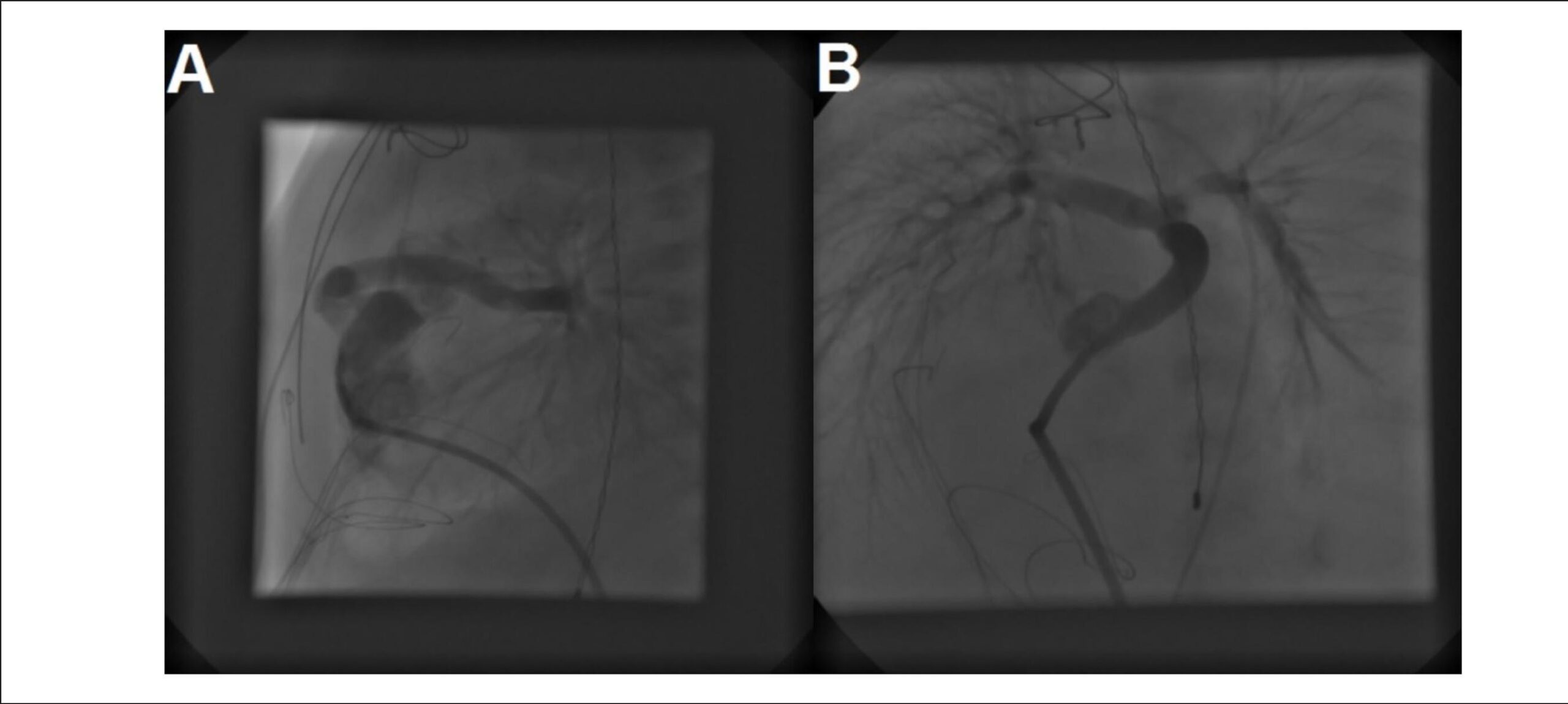
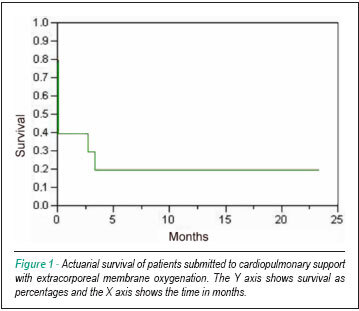
BACKGROUND: Extracorporeal membrane oxygenation is a well-documented resuscitation method in patients with severe hemodynamic and/or respiratory impairment. OBJECTIVE: To describe several aspects related to the use of extracorporeal membrane oxygenation in a pediatric heart center and determine its immediate and late outcomes. METHODS: Between October 2005 and January 2007, 10 patients who were submitted to pediatric cardiac surgery underwent extracorporeal membrane oxygenation implant. Median age was 58.5 days (40% neonates) and median body weight was 3.9 kg. Circulatory assistance was initiated aiming at the recovery and the weaning protocols followed daily clinical and echocardiographic criteria. Support was discontinued when transplant was contraindicated, when the patient was unable to recover or when survival was considered to be limited by a multidisciplinary team. RESULTS: Extracorporeal membrane oxygenation was employed after corrective or palliative heart surgery in 80% and preoperatively in the remaining ones. It was most often indicated for irresponsive hemodynamic instability (40%), post-cardiotomy shock (20%) and post-cardiac arrest (20%). The mean duration on support was 58 ± 37 hours. Weaning was successfully in 50% of the cases and 30% were discharged home. Actuarial survival was 40%, 30% and 20% at 30 days, 3 months and 24 months, respectively. CONCLUSION: Extracorporeal membrane oxygenation is an effective and useful tool for the resuscitation of patients presenting severe hemodynamic and/or respiratory failure in the perioperative period of pediatric cardiovascular surgery.

  • Cardiovascular Surgical Procedures
  • Extracorporeal Membrane Oxygenation
  • Thoracic Surgery
Read Full Article
Creative Commons Attribution (CC BY) Creative Commons license
29/05/2008 DOI: 10.1590/S0066-782X2008000400001 Views 1

How to cite this article

EndNote RIS

Electronic Document Format (Vancouver)

Campos CV, Caneo LF, Pimenta TJ, Machado DS. What We Choose to Fund Defines Who We Choose to Save: Pediatric Heart Failure in Emerging Economies. ABC Heart Fail Cardiomyop 2026;6:e20260014.

Electronic Document Format (ABNT)

Campos, Carolina Vieira de; Caneo, Luiz Fernando; Pimenta, Tamara J.; Machado, Desiree S.. What We Choose to Fund Defines Who We Choose to Save: Pediatric Heart Failure in Emerging Economies. ABC Heart Fail Cardiomyop, v. 6, e20260014, Sep. 2026.

Electronic Document Format (APA)

Campos, C. V. , Caneo, L. F., Pimenta, T. J., & Machado, D. S. (2026). What We Choose to Fund Defines Who We Choose to Save: Pediatric Heart Failure in Emerging Economies. ABC Heart Fail Cardiomyop, 6, e20260014.

Electronic Document Format (ISO)

Campos, Carolina Vieira de and Caneo, Luiz Fernando and Pimenta, Tamara J. and Machado, Desiree S.. What We Choose to Fund Defines Who We Choose to Save: Pediatric Heart Failure in Emerging Economies. ABC Heart Fail Cardiomyop [online]. 2026, vol. 6, [cited 2026-10-14], e20260014. Available from: <https://journals.cardiol.br/en/article/what-we-choose-to-fund-defines-who-we-choose-to-save-pediatric-heart-failure-in-emerging-economies/>

EndNote RIS

Electronic Document Format (Vancouver)

Caneo LF. Extracorporeal Cardiopulmonary Resuscitation in Latin America: It is Not All about the Money. Arquivos Brasileiros de Cardiologia 2026;123(3):e20260240.

Electronic Document Format (ABNT)

Caneo, Luiz Fernando. Extracorporeal Cardiopulmonary Resuscitation in Latin America: It is Not All about the Money. Arquivos Brasileiros de Cardiologia, v. 123, n. 3, e20260240, May. 2026.

Electronic Document Format (APA)

Caneo, L. F. (2026). Extracorporeal Cardiopulmonary Resuscitation in Latin America: It is Not All about the Money. Arquivos Brasileiros de Cardiologia, 123(3), e20260240.

Electronic Document Format (ISO)

Caneo, Luiz Fernando. Extracorporeal Cardiopulmonary Resuscitation in Latin America: It is Not All about the Money. Arquivos Brasileiros de Cardiologia [online]. 2026, vol. 123, n. 3, [cited 2026-10-14], e20260240. Available from: <https://journals.cardiol.br/en/article/extracorporeal-cardiopulmonary-resuscitation-in-latin-america-it-is-not-all-about-the-money/>. ISSN 0066-782X

EndNote RIS

Electronic Document Format (Vancouver)

Burgos LM, Seoane LA, Spaccavento A, Furmento JF, Costabel JP, Vila RCB, Bortoli MA, et al. Extracorporeal Cardiopulmonary Resuscitation for In-Hospital Cardiac Arrest: A Single-Center Experience in Latin America. Arquivos Brasileiros de Cardiologia 2026;123(3):e20240820.

Electronic Document Format (ABNT)

Burgos, Lucrecia M.; Seoane, Leonardo A.; Spaccavento, Ana; Furmento, Juan F.; Costabel, Juan P.; Vila, Rocio C. Baro; Bortoli, Maria A. de; Navia, Daniel O.; Piccinini, Fernando; Vrancic, Mariano; Diez, Mirta. Extracorporeal Cardiopulmonary Resuscitation for In-Hospital Cardiac Arrest: A Single-Center Experience in Latin America. Arquivos Brasileiros de Cardiologia, v. 123, n. 3, e20240820, May. 2026.

Electronic Document Format (APA)

Burgos, L. M., Seoane, L. A., Spaccavento, A., Furmento, J. F., Costabel, J. P., Vila, R. C. B., Bortoli, M. A. , Navia, D. O., Piccinini, F., Vrancic, M., & Diez, M. (2026). Extracorporeal Cardiopulmonary Resuscitation for In-Hospital Cardiac Arrest: A Single-Center Experience in Latin America. Arquivos Brasileiros de Cardiologia, 123(3), e20240820.

Electronic Document Format (ISO)

Burgos, Lucrecia M. and Seoane, Leonardo A. and Spaccavento, Ana and Furmento, Juan F. and Costabel, Juan P. and Vila, Rocio C. Baro and Bortoli, Maria A. de and Navia, Daniel O. and Piccinini, Fernando and Vrancic, Mariano and Diez, Mirta. Extracorporeal Cardiopulmonary Resuscitation for In-Hospital Cardiac Arrest: A Single-Center Experience in Latin America. Arquivos Brasileiros de Cardiologia [online]. 2026, vol. 123, n. 3, [cited 2026-10-14], e20240820. Available from: <https://journals.cardiol.br/en/article/extracorporeal-cardiopulmonary-resuscitation-for-in-hospital-cardiac-arrest-a-single-center-experience-in-latin-america/>. ISSN 0066-782X

EndNote RIS

Electronic Document Format (Vancouver)

Aydin A, Katlan B, Kesici S. Vasoplegic Syndrome under Extracorporeal Membrane Oxygenation: Successful Treatment with Methylene Blue. Arquivos Brasileiros de Cardiologia 2025;122(5):e20250070.

Electronic Document Format (ABNT)

Aydin, Ahmet; Katlan, Banu; Kesici, Selman. Vasoplegic Syndrome under Extracorporeal Membrane Oxygenation: Successful Treatment with Methylene Blue. Arquivos Brasileiros de Cardiologia, v. 122, n. 5, e20250070, Jul. 2025.

Electronic Document Format (APA)

Aydin, A., Katlan, B., & Kesici, S. (2025). Vasoplegic Syndrome under Extracorporeal Membrane Oxygenation: Successful Treatment with Methylene Blue. Arquivos Brasileiros de Cardiologia, 122(5), e20250070.

Electronic Document Format (ISO)

Aydin, Ahmet and Katlan, Banu and Kesici, Selman. Vasoplegic Syndrome under Extracorporeal Membrane Oxygenation: Successful Treatment with Methylene Blue. Arquivos Brasileiros de Cardiologia [online]. 2025, vol. 122, n. 5, [cited 2026-10-14], e20250070. Available from: <https://journals.cardiol.br/en/article/vasoplegic-syndrome-under-extracorporeal-membrane-oxygenation-successful-treatment-with-methylene-blue/>. ISSN 0066-782X

EndNote RIS

Electronic Document Format (Vancouver)

Caneo LF. No Time to Die. Arquivos Brasileiros de Cardiologia 2024;121(8):e20240512.

Electronic Document Format (ABNT)

Caneo, Luiz Fernando. No Time to Die. Arquivos Brasileiros de Cardiologia, v. 121, n. 8, e20240512, Sep. 2024.

Electronic Document Format (APA)

Caneo, L. F. (2024). No Time to Die. Arquivos Brasileiros de Cardiologia, 121(8), e20240512.

Electronic Document Format (ISO)

Caneo, Luiz Fernando. No Time to Die. Arquivos Brasileiros de Cardiologia [online]. 2024, vol. 121, n. 8, [cited 2026-10-14], e20240512. Available from: <https://journals.cardiol.br/en/article/no-time-to-die/>. ISSN 0066-782X

EndNote RIS

Electronic Document Format (Vancouver)

Decker SRR, Wainstein RV, Scolari FL, Rosa PR, Schneider D, Fogazzi DV, Trott G, et al. Cost-Utility of Venoarterial Extracorporeal Membrane Oxygenation in Refractory Cardiogenic Shock: A Brazilian Perspective Study. Arquivos Brasileiros de Cardiologia 2024;121(8):e20230672.

Electronic Document Format (ABNT)

Decker, Sérgio Renato da Rosa; Wainstein, Rodrigo Vugman; Scolari, Fernando Luis; Rosa, Priscila Raupp da; Schneider, Daniel; Fogazzi, Debora Vacaro; Trott, Geraldine; Wolf, Jonas; Teixeira, Cassiano; Rover, Marciane Maria; Nasi, Luiz Antônio; Rohde, Luis Eduardo; Polanczyk, Carisi Anne; Rosa, Regis Goulart; Bertoldi, Eduardo Gehling. Cost-Utility of Venoarterial Extracorporeal Membrane Oxygenation in Refractory Cardiogenic Shock: A Brazilian Perspective Study. Arquivos Brasileiros de Cardiologia, v. 121, n. 8, e20230672, Aug. 2024.

Electronic Document Format (APA)

Decker, S. R. R., Wainstein, R. V., Scolari, F. L., Rosa, P. R. , Schneider, D., Fogazzi, D. V., Trott, G., Wolf, J., Teixeira, C., Rover, M. M., Nasi, L. A., Rohde, L. E., Polanczyk, C. A., Rosa, R. G., & Bertoldi, E. G. (2024). Cost-Utility of Venoarterial Extracorporeal Membrane Oxygenation in Refractory Cardiogenic Shock: A Brazilian Perspective Study. Arquivos Brasileiros de Cardiologia, 121(8), e20230672.

Electronic Document Format (ISO)

Decker, Sérgio Renato da Rosa and Wainstein, Rodrigo Vugman and Scolari, Fernando Luis and Rosa, Priscila Raupp da and Schneider, Daniel and Fogazzi, Debora Vacaro and Trott, Geraldine and Wolf, Jonas and Teixeira, Cassiano and Rover, Marciane Maria and Nasi, Luiz Antônio and Rohde, Luis Eduardo and Polanczyk, Carisi Anne and Rosa, Regis Goulart and Bertoldi, Eduardo Gehling. Cost-Utility of Venoarterial Extracorporeal Membrane Oxygenation in Refractory Cardiogenic Shock: A Brazilian Perspective Study. Arquivos Brasileiros de Cardiologia [online]. 2024, vol. 121, n. 8, [cited 2026-10-14], e20230672. Available from: <https://journals.cardiol.br/en/article/cost-utility-of-venoarterial-extracorporeal-membrane-oxygenation-in-refractory-cardiogenic-shock-a-brazilian-perspective-study/>. ISSN 0066-782X

EndNote RIS

Electronic Document Format (Vancouver)

Alves C, Pimentel SQ, Lopes FJ. Use of Extracorporeal Membrane Oxygenation in Adult Patients During Cardiac Arrest. International Journal of Cardiovascular Sciences 2024;37:e2023193.

Electronic Document Format (ABNT)

Alves, Cibelle; Pimentel, Sarah Queiroz; Lopes, Francine Jomara. Use of Extracorporeal Membrane Oxygenation in Adult Patients During Cardiac Arrest. International Journal of Cardiovascular Sciences, v. 37, e2023193, Jul. 2024.

Electronic Document Format (APA)

Alves, C., Pimentel, S. Q., & Lopes, F. J. (2024). Use of Extracorporeal Membrane Oxygenation in Adult Patients During Cardiac Arrest. International Journal of Cardiovascular Sciences, 37, e2023193.

Electronic Document Format (ISO)

Alves, Cibelle and Pimentel, Sarah Queiroz and Lopes, Francine Jomara. Use of Extracorporeal Membrane Oxygenation in Adult Patients During Cardiac Arrest. International Journal of Cardiovascular Sciences [online]. 2024, vol. 37, [cited 2026-10-14], e2023193. Available from: <https://journals.cardiol.br/en/article/use-of-extracorporeal-membrane-oxygenation-in-adult-patients-during-cardiac-arrest/>. ISSN 2359-4802

EndNote RIS

Electronic Document Format (Vancouver)

Pereira T, Tinoco M, Faria B, Azevedo O, Albuquerque RR, Lourenço A. Fulminant Necrotizing Eosinophilic Myocarditis Successfully Treated With Veno-Arterial Extracorporeal Membrane Oxygenation and High-Dose Steroids. International Journal of Cardiovascular Sciences 2024;37:e20230071.

Electronic Document Format (ABNT)

Pereira, Tamara; Tinoco, Mariana; Faria, Bebiana; Azevedo, Olga; Albuquerque, Roberto Roncon; Lourenço, António. Fulminant Necrotizing Eosinophilic Myocarditis Successfully Treated With Veno-Arterial Extracorporeal Membrane Oxygenation and High-Dose Steroids. International Journal of Cardiovascular Sciences, v. 37, e20230071, Feb. 2024.

Electronic Document Format (APA)

Pereira, T., Tinoco, M., Faria, B., Azevedo, O., Albuquerque, R. R., & Lourenço, A. (2024). Fulminant Necrotizing Eosinophilic Myocarditis Successfully Treated With Veno-Arterial Extracorporeal Membrane Oxygenation and High-Dose Steroids. International Journal of Cardiovascular Sciences, 37, e20230071.

Electronic Document Format (ISO)

Pereira, Tamara and Tinoco, Mariana and Faria, Bebiana and Azevedo, Olga and Albuquerque, Roberto Roncon and Lourenço, António. Fulminant Necrotizing Eosinophilic Myocarditis Successfully Treated With Veno-Arterial Extracorporeal Membrane Oxygenation and High-Dose Steroids. International Journal of Cardiovascular Sciences [online]. 2024, vol. 37, [cited 2026-10-14], e20230071. Available from: <https://journals.cardiol.br/en/article/fulminant-necrotizing-eosinophilic-myocarditis-successfully-treated-with-veno-arterial-extracorporeal-membrane-oxygenation-and-high-dose-steroids/>. ISSN 2359-4802

EndNote RIS

Electronic Document Format (Vancouver)

Vicente WVA. The First Stage Norwood Operation, in Brazil – The Bar Was Raised. Arquivos Brasileiros de Cardiologia 2022;119(2):292-3.

Electronic Document Format (ABNT)

Vicente, Walter Villela de Andrade. The First Stage Norwood Operation, in Brazil – The Bar Was Raised. Arquivos Brasileiros de Cardiologia, v. 119, n. 2, p. 292-293, Aug. 2022.

Electronic Document Format (APA)

Vicente, W. V. A. (2022). The First Stage Norwood Operation, in Brazil – The Bar Was Raised. Arquivos Brasileiros de Cardiologia, 119(2), 292-293.

Electronic Document Format (ISO)

Vicente, Walter Villela de Andrade. The First Stage Norwood Operation, in Brazil – The Bar Was Raised. Arquivos Brasileiros de Cardiologia [online]. 2022, vol. 119, n. 2, [cited 2026-10-14], pp. 292-293. Available from: <https://journals.cardiol.br/en/article/the-first-stage-norwood-operation-in-brazil-the-bar-was-raised/>. ISSN 0066-782X

EndNote RIS

Electronic Document Format (Vancouver)

Bezerra RF, Pacheco JT, Franchi SM, Fittaroni RB, Baumgratz JF, Castro RM, Silva LF, et al. Early Outcomes of the Norwood Procedure in a Reference Center in Brazil. Arquivos Brasileiros de Cardiologia 2022;119(2):282-91.

Electronic Document Format (ABNT)

Bezerra, Rodrigo Freire; Pacheco, Juliana Torres; Franchi, Sônia Meiken; Fittaroni, Rosangela Belbuche; Baumgratz, José Francisco; Castro, Rodrigo Moreira; Silva, Luciana da Fonseca da; Silva, José Pedro da. Early Outcomes of the Norwood Procedure in a Reference Center in Brazil. Arquivos Brasileiros de Cardiologia, v. 119, n. 2, p. 282-291, Jun. 2022.

Electronic Document Format (APA)

Bezerra, R. F., Pacheco, J. T., Franchi, S. M., Fittaroni, R. B., Baumgratz, J. F., Castro, R. M., Silva, L. F. , & Silva, J. P. (2022). Early Outcomes of the Norwood Procedure in a Reference Center in Brazil. Arquivos Brasileiros de Cardiologia, 119(2), 282-291.

Electronic Document Format (ISO)

Bezerra, Rodrigo Freire and Pacheco, Juliana Torres and Franchi, Sônia Meiken and Fittaroni, Rosangela Belbuche and Baumgratz, José Francisco and Castro, Rodrigo Moreira and Silva, Luciana da Fonseca da and Silva, José Pedro da. Early Outcomes of the Norwood Procedure in a Reference Center in Brazil. Arquivos Brasileiros de Cardiologia [online]. 2022, vol. 119, n. 2, [cited 2026-10-14], pp. 282-291. Available from: <https://journals.cardiol.br/en/article/early-outcomes-of-the-norwood-procedure-in-a-reference-center-in-brazil/>. ISSN 0066-782X

EndNote RIS

Electronic Document Format (Vancouver)

Huang G, Chen H, Zhang W, He F. Transcatheter Aortic Valve Implantation Assisted by Extracorporeal Membrane Oxygenation for the Treatment of Aortic Stenosis with Cardiogenic Shock. Arquivos Brasileiros de Cardiologia 2021;117(1 suppl 1):33-7.

Electronic Document Format (ABNT)

Huang, Gangping; Chen, Huaidong; Zhang, Weimin; He, Fan. Transcatheter Aortic Valve Implantation Assisted by Extracorporeal Membrane Oxygenation for the Treatment of Aortic Stenosis with Cardiogenic Shock. Arquivos Brasileiros de Cardiologia, v. 117, n. 1 suppl 1, p. 33-37, Jul. 2021.

Electronic Document Format (APA)

Huang, G., Chen, H., Zhang, W., & He, F. (2021). Transcatheter Aortic Valve Implantation Assisted by Extracorporeal Membrane Oxygenation for the Treatment of Aortic Stenosis with Cardiogenic Shock. Arquivos Brasileiros de Cardiologia, 117(1 suppl 1), 33-37.

Electronic Document Format (ISO)

Huang, Gangping and Chen, Huaidong and Zhang, Weimin and He, Fan. Transcatheter Aortic Valve Implantation Assisted by Extracorporeal Membrane Oxygenation for the Treatment of Aortic Stenosis with Cardiogenic Shock. Arquivos Brasileiros de Cardiologia [online]. 2021, vol. 117, n. 1 suppl 1, [cited 2026-10-14], pp. 33-37. Available from: <https://journals.cardiol.br/en/article/transcatheter-aortic-valve-implantation-assisted-by-extracorporeal-membrane-oxygenation-for-the-treatment-of-aortic-stenosis-with-cardiogenic-shock/>. ISSN 0066-782X

EndNote RIS

Electronic Document Format (Vancouver)

Malheiro J, Almeida J, Caeiro D, Dias A, Fonseca M, Gama V. Tachycardiomyopathy and Extracorporeal Membrane Oxygenation: A Case Report. International Journal of Cardiovascular Sciences 2017;30(6):545-9.

Electronic Document Format (ABNT)

Malheiro, Joana; Almeida, João; Caeiro, Daniel; Dias, Adelaide; Fonseca, Marlene; Gama, Vasco. Tachycardiomyopathy and Extracorporeal Membrane Oxygenation: A Case Report. International Journal of Cardiovascular Sciences, v. 30, n. 6, p. 545-549, Dec. 2016.

Electronic Document Format (APA)

Malheiro, J., Almeida, J., Caeiro, D., Dias, A., Fonseca, M., & Gama, V. (2017). Tachycardiomyopathy and Extracorporeal Membrane Oxygenation: A Case Report. International Journal of Cardiovascular Sciences, 30(6), 545-549.

Electronic Document Format (ISO)

Malheiro, Joana and Almeida, João and Caeiro, Daniel and Dias, Adelaide and Fonseca, Marlene and Gama, Vasco. Tachycardiomyopathy and Extracorporeal Membrane Oxygenation: A Case Report. International Journal of Cardiovascular Sciences [online]. 2017, vol. 30, n. 6, [cited 2026-10-14], pp. 545-549. Available from: <https://journals.cardiol.br/en/article/tachycardiomyopathy-and-extracorporeal-membrane-oxygenation-a-case-report/>. ISSN 2359-4802

EndNote RIS

Electronic Document Format (Vancouver)

Garagoli F, Arias A, Kotowicz V, Cagide A, Belziti C. Takotsubo Cardiomyopathy with Extracorporeal Membrane Oxygenation (ECMO) Requirement after Atrial Myxoma Surgery. International Journal of Cardiovascular Sciences 2017;30(3):277-80.

Electronic Document Format (ABNT)

Garagoli, Fernando; Arias, Aníbal; Kotowicz, Vadim; Cagide, Arturo; Belziti, César. Takotsubo Cardiomyopathy with Extracorporeal Membrane Oxygenation (ECMO) Requirement after Atrial Myxoma Surgery. International Journal of Cardiovascular Sciences, v. 30, n. 3, p. 277-280, Dec. 2016.

Electronic Document Format (APA)

Garagoli, F., Arias, A., Kotowicz, V., Cagide, A., & Belziti, C. (2017). Takotsubo Cardiomyopathy with Extracorporeal Membrane Oxygenation (ECMO) Requirement after Atrial Myxoma Surgery. International Journal of Cardiovascular Sciences, 30(3), 277-280.

Electronic Document Format (ISO)

Garagoli, Fernando and Arias, Aníbal and Kotowicz, Vadim and Cagide, Arturo and Belziti, César. Takotsubo Cardiomyopathy with Extracorporeal Membrane Oxygenation (ECMO) Requirement after Atrial Myxoma Surgery. International Journal of Cardiovascular Sciences [online]. 2017, vol. 30, n. 3, [cited 2026-10-14], pp. 277-280. Available from: <https://journals.cardiol.br/en/article/takotsubo-cardiomyopathy-with-extracorporeal-membrane-oxygenation-ecmo-requirement-after-atrial-myxoma-surgery/>. ISSN 2359-4802

EndNote RIS

Electronic Document Format (Vancouver)

Gulgun M, Slack M. Stent Placement in a Neonate with Sano Modification of the Norwood using Semi-Elective Extracorporeal Membrane Oxygenation. Arquivos Brasileiros de Cardiologia 2016;107(6):600-4.

Electronic Document Format (ABNT)

Gulgun, Mustafa; Slack, Michael. Stent Placement in a Neonate with Sano Modification of the Norwood using Semi-Elective Extracorporeal Membrane Oxygenation. Arquivos Brasileiros de Cardiologia, v. 107, n. 6, p. 600-604, Nov. 2016.

Electronic Document Format (APA)

Gulgun, M., & Slack, M. (2016). Stent Placement in a Neonate with Sano Modification of the Norwood using Semi-Elective Extracorporeal Membrane Oxygenation. Arquivos Brasileiros de Cardiologia, 107(6), 600-604.

Electronic Document Format (ISO)

Gulgun, Mustafa and Slack, Michael. Stent Placement in a Neonate with Sano Modification of the Norwood using Semi-Elective Extracorporeal Membrane Oxygenation. Arquivos Brasileiros de Cardiologia [online]. 2016, vol. 107, n. 6, [cited 2026-10-14], pp. 600-604. Available from: <https://journals.cardiol.br/en/article/stent-placement-in-a-neonate-with-sano-modification-of-the-norwood-using-semi-elective-extracorporeal-membrane-oxygenation/>. ISSN 0066-782X

EndNote RIS

Electronic Document Format (Vancouver)

Colafranceschi AS, Monteiro AJO, Canale LS, Campos LAA, Montera MW, Silva PRD, Fernandes MR, et al. Adult extracorporeal life support: a failed or forgotten concept?. Arquivos Brasileiros de Cardiologia 2008;91(1):36-41.

Electronic Document Format (ABNT)

Colafranceschi, Alexandre Siciliano; Monteiro, Andrey José de Oliveira; Canale, Leonardo Secchin; Campos, Luiz Antonio de Almeida; Montera, Marcelo Westerlund; Silva, Paulo Roberto Dutra da; Fernandes, Marcelo Ramalho; Pinto, Alexandre de Araújo; Molas, Stelmar Moura; Mesquita, Evandro Tinoco. Adult extracorporeal life support: a failed or forgotten concept?. Arquivos Brasileiros de Cardiologia, v. 91, n. 1, p. 36-41, Jul. 2008.

Electronic Document Format (APA)

Colafranceschi, A. S., Monteiro, A. J. O., Canale, L. S., Campos, L. A. A., Montera, M. W., Silva, P. R. D. , Fernandes, M. R., Pinto, A. A., Molas, S. M., & Mesquita, E. T. (2008). Adult extracorporeal life support: a failed or forgotten concept?. Arquivos Brasileiros de Cardiologia, 91(1), 36-41.

Electronic Document Format (ISO)

Colafranceschi, Alexandre Siciliano and Monteiro, Andrey José de Oliveira and Canale, Leonardo Secchin and Campos, Luiz Antonio de Almeida and Montera, Marcelo Westerlund and Silva, Paulo Roberto Dutra da and Fernandes, Marcelo Ramalho and Pinto, Alexandre de Araújo and Molas, Stelmar Moura and Mesquita, Evandro Tinoco. Adult extracorporeal life support: a failed or forgotten concept?. Arquivos Brasileiros de Cardiologia [online]. 2008, vol. 91, n. 1, [cited 2026-10-14], pp. 36-41. Available from: <https://journals.cardiol.br/en/article/adult-extracorporeal-life-support-a-failed-or-forgotten-concept/>. ISSN 0066-782X

EndNote RIS

Electronic Document Format (Vancouver)

Atik FA, Castro RS, Succi FMP, Barros MR, Afiune C, Succi GM, Corso RB, et al. Use of centrifugal pump and extracorporeal membrane oxygenation as cardiopulmonary support in pediatric cardiovascular surgery. Arquivos Brasileiros de Cardiologia 2008;90(4):237-42.

Electronic Document Format (ABNT)

Atik, Fernando A.; Castro, Rodrigo Santos de; Succi, Fabiana Moreira Passos; Barros, Maria Regina; Afiune, Cristina; Succi, Guilherme de Menezes; Corso, Ricardo B.; Faber, Cristiano N.; Afiune, Jorge Y.; Caneo, Luiz Fernando. Use of centrifugal pump and extracorporeal membrane oxygenation as cardiopulmonary support in pediatric cardiovascular surgery. Arquivos Brasileiros de Cardiologia, v. 90, n. 4, p. 237-242, May. 2008.

Electronic Document Format (APA)

Atik, F. A., Castro, R. S. , Succi, F. M. P., Barros, M. R., Afiune, C., Succi, G. M., Corso, R. B., Faber, C. N., Afiune, J. Y., & Caneo, L. F. (2008). Use of centrifugal pump and extracorporeal membrane oxygenation as cardiopulmonary support in pediatric cardiovascular surgery. Arquivos Brasileiros de Cardiologia, 90(4), 237-242.

Electronic Document Format (ISO)

Atik, Fernando A. and Castro, Rodrigo Santos de and Succi, Fabiana Moreira Passos and Barros, Maria Regina and Afiune, Cristina and Succi, Guilherme de Menezes and Corso, Ricardo B. and Faber, Cristiano N. and Afiune, Jorge Y. and Caneo, Luiz Fernando. Use of centrifugal pump and extracorporeal membrane oxygenation as cardiopulmonary support in pediatric cardiovascular surgery. Arquivos Brasileiros de Cardiologia [online]. 2008, vol. 90, n. 4, [cited 2026-10-14], pp. 237-242. Available from: <https://journals.cardiol.br/en/article/use-of-centrifugal-pump-and-extracorporeal-membrane-oxygenation-as-cardiopulmonary-support-in-pediatric-cardiovascular-surgery/>. ISSN 0066-782X

  • About ABC Family
  • Internal Regulation
  • Editorial Board
  • Brazilian Society of Cardiology (SBC)

Issues

SBC Guidelines

  • Videos
  • Podcasts
  • News