ABC Family Arquivos Brasileiros de Cardiologia International Journal of Cardiovascular Sciences ABC Heart Failure & Cardiomyopathy ABC Imagem Cardiovascular
Português English
ABC Family
Português English
  • About
    • About ABC Family
    • Internal Regulation
    • Editorial Board
    • Brazilian Society of Cardiology (SBC)
  • Issues
  • SBC Guidelines
  • Content
    • Videos
    • Podcasts
    • News
  • About
    • About ABC Family
    • Internal Regulation
    • Editorial Board
    • Brazilian Society of Cardiology (SBC)
  • Issues
  • SBC Guidelines
  • Content
    • Videos
    • Podcasts
    • News

ABC Family

  • ABC Family
  • Arquivos Brasileiros de Cardiologia
  • International Journal of Cardiovascular Sciences
  • ABC Heart Failure & Cardiomyopathy
  • ABC Imagem Cardiovascular
Search in

No content found.

Journals
Ordering
Article types
Others

  1. Home
  2. Keyword: Heart Failure /therapy
Figure 1
IJCS
Original Article

NT-ProBNP at Admission Versus NT-ProBNP at Discharge as a Prognostic Predictor in Acute Decompensated Heart Failure

Janine Magalhães et al. Fábio Soares Márcia Noya Gabriel Neimann … Lucas Andrade Luiz Correia

Abstract

Background:

Patients admitted for decompensated heart failure (HF) receive intensive diuretic and vasodilator therapy in the first days. Normally, this is a successful approach that leads to HF compensation and hospital discharge. However, recurrences within the first week of discharge are common.

Objective:

to evaluate whether the main predictor of recurrent outcomes in patients with HF is the severity of decompensation at admission or patient’s blood volume after clinical management.

Methods:

Prospective, cohort study of patients admitted between January 2013 and October 2014, with diagnosis of acute decompensated HF, who were followed-up for 60 days after discharge. Inclusion criterion was increased plasma NT-proBNP (> 450 pg/mL for patients younger than 50 years or > 900 pg/mL for patients older than 50 years). Primary outcome was the combination of cardiovascular death with rehospitalization for decompensated HF in 60 days.

Results:

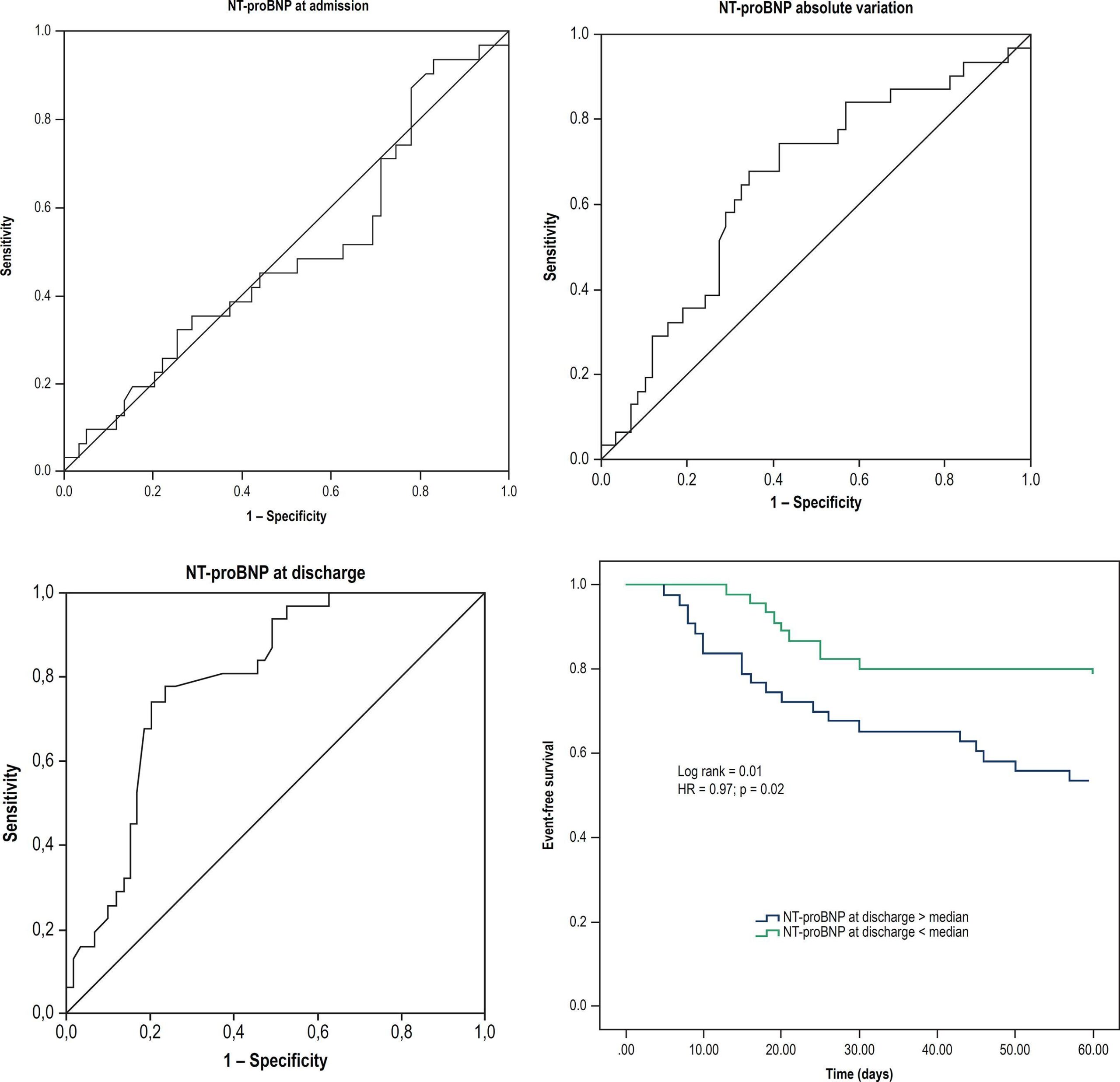
Ninety patients were studied, with median NT-proBNP at admission of 3,947pg/mL (IQR: 2,370 – 7,000 pg/mL), and median NT-proBNP at discharge of 1,946pg/mL (IQR: 1,000 – 3,781 pg/mL). The incidence of combined outcome was 30% (12.2% of deaths and 20% of rehospitalization). The area under the ROC curve for NT-proBNP at admission and 60-day cardiovascular events was 0.49 (p = 0.89; 95% CI = 0.36 – 0.62). The area under the curve of NT-proBNP absolute variation for 60 day-events was 0.65 (p = 0.04; 95%CI = 0.51 – 0.79), and the area under the curve for NT-BNP at discharge was 0.69 (p = 0.03; 95%CI = 0.58 – 0.80). In the multivariate analysis, pre-discharge NT-proBNP was a predictor of the primary outcome, independently of the NT-proBNP at admission and other risk factors.

Conclusion:

Different from the severity of decompensation at hospitalization, blood volume after compensation of HF is associated with recurrent event. This finding suggests that, regardless of initial severity, therapy response during hospitalization is determinant of the risk of recurrent decompensation.
  • Heart Failure / mortality
  • Heart Failure /therapy
  • Hospitalization
  • Natriuretic Peptide
  • Ventricular Dysfunction
Read Full Article
Creative Commons Attribution (CC BY) Creative Commons license
25/09/2017 DOI: 10.5935/2359-4802.20170082 Views 1
Figure 1
ABC
Original Article

Analysis Treatment Guideline versus Clinical Practice Protocol in Patients Hospitalized due to Heart Failure

Alessandra da Graça Corrêa et al. Marcia Makdisse Marcelo Katz Thamires Campos Santana … Paula Kiyomi Onaga Yokota Tatiana de Fatima Gonçalves Galvão Fernando Bacal

Background:

Despite the availability of guidelines for treatment of heart failure (HF), only a few studies have assessed how hospitals adhere to the recommended therapies.

Objectives:

Compare the rates of adherence to the prescription of angiotensin-converting enzyme inhibitor or angiotensin II receptor blockers (ACEI/ARB) at hospital discharge, which is considered a quality indicator by the Joint Commission International, and to the prescription of beta-blockers at hospital discharge, which is recommended by national and international guidelines, in a hospital with a case management program to supervise the implementation of a clinical practice protocol (HCP) and another hospital that follows treatment guidelines (HCG).

Methods:

Prospective observational study that evaluated patients consecutively admitted to both hospitals due to decompensated HF between August 1st, 2006, and December 31st, 2008. We used as comparing parameters the prescription rates of beta-blockers and ACEI/ARB at hospital discharge and in-hospital mortality.

Results:

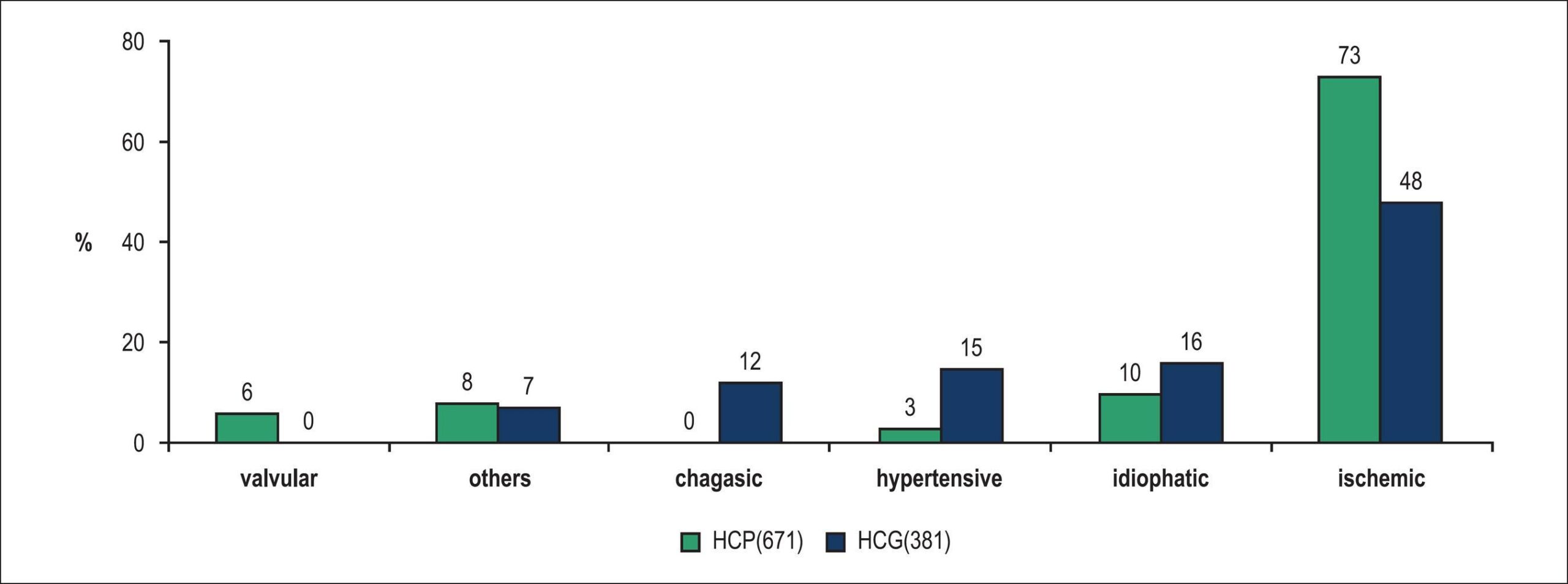
We analyzed 1,052 patients (30% female, mean age 70.6 ± 14.1 years), 381 (36%) of whom were seen at HCG and 781 (64%) at HCP. The prescription rates of beta-blockers at discharge at HCG and HCP were both 69% (p = 0.458), whereas those of ACEI/ARB were 83% and 86%, respectively (p = 0.162). In-hospital mortality rates were 16.5% at HCP and 27.8% at HCG (p < 0.001).

Conclusion:

There was no difference in prescription rates of beta-blocker and ACEI/ARB at hospital discharge between the institutions, but HCP had lower in-hospital mortality. This difference in mortality may be attributed to different clinical characteristics of the patients in both hospitals.

  • Heart Failure /therapy
  • Inpatients
  • Protocol
  • Quality Indicators, Health Care
Read Full Article
Creative Commons Attribution (CC BY) Creative Commons license
26/01/2016 DOI: 10.5935/abc.20160018
Figure 1
ABC
Review Article

Soluble ST2 Testing: A Promising Biomarker in the Management of Heart Failure

Humberto Villacorta et al. Alan S. Maisel

Abstract

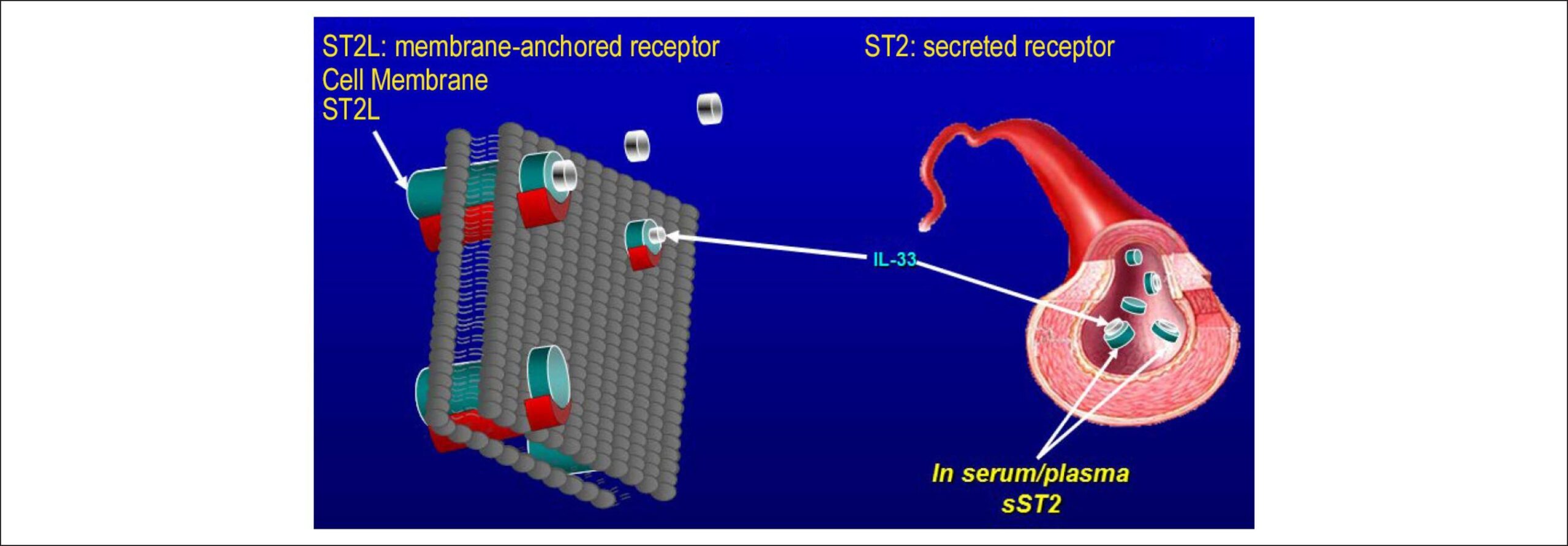
ST2 is a member of the interleukin-1 receptor family biomarker and circulating soluble ST2 concentrations are believed to reflect cardiovascular stress and fibrosis. Recent studies have demonstrated soluble ST2 to be a strong predictor of cardiovascular outcomes in both chronic and acute heart failure. It is a new biomarker that meets all required criteria for a useful biomarker. Of note, it adds information to natriuretic peptides (NPs) and some studies have shown it is even superior in terms of risk stratification. Since the introduction of NPs, this has been the most promising biomarker in the field of heart failure and might be particularly useful as therapy guide.

  • Biomarkers, Pharmacological
  • Heart Failure /therapy
  • Prognosis
  • Receptors, Interleukin
Read Full Article
Creative Commons Attribution (CC BY) Creative Commons license
15/01/2016 DOI: 10.5935/abc.20150151
Figure 1
ABC
Review Article

Reverse Cardiac Remodeling: A Marker of Better Prognosis in Heart Failure

José Rosino de Araújo Rocha Reis Filho et al. Juliano Novaes Cardoso Cristina Martins dos Reis Cardoso Antonio Carlos Pereira-Barretto

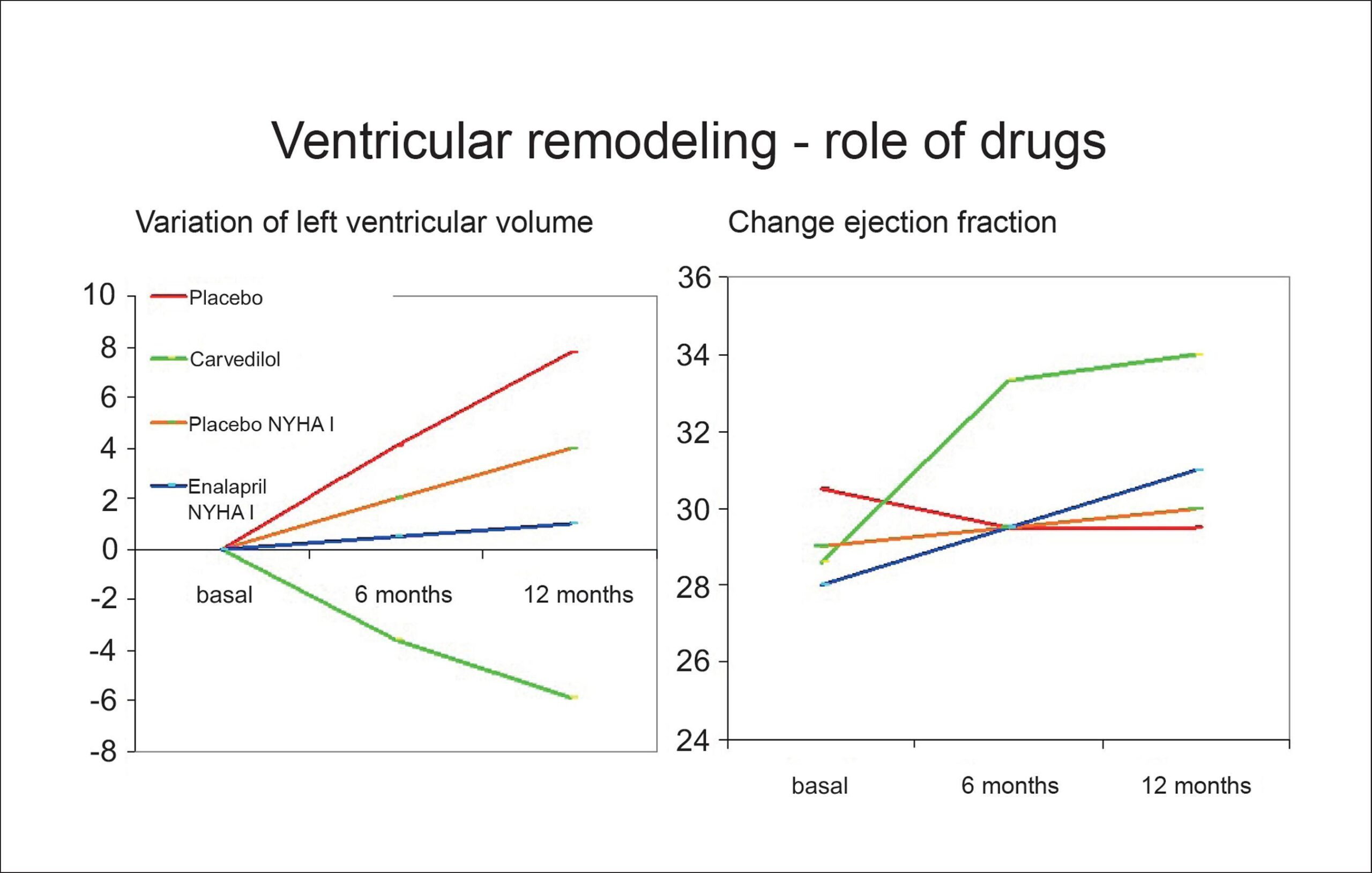
In heart failure syndrome, myocardial dysfunction causes an increase in neurohormonal activity, which is an adaptive and compensatory mechanism in response to the reduction in cardiac output. Neurohormonal activity is initially stimulated in an attempt to maintain compensation; however, when it remains increased, it contributes to the intensification of clinical manifestations and myocardial damage. Cardiac remodeling comprises changes in ventricular volume as well as the thickness and shape of the myocardial wall. With optimized treatment, such remodeling can be reversed, causing gradual improvement in cardiac function and consequently improved prognosis.

  • Heart Failure /therapy
  • Prognosis
  • Stroke Volume / physiology
  • Ventricular Remodeling
Read Full Article
Creative Commons Attribution (CC BY) Creative Commons license
27/03/2015 DOI: 10.5935/abc.20150025 Views 2
Figure 1
ABC
Review Article

Meta-Analysis of Ultrafiltration versus Diuretics Treatment Option for Overload Volume Reduction in Patients with Acute Decompensated Heart Failure

Barkoudah Ebrahim et al. Kodali Sindhura Juliet Okoroh Rosh Sethi … Edward Hulten Claudia Suemoto Marcio Sommer Bittencourt

Introduction:

Although diuretics are mainly used for the treatment of acute decompensated heart failure (ADHF), inadequate responses and complications have led to the use of extracorporeal ultrafiltration (UF) as an alternative strategy for reducing volume overloads in patients with ADHF.

Objective:

The aim of our study is to perform meta-analysis of the results obtained from studies on extracorporeal venous ultrafiltration and compare them with those of standard diuretic treatment for overload volume reduction in acute decompensated heart failure.

Methods:

MEDLINE, EMBASE, and the Cochrane Central Register of Controlled Trials databases were systematically searched using a pre‑specified criterion. Pooled estimates of outcomes after 48 h (weight change, serum creatinine level, and all-cause mortality) were computed using random effect models. Pooled weighted mean differences were calculated for weight loss and change in creatinine level, whereas a pooled risk ratio was used for the analysis of binary all-cause mortality outcome.

Results:

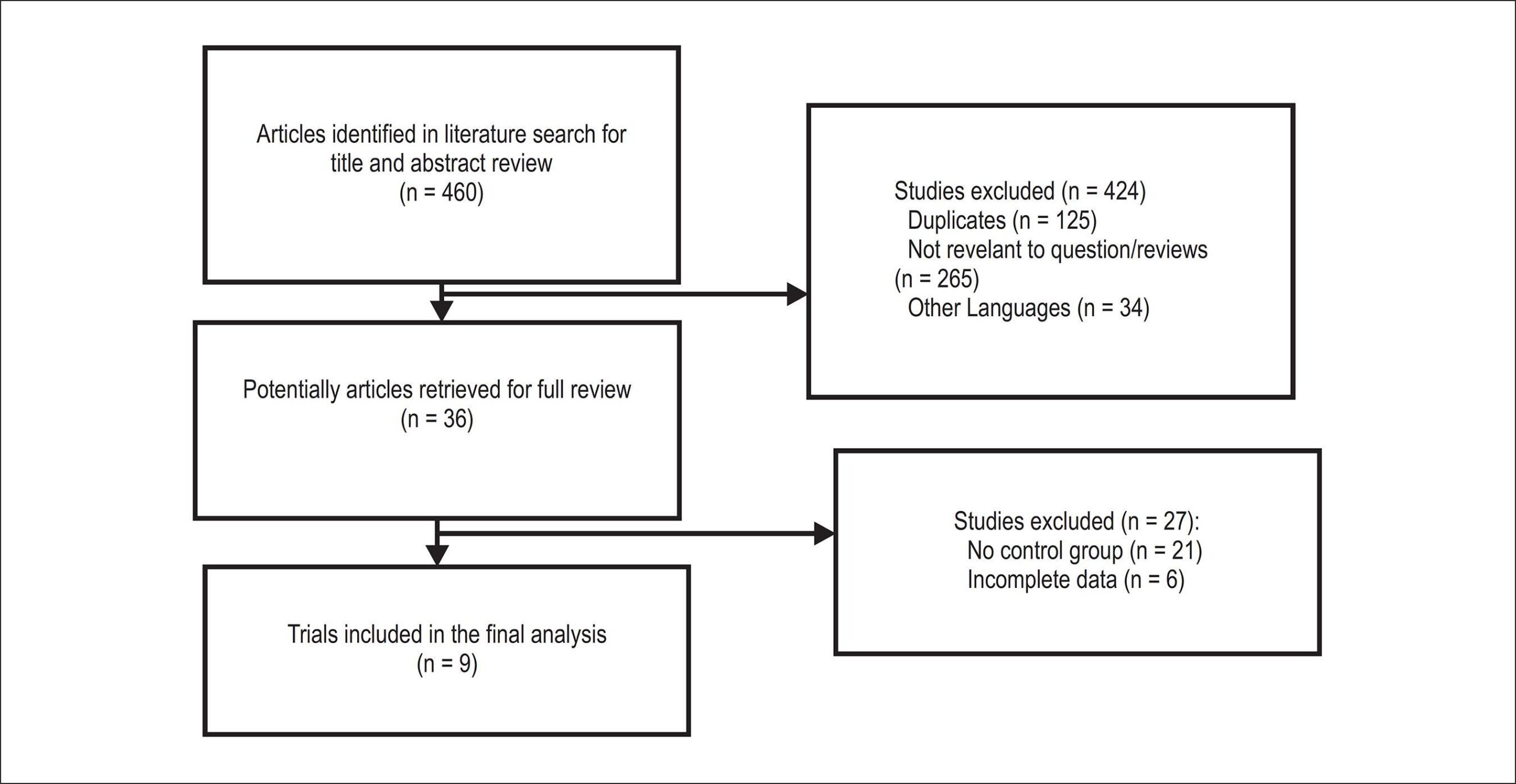
A total of nine studies, involving 613 patients, met the eligibility criteria. The mean weight loss in patients who underwent UF therapy was 1.78 kg [95% Confidence Interval (CI): −2.65 to −0.91 kg; p < 0.001) more than those who received standard diuretic therapy. The post-intervention creatinine level, however, was not significantly different (mean change = −0.25 mg/dL; 95% CI: −0.56 to 0.06 mg/dL; p = 0.112). The risk of all-cause mortality persisted in patients treated with UF compared with patients treated with standard diuretics (Pooled RR = 1.00; 95% CI: 0.64–1.56; p = 0.993).

Conclusion:

Compared with standard diuretic therapy, UF treatment for overload volume reduction in individuals suffering from ADHF, resulted in significant reduction of body weight within 48 h. However, no significant decrease of serum creatinine level or reduction of all-cause mortality was observed.

  • Diuretics
  • Heart Failure /therapy
  • Hemofiltration
  • Ultrafiltration
Read Full Article
Creative Commons Attribution (CC BY) Creative Commons license
27/01/2015 DOI: 10.5935/abc.20140212 Views 1
Figure 1
ABC
Artigo Original

Temporal Variation in the Prognosis and Treatment of Advanced Heart Failure – Before and After 2000

Carlos Henrique Del Carlo et al. Juliano Novaes Cardoso Marcelo Eidi Ochia Mucio Tavares de Oliveira Jr. … José Antonio Franchini Ramires Antonio Carlos Pereira-Barretto

Background:

The treatment of heart failure has evolved in recent decades suggesting that survival is increasing.

Objective:

To verify whether there has been improvement in the survival of patients with advanced heart failure.

Methods:

We retrospectively compared the treatment and follow-up data from two cohorts of patients with systolic heart failure admitted for compensation up to 2000 (n = 353) and after 2000 (n = 279). We analyzed in-hospital death, re-hospitalization and death in 1 year of follow-up. We used Mann-Whitney U test and chi-square test for comparison between groups. The predictors of mortality were identified by regression analysis through Cox proportional hazards model and survival analysis by the Kaplan-Meier survival analysis.

Results:

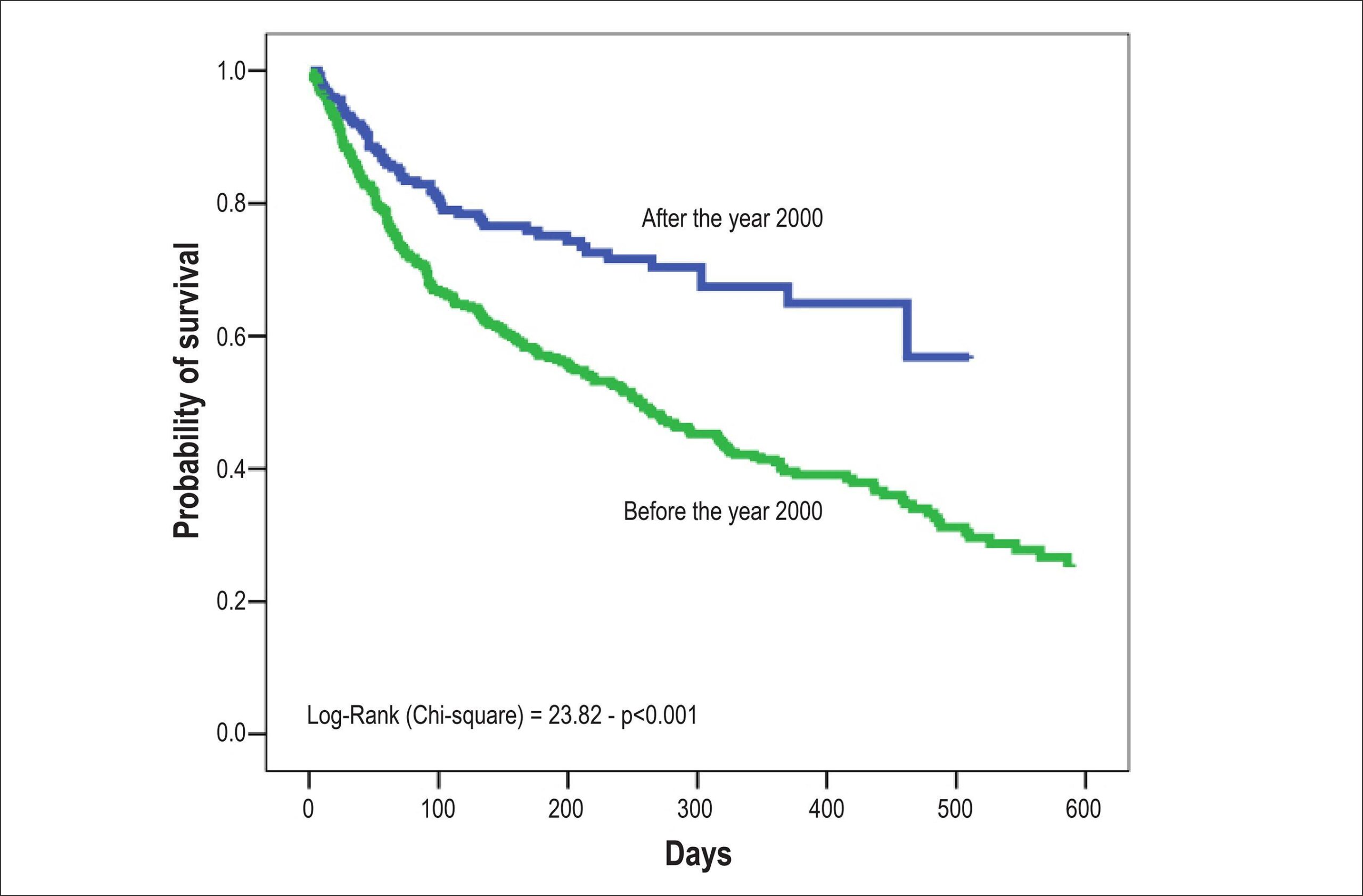
The patients admitted until 2000 were younger, had lower left ventricular impairment and received a lower proportion of beta-blockers at discharge. The survival of patients hospitalized before 2000 was lower than those hospitalized after 2000 (40.1% vs. 67.4%; p<0.001). The independent predictors of mortality in the regression analysis were: Chagas disease (hazard ratio: 1.9; 95% confidence interval: 1.3-3.0), angiotensin-converting-enzyme inhibitors (hazard ratio: 0.6; 95% confidence interval: 0.4-0.9), beta-blockers (hazard ratio: 0.3; 95% confidence interval: 0.2-0.5), creatinine ≥ 1.4 mg/dL (hazard ratio: 2.0; 95% confidence interval: 1.3-3.0), serum sodium ≤ 135 mEq/L (hazard ratio: 1.8; 95% confidence interval: 1.2-2.7).

Conclusions:

Patients with advanced heart failure showed a significant improvement in survival and reduction in re-hospitalizations. The neurohormonal blockade, with angiotensin-converting-enzyme inhibitors and beta-blockers, had an important role in increasing survival of these patients with advanced heart failure.

  • Chagas disease
  • Heart Failure / mortality
  • Heart Failure /therapy
  • Prognosis
Read Full Article
Creative Commons Attribution (CC BY) Creative Commons license
17/04/2014 DOI: 10.5935/abc.20140050
Effects of short-term carvedilol on the cardiac sympathetic activity assessed by 123I-MIBG scintigraphy
ABC
Artigo Original

Effects of short-term carvedilol on the cardiac sympathetic activity assessed by 123I-MIBG scintigraphy

Sandra Marina Ribeiro de Miranda et al. Evandro Tinoco Mesquita Hans Fernando da Rocha Dohmann Jader Cunha Azevedo … Gustavo Borges Barbirato Fabiano de Lima Freire Mário Luiz Ribeiro Antonio Cláudio Lucas da Nóbrega Alexandro Coimbra Cláudio Tinoco Mesquita

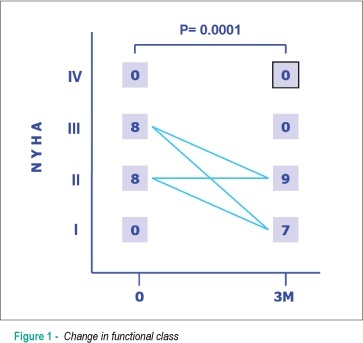
BACKGROUND: Autonomic alterations in heart failure are associated with an increase in morbimortality. Several noninvasive methods have been employed to evaluate the sympathetic function, including the Meta-Iodobenzylguanidine (123I-MIBG) scintigraphy imaging of the heart. OBJECTIVE: to evaluate the cardiac sympathetic activity through 123I-MIBG scintigraphy, before and after three months of carvedilol therapy in patients with heart failure and left ventricular ejection fraction (LVEF) < 45%. PATIENTS AND METHODS: Sixteen patients, aged 56.3 ± 12.6 years (11 males), with a mean LVEF of 28% ± 8% and no previous use of beta-blockers were recruited for the study. Images of the heart innervation were acquired with 123I-MIBG, and the serum levels of catecholamines (epinephrine, dopamine and norepinephrine) were measured; the radioisotope ventriculography (RIV) was performed before and after a three-month therapy with carvedilol. RESULTS: Patients' functional class showed improvement: before the treatment, 50% of the patients were FC II and 50% were FC III. After 3 months, 7 patients were FC I (43.8%) and 9 were FC II (56.2%), (p = 0.0001). The mean LVEF assessed by RIV increased from 29% to 33% (p = 0.017). There was no significant variation in cardiac adrenergic activity assessed by 123I-MIBG (early and late resting images and washout rate). No significant variation was observed regarding the measurement of catecholamines. CONCLUSION: The short-term treatment with carvedilol promoted the clinical and LVEF improvement. However, this was not associated to an improvement in the cardiac adrenergic activity, assessed by 123I-MIBG scintigraphy, as well as the measurement of circulating catecholamines.

  • 3-iodobenzylguanidine
  • Heart Failure /therapy
  • Radionuclide Imaging
Read Full Article
Creative Commons Attribution (CC BY) Creative Commons license
28/04/2010 DOI: 10.1590/S0066-782X2010000300008

How to cite this article

EndNote RIS

Electronic Document Format (Vancouver)

Magalhães J, Soares F, Noya M, Neimann G, Andrade L, Correia L. NT-ProBNP at Admission Versus NT-ProBNP at Discharge as a Prognostic Predictor in Acute Decompensated Heart Failure. International Journal of Cardiovascular Sciences 2017;30(6):469-75.

Electronic Document Format (ABNT)

Magalhães, Janine; Soares, Fábio; Noya, Márcia; Neimann, Gabriel; Andrade, Lucas; Correia, Luiz. NT-ProBNP at Admission Versus NT-ProBNP at Discharge as a Prognostic Predictor in Acute Decompensated Heart Failure. International Journal of Cardiovascular Sciences, v. 30, n. 6, p. 469-475, Sep. 2017.

Electronic Document Format (APA)

Magalhães, J., Soares, F., Noya, M., Neimann, G., Andrade, L., & Correia, L. (2017). NT-ProBNP at Admission Versus NT-ProBNP at Discharge as a Prognostic Predictor in Acute Decompensated Heart Failure. International Journal of Cardiovascular Sciences, 30(6), 469-475.

Electronic Document Format (ISO)

Magalhães, Janine and Soares, Fábio and Noya, Márcia and Neimann, Gabriel and Andrade, Lucas and Correia, Luiz. NT-ProBNP at Admission Versus NT-ProBNP at Discharge as a Prognostic Predictor in Acute Decompensated Heart Failure. International Journal of Cardiovascular Sciences [online]. 2017, vol. 30, n. 6, [cited 2026-10-14], pp. 469-475. Available from: <https://journals.cardiol.br/en/article/nt-probnp-at-admission-versus-nt-probnp-at-discharge-as-a-prognostic-predictor-in-acute-decompensated-heart-failure/>. ISSN 2359-4802

EndNote RIS

Electronic Document Format (Vancouver)

Corrêa AG, Makdisse M, Katz M, Santana TC, Yokota PKO, Galvão TFG, Bacal F, et al. Analysis Treatment Guideline versus Clinical Practice Protocol in Patients Hospitalized due to Heart Failure. Arquivos Brasileiros de Cardiologia 2016;106(3):210-7.

Electronic Document Format (ABNT)

Corrêa, Alessandra da Graça; Makdisse, Marcia; Katz, Marcelo; Santana, Thamires Campos; Yokota, Paula Kiyomi Onaga; Galvão, Tatiana de Fatima Gonçalves; Bacal, Fernando. Analysis Treatment Guideline versus Clinical Practice Protocol in Patients Hospitalized due to Heart Failure. Arquivos Brasileiros de Cardiologia, v. 106, n. 3, p. 210-217, Jan. 2016.

Electronic Document Format (APA)

Corrêa, A. G., Makdisse, M., Katz, M., Santana, T. C., Yokota, P. K. O., Galvão, T. F. G., & Bacal, F. (2016). Analysis Treatment Guideline versus Clinical Practice Protocol in Patients Hospitalized due to Heart Failure. Arquivos Brasileiros de Cardiologia, 106(3), 210-217.

Electronic Document Format (ISO)

Corrêa, Alessandra da Graça and Makdisse, Marcia and Katz, Marcelo and Santana, Thamires Campos and Yokota, Paula Kiyomi Onaga and Galvão, Tatiana de Fatima Gonçalves and Bacal, Fernando. Analysis Treatment Guideline versus Clinical Practice Protocol in Patients Hospitalized due to Heart Failure. Arquivos Brasileiros de Cardiologia [online]. 2016, vol. 106, n. 3, [cited 2026-10-14], pp. 210-217. Available from: <https://journals.cardiol.br/en/article/analysis-treatment-guideline-versus-clinical-practice-protocol-in-patients-hospitalized-due-to-heart-failure/>. ISSN 0066-782X

EndNote RIS

Electronic Document Format (Vancouver)

Villacorta H, Maisel AS. Soluble ST2 Testing: A Promising Biomarker in the Management of Heart Failure. Arquivos Brasileiros de Cardiologia 2016;106(2):145-52.

Electronic Document Format (ABNT)

Villacorta, Humberto; Maisel, Alan S.. Soluble ST2 Testing: A Promising Biomarker in the Management of Heart Failure. Arquivos Brasileiros de Cardiologia, v. 106, n. 2, p. 145-152, Jan. 2016.

Electronic Document Format (APA)

Villacorta, H., & Maisel, A. S. (2016). Soluble ST2 Testing: A Promising Biomarker in the Management of Heart Failure. Arquivos Brasileiros de Cardiologia, 106(2), 145-152.

Electronic Document Format (ISO)

Villacorta, Humberto and Maisel, Alan S.. Soluble ST2 Testing: A Promising Biomarker in the Management of Heart Failure. Arquivos Brasileiros de Cardiologia [online]. 2016, vol. 106, n. 2, [cited 2026-10-14], pp. 145-152. Available from: <https://journals.cardiol.br/en/article/soluble-st2-testing-a-promising-biomarker-in-the-management-of-heart-failure/>. ISSN 0066-782X

EndNote RIS

Electronic Document Format (Vancouver)

Reis Filho JRAR, Cardoso JN, Cardoso CMR, Pereira-Barretto AC. Reverse Cardiac Remodeling: A Marker of Better Prognosis in Heart Failure. Arquivos Brasileiros de Cardiologia 2015;104(6):502-6.

Electronic Document Format (ABNT)

Reis Filho, José Rosino de Araújo Rocha; Cardoso, Juliano Novaes; Cardoso, Cristina Martins dos Reis; Pereira-Barretto, Antonio Carlos. Reverse Cardiac Remodeling: A Marker of Better Prognosis in Heart Failure. Arquivos Brasileiros de Cardiologia, v. 104, n. 6, p. 502-506, Mar. 2015.

Electronic Document Format (APA)

Reis Filho, J. R. A. R., Cardoso, J. N., Cardoso, C. M. R., & Pereira-Barretto, A. C. (2015). Reverse Cardiac Remodeling: A Marker of Better Prognosis in Heart Failure. Arquivos Brasileiros de Cardiologia, 104(6), 502-506.

Electronic Document Format (ISO)

Reis Filho, José Rosino de Araújo Rocha and Cardoso, Juliano Novaes and Cardoso, Cristina Martins dos Reis and Pereira-Barretto, Antonio Carlos. Reverse Cardiac Remodeling: A Marker of Better Prognosis in Heart Failure. Arquivos Brasileiros de Cardiologia [online]. 2015, vol. 104, n. 6, [cited 2026-10-14], pp. 502-506. Available from: <https://journals.cardiol.br/en/article/reverse-cardiac-remodeling-a-marker-of-better-prognosis-in-heart-failure/>. ISSN 0066-782X

EndNote RIS

Electronic Document Format (Vancouver)

Ebrahim B, Sindhura K, Okoroh J, Sethi R, Hulten E, Suemoto C, Bittencourt MS, et al. Meta-Analysis of Ultrafiltration versus Diuretics Treatment Option for Overload Volume Reduction in Patients with Acute Decompensated Heart Failure. Arquivos Brasileiros de Cardiologia 2015;104(5):417-25.

Electronic Document Format (ABNT)

Ebrahim, Barkoudah; Sindhura, Kodali; Okoroh, Juliet; Sethi, Rosh; Hulten, Edward; Suemoto, Claudia; Bittencourt, Marcio Sommer. Meta-Analysis of Ultrafiltration versus Diuretics Treatment Option for Overload Volume Reduction in Patients with Acute Decompensated Heart Failure. Arquivos Brasileiros de Cardiologia, v. 104, n. 5, p. 417-425, Jan. 2015.

Electronic Document Format (APA)

Ebrahim, B., Sindhura, K., Okoroh, J., Sethi, R., Hulten, E., Suemoto, C., & Bittencourt, M. S. (2015). Meta-Analysis of Ultrafiltration versus Diuretics Treatment Option for Overload Volume Reduction in Patients with Acute Decompensated Heart Failure. Arquivos Brasileiros de Cardiologia, 104(5), 417-425.

Electronic Document Format (ISO)

Ebrahim, Barkoudah and Sindhura, Kodali and Okoroh, Juliet and Sethi, Rosh and Hulten, Edward and Suemoto, Claudia and Bittencourt, Marcio Sommer. Meta-Analysis of Ultrafiltration versus Diuretics Treatment Option for Overload Volume Reduction in Patients with Acute Decompensated Heart Failure. Arquivos Brasileiros de Cardiologia [online]. 2015, vol. 104, n. 5, [cited 2026-10-14], pp. 417-425. Available from: <https://journals.cardiol.br/en/article/meta-analysis-of-ultrafiltration-versus-diuretics-treatment-option-for-overload-volume-reduction-in-patients-with-acute-decompensated-heart-failure/>. ISSN 0066-782X

EndNote RIS

Electronic Document Format (Vancouver)

Carlo HD, Cardoso JN, Ochia ME, Oliveira Jr. MT, Ramires JAF, Pereira-Barretto AC. Temporal Variation in the Prognosis and Treatment of Advanced Heart Failure – Before and After 2000. Arquivos Brasileiros de Cardiologia 2014;102(5):495-504.

Electronic Document Format (ABNT)

Carlo, s Henrique Del; Cardoso, Juliano Novaes; Ochia, Marcelo Eidi; Oliveira Jr., Mucio Tavares de; Ramires, José Antonio Franchini; Pereira-Barretto, Antonio Carlos. Temporal Variation in the Prognosis and Treatment of Advanced Heart Failure – Before and After 2000. Arquivos Brasileiros de Cardiologia, v. 102, n. 5, p. 495-504, Apr. 2014.

Electronic Document Format (APA)

Carlo, H. D., Cardoso, J. N., Ochia, M. E., Oliveira Jr., M. T. , Ramires, J. A. F., & Pereira-Barretto, A. C. (2014). Temporal Variation in the Prognosis and Treatment of Advanced Heart Failure – Before and After 2000. Arquivos Brasileiros de Cardiologia, 102(5), 495-504.

Electronic Document Format (ISO)

Carlo, s Henrique Del and Cardoso, Juliano Novaes and Ochia, Marcelo Eidi and Oliveira Jr., Mucio Tavares de and Ramires, José Antonio Franchini and Pereira-Barretto, Antonio Carlos. Temporal Variation in the Prognosis and Treatment of Advanced Heart Failure – Before and After 2000. Arquivos Brasileiros de Cardiologia [online]. 2014, vol. 102, n. 5, [cited 2026-10-14], pp. 495-504. Available from: <https://journals.cardiol.br/en/article/temporal-variation-in-the-prognosis-and-treatment-of-advanced-heart-failure-before-and-after-2000/>. ISSN 0066-782X

EndNote RIS

Electronic Document Format (Vancouver)

Miranda SMR, Mesquita ET, Dohmann HFR, Azevedo JC, Barbirato GB, Freire FL, Ribeiro ML, et al. Effects of short-term carvedilol on the cardiac sympathetic activity assessed by 123I-MIBG scintigraphy. Arquivos Brasileiros de Cardiologia 2010;94(3):328-32.

Electronic Document Format (ABNT)

Miranda, Sandra Marina Ribeiro de; Mesquita, Evandro Tinoco; Dohmann, Hans Fernando da Rocha; Azevedo, Jader Cunha; Barbirato, Gustavo Borges; Freire, Fabiano de Lima; Ribeiro, Mário Luiz; Nóbrega, Antonio Cláudio Lucas da; Coimbra, Alexandro; Mesquita, Cláudio Tinoco. Effects of short-term carvedilol on the cardiac sympathetic activity assessed by 123I-MIBG scintigraphy. Arquivos Brasileiros de Cardiologia, v. 94, n. 3, p. 328-332, Apr. 2010.

Electronic Document Format (APA)

Miranda, S. M. R. , Mesquita, E. T., Dohmann, H. F. R., Azevedo, J. C., Barbirato, G. B., Freire, F. L., Ribeiro, M. L., Nóbrega, A. C. L. , Coimbra, A., & Mesquita, C. T. (2010). Effects of short-term carvedilol on the cardiac sympathetic activity assessed by 123I-MIBG scintigraphy. Arquivos Brasileiros de Cardiologia, 94(3), 328-332.

Electronic Document Format (ISO)

Miranda, Sandra Marina Ribeiro de and Mesquita, Evandro Tinoco and Dohmann, Hans Fernando da Rocha and Azevedo, Jader Cunha and Barbirato, Gustavo Borges and Freire, Fabiano de Lima and Ribeiro, Mário Luiz and Nóbrega, Antonio Cláudio Lucas da and Coimbra, Alexandro and Mesquita, Cláudio Tinoco. Effects of short-term carvedilol on the cardiac sympathetic activity assessed by 123I-MIBG scintigraphy. Arquivos Brasileiros de Cardiologia [online]. 2010, vol. 94, n. 3, [cited 2026-10-14], pp. 328-332. Available from: <https://journals.cardiol.br/en/article/effects-of-short-term-carvedilol-on-the-cardiac-sympathetic-activity-assessed-by-123i-mibg-scintigraphy/>. ISSN 0066-782X

  • About ABC Family
  • Internal Regulation
  • Editorial Board
  • Brazilian Society of Cardiology (SBC)

Issues

SBC Guidelines

  • Videos
  • Podcasts
  • News