ABC Family Arquivos Brasileiros de Cardiologia International Journal of Cardiovascular Sciences ABC Heart Failure & Cardiomyopathy ABC Imagem Cardiovascular
Português English
ABC Family
Português English
  • About
    • About ABC Family
    • Internal Regulation
    • Editorial Board
    • Brazilian Society of Cardiology (SBC)
  • Issues
  • SBC Guidelines
  • Content
    • Videos
    • Podcasts
    • News
  • About
    • About ABC Family
    • Internal Regulation
    • Editorial Board
    • Brazilian Society of Cardiology (SBC)
  • Issues
  • SBC Guidelines
  • Content
    • Videos
    • Podcasts
    • News

ABC Family

  • ABC Family
  • Arquivos Brasileiros de Cardiologia
  • International Journal of Cardiovascular Sciences
  • ABC Heart Failure & Cardiomyopathy
  • ABC Imagem Cardiovascular
Search in

No content found.

Journals
Ordering
Article types
Others

  1. Home
  2. Keyword: Patients
ABCIC
Editorial

Impact of Anxiety on Patients Referred for Transesophageal Echocardiography

Augusto Alberto da Costa Jr.

In this issue of ABC Cardiovascular Imaging, anxiety is highlighted not only as a factor in the subjective assessment of patients’ experiences during invasive medical procedures (transesophageal echocardiography, TEE) but also for its influence on the amount of sedative drugs administered during the procedure.

The study The Impact of Anxiety on Patients Referred for Transesophageal Echocardiography, conducted at a tertiary institution, provides a detailed analysis of multiple characteristics of patients undergoing the exam, its influence on sedation, and revisits important aspects of good medical practice. The study results indicate that anxiety, assessed using easily implemented indicators, was present in 62% of patients. Self-assessment tables show mild anxiety in 40%, moderate anxiety in 16%, and severe anxiety in 6%. It is part of the experience of echocardiographers performing transesophageal exams to deal with patient anxiety, especially among younger individuals.,

[…]

  • Anxiety
  • Patients
  • Transesophageal echocardiography
Read Full Article
Creative Commons Attribution (CC BY) Creative Commons license
27/06/2025 DOI: 10.36660/abcimg.20250036i
ABCHF
Review Article

Diagnostic Scores in Heart Failure with Preserved Ejection Fraction

Miguel Morita Fernandes-Silva

Abstract

The diagnosis of heart failure with preserved ejection fraction (HFpEF) can be challenging and diagnostic scores have been proposed to help in the diagnostic process. This article reviews these scores to provide insights on their role and interpretation in clinical practice. To date, two scores have been validated for the diagnosis of HFpEF. The H2FPEF includes clinical – obesity, hypertension, atrial fibrillation, age – and echocardiographic data – pulmonary hypertension and E/e’ ratio. The HFA-PEFF uses multiple echocardiographic parameters on structural and functional cardiac abnormalities and includes natriuretic peptide blood levels. The accuracy of the H2FPEF score appear to be superior to the HFA-PEFF score in identifying patients with elevated pulmonary capillary wedge pressure at rest or during exercise, but the gold-standard definition of HFpEF is still a matter of debate. A high rating in either of the two scores has a high positive predictive value, and the scores are most useful when HFpEF is clinically suspected, but the diagnosis is uncertain.

  • Diagnosis
  • Diastolic Heart Failure
  • Patients
Read Full Article
Creative Commons Attribution (CC BY) Creative Commons license
01/12/2022 DOI: 10.36660/abchf.20220057 Views 1
Figure 1
ABCHF
Review Article

Heart Failure with Improved Ejection Fraction

Antonio Carlos Pereira Barretto

Abstract

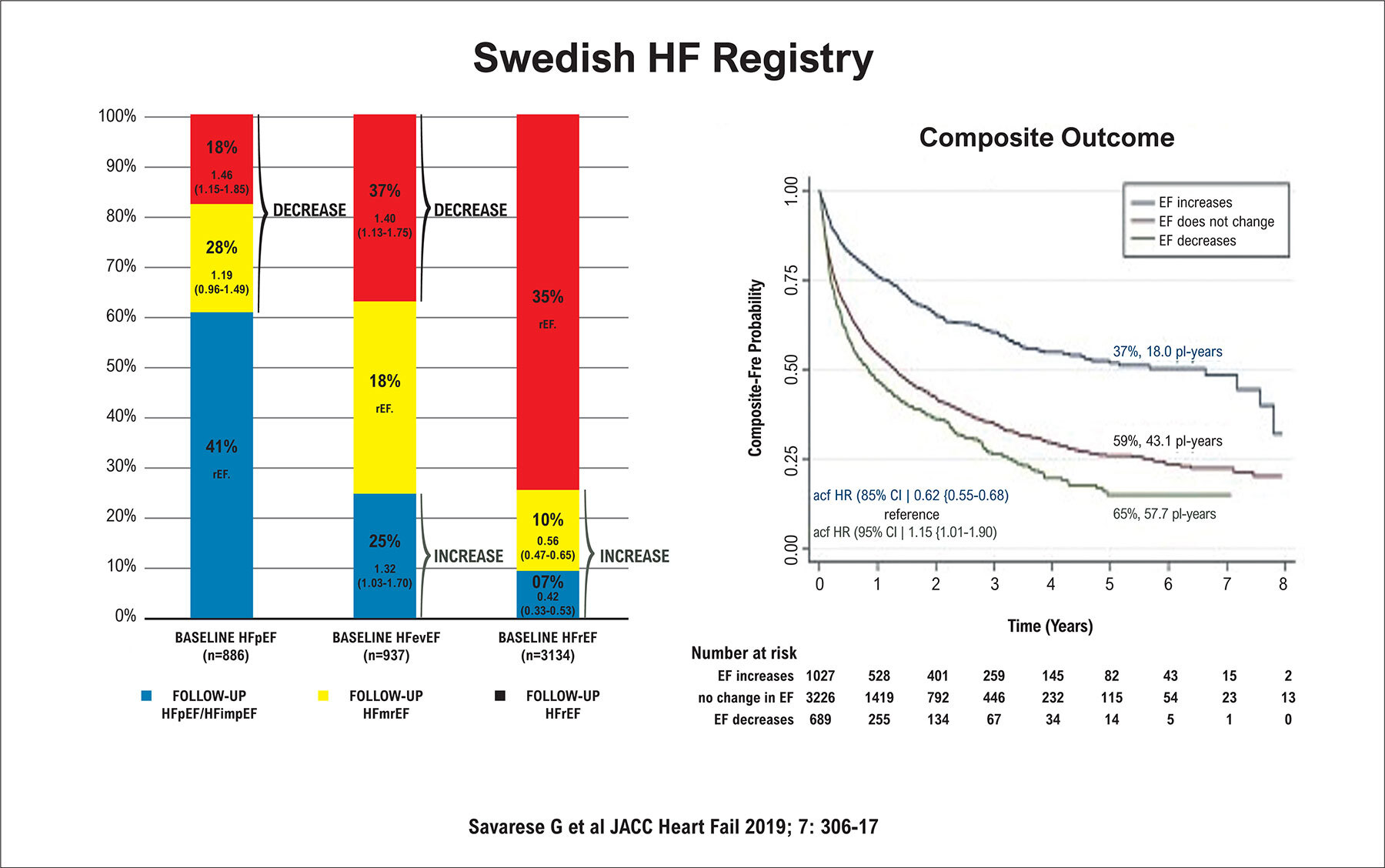
Cardiac remodeling is generally an adverse sign linked to the progression of heart failure (HF). However, in remodeled hearts, reverse remodeling is an important sign of cardiac recovery associated with a better prognosis. Ejection fraction may improve spontaneously following resolution of the processes that promote cardiac dilatation. In HF with reduced ejection fraction, treatment with neurohormonal blockade is an important strategy to promote improvements in ejection fraction. Improved ejection fraction can identify recovered patients with a better prognosis. In patients with HF with reduced or mildly reduced ejection fraction undergoing treatment, we should always investigate the ejection fraction development and optimize treatment by targeting an improved ejection fraction.

HF with improved ejection fraction is a current topic with several new publications, and given its importance, it has been highlighted in the main HF guidelines.

  • Heart Failure
  • Patients
  • Prognosis
Read Full Article
Creative Commons Attribution (CC BY) Creative Commons license
01/12/2022 DOI: 10.36660/abchf.20220067 Views 3
ABC
Letter to the Editor

Safety Margin for Plasma Hyperviscosity in Cardiovascular Disease Patients after COVID-19 Vaccination for Thrombosis Prevention

Rujittika Mungmunpuntipantip et al. Viroj Wiwanitkit

Dear Editor,

We read the article entitled “Vaccinating Patients with Heart Disease Against COVID-19: The Reasons for Priority” with great interest. COVID-19 vaccination is accepted as the best way for preventing the disease, but data on its safety are still warranted. An important problem found after COVID-19 vaccination is the rheological change causing intravascular clotting and thrombotic complications. Changes in blood viscosity after COVID-19 vaccination have been confirmed. A vaccine can induced rapid production of antibody, which is a protein that can increase plasma viscosity by an estimated 2.4 centipoise (cP) from normal values in healthy person., The problem might occur if changes in plasma viscosity reach levels above 5 cP, considered a hyperviscosity state.

[…]

  • Margins of Excision
  • Patients
  • Viscosity
Read Full Article
Creative Commons Attribution (CC BY) Creative Commons license
03/12/2021 DOI: 10.36660/abc.20210555 Views 1
ABC
Artigo Original

Prevalence of Cardiovascular Risk Factors in Hemodialysis Patients – The CORDIAL Study

Jayme Eduardo Burmeister et al. Camila Borges Mosmann Veridiana Borges Costa Ramiro Tubino Saraiva … Renata Rech Grandi Juliano Peixoto Bastos Luiz Felipe Gonçalves Guido Aranha Rosito

Background:

There are scarce epidemiological data on cardiovascular risk profile of chronic hemodialysis patients in Brazil.

Objective:

The CORDIAL study was designed to evaluate cardiovascular risk factors and follow up a hemodialysis population in a Brazilian metropolitan city.

Methods:

All patients undergoing regular hemodialysis for chronic renal failure in all fifteen nephrology centers of Porto Alegre were considered for inclusion in the baseline phase of the CORDIAL study. Clinical, laboratory and demographic data were obtained in medical records and in structured individual interviews performed in all patients by trained researchers.

Results:

A total of 1215 patients were included (97.3% of all hemodialysis patients in the city of Porto Alegre). Their average age was 58.3 years old, 59.5% were male and 62.8% were white. The prevalence of cardiovascular risk factors observed was 87.5% for hypertension, 84.7% for dyslipidemia, 73.1% for sedentary lifestyle, 53.7% for tobacco use, and 35.8% for diabetes. In a multivariate adjusted analysis, we found that sedentary lifestyle (p = 0.032, PR 1.08 – 95%CI: 1.01-1.15), dyslipidemia (p = 0.019, PR 1.08 – 95%CI: 1.01-1.14), and obesity (p < 0.001, PR 1.96 – 95%CI: 1.45-2.63) were more frequent in women; and hypertension (p = 0.018, PR 1.06 – 95%CI: 1.01-1.11) and tobacco use (p = 0.006, PR 2.7 – 95%CI: 1.79-4.17) were more often found among patients under 65 years old. Sedentary lifestyle was independently associated with time in dialysis less than 12 months (p < 0.001, PR 1.23 – 95% CI: 1.14-1.33).

Conclusion:

Hemodialysis patients in this southern metropolitan Brazilian city have a high prevalence of cardiovascular risk factors resembling many northern countries.

  • Patients
  • Prevalence
  • renal dialysis
  • Risk Factors
Read Full Article
Creative Commons Attribution (CC BY) Creative Commons license
17/04/2014 DOI: 10.5935/abc.20140048
ABC
Artigo Original

Myocardial Revascularization in Dyalitic Patients: In-Hospital Period Evaluation

Matheus Miranda et al. Nelson Américo Hossne Jr. João Nelson Rodrigues Branco Guilherme Flora Vargas … José Honório de Almeida Palma da Fonseca José Osmar Medina de Abreu Pestana Yara Juliano Enio Buffolo

Background:

Coronary artery bypass grafting currently is the best treatment for dialytic patients with multivessel coronary disease, but hospital morbidity and mortality related to procedure is still high.

Objective:

Evaluate results and in-hospital outcomes of coronary artery bypass grafting in dialytic patients.

Methods:

Retrospective unicentric study including 50 consecutive and not selected dialytic patients, who underwent coronary artery bypass grafting in a tertiary university hospital from 2007 to 2012.

Results:

High prevalence of cardiovascular risk factors was observed (100% hypertensive, 68% diabetic and 40% dyslipidemic). There was no intra-operative death and 60% of the procedures were performed off-pump. There were seven (14%) in-hospital deaths. Postoperative infection, previous heart failure, cardiopulmonary bypass, abnormal ventricular function and surgical re-exploration were associated with increased mortality.

Conclusion:

Coronary artery bypass grafting is feasible to dialytic patients although high in-hospital morbidity and mortality. It is necessary better understanding about metabolic aspects to plan adequate interventions.

  • Dialysis
  • Hospitalization
  • Myocardial Revascularization
  • Patients
Read Full Article
Creative Commons Attribution (CC BY) Creative Commons license
01/12/2013 DOI: 10.5935/abc.20130231 Views 1
Validation of Missouri aneroid sphygmomanometer to measure blood pressure in patients with cancer
ABC
Artigo Original

Validation of Missouri aneroid sphygmomanometer to measure blood pressure in patients with cancer

Karine Azevedo São Leão Ferreira et al. Ana Claúdia dos Santos Thais Cardoso Arthur Daniela Aparecida A. dos Santos … Daniela Pereira Elizângela Oliveira Freitas Fernanda Medeiros Fukuda Wânia Regina Mollo Baia

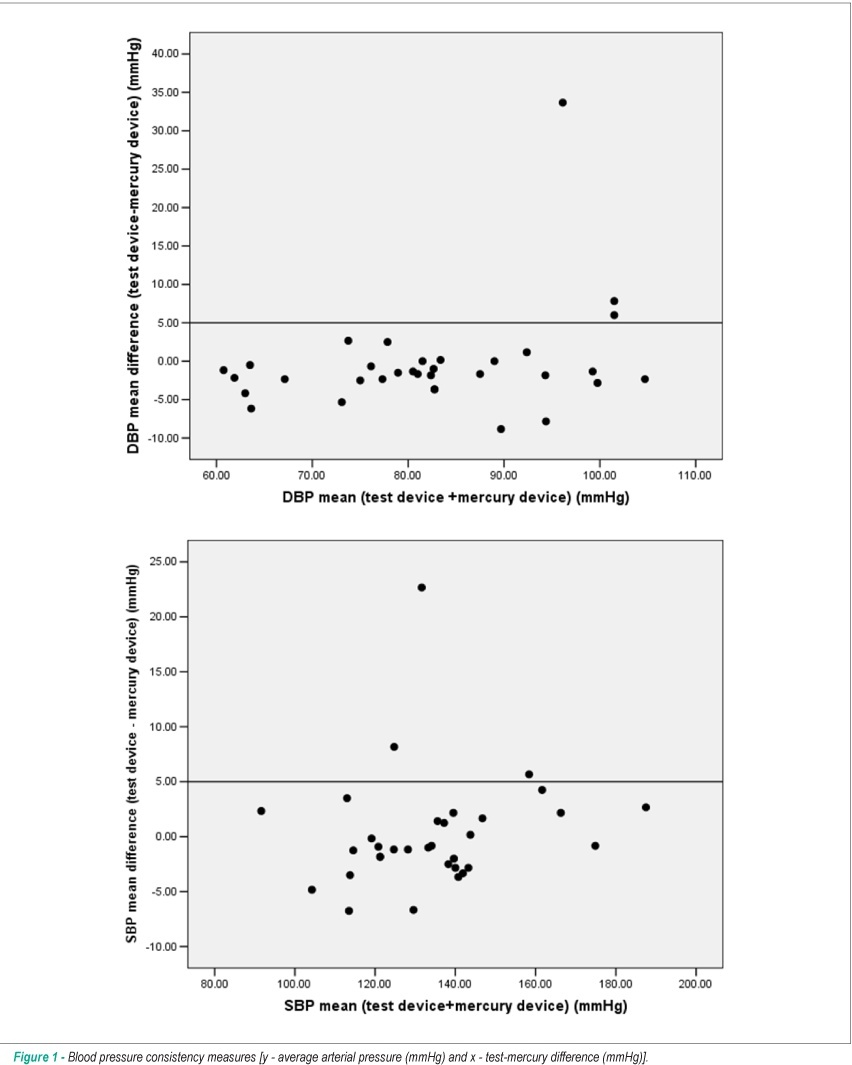
BACKGROUND: Auscultatory mercury sphygmomanometers to measure blood pressure (BP) have been banned from health services because of risk of pollution and environmental accidents with mercury. Aneroid appliances could be an alternative. OBJECTIVE: To validate the MissouriTM aneroid device for blood pressure measurement in cancer patients according to the protocol of the European Society of Hypertension (ESH). METHODS: 33 patients hospitalized or under outpatient care at the Cancer Institute of the State of São Paulo, FMUSP, were evaluated. Three trained and blinded observers performed nine sequential blood pressure measurements interspersed with the mercury sphygmomanometers. The differences between the values of systolic blood pressure (SBP) and diastolic blood pressure (DBP) of the test device with the mercury sphygmomanometer were classified according to the ESH protocol. RESULTS: The MissouriTM equipment underwent all three phases required by the ESH Protocol for SBP and DBP, and it was approved in all of the phases. The average difference between the test device and the mercury sphygmomanometer was 0.62 (SD = 4.53) and 0.06 (SD = 6.57) mmHg for SBP and DBP, respectively. No association was found between the differences in BP measurements with sex, age, body mass index and arm circumference and length. CONCLUSION: The results revealed that the aneroid MissouriTM device meets ESH accuracy recommendations for the measurement of SBP and DBP, and it can be used to replace the mercury sphygmomanometer.

  • Blood Pressure
  • Hypertension
  • Neoplasms
  • Patients
  • Sphygmomanometers
Read Full Article
Creative Commons Attribution (CC BY) Creative Commons license
23/07/2010 DOI: 10.1590/S0066-782X2010005000093 Views 1
Evaluation of the musculoskeletal system of patients in cardiopulmonary and metabolic rehabilitation programs
ABC
Artigo Original

Evaluation of the musculoskeletal system of patients in cardiopulmonary and metabolic rehabilitation programs

Tales de Carvalho et al. Angelise Mozerle Anderson Zampier Ulbrich Alexsandro Luiz de Andrade … Emmanuele Elise Campos de Moraes Lourenço Sampaio de Mara

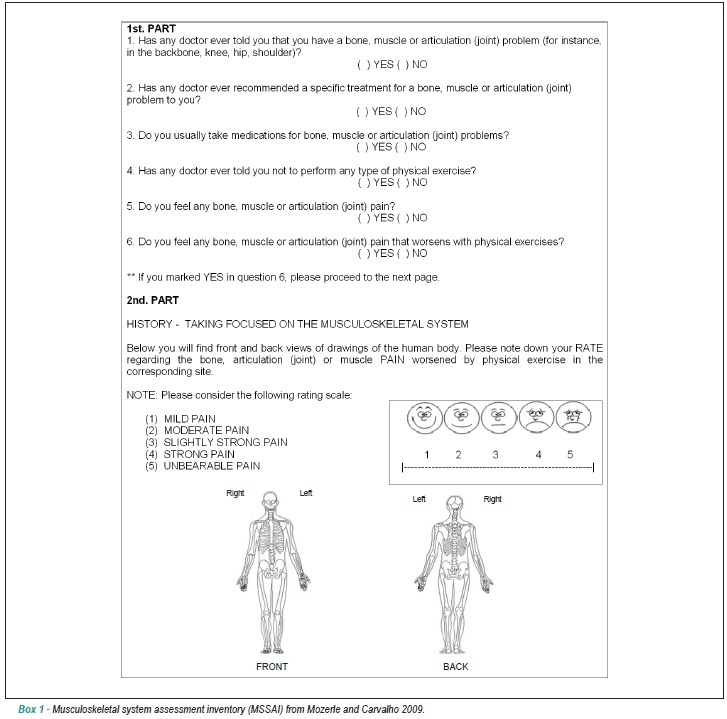
BACKGROUND: Participants of cardiopulmonary and metabolic rehabilitation (CPMR) programs may present with musculoskeletal changes that may affect treatment compliance and effectiveness. OBJECTIVE: To develop an instrument for evaluation of the musculoskeletal system and identification of problems, especially those related to exercise, so that patients can be cleared to exercise with no restrictions, cleared with restrictions, or not cleared before approval from a specialist. METHODS: Construction and validation (according to Cronbach’s alpha) of a musculoskeletal system assessment inventory (MSSAI), for subsequent administration to participants in CPMR programs. RESULTS: A total of 103 individuals participating in CPMR programs were evaluated by means of the MSSAI, whose internal validity and reliability proved to be satisfactory. Of these, 33 were men (32%) and 70 were women (68%), with age ranging from 36 to 84 years; 47 (45.6%) had already been diagnosed with musculoskeletal system disorders; 39 (37.9%) had already received specific treatment for the musculoskeletal system; 33 (32%) used to take medications to relieve symptoms related to the musculoskeletal system; and 10 (9.7%) had a medical restriction for performing some type of exercise. We should point out that 48 individuals (46.6%) reported pain in the musculoskeletal system; in 14 (13.6%) of them, the pain worsened by exercise, and this should have prevented them from participating in exercise programs before receiving approval from a specialist. CONCLUSION: The MSSAI, whose internal validity and reliability proved satisfactory, showed that there was some restriction to exercise practice for almost half of the individuals participating in CPMR programs, and that some of them should not have been cleared without approval from a specialist.

  • Coronary Diseases
  • Diabetes Mellitus
  • Exercise
  • Hypertension
  • Locomotion
  • Patients
Read Full Article
Creative Commons Attribution (CC BY) Creative Commons license
02/07/2010 DOI: 10.1590/S0066-782X2010005000083 Views 2
A strategy to improve the cardiovascular risk factor profile in renal transplant patients
ABC
Artigo Original

A strategy to improve the cardiovascular risk factor profile in renal transplant patients

Denise Leite et al. Alexandre Holthausen Campos

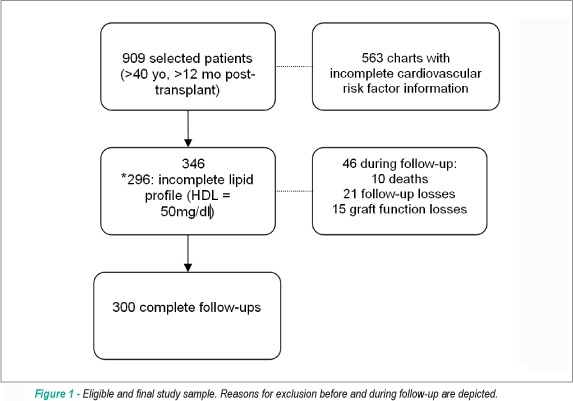
BACKGROUND: Cardiovascular disease represents the leading cause of morbidity, mortality and graft function loss in renal transplant recipients (RTR). Aggressive treatment of risk factors is strongly advocated. However, there is a gap between recommended evidence-based therapy and effective cardiovascular management in that population. OBJECTIVE: To establish a cardiovascular risk factor control strategy for RTR. METHODS: The cardiovascular risk of 300 RTR of a renal transplant unit was assessed using the Framingham criteria. Interventions on modifiable risk factors were suggested to attending physicians by letters attached to patients’ charts, including lifestyle modifications, blood pressure control and use of antiplatelet and lipid-lowering therapy. Risk factor profiles were re-evaluated after 6 and 12 months. RESULTS: Most patients were at high cardiovascular risk (58%). After 12 months, the proportion of patients on antiplatelet, antihypertensive and lipid-lowering therapy was significantly increased (29 to 51%, 83 to 92% and 3 to 46%, p < 0.001, respectively). Total cholesterol and triglyceride levels decreased (237 to 215 mg/dl, p = 0.001 and 244 to 221 mg/dl, p = 0.03). Although a non-significant reduction in LDL levels was observed (136 to 116 mg/dl, p = 0.12), patients starting statins within the first 6 months of the study presented a significant 25% reduction in LDL (159 to 119 mg/dl, p < 0.001). The proportion of patients with complete plasma lipid evaluation was also increased (27% to 49%, p < 0.001). CONCLUSION: Our results suggest that a simple, inexpensive strategy significantly improves the cardiovascular risk profile of RTR, potentially translating into marked benefits for long-term graft function and life expectancy.

  • Cardiovascular Diseases
  • Kidney Transplantation
  • Patients
  • Risk Factors
Read Full Article
Creative Commons Attribution (CC BY) Creative Commons license
28/05/2010 DOI: 10.1590/S0066-782X2010005000055
Dobutamine-stress echocardiography in asymptomatic patients with aortic regurgitation
ABC
Artigo Original

Dobutamine-stress echocardiography in asymptomatic patients with aortic regurgitation

Marcia M. Barbosa et al. Claudia M. V. Freire Lúcia M. A. Fenelon William A. M. Esteves … Gilmar Reis Maria do Carmo P. Nunes

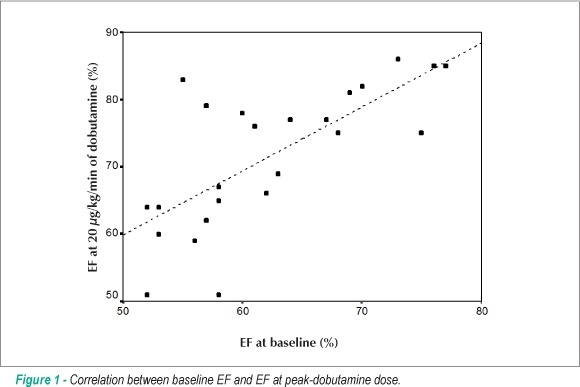
BACKGROUND: Decreased contractile reserve may already be present in asymptomatic patients with aortic regurgitation and normal ejection fraction (EF), thus indicating the need for frequent and accurate assessments of the left ventricular function for the early detection of systolic dysfunction. OBJECTIVE: To analyze if increments in EF with low dose dobutamine could predict surgery and/or death in patients with aortic regurgitation. METHDOS: Dobutamine-stress echocardiography was performed in 24 patients with aortic regurgitation in order to analyze whether EF increments at low dobutamine doses could predict the need for surgery and/or death in this group of patients. RESULTS: Mean age was 37.8±16.8 years and 16 patients (66%) were male. EF increased from a mean baseline value of 62.3±7.9% to 71.5±10.5% at a dobutamine dose of 20 µg/kg/min (p<0.001). The patients were followed-up for 36.6±20.1 months; two patients died (one of cardiovascular death) and five underwent cardiac surgery. Baseline EF was correlated with surgery and death in the follow-up of patients. CONCLUSION: Baseline EF was correlated with surgery or death in the follow-up of young patients with aortic regurgitation. However, the percentage increase in EF at low dobutamine doses did not allow us to predict events in these patients.

  • Aortic Valve Insufficiency
  • Dobutamine
  • Echocardiography, Stress
  • Patients
Read Full Article
Creative Commons Attribution (CC BY) Creative Commons license
13/10/2009 DOI: 10.1590/S0066-782X2009000700010

How to cite this article

EndNote RIS

Electronic Document Format (Vancouver)

Costa Jr. AA. Impact of Anxiety on Patients Referred for Transesophageal Echocardiography. ABC Imagem Cardiovascular 2025;38(2):e20250036.

Electronic Document Format (ABNT)

Costa Jr., Augusto Alberto da. Impact of Anxiety on Patients Referred for Transesophageal Echocardiography. ABC Imagem Cardiovascular, v. 38, n. 2, e20250036, Jun. 2025.

Electronic Document Format (APA)

Costa Jr., A. A. (2025). Impact of Anxiety on Patients Referred for Transesophageal Echocardiography. ABC Imagem Cardiovascular, 38(2), e20250036.

Electronic Document Format (ISO)

Costa Jr., Augusto Alberto da. Impact of Anxiety on Patients Referred for Transesophageal Echocardiography. ABC Imagem Cardiovascular [online]. 2025, vol. 38, n. 2, [cited 2026-10-14], e20250036. Available from: <https://journals.cardiol.br/article/impact-of-anxiety-on-patients-referred-for-transesophageal-echocardiography/>. ISSN 2318-8219

EndNote RIS

Electronic Document Format (Vancouver)

Fernandes-Silva MM. Diagnostic Scores in Heart Failure with Preserved Ejection Fraction. ABC: Heart Failure & Cardiomyopathy 2022;2(3):275-80.

Electronic Document Format (ABNT)

Fernandes-Silva, Miguel Morita. Diagnostic Scores in Heart Failure with Preserved Ejection Fraction. ABC: Heart Failure & Cardiomyopathy, v. 2, n. 3, p. 275-280, Nov. 2022.

Electronic Document Format (APA)

Fernandes-Silva, M. M. (2022). Diagnostic Scores in Heart Failure with Preserved Ejection Fraction. ABC: Heart Failure & Cardiomyopathy, 2(3), 275-280.

Electronic Document Format (ISO)

Fernandes-Silva, Miguel Morita. Diagnostic Scores in Heart Failure with Preserved Ejection Fraction. ABC: Heart Failure & Cardiomyopathy [online]. 2022, vol. 2, n. 3, [cited 2026-10-14], pp. 275-280. Available from: <https://journals.cardiol.br/en/article/diagnostic-scores-in-heart-failure-with-preserved-ejection-fraction/>

EndNote RIS

Electronic Document Format (Vancouver)

Barretto ACP. Heart Failure with Improved Ejection Fraction. ABC: Heart Failure & Cardiomyopathy 2022;2(3):304-9.

Electronic Document Format (ABNT)

Barretto, Antonio Carlos Pereira. Heart Failure with Improved Ejection Fraction. ABC: Heart Failure & Cardiomyopathy, v. 2, n. 3, p. 304-309, Nov. 2022.

Electronic Document Format (APA)

Barretto, A. C. P. (2022). Heart Failure with Improved Ejection Fraction. ABC: Heart Failure & Cardiomyopathy, 2(3), 304-309.

Electronic Document Format (ISO)

Barretto, Antonio Carlos Pereira. Heart Failure with Improved Ejection Fraction. ABC: Heart Failure & Cardiomyopathy [online]. 2022, vol. 2, n. 3, [cited 2026-10-14], pp. 304-309. Available from: <https://journals.cardiol.br/en/article/heart-failure-with-improved-ejection-fraction/>

EndNote RIS

Electronic Document Format (Vancouver)

Mungmunpuntipantip R, Wiwanitkit V. Safety Margin for Plasma Hyperviscosity in Cardiovascular Disease Patients after COVID-19 Vaccination for Thrombosis Prevention. Arquivos Brasileiros de Cardiologia 2021;117(6):1217-8.

Electronic Document Format (ABNT)

Mungmunpuntipantip, Rujittika; Wiwanitkit, Viroj. Safety Margin for Plasma Hyperviscosity in Cardiovascular Disease Patients after COVID-19 Vaccination for Thrombosis Prevention. Arquivos Brasileiros de Cardiologia, v. 117, n. 6, p. 1217-1218, Dec. 2021.

Electronic Document Format (APA)

Mungmunpuntipantip, R., & Wiwanitkit, V. (2021). Safety Margin for Plasma Hyperviscosity in Cardiovascular Disease Patients after COVID-19 Vaccination for Thrombosis Prevention. Arquivos Brasileiros de Cardiologia, 117(6), 1217-1218.

Electronic Document Format (ISO)

Mungmunpuntipantip, Rujittika and Wiwanitkit, Viroj. Safety Margin for Plasma Hyperviscosity in Cardiovascular Disease Patients after COVID-19 Vaccination for Thrombosis Prevention. Arquivos Brasileiros de Cardiologia [online]. 2021, vol. 117, n. 6, [cited 2026-10-14], pp. 1217-1218. Available from: <https://journals.cardiol.br/en/article/safety-margin-for-plasma-hyperviscosity-in-cardiovascular-disease-patients-after-covid-19-vaccination-for-thrombosis-prevention/>. ISSN 0066-782X

EndNote RIS

Electronic Document Format (Vancouver)

Burmeister JE, Mosmann CB, Costa VB, Saraiva RT, Grandi RR, Bastos JP, Gonçalves LF, et al. Prevalence of Cardiovascular Risk Factors in Hemodialysis Patients – The CORDIAL Study. Arquivos Brasileiros de Cardiologia 2014;102(5):473-80.

Electronic Document Format (ABNT)

Burmeister, Jayme Eduardo; Mosmann, Camila Borges; Costa, Veridiana Borges; Saraiva, Ramiro Tubino; Grandi, Renata Rech; Bastos, Juliano Peixoto; Gonçalves, Luiz Felipe; Rosito, Guido Aranha. Prevalence of Cardiovascular Risk Factors in Hemodialysis Patients – The CORDIAL Study. Arquivos Brasileiros de Cardiologia, v. 102, n. 5, p. 473-480, Apr. 2014.

Electronic Document Format (APA)

Burmeister, J. E., Mosmann, C. B., Costa, V. B., Saraiva, R. T., Grandi, R. R., Bastos, J. P., Gonçalves, L. F., & Rosito, G. A. (2014). Prevalence of Cardiovascular Risk Factors in Hemodialysis Patients – The CORDIAL Study. Arquivos Brasileiros de Cardiologia, 102(5), 473-480.

Electronic Document Format (ISO)

Burmeister, Jayme Eduardo and Mosmann, Camila Borges and Costa, Veridiana Borges and Saraiva, Ramiro Tubino and Grandi, Renata Rech and Bastos, Juliano Peixoto and Gonçalves, Luiz Felipe and Rosito, Guido Aranha. Prevalence of Cardiovascular Risk Factors in Hemodialysis Patients – The CORDIAL Study. Arquivos Brasileiros de Cardiologia [online]. 2014, vol. 102, n. 5, [cited 2026-10-14], pp. 473-480. Available from: <https://journals.cardiol.br/en/article/prevalence-of-cardiovascular-risk-factors-in-hemodialysis-patients-the-cordial-study/>. ISSN 0066-782X

EndNote RIS

Electronic Document Format (Vancouver)

Miranda M, Hossne Jr. NA, Branco JNR, Vargas GF, Fonseca JHAP, Pestana JOMA, Juliano Y, et al. Myocardial Revascularization in Dyalitic Patients: In-Hospital Period Evaluation. Arquivos Brasileiros de Cardiologia 2013;102(2):128-33.

Electronic Document Format (ABNT)

Miranda, Matheus; Hossne Jr., Nelson Américo; Branco, João Nelson Rodrigues; Vargas, Guilherme Flora; Fonseca, José Honório de Almeida Palma da; Pestana, José Osmar Medina de Abreu; Juliano, Yara; Buffolo, Enio. Myocardial Revascularization in Dyalitic Patients: In-Hospital Period Evaluation. Arquivos Brasileiros de Cardiologia, v. 102, n. 2, p. 128-133, Nov. 2013.

Electronic Document Format (APA)

Miranda, M., Hossne Jr., N. A., Branco, J. N. R., Vargas, G. F., Fonseca, J. H. A. P. , Pestana, J. O. M. A., Juliano, Y., & Buffolo, E. (2013). Myocardial Revascularization in Dyalitic Patients: In-Hospital Period Evaluation. Arquivos Brasileiros de Cardiologia, 102(2), 128-133.

Electronic Document Format (ISO)

Miranda, Matheus and Hossne Jr., Nelson Américo and Branco, João Nelson Rodrigues and Vargas, Guilherme Flora and Fonseca, José Honório de Almeida Palma da and Pestana, José Osmar Medina de Abreu and Juliano, Yara and Buffolo, Enio. Myocardial Revascularization in Dyalitic Patients: In-Hospital Period Evaluation. Arquivos Brasileiros de Cardiologia [online]. 2013, vol. 102, n. 2, [cited 2026-10-14], pp. 128-133. Available from: <https://journals.cardiol.br/en/article/myocardial-revascularization-in-dyalitic-patients-in-hospital-period-evaluation/>. ISSN 0066-782X

EndNote RIS

Electronic Document Format (Vancouver)

Ferreira KASL, Santos AC, Arthur TC, Santos DAA, Pereira D, Freitas EO, Fukuda FM, et al. Validation of Missouri aneroid sphygmomanometer to measure blood pressure in patients with cancer. Arquivos Brasileiros de Cardiologia 2010;95(2):244-50.

Electronic Document Format (ABNT)

Ferreira, Karine Azevedo São Leão; Santos, Ana Claúdia dos; Arthur, Thais Cardoso; Santos, Daniela Aparecida A. dos; Pereira, Daniela; Freitas, Elizângela Oliveira; Fukuda, Fernanda Medeiros; Baia, Wânia Regina Mollo. Validation of Missouri aneroid sphygmomanometer to measure blood pressure in patients with cancer. Arquivos Brasileiros de Cardiologia, v. 95, n. 2, p. 244-250, Jul. 2010.

Electronic Document Format (APA)

Ferreira, K. A. S. L., Santos, A. C. , Arthur, T. C., Santos, D. A. A. , Pereira, D., Freitas, E. O., Fukuda, F. M., & Baia, W. R. M. (2010). Validation of Missouri aneroid sphygmomanometer to measure blood pressure in patients with cancer. Arquivos Brasileiros de Cardiologia, 95(2), 244-250.

Electronic Document Format (ISO)

Ferreira, Karine Azevedo São Leão and Santos, Ana Claúdia dos and Arthur, Thais Cardoso and Santos, Daniela Aparecida A. dos and Pereira, Daniela and Freitas, Elizângela Oliveira and Fukuda, Fernanda Medeiros and Baia, Wânia Regina Mollo. Validation of Missouri aneroid sphygmomanometer to measure blood pressure in patients with cancer. Arquivos Brasileiros de Cardiologia [online]. 2010, vol. 95, n. 2, [cited 2026-10-14], pp. 244-250. Available from: <https://journals.cardiol.br/en/article/validation-of-missouri-aneroid-sphygmomanometer-to-measure-blood-pressure-in-patients-with-cancer/>. ISSN 0066-782X

EndNote RIS

Electronic Document Format (Vancouver)

Carvalho T, Mozerle A, Ulbrich AZ, Andrade AL, Moraes EEC, Mara LS. Evaluation of the musculoskeletal system of patients in cardiopulmonary and metabolic rehabilitation programs. Arquivos Brasileiros de Cardiologia 2010;95(2):258-63.

Electronic Document Format (ABNT)

Carvalho, Tales de; Mozerle, Angelise; Ulbrich, Anderson Zampier; Andrade, Alexsandro Luiz de; Moraes, Emmanuele Elise Campos de; Mara, Lourenço Sampaio de. Evaluation of the musculoskeletal system of patients in cardiopulmonary and metabolic rehabilitation programs. Arquivos Brasileiros de Cardiologia, v. 95, n. 2, p. 258-263, Jul. 2010.

Electronic Document Format (APA)

Carvalho, T. , Mozerle, A., Ulbrich, A. Z., Andrade, A. L. , Moraes, E. E. C. , & Mara, L. S. (2010). Evaluation of the musculoskeletal system of patients in cardiopulmonary and metabolic rehabilitation programs. Arquivos Brasileiros de Cardiologia, 95(2), 258-263.

Electronic Document Format (ISO)

Carvalho, Tales de and Mozerle, Angelise and Ulbrich, Anderson Zampier and Andrade, Alexsandro Luiz de and Moraes, Emmanuele Elise Campos de and Mara, Lourenço Sampaio de. Evaluation of the musculoskeletal system of patients in cardiopulmonary and metabolic rehabilitation programs. Arquivos Brasileiros de Cardiologia [online]. 2010, vol. 95, n. 2, [cited 2026-10-14], pp. 258-263. Available from: <https://journals.cardiol.br/en/article/evaluation-of-the-musculoskeletal-system-of-patients-in-cardiopulmonary-and-metabolic-rehabilitation-programs/>. ISSN 0066-782X

EndNote RIS

Electronic Document Format (Vancouver)

Leite D, Campos AH. A strategy to improve the cardiovascular risk factor profile in renal transplant patients. Arquivos Brasileiros de Cardiologia 2010;94(6):738-46.

Electronic Document Format (ABNT)

Leite, Denise; Campos, Alexandre Holthausen. A strategy to improve the cardiovascular risk factor profile in renal transplant patients. Arquivos Brasileiros de Cardiologia, v. 94, n. 6, p. 738-746, May. 2010.

Electronic Document Format (APA)

Leite, D., & Campos, A. H. (2010). A strategy to improve the cardiovascular risk factor profile in renal transplant patients. Arquivos Brasileiros de Cardiologia, 94(6), 738-746.

Electronic Document Format (ISO)

Leite, Denise and Campos, Alexandre Holthausen. A strategy to improve the cardiovascular risk factor profile in renal transplant patients. Arquivos Brasileiros de Cardiologia [online]. 2010, vol. 94, n. 6, [cited 2026-10-14], pp. 738-746. Available from: <https://journals.cardiol.br/en/article/a-strategy-to-improve-the-cardiovascular-risk-factor-profile-in-renal-transplant-patients/>. ISSN 0066-782X

EndNote RIS

Electronic Document Format (Vancouver)

Barbosa MM, Freire CMV, Fenelon LMA, Esteves WAM, Reis G, Nunes MCP. Dobutamine-stress echocardiography in asymptomatic patients with aortic regurgitation. Arquivos Brasileiros de Cardiologia 2009;93(1):53-8.

Electronic Document Format (ABNT)

Barbosa, Marcia M.; Freire, Claudia M. V.; Fenelon, Lúcia M. A.; Esteves, William A. M.; Reis, Gilmar; Nunes, Maria do Carmo P.. Dobutamine-stress echocardiography in asymptomatic patients with aortic regurgitation. Arquivos Brasileiros de Cardiologia, v. 93, n. 1, p. 53-58, Oct. 2009.

Electronic Document Format (APA)

Barbosa, M. M., Freire, C. M. V., Fenelon, L. M. A., Esteves, W. A. M., Reis, G., & Nunes, M. C. P. (2009). Dobutamine-stress echocardiography in asymptomatic patients with aortic regurgitation. Arquivos Brasileiros de Cardiologia, 93(1), 53-58.

Electronic Document Format (ISO)

Barbosa, Marcia M. and Freire, Claudia M. V. and Fenelon, Lúcia M. A. and Esteves, William A. M. and Reis, Gilmar and Nunes, Maria do Carmo P.. Dobutamine-stress echocardiography in asymptomatic patients with aortic regurgitation. Arquivos Brasileiros de Cardiologia [online]. 2009, vol. 93, n. 1, [cited 2026-10-14], pp. 53-58. Available from: <https://journals.cardiol.br/en/article/dobutamine-stress-echocardiography-in-asymptomatic-patients-with-aortic-regurgitation/>. ISSN 0066-782X

  • About ABC Family
  • Internal Regulation
  • Editorial Board
  • Brazilian Society of Cardiology (SBC)

Issues

SBC Guidelines

  • Videos
  • Podcasts
  • News