ABC Family Arquivos Brasileiros de Cardiologia International Journal of Cardiovascular Sciences ABC Heart Failure & Cardiomyopathy ABC Imagem Cardiovascular
Português English
ABC Family
Português English
  • About
    • About ABC Family
    • Internal Regulation
    • Editorial Board
    • Brazilian Society of Cardiology (SBC)
  • Issues
  • SBC Guidelines
  • Content
    • Videos
    • Podcasts
    • News
  • About
    • About ABC Family
    • Internal Regulation
    • Editorial Board
    • Brazilian Society of Cardiology (SBC)
  • Issues
  • SBC Guidelines
  • Content
    • Videos
    • Podcasts
    • News

ABC Family

  • ABC Family
  • Arquivos Brasileiros de Cardiologia
  • International Journal of Cardiovascular Sciences
  • ABC Heart Failure & Cardiomyopathy
  • ABC Imagem Cardiovascular
Search in

No content found.

Journals
Ordering
Article types
Others

  1. Home
  2. Keyword: Sex
Beyond the GRACE ACS Score: Do We Need a Different Model for Men and Women after STEMI?
ABC
Original Article

Beyond the GRACE ACS Score: Do We Need a Different Model for Men and Women after STEMI?

José Sergio Nascimento Silva et al. Isly Maria Lucena de Barros Jorge Augusto Nunes Guimarães Davide Cao … Sílvia Marinho Martins Tawanna Xavier Marques de Carvalho Rayssa Santana de Farias Viviana Lemke Roxana Mehran Rodrigo Pedrosa

Abstract

Background

Women, in comparison to men, experience worse outcomes after acute coronary syndrome (ACS). However, whether the female sex per se is an independent predictor of such adverse events remains unclear.

Objective

This study aims to assess the association between the female sex and in-hospital mortality after ST-elevation myocardial infarction (STEMI).

Methods

We conducted a retrospective cohort study by enrolling consecutive STEMI patients admitted to a tertiary hospital from January 2018 to February 2019. All patients were treated per current guideline recommendations. Multivariable logistic regression models were applied to evaluate in-hospital mortality using GRACE variables. Model accuracy was evaluated using c-index. A p-value < 0.05 was statistically significant.

Results

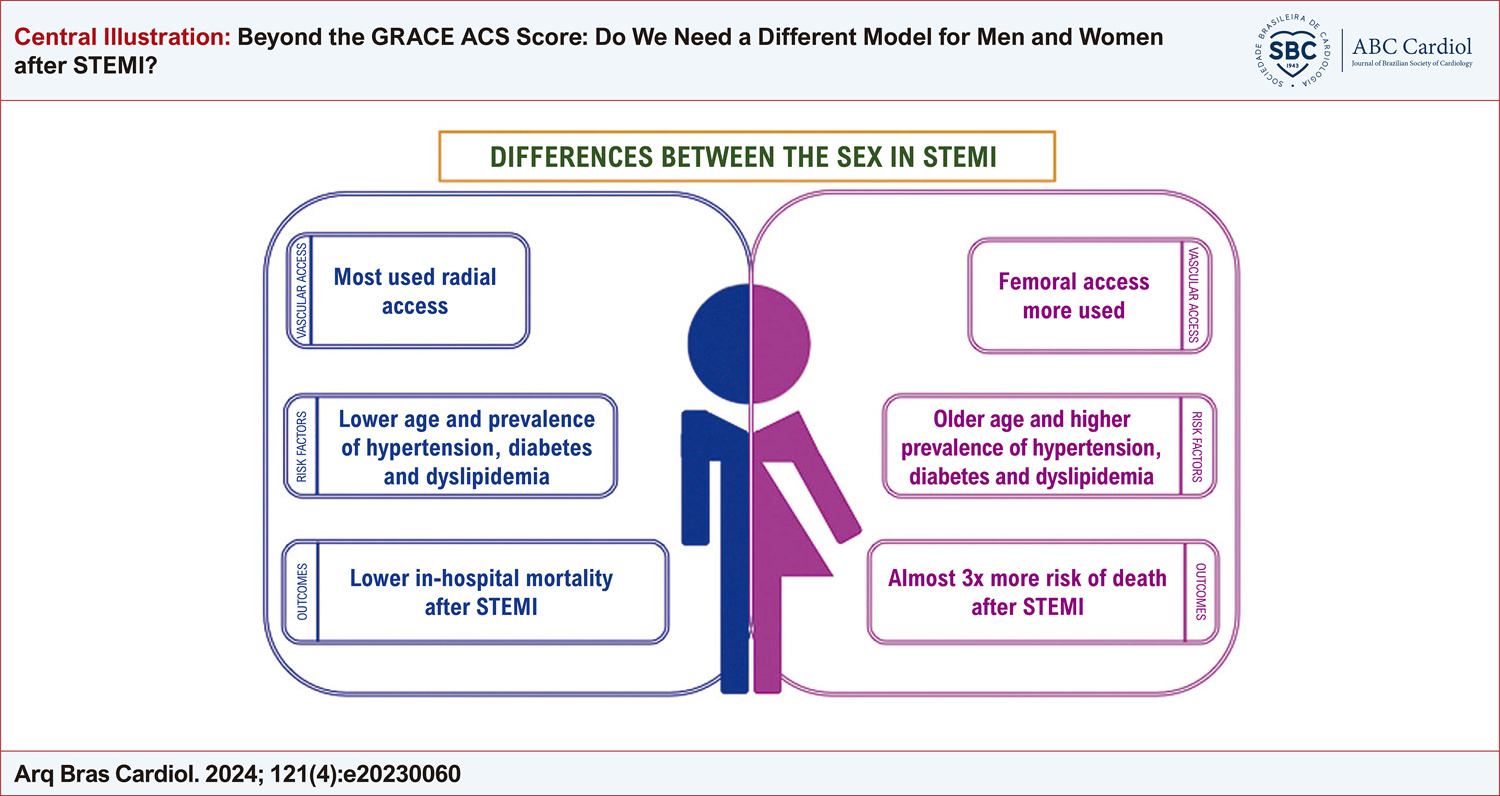
Out of the 1678 ACS patients, 709 presented with STEMI. The population consisted of 36% women, and the median age was 61 years. Women were older (63.13 years vs. 60.53 years, p = 0.011); more often presented with hypertension (75.1% vs. 62.4%, p = 0.001), diabetes (42.2% vs. 27.8%, p < 0.001), and hyperlipidemia (34.1% vs. 23.9%, p = 0.004); and were less likely to undergo percutaneous coronary intervention (PCI) via radial access (23.7% vs. 46.1%, p < 0.001). In-hospital mortality rate was significantly higher in women (13.2% vs. 5.6%, p = 0.001), and the female sex remained at higher risk for in-hospital mortality (OR 2.79, 95% CI 1.15–6.76, p = 0.023). A multivariate model including age, sex, systolic blood pressure, cardiac arrest, and Killip class was 94.1% accurate in predicting in-hospital mortality, and the c-index was 0.85 (95% CI 0.77–0.93).

Conclusion

After adjusting for the risk factors in the GRACE prediction model, women remain at higher risk for in-hospital mortality.
  • Acute coronary syndrome
  • Coronary Artery Disease
  • Percutaneous Coronary Intervention
  • Sex
  • Women
Read Full Article
Creative Commons Attribution (CC BY) Creative Commons license
03/05/2024 DOI: 10.36660/abc.20230060i Views 1
Central Illustration
ABC
Original Article

Post-COVID-19 Cardiopulmonary Symptoms: Predictors and Imaging Features in Patients after Hospital Discharge

Kalil-Filho Roberto et al. Roberta Saretta André Franci Luciano M. Baracioli … Filomena R. B. G. Galas Juliana S. Gil Amanda Ferino Camilla Giacovone Isabella Oliveira Johnatan Souza Vanessa Batista Augusto Scalabrini Neto Livia do Valle Costa Amanda Danieleto Ruiz Carla B. Ledo Teresa Cristina D. C. Nascimento Luciano F. Drager

Abstract

Background

Most of the evidence about the impact of the post-acute COVID-19 Syndrome (PACS) reports individual symptoms without correlations with related imaging.

Objectives

To evaluate cardiopulmonary symptoms, their predictors and related images in COVID-19 patients discharged from hospital.

Methods

Consecutive patients who survived COVID-19 were contacted 90 days after discharge. The Clinic Outcome Team structured a questionnaire evaluating symptoms and clinical status (blinded for hospitalization data). A multivariate analysis was performed to address the course of COVID-19, comorbidities, anxiety, depression, and post-traumatic stress during hospitalization, and cardiac rehabilitation after discharge. The significance level was set at 5%.

Results

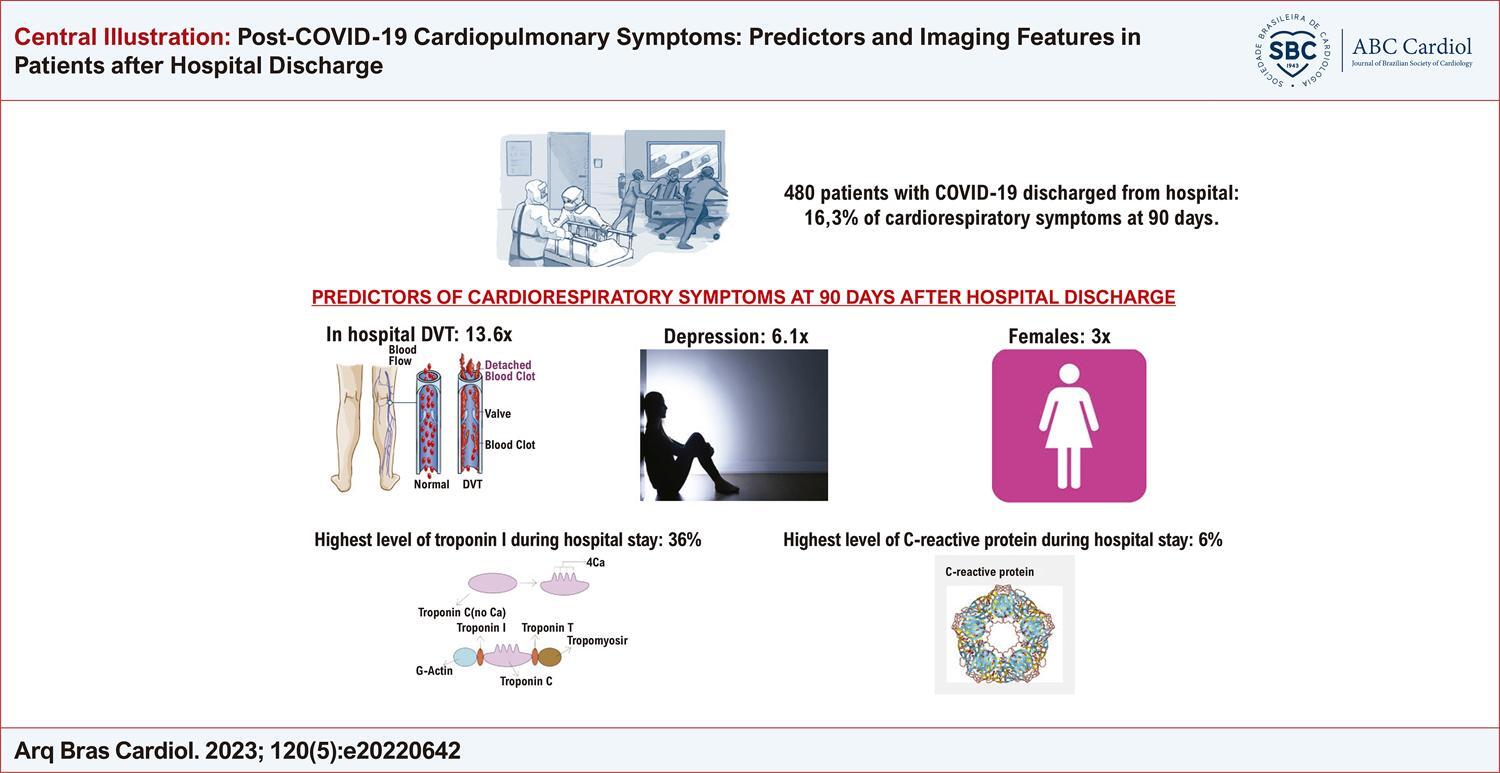
A total of 480 discharged patients with COVID-19 (age: 59±14 years, 67.5% males) were included; 22.3% required mechanical ventilation. The prevalence of patients with PACS-related cardiopulmonary symptoms (dyspnea, tiredness/fatigue, cough, and chest discomfort) was 16.3%. Several parameters of chest computed tomography and echocardiogram were similar in patients with and without cardiopulmonary symptoms. The multivariate analysis showed that PACS-related cardiopulmonary-symptoms were independently related to female sex (OR 3.023; 95% CI 1.319-6.929), in-hospital deep venous thrombosis (OR 13.689; 95% CI 1.069-175.304), elevated troponin I (OR 1.355; 95% CI 1.048-1.751) and C-reactive protein during hospitalization (OR 1.060; 95% CI 1.023-1.097) and depression (OR 6.110; 95% CI 2.254-16.558).

Conclusion

PACS-related cardiopulmonary symptoms 90 days post-discharge are common and multifactorial. Beyond thrombotic and markers of inflammation/myocardial injury during hospitalization, female sex and depression were independently associated with cardiopulmonary-related PACS. These results highlighted the need for a multifaceted approach targeting susceptible patients.

  • COVID-19
  • Depression
  • Sex
  • Signs and Symptoms
Read Full Article
Creative Commons Attribution (CC BY) Creative Commons license
29/05/2023 DOI: 10.36660/abc.20220642
Figure 1
ABC
Original Article

Angiotensin Receptor Blockers Evaluated by Office and Home Blood Pressure Measurements. TeleHBPM Study

Weimar Kunz Sebba Barroso et al. Andréa Araujo Brandão Priscila Valverde de Oliveira Vitorino Audes Diógenes de Magalhães Feitosa … Eduardo Costa Duarte Barbosa Roberto Dischinger Miranda Josep Redon Miguel Camafort-Babkowski Antonio Coca Marco Antônio Mota Gomes

Abstract

Background

Adequate treatment of arterial hypertension and achieving arterial hypertension goals in are important in reducing cardiovascular outcomes.

Objectives

To describe angiotensin receptor blockers in monotherapy or double combination therapy and the rate of arterial hypertension control.

Methods

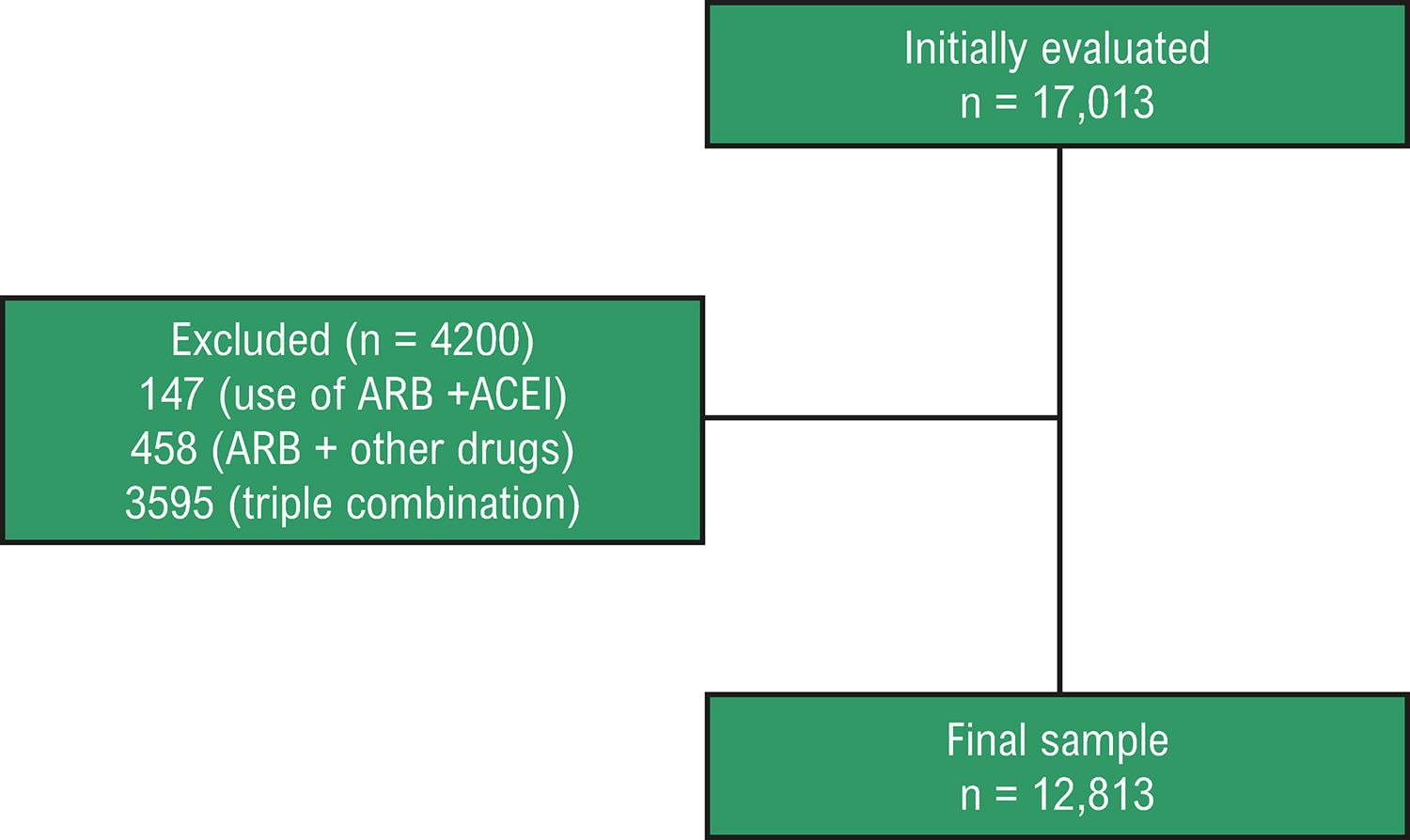
This cross-sectional study evaluated patients who were using angiotensin receptor blockers between 2017 and 2020. Those using three or more antihypertensive drugs were excluded. The analyzed variables included sex, age, body mass index, valid home blood pressure monitoring (HBPM) measurements, casual and HBPM systolic and diastolic blood pressure measurements, blood pressure variability, and antihypertensive and angiotensin receptor blocker class. Paired t, chi-square, and Fisher’s exact tests were used, as well as overlapping 95% confidence intervals and a significance level of 5% (p < 0.05).

Results

Of 17,013 patients, 12,813 met the inclusion criteria, 62.1% of whom were female. The mean number of valid measurements was 23.3 (SD, 2.0). The mean HBPM and casual measurements for systolic blood pressure were 126.8 (SD, 15.8) mmHg and 133.5 (SD, 20.1) mmHg (p <0.001), respectively, while those for diastolic blood pressure were 79.1 (SD, 9.7 mmHg) and 83.6 (SD, 11.9) mmHg (p <0.001), respectively. Losartan was the most common angiotensin receptor blocker and resulted in the highest blood pressure values. Combinations of angiotensin receptor blockers with diuretics or calcium channel antagonists resulted in lower blood pressure values.

Conclusions

More than half of the patients used losartan, although it was the least efficient drug for reducing and controlling blood pressure.

  • age
  • Angiotensin II Type 1 Receptor Blockers
  • Antihypertensive Agents/therapeutic use
  • Body Weights and Measures
  • Hypertension
  • Losartana
  • Sex
Read Full Article
Creative Commons Attribution (CC BY) Creative Commons license
09/05/2022 DOI: 10.36660/abc.20210504 Views 1
IJCS
Original Article

Impact of Air Pollutant on Heart Rate Variability in Healthy Young Adults

Anita de Cássia Melinski et al. Aparecida Maria Catai Sílvia Cristina Garcia de Moura Juliana Cristina Milan-Mattos Monica Yuri Takito

Abstract

Background:

Air pollution and sex independently affect cardiac autonomic control, which can be assessed by heart rate variability (HRV). The research hypothesis is that individuals exposed to low concentrations of pollution have higher cardiac autonomic modulation compared to those exposed to high concentrations and that women have better cardiac autonomic control than men.

Objective:

To analyze the impact of exposure to air pollutants, specifically smoke, and sex on HRV in healthy young people exposed to different concentrations of pollution over an average period of 22 years.

Methods:

From April to September 2011, 36 participants of both sexes (20-30 years old) were selected, grouped by levels of air pollution exposure according to indices provided by the Environmental Company of São Paulo State. The R-R intervals (R-Ri) of the electrocardiogram were captured using a heart rate monitor during supine rest. HRV was analyzed by spectral analysis and conditional entropy. The Queen’s College step test was used to characterize functional capacity. A between-group comparison was performed using the two-way ANOVA statistical test (post hoc Tukey) and p<0.05.

Results:

Significant differences were found in mean R-Ri (p<0.01) and cardiac parasympathetic modulation between sexes in the same city (p=0.02) and between groups exposed to different air pollution concentrations (p<0.01).

Conclusion:

Our results suggest that long-term exposure to air pollutants, specifically smoke, has an unfavorable impact on HRV, with reduced cardiac vagal autonomic modulation in healthy young adults, especially females.

  • Air Pollution
  • Autonomic Nervous System
  • Heart Rate
  • Sex
Read Full Article
Creative Commons Attribution (CC BY) Creative Commons license
01/04/2022 DOI: 10.36660/ijcs.20200380 Views 1
Surgical Mortality in Infective Endocarditis: Is There a Gender Paradox?
IJCS
Editorial

Surgical Mortality in Infective Endocarditis: Is There a Gender Paradox?

Daniel Seabra et al. Cristina Gavina

Cardiovascular diseases (CVD) represent a global pandemic. Although mortality due to CVD has been decreasing with improvement in diagnosis and treatment, it remains the most frequent cause of death worldwide both in men and women.

Gender impacts several key aspects in CVD, such as epidemiology, pathophysiology, clinical manifestations, disease progression, response to treatment and prognosis, in areas like coronary artery disease and heart failure. However, few studies analyzed the influence of gender in infectious endocarditis (IE) management and outcomes. ,

[…]

  • Endocarditis
  • post-operative mortality
  • Sex
  • Thoracic Surgery
Read Full Article
Creative Commons Attribution (CC BY) Creative Commons license
09/08/2021 DOI: 10.36660/ijcs.20210182
Gender Equity: Time to Act
IJCS
Editorial

Gender Equity: Time to Act

Fausto J. Pinto

1. Increasing Gender Diversity in the Physician Workforce

[…]

  • Gender Diversity
  • Gender Equity
  • Sex
Read Full Article
Creative Commons Attribution (CC BY) Creative Commons license
09/08/2021 DOI: 10.36660/ijcs.20210183 Views 1
Figure 1
ABC
Original Article

Sex-Related Effects of Prenatal Stress on Region-Specific Expression of Monoamine Oxidase A and β Adrenergic Receptors in Rat Hearts

Tanja Jevdjovic et al. Tamara Dakic Sonja Kopanja Iva Lakic … Predrag Vujovic Nebojsa Jasnic Jelena Djordjevic

Abstract

Background:

Prenatal stress may increase risk of developing cardiovascular disorders in adulthood. The cardiotoxic effects of catecholamines are mediated via prolonged adrenergic receptor stimulation and increased oxidative stress upon their degradation by monoamine oxidase A (MAO-A).

Objectives:

We investigated long-term effects of prenatal stress on β (1, 2, 3) adrenergic receptors and MAO-A gene expression in the hearts of adult rat offspring.

Methods:

Pregnant rats were exposed to unpredictable mild stress during the third week of gestation. RNA was isolated from left ventricular apex and base of adult offspring. Quantitative PCR was used to measure gene expression in collected ventricular tissue samples. The level of significance was set to p < 0.05.

Results:

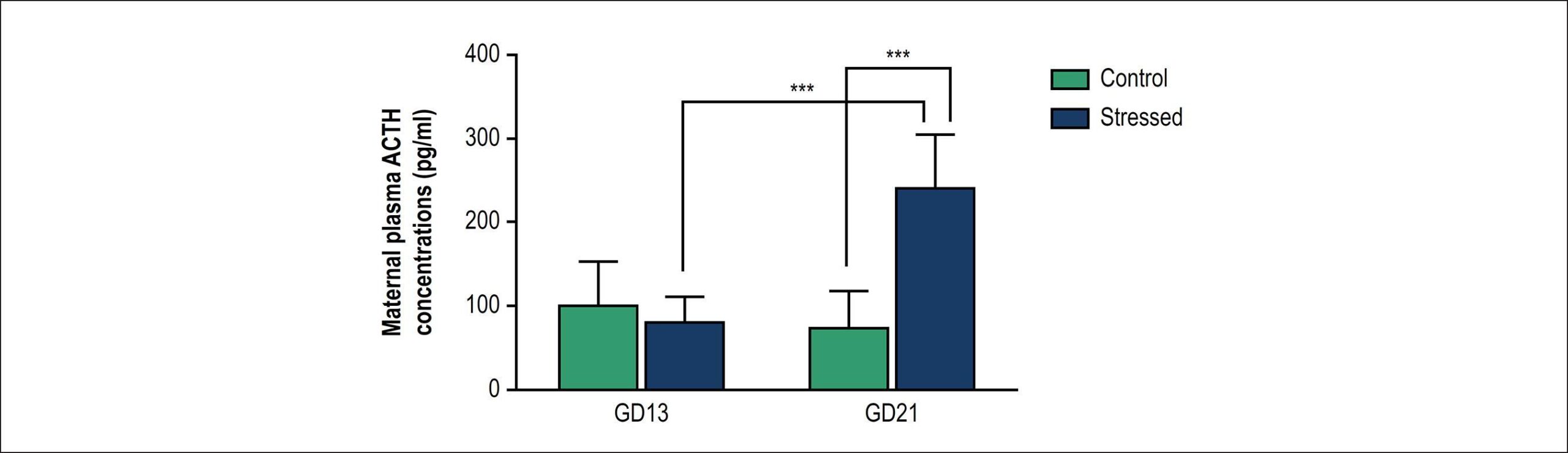
β3 adrenergic receptor mRNA was undetectable in rat left ventricle. β1 adrenergic receptor was the predominantly expressed subtype at the apical and basal left ventricular myocardium in the control females. Male offspring from unstressed mothers displayed higher apical cardiac β1 than β2 adrenergic receptor mRNA levels. However, β1 and β2 adrenergic receptor mRNAs were similarly expressed at the ventricular basal myocardium in males. Unlike males, prenatally stressed females exhibited decreased β1 adrenergic receptor mRNA expression at the apical myocardium. Prenatal stress did not affect cardiac MAO-A gene expression.

Conclusions:

Collectively, our results show that prenatal stress may have exerted region- and sex-specific β1 and β2 adrenergic receptor expression patterns within the left ventricle.

  • Adrenergic beta1 beta2 Receptor Antagonists
  • Cardiotoxicity
  • Catecholamines
  • Female
  • Heart
  • Oxidative Stress
  • Pregnancy
  • Rats
  • Sex
  • Stress, Physiological
Read Full Article
Creative Commons Attribution (CC BY) Creative Commons license
13/12/2018 DOI: 10.5935/abc.20190001
Cardiovascular mortality by gender and age range in the city of Sao Paulo, Brazil: 1996 to 1998, and 2003 to 2005
ABC
Artigo Original

Cardiovascular mortality by gender and age range in the city of Sao Paulo, Brazil: 1996 to 1998, and 2003 to 2005

Norma Farias et al. José Maria Pacheco de Souza Ruy Laurenti Soraya Martins de Alencar

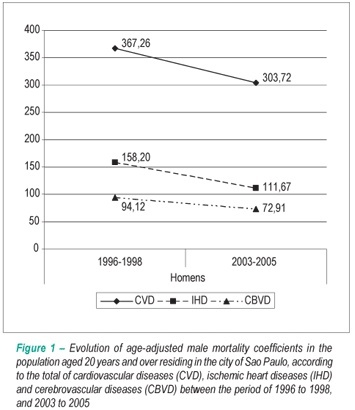
BACKGROUND: Knowledge on the trends of cardiovascular mortality is important to make hypotheses on its occurrence as well as to support prevention and control measures. OBJECTIVES: To compare mortality for the group of cardiovascular diseases and their main subgroups (ischemic heart diseases and cerebrovascular diseases) in the city of Sao Paulo by age and gender between the periods of 1996 to1998 and 2003 to 2005. METHODS: Data on deaths from the Programa de Aprimoramento das Informações de Mortalidade para o Município(Program of Improvement of Information on Mortality for the City), and population estimates from the SEADE Foundation of the State of Sao Paulo were used. The magnitude of mortality and its changes between the three-year periods were measured using the description of coefficients and relative percentage variation. The Poisson regression model was also used to estimate the change in mortality between the periods. RESULTS: A significant reduction was observed in cardiovascular mortality. The coefficients increased with age in both genders, and were higher in the male population in comparison to the female population, and in the age range of 70 years and older. Mortality coefficients for ischemic heart diseases were higher than those for cerebrovascular diseases among men and women aged 50 years or older. The reduction in the group of cardiovascular diseases was greater among women aged 20 to 29 years (-30%), and among men aged 30 to 39 years (-26%). CONCLUSION: The intensity of cardiovascular mortality decreased between 1996 and 1998, and 2003 and 2005, however with differences between the groups. This reduction may reflect, in part, a greater access to diagnostic and therapeutic methods.

  • Age of Onset
  • Brazil
  • Cardiovascular Diseases
  • São Paulo
  • Sex
Read Full Article
Creative Commons Attribution (CC BY) Creative Commons license
11/01/2010 DOI: 10.1590/S0066-782X2009001100010
Gender differences in ventricular volumes and left ventricle ejection fraction estimated by myocardial perfusion imaging: comparison of Quantitative Gated SPECT (QGS) and Segami software programs
ABC
Artigo Original

Gender differences in ventricular volumes and left ventricle ejection fraction estimated by myocardial perfusion imaging: comparison of Quantitative Gated SPECT (QGS) and Segami software programs

Alice Tatsuko Yamada et al. Guilherme de Carvalho Campos Neto José Soares Júnior Maria Clementina P. Giorgi … Fernando Araújo José Claudio Meneghetti Alfredo José Mansur

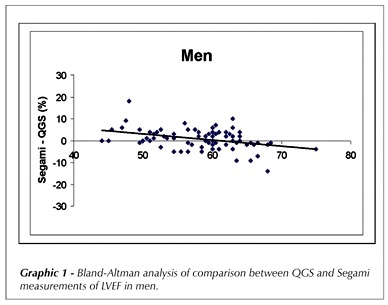
OBJECTIVES: To test for gender differences in the measurements obtained by Segami and Quantitative Gated SPECT (QGS) software programs. METHODS: 181 asymptomatic individuals without heart disease were submitted to myocardial perfusion imaging. End-diastolic volumes (EDV), end-systolic volumes (ESV) and left ventricular ejection fraction (LVEF) were measured by QGS and Segami software programs to evaluate the influence of gender, age, weight, height, heart rate, systolic blood pressure, diastolic blood pressure, body mass index and body surface area. RESULTS: The means in the QGS method were: EDV (women= 68 ml; men= 95 ml; p<0.001), LVEF (women= 66.24%; men= 58, 7%) and Segami: EDV (women= 137 ml; men= 174 ml), LVEF (women= 62.67%; men= 58, 52%). There were significant differences between men and women in the EDV (p<0.001), ESV (p<0.001) and LVEF (p=0.001) that persisted after adjusting for body surface area. CONCLUSION: Ventricular volumes were significantly lower and LVEF was significantly higher in women, estimated by QGS or Segami software programs.

  • emission-computed
  • Sex
  • single-photon
  • Stroke Volume
  • Tomography
Read Full Article
Creative Commons Attribution (CC BY) Creative Commons license
21/05/2007 DOI: 10.1590/S0066-782X2007000300006 Views 1
ABC
Artigo Original

Complications of hypertension in men and women seen in a referral outpatient care unit

Antonio Carlos Beisl Noblat et al. Marcelo Barreto Lopes Gildete Barreto Lopes Antonio Alberto Lopes

OBJECTIVE: To assess the association between sex and left ventricular hypertrophy, stroke, and renal failure in hypertensive patients in a referral outpatient care unit. METHODS: This study assessed 622 hypertensive patients diagnosed with left ventricular hypertrophy based on electrocardiography, renal failure based on serum creatinine level > 1.4 mg/dL, and stroke based on a previous history and physical examination. Logistic regression was used to estimate the odds ratio of the association between sex and target-organ lesions in hypertension adjusted for race, age, and duration of the disease. RESULTS: The mean age of the patients was 48.4±13.8 years; 74.1% were women, and 84.9% were mulattos or blacks. Almost half of the men and more than 40% of the women had had at least 1 definite event involving a target-organ lesion. The incidence of renal failure was greater among men [adjusted OR (ORa) = 2.73, P= 0.002]. In white patients, the incidence of stroke was significantly (P= 0.017) greater among men (4/33) than among women (0/56), and, in the age group > 49 years, the prevalence of left ventricular hypertrophy was significantly greater among men (ORa = 1.99, P= 0.024). CONCLUSION: The data obtained suggest a greater prevalence of renal failure in men than in women, of stroke in white men than in white women, and of left ventricular hypertrophy in men than in women aged 49 years and above.

  • arterial hypertension
  • Sex
Read Full Article
Creative Commons Attribution (CC BY) Creative Commons license
22/10/2004 DOI: 10.1590/S0066-782X2004001600006
Comparison between young males and females with acute myocardial infarction
ABC
Original Article

Comparison between young males and females with acute myocardial infarction

Ricardo Augusto Slaibi Conti et al. Maria Cecília Solimene Protásio Lemos da Luz Alexandre Miguel Benjó … Pedro Alves Lemos Neto José Antônio Franchini Ramires

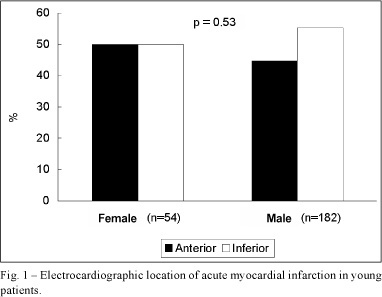
OBJECTIVE: To assess the differences between young males and females after acute myocardial infarction. METHODS: We retrospectively studied 236 patients (54 females and 182 males) after acute myocardial infarction and during hospital stay assessed the following parameters: risk factors; the treatment used; the pattern of coronary artery obstruction; left ventricular ejection fraction; complications; and, using a logistic regression model, the factors related to the occurrence of reinfarction and death. RESULTS: No significant difference was observed between the sexes in risk factors, pattern of coronary artery obstruction, and left ventricular function. The time interval between symptom onset and treatment was longer in females (p=0.03), who underwent thrombolysis (p=0.01) and angioplasty (p=0.03) less frequently than males did, but not myocardial revascularization. Female sex (OR = 5.98) and diabetes (OR = 14.52) were independent factors related to the occurrence of reinfarction and death. CONCLUSION: Young males and females after acute myocardial infarction did not differ in coronary risk factors, and clinical and hemodynamic characteristics. Females had their treatment started later, and they underwent chemical thrombolysis and angioplasty less frequently than males did. Female sex and diabetes were related to the occurrence of reinfarction and death.

  • Acute Myocardial Infarction
  • Clinical Evolution
  • Sex
  • young
Read Full Article
Creative Commons Attribution (CC BY) Creative Commons license
17/12/2002 DOI: 10.1590/S0066-782X2002001400009

How to cite this article

EndNote RIS

Electronic Document Format (Vancouver)

Silva JSN, Barros IML, Guimarães JAN, Cao D, Martins SM, Carvalho TXM, Farias RS, et al. Beyond the GRACE ACS Score: Do We Need a Different Model for Men and Women after STEMI?. Arquivos Brasileiros de Cardiologia 2024;121(4):e20230060.

Electronic Document Format (ABNT)

Silva, José Sergio Nascimento; Barros, Isly Maria Lucena de; Guimarães, Jorge Augusto Nunes; Cao, Davide; Martins, Sílvia Marinho; Carvalho, Tawanna Xavier Marques de; Farias, Rayssa Santana de; Lemke, Viviana; Mehran, Roxana; Pedrosa, Rodrigo. Beyond the GRACE ACS Score: Do We Need a Different Model for Men and Women after STEMI?. Arquivos Brasileiros de Cardiologia, v. 121, n. 4, e20230060, May. 2024.

Electronic Document Format (APA)

Silva, J. S. N., Barros, I. M. L. , Guimarães, J. A. N., Cao, D., Martins, S. M., Carvalho, T. X. M. , Farias, R. S. , Lemke, V., Mehran, R., & Pedrosa, R. (2024). Beyond the GRACE ACS Score: Do We Need a Different Model for Men and Women after STEMI?. Arquivos Brasileiros de Cardiologia, 121(4), e20230060.

Electronic Document Format (ISO)

Silva, José Sergio Nascimento and Barros, Isly Maria Lucena de and Guimarães, Jorge Augusto Nunes and Cao, Davide and Martins, Sílvia Marinho and Carvalho, Tawanna Xavier Marques de and Farias, Rayssa Santana de and Lemke, Viviana and Mehran, Roxana and Pedrosa, Rodrigo. Beyond the GRACE ACS Score: Do We Need a Different Model for Men and Women after STEMI?. Arquivos Brasileiros de Cardiologia [online]. 2024, vol. 121, n. 4, [cited 2026-10-14], e20230060. Available from: <https://journals.cardiol.br/en/article/beyond-the-grace-acs-score-do-we-need-a-different-model-for-men-and-women-after-stemi/>. ISSN 0066-782X

EndNote RIS

Electronic Document Format (Vancouver)

Roberto K, Saretta R, Franci A, Baracioli LM, Galas FRBG, Gil JS, Ferino A, et al. Post-COVID-19 Cardiopulmonary Symptoms: Predictors and Imaging Features in Patients after Hospital Discharge. Arquivos Brasileiros de Cardiologia 2023;120(5):e20220642.

Electronic Document Format (ABNT)

Roberto, Kalil-Filho; Saretta, Roberta; Franci, André; Baracioli, Luciano M.; Galas, Filomena R. B. G.; Gil, Juliana S.; Ferino, Amanda; Giacovone, Camilla; Oliveira, Isabella; Souza, Johnatan; Batista, Vanessa; Scalabrini Neto, Augusto; Costa, Livia do Valle; Ruiz, Amanda Danieleto; Ledo, Carla B.; Nascimento, Teresa Cristina D. C.; Drager, Luciano F.. Post-COVID-19 Cardiopulmonary Symptoms: Predictors and Imaging Features in Patients after Hospital Discharge. Arquivos Brasileiros de Cardiologia, v. 120, n. 5, e20220642, May. 2023.

Electronic Document Format (APA)

Roberto, K., Saretta, R., Franci, A., Baracioli, L. M., Galas, F. R. B. G., Gil, J. S., Ferino, A., Giacovone, C., Oliveira, I., Souza, J., Batista, V., Scalabrini Neto, A., Costa, L. V., Ruiz, A. D., Ledo, C. B., Nascimento, T. C. D. C., & Drager, L. F. (2023). Post-COVID-19 Cardiopulmonary Symptoms: Predictors and Imaging Features in Patients after Hospital Discharge. Arquivos Brasileiros de Cardiologia, 120(5), e20220642.

Electronic Document Format (ISO)

Roberto, Kalil-Filho and Saretta, Roberta and Franci, André and Baracioli, Luciano M. and Galas, Filomena R. B. G. and Gil, Juliana S. and Ferino, Amanda and Giacovone, Camilla and Oliveira, Isabella and Souza, Johnatan and Batista, Vanessa and Scalabrini Neto, Augusto and Costa, Livia do Valle and Ruiz, Amanda Danieleto and Ledo, Carla B. and Nascimento, Teresa Cristina D. C. and Drager, Luciano F.. Post-COVID-19 Cardiopulmonary Symptoms: Predictors and Imaging Features in Patients after Hospital Discharge. Arquivos Brasileiros de Cardiologia [online]. 2023, vol. 120, n. 5, [cited 2026-10-14], e20220642. Available from: <https://journals.cardiol.br/en/article/post-covid-19-cardiopulmonary-symptoms-predictors-and-imaging-features-in-patients-after-hospital-discharge/>. ISSN 0066-782X

EndNote RIS

Electronic Document Format (Vancouver)

Barroso WKS, Brandão AA, Vitorino PVO, Feitosa ADM, Barbosa ECD, Miranda RD, Redon J, et al. Angiotensin Receptor Blockers Evaluated by Office and Home Blood Pressure Measurements. TeleHBPM Study. Arquivos Brasileiros de Cardiologia 2022;118(6):1069-82.

Electronic Document Format (ABNT)

Barroso, Weimar Kunz Sebba; Brandão, Andréa Araujo; Vitorino, Priscila Valverde de Oliveira; Feitosa, Audes Diógenes de Magalhães; Barbosa, Eduardo Costa Duarte; Miranda, Roberto Dischinger; Redon, Josep; Camafort-Babkowski, Miguel; Coca, Antonio; Gomes, Marco Antônio Mota. Angiotensin Receptor Blockers Evaluated by Office and Home Blood Pressure Measurements. TeleHBPM Study. Arquivos Brasileiros de Cardiologia, v. 118, n. 6, p. 1069-1082, May. 2022.

Electronic Document Format (APA)

Barroso, W. K. S., Brandão, A. A., Vitorino, P. V. O., Feitosa, A. D. M., Barbosa, E. C. D., Miranda, R. D., Redon, J., Camafort-Babkowski, M., Coca, A., & Gomes, M. A. M. (2022). Angiotensin Receptor Blockers Evaluated by Office and Home Blood Pressure Measurements. TeleHBPM Study. Arquivos Brasileiros de Cardiologia, 118(6), 1069-1082.

Electronic Document Format (ISO)

Barroso, Weimar Kunz Sebba and Brandão, Andréa Araujo and Vitorino, Priscila Valverde de Oliveira and Feitosa, Audes Diógenes de Magalhães and Barbosa, Eduardo Costa Duarte and Miranda, Roberto Dischinger and Redon, Josep and Camafort-Babkowski, Miguel and Coca, Antonio and Gomes, Marco Antônio Mota. Angiotensin Receptor Blockers Evaluated by Office and Home Blood Pressure Measurements. TeleHBPM Study. Arquivos Brasileiros de Cardiologia [online]. 2022, vol. 118, n. 6, [cited 2026-10-14], pp. 1069-1082. Available from: <https://journals.cardiol.br/en/article/angiotensin-receptor-blockers-evaluated-by-office-and-home-blood-pressure-measurements-telehbpm-study/>. ISSN 0066-782X

EndNote RIS

Electronic Document Format (Vancouver)

Melinski AC, Catai AM, Moura SCG, Milan-Mattos JC, Takito MY. Impact of Air Pollutant on Heart Rate Variability in Healthy Young Adults. International Journal of Cardiovascular Sciences 2022;35(4):523-9.

Electronic Document Format (ABNT)

Melinski, Anita de Cássia; Catai, Aparecida Maria; Moura, Sílvia Cristina Garcia de; Milan-Mattos, Juliana Cristina; Takito, Monica Yuri. Impact of Air Pollutant on Heart Rate Variability in Healthy Young Adults. International Journal of Cardiovascular Sciences, v. 35, n. 4, p. 523-529, Mar. 2022.

Electronic Document Format (APA)

Melinski, A. C., Catai, A. M., Moura, S. C. G. , Milan-Mattos, J. C., & Takito, M. Y. (2022). Impact of Air Pollutant on Heart Rate Variability in Healthy Young Adults. International Journal of Cardiovascular Sciences, 35(4), 523-529.

Electronic Document Format (ISO)

Melinski, Anita de Cássia and Catai, Aparecida Maria and Moura, Sílvia Cristina Garcia de and Milan-Mattos, Juliana Cristina and Takito, Monica Yuri. Impact of Air Pollutant on Heart Rate Variability in Healthy Young Adults. International Journal of Cardiovascular Sciences [online]. 2022, vol. 35, n. 4, [cited 2026-10-14], pp. 523-529. Available from: <https://journals.cardiol.br/en/article/impact-of-air-pollutant-on-heart-rate-variability-in-healthy-young-adults/>. ISSN 2359-4802

EndNote RIS

Electronic Document Format (Vancouver)

Seabra D, Gavina C. Surgical Mortality in Infective Endocarditis: Is There a Gender Paradox?. International Journal of Cardiovascular Sciences 2021;34(4):356-7.

Electronic Document Format (ABNT)

Seabra, Daniel; Gavina, Cristina. Surgical Mortality in Infective Endocarditis: Is There a Gender Paradox?. International Journal of Cardiovascular Sciences, v. 34, n. 4, p. 356-357, Aug. 2021.

Electronic Document Format (APA)

Seabra, D., & Gavina, C. (2021). Surgical Mortality in Infective Endocarditis: Is There a Gender Paradox?. International Journal of Cardiovascular Sciences, 34(4), 356-357.

Electronic Document Format (ISO)

Seabra, Daniel and Gavina, Cristina. Surgical Mortality in Infective Endocarditis: Is There a Gender Paradox?. International Journal of Cardiovascular Sciences [online]. 2021, vol. 34, n. 4, [cited 2026-10-14], pp. 356-357. Available from: <https://journals.cardiol.br/en/article/surgical-mortality-in-infective-endocarditis-is-there-a-gender-paradox/>. ISSN 2359-4802

EndNote RIS

Electronic Document Format (Vancouver)

Pinto FJ. Gender Equity: Time to Act. International Journal of Cardiovascular Sciences 2021;34(4):340-1.

Electronic Document Format (ABNT)

Pinto, Fausto J.. Gender Equity: Time to Act. International Journal of Cardiovascular Sciences, v. 34, n. 4, p. 340-341, Aug. 2021.

Electronic Document Format (APA)

Pinto, F. J. (2021). Gender Equity: Time to Act. International Journal of Cardiovascular Sciences, 34(4), 340-341.

Electronic Document Format (ISO)

Pinto, Fausto J.. Gender Equity: Time to Act. International Journal of Cardiovascular Sciences [online]. 2021, vol. 34, n. 4, [cited 2026-10-14], pp. 340-341. Available from: <https://journals.cardiol.br/en/article/gender-equity-time-to-act/>. ISSN 2359-4802

EndNote RIS

Electronic Document Format (Vancouver)

Jevdjovic T, Dakic T, Kopanja S, Lakic I, Vujovic P, Jasnic N, Djordjevic J, et al. Sex-Related Effects of Prenatal Stress on Region-Specific Expression of Monoamine Oxidase A and β Adrenergic Receptors in Rat Hearts. Arquivos Brasileiros de Cardiologia 2018;112(1):67-75.

Electronic Document Format (ABNT)

Jevdjovic, Tanja; Dakic, Tamara; Kopanja, Sonja; Lakic, Iva; Vujovic, Predrag; Jasnic, Nebojsa; Djordjevic, Jelena. Sex-Related Effects of Prenatal Stress on Region-Specific Expression of Monoamine Oxidase A and β Adrenergic Receptors in Rat Hearts. Arquivos Brasileiros de Cardiologia, v. 112, n. 1, p. 67-75, Dec. 2018.

Electronic Document Format (APA)

Jevdjovic, T., Dakic, T., Kopanja, S., Lakic, I., Vujovic, P., Jasnic, N., & Djordjevic, J. (2018). Sex-Related Effects of Prenatal Stress on Region-Specific Expression of Monoamine Oxidase A and β Adrenergic Receptors in Rat Hearts. Arquivos Brasileiros de Cardiologia, 112(1), 67-75.

Electronic Document Format (ISO)

Jevdjovic, Tanja and Dakic, Tamara and Kopanja, Sonja and Lakic, Iva and Vujovic, Predrag and Jasnic, Nebojsa and Djordjevic, Jelena. Sex-Related Effects of Prenatal Stress on Region-Specific Expression of Monoamine Oxidase A and β Adrenergic Receptors in Rat Hearts. Arquivos Brasileiros de Cardiologia [online]. 2018, vol. 112, n. 1, [cited 2026-10-14], pp. 67-75. Available from: <https://journals.cardiol.br/en/article/sex-related-effects-of-prenatal-stress-on-region-specific-expression-of-monoamine-oxidase-a-and-%ce%b2-adrenergic-receptors-in-rat-hearts/>. ISSN 0066-782X

EndNote RIS

Electronic Document Format (Vancouver)

Farias N, Souza JMP, Laurenti R, Alencar SM. Cardiovascular mortality by gender and age range in the city of Sao Paulo, Brazil: 1996 to 1998, and 2003 to 2005. Arquivos Brasileiros de Cardiologia 2010;93(5):498-505.

Electronic Document Format (ABNT)

Farias, Norma; Souza, José Maria Pacheco de; Laurenti, Ruy; Alencar, Soraya Martins de. Cardiovascular mortality by gender and age range in the city of Sao Paulo, Brazil: 1996 to 1998, and 2003 to 2005. Arquivos Brasileiros de Cardiologia, v. 93, n. 5, p. 498-505, Jan. 2010.

Electronic Document Format (APA)

Farias, N., Souza, J. M. P. , Laurenti, R., & Alencar, S. M. (2010). Cardiovascular mortality by gender and age range in the city of Sao Paulo, Brazil: 1996 to 1998, and 2003 to 2005. Arquivos Brasileiros de Cardiologia, 93(5), 498-505.

Electronic Document Format (ISO)

Farias, Norma and Souza, José Maria Pacheco de and Laurenti, Ruy and Alencar, Soraya Martins de. Cardiovascular mortality by gender and age range in the city of Sao Paulo, Brazil: 1996 to 1998, and 2003 to 2005. Arquivos Brasileiros de Cardiologia [online]. 2010, vol. 93, n. 5, [cited 2026-10-14], pp. 498-505. Available from: <https://journals.cardiol.br/en/article/cardiovascular-mortality-by-gender-and-age-range-in-the-city-of-sao-paulo-brazil-1996-to-1998-and-2003-to-2005/>. ISSN 0066-782X

EndNote RIS

Electronic Document Format (Vancouver)

Yamada AT, Campos Neto GC, Soares Júnior J, Giorgi MCP, Araújo F, Meneghetti JC, Mansur AJ, et al. Gender differences in ventricular volumes and left ventricle ejection fraction estimated by myocardial perfusion imaging: comparison of Quantitative Gated SPECT (QGS) and Segami software programs. Arquivos Brasileiros de Cardiologia 2007;88(3):285-90.

Electronic Document Format (ABNT)

Yamada, Alice Tatsuko; Campos Neto, Guilherme de Carvalho; Soares Júnior, José; Giorgi, Maria Clementina P.; Araújo, Fernando; Meneghetti, José Claudio; Mansur, Alfredo José. Gender differences in ventricular volumes and left ventricle ejection fraction estimated by myocardial perfusion imaging: comparison of Quantitative Gated SPECT (QGS) and Segami software programs. Arquivos Brasileiros de Cardiologia, v. 88, n. 3, p. 285-290, May. 2007.

Electronic Document Format (APA)

Yamada, A. T., Campos Neto, G. C., Soares Júnior, J., Giorgi, M. C. P., Araújo, F., Meneghetti, J. C., & Mansur, A. J. (2007). Gender differences in ventricular volumes and left ventricle ejection fraction estimated by myocardial perfusion imaging: comparison of Quantitative Gated SPECT (QGS) and Segami software programs. Arquivos Brasileiros de Cardiologia, 88(3), 285-290.

Electronic Document Format (ISO)

Yamada, Alice Tatsuko and Campos Neto, Guilherme de Carvalho and Soares Júnior, José and Giorgi, Maria Clementina P. and Araújo, Fernando and Meneghetti, José Claudio and Mansur, Alfredo José. Gender differences in ventricular volumes and left ventricle ejection fraction estimated by myocardial perfusion imaging: comparison of Quantitative Gated SPECT (QGS) and Segami software programs. Arquivos Brasileiros de Cardiologia [online]. 2007, vol. 88, n. 3, [cited 2026-10-14], pp. 285-290. Available from: <https://journals.cardiol.br/en/article/gender-differences-in-ventricular-volumes-and-left-ventricle-ejection-fraction-estimated-by-myocardial-perfusion-imaging-comparison-of-quantitative-gated-spect-qgs-and-segami-software-programs/>. ISSN 0066-782X

EndNote RIS

Electronic Document Format (Vancouver)

Noblat ACB, Lopes MB, Lopes GB, Lopes AA. Complications of hypertension in men and women seen in a referral outpatient care unit. Arquivos Brasileiros de Cardiologia 2004;83(4):308-13.

Electronic Document Format (ABNT)

Noblat, Antonio Carlos Beisl; Lopes, Marcelo Barreto; Lopes, Gildete Barreto; Lopes, Antonio Alberto. Complications of hypertension in men and women seen in a referral outpatient care unit. Arquivos Brasileiros de Cardiologia, v. 83, n. 4, p. 308-313, Oct. 2004.

Electronic Document Format (APA)

Noblat, A. C. B., Lopes, M. B., Lopes, G. B., & Lopes, A. A. (2004). Complications of hypertension in men and women seen in a referral outpatient care unit. Arquivos Brasileiros de Cardiologia, 83(4), 308-313.

Electronic Document Format (ISO)

Noblat, Antonio Carlos Beisl and Lopes, Marcelo Barreto and Lopes, Gildete Barreto and Lopes, Antonio Alberto. Complications of hypertension in men and women seen in a referral outpatient care unit. Arquivos Brasileiros de Cardiologia [online]. 2004, vol. 83, n. 4, [cited 2026-10-14], pp. 308-313. Available from: <https://journals.cardiol.br/en/article/complications-of-hypertension-in-men-and-women-seen-in-a-referral-outpatient-care-unit/>. ISSN 0066-782X

EndNote RIS

Electronic Document Format (Vancouver)

Conti RAS, Solimene MC, Luz PL, Benjó AM, Lemos Neto PA, Ramires JAF. Comparison between young males and females with acute myocardial infarction. Arquivos Brasileiros de Cardiologia 2002;79(5):518-25.

Electronic Document Format (ABNT)

Conti, Ricardo Augusto Slaibi; Solimene, Maria Cecília; Luz, Protásio Lemos da; Benjó, Alexandre Miguel; Lemos Neto, Pedro Alves; Ramires, José Antônio Franchini. Comparison between young males and females with acute myocardial infarction. Arquivos Brasileiros de Cardiologia, v. 79, n. 5, p. 518-525, Dec. 2002.

Electronic Document Format (APA)

Conti, R. A. S., Solimene, M. C., Luz, P. L. , Benjó, A. M., Lemos Neto, P. A., & Ramires, J. A. F. (2002). Comparison between young males and females with acute myocardial infarction. Arquivos Brasileiros de Cardiologia, 79(5), 518-525.

Electronic Document Format (ISO)

Conti, Ricardo Augusto Slaibi and Solimene, Maria Cecília and Luz, Protásio Lemos da and Benjó, Alexandre Miguel and Lemos Neto, Pedro Alves and Ramires, José Antônio Franchini. Comparison between young males and females with acute myocardial infarction. Arquivos Brasileiros de Cardiologia [online]. 2002, vol. 79, n. 5, [cited 2026-10-14], pp. 518-525. Available from: <https://journals.cardiol.br/en/article/comparison-between-young-males-and-females-with-acute-myocardial-infarction/>. ISSN 0066-782X

  • About ABC Family
  • Internal Regulation
  • Editorial Board
  • Brazilian Society of Cardiology (SBC)

Issues

SBC Guidelines

  • Videos
  • Podcasts
  • News